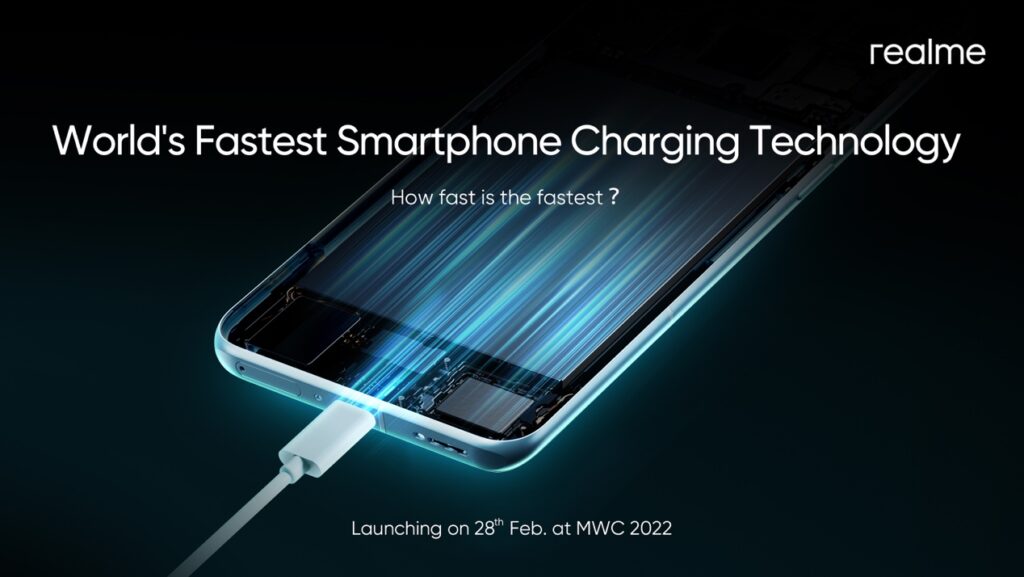
The Xiaomi 12 series had just been announced a few days ago. But while the company unveiled the three models in its new flagship lineup, it did not offer any details related to availability for the new devices.
Now, a new report from MySmartPrice offers us a possible launch timeline for the Xiaomi 12, 12 Pro, and 12X. According to the report, known tipster Mukul Sharma revealed that the Chinese tech giant might be planning on globally launching its premium grade handsets by the end of February or early March 2022. He further added that the Xiaomi 12 series will likely be released in India around the same time or soon after its global launch as well.
Unfortunately, finer details like the exact date of launches outside of China are still unknown. Talking about the flagship smartphone, the base and 12X variant sport a 6.28 inch Full HD+ AMOLED display with a 120Hz refresh rate. On the other hand, the Pro version arrives with a larger 6.73 inch 2K AMOLED panel with a 120Hz refresh rate as well. Under the hood, the Qualcomm Snapdragon 8 Gen 1 SoC powers the vanilla and Pro version, while the 12X houses a Snapdragon 870 chip.
The Xiaomi 12 Pro features a 4,600mAh battery that supports 120W fast charging, while the 12 and 12X have a 4,500mAh battery that supports 67W fast charging. The company is also rumored to be working on an Ultra version as well that will reportedly debut sometime in February. So, the official release for the rest of the three models might be announced during its launch event, although, that is just speculation so take it with a pinch of salt and stick around for more updates.
The realme 9 series is in the news since late August. In fact, the brand itself has confirmed the existence of the lineup in September. A few days from that, the company revealed that the phones will be delayed to 2022. Now, as we have entered the new year, details about their release emerge once again.
realme 8 Pro
According to Mukul Sharma (via 91Mobiles), the realme 9 Pro and the realme 9 Pro+ will launch by February 2022. He claims that these smartphones will first make their debut in Europe. He also says that they will be 5G-ready.
According to certifications, realme 9 Pro and realme 9 Pro+ for Europe will arrive with model numbers RMX3472 and RMX3393 respectively. 91Mobiles suggests that the former could be powered by a MediaTek Dimensity 810 SoC, while the latter could feature a MediaTek Dimensity 920 chipset.
Unfortunately, nothing else is known about these handsets. But we expect to learn about them before their official announcement in the coming days.
For the unaware, the realme 9 is expected to include multiple devices like realme 9, realme 9 Pro, realme 9 Pro+, realme 9i, realme 9A, and realme 9 Prime. These phones could be also accompanied by realme Note 9 and realme Note 9 Prime.
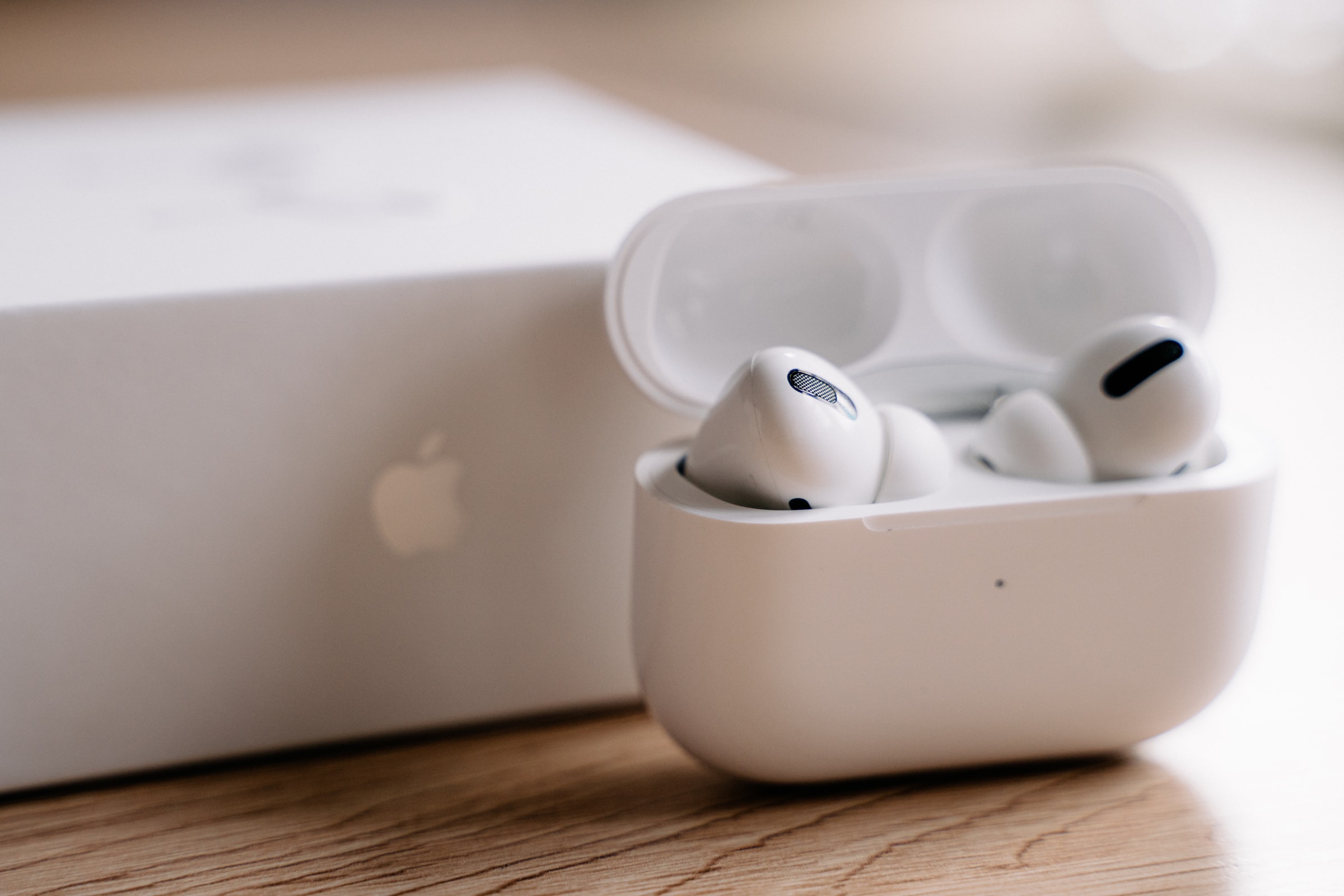
Apple has a very successful lineup of AirPods true wireless earphones and the company keeps on launching successor models at regular intervals with updated features to ensure it remains the market leader for this category.
The company launched the AirPods 3 in October last year and even after multiple reports about the AirPods Pro 2 making rounds for many months, the flagship true wireless earphones from Apple is yet to go, official.
Now, Apple analyst Ming-Chi Kuo has shared some details (via AppleInsider) about the upcoming Apple AirPods Pro 2 and its launch timeline. He said that the AirPods 2 Pro won’t be available for purchase until Q4 2022, which means that they will go on sale for the holiday season this year, somewhere between October and December.
It is also being claimed that the earbuds may support Apple Lossless Audio Codec (ALAC) and if that happens, then it would be the first TWS earphones from the Cupertino-based tech giant to support lossless audio.
Lossless audio basically preserves all of the data in the original audio file which results in higher quality sound. All AirPods from the company launched so far use Bluetooth to deliver audio, which limits to using Advanced Audio Codec (AAC), a lossy form of audio delivery.
Another interesting development is that the charging case of the AirPods Pro 2 could have support for emitting sound. This is to help find the charging case if it’s separated from the AirPods or has been misplaced by the user.
Currently, the AirPods themselves make a noise when trying to locate them via the Find My app. Further, Kuo adds that the earphones may undergo a redesign to focus more on fitness which could include a more rounded shape.
The realme GT2 series will be launched tomorrow, realme vice president Xu Qi has revealed through a post on Weibo, also highlighting some of its specs.
The series is expected to be comprised of the realme GT2 and realme GT2 Pro, and according to the post, at least of the devices will come with a 32MP sensor at the front paired with 50MP dual-cameras at the rear. The duo has been claimed to be capable of flagship-level photography.
Also highlighted with the post was that the realme GT2 will be equipped with a top-of-the-line 2K AMOLED display, surrounded by extremely slim bezels.
It was earlier learned that the realme GT2 Pro will be powered by Qualcomm’s flagship Snapdragon 8 Gen 1 processor and will come with three rear cameras, two of which will be 50MP sensors. The primary shooter will feature the 50MP Sony IMX766 sensor with optical image stabilization support while the ultrawide lens will capture a 150° angle. The third is a 2MP GC02M1B microscope lens.
Some officially released images of the device had shown the realme GT2 Pro with a display packing the selfie snapper in the upper left corner and with no plastic frame. The device’s rear looks to be textured and could be made of a unique paper-like material.
Earlier today (3rd January 2022), the Vivo Y21T had been launched in India. The smartphone was previously released in Indonesia and has also hit the shelves in the Indian market as well.
While both the Indonesian and Indian variants have the same name, there are key differences between the two. The most notable difference is the display, with the Indonesian version featuring a 6.51 inch LCD panel with a resolution of 1600 x 720 pixels and a 60Hz refresh rate. On the other hand, the version that was just launched in India sports a larger 6.58 inch FHD+ display, with a 90Hz refresh rate and 96 percent NTSC color gamut.
On the rear, the Vivo Y21T houses a triple camera module with a 50 megapixel primary sensor, paired with a 2 megapixel Bokeh camera, and a 2 megapixel Macro shooter. The front features an 8 megapixel camera for selfies. Under the hood, the smartphone is powered by a large 5,000mAh battery pack that supports 18W fast charging. It also houses a Qualcomm Snapdragon 680 SoC alongside 128GB of internal storage that can be expanded to 1TB and 4GB of RAM that supports virtual expansion by 1GB. Notably, the Indonesian variant offered 6GB of RAM with 2GB virtual expansion.
Other features include a side mounted fingerprint sensor, FunTouch OS 12 based on Android 11, liquid cooling technology, and more. The device is currently available via offline channels in the country and can be purchased in two color variants, namely Midnight Blue and Pearl White. It is available for a price of 16,490 INR (roughly 222 US Dollars) for its single storage variant.
The OnePlus 9RT and OnePlus Buds Z2 made their debut back in October 2021 in the Chinese market but their Indian launch has been riddled with rumors, most of which have now turned out to be untrue. A November launch was expected initially but the first official hint popped up only in December when support pages for the duo made an appearance on the OnePlus site.
Fast forward to January, and it’s now that the launch of the OnePlus 9RT and Buds Z2 has been officially teased for the very first time. The teasers should be especially intriguing for the wannabe cryptographers and sleuths out there since they involve a bit of decrypting.
A couple of tweets with morse code were dropped by OnePlus India on Sunday, decoding which reveals the names of the two devices. The caption for the OnePlus Buds Z2 tweet reads “Get ready to play with silence,” which is an obvious reference to the earbuds’ active noise cancellation capabilities.
But it’s the OnePlus 9RT that’s inarguably the star of the show, with fans and potential buyers from India waiting impatiently to get their hands on it for months. A “Coming soon” on the caption points towards a closer-than-ever launch, meaning we should be seeing more of the teasers in the coming days.
It is most likely that both OnePlus 9RT and OnePlus Buds Z2 will be launched together in the country considering they made their debut on the same day in China as well.
The 9RT sports a 120Hz 6.62-inch FHD+ AMOLED display with a peak brightness of 1300nits and support for HDR10+. It is protected by Gorilla Glass and packs an under-display fingerprint sensor. Under the hood, you get the Snapdragon 888 SoC that should offer a notable performance boost over last year’s Snapdragon 870 on the OnePlus 9R. The photography is handled by a triple camera setup at the rear, the primary lens of which packs an IMX766 50MP sensor.
The OnePlus 9RT is expected to cost between Rs 40,000 and Rs 45,000 while the OnePlus Buds Z2 could be priced at Rs 4,999 in India.
We’re officially in 2022 and the first month of the year, January has begun. This month we expect to see many smartphones launching across the world. Some of the confirmed phone launches are from big brands like Samsung, OnePlus, Xiaomi, Realme, Vivo, and Oppo. We are also expected to see gamer-centric phones from Lenovo, premium devices from iQOO, and a couple of budget phones from brands like Tecno. So without further ado, let’s have a look at the list.
1. Lenovo Legion Y90
Lenovo will launch its Legion Y90 gaming smartphone in China. The smartphone made it to multiple rumors and it revealed its key specs and design. Similar to the company’s previous Legion Phone 2 Pro, the Legion Y90 may come with a landscape form factor. It is expected to feature a 6.92-inch Samsung E4 AMOLED display with a 144Hz refresh rate and 720Hz touch sampling rate.
As teased recently, the phone will come with Double Engine Air Cooling technology, which could be similar to the Double Turbo Fan Supercharged Liquid Cooling technology seen in the Legion Phone 2 Pro. It will keep the internals cool even in intense gaming sessions. The device is rumored to come powered by the Qualcomm Snapdragon 888 SoC paired with LPDDR5 RAM and UFS 3.1 internal storage.
2. Vivo Y21T
Although the company unveiled the Vivo Y21T last month in Indonesia, it was previously scheduled to have its debut in India. The phone will launch on January 3 in India and offer budget-centric specs to the masses.
As per the variant released in Indonesia, the smartphone has a 6.51-inch water-drop notch display with an HD+(1600 x 710 pixels) resolution. It is an LCD panel with a 60Hz refresh rate, 20:9 aspect ratio, and 89% screen-to-body ratio. The Indian variant, however, is slated to come with a slightly larger 6.58-inch FHD+ screen with a 90Hz refresh rate.
It has a 50MP + 2MP + 2MP triple rear camera system at the rear and an 8MP selfie snapper at the front. The smartphone is powered by the Snapdragon 680 SoC and has 6GB RAM + 128GB internal storage. In India, it will have 4GB of RAM with the same 128GB onboard storage. It runs on Android 11 out of the box and has a 5,000mAh battery.
3. Realme GT 2
Realme will have a big launch this month as it is expected to launch its flagship for the year, the Realme GT 2 series. The series will comprise of two major phones, the GT 2 and the GT 2 Pro, the company is also expected to launch the master edition and a camera-focused phone on January 4.
Realme GT2 Pro
The Realme GT 2 was recently spotted on TENAA flaunting a 6.62-inch AMOLED display with an FHD+ resolution and 120Hz refresh rate. The GT 2 Pro was also seen with a 6.7-inch QHD+ AMOLED screen and 120Hz refresh rate. The duo will have an in-display fingerprint scanner.
At the helm, the GT 2 is expected to come powered by the Snapdragon 888 SoC, while the GT 2 Pro will be powered by the Snapdragon 8 Gen 1 chipset. The series is expected to come with a big battery with 65W fast charging support. As for cameras, there will be a 50MP + 50MP + a telephoto sensor on the Pro, whereas the vanilla may have a 50MP + 8MP + 2MP setup.
4. iQOO 9, 9 Pro
iQOO 9 series will be officially launched on January 5 in China. The series comprises the iQOO 9 and 9 Pro, both featuring the latest Snapdragon 8 Gen 1 SoC. The vanilla phone is expected to have a 6.78-inch FHD+ flat-screen AMOLED panel with a 120Hz refresh rate, while the Pro is touted to have a 6.78-inch QHD+ curved edged AMOLED LTPO screen with a 120Hz refresh rate.
iQOO 9
The series will have a Samsung GN5 sensor and may feature a triple camera system. The Pro was recently rumored to have a 50MP Samsung JN1 secondary sensor and a 16MP telephoto lens. The series is expected to pack a 4,700mAh battery with whopping 120W fast charging support.
5. Vivo V23
Vivo will unveil India’s first colour-changing phone dubbed Vivo V23 on January 5. Interestingly, the phone’s back color will change in direct sunlight and UV light. The series comprising of the V23 and V23 Pro is expected to launch with a 50MP Autofocus Dual Selfie camera and one of the phones may feature a 108MP lens.
The specs for the phone are scarce but we know that the series will feature an AMOLED panel and have a mid-range processor. The Pro model was spotted on Geekbench with MediaTek Dimensity 1200 SoC.
6. Xiaomi 11i, 11i HyperCharge
Xiaomi will take wraps off the Xiaomi 11i HyperCharge on January 6 in India. Rumors are rife that the phone will be a rebadged model of the Redmi Note 11 Pro+(Chinese model) for the Indian market with slight changes.
The Xiaomi 11i HyperCharge will feature a 6.67-inch Samsung AMOLED screen with an FHD+ resolution and 120Hz refresh rate. It will be powered by the MediaTek Dimensity 920 SoC paired with up to 8GB of LPDDR4x RAM and UFS 2.2 storage. It is expected to have a 108MP + 8MP + 2MP triple camera setup. The phone will have a 4,500mAh battery with a crazy fast 120W fast charging technology.
7. Realme 9i
Realme is expected to launch the Realme 9i on January 10 in Vietnam. The smartphone was spotted on certification sites with Snapdragon 680 SoC and a 5,000mAh battery. It is also expected to have a 33W fast charging support.
Realme 9i
The smartphone will feature a 6.6-inch LCD punch-hole display with an FHD+ resolution and 90Hz refresh rate. It is rumored to have a 50MP + 8MP + 2MP triple camera system and a 16MP selfie snapper. As for security, it will feature a side-facing fingerprint scanner. The device is expected to run on Android 11 out of the box with Realme UI 2.0.
8. OnePlus 10, OnePlus 9RT
One of the most anticipated phone launches would be the OnePlus 10 series. The company is expected to launch the phone in the second week of this month with flagship-level internals. If we go by the recent news, the series may debut on January 11 in China.
The OnePlus 10 duo is expected to come with an AMOLED screen featuring a high refresh rate. As per leaks, the Pro may come with a 6.7-inch QHD+ AMOLED display with a 120Hz refresh rate. Similar to the predecessor, the 10 series will make use of a punch-hole screen. The series will have Hasselblad powered triple camera system with a 48MP + 50MP + 8MP system on the Pro. The series is rumored to come powered by the latest Snapdragon 8 Gen 1 processor paired with up to 12GB of LPDDR5 RAM and 256GB of UFS 3.1 onboard storage.
OnePlus will launch the OnePlus 9RT on January 14 in India. The OnePlus 9RT is slated to come with a 6.62-inch 120Hz screen, 50MP triple camera system, and Snapdragon 888 SoC.
9. Samsung Galaxy S21 FE
After a heap of leaks, the Samsung Galaxy S21 FE will finally launch this month. Although we don’t have an exact launch date, the phone was listed in multiple retail stores across the world. The phone is also slated to launch in India this month.
The smartphone will feature a 6.4-inch AMOLED display with FHD+ resolution and a 120Hz refresh rate. It will have a 12MP + 12MP + 8MP triple rear camera system and a 32MP selfie lens. It will be powered by the Snapdragon 888 SoC for some markets, while the Indian market will get the Exynos 2100 powered model. It will pack a 4,500mAh battery with 25W fast charging support.
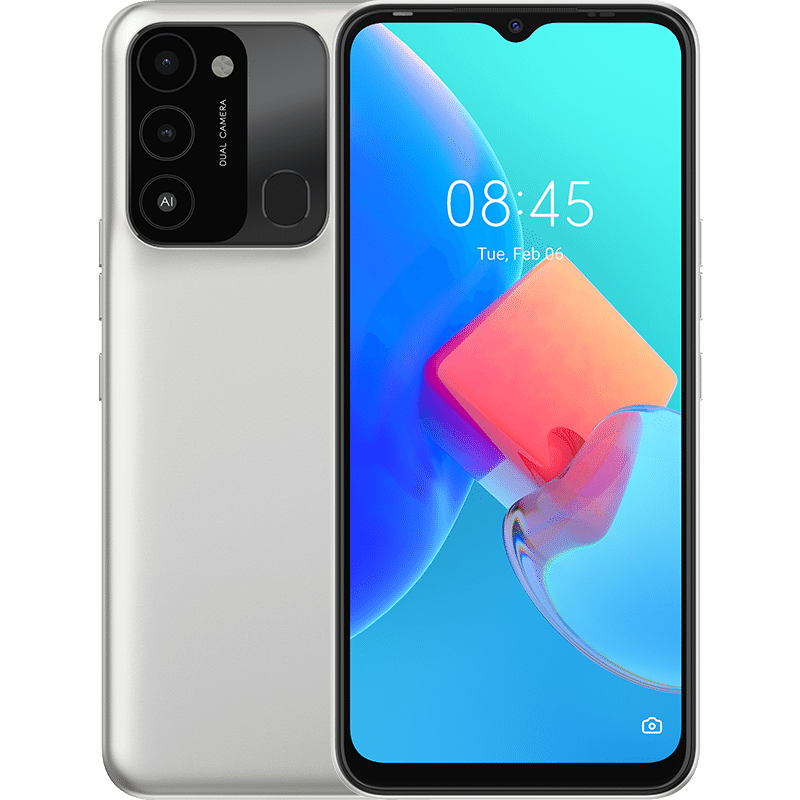
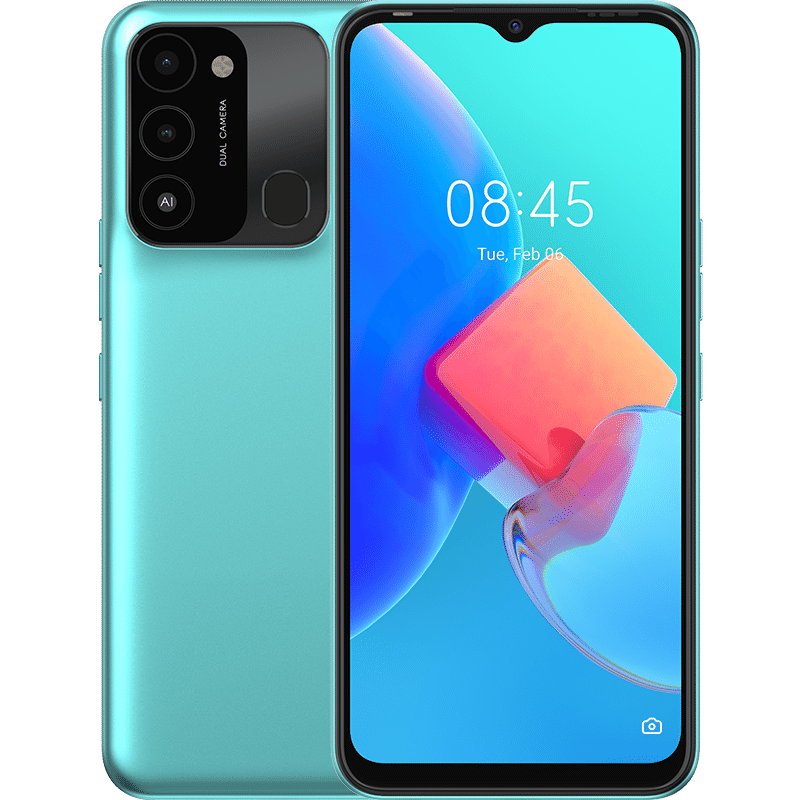
10. Tecno Pova 5G
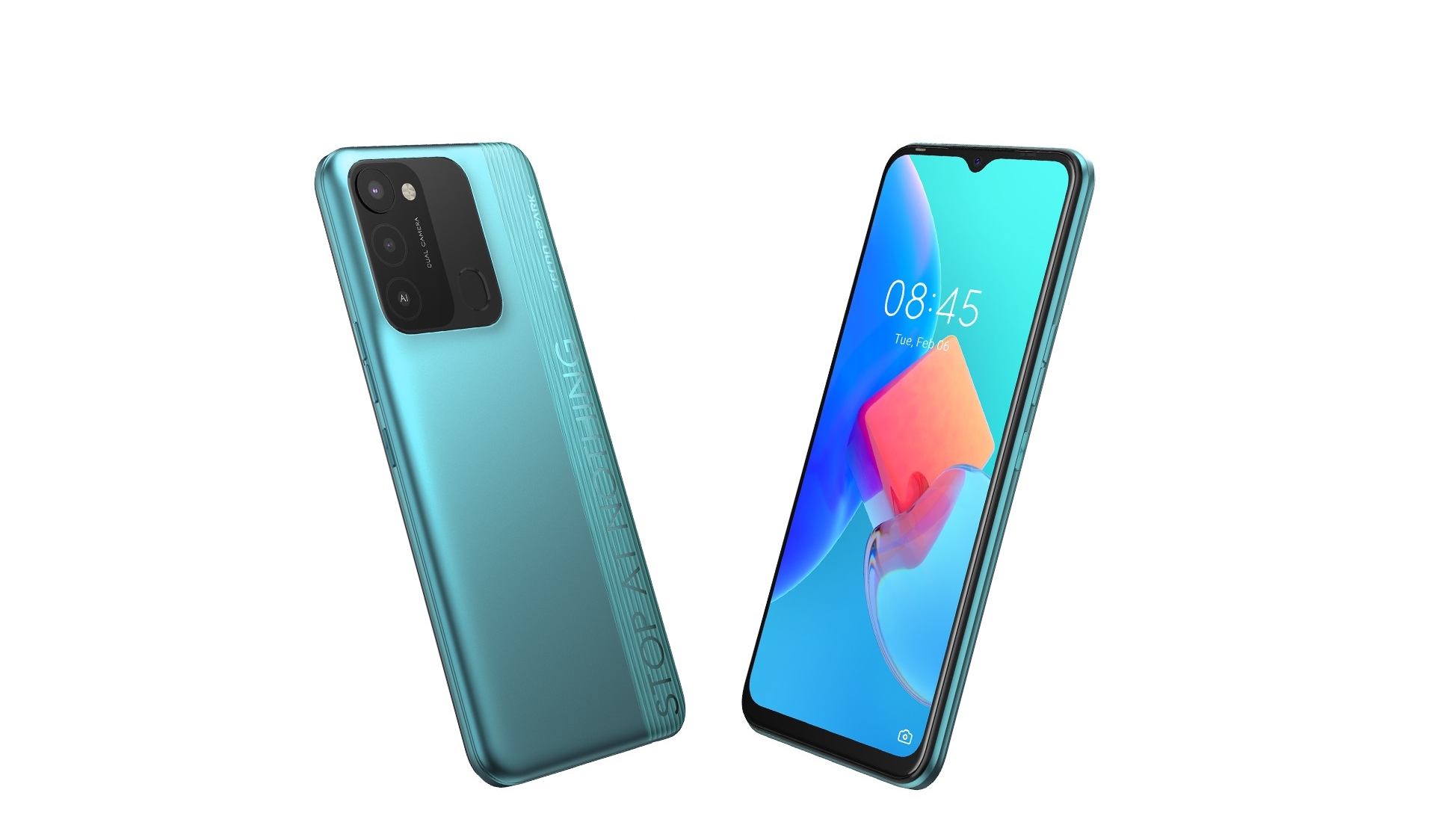
Recently, Transsion India’s CEO confirmed that the Tecno POVA 5G will be launched in the third or fourth week of January in India. It may debut under ₹20,000(~$269) segment in the country and will have specs like Dimensity 900 SoC and a triple camera system.
The smartphone was recently launched in Nigeria and it has a large 6.95-inch IPS LCD display with a Full-HD+ resolution. It has a 120Hz refresh rate and a 16MP selfie camera. The device features a 50MP + 2MP + AI lens at the rear. One of its highlights will be the big 6,000mAh battery. It will have an 18W fast charging support.
11. Oppo A16K
Oppo is also expected to launch a budget-centric phone in India. The upcoming Oppo A16k is tipped to launch this month with a 6.52-inch HD+ display. It will have a 13MP + 5MP dual-rear camera and a single selfie lens.
The phone is expected to come powered by the MediaTek Helio G35 SoC paired with 3GB of RAM and 32GB of onboard storage. It will pack a 4,230mAh battery with a 10W charging speed. The phone will run on Android 11 OS out of the box with ColorOS on the top.
These are some of the phones launching this month. Which device are you most excited about? Do tell us in the comments.
Xiaomi unveiled MIUI 13 at the Xiaomi 12 series lunch event last week. The company revealed that the first batch of eligible devices will start receiving the stable update from the end of January 2022. Ahead of that, the firm has begun to roll out the stable release for the testers.
Xiaomi Mi 11
Xiaomi has kickedoff MIUI 13 stable update rollout for users in the closed beta channel. The first devices to bag the update are the Chinese variants of the Xiaomi Pad 5, Xiaomi Pad 5 Pro, and Xiaomi Pad 5 Pro 5G, and Mi 11.
The latest software build for the flagship tablets and the premium handset arrives with the following build numbers.
As you can note, the MIUI 13 stable update for Mi 11 weighs over 4GB in size. Interestingly, the MIUI 13 Pad stable for the Xiaomi Pad 5 Pro weighs only 659MB in size.
Apart from bringing newly introduced MIUI features, the fresh software update for the aforementioned devices also brings along Android 12 and its features.
Having said that, we expect the update to reach regular users by the end of this month, followed by international markets sometime later in Q1 2022.
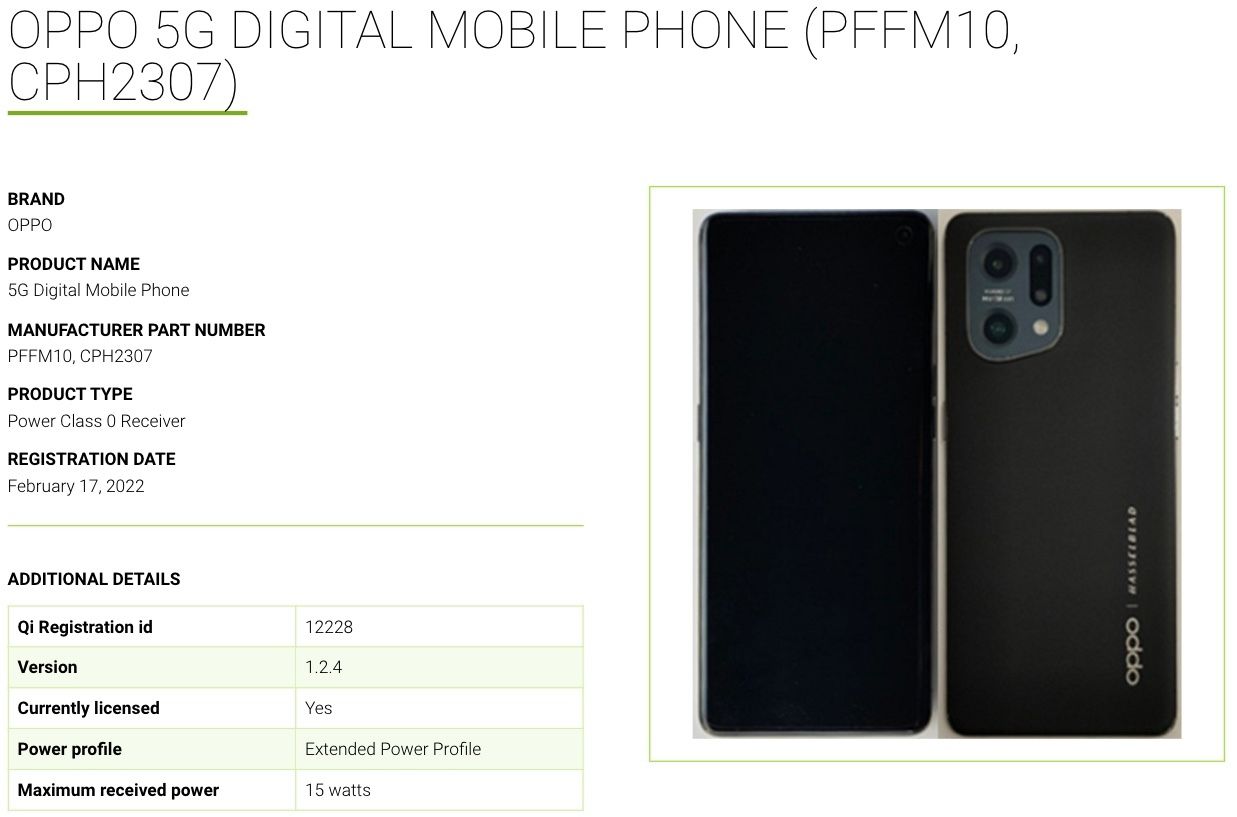
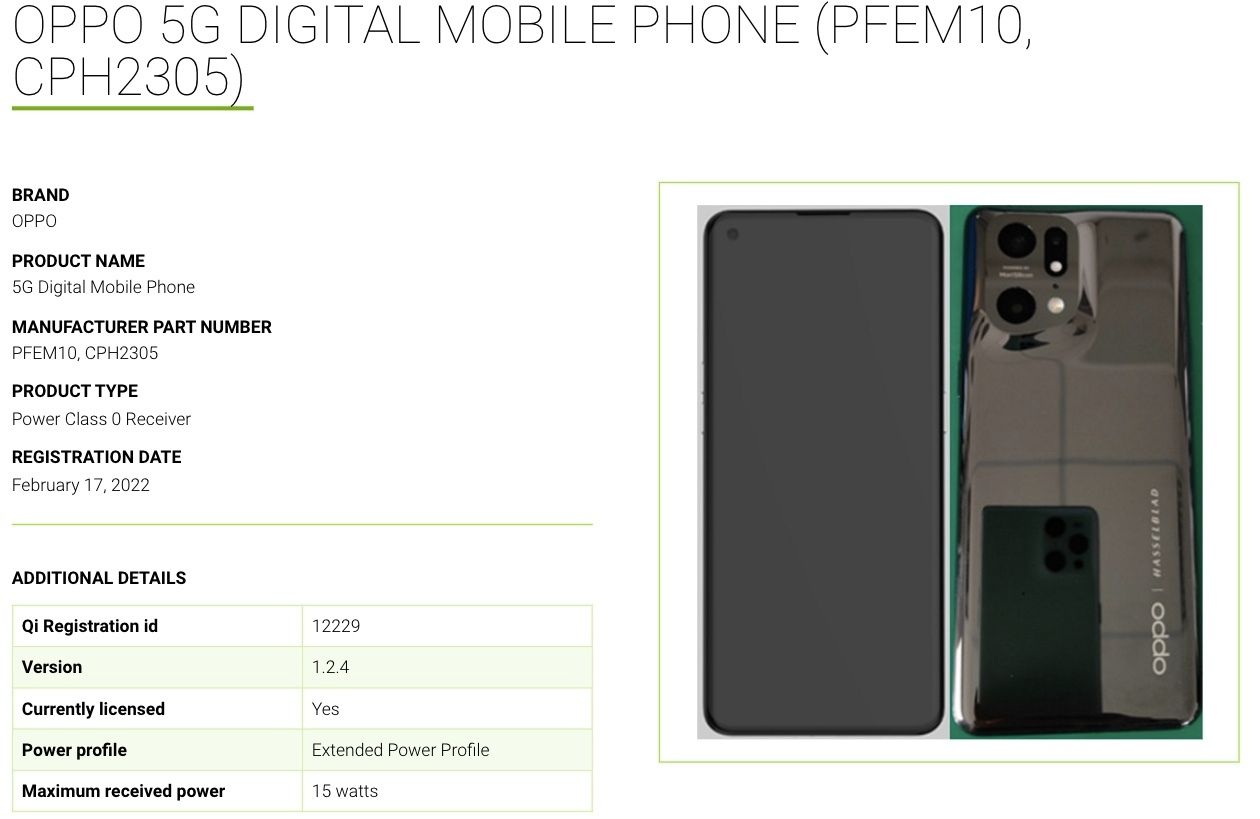
As we arrive at a new year, various smartphone makers are gearing up to launch their latest flagship grade handsets. Now, a new report has revealed some interesting information regarding the upcoming Oppo Find X5 series.
The news comes from @数码闲聊站 on Weibo, a Chinese microblogging website. The tipster claimed that the company’s Find X5 series will feature launch in two variants, namely the Qualcomm Snapdragon 8 Gen 1 and the MediaTek Dimensity 9000 chipset. Furthermore, the Snapdragon variant will also arrive with the Chinese smartphone brand’s new self developed MariSilicon X NPU chipset. Although, it is currently unknown if the MediaTek version of the Find X5 series will also feature their in house NPU.
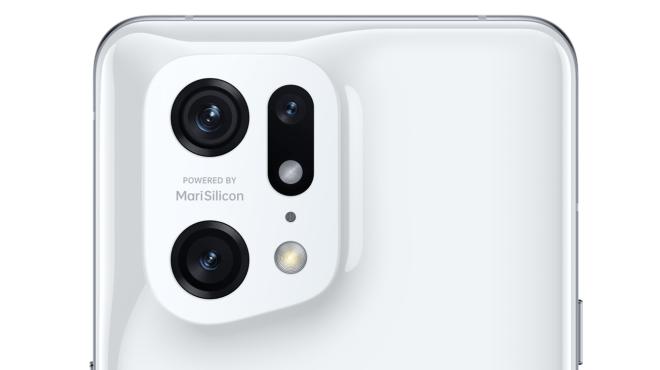
For those unaware, the MariSilicon X NPU is the brand’s first self developed imaging based chipset. The new chip is manufactured using the 6nm process from TSMC and seeks to improve imaging performance of upcoming Oppo smartphones. Notably, the company had previously announced that its Find X series of flagship phones will feature the new NPU, so the new leak is in line with the company’s actual plans.
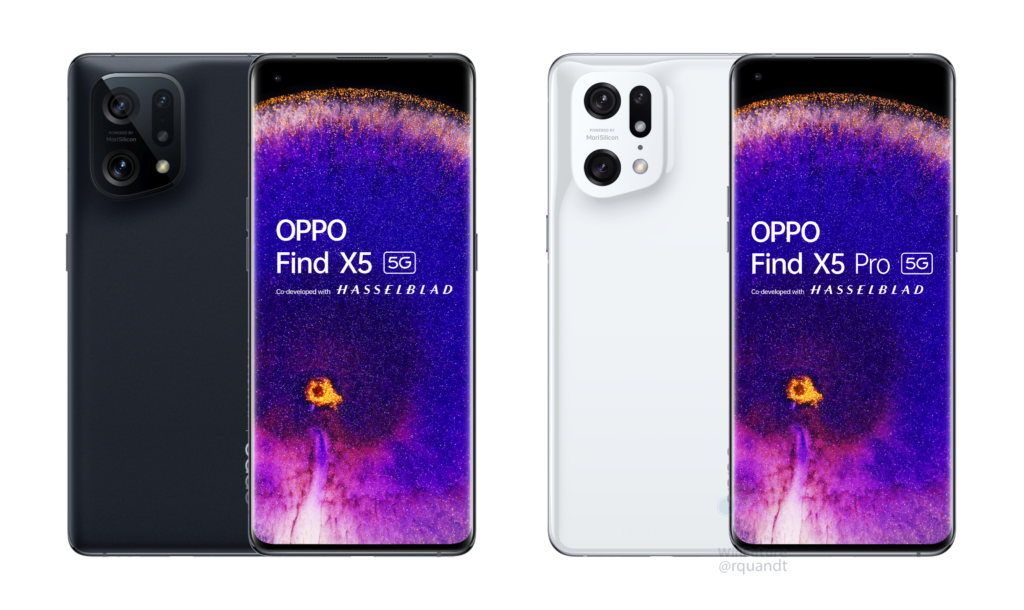
Find X5 / X5 Pro renders by OnLeaks and Prepp.in
However, it is still unclear if the brand will be launching the Find X5 series in two different processor variants. Additionally, if the Dimensity 9000 skips the MariSilicon X NPU, then there will also be a difference in imaging performance between the Qualcomm and MediaTek versions. Keep in mind that this is still an unconfirmed report so take it with a pinch of salt for now and stay tuned for more updates.
The Xiaomi 12 series consisting of Xiaomi 12 and Xiaomi 12 Pro went official in China last week. Just within days from the announcement, an image showcasing a prototype of both these handsets has emerged. Let’s check out how the final product is different from when it was in the development stage.
Prototypes of Xiaomi 12 Pro and Xiaomi 12
Someone posted a picture of Xiaomi 12 series prototypes on the Xiaomi Community. The image came into the limelight when a blogger shared it on Weibo.
As you can see, although the prototypes of Xiaomi 12 and Xiaomi 12 Pro in the photo look identical to the official devices at first look, they aren’t actually.
First and foremost, the primary camera on the prototype duo is comparatively larger than that found on the actual device. We could spot it easily as we are used to the design of the phones. Most people wouldn’t know unless they compare side by side.
Secondly, the vanilla Xiaomi 12 prototype in the picture sports a paint job that’s not available officially. According to ITHome, his color looks more like pink than the purple version sold by Xiaomi.
Xiaomi 12 in all four official colors
Finally, the rear camera island on the Xiaomi 12 prototype has a dual finish. The main camera part has a glossy metallic finish, while the auxiliary part has matte. In reality, the entire camera module has a matte finish as seen on the Xiaomi 12 Pro prototype.
We personally like how the actual Xiaomi 12 series turned out to be in terms of design though it looks generic. What are your thoughts on the design? Share with us in the comment section below.
iQOO, a sub-brand of Vivo, is all set to launch its next-generation iQOO 9 and iQOO 9 Pro smartphones in its home market China in a couple of days. Now, ahead of the official launch, both phones are now available for pre-order through JD.com.
Both the smartphones have been officially listed on China’s one of the leading e-commerce platforms JD.com but the company has not yet revealed the full specifications as well as the pricing details.
So far, iQOO has shared some teaser posters related to these upcoming phones, which have shed light on some key features and specifications ahead of the official launch.
As per the reports, the iQOO 9 Pro will feature a 6.78-inch curved edge AMOLED LTPO display that offers a QHD+ screen resolution and a 120Hz refresh rate while the iQOO 9 is said to have a 6.78-inch flat AMOLED FHD+ 120Hz display.
Under the hood, both the devices are confirmed to come powered by the latest Qualcomm Snapdragon 8 Gen 1 chipset and the phones could pack up to 12GB of LPDDR5 RAM and UFS 3.1 internal storage.
In the camera department, the company has confirmed that the Samsung GN5 sensor will be making its debut on the iQOO 9 series. The Pro model will be equipped with micro-PTZ 2.0 and will also feature an ultrawide lens that offers a 150-degree FOV. There could be a 50-megapixel Samsung JN1 sensor and a 16-megapixel telephoto camera.
The devices will come running the latest Android 12 operating system out-of-the-box. As for the battery, the iQOO 9 series phones are said to come powered by a 4,700mAh battery with 120W fast charging and the Pro model will get 50W wireless charging support.
Just ahead of the Consumer Electronics Show (CES) 2022, Samsung has announced its new monitor, dubbed Samsung Odyssey Neo G8 which is touted to be the world’s first 4K monitor with a higher 240Hz refresh rate.
With this launch, the South Korean giant is also expanding its lineup of Mini-LED displays given that this new 32-inch gaming monitor features a Mini-LED panel that has several benefits over a traditional LED screen.
In terms of design, the newly announced Odyssey Neo G8 looks very similar to the Odyssey G9 49-inch which was launched as the flagship offering in the lineup last year. It has a 1000R curvature, a white back with sci-fi-themed carvings, and CoreSync lighting that lights up based on the colors on display.
Thanks to the Mini LED display, the device offers a higher brightness level because of the additional light sources and a more precise targeted illumination. It offers up to 2,000 nits of brightness and should offer deeper contrast than a standard LED monitor.
The Samsung Odyssey Neo G8 has a 1ms GTG response time and is able to refresh the screen with 8,294,400 pixels 240 times per second. Note that on its own, the HDMI 2.1 can only go up to 120Hz at 4K resolution but by using VESA’s Display Stream Compression (DSC), it should be able to reach 240Hz. Also, the DisplayPort 1.4a runs 4K content at up to 120Hz but DSC could surpass that.
This new gaming monitor is compatible with AMD FreeSync Premium Pro and Nvidia’s G-Sync adaptive sync tech, which means that games should run stutter- and tear-free.
While Samsung has unveiled the Odyssey Neo G8 4K 240Hz Gaming Monitor, details about the same, including the pricing and availability information haven’t been revealed yet. We expect the product to be available in the second half of this year and more details could be revealed by the company in the coming days or weeks.
In the year 2020, Apple began transitioning away from Intel chips in favor of Apple Silicon, and the process started with the MacBook and Mac Mini powered by the Apple M1 chips which have now been expanded to more devices and more chips.
When Apple had announced its move of transitioning to Apple Silicon, it had talked about completing the process within two years. In line with that, Mark Gurman of Bloomberg expects that the company could complete the process by WWDC 2022 in June.
This was reported in the latest edition of the Power On newsletter in which Mark Gurman further adds that the new Mac Pro, a powerful Mac Mini, and a large-screened iMac Pro will come powered by the new Apple Silicon chips.
If this turns out to be true, then it means that there could be multiple Apple Mac devices getting launched in the first half of this year.
After launching MacBook Air and Pro models as well as Mac Mini and iMac powered by the M1 chipset, the company recently launched the MacBook Pro in 14-inch and 16-inch versions, both of which are powered by the new Apple M1 Pro and M1 Max chips.
The company is expected to launch the M2 chipset as the direct successor of the M1 chip but if the reports are to be believed, then there won’t be any drastic improvement in terms of performance for the new SoC.
The report further adds that the MacBook Air lineup as well as the entry-level MacBook Pro, which were the first devices to get M1 chipset, will be updated this year. The MacBook Air is claimed to come with the biggest redesign in the product’s history.
It’s been a few years since Huawei launched its own operating system named HarmonyOS (aka HongMeng OS in China) soon after the Chinese giant was barred by the United States government from using Google’s Android as well as other technologies made in America.
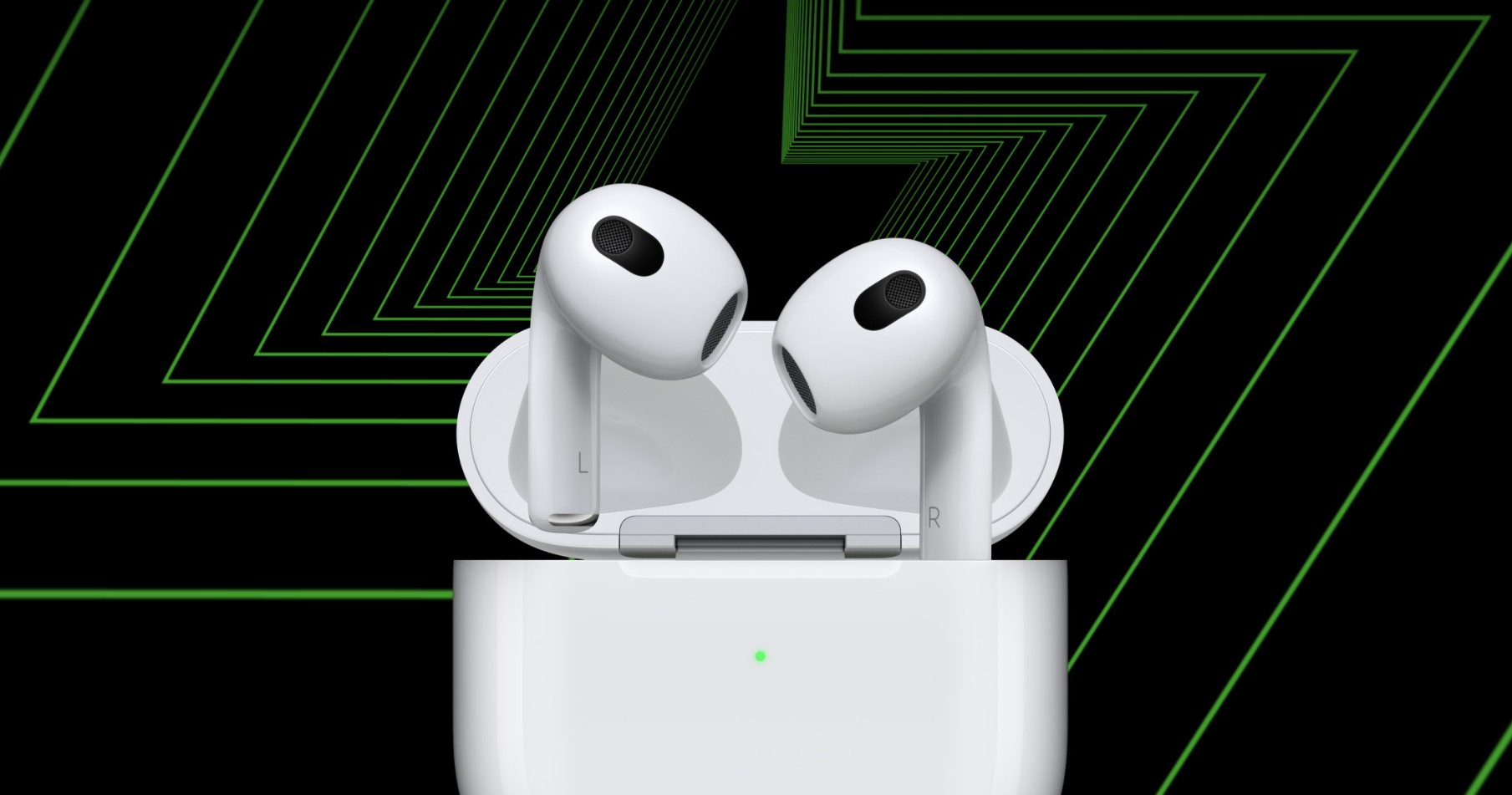
Ever since launching HarmonyOS, the company has been actively pushing new updates with features to improve the platform. Currently in version 2, a new report now reveals information about the official launch of the upcoming HarmonyOS 3.0 later this year.
According to a new report, Huawei’s next-generation HarmonyOS 3.0 is expected to officially get released in July this year. However, there’s a possibility that the official announcement of this new software could be made a bit early.
It is being claimed that the announcement could happen sometime by the end of the second quarter of this year, i.e. by June 2022. The Chinese giant is expected to host an event during the Spring festival but it’s not yet known what could be announced.
The Huawei HarmonyOS 3.0 Developer Preview was released by the company a couple of months back, in October 2021, at the Huawei Developer Conference 2021. It continues to innovate around three core areas — System Architecture, Super Terminal, and One-time development of multi-terminal deployment.
As per the reports, given that the HarmonyOS is a new-age operating system, its system architecture can be deployed flexibly, allowing smart devices with different memories to communicate in the same language. In the latest version, there are deployment automation tools and developers can select the required components based on hardware to complete the operating system assembly.
Huawei has announced that the HarmonyOS 3 Beta is expected to be released in the first quarter of 2022, i.e. by March 2021, which will provide developers with more complete system capabilities and development tools.
Lately, we have been hearing a lot about the upcoming iPhone 14 series and it appears that the devices will come with some major changes which were expected to happen in the future iPhone models.
In the latest development, Mark Gurman of Bloomberg, in his latest Power On newsletter, has claimed that the iPhone 14 series models won’t feature a notch for housing sensors. Instead, the phones will have a pill-shaped cutout on top of the screen.
Earlier, Apple had said that the notch was necessary for housing the sensors required for the front-facing camera as well as the Face ID feature. So, it will be interesting to see how the Cupertino-based tech giant manages to pack everything in a tiny space.
Prior to this new report from Mark Gurman, Korea-based publication The Elec had also claimed that the iPhone 14 Pro and 14 Pro Max will come with a punch-hole cutout on the screen instead of a notch. Even Apple analyst Ming-Chi Kuo has claimed about iPhone 14 models have a punch-hole cutout. These multiple reports about the same thing almost confirm this development.
Apple had first introduced the notch with the iPhone X and since then, it has largely remained unchanged. It houses the TrueDepth camera array which includes an infrared camera, a flood illuminator, a front camera, and a dot projector.
Reports also point that the Apple iPhone 14 and the iPhone 14 Max will continue to offer the notch but the Pro models in the series will come with a new pill-shaped punch-hole cutout for housing the sensors.
Some rumors claim that the company may adopt a laser-based time-of-flight architecture for Face ID while other rumors indicate a unibody lens design that will help the company reduce the size of the front camera module.
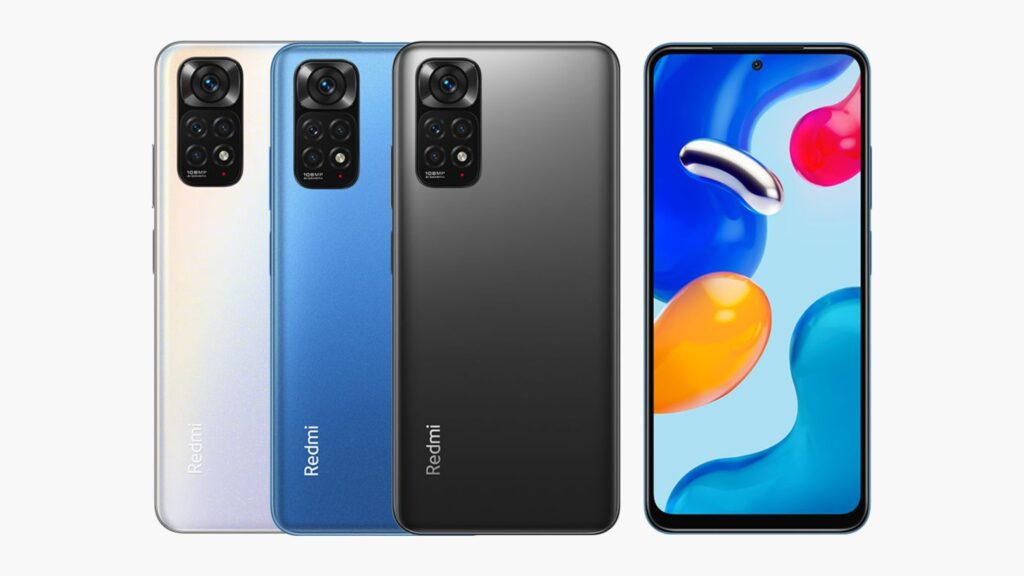
At the end of November, Xiaomi’s sub-brand launched the brand new Redmi Note 11T offering the 5G connectivity at a very affordable price. It definitely a complete device for those users who want decent specifications for every task without spending a lot of money. But its predecessor is still on sale and it is currently available in China at amazing street prices. So which are the differences between the two handsets and which one is worth buying with the actual prices? If you want to know more, go ahead and read this comparison between the specifications of the Redmi Note 11T 5G and the Redmi Note 10T 5G.
Triple 48 + 2 + 2 MP, f/1.8 + f/2.4 + f/2.4
8 MP f/2.0 front camera
BATTERY
5000 mAh, fast charging 33W
5000 mAh, fast charging 18W
ADDITIONAL FEATURES
Dual SIM slot, 5G
Dual SIM slot, 5G
Design
Despite these devices belonging to two different generations, their designs are similar. Do not expect amazing build quality and premium materials because these devices are very affordable phones. They are entirely made of polycarbonate with the exception of the front glass. The Redmi Note 11T 5G has the IP53 certification which makes it dust resistant and splash resistant, while the Redmi Note 10T 5G is splash proof but does not have any kind of certification against water and dust. The Redmi Note 10T 5G is a bit more compact and it has the Gorilla Glass 3 protection for the display. The camera modules have a similar design but different placements, with the Redmi Note 10T 5G packing a smaller module, even though it has more sensors. I personally prefer the Redmi Note 10T 5G.
Display
The displays of the Redmi Note 11T 5G and the Redmi Note 10T 5G are slightly different in terms of size: 6.6 inches and 6.5 inches, respectively. But for the rest, there are no important differences as the main specifications are the same. They are average IPS LCD panels with a 90 Hz refresh rate and a Full HD+ resolution of 1080 x 2400 pixels. You should not expect an amazing image quality as we are talking about cheap IPS panels, but the quality is sufficient for every kind of user and the refresh rate is even good for gamers. These phones are equipped with side-mounted fingerprint readers placed on the power keys. Note that Redmi Note 11T 5G has stereo speakers, while the Redmi Note 10T 5G has a mono speaker.
Hardware/Software
The Redmi Note 11T 5G packs a stronger processor: the octa-core Dimensity 810 5G chipset by Mediatek built at 6 nm, running at a max frequency of 2.4 GHz. It is a pretty good update if compared to the Dimensity 700 found on the Redmi Note 10T 5G, but not for gamers as these two processors have the same GPU. With the Redmi Note 11T 5G you can actually get a higher quantity of RAM: up to 8 GB, while the Redmi Note 10T 5G stops at 6 GB. The most recent model is running MIUI 12.5 out of the box, while its predecessor is based on MIUI 12, but both run Android 11.
Camera
The main sensor found on the rear of the Redmi Note 11T 5G is way better than the one of the Redmi Note 10T 5G: we are talking about a more recent 50 MP camera capturing a higher level of detail. Still a cheap camera, but superior to the old 48 MP one of the Note 10T. Even the secondary sensor is better: the Redmi Note 11T 5G has an 8 MP ultrawide camera, while the Redmi Note 10T 5G has two useless 2 MP sensors for macros and depth calculation.
Battery
These phones are both equipped with a battery sporting a capacity of 5000 mAh, but the battery life is most likely to be longer on the Redmi Note 11T 5G because it is fueled by a more efficient processor built at 6 nm. It even supports faster charging thanks to a power of 33W.
The starting price of the Redmi Note 11T 5G is €220/$250, while the Redmi Note 10T 5G starts from €175/$200 thanks to street prices. Overall, the former offers a better audio experience, a more powerful chipset, better cameras, and faster charging. It makes sense to spend more if you are looking for these better features.
Japanese company Bauhutte has designed and created a hand massager to provide comfort and relief to gamers who may be experiencing discomfort after a long period of playing. When playing for long hours, gamers are bound to experience cramps and other issues mainly affecting their hands. It may warrant an immediate pause of the game to exercise the hands for some minutes. But the MSG-O1H-BK hand massager works with either hand and has a 15-layer airbag for each finger, as well as a shiatsu plate for the palm.
The modes of operation of the hand massager are available – either providing massaging for the entire hand or a focus on stretching the fingers. An optional hand warmer comes in the package and there are several intensity settings for the hand massager. To massage the thumb, you have to slide your hands sideways and the massager will stop automatically after operating for 10 minutes non-stop.
The hand massager seems to be a very decent innovation that could also apply to scenarios outside gaming. It could have other applications in industry and areas where workers use their hands rapidly for extended periods. For now, the Bauhutte hand massager is only available in Japan for about $150. Its success in Japan may open up the product for its availability in other markets.
Apple iPhones continued their resurgence in China as the most sought-after smartphone in the country, as indicated by the latest Counterpoint Research numbers. The iPhone accounted for 23.6% of smartphone sales in China in November, up from its 22% showing back in October 2021. The numbers also indicate that the iPhone has sustained the leadership of the market for two consecutive months in China. Chinese brand Vivo followed Apple in the pecking order with a 17.8% share of the market.
The impressive numbers could be due to several reasons, one of the most telling being the release of the iPhone 13 series with a massive reception in China. The iPhone 13 series offer improved cameras and photography functionality, longer battery life, and several other innovations at a price at par with the iPhone 12. Other iPhone models have also had a great run in the highly competitive Chinese market that has a lot of local high-premium brands and flagships.
The surge in numbers in November is not unconnected with China’s Singles Day during the month which saw massive sales. Counterpoint Research is predicting the Apple iPhone bubble is expected to decline from December or January 2022 as the bulk of older iPhone users may have concluded the upgrade of their devices. Counterpoint is also linking the Apple iPhone surge to the decline and problems of former powerhouse Huawei, which has seen the company’s revenue projections reviewed substantially lower than expected. Some of the other Chinese leading brands like Oppo, Xiaomi, and Vivo are also suffering from the harsh sanctions regime from the United States.
The overall Q4 performance so far however sees Vivo as having the leading 23% share of shipments, with Apple coming fifth with 13%. Although the full numbers for the fourth quarter are yet to be released, some declines in Apple’s overall position.
Apple Watch series seems to have cast its place in stone as a reliable lifesaver going by the numerous stories of how the device has saved numerous lives. A new Apple advert has captured the real-life audio calls made by distressed Apple Watch 7 users at three separate instances that led to their eventual rescue from possible death.
The 60-second TV ad begins with the sound of a 911 operator asking a woman what was her emergency. The woman, Amanda replies that she has had a car accident and her car is flipped with water entering into the vehicle and she cannot get out. The second audio recording involved a paddle boarder being pushed to sea due to very strong headwinds. The third audio involves a farmer who fell into a 21-foot hole, leading to a fracture in his leg and being unable to call anyone else for help. The three persons were all wearing an Apple Watch 7 on their wrists.
Remarkably, each of the three distressed Apple Watch 7 users got help early enough to save their lives from a certain calamitous end. With the swift response of the emergency services at these locations, all three of them were saved. Although it seems rather too simplistic to adduce their survival only to the Apple Watch 7, it is, without doubt, an important link in their rescue.
These stories join tens of such stories that continue to underscore the life-saving credentials of the Apple Watch. Its fall detection feature is a critical part of the rescue mechanism that the Apple Watch is enjoying. These stories contribute to making the Apple Watch the most popular timepiece in the world, outshining traditional iconic brands like Rolex, Seiko, and Timex, as well as other smart wearables. The Apple Watch 8 is already primed for its launch this year with more advanced health and safety features.
Xiaomi is kicking off 2022 with a bang with its newly announced Xiaomi 12 series, MIUI 13, Xiaomi Buds 3 and Xiaomi Watch S1 at its Winter Flagship Launch Event last week(Dec 28). The Xiaomi Watch S1 specifically officially goes on sale from Dec 31 onwards until January 4, and to reel in more customers, Xiaomi has decided to add more third-party app support for the Xiaomi Watch S1 compared to its predecessors.
Xiaomi Wear Weibo announcing more 3rd party app support
From the official Chinese Xiaomi Wear Weibo account, Xiaomi announces that it is adding 11 more 3rd party apps which include audiobooks, music streaming, 3rd party health trackers and calendars as they want to provide the convenience of doing all of the aforementioned activities above without needing to take your smartphone out of your pocket.
From the poster shared by the account, it shows some prominent apps in the Chinese app market space newly supported on the Xiaomi Watch S1, such as Lanren audiobooks(a Chinese alternative to Amazon’s Audible), Wangyi Music Streaming(a Chinese alternative to Spotify), Wannianli Calendar(a calendar app), and Mint Health(a health tracking app, similar to Mi Fitness). Some other supported 3rd party apps are also on the Xiaomi Watch S1 platform like navigation apps and food delivery apps, so you can tour and order food on the go.
Xiaomi Watch S1 Promo Poster about 11 new 3rd party apps
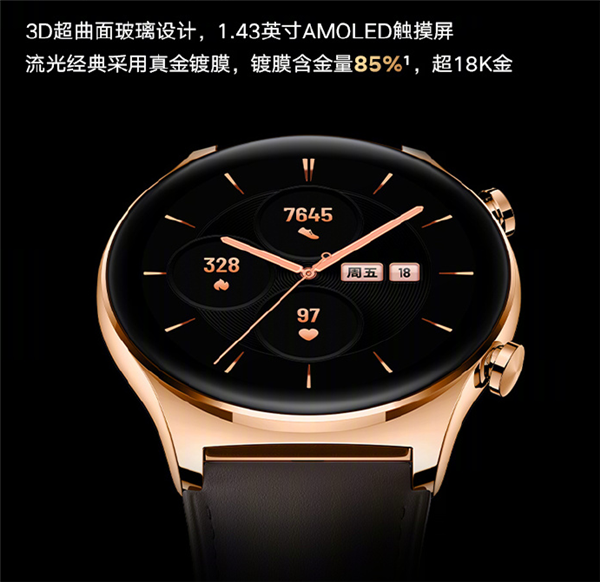
Besides the 3rd party app support, the other highlighting features of the Xiaomi Watch S1 are its design and specs. The Xiaomi Watch S1 features an elegant and stylish design that still retains the minimalist design philosophy of the company. The watch has a 1.43-inch 60Hz AMOLED touchscreen display surrounded by a refined stainless steel frame. The watch is coated by a layer of sapphire glass to ensure better scratch protection for its users.
Xiaomi claims the Xiaomi Watch S1 can sustain up to 12 days on a single charge with a massive 470mAh battery. On standby, the watch pushes even further to 24 days. It uses a magnetic charging connector to get juiced up. In the health tracking department, the Watch S1 brings up to 117 sports modes, supports sleep tracking, heart rate, and blood oxygen monitoring. In the connectivity department, the watch comes with NFC for contactless payment and supports Bluetooth calls, and dual-frequency GNSS positioning.
Xiaomi Watch S1
The Xiaomi Watch S1 is currently on sale on Giztop for USD 239.
We use cookies on our website to give you the most relevant experience by remembering your preferences and repeat visits. By clicking “Accept”, you consent to the use of ALL the cookies.
This website uses cookies to improve your experience while you navigate through the website. Out of these, the cookies that are categorized as necessary are stored on your browser as they are essential for the working of basic functionalities of the website. We also use third-party cookies that help us analyze and understand how you use this website. These cookies will be stored in your browser only with your consent. You also have the option to opt-out of these cookies. But opting out of some of these cookies may affect your browsing experience.
Necessary cookies are absolutely essential for the website to function properly. This category only includes cookies that ensures basic functionalities and security features of the website. These cookies do not store any personal information.
Any cookies that may not be particularly necessary for the website to function and is used specifically to collect user personal data via analytics, ads, other embedded contents are termed as non-necessary cookies. It is mandatory to procure user consent prior to running these cookies on your website.