Advertisement

Tesla agrees to stop letting drivers play video games while driving

Tesla, after being under pressure from the US auto safety regulations, has agreed to stop allowing drivers to play video games on the center touch screen in its vehicles while the car is on the move.

The National Highway Traffic Safety Administration says the company will send out a software update over the internet. With the update, the function called “Passenger Play” will be locked and won’t work while vehicles are in motion.
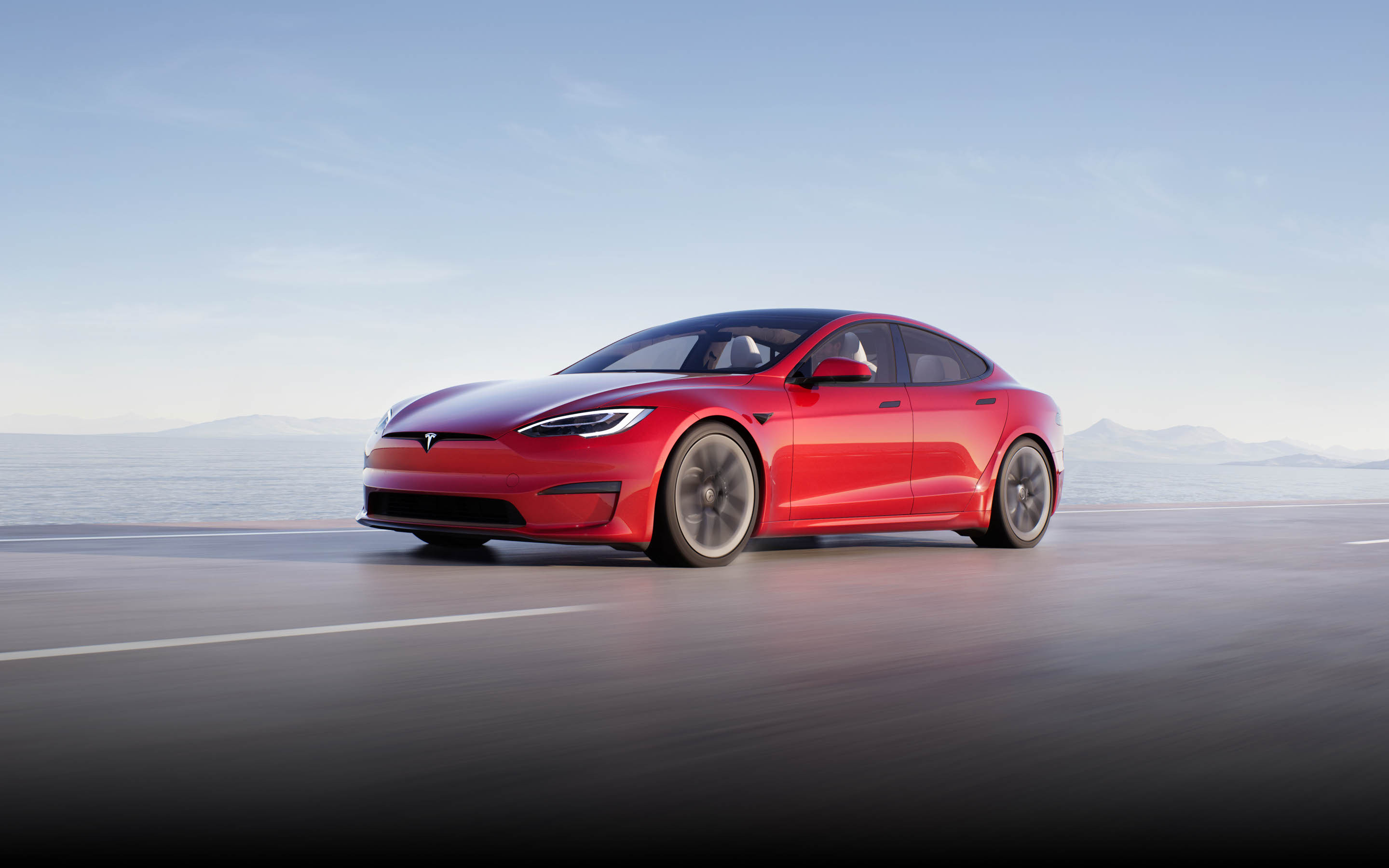
Tesla Model S
Tesla Model S

The move comes just a day after the agency announced it would open a formal investigation into distracted driving concerns about Tesla’s video games, which could be played while cars are being driven.

The investigation had found that the feature called “Passenger Play” has been available to drivers since December 2020 where games appear on the large touchscreen in the center of the dashboard. While the name indicates that the feature is intended to be played by passengers, nothing prevented drivers from playing while the car is being driven.

Earlier, the feature was enabled only when the vehicle was in park, the NHTSA investigation document said. NHTSA says that even if the game is being played by a passenger and not the driver, it “may distract the driver and increase the risk of a crash.”

While Tesla has bowed down to the pressure this time, this isn’t the end of troubles for the company from the National Highway Traffic Safety Administration. The NHTSA is currently investigating Tesla for at least 11 accidents involving cars using its Autopilot or other self-driving features. Those 11 accidents were responsible for 17 injuries and one death, as per the agency.

RELATED: 

OnePlus 9R ColorOS 12 Open Beta recruitment commenced in China

OnePlus announced ColorOS 12 based on Android 12 in September. The new version of ColorOS will be available for both OPPO and OnePlus smartphones in China. According to the update timeline, the OnePlus 9R is scheduled to receive ColorOS 12 Open Beta in January 2022. However, for some reason, the company has already started recruiting testers more than a week ahead of the stipulated timeline.

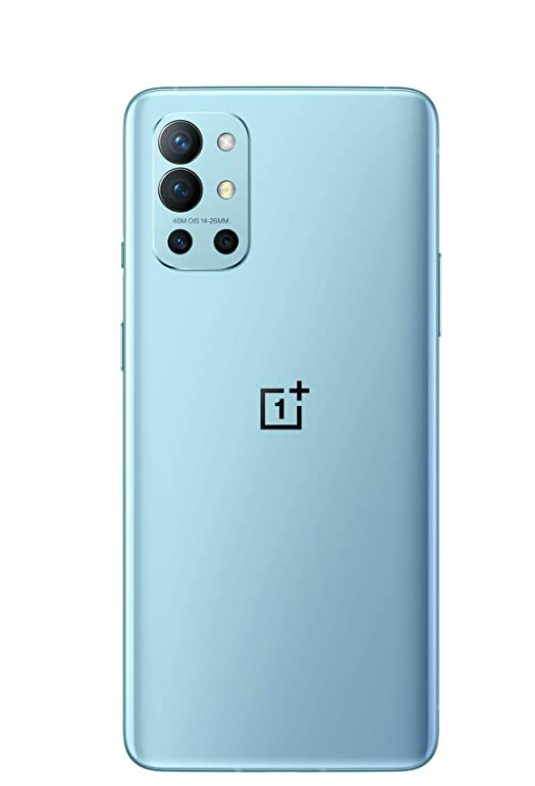
OnePlus 9R 5G


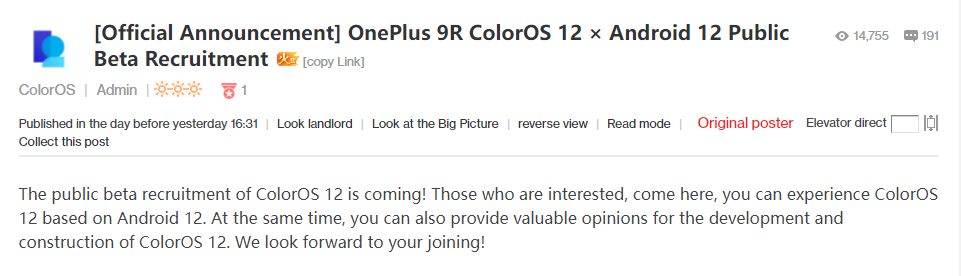
OnePlus has opened registrations for OnePlus 9R ColorOS 12 Open Beta recruitment in China. According to the official announcement post on OnePlus Community China, applicants will have to submit a questionnaire for selection.

OnePlus 9R ColorOS 12 Open Beta China

The company has also laid down certain conditions for testers which include applicants to use their mobile phones for more than 30 hours a week, and be able to accept instability, incompatibility, and other problems of the test version. Additionally, the brand is looking for testers with prior experience in evaluation and ROM internal testing.

Hence, the applicants who meet the above three and the other four conditions will have a high chance of acceptance. Anyway, even if you don’t meet the criteria, it is still worth applying for.

In order to register, users should be running firmware version A.14 on their devices. If an applicant gets selected, they will receive the Android 12-based ColorOS 12 Open Beta build via OTA. Users are advised to back up their data before installing the beta software.

RELATED:


realme 9i AliExpress listing confirms Full HD+ display, 50MP camera & more: Launch imminent

The Chinese smartphone manufacturer realme is rumored to debut the realme 9 series early next year. Industry tipsters have also revealed that we can expect the realme 9i to launch in January 2022. Now, the device has been officially listed on AliExpress, confirming the specifications of the upcoming smartphone.

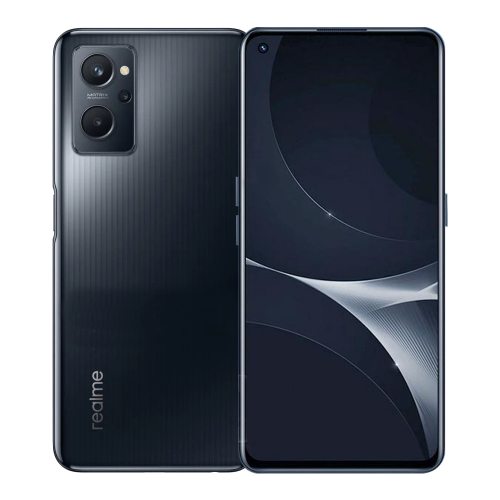
Realme 9i

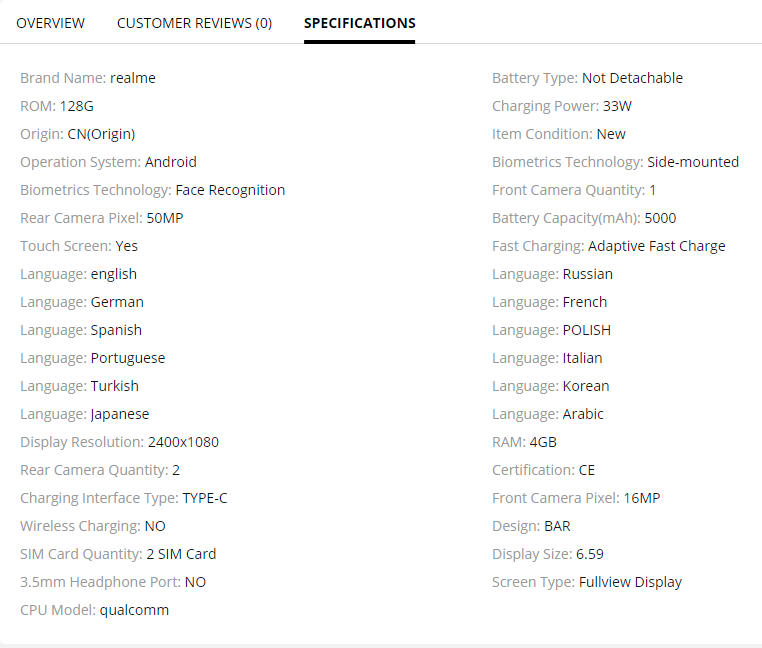
According to the AliExpress listings first spotted by Bestopedia, the realme 9i comes with a 6.59 inch Full HD plus display with 2400×1080 resolution. The display on this device is listed to be a full view panel and will likely have an 18:9 aspect ratio and thin bezels around it. The listing reveals that the device carries 4GB RAM and 128GB of internal storage. However, the device is expected to come in additional ram variants of up to 8GB. The chipset branding is revealed as Qualcomm, which is expected to be a Snapdragon 680 SoC.

Realme 9i AliExpress specs

the listing states that the device holds a dual rear camera setup with a primary 50MP sensor, while the selfie snapper will be a 16MP camera. The device uses two methods of biometric authentication being Face recognition and a side-mounted fingerprint sensor. A 5000 mAh battery powers the device and has 33W fast-charging support via a USB-C port. A dual sim slot will be available on the device.

While it could be an error, the listing shows that the phone does not have a 3.5mm Headphone port.

The looks and launch date of the device are yet to be revealed by realme. However, industry rumors have previously claimed that the realme 9i will launch in early January 2022 and the AliExpress listing further gives credence to this rumor.

RELATED:


Lenovo Legion Y90 gaming phone keeps its cool even with 120 FPS gaming, company official reveals

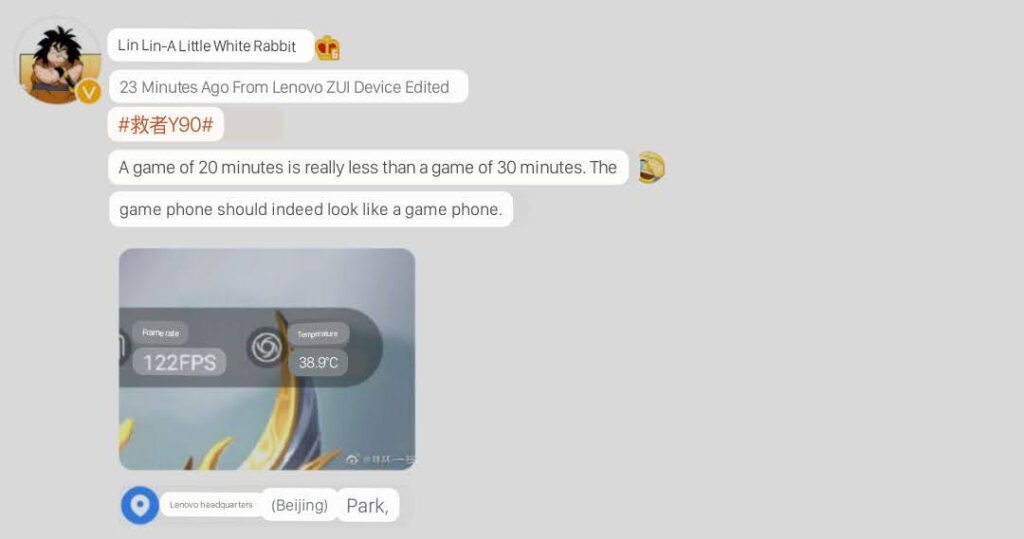
The upcoming Lenovo Legion Y90 gaming phone was teased today by Lenovo notebook product manager Lin Lin, who said that the device’s temperature stood at 38.9°C even after gaming for 20 minutes at 120 FPS.

While 38.9°C may not sound too cool of a weather to be stuck in for us humans, in terms of CPU temperatures, it’s like another warm morning in Antarctica. Moreover, some recent flagship level offerings are known to get quite hot while gaming even for shorter periods of time, with some eventually automatically reducing brightness levels as a last resort, which should hopefully not be the case with our Legion Y90 here.

After all, the Y90 even comes with an in-built fan dedicated to help tame the beast of a processor the Snapdragon 8 Gen 1 is. Game developers seem to be quite aware of the phone’s heat dissipation abilities too. Honor of Kings that has a global version called Arena of Valor, for example, will run on the device at an ultra-smooth 120 FPS.

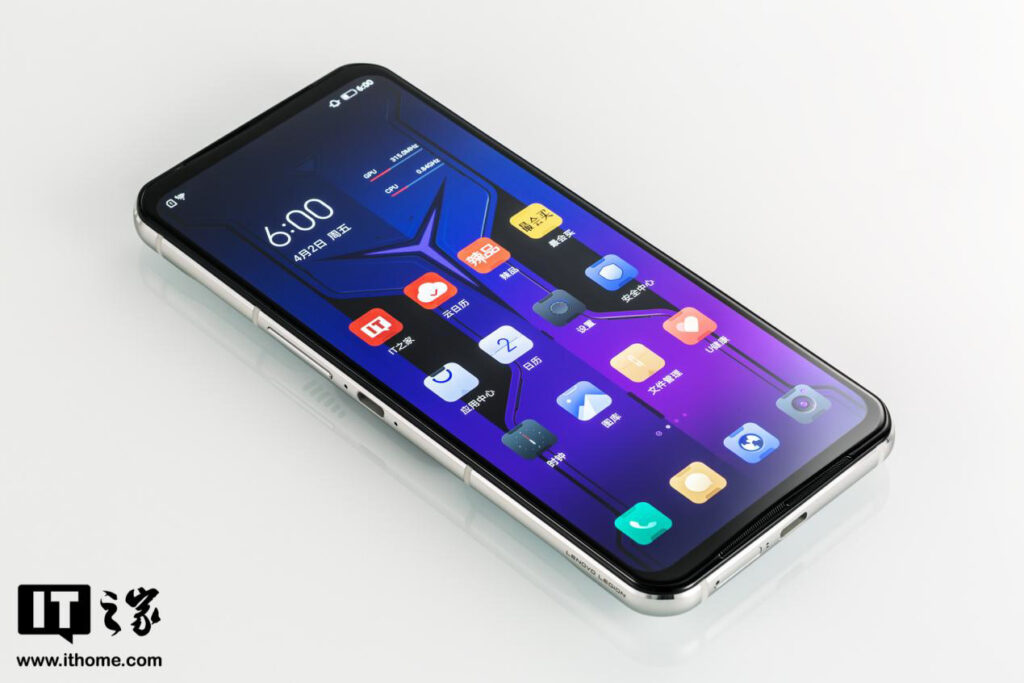
lenovo savior y90 render by it home
Lenovo Legion Y90 render by IT Home

It was earlier revealed that Lenovo will be following a unified naming scheme coined that sets two digit names for mobile phones, three digits for tablets, and four digits for laptops. It all seems to be a part of the company’s newfound obsession with gaming. Also joining the Y90 gaming phone, therefore, are the Lenovo Legion Y700 gaming tablet and Y9000P gaming laptop. Both of these devices are expected to be launched around CES 2022 that will kick off on January 5th, 2022.

RELATED:

OnePlus 7 series receives December update with latest security patch & bug fixes

OPPO-owned smartphone brand OnePlus is currently busy optimizing and eliminating several bugs that plague the Android 12 based OxygenOS 12. The Android 12 update is also expected to arrive on the older devices of the brand, including the OnePlus 8 series and the OnePlus 7 series. For now, OnePlus has rolled out a small update for the OnePlus 7 device leveling up its security.

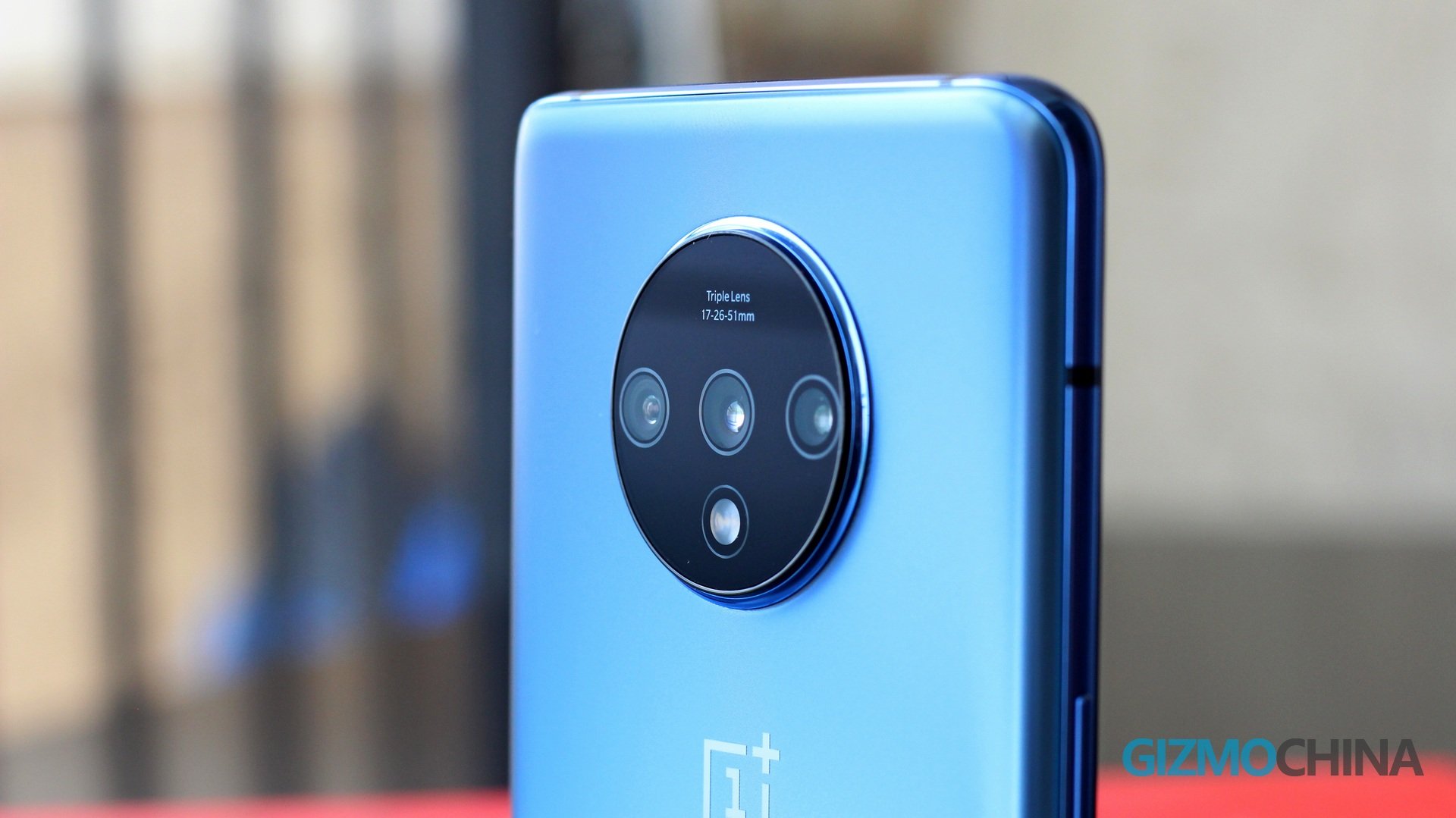
OnePlus 7T Hands on triple cameras featured

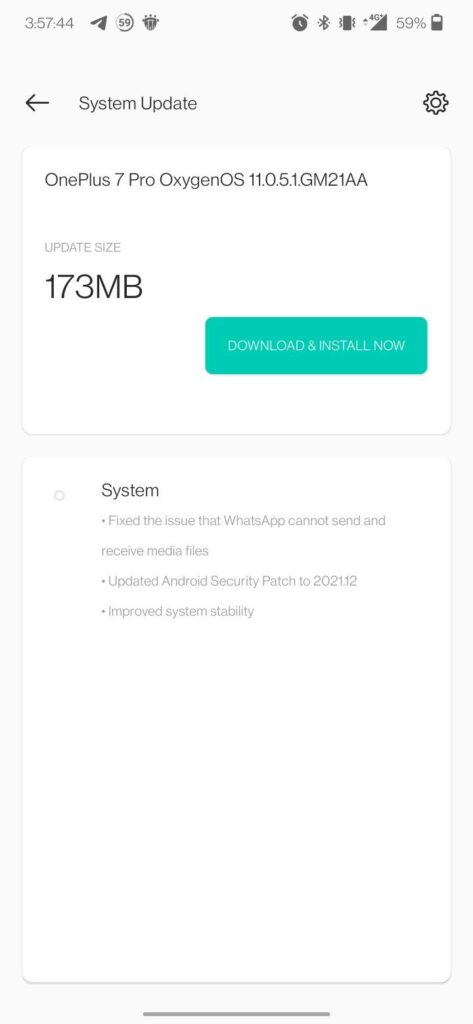
According to a report by XDA-Developers, the OnePlus 7, OnePlus 7 Pro, OnePlus 7T, and OnePlus 7T Pro are picking up OxygenOS 11.0.5.1. OnePlus 7 series device users on the official OnePlus community forums pointed out that the update is rather lightweight at 173MB and delivers the December security patch to the devices. Additionally, the update even fixes an issue with the OnePlus 7 series devices that prevent them from sending and receiving media files on WhatsApp.

OnePlus 7 series december update

Here’s the changelog for the OxygenOS 11.0.5.1 update:

  • System
    • Fixed the issue that WhatsApp cannot send and receive media files
    • Updated Android Security Patch to 2021.12
    • Improved system stability

The OxygenOS 11.0.5.1 update is currently rolling out to the OnePlus 7, OnePlus 7 Pro, OnePlus 7T, and OnePlus 7T Pro devices in India, Europe, and other markets. The OTA is rolling out in batches, so it will take some time before it reaches everyone. If you have not received this OTA update yet, you can check its availability by heading to Settings > System > System updates on your device.

The OnePlus 7 series has previously been hinted to receive the ColorOS 12 update in China by a company executive. According to the official update timeline, the ColorOS Open Beta update for the OnePlus 7OnePlus 7 ProOnePlus 7T, and OnePlus 7T Pro will be delivered in mid-2022. Whereas, the ColorOS Stable update will be made available in the second half of 2022. Global users of the OnePlus 7 series can also expect the unified Oxygen0S 12 builds to arrive side by side with the Chinese release.

RELATED:


Some key features of the upcoming Android 13 “Tiramisu” surface online

Android 12, the latest version of the mobile operating system is already being rolled out and Google has also introduced the Android 12L which should be available in a short time.

Now, the technology giant has already started working on the next major release — Android 13 which is codenamed “Tiramisu.” A new report from XDA-Developers sheds light on four notable changes within the build.

Android 13
Android 13 (Image Credit: XDA-Developers)

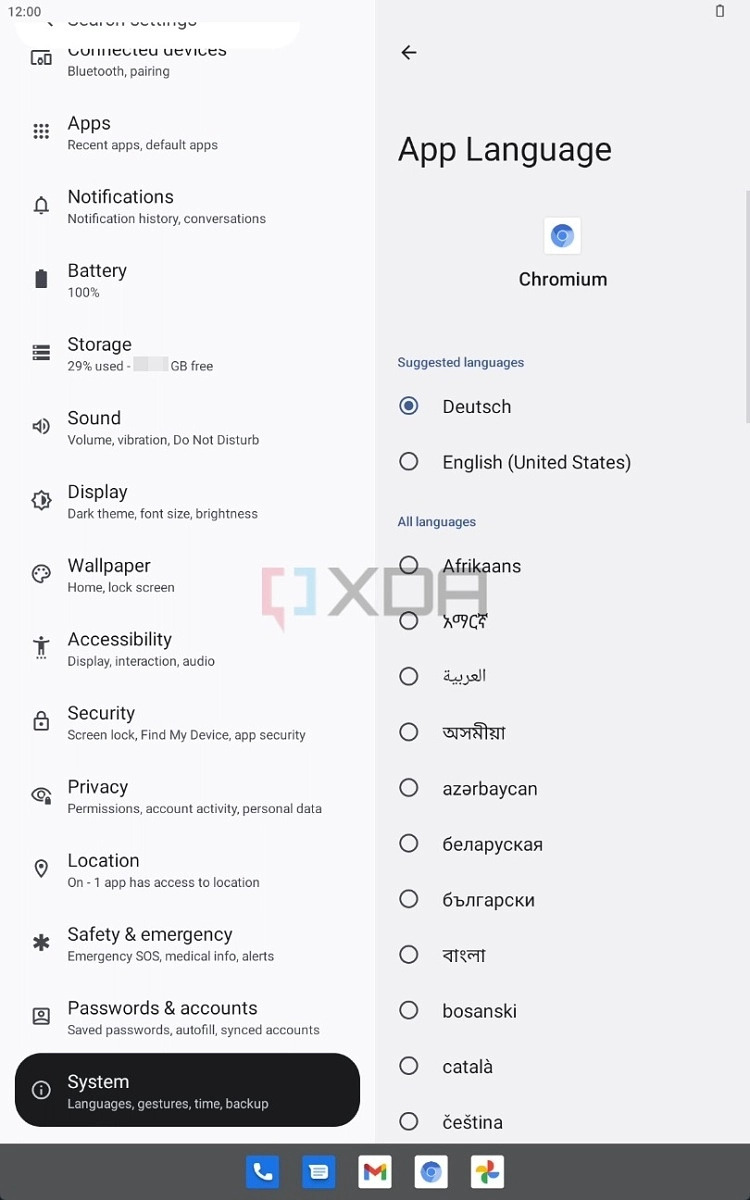
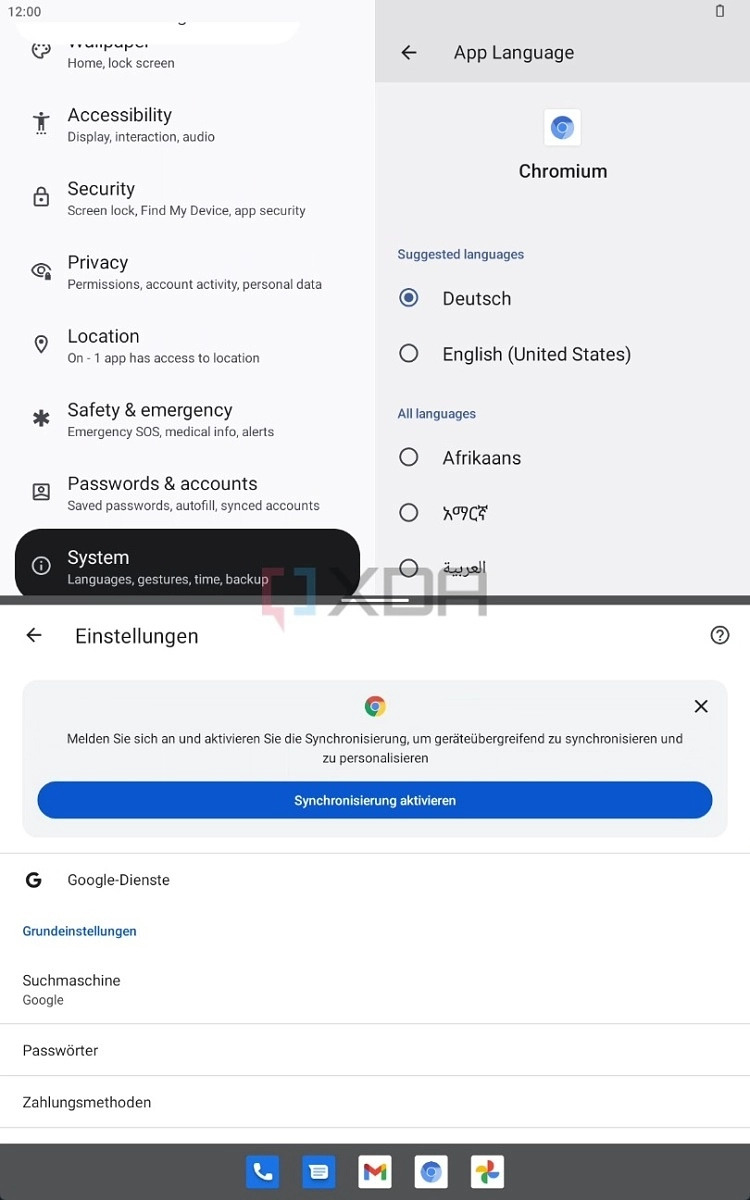
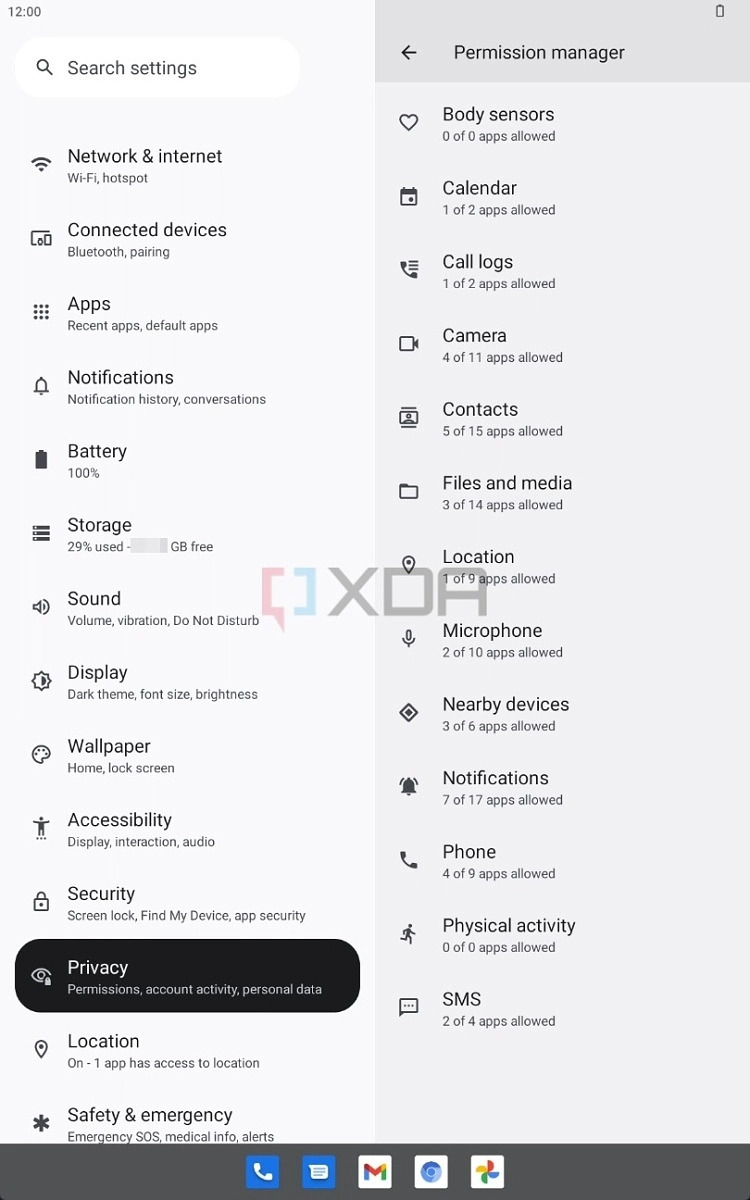
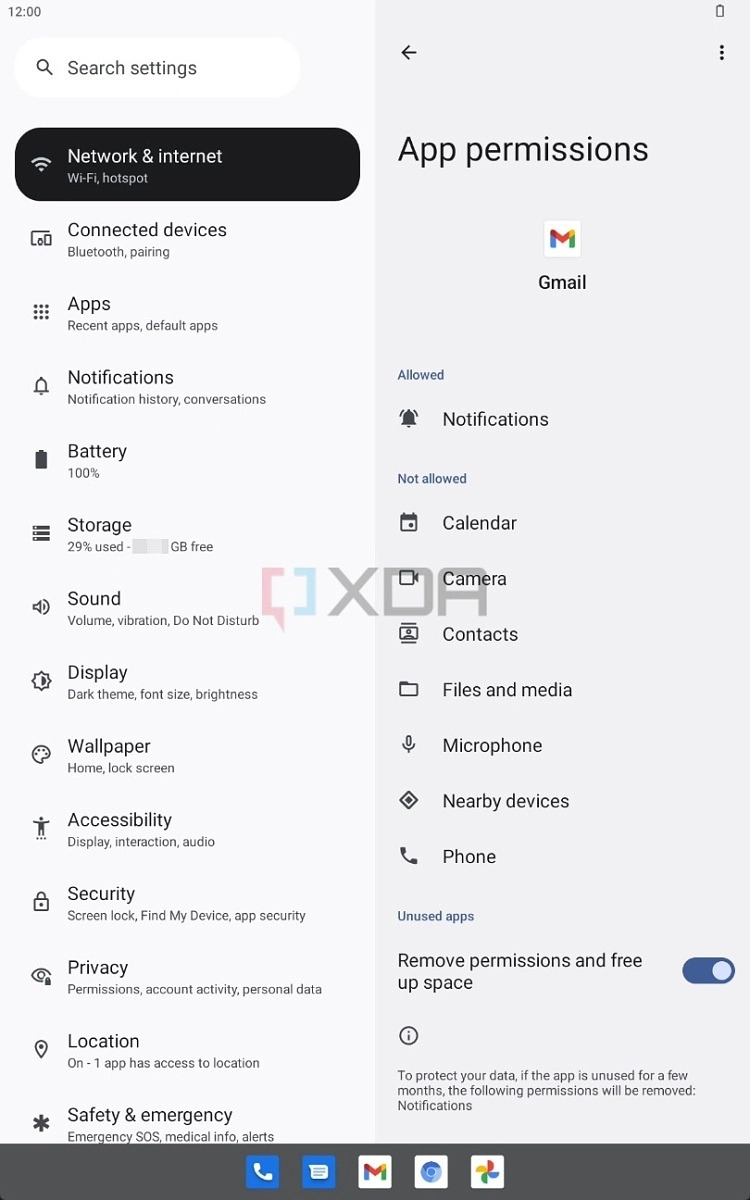
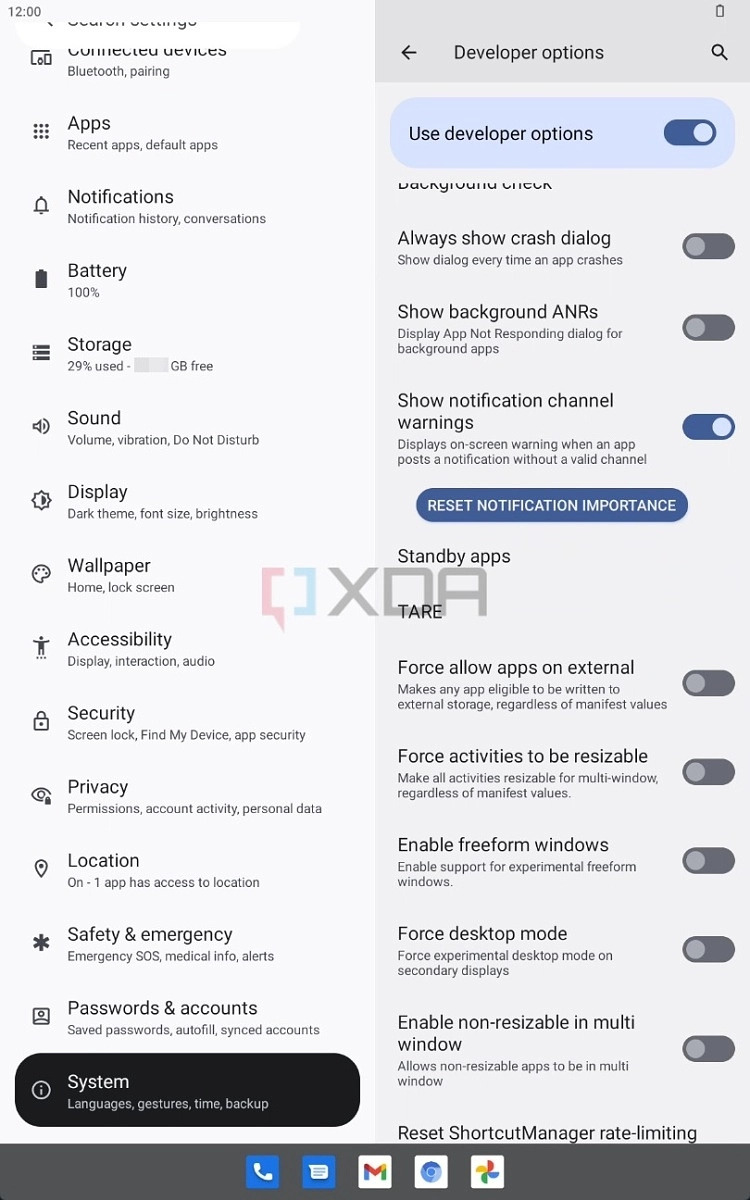
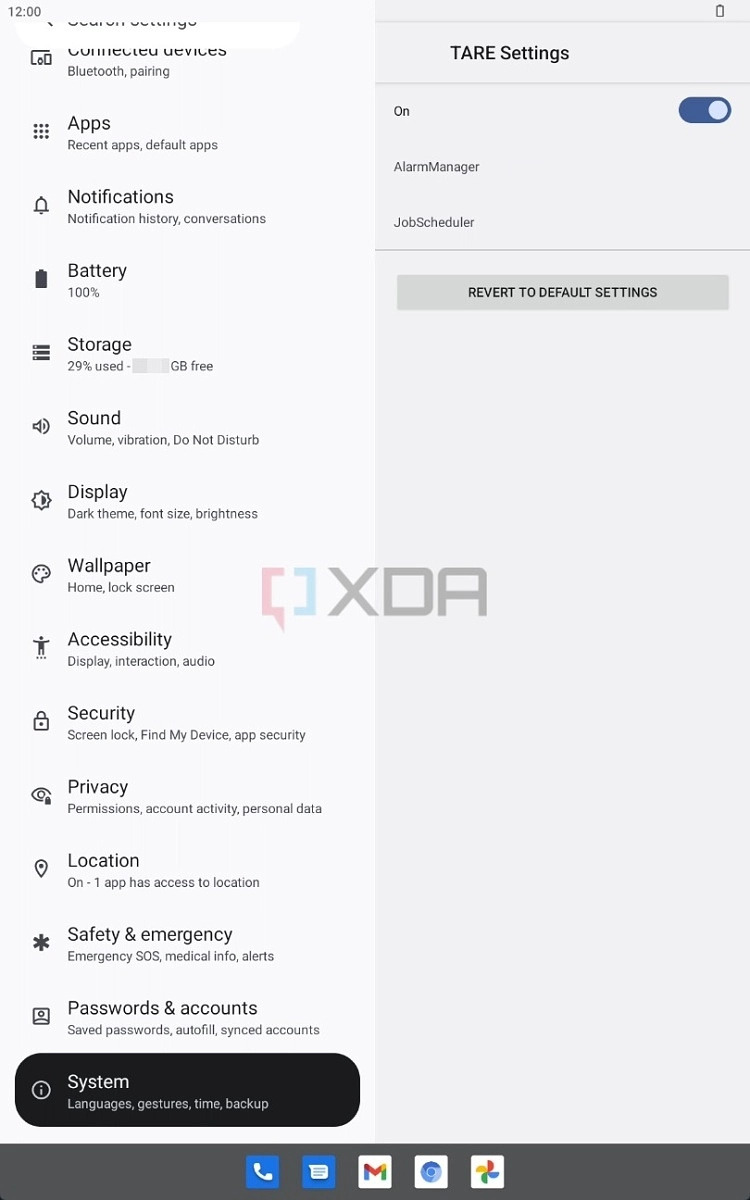
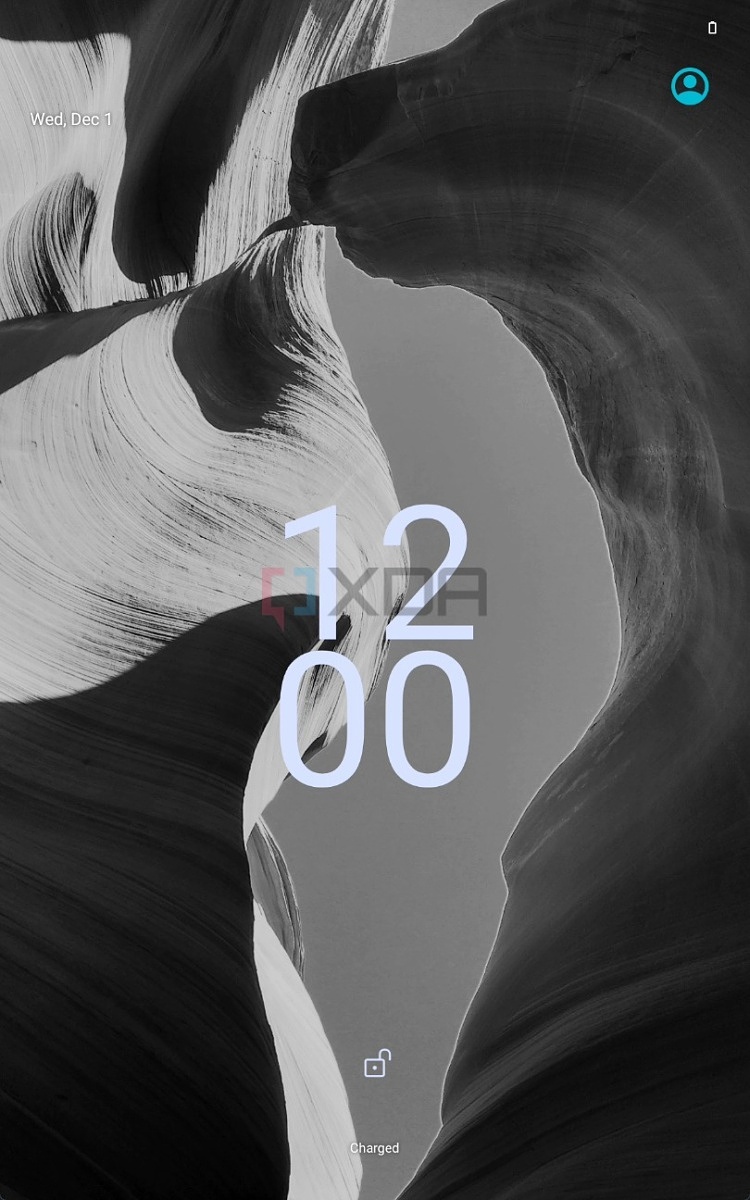
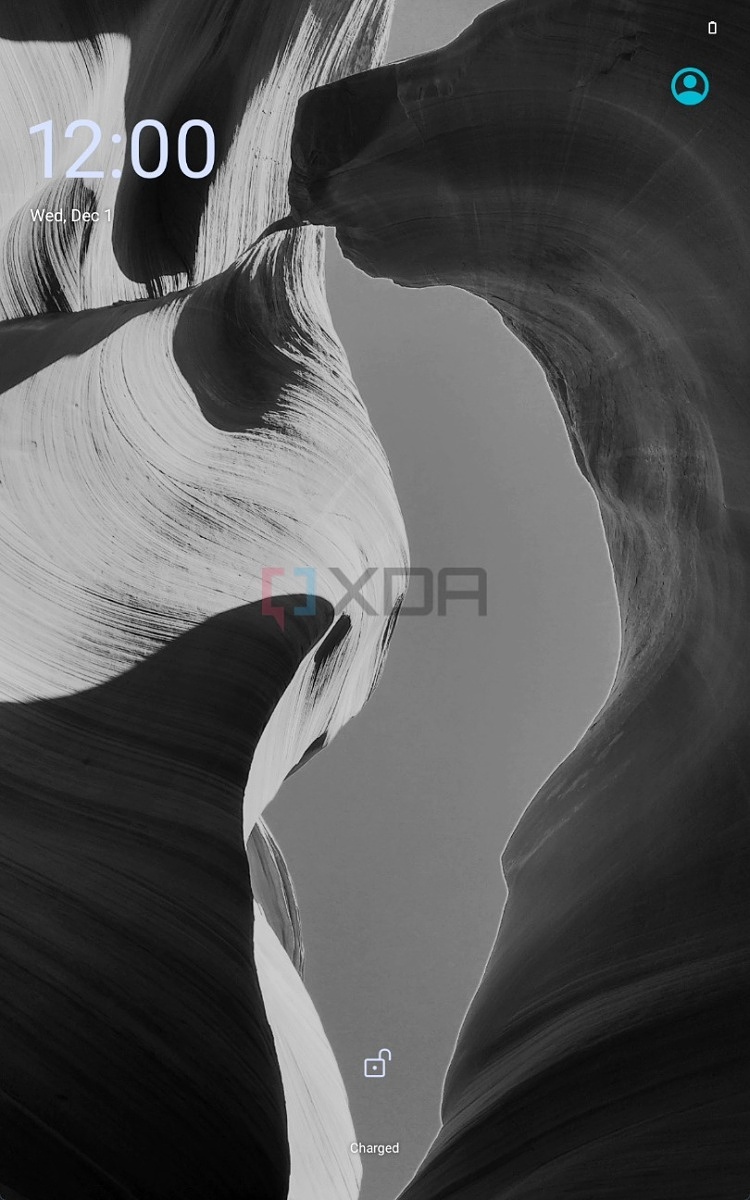
The four major changes or features coming to the Android 13 include App Languages, Runtime Permission for Notifications, TARE — The Android Resource Economy, and Lock Screen Clock Layout. Here are more details about them.

App Languages

It appears that in Android 13, users will be able to set different languages for different applications with the help of the “App Language” settings. Currently, Android sets the language system-wide and not on an app-by-app basis.

Runtime Permission for Notifications

Google seems to be interested in tackling the issue of notification spam and in Android 13, there’s a new permission “POST_NOTIFICATIONS” which means that notifications could become an opt-in feature. This means that users may be able to choose if they want the application to send notifications or not.

It’s noteworthy that Samsung has already introduced sometime similar for notifications permission in the latest Android 12-based One UI 4.

TARE

With Android 13, the search engine giant will lay the foundation for the “TARE” feature which is an abbreviation for “The Android Resource Economy.” It focuses on energy-use management on the device, with the feature working through AlarmManager and JobScheduler policies.

The feature introduces “Android Resource Credits,” which is basically a form of currency tied to the battery level of the device. The company will award credits to apps based on how depleted the battery is, and apps can then use these credits as “payments” for the opportunity to perform tasks.

Lock Screen Clock Layout

Another user-facing change coming in the Android 13 is the ability for the users to change the layout of the lock screen clock. It will allow users to show the clock on a single line instead of a large two-line square layout. There’s also a possibility that this new feature can make its way to Android 12L.

These are some of the features that the team at XDA-Developers were able to find out but there will definitely be more features coming to the Android 13 operating system. We will get to know more about this in the coming months through leaks.

RELATED: 

‘Xiaomi 12 is Built with Consumer Feedback in Mind’ – Xiaomi Execs reveals more details

With the Xiaomi 12 series launching soon in China on Dec 28, Xiaomi has recently taken to social media in China to hype up and promote its upcoming flagship lineup.

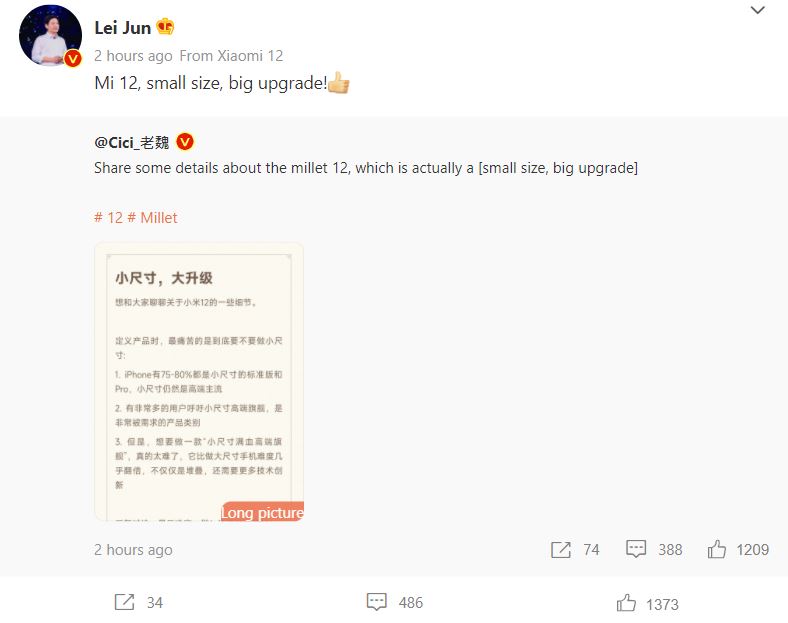
The founder of Xiaomi, Lei Jun, in particular, has been very fond of the standard model of the Xiaomi 12, because it is the first compact flagship that Xiaomi will be releasing to the market in years. Through his Weibo post, he described the compact Xiaomi 12 as “one small size for phone, one giant leap for flagship-kind”, a callback to the famous line during the moon landing: “one small step for man, one giant leap for mankind”.

Weibo-Xiaomi-lei-jun-xiaomi-12-small-phone-big-upgrade
Founder of Xiaomi, Lei Jun on Weibo

The reason why Xiaomi wanted to launch a compact flagship this year was that many older Xiaomi users who have not upgraded yet are using compact flagships such as the Mi 9 SE, Mi 8 or even the Mi 6 released back in 2017. Many users cited the reason that they hesitated to upgrade was that the latest flagships from Xiaomi, such as the Mi 11 and Mi 11 Ultra, had screens that were just too big for one-handed use, and were just too big to fit in pockets.

Xiaomi has received much feedback from its users and had done some market research themselves in the industry for the past year. They noticed the lack of compact Android flagships had made many Android users, including Xiaomi users, switch from Android to iPhones, because iPhones come in a more compact and lightweight design, while still being able to retain the important flagship features of the bigger screen Pro Max lineup of iPhones.

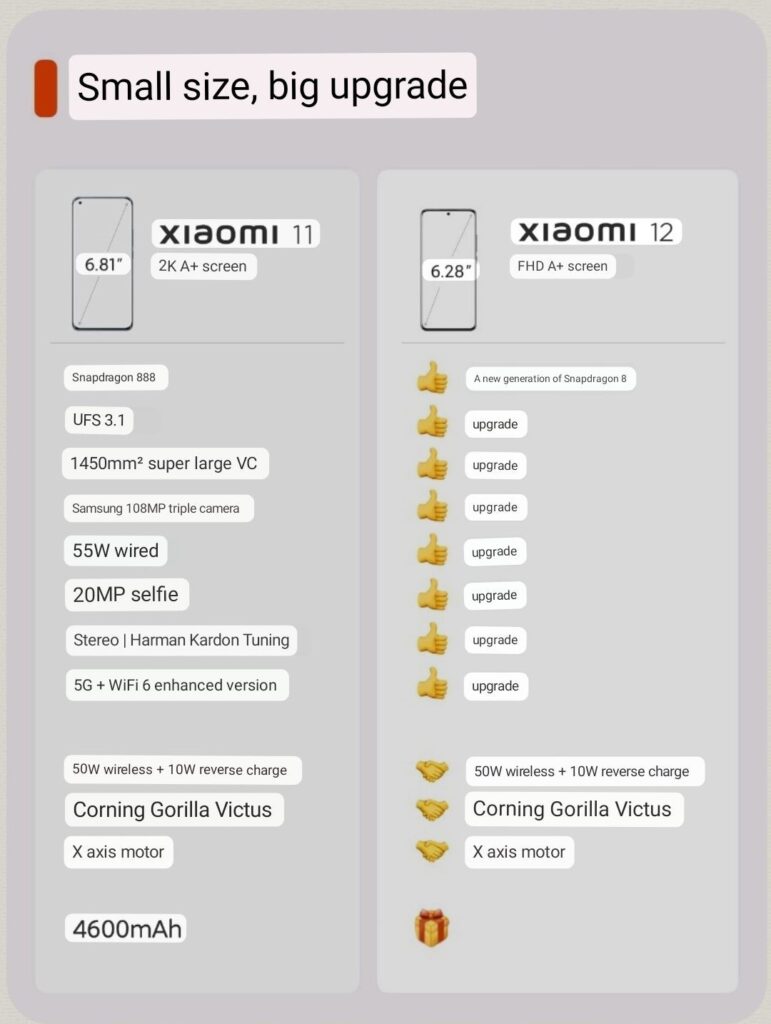
Therefore, Xiaomi wants to create the next fully-fledged compact flagship in the Android space, not only for its Xiaomi fans but also as a push for the industry as a whole. In the Weibo post, Lei Jun also notes that despite the Xiaomi 12 being smaller than its predecessor, many of the Xiaomi 12’s features are upgraded and better than the Xiaomi Mi 11.

Lei Jun-Xiaomi 11-Xiaomi 12
Xiaomi Mi 11 standard vs Xiaomi 12, Source: Weibo

In the photo, he also confirms that the Xiaomi 12 will be using Gorilla Glass Victus for screen protection, X-linear haptic motor for better haptic feedback, and support for 50W fast wireless charging and 10W reverse wireless charging.


RELATED:

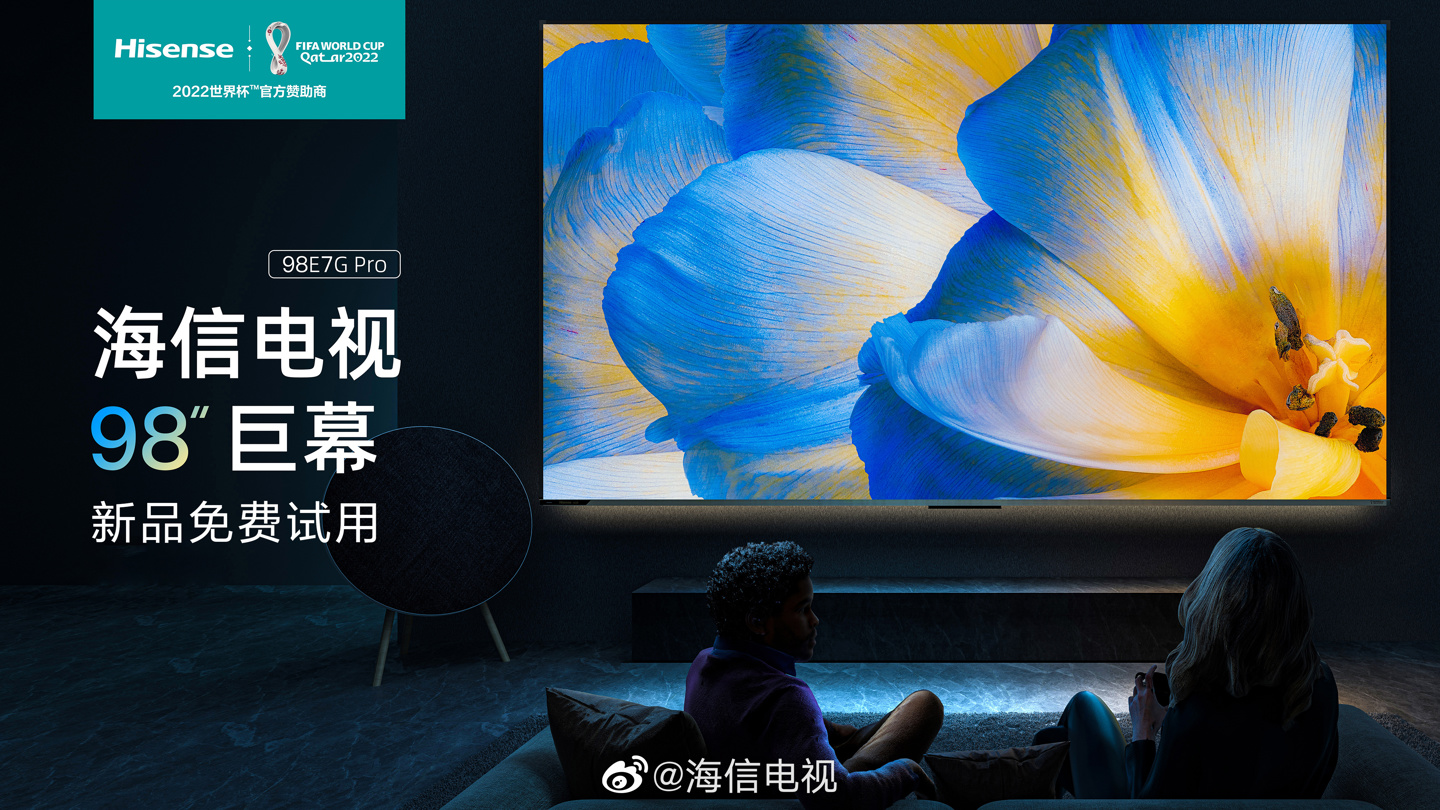
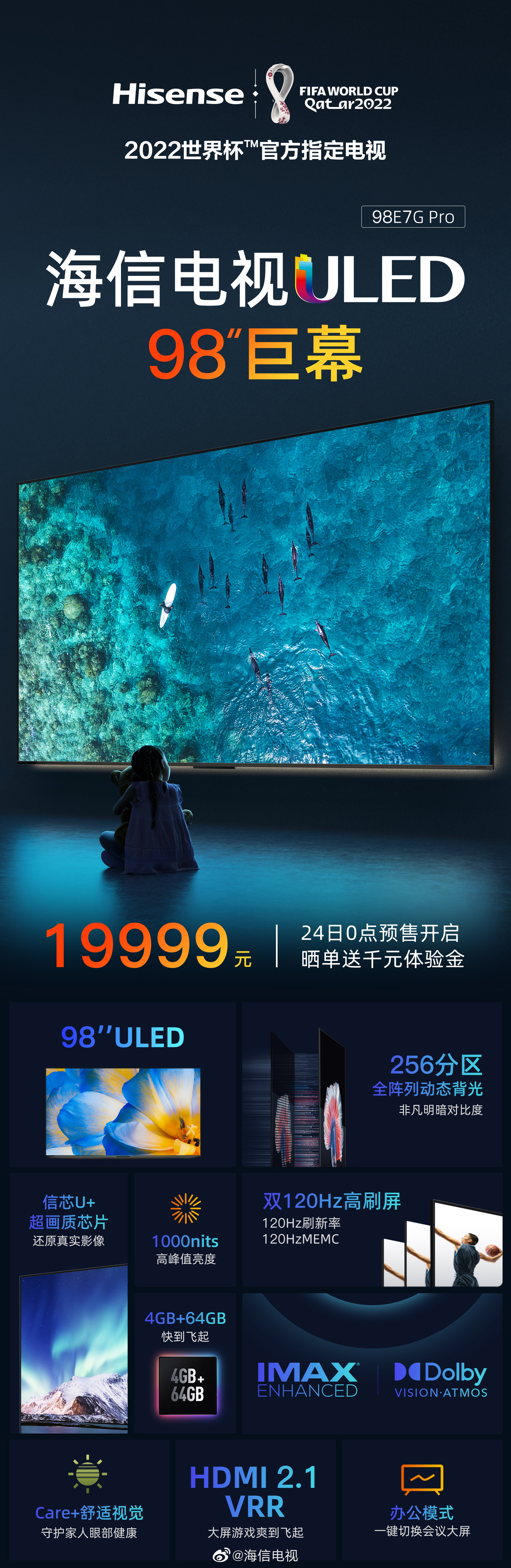
Hisense 98E7G Pro is the brand’s first smart TV with a giant 98-inch ULED screen

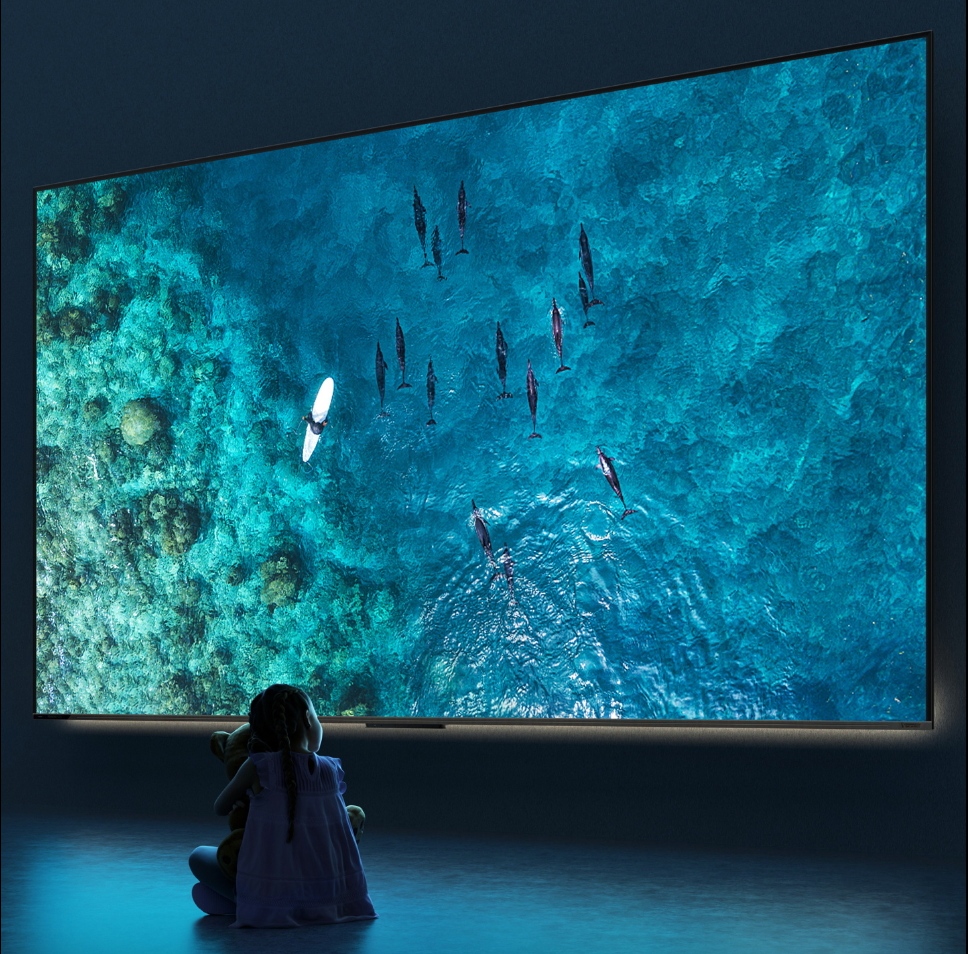
It is gradually becoming a trend for electronic makers to launch a giant screen model that delivers an immersive viewing experience. Xiaomi kickstarted this trend with the Redmi Max 98 and other TV brands like TCL, Huawei, Changhong, and Skyworth have also launched similar products at various times. Hisense has now joined the league with the Hisense 98E7G Pro.Hisense 98-inch TV

The Hisense 98E7G Pro features a luxurious appeal but the hardware lineup is quite cost-effective such as a 98-inch BOE ADS screen module, but the backlight module is Hisense’s own solution. The biggest highlight is the checkerboard-style 256 light control partitions (16X16). The display also features 1000 nits peak brightness, 90% P3 wide color gamut, 4K resolution, and support for a 120Hz refresh rate.

The smart TV is powered by a MediaTek MTK 9652 chip paired with 4GB RAM and there is 64GB storage onboard. It also features support for 120Hz MEMC motion compensation, VRR, dynamic frame insertion, IMAX, and Dolby Vision.

In other aspects, it also supports dual-band WiFi, a far-field intelligent voice assistant, and comes with two 18W speakers as well as a 25W subwoofer. It equally supports Free-sync and G-sync compatibility.Hisense 98-inch TV

In addition, the Hisense 98E7G Pro provides SVIP worry-free service, free delivery, and installation. It is worth mentioning that this TV has a boot advertisement, although it supports a one-click skip option.Hisense 98-inch TV

The Hisense 98-inch smart TV carries a price tag of 19,999 yuan (~$3,140). It is already on pre-order in China.

RELATED:


(via)


Xiaomi fined for false advertising in China

Xiaomi was once not known for advertising its products. Its phones were used to sell via the word of mouth from customers. Years later, the company is no longer the startup it once used to be. It now markets its device both online as well as offline. One of these adverts has now resulted in a penalty for the firm.

Xiaomi Mi Logo 2021 Featured A

According to a report by ITHome, Xiaomi has been fined ¥20,000 ($3,141) for false advertising in its home country. This penalty has been imposed by the Chinese government’s market supervision department for violating the “Advertising Law of the People’s Republic of China”.

Last year, the company made a mistake in a banner ad for Redmi K30 5G on Tmall. The promotional image mentioned the smartphone to feature ‘Samsung AMOLED display’. While in reality, the handset sports an LCD panel.

Looks like the person in charge of the banner ad did not double-check the final picture. Whoever that did this mistake may have got confused with the specs of the Redmi K30 Pro 5G, which actually has an AMOLED panel supplied by Samsung Display.

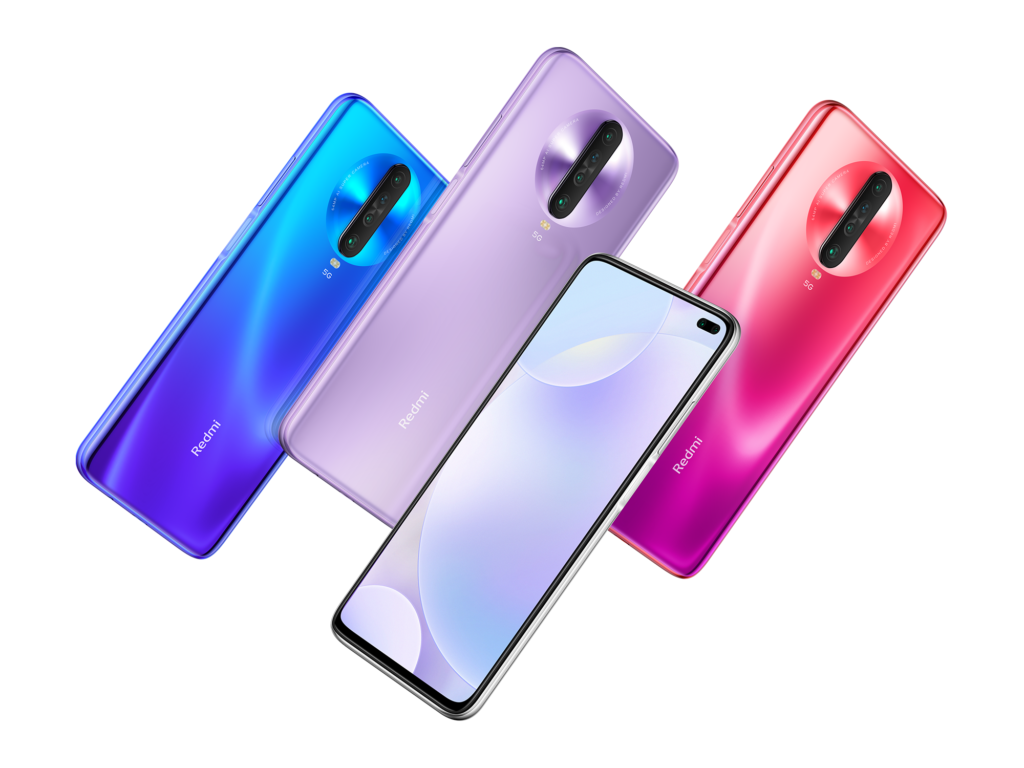
Redmi K30 5G All Colors Featured
Redmi K30 5G

We don’t think Xiaomi meant to falsely advertise its then best-selling 5G smartphone at the time. What are your thoughts on this matter? Do let us know in the comment section below.


RELATED:


Some high-end Xiaomi phones will be adjusted to internal test channel due to Android 12 prep

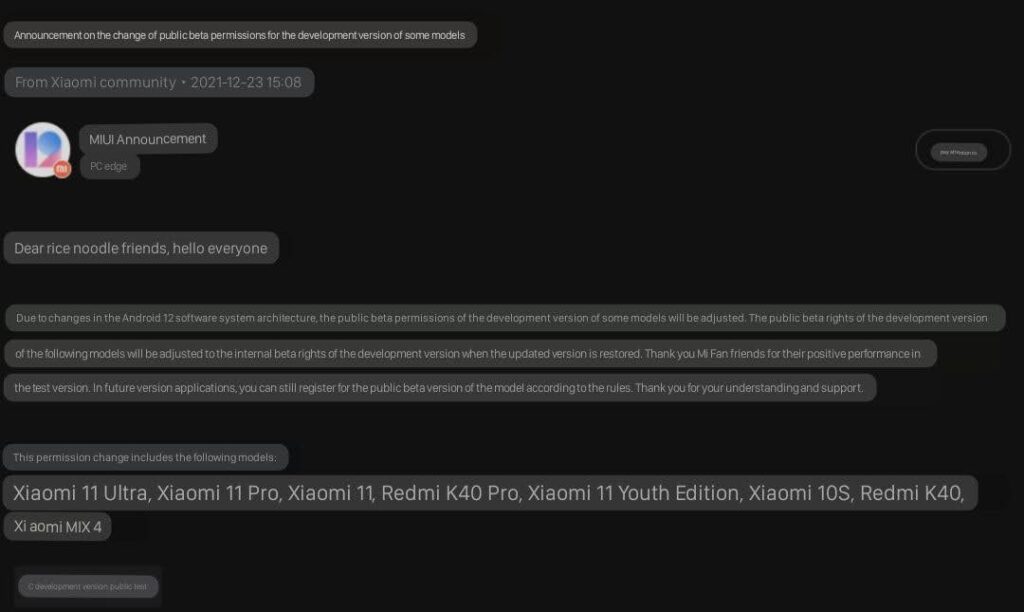
An official announcement was issued on Thursday on the Chinese Xiaomi Community concerning MIUI 13 based on Android 12. It says that due to architectural changes on Android 12, multiple flagship and high-end models will be adjusted to the internal test channel from the public beta channel.

This most likely means that users of the concerned devices that are a part of the beta program will no longer be receiving new updates for a while. Instead, all of the bleeding edge testing will be done internally by Xiaomi itself (via IT Home).


But following the limited time of internal testing, users will again be able to register for the public beta version as usual.

The devices that will be impacted by this temporary measure have been listed below:

  • Xiaomi Mi 11 Ultra
  • Xiaomi Mi 11 Pro
  • Xiaomi Mi 11
  • Xiaomi 11 Youth Edition (aka Xiaomi 11 Lite 5G NE)
  • Redmi K40 (aka POCO F3/Mi 11X)
  • Redmi K40 Pro (aka Mi 11X Pro)
  • Xiaomi Mi 10S
  • Xiaomi MIX 4

Xiaomi earlier this month had done something similar, again likely in prep for MIUI 13, temporarily suspending MIUI 12.5 beta builds for all devices.

MIUI 13 Logo Featured A

According to previous reports, at least two of the models from the Xiaomi 12 series will be released on December 28 along with MIUI 13. Wang Hua, general manager of Xiaomi’s public relations department, had recently hinted this by announcing that he has already used MIUI 13 and that the system “should be packaged within two days.”

Not much is currently known about MIUI 13, but a leak from last week had revealed the software skin’s logo for the first time.

RELATED:

Anker’s latest 120W 4-port charging solution can fill up your entire stock of gadgets at once

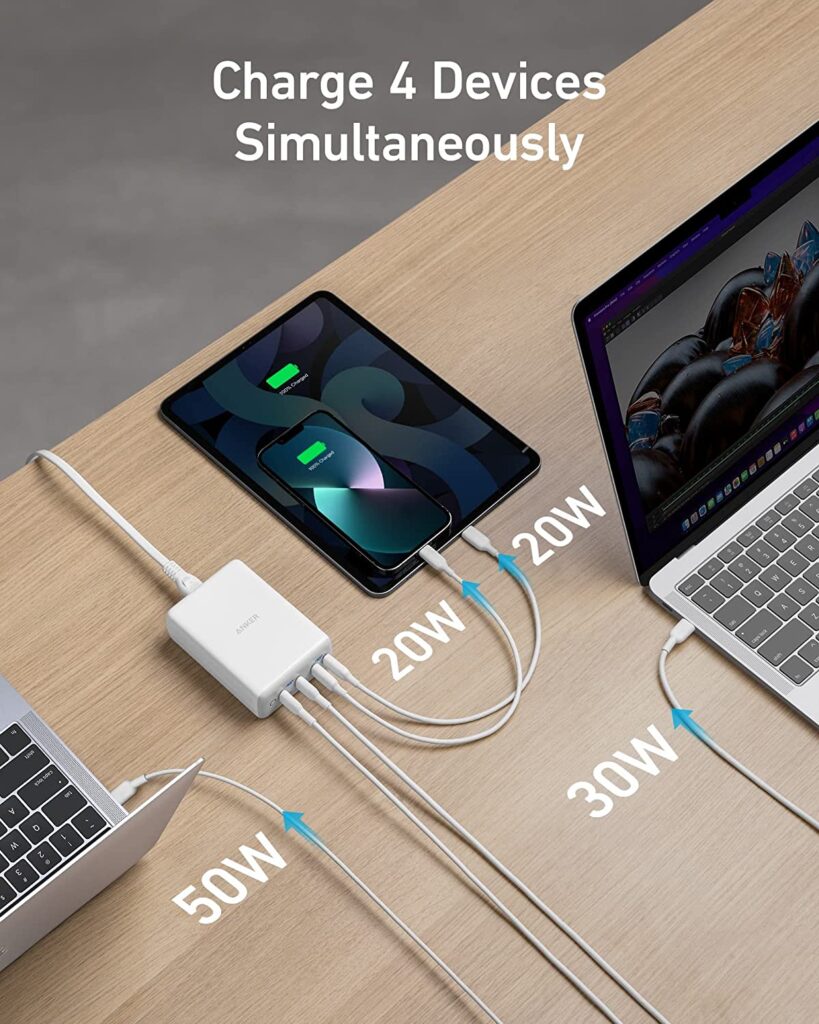
Anker has just launched a new 120W charging brick called 547 Charger, except it’s nothing like your ordinary brick. This one actually has a total of four USB Type-C ports, making it ideal for charging your entire stock of electronic travel buddies. But the best part is that it’s no larger than your average laptop adapter, despite being rated 120W, and is hence no burden to carry around at all.
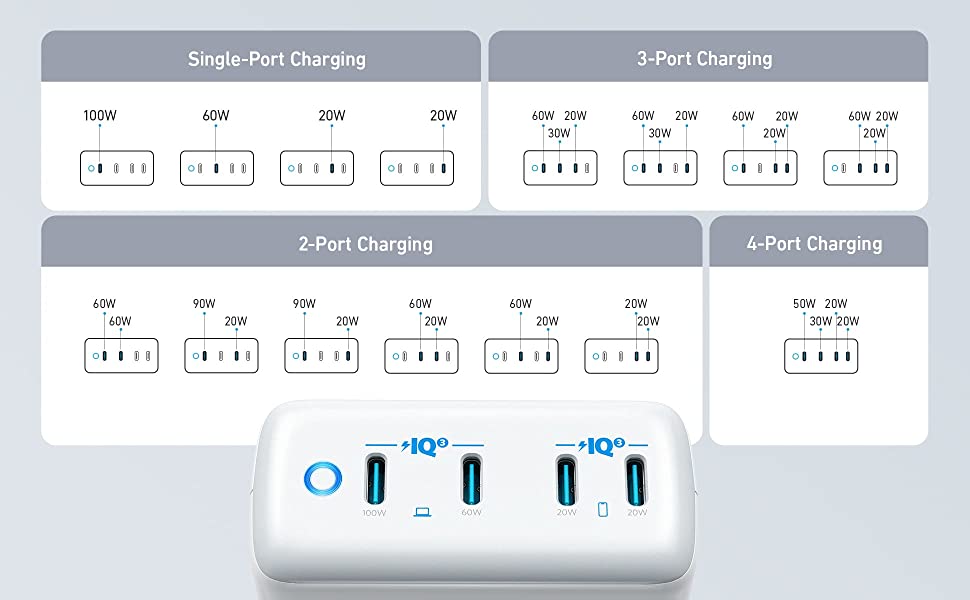
Two of the quad USB-C outlets are perfect for mobiles and tablets and provide juice at 20 watts. The other two are capable of providing up to a hundred watts, or 90W if you have a phone plugged into one of the 20W ports. There’s even a 60W port for the perfect middle ground between 100W and 20W (via 9to5Toys).

anker 120w charging brick

The extremely versatile setup means that you should be able to charge all of your Apple devices including a MacBook, iPad, iPhone, and more, quite effortlessly. But, of course, the inclusion of Anker’s PowerIQ tech means that the brick can fill up just about almost every device on the market, that too at fast charge speeds. This makes it quite obvious that Anker did not solely have Apple on mind when they built this absolute unit of a charger.

The boxy charger gets its own power through a nearly five-foot long cable that plugs into the wall, allowing you to position the entire thing anywhere you like.

anker 120w charging brick combinations

Safety is something that users especially seek when looking to purchase third-party charging accessories, more so when anything above 30W is involved, and Anker hasn’t turned a blind eye to it. All of the newfangled stuff we’ve seen from other chargers in its category like temperature control, current regulation, and short-circuit protection have been stuffed into the brick, so you can feel at ease even when leaving your gadgets on charge overnight.

If interested in a purchase, the 120W 4-port Anker 547 Charger will cost you $119.99 and can be availed through Amazon.

RELATED:

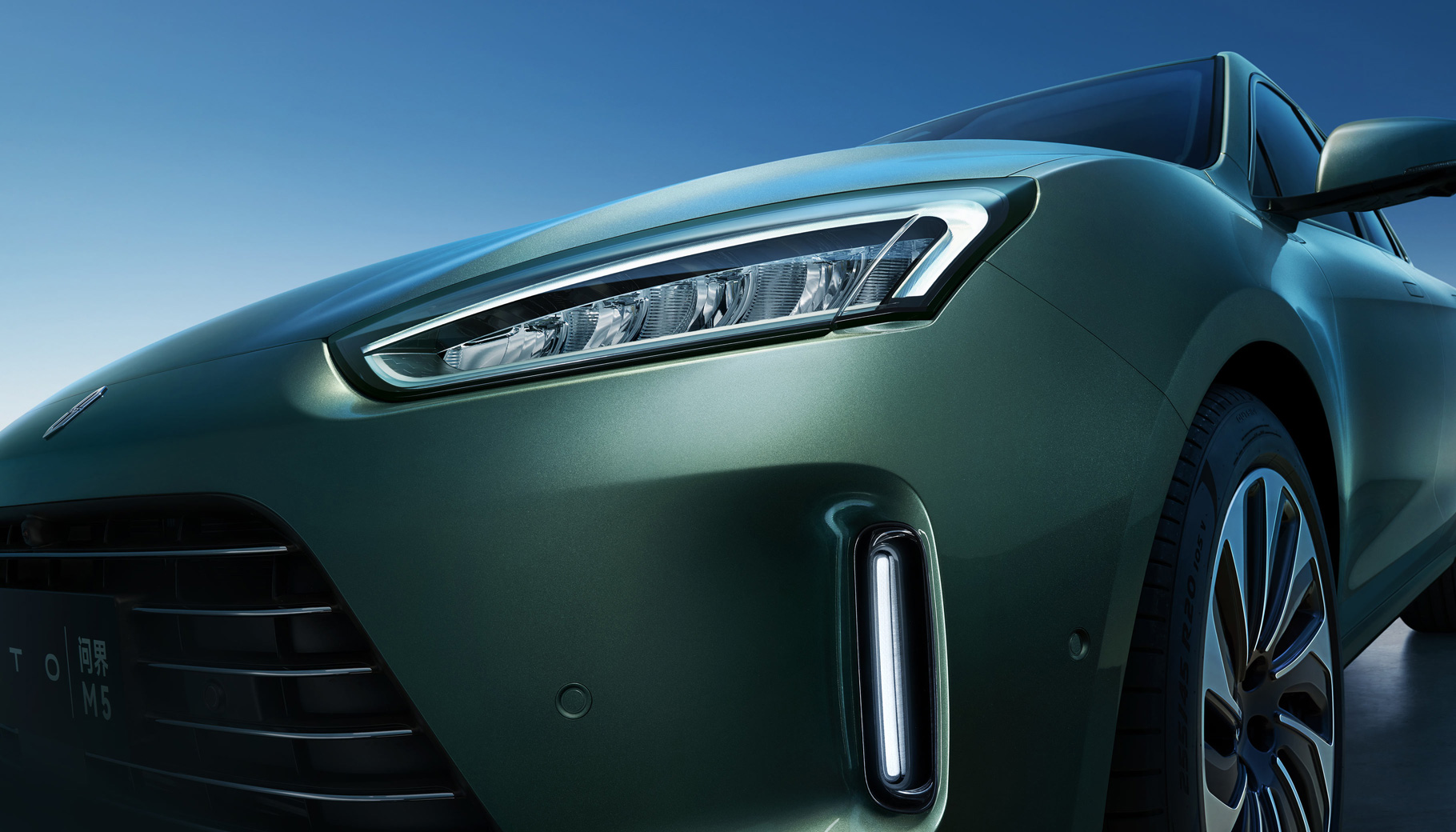
Huawei debuts the HarmonyOS-powered AITO M5 EV in China to take on the Tesla Model Y

Chinese tech giant Huawei is fast regaining its momentum that was significantly stalled by the massive sanction regime by the US. The company has vigorously pursued its diversification along several lines including electric vehicle manufacturing in partnership with automakers.Huawei AITO M5 EV

Using its homegrown software solution, HarmonyOS, the company is fast evolving its ecosystem that will be sufficiently insured against external shocks. Huawei’s first EV using its proprietary HarmonyOS operating system will be the Aito M5, a hybrid car that runs on both electricity and gasoline.

Richard Yu, executive director and double CEO of Huawei’s consumer business group and the intelligent automotive unit, made the announcement at Huawei’s winter product launch event. The first deliveries of the Aito M5 are set to take place in February 2022 after the Lunar New Year festivities in China, The Aito M5 offers a peak power and driving range that is better than the Model Y, in the words of Yu.AITO M5 EV

This is coming less than a week after Nio announced its model that can compete with Tesla. Huawei says it doesn’t make cars on its own but continues to provide the tech backbone that could fast-track the development of autonomous vehicles.

The Aito M5 will be priced starting at 250,000 yuan ($39,164) after subsidy adjustments have been made. That’s lower than Tesla’s Model Y at about 281,000 yuan ($44,122) after subsidies. However, unlike Tesla’s cars, the Aito M5 is not purely powered by electricity as it has a fuel tank for extending driving range when the battery has run out of power.

The Aito M5 also features double-layered sound-proof glass for an enhanced driving experience. The Aito M5 is manufactured by the automaker Series. Aito stands for “adding intelligence to auto.”AITO M5 EV

The HarmonyOS integration with the AITO M5 is an important milestone for Series and Huawei. One of Huawei’s smartwatches can also be used as a car key for the Aito M5, according to Yu.

RELATED:


(source)


vivo V23 series may launch in India on January 4

We have been hearing more about the vivo V23 series for the past few days. The latest report on these handsets reveals their launch date in India. Let’s take a look at when they will be unveiled in the country.

vivo V23 Series Launch Date India Leak

According to the industry sources of 91Mobiles, the vivo V23 series will launch in India on January 4, 2022. The specific date is mentioned in a poster shared by the sources.

This image also includes a device with two front-facing cameras. The handset in question could be the vivo V23 Pro, which appeared in a teaser video recently. The smartphone is expected to be a tweaked version of the newly launched vivo S12 Pro.
On the other hand, not much is known about the vanilla vivo V23, which is expected to debut alongside the vivo V23 Pro. For now, we can assume it to offer better features than the vivo V23e 5G.

Fo the unaware, neither the vivo V23e nor the vivo V23e 5G is available in India. We are not sure if either of these will be announced with the vivo V23 and vivo V23 Pro on January 4.

What are your expectations of the vivo V23 series that’s set to release in India in a few days from now? Do let us know your thoughts in the comment section below.


RELATED:


Some Pixel users still forced to watch Netflix in 540p despite Google promising fix around 8 months ago

Widevine issues are something that every Android OEM appears to be dealing with lately with a few of their devices, and Google is no exception. Multiple Pixel users had earlier complained about being unable to stream content from Netflix in a resolution higher than 540p, which is definitely not ideal for today’s 1080p and even 2K smartphone displays. It seemed that pretty much every device from Pixel 3 and up was affected.

Google in April this year then acknowledged the problem, promising it was working on a fix. However, fast forward eight months later to today and there’s still no sign of a fix. And new complaints keep piling up.

Pixel 3 selfie camera featured

For the uninitiated, problems with video quality on streaming apps like Netflix emerge due to Widevine issues. OEMs typically get their devices L1 certified which allows playing content at 1080p. The Pixel phones were not excluded from this treatment, but for some reason, the Widevine certification dropped to L3 for some users. L3 means that Netflix can play in quality no further than 540p.

Multiple complaints have resultantly popped up and one Redditor has even compiled a list of complaints across the internet (via XDA Developers). While the list obviously contains reports dating back to early 2021, there are also some from as recent as 21 days ago, proving that the problem never really disappeared.

Eight months sure is quite a long time for fixing a bug like this, which makes us wonder if Google has quietly swept the entire thing under the rug. The Google Pixel 3 is also nearing its EOL with software updates – all the more reason to fix the problem as soon as possible.

Anyhow, for now, we recommend those Google Pixel owners affected by the Widevine issue to take the matter up to the official Pixel Phone forums or Twitter to remind Google about it, just in case they’ve forgotten.

RELATED:

Huawei gets patent for technology related to Android applications migration

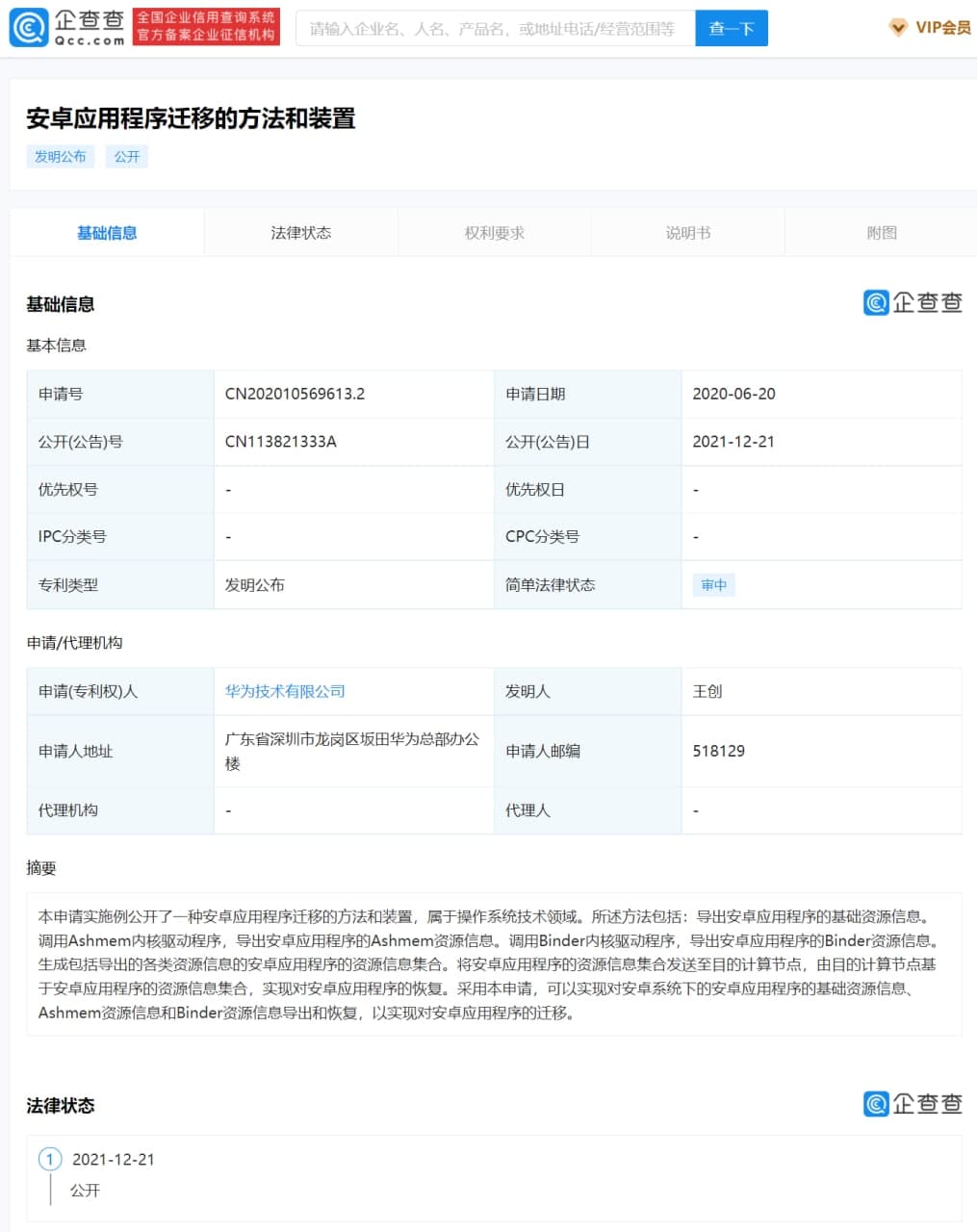
Chinese tech powerhouse Huawei has made tremendous progress in the development of the HarmonyOS, its homegrown operating system. Huawei also has its app market known as AppGallery where a growing number of both HarmonyOS-based and Android-based applications could be obtained. The Chinese company has now published a new technology related to the migration of Android applications, possibly to HarmonyOS. The patent for the new technology was filed with the China Intellectual Property Office in June 2020 and has now obtained the patent with the number CN113821333A.Huawei app Migration patent

The new technology could be used to export and restore basic resource information and Android applications in the Android operating system. The new application can also generate resource information collections for Android applications. The patent is in the field of operating system technology and can also call the Ashmem and Binder kernel drivers to export the relevant resource information.

The new patent could be indicative of the progress Huawei is making in ultimately making it possible for Android devices to seamlessly migrate to its HarmonyOS. The Huawei AppGallery continues to expand with a wide variety of apps that are also available on Google PlayStore. There has also been a massive growth of developers and apps only found on the AppGallery.

RELATED:


(via)


Pete Lau talks about difficulties in delivering ColorOS 12 for older OnePlus phones

Earlier this year, OnePlus switched to ColorOS for its smartphones in China with the launch of the OnePlus 9 series. The brand even merged the codebase of the OxygenOS with that of ColorOS for international markets. Hence, the Android 12 software for the existing as well as the upcoming devices is nothing but ColorOS.

Due to this, the company is facing difficulties in delivering Android 12 on time and without bugs. With the increase in criticism from both home and international markets, Pete Lau, CEO of OnePlus, has issued a statement on Weibo.

ColorOS 12 Logo Featured A

The brand executive reiterates that it is difficult to deliver ColorOS 12 for the phones that are running HydrogenOS via OTA update. On top of that, the company has to even take care of user data.

Pete confirms that the migration from HydrogenOS to ColorOS will not result in a factory reset. In other words, users will not lose any files and applications on their devices while upgrading.

The brand is working on a seamless migration process. This is why it’s taking more time for the HydrogenOS software team, which has been now merged with the ColorOS team, to deliver Android 12. The merged team is also striving to improve the smoothness of the system.

For now, the ColorOS 12 stable update is available for the OnePlus 9 and the OnePlus 9 Pro in China. Even OnePlus 9R users can try the new software via the Open Beta program.

Lastly, Pete teases that ColorOS will become fast and stable in the near future. This new experience will debut on the OnePlus 10 Pro.


RELATED:


OPPO ColorOS 12 rollout plan for Q1 2022 is here spanning Reno, K, A, and OnePlus series devices

OPPO has significantly improved its software update game lately and was actually one of the first OEMs to roll out stable Android 12 to its flagship devices, joining the likes of Google and Samsung. Continuing on its streak of timely updates, the company has now revealed its rollout plans for the first quarter of 2022 comprised of multiple Reno, OnePlus, K, and A series devices.

Moving on first to the devices that will be updated to stable ColorOS 12 based on Android 12, the list is topped by the OPPO Reno5 Pro+ 5G and Reno5 5G, scheduled to get it from January 6th next year. These are joined by the Reno5 Pro 5G and A95 5G that will get the new ColorOS version from January 17th and 20th, respectively.

ColorOS 12 Logo Featured A

Do note here that the rollout concerns Chinese variants of all of the devices mentioned in this article. A global rollout, however, should not take too long thereafter.

OPPO also has a comprehensive beta testing program in store for a bunch of other devices. Starting January 17th, devices like the OPPO Reno4 Pro 5G and the OnePlus 8 series will commence beta recruitment following which beta releases will be pushed to selected users.

The complete Q1 2022 ColorOS 12 beta rollout plan has been given below for your reference:

Public beta recruitment from January 17, 2022:

  • Reno4 Pro 5G
  • Reno4 Pro 5G 2020
  • Reno4 5G
  • OnePlus 8 Pro
  • OnePlus 8
  • OnePlus 8T

From February 2022:

  • Find X3 Pro
  • Reno3 Pro 5G
  • Reno3
  • Reno4 SE 5G
  • K9 Pro 5G
  • K7
  • A72 5G

From March 2022:

  • Reno7 Pro 5G
  • Reno7 SE 5G
  • A93s 5G
  • A92s 5G
  • A56 5G
  • A55 5G

As for the new stuff, ColorOS 12 can easily be declared a major upgrade bringing along a number of UI changes spanning both built-in apps and the system itself. Multiple new features have also been added including iOS-inspired Omoji and PC connect, although both of these may not be available with the very first ColorOS 12 build on some devices.

China OPPO ColorOS 12 Q1 2022 rollout

RELATED:

Apple tipped to launch 4nm M2 chips next year and 3nm M3 chips in 2023

Apple started transitioning from Intel chips to its own in-house Apple Silicon chips last year with the MacBook series. So far, the company has launched three chips for Mac which are based on the ARM architecture.
Now, a new report claims that the Cupertino-based technology giant is working on a successor of all the existing three chips which will be named Apple M2, M2 Pro, and the M2 Max, and has also shared some key details.
Apple Logo

Further, citing information from the supply chain industry sources, the report adds that the company will be updating the Apple Silicon lineup every 18 months in the future.

It is claimed that Apple will be launching the first M2 processor codenamed Staten in the second half of 2022 and in the first half of 2023, there will be a new M2X processor with the codename Rhodes. There will be M2 Pro and M2 Max chips with different graphic cores.

All the chips in Apple Silicon’s M2 lineup will be manufactured by Taiwan Semiconductor Manufacturing Company (TSMC) using the 4nm process. It is also speculated that the successor of the M2 series, which is likely to be the M3 lineup, will be manufactured using TSMC’s 3nm process.

The upcoming M2 series chips from the tech giant Apple will be used across six products from the brand. It is said that the MacBook will be equipped with an M2 processor while the MacBook Pro lineup will have M2 Pro and M2 Max options.

Similarly, the iMac will be powered by the M2 chipset while the iMac Pro will come packed with the M2 Pro and M2 Max. There will also be Mac Mini with an M2 processor and a Mac Pro equipped with the M2 Pro and M2 Max.

RELATED: 

Nokia X10 bags Android 12 stable update

A few days back, HMD Global kickstarted Android 12 stable update rollout for the Nokia X20. Now, the fresh version of Android is being also seeded out for the cheaper Nokia X10.

Nokia X10 Snow Featured
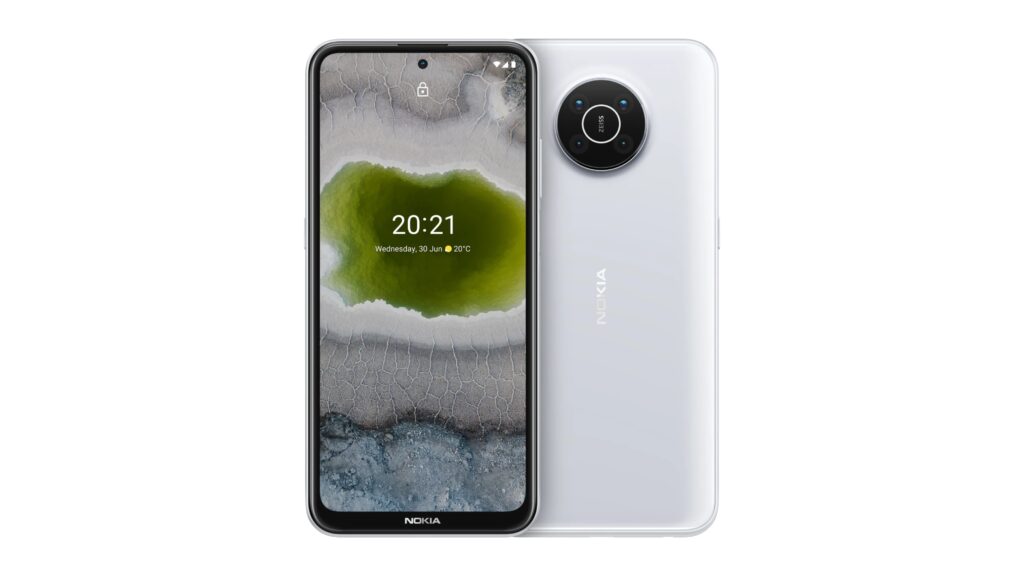
Nokia X10

According to an official announcement post (via NokiaPowerUser) on Nokia Phones Community, HMD Global has begun to roll out Android 12 stable update for the Nokia X10 in the following regions as part of wave 1.

  • Albania
  • Austria
  • Bahrain
  • Belgium
  • Croatia
  • Denmark
  • Egypt
  • Estonia
  • Finland
  • France
  • Hungary
  • Iceland
  • Iran
  • Iraq
  • Italy
  • Jordan
  • Latvia
  • Lebanon
  • Lithuania
  • Luxembourg
  • Macedonia
  • Moldova
  • Montenegro
  • Netherlands (Tele 2, VF, T-Mobile)
  • Norway
  • Oman
  • Portugal
  • Qatar
  • Romania
  • Saudi Arabia
  • Serbia
  • Slovakia
  • Spain
  • Sweden
  • UAE

The company says that the update will be available for all the units in the aforementioned regions by December 26. It will be also seeded out in more regions as part of wave 2 in the near future. The firm will make a separate announcement when that happens.

The Nokia X10 was unveiled alongside the Nokia X20 in April. Just like the costlier model, this one is also eligible for three generations of Android updates and three years of security updates.

Hence, the device should receive Android 13, Android 14, and security updates until 2024. Hopefully, HMD Global keeps up with its promise.


RELATED:


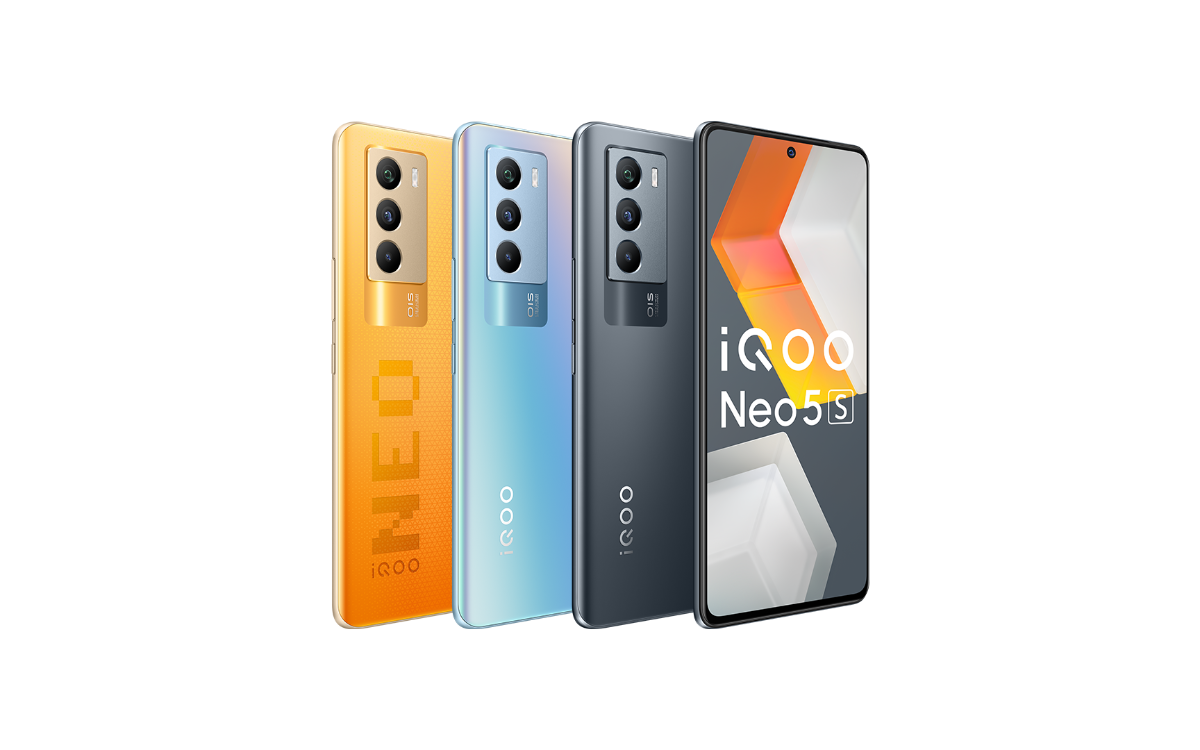
iQOO Neo5S goes on sale in China

iQOO Neo5S sale has gone official in China. The handset was announced alongside the Neo5 SE smartphone in the home market earlier this week.

iQOO Neo5S pricing

The Neo5S has come in three models such as 8 GB RAM + 128 GB storage, 8 GB RAM + 256 GB storage, and 12 GB RAM + 256 GB storage. They are priced at 2,699 Yuan (~$424), 2,899 Yuan (~$459), and 3,199 Yuan (~$502). The handset comes in three options such as orange, black, sunset (gradient blue). It is unclear whether it will be releasing in markets outside of China.

iQOO Neo5S
iQOO Neo5S

iQOO Neo5S specifications

The iQOO Neo5S has a 6.62-inch AMOLED punch-hole display that produces a Full HD+ resolution, a 120Hz refresh rate, and an independent display chip. It runs on the latest OriginOS Ocean UI flavored Android 11 OS. For security, it has an in-screen fingerprint scanner.

The Snapdragon 888 is at the helm of the device. It is accompanied by LPDDR5 RAM and UFS 3.1 storage. There is no support for external storage on the device. It is equipped with a 4,500mAh battery that supports 66W fast charging.

The Neo5S has a 16-megapixel camera for shooting selfies and video calls. Its rear camera setup has a 48-megapixel primary camera with OIS support. It is coupled with a 13-megapixel ultrawide snapper a 2-megapixel macro camera, and a dual-LED flash unit.

RELATED: