Advertisement

LG showcases a 27 inch battery powered TV with wheels for portability

With CES 2022 event being around the corner, we can expect to see new technologically innovative gadgets from various brands surfacing soon. But prior to the event, LG has already showcased an upcoming product that seems quite unique and interesting in its practicality.

LG

The South Korean tech giant is known for its high end TVs that feature cutting edge OLED, mini LED, MicroLED, and other such display technologies. Now, the brand is working on another new TV, but this time, its portable since it can be wheeled around and is powered by a built in battery pack. This upcoming TV in question is the LG StandbyME, which is a 27 inch TV that runs on a battery and can be moved around thanks to the wheels on its height adjustable stand.

While you can detach the screen from the stand, the TV can be swiveled, tilted, rotated, and even oriented in a portrait mode when attached to this stand. As per official notes, the StandbyME TV can last for up to 3 hours on a single full charge. So, you can expect to watch a couple of episodes of a series or roughly a full length movie as well. Although, this might not be enough for some lengthy titles and is not suitable for a movie marathon either.

LG

Unfortunately, since LG doesn’t make a 27 inch OLED panel, you get an LCD screen on this portable TV. At the moment, finer details regarding this display like its resolution and other features are currently unknown. However, StandbyME does support touch interface and will even offer streaming services like Netflix, Amazon Prime Video, and YouTube. It houses a USB port and at least one HDMI port as well. The pricing for this portable TV is currently unknown, but we can expect to hear more about it soon. So stick around for more updates.

RELATED:


MIUI 13 could be rolled out for Xiaomi Mi 11 and Redmi K40 series on December 28

News surrounding MIUI 13 has been deeply fused with rumors, many of which have already turned out to be false. Take a report from last month, for example, that set the update’s launch date as December 16 – something that now appears to be false as there’s no major launch event planned on the day.

Another report from the same source (Xiaomiui) now claims that the launch date is actually December 28, with the Mi 11 and Redmi K40 series being the very first devices to get treated to the update on the same day.

MIUI 13 Logo Featured A

While this again is unconfirmed and nothing but a rumor, it is still more solid than other potential release dates. This is because Xiaomi had launched MIUI 12.5 on the same day last year.

The report further states that both stable and beta builds for MIUI 13 will be introduced on the very same day, which is something that hasn’t happened since MIUI 11. Xiaomi has actually been internal testing stable builds of MIUI 13 for a few recent high-end devices for around a month, so it makes sense that they would be rolled out for all now.

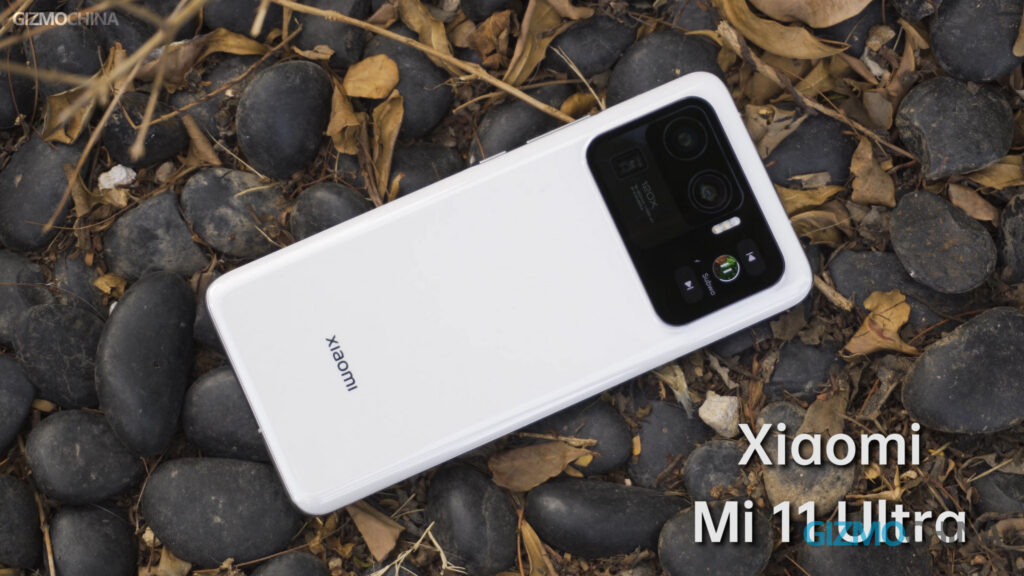
Best Camera Phone Mi 11 Ultra H1 featured 01 (4)
Xiaomi Mi 11 Ultra

The source has also intercepted a bit of data from Xiaomi’s servers showing that MIUI 13 V13.0.1.0 has been prepared for the Mi 11 and Redmi K40 series already. These builds with the same version number will likely be released on December 28.

Devices that Xiaomiui says will get MIUI 13 stable on December 28th include the Xiaomi Mi 11 Ultra, Mi 11, Redmi K40 Pro, and the Redmi K40 Pro+. Other phones like the Xiaomi Mi 10S, Mi 11 Lite 5G, Mi MIX 4, Redmi K40, Redmi K40 Gaming, and Redmi Note 10 Pro 5G might get updated to the same as well on that day.

Do keep in mind here that none of the information above has been officially confirmed so be sure to take it with a pinch of salt.

RELATED:

ASUS launches new ProArt StudioBook 16 & VivoBook Pro series notebooks for Indian creators

ASUS has just launched a number of new laptops in India. The new notebooks include the latest VivoBook Pro series laptops and even a new ProArt StudioBook 16, which are targeted towards Indian creators.

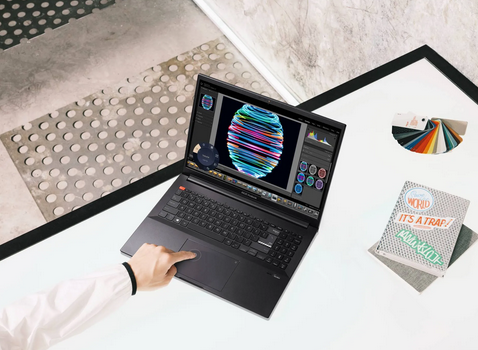
ProArt StudioBook 16

The ProArt StudioBook 16 from the Taiwanese PC maker is the high end laptop that is set to lead the new laptop launches. It sports a 16 inch OLED display that has a 4K resolution and a 16:10 aspect ratio. Notably, the screen also supports HDR as well, and arrives with PANTONE, Calman Verified certifications and VESA Display HDR 500 True Black certification. The display also supports 100 percent DCI P3 color gamut as well. Under the hood, the new creator focused laptop sports powerful specifications, like the NVIDIA GeForce RTX 3070 GPU and AMD Ryzen 5000 series CPU.

ASUS

These specs make the laptop quite capable, allowing for intensive tasks like photo and video editing through Adobe Photoshop, Premiere Pro, Photoshop Lightroom Classic, and After Effects. To improve the creator experience, the company even included a new Asus Dial for intuitive adjustments as well. Other features include four PCIe 3.0 and PCIe 4.0 SSD support along with up to 64GB of 3200MHz DDR4 RAM. For ports, it offers USB 3.2 Gen 2 Type C ports, HDMI 2.1, and an SSD Express 7.0 card slot.

VivoBook Pro 14X and 16X

Following the ProArt StudioBook, the brand also launched the new VivoBook Pro 14X and Pro 16X. These laptops also feature an OLED display and are powered by Ryzen 5000H series mobile processors as well. Although, buyers can even choose to opt for Intel Core i7 CPUs as well, which is paired with an NVIDIA GeForce RTX 3050 Ti graphics card. The new Pro 14X and 16X models even offer an intuitive DialPad control tool, which would help users in their creative projects. It is powered by a 96Whr battery pack, dual fan cooling system, and arrives in a black and silver color options.

VivoBook Pro 14 and 15

ASUS has even launched another line of VivoBook Pro laptops, which including the VivoBook Pro 14 and Pro 15 notebook. These models also feature OLED panels in both a 14 inch and 15 inch form factor, with a NanoEdge 2.8K and FHD displays respectively. The buyers can opt for either the Ryzen 5000H series or Intel Core i7 processor, which is paired with an RTX 3050 GPU. For storage, the company is offering the laptops with 16GB 3200MHz DDR4 RAM and 512GB SSD. Both laptops are powered by a 63Whr battery, feature dual fan cooling system, support WiFi 6, and offer Harman Kardon certified audio.

Pricing and Availability

Talking about the ProArt StudioBook 16 first, the laptop is priced at 1,69,990 INR (~$2,240) in India and will be available for purchase from the company’s official online store, and even its ROG and exclusive stores as well. For online channels, the laptop is also available on Flipkart and Amazon as well. The VivoBook Pro 14X starts from 94,990 INR (~$1,250) and will also be available through the aforementioned channels.

ASUS

Meanwhile the Pro 16X model starts from 1,24,990 INR (~$1,650) and will be available in offline exclusive stores and online stores. The VivoBook Pro 14 starts from 74,990 INR (~$990) while the Pro 15 is priced at 1,04,990 INR (~$1,380). The smaller version’s Intel variant will be available on Flipkart, Reliance, Croma, and Vijay Sales, while the AMD variant can be bought from Asus Estore, offline ROG stores and exclusive stores. The 15 inch model can be purchased from Flipkart and Amazon, along with the company’s official offline and online stores.

RELATED:


Samsung document officially confirms entire Galaxy Tab S8 lineup

Samsung itself through an official document has confirmed the entirety of the upcoming Galaxy Tab S8 lineup along with all of the Wi-Fi/LTE/5G variants.

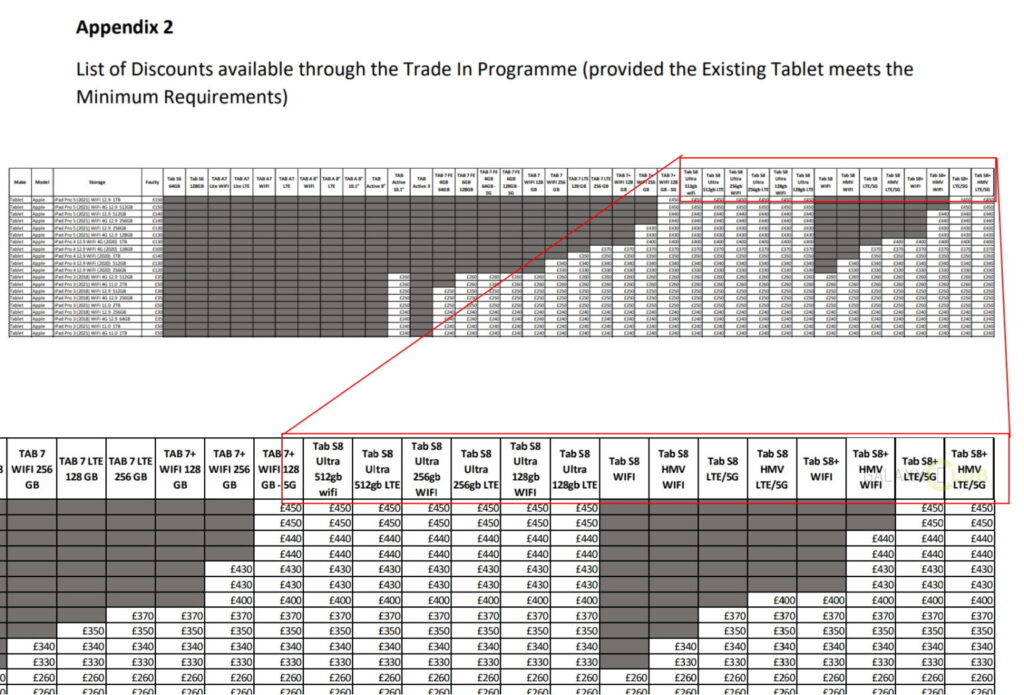
The document is available on the order page for the Galaxy Tab S7 on Samsung UK’s website and was spotted by GalaxyClub.nl. There is a section therein from where you can check the conditions that apply if you want to exchange your current tablet. These conditions are available in the form of a nice little PDF file.

samsung-galaxy-tab-s8-series-uk-1536x1043

Digging through the file reveals an oversized table that neatly lists the different Galaxy Tab S8 models, including the Tab S8, the Tab S8+, and the Tab S8 Ultra. It’s highly likely that the table is nothing but the product of a mistake. Companies do tend to leak crucial information mistakenly, only for them to quickly delete it later.

Of course, none of the data provided in the table is surprising. Most of the information, after all, from specs to designs has already been widely leaked. But leaks and rumors are one thing and official confirmation from none other than the manufacturer itself is another.

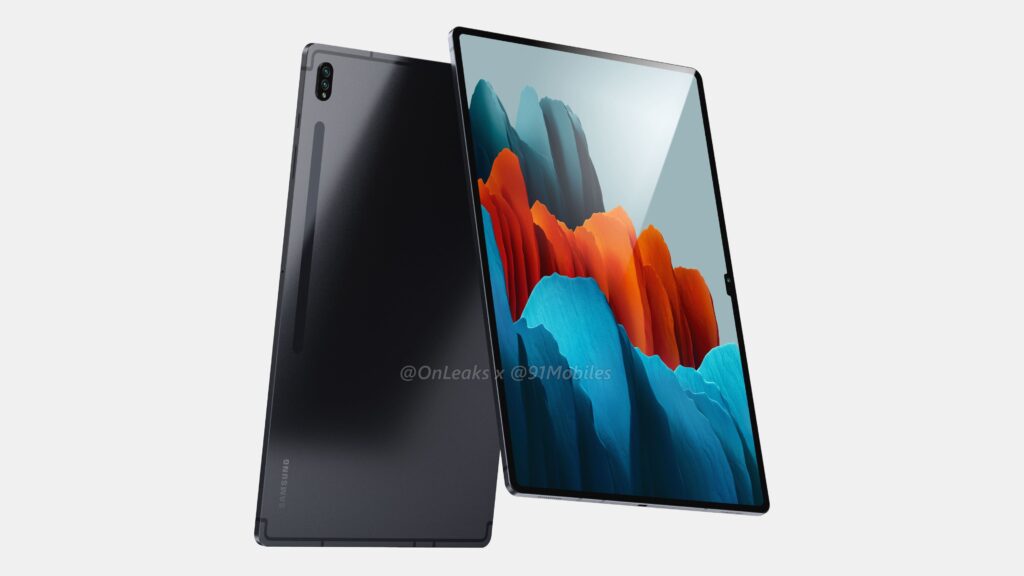
The Samsung Galaxy Tab S8 will be coming with an 11-inch TFT display, Tab S8+ will feature a 12.4-inch OLED display, and the flagship Tab S8 Ultra will be coming with a giant 14.6-inch OLED display. All of them will likely be powered by Qualcomm’s new Snapdragon 8 Gen 1 processor and will come with a minimum of 128GB of storage.

Samsung Galaxy Tab S8 Ultra Render Leak 03
Image: OnLeaks, 91mobiles

Recently, the storage config of the Galaxy Tab S8 series was also leaked, showing that both the Tab S8 and S8+ will be available in Wi-Fi only and 5G variants and in Dark Gray and Silver colors.

As for launch, previous rumors had suggested that Samsung will be launching the Galaxy Tab S8 tablets more or less along with the Galaxy S22 smartphones. A Galaxy Unpacked event will be held in February and it could be possible that the curtains would be lifted on both the lineups at the same time.

RELATED:

Android 13 may let users disable Android’s new background app limitations

In October, Google rolled out the Android 12 with brand new features like the Material You UI and privacy indicators. Most of the new features and changes have been received positively by the userbase, but some have been criticized.

Android 12 featured
Material You UI


One such change is the introduction of a pretty aggressive background process killer feature called ‘Phantom Processes.’ The feature can be a real hindrance for developers and power users, but it looks like Google is proposing a solution that will let users disable this background app policy in future Android versions.

A report by XDA-Developers features a tweet by Mishaal Rahman, stating, “An update on the phantom process issue: Google has just submitted a patch that adds a toggle in Developer Options to disable the monitoring of phantom processes!”

He further adds, “We probably won’t see this until Android 13, though.”

Google has submitted a patch to AOSP ( Android Open Source Project) that adds a toggle in Developer Options to turn off the Phantom Process monitoring.

The patch note submitted to AOSP Reads

  • Add settings to toggle the phantom process monitoring in dev options
  • For power users, the monitoring on phantom processes could be turned off from the Settings->Developer Options->Feature flags.

For those unaware, the ‘PhantomProcesskiller’ is a new feature in Android 12 that kills forked child processes started by apps if they’re using excessive CPU while their parent app processes are also in the background. Moreover, the change only allows up to 32 child processes, thus greatly limiting the number of operations an app can complete in the background. But it looks like Google will add a new option to turn off the Phantom Process Killer in a future Android version which is likely to be Android 13 but could even debut in the Upcoming Android 12L.

RELATED:


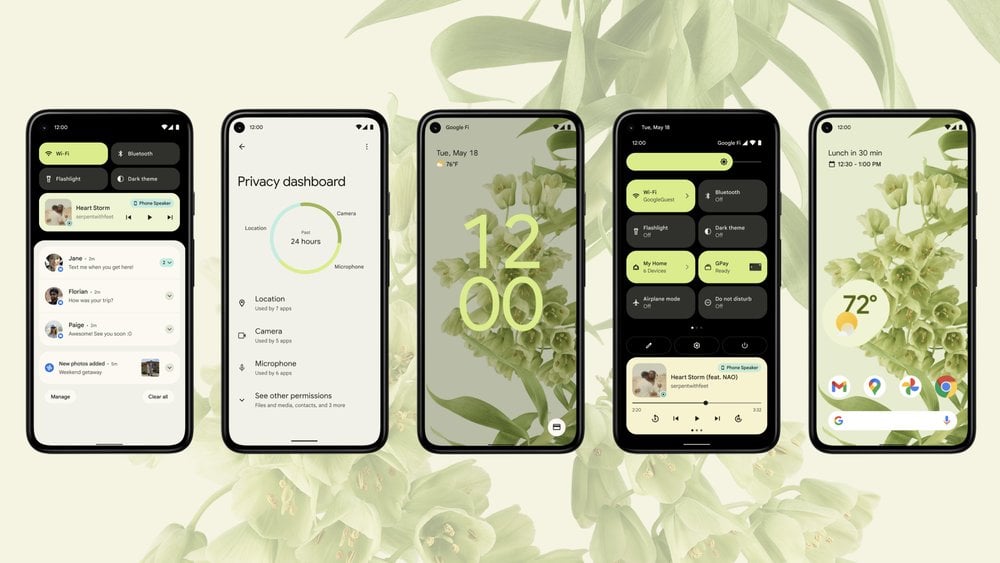
Apple iPhone 13 has a better buyback value than the Pixel 6: Report

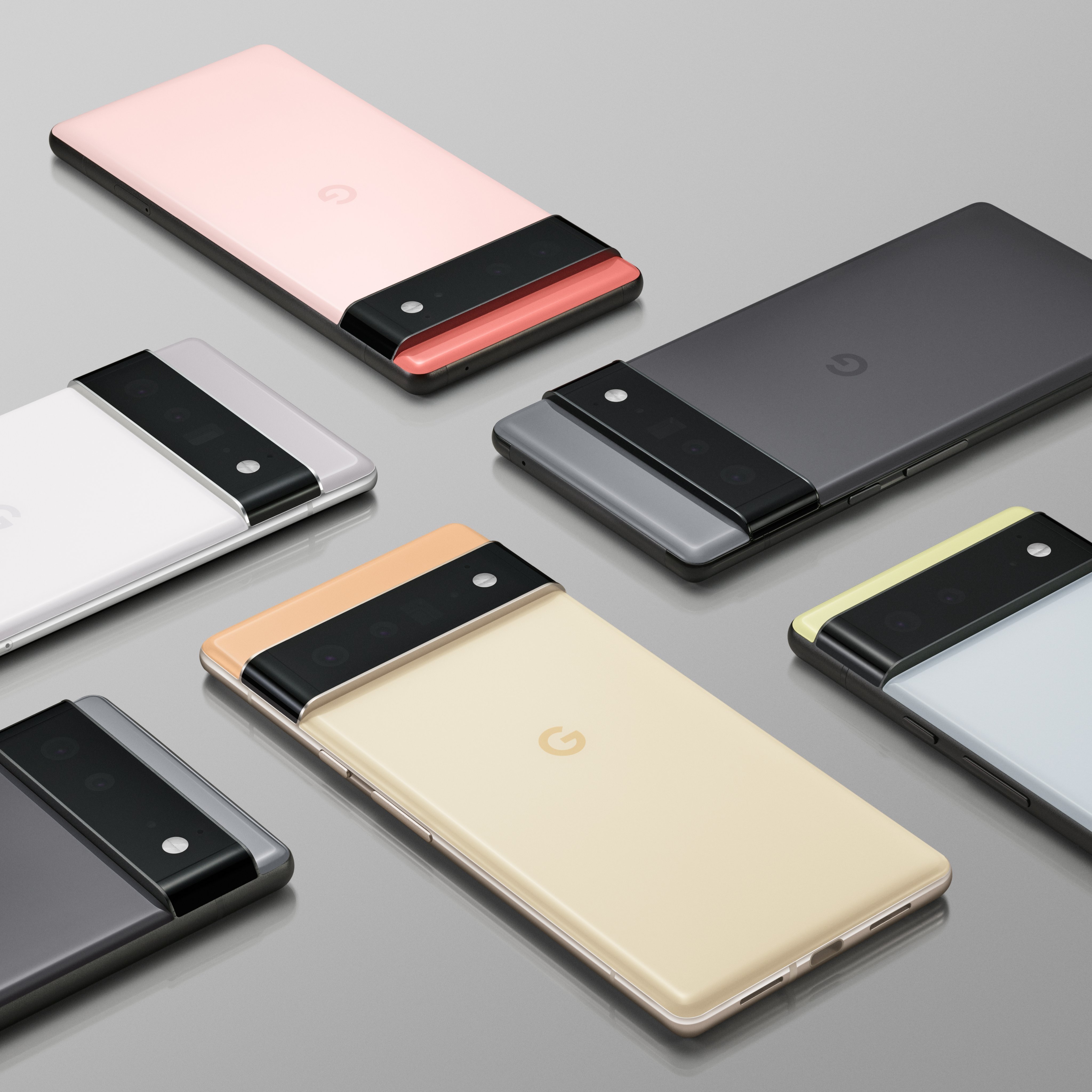
With the launch of the Pixel 6 series, Google had sought to compete in the premium segment market against the likes of Apple and Samsung. However, while its 2021 flagship phones were received as a notable contender in the high end Android market, it appears that there are still areas where iPhones managed to best the Pixel 6.

Apple
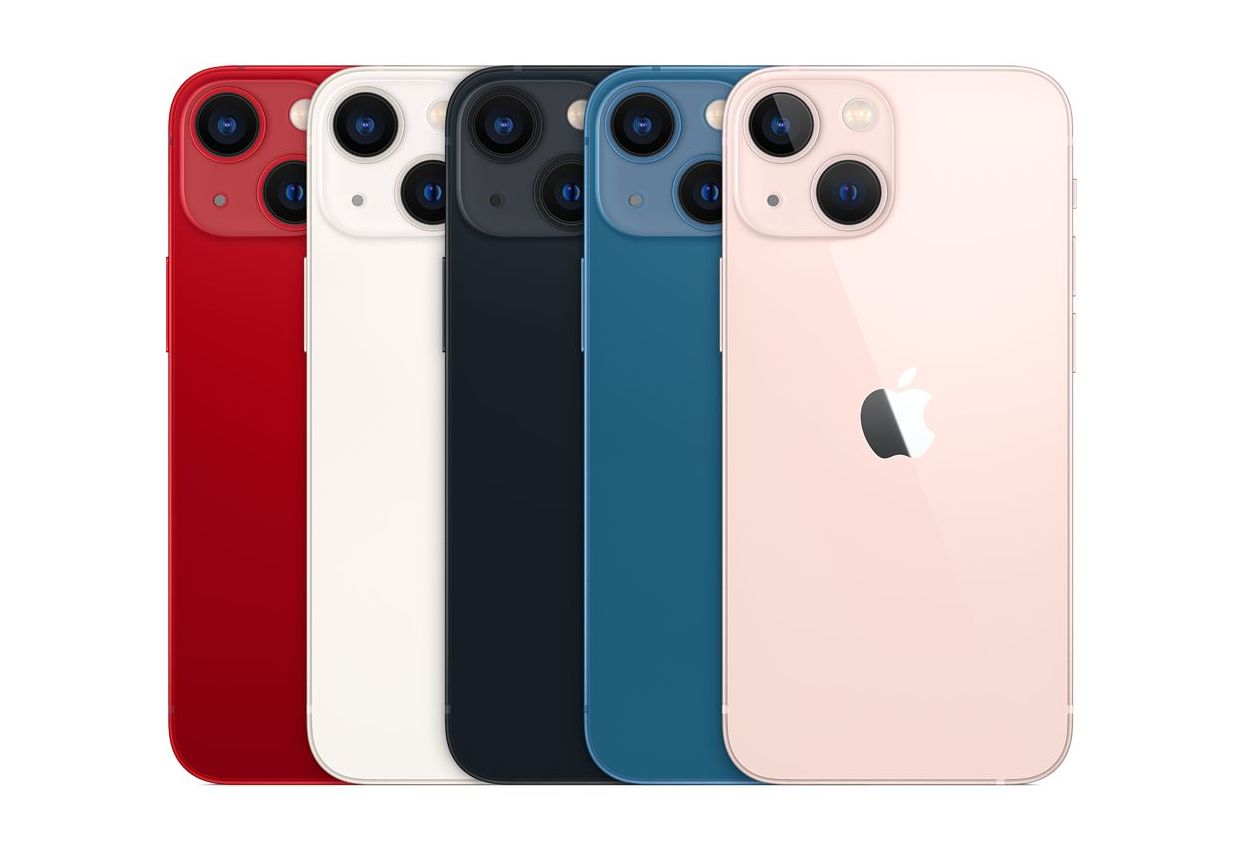
iPhone 13 mini

According to data from SellCell, that sought to find out which of the two smartphone lineups held out its value best, it appears that iPhone took the lead. The report compared information from the smartphone market and price comparisons between the two. It found that the iPhone 13 series hold their value better than the new Pixel 6. Looking at the data that compiled from over 45 buyback vendors, the Pixel 6 series lost an average of around 43 percent of its value within a month of its launch.

On the other hand, the iPhone 13 family only saw a depreciation of around 25 percent within just the first month of its release. Notably, the iPhone 13 saw a rise in value, with the positive trend also including the iPhone 13 mini as well. For those unaware, this model was the least popular model within the lineup. Interestingly, the base Pixel 6 model lost around 37 percent of its value compared to the 35 percent buyback value that was lost for the iPhone 13 mini.

Google Pixel 6 series featured
Pixel 6 series

In other words, the search engine giant had better competed with the Cupertino based company in the entry level flagship market. While the iPhone 13 series saw a rise in buyback value over the last two months, SellCell believes that the same might not be reflected for the Pixel 6 models. Rather, the Pixel 6 value might drop further before reaching a plateau in the next couple of months. Keep in mind that the buyback value do not directly reflect the quality of the smartphones, since iPhones are known to typically hold their value better than their Android counterparts.

RELATED:


OPPO unveils its first self developed MariSilicon X NPU imaging chip

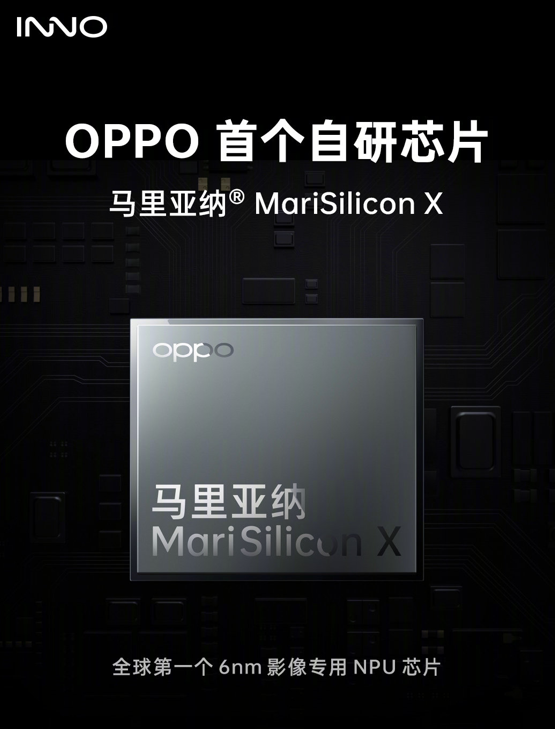
Earlier today (14th December 2021), the OPPO INNO Day 2021 event had officially kicked off. During this conference, the company unveiled a number of new technologies, which included its first self develop NPU chipset, the MariSilicon X.

OPPO

The Chinese smartphone maker’s Founder and CEO, Chen Mingyong, showcased the new first self developed chipset. As per the official announcement, the new MariSilicon X NPU is an imaging based chipset that was independently designed and developed by the company. The senior executive stated that the chipset was named after the Mariana Trench, which is the deepest part of the world. This particular name was set to signify the great depth of the company’s “imagination” and innovation.

During the announcement, the Founder also added that tech giants need to develop core technologies to be prepared for any challenged that they might face in the future. In other words, this chip is also its step towards more self sufficiency. The new MariSilicon X is manufactured using the 6nm process from TSMC and seeks to improve imaging performance of upcoming Oppo smartphones. The company further added that the new chipset will be available in handsets starting from next year.

OPPO

The new chipset will offer real time AI computing to improve energy efficiency while also offering “industry leading” ultra HDR capabilities. This chipset would also enable lossless real time RAW captures and maximize the RGBW sensor’s performance as well as offer extreme dynamic range via 20bit HDR. Notably, OPPO also officially announced that this new chipset will be featured in 2022 Find X series flagship phones, which would mark the arrival of the dual chip technology.

RELATED:


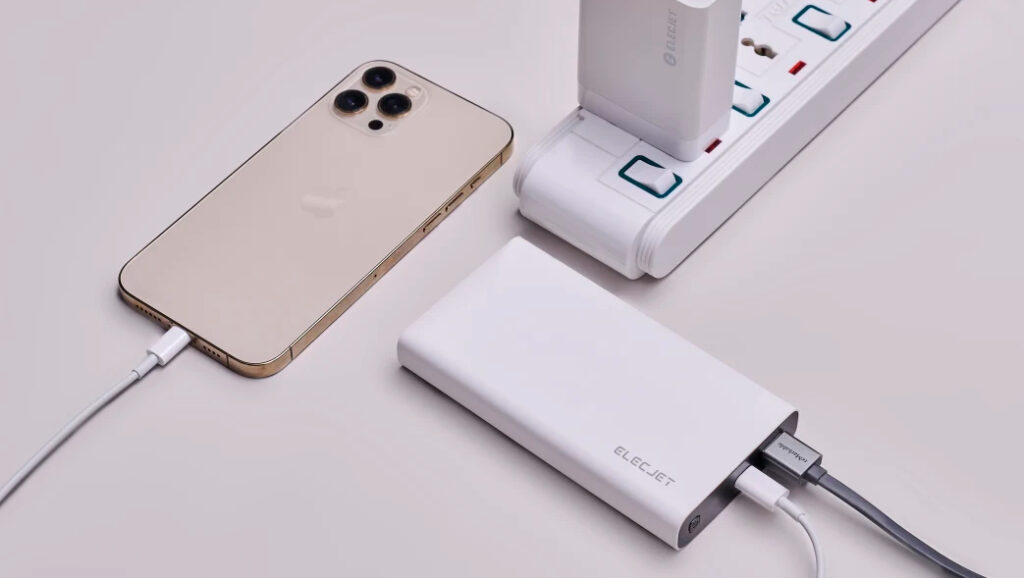
“World’s fastest” 100W power bank by Elecjet could soon become reality

Despite the evergrowing battery capacities of smartphones, power banks continue to undoubtedly be a highly important accessory especially for the travel freaks out there. But while smartphones have managed to gain ultrafast charging tech sometimes reaching 120W, power banks have continued to take hours to fill up.

elecjet power bank

A start-up called Elecjet spotted the dilemma and recently kickstarted a crowdfunding campaign with a promise of bringing a 100W power bank to the market (via PhoneArena). This campaign has now turned out to be rather successful, gathering over $157,905 – an amount that’s a massive 1580% of its original goal.

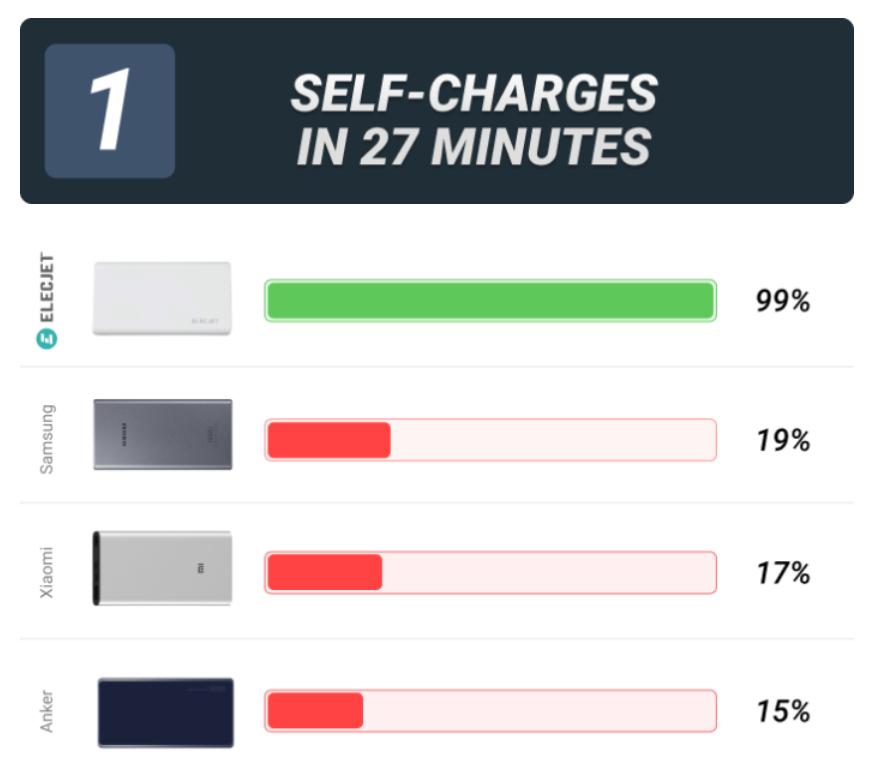
Moving on to the Elecjet Apollo Ultra Power Bank itself, its main highlight is its ability to hit 100% in just 27 minutes from 0%, which is quite impressive for its 10,000mAh capacity. This has been made possible by the use of graphene batteries that allow charging at 100W.


elecjet apollo ultra power bank 27min

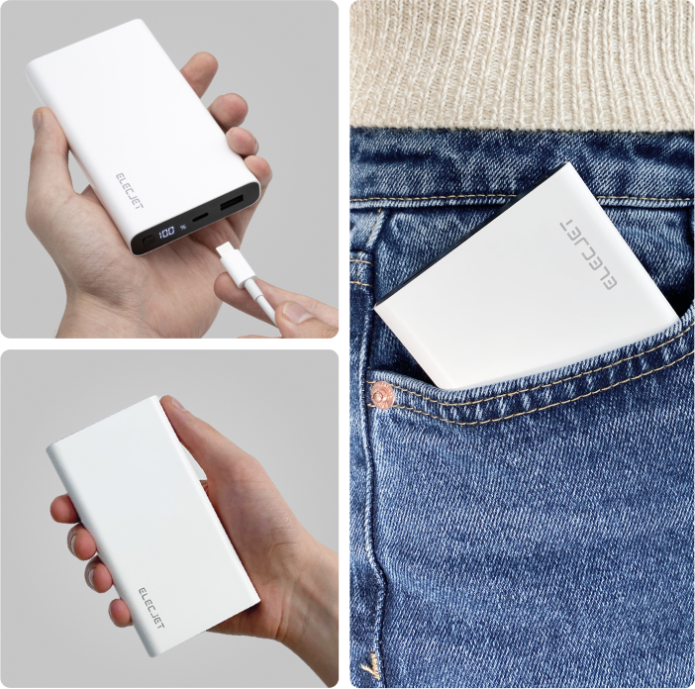
Another highlight feature is its weight. At just 230g and with a size comparable to most smartphones, it is indeed an ideal travel companion. Safety and longevity aren’t to be bothered about either as the power bank is claimed to never exceed 43°C, and lasts over 2,500 charging cycles or almost 7 years of daily use!

elecjet apollo ultra power bank pocket


The power bank even comes with a nifty little digital display that shows its current battery percentage. In addition to that, the Elecjet Apollo Ultra can also handle the task of charging multiple devices at the same time. And if that’s not enough, you can even fill the power bank while it’s charging a device, which can come in handy if your power outlet is clogged with too many devices.

The Indiegogo campaign still has 10 days left to run, giving you ample time to grab the Apollo Ultra power bank for $69 (retail price is $100) and receive $10 back during the post-campaign survey. There’s also a bundle costing $139 that includes the power bank, a USB-C to USB-C cable, and an Elecjet GaN 120W Charger.

The startup expects to start shipping the product next month. For more details, head over to the official Indiegogo page for the Elecjet Apollo Ultra Power Bank.

RELATED:

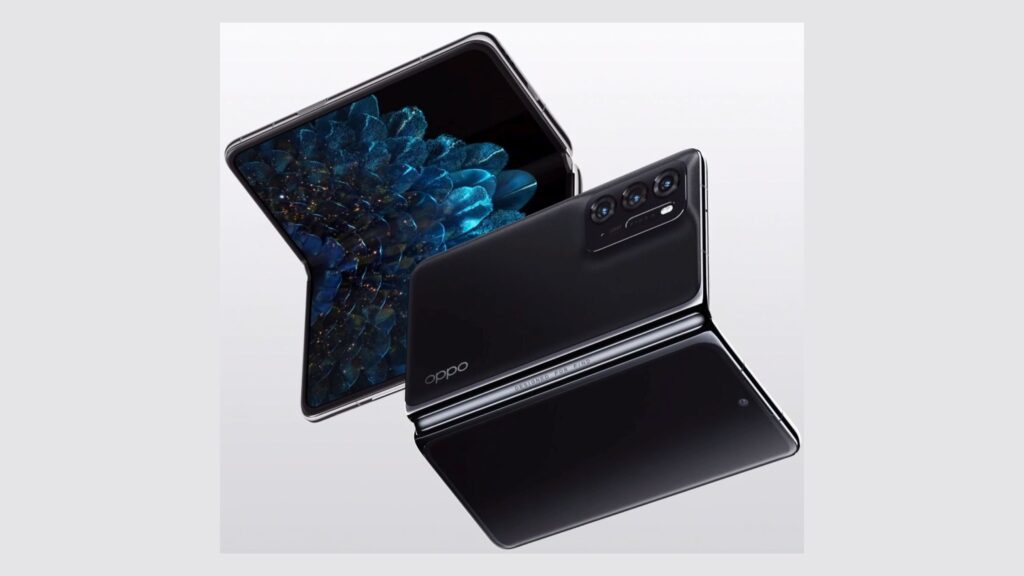
OPPO Find N uses UTG foldable screen from Samsung Display

OPPO kickstarted the OPPO INNO DAY 2021 conference today. The company made multiple announcements, however, the star of the show, OPPO Find N, will be only unveiled tomorrow. Ahead of that, a report reveals the display suppliers of the company’s first foldable smartphone.

OPPO Find N Render Leak Featured A
OPPO Find N | Source: Evan Blass (@evleaks)

According to a report by The Elec (via SamMobile), the yet-to-be-announced OPPO Find N uses a 7.1-inch foldable OLED panel supplied by Samsung Display. This screen is protected by UTG (Ultra Thin Glass) instead of polyimide film. However, the external 5,45-inch OLED panel comes from BOE.

Further, the internal folding screen supports up to a 120Hz refresh rate. Despite that, it consumes less energy as it utilizes LTPO  (Low Temperature Polycrystalline Oxide) TFT (Thin Film Transistor).

Up until now, Samsung Electronics has been the sole OEM to offer UTG and LTPO tech in its foldables. With the OPPO Find N, OPPO becomes the first-ever Chinese OEM to offer these advanced foldable technologies.

The report further notes that even Xiaomi and vivo will use Samsung Display-supplied panels for their upcoming foldables. For the unaware, TCL CSOT provided foldable and external screens for Xiaomi’s first foldable smartphone, Mi MIX Fold.

The forthcoming Xiaomi MIX Fold 2 is said to arrive with an 8.01-inch OLED foldable panel with UTG from Samsung Display. However, the external 6.52-inch OLED screen will be from TCL CSOT.

Lastly, vivo will use a Samsung Display panel for the internal screen and a BOE panel for the external screen. Whereas, Huawei scrapped its plans to use Samsung Display panels earlier this year and went with BOE instead. Honor is also expected to use BOE.


RELATED:


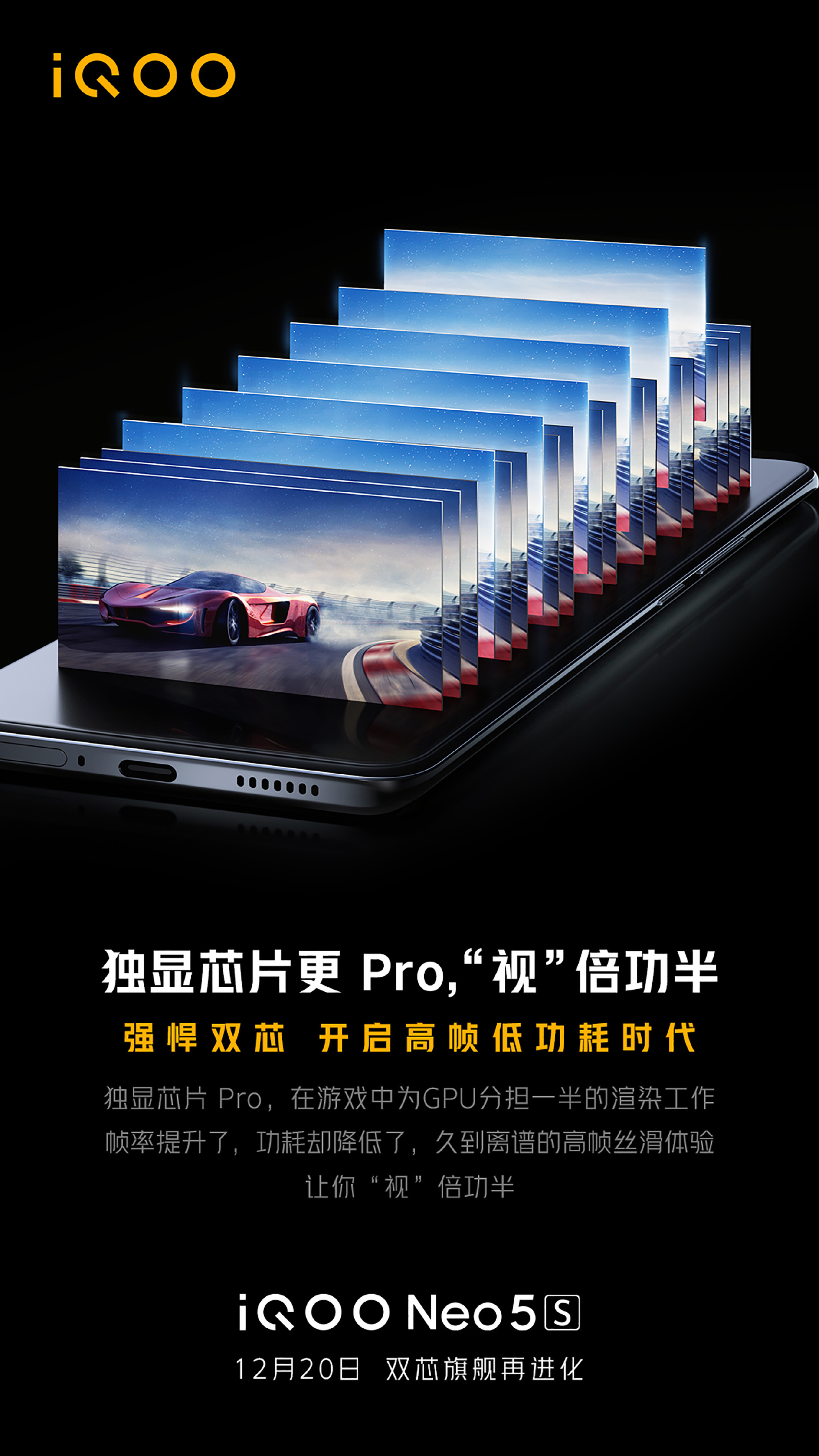
iQOO Neo5S to retain Dual Chip tech for improved gaming performance

Earlier this week, iQOO had officially announced the launch date for its upcoming Neo5S smartphone. Now, the company has teased the upcoming handset, showcasing its dual chip technology and other features.

iQOO

The smartphone maker shared the teaser on its official Weibo account (a Chinese microblogging website). In the latest social media post, the company teased the device’s “Dual Core” chip technology, which consists of the primary Qualcomm Snapdragon 888 SoC paired with a dedicated and independent display chip as well. This secondary chipset brings MEMC support, which enables the smartphone to offer an improved gaming performance through smoother frame rate in FPS titles while displaying more rich colors.

Apart from these two aspects, the brand even shared another design feature as well. The Neo5S will feature advanced heat dissipation technology that will help the device keep its thermals in check. This would be even more important considering that the device is being marketed towards gamers. With long periods of gaming, smartphone tends to heat up in intensive titles. So, a cooling mechanism is an important aspect in any modern smartphones that offer capable performance.

iQOO

For those unaware, the Neo5S is set to be officially unveiled on 20th December 2021. It is expected to launch with a 120Hz display alongside up to 12 GB of LPDDR5 RAM and up to 256 GB of UFS 3.1 storage. Other features include 48 megapixel triple camera setup on the rear while the front houses a 16 megapixel selfie shooter. It will even support 66W fast charging and ship with OriginOS Ocean UI based on Android OS.

RELATED:


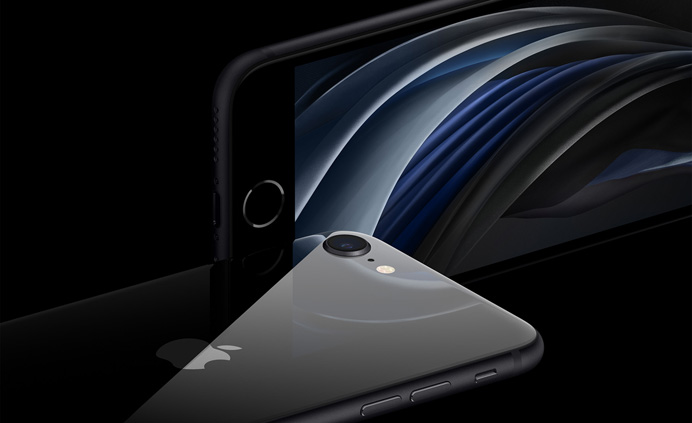
iPhone SE 2022 could reel in over a billion Android users to the Apple ecosystem

Apple is rumored to launch an iPhone SE in 2022 with 5G support for the first time and some J.P. Morgan analysts have said that it has the potential to pull over a billion Android users.

The phone is expected to be launched early next year and will be targeting the mid-range market in order to better compete with rivals Samsung and BBK Electronics, both of which together hold around half of the smartphone market share.

iPhone SE 2020 featured

J.P. Morgan estimates that the upcoming smartphone could lure nearly 1.4 billion low to mid-range Android phone users and about 300 million older iPhone model users (via Reuters).

“Apple’s trade-in program for non-iPhones is admittedly not as attractive as the iPhone trade-in values, it could nonetheless lead to an average starting price range of $269 to $399 for the 5G iPhone SE, which is still very competitive,” analyst Samik Chatterjee, rated five stars on Refinitiv Eikon for his estimate accuracy, said.

Further, the brokerage firm raised its estimates for fiscal 2022 iPhone SE sales to 30 million units and annual iPhone shipments expectations to 250 million units, which is 10 million higher than this year. Apple is also expected to inch closer to the $3 trillion mark in terms of market capitalization.

The only challenge here remains potential demand and supply issues.

Currently, the iPhone SE is priced starting at $399, which is only a fraction of the iPhone 13’s $799 and the iPhone 13 Pro’s $999 price tags. The phone’s 2022 model is expected to feature the same design it currently has, again making it near-identical to the iPhone 8 from 2017. Its display will thus likely be 4.7-inches in size surrounded by thick bezels. The upgrades will mainly be in the processor department as the 5G-supporting iPhone SE 2022 might sport either the A15 or A14 Bionic.

RELATED:

Huawei Watch D registrations are live, features blood pressure tracking & launches Dec 23

Earlier today (14th December 2021), Huawei had officially announced that it will be hosting a new winter product launch conference later this month. One of the products that will be unveiled in this launch event is the Watch D, which is now available for registrations.

huawei watch d in real life 3

The Watch D is set to be the Chinese tech giant’s first smartwatch that will feature blood pressure tracking. While finer details regarding this smart wearable is currently unknown, we know that it will be powered by the company’s self developed HarmonyOS system and will arrive with support for Health App, which helps track the users sleep, calorie measurement, weight tracking, and now even blood pressure monitoring as well.

Looking at a recently leaked live image of the device, we can see that it has a squarish dial with a large screen that’s slightly curved on the edges. It also houses what appears to be a “Health” and “Home” function based physical buttons. As of right now, Huawei has currently opened registration for the Watch D on its official website in China, which basically confirms that it is launching on December 23.

Huawei

For those unaware, the company is gearing up to launch a number of new products during its December 23 event. This includes the Watch D, Watch Fit mini, Sound Joy Speakers, and more. Today, the brand had even announced that it will be launching the Huawei P50 Pocket foldable smartphone as well during this event, which is set to be the latest flagship device. The P50 Pocket foldable phone might just be the Mate V Flip Phone that we had reported on previously. So stay tuned, as we will be covering this launch event.

RELATED:


Redmi Note 10S starts receiving MIUI 12.5 Enhanced Edition update

The Redmi Note 10S sits between the Redmi Note 10 and the Redmi Note 10 Pro.  Unlike the latter two, it debuted with MIUI 12.5 based on Android 11 out of the box. However, despite that, it has started receiving the MIUI 12.5 Enhanced Edition only now.

Redmi Note 10S Featured A
Redmi Note 10S

Xiaomi has begun to roll out the MIUI 12.5 Enhanced Edition update for the Redmi Note 10S. The latest software update for the handset is currently live in Turkey with build number V12.5.5.0.RKLTRXM. 

As usual, the update is being seeded out in batches. As a result, it may take some time to reach every user. It should be also available for other regional variants of the smartphone in the coming days.

The Redmi Note 10S is one of the two models in the international Redmi Note 10 series with a MediaTek chipset. It is powered by an Helio G95 SoC, while the Redmi Note 10 5G has a Dimensity 700 chip.

Some of the highlights of the phone include a 6.43-inch FHD+ AMOLED display, 64MP (wide) + 8MP (ultra-wide) + 2MP (macro) + 2MP (depth) quad-camera setup, 13MP selfie camera, dual stereo speakers, 3.5mm headphone jack, MicroSD card slot, side-mounted fingerprint sensor, IP53 rating, 5,000mAh battery, and 33W fast charging.

The next major system updates for the device should be MIUI 13 and Android 12.


RELATED:


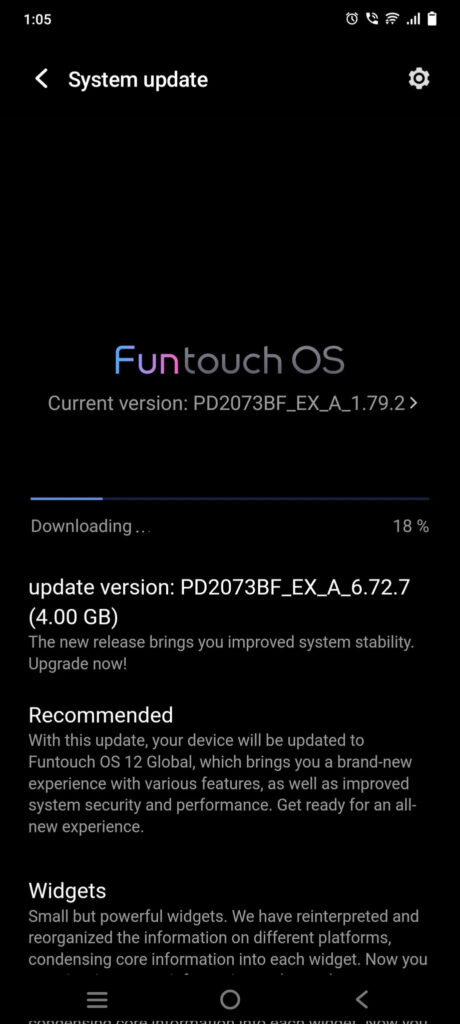
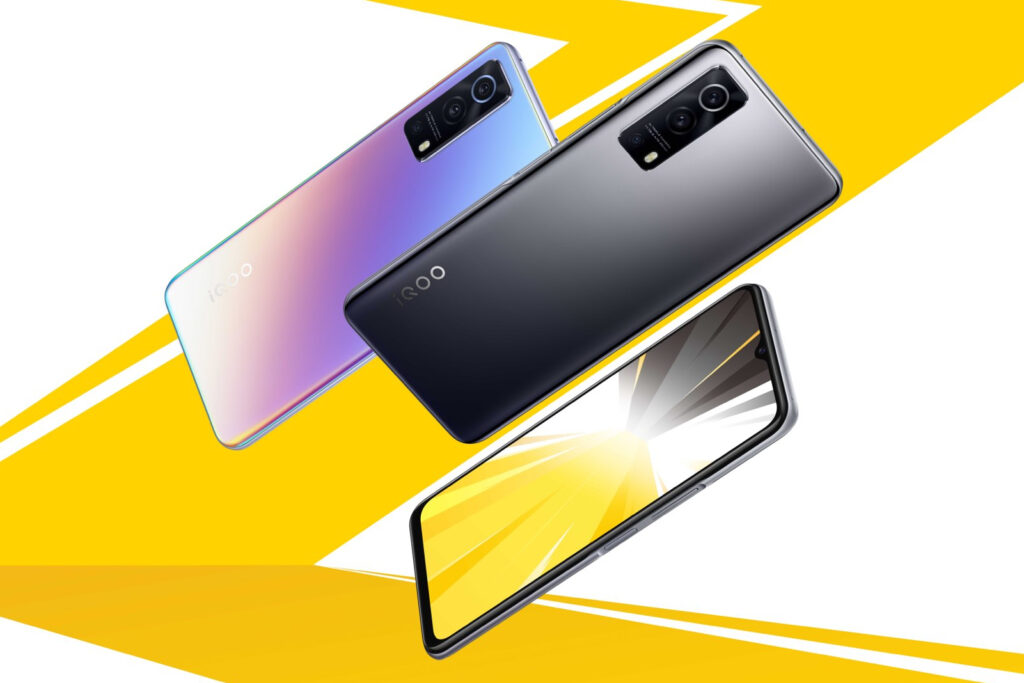
iQOO Z3 is already receiving FuntouchOS 12 update based on Android 12 in India

iQOO has started rolling out FuntouchOS 12 based on Android 12 according to schedule, and the iQOO Z3 has become not just one of the first offerings from the brand to get treated to the same, but also the very first phone in the sub-₹20,000 segment to receive Android 12 stable.

The update carries version number PD2073BF_EX_A_6.72.7, has a size of 4GB, and is currently being seeded to India. A slew of new Android 12-specific features and some FuntouchOS-exclusive features have been added including new widgets, stickers, small window functionality, and much more. Along with this, iQOO also claims that the system performance and security have also been improved.

iQOO Z3 Funtouch OS 12 Android update

The complete official changelog has been given below:

With this update, your device will be updated to Funtouch OS 12 Global, which brings you a brand-new experience with various features, as well as improved system security and performance. Get ready for an all-new experience.

Widgets

Small but powerful widgets. We have reinterpreted and reorganized the information on different platforms, condensing core information into each widget. Now you can view important information and complete core actions on the home screen.

Nano Music Player

With just one tap on the home screen, you can enter a new world of music. Your listening experience will not be interrupted by repeatedly switching the sound source, making it incredibly simple and easy to enjoy music.

Stickers

We provide stickers with different features which allows you to change the text and image background and choose from a variety of colors so that you can match and express yourself as you wish. Make stickers as colorful as you like.

Small Windows

Small windows are simple to open. You can drag to resize them and change where they float, making multitasking easier.

System

  • Added the Unlock to power off feature. You need to unlock the phone to power it off.
  • Added the feature in which an “approximate location” is given to apps. Apps will only get an approximate location instead of a precise one.
  • Added the app hibernation feature. If you haven’t used an app for months, it will be denied access to all permissions by the system.

If you haven’t received the update on your device yet, then it could be possible that it is currently being rolled out in stages. It would thus be advisable to simply wait for a while. Still, you can always head over to Settings > System update to manually check if there’s any new version available.

iQOO Z3 5G Featured A
iQOO Z3 5G

Along with the iQOO Z3, the iQOO 7, 7 Legend, and Z5 are also scheduled to get updated to Android 12-based FuntouchOS 12 this month. However, the iQOO 3 will be a bit late to the party and will only receive FuntouchOS 12 later in March 2022.

RELATED:

Redmi 10 2022 appears on Google Play Console before launch

The Redmi 10 2022 is in the news for the past few days. Going by the information so far, it appears to be a rebranded Redmi Note 11 4G for international markets. That said, ahead of its official announcement, the device now makes its appearance on Google Play Console.

Redmi Note 11 4G
Redmi Note 11 4G

According to Google Play Console, the upcoming Redmi 10 2022 will flaunt an FHD+ display. It will be powered by a MediaTek MT6769 chipset paired with 6GB RAM. Lastly, the handset will run Android 11.

In a nutshell, the listing does not reveal anything new about the phone. However, it suggests that the smartphone will launch very soon.

As mentioned earlier, the Redmi 10 2022 is most likely a rebranded Redmi Note 11 4G, which itself is almost identical to the Redmi 10 from a few months back. The only difference between the Redmi 11 4G and Redmi 10 is the rear camera setup.

The Redmi 10, which is also sold as Redmi 10 Prime in India, has a quad-camera array. The setup includes a 50MP primary sensor, an 8MP ultrawide, a 2MP macro snapper, and a 2MP depth sensor. The Redmi Note 11 4G, on the other hand, has a triple camera array. It lacks the 2MP depth sensor, while the other cameras are the same.

This means the Redmi 10 2022 will be basically a Redmi 10 with a triple camera setup. There could also be an Indian version of this smartphone dubbed as Redmi 10 Prime 2022.


RELATED:


Apple iPhone 14 Pro variants to sport 48MP camera & 8GB RAM: Report

While we are still many months away from the launch of the 2022 iPhone lineup, various rumors and reports have already surfaced regarding the upcoming Apple flagship phones. Now, the latest report reveals some major improvements that will be arriving with the iPhone 14 Pro variants.

Apple

According to a MacRumors report, the new information is from a research note with Haitong International Securities. Previously, analyst Jeff Pu had stated that the Cupertino based giant plans on launching the iPhone 14 series in September 2022, with the lineup including 6.1 inch iPhone 14, 6.7 inch iPhone 14 Max, 6.1 inch iPhone 14 Pro, and 6.7 inch iPhone 14 Pro Max. Now, Pu revealed detail related to the iPhone 14 Pro series in the new research note.

Reportedly, the Pro variants will be equipped with a triple camera lens with the primary lens being a 48 megapixel camera, paired with a 12 megapixel ultra wide angle lens and a telephoto lens as well. This news is in line with our previous reports that was initially shared by another known analyst Ming-Chi Kuo, who had claimed back in April that the iPhone 14 Pro models will feature 48 megapixel primary camera with support for 8K video recording.

Apple
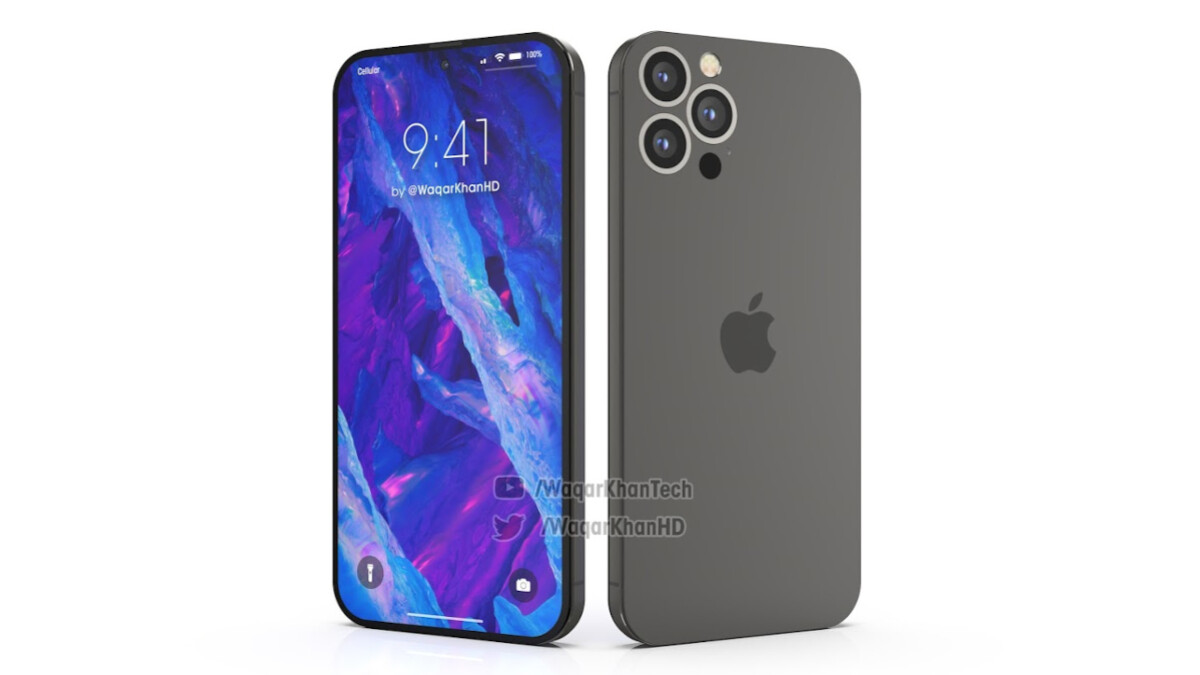
iPhone 14 Pro concept renders by Waqar Khan

Furthermore, Pu also added that the iPhone 14 Pro variants will even offer 8GB of RAM, which is up from the 6GB of RAM that was featured in the highest end variant iPhone 13 Pro series. Keep in mind that this is still just an unconfirmed report, so take it with a pinch of salt for now. With the iPhone 14 launch being months away, we can expect to see more rumors and reports surface as well, so stick around for more updates.

RELATED:


Netflix India slashes monthly plan prices while Amazon Prime gets nearly 50% hike

Subscribing to Netflix India will now cost you a bit less as the streaming service looks to expand its user base amid rising competition from rivals Hotstar and Amazon Prime – both of which are priced a tad lower.

Most of the plans have gotten a price cut of Rs 50 per month but the basic plan now costs Rs 199 per month instead of Rs 499 per month, which is a huge price cut of Rs 200. As for others, the popular plan has been reduced to Rs 149/month from Rs 199/month, the standard plan has been reduced to Rs 499/month from Rs 649/month, and finally, the premium plan stands at Rs 649/month, down from Rs 799/month.

Netflix Logo Featured

The new plans have been dubbed as ‘Happy New Prices’ by Netflix India will be effective from December 14th, or today.

However, competitors like Amazon Prime and Disney+Hotstar continue to cost a little less in the country. While the former’s monthly plan now starts at Rs 179 per month, the latter’s subscription costs Rs 1499 yearly for premium services.

If you are scratching your head about Amazon Prime’s Rs 179 fee when it earlier cost Rs 129 per month, then you will be surprised to know that the streaming service has gotten a price hike at the same time Netflix has reduced its prices.

amazon prime video

An Amazon spokesperson had said, “The price of Prime memberships in IN (India) is being revised from Rs 999 to Rs 1,499 (annual plan), Rs 329 to Rs 459 (3-month plan), and Rs 129 to Rs 179 (monthly plan).”

However, customers were still given a chance to pay the old prices for their Amazon Prime subscription if they extended their plan or joined it on or before December 13th, 11:59 pm. If you weren’t able to avail the limited time offer, then well, you will be subject to the updated rates from now.

RELATED:

Samsung Galaxy M33 5G will house a 6,000mAh battery: Safety Korea

We first heard about the Samsung Galaxy M33 5G at the end of October. One and a half months later, we now get to learn a specific detail about this phone. Let’s take a look at what it is all about.

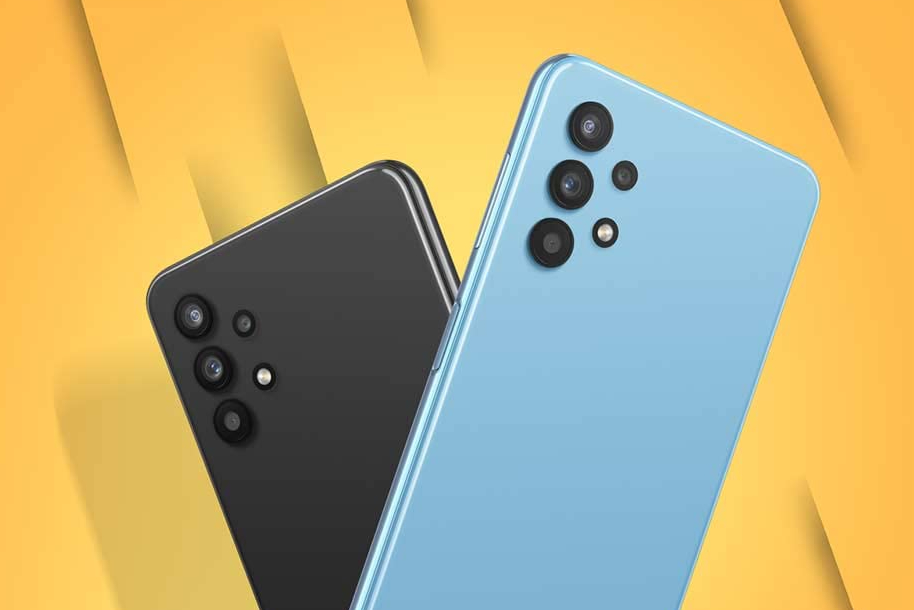
Samsung Galaxy M32 5G Featured A
Samsung Galaxy M32 5G

According to SamMobile, a Samsung smartphone battery with model number EB-BM336ABN has been certified by Saftey Korea. The cell has a rated capacity of 5,830mAh. This means it will be marketed as a 6,000mAh battery.

Going by the model number, the battery will belong to the upcoming Galaxy M33 5G (SM-M336). If this is the case, then the handset will be different from Galaxy A33 5G, which is expected to arrive with a 5,000mAh battery.

Up until now, the Galaxy M33 5G was thought to be rebranded version of Galaxy A33 5G. That’s because their predecessors Galaxy A32 5G and the Galaxy M32 5G are one and the same.

Hence, we can no longer speculate the specs of M33 5G based on A33 5G. We will have to wait for more certifications, benchmark listings, and leaks to learn more about this device.

As far as Galaxy A33 5G is concerned, it is anticipated to come with the same design and in colors as the Galaxy A53 and the Galaxy A73 but with a dewdrop notch instead of a punch-hole. The smartphone will lack a 3.5mm headphone jack, however, it will be IP67-certified for dust and water resistance.


RELATED:


Xiaomi Mi MIX Fold might not get MIUI updates hereafter

Xiaomi launched the Mi MIX Fold earlier this year as its first-ever foldable smartphone. It is also the company’s most-expensive commercial smartphone to date. However, the device has only received a few software updates so far and it may get even worse.

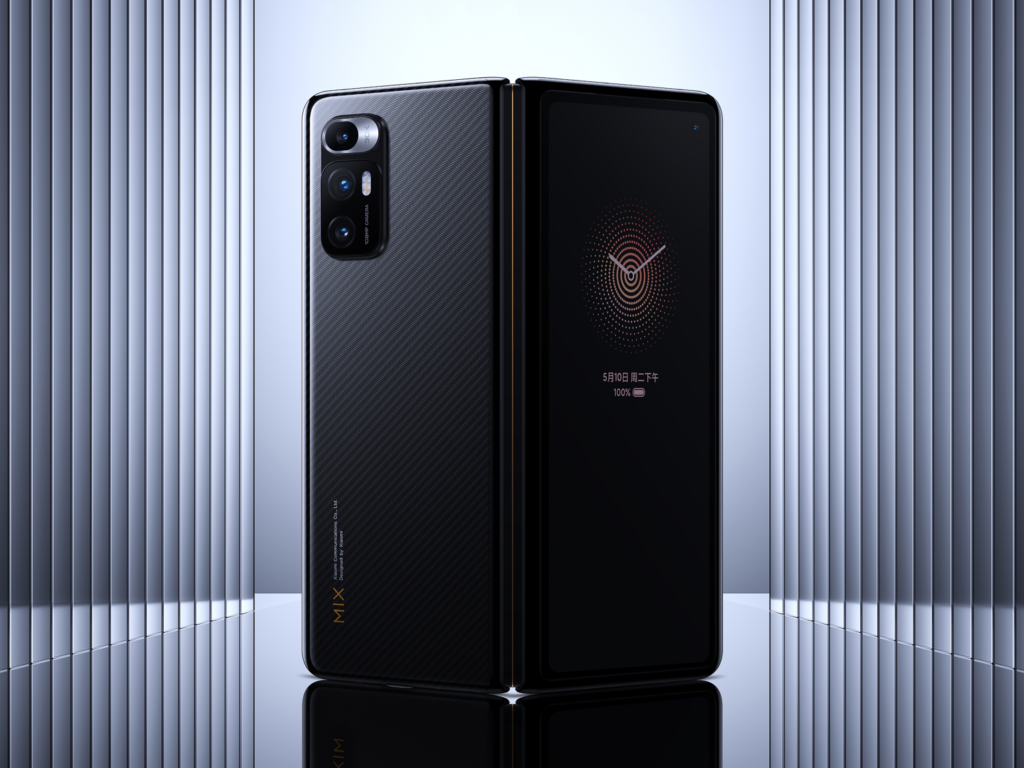
Xiaomi Mi MIX Fold
Xiaomi Mi MIX Fold

According to findings by Xiaomiui, the Mi MIX Fold may not receive any MUI updates hereafter. The MIUI Feedback app says that the handset now lacks OTA update support.

There’s another possible explanation. Xiaomi might introduce a new branch of MIUI for foldables in the future, as it did for tablets in the form of MIUI for Pad. Hence, it is currently listed with no OTA support for standard MIUI builds.

That being said, Xiaomiui has a history of wrong predictions. Therefore, this could turn out to be incorrect.

But we cannot rule out the possibility of no future updates either. That’s because the Mi MIX series has an unfortunate history of poor software support.

Anyway, for now, the Mi MIX Fold’s software situation is in a good state. Just recently, it received a system update with the longest changelog in MIUI history. This update brought changes to the software based on the feedback from actual users of the phone.

As Xiaomi appears to be dedicated to improving MIUI for foldables, we don’t think the company will suspend software support for the Mi MIX Fold.


RELATED:


Vivo Watch 2 launch date confirmed

Vivo Watch 2 launch date has been confirmed. Earlier today, the company confirmed that it will be launching the Vivo S12 series of smartphones on Dec. 22 in China. The company has now confirmed that it will be unleashing the Vivo Watch 2 alongside the S12 lineup.

Vivo Watch 2 launch date

The Vivo Watch 2 will be succeeding the original Vivo Watch that debuted in September 2021. The company is yet to share the details of the upcoming smartwatch.

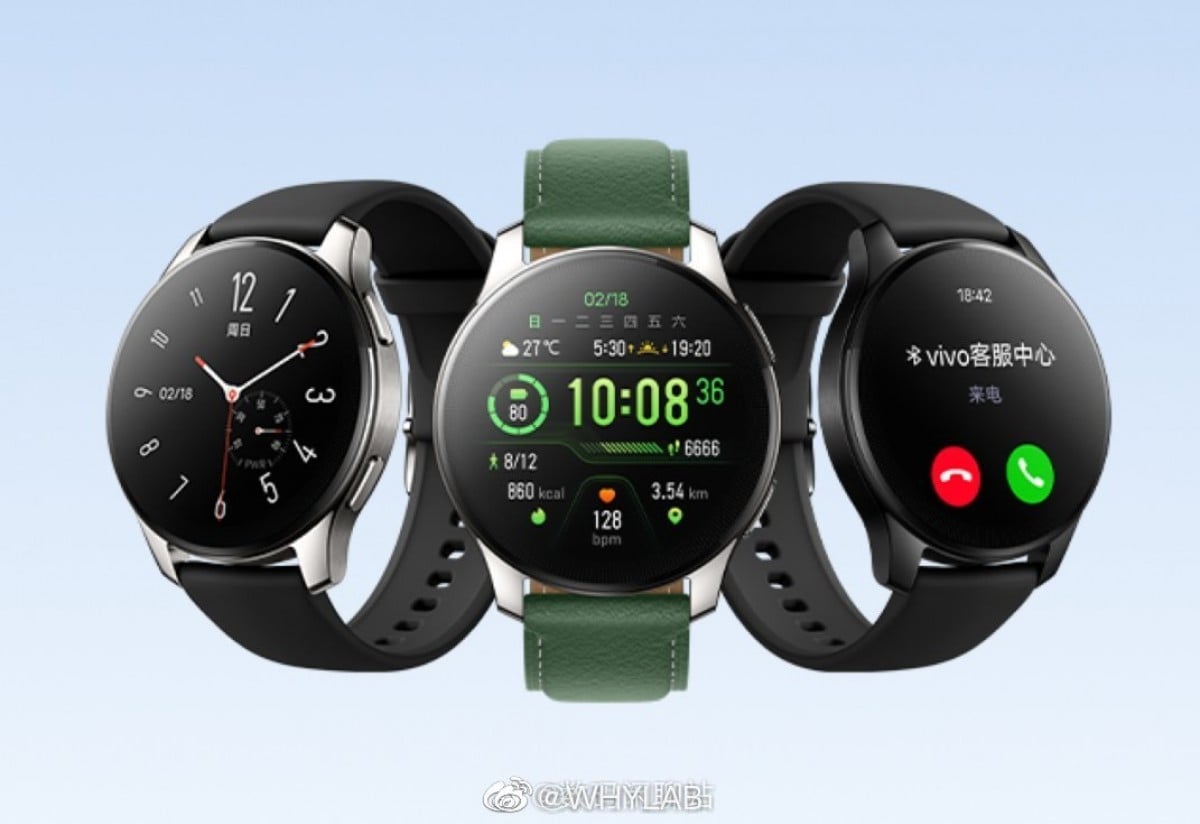
A leaked image showcasing the design of the Vivo Watch 2 smartwatch had appeared last month. It revealed that the Watch 2 will be sporting a round-shaped dial like the predecessor model.

vivo Watch 2
vivo Watch 2

The image also showed the Vivo Watch 2 will offer features like a heart-rate tracker, a built-in GPS, and a step counter.  The original Vivo Watch did not support voice calls. However, the leaked image also hinted that the Watch 2 may arrive with support for eSIM.

The Vivo Watch 2 is expected to arrive in leather and silicone strap options. Rumors have it that it will be backed by a 501mAh battery. To recollect, the first-generation Vivo Watch featured a smaller 478mAh battery. The other specs of the Vivo Watch 2 are under the wraps.

In related news, the Vivo S12 and S12 Pro are expected to arrive with common specs like the Dimensity 1200 chipset, 50-megapixel dual selfie cameras, and 108-megapixel triple rear cameras. Both phones are likely to support 44W fast charging. The vanilla model may feature a flat display, while the Pro variant may come with a curved edge screen.

RELATED: