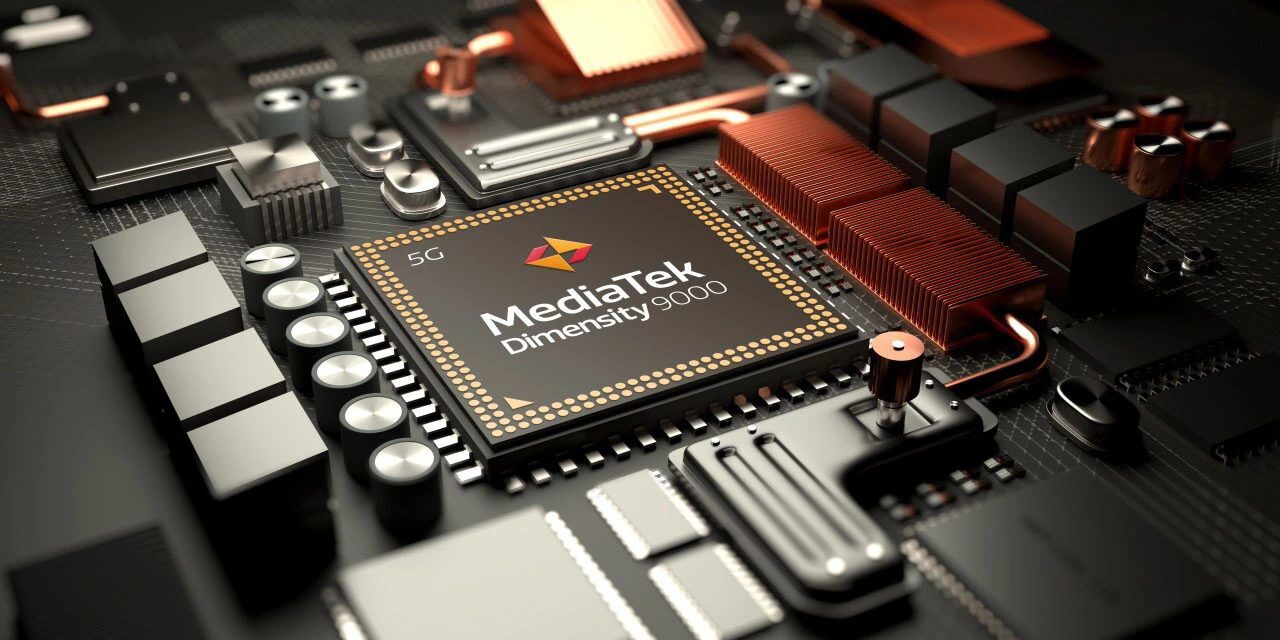
A new benchmarking result has just showcased some interesting information regarding the upcoming MediaTek Dimensity 9000 SoC. The chip managed to easily outclass almost every other chipset in the high end smartphone market, and even managed to achieve a score many times higher than others in some tests.
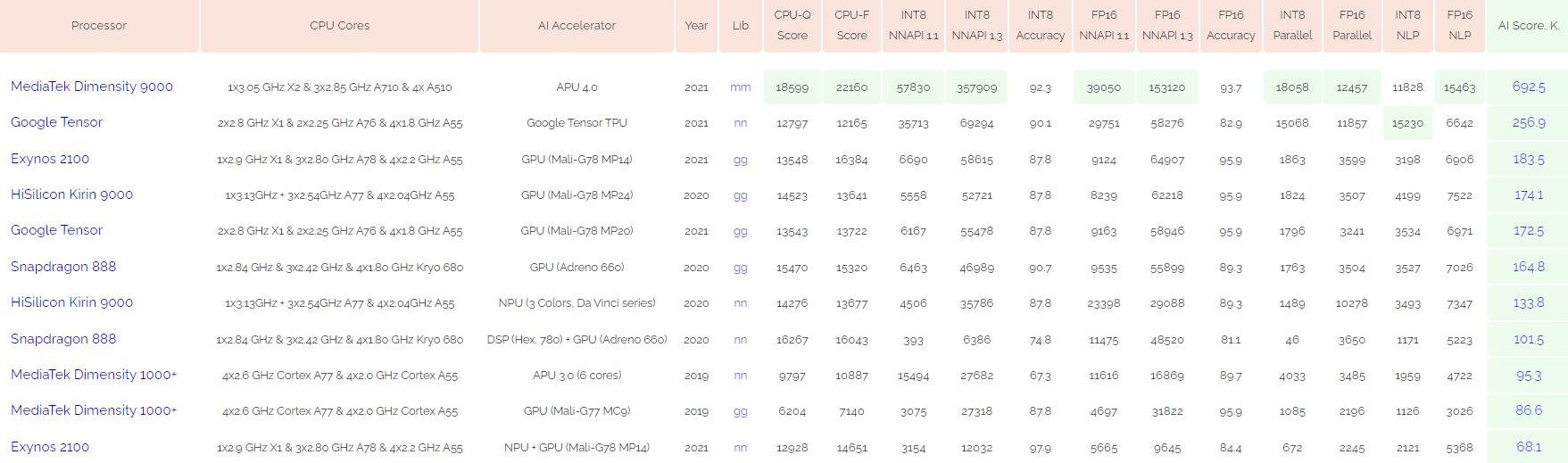
According to data from AI Benchmark, the Dimensity 9000 chipset beats every other chipset in almost every test. These results for the latest flagship chipsets were obtained with the AI Benchmark V5 Preview. In these tests, the Taiwanese chipmaker’s upcoming high end chip was pit against notable contenders like Google Tensor, Exynos 2100, HiSilicon Kirin 9000, Snapdragon 888, and even other Dimensity chips.
While the Dimensity 9000 lead the list in most categories the most notable achievement was its AI Score. Looking at the results, the new chipst easily outperformed its rival by a large margin. With a score of 692.5 on AI scores, it was 2.7 times higher than the Google Tensor, 3.7 times higher than the Exynos 2100, 3.9 times higher than the Kirin 9000, and a whopping 4.2 times higher than the Snapdragon 888.
While these results look good on paper, average users might be hard pressed to see the difference in performance based on just AI related tests. As of right now, this aspect helps in areas like face recognition, photography, AR, voice recognition, smart voice assistants, and more. In other words, it doesn’t mean that the chip is faster in terms of computing, but “smarter” in terms of AI based tasks.
Google is now hiring for the purpose of creating an “Augmented Reality OS” for an unspecified “innovative AR device,” signaling that the California-based company is finally hopping onto the AR/VR bandwagon, joining the likes of Apple and Meta.
The information comes from Mark Lucovsky who shared on LinkedIn on Tuesday that he now leads the “Operating System team for Augmented Reality at Google” (via 9to5Google). He earlier worked for four years as general manager for Operating Systems at Oculus VR/Facebook/Meta. Before that, Lucovsky was at Microsoft for 16 years before working at Google from 2004-09.
The new director also shared a link under the same post for the role of “Senior Software Engineer, Embedded Systems, Augmented Reality OS,” under which it’s written that the Google team is building the software components that control and manage the hardware on our Augmented Reality (AR) products.
“The Google Augmented Reality (AR) team is a group of engineers, designers, and research scientists tasked with building the foundations for great immersive computing, and prototyping helpful, delightful user experiences. We’re focused on making immersive computing accessible to many people through mobile devices, as our scope continues to grow and evolve,” further states the listing.
There are other roles too that explicitly state that Google is building an “innovative AR device.” For example, the role of Senior Software Engineer, Camera, Augmented Reality OS clearly states that as part of the team, you will be responsible for overall camera device software for an innovative AR device.
Most of the positions are based in the US while some are also based in Waterloo, Canada. The latter is responsible for Focals and was acquired by Google last year. The Augmented Reality OS team sits under the Devices & Services team responsible for Pixel, Nest, and other hardware.
Google already has Android, Chrome OS, and Fuchsia operating systems under its name so the new AR-based OS will be yet another feather in the cap. The OS will likely be powering next-gen augmented reality hardware, fulfilling requirements like voice command accuracy and visual recognition.
Notably, companies like OPPO have already been making strides in the AR space, recently unveiling the OPPO Air Glass that snaps onto your regular specs and offers a display with an average brightness of 1400nits. Read more about it here.
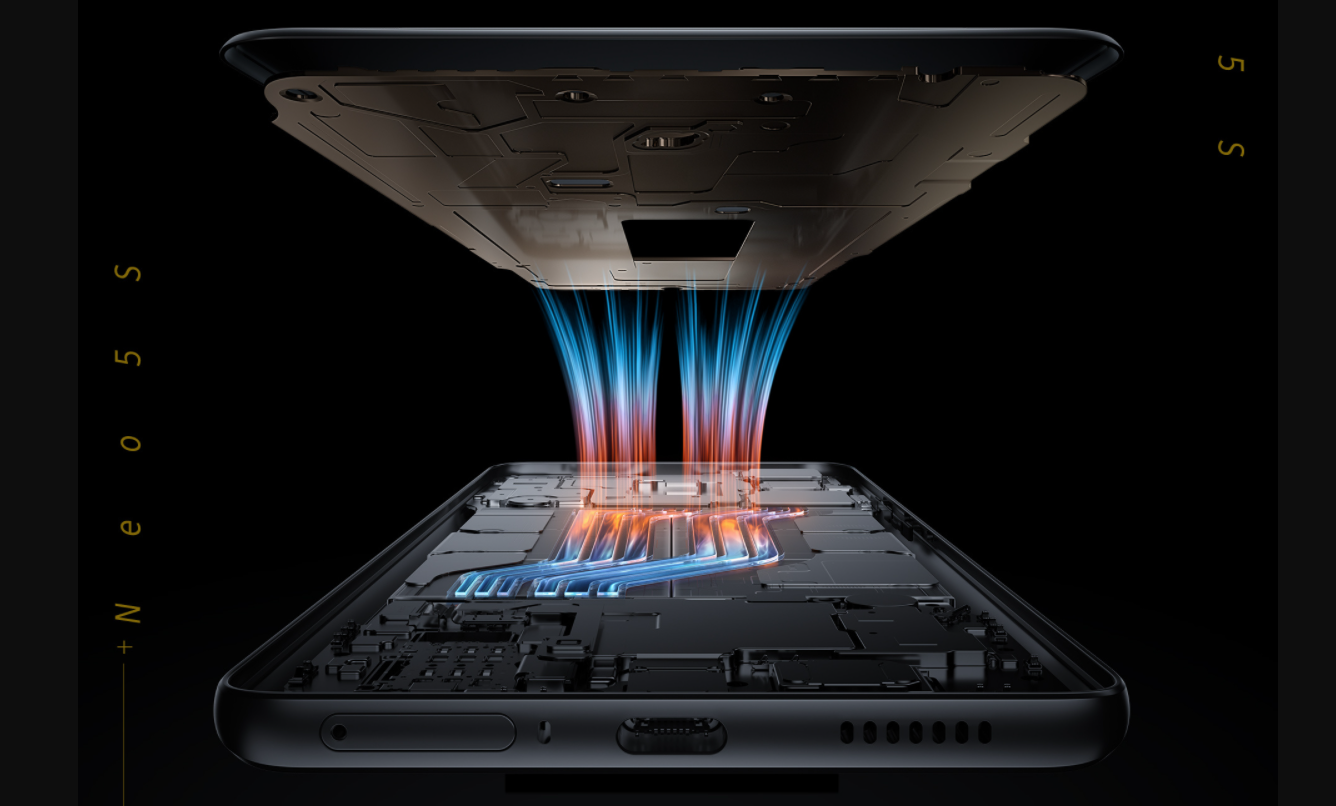
iQOO will be taking off covers from the iQOO Neo5s flagship phone on Dec. 20 in China. Before launch, the company is busing share some of the key features of the performance-driven smartphone. Today, the company shared a poster to confirm the rear design of the iQOO Neo5s. It has also some information on the heat dissipation system of the device.
In order to cut down the heat generated by the processor, the iQOO Neo5s’ heat dissipation unit will be equipped with rare earth elements, which are used in fields of military industry, hydrogen storage, superconductivity, 5G communications base station filters, automobile engine brackets, and aircraft engine housings. Hence, the Neo5s will be the first-ever smartphone to feature rare earth elements for heat dissipation.
The company added that the heat dissipation material encompasses 89.4 percent of the device. In addition to rare earth elements, the Neo5s has large-area graphite plates and liquid-cooled soaking plates to regulate the internal temperature.
With features like an advanced heat dissipation system, an independent display chip, and the powerful Snapdragon 888 chip, the iQOO Neo5s will be able to offer top-notch gaming experience without any performance issues. Past reports have revealed that the iQOO Neo5s will be sporting a punch-hole OLED panel on the front. It is expected to carry support for a 120Hz refresh rate. The above-shown poster confirms that the smartphone will be equipped with an OIS-assisted triple camera unit. It is speculated that the device has a 48-megapixel Sony IMX598 primary camera. The device will come preinstalled with OriginOS Ocean UI based Android 12 OS.
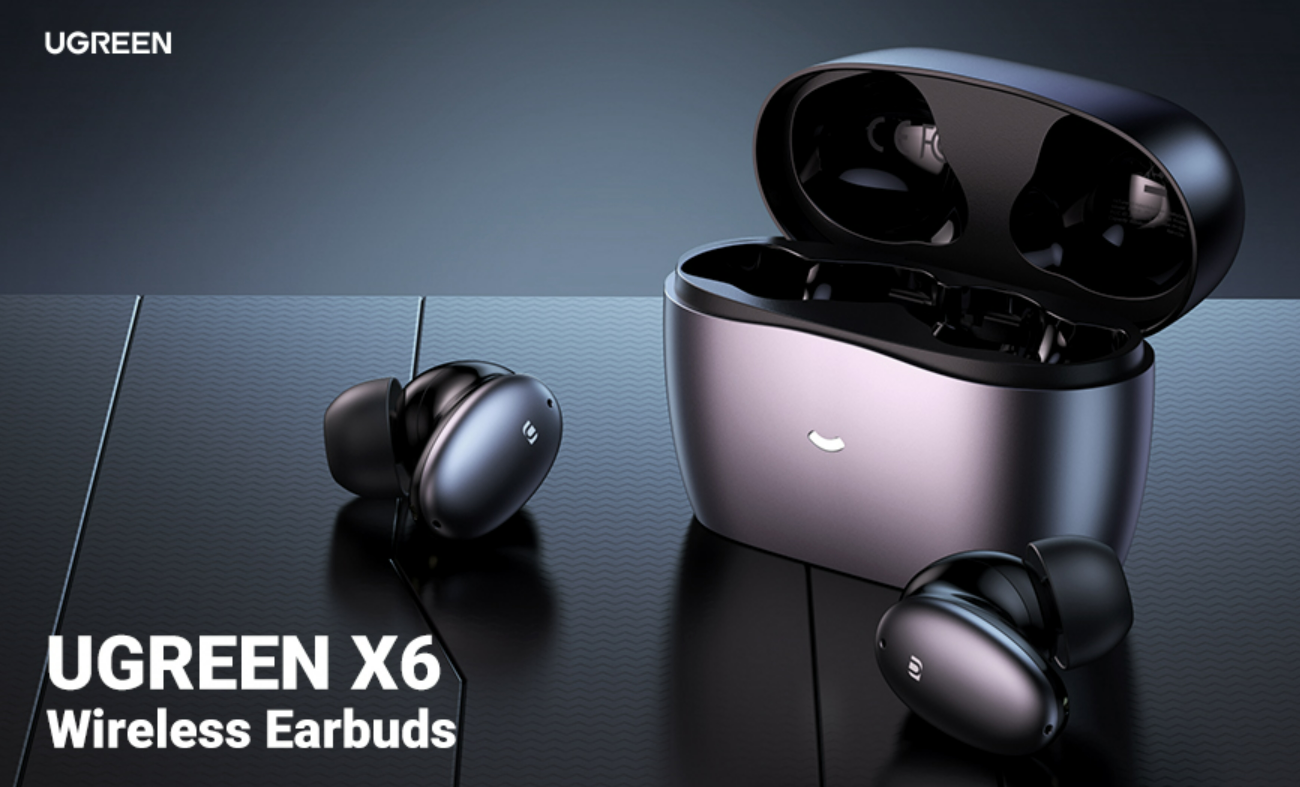
If you are planning to start your New year with a gifting spree then check out this amazing New Years’ deal given by Ugreen on its HiTune X6 Active Noise-Canceling earbuds. The earbuds that generally retail for $55.99 will be available at a heavily discounted price of $35.39 only at Amazon US. To avail of this discount, you have to use the coupon code: 10HITUNEX6 along with the page clip-on coupon available on the website. Please note that the deal starts on 10 December 2021 and ends on 16 January 2022 PST.
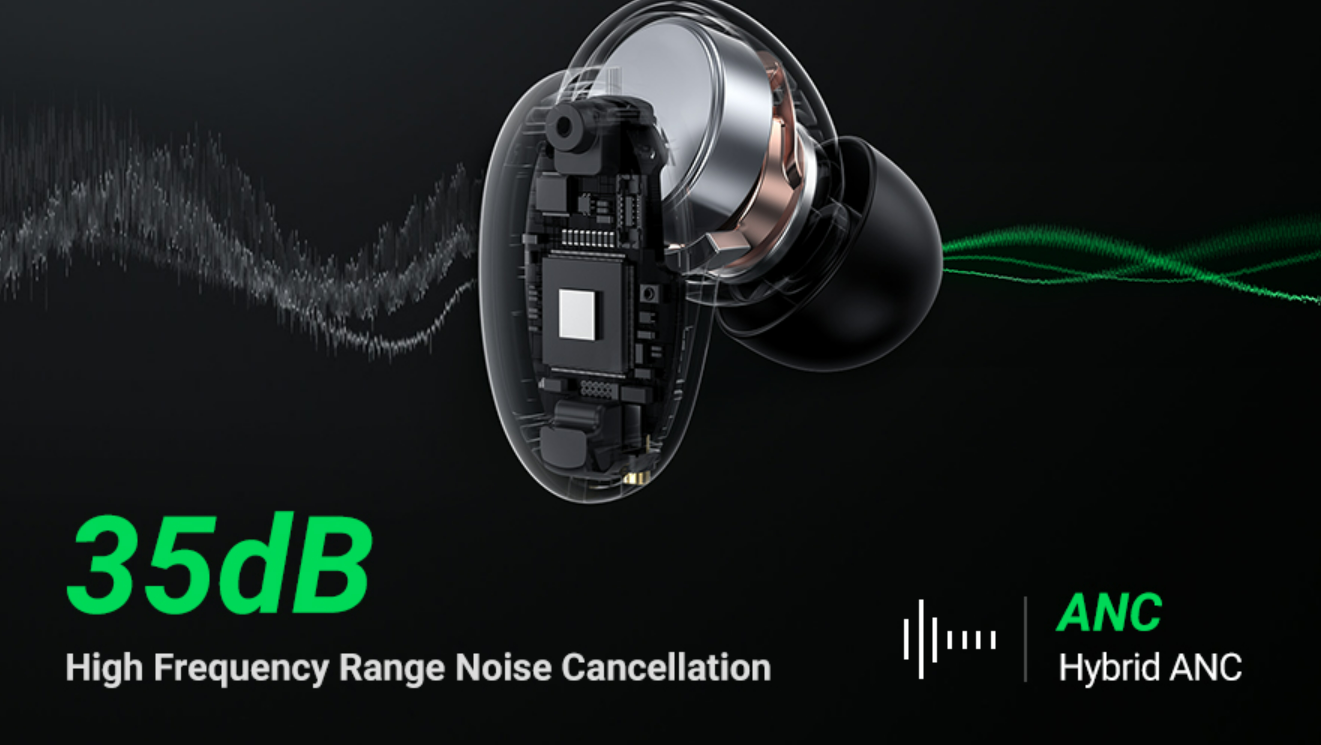
Ugreen X6 comes with the Hybrid Active Noise cancellation function which reduces up to 35dB of external noise and a tight cover seal that isolates the background noise, giving you an immersive audio experience. Thus even if you are stuck in traffic or spending your evening at a busy cafe, with Ugreen X6 you can easily forget about the environmental noise and focus on your music or podcast.
Superior sound quality with 10MM Diamond-Like Carbon Speaker:
With 10mm Carbon speakers, you get the natural sound with a richer and deeper melody and balanced audio with rich details and low distortion. Overall you get an immersive musical experience with high-resolution audio and punchy bass. The HiTune X3 has balanced audio with high resolution and punchy bass for a truly immersive sonic experience for music, watching movies, and calls.
Low Latency – 50ms:
If you are a pro gamer then Ugreen X6 is a great choice as it comes with a highly desirable 50ms low latency which gives you real-time syncing and enhanced gameplay. This low ping rate is also great to sync your videos and enjoy them without any audio lags and delays.
Ergonomic Design:
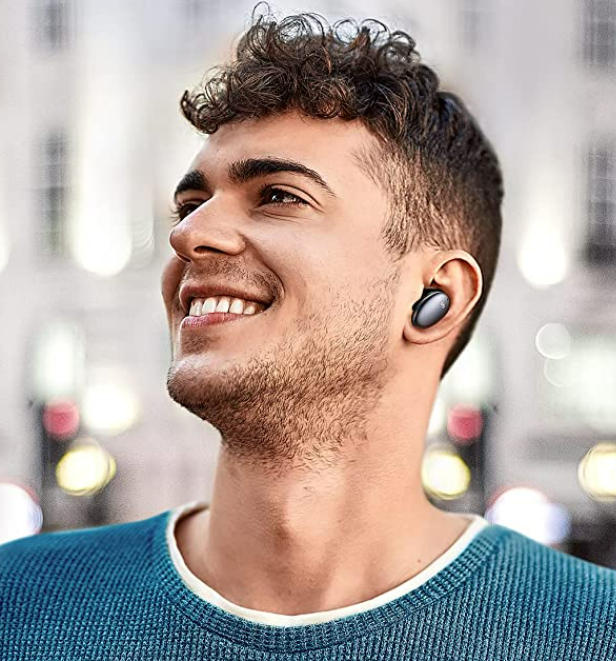
Ugreen X6 Earbuds are ergonomically designed to give you the best fit. The earbuds are small and lightweight and made with silicone tips to give you a comfortable and pain-free fit for longer periods. And the final metallic finish not only helps you to avoid smudging but also makes it look classier.
Crystal clear Calls:
The earbuds come with 6 built-in ENC microphones and RCV 4.0 technology that gives the receivers crystal clear sound and blocks up to 90% of external noise during phone calls.
Other Interesting features:
Ugreen X6 Earbuds comes with Bluetooth v5.1 that gives you a strong and stable wireless connection over long-range and supports the AAC and SBC high-quality audio codec. It gives you 26 hours of playtime with the charging case and on a single full charge, you get around 6 hours of playtime on normal mode and 5.5 hours on the ANC mode. Available in a gorgeous black color, the earbud is IPX5 water-resistant and comes with smart touch control.
UGREEN :
Founded with the belief that there is an optimal combination of value and innovation, Ugreen manufactures and builds consumer electronics and accessories that use leading technological innovations and are available to everyday consumers at affordable costs. The brand focuses on creating excellent products with expert audio engineering without breaking the bank.
For more information on such exciting deals and offers check out ourdeals hub.
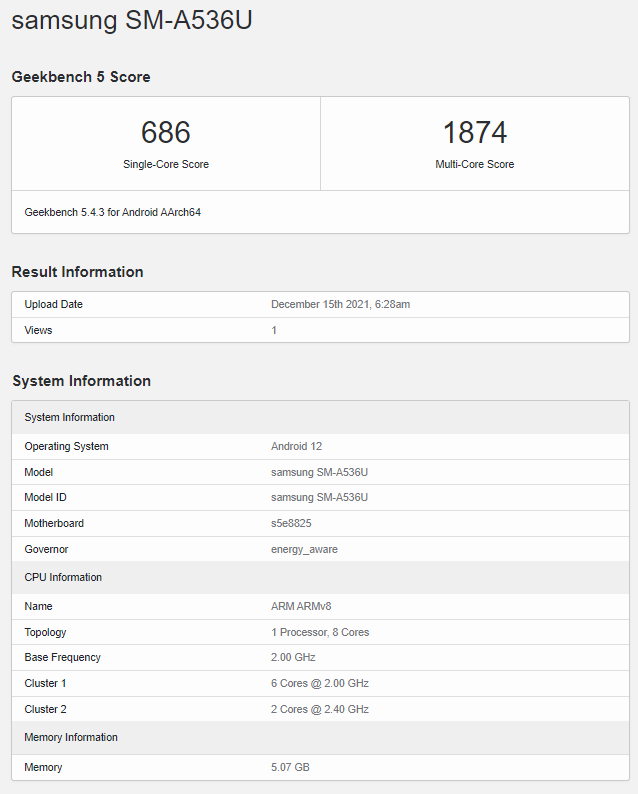
Several reports have revealed that Samsung is working on the Galaxy A53 smartphone. As the moniker suggests, it will be succeeding the Galaxy A52, which debuted earlier this year. Fresh information reveals that the Galaxy A53 has appeared with an Exynos chip on the Geekbench benchmarking site.
The Galaxy A53 has appeared with the SM-A536U model number on Geekbench 5. The handset has scored 686 in the single-core test and 1874 in the multi-core test of the benchmarking site.
The handset is driven by an Exynos chip which is mentioned with the “s5e8825” model number. It has six CPU cores clocking at 2.0GHz and two CPU cores 2.40GHz. It can be said based on the model number of the chip that the handset could be powered by the upcoming Exynos 1200 chipset. The source code of the listing reveals that the SoC is equipped with a Mali-G68 GPU. The listing further reveals that it has 8 GB of RAM and the latest Android 12 OS.
The Galaxy A53 could be heading to multiple markets. A recent report revealed that the production of the A53 began in India earlier this month. Rumors surrounding have revealed that it could be equipped with a 64-megapixel quad-camera unit, a 5,000mAh battery, and IP67 rated chassis. The other specs of the A52 are under the wraps.
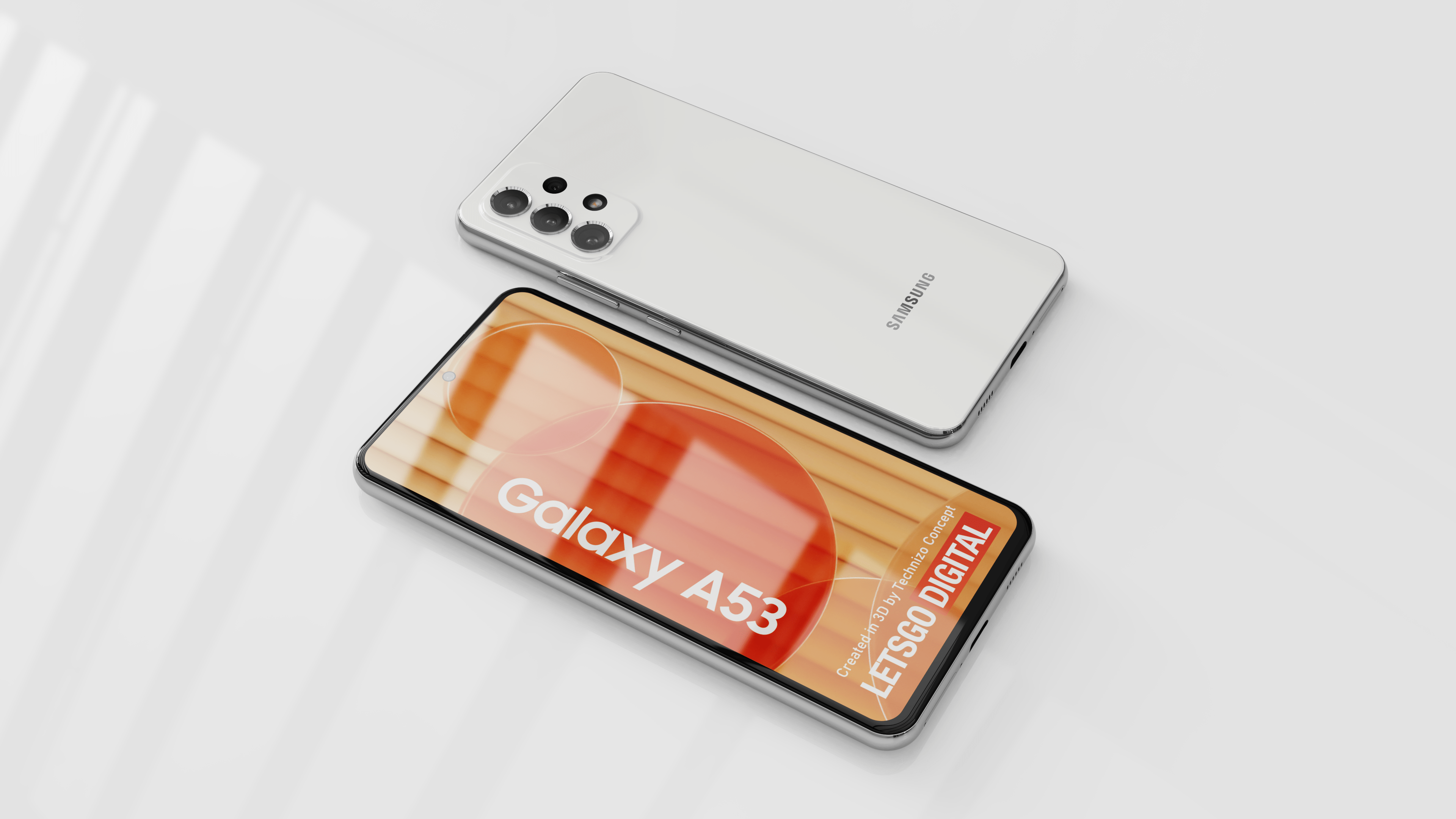
Samsung Galaxy A53 alleged renders by LetsGoDigital
The Galaxy A53 CAD renders that appeared last month revealed that it will be equipped with a 6.5-inch punch-hole display that may support a Full HD+ resolution and a 120Hz refresh rate. The device measures 8.14mm in thickness. The overall design of the Galaxy A53 will be similar to the A52. It is expected to arrive in colors like white, black, light blue, and orange.
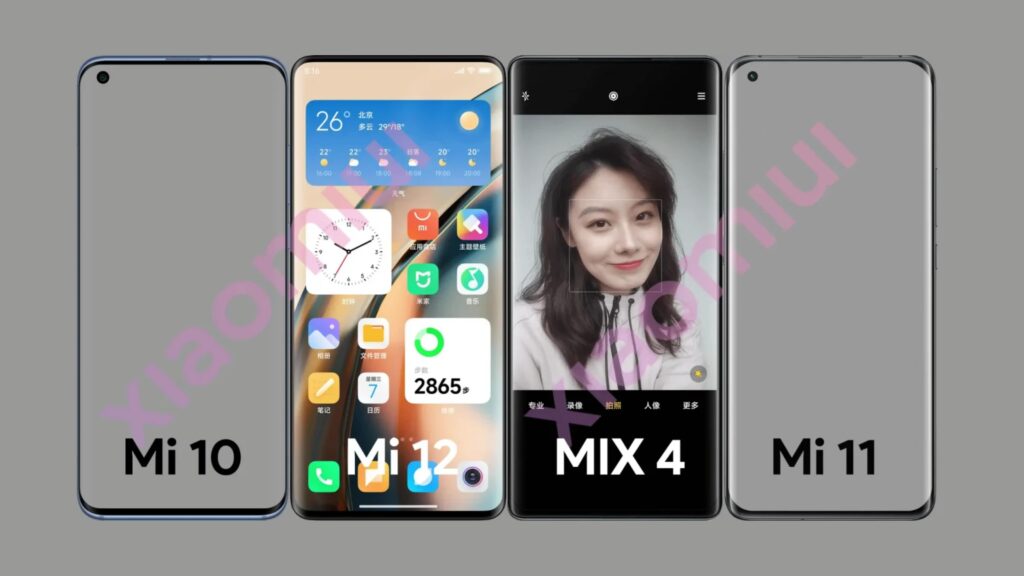
Recently, MIUI 13 logo appeared in some of the stock apps of MIUI. At the same time, multiple videos demonstrating new features also made their way through the same medium. It appears the device in those videos could be the unreleased Xiaomi 12 Pro.
According to Xiaomiui, the smartphone shown in the MIUI 13 first look videos might be a Xiaomi 12 Pro. That’s because there’s no other phone from the company with such a front design.
Going by the videos, the handset will have a quad-curved display, however, the screen will not be as dramatic as on the Mi 11 series. Hence, it will have slightly thicker top and bottom bezels.
Most importantly, the device in the videos appears to have an under-display camera, which Xiaomi calls CUP (Camera Under Panel). This is why the phone is thought to be Xiaomi 12 Pro as it was earlier rumored to feature an in-screen camera like the Xiaomi MIX 4.
Xiaomiui also suggests that the smartphone may come equipped with a piezoelectric speaker like the original Mi MIX. Because the videos don’t show a physical earpiece. Anyway, as of now, there’s no mention of this component in the MIUI code.
The Xiaomi 12 series is expected to go official in the coming days. Despite that, we are yet to learn their design a well as most of the specs. There have been multiple case and screen protector leaks in the past few days, but they don’t tell us the whole story.
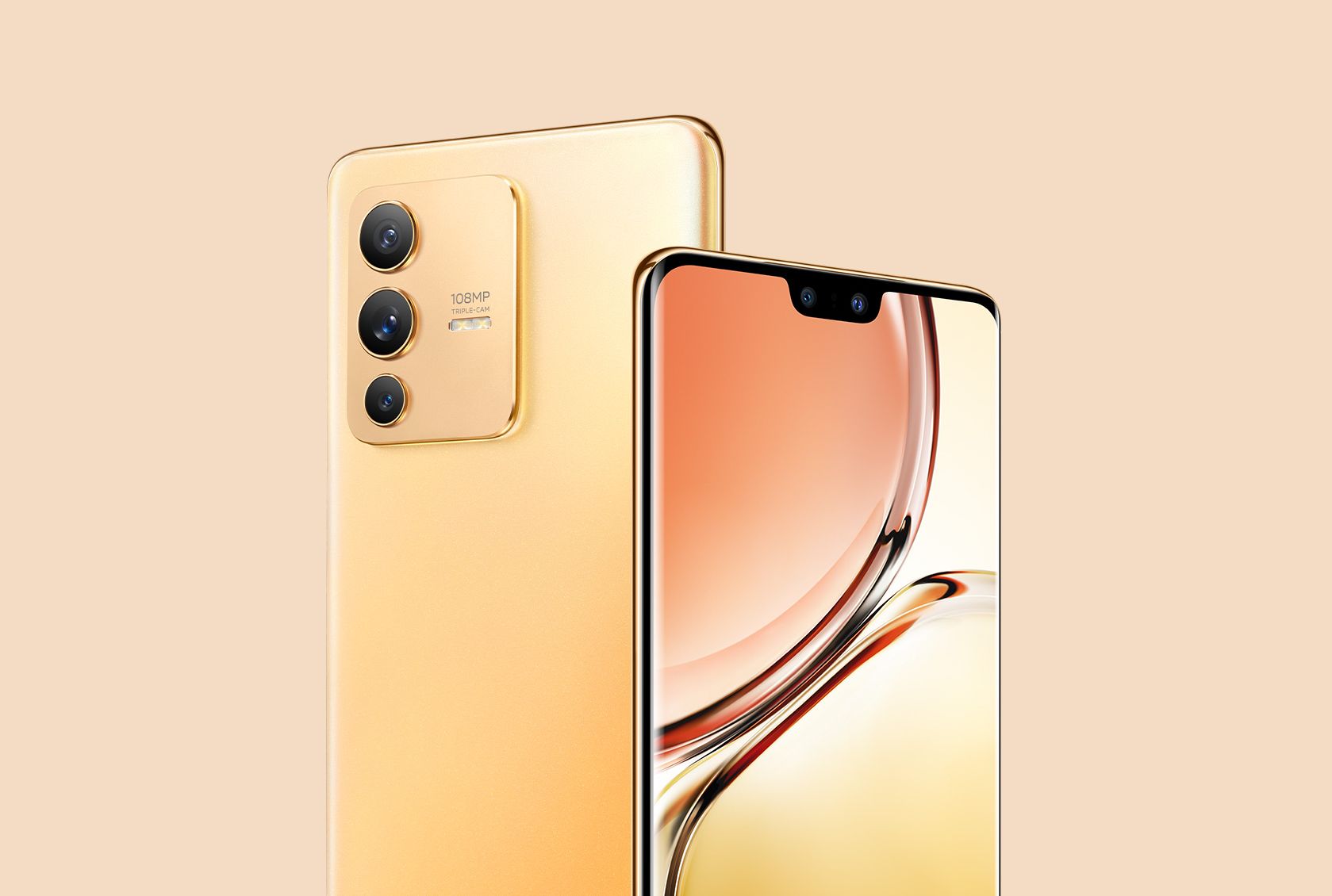
Vivo will be unveiling the Vivo S12 and S12 Pro smartphones on Dec. 22 in China. Ahead of the launch, the company released a video to showcase the design of the S12 series and its color variants. At the same time, a tipster from China has shared the key specifications of the S12 Pro.
As can be seen in the video, the S12 series will be coming in colors like gold, blue, and black. The S12 and S12 Pro are expected to feature a wider notch for dual front-facing cameras on their displays. The vanilla model is expected to feature a flat screen while the Pro model has a curved edge display. Both models seem to be equipped with an in-screen fingerprint scanner.
Vivo S12 Pro specifications, price (rumored)
According to a Chinese tipster, the Vivo S12 Pro has a 6.5-inch OLED screen curved edge display by BOE. The screen will support a Full HD+ resolution and a 90Hz refresh rate. It is expected to run on OriginOS Ocean UI based Android 12.
Vivo S12 Pro
It will feature a 50-megapixel Samsung JN1 front camera, which will be coupled with an 8-megapixel Hynix Hi846 ultrawide lens. The rear camera setup of the phone features a 108-megapixel Samsung HM2 primary camera with OIS support, an 8-megapixel OmniVision OV8856 ultrawide lens, and a 2-megapixel B&W lens.
The Dimensity 1200 chipset will eb fueling the Vivo S12 Pro. It may come with 12 GB of LPDDR4x RAM and 256 GB of UFS 3.1 storage. It will house a 4,300mAh battery that supports 44W fast charging. It will offer other features such as Gorilla Glass front, 6-series aluminium alloy gram, rotor motor, and NFC. The S12 Pro with 12 GB RAM + 256 GB storage is likely to be priced at 3,499 Yuan (~$549).
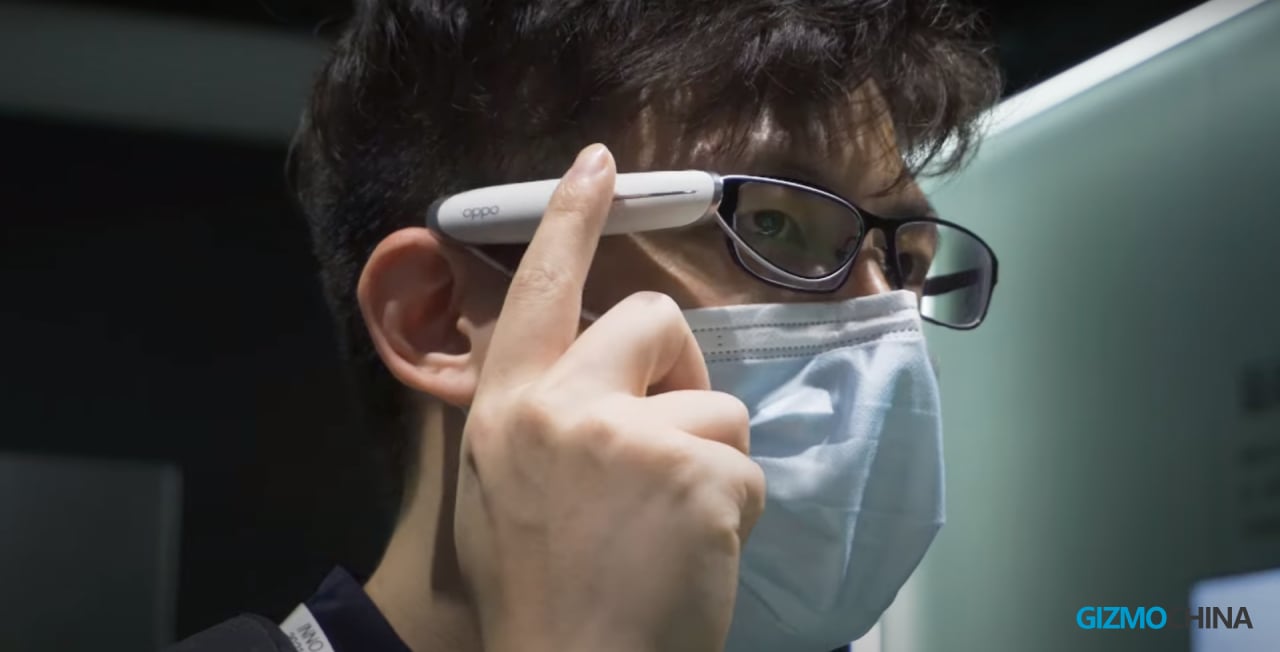
OPPO has showcased some interesting technologies and concept devices so far and the company keeps on experimenting with new devices and the latest product coming from the Chinese brand is the OPPO Air Glass.
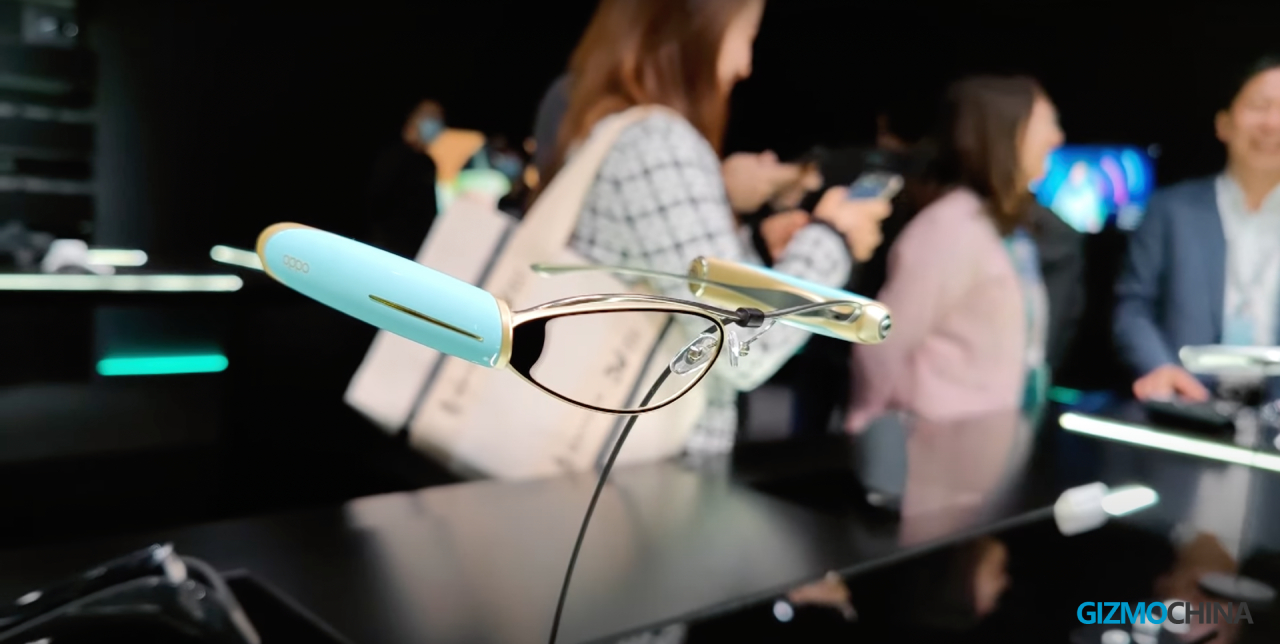
At the OPPO INNO Day 2021, the company officially unveiled its first assisted reality (AR) smart glass, dubbed OPPO Air Glass. GizmoChina was present at the event and got to briefly use the device. Here’s our hands-on experience and the first impression of the newly unveiled OPPO Air Glass.
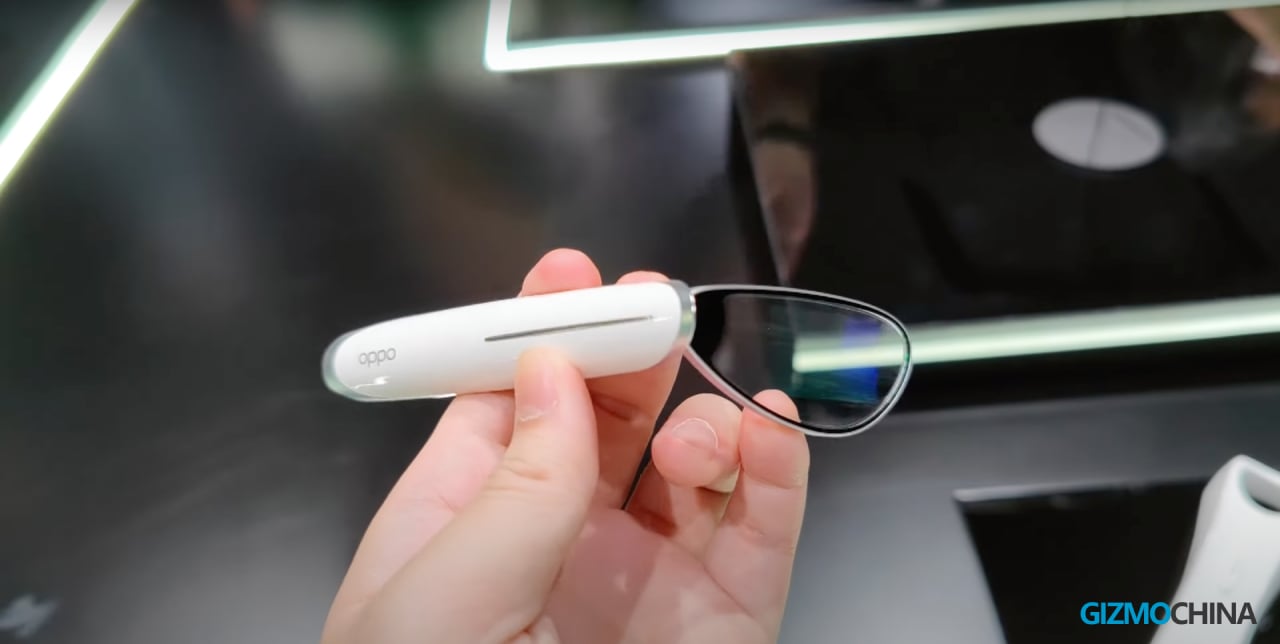
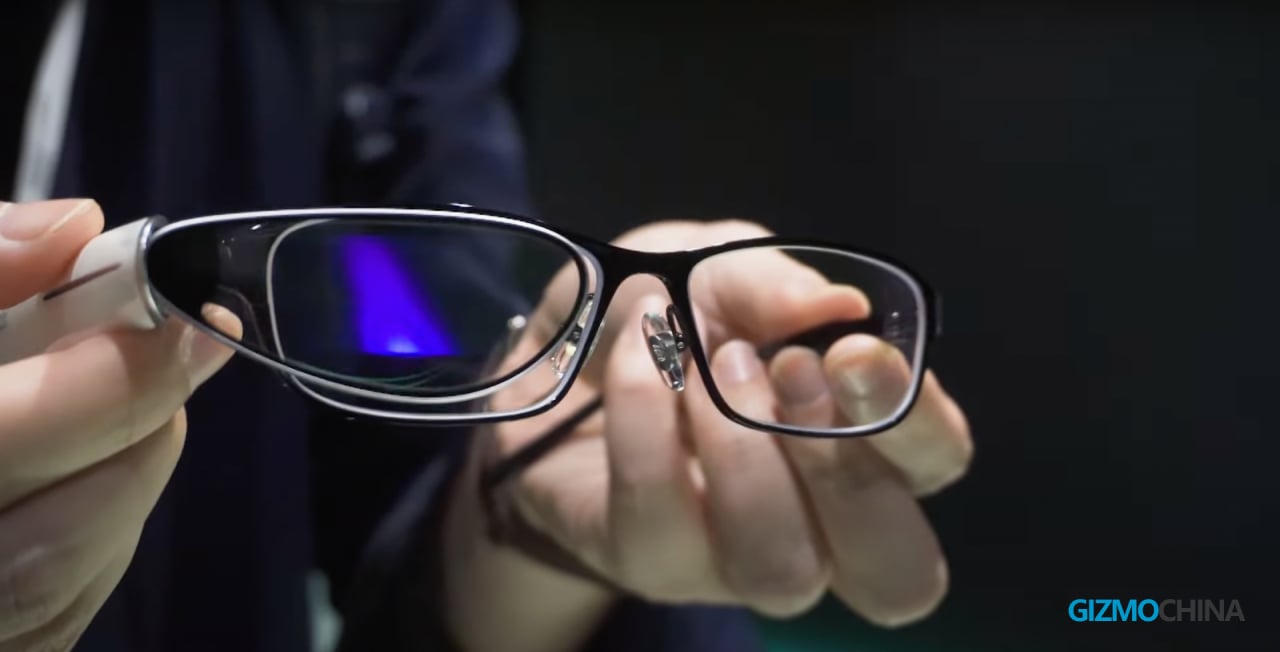
It has a futuristic styling and comes with a single-lens design. It’s basically a set of spectacles with an additional glass frame attachment that magnetically snaps onto the right side of the frame. It is extremely lightweight, weighing at just 30 grams.
The glass embeds Spark Micro Projector and a micro-LED and supports two display modes – 16-level grayscale and 256-level grayscale. It also offers up to 1400nits average brightness for a vivid and sharp visual display.
The frame has a magnetic component and it houses the projector, motherboard, Snapdragon Wear 4100 chipset, battery, Wi-Fi and Bluetooth antennas, microphones, and a speaker. There are multiple ways the OPPO Air Glass can be used, including touch controls, hand gestures, and head shakes. However, to use the device, you will need Reno 6 Pro or the company’s Watch 2 as it doesn’t support any other Android or iOS device.
There’s a wide range of use cases for this new AR product from OPPO as it comes with support for functionalities like weather reminders, schedule reminders, a Health app, and a teleprompter for speeches, presentations, and many more scenarios.
It also supports real-time translation between Chinese and English languages but the company has promised to add support for more languages. Currently, it is limited to a few functions and users cannot use it to watch videos or play games.
As of now, the OPPO Air Glass will get a limited release in China and should be available for purchase in Q1 2022. The company is yet to reveal details about its pricing.
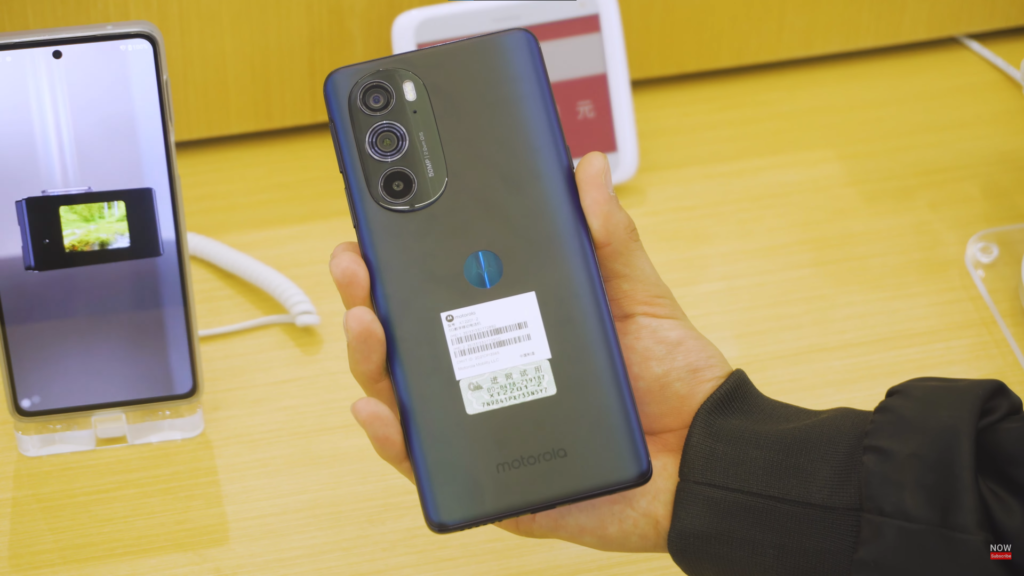
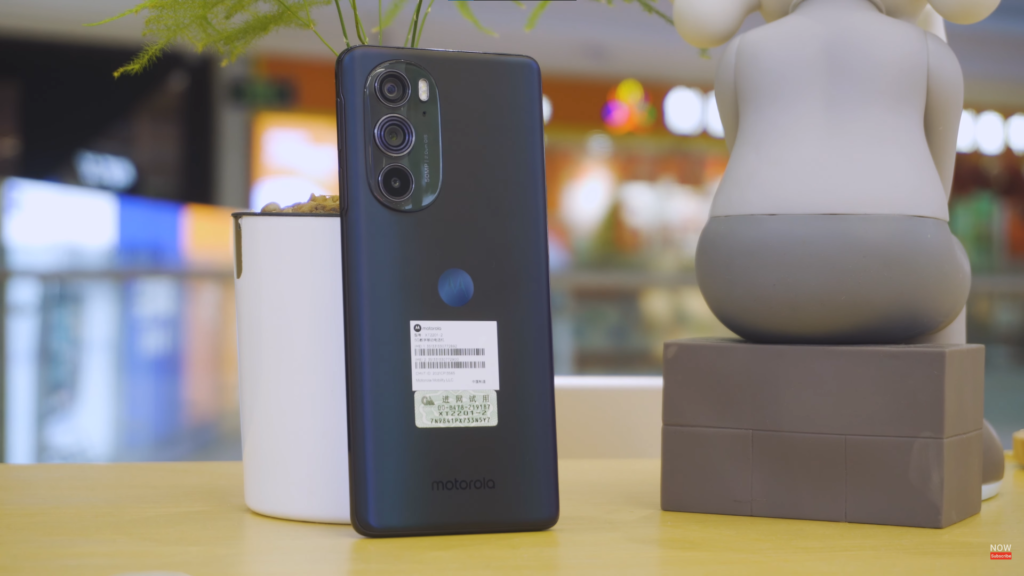
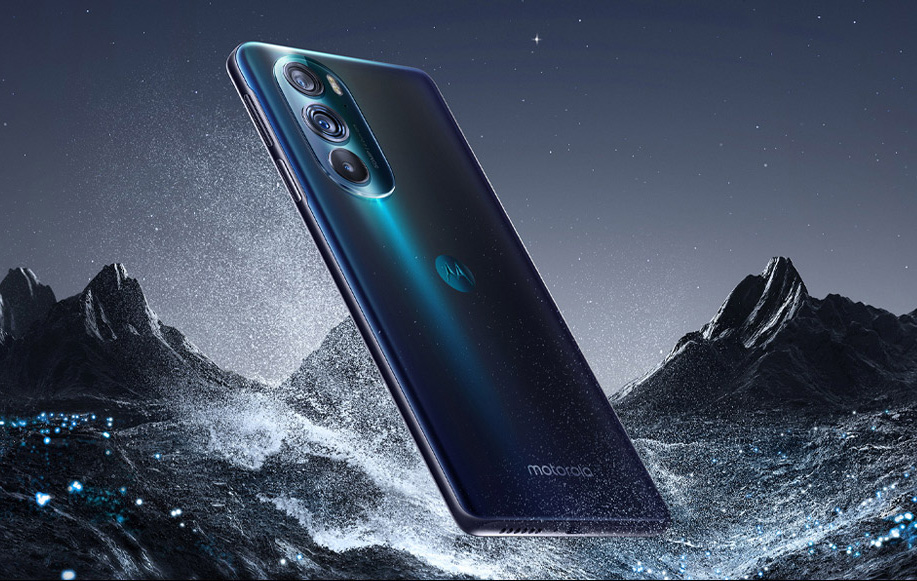
The Moto Edge X30 launched earlier this month and has been a hot topic across the tech community as it is the first and, for now, the only smartphone on the market with Qualcomm‘s latest Snapdragon 8 Gen 1 SoC. Now, we have managed to get our hands on the brand-new device to share our first thoughts and impressions of the latest Motorola flagship.
The first thing that struck our mind was how lightweight the device was, which is in stark contrast to its metallic look that portrays the phone as a lot heavier than it is. The phone’s rear panel felt solid and smooth, but without the fingerprint stain problems faced by glass backs.
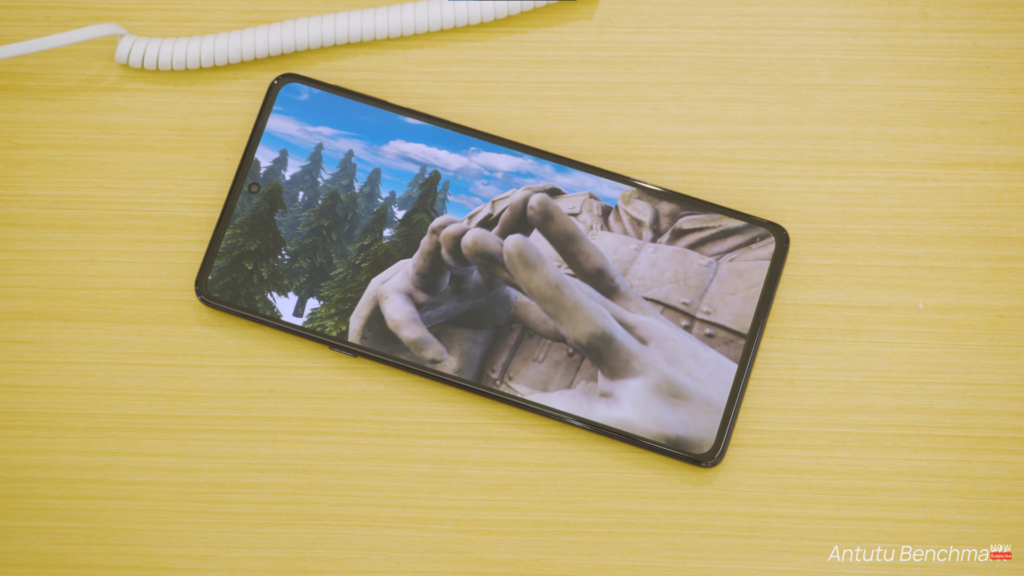
The 144Hz OLED HDR+ display stood out for its fluidity and smoothness while scrolling and switching screens. We quickly download and run a benchmark to see how much of this smooth 144Hz display can be utilized by the new SoC. The device ran 3DMark’s Wild Life admirably with an average frame rate of 57 FPS and managed to score a cool 9,589, placing it in the top 2% of results. The score brings the GPU of this device on par with the latest iPhone 13 Pro and iPhone 13 Pro Max, which features Apple’s latest A15 Bionic SoCs. A true testament to the Snapdragon 8 Gen 1’s improvement over the last generation Snapdragon 888.
The nearest Android competitor on the score list was the Google Pixel 6, with 6,416 Points. Other than the amazing GPU performance, What surprised us the most during this benchmark was the device’s temperature, which stayed at a reasonable 33 degrees Celsius.
Following this, we tried the AnTuTu benchmark on the Moto Edge X30, which ran so seamlessly as if we were watching a video. The device managed to get a satisfactory overall score of 957,864, better than 99% of devices on AnTuTu’s database.
For our last test, we decided to check out the device’s camera performance by clicking multiple shots using the 50MP primary camera, the 50MP ultrawide, and a couple of snaps using the macro mode. The pictures turned out to be impressive, considering the indoor setup. But the most impressive aspect of the camera performance was the natural bokeh effect and the wide-angle images, which turned out to be really nice in quality.
Gizmochina is currently working on a thorough review of the Moto Edge X30. We will take a deeper dive into the Snapdragon 8 Gen 1’s performance and talk about some of its issues and the phone in general, so stay tuned.
Last week, Motorola officially launched the Moto Edge X30 flagship smartphone in the Chinese market, making it the first phone in the world to come powered by the new Qualcomm Snapdragon 8 Gen 1 chipset.
Soon after that, the company started taking pre-orders for the same but was shut down midway as Motorola had sold out its inventory during the pre-sale period. Now, the device is finally all set to go on sale today.
The Moto Edge X30 flagship smartphone will be available for purchase in China today for the first time. The base model with 8GB RAM and 128GB storage is priced at 2,999 yuan (~$471) while the 8GB RAM and 256GB model costs 3,199 yuan (~$502).
The top-end model which packs 12GB RAM and 256GB of internal storage is priced at 3,399 yuan which roughly converts to $534. The phone comes in two color options to choose from — White and Black.
Coming to the specifications, the smartphone features a 6.7-inch flexible OLED screen with a 144Hz high refresh rate and up to 576Hz touch sampling rate. Powered by the Qualcomm Snapdragon 8 Gen 1 SoC, the device comes packed with up to 12GB of RAM and 256GB of internal storage.
There’s a triple-camera setup on the back that includes a 50MP wide-angle main camera, a 50MP super wide-angle macro main camera, and a 2MP depth-of-field sensor. For taking selfies and video calling, there is a 60MP front-facing shooter.
It runs on MYUI 3.0 based on the Android 12 operating system, bringing an entirely new visual interface. The phone is powered by a 5,000mAh super-capacity battery which comes with support for 68W fast charging.
Currently, the Moto Edge X30 is the only Snapdragon 8 Gen 1 SoC-powered phone in the market but Xiaomi is all set to launch its upcoming Xiaomi 12 flagship lineup sometime later this month. Joining them is OnePlus, which is expected to launch the OnePlus 10 Pro smartphone in January 2022 in China.
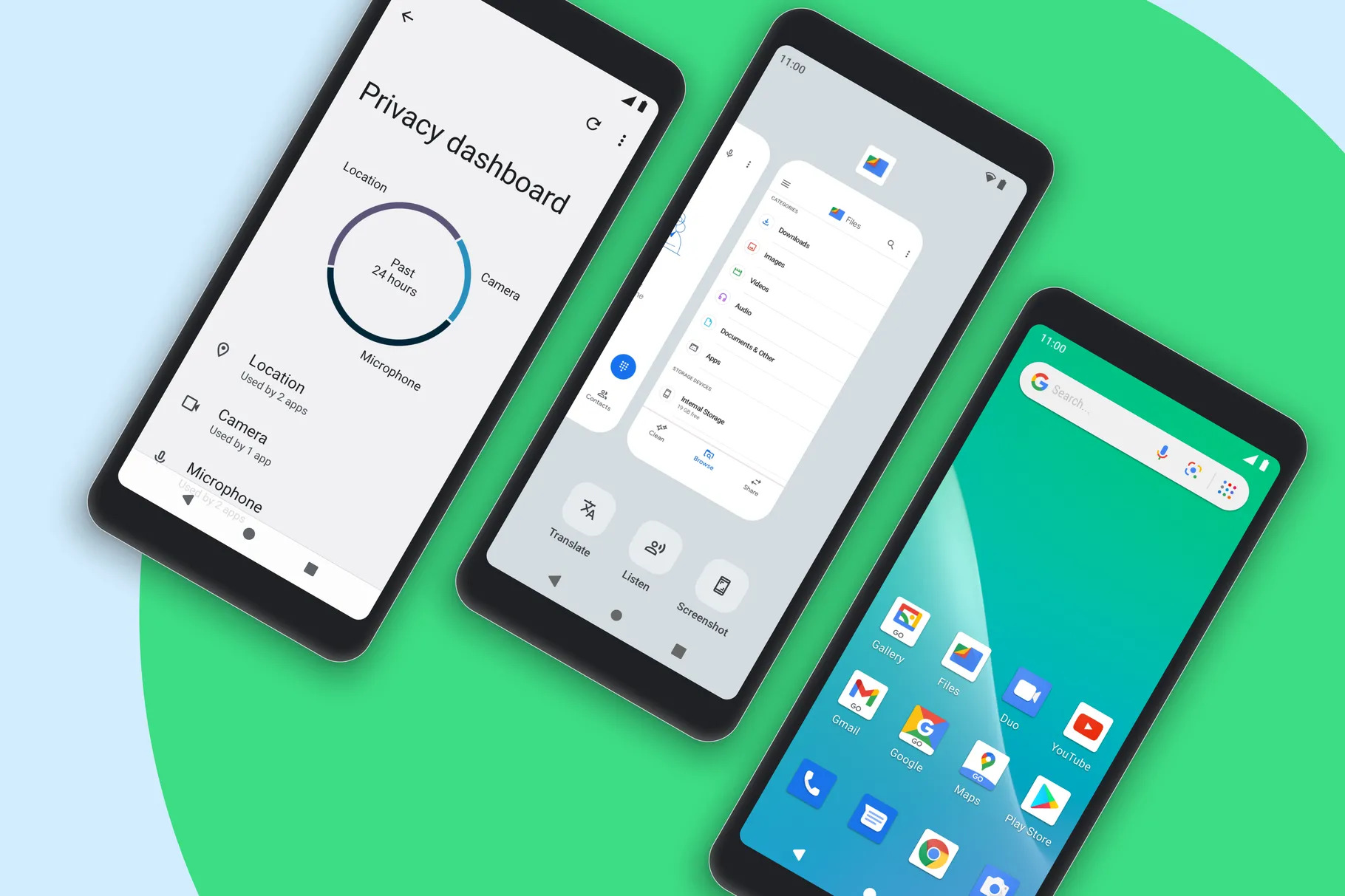
It’s been a couple of months since Google released the Android 12 operating system and now the tech giant has finally announced the toned-down version of the same for entry-level smartphones — Android 12 Go Edition.
The new version of the Go Edition of Android comes with several upgrades and improvements, especially in terms of performance and privacy.
The company says that the Android 12 Go Edition can offer up to 30 percent faster performance compared to the best Android Go phones that are currently available in the market. Hopefully, this means that the users won’t have to wait for a couple of seconds before the app loads up on the screen.
Google also seems to have improved the battery performance on this updated operating system as it is claimed that the system will automatically hibernate applications that don’t get used for an extended period.
There’s an increased focus on improving the user experience and in line with that, Google has added a feature that will show options to the users to translate the content displayed on the screen when navigating to the recent apps screen.
It has also got support for sharing apps with nearby Android devices using Nearby Share and Google Play. Also, the profiles are now available on the lock screen, which further simplifies the experience for the users.
With users getting more concerned about privacy, the company has now introduced a privacy dashboard thorugh which users will be able to see apps that access sensitive data. There’s also an indicator that will notify users when an application is using the camera or microphone on the device.
Apart from the system-wide changes, some built-in apps have also got new features. For instance, the Files Go application has been updated with a feature that allows users to recover deleted files within 30 days.
Google has also shared that there are more than 200 million users with Android Go Edition devices. The company has also confirmed that the first Android 12 Go Edition devices will launch early next year.
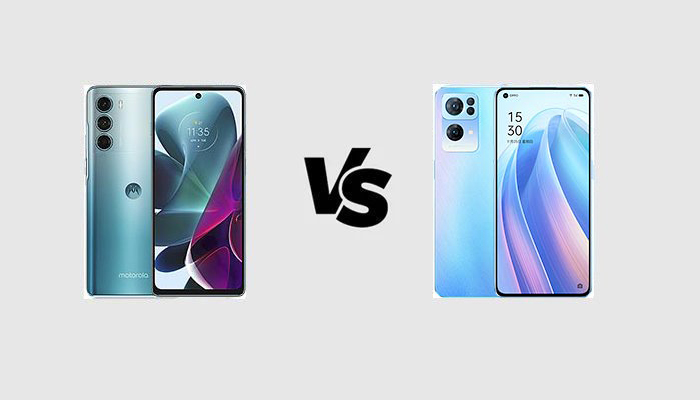
Unlike the previous lineup, the OPPO Reno7 series does not include a top-tier flagship. The OPPO Reno7 Pro 5G is the most powerful variant of the series and it is actually closer to a flagship killer rather than a premium flagship. That is the reason why it has a lot of competition. Alongside the OPPO Reno7 Pro 5G, one of the most interesting flagship killers released in the last period is the Motorola Moto G200 5G: given that these two devices are sold in the same price range, we decided to opt for a comparison between their specifications. Where we wait for the launch of the OPPO Reno7 Pro 5G in the European market under the Find X4 series, here is a specs comparison with the Motorola Moto G200 5G.
Motorola Moto G200 5G vs OPPO Reno7 Pro 5G
Motorola Moto G200 5G
OPPO Reno7 Pro 5G
DIMENSIONS AND WEIGHT
168.1 x 75.5 x 8.9 mm,
202 g
158.2 x 73.2 x 7.5 mm,
180 g
DISPLAY
6.8 inches, 1080 x 2460 pixels (Full HD+), LCD
6.55 inches, 1080 x 2400 pixels (Full HD+), AMOLED
PROCESSOR
Qualcomm Snapdragon 888+, octa-core 2.99 GHz
MediaTek Dimensity 1200-Max, octa-core 3 GHz
MEMORY
8 GB RAM, 128 GB – 8 GB RAM, 256 GB
8 GB RAM, 256 GB – 12 GB RAM, 256 GB
SOFTWARE
Android 11
Android 11, ColorOS
CONNECTIVITY
Wi-Fi 802.11 a/b/g/n/ac/6e, Bluetooth 5.2, GPS
Wi-Fi 802.11 a/b/g/n/ac/ax, Bluetooth 5.2, GPS
CAMERA
Triple 108 + 8 + 2 MP, f/1.9 + f/2.2 + f/2.4
16 MP f/2.2 front camera
Triple 50 + 8 + 2 MP, f/1.8 + f/2.2 + f/2.4
32 MP f/2.4 front camera
BATTERY
5000 mAh, fast charging 33W
4500 mAh, Fast Charging 65W
ADDITIONAL FEATURES
5G, dual SIM, water-repellent
5G, dual SIM, reverse charging
Design
There is definitely no challenge: the OPPO Reno7 Pro 5G has a superior design to the Motorola Moto G200 5G. First of all, it is built with premium materials and it comes with the amazing OPPO Glow finish showing thousands of microcrystals on a matte but brilliant rear glass. Further, it is thinner, lighter, and even more compact than Motorola Moto G200 5G. And how not to mention the LED ring around the camera module? You can use it to realize when you have a new notification and even for other features. The OPPO Reno7 Pro 5G is definitely one of the most attractive flagship killers when it comes to design.
Display
Besides providing a more elegant design, the OPPO Reno7 Pro 5G also comes with a more advanced display than Motorola Moto G200 5G. It is an AMOLED panel with a 90 Hz refresh rate, the HDR10+ certification, and a Full HD+ resolution of 1080 x 2400 pixels, protected by Gorilla Glass 5. The diagonal is smaller (6.55 inches vs 6.8 inches), but the image quality is higher. The OPPO Reno7 Pro 5G also comes with stereo speakers, unlike the Motorola Moto G200 5G. But if you are a gamer, you might actually prefer the Motorola Moto G200 5G: it has a disappointing LCD panel (disappointing for a flagship, but not for a mid-ranger), but it comes with a very high refresh rate (up to 144 Hz) providing a smoother experience in gaming sessions.
Specs & Software
If you are looking for the highest performance, you should go for the Motorola Moto G200 5G. It is equipped with a higher-end processor: the Snapdragon 888+ that is an upgrade of the Snapdragon 888 and provides amazing CPU and GPU performance. Currently, the Snapdragon 888+ loses only to the Snapdragon 8 Gen 1. However, the OPPO Reno7 Pro 5G is all but disappointing in terms of performance, thanks to the great MediaTek Dimensity 1200-Max mobile platform paired with up to 12 GB of RAM. Both the phones run Android 11, but the OPPO Reno 7 Pro 5G has ColorOS 12 on top.
Camera
The OPPO Reno7 Pro 5G is able to provide a better camera performance thanks to its superior main camera: a Sony IMX766 sensor with a resolution of 50 MP and OIS support. Further, it has a better front camera: the new custom Sony IMX709 sensor with a resolution of 32 MP. The OPPO Reno7 Pro 5G beats the Motorola Moto G200 5G under every aspect if we talk about the cameras, even though it is not one of the best camera phones out there.
The Motorola Moto G200 5G is equipped with a bigger battery sporting a capacity of 5000 mAh, but it does not always provide the longest battery life. If you use the 144 Hz refresh rate with its LCD display, the energy consumption will be higher. But in a lot of scenarios, you can get a longer battery life with the Moto G200. The Reno7 Pro 5G provides faster 65W charging.
Price
The starting price of the OPPO Reno7 Pro 5G for the Chinese market is €520, while the Motorola Moto G200 5G starts from €450. Unless you are a gamer, the OPPO Reno7 Pro 5G is actually a superior phone due to its better design, display, cameras, and faster charging technology. The Moto G200 is a better option only for gamers due to its stronger processor, 144 Hz refresh rate, and big battery.
Motorola Moto G200 5G vs OPPO Reno7 Pro 5G: PRO and CONS
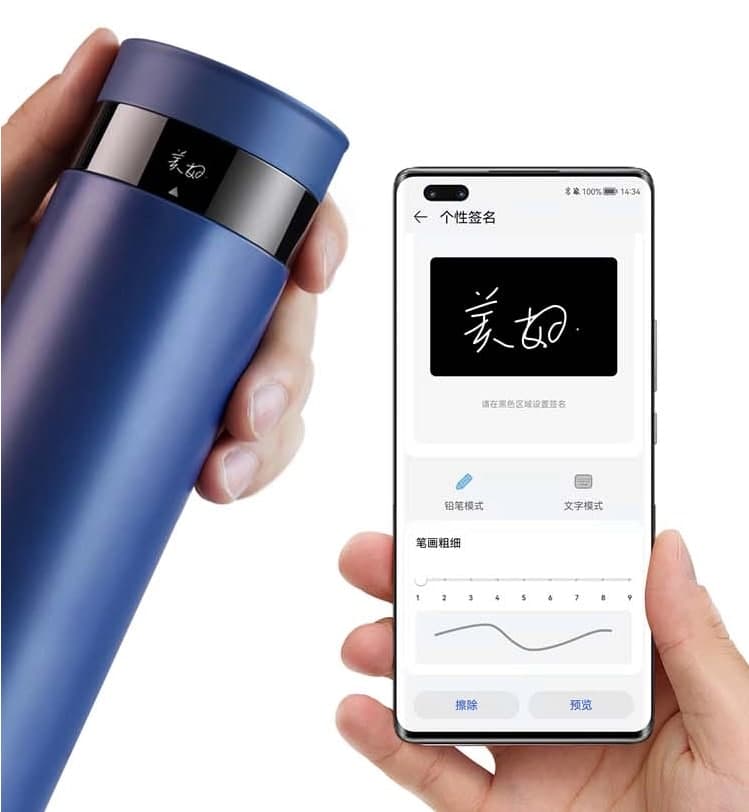
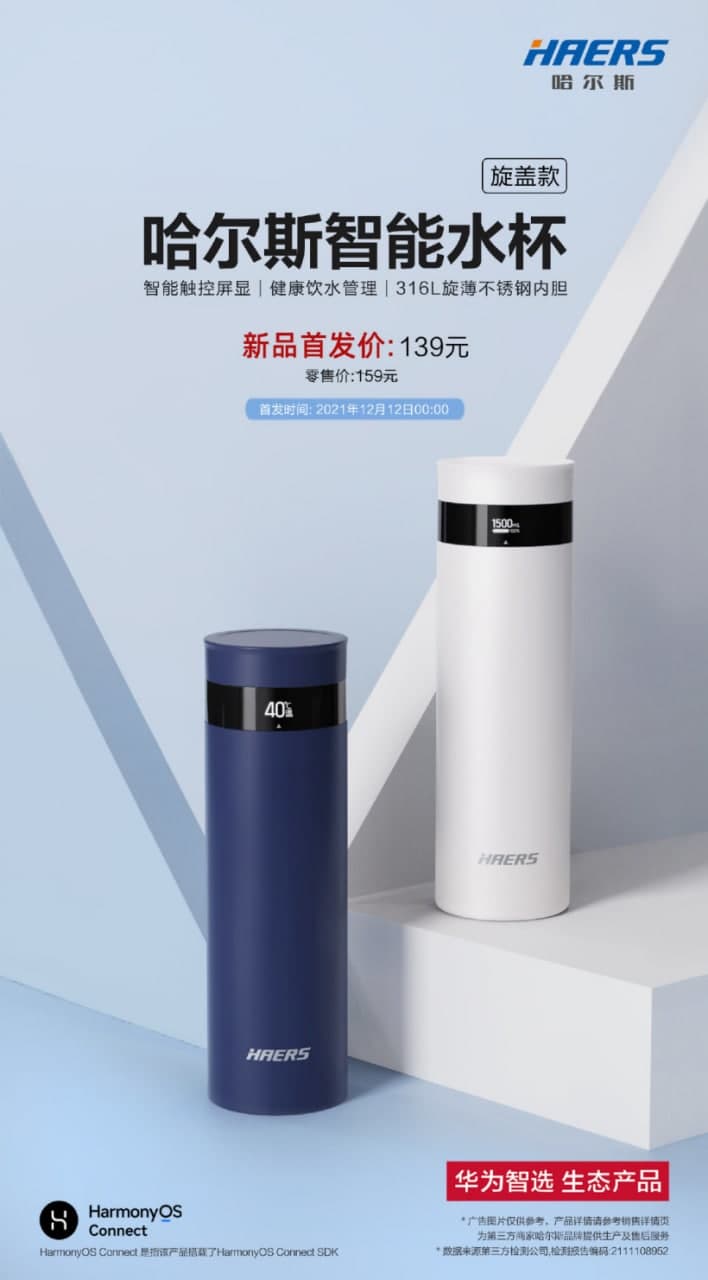
Huawei has launched the HAERS Smart Water bottle which runs on Huawei’s home-grown HarmonyOS Connect, with some impressive features. The Chinese powerhouse is fast recovering from the debilitating sanction regime against it at the peak of its development. Huawei has continued to rebound across several segments opening new business lines and products. HarmonyOS is fast expanding to an array of different products and it has now berthed with the Smart water bottle.
The new Smart Water bottle is called the Haers new water bottle and is on sale in China via Vmall online store and Jingdong (JD.com) for a starting price of 139 Yuan ($22) but the general retail price of the gadget is 159 Yuan ($25).
The new water bottle provides a wide range of digital functions for which the Harmony OS is at the heart. It has a customizable design and can offer drinking reminders, as well as support multiple uses for liquids including milk, water, juice, cola, coffee, and others. The smart water bottle has a solid antibacterial capability and can preserve content for up to 12 hours whether hot or cold.
App support for the Haers smart water bottle is available. There is the HarmonyOS Connect which provides functions such as drinking reminders. Users also have the liberty to display personalized inscriptions written with their hands on the screen via the mobile app. There is also a built-in three-axis motion sensor that is capable of detecting drinking actions. Thus, the water bottle can provide data relating to the amount of water drank throughout the day.
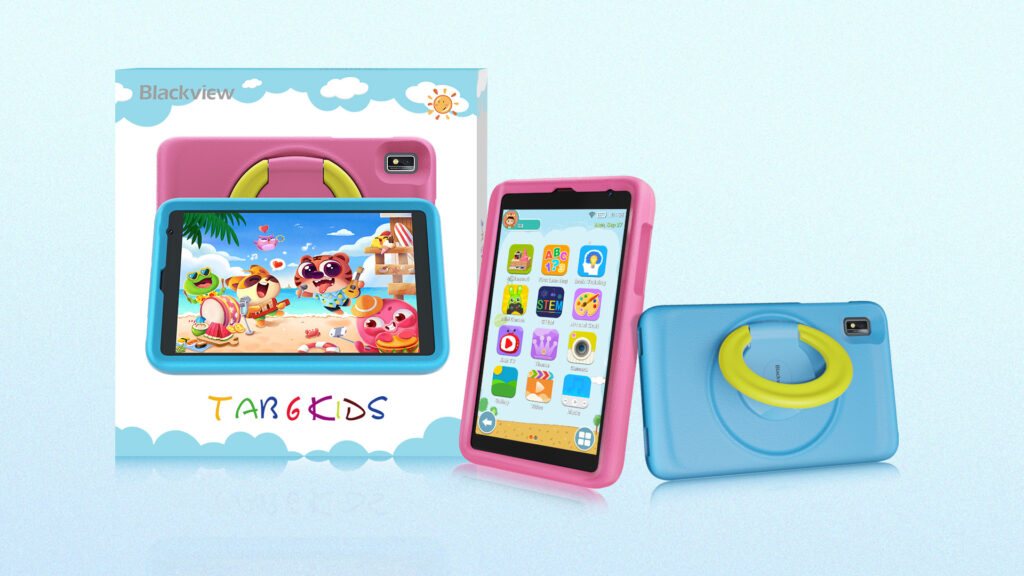
After the successful November launch of the company’s first 8-inch tab, the Blackview Tab6, the Hong Kong-based rugged device manufacturer has now launched a kid-friendly rugged tablet of the same dimensions, dubbed the Blackview Tab6 Kids.
The device arrives at the peak of holiday season hype and offers many features, making it attractive for both kids and parents. According to the company, the device is exclusively designed for children under 12 years old and is claimed to be the safest tablet for kids. So let us have a look at its features and specifications.
Specs and features
First off, being a rugged device, the tablet features a protective anti-drop case made out of high-density EVA. Furthermore, the tablet case is equipped with a support stand on the rear to help the tablet stand up so that children would not suffer neck pain or hand fatigue during use.
The Tab6 Kids features an 8-inch IPS display with an 800×1280 resolution and 188 PPI pixel density. Under the hood, the device houses a Unisoc T310 SoC paired with 3GB of LPDDR3 RAM and 32GB storage, which can further increase up to 128GB via a micro-SD card. It runs on Blackview’s custom Doke OS P2.0 based on Android 11.
The Tab6 Kids also features a 5MP rear camera with LED flash and a 2MP front camera along with a powerful dual Box speaker. The device is powered by a 5580mAh battery and supports 5W charging via USB-C. The device also consists of a 3.5mm audio jack.
In connectivity, the device supports dual-band WiFi along with a dual 4G sim slot, GPS, GLONASS, Beidou, and Galileo.
Blackview Tab6 Kids features the iKids app, which consists of many child-friendly apps on which kids can read fairy tales, listen to music, watch educational and inspiring videos, and play fun, interactive games.
iKids also offers parental control measures such as restricted access to certain apps, content, and websites online, access time limits, and ‘break time’ features to avoid addiction. iKids also allows parents to view statistical reports on what their children watch and how often.
Price and Availability
The Blackview Tab6 Kids comes in two kid-friendly colors namely, Donut Blue and Pudding Pink.
The Tab6 Kids retails at $159.99 but In the spirit of the holiday season, Blackview is offering this newly released Tab6 kids for a price of $129.99 which is a $30 discount on its retail price. However, this offer is only valid till 26th December 2021, so grab one for your child while they last!
OPPO is expected to unveil its first foldable smartphone dubbed OPPO Find N on December 15. Ahead of the launch, the device has been revealed by Korean media outfit TheElec to have a Samsung Display foldable screen for its 7.1-inch folding OLED panel while the front display is a 5.45-inch flat OLED panelsupplied by China’s BOE.
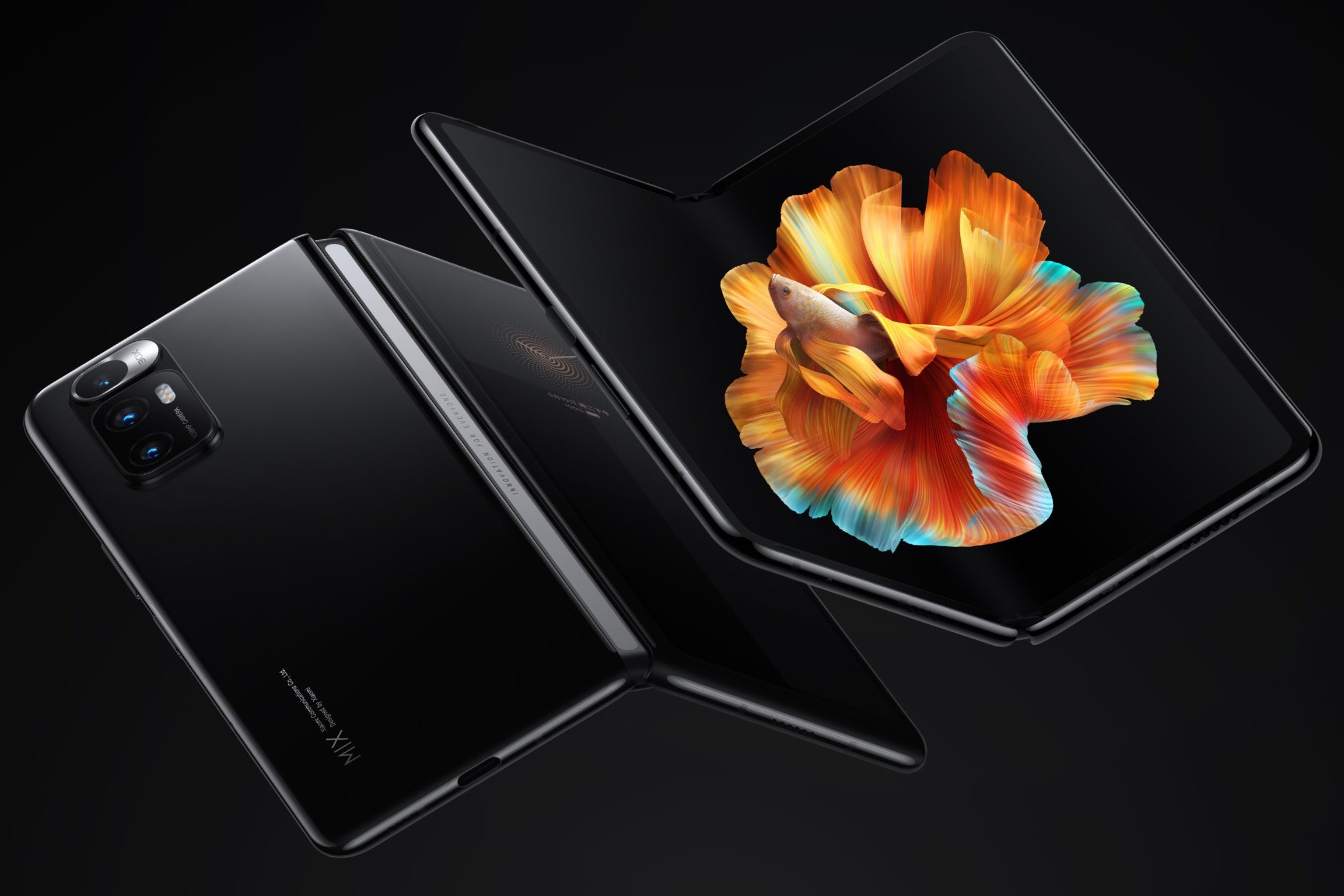
Xiaomi Mi MIX Fold
TheElec has also revealled that other Chinese companies are already patronising Samsung Display for their next foldable phones. Xiaomi is one of such firms as the Xiaomi MIX 2 foldable smartphone is touted to feature a UTG panel supplied by Samsung Display.
Samsung partnered with Corning to pioneer the UTG (Ultra-Thin Glass) foldable display panel in 2020. The Galaxy Fold/Flip series was hitherto the only models utilizing the UTG panel until OPPO came onboard. Meanwhile Chinese smartphone makers use CPI (Colorless Polyimide) as display cover for their foldable models like the Huawei Mate X released in 2019 as well as the Mate X2 and Mi Mix Fold. But obviously, the CPI is not as durable as Samsung Display’s UTG panel hence the quest to shift to UTG. BOE is looking to give Samsung a run for its money in the UTG market.
Xiaomi’s upcoming MIX Fold 2 is detailed to feature Samsung Display’s 8.01-inch OLED panel with UTG as well as TCL CSOT’s 6.52-inch panel for the front screen. Xiaomi had initially used foldable display panels supplied by TCL CSOT as well as for the front screen on the Mi MIX Fold.
Apart from Xiaomi, Vivo is also said to use display panels supplied by Samsung Disply and BOE for the inner foldable and outer displays respectively of its foldable phone. Huawei is said to have considered securing foldable OLED panels from Samsung Display but the plan was later shelved as far back as the first half of the year. The CHinese giant may likely retail BOE who had supplied the panels for the Mate X and Mate X2. Honor’s upcoming foldable device is also tipped to use BOE’s foldable display panel.
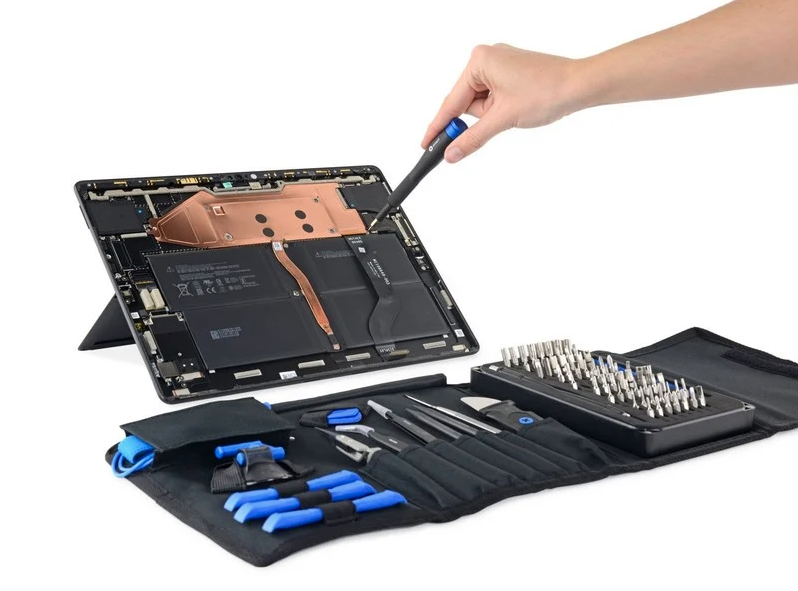
With the right-to-repair movement gaining popularity in the US, the companies might have begun to see the writing on the wall as tech giant Microsoft has made the first move to bring its customers more repairability options with their partnership with iFixit.
Earlier today, iFixit announced its partnership with Microsoft to produce and sell Microsoft-designed tools to repair their Surface laptops. For those unaware, iFixit is an American e-commerce and how-to website which sells repair parts and publishes free online repair guides for consumer electronics and gadgets.
The move garners a positive reception by Microsoft’s Surface customers as it provides them with more repairability options and convenience for a device that has been considered rather difficult to repair.
But you can’t go DIY on your Surface Laptops yet as the parts are only being sold to select partners under the free-of-cost iFixit Pro program, including independent repairers, Microsoft Authorized Service Providers, Microsoft Experience Centers, and Microsoft Commercial customers. iFixit has not given any timeline as to when the tools will be available for sale to the general public, but they hope it will happen sooner rather than later.
iFixit explained that the program is launching with three tools, namely the Surface Display Bonding Frame, Surface Battery Cover, Surface Display Debonding Tools, as well as weights and accessories, all designed by Microsoft and manufactured by iFixit. The tools will enable precision debonding and rebonding of adhesive for select Microsoft Surface models and will undergo the same rigorous quality testing and attention to detail that they give to all of our products.
These tools are, unfortunately, only for newer Surface devices like the Surface Laptop 3 (2019) and newer, the Surface Pro X (2019), the business / education-oriented Surface Pro 7 plus (2021), and Surface Pro 8 (2021), but its a start and we can hope that more support will be offered down the line for a wider range of devices.
If you are a laptop repair business owner looking to fix Microsoft surface devices, you can avail these tools by applying for iFixit’s Pro program by filling out a form. Once completed and approved, the new iFixit Microsoft Service Tools for Surface laptops can be purchased for use worldwide.
This holiday season Oclean is showering discounts and offers on almost all its products. Under the Oclean Christmas Sale 2021, you can find huge discounts, bundle offers, free gifts, and more on Oclean Sonic Electric toothbrushes and other accessories. This sale starts on 5 December and ends on 26 December 2021 PST. So if you are planning to buy a gift for your loved one then check out some of these interesting products and offers from Oclean.
2 X Oclean X PRO Elite Tooth Brush + 2 X Oclean W1 water flosser + 8 X Brush Head refills
Retail Price: $419.99 Discounted Price: $299.99
Key Features:
42000 RPM brushless motor
Large-sized Color Touchscreen
Noise Reduction Technology
32 Intensities For Each Brushing Modes
35 Days Battery life
Wireless Quick Charging 2.0
Wall-Mounted Holder
IPX7 Waterproof
**Please note that with the above-mentioned mega bundle you may get an additional free gift worth $120 in the form of dental floss and toothbrush refills, tote bag, and more.
Free Gifts:
Free 2 x Brush head refills on orders above $99
Free 1 x Oclean Tote bag on orders above $169
Free 1 x UVC Sterilizer on orders above $249
Free 1 X Water flosser on orders above $399
***Please note that the free gifts will be automatically added to the carts on eligible orders. Maximum one free gift per order, per customer. Free gifts are not superimposable.
A Guangzhou Auto Show walk-around video has provided a rare glimpse of the design of its next electric SUV in China with Tesla’s Cybertruck vibes visible around the models. Honda had announced back in October that it plans to launch five new electric vehicles in China, with the first two models scheduled for a 2022 release. The new battery-powered models will come under Honda’s new partnership with Dongfeng and GAC and will sport the e:N brand name.
The first two e:N EVs are essentially the same version with HR-V subcompact crossover models. Honda however showcased the five EVs on the lineup under the e:N series in the walk-around video during the Guangzhou Auto Show. While the first two models are close to their eventual official unveiling, Honda provided stunning concept details of the three models in development. These models preview the next generation of EVs based on the e:N Architecture, a platform exclusively designed for the e:N series.
The concept designs show that the models are named e:N Coupe, e:N SUV, and e:N GT, and production is envisioned for at least one of the models by 2024. The EVs will be produced at new production plants at both Dongfeng Honda and GAC Honda. They reflect some very wide designs away from anything we have seen from Honda yet, with some comparisons with Tesla’s Cybertruck in design. A total of 10 variants of these models will be released to the Chinese market, while export overseas is also a strong possibility.
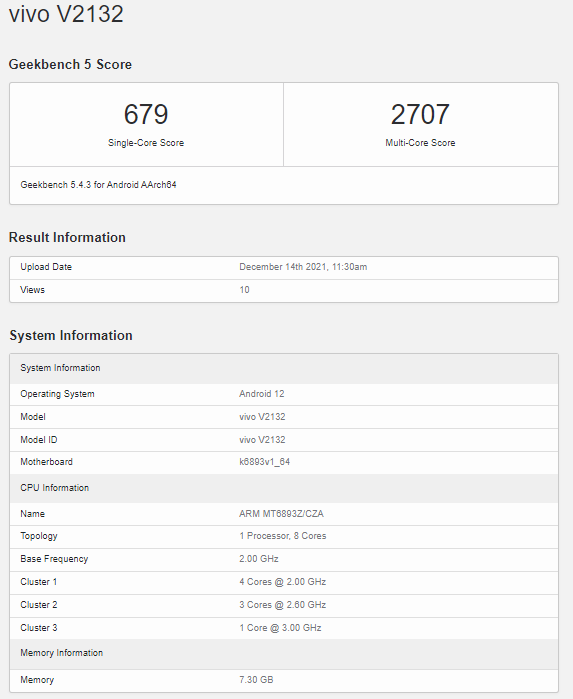
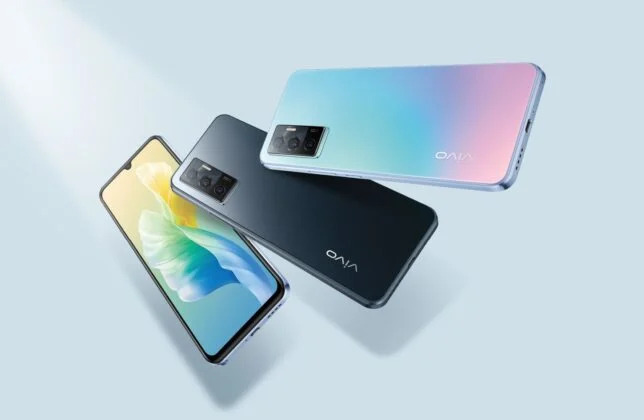
Earlier this year, Vivo launched the Vivo V23e in Thailand kickstarting the V23 series. Later, rumours revealed that Vivo may launch the vanilla Vivo V23 in India by the end of this month. However, fresh rumours touted that Vivo will launch the Vivo V23 Pro instead of the V23 in India. Now, the device has passed the Geekbench portal confirming its specs.
The Vivo V23 Pro carries the model number Vivo V2132 and has scored 679 single-core points and 2707 multi-core points. The smartphone is powered by the MediaTek Dimensity 1200 SoC clocked at different clock speeds. The first four cores are clocked at 2.00 GHz, the other three cores are clocked at 2.60 GHz, and the last core clocked at 3.00 GHz. It has 8GB of RAM and runs on Android 12 OS.
Apart from this, there’s not much to learn as the phone has not passed any other certifications. Regarding its launch, the Vivo V23 Pro is slated to launch on January 4 2022. Initially, Vivo will launch the V23 Pro and it might launch the vanilla model soon after its debut.
Vivo V23e Specifications
The Vivo V23e sports a 6.44-inch dew-drop display. It is an AMOLED panel with an exact screen resolution of 2400 x 1080 pixels. It features a triple camera system placed vertically. It has a 50MP main sensor, an 8MP wide-angle lens, and lastly a 2MP tertiary lens. Upfront, it has a 44MP selfie snapper.
Under the hood, the Vivo V23e is powered by the MediaTek Dimensity 810 SoC paired with 8GB of RAM and 128GB of internal storage. The device has a microSD card slot for additional storage up to 1TB. It packs a 4,050mAh battery with 44W fast charging support. The smartphone boots on Android 11 out of the box and has FunTouch OS on top of it.
Another impressive story around the Apple Watch has been added from Ottawa, Canada. The Apple Watch fall detection function helped to save the life of an 85-year old man in Ottawa, Canada after a fall. The man became unconscious after the fall, but thanks to the Apple Watch he was wearing, the Police were able to rescue him. The details were provided by the Ottawa Police Department via their official Instagram handle.
The story adds to a growing list of incidents where this life-saving feature has led to the sustenance of human life from imminent death. The incident happened on the evening of November 28, 2021, at the residence of the man who was reported to be living alone. The fall knocked the man unconscious and he sustained a head injury. Impressively, and fortunately, the man’s Apple Watch detected the fall and after a minute, called emergency services via 911.
An Ottawa Police Communicator received the automated message and took immediate action by dispatching the police to the man’s location. In the background during the emergency call, the communicator could hear the man’s breathing and his dog barking continuously.
Two Ottawa police constables arrived shortly after at the man’s residence and provided first-aid services in putting a bandage over the injured region of the man’s head. The man’s daughter was then notified by the police. He was subsequently taken to a medical facility, and it is believed that he will make a full recovery and could be discharged before the end-of-year holidays.
The Apple Watch, with these stories, is a life-saver via the fall detection feature. There are other impressive features in the Apple smart wearable, and these will continue to endear it to a growing number of consumers. The Apple Watch is reliable health, fitness, and life-saving smart wearable.
We use cookies on our website to give you the most relevant experience by remembering your preferences and repeat visits. By clicking “Accept”, you consent to the use of ALL the cookies.
This website uses cookies to improve your experience while you navigate through the website. Out of these, the cookies that are categorized as necessary are stored on your browser as they are essential for the working of basic functionalities of the website. We also use third-party cookies that help us analyze and understand how you use this website. These cookies will be stored in your browser only with your consent. You also have the option to opt-out of these cookies. But opting out of some of these cookies may affect your browsing experience.
Necessary cookies are absolutely essential for the website to function properly. This category only includes cookies that ensures basic functionalities and security features of the website. These cookies do not store any personal information.
Any cookies that may not be particularly necessary for the website to function and is used specifically to collect user personal data via analytics, ads, other embedded contents are termed as non-necessary cookies. It is mandatory to procure user consent prior to running these cookies on your website.