Intel CEO, Pat Gelsinger, has just shared a new video in which he offered some bold statements regarding its long standing competitor, AMD. The official believes that the company has managed to overtake AMD for good and would remain as the top player in the market.
Pat Gelsinger shared his views in a new video(Via WccFTechreport) where he also wished everyone a “Happy 2022” as well. In the video, the executive talked about his journey after joining the chipmaking giant back in January 2021. Within the period of a year, Team Blue managed to launch several key products, with the most notable one being its latest generation of Alder Lake CPUs.
Furthermore, Pat added that “Alder Lake. All of a sudden…Boom! We are back in the game,” exclaims the impish tech CEO. AMD in the rearview mirror in clients and never again will they be in the windshield; we are just leading the market.” In other words, the CEO believes that the latest 12th generation of Intel Core processors have managed to recapture the lead in the market, in terms of performance, and will continue to dominate the segment.
Pat Gelsinger
These are some very bold statements from the senior official. While Intel has managed to bringing consumer interest thanks to the new Alder Lake processors, which offer great price to performance values, AMD likely won’t be sitting still either. As of right now, Intel’s non K variants and the mobile chip models have seen great success in the market that outperform AMD. But Team Red is still a key figure in the server segment and its upcoming CPU generation is also rumored to launch with notable bumps in performance. So stick around for more updates.
Back in early December 2021, Coolpad launched a new smartphone called Coolpad COOL 20 Pro in China. The handset was announced in five colors. One of them called Starry Sky is a limited edition variant. The phone is now finally up for sale in this colorway.
The Coolpad COOL 20 Pro Starry Sky Limited Edition is priced at ¥2,599 in China. This version of the smartphone arrives with 8GB RAM and 256GB storage. Interested customers can purchase it via official channels.
Unlike the regular colorways that have a single-tone finish, this one has a dark blue background with glitter mimicking a starry sky at night. It is probably the best color option of Cool 20 Pro, followed by gold and others.
As far as features are concerned, the handset sports a matte rear glass panel with a flat plastic frame. It comes with a 6.58-inch FHD+ 120Hz display (LCD), MediaTek Dimensity 900 SoC, Huawei-developed EROFS file system, and COOLOS 2.0.
1 of 2
Further, it has a 50MP (wide) + 8MP (ultra-wide) + 2MP (macro) triple camera setup, 8MP front-facing camera, side-mounted fingerprint sensor, dual stereo speakers, 3.5mm headphone jack, and USB Type-C port. There’s support for dual-SIM, 5G, and WiFi 6.
Finally, the phone is backed by a 4,500mAh battery with support for 33W fast charging.
Logitech has announced a new stylus and it’s called quite simply ‘Pen’. As apparent from its colorful and friendly design, it is aimed at students part of classrooms full of Chromebooks. It also uses the Universal Stylus Initiative standard, meaning it should work flawlessly on most of the recently launched Chromebooks, that too without the need for pairing.
Moreover, Logitech says that more Chromebook manufacturers have been moving forward with the USI standard, so more models can be expected to support the stylus pen in the future.
The design is quite minimal with a triangular shape and large build that makes it easier to hold. There’s even a silicon grip which should make it more comfortable to use, especially for longer periods of time.
Up top, there’s a USB-C port using which you can fill the Pen’s battery to last for a claimed maximum of 15 days of school use. If it dies, a 30-second charge should grant 30 minutes of usage. The Pen can also be used while recharging.
Durability has been given special attention too and Logitech says that the Pen meets the MIL-STD-810G spec for toughness, meaning it will be able to survive up to four-foot drops. The Pen is also spill-resistant and there’s even a three-year warranty.
That said, the Logitech Pen isn’t up for grabs for regular customers and will not be available in stores. Instead, it can only be acquired through Logitech’s site or education tech resellers, that too only in large orders. The price per piece regardless stands at $64.99.
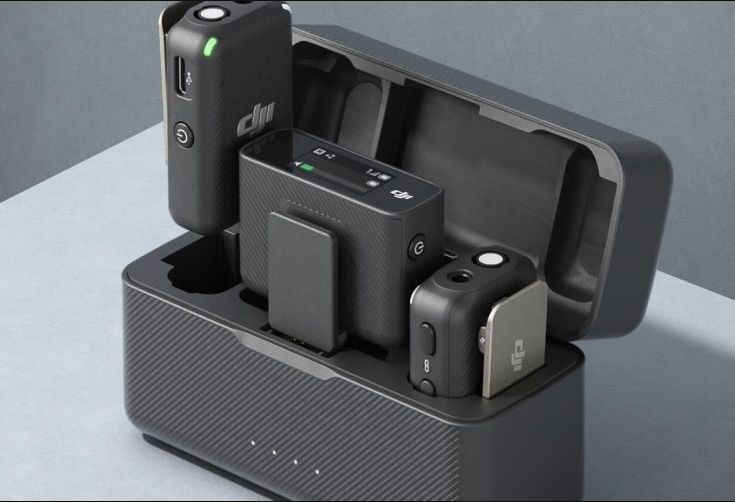
DJI has just launched a new product in China. It is the DJI Mic, which is a wireless radio system that offers capable wireless transmission range and some notable specs. This was previously launched for the global markets back in October 2021.
The Chinese drone maker’s new wireless Mic is a compact, lightweight, and powerful wireless system. It offers a powerful radio system that consists of a dual channel receiver and two wireless transmitters. Furthermore, the device weighs just 30 grams and can be carried around in just a pocket. The body of the new wireless Mic also has a clip on design and can even be attached to magnetic accessories as well. So, users can wear it on their clothes, or set it up with a musical instrument or install it on a camera.
Notably, the two transmitters can record simultaneously and offer clear, high fidelity, professional sound recording for various different scenarios. This includes voices or even complex ambient sounds. Under the hood, the DJI Mic transmitter houses 8GB of internal storage, which cannot be expanded. It can last for up to 15 hours when used with its charging case, with its body resembling a true wireless earbuds case.
One of its highlighting aspects is its 250 meters of wireless radio transmission range. The Mic can also fully charge the transmitter and receiver in just 1 hours and 10 minutes from the charging case. On the other hand, the charging case alone takes around 2 hours and 40 minutes to get fully charged. Other features include USB Type C, Lightning and 3.5mm TRS interface output, which also makes it compatible with most smartphones, cameras, and computers as well. It is currently available for a price of 2,299 Yuan (roughly 360 US Dollars) in China.
Recently, OPPO rolled out the ColorOS 12 stable update for a bunch of smartphones. Just a few days later, the same update is now available for even more handsets. With this, the company has almost finished the Android 12 stable rollout for the month of January 2022.
OPPO Reno5 Pro 5G
According to multipleofficialannouncementposts on OPPO Community, the Android 12-based ColorOS 12 stable update is now live for the following phones.
Users of the aforementioned devices can head over to Settings > Software Update to check whether their unit has received the update. Since the OTA system update is being pushed in batches, some users may receive it later than others. Anyway, everyone should get the latest update in the coming days.
As we mentioned earlier, OPPO has almost completed the ColorOS 12 stable release rollout for this month. The only smartphone that’s left to receive the update is OPPO A95 5G. We expect this handset to receive the new software update very soon.
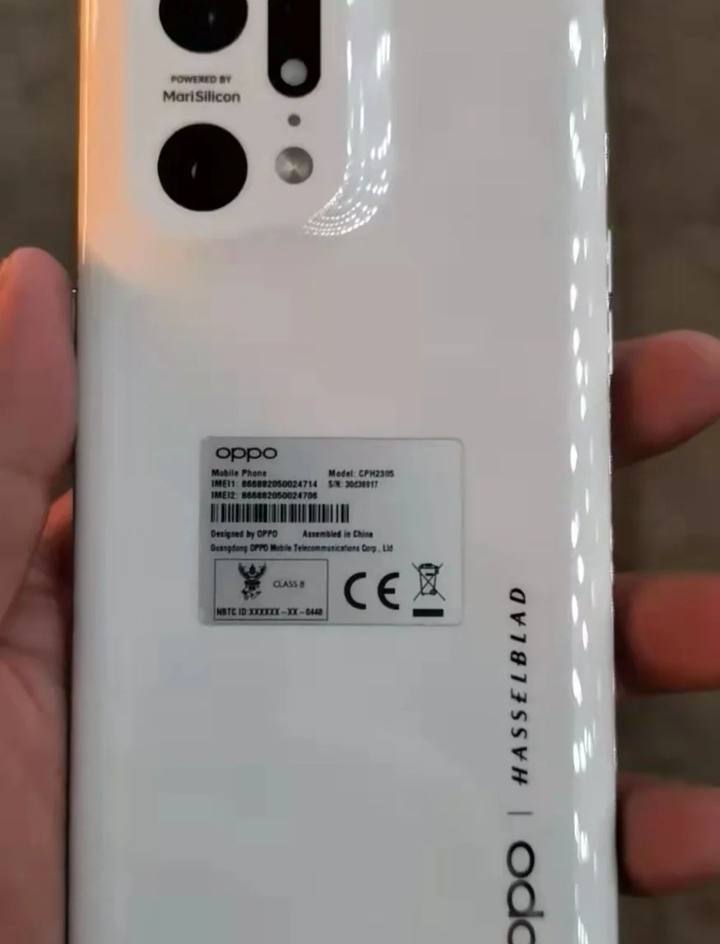
The OPPO Find X5 Pro is expected to go official by March in global markets and we have had multiple leaks in the past, revealing not only its specifications but also its design. While the flagship handset’s launch is still a bit distant, fans can now already try out its wallpapers, courtesy of XDA Recognized Developer mlgmxyysd (via XDA).
1 of 3
The dev has leaked not just static but also multiple live wallpapers from the OPPO Find X5 Pro. The live wallpapers are supposed to play upon unlocking the device. All of them seem to follow a similar theme with grainy, glittery particles spread all over. The featured colors are also very similar and seem to be from the same segment of the spectrum, with purple being the dominant color.
XDA has bundled all of the wallpapers into a single zip and they can be downloaded through this link. While the static wallpapers can be effortlessly applied through your device’s gallery or wallpaper app, the live wallpapers that are in video form will require a few additional steps.
You will need to download the Video to Wallpaper app from the Play Store and convert the video file enclosed in the zip to a live wallpaper that can be applied. Both the live and the static wallpapers come in 2412×1080 resolution, so you wouldn’t have to worry about quality.
OPPO Find X5 Pro leaked live image
Coming to the OPPO Find X5 Pro itself, the flagship phone is rumored to be coming with a 2K AMOLED LTPO 2.0 display with a 120Hz refresh rate. For photography, you get a 32-megapixel Sony IMX709 shooter up front and a 50-megapixel Sony IMX766 primary camera with OIS at the rear. The rear camera setup also includes another Sony IMX766 secondary lens and a 13-megapixel Samsung S5K3M5 tertiary camera.
Under the hood, there’s the latest and greatest Snapdragon 8 Gen 1 chipset that’s powered by a 5,000mAh battery with support for 80W fast charging and 50W wireless charging.
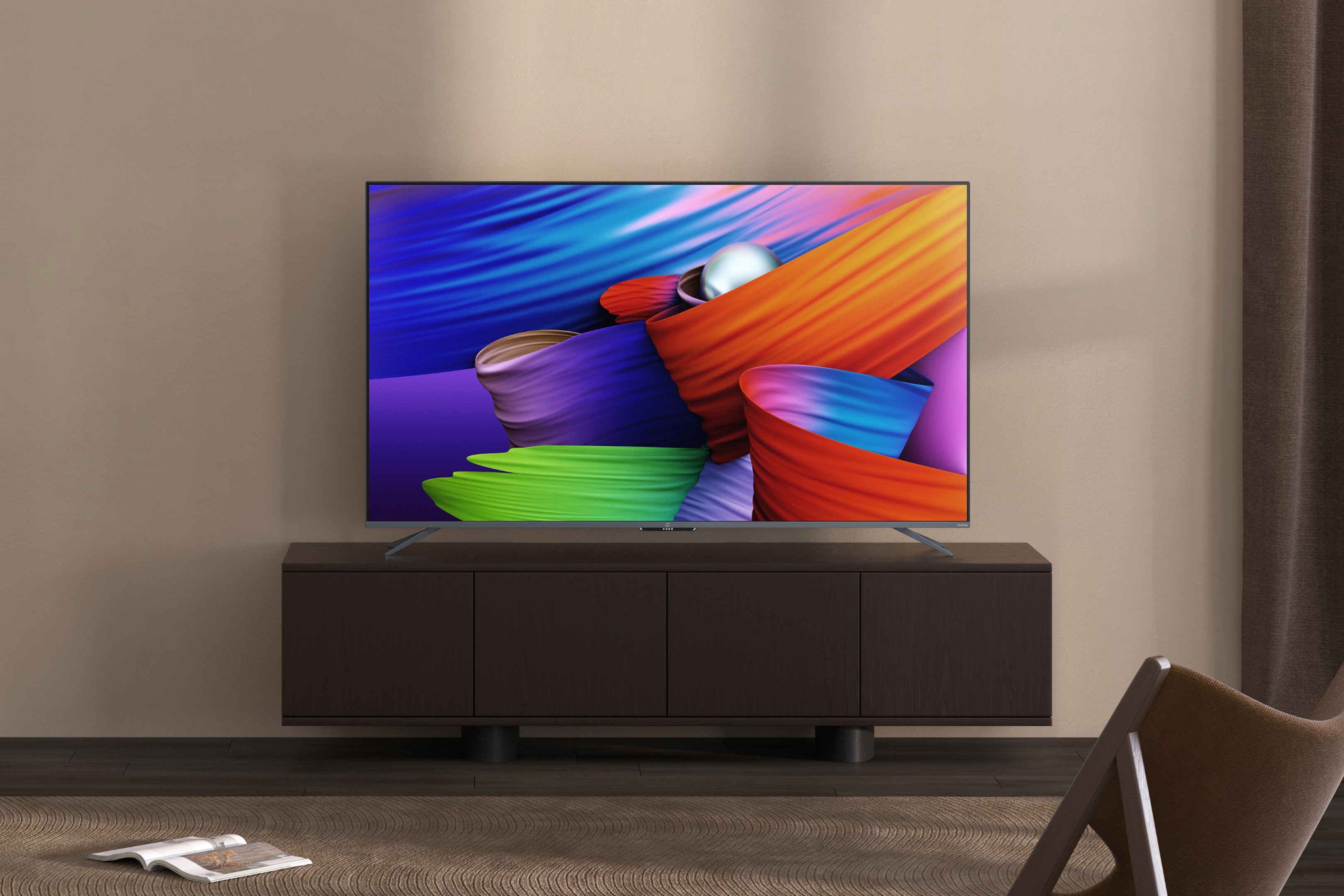
OnePlus is gearing up to launch new smart TVs in India soon, expanding its existing lineup. A new report has stated that these new TVs will be a part of the Y1S TV series and also revealed some of its key specifications as well.
According to 91Mobiles and known tipster Ishan Agarwal, the Chinese smartphone maker is planning on launching new Y1S smart TVs in two sizes. This includes a 32 inch and 43 inch sizes. In other words, the two new models will also be available for purchase alongside the existing U1S, Y series, and Q1 lineup, which are being sold in India via Amazon, Flipkart, and the company’s official website as well.
Ishan further revealed certain key specifications of the upcoming Y1S TV series. The new OnePlus TVs will run on Android TV 11 OS and will feature Dolby Audio on its 20W speakers. The display will support HDR10+, with its connectivity options include dual band WiFi, which is an upgrade over the 2.4GHz only option on the existing models. Notably, this news is also in line with a previous report that talked about OnePlus launching new TVs in India soon. The new TVs will also take on the likes of other Chinese brands like Realme, Xiaomi, and others. So stay tuned for more updates regarding this matter.
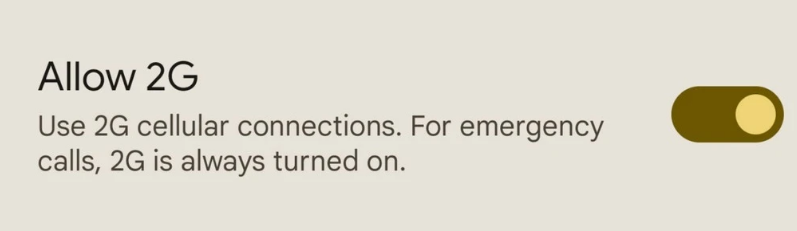
With the launch of the Android 12, Google launched its latest iteration of its popular Android operating system that offers new features, design, and colors. But one of the smaller features include a “kill switch” for 2G networking.
According to an ArsTechnicareport, Electronic Frontier Foundation has been trying to kill off 2G since 2020 and is now praising Android 12 for its 2G kill switch. But this begs the question, why is Google and the EFF trying to kill off 2G, which was the cellular standard from years ago. Apparently, there is a very good reason for this, and it is privacy. Because the aging cellular standard lack security.
As of right now, carriers in the US have already started shutting down 3G networks, but the issue with modern handsets is that they still actively search for 2G service. As per the EEF “There are two main problems with 2G. First, it uses weak encryption between the tower and device that can be cracked in real time by an attacker to intercept calls or text messages. In fact, the attacker can do this passively without ever transmitting a single packet.”
The group further added that “The second problem with 2G is that there is no authentication of the tower to the phone, which means that anyone can seamlessly impersonate a real 2G tower and a phone using the 2G protocol will never be the wiser.” So turn off 2G connectivity, Android 12 users need to go to Settings > Network & Internet > SIMs > Allow 2G and toggle off the setting. The EEF has even urged Apple to follow suit with this move as well.
OnePlus has recently launched the OnePlus 10 Pro smartphone in China. The device is expected to release in global markets after a few months. Tipster Yogesh Brar’s new tweet sheds light on the timeline of upcoming OnePlus smartphones. Apart from phones, the company will be also announcing several other products in the coming months.
The tipster tweeted yesterday that starting from this month (January), OnePlus will be launching new smartphones, accessories, and TVs. Probably, he is talking about the Indian market. The company recently unveiled the OnePlus 9RT 5G and OnePlus Buds Z2 TWS earbuds.
Today, the tipster said that OnePlus’ next device for India is the OnePlus Nord CE 2 (or Nord 2 CE), which will be debuting in February. The same month will see the arrival of the Nord N20 in the European market.
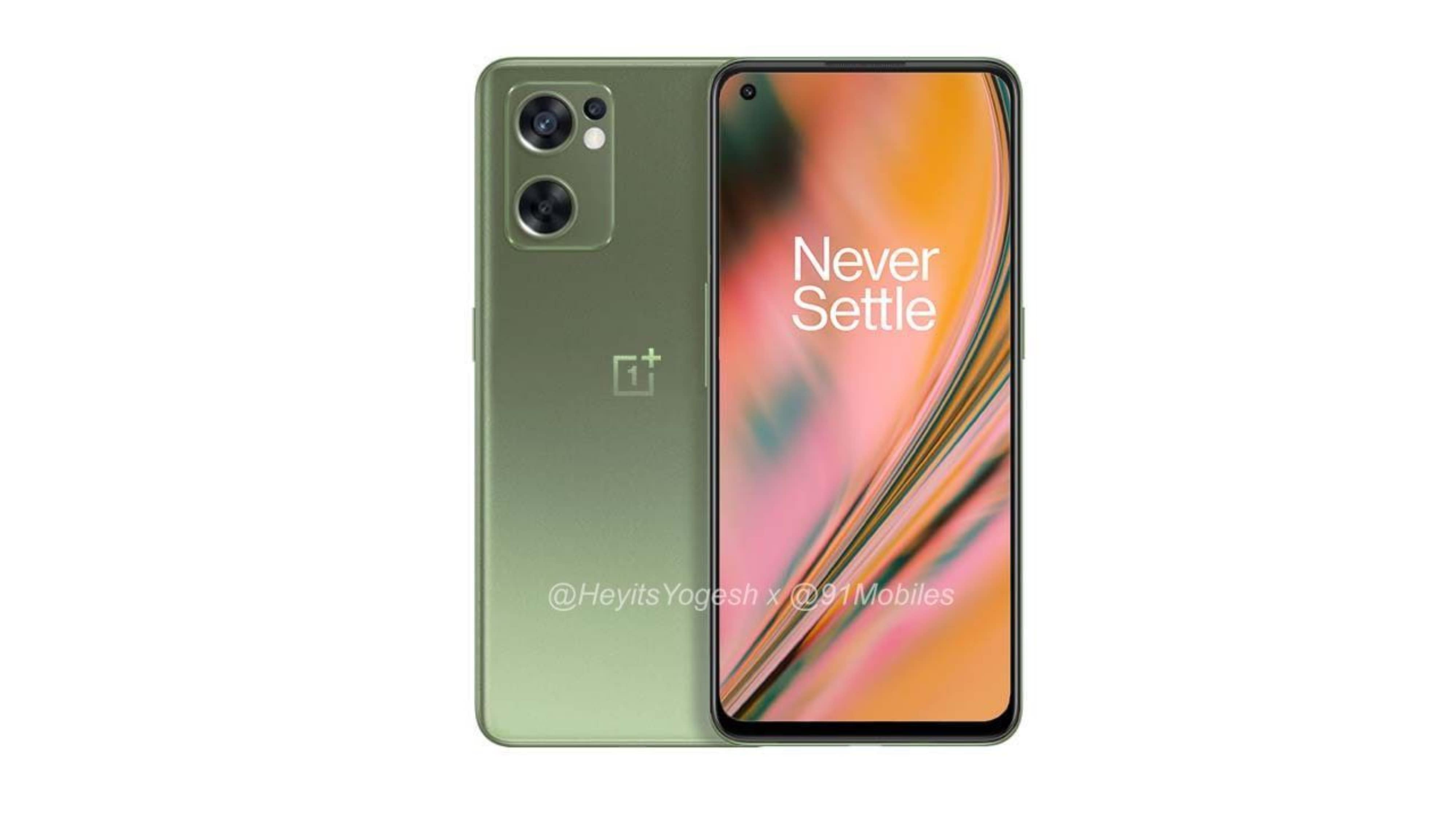
OnePlus Nord 2 CE Renders
The Nord 2 CE is expected to arrive with specs like a 6.4inch AMOLED FHD+ 90Hz display, a 16-megapixel front camera, 64-megapixel triple cameras, Dimensity 900 chip, up to 12 GB of RAM, up to 256 GB of storage, Android 12 OS, and a 4,500mAh battery with 65W fast charging. On the other hand, the Nord N20 5G is expected to arrive with mid-range specs. Its recently seen CAD renders have revealed that it will sport a punch-hole display and a triple camera unit/
The leak states that the OnePlus 10 Pro will be released in markets outside China in March. The company will begin rolling out the unified OS, which is said to be a mix of OxygenOS and ColorOS. He added that other devices such as smart TVs, ANC-enabled neckbands, and new earbuds are expected to launch in between the above-mentioned products.
At the realme GT2 series launch event in China, the brand also announced a new laptop called realme Book Enhanced Edition. A few days from its release, the notebook gets a new variant dubbed as realme Book Enhanced Edition Air. Let’s check out what the new model brings to the table.
The newly unveiled Realme Book Enhanced Edition Air is exactly the same as the Realme Book Enhanced Edition, except for two differences. The display frame on the new variant is made of glass as opposed to polyester on the original version. Also, the latest model is slightly lighter (1.37kg) than the older one (1.47kg).
The Realme Book Enhanced Edition Air with 16GB LPDDR4x RAM and 512GB PCIe SSD costs ¥4,699 ($740). It is ¥100 ($16) cheaper than the original Realme Book Enhanced Edition. Customers who pre-order the computer will get a discount of ¥300 ($47). The product will go on sale at 12 AM on January 21.
As far as specifications are concerned, the Realme Book Enhanced Edition Air sports a 14-inch 2K display (LCD) with a 3:2 aspect ratio, 100% sRGB color gamut coverage, and 400 nits brightness. It is powered by an 11th Gen Intel Core i5-11320H processor with VC liquid cooling and runs MicrosoftWindows 11.
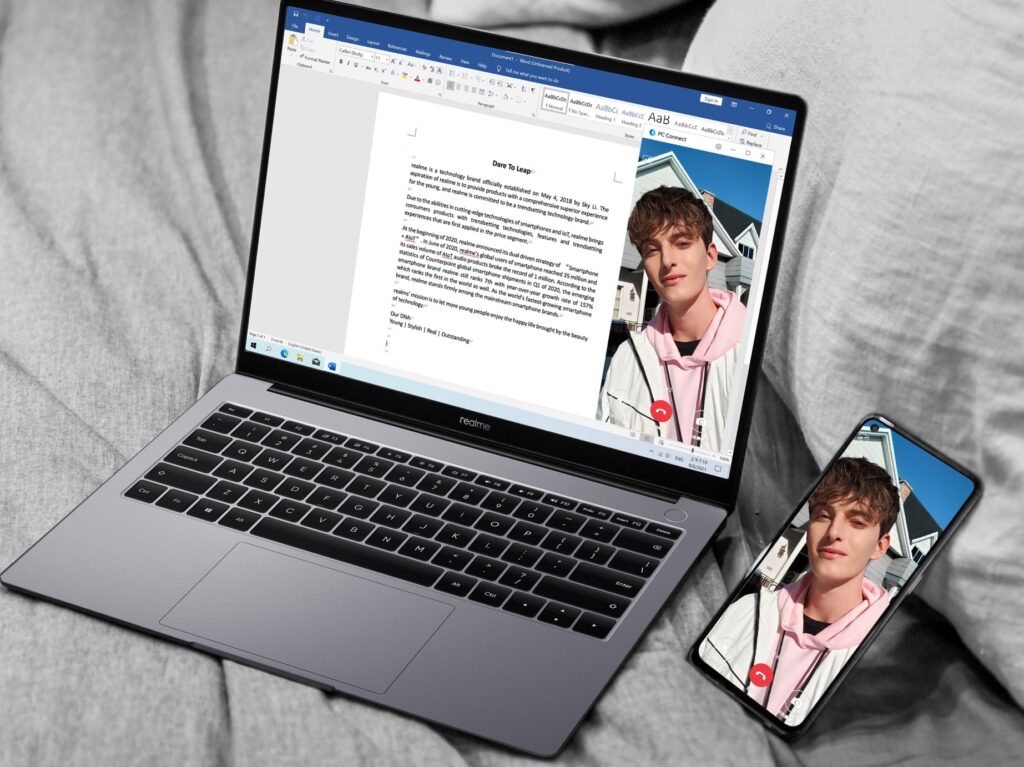
The laptop offers WiFi 6, a USB Type-C port with Thunderbolt 4, another USB Type-C port (USB 3.2 Gen 2), a USB Type-A port (USB 3.1 Gen 1), and a 3.5mm headphone jack. Other features include a backlit keyboard, dual stereo speakers, fingerprint sensor, ColorOS PC Connect, and a 54Wh battery.
Finally, the notebook with metal unibody measures 14.9mm in thickness and arrives in two colors (Sky Blue, Island Grey).
Today, Realme has officially launched the Realme 9i in the Indian market. The smartphone comes with the same specs as the model launched in Vietnam, but in India, the phone is on shelves for a slightly cheaper price.
The Realme 9i starts at Rs 13,999(~$188) for the 4GB RAM + 64GB variant and Rs 15,999(~$215) for the 6GB RAM + 128GB variant. This is way cheaper than the ~$290 price tag for the 6GB/128GB variant in Vietnam.
The smartphone comes in Prism Black and Prism Blue color variants and will go up for sale on January 25 at 12 PM on Flipkart and Realme India’s official website.
1 of 2
Realme 9i Specifications
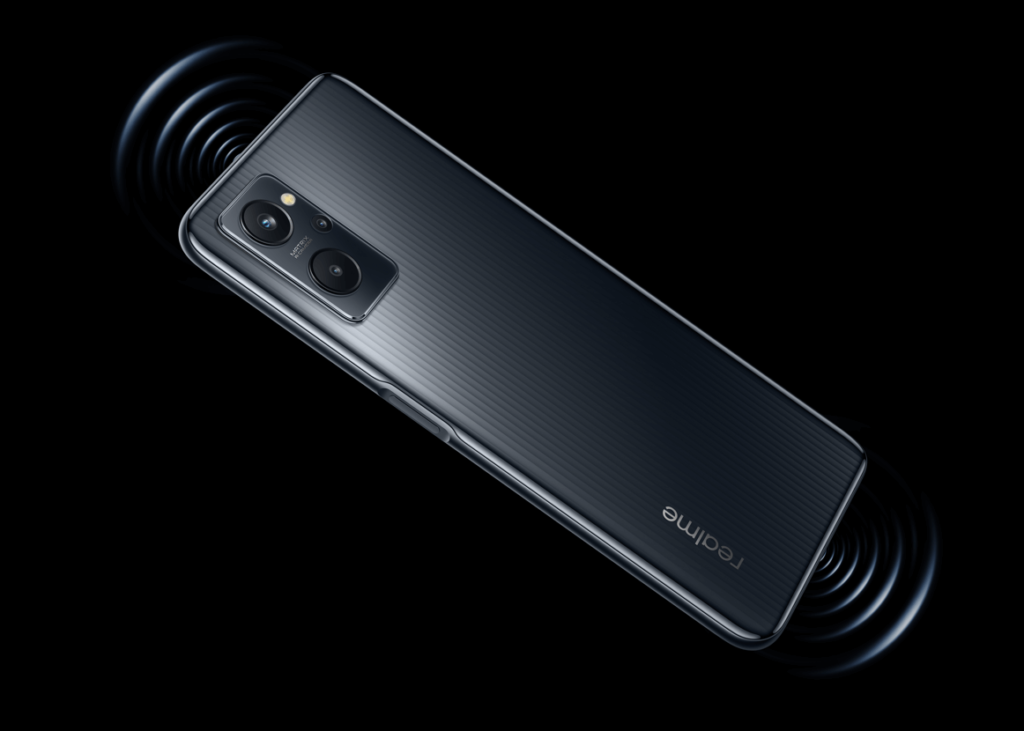
The smartphone sports a 6.6-inch punch-hole IPS display with an FHD+(2412 x 1080 pixels) resolution. The screen has a 90Hz Ultrasmooth refresh rate, 180Hz touch-sampling rate, and a 90.8% screen-to-body ratio. It features a patterned design, where at the back it has vertical stripes. The phone has a new camera island that holds three sensors.
It has a 50MP main lens, a 2MP macro sensor, and a 2MP B&W lens. It has an LED flash beside the sensors. Upfront, it sports a 16MP AI selfie lens. It has dual stereo speakers and has a 3.5mm headphone jack for audio.
Under the hood, it is powered by the 6nm Qualcomm Snapdragon 680 octa-core SoC paired with 4GB, 6GB of RAM, and 64GB, 128GB of internal storage. Realme claims that the phone has up to 11GB of dynamic RAM. Basically, it has 5GB of additional RAM which, when added up with the 6GB actual RAM offers up to 11GB of total RAM.
It packs a 5,000mAh battery with 33W fast charging support. The device boots on Realme UI 2.0 based on Android 11 and has a side-mounted fingerprint scanner.
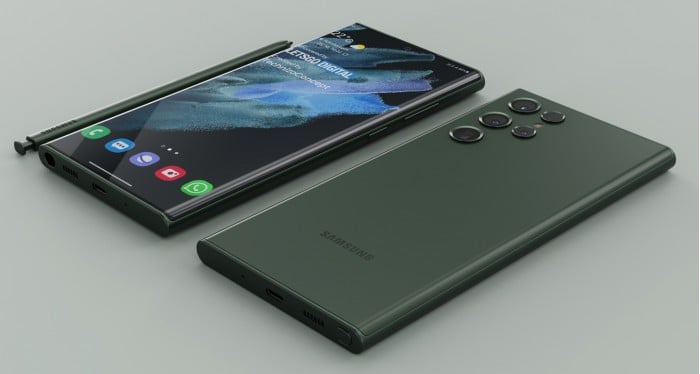
Prior to the launch of the Samsung Galaxy S22 series, the company’s latest flagship lineup has been spotted on European retailer’s listings. These listings showcase the upcoming devices in their Exynos variant.
For those unaware, the South Korean tech giant is known to launch its flagship Galaxy S series of smartphones in two variants, which includes a Qualcomm Snapdragon and its in house Exynos chip versions in certain markets. While the launch of the Galaxy S22, Galaxy S22+, and Galaxy S22 Ultra being just around the corner, recent reports had hinted that the company is facing issues with its new self developed chipset, the Exynos 2200 SoC (Via GSMArena).
But now, the new listings have implied that the Samsung has managed to cross these hurdles. The SM-S901B, SM-S906B, and SM-908B models are all equipped with a new Exynos processor, which was also revealed by previous Geekbench listings as well. Usually, the Qualcomm Snapdragon variants are launched in the US, South Korea, and China, with the model numbers having a different letter at the end, namely SM-S901E, SM-S906E, and SM-S908E.
Galaxy S22 Ultra render
The Exynos model listings were spotted on retailers like Zanetti Shop and Epto in Italy. While the listings do not reveal any finer details or any official images, it does reveal its pricing. The Galaxy S22+ with 8GB of RAM and 128GB of internal storage will have a price tag of 1,190 Euros (roughly 1,360 US Dollars), which is around 150 Euros more than the previous generation. So, these might be a placeholder price for now, but stay tuned for more updates.
Google Keep has grown to be one of those utilities that many Android users can’t seem to live without, myself being one of them. With over a billion downloads, it’s clear that Google has gotten something right with the jotting app. But as with any piece of software, it isn’t completely free from bugs — the latest coming straight from Samsung users running Android 12.
Member Tim O 8971 on the official Google forums (via PhoneArena) says, “I have an auto-numbered list on my Android mobile (Samsung S21+) and when I try to add items or navigate through the list, it adds more numbers to the items above. I’ve done this with much longer lists, with no problems, but now it’s happening on any new list I originate. See screenshot. Any ideas? On my PC, the synced note works fine. I can see the multiple numbers, but it works normally on the PC. Thank you.”
Basically, the numbered lists feature on the Google Keep app installed on Samsung devices has a bug where tapping enter to add a new list item adds another number to the previous item. The result is something similar to the screenshot given above. This behavior may also be accompanied by the cursor or the entire view area shifting around abnormally while typing.
Judging by complaints, the bug only seems to be affecting Samsung devices running Android 12 with the Galaxy S21, Galaxy S20, and Galaxy Note 20 being some of them. I was unable to reproduce it on my stock Android-running device.
While there does not appear to be any workaround as of yet, Google did acknowledge the bug a couple of weeks back saying that “the team currently is investigating” it. There haven’t been any further updates given out after this though, unfortunately.
A new report has revealed some interesting information about next year’s Apple iPad lineup. Apparently, these iPads will feature OLED display panels that will be supplied by known display maker LG Display.
According to an ETNewsreport, the South Korean supplier will be the one to supply the Cupertino based giant with OLED panels for its iPad. The report added that LG is preparing to begin producing these OLED displays by expanding its plant in Paju, South Korea. The increase in production capacity will be for mid to small sized OLED displays that will be for the next generation of iPhone and iPad models.
Notably, the report states (Via MacRumors) that the introduction of OLED panels is quite an opportunity for LG Display due to its aspect ratio and size of the device’s display. As of right now, rival suppliers of the brand are currently not able to adapt to these sizes as easily. On the other hand, another report has suggested that BOE is also set to be one of the suppliers of OLED panels for upcoming iPad models as well.
So, an iPad with OLED display is expected to arrive for the first time next year as LG is set to start mass production of these panels at its Paju production site. Keep in mind that this is still just an unconfirmed news so take it with a pinch of salt, however, it is in line with our previous reports. So stick around for more updates.
Xiaomi has been rather late to the Android 12 party even as OEMs like Samsung and OPPO have already begun to seed the update to their mid-range offerings. Still, it’s always better late than never, and we are starting to see signs of MIUI 13 based on Android 12 for several models.
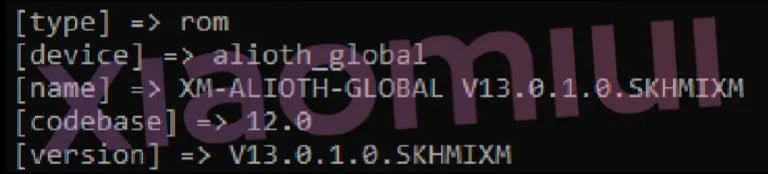
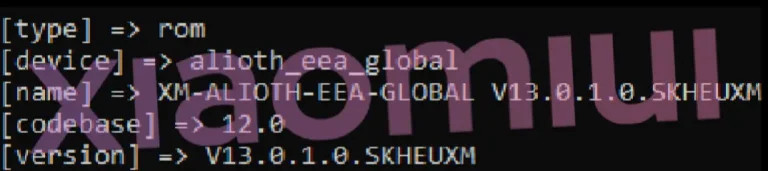
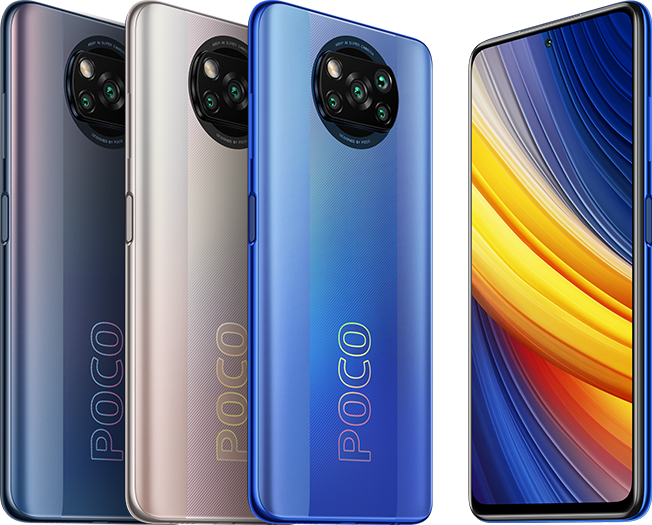
Xiaomiui managed to intercept some data from Xiaomi’s own build servers and it shows that MIUI 13 builds are ready for the POCO X3 Pro and POCO F3, both of which are mid-range offerings. And it’s not just MIUI 13 as the builds also carry the latest Android version with them.
In the case of the POCO X3 Pro (vayu_global), there’s a single MIUI V13.0.1.0.SJUMIXM build that has been revealed for its global variant. And as for the POCO F3, users with both the Global (alioth_global) and European (alioth_eea_global) variants of the device will be getting treated to MIUI 13, also with version 13.0.1.0.
The information comes after another leak from yesterday that similarly showed that the Xiaomi 11 Lite 5G NE and Mi 11X will also be getting MIUI 13 anytime now. The latter is actually the Indian variant of the POCO F3, so it figures.
POCO X3 Pro
POCO F3
While Android 12 is sure something to be a bit excited about, MIUI 13 will probably be quite a disappointment to you. The version of the skin has already been announced in China with almost no feature additions apart from a couple that will likely remain China-exclusive.
Motorola has just launched a new product for the Indian market. The company has announced a new tablet that is dubbed the Moto Tab G70, which features some notable specs like 2K display, quad speakers, and more.
Talking about the Tab G70, it is a high end tablet that is geared towards gaming and multimedia consumption likes movies and videos. Furthermore, the tablet sports an 11 inch display with a 2K resolution and narrow bezels on all four sides, which offers an edge to edge view and a high screen to body ratio. The tablet also has HD certification for Amazon and Netflix and can output up to 400 nits of brightness from its LCD panel.
Under the hood, a large 7,700mAh battery pack powers the device, which supports up to 20W fast charging. It runs MediaTek’s Helio G90T octa core processor, which is paired with 4GB of RAM. It also arrives with 64GB of internal storage and users can even expand this to up to 1TB via a microSD card. Other notable features include a Quad speaker setup that supports Dolby Atmos, Android 11 out of the box, 13 megapixel rear camera, and an 8 megapixel selfie shooter.
As of right now, the Moto Tab G70 is available for pre orders on Flipkart and is priced at 21,999 INR (roughly 299 US Dollars). It is available in a single color and storage variant, namely Cyber Teal and 4GB + 64GB model. The company is ever offering a discount for ICICI Bank Credit and Debit Card users, which brings down the price to by up to 1,250 INR (roughly 17 US Dollars). The company also stated that it has not introduced its own accessories with the Moto Tab G70, although, it is built to support most 3rd party accessories including stylus and keyboards.
Lately, I am a bit disappointed with the flagship phones that have been released this year. I mean, can you believe it? They are worse than the previous generation in a lot of departments. And the price isn’t much cheaper either. In contrast, you could be better off getting last year’s flagship phones. That’s right, I’m talking about Xiaomi, IQOO, and today’s star: OnePlus 10 Pro.
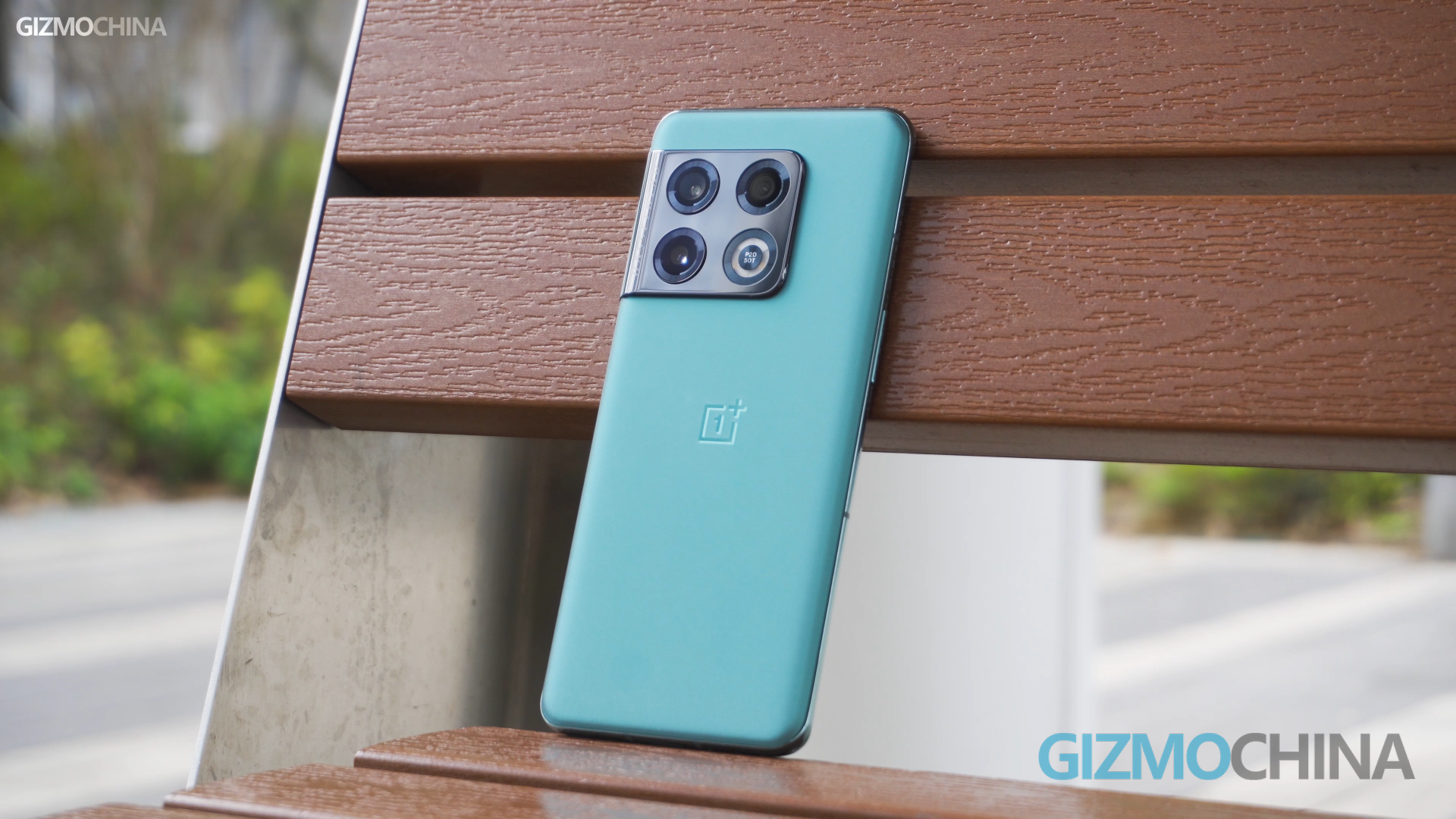
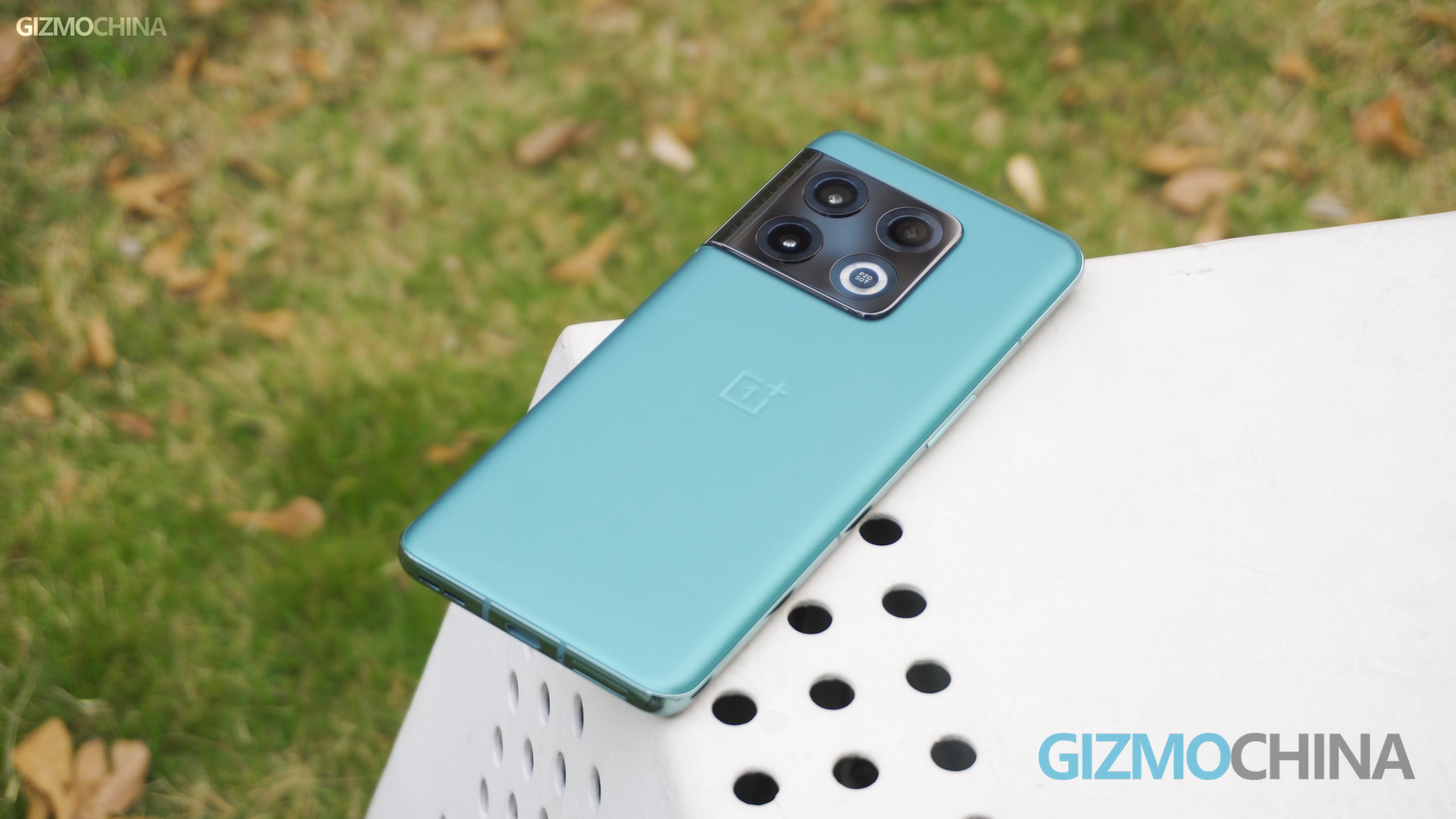
I think the biggest upgrade to the OnePlus 10 Pro this year is in its appearance. Those who like it must feel that it has a really unique look. It’s easier to recognize than the OnePlus 9 Pro.
OnePlus 10 Pro Review: Design & Display
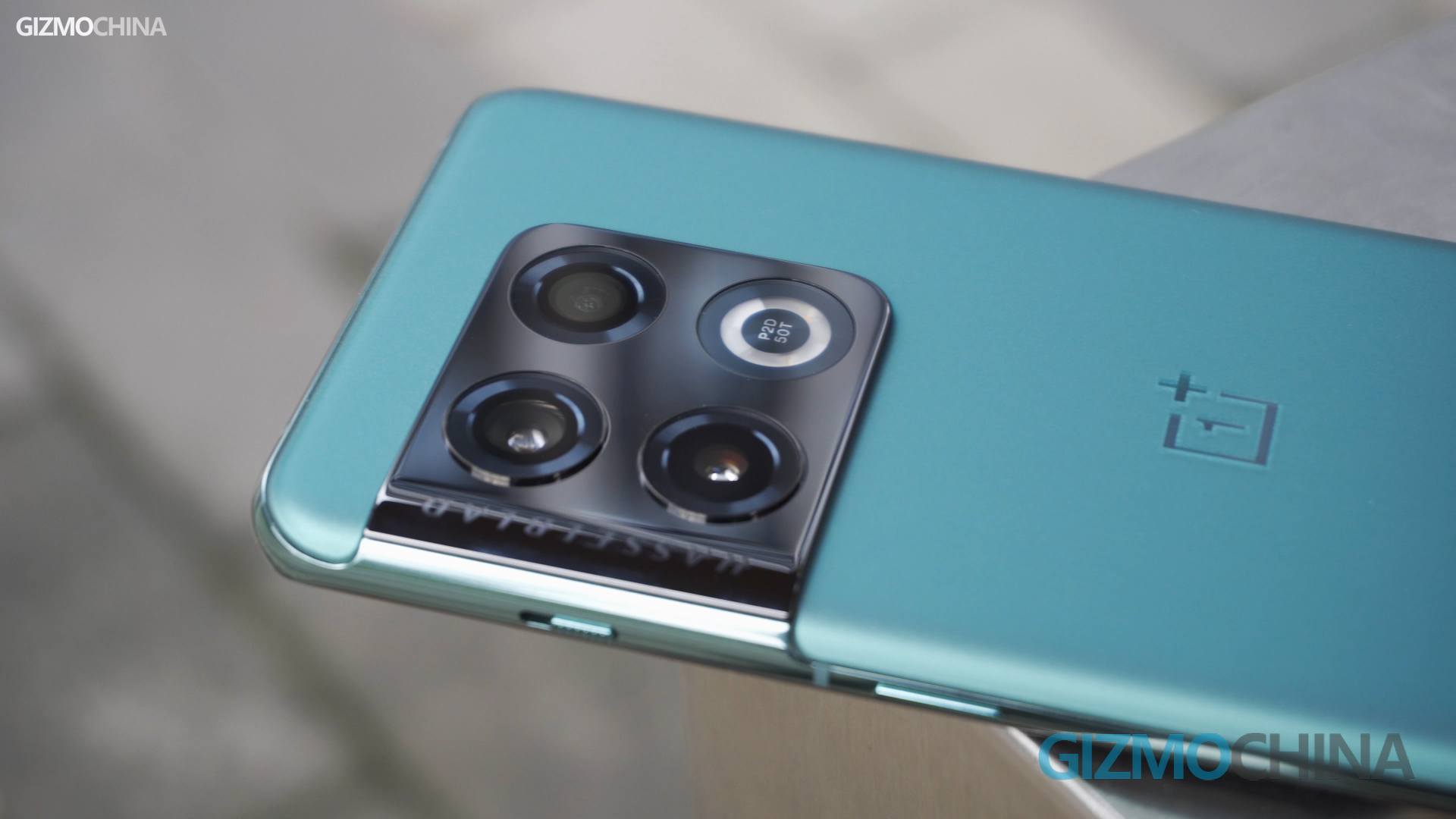
The frosted glass on the back cover is still silky smooth as ever. And the lens module part is made of ceramic, which looks extra premium when illuminated by light. But some people feel that this design does not look good. They think it copies Samsung’s design. Not to mention there is a gap between the frame and the lens. The upper frame is cut and flattened, but the lower frame is still rounded.
It looks like the design features four lenses but it’s actually just three. What looks like a ring flash design turns out to be just an ordinary dual flash. The lens is very easy to get fingerprints on. All in all, it’s a good thing that some people are debating how good the OnePlus 10 Pro looks.
At least it shows that it’s different this year, which is an improvement of sorts, right?
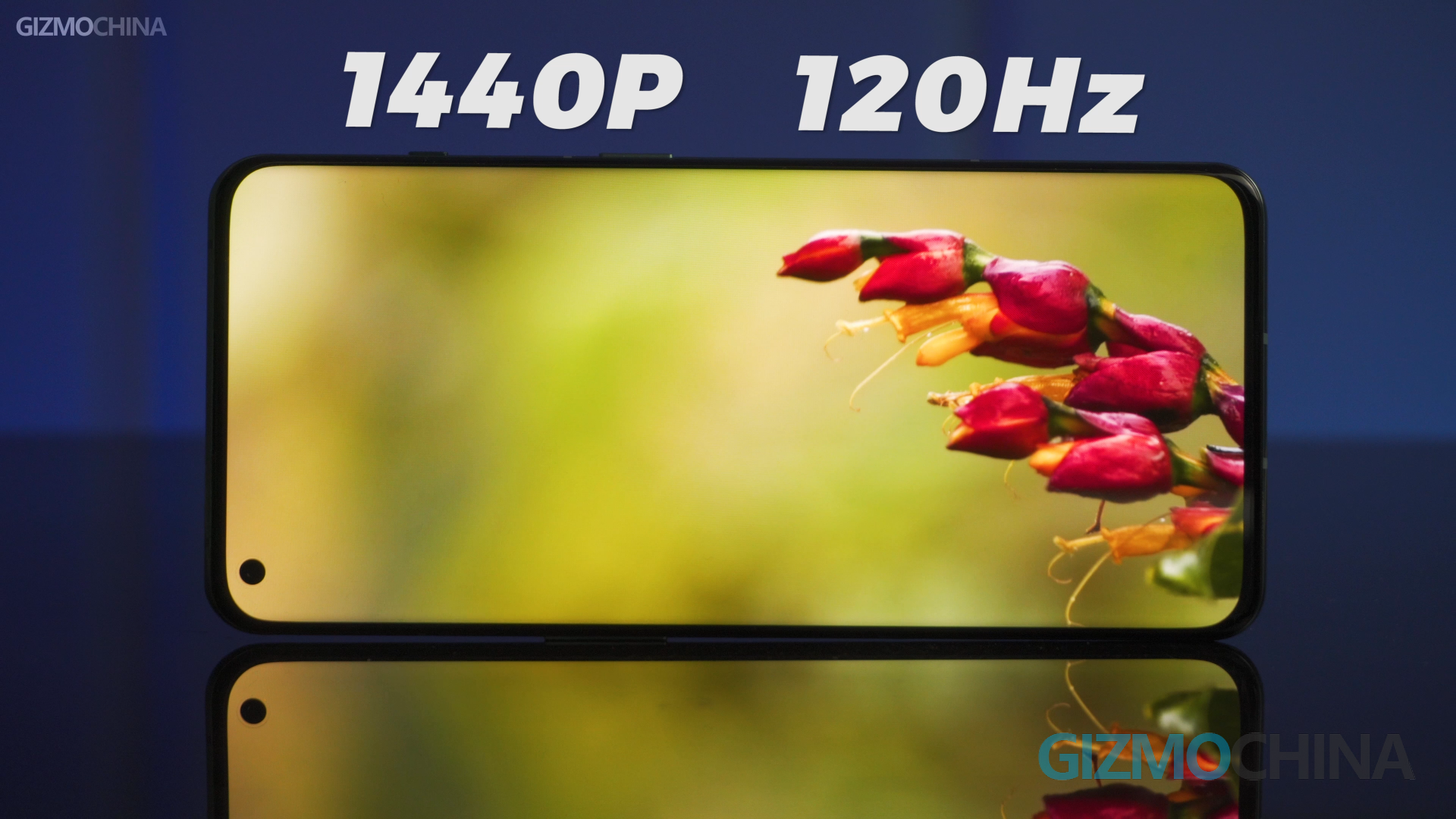
When compared to last year’s 9 Pro, the OnePlus 10 Pro’s screen is almost unchanged. It still features 1440P resolution, 120Hz refresh rate. Even the light-emitting material is still the same Samsung E4 material. Although this screen is still top-level, bright and vivid, the screen is not significantly off-color when viewed obliquely. But it also means that if you switch from the OnePlus 9 Pro to the 10 Pro, you won’t see any change. There are still a few upgrades in the experience though. The first upgrade is that the fingerprint recognition area has been moved up, making it more comfortable to unlock.
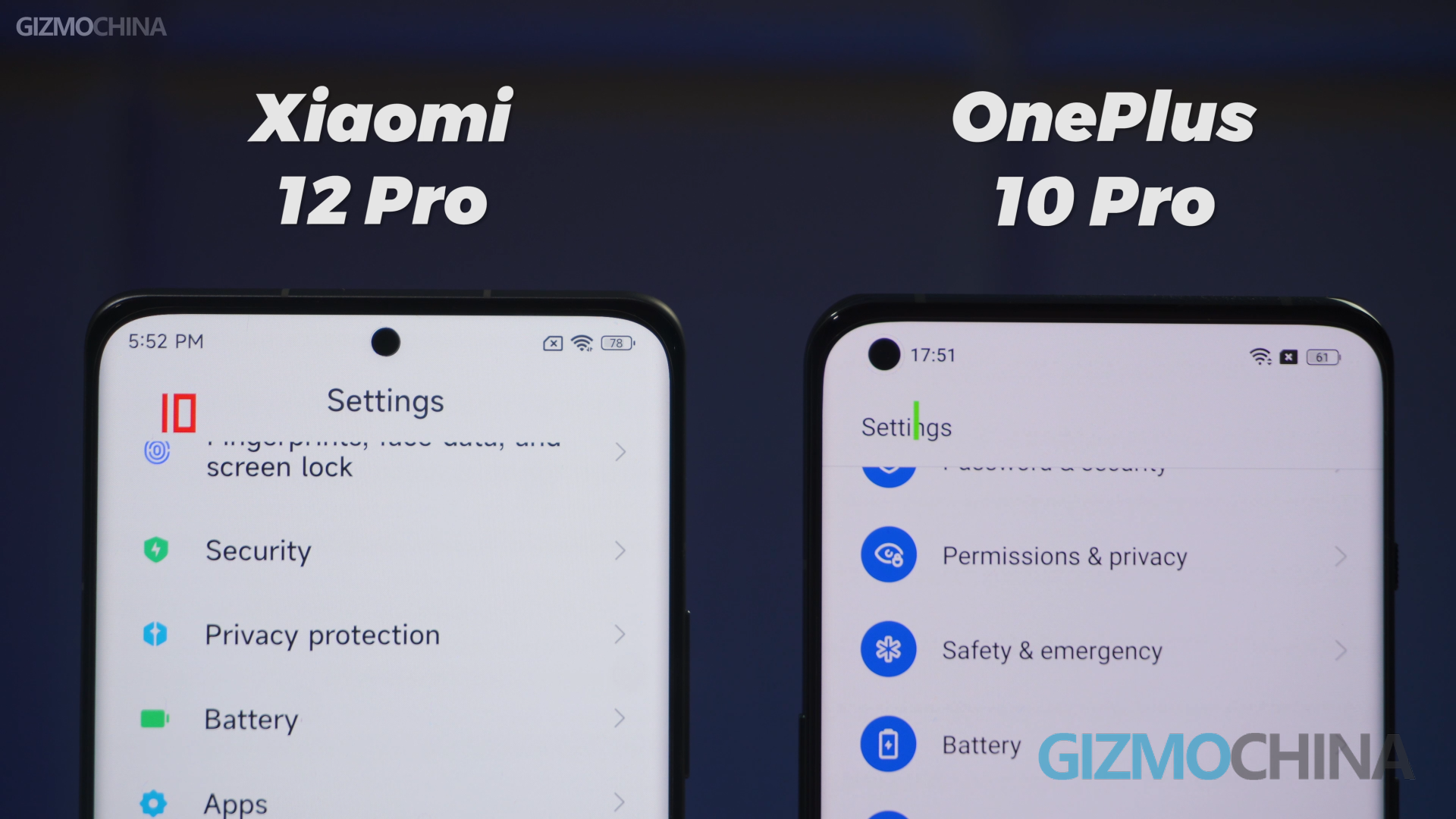
The second upgrade is that it uses the second generation of LTPO. the principle of LTPO 2.0 was explained in detail in the Xiaomi 12 Pro review, so we won’t go over it again. But it has a different adaptive refresh rate strategy than the Xiaomi 12 Pro. When you stop swiping the screen, the OnePlus 10 Pro can reduce it to 1Hz in a very short time. and that’s true for almost all apps.I also found that the LTPO 2.0 screen refresh rate is also related to the brightness. For example, if you are in high brightness, the screen can go down to 1Hz when it is stationary, but when the screen brightness is slightly reduced, it can only go down to 5Hz or 10Hz at minimum. When the brightness is low enough, the OnePlus 10 Pro can only display at 120Hz refresh rate all the time.
The Xiaomi 12 Pro, which also uses LTPO 2.0, will have a similar phenomenon, except that it can be displayed at a 60Hz refresh rate even when reduced to its lowest brightness. So when you’re in a room at night with the lights off and a low brightness screen, LTPO does little to save power.
OnePlus 10 Pro Review: Performance & Gaming
Although the OnePlus 10 Pro is using Snapdragon 8 Gen 1, OnePlus says: Hey, we’re very confident in our optimization tuning for gaming. So let’s see what happens.
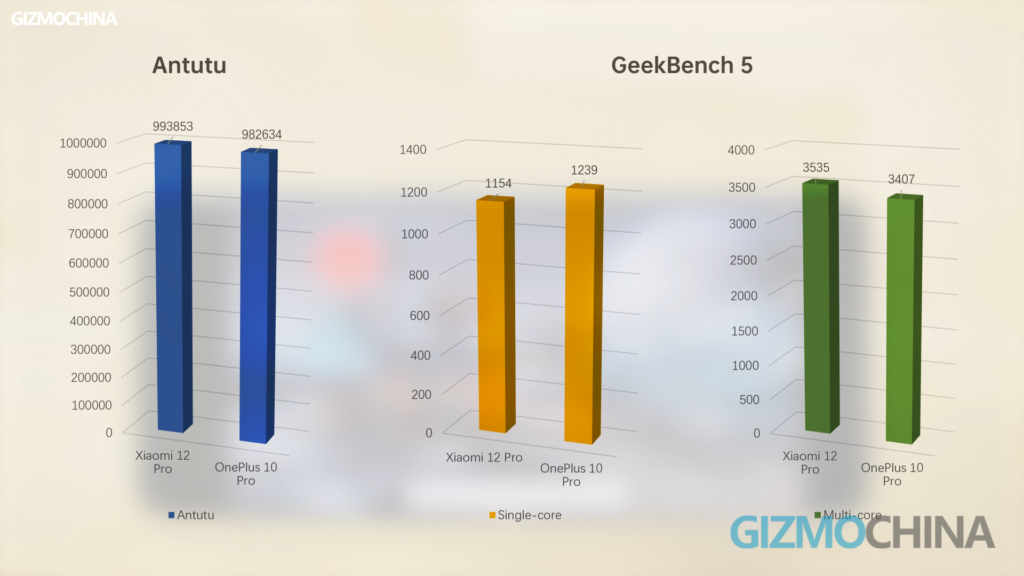
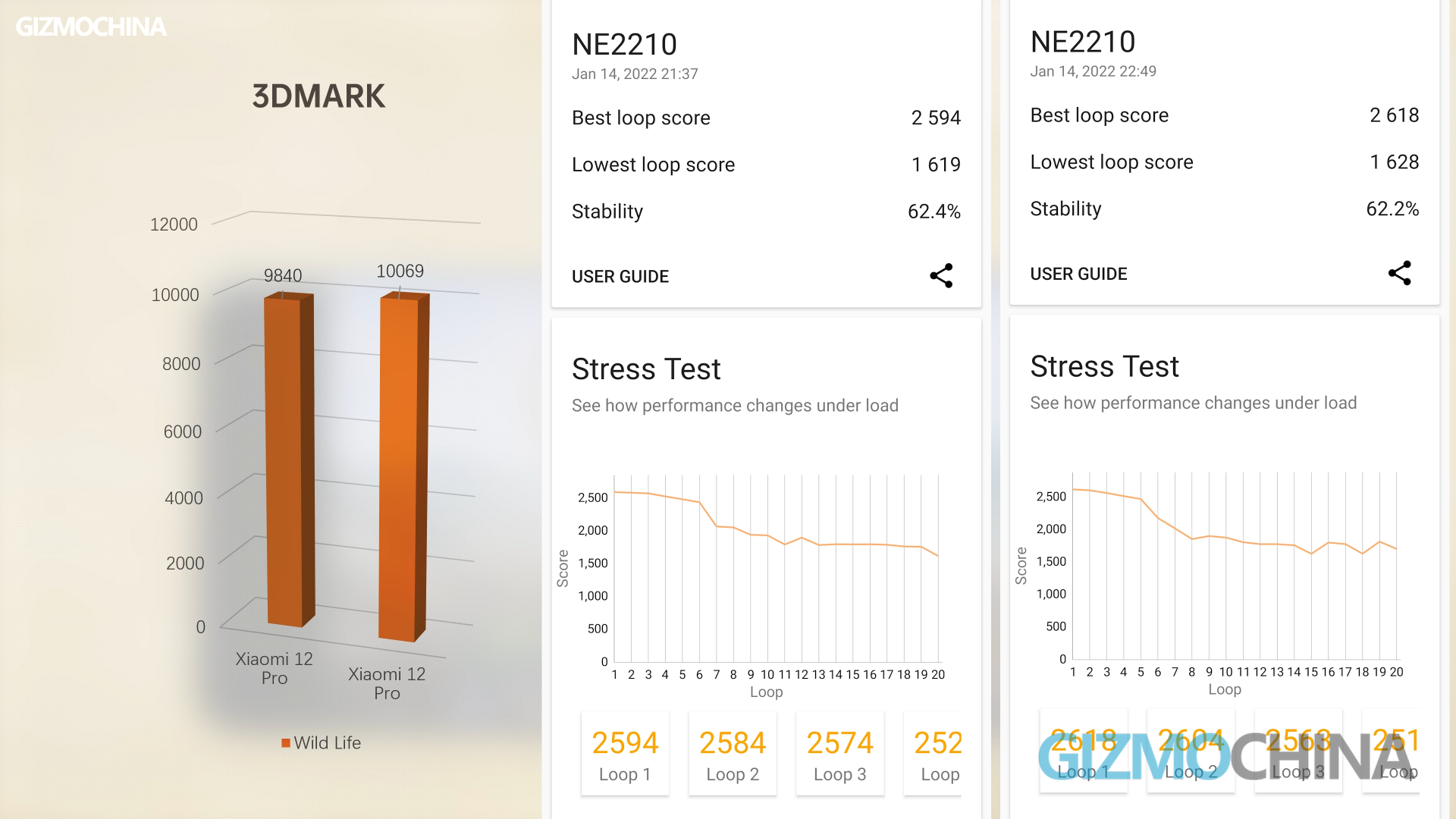
Antutu scores 980,000, GeekBench 5 scores 1239 single-core and 3407 multi-cores. 3D MARK scores over 10,000, making it the first phone we’ve tested to break 10,000 in room temperature conditions. And whether or not the high-performance mode is turned on, it can successfully complete the 3D Mark Extreme Stress Test.
The maximum temperature of the body is only about 47 degrees Celsius. Although the stability is not high, but it is much better than some Snapdragon 8 Gen 1 phones that cannot even complete the test.
1 of 2
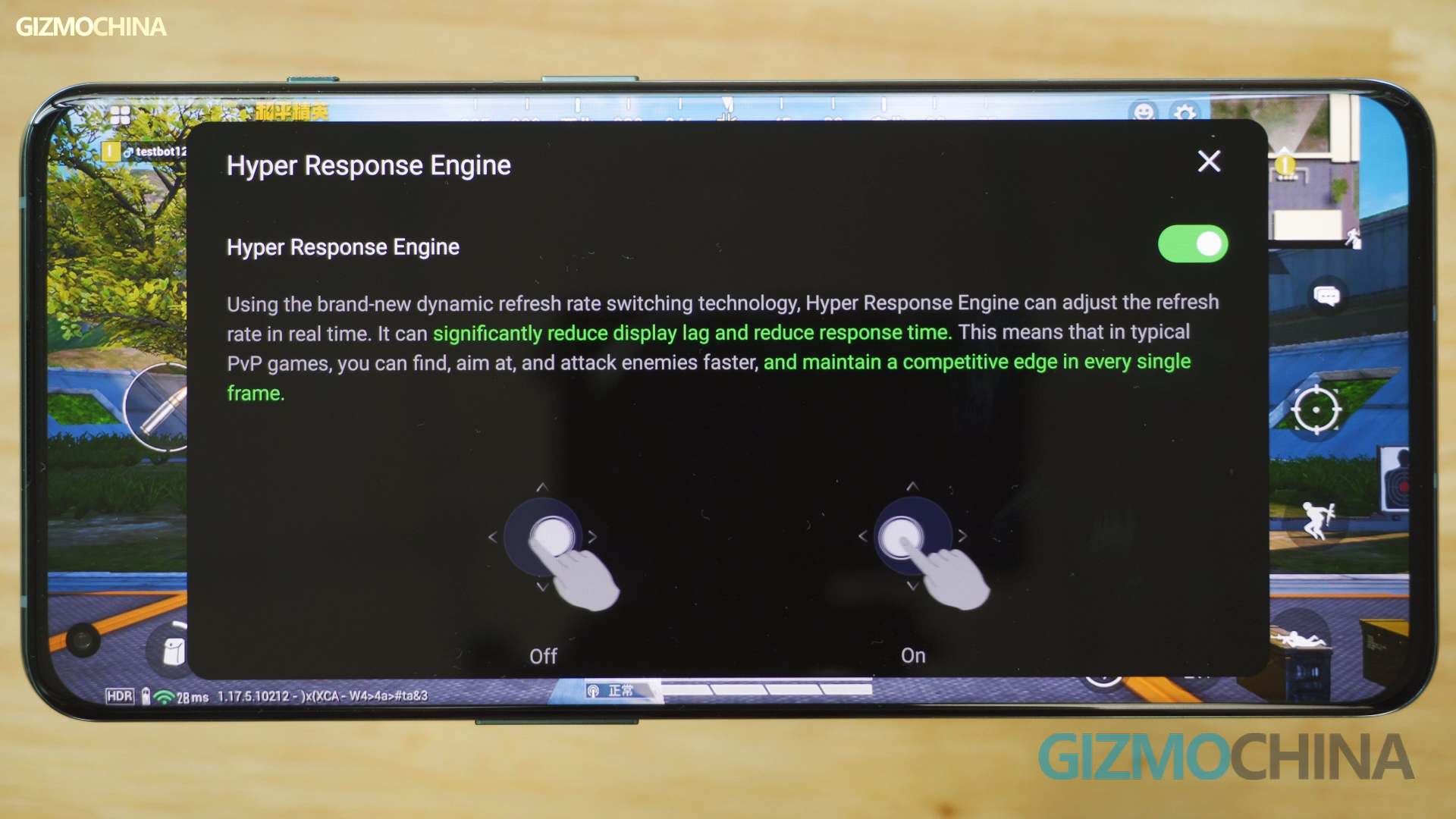
Before we start the OnePlus 10 Pro gaming test, I would like to introduce two features. The first is the Hyper Response Engine, which allows you to be more responsive with your touch. Although we can see in the slow-mo video that it does make you shoot faster, you can hardly feel it in reality. And it will increase your power consumption, so this feature will not be turned on for the next test. There is also a feature called Ultra-steady frames which allows you to have smoother transitions when the frame rate drops. This feature is also available on the OnePlus 9 RT and is a really good experience, and will be turned on for the next game tests.
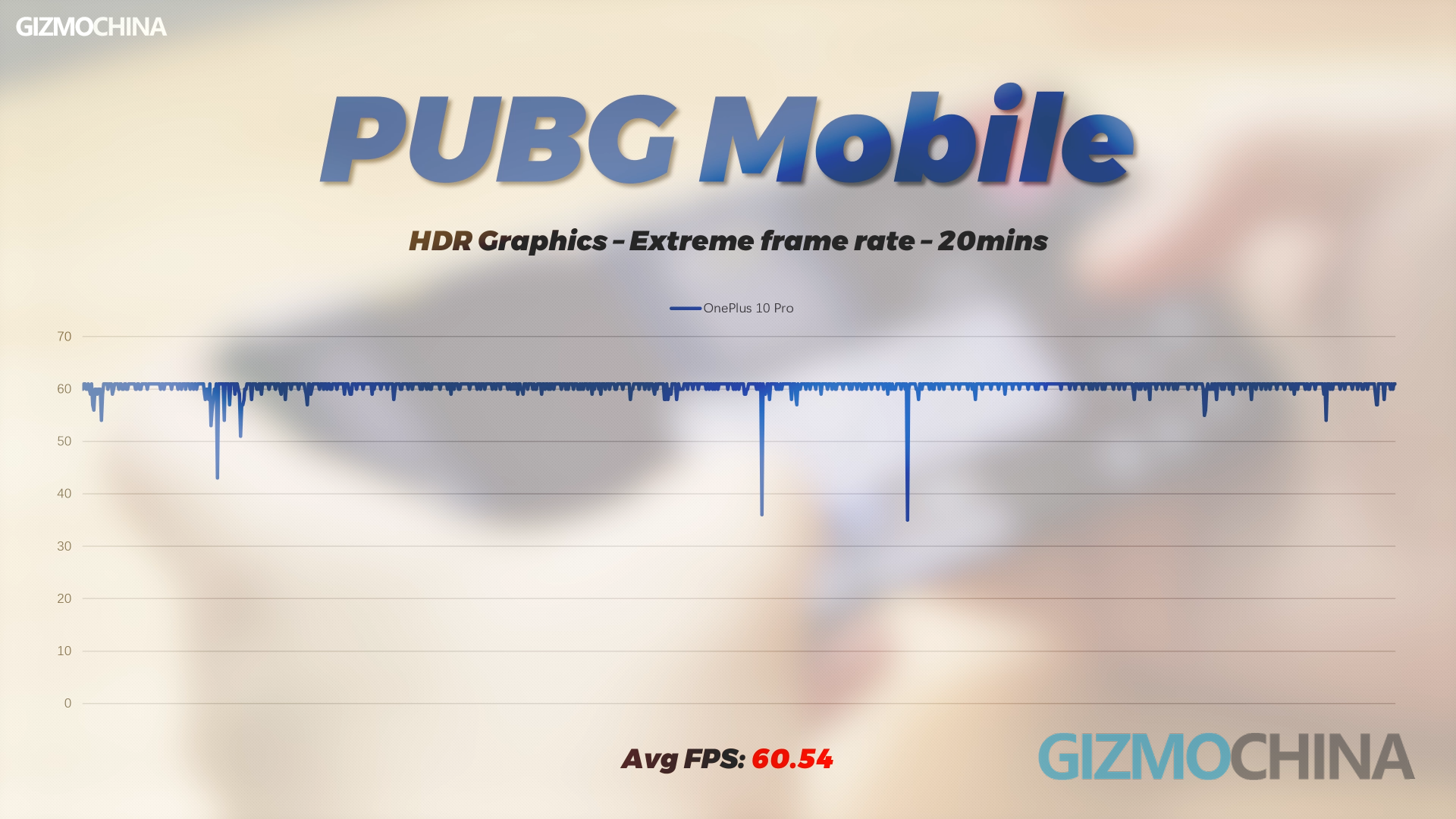
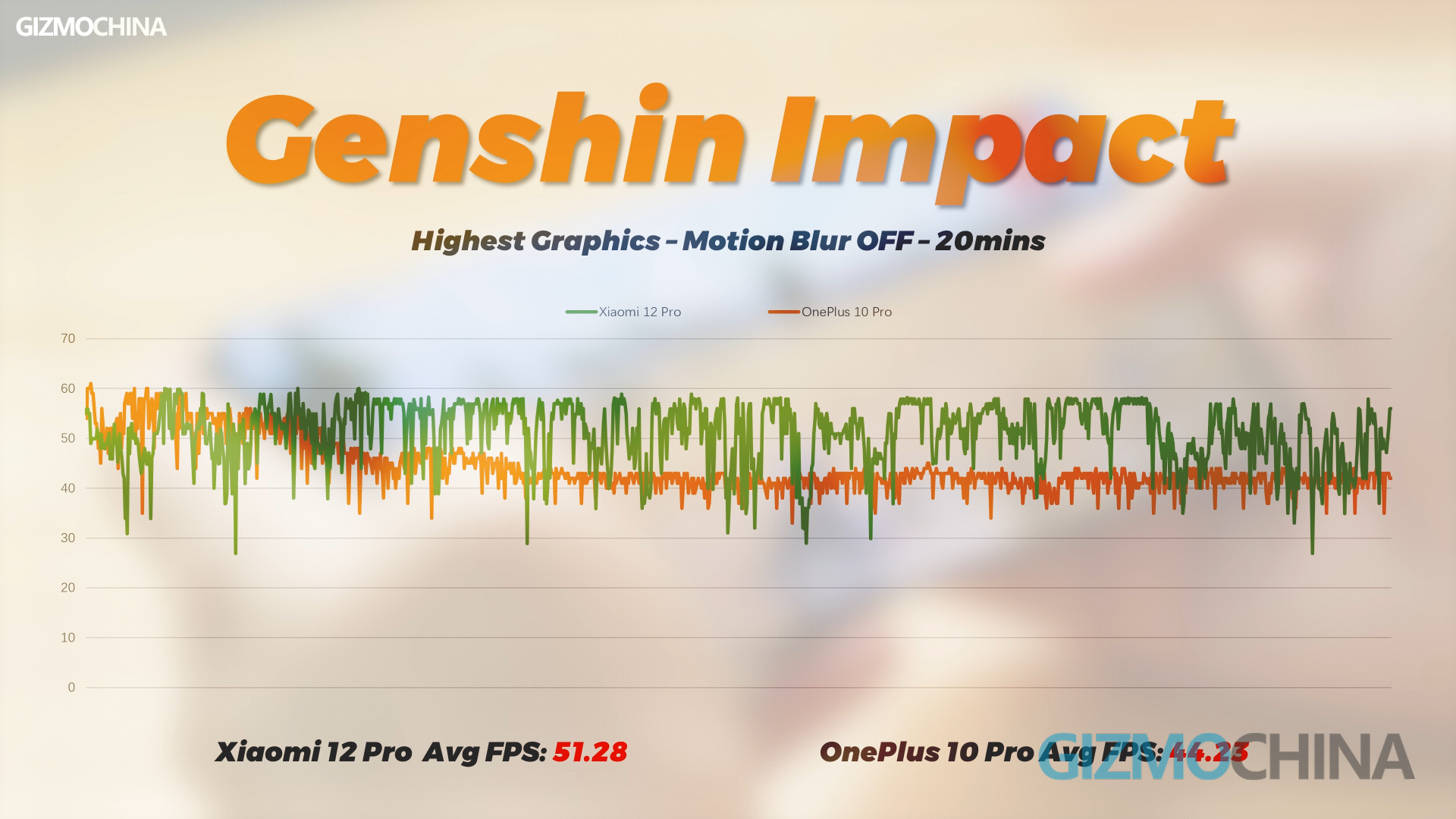
PUBG is the same as ever and is not a threat to Snapdragon 8 Gen 1. Almost 60fps all the way through. There was a big update to Genshin Impact recently. It boosted the highest resolution of all Snapdragon 8 Gen 1 phones, so we retested the Xiaomi 12 Pro’s results before comparing them.
As you can see there is actually a big difference between the OnePlus 10 Pro and the Xiaomi 12 Pro. The Xiaomi tends to keep the FPS high, but lags more often. On the other hand, OnePlus lowered the average FPS in order to reduce lag. However, the temperature difference between them is not much, neither of them exceeds 50 degrees Celsius.
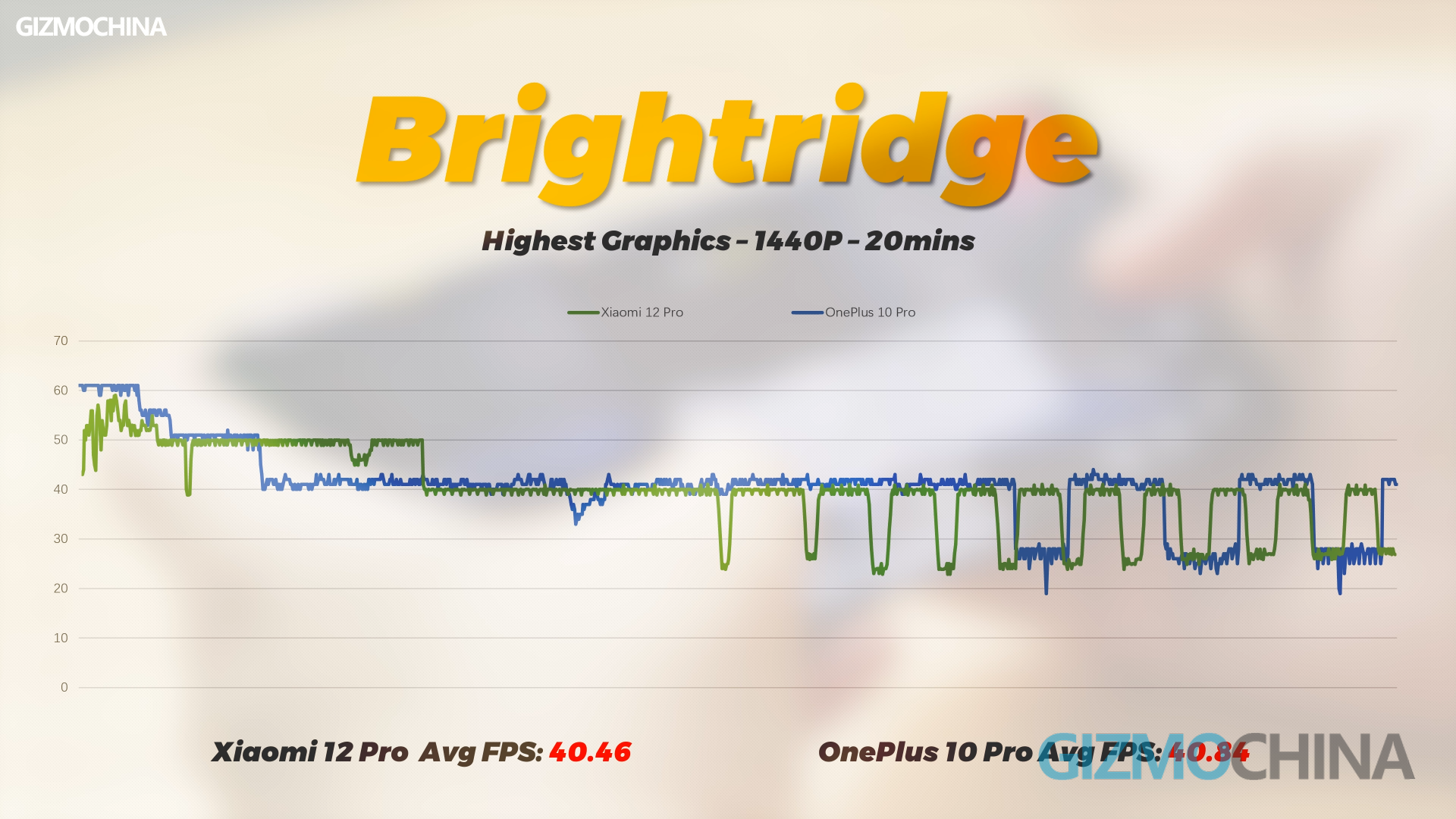
Brightridge both have strikingly similar gameplay strategies, with both phones going back and forth between 40 and 25 fps late in the game. The maximum temperature is also close to 50 degrees Celsius.
It seems that both phones perform pretty much the same for games that are not optimized. Based on the above tests, I am quite satisfied with the gaming performance of the OnePlus 10 Pro. At least the more stable frame rate results in a good gaming experience.
OnePlus 10 Pro Review: Cameras
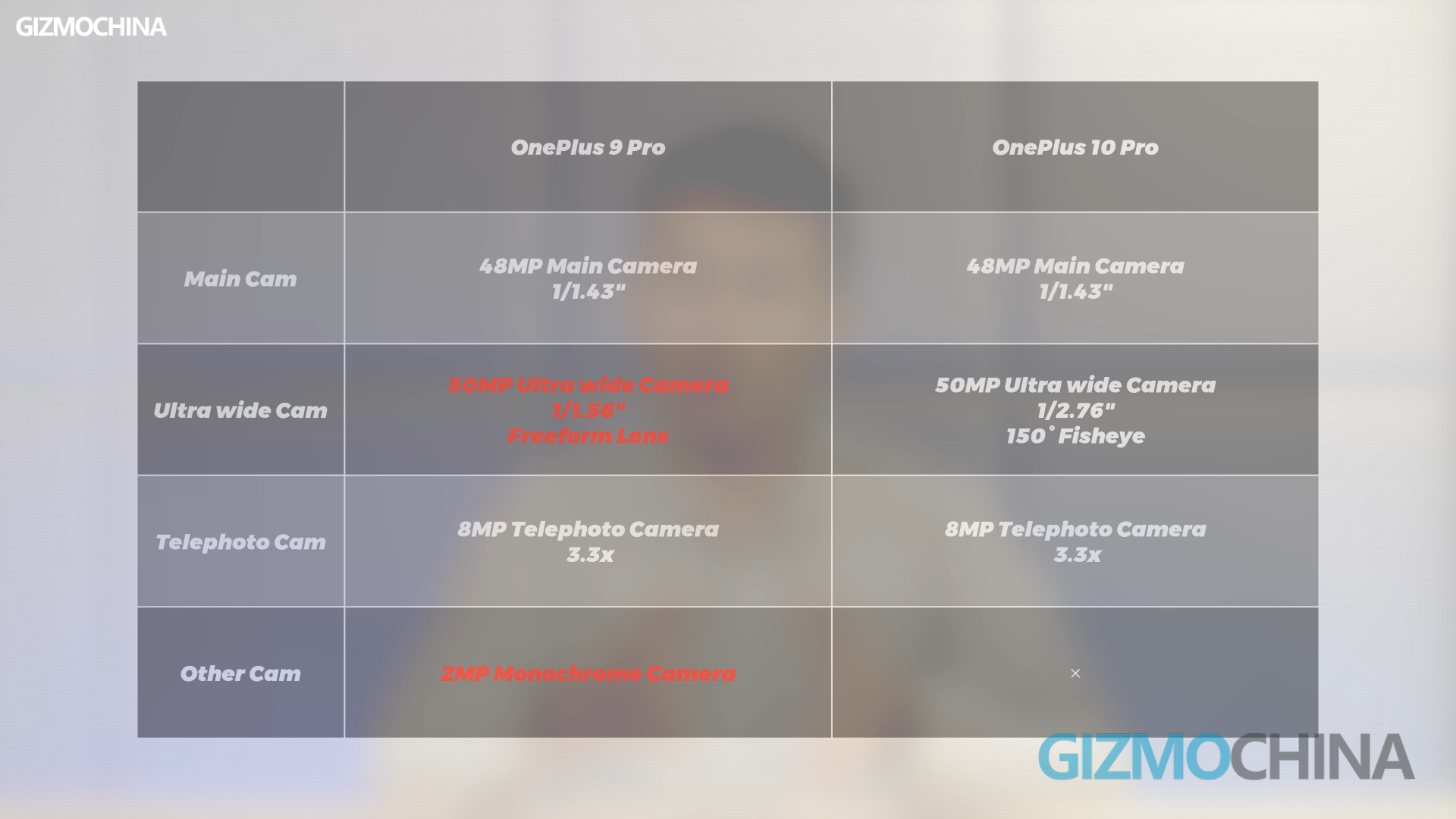
The biggest step back for the OnePlus 10 Pro this year is the camera system. Let’s compare the camera system of the OnePlus 9 Pro.
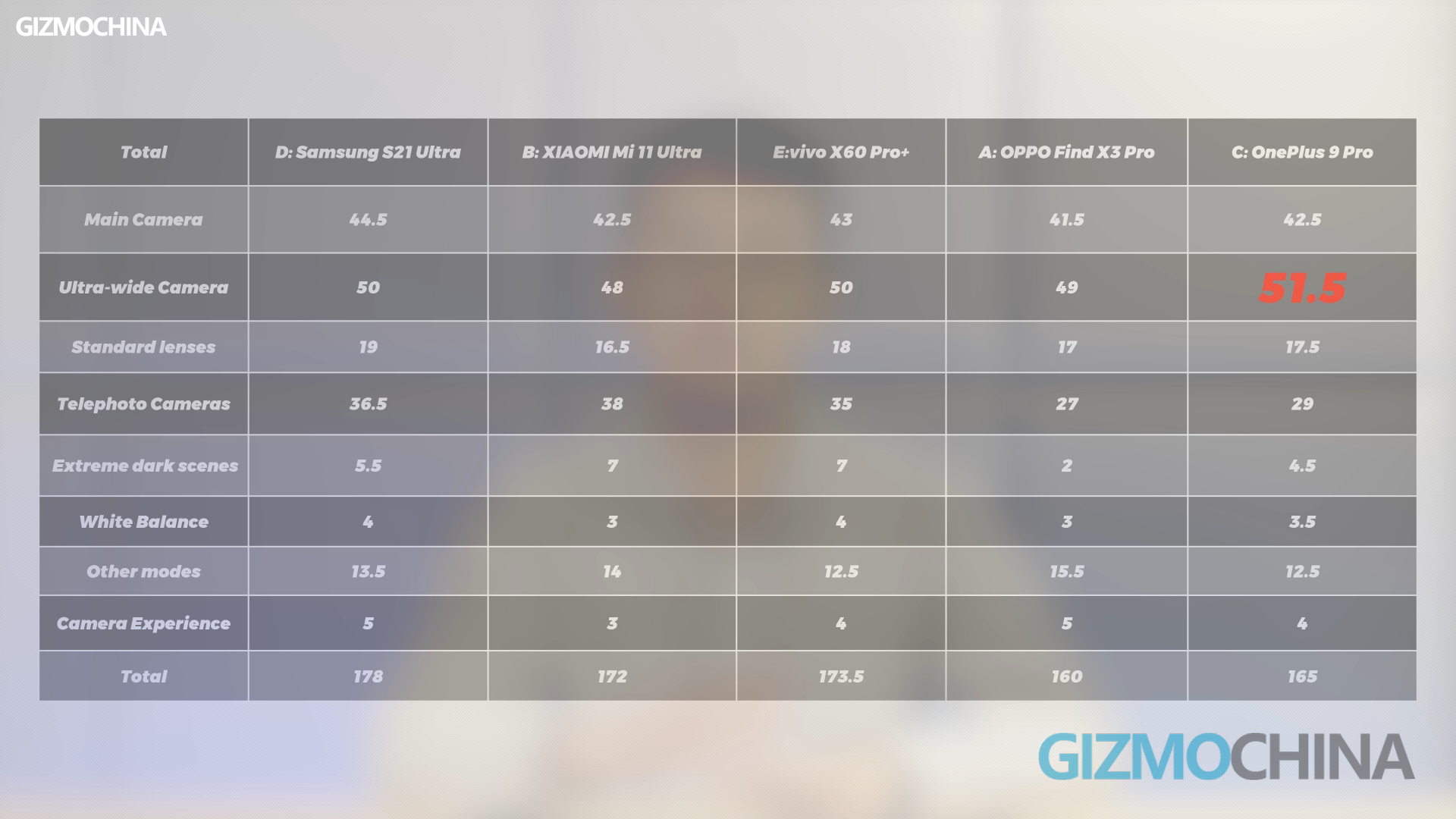
There is a monochrome camera missing, which is not a big deal. The biggest problem is the ultra-wide camera has been downgraded to the even weaker JN 1. Last year we did a comparison of flagship phones, and the OnePlus 9 Pro had the best ultra-wide camera of the bunch last year.
TOP Camera flagships of 2021
Ultra-Wide 150-degree camera
Can the OnePlus 10 Pro defend that honor? The answer is No. First of all, it is very difficult to take pictures with this 150-degree fisheye lens. It is very difficult to compose a picture. Its severe distortion will make all objects very strange. And your fingers are very easy to enter the picture. Second, the ultra-wide image is doomed to its edge quality is not too good. The image quality performance at the edge of the frame is poor. It’s really a step backward compared to the Freeform Lens of the 9 Pro. OnePlus is aware of these issues, so after cropping and AI correction, this fisheye lens is also usable as a normal ultra-wide camera. The processed ultra-wide photos perform much better. As long as you don’t zoom in to see it, both exposure, dynamic range, and color are excellent. Especially in night mode, the OnePlus 10 Pro takes very bright images. But there are still some things that can’t be fixed by AI. For example, the light in the upper right corner of this photo looks like it was cut off. Also, if you take a picture of a street lamp, there will definitely be a circular halo. However, the normal ultra-wide lens will not have this problem. This lens because there is no more auto-focus function, so you also have no way to take macro photos.
1 of 17
OnePlus 10 Pro 150 degree UW 02 mode
OnePlus 10 Pro 150 degree UW 07 Night shot
OnePlus 10 Pro 150 degree UW 06 Night
OnePlus 10 Pro 150 degree UW 05 Night shot
OnePlus 10 Pro 150 degree UW 04
OnePlus 10 Pro 150 degree UW 03
OnePlus 10 Pro 150 degree UW 02
OnePlus 10 Pro UW 01 Night mode
OnePlus 10 Pro UW
OnePlus 10 Pro UW Night mode 03
OnePlus 10 Pro UW 07
OnePlus 10 Pro UW 06
OnePlus 10 Pro UW 05
OnePlus 10 Pro UW 03
OnePlus 10 Pro UW 02
OnePlus 10 Pro UW 02 Night mode
OnePlus 10 Pro UW 01
Main Camera
The main camera performed better than last year’s OnePlus 9 Pro. There is no problem with greenish photos. Daytime colors are vibrant and dynamic range is excellent. Colors and exposure are very accurate at night. Auto mode is almost at the level of night mode. Overall, this lens is excellent. The only thing to worry about is its stability. The night mode is sometimes buggy when there is not enough light, but this bug should be fixed soon. So, there is no need to worry.
1 of 10
OnePlus 10 Pro Main 03
OnePlus 10 Pro Main 03 Night
OnePlus 10 Pro Main 02
OnePlus 10 Pro Main 01 Night mode
OnePlus 10 Pro Main 01
OnePlus 10 Pro Main 01 night
Telephoto Camera
This 3.3x telephoto lens has a relatively small sensor size, so you can probably tell what its performance is like. Its main drawback is that the dynamic range is not as good as the first two cameras. It tends to overexpose the high light areas. However, because it has OIS stabilization, it has a higher success rate at night than other phone telephoto lenses that don’t have OIS. Of course, the sensor size is small, so even if you don’t blur the photo because of shaky hands, you won’t get much of an excellent photo. But even so, it is one of the best telephoto lenses in the new phones of 2022. It really is so ironic.
1 of 6
OnePlus 10 Pro 3.3x 03 Night mode
OnePlus 10 Pro 3.3x 04 Night mode
The main camera supports up to 8K 24fps video recording. The ultra-wide lens supports up to 4k 30fps, while the telephoto can only record 1080p video. Probably considering the problem of poor image quality at the edges, the ultra-wide camera can’t use 150° fisheye mode when recording video. In fact, this mode is probably much more useful for video recording than for taking photos. Because this view is very much like a sports camera like GoPro shot, shooting a first-person video will be very interesting.
OnePlus 10 Pro Review: Battery & Charging
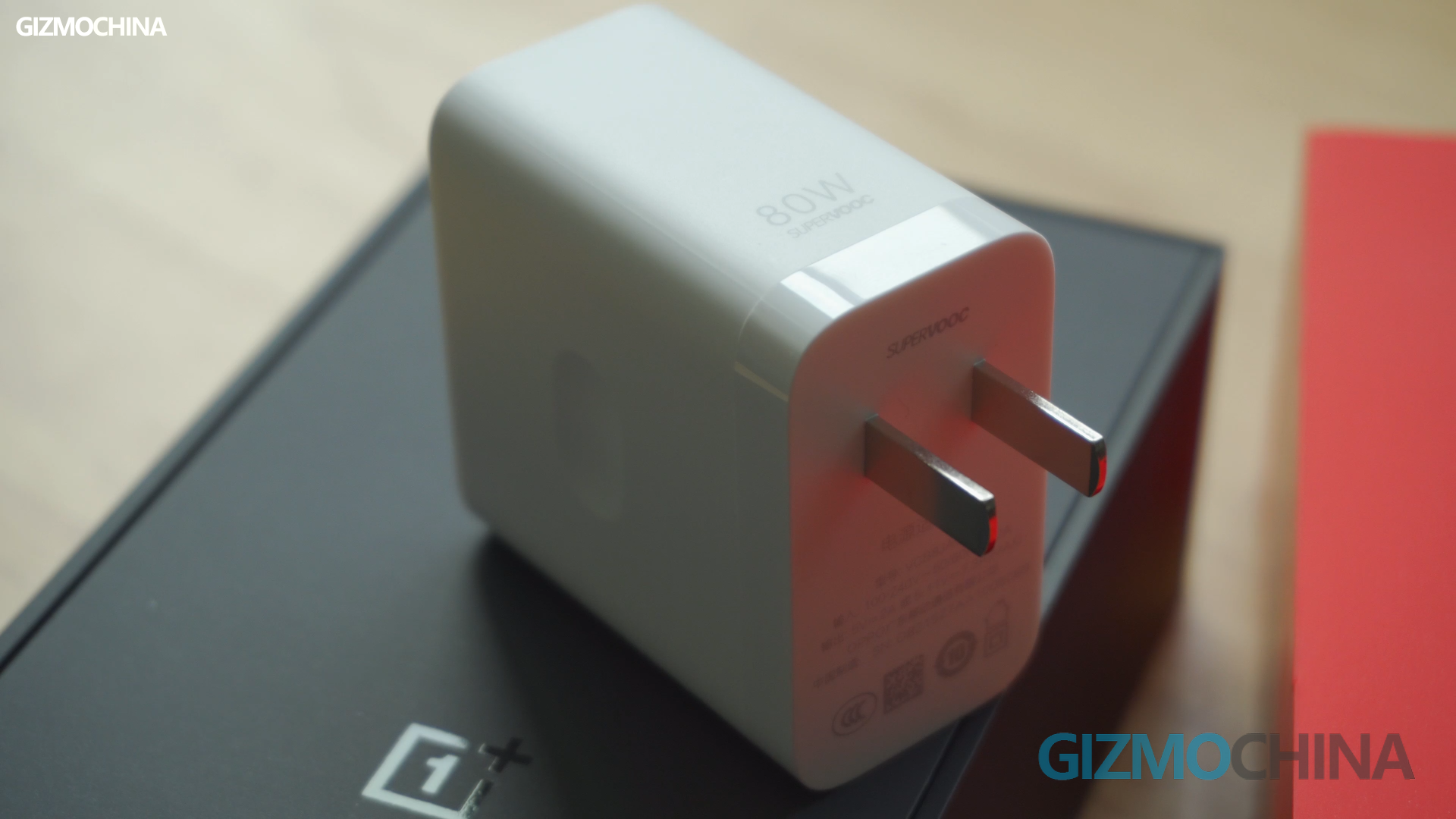
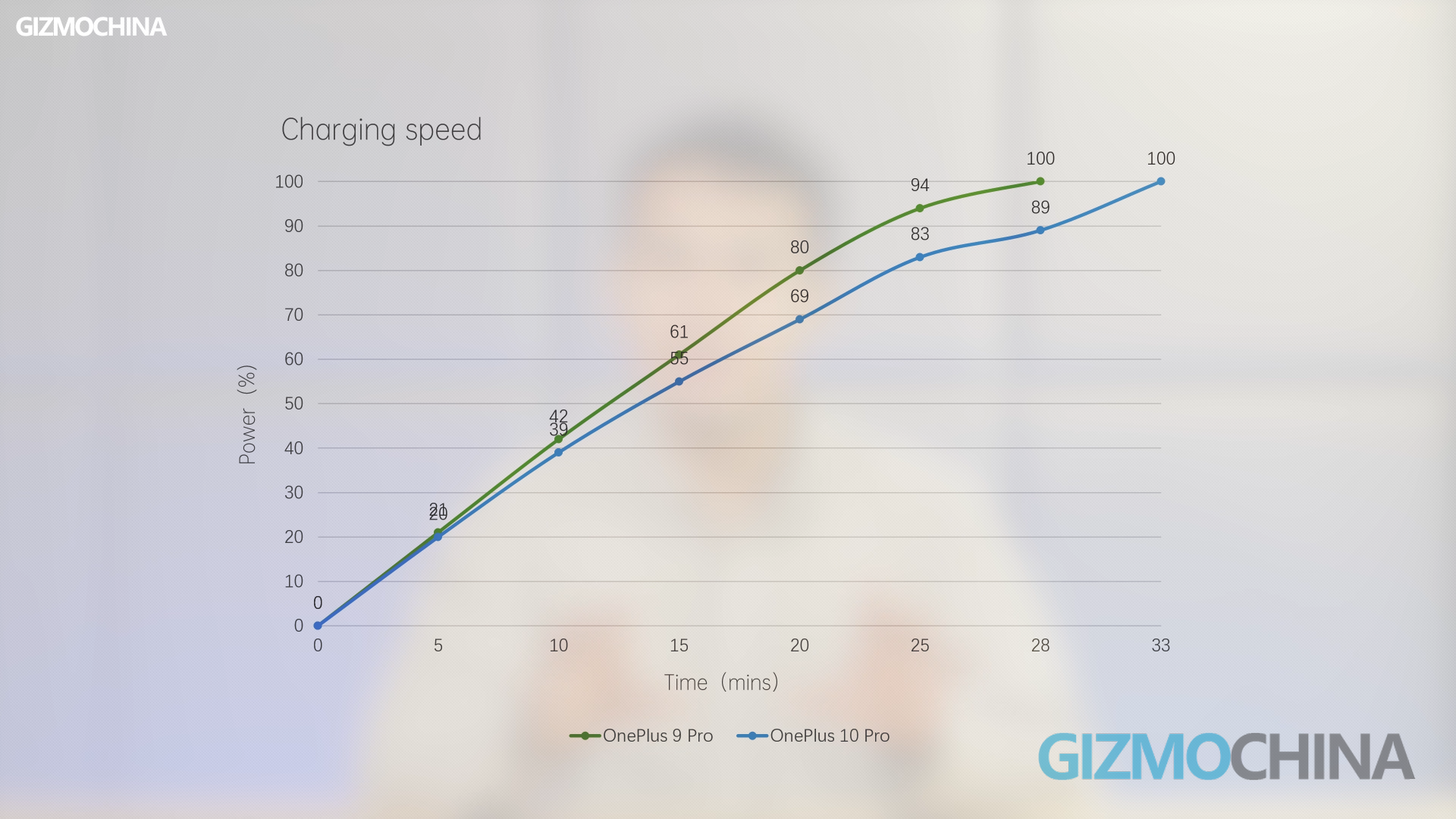
There is an 80w charger inside the box. So that means it can charge at 80w. You must be thinking: Wow, 80w must be much faster than the 65w charging speed of the OnePlus 9 Pro. But in reality, that’s not true. When charging the phone, we were surprised to see ow this 80w charger is so slow. Although the battery is 500mAh, larger than the 9 Pro, it’s not like this charging time is an 80w charging result. And this charger went back to USB-A to C wire from the 9 Pro’s USB-C to C wire. So, charging wise OnePlus 10 Pro can be said to have no real progress. The charger even regressed.
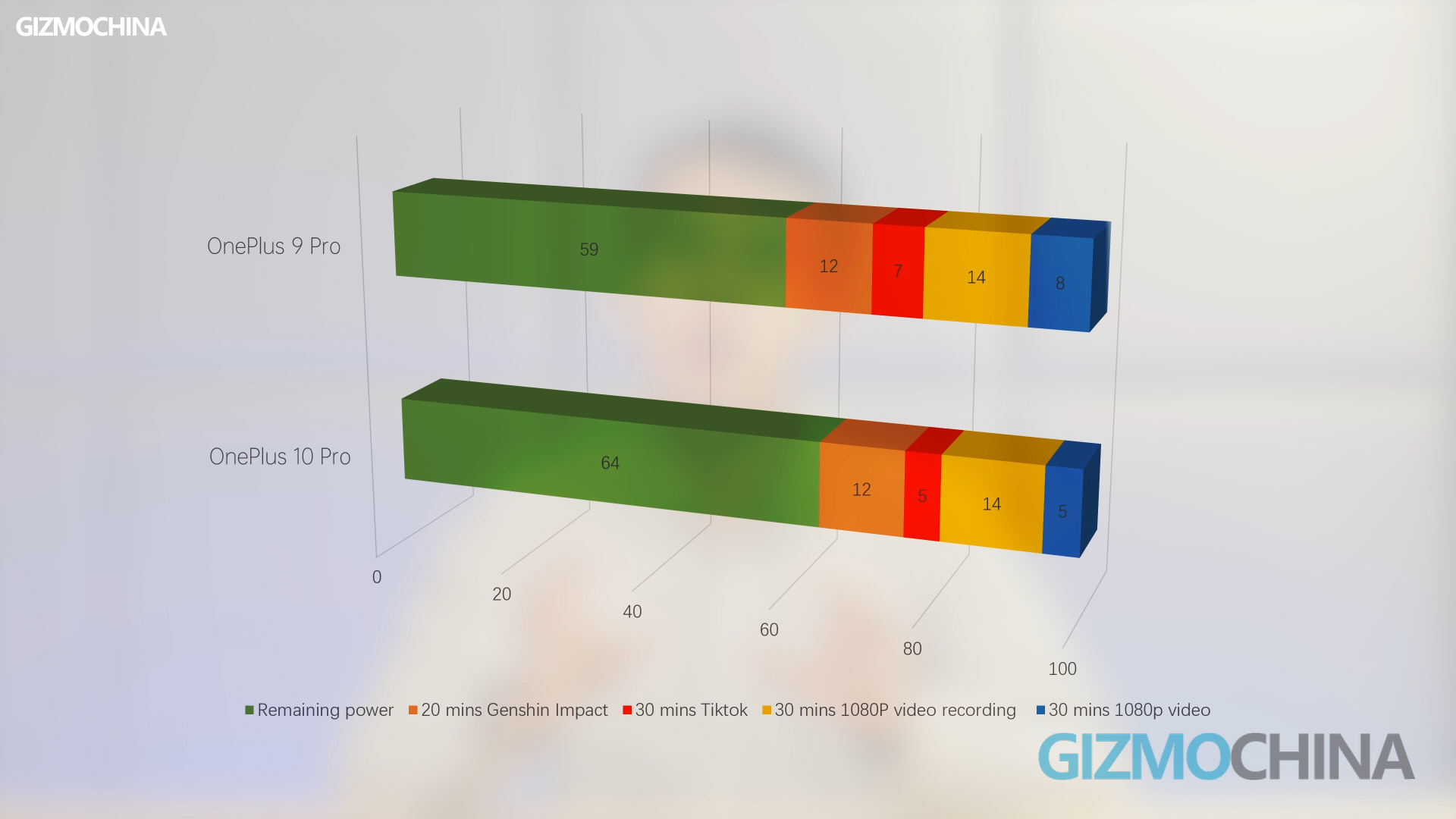
Can that big 5000mAh battery make the OnePlus 10 Pro battery life longer? Watching videos and Tiktok for half an hour both consume 5%. Half-hour video recording is 14%. Genshin Impact consumes 12%. It does seem that the battery life has improved a bit with 5000mAh and LTPO 2.0.
OnePlus 10 Pro Review: Verdict
Is the OnePlus 10 Pro a good phone? Yes, it excels in comparison to recently released flagship phones. I even think it’s the best Snapdragon 8 Gen 1 phone to buy right now.
But is it a good OnePlus flagship phone? No, it’s not a qualified successor to the OnePlus 9 Pro. Missing IP68, a weaker ultra-wide camera, and almost the same charging speed as the 9 Pro. Makes me think the 10 Pro really isn’t much of an improvement. Instead, over a hundred dollars cheaper OnePlus 9 Pro seems like a much better choice.
Since OnePlus came back under the OPPO umbrella, “Never Settle” has become “Always Settle”. I miss the days when OnePlus was the flagship killer, at least when I didn’t have to pay more for less. Well, that’s it for our OnePlus 10 Pro review.
Apple is preparing to launch a few new devices in the coming months, including some models of the iPad lineup. There are rumors about the company launching a new iPad Pro and an improved iPad Air with 5G support, among other devices.
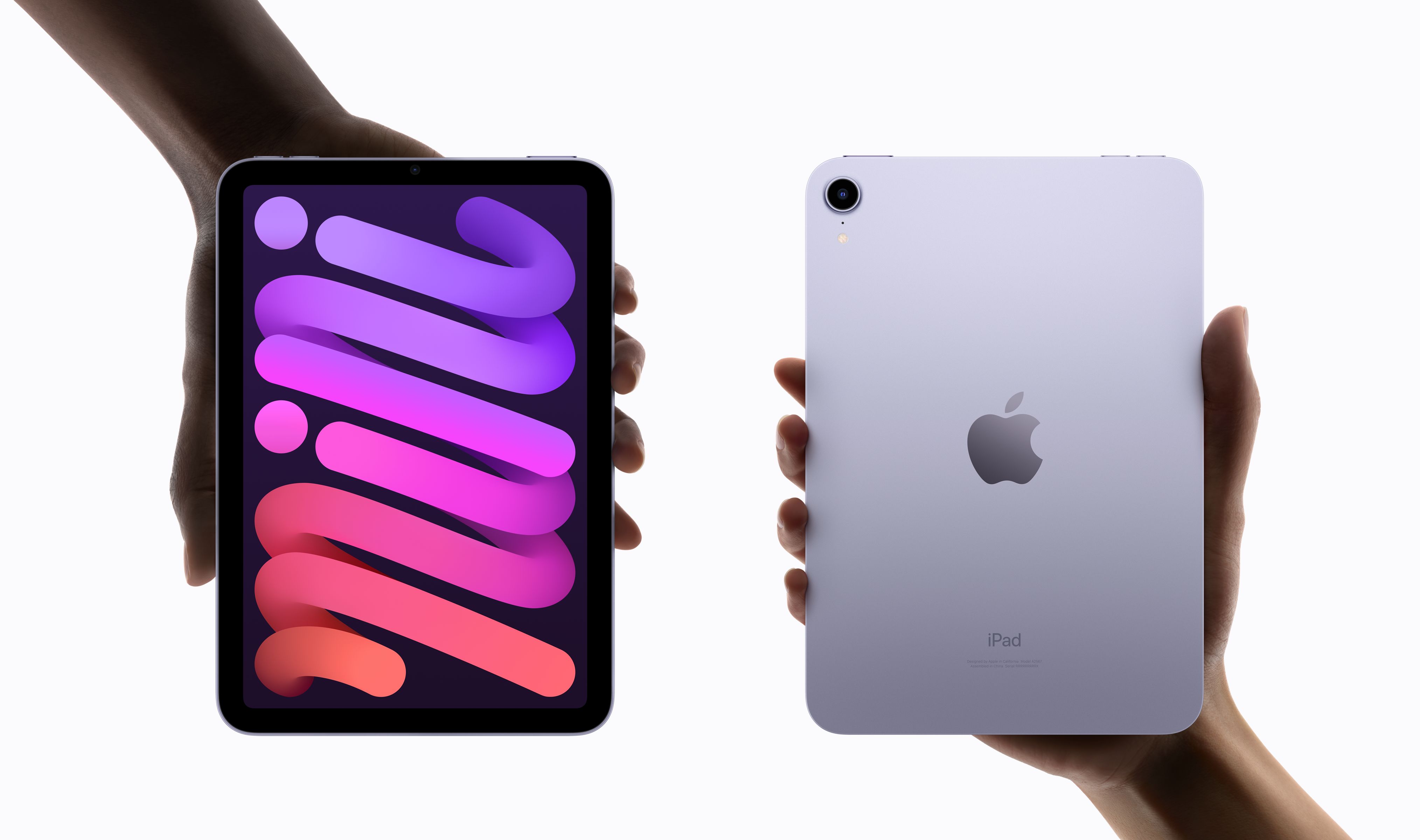
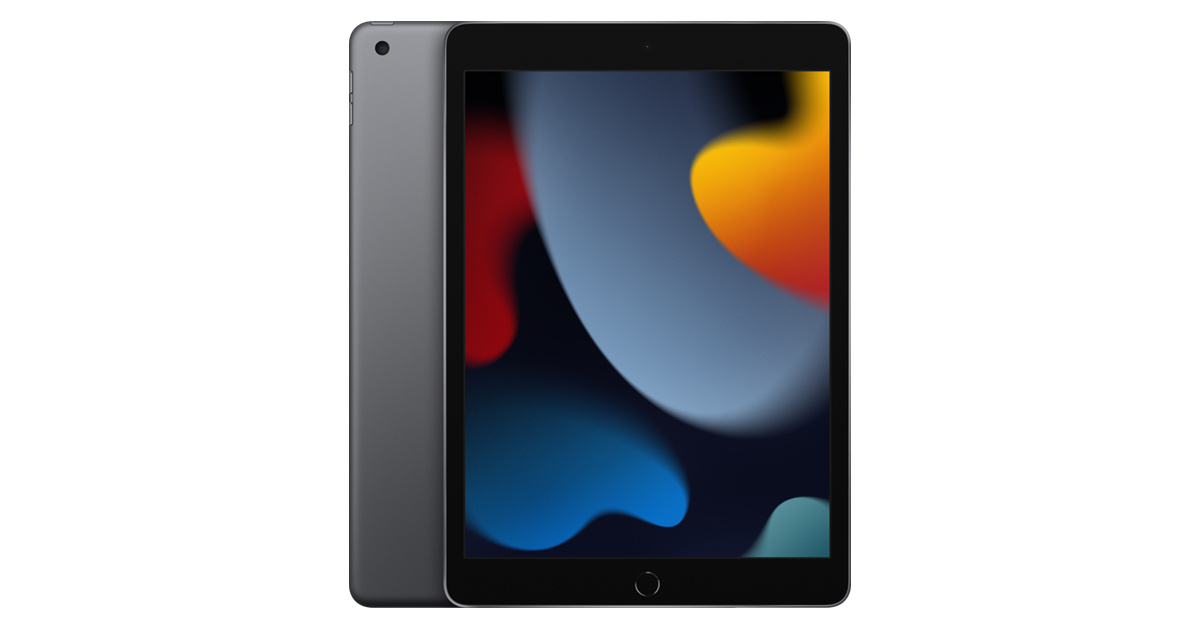
Now, a new report indicates that along with other iPad models, the Cupertino-based tech giant will also launch the 10th generation entry-level iPad with support for 5G connectivity sometime later this year.
Do note that unlike the iPad Pro and iPad Air, the new entry-level iPad (10th generation) won’t be making its debut anytime soon and could launch towards the end of the year given that the 9th generation model launched just a few months ago.
In terms of design, it is said that the upcoming 10.2-inch iPad will look exactly the same as the 9th generation iPad. The report adds that the device will come powered by the upgraded Apple A14 Bionic chipset with 5G connectivity.
Further, it is expected to have support for Bluetooth 5.0 as well as Wi-Fi 6 while the rest of the specifications are expected to be the same as its predecessor, including the Touch ID and Lightning connector. Right now, nothing more is known about this entry-level tablet getting launched later this year.
However, since there are several more months left for the official announcement, we expect to get more details thorugh leaks in the coming months. It is expected to launch sometime in September but the timeline could be changed depending on the chip shortage situation.
Recent reports have spilled a lot of information about the Samsung Galaxy Tab S8 lineup, which includes three models such as Galaxy Tab S8, Tab S8+, and Tab S8 Ultra. It can be said based on recent reports that the launch date of the Tab S8 series may not be far away. Now, a reliable tipster has tipped the launch date of the Tab S8 lineup.
According to reliable tipster Max Jambor, the Galaxy Tab S8 lineup will definitely launch along with the S22 series. It was recently reportedly by a South Korean publication that Samsung will hold its next Galaxy Unpacked event on Feb. 8 to announce the Galaxy S22 lineup. Hence, it appears that it could be a mega unveiling event, which will see the arrival of its flagship smartphones and tablets.
Samsung Galaxy Tab S8 Ultra render by Winfuture
Samsung Galaxy Tab S8 series specifications (expected)
The Galaxy Tab S8, Tab S8+, and Tab S8 Ultra will feature a 11-inch, 12.7-inch, and a 14.6-inch display, respectively. The Tab S8 will house an LTPS TFT QHD+ screen, whereas the Tab S8+ and Tab S8 Ultra will offer AMOLED panel that supports a Quad HD+ resolution. These tablets will carry support for a 120Hz refresh rate.
The Tab S8 Ultra’s display has a notch that features a pair of 12-megapixel front cameras. The Tab S8 and S8+ will come with a 12-megapixel front snapper. The three tablets have a 12-megapixel + 6-megapixel (ultrawide) dual-camera system.
The Snapdragon 8 Gen 1 powers the Tab S8 series with 8 GB / 16 GB of RAM and 128 GB / 256 GB of internal storage. The three tablets have an 8,000mAh, 10,090mAh, and 11,200mAh battery, respectively.
The Tab S8 lineup will run on Android 12 OS, which will be overlaid with One UI 4.1. These devices will be equipped with other features such 5G, Wi-Fi 6, a USB-C, S Pen, wireless DeX, and a fingerprint scanner.
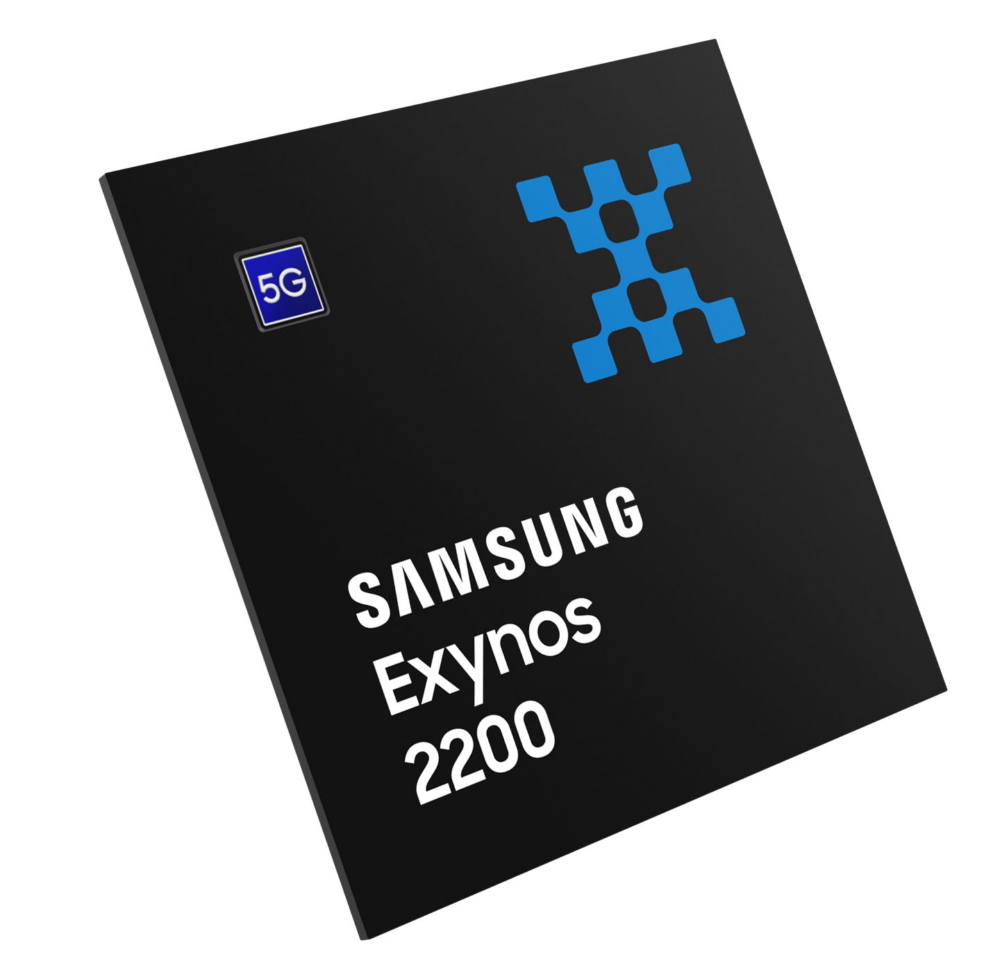
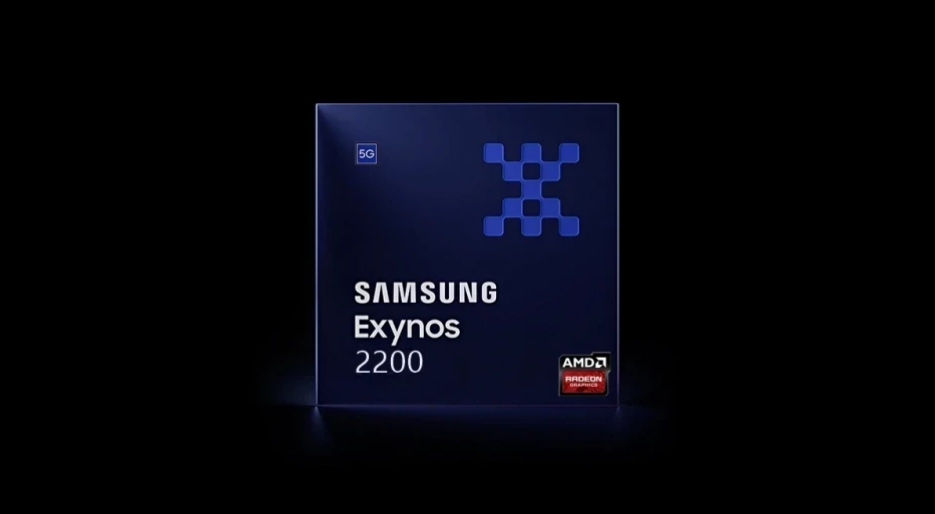
Samsung has announced its latest flagship smartphone processor — Exynos 2200, which will be powering the company’s upcoming premium smartphones later this year. This is the same chipset that the company was set to unveil on 11th January but got delayed.
The announcement of this new chipset from the South Korean giant pretty much confirms that there will be Exynos-powered variants of the Galaxy S22 lineup next month, putting the rumors to rest that Samsung is ditching the Exynos chipset this time.
The South Korean giant says that the Exynos 2200 is a newly designed processor, manufactured using the company’s 4-nanometer EUV node. It packs an octa-core CPU design and uses Armv9 CPU cores.
There are three CPU clusters — a single Cortex-X2 flagship core, three Cortex-A710 big core, and four Cortex-A510 little cores. Further, the chipset comes with a Samsung Xclipse GPU based on the AMD RDNA 2 architecture which the company says will offer a “console-level” gaming experience in smartphones.
The Samsung Xclipse graphics processing unit will offer advanced features like hardware-accelerated ray tracing and variable rate shading. Ray tracing simulates how light physically behaves in the real world inside the game while variable-rate shading can lower the shading rate in areas of the game to optimize GPU workload.
It also comes with some other technologies such as advanced multi-IP governor (AMIGO) that enhance overall performance and efficiency. It manages power efficiency to reduce battery drain for high-resolution games.
The chipset also comes with an upgraded AI thanks to the new NPU. It can be used with the image signal processor to support taking more realistic pictures. The ISP supports 108MP in single camera mode and offers 4K HDR and 8K video recordings.
As for communication, the Samsung Exynos 2200 comes with a fast 3GPP Release 16 5G modem that supports sub-6GHz and mmWave spectrum bands. There’s E-UTRAN New Radio – Dual Connectivity (EN-DC) which utilizes both 4G LTE and 5G NR signals and can boost the speed up to 10Gbps.
For security, it also comes with Integrated Secure Element (iSE) to store private cryptographic keys as well as to play a role as RoT (Root of Trust). The company adds that an inline encryption HW for UFS and DRAM has been reinforced.
Samsung has said that the Exynos 2200 is currently in mass production. While it has not been explicitly confirmed, this chipset will be powering the brand’s upcoming Galaxy S22 series flagship smartphones that are expected to get officially launched on 8th February, along with Snapdragon 8 Gen 1-powered models.
We use cookies on our website to give you the most relevant experience by remembering your preferences and repeat visits. By clicking “Accept”, you consent to the use of ALL the cookies.
This website uses cookies to improve your experience while you navigate through the website. Out of these, the cookies that are categorized as necessary are stored on your browser as they are essential for the working of basic functionalities of the website. We also use third-party cookies that help us analyze and understand how you use this website. These cookies will be stored in your browser only with your consent. You also have the option to opt-out of these cookies. But opting out of some of these cookies may affect your browsing experience.
Necessary cookies are absolutely essential for the website to function properly. This category only includes cookies that ensures basic functionalities and security features of the website. These cookies do not store any personal information.
Any cookies that may not be particularly necessary for the website to function and is used specifically to collect user personal data via analytics, ads, other embedded contents are termed as non-necessary cookies. It is mandatory to procure user consent prior to running these cookies on your website.