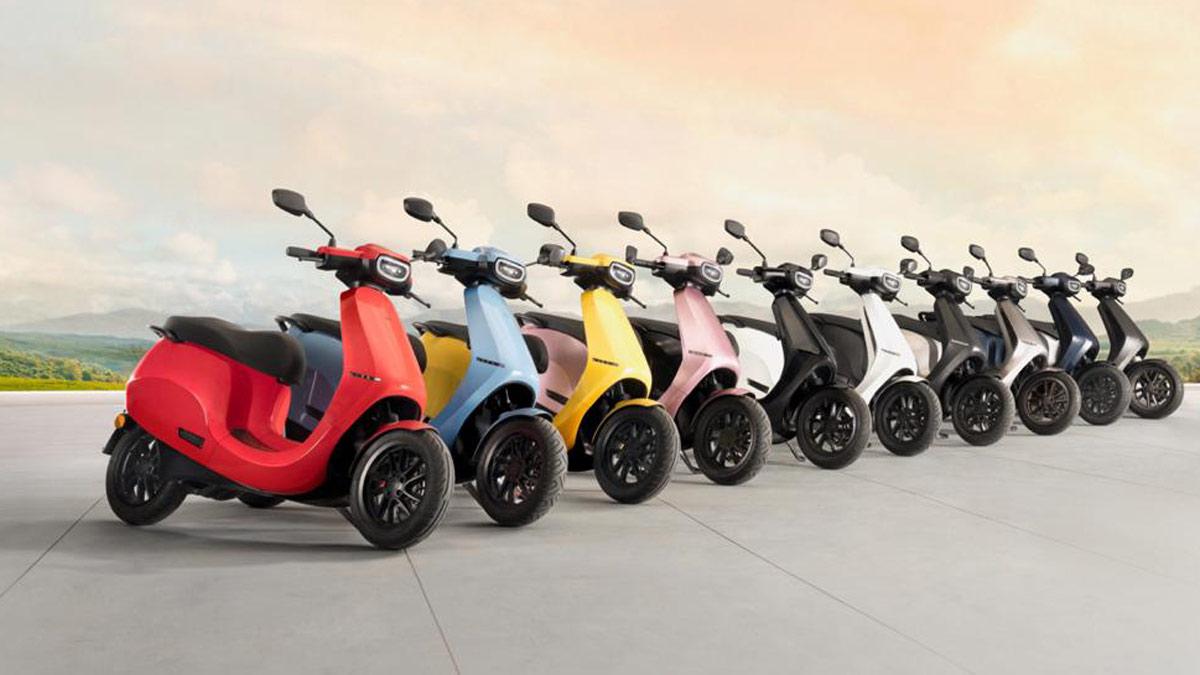
In a seeming reversal, electric bike manufacturer Ola Electric has announced the suspension of production of the Ola S1 e-scooter until late 2022, as the company struggles to meet increased demand for the higher S1 Pro model. Customers who have booked the S1 have been notified that the S1 will be manufactured later this year even though the company began deliveries of the S1 last month. It says the vast majority of its customers have opted for the S1 Pro which is well-kitted in comparison with the S1.
Ola is encouraging customers who originally ordered the S1 should go for the upgrade via the Ola app. Final payments will be open from January 21 while dispatches will continue up till February, with a 10-20 day period given for deliveries to arrive at their destinations. The optics of the delivery process for the S1 Pro will be dependent on the customer’s location and specific RTO requirements.
In the alternative, customers with preorders of the S1 that are not upgraded within the specified window will have to wait till production resumes for the model, which is put at around eleven months. Ola says that customers will be notified as soon as production of the S1 resumes before final payments will be accepted and subsequent deliveries are done. Ola had tried to paper the cracks by proposing incentives and upgrades for the S1, but that has not stopped a varied mix of reactions from customers. Some buyers are however not happy that their choice model was not given priority, in favor of a more expensive and productive model for the company.
While the S1 Pro comes with a top speed of 115 km/h, the S1 offers about 90 km/h. The S1 has a range of 121km when compared with the S1 Pro whose range is 181km. In any case, the S1 is sufficiently primed for city commutes, although its lower range will mean more stops for recharging.
Infinix INBook X2 has launched silently in the Southeast Asian markets. The notebook has arrived as the successor to the original INBook X1 that was announced back in October 2021. Here is all the information on the specifications, features, and pricing of the INBook X2.
Infinix INBook X2 specifications and features
The Infinix INBook X2 weighs only 1.24kg and sports a slim profile of 14.8mm. The device is fitted with a 14-inch IPS panel that offers a Full HD resolution, 300 nits brightness, a 16:9 aspect ratio, 100 percent sRGB color gamut, and a 178-degree wide viewing angle. The notebook runs on Windows 11 Home edition.
The INBook X2 comes in 10th generation Intel CPU variants such as Core i3-1005G1, Core i5-1035G1, and Core i7-1065G7. It offers 8 GB / 16 GB of RAM and 256 GB / 512 GB of M.2 NVMe PCIe 3.0 SSD storage. For heat dissipation, it is equipped with the so-called ICE STORM 1.0 cooling system.
Infinix INBook X2
The notebook is equipped with full-sized backlit chiclet keyboard and an intuitive touchpad. It is backed by a 50Wh battery, which can be charged using the bundled 45W charger. The company claims that it can offer up to 11 hours of web browsing time and 9 hours of video playback time.
The INBook X2 features a pair of LED flash units for the HD webcam. For audio, it features a pair of speakers with of DTS Audio support and a 3.5mm audio jack. The other connectivity options available on the device include Wi-Fi 802.11ac, Bluetooth 5.1, two USB-C ports (one of them supports charging and DisplayPort), two USB 3.0 ports, an HDMI 1.4 port, and an SD card slot.
Infinix INBook X2 pricing and availability
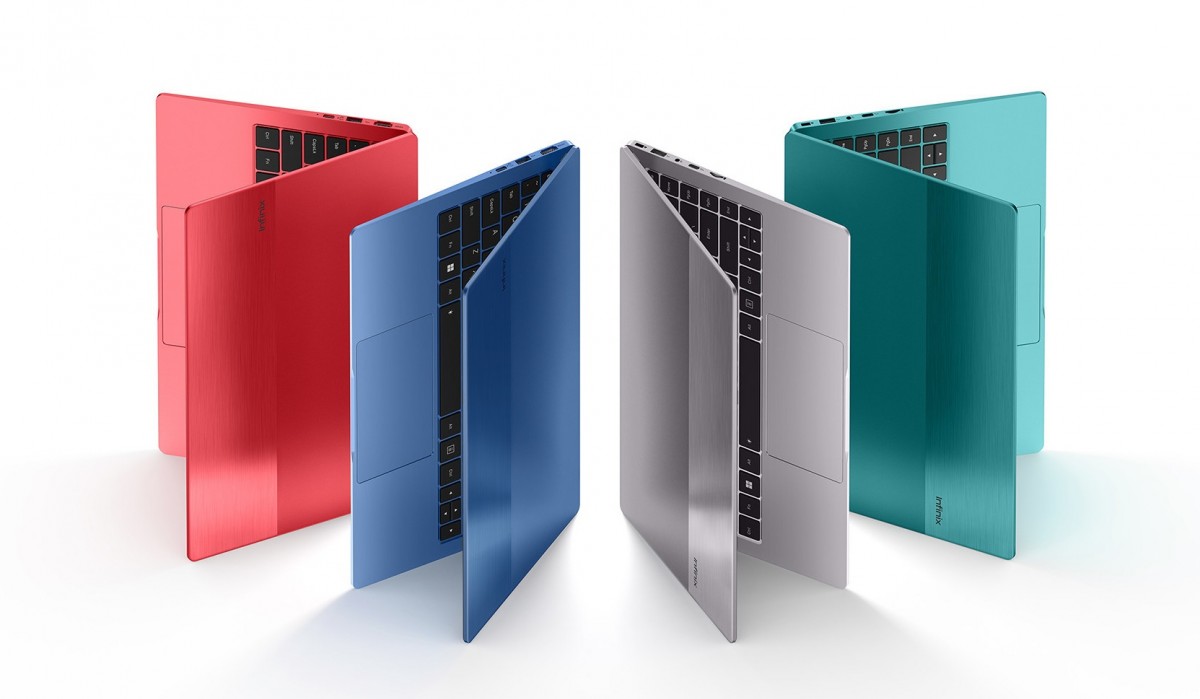
The INBook X2 will be released first in markets like Indonesia, Thailand, and Egypt starting from Jan. 22. As can be seen in the image above, the X2 will come in colors like red, blue, grey, and green. As far as pricing is concerned, its Core i3, Core i5, and Core i7 models are priced at $399, $549, and $649, respectively.
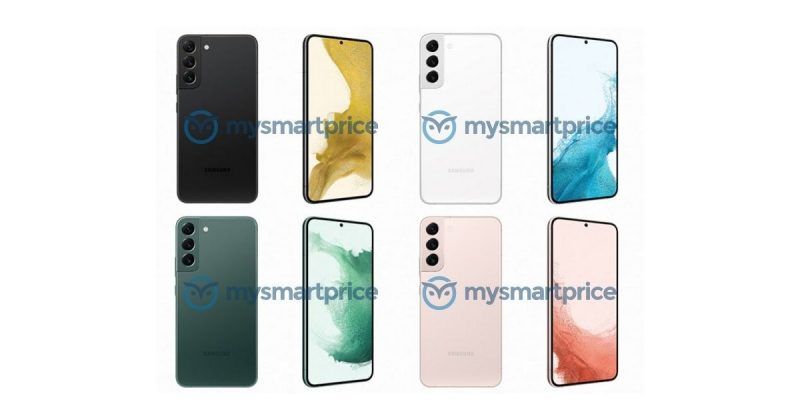
Earlier this week, well-known tipster Ishan Agarwal teamed up with 91mobiles to share the leaked renders of the black edition of the Galaxy S22+. Now, the tipster is back with few more renders that showcases the S22+ in a few more colors.
Samsung Galaxy S22+ renders
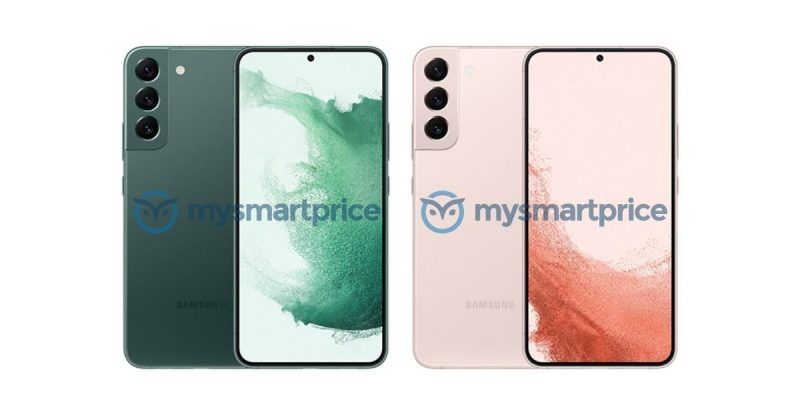
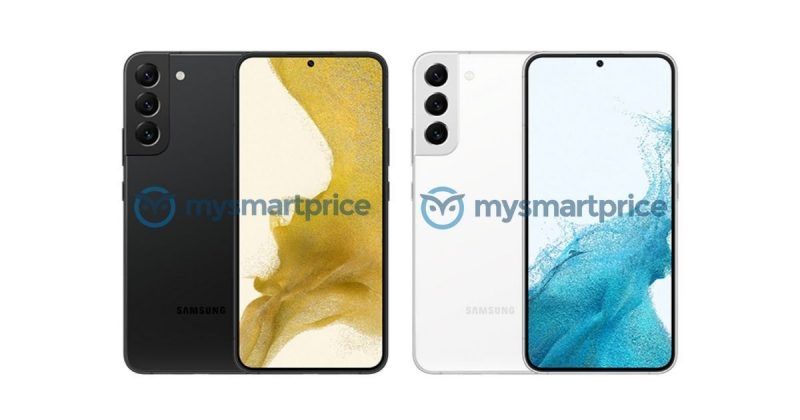
The Galaxy S22+ renders show that it will come in as many as four colors such as black, green, white, and pink gold. The leaked renders also give a good look at the front and rear design of the S22+. It has a flat-screen on the front with an in-screen fingerprint scanner, and its back panel has a triple camera unit. A volume rocker and a power key are available on the right edge of the smartphone.
1 of 3
Sasmsung Galaxy S22 Plus green, pink
Galaxy S22 Plus black, white
Galaxy S22 Plus colors
Samsung Galaxy S22+ specifications (rumored)
Past reports have revealed that the Galaxy S22+ will come with a 6.55-inch AMOLED FHD+ display that offers a 120Hz refresh rate and 1750nits brightness. For selfies, it will feature a 32-megapixel front-facing camera, and its back panel will have a 50-megapixel main camera, a 12-megapixel ultrawide lens, and a 12-megapixel telephoto camera.
The Galaxy S22+ will be available with Exynos 2200 or Snapdragon 8 Gen 1 chip depending on the market. The device is expected to ship with up to 12 GB of LPDDR5 RAM and up to 256 GB of UFS 3.1 storage.
The One UI 4.0 based Android 12 OS is expected to come preinstalled on the device. It may house a 4,500mAh battery, which may carry support for 45W fast charging.
Samsung Galaxy S22 series launch date
The Galaxy S22+ is speculated to go official with Galaxy S22 and Galaxy S22 Ultra flagship phones on Feb. 8. Rumors have it that the S22, S22+, and S22 Ultra may cost $899, $1,099, and $1,299, respectively.
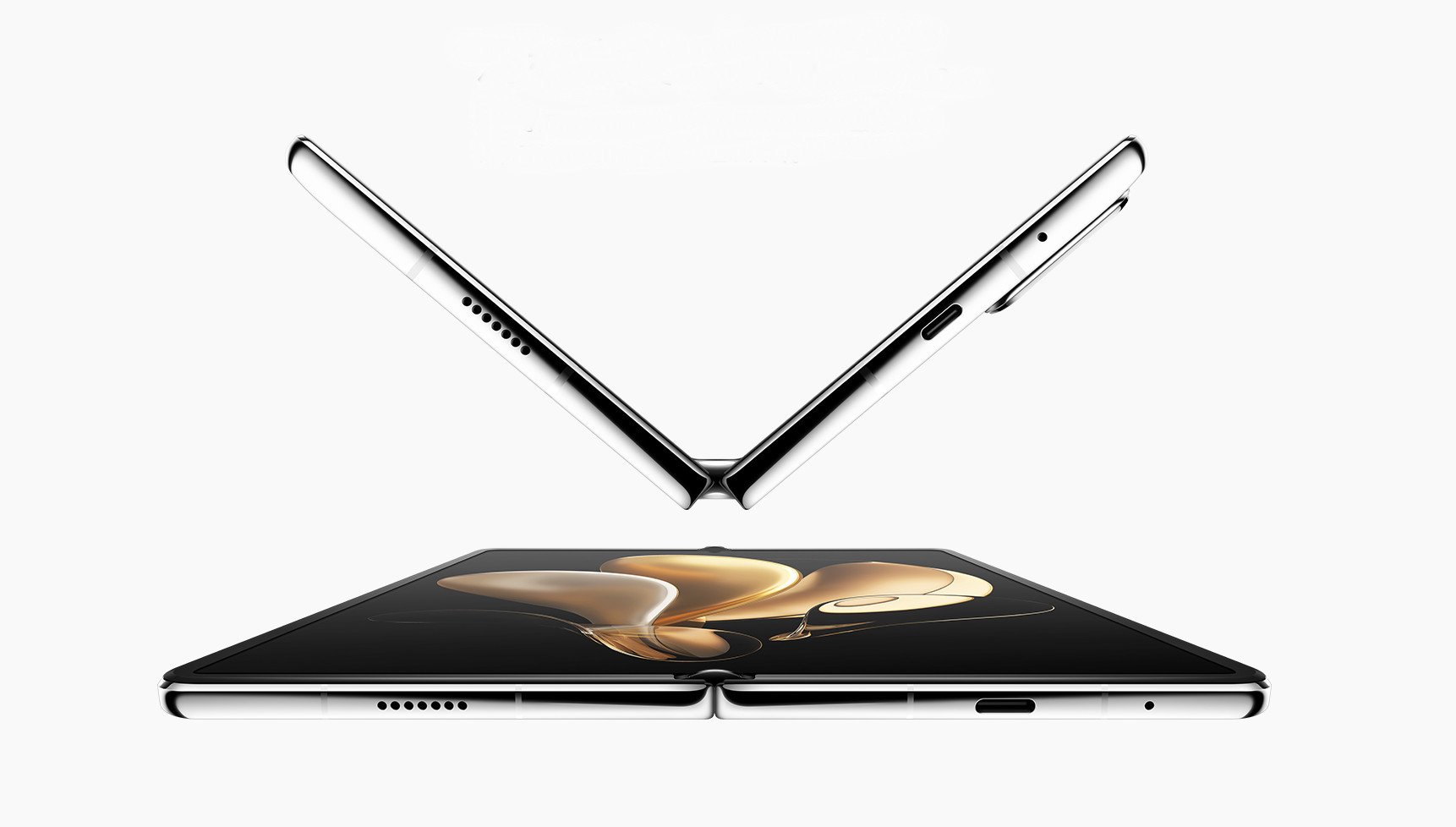
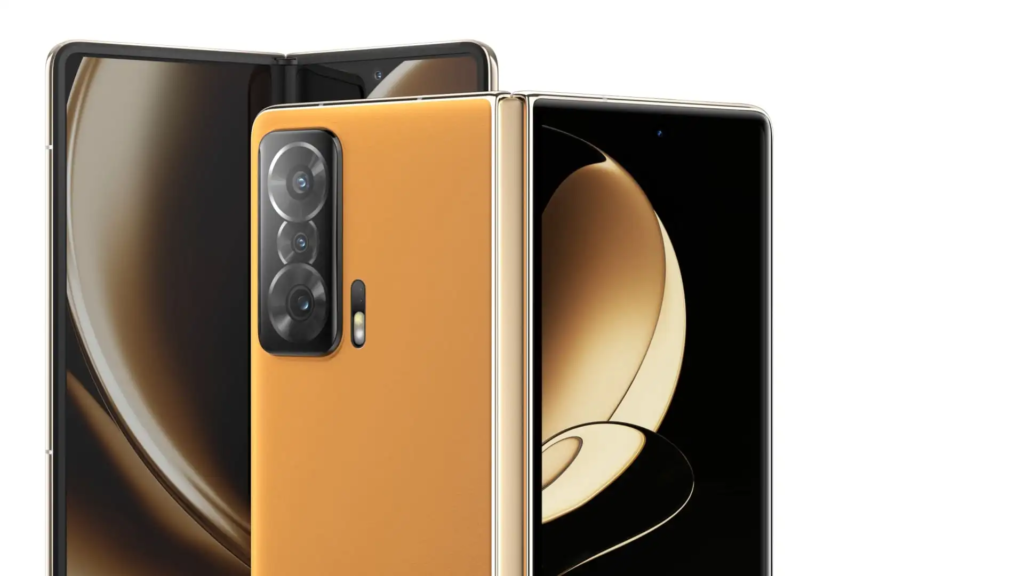
Honor, one of the leading phone manufacturers in the Chinese market, officially announced its first foldable smartphone last week, dubbed as Honor Magic V. Today, the device officially goes on sale in China.
It comes in two memory configurations — 12GB RAM and 256GB internal storage which costs 9,999 yuan (~$1,577) and 12GB RAM with 512GB internal storage, which is priced at 10,999 (~$1,734). It is offered in three colors — Space Silver, Black, and Burnt Orange.
The Honor Magic V smartphone features a 6.45-inch OLED single-curve external display with a screen resolution of 2560 x 1080 pixels, a 120Hz refresh rate, and a 21:9 aspect ratio. On the inner side, the display is a near-square in shape, offering a 90Hz refresh rate and 10:9 aspect ratio.
The display also comes with support for 10bit color depth, 100% DCI-P3 color gamut, HDR10+, 1920Hz high-frequency PWM dimming, 90 percent screen-to-body ratio, and a nano-ceramic coating on top that improves the anti-drop performance by five times.
Under the hood, the device is powered by the Qualcomm Snapdragon 8 Gen 1 chipset, which is manufactured using a 4nm process. The AI performance has been claimed to be increased by 300 percent, which helps Magic UI adapt to usage scenarios of the users through Magic Live AI Engine.
As for the camera department, there’s a triple-camera setup on the back that includes a 50MP primary f/1.9 aperture sensor, a 50MP spectrally enhanced f/2.0 lens and a 50MP ultrawide sensor with f/2.2 aperture cameras. On the front side, there are dual 42MP cameras, one in the outer and one in the inner display.
The Honor Magic V is running an Android-based Magic UI 6 custom interface out-of-the-box with features dedicated to making multitasking and split-screen usage easier. The phone is powered by a 4,750mAh battery with support for 66W wired SuperCharge that is claimed to fill up the battery to 50 percent in just 15 minutes.
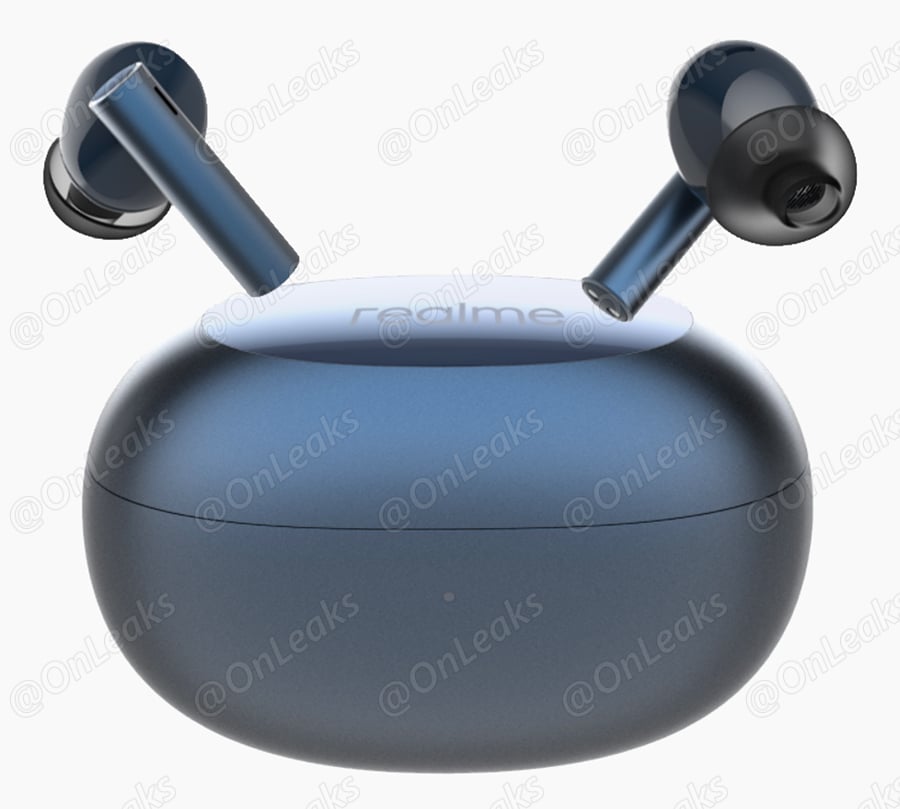
Earlier this week, MySmartPrice released a leaked render of the upcoming Realme Buds Air 3 TWS earbuds. The publication also shared some information on its features. Now, reliable tipster Steve Hemmerstoffer (aka. OnLeaks) has shared a new render of the Buds Air 3. The new leak has revealed the key specifications of the earbuds.
As compared to the predecessor Buds Air 2, its successor can be seen sporting a redesigned charging case, which features a flat top. The new earbuds continue to sport an in-ear design but have a slightly different appeal as it features shortened stems.
Realme Buds Air 3 render by OnLeaks
Realme Buds Air 3 specifications (rumored)
The Buds Air 3 will come with support for Bluetooth 5.2 connectivity and carries IPX5 rating for water resistance. While the exact battery size of the earbuds and charging case of the Buds Air 3 are not known, it is expected to offer 7 to 30 hours of playback time.
The Buds Air 3 will carry support for hybrid ANC (Active Noise Cancellation) of up to 40db. In addition, it will offer a transparency mode, which allows user to hear surrounding noise while listening to music.
It was previously reportedly that the Buds Air 3 will be equipped with a triple-microphone setup for ANC. For enhanced bass output, the Buds Air 3 will offer a Bass Boost+ mode. The in-ear detection feature of the earbuds will allow users to automatically pause music when the users take one of the earbuds from the ear.
One of the major highlights of the Realme Buds Air 3 is that it will be equipped with Dual Device Connection feature, which will make it possible to connect the TWS earbuds with two devices simultaneously. It will feature a switch that will allow users to easily switch between paired devices.
Realme Buds Air 3 pricing and launch timeframe (expected)
The Realme Buds Air 2 was announced with a pricing of Rs 3,299 (~$44) in February 2021. Probably, the Buds Air 3 may go in the coming month with a pricing of around Rs 4,000 (~$54).
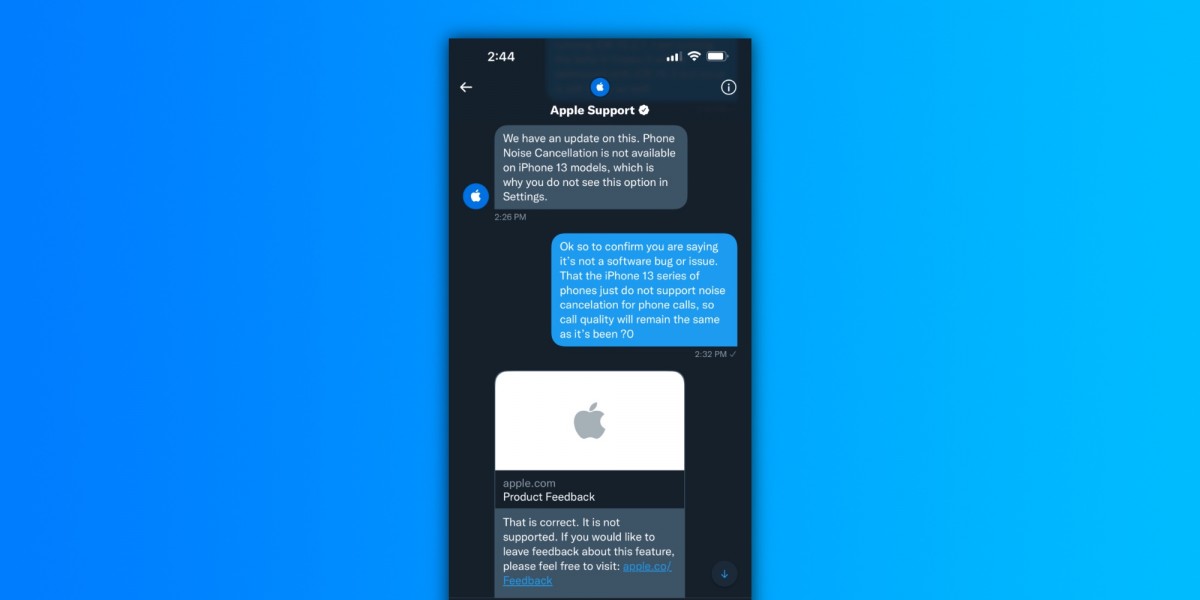
Back in December 2021, it was reported that a possible software glitch may have prevented the Apple iPhone 13 series from using active noise cancellation when receiving calls via the phone’s receiver. The lack of noise cancellation when receiving calls may reduce the call quality. Now, several weeks after the earlier leak, Apple Support has officially confirmed (9to5Mac) the absence of the in-call noise-canceling feature on the iPhone 13 series.
The in-call noise cancellation feature has been prominent in iPhones for about a decade and it reduces ambient noise during phone calls when the receiver is held to the ear. The report quotes Apple Support as confirming the absence of in-call noise cancellation in the iPhone 13 series, although no official explanation of the decision was provided.
Apple has left industry watchers in the lurch about its decision to exclude the in-call noise cancellation feature from its latest smartphones. There could be some aspects of the functionality still present in the iPhone 13 series, and users could enhance their calls by using external accessories with noise-canceling support, like earbuds and headphones. While a software glitch is being ruled out at this time, there could be a software update or upgrade that could improve in-call audio quality, but it is not clear yet whether Apple will tow that line.
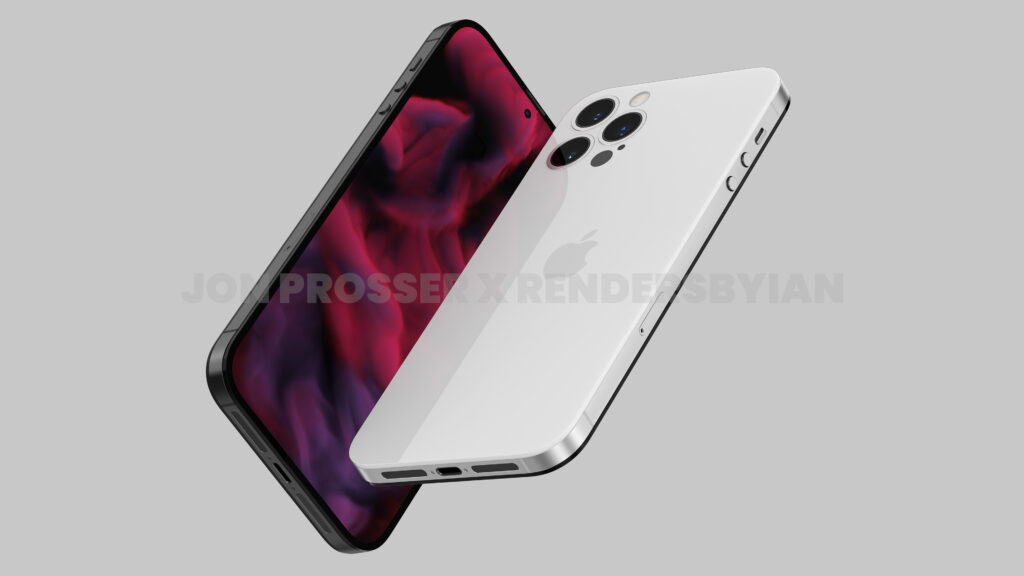
There have been several reports and rumors about the display panel that Apple is planning to use for the upcoming iPhone 14 series models. Although the device launch is many months away, new details keep surfacing online.
While the iPhone 14 Pro models are said to come with an LTPO display panel with a 120Hz refresh rate, a new report claims that the regular iPhone 14, as well as the iPhone 14 Max, may not feature an LTPO screen.
A report coming from Ross Young claims that the non-Pro models in the iPhone 14 series will get display panels from the China-based BOE and adds that currently the company isn’t capable of supplying OLED panels with a dynamic refresh rate.
Recently, some reports indicated that all the models in the upcoming iPhone 14 lineup could come with a 120Hz display but it turns out that Apple is not in a hurry to upgrade the display panel for all the models, at least not this year.
It is an interesting choice from Apple given that many Android smartphones, even in the mid-range segment, now come with a 90Hz or 120Hz display. However, it seems that Apple will be offering its ProMotion display only for the Pro models.
The Apple iPhone 14 and 14 Max are likely to come with low-temperature polycrystalline silicon (LTPS) panel. On the other hand, the Pro models will probably get the low-temperature polycrystalline oxide (LTPO) tech that allows a display to adjust the refresh rate based on the content being displayed on the screen.
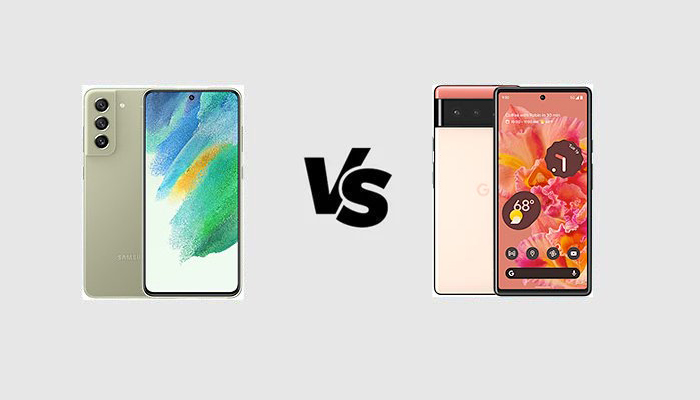
Another flagship killer by Samsung is finally official with amazing specifications at the right price. The Galaxy S21 FE 5G brings the best Qualcomm chipset of 2021 and a complete specs sheet with a modest price in the global market, and it will definitely fight the Google Pixel 6 in its same price range. Both are flagship killers, both are compact but powerful phones and their specifications are at the same level, but which one is worth buying right now? We hope to give you the answer through this comparison between the specifications of the Samsung Galaxy S21 FE 5G and the Google Pixel 6.
The Google Pixel 6 is my favorite handset when it comes to design. First of all, it has very original aesthetics with its horizontal camera module. Further, it is built with premium materials: while the Samsung Galaxy S21 FE 5G is made of plastic, the Google Pixel 6 has a glass back and an aluminum frame. The glass back is protected by Gorilla Glass 6, while the front glass has Gorilla Glass Victus protection. Both the phones are dustproof and waterproof with the IP68 certification. The Google Pixel 6 is more attractive, but the Samsung Galaxy S21 FE 5G is thinner and lighter, so it is still worth taking this handset into consideration.
Display
The Google Pixel 6 and the Samsung Galaxy S21 FE 5G are very similar if we talk about the image quality provided by the displays. They are equipped with AMOLED panels sporting a diagonal of 6.4 inches and a Full HD+ resolution, as well as the HDR10+ certification and in-display fingerprint scanners. These displays should provide similar performance and they are both great panels with bright colors and deep blacks. The main difference between them is the refresh rate: you get just 90 Hz with the Google Pixel 6, while the Samsung Galaxy S21 FE 5G has a 120 Hz refresh rate. Thanks to their stereo speakers, these devices provide a great audio experience.
Specs & Software
According to the benchmarks, the Qualcomm Snapdragon 888 mobile platform found on the Samsung Galaxy S21 FE 5G is stronger than the Google Tensor found on the Google Pixel 6. And given that the memory configurations are the same (up to 8 GB of RAM and up to 256 GB of UFS internal storage), the Samsung Galaxy S21 FE 5G is able to guarantee better performance in a lot of scenarios. Note that there is a variant of the Samsung Galaxy S21 FE 5G equipped with the Exynos 2100 chipset, but it is still a stronger mobile platform than the Google Tensor. On the other hand, the Google Pixel 6 runs a stock version of Android 12 supported directly by Google and it will get faster software support.
Camera
The main camera of the Google Pixel 6 is superior to the one of the Samsung Galaxy S21 FE 5G: it is a 50 MP sensor with OIS and laser autofocus against an old 12 MP main camera. But unlike the Samsung flagship featuring 3x optical zoom, the Pixel 6 lacks a telephoto sensor. Both the phones add a 12 MP ultrawide camera to the party, but the Samsung device has a better 32 MP selfie camera in its punch hole.
The Google Pixel 6 has a bigger 4614 mAh battery and, given that the processor has the same production process and the display has similar specifications, we believe it will provide a longer battery life. It also provides faster charging speeds with 30W wired charging and 21W wireless charging.
Price
The starting price of the Samsung Galaxy S21 FE 5G globally is €749/$599, and the Google Pixel 6 starts from $599 as well. I would personally go for the Pixel 6 due to its premium materials, bigger battery, better main camera, and great software support. But the Samsung Galaxy S21 FE 5G offers a higher refresh rate, a better chipset, and optical zoom.
Samsung Galaxy S21 FE 5G vs Google Pixel 6: PRO and CONS
Samsung’s Galaxy A53 has been in the news lately, only recently, the phone emerged to BIS and Geekbench, and now, the device has passed China’s 3C authority. The listing reveals its charging details which is an addition to specs learned so far.
As per the listing, the Samsung Galaxy A53 5G carries the model number SM-A5360. It reveals that the phone’s travel charger, which will be the in-box charger, will have a 15W charging speed. Unfortunately, the listing doesn’t reveal the exact fast charging support of the phone. But, it is expected to come with 25W fast charging speeds, similar to the predecessor Galaxy A52.
Other than this, the phone was previously spotted with Exynos 1200 octa-core SoC. The chipset has the first six cores clocked at 2GHz, while the other two cores are clocked at 2.40Ghz. It may come with up to 8GB of RAM, and boot on Android 12 OS.
In addition to this, a recent report revealed that the device may also come in a Snapdragon variant. The Snapdragon variant could be for the European markets and it will carry a different model number – SM-A536B.
The smartphone is expected to come with a 5,000mAh battery and a 6.5-inch FHD+ display. The screen is touted to have a 120Hz refresh rate.
As of now, there’s no launch date for the device, but given that it is appearing in leaks more frequently, it may debut soon. We can expect a possible release in the coming months.
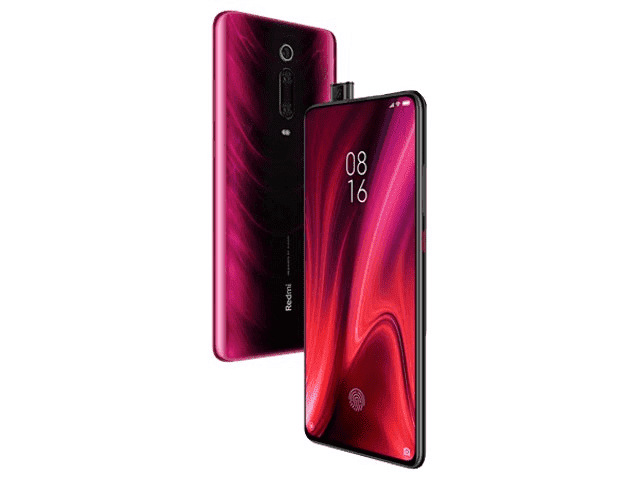
Back in 2019, Xiaomi’s Redmi released the Redmi K20 series offering good value for the price. The smartphone was launched with MIUI 10 based on Android 9 Pie out of the box. And, just like most Android phones, the handset was expected to receive three years of support. However, several users online reveal that the phone was plagued with major issues since the MIUI 12 update, and following it, the phone may not receive any further updates in the future.
MIUI 12 is indeed the third software skin for the Redmi K20 phones. But, the recent MIUI 12 update for the global and Indian markets has plagued the Redmi K20 phones with multiple issues.
Reportedly, K20 users are complaining about the lags on app launches, floating windows getting stuck, FPS drop issues while gaming, keyboard overlapping issues, notification grouping issues, and more. The list goes on, but Xiaomi hasn’t rationally responded, well, it did, but it was the support bot, putting up scripted messages telling users to get in touch on direct messages.
@manukumarjain@XiaomiIndia I am using redmi K20Pro. After MIUI 12 update, the device was full of bugs that affect UX.We have reported 100s of bugs through TG channel and S&F app.But one of the moderator confirmed that no updates further. This is not fair for a 30k phone
Netizens report that it’s been around six months since the issues have been reported. Only now, a moderator from the Xiaomi community responded and said that there won’t be any further updates to the phone, which is quite unfortunate. But, Xiaomi is yet to officially respond to this, so let’s wait for that.
In China, the Redmi K20 phones have continued to receive updates. Having said that, it seems like, the company is prioritizing the home market more. We expect, Xiaomi to officially confirm the update status for the K20 phones in India and the global markets, and fix all the possible bugs as soon as possible.
Global smartwatch and accessories manufacturer DIZO had recently launched the Dizo Watch R in India. It comes featuring a 1.3-inch AMOLED display, up to 12 days of battery life, a SpO2 tracker, etc for a price of Rs 3,499 (~$47).
The smartwatch has received an overwhelmingly positive reception as it sold more than 10,000 units in the first five minutes according to Dizo CEO Abhilash Panda.
However, according to a report by MySmartPrice, not all is fine and dandy for its customers as some have taken to Twitter to complain about the smartwatch lagging, and continuously vibrating till the battery is drained.
@DIZOTech I've purchased dizo watch r ,and the experience was very bad,watch is going on & off automatically,it is vibrating continuously , battery is draining too fast
@DIZOSupport my dizo watch r is hanging and screen goes black and when I am pressing any button it is vibrating, even when I plug in for charge, it's continuously vibrating and not turning on. What kind of service is this?😡 @realmecareIN@DIZOTech@MadhavSheth1@panda_abhilash
The users have reported similar experiences as the watch refuses to turn on and keeps vibrating till its battery is completely drained. The vibration resumes when you plug in the smartwatch to charge.
The customers also complain that the device gets stuck in a boot loop while vibrating the entire time. Popular telegram channel, Equaleaks first spotted that the Dizo Watch R product listing page has been removed from Flipkart as well.
The company has since stated that it is closely monitoring consumer concerns. For now, the percentage is minuscule and their service centers are looking into resolving them.
The cause of the vibration issue is currently unidentified however we will keep a close eye on the matter for any notable developments, so stay tuned.
We expected last week to be slow, however, it turned out otherwise. We not only witnessed the launch of multiple smartphones but also interesting happenings. We have compiled some of them in this single article as ‘top stories’. Since everyone has a different opinion, we would like to know your top picks from last week after going through our list in the comment section below.
Honor’s first foldable smartphone is here – HONOR Magic V
After multiple leaks and teasers, Honor officially took the wraps off the HONOR Magic V and HONOR Watch GS 3 on January 10 in China. Though it is the brand’s first attempt at a foldable smartphone, the product doesn’t look like one, as it appears to have been under development while the company was still a sub-brand of Huawei.
The device’s hinge design makes it the thinnest foldable smartphone in the market right now. It has a thickness of 14.3mm and 6.7mm when folded and unfolded respectively. The inner display is folded in a tear-drop manner like the OPPO Find N to minimize crease.
Talking about specs, it has a 7.9-inch 90Hz foldable screen, 6.45-inch 120Hz external screen, Qualcomm Snapdragon 8 Gen 1 chipset, Magic UI 6 based on Android 12, 50MP (wide) + 50MP (spectrally enhanced) + 50MP (ultra-wide) triple main cameras, dual 42MP front-facing cameras, dual stereo speakers, 4,750mAh battery, and 66W fast charging.
The HONOR Magic V is priced at ¥9,999 ($1,575) and ¥10,999 ($1,733) for 12GB + 256GB and 12GB + 256GB memory configurations respectively. Its first sale is scheduled for January 18 (tomorrow).
OnePlus 10 Pro gets a solo launch
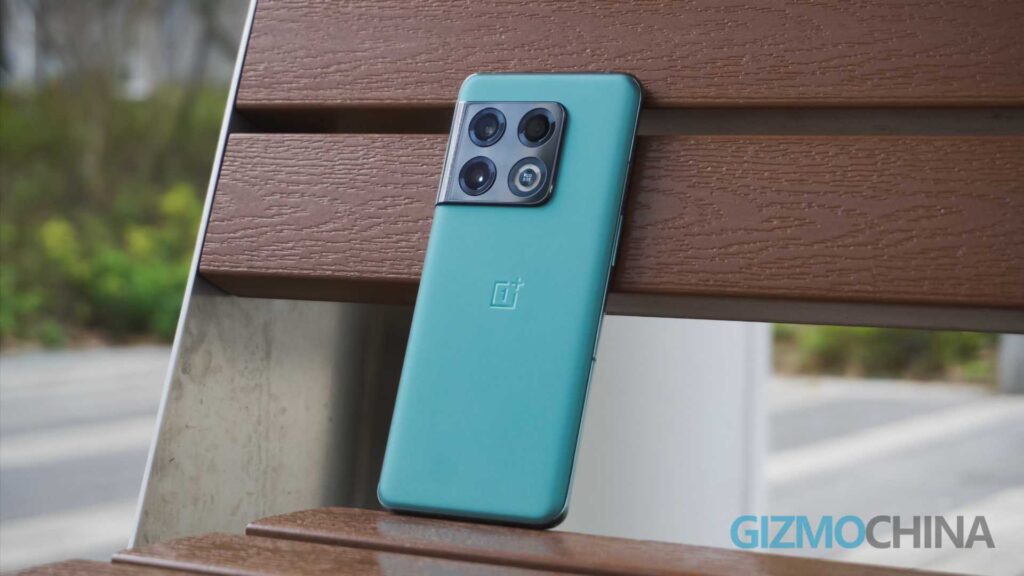
Usually, OnePlus’ flagship smartphones are first announced in international markets. Also, both vanilla and Pro models debut together. The brand broke this tradition with the launch of the OnePlus 10 Pro in China on January 11. It was accompanied by a special edition of the OnePlus Buds Pro.
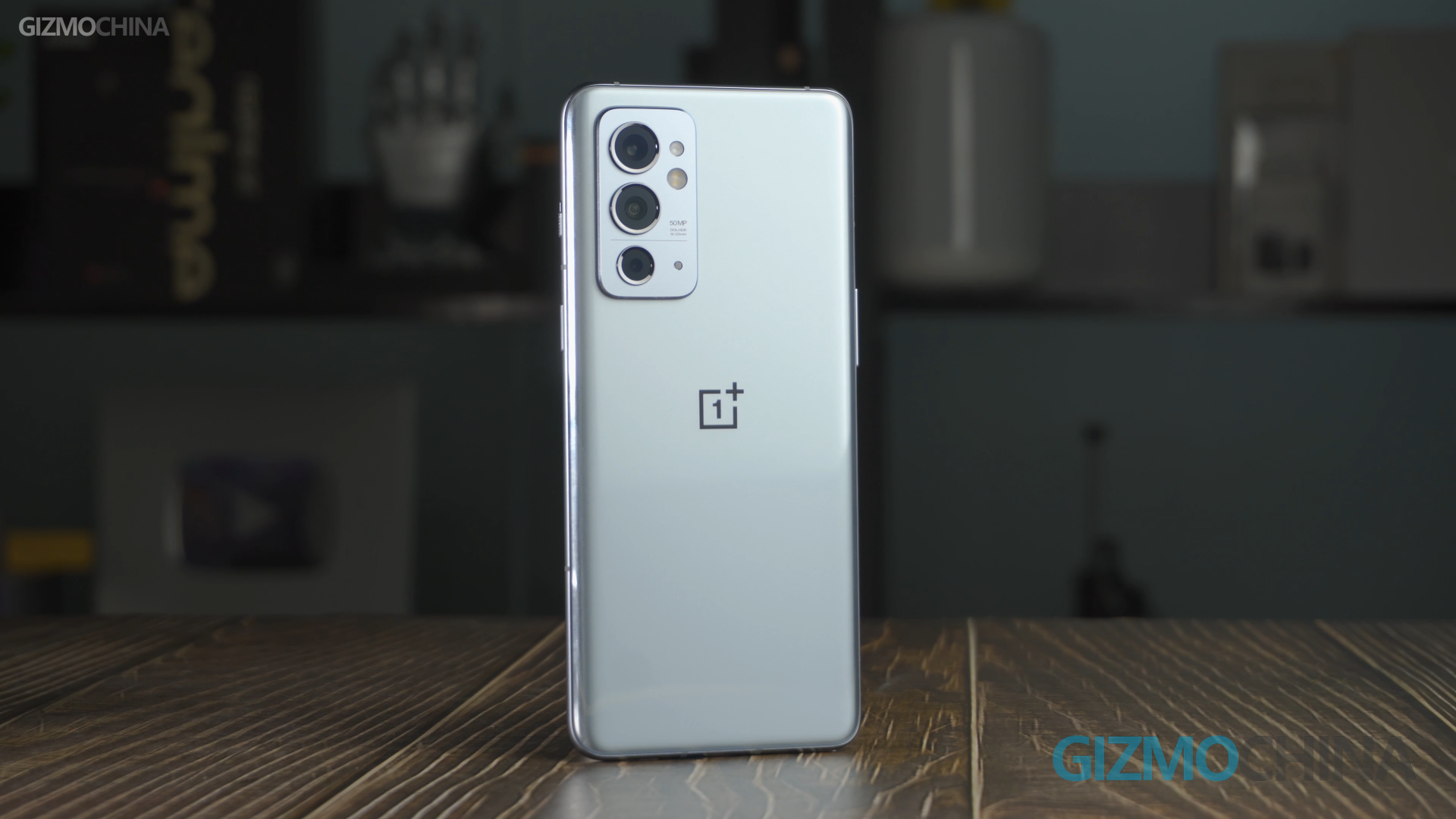
The successor of the OnePlus 9 Pro continues the partnership with Hasselblad. It arrives with a 48MP Sony IMX789 primary sensor with OIS, a 50MP Samsung ISOCELL JN1 sensor 150° ultra-wide unit, and an 8MP 3.3x telephoto shooter with OIS. Then, there’s a 32MP Sony IMX615 sensor on the front for selfies and video calls.
Unsurprisingly, it comes with high-end features like a glass sandwich design with a metal frame, 6.7-inch QHD+ 120Hz 2nd-gen LTPO AMOLED display, Qualcomm snapdragon 8 Gen 1, LPDDR5 RAM, UFS 3.1 storage, Android 12-based ColorOS 12.1 with HyperBoost for gaming, dual stereo speakers, 5,000mAh battery, 80W fast wired charging, 50W fast wireless charging, and reverse wireless charging.
The OnePlus 10 Pro retails at ¥4,699 ($740), ¥4,999 ($787), and ¥5,299 ($835) for 8GB + 128GB, 8GB + 256GB, and 12GB + 256GB memory variants respectively.
Realme 9 series debut, starting with realme 9i
The realme 9i went official in Vietnam on January 10 as the first Realme 9 series smartphone. It costs VND 6,490,000 ($286) for 6GB RAM and 128GB storage. The handset is scheduled to release in India on January 18 (tomorrow).
The phone sports features like a 6.6-inch FHD+ 90Hz display (LCD), Qualcomm Snapdragon 680 SoC, LPDDR4x RAM, UFS 2.2 storage, 50MP (wide) + 2MP (macro) + 2MP (monochrome) triple camera setup, 16MP front-facing camera, side-mounted fingerprint sensor, dual stereo speakers, realme UI 2.0 based on Android 11, 5,000mAh battery, and 33W fast charging.
Meizu re-enters budget smartphone category with mblu 10
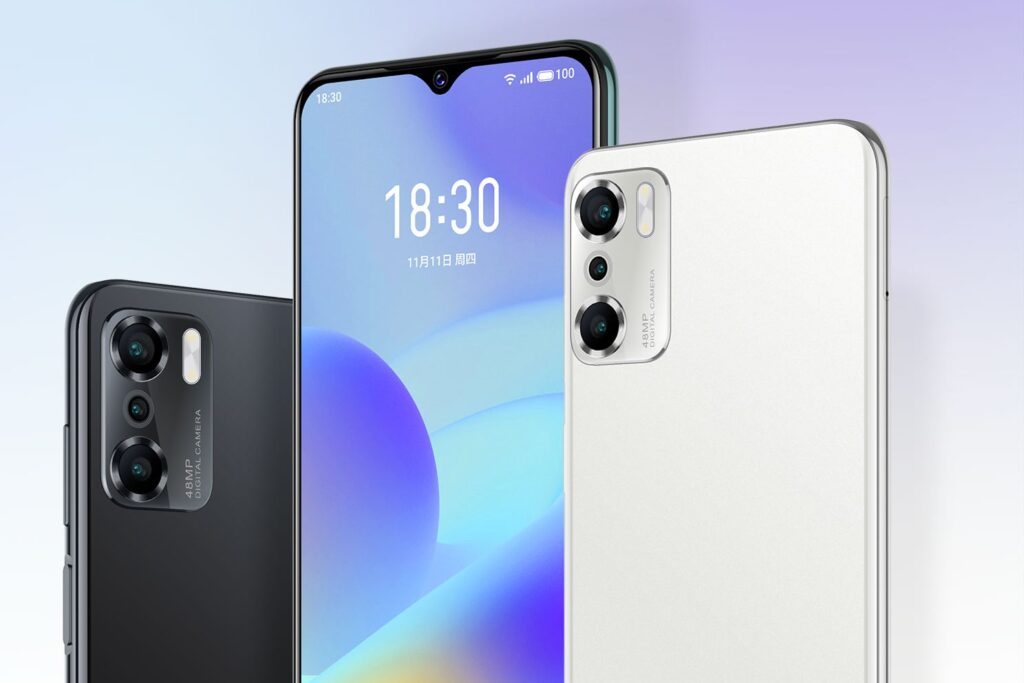
Meizu unveiled a budget smartphone after a long time The device is officially called mblu 10. As the name suggests, it is a phone under the company’s recently revived mblu sub-brand, which is also known as Blue Charm.
Meizu mblu 10
The handset offers a glass sandwich design with a plastic frame, 6.62-inch HD+ display (LCD), UNISOC T310 SoC, 48MP + 2MP + 2MP triple camera setup, 8MP selfie camera, IR blaster, Flyme 9 Lite based on Android 11, 5,000mAh battery, and 10W charging.
It comes in 4GB + 64GB, 4GB + 128GB, and 6GB + 128GB versions priced at ¥699 ($110), ¥799 ($126), and ¥899 ($142) respectively.
benco V80s – A smartphone without cameras and GPS
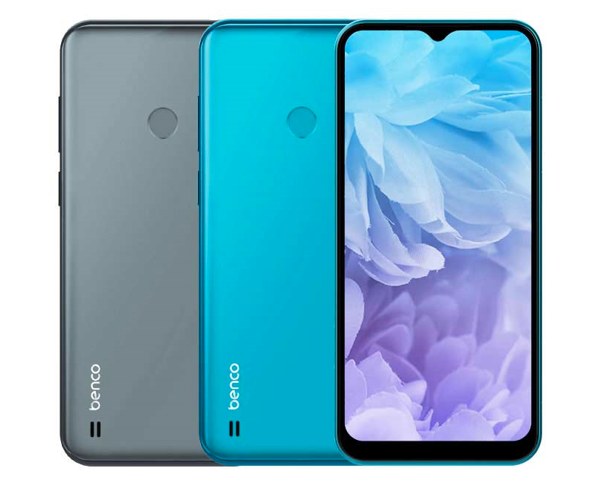
Out of nowhere, a company called INONE Technology launched a privacy-focussed smartphone dubbed as benco V80s on January 12. This phone lacks cameras and GPS.
benco V80s
Going by the specs, the Benco V80s is a subpar budget smartphone. It arrives with a 6.5-inch HD+ display (LCD), UNISOC S9863C chip, rear-mounted fingerprint sensor, Android 11, and 5,000mAh battery.
The price and availability of this device are not known.
Vivo introduces smartphones with outdated chipsets – vivo Y10 and vivo Y10 (t1 version)
Vivo released two new budget smartphones in China called vivo Y10 and vivo Y10 (t1 version). These handsets are limited to 4G connectivity and house outdated chips.
vivo Y10
Both these phones offer a near-identical set of specs and design. They also cost the same ¥1,099 ($173) for 4GB RAM and 128GB storage.
The only major difference between the two is that the vanilla model is powered by a MediaTek Helio P35 SoC, while the t1 version features a MediaTek Helio P70 SoC. Both these chipsets are around 3 years old and rarely do any brand use them now
Second Moto G tablet goes official – Motorola Moto Tab G70
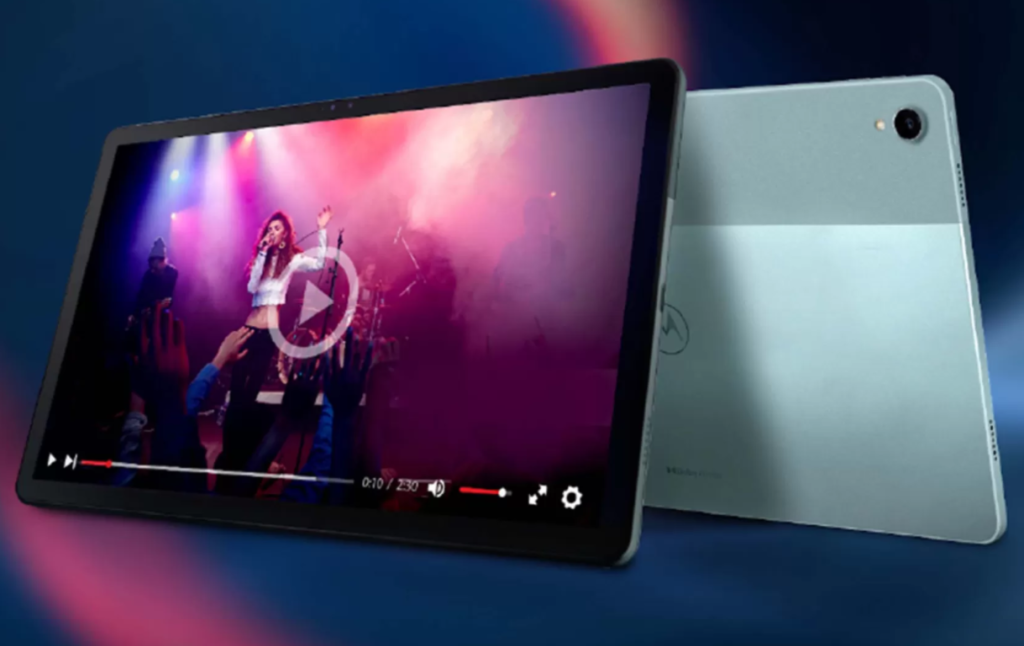
Motorola debuted its second Moto G branded tablet called Motorola Moto Tab G70 in Brazil on January 13 for BRL 2,399 ($435). This tablet is essentially a rebranded Lenovo Tab P11 Plus. It is set to launch in India on January 18 (tomorrow).
The tablet sports an 11-inch 2K display, MediaTek Helio G90T chip, 4GB RAM, 64GB storage, 13MP rear camera, 8MP front-facing camera, IP52-certification, quad-speakers with Dolby Atmos support, Android 11, Google Entertainment Space, Google Kids Space, 7,700mAh battery, 20W fast charging
OnePlus 9RT and Motorola Moto G71 5G launch in India
The OnePlus 9RT and Motorola Moto G71 5G finally landed in India on January 14 and January 10 respectively. The latter was also accompanied by the OnePlus Buds Z2.
1 of 2
The OnePlus 9RT comes in two memory configurations, such as 8GB + 128GB and 12GB + 256GB for ₹42,999 ($579) and ₹46,999 ($633) respectively. Customers can avail bank discounts to lower the price.
On the other hand, the Motorola Moto G71 5G is priced at ₹18,999 ($256) for the sole 6GB + 128GB variant. It will go on sale for the first time on January 19.
Tencent eyes Black Shark acquisition for Metaverse entry
Recently, all popular companies have made announcements regarding metaverse. So it’s not surprising to learn that Tencent of all names is also interested in it.
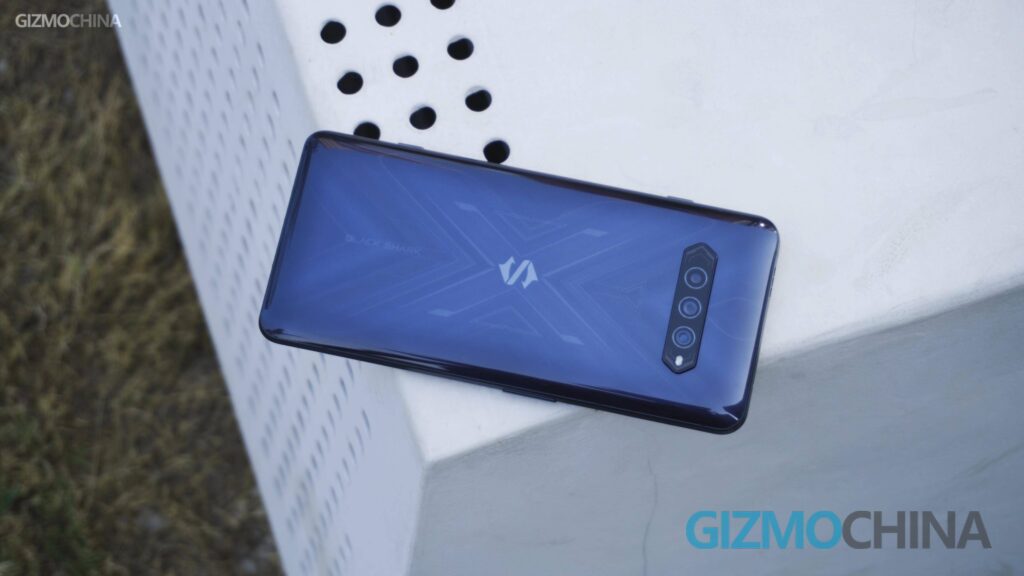
A report from last week revealed that Tencent is eyeing to acquire Black Shark, a brand known for gaming smartphones and related accessories. With this acquisition, Black Shark will produce VR hardware, while Tencent will develop software to complement the hardware.
Tencent is yet to issue an official statement on this rumor.
BlackBerry isn’t dead yet
OnwardMobility, the licensee of the BlackBerrry brand, had plans to release smartphones with 5G connectivity in 2021. Unfortunately, that never happened. Hence, the revival of the iconic brand was thought to be dead after a short stint by TCL.
However, the brand licensee recently made an announcement saying that a BlackBerry smartphone with a keyboard and 5G connectivity is coming in 2022. Anyway, we don’t have any high hopes.
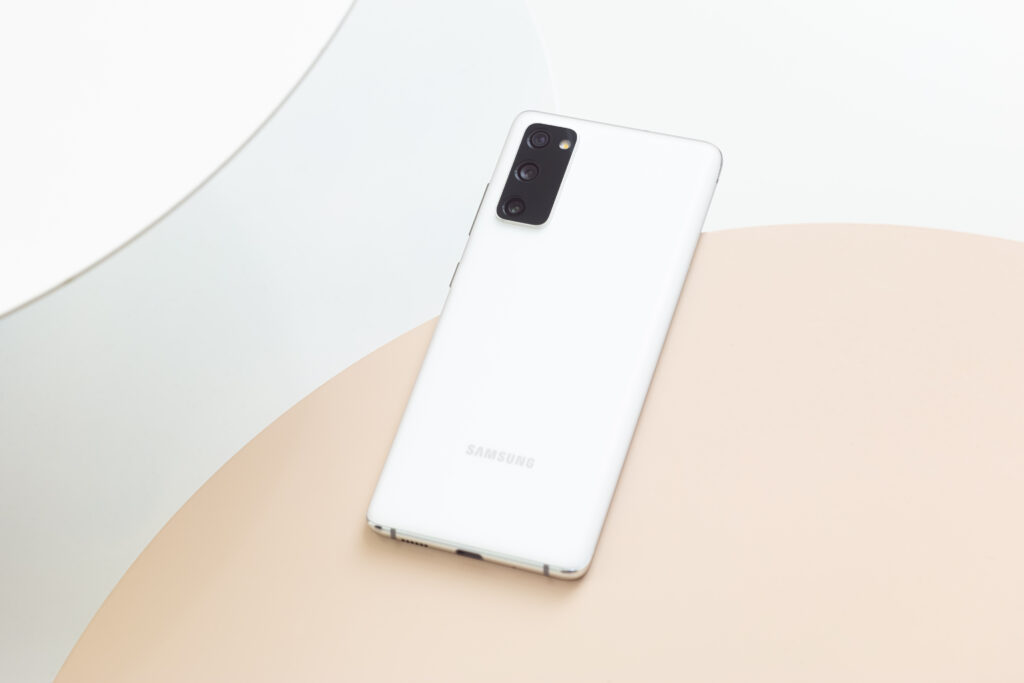
Since the last few weeks, some Samsung Galaxy S20 FE models are getting the latest Android 12 update across the world. Last time, the Galaxy S20 FE 4G received the update in Malaysia, and now, the users in India are getting the update.
The Android 12 update has the One UI 4.0 on top, and it is for both the Galaxy S20 FE 4G and S20 FE 5G models. The update for the S20 FE 4G has the firmware version G780FXXS8DUL6, while the S20 FE 5G’s update has the firmware version G781BXXU4DUL9. Both the versions bring December 2021 security patch and have all the new features of the Android 12.
Reportedly, the update is also available for S20 FE 5G units in Israel, Taiwan, Saudi Arabia, Thailand, and the Philippines. Do note that the update in the aforementioned regions is for SM-G780F models.
In case you didn’t receive the update notification, head to the settings tab and look for the software update option. Check for updates and install the new one on your device.
In related news, Samsung recently launched the Galaxy S21 FE 5G. It comes with One UI 4.0 based on Android 12 out of the box. Today, the handset received the January security patch in the US. The smartphone comes as a successor to the S20 FE by replacing the Snapdragon 865 with Samsung’s in-house Snapdragon 888(In China). It has a 6.4-inch FHD+ AMOLED panel with a 120Hz refresh rate. It boasts a triple camera system and has a 4,500mAh battery.
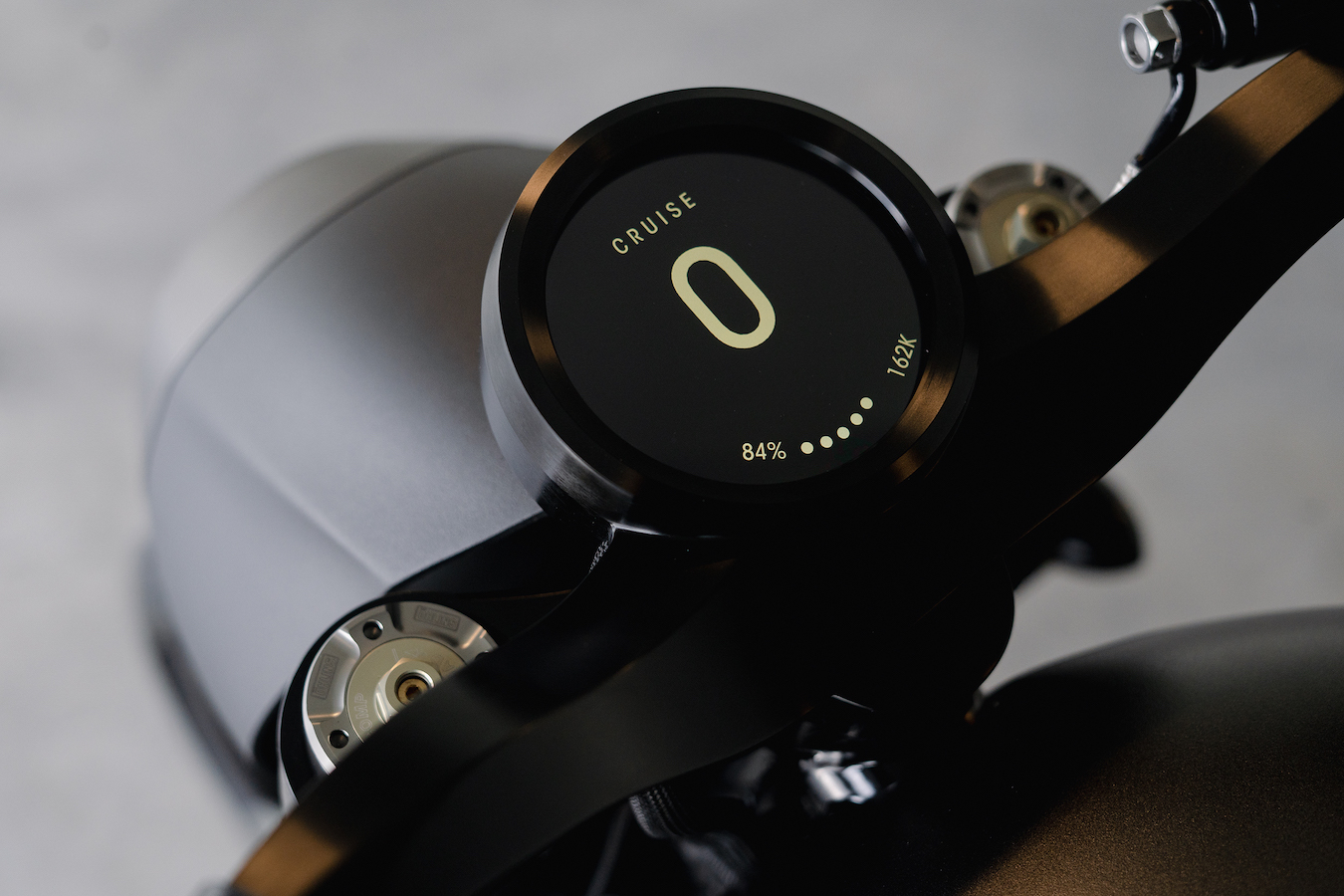
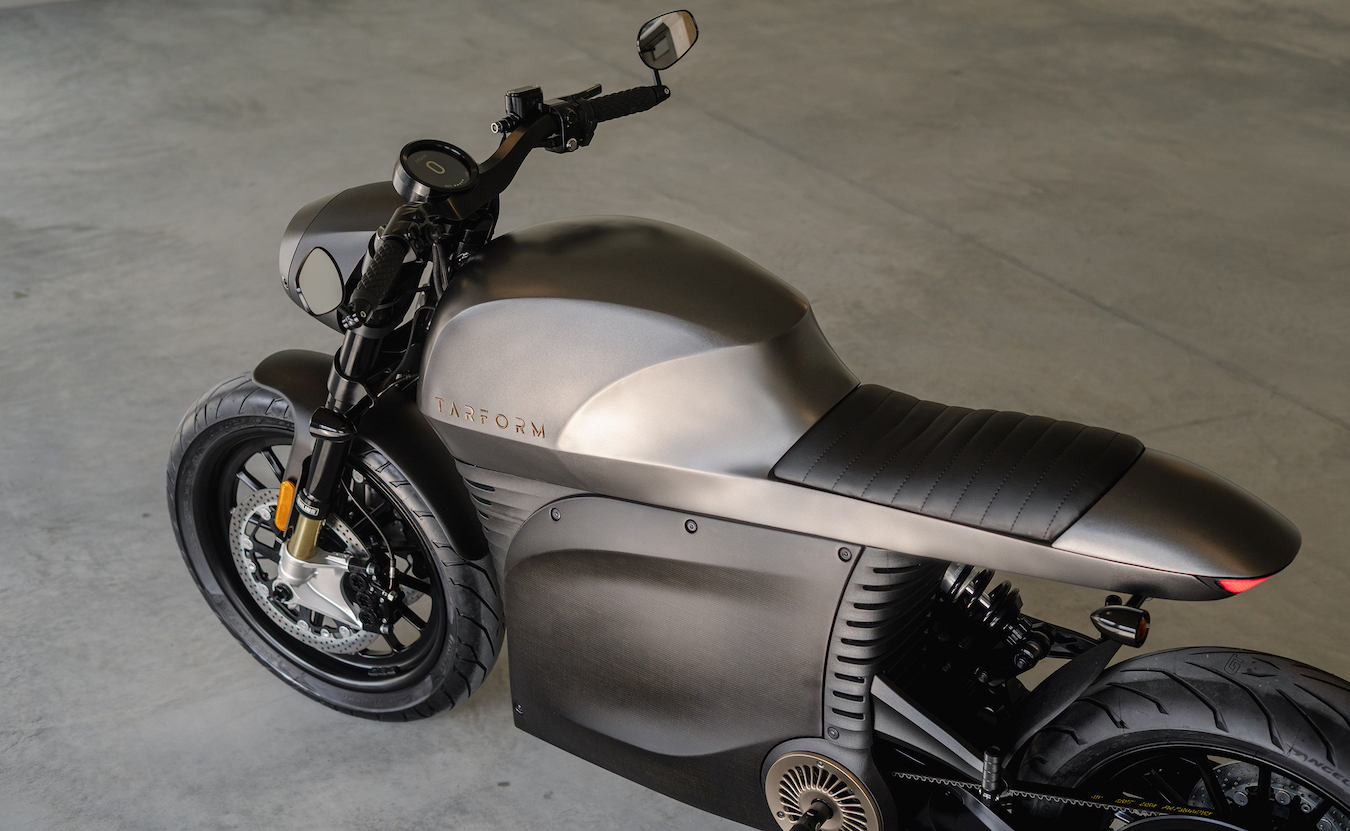
Five years after announcing the design of its first electric motorcycle lineup, Tarform has begun the first deliveries of the product in the US. The company had experienced some setbacks closely connected with the coronavirus pandemic, but it seems it has bounced back sufficiently to deliver the product to its early customers. The Brooklyn, New York-based Company says the electric motorcycle takes a bespoke, hand-made product far different from current electric bikes.
Tarform’s design and engineering teams have logged thousands of man-hours and designs before arriving at the current unique design that the e-bike sports. The company says it is pushing the boundaries around technology and sustainability, as well as navigating around unpredictable challenges over the past few years. The disruptions in the supply chain could have also hurt the company from meeting its production target.
The Tarform Luna Racer Edition and the Scrambler Edition are the first set of models rolled out by the company. Preorders for the two models began in 2020. The Tarform Founder Edition electric bikes with a $42,000 price tag were the first hand-crafted models slated for production, and the early units are already spotted in the Barber Vintage Motorsports Museum.
The Tarform electric bikes offer top speeds of 193km/h and a range of 193 km, while the 10kWh battery supports Level 2 charging quick charging although DC Fast charging is absent. The bike weighs 200kg and comes with its own unique acoustic features to justify its massive price tag.
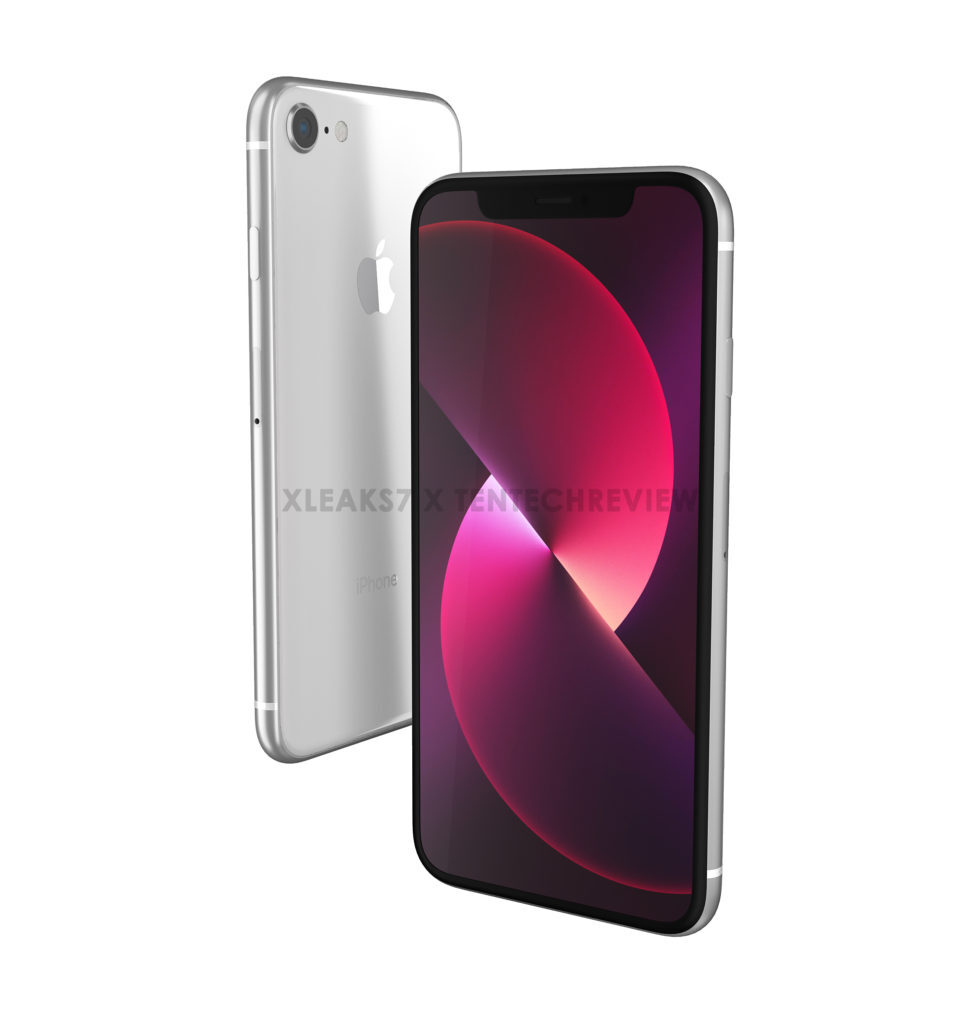
Back in October 2021, rumors surfaced that Apple had postponed the iPhone SE 3 and would instead release the iPhone SE Plus in 2022. Now, DSCC analyst Ross Young who initially broke the news in October is back with more details regarding the upcoming iPhone SE models.
The iPhone SE series is a line of affordable small-screen iPhones that was first introduced in 2016. The second phone in the series didn’t launch till 2020 and a successor is expected to arrive in 2022.
Next SE model is rumored to be called SE+ 5G and will have a 4.7" LCD. Previously said the next SE model, SE3, would either have a 5.7" or a 6.1" display. It is now looking like it will be 5.7". May be launched in 2023 rather than 2024.
According to the latest tweet by DSCC analyst Ross Young the next iPhone SE model will indeed be called the iPhone SE Plus. The SE Plus will be the first device in the SE lineup to offer 5G support and is expected to house a 4.7-inch LCD display. The device is also expected to retain the same design with thick top and bottom bezzles and have a Touch ID button.
The iPhone SE Plus is expected to debut in the next few months with the A15 Bionic chip, improved rear camera sensor, and 5G support.
Ross Young also states that the iPhone SE 3 might launch in 2023 rather than the previously predicted 2024 timeline and will have a 5.7-inch display.
Image via TenTechReview
Going by recent CAD renders, the iPhone SE 3 will retain the same rear design and have the same dimensions as the current iPhone SE. However, on the front, the device will offer a bigger screen by getting rid of the massive forehead chin, and touch ID button found in current-gen SE models. The SE 3 is also expected to house the A15 Bionic chipset and support 5G bands.
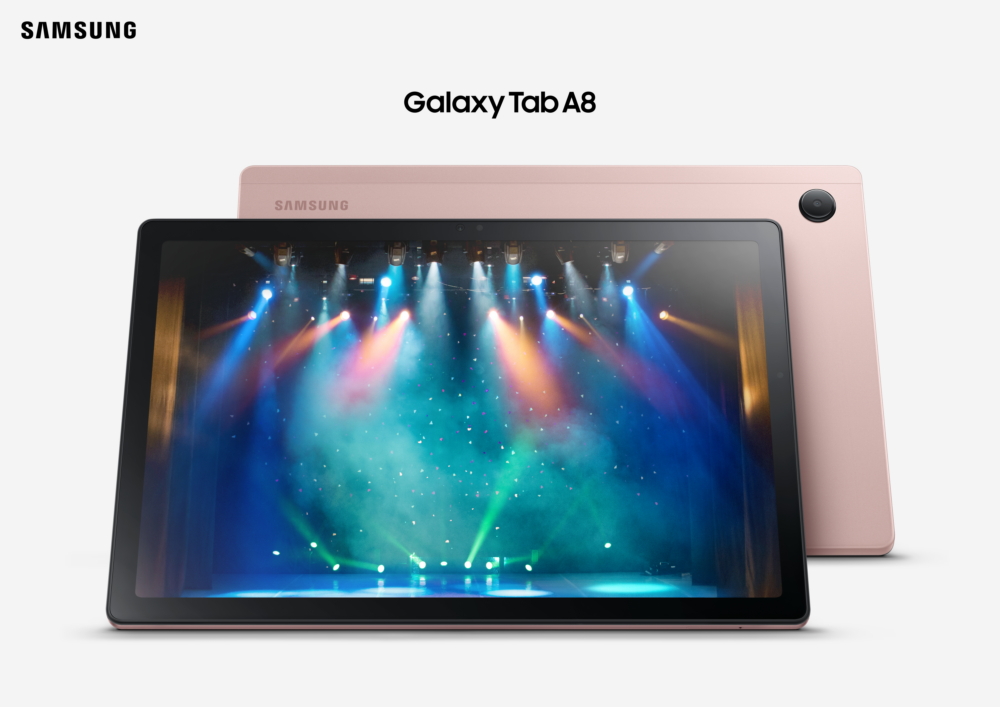
Last week, Samsung officially launched the Galaxy Tab A8 in India. Starting today, the tablet has gone on sale in the market. It is available for purchase on Samsung’s official website and on partner sites like Amazon and Flipkart.
The Samsung Galaxy Tab A8 starts at Rs 17,999(~$244) and is available in three colors – Grey, Silver, and Pink. Samsung’s Book Cover accessory can also be purchased from the official website for Rs 999(~$14).
Samsung Galaxy Tab A8 comes in a 10.5-inch TFT panel with an FHD+ resolution. It has a 16:10 aspect ratio. The tablet has a single 8MP rear camera and a 5MP selfie sensor. It is powered by the UNISOC T618 SoC paired with up to 4GB of RAM and up to 128GB of internal storage.
The tablet features a quad-speaker set up and has a 3.5mm headphone jack. It packs a 7,040mAh battery with support for 15W fast charging technology. It has Bluetooth v5.0, Wi-Fi 5, and GPS support. The tablet weighs 500 grams and has a 6.9mm thickness.
In related news, Samsung is expected to launch the premium Galaxy Tab S8 series next month. The series will comprise Tab S8, Tab S8+, and Tab S8 Ultra. The trio will come powered by the latest Snapdragon 8 Gen 1 SoC. Read the below post to learn all the specs of the tablets in the series.
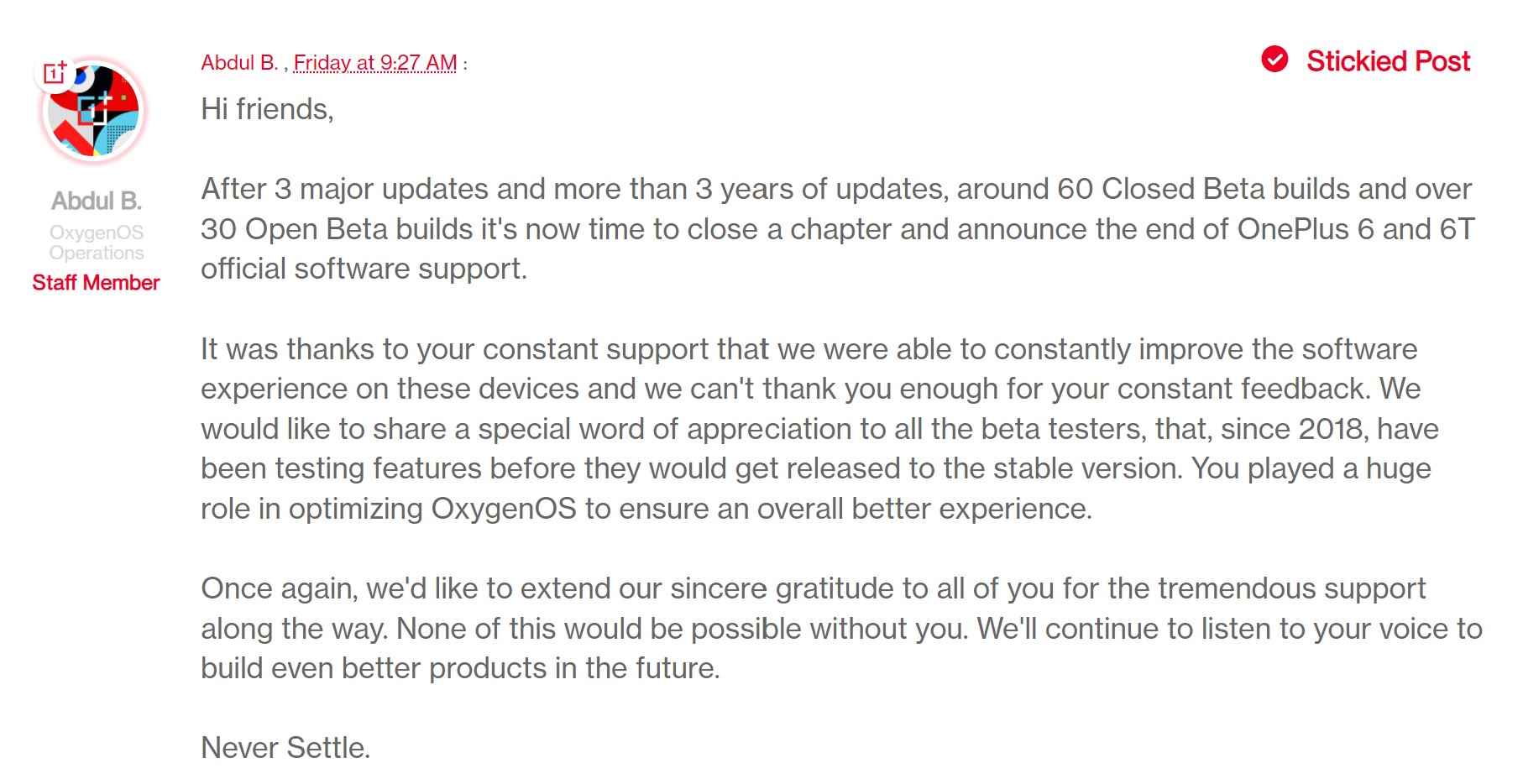
OnePlus has finally pulled the plug in the form of software support for two of its older models, the OnePlus 6 and the OnePlus 6T. The move comes after the upgrade of some newer models in July last year when it released its Updated Software Maintenance Schedule. The schedule promised three major Android upgrades and four years of security upgrades for flagship devices in the OnePlus lineup. However, the new schedule did not affect some older models which were primed for two major OS upgrades and three years of security updates, like the OnePlus 7 series.
OnePlus’ latest flagship – OnePlus 10 Pro
Security updates were last provided for the OnePlus 6 and 6T in November 2021that featured the Android Security patches for November 2021. The November 2021 update seems to have been the final update for the devices, as OnePlus has now confirmed. This marks the end of official software support for the two devices. The two models have enjoyed three major updates and more than three years of software updates, with tens of Closed and Open Beta builds, and the company feels that should be sufficient for the model.
The implication of the discontinuation of official software support for the two models should not be seen as the end of the two devices. There is a strong community of third-party developers that will provide the needed support for the devices. That way, a couple of years or more could be gotten from the devices, rather than throwing them off.
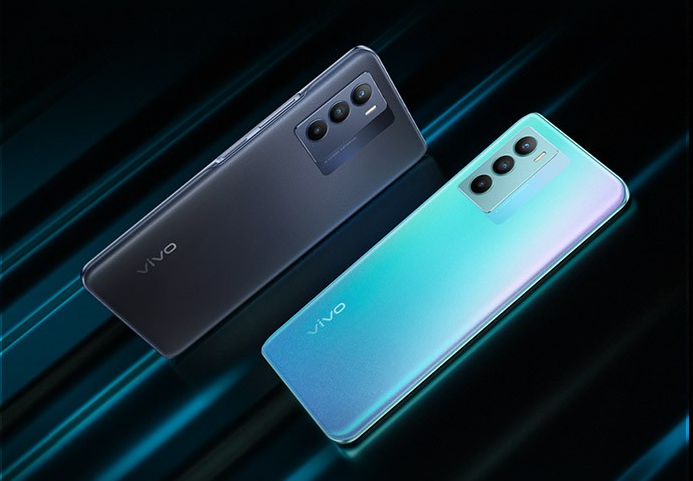
Back in October 2021, Vivo announced the Vivo T1 5G in the Chinese market offering Snapdragon 778G at a mid-range price. Now, a new report from 91Mobiles states that the T1 5G could head to India soon.
The publication reveals that the Vivo T1 5G will launch in India by March this year. However, there’s no exact launch date at the moment. Nonetheless, the variants have been revealed and the phone is touted to arrive in two configurations – 8GB RAM + 128GB and 8GB RAM and 256GB. There could also be a higher 12GB RAM variant.
Reportedly, the T1 5G’s arrival could also be the replacement of the existing Y-series in India. We might see more T-series phones once the T1 officially lands in India.
Apart from this, there are no other details regarding its specs. But, since the phone has already gone official last year, we do know its details. Although, it is not sure whether the Indian variant will come with the same specs as the Chinese model.
The Vivo T1 5G sports a 6.67-inch LCD display with an FHD+ resolution. It has a 120Hz high refresh rate screen and has HDR10 support. There’s a single 16MP selfie camera up front, while the back has a triple camera array. It has a 64MP main lens, an 8MP ultra-wide sensor, and lastly a 2MP macro camera.
It is powered by the 6nm Qualcomm Snapdragon 778G SoC paired with 8GB of RAM and up to 256GB of internal storage. It packs a 5,000mAh battery and has a side-mounted fingerprint scanner for security.
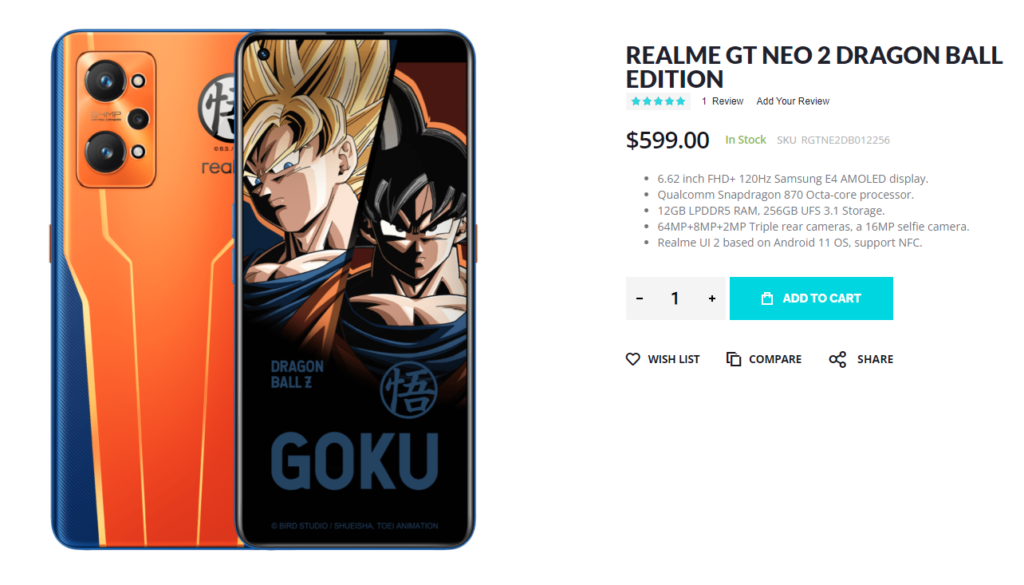
The Realme GT Neo 2 Dragon Ball Limited Edition is Realme’s innovative attempt at bringing your 90s childhood anime nostalgia to a modern smartphone.
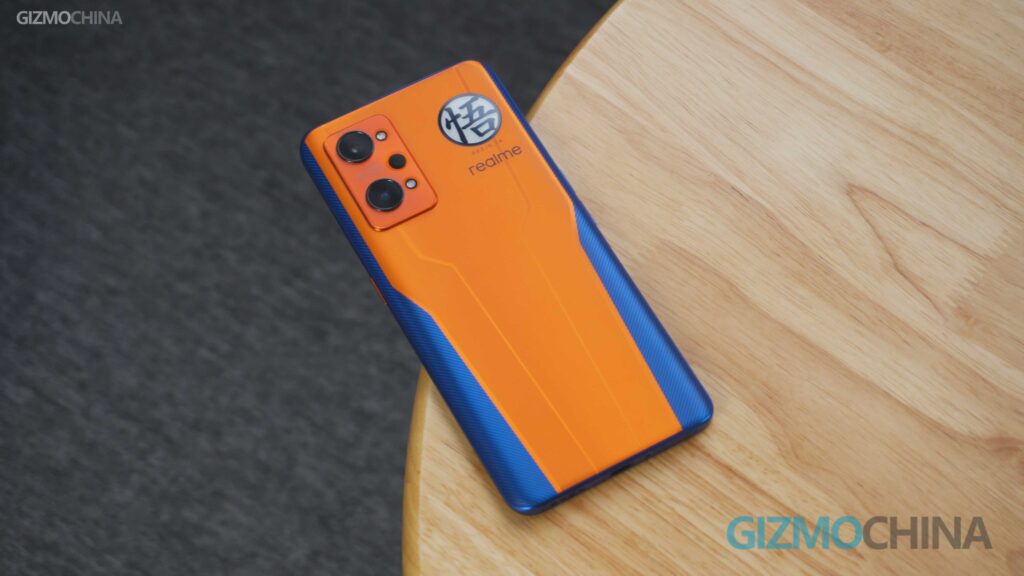
Design-wise, the new Dragon Ball limited edition equips the Realme GT Neo 2 with a glass back design with an orange matte finish, with matte blue stripes and blue metal side rails.
The device features a 6.62” 120Hz Samsung E4 AMOLED FHD+ display and is powered by the Snapdragon 870 Octa-Core processor. The smartphone comes with 8GB / 12GB RAM and 128GB / 256GB storage.
On the back, you have a triple camera setup with a 64MP main camera and 8MP + 2MP secondary cameras. And for your selfies, you can find a 16MP camera in the front. Fueled with a 5000mAh battery, Realme GT Neo 2 supports 65W SuperDart Flash charging. It runs on the Android 11 based Realme UI 2 and comes with an under-display fingerprint scanner.
Fitted with dual stereo speakers and Dolby Atmos game support, Realme GT Neo 2 Dragon Ball Limited Edition comes with a dedicated GT mode that offers leapfrog performance while gaming with enhanced image quality, 4D in-game vibrations, faster loading time, dynamic sound effects, and more.
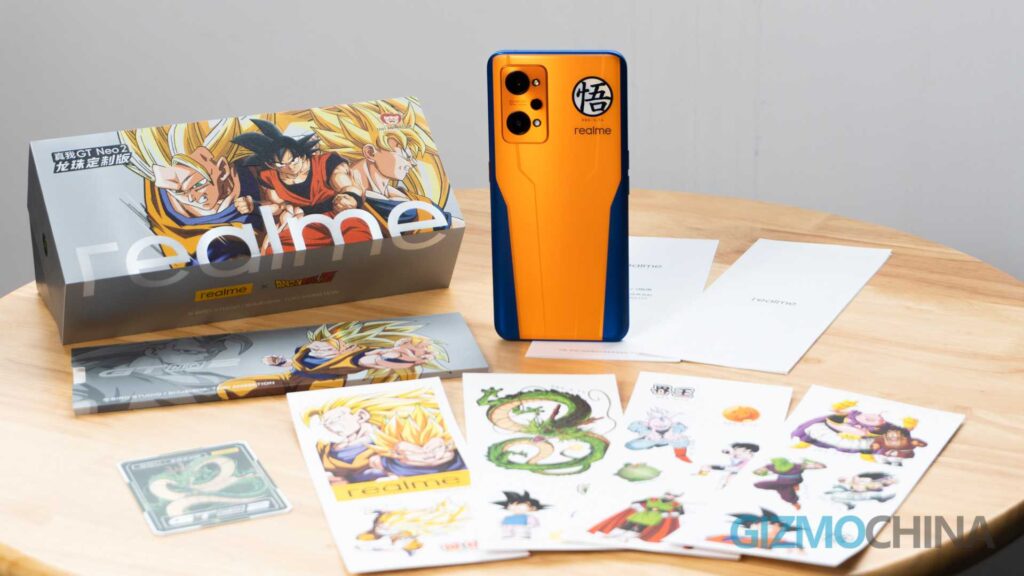
Additionally, the device offers a lot of goodies inside its packaging which includes a custom-designed sim card pin that resembles the fourth Dragon Ball, exclusive stickers, and Dragon Ball Z artwork.
The Realme GT Neo 2 Dragon Ball Limited Edition is available for all global customers for just $599 on Giztop, so order quickly!
For more information on such exciting deals and offers check out our deals hub.
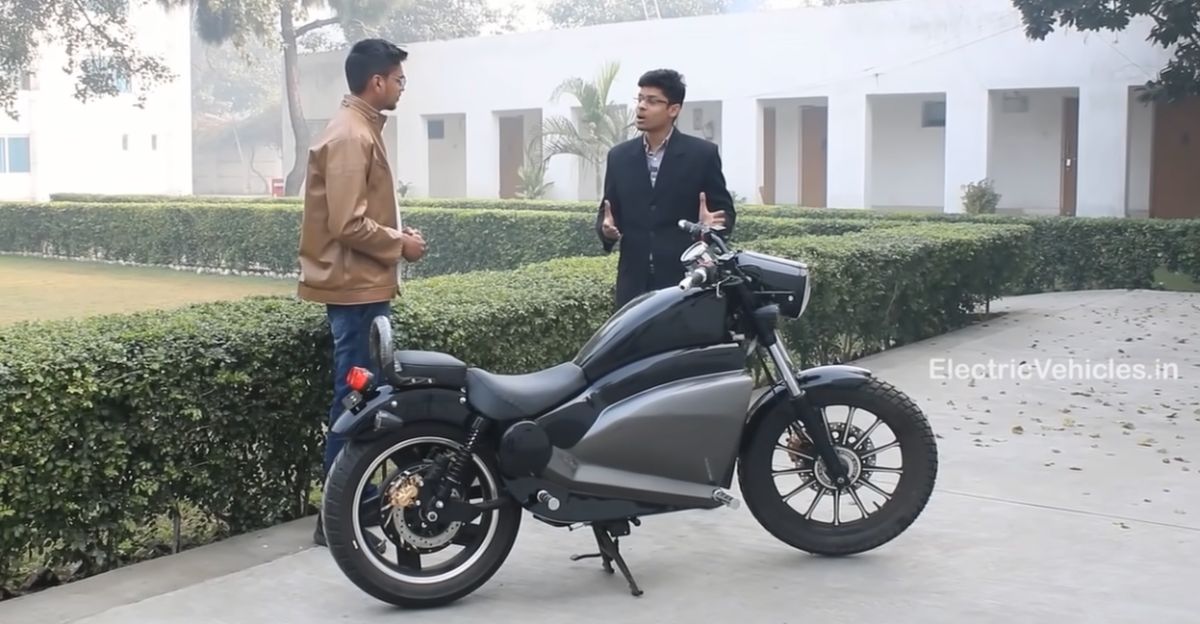
India is in the midst of a revolution in transiting from combustion-powered two-wheelers to electric motorcycles and other two-wheel electric vehicles. There are several incentives both within the Federal and regional structure of the country that is at the heart of the rapid development in the segment. A lot of traditional automakers have also delved into the production of electric vehicles, while the electric two-wheeler industry’s growth is being propelled by some strong performances by TVS, Okinawa, Hero, Ola, and a host of other manufacturers. Mazout Electric is priming itself to be a highly successful startup in the Indian electric motorcycle industry. The company has now developed an electric cruiser motorcycle that could ride for 350 km on a single charge, according to the company. The bike has a top speed of 120km/h.
The Mazout electric cruiser motorcycle was actually developed by a team of engineering students at Delhi Technical University. A YouTube video that showcased the electric cruiser motorcycle provides some details about the technical and hardware specifications of the model, which is their second prototype. The students are the owners of the Mazout Electric startup and are also working on the software part of the electric cruiser motorcycle. The model, when unveiled to the Indian market, could mark a significant improvement on the range of current electric motorcycles. In fact, the Indian market lacks the presence of an electric cruiser motorcycle and the Mazout could change the narrative.
The design concept for the Mazout EV is based on the conventional cruiser motorbikes. The model will have a 25kWh battery pack to deliver the specified driving range. It remains to be seen, however, how the company evolves the Mazout electric cruiser motorcycle until it becomes a commercially sold product. The pricing component and overall features in the Mazout could determine the reception it receives in the market.
We use cookies on our website to give you the most relevant experience by remembering your preferences and repeat visits. By clicking “Accept”, you consent to the use of ALL the cookies.
This website uses cookies to improve your experience while you navigate through the website. Out of these, the cookies that are categorized as necessary are stored on your browser as they are essential for the working of basic functionalities of the website. We also use third-party cookies that help us analyze and understand how you use this website. These cookies will be stored in your browser only with your consent. You also have the option to opt-out of these cookies. But opting out of some of these cookies may affect your browsing experience.
Necessary cookies are absolutely essential for the website to function properly. This category only includes cookies that ensures basic functionalities and security features of the website. These cookies do not store any personal information.
Any cookies that may not be particularly necessary for the website to function and is used specifically to collect user personal data via analytics, ads, other embedded contents are termed as non-necessary cookies. It is mandatory to procure user consent prior to running these cookies on your website.