Honor released the Band 6 in November last year as a sleek, yet durable fitness tracker. The smart band features a full-screen integrated design without physical buttons. It packs a 1.47-inch display which is nearly twice as large as the displays of most fitness bands in the market.
One year after, the company has now pushed a new update that brings a refreshed new feature to the fitness band. The Honor Band 6 comes with support for a single blood oxygen detection function, which can quickly monitor the user’s blood oxygen status. However, the new feature is an extension of the blood oxygen monitoring to a continuous one.
This is the first major firmware upgrade the fitness band will be receiving and aside from the continuous blood oxygen monitoring, the band also supports real-time viewing, low blood oxygen vibration reminder in the non-sleeping state, continuous health monitoring.
In addition, the sports mode is upgraded from support for 10 sporting activities to a staggering 95! Thus, there is always a sport that can suit everyone in order to enhance general fitness and wellbeing.
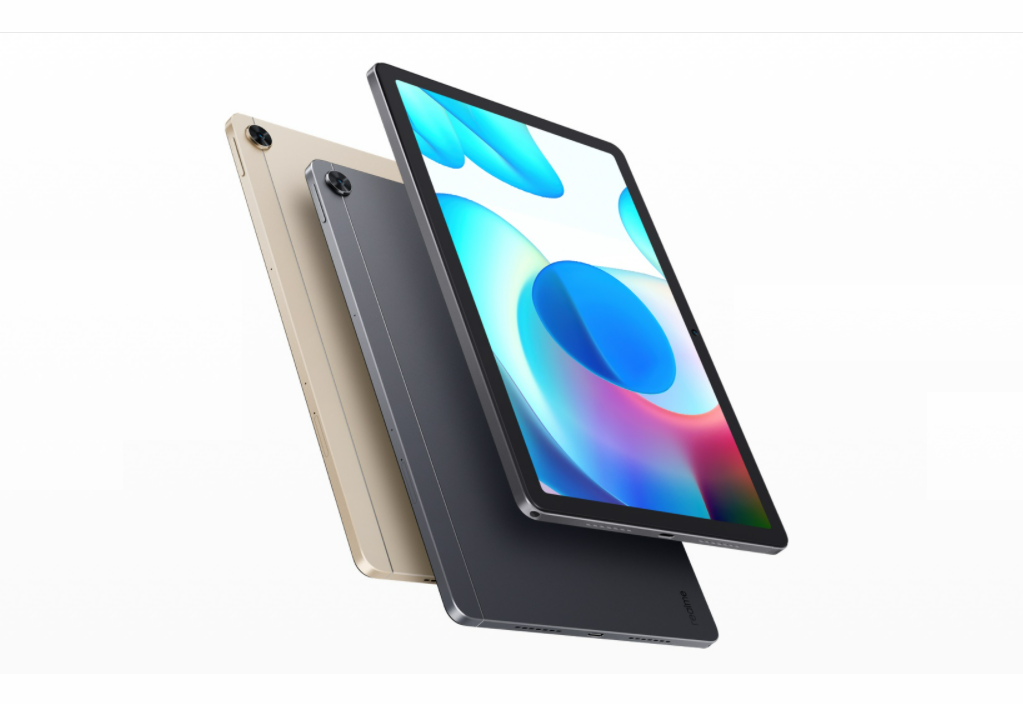
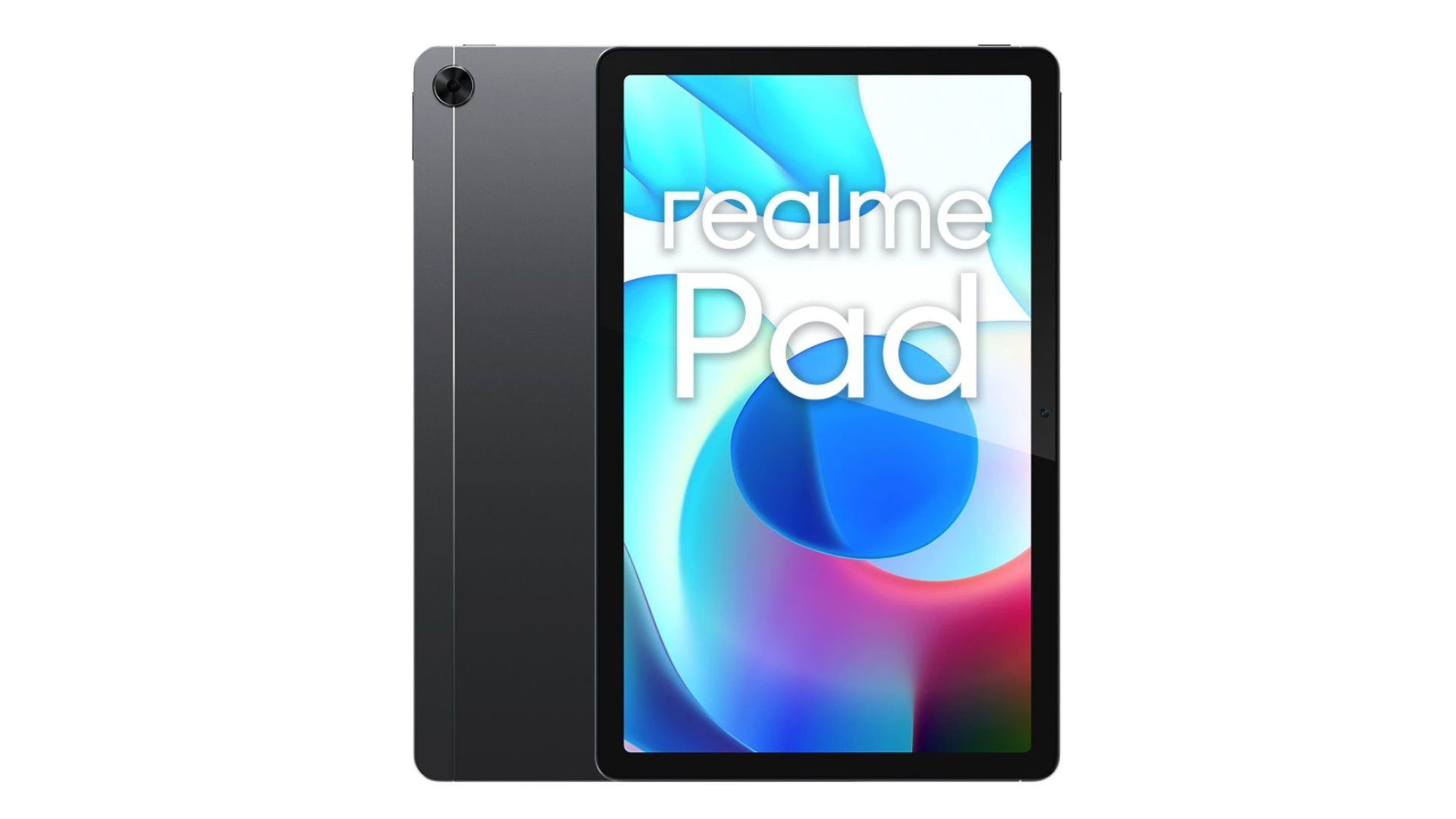
Blackview Tab 11 is launching globally on 6 December, 0:00 PST. Generally retailing for $270 you can buy Blackview Tab 11 at a heavily discounted price of $169.99 only on the occasion of its World Premiere at AliExpress. Additional gifts are also available under this world premiere deal.
This latest tablet from Blackview features a 10.36” 2K display and is powered by the UNISOC T618 octa-core processor. The ultra-slim and lightweight tablet comes with 8GB RAM + 128GB ROM and is fueled by a 6580mAh battery. Available in three gorgeous colors viz: Teel Green, Grey, and Silver this tablet runs on Android 11 OS and supports multiple languages. However, apart from these features, Tab 11 also comes with some unique and interesting upgrades and functions.
So let’s check out some of these interesting features in detail.
HD / Ultra HD Streaming with Widevine L1 Certification:
One of the biggest and best upgrades that Blackview has brought in for Tab 11 is getting the Widevine DRM L1 certification. With this upgraded top-level Digital Rights Management certification, you can now stream your OTT platforms like Netflix, Disney+, Hulu, Amazon Prime Video, etc in one of the highest possible resolutions i.e. 1080p. This means you can now get a theatre-like experience right at your home using Tab 11. This is especially important given the unfolding pandemic situation, as you may prefer to watch the latest shows and movies within the safety of your house than risking a trip to the multiplex.
Split Screen :
Blackview Tab 11 is not just an entertainment device but also a great tool to manage your work and schedule. The tab supports the split-screen function which helps you to multi-task and manage your school/workload. With this function, you can run two apps simultaneously and view them side by side on the same screen. This helps you to multitask easily and boosts your productivity.
Specially designed APP – The Notebook:
Designed by the Blackview Software team, this app helps you to take notes during your meetings, lectures, seminars, webinars, etc. Unlike other generic apps, you can easily insert audio, images, online notes, typed notes, and even handwritten scribbles into the Notebook. This means you are prepared to take notes in any and every situation like recording lectures, clicking pictures of important slides, audio recording of a fast dictation, etc. You can correct, improve, add, enhance and organize your notes as many times as you wish without having to rethink and retype.
The notebook app combined with the split-screen function increases your productivity and helps you to get better organized.
Dedicated Gaming Mode:
For all pro gamers out there, Tab 11 comes with a specially designed gaming mode that blocks notifications, pop-ups, calls, etc while you are playing your game. This function enhances your gameplay, prevents mistouch, and ensures zero distraction during the game.
Bedtime mode:
Easily schedule your tablet to turn down the brightness and change its interface into a soothing gray color, that reduces the blue light and helps you to fall asleep.
Reading mode:
Thanks to a dedicated reading mode you can turn your bright and high definition tablet into an instant ebook reader, with reduced brightness and blue light emissions which in turn reduces eye strain and pain.
Generally retailing for $270 you can buy Blackview Tab 11 at a heavily discounted price of $169.99 only on the occasion of its World Premiere at AliExpress. Blackview is also giving additional free gifts like Airbuds 1 Earbuds (80pcs) and Blackview Keyboard (40pcs). Please note that this is a limited-stock offer. The sale starts on 6 December at 0:00 PST but you can add the product to the cart right now, to ensure faster checkout and a better chance to win the free gifts.
Please note that the above price is region-specific and the final price may vary according to your shipping region, warehouse, and regional taxes.
For more information on such exciting deals and offers check out ourdeals hub.
Here’s the official statement from POCO regarding this matter.
“At POCO India, customer safety is of utmost importance and we take such matters extremely seriously.
At this stage, our team contacted the concerned customer as soon as the issue was notified and is awaiting his visit to the nearest service center. We are committed to examine the issue in detail, and extend all our support to the customer and resolve this on priority.
All our devices go through various levels of stringent quality tests to ensure that the quality of the device is not compromised at any level.”
[Original Story] Smartphones exploding or catching fire have been in the news throughout the year. Be it the case of a vivo phone catching fire while shipping or the OnePlus Nord 2 blasting in the pocket of someone’s trousers.
Image via 91mobiles
A similar incident occurred in India on November 27 when a POCO M3 caught on fire (via 91Mobiles) and exploded. The incident was shared on Twitter by the alleged victim’s brother Mahesh (@Mahesh08716488). In the now-deleted tweet, the user does not mention any details of the incident or what made the phone catch fire. POCO acknowledged the issue and replied to the tweet, saying that customers’ safety is very important and that it takes such matters seriously.
Mahesh shared an image of a burned POCO M3, which shows severe damage to the phone with the middle and bottom parts of the phone’s rear completely incenerated. No information has been provided of anyone being hurt or injured due to this incident.
This is not the first time a POCO phone has gone up in flames in India this year, as a similar incident happened in September involving a POCO X3. These frequent incidents paint a bad picture of the China-based Brand, putting into question the quality and safety testing standards of these devices supplied to the subcontinent.
When foldable phones made their entrance, there was skepticism if the phones will enjoy a seamless run considering their fragility and expensive prices. The issues with the first-gen Galaxy Z Fold from Samsung didn’t help matters as it further heightened doubts about the ability of foldable phones to make a mark in the market. The steep pricing and fragility contributed to TCL’s decision to shelve its own foldable phone project.
Well, turns out the foldable models are doing incredibly well in the market, exceeding expectations. A research report published by the screen agency DSCC pointed out that in the third quarter of this year, the total shipments of foldable display-packing mobile phones increased by 215% month-on-month and 480% year-on-year.
In terms of brands, Samsung’s shipment accounted for a staggering 93% share of the market while Huawei’s shipment accounted for the remaining 6%. The market is presently almost controlled by the two companies of which Huawei’s run in the market is limited to China due to the US embargo.
DSCC projects that the shipment of foldable display-packing mobile phones will increase from 2.6 million units to 4 million units in the fourth quarter of this year. The firm also projects that shipments will increase to 20 million units by next year even though the market is expected to record less than 10 million units in shipments this year.
In terms of models, the most popular foldable phone is the Galaxy Z Flip 3 followed by the Galaxy Z Fold 3, Galaxy Z Flip 5G, while the Huawei Mate X2 4G version, and 5G version ranked fourth or fifth.
It is worth mentioning that Huawei is rumored to have got a Mate series flip foldable display mobile phone in the works. The model which will utilize a flip design just like that of the Galaxy Z Flip3 and Motorola Razr 5G is expected to be unveiled in December. The model will be cheaper and should increase Huawei’s share of the market when it goes on sale.
Samsung might be trying its hand in the smart speaker segment again, as rumors have surfaced of a device dubbed the Galaxy Home Mini 2 being in the works.
Samsung Galaxy Home Mini
According to a report by SamMobile, sources reveal that Samsung is working on the second generation of the Galaxy Home Mini smart speaker, which carries model number SM-V320. The upcoming smart speaker may come with a display, making it more of a smart display than just a smart speaker. Other than that, no information about the rumored device is available right now.
This is not Samsung’s first rodeo when it comes to smart speakers, as Samsung has previously launched its first Galaxy Home smart speaker back in 2018 and followed it up with Galaxy Home Mini in February 2020. If you are wondering why you’ve never heard about these smart speakers before, that might be because Samsung never released these devices outside their home country of South Korea. The upcoming Galaxy Home Mini 2 is expected to meet the same fate as its predecessor when it comes to global availability, but it is far too early to say for sure.
The smart speaker segment is currently dominated by Amazon’s Alexa, Google‘s Nest speakers, and Apple’s HomePod range of speakers. We hope Samsung will soon step into the global smart speaker market, offering a little Bixby flavored variety.
Samsung has quietly unveiled the Galaxy A13 5G in the US. The device is currently the most affordable 5G smartphone from the South Korean tech giant in the country. It is the successor to Galaxy A12, which is limited to 4G connectivity.
Samsung Galaxy A13 5G
Samsung Galaxy A13 5G Specifications and Features
The newly announced Galaxy A13 5G looks like the Galaxy A32. It measures 164.5 x 76.5 x 8.8mm in dimensions and weighs 195g.
The handset sports a 6.5-inch LCD panel on the front with a resolution of 1600 x 720 pixels and a 90Hz refresh rate. The dewdrop notch (Infinity-V) on the top houses a 5MP camera for selfies and video calls. Whereas, on the back, it houses a triple camera setup consisting of a 50MP primary sensor, 2MP macro snapper, and a 2MP depth sensor.
The variant for the US is powered by a MediaTek Dimensity 700 SoC paired with 4GB RAM and 64GB storage with support for MicroSD card expansion. There’s also NFC to utilize Samsung Pay. These features will differ by country.
Connectivity options on the phone include sub-6GHz 5G, dual-band WiFi, Bluetooth, USB Type-C port, and a 3.5mm headphone jack. The remaining specs comprise a side-mounted fingerprint sensor, single speaker, Android 11, 5,000mAh battery, and 15W charging.
Samsung Galaxy A13 5G Price and Availability
The Samsung Galaxy A13 5G is priced at $249.99 in the US. It will be sold online by AT&T and Samsung.com starting December 3. The handset will be also available through T-Mobile from January 2022.
Interestingly, the smartphone does not ship with a wall charger and a pair of earphones in the US.
Last week, we reported on an upcoming black color variant of Nothing ear (1) earbuds. Now, Nothing has put all rumors to rest by announcing the black edition of their TWS earphones.
The Nothing ear (1) black edition earbuds are set to hit the markets on December 13 and will retail at the same price as the white version: $99. The company is marketing the new color as a “limited edition” but added that it hopes it’ll become “a permanent addition to its range.”
Nothing ear (1) black edition closeup
Aside from the new color scheme, which offers the earbuds in transparent plastic with a matte black finish, these earbuds are functionally identical to the white variant Noise released earlier this year.
The Nothing ear (1) black limited edition features ultralight earbuds that weigh just 4.7 grams each. The TWS sports an 11.6mm speaker driver and supports active noise cancellation. The company claims up to 5 hours of listening time with the earbuds, while this extends up to 34 hours with the charging case. Notably, the case supports wireless charging. The Nothing ear (1) black limited edition comes with IPX4 sweat and water resistance and features a dedicated mobile app for Android and iOS.
Much like the original ear (1) TWS, the new ear (1) black edition will also be made available with the engraved version for the first 100 customers.
Nothing has also announced that in select countries, including the US, UK, Canada, and Japan, it will allow people to purchase ear (1) black edition with Bitcoin, Ethereum (ETH), USD Coin (USDC), and Dogecoin (DOGE).
Honor held a product launch event today in China where it unveiled the Honor 60 and Honor 60 Pro premium smartphones. The models bear some similarities especially in the hardware configuration as they are both powered by a Qualcomm processor. Let’s take a look at the specification and features of the two models.
Honor 60
The Honor 60 retains the sleek design style of its predecessor. The device sports a 6.67-inch OLED super-curved screen with a resolution of 2400 x 1080 pixels. The front and rear panels have a symmetrical curved design with 58° curvatures enhancing the grip. The phone comes in four colors. The device supports a 120Hz dynamic intelligent refresh rate, DCI-P3 color gamut, 1.07 billion color display, and can present an extremely smooth and smooth control experience and excellent display effects.
As for the back design, the Honor 60 uses the same design as the Honor 60 Pro. The device features a dual-camera setup with a wide aperture aligned vertically. Specifically, the Honor 60 is equipped with a 100-megapixel ultra-clear main camera teaming up with an 8-megapixel ultra-wide-angle lens and a 2-megapixel depth-of-field lens. For selfies, there is a 32-megapixel AI super-sensing lens.
The Honor 60 is powered by a Qualcomm Snapdragon 778G processor paired with 8GB RAM and 12GB RAM. The device runs on Magic UI 5.0 OS, which has greatly improved privacy and security, fast and easy-to-use, operating performance, and many other aspects compared with the previous generation.
In terms of battery life, the device packs a built-in 4800mAh battery and supports 66W fast charging. The company touts the fast charging to deliver 50% charge in 15 minutes and a full charge in just 45 minutes.
In terms of price, the Honor 60 8GB+128GB version is priced at 2,699 yuan (~$424), the 8GB+256GB version is priced at 2,999 yuan (~$470), and the 12GB+256GB is priced at 3,299 yuan (~$518). The models will go on sale from December 10.
Honor 60 Pro
The Honor 60 Pro is the premium model of the two in terms of design, performance, imaging, interaction, and other aspects. the device comes with a four-curved screen with more rounded corners similar to that of the Honor Magic.
The 60 Pro features a 6.78-inch OLED display with a resolution of 2652 x 1200 pixels. The display also comes with 429PPI and a screen contrast of up to 500W:1. The display also supports DCI-P3 100% wide color gamut, HDR10+ certification, 1.07 billion color display, a 120Hz screen refresh rate, and more.
At the same time, it also supports 4096-level hardware dimming and 1920Hz high-frequency PWM dimming, which reduces flicker while ensuring the display effect. The display is certified passed the Rheinland TUV low blue light certification, which is more eye-friendly when used for a long time.
At the rear, the Honor 60 Pro also features a dual ring camera design aligned vertically at the top left corner which houses a triple camera setup. The second camera ring houses two of the sensors. The rear design also includes a gradient design with several cool effects.
The Snapdragon 778G Plus powers the device paired with 8GB RAM and there is a 12GB RAM version as well. The device is available in only 256GB storage for both RAM versions.
In terms of battery life, the Honor 60 Pro crams a 4800mAh battery under its thin and light body. The device is equipped with an original smart power-saving engine, which can bring a long battery life experience. It also supports 66W wired fast charging, which can deliver up to 60% charge in 15 minutes.
In other aspects, the Honor 60 Pro also supports the latest technologies such as WiFi 6, NFC, dual 5G, and Bluetooth 5.2.
Finally, as for the pricing, the Honor 60 Pro comes in two two storage versions – 8GB+256GB priced at 3699 yuan (~$580) and the 12GB+256GB version 3999 yuan (~$628). The flagship will go on sale from December 10 in China.
Xiaomi has been selling monitors for some time now. The company offers multiple models in China. According to new teasers by the firm, it is all set to launch its first-ever 4K monitor in its home country.
The official Weibo account of Mi Notebook has announced the launch of Xiaomi’s first 4K monitor earlier today. This product will be unveiled on December 4.
Going by a couple of teasers shared by the said profile, this upcoming Xiaomi monitor will be targeted at professionals. Apart from 4K resolution, the display will also support 99% of Adobe RGB and DCI-P3 color gamuts respectively.
One of the teasers also gives us a rough idea of the product’s design. The image showcases the monitor with a comparatively larger bottom bezel than the sides and the top. Other than that, we couldn’t decide whether the frame is plastic or metal. Also, the picture does not show the stand.
Having said that, the monitor will be announced on Saturday and today is only Wednesday. Hence, we are looking forward to learning more about this product via teasers in the coming days.
Until then, let us know your expectations of Xiaomi’s first 4K monitor in the comment section below. Also, try to guess its price as well.
Xiaomi has managed to keep its Xiaomi 12 flagship smartphone series strictly under the wraps, because of which barely anything is known about it at the moment. Despite this, there’s always a chance of leaks – and that’s exactly what happened when a Xiaomi 12 screen protector magically materialized in our office, giving us a deeper insight into what to expect with the company’s upcoming flagship for the first time.
Getting a hold of the piece, we did the most logical thing possible – placing it on this year’s Xiaomi Mi 11 to see what’s up. Mind you, we didn’t really apply it as it wouldn’t have fit anyway. Instead, we just positioned it atop the Mi 11, which made us notice right away that the Xiaomi 12 Pro will likely be a smaller device. Just check the image below for comparison.
Now, the Xiaomi Mi 11 is a fairly large phone with an unusual screen size of 6.81-inches, which makes it near-impossible to be used with one hand. The Xiaomi 12 Pro though, appears to be in the more manageable 6.67-inches realm, making its size closer to that of the Poco F3.
Apart from that, the Xiaomi 12 Pro seems to be retaining the curved edges from the Mi 11. While the design’s usefulness is certainly quite debatable, there is no doubt about its ‘wow factor’, capable of making any device look and feel more premium immediately. Xiaomi thus seems to be holding on to it even as companies like Samsung have ditched the same. However, the curved edges do seem to be more subtle this time.
1 of 3
The Xiaomi 12 Pro screen protector further reveals that the device will be featuring a reasonably tiny, center-aligned punch-hole for the selfie camera. This signals a departure from its predecessor’s left-aligned hole.
Last but not least, the Xiaomi 12 Pro appears to be retaining the very-rounded corners from the Mi 11, although we do hope that they will be more uniform this time.
The Xiaomi 12 Pro is expected to be one of the first devices to come with the Snapdragon 8 Gen1 chip, if not the very first. Its production had been tipped to commence this month. As for release, a late-December launch is expected along with MIUI 13.
Samsung is gearing up to compete against the Chinese smartphone giants like Xiaomi and OPPO in the mid to low-end segment.
According to a report by TheElec, Samsung, one of the largest smartphone companies globally thanks to its industry-leading flagship devices, is looking to strengthen its position by introducing the waterproofing function to its mid and low-end smartphone models, starting next year.
The decision comes as a twofold solution, helping Samsung increase the appeal of their mid to low range smartphones as well as simplifying the production process of the smartphone’s back cover, reducing cost.
Samsung Galaxy A33 5G
Currently, Samsung provides the waterproof feature exclusively in their flagships like the Galaxy S21 and some high-mid range offerings. According to the report, the upcoming Samsung Galaxy A33, which is rumored to launch in January next year, will be the first phone under this initiative to receive the waterproof feature. It is too early to say if the phone will feature the same IP68 rating that the Galaxy S21 is equipped with.
For those unaware, IP, or Ingress Protection, is a universally accepted measurement of varying degrees for dust and liquid resistance. Devices backed by an international standard rating of IP68 are deemed fit enough to withstand dust, dirt, and sand, and are resistant to submersion up to a maximum depth of 1.5m underwater for up to thirty minutes.
On the other hand, Samsung also decided to simplify the production process for the rear cover of smartphones next year, changing the number of injections and coatings from 2 to 1. Injection refers to the process of molding the plastics, and coating is a technique for applying color to the surface of a product using spray paint. An industry official stated, “Reducing the number of injections and coating will significantly reduce the production cost.”
Coolpad has officially launched the Coolpad COOL 20 Pro in China after teasing it for days. As the name suggests, the latest smartphone from the company is the ‘Pro’ version of the existing Coolpad COOL 20 from earlier this year. The new model brings improvements in almost all categories, in addition to 5G connectivity.
Coolpad COOL 20 Pro Specifications and Features
The newly unveiled Coolpad COOL 20 Pro features a design similar to the vanilla Coolpad COOL 20. It has a flat frame and a display with a dewdrop notch. It measures 162.8 x 74.8 x 8.3mm in dimensions, weighs 193, and comes in five colors (black, white, blue, gold, and starry sky) with a matte glass rear panel.
The phone flaunts a 6.58-inch LCD panel with an FHD+ resolution and a 120Hz refresh rate. The screen supports DCI-P3 color gamut and sports 2048 levels of dimming.
It is powered by a MediaTek Dimensity 900 SoC paired with up to 8GB RAM and 128GB UFS 2.2 storage. It runs COOLOS 2.0 with a Huawei-developed EROFS file system and also supports up to 5GB of virtual RAM.
As far as optics are concerned, the handset houses a triple camera setup on the back comprising of a 50MP primary sensor, an 8MP ultra-wide unit, and a 2MP macro shooter. On the front, there’s an 8MP snapper for selfies and video calls. The imaging algorithm is provided by ArcSoft.
Other features include 1318 dual stereo speakers with Dirac sound, 3.5mm headphone jack, USB Type-C port, dual-SIM, 5G connectivity, WiFi 6, and Bluetooth. Last but not least, the device is backed by a 4,500mAh battery with support for 33W fast charging, however, it does not ship with a charger.
Coolpad COOL 20 Pro Price and Availability
The Coolpad COOL 20 Pro will retail at the following price tags in China.
6GB + 128GB – ¥1,799 ($282)
8GB + 128GB – ¥2,099 ($330)
The phone is already up for pre-order and will go on sale from 12 AM on December 1. For a limited time, the base variant will be sold at ¥1,599 ($251).
Unlike other smartphones, the handset comes with a 2-year warranty and a 90-day replacement guarantee.
Smartphone users usually have a number of social media platform that they are active on daily. Out of these, there are specific apps that are geared for just messaging. While these apps may sometime contain sensitive information that the user wants to keep private, a leaked document has revealed that two major chatting apps, WhatsApp and iMessage, share quite a bit of data with the FBI.
According to a report from the Rolling Stone (Via AndroidAuthority), the news arrives from a leaked document from FBI (Federal Bureau of Investigation), which is a domestic intelligence and security based government service in the US. The document has revealed that Facebook’s WhatsApp and Apple’s iMessage provide the agency with the most amount of information, which it can legally obtain from any messaging application.
As per the document, WhatsApp, iMessage, and Line all offered “limited” message content over a legal request from the FBI. While these platforms willingly offered ‘some’ data, others like Signal, Telegram, Threema, Viber, WeChat, and Wickr did not disclose any message content. Although “limited” data doesn’t raise any alarms, the kind of information being shared might not be that harmless. The popular Android messaging app shares “only basic subscriber records” with a subpoena.
But in simpler terms, it means that the FBI is able to grab address book data from both the ‘target’ and their contacts if they have a search warrant. They can even track the source and destination of the messages sent from the app as well. Meaning, if you have saved the target’s contact info, your address book is also available for the FBI to snoop around in. This is even worse for the iMessage service. If iMessage users back up their messages on iCloud, the FBI has access to the actual message content as the Cupertino based giant is required to hand over iCloud encryption key with a search warrant.
Samsung, which has its own chip manufacturing arm, has so far been focused on processors for smartphones. However, the company is now looking to reduce dependency on third-party vendors and is also expanding its chip business to other categories.
In line with that, the South Korean giant has announced three new automotive chips — Exynos Auto T5123 for 5G connectivity, the Exynos Auto V7 for comprehensive in-vehicle infotainment systems, and the ASIL-B certified S2VPS01 power management IC (PMIC) for the Auto V series.
In a statement, Samsung says that demand is rising for “high-tech” automotive chips that can handle more entertainment consumption and increased electrical components in cars, and it plans to actively respond to the growing demand.

The Samsung Exynos Auto T5123 is a 3GPP Release 15 telematics control unit that brings fast and seamless 5G connectivity in both standalone (SA) and non-standalone (NSA) mode to the next generation of connected cars.
It aims to deliver information in real-time through the high-speed download of up to 5.1Gbps. There are two Cortex-A55 CPU cores and a built-in Global Navigation Satellite System (GNSS). It supports a high-speed PCIe (PCI Express) interface and a low-power high-performance LPDDR4x mobile DRAM to process the data.
The Exynos Auto V7 is made for in-vehicle infotainment systems and features eight Cortex-A76 cores at 1.5GHz and 11 Arm Mali G76 GPU cores. There’s also NPU for services like virtual assistance that can process visual and audio data.
It supports up to four displays and 12 camera inputs and has three HiFi 4 audio processors as well. It comes with support for up to 32 GB of LPDDR4x memory capacity with high bandwidth of up to 68.3GB/s. The Exynos Auto V7 is currently in mass production and is being used in Volkswagen’s latest In-Car Application-Server (ICAS) 3.1.
Lastly, the S2VPS01 is a PMIC (Power management integrated circuits) for the Exynos Auto V9 and V7. It regulates and rectifies the flow of electrical power. The chip comprises highly efficient triple/dual-phase buck converters and integrates a low-dropout regulator (LDO) and real-time clock (RTC) within the package.
The power IC comes with various protection functions, including over-voltage protection (OVP), under-voltage protection (UVP), short circuit protection (SCP), overcurrent protection (OCP), thermal shut down (TSD), clock monitoring and output stuck checks.
A Polishing Cloth is perhaps the very last thing one would expect from a tech giant like Apple. But the overpriced accessory managed to sell so well that buyers are facing order delays until late January. It is perhaps why Elon Musk decided to launch a similar accessory of his own dubbed the ‘Cyberwhistle’ – a tiny little Tesla Cybertruck that you can fit in your pocket and actually blow a whistle with!
Don’t waste your money on that silly Apple Cloth, buy our whistle instead!
Tesla CEO Elon Musk on Tuesday announced the new Cyberwhistle on Twitter, inviting all to “blow the whistle on Tesla.” He then went on to mock the “silly Apple Cloth” asking followers to not buy it and go for the whistle instead.
Of course, like any other accessory from a company with a trillion+ Dollar valuation, the Cyberwhistle is clearly quite overpriced at $50. It is still a collector’s delight though, and will look quite pretty stowed away in a showcase beside The Boring Company’s Flamethrower from 2018.
The official description on the product’s website reads, “Inspired by Cybertruck, the limited-edition Cyberwhistle is a premium collectible made from medical-grade stainless steel with a polished finish. The whistle includes an integrated attachment feature for added versatility.”
That said, the Cyberwhitle currently shows out of stock on Tesla’s official website. There’s no word on when it will be getting restocked, but there’s an option to get notified when that happens, so be sure to sign up if interested.
After the October release of Android 12 on the latest Google Pixel devices, the TV version of Android 12 has finally managed to exit beta testing. On November 30, the official release of the Android TV 12 was announced for developers, indicating that the update may soon go live on your smart TVs.
So what new features made it into the final cut for Android TV 12?
Android 12 TV change log
The Android TV 12 focuses on improving user interface elements when viewing the interface on the 4K TVs. Till now, the main interface was only rendered in 1080p and when selecting something to watch, it switches to 4K, causing some “lag.”
The new update brings new background blurring to “easily enhance the visual separation of different UI layers.” There’s also a new refresh rate setting for a “smoother viewing experience.” Applications can also check playback settings and change the frame rates based on what’s being viewed. Google is also including support for HDMI CEC 2.0.
Another significant feature coming with this new update is related to privacy control. Google is now implementing microphone and camera indicators that appear on TV. These are the same indicators found on smartphones when an app uses a camera or microphone. This feature is for those who don’t want the microphone or a connected camera always being active and will grant complete control over them.
Beyond Google’s announcements, we did find a few more minor tweaks to Android TV and Google TV that will come with Android 12. The biggest of these is a feature called “Quick Connect.” Available under the “Network and Internet” section, Quick Connect for Android TV generates a QR code that mobile users can scan. The scanned code on the phone will lead to the Android TV’s Wi-Fi connection page allowing users to handle the text input from the mobile itself.
If you are interested in trying out the Android TV 12, You’ll need an ADT-3 — Google’s development box for the platform — to get it up and running today. The update is available for manual download here.
Unfortunately, there’s no word of this update hitting Google’s Chromecast dongle, which is still running Android TV OS 10 and hasn’t seen any updates in a few months.
2022 seems to be the year of foldable and under-display camera smartphones, and a new report by a reliable industry insider shows that Motorola will be launching a phone with the latter quite soon.
Digital Chat Station has acknowledged that Motorola has been extra keen on releasing flagship-level offerings with high-end chipsets this time around. The Moto S30 with the Snapdragon 888+ and the Moto X30 (Edge 30 Ultra globally) with the Snapdragon 8 Gen1 chipsets are reportedly already on the way in December. These two may now be joined by another third model with an under-display selfie camera.
Recently, Chen Jin, general manager of Lenovo’s phone division in China, hinted through a post on Weibo that Motorola will officially announce a new generation of Snapdragon 8 Gen1 flagship at the Qualcomm Snapdragon Technology Summit. The phone may very well be the very first to sport the chip, as the Xiaomi 12 with the same is expected to be released only towards the end of December.
As for the under-display selfie camera phone, there is no indication of it being released on the very same day as the Moto S30 and the Moto X30, meaning that it could also be launched in Q1 2022. Apart from this, there isn’t really anything known about the mysterious phone at the moment. But considering that it has now been exposed, more leaks and rumors should be following soon.
Motorola Edge 30 Ultra renders (OnLeaks x 91mobiles)
At present, there aren’t many phones on the market with an under-screen front camera implementation. Xiaomi and ZTE are the leading two, and if Motorola manages to pull it off well, the tech would give the company quite the Edge.
Elon Musk’s Starlink has ended taking any bookings for its services in India following an order from the local government. The company has apparently been ordered to stop pre-bookings after the government of India has asked the firm to obtain the appropriate licenses before continuing its operations in the region.
The order from the Indian government had been shared last month through a public advisory. In other words, the satellite based internet service provider is still not licensed in the country. As per the advisory, the central government asked the public not to pay any amount to the Elon Musk backed company. Furthermore, the government also told Starlink to stop taking bookings for its satellite internet services “with immediate effect” in India.
Now, the official Starlink pre-bookings page now reads that the company “is not yet available in your area but as we launch more satellites, we continue to expand our coverage area. Please check back for future availability in your area.” Previously, the company was accepting bookings in the region for a refundable deposit of 99 US Dollars (roughly 7,400 US Dollars). To continue its operations in the country, the firm will have to acquire the appropriate license from the Department of Telecom.
Furthermore, the government has also asked the company to comply with the Indian regulatory framework prior to launching its service in India. For those unaware, Starlink had announced a couple of months prior that it will be launching its service in India, with its focus being on rural regions. We can expect the company to obtain the “requisite licenses” since it plans to launch its services across the globe.
Earlier today (1st December 2021), Huawei has officially announced new smartwatches is set to launch in Singapore soon. The company is gearing up to launch the Watch GT 3 and the Watch GT Runner in the region later this month.
Watch GT 3
The Chinese tech giant will be launching the new Watch GT 3 series, which features a sleek and minimalistic design. This smartwatch model arrives in two size variants, including a 42mm and 46mm versions. The Watch GT 3 46mm offers a battery life of up to 14 days while the 42mm variant lasts for up to 7 days. Both versions also have an AMOLED panel along with a new PPG 5.0 module for heart rate and blood oxygen level detection as well.
Watch GT 3
It even arrives with support for TrueSleep 5.0 for sleep tracking and TruSeen 5.0+ for health and fitness monitoring. The Watch supports for 100+ workout modes, 18 professional modes and 12 outdoor workouts as well. Under the hood, the GT 3 houses 4GB of internal storage and 32MB of RAM alongside an accelerometer, gyroscope, geomagnetic sensor, barometer, dual-band 5 system GNSS, and a temperature sensor.
Watch GT Runner
Notably, the company is also launching a new smartwatch in the region, which is specifically targeted towards runners. This wearable is being marketed towards professional runners and offers a lightweight design with a high strength composite fiber watch case for improved durability. It even offers accurate GPS location tracking and weighs just 38.5 grams. This model also supports TruSeen 5.0+ and dual band 5 system GNSS as well. It features a 1.43 inch AMOLED display that runs on HarmonyOS, with support for third party applications like Kugou Music, Himalayas, AutoNavi Maps, Air Travel, and more. The smartwatch can last for up to 14 days with regular use and also supports wireless charging.
Watch GT Runner
Pricing and Availability
Huawei is set to launch the Wath GT 3 series and Watch GT Runner in Singapore on December 18. Pre-orders for both models are currently live till the 17th of December, with early buyers receiving the FreeLace wireless neckband earphones for free. Pricing for the GT 3 series smartwatches starts from 298 US Dollars while the Watch GT Runner is priced at 398 US Dollars.
vivo had announced at the end of the last month that the next version of its custom Android skin – OriginOS Ocean – will be officially released on December 9th. And today, the company has posted on its Weibo account a teaser for the same showing the update’s UI for the first time.
OriginOS Ocean has brought along a major upgrade to the home screen this year, as if the last version wasn’t already unique enough. Icons and widgets both seem to have gotten a whole new look. The current version of OriginOS also came with an option to toggle between a traditional home screen interface and vivo’s own interpretation of what a home screen should look like. This has now done away with, meaning that there’s no “parallel world” anymore.
But it’s not just the home screen that has received changes. From the lock screen clock icon to the re-designed call interface, it’s clear that the entire design language of OriginOS has been altered a bit with the latest version.
The new lock screen depicted in the upper right corner of the poster is easily one of the most radical designs yet. It features multiple shortcuts for taking pictures, payment, and even some reminders that show up in the form of cards, making it possible to perform certain actions quickly without the need for unlocking the device first.
There’s also a Super Card Pack feature that allows you to conveniently initiate payments through various cards you’ve added to the device, making payments as seamless as NFC. It can be accessed by sliding inward at the lower right corner of the screen.
At present, OriginOS Ocean recruitment program has already commenced for multiple vivo devices. These are vivo X70 Pro+, X70 Pro, X70, X60 Pro+, X60t Pro+, X60 Pro, X60 curved-screen version, S10 Pro, S10, S9, iQOO 8 Pro, iQOO 8, and iQOO 7.
We use cookies on our website to give you the most relevant experience by remembering your preferences and repeat visits. By clicking “Accept”, you consent to the use of ALL the cookies.
This website uses cookies to improve your experience while you navigate through the website. Out of these, the cookies that are categorized as necessary are stored on your browser as they are essential for the working of basic functionalities of the website. We also use third-party cookies that help us analyze and understand how you use this website. These cookies will be stored in your browser only with your consent. You also have the option to opt-out of these cookies. But opting out of some of these cookies may affect your browsing experience.
Necessary cookies are absolutely essential for the website to function properly. This category only includes cookies that ensures basic functionalities and security features of the website. These cookies do not store any personal information.
Any cookies that may not be particularly necessary for the website to function and is used specifically to collect user personal data via analytics, ads, other embedded contents are termed as non-necessary cookies. It is mandatory to procure user consent prior to running these cookies on your website.