In recent times, many smartphone brands have diversified outside of producing just handsets and have launched a number of AIoT products. One of these brands include POCO, who had also hinted of its plans to expand into other segments as well. Now, a new report has suggested that one of these segments include the PC market.
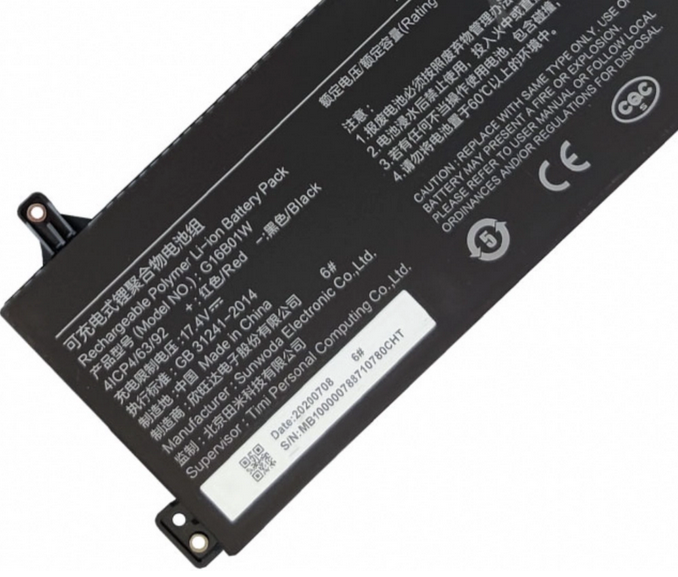
According to a 91Mobilesreport, the Chinese smartphone maker might be planning on launching a new laptop in the India, which would also be its first ever laptop in the market as well. As per known tipster Mukul Sharma, a Redmi G series laptop battery has just been certified by the Indian Bureau of Indian Standards (BIS). In other words, the company might be gearing up for an imminent launch of its notebooks.
Looking at the image shared by the tipster, a Redmi G series laptop battery was spotted with the model number G16B01W on the BIS database. Although, it is under the POCO branding. It is a 3,620mAh cell (15.2V, 55.02Wh) and is apparently a replacement battery that was originally meant for the Redmi G and Redmi G Gaming laptops. So, the company could even be planning to launch a gaming laptop in the region as well.
Redmi G Gaming Laptop
If it really is a gaming laptop, we can expected either an Intel or AMD Ryzen series processors paired with either an NVIDIA or Radeon graphics card. Keep in mind that this is just speculation as of right now, so take it with a pinch of salt for now. Its still to early to tell right now and we will have to wait for either additional leaks or official announcements to find out more details about this.
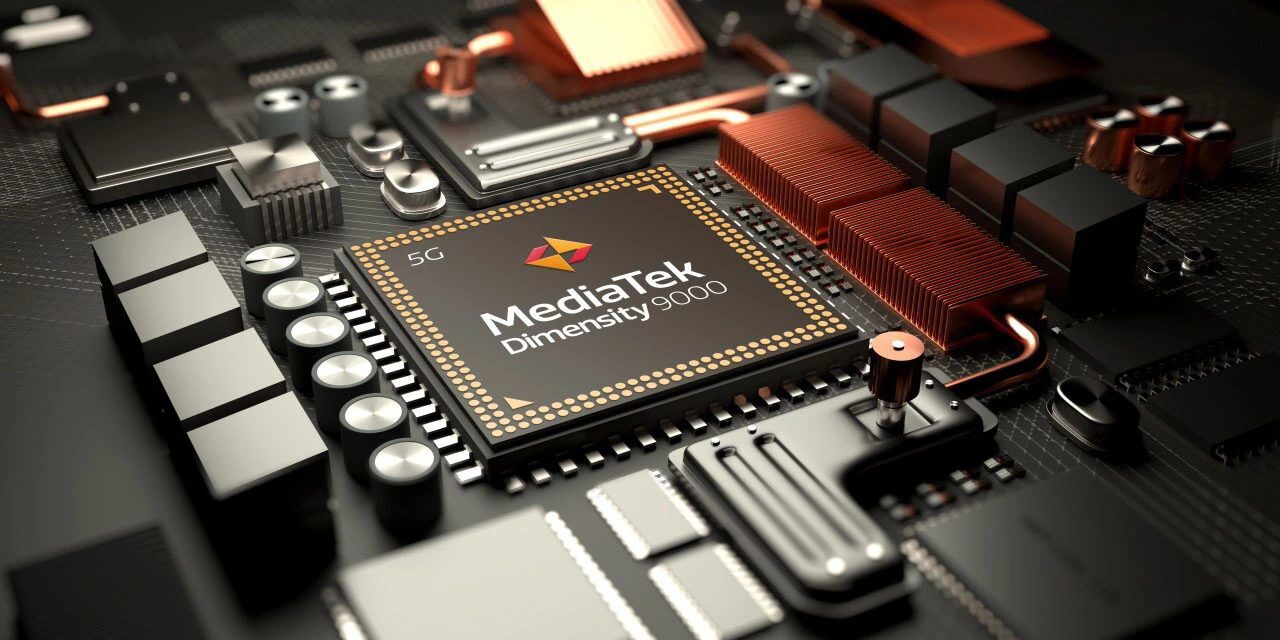
MediaTek recently took the wraps off its Dimensity 9000 chipset which is a flagship offering from the company for premium smartphones and will be competing against the upcoming Qualcomm Snapdragon 8 Gen1.
Now, a tipster from China has revealed through Weibo (via MyDrivers) that the first smartphone powered by the MediaTek Dimensity 9000 will be launched in February 2022. However, more details related to this is not yet available.
If this turns out to be true, then it means that while MediaTek became the first brand to launch its flagship chipset made using TSMC’s 4nm process, the devices powered by this chip won’t be the first one as Qualcomm will likely grab that opportunity.
The MediaTek Dimensity 9000 features a single Cortex-X2 performance core clocked at 3.05GHz, three Cortex-A710 cores at 2.85GHz, and four Cortex-A510 efficiency cores at 1.8GHz. It packs a 10-core Arm Mali-G710 that takes care of graphics processing.
The chipset also comes packed with MediaTek’s fifth-generation APU with six total cores for AI processing. It is claimed by the company to offer four times the performance and power efficiency compared to its previous generation.
It supports LPDDR5x memory at bandwidths of up to 7,500 Mbps. It can handle screens with up to a 180Hz refresh rate at FHD+ resolutions. It is also the first chipset to have an 18-bit image signal processor, offering the ability to capture 4K HDR video using up to three cameras at the same time, or still photos using up to a massive 320MP sensor.
MediaTek Dimensity 9000 supports Wi-Fi 6E as well as Bluetooth 5.3 and supports 3CC carrier aggregation for sub-6HZ 5G with top data speeds of up to 7Gbps.
Carl Pei’s Nothing has been doing rather well for itself having tasted success with its very first product itself. Over 180,000 units of the Nothing ear (1) earbuds have been sold already, and the numbers would’ve been even higher had the supply not been so limited. And with such limited stock, it wasn’t surprising to see the earbuds sell in only a single white color option. But that will be changing soon as rumors and leaks about a new black color option have begun to surface.
Just over a week ago, a tipster had disclosed that Nothing is planning to release the Nothing ear (1) black variant soon. And now, we have an actual image of the product, courtesy of prominent leakster @evleaks.
As clear from the above, the black Nothing ear (1) are expectedly identical to their white counterpart and retain the iconic transparent design for both the earbuds and the case. However, the bits that were white earlier have now been splashed with black.
And no, in case you are wondering, the cute little ladybug depicted in the photo does not come free with the earbuds, which is frankly rather disappointing.
Other than the change of color, the Nothing ear (1) in black will likely be preserving all of the goodness from the white variant. As such, their fitting will be as comfy as it can get, with the earbuds weighing just 4.7g each – light enough to forget you’re wearing them. The battery is decent, capable of lasting for 4 hours, 30 minutes with ANC turned on, and 6 hours with ANC off. The charging case boosts the playback time to 34 hours. The earbuds are protected against the elements through an IPx4 rating and come with Bluetooth 5.2 support.
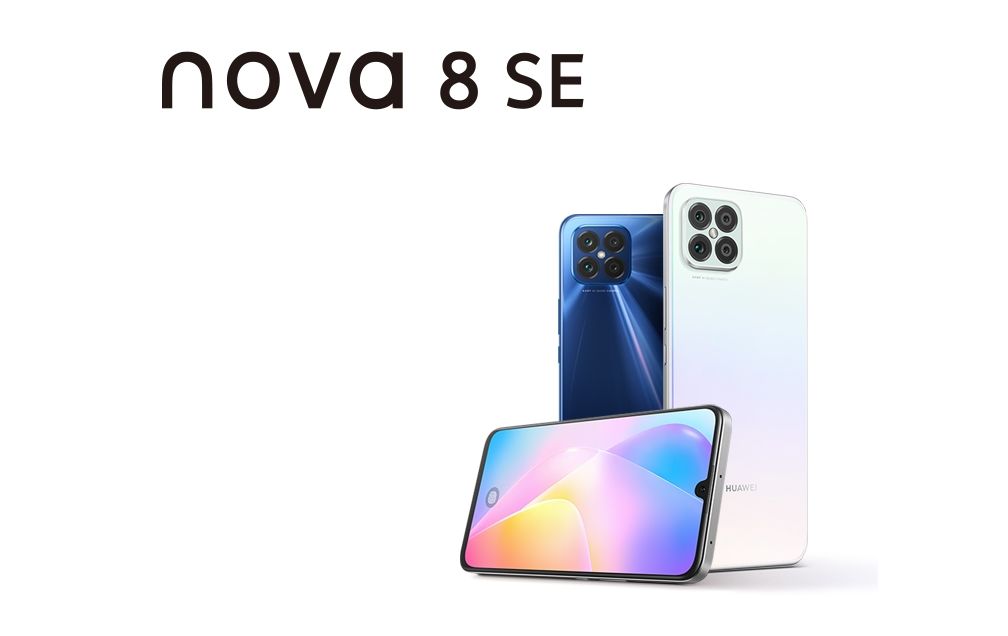
Huawei has silently unveiled the Huawei Nova 8 SE smartphone in China. It is third Nova 8 SE model from the brand after the Nova 8 SE Youth, Nova 8 SE 5Gv (Dimensity 720), and Nova 8 SE 5G (Dimensity 800U). Unlike these phones, the Nova 8 SE that has gone official now in China is a 4G LTE device. It is powered by the older Kirin 710A chipset.
Huawei Nova 8 SE specifications and features
The Huawei Nova 8 SE 4G has a 6.5-inch OLED panel with a teardrop notch. It offers a Full HD+ resolution of 1080 x 2400 pixels, 403ppi pixel density, DCI-P3 color gamut, and an in-screen fingerprint scanner.
The front side of the phone features a 16-megapixel selfie camera. Its back panel has a 64-megapixel main camera with an f/1.9 aperture, which is assisted by an 8-megapixel ultrawide camera, a 2-megapixel macro camera, and a 2-megapixel depth assist sensor.
Huawei Nova 8 SE 4G
The Kirin 710A chipset is present under the hood of the Nova 8 SE 4G. Its offers 8 GB RAM of RAM and 128 GB of built-in storage. The device lacks support for a microSD card. It comes preinstalled with HarmonyOS 2.
The Nova 8 SE 4G has a 3,800mAh battery that carries support for 66W fast charging. It is equipped with other features like a heat dissipation system, dual 4G VoLTE, Wi-Fi 802.11ac, Bluetooth 5.1, GPS, and a USB-C port. Lastly, the handset measures 7.5mm in thickness and weighs 180 grams.
Huawei Nova 8 SE pricing and availability
The Nova 8 SE is priced at 2,099 Yuan (~$328) and is up for purchase in China. It comes in colors like black, white, silver, and blue.
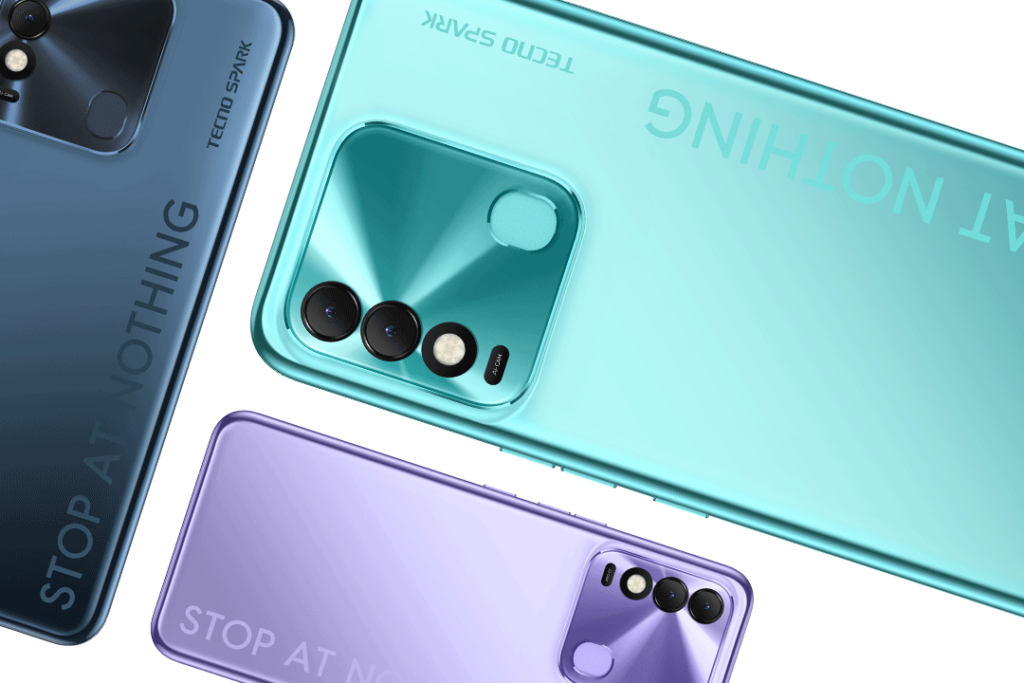
TECNO launched the TECNO SPARK 8 in India in September. A new memory variant of the handset was introduced earlier this month. Just a few days later, the smartphone gets yet another memory configuration.
TECNO has launched a new 4GB + 64GB variant of TECNO SPARK 8 in India. This version of the phone is priced at ₹10,999 in the country. For a limited time, the company is offering a free Bluetooth earpiece, which carries a retail price of ₹799.
If a customer cannot spend over ₹10,000, they can opt for either 3GB + 32GB or 2GB + 64GB version of the device. These models of the smartphone retail at ₹9,299 and ₹7,999 respectively.
Talking about specifications, the TECNO SPARK 8 sports a 6.52-inch LCD panel with a resolution of 1600 x 720 pixels (HD+) and a dewdrop notch. It is powered by a MediaTek Helio A25 chipset paired with LPDDR4x RAM and eMMC 5.1 storage.
The phone houses a dual-camera setup on the rear consisting of a 16MP primary sensor and a secondary AI Lens. On the front, it nests an 8MP shooter inside the notch.
Other features of the handset include dual SIM, 4G, VoLTE, WiFi, Bluetooth, GNSS, MicroUSB port, MicroSD card slot, 3.5mm headphone jack, rear-mounted fingerprint sensor, HiOS 7.6 based on Android 11, 5,000mAh battery, and 10W charging.
Last but not least, the TECNO SPARK 8 measures 164.82 × 76.05 × 8.85mm in dimensions and comes in three color options, namely Iris Purple, Atlantic Blue, and Turquoise Cyan.
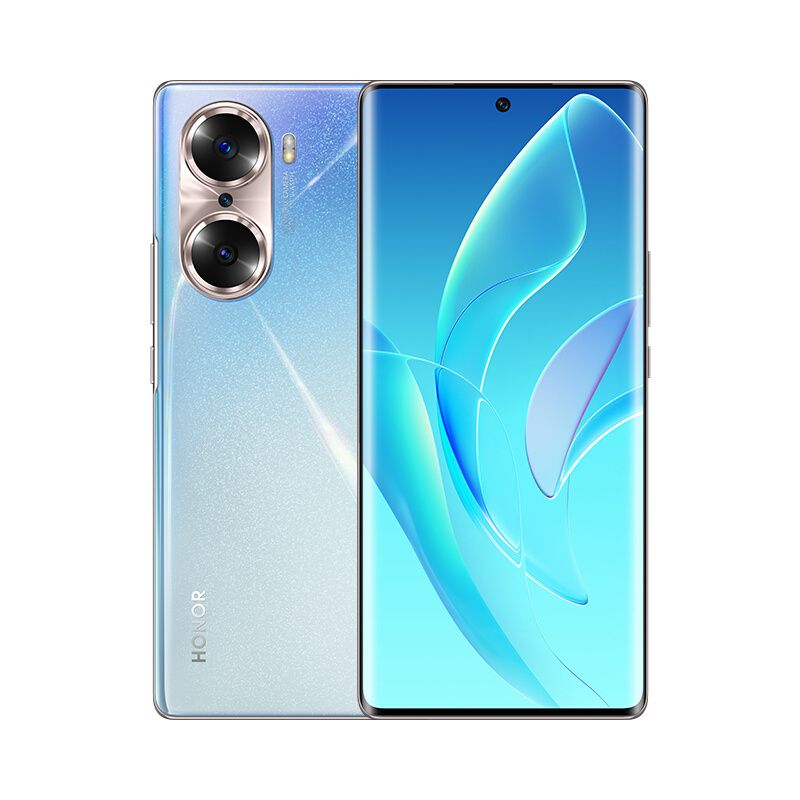
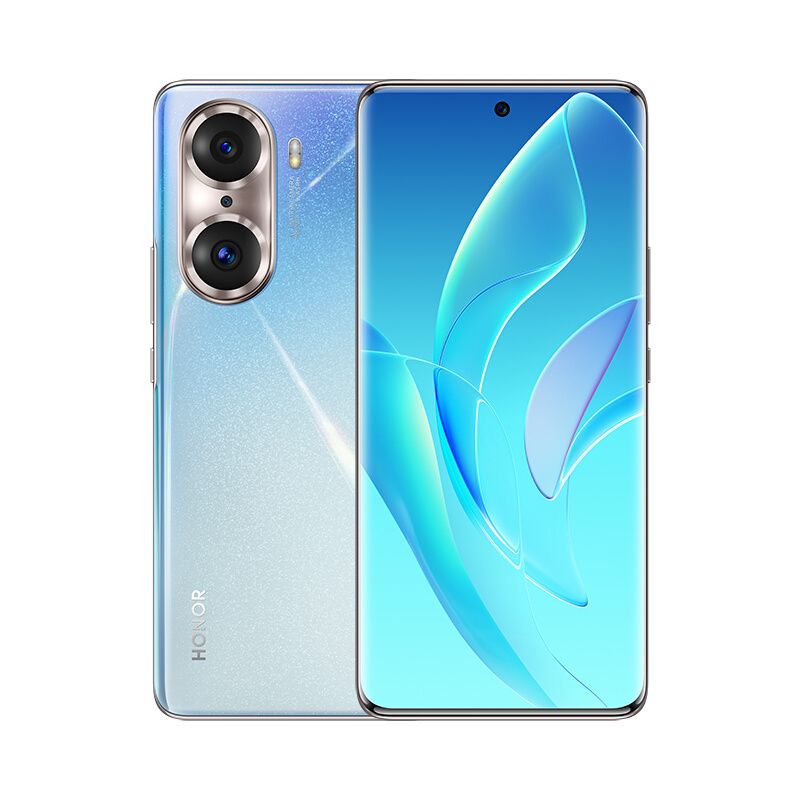
Honor 60 and Honor 60 are now listed for reservations on JD.com and other Chinese retailer sites. The JD listings of both phones carry their official renders. The images show that the Honor 60 mid-range phones will offer an impressive design. In addition, the tipster Digital Chat Station has tipped the key details of both smartphones.
Honor 60
The Honor 60 and Honor 60 Pro are both equipped with curved edge displays. However, the vanilla model’s screen is only curved towards the right and left edges, but the Pro model’s display is curved on all four sides. The absence of a side or rear-facing fingerprint scanner indicates that the Honor 60 duo is equipped with an in-display fingerprint scanner.
Honor 60 Pro
The rear shell of the Honor 60 and 60 Pro seems to be flanked by a triple camera unit. A volume rocker and a power key are available on the right edge of both phones.
The AMOLED panels of the Honor 60 and 60 Pro smartphones are rumored to support a Full HD+ resolution and a 120Hz refresh rate. The Honor 50 and 50 Pro were driven by the Snapdragon 778G chip, but their successor editions are likely to feature the latest Snapdragon 778G Plus SoC.
Honor 60 series hands-on images
1 of 4
Honor 60 series hands-on
Honor 60 series hands-on
Honor 60 series hands-on
Honor 60 series hands-on
For photography, the Honor 60 and 60 Pro are expected to arrive with a 50-megapixel selfie camera and a 108-megapixel main camera on the back. Both phones are also said to be equipped with support for 66W fast charging.
At present, there is no word on the pricing of the Honor 60 and 60 Pro. Rumors have it that the Honor 60 lineup also include a phone called Honor 60 SE. This phone is expected to carry support for 40W fast charging. The Honor 60 series is scheduled to launch on Dec. 1 in China.
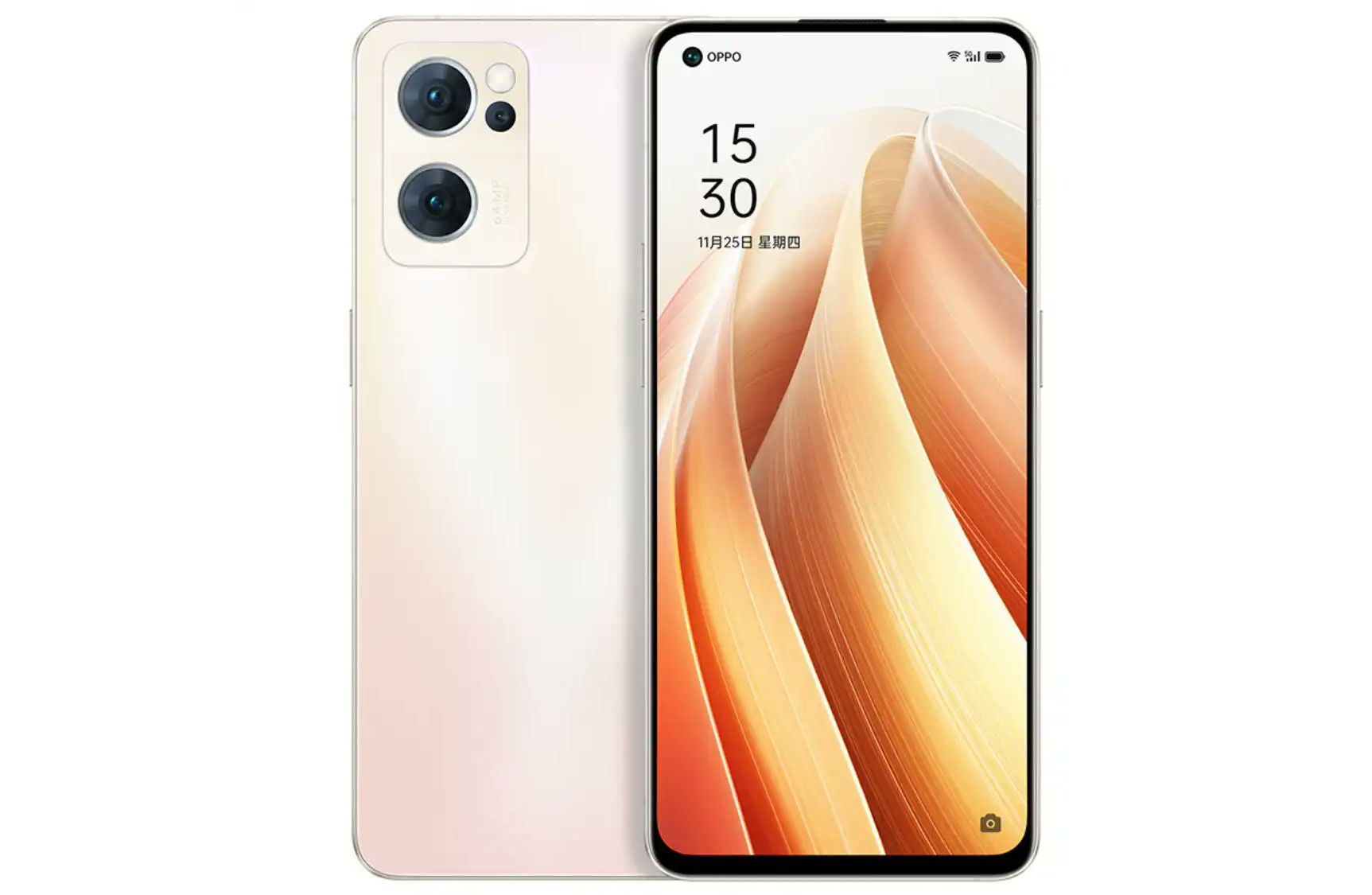
In August, MediaTek announced the Dimensity 920 chipset along with the Dimensity 810 SoC. The Redmi Note 11 Pro and Redmi Note 11 Pro+ are the only phones available in the market that are powered by the Dimensity 920. A reliable tipster from China has tipped the specifications of the OPPO’s first Dimensity 920 SoC phone. Unfortunately, the leak has no information on the marketing name of the device.
According to the tipster, OPPO’s upcoming smartphone with D920 chip will have a 6.43-inch AMOLED display that will produce an FHD+ resolution, a 90Hz refresh rate, and 1300 nits of brightness. It appears to be the same display that has been seen on phones like OPPO Reno7, Reno7 SE, Realme GT, Realme GT Neo, and so on. The screen will be protected by Gorilla Glass 5 and is likely to feature an in-screen fingerprint scanner.
OPPO Reno7
The D920 chip will be accompanied by 8 GB of LPDDR4x RAM and 128 GB / 256 GB of UFS 2.2 storage. The handset will draw power from a 4,500mAh battery and it is expected to carry support for 60W rapid charging technology.
When it comes to photography, the rear shell of the device will offer a triple camera system with an OmniVision OV64B 64-megapixel primary camera. It will be accompanied by the Sony IMX355 ultrawide shooter and a macro camera with a 4cm focal length. For selfies, the device will possess a Sony IMX471 16-megapixel front camera.
The mysterious OPPO phone is expected to arrive in two variants. Its base model with 8 GB RAM + 128 GB storage could be priced at 1,999 Yuan (~$313), whereas its higher model with 8 GB RAM + 256 GB storage may cost 2,299 Yuan (~$360).
Nothing Ear (1), the first-ever product coming from the newly formed company by OnePlus co-founder Carl Pei, was launched in India earlier this year in July. The true wireless earbuds have premium features, including ANC and wireless charging.
When launched, the Nothing Ear (1) were priced at ₹5,999 (~$80) in the Indian market but the company later hiked its price to ₹6,999 (~$94). Now they have received a price cut of ₹700, bringing its cost down to ₹6,299 ($83). It is not yet known if this discounted pricing is for a limited time only or permanent.
Nothing Ear (1) comes with a transparent outer casing for the earbuds as well as a transparent charging case. They feature 11.6mm dynamic drivers from Teenage Engineering and each earbud weighs 4.7 grams.
There’s support for in-ear detection, allowing users to adjust Active Noise Cancellation (ANC), activate Transparency Mode, and change the Equalizer settings through the companion Ear 1 mobile application which is available for both iOS and Android.
Other features for the TWS earbuds include IPX4 water and sweat-resistant rating. It comes with Google Fast Pair and features touch controls for playback, noise cancellation/ transparency modes, and volume controls.
Nothing Ear (1) supports both USB Type-C and Qi wireless charging. It is powered by a 570mAh battery which is claimed by the company to offer up to 5.7 hours of battery life per charge and up to 34 hours in total with the charging case.
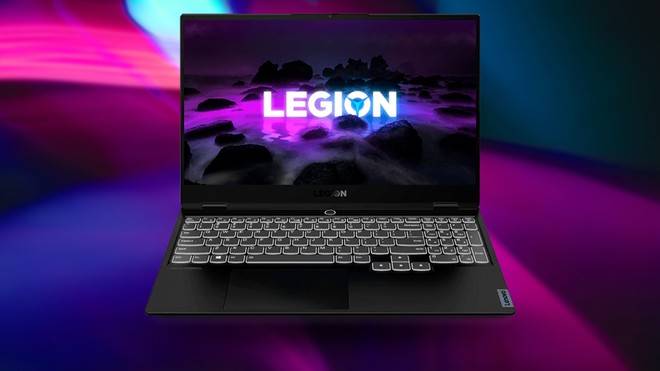
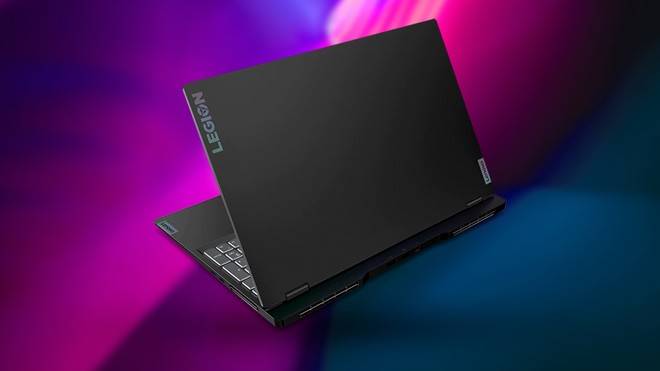
Lenovo on Thursday launched a new gaming laptop in Brazil dubbed Lenovo Legion Slim 7. The laptop comes with AMD’s Ryzen processor and has up to RTX 3060Ti GPU under the hood.
The Lenovo Legion Slim 7 comes with a 15.6-inch IPS LCD screen with a resolution of 1920 x 1080 pixels. It has a screen refresh rate of 165Hz and an anti-reflective screen technology. The screen boasts Dolby Vision certification and has support for G-Sync and Free-Sync. It has 300 nits of brightness for better visibility.
Under the hood, it is powered by the AMD Ryzen 5 5600H processor that comes with six cores clocked at 3.3GHz. The processor is supported to go up to 4.2GHz in overclocking. There’s also another model with Ryzen 7 processor. Assisting the CPU is the NVIDIA GeForce RTX graphic cards. The laptop comes in two models – RTX 3050Ti and RTX 3060Ti.
The laptop comes with 16GB of RAM and has 512GB of M.2 PCIe NVMe SSD storage. Both the RAM and storage is expandable up to 24GB and 2TB respectively. The device boots on Windows 10 out of the box but is eligible for a free upgrade to the latest Windows 11.
1 of 2
Since it is a gaming laptop it comes with a cooling system called Legion Coldfront 3.0. It dissipates heat with two fans which can be toggled with the controls on the keyboard. Talking about the keyboard, the laptop has a backlit keyboard with a dedicated number pad.
Lenovo Legion Slim 7 is priced at R$ 17,999(~$3,233) for the Ryzen 5 and RTX 3050Ti model, whereas, the Ryzen 7 and RTX 3060Ti model costs R$ 18,999(~$3,413).
Samsung Electronics, the world’s leading smartphone manufacturers, is also on the list of a handful of companies that makes their own chips. Unlike Apple, Samsung also uses chips from companies like Qualcomm and MediaTek as well, along with its own Exynos SoC.
So far, the majority of the Samsung phones have been using third-party chips and not the brand’s own but that may soon get changed as the South Korean technology giant is planning to reduce its reliance on US-based chipmaker Qualcomm.
Currently, only about 20 percent of the total smartphone from Samsung comes powered by its own Exynos series chips. Qualcomm dominates in the mid-range and premium smartphones many of the new entry-level phones now pack MediaTek chips.
Starting with 2022, as per the report from Electronic Times (via ITHome), the number of Samsung Galaxy smartphones powered by its own Exynos chips will increase by two or three times, and the System LSI Division will more than double the production capacity for the Exynos lineup of chips.
One of the reasons being attributed to this move is the global chip shortage. The company had to postpone the launch of the Samsung Galaxy S21 FE smartphone several times because of the shortage of Qualcomm Snapdragon 888 chips and the phone is now scheduled to go official in January next year. This has led to a major blow for the South Korean company’s sales and launch schedule.
Samsung is expected to soon launch its Exynos 2200 SoC and the GPU benchmark results of this upcoming chip have been leaked online. It shows that AMD’s RDNA 2-powered 6-core GPU on the Exynos 2200 has a peak performance improvement of +31 to 34% over the Exynos 2100, which is quite a bit considering that we usually see +20 to 25% performance gains between generations.
It is being claimed that the Samsung Exynos 2200 will use the new ARMv9 architecture that was launched this year. This one focuses big on AI, machine learning, and security, meaning that the chipset will be benefitting from them. But, it still remains to be seen how well the Exynos 2200 will be performing against the likes of the Apple A15 and Snapdragon 8 Gen1 (aka Snapdragon 898), which are its true rivals.
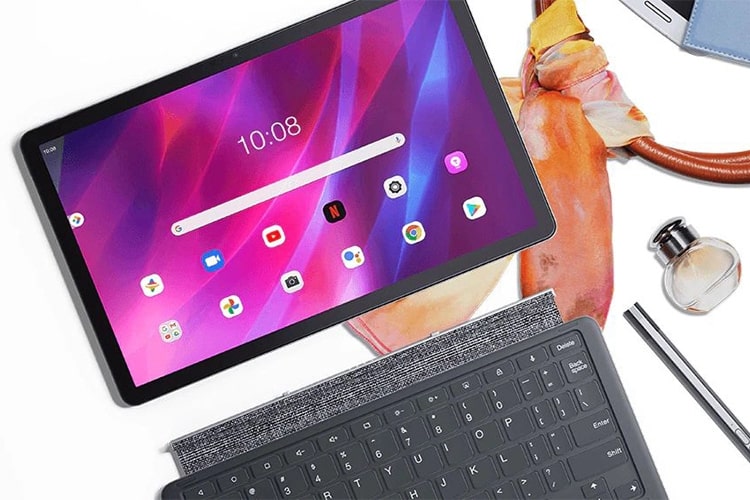
Motorola entered the tablet category in India with the launch of the Moto Tab G20. Unsurprisingly, this device turned out to be a rebranded Lenovo tablet. Now, the company is expected to release yet another tablet in the country dubbed as Moto Tab G70 LTE.
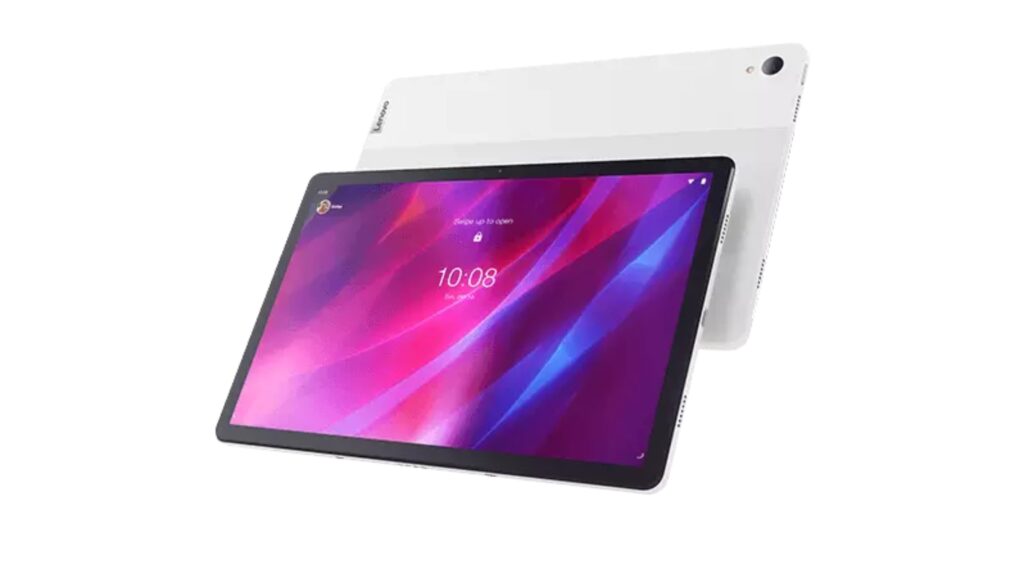
Lenovo Tab P11 Plus
An upcoming Motorola tablet called Moto Tab G70 LTE has been certified by BIS (Bureau of Indian Standards). Hence, the product could launch soon in India.
This device was recently spotted on Google Play Console. According to the listing, it will flaunt a WUXGA+ display with a resolution of 2000 x 1200 pixels. Interestingly, it will be powered by a MediaTek Kompanio SoC with model number MT8183A.
The slate will only have 4GB RAM but there could be other RAM variants. Unfortunately, it will run Android 11 although Android 12 is out.
The device has also appeared on Geekbench (h/t @i_hsay). The listing reveals that it will have a ‘P11’ motherboard. Therefore, the Motorola Moto Tab G70 could be a tweaked version of one of the Lenovo Tab P11 series models.
Lenovo Tab P11 Plus
The Moto Tab G70 could be a modified Lenovo Tab P11 Plus. Thus, we can expect features like an 11-inch LCD screen, LPDDR4x RAM, UFS storage, quad speakers with Dolby Atmos, dual-microphone array, 13MP rear camera with autofocus, 8MP fixed focus front-facing camera, dual-band WiFi, Bluetooth, USB 2.0 (Type-C), stylus support, keyboard accessory support, and more.
Last but not least, since the new Motorola slate has been certified as ‘Moto Tab G70 LTE’ by BIS, there may not be a WiFi-only variant for India.
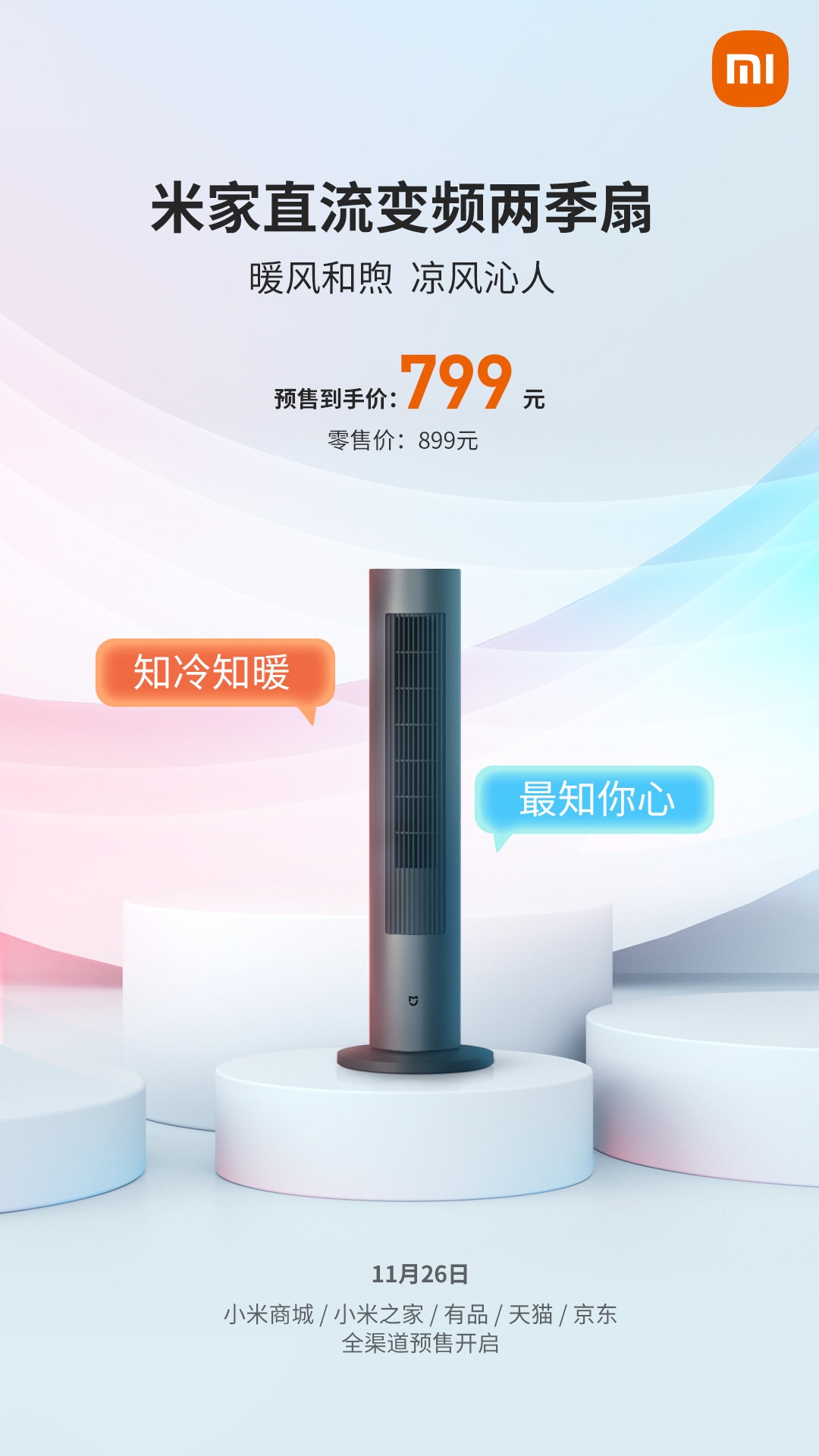
Xiaomi launched its latest Mijia branded product earlier this month, dubbed as Mijia DC Inverter Two-Season Fan. It is now available for pre-order for a price of 799 yuan (~$125) but the regular retail price is 899 yuan (~$141).
The Mijia DC Inverter Two-Season Fan comes in a cylindrical-shaped design with a chassis measuring 30 centimeters and the product weighing about 6.9 kilograms. It comes with support for several functions, including speed control, shutdown timer, etc.
The product is equipped with a patented PTC rotating structure that blows warm air when closed and cool air when opened. This means that it can be used during winter and summer, both seasons without any issues.
It has a built-in 2200W semiconductor ceramic heating element that can provide hot air within three seconds of booting up. Through Mijia App, there’s support for 100 units of warm air adjustment, extending the heat delivery distance by about two meters, and a 20-degree of warm air guide to balance the temperature.
Additionally, there’s also support for Smart Temperature Control System which keeps the indoor temperature within the same set range, providing a comfortable temperature. It has support for 18-28 degrees temperature adjustment and 0-12 hours timing settings.
The Mijia DC Inverter Two-Season Fan supports three breeze modes — Direct Air, Natural Air, and Sleep Air. The maximum air volume can reach 357m³/h, and the cooling air supply distance can reach 10 meters.
It packs a copper wire DC inverter brushless motor with the noise being as low as 38.4dB to offer a quieter sleeping environment. As noted, it supports Mijia App for remote control but there’s also support for XiaoAI Voice Assistant and can be linked with smart devices.
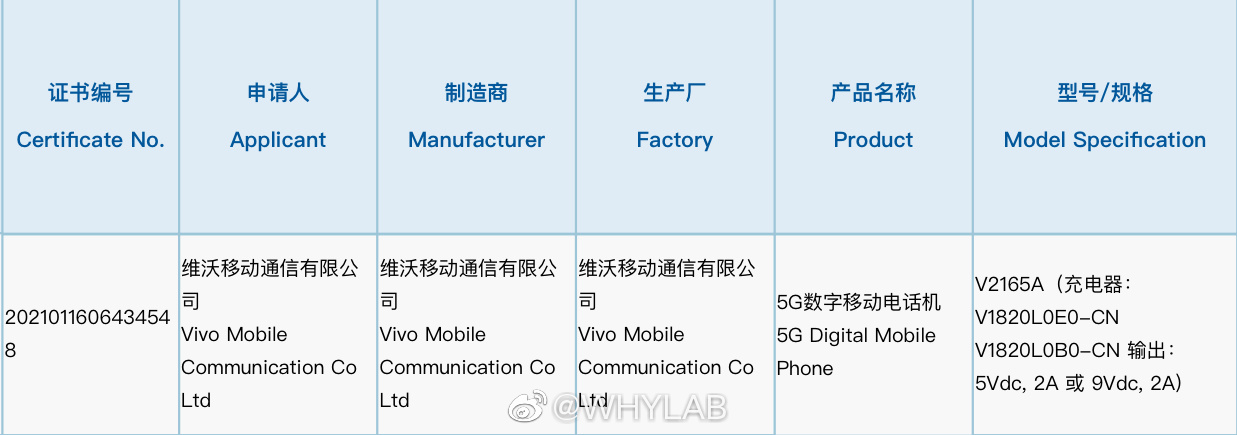
An iQOO phone with model number V2165A was spotted at the IMEI database earlier this month. The listing revealed that this device will debut in the market with the iQOO U5 moniker. The same device has now bagged approval from the 3C certification site of China. It appears that the company could be planning to launch the iQOO U5 by December in the home market.
The iQOO U5’s 3C certification reveals that it will be a 5G-ready device. The listing further revealed that it may carry support for 18W fast charging. It has no information on the other specs of the device.
It is speculated that the iQOO U5 will be competing with the Redmi Note 11 5G. The reason behind it is that the U5 is said to be powered by the Dimensity 810, which also powers the Note 11.
The rumor mill has claimed that the brand is gearing up to launch a couple of new phones. iQOO is likely to announce the iQOO 9 series powered by the Snapdragon 8 Gen 1 chipset in the beginning months of 2022. However, it is speculated that iQOO may end this year with two Neo branded phones that are tentatively named the iQOO Neo 5s and iQOO Neo6 SE.
The iQOO Neo 5s is expected to come with specs like a 120Hz OLED display, Snapdragon 888 chip, 12 GB of RAM, 256 GB of built-in storage, a 4,500mAh battery with 66W fast charging, a 16-megapixel selfie camera, and an OIS-enabled 48-megapixel Sony IMX598 primary camera. The iQOO Neo6 SE could be powered by the Snapdragon 778G or the recently unveiled Snapdragon 778G Plus chipset.
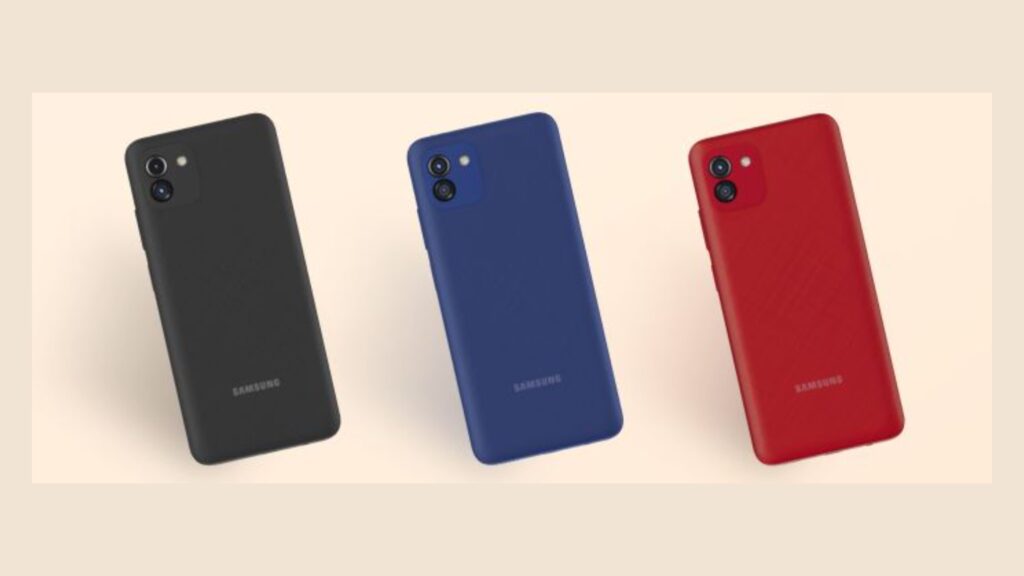
Samsung has started releasing its Galaxy Ax3 series of smartphones. The Galaxy A03s was unveiled a few months back. It was followed by the Galaxy A03 Core last week. Now, the South Korean tech giant has quietly announced the vanilla Galaxy A03.
Samsung Galaxy A03 Specifications and Features
Samsung has only revealed a few details about the Galaxy A03. For starters, the device succeeds the Galaxy A02 with a revamped design and a dual-camera setup.
The handset flaunts a 6.5-inch Infinity-V HD+ display. The panel should be LCD since the device is an entry-level smartphone.
It is powered by an unknown octa-core processor clocked at 1.6GHz. The CPU includes two clusters consisting of 2 x 1.6GHz cores and 6 x 1.6GHz cores.
On the rear, the phone houses a dual-camera array. The setup comprises a 48MP primary sensor with an f/1.8 aperture lens and a 2MP depth sensor with an f/2.4 aperture lens. Whereas, on the front, it nests a 5MP shooter with an f/2.2 aperture lens inside the dewdrop notch.
The handset gets its juice from a 5,000mAh battery. It measures 164.2 x 75.9 x 9.1mm in dimensions and comes in three colors – Black, Blue, Red (availability varies by market).
Samsung Galaxy A03 Price and Availability
Samsung is yet to shed details on the price and the availability of the Galaxy A03. However, the company has confirmed that the phone will be sold in 3GB + 32GB, 4GB + 64GB, and 4GB + 128GB memory configurations depending on the region.
Realme is expected to unveil the Realme GT 2 Pro as its next flagship in early 2022. Recent reports have claimed that its model number is RMX3301. It could be the company’s first smartphone with the Snapdragon 8 Gen 1 chipset. Now, reliable tipster Digital Chat Station has shared a screengrab of the AnTuTu listing of a Realme phone with RMX3300. He claims that the device is the Snapdragon 8 Gen 1 powered Realme GT 2 Pro. This indicates that the RMX3301 and RMX3300 model numbers belong to the same smartphone. What’s interesting about the AnTuTu listing is that it has become the first phone to breach a 1 million score on the benchmarking site.
As can be seen in the image shared by the tipster, the purported Realme GT 2 Pro has achieved a remarkable score of 1,025,215 on AnTuTu. It appears to be the highest ever score attained by a smartphone on the benchmarking platform. Recently, a device was spotted with a slightly higher score of 1,350,020 on AnTuTu. Unfortunately, there is no word on the identity of this mysterious device.
The Xiaomi 12 and Moto Edge X are expected to debut as the first Snapdragon 8 Gen 1 powered phones in China in December. Their AnTuTu scores haven’t yet appeared online. The GT 2 Pro’s AnTuTu listing showcases the powerful performance of Qualcomm’s next flagship chip. Past reports have revealed that it will be a 4nm chipset with one 3.0GHz ARM-Cortex-X2 prime core, 3 2.5GHz ARM Cortex-A710 performance cores, and four 1.79GHz ARM Cortex-A510 efficiency cores. The SoC is expected to include Adreno 730 and Snapdragon X65 5G modem.
Earlier this week, OPPO started rolling out Android 12-based ColorOS 12 stable for the OPPO Find X3 Pro in Southeast Asia. As scheduled, the update is now available for the entire original OPPO Find X3 lineup and the OnePlus 9 series in China.
OPPO confirmed to roll out ColoroOS 12 stable for the first batch of devices in China on November 25. We thought the rollout would begin in the morning itself. But that did not happen.
Instead, the brand started seeding the fresh system update after the launch of the OPPO Reno7 series in the evening. The update is being rolled out to the following devices running the mentioned firmware version.
OPPO Find X3 Pro Mars Explorer Edition – A.28 or A.29
OPPO Find X3 Pro – A.28 or A.29
OPPO Find X3 – A.30
OnePlus 9 Pro – A.12
OnePlus 9 – A.12
In order to install the Android 12 update, the users of the above-listed smartphones in China have to navigate to Settings > Software Update > Gear Icon > Update Early Access > Official Version Application > Agree to Privacy Agreement > Apply Now.
Like any other OTA software update, ColorOS 12 stable for these handsets is also being rolled out in batches. Therefore, some users may get it sooner, while others may have to wait a bit longer.
We usually publish comparisons between the specifications of the latest phones in the market. But while browsing the popular phones among our readers, we noticed that there are two old devices still popular nowadays: the Vivo V15 and the Vivo V15 Pro. These handsets were released in early 2019, but they are still very actual thanks to nice specifications which were innovative and advanced back in those days. This comparison will highlight the differences between the specifications of the Vivo V15 and the Vivo V15 Pro. You can let us know if you like comparisons between old devices by using the comment box or by contacting us directly: in case a lot of people will appreciate it, we will probably publish more comparisons like this in the near future.
Vivo V15 vs Vivo V15 Pro
Vivo V15
Vivo V15 Pro
DIMENSIONS AND WEIGHT
161.2 x 75.9 x 8.5 mm, 189.5 grams
157.3 x 74.7 x 8.2 mm, 185 grams
DISPLAY
6.53 inches, 1080 x 2340p (Full HD+), IPS LCD
6.39 inches, 1080 x 2340p (Full HD+), Super AMOLED
Triple 48 + 8 + 5 MP, f/1.8 + f/2.2 + f/2.4
32 MP f/2.0 front camera
Triple 48 + 8 + 5 MP, f/1.8 + f/2.2 + f/2.4
32 MP f/2.0 front camera
BATTERY
4000 mAh, fast charging
3700 mAh, fast charging 18W
ADDITIONAL FEATURES
Dual SIM slot
Dual SIM slot
Design
Despite the Vivo V15 and the Vivo V15 Pro having modern and original designs, they are not built with premium materials. They are made of polycarbonate, with a plastic back and a plastic frame. But the Vivo V15 features the Gorilla Glass 5 protection for the display which makes it resistant. The best element in the design of these devices is the pop-up camera: thanks to a motorized mechanism, these devices have borderless displays without a notch or holes. The displays are full-screen with no interruptions and they also come with two very high screen to body ratios (more than 85 percent). The screen to body ratios of these phones are even higher than a lot of today’s mid-range phones.
Display
The Vivo V15 is equipped with an IPS display sporting a diagonal of 6.53 inches and a Full HD+ resolution of 1080 x 2400 pixels, as well as a standard refresh rate and the Gorilla Glass 5 protection by Corning. The Vivo V15 Pro has a smaller display with a diagonal of 6.39 inches, but the image quality is higher because it is a Super AMOLED panel with more brilliant colors and deeper blacks. Further, the Pro variant comes with an in-display fingerprint reader, while the fingerprint scanner of the vanilla version is rear-mounted like some of today’s entry-level phones. As already said above, the displays do not have a notch nor holes thanks to the pop-up camera, and, despite pop-up cameras are not a trend anymore, the full-screen experience is still a requested element. Indeed, several smartphone manufacturers are looking to provide a full-screen experience once again with under-display cameras.
Hardware/Software
The hardware department of the Vivo V15 is still superior to the ones of the current entry-level phones. The processor is the Helio G70 and it is paired with 6 GB of RAM and up to 128 GB of internal storage. The Vivo V15 Pro can still be considered a midrange thanks to a Snapdragon 675 chipset, up to 8 GB of RAM, and up to 128 GB of internal storage. With the Vivo V15 Pro, you get higher CPU and GPU performance. The phones ship with Android 9 Pie out of the box and this is the biggest con because their software support period is ended. Further, they lack 5G connectivity, but there are still a lot of best-selling phones without 5G out there.
Camera
The Vivo V15 and the Vivo V15 Pro are equipped with the same amazing front camera: a 32 MP selfie snapper with an f/2.0 focal aperture. This front camera is still at the level of the current front camera you can find on midrange phones, that is why these devices are still great selfie phones. With the Vivo V15 Pro, you always get a very good rear camera department with a 48 MP main sensor, an 8 MP ultrawide lens, and a 5 MP depth sensor. It is close to nowadays’ mid-rangers, while the Vivo V15 can be positioned in the middle between low-end and mid-range phones in terms of camera performance.
Battery
The battery capacity of the Vivo V15 is actually below-average with its 3700 mAh, while you can still find several midrange phones with a 4000 mAh battery like the Vivo V15 Pro. Both the handsets feature fast charging, but it is capped at 18W.
Vivo V15 vs Vivo V15 Pro: Price
The original starting prices of Vivo V15 and V15 Pro are about €310/$347 and €360/$404, respectively. But now they are a lot more affordable. At the end of the day, we can say that both these phones are superior to nowadays’ entry-level devices, and the Pro variant is still a great device to use today, even in the midrange segment. Do they still make sense? If prices are in line with their current rivals, they do.
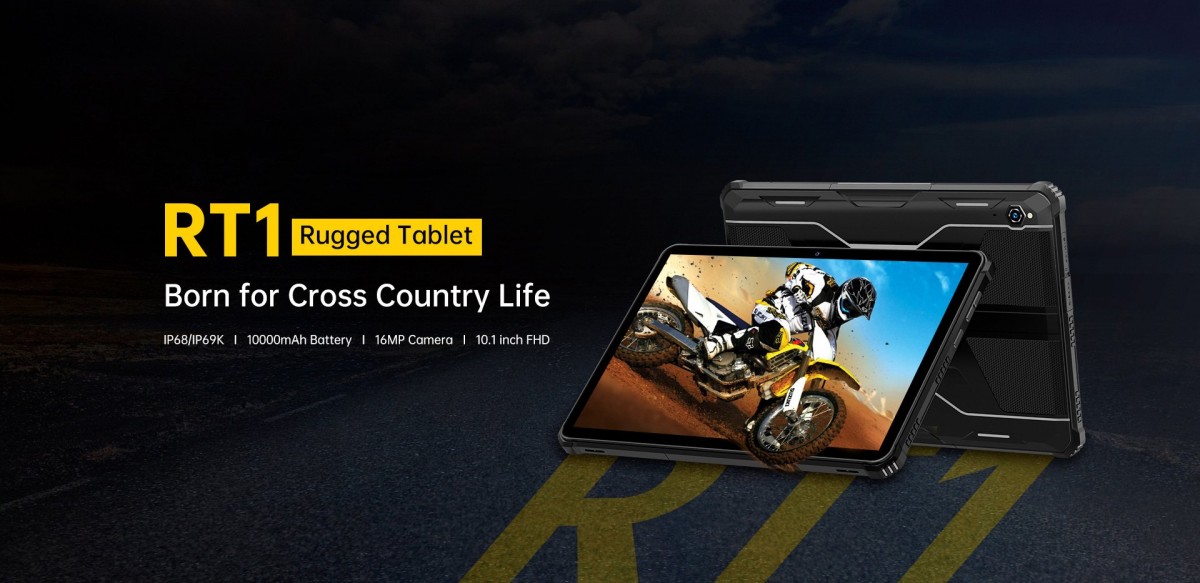
Chinese rugged phone manufacturer Oukitel has launched a new tablet that keeps up with it trademark ruggedness of its products. The slate is dubbed Oukitel RT1 and presents with several impreive features that make it a perfect fit as a daily driver if users who work outdoors. The tablets will be able to withstand the elements such as rain, sunshine, dust etc.
Oukitel RT1 tablet
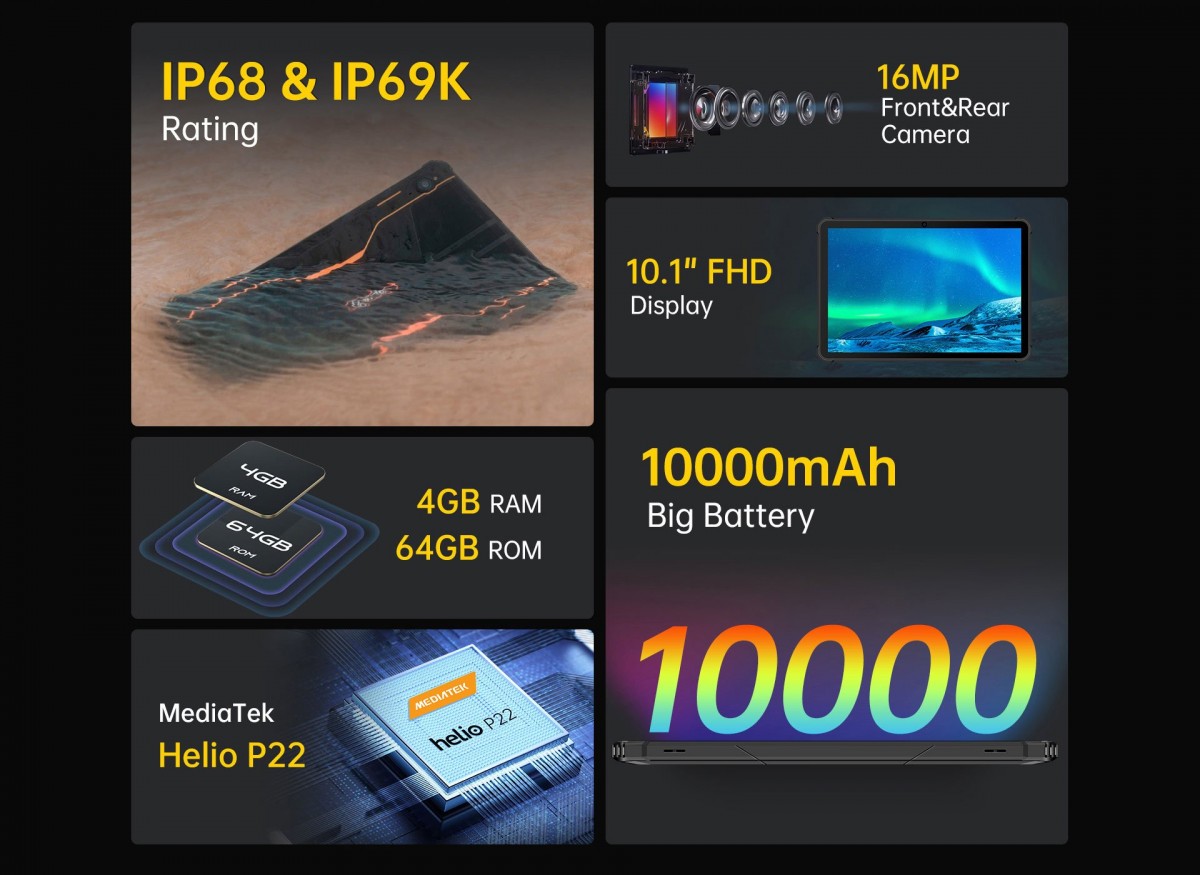
The Oukitel RT1 arrives packing a 10.1-inch IPS LCD display with an FHD resolution of 1200 x 1920 pixels. The display also utilises a 16:10 aspect ratio meaning users should brace up for some bezels on all four sides.
The slate is powered by a MediaTek Helio P22 chipset paired with 4GB of RAM while there is 64GB of internal storage onboard that can be expanded via microSD card. The tablet crams a mammoth 10,000mAh battery under the hood with 18W fast charge support over a USB-C port.
While most tablets in the same range don’t have a good camera setup, the RT1 is different. The tablet features a 16-megapixels front camera while at the rear aspect, there is equally a 16-megpixels camera sensor. The phone also comes with dual SIM slots, both supporting 4G LTE connections.
Fruther, the Oukitel RT1 comes with IP68 and IP69K water and dust-proof ratings. The plastic rear shell is drop-proof to a height of up to 1.5m. The slate runs on the latest Android 11 operating system, bringing several features onboard.
As for the pricing and availability details, the Oukitel RT1 tablet carries a retail price of $200 (~€180). The tablet comes in black or orange colors and will be available on Oukitel’s official Aliexpress store.
The Hakii Ice TWS earbud is an exciting product with several great features. It has arguably the most iconic design yet for a pair of earbuds. It has a double shot molded case that makes the earbuds look like items preserved in ice. The outer layer and the textured inner layer of the case combine to create a beautiful optical illusion when light rays fall on it.
The Hakii Ice TWS earbuds seem to have taken the design of the earbuds’ case to another innovative level. The product is the culmination of extensive research in delivering the ultimate charging case for TWS earbuds. The device is also a masterpiece on several fronts. It supports Bluetooth 5.2 connectivity, has 13mm drivers, and offers up to 7 hours of entertainment on a single charge. In addition, the Hakii Ice TWS earbuds come with low latency and use deep neural networks (DNN) to accomplish noise canceling. The Hakii Ice TWS earbuds rely on machine learning methodology to actively cancel noise for an excellent audio experience.
The case of the Hakii Ice TWS earbuds is created from several material tests to provide an optimal balance between strength, aesthetic appeal, lightness, and heat resistance. The case is also transparent and was manufactured through the double-shot injection molding process. It is highly probable that Hakii could be nicking another award for its design of the ornamental case for the earbuds.
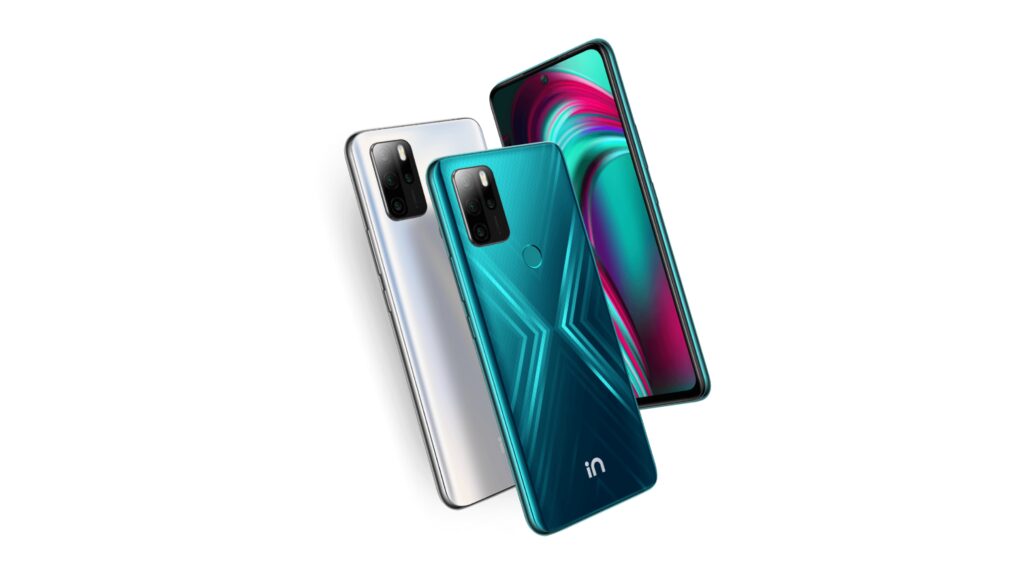
Lately, the Indian smartphone company Micromax has gone silent after their last release of the budget-oriented In 2b device back in July. But the company may soon break its silence.
According to tipster Hridesh Mishra (@HkMicromax), Micromax could launch a new smartphone in India around December 15. It is currently unknown what device the company will launch at the end of the year as the leaker didn’t provide any finer details.
Previous leaks have suggested that Micromax has been working on a model number E7748_64, which is believed to be the Pro variant of their In Note 1 smartphone, launched back in November 2020.
The supposed Micromax In Note 1 Pro is expected to be powered by the MediaTek Helio G90 chipset, which is an upgrade from the In note 1, which sports a MediaTek Helio G85 chipset. The Helio G90 is also paired with the more powerful Mali-G76 MC4 GPU. The phone is expected to improve its RAM and storage capacity compared to the IN note 1, which features a 4GB+64GB setup.
The upcoming phone could even be an entirely different device as no further reports have surfaced regarding the Micromax In Note 1 Pro in months. With November almost coming to an end, we expect to hear more about the supposed launch. Until then, we advise you to take this news with a pinch of salt.
We use cookies on our website to give you the most relevant experience by remembering your preferences and repeat visits. By clicking “Accept”, you consent to the use of ALL the cookies.
This website uses cookies to improve your experience while you navigate through the website. Out of these, the cookies that are categorized as necessary are stored on your browser as they are essential for the working of basic functionalities of the website. We also use third-party cookies that help us analyze and understand how you use this website. These cookies will be stored in your browser only with your consent. You also have the option to opt-out of these cookies. But opting out of some of these cookies may affect your browsing experience.
Necessary cookies are absolutely essential for the website to function properly. This category only includes cookies that ensures basic functionalities and security features of the website. These cookies do not store any personal information.
Any cookies that may not be particularly necessary for the website to function and is used specifically to collect user personal data via analytics, ads, other embedded contents are termed as non-necessary cookies. It is mandatory to procure user consent prior to running these cookies on your website.