Advertisement

Black Friday Deals: Up to 30% OFF on Gimbals at Hohem Store

Hohem is a global technology company that specializes in designing, manufacturing, and selling gimbals and stabilizers for smartphones, DSLRs, mirrorless cameras, action cameras, etc. With a varied product line that includes Gimbals, Stabilizers, Smartphone heads, Action Camera heads, professional SLR heads, etc, the company offers advanced tech solutions and accessories for content creators and movie makers.

Hohem

The company which was established in 2014, engages in R&D, design, manufacture, production, and distribution of hand-held PTZ stabilizers. Some of their achievements include making the first gimbal with crowdfunding of over one million dollars on Indiegogo, the world’s lightest 3-axis smartphone gimbal, world’s first built-in AI vision sensor smartphone gimbal, etc.

Hohem

Known for its quality products, affordable pricing, fast delivery, and great after-sale services, Hohem technology exports its products to more than 50 countries across the globe. 
Hohem

Black Friday Deals:

Hohem

Hohem is giving up to 30% OFF on its gimbals under its Black Friday Sale. The sale starts on 22 November and ends on 28 November, CST. So let’s check out some of their interesting deals and offers.

Hohem gimbal official store: https://bit.ly/3GYiKd3

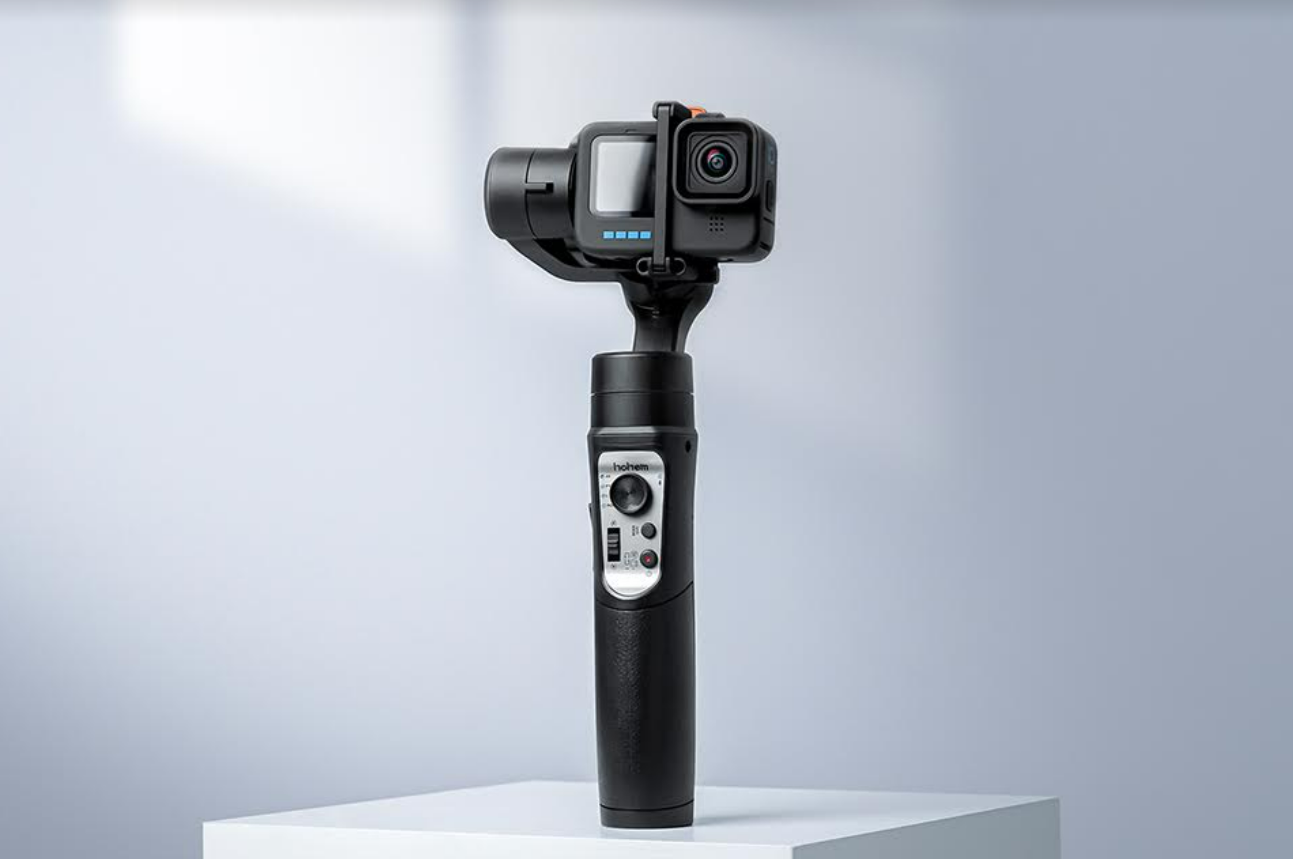
iSteady V2 3-Axis Gimbal

Retail Price: $129.99      Discounted Price $102.99

USP: AI Smartphone Gimbal with Built-in AI Vision Sensor

Buy link: https://bit.ly/3kleQ43
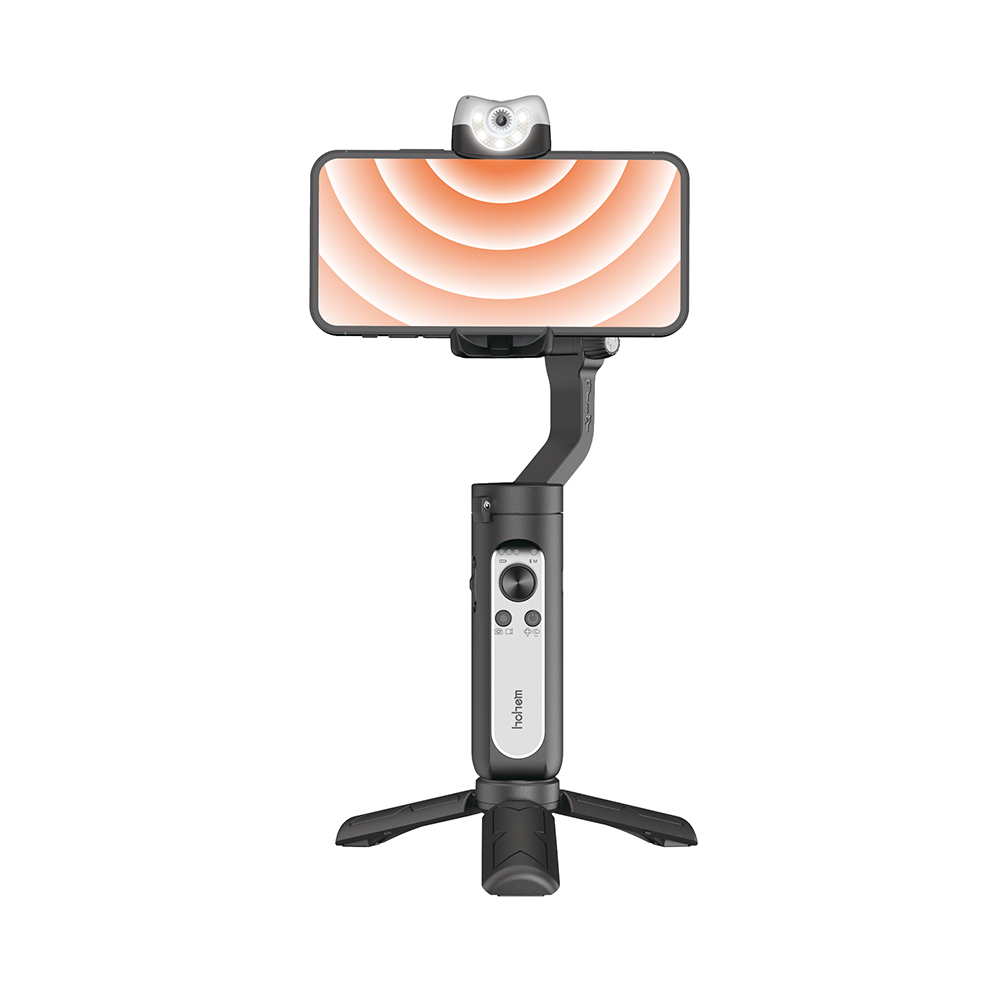
isteady v2


Key Features:

  • Ultralight and foldable
  • 3-axis stabilization
  • AI vision sensor for physical tracking
  • Gesture control
  • Moment mode
  • Quick Roll switch
  • Built-in LED video light – 3 adjustable brightness levels
  • Emergency Power Bank – up to 9 hrs battery life


iSteady Mobile+

Retail Price: $99.99      Discounted Price $78.99

USP: 3-Axis Gimbal for iOS and Android

Buy link: https://bit.ly/3mYh4YZ
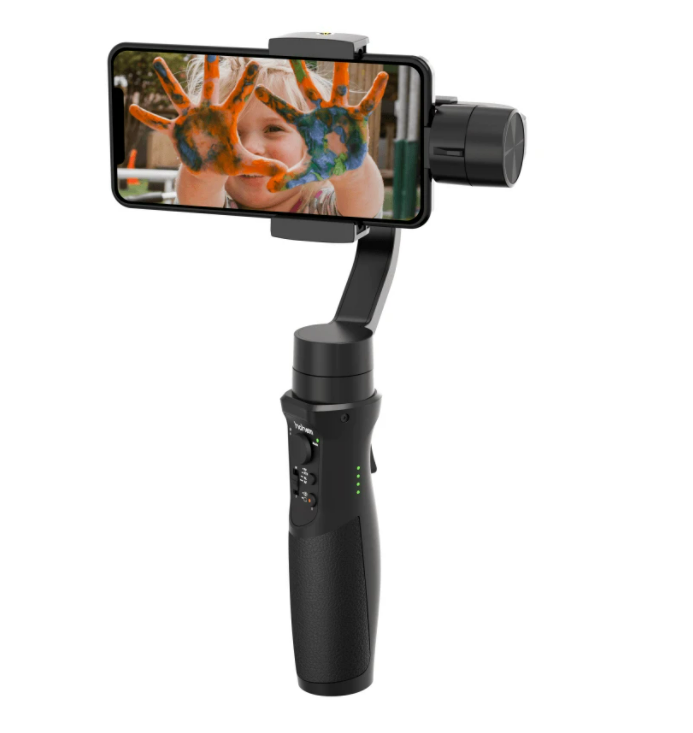
iSteady Mobile+

Key Features:

  • Compatible with most smartphones 
  • CCD Anti-Shake
  • Optical Stabilization and Motion Speed Auto-Adaptation
  • Face & Object Tracking 
  • 3 High-Torque Brushless Motors
  • Modes: Slow motion, time-lapse, beauty, 360-degree panorama, etc
  • Battery: Up to 12 hours
  • Can also be used as Emergency Power Bank


iSteady Pro 4 

Retail Price: $99.99      Discounted Price $70.99

USP: IPX4 Splashproof action camera gimbal

Buy link: https://bit.ly/3GYiKd3
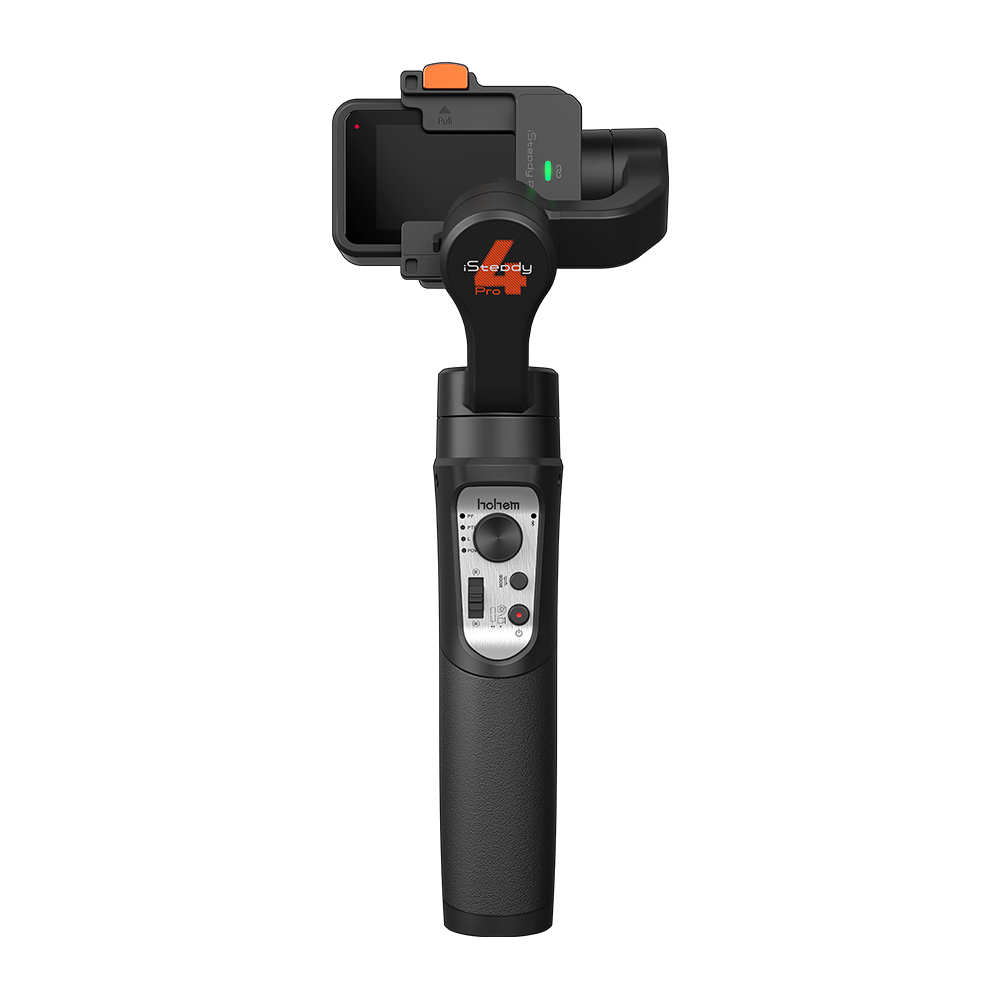
isteady pro 4


Key Features:

  • GoPro wireless control
  • Quick installation
  • IPX4 Splashproof
  • 3-axis Stabilization
  • iSteady 5.0 Anti-shaking Algorithm
  • Battery: up to 14 hrs
  • Compatibility:  GoPro Hero 10/9/8/7/6/5/4/3, DJI OSMO Action, Insta360 ONE R (4K & 1-Inch), SONY RX0, etc
  • Built-in Power Bank

Hohem

You can check out other interesting deals and discounts given by Hohem under its Black Friday Sale here. 

https://bit.ly/3GYiKd3

Please note that this Black Friday Sale starts on 22 November and ends on 28 November. The discounts are applicable only on their gimbals. Accessories are not included in the Black Friday Sale. This is a limited-time offer. So grab your discounted gimbals asap. 
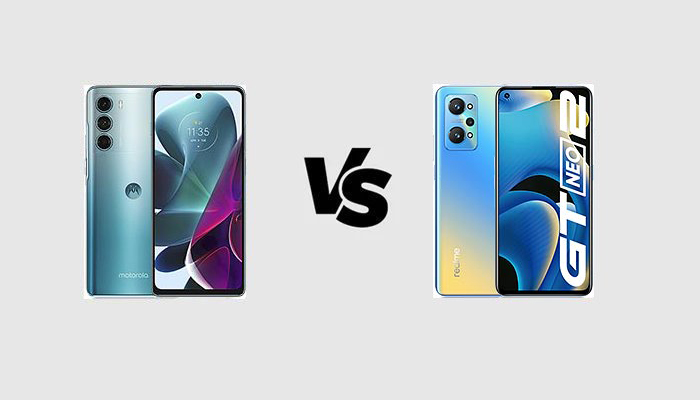
Moto G200 vs Realme GT Neo2: Specs Comparison

Motorola surprised everyone by launching a new flagship from the G series: the Moto G200 5G. Motorola started to compete in the flagship killer segment only this year by releasing the Moto Edge 20 Pro, but is it already able to challenge the best manufacturers of flagship killers? In order to answer this question, we decided to compare it to the best flagship killers from Xiaomi and Realme. After the comparison with the Xiaomi 11T, here is another comparison between the specifications of Motorola Moto G200 5G and Realme GT Neo2. Each of these devices has its pro and cons different from each other: here, you will hopefully learn which one is the best for you.

Motorola Moto G200 5G vs Realme GT Neo2

Motorola Moto G200 5G Realme GT Neo2
DIMENSIONS AND WEIGHT 168.1 x 75.5 x 8.9 mm,
202 g
162.9 x 75.8 x 9 mm,
199 g
DISPLAY 6.8 inches, 1080 x 2460 pixels (Full HD+), LCD 6.62 inches, 1080 x 2400 pixels (Full HD+), AMOLED
PROCESSOR Qualcomm Snapdragon 888+, octa-core 2.99 GHz Qualcomm Snapdragon 870, octa-core 3.2 GHz
MEMORY 8 GB RAM, 128 GB – 8 GB RAM, 256 GB 8 GB RAM, 128 GB – 12 GB RAM, 256 GB
SOFTWARE Android 11 Android 11, Realme UI
CONNECTIVITY Wi-Fi 802.11 a/b/g/n/ac/6e, Bluetooth 5.2, GPS Wi-Fi 802.11 a/b/g/n/ac/ax, Bluetooth 5.1, GPS
CAMERA Triple 108 + 8 + 2 MP, f/1.9 + f/2.2 + f/2.4
16 MP f/2.2 front camera
Triple 64 + 8 + 2 MP, f/1.8 + f/2.3 + f/2.4
16 MP f/2.5 front camera
BATTERY 5000 mAh, fast charging 33W 5000 mAh, Fast Charging 65W
ADDITIONAL FEATURES 5G, dual SIM, water-repellent 5G, dual SIM

Design

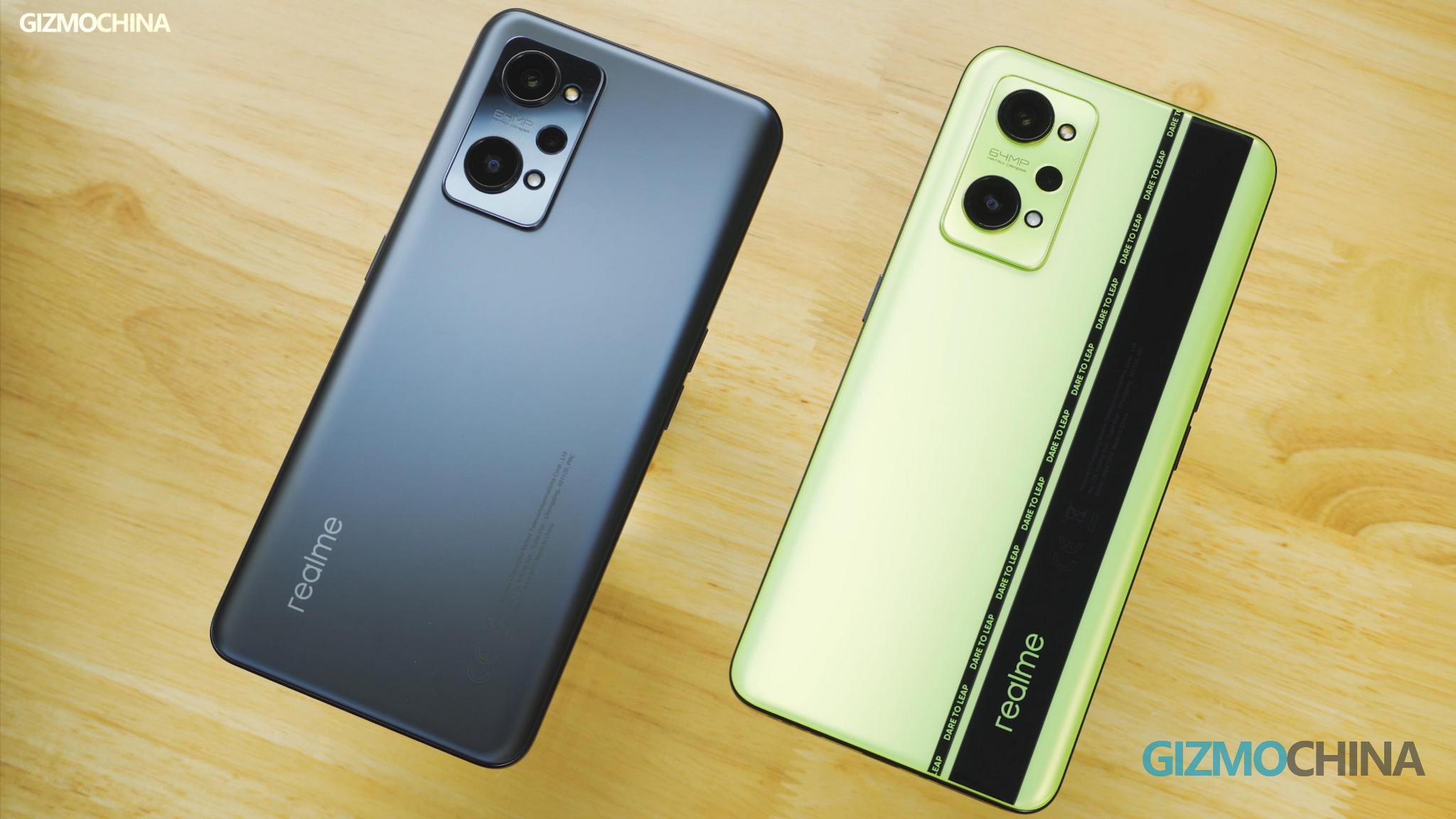
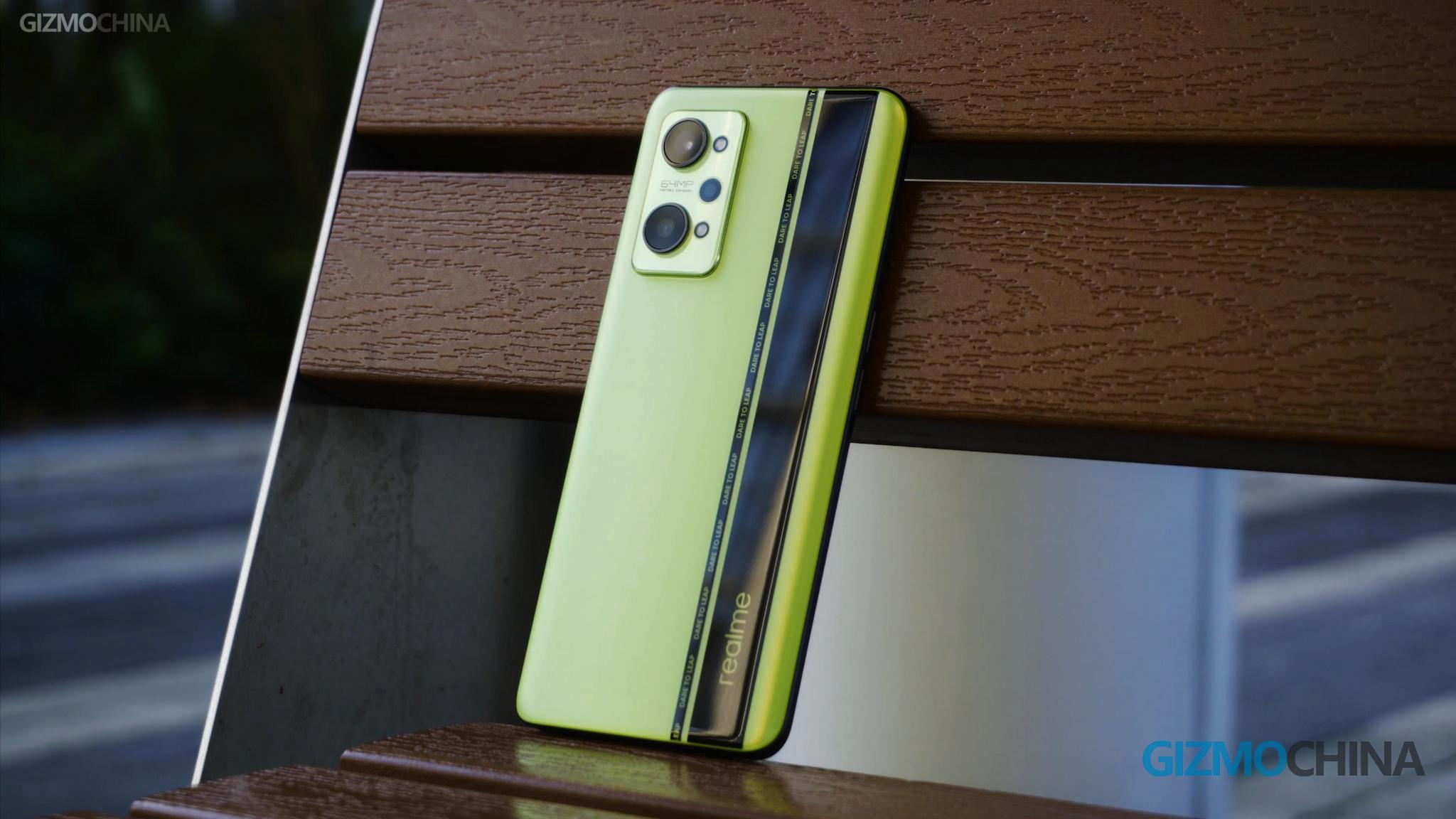
The NEO Green color option of the Realme GT Neo2 is very attractive due to its verdant shade you rarely see in smartphones and a vertical stripe going down its back. On the other hand, the Motorola Moto G200 5G is another good-looking phone as it comes without a rectangular camera module and it only has three sensors placed in the back cover. The Realme GT Neo2 is more compact because it packs a smaller display, and this is an important added value for those who want a better device to use with one hand or to keep in a pocket. Moto G200 5G has a water-repellent design, so it should be able to withstand water splashes.


Display

If you need the best display in terms of image quality, then you should opt for the Realme GT Neo2 without thinking twice. Unlike the Motorola Moto G200 5G, it has an AMOLED display showing richer colors and deeper blacks. Further, it has the HDR10+ certification improving the image quality on streaming platforms. Another important added value is definitely the presence of stereo speakers providing a richer audio experience. But if you are a gamer, you might prefer the Motorola Moto G200 5G for two reasons: the first is the high 144 Hz refresh rate, and the second is the wider 6.8-inch panel. Note that Moto G200 5G has a side-mounted fingerprint reader, while Realme GT Neo2 has an in-display fingerprint scanner.


Specs & Software

The most powerful device of this comparison is the Motorola Moto G200 5G because it is powered by a better processor: the Snapdragon 888+ mobile platform that is currently the best SoC by Qualcomm. The Realme GT Neo2 offers a higher amount of RAM (up to 12 GB), but its chipset is the weaker Snapdragon 870 built at 7 nm. You won’t notice the difference between Snapdragon 888+ and Snapdragon 870 in daily use, but if you are a hardcore gamer, then having a device with Snapdragon 888+ inside makes more sense. The operating system is Android 11 in both cases, but on the Moto G200 5G it is a version of Android 11 close to the stock one, while the Realme GT Neo2 is customized by Realme UI.


Camera

The camera department is slightly more interesting on the Motorola Moto G200 5G. First of all, it has a better main camera with a 108 MP resolution which is able to capture a higher level of detail. Further, even its 16 MP front camera should be better due to a brighter focal aperture. Both the devices are midrange camera phones, so do not expect an incredible photo quality in low light conditions. But they click great photos when there is light around.


Battery

The Realme GT Neo2 and the Motorola Moto G200 5G have the same battery capacity: 5000 mAh. But the Realme GT Neo2 should offer a longer battery life because its display is more efficient. Further, the Realme GT Neo2 charges faster thanks to 65W SuperDart charging technology.


Price

The starting price of the Motorola Moto G200 5G in the global market is €599/$674, while the Realme GT Neo2 starts from €449/$505. With the Realme GT Neo2, you get a higher value for money as it offers a better display, faster charging, and similar specifications for a way more affordable price. But do not underestimate the Moto G200 5G because it has superior hardware and camera.


Motorola Moto G200 5G vs Realme GT Neo2: PRO and CONS

Motorola Moto G200 5G

PRO

  • Better chipset
  • 144 Hz refresh rate
  • Wider display
  • Better front camera

CONS

  • LCD display


Realme GT Neo2

PRO

  • AMOLED display
  • Faster charging
  • Up to 12 GB of RAM
  • Stereo speakers

CONS

  • Inferior chipset

RELATED

Check the latest videos from our YouTube channel and subscribe:

Anker’s Soundcore Life Q35 launched in India; features ANC, & 60-hour battery life

Anker’s Soundcore brand has launched its latest audio offering in the Indian market – the Soundcore Life Q35 wireless headphones. The Life Q35 comes on the heels of the successful launch of the Life Q30 recently. The Soundcore Life Q35 over-the-ear headphones come with several advanced functionalities like advanced active noise cancellation, sound customization, and 60-hour battery life.Anker Soundcore Life Q35

Soundcore is an arm of Anker and the Life Q35 is another signature offering by the company. It is equipped with 40mm silk diaphragm drivers, it supports LDAC technology which is a bit more advanced than Bluetooth. The hybrid ANC can filter out noise interference for a great listening experience. There are up to four modes in the Life Q35, with the ANC mode offering up to 40 hours of battery life. Users can personalize their experience with the equalization settings, and the device can give up to 4 hours of playback on a 5-minute charge.Anker Soundcore Life Q35

The Soundcore Life Q35 is retailing in India for Rs. 9,999 (~$134), while the Life Q30 is sold at Rs. 7,999 (~$108) and they come in pink and black colors respectively. Users can obtain the product via Flipkart and it comes with an 18-month warranty.

RELATED:


Xiaomi’s crowdfunded Hipee Smart Health Neckband takes care of neck and shoulder pains

The advent of the digital era has brought with it several posture-related problems associated with the cervical spine. This has been further exacerbated by the pandemic which kept scores working from home, under sitting conditions that may not be ideal. This is coupled with the fact that people use mobile phones a lot regardless of their locations and this hasn’t helped in keeping them safe from neck and shoulder pain.HiPee Smart Health Neckband

Xiaomi Youpin has now launched a new product under crowdfunding dubbed HiPee Smart Health Neck Ring. The smart neck ring monitors and corrects the posture in real time 24 hours a day, and gets rid of the troubles of back pain.

Improper sitting posture and lowering your head on the table are often unconscious movements, which are difficult to correct subjectively. Smart neckbands help you correct wrong postures, allowing people who are troubled by hunchbacks or unattractive postures to know whether their postures are correct anytime and anywhere through reminders.HiPee Smart Health Neckband

The HiPee Smart Health Neckband has independently developed an AI algorithm, which senses posture changes in front, back, left, and right 360°, real-time monitoring, reminding everyone to bend down unconsciously when they work and play with mobile phones.

In addition, the HiPee Smart Health Neckband also has somatosensory games, so that everyone can exercise while playing. Through the high-precision motion sensor located in the spine, it can recognize body movements, monitor the bending direction and tilt angle of the spine, and generate linkage in the game world. Virtual and reality are intertwined, allowing everyone to move their bodies while having fun.HiPee Smart Health Neckband

It can also connect to the WeChat applet via Bluetooth, and can simultaneously record the number of wrong postures per day, whether the body ratio is normal, the time distribution of the hunchback, and the pressure on the spine, etc.

The neckband is priced at 299 yuan (~$47) but is on offer for 199 yuan (~$31) during the crowdfunding period.

RELATED:

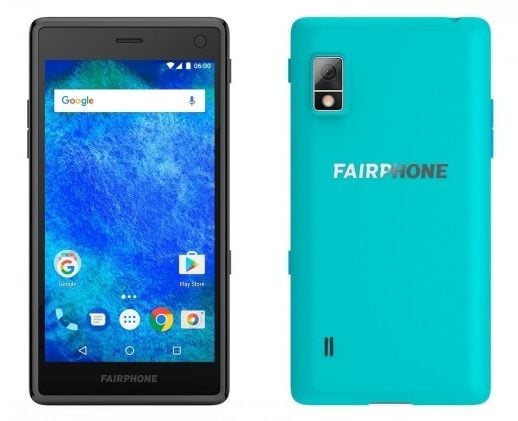
Android 10 announced for the six-year-old Fairphone 2

The Dutch company Fairphone, famous for its modular phones and ethical practices, announced that their 2015 model Fairphone 2 would be updated to Android 10. The announcement raises the bar for other Android-based OEMs in terms of sustained support.

Fairphone is gearing up to update its 6-year-old Fairphone 2 from Android 9 pie to Android 10. The phone on release came with Android 5 pre-installed and has received three Android updates (skipped Android 8 Oreo) since. The beta testing for Android 10 has begun, and the company expects to release a stable version by early 2022.

The company stays true to its motto of ethical and sustainable smartphones by providing seven years of software support and modular, replaceable components like screens, batteries, and even the camera module.

You would be correct to think that Android 10 is two generations behind the latest and greatest Android 12 and therefore is nothing special, but with most smartphone companies promising Android update support for three years after the launch of the device, getting a major Android update for a six-year-old smartphone certainly is an impressive thing.

Thankfully, some companies are raising the bar. Samsung now supports almost all of its phones with three Android upgrades and four years of security patches. Google now offers a slightly better program of three upgrades and five years of patches (only for the Pixel 6 series right now). Things are improving; however, an excessive number of companies still treat aftermarket software support as a pointless endeavor.

Fairphone 2

For those wondering what this 2015 phone is capable of, the Fairphone 2 features a 5-inch 1080×1920 IPS display with a pixel density of 446ppi. Under the hood is a 2.26GHz quad-core Qualcomm Snapdragon 801 processor paired with 2GB of RAM and 32GB internal storage. As far as the cameras are concerned, the Fairphone 2 on the rear packs an 8-megapixel camera. It sports a 2-megapixel camera on the front for selfies. A 2420mAh non-removable battery powers the device.

Nothing to write home about in 2021, but a testament to prove what can be possible if a company cares.

RELATED:

iPhone 13 series demand rises in the U.S. due to lack of Samsung phones in the market

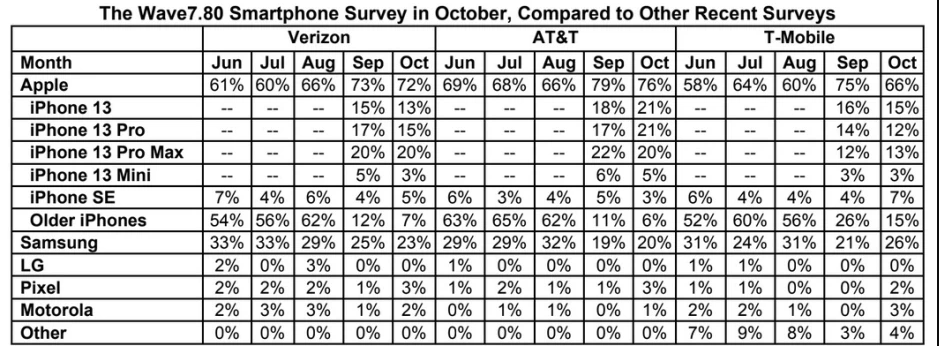
According to the latest Wave7 research report, the global chip shortage is doing a number on Samsung‘s smartphone market share in the U.S. This is due to the short supply of high-end Samsung Galaxy phones, which has helped increase demand for the Apple iPhone 13 line.

The research was conducted as a survey with 40 representatives of the major carriers, namely Verizon, AT&T, and T-Mobile. This report aimed to shed light on the sales of smartphones for October by the carriers mentioned above in the United States.

Survey-October-wave7
Image via PhoneArena

According to 65% of the store representatives, the demand for the iPhone 13 series is higher in October when compared to the demand for iPhone 12 for the same month last year.

Last month, the iPhone made up 72% of Verizon’s smartphone sales, while Samsung accounted for 23%. For AT&T, this number was 76% in favor of iPhone sales, compared to 20% of the Samsung sales. T-Mobile sales also favored Apple, with 66% of iPhones sold against 26% of Samsung devices.

Availability of the iPhone 13 has improved as of November 20th, with plenty of inventory in stock for the iPhone 13 base model. The iPhone 13 Pro and iPhone 13 Pro Max shipping dates are pushed into December.

The iPhone 13 Pro Max was the top iPhone 13 model, responsible for 20% of sales at Verizon and AT&T and 13% at T-Mobile. On the other hand, Samsung Galaxy S21 Ultra was the top-selling phone for Samsung in the month of October. 62% of the carrier reps said that the S21 Ultra was among their top three sellers, while 42% stated that the Galaxy Z Flip 3 was among their top three selling models for the month. Reps say that the iPhone 13 Pro Max and larger-screened phones are doing well as they are being used for video conferences during the pandemic.

With Samsung models in short supply, T-Mobile reps stated that they are offering six OnePlus models as Android alternatives to Samsung. Google Pixel models saw their shares at Verizon and AT&T rise from 1% in September to 3% in October, the phones were released on October 28th, which was too late to impact the survey, and next month’s report will give us much more information.


RELATED:

OnePlus 10 Pro specs leak reveals 6.7-inch QHD+ 120Hz AMOLED display, Snapdragon 8 Gen1 SoC, 12GB RAM, and more

OnePlus has been working on its next-generation flagship smartphone and the renders of the upcoming OnePlus 10 Pro have already surfaced online. Now, we have got information about the phone’s key specifications.

As per the latest leak coming from 91Mobiles, the OnePlus 10 Pro smartphone features a 6.7-inch curved Quad HD+ AMOLED display with a 120Hz refresh rate and a single punch-hole on the left side of the screen, similar to its predecessor.

OnePlus 10 Pro Render Leak

Under the hood, the device will come powered by the upcoming flagship Qualcomm Snapdragon Gen1 chipset, which was earlier rumored to be called the Snapdragon 898 SoC. It is expected to pack 8GB or 12GB of LPDDR5 RAM and 128GB or 256GB of UFS 3.1 internal storage, with support for a microSD card slot for expanding the capacity.

The new report reveals that the phone will feature a Hasselblad-branded triple-camera setup on the back consisting of a 48-megapixel wide sensor, a 50-megapixel ultra-wide-angle lens, and an 8-megapixel telephoto lens.

OnePlus 10 Pro Render Leak

On the front side, the device will have a 32-megapixel front-facing snapper which is an upgrade compared to the usual 16-megapixel snapper. It is said to be running the latest Android 12 operating system with OxygenOS 12. The phone will come powered by a 5,000Amh battery and is rumored to have 125W fast charging support.

If the recently reported timeline is anything to go by, then the OnePlus 10 Pro will be officially launched in China by the end of January or early February. Later, the device is expected to go official globally in March or April.

RELATED: 


Deal: Get Realme GT Neo 2 for $399 at Giztop

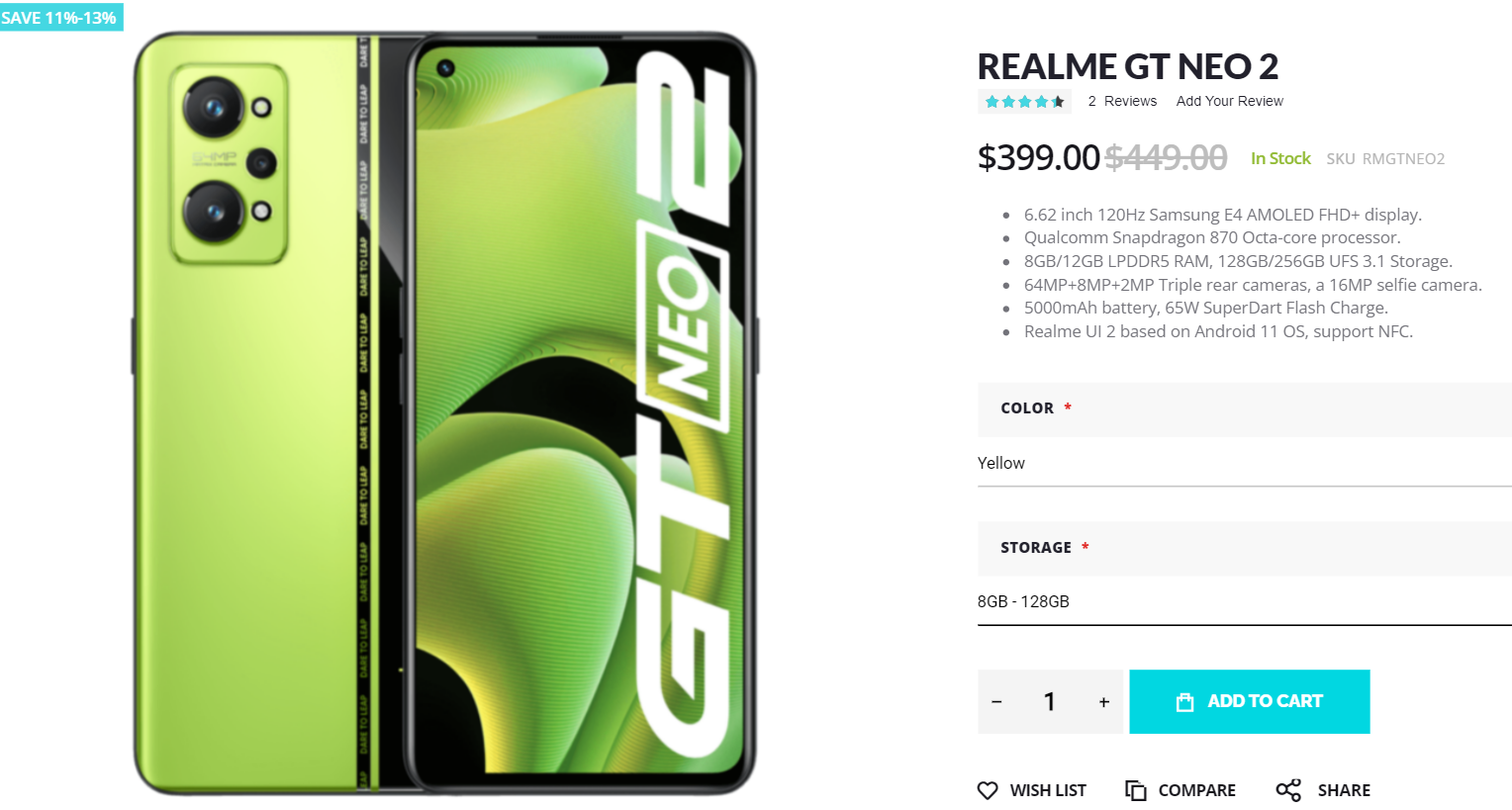
Realme GT Neo 2 which generally retails for $450 is now available for $399 only at Giztop. 

WHERE TO BUY
Realme GT Neo 2 at $399 @Giztop

Realme GT Neo 2

Realme GT Neo 2 features a 6.62” 120Hz Samsung E4 AMOLED FHD+ display and is powered by the Snapdragon 870 Octa-Core processor. The smartphone comes with 8GB / 12GB RAM and 128GB / 256GB storage. 

Realme GT Neo2 review featured2

On the back, you have a triple camera setup with a 64MP main camera and 8MP + 2MP secondary cameras. And for your selfies, you can find a 16MP camera in the front. Fueled with a 5000mAh battery, Realme GT Neo 2 supports 65W SuperDart Flash charging. It runs on the Android 11 based Realme UI 2 and comes with an under-display fingerprint scanner. 


Realme GT Neo2 review featured 2

Fitted with dual stereo speakers and Dolby Atmos game support, Realme GT Neo 2, comes with a dedicated GT mode that offers leapfrog performance while gaming with enhanced image quality, 4D in-game vibrations, faster loading time, dynamic sound effects, and more. 

Generally retailing for $450, you can now buy Realme GT Neo 2 for $399 only at the Black Friday 2021 Sale at Giztop. This price is applicable to the 8GB + 128GB Black and Yellow color variant. This is a limited-time offer. So place your order asap. 

For more information on such exciting deals and offers check out our deals hub

You can also find the best Black Friday Deals here.

OPPO Reno7 Series Rumor roundup: Specs, Price, Features and More

The upcoming OPPO Reno7 series of smartphones is scheduled to release on November 25th in China. Ahead of its official launch, the e-commerce website JD.com has already revealed the renders and specifications of the upcoming Reno7 devices.

Here’s a quick summary of what to expect from the Reno7 series launching on November 25.

OPPO Reno 7 Pro: Expected Specs

The OPPO Reno7 Pro is the top-end phone of the Reno7 series and features a squared-out design with rounded corners, similar to that of the iPhone 13. A JD listing also reveals the phone to have a thickness of 7.45mm. On the rear, the phones house a rectangular camera module with rounded edges. The phone will be available in three color variants: Star Rain Wish, Dawn Gold, and Starry Night Black.

The device features a triple camera setup for photography, including a 50-megapixel Samsung GN5 sensor, a 64-megapixel OmniVision OV64B ultrawide lens, and a 13-megapixel Samsung S5K3M5 telephoto lens. The selfie snapper on this device is the new 32-megapixel Sony IMX709 cat-eye lens.

The Reno7 Pro features a 6.55-inch AMOLED display with FHD+ resolution and a 120Hz refresh rate. Under the hood, the smartphone comes with the MediaTek Dimensity 1200-Max SoC paired with up to 12GB RAM and 264GB internal memory. The device will offer other specs such as Android 11, an in-screen fingerprint scanner, a 4500mAh battery with support for 65W fast-charging.  Its connectivity features include 5G, 4G LTE, Wi-Fi 6, Bluetooth 5.2, GPS, and USB Type-C port.


OPPO Reno7: Expected Specs

Oppo Reno 7

The Reno7 will be identical to the Pro variant in the design department, other than the camera module and the difference in thickness at 7.59mm. The screen featured on this device will also be identical to the pro variant, with a lower refresh rate of 90Hz. The Reno7 will be available in the same three colors as the pro version.

It gets a 50-megapixel Sony IMX766 sensor, a 16-megapixel Sony IMX481 ultrawide lens, and a 2-megapixel portrait lens. On the front side, the device features a 32-megapixel Sony IMX615 snapper for taking selfies and video calling.

Inside, the OPPO Reno7 gets the Qualcomm Snapdragon 778G chipset. The variants for the device are listed on JD.com as – 8 GB RAM + 128 GB storage, 8 GB RAM + 256 GB storage and 12 GB RAM + 256 GB storage. The Reno 7 will be powered by a 4,500mAh battery with support for 65W fast charging(via).


OPPO Reno7SE: Expected Specs

OPPO Reno 7SE

The Reno7 SE specs are yet to be listed on any e-commerce website in China, but the rumored specs of the upcoming phone state that it may come with a 6.43-inch FHD+ AMOLED display and a 90Hz refresh rate. The phone is also expected to house a triple camera array within a rectangular module. With a 64-megapixel OmniVision OV64B primary sensor, an 8-megapixel Sony IMX355 sensor, and a 2-megapixel portrait lens. On the front side, there will be a 32-megapixel Sony IMX615 snapper.

The phone is expected to be powered by the MediaTek Dimensity 920 chipset, paired with Mali-G68 MC4 GPU for graphics. It will likely come in two configurations: 8GB + 128GB and 8GB + 256GB internal storage. A 4390mAh battery handles the energy needs and should be filled up quickly thanks to 65W fast charging support.

OPPO Reno7 Series: Expected Pricing

Oppo Reno7 is expected to start at 3,499 yuan (around $547) for the 8GB + 128GB  variant and CNY 3,999 (around $625) for the 12GB + 256GB variant. The Oppo Reno7 Pro is tipped to start at 4,299 yuan ($672) for the 8GB +256GB variant, and will go up to 5,299 yuan (around $829) for the 12GB+256GB variant. The Reno7 SE 8GB + 128GB variant is hinted to be priced around 2,699 yuan ($422) whereas the 12GB + 256GB will cost around 2,999 yuan ($469).

The OPPO Reno7 series is set to release on November 25th at 6 PM in China, so stay tuned as we will be covering the launch.

RELATED:

Microsoft Surface Duo 2 smash JerryRig’s durability tests thanks to its solid build

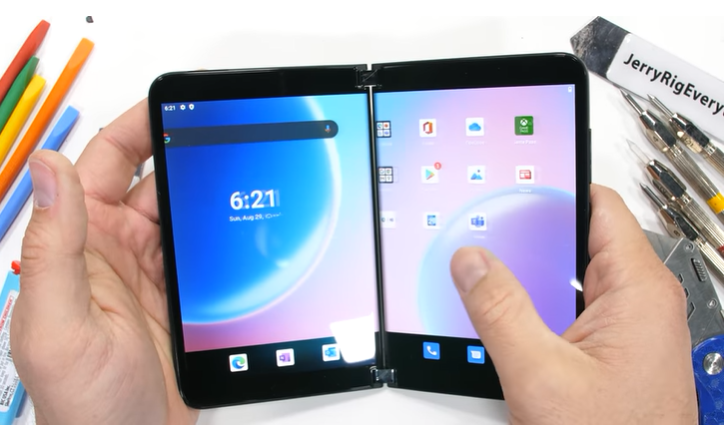
Microsoft launched the Surface Duo 2 phone back in September with the device arriving with several improvements over the first-gen Surface Duo. YouTuber JerryRigEverything has published a durability test video that highlights the features of the device. The video shows the Surface Duo 2 being put through some rigorous tests in what has become Zack Nelson’s usual routine.Microsoft Surface Duo 2

The new Microsoft smartphone has a foldable screen setup although its design is seemingly different from the foldable devices we have come to see like the Galaxy Fold 2. The Surface Duo 2 has two screens separated by a hinge and bezels, but neither of the screens can fold. The hinges remain a delicate underbelly of foldables and the Surface Duo 2 has been put through some strong tests in this regard. The two screens are capable of taking a direct flame from a lighter without any visible damage. Surface Duo 2

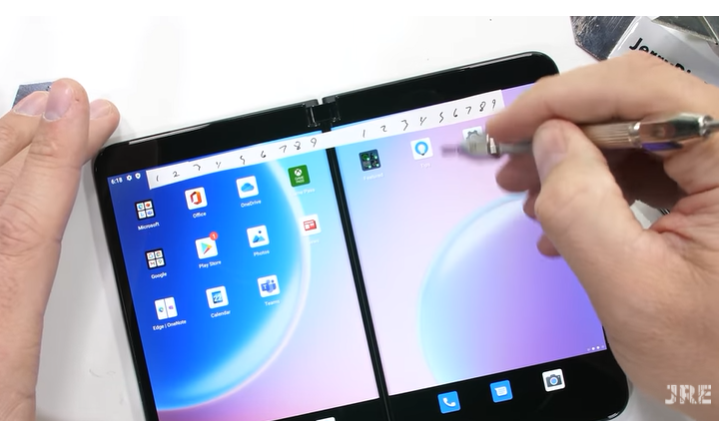
The phone is also well-kitted in surviving bend testing, although the part opposite the hinge is prone to flexing which is a drawback. The sides of the Surface Duo 2 are plastic leaving the device prone to scratches. However, its screens are covered with Gorilla Glass Victus, with a level 6 rating on the Mohs hardness scale.

Microsoft will hope that the Surface Duo 2 will get a better run and reception than its predecessor. It however remains to be seen how it will fare with the foldable flagships already having a ball like the Galaxy Z Fold3 and Galaxy Z Flip3. Potential users are at least assured of some levels of ruggedness for the Surface Duo 2.

RELATED:


Lenovo QRD with Snapdragon 8cx Gen 3 arrives on Geekbench

Chinese tech giant Lenovo is expected to launch a new device which apparently will be a Snapdragon-powered machine. Although it has not been confirmed whether it will be a laptop or a tablet, it is certain that it will be a powerful machine. Now, thanks to the Geekbench listing, we’ve learned some significant details of this rumoured model called Lenovo QRD.

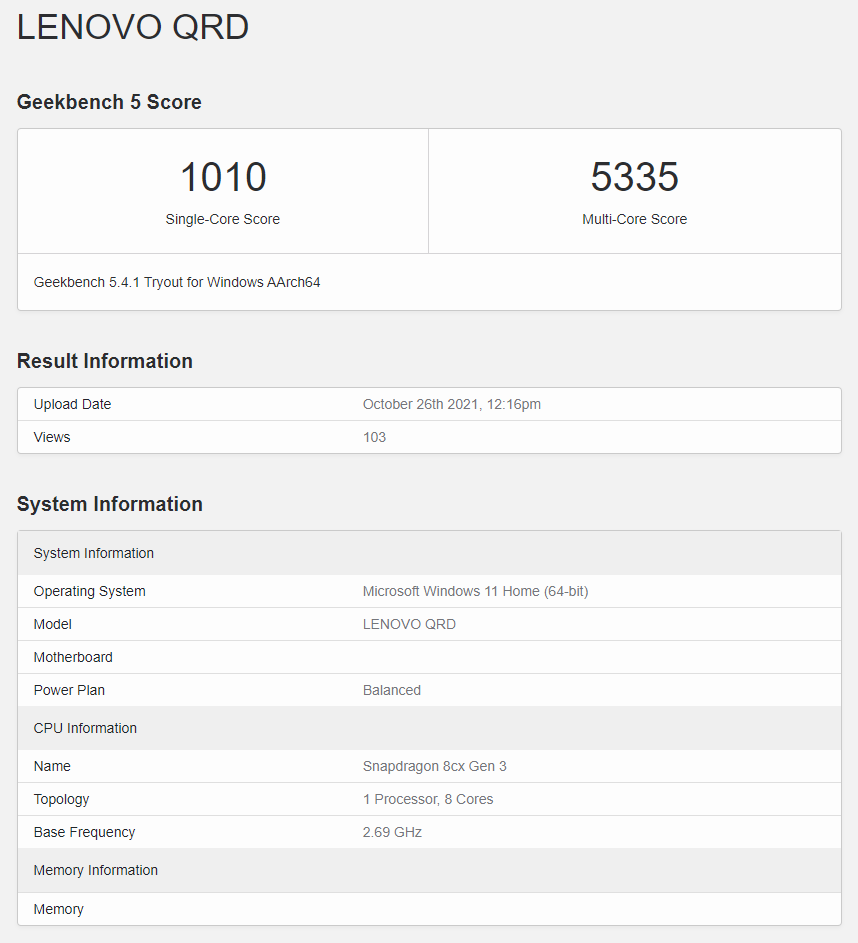
According to the Geekbench v5 results, the Lenovo QRD uses the Qualcomm Snapdragon 8cx chipset, however, it isn’t the old Gen chipset. Rather, it is the Gen 3 chipset that is much more powerful than the Gen 2 chipset.

Lenovo QRD

For starters, the original Snapdragon 8cx was launched back in 2018 and later in 2020, the Gen 2 SoC was announced. Now, the Snapdragon 8cx Gen 3 will soon launch and will power many upcoming laptops and tablets.

Coming back to the QRD, the laptop boots on the latest Windows 11 Home out of the box and has scored 1010 single-core points, 5335 multi-core points. As of now, we aren’t sure about the device’s other specs and design. But, since the laptop/tablet has passed the Geekbench certification, the launch seems to be in the pipeline.

RELATED:

(via)

Qualcomm has an exclusive deal for Windows on ARM but that may end soon

Qualcomm is gearing up to make several announcements at the upcoming Tech Summit and we recently reported about the company focusing on the new upcoming ARM-based chips to compete against the Apple M-series chips for PCs.

So far, we have seen a few Windows computers powered by Qualcomm’s ARM chips and not from any other chipset maker and as it turns out, there’s a reason behind this. XDA-Developers reports that Qualcomm has an exclusive deal with Microsoft for Windows on ARM, but the deal is set to expire soon.

Also, Microsoft has also publicly said that anyone can build a Windows on an ARM chip. The exclusive deal was in place because both Microsoft and Qualcomm worked together for the development of Windows on ARM.

With the deal set to expire, we will be seeing more and more manufacturers competing in this space. There’s also a possibility that Samsung, which is now working with AMD for graphics processors on its chips, could make Exynos-powered Windows PCs.

MediaTek has already announced that the company is planning to build a chipset for Windows on ARM and with Qualcomm also working for the same for the past few years, it’s inevitable that the transition is about to take off from x86 architecture to ARM. It’s also high time for Windows given that Apple is making impressive progress towards this with its new Apple Silicon chips.

It’s been a few years since Windows on ARM was first announced and has made quite progress, including adding support for x64 emulation, along with ARM64EC, to make it easier to run apps natively with emulated plug-ins. There’s still more work to do but it’s good to see the development picking up pace and with more players getting involved, they can push the platform further.

RELATED: 

UK’s new housing regulation will add 145,000 EV charging points annually across the UK from 2022

The United Kingdom will require new home and business constructions to incorporate EV chargers into their designs beginning from 2022. The new requirement could mean up to 145,000 new EV charging points will be added annually to the national pool. The move by the UK government is aimed at expanding access to charging resources for the fast-growing electric vehicle segment.electric vehicle

The UK government is thus making proactive moves to ensure a seamless future of electric vehicles in the country. The press statement released by the government says the regulation will mean that people can buy new properties ready for an electric vehicle future. It will also ensure that charging stations are readily available at new shops and workplaces in the country. The fine details of the new law are not yet available and the operation of the model is still unclear.

Already, the UK government has seen the installation of over 250,000 charging points although the opposition Labour Party is calling out the government for the uneven distribution of charging stations across the country. London and the southeast of England is favored to benefit more from the new law than the rest of England and Wales. The opposition is also accusing the government of not doing enough to make EVs affordable to lower and middle-income families.

RELATED: 


(via)


Vivo V23e launched packing an AMOLED screen, Helio G96, 50MP Selfie cam & more!

After a series of leaks and benchmark appearances, Vivo has officially unveiled the V23e mid-range smartphone for the Vietnamese market. Vivo V23e arrives as the brand’s latest offering under the V series. The device packs a host of impressive features that will surely offer users amazing value for their bucks. Vivo V23e

The Vivo V23e sports a 6.44-inch Full HD+ AMOLED screen with a 90.37% screen-to-body ratio. The device uses a waterdrop notch design which houses a stunning 50-megapixel camera. This is perhaps the most spectacular feature onboard the device. The selfie camera comes with autofocus as well as Eye AF which allows the camera to follow the user’s eye to help users stay in focus during photo capture. The device also has a 7.36mm ultra-thin body.Vivo V23e

The V23e is powered by a MediaTek Helio G96 chipset paired with up to 8GB RAM. As is consistent with Vivo’s recent models, the V23e comes with up to 4GB of extended RAM. The device comes with 128GB of UFS 2.1 storage and it is expandable via microSD.

At the rear aspect, the Vivo V23e features a rectangular camera module. The module houses a 64-megapixel main camera teamed up with an 8-megapixel ultra-wide sensor and a 2-megapixel macro camera. The device crams a 4050mAh battery supported by a stunning 44W fast charging that Vivo claims can charge the device from zero to 69% in just 30 minutes. Vivo V23e

In terms of the interface, the V23e runs on Funtouch OS 12 based on Android 11 OS. It equally features an in-display fingerprint sensor. Other features onboard the device includes Bluetooth 5.1, Wi-Fi 802.11 ac (2.4GHz + 5GHz), dual 4G VoLTE, and GPS/ GLONASS /Beidou.

As for the price, the Vivo V23e is priced at 8,490,000 Vietnamese Dong (~$375). It will be available in Dawn Melodies and Moonlight Dance colors.

RELATED:


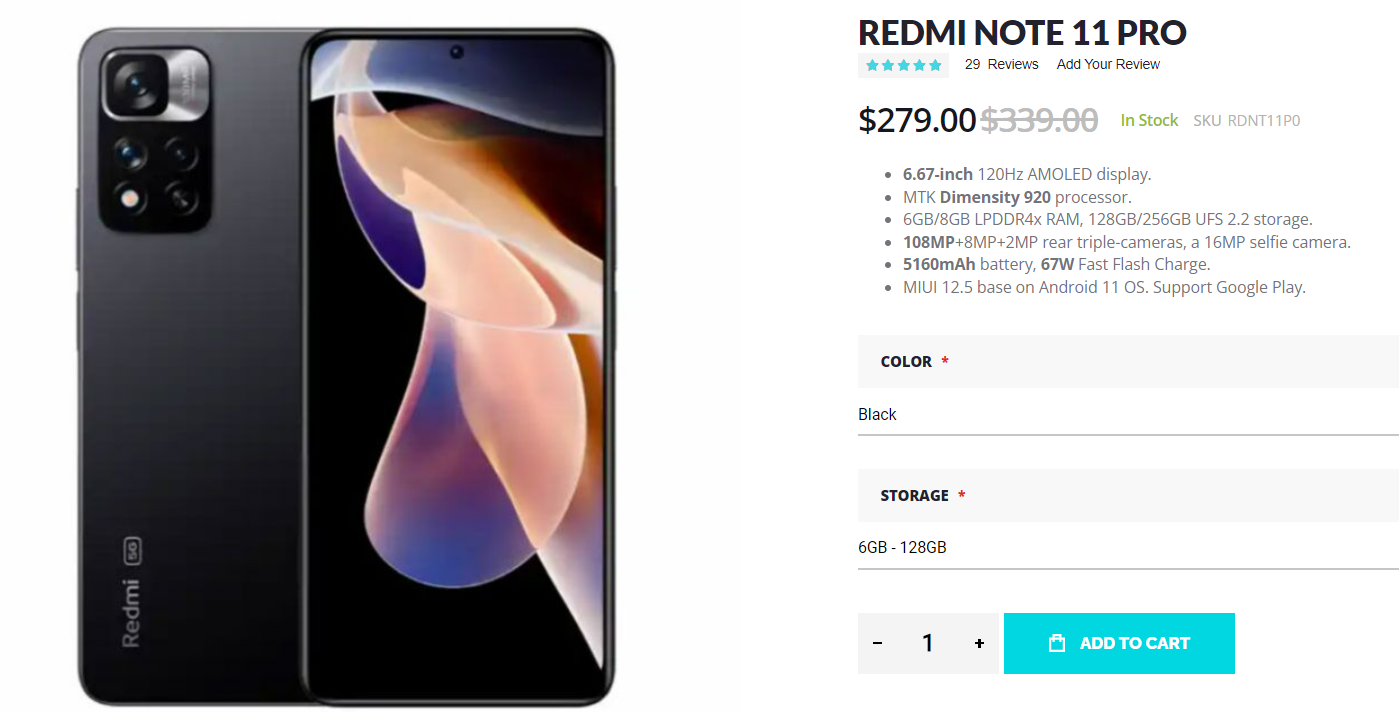
Super Black Friday Deal: Get $60 OFF on Redmi Note 11 Pro at Giztop

Redmi Note 11 Pro which generally retails for $339 is now available for as low as $279 under the Black Friday 2021 Sale at Giztop. This means you get a huge discount of $60 on this offer. 

WHERE TO BUY
Redmi Note 11 Pro at $279 @Giztop

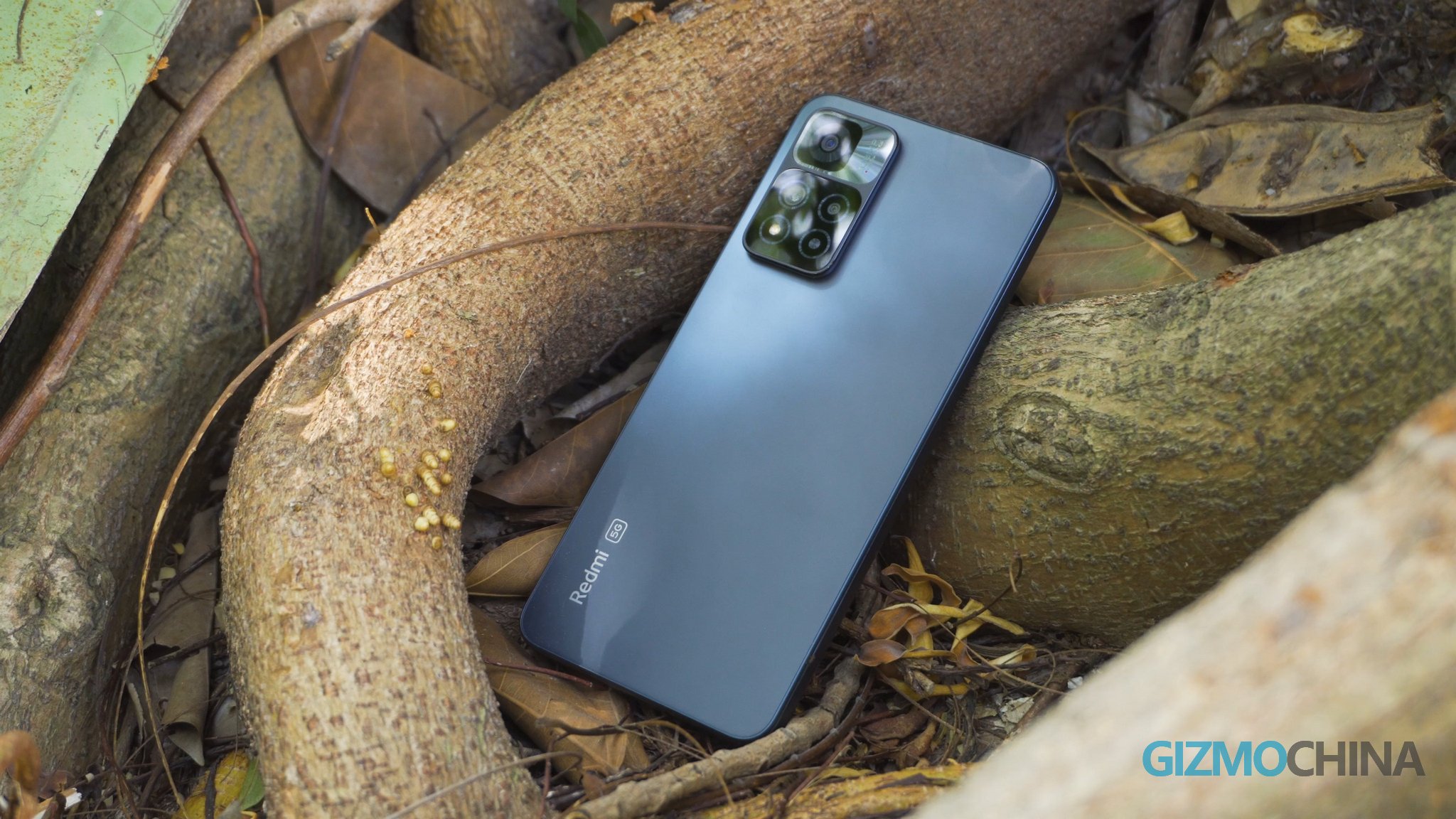
Redmi Note 11 Pro

Redmi Note 11 Pro features a 6.67″ Samsung AMOLED display with front and rear dual ambient light sensors and is powered by the TSMC 6nm Dimensity 920 chipset. The phone comes in three memory variants viz: 6GB + 128GB, 8GB + 128GB and 8GB + 256GB. Weighing just 207g, Redmi Note 11 Pro is fueled by a 5160mAh battery and supports 67W fast charging. This means you can charge your phone to 100% in just 43 mins. 

Redmi Note 11 kernel source code

Redmi Note 11 Pro comes with professionally tuned dual JBL speakers and a 3.5mm headphone jack and supports Dolby Atmos. It features a triple rear camera setup with a 108MP main camera and 8MP + 2MP secondary cameras. For the selfie camera, you have a 16MP sensor in the front.

For more information check out our detailed review and comparison here.

Redmi Note 11 Pro Plus Review 14

Under the Black Friday, 2021 sale Giztop is now giving out Redmi Note 11 Pro at a massively discounted price of $279 only. This price is applicable to 6GB + 128GB Black and Green color variants. However, you can buy the Blue color variant at a little higher price of $289 while the Purple color variant is available for $299 only. Please note that this is a limited-time offer. So grab your discounted phone asap. 

For more information on such exciting deals and offers check out our deals hub

You can also find the best Black Friday Deals here.

MIUI worldwide monthly active users cross the half a billion mark

Xiaomi just announced that as of November 22, 2021, MIUI global monthly active users have crossed the 500 million mark. This signifies that around 15% of the world now uses a Xiaomi, Redmi, or POCO phone running MIUI. Along with this, the company also revealed that as of 2021, there are 18.65 million new monthly active users in China and 100 million new monthly active users worldwide.

File_20211123-191942

MIUI first hit the 100 million mark back on August 19, 2015. Following this, growth has been exponential, with the brand quickly reaching the 200 million global monthly active users mark less than three years later. A year later, on October 28, 2019, MIUI global monthly active users crossed 300 million. And at the start of this year, the active user count stood at 400 million.

In August this year, Xiaomi released an enhanced version of MIUI 12.5, which was claimed to fix 160 system-level problems and 224 system application bugs. Xiaomi also said that the update brought forward optimizations across all levels – from the lower system levels to top-level applications. The update release notes mentioned under-the-hood improvements such as smart algorithms to dynamically allocate system resources, RAM optimization, and core system improvements.

The company is now working to bring Android 12 paired with MIUI 13 for eligible devices. And reports suggest that the update is already ready for premium devices like Xiaomi MIX 4, Mi 11, and Mi 11 Lite 5G. MIUI 13 has been confirmed to go official before the end of 2021 and has been said to bring a “lot of changes.”

RELATED:

Thailand smartphone sales see 14% YoY decline in Q3 2021 but 5G phone sales reach all time high

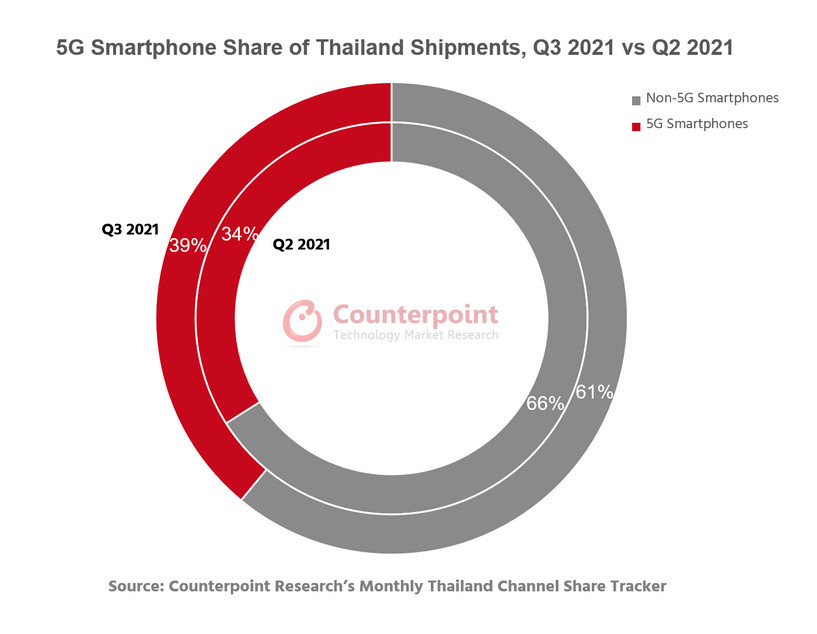
Thailand smartphone sales in Q3 2021 saw a 14% YoY decrease, mostly due to the peak of COVID-19 infection rates in the country in August, which in turn led to the slowing of the economy. But on the bright side, 5G smartphone sales during the same period were the highest ever.

thailand smartphone OEMs market share
Image: Counterpoint Research

Counterpoint Senior Research Analyst Glen Cardoza commented saying that Thailand’s government and industry have made sure to continue with 5G ecosystem improvements. However, OEMs have suffered due to supply constraints coupled with unfavorable consumer sentiment in Q3 2021. Decreasing shipments saw consumer demand increase for the sub-$150 band, with the realme C series and Samsung’s entry-level A-series devices selling quite well.

Samsung, as a result, led smartphone shipments in the country in Q3 2021 thanks to offerings like the A12, A02, and A22. The company managed to grab a share of 22% with OPPO and Xiaomi following with 17% each.

But amid the decrease in shipments, online channels shined with a QoQ increase, reaching 24% of total sales. This growth will likely be carried forward to Q4 2021 as well. A major contributor to the rise in online sales is the 9.9 online festival sales in September. Platforms like Shopee, Lazada, and JD Central, as a result, performed quite well.

thailand 5g smartphone market share
Image: Counterpoint Research

But Q4 2021 will not be doing well in the online channel alone as Thailand has shown quite the potential to absorb the COVID-19 impact. This could mean that the country’s smartphone market could do better than other SEA countries.

OEMs have begun launching 5G SA (standalone network) compatible models as 5G infrastructure becomes a priority. Thailand’s digital transformation is progressing well, with an emphasis on Industry 4.0. With their experience and investments in the country, technology companies like Huawei are at the forefront. Because of all of these considerations, 5G will become more widely adopted, not just for smartphones but also for smart homes and other IoT devices.

RELATED:

GAC Aion LX Plus SUV to boast an impressive range of over 1,000km

GAC Group has just recently unveiled its latest electric vehicle that will launch under its Aion brand. The car in question is an SUV called the Aion LX Plus, which apparently offers an impressive 1,008 kilometer range (roughly 626 miles).

GAC

According to a CarScoops report, the news arrives from the China light duty vehicle test cycle (CLTC). This upcoming electric SUV was just showcased during the 2021 Guangzhou Auto Show and is an improved version of the GAC Aion LX that was announced back in 2019. Furthermore, the vehicle will now be placed among the smaller Aion V Plus SUV and even the Aion S Plus sedan.

Keep in mind that the CLTC is a different standard from Europe’s WLTP or US’ EPA. Although, its operational range of over 1,000 kilometers is still quite a spectacular feat. This holds even more true considering the vehicle is an SUV. The car’s durable range is thanks to its massive battery pack, which has a capacity of 144.4 kWh in the top end model. This battery is made with GAC’s technology with elastic sheets that also makes it 20 percent smaller and 14 percent lighter than conventional ones. It even offers an energy density of 205Wh/kg.

GAC

Talking about the vehicles’ other specs, the Aion LX Plus houses dual electric motors that produce 225 hp that is transmitted to all four wheels through a two speed gearbox. Through this, the LX Plus is capable of hitting 0 to 100 km/r in just an impressive 2.9 seconds as well. Unfortunately, this range is still not confirmed so take it with a pinch of salt for now.

RELATED:


iQOO & POCO to target the Indian offline market in Q1 2022: Report

A new report has revealed that iQOO and POCO are planning on entering the offline market in India. The companies will apparently expand their presence in their region by having their offerings sold through offline stores in early 2022.

vivo iQOO Z5x

According to a 91Mobiles report, known tipster has revealed that the two Chinese brands are planning to finally enter the offline market in India. For those unaware, the Indian smartphone market relies on two major channels, which is offline and online. While the online channels dominate in major cities via Flipkart and Amazon, the offline segment is still a largely popular in tier 2 and tier 3 cities. This is also the segment where brands like Samsung, Vivo, Oppo, and even Xiaomi hold a strong presence in, with their budget offerings.

As of right now, iQOO and POCO have sold their handsets through online channel, but this might soon change. Reportedly, the companies are expected to launch their devices offline sometime between the months of January to March 2022. This move arrives as no surprise since these companies are also sub brands of established giants (iQOO-Vivo & Xiaomi-POCO) in the market.


iQOO

Unfortunately, finer details about the roll out of devices in the offline channels is currently unknown. But the brands are expected to first begin entering this segment in tier 1 cities first, before moving forward and expanding to other regions within the country. Keep in mind that this is still an unconfirmed report so take it with a pinch of salt for now and stay tuned for more updates.

RELATED:


Redmi K50 series to come with four different processors from both Qualcomm and MediaTek

The Redmi K50 series may very well be the most comprehensive lineup from the brand to date, and will use four different high-end processors from both Qualcomm and MediaTek. The preceding Redmi K40 series relied on three, so it’s quite clear that the lineup has been expanded.

Notable tipster @PandaIsVeryBald posted on Weibo today saying that the Redmi K50 series will be using a ‘complete range of processors’, namely the Snapdragon 870, Snapdragon 8 Gen1, Dimensity 7000, and Dimensity 9000.

redmi k50 series panda processor


While the Snapdragon 870 has been used on the Redmi K40 (Mi 11X / Poco F3) earlier, the other three chips are totally new and are yet to make it to any smartphone offering.

To recall, the Snapdragon 870 is a flagship-level chip, identical to the Snapdragon 865, but rebranded into a more affordable alternative to the top-of-the-line Snapdragon 888 chip.

The Snapdragon 8 Gen1, on the other hand, will be a true flagship processor that will supersede the current king of the hill – the Snapdragon 888. The chip was earlier touted to be called Snapdragon 898 but has now been officially given a new moniker.

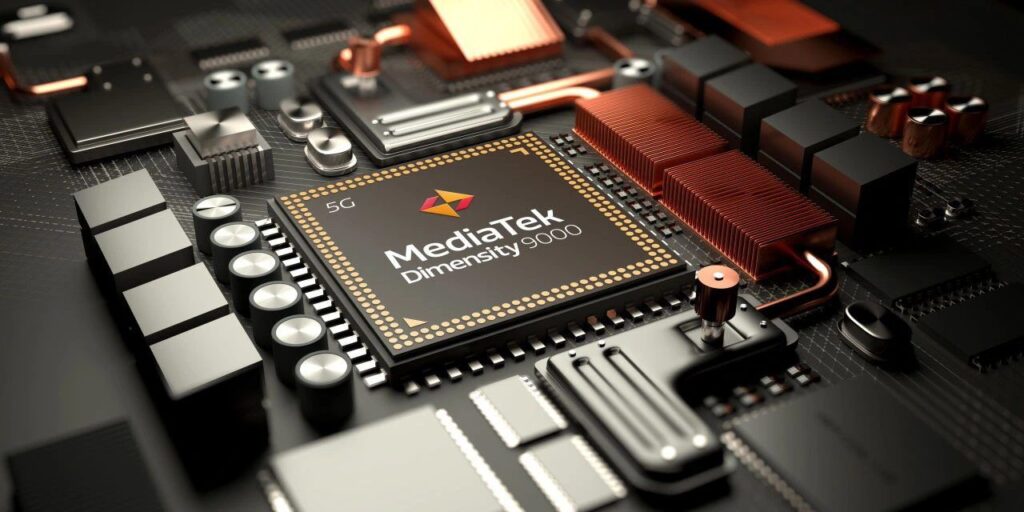
Moving on to the MediaTek camp, the Dimensity 9000 will be the brand’s top-of-the-line offering and will be competing with the Snapdragon 8 Gen1. It is joined by the Dimensity 7000, which according to the latest reports has already entered the engineering stage. Its AnTuTu score was around 750,000 – higher than the Snapdragon 870 but lower than the Snapdragon 888.

MediaTeK Dimensity 9000

Coming to the series itself, it will likely be comprised of the Redmi K50, K50 Game Edition, K50 Pro, and K50 Pro+. Of course, as always, Xiaomi will be going for different names for various regions. The Redmi K50 can be sold as the Mi 12X in India and Poco F4 in the rest of the world, if Xiaomi sticks to its current naming convention.

As for specs, the Redmi K50 Pro and Redmi K50 Pro+ models will come with high-end E5 AMOLED displays with a high refresh rate. They will also support 100W fast charging. The series is expected to go live in either February or March.

RELATED: