Advertisement

Massive Discounts at the World Premiere of UMIDIGI Bison X10 Series at AliExpress

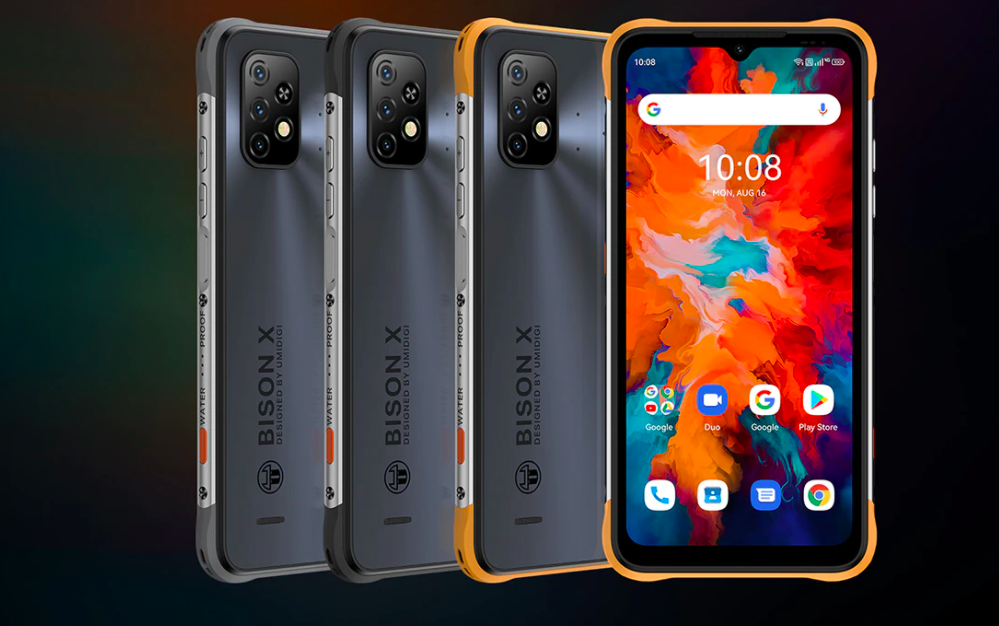
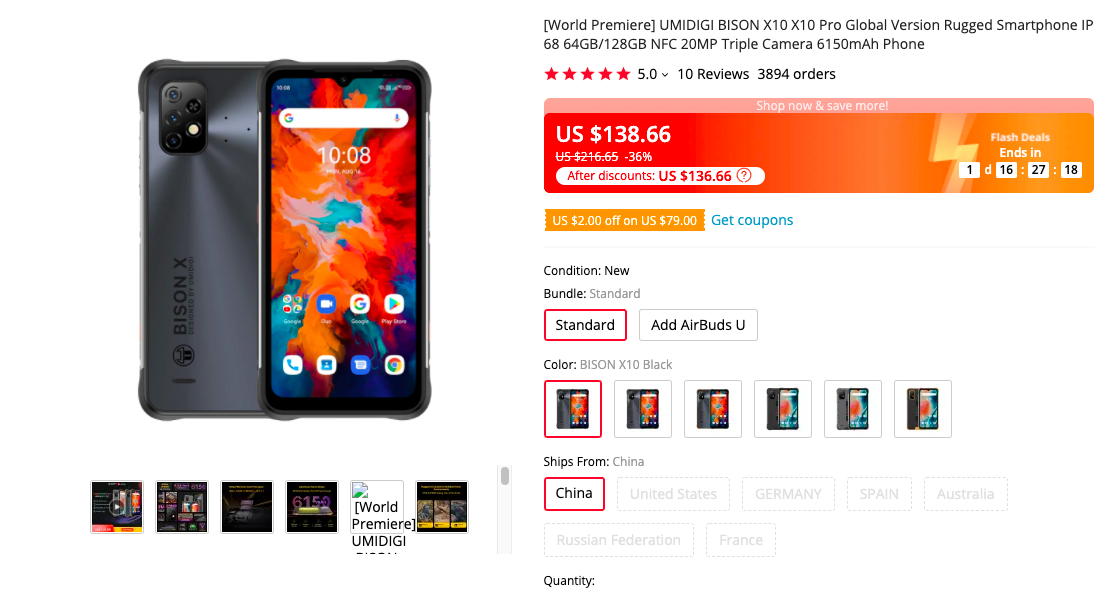
UMIDIGI is giving out huge discounts on the occasion of the world premiere of UMIDIGI Bison X10 and X10 Pro.  Bison X10 which retails for $216 is available for $136.66 and Bison X10 Pro which retails for $250 is available for $154.99 only at AliExpress. This world premiere deal ends tomorrow.
WHERE TO BUY
UMIDIGI Bison X10 and X10 Pro at $136.66/154.99 (after discount)@AliExpress

UMIDIGI Bison X10

UMIDIGI BISON X10 UMIDIGI BISON X10 PRO
Price $136.66 ($161.39 including VAT) $154.99 ($186.99 including VAT)
Display 6.53” HD+ 1600x720p Capacitive touchscreen 6.53” HD+ 1600x720p Capacitive touchscreen
CPU MediaTek Helio P60 MediaTek Helio P60
Body  Fiberglass Industrial rubber
Memory 4GB + 64GB 4GB + 128GB
Rear AI Camera 20MP+8MP+5MP 20MP+8MP+5MP
Front Camera 8MP 8MP
Battery 6150mAh 6150mAh
OS Android 11 Android 11
Certifications IP68&IP69K/MIL-STD-810G/GMS/ FCC/ CE/ MIC/ IC IP68&IP69K/MIL-STD-810G/GMS/ FCC/ CE/ MIC/ IC
Other features GPS, OTG, NFC GPS, OTG, NFC
Bluetooth v4.2 v4.2

UMIDIGI Bison X10
This super deal is available only on the occasion of the world premiere of UMIDIGI BISON X10 and X10 PRO. BISON X10 which retails at $216 is available at a discounted price of $136.66 and BISON X10 PRO which retails for $250 is available for $154.99 only at AliExpress. This deal ends tomorrow. So place your order asap. 
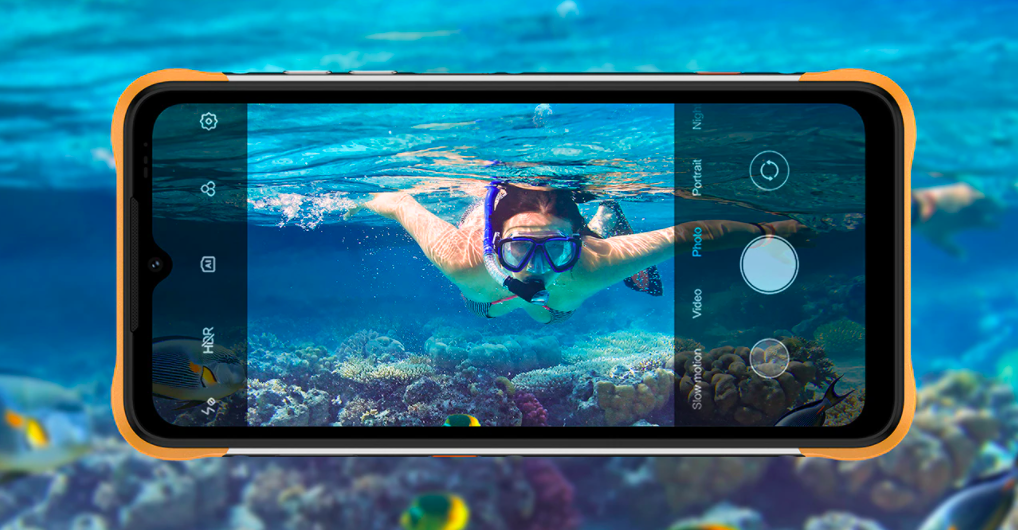
UMIDIGI Bison X10

Please note that the above price is region-specific and the final price may vary according to your shipping region, warehouse, and regional taxes.

For more information on such exciting deals and offers check out our deals hub.

* Please Note: When you buy something using the links in our articles, we may earn a small commission at no cost to you.

Apple AirPods shipments expected to to reach 85 million units next year

A new report estimates that Apple AirPods shipments will reach 85 million units in 2022, which is a 3.7% year-on-year increase. The recently released AirPods 3 will be a major contributor to the total sales figure of course, but they’re joined by the AirPods Pro and AirPods Max. We might even see the sequels to the latter two next year.

The report by TrendForce adds that Apple’s latest AirPods 3 feature an improved optical in-ear detection mechanism. This works through the integration of PPG (photoplethysmography) technology paired with four SWIR (short-wave infrared) LED chips that have two different wavelengths. The skin-detect sensors may potentially detect the water content in the wearer’s skin, granting the AirPods 3 the ability to differentiate between human skin and other surfaces.

Apple AirPods 3rd generation

The rise in the demand for AirPods will thus be benefitting component suppliers for the same. Some of these include Epistar and DOWA that supply SWIR LED chips, DOWA and II-VI/Finisar that supply InGaAs photodiode, and module assembler USI.

SWIR wavelengths range from 1,050-2,500 nm which is sufficient for optical properties of compounds such as water, sugar, and alcohol. More wearables manufacturers are expected to integrate the tech into their products in the near future, as its prices are set to drop as it matures.

Consequently, more wearables will be coming with PPG-based biosensing functions that will be sensing more advanced stuff like body hydration, blood glucose, blood lipid, and blood alcohol levels in the future. Most current wearables have a limited scope of measuring only heart rate and blood oxygen levels.

RELATED:

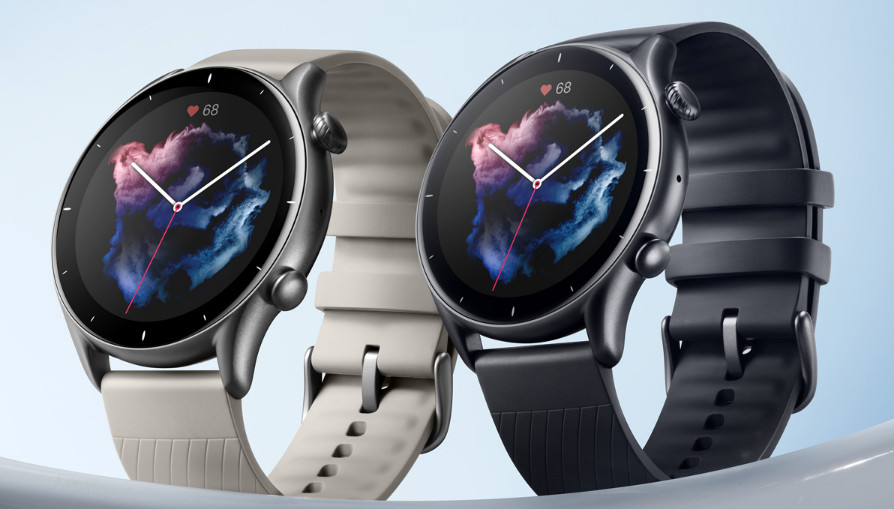
Amazfit GTR 3, GTR 3 Pro, and GTS 3 launched in India starting at Rs. 13,999 ($190)

Smartwatch maker Huami has unveiled for the Indian market, its three latest Amazfit smartwatches with some nice features. The models are the Amazfit GTR 3, GTR 3 Pro, and GTS 3 smartwatches. The pick of the Amazfit Indian lineup is the Amazfit GTR 3 Pro with an Rs. 18,999 (~$258) price tag.Amazfit GTR 3 The GTR 3 Pro has a 0.45-inch (480 x 480 pixels) AMOLED 331 PPI screen, up to 1000 nits brightness, scratch-resistant glass, anti-fingerprint coating, and a 70% screen to body ratio. Also available in the flagship GTR 3 Pro model, are the Zepp OS, support for Android 7.0/iOS 12.0 and above as well as more than 150 Sports Modes. There are some important health and fitness sensors for measuring all-day some key body functions.

The BioTracker3.0 PPG biometric sensor supports blood-oxygen monitoring, while there is also an acceleration sensor, a gyroscope, a geomagnetic sensor, and several other sensors. The Amazfit GTR 3 Pro is water-resistant (5ATM / 50 Meters) and supports Bluetooth 5.1, Wi-Fi (2.4GHz), and has 2.3GB built-in storage for offline music playback. The microphone and speaker system support Alexa, an offline voice assistant, as well as voice calling over Bluetooth. The GTR 3 Pro has a 450mAh battery that can last up to 12 days.Amazfit GTR 3

The Amazfit GTR 3 and GTS 3 are priced at Rs. 13,999 ($190). The GTR 3 will be available from Flipkart today and the GTR 3 Pro and the GTS 3 Pro will be subsequently available from Amazon India at a different date. These smartwatches all feature an AMOLED screen with up to 1000 nits brightness, several customizable watch faces, multiple sports modes, a Classic Navigation Crown, and a durable design. The aluminum alloy is made from a lightweight, aircraft-grade material.

Amazfit GTS 3
Amazfit GTR 3

The Amazfit GTS 3 features a 4-in-1 health measurement system that can monitor your heart rate, blood oxygen saturation, stress level, and breathing rate via a single tap. The GTS 3 also features Alexa voice assistant support, among others. The Amazfit GTR 3 offers similar functionalities as the GTS 3 and is equally priced at Rs. 13,999 ($190), although with a smaller display.

RELATED:


Xiaomi SonicCharge 2.0 Cable launched in India

Most of the mid-range smartphones from the Xiaomi group in India support 33W fast charging. Hence, the company separately launched a compatible adapter called ‘Mi 33W SonicCharge 2.0 Charger’ last November in the country. Almost a year later, the Chinese tech giant has now discretely released the supported cable as well.

The latest cable from Xiaomi in India is called ‘Xiaomi SonicCharge 2.0 Cable’. The product uses the new ‘Xiaomi’ branding instead of ‘Mi’ like the charger, which is still being sold under the old name.

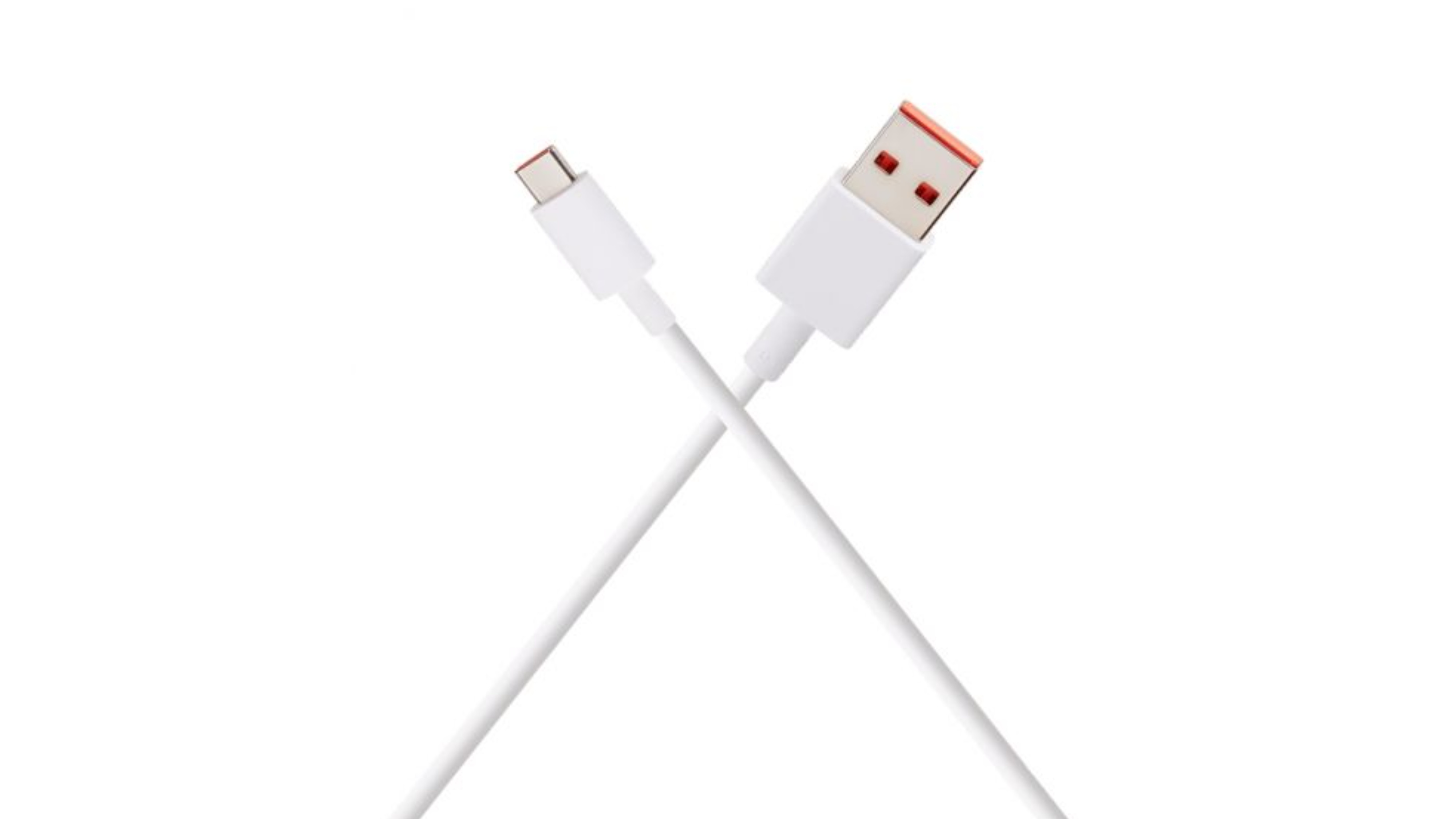
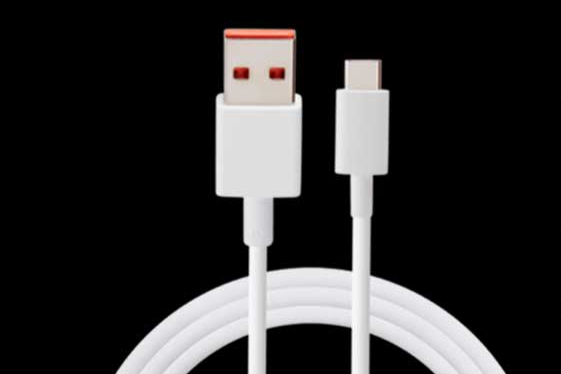
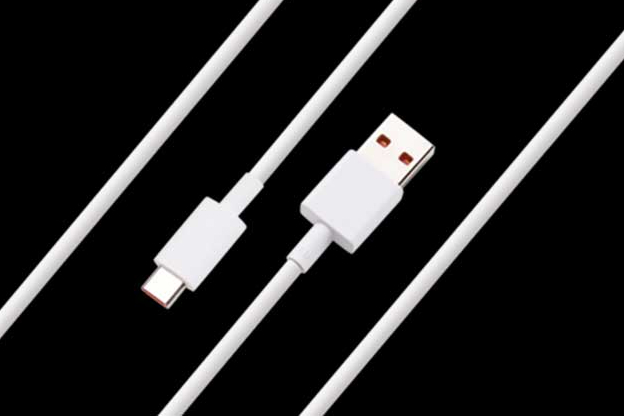
The cable comes in a single white color option with an orange accent. It has a USB Type-A male connector at one end and a USB Type-C connector at the other end.

As far as size is concerned, the cable measures 100cm (1m). The company claims that it is durable and tangle-free. Finally, the cable not only supports 33W fast charging but also 480Mbps data transfer.

Talking about price, the Xiaomi SonicCharge 2.0 Cable costs ₹249 in India. Although the product is currently listed on Mi.com, it is yet to go on sale. 

According to the official announcement on Twitter, the cable will be soon available via Mi.com, Mi Homes, Mi Stores, Mi Studios, and partner offline retailers across India.


RELATED:


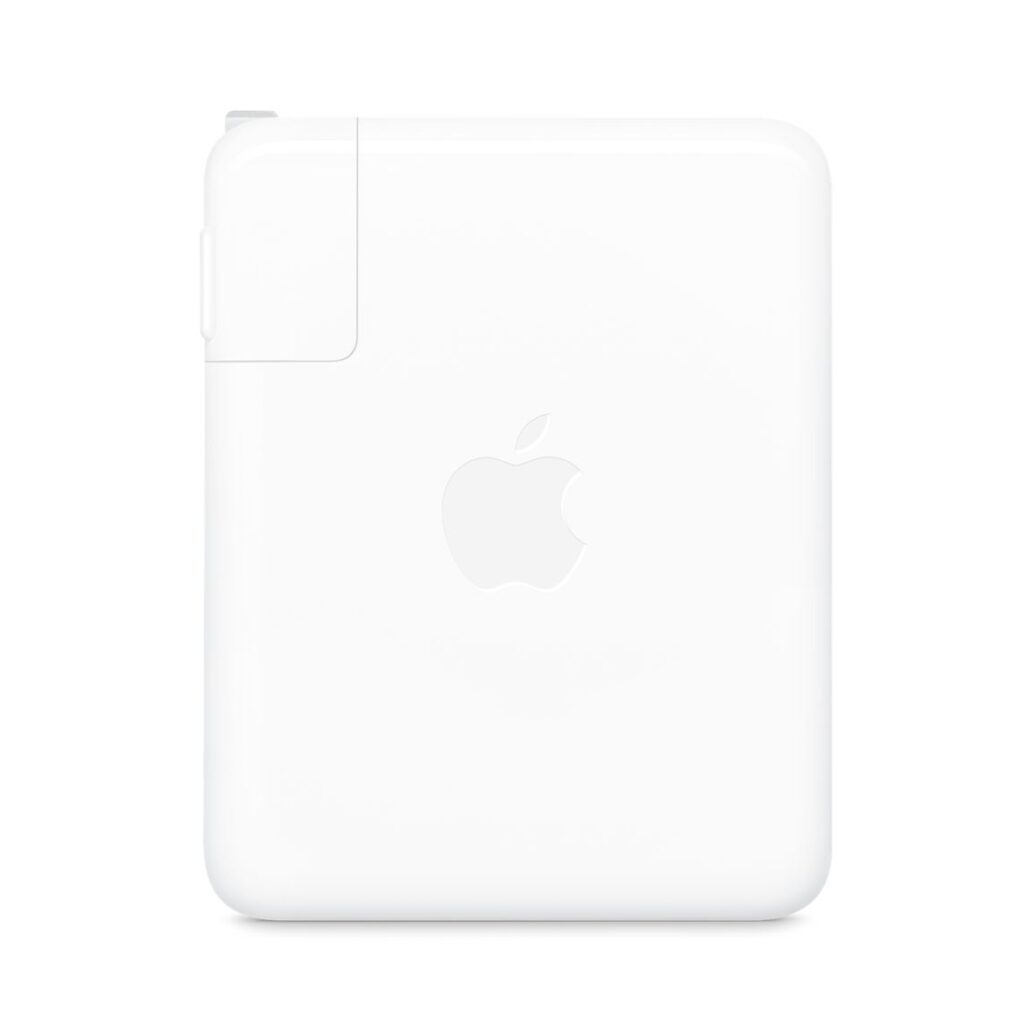
Apple’s new MacBook Pro 140W charger can fast charge a lot more devices

Sure, the new Apple MacBook Pros offer the latest and greatest from the Cupertino-based company including the new M1 Pro and M1 Max chips and much, much more. But one particular spec that has seemingly slipped under the radar of most is the all-new 140W USB-C power adapter that ships with the 2021 Macs. And it actually is a game-changer.

Apple has opted for the gallium nitride solution to allow the adapter to be smaller than usual. Adoption of the tech is a big move for Apple indeed as other companies like Xiaomi, OPPO, etc. have been releasing GaN chargers for a while now. But you see, that’s not the most significant bit. The limelight has instead been stolen by the USB-C Power Delivery 3.1 compliance, making the MacBook Pro the very first laptop to use the standard (via: The Verge).

apple macbook pro 140w charger

The standard is in fact so new that USB-C cables that are compliant with it haven’t even hit the market yet. In other words, not even a USB-C cable is available in the market right now that can carry 140W using the new standard.

Apple’s solution for this was to make a proprietary USB-C to Magsafe adapter for its 140W charger to fill up the MacBook Pros at the magical 140W speed. Once this standard becomes mainstream, the new 140W MacBook Pro charger will be able to charge all other devices that support this standard.

Apple is thus leading the industry when it comes to the new USB-C PD R3.1 standard. And judging from the past, it’s pretty clear that the rest of the industry will be jumping on to the USB-C PD R3.1 bandwagon as well. Previously, Apple’s adoption of USB-C in the MacBook in 2015 was quickly mimicked by other companies – like Google for their Chromebooks.

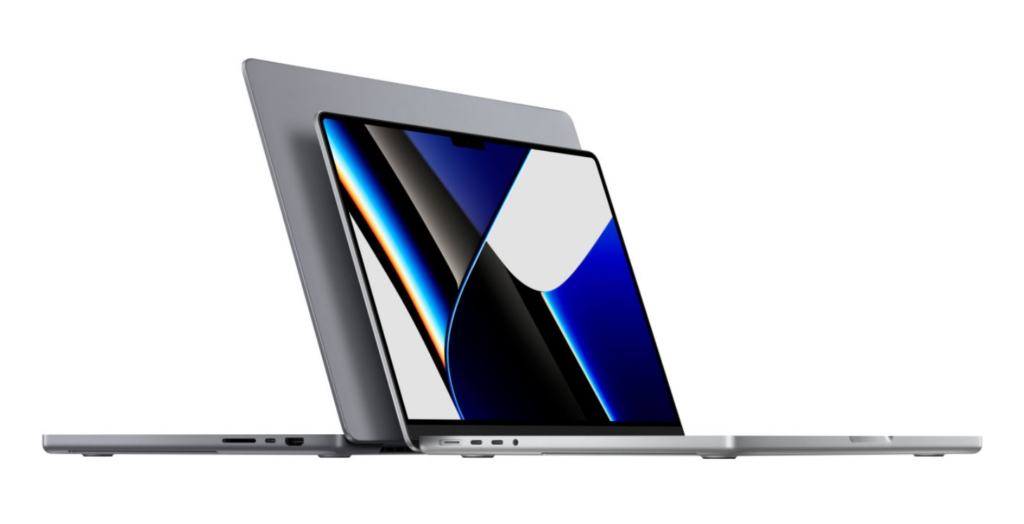
MacBook Pro 2021
MacBook Pro 2021

However, things might be different this time around – it might not just be laptops adopting the new standard but several other electronics too. In conclusion, the new 140W charger isn’t endemic to the MacBook Pros and can be plugged into other USB-C using electronics as well, such as e-bikes, thus greatly improving its scope.

RELATED:

Intel Alder Lake mobile Core i9 CPU to launch in gaming laptops soon, with 14 cores & 20 threads

Intel is gearing up for the launch of its Alder Lake mobile CPU lineup along with its Alder Lake S series of desktop processors. Now, the high end Core i9 chip has been spotted with an impressive 14 cores and 20 threads, which should launching with upcoming gaming laptops soon.

Intel

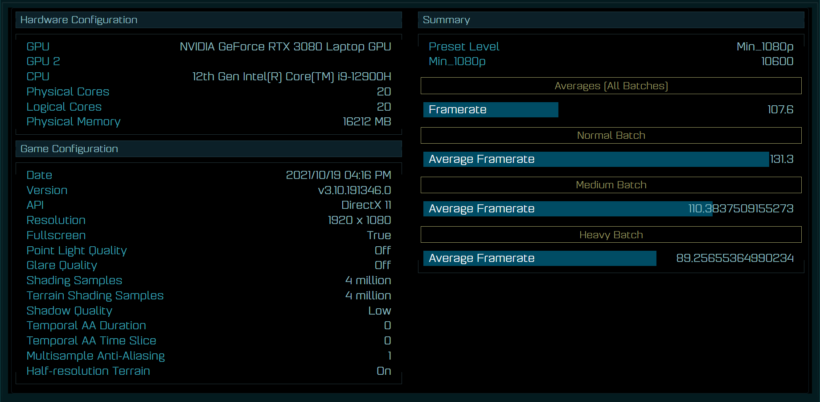
As of right now, the Core i9-12900H appears to be the fastest chip from Team Blue’s 11th generation of mobile CPU. It was recently spotted within Ashes of The Singularity benchmark. For those unaware, the new Alder Lake P lineup will be replacing the last generation’s Tiger Lake H45, Tiger Lake H35, and the Tiger Lake UP3 series processors. Looking at the benchmark results in AOTS, the Core i9 features 14 cores (6 P Cores + 8 E Cores) and 20 threads (Via WccFTech).

The results of the benchmark has also revealed that the new processors was listed with an NVIDIA GeForce RTX 3080 laptop GPU and 16GB of RAM. Unfortunately, the benchmark did not reveal any other finer details like core clock speeds, cache, or memory specifications. In other words, no comparison can be made as of right now to other processors. But seeing how the chip was paired with a top end NVIDIA GPU, we can expect to see it ship with premium gaming laptops.

Intel

These laptops will likely launch sometime next year. Although, since Intel is making its own graphics cards as well, we could even see an all Intel powered laptop in the market as well. For those unaware, the chipmaker is also working on ARC Alchemist series of discrete GPUs that will compete with the likes of NVIDIA and ARM in the PC market.

RELATED:


Apple iPhone SE 3 leak reveals that it could be the last LCD iPhone

The Apple iPhone SE 3 is expected to launch sometime next year. But prior to its launch, a new report has revealed some interesting information regarding the upcoming iPhone model.

The news arrives from a tipster @Arsenal on Weibo (a Chinese microblogging website). The Cupertino based giant’s iPhone SE 3 will still feature an LCD display panel. This would mean that the device is the only smartphone model from the brand to feature LCD screen as the latest iPhone 13 lineup also sports OLED panels. In recent years, many brands have shifted towards OLED screens, which is the now the norm for flagship handsets.

Apple
iPhone SE 3 Concept Render

Furthermore, the tipster added that the LCD display on the compact iPhone would make it more affordable. Apparently, the next gen iPhone SE 3 will also be built on the chassis of the older iPhone XR model, with the A15 Bionic chipset powering the device. This is similar to the last generation iPhone SE 2 that was built on the iPhone 8. The leak added that it will be available in multiple storage variants, including the 64GB, 128GB, and 256GB options. This is still an unconfirmed report, so take it with a pinch of salt and stay tuned for more as we will be providing updates when additional information is available regarding this matter.

RELATED:


India may force Oppo, Vivo to stop working with Chinese distribution partners

Chinese brands like Oppo and Vivo might face increasing pressure in India, as the local government might push both companies to stop operating in the region with their Chinese partners for distribution.

India

For those unaware, the two smartphone brands from China are major OEMs in the region with Oppo holding a 10 percent market share in the region while Vivo having a 15 percent market share. While both companies have a strong offline presence, the vendors have created a layer of Chinese partners to distribute their products in the market. However, this might has caught the attention of the local government as well.

As of right now, there is no legal framework that bans such operations, but Indian officials are likely to unofficially show their stance on the matter to these brands. In other words, the government would be developing such legal frameworks that could force both Oppo and Vivo to end operations with their Chinese partners over distribution of their products within the Indian market. While both brands have yet to offer a comment on the matter, an industry executive has spoke to ET providing certain insights.

India

The source said that “The initial strategy would be to solve the issue without any regulation, but in case there is a need, an official notification may be released. The consensus is that there should be no Chinese distribution in India since they already have market access. Distribution of tech products is where India already has strength, a point which will be conveyed to Chinese companies soon.” Notably, the executive also revealed that the tensions in the Indo Chinese borders is the reason behind the increased scrutiny for the companies.

RELATED:


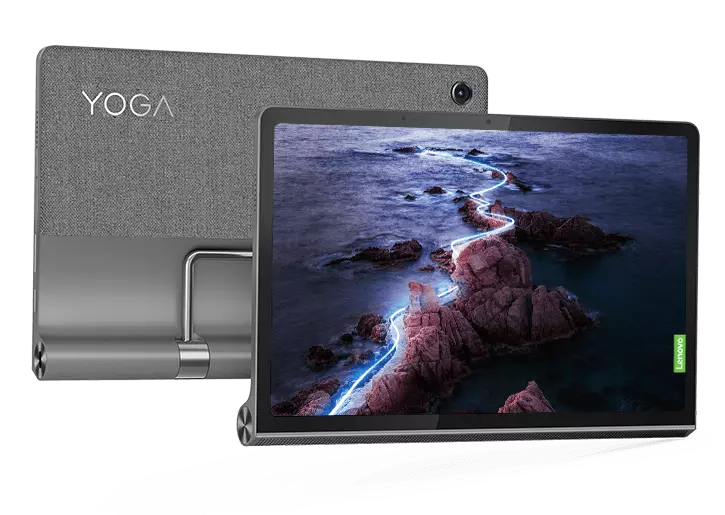
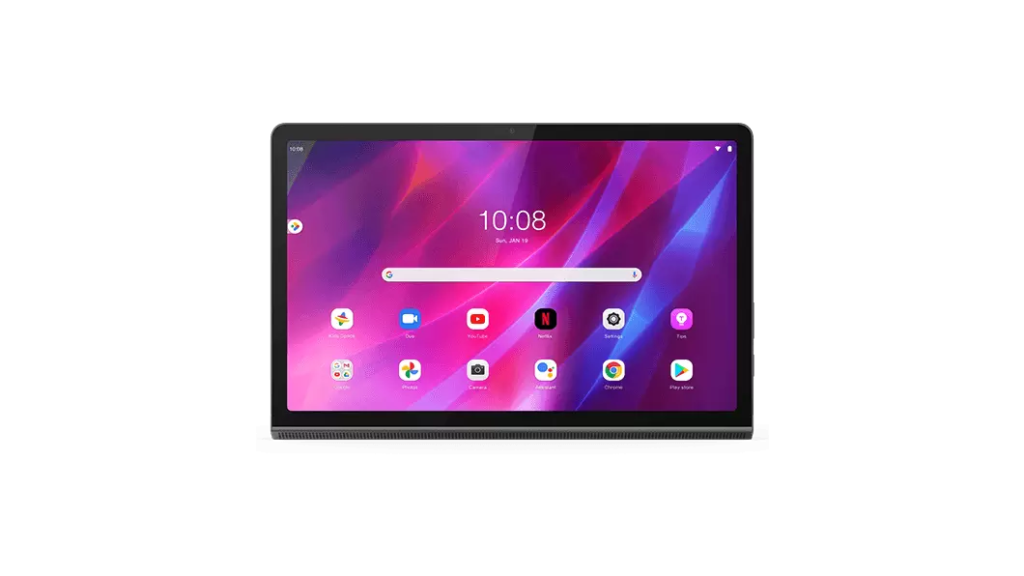
Lenovo Yoga Tab 11 with 2K display & 7,500mAh battery launched in India

After being announced back in June in Europe, the Lenovo Yoga Tab 11 has finally made its way to India. The tablet is powered by the MediaTek Helio G90T SoC and has an 11-inch 2K display. It features a unique stand at its rear that lets it sit at various adjustable angles. Along with this, it also supports the Lenovo Precision Pen 2 stylus as an optional accessory.

lenovo yoga 11 tablet

Its display is perhaps the most interesting bit from its list of specifications. Sized at 11-inches with a resolution of 2000 x 1200 pixels, it is an IPS TDDI touchscreen display with 400nits brightness, TUV Rheinland certification, and support for Dolby Vision. The display is paired with a JBL-tuned quad-speaker system with Dolby Atmos support.

The Lenovo Yoga Tab 11 packs a large 7,500mAh battery that has been claimed to last for up to 15 hours when watching online video content. The battery can be filled up at 20W.

lenovo yoga 11 tablet stand

The tablet’s weight stands at 600g and its dimensions measure 256.8 x 169 x 7.93mm. Its connectivity options include a USB Type-C port, Bluetooth v5, Wi-Fi 802.11AC (2 x 2), USB OTG, and more.

On the software front, the tab runs Android 11 with support for Google Kids Space. Google Kids Space is a library of quality content comprised of recommendations for apps, games, books, and videos.

lenovo yoga 11 tablet front

The Lenovo Yoga Tab 11 is priced at Rs. 40,000 for the sole 4GB RAM + 128GB storage option. The storage is high-speed UFS 2.1 and can be expanded further by up to 256GB thanks to the inclusion of a microSD card slot. The color option is again one – Storm Grey. It can be purchased from Amazon India and Lenovo’s online store.

RELATED:

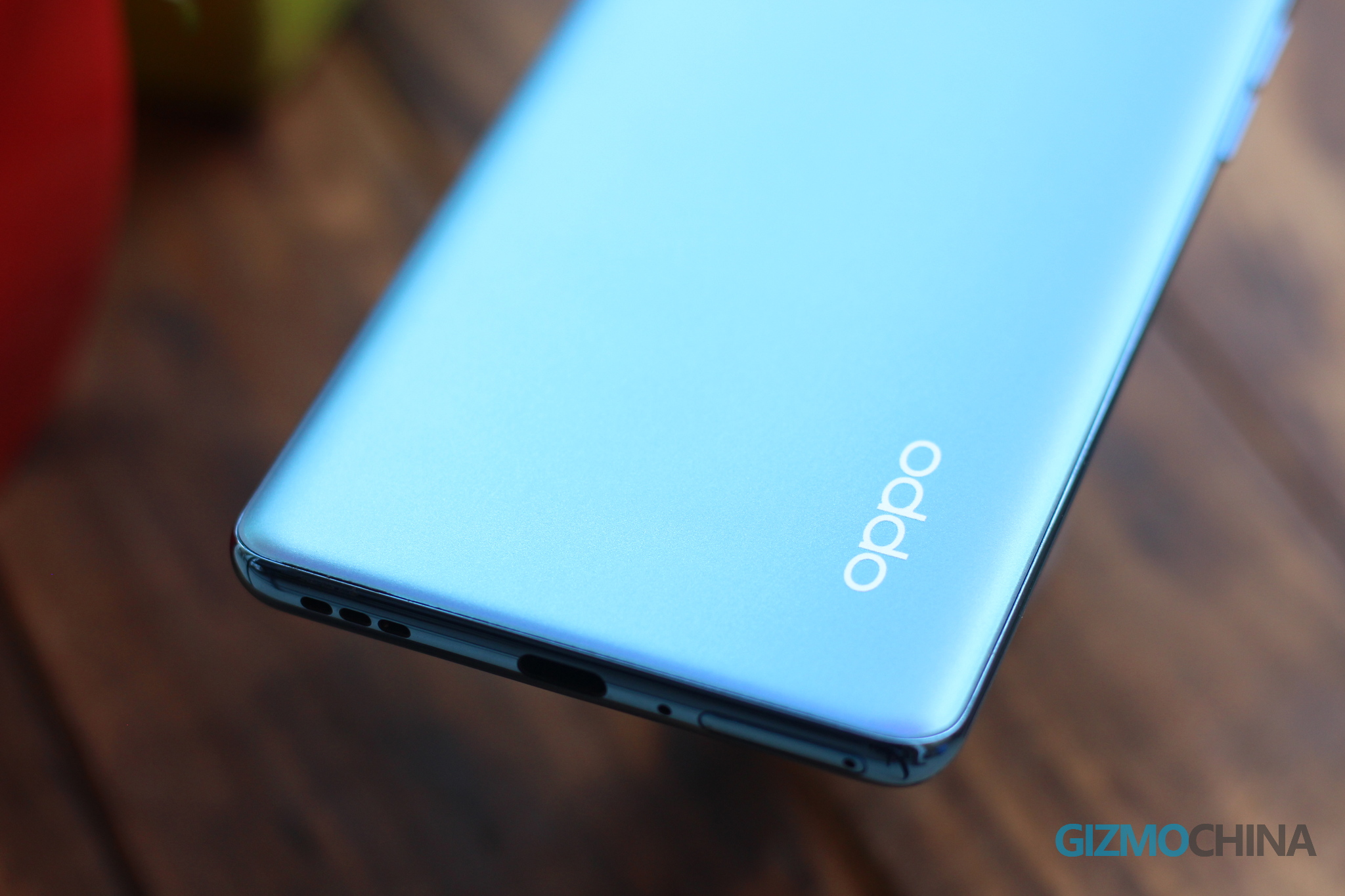
Oppo developing its own high end smartphone chips that will launch by 2024

Oppo is working to develop its own high end mobile chipsets for its premium grade flagship smartphones. The move from the company arrives to reduce its reliance on chipmaking firms like Qualcomm and MediaTek.

OPPO Reno5 Pro 5G 8

As of right now, the Chinese tech giant is the world’s fourth largest smartphone brand and is planning on begin shipping its custom made mobile chipsets sometime in the year 2023 or 2024. Earlier this year, the company had confirmed that it was working on its own self developed processors and now sources close to the matter has revealed to Nikkei Asia revealed the possible launch timeline of these upcoming chipsets.

Notably, this marks another Chinese brand joining the race of smartphone makers that are racing to make its own custom SoC (System on chips). At the moment, brands like Apple, Samsung, and Xiaomi are developing their own chips for their processors. Even Google is working on custom made chips with its flagship Pixel 6 series launching with the new Tensor chipsets. The process of developing its own chips would enable Oppo to have better control over its own supply chain and might also help the impacts of the ongoing global shortages of semiconductors.

oppo logo

The sources also revealed that the company is working on 3nm production technology that is being offered by TSMC, the world’s largest contract chipmaker. In other words, TSMC is also receiving another major smartphone brand as its new client, with Apple, Intel, AMD, and Nvidia being some of its other major customers.

RELATED:


Xiaomi 12 series to feature three 50MP primary cameras: Tipster

A new leak has revealed certain details about the camera system on the Xiaomi 12 series. Apparently, the upcoming flagship smartphone lineup will feature three 50 megapixel primary image sensors on the rear.

The news arrives from known tipster @数码闲聊站 on Weibo (a Chinese microblogging website). As per the social media post, the company is planning on launching the smartphone with a 50+50+50 megapixel camera solution on the rear. This would include a large primary sensor, along with a high resolution ultra wide angle lens, and another high resolution periscopic telephoto camera as well. This is in line with our previous reports about the Chinese tech giant’s Xiaomi 12 sporting a 50 megapixel primary camera over a 200 megapixel sensor.

Xiaomi 12
Concept render

The tipster also added that the three 50 megapixel triple camera system is set to be launched in two flagship series. The other flagship lineup in question is expected to be the Samsung Galaxy S22 series. So, within the Xiaomi 12 series, we can expect at least the top model to feature this high end camera system. Talking about some of the other expected specifications, the upcoming flagship series will likely feature the Qualcomm Snapdragon 898 SoC and will house up to a 5,000mAh battery pack with support 120W wired fast charging and 100W wireless fast charging as well. Keep in mind that this is still an unconfirmed report so take it with a pinch of salt for now.

RELATED:


Xiaomi releases multiple products at once: Mijia Massage Gun, Smart Curtains, Heater, & more

Xiaomi today released multiple products at once as part of its Mijia (Mi Home) smart home series. The products are Mijia Mini Massage Gun, the battery-powered version of the Mijia Smart Curtain, the Mijia Smart Display Hanging Lamp 1S, and the Mijia Graphene Smart Electric Heater.

The Xiaomi Mijia Mini Massage (Fascia) Gun has still not hit the shelves in China (via: IT Home) and there isn’t much known about it apart from its poster that says it will be coming in three color options. The poster also reveals its price – 349 Yuan or around $55.

Mijia Mini Massage (Fascia) Gun

The Mijia Smart Curtain Lithium Battery Edition supports 27W fast charging that can quickly fill up its new lithium battery solution. There’s no socket wiring required and the smart curtains support a variety of linkage scenarios including connection to Xiaoai Speakers for voice commands. You can control the opening and closing of curtains using such commands. This is selling at a price of 899 Yuan (~$140).

Mijia Smart Curtain Lithium Battery Edition

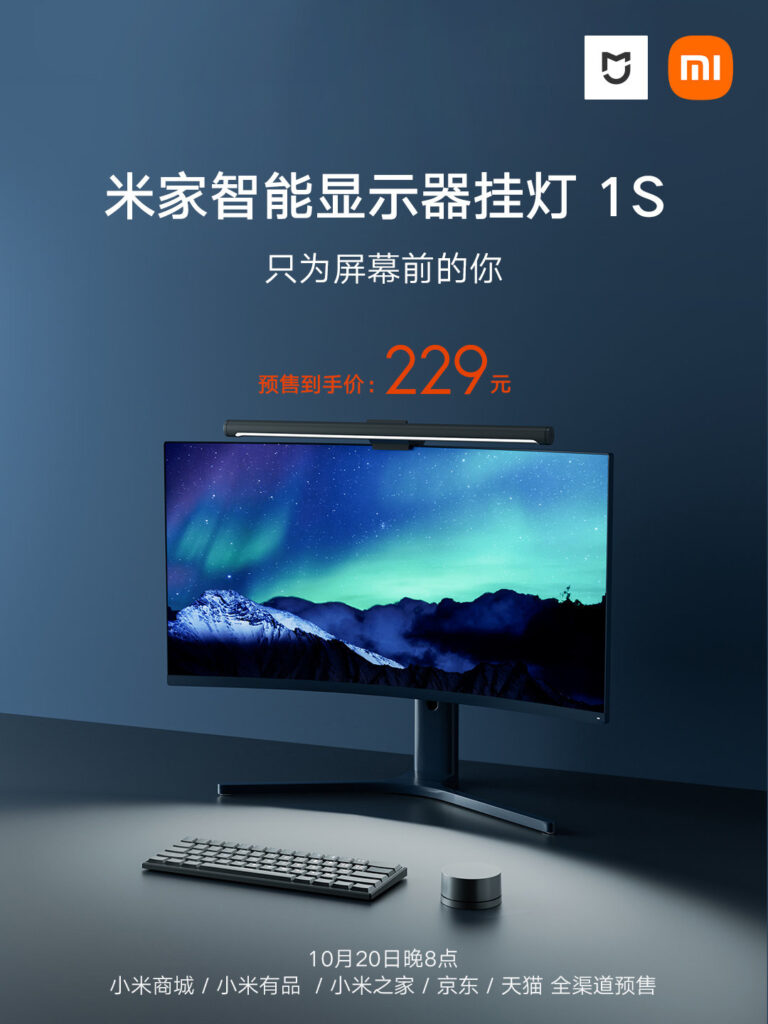
The Mijia Smart Display Hanging Light 1S is basically a downward pointing lamp that can be clipped onto the top of any monitor, and help illuminate the workspace while also reducing eye fatigue. It can be adjusted for displays with thicknesses ranging from 0 to 32mm. It is supported by the Mijia App and can make use of Xiaoai voice control. It is priced at 229 Yuan (~$36).

Mijia Smart Display Hanging Lamp 1S

Last but not least, the Mijia Graphene Smart Electric Heater is exactly what its name implies and adopts a graphene high-efficiency heat conduction technology to generate heat quickly without wait. The device also supports Mijia linkage and a variety of intelligent controls. It will cost you 449 Yuan (~$70).

Mijia Graphene Smart Electric Heater

The Mijia Smart Display Hanging Light 1S and the Mijia Graphene Smart Electric Heater will be available for pre-sale at 8PM (CST) today in China.

RELATED:

Android 12 quietly adds support for native app cloning

Yesterday, Google began to roll out Android 12 stable update for eligible Pixel smartphones. We have been learning about the new features in the latest version of Android ever since the first Developer Preview was released earlier this year. Looks like there are still some new features that are yet to be unearthed.

A few hours back, Mishaal Rahman, former Editor-in-Chief of XDA Developers, tweeted (via GSMArena) that Android 12 has quietly added support for native app cloning. He found the mention of it in the official Android 12 Compatibility Definition Document (CDD).

‘App clone’ on Android is not something new. Many OEMs offer this feature in their Android skin. But this is the first time, Google has baked the functionality natively in the operating system.

Previously, if a user wanted to use multiple instances of a specific app on Pixels and devices without the app clone feature, they would have to create a work profile. Above all,  they would have to switch between two profiles to access two different instances of the same application.

But not anymore. With Android 12, the primary user of the device can create a clone of their desired applications and access both instances from the same profile. 

Having said that, since Android 12 is still new and only Pixels have started receiving it, app developers might take some time to add support for the new native cloning feature.


RELATED:


Xpeng’s flying car brand raises over $500 million, targets 2024 launch

HT Aero has just raised more than 500 million US Dollars from outside investors. The company is backed by the Chinese electric vehicle maker Xpeng and is aiming on rolling out its flying vehicles in the year 2024.

Xpeng X2 flying car

The brand will be using the investment towards its research and development for the new model that will have the ability to operate both in the sky and on the ground. Zhao Deli, founder and president of HT Aero, stated that the brand’s next generation model will feature a “fully integrated flying vehicle and automobile, designed for both low altitude air travel and road driving.”

Zhao further added that HT Aero is planning for a launch of the new vehicles in 2024. Although, the senior official has yet to reveal any official date or timeline for this launch. For those unaware, the company is an affiliate brand of Xpeng, which is an electric vehicle based start up from China. Furthermore, Xpeng’s founded He Xiaopeng as well as the automobile company itself are also investors in HT Aero.

Xpeng X2 flying car

Flying cars, also known as electric vertical take off and landing vehicles (eVTOL), have recently garnering a lot of attention in the automobile industry. Other automotive brands like Hyundai, Lilium, and others are also working on developing their own flying passenger vehicles. Back in July, HT Aero launched the X2, which was its second flying car prototype that was capable of carrying passengers.

RELATED:


Vivo T1 5G with a Snapdragon 778G SoC unveiled alongside the T1x 5G

Vivo has quietly unveiled a new T1 series made up of the Vivo T1 5G and T1x 5G. Both smartphones are premium mid-range models, with the T1 5G higher up the ladder than its sibling. Let’s take a look at the specifications of both models.

Vivo T1 5GVivo T1 5G

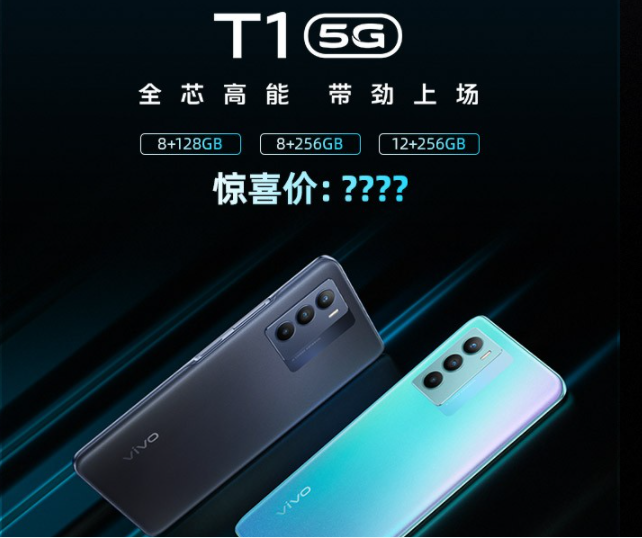
The Vivo T1 5G features a 6.67-inch LCD screen and is powered by a Qualcomm Snapdragon 778G processor. The octa-core processor is manufactured using a 6nm process technology. The processor brings up to a 40% increase in performance over the previous generation Snapdragon 768G chipset. The processor is backed by 8GB or 12GB RAM on the T1 5G while for storage, you get a 128GB option and a 256GB option.

At the rear aspect, it packs a triple camera setup with a 64MP main sensor supported by an 8MP ultra-wide-angle and a 2MP macro lens. The cameras are housed within a rectangular module located on the top left corner of the back panel. The device also crams a 5000mAh battery under the hood to guarantee a long battery life.

vivo T1 5G

The Vivo T1 is available in Black and blue color variants. It will be available in 8GB + 128GB, 8GB + 256G, and 12GB + 256GB options.

Vivo T1x 5G

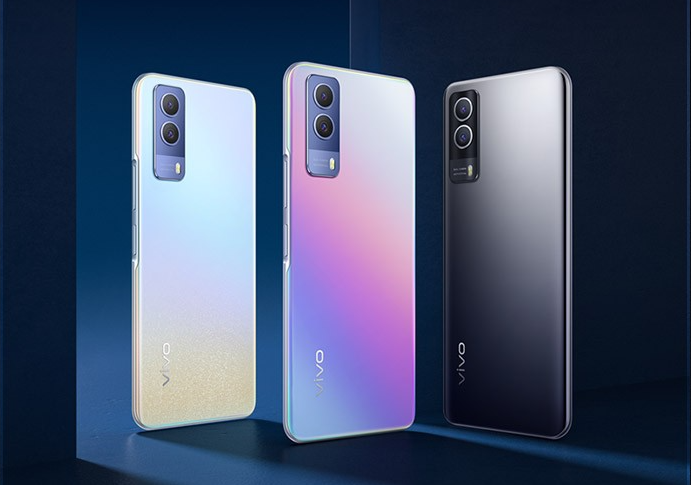
Vivo T1x 5G adopts a smaller 6.53-inch display and is powered by a MediaTek Dimensity 900 chipset. The processor pairs with 6GB/8GB of RAM while there are 128GB and 256 GB storage options onboard.

The T1x 5G packs a dual-camera setup at the rear that is also housed in a rectangular module. The LED flash also sits at the bottom of the sensors. The device adopts a gradient finish and will be available in Black, Blue, and Purple colors.

Pricing & Availability

As for the prices, the Vivo T1 5G starts at 1999 yuan (~$312) for the 8GB + 128GB variant. The 8GB + 256GB version is priced at 2199 yuan (~$344) while the topmost 12GB + 256 GB variant comes in at 2,499 yuan (~$390).

On the other hand, the Vivo T1x 5G  starts at 1,699 yuan (~$266) for the 6GB+128GB variant. You can get the 8GB+128GB version for 1,799 yuan (~$281) while the 8GB+256GB version will retail for 1999 yuan (~$312) in China.

Both models are presently up for preorders on Jingdong (JD.com). According to the listings, the models will be launched for sale on November 1.

RELATED:


Google Pixel 6 series is available for pre-orders in these countries

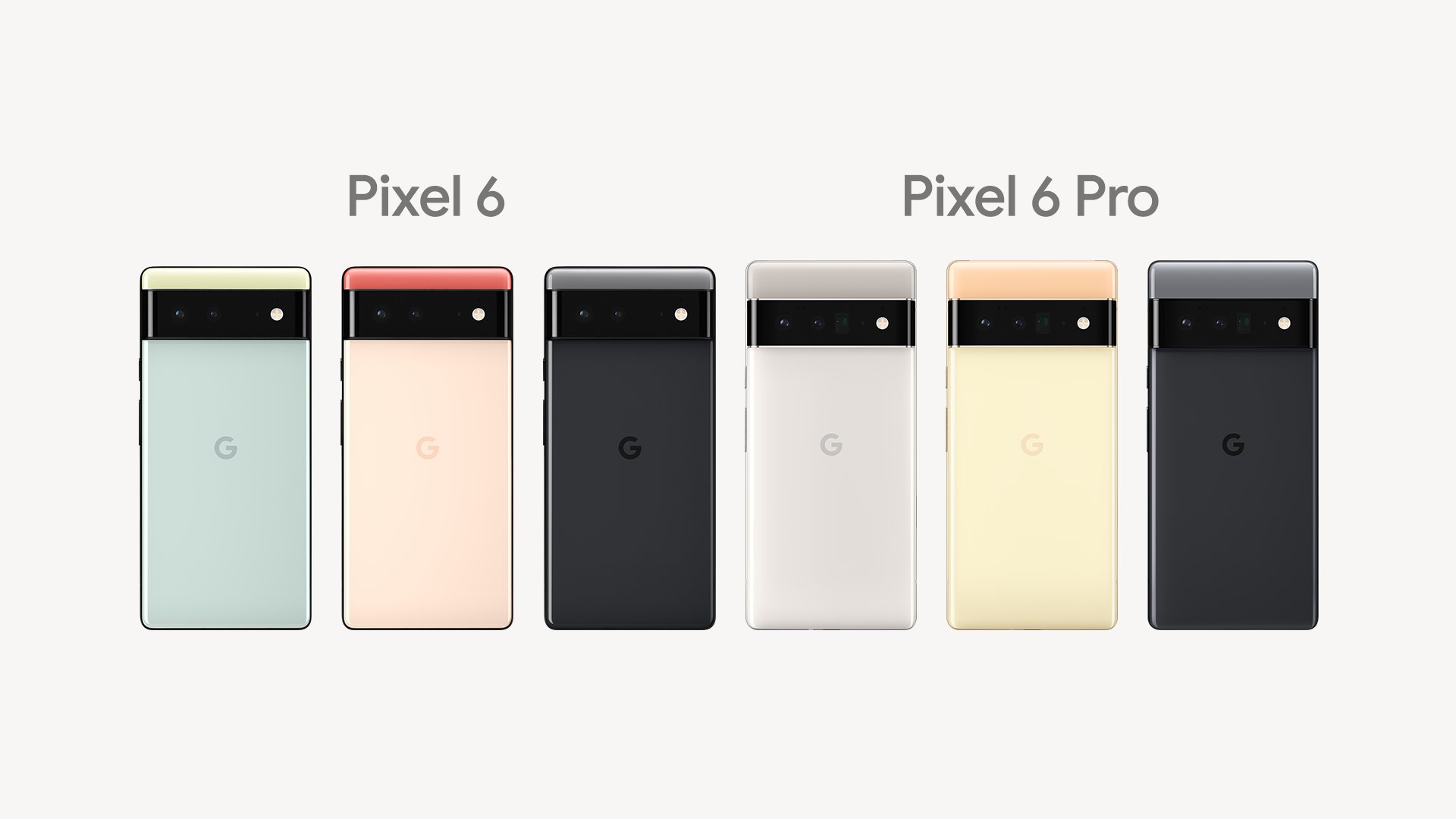
Yesterday, Google announced the highly anticipated Pixel 6 and Pixel 6 Pro smartphones. Apart from featuring top-notch cameras and high refresh rate displays, the Pixel 6 duo is powered by the company’s custom-made chip called Tensor. Here is the listing of the countries that will be receiving the Pixel 6 and Pixel 6 Pro smartphones.

Pixel 6 and PIxel 6 Pro
Pixel 6 and Pixel 6 Pro

The Pixel 6 and Pixel 6 Pro are now available for pre-orders in the following countries:

  • Australia – AUD 999 / AUD 1,299
  • Canada – CAD 799 / CAD 1,179
  • France – EUR 649 / EUR 899
  • Germany – EUR 649 / EUR 899
  • Japan – JPY 74,800 / JOY 116,600
  • Republic of Ireland – EUR 649 / EUR 899
  • Taiwan – NTD 18,990 / NTD 26,990
  • United Kingdom – GBP 599 / GBP 849
  • United States – USD 649 / USD 899

In the European countries, buyers who pre-order the Pixel 6 or Pixel 6 Pro between Oct. 19 and Oct. 27 will get a free pair of the Bose 700 Noise Cancelling headphone, which costs $379. In the U.S, select retailers are offering Pixel Buds A-series for free.

The Pixel 6 duo will start shipping from Oct. 28 in the U.S. The release date will be different for other countries. However, the shipments are likely to begin on Nov. 1 in the other regions.

(via)

RELATED:

Redmi Note 11 is as powerful as the flagship K series: Lu Weibing

Earlier today (20th October 2021), Xiaomi had announced the official launch date for the upcoming Redmi Note 11 series of smartphones. Now, an executive from the company has shared a statement regarding the upcoming smartphones prior to their launch.


Xiaomi

According to Lu Weibing, General Manager of Redmi, the upcoming Note 11 series of smartphones are the latest addition to its popular Note lineup and arrives with its popular cost effective formula. The senior official stated that the series features 6 major functional upgrades along with a change in its design as well. Notably, he referred to the upcoming Note 11 series as “Note Reborn” on his official Weibo account (a Chinese microblogging website).

Interestingly, he even added that the new Note 11 can be considered a part of the K40 series. In other words, the new devices will be as powerful as the flagship K series of smartphones. Talking about the expected specs of the device, the Redmi Note 11 5G will feature a 120Hz LCD display, a 13 megapixel front camera, a 50 megapixel rear camera, MediaTek Dimensity 810, and house a 5,000mAh battery that supports 33W fast charging.

Xiaomi Redmi Note 11 Pro

On the other hand, the Note 11 Pro+ 5G will arrive with 120Hz OLED display, a 16 megapixel selfie shooter, a 108 megapixel rear camera, Dimensity 920 chipset, and will be powered by a 5,000mAh battery with 67W rapid charging. Furthermore, JD.com listing for the new series even revealed a Note 11 Pro+ 5G variant as well, which also houses a 5,000mAh battery that supports up to 120W fast charging.

RELATED:


Sony claims the ‘best smartphone camera’ is right around the corner

Sony released a new trailer yesterday for its upcoming Xperia product claiming that it has the ‘best smartphone camera’. The company has been able to generate much hype for the upcoming phone without providing any details about it at all – an oddity in an industry where pre-launch leaks have become a norm. We aren’t complaining though as it all adds to the suspense. After all, the best surprises are the unexpected ones.

The mysterious event will be held on October 26 (Oct. 25 in the US) and all we know about it is that “a new Xperia is coming” with a focus on professional photography and videography above everything else.

sony xperia oct event teaser

By this, one might think that the curtains are about to be lifted on a sequel to the Xperia Pro. But as it stands, Sony has gotten a few professional photographers to praise more affordable and less impressive models like the Xperia 1 III and even the mid-range Xperia 5 II in the teaser, so it doesn’t necessarily mean that Sony will be unveiling an absolute flagship model.

As for what’s next, Sony seems to have gotten a content creator, photographer, and filmmaker to spend time with the device and they’ve all got nice things to say about it like: “It almost felt like it was a camera attached to a phone”, so there’s that.

sony xperia oct event image

Another known thing about the phone includes the implementation of a dedicated shutter button – something that has become a staple on Sony smartphones of late.

Apart from this, well, you’ll have to wait for next week’s event, although it is possible that Sony will be dropping some more teasers beforehand.

RELATED:

OPPO K9s launched with Snapdragon 778G SoC, 120Hz display, 5,000mAh battery, and more

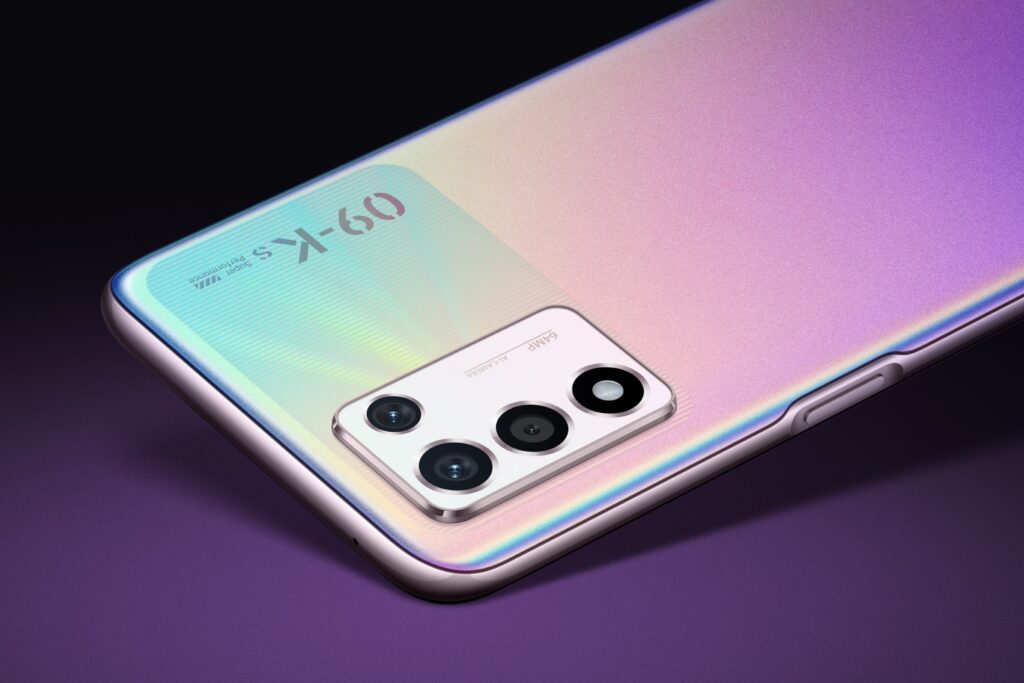
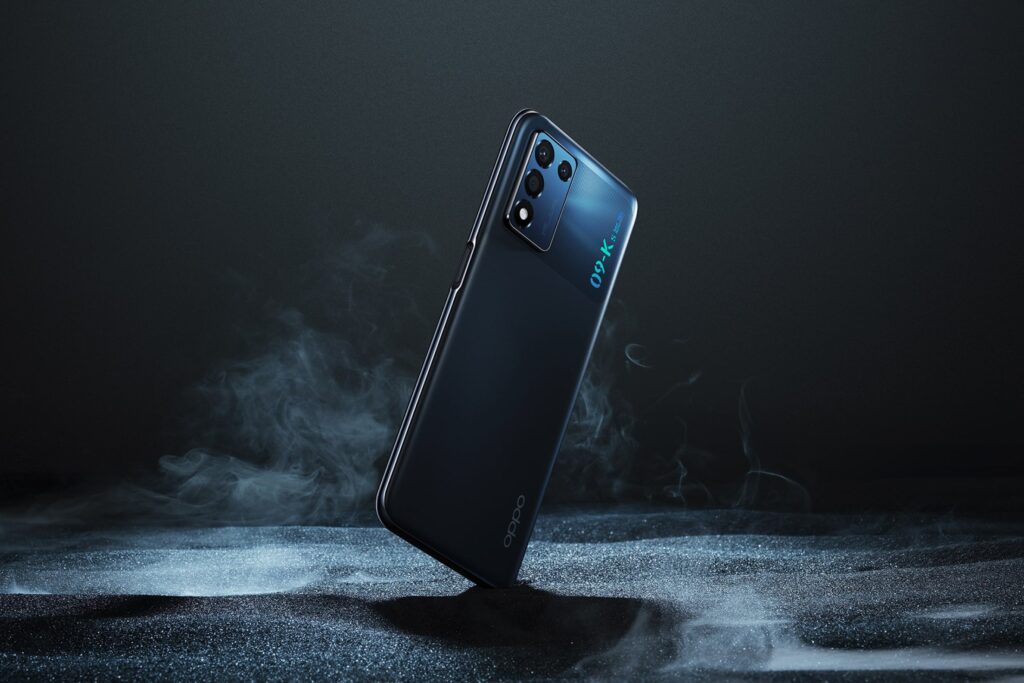
After teasing for days, OPPO has finally launched the OPPO K9s in China. It is the third model in the OPPO K9 series of smartphones after OPPO K9 and OPPO K9 Pro. Interestingly, this phone appears to be a tweaked version of realme Q3s that went official yesterday.

OPPO K9s Featured A

OPPO K9s Specifications and Features

The newly unveiled OPPO K9s is almost identical to the realme Q3s in terms of both design and features. The two devices only differ in display size, screen refresh rate, rear camera setup, and software departments.

Talking about the dissimilarities first, the K9s sports a 6.59-inch TFT LCD panel with a 120Hz refresh rate, while the Q3s includes a 6.6-inch TFT LCD screen with a 144Hz refresh rate. The former has a 64MP (wide) + 8MP (ultra-wide)  + 2MP (macro) triple camera setup as opposed to a 48MP (wide) + 2MP (monochrome) + 2MP (macro) triple camera array on the latter.

OPPO K9s Featured D

The final difference is software. The OPPO handset runs ColorOS 11.2 baked on Android 11, whereas the realme phone boots Android 11-based realme UI 2.0, which is a clone of ColorOS 11. 

Coming to common features, the OPPO K9s flaunts an FHD+ (1080 x 2412 pixels) display with 16.7 million colors, 401 PPI, 240Hz touch sampling rate, and 90.8% screen-to-body ratio. The panel has a punch-hole at the top left corner, 96% NTSC color gamut, 100% DCI-P3 color gamut, 600 nits peak brightness, and Panda Yiqiang Glass protection.

OPPO K9s Featured C

It is powered by a Qualcomm Snapdragon 778G chipset paired with up to 8GB LPDDR4x RAM and 128GB UFS 2.2 storage. The handset gets its juice from a 5,000mAh battery with support for 30W fast charging.

As far as connectivity is concerned, it comes with dual-SIM card slots, 5G, dual-band WiFi 6, Bluetooth 5.2, GNSS (GPS, BeiDou, GLONASS, GALILEO, QZSS), USB Type-C port, and 3.5mm headphone jack.

OPPO K9s Featured B

Other features of the smartphone include a 16MP selfie camera, side-mounted fingerprint sensor, accelerometer, ambient light sensor, gyroscope, proximity sensor, compass, liquid cooling system, x-axis linear motor, and virtual mechanical keyboard.

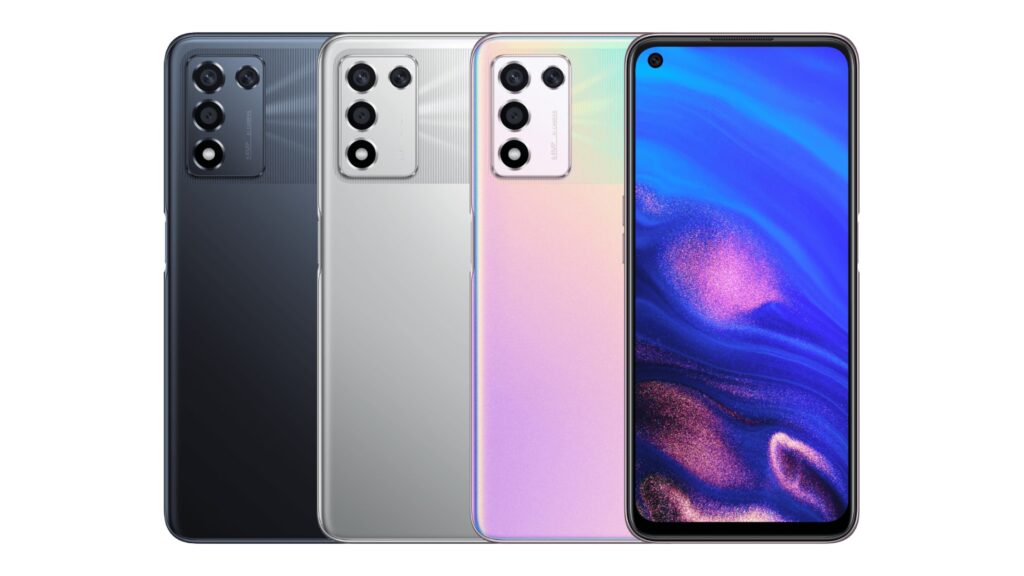
Last but not least, the OPPO K9s measures around 164.43 x 75.88 x 8.52mm in dimensions, weighs 199g, and arrives in the following three color options.

  • Obsidian Warrior (Black)
  • Neon Silver Sea (Silver)
  • Magic Purple Quicksand (Purple)

OPPO K9s Featured E

OPPO K9s Price and Availability

The OPPO K9s is priced at ¥1,699 ($266) and ¥1,899 ($297) for the 6GB + 128GB and the 8GB + 128GB memory configurations respectively in China. However, for a limited time, both variants will be discounted by ¥200 ($31). Hence, their price comes down to ¥1,499 ($235) and ¥1,699 ($266).

OPPO K9s Price
  • 6GB + 128GB – ¥1,699 ($266)
  • 8GB + 128GB – ¥1,899 ($297)

The device will go on sale from November 1. At present, it’s not known whether this product will make its way to international markets.


RELATED:


Redmi Watch 2 launch date confirmed

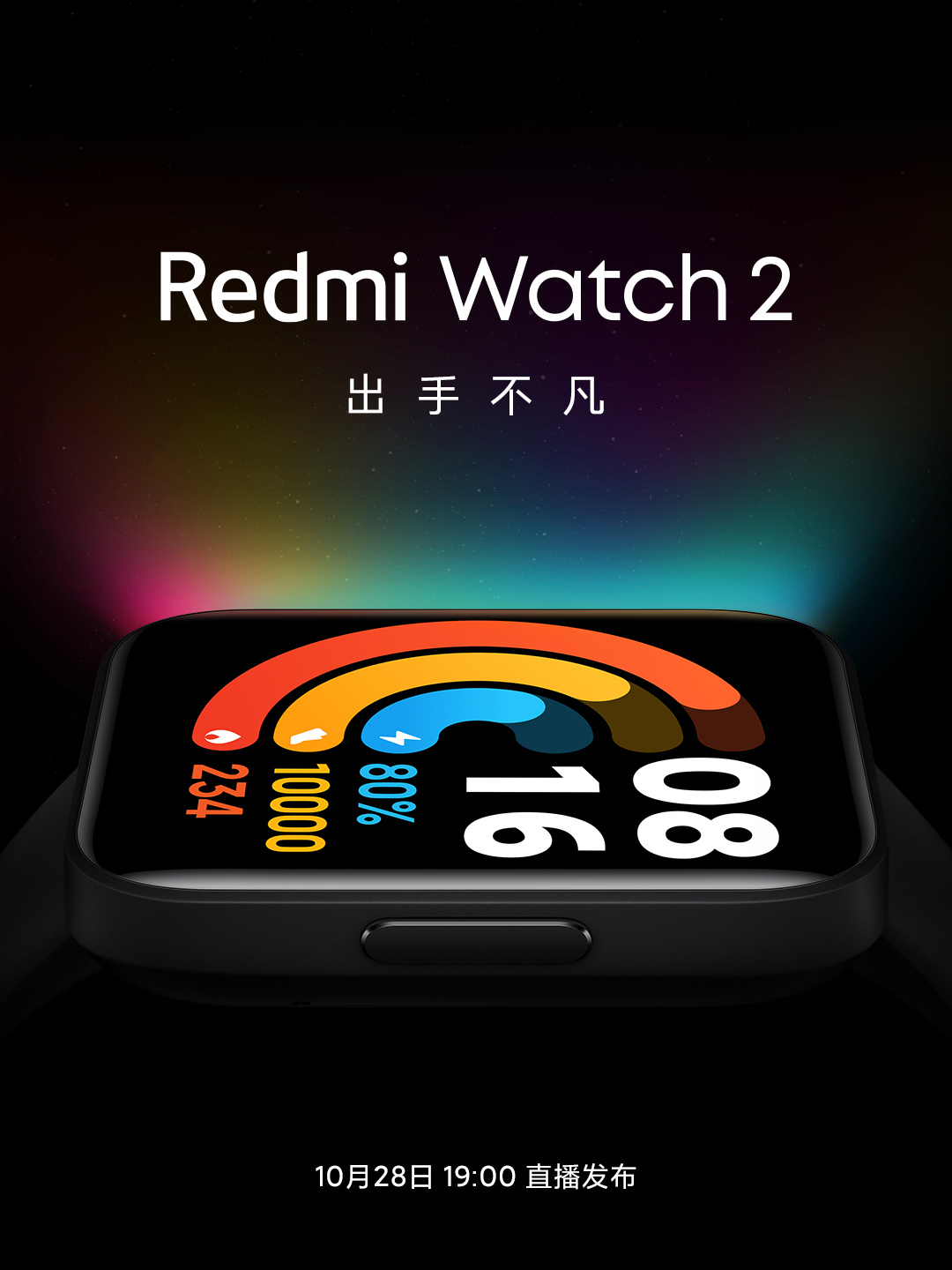
Redmi has confirmed the Redmi Watch 2 launch date for China. The company will be announcing it at 7 PM (local time) on Oct. 28. It will be unveiled along with the Redmi Note 11 series of smartphones.

The official poster of the Redmi Watch 2 reveals that it will continue to sport a square-shaped display like the predecessor model. Unfortunately, the company has not revealed any information on the specifications of the device of the Redmi Watch 2. With around a week remaining for the launch, the Chinese manufacturer is expected to reveal some of its details in the coming days.

Redmi Watch 2 launch date confirmed

It is speculated that the Redmi Watch 2 will come with improvements in departments like screen, sports tracking, health tracking, appearance, usage experience, and charging. It is likely to come loaded with RTOS.

To recollect, the original Redmi Watch, which debuted in November 2020 last year came with a 1.4-inch LCD panel that offers 320 x 320 pixels resolution. It offered health tracking features like 24/7 heart rate tracker and sleep monitor. It carried support for tracking 11 kinds of sports activities.

The Redmi Watch was able to last for up to 10 days on a single charge. Its other features include air pressure detection, built-in GPS, 5ATM water resistance, and Bluetooth 5.1 connectivity. It was introduced at a price of 269 Yuan (~$42) in China. It is likely that the Redmi Watch 2 will be arriving with a similar price tag in the home market.

RELATED: