Vivo has silently unveiled the Vivo Y50t smartphone in China. The company has been mainly launching 5G-enabled phones in the Chinese market. However, the Y50t is a 4G LTE phone. The handset features a trendy punch-hole display, Snapdragon 7-series chipset, ample internal storage, 48-megapixel triple cameras, and a big battery.
Vivo Y50t specifications and features
The Vivo Y50t has a 6.58-inch IPS LCD display that produces a Full HD+ resolution of 1080 x 2480 pixels, a 1500:1 contrast ratio, a 60Hz refresh rate, and a 90.72 percent screen-to-body ratio. The device is fitted with a selfie camera of 8-megapixel for capturing selfies.
The rear camera module of the Y50t has a 48-megapixel primary camera, a 2-megapixel depth sensor, and a 2-megapixel macro camera. The device comes with security features like face unlock and a side-facing fingerprint scanner. It runs on Android 10 OS and OriginOS 1.0.
Vivo Y50t
The Y50t is powered by the Snapdragon 720G mobile platform and 8 GB of RAM. The device comes with 4 GB of extended RAM, 128 GB of internal storage, and a microSD card slot for more storage.
The Y50t is powered by a 4,500mAh battery, which supports 18W charging through a microUSB port. It comes with other features such as 4G VoLTE, dual SIM, Wi-Fi 802.11ac, Bluetooth 5.0, GPS, and a 3.5mm headphone jack.
Vivo Y50t pricing and availability
The Vivo Y50t is priced at 1,399 Yuan (~$219) and it comes in two colors such as gradient blue and black. The handset is expected to go on sale in China soon.
OPPO has been rolling out ColorOS 12 beta builds to eligible devices since September. The latest phones to receive the update are the OPPO Find X2 series handsets in India and Indonesia. Let’s take a look at how interested users can try out OPPO’s version of Android 12 on these smartphones before most people.
OPPO Find X2 Pro
According to an official announcement post on OPPO Community, the Chinese smartphone maker is recruiting ColorOS 12 beta testers for the following devices in India and Indonesia.
In order to enroll in the beta program, users should be on firmware version C.73. If so, they can head over to Settings > Software Update > Gear Icon > Apply for Beta Version > Update Beta Version and follow the on-screen instructions.
Registrations will remain open from November 15 to November 22. However, only 5000 applicants will be selected for the first batch in total for the three phones.
Hence, if you own any of these handsets and want to try Android 12-based ColorOS 12, then make sure to register as soon as possible. As far as stable release is concerned, it should happen in the coming weeks once the issues are resolved.
The OPPO Find X2 series debuted with ColorOS 7.1 based on Android 10. The three models were updated to Android 11-based ColorOS 11 last year. Therefore, ColorOS 12 is their second major Android update and will receive one more Android update in the future.
Two Xiaomi phones with model numbers 2201123C and 2112123AC were spotted at the CMIIT certification platform at the beginning of this month. Later, the 2112123AC was spotted at the 3C certification platform of China. Now, the same phone has received approval from the TENAA authority.
The 3C certification of the 2112123AC had revealed that it may arrive with a 67W charger. The TENAA listing of the phone has not revealed any information on its specifications. These certifications are a good hint that the 2112123AC will be launching soon in the Chinese market.
#Xiaomi 2112123AC 5G appears on TENAA certification.
The 2112123AC could be the rumored L3A phone, which is said to be powered by the Snapdragon 870 chipset. Unfortunately, nothing much is known on the specs of this mysterious device.
A recent report revealed that the L2, L1A, and L1 are the model numbers of upcoming Xiaomi 12, Xiaomi 12 Pro, and Xiaomi 12 Ultra smartphones. The L10, L10A, L11, and L11R are said to belong to the Redmi K50 series. The L9 and L9B are said to arrive as Xiaomi branded devices powered by the latest Snapdragon 778G+ chipset.
In related news, Qualcomm will be announcing its next flagship chip, which could be called the Snapdragon 8 Gen1 by the end of this month. It is likely that the Xiaomi 12 featuring the new chip may debut in December. While the vanilla model is expected to go official next month, the Xiaomi 12 Pro and Ultra models are speculated to debut in the beginning months of 2022.
Yesterday, we reported on the model numbers of upcoming premium smartphones from Xiaomi and Redmi. The list also includes some unknown phones. According to rumors, two of these devices could be small screen flagship smartphones.
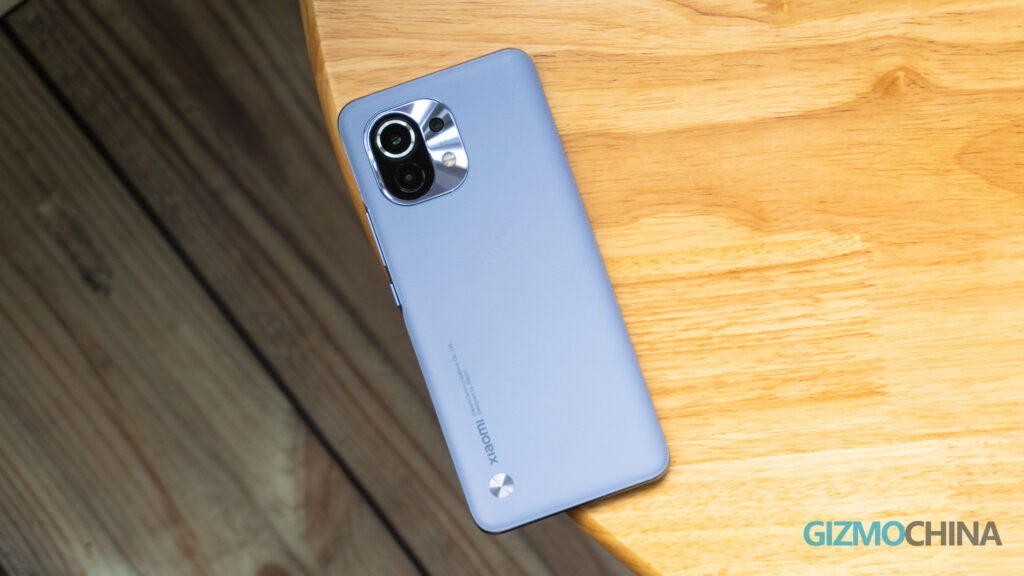
Xiaomi Mi 11
When reports started emerging about iPhone 12 mini ahead of its release, Xiaomi was the first Android OEM to publicly show interest in this form factor. However, ASUS beat the Chinese tech giant by bringing ZenFone 8 first to the market.
More than a year later, rumors suggest that the two upcoming Xiaomi devices with model numbers L3 and L3A could be the long-awaited mini smartphones from the company. As per MIUI code, the duo will be powered by a Qualcomm Snapdragon 870 SoC, and the former is said to feature a 6.3-inch display.
Unfortunately, that’s all the information we have right now. Previously, going by the screen size, we speculated L3 to be a clamshell foldable smartphone.
Although these two devices are said to be mini smartphones, we are skeptical since there’s still no strong evidence. However, it is worth noting that Redmi GM Lu Weibing talked about small screen flagship smartphones on Weibo yesterday.
Anyway, whatever L3 and L3A are, we expect to learn more about these phones in the coming days. Until then, do let us know your thoughts in the comment section below.
Lenovo is launching amazing flagship tablets in China running the Android operating system and it is close to the domination of the Android flagship segment regarding the tablet market in the country. This year the company released two tablets with the Snapdragon 870 mobile platform: The Xiaoxin Pad Pro 12.6 and the Xiaoxin Pad Pro 11.5 (2021) also known as the Lenovo Pad Pro in the international markets. Unlike what you may think at a first glance, the Xiaoxin Pad Pro 11.5 does not differ from the 12.6 variant only for the diagonal of its display. There are also other important differences between the two tablets which deserve to be discovered. This comparison between their great specifications will help you to do it.
Lenovo Xiaoxin Pad Pro 12.6 vs Lenovo Xiaoxin Pad Pro 11.5
Lenovo Xiaoxin Pad Pro 12.6
Lenovo Xiaoxin Pad Pro 11.5
DIMENSIONS AND WEIGHT
N/D
264.3 x 171.4 x 5.8 mm, 485 g
DISPLAY
12.6 inches, 1600 x 2560p (Full HD+), AMOLED
11.5 inches, 1600 x 2560p (Quad HD+), OLED
PROCESSOR
Qualcomm Snapdragon 870, octa-core 3.2 GHz
Qualcomm Snapdragon 870, octa-core 3.2 GHz
MEMORY
8 GB RAM, 256 GB – micro SD slot
6 GB RAM, 128 GB – micro SD dedicated slot
SOFTWARE
Android 11, ZUI
Android 11, ZUI
CONNECTIVITY
Wi-Fi 802.11 a/b/g/n/ac/ax, Bluetooth 5.2, GPS
Wi-Fi 802.11 a/b/g/n/ac/ax, Bluetooth 5.1, GPS
CAMERA
Dual 13 + 5 MP
8 MP + TOF 3D sensor front camera
Dual 13 + 5 MP
Dual 8 + 8 MP IR TOF 3D front camera
BATTERY
10,200 mAh, fast charging 45W
8600 mAh, fast charging 20W
ADDITIONAL FEATURES
Pen and keyboard support
Pen and keyboard support
Design
These two tablets come with exactly the same design and form factor and they can be considered 2-in-1 tablets. They have narrow bezels around the display and a rear kickstand which allows to use them like notebooks if connected to an external keyboard which can be attached to the devices magnetically. The only important aesthetic difference between these two models is the dimension: the Lenovo Xiaoxin Pad Pro 12.6 is a bigger tablet because it is equipped with a wider display.
Display
As said above, the displays of these tablets differ in terms of dimensions, but if we look at the rest of the specifications, these panels are more or less the same. They are both OLED displays with a stunning color quality not only thanks to the OLED technology but also because they support the HDR10 certification and Dolby Vision. Further, they provide a very high level of detail thanks to a Quad HD+ resolution of 1600 x 2560 pixels. Note that the Lenovo Xiaoxin Pad Pro 12.6 has a higher refresh rate than Xiaoxin Pad Pro 11.5 with up to 120 Hz. Both the tablets are equipped with a side-mounted fingerprint reader for authentication.
Specs & Software
Lenovo Xiaoxin Pad Pro 12.6 and Lenovo Xiaoxin Pad Pro 11.5 are powered by the same processor: the Snapdragon 870 mobile platform. Thanks to this chipset, they are able to provide flagship-class performance perfect for power users. These are two tablets you should choose if you are a gamer or you plan to use heavy apps or multiple apps at the same time. What changes between the two hardware departments is the memory configuration: the Lenovo Xiaoxin Pad Pro 12.6 has 8 GB of RAM and 256 GB of internal storage, while the 11.5-inch version has just 6 GB of RAM and 128 GB of storage. Both the devices run Android 11.
Camera
The base variants of these tablets are equipped with the same rear cameras: a 13 MP main sensor and an 8 MP ultrawide camera. On the front side, you get an 8 MP selfie camera and a TOF 3D sensor for 3D facial recognition. There are no differences between the cameras, so whatever you choose, you will actually get the very same photo quality and video quality.
Alongside the bigger display, the main advantage of the Lenovo Xiaoxin Pad Pro 12.6 is the bigger battery. Thanks to it, you can get more hours of battery life. Further, it has a faster charging technology with a power of 45W, while the 11.6-inch version stops at 20W.
Price
The Lenovo Xiaoxin Pad Pro 12.6 is naturally more expensive than the smaller sibling with 11.6 inches. Its price for the Chinese market is 3,699 Yuan which roughly converts to $579. So, if you need to save money, go for the Lenovo Xiaoxin Pad Pro 11.5. The 12.6 variant offers a few things more: a higher refresh rate, a bigger battery, and faster charging, as well as a bigger display making it better for productivity. But for the rest, these two tablets are pretty much the same. Would you spend more on those features or you would go for the 11.6-inch version?
Lenovo Xiaoxin Pad Pro 12.6 vs Lenovo Xiaoxin Pad Pro 11.5: PRO and CONS
Samsung Galaxy S22 series has been the subject of numerous leaks and rumors in the last 48 hours. Ahead of the next Galaxy Unpacked Event in January 2022, there had been a flurry of leaks and renders related to the Galaxy S22 lineup. The latest rumor is that the Samsung Galaxy S22 series will be powered by either Qualcomm or Exynos chipsets.
Previously, it had been speculated that only Qualcomm’s Snapdragon chips will be present in the Galaxy S22 series. This much was leaked by a former Samsung employee. Another tipster then hinted that some regions will indeed see the Exynos 2200 in their Galaxy S22 models. It will seem that both leaks revealed one aspect of the matter.
A news item from Korea has revealed that Samsung will use both the Snapdragon 898 and Exynos 2200 chips in the new Galaxy S22 series. Obviously, in line with its tradition, Samsung will offer Snapdragon-equipped models to customers in the US, while Europe, South Korea, and other regions will be getting the Exynos 2200 versions of the same models. Samsung’s decision on different chipsets globally has attracted lots of flak from several quarters. However, the company has weathered the storm and now has a strong partnership with AMD aimed at strengthening the Exynos chips that will adorn its smartphones.
Geekbench performance numbers for the Snapdragon 898 and the Exynos 2200 are expected not to be significantly different. Another leak has indicated though that Exynos-equipped Galaxy S22 models may lag behind Snapdragon-equipped models in graphics, although the claim is not definitive.
Samsung on Monday has officially launched a new smartphone dubbed Galaxy A03 in the market. The Samsung Galaxy A03 Core is an entry-level smartphone that comes with an HD+ display, a single-camera setup, and a UNISOC chipset.
Samsung Galaxy A03 Core Specifications, Pricing, and Colors
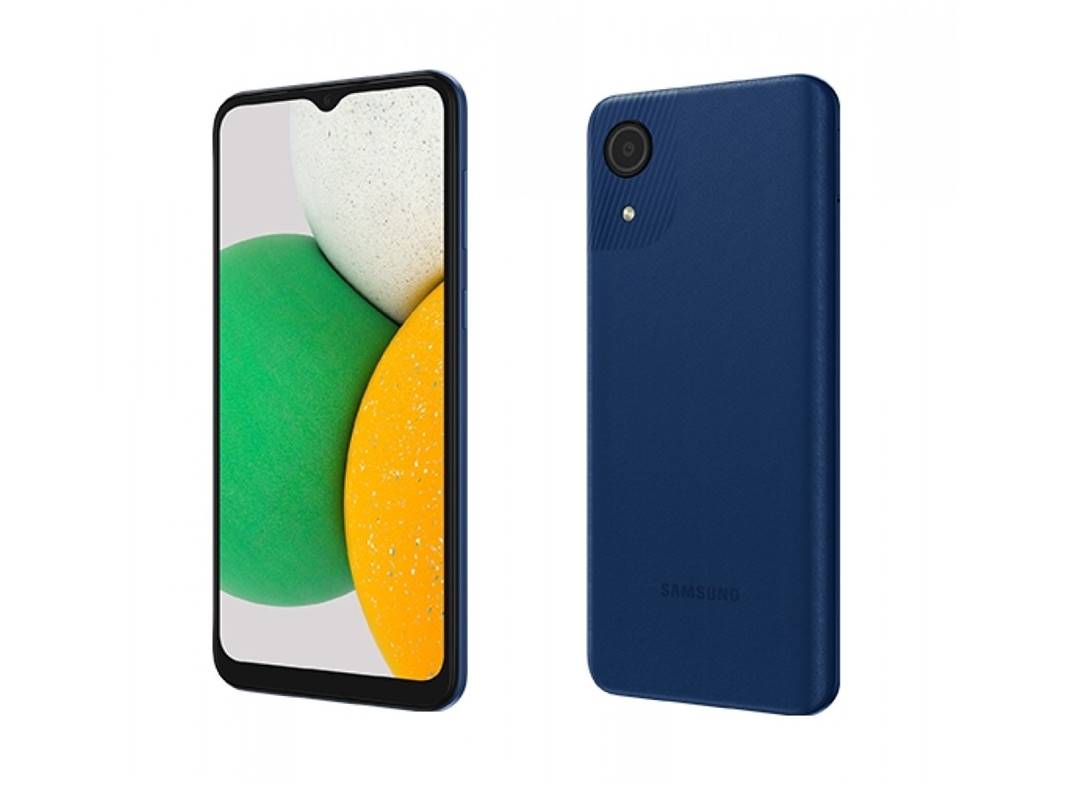
The Samsung Galaxy A03 Core succeeds the Galaxy A02. It comes in a plastic built featuring an Infinity-V display. It has a 6.5-inch LCD screen with an HD+ resolution screen. The notch holds the 5MP selfie snapper at the front.
Moving to the rears, the phone has an 8MP single camera system placed alongside an LED flash. Under the hood, it is powered by the UNISOC SC9863A octa-core processor from which the four cores are clocked at 1.6Ghz while the other four cores are tweaked at 1.2Ghz.
It is paired with 2GB of RAM and 32GB of built-in storage. Samsung offered a microSD card slot for storage expandability. It houses a 5,000mAh Li-Po battery with 10W fast charging support. The smartphone has an accelerometer, light, and proximity sensors. It is a dual-SIM phone which can hold nano SIMs. It has the following dimensions 164.5 x 75.9 x 9.1mm.
The pricing is yet to be revealed but the colour variants are already listed on the Samsung official website. It has two colours – Black and Blue.
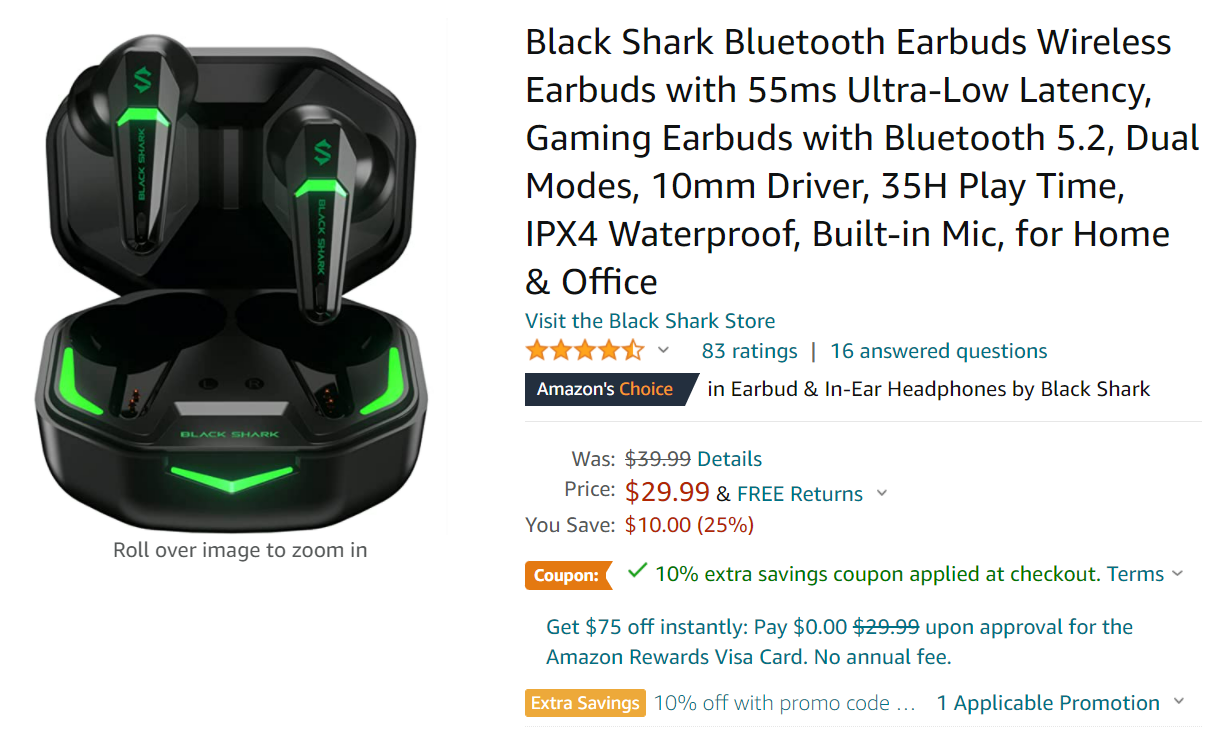
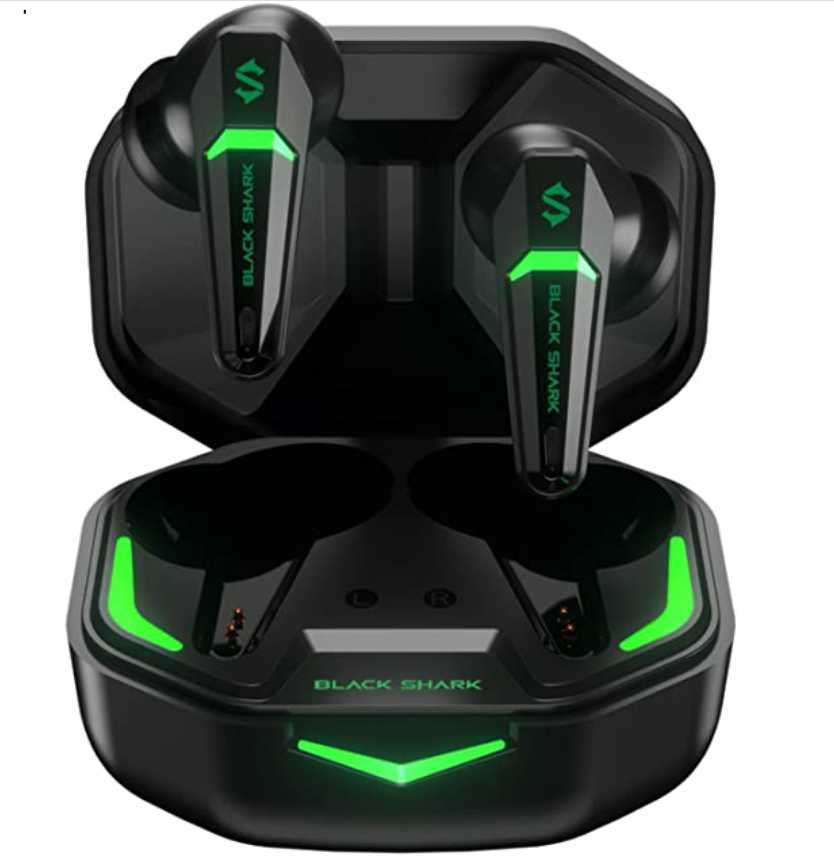
The stylish Black Shark Lucifer T1 Earbuds which generally retail for $50 is now available at a discounted price of $29.99 only at Amazon US. You also have an additional 10% Discount Page clip-on coupon available for this product.
Generally retailing for $50, you can now buy Black Shark Lucifer T1 Earbuds at a discounted price of $29.99 only at Amazon US. You also get an additional 10% Discount Page clip-on coupon for this product.
For more information on such exciting deals and offers check out ourdeals hub.
* Please Note: When you buy something using the links in our articles, we may earn a small commission at no cost to you.
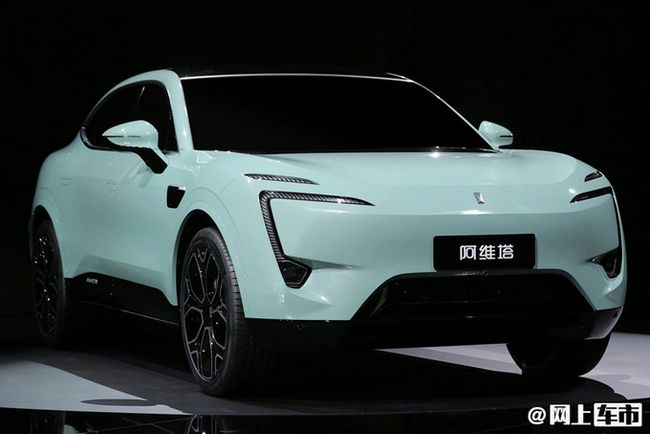
The E11 is a mid-size SUV Coupe featuring a futuristic sporty look. The EV also features smooth lines throughout the body with split headlights and a rather minimalist look at the front. It boasts an overall length of 4.8 meters, and like other leading EVs, the car features hidden door handles and sleek end-to-end tail lights, keeping with the gorgeous body lines of the car (via).
When it comes to specs, the E11 is capable of a range of 700 kilometers on a single charge and accelerates from 0-100kmph in less than 4 seconds.
The AVATR E11 is the product of a joint venture between Huawei’s Inside in-vehicle smart car solutions, CATL, a global leader in lithium-ion batteries, and Changan Automobile, a major carmaker in China.
The EV is priced at 300,000 yuan ($47,000 approx.), with the mass production model expected to release in the second quarter of 2022 and mass production and the delivery estimated for Q3 of next year.
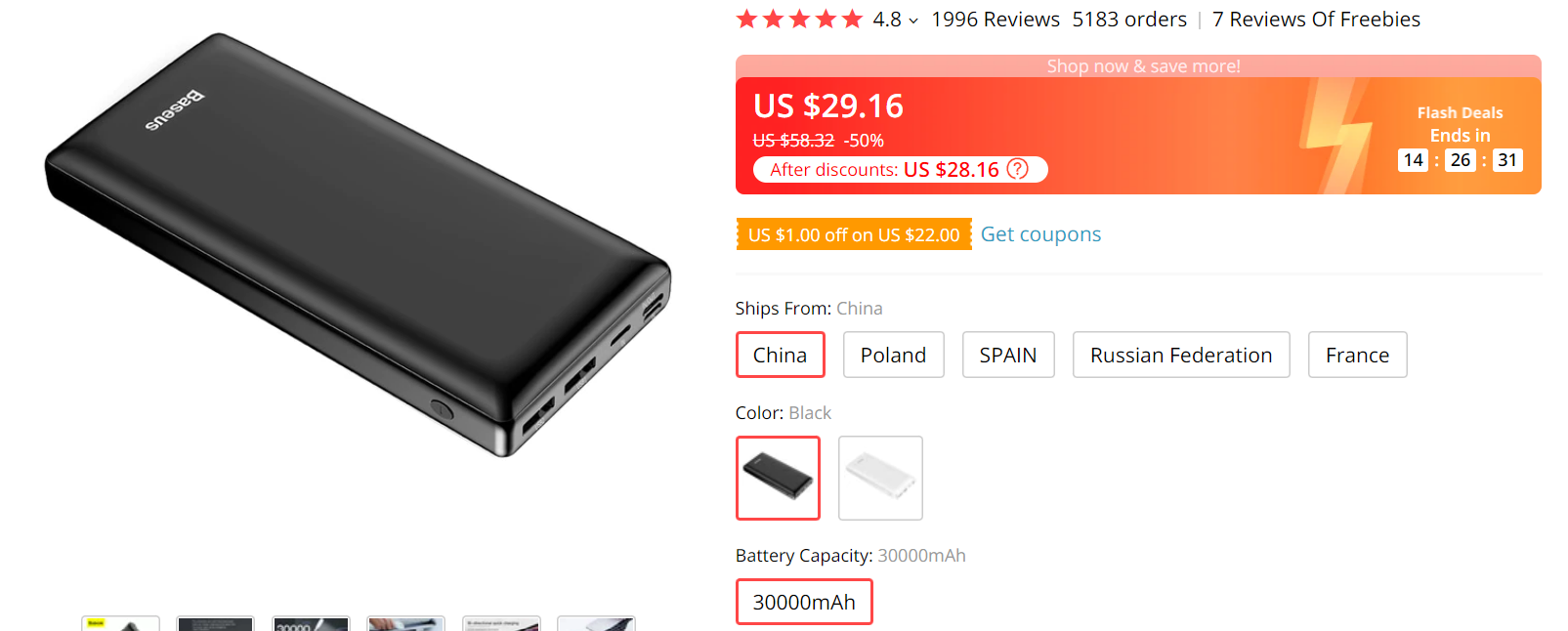
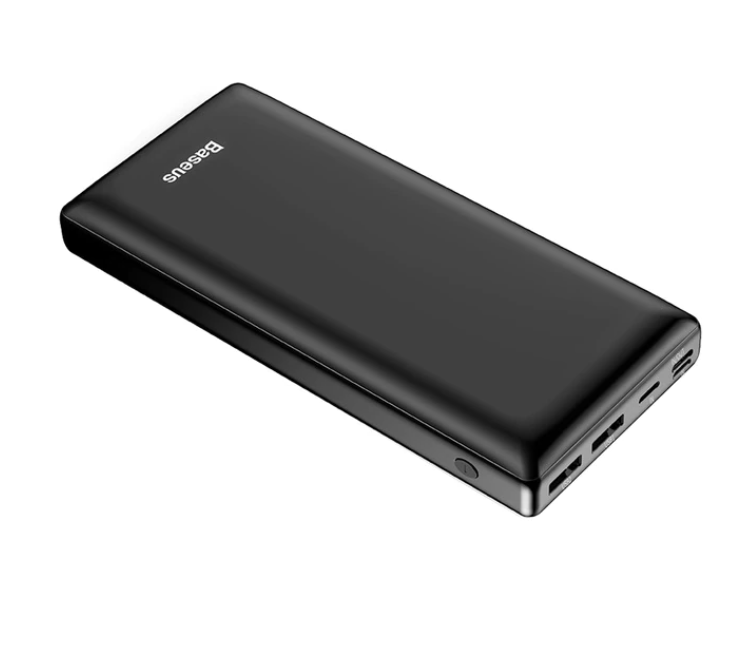
Baseus 30000mAh Power Bank which generally retails for $55 is now available at a massively discounted price of $28.16 only at AliExpress. This deal ends in 14 hours.
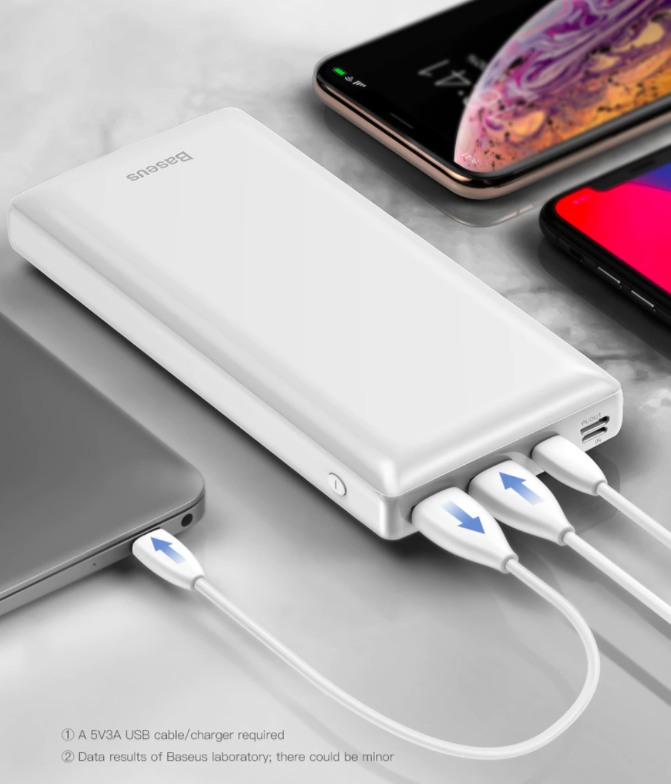
Baseus 30000mAh Power Bank comes with three output ports viz: USB1, USB2, and Type -C and three input ports viz: IP, Micro, and Type-C. The power bank is compatible with various charging protocols like PD2.0 and features two-way charging technology.
The 30000mAh battery comes with an LED indicator that shows you the remaining current in real-time. The power bank can also intelligently adjust the current, voltage, and power of multiple ports simultaneously, protecting your device from overheating and overcharging. The device also comes with 9 different safety features like protection from over-power, over-voltage, over-current, over-discharge, short circuit, etc.
Available in Black and White color, you can now buy Baseus 30000mAh Power Bank for $28.16 only at AliExpress. Please note that this offer ends in 14 hours.
Please note that the above price is region-specific and the final price may vary according to your shipping region, warehouse, and regional taxes.
For more information on such exciting deals and offers check out ourdeals hub.
* Please Note: When you buy something using the links in our articles, we may earn a small commission at no cost to you.
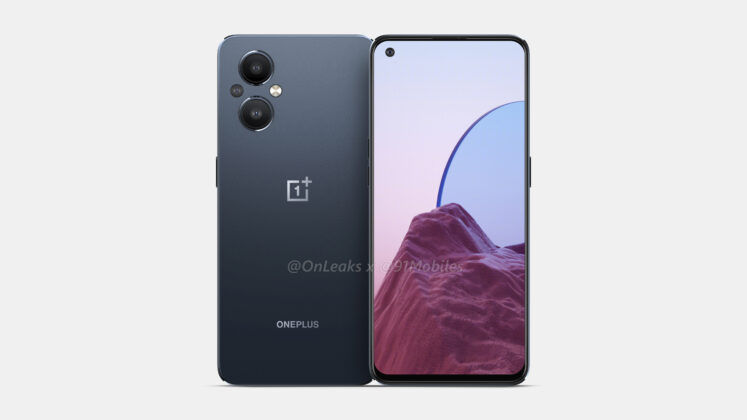
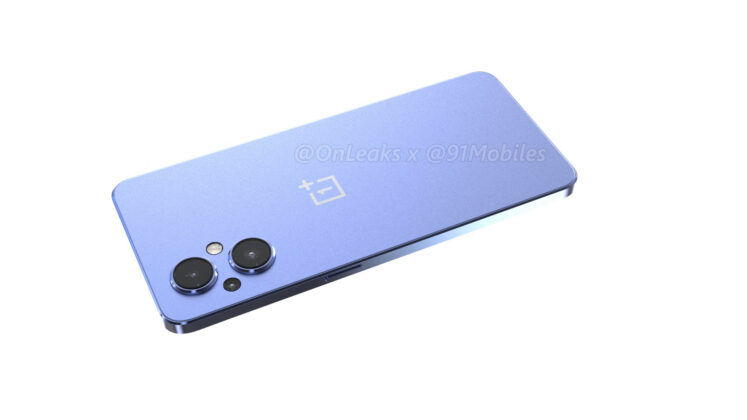
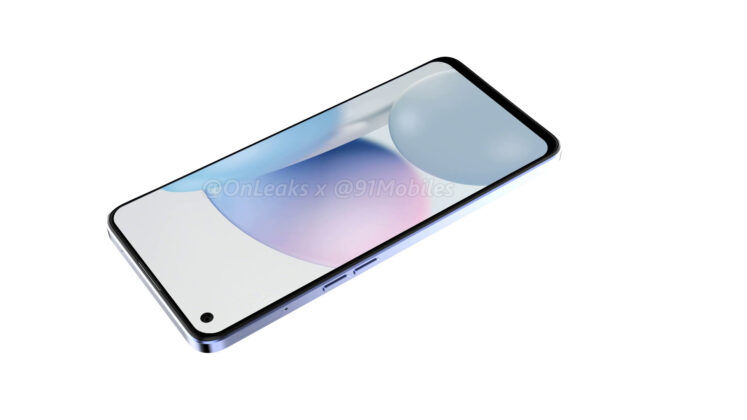
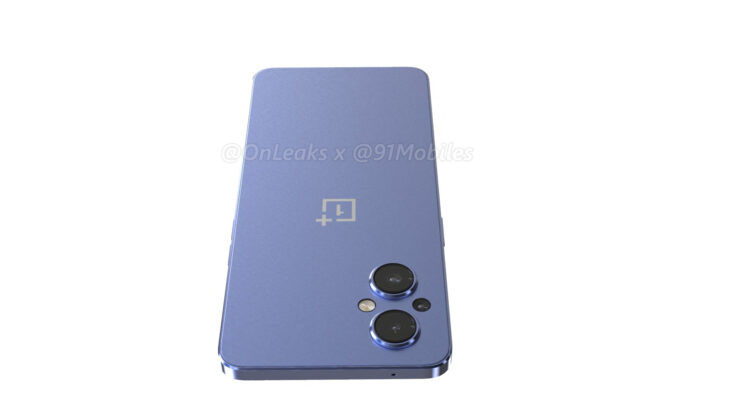
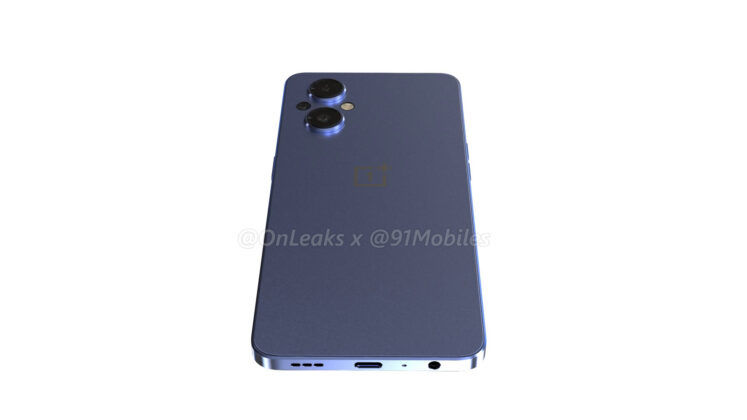
Last year, OnePlus launched the budget-centric OnePlus Nord N10 5G in select markets including the United States. The smartphone was catered for the budget segment by offering a Snapdragon 690 SoC under the hood. Now, it looks like it is time for its successor to arrive. Today, 91Mobiles(via OnLeaks) has shared 5k renders of the upcoming OnePlus Nord N20 5G.
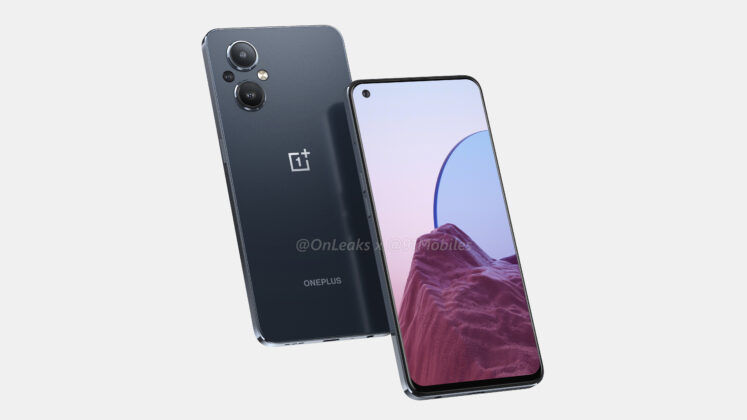
According to renders, the OnePlus Nord N20 5G sports a refreshed design. The device boasts a more boxy form factor over the curvy design seen on the Nord N10 5G. The Nord N20 5G will feature a single punch-hole display with thinner bezels on all sides except for the bottom. It has a slightly thicker chin at the bottom.
The major design change is in the rear. The smartphone sports a triple camera system instead of a quadruple-camera setup as seen in the predecessor. The camera lenses are placed quite differently where the two lenses are placed vertically and the third lens edges to the right side of the phone. Unfortunately, the camera specs are unknown as of now.
Moving to the sides, the smartphone has the power button on the right side, whereas, the volume rocker and the SIM card tray is placed on the left side. The device has a USB Type-C port at the bottom beside the 3.5mm headphone jack, microphone, and speaker grille. On the top, it has a secondary microphone for noise cancellation.
1 of 4
OnePlus Nord N20 5G
Apart from this, the renders do not reveal its specs. But, what we know are the colour variants. The smartphone will launch in Purple and Grey shades.
As of now, the company has not revealed any official information about the smartphone. But, considering that the phone has appeared in high-resolution renders, we expect the launch to be in the pipeline. Just like the Nord N10 5G, the Nord N20 5G is expected to initially launch in the west.
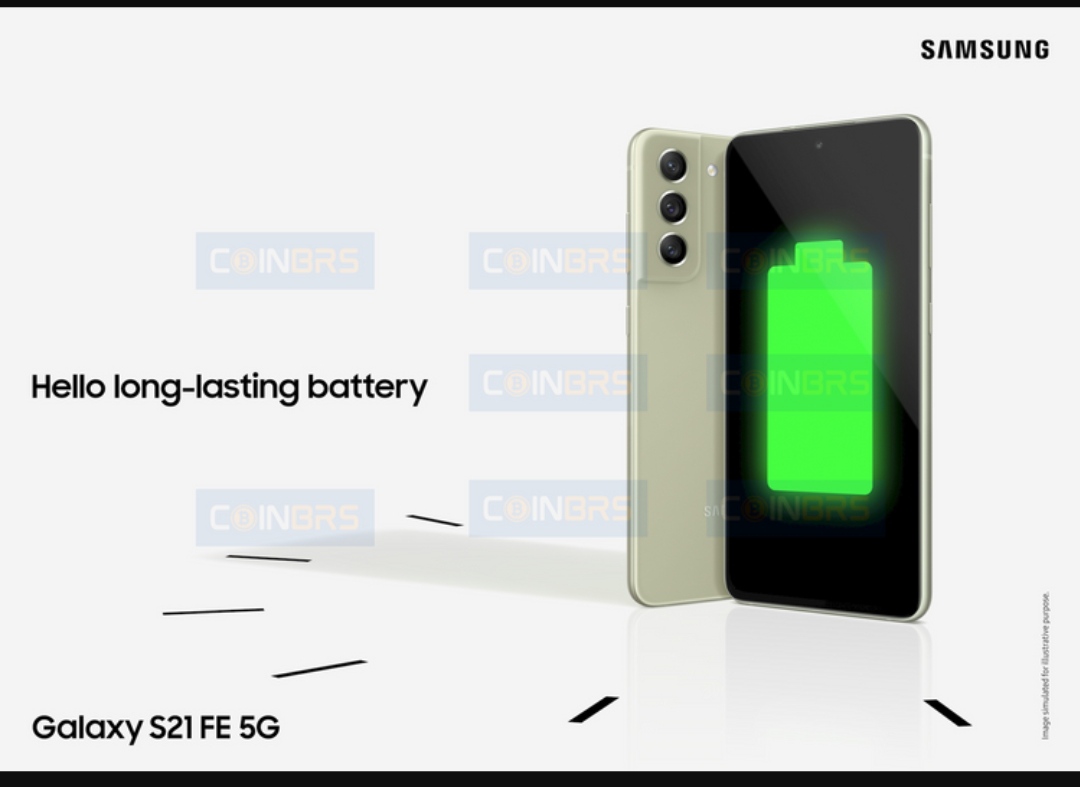
Samsung Galaxy S20 FE has been a huge success on the marketing side and it was expected that Samsung will ultimately release a successor to the device. The Galaxy S21 FE was therefore seen as a worthy and potentially a more illustrious successor to the S20 FE. However, it seems that the Samsung Galaxy S21 FE has had a turbulent development, as it was rumored that its scheduled release was shifted due to chip shortages.
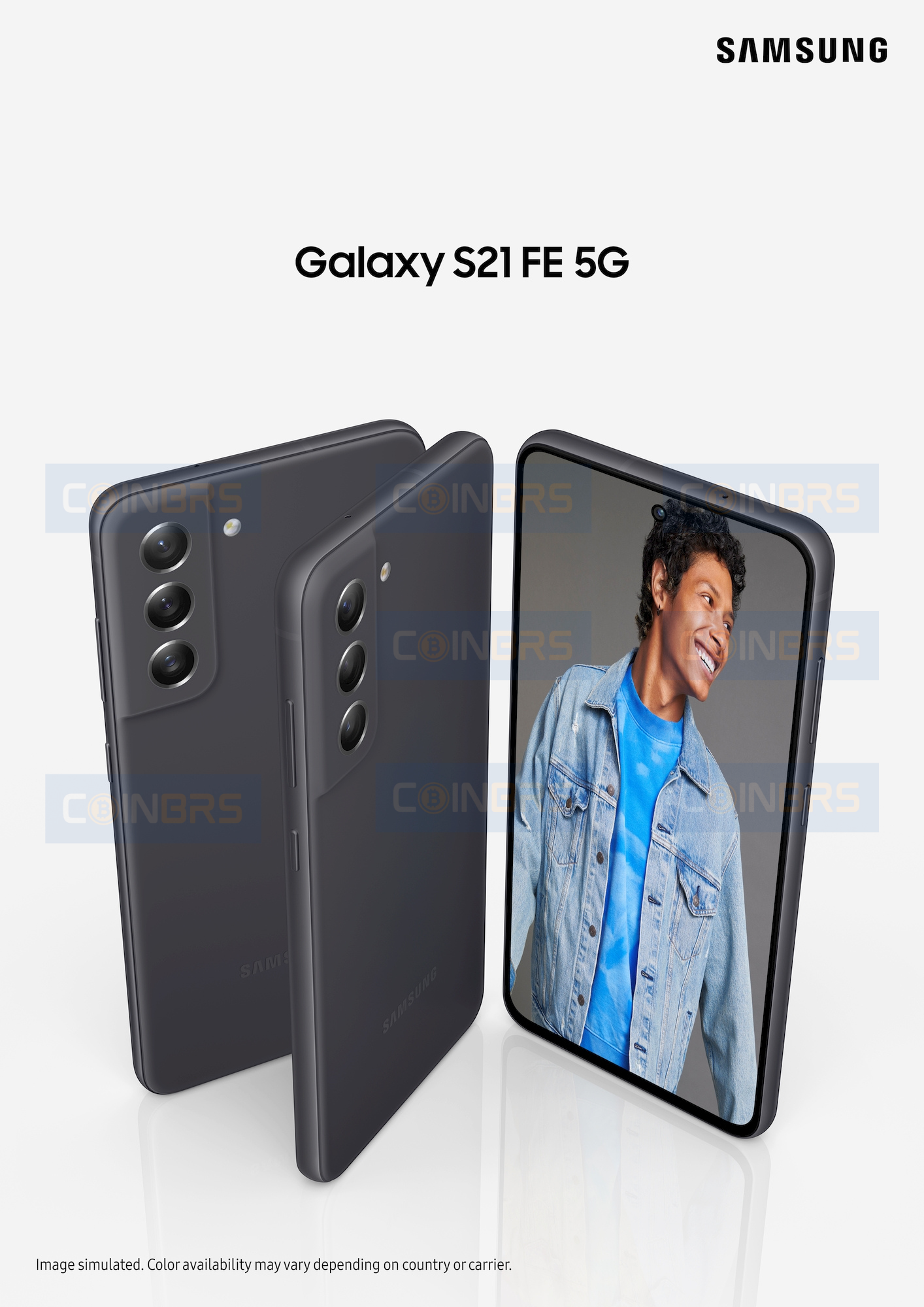
There had been rumors swirling around relating to the Galaxy S21 FE due partly to its delayed projected release. However, recent speculations have indicated that Samsung is indeed on track for the launch of this fans edition model at a Galaxy Unpacked event within the first week of January 2022. A tipster has now gone ahead to post the Galaxy S21 FE’s key specs and some images of the device.
As per the latest leak, the Samsung Galaxy S21 FE will come with a 6.4-inch FHD+ OLED capable of 120Hz display refresh rate. The display is secured with Gorilla Glass while the rear will be made of polycarbonate plastic. There is an in-display fingerprint scanner and a 64MP primary camera at the rear of the device. The camera setup also includes an ultra-wide and a depth sensor for the primary camera, as well as a 32MP front camera. The Galaxy S21 FE will be powered by the Snapdragon 888 or Exynos 2100 chipsets offering 6GB of RAM and up to 256GB of internal storage. A 4,500mAh battery provides power for the device and it is capable of 15W fast charging.
1 of 4
Samsung Galaxy S21 FE
The pricing of the Galaxy S21 FE could be lower than the Galaxy S21, as it sports some less endowed features than the S21, although there are no indications yet on its actual price.
Tech giant Samsung seems to be rolling out the update for the Galaxy S21 series globally. The One UI 4.0 and Android 12 OS has completed the Beta program and the great news is that the firmware update for the Galaxy S21 series will subsequently be available to Samsung’s global customer base. Since September, the penultimate stage of software development, which is the beta program, commenced for the Galaxy S21 series in some markets.
In line with the original projection by Samsung for a November release of the firmware to the global market, it has now come up with the update. There is a sequential rollout of the One UI 4.0 update across the regions, but ultimately, all Galaxy S21 series customers will get the Android 12-based One UI 4.0 update. This could happen in a matter of days or at most, a couple of weeks.
The firmware will be available first for the Galaxy S21, Galaxy S21 Ultra, and Galaxy S21+, while the rest models in the Galaxy S21 lineup will subsequently enjoy the latest update. It is however speculated that it could take some time before all the models in the Galaxy S21 series will get the One UI 4.0 update. There is no schedule from Samsung on the rollout for the devices on the lineup at this time.
The One UI 4.0 brings some exciting and compelling features to the functionality of the Android 12 OS. The modifications and additions look to be over 60 ranging from the color themes to functions and refinements. There are other privacy and security features that Samsung has added to the One UI 4.0 update and this will give users greater control over app privileges.
Earlier today, reports have surfaced of the upcoming OnePlus10 series smartphones entering the private testing phase.
After weeks of rumors and leaks surfacing regarding the looks and specs of the OnePlus 10 series, the tipster Yogesh Brar reported in an exclusive to 91mobiles that the OnePlus 10 series phones have entered the private testing phase in Europe and China. He further added that the smartphone is expected to launch in late January or early February 2022.
It is worth noting that the OnePlus 9 series was launched in April this year. And if the rumors are to be trusted, the OnePlus 10 will be the fastest follow-up to their previous generation flagship in the brand’s history. This could be accredited to the fact that OnePlus has not released any T-variants of their OnePlus 9 series smartphones, except for the RT variant in China. Another reason for this early launch date could be to compete against the Samsung Galaxy S22 series, which is also rumored to launch in February.
The OnePlus 10 series is expected to feature the upcoming Qualcomm Snapdragon 898 chipset with up to 12GB of RAM and 256GB of internal storage. Earlier leaks have revealed that the camera module on the back panel houses three camera sensors and an LED flash, which are placed in a 2×2 grid.
Furthermore, the OnePlus 10 Pro is expected to sport a 6.7-inch 1440p display offering a 120Hz refresh rate. More leaks are expected to arrive soon, so stay tuned.
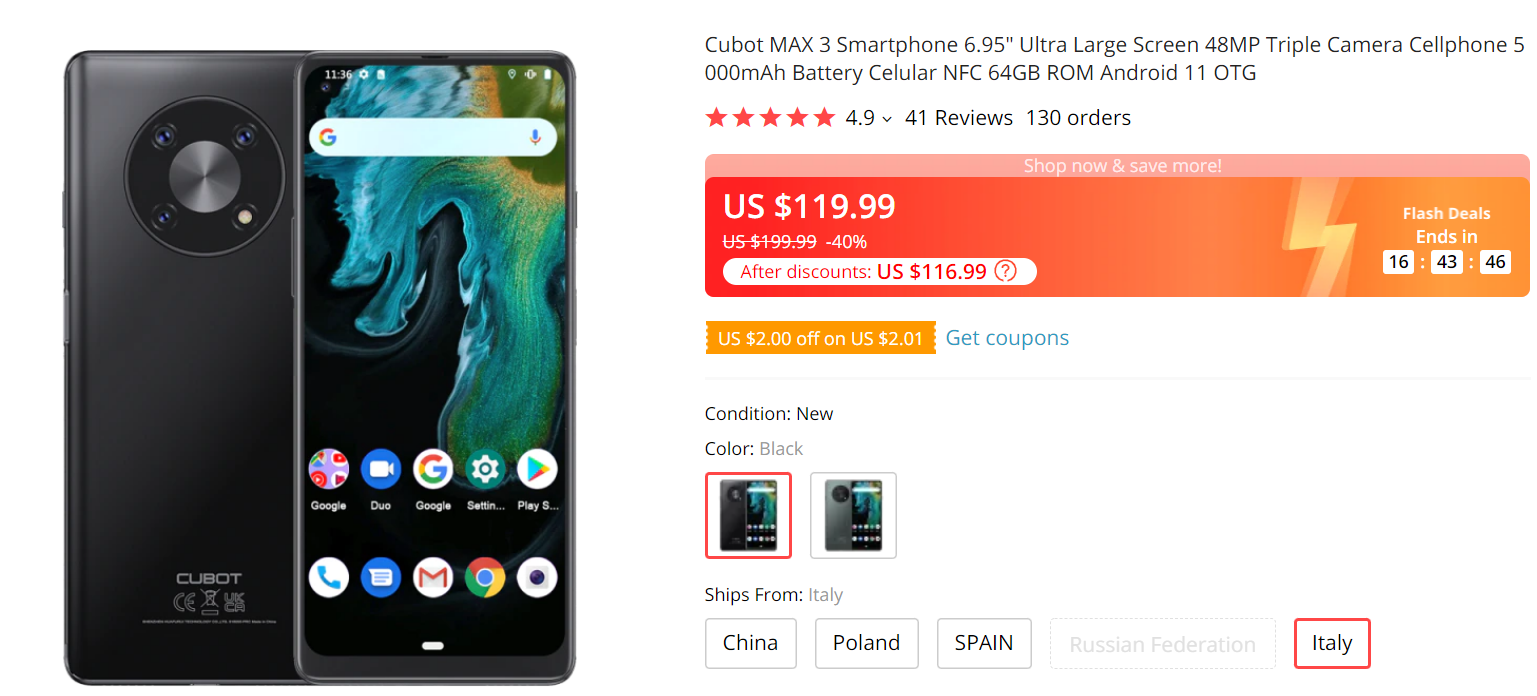
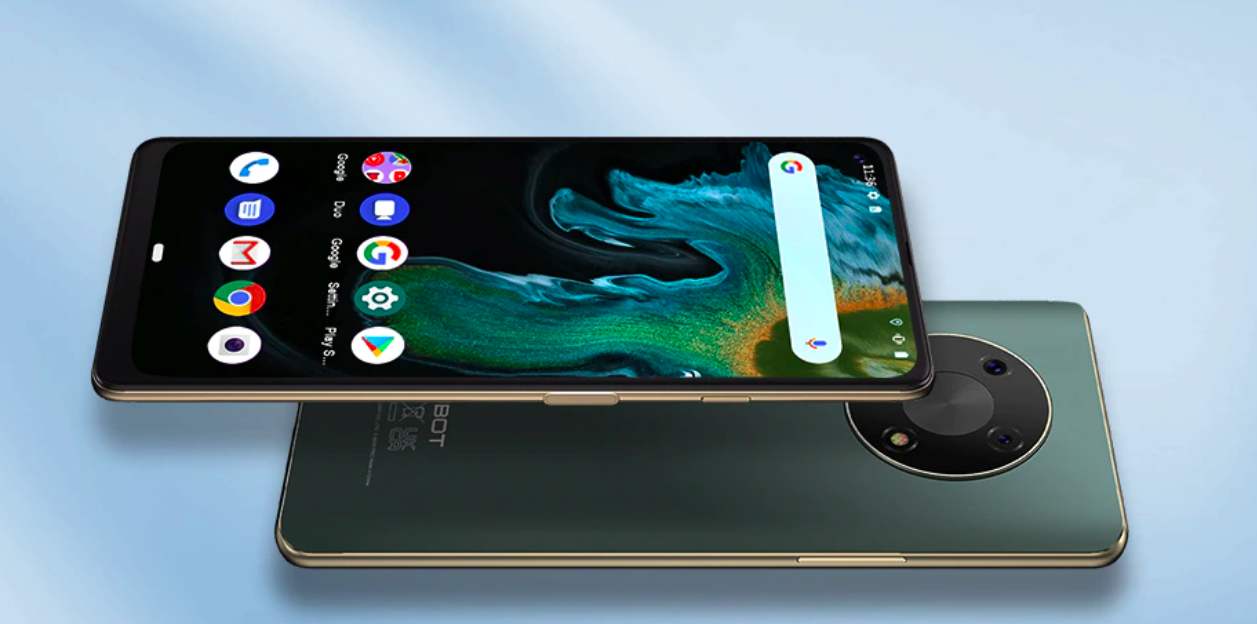
Cubot Max 3 Smartphone is now available at a heavily discounted price of $116.99 only from the Official Cubot Store at AliExpress. This deal ends tomorrow.
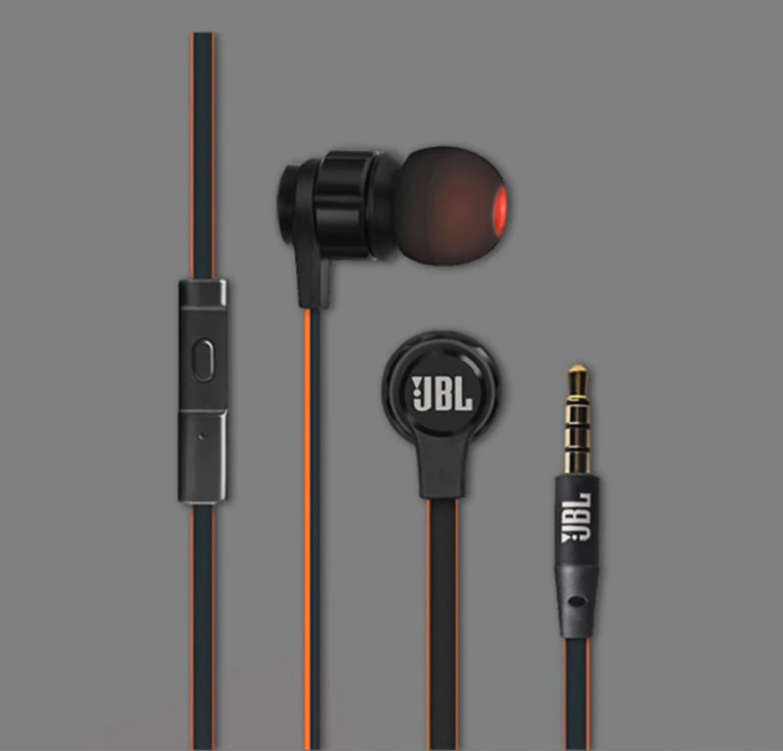
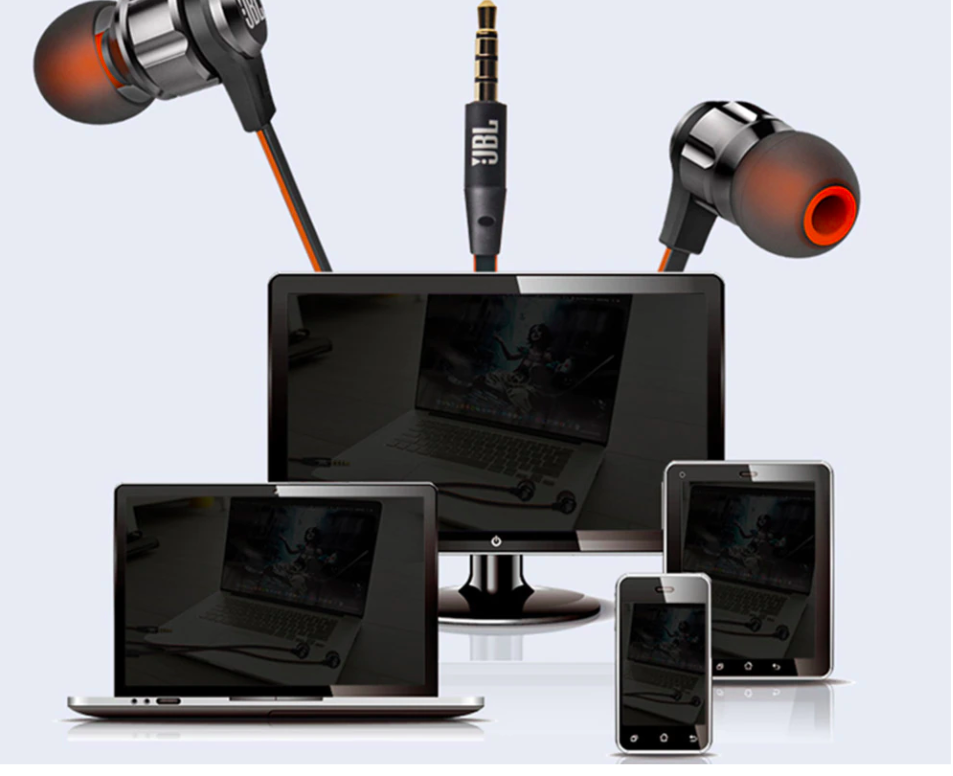
Wired earphones are back in trend and if you are looking for good quality, fashionable, and budget-friendly wired earphones then check out this deal from JBL -HK store. JBL T180A In-Ear Earphone which generally retails for $25 is now available at a discounted price of $13.95 only at AliExpress. This deal ends on 19 Nov.
Generally retailing for $25 you can now buy JBL T180A In-Ear Earphone at a discounted price of $13.95 only at AliExpress. Please note that this deal ends on 19 Nov. at 11:59 PM PT.
Please note that the above price is region-specific and the final price may vary according to your shipping region, warehouse, and regional taxes.
For more information on such exciting deals and offers check out ourdeals hub.
* Please Note: When you buy something using the links in our articles, we may earn a small commission at no cost to you
The global chip shortage is wreaking havoc on many microchip-dependent industries, like the automotive industry, including Tesla, which for the most part has managed to avoid the brunt of it. This has been possible thanks to quick decision-making like pivoting to microcontrollers and developing newer firmware to work with new chips from different suppliers.
However, Tesla might be facing a new PR nightmare in the form of missing USB ports in their latest Model 3 and Model Y vehicles.
In the last few days, reports have surfaced that some new Tesla Model 3 and Model Y vehicles have been delivered with missing USB-C ports. Most affected cars seem to be missing the USB-C ports along the back wall of the center console, with one claiming that the rear-seat USB ports are missing. These owners have also complained about the wireless charging not working.
Tesla Model 3 missing USB-C ports
According to Electrek, an auto-tech website, Tesla blames the missing parts on the global chip shortage.
As a new Tesla owner, it is understandable that due to the ongoing semiconductor shortages, some non-essential parts of your vehicle might be missing. The concern, however, comes with the lack of communication or transparency from Tesla.
These units are often delivered without informing the customer about the missing parts. Many customers have pointed out that this issue can be easily solved if Tesla marked these vehicles beforehand and made a priority list to install the missing parts on the latest date of availability.
If you are a new Tesla owner, we advise you to check if all the USB ports are available in your vehicle.
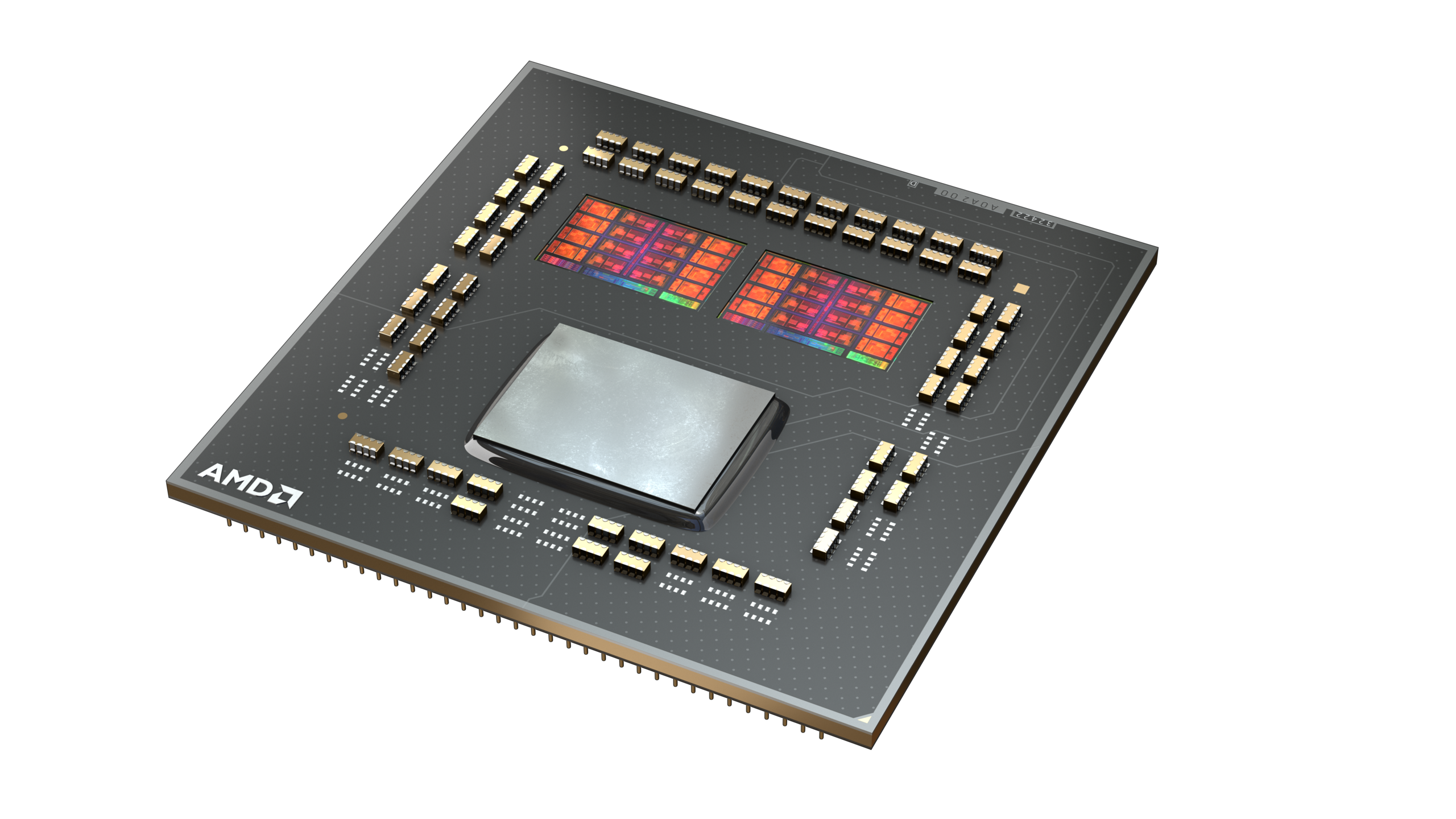
A new rumor has just revealed interesting information regarding the upcoming AMD Ryzen 7000H series mobile APUs (Ryzen CPU’s with integrated Radeon graphics) and even the desktop lineup of Ryzen 8000 processors as well.
The news arrives from @greymon55 on Twitter (Via NotebookCheck) who revealed the key information related to Ryzen 7000H and 8000 series. For those unaware, the upcoming AMD Ryzen 6000 Rembrandt is successor to the last gen’s Cezanne. While the Rembrandt is based on the Zen 3+ and RDNA 2 architecture, the succeeding model that will replace it will arrive in two variant, namely Phoenix-H and Raphael-H APUs that feature Zen 4.
These two mobile APU variants will apparently be launching sometime in late 2022. The Phoenix is rumored to be based on the 5nm Zen 4 with up to 8 cores and 16 threads and is expected to feature up to a 40W TDP rating. On the other hand, the Raphael will also be based on Zen 4 but will reportedly feature up to 16 cores and 32 threads, with its TDP crossing 45W. Similar to the Ryzen 7000 series APUs, the desktop Ryzen 8000 series will also launch in two variants as per the tweet.
The processors in question are desktop grade chips, including Granite Ridge and Strix Point. These chips are rumored to be based on the Zen 5 architecture, with the Granite Ridge using 3nm Zen 5 cores for its mainstream desktop processor lineup. Greymon added this chip will sport both 3nm and 6nm Zen 5 cores. Meanwhile, the Strix Point is the next gen mainstream APU lineup for desktops that feature 3nm Zen 5 cores along with 5nm Zen 4D cores as well. So, the desktop APUs are planned to be a hybrid variant with the Zen 4D’s design being similar to the “LITTLE cores” in smartphone chips. Keep in mind that these processors are still far off, so take this report with a pinch of salt.
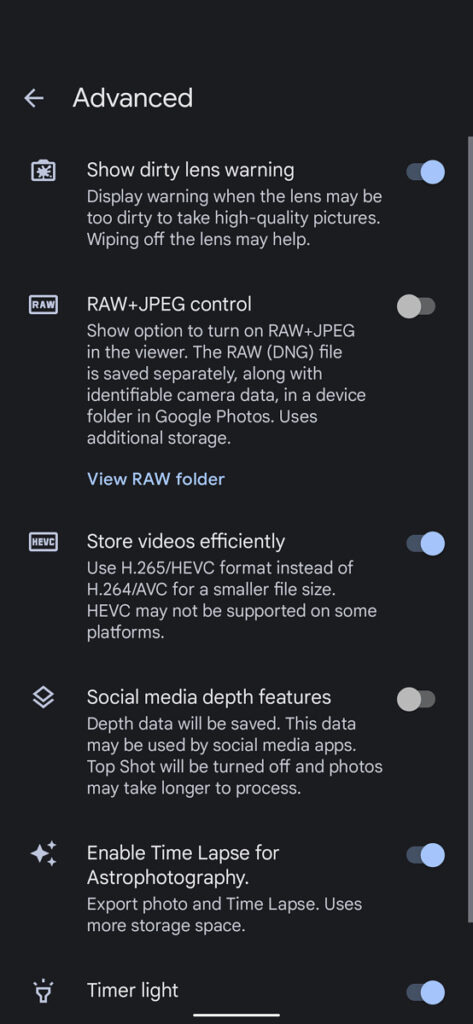
The Google Pixel 6 comes with a number of exclusive camera features such as Magic Eraser, Face Unblur, and Action pan. While these will likely remain exclusive, a couple of other features can actually be availed on older Pixels, namely “Timer Light” and an option to modify exposure.
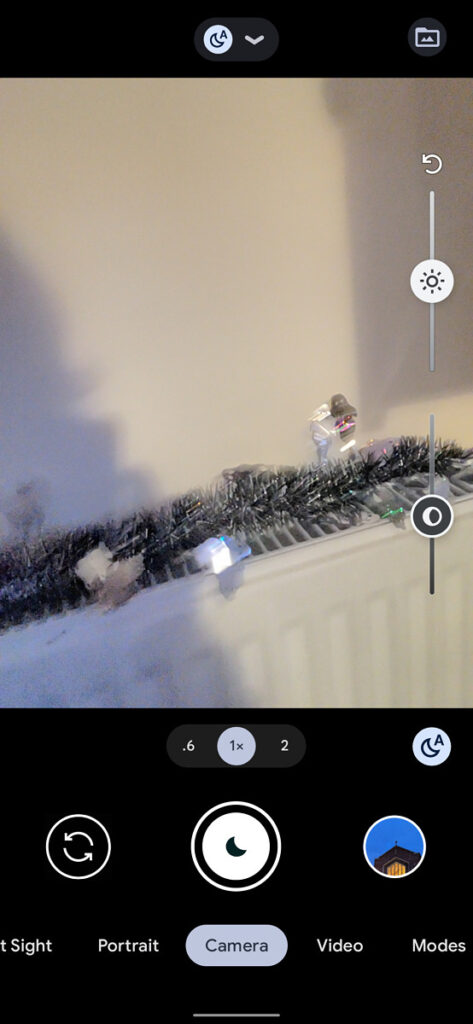
Manual exposure feature (Image: XDA Developers)
The features are part of Google Camera update 8.4 that can be downloaded and installed on older Pixels. The APK can be grabbed from APKMirror and installed on various older Pixel phones. However, there’s a catch. XDA Developers found that it doesn’t really work on all models, with the app crashing on the Pixel 5. It works perfectly well on the Pixel 4a though.
The exposure option is something that can be disabled if you feel the phone is smart enough to adjust it on its own, but a manual option is great for enthusiasts. As for Timer Light, it uses the flash on the back of your phone as a countdown.
Timer light
Apart from this, Google Camera 8.4 brings a change to the arrow atop that brings down the settings. It will now show either a settings cog or a half-moon when auto night sight is enabled, making stuff clearer.
As already mentioned, we may not be seeing the other Pixel 6-exclusive features on older Pixel models anytime soon. But at least the Magic Eraser feature can be enabled on almost every Pixel phone with this neat little trick.
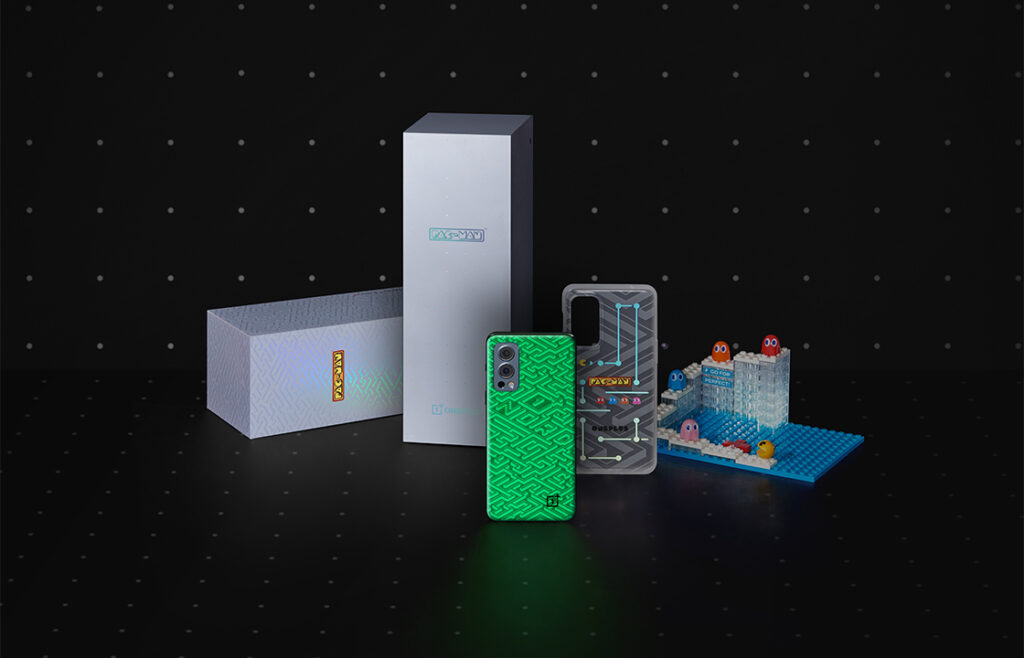
The OnePlus Nord 2 × PAC-MAN Edition is here and it’s guaranteed to instill nostalgia into those familiar with the arcade games from the ’80s and ’90s. The phone is obviously the same as the vanilla Nord 2 with all of its goodness from the inside, but it’s the outside that has seen quite a change to suit its PAC-MAN theme. This is complemented by a customized phone experience for users complete with fun games, challenges, and exclusive PAC-MAN content.
OnePlus Nord 2 × PAC-MAN Edition glowing in the dark
The rear of the phone comes with a dual film rear cover that has been deemed by OnePlus as “featuring the design aesthetics of both brands.” The second brand in question is BANDAI NAMCO – the company that owns PAC-MAN’s trademark and copyright – and it is with this that OnePlus has collaborated to create the OnePlus Nord 2 × PAC-MAN Edition.
Accordingly, the back of the phone comes with the game’s iconic PAC-DOTS and PAC-MAN himself. The outer film tops the inner film which features a glossy phosphorescent design that glows in the dark to reveal a neon maze inspired by PAC-MAN.
Something as minor as the alert slider has also gotten some visual changes, showing OnePlus’s eye for detail. It now sports the same dark blue color as the TURN-TO-BLUE ghosts from PAC-MAN that appear when the player eats a POWER PELLET.
But what good is a limited edition device if it doesn’t come with a few separate goodies of its own? The OnePlus Nord 2 x PAC-MAN Edition thus comes with a DIY PAC-MAN phone holder with a unique ‘gamery’ design.
It’s not only the tangible bits that have been tweaked though. OxygenOS has also gotten a retro makeover, which gets quite apparent when you see its dynamic Pac-Man-themed wallpaper upon booting the device for the first time. This is paired with pixelated-looking icons inspired by 8-bit games.
Various UI elements have been modified as well. Take the under-display fingerprint scanner indicator, for example, which has been altered to feature PAC-MAN stuck in a maze.
The fun doesn’t just end there though. OnePlus has stowed away various easter eggs and challenges throughout the software, completing which will unlock stuff like new wallpapers.
The OnePlus Nord 2 × PAC-MAN Edition will come in a single 12GB RAM and 256GB storage variant. It features a 90Hz FHD+ AMOLED display, Dimensity 1200 processor, 4500mAh 65W battery, and 50MP primary camera, just like its vanilla variant.
In India, it will be going on sale at 12 noon, November 16 at ₹37,999 (~$510) through OnePlus Experience Stores, OnePlus.in, and amazon.in. Multiple offers are also present like a 3-month Spotify Premium membership for free on purchase.
We use cookies on our website to give you the most relevant experience by remembering your preferences and repeat visits. By clicking “Accept”, you consent to the use of ALL the cookies.
This website uses cookies to improve your experience while you navigate through the website. Out of these, the cookies that are categorized as necessary are stored on your browser as they are essential for the working of basic functionalities of the website. We also use third-party cookies that help us analyze and understand how you use this website. These cookies will be stored in your browser only with your consent. You also have the option to opt-out of these cookies. But opting out of some of these cookies may affect your browsing experience.
Necessary cookies are absolutely essential for the website to function properly. This category only includes cookies that ensures basic functionalities and security features of the website. These cookies do not store any personal information.
Any cookies that may not be particularly necessary for the website to function and is used specifically to collect user personal data via analytics, ads, other embedded contents are termed as non-necessary cookies. It is mandatory to procure user consent prior to running these cookies on your website.