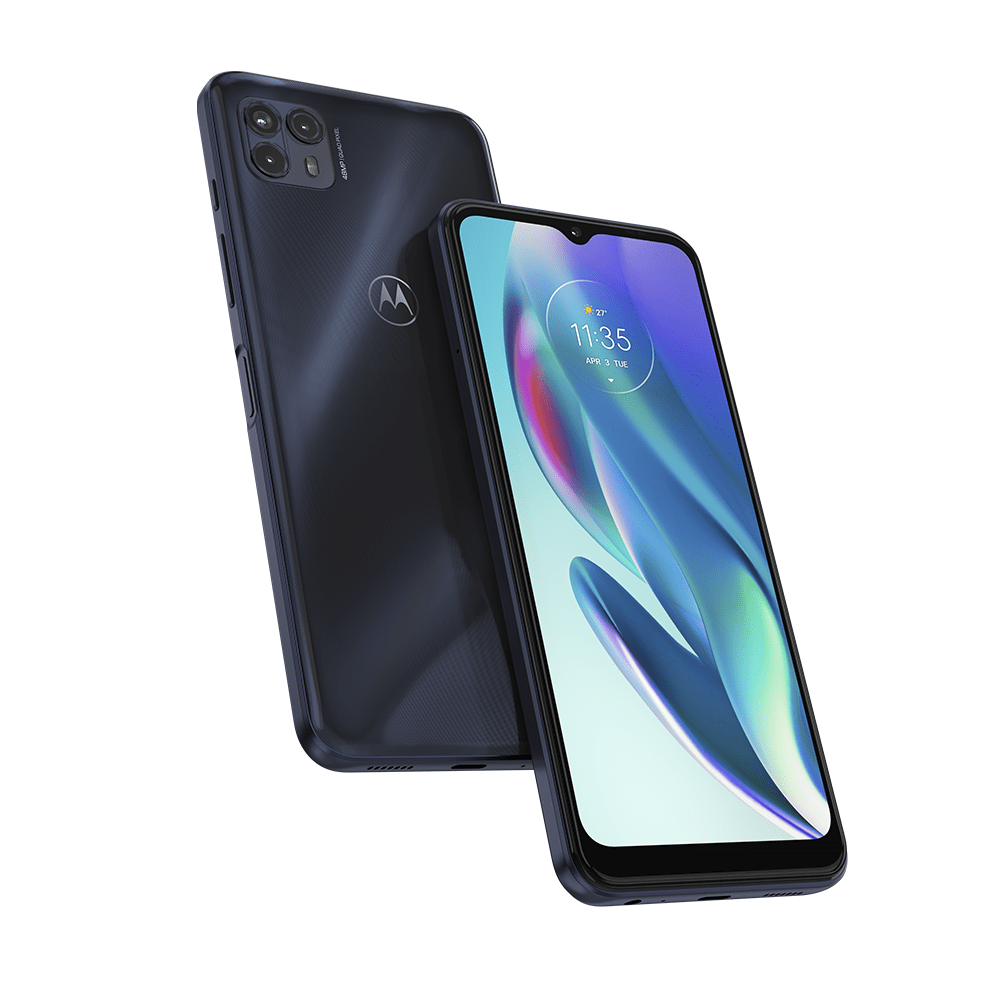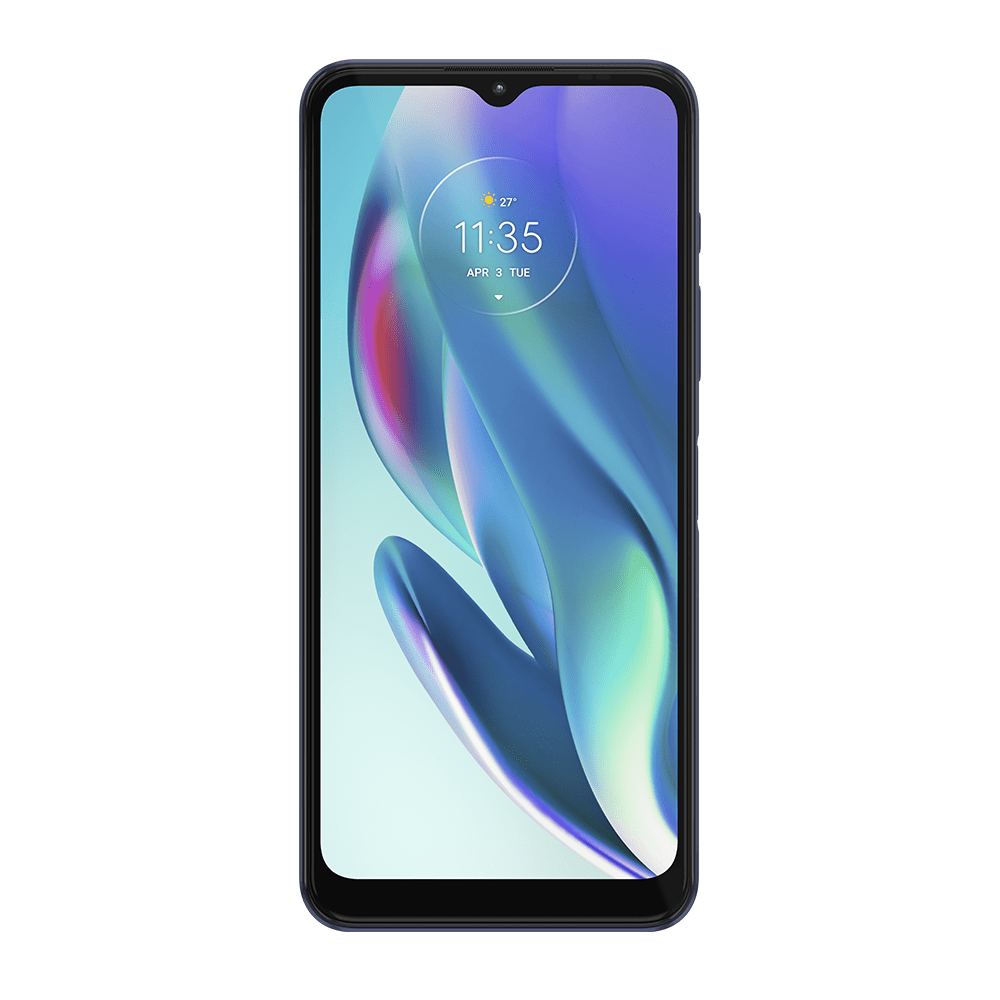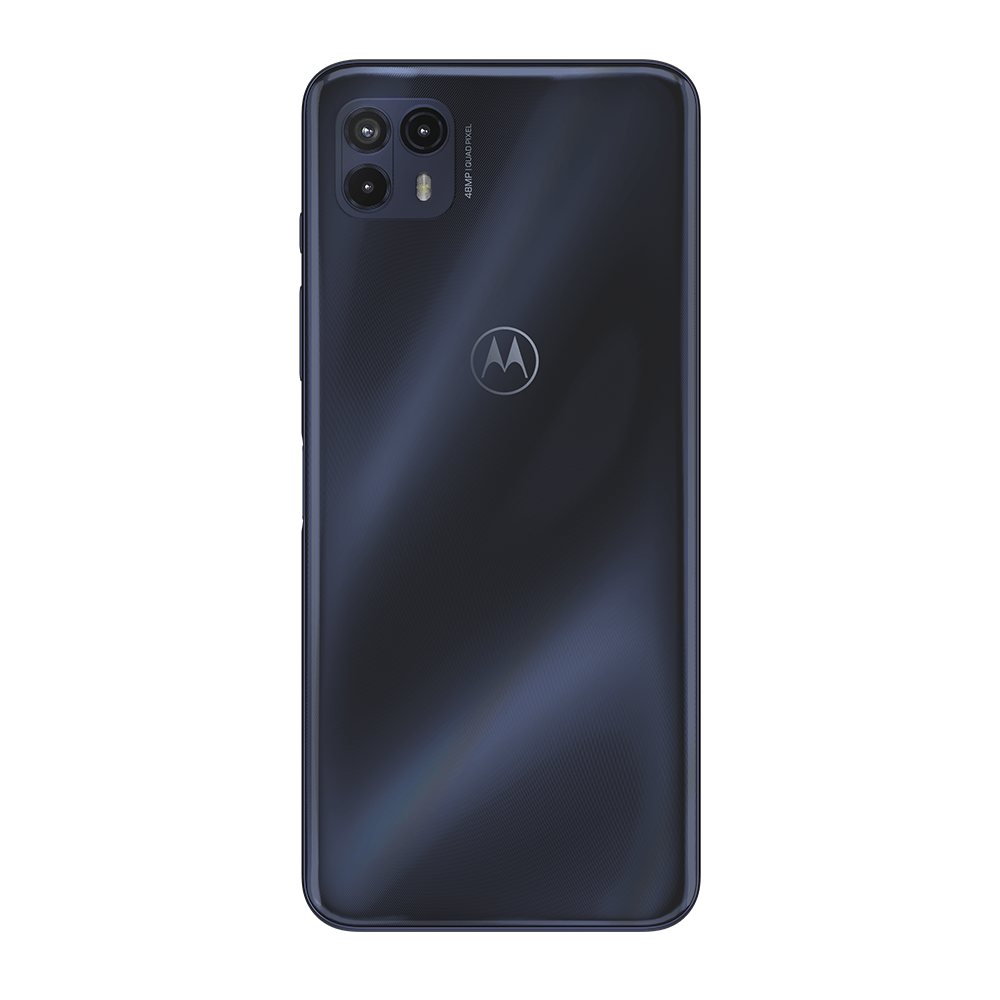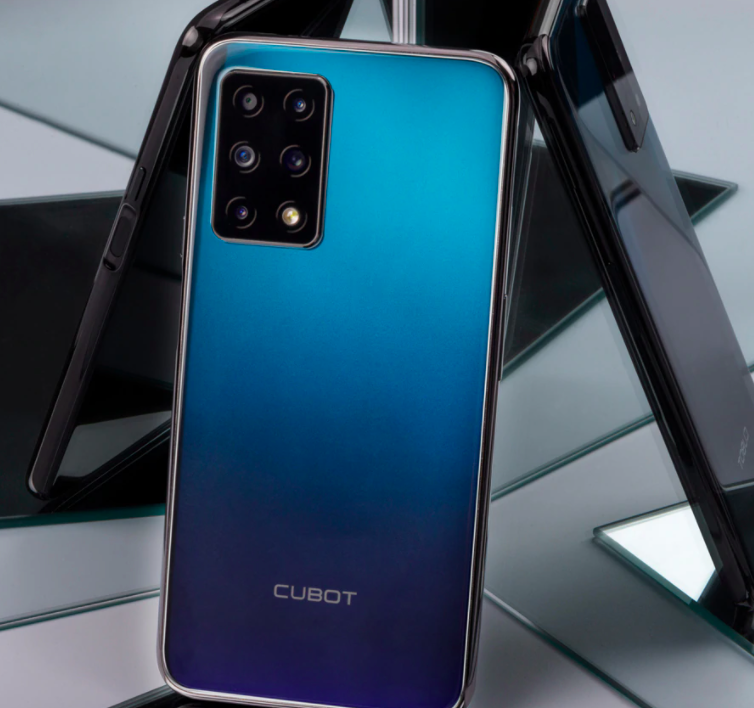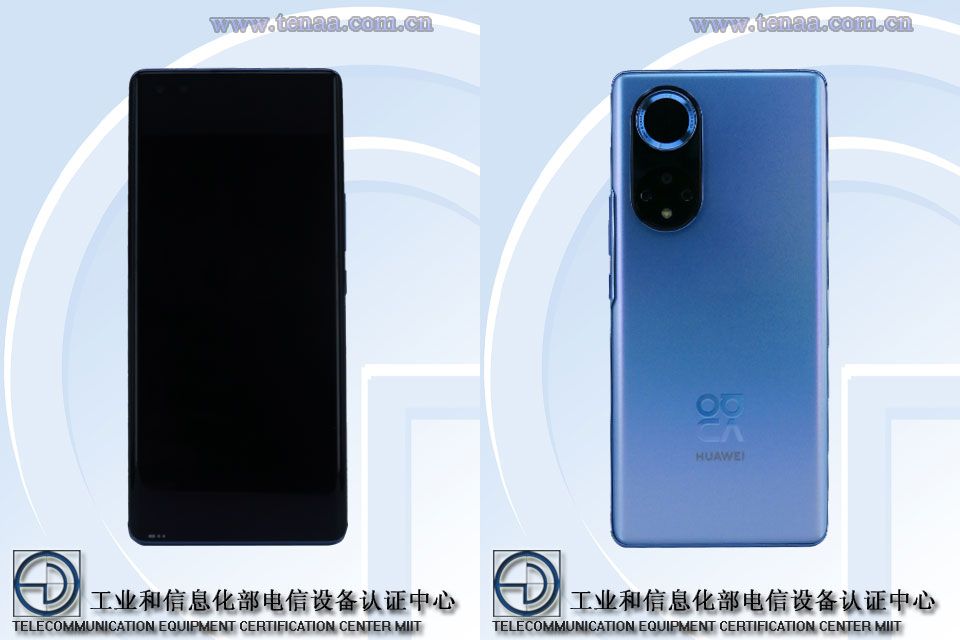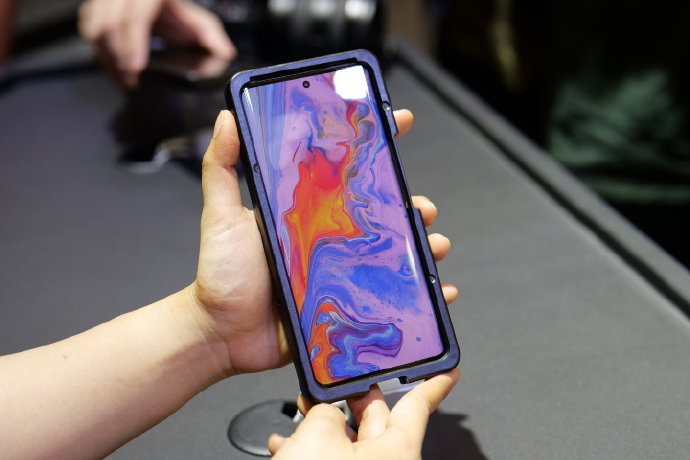
Cubot KingKong Mini 2 features an exquisite 4-inch QHD+ small display that can be easily operated with one hand. Powered by the MediaTek 6761 quad-core processor, the mini smartphone comes with 3GB RAM and 32GB ROM. Encased with high-grade metal and imported shockproof plastic, the smartphone is waterproof, dirt, and dust resistant and is sturdy and durable enough to withstand harsh and extreme outdoor environments.
KingKong Mini 2 features a 13MP rear camera with a super 500mA LED flash and an 8MP front camera. The smartphone runs on Android 10.0 OS and comes with interesting features like facial ID recognition, geomagnetism gyroscope, etc.
Cubot Official Store is giving the KingKong Mini 2 smartphone at a discounted price of $97.19 only at AliExpress. Please note that this offer is available on the Red- Black and Orange-Black color variants ordered from the China warehouse. This is a limited-period offer. So grab your Cubot KingKong Mini 2 asap.
For more information on such exciting deals and offers check out ourdeals hub.
* Please Note: When you buy something using the links in our articles, we may earn a small commission at no cost to you.
Back in December 2020, Xiaomi canceled the MIUI 12 update for a bunch of devices, namely Redmi Y3, Redmi 7, Redmi 6, and Redmi 6A. However, the company surprised everyone by releasing the update for Redmi 7. Now, the Redmi 6 and the Redmi 6A are also getting a similar treatment but with a catch.
Redmi 6
Xiaomi dropped the plans to update the above-listed smartphones to MIUI 12 citing performance issues. But anyway, the firm delivered the update for Redmi 7. In fact, this handset recently even received the MIUI 12.5 update.
Hence, there was a hope that the remaining three devices could receive the MIUI 12 update someday. That day is finally here. But unfortunately, the update is not meant for everyone.
In an official Xiaomi Mi Community post (via Xiaomi Firmware Updater), the company says that it will not roll out the MIUI 12 update for Redmi 6 and Redmi 6A users via OTA (over-the-air). Because the hardware of these two smartphones cannot handle the new software efficiently.
Therefore, the update is only available as ‘Fastboot ROM’. Interested users can unlock the bootloader of their phone using Xiaomi Mi Unlock Tool and install the firmware via Xiaomi Mi Flash Tool.
Redmi 6A
Xiaomi warns that these two phones do not run smoothly on MIUI 12. There are stutters and app opening times are longer. Hence, proceed with caution.
It is worth noting that though MIUI 12 and MIUI 12.5 are available through OTA for Redmi 7, the update is still limited to China. Similarly, the MIUI 12 Fastboot ROM for Redmi 6 and Redmi 6A are also only available for the Chinese variants.
As of now, there’s no official word on whether these three phones will be awarded the latest MIUI update in international words. Last but not least, it is not sure if the Redmi Y3 will ever get the MIUI 12 update.
It Will remain locked even after the battery runs out of power
Lightweight and highly portable
Generally retailing for $50 you can now buy Towode Smart Fingerprint Lock at a massively discounted price of $12.70 only at AliExpress. Please note that this flash deal ends in the next 2 hours and has very few pieces left in stock. So place your order asap.
For more information on such exciting deals and offers check out ourdeals hub.
* Please Note: When you buy something using the links in our articles, we may earn a small commission at no cost to you.
The China-based tech giant known for making value-for-money smartphones — Xiaomi, has announced that the company will award a total of 70.23 million shares to selected 3,904 participants under a share award scheme.
The shares awarded by the company shall be vested between July 2, 2021, to July 2, 2025, which is in line with the usual vesting period of four years. The cost of the shares awarded by the company stands over HK$1.84 billion at a share price of HK$26.20.
These 3,904 shares allotted by the company stand at about 0.28 percent of the total issued shares of Xiaomi, according to the exchange filing. The total under the share award scheme is capped at around 1.12 billion shares, subject to an annual limit of 3 percent of the total number of issued shares. So far, the company has granted a total of 323.49 million shares under the scheme.
A couple of months ago, Xiaomi announced its financial results for the last year. The numbers reveal a strong year for the company, which marked a notable growth of 17.5 percent year on year over 2019, reaching 146.4 million shipments in total.
The rise of its handset shipments in 2020 helped the company climb the list to become the third-largest smartphone manufacturer in the world, while Huawei saw a sharp decline during the same time.
In May, OPPO announced the OPPO Reno6 5G series of smartphones in China. The starting model was made available in colors like Summer Sea (white gradient), Galaxy Dream (blue gradient), and Night Sea (black). Today, the company confirmed the arrival of a new color variant called the Purple Star in China.
OPPO Reno6 Purple Star
The OPPO Reno6 Purple Star variant comes in 8 GB RAM + 128 GB storage and 12 GB RAM + 256 GB storage options like its other color variants. These models are priced at 2,799 Yuan and 3,199 Yuan. Currently, the new color variant is exclusive to the vanilla model in the Reno6 family. The company is also selling a Reno6 Purple Star Fantasy Limited Gift Box model in the country.
1 of 3
OPPO Reno6 5G specifications
The Reno6 5G has a 6.43-inch AMOLED display that produces a Full HD+ resolution and a 90Hz refresh rate. The display punch-hole houses a 32-megapixel front camera, and its rear shell has a 64-megapixel primary camera, an 8-megapixel ultrawide lens, and a 2-megapixel macro camera.
OPPO Reno6 5G color variants
The Reno6 5G is the first phone ever to feature the Dimensity 900 chipset. The SoC is coupled with LPDDR4x RAM and UFS 2.1 storage. It is backed by a 4,500mAh battery that carries support for 65W rapid charging. For security, it has an in-display fingerprint scanner.
In related news, OPPO is working to bring the Reno6 series to global markets. India could be the first market outside China to receive the Reno6 series lineup. The company recently confirmed that it will be launching the Reno6 5G and Reno6 Pro 5Gon July 14 in India.
Earlier this year, in the month of May, Realme announced its sub-brand Dizo as a TechLife ecosystem brand for AIoT devices. Now, the new brand has shared a teaser that hints that the company is gearing up to launch a mobile phone.
The poster shared by Dizo teases a mobile phone and not an AIoT device. Note that the phone isn’t clearly visible but a bit of editing reveals that it’s a feature phone with a circular island on the back panel for housing the camera module.
Premium design coupled with the best features is just what you need to #BeDifferent.
Earlier, an FCC listing had revealed two feature phones from the brand — Dizo Star 500 and Dizo Star 300. The Dizo Star 500 is expected to come with Dual SIM support, 2G connectivity, a microSD card slot, and a 1,830mAh battery.
Both these phones would carry the class T-9 Numpad without any selfie camera. The Dizo Star 500 will reportedly feature a larger screen compared to the Dizo Star 300. Other key specifications such as processor maker, camera specs, and operating system remain unclear but we expect to know more about them pretty soon.
Recently, Dizo showcased a few of its products in the Indian market, including ultra-affordable true-wireless earphones, wireless earphones with neckband style design, a trimmer, hairdryer, and more. Realme has also revealed that the Dizo sub-brand plans to launch around 100 products this year.
We expect the company to reveal more information about the product in question in the coming days. Since the promotion campaign has started, the device could be officially launched in a couple of weeks.
In April, HMD Global unveiled a slew of new phones such as Nokia C10, Nokia C20, Nokia G10, Nokia G20, Nokia X10, and Nokia X20. A microsite of the Nokia G20 has appeared on Amazon India. The listing has revealed that the pre-booking of the G20 will begin on July 7 in India. It has also revealed the pricing of the phone.
The microsite states that the Nokia G20 will be for pre-orders at 12 PM (local time) on July 7. The handset will be priced at Rs 12,999 (~$170). It appears that the device will be exclusively available for purchase through Amazon India and Nokia India’s online store.
The Nokia G20 listing states that it has a 6.5-inch display and a 48-megapixel quad-camera system on the back. The handset promises a long battery life of up to 3 days and it will come loaded with Android 11 OS. For security, it has a side-mounted fingerprint scanner. The G20 will be available in Night and Glacier colors.
Nokia G20 specifications
The specifications of the Nokia G20 are already known as it is already available for purchase in global markets. The 6.5-inch LCD panel supports an HD+ resolution of 720 x 1600 pixels, and the screen notch houses an 8-megapixel camera. The back panel of the phone has a 48-megapixel (main) + 5-megapixel (ultrawide) + 2-megapixel (macro) + 2-megapixel (depth) quad-camera system.
The Snapdragon 662 powers the device with 4 GB of RAM. It comes in 64 GB and 128 GB storage choices. It is backed by a massive 5,050mAh battery that carries support for 10W charging.
Last week was filled with several important announcements. Not only was it MWC week, but there were also product launches from brands that didn’t attend the tech show. Here is a roundup of the top stories from last week:
Vivo X60t Pro+
Vivo X60t Pro+is the X60 Pro with a new selfie camera
Vivo expanded its X60 series with a new model last week. The new Vivo X60t Pro+ differs from the Vivo X60 Pro+ only in the camera department – specifically the front-facing camera.
Snapdragon 888 Plus – new chip for new flagships
Qualcomm announced a new flagship processor last week. The new Snapdragon 888 Plus will power the next batch of flagships launching in the second half of the year. Among the phones launching with the new chipset is the Honor Magic3.
One of the interesting products announced at MWC last week is the YouCare Wearable 5G Smart T-Shirt. A wearable that tracks your vitals and transmits the data via ZTE’s 5G infrastructure.
OxygenOS gets integrated with ColorOS
Following OnePlus’s merger with OPPO, the manufacturer has also revealed that there will be changes to its software and update policy. The manufacturer disclosed that OxygenOS will be integrated with ColorOS under the hood and flagships will now get longer support.
Honor announced a new mid-range 5G smartphone in China. The Honor X20 SE is a Dimensity 700-powered device with a 64MP triple rear camera setup. It is scheduled to go on sale later this week.
Windows 11 ported to Mi 8 and OnePlus 6T
A preview of Windows 11 was released last week and some folks have wasted no time porting it to other devices such as the Xiaomi Mi 8 and the OnePlus 6T.
The lyrics of the song playing in the video is a dead giveaway about the new relationship between both brands. There is also a text at the end of the video which reads “Let’s start a new chapter together”.
OnePlus announced almost two weeks ago that it was merging with OPPO. While it didn’t specifically say it was now a sub-brand of OPPO, a leaked memo revealed that will be the case going forward.
It is common knowledge that OPPO and OnePlus have been working closely together for years considering that they are owned by the same parent company. However, while other companies are spinning off their sub-brands as “independent” companies, OPPO has done the opposite by absorbing its sister brand.
The quest for super-fast charging technology for various devices ranging from smartphones to laptops is still on. Recently Xiaomi unveiled the HyperCharge 200W charging that could be deployed for the Mi 11 Pro, although close industry watchers saw the announcement as a public relations stunt. The view is that we are still a bit far away from 200W charging, despite Xiaomi’s enthusiasm. However, recent reports show that a Chinese firm focusing on charging design, NuVolta Technologies, recently launched its second-generation pump fast-charging chip, called the NU2205, which can output 100W power – an industry high.
The NuVolta NU2205 supports dual-cell 4:2 pump fast-charging for segmented batteries, which Xiaomi is projecting. Therefore, it is possible to have a composite charging capacity of 200W, as reported for Xiaomi’s HyperCharge technology for the Mi 11 Pro. Apparently, Xiaomi’s HyperCharge 200W charger may have been manufactured by NuVolta considering that the startup used the picture of Xiaomi’s Mi 11/11 Pro, which seems to prove the cooperation relationship between the two sides. It is most likely that Xiaomi will be the first Chinese company to unveil the NuVolta-driven fast charging dual-cell technology. It could also be adopted by other OEMs.
Xiaomi had claimed that the HyperCharge could charge a battery from 0% to 100% in about 15 minutes. That is an impressive performance, although it is believed that the numbers bandied around could be misleading. Subsequent reports showed that the actual battery capacity of the Mi 11 Pro used for the demonstration was 4,000 mAh, which is different from the expected 5,000 mAh, and 800 charging cycles were needed for 20% of the battery’s capacity to be depleted.
There have been other efforts even within academia for super-fast charging of devices, from using sound energy to laboratory-based efforts by some researchers in Cambridge University.
Last month, Tesla CEO Elon Musk announced the first deliveries of its Model S Plaid at a pricey $130,000. The Model S Plaid is a high-end, super-quick version of Tesla’s original electric sedan, the Model S, and received applause from the market with a few hundred already delivered by the leading electric vehicle maker, Tesla.
There has been a fire incident involving the Model S Plaid in Pennsylvania, as the vehicle was reported to have caught fire spontaneously while on a Pennsylvania highway. According to the report, firefighters raced from two separate fire departments and successfully put out the fire. In the wake of several battery fires involving Tesla vehicles, first responders like firefighters have gotten some training on dealing with such fires. The firefighters in the Pennsylvania fire incident inserted a five-inch hose inside the vehicle. They kept a constant and rapid supply of water which contributed to the full extinguishment of the fire.
Our firm & @AthleteDefender represent an exec who purchased new Tesla Plaid Model S, which was 1/250 shipped. On Tuesday it spontaneously combusted. Our client was trapped & could have died. We tried reaching out to Tesla & have been ignored so far. This is car after escape. pic.twitter.com/wXyJXbWggJ
No injuries were reported in the fire incident, as the driver, who was believed to be the vehicle’s lone occupant, managed to escape the conflagration. However, it seems that the unnamed driver of the Model S Plaid may be seeking some relief from Tesla, as his legal representative has weighed in on the matter. The victim’s lawyer says that Tesla has ignored his client while also calling for a suspension of the sales of the Model S Plaid until a full investigation of the incident is completed.
Tesla Model S Plaid fire
1 of 3
Several fire incidents concerning Tesla’s electric vehicles have been recorded over the years. On its part, Tesla has continued to improve on the quality of its EVs, with greater attention to safety issues relating to the batteries of these vehicles. Tesla also insists that its vehicles are among the safest in the industry, far lower than the corresponding figures for various electric and internal combustion models. Tesla continues to reflect a willingness to push the frontiers of existing technology to produce industry-defining electric vehicles.
Huawei announced a new stylus alongside its new MatePad tablets last month. Called the M-Pencil 2 or M-Pencil (2nd Generation), the stylus has been redesigned, has lower latency, and increased precision. While the product page says that the stylus is compatible with the MatePad Pro and MatePad running HarmonyOS 2 and above, a promotional video has revealed it is also compatible with the Mate 40 series.
The promotional video was shared on Weibo by the user that goes by @菊厂影业Fans. The minute-long advert highlights the features of the new stylus, one of which is Multi-device Connection (with) Seamless Switchover. This feature allows users to pair the stylus to more than one device and switch from one to the other without the need for any extra process.
In the video, we see the user painting on a tablet and switch seamlessly to the Mate 40 Pro/Mate 40 Pro+ to continue painting.
The M-Pencil 2nd Generation has a silver finish with an anti-fingerprint coating. It also has a new transparent tip and platinum-coated nib. Huawei bundles it with two replaceable tips.
The stylus has 4096 levels of pressure sensitivity and tilt sensitivity. There is a 360° button around where your finger rests – tapping that area will allow you easily switch between a brush and eraser.
Charging is simple – all you have to do is place it on the edge of the MatePad and it will magnetically attach and begin to charge wirelessly. If you are buying the stylus for your phone, you will have to purchase a charger. A full charge will provide 10 hours of use and a 30-second charge will provide 10 minutes of use.
The M-Pencil (2nd Generation) is priced at ¥599 (~$93) in China.
Qualcomm is already working on its next-generation Snapdragon 800 series processor. It has been reported that the new chipset will be called the Snapdragon 895. Details of its production have now surfaced.
Reliable Chinese leaker, Ice Universe, has revealed that the Snapdragon 895 will be a 4nm chipset and it will be manufactured by Samsung. There will also be a Snapdragon 895 Plus/Snapdragon 895+ which should launch in the second half of 2022 and will be manufactured by TSMC.
It is interesting to see that Qualcomm is moving to a smaller node size just a year after making the move from 7nm to 5nm. However, that isn’t to say it will no longer make 5nm chips. We should still see new Snapdragon 800 and Snapdragon 700 series 5nm chips.
It has been reported that the Snapdragon 895 has the part number “SM8450”. It will have a Kryo 760 CPU, an Adreno 730 GPU, Spectra 680 ISP, and an integrated Snapdragon X65 5G modem.
It should be announced in December but we don’t know if we will see it on a phone this year or next year.
It is the second half of the year, and alongside several smartphones that are planned to launch, manufacturers are also expected to announce new versions of their operating systems.
Among the major mobile operating systems that will be unveiled in the coming months are Android 12 (stable), Apple’s iOS 15 (stable), Xiaomi’s MIUI 13, OPPO’s ColorOS 12, and Samsung’s One UI 4.
For this week’s poll, we want to know which of these operating systems (and Android forks) you are looking forward to. So please take the poll and also share your expectations in the comment box.
Redmi is Xiaomi’s sub-brand focused on affordable phones, but Xiaomi also releases affordable phones at the same level as some Redmi phones under its main smartphone series. We are talking about the Lite variants of the Mi series, the last of which is the Xiaomi Mi 11 Lite. A lot of people are wondering whether they should choose the most advanced Redmi phones or the most affordable Mi phones in the same price range, and that is the reason why we decided to publish this comparison. We compared the specifications of the Redmi Note 10 Pro to the Xiaomi Mi 11 Lite in order to establish which one is the best.
Xiaomi Redmi Note 10 Pro vs Xiaomi Mi 11 Lite
Xiaomi Redmi Note 10 Pro
Xiaomi Mi 11 Lite
DIMENSIONS AND WEIGHT
164.5 x 76.2 x 8.1 mm, 192 grams
160.5 x 75.7 x 6.8 mm, 157 g
DISPLAY
6.67 inches, 1080 x 2400p (Full HD+), Super AMOLED
Triple 64 + 8 + 5 MP, f/1.8 + f/2.2 + f/2.4
16 MP f/2.5 front camera
BATTERY
5020 mAh, fast charging 33W
4250 mAh, fast charging 33W
ADDITIONAL FEATURES
Dual SIM slot, splash resistant (IP52)
Dual SIM slot, splash resistant IP53
Design
If the design is your main concern, you should go for the Xiaomi Mi 11 Lite without thinking twice. First of all, it is a thinner and lighter phone than Redmi Note 10 Pro. Further, it has a more attractive look and a more compact body. There is no challenge: Xiaomi Mi 11 Lite is more beautiful and user-friendly when it comes to design. However, you should note that the Redmi Note 10 Pro has a glass back protected by Gorilla Glass 5. Both the phones have the IP53 certification making them dust resistant and splash resistant.
Display
The Redmi Note 10 Pro has a higher refresh rate of 120 Hz and it is more suitable to play games. However, if you are looking for the best display quality, then you should opt for the Xiaomi Mi 11 Lite. It is one of the few affordable phones to show up to one billion colors with its extraordinary Full HD+ display. We are talking about an AMOLED panel with the HDR10 certification and a 90 Hz refresh rate. With the Xiaomi Mi 11 Lite, you can also get a slightly higher brightness.
Specs & Software
Xiaomi Mi 11 Lite and Redmi Note 10 Pro pack the same processor: a Snapdragon 732G chipset paired with up to 8 GB of RAM and up to 128 GB of internal storage (UFS 2.2). They are able to provide the same level of performance, they have a micro SD slot and, unfortunately, they both lack 5G connectivity. Alongside the prices, the similar hardware departments are the main reason why we put these two devices in the same comparison. Xiaomi Mi 11 Lite and Redmi Note 10 Pro run Android 11 out of the box, customized by MIUI 12.
Camera
The Redmi Note 10 Pro has a more interesting main camera: a 108 MP midrange-class sensor with an f/1.9 aperture. It also comes with an additional 2 MP depth sensor, even though it is pretty useless for almost every photo. Both the phones have an 8 MP ultrawide sensor and a 5 MP macro camera, as well as the same 16 MP front camera. The only important difference is the main rear camera.
The Redmi Note 10 Pro wins the battery life comparison for a simple reason: it packs a much bigger battery. This is definitely the killer feature of the device if compared to the Mi 11 Lite. Xiaomi decided to equip the Mi 11 Lite with a smaller battery in order to guarantee a lightweight body and a thin design.
Price
Xiaomi Mi 11 Lite price in India starts from Rs. 21,999 / $295, while in the global market you can buy it for less than €300 thanks to online street prices. The lowest listing price for Redmi Note 10 Pro in India is Rs. 16,150 / $217 (less than €300 in the global market). The Redmi Note 10 Pro provides a higher value for money mainly because of its bigger battery. The Mi 11 Lite has a better display, thinner and lighter body, but the battery is too small compared to its rival and the hardware department is the same. That is the reason why I would go for the Redmi budget phone.
Xiaomi Redmi Note 10 Pro vs Xiaomi Mi 11 Lite: PRO and CONS
Huawei is expected to launch a handful of products this month. While most folks are looking forward to the arrival of the Huawei P50 series, a leak has revealed there are other interesting products coming too.
The Weibo account @菊厂影业Fans, known for Huawei-related leaks and news has some of the products the Chinese manufacturer has planned for launch this month. Among them are two wearables – the Huawei Band 6 Pro and the Huawei Children’s Watch 4X Pro.
We are surprised about the Band 6 Pro as it is coming just three months after the standard version was announced. However, the Children’s Watch 4X was released last July, so a successor is expected.
Huawei will also announce a smart display for kids, following in the footsteps of Amazon who unveiled a kids version of the Echo Show 5 back in May. Its Smart Screen (read smart TV) S series will also get a pro model while the Smart Screen X series will come in a new size.
The leaker adds that Huawei will not be announcing new notebooks this month. So, if you have been looking forward to new MateBook models, sorry to disappoint but that won’t be happening according to the source.
We do not know if all of these products will be announced together at one event or will have separate announcements. Once we have more details, we will let you know.
China’s mid-year 618 shopping festival held in the month of June has grown to become one of the major e-commerce activities in the region and even outside China. This year’s activity was the first to be held after the COVID 19 lockdown which affected last year’s activities especially smartphone sales. Thus, phone manufacturers were looking forward to robust sales, and apparently, they were not disappointed.
Data released by market research firm Counterpoint shows that the smartphone market recorded a rebound in the sales of smartphones during this year’s 618 shopping festival. The event saw a 7% YoY increase in smartphone sales in the first three weeks of June. The impressive surge comes on the heels of a disappointing run during the previous two months of April and May.
BBK subsidiary Vivo cornered the most sales to lead the ranking. The company raked in 23% of the total phones sold by the top eight phone manufacturers. Fellow BBK subsidiary OPPO came in at the second spot with 21% of the 618 sales. Xiaomi also saw impressive sales of 19% putting it at the number 3 spot.
Counterpoint notes that present sales numbers were made possible due to the absence of Huawei and its once bubbling Honor sub-brand. The two companies were the first and second bestsellers in 2020 but this year has been different as their sales plummeted 68% and 49% respectively. Huawei’s smartphone business has almost been crippled by the US ban while it has been forced to sell the Honor brand. The brand is yet to pick up under a new owner. The brand managed to record a 7% share during 618 but its sales surged more than 15% compared to the corresponding period in May.
Apple also recorded a pretty impressive outing during the 618 shopping festival with a 16% YoY increase in sales. While Apple occupied the fourth position, Realme came in at the fifth spot.
The world has changed a lot and does the pollution level. TCL which is known for making televisions worldwide has recently launched an air purifier Breeva A1 promising what one would expect an air purifier to do. Indeed, the HEPA H13 filter is designed to filter out 99.97 percent of the particles in the air. This should help against cigarette smoke, among other things, but also against exhaust fumes, dust, pet fur, pollen, allergens and even odors.
The Breeva A1 from TCL is currently being sold on Amazon for an effective price of $49.99. If you’re wondering, the effective price is a combination of a discount campaign and an additional coupon code “TCLDEAL629“, which pushes the price down to $49.9. Note that the offer is valid till July 4 only.
With 4.4 out of five stars, the ratings are almost entirely positive – but some of them are obviously fake. A comparable air purifier with a HEPA filter from Xiaomi ( 3C or 3H ) costs at least $70 in the price comparison.
In addition to the HEPA filter, an activated carbon filter is also installed, which is supposed to filter smoke and odors particularly well. The HEPA filter of the TCL air purifier should be changed every six months. For better durability, the housing of the Breeva A1 is made of metal and plastic. The dimensions are 200 x 200 x 320 millimeters, the weight is 3.1 kilograms. The noise level should not exceed 26 decibels. There is also a multi-colored LED bar on top of the air purifier. These and other functions are controlled directly on the device on which the corresponding buttons are located. What is missing compared to the more expensive competition is an app connection.
You may visit Amazon and purchase the purifier by redeeming the coupon. Do let us know your purchase experience in the comments.
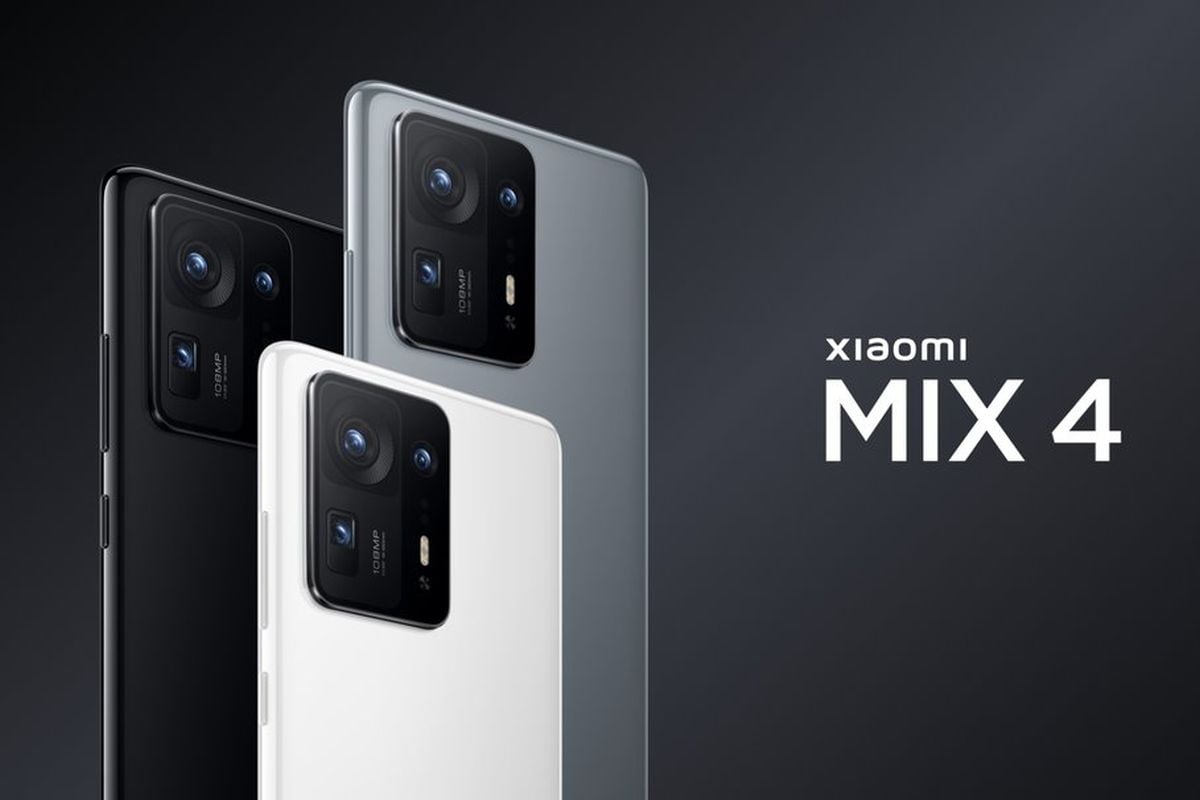
Xiaomi Mi 11 Ultra was launched back in April bearing a price tag of Rs. 70,000 (about $940). The device has not gone on sale yet but that will soon change. The comany has now commenced registration for the Mi 11 Ultra as it prepares to sell the phone in India for the first time.
The registration process involves buying the Ultra gift card at Rs. 2,000 ($27) with the accompanying f-code that qualifies you to purchase the Mi 11 Ultra during the yet-to-be-announced date of limited sale, with additional free gifts also on offer.

There are two color variants of the Mi 11 Ultra – Ceramic White and Ceramic Black colors. Interested users are encouraged to visit Xiaomi’s website, log in with their Mi ID and follow the procedure to purchase the ultra gift card. After choosing the choice of color of the device needed, the ultra f-code will be sent to the user on the day of the phone sale for you to obtain the phone within 24 hours.
On the day of the sale of the Mi 11 Ultra, any user who completes the purchase using the ultra gift card will get two free screen replacements, Ultra-branded merchandise, Times Prime Annual membership, a Superfan box, and an additional Ultra f-code.
Xiaomi has been silent on the number of the Mi 11 Ultra units available to the Indian market, but the limited gift cards will be dispensed on a first-come-first-served basis. As there is no mention of the sale date yet, interested buyers of the Mi 11 Ultra may have to put their ears on the ground so as not to miss out on the product launch.
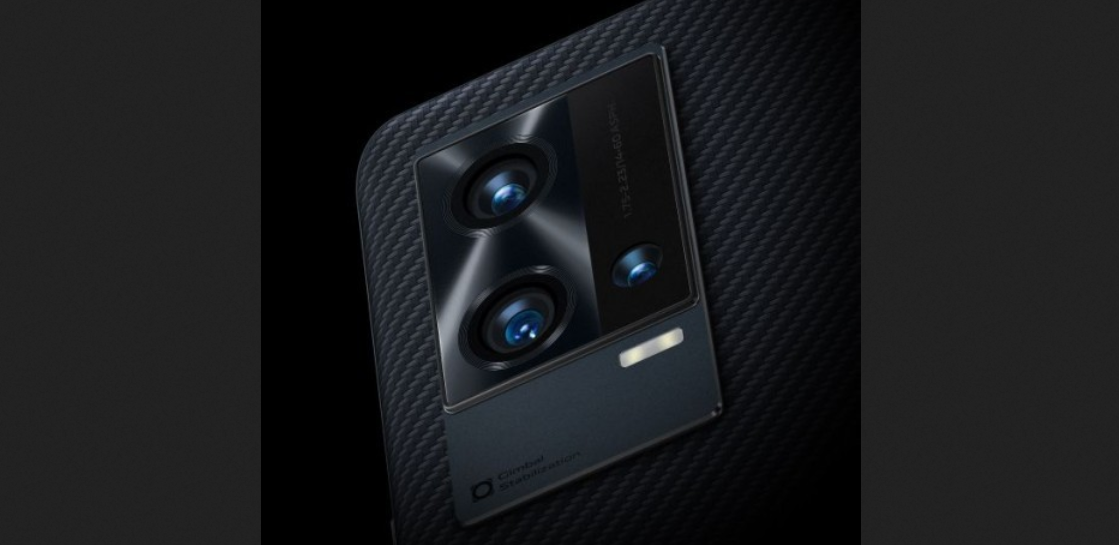
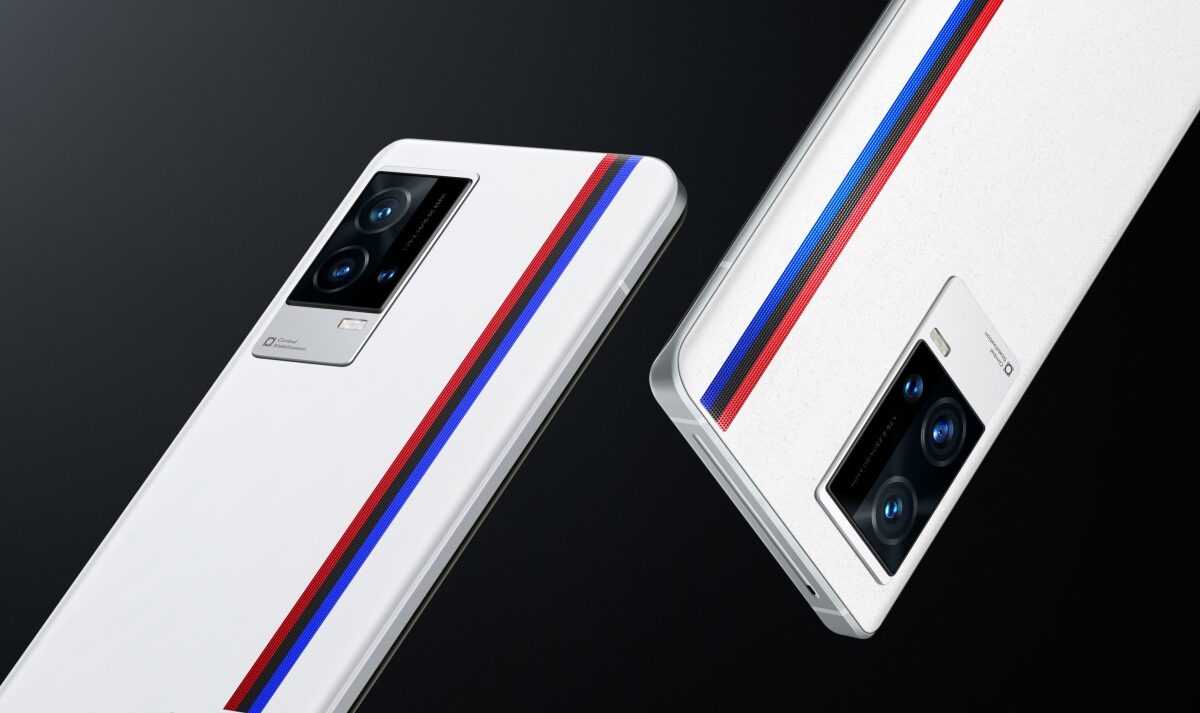
According to Ice Universe, the next Vivo NEX phone won’t be the NEX 5, the expected successor to the 2019 NEX 3/NEX 3 5G. Instead, we will get the NEX Fold this year, the manufacturer’s first foldable device. He isn’t the only one that has confirmed the NEX Fold is coming.
Ross Young, the CEO of Display Supply Chain Consultants (DSCC) replied under Ice Universe’s tweet with more details. He revealed that the device will be the largest in-folding foldable device in terms of panel size. This means its inner display will be larger than that of the Mi MIX Fold and Huawei Mate X2 which measure 8.01-inches and 8.0-inches respectively.
Will become the largest in-folding foldable in terms of panel size. We expect it in January.
He also stated that the device is expected in January. Does it mean that Ice Universe is wrong about the launch date?
The NEX Fold may actually launch this year but won’t be available for purchase until January. There is also the possibility that it will launch first in China this year before a global launch in January, most likely at CES 2022.
Save for having an in-folding design, there is not much we know about the NEX Fold. However, we expect more details will surface as its launch draws closer.
We use cookies on our website to give you the most relevant experience by remembering your preferences and repeat visits. By clicking “Accept”, you consent to the use of ALL the cookies.
This website uses cookies to improve your experience while you navigate through the website. Out of these, the cookies that are categorized as necessary are stored on your browser as they are essential for the working of basic functionalities of the website. We also use third-party cookies that help us analyze and understand how you use this website. These cookies will be stored in your browser only with your consent. You also have the option to opt-out of these cookies. But opting out of some of these cookies may affect your browsing experience.
Necessary cookies are absolutely essential for the website to function properly. This category only includes cookies that ensures basic functionalities and security features of the website. These cookies do not store any personal information.
Any cookies that may not be particularly necessary for the website to function and is used specifically to collect user personal data via analytics, ads, other embedded contents are termed as non-necessary cookies. It is mandatory to procure user consent prior to running these cookies on your website.