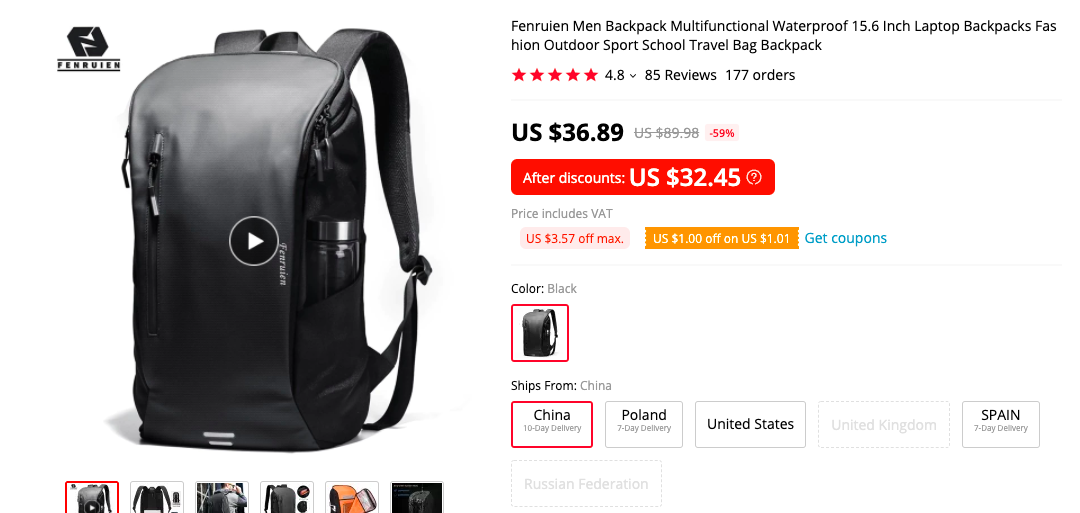
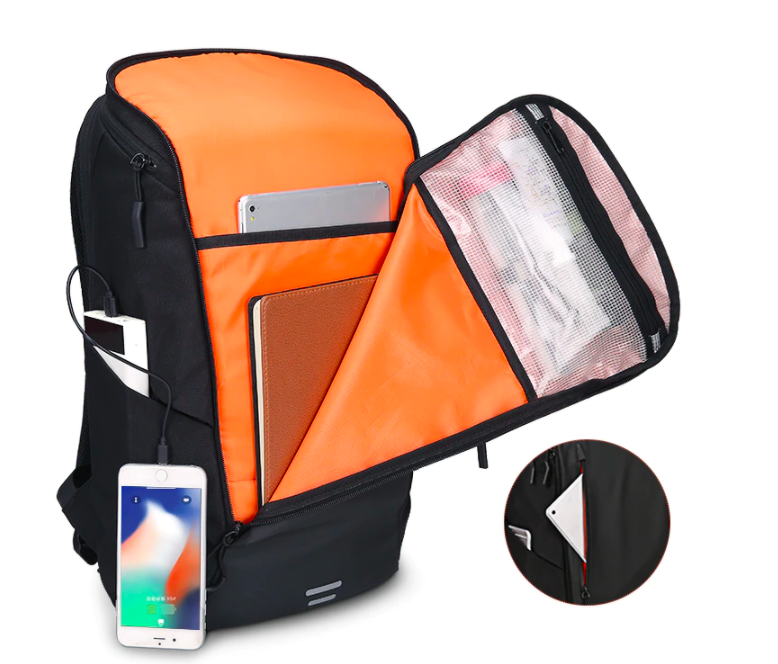
Fenruien Casual Fashion Backpack which generally retails for $70 is now available at a highly discounted price of $32.45 only at AliExpress. This is a limited-time offer.
Generally retailing for $70, you can now buy Fenruien Casual Fashion Backpack at a discounted price of $32.45 only at AliExpress. Please note that this is the original product, being sold by the Official Fenruien store. This is a limited-time offer. So place your order asap.
For more information on such exciting deals and offers check out ourdeals hub.
* Please Note: When you buy something using the links in our articles, we may earn a small commission at no cost to you.
Today, Honor held a mega launch event to announce the Honor Magic 3 series of flagship phones, Honor X20 5G, Honor Watch GS smartwatch, and the Honor Tab V7 Pro tablet. Readers can visit dedicated stories to know about Honor’s new smartphones and smartwatch. Here is all the information on the specifications, features, and pricing of the Honor Tab V7 Pro:
Honor Tab V7 Pro specifications and features
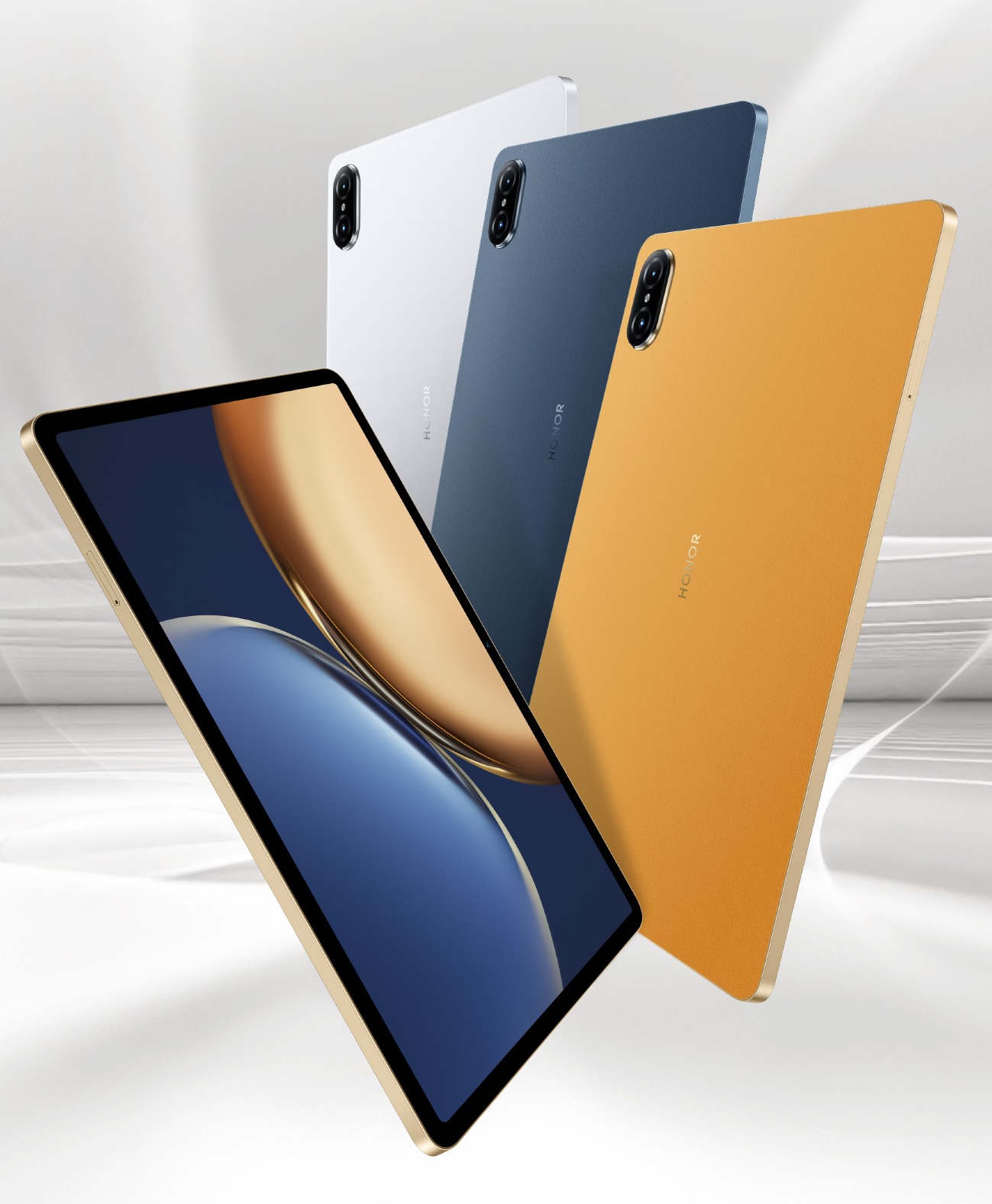
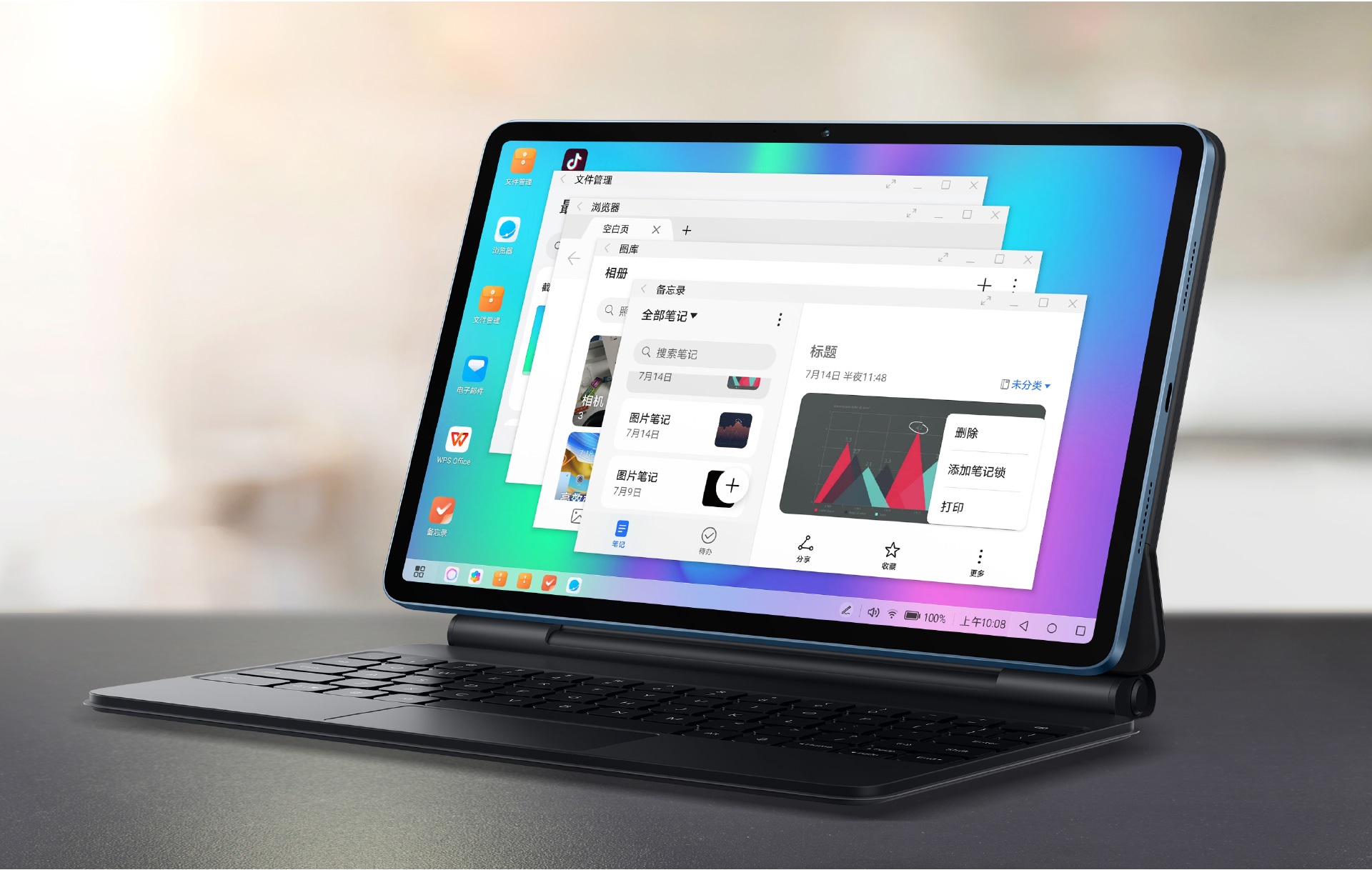
The Honor Tab V7 Pro is a high-end tablet that has a thickness of 7.25mm and weighs 485 grams. It features an 11-inch LCD screen that offers a 2K resolution of 2560 x 1600 pixels, a 16:10 aspect ratio, 276ppi pixel density, a 120Hz refresh rate, DCI-P3 color gamut, 500 nits brightness, and 1500:1 contrast ratio. The device runs on Magic UI 5.0 based Android 11 OS, which has been optimized for multi-tasking as it offers features like multi-window function, split-screen, drag and drop, and so on.
Honor Tab V7 Pro
The Tab V7 Pro is the world’s first device to feature the MediaTek Kompanio 1300T chipset. The tablet offers up to 8 GB of LPDDR4x RAM and up to 256 GB of storage. It carries support for RAM extension tech. The rear side of the device features a 13-megapixel main camera and a 2-megapixel macro lens.
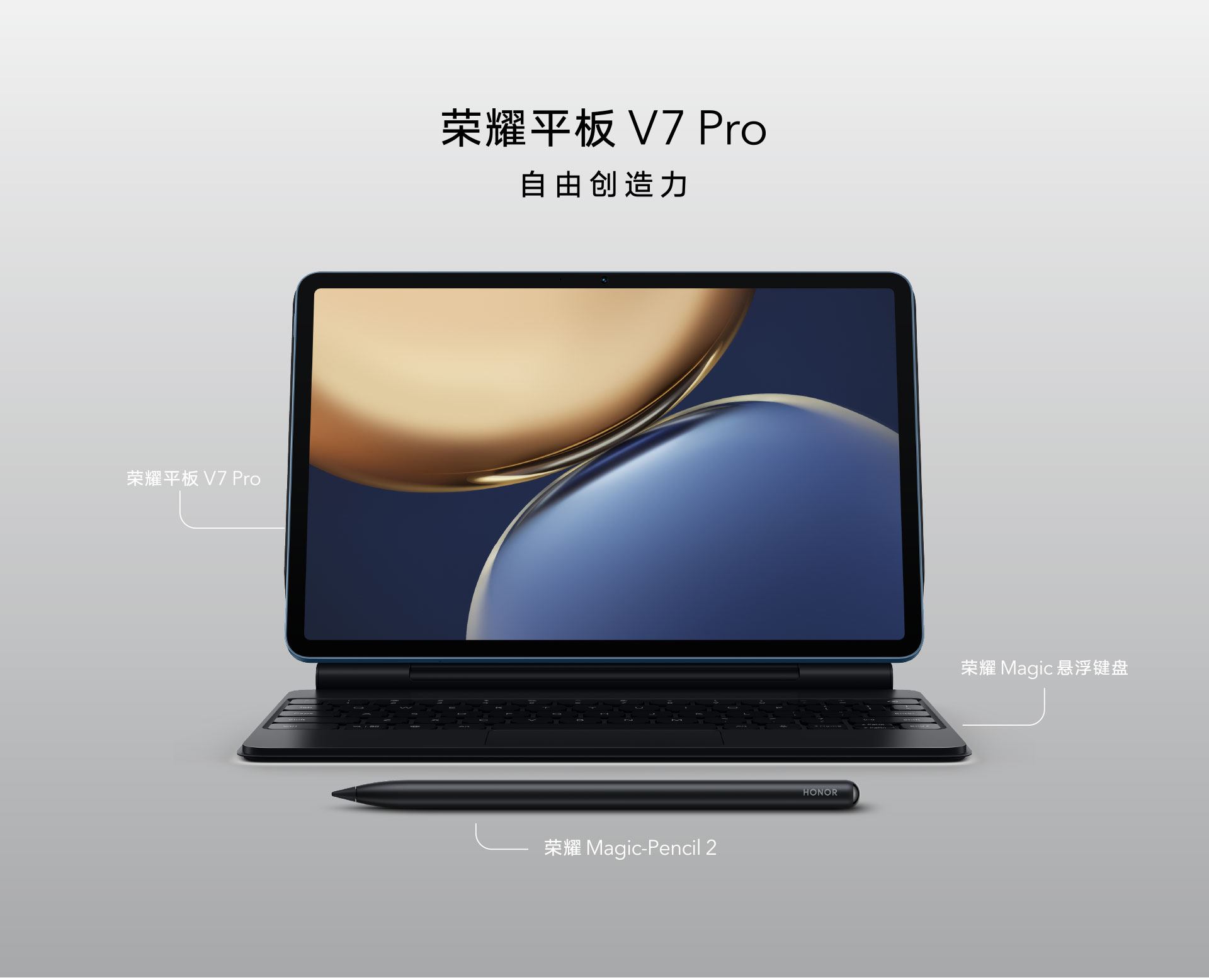
The device is backed by a 7250mAh battery that carries support for 22.5W rapid charging. It is equipped with a 7-layer cooling system for heat dissipation. The Honor tablet carries support for the Magic Pencil 2 stylus and a keyboard case for a desktop-like experience. it is equipped with other features like quad speakers, dual SIM, Wi-Fi 6, 5G, Bluetooth 5.1, and a USB-C port.
1 of 4
Honor Tab V7 Pro price and availability
The Honor Tab V7 Pro has arrived in three Wi-Fi only variants in China such as 6 GB RAM + 128 GB storage, 8 GB RAM + 128 GB storage, 8 GB RAM + 256 GB storage. They are priced at 2,599 Yuan (~$401), 2,799 Yuan (~$432), and 3,299 Yuan (~$509), respectively. The 5G-ready variant with 8 GB RAM and 256 GB storage is priced at 3,699 Yuan (~$571).
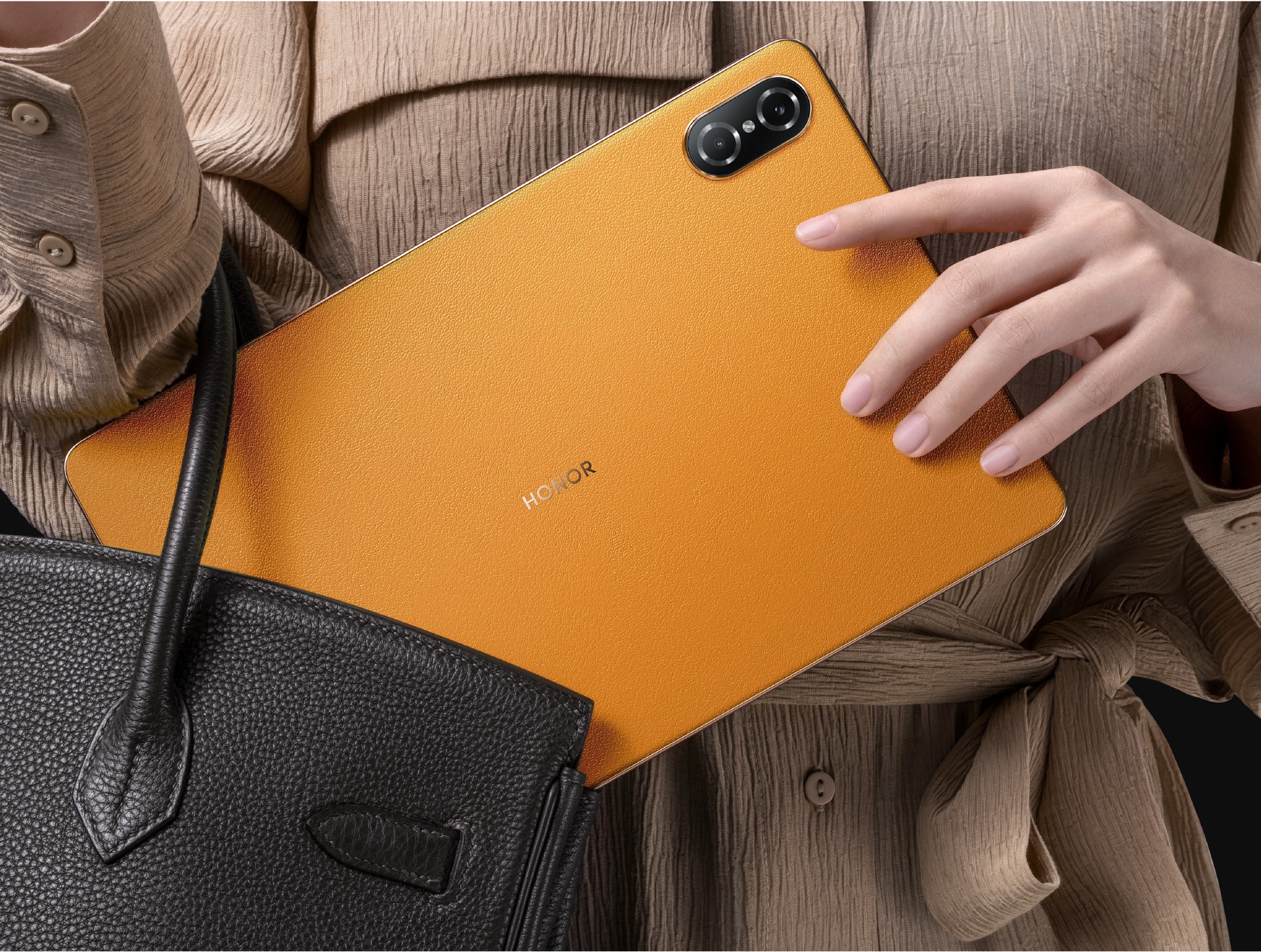
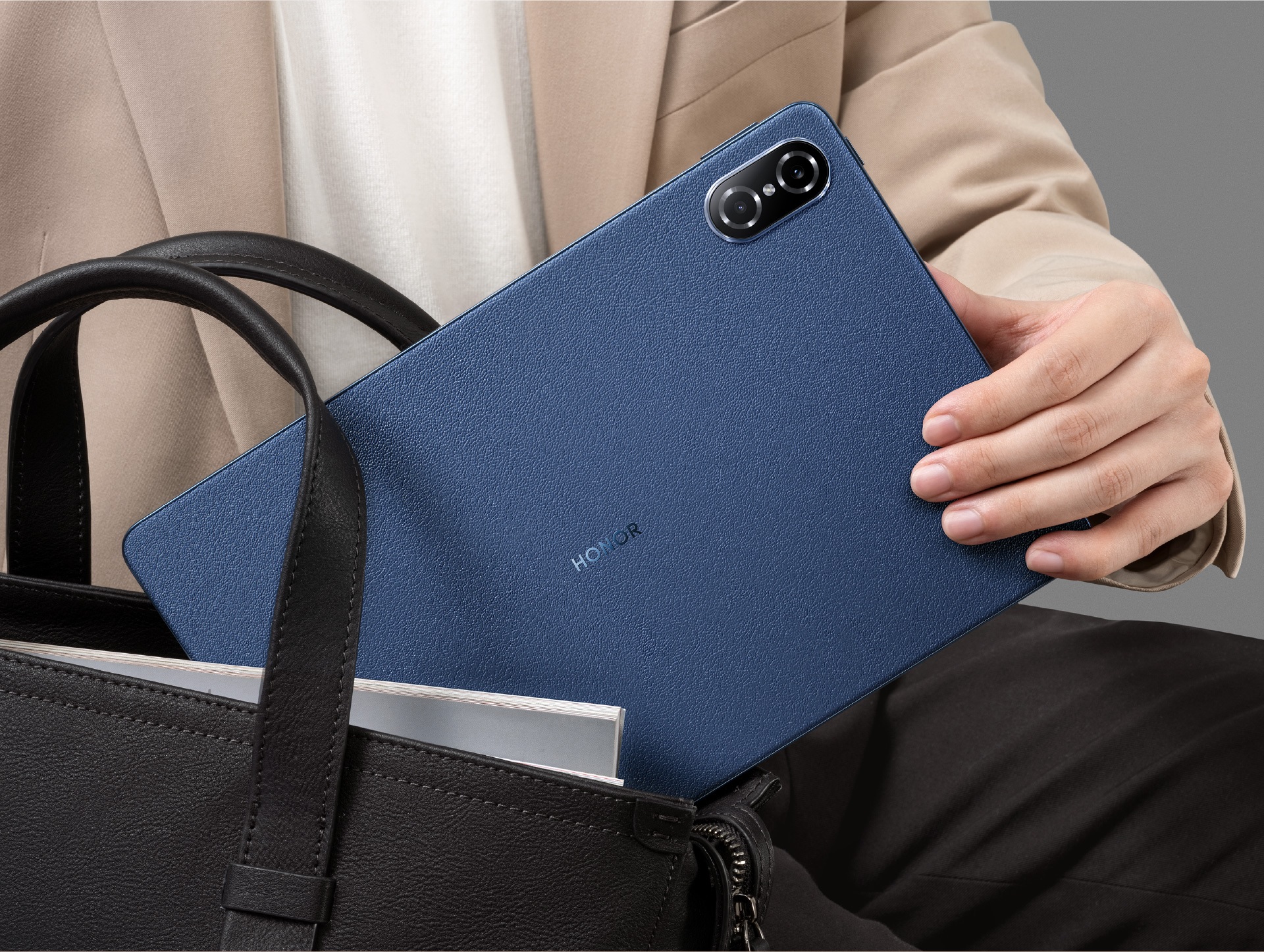
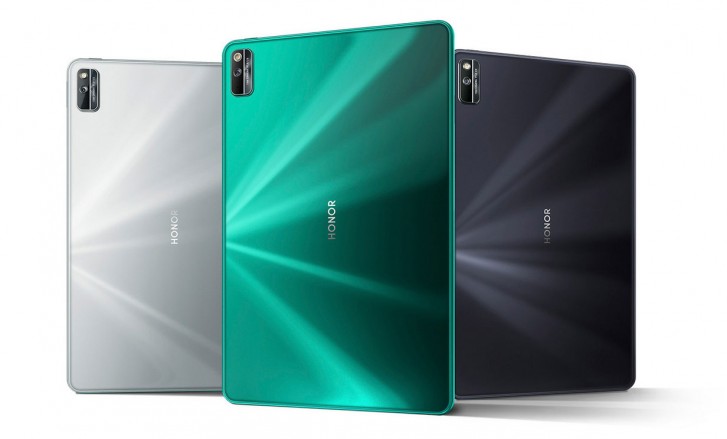
It comes in multiple colors like Dawn Blue, Dawn Gold, and Titanium Silver. The blue and gold editions have a leather back made from Italian calfskin. The silver variant has a glass back.
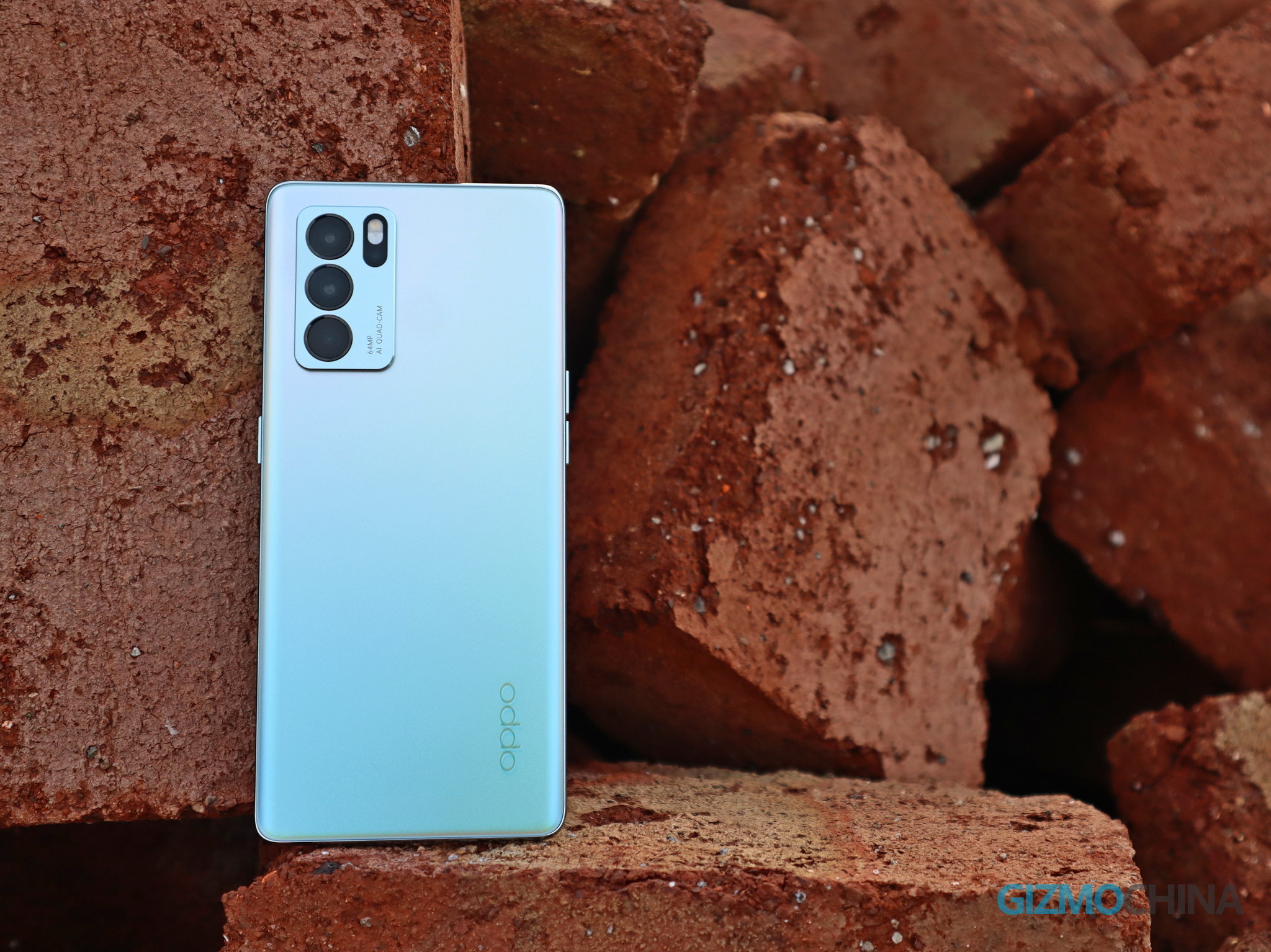
A few days back, OPPO announced its achievements in developing smarter and safer Flash Charge tech solutions. The company is celebrating this by offering deals on OPPO Reno6 Pro 5G and OPPO F19 series in India as part of its ChargeUp campaign (August 8-21) ahead of Independence Day. At the same time, OPPO has also partnered with Spotify for personalized playlists.
OPPO Reno6 Pro 5G
OPPO is offering a cashback of up to ₹3,000 on OPPO Reno6 Pro 5G, ₹2,000 on OPPO F19 Pro+ 5G, and ₹1,500 on the rest of the OPPO F19 series. This offer is applicable on debit/credit cards issued by HDFC Bank, ICICI BANK, Kotak Bank, Standard Chartered Bank, Federal Bank, Bank of Baroda, Yes Bank, and RBL Bank. This offer is applicable both online and offline.
Talking about offline-exclusive deals, customers can get 11% instant cashback on Paytm, up to 6 months of no-cost EMI, ₹1,500 exchange bonus, assured buyback guarantee of 80%, Complete Damage Protection plan for 180 days, and OPPO 10000mAh 18W Fast Charging Power Bank at a discounted price tag of ₹650 (50% off).
As far as online-exclusive deals are concerned, buyers can avail up to 9-month no-cost EMI from HDFC bank, up to ₹3,000 exchange bonus, assured buyback guarantee of 80%, Flipkart Smart Upgrade, Complete Damage Protection plan for 180 days, and OPPO 10000mAh 18W Power Bank at a reduced price tag of ₹650 (50% off).
Unfortunately, the OPPO-Spotify partnership for the smartphone brand’s ‘Every Emotion In Portrait’ campaign does not offer any discount on subscriptions. By visiting this page, anyone can automatically generate a personalized playlist by selecting their mood. It would have been nice if there was any benefit for at least OPPO users.
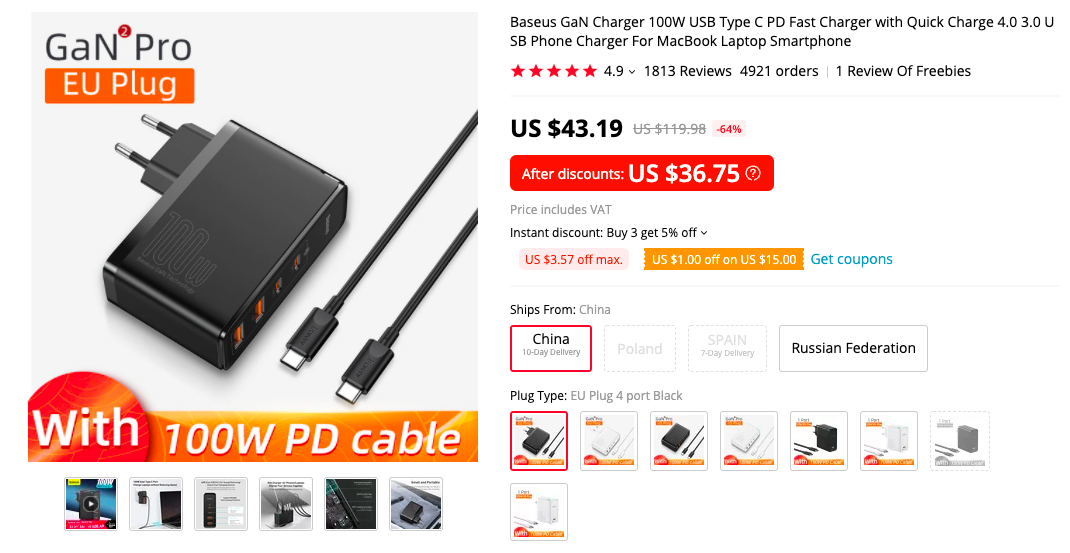
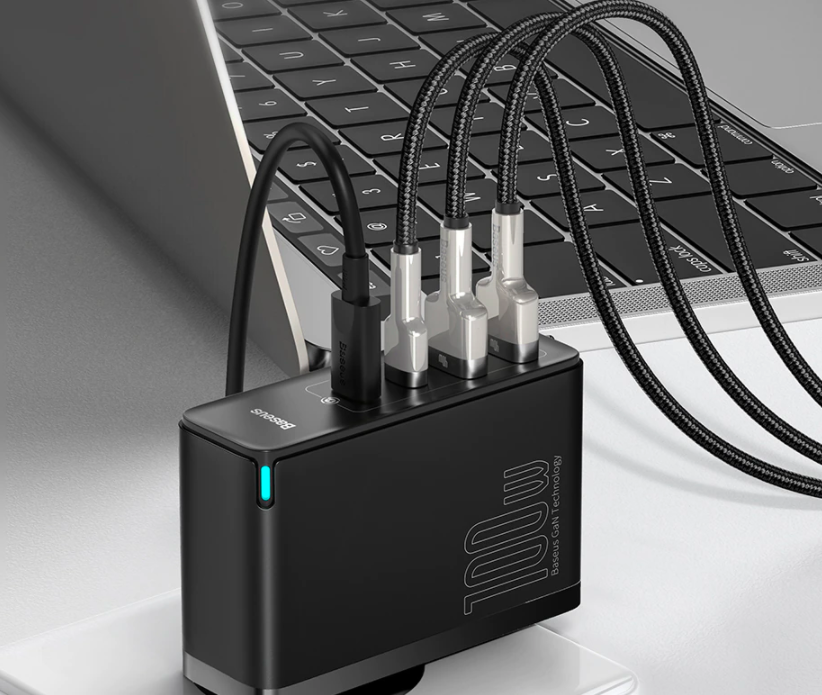
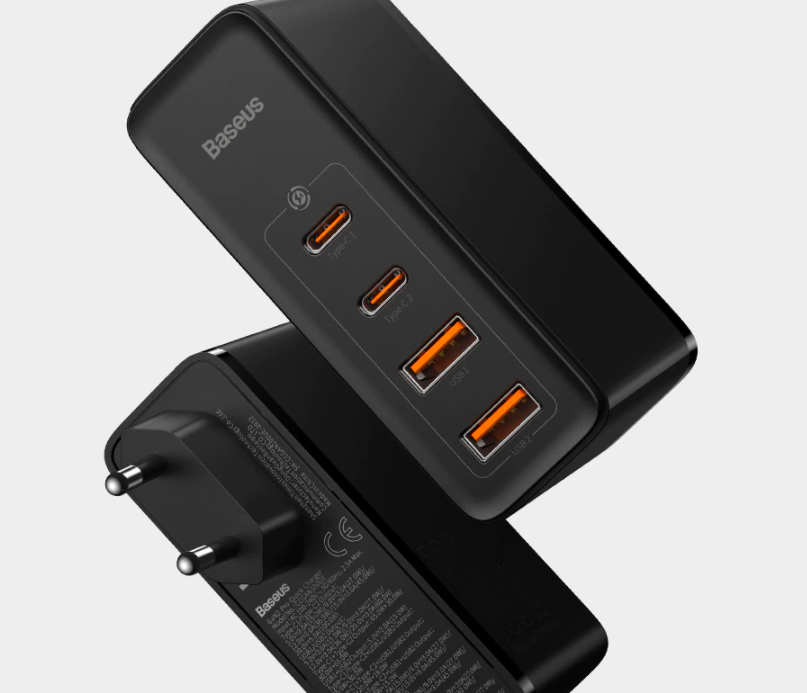
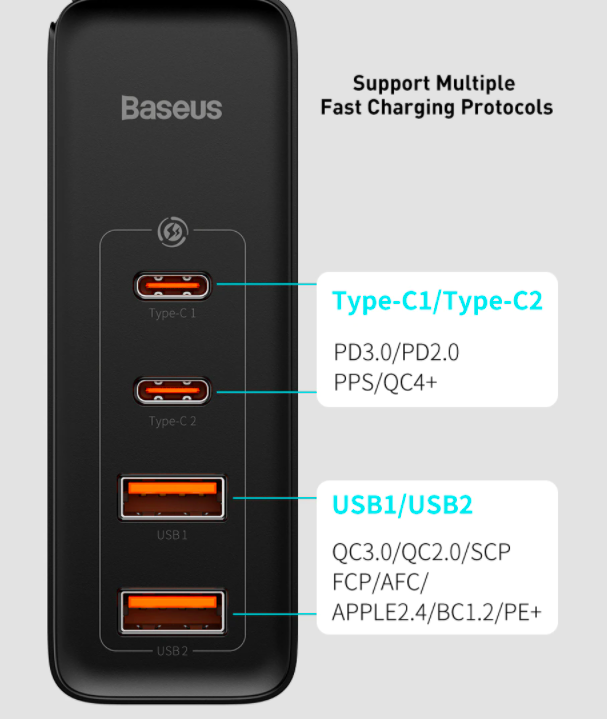
Baseus 100W 4 port GaN Charger which generally retails for $50 is now available at a discounted price of $36.75 only at AliExpress. This is a limited-time offer.
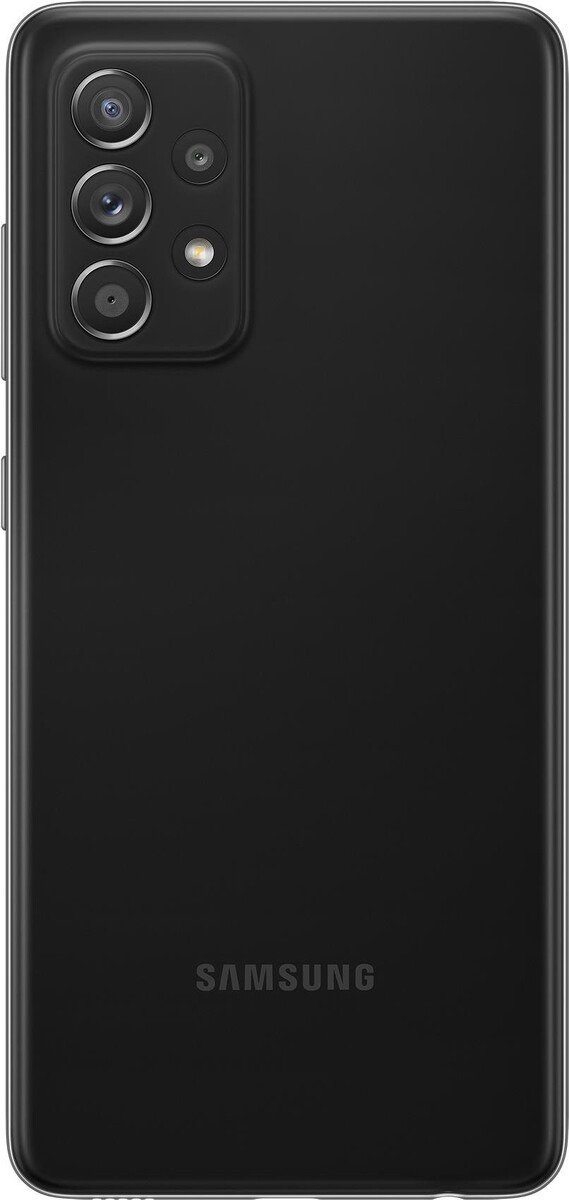
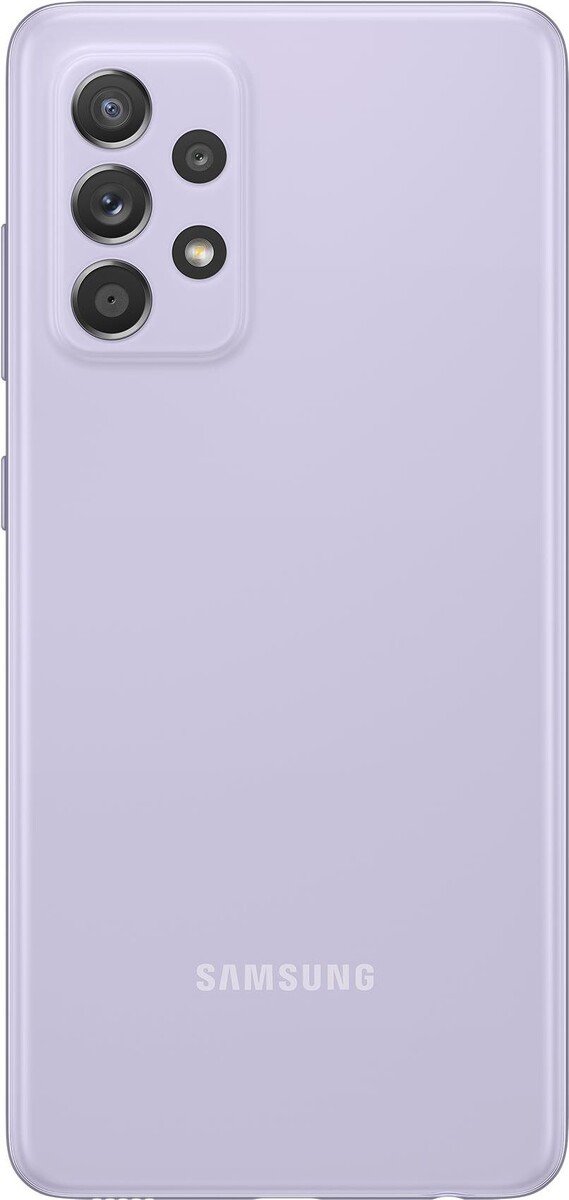
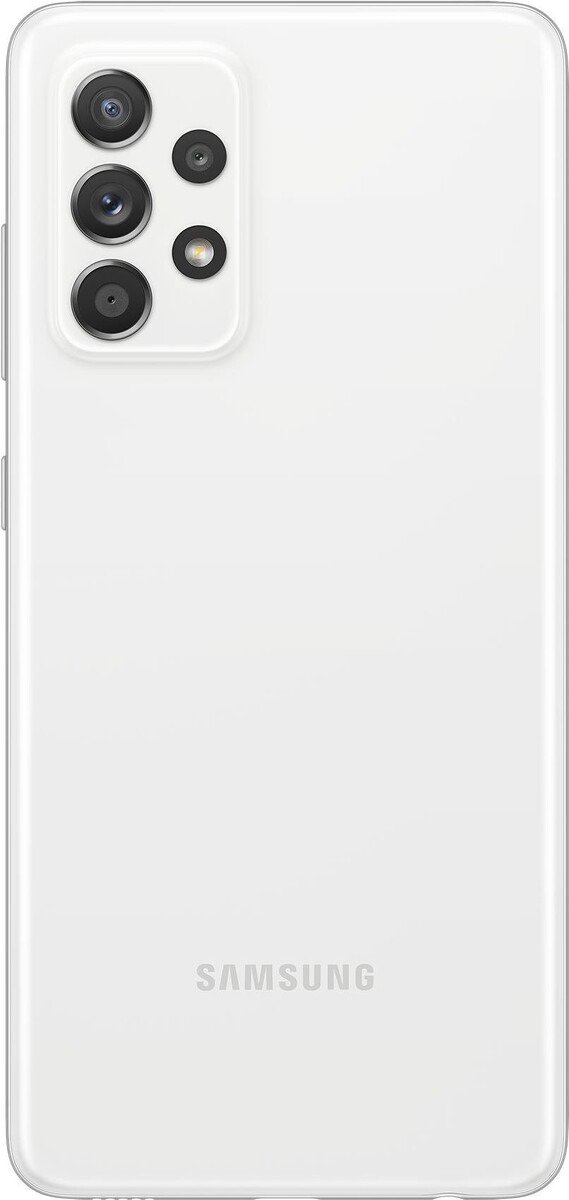
The Samsung Galaxy A52s 5G is expected to launch as an updated version of the Galaxy A52 that went official a few months ago. A fresh report by Winfuture.de claims that it will go official by the end of this month. The report has revealed the entire specs and pricing of the phone.
Samsung Galaxy A52s 5G specifications (Rumored)
The Galaxy A52s 5G will sport a 6.5-inch S-AMOLED display that offers a Full HD+ resolution of 1080 x 2400 pixels. An optical fingerprint scanner will be present under the screen. The centrally aligned display punch-hole will house a 32-megapixel selfie camera.
The A52s 5G’s rear camera setup will feature a 64-megapixel main camera with an f/1.8 aperture, a 12-megapixel ultrawide lens, a 5-megapixel macro camera, and a 5-megapixel depth sensor. The A52s will be capable of capturing 4K videos.
1 of 4
Samsung Galaxy A52s
Samsung Galaxy A52s
Samsung Galaxy A52s
Samsung Galaxy A52s
The Snapdragon 778G chipset is present under the hood of the A52s. To recollect, the Galaxy A52 5G came with Snapdragon 750G. In Europe, it will offer 8 GB of RAM and 128 GB of storage, and it may arrive with 256 GB of storage in other markets. It will be backed by a 4,500mAh battery that supports 25W fast charging.
The Android 11 OS with One UI 3.1 will come preinstalled on the Galaxy A52s 5G. It will offer other features like dual SIM 5G, Wi-Fi, Bluetooth 5.0, NFC, a microSD card slot, and a USB-C port. Lastly, it will be an IP67 rated waterproof and dustproof device.
Wireless charging has come across new challenges ever since Apple released its MagSafe technology back in 2020. After one year, we finally see a similar solution on the Android platform.
Recently, Realme launched its own Magnetic wireless charging technology, the Realme MagDart. After our limited experience of the implementation, we have to say Realme is trying to take charging on Android phones in a new direction
Before we take a closer look at the Realme MagDart charger, let’s check the Apple MagSafe first. To be honest, it seems that the MagSafe didn’t successfully change most users’ habits in replacing the standard solution for wireless charging. However, it did fix one of the issues of traditional wireless charging, which is to correctly line up the phone to achieve the best charging efficiency. But honestly, apart from this, there isn’t any significant improvements in Magsafe over traditional wireless charging, especially if you consider the charging speeds.
But it looks like Realme has updated this technology on the Android Platform.
Along with the launch of the new technology, Realme also released a series of products supporting the MagDart Charging. And we have managed to be one of the first ones to get our hands on these exciting products.
So let’s see what the new MagDart Charging technology offers.
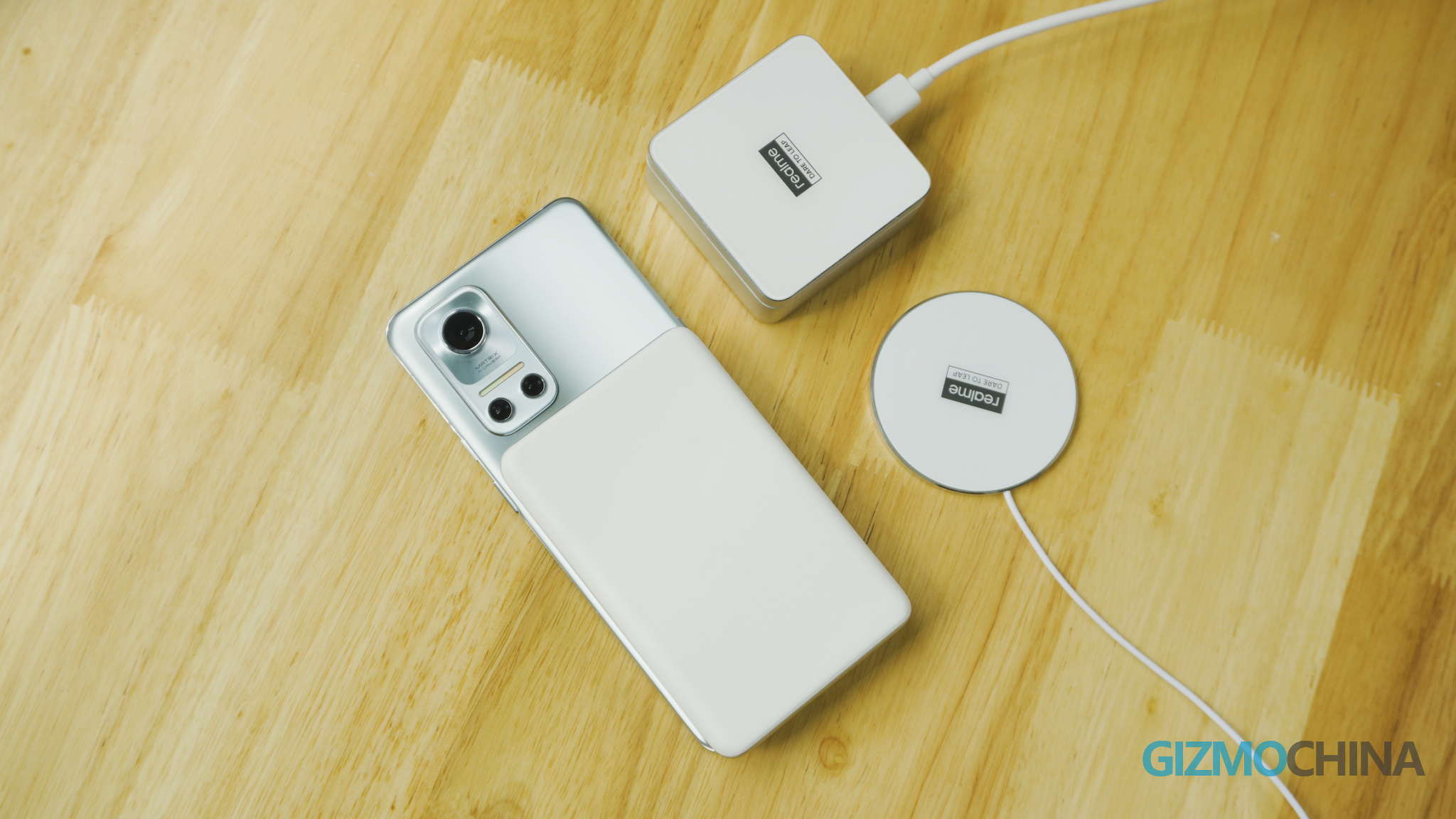
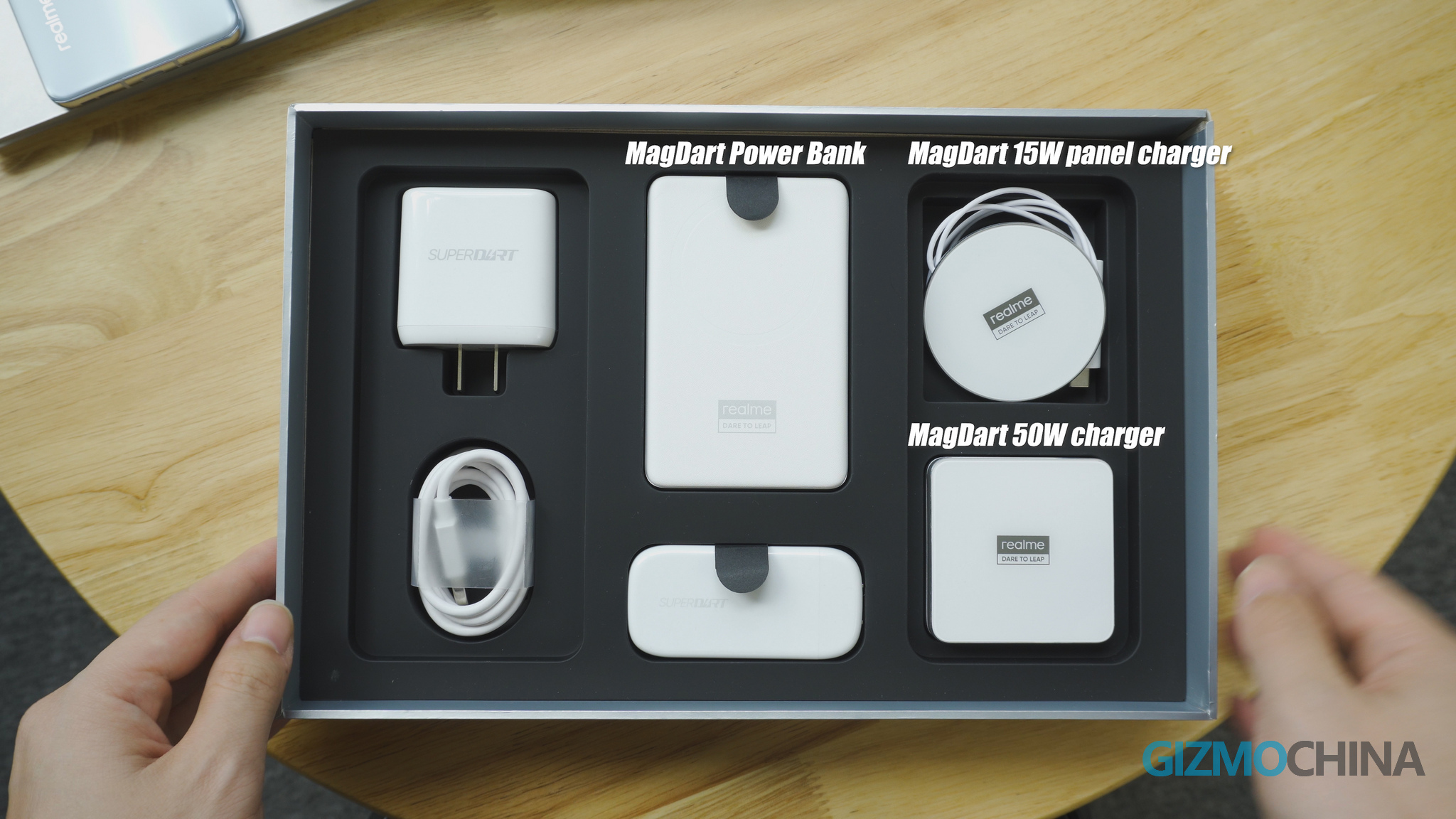
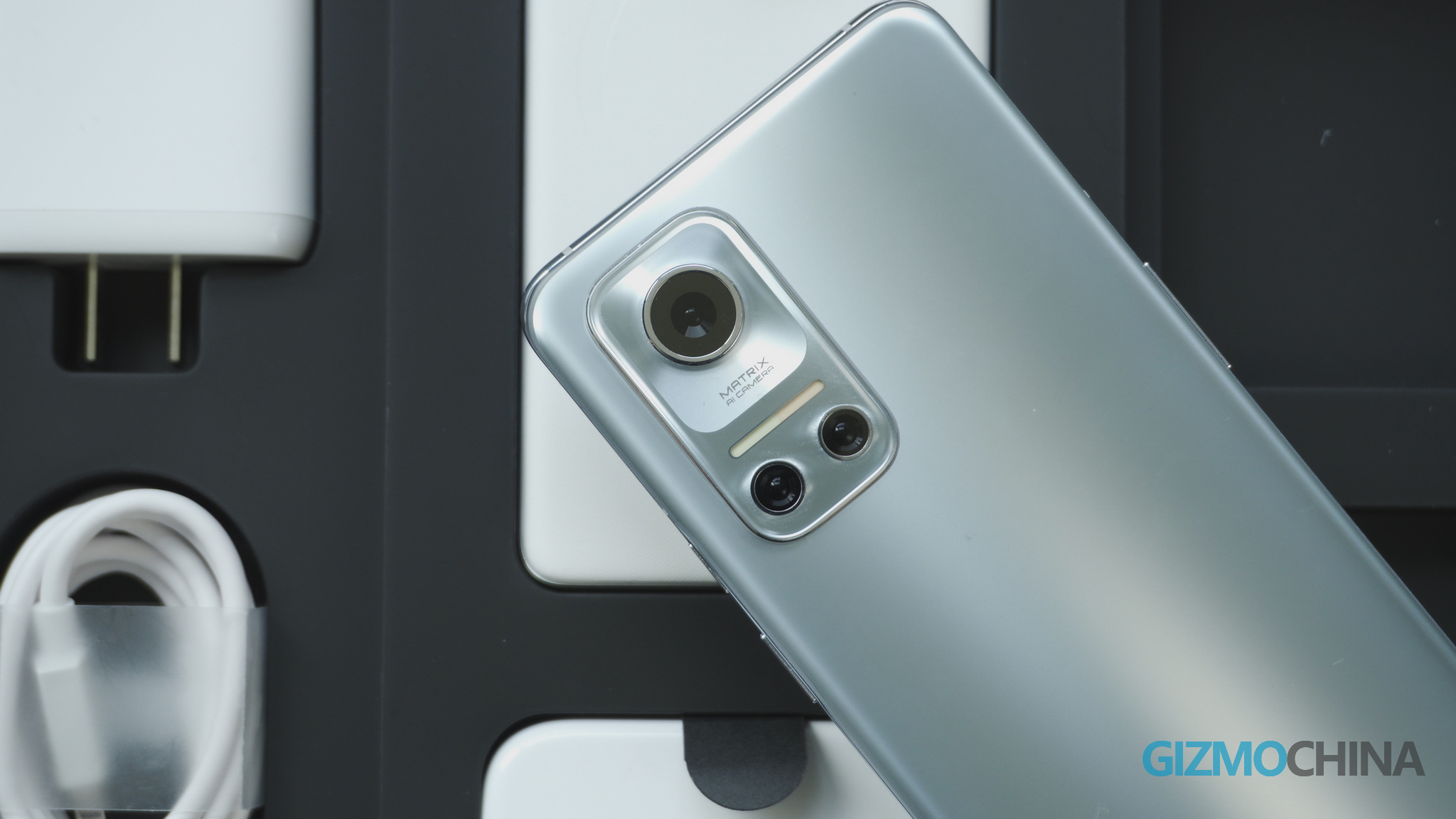
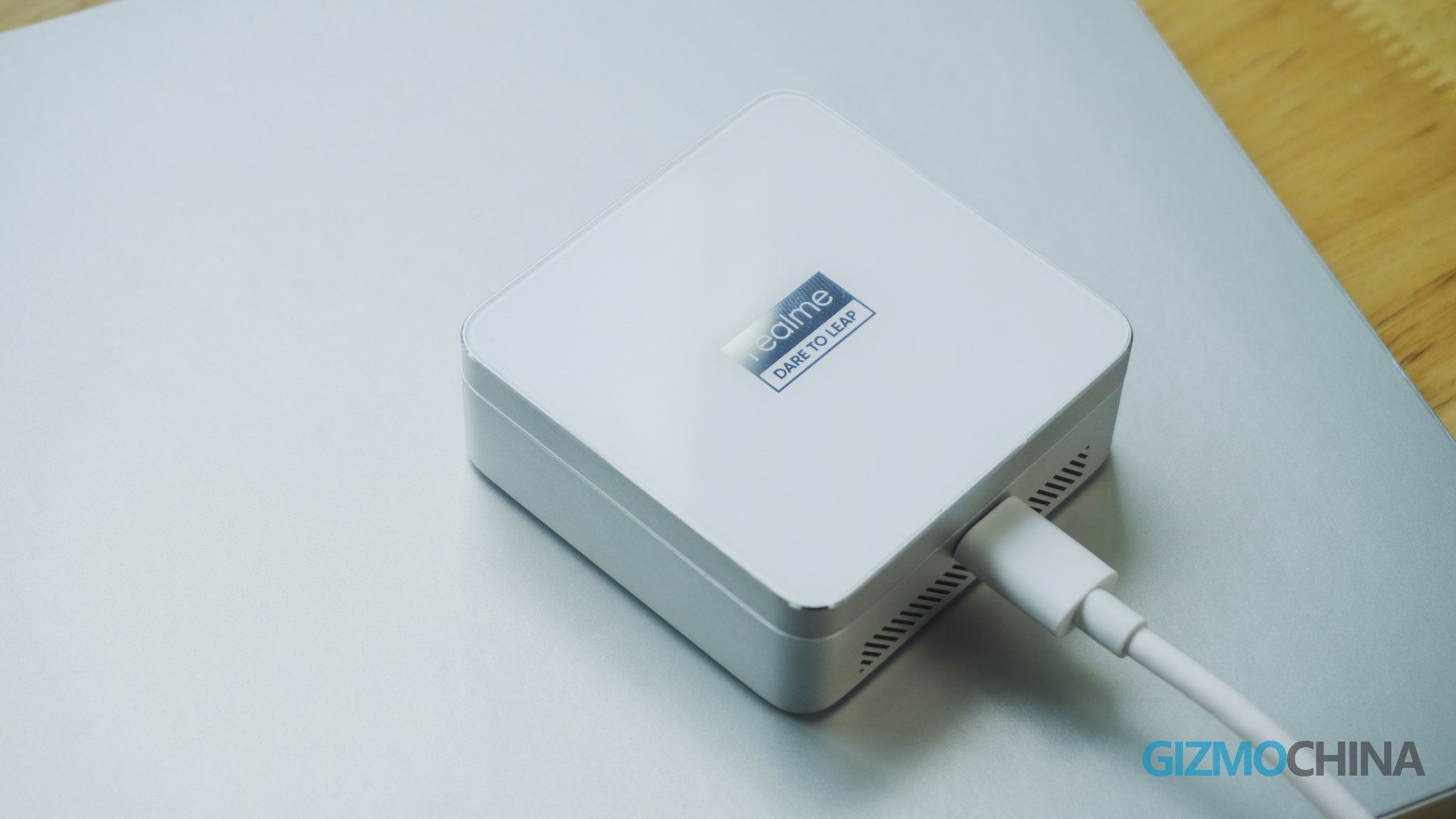
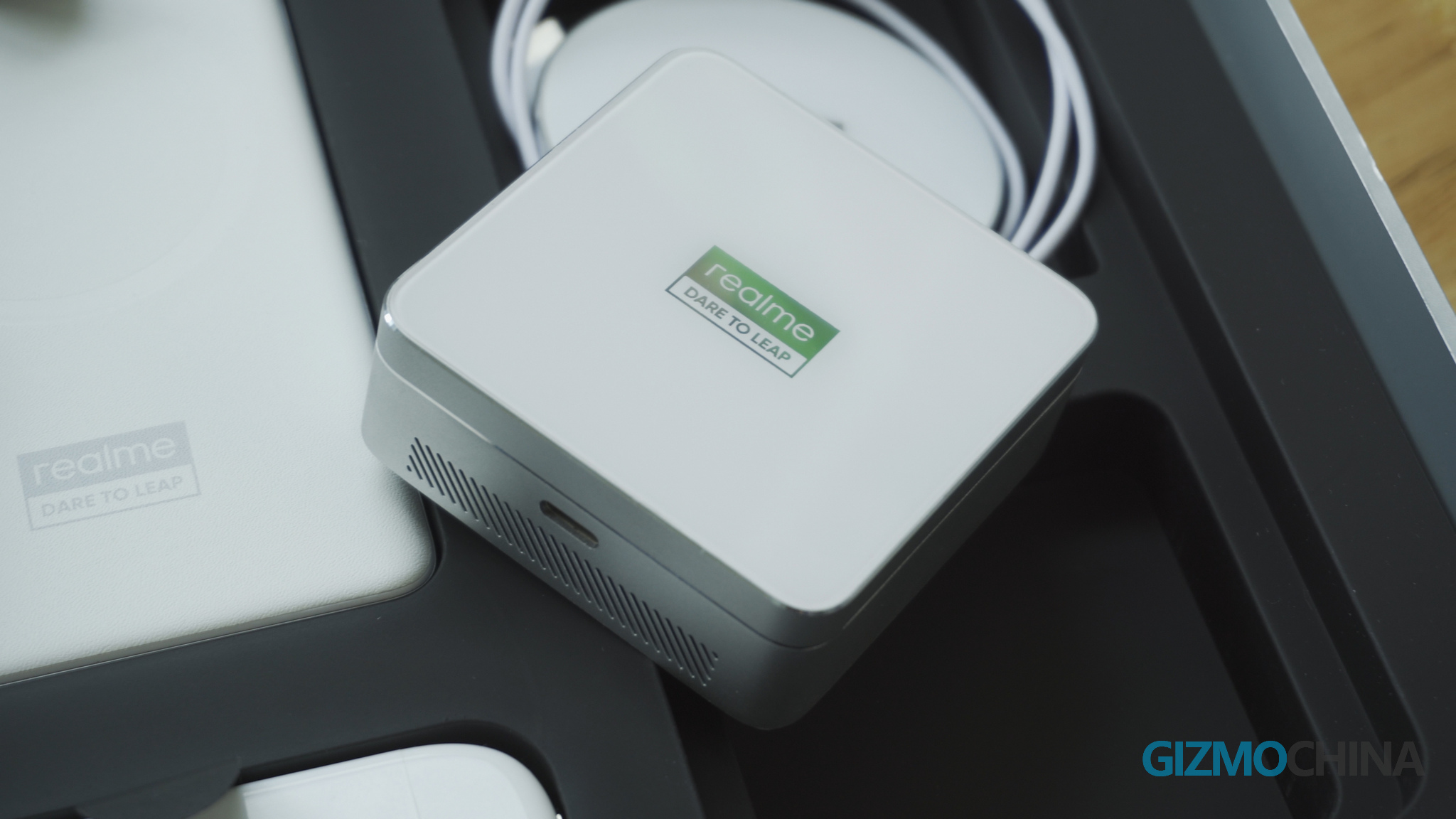
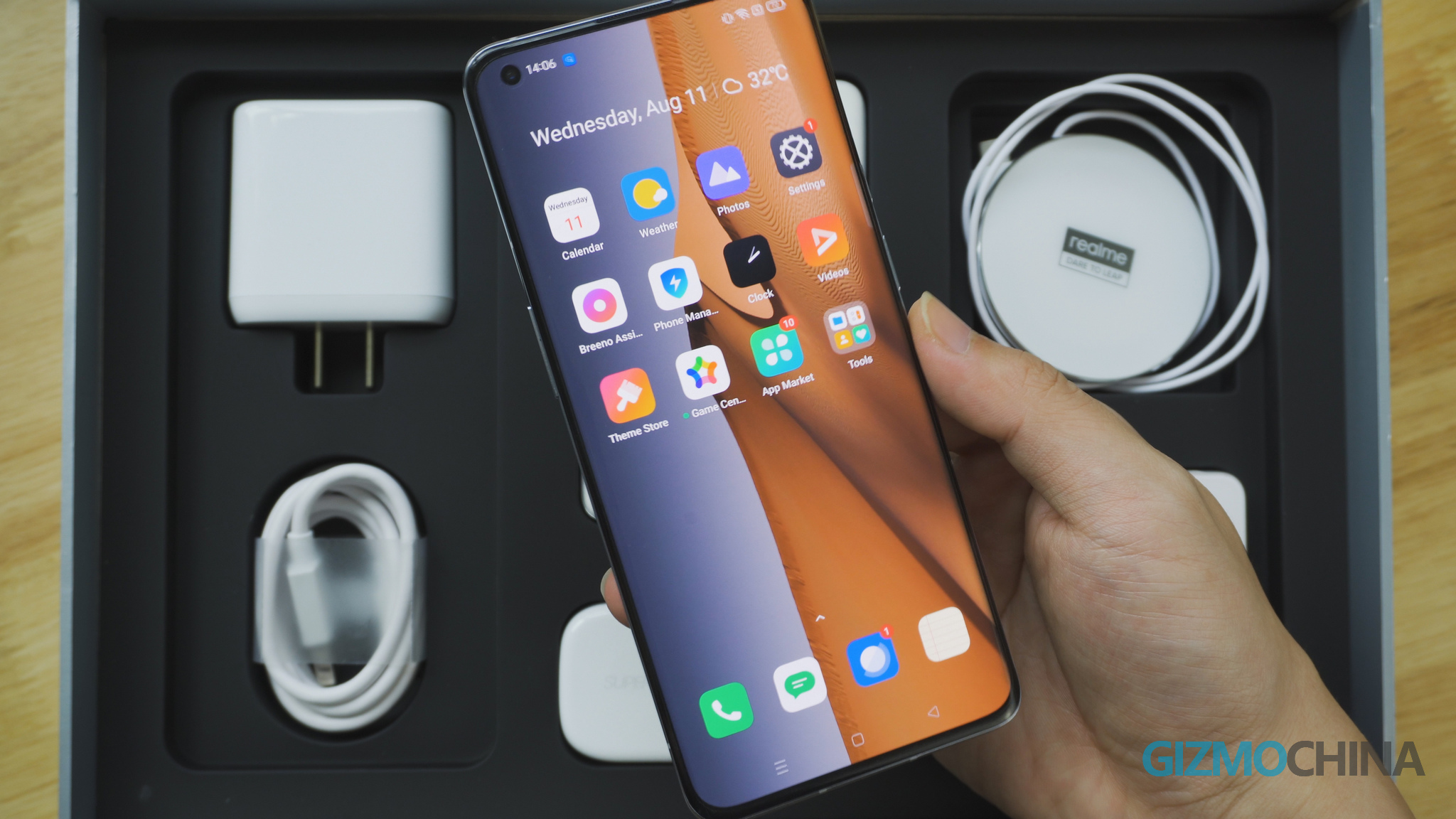
In this MagDart charging kit, there’s the first concept Android phone in the world to support Magnetic wireless charging — the Realme Flash. It features a 4500mAh battery supporting up to 50W MagDart wireless charging efficiency. Once you remove the top panel, you will see all the MagDart accessories settled at the bottom of the box, including a MagDart power bank, a full 50W MagDart charging dock and another 15W MagDart compact charger, similar to the Apple MagSafe charger. In addition to the new accessories, a Realme’s 50W cookie-like mini charger and another 65W fast charger are also included in the box.
Let’s first start with the phone, the Realme Flash. It’s still a big challenge for the industry to achieve fast wireless charging with safe thermal performance. Apple’s MagSafe no doubt was an important exploration in this field, but due to issues such as charging efficiency and heating, feedback on all the related products has not been as good as expected. We’ve heard enough users complain about their iPhones that keep losing power while playing games with Apple’s Magsafe charging.
But for Realme’s MagDart, things were much better in our charging tests.
Realme MagDart 50W Magnetic Charger
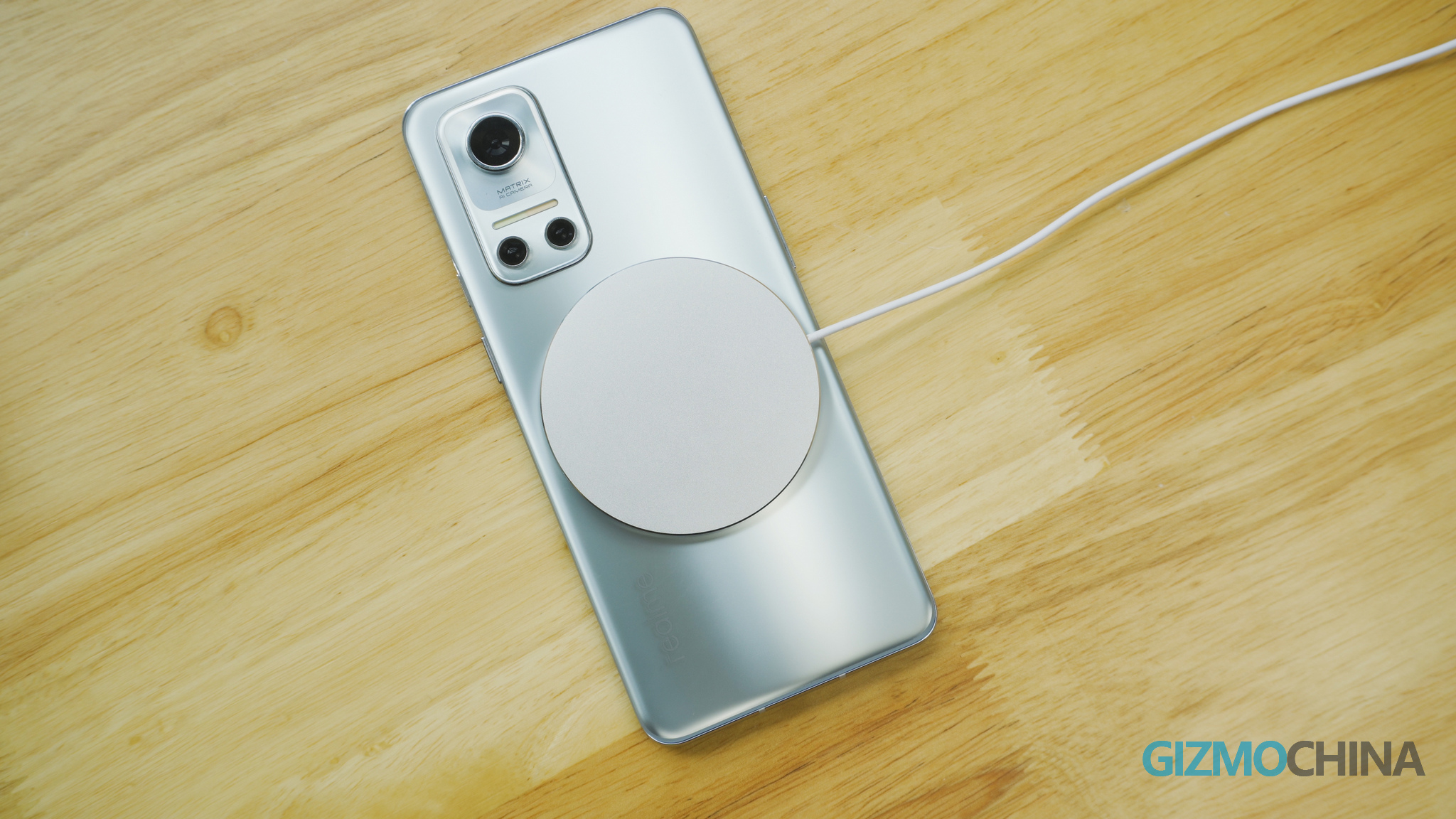
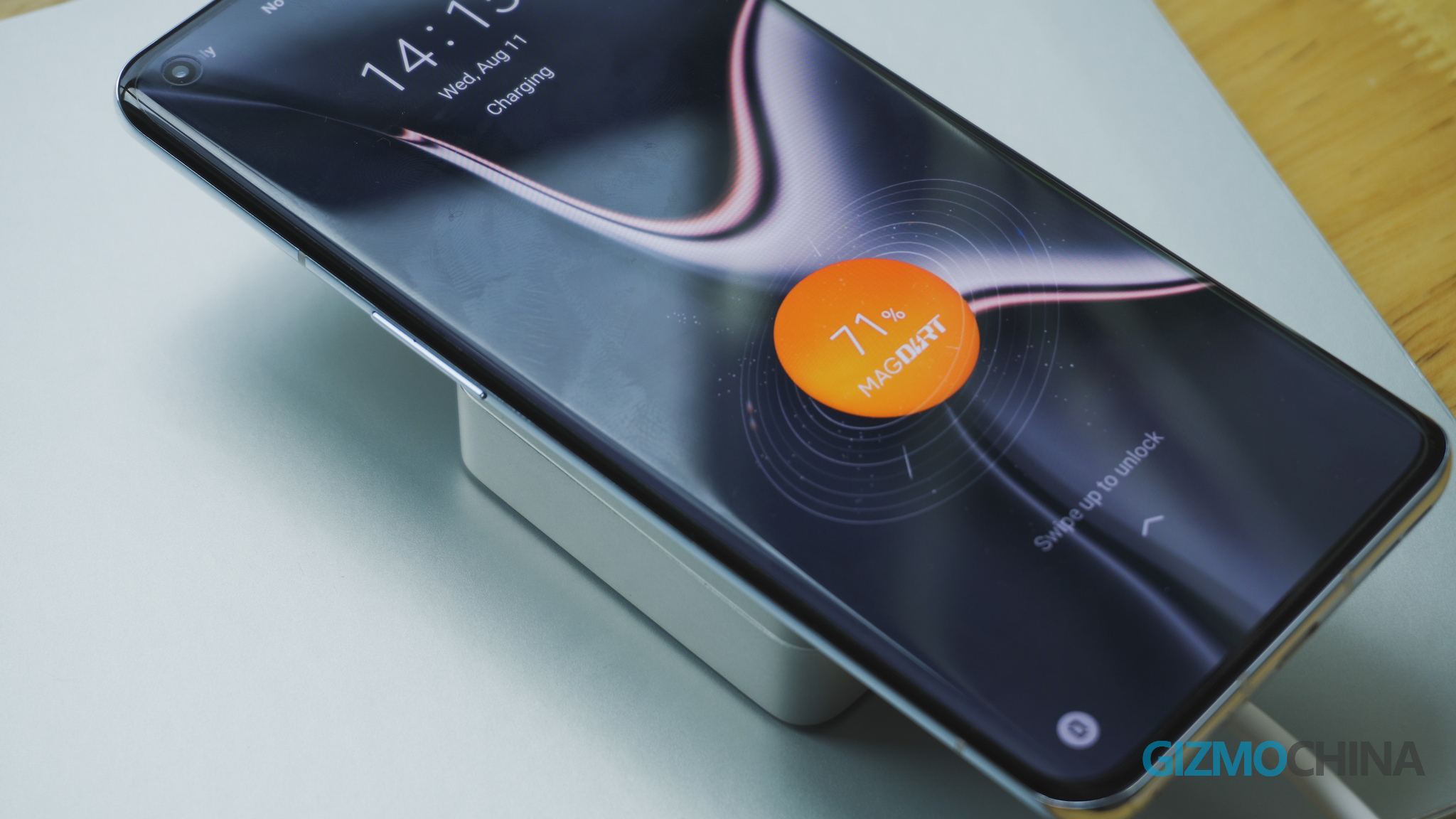
On the Realme Flash, Realme claims that the MagDart charging fixed the lining-up issues by using a boron-cobalt alloy powerful magnet, while maintaining high charging speed by applying high power.
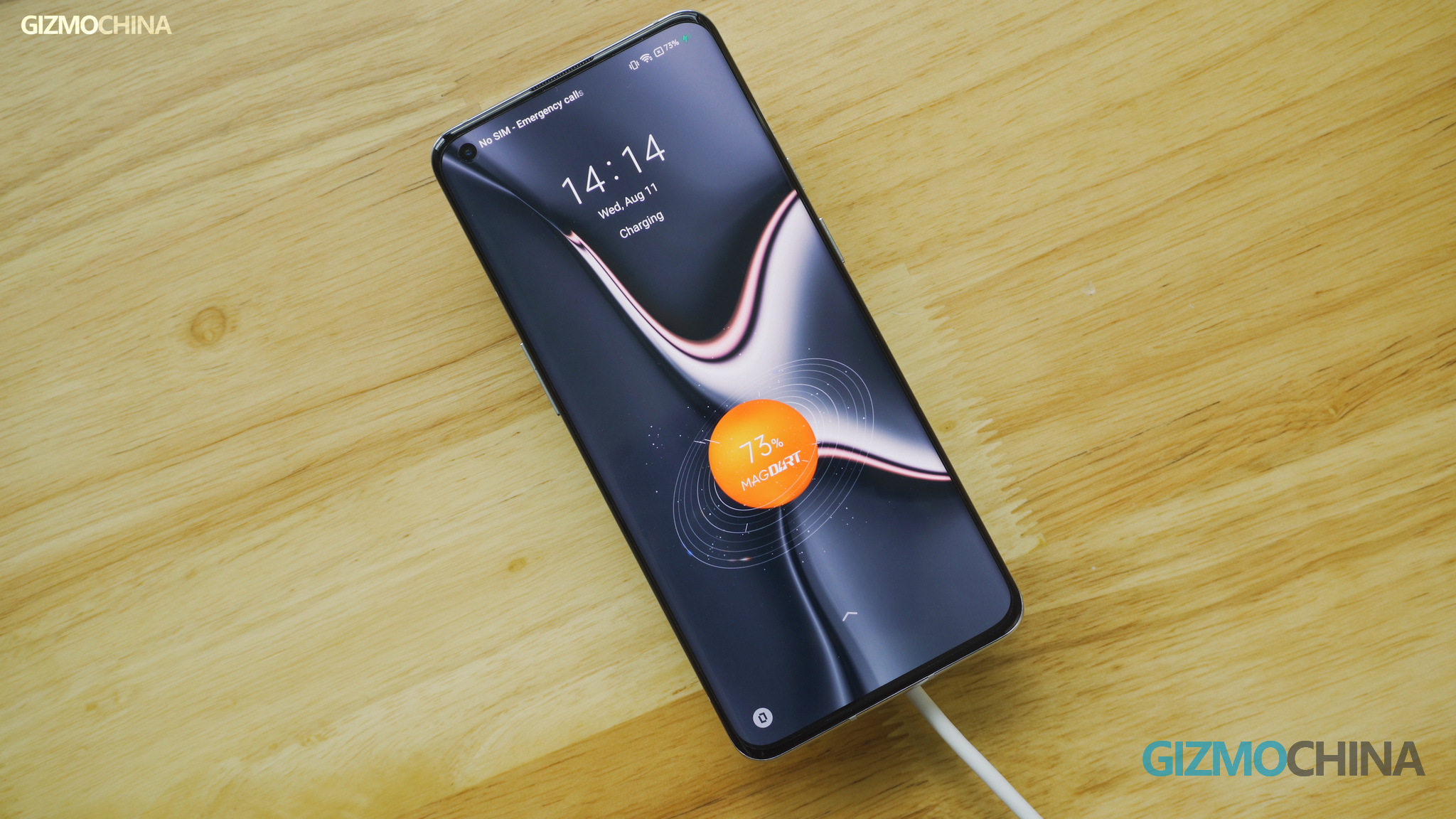
But all of this couldn’t be done without a reliable thermal design, which is probably the reason why it could achieve charging efficiency close to a wired charging solution in our charging test.
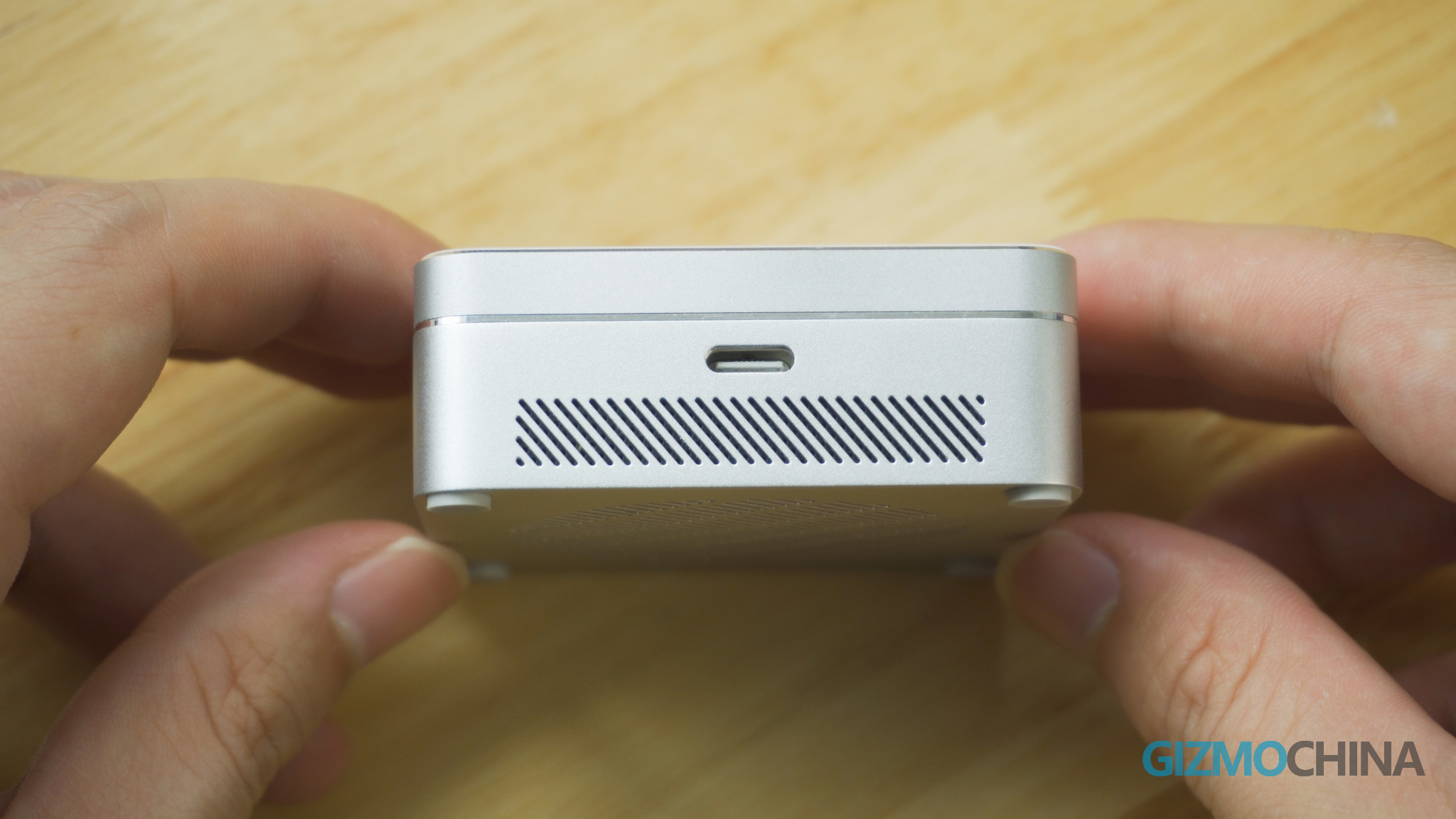
Although a magnetic structure is added inside, the 50W MagDart charger is still one of the smallest wireless chargers that I’ve ever seen, supporting over 40W charging efficiency. It’s equipped with an active cooling fan to quickly dissipate heat and keep the inside temperature at a safe level even at high power output. The phone did maintain a consistent charging speed with the charger for almost the entire charging test duration. Eventually, the full-charge test was done in around 60mins. And more importantly, the devices’ temperature didn’t exceed 41℃ during the entire test duration.
Realme MagDart 15W Magnetic Charger
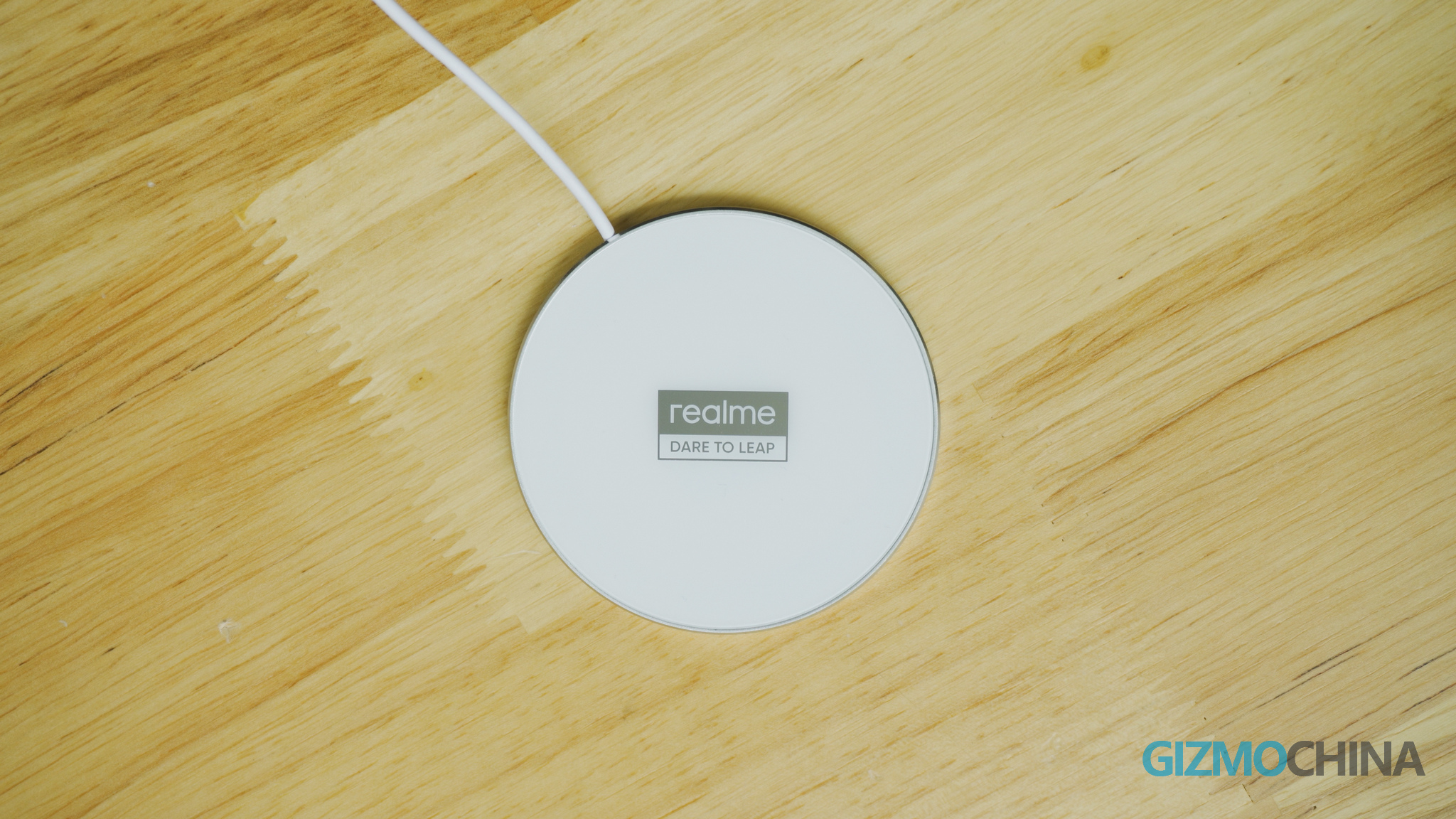
If you are still not satisfied with the bigger size of the 50W charger, Realme offers a 15W super-slim MagDart charger as another option. Realme smartly located the control chips at the other end of the cable to reduce weight and thickness of the round charging panel. Another benefit of the design is to reduce the heat generated during charging and sustain high power for a longer duration. In our gaming & charging tests, we didn’t experience any power-drop issues like the Apple’s MagSafe. Another good detail is that all the MagDart devices use a larger coil to reduce the impedance. It also means less heat is generated during charging. As a result, better heat-transfer efficiency is achieved with less power loss.
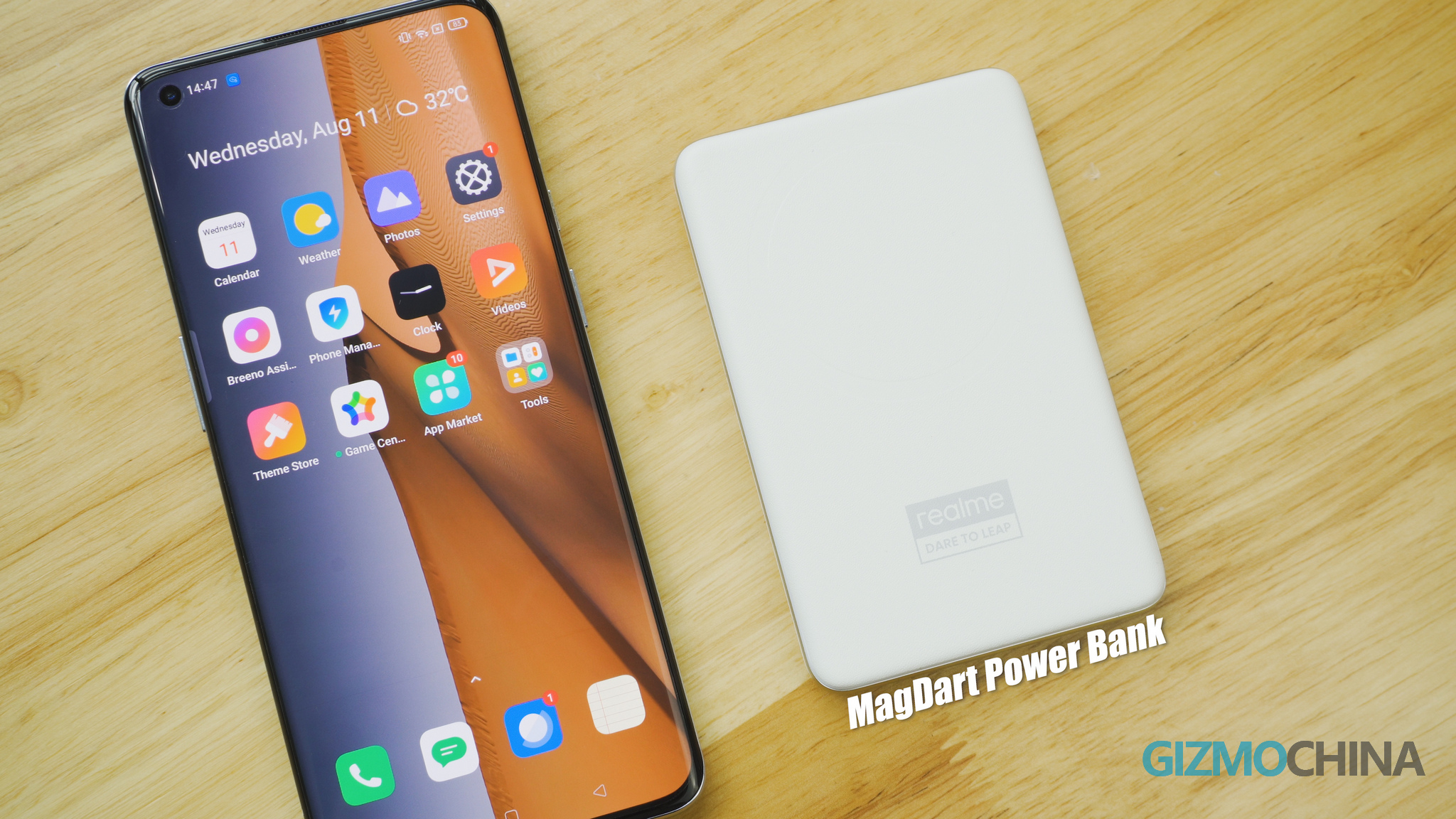
Realme MagDart Power Bank
The MagDart power bank is my favorite accessory of the charging kit.
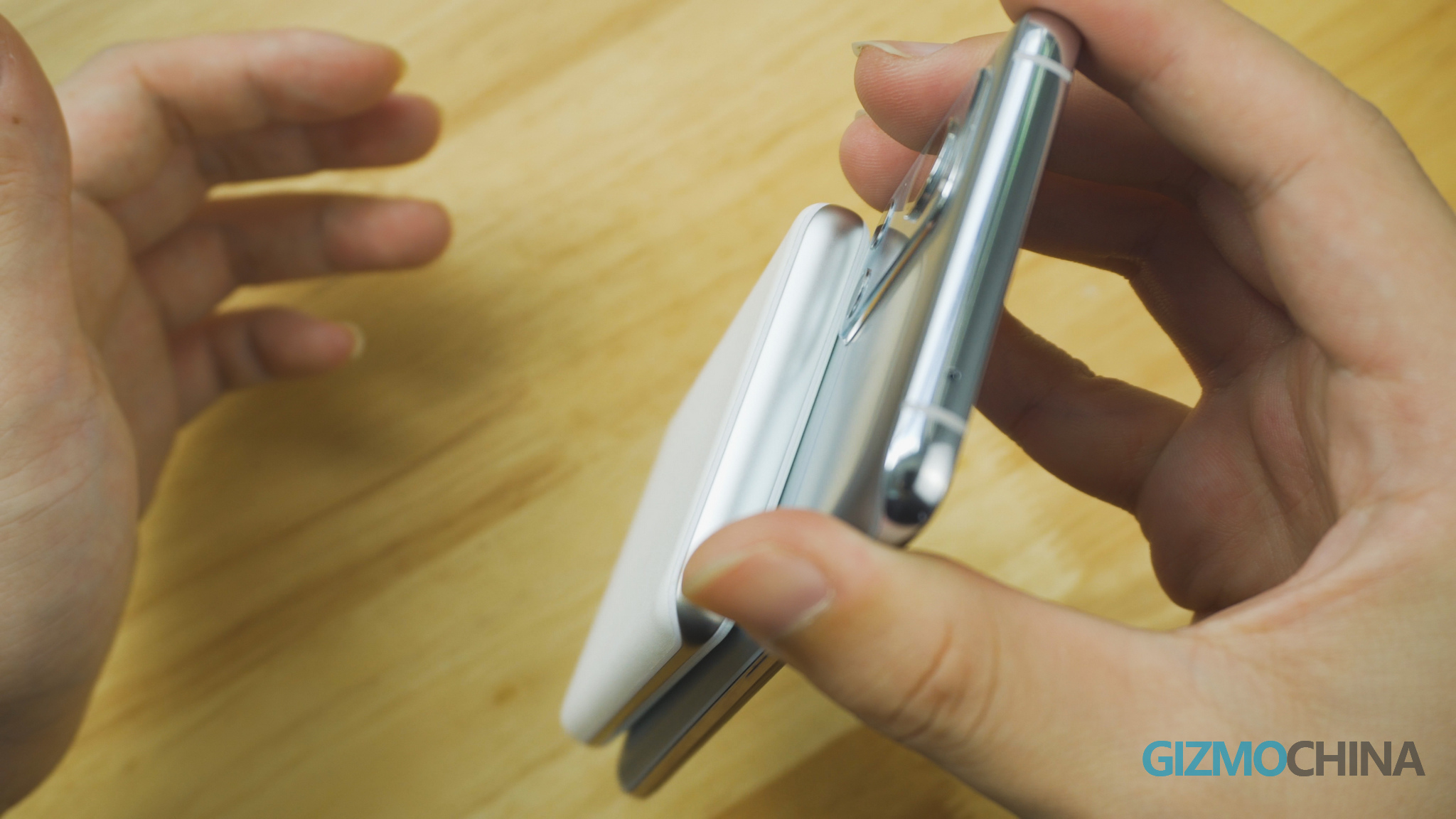
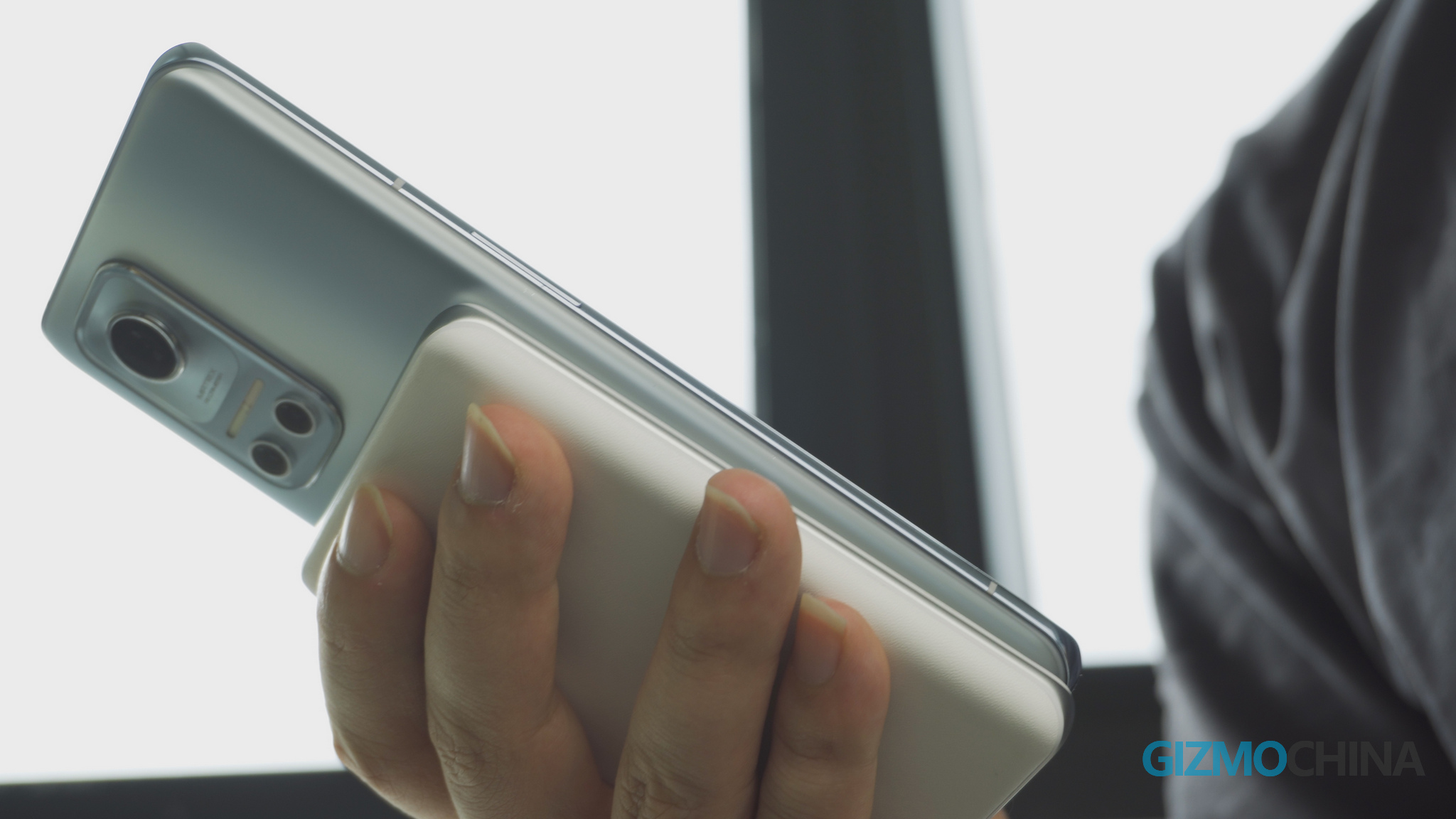
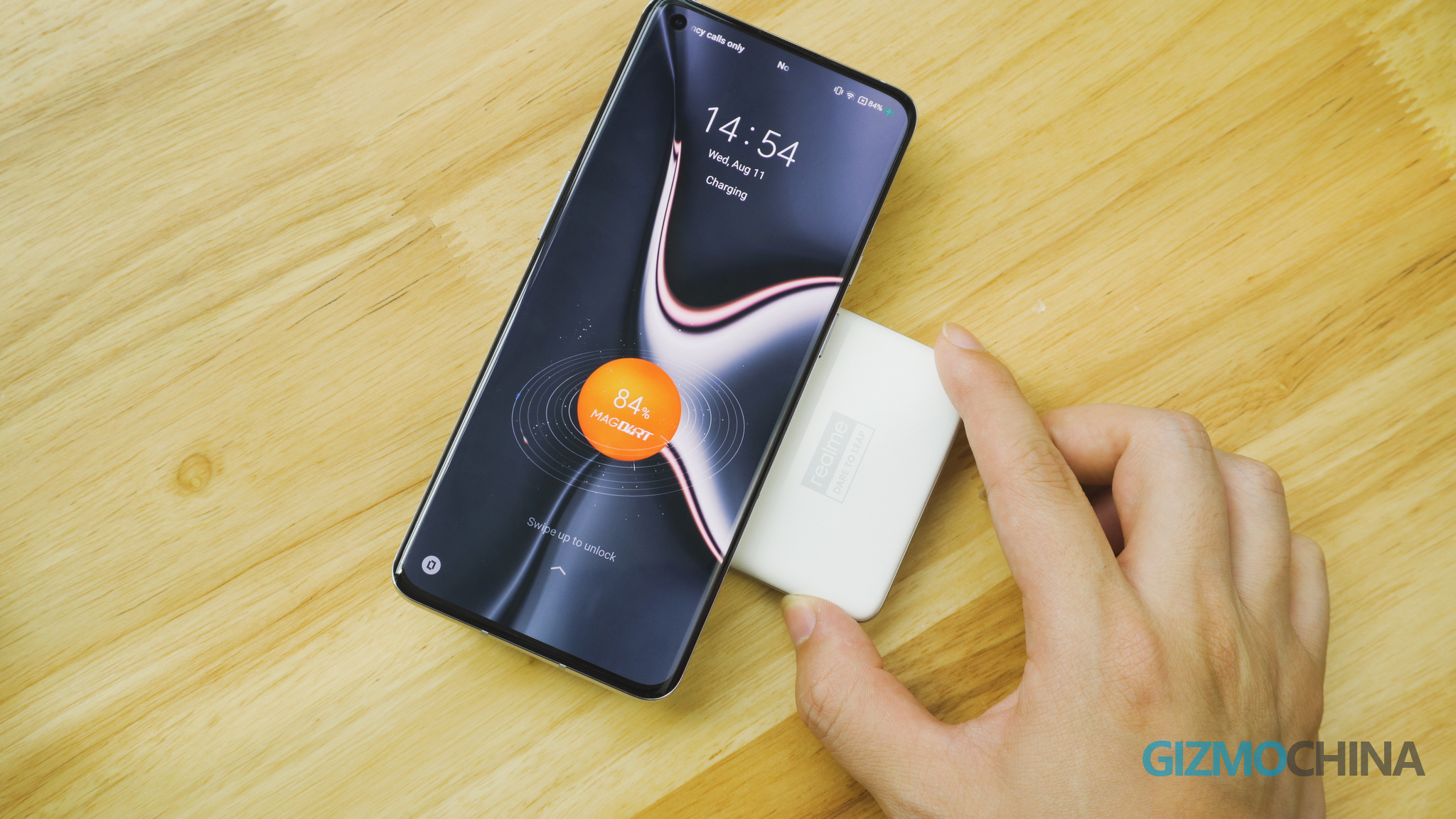
Like the Apple’s MagSafe battery pack, the realme battery pack can stick firmly on the back of the Realme Flash without a cable. Although we have no confirmed information about its charging efficiency, in our actual charging test, the charging speed of the power bank was not bad. The Realme Flash charged up to 20% in around 30mins with the Power bank. All you need to do is simply attach the power bank to the phone. We also tried it on other models that support wireless charging. And it worked well without any issues.
And I have to commend its design. The compact white body covered with skin-like surface has excellent build quality. Unsurprisingly, it has become one of the necessary items for me for on-the-go charging. So I really suggest you guys pay attention to this power bank even if you are not a Realme user.
According to our limited experience, the Realme’s MagDart solution may be the best solution for wireless charging right now. And it’s not difficult to foresee that as a pioneer in the field of wireless charging, Realme is determined to develop a complete solution with multiple product lines meeting the needs of various scenarios. This makes us wonder what more can we expect from this young brand when all these new charging products are made available in the market.
So that’s all about the MagDart charging technology. What are your thoughts on this technology?
WhatsApp has finally unveiled a highly requested feature that would allow users to transfer chat history between their Android and iOS smartphones. This feature has been anticipated by many users for a while now would simplify moving accounts between an Android and an iOS phone.
Notably, the popular social media platform made the announced at the Samsung Galaxy Unpacked 2021 event. While the process of shifting chat history before was complicated and could involve third party apps, it seems that the company is now offering a simply solution. As of right now, Samsung smartphones will be the first to be compatible with chat transfer to iPhones. Although, we can soon expect the feature to be available for more iOS and Android devices sometime in the near future.
WhatsApp stated that a user’s chat history is end to end encrypted on their own devices and migrating chats along with voice notes posed a number of technical issues. But it seems that the company is working with the world’s largest smartphone maker to overcome this hurdle. The Facebook owned messaging based firm added that “WhatsApp will be introducing the ability to move your entire WhatsApp chat history — including voice notes, photos, and conversations — in a seamless and secure way if you choose to switch mobile operating systems.
It further added that “The feature means that people will be able to switch between the platforms of their choice, and take their WhatsApp history with them. The feature will be available to users of both Android and iOS systems — which means that people will be able to switch from both Android to iOS, and from iOS to Android. It will start to roll out on Android initially, and on Samsung’s newest Galaxy phones to start. Users will be able to take their WhatsApp history from iOS to an Android device, and will subsequently be able to do the same on iOS devices.”
Oppo India has recently shared that it has set a new benchmark in terms of quality assurance with its Reno6 series of smartphones. The company even shared videos of the device being passed through 150 rigorous quality tests.
These tests were undertaken in the Chinese tech giant’s QE Reliability Lab, established at the Greater Noida factory in India. In this site, the company had the Reno6 go through quality tests involving environmental tests, mechanical stress tests,
durability tests, and performance tests.
Tasleem Arif, VP, and R&D Head OPPO India added that “We are committed to represent quality without compromise, and all our products result from tireless efforts towards quality testing. Our focus is to empower users with premium devices that can endure bumps and spills and even exceed users durability requirements.”
Some of the more notable tests include drop and rain tests. To check the physical endurance of the smartphone, Oppo dropped the Reno6 front a height of 1.5 meters around 24 times. Furthermore, the company even dropped the phone into the water at a depth of 20 centimeters for 30 seconds to test its water resistance. The handset even had a USB cable and headphone jack inserted over 10,000 times each at varying angles.
In the environmental tests, the company tested the smartphone’s ability to function in varying temperatures. This includes extreme temperatures of about -40°C, as well as warm conditions such as 75°C for 7 days. Notably, this is more than double the industry standard of 3 days. The Oppo Lab also conducted rigorous tests on the radiation efficiency of the phone’s antennas. This includes 5G networking brands to also ensure seamless operation and connectivity across India.
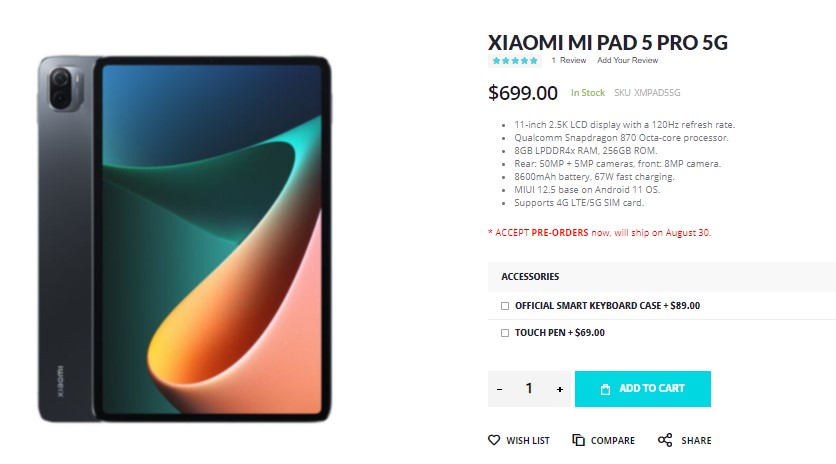
The Chinese electronics maker – Xiaomi recently unveiled the much-awaited Mi Mix 4 smartphone and Mi Pad 5 series. Both the devices are up for pre-orders via Giztop with an international shipping option. To further improvise the introductory offer, Giztop has added an additional 5% discount using coupon code – XMPAD55G.
It is a great deal for Xiaomi fans across the globe who want to get the Mi Pad 5 Pro tablet before the official launch in their respective countries. Make sure to apply the Coupon code on the checkout page to get a discount. The offer is limited till August 30.
Xiaomi introduced the Mi Pad 5 Pro with an 11-inch 2.5k LCD display which offers a 120Hz refresh rate for smooth gaming. It houses a Qualcomm snapdragon 870 SoC coupled with an 8GB LPDDR4x RAM and 256GB internal storage. The camera section features a dual-rear camera module consisting of a 50MP primary camera and a 5MP secondary. An 8MP selfie shooter is present on the front side.
Xiaomi Mi Pad 5 Pro fits an 8600 mAh battery carrying 67W fast charging support. The tablet runs on a dedicated MIUI 12.5 Pad UI based on the Android 11 Operating System. Thanks to the Snapdragon 870, which enabled 5G support.
The interested users can globally ship the Mi Pad 5 Pro at an additional 5% discount via Giztop.
In the beginning of March, realme rolled out the Android 11 (realme UI 2.0) beta update for the realme narzo 10. Five months later, this smartphone has finally started receiving the stable update.
Chinese tech brand realme has been rolling out realme UI 2.0 based on Android 11 since September. Almost one year later, the company is yet to deliver the update to certain eligible devices.
According to an official announcement post on realme Community, the said software update is being now seeded out to realme narzo 10. The latest system update for this handset arrives with firmware version RMX2040_11_C.07. In order to receive this update via OTA, users should be on firmware version RMX2040_11_A.47.
Anyway, it is worth noting that like any other OTA software update, this one is also being rolled out in batches. As a result, some users may get the update earlier than others. But every user should get the update in the coming days.
Having said that, if any user is not happy with the Android 11-based realme UI 2.0, they can roll back to the older realme UI based on Android 10 by manually installing the rollback package. But unfortunately, unlike the update process, the rollback process will wipe the phone’s internal storage.
Last but not least, going by realme’s software update track record, the realme narzo 10 will most likely not receive Android 12. Hence, Android 11 could be its first and last major system update.
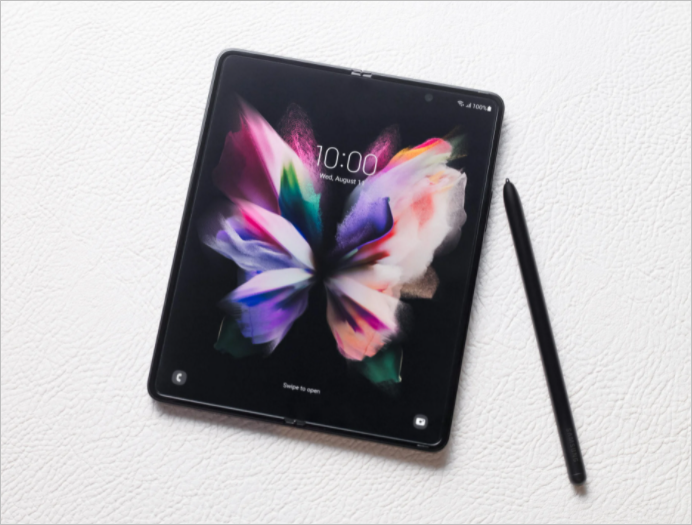
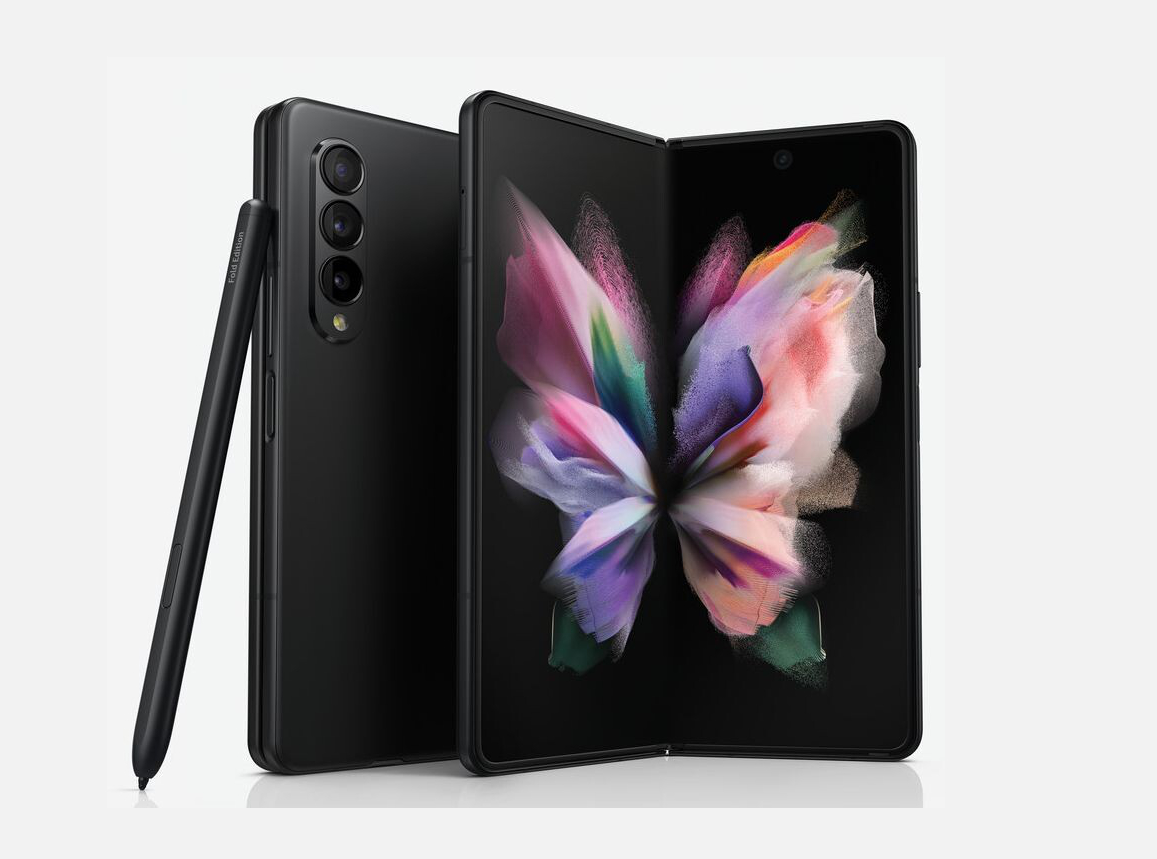
Samsung has just launched two highly anticipated foldable smartphones, namely the Galaxy Z Fold 3 and Galaxy Z Flip 3. While the former is the brand’s first foldable smartphone that arrives with S Pen support, using it with a regular S Pen can damage its display.
For those unaware, the South Korean tech giant has also launched the S Pen Fold Edition that was designed specifically for the Galaxy Z Fold 3. Although, the foldable phone is also compatible with the S Pen Pro. But using the device with any other S Pen can damage its foldable screen. Using a regular S Pen can cause permanent physical damage on the Galaxy Z Fold 3’s screen due to the design of its tip.
This information arrives despite the Fold 3 using a new protective film that Samsung claims raises durability by 80 percent over the previous generation. As stated previously, the issue lies with the tip design on the regular S Pen. The new S Pen Fold Edition and the S Pen Pro feature Pro Tips, which is lacking in the base models.
These new tips are softer than the regular ones but their most important aspect is the retractable mechanism for the tip. This prevents the tip from damaging the foldable screen when pressure is applied during use. So, even if somehow one manages to pair the S Pen with the Fold 3, one can potentially damage their 1,800 US Dollar foldable smartphone.
With Samsung just launching the Galaxy Z Fold 3 and Galaxy Z Flip 3, the hype for foldable smartphones is high. OnePlus had jumped on this hype train with a new foldable phone teaser yesterday, but this turned out to be parody for a new promotion.
In its official OnePlus USA Twitter handle, the Chinese smartphone maker shared a new teaser. In this short video, what appears to be a foldable smartphone was teased, which was first released yesterday when the new Samsung foldable devices were launched. But now, the entire video has revealed that this was nothing more than a spoof to share that its flagship OnePlus 9 model is available for a special deal in the US.
So, the teaser video was a simple promotional stunt to reveal that the base model of its 2021 flagship model will be available for a 50 percent discount on the company’s official website. Although, while this offer sounds great on paper, it is restricted to the US and only for the T-Mobile network. Furthermore, the customer will receive the 375 US Dollars cashback in the form of 24 months of bill credits.
OnePlus 9
Notably, the company is also offering free Buds Z TWS earbuds to select customers that purchase the smartphone during this deal. This 50 percent off deal is available across all variants of the OnePlus 9, which features a Qualcomm Snapdragon 888 SoC, a 120Hz Fluid Display, Hasselblad Camera, 65W fast charging, and more. In other words, this half off deal is one of the best prices at which you can buy this model as of right now.
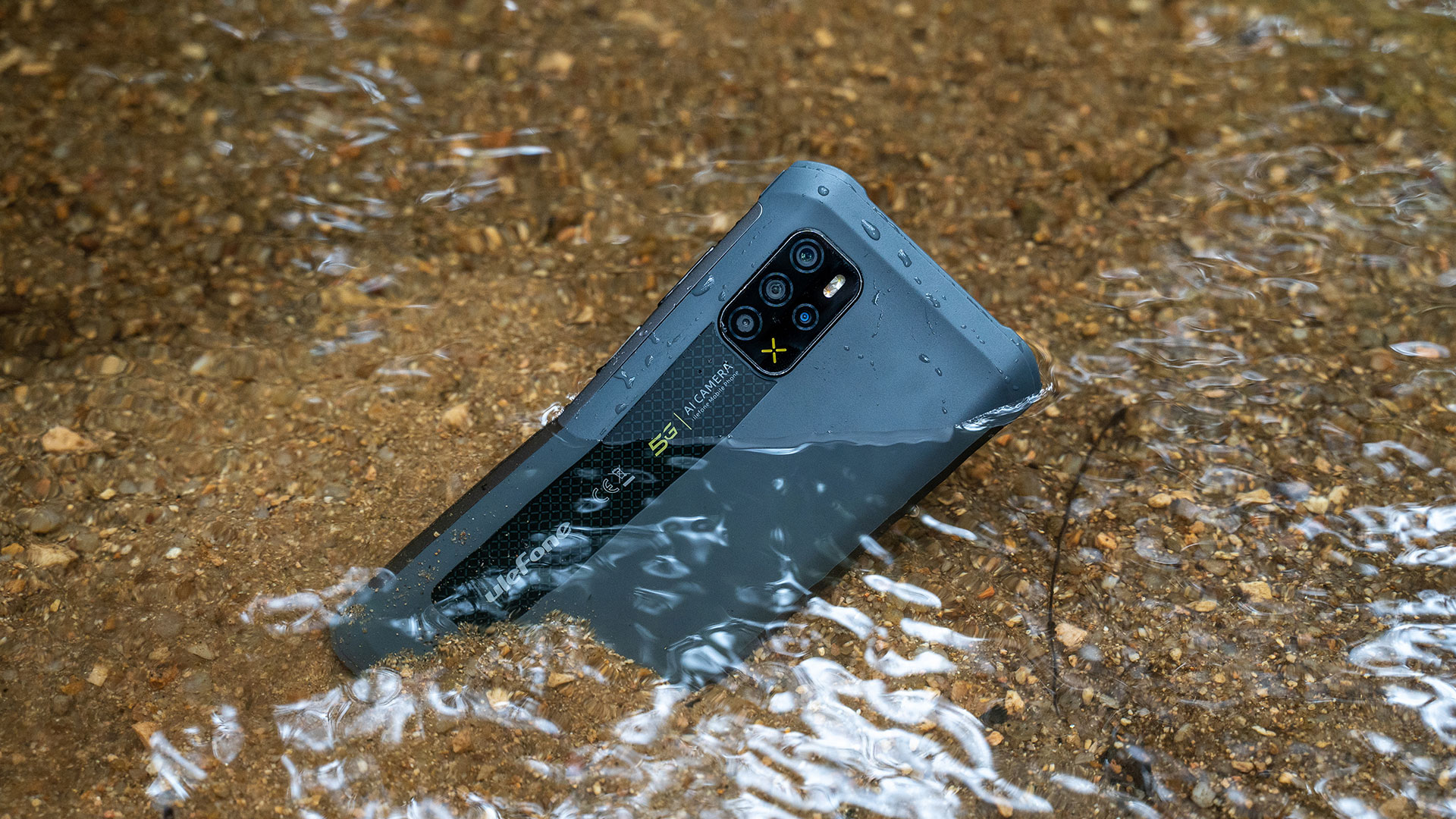
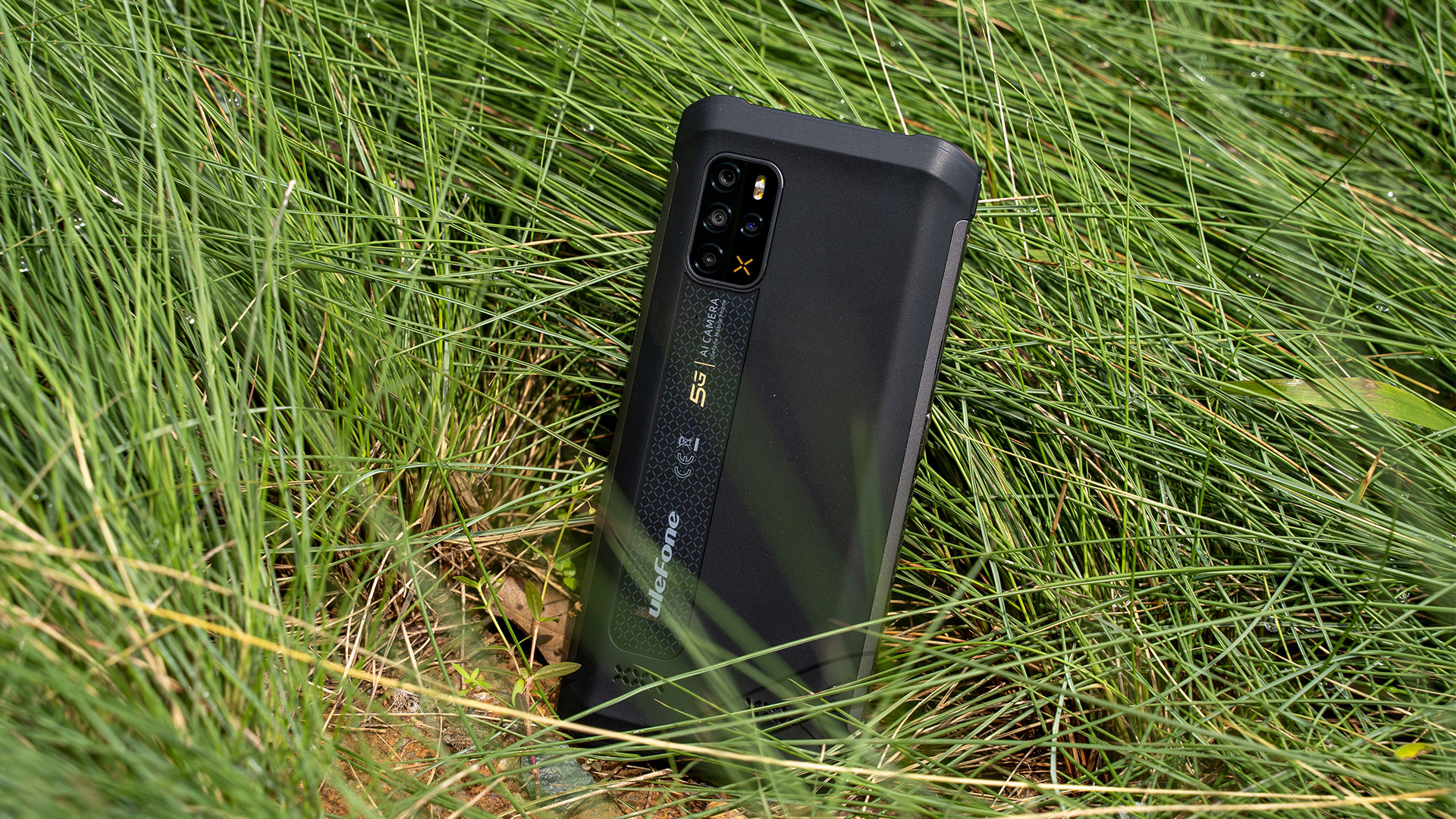
Ulefone is soon launching a new rugged 5G smartphone with some decent specifications. As per the recent leak, the upcoming smartphone will feature a Dimensity 700 5g SoC, 8GB RAM and 128GB internal storage. It will compete against other new rugged smartphones such as the Oukitel WP13 which was launched a few weeks ago.
Along with the 5G compatibility, the Dimensity 700 SoC will also enhance the efficiency and increases the battery standby time. Moreover, the smartphone will come with a large 6.52-inch HD+ display and will run on Android 11.
It will be made available with 8GB RAM + 128GB internal storage while carrying expandable storage support of up to 1TB via TF card. According to the leak, it will house a quad-rear camera module consisting of a 48MP quad-rear camera. A 16MP selfie camera will be present on the front.
Apart from the usual hardware, it will feature a dual super-linear speaker with 106dB loudness for a loud and pleasant sound experience. Furthermore, it will support 15W fast charging and offers a headset free FM radio feature. Surprisingly, the phone will carry a silver-ion coating which offers which protects from bacteria.
Considering these features, the Ulefone Armor 12 5G will fare well against the recently launched Oukitel WP13 smartphone. Ulefone Armor 12 5G seems to be outpacing the Oukitel WP13 in terms of processor, display and expandable storage.
However, we should wait for the official launch of the Ulefone Armor 12 5G smartphone before beating in the bush.
Samsung unveiled the Galaxy Z Flip3 and the Galaxy Z Fold3 yesterday. Both the devices can be considered as a minor upgrade over their predecessors. The latter handset is also the first Samsung smartphone with an under-display camera. Interestingly, the former lacks this tech. If you are wondering why, here’s what the company has to say about it.
The Galaxy Z Fold2 features a 10MP punch-hole camera for its primary foldable display. On the other hand, the newer Galaxy Z Fold3 arrives with an inferior 4MP camera for the same screen. However, the sensor resides under the display.
Although the quality of this camera is said to be subpar as per the initial impressions of the people who got a hands-on it, there begs a question why the Galaxy Z Flip3 lacks this tech.
As per Samsung representatives (via SamMobile), the Galaxy Z Fold3 has an ideal form factor for an under-display camera. In other words, a larger screen like the 7.6-inch foldable canvas found on the Galaxy Z Fold3 is required for implementation.
That’s not all, the reps also say that selfies are more important on the Galaxy Z Flip3. Hence, it comes with a regular 10MP punch-hole camera. This clearly suggests that Samsung knows that its first-gen under-display camera is definitely not up to the mark.
Anyway, since technology improves as it ages with new iterations, we may get to see a Galaxy Z Flip smartphone with an under-display camera in a not-so-distant future.
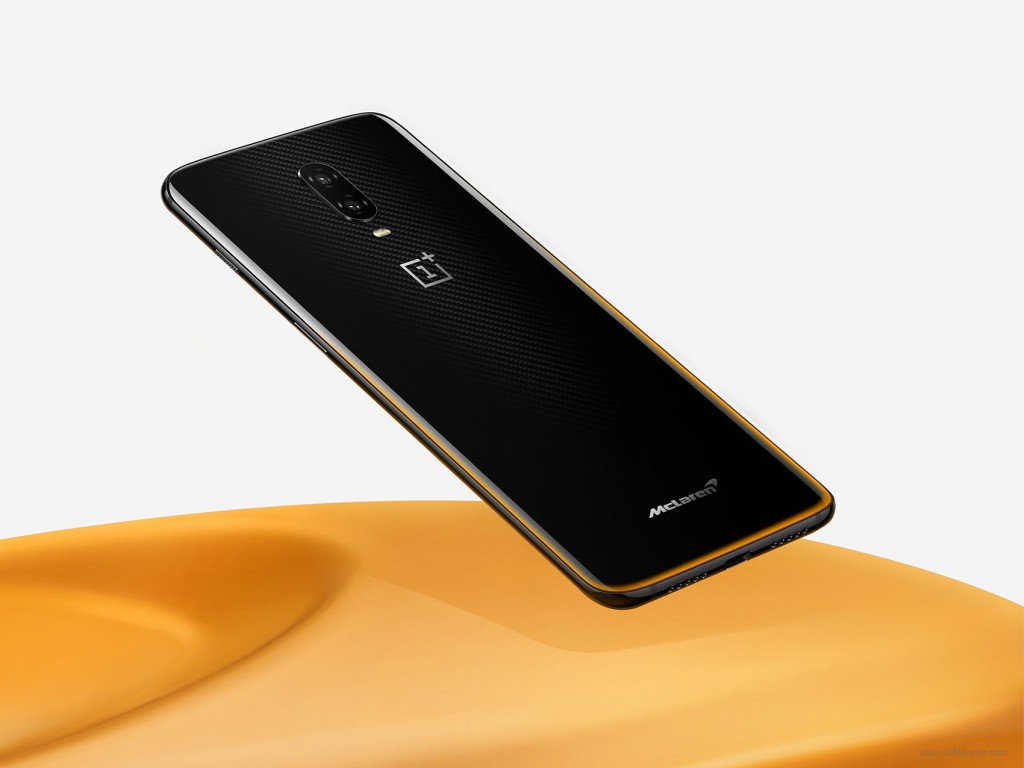
Earlier this year, OnePlus promised to deliver the Android 11-based OxygenOS 11 Open Beta update for the OnePlus 6 and the OnePlus 6T by August. The brand surprised everyone by rolling out the first beta build ahead of schedule. Just after three builds, the company has now already started seeding the OxygenOS 11 stable update for these handsets.
OnePlus 6T McLaren Edition
We expected OnePlus to deliver the Android 11 stable update for the OnePlus 6 and the OnePlus 6T at the end of 2021. But surprisingly, the brand is rolling it out much earlier.
According to the official announcement post, the OxygenOS 11 stable update for OnePlus’ 2018 flagship smartphones arrives with all the main highlights of the software, including AOD (Always-on Display).
Anyway, like any other OTA system update, this one is also being seeded out in batches. Hence, it could take some time to reach every unit. At the end of the day, all OnePlus 6 and OnePlus 6T users should get the Android 11-based OxygenOS 11 stable update.
Fresh new UI visual design brings you a more comfortable experience with various optimizations of details
Since this is a big Android update with multiple new features, the upgrade process might be a little longer, please be more patient.
Game Space
Newly added gaming tools box for convenient switches of Fnatic mode. You can now choose three ways of notifications: text-only, heads up and block, just for your immersive gaming experience
Newly added quick reply feature in a small window for Instagram, WhatsApp and Telegram (Enable it by swiping down from upper right/left corners of the screen in gaming mode)
Newly added mis-touch prevention feature. Enable it, swipe down from the top of the screen, click and the notification bar will pop out
Camera
Updated the camera UI and optimized some of the function paths to offer more convenient operation
Ambient Display
Newly added Insight clock style, a joint creation with Parsons School of Design. It will change according to the phone usage data (To set: Settings > Customization > Clock on ambient display)
Newly added Canvas feature that can automatically draw a wireframe picture based on a lock screen photo on your phone(Path: Settings – Customization – Wallpaper – Canvas – Choose photo preview and it can be generated automatically)
Dark Mode
Added a shortcut for Dark Mode, you can pull down the Quick Settings panel and find it
Supported automatically enable by time range (path: Settings – Display – Dark Mode – Turn on automatically – Automatically enable from sunset to sunrise / Custom time range
Shelf
Newly shelf interface design, the interface is clearer
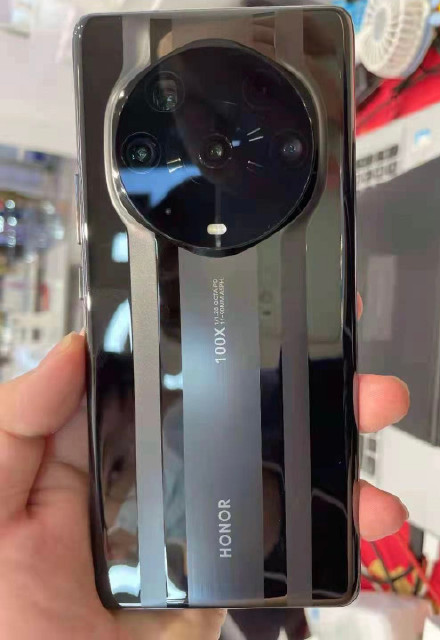
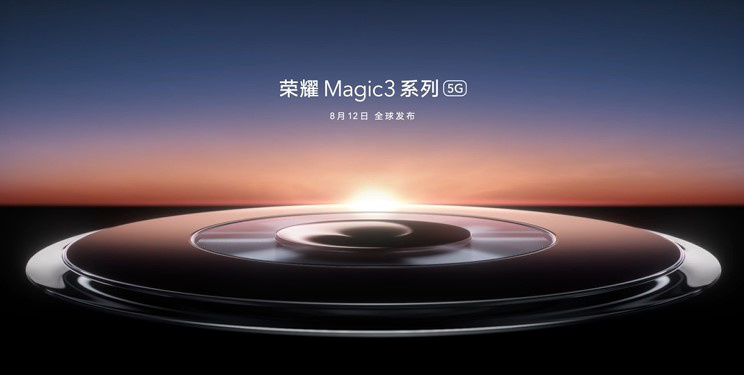
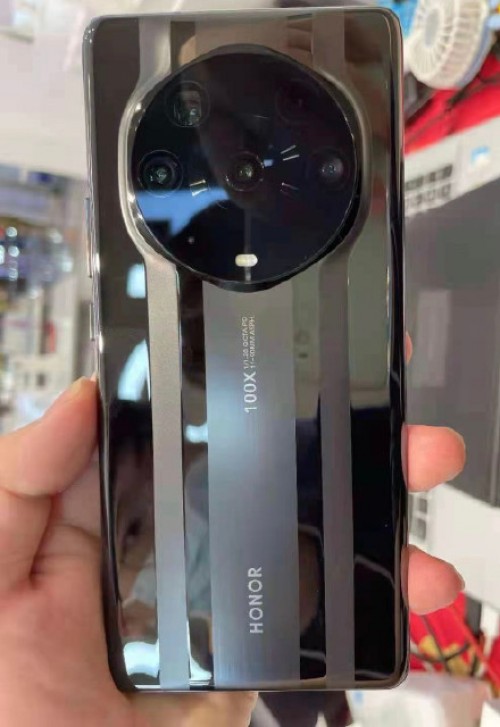
Honor is gearing up for the announcement of the Magic 3 series, which is just hours away. But prior to the launch event, live images of a high end Magic 3 model has surfaced online that showcases the device with five cameras on the rear and a design similar to an older Huawei flagship.
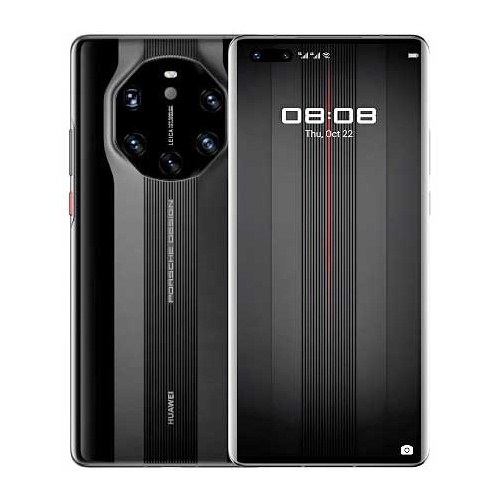
The news arrives from a report from AnTuTuand known Weibo blogger DigitalChatStation. Looking at the images, a smartphone can be seen with a penta camera setup on the rear. If this is true, it is probably the higher end Pro variant of the Magic 3 lineup that will be launching in a few hours. However, the most notable aspect of this leaked handset isn’t its five camera module, rather, its design which is oddly similar to the Huawei Mate 40 RS Porsche Design.
The leaked images reveal a rear panel that carries a design that features lines which are placed in manner similar to the limited edition of the Mate 40. The only thing missing is the Huawei branding on the rear. Although, even if the design is similar, the specs of the camera module on the rear will be different. As per DigitalChatStation, the high end Magic 3 model will sport a 50 megapixel primary lens, along with a 64MP periscope camera that has a 3.5X optical zoom which is also capable of 100x digital zoom.
Huawei Mate 40 RS Porsche Design
However, the report did not mention any details regarding the other lenses. But we can assume the likes of an ultra wide angle lens, macro camera, and even a depth sensor as well. Unfortunately, this is still an unconfirmed leak so take it with a pinch of salt for now, and stay tuned as we will be covering the launch event in a few hours.
Honor’s second major launch event after going independent will be live-streamed later today, and we can expect a bunch of products at the event including the new Magic 3 smartphone lineup, Honor X20 phone, Honor Magic 3S watch, and the Honor Tab V7 Pro.
Here’s what to expect from each of the products scheduled to be announced today.
The Honor Magic 3 series will come with a 3D curved waterfall display, similar to what we have seen on Huawei flagships in the past. The screen size hasn’t been confirmed, but it’s expected to be a 6.76-inch display panel with 2772 x 1344 resolution. There will be a dual selfie punch-hole camera setup on the front, with the second camera featuring a structured light 3D face scanning solution.
The high-end Pro+ may feature Visionox’s in-screen camera solution. So, the top-end Magic 3 Pro+ model may feature a true full-screen display unlike the other two with punch-hole selfie shooters.
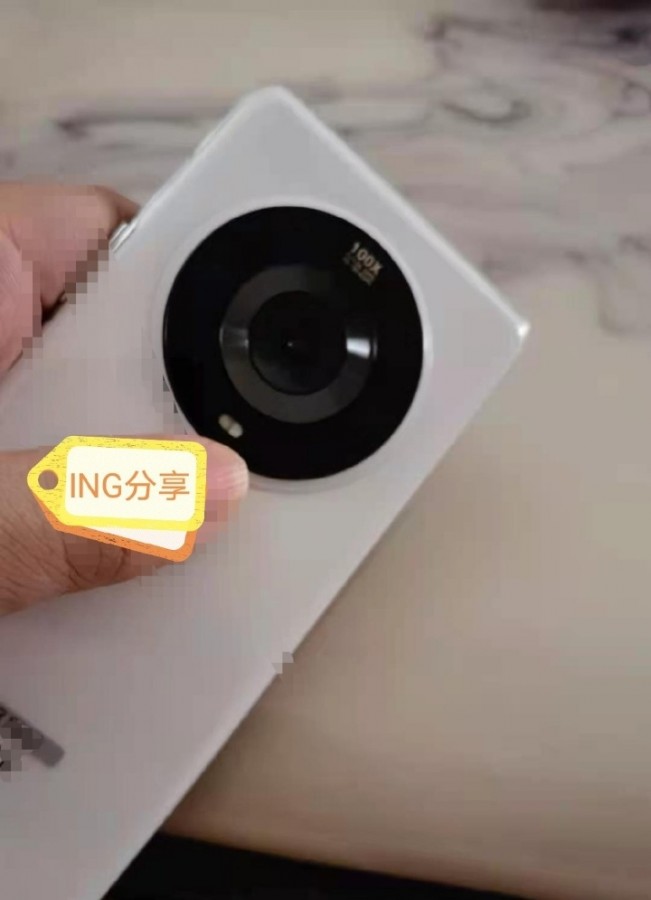
At the back, the phone is expected to feature a large circular camera housing. The device is likely to come in at least two colors – Blue and Golden. Renders also reveal a white-colored model, but the color variants will likely differ across the entire Magic 3 range.
Honor Magic 3 Special Edition?
Earlier today, live images of what looked like the Porsche edition of the Magic 3 were leaked online. The model in the pictures had a striking resemblance to the Huawei Mate 40 Porsche edition, however, it was without the Porsche branding at the back. So it’s possible that Honor may release this model as a special edition without the Porsche partnership.
We also know that the Magic 3 Pro will arrive with Qualcomm Snapdragon 888+ SoC. A recent AnTuTu listing also revealed a 12GB + 256GB UFS 3.1 storage variant, but expect a couple of other lower-end variants for the Pro as well as vanilla models.
The Magic 3 vanilla variant could feature a quad-camera setup, while the Pro and Pro+ models could come with a penta-camera setup at the back. The vanilla Magic 3 could skip the Persicope camera while the one on the Pro models could offer up to 100X zoom.
Honor Magic 3 Pro render by rodent950
The Honor Magic 3 will also feature the IMAX Enhanced audio and video experience. IMAX Enhanced brings the IMAX capabilities to consumers via TVs and projectors previously. It supports 4K HDR videos with DTS audio on HDR10+ displays. Honor says the Magic 3 will be the first smartphone to have the IMAX Enhanced feature, offering an expanded aspect ratio and immersive sound.
A tipster on Weibo also said that Magic 3 phones will arrive with Magic UI 5.0, a new version of the company’s OS. Interestingly, the latest Magic UI 5.0 could be based on HUAWEI’s HarmonyOS.
While the battery capacity of the vanilla variant hasn’t been leaked, it’s being said that the Pro+ (and possibly the Pro too) could feature a 4400mAh battery with 100W wired and 50W wireless charging. The Magic 3 may have a slightly slower 66W wired charging solution.
According to an old rumor, the Magic 3 will be priced around 4,000 Yuan (~$617), whereas the Magic 3 Pro will cost around 5,000 Yuan (~$771).
Honor X20 5G: Expected Specs & Price
While the Honor Magic 3 series is the flagship lineup from the brand, there’ll be another smartphone meeting us later today, the Honor X20.
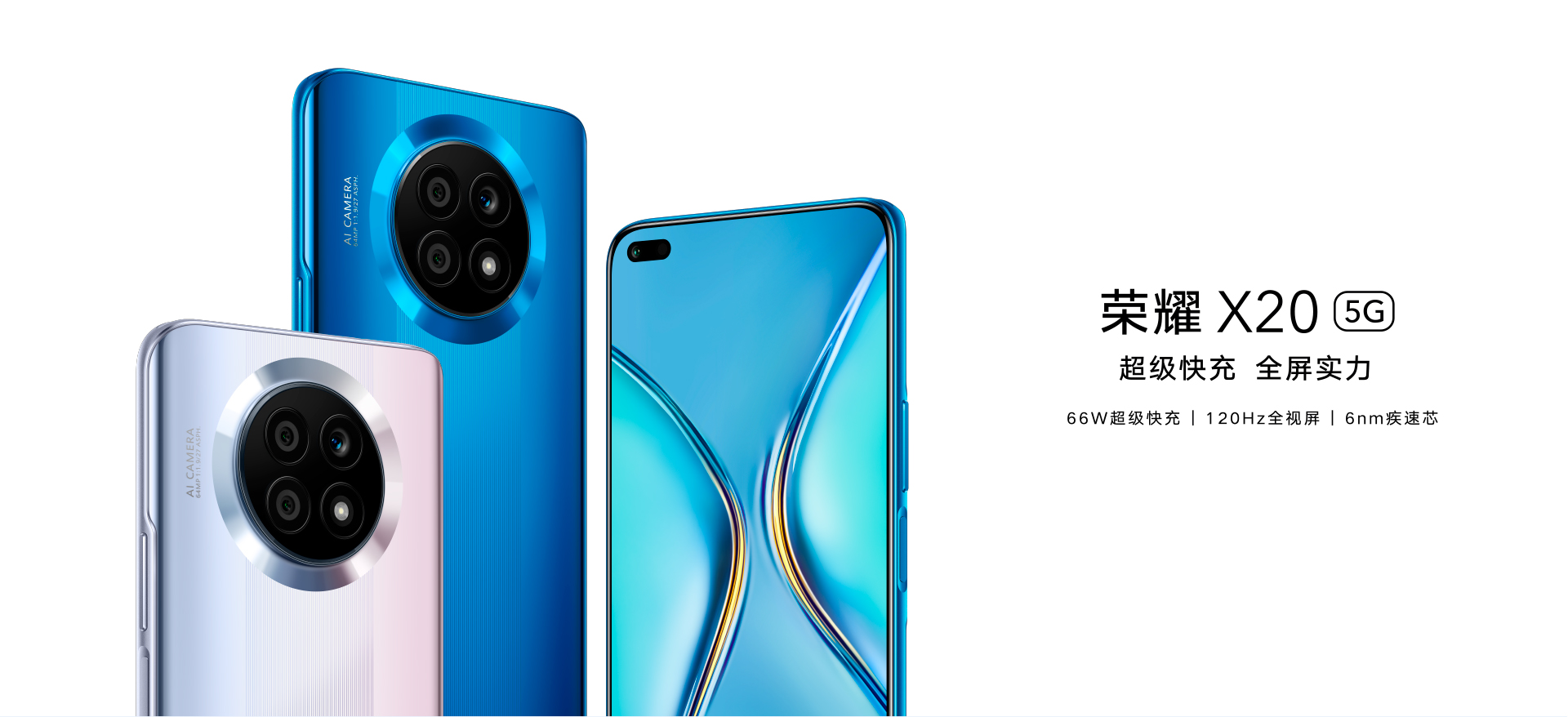
A recent store listing revealed the entire specs of the Honor X20 5G. The phone will be powered by a MediaTek Dimensity 900 chipset and has a 6.67-inch LCD display with a 120Hz refresh rate. There will be two variants of the RAM and internal storage for the device. It has 6GB/8GB RAM and 128GB/256GB internal storage, which is expandable via a microSD slot.
The Honor X20 will feature a quad-camera setup consisting of a 64MP primary camera, a 2MP depth sensor, a 2MP macro, and a 16MP front camera. There’ll be a dual selfie camera setup on the front with a 16MP primary lens. As for the battery, the phone should come with a 4,300mAh battery with 66W fast charging.
As for colors, it should be available in Blue, Silver, and Black.
A recently leaked image of the box revealed that the Honor X20 5G will be priced at 1,699 yuan which roughly converts to $262.
Honor Watch GS 3
Not much is known about the Honor Watch GS 3 but today’s teaser confirms that the watch will feature a round dial and will have an 8-channel Heart Rate (HR) sensor for more accurate HR scanning.
Honor Watch GS 3 teaser HR
We can expect the watch to feature an AMOLED panel like the GS Pro and even feature a blood oxygen sensor along with other traditional features found in modern-day watches.
Details are scarce about the Watch GS 3, so we’ll have to wait for the official launch for more information.
Honor V7 Pro tablet: Expected Specs, Price, Design
Honor V7 Pro tablet is also confirmed to launch at the event today. The tablet will likely be called the HONOR Tab V7 Pro in the global markets.
According to an extensive leak about the tablet, the HONOR V7 Pro will sport an 11-inch 2560 x 1600 pixels LCD panel with 267 PPI, 120Hz refresh rate, and 16:10 aspect ratio. The tablet is expected to measure 252.1mmx163.6mmx7.2mm and weigh 485g.
It will be powered by a MediaTek Kompanio 1300T SoC customized for tablets. Expect storage variants like 6GB + 64GB, 6GB + 128GB, 8GB + 128GB, and 8GB + 256GB. As for software, it will run Magic UI 5.0, and it could be based on HarmonyOS.
The V7 Pro tablet should feature a dual-camera setup on the rear, featuring a 13MP primary sensor and a 2MP macro shooter. There will likely be a 7,250mAh battery with 22.5W fast charging. You should get both LTE as well as WiFi-only variants. Finally, the HONOR V7 Pro tablet is said to feature a USB Type C port and will have support for both stylus and a floating keyboard accessory.
Honor Magic 3 Launch Event: Where to Watch?
Honor Magic 3 launch event will take place in China and globally (online) at 7.30 PM CST / 5 PM IST / 12.30 PM BST.
You can watch the global launch event live stream from the YouTube video below.
We’ll be covering all the products from the Magic 3 launch today, so stay tuned to Gizmochina for more information.
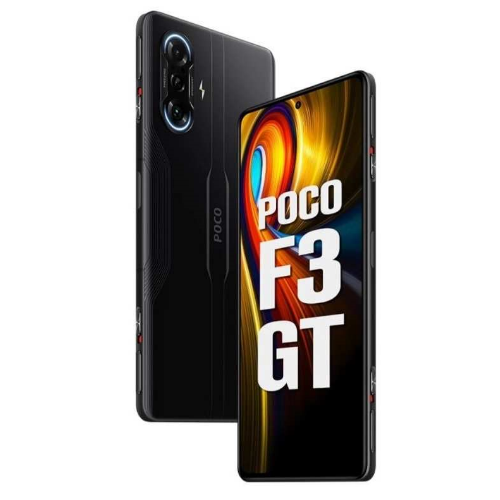
A couple of weeks ago, Xiaomi-backed POCO launched its new POCO F3 GT smartphone which is a gaming edition of the POCO F3 and comes powered by the MediaTek Dimensity 1200 processor.
However, some users are facing heating issues on the POCO F3 GT smartphone. The device gets a bit warmer than usual during regular usage and but quickly heats up when gaming. Not everyone seems to be having this problem. For some, the device gets too hot to use while for others, it just gets warm.
After getting complaints from users, the company has acknowledged the heating issues on the smartphone with the latest edition of the MIUI Bug Report For Poco Devices. It says that POCO F3 GT faces heating issues on MIUI 12.5.4.0.RKJINXM and will be addressed with an upcoming “temperature control strategy update”.
Currently, the company has not revealed any timeline for rolling out a fix for the heating issues but it’s likely that the update will be rolled out in a few weeks. Do note that this is just speculation and there’s no guarantee when the update will be released.
The smartphone features a 6.67-inch OLED screen that offers a Full HD+ resolution, a 120Hz refresh rate, a 480Hz touch sampling rate, 500nits brightness, 10bit colors, and has a Gorilla Glass 5 protection on top.
In the camera department, there’s a 64-megapixel main camera with an f/1.65 aperture, an 8-megapixel superwide lens with a 120-degree FOV, and a 2-megapixel macro camera. On the front side, the phone features a 16-megapixel selfie camera.
Under the hood, the device is powered by MediaTek Dimensity 1200 and comes with up to 8GB of LPDDR4x RAM and up to 256GB of UFS 3.1 storage. The device runs on MIUI 12.5 flavored Android 11 and packs a 5,065mAh battery with 67W fast charging, Quick Charge 3.0, and USB PD 3.0.
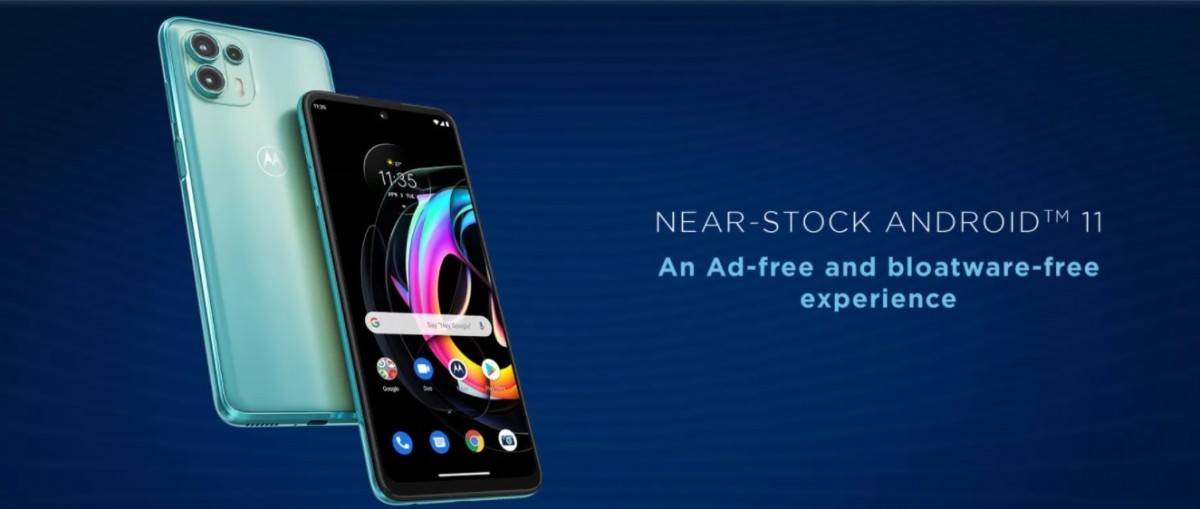
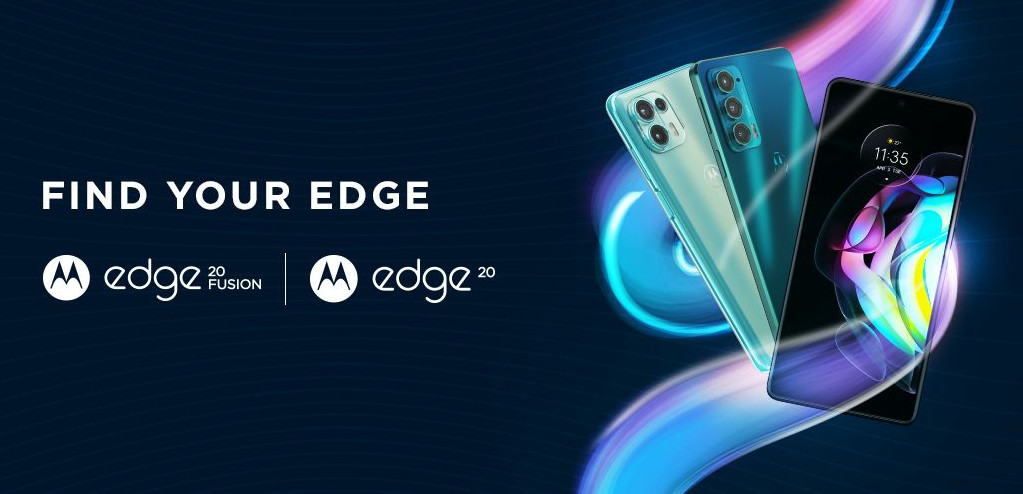
While Motorola had confirmed that it would be launching the Edge 20 and Edge 20 Fusion in India recently, the company will be officially unveiling the pricing of the new smartphones on 17th August 2021. Now, a new leak has revealed the pricing for both devices for the Indian market.
According to tipsters Debayan Roy (@Gadgetsdata), the Motorola Edge 20 Fusion will launch in India in two storage variants while the base Edge 20 will only launch in a single variant. The Edge 20 Fusion will reportedly be priced around 21,499 INR (roughly 290 US Dollars) for its 6GB RAM with 128GB internal storage. Meanwhile, the 8GB RAM and 128GB internal storage variant will apparently cost 23,999 INR (roughly 323 US Dollars). On the other hand, the sole 8GB of RAM and 128GB of internal storage variant of the Motorola Edge 20 will be priced around 29,999 INR (roughly 404 US Dollars).
At the moment, a Flipkart.com listing had revealed that the Edge 20 Fusion will sport a MediaTek Dimensity 800U chipset while the Edge 20 is expected to sport the Qualcomm Snapdragon 778 SoC. Keep in mind that this is a leak and we have no way confirming the pricing of these smartphones as of right now. So stay tuned for more, as we will be covering any similar leaks or reports prior to the launch of the devices in India.
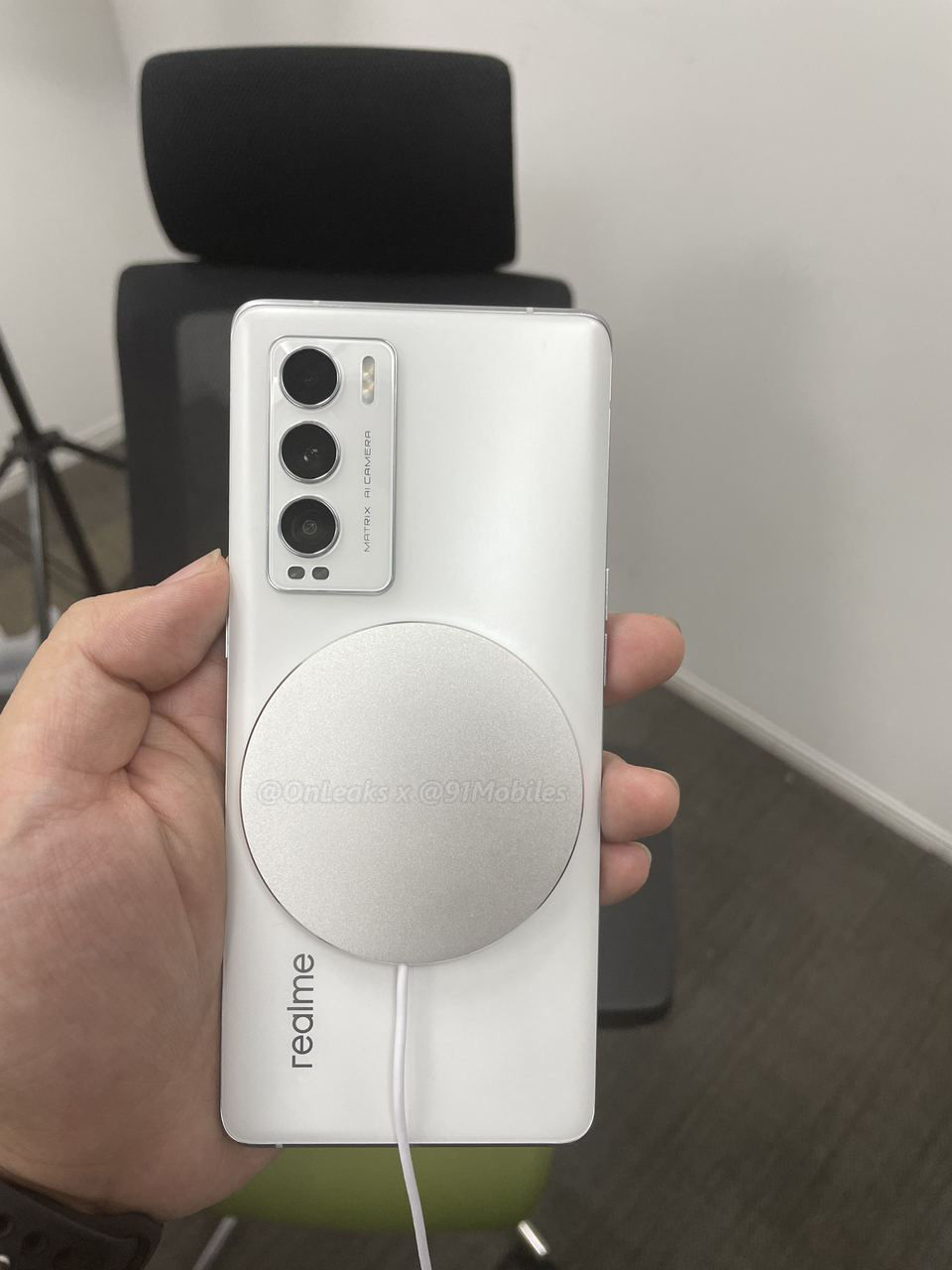
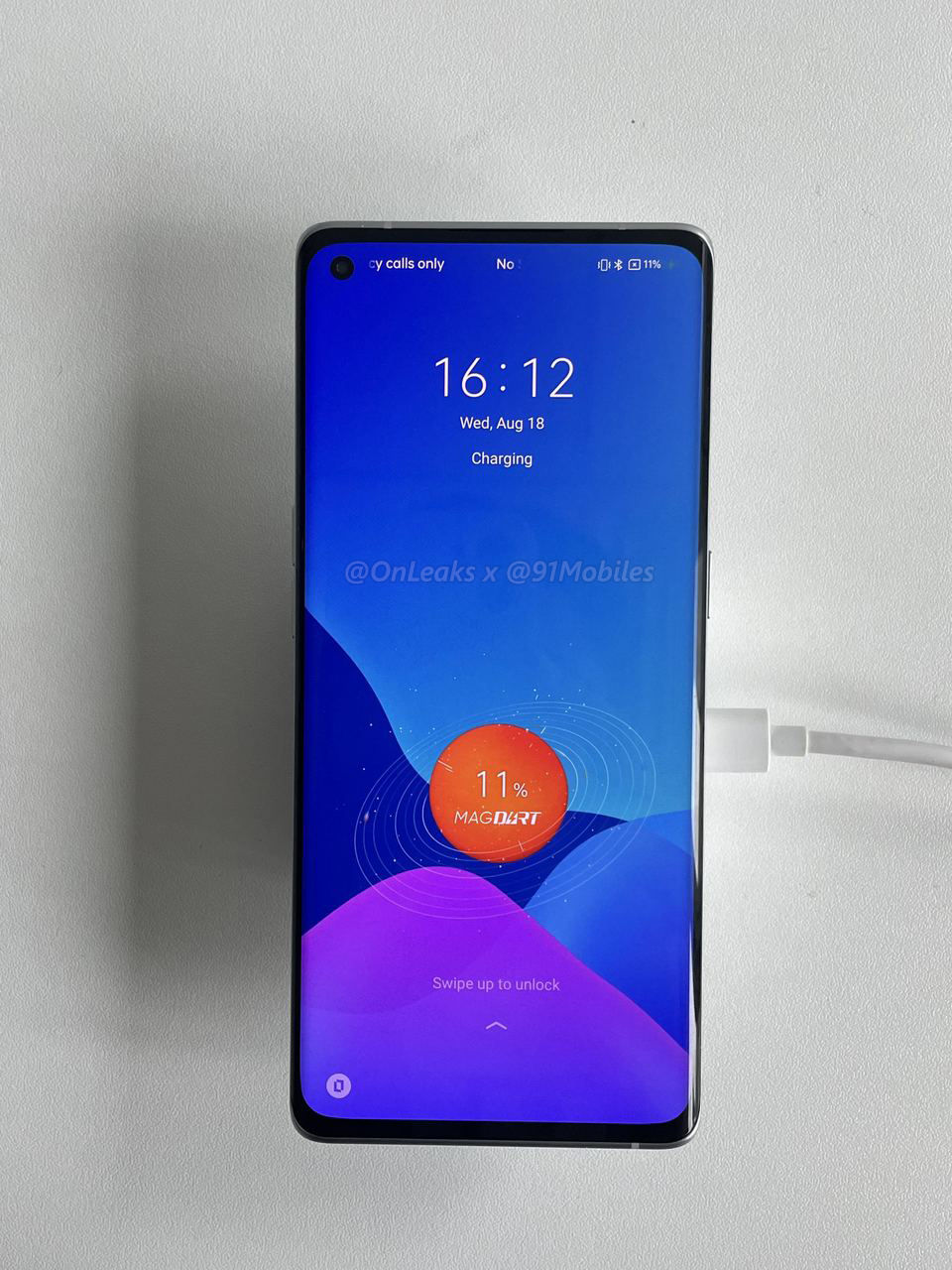
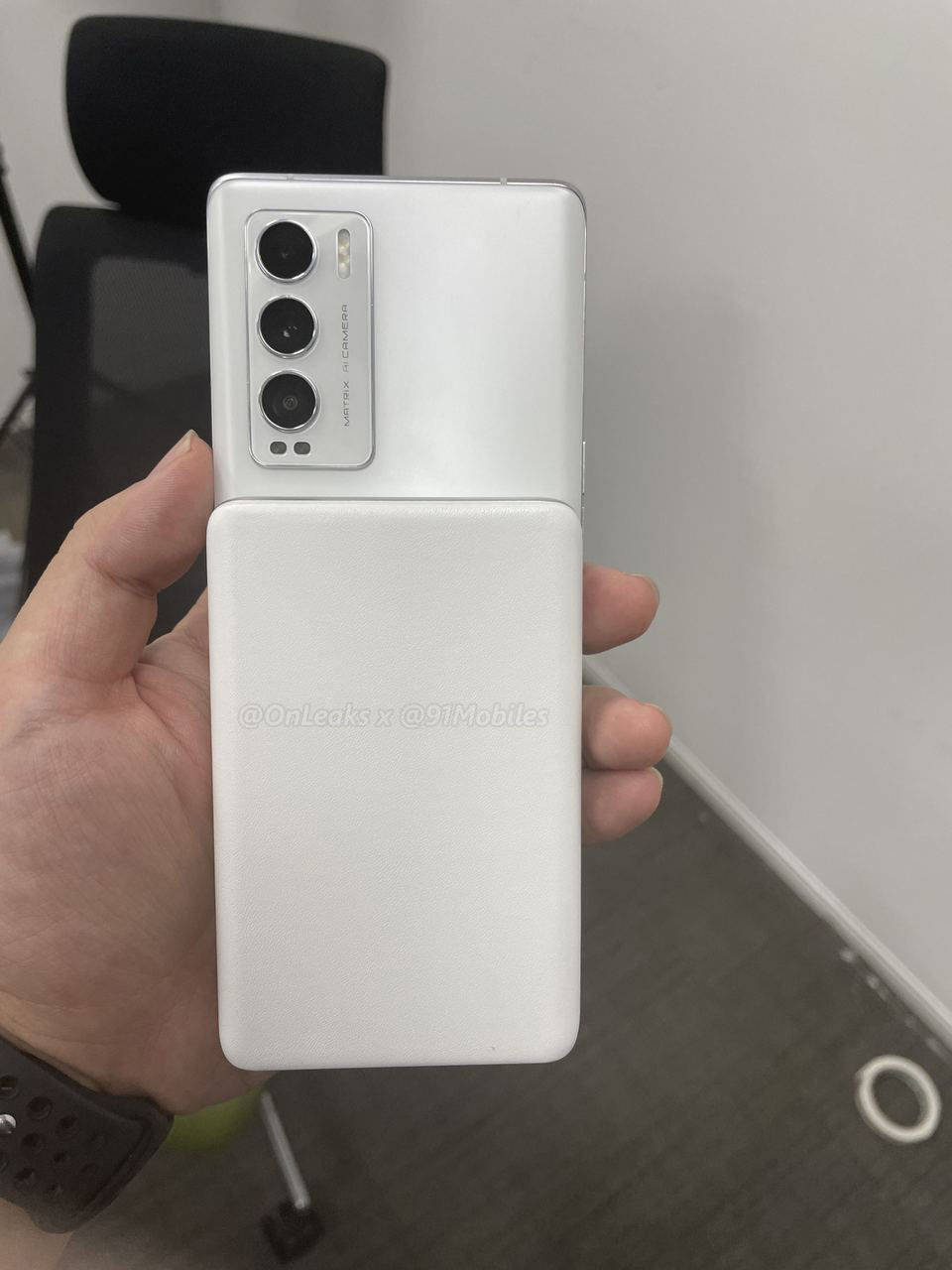
Chinese tech brand realme recently unveiled MagDart, a magnetic wireless charging solution for gadgets. But unfortunately, the company did not announce any commercial device with support for this tech. Instead, it showcased a concept smartphone called realme Flash. A few days later, multiple images now show a prototype of realme GT Master Edition with support for MagDart.
The live images of a realme GT Master Edition prototype with support for MagDart come from reliable leaker @OnLeaks (Steve Hemmerstoffer). He has partnered with 91Mobiles to share these pictures.
The images showcase a realme GT Master Edition prototype in Snow Mountain color charging wirelessly via three different MagDart accessories, namely 15W puck-shaped MagDart charger, 50W MagDart charger, and 15W MagDart power bank.
Other than that, these pictures don’t say anything about the modified handset. However, the sources have told Steve that realme wants to introduce MagDart on more devices. At the moment, it’s not known when we will get to see a commercial device with support for MagDart.
But what we know is that realme is all set to launch the realme GT Master Edition in India and Europe. This phone comes with a 6.43-inch FHD+ AMOLED display with a 120Hz refresh rate, Qualcomm Snapdragon 778G SoC, 64MP (wide) + 8MP (ultra-wide) + 2MP (macro) triple camera setup, 32MP selfie camera, realme UI 2.0 based on Android 11, 4,300mAh battery, and 65W SuperDart fast charging.
Having said that, if you want to learn more about realme MagDart, then stay tuned to GizmoChina as our hands-on will go live in a few hours from now.
We use cookies on our website to give you the most relevant experience by remembering your preferences and repeat visits. By clicking “Accept”, you consent to the use of ALL the cookies.
This website uses cookies to improve your experience while you navigate through the website. Out of these, the cookies that are categorized as necessary are stored on your browser as they are essential for the working of basic functionalities of the website. We also use third-party cookies that help us analyze and understand how you use this website. These cookies will be stored in your browser only with your consent. You also have the option to opt-out of these cookies. But opting out of some of these cookies may affect your browsing experience.
Necessary cookies are absolutely essential for the website to function properly. This category only includes cookies that ensures basic functionalities and security features of the website. These cookies do not store any personal information.
Any cookies that may not be particularly necessary for the website to function and is used specifically to collect user personal data via analytics, ads, other embedded contents are termed as non-necessary cookies. It is mandatory to procure user consent prior to running these cookies on your website.