At Google I/O 2021, the search giant announced a new version of Wear OS in partnership with Samsung and Fitbit. Earlier this week at MWC 2021, the South Korean tech giant confirmed that this software will debut on its next-gen smartwatches. Now, a report reveals that the revamped operating system will be available as an update for Mobvoi’s most powerful TicWatches.
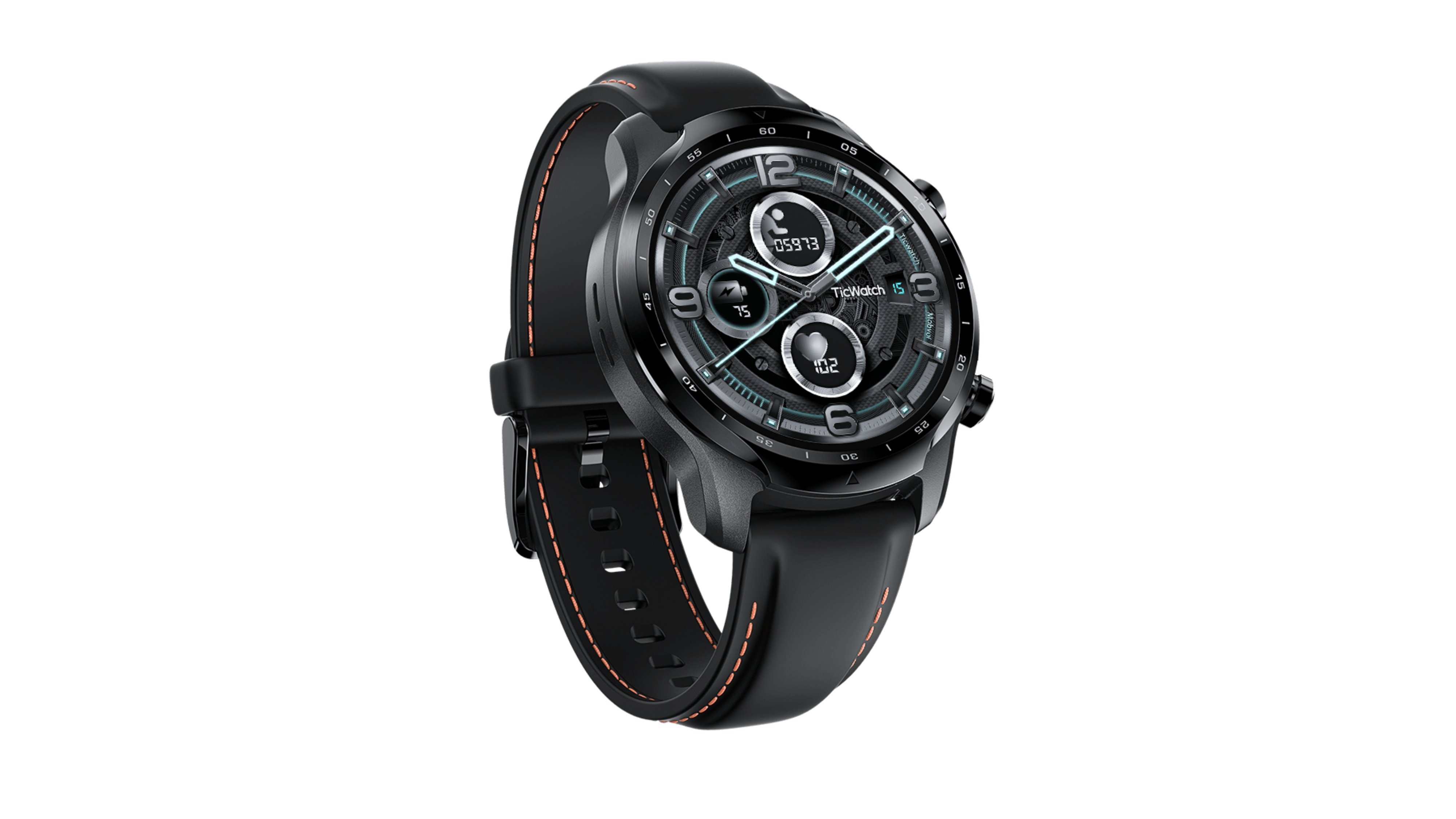
Mobvoi TicWatch Pro 3 GPS
A report by Wareable (via GSMArena) says that Mobvoi’s TicWatch Pro 3 and TicWatch E3 will be updated to the new Google Wear OS. For those unaware, these two wearables are the only globally available smartwatches powered by Snapdragon Wear 4100.
According to the source of the publication, the update will likely roll out by the end of 2021 or by early 2022. Anyway, Mobvoi is yet to issue an official statement regarding the software support for the said products.
A couple of weeks back, Qualcomm disclosed that Snapdragon Wear 4100 and Snapdragon Wear 3100 are capable of running Google’s new wearable operating system, which is also known as Wear OS 3.0. However, despite that, Fossil has confirmed that none of its current-gen smartwatches will be updated to the new unified Wear OS.
Similarly, other Wear OS OEMs are yet to reveal whether they will be providing the new software for their current-gen and older products.
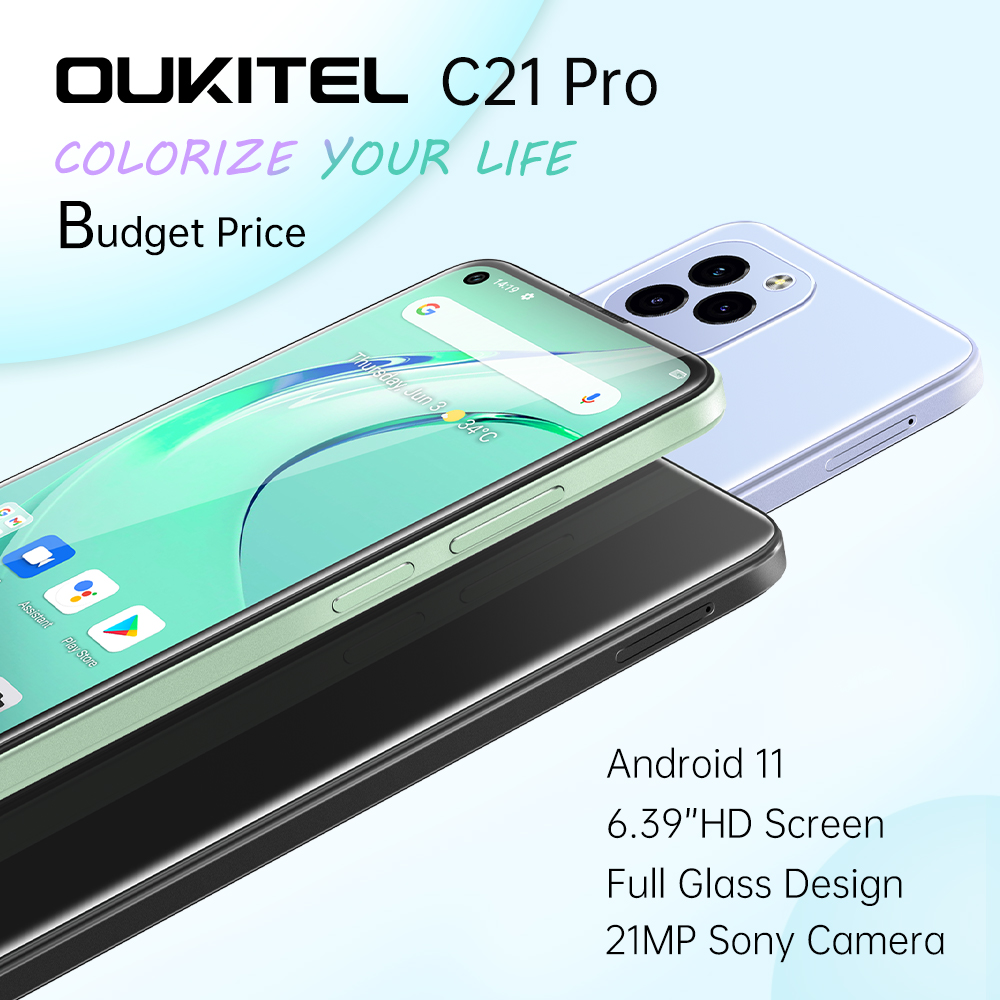
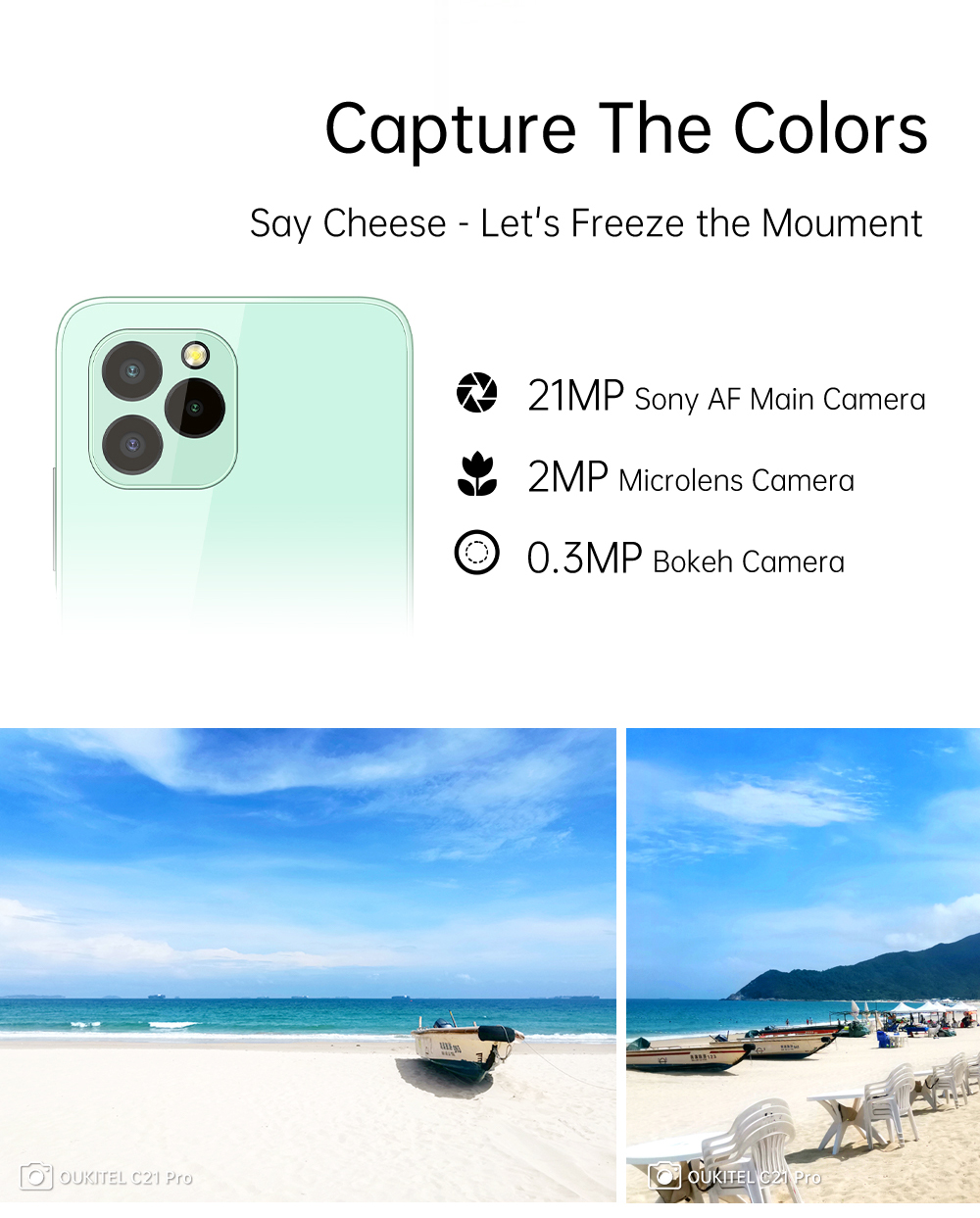
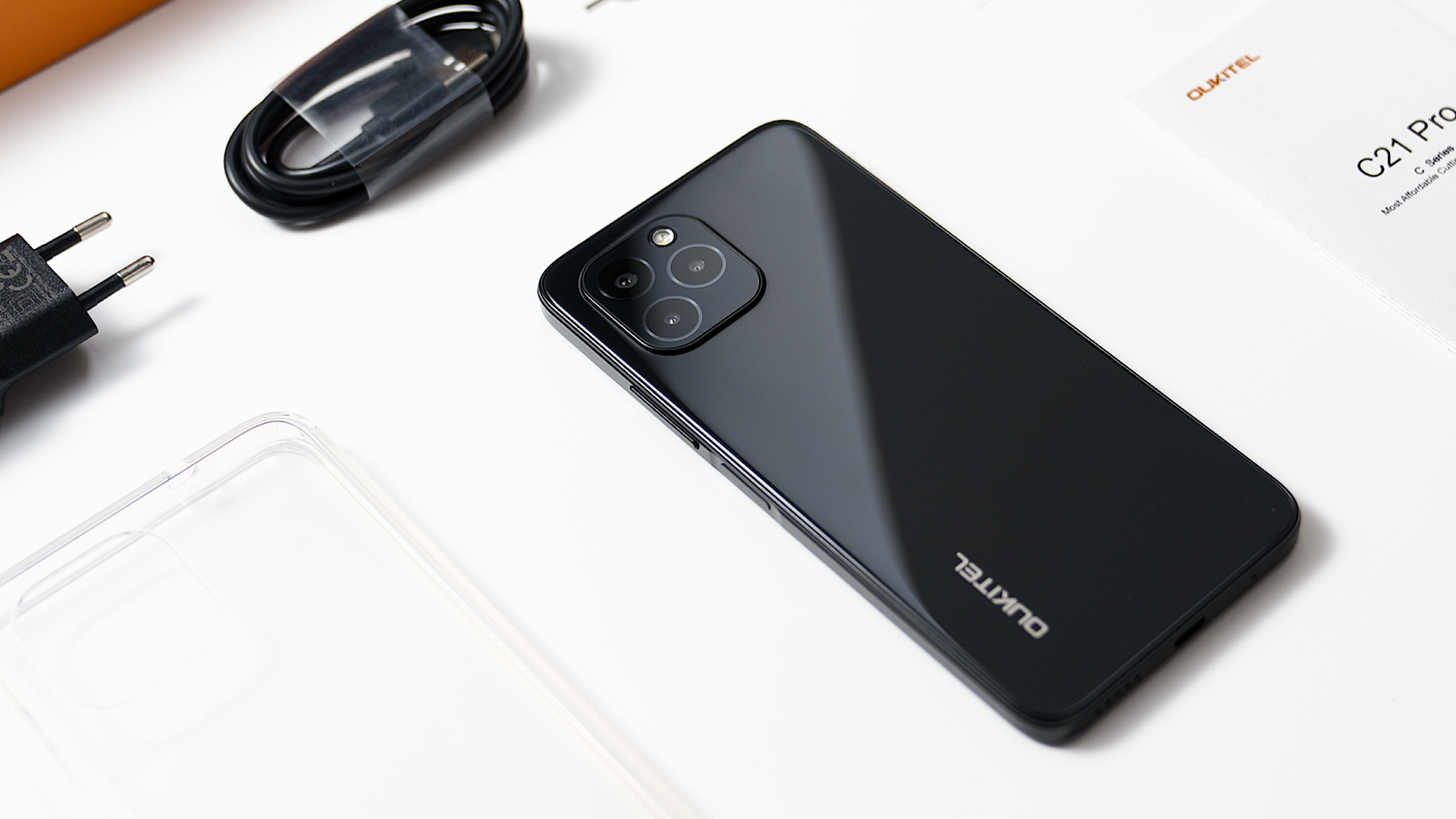
Oukitel introduced a new budget smartphone – Oukitel C21 Pro packing some decent specifications. Some major specifications include a 6.39-inch HD punch-hole display, a 21MP triple rear camera, and a 4000 mAh battery. Oukitel C21 Pro will be available at an introductory price of $94.99 from July 5 to July 10. The interested peers can participate in the giveaway to win a free 2x C21 Pro, 3x Y1000 smartphones, and 5x TWS earbuds by heading to the official website.
Oukitel C21 Pro features several advancements over its predecessor. The company has made it more comfortable and powerful alongwith 10 hours of battery standby.
Oukitel C21 Pro Specifications and Features
Design
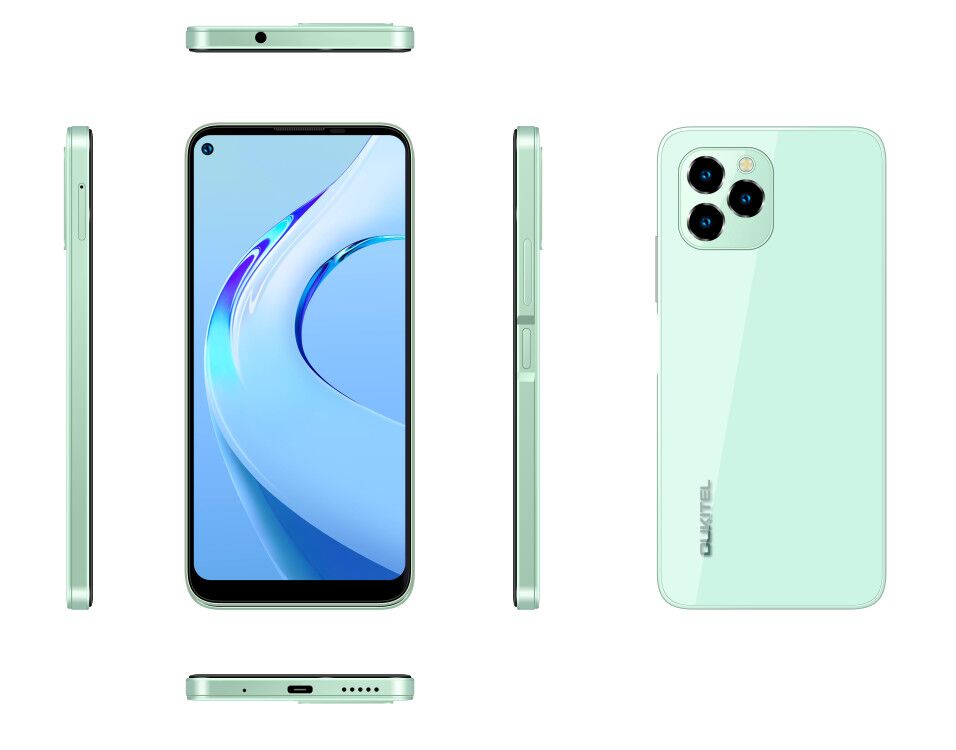
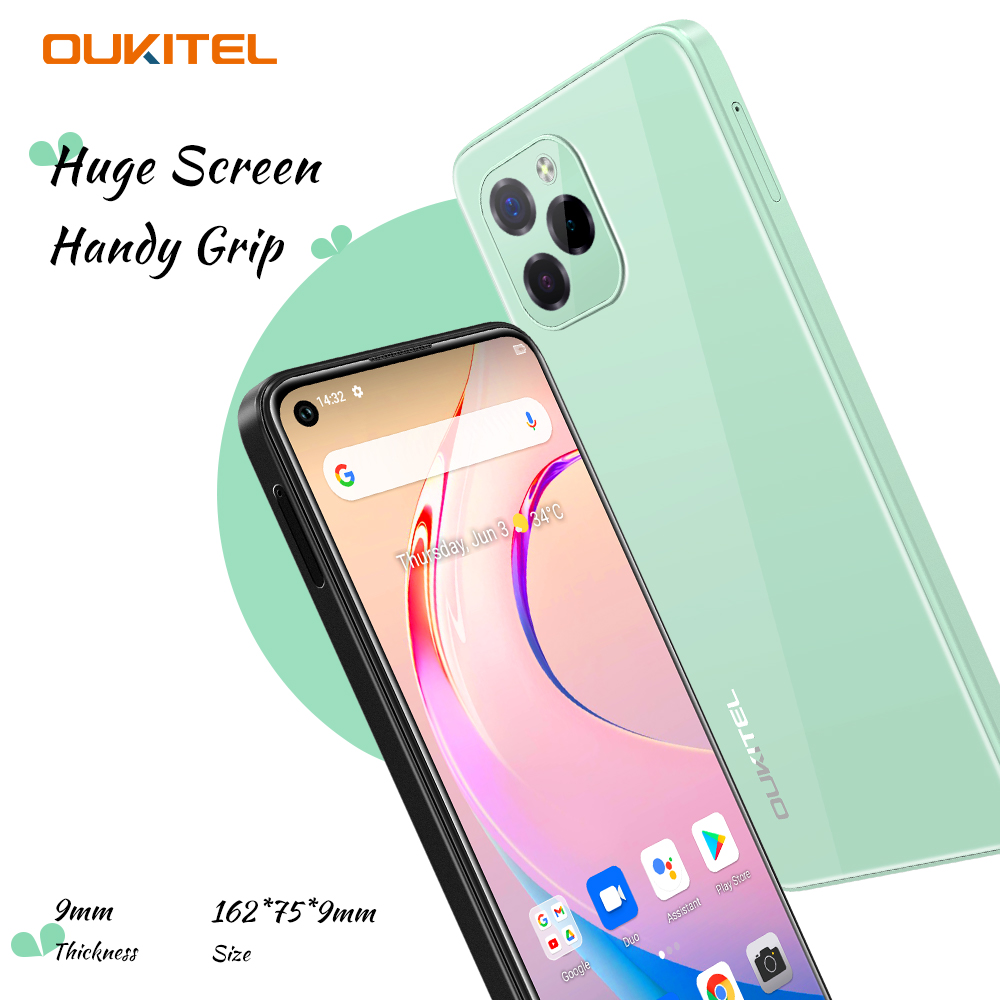
The new smartphone houses a rear glass build which makes it more premium and comfortable while holding in hand. The round corners around the smartphone feature Malachite – Mint Green, Obsidian – Space Black, and Amethyst – Galactic Purple matte colors. The Amethyst color variant denotes groundedness and tranquility, the Malachite shows success and consistency of wealth, meanwhile, the Obsidian depicts unshaped talent.
The smartphone comprises a side-mounted fingerprint sensor to easily access the secured data and files. It helps in easy accessibility to the data and files while securing it with proper authentication.
Massive Storage
Oukitel C21 Pro is coupled with 4GB RAM to aid multitasking. It further houses 64GB internal storage with an option to expand up to 256GB. The user won’t be having any issues storing valuable memories and data without worrying about the disk size.
Bright Display
The smartphone features a 6.39-inch HD+ punch-hole display carrying 720 x 1560 pixels resolution and a 19.5:9 aspect ratio. It can offer a vivid viewing experience while watching movies and playing games.
Triple AI Camera
The smartphone embeds a triple-rear camera consisting of a 21MP primary Sony sensor, a 2MP macro lens, and a 0.3 depth sensor. However, on the front, there’s an 8MP selfie sensor.
Both the rear and front cameras are highly capable to capture fine details and saturation levels. The primary 21MP Sony sensor can even let you capture photos even in a low-light environment.
Performance
Oukitel C21 Pro comes with a MediaTek MT6762D chipset coupled with an octa-core processor built on 12nm technology. The device can offer flawless performance with great efficiency. It can easily handle graphics-intensive tasks for a longer period of time without any temperature warnings.
Huge Battery
Oukitel C21 Pro comes with a 4000 mAh battery that enables a full day backup possible. The smartphone can withstand 10 hours of talk time and can remain on standby for 360 hours.
Other Features
The smartphone runs Android 11 with all the exceptional features of improved UI, enhanced data protection and privacy, optimized notifications and overall security, etc. Oukitel C21 Pro supports bands across the American and the European region.
There are four navigation systems like GPS, GLONASS, Beidou, and Galileo. The presence of Face ID eases the fingerprint unlock procedure.
Pricing and Availability
The interested users can grab the device in three different colors of Mint Green, Space Black, and Galactic Purple from July 5 via Aliexpress. It will retail for $94.99 for a limited period of time. More information is available on the official Oukitel Website.
Samsung is expected to hold an unveiling event in August to announce the Galaxy Watch4 series. The company is also working on a pair of TWS earbuds called the Buds2. A fresh leak by My Smart Pricehas revealed the European pricing for these products.
The leak reveals that the Galaxy Watch4 will be available in 40mm and 44mm sizes. The former will cost between 350 euros and 370 euros, whereas the latter will cost between 380 euros and 400 euros. It is expected to arrive in four colors such as black, silver, green, and gold.
On the other side, the Galaxy Watch4 Classic is expected to arrive in 42mm, 44mm, and 46mm sizes. The leak reveals that the 42mm model will be priced between 470 and 500 euros, whereas the 46mm edition will be priced between 500 euros and 530 euros. Both models are expected to arrive in black and silver colors. There is no information on the cost of the 44mm model. However, the leak claims that it will be available in grey color.
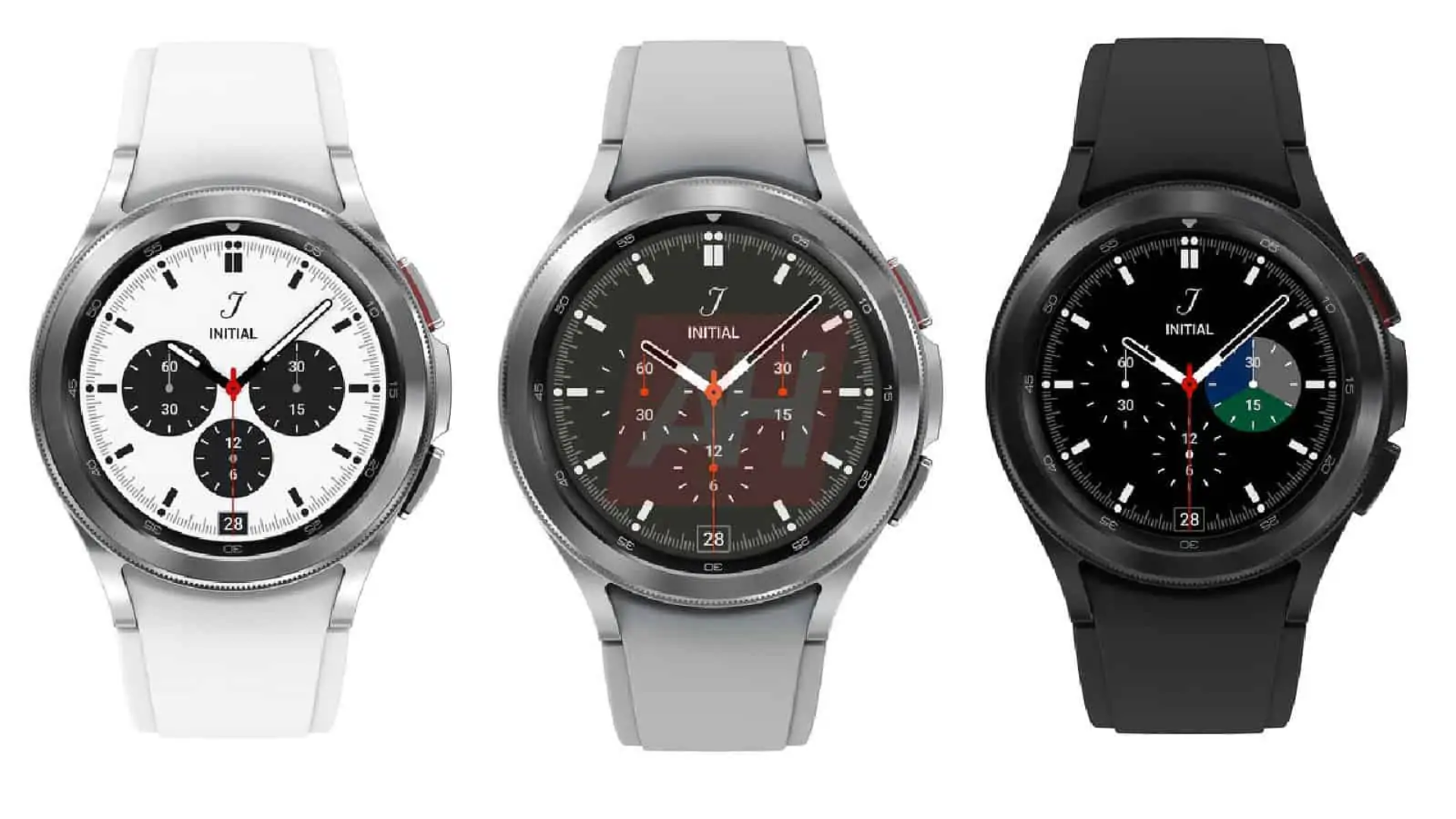
Samsung Galaxy Watch4 Classic renders by AndroidHaedlines
The Galaxy Buds2 will be costing between 180 euros and 200 euros, and it will be available in colors like black, white, violet, and green. A previous leak had claimed that it will be priced between $149 and 169 in the U.S. Rumors have it that the Buds2 will lack ANC support, and it will be positioned lower than the Galaxy Buds2 Pro TWS earbuds that was announced earlier this year.
The Unpacked event that is rumored to be held in August may see the arrival of the Galaxy Z Fold3 and Galaxy Z Flip3 5G. The Z Fold3 is likely to be the company’s first phone with an in-display camera and S Pen support.
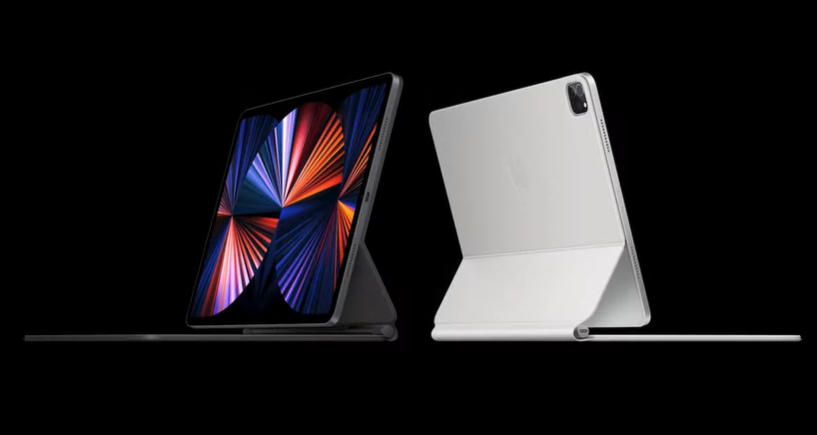
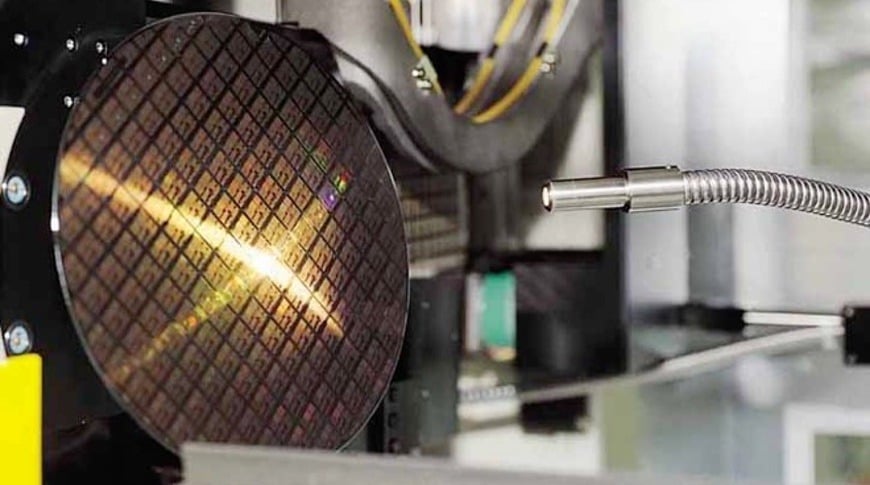
Apple and Intel will be the first to debut the 3nm chip technology from TSMC. A new report has claimed that the iPhone maker will launch its next generation iPad Pro in 2022, with the latest technology, while Intel is also expected to launch its own chips using this advanced process.
According to a NikkeiAsiareport, the Cupertino based giant would debut the world’s largest contract chipmaker’s latest advanced process tech in its 2022 iPad Pro model. The shift to 3nm from the current gen 5nm is expected to offer a 10 to 15 percent jump in performance along with a 25 percent to 30 percent reduction in power consumption. In other words, it brings improvements that could make the new iPad Pro more powerful and efficient.
Interestingly, this also means that Apple would also mark the second time the brand unveiled its latest chipset in its new iPad lineup rather than its flagship iPhone series. At the moment, it is unclear if the company would unveil its latest chipset with its iPad Air or iPad Pro models next year. Similarly, Intel is also expected to be one of the first to debut TSMC’s 3nm process technology. The report stated that the chip maker has already begun testing their chip designs with a 3nm process
Furthermore, the company is expected will start commercial production of the chips during the second half of next year. This would enable the firm to make up for lost ground in the chip market in recent years. Notably, the report added that the “chip volume planned for Intel is more than that for Apple’s iPad using the 3nm process.”
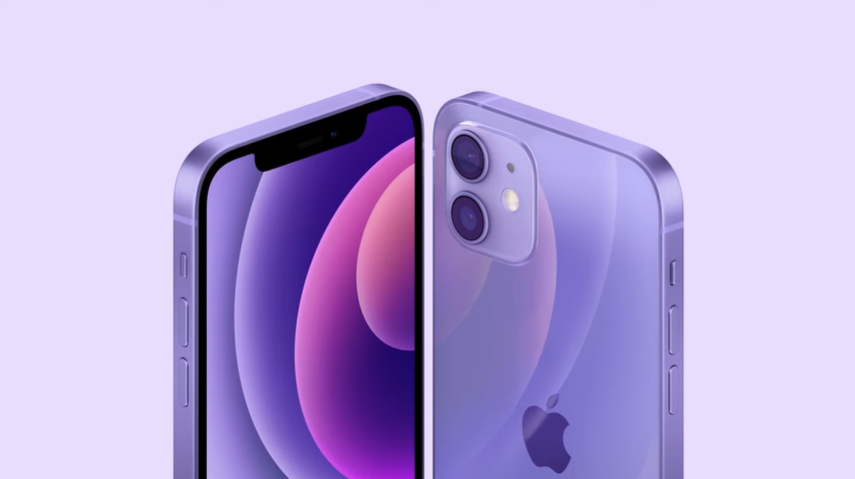
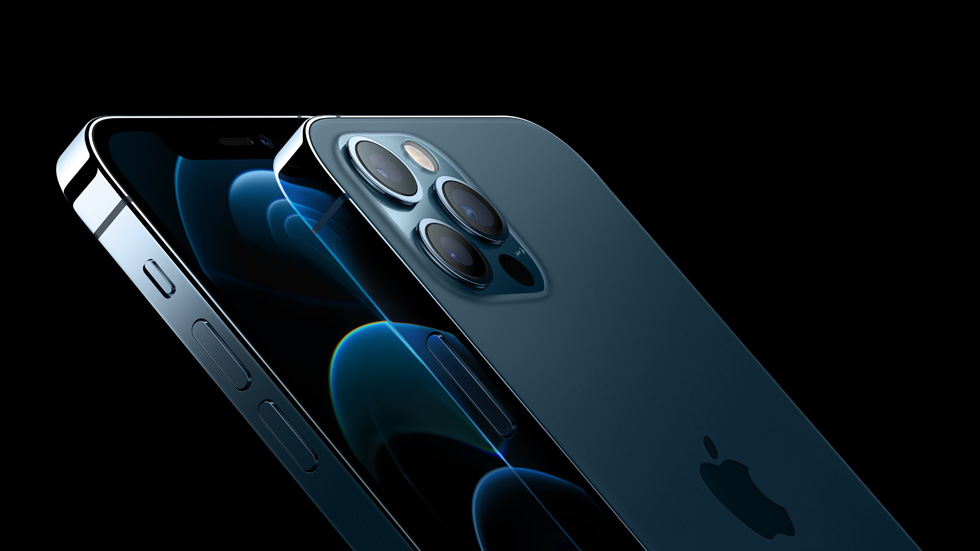
The Apple iPhone 12 series has already seen great success in the smartphone market. But now, a new report has revealed that the company’s shipments of the 2020 iPhone lineup have already crossed 100 million units.
According to a Counterpoint Research report, the Cupertino based giant’s iPhone 12 lineup sales have already surpassed the 100 million mark in just seven months of its launch. Furthermore, the brand managed to achieve this milestone two months earlier than its predecessor, the iPhone 11 series. Notably, the US was a key market, with the region accounting for 40 percent of the global iPhone 12 Pro Max sales alone between the months December 2020 and April 2021.
Apple also saw a rise in the average selling price for its iPhones during this time, with its top end model the iPhone 12 Pro Max starting from 1,099 US Dollars. The report further added that the company’s revenue from the iPhone 12 series was more by 22 percent than the iPhone 11 within the first seven months of its launch.
Although, the various other smartphone OEMs also saw growth overall since the market saw frantic buying from consumers post the Coronavirus pandemic. On the other hand, the overall market saw a sales decline of 12.5 percent last year. Counterpoint also added that the iPhone 12 Pro Max, iPhone 12, and iPhone 12 Pro models also held the top three spots in the smartphone market, with the three devices alone accounting for 22 percent of all sales.
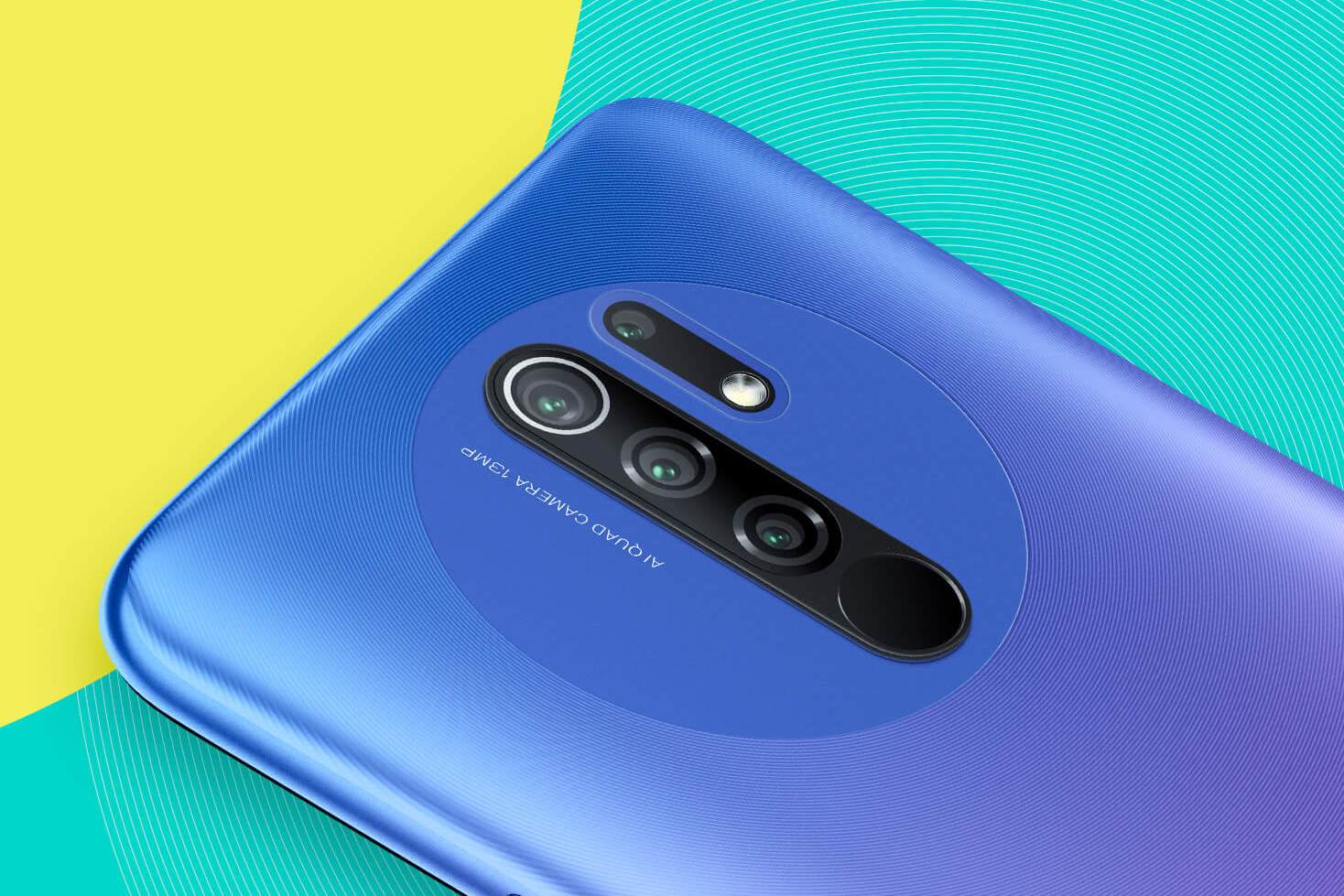
The Redmi 9 is one of the best-selling smartphones worldwide. The handset debuted with MIUI 11 based on Android 10. The device was updated to MIUI 12 last year but it is yet to receive the MIUI 12.5 update. Ahead of that, Xiaomi started rolling out the Android 11 update in China earlier last month. Now, this update is being slowly seeded out to international variants.
Redmi 9
The Android 11 update for the Redmi 9 initially went live for the Chinese version at the beginning of June. Last week, Xiaomi released the build for the ‘Global’ variant. Today, the update has even started rolling out to the ‘EEA’ variant.
The Redmi 9 Android 11 update for the ‘Global’ and the ‘EEA’ versions arrive with build numbers V12.0.1.0.RJCMIXM and V12.0.1.0.RJCEUXM respectively. These software builds are being rolled out in batches and should reach all units in the coming days.
Similarly, the remaining regional variants of this handset shall also start receiving the Android 11 update very soon. Also, it is worth noting that this smartphone is known as Redmi 9 Prime in India. That device will be also getting the last year’s Android update.
Last but not least, we also expect Xiaomi to release MIUI 12.5 update for the Redmi 9 in the near future.
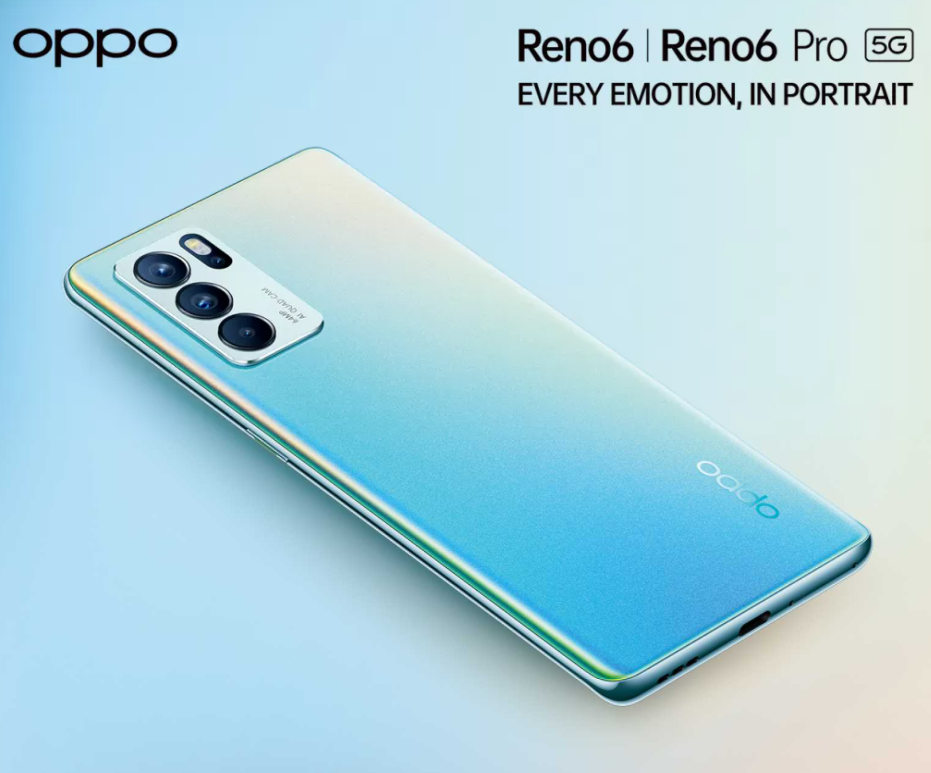
OPPO will be launching the OPPO Reno6 Pro 5G and Reno6 5G on July 14 in India. It appears that India could be the first global market to receive the Reno6 lineup. Today, the company confirmed the chipset, RAM, and storage capacity of the Reno6 Pro 5G.
As can be seen in the tweet above, the Reno6 Pro 5G will be powered by the Dimensity 1200 5G-ready chipset. The device will ship with 12 GB of RAM and 256 GB of built-in storage. The company has also claimed that the D1200 powered handset scored 700,080 points on AnTuTu benchmarks.
22% faster CPU. 13% faster GPU. 12.5% faster AI.* Expect nothing but flagship-level performance with MediaTek Dimensity 1200 in OPPO Reno6 Pro 5G, launching on 14th July. #OPPOReno6Series#MostAwaitedReno
The Reno6 Pro 5G which debuted in May in China also features the same chip, RAM, and storage. Hence, it appears that India will be receiving the very same device. In China, the handset is also available in 8 GB RAM + 128 GB storage version. It is unclear whether India will be receiving the 8 GB RAM variant of the phone.
OPPO Reno6 Pro 5G specifications
The Reno6 Pro 5G sports a 6.55-inch AMOLED display with curved edges. The screen punch-hole features a 32-megapixel selfie camera, and its rear shell has a 64-megapixel + 8-megapixel + 2-megapixel + 2-megapixel quad-camera unit. It is backed by a 4,500mAh battery that supports 65W rapid charging through USB-C. For security, it has an in-screen fingerprint scanner.
OPPO Reno6 Pro 5G
Apart from the Reno6 Pro 5G, India will be also receiving the Reno6 5G. The Chinese variant of the Reno6 5G has a 6.43-inch AMOLED display, 32-megapixel front, 64-megapixel triple cameras, Dimensity 900 chip, up to 12 GB RAM, up to 256 GB storage, and a 4,500mAh battery with 65W fast charging. It is speculated that the Indian model could be different from the Chinese edition.
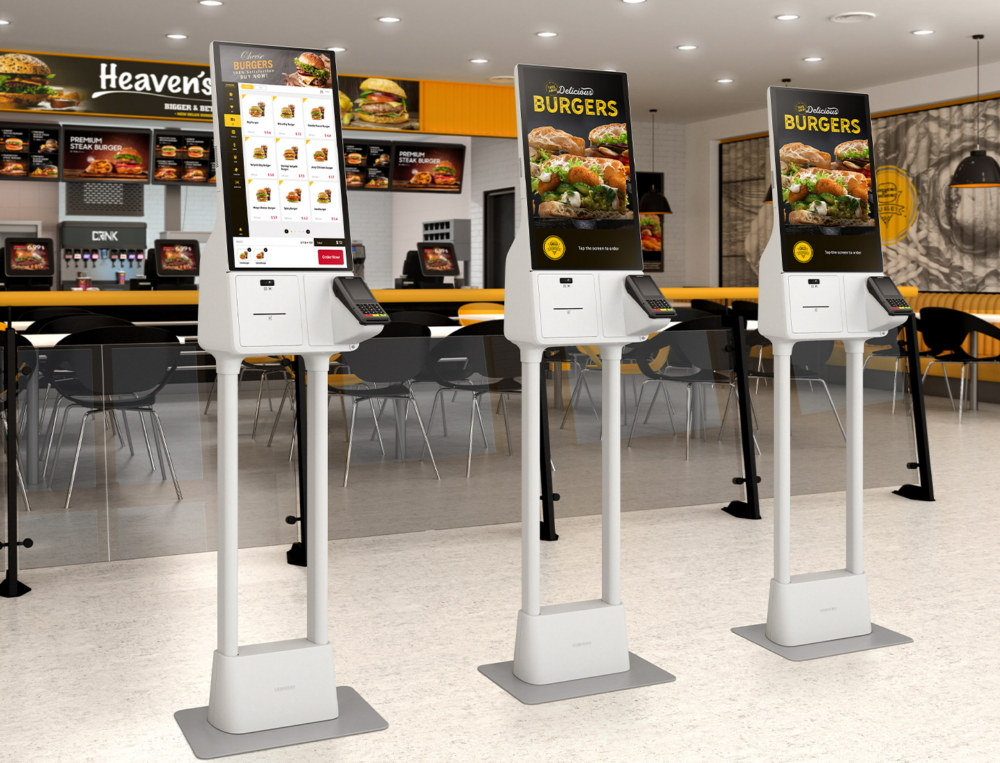
Back in February 2021, Samsung unveiled its innovative ordering solution called Samsung Kiosk, which enables shop owners to deploy a non-face-to-face ordering and payment platform placed at the shop to limit contact between customers and staff. It was introduced to Samsung’s home market of Korea but was projected to roll out to selected countries by mid-year. Samsung has now launched the product in 12 countries.
The Samsung Kiosk could be viewed as part of Samsung’s response to the coronavirus pandemic, which had ravaged the world since 2020, and has now entered its third wave in parts of the world. The 12 countries selected for the rollout of the Samsung Kiosk are Australia, Austria, Belgium, Canada, Ireland, Singapore, Spain, the Netherlands, the United Kingdom, and the United States of America. Samsung will further expand the coverage to other countries and regions subsequently.
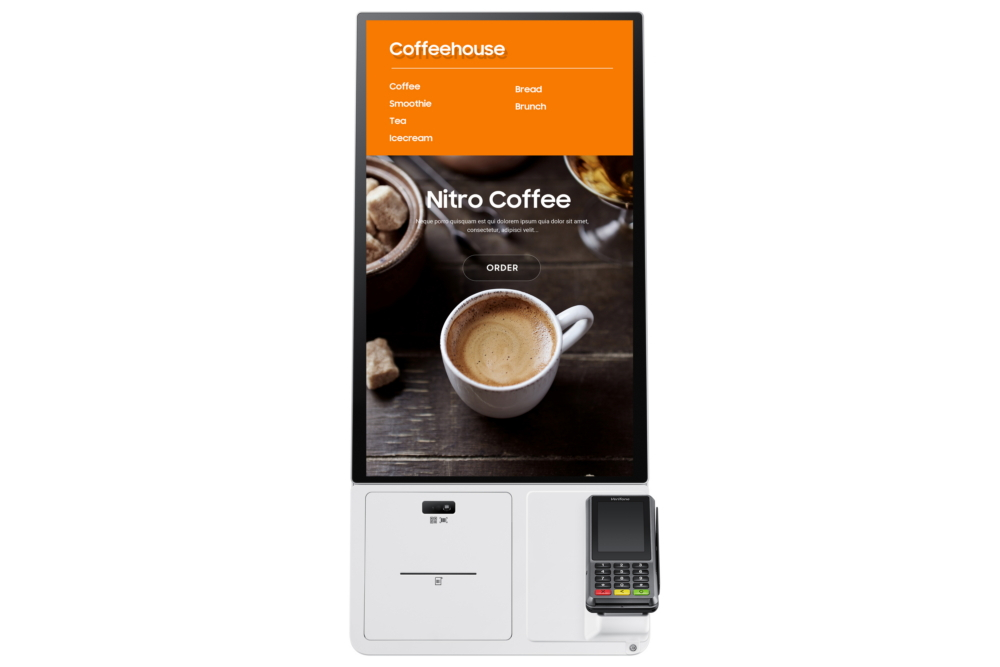
The Samsung Kiosk is a mobile all-in-one, onsite ordering and payment platform for shops to take orders from customers and receive payment. It has a 24-inch interactive display with a modular design incorporating a wide array of payment options for seamless shop operations. Already, the Samsung Kiosk is compatible or accepts payments via major payment platforms like Mastercard, Visa, Europay, and others. Other features of the Samsung Kiosk are QR and barcode readers with printing support via the built-in printer, a hygienically safe display with certified Antimicrobial Coating, and a shatterproof film.
On the software side of the Samsung Kiosk, it operates a Linux-based Operating System, which is open-source and powered by Tizen. In addition, the OS has support for a large number of third-party applications.
Samsung hopes that its innovative mobile Kiosk platform will have good reception in the selected countries and provide a creative and seamless option for shop owners to limit physical contact with their customers and enhance the efficiency of their overall service processes. Its payment versatility will also endear it to these developed markets.
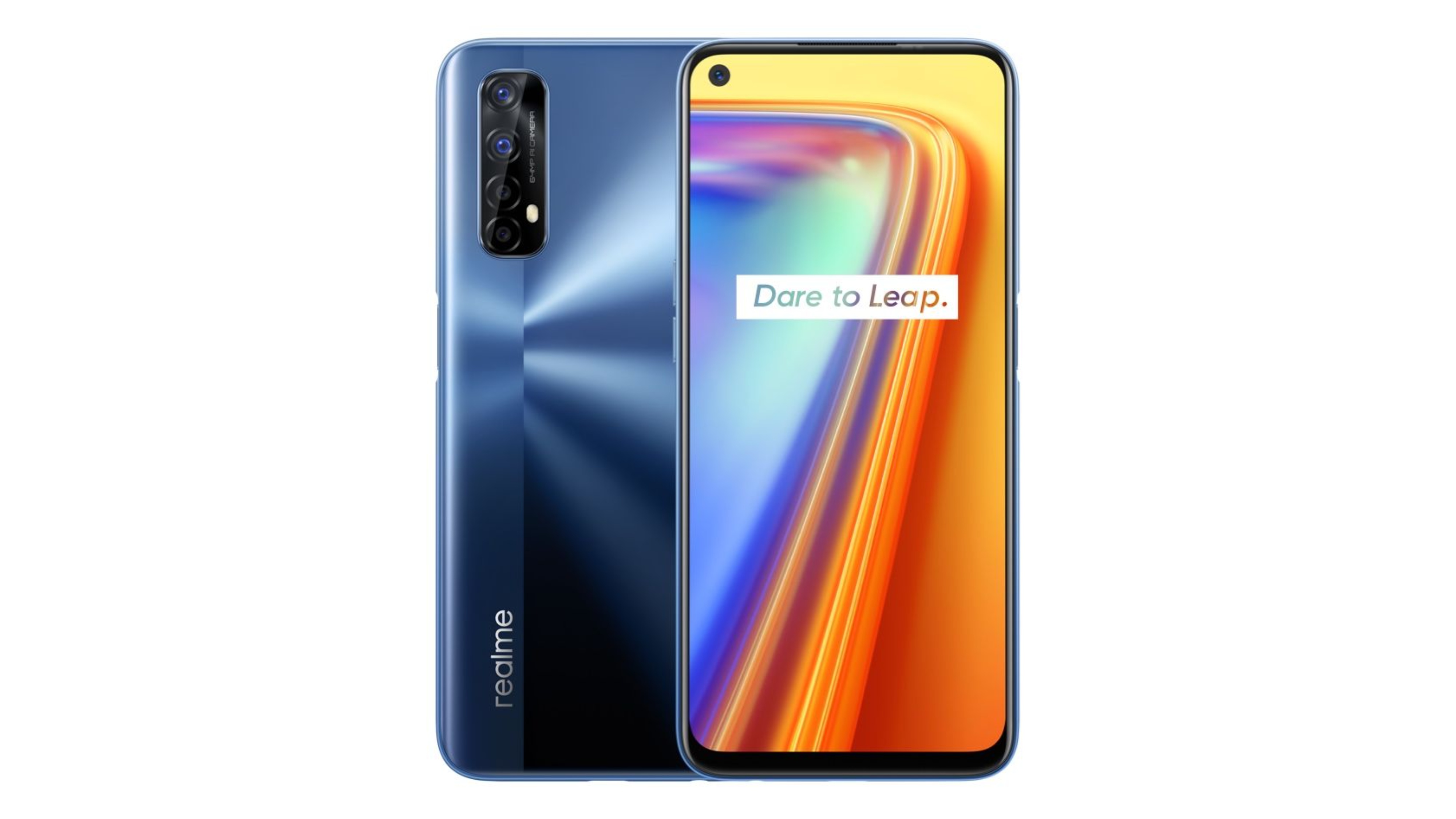
The realme 7 launched in the second half of 2020 as the direct successor of the realme 6 from earlier that year. Just like its predecessor, it also debuted with realme UI based on Android 10. The brand opened Android 11-based realme UI 2.0 Early Access registrations for this handset at the end of December. Six months later, the phone has finally started receiving the stable Android 11 update.
realme 7
According to multiple user posts (via GSMArena) on the realme Community, the Chinese smartphone maker has started rolling out realme UI 2.0 (Android 11) stable update for realme 7. The latest system update for the handset arrives with firmware version RMX2151_11_C.08.
The handset maker is yet to announce the update rollout officially. Hence, we are not sure which firmware version is required to receive the Android 11 stable update on realme 7.
We believe the update is being rolled out in batches like any other OTA system update. Therefore, the build may take some time to hit all the units. Anyway, all realme 7 users should be able to experience realme UI 2.0 in the coming days.
For those unaware, realme UI 2.0 is based on ColorOS 11 with some tweaks here and there. Hence, the core features of the two Android skins are exactly the same. Having said that, since realme 7 is a budget smartphone, it may not support all the new features.
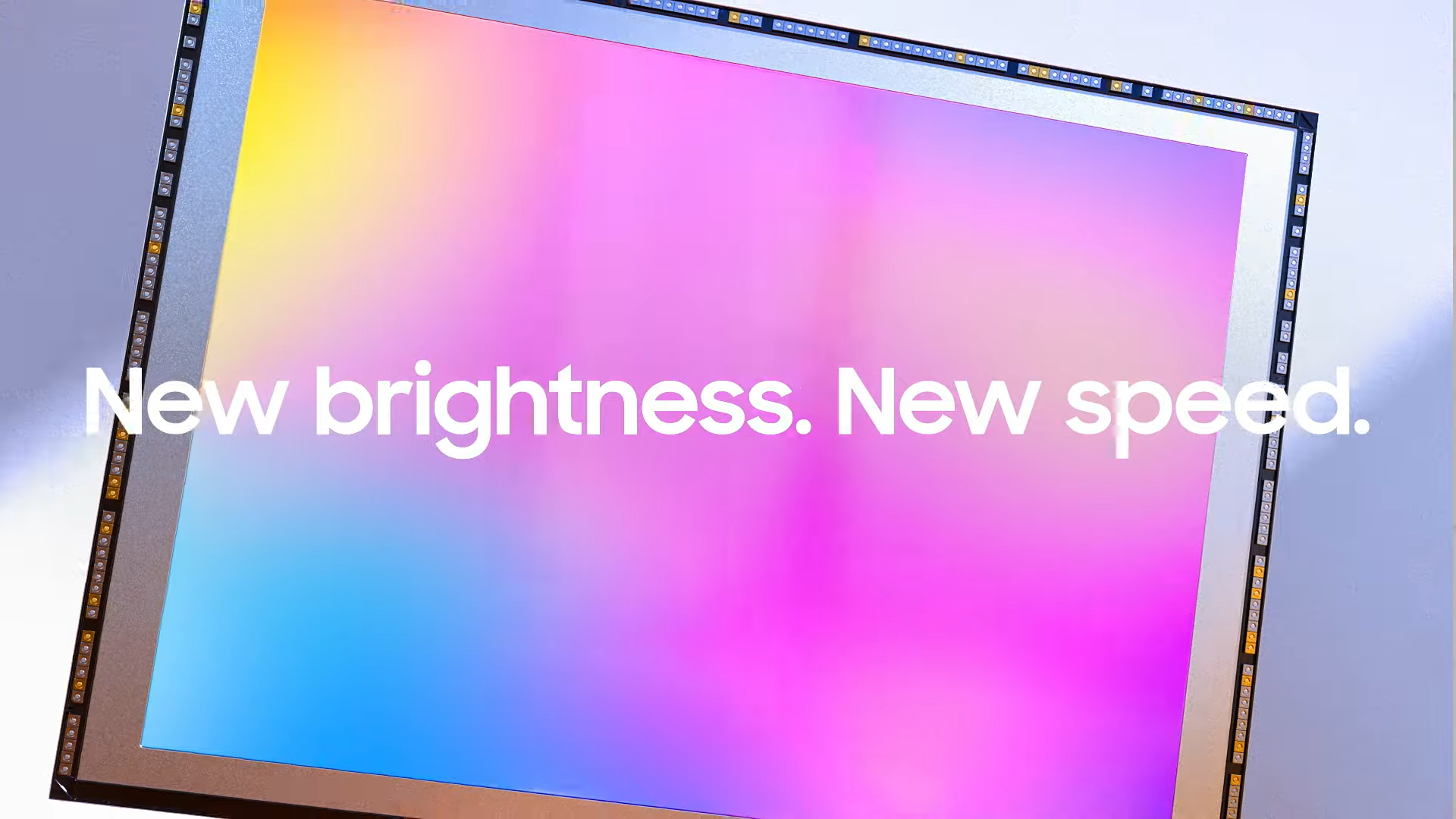
Recently, Samsung has been increasing its focus on its camera unit by raising investment into the imaging unit. The company is planning on launching new image sensors as well, which would enable it to better compete with Sony in the camera market.
According to a SamMobilereport, the brand’s System LSI, a unit that makes its ISOCELL camera sensors, is planning on investing heavily to improve its cameras while also widening its product portfolio as well. For those unaware, Samsung and Sony are the market leaders for the image sensor market, with the former holding 29 percent market share while the latter accounts for a 29 percent market share.
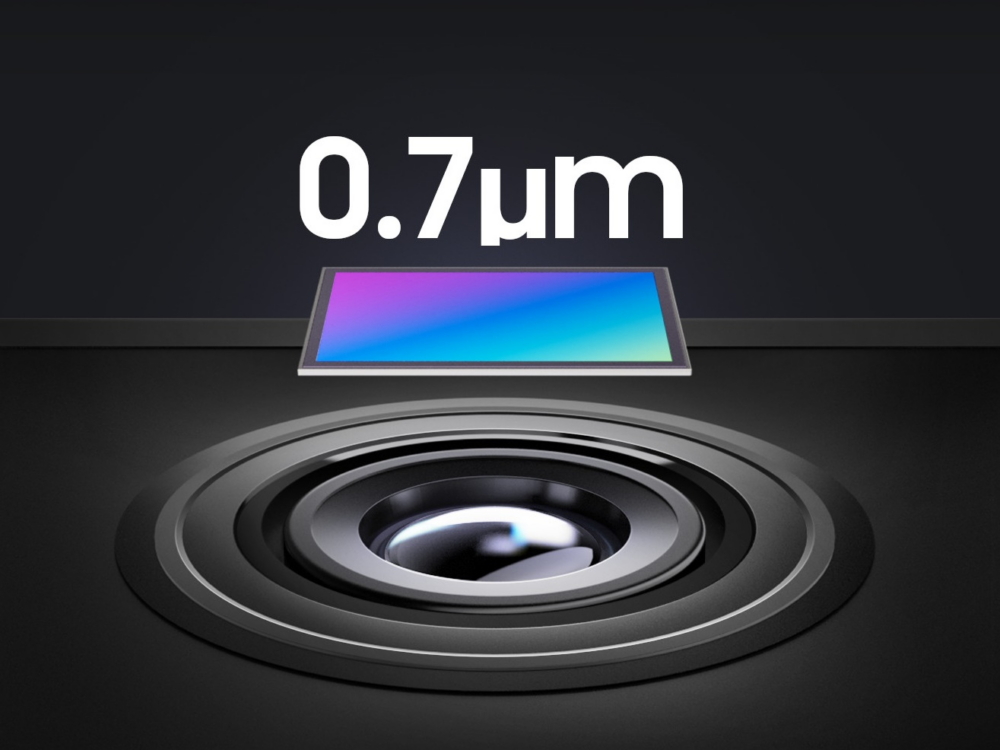
While Sony does lead the market at the moment, the South Korean tech giant did manage to raise its market share over the last couple of years. Furthermore, the company is also working on launching new and more powerful camera sensors as well to better compete with Sony in the market. This includes a new 50 megapixel camera sensor that is one of the best sensors as of right now. Meanwhile, the company is also reported to be working on an upcoming 200 megapixel sensor as well.
Through this, Samsung is also expected to close the market share gap between Sony to within just a 10 percent difference from the Japanese brand. The new 200 megapixel ISOCELL sensor will reportedly also feature 16 in 1 pixel binning and 8K video recording support. On the other hand, the company was also hinted to make a 600 megapixel sensor sometime in the future, although, this is said to be for self driving cars rather than smartphones.
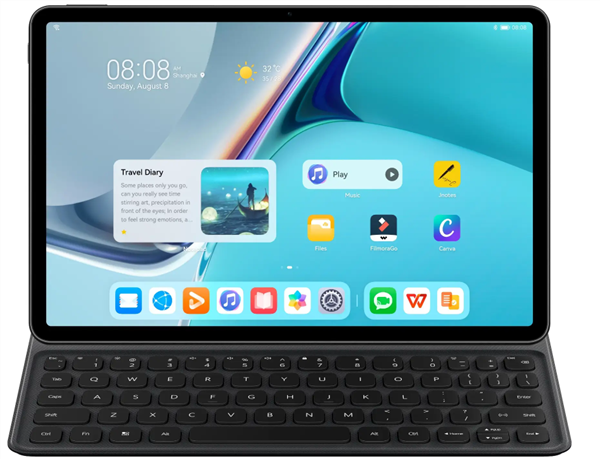
A new leak has revealed the launch date of the upcoming tablet from Huawei. The tablet in question is the MatePad 11, which will apparently arrive with a Qualcomm Snapdragon 865 SoC and a high refresh rate display.
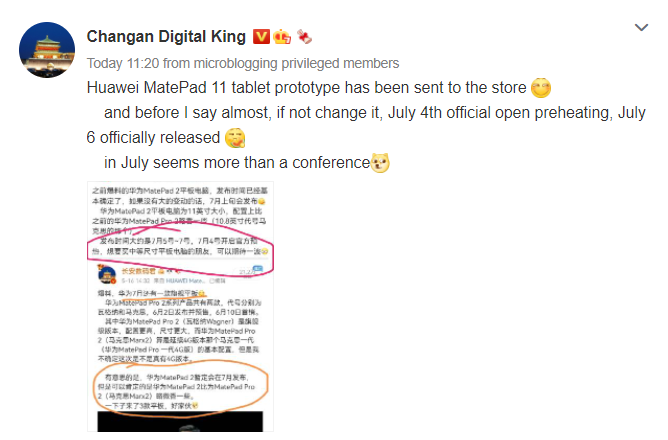
According to Weibo tipster @长安数码君, the prototype models of the device have already appeared on the official physical retail stores of the company. Furthermore, the tipster also revealed that if the Chinese tech giant doesn’t change its launch date, the new tablet will launch on the 6th of July 2021, but will be available for pre orders starting from the 4th of July.
Previously, we had reported on the supposed leaked specification of the tablet. Under the hood, the tablet is expected to feature a Snapdragon 865 SoC, which will be paired with 6GB RAM as well as two storage variants of 64GB, 128GB, and even 256GB. The storage would apparently support memory expansion via a microSD card. As the name suggests, the MatePad 11 will sport an 11 inch FullView display that supports 2.5K resolution along with a 120Hz high refresh rate.
Furthermore, the tipster also added that the tablet will feature WiFi 6 standards and will be available in four color variants in China, but only three color options will be available outside of the brand’s home country. Keep in mind, this is still an unconfirmed report so take it with a pinch of salt, and stay tuned for more as we will be providing updates when additional information is available regarding the tablet.
Last year, Samsung announced that all of its premium Galaxy smartphones and tablets as well as select mid-range Galaxy A series devices will receive three generations of Android updates. Earlier this year, the company revealed that most of its portfolio will get at least four years of security updates. Now, the South Korean tech giant discloses an even longer duration of software support for select devices.
According to the updated Samsung Knox Documentation page (via GSMArena), the company will be providing five years of security updates to 10 of its Enterprise models.
Samsung Enterprise Android Devices Eligible for Five Years of Security Updates
Galaxy S21 Ultra
Galaxy S21+
Galaxy S21
Galaxy Note20 Ultra
Galaxy Note20
Galaxy S20 Ultra
Galaxy S20+
Galaxy S20
Galaxy XCover5
Galaxy Tab Active3
The above-mentioned devices, except for the Galaxy Tab Active3, will get four years of monthly security updates and one year of quarterly security updates. On the other hand, the only tablet on the list will receive five years of quarterly updates.
Additionally, the enterprise edition of the affordable Galaxy A32 5G is also eligible for at least four years of security updates. This handset will be getting the software builds every quarter.
What are your thoughts on Samsung becoming one of the best in terms of software support from one of the worst in the Android segment? Do let us know in the comment section below.
Last month, Realme CEO confirmed that the company will be launching the Realme GT camera flagship in July. Now that the month has started, the company has started teasing the arrival of a new camera flagship. Today, Realme CMO shared a camera sample that was captured using an upcoming phone. It appears this mysterious phone could be the camera flagship from the brand.
While the camera sample is impressive, the name of the device through which was captured has been blurred out. It appears that famous tipster Digital Chat Station has claimed that Realme has teamed up with an established camera brand. He added that the company will announce the collaboration at the Realme GT Master Edition 5G launch event this month.
Realme GT camera flagship sample
Another tipster has claimed that Realme has collaborated with well-brand photography brand Kodak. To recollect, Kodak went bankrupt in 2012 and since then it shifted focus to hardware and software for printing solutions.
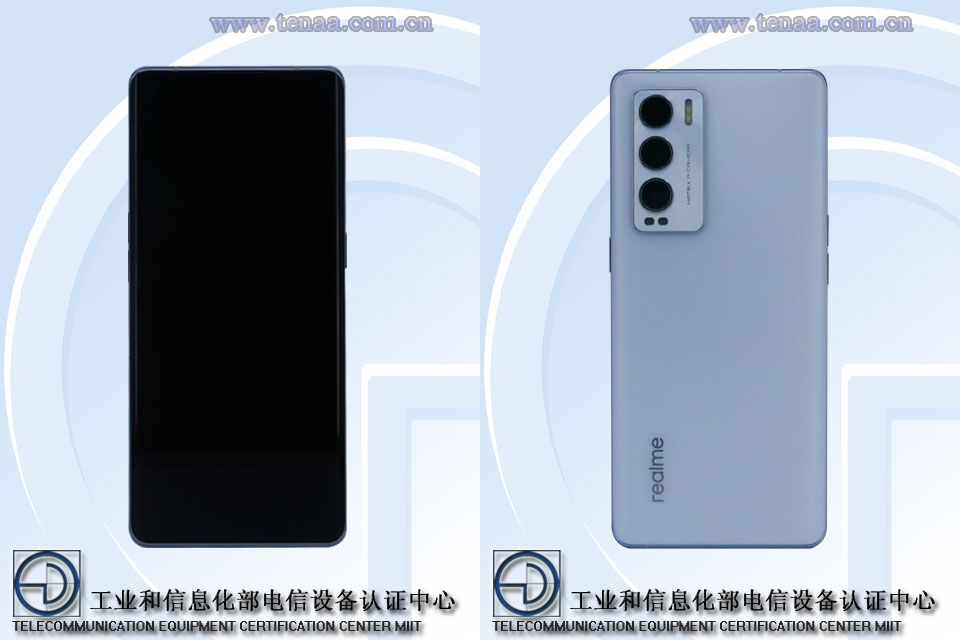
It is still unclear whether the camera flagship is the Realme GT Master Edition 5G or some other handset. TENAA listing of the alleged Master Edition has revealed that it will be sporting a 50-megapixel (Sony IMX766), a 16-megapixel (Sony IMX481) + 2-megapixel (B&W lens) + triple camera system. A recent leak that seemed a bit unreliable claimed that the device has a 108-megapixel + 13-megapixel + 2-megapixel triple camera setup.
TENAA images of the Realme RMX3366
The other expected specifications of the Realme GT Master Edition 5G include a 6.55-inch FHD+ 120Hz AMOLED screen with curved edges, Snapdragon 870, up to 12 GB of RAM, up to 256 GB of storage, a 4,500mah battery with 65W fast charging, a 32-megapixel front camera, and an in-screen fingerprint scanner.
Earlier this year, the Xiaomi Mi MIX Fold was unveiled, which was the company’s first foldable smartphone that also resembled the Samsung Galaxy Z Fold 2. Now, a new patent has revealed that the company is working on another foldable device that could be similar to the Galaxy Z Flip.
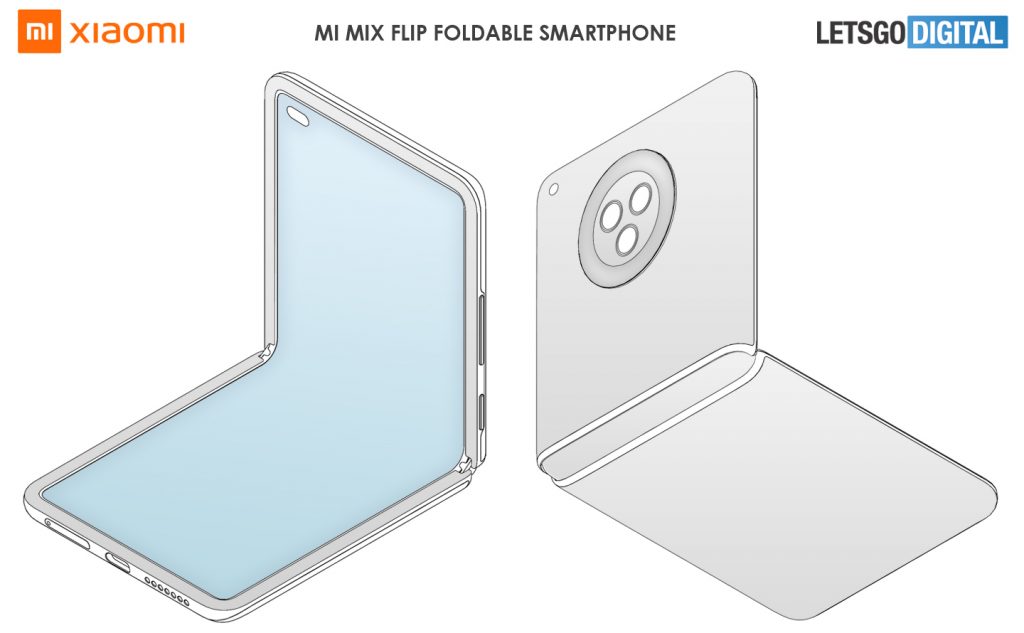
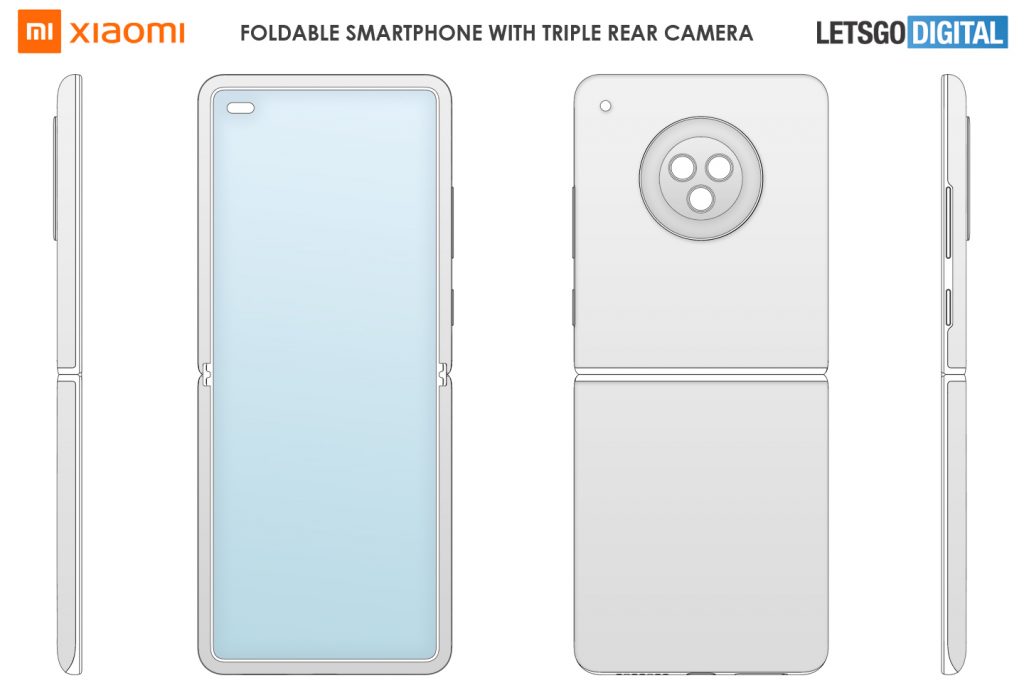
According to a LetsGoDigitalreport, the Chinese smartphone maker has patented a new foldable smartphone with the CNIPA (China National Intellectual Property Office). This device is notable, as unlike the Mi MIX Fold and Galaxy Z Fold 2, it sports a clamshell folding device. In other words, its design would be similar to the South Korean tech giant’s Galaxy Z Flip. Although, apart from the clamshell format, some of its design features are different and the device could even be more affordable.
Looking at the patent images, the foldable smartphone features a dual punch hole selfie shooter on the front. On the rear, the device sports a triple camera setup that is housed on a circular module. The bottom of the device also features a USB Type C port for charging along with a speaker as well. At the moment, this is still just a patent so finer details like pricing and specifications are currently unknown.
Unfortunately, we also do not know if the company is actually working on such a product or is just covering all bases. However, going by its efforts on offering innovative new products that does not cost a fortune, the clamshell device, might be called the Mi MIX Flip, which could compete with the likes of Moto Razr and Galaxy Z Flip but with a more affordable price tag.
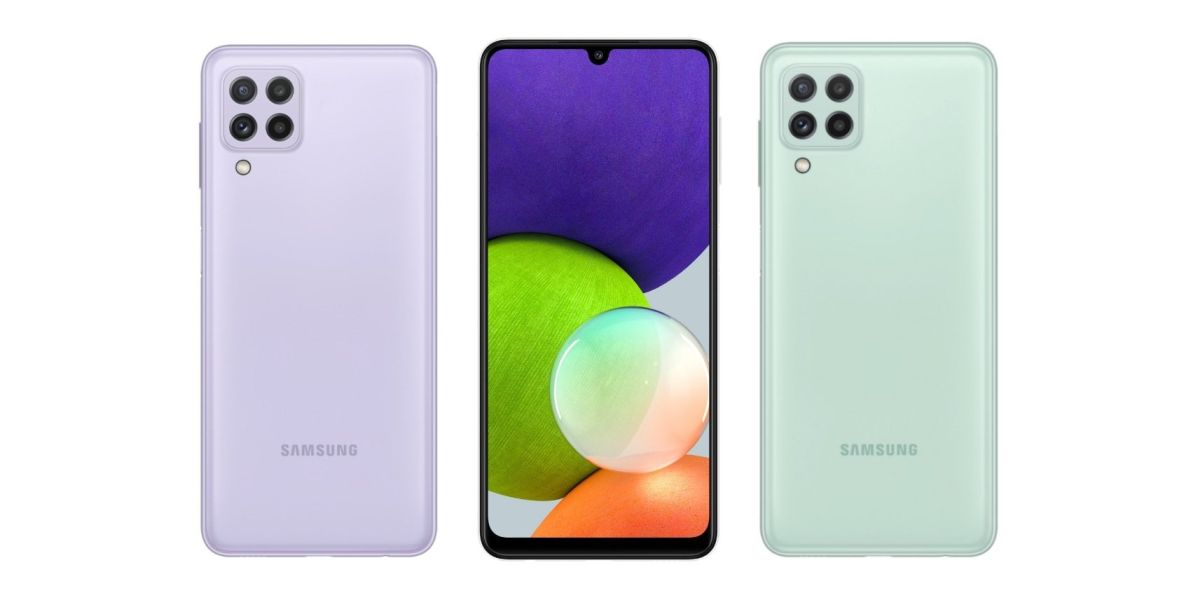
Samsung unveiled the Galaxy A22 alongside the Galaxy A22 5G in the early part of June in Europe. The 4G version of the Galaxy A22 has now been quietly launched in India. The smartphone carries a decent Rs. 18499 (~$248) price tag and is available on Samsung India’s official store. The price is notably cheaper than in Europe where it retails for 230 Euro (about $278).
The Galaxy A22 packs a 6.4-inch Super AMOLED Infinity-U display with an HD+ resolution of 1600 x 720 pixels. The display also supports a 90Hz refresh rate and a 20:9 aspect ratio. The device is powered by a MediaTek Helio G80 processor paired with 6GB of RAM while there is 128GB internal storage on the device. The storage is expandable up to 256GB via microSD.
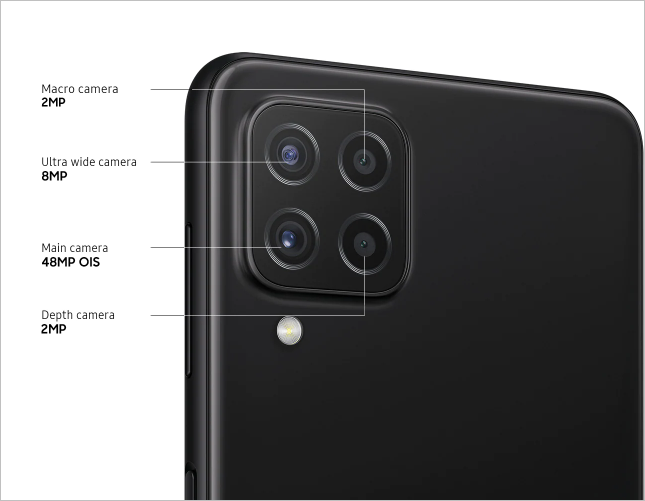
For photography, the Galaxy A22 packs a 13MP selfie camera while at the rear aspect, there is a Quad camera setup marshaled by a 48MP primary camera with OIS and autofocus. There is also an 8MP ultrawide sensor, a 2MP macro camera, and a 2MP depth sensor with an F2.4 aperture.
The phone also packs a side-mounted fingerprint scanner and under the hood, is a 5000mAh battery with support for 15W fast charging. The phone runs on Android 11-based OneUI 3.1 out-of-the-box.
The Galaxy A22 is available in Black and Mint colors. The phone also features support for Samsung Pay, Wi-Fi b/g/n/ac, NFC, Bluetooth 5.0, USB Type-C port, and a 3.5mm headphone jack.
WhatsApp is the most popular cross-platform instant messaging application. But still, it lags behind Telegram in terms of features. Anyway, the Facebook-owned social app is trying to catch on with the competition in terms of features. As per new findings, the application may finally allow users to share videos as they want to.
Users can send various types of media files on WhatsApp, including videos. However, the platform automatically compresses the videos while sharing. The only way to share an original quality video on WhatsApp is by sending the file as a document.
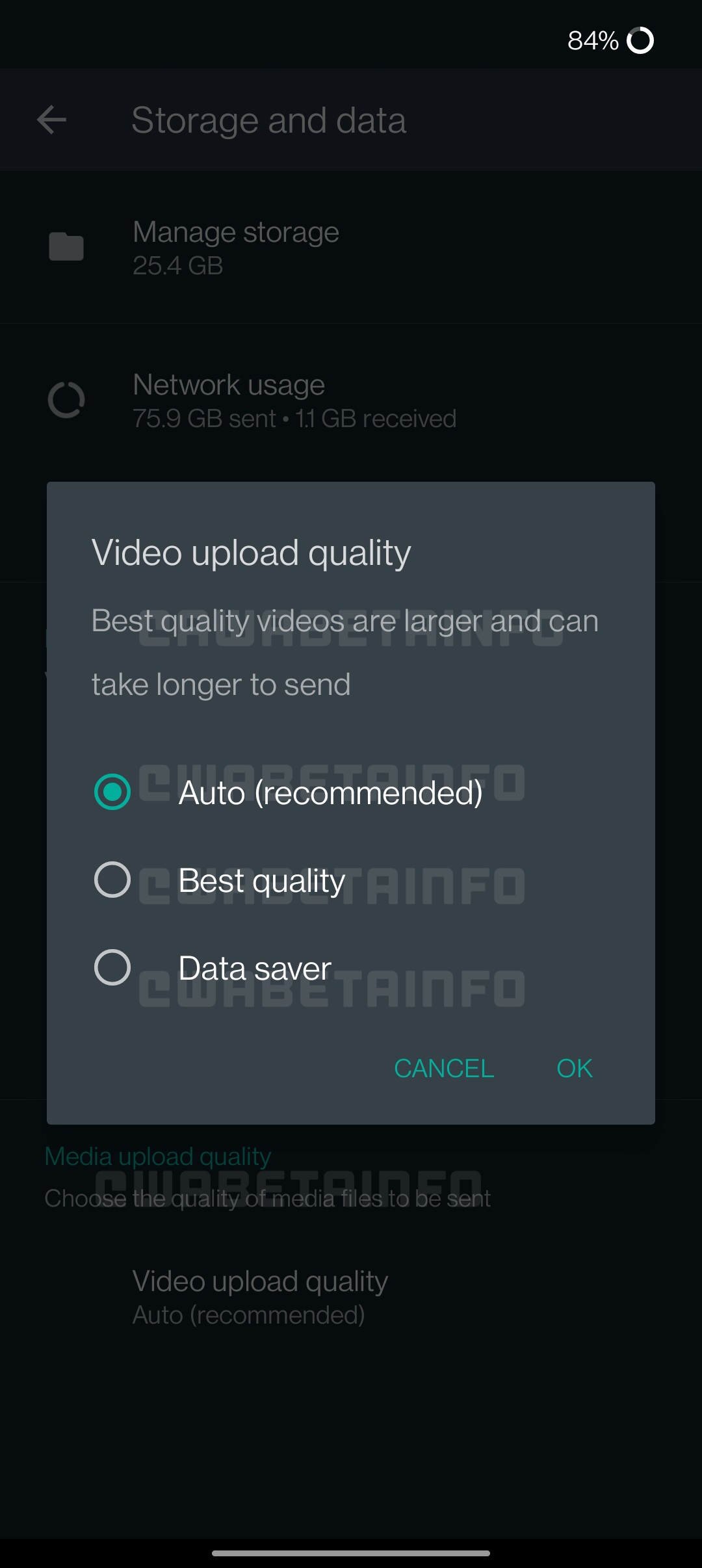
On the other hand, Telegram allows users to share videos at different quality levels. According to new findings by WABetaInfo, WhatsApp may finally introduce this very same feature for its userbase.
WhatsApp calls this feature ‘Video upload quality’ and it has been spotted in WhatsApp Beta for Android v2.21.14.6. Users can select from three options, namely Auto (recommended), Best quality, and Data saver.
Source: WABetaInfo
This feature is currently under development. Therefore, it is still now available for users, even for those using the said version of the application. Hopefully, it makes its way to all users sooner than later.
In related news, WhatsApp is also testing other new features like multi-device support, disappearing mode, and view once.
A new patent from Vivo has revealed that the company might just be working on a smartphone with a very unique feature. While flying drones with cameras are already available, the brand might launch a device with a detachable camera module that can fly like a drone.
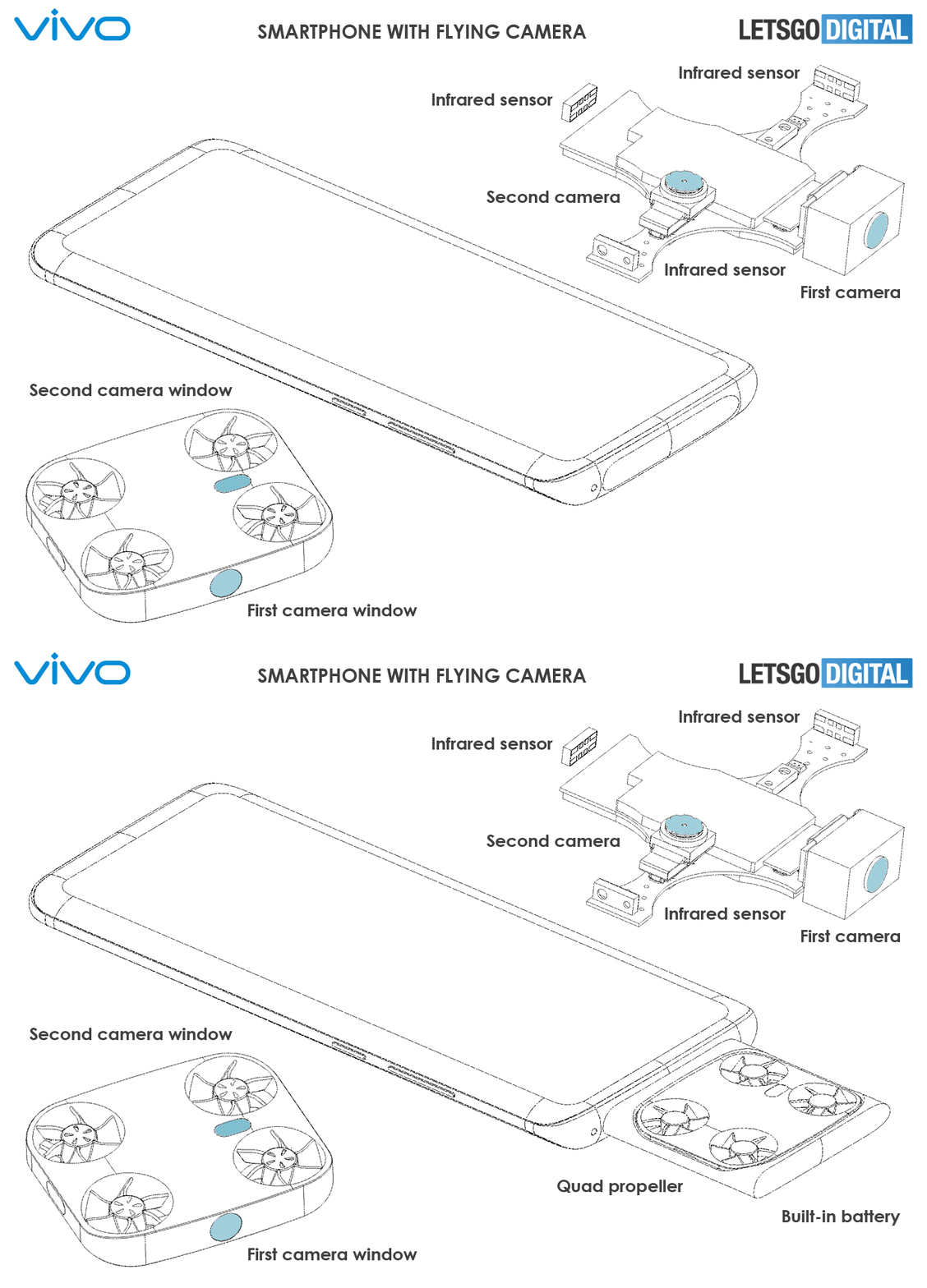
According to a LetsGoDigitalreport, the Chinese tech giant filed for the patent with WIPO last year, which got published on 1st July 2021. Looking at the patent images for the smartphone, it appears to have a design similar to a modern smartphone. However, its most notable feature can be seen once the detachable flying camera pops out from the bottom of the device. In other words, this flying camera is essentially housed in the handset when not in use and is not a separate peripheral.
Talking about this detachable module, the flying camera sports four propellers that make it capable of flight. It also houses a battery pack separate from the main battery from the handset and features two camera sensors on its body. Another interesting aspect regarding this flying camera is the inclusion of two infrared sensors on different sides of the module. These sensors could serve many different functions, but its primary objective is likely to keep the small drone from bumping into other objects when flying.
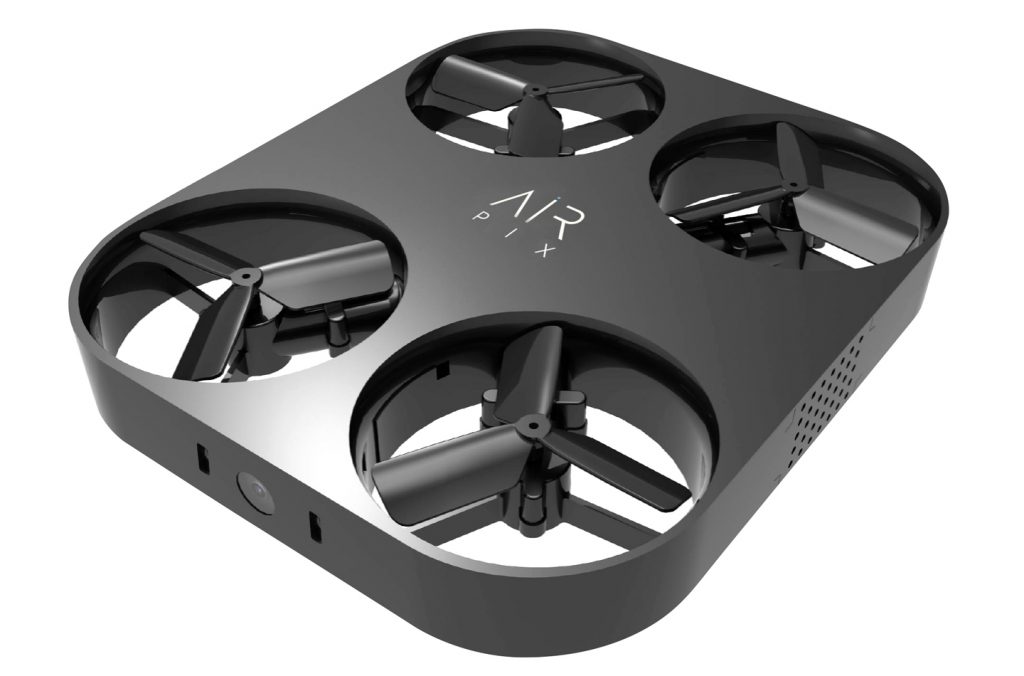
Meaning, this flying camera could feature an automatic follow mode where it follows the user and flies automatically. It might also support air gestures as well, but the patent filing doesn’t reveal any finer detail regarding this. Notably, the design of this flying camera resembles the Air Pix, which is a flying camera product. However, this device has a size of over 10cm, so the version from Vivo would have to be much smaller to fit inside a smartphone. Unfortunately, it is unknown if the brand is actually working on such a product, although, it does offer us a look towards unique futuristic devices that might be a reality in the next couple of years.
Huawei has recently begun public testing for one of its apps that is a part of the HMS (Huawei Mobile Services). It is the Petal Translate official application, which brings translation based functionality to the company’s ecosystem.
For those unaware, the Petal Translator from the Chinese tech giant is an intelligent translation application that was introduced by the company’s Cloud Service Innovation Team. This app was based on the machine translation capabilities of HMS and arrives with numerous features. The features include translation from multiple different languages, intelligent image OCR recognition translation, and even real time translation of dialogues, among other functions.
Now, the public test of the Peta Translate application has brought in a few key features to the open test phase. This includes text translation, which brings support for multilingual text translation based on texts. Furthermore, it also offers picture translation as well, which makes it possible for a device with the app to translate from images. After these translations, one can even create a sharing card and share it on messaging platforms like WeChat and Moments.
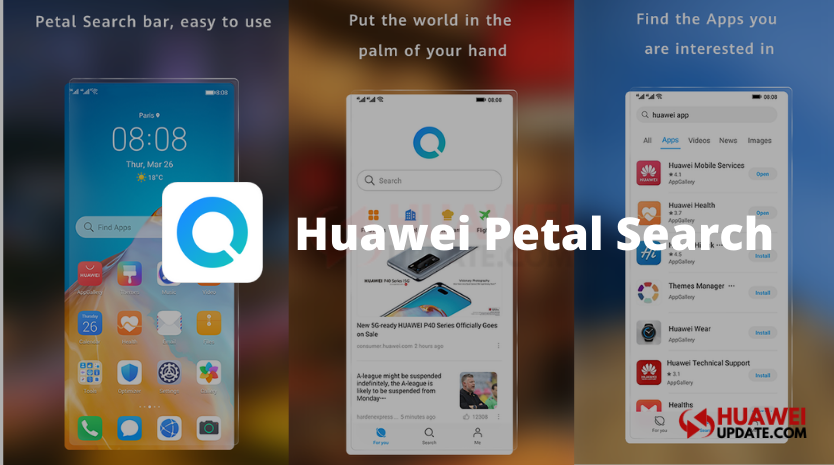
Finally, dialogue translation basically adds support for multilingual speech translation. Notaby, we had previously reported on other apps in the Petal series from the brand. This includes its location based Petal Map app and even the Petal Search services as well. In other words, the Petal is essentially a Huawei version of Google Mobile Services like Map or Google Search and even the Translate app.
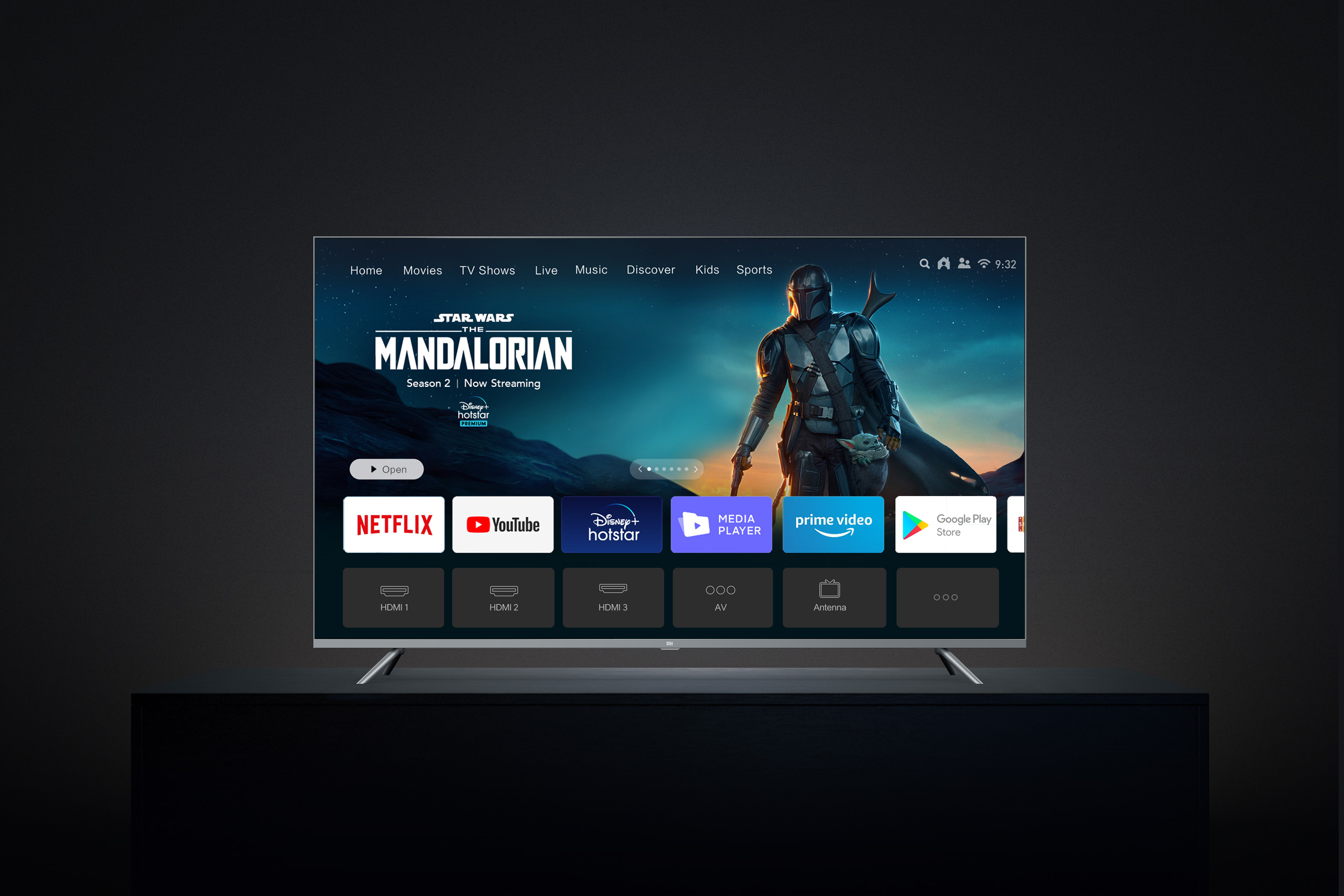
At the end of June, news broke out that Xiaomi will be hiking the price of its Mi and Redmi-branded smart televisions in India from July. As expected, the company has increased the price of 10 TV models in the country.
Xiaomi Mi QLED TV 4K 55
According to a report by 91Mobiles, Xiaomi has hiked the price of 7 Mi TVs and 3 Redmi TVs in India. The products affected by this range from the entry-level 32-inch model to up to 65-inch model. The maximum price increase per TV is ₹2,000, whereas the minimum is ₹500.
Here’s the entire list of Xiaomi Mi TVs and Redmi TVs that have received a price hike in India.
TV Model
Old Price
Price Hike
New Price
Mi TV 4A Pro (32-inch)
₹15,499
₹500
₹15,999
Mi TV 4A Pro (43-inch)
₹25,999
₹1,000
₹26,999
Mi TV 4A Horizon Edition (40-inch)
₹23,999
₹1,000
₹24,999
Mi TV 4A Horizon Edition (43-inch)
₹25,999
₹2,000
₹27,999
Mi TV 4X (43-inch)
₹28,999
₹1,000
₹29,999
Mi TV 4X (55-inch)
₹41,999
₹2,000
₹43,999
Redmi Smart TV X50
₹34,999
₹2,000
₹36,999
Redmi Smart TV X55
₹40,999
₹2,000
₹42,999
Redmi Smart TV X65
₹58,999
₹1,000
₹59,999
Mi QLED TV (55-inch)
₹57,999
₹2,000
₹59,999
The new price is live now live on all the official online retailers. It should be the same and maybe even more at offline retail stores.
The increase in the price of Xiaomi televisions in India is a direct result of the prolonged shortage of ‘Open Cell’ (panel) globally. The panel of TVs accounts for 70% of their cost. They are mostly imported by India from China and Vietnam.
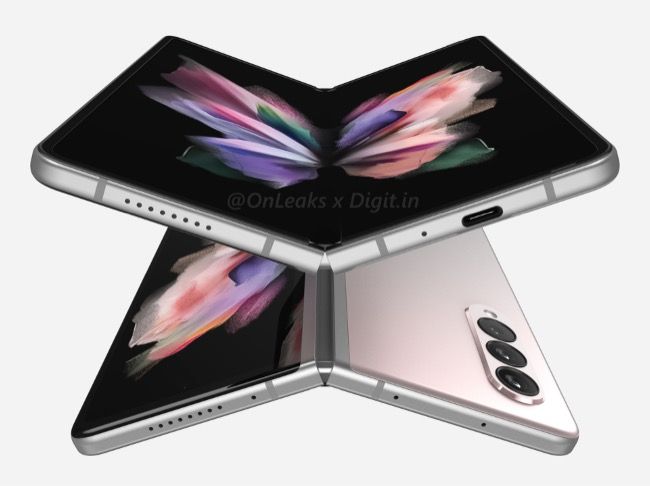
Multiple reports have claimed that Samsung may hold a mega Unpacked event in August to announce its new foldable phones and smartwatches. The Galaxy Z Fold 3 is expected to arrive with several improvements over its predecessor from last year. The foldable phone has appeared at the Geekbench benchmarking site (via) to reveal its chipset and RAM.
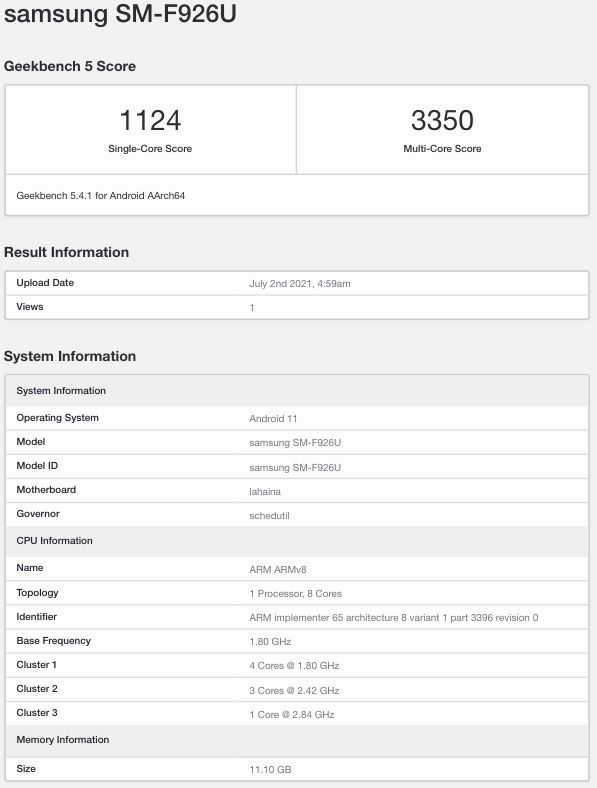
The SM-F926U Samsung device that has appeared on the benchmarking platform is said to be the Galaxy Z Fold3. The listing shows that the Qualcomm processor with ‘lahaina’ codename is present under the hood of the device. The chip comprises a primary CPU core clocks at 2.84GHz, quad CPU cores with 1.80GHz processing speeds, and three CPU cores working at 2.42GHz.
The codename of the chip and its specifications reveal that the Snapdragon 888 it the driving force of the Z Fold3. The listing shows that the device has 12 GB of RAM, and it runs on Android 11 OS. The foldable phone scored 1124 and 3350 points in the single-core and multi-core tests of Geekbench, respectively.
Samsung Galaxy Z Fold3 specifications (Rumored)
Past reports have revealed that the Galaxy Z Fold3 will feature a 7.55-inch AMOLED foldable screen with a 120Hz refresh rate support and a 16-megapixel in-display camera. For security, it has a side-facing fingerprint scanner. The device has a 6.2-inch punch-hole AMOLED display on the front and it is said to feature a 10-megapixel selfie camera.
The device may feature a 4,400mAH battery that supports 25W charging. It is also expected to arrive with wireless charging and reverse charging support. The Z Fold3 will support an S Pen stylus, but it is unlikely to feature a dedicated storage slot for it.
We use cookies on our website to give you the most relevant experience by remembering your preferences and repeat visits. By clicking “Accept”, you consent to the use of ALL the cookies.
This website uses cookies to improve your experience while you navigate through the website. Out of these, the cookies that are categorized as necessary are stored on your browser as they are essential for the working of basic functionalities of the website. We also use third-party cookies that help us analyze and understand how you use this website. These cookies will be stored in your browser only with your consent. You also have the option to opt-out of these cookies. But opting out of some of these cookies may affect your browsing experience.
Necessary cookies are absolutely essential for the website to function properly. This category only includes cookies that ensures basic functionalities and security features of the website. These cookies do not store any personal information.
Any cookies that may not be particularly necessary for the website to function and is used specifically to collect user personal data via analytics, ads, other embedded contents are termed as non-necessary cookies. It is mandatory to procure user consent prior to running these cookies on your website.