Huawei recently announced HarmonyOS 2 developed as a cross-platform operating system. The Chinese company has beckoned on other Chinese phone makers to use the OS that it says is an alternative to the Android OS, but there has been no sign of too many OEMs swaying towards HarmonyOS’ direction. The only non-Huawei product that has been launched with HarmonyOS is Midea’s smart home products including a refrigerator.
A rumor has emerged that Finnish phone maker Nokia will launch the Nokia X60 series later this year. That’s not even the part that makes this a spectacular story. What makes this surprising s that the models are rumored to run HarmonyOS out-of-the-box.
The rumor which was first reported by the Taiwanese media claims that the series will consist of the Nokia X60 and X60 Pro, both of which will be launched this year. The closest in the X series to these models are the Nokia X10 and X20 which are really not flagship models but are powered by the Snapdragon 480 chipset.
The Nokia X60 models are expected to feature a curved-edge display as well as a mammoth 6,000mAh battery. The models are also expected to pack a 200MP main shooter and several high-end features. This year we have seen quite a number of models launch with 100MP sensors. We expect more OEMs to shift their attention to the large sensors.
While we can’t verify the authenticity of this news, it could turn out to be true, but that may likely be for the models launched in China. For Nokia mobile, this is undoubtedly an excellent opportunity to rake in more sales as the models may likely perform well in China.
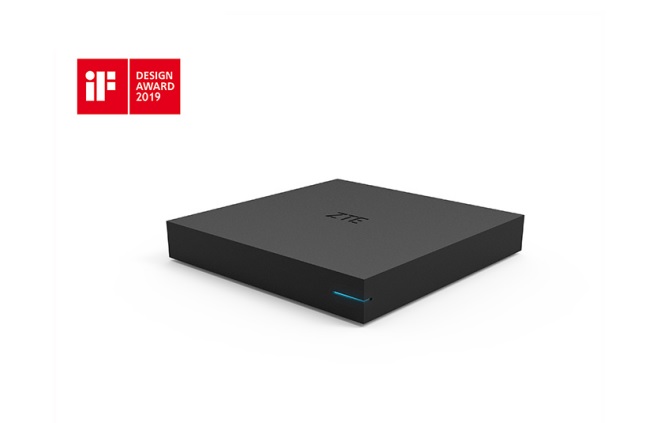
ZTE has announced a new streaming box powered by Android TV at the ongoing Mobile World Congress tech show. The device also supports Wi-Fi 6.
The ZTE ZXV10 B8655V6-H has a square design with sharp corners and an LED in front that lights up when the device is on. The addition of Wi-Fi 6 allows for faster speeds with low-latency and less interference.
The set top box also supports 4K UHD output and runs Android TV, however, details are limited, so we do not know what version it is. We also do not know if it will be updated to Google TV.
With respect to specs, ZTE says that the streaming box is powered by a quad core Cortex-A55 processor. There is no info on the RAM and storage available. However, the device supports AV1 codec.
There is no info yet on the price and availability but we can expect the device to be sold by companies offering IPTV and OTT services.
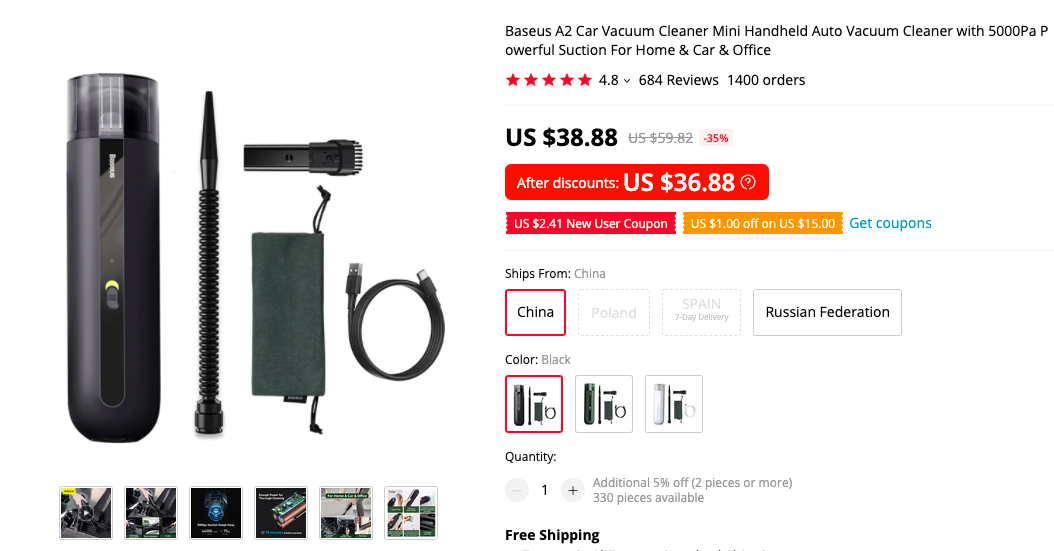
This portable and stylish vacuum cleaner is so small and lightweight that you can carry it around in your purse or keep it in your car’s cup holder. The vacuum cleaner comes with a 60ml large dust bin and an 18-minute battery duration with a single charge. This means enough power and storage for thorough cleaning of your car, desktop, work/study table, etc.
A Type-C charging port makes it easy to charge in almost every environment and an additional air hose with suction and blow function, helps to thoroughly clean the gaps and corners.
AliExpress is selling this 5000pa suction, wireless handheld vacuum cleaner for $36.88 only. Please note that this discount is applicable on all three color variants ordered from the China warehouse. So grab your vacuum cleaner asap.
For more information on such exciting deals and offers check out ourdeals hub.
* Please Note: When you buy something using the links in our articles, we may earn a small commission at no cost to you.
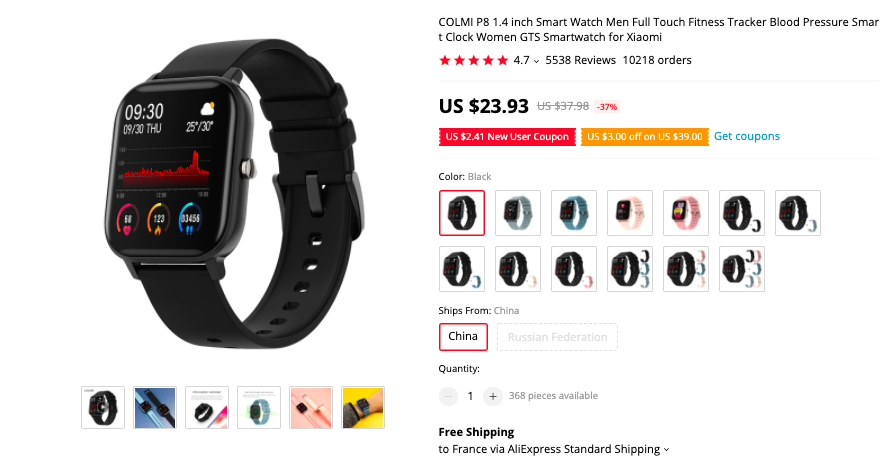
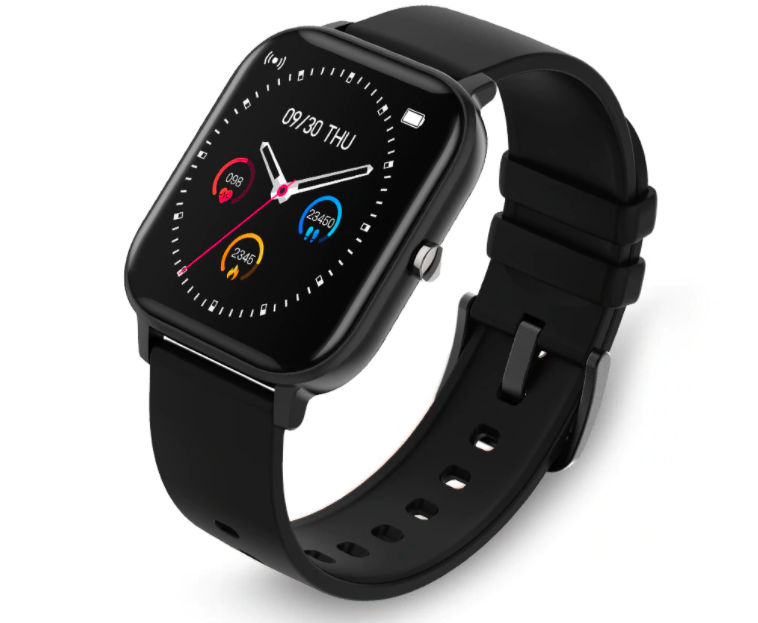
Generally retailing for $35, you can now buy COLMI P8 Smartwatch for $23.93 only at AliExpress. Please note that this offer is applicable to the Black color variant ordered from the China warehouse. This is a limited-stock deal, so place your order asap.
For more information on such exciting deals and offers check out ourdeals hub.
* Please Note: When you buy something using the links in our articles, we may earn a small commission at no cost to you.
The Tecno Phantom X has been leaked multiple times over the past couple of weeks. Recently, we saw its live images, and last week, the phone went on pre-orders. Now, the smartphone is all set to hit the market on the 1st of July. As there are only a few hours left for the official unveiling of its retail price, let’s have a look at what to expect from the upcoming device from Tecno.
The upcoming Tecno Phantom X’s entire specs sheet is available online. On the 24th of March, the handset was listed on the official Tecno website but now the listing has been shelved off. All of this takes us to what to expect from tomorrow’s unveiling event.
Tecno Phantom X – What to Expect?
The Phantom X will be a successor to the Tecno Phantom 9 that launched back in 2019. It is said to be a major upgrade over the predecessor. The device is expected to feature a 6.7-inch dual punch-hole display. It will be an IPS LCD panel with curved edges. The screen will sport a resolution of 1080 x 2340 pixels and a refresh rate of 90Hz.
As for the optics, the device is said to flaunt a 48MP + 8MP dual front camera setup for selfies. It will feature a vertical camera setup placed at the center. The rear setup will be led by a 50MP primary sensor with laser autofocus support, a 13MP telephoto sensor, and lastly an 8MP ultra-wide-angle lens.
Under the hood, the smartphone will draw power from the MediaTek Helio G95 SoC paired with 8GB of RAM and 256GB of onboard storage. It is said to have a microSD card slot for additional storage. It is expected to house a 4,700mAh battery with 33W fast charging support. The smartphone will run on Android 11 out of the box with HiOS on top of it.
The device will come equipped with a side-facing fingerprint scanner for added security. It is also expected to have Face unlock support.
Pricing, Colors, and Availability
Moving to the pricing, the Tecno Phantom X is rumored to cost Ksh. 49,999(~$464) in Kenya and N228,000(~$554) in Nigeria. The smartphone is expected to arrive in two color variants – Monet Summer and Starry Night. It will be tomorrow(July 1st) unveiled in an online launch event at 7 PM Kenya time and 5 PM Nigeria time.
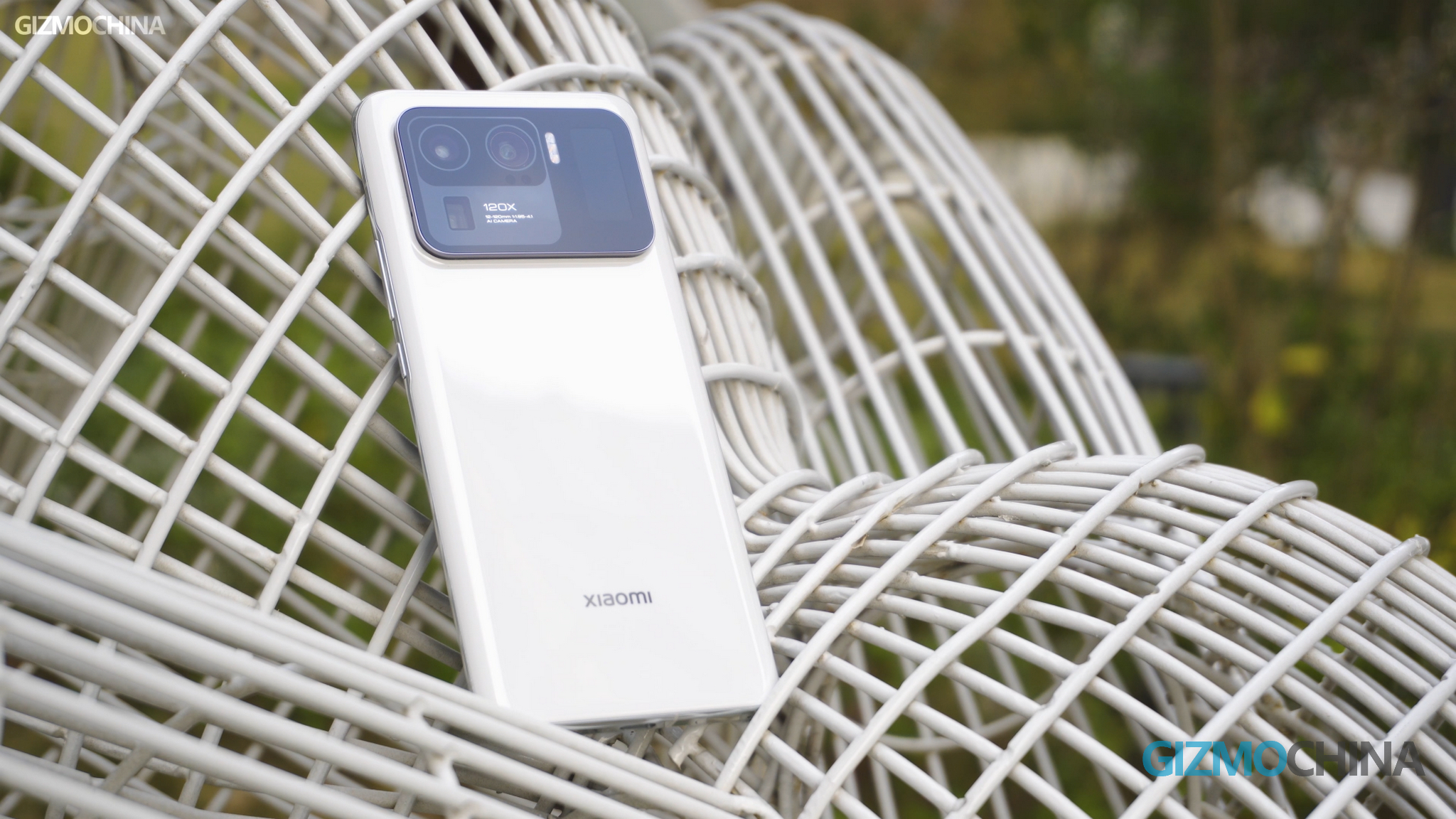
Xiaomi announced the Mi 11 Ultra in India in late April. The Mi 11X series was also unveiled alongside it. However, unlike the latter phones, the former is yet to go on sale in the country. Earlier this month, the company officially issued a statement regarding the delay of Mi 11 Ultra sales in India. Now, weeks later, reports say that the device will finally hit the stores in the coming days.
A report by India Today Tech says that Xiaomi will start selling the Mi 11 Ultra in India as soon as early July. According to the publication, Mi Home retail stores have started taking registrations for customers willing to buy the Mi 11 Ultra. The firm may also announce special offers to compensate for the delay in sales.
In order to register, customers will have to simply call their nearby Mi Home retail store. The store will contact them later when the phone goes on sale.
Further, as per @heyitsyogesh, Mi 11 Ultra stock movement has begun and it should reach Mi Home stores by the end of this week. Additionally, Xiaomi has also begun to tease the start of sales on social media.
We expect the company to officially announce the sale date in the coming days. For those unaware, the Xiaomi Mi 11 Ultra is priced at ₹69,999 in India for a sole 12GB + 256GB variant.
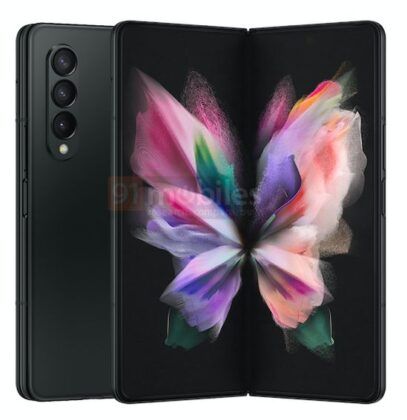
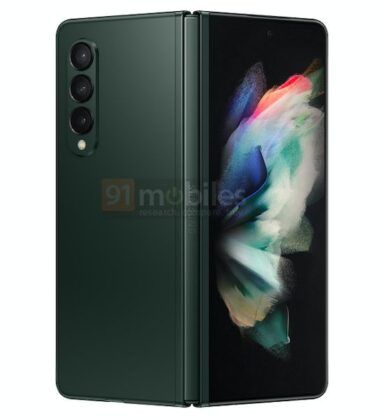
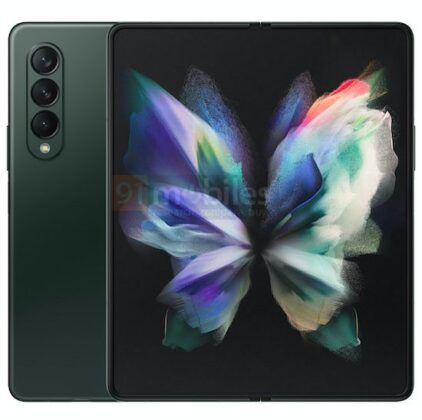
Samsung has two foldable devices planned for release this year and they are the Galaxy Z Fold 3 and the Galaxy Z Flip 3. Both devices should be announced in August but we don’t have to wait until then to know what they look like. Renders of the Fold 3 have now been posted online, giving us an early look at what Samsung has in store for us at its next Galaxy Unpacked event.
The Galaxy Z Fold 3 will keep the inward folding design of its predecessor, the Galaxy Z Fold 2; so you get an external display and a larger one inside that is foldable. A few days ago, the Chinese leaker, Ice Universe, revealed that the outer display measures 6.23-inches and has a resolution of 2268 x 832 while the inner display is 7.56-inches with a 2208 x 1768 resolution.
Both screens are AMOLED and the inner one has a 120Hz refresh rate. The cover display has a centered punch hole while the inner display has an under-display camera.
1 of 9
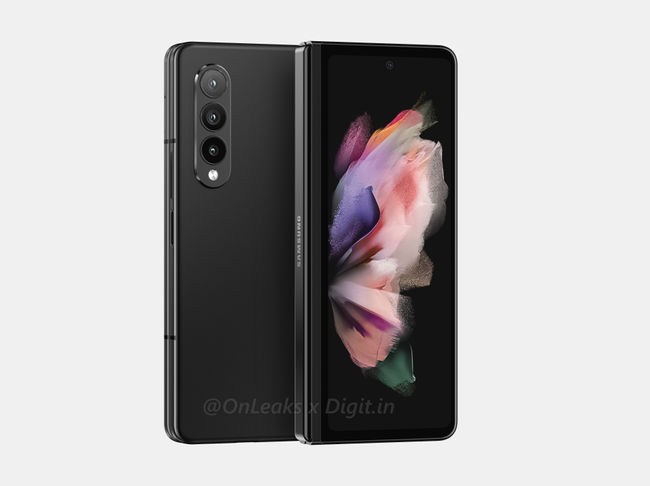
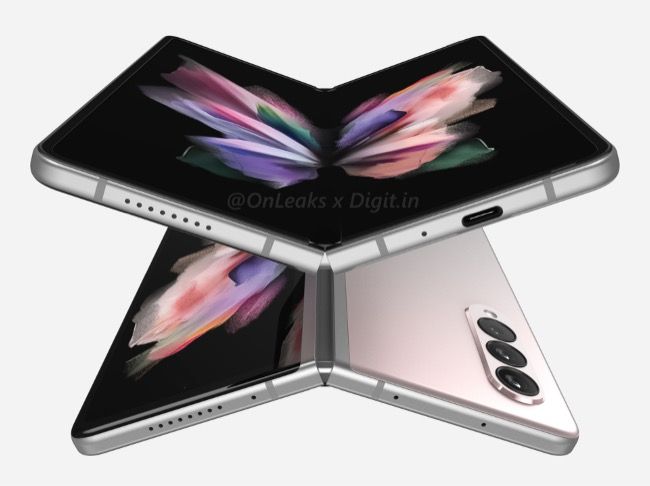
While the overall form factor is unchanged as seen in the renders courtesy of 91Mobiles and Digit India in collaboration with OnLeaks, there are still notable differences.
The frame around the Galaxy Z Fold 3 is now flat, though it tapers at the edges. There are still antenna lines visible at the top and bottom and the position of the USB-C port and speaker grille remain unchanged. However, while the holes for the speaker grille are the same number, they are much smaller and spaced apart.
1 of 4
Galaxy Z Fold 3
Galaxy Z Fold 3 Green
The biggest change with respect to the design is the rear camera housing. Gone is the rectangular island style and in its place is a smaller pill-shaped one. You still get three cameras but the LED flash is now under the third sensor.
Samsung is sticking to a side-mounted fingerprint scanner for the Galaxy Fold 3. It has added support for the S Pen which will most likely be an optional purchase and not bundled with the device.
Unlike the Galaxy Z Fold 2 that comes in Bronze and Back, the Fold 3 will be available in Black, Green, and Gradient Pink/Silver colorways.
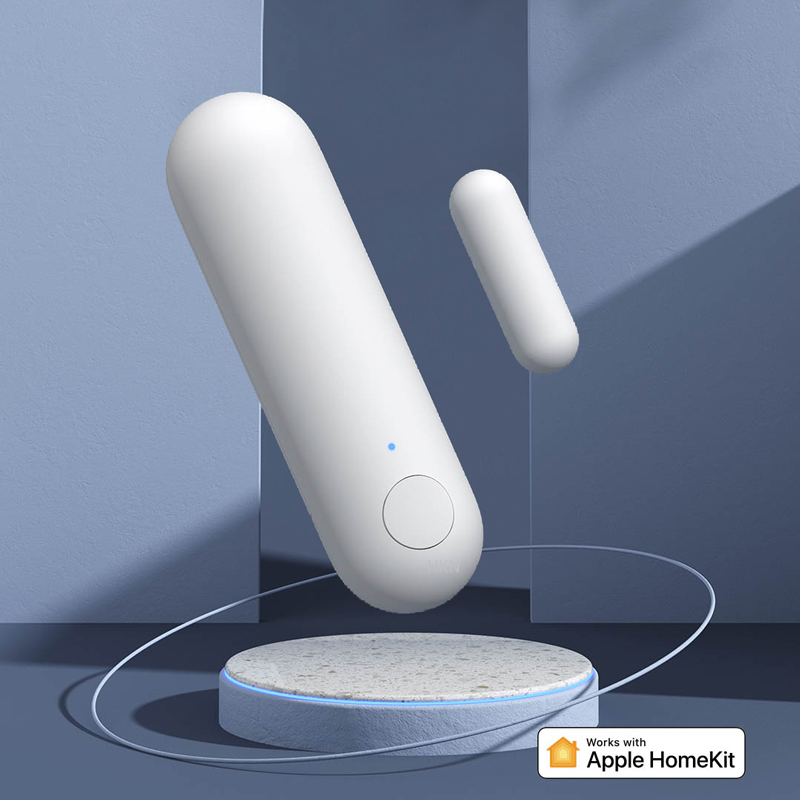
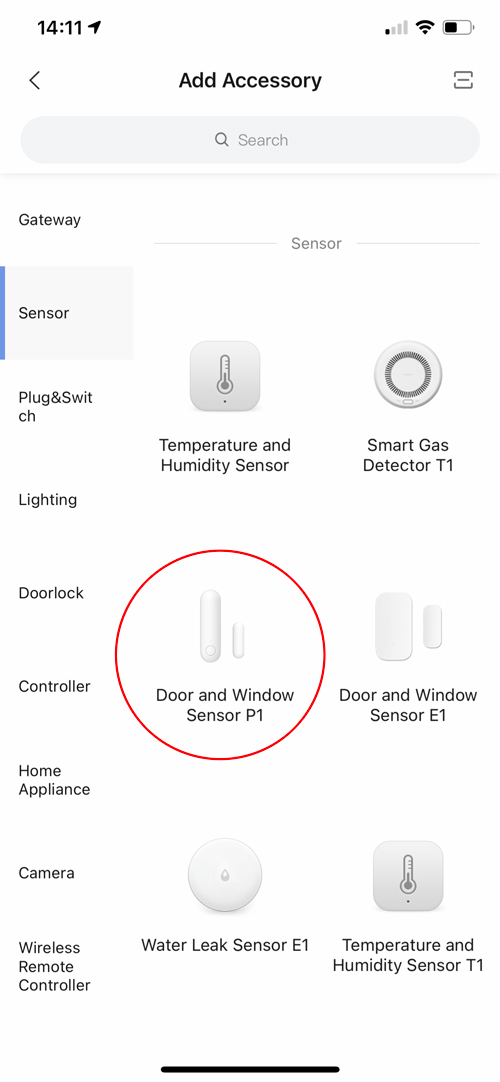
Chinese Smart Home gadget manufacturer Lumi Technology has launched yet another Aqara-branded product under a new P series. The product is dubbed Aqara P1 Door and Window sensor.
The P1 Door and Window sensor adopts an entirely new design and is powered by a CR123A battery (half AA battery) which the company claims to last up to five years. The gadget is shaped like a tube which makes it easy to accommodate the finger battery.
The distance between the sensor and the magnet can be adjusted between 10mm, 20mm, and 30mm from the Aqara app. Aqara also included a tamper-proof security feature whereby the user gets a push notification if there is an attempt to move the sensor from its location.
Finally, the P1 is compatible with Apple HomeKit and uses Zigbee 3.0 protocol. The product is compatible with all the current Zigbee 3.0 hubs including the G2H. It can be linked with other smart devices to set up smart scenes such as opening the door to automatically turn on the light, opening the window to ventilate the room.
Apart from doors and windows, the P1 smart sensor can also be installed on the pet fence. After linking with a camera, when the pet runs out of the fence, the camera will automatically record the scene and send it to the owner’s mobile phone.
The Aqara P1 Door and Window Sensor is presently listed on the brand’s website in China and carries a price tag of RMB169 (~$26). There is no indication of when the smart sensor will be released outside China.
The Redmi Note 7 Pro was the first Redmi Note series to launch after Redmi became an independent brand. It is also the brand’s first-ever 48MP camera smartphone. The popular device has now started receiving the MIUI 12.5 update.
Redmi Note 7 Pro
MIUI 12.5 is the latest version of Xiaomi’s mobile operating system. It is a minor upgrade for devices already running MIUI 12. The company has been rolling out this update for eligible phones for the past few months.
The latest smartphone to receive the MIUI 12.5 update is the famous Redmi Note 7 Pro. The update is currently live in China with build number V12.5.1.0.QFHCNXM. The software build is rolling out in batches and should receive all users in the coming days
Apart from China, the Redmi Note 7 Pro only launched in India. The Indian version is yet to get this update. However, it should be also updated very soon.
Unfortunately, the MIUI 12.5 update still does not bring Android 11. Usually, the Redmi Note series get two Android updates. Hence, it is sad to learn that the Redmi Note 7 Pro may not get this privilege.
The Redmi Note 7 Pro debuted with MIUI 10 based on Android 9.0 Pie. So far, the handset has received a single Android update (Android 10) and two MIUI updates (MIUI 11, MIUI 12). As per a reliable tipster, it could be updated to MIUI 13 in the future.
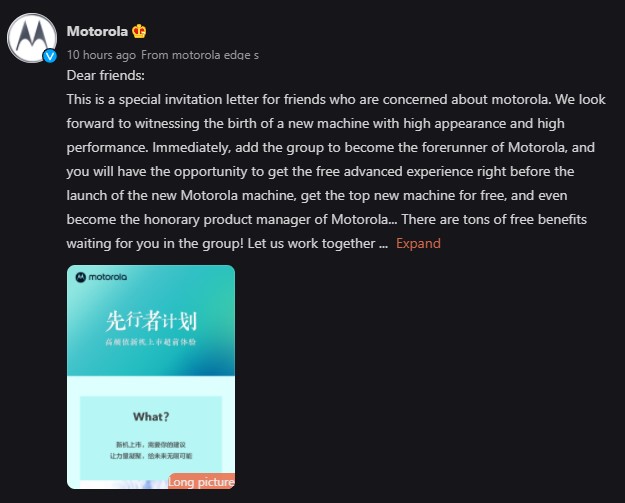
Motorola China is borrowing a leaf from OnePlus‘ The Lab program. The manufacturer has announced today a device testing program for its upcoming flagship phone.
According to the Motorola Weibo account, those who are chosen will get the opportunity to experience the device before its launch. They will also receive a fee unit, and become honorary product managers for the product. Those who are selected will provide feedback on the device and ways that it can be improved.
Motorola says those who can participate include Motorola fans, photographers, students, teachers, work professionals, and audiophiles. The registration begins today and it will begin shipping the device to those selected starting on July 29.
Based on the time frame above, we can expect the phone itself to be announced in August. While there is no mention of the device’s name, it is most likely Motorola’s Snapdragon 888 Plus-powered phone. Motorola is one of the few manufacturers Qualcomm mentioned that will launch a phone powered by the new chipset.
There is no info on the device testing program launching in other markets.
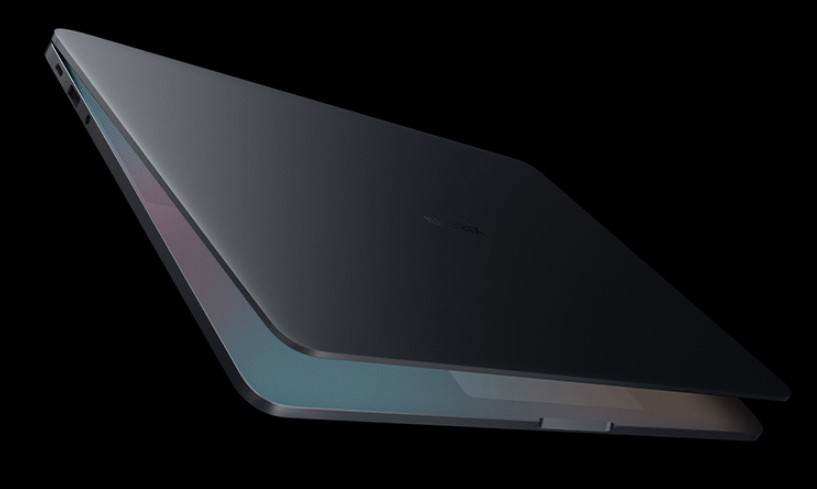
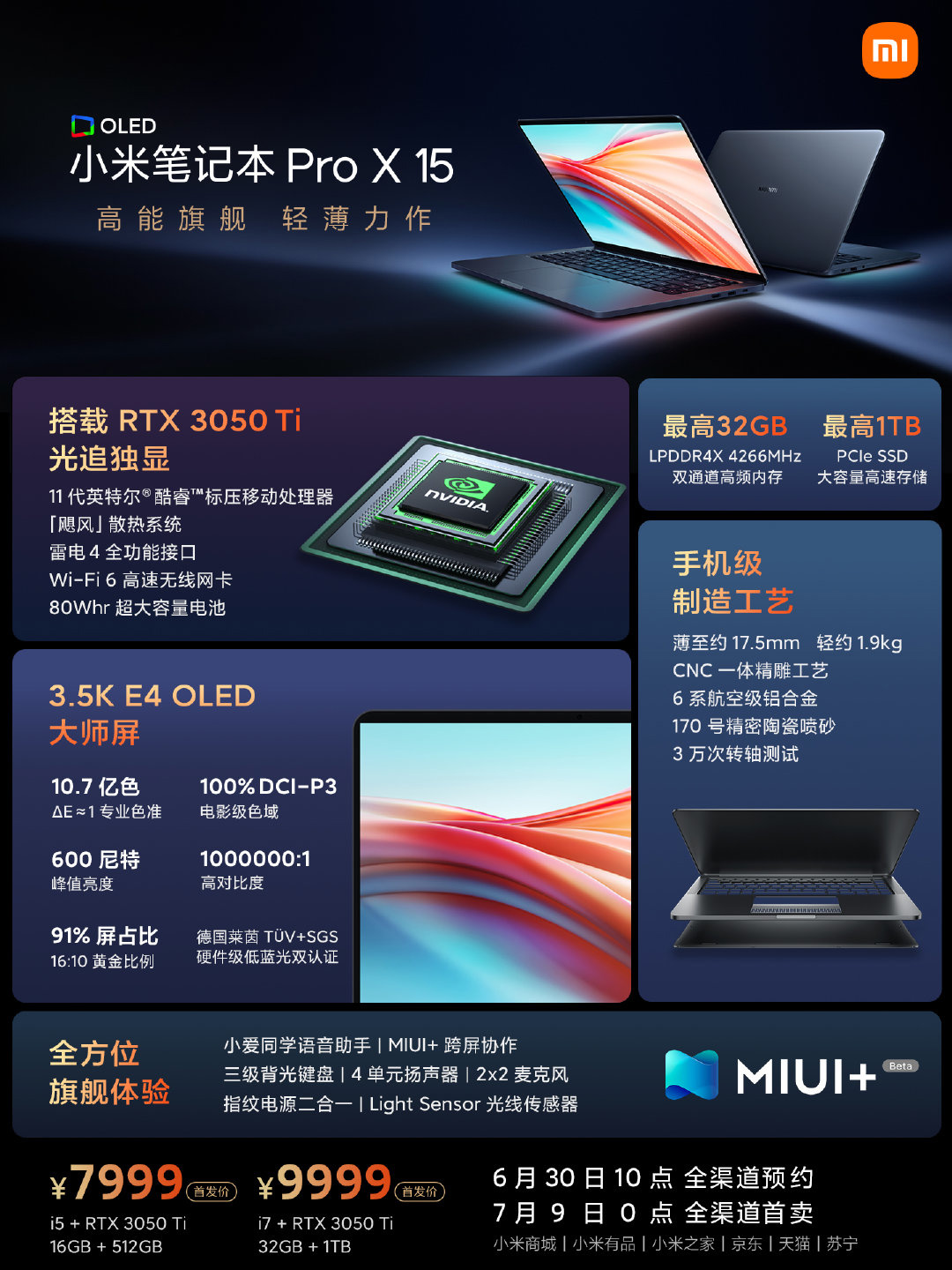
After teasing it for several days, Xiaomi has now officially launched its latest laptop device in the market — Xiaomi Mi Notebook Pro X 15 OLED. The device has a starting price of 7,999 yuan and is now up for pre-orders in China.
As the name itself indicates, the device features a 15.6-inch 3.5K E4 OLED full-screen display with narrow bezels and a 91 percent screen-to-body ratio. It is claimed to offer close to 0 nits of pure black screen, 1ms fast response rate, 1000000:1 high contrast ratio, 600 nits peak brightness, and 261ppi pixel density. It supports full DCI-P3 color gamut coverage and offers Gorilla Glass protection.
The company adds that the product has passed the DisplayHDR 500 True Black high-standard certification and has also passed the TUV Rheinland hardware-level low blue light certification and SGS low blue light certification.
The Mi Notebook Pro X 15 is powered by the 11th generation Intel Core i5-11300H/i7-11370H processor, which is manufactured using the 10nm SuperFin node with a maximum core frequency of 4.8GHz. It comes packed with Nvidia GeForce RTX 3050 Ti optical tracking graphics card and supports PCIe 4.0, uses a dual-fan dual-outlet design, and an all-copper radiator. It also supports LPDDR4x4266MHz high-frequency dual-channel memory and PCIe NVMe high-speed storage.
As for the interface, there’s a Thunderbolt 4 port, USB-C port, USB-A3.2 Gen2, HDMI 2.1, 3.5mm headphone jack. In terms of connectivity, the device supports Wi-Fi 6 and has a fingerprint sensor embedded in the power button. The device offers a 130W power adapter that charges the laptop up to 50 percent in 25 minutes.
Coming to the build, the device adopts CNC integrated precision carving process and is made of 6 series aerospace-grade aluminum alloy, ceramic sandblasting, and has passed 30,000 rotation shaft tests.
As for the pricing, the price for the base variant with Intel Core i5, RTX 3050 Ti, 16GB RAM, 512GB SSD is priced at 7,999 yuan (~$1,239). The other variant with Core i7, RTX 3050 Ti, 32GB RAM, and 1TB SSD is priced at 9,999 yuan (~$1,548). The devices are now up for pre-orders and will go on sale from 9th July.
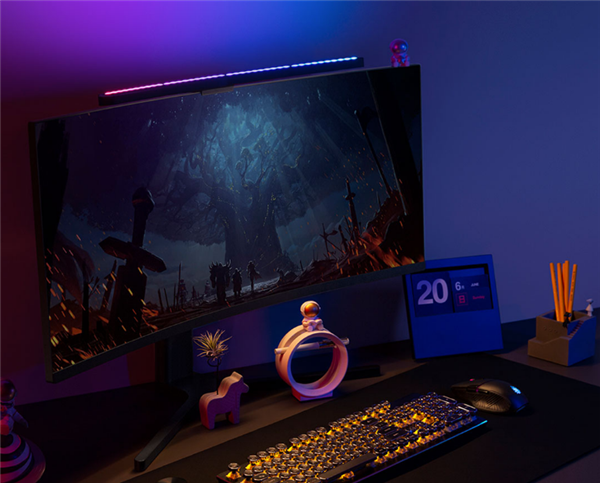
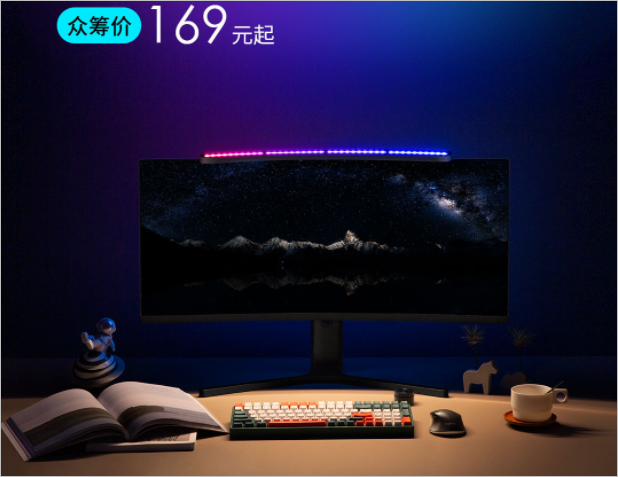
Curved display monitors are becoming a thing these days. Some users may also want to have a curved hanging lamp that can fit the display. Xiaomi has just launched the LYMAX Cured Screen Hanging Lamp under crowdfunding on the Youpin platform.
The LYMAX Curved Screen Hanging Lamp comes in two styles, a basic version, and a Pro model. Pricing starts at 169 yuan ($26) for the basic version while the Pro model is priced at 299 yuan ($46).
The hanging lamp uses 100 Ra97 full-spectrum LED lamp beads which display the true color, do not flicker, and thus, protect the eyes from fatigue. The device uses an asymmetrical surround projection, whereby the light hits the desktop along with the screen. It does not illuminate the screen and does not reflect light.
Further, the lamp adopts R1000 curvature and has a 550mm lengthened lamp body design which is suitable for displays with different curvatures and thicknesses on the market. The hanging lamp has a built-in ARM processor and comes with AGC automatic gain control, which can pick up ambient sound and recognize sound wave signals. The top 40 RGB lamp chips are driven by the built-in algorithm to synchronize the ambient light with the rhythm of the audio.
In addition, the Pro version is equipped with a 45mm mini remote control. The metal knob on the top of the remote control is wirelessly connected to the lamp body via 2.4GHz WiFi. The color temperature and brightness can be adjusted at will. The remote also has a built-in 3V CR2450 button lithium battery having a shelf life of more than 1 year.
The top of the basic lamp version adopts three-key touch dimming while the Pro version lamp tube and bracket are made of alloy. The entire lamp weighs more than 500g with a sleek design.
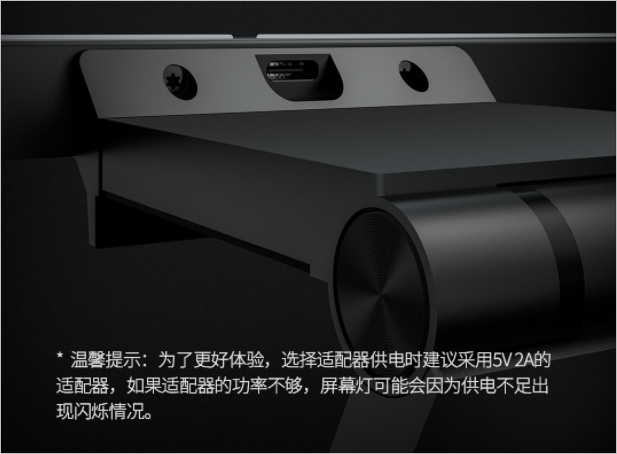
The lamp uses a USB-C interface and can be powered by connecting to a computer or an adapter with the equipped data cable.
MIUI is the official mobile operating system of Xiaomi based on Android. The company is known for releasing weekly beta builds with bug fixes, improvements, as well as new features. The latest release of the software adds a new feature, which currently seems to be still under testing.
Redmi Note 10 Pro 5G
According to popular MIUI tipster @kacskrz (Kacper Skrzypek), the newly released MIUI Beta 21.6.28 build brings along a new toggle called ‘Performance Mode’ under battery settings. As per him, this feature is only available on select smartphones.
He enabled this toggle on his unnamed Xiaomi phone via a required special prop. However, the feature doesn’t seem to work for him as he tried it on the MIUI EU port of the MIUI Beta 21.6.28 sfotware build.
Anyway, if you are running the said MIUI Beta build on your smartphone, then do let us know if you see this feature on your device. If yes, also tell us if it works for you.
It’s not known when the new ‘Performance Mode’ will make its way to stable channel. Even if it does, we expect it go live in China first, followed by other regions.
Recently, Xiaomi established ‘MIUI Pioneer Group’ to improve MIUI based on feedback from users. The newly added feature is as a result of this initiative, as per Jin Fan, the general manager of MIUI experience.
A bunch of new leaks from known Weibo bloggers, a Chinese microblogging website, has revealed certain details regarding the upcoming Xiaomi Mi MIX 4 and Honor Magic 3, which will apparently be launching sometime in August 2021.
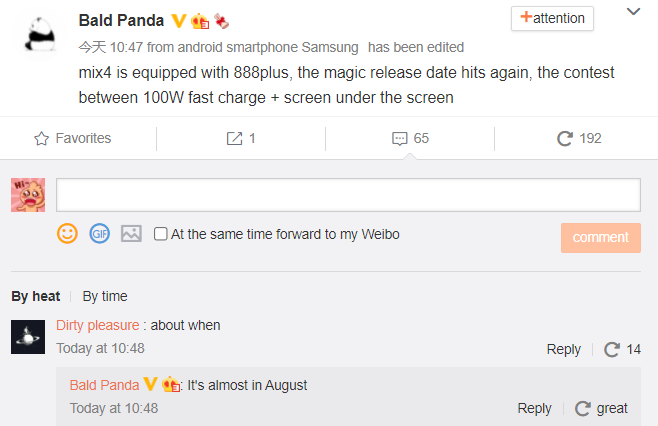
With Qualcomm recently announcing its latest top end chip, the Snapdragon 888+, various smartphone makers revealed that they would be launching new handsets that feature the flagship processor. This will apparently include the Mi MIX 4, which will reportedly arrive with the new chipset along with an AMOLED display that supports high refresh rate. As per a Weibo tipster @禿然熊猫, the Mi MIX 4 will support over 100W fast charging and will also sport an under display camera on the front.
This chip will also be found in the Honor Magic 3 as well. The tipster further added that the Honor Magic 3 will arrive with an under display camera solution from BOE, while the Mi MIX 4 will feature an AMOLED under display camera screen from China’s Optoelectronics. This will also be a hyperboloid display that has a size of around 6.67 inch and would reportedly support high refresh rates as well. Furthermore, another tipster @数码闲聊站 also stated that the display would most likely feature an FHD+ resolution and will have a screen to body ratio similar to the Mi 11.
Concept render of the Mi MIX 4
At the moment, finer details regarding both devices are currently unknown. However, some of these leaks are in line with a few of our previous reports. Earlier, we had covered that the Mi MIX 4 will support 120W fast charging on its 5000mAh battery pack and will feature an under display camera on the front. The device was also hinted to launch in August along with the MIUI 13.
Recently, the WeChat account, a Chinese social media platform, of HiSilicon Recruitment shared the news that the Huawei chip unit will be starting a new wave of recruitment that will start next year.
As per the announcement, the Chinese tech giant’s chip designing unit will be recruiting students that have graduated from domestic colleges ad universities in China. This recruitment period is between the 1st of January 2022 till the end of the year, which is December 31st. The hiring would be aimed at both bachelors and masters students that are of Chinese nationality. Furthermore, this recruitment drive will be for various parts of its operations.
This includes chipsets, hardware, research, software, testing, and systems. HiSilicon also announced that the jobs will be situated in multiple locations in China including Beijing, Shanghai, Shenzhen, Dongguan, Wuhan, Xi’an, Chengdu, Hangzhou, Nanjing, and Suzhou. Previously, we had reported on Huawei HiSilicon building a new chip factory in Wuhan to offset the US sanctions the company faced.
Furthermore, the brand also announced that it would retain its workforce in its chip unit, HiSilicon, and would even push for advanced semiconductor technology as well. In other words, this recruitment plan might be a part of its future plans to become self sufficient, especially in regards to its supply chain, while also seeking to bring in local talents as well. Unfortunately, this is all the information we have at the moment, so stay tuned for more updates as we will be providing updates when additional information is available regarding this matter.
In recent years, the US has fallen behind Europe in China for the production of electric vehicles. And now, a new report has revealed that the gap has widened even further between the US and these regions.
According to a CNBCreport, the news arrives from a new study from International Council on Clean Transportation (ICCT), which found that the gap jas widened from 2017 to 2020. The study found that the number of electric passenger vehicles made between 2010 and 2020 was over 10 million units. Furthermore, US based automakers had produced about 20 percent of the global stock at the end of 2017. Although in 2020, this figure fell to 18 percent of the total electric vehicles produced since 2010.
On the other hand, the production share of Europe and China rose during this period. The council also added that one of the primary factors that led to the difference was difference in government policies that promoted EVs in the automobile market. Nic Lutsey, program director at ICCT added that “Electric vehicle manufacturing growth happens where there are strong national policies designed to spur the market forward. Hundreds of billions of dollars are on the table, and the United States hasn’t even bothered to pull up a chair.”
During the same 10 year period, China was the largest EV producer in the world and accounted for a sizeable 44 percent of all electric vehicles that were manufactured. This marked 4.6 million units for both production and sales. Meanwhile, Europe was responsible for the production of about 25 percent of the total EVs, by producing 2.6 million units and selling 3.2 million units. Stronger sales overseas even saw American EV maker Tesla set up shop in foreign nations like China.
The popular smartphone brand, Xiaomi, has just announced their latest partnership, which is called ‘Active with Cult by Mi.’ This collaboration is with Cult.fit for the promotion of health and fitness in India.
In recent times, people have become more conscious regarding their health and well being, and now, Mi India aims to help people in India as well under its ‘Watchful living.’ The new partnership will focus on “taking small conscious decisions to enrich and enhance one’s wholesome mental and physical health, especially in the current times.” Through ‘Active with Cult,’ the Chinese tech giant aims to help users stay fit by making small tweaks in their lifestyles through, exercise, food, mindset, and also introduce a fitness regime as well.
Apart from just physical well being, the company’s collaboration also aims to focus on mental health, body positivity, and home workouts as well. The partnership would be in the form of a Fitness series powered by Cult, which would also feature, Simran Nazare- Dance Fitness expert, Naveen Sharma- Yoga expert, Suvini Mehra- Strength expert, and many more. It will also have ‘Ask me Anything’ (AMA) Live sessions with personalities such as Shwetambari Shetty and others as well.
In other words, the smartphone maker is working to encourage a healthy way of living while also adding value to consumers’ lives through the introduction of technology and products that offer fitness challenges and more. Notably, the move also arrives after the launch of the company’s Mi Watch Revolve Active in India, which arrived under the Watchful Living banner.
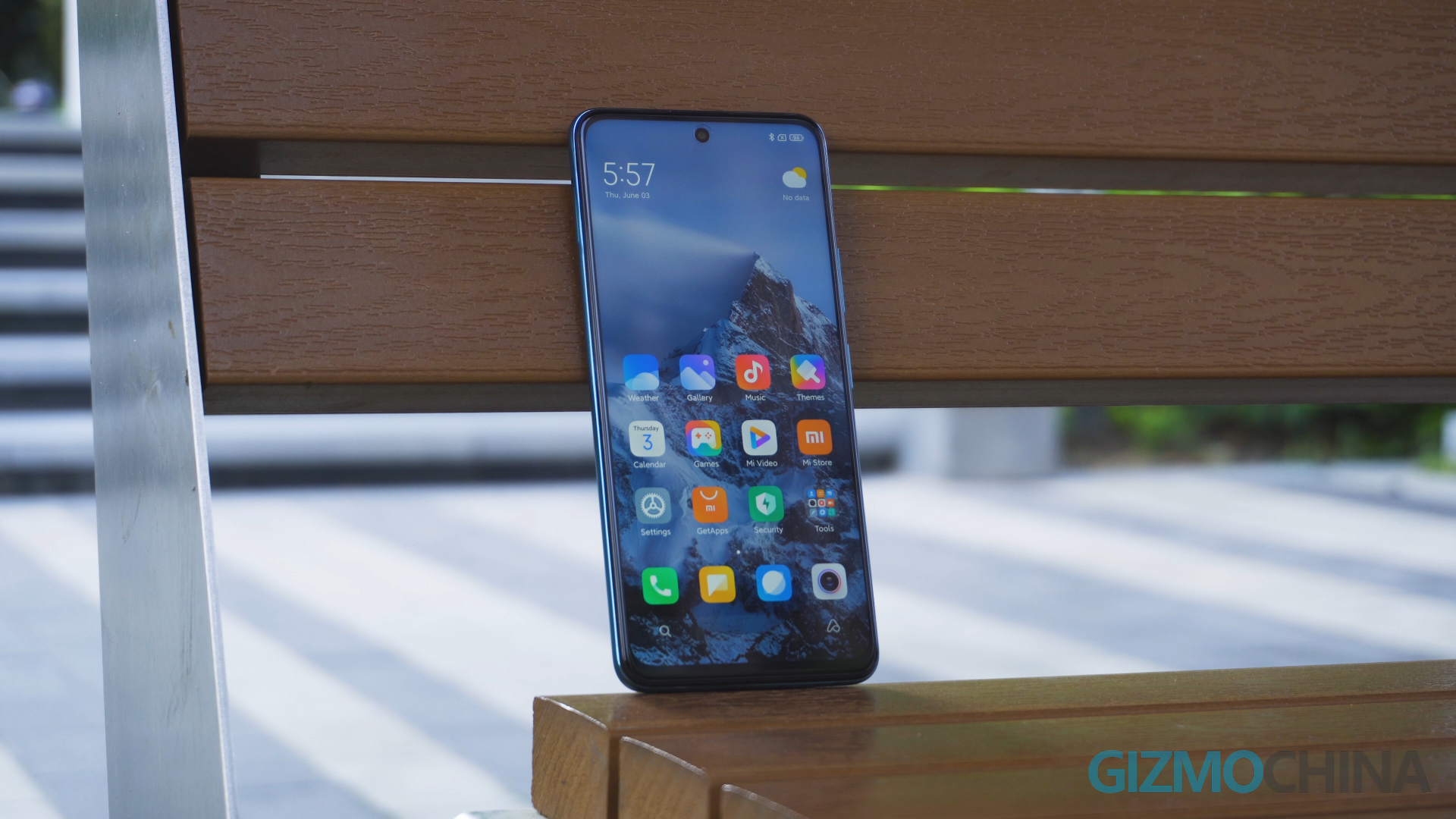
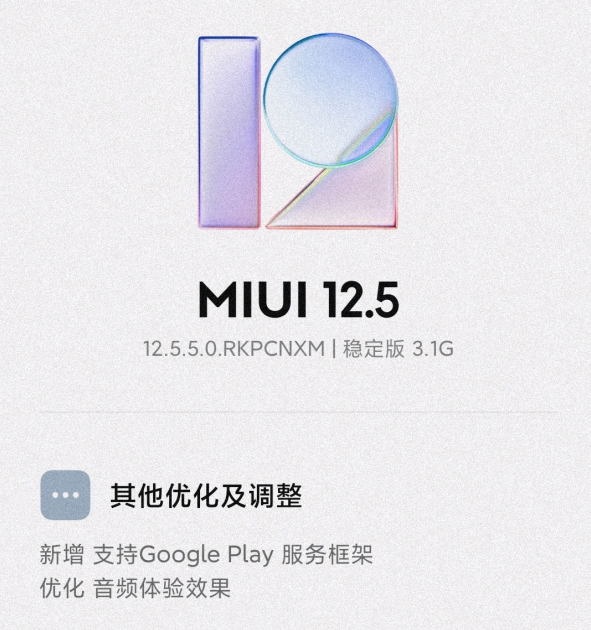
Earlier this week, the Chinese version of the Redmi Note 10 Pro received the MIUI 12.5.5 update. This update had the version number 12.5.5.0.RKPCNXM, which brought support for the GMS (Google Mobile Services) and the Play Store as well.
According to an ITHomereport, the new update had a total download size of 3.1GB. Furthermore, the official description showcased that the new update brought support for the Play Store framework and even arrives with optimization for the audio experience of the Redmi Note 10 Pro China Version. Another notable feature of this update is the arrival of the virtual memory expansion technology, which increased the RAM of the device by 2GB.
For those unaware, a number of Chinese smartphone makers have been releasing their own iteration of the memory expansion technology in recent times. This feature allows the device to temporarily convert a small part of its internal storage (ROM) into virtual random access memory (RAM). So, this would have the 8GB RAM variant have its memory expanded to 10GB while the 6GB RAM version would be boosted to 8GB of RAM.
Earlier this month, we did publish a full review of the Redmi Note 10 Pro on our official YouTube channel. Although, the device did not feature this update back then. But now, the company has finally brought the support for GMS and the Google Play Store, which would offer users more options for applications and more. For those interested, the Redmi Note 10 Pro 5G China version is currently available on Giztop for a price of 269 US Dollars.
Realme has today confirmed that the 12GB RAM with 128GB storage version of the Realme Q3 Pro Carnival Edition will be available for purchase in the country on 1st July. However, this variant will be available only through offline channels.
The smartphone was officially announced by the company on 25th May this year. It features a 6.43-inch AMOLED display with a hole at the top left corner of the screen for housing a 16-megapixel camera sensor.
On the backside, there’s a 64-megapixel primary camera sensor along with an 8-megapixel ultra-wide angle camera and a 2-megapixel macro camera. Other features on the device include stereo speakers, an audio jack, and an in-display fingerprint scanner.
Under the hood, the device is powered by Qualcomm Snapdragon 768G SoC. The phone runs the Android 11 operating system out-of-the-box and is running the Realme UI custom user interface on top. It comes powered by a 4,500mAh battery which supports 50W fast charging technology.
Realme is also offering an impressive 7GB virtual expansion in memory in a smartphone. In other words, this model would effectively have a combined 19GB of RAM, although, this version is exclusively available only through offline channels.
As noted, this top-end variant of Realme Q3 Pro Carnival Edition with 12GB RAM and 128GB internal storage will go on sale in China tomorrow and there’s another variant as well, packing 8GB RAM and 128GB internal storage, which costs 1,799 yuan which is around $281. The smartphone comes in two color options — Blue and Black.
We use cookies on our website to give you the most relevant experience by remembering your preferences and repeat visits. By clicking “Accept”, you consent to the use of ALL the cookies.
This website uses cookies to improve your experience while you navigate through the website. Out of these, the cookies that are categorized as necessary are stored on your browser as they are essential for the working of basic functionalities of the website. We also use third-party cookies that help us analyze and understand how you use this website. These cookies will be stored in your browser only with your consent. You also have the option to opt-out of these cookies. But opting out of some of these cookies may affect your browsing experience.
Necessary cookies are absolutely essential for the website to function properly. This category only includes cookies that ensures basic functionalities and security features of the website. These cookies do not store any personal information.
Any cookies that may not be particularly necessary for the website to function and is used specifically to collect user personal data via analytics, ads, other embedded contents are termed as non-necessary cookies. It is mandatory to procure user consent prior to running these cookies on your website.