ZTE has an event scheduled for March 30 and it appears it is going to be a big one. So far, it has confirmed it will unveil its new android user interface called MyOS, announce the ZTE S30 Pro smartphone and the ZTE Watch GT smartwatch. Today, it has revealed that it will also announce a smart tag called the ZTE P3, a smart home camera, and two new routers. It also revealed a few details about each product.
ZTE P3 Smart Tag
Quite a number of manufacturers have jumped into the smart tag business. Samsung announced its own smart tags earlier this year alongside the Galaxy S21 series. OPPO is also working on its own smart tag but it is yet to launch.
On March 30, ZTE will announce its own which will launch as the ZTE P3. The attached image shows the smart tag has a square form factor with a gray/black finish. ZTE says it is light and portable and has an ultra-long standby time. It also uses a multi-mode high-precision positioning system for the real-time location of pets and kids. More details should be revealed at the launch event.
ZTE K3 Smart Home Camera
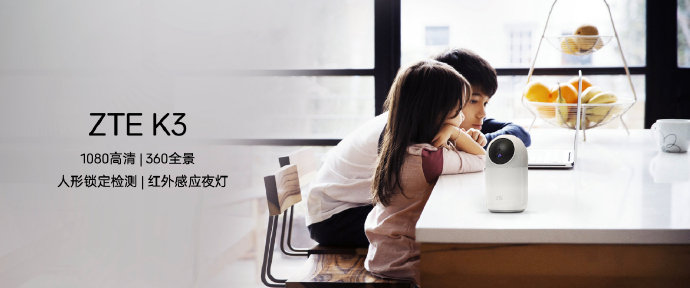
The ZTE K3 is a smart home camera that will also be unveiled on that day. The camera supports 1080p recording, has a 360° panoramic view, human detection, and infrared night vision. The camera has a white cylindrical shape with a dome at the top that houses the camera sensor.
ZTE AX3000 Wi-Fi 6 Router
The ZTE AX3000 Wi-Fi 6 router is one of two routers that will be announced on March 30. the router has four high-gain antennas that ZTE claims can help it cover a range of 130,000 square meters, the equivalent of 18 standard football fields. It also uses zLink Boost technology which allows a user to combine two network providers simultaneously for faster speeds.
ZTE AX5400 Wi-Fi 6 Router
The ZTE AX5400 Wi-Fi 6 Router is a more advanced router with support for simultaneous use of 5G and broadband for dual-gigabit connections. It also has NFC for one-touch connection.
Lenovo has announced a new monitor called ThinkVision T24t. This monitor is targeted at students who are continuing their education from home due to the pandemic. Let us take a look at the entire specs, features, price, and availability of the said monitor.
Lenovo ThinkVision T24t Specifications and Features
The Lenovo ThinkVision T24T flaunts a 23.8-inch IPS LCD panel with a resolution of 1920 x 1080 pixels (FHD), 60Hz refresh rate, and 16:9 aspect ratio. The main highlight of this monitor is support for 10-point multi-touch. Hence, students can interact with the screen easily.
Other features of this display include a 178° viewing angle, 75 PPI, up to 4ms response time, 300 nits peak brightness, 1000:1 contrast ratio, 3M:1 dynamic contrast ratio, 99% sRGB color gamut, 6.7 million colors, and anti-glare coating.
On the connectivity front, the new Lenovo monitor features the following ports.
1 x HDMI 1.4
1 x DP 1.2
1 x USB 3.2 Gen 1 (DP 1.2 Alt Mode)
4 x USB 3.2 Gen 1 (1 x BC 1.2)
1 x Audio Out (3.5mm Jack)
Last but not least, this monitor comes with tilt support, VESA mount compatibility, Kensington lock slot, cable management, and a number of certifications like TÜV Rheinland Eye Comfort, TÜV Rheinland Low Blue Light, and Eysesafe Display to name a few.
Lenovo ThinkVision T24t Price and Availability
The Lenovo ThinkVision T24t monitor is priced at $459. It will be available for purchase in Q2 2021. The company did not reveal in which markets it will be sold.
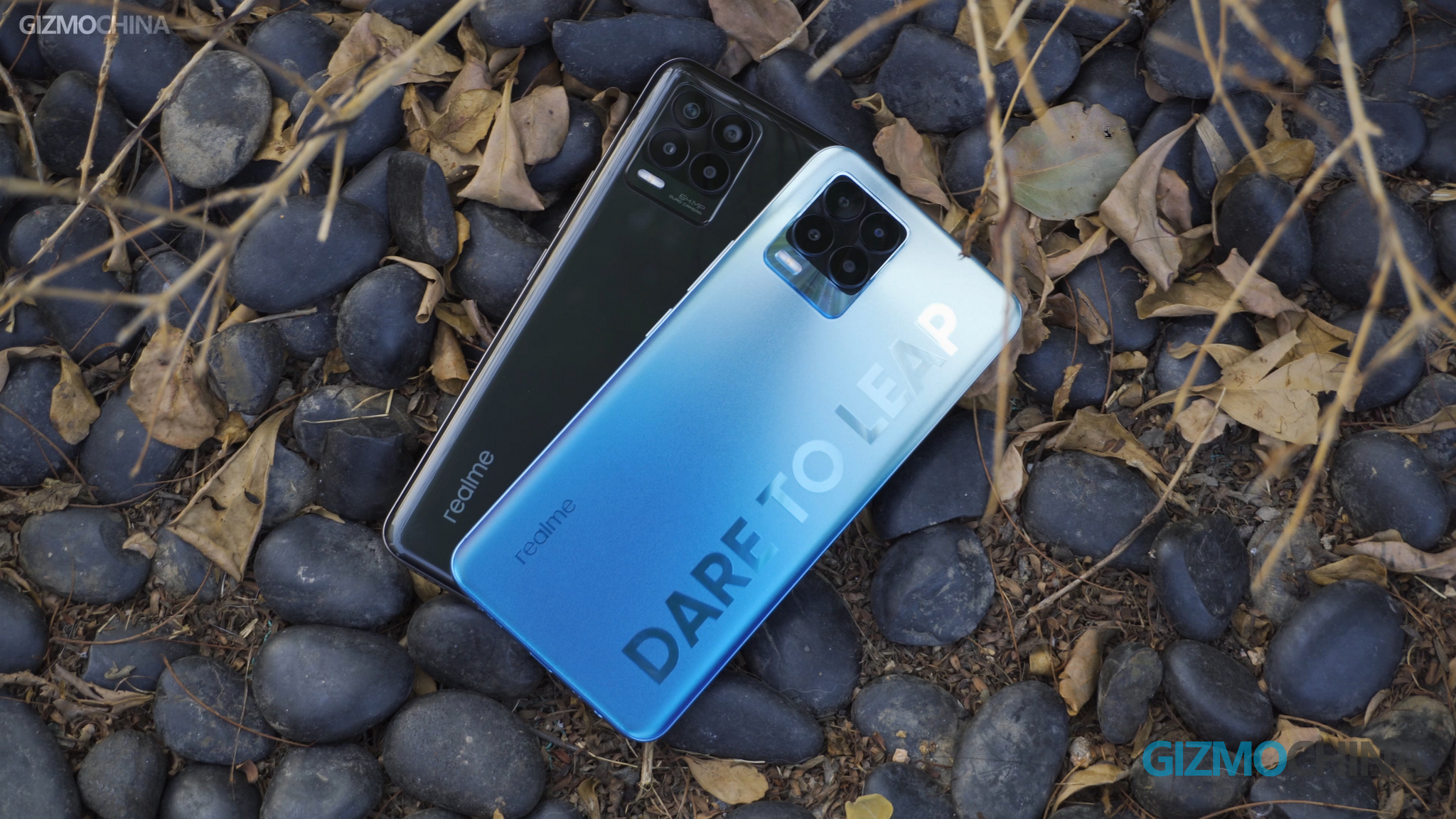
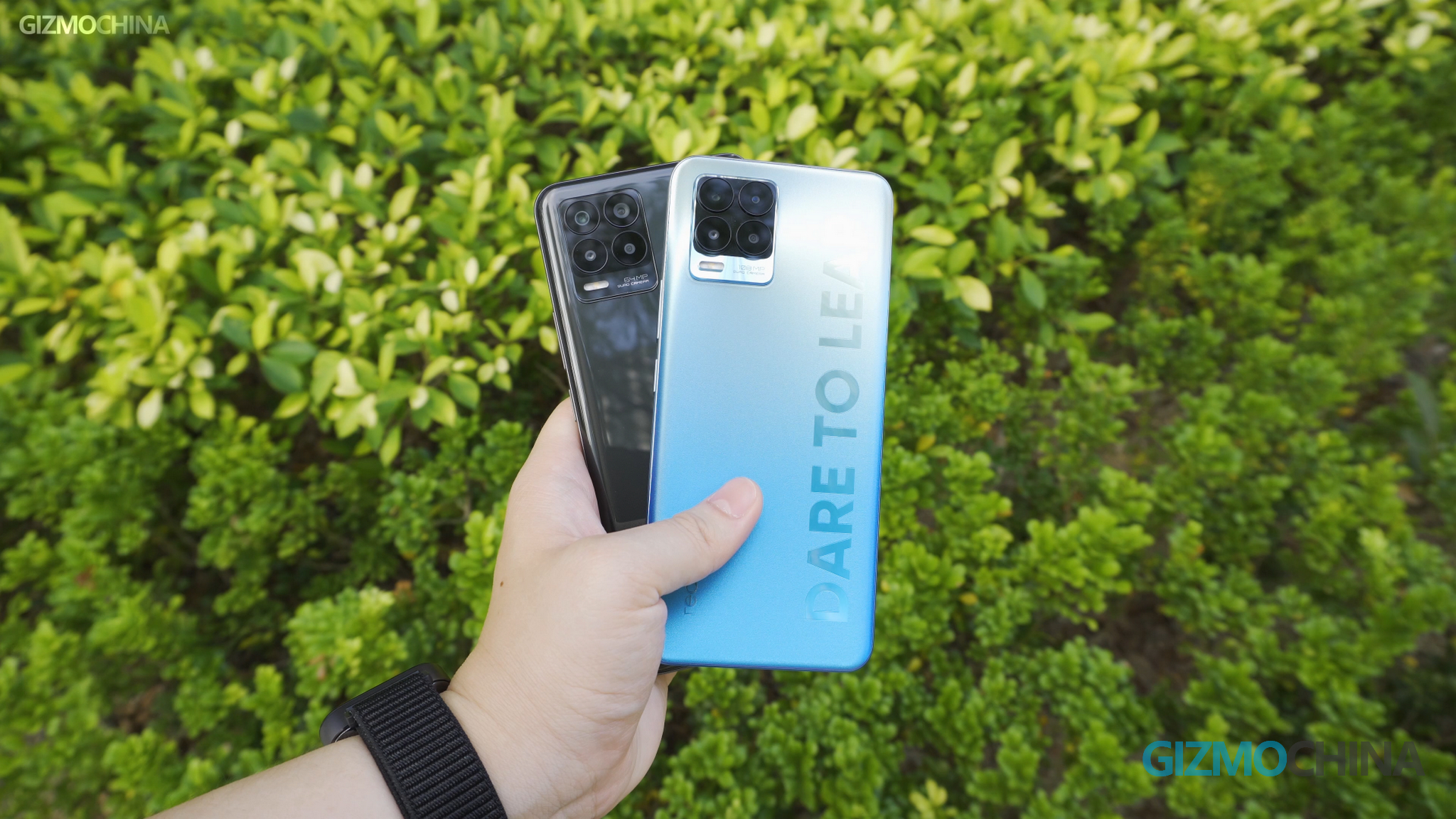
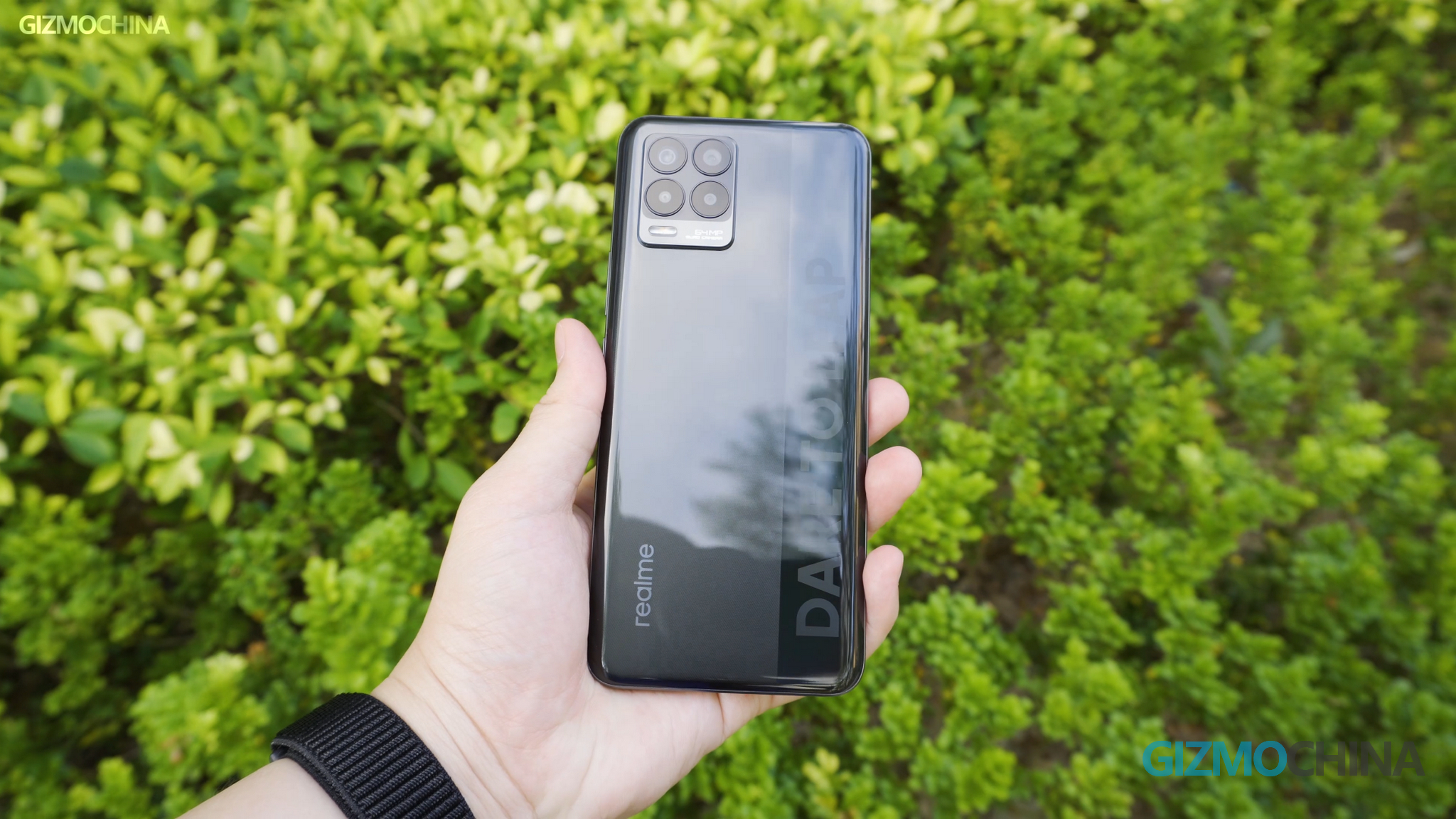
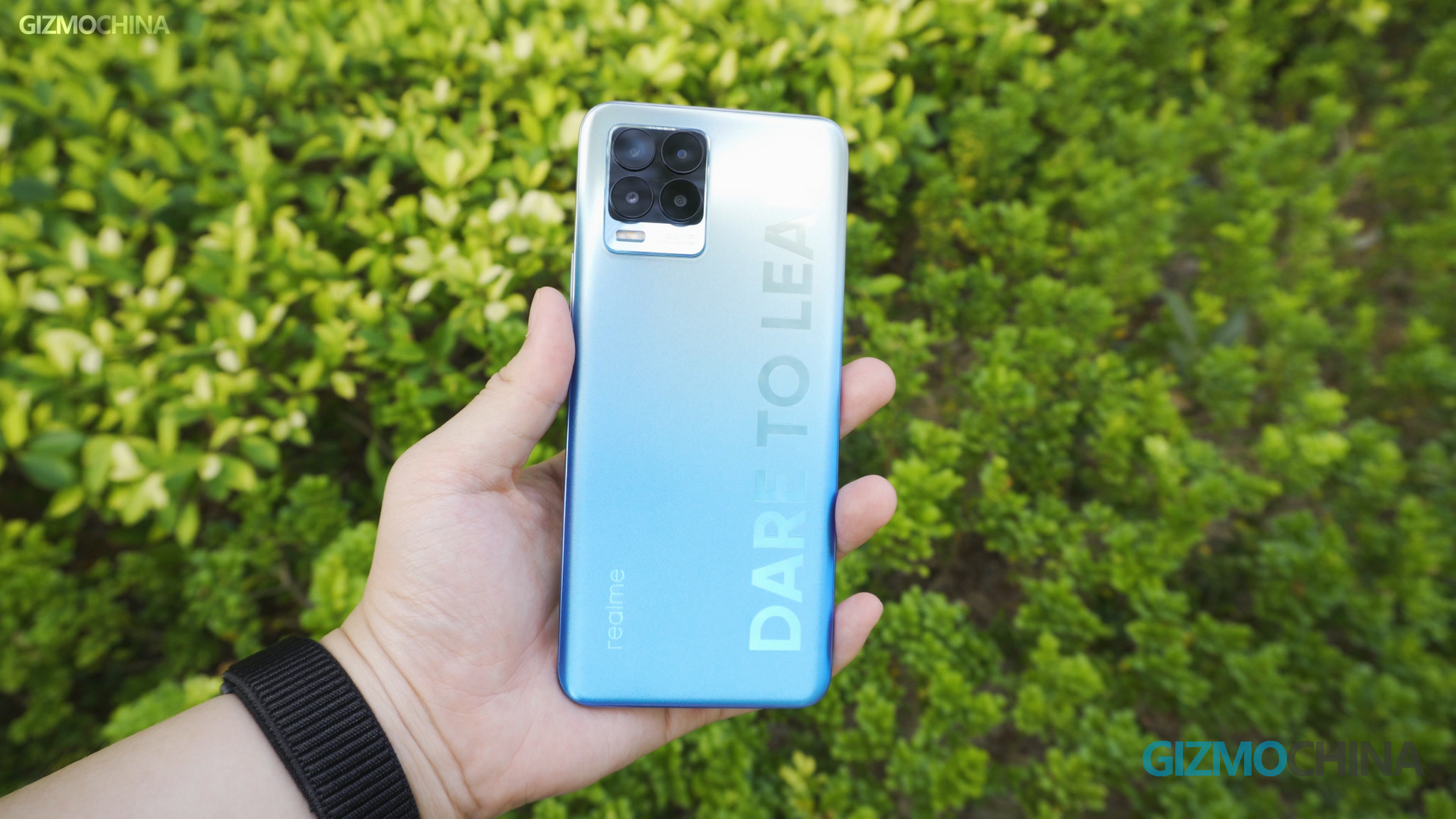
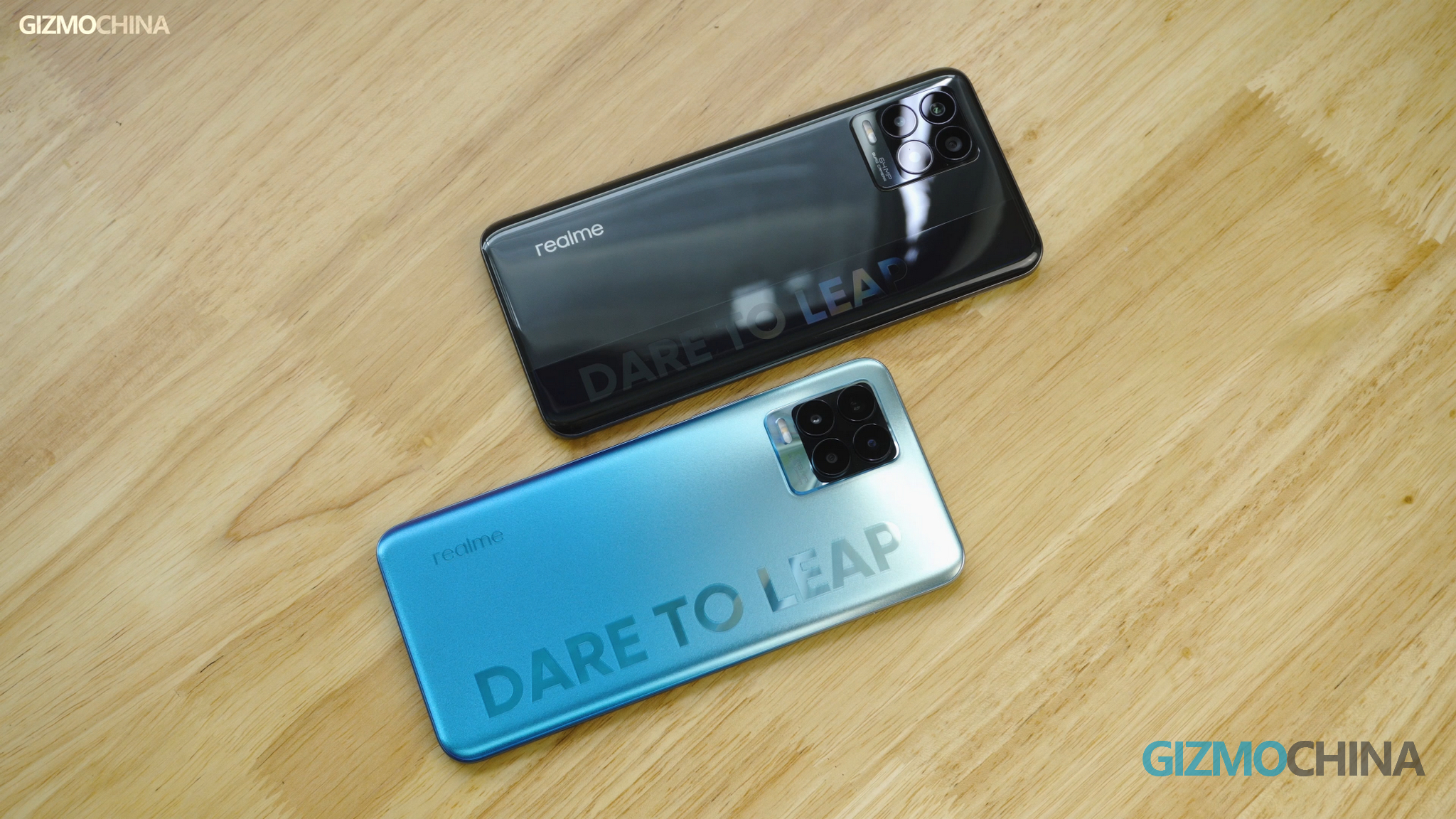
Realme has finally launched the Realme 8 and Realme 8 Pro today, and we were the first to get our hands on these two models. If you missed the launch, that’s okay. Let me quickly give you an overview of the Realme 8 and Realme 8 Pro, and show you what’s exactly updated on the new Realme 8 Series. Note that the one in black is the Realme 8 while the one in blue is the Realme 8 Pro.
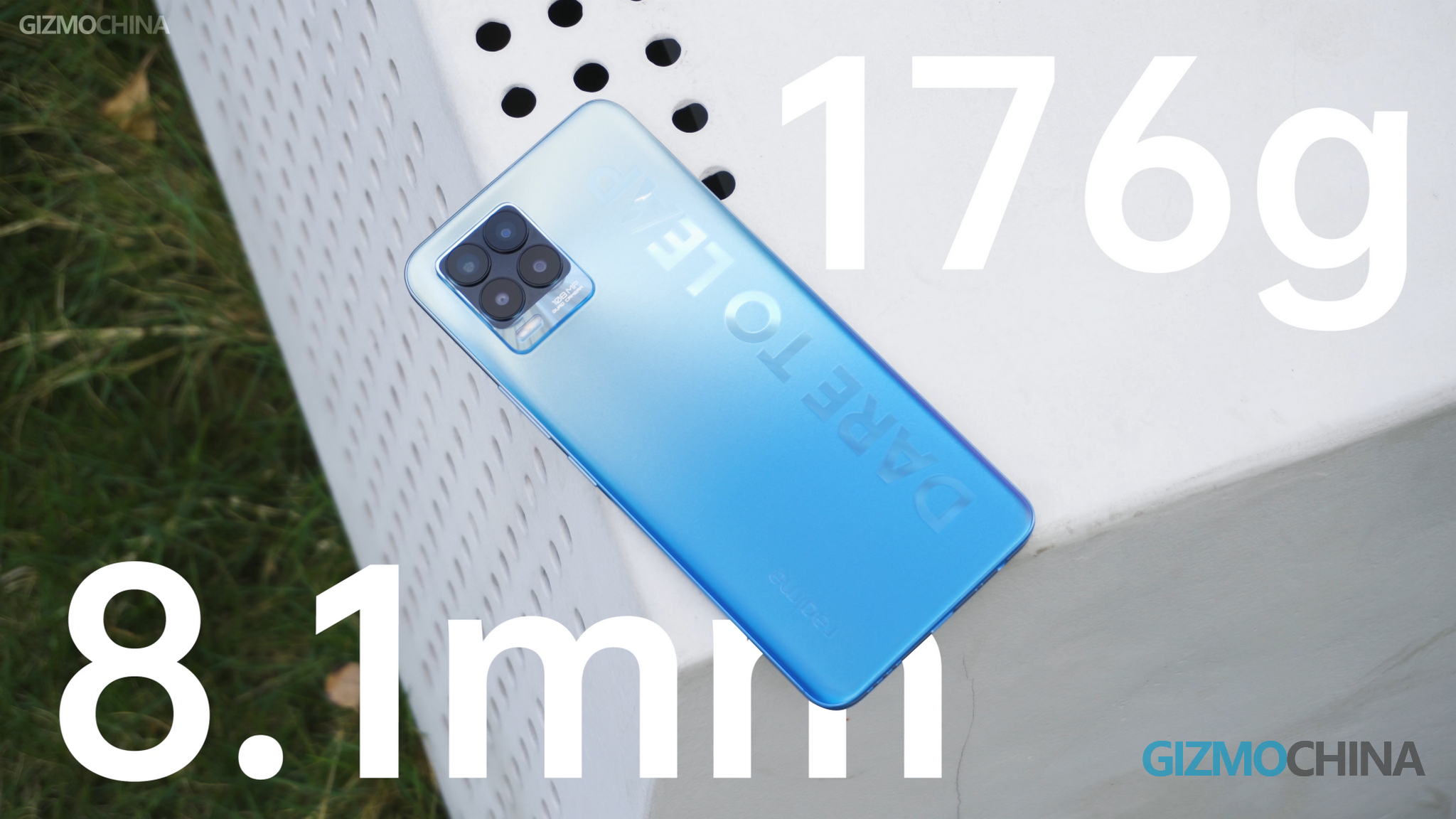
Both Realme 8 models come in the classic Realme Yellow box. Inside the box, the Realme 8 comes with a 30w charger while the Pro comes with a 65w charger. You’ll immediately feel how thin and light the two phones are when you hold them in your hands. The Realme 8 Pro weighs just 176g and is 8.1mm thick, which is a bit thinner than the Standard 8. As you can see from these figures alone, such a compact body on a smartphone is rare these days.
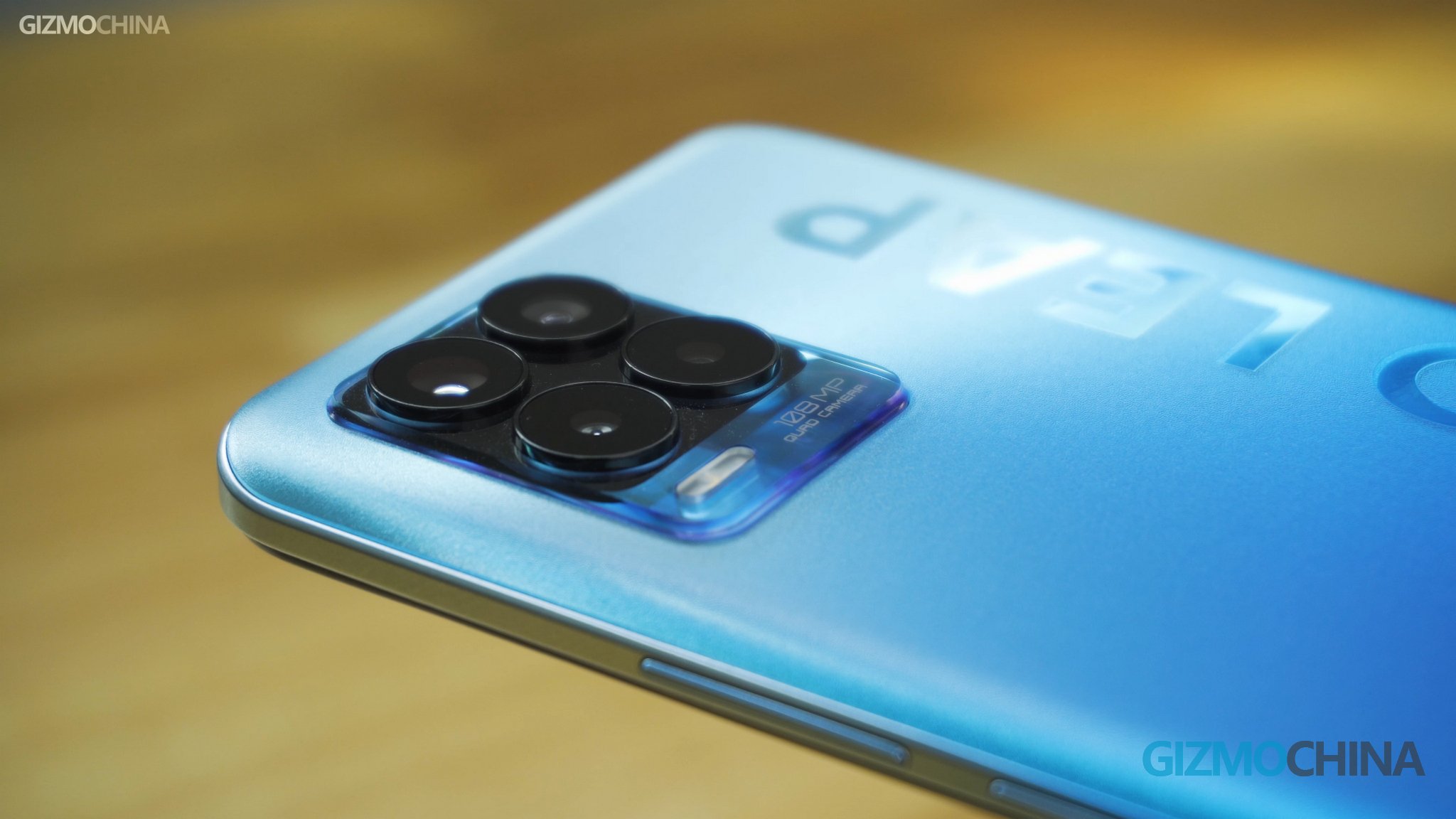
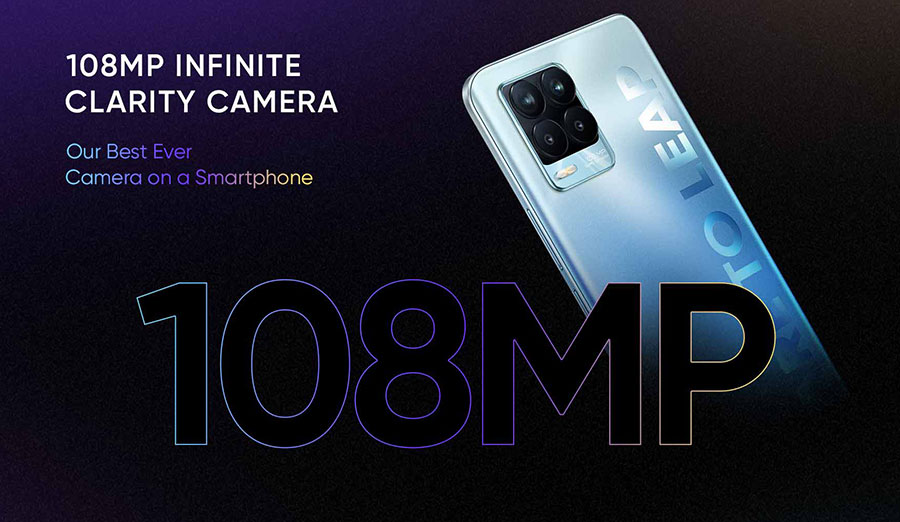
Both phones share the same style of the lens module on the back, with a rectangular Quad-Camera design in the top left corner. What really makes them different is their primary cameras. On the Realme 8 Pro,theres a 108MP sensor with an f/1.88 aperture. As for the Realme 8, the primary camera is pretty decent at 64MP resolution. And both of them come with an 8MP wide-angle camera, a 2MP macro lens, and another 2MP Black & white lens.
In the design department, the main difference between these two models distinguishing one from another is in the material and the processing of the back cover. The standard 8 model comes with a split design and a splicing process on the back. The area below the lens and the slogan on the Realme 8 shines a lot in different lights, while the rest of the back cover looks a bit low-profile.
Realme 8
Realme 8 Pro
The Realme 8 Pro looks more aggressive. The lens module and the slogan are made of special fluorescent material, which allows them to glow in the dark. The rest of the back cover uses the AG-crystal Process, which is frosted with a larger grain and looks shiny.
It’s not common to see such intricate processing and unique design on other mid-range phones. Both the Realme 8 and Realme 8 Pro appear more youthful and vibrant. This is a really impressive improvement over the previous Realme models.
The processor used in the Realme 8 is the MTK Helio G95 and the Pro version features the Snapdragon 720G. Neither phone has a super strong processor and both are targeted at the mid-range segment.
realme 8 pro camera
The main camera on the Realme 8 comes with a 64MP resolution, while the main camera on the Pro version is equipped with a 108MP HM2 sensor. The other three lenses are the same on both the phones, including an 8MP ultra-wide-angle lens, a 2MP macro one, and another black&white lens. We’ll be putting up tests on performance and cameras in the following video and article, so don’t forget to stay tuned to our upcoming articles and videos.
Realme 8 vs 8 pro screen comparison
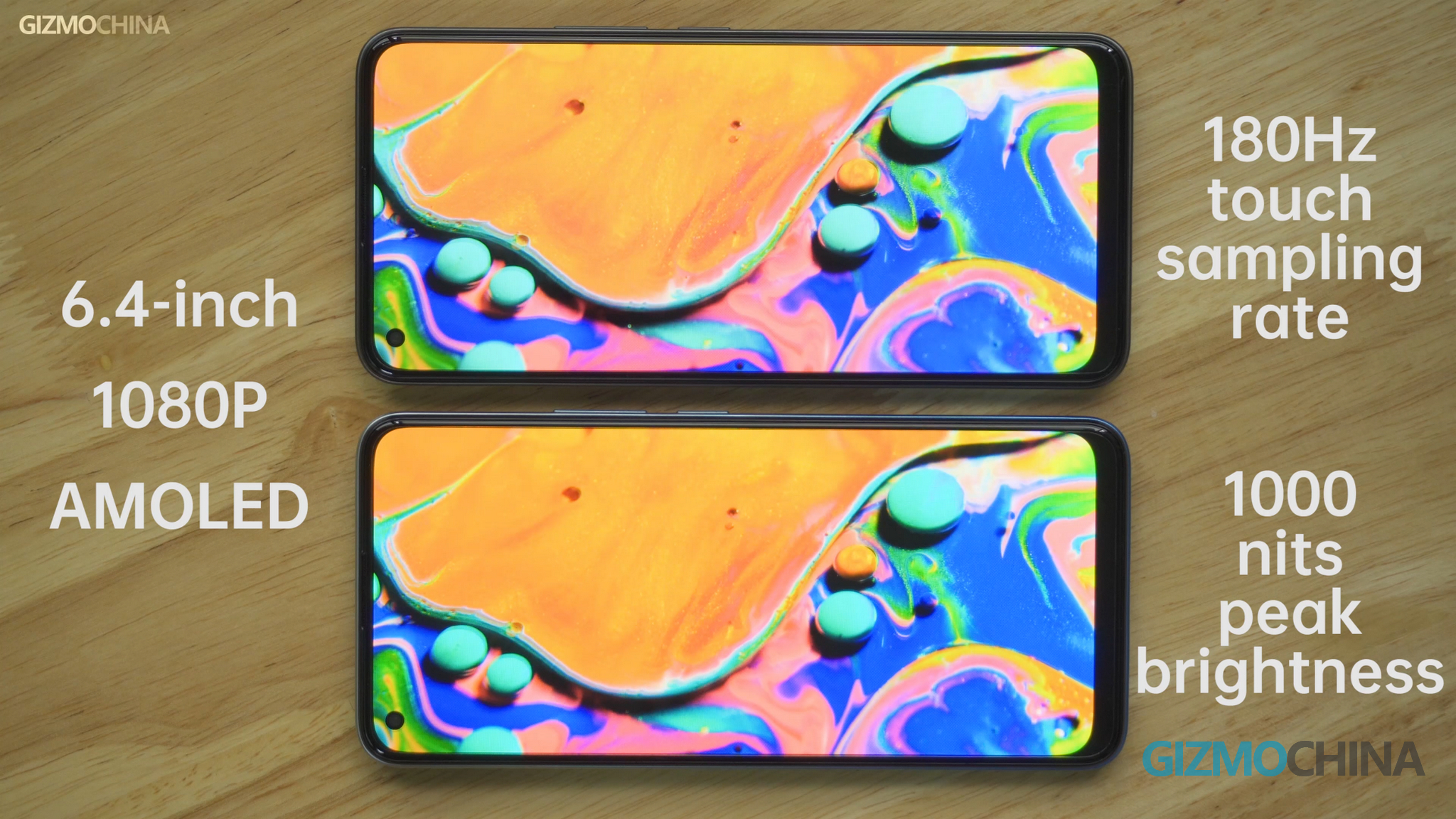
The screen specs are identical on both the Realme 8 models. Both come with a 6.4-inch 1080P AMOLED display. The touch sampling rate is 180Hz and the peak brightness is 1000 nits. And thanks to the use of the AMOLED display, both of them come with an in-display fingerprint reader. Apart from the lack of a high refresh rate, this screen should be considered OK for a mid-range phone – After all, there are plenty of phones using LCD screens with higher power consumption and weaker color presentation and contrast.
The Realme 8 Pro comes with a 4500mAh battery while the Realme 8 features an even larger 5000mAh battery. Perhaps these battery capacities might not come as shocking to you. But consider that they weigh only 177g and it’s surprising that they can still cram in such a large battery with such constraints.
The charging speed on the Realme 8 is 30w, but on the Realme 8 Pro it’s 50W. The included 65w charger for the Pro model is probably a nice touch to allow you to charge other devices.
Realme 8 pro
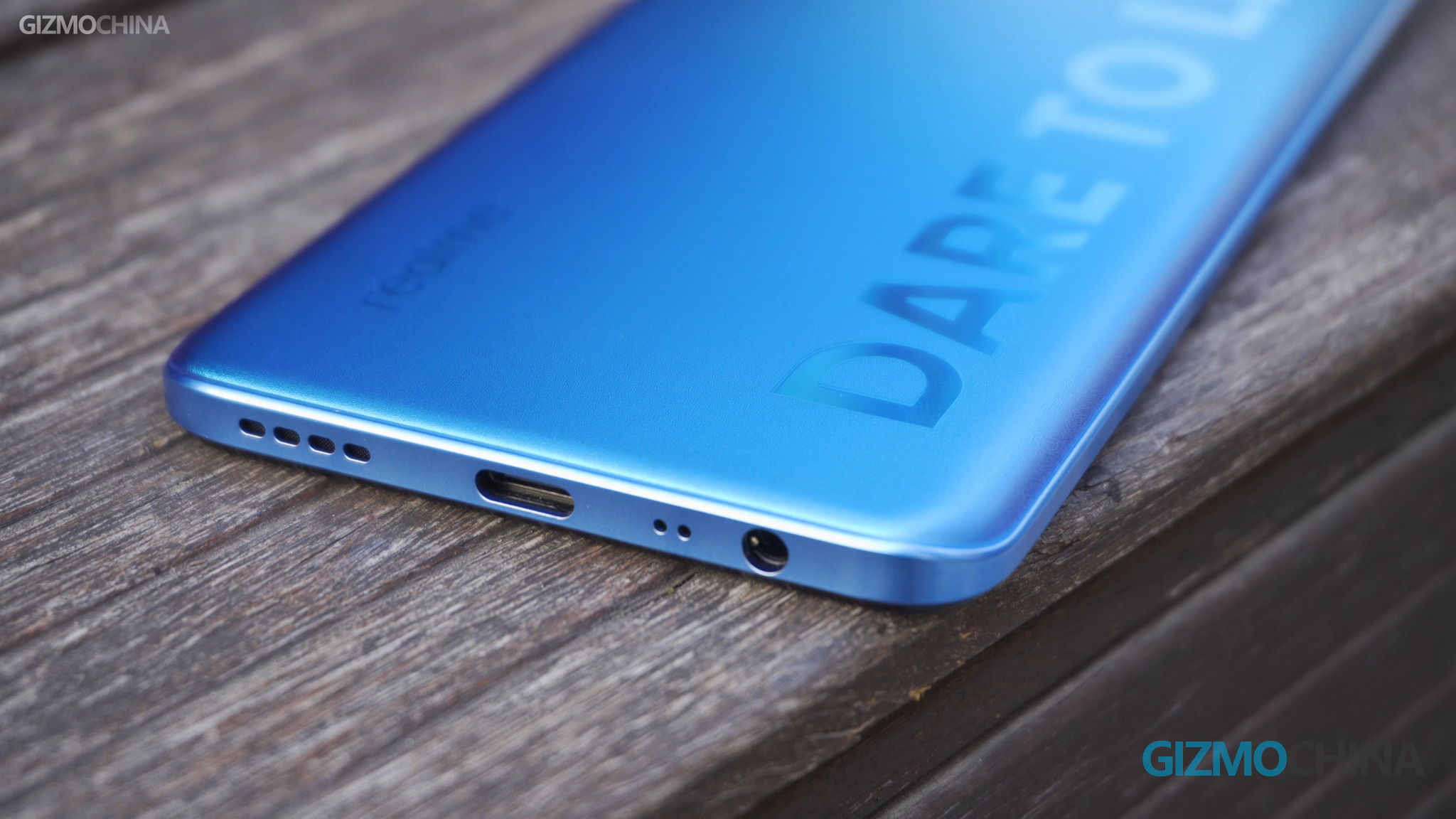
There is only one single speaker, but we have also got good news in the audio department. A headphone jack is reserved and it is Hi-Res Audio Certified. Both of them come with the same 3-card slot for two sim cards and another SD card.
What’s disappointing about the two models is the lack of infrared and NFC.
As for their operation system, both of them are running the Android-based Realme UI, which has a close relationship with the Color OS developed by OPPO. The system runs pretty fluently and we could spot no obvious discomfort during our time with the devices.
Realme 8 vs 8 pro comparison 04
So that was our first impression of the Realme 8 and 8 Pro. Both of them look nice with a good feel in the hands. As mid-range phones, their design definitely makes them stand out from most rivals.
Don’t forget to join our giveaway to get a chance to win a Realme 8 for free!
How do you like the two models and what else do you want to know in our next comparison article and video? Please tell your thoughts and views down below.
Gizmochina along with Realme is conducting Realme 8 smartphone as a giveaway gift to a lucky reader. Like always, you just have to follow the steps mentioned on the Gleam widget to get a chance to win these amazing gifts.
Realme 8 and Realme 8 Pro first impression:
How to enter this giveaway? Just follow this step:
The winner will be posted on Gizmochina’s twitter and Gizmochina’s Facebook, so please follow us on Twitter and Facebook, so that you don’t miss the winner announcement.
Terms & Conditions:
1. The giveaway is an international giveaway.
2. We are not responsible for lost shipments.
3. We are not responsible for any duties, import taxes that you may incur.
4. We reserve all rights to make any changes to this giveaway.
5. The prize will be shipped in a month when the giveaway ends.
Just follow the steps mentioned in the Gleam widget to participate in the giveaway.
Update: Congratulations to MARIO AVOLIO from Italy for being the winner of this Realme 8 smartphone giveaway. Please contact us by email for shipping: admin[@]gizmochina.com.
Game developer Niantic has announced a joint collaboration with Nintendo to develop mobile apps and games with popular Nintendo characters present and deploying both real-world and augmented reality (AR) themes in the apps for a more engaging experience.
In a statement released by the VP of product management at Niantic, Kei Kawaii, the company expressed satisfaction at the partnership which is being kick-started with the development of an AR game based on popular Nintendo character Pikmin. The mobile gaming app is being developed at Niantic’s Tokyo studio, which is its first job since it was established in 2018.
The app includes gameplay activities aimed at enhancing or encouraging walking activities. Niantic’s CEO, John Hanke had said that the company is looking to shape the future of AR, especially in mobile applications, using Nintendo personas, stressing the forthcoming AR game has real-life connotations. It will be a mixed bag for Nintendo who is making forays into the world of mobile gaming and has enjoyed success on the traditional gaming console template over the years.
Niantic has gradually established itself in the mobile gaming spectrum with some highly successful games like Pokemon Go and Ingress and would expect the new AR game based on Pikmin to be an instant success when it is released later this year. Nintendo is also excited with the deployment of Niantic’s AR technology to project Pikmin in a more compelling and innovative manner.
According to Niantic’s VP, more details of the new partnership and the upcoming game development will be provided in the coming months as the company continues to pursue its mission to encourage people to explore the world together. Meanwhile, Niantic has created a pre-registration page for those who would like to try out the app when it rolls out.
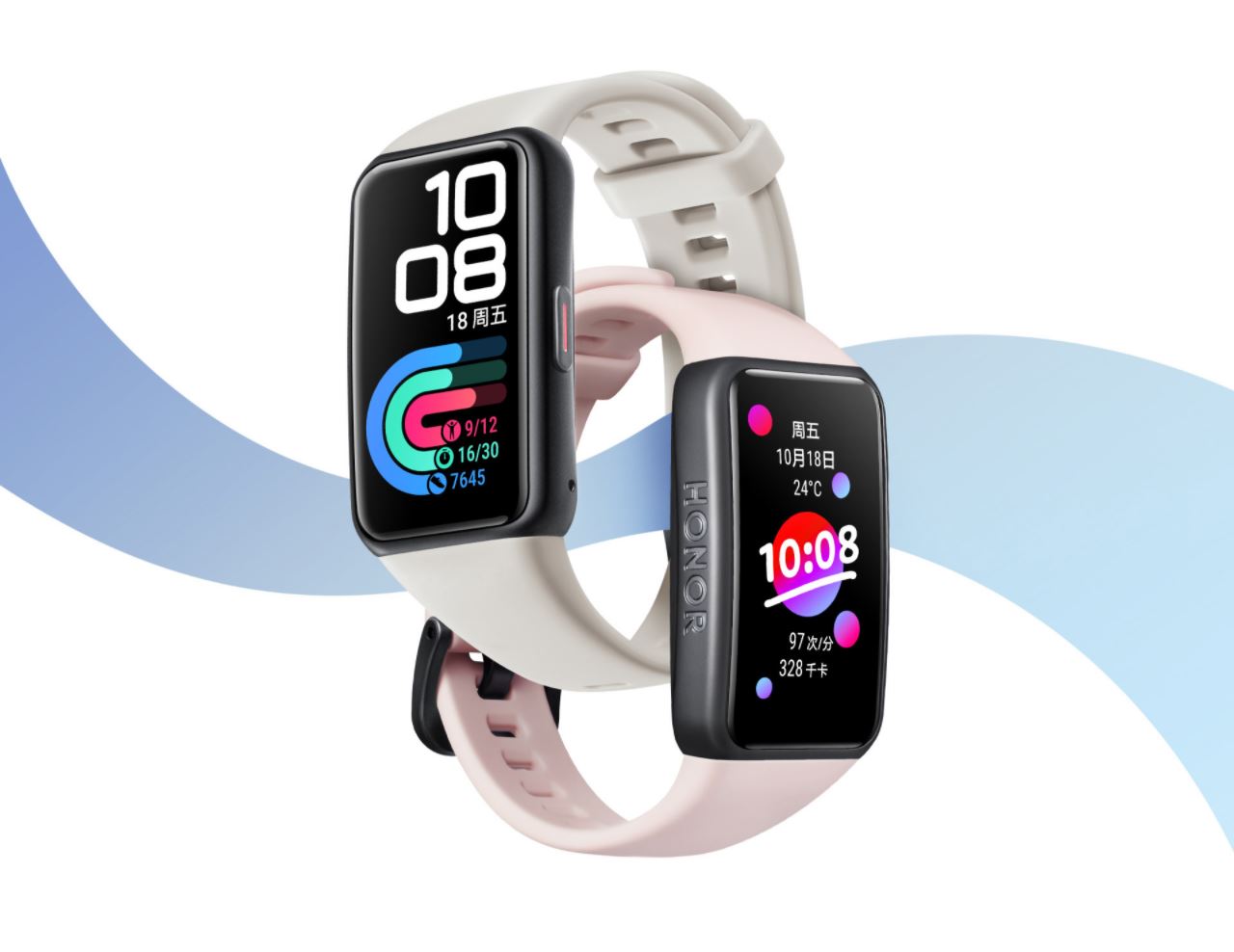
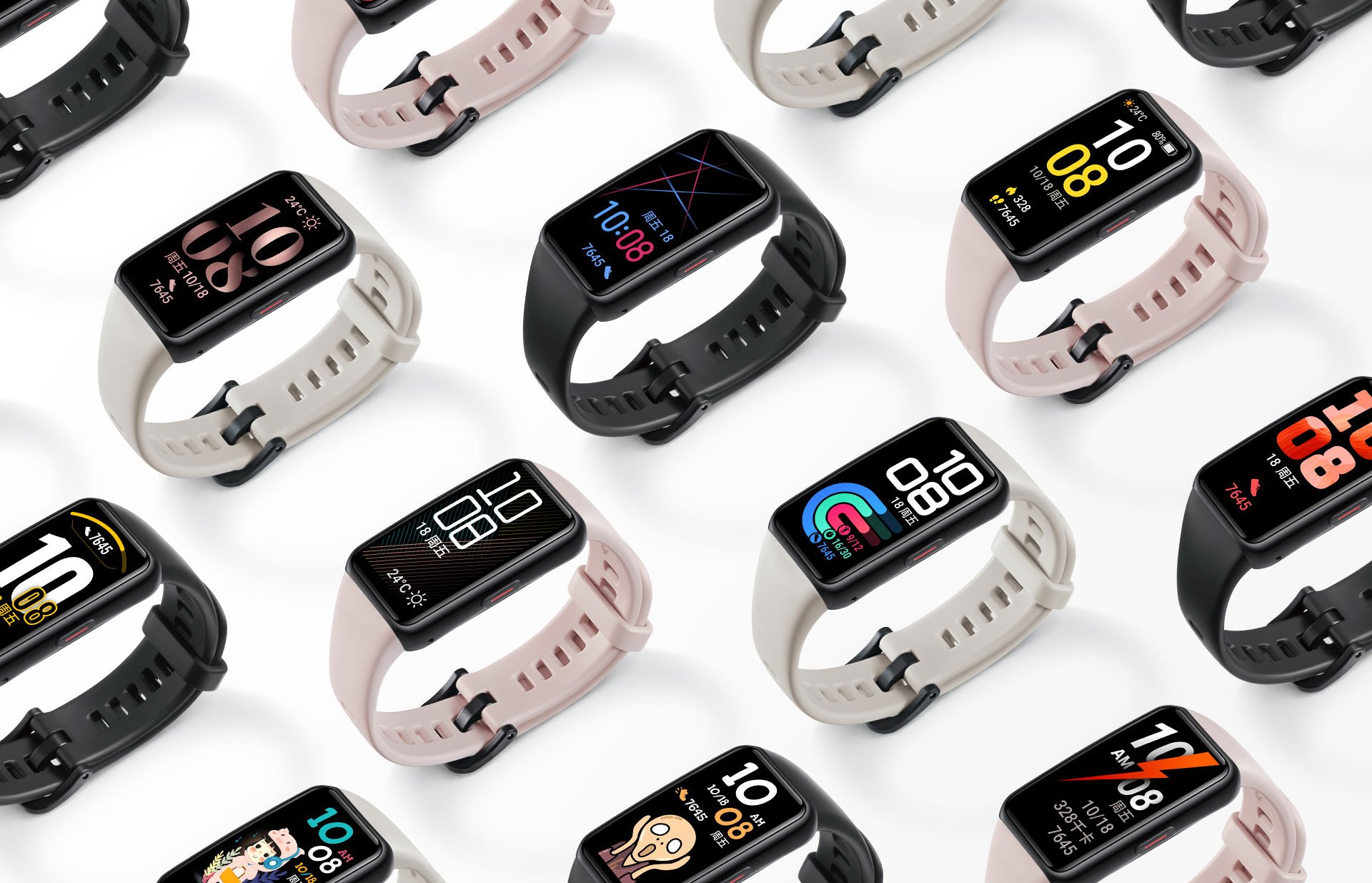
A few days ago, HONOR teased the launch of the HONOR Band 6 in global markets. Today, it has finally launched the full-screen fitness tracker for €49.90.
Honor Band 6
HONOR Band 6 Price, Availability
As mentioned above, the HONOR Band 6 is priced at €49.90. It will be available for purchase on AliExpress and shipping starts March 28(via XDA). The fitness tracker comes in Meteorite Black, Sandstone Gray, or Coral Pink color options as well.
However, the listing on the website shows that there is an 11th Anniversary sale on March 29 at 12:00 AM PT. Additionally, the fitness tracker will be available via HiHonor stores from April.
HONOR Band 6 Specifications and Features
The HONOR Band 6 isn’t new to us. The company unveiled the world’s first full-screen fitness tracker in China back in November 2020. Later, it announced the product for the global markets at CES 2021.
However, it didn’t go on sale until now and that ends on March 29 as per the AliExpress listing. Anyway, talking about the difference between the Chinese and the Global version, the latter doesn’t come with NFC built-in but the former has one with NFC and one without NFC.
As for design, the Watch has a square display and a strap that is made of silicone. It measures 43 × 25.4 × 11.45mm in dimensions and weighs about 18g (without strap).
The fitness tracker features a 1.47-inch rectangular AMOLED display with a resolution of 194 x 368 pixels and 2.5D glass. Although it has a red physical button on the side, it mostly relies on gestures for navigation across the UI.
However, it has all the necessary sensors 24-hr heartrate monitoring, Blood Oxygen measurement(SpO2), and others like an accelerometer, a gyroscope. There is Bluetooth 5.0 connectivity but it doesn’t have GPS.
The HONOR Band 6 also supports 10 sports modes, sleep monitoring, menstrual cycle monitoring, 5ATM water resistance, up to 14-day battery life(180mAh battery), and magnetic charging.
Last week, a report revealed the existence of a Nokia phone named the Nokia X20. Later, it was spotted at the Geekbench benchmarking platform. Today, the smartphone emerged in the database of the Federal Communications Commission (FCC). It is speculated that HMD Global may announce the Nokia X20 smartphone through a launch event that is already set to take place on April 8.
The FCC documents reveal that the Nokia X20 (TA-1341 model number) smartphone measures 167mm diagonally, which indicates that it could be housing a display of around 6.2 inches. Since it is speculated to borrow its design from the Nokia 5.4, the handset may feature a punch-hole screen.
A schematic of the phone’s rear shell is also available in the FCC documents. It shows that the smartphone has a round-shaped camera housing. The handset does not feature a rear-facing fingerprint reader, which indicates that it could be incorporated with the power button. The FC listing has no other information on its specifications.
The Geekbench listing of the smartphone revealed that it will be equipped with Snapdragon 480 chipset, 6 GB of RAM, and Android 11 OS. The X20 is expected to offer users 128 GB of native storage, and it could be priced at 349 euros (~$412). The handset is likely to arrive in blue and sand colors.
The Nokia X10, which is expected to debut with X20 is also powered by the Snapdragon 480 chip and 6 GB of RAM. It could be priced at 299 euros (~$353) and it may come in white and green colors.
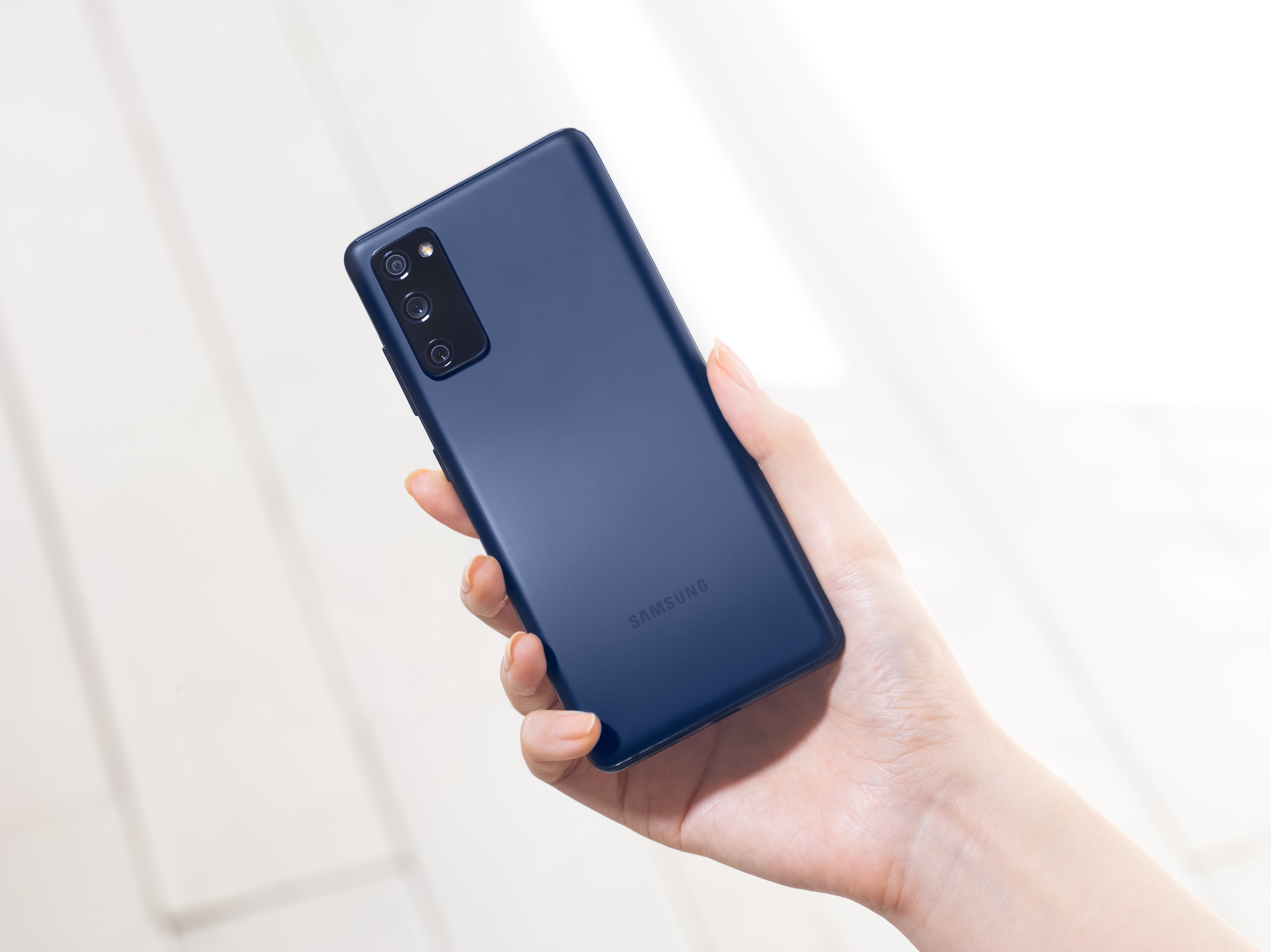
Last year, Samsung launched the Galaxy S20 FE as a toned-down version of the Galaxy S20 series. This device comes in both 4G and 5G variants. Earlier this month, a new version of this smartphone appeared on WiFi Alliance. Now, this handset has been certified by yet another bureau.
A few days back, a new Samsung Galaxy S20 FE model was certified by WiFi Alliance. According to the agency, this smartphone will come with three model numbers – SM-G780G, SM-G780G/DS, and SM-G780G/DSM,
Going by their model numbers, this phone will have dual-SIM support. Further, the certifications also revealed that this handset will debut with Android 11 (One UI 3.x) out of the box.
Furthermore, the device’s newly spotted NBTC certification confirms it to be a 4G smartphone. Hence, we can expect Samsung to launch this phone in the countries where 5G deployment is still a work in progress.
That said, nothing else is known about this new Galaxy S20 FE apart from the above-mentioned specifics. But we can speculate it to feature a similar design and specs but with a new SoC due to chip shortage.
Anyway, what are your thoughts on the upcoming Samsung Galaxy S20 FE variant? Do let us know in the comment section below.
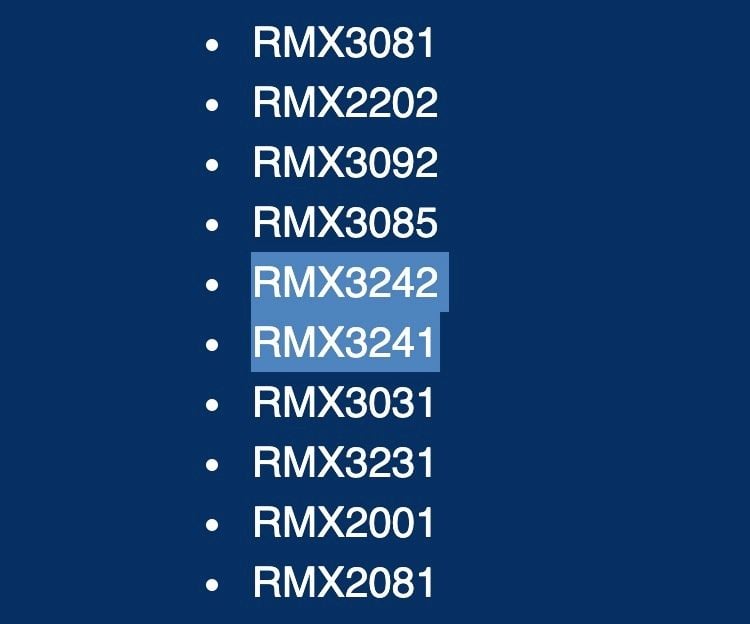
The Realme 8 and Realme 8 Pro smartphones will be made official at 7:30 PM local time in India today. Earlier today, a new Realme phone with model number RMX3241 was spotted in the database of Thailand’s National Broadcasting Telecommunications Commission (NBTC). The listing revealed that the device will be launching as the Realme 8 5G in Thailand. The handset is also expected to arrive in India since it has also received approval from the Bureau of Indian Standards (BIS).
Neither the NBTC nor the BIS listing of the Realme 8 5G have any information on its specifications. Apart from the RMX3241 model, another Realme phone with RMX3242 has also appeared in the database of BIS. Unfortunately, there is no information available on the specs of the Realme 8 5G.
The Realme 8 4G is powered by the Helio P95 chipset. While the 5G variant will feature a 5G-ready chipset, it may borrow some of its specs from its 4G sibling.
Past reports have revealed that the Realme 8 4G will be arriving with a 6.4-inch AMOLED FHD+ display. it will be equipped with a quad-camera system led by a 64-megapixel lens. The handset will draw power from a 5,000mAh battery that supports 30W fast charging. It will come preinstalled with Android 11 OS.
The Realme 8 4G is expected to arrive in variants like 4 GB RAM = 128 GB storage and 6 GB RAM +128 GB storage. It may arrive in colors like Cyber Silver and Cyber Black. The Realme 8 Pro is expected to offer specs like a 6.4-inch AMOLED display, Snapdragon 720G, 108-megapixel quad-cameras, a 4,500mAh battery with 65W fast charging support.
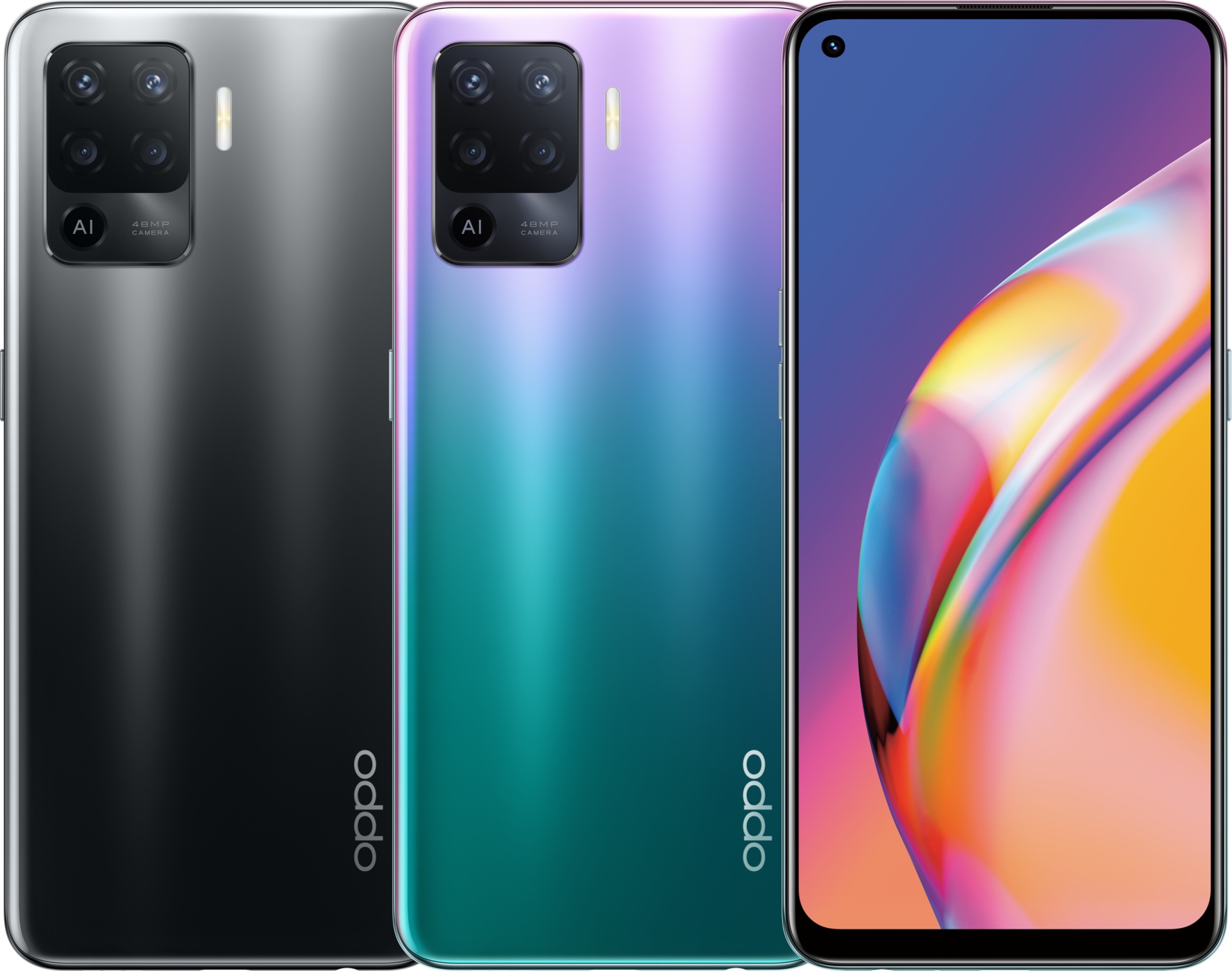
Yesterday we saw reports of an OPPO Reno5 Lite 5G appearing on Geekbench benchmarks. Today, the company has quietly announced a 4G variant in Ukraine and it looks like a rebadged OPPO F19 Pro(India) which in turn resembles the OPPO A94(UAE, Singapore).
OPPO Reno5 Lite 4G
The OPPO Reno5 Lite listed on OPPO’s Ukraine website has a model number CPH2205 which we saw in FCC and Geekbench earlier. The device comes in two colors- Black and Violet. However, it has only one storage variant- 8GB RAM and 128GB storage.
OPPO Reno5 Lite Specifications and Features
The device features a 6.43-inch FHD+ AMOLED display. This display has 2400×1080 pixels, 60Hz refresh rate, 180Hz touch sampling rate(in Gaming Mode), covers 100% sRGB and 92% DCI-P3 color gamut, has a peak brightness of 800 nits.
Under the hood, the OPPO Reno5 Lite 4G sports a MediaTek Helio P95 chipset. This chipset is paired with LPDDR4x RAM. Just like Singapore where it is sold as OPPO A94, the device comes with a single 128GB of storage.
For cameras, the OPPO Reno5 Lite has a Quad-camera setup on the back with a 48MP f/1.7 primary lens, 8MP ultrawide with 119-degree FOV, and a pair of 2MP f/2.4 macro and monochrome sensors. Upfront, you get a 32MP f/2.4 selfie shooter.
Other features of the device include 4G LTE, a 4,310mAh battery with a 30W VOOC Flash Charge 4.0, 4G LTE, Wi-Fi 5GHz, Bluetooth 5.1, GNSS, NFC, an in-screen fingerprint sensor, USB-C, and a 3.5mm jack. The device runs ColorOS 11.1 based on Android 11 out of the box.
Last but not the least, the Reno5 Lite 4G measures 160.1 x 73.2 x 7.8mm and weighs 172 grams. The 128GB variant of OPPO F19 Pro and OPPO A94 costs ₹21,490 and SGD429 in India and Singapore respectively. Hence, the price of this should be similar in Ukraine.
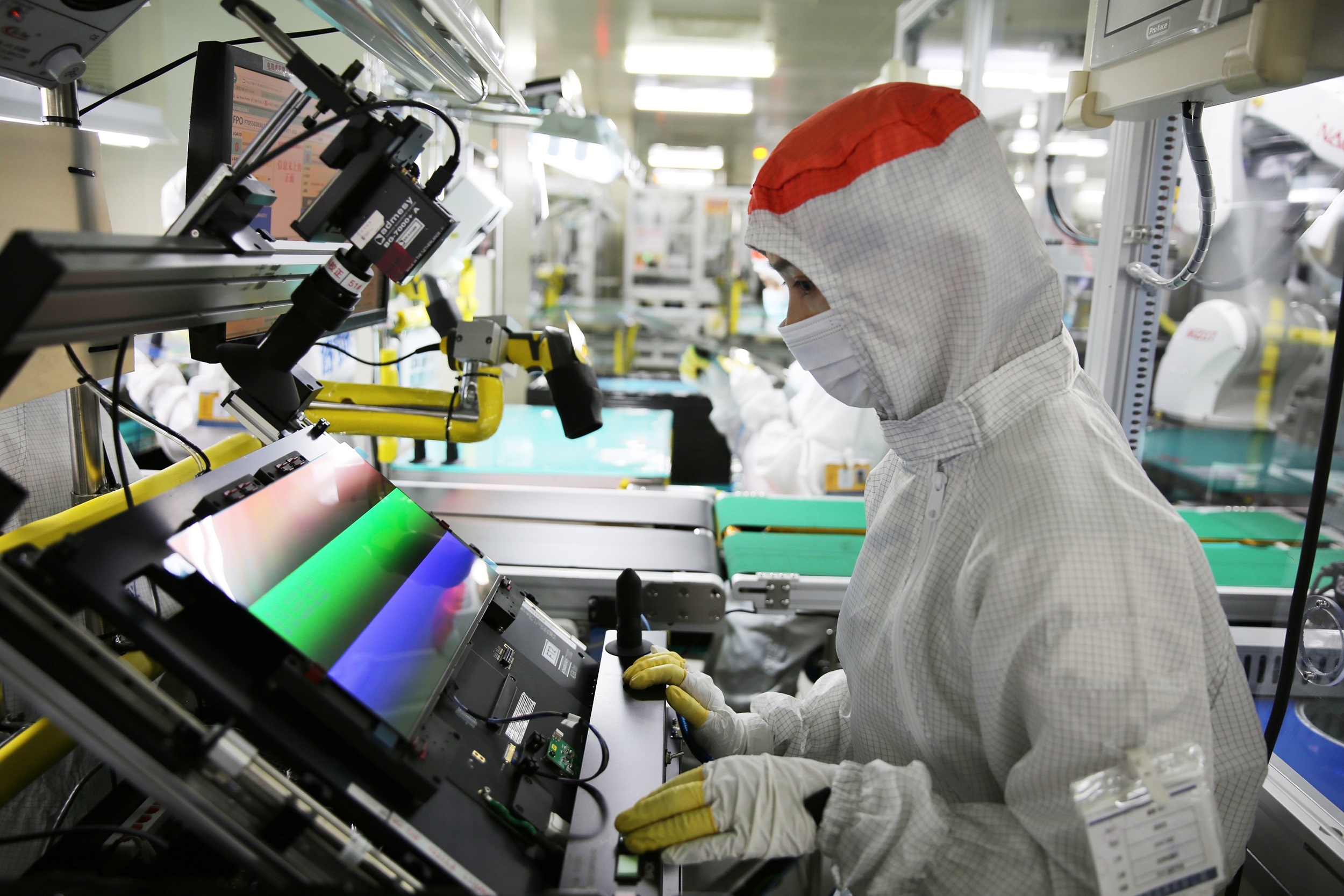
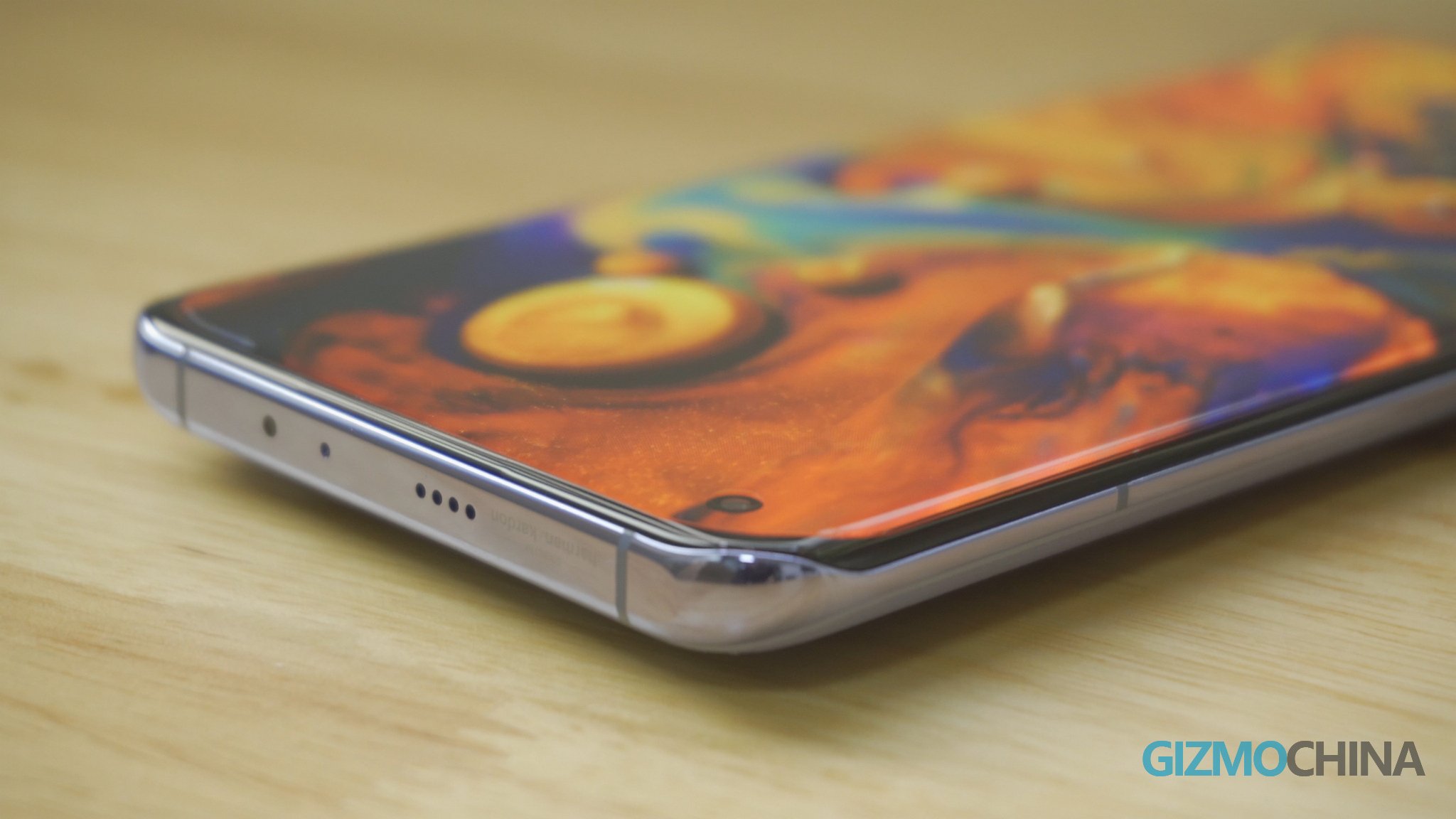
The flexible AMOLED panels made by Samsung Display have seen a rise in sales in China in the first quarter of this year, marking an increased penetration rate in the high end segments in the region over last year.
According to a DigiTimesreport, Chinese smartphone makers like Huawei, Honor, and ZTE have opted to use flexible AMOLED panels made by local display manufacturers, meanwhile, other local handset vendors like Xiaomi and Vivo are also using locally produced AMOLED displays for their mid tier models. The South Korean tech giant recently launched its E4 AMOLED panel, which arrives with an improved brightness of 1,500 nits over 1,200 nits from the previous generation.
This model is also capable of reaching a contrast ratio of 5,000,000:1, which allows the display maker to continue growing in the Chinese market. Furthermore, the company has also lowered the prices of its rigid AMOLED panels that are now more affordable than the ones made from local Chinese vendors’ LTPS TFT LCD displays. Interestingly, Honor has launched the V40 series, which is its first smartphone since it was sold by its parent company Huawei.
The Honor V40 features AMOLED panels made by BOE Technology and Visionox. Similarly, ZTE has also been supplying its AMOLED panels made by Visionox since 2017. Additionally, Xiaomi has also purchased flexible AMOLED displays from CSOT (China Star Optoelectronics Technology) on its Mi 10s model, along with E4 AMOLED panels from Samsung Display.
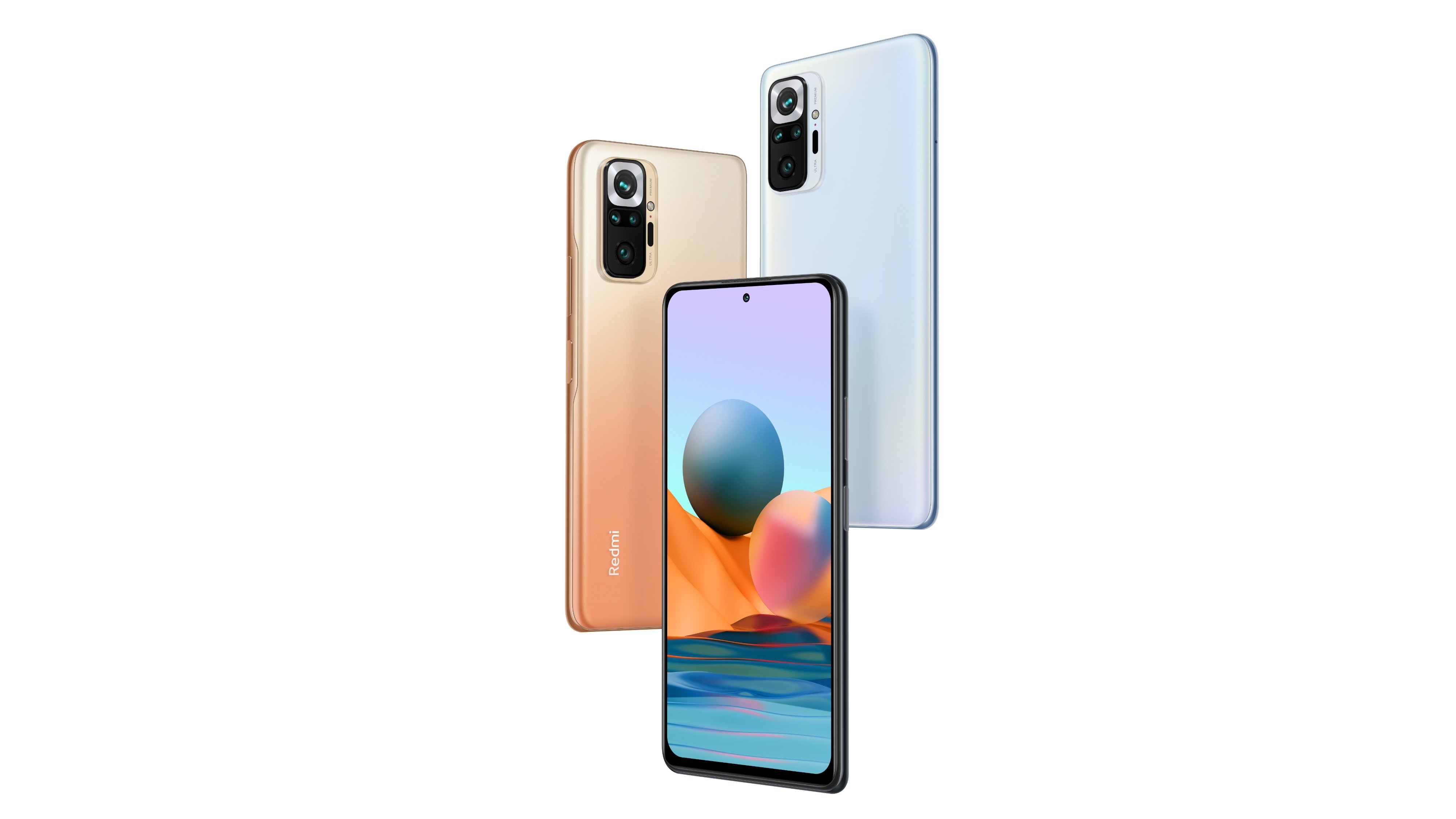
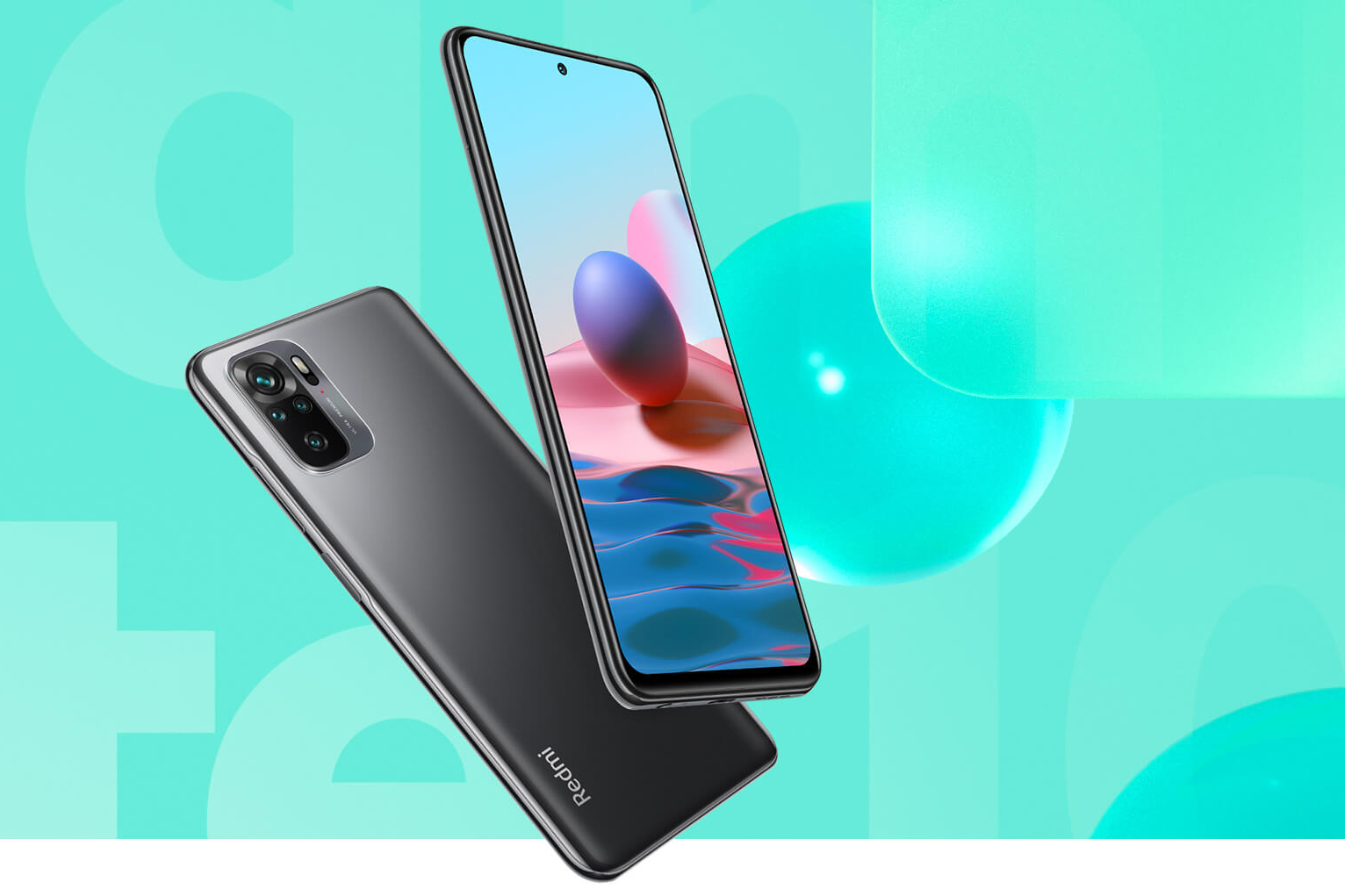
Xiaomi launched the Redmi Note 10 series earlier this month. The lineup includes five devices, namely Redmi Note 10, Redmi Note 10 Pro, Redmi Note 10 Pro Max, Redmi Note 10S, and Redmi Note 10 5G. The company has now confirmed to release two of these phones and two smart TVs in South Korea.
Redmi Note 10 Pro (Max)
The South Korean division of Xiaomi has announced the launch of the Redmi Note 10 series and Mi TV 4S series in the country. Although the company has revealed the price of all these products, it has only finalized the release (sale) date of the smartphones.
According to a report by Yonhap News Agency, the Redmi Note 10 and the Redmi Note 10 Pro (Max) will retail for 218,000 won ($193) and 319,000 won ($282) respectively in South Korea. The former will hit the shelves on March 30 while the latter will be available from April 9.
Analysts predict that Xiaomi will introduce more sub-$400 handsets in Korea to gain market share from LG, which is expected to shutter its smartphone business. As per Counterpoint Research, LG was the country’s third-largest smartphone brand with a 13% market share in 2020.
Redmi Note 10
Above all, phones priced $400 or below accounted for 41% of the entire South Korean smartphone market in 2020. Hence, industry observers say that Xiaomi will target customers in this price segment with high spec’d mid-range devices.
Apart from the Redmi Note 10 series handsets, Xiaomi will be also releasing Mi TV 4S 55” and Mi TV 4S 65” in the country. These smart televisions are priced at 649,000 won ($573) and 849,000 won ($750) respectively. Going by their listings on Mi.com Korea, the 55-inch model is the same as the one sold in Europe with the identical name, whereas the 65-inch variant is known as Mi TV 4X 65” in Europe.
OnePlus launched its OnePlus 9 series of devices in China a few hours ago. At the event, the company also formally explained the transition to the ColorOS that was confirmed already few days back. Additionally, it also revealed that older OnePlus devices can be upgraded to ColorOS via an update in the future.
OPPO ColorOS 11 Logo
OnePlus 9, OnePlus 9 Pro will ship with ColorOS 11.2 based on Android 11 in China. OnePlus calls this the ColorOS for OnePlus. That is, it’s essentially a tweaked UI but also has certain features of HydrogenOS retained. If you aren’t aware of the ColorOS, it is the Android skin of OPPO which also happens to be OnePlus’ sister brand.
OnePlus and OPPO have been getting closer with their relationship and a majority of their shares are already owned by a common OPlus(Oujia Holding Limited). Earlier this year, they merged their R&D department with each other but iterated that uniqueness in software will continue.
Just a few months later, they u-turned and officially announced the transition from HydrogenOS to ColorOS in China. Anyway, at the event, OnePlus said that the following devices can be upgraded to the ColorOS 11.2 via update:
That said, OnePlus said that till they receive this, it will continue to keep the HydrogenOS updated. However, it hasn’t specified a specific rollout timeline yet so we will have to wait for the official word.
OnePlus recently released a flashable ColorOS beta build for the OnePlus 8 users so I guess it might get the stable update sooner than others.
So, what do you think about this transition? Do you want to see this happen in other markets too? let us know in the comments below.
For those interested in buying an electric car from Tesla Inc, you can now make the purchase with Bitcoins. The company’s Founder and CEO, Elon Musk, recently made the announcement, which marks a major step forward for the use of cryptocurrency in main stream market.
According to a Reutersreport, the senior official tweeted out saying that “You can now buy a Tesla with bitcoin.” The executive further added that the company is looking to add the option outside of the US as well later this year. Back in February, the electric vehicle maker announced that it had bought around 1.5 billion US Dollars worth of Bitcoins and that it would soon accept the cryptocurrency as a form of payment for its cars. This is a notable step for Bitcoin, which recently reached a record high of 62,000 US Dollars.
After Elon Musk shared the post on Twitter, the value of digital currency rose by more than 4 percent and were last trading around 56,429 US Dollars. The CEO further added that the Bitcoin paid to the company would not just be converted into traditional currency. Although, he gave a few details on how the digital currency payments would be processed by using “internal & open source software.” At the moment, cryptocurrencies like Bitcoin are still used scarcely in major economies due to its volatility and costly and slow processing times.
Similar to Tesla, other companies have also taken the initiative to invest in the digital currency, including Mastercard Inc and Bank of New York Mellon Corp. As per market projections, Bitcoin and other cryptocurrencies will soon become a regular part of investment portfolios. Notably, even Uber may potentially accept the cryptocurrency as payment as well.
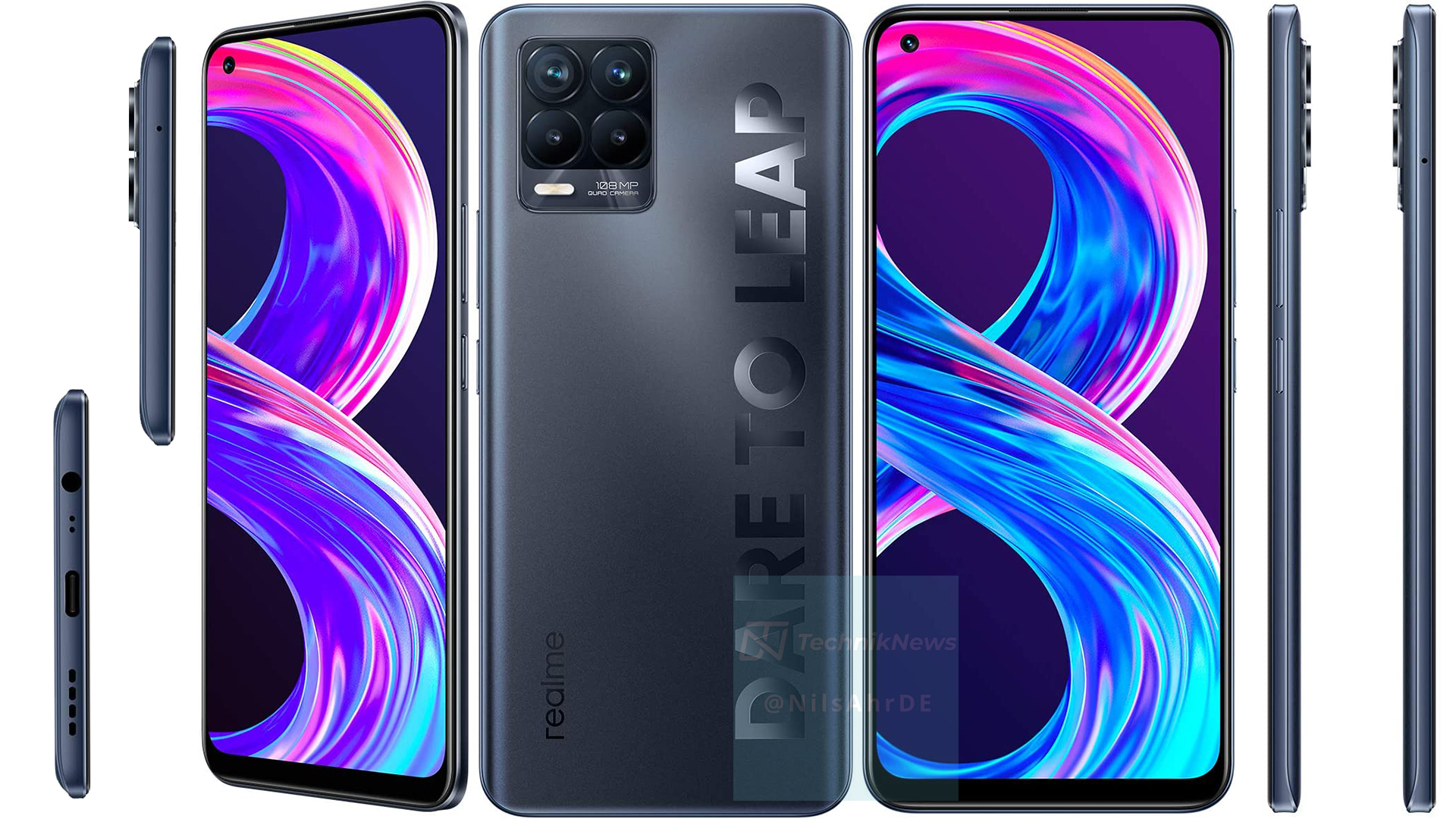
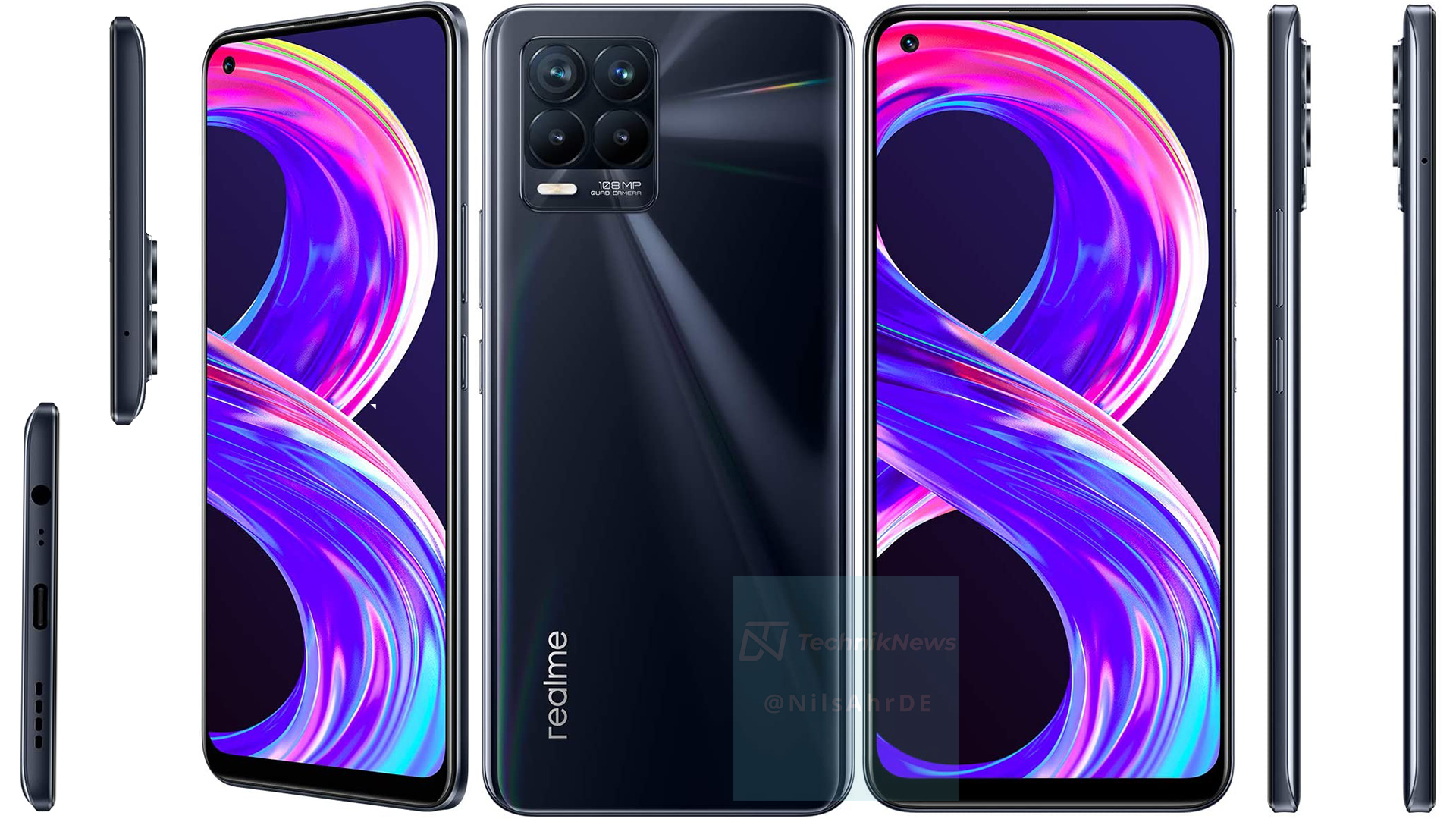
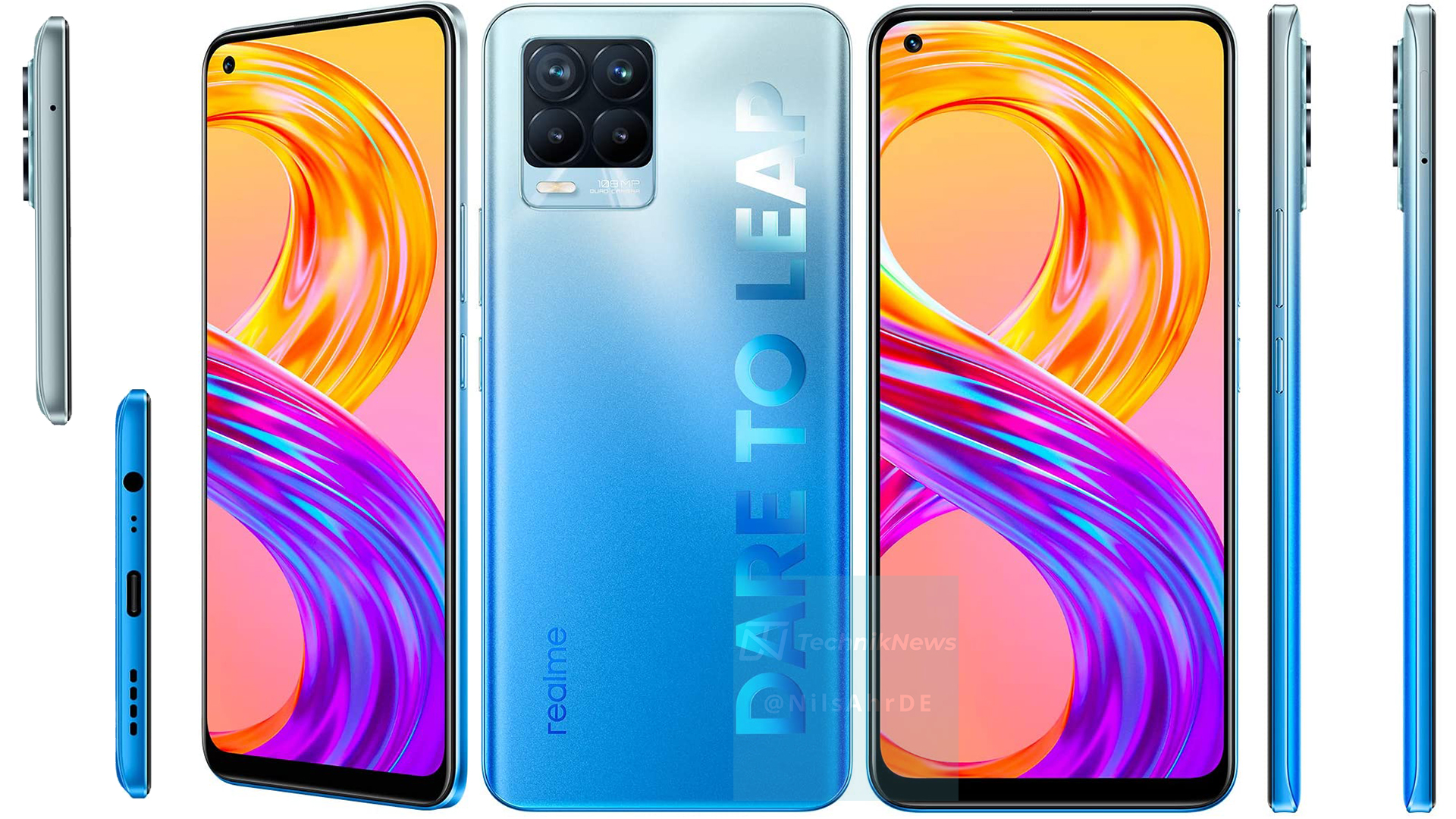
Today at 7:30 PM (local time) in India, Realme will be taking off covers from the Realme 8 series of smartphones. The lineup is expected to include at least two models such as Realme 8 and Realme 8 Pro. The latter will be arriving as the company’s first smartphone with a 108-megapixel camera. Fe hours head of the launch, TechnikNews’ Nil Ahnresmeier has shared the leaked renders of the European version of the Realme 8 Pro.
Recent leaks have revealed that the Realme 8 Pro will be arriving in colors like Infinite Black, Infinite, and Illuminating Yellow. It may arrive in options like 6 GB RAM + 128 GB storage and 8 GB RAM + 256 GB storage.
However, the new leak reveals that the European edition of the Realme 8 Pro will be available in variants such as 6 GB RAM + 128 GB storage and 8 GB RAM storage. Apart from Infinite Black and Infinite Blue color variants, the European model will be available in Punk Black instead of the yellow model.
1 of 3
Realme 8 Pro
Realme 8 Pro
Realme 8 Pro
The new renders show that the Realme 8 Pro has a punch-hole display on the front with a slightly thick chin. The back panel of the device has a quad-camera system along with an LED flash. Its bottom edge has a 3.5mm audio jack, a USB Type-C port, and an external speaker. The volume rocker and a power key can be found on the right side of the smartphone.
Realme 8 Pro specifications (Rumored)
The Realme 8 Pro is expected to feature a 6.4-inch S-AMOLED FHD+ 60Hz display with an in-screen fingerprint sensor, Snapdragon 720G chipset, and a 4,500mAh battery with 50W fast charging support. Its rear camera setup will include a 108-megapixel HM2 Samsung lens, an 8-megapixel ultra-wide lens, and a pair of 2-megapixel cameras. It will run on Realme UI 2.0 based Android 11 OS.
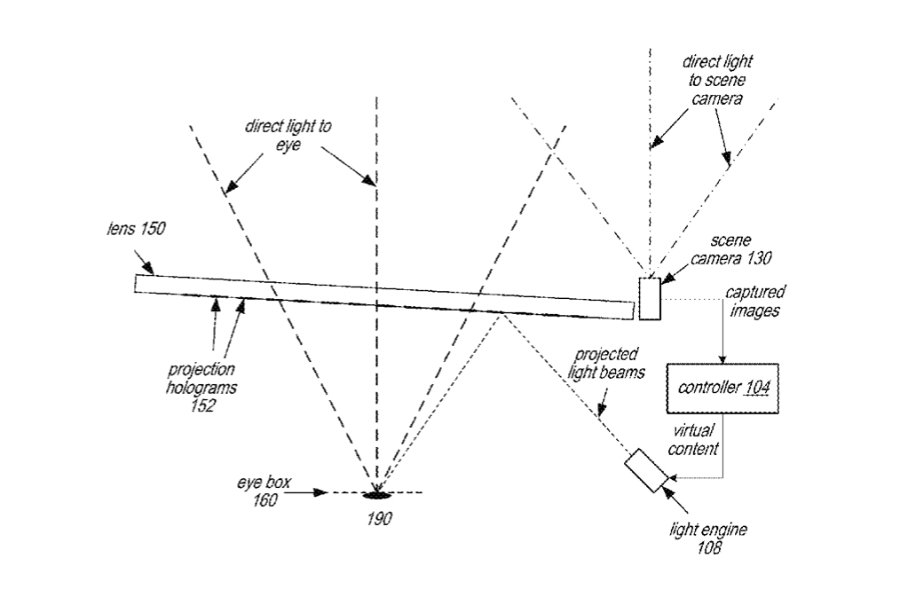
The long rumored Apple Glass might arrive with holograms to offer 3D objects in a virtual environment. This technology will be used to make the virtual objects seem more natural.
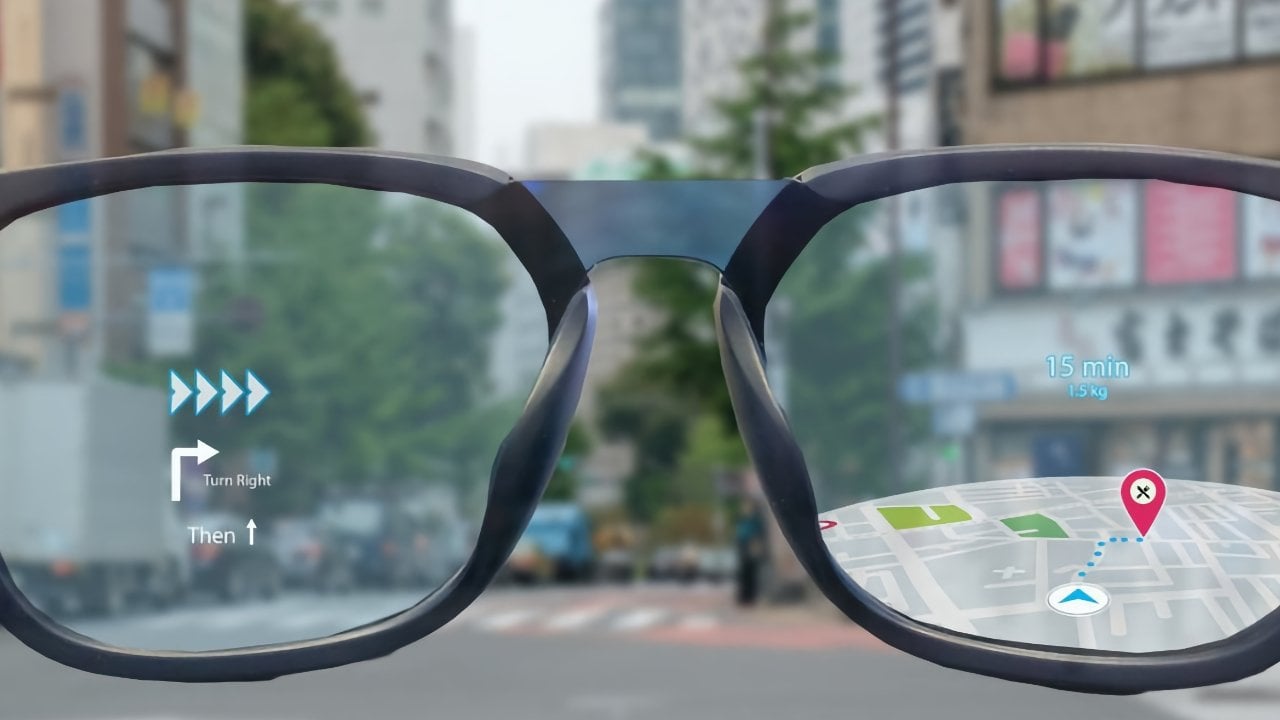
According an AppleInsiderreport, the Cupertino based giant has filed another new patent for its upcoming “Apple Glass.” In the patent, it is clear that the company is looking into 3D way of displaying information to the wearer along with realistic audio effects as well. While the brand has filed for various patents over the last couple of months, the latest one places an emphasis for improving the 3D experience offered by the device.
As per the patent, the company aims to make the user feel “as if they were physically in that environment,” through the use of “Scene camera,” by UK-based inventors Richard J. Topliss and Michael David Simmonds. The patent further states that the “virtual reality systems may display stereoscopic scenes to users in order to create an illusion of depth, and a computer may adjust the scene content in real-time to provide the illusion of the user moving within the scene.”
It further adds that “When the user views images through a virtual reality system, the user may thus feel as if they are moving within the scenes from a first-person point of view.” The glasses capture the real world as seen by the user and then presents information based on the scene being observed in the real world. So when the user moves, the scene camera also changes to better adapt its 3D environment. Furthermore, a large part of the patent is also based around solving potential issues caused by having projectors and other devices mounted at the side of the glasses.
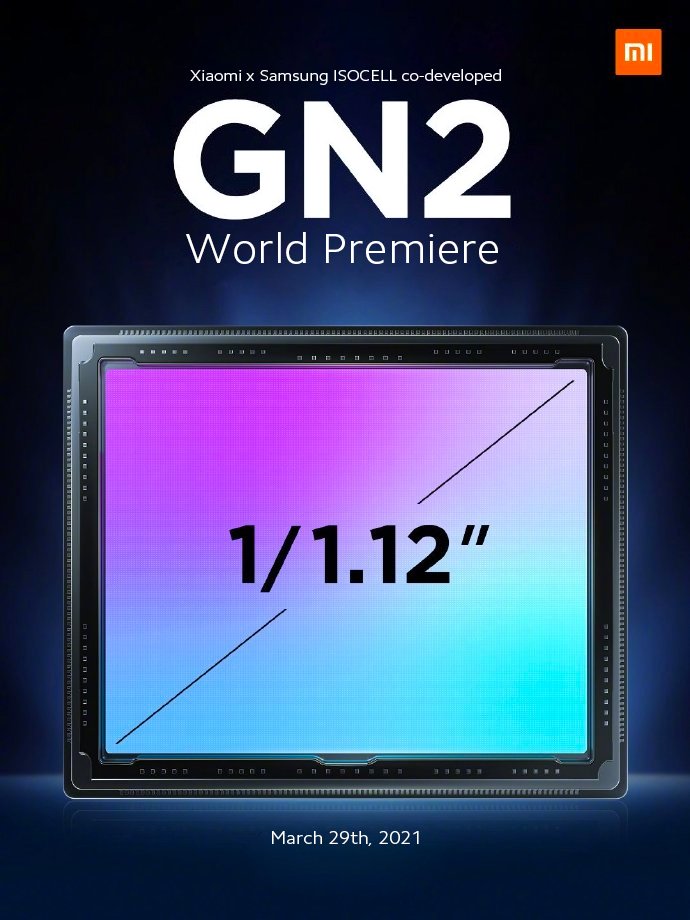
Samsung announced the 50-megapixel ISOCELL GN2 camera sensor in February. A new tweet by Xiaomi’s Senior Product Managing Director Daniel D suggests that an upcoming flagship phone from the brand will be featuring the 50-mgeapixel GN2 lens. It is likely that the lens will make its world premiere on the Xiaomi Mi 11 Ultra that is expected to go official on March 29.
Xiaomi and Samsung have co-developed the GN2 lens by researching for 18 months for the upcoming flagship phone. The massive 1/1.2” camera sensor offers 2.8μm superpixel and the world’s very first Dual Pixel PD Pro that enables quick and accurate autofocus. The GN2 is equipped with features like 1.4μm pixel size, 4-in-1 pixel binning technology, Smart ISO, and 120fps 4K video shooting. It can also capture 100-megapixel shots by Samsung’s so-called intelligent re-mosaic algorithm.
Xiaomi Mi 11 Ultra specifications (Rumored)
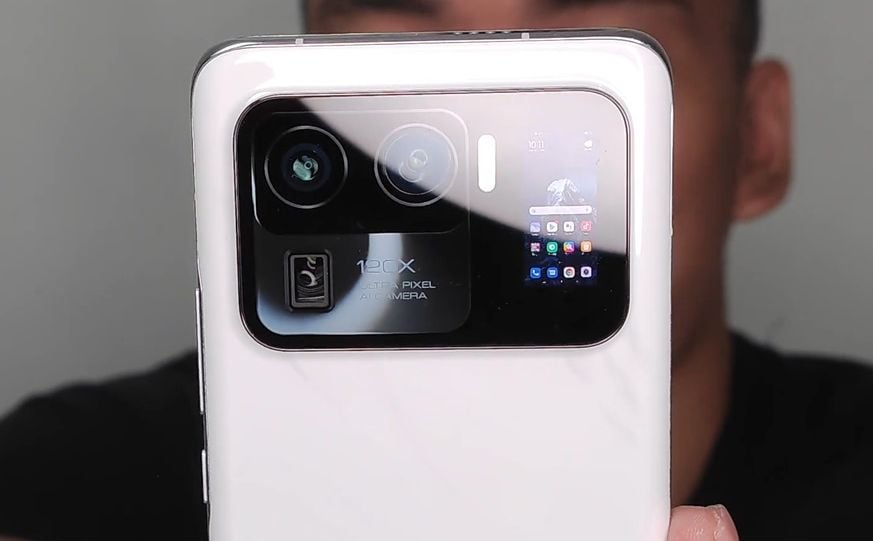
A hands-on video of the unannounced Xiaomi Mi 11 Ultra not only revealed its design, but also confirmed its appearance. It was found that the phone has a massive rear camera module, which includes a triple camera setup with 120x zoom support and a secondary screen. The camera setup has the 50-megapixel GN2 lens as the primary camera, a 48-megapixel periscope telephoto snapper, and a 48-megapixel ultrawide lens. It has a front camera of 20-megapixel.
It features a 6.81-inch OLED QHD+ screen with a 120Hz refresh rate and an in-screen fingerprint sensor. The screen sports a punch-hole design and curved edges. The IP68 rated phone offers Gorilla Glass Victus protection for the display. It boots to MIUI 12.5 based Android 11 OS.
Xiaomi Mi 11 Ultra’s hands-on screengrab from TechBuff PH’s YouTube video
The 5,000mAh battery fuels the Xiaomi Mi 11 Ultra, which offers features like 67W fast wired charging, 67W fast wireless charging, and 10W reverse charging. Lastly, the phone offers users with Snapdragon 888 chipset, LPDDR5 RAM, and UFS 3.1 storage.
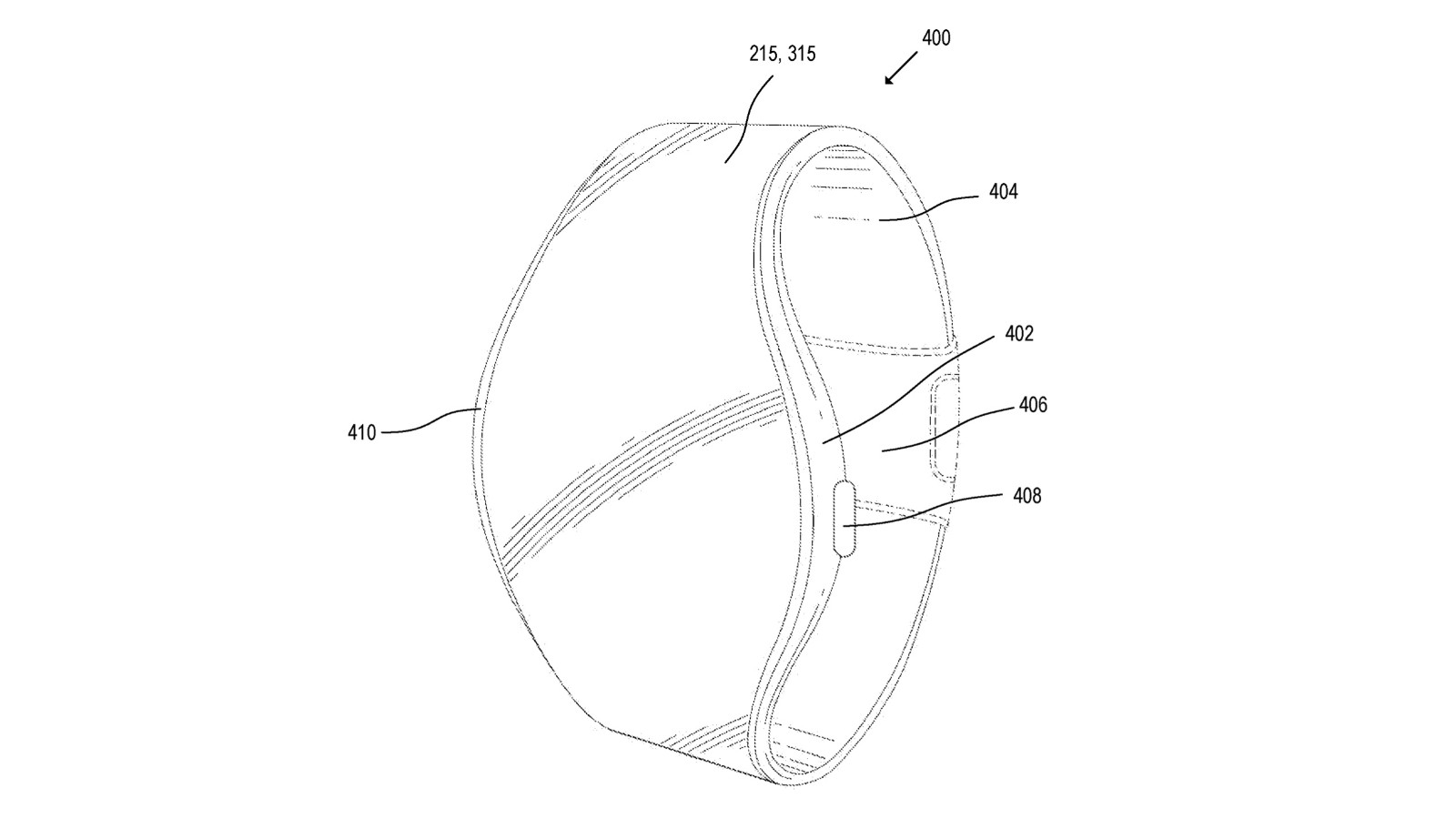
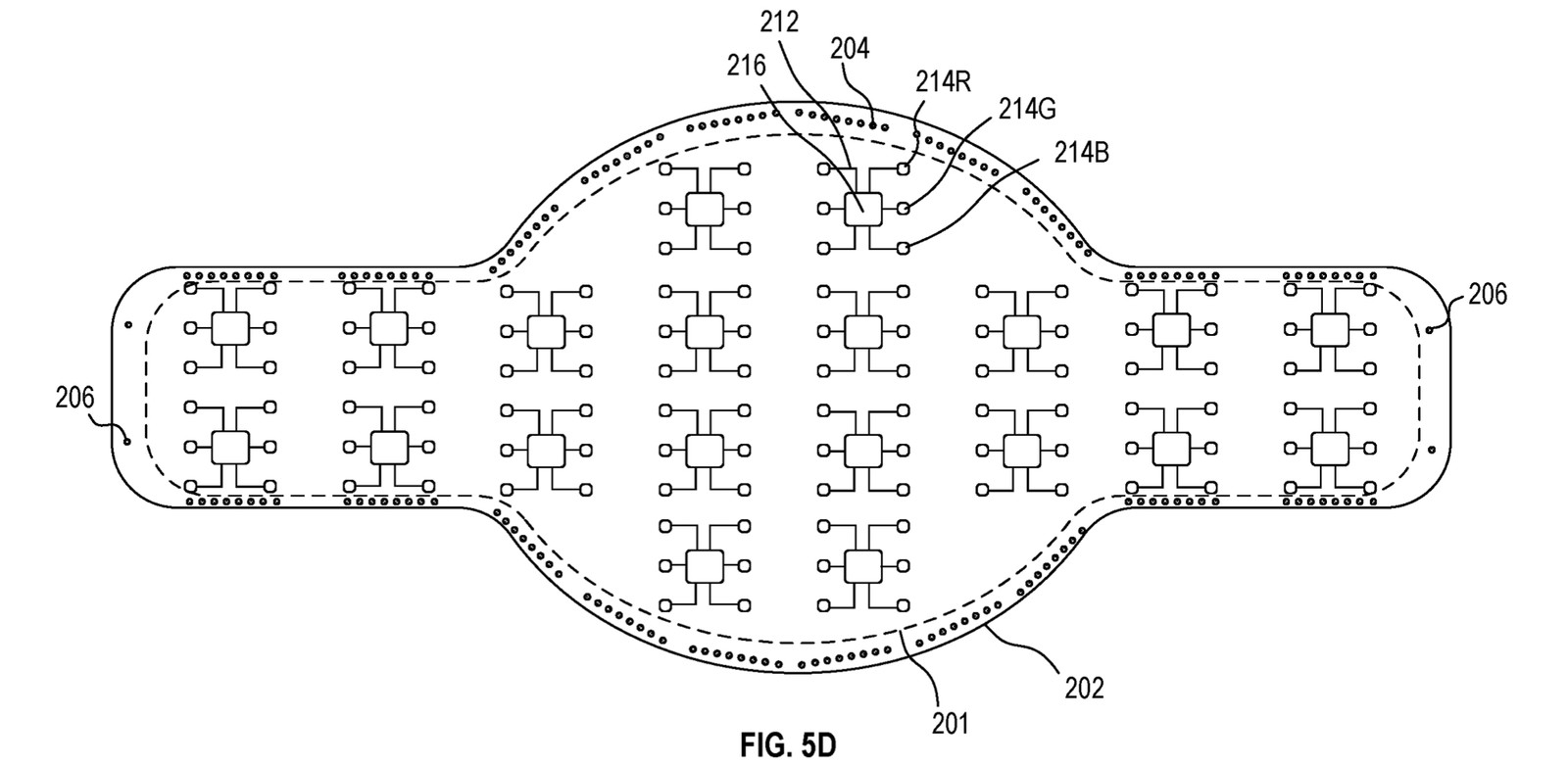
Apple has just patented a new design for a future Apple Watch, which features a unique wrap around flexible display. This means that the wearable would also arrive with a digitally customizable band.
According to a MacRumorsreport, the Cupertino based giant filed a new patent titled “Display Module and System Applications,” which was filed with the United States Patent and Trademark Office. In this document, the company outlines the design for a unique flexible display that would span the entire length of the band of its smartwatch. This display would have to be flexible enough to contour to the shape of the users’ arm to fit like a regular watch’s band.
The iPhone maker also explained the design, which would include a display with a “plurality of interconnects” that extends “through the display substrate from the front surface to the back surface, and an array of LEDs are in the display area and electrically connected with the plurality of interconnects.” Furthermore, the wearable’s battery, processor, ambient light sensor, and other crucial components can be fixed with an enclosure on the rear of the large display panel.
The patent also points out that the OLED display might be sensitive to air and moisture degradation without a protective glass cover along with other “problematic” issues due to the use of “interconnects.” On the other hand, the design would enable the company to offer “minimized” bezels around the display for a more appealing design, or even possibly “eliminate” the bezel entirely. Unfortunately, it is unknown if the company is actually working on such a product or covering all bases.
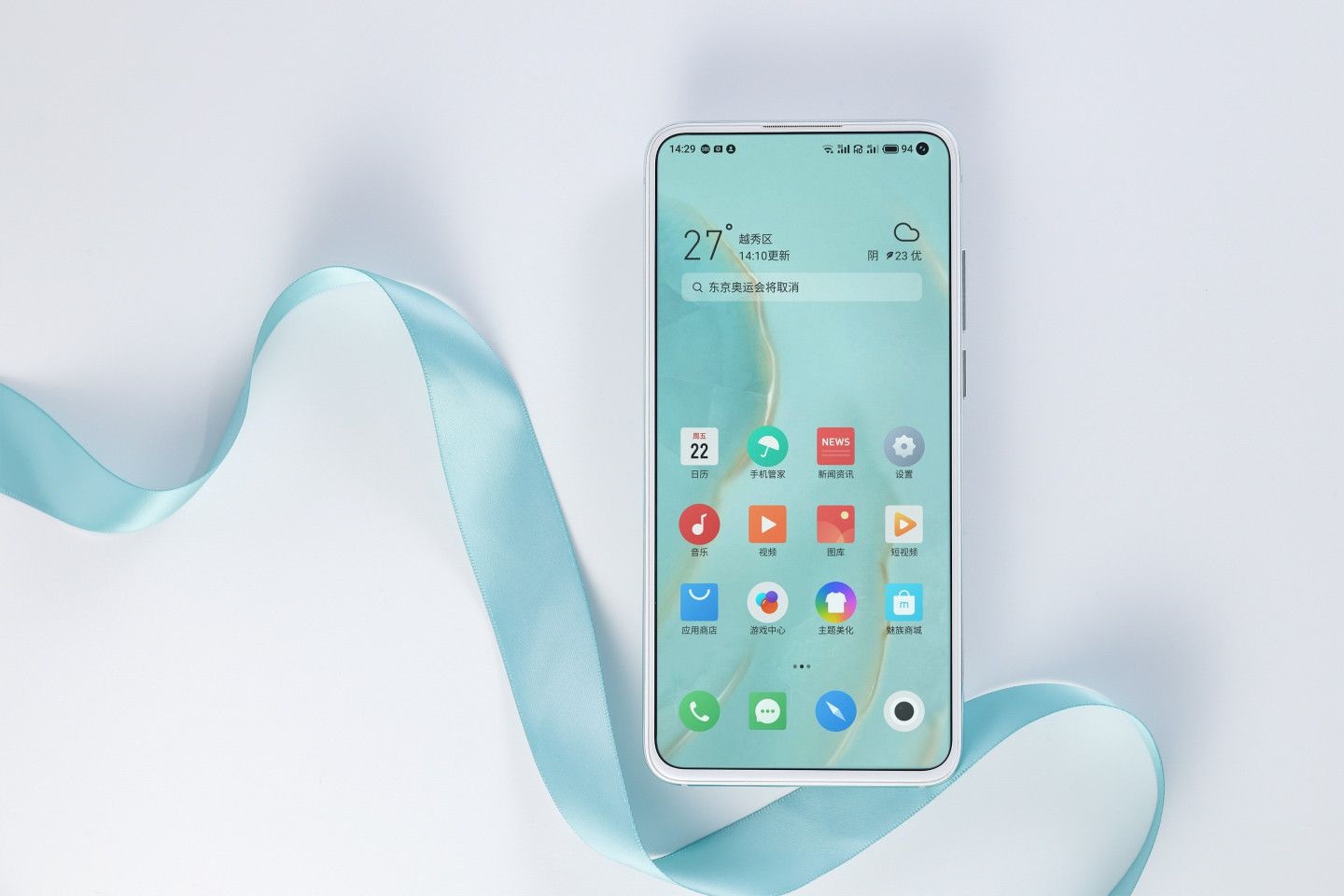
Meizu, the Chinese smartphone maker has today announced that the company’s last year’s flagship smartphone lineup, the Meizu 17 series, will be joining the “Three Zero Mobile” family in a couple of months.
The company is gearing up to roll out the Flyme 9 operating system for the smartphones which promises to offer a pure experience to the users, without any ads, push notifications, or pre-installed applications on the device.
This new operating system update will be available for the users of the Meizu 17 series smartphones in the month of May. The company has also said that all the new devices from Meizu will now come with a similar user experience. It started to do the same with the newly launched Meizu 18 series.
Earlier, the company had said that all the applications on the smartphone will need to be authorized by the users as the company is aiming to protect users’ privacy and security and giving control to the users.
The Meizu 17 smartphone features a 6.6-inch S-AMOLED Full HD+ display which comes with an in-display fingerprint sensor. Under the hood, the device is powered by the Qualcomm Snapdragon 865 octa-core processor, coupled with 8GB RAM.
In the camera department, the phone comes with a quad-camera setup on the back that includes a 64-megapixel primary shooter, a 12-megapixel wide-angle lens, an 8-megapixel ultrawide sensor, and a 5-megapixel macro lens. On the front side, there’s a 20-megapixel front-facing snapper for taking selfies and video calling.
The device runs the Android 10 operating system out-of-the-box with the company’s own Flyme OS 8.1 on top. Ever since the launch of the phone, Meizu has been regularly pushing updates and introducing new features. The phone is powered by a 4,500mAh battery with support for 30W fast charging technology.
Apple had made a major shift away from Intel and its processors for its Mac series of computers, in favor of its self designed ARM based chips. But despite losing Apple as a major customer, the chip maker is apparently planning on reentering the iPhone makers supply chain.
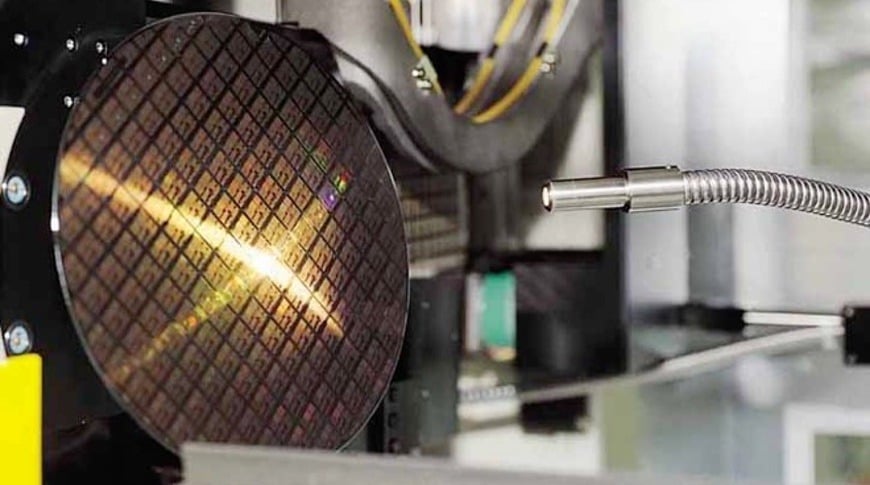
Rather than simply supply its Intel Core processors again, the company aims on getting Apple back through its new foundry business that is called Intel Foundry Services or IFS, as per a PhoneArenareport. The IFS will be run by the company’s Senior Vice President Randhir Thakur and will compete with other tech giants like Apple, Google, Microsoft, and even Qualcomm. These four brands design their own chips but do not produce them and contract other firms like TSMC and Samsung.
Team Blue will be spending about 20 billion US Dollars to open two new fabs in Chandler, Arizona. Notably, the move from the company also arrives as the world suffers a major shortage of semiconductors, which has affected various companies and industries across the globe. The company’s CEO Pat Gelsinger stated that the foundry business will be a part of a market that is estimated to reach a 100 billion US Dollars in value by 2025.
Apple has relied on TSMC, the world’s largest contract chip maker, for its chips, so it will be difficult for Intel and the IFS to get some orders from the smartphone maker. At the moment, Intel uses a 10nm and 14nm process nodes for the chips it designs and manufactures. The company is also on track for 7nm chips during the second quarter of this year. While it already makes its own chips, the company also plans on increasing the use of third party chip makers like TSMC, Samsung and others.
We use cookies on our website to give you the most relevant experience by remembering your preferences and repeat visits. By clicking “Accept”, you consent to the use of ALL the cookies.
This website uses cookies to improve your experience while you navigate through the website. Out of these, the cookies that are categorized as necessary are stored on your browser as they are essential for the working of basic functionalities of the website. We also use third-party cookies that help us analyze and understand how you use this website. These cookies will be stored in your browser only with your consent. You also have the option to opt-out of these cookies. But opting out of some of these cookies may affect your browsing experience.
Necessary cookies are absolutely essential for the website to function properly. This category only includes cookies that ensures basic functionalities and security features of the website. These cookies do not store any personal information.
Any cookies that may not be particularly necessary for the website to function and is used specifically to collect user personal data via analytics, ads, other embedded contents are termed as non-necessary cookies. It is mandatory to procure user consent prior to running these cookies on your website.