Advertisement

Lenovo ThinkPad X1 Fold launching Sept 30 as the world’s first foldable notebook

Lenovo has announced that it will release the long elusive ThinkPad X1 Fold on September 30. At CES 2019, Lenovo showcased what was claimed to be the “world’s first foldable PC.” The device showcased was merely a prototype but the Chinese giant is now set to release the product commercially, according to a teaser poster released recently.
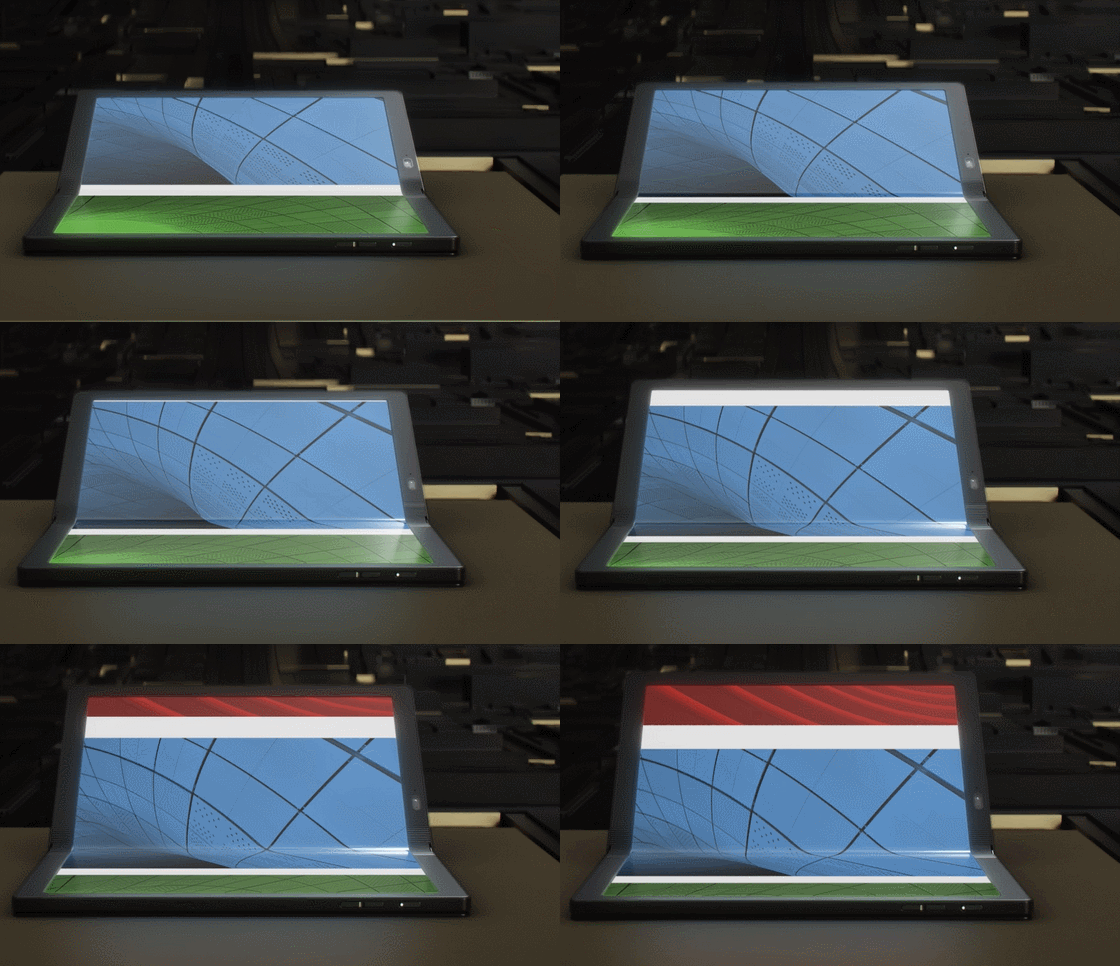
Simply put, the ThinkPad X1 Fold is a full-featured notebook computer powered by an 11th-generation Core processor. The notebook packs a 13.3-inch touchscreen display with 2K resolution but it is only the size of a 16-open book.
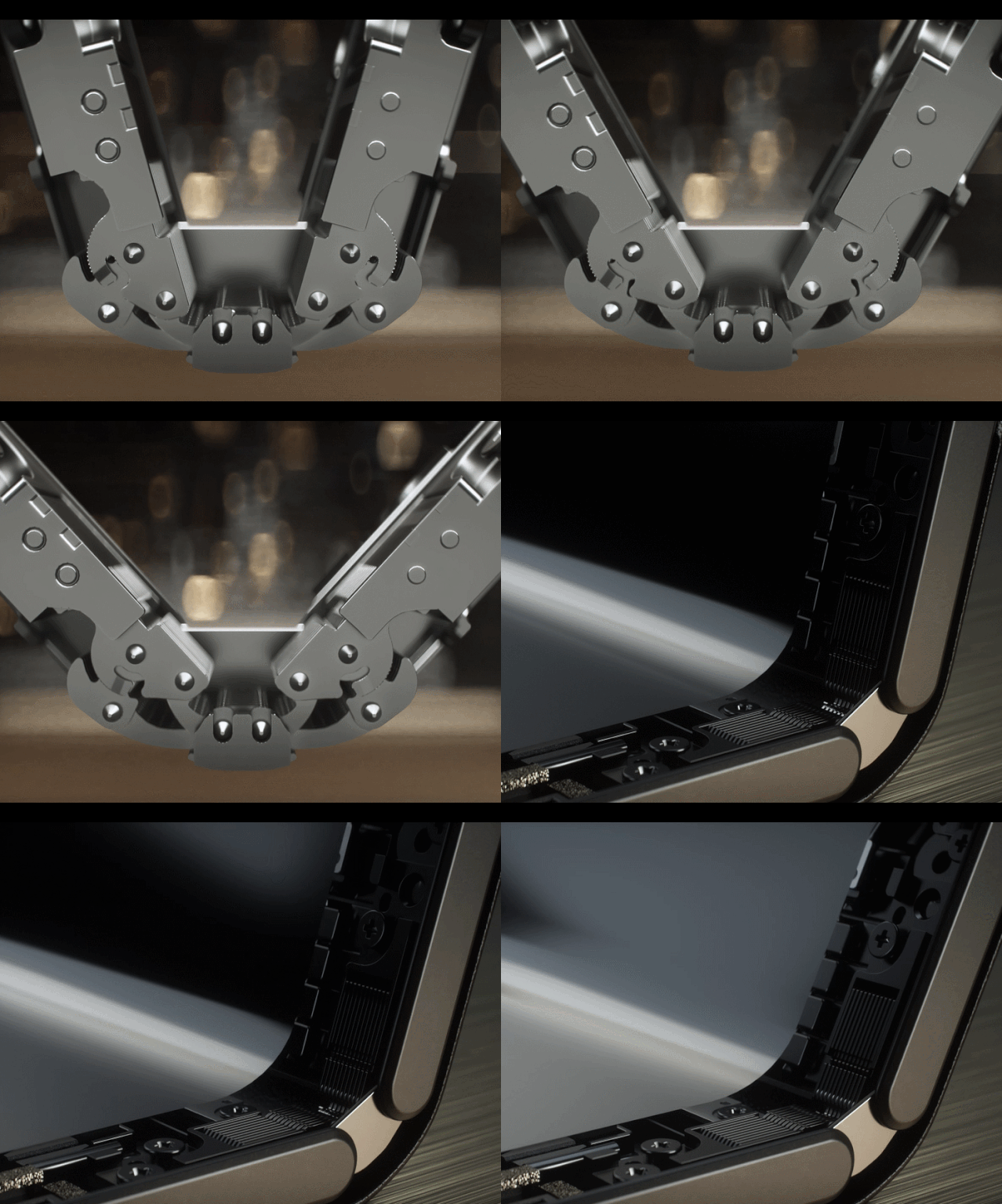
The core secret of this design lies in Lenovo’s exclusive flexible technology, through which the screen foldable design is realized. The ThinkPad X1 Fold’s flexible OLED display screen is built by Lenovo and supplier LG in deep cooperation.
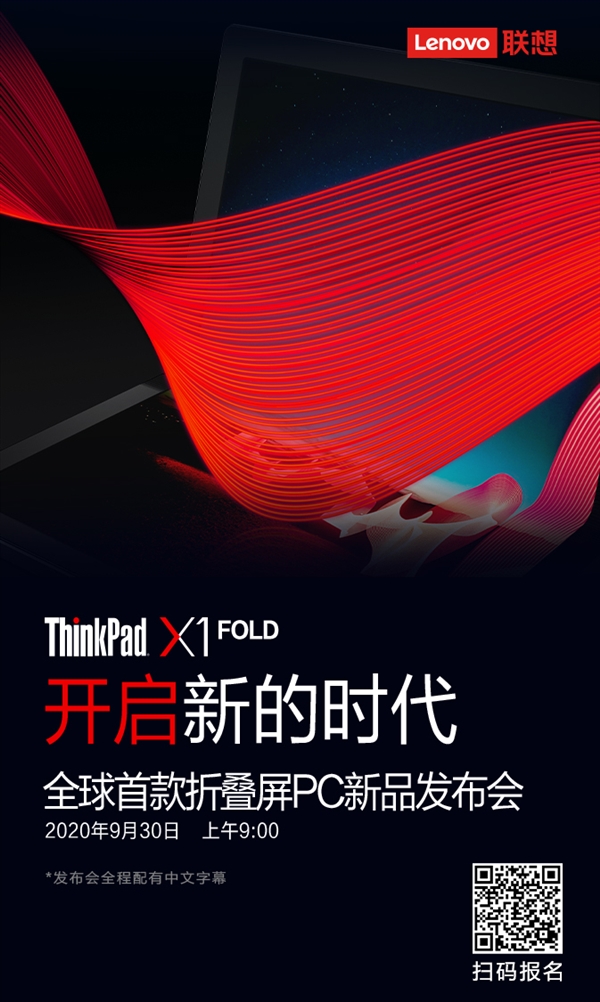
Lenovo and LG worked together to solve many technical problems in the four years it took to realise this technology. It deploys exclusive hinge technology and magnesium alloy-carbon fibre frame to realize a folding structure that is firm and flat after unfolding. The screen also feels like a traditional screen and meets durability test requirements.

We expect the pricing and availability details to be unveiled when it is officially released.


Bluetooth SIG certifies Huawei HiCar Center Screen: an Hongmeng OS-powered head unit for cars

Huawei announced HiCar last year which is its own take on Android Auto. The feature is available on some vehicles already such as the Baojun RC-6. For those who want Huawei’s Hongmeng OS-powered HiCar for their vehicles, Huawei has an aftermarket solution on the way called Huawei HiCar Center Screen and it has received Bluetooth certification.

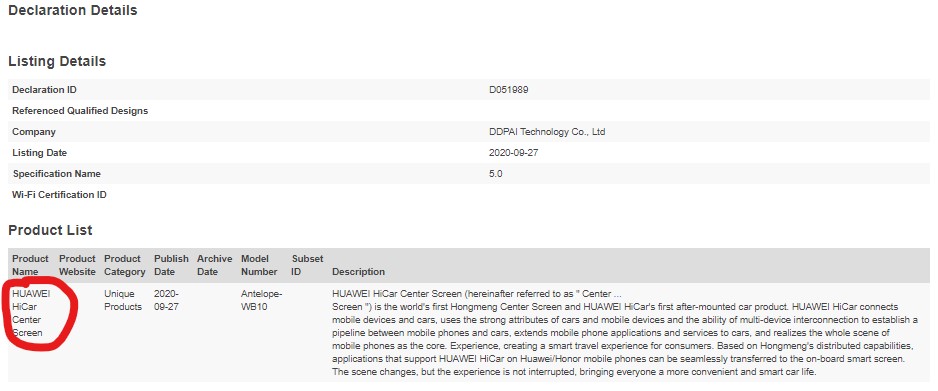
The Bluetooth SIG page reveals the name of the device is Huawei HiCar Center Screen. It also states the device is codenamed “Antelope“ and it has model number WB10.

Huawei HiCar Center Screen

The description says that the HiCar Center Screen is the world’s first Hongmeng “Center screen” and Huawei HiCar’s first after-mounted car product. The device connects users with supported Huawei and Honor phone to their cars and allows them to communicate with each other.

The description goes on to say owners will be able to seamlessly transfer HiCar supported apps on their phones on the center screen. These apps should include maps and music players.

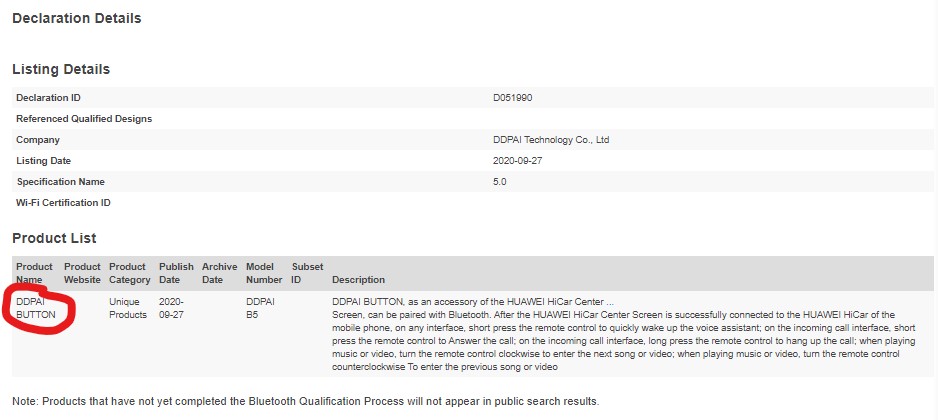
Huawei DDPAI Button

The Center Screen connects via Bluetooth 5.0 and should be announced soon. Alongside the device, another product called the DDPAI Button was also certified. The description says that the DDPAI Button is an accessory of the HiCar Center Screen. The device, which connects via Bluetooth 5.0, acts as a remote and can be used to activate the voice assistant, answer or reject calls, and pause/play/switch tracks.


Huawei is reportedly investing in local tech companies to strengthen the supply chain

Post the US ban, Chinese giant Huawei has bought stakes in multiple tech and semiconductor companies in a bid to invigorate the affected supply chain. A report by Reuters says that the move is to focus more locally rather than opting for overseas companies.

huawei

Setup in April 2019, Huawei’s Habo Investments has reportedly finished close to 17 deals since August 2019. The deal is for buying stakes from Chinese tech companies as per the public records. Most of the deals are with start-ups and some companies include Vertilite, Shoulder Electronics, 3Peak, and more. Recently, it has also invested in Open Source China, which is behind China’s Github alternative, Gitee. While we aren’t aware of the exact valuations, the report says Habo’s normally acquires 5-10% as per the filings.

Vertilite, founded in 2015, makes (vertical-cavity surface-emitting lasers)VCSEL sensors for facial-recognition in Cameras. And Huawei has reportedly used its sensors in a number of devices. Shoulder Electronics makes RF filters for wireless communications but still lacks compatibility of 5G phones. 3Peak makes ADC(Analogue-Digital Converters) for network base stations.

Besides, Habo’s investments include companies outside of telecom operations as well. If reports are true, its investment in chips, raw materials, and battery technology companies suggests that Huawei self-driving cars aren’t far away from reality.

All these investments are reportedly the response to US restrictions on the company. A former Huawei staff is quoted saying that the company usually does its own R&D but has turned towards investments only as the last resort. However, analysts predict that Huawei is far from recovering its Smartphone and network operations. They say that these investments will take time to reap benefits but Huawei is left with nothing else to do.

Ivan Platonov from Researching firm EqualOcean says, most of the companies are small and not globally competitive despite being good at their job. For instance, 3Peak’s annual revenue in 2019 is reportedly only $43.99 million. However, the US companies dominate the ADC market already. That said, Huawei’s investments are on the lines of the Chinese government’s steps to improve the silicon sector. Nevertheless, let’s play the waiting to see if Huawei can harvest well with these investments in the future.

Up Next: Samsung leads the global smartphone market in August, widens the gap with Huawei

Lenovo Group’s Former Chief Engineer believes that China will turn down ARM’s acquisition

In a refreshing perspective, Lenovo Group’s former Chief Engineer Ni Guangnan believes that China will block Nvidia’s acquisition of ARM. Speaking at a forum in Zhengzhou, he says that China would not be comfortable using the architecture of ARM holdings if it is owned by a US-based company.

ARM

As per a report from SCMP, Ni says the Chinese Commerce Ministry will reject the acquisition. He adds that China’s Anti-trust regulator will cite the monopoly in the supply of chip design tools as a reason. However, insiders think that fear of technology coming under the ambit of the USA’s export control regulations is the reason.

Previously, both ARM and Nvidia announced a deal worth $40 billion a few weeks ago. Accordingly, Japan’s SoftBank owned ARM holdings will go into the hands of America’s MNC Nvidia Corporation.

Besides, Just like Ni says, two Intellectual Property architectures are widespread in the semiconductor industry. One of them is America’s Intel invention and the other Cambridge-based ARM. Several companies use these architectural designs to make a wide variety of chips for PC, Smartphones, and other IoT devices. ARM shortly asked employees to stop working for Huawei after the US ban before reversing the decision. It realized that its technology is of UK origin and not US.

Editor’s Pick: TSMC warns of price rise due to US-China trade war

If we take ARM, it has its root in Cambridge, UK. The report says after 18 years of entering China, ARM now draws about 20% of revenue from Chinese companies and has an absolute presence in the region. Also, according to the ARM China website, its license has been used to ship close to 19 billion devices as of September.

Further, the report also says China imported chips worth $44 billion in 2019 as opposed to $29.3 billion in 2013. That said, if the ARM falls in the hands of Nvidia, it will be detrimental to China as it has to clear the hurdles put forth by the US.

USA is pressurizing China by banning Huawei’s 5G equipment, export of SMIC, and advocating others to do so. However, Ni is certain that China will catch up in the world of Semiconductors as soon as possible. He also says that the country has the task of building an information ecosystem rather than a single product.

Up Next: Samsung leads global smartphone market in August, widens gap with Huawei

Caviar’s customized iPhone 12 Pro will pay homage to the Apple I

Caviar, the Russian luxury company known for customizing popular phones including iPhones as announced its plans for the upcoming iPhone 12 series. According to Caviar, its customized iPhone 12 and iPhone 12 Pro will pay homage to the Apple 1.

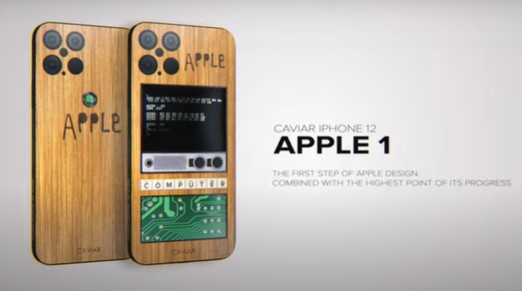
Caviar iPhone 12

The Apple 1 was the first computer made by Apple. It was actually hand-built by Apple co-founder, Steve Wozniak, and was released in 1976. The computer was discontinued on September 30, 1977 (exactly 43 years ago tomorrow) which is the reason why Caviar wants to base its next customized iPhones on it.

Caviar says there will be two versions of the customized iPhone 12 Pro and iPhone 12 Pro Max. One will have a piece of the original Apple 1 motherboard stuck on the back of the phone which has a natural wood panel. Above the motherboard is a glossy titanium screen. This version called the Apple 1 will have a starting price of $10,000.

The second version called the Light version will also have a wooden back panel, feature the same “Apple” engraving on the back, but come with a much smaller piece of the Apple 1 motherboard. This version will start at $5000.

Caviar says limited quantities will be available – just 9 units of the Apple 1 and  49 units of the Light version. Expect them to be available following the release of the iPhone 12 series next month.


OnePlus starts recruiting testers for OnePlus Nord OxygenOS Closed Beta program

OnePlus is known for releasing OxygenOS builds in three different channels namely Closed Beta, Open Beta, and Stable. The latter two can be downloaded and installed by anyone but the former requires special access and the number of seats are limited. That said, after two months from its launch, OnePlus has finally announced the Closed Beta program for OnePlus Nord.

OnePlus Nord OxygenOS Closed Beta Recruitment

OnePlus Nord is the most hyped smartphone of 2020 for no apparent reason except for good marketing. It is just another random mid-range 5G handset with OnePlus branding. The software on this device is filled with bugs and therefore, the company has been seeding new builds since its release.

In fact, the software on OnePlus Nord is so terrible that some users are facing an automatic factory reset bug. Thankfully, the brand has now started recruiting OxygenOS Closed Beta testers for this phone. Under this program, we expect the company to work closely with the limited 200 users to fix all the issues.

Earlier this year, the Chinese smartphone maker reduced the frequency of OxygenOS releases. As per that, it will only release 2 Closed Beta builds for the OnePlus Nord and not 4 as it used to before the OnePlus 8 series.

Nevertheless, it’s better than nothing. We hope the brand to soon squash all the irritating bugs on the Nord.


Xiaomi crowdfunds the MIJIA Mite Eliminator Wired version

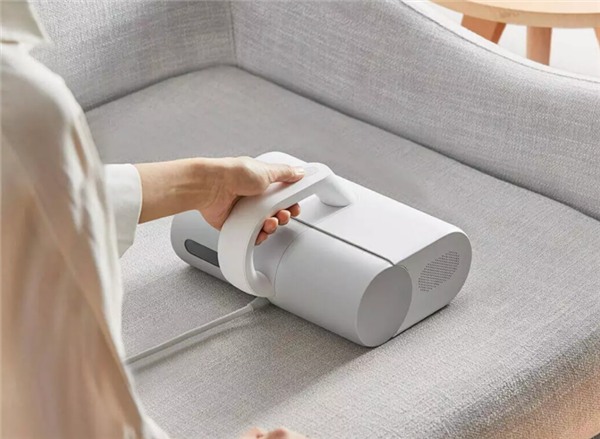
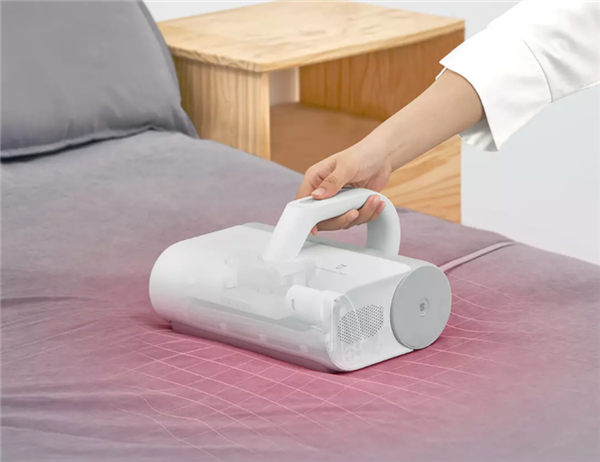
When it comes to smart home products, Xiaomi has got you covered. The company has now launched the MIJIA Mite Eliminator Wired version and it comes with a price tag of 199 yuan (~$29). It is available on the Youpin platform. The device is a timmed down version of the MIJIA Wireless Mite Eliminator which was launched for 549 yuan (~$80).

The MIJIA Wireless Mite Eliminator adopts an high-speed motor  with a rev of 85,000 rpm. The suction is quite powerful pressure of 16kPa. But this new wired version comes with a 2300 rmp electric roller brush supplemented by 12000Pa strong suction power.

It adopts a 20cm open large suction port design, which fits the surface of the mattress and increases the effective mite removal area. The large curved handle and double rollers on the rear makes the touch more comfortable.

The device has up to 99.9% UV-C sterilization rate. The device has a 50°C hot air dehumidification which will wipe out dust mites and bacteria.

The MIJIA Mite Eliminator is a cleaning roller brush at the suction mouth. The independent motor drives the roller brush to rotate at a high speed and beat at the same time. The high frequency beats the surface of the fabric 10,000 times per minute so that the mites hidden in the deep and tightly connected to the fabric fibres can be easily eliminated.

At the same time, the soft bristles on the roller brush penetrate deep into the gaps in the fabric, sweeping out the hidden dust and mites, and clean gently without damaging the fabric.MIJIA Mite Eliminator Wired version

The MIJIA Mite Eliminator wired version first uses the cyclone to separate the heart to separate dust particles from the gas, and then through a filter system consisting of a pinhole stainless steel filter, HEPA filter, and air filter sponge, the dust mites are tightly locked in the dust cup to ensure Fresh exhaust.

All components directly in contact with dust can be quickly disassembled and washed directly with water. When cleaning the components, you can use the attached cleaning brush to easily clean the entangled hair.


OnePlus teases the launch of “OnePlus World” on October 1

The OnePlus 8T is set for an October 14 launch. OnePlus has confirmed that there will be no OnePlus 8 Pro. However, there are reports a number of other products will be launching alongside the 8T. Yesterday, a teaser from the official OnePlus Nord Instagram account hinted at the launch of a new Nord smartphone. Today, OnePlus has posted a teaser for the announcement of what it calls OnePlus World on Thursday, October 1.

The teaser was posted on Twitter with a caption that read “Counting down the hours to the #OnePlusWorld launch.”. The attached image has 9 vertical columns and a text that says “Break the loop, Change your world”.

There are lots of guesses flying around as to what OnePlus is going to announce. There are speculations it is the OnePlus Watch which was certified by the Singapore IMDA last month. Others say it is for a global store. However, the OnePlus USA account may have provided more details.

As seen in the tweet above, it appears OnePlus has created a sort of virtual space for its fans. The image shows AR avatars working towards a destination. Our wild guess is this may be a sort of VR platform OnePlus intends to use for the launch of the OnePlus 8T next month.

Anyway, we want to hear what you think OnePlus World is about. So please drop your guesses in the comment box below.


[Update: Vivo overtakes both OnePlus and Google]Pete Lau: OnePlus 8T will be the first non-pixel Smartphone to launch with Android 11

Update: September 30

Vivo out of nowhere has announced that it’s Vivo V20 is the first smartphone to run Android 11 pre-installed. This way it beats both the Pixel 4a and 5, and OnePlus’ 8T that are set to launch September 30(Today) and October 14 respectively. Also, XDAdevelopers have dug in to find that Vivo V20 with model number V2025 is running on SDK version 30 further confirming that it is indeed running Android 11.

Original Story: September 29

Its a known fact that OnePlus will be launching its new OnePlus 8T flagship on October 14. Now, the company has announced that 8T will be the first smartphone after Google’s Pixel devices to launch with Android 11 out of the box.

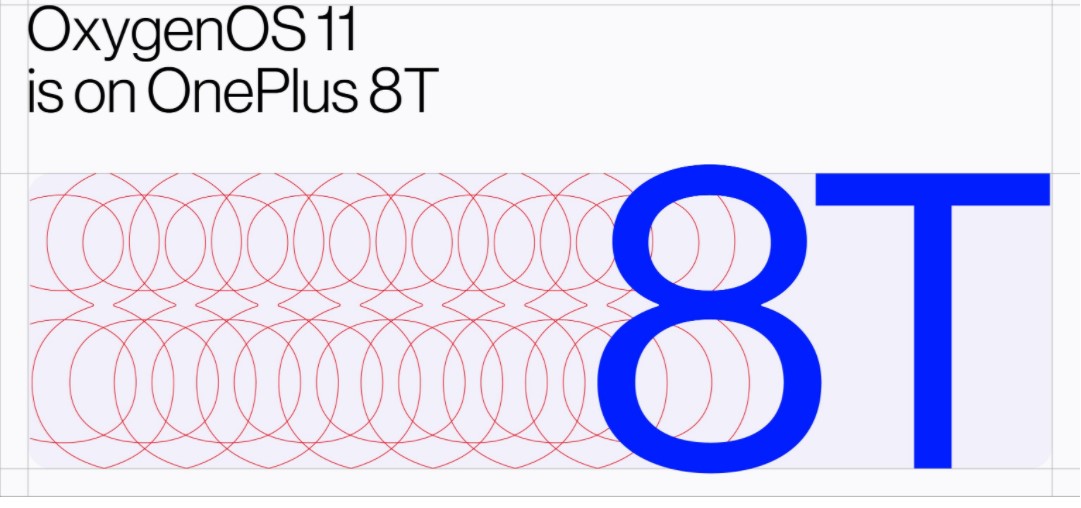
OnePlus co-founder and CEO Pete Lau, also says that the device will ship with Oxygen OS 11. This is a no-brainer as the company usually is known to be one of the front-runners in giving users the latest software experience.  Pete says that the hardware(display) and software(OxygenOS) will be a good blend for overall refined experience. Previously, Pete Lau explained the display parameters on the OnePlus 8T and confirmed the 120Hz refresh rate.

OnePlus launched the OxygenOS 11 with improved features like always-on display(AOD), revamped Zen Mode and Dark mode, one-handed gestures with overhaul in UI, animations, and more. The new OxygenOS 11 takes a lot of liking from Samsung’s One UI. Accordingly, it makes headings of menus bolder while moving contents a bit down to make it closer to the thumb. But this initially received mixed response from users.

Editor’s Pick: OnePlus teases a new Nord smartphone is coming soon

However, the company recently explained the reason for adopting a UI with changes like one-handed efficiency, adaption to bigger screens. That said, the new OnePlus 8T adopts a similar-sized 6.55-inch display compared to the 7T. Hence, it will be interesting to see how the new changes of OxygenOS 11 take effect on it. That said with this announcement, OnePlus yet again takes the crown of launching a device soon after Google with the newest Android after OnePlus 7T.

OnePlus 8T Specifications

Nevertheless, OnePlus 8T will solely launch with OxygenOS 11 as Pete Lau has already confirmed that there won’t be a Pro this time. As for the specifications, it features a 6.55-inch AMOLED punch-hole display with a 120Hz refresh rate. It is expected to sport Snapdragon 865 SoC, 4,500mAh battery but is confirmed to have 65W charging support. On the optics side, it will most likely have a cluster of 48MP main, 16MP ultra-wide, 5MP macro, and 2MP depth sensor on the back. And a 16MP selfie shooter at the front. Color variants expected are Aquamarine Green and Lunar Silver options.

Up Next: OnePlus kicks off IDEAS 2.0 program to crowdsource features for its devices

Lenovo launches a laptop with built-in TWS earbuds

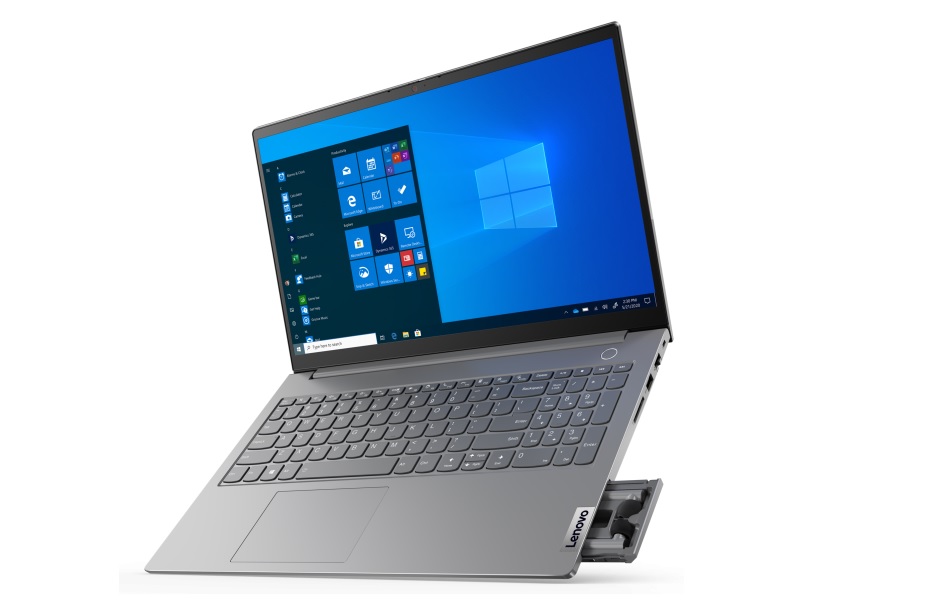
Lenovo announced a couple of new computers today but the ThinkBook 15 Gen 2 is the one that stands out. The new laptop is not the most powerful of the lineup but stands out from the rest with its built-in TWS earbuds. Yes, you read that right.

ThinkBook 15 Gen 2 featured

Lenovo’s new notebook PC has a tray that slides out from the right-hand side that holds a pair of TWS earbuds. The earbuds have long stems with silicone ear tips and connect to the laptop once you remove them from the tray. They also have noise cancellation and touch controls for muting the microphones. To recharge them, all you have to do is put them back into the tray.

The Lenovo ThinkBook 15 Gen 2 has a 15-inch FHD display with the option for a touchscreen. The screen has a 180° hinge which should be a plus for those who opt for the touchscreen version.

The laptop comes in two major versions – with Intel’s 11th gen processors or with AMD’s Ryzen 4000 U-series. There are different RAM and storage configurations (SSD, dual SSD, or SSD+HDD). The computer has a full-sized keyboard with a dedicated numeric keypad. It also has a fingerprint scanner, card reader, USB 3.0 ports, HDMI output port, and USB-C ports with DisplayPort and support for Power Delivery.

The ThinkBook 15 Gen 2 has a starting price of $549 for the AMD version and $569 for the Intel version. The AMD version doesn’t come with earbuds as it is a feature limited to select models of the Intel variant. The computer goes on sale next month but if you want the version with earbuds, you will have to wait until November.

OnePlus kicks off IDEAS 2.0 program to crowdsource features for its devices

Back in March 2019, OnePlus launched IDEAS program to crowdsource new features for its devices. AOD or Always-on Display was the most voted feature in the first edition of this initiative. As promised, the brand finally brought this feature with OxygenOS 11 based on Android 11. Now, six months later, the Chinese smartphone maker announced the second edition of this program called IDEAS 2.0.

OnePlus IDEAS 2.0

Just like the first edition of the program, IDEAS 2.0 is only limited to software features. It will be running from September 28 to November 6. During this period, OnePlus community members can submit their ideas for new features on the official page (via OnePlus Community).

According to OnePlus, the selection process will be carried out every two weeks and all adopted ideas will be announced by November 16. In each round, the top 7 ideas will be selected based on their ranking obtained by the number of likes from community members.

As for perks, members who submit ideas will be awarded 3 XP with the limitation of 3 submissions per day. Further, submitters whose idea make it to the top 7 will be credited with 50 XP and exclusive community medals.

Last but not least, the member whose idea gets adopted by the company will get a VIP ticket to a OnePlus offline event that includes tickets for the round trip and one-night accommodation.


Xiaomi crowdfunds a Graphene smart heating mattress, starts at ¥299 (~$44)

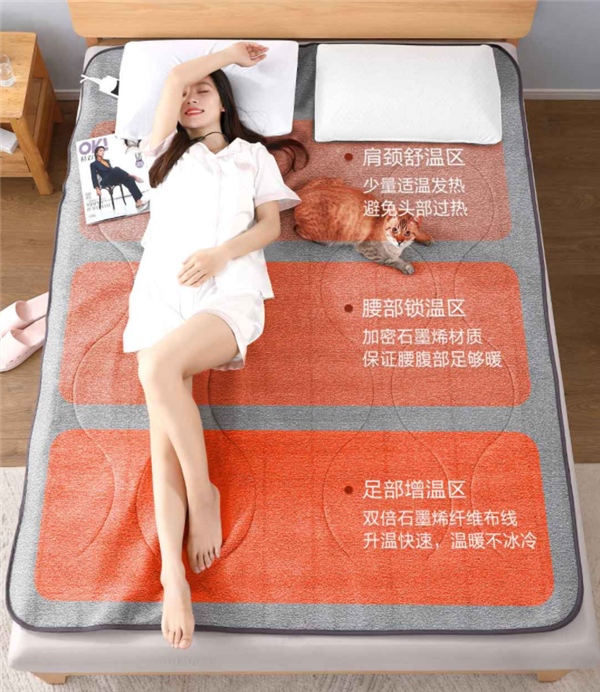
Xiaomi Youpin has launched a simple-colour graphene smart heating mattress under crowdfunding. The mattress comes with an original price of 499 yuan (~$73) and a crowdfunding price of only 299 yuan (~$43).

The mattress is about 1 cm thick and has a layered design with five layers of materials. The front and back sides are made of sandwich and breathable materials, which have good moisture absorption and air permeability. You can feel a soft and fluffy feeling when lying down. The graphene fibre heating layer in the middle generates uniform heat.

Simple color graphene smart heating mattress uses graphene technology, which has excellent thermal and electrical conductivity. Upgrade from sheet heating to linear heating, heating more evenly. There will be no partial overheating or overcooling of general electric blankets.

It supports precise adjustment of 5 levels of temperature (32℃-60℃), which is more flexible than electric blankets that only have three levels of low, medium and high adjustment. This will ensure the blanket meets the temperature needs of different people. When the temperature is adjusted to the highest level of 60 ℃, it can also remove mites and dry the blanket.

The mattress comes in a single-person model which measures 90cmx195cm and a two-person model measures 150cmx200cm and comes in higher at 499 yuan (~$73). The two-person version also supports left and right partitions as well as dual controls.


Sharp is reportedly planning to divest its display business into a separate entity

Japanese multinational corporation(MNC) Sharp Corp., is reportedly planning to divest its display business. As per a report, the move will help the company operate separately and focus on the development of microLED technology.

sharp

A report from Japanese media SanKeiBiz(via TheElec) says that the newly formed subsidiary will become Sharp Display Technology(SDTC). It will be based in Kameyama, a city in northern Mie Prefecture of Japan. Further, the report adds that the production line at Kameyama will focus on panels for automobiles and medical devices.

Also, it will free up some space in the factory by sending LCD(Liquid Crystal Displays) equipment at Kameyama to its Hakusan plant. Previously, Sharp acquired the display manufacturing plant of JDI(Japan Display Incorporation) at Hakusan a while ago. The deal, valued at $390 million, is said to have helped JDI to pay-off its debts to Apple.

Moreover, the report says that Sharp will use the unused areas of the factory to develop and produce microLED display panels. That said, a part of the space available in Hakusan seems to match the production line and equipment of LCD panels. Hence, it will shift the equipment to continue its LCD panel production for Apple.

Editor’s Pick: Realme executive teases smartphone with under-display camera technology

For the unware, Apple, JDI, Sharp have a lot of connections between them. Sharp manufactures electronics products and has a lot of subsidiaries however, its display business accounts for 30% of its sales. Also, it is under the Taiwan-based Foxconn Group(Hon Hai Precision Industry Co Ltd.) since 2016.

As per few reports, earlier, JDI was a major supplier of LCD displays for Apple during the iPhone 6 days. However, Apple started moving increasingly towards AMOLED from iPhone X. And as JDI was late to the party, it was unable to operate well and pay debts it borrowed from Apple for building the Hakusan plant. Accordingly, reports say, Sharp, which is one of the suppliers of Apple, freed JDI by buying the Hakusan plant on Apple’s advice.

Apple currently has LG, JDI, and Sharp, supplying its AMOLED and LCD displays respectively. Sharp, JDI makes LCD panels for iPhone SE while LG makes AMOLED panels for flagship iPhones. As for Sharp, the new development will not only enable it to focus on LED technology. But continue to make LCD panels for Apple in the long run.

Up Next: Sharp AQUOS Zero 5G Basic, Sense 5G, Sense 4 and Sense 4 Plus launched, Specifications, features and price


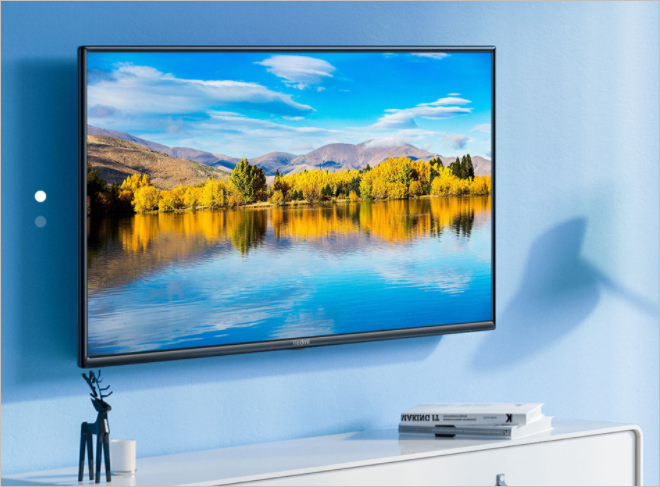
Redmi Smart TV A32 to launch tomorrow for ¥799 (~$117) – the cheapest Redmi TV ever

Redmi, the company backed by Xiaomi has officially confirmed recently that a new Smart TV A series will join the fray recently. The smart TV series has started rolling out in bits as the Smart TV A55 and Smart TV A50 has been released. Xiaomi is now set to release the Redmi Smart TV A32 in China tomorrow (September 30). The product will be sold of 799 yuan (~$117).Redmi Smart TV A32

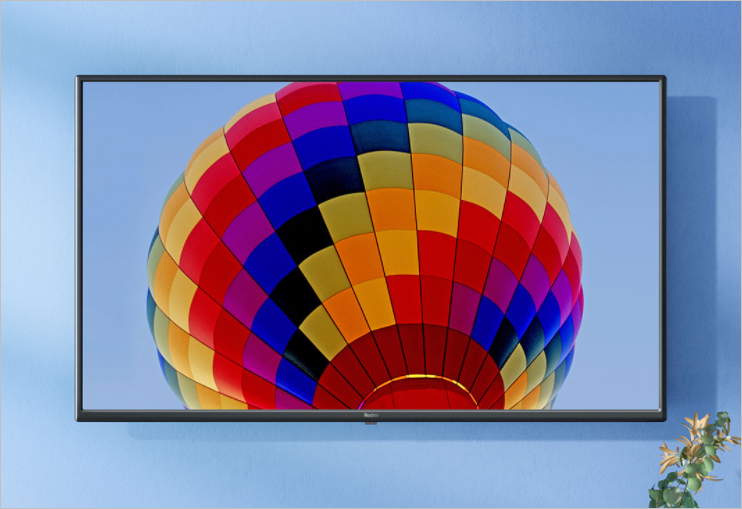
At this price, the Redmi Smart TV A32 will be the cheapest Redmi smart TV yet and the price is quite competitive. As the name implies, the Smart TV A32 packs a 32-inch display and is equipped with a new generation of image quality engine so that the picture has smoother and sharper edges, showing more image details.

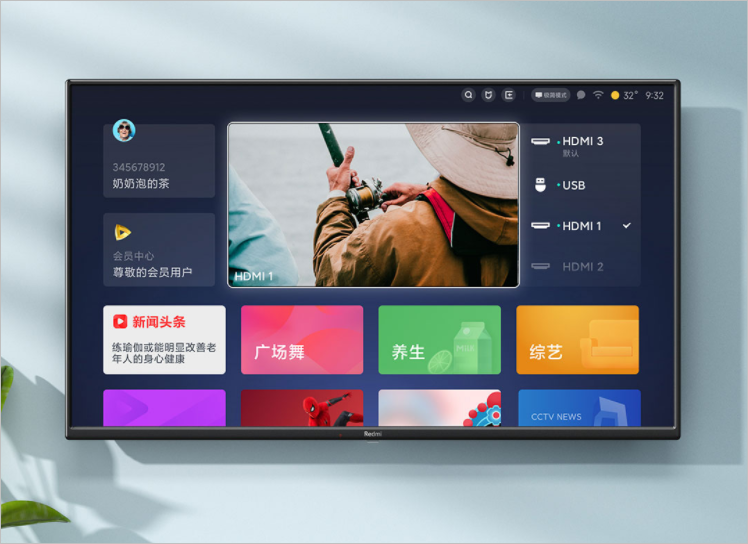
Not only that, the Smart TV A32 is equipped with a 64-bit dual-core A53 processor paired with 1GB RAM  and there is 8GB storage onboard. The processor also teams up with a Mali-450 GPU which powers the graphics. For interface, the device features the latest MIUI for TV 3.0 operating system.Redmi Smart TV A32

The smart TV also comes with smarter voice control. Its built-in XiaoAI 3.0 can control smart home devices such as bedroom air conditioners, air purifiers, and sweeping robots, and become the control centre of smart homes.

The smart TV will be sold on Jingdong (JD.com).


Realme’s 125W UltraDart Charger may be heading first to Europe

Back in July, Realme announced its 125W UltraDart Fast Charging technology. It has been more than two months now and the charger is yet to go on sale or even ship with a phone. That may change soon as a tweet from the CEO hints at the launch of a 125W charger in Europe.

Madhav Sheth, the CEO of Realme Mobiles and Realme Europe shared an image of the 125W UltraDart Charger on Twitter today. The caption hints at the product launching first in Europe, and replies by the official Realme Europe and Realme UK Twitter accounts also seem to confirm this.

The picture shows the charger will come in white with the flat plug used by America and China. It supports 100 – 240V which means it should work in practically all countries. While the charger supports a maximum power output of 125W, it does support other power ratings too. Below are the supported power ratings:

  • 20V 6.25A = 125W
  • 5V 3A = 15W
  • 9V 3A = 27W
  • 12V 3A = 36W
  • 15V 3A = 45W
  • 20V 3.25  = 65W
  • 3.3V – 21V 5.95A = 125W max

Realme already disclosed that its fast charging technology supports the charging of high-power devices such as notebooks. So if you are on the lookout for the purchase of a new charger for your notebook, you may want to wait for Realme to announce its new charger. We expect it to be pretty affordable when it launches.

Realme should soon announce a date for its launch event in Europe which is expected to be for several products including the Realme 7 series.


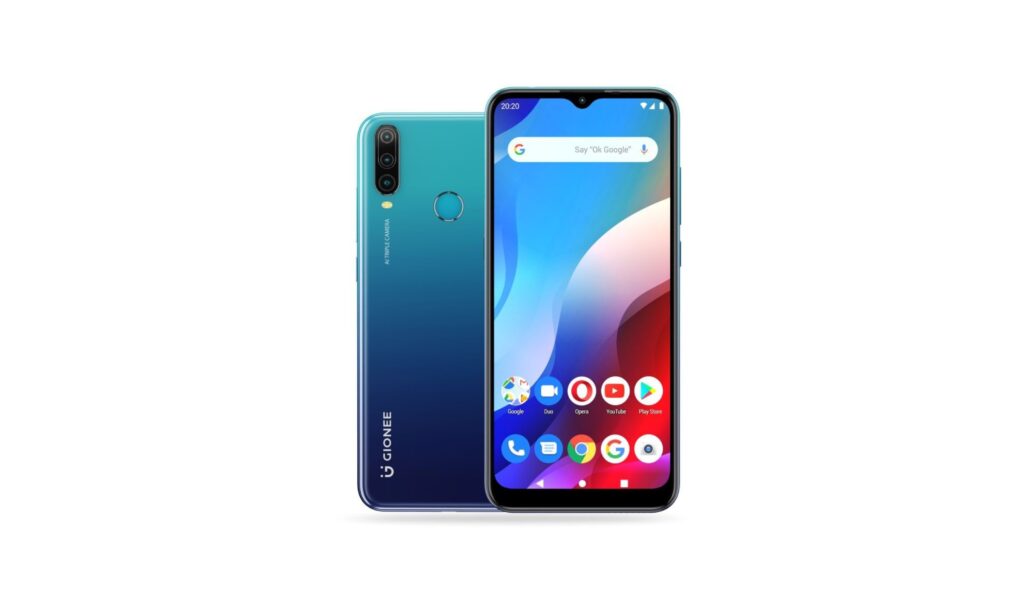
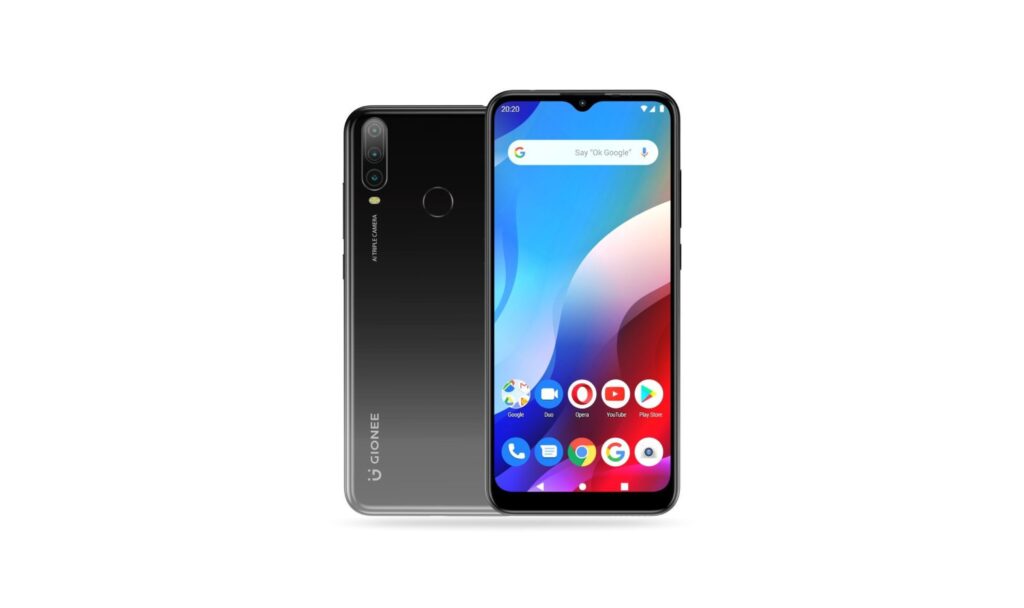
Gionee S12 Lite announced for Nigeria with HD+ display, triple camera, 4,000mAh battery & more

Gionee S12 Lite will be launching on October 5 in Nigeria, as per the brand. The company has revealed everything about this device except for its price. The design of this handset resembles budget smartphones released in 2019.

Gionee S12 Lite Blue Featured

The upcoming Gionee S12 Lite is an affordable smartphone powered by MediaTek helio A25 chipset paired with 3GB RAM and 32GB internal storage. If needed, users can expand the device’s limited storage by inserting a microSD card.

On the front, the handset sports a 6.52-inch IPS LCD panel with a resolution of 720 x 1,600 pixels (HD+), 20:9 aspect ratio and a dew-drop notch nesting an 8MP selfie camera.


Whereas, on the back, the phone houses a vertically aligned triple-camera setup consisting of a 13MP primary sensor, a 5MP sensor with an ultra-wide sensor, and a 2MP depth sensor. The rear panel of the device also includes a capacitive fingerprint sensor.

Gionee S12 Lite Gray Featured

Other features of this phone include dual-SIM, 4G, single-band WiFi (2.4GHz), Bluetooth 4.2, 3.5mm headphone jack, FM Radio, MicroUSB port, Android 10, and a 4,000mAh battery.

Last but not least, the body of this handset is made of polycarbonate like any other budget smartphone and buyers will be able to pick it up in either Blue or Gray color version.


(Via)

Google Meet gets noise cancellation on mobile

Google is rolling out new features to its video communication apps. Just a few weeks ago, it announced that Google Meet is getting a background blur feature and that it has begun rolling out a screen sharing feature for Google Duo. It has now announced that the mobile app for Google Meet is getting the noise cancellation feature that has been available for the desktop version since April.

The noise cancellation feature is designed to filter out background noises. A demo video that was released a few months ago shows that the noise cancellation feature can filter out a variety of everyday sounds such as when you are unwrapping a snack, typing, or the clicking of a pen. It will even filter out the noise if you are in a public place such as the airport.

Google says the feature is rolling out today but as we have seen with recent features, this may be a server-side activation rather than an update that you can grab from the Play Store.

Seeing as it took about five months for the feature to be available for the Google Meet mobile app (Android and iOS), we presume the duration will be similar for the background blur feature which is still limited to the desktop app.


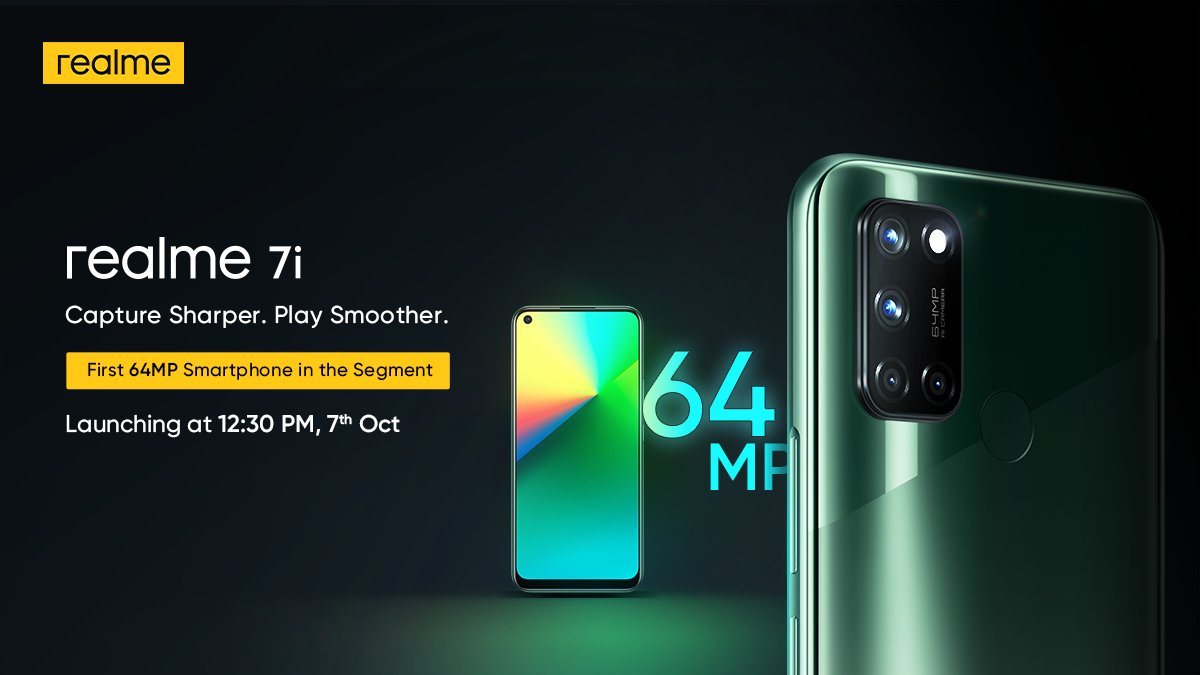
realme will launch realme 7i, 55-inch SLED TV on October 7 in India, other AIoT products to tag along

realme has finally set the date for launching its realme 7i, 55-inch SLED TV, a “sun-kissed leather” special edition of Realme 7 Pro, and other smart products in India. The company confirmed the October 7 event via Twitter and also said that it is ready to launch a range of products to focus on the “1+4+N” strategy.

realme will live stream the event on its social media channels like YouTube. The event will take place virtually on October 7, 12:30 PM IST, and will include smart AIoT products as well. Talking about the realme 7i, the device first debuted in Indonesia on September 17 for $214(~₹15,800). Then, its official support page went live in India a few days back. Thanks to the leaks, we already know the color variants that are coming to India.

realme 7i Specifications

The device will arrive in Polar Blue and Aurora Green colors and features a 6.5-inch HD+ punch-hole display. The display is LCD and has a 90Hz refresh rate. Snapdragon 662 powers the device and it is likely to be paired with 4/6GB LPDDR4x RAM and UFS 2.1 128GB storage in India as opposed to 8+128GB in Indonesia.

At the back, it has a cluster of 64MP main, 8MP ultra-wide, two 2MP sensor at the back, and a 16MP sensor for selfies at the front. There is a 5,000mAh battery with 18W charging.

Editor’s Pick: realme announces realme UI 2.0 Early Access Roadmap

Other AIoT products

Another poster shared by realme Link(via Gadgets360) on Twitter shows an invite with the tagline “Leap to Next Gen”. Also, it has a lot of products hidden inside the logo and those include realme Buds Air Pro, Watch S Pro, a Powerbank, new Wired earphones, and an Electric Toothbrush.

realme announced its new AIoT products at the IFA 2020 a while ago. The company also shortly teased the Watch S Pro at the event. Besides, It has received multiple certifications so far revealing specifications like 1.39-inch rounded AMOLED display, 420mAh battery, SpO2 sensor, and more. That said, the products are aimed to meet the company’s strategy through its UNI Smart AIoT ecosystem.

realme teased the Buds Air Pro earlier at IFA and said that it will have Active Noise Cancellation but other details are yet to be known. Regarding the SLED TV, Realme confirmed the existence way back in June. Announced at IFA 2020, the 55-inch display features a 4K resolution, HDR support, and 108% NTSC color gamut. That said, teasers on India’s product page reveals that the display is based on Spectral Power Distribution and has TUV Rhineland certification, 1.07 billion colors, and more.

Up Next: Realme Q series new phone likely to launch on October 13

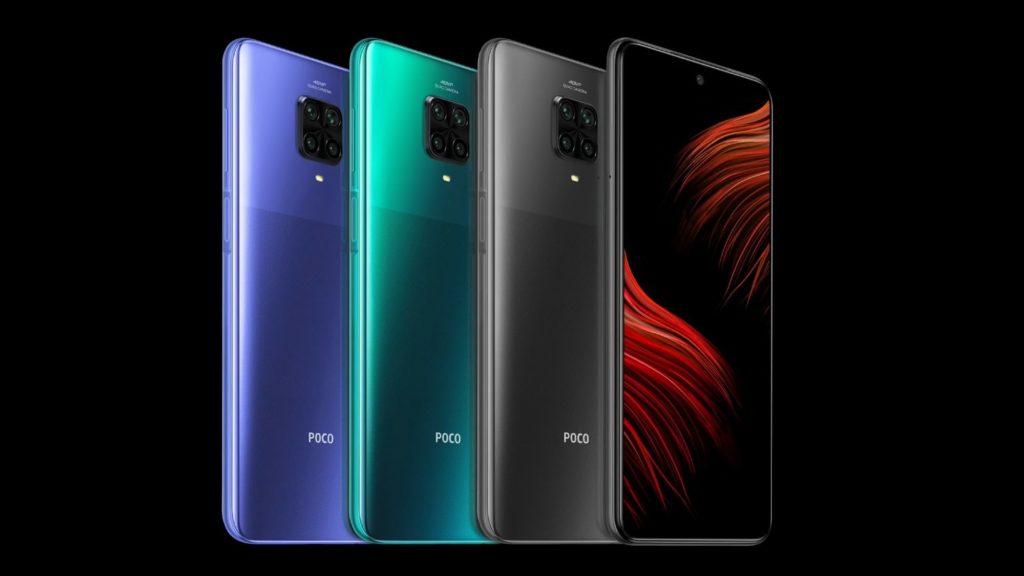
POCO M2 Pro & Redmi Note 9 Pro Max have started receiving MIUI 12 update in India

A few days back, Xiaomi rolled out MIUI 12 to Redmi Note 9 Pro in India. Now, POCO M2 Pro, a handset with identical hardware as the Redmi device has also begun to receive the update. Similarly, the update is also being seeded to Redmi Note 9 Pro Max, the high-end model in the Redmi Note 9 series in the country.

Poco M2 Pro
Poco M2 Pro

Xiaomi has been updating its smartphones to MIUI 12 ever since it announced the latest version of its mobile software in April. However, the Redmi Note 9 series, which was introduced only a month prior to the MIUI 12 event has started to receive the update only now.

That said, the MIUI 12 update for POCO M2 Pro comes with build number V12.0.1.0.QJPINXM. On the other hand, the one for Redmi Note 9 Pro Max bears the build number V12.0.1.0.QJXINXM.

The update for both of these phones is currently being rolled out to random users. In Xiaomi’s words, the builds are at present in “Stable Beta” form. That means even if you have the ROM file, you cannot install it through system updater.

Hence, if you have any of these two devices, all you can do is wait for the company to extend the rollout to more units.


Samsung leads global smartphone market in August, widens gap with Huawei

Samsung Electronics led the global smartphone market in August 2020. A new report revealed that the South Korean tech giant topped the list, further widening the gap with China’s Huawei Technologies.

Samsung

According to a YonhapNews report, a Counterpoint Research analyst has found that Samsung accounted for 22 percent of the total global smartphone market share last month. This figure beats the Chinese tech giant’s 16 percent share during the same period. The 6 percent gap between the two consumer electronics makers marks the largest since February 2020, which was notably worse for China as the coronavirus pandemic had just induced the local lockdowns in the region.

Since then, Samsung had lost its lead to Huawei in April 2020, but had managed to regain the lead in the months that followed. This also marked the company’s quick recovery in the Indian smartphone market. Furthermore, Samsung has also been looking to expand its presence in India, which is the world’s second largest smartphone market. This was further fueled by the Anti China sentiments that had spread across the country during this period, owing to political frictions between the two nations after military clashes in the Indo-China borders.

Huawei Logo MWC 2019

Following the two brands, the Cupertino based giant, Apple, followed the list and arrived third with a global market share of 12 percent. This was closely followed by another Chinese brand, Xiaomi, that held a market share of 11 percent in August. Reports and analysts have suggested that the various sanctions against Huawei will create more opportunities for Samsung to raise its smartphone market share, especially in Europe, where both OEMs have fiercely competed in.