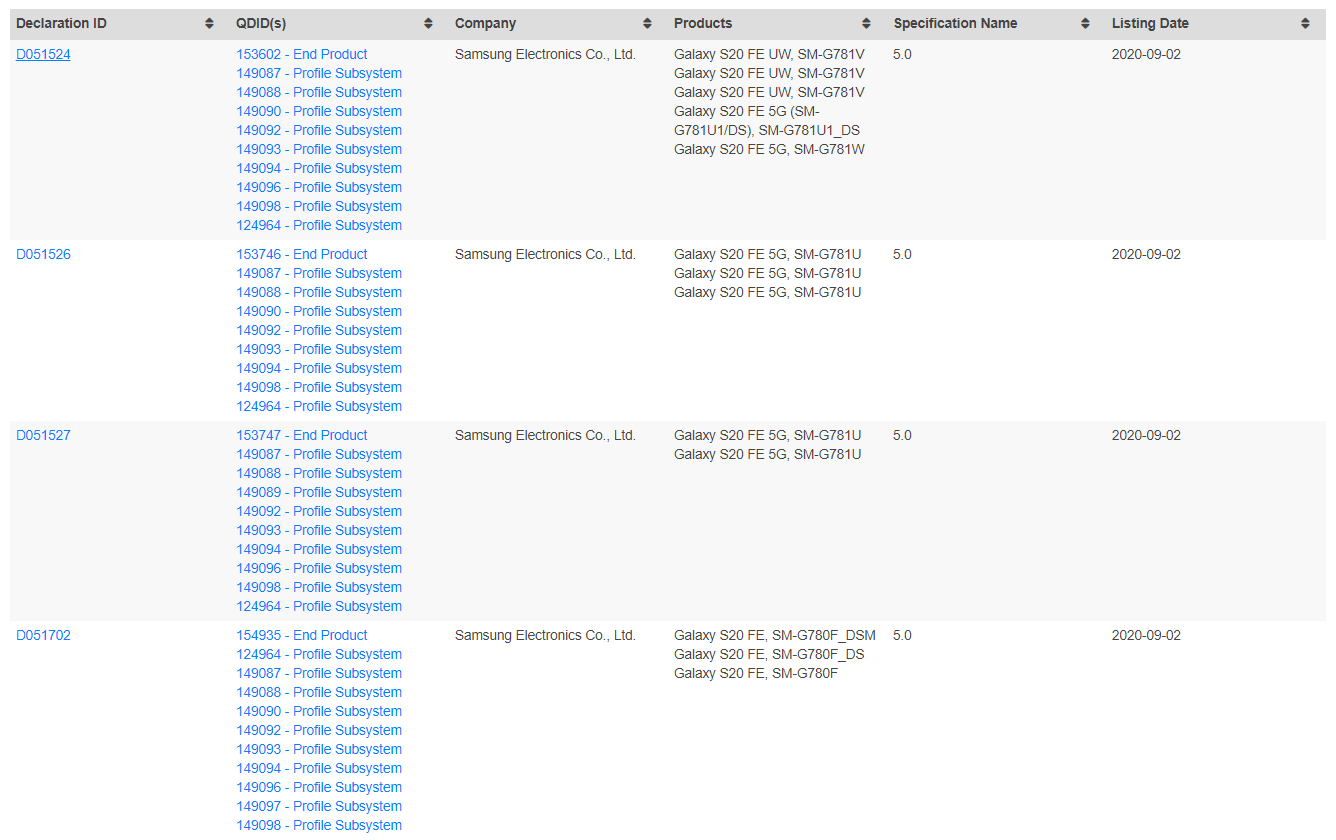
Recent reports have revealed a lot about the upcoming Samsung Galaxy S20 Fan Edition. Previous reports had suggested that the Galaxy S20 FE may launch towards the end of the year. Now that the rumor mill has revealed almost everything about the device, it appears that its launch may not be far away. Today, the 5G and 4G LTE editions of the Galaxy S20 FE received approval from the Bluetooth SIG authority. Hence it appears that the smartphone may break cover by the end of September or in early October.
The Galaxy S20 FE Edition’s 5G versions that have appeared in the database of Bluetooth SIG authority are SM-G781U (US, China), SM-G781V (Verizon), SM-G781 (Canada), SM-G781 (dual-SIM variant for the US). The SM-G781F (Asia, Europe), and SM-G781F/DS (dual-SIM version for Europe, Asia) is 4G LTE versions of the Galaxy S20 FE.’
The Bluetooth certification only reveals the support for Bluetooth 5.0 on the device. Devices that appear in the Bluetooth SIG’s database are known to go official around a month after receiving the certification. Hence, the South Korean company may launch it by September end or early October.
The Galaxy S20 Fan Edition has a 6.5-inch S-AMOLED screen with Infinity-O punch-hole appearance. The screen offers FHD+ resolution and a 120Hz refresh rate. The Snapdragon 865 SoC will fuel the device. It is speculated that India and some other markets will receive the Exynos 990 chipset version.
The Galaxy S20 FE 5G will come with 6 GB of RAM and 128 GB of internal storage. The handset will be loaded with One UI 2.5 skinned Android 10 OS, and it will come with a microSD card slot for more storage.
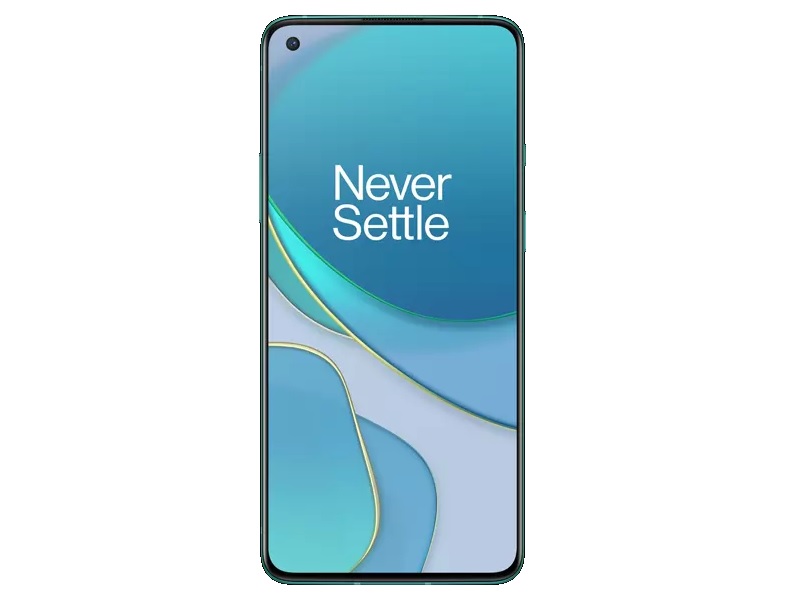
OnePlus has a couple of new smartphones waiting in the pipeline to go official. Last week, a report had revealed the specifications of an entry-level OnePlus phone codenamed as “Clover.” Recent reports have revealed that the “Billie” and “Kebab” are the codenames of the other upcoming OnePlus phones. It appears that the company is working on one more device with the “Lemonade” codename.
As per a tweet by XDA Developers’ Mishaal Rahman who cites information shared by an XDA forum member reveals that there are five variants of the OnePlus Lemonade device. These variants are mentioned as lemonade, lemonadep, lemonadept, lemonadet, and lemonadev. The final marketing name of the OnePlus Lemonade device is under wraps. Hopefully, newer reports will more information on the OnePlus Lemonade.
As it is known, the Billie codename belongs to the OnePlus phone powered by Snapdragon 690. There are around two to four variants of the device such as Bille, Bille2/2T, and Bille8/8T. The OnePlus 8T is said to be codenamed as Kebab and its two variants are Kebab and Kebabt. The OnePlus 8T is likely to be powered by the Snapdragon 865 Plus and it may come with a 65W fast charger.
The Snapdragon 460 powered OnePlus Clover could be the cheapest OnePlus phone. The handset is rumored to cost around $200 in the U.S. It is expected to come with specs like 6.52-inch IPS LCD HD+ screen, 4 GB of RAM, 64 GB of internal storage, microSD card slot, rear-facing fingerprint reader, a 6,000mAh battery with 18W fast charging support, and a 13-megapixel + 2-megapixel + 2-megapixel triple camera system.
Zepp has clarified that it will co-exist with Amazfit but will operate as an independent brand. Amazfit will focus on hardware and will be connected to Zepp’s platform, while the Zepp brand will release hardware devices as well as digital health management software solutions.
Original Story as follows…
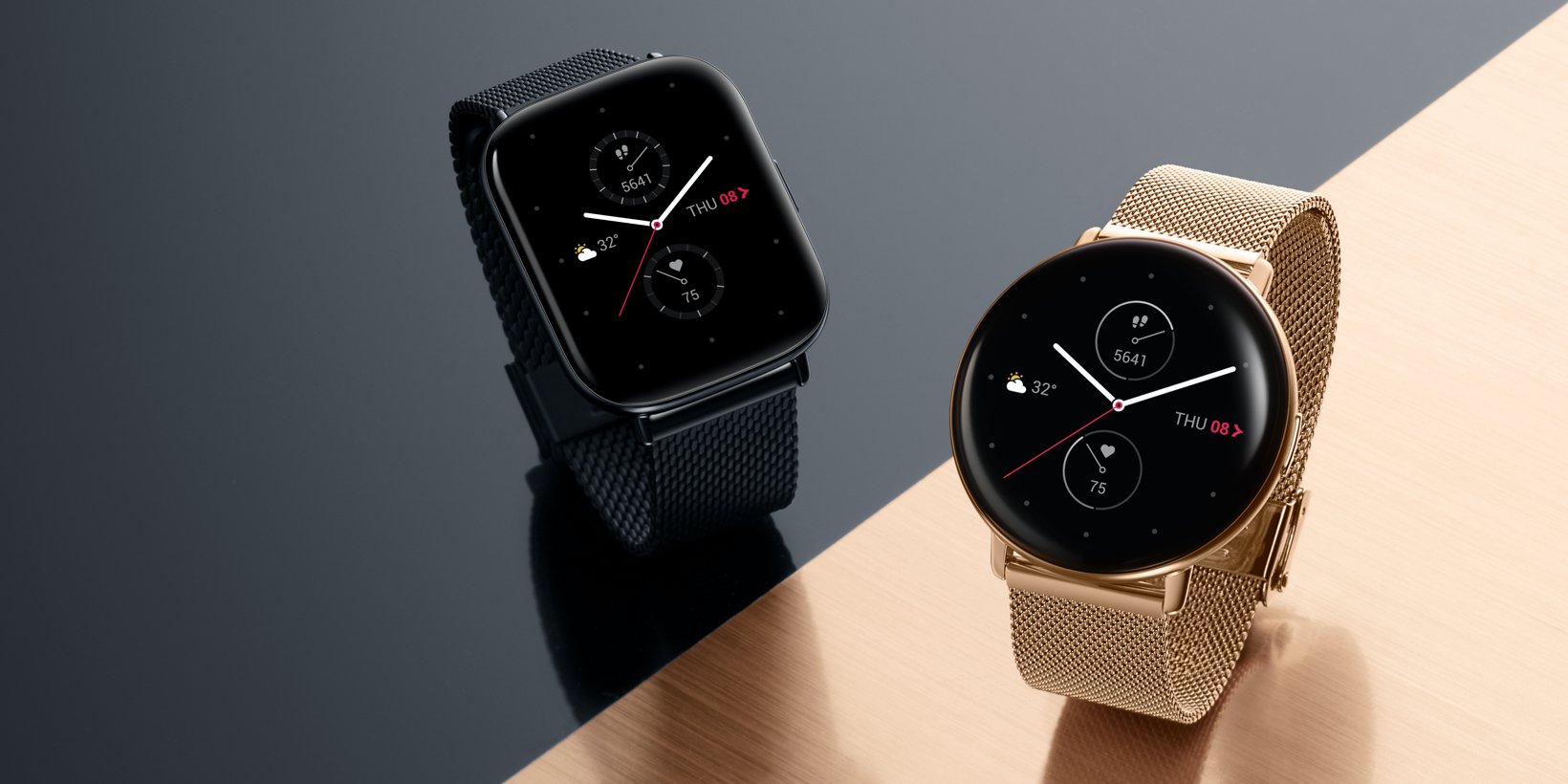
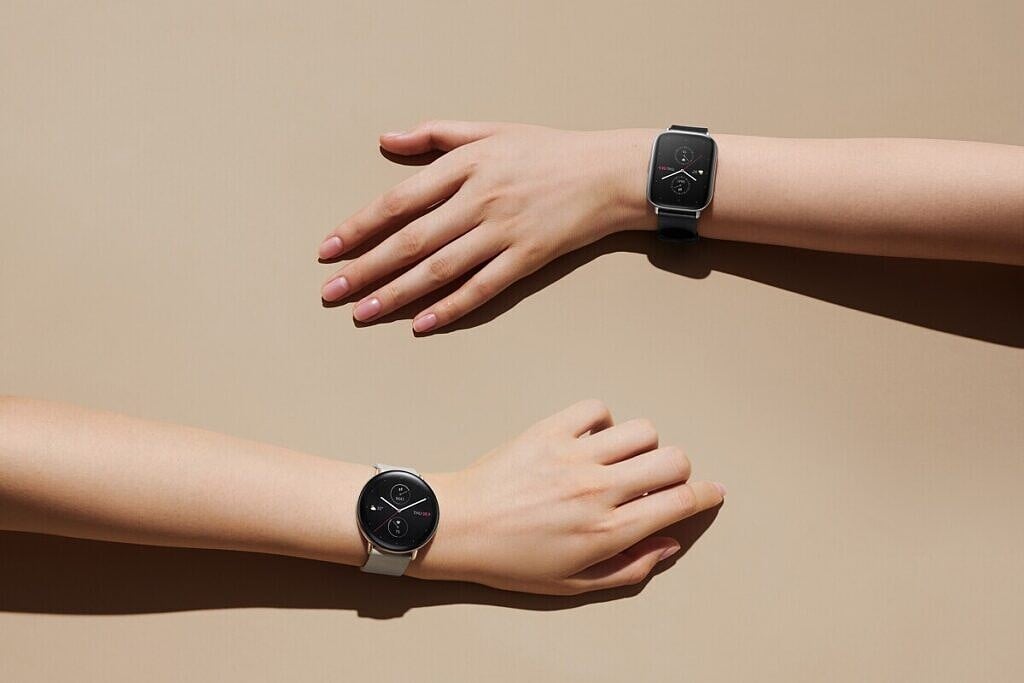
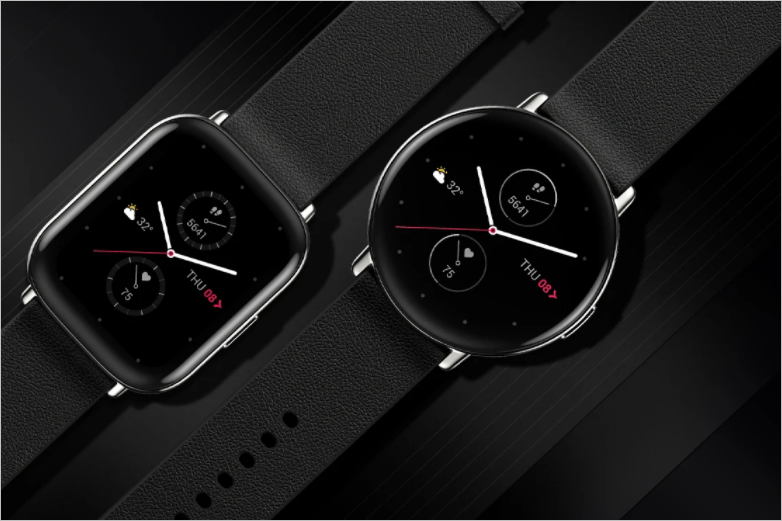
Huami recently renamed the Amazfit app on Google Play Store as Zepp, fuelling speculations that the company was about to restructure the brand. Indeed, Huami has unveiled the Zepp E smartwatches which comes in two iterations Zepp E Circle and Zepp E Square.
The new products announce the birth of a new brand lineup instead of a total replacement of the Amazfit brand. Huami did clarify that the Amazfit and Zepp brands will exist side by side.
The Zepp E Circle and Zepp E Square both come with all the bells and whistles of a decent smartwatch. Apart from the usual heart rate monitoring, it also features sleep tracking and there is a SpO2 sensor onboard for monitoring the blood-oxygen saturation.
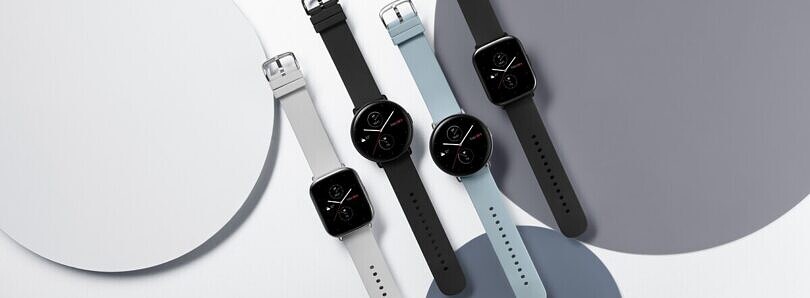
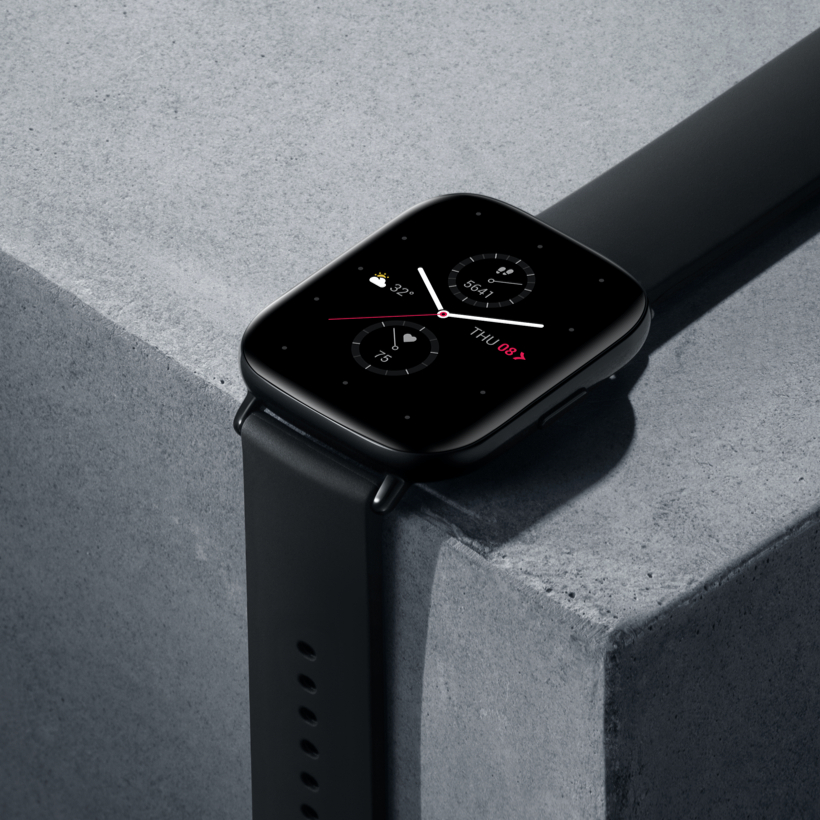
The Zepp E Circle features a round screen shape, adorning a 1.28-inch AMOLED display with a resolution of 416×416 pixels. On the other hand, the Zepp E Square packs a larger 1.65-inch AMOLED display with 348×442 pixels resolution. The two models adopt a stainless steel body and are available with different strap colors, the bands all having different textures since they are made from different materials.
The color options include a leather band in “Polar Night Black” or “Moon Grey” and a fluoroelastomer band for both models, the “Onyx Black”, the Square gets a unique “Deep Sea Blue” leather band, “Pebble Grey” fluoroelastomer band, and “Metallic Black Special Edition” while the Circle gets its own unique “Ice Blue” fluoroelastomer band and “Champagne Gold Special Edition.”
The Zepp E series arrives with 11 sports modes, including cycling, climbing. swimming, walking, indoor and outdoor running, and more. They also feature the ability to track a wearer’s sleep stages, including light sleep, deep sleep, Rapid Eye Movement (REM), and awake time. The data is provided on the app which users can use to take actionable steps to improve their sleep quality.
Furthermore, the smartwatches are rated as 5ATM water-resistant but there is no GPS on board for location tracking. The heart rate sensor inside will also provide wearers with information about stress, a feature that Huami says will come in a future OTA upgrade.
In terms of battery life, the Zepp E packs a 188mAh battery which boasts of up to 7 days of battery life. In the basic watch mode, battery life can be extended to up to 15 days. It charges via a 2-pin pogo pin connector on a magnetic charging base.
The watches don’t run on Wear OS instead, they pack the Huami’s latest Zepp’s proprietary RTOS, a customized real-time operating system. The OS offers five watch faces built-in, though more can be downloaded from the Zepp app.
As for the pricing and availability, the Zepp E smartwatches are priced at $249 in the US. In the UK, it is priced at £209 and will start shipping on September 1.
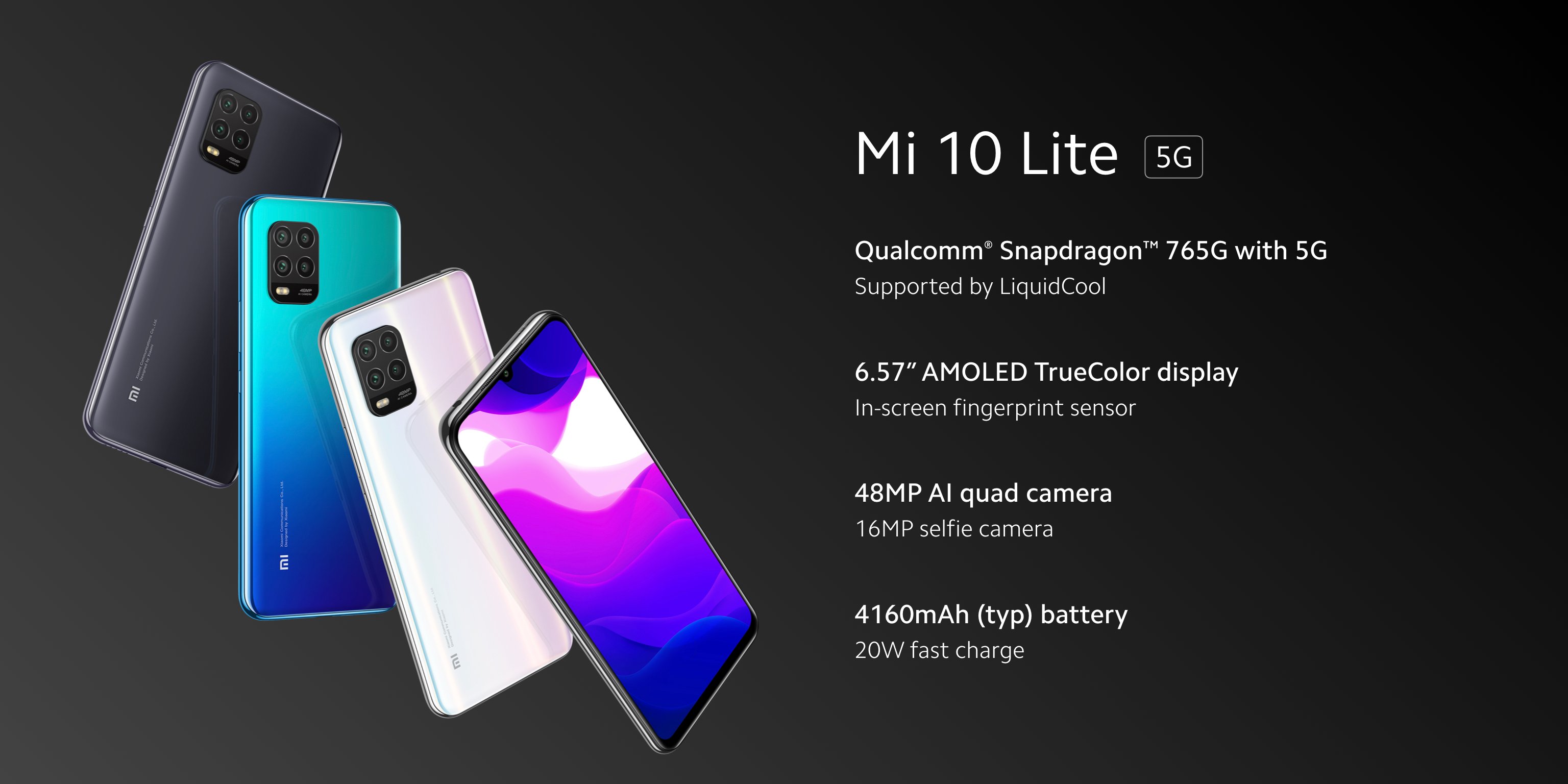
Xiaomi has launched its first 5G smartphone in Japan and it is the Mi 10 Lite 5G which was first announced in Europe back in July. The smartphone formed part of the products that were announced by the tech giant recently in Japan during an event to mark its 10th anniversary.
The 5G smartphone is scheduled to go on sale from KDDI on September 4 and is priced at 42,740 Japanese Yen (~$400). For reference, the Mi 10 Lite 5G carries a price tag of €349 in Europe which means the price in Japan is slightly lower.
As a reminder, the Mi 10 Lite 5G features a 6.57-inch AMOLED TrueColor display with FHD+ resolution. The display houses a waterdrop notch design which houses the selfie camera and also there is an under-screen fingerprint sensor onboard.
The Snapdragon 765G processor onboard is supported by the LiquidCool technology which prevents the device from overheating. For photography, the Mi 10 Lite 5G packs a quad-camera setup with a 48MP AI sensor in the lead. The waterdrop notch holds a 16MP selfie shooter. The main camera comes with several features found on the flagship Mi 10 series such as Pro Mode, Night mode 2.0, ShootStead and several others.
Under the hood, there is a 4,160mAh battery with support for 20W fast charging.
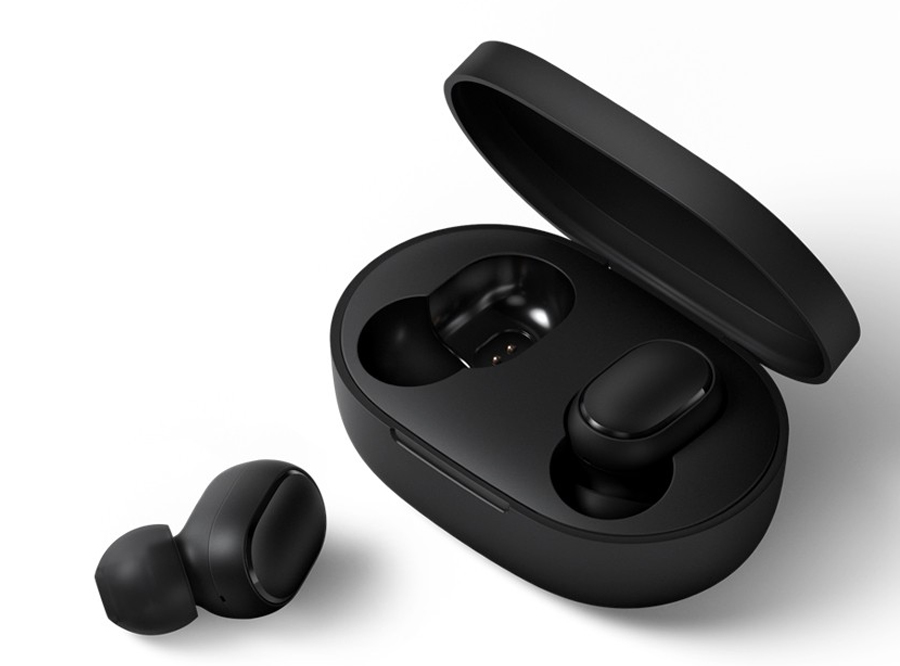
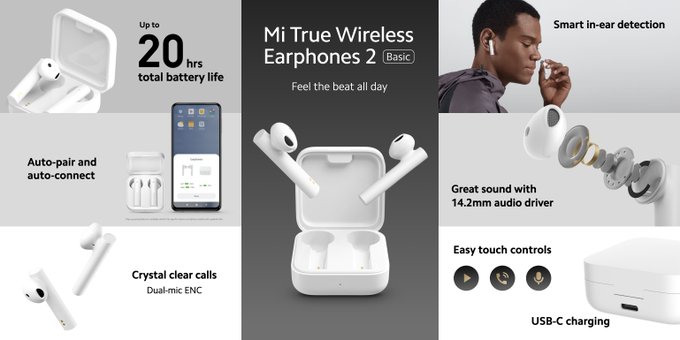
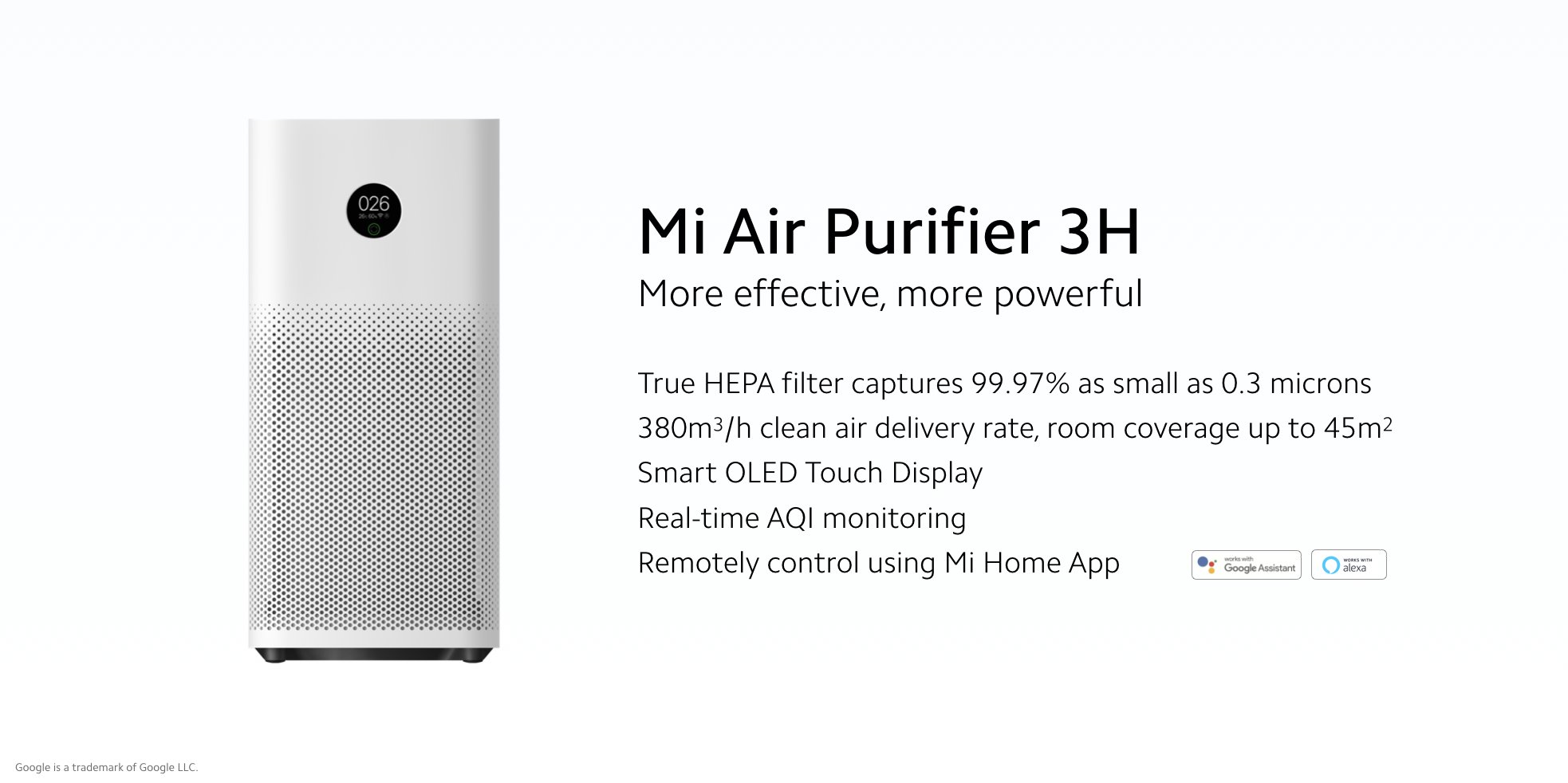
In addition, the company also launched the Mi Smart Band 5 a successor to the Mi Band 4. The fitness band carries a 4,490 yen (~$42) price tag. The Mi Air Purifier 3H, Xiaomi Airdots Basic TWS earphone and the Mi True Wireless Earphones 2 Basic were also announced. The air purifier is priced at 19,900 yen (~$187) including tax, the Mi True Wireless Earphones 2 Basic comes with a 3990 yen (~$37) price tag and Xiaomi Airdots Basic TWS earphone is priced at 2,490 yen (~$23).
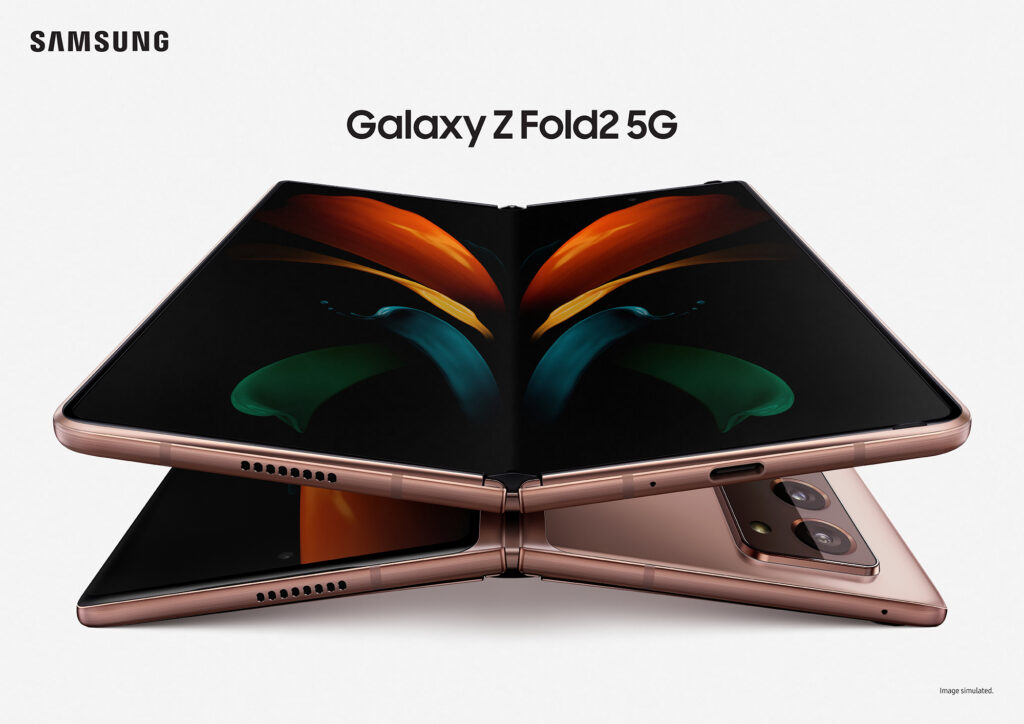
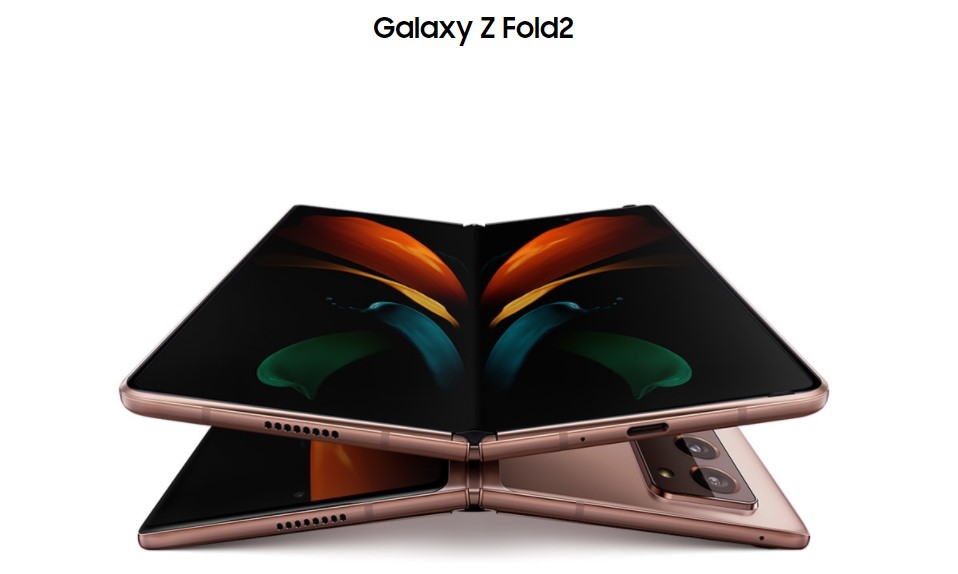
Samsung is the forerunner of foldable smartphones. The company just launched Galaxy Z Fold2 a few hours ago as its third foldable device. Ahead of it, news broke out that Samsung Electronics has partnered with Corning to develop its own foldable glass.
The display, display cover, and hinge are the three main crucial hardware parts of a foldable smartphone. The original Galaxy Fold uses CPI (Colorless Polyimide) as display cover, which is not as durable as UTG (Ultra-Thin Glass) used in the other two devices from the company – Galaxy Z Flip and Galaxy Z Fold2.
For those unaware, Samsung Electronics and Samsung Display are two independent companies. The latter supplies OLED panels for almost all the devices manufactured by former except for the upcoming Galaxy M51.
Samsung Display also supplies UTG for Samsung Electronics, which is manufactured by DOWOO INSYS using glass substrates supplied by SCHOTT AG. Thus, the electronics division of Samsung has to pay a large amount of money for display and display cover supplies.
Back in April, a report by South Korea’s ETNews stated that Samsung Electronics was looking to manufacture UTG on its own to reduce the overall manufacturing cost of its foldables. That report mentioned that UTG used in Galaxy Z Flip costs $40 per unit compared to $2 for flat glass used in normal smartphones.
This is one of the reasons why foldables are expensive. But that could change in the coming years as Samsung Electronics has successfully joined hands with Corning to develop its own UTG as per a report by the same publication. This news comes after the company had patented three different types of screen covers for foldables, out of which, two of them involves UTG.
Samsung Galaxy Z Fold2 5G Mystic Bronze
The new report states that “according to the display industry, Samsung Electronics IT & Mobile Communications Business has recently started receiving necessary glass substrates from Corning”.
That means the company will continue to improve its yield in the coming months so that it could be self-reliant as well as competitive to Samsung Display. This will further lead to competition among other glass manufacturers in the next few years eventually bringing down the cost of foldable smartphones as a whole.
On the other hand, Samsung Display has now begun to focus on diversifying its customers as it cannot rely on Samsung Electronics. In fact, it has already received orders for OLED panels from Huawei for its foldable smartphones.
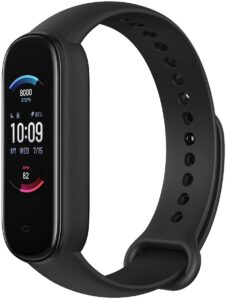
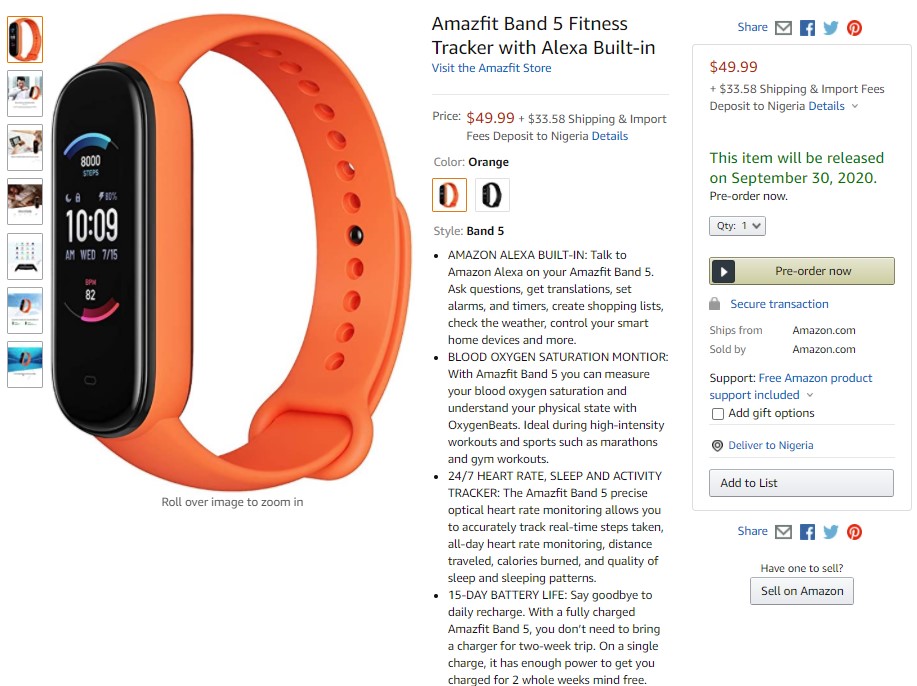
In early July, the Amazfit Band 5 was spotted at the FCC. The listing revealed a number of details including an image of the printing on the retail box. The fitness tracker has now been spotted on Amazon with a release date set for the end of the month.
The Amazfit Band 5 shares the same design as the Mi Band 5/Mi Smart Band 5 and can actually pass for Xiaomi’s own fitness tracker which of course is manufactured by Huami. However, some of its features are different.
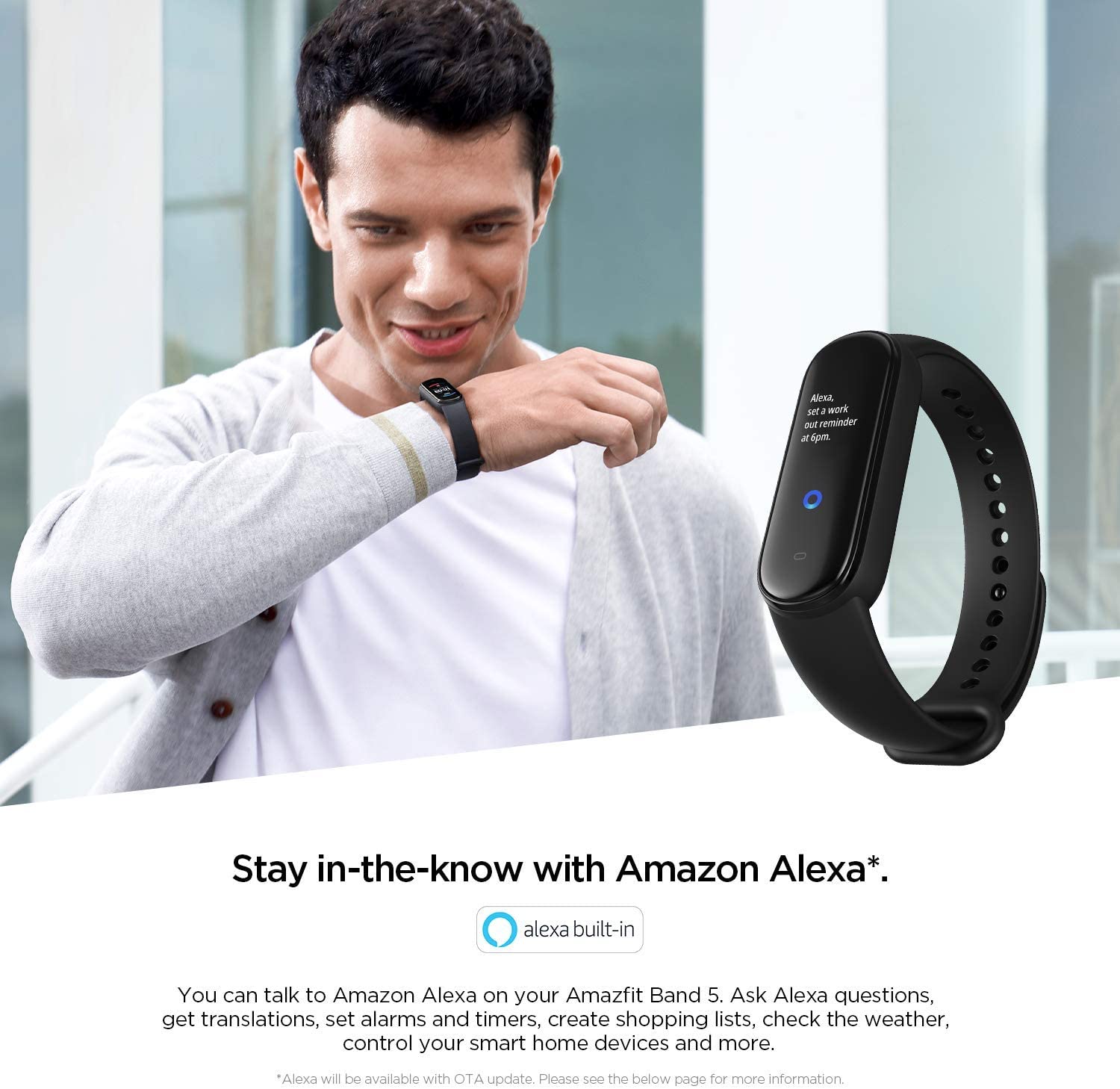
For example, the Amazfit Band 5 has Amazon’s Alexa voice assistant built-in. So you can talk to the band and ask it questions, set alarms, and timers, create shopping lists and control compatible smart home products.
The Amazon listing says the watch also has a SpO2 monitor, PAI health assessment system, sleep quality monitoring, 24/7 heart rate monitoring, stress monitoring, breathing exercise, women’s health tracking, and support for 11 sports modes including swim tracking.
The Amazfit Band 5 has an HD color AMOLED display with over 45 watch faces that includes 2 customizable ones. It has support for music control and can also serve as a remote control for your phone’s camera. The battery life is put at 15 days for typical usage and 25 days in power-saving mode.
The fitness tracker has a price tag of $49.99 and will be available in Orange and Midnight Black. According to Amazon, it will be released on September 30 but you can pre-order it now.
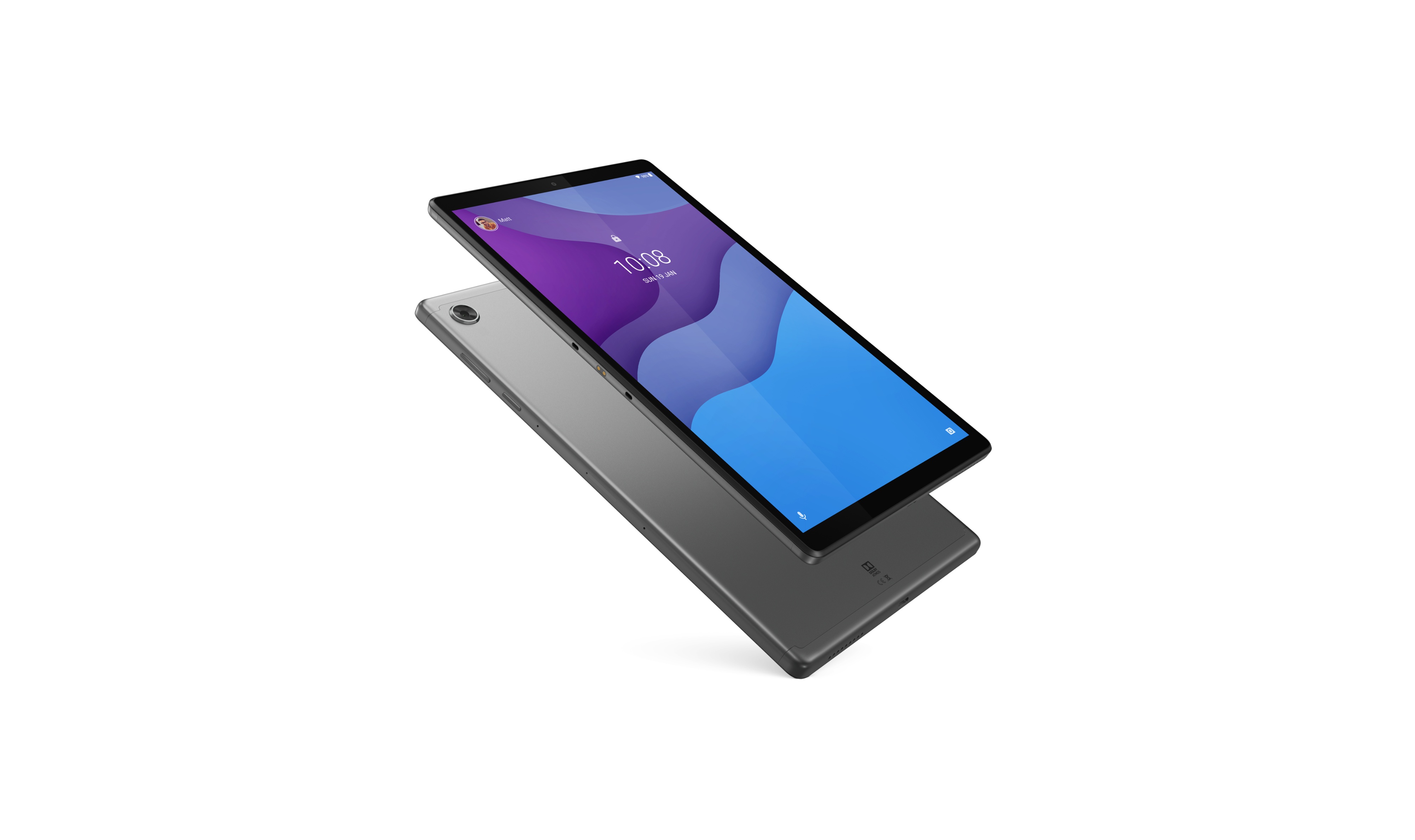
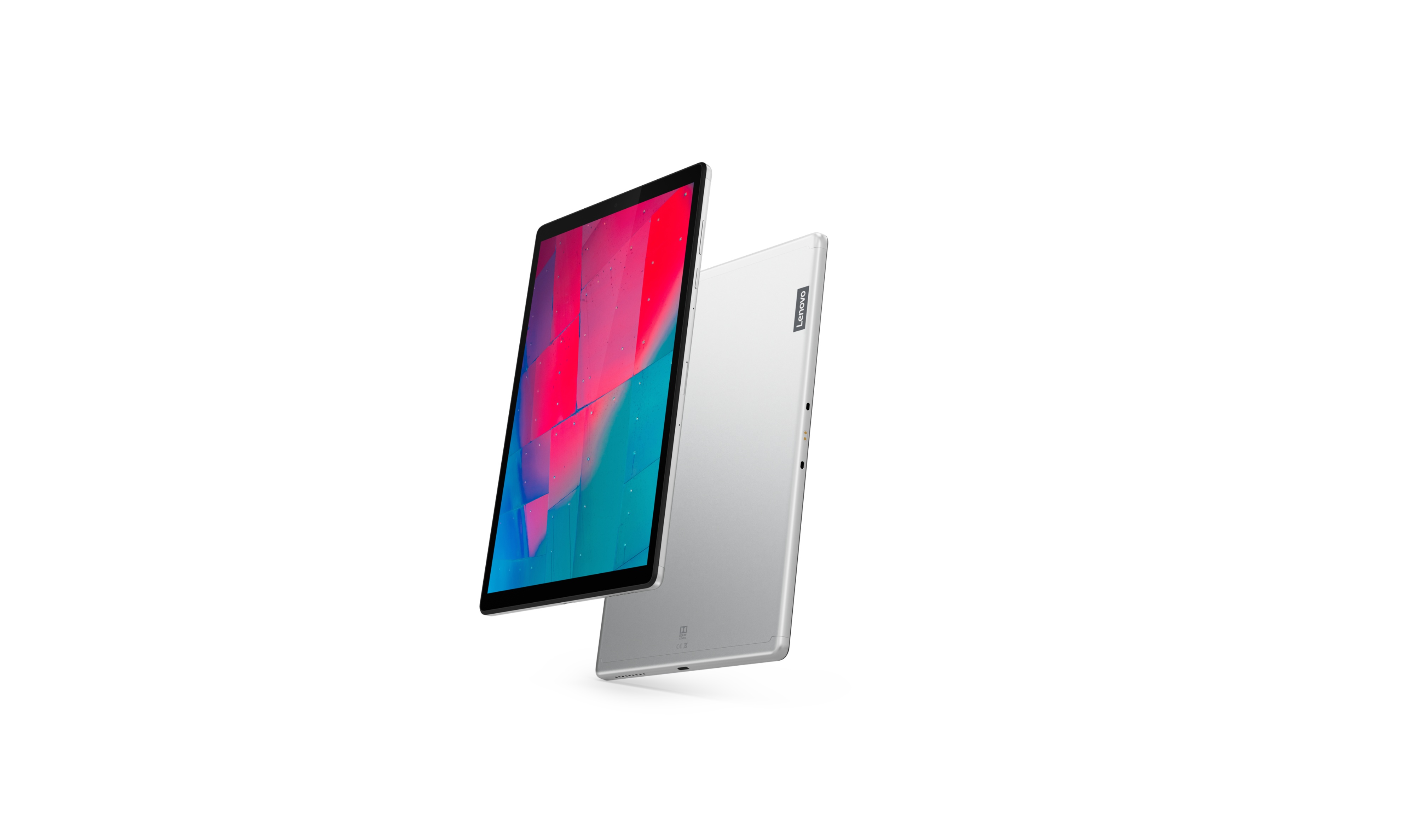
Yesterday, Lenovo launched Tab P11 Pro and Smart Clock Essential. At the same time, the company also unveiled Tab M10 HD Gen 2 as an entry-level budget Android tablet. It comes with modest specifications compared to the other model.
1 of 2
Lenovo Tab M10 HD Gen 2 Iron Grey
Lenovo Tab M10 HD Gen 2 Platinum Grey
Lenovo Tab M10 HD Gen 2 Specifications and Price
As the name suggests, the newly announced Lenovo Tab M10 HD Gen 2 features a 10.1-inch HD ( 1280 x 800 pixels) IPS LCD panel with TDDI (Touch and Display Integration) technology. That means the screen will not have a weird gap between the glass and the actual panel like the entry-level iPads.
Further, the display on this tablet is rated to cover 60% of NTSC color gamut and output a maximum brightness of 400 nits. Also, this panel is certified by TÜV Rheinland for lower blue light emission.
As for design, the casing of the tablet is made of aluminium and it is boxy in shape with slight curves at the corners. What’s underwhelming is its internals as it is powered by MediaTek helio P22T SoC paired with 2/4GB RAM and 32GB/64GB internal storage. If the memory is not enough, users can insert a microSD card up to 250GB in size.
Other features on this new entry-level tablet include Android 10, newly announced Kids Space, dual speakers powered by Dolby Atmos, dual microphones, 8MP primary camera, 5MP front-facing camera, FM Radio, 5,000mAh battery and two colors – Iron Grey & Platinum Grey. On the connectivity front, it comes with 4G LTE, WiFi 5, Bluetooth 5.0, GPS, 3.5mm headphone jack, USB Type-C, and two pogo pin connector for accessories.
As for price, the regular Lenovo Tab M10 Gen 2 starts at €159 (including VAT) and is expected to start shipping later this month.
Lenovo Tab M10 HD Gen 2 With Google Assistant/Amazon Alexa
1 of 2
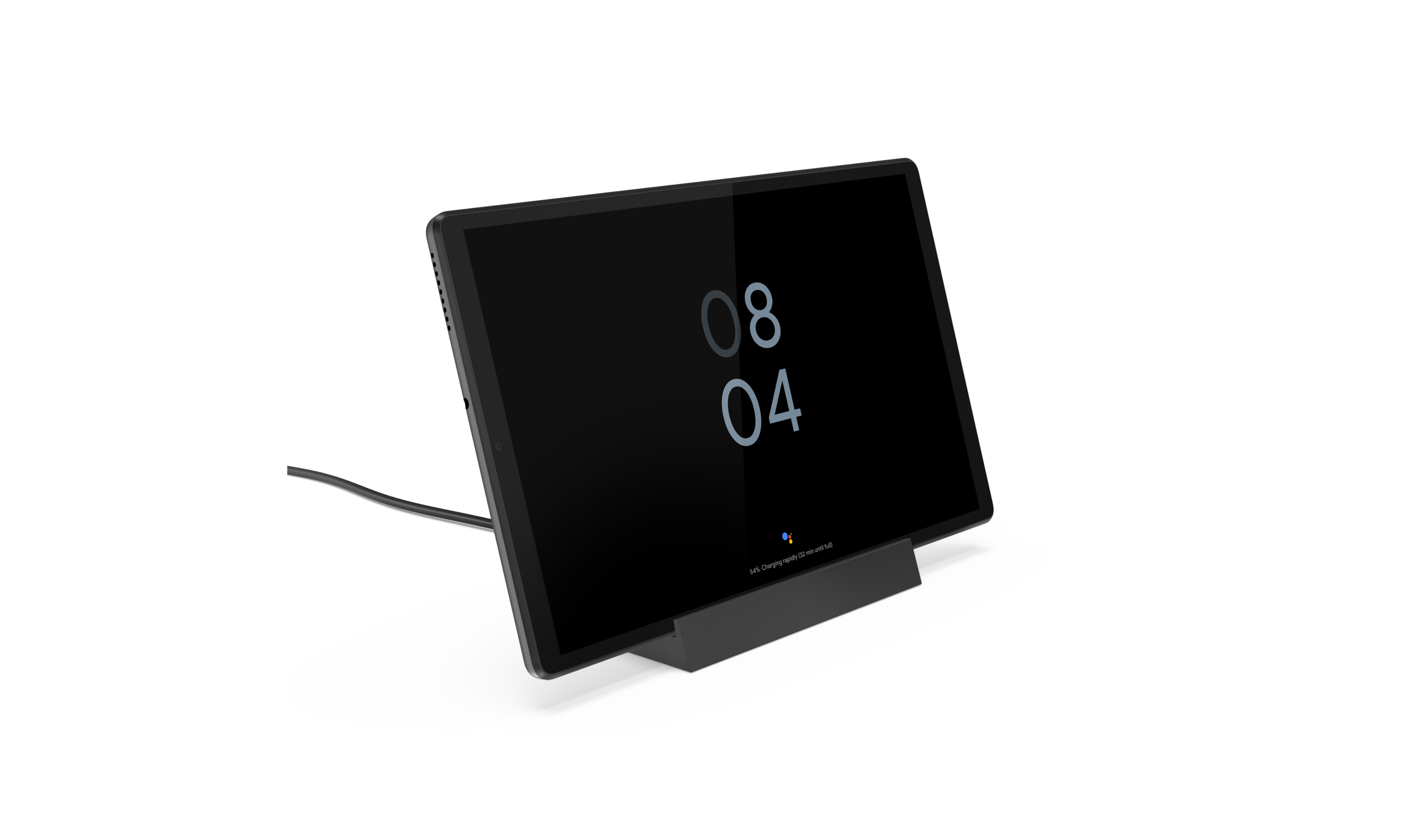
Lenovo Tab M10 HD Gen 2 With Google Assistant
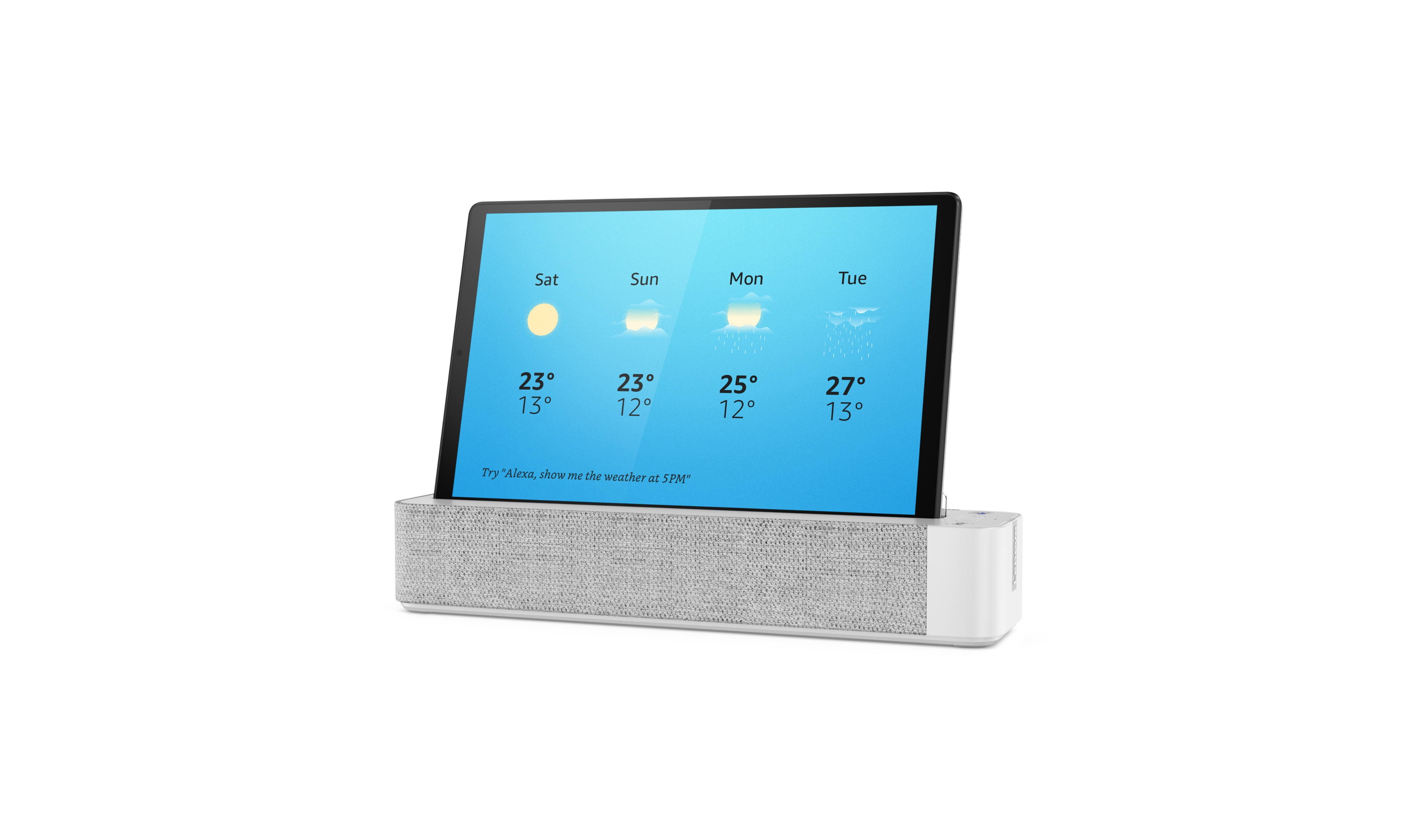
Lenovo Tab M10 HD Gen 2 With Amazon Alexa
The tablet also comes in Google Assitant and Amazon Alexa variants with a charging dock. They feature the same specs as the regular version except for changes in microphones. The former model sports only a single low-power DSP. On the other hand, the latter retains dual microphones, in addition to extra three far-field mics and 3W speakers on its dock.
Their prices (including VAT) start at €179 and €199 with shipping commencing from October and November respectively.
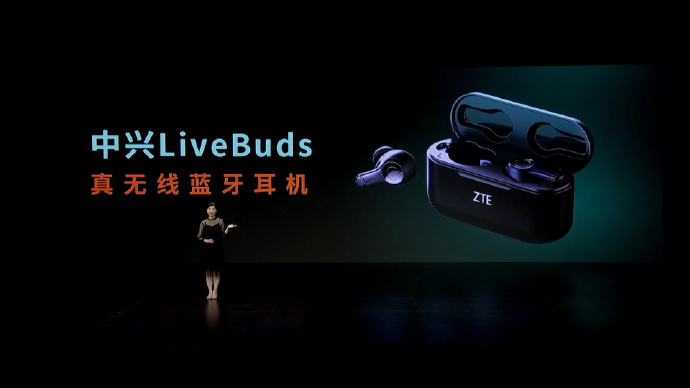
ZTE’s Axon 20 5G launched today as the first commercially-available smartphone with an under-display camera. However, it isn’t the only new product from the Chinese manufacturer as it also unveiled the ZTE LiveBuds.
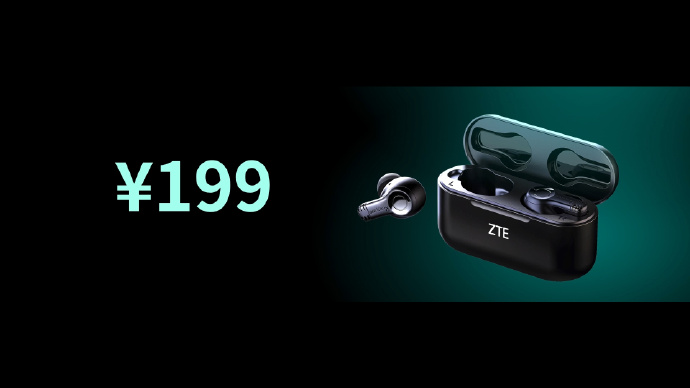
The ZTE LiveBuds (not the most creative of names) is a pair of affordable TWS earbuds with electronic noise cancellation (ENC). With respect to design, the earbuds have pretty short stems and silicone ear tips. They also differ greatly from ZTE’s other TWS earbuds, the Nubia Pods, which launched last year. However, just like the Nubia Pods, the LiveBuds is a collaboration between ZTE and 1More.
ZTE says they support touch controls and each earbud has dual microphones. They weigh 4 grams each, ship in a black case, and boast a battery life of 20 hours (case included). Other features include Bluetooth 5.0 and an IPX5 waterproof rating.
The ZTE LiveBuds has a price tag of ¥199 (~$29) and is already available for purchase in China. Just like the Axon 20 5G, there is no news of a global release for the earbuds.
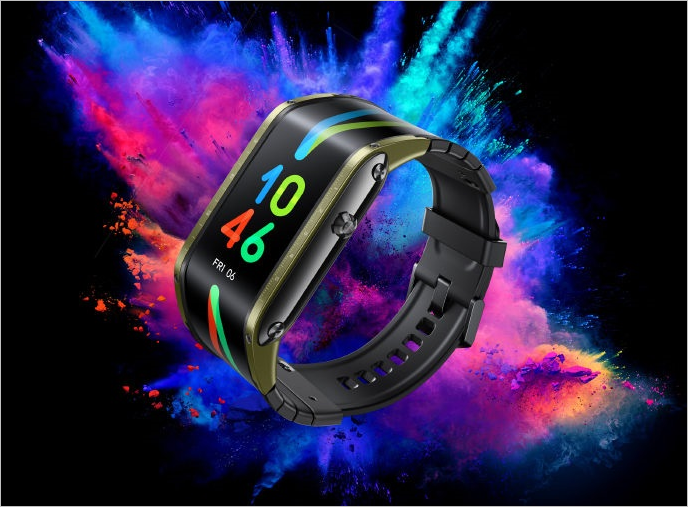
Nubia has launched the Nubia Watch under crowdfunding on Kickstarter. The smartwatch was first launched in China back in July with an interesting specs and design. The watch carries a starting price of $179.
The Nubia Watch features a 4.01-inch super flexible AMOLED screen which tends to wrap around the wrist. The dial is made from a lightweight aluminium alloy manufactured using nano-injection process while it uses biomedical-grade ceramics on the side. The overall lightweight design makes it lighter to wear.
The extension of the screen is a 316L stainless steel watch section which the company claims have gone through more than 30 processes, taking into account the aesthetics and structural strength. It comes standard with a soft and skin-friendly silicone strap. There is also a Napa leather strap made of imported Italian calfskin, with a silky surface and a delicate touch. This strap is a free add-on for all the perks.
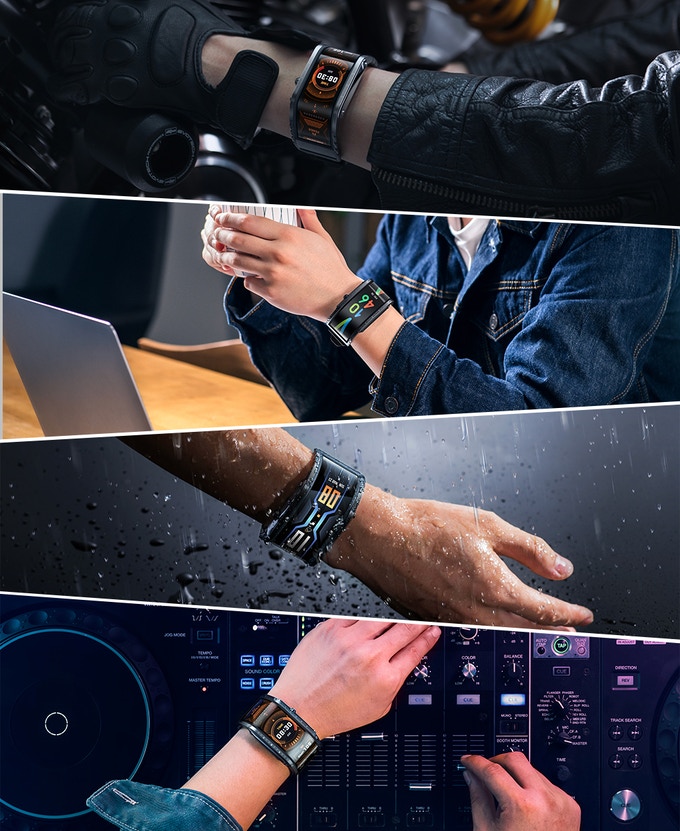
In terms of functions, Nubia Watch supports eSIM independent call functions of China Mobile and China Unicom, and Alipay mobile payment. It features an array of sports and health monitoring functions, as well as weather reminders, find my phone function, compass, schedule reminders and many other functions. The watch also supports Wake-up gesture which wakes up the screen when the user raises his wrist. Nubia Watch also comes with a variety of watch face themes.
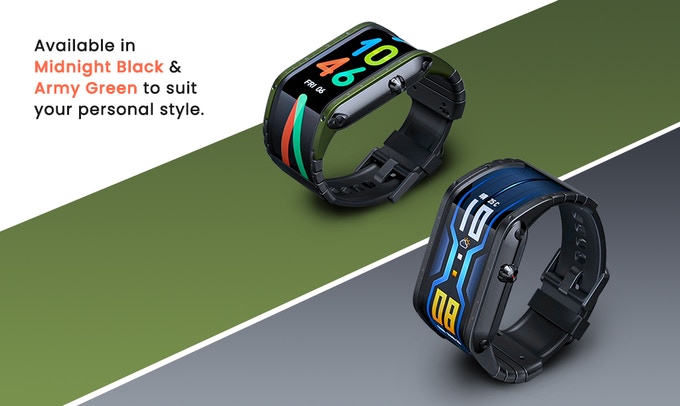
The watch is available for support on Kickstarter and will start shipping to backers in October. The watch is available in Midnight Black and Army green colours.
Apple is expected to unveil the next-generation iPhones in the coming weeks like every year. Ahead of it, new details about the company’s 2020 product lineup launch have emerged. This report comes from Bloomberg and it not only mentions iPhones but an iPad, Apple Watches, headphones, smaller HomePod as well as next year’s products like refreshed Apple TV and AirTags.
The report reveals that the Cupertino-based firm expects to ship a maximum of 80 million units of iPhones by the end of this year just like 2019. Hence, it has begun to mass manufacture at least 75 million new iPhone 12 series smartphones.
Apart from new iPhones, Apple will also launch next-gen iPad Air featuring minimum bezels like similar to iPad Pro. Further, the company will also introduce two Apple Watches, the higher model will replace last year’s Series 5 and the budget model will take place of the older Series 3.
That’s not it, the American tech giant is also reported to launch a pair of self-branded headphones instead of Beats. Additionally, it will be also debuting a smaller HomePod cheaper than the original model’s current price – $299.
Talking about the iPhone 12, there will be a total of four models varying in sizes – 1 x 5.4-inch, 2 x 6.1-inch, and 6.7-inch. All of them will feature OLED panels and support for 5G connectivity. Also, at least one of the Pro models, the latter two sizes, will come equipped with LiDAR sensor as found on the newer iPad Pro models.
The new report also reiterates previous reports regarding a delay in shipments. The latest one once again states that cheaper iPhone 12 models will ship first, followed by Pro in later weeks. However, iOS 14 will be released in September for existing supported iPhones just like every year.
Last but not least, the report also states Apple to be working on an Apple TV box with a faster processor and upgraded remote control, however, it will be only launching in 2021. Similarly, the company will be also releasing AirTags, a tracker for physical items, which will be available with a leather carrying case.
Samsung officially announced the Galaxy Z Fold 2 today. If you loved the Galaxy Fold that launched last year, you will even love its successor even more as it is not only bigger and better in practically all areas but also costs more or less the same as last year’s model.
How much does the Galaxy Z Fold 2 cost?
Yes, I am starting with its price first this time. The Galaxy Z Fold 2 is priced at $1999 in the US. You get 12GB of RAM and 256GB of storage. Yeah, that is less storage than the Galaxy Fold which launched for $1,980 last year. However, when you realize that the Galaxy Z Fold 2 has bigger displays on both sides, better cameras, and 5G out of the box unlike its predecessor which has a 4G modem, then $20 more for all these with half the storage doesn’t sound bad.
The Galaxy Z Fold 2 will sell for £1,799 in the UK and €1,949 in the rest of Europe. In Hong Kong and Mainland China, the foldable comes with 512GB of storage but just like in India, their price is unknown. Chance is that these regions will get their own launch.
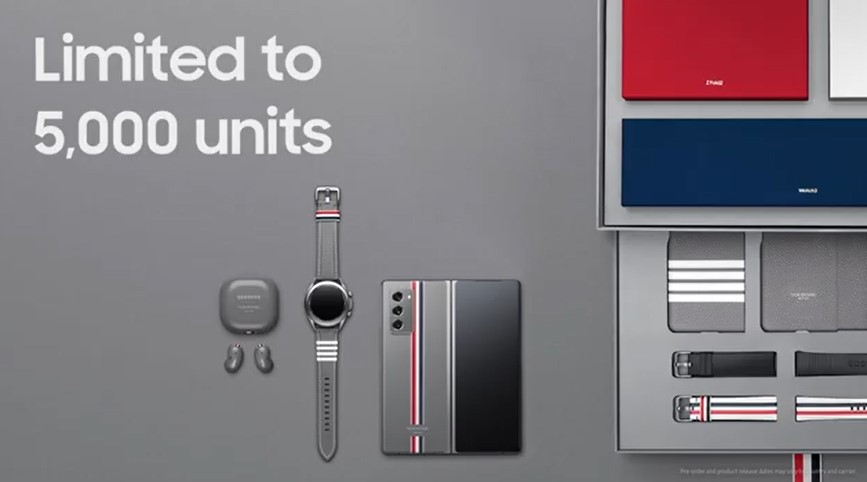
There is also the Galaxy Z Fold 2 Thom Browne Edition that is limited to just 5000 units and costs $3,299 in the US and £2,999 in the UK. While it is significantly more expensive, you are also getting a Thom Browne Edition Galaxy Buds Live and Galaxy Watch3.
Pre-orders start today in the US for the Galaxy Z Fold 2 and goes on sale on September 18 while the Thom Browne Edition will be available on September 25. The Galaxy Z Fold 2 is available in Mystic Brown and Mystic Black with the option to choose from four different colors for the hinge in select regions.
The new foldable flagship has a 6.2-inch Super AMOLED cover screen with a resolution of 2260 x 816 that stretches from the top to the bottom and is covered with Corning’s Gorilla Glass Victus. The main flexible display inside is a Dynamic AMOLED screen that unfolds into a 7.6-inch 2208 x 1768 display with Ultra Thin Glass (UTG). It also has a 120Hz refresh rate.
Under the hood is the Snapdragon 865 Plus processor and it brings a 5G modem with support for both mmWave and sub-6GHz networks. The processor draws juice from a 4500mAh battery with support for 25W fast charging, fast wireless charging, and reverse wireless charging.
Samsung has redesigned the hinge which it calls Hideaway Hinge now. It uses CAM technology and allows you to lock the screen at any angle. Samsung says its Hideaway Hinge is the most advanced mechanism for folding smartphone technology.
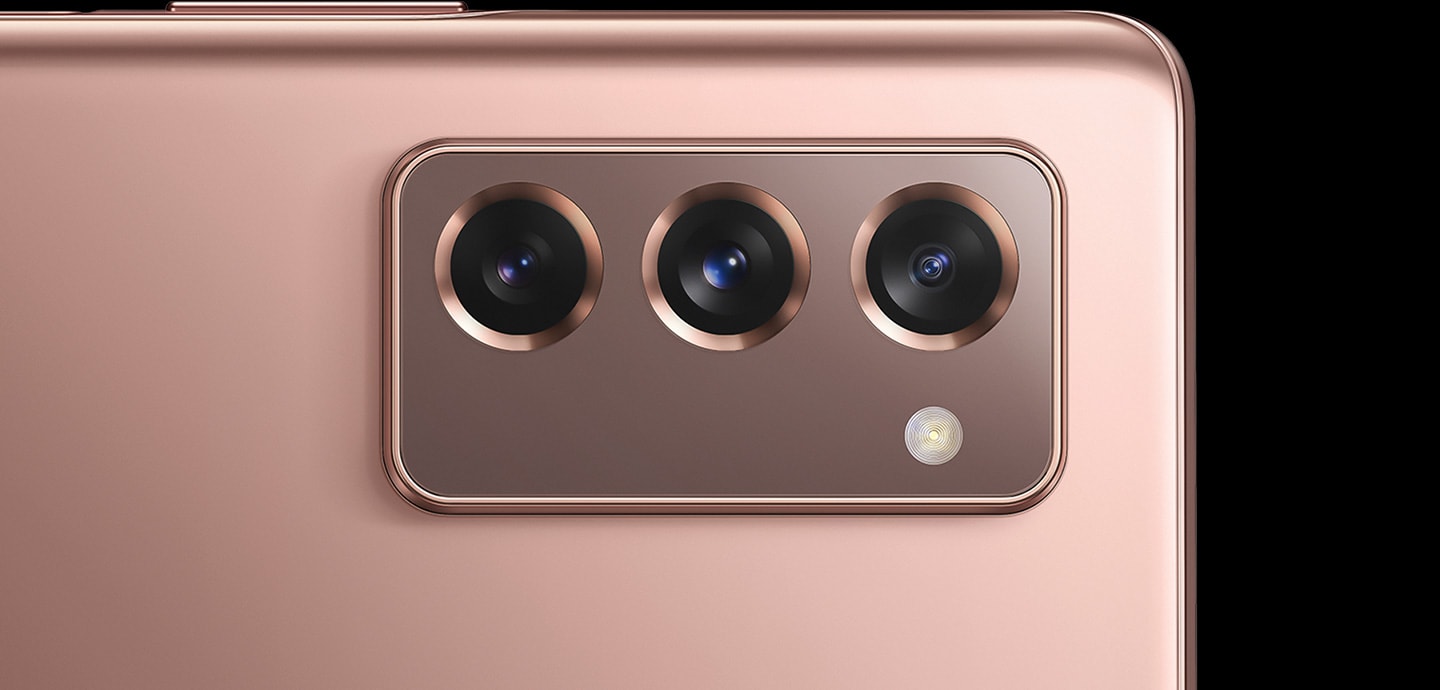
There are five cameras on the phone. On the back is a protruding camera housing that holds a 12MP f/1.8 main camera, a 12MP telephoto camera with OIS, and a 12MP ultrawide angle camera. The cover screen has a centered punch hole for a 10MP f/2.2 selfie camera. The inner display also has a punch hole and the same 10MP f/2.2 selfie camera. There are tons of camera features built into the phone and with its flexible nature, there are multiple ways to take pictures.
The device runs Android 10 with features designed for foldable phones. You can run three apps at the same time and adjust the size for each app. You can even save a configuration you use frequently. For example, if you frequently use YouTube, Twitter, and WhatsApp at the same time, you can save the setting and just launch it anytime from the side pane without having to individually open the apps one after the other.
There is also app continuity that lets you open two apps on the cover screen and when you open up the device, it automatically moves to the main screen with the option to add a third app. You can also launch multiple apps at once and drag and drop from one app to the other.
The Samsung Galaxy Z Fold 2 will receive three OS upgrades. So updates to Android 11, Android 12, and Android 13 are promised.
Z Premier Service
Samsung is offering a concierge service to owners of the Galaxy Z. They will get 24/7 one-on-one assistance from experts. You can also sign up for Samsung Care+ within the first 30 days of purchasing the phone so you can be entitled to one-time device protection against accidental damage within the first year of purchase.
Realme today held an event in China where it launched the Realme X7 series. The company also took the wraps off its first suitcase. Realme Suitcase carries a price tag of 299 yuan ($43).
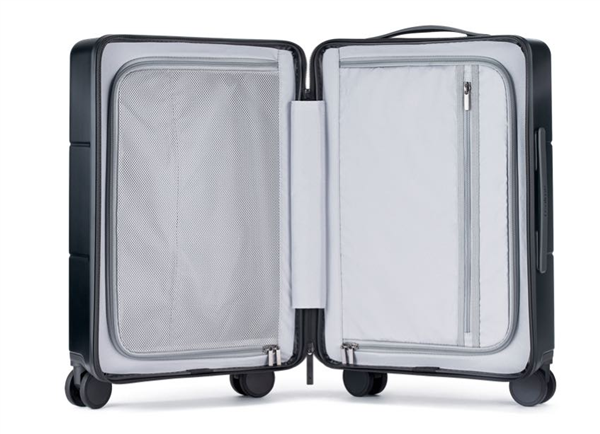
The Realme Suitcase is 20 inches in size and has a volume of 37L. The suitcase is made of German Bayer’s three-layer composite PC material. The strength is 40% higher than that of ABS material. It is also wear-resistant and scratch-resistant and weighs only 3.1kg. The suitcase is available in blue, yellow and black colours.
The suitcase has two independent partitions inside, one is visible and breathable with a mesh net while the other is a high-density woven fabric designed to protect privacy, making reasonable storage more convenient. It utilises high-quality YKK zippers and also has fashionable straps. It is equally equipped with TSA global customs locks, allowing you to travel around the world without obstacles, effectively preventing customs from forcefully opening the box and also protect important personal belongings from being stolen.
The pull rod is adjustable in four gears, keeping the length at 85cm, 90cm, 95cm, and 103cm which is suitable for people of different heights. The pull rod is made of aerospace-grade aluminium-magnesium alloy and can effectively resist external shocks. The shaking degree is controlled within 1cm. The hale is designed to fit the palm, making it comfortable to carry.
Further, the suitcase has super large universal wheels with a diameter of 60mm each. The wheels can handle a variety of complex road conditions and easily overcome obstacles. An elastic material is added to the surface of the wheels and this to a large extent reduces the noise during travel. The 360° rotatable design of the wheels allows the suitcase to be moved in any direction easily.
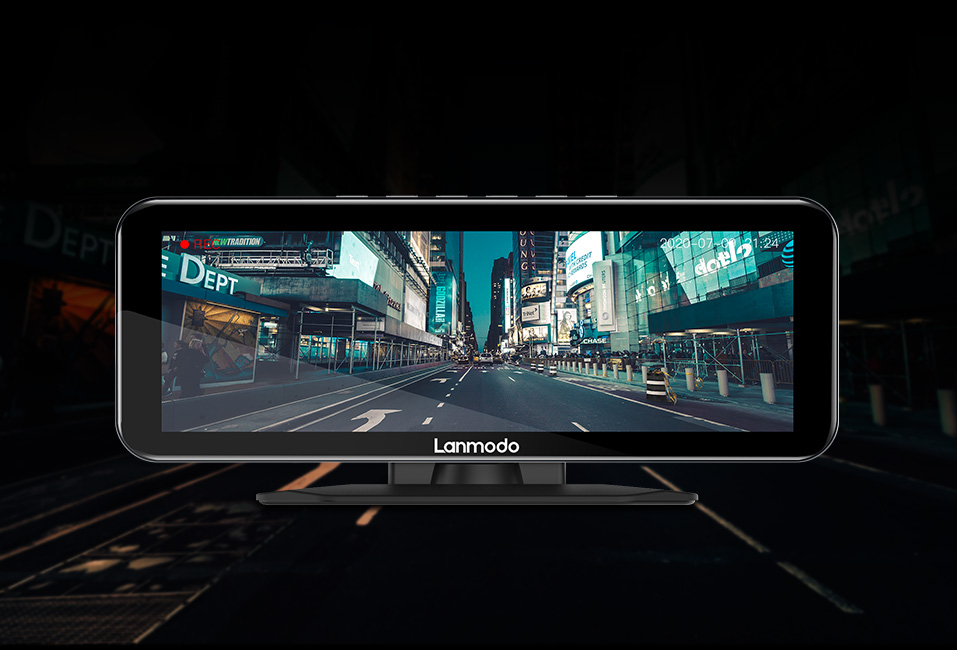
Lanmodo is well-known for its car accessories across the globe. The company recently launched the Vast Pro night vision system to facilitate the car drivers while driving in the night. It even houses a dash camera to record videos and captures your whole travel. The night vision system can be yours for $199 after its official launch if you become a golden member at $10 now.
There are several other perks of becoming a golden member. It can save you $420 as the actual retail price of the night vision system will be $619. It will be available on priority to the golden members once it arrives on the IndieGoGo crowdfunding website. Moreover, the $10 is refundable if you don’t purchase Lanmodo products.
Lanmodo Vast Pro night vision system assist the car drivers through the darkness. It can be easily installed with minimal apparatus. The night vision system features a driving recorder, parking mode, and shows full colors using low-light imaging. The high-resolution front and rear camera capture the road view at 1080p high resolution.
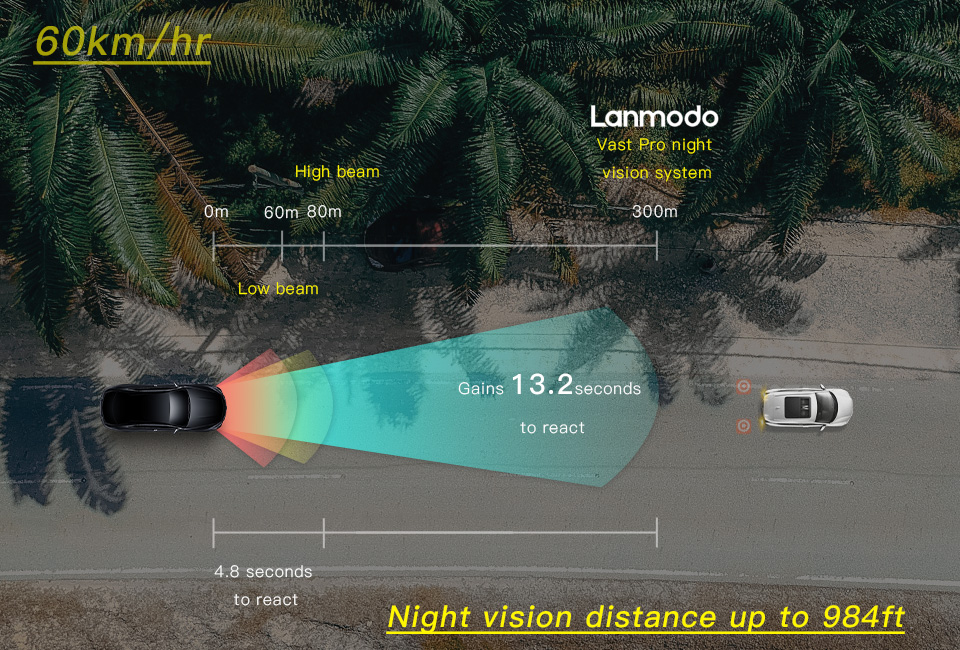
The camera at a 45-degree angle presents a broader view that is beyond our naked eyes. It can easily capture up to a distance of 984ft which is much farther than the normal headlights. Such a vast reach enables us to avoid accidents as it provides more reaction time.
Moreover, it records the whole travel which is quite useful in case you met with some accident. It can record until 128GB storage is not full at the resolution of 1080p. The parking sensor on the rear and front protects to avoid any obstruction.
You can get such a useful device for the price of $199 if you become a golden member now.
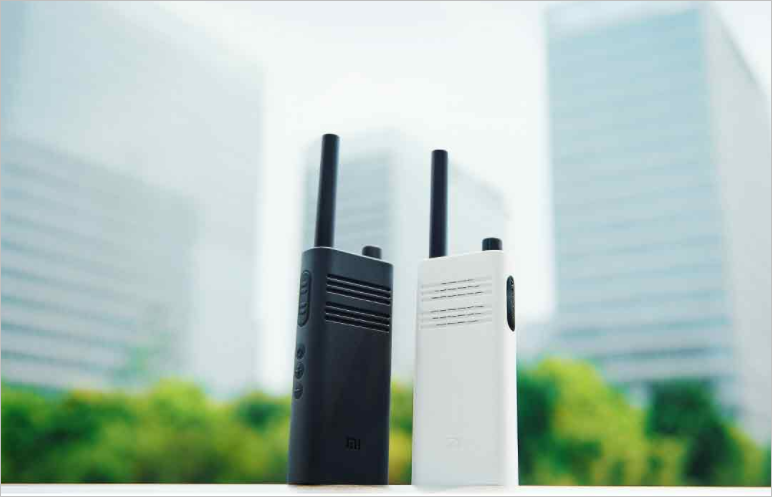
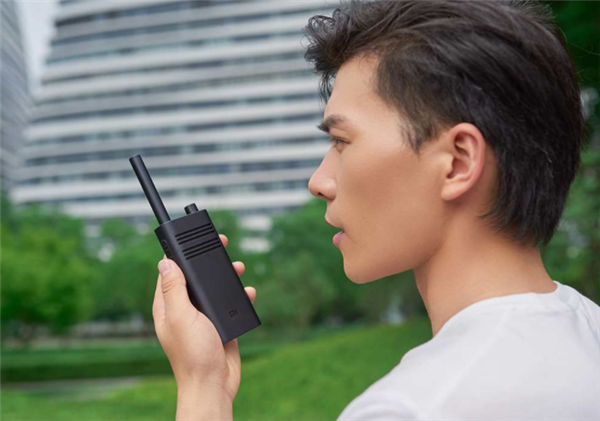
Xiaomi has launched a cheaper version of the three-generation Mi Walkie Talkie. This model is dubbed Mi Walkie Talkie Lite and carries a price tag of 129 yuan ($18). The lite version is a trimmed-down version of the Mi Walkie Talkie which was first launched in 2017. Since then, Xiaomi also launched the Mi Walkie Talkie 1s and Mi Walkie Talkie 2 in 2018 and 2019 respectively.
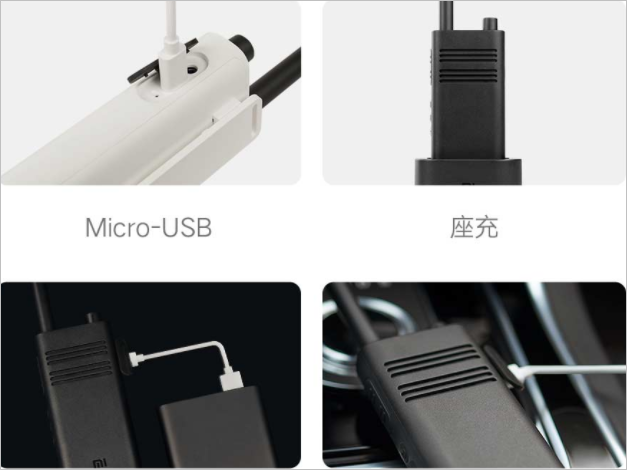
The Mi Walkie Talkie Lite has a transmission power of 3W, a range of 1-5 kilometres in an open environment and 1-3 kilometres in an urban environment. There is a 2000mAh battery with a standby time of up to 5 days. The battery also supports continuous use for 10 hours. This is against the 6 kilometres range and 13 days of long standby of the MIJIA Walkie Talkie 2.
The entire device weighs only 163 grams and adopts a hard and scratch-resistant spark design. It is portable and easy to use and also comes with a quick-release back clip. The 40mm large-diameter loudspeaker has a 23% larger field sound radiation area than the 36mm traditional walkie-talkie. The speech sound is more penetrating, and it can ensure a good call effect in a noisy environment.
The Walkie-Talkie Lite can be paired with the MIJIA app in order to select a frequency, backup frequency information, and turn on button-free calls, saying goodbye to traditional cumbersome operations.
After the walkie-talkie enters the pairing mode, the 16 frequency channels of the walkie-talkie can be copied to other walkie-talkies in the nearby receiving state at the same time , realizing one-to-many frequency allocation.
The Mi Walkie Talkie Lite is presently available in China via Xiaomi Youpin.
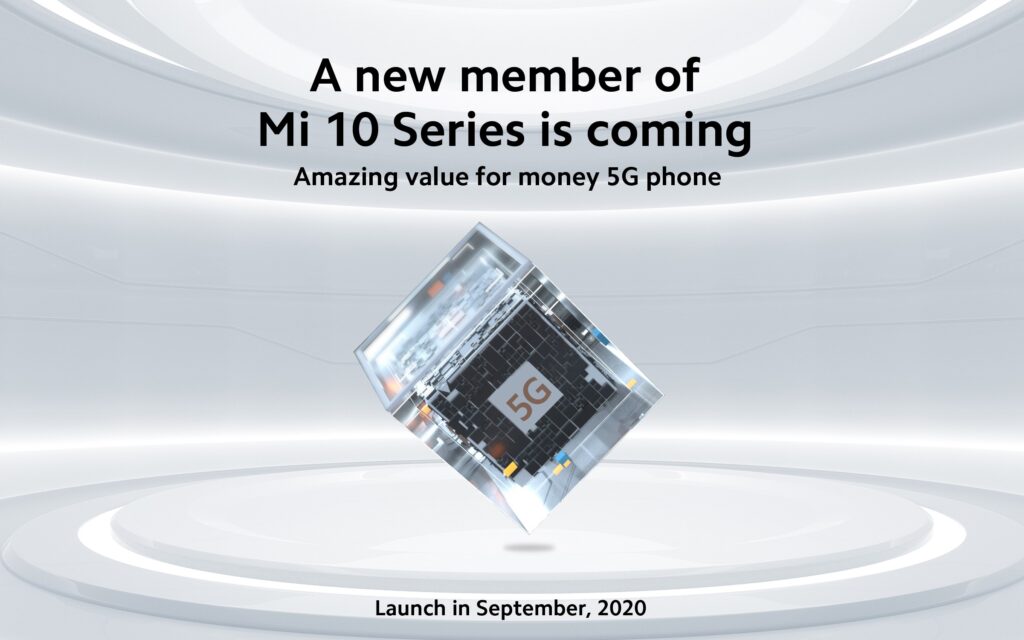
Xiaomi is known for offering value for money smartphones since its inception. It was one of the few OEMs responsible for the 4G smartphone revolution in India. Due to which, it is now leading the market for years. Now, the company is aiming to make a name for itself in Europe following the same principle. To begin its aggressive push to the region, it has officially announced to launch a sub-€300 5G smartphone this month.
Xiaomi has been operating its business in Europe for a few years now. It has been slowly growing its market share in these countries for the past few quarters. With Huawei’s decline, the company is trying to push hard as possible with growing competition from OPPO and realme.
Though Xioami’s Redmi brand offers a number of affordable 5G handsets in China, they are yet to make their way to international markets. Instead of bringing them, the company announced to launch a Mi 10 series device powered by Qualcomm Snapdragon 700 series chipset.
Currently, the only mid-range 5G phone that Xiaomi sells in Europe is Mi 10 Lite priced at €350. It features the popular Snapdragon 765G SoC, which is found in almost all the budget 5G devices sold globally.
The only other Snapdragon 700 series chip to offer 5G is Snapdragon 768G. Hence, the upcoming mysterious below €300 price tag Xiaomi 5G handset to be either power by one of these chipsets or by something else, which Qualcomm will announce a few days ahead of the phone’s official launch.
Anyway, as this smartphone is expected in September itself, we can expect the company to soon begin teasing it in the coming days.
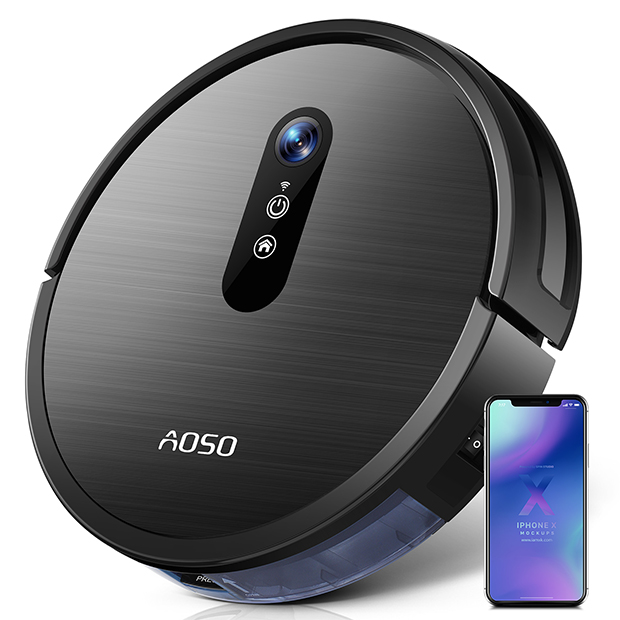
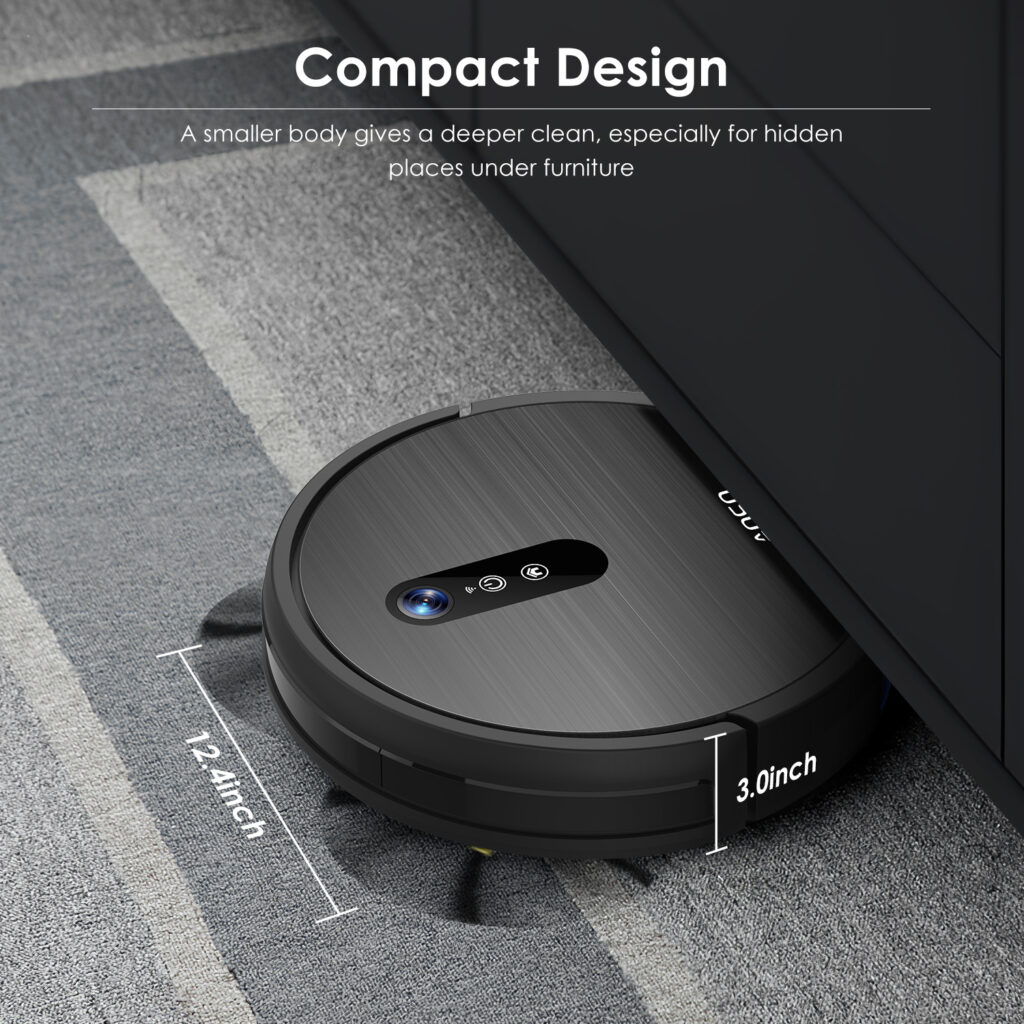
The era in which even pathogens are turning smart, the all-new AOSO Smart Robotic Cleaner should be of your choice to keep your place neat and tidy. Now up for pre-sale at a decent price tag of $229.99, the smart cleaner has a bunch of smart features and capabilities up its sleeve.
As per the creator, the Smart Robotic Cleaner features Advanced Visual SLAMwhich empowers your smart life. The AOSO cleaner also offers auto navigation and mapping, 166° wide-angle camera, app-based remote control, and other smart features.
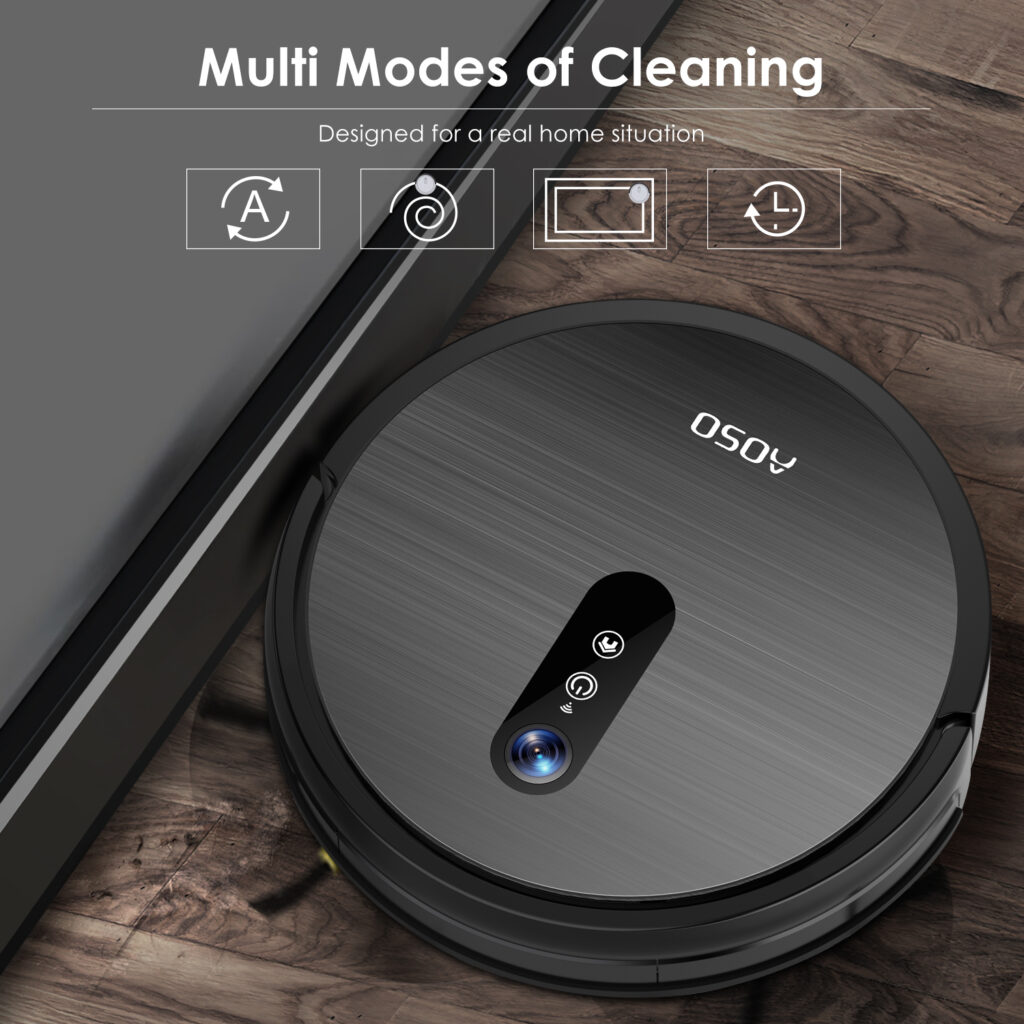
Apart from all the robotic hi-fi features, the cleaner is powerful enough with up to 2000 Pa suction which can be operated in three suction modes. For better control over the cleaning process, the cleaner provides four cleaning modes.
The cleaner operates on a quite decent 3,200mAH rechargeable battery which is rated to last for an impressive 110 minutes of maneuver. An LED display is present on which you can have a quick look at the remaining battery level and other important functions such as the current mode of operation etc.
As of the build, the AOSO Smart Cleaner weighs in at just 3.5Kg. Design-wise, it’s so compact and looks pleasing on the eyes. It has an anti-collision and anti-drop sensor, so you can have peace of mind while the robot is on its spree of cleaning your premises.
Here is a quick glance at the USPs of the smart cleaner.
Advanced Visual SLAM Technology with 166° wide-angle Camera;
App support for automation and remote control.
Up to 2000 Pa suction, three suction modes.
Ultra Strong Battery Capacity 3,200mAh claimed to last for 110 minutes.
Four Cleaning Modes: Auto mode, Spot mode, Edge mode, and Scheduled mode
As mentioned, the Robotic Smart Cleaner is up for pre-sale with a discounted price of $229.9 and the early bird sale ends on 15th September 2020. The shipment, as provided on the sale page, is scheduled to begin from 17th September 2020. So, if you tend to get one of them for your house or professional premises, then do it now. Note that, post the pre-sale the contraption will bear a price tag of $300. If interested, you may place your order from Tiktech right now.
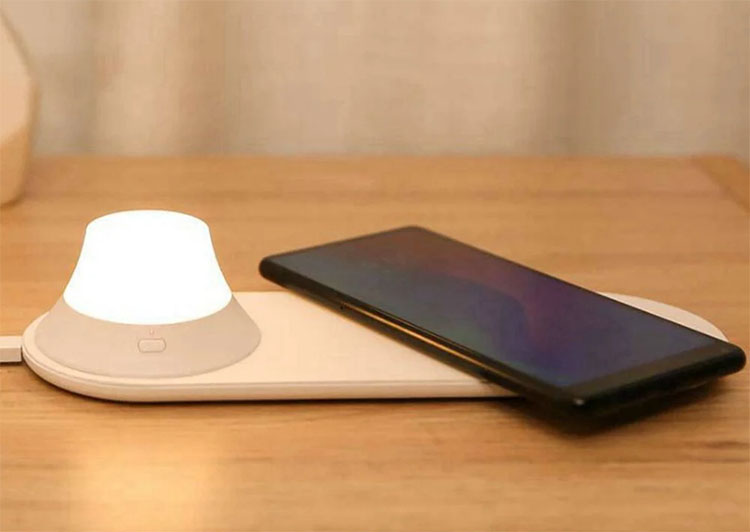
Yeelight is offering a Wireless Charger for iPhone at a discount price of $26.24 using a coupon code. It offers several advanced features that make it worth purchase if you’re looking for a wireless charger for iPhone and other compatible smartphones. The wireless charger uses premium material like ABS and PC. It usually retails for $34.99 but under the ongoing sale, you can grab it at a 25% discount.
Apart from the wireless charging mechanism, the product also offers charging night warm light for eye protection. It houses a 500 mAh polymer lithium battery for standalone charging and powering the light. It inputs a supply of 5V 2A / 9V 2A with an output supply of 5V 5W Max/ 9V 10W Max.
The useful yet beautifully crafted wireless charger offers a night light on one side and wireless fast charging on the other side. It houses features like overvoltage protection and even detects unsupported devices. The users can even remove the magnetic night light easily.
Yeelight Wireless Charger supports multiple devices for fast charging apart from the iPhones.
In order to grab the Yeelight Wireless Charger, you can order it using the coupon code Yeelight25 from the Newchic store. The discount will reflect after applying the coupon code.
Xiaomi’s flagships have always been popular for its incredible cost to performance ratio. However, if you are familiar with Xiaomi’s strategy, you should also know that the company usually cuts down some features to save costs.
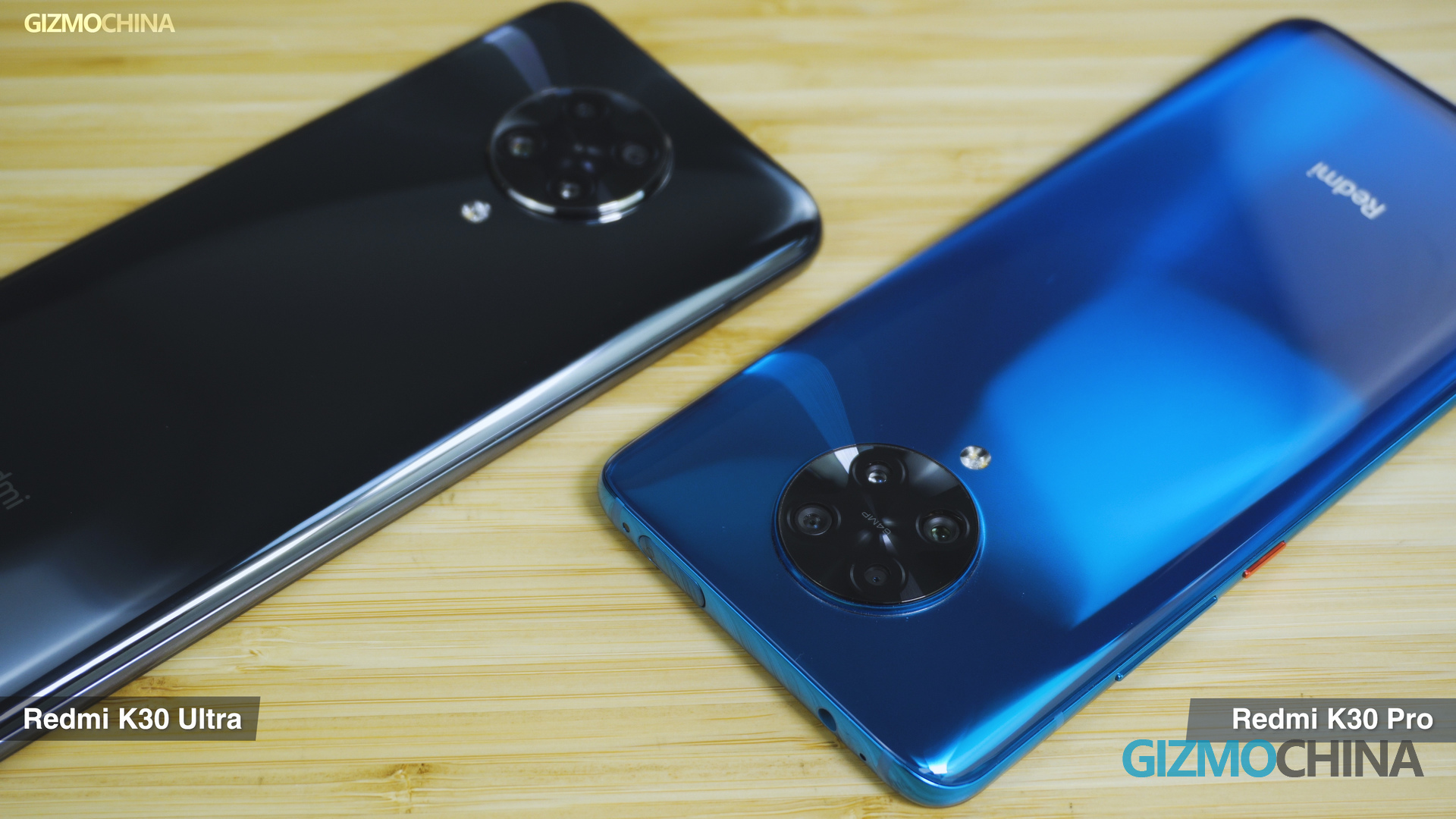
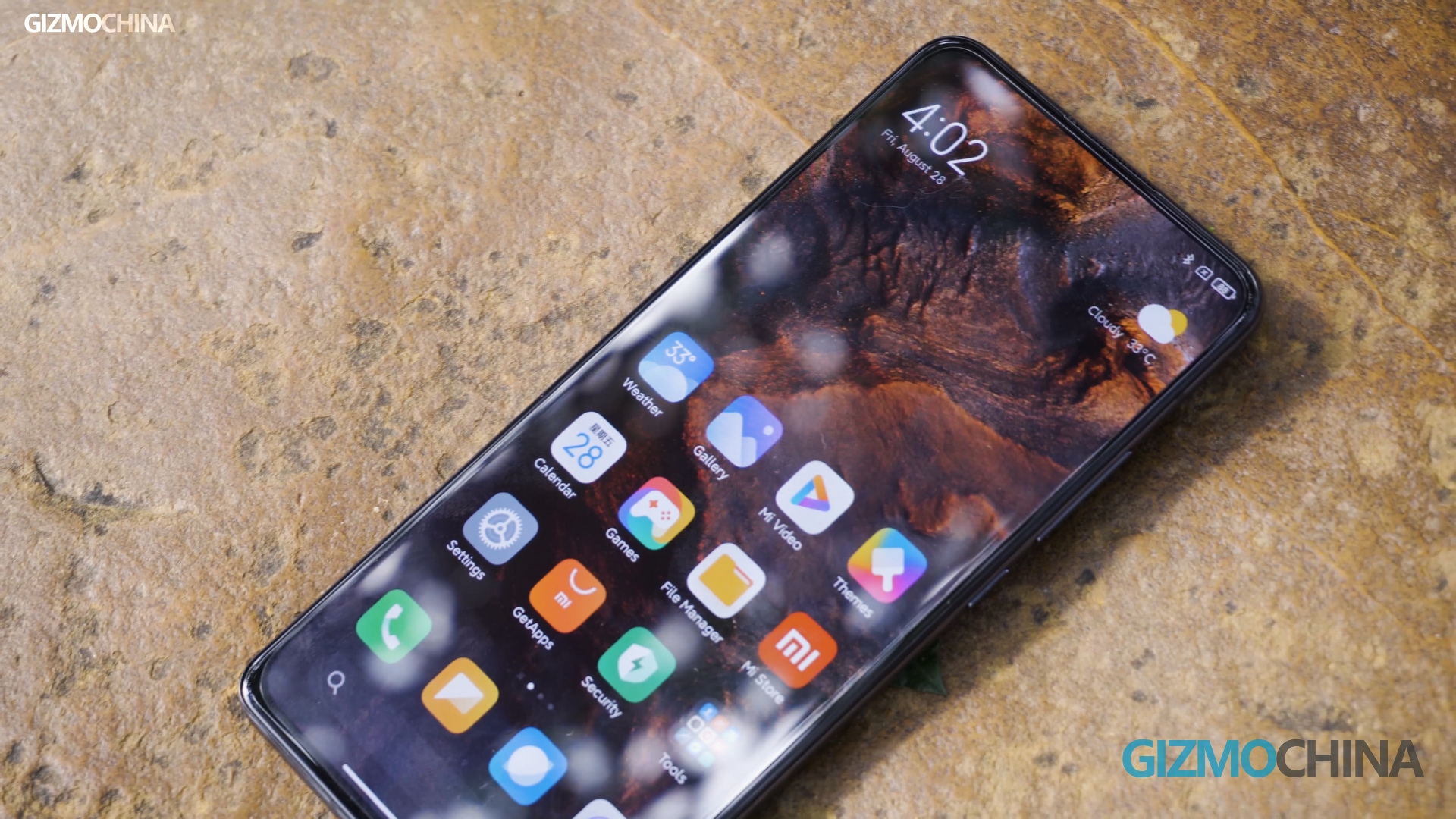
Take the Redmi K30 Pro for example. The phone skipped the most popular feature of 2020 — a high refresh-rate display. But now, they have fixed this drawback on the new Redmi K30 Ultra with a 120Hz refresh-rate display.
However, as I mentioned above, in order to keep the price to acceptable levels, the Redmi K30 Ultra comes with the MTK Dimensity 1000 Plus instead of the Qualcomm Snapdragon 865. So when you get a high refresh rate display, you have to settle for a MediaTek chip. But is it a kind of balance between performance and pricing? Or overall, is the Ultra a less powerful model with a better price as compared to the K30 Pro?
Let’s check that out in this Redmi K30 Ultra review.
Redmi K30 Ultra Review: Display 120Hz
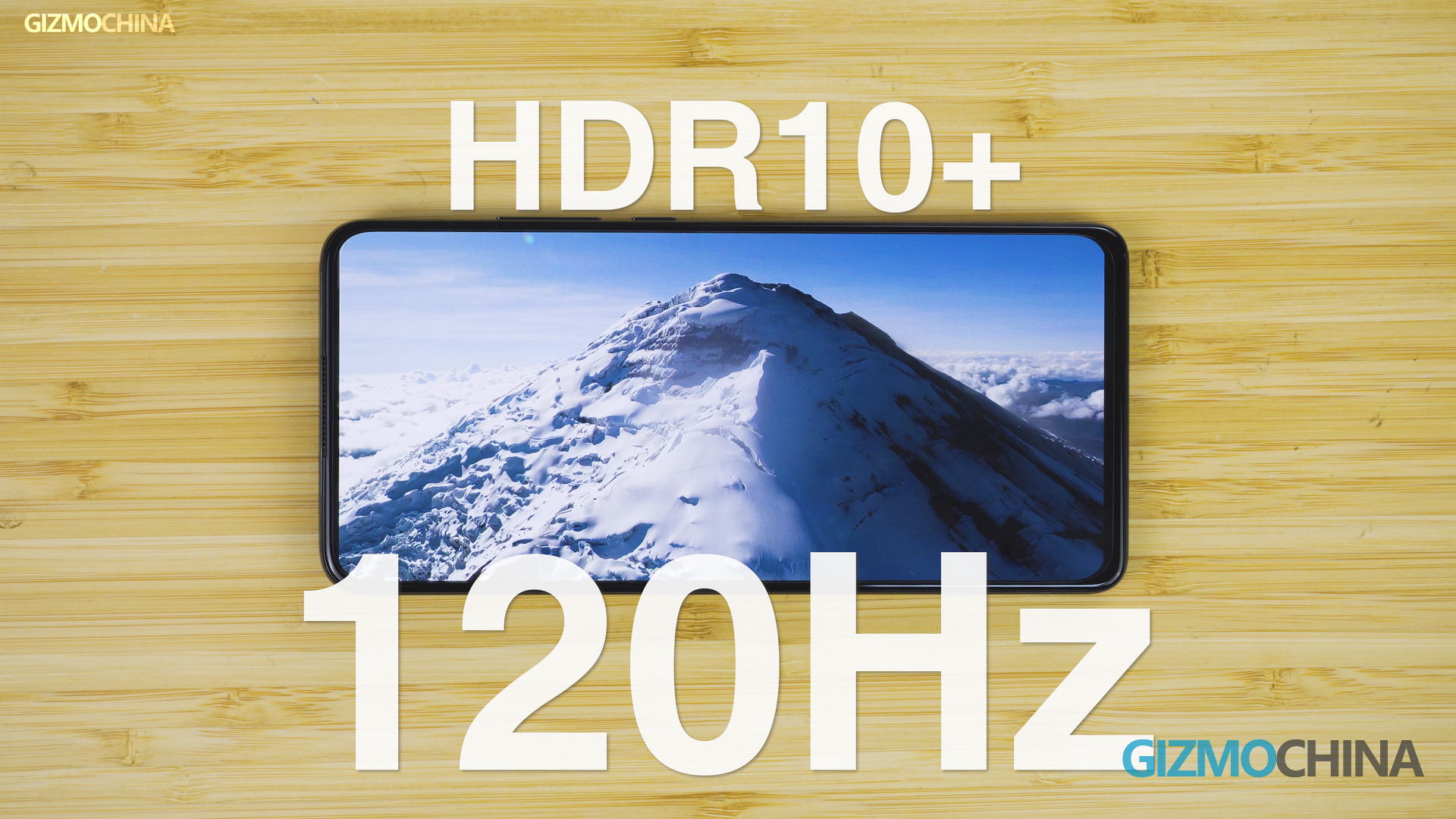
Let’s start with its upgraded display first. Actually, besides the 120Hz refresh rate, there is almost nothing different from the K30 Pro’s display. It also supports HDR10+ and P3 color gamut. Partial peak brightness is also 1200nit.
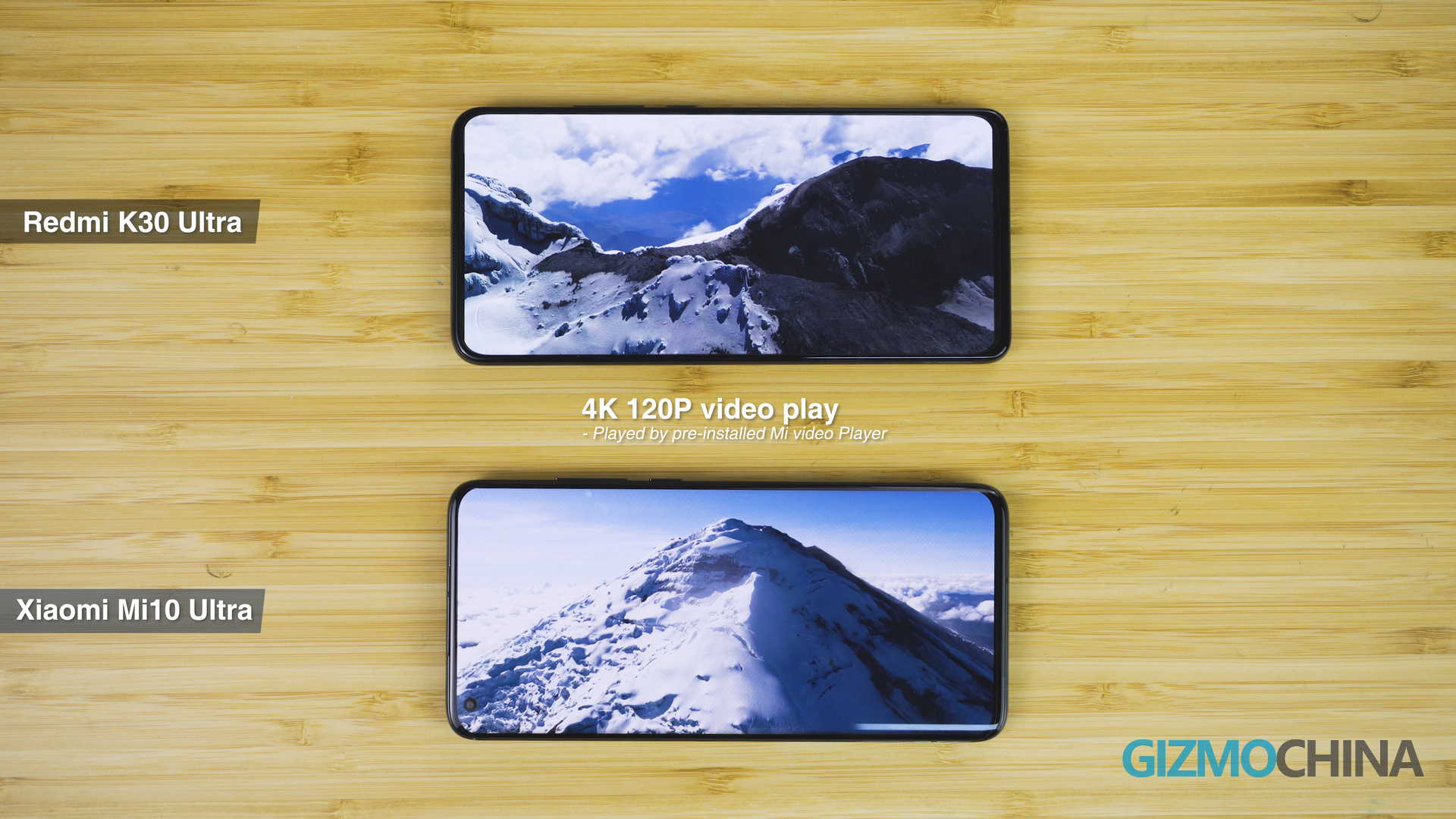
What’s strange is that when we tried playing a 4K HDR video in full screen, the K30 Ultra’s playback was not as smooth as the Mi 10 Ultra (see the video review above) which was a bit disappointing.
While the phone boasts a 120Hz display, it looks like it needs a bit of optimization to ensure that the chipset is able to deliver a super smooth playback. It’s also worth adding that the phone overheated a little when playing back 4K video and you may even face unusual power consumption sometimes.
1 of 2
Redmi K30 Pro Ultra vs mi 10 ultra
Redmi K30 Pro Ultra vs mi 10 ultra
Redmi K30 Pro Ultra vs mi 10 ultra
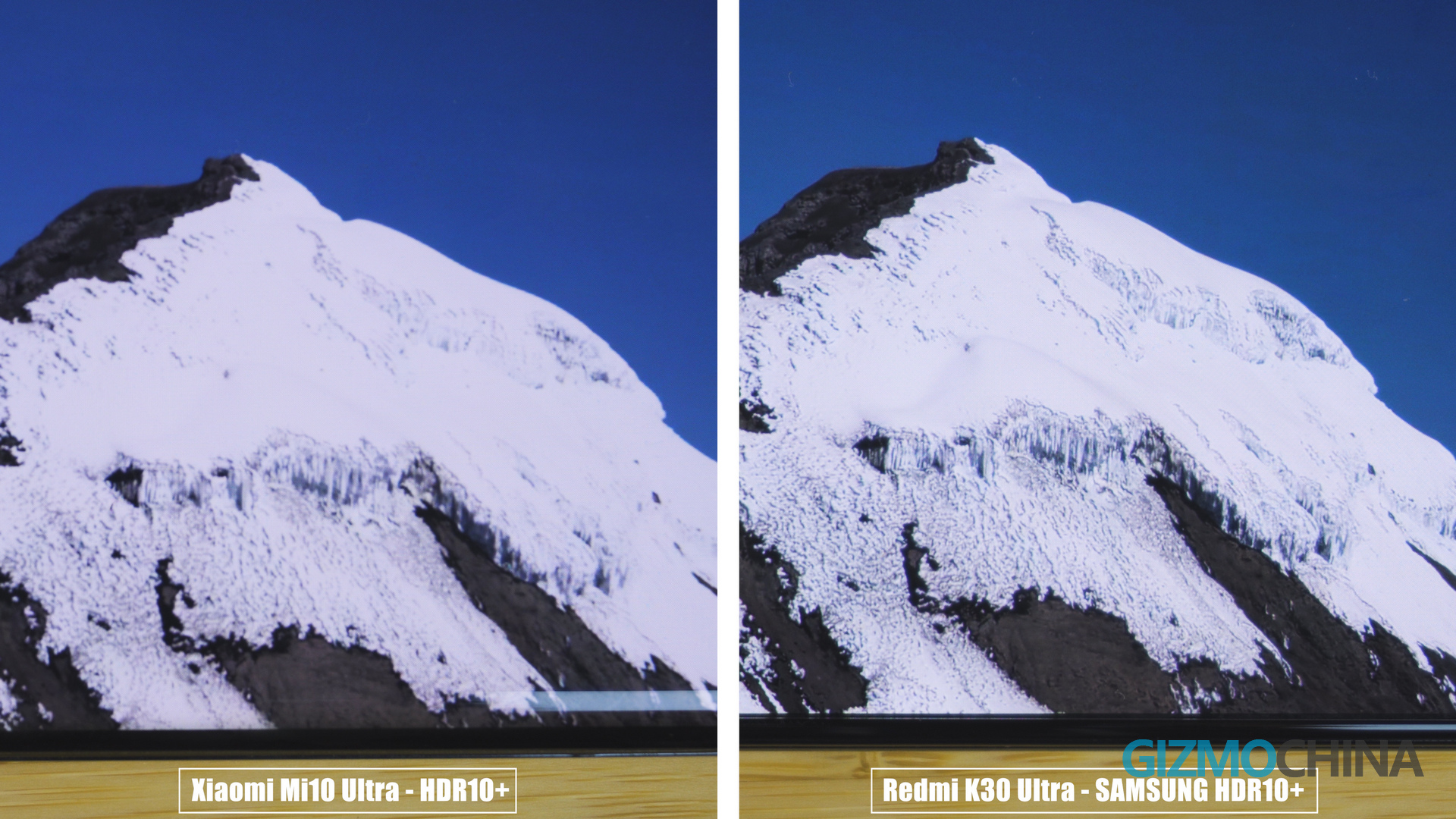
However, the K30 Ultra’s SAMSUNG display surprisingly has better image sharpness and better details during 4k video playback. So while it was not as smooth as the Mi 10 Ultra when it comes to 4K video playback, the quality turned out to be slightly better. As for HDR, they were both doing a good job, the color presentation and dynamic range is very close to each other.
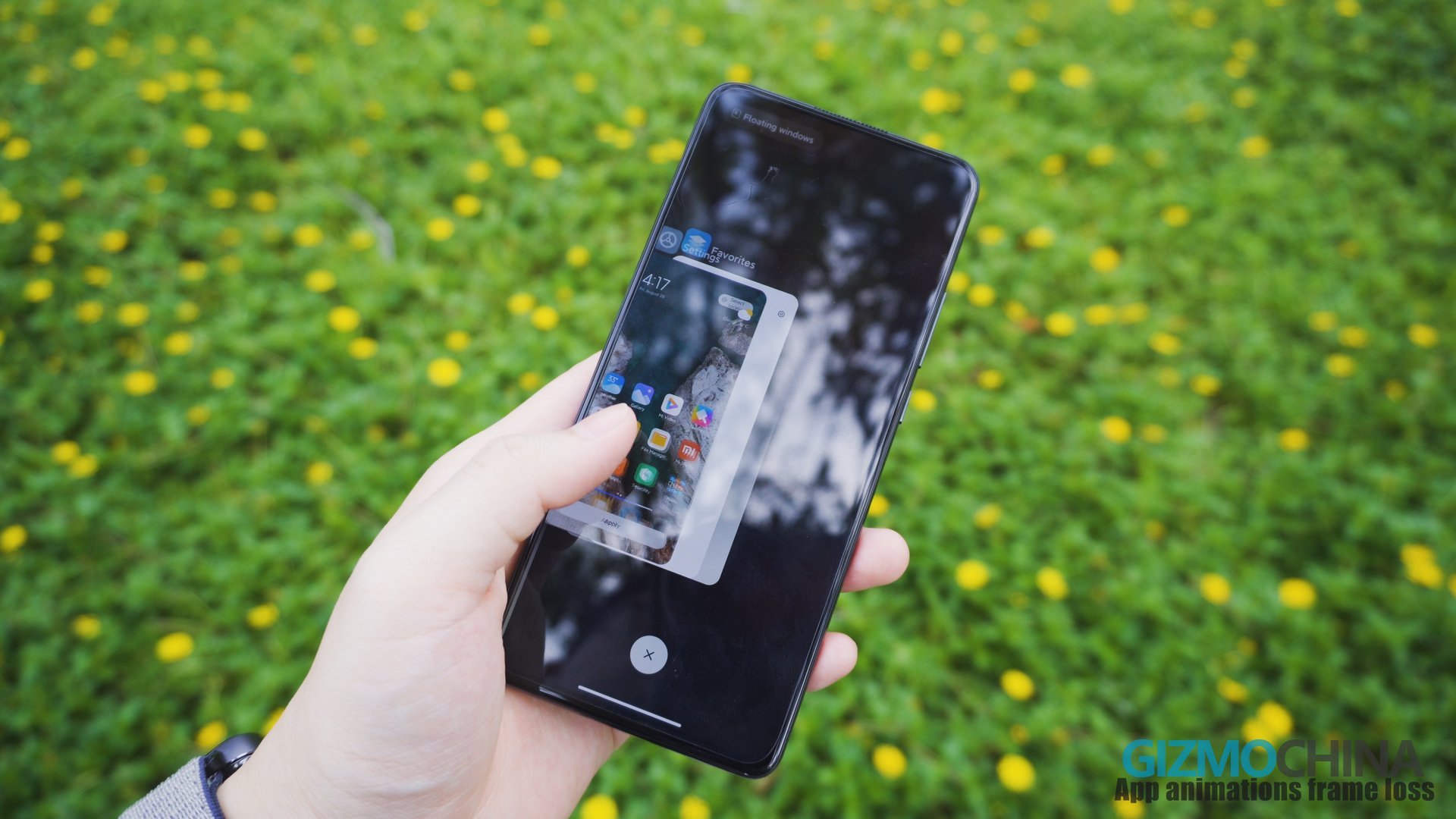
Another detail that feels strange is frame loss. On the K30 Ultra’s 120Hz display, the app dynamic animation is not as smooth as what we expected. Although the animations would respond quickly to user actions, there’s still some lag with obvious frame loss. As we retried it a number of times, the frame-loss problem eventually disappeared for certain apps that ran in the background. Notably, at the system level and for system apps, the 120Hz display with a 240Hz sampling rate still provided quick reactions and led to a relatively smooth experience.
Redmi K30 Ultra Review: Performance
As for the new chipset, the MTK Dimensity 1000 Plus, we didn’t feel the chip provided the best performance. Although theoretically, it’s not as powerful as the Snapdragon 865, the 1000 Plus is still an excellent option for gaming.
But when you compare it with the K30 Ultra, you can easily see the difference in its gaming performance. We personally think it’s a matter of Xiaomi’s software optimization rather than the ability of Dimensity 1000 Plus. As Xiaomi’s first model running the 1000 Plus, the K30 Ultra wasn’t very efficient. We feel the overall heat control and battery management need improvement.
Also due to poor optimization, the K30 Ultra still applied a framerate limit of 60fps in almost all the games. So right now, you’re not able to fully enjoy the gaming performance brought about by the upgraded display.
The good news is that Xiaomi has promised to fix the problem of framerate limitation and optimize the chipset performance in the incoming updates for the K30 Ultra. But no certain date was informed.
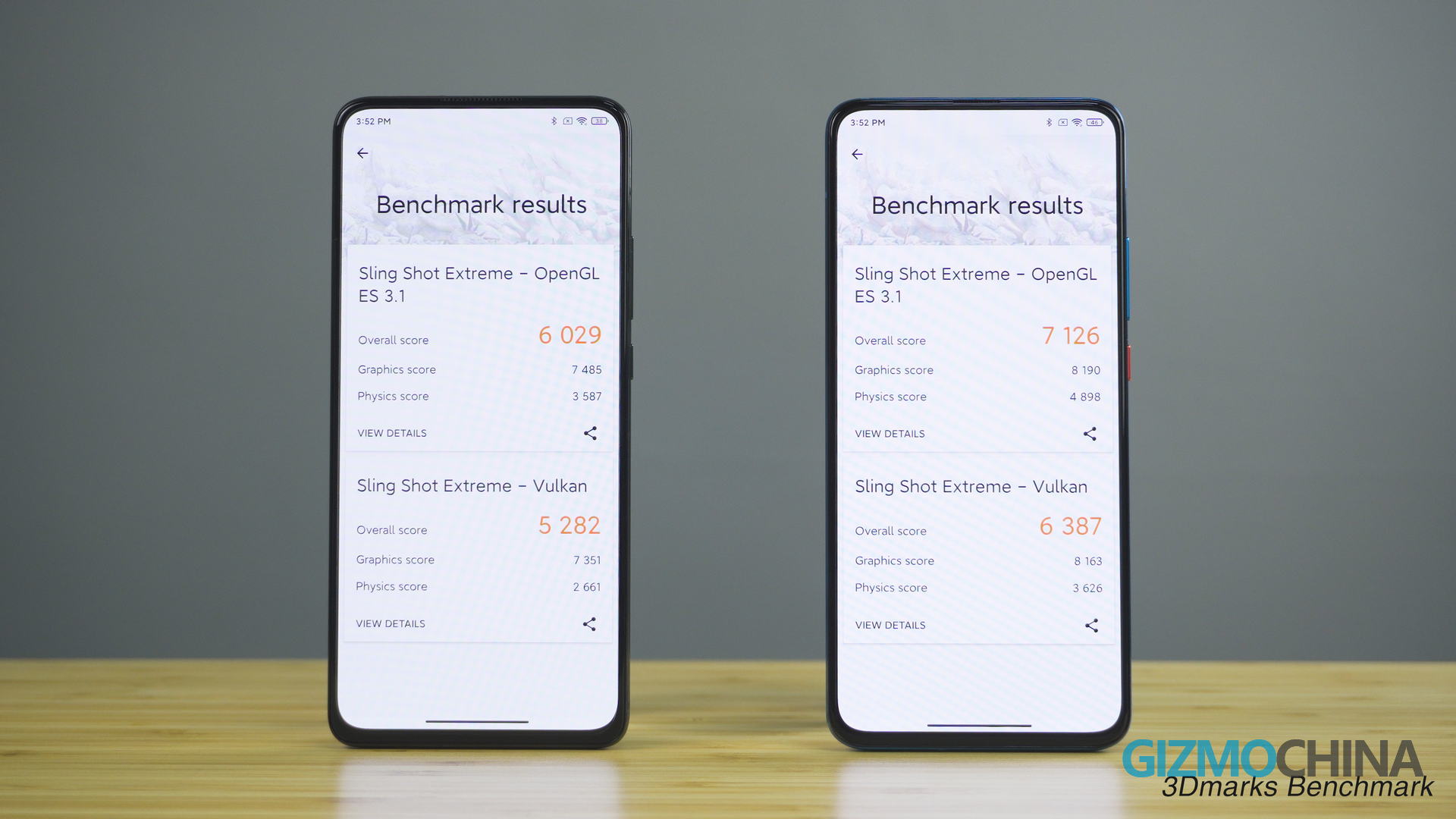
Anyway, let’s see how it performed in benchmarks. In 3Dmark, the Ultra was able to activate the excellent performance of the Dimensity 1000 Plus. The result is pretty close to what we got on the K30 Pro. The Ultra was equipped with the LPDDR4X Flash memory and UFS2.1 storage, while the K30 Pro features the latest generation of memory and storage. So technically the K30 Pro could have a better performance on data and system speeds.
As for geekbench 5, it’s pretty strange that the Ultra was not able to run the whole test and give us the result.
Although we think it doesn’t make sense to do gaming tests on a model that’s not optimized for gaming at this point, we still had to show you its performance at least in a couple of games. This way you’ll get an idea of why we repeatedly say that the phone needs better optimization.
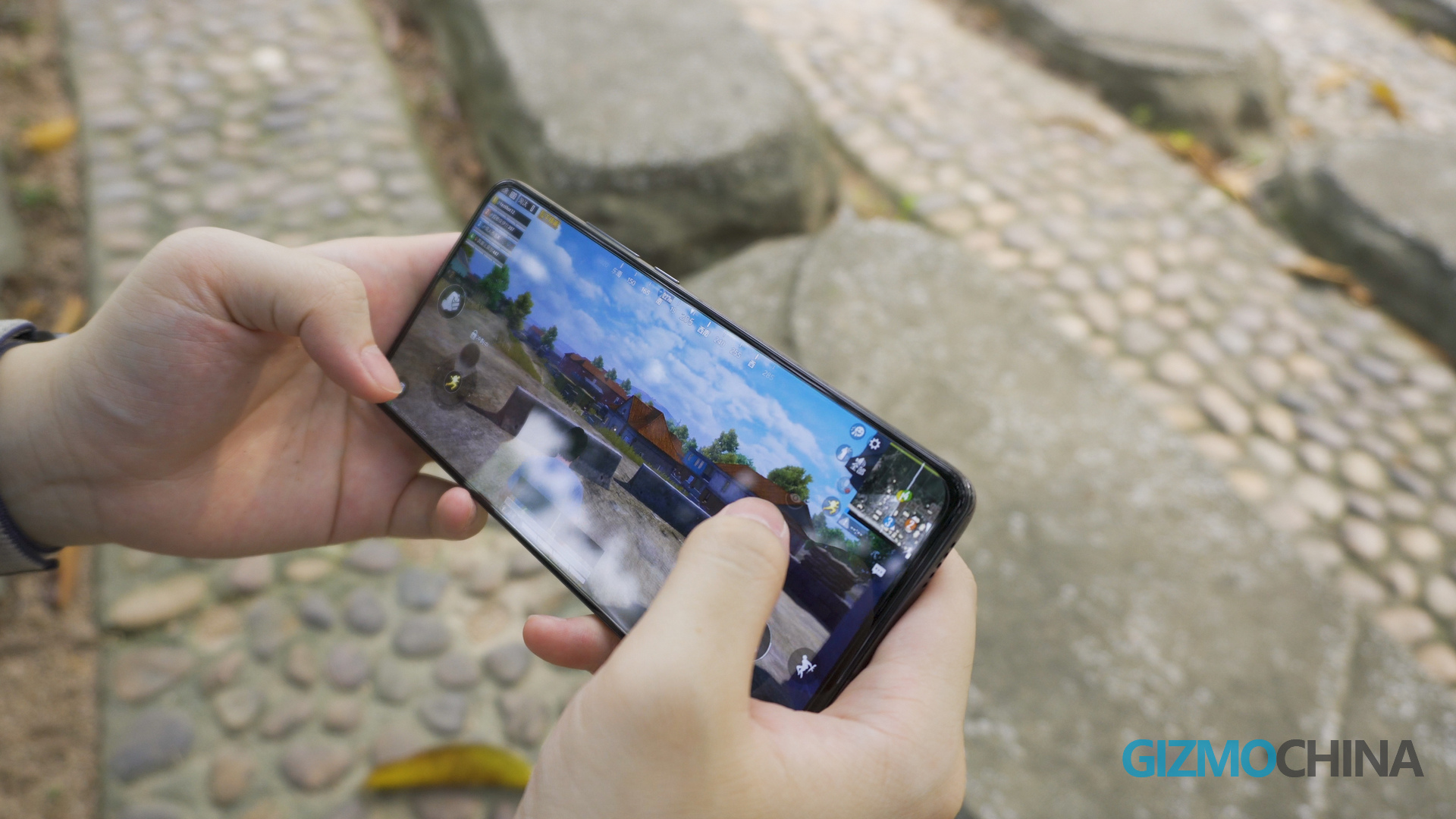
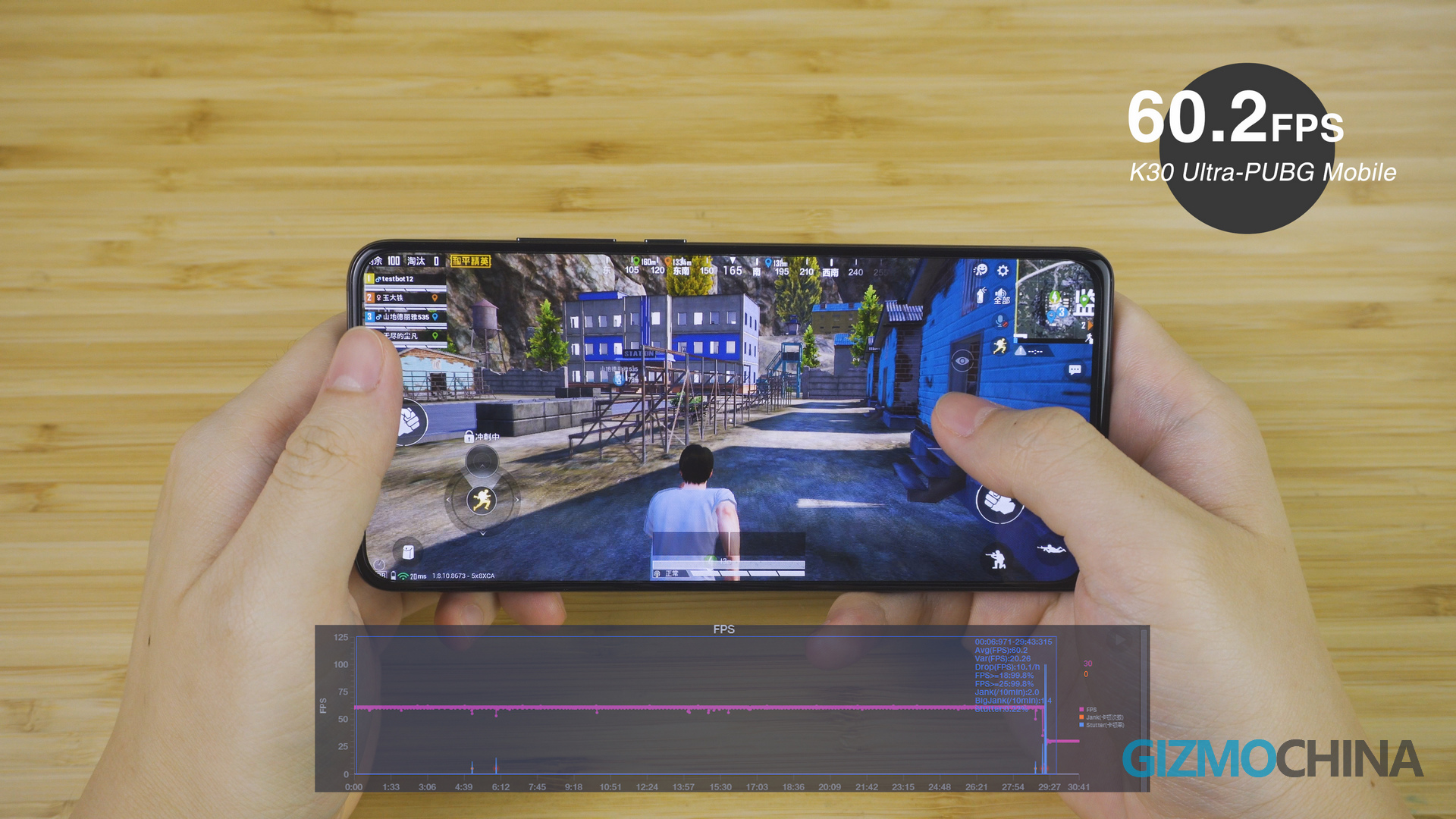
In PUBG Mobile with the highest graphic settings, although we turned on the 120fps mode, the phone could only run the game at 60.21fps on an average.
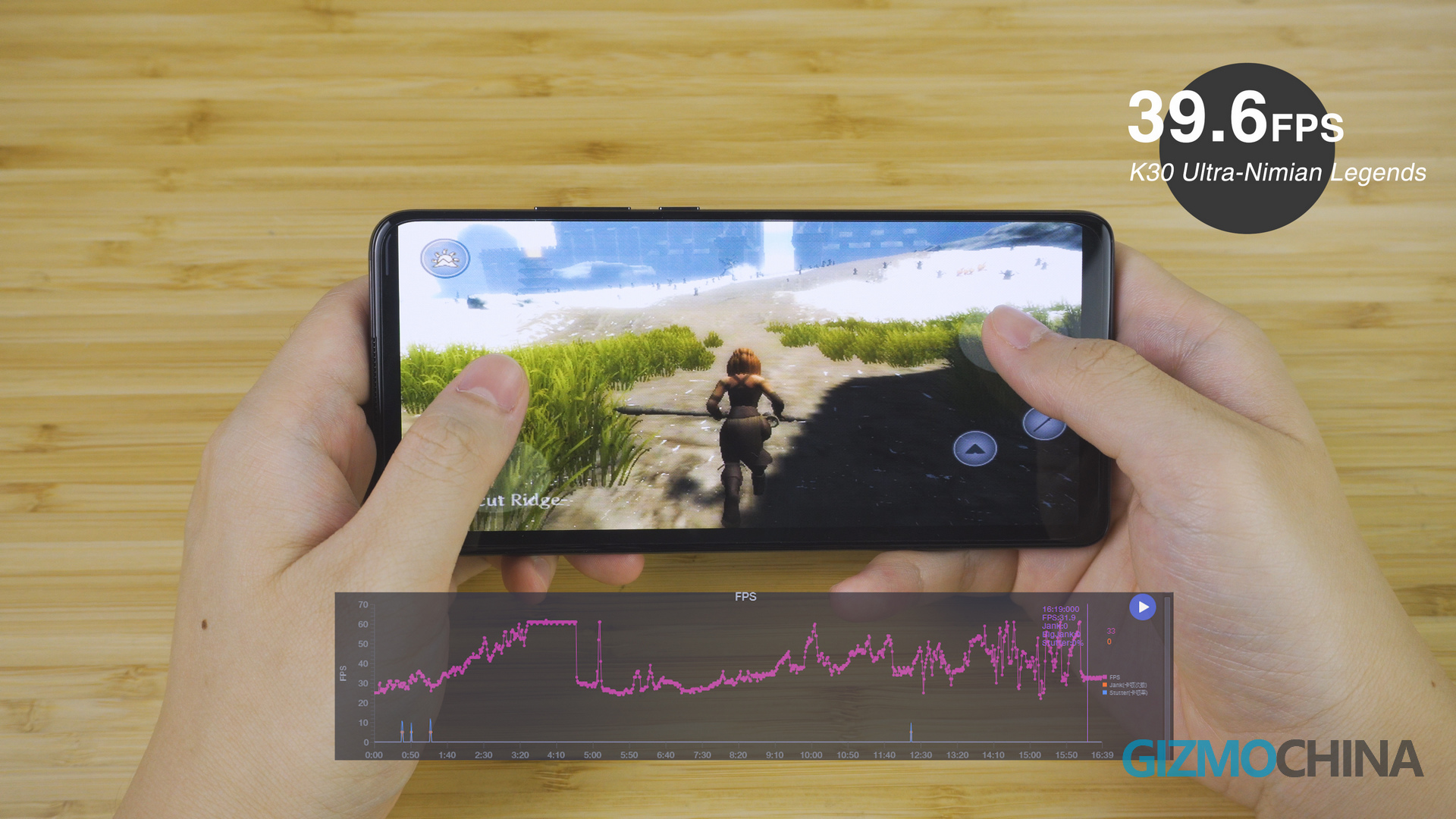
For the stress test with Nimian Legends, the model could run the game at 39.6fps on an average. If you remember, the iQOO Z1, another phone running Dimensity 1000+ but with an even higher 144Hz display, fared much better when it came to gaming. So we don’t think chipset was the big constraint here.
Nimian Legends
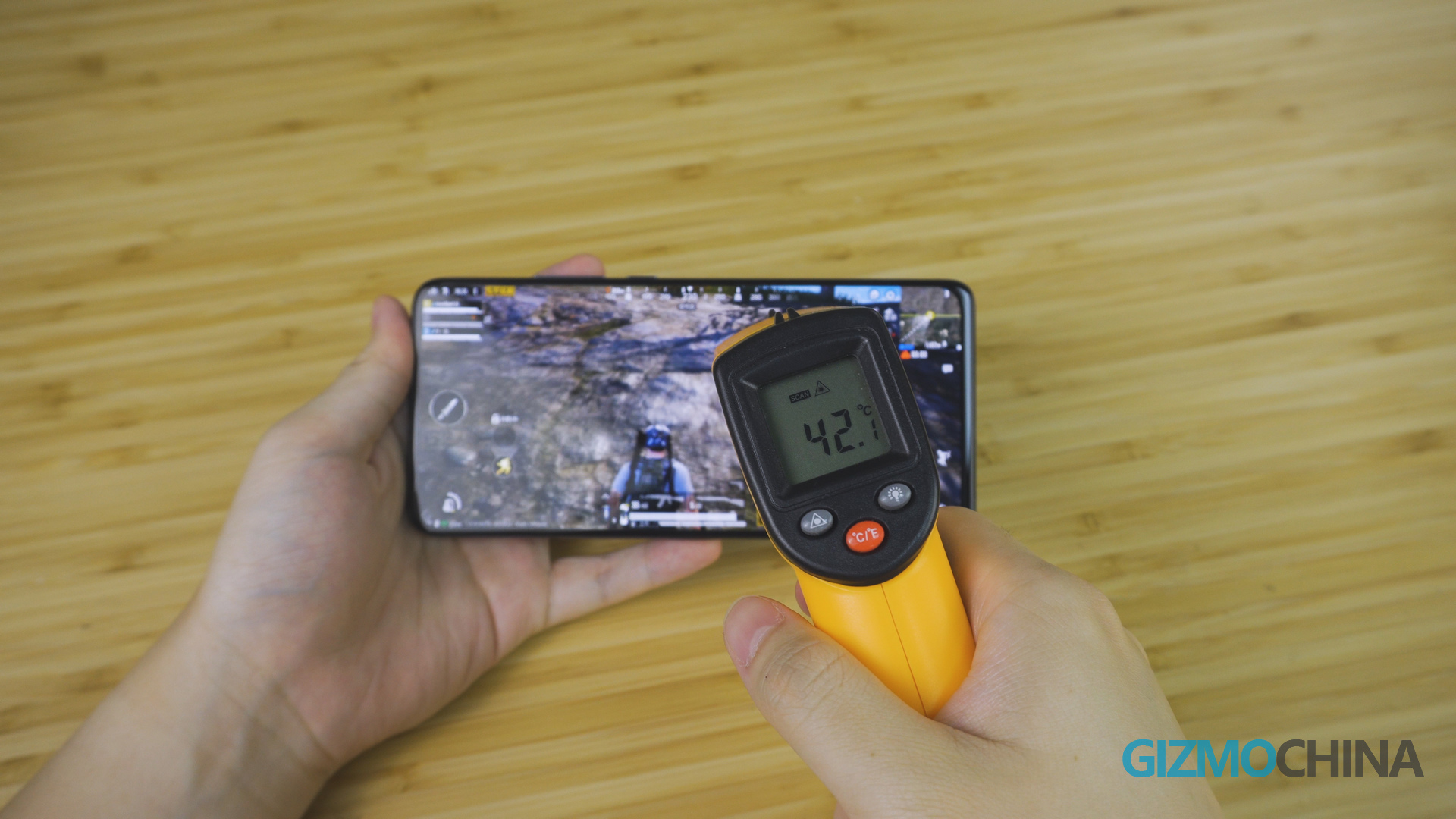
During the gaming test, the model heated up easily, even when we ran it under 60fps mode.
Unexpectedly, the most surprising part of the K30 Ultra is the performance of its camera.
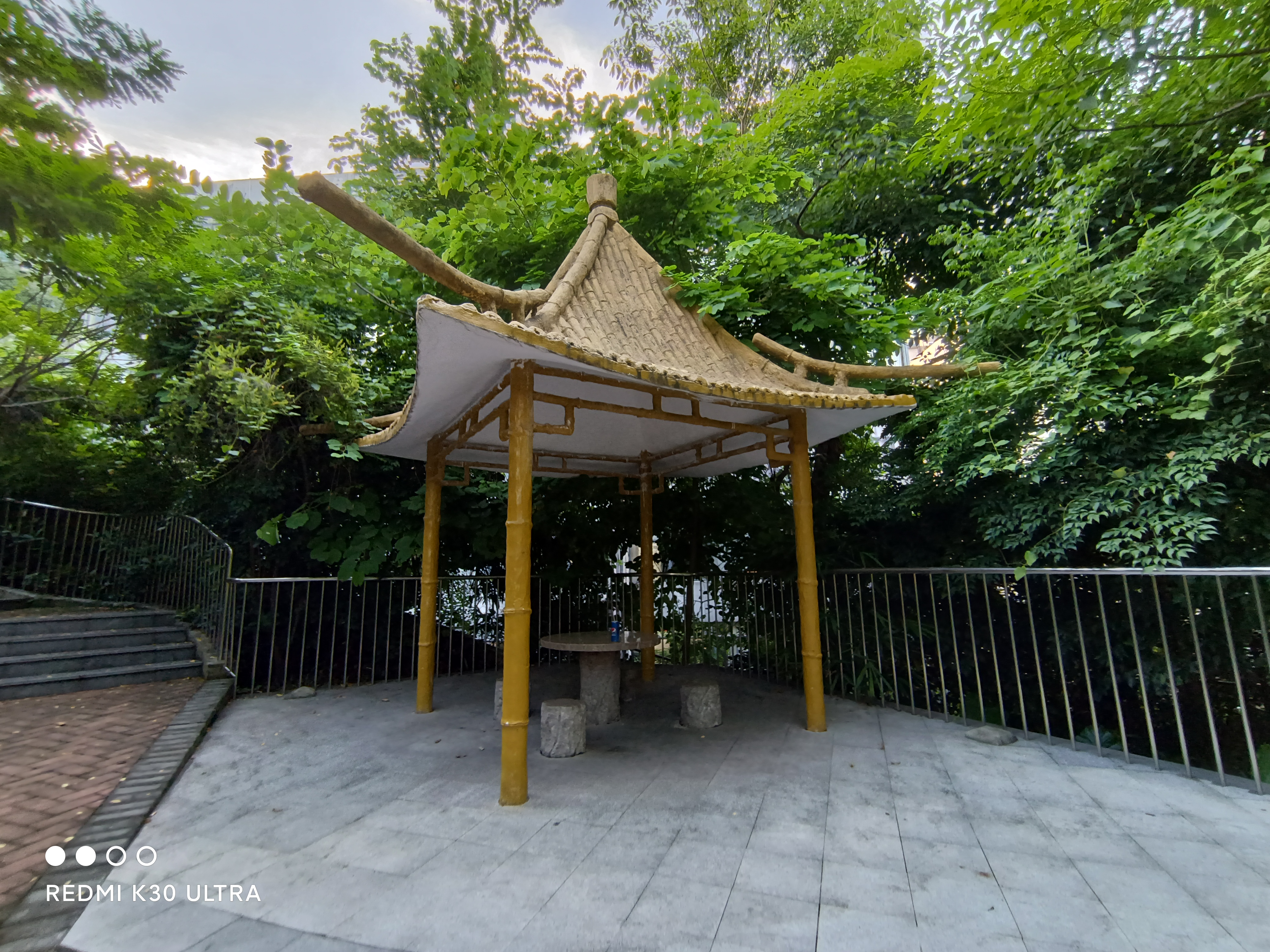
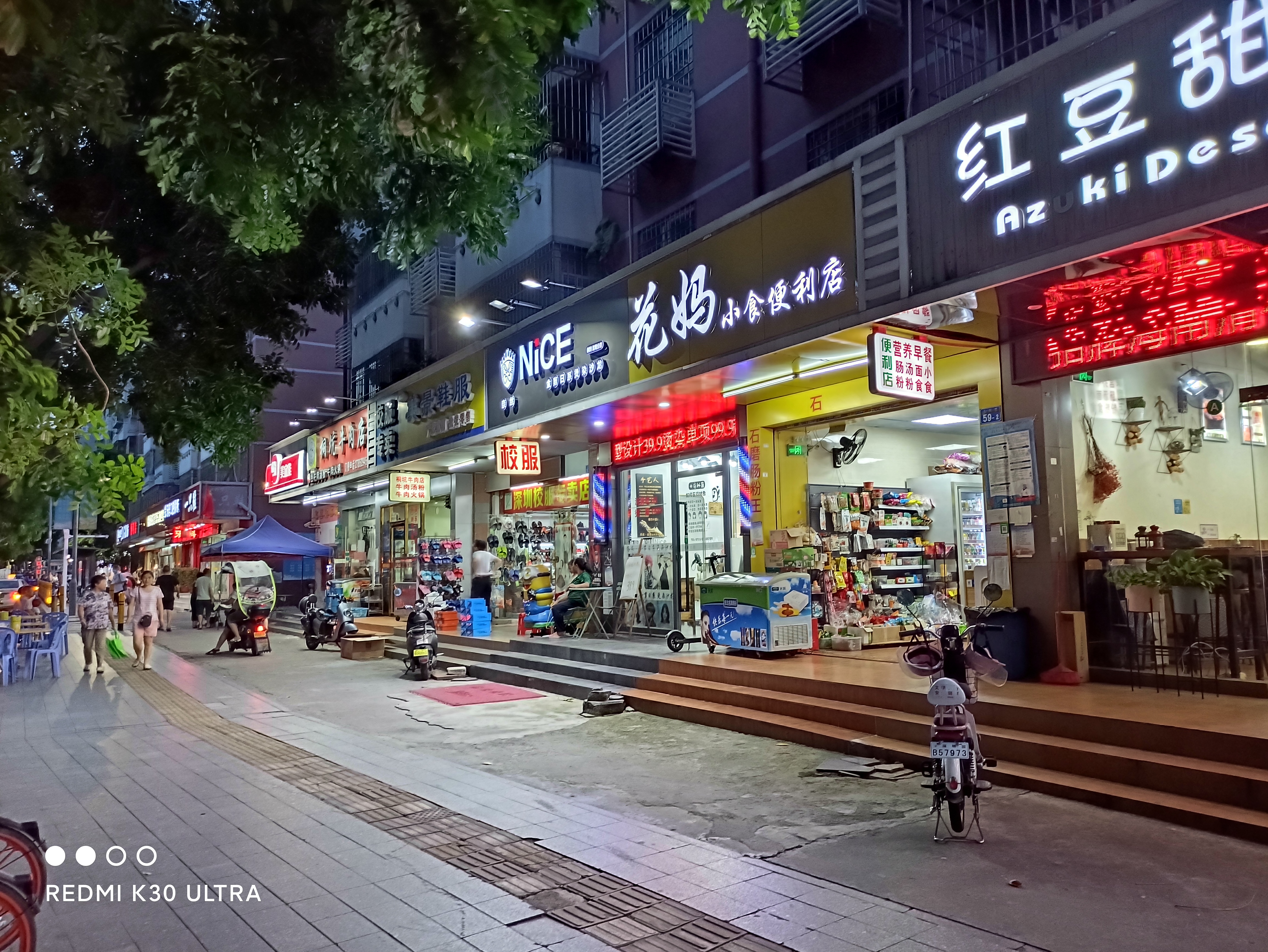
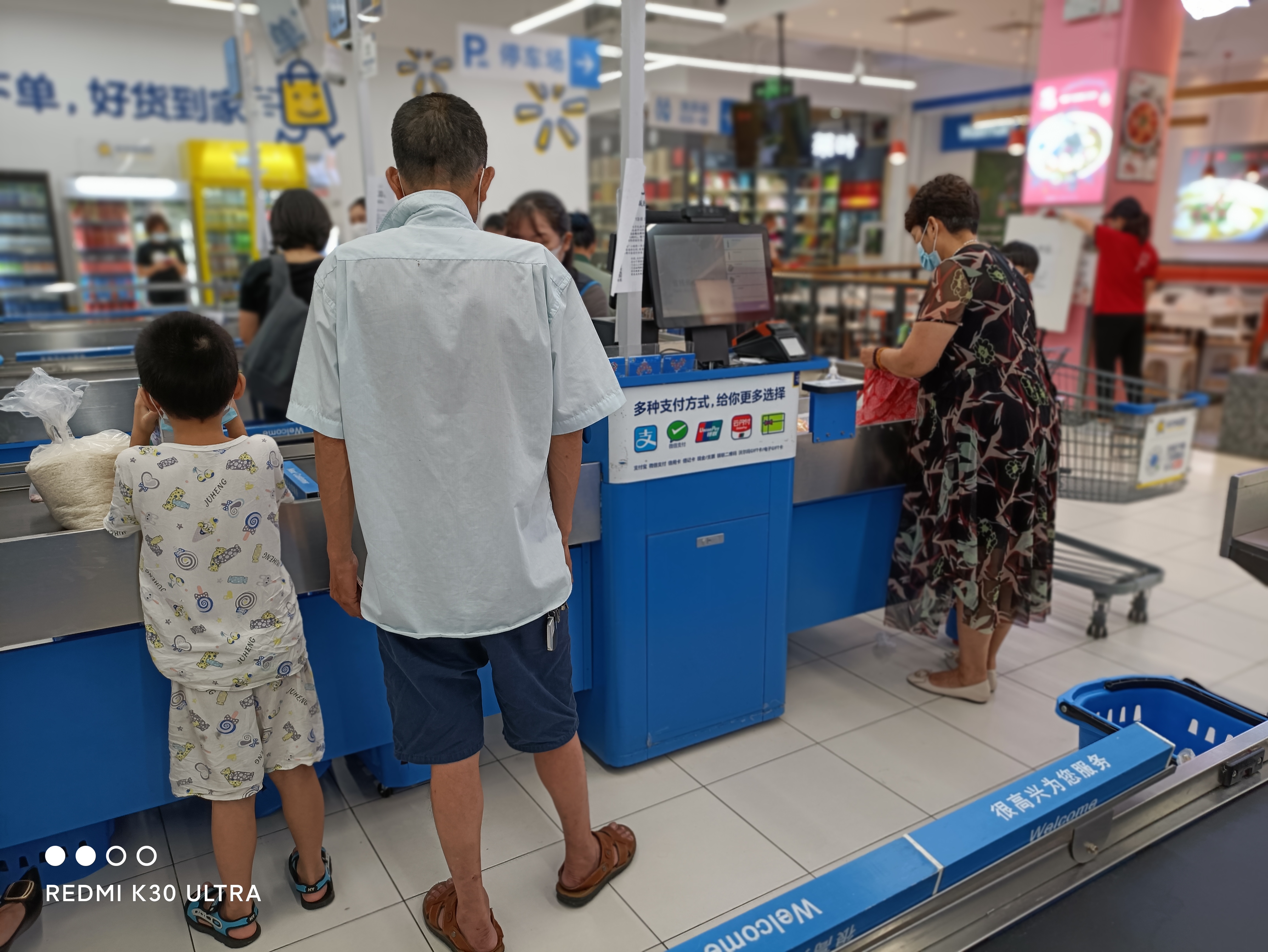
The 64MP main camera sports a Sony IMX682 sensor. From its samples, we could see that the main camera was able to give more accurate exposure, while the K30 Pro sometimes might overexpose and lose detail over extreme brightness. Especially when we turned on HDR and AI colors, the Ultra’s main camera was able to deliver an excellent dynamic range to cover details of both bright and dark areas.
1 of 4
For example, in this photo, the Ultra was able to handle the bright sky pretty well, while the K30 Pro just lost the details of the sky. In addition, the Ultra’s samples presented relatively correct white balance under most scenarios, while the K30 Pro’s white balance was usually cooler and didn’t meet the real scenarios needs.
1 of 6
Both K30 models are equipped with a 13MP wide-angle camera. But the Ultra’s field of view is a bit narrower, but the aperture is larger. Under auto-HDR mode, their performance is similar to what they have on their main cameras. The Ultra’s wide-angle samples surprisingly have much wider dynamic range than the Pro’s. And it also remained a better white balance detection. Meanwhile, thanks to the larger aperture, it seems that under the low-light conditions with the same shot parameters, the Ultra also had better performance with good brightness than what we got on the K30 Pro. But it also got the same problems of most wide-angle cameras, which is the poor detail and unstable noise control for corners. The central image is always much better than the corners. In comparison, another one of Ultra’s advantages is its ability to remove the fringing around edges.
1 of 8
And the 50mm equivalent lens is for macro use. It’s another highlight for the new camera combination. Compared to the macro camera on the Pro, the Ultra has a faster focus speed and a bit closer focus. And the Ultra’s macro could produce much more delightful colors. But the macro camera only features a small sensor with 5MP resolution, so it’s not really practical for low-light uses.
Both of them only feature electronic image stabilization but lack OIS anti-shaking solution, so they both required the object to stay still.
1 of 8
Normal Mode Camera Sample
Night Mode
Normal Mode Camera Sample
Night Mode
About its night performance, actually, it was hard to pick a winner. The night mode looks very close to what we got under the HDR mode. And from shot parameters, we also guess that it may not apply an exclusive night solution for night uses. The ISO and shutter were not so different from what used for the normal mode. The samples shot under Ultra’s night mode didn’t really improve over the noise control and image detail. It seems that Xiaomi still needs a lot of work to fix the night mode.
1 of 3
As for its portrait camera, the edge detection and distance detection were not as good as what we saw on the Mi 10 Ultra. Especially with complicated background, the aperture adjustment didn’t work so well.
Another improvement of the Ultra is the dual-speakers for stereo sounds. Compared to the single speaker on the Pro, the audio improvement is quite impressive but not as good as the symmetrical speakers on Mi 10.
Although the Ultra and Pro use the same charging solution for their 4500mAh batteries, the full-charge test showed that the Ultra’s charging efficiency still got slightly improved. The Ultra took around 66mins to complete the full charge, while the charging time for the Pro was a bit longer, it eventually finished the test in around 74 mins.
Redmi K30 Ultra Review: Verdict
So overall, the K30 Ultra brings a number of upgrades as compared to the K30 Pro. It is definitely one of the best options in its price range. However, as a 10th-anniversary product, its improvement over the daily experience is not as significant as we expected. It feels like an unfinished product that has the potential to provide better user experience in areas such as the optimization of the 120Hz display and the new chipset. On the other hand, the camera performance is surprisingly more impressive when compared to the K30 Pro.
ZTE revealed a couple of weeks back that it will launch a smartphone equipped with an under-display fingerprint sensor. Later on, details emerged that the phone will adopt the moniker Axon 20 5G and we also saw some of the details and renders via leaks and teasers. True to its word, the company has gone official with the Axon 20 5G. The smartphone comes as the world’s first under-display camera phone.
Axon 20 5G: Specs & Features
The Axon 20 5G’s main selling point is definitely the under-display camera which it packs and that has a high influence on the display design. The Axon 20 5G packs a 6.92-inch OLED screen that covers 100% of the DCI-P3 color gamut and supports 10-bit color depth. The display also supports a 90Hz high refresh rate, 240Hz touch sampling rate, and provides a true, unobstructed full-screen view. The display has an FHD+ resolution of 2460×1080 pixels.
ZTE says it was able to achieve the under-screen camera design by deploying five core technologies, including special materials, dual-control chips, unique driver circuits, a special pixel matrix, and an in-house selfie algorithm. With these technologies, ZTE was able to overcome numerous technical challenges during research and development.
The company also uses a high-transparency material for the display that balances the performance of the display and the front camera. The material includes new organic and inorganic films, thereby improving the light input of the display area to the front camera.
Moreover, a built-in independent dual-control chip and integrated driver circuits have been employed to enable the color synchronization between the front camera and the conventional display. In addition, a unique driver circuit layout design and precision miniaturization components have been used to avoid interference, and restrain the impact on the front camera. ZTE also created a special matrix that can optimize pixels and improve display consistency, thereby creating a more natural transition. The technology sounds similar to Xiaomi’s own under-display camera solution.
Furthermore, ZTE’s front-camera selfie algorithm has optimized the performance of the camera under several lighting conditions. It also supports automatic dynamic range adjustment, hence the great improvement of the photo clarity and the image contrast.
Apart from the under-screen camera, the Axon 20 5G also features an ultra-thin design with a thickness of 7.98 mm. The entire smartphone weighs 198 grams, making it relatively light (this can be subjective) and thin to hold. You also get an under-screen speaker and under-screen fingerprint scanner onboard the device.
The Qualcomm Snapdragon 765G chipset fires up the Axon 20 5G. The mid-range SoC has become quite popular with many Chinese smartphone brands with models such as the Mi 10 Lite 5G, Redmi K30i 5G, OPPO Reno 4/4 Pro, OnePlus Nord, Nubia Red Magic 5G Lite, and several others utilizing the chipset. The processor is a 7nm octa-core chipset with a Kryo 475 Prime core (Cortex-A76) clocked at 2.4GHz, a Kryo 475 Gold core (Cortex-A76) clocked at 2.2GHz and six Kryo 475 Silver cores (Cortex-A55) clocked at 1.8GHz.
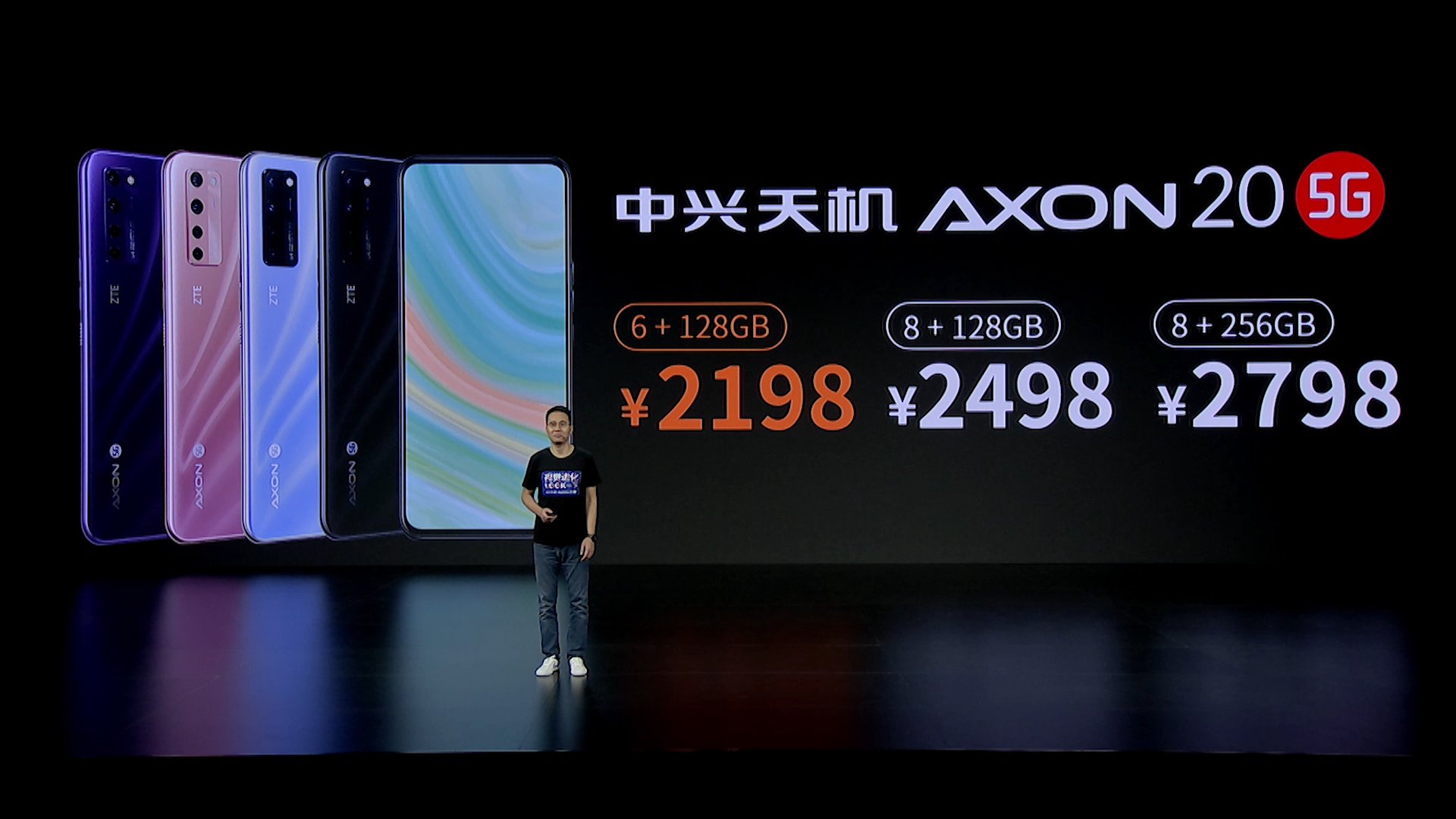
The processor is paired with 6GB RAM and there is also an 8GB RAM version. The phone comes in 128GB and 256GB storage options.
The rear panel of the Axon 20 5G is made of high-hardness 3D curved glass with a ten-layer structure stack design. The panel is coated using vacuum optical coating thus forming a nano-level streamer illusion texture. The back houses a Quad camera setup stacked at the upper left corner. The sensors include a 64MP Ultra-high pixel main camera. There is also an 8MP 120-degree ultra-wide-angle camera, a 2MP depth of field lens, and a 2MP macro lens.
Further, the ZTE Axon 20 5G is equipped with as many as 12 antennas, 3-4 more antennas than those of other suppliers. It adopts a 360-degree surround integrated design. The 12 antennas are intelligently arranged around the mobile phone, and each has its own functions. The phone comes with dual-band 5G. When the mobile network environment becomes weak and the network speed of a 5G card is too slow, ZTE Axon 20’s unique network detection algorithm can intelligently identify and automatically switch wireless data services to the second 5G SIM instantly, realizing 5G dual-card seamless switch to ensure smooth networking.
Keeping the lights on is a 4220mAh battery which charges via a USB-C port. The phone supports Qualcomm Quick Charge 4+ and supports 30W fast-charging.
Pricing & Availability
As for the pricing, ZTE Axon 20 5G 6GB + 128GB variant starts at 2198 yuan ($322). The 8GB+128GB version is priced at 2498 yuan (~$366) while the 8GB + 256GB option goes for 2798 yuan (~$410). The phone is presently on pre-order and will go on sale on September 10 in China.
OnePlus is revamping its product lineup by offering mid-range and budget smartphones. Pete Lau, the co-founder and CEO of the brand revealed it first in May. Then, in July, the company launched OnePlus Nord as its first mid-range smartphone in years. Followed by that, leaks started pouring out information about OnePlus’s other budget handsets. Now, today, codenames of some of these handsets emerge.
Just yesterday, we had our first look at OnePlus 8T with a flat display and slimmer bezels. Now, today, codenames of four OnePlus smartphones leak on Twitter, courtesy of tech influencer Mukul Sharma (@stufflistings).
He shared a picture of a code snippet, which revealed the following codenames associated with what seems to be their marketing name.
billie2 – OnePlus Billie 2
billie2t – OnePlus Billie 2T
billie8 – OnePlus Billie 8
billie8t – OnePlus Billie 8T
This is not the first time we are hearing about the codename “billie”. These devices leaked in a rendered video earlier in August. Max J, the person behind that leak did confirm that there will be multiple phones. The above-listed devices could be the ones he mentioned.
Also, according to him, they are also known as “Aurora” and they can launch under the “Nord” branding. Hence, it is not sure if these handsets will be indeed called OnePlus Billie.
One of these devices could come powered by either Snapdragon 662 or Snapdragon 665. Whereas, another model from the list above could be a mid-range 5G smartphone powered by Snapdragon 690 like the Oneplus Nord but with a more affordable price tag.
Additionally, OnePlus will be also launching a phone codenamed “clover”, which could be the brand’s cheapest smartphone with feature like Snapdragon 460, 720p display, 6,000mAh battery, 4GB + 64GB storage configuration, microSD card slot, fingerprint sensor, 3.5mm headphone jack, 13MP + 2MP dual-camera setup, 18W fast charging, and around $200 price tag.
That said, most of the upcoming OnePlus budget and mid-range smartphones will probably debut first in India as hinted by the CEO back in May.
We use cookies on our website to give you the most relevant experience by remembering your preferences and repeat visits. By clicking “Accept”, you consent to the use of ALL the cookies.
This website uses cookies to improve your experience while you navigate through the website. Out of these, the cookies that are categorized as necessary are stored on your browser as they are essential for the working of basic functionalities of the website. We also use third-party cookies that help us analyze and understand how you use this website. These cookies will be stored in your browser only with your consent. You also have the option to opt-out of these cookies. But opting out of some of these cookies may affect your browsing experience.
Necessary cookies are absolutely essential for the website to function properly. This category only includes cookies that ensures basic functionalities and security features of the website. These cookies do not store any personal information.
Any cookies that may not be particularly necessary for the website to function and is used specifically to collect user personal data via analytics, ads, other embedded contents are termed as non-necessary cookies. It is mandatory to procure user consent prior to running these cookies on your website.