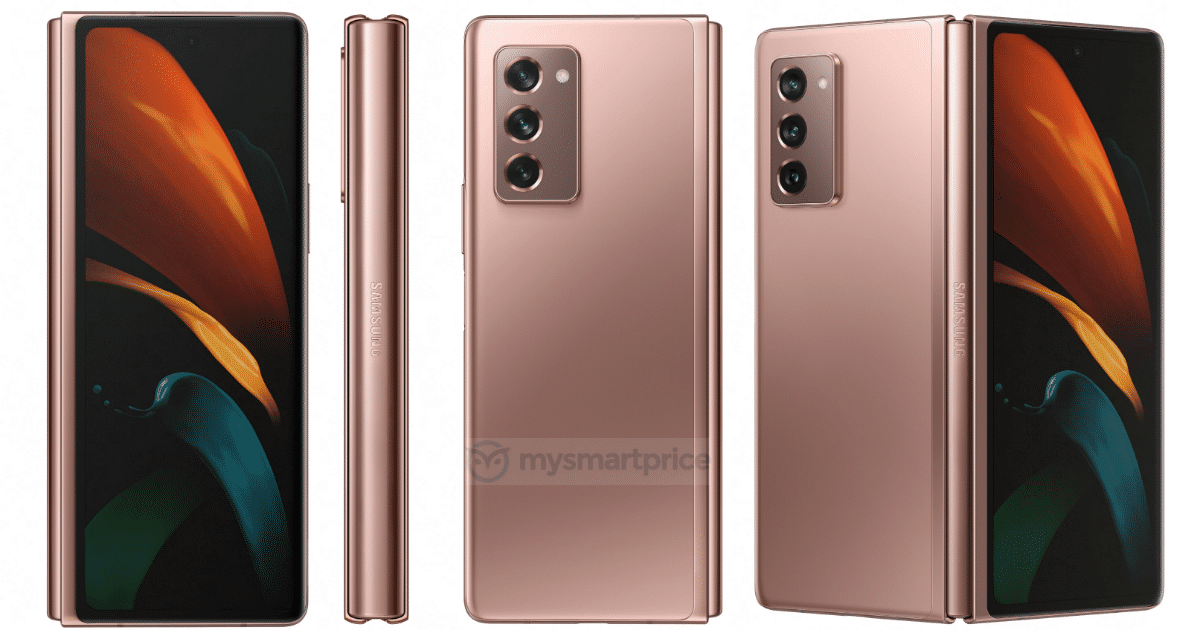
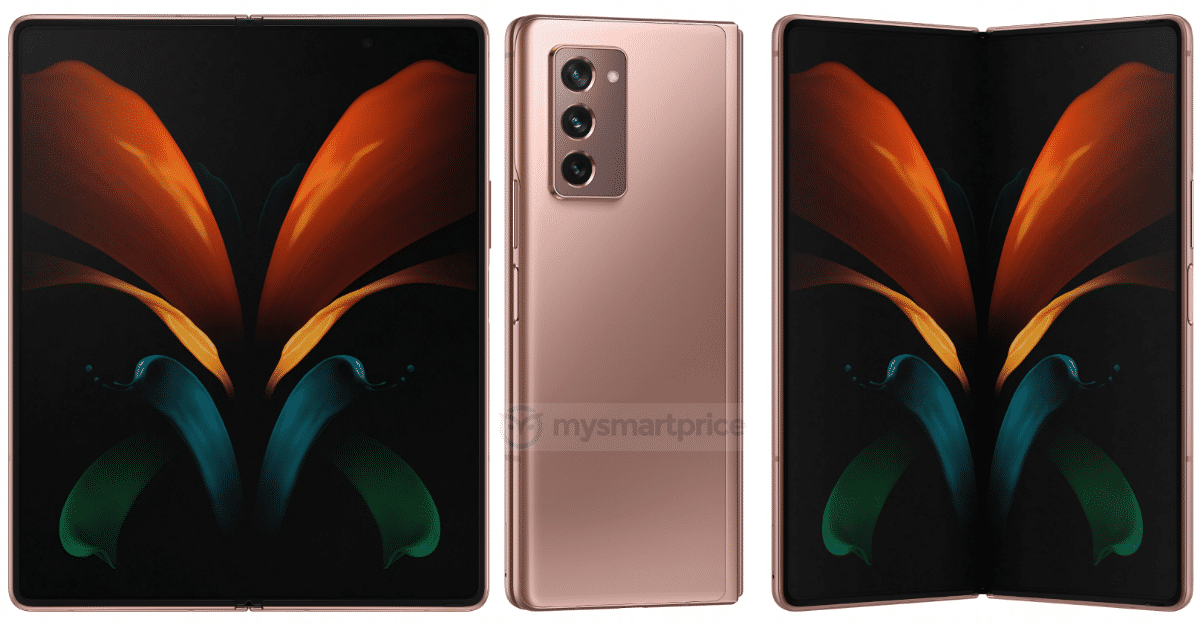
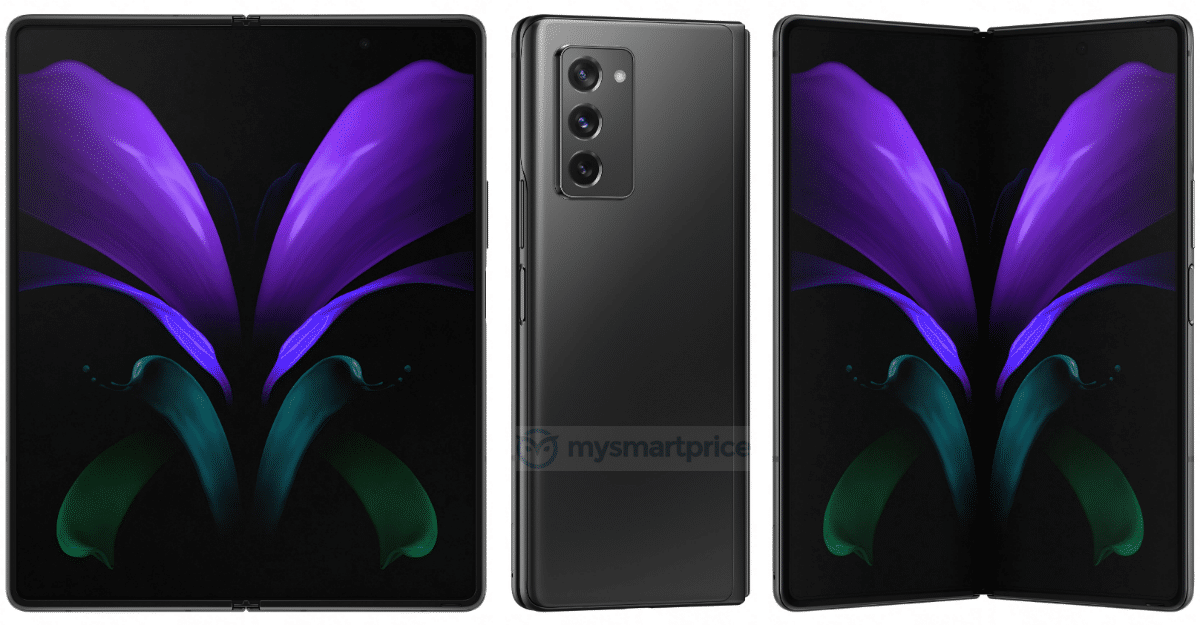
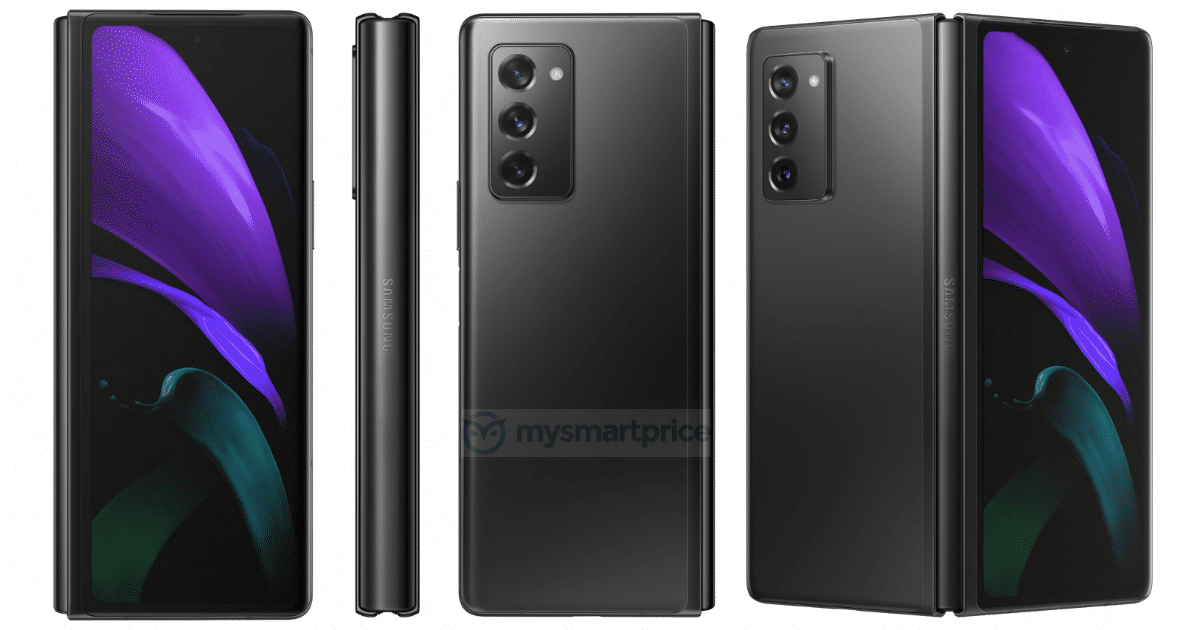
A leaked shot that surfaced yesterday corroborated on a recent leak that claimed that Samsung’supcoming foldable phone will be called Galaxy Z Fold 2. The leaked image also revealed that its internal screen will have a punch-hole design. Popular tipster Ishan Agarwal in collaboration with MySmartPricehas shared the leaked press renders of the Galaxy Z Fold 2. The new renders not only showcase the design of the foldable phone, but also reveals its color variants.
The publication claimed that the Galaxy Z Fold 2 will be available in two colors such as Mystic Black and Mystic Bronze. These color variants can be seen in the leaked press renders below.
The Galaxy Z Fold 2 will be arriving as the successor for last year’s Galaxy Fold that debuted as Samsung’s first foldable smartphone. One major change that can be seen in the design of the internal display of the Galaxy Z Fold 2 is that it does not feature a notch like the original device. The notch has been replaced by a punch-hole design to provide users with a higher screen-to-body ratio.
Another striking change that can be seen on the Galaxy Z Fold 2 is that the South Korean company has reduced the bezels around the outer display. The exterior screen also sports a punch-hole design. Reports have claimed that the outer display measures 6.23 inches and supports 60Hz refresh rate and the internal screen delivers 120Hz refresh rate and measures 7.59 inches.
The rear side of the Galaxy Z Fold 2 features has a triple camera setup. It is said to include a 12-megapixel wide-angle lens, a 12-megapixel ultrawide lens, and a 64-megapixel shooter. It is likely to feature a 10-megapixel front camera. The Snapdragon 865+ will power the device with up to 12 GB of RAM. It may arrive in 256 GB and 512 GB storage options. It could be packed with a 4,365mAh dual-part battery that may come with 25W fast charging, 15W wireless charging, and reverse wireless charging support. Speculations are rife that it may cost around $1,980.
OnePlus is a popular brand in India, and it is not surprising since the country is one of its major markets. However, the availability of its phones is an issue that has plagued the brand, which to an extent is caused by OnePlus itself. Now, the manufacturer may make it more difficult for buyers to purchase its phones with an order it has issued to retail partners.
According to the All India Mobile Retailer’s Association (AIMRA), OnePlus sent a mail to partner (offline) retailers to stop online sales. Apparently, these stores began selling their products online since the pandemic has prevented buyers from coming into stores, a move OnePlus supported. However, the Chinese manufacturer sent a mail to the retailers last week asking them to stop selling online.
The president of the AIMRA, Arvinder Khurana, said that customers will continue to make purchases online seeing as the pandemic isn’t over yet and several thousand new cases are announced each day. He added that they have requested OnePlus to roll back its decision to stop offline stores from online sales.
The Organised Retailers Association which is made up of 15 cellphone retail chains in South India also wrote a letter to OnePlus asking them to reconsider. They also condemned OnePlus’s tradition of making its phones exclusive to certain online partners first before making it available to other retail outlets later. The association said the “10 to 15 days gap in availability attracts very little traction, hence a big opportunity loss”.
A spokesman for OnePlus told The Economic Times that they value their relationship with offline partners and acknowledge their role in the success of OnePlus in the country. However, he didn’t say if the order will be rolled back or not.
Xiaomi is one of China’s biggest tech companies in China. With multiple divisions that include phones and TVs, it is not unusual for changes to be made in its leadership and organizational structure. One such change happened today with respect to who helms the mobile division.
It has been reported that Lin Bin, one of the co-founders and president of the mobile division has stepped down from his role and will now serve as the vice-chairman of the strategy committee.
Xiaomi’s current top executives. The new president of mobile division, Adam Zeng Xuezhong, is seated on Lei Jun’s right
Taking over Mr. Bin’s former role is Adam Zeng Xuezhong, former vice president and CEO of ZTE’s mobile division. Mr. Xuezhong was appointed to the new role today and part of his new responsibilities will be in the development and production of new mobile phones.
Mr. Xuezhong currently chairs Huixin Communications which is a joint venture of 29 leading enterprises in the 5G industry. Pandaily reports that he will continue to hold that position while also heading Xiaomi’s mobile division.
Under Lin Bin, Xiaomi has launched multiple phones that have cemented its position as a top mobile phone manufacturer such as the Mi MIX Alpha and the more recent Mi 10 series.
Elephone is a popular affordable smartphone maker, and recently they have launched other products to improve the portfolio. The company recently unveiled affordable TWS earbuds along with all the premium features. Among all the Elephone Earbuds, ElePods and ElePods 1 are value-for-money packages. Both the Elepods houses Bluetooth 5.0, instant connectivity and consumes less power.
ElepOds 1 is a useful TWS Bluetooth headset powering an intelligent Power Digital Display, Bluetooth 5.0, and premium sound. It supports high-performance Bluetooth 5.0 chip for flawless connectivity. Furthermore, there’s an LED display, intelligent manipulation, automatic interconnection, modulation, binaural a call and ergonomics.
The ElePods 1 are convenient, beautifully designed for comfortable use and provides automatic pairing with the smartphone. There’s support for 6D stereo sound effect along with the intelligence noise reduction and other features. It houses a 280 mAh with 3h video entertainment. You can grab it from the Elephone official store for the price of $19.99. To know more about the TWS earbuds, head over to the ElePhone website.
ElePods
ElePods are true wireless Bluetooth 5.0 earphones offering features like Low power consumption, instant connection, pure sound quality, quick connection, etc. The presence of a multi-functional button easily control the music and calling.
ElePods are designed for comfortable wear while offering a stable build. It can connect easily up to the distance of 10-15 meters without any disturbance and additional lag.
HiFi sound offers clear calls with the moving-coil intelligent technology. The ElePods offers mini-size large power backup which can allow the device to work for 12 hours. It is available in four different colors. ElePods are available for $15.99 in Black and White colours. You can know more about the device by heading to the official website.
The OPPO Reno4 Pro will be launching in India on Friday, July 31. The smartphone will be different from the Chinese version in more ways than one. For starters, it will not have 5G support. Leaked renders have also shown the device packs quad rear cameras. Now the price has leaked and it is not as affordable as expected.
According to a Twitter post by Abhisek Yadav (@yabhishekhd), the Reno4 Pro 4G will be priced around INR 32,990 (~$440) for the 8GB RAM +128GB version. That sure is really high when you realize that the phone packs a Snapdragon 720G processor, the same chipset inside phones like the Redmi Note 9 Pro and Redmi Note 9 Pro Max which are priced under INR 20,000 (~$267).
[ Exclusive ] Oppo Reno 4 Pro Will Be Priced Around ₹32,990 in India. Oppo Reno 4 Pro Will Compete Against Vivo X50 & Samsung A71s Oppo Reno 4 Pro Indian Variant Specifications. •Qualcomm Snapdragon 720G •90Hz/3D Amoled Display •8GB + 128 GB Storage Options (1/2) pic.twitter.com/GyJKg9uqEU
To be fair, the Reno4 Pro offers a lot more than the aforementioned phones in other areas such as its display being a curved Super AMOLED panel and having a 90Hz refresh rate. It also has support for 65W fast charging.
According to the leaker, OPPO’s new mid-ranger is challenging the Vivo X50 and the Samsung A71s. The 8GB+128GB Vivo X50 is selling for INR 34,990 (~$465) in India. That’s a little bit higher than the Reno4 Pro’s rumored price tag but it comes with the more powerful Snapdragon 765G processor and also has a 90Hz AMOLED display.
At this price, the Reno4 Pro is going to be facing some really stiff competition from a lot of phones including the OnePlus Nord that is INR 27,999 for the 8GB+128GB version.
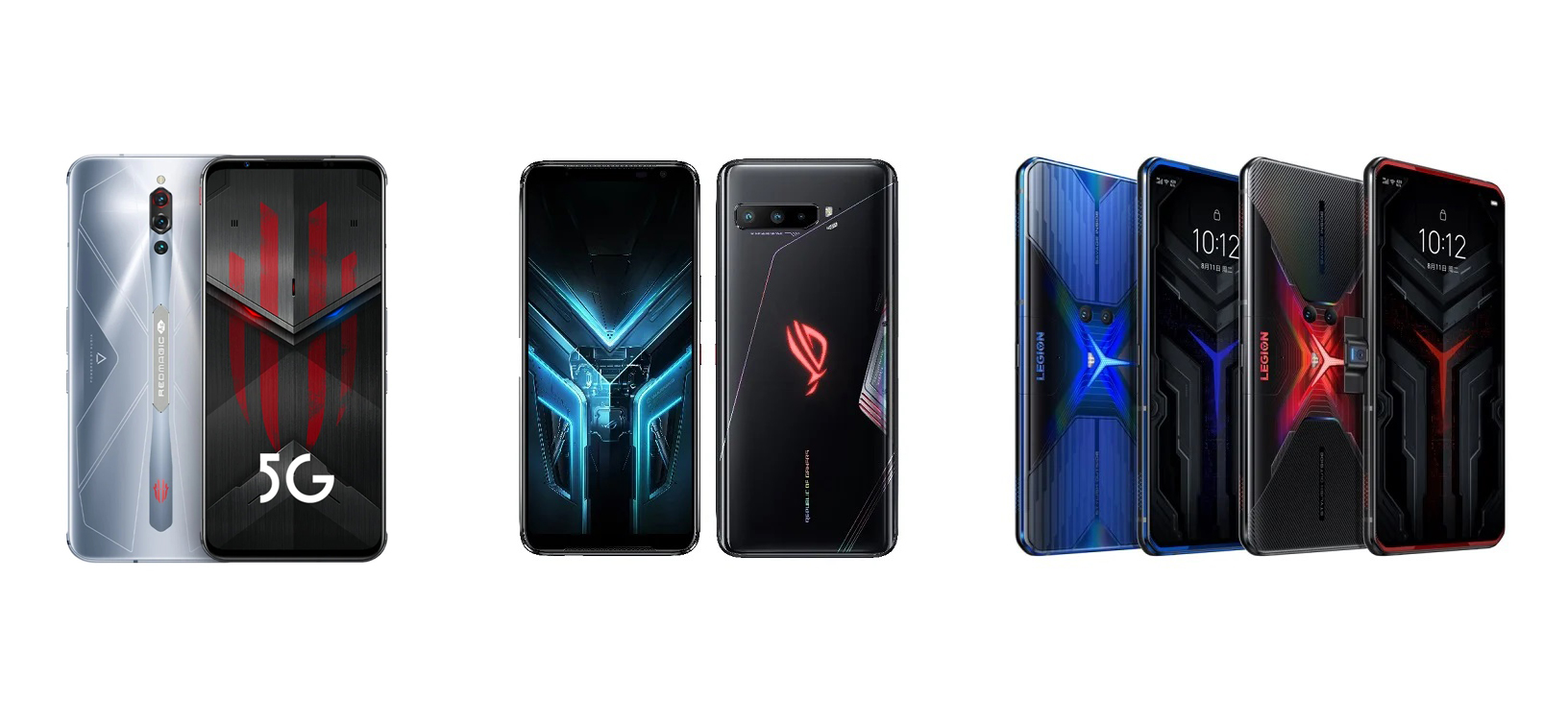
Three flagship gaming phones made their debut in the same month. And two of them went official on the same day: Asus ROG Phone 3 and Lenovo Legion Duel (the latter is the very first gaming phone by Lenovo). A few days after, Nubia unveiled its new gaming device: the Red Magic 5S, which is an upgraded version of the Red Magic 5G released earlier this year in the global market. Is the Red Magic 5S at the same level as the most awaited gaming phones of the month or you would better consider the Asus and Lenovo solutions? This comparison between their specifications will clear your ideas in regards.
Nubia Red Magic 5S vs Asus ROG Phone 3 vs Lenovo Legion Duel
Dual SIM slot, RGB lights, 5G, triggers, cooling fan
Design
Nubia Red Magic 5S, Asus ROG Phone 3, and Lenovo Legion Duel are real gaming phone, so they come with a gaming-centric design. But you still get premium materials, including a glass back and an aluminum frame. The most interesting is the Lenovo Legion Duel because it was designed with landscape usage in mind. It sports a side-mounted pop-up camera for live streams and you can hold it while playing games without touching the rear cameras as they are placed at the center of the phone. Thanks to a secondary USB-C port placed at the side, you can even charge the phone while playing without touching the cable.
Display
These three phones offer the best displays you can get for gaming since they have the highest refresh rate even seen on a phone: 144 Hz. Among these devices, Asus ROG Phone 3 is the one which stands out due to its full DCI-P3 coverage, HDR10+ certification and a very high brightness. Its AMOLED panel should offer a better overall quality compared to its two rivals. Right after, there should be Lenovo Legion Duel with its 144 Hz and HDR10+ AMOLED panel. In each case, you also get stereo speakers and capacitive triggers.
Specs & Software
Asus ROG Phone 3 and Lenovo Legion Duel come with a stronger hardware since they are equipped with a better processor: the Snapdragon 865+ found on these two devices offers up to 10% performance boost compared to the Snapdragon 865 found on the Red Magic 5S. On the other hand, Nubia Red Magic 5S has a more advanced cooling system including silver cooling and a physical cooling fan running at 15,000 rpm. This should be enough to guarantee great results in long gaming sessions. Naturally, Android 10 is installed out of the box.
Camera
None of these devices is a real camera phone, but the most advanced camera setup belongs to the Asus ROG Phone 3 which sports a main 64 MP sensor, a 13 MP ultrawide camera and a 5 MP macro lens, as well as a good 24 MP selfie camera. Lenovo Legion Duel lacks the macro camera, but we believe it will click better photos (especially better selfies) than Nubia Red Magic 5S.
With its amazing 6000 mAh battery, the Asus ROG Phone 3 naturally lasts more on a single charge. The silver medal goes to the Lenovo Legion Duel with its 5000 mAh battery, and it also gets the first place when it comes to charging, thanks to its 90W fast charging technology.
Price
Asus ROG Phone 3 has a starting price of €899 in the global market, while we still do not know the global prices of the Lenovo Legion Duel and the Nubia Red Magic 5S. We know that they start at €425/$500 and €460/$541 in China, respectively. Our verdict goes in favor of the ROG Phone 3 due to its big battery and the support for more external accessories. But if you are a live streamer and you want a more comfortable gaming experience, then Lenovo Legion Duel may be a better option for you.
Nubia Red Magic 5S vs Asus ROG Phone 3 vs Lenovo Legion Duel: PRO and CONS
OnePlus finally launched the OnePlus Buds alongside the OnePlus Nord last week. After providing wireless earphones from over the past couple of years, OnePlus dived into the true wireless earbuds market with OnePlus Buds. It is comfortable, useful and beautifully designed earbuds which can be bought from Giztop for $89.99. It can ship globally while offering a full warranty and the benefits that the product carries.
OnePlus Buds is a useful seashell inspired earbuds having strong battery life, decent sound and stable wireless connection. These are quite appealing and carries IPX4 water and sweat resistance. It houses a 13.4mm large design unit with richer tones, clearer vocals and deeper bass.
OnePlus Buds offers low latency of 103ms for better experience while playing games. OnePlus Earbuds houses unique noise cancellation algorithm and three microphones to reduce noise, and price audio quality. The calls are clearer and louder.
The powerful earbuds support different features like double-tap can enable the user to shuffle next and previous track. You can press earbuds for 3 seconds to switch device and 5-seconds to receive a call. It can work 30 hours upon a single full charge, and 7 hours of continuous playback. With the charging of 10 minutes, the earphones can work for 10 hours.
Hisense is a well-known Chinese appliance and electronics manufacturer. The 51-year-old company has officially announced to enter India with a wide range of QLED and LED smart TVs on August 6. All of its latest offerings will be available to purchase from Amazon India, Flipkart, Tata Cliq, and Reliance Digital.
Hisense says that its range of smart TVs will be powered by Android TV Pie with Chromecast built-in and Google Assistant. Some of the brand’s high-end 4K UHD TVs are also said to have Dolby Vision, Dolby Atmos, and Quantum Dot technology with Full Array Local Dimming.
All of them will have support for all the popular streaming platforms like YouTube, Netflix, Amazon Prime Video, Disney+ Hotstar, and others. In fact, the remote control will also come with dedicated buttons to launch these four OTT services.
Most importantly, Hisense will be offering 5 years of warranty on panels along with some discounts for customers buying its TVs during the inaugural launch period of August 6 to 9.
Further, the company also promises to launch Laser TVs and the world’s first DUAL CELL TV in India by the end of the year. Additionally, it will also introduce Toshiba-branded smart TVs next month. For those unaware, Hisense acquired Toshiba’s television business in 2017.
Apart from TVs, Hisense will be also debuting smart air conditioners and refrigerators in India later this year.
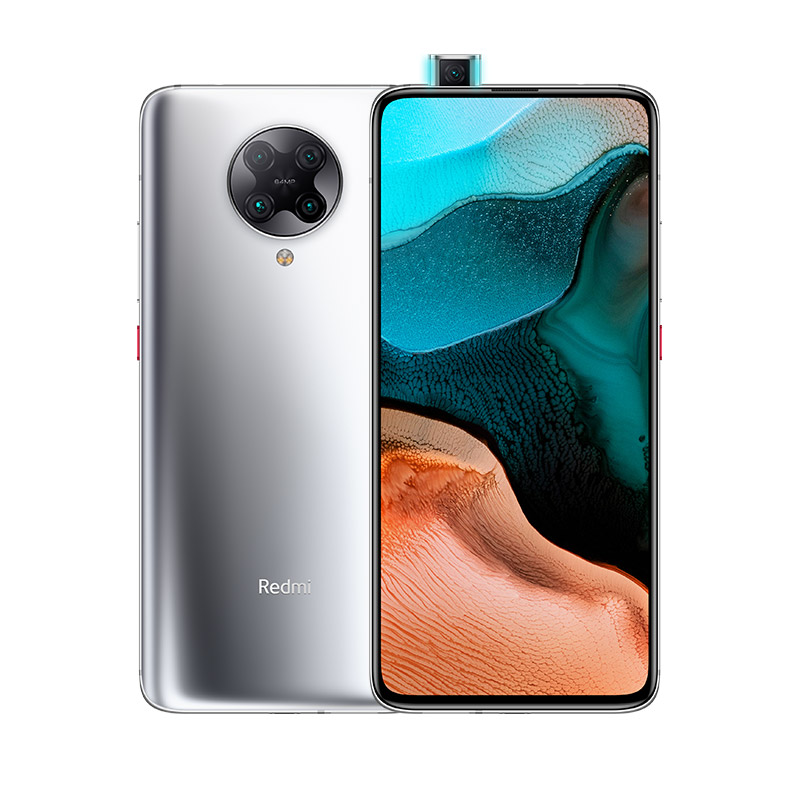
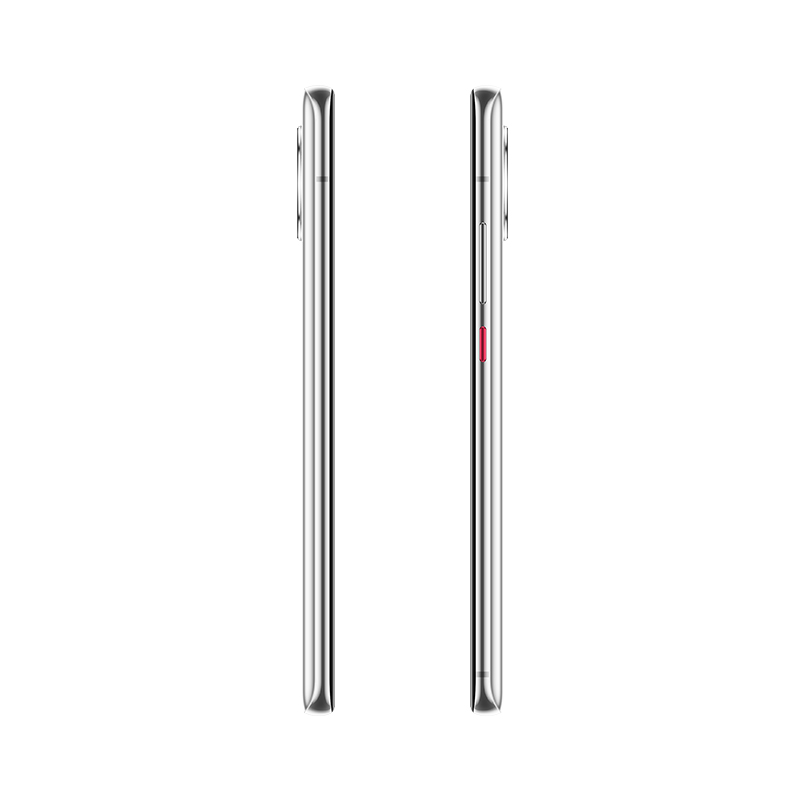
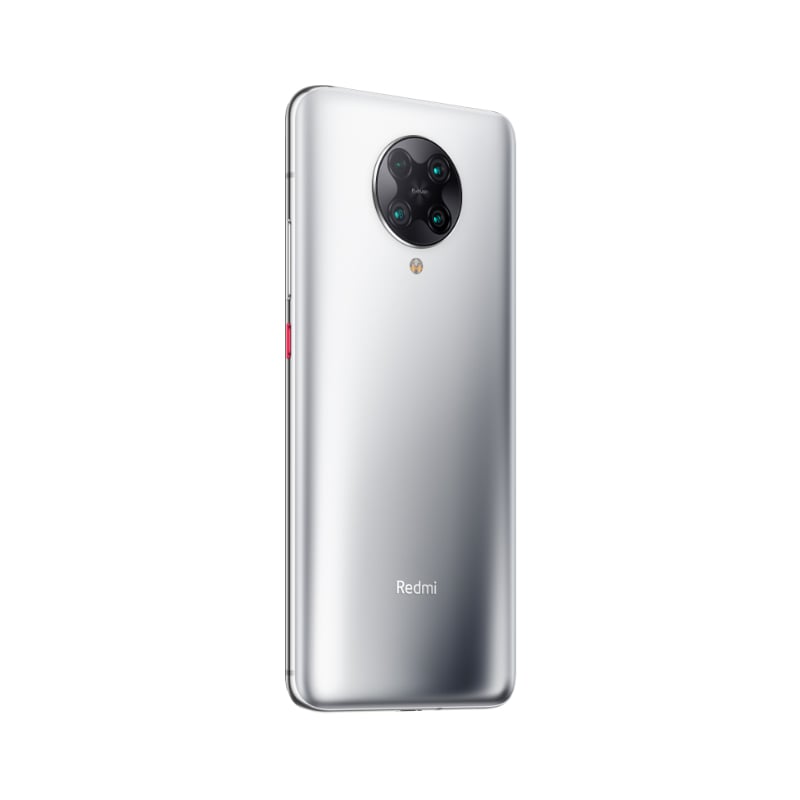
On Monday, Redmi announced a new colorway for the Redmi K30 Pro called Aqua Skylight. Now, the flagship is set to get another color variant tomorrow; the second in a week.
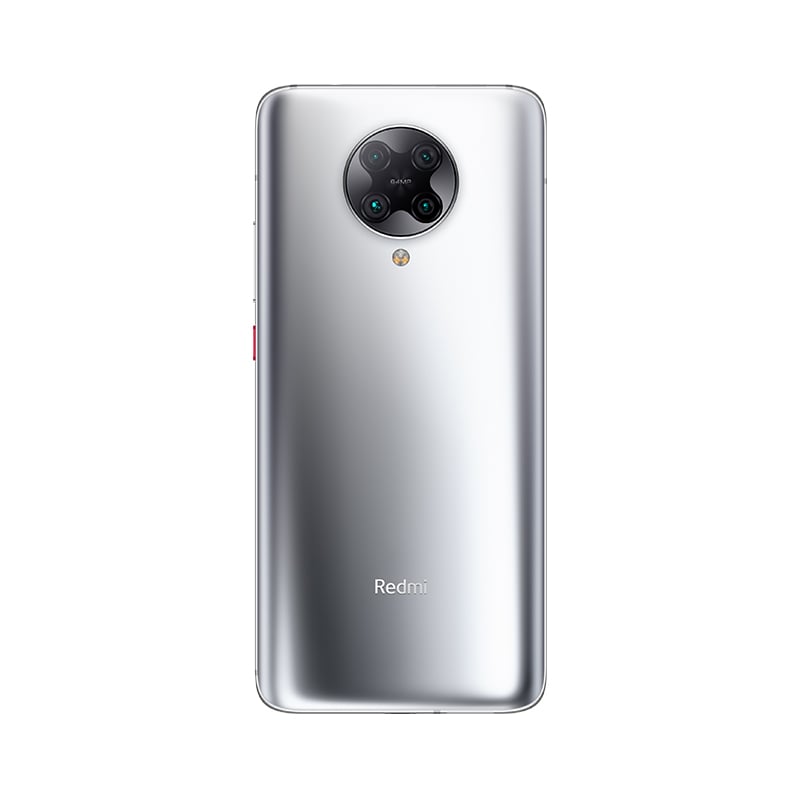
The new color variant is dubbed Galaxy Silver and it will launch tomorrow, July 30. It has already been listed on Mi.com and the listing shows that the color variant will be available in a single configuration with 8GB of RAM and 256GB of storage with a price tag of ¥2999 (~$428).
With the new colorway, the Redmi K30 Pro will now be available in six color options.
The Redmi K30 Pro has a 6.67-inch 1080 x 2400 display that ditches the notch, punch hole, and even skips on having a high refresh rate. It is powered by the Snapdragon 865 processor and comes with up to 12GB of RAM and 256GB of storage.
There is a 64MP + 13MP + 5MP + 2MP quad-camera setup on the back of the phone while the motorized selfie camera is a 20MP selfie camera. The Redmi K30 Pro also has an IR blaster, NFC, an audio jack, and Bluetooth 5.1. It packs a 4700mAh battery with support for 30W fast charging and Quick Charge 4+.
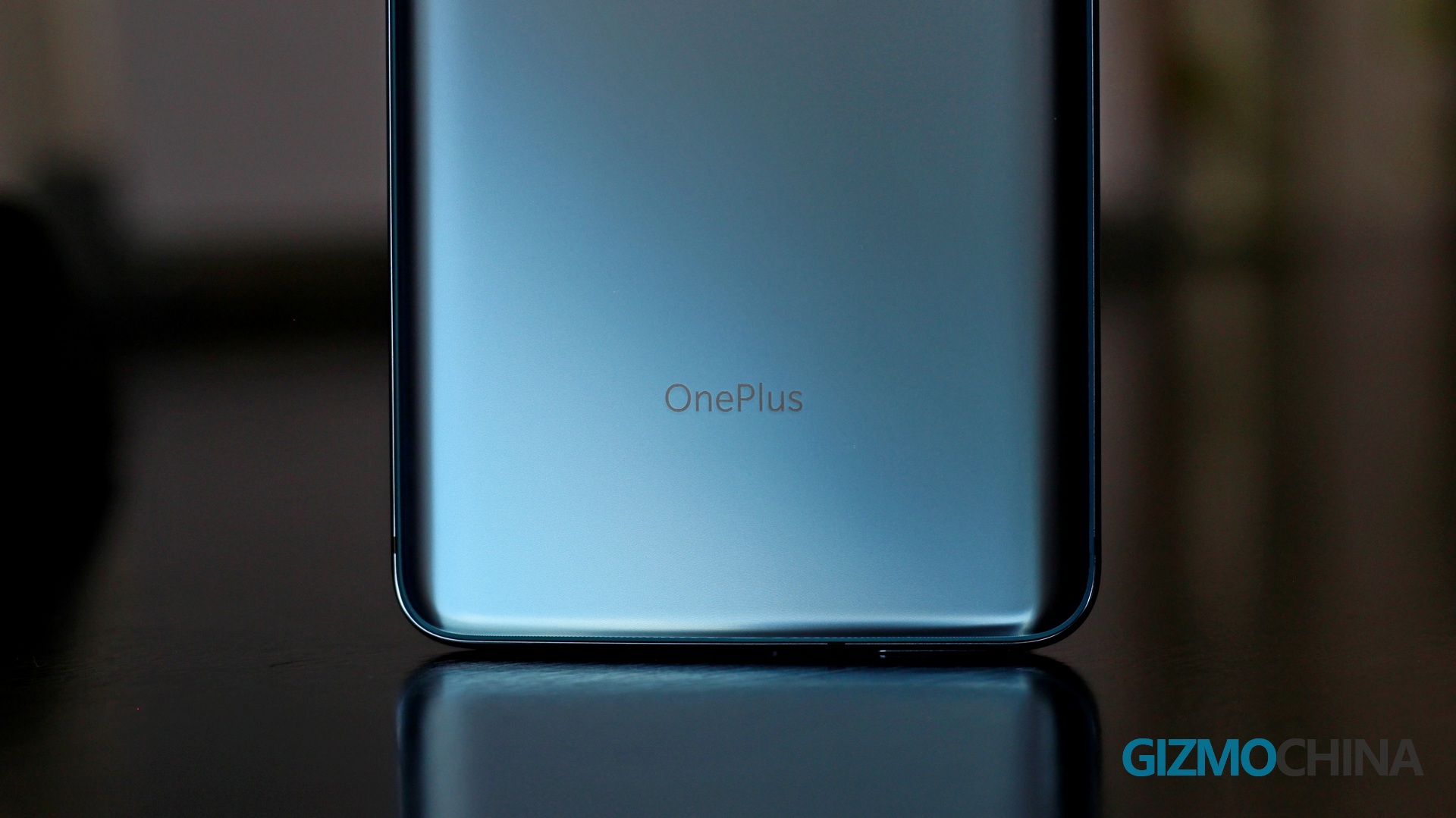
OnePlus has been in the news a lot lately. The manufacturer is still basking in the limelight of the launch of its new and affordable mid-range phone, the OnePlus Nord. Now, news of new models has begun trickling in. The latest is a Geekbench listing of an unknown model that may belong to the OnePlus 8T series expected to arrive in a few months.
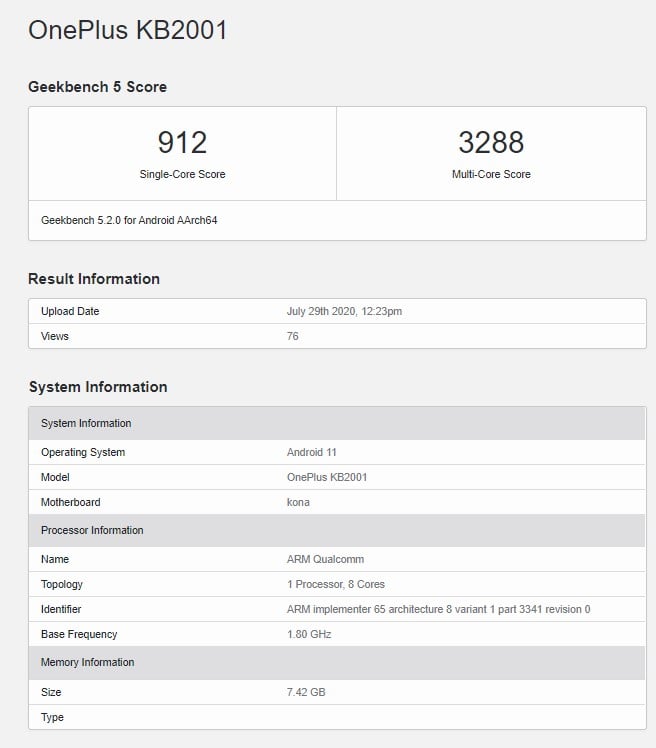
First reported by Nashville Chatterclass, the phone appeared on Geekbench today with the model number OnePlus KB2001. The device runs Android 11, has 8GB of RAM, and is powered by the Snapdragon 865 processor.
The choice of the chipset may be surprising for a lot of people seeing as OnePlus T-series are known to come with the most powerful Snapdragon chipset available, which should be the Snapdragon 865 Plus in this case.
The OnePlus phone which has a single-core score of 912 points and a multi-core score of 3288 is believed to be the OnePlus 8T. While it has the same processor as the OnePlus 8, it should pack upgrades in other areas such as the cameras, battery capacity, and fast charging technology. The choice of using the Snapdragon 865 rather than the Snapdragon 865 Plus may be so as to keep the price tag down.
Anyway, this is just speculation, so until more concrete details surface, we advise you to take it with a grain of salt.
OnePlus unveiled its first Nord series smartphone last week. A few hours back, the second device in the series powered by Snapdragon 690 was spotted in an OxygenOS build. Now, a report says that users of Nord are facing display tint issues at low brightness.
OnePlus Nord is not the only OnePlus smartphone to have display issue this year. OnePlus 8 Pro, the brand’s flagship smartphone of H1 2020 also has various problems related to its display, especially at lower brightness levels.
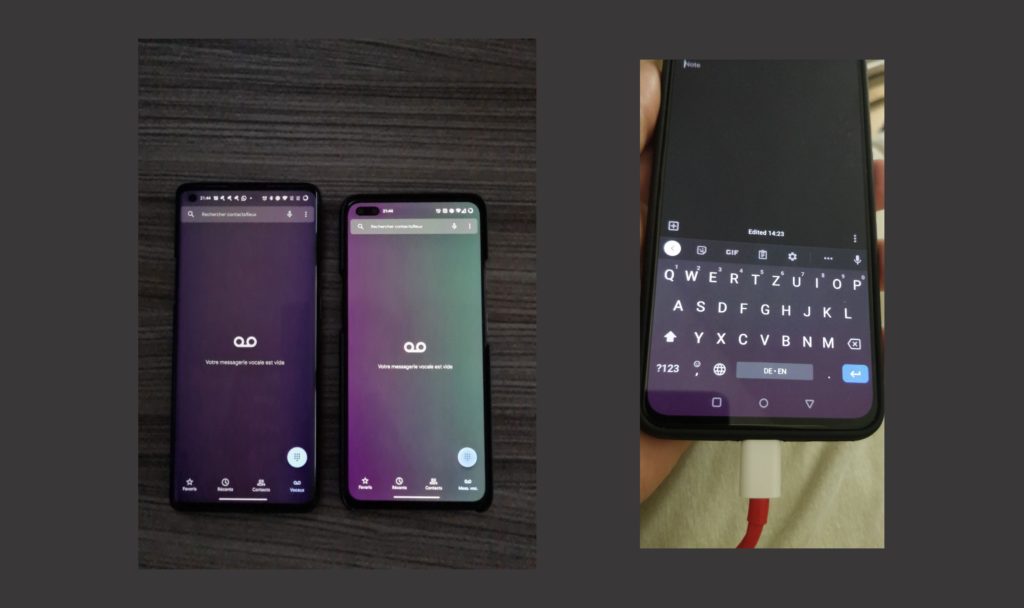
Some users of OnePlus Nord took to Redditand OnePlus Community to share the issues they are facing on their unit. Most of them have the same color tinting problem when brightness is set lower than 25%. Even 9to5Google faced a similar issue on their review unit.
When the publication reached out to the company, OnePlus replied that “a slight display discoloration may occur due to the properties of the AMOLED display” and it even affirmed that “this is not a quality issue and will not affect daily usage or the durability of the screen”.
On the OnePlus 8 Pro, the company fixed the display issue by limiting the low brightness level. Probably, it will do the same for the Nord in the near future. Also, it is worth noting that the plastic frame on this handset led to its death in a durability test.
Early this year, Samsung partnered with the American fashion house, Thom Browne, for a limited edition Galaxy Z Flip. The package also had a customized Galaxy Buds+ and Galaxy Active2 in it. It has now been reported that Samsung will launch a Galaxy Z Fold 2 Thom Browne limited edition too.
The info was revealed by Ice Universe on Weibo earlier today. In his post, he revealed the limited edition Galaxy Z Fold 2 will cost over ¥20,000 (~$2856). While that sure is really expensive considering the standard version will sell for $1,980, it may please you (or not) to know that the package will also include a Galaxy Watch 3 Titanium Edition and a pair of Galaxy Buds Live.
Just like the limited edition Galaxy Z Flip, this too should be sold by Samsung and Thom Browne when it launches. Do note that it may arrive later than the standard edition of the Galaxy Z Fold 2.
LG Display is one of the world’s largest display manufacturers. Recently, we reported it to ship only 3.6 million units of large-sized OLEDs in 2020 due to pandemic. Despite the current situation, the company quietly lists LSAB009, a 163-inch 4K micro-LED TV on its Business Solutions website.
According to the listing, the LG LSAB009 uses COB (Chip on-board) micro-LED panel with 4K resolution measuring at 163 inches. It comes under the company’s LED Signage series for commercial use.
The company claims it to offer a typical brightness of 600 nits and a peak brightness level of 1,200 nits. Whereas, it advertises its contrast ratio to be 100,000 : 1 (peak) and 50,000 : 1 (max) respectively.
Further, LG says this display to provide deep black levels, thanks to super-low reflection rate. Also, this screen supports wireless data transfer and cable-less power docking.
Unfortunately, the listing on the official website does not mention its price as it is a commercial product. Businesses that are interested in making an investment in this TV will have to directly inquire LG for price and availability.
As we are heading towards a completely digitized society, smartphones and other gadgets are at the forefront of connecting us to the world. Consequently, our energy requirement is increasing every year, with portable devices like smartphones, tablets, and laptops becoming increasingly thin but more powerful than ever before. But unfortunately, we haven’t been able to achieve a breakthrough in battery density technology to satisfy our growing requirement.
So what’s the workaround to this obstacle?
One way of meeting the growing energy needs of portable devices is to develop fast charging technology that tops up a battery in minutes.
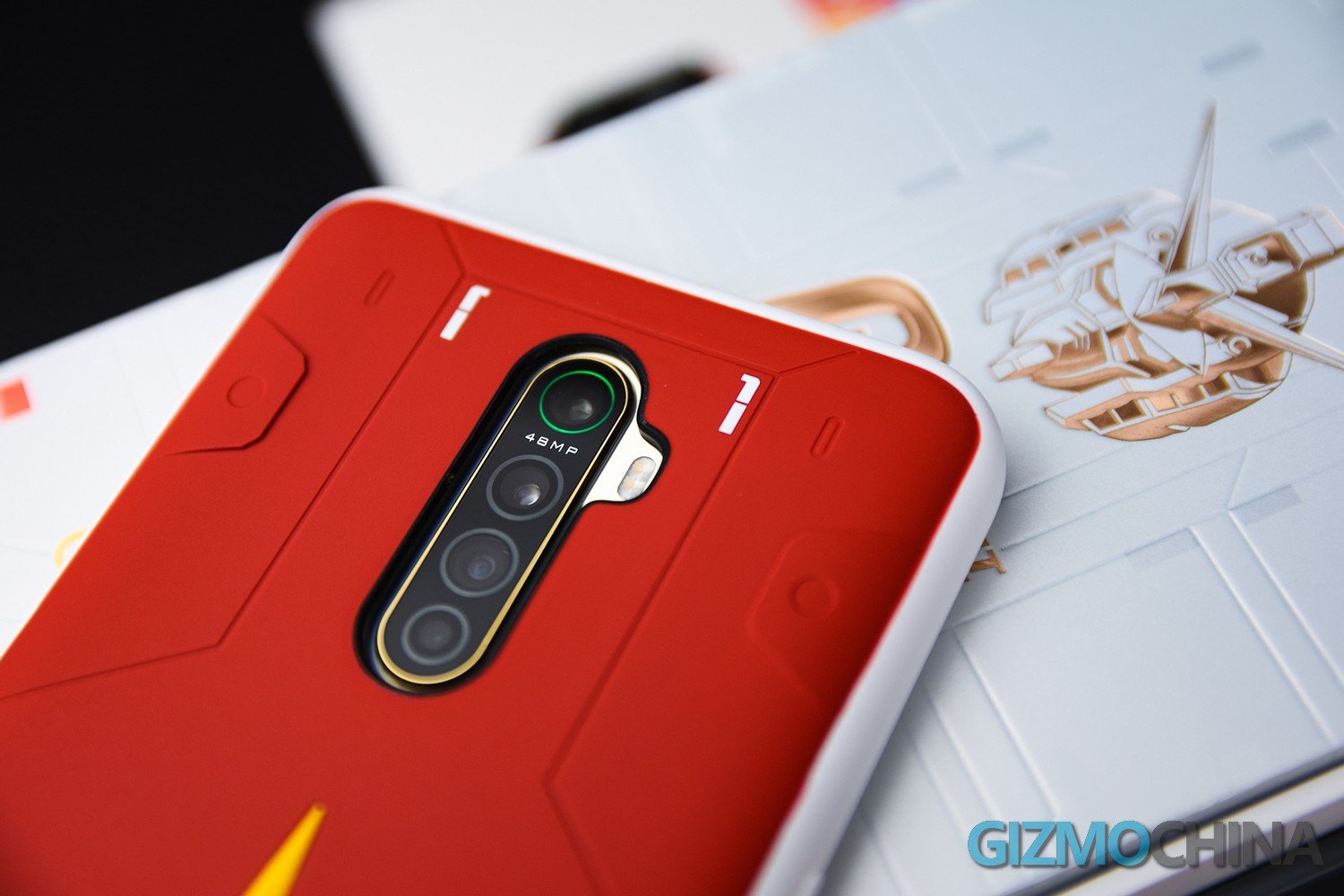
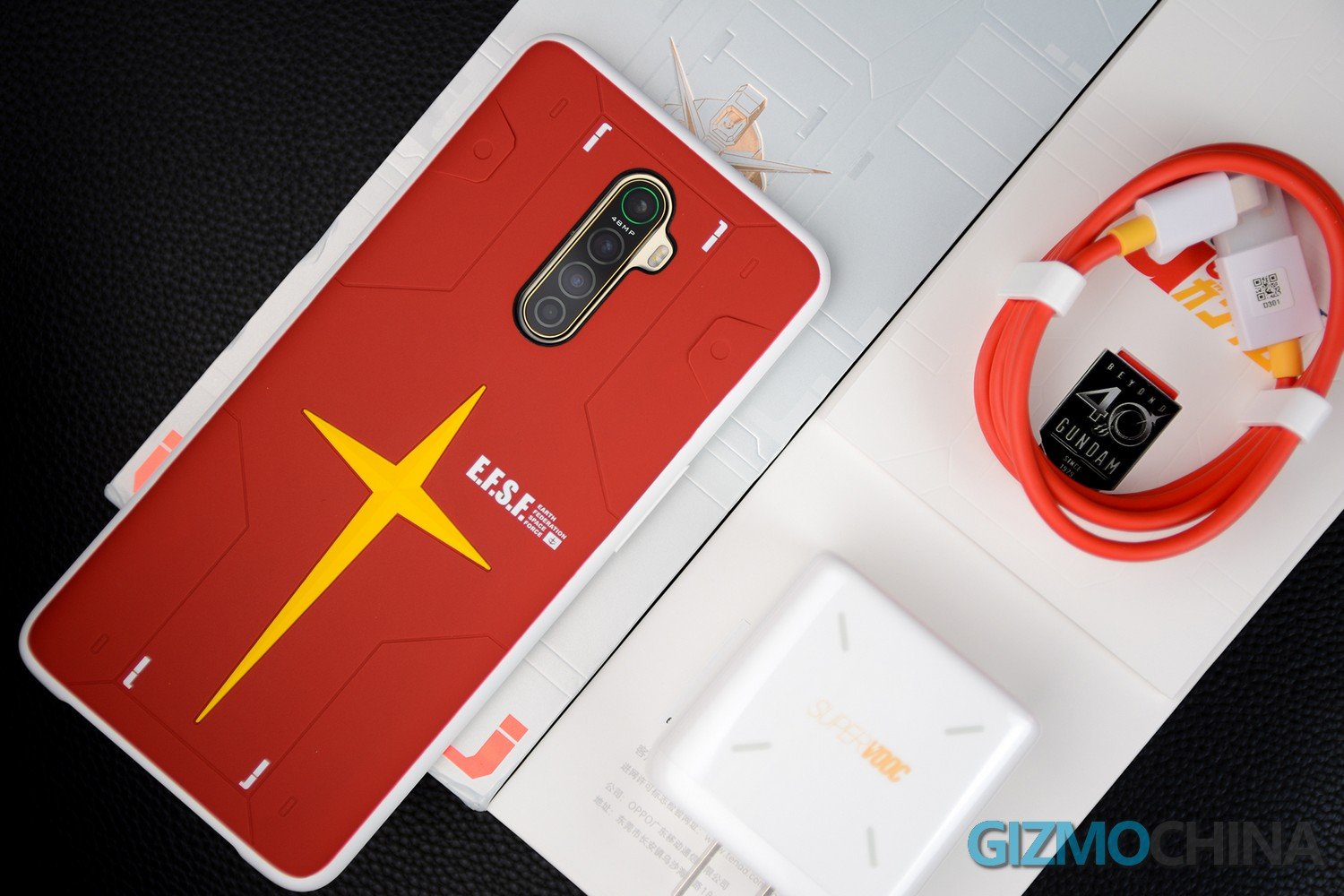
OPPO Reno Ace Gundam edition comes with its proprietary 65W SuperVOOC 2.0 charging technology
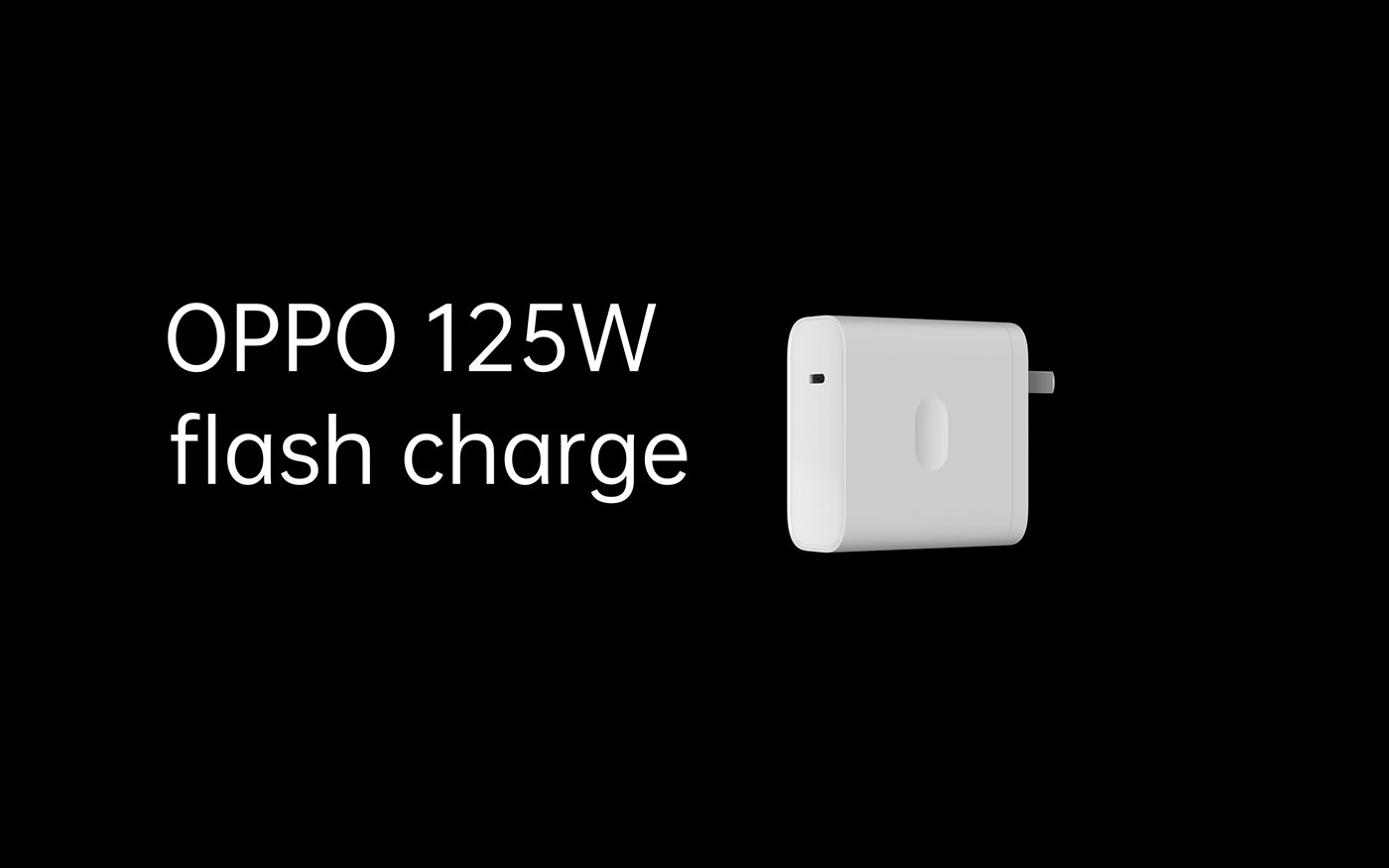
When it comes to smartphones, OPPO leads the market with its innovative VOOC charging technology. And earlier this month, the company unveiled the world’s fastest wired charging solution for smartphones – the 125W Flash Charge technology. It can charge a 4000mAh battery in just 20 minutes.
This is a significant development in smartphone charging technology, doubling charging speeds to never before seen values.
But how safe is it to pump in such high wattage into your compact smartphone battery? We have already seen laptops like the Dell XPS 15 charge at up to 130W. However, doing the same on an exceptionally compact battery raises a lot of questions.
So I decided to ask OPPO about 125W flash charging and how safe it is for the device and the end consumer.
When you are charging a 4000mAh battery at 125W, essentially topping it up to 100% in just 20 minutes, two primary questions come to your mind.
Won’t charging at such high wattage generate a lot of heat, thereby compromising safety?
Before we find answers to these two questions, it’s crucial to understand how OPPO’s 125W flash charging works.
OPPO 125W Flash Charging Explained
OPPO’s 125W flash charging is made possible with the help of many proprietary components and technologies working together in synergy.
To make things simple, here are some of the specialized components that allow the smartphone battery to flash charge at 125W.
A Charger that can output power at 20V 6.25A (125W)
A thick and specialized cable that can support current up to 6.25A
A USB Type-C connector that supports more than 5A current (in this case 6.25A)
Efficient Charge Pumps that can adjust the voltage to match the phone’s battery specifications
Superior quality batteries in a bi-cell design that can sustain charging and discharging at 12.5A (6C)
A specially customized intelligent control chip that controls the voltage, current, and temperature
A battery safety monitoring chip to monitor in real-time, whether the battery in the mobile phone is damaged by external forces when in use
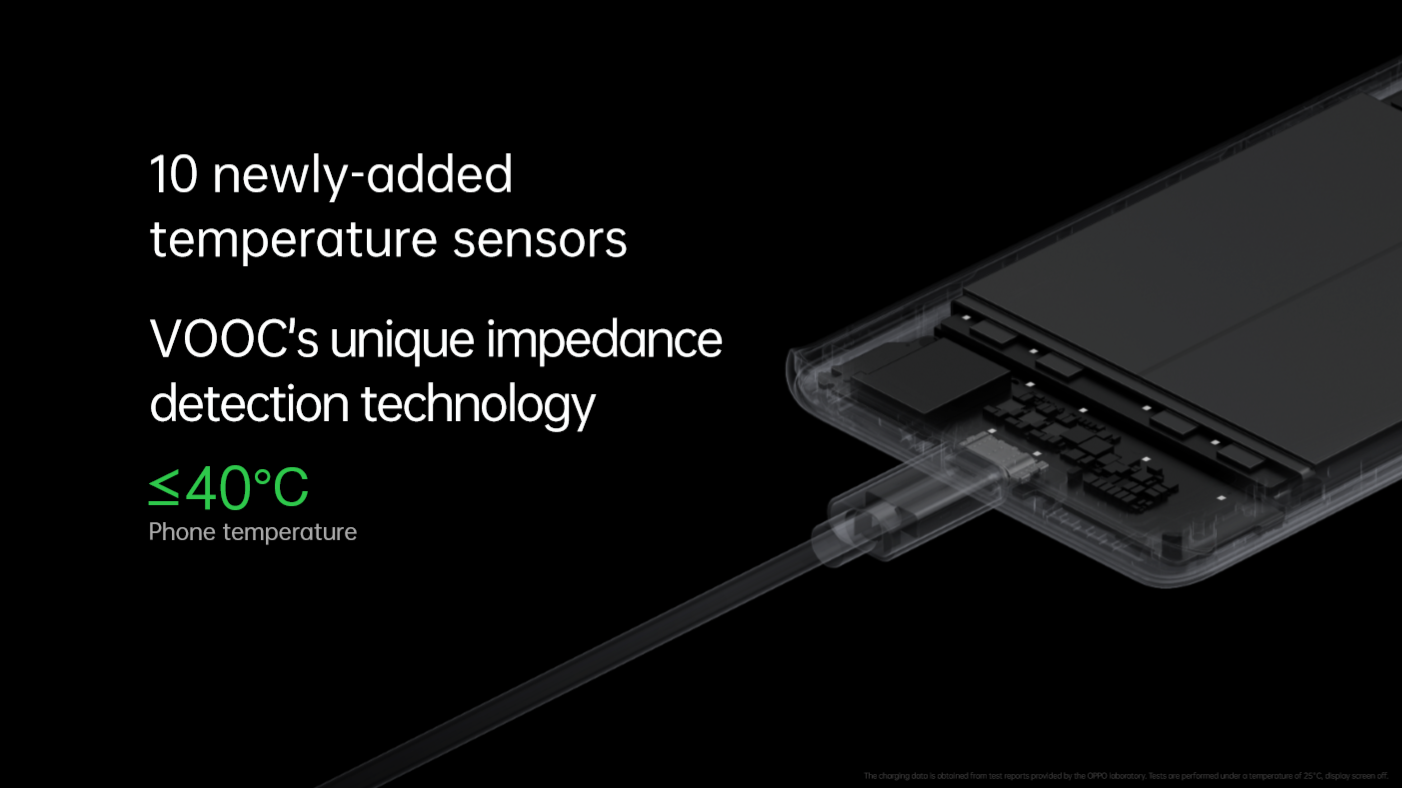
10 new temperature sensors, in addition to the existing four sensors (three on the phone and one on the charger)
128-bit encryption owned by OPPO while also following TBS protocols
VCU intelligent control chip, MCU Charge management chip, AC/DC control chip, and a custom protocol handshake chip.
When all these components come together, your smartphone can charge at up to 125W.
Here’s a first look at 125W Flash Charge technology in action. It can fully charge a 4,000mAh battery in 20 minutes. 🤯 #FlashForwardpic.twitter.com/EWtfGcsL4m
Here’s a simplified version of how OPPO’s 125W Flash Charging Works
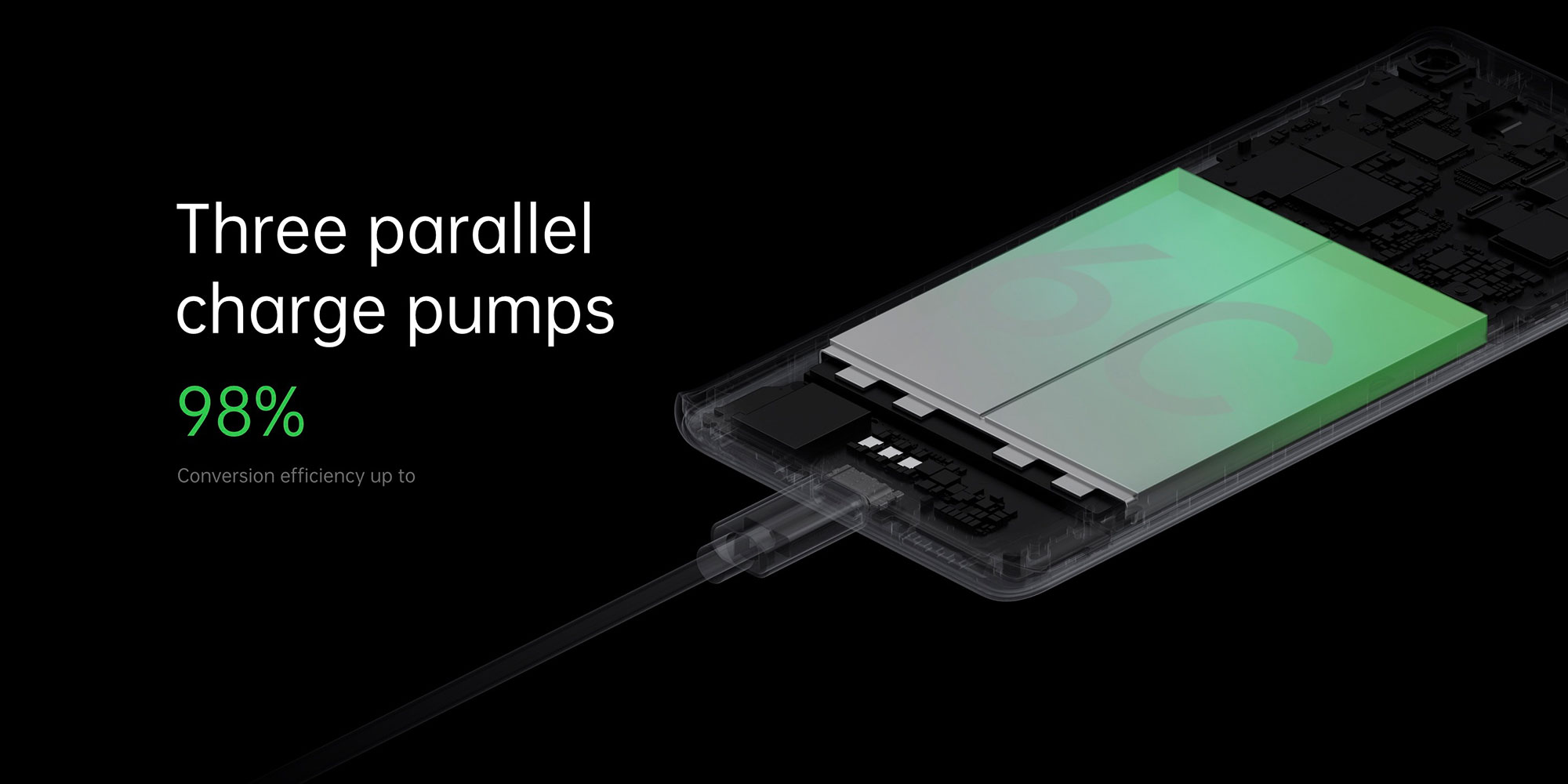
When you connect OPPO’s 125W charger to your phone via USB-C, the charger outputs power at 20V and 6.25A. This power is sent to the phone via a customized USB-C port that supports current over 6A. The power from the USB-C port is then transferred to the three charge pumps. However, the bi-cell batteries inside the phone do not support such high voltage. So the three charge pumps work together (along with the other microcontroller chips) to bring down the voltage to 10V and increase the amperage to 12.5A. Thus each of the three charge pumps outputs 42W (so 125W in total) of power to the battery with an impressive efficiency of 98%. OPPO claims that using three charge pumps significantly improves efficiency and reduces heat generation. Remember that heat is bad for your battery, and the less heat generated, the better it is for your phone.
An essential component that makes fast charging at such a high current possible is the quality of the batteries. OPPO’s 125W flash charging technology works because the 6C batteries can charge at 12A.
The C-rating of a battery is the ratio of the maximum current draw and the battery capacity. Here, the 2000mAh ( equivalent to 2Ah) battery has a 6C rating. This means that the bi-cell batteries can charge effectively at a high current of 12.5A. But this would also mean that these batteries discharge at such a high rate, which is why OPPO added another charge pump to slow down the discharging rate. So in total, OPPO’s 125W flash charging technology utilizes four charge pumps, three for controlling the power coming into the phone via the charger and one for controlling the discharge rate.
Now that we have got a basic idea of how OPPO’s new flash charging works, let’s come back to the questions.
Won’t charging at such high wattage generate a lot of heat and thereby compromise safety?
Heat is an inevitable byproduct of fast charging. Every smartphone battery has internal resistance, and when you pump in 125W of power during the charging process, the resistance generates heat.
But OPPO explained that they have taken additional measures to monitor and address this issue.
OPPO says that the three charge pumps that share the load current being sent to the battery makes for an extremely efficient solution (98% conversion efficiency) for fast charging at such high power. This also helps dissipate heat more effectively, ensuring the battery and the phone’s safety.
OPPO’s flash charging technology also utilizes 6C batteries, which are of superior quality than the ones used in its 65W SuperVOOC 2.0 (3C batteries). The bi-cell 6C batteries have lower internal resistance and support 12.5A current charging. This allows charging the batteries at such high power without generating a large amount of heat.
The bi-cell batteries’ unique parallel multi-tab structure also plays a significant role in reducing internal resistance and effectively lowering heat production during fast charging.
Monitoring is also a significant part of ensuring the safety of the device and the user during fast charging. In this regard, OPPO explains that its 125W flash charging technology comes with 10 additional temperature sensors. Yes, I said additional because there are already four temperature sensors (three on the phone and one on the charger) in SuperVOOC 2.0 (65W). But for 125W flash charging, the company installed 10 more temperature sensors in the battery tabs, BTB, and power supply motherboard junctions to monitor the charging status in real-time.
OPPO claims that with such high levels of monitoring, the smartphone body temperature will never exceed 40℃ during the flash charging process when the screen is off.
But if the phone is in use, for example, if the user is playing video games while charging, the technology is smart enough to adjust the power to avoid overheating or other abnormalities quickly.
The company has also added 128-bit encryption (owned by OPPO) while following TBS protocols of the USB IF public version to prevent security risks caused by hackers attempting to tamper with firmware, eliminating any potential hacking risks.
Moving on to the second question.
Won’t this also accelerate battery degradation?
If heat is an inevitable byproduct of fast charging, then faster battery degradation is also an unavoidable consequence.
Remember how OPPO revealed that the 65W SuperVOOC 2.0 degrades the battery faster than standard slow charging?
So if you think 125W would degrade the battery capacity even more rapidly, then you are correct.
OPPO revealed that according to their tests, the 125W flash charging reduces the battery life expectancy at 80% after 800 charging-discharging cycles.
This figure isn’t really surprising. And it can be acceptable if you consider the convenience of ultra-fast charging in our day to day lives. If you charge your phone once every day, the 800 charging cycle amounts to over two years.
Unfortunately, this is the price you pay for not having to spend hours charging your phone.
Conclusion
Historically, OPPO has had an excellent track record with its VOOC and SuperVOOC 2.0 fast-charging technologies. Given that the 125W flash charging is built upon its earlier generation, safety seems to be given due priority on this new technology as well.
OPPO did well with its Reno Ace model’s 65W SuperVOOC 2.0, keeping the heat to manageable levels while charging. But we’ll have to wait and see if the 125W flash charge technology with the additional temperature control measures can keep the phone relatively cool even when it charges a battery in just 20 minutes.
OPPO has confirmed that the technology is ready for mass production, but we don’t know which product will get it first. Probably, the next OPPO Ace3 model (OPPO has dropped Reno branding from the Ace series) will launch with this flash charging technology later this year.
So what do you think of ultra-fast 120W+ fast charging technologies? Super cool or unnecessary?
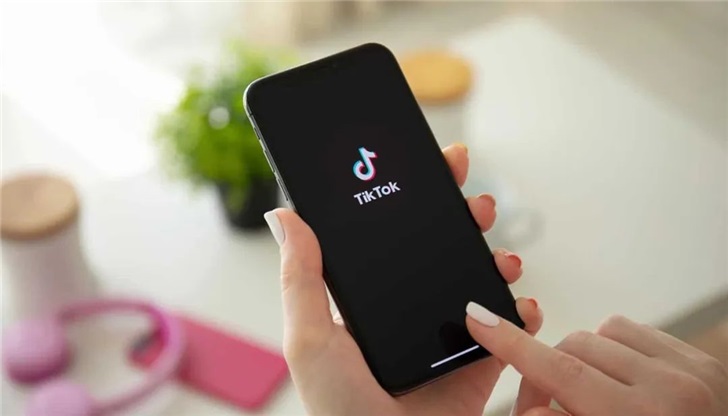
Japan might just be following the footsteps of India and the US by a possible ban on TikTok and other Chinese applications. The news arrives after India previously banned over 59 apps, with the US also planning a similar course of action.
According to an NHK World report, a group of lawmakers is working to ban the use of TikTok and other apps that were developed by Chinese publishers. Like the other two nations, the Japanese lawmakers have also raised similar concerns regarding data security, with large sums of domestic data possibly ending up within the hands of the Chinese government.
The group is planning on submitting the proposal to the Japanese government by September 2020. TikTok, the short video sharing platform, has seen great success in Japan, despite being a tough market to get into. Data from the iOS store in Japan has revealed that TikTok has consistently ranked at the top among entertainment apps from across the globe. It currently holds the 5th most downloaded position.
TikTok spokesperson stated that “There’s a lot of misinformation about TikTok out there. TikTok has an American CEO, a Chief Information Security Officer with decades of industry, U.S. military and law enforcement experience, and a U.S. team that works diligently to develop a best-in-class security infrastructure. Four of our parent company’s five board seats are controlled by some of the world’s best-respected global investors. TikTok U.S/ user data is stored in the U.S. and Singapore, with strict controls on employee access.”
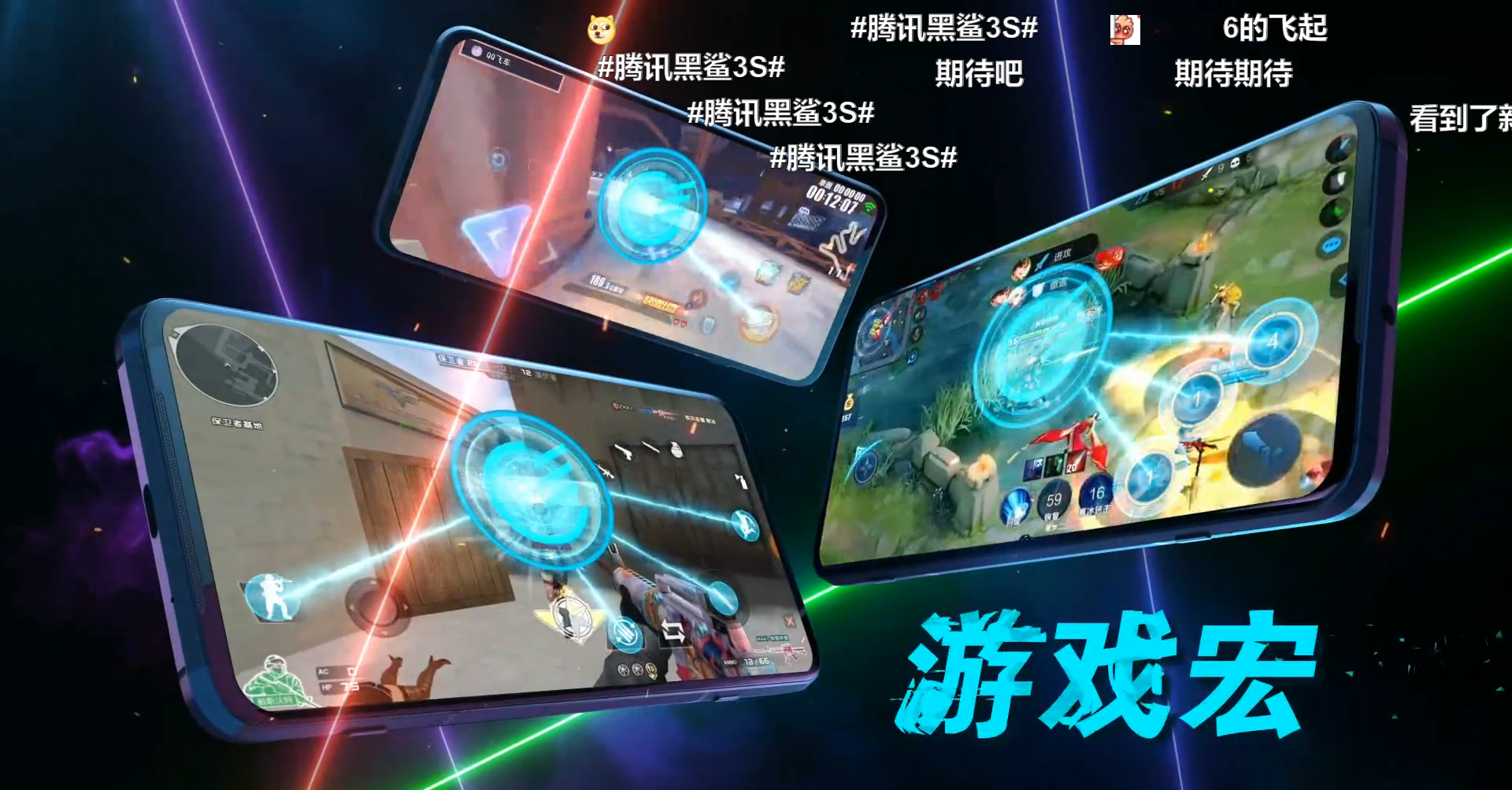
With the launch of the Black Shark 3S being just around the corner, the company has shared a few video teasers regarding the device that showcase a few of its upcoming features.
The videos were shared through the company’s official Weibo account and were also re-uploaded on YouTube by SparrowNews. Thus, it is confirmed that the Black Shark 3S will feature screen mirroring, motion controls, and mouse and keyboard input support via USB connection. The device runs the company’s latest JOYUI 12, which now supports the aforementioned features, via USB 3.0. In other words, users can simply plug the smartphone’s USB charger cable to a laptop/PC to mirror the device’s screen through the Black Shark app.
This, in turn, allows one to output the handset’s display to a device with a larger screen at 60fps. Through this, one can gain input support for mouse and keyboard for improved gameplay experience. The controls can also be fully customizable on screen. Furthermore, the Black Shark 3S supports motion controls as well, bringing additional functionality in the form of in app inputs.
In simpler terms, one can just bind a certain motion command to a particular action in different games. An example being tilting the device downward to reload or upward to jump. This could help in various multiplayer games by eliminating the need for additional touch input through fingers, helping increase finger space, and a clutter free experience with on display commands.
To give users even more options, the Black Shark 3S will also have a clip on that brings shoulder keys. Interestingly, this can also be used on other devices as well. JOYUI 12 brings with it many improvements to its UI for a better gaming experience. One such inclusion is “Game Barrage” that shows notifications from SMS, WeChat, QQ, or others during gaming. Users get to fully customize the font color, opacity, and other aspects regarding these notifications, whilst vice control also enables many additional functions without having to put a pause on gaming.
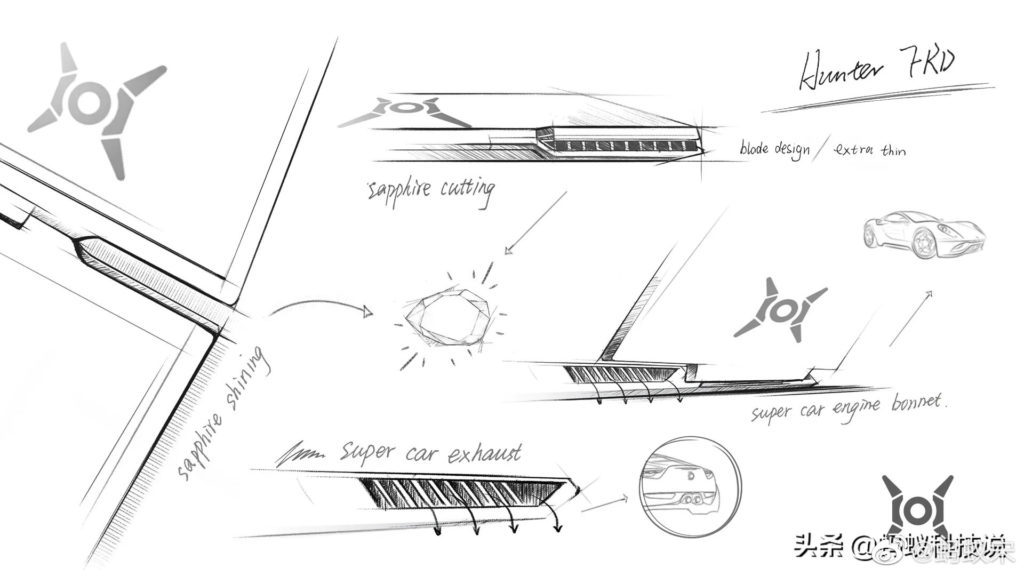
Honor has been teasing the launch of its first gaming laptops for a while now. It was initially thought to launch this month, instead, the company released 2020 Ryzen Editions of MagicBook Pro and MagicBook 14/15. According to a tip, they may be finally debuting in August. But ahead of it, the branding and design sketches of these gaming laptops have leaked.
The upcoming gaming laptops will not be the first gaming products from Honor. The brand already launched a gaming router dubbed as “Honor Hunter Gaming Router” alongside Honor V30 series in November of 2019. Turns out, these forthcoming laptops will also launch under “Hunter” series.
Just like ASUS ROG, Lenovo Legion, Acer Predator, HP Omen, and Dell Alienware, Honor will use “Hunter” branding for its gaming products. The design sketches for its first laptops reveals them to feature supercars-inspired massive vent for better heat dissipation.
These sketches also expose the brand logo along with its placement on the laptops. Further, it also reveals the series model number – FRD, which goes in line with the 3C certification listing from a few days back.
Unfortunately, the specs of Honor Hunter gaming laptops are still a mystery. But since the brand announced a partnership with AMD, we can expect them to feature Ryzen processors with dedicated NVIDIA GPUs.
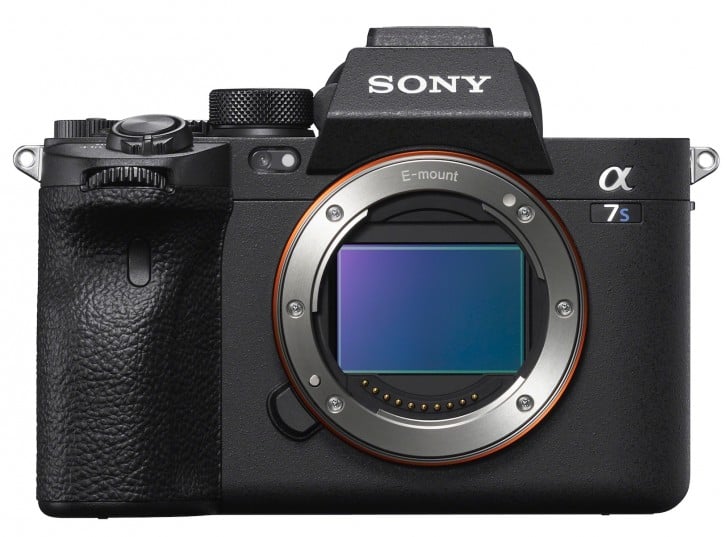
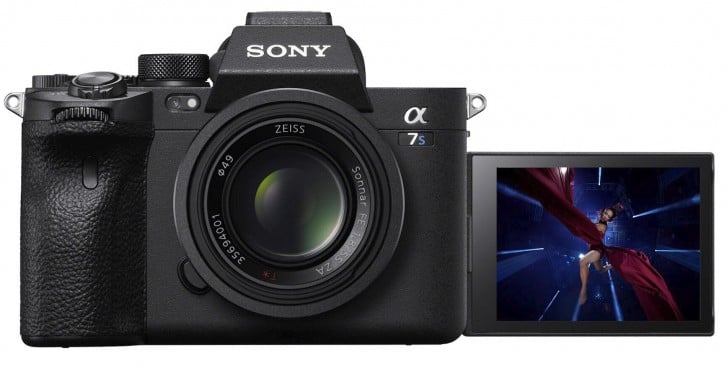
Sony has finally launched the highly anticipated A7S III. It has been unveiled 5 long years after its predecessor and arrives in the series known for its low light capabilities and great video recording performance.
The first camera launched in the A7S series was back in 2014. The S in the branding stood for sensitivity, with the A7S II launching back in 2015. Sony’s A7S camera series was designed to be the best in dynamic range and low light performance, which they were thanks to their 12 megapixel full frame sensors. Although, many of its fans were more inclined towards its video capture performance.
The Sony A7S III sports the new 12MP backside illuminated EXMOR R CMOS full-frame sensor. Despite having a low resolution the pixel are larger in size and is hence more sensitive to light, improving low light performance. The BIONZ XR image processor on the newly unveiled camera is also 8 times more powerful than its predecessor. The camera has an ISO range of 40-409,600, and is capable of 15+ stops of dynamic range and 3x reduction in rolling shutter.
Furthermore, it can shoot 10fps in a burst mode, with up to 1000 consecutive uncompressed RAW images being captured in full AF/AE tracking. The Sony A7S III shoots in the HEIF format with a wide dynamic range (HLG) and 10-bit gradation. Arriving at videography, the camera can record at up to 4K resolutions at 120p, 10 bit 4:2:2. Users also get the option of recording at 4K 60p in 16-bit RAW externally, when plugged into a full sized HDMI.
The camera supports S-Gamut, S-Gamut 3, and S-Gamut3. Cine color profiles and also features the new XAVC HS format with H.265 codec. It uses a new phase detection AF that uses 759 points that cover 92% of the image sensor. Users are also treated to real time tracking and real time eye AF which locks on to the subject.
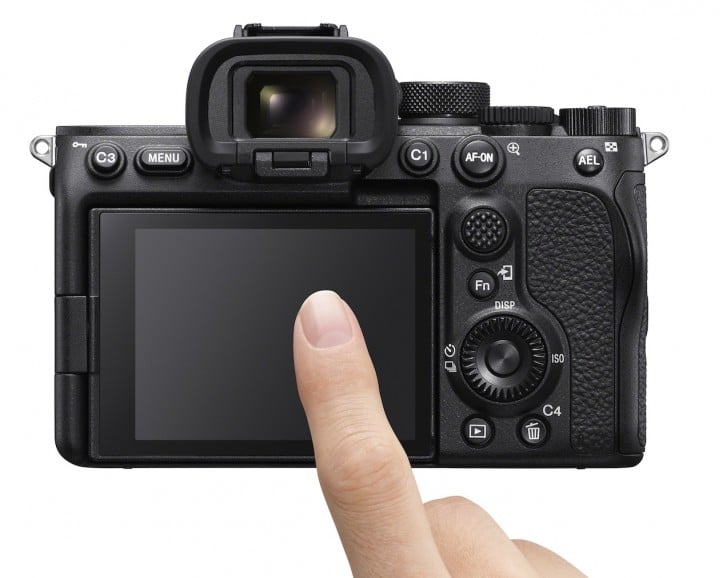
It even sports a 5-axis n-body stabilization which works well with lenses that have IBIS and gimbals. Although, it is useless when paired with lenses without stabilization. The viewfinder has also seen great improvements as Sony claims that it is the world’s first EVF with 0.64 type, 9.44 million dot OLED panel. The display is a 3 inch 1.44 million dot display which is touch responsive.
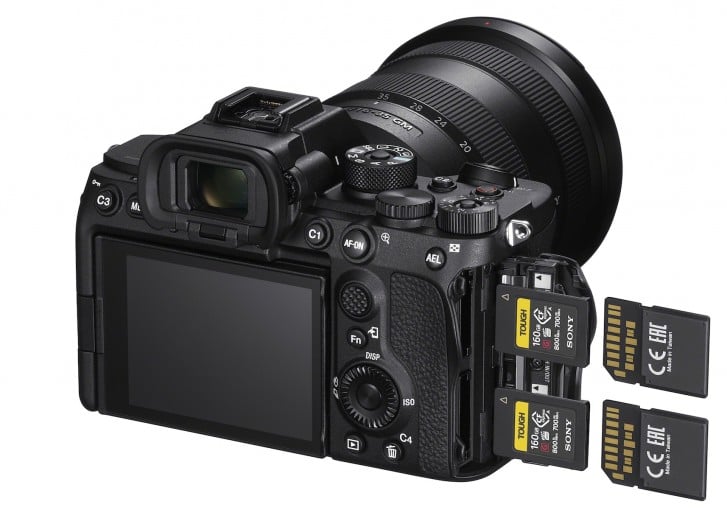
For slots, the A7S III supports dual card slot design that can have either DXC/SDHC or CFexpress cards in each slot. While the 12 megapixel sensor might turn away professional photographers, the video recording features do make up for any lacking in that area. As for the price, the Sony A7S III will set you back a whopping $3500, for the body alone, and begins sale in September 2020.
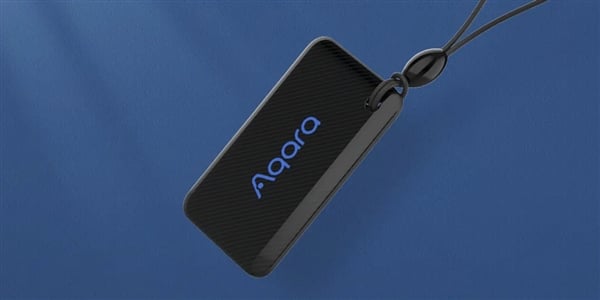
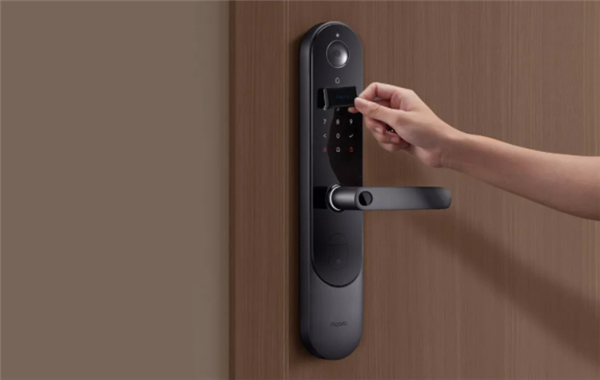
The Xiaomi Ecological Chain has just launched a new product for home security. It is the Aqara smart door lock NFC card, which is priced at 49 Yuan (roughly 7 US Dollars).
The Aqara smart door lock card basically functions has a mini key card that lets you unlock doors via a smart door lock. It houses a microprocessor on the inside, which features top notch security. The Aqara card has a dimension of 42 x 26 x 3.5mm and weighs just 4 grams. Through its data algorithm and storage capabilities, it cannot be copied and offers financial level security protection.
Every Aqara smart door lock NFC card features a built in EAL5+ security chip to ensure the safety of the key information. It also has a strict encryption code to prevent any duplication. Even if one were to lose their key card, the user can simply delete the credentials stored in the smart door lock to prevent any unwanted access into homes or other premises.
Furthermore, users can just rebind the key card later on if they happen to find it , or get a new one. At the moment, the Aqara smart door lock NFC card is only supported on a select number of smart door locks, including the Aqara N series and Aqara P series of smart locks (N100, N200, P100). A single card only supports one smart door lock, while the lock itself can be paired with up to 5 NFC devices simultaneously. So for those interested, you can check out the Xiaomi Ecological Chain store.
It has been a long while since Xiaomi launched its last Mi-branded smartphone in China. The latest one is Mi 10 Youth Edition, which debuted in April alongside MIUI 12. Between these three months, we only witnessed Redmi launches in the company’s home country. The next Mi series phone is expected to be the long-rumoured Mi 10 Pro Plus, which even Lei Jun, the CEO has begun to tease. Now, according to the latest leak, this handset could be the overall fastest charging smartphone of 2020.
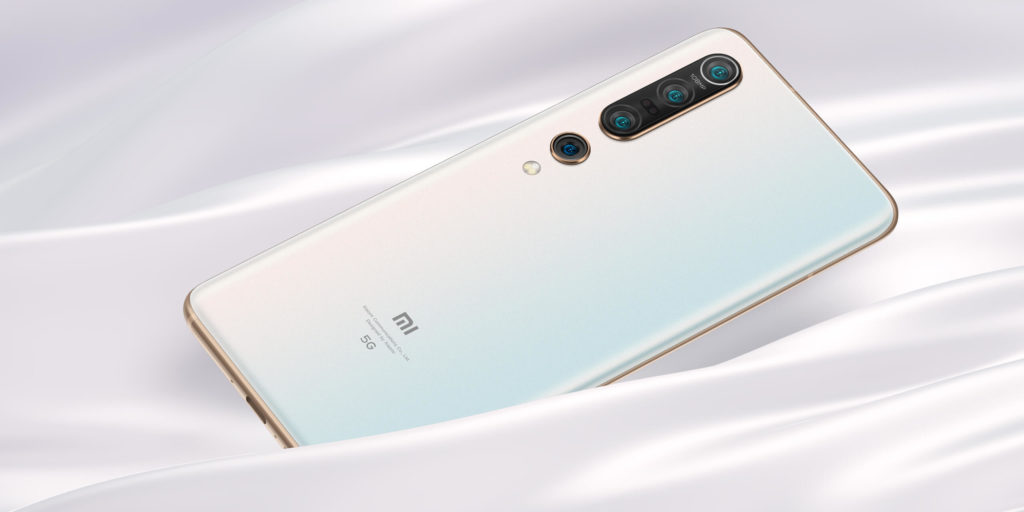
Mi 10 Pro Alpine White
Almost all information regarding this so-called Mi 10 Pro Plus has been coming from Digital Chat Station, a renowned Chinese tipster on Weibo. Unsurprisingly, that’s the case with the latest tip.
According to him, this upcoming Xiaomi Mi series premium smartphone will be the overall fastest charging phone of this year. That means it will support the fastest wired, wireless, and reverse wireless charging standard than any commercially available smartphones in 2020.
According to a teaser post by Lei Jun, this mysterious Mi smartphone may come with dual stereo speakers, x-axis linear motor, high rarest rate display, 3.5mm headphone jack, NFC, IR sensor, 30x or above zoom, front and rear optical sensors, 4,5000mAh or above battery, wireless charging, and VC heat sink.
As per an earlier tip, this handset should launch in August. But the same leak suggested the debut of Redmi K30 Ultra (Dimensity 1000+) in July but that did not happen until now. Maybe, the launch of this phone will be delayed as well.
We use cookies on our website to give you the most relevant experience by remembering your preferences and repeat visits. By clicking “Accept”, you consent to the use of ALL the cookies.
This website uses cookies to improve your experience while you navigate through the website. Out of these, the cookies that are categorized as necessary are stored on your browser as they are essential for the working of basic functionalities of the website. We also use third-party cookies that help us analyze and understand how you use this website. These cookies will be stored in your browser only with your consent. You also have the option to opt-out of these cookies. But opting out of some of these cookies may affect your browsing experience.
Necessary cookies are absolutely essential for the website to function properly. This category only includes cookies that ensures basic functionalities and security features of the website. These cookies do not store any personal information.
Any cookies that may not be particularly necessary for the website to function and is used specifically to collect user personal data via analytics, ads, other embedded contents are termed as non-necessary cookies. It is mandatory to procure user consent prior to running these cookies on your website.








 But OPPO explained that they have taken additional measures to monitor and address this issue.