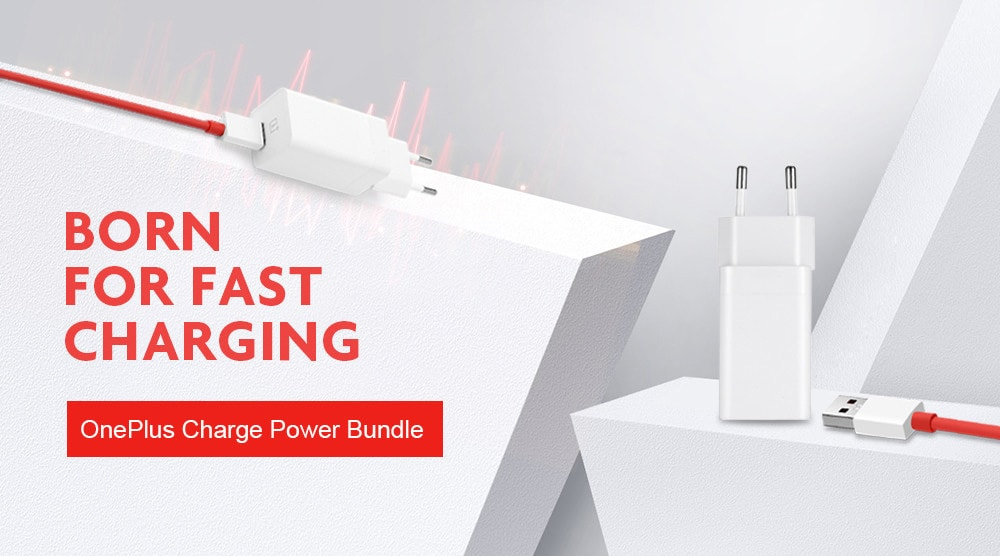
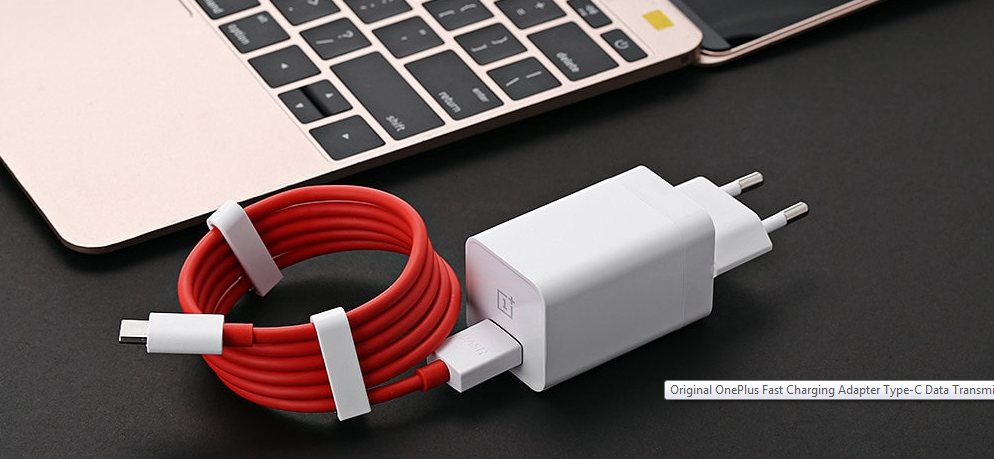
Born for fast charging, the OnePlus Charge Power Bundle has gone up for sale bearing a lowered price tag on Gearbest.
The OnePlus Charge Power Bundle comes with an adapter that has built-in integrated circuits to ensure the heat is dissipated before it reaches your OnePlus phones. In other words, the OnePlus charger delivers faster, safer, and cooler charging that remains fast.
The OnePlus fast charger power adapter undergoes severe durability, as well as safety tests, coupled with multiple layers of protection and built-in safeguards to avoid the problem of overheating and overcharging. The tangle-free cable features a rollable design and can be collected neatly.
You’d normally need to spend a lot of money on mobile phone accessories such as phone chargers, and adapters, but Gearbest is offering you a chance to get your hands on the OnePlus Charge Power Bundle for only $16.59, which translates to a 23 percent discount on the device’s original asking price of $21.57.
If the aforesaid discount isn’t enough to cheer you up, it might interest you to know that the OnePlus Charge Power Bundle has been assigned a specific coupon code that you can use to save more money. Before you click on the ‘Place Your Order’ button, make sure you apply coupon code J4DDTTDS1K for an extra $0.60 off.
After applying the coupon, the retail price of the OnePlus Charge Power Bundle drops further down to just $16.15. An absolute steal at this price, Gearbest sold more than 1000 pieces of this OnePlus branded charger which is compatible with a wide range of OnePlus brand smartphones including OnePlus 6, OnePlus 6T, and Xiaomi Mi 8, Xiaomi Pocophone F1.
You can follow this link to avail of the discount and place your order. Note that the promo will be valid for six days only.
If you use a Xiaomi phone then you would be familiar with the barrage of in-app ads that pop up randomly. Xiaomi prides itself as an internet company and the ads help bring in the revenue, keeping the phone prices down while maintaining the quality of its products. MIUI also brings several pre-installed apps which are usually the main rallying point for pushing the in-app ads. One of such apps is Quick Apps but it seems to have hit stormy waters with Google.
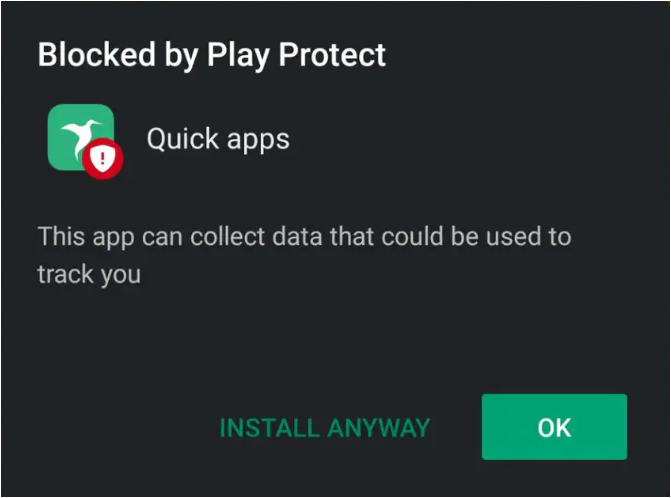
A number of Xiaomi phone users who have the Quick apps installed on their models have come out to alert us that the app is now being flagged by Google Play Protect even on the Poco F1. Apparently, the app has got a new update but Google is blocking the update with a pop-up message warning users that “this app could potentially collect data and use it to track you”.
While the safety of users data in custody of Xiaomi is not in doubt, the data will likely be used to deliver targeted or relevant ads to users which is one of the major sources of Xiaomi’s revenue – MIUI ads. Funny thing is, the app just like most pre-installed apps on Mi phones, can’t be uninstalled.
Xiaomi has issued a statement which shows the company is aware of the issue with Quick Apps. The company also hinted that it is in touch with Google regarding the matter but opined that it was likely happening due to a revision in Google Play Protect’s algorithm. Finally, Xiaomi reassured fans that the system app was absolutely safe.
Huawei will be announcing the Huawei Nova 6 phone on Dec. 5. It will be also unleashing Huawei MatePad Pro flagship tablet later this month. Both devices are expected to arrive in 5G and LTE editions. Also, the MatePad Pro could be also available in Wi-Fi only edition. Apart from these devices, Huawei could be gearing up to launch a non-5G high-end phone that has a model number of JNY-AL10 before the end of 2019.
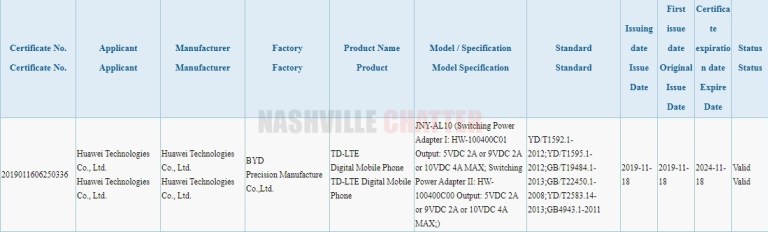
The exact identity of the JNY-AL10 phone is not known yet. The smartphone has bagged approval from the 3C authority of China. The certification has revealed that the phone may ship with a HW-100400C01 charger that supports 40W fast charging. It is the same charger that is available with the Mate 30 and Mate 30 Pro flagship phones. Hence, there is a possibility that the JNY-AL10 could be another flagship phone from the company. The variant of the smartphone that has surfaced on 3C lacks support for 5G connectivity.
Apart from 3C, the JNY-AL10 was spotted on Bluetooth SIG in August with many of its variants. The Bluetooth SIG listing of the device has revealed that its variants such as JNY-AL10, JNY-TL10, JNY-AL00, JNY-TL00, JNY-LX2, JNY-LX2A, JNY-LX2B, JNY-LX1M, JNY-LX1MA, JNY-LX1MB, JNY-LX1, JNY-LX1A, JNY-LX1B, JNY-LX3, JNY-LX3A, JNY-LX3B, JNY-LX2J, JNY-LX2JA and JNY-LX2JB. There seems to be no 5G variant of the phone.
China may receive JNY-AL10, JNY-TL10, JNY-AL00 and JNY-TL00 models. The other variants could be releasing in European and Asian markets. The Bluetooth certification has only revealed that it carries support for Bluetooth 5.0. Hopefully, the JNY-AL10 and its other Chinese variants will appear on TENAA with its full specs in the near future if it is heading for December 2019 launch.
What could be the identity of the JNY-AL10 phone? Share us your thoughts by posting your comments below.
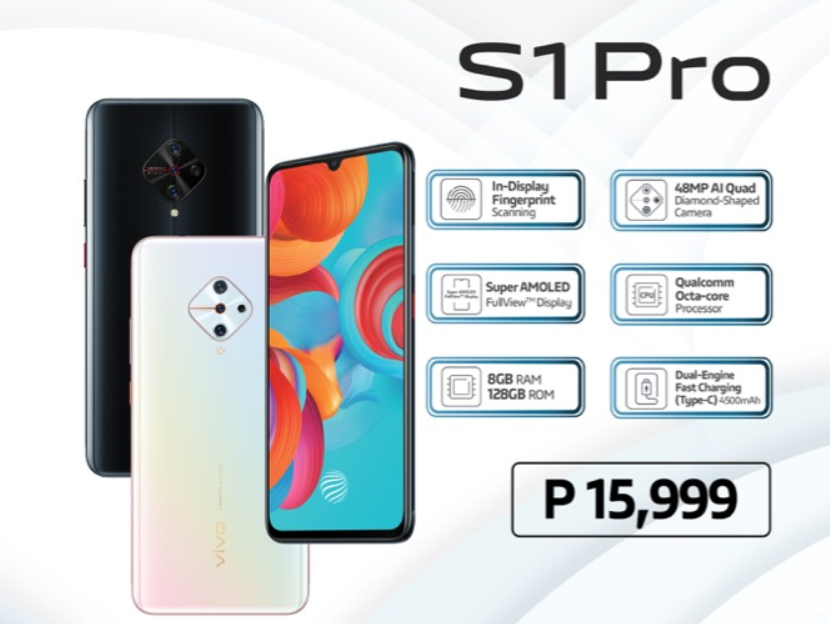
The Vivo S1 Pro was scheduled for release in The Philippines tomorrow, November 20. Surprisingly, the full specs of the phone and its price have been published on the official website.
Vivo S1 Pro Design
The Vivo S1 Pro looks nothing like the phone with the same name that launched in China back in May. This version has a notch for its selfie camera rather than a pop-up selfie camera present on the China version. The design on the rear is also different.
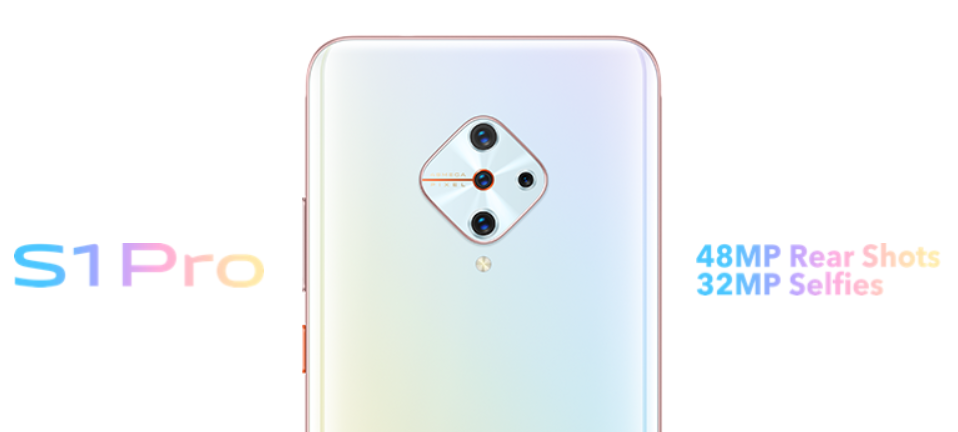
There are four rear cameras on this version rather than three and they are arranged in a diamond-shaped housing. There are two color variants and both come with a red-colored power button.
Vivo S1 Pro Specs
The Vivo S1 Pro that will be sold in The Philippines will not only differ from the Chinse variant with respect to design but also some of its specs.
The screen is a 6.38-inch Super AMOLED (2340 x 1080) FullView Display with a waterdrop notch at the top for a 32MP f/2.0 selfie camera with AI Face Beauty. There is a Snapdragon 665 processor under the hood and it gets paired with 8GB of RAM and 128GB of storage. If you need more storage space, a MicroSD card slot is available for adding up to an extra 256GB.
The primary rear camera is a 48MP f/1.8 Samsung GM1 sensor and it is paired with an 8MP super wide-angle camera with a 120° (108° after accounting for distortion) field of view. There is also a 2MP 4cm macro camera and a 2MP depth sensor. Vivo has loaded the camera app with features such as Voice Control, Palm Capture, SLO-MO, and portrait light effects.
Vivo ships the phone with its custom Funtouch OS version 9.2 based on Android 9 Pie, and it brings features such as Multi Turbo – a comprehensive suite of optimizations; Game Center; Dark Mode; and a Voice Changer for additional fun and privacy when playing games online.
The S1 Pro packs a 4500mAh battery with support for Vivo’s Dual-Engine (9V 2A) Fast Charging technology via a USB Type-C port. It has Bluetooth 5.0, USB OTG, FM radio, an audio jack, dual-band WiFi, and dual-SIM support. The phone also comes with an in-display fingerprint scanner.
[envira-gallery id=”290314″]
Vivo S1 Pro Price
Vivo has put a price tag of ₱15,999 (~$314) on the S1 Pro. It is available in Fancy Sky and Knight Black. The phone is not yet available for purchase but should go on sale soon on Lazada, Shopee, Argomall, and Vivo’s own stores.
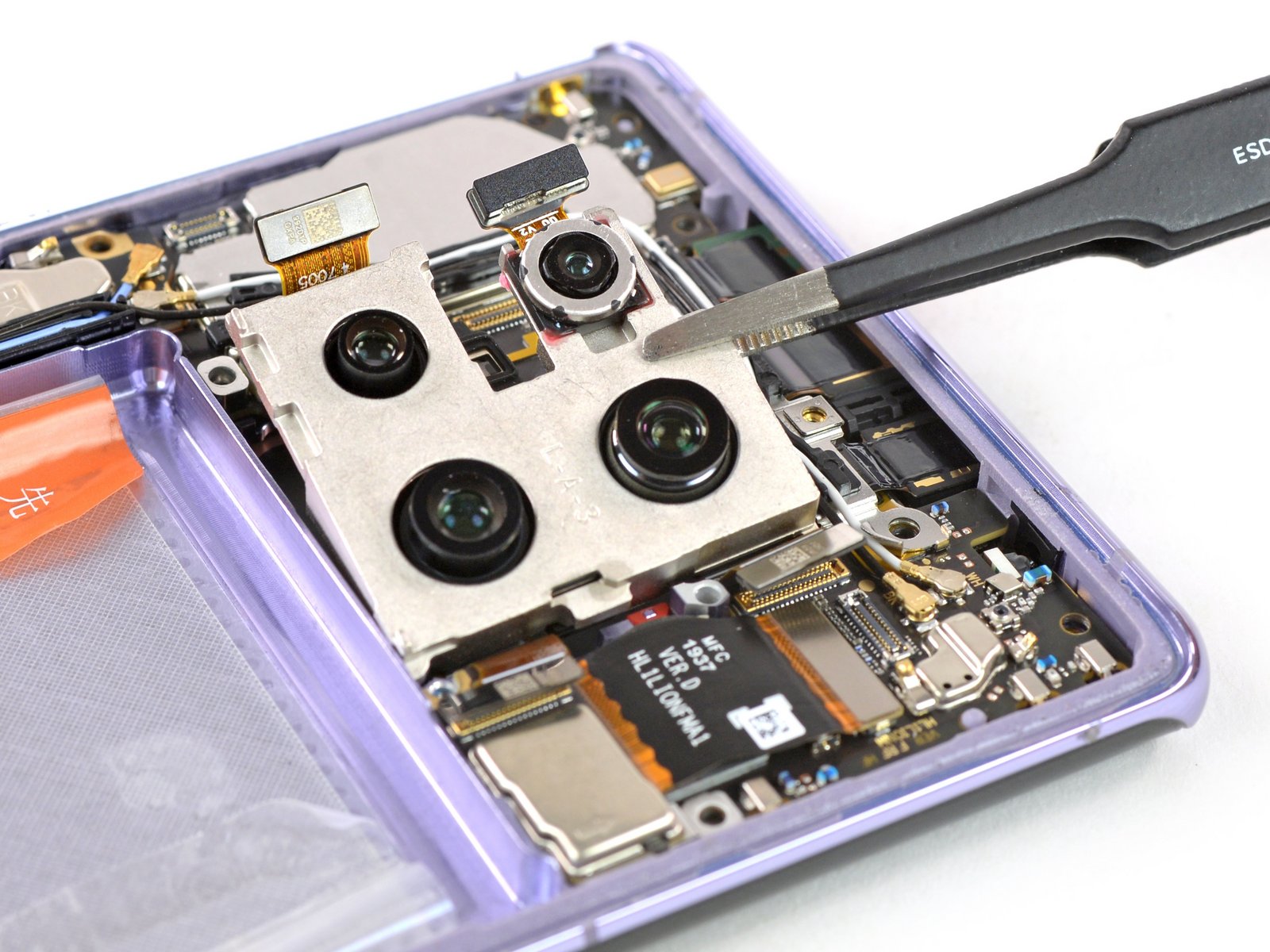
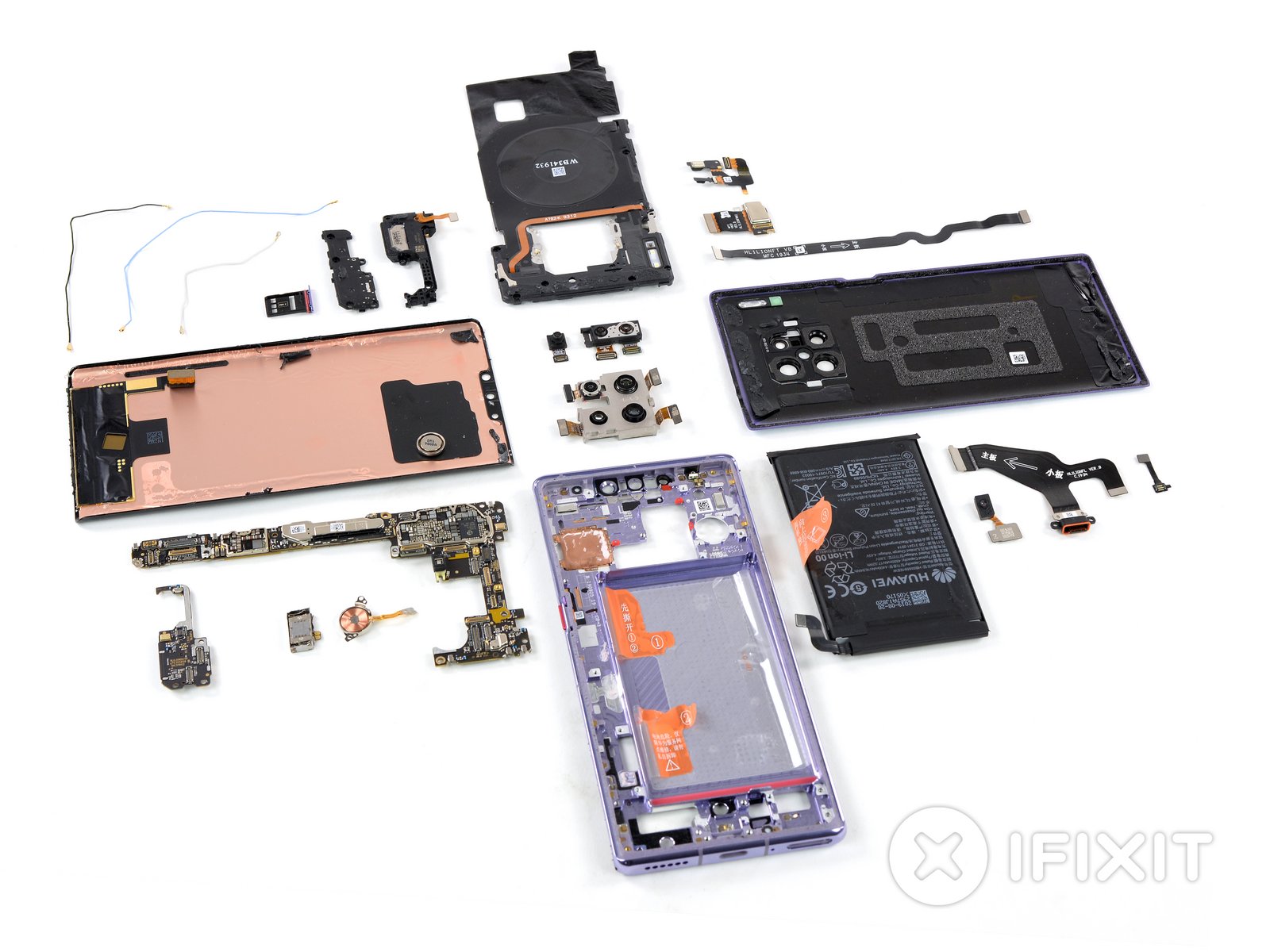
Over the past few years, smartphone designs have become more and more complicated making it tricky to open and replace parts inside. So it’s no surprise that top-end flagship phones like the Galaxy Note series have traditionally not fared well in iFixit’s repairability teardowns. However, it looks like the Mate 30 Pro does pretty well in repairability as iFixit gives it a decent 5/10 score in its most recent teardown.
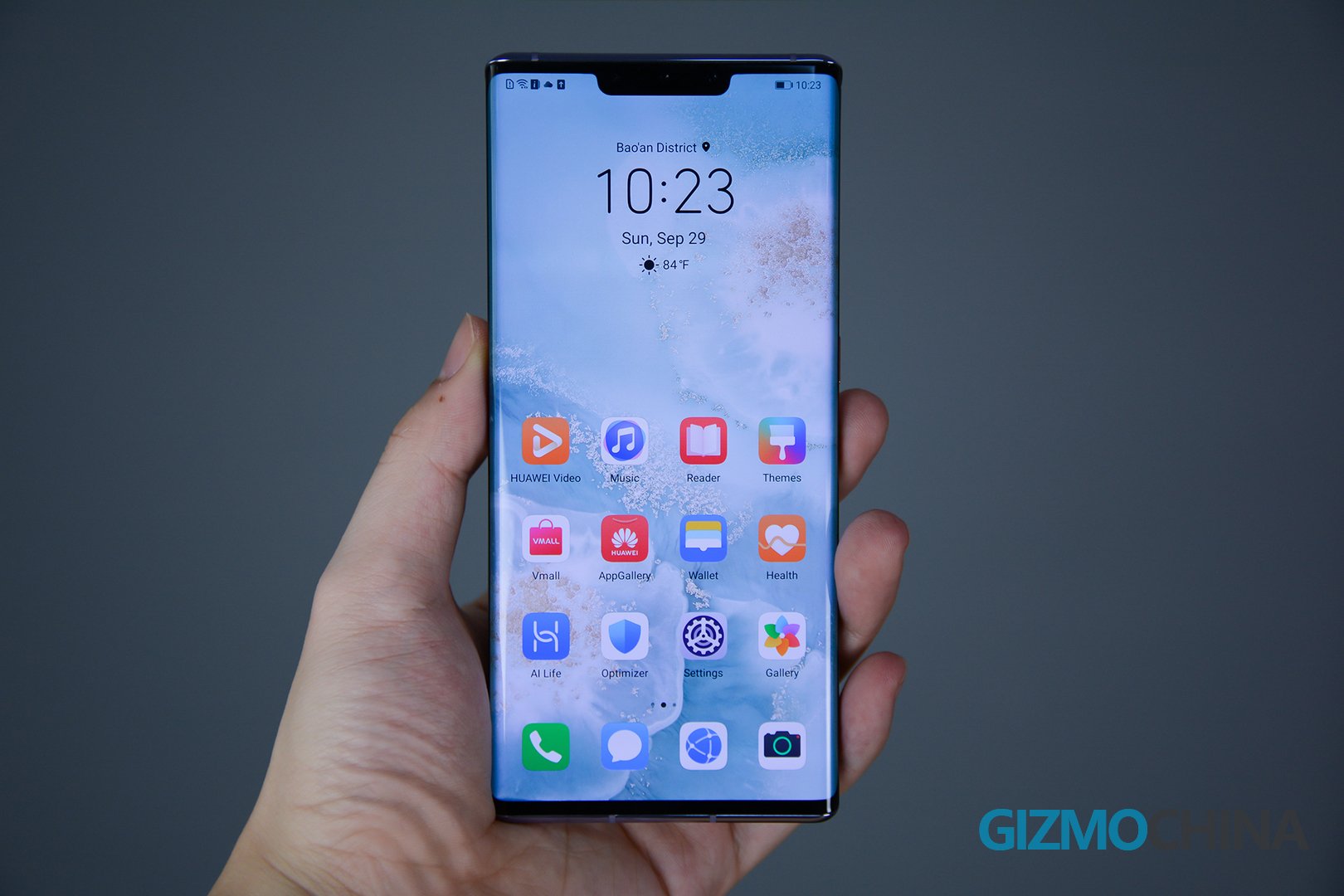
The waterfall glass on the Huawei Mate 30 Pro was always going to be the biggest hurdle in repairing the device. However, it’s not as bad as we would have thought as the display can be removed without removing the battery inside. But you’ll have to be really careful though. The waterfall display leaves zero margin between the display and the frame, making it quite hard to pry it open. Also, unlike most smartphones of 2019 which have separate plugs for digitizer and screen, Huawei Mate 30 Pro’s display connects to the board via a single small-sized connector.
The Mate 30 Pro manages to scores decently in the teardown because almost every component inside the device is modular and can be replaced independently. Plus, standard Phillips screws ensure you don’t have to carry multiple tools or remove a lot of glue inside the device. iFixit also added that the display is connected via a single connector, unlike the traditional two cable design where one is for the digitizer and another one for the screen.
iFixit concludes the teardown saying that the Mate 30 Pro features a lot of cutting edge tech and modular components. They even go on to say that they understand why the phone didn’t have room for a 3.5mm jack. So the 5/10 repairability score is pretty decent for a 2019 flagship.
Source: iFixit
In comparison, the Samsung Galaxy Note 10 Plus got a repairability score of just 3/5. The Pixel 4 XL got a score of 4/10, while the iPhone 11 Pro Max did surprisingly well by scoring a solid 6/10 in repairability because of its design focus on battery and display repairs.
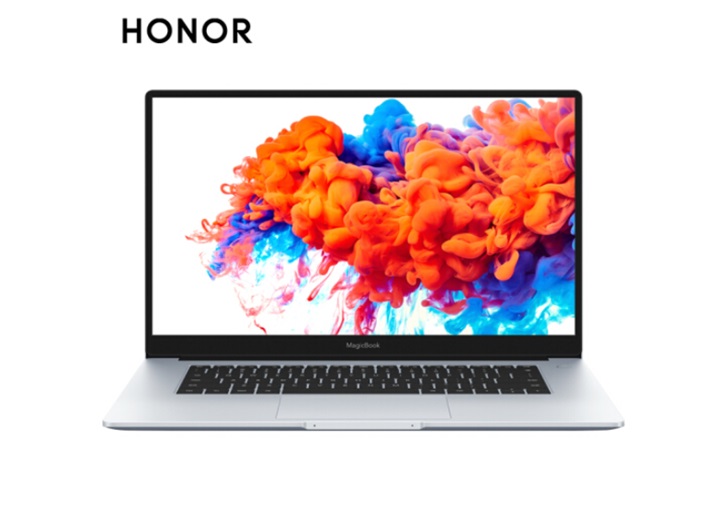
Honor‘s MagicBook series aren’t exactly the most popular devices, but they’ve always been fairly solid. They feature fairly decent specs and nice, quality builds. Yesterday, we saw the company introduce the brand new MagicBook 15. Outside of a brief glimpse at the exterior however, details were rather scant. Now, a listing for the device has appeared on JingDong Mall, which means we get to take a nice close look at the latest Honor laptop.
Unlike before, the pre-order listing does give us an idea of what the specifications will look like. There only appears to be an Intel variant, with no AMD Ryzen variants in sight. There are also two storage options, 256GB and 512GB SSD storage. We can also see the good old Honor MagicBook fingerprint sensor power button, which is a welcome addition to the device. Finally, there’s no Windows variant, the MagicBook 15 exclusively runs Linux.
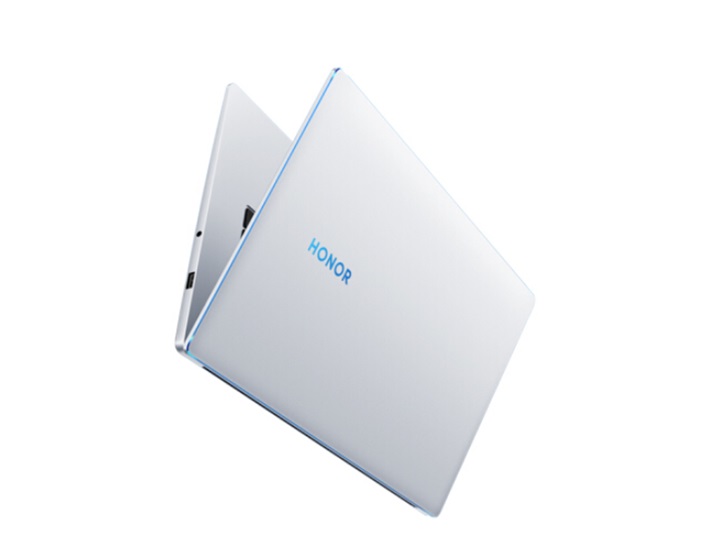
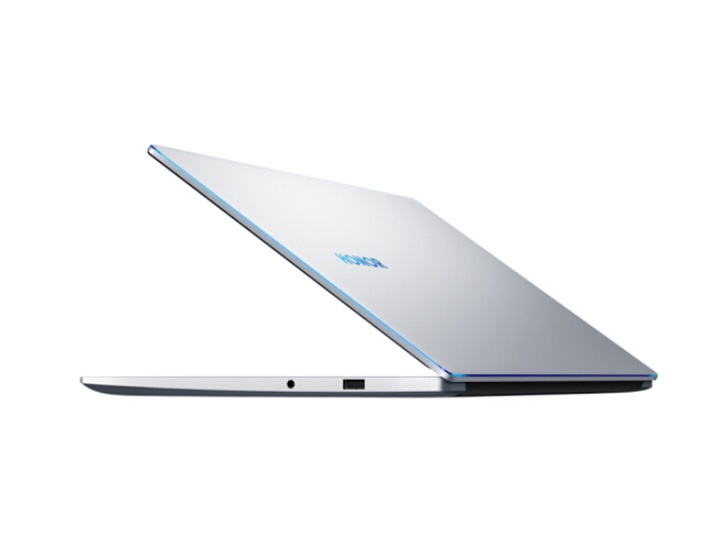
We also get a closer look at the new design, and it’s quite an interesting take. It continues to Apple Macbook look previous MagicBooks have had, but it adds a dash of colour to the equation with a ring of blue on the chamfered edges around the display. The logo on the back is also coloured with splashes of purple and blue akin to the current Honor logo.
There’s still no pricing information, though we wouldn’t expect the MagicBook 15 to cost all that much. While the pre-order listing has given us more details than before, the device is still mostly a mystery, so all we can really do for now is wait. Hopefully it’ll continue Honor’s streak of releasing fairly good high quality laptops at affordable prices.
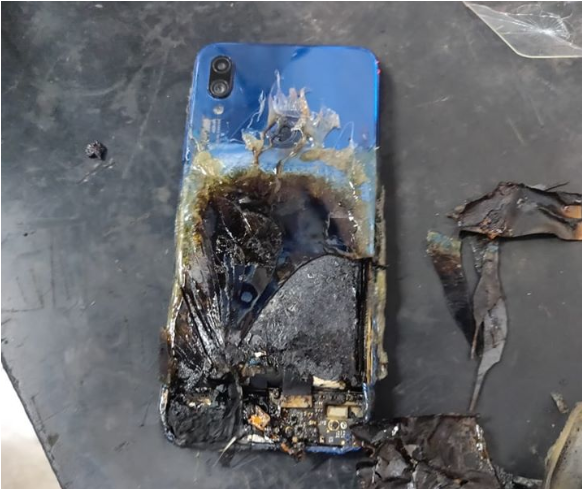
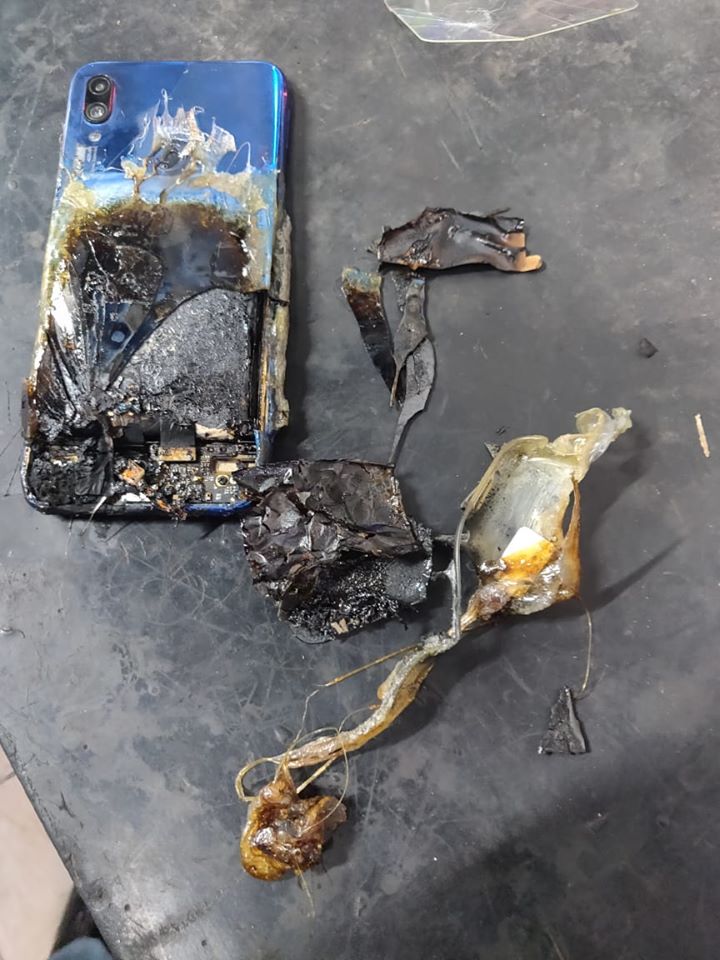
Xiaomi rode on the back of affordable pricing and nice build quality of its models to attain popularity in the industry such that it is ranked No. 1 in India and among the top 5 globally. It isn’t always all praises for Xiaomi as a few times, it has faced criticism for the quality of its phones which some think is poor. This is one of those times. Indian citizen, Chavhan Ishwar has told the story of how his Redmi Note 7S smartphone went up in flames. The incident left the phone permanently damaged with the battery area charred. Thankfully, no one was injured but more worrisome is the response the victim claimed to have got from Xiaomi India’s customer care personnel.
The Indian claimed to have scooped up the device from Flipkart on October 1st and it was delivered three days later. The user claimed the phone only lasted about a month as the drama began on November 2. Mr Ishwar had left the phone on the desk when he noticed smoke emanating from the phone and accompanied by a smell of burning plastic. Indeed, the phone gently went up in flames due to what Xiaomi says is a battery defect (the phone was reportedly lodged at a Xiaomi Authorized service centre in Thane).
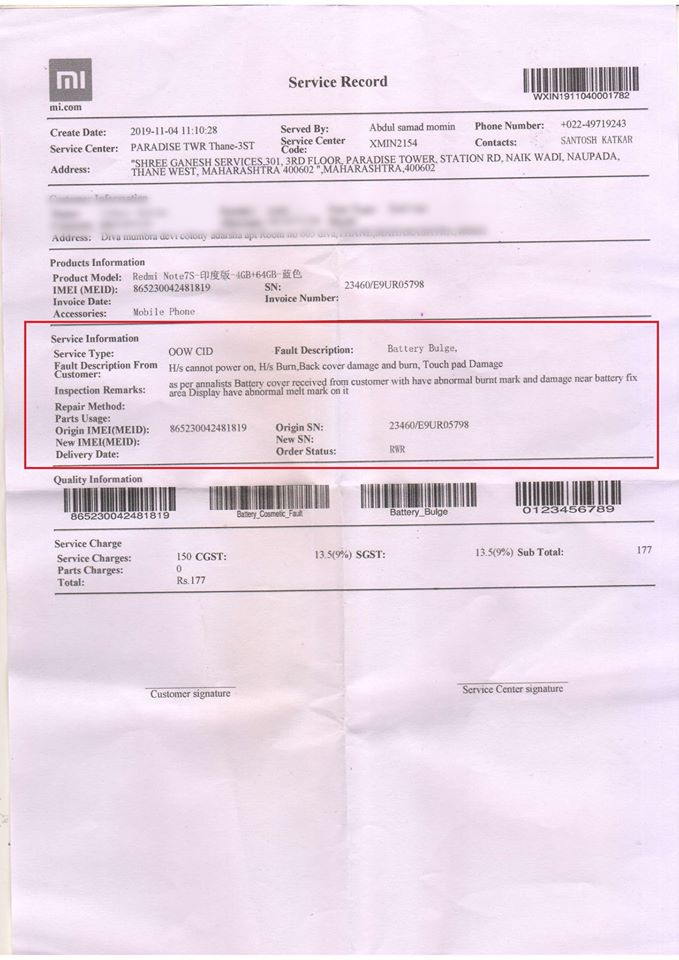
Now, ordinarily one would have expected Xiaomi to issue the user a new one after investigating the incident with zero foul play detected. Instead, Ishwar says the Chinese company reached back a couple of days later rejecting his claim. The service centre claimed to have found “abnormal burnt marks and damage new battery fix area display”. An official at the service centre informed Ishwar that there was something in the battery that caused the incident. A representation was made to Xiaomi since the service centre is probably a third-party arrangement and the response was that the battery isn’t covered under warranty! In essence, Ishwar won’t be getting a replacement model even though it seems to have been established that a battery defect was responsible for the damage.
Xiaomi India did respond to Gizchina after the story broke. In the response, the company stated thus;
“At Xiaomi, quality of our products is of utmost importance. The trust that Mi Fans have shown in the brand for the past 5 years is a testament to that. We also take pride in having one of the strongest after-sales networks in the country with an aim to solve customer issues seamlessly.In this particular case, after careful examination, it was concluded that the damage was caused due to external force, and thus, classified under ‘customer induced damage.”
While this may be a one-off incident, we think Xiaomi could improve on its customer care service in India. Ishwar may have to explore other options to get redress as Xiaomi India obviously isn’t going to accept liability for the damage.
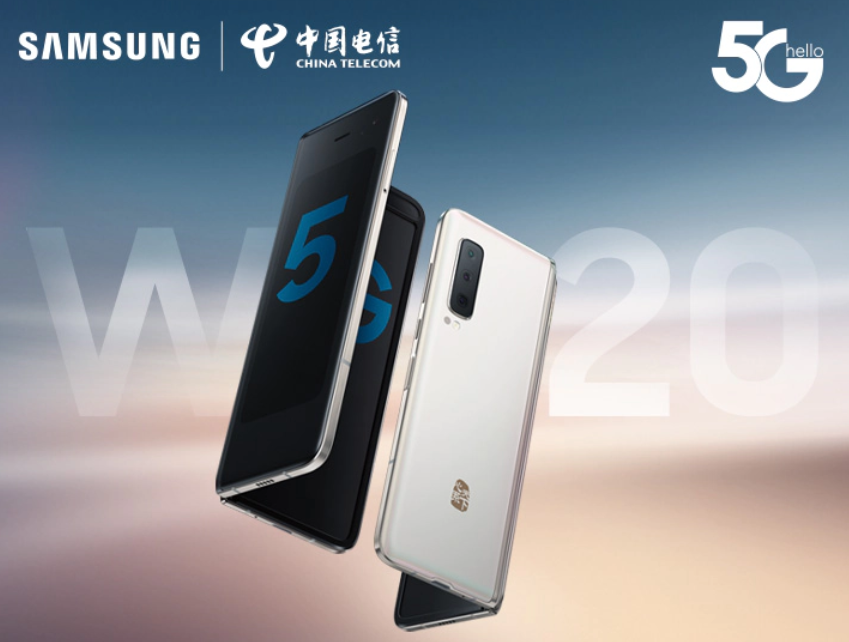
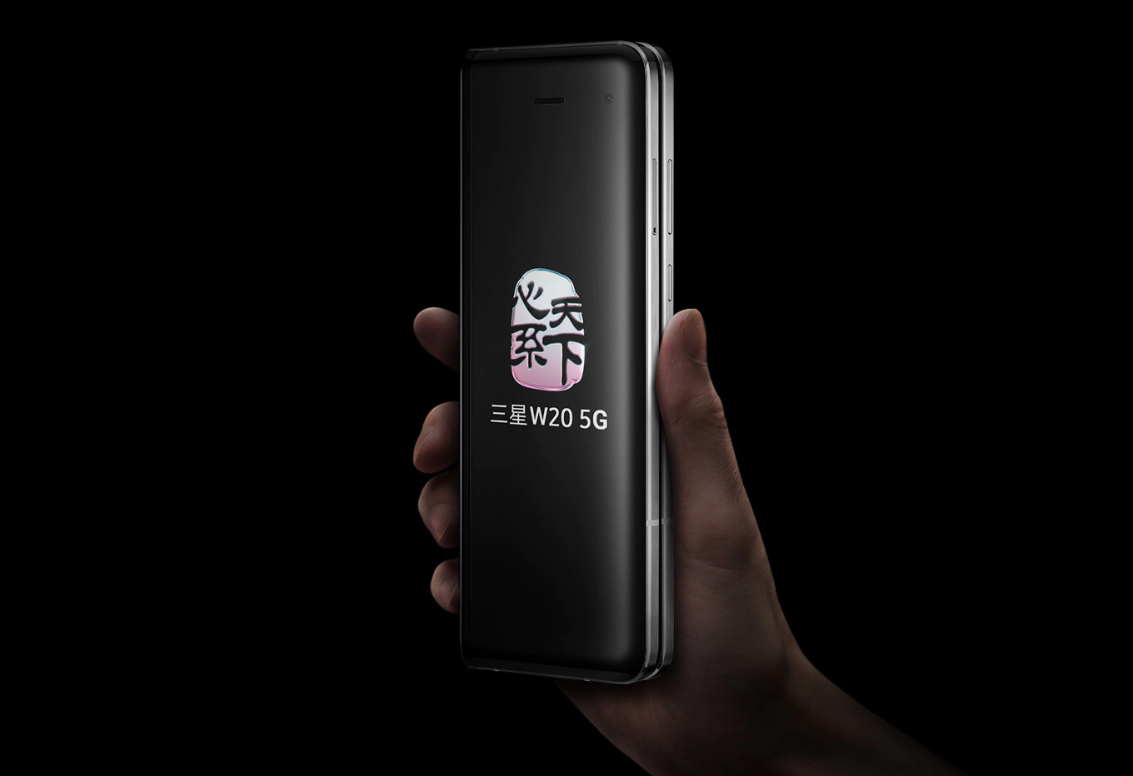
Today, at an event in China, Samsung announced a new device. The new phone is the Samsung W20 5G and it is unlike other phones in the China-exclusive W-series. It is also Samsung’s first phone to be powered by the Snapdragon 855+ processor.
Samsung W20 Design
The W-series is a smartphone line that packs flagship specs in the old clamshell design. The series is known for its dual displays, alphanumeric keypad, and expensive price tag. For the W20, Samsung has made some big changes but has kept the costly price tag. The inner screen is now one enormous flexible touchscreen display that can be folded. You still have an outer screen but it is larger than any we have seen on previous models.
While the Samsung W20 looks nothing like its predecessors in terms of design, it is actually not a new device as it is just a rebranded Galaxy Fold 5G for China.
Samsung W20 Specifications
The phone has a 4.6-inch Super AMOLED screen with a 720 x 1680 display on the outside. When unfolded, you are greeted with a 7.3-inch flexible Super AMOLED display with a 1536 x 2152 display and HDR10 support.
This is Samsung’s first phone to come with a Snapdragon 855+ processor, a higher-clocked version of the processor inside the Galaxy Note10 and Galaxy S10 series. There is 12GB of RAM and it is matched with a more than sufficient 512GB of storage.
The inner display cuts off at the top right corner for a 10MP + 8MP dual camera combo while the back of the phone is home to a 12MP primary camera, a 16MP ultrawide angle camera, and a 12MP telephoto camera. At the top of the smaller display is a 10MP camera for selfies and video calls.
On the right frame of the phone are the volume rocker, power button, and side-mounted fingerprint scanner. A USB-C port and a primary microphone at the bottom left of the device while the bottom right is home to the speakers. The SIM tray is on the left frame.
The Samsung W20 5G has a dual-cell battery with a combined capacity of 4235mAh. It supports reverse wireless charging, so owners can use it to wirelessly charge their other devices. There are dual AKG-tuned stereo speakers with Dolby Atmos for an immersive audio experience while watching movies or playing games.
The W20 5G supports only China Unicom and China Telecom NSA networks. It does not support SA networks.
Samsung ships the phone with One UI and their VIP services provided along with the purchase of the phone. You also get a free pair of Galaxy Buds and a leather calfskin case. However, there is no info on the price but Samsung did say it will go on sale in December.
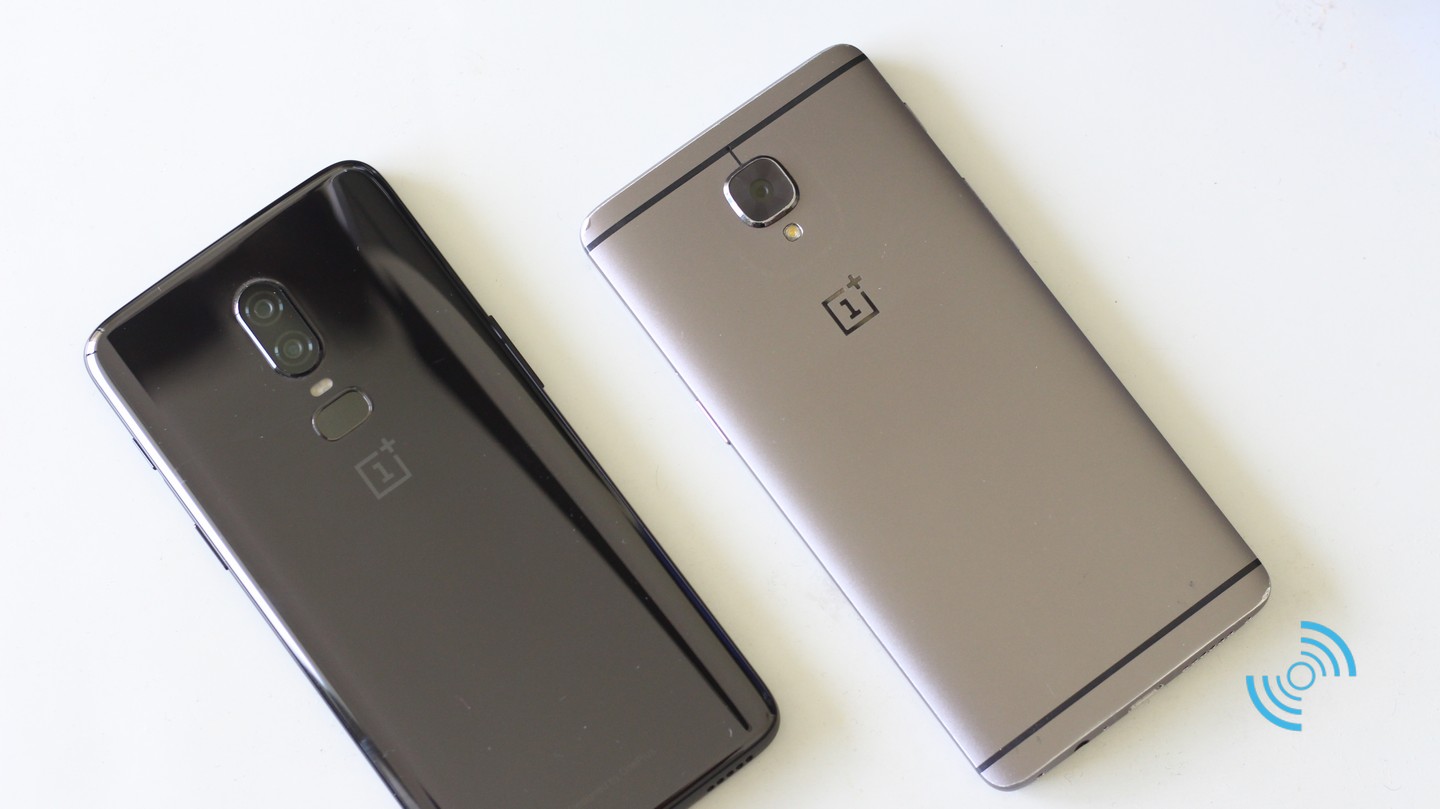
OnePlus 3 and 3T are one of the best supported Android smartphones in the market today. The two models launched way back in 2016, garnered tremendous popularity for their hardware and software support. The company even upgraded it to Android Pie version earlier this year. But the latest security update will be the final official update to both these devices.
OnePlus 6 vs OnePlus 3T design
OnePlus is currently in the process of sending out an OTA update to the OnePlus 3 and 3T models with the October 2019 security patch and an updated version of Google apps. But this will be the last update from the company, ending its official support after more than three years. The update is being rolled out in stages and some users will likely have to wait for a few days to receive it.
Even without official support, there are multiple third party ROM options available for both these devices right now. We already have ROMs like Lineage OS and Nitrogen OS in development that brings Android 10 to these devices. Also, in the OpenEars forum held at Goa, India earlier this year, OnePlus promised to actively promote custom ROMs for EOL (End Of Life) devices. So OnePlus 3 and 3T still likely has a year or two in terms of unofficial support.
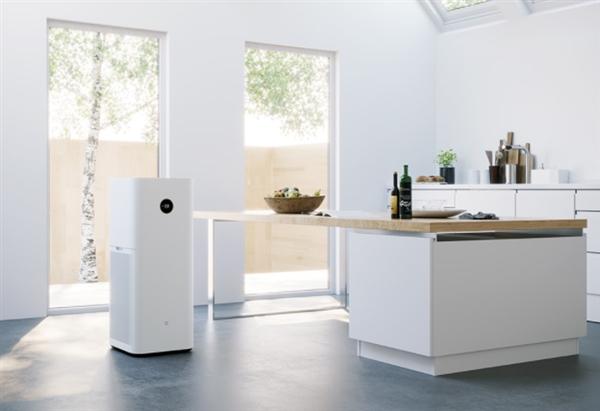
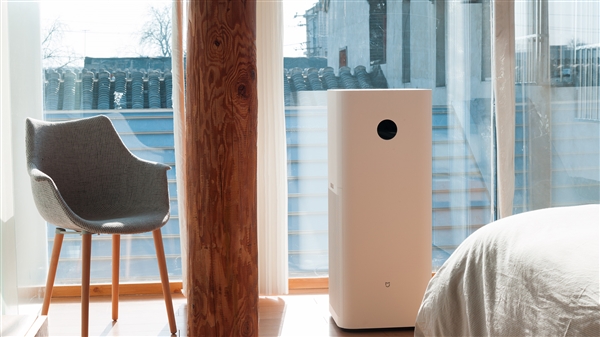
Chinese tech giant Xiaomi launched the MIJIA Air Purifier Max in December 2017. The purifier comes with a giant size, bigger than all what the company had launched in the past. The product also brought a higher purification efficiency than previous models and had a CADR value of up to 1000m3/h meaning it is capable of releasing 1000m3 of clean air per hour. Xiami has now released an enhanced version of the Purifier Max with a slightly higher 2,199 yuan ($313) price tag. The 2017 model had a retail price of 1999 yuan ($284).
Ironically, the “enhanced” version has a slightly reduced CADR value of around 700m3/h which may be as a result of efforts to reduce the working noise level. The device has a formaldehyde CADR of up to 400m3/h and is capable of removing 99.97% of allergens such as bacteria and pollen. The ability to eliminate odours is also very powerful, with TVOC CADR values as high as 330m3/h.
In terms of design, the MIJIA Air Purifier Max Enhanced version retains the OLED screen design which is integrated with the mode switching button and the brightness adjustment button. It is equipped with a high-precision laser particle sensor, which allows the screen to display the indoor air PM2.5 value in real-time and accurately. such that with just a glance, users can see the air quality without going to check the phone app.
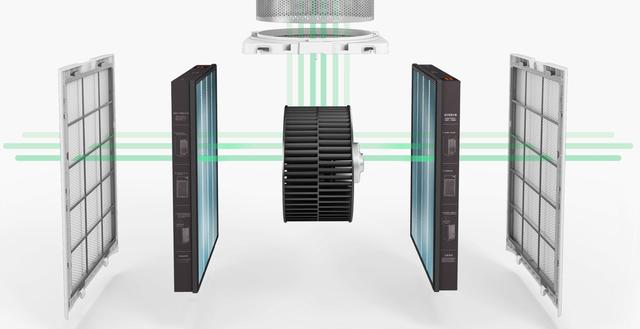
Furthermore, the MIJIA Air Purifier Max comes with an upgraded H13 high-efficiency HEPA filter material which can filter 99.77% of 0.3um particles. It also has double activated carbon filter layers which can strongly adsorb harmful gases such as formaldehyde and toluene. Most importantly, it features advanced silent noise reduction technology with noise as low as 33.5dB(A) in sleep mode.
Rapid industrialization has made it such that the air quality is usually a cause for concern in major cities around the world. To ensure the air within our living enclave is pure, the Air Purifier was developed. China is one country where the gadget is highly sought after and there are several brands around. Xiaomi‘s range of air purifier is unarguably among the popular portable air purifiers. The tech giant launched the first-gen Mi Air Purifier in 2014, and the Mi Air Purifier 2 in 2015. In 2017, the Mi Air Purifier Pro and then the Mijia Car Air Purifier were launched. Xiaomi also launched the cheaper and trimmed down Mijia Air Purifier 2S in 2018 and the massive MIJIA Air Purifier/ Ventilator. This year, there is the MIJIA Air Purifier 3 and MIJIA Air Purifier Pro H already.
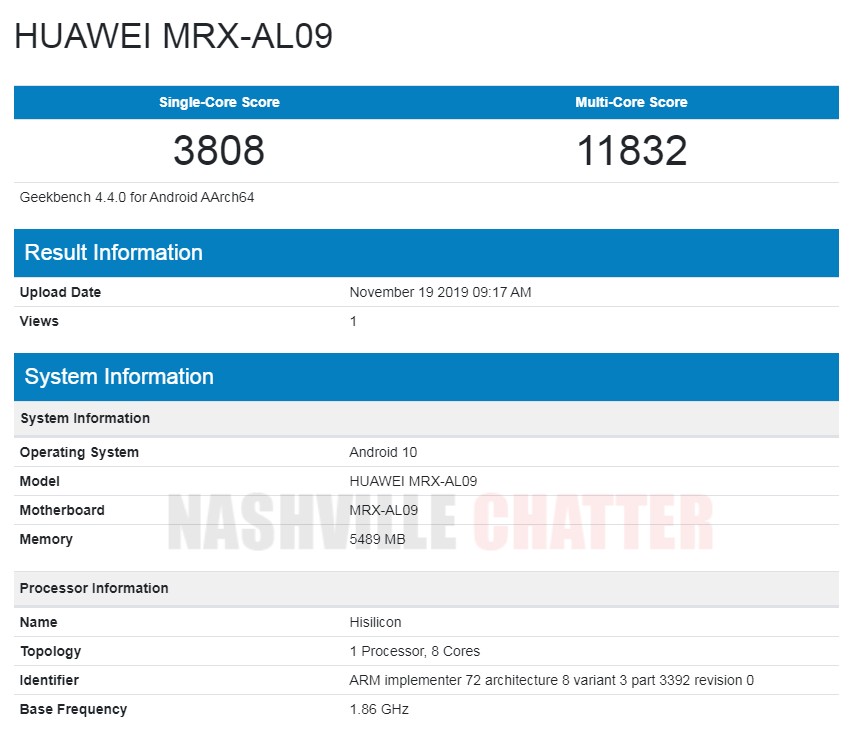
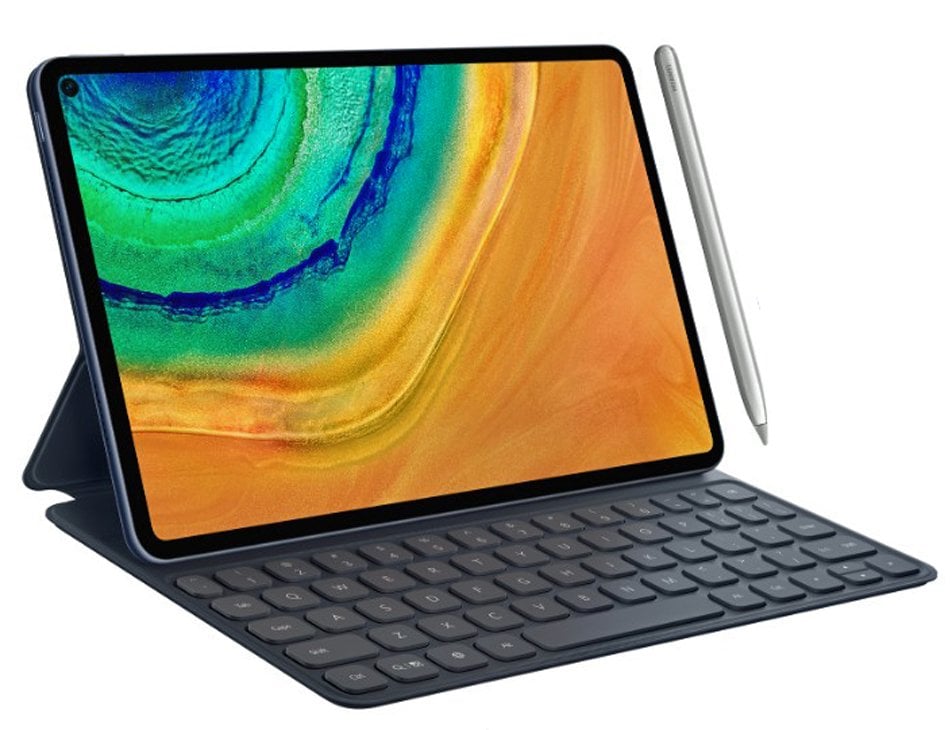
Huawei has confirmed that the MediaPad Pro tablet will be made official on Nov. 25 in China. It will be a flagship device that will be equipped with a M-Pen stylus. The MatePad Pro has appeared with its MRX-AL09 on Geekbench benchmarking platform and it has also appeared on the database of Bluetooth SIG body. Both listings have revealed some key details of the MatePad Pro.
Huawei MatePad Pro Geekbench listing reveals that it will come preloaded with Android 10 OS. The SoC of the device is coupled with 6 GB of RAM. Coming to the processor of the device, the listing reveals that it is fueled by a HiSilicon octa-core processor that has a base frequency of 1.86 GHz. It is an exact match with the base frequency of the Kirin 990 chipset that powers the Huawei Mate 30 Pro 4G edition smartphone. In the single-core and multi-core tests of Geekbench, the Huawei MatePad Pro has respectively scored 3808 and 11382 points.
The Bluetooth SIG body has certified four Bluetooth 5.0 enabled models of the Huawei MatePad Pro with model numbers MRX-AL09, MRX-W09, MRX-L00 and MRX-AN09. The 3C certifications of the tablet has revealed that the MatePad Pro will be available in Wi-Fi and LTE variants in China. The MRX-W09 and MRX-AL09 could be the Wi-Fi and LTE editions of the MatePad Pro.
The MRX-AN09 variant in particular reminds of the Huawei’s 5G ready devices that have ‘N’ mentioned in their model number like EVR-AN00 (Huawei Mate 20 X 5G), TAH-AN00 (Huawei Mate X 5G), OXF-AN00 (Honor V30 5G) and WLZ-AN00 (Huawei Nova 6 5G). It is speculated that the MatePad Pro’s MRX-AN09 could the model number of its 5G edition. At present, there is no information available on the existence of the MatePad Pro 5G edition. As far as MRX is concerned, it refers the ‘Marx’ codename of the device.
Huawei MatePad Pro Specifications (Rumored)
The Huawei MatePad Pro is expected to carry support for quad HD resolution of 2560 x 1440 pixels on its punch-hole display. It could be equipped with an in-screen fingerprint reader. The rear side of the device has a dual camera setup. The 3C listing of the device had revealed that it could be shipped with a 40W fast charger. It may come in colors like Blue, White, Orange and Green.
The United States government has today yet again extended Huawei the benefits provided to the Chinese giant amid ban on the company because of the on-going US-China trade war.
Commenting about this, the company said that while the substantial impact on Huawei’s operations will be limited because of this temporary relief, this will not change the fact that Huawei has been treated unfairly.
Further, the company said that they believe that the more than Huawei, damage to the United States is more. It added that this will not only will it cause huge economic losses to the US-based companies that does business with Huawei, but it also undermines cooperation and mutual trust in global supply chains.
The company also called on the United States government to stop the unfair treatment of Huawei and remove Huawei from the Entity List that effectively banned the company. The extension to the temporary relief is reportedly granted to support the existing infrastructure built by Huawei in the United States.
This new 90-day reprieve also allows Google to support Huawei’s existing Android-based smartphones. However, this extension does not apply to new models, so smartphones like the Mate 30 Pro won’t still be able to run Google applications.
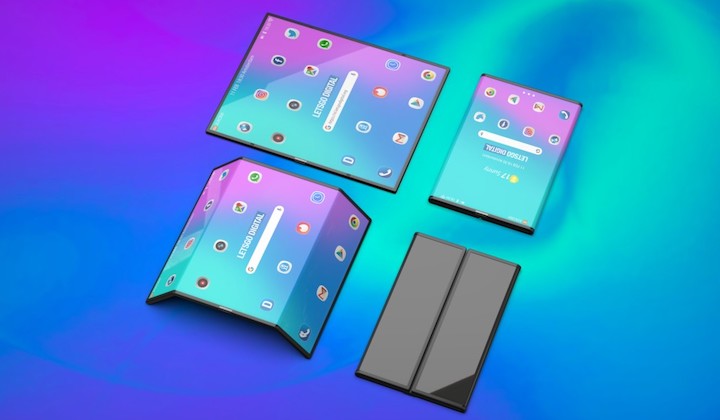
The much awaited foldable smartphones have finally gone official this year and have also been well-received in terms of sales by the early adopters. However, a new report from Strategy Analytics claim that the acceptance will grow if the prices gets slashed.
The new report from the User Experience Strategies group at Strategy Analytics has found that the perceived value of the foldable form does not outweigh the added cost. The report adds that the idea of having a larger-displayed smartphone in a portable size is perceived as valuable to the vast majority but willingness to pay extra for a foldable device does not align with the desire to purchase one.
It also adds that unless a foldable phone has a wider folded state, entering text when closed is too cumbersome, forcing users to utilize two hands to enter text, when in the opened state. It further states that use cases need to be adequately demonstrated for consumers to fully understand and appreciate the potential for a foldable phone.
Currently, there are two foldable smartphones in the market — Samsung Galaxy Fold and Huawei Mate X. Both the smartphones are now available for purchase in select countries for a price close to $2,000, which is considerably more than the traditional flagship phones.
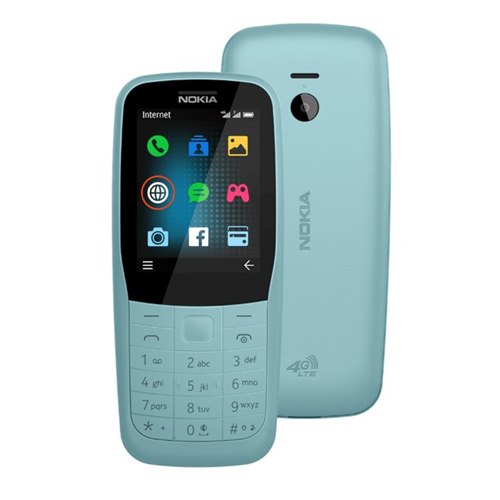
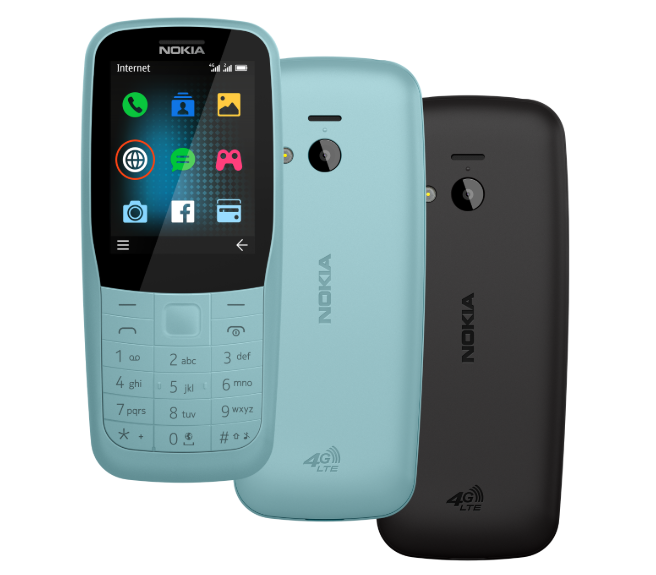
Nokia hasn’t really released so many eye-popping, powerful flagship models this year but the company has continued to dazzle at the other end of the table with nice feature phones. Just when attention is shifting away from the feature phone segment, Nokia usually comes through for the segment. Back in July this year, the Nokia 220 4G was launched and among the features that made it stood out is the 4G connectivity which it offers. The feature phone is now available in Germany and the UK.
In Germany, the Nokia 220 4G can be scooped up from Amazon Germany which is currently taking orders for the device. The phone comes with a price tag of EUR 49.90 and will start shipping on November 20. On the other hand, the Nokia 220 4G is on offer in the UK for £43,97. At the moment, only retailer Reichelt has it in stock.
As a reminder, the Nokia 220 4G packs a 2.4-inch QQVGA display and a polycarbonate back cover. The phone features 16MB of RAM and 24MB of storage. It runs Feature OS and has a VGA camera on the back with an LED flash. It also has an MP3 player, an FM radio that works without earphones plugged in, Bluetooth 4.2, and a 3.5mm audio jack. The Nokia 220 4G has dual SIM support – (nano and Micro). There is also a single SIM version (nano).
Apart from 4G bands, the phone supports 900 and 1800 2G EU bands but no 3G support. It equally presents with the Opera Mini web browser pre-installed and a couple of other apps. There is also a modern version of the popular Snake classic game onboard. The phone gets its juice from a big 1200mAh removable battery with up to 27 days of standby time and 6.3 hours of talk time. It is available in two colour options – Blue and Black.
Star Wars is one of the biggest movie franchises in the world. It actually holds a Guinness World Records title for the Most Successful Film Merchandising Franchise. So it is no surprise when a brand launches a Star Wars Special Edition of its product. The latest to do so is Samsung and it has announced a Galaxy Note10+ Star Wars Special Edition ahead of the new movie scheduled for release next month.
Samsung says the special edition phone is the unification of two galaxies – Star Wars’ a galaxy far, far away, and Samsung’s own Galaxy line.
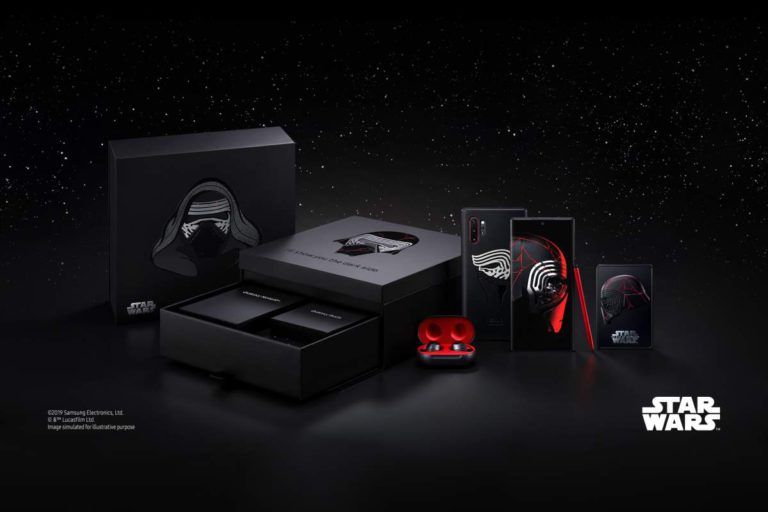
The Galaxy Note10+ Star Wars Special Edition will come in a custom box with Kylo Ren’s famous masked face on the top. Included in the bundle is a black Galaxy Note10+ with logos of the First Order, Star Wars, and Samsung on the back. The rear camera housing as a red accent and the S Pen also has a matching red and black paint job, giving off a lightsaber appearance.
There is also a pair of matching Galaxy Buds, a custom case, and a metal badge as a collector’s item. The phone itself also has custom wallpapers, icons, sounds, and shutdown animations that reflect the Star Wars franchise.
[envira-gallery id=”290222″]
The Galaxy Note10+ Star Wars Special Edition will be available in limited quantities and select markets as expected. It will be sold in Australia, Denmark, Finland, France, Germany, Hong Kong, Korea, Norway, Russia, Spain, Sweden, Turkey, UAE, UK, and the USA. It will go on sale in the USA on December 13 for $1299.99 and can be purchased on Amazon, select Microsoft Stores, Best Buy Stores, Samsung Experience Stores, and on Samsung.com.
If you are interested in picking up a unit, you can sign up to be notified when it goes on sale.
Huawei had debuted the Mate 30and Mate 30 Pro flagship phones in September. These Mate 30 series haven’t hit markets outside of China since they do not feature Google Mobile Services (GMS) all because of the US trade ban on Huawei. However, a fresh report on The Information reveals that Huawei will be releasing the Huawei P40 and P40 Pro smartphones in global markets in 2020.
In China, Android smartphones do not feature apps by Google. However, the scenario quite different outside of China since all Android devices is equipped with GMS. The US trade ban has been extended by 90 days. This arrangement makes it possible for Huawei to work with the firms in the U.S. with some restrictions. Huawei is to yet to receive a green signal on providing its future Android phones with GMS.
If the company is working on the global release of Huawei P40 and P40 Pro, there could be a possibility that the ban will be over by the time P40 series arrives in global markets. If it happens, Google may issue CMS certifications for forthcoming Huawei devices.
Another thing that Huawei can do is launch the P40 and P40 Pro in the global markets with its own Huawei Mobile Services (HMS) as a replacement for GMS. However, HMS won’t give access to Gmail, Google Photos, Google Drive and so on. Huawei may develop its own apps or partner with third-party firms to build apps that can work similarly as those found on the GMS. However, Huawei will be facing a daunting task of readying HMS with all the required GMS counterparts.
Huawei has recently released the Honor 9X in the global markets after the US trade ban took effect. The device is loaded with GMS. It was made possible by rebranding the existing Huawei P Smart Z phone as Honor 9X. The P Smart Z had debuted before the ban was imposed on Huawei. When Google certifies a device to support GMS, the license is attached to the service provider and model number of the device for a particular region. The certification requires the device to under certain tests like Mobile Application Distribution Agreement (MADA), Android Compatibility Test Suite (CTS), Google Mobile Services Test Suite (GTS) and Vendor Test Suite (VTS) that mainly pertains to the version of Android OS and the hardware that is equipped with. Google only cares whether the hardware and software of the devices meet the requirements of GMS. It means smartphone OEMS can change those hardware components that are tested during the GMS licensing without notifying Google. Such devices can have a different exterior design.
Huawei P30 Pro
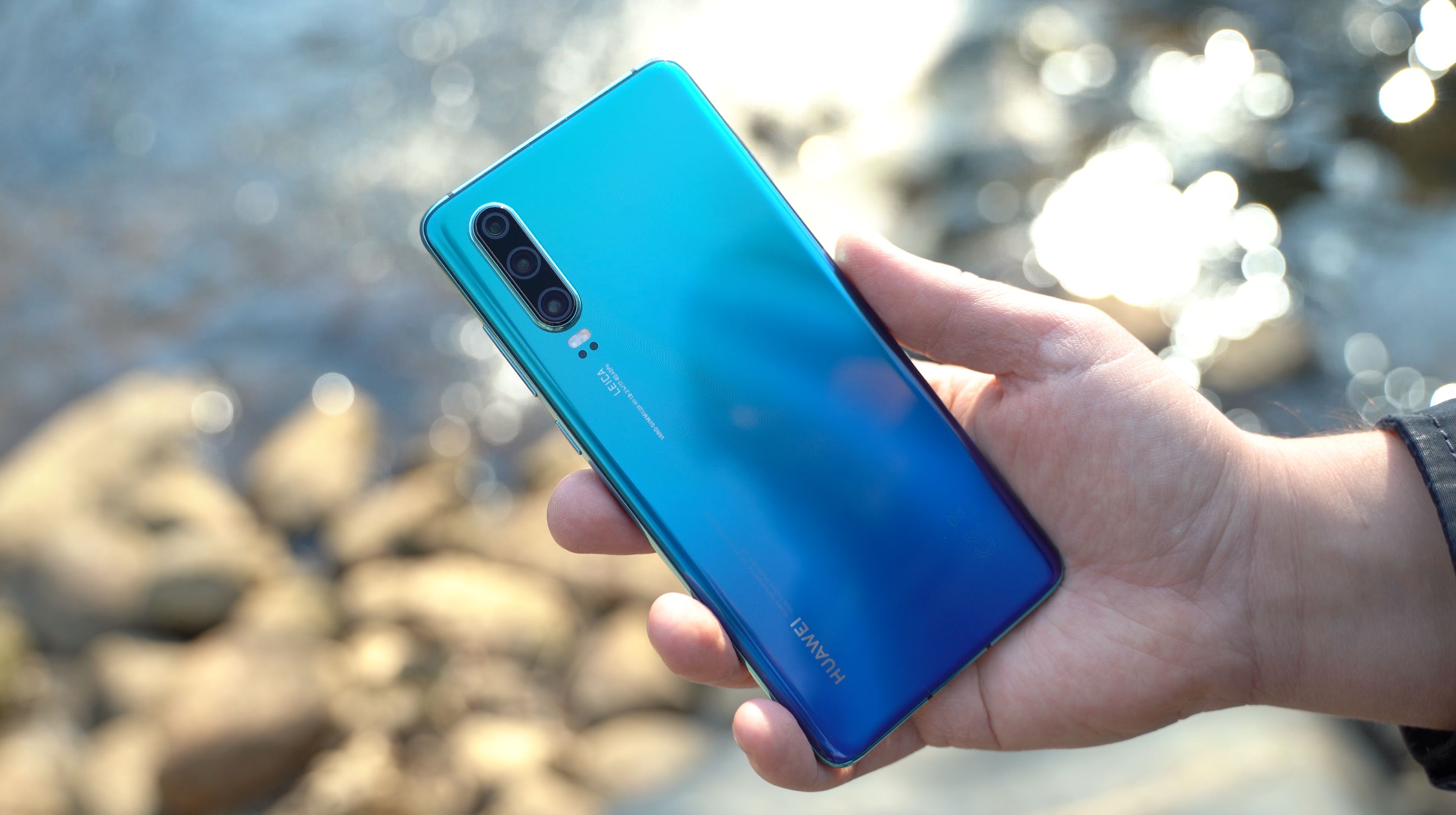
This strategy allowed Huawei to make use of the same license for the Honor 9X that it was granted for P Smart Z. Hence, the company could launch the Honor 9X with a different appearance and specs than the P Smart Z with GMS onboard. Both phones have identical specs, and the only major difference is that the Honor 9X has better rear cameras. Huawei may employ the strategy with Huawei P40 and P40 Pro phones. If the trade ban continues, the Chinese firm would be able to acquire new GMS licenses for P40 series. Hence, the for, may use the GMS license for Huawei P30 and P30 Pro to launch new phones as P40 and P40 Pro along with Google apps. By this, the company won’t be violating the trade ban. However, the P40 series may carry flagship pricing a rehashed version of P30 series.
The smartphones are dire need of today’s world. It has become a necessity to remain connected to the world. Smartphones allow users to perform day-to-day work either by facilitating in shopping, access to information, and connecting with the loved ones. However, it may lead to chaos if the smartphone does not work even for a day. Such conditions only arise if you may have forgotten your device, lost it, or you may have bricked your smartphone.
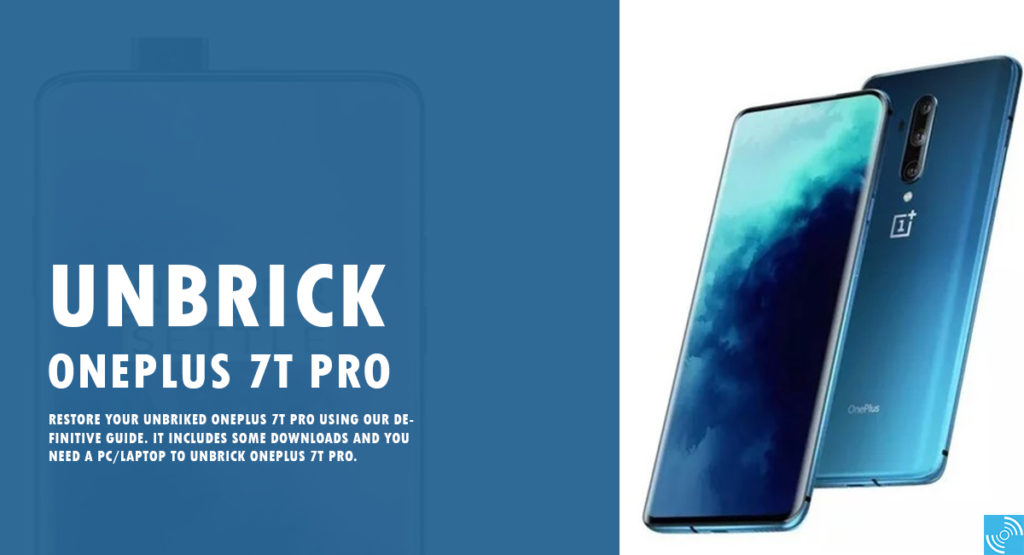
Does your OnePlus 7T Pro have stuck in the boot loop while rooting or installing any custom ROM or MOD? Then you need not worry as we have compiled a complete unbricking guide for OnePlus 7T Pro. Many times, the users’ carelessness or wrong guidance leads to the bricking of the Android device. There are several other reasons which can brick your working device.
It is a state of the device when the device does not boot due to some severe misconfiguration, corrupted firmware, or due to any hardware problem. The device is termed bricked when it becomes unbootable due to the reasons above. The bricking is basically of two types – Soft Brick and Hard Brick.
Soft brick – The SoftBrick is a state of the device when the device gets stuck in a boot loop or has some other freezing problems. It mostly occurs due to some firmware glitch or while flashing custom ROM. It is even denoted as a half-dead phone. The smartphone is not working as desired and is also recognized by a computer.
Android phones with Soft Bricking can be quickly revived by following proper instructions.
Hard brick – The hard bricked device is a fully-dead state of the phone. It does not show any sign of life and becomes unbootable. There’s hardly any chance to revive your smartphone. Hard Brick happens only due to some hardware fault or forcefully executing firmware code not meant for the device. It is always recommended to exchange or repair the device form the service center if it is under warranty. Otherwise, you have to try to unbrick it yourself by following a specific guide or unbricking method.
However, unbricking is a process to stabilize the device after flashing the stock recovery and ROM or by any other means. In this guide, we will help unbrick OnePlus 7T Pro by restoring it to the stock OS using the Unbrick tool. We will boot into the Qualcomm’s Emergency Download mode (EDL) to get back the device to senses.
OnePlus 7T Pro specifications:
OenPlus 7T Pro is the flagship device of OnePlus packed with a massive 6.67-inch display featuring 1440 x 3120 pixels resolution. The Fluid AMOLED capacitive display offers 516ppi pixel density, 19.5:9 aspect ratio, 90Hz refresh rate, HDR10+, and 88.1% screen-to-body ratio. It houses a Corning Gorilla Glass 5 to protect the display from frequent falls.
The smartphone is powered by Qualcomm Snapdragon 855+ chipset that is built on the 7nm process and coupled an octa-core processor along with Adreno 640 GPU. It is available in different storage variants of 8GB RAM + 256GB, 12GB RAM + 256GB and another 12GB RAM special MacLaren Edition.
In the camera department, OnePlus 7T Pro comes with a triple camera module featuring a 48-megapixel primary sensor, a 16-megapixel ultrawide sensor, and an 8-megapixel telephoto lens. There’s a 16-megapixel pop-up selfie camera with Auto-HDR and gyro-EIS. In Connectivity, there’s an under-display fingerprint sensor, accelerometer, gyro, proximity, and compass. A 4085mAH Li-Po non-removable battery is available with 30W fast Warp charge technology.
Prerequisites:
Make sure to charge your battery at least above 50%.
Download and Install Qualcomm Driver on PC. (Follow a proper guide to install the drivers from manage utility of your Windows PC.)
Note: The tool will work will only these variants of the OnePlus 7 Pro.
HD1910(China Variant)
HD1911(Indian variant)
HD1913 (EU Variant)
HD1917(North America)
Note: Install Qualcomm Drivers by following the steps below:
Connect your smartphone with the PC.
Open Computer Management from the Windows Explorer.
Now, Select Device Manager from the Computer management popup.
Locate your device connected with the PC. It will be either available in Other Devices with an exclamation icon or in Ports with Qualcomm HS-USB QDLoader 9008 (COM3). (Note: If the device is available as Qualcomm HS_USB QDloader, then the drivers are already installed, otherwise follow the further steps.)
Right-click the device and select Update Driver option.
A hardware Update Wizard will open, then select Browse my computer for driver software and click Next.
Select the CAB file and click Next to install the driver.
Note: Don’t try to unlock SMT Download Mode as it will wipe Widevine certification and IMEI number of the smartphone.
Note: GizmoChina.com is not responsible if the device gets damaged while following this guide. You are proceeding at your own risk to unbrick the device.
Steps to Unbrick OnePlus 7T Pro using MSM Download Tool
Poweroff the OnePlus 7T Pro.
Hold down Volume Up + Volume Down buttons for few seconds and plug in the USB cable, which is already attached to the computer from another side. Keep pressing until you see EDL mode.
(Note: Make sure you have USB connected in PC before connecting it to the smartphone while pressing both the buttons.)
Extract the firmware file in a folder after downloading it from the links above.
Open Msm Download Tool V4.0.exe.
Press the Enum button to make sure the system correctly detects your device.
Now, hit the start button.
It will take some time to make your device rise again from the ashes.
OnePlus 7T Pro will boot like a brand new piece.
We hope you have successfully executed the OnePlus 7T Pro unbricking process, and it is back again with the OxygenOS. Make sure to let us know if any problem arises via the comments below.
It has been two months since Xiaomi launched the Mi Smart Band 4 in India. Now the Chinese manufacturer has announced it has a new Mi Smart Band launching on November 21.
The official Xiaomi India Twitter account shared a video teaser of the upcoming fitness tracker a few hours ago. The 16-second long video hints at this new band launching as the Mi Smart Band 4i.
It's not a 👟 but something that tracks every step you take. Do you know who am 'i'?
We don’t know much about the fitness tracker but it will most likely have the same design as the Mi Smart Band 4.
Xiaomi India is also organizing a run on December 1 at the Embassy TechVillage in Bengaluru and tickets are already up for sale for the event. You can choose to register for the 3km walk which costs INR 500 (~$7) or the 5km run which costs INR 800 (~$11).
Mi fans, here's some motivation for you to #RunWithMi. Every finisher will get the upcoming #MiSmartBand. Can you guess? Hint's in the image.
All those who finish the activity will get the upcoming Mi Smart Band, finisher medals, and e-certificates. If you want to participate, you can register here.
The Mi Smart Band 4 has a 0.95-inch AMOLED display. It can track six different sport modes including indoor and outdoor running, swimming, cycling, and walking. There is support for sleep tracking and a sedentary reminder. The fitness tracker also supports music playback control, connects via Bluetooth 5.0 LE, and has a battery life of up to 20 days on a single charge. The Mi Smart Band 4 is sold for INR 2299 (~$32).
MIUI, the custom user interface for Xiaomi smartphones based on Android operating system is one of the popular one out there. Although the company has received some flack because of its decision to introduce advertisements in the user interface, it still tops the charts in various aspects.
Now today, the company has announced that it has more than 279 million MIUI users. Further, Xiaomi added that more than three million users of the MIUI has over five Internet of Things (IoT) connected devices which includes Smart Cooker, Smart Door Lock, etc.
Xiaomi’s IoT platform has connected to around 196 million IoT equipments. The devices include Xiaomi smart TVs, ACs, air purifiers, humidifiers, and new fans among others things. It further adds that there are over 49.9 million users of its smart speakers than can control a large number of company’s devices.
The announcement from the company comes just months after Xiaomi launched its latest custom user interface — MIUI 11. The new operating system from the company, MIUI 11, is based on the latest Android 10. Here are the features of the newer version:
New Icons and smoother animations: With the latest MIUI 11, Xiaomi has tweaked the look of the icons found in the UI and they now have a minimalist yet appealing look. The company has also tweaked the animations which are slower in comparison to MIUI 10 but they now provide for a rich and immersive experience.
Ultra Power Saving Mode: This mode is meant for prolonging battery life when running out of charge. According to the company, while in this mode, a device can provide a battery backup of upto 24 hours with just 5% of battery. When this mode is turned on, the device turns off the Wi-Fi module, hides non-essential apps, turns the display colour to black/white whilst restricting background processes.
Kids Mode: It is meant for parents who want to create a safe digital environment for their kids. While in kids mode, the device will only be able to run applications that are whitelisted by their parent or guardian. Besides, it also has an education space which Xiaomi claims is an intuitive manner to teach young kids.
Casting to external display: It allows smartphones running on MIUI 11 to wirelessly cast onscreen content which includes games, videos, documents and other applications to TV, given the TV also supports this functionality.
Digital Wellbeing: Device owners will be able to check how much time they spend on each application and if needed they can cut down the usage time in order to maintain a healthy mental and physical well-being.
Earthquake alerts: With the help of data provided by regional offices, devices running MIUI 11 can notify its owner in case of an ongoing earthquake or after one takes place. Moreover, it will also provide additional details like nearby relief centres and places to avail medical service in case of a mishap.
Android 10: While it is not necessary for every device running MIUI 11 to run on the latest Android 10, as the same skin could even be built on older versions of Android like Oreo or Pie. However, devices launched recently will get MIUI 11 based on Android 10.
Huawei’s sub-brand Honor is all set to launch a new smartwatch named Honor Magic Watch 2 in its home country on 26th November along with the Honor V30 and V30 Pro smartphones.
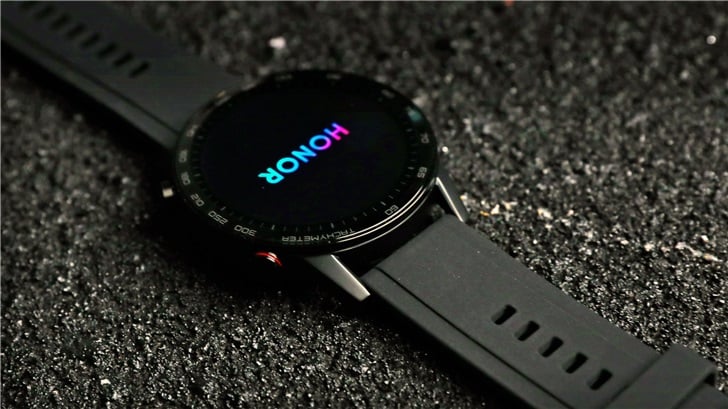
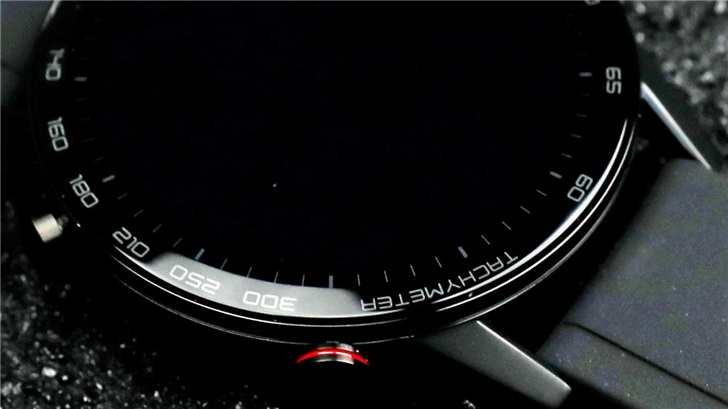
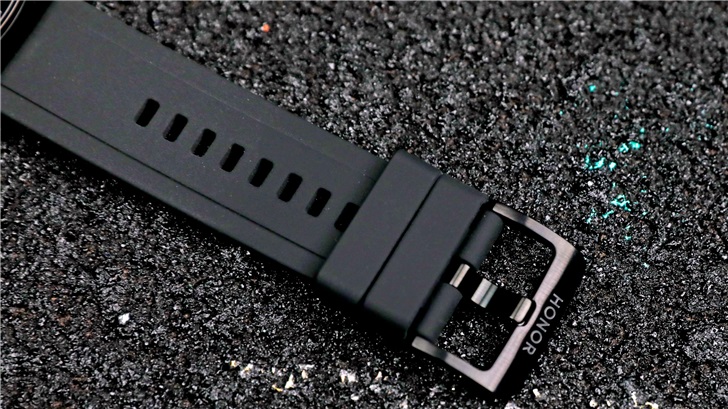
Recently, an image of the device was leaked online and now more images of the device in question have surfaced online (courtesy of TechRadar), which reveals what we can expect from it in terms of design. The images showcases the device from various angles, making sure that we get a proper look at the upcoming product.
The design of the upcoming smartwatch seems very similar to that of its predecessor. The letters on the upper-right corner of the dial have been changed from Red to White and the boot logo on the device seems to have been replaced by the Honor brand logo.
So, in terms of design, nothing major seems to be in store. As per the reports, along with the support for touchscreen display, the company is expected to come with a new control system for the smartwatch but details about that remain unknown.
We expect the Honor Magic Watch 2 to come powered by Kirin A1 processor which should help the company offer better performance and a more stable Bluetooth connection. Currently, nothing is known about the specifications of this smartwatch.
The original Honor Watch Magic comes with a 1.2-inch HD AMOLED display with 390 x 390 pixels screen resolution which offers 326ppi pixel density. Under the hood, the device is powered by ARM M4 chipset, coupled with 16MB RAM and 128GB internal storage.
It supports GPS, GLONASS, and GALILEO for precise positioning and also comes with Bluetooth 4.2, 5ATM Water-resistant up to 50 meters, NFC for Huawei Pay and a 178mAh battery which is claimed to offer up to 7 days worth of battery life.
As for the features, it comes with Huawei’s TruSeen 3.0 technology for continuous heart rate monitoring. Also, with Huawei’s TruRelax technology and support from the Institute of Psychology of the Chinese Academy of Sciences, the watch provides 24-hour blood pressure monitoring and will suggest breathing exercises with real-time feedback.
We use cookies on our website to give you the most relevant experience by remembering your preferences and repeat visits. By clicking “Accept”, you consent to the use of ALL the cookies.
This website uses cookies to improve your experience while you navigate through the website. Out of these, the cookies that are categorized as necessary are stored on your browser as they are essential for the working of basic functionalities of the website. We also use third-party cookies that help us analyze and understand how you use this website. These cookies will be stored in your browser only with your consent. You also have the option to opt-out of these cookies. But opting out of some of these cookies may affect your browsing experience.
Necessary cookies are absolutely essential for the website to function properly. This category only includes cookies that ensures basic functionalities and security features of the website. These cookies do not store any personal information.
Any cookies that may not be particularly necessary for the website to function and is used specifically to collect user personal data via analytics, ads, other embedded contents are termed as non-necessary cookies. It is mandatory to procure user consent prior to running these cookies on your website.