The Redmi Note 8 is available in two variants in India – a 4GB RAM + 64GB version priced at INR 9,999 (~$139) and a 6GB RAM + 128GB version that has a price tag of INR 12,999 (~$181). A new leak has revealed that Xiaomi India will soon announce a 3GB RAM + 32GB version.
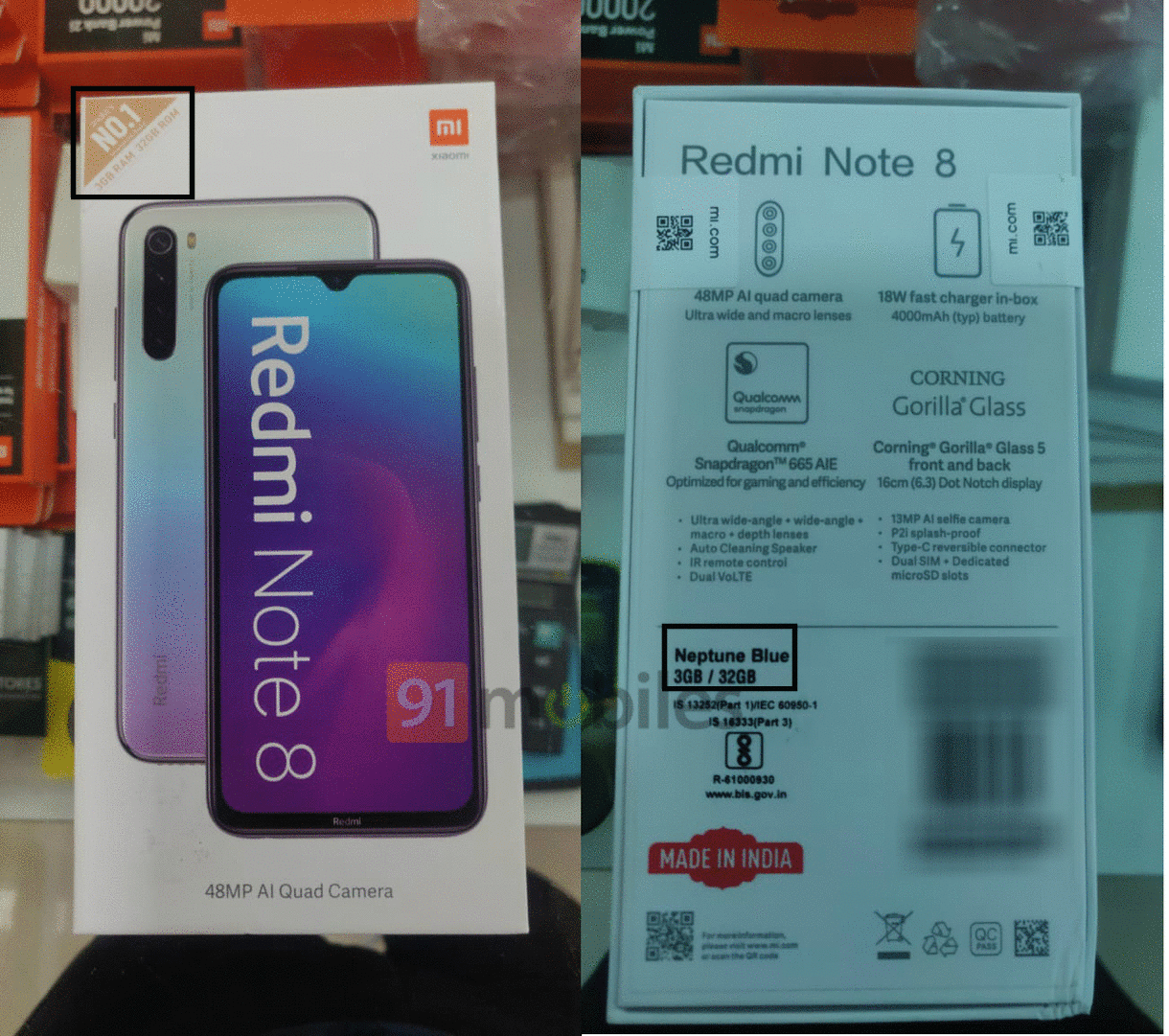
First reported by 91Mobiles, Xiaomi India will announce a third variant of the Redmi Note 8 that has 3GB of RAM and 32GB of storage. The report even includes a retail box of the new variant that shows the RAM and storage.
The color variant in the image is Neptune Blue but it will most likely be available in Space Black and Moonlight White too. Other than the differences in RAM and storage, everything else is the same.
91Mobiles reports that the new variant will sell for INR 9,799 (~$136) which is just about $3 less than the 4GB RAM + 64GB version. While that doesn’t sound like a big deal, Xiaomi’s strategy is to make it available at offline stores only and will not sell it online. For those who want the variants with more RAM and storage, they will have to deal with Xiaomi’s notorious flash sales. The next flash sale is scheduled for 12 noon IST tomorrow, November 19.
The Redmi Note 8 has a 6.3-inch FHD+ (2280 x 1080)display with a waterdrop notch. It is powered by the Snapdragon 665 processor and has a dedicated MicroSD card slot for storage expansion. The phone has a 13MP selfie camera and a 48MP + 8MP + 2MP + 2MP quad rear cameras. There is a 4000mAh battery under the hood with support for 18W fast charging.
The release date is still unknown for this new variant.
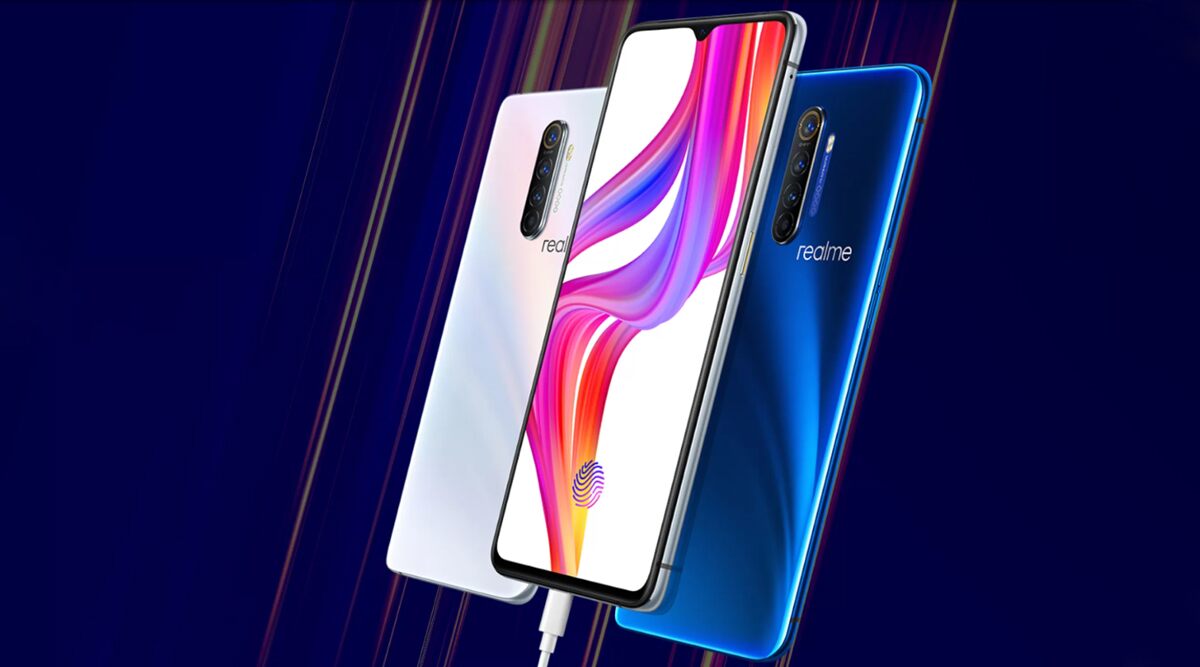
The Realme X2 Pro is coming to India. The flagship smartphone will go official in the country on November 20. Alongside the Realme X2 Pro, the company will also announce the Realme 5s that will succeed the Realme 5. Today, on November 18, Realme is hosting “blind order sale” on its official website. During the sale the flagship device will be made available for purchase.
The batch consists of just 855 devices, because Snapdragon 855. Not horribly clever, but I guess it’s cute, especially since the X2 Pro is Realme’s first phone to boast flagship specs. Anyway, then on November 20 to 21 you will have to pay the remaining balance due – the difference between the price of the version you picked and the INR 1,000 you already paid.
The Realme X2 Pro has a waterdrop notch enabled 6.55-inch Fluid AMOLED display that offers 1080 x 2400 pixels resolution and 20:9 aspect ratio. The display of the phone offers 90Hz refresh rate with a maximum brightness of 1000nits. The phone’s display is integrated with a fingerprint reader. The Android 9 Pie OS along with ColorOS 6.1 UI runs on the Realme X2 Pro.
The Snapdragon 855+ chipset powers the Realme X2 Pro, with up to 12 GB of LPDDR4x RAM. We’ve also got up to 256 GB of UFS 3.0 storage. The back panel of the phone flaunts 64-megapixel + 8-megapixel + 13-megapixel + 2-megapixel quad camera system and it has a front-facing camera of 16-megapixel. The device is packed with a 4,000mAh battery that supports 50W SuperVOOC Flash Charge technology.
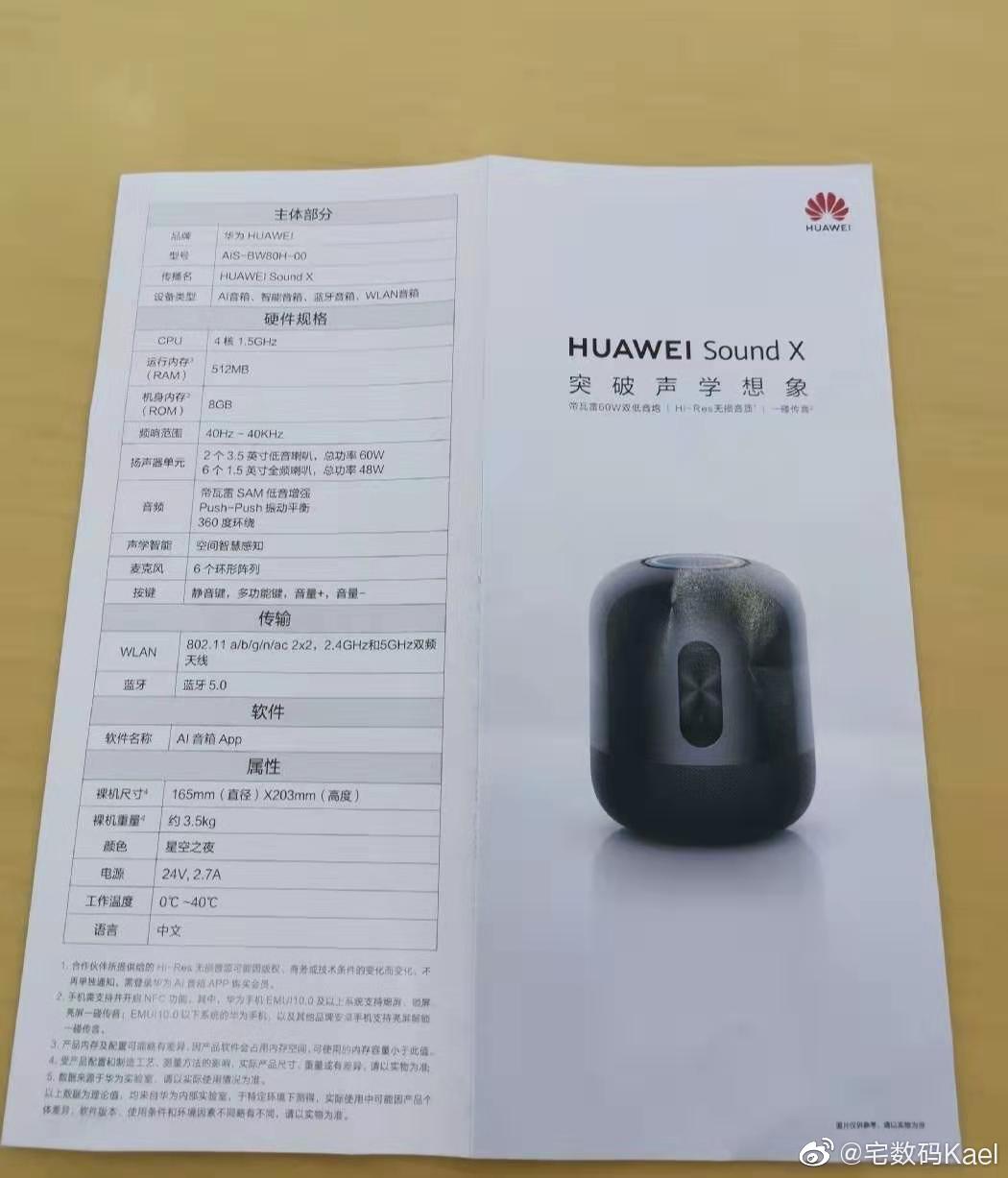
Huawei will announce the world’s first tablet with a punch-hole display on November 25. Called the MatePad Pro, the tablet is also expected to pack some flagship specs. A new leak has revealed Huawei will also announce a new smart speaker called the Sound X on that day. We don’t have to wait till that day to know what the Sound X looks like or its specs as the leak includes a user manual that contains all these details.
The Huawei Sound X has a cylindrical design but looks nothing like its AI Cube that launched last year. It slightly deviates from the design of its second smart speaker that launched alongside the Mate 20. The speaker has a two-tone dual texture design – an upper part with a gray finish and a bottom section that is black. The speaker also has a large button on the side.
The manual reveals the smart speaker’s model number as AIS-BW80H-00. The Sound X will be powered by a 1.5GHz quad-core processor and will have 512MB of RAM and 8GB of storage.
There are two 60W subwoofers and six 1.5W tweeters for a 360° 5.1 home theater surround sound experience. The Sound X connects via Bluetooth 5.0 to your phone and supports 2.4GHz and 5GHz WiFi networks.
This is a smart speaker, so it is no surprise that it will be able to control things such as your lights, robot vacuum cleaner, and smart plugs thanks to Huawei’s HiLink app. The manual also mentions the speaker has six microphones that can pick up your voice from up to 5 meters away.
The manual says the Huawei Sound X is 165 millimeters tall and has a diameter of 203 millimeters. It weighs 3.5 kilograms and has a power input rating of 24V/2.7A. There is no info on the price but it may cost over $100.
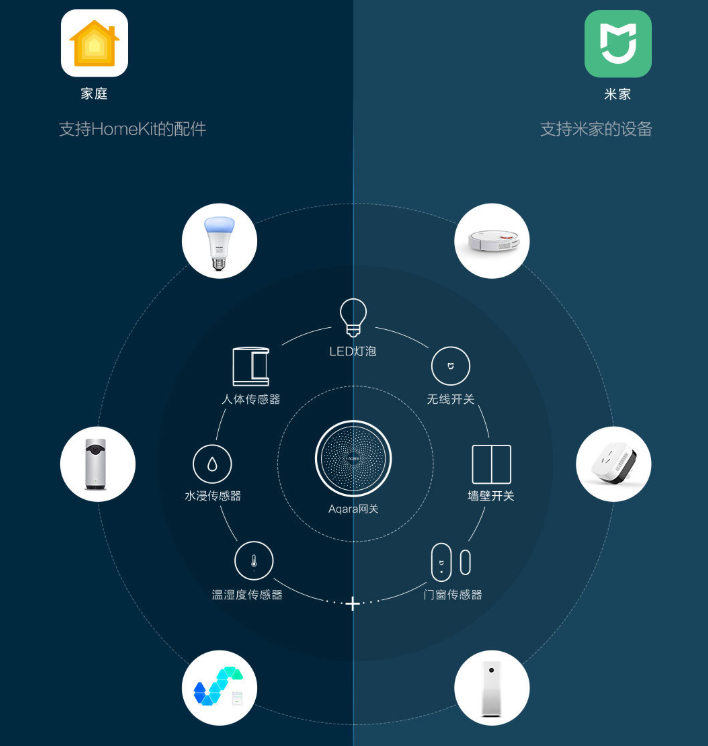
Even though the products are officially sold in China, they are mostly sold via third-party retailers like AliExpress, GearBest etc outside China. These products are mostly very popular as a result of their build quality, vital functionality and extremely affordable pricing (despite the third-party price jack-up). We may soon stop buying these cool Aqara smart IoT gadgets at exorbitant prices as the brand will soon launch in the US.
Aqara Flood Sensor
An exclusive tip from a reliable source within the company indicates that the brand will launch its products for the US market in the coming days. The source also hinted that sales of the products in the US will be online via Amazon US and we believe the products can ship to other countries outside the US.
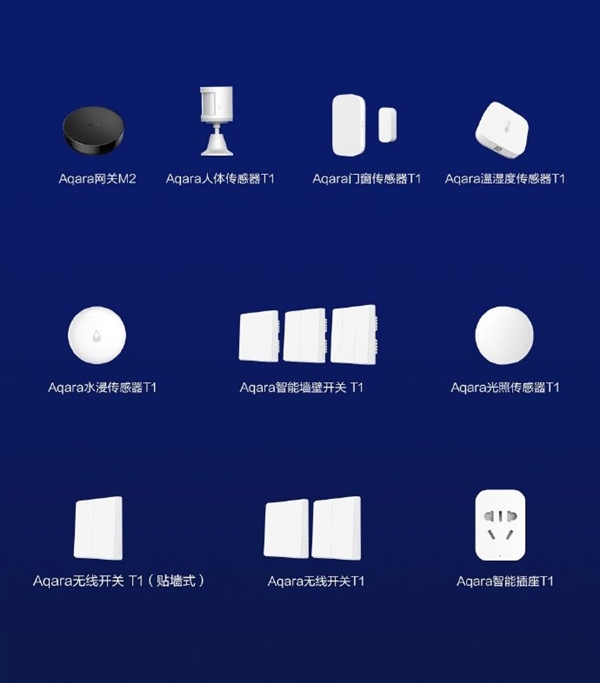
Among the products that would be among the first batch of gadgets to hit Amazon’s online store shelves is the Aqara Smart Home Starter Kit. The starter kit is a bundle made up of the Aqara Hub, Aqara Smart Plug, Door and Window Sensor, Motion Sensor and Wireless Mini Switch. The company will also sell the Aqara Vibration Sensor, Flood/ Water leak sensor and Aqara Temperature and Humidity Sensor.
It should be noted that all the products are compatible with Apple HomeKit, while the Smart Plug and Aqara Hub are compatible with Google Assistant. In addition, the Aqara Hub, Motion Sensor, Humidity and Temperature Sensor, Door and Windows Sensor and Smart Plug are compatible with Alexa.
We’ll keep you updated when more details about the US launch emerge.
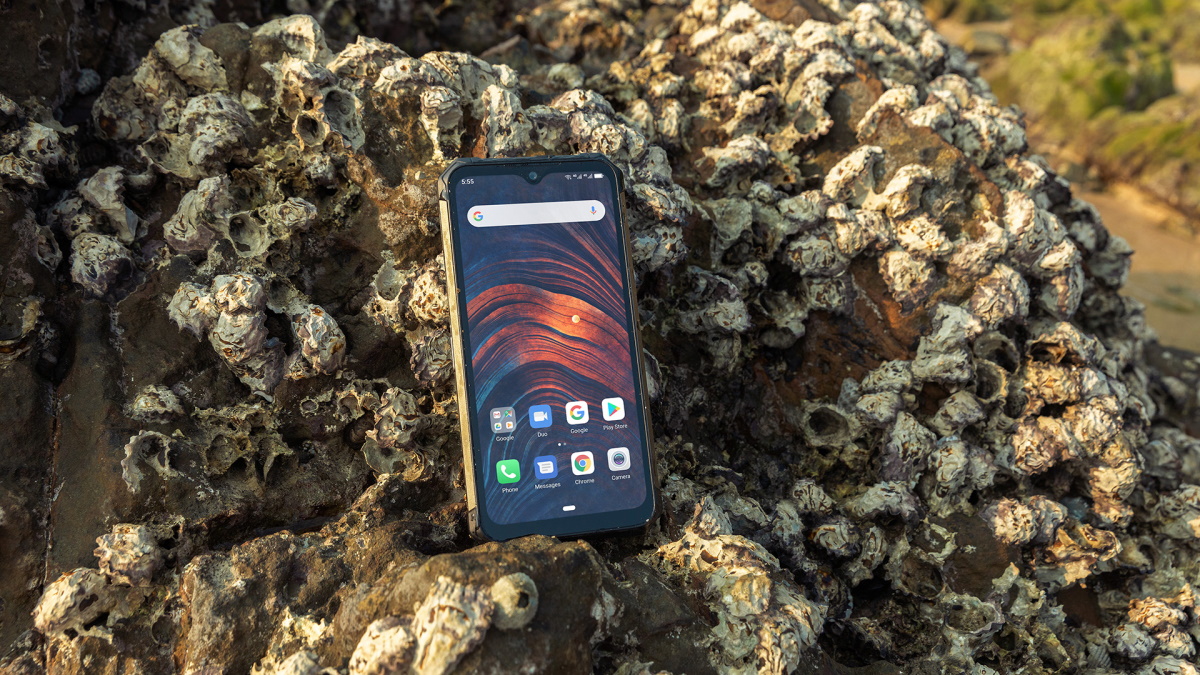
Ulefone’s latest rugged flagship is the Armor 7 and has been in the market for a while with upgraded battery capacity, faster charger, upgraded processor, and new operating system over the previous gen. It sports a 5500mAh battery capacity and the company released a video to demonstrate the battery performance. Let’s check it out.
In the video, we can see that after 1.5 hours of heavy use, the battery lost just 9% of its charge. The test included half-hour use in each different actions like music playback, movie playback, and online gaming. According to this data, we can safely assume that you can use the phone for approximate 17 hours continuously before it runs out of battery! With an average user using the smartphone for about 5 hours daily, Armor 7 can go on for 3 days or even more on a single charge. This is achieved thanks to the power-efficient Helio P90 SoC as well as the good power management performed by the Android 9 Pie.
The Armor 7 comes with a 6.3″ FHD+ waterdrop screen, a triple rear camera (48MP+16MP+8MP) and 16MP selfie shooter, 8GB/128GB configuration, Qi 10W wireless charging, fingerprint and face unlock, global network bands, and NFC with Google Pay. The device is available on Banggood at a special price of $369.99. To see the rest of the Ulefone lineup, visit their official website.
Android smartphones are touching new horizons every day, and the apps are also evolving at the same pace. The recent addition of the 90-hertz display has paved the way for better gaming on smartphones. Before the launch of OnePlus 7T, the 90Hz display was limited to gaming smartphones. Now, several OEMs have started porting the higher refresh rate displays to new smartphones. Manufacturers have tweaked several features of the smartphone to support an increased refresh rate. Many softwares and native apps are made compatible to work flawlessly with the new screen refresh rate. However, they forget to add support for the 90hz screen recording in its native app.
In our guide today, we will share how you can record the screen of your new smartphone at 90fps and 120fps frame rate. Smartphones such as OnePlus 7T, Pixel 4, and Pixel 4XL are some fresh examples packing a higher refresh rate. Apart from the improved gaming experience, the higher refresh rate also smoothens the UI. Inadvertently, it impacts the battery life of the smartphone and uses more CPU.
Advantages of Higher Refresh Rate
Users hugely facilitate the new higher refresh rates, but it has some pros and cons. We have listed the benefits of having high refresh rate displays.
Smoother scrolling and animations
Less eye fatigue
Better gaming experience
Clear Image quality
Finer details with no lag and jittering
Disadvantages of Higher Refresh rate
Higher Refresh rate poses a significant threat to the smartphone’s battery
CPU usage increase
Scarcity of 90Hz content – most of the games are tweaked for 60 frames per second
Various smartphones support 90Hz or more refresh rates. The smartphone includes Asus ROG Phone 2, OnePlus 7T Pro, OnePlus 7T, and OnePlus 7 Pro. Oppo reno Ace, and others.
Screen Recording at 90hz or more
Apart from the native screen recording app, several third-party apps are available for screen recording. Among them, the app named “Screen Recorder – No Ads” offers screen recording at 90 Hz or 120Hz. Just follow the steps below to record the screen of your smartphone.
Download and Install Screen recorder – No Ads application from the Play Store.
Open the app and give all the permissions.
Now, tap on the Hamburger icon and select Settings from the menu.
Head over to the Video Settings > Frame Rate and select the desired framerate.
(Note: The 90 or 120Hz screen recording option will only appear if your smartphone supports these frame rates.)
After making changes, tap the video icon on the home screen of the app.
Happy recording!
Despite the official support from OEMs, the users can now record the screen at 90Hz or 120Hz using the Screen recorder – No Ads application. If you have an any better alternative, then do let us and your fellow readers know about it via comments below.
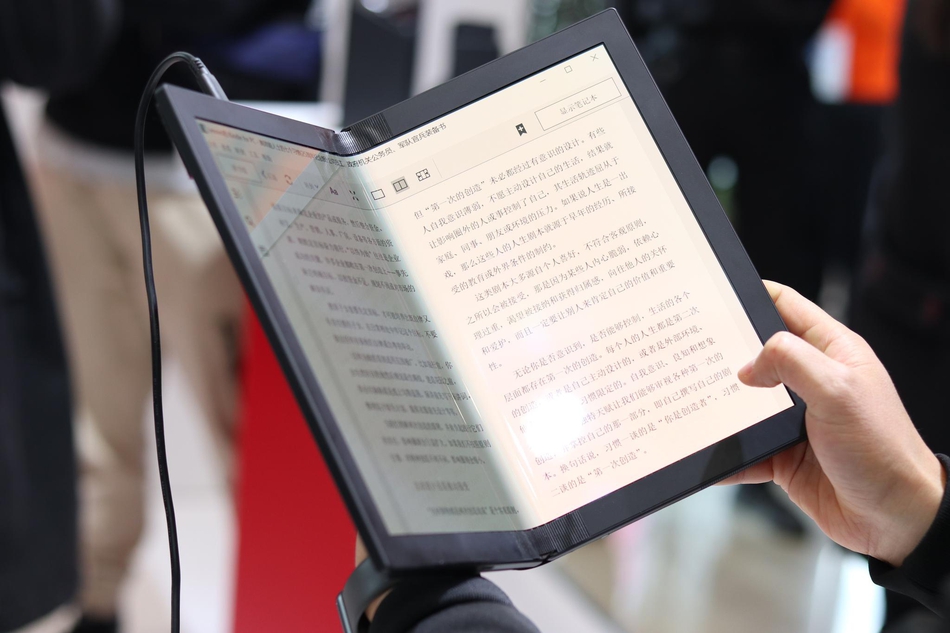
During the Lenovo Tech World 2019 held on Friday last week in China, the Chinese tech giant Lenovo unveiled two innovative foldable devices that it hopes will revolutionize the tech space. The Moto Razr and Lenovo ThinkPad X1, a folding smartphone and laptop respectively.
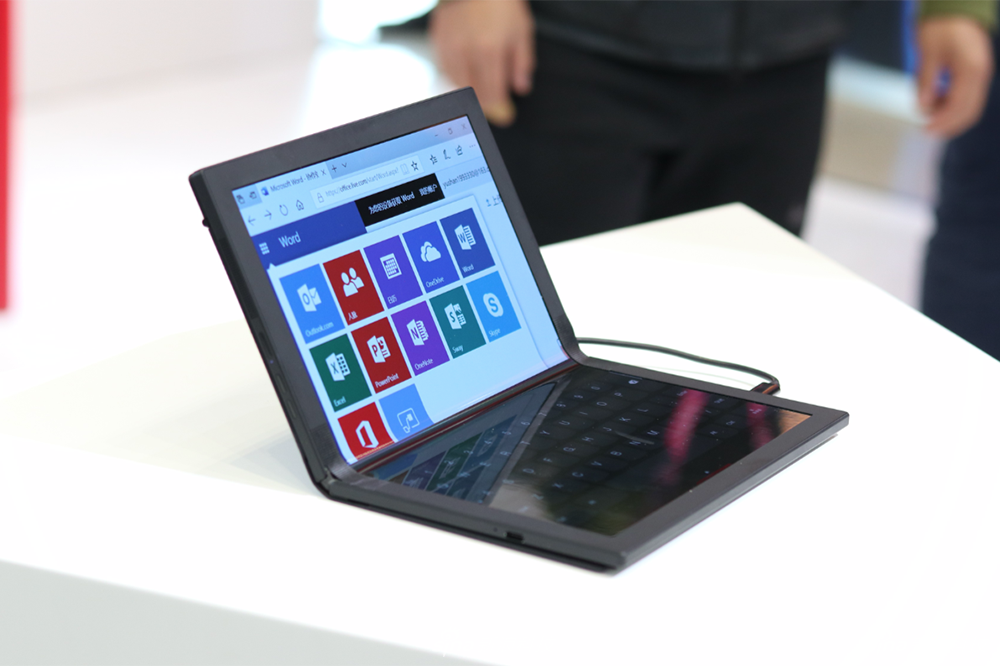
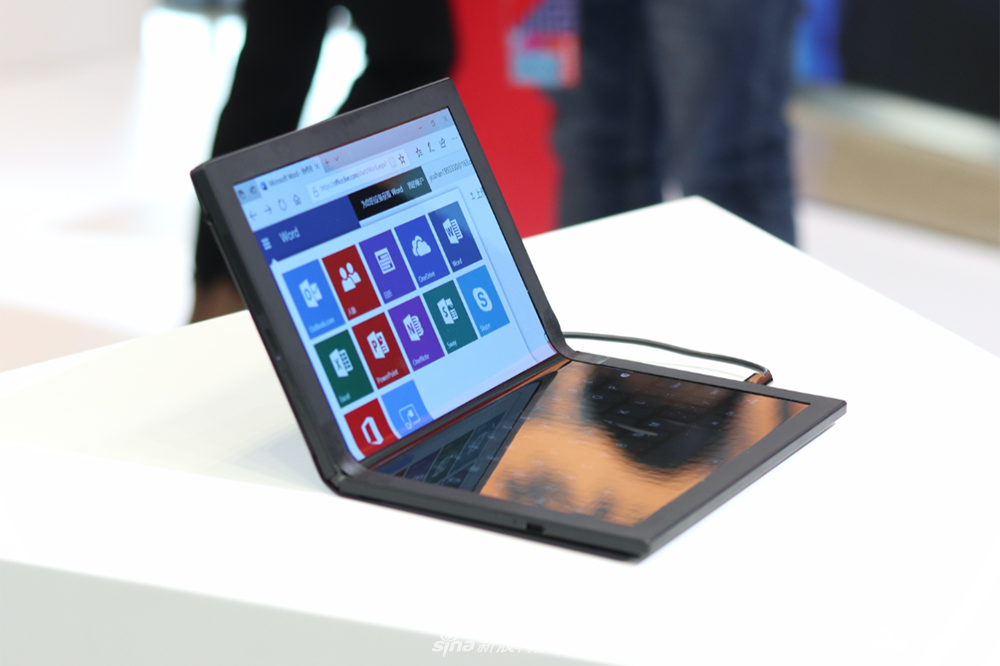
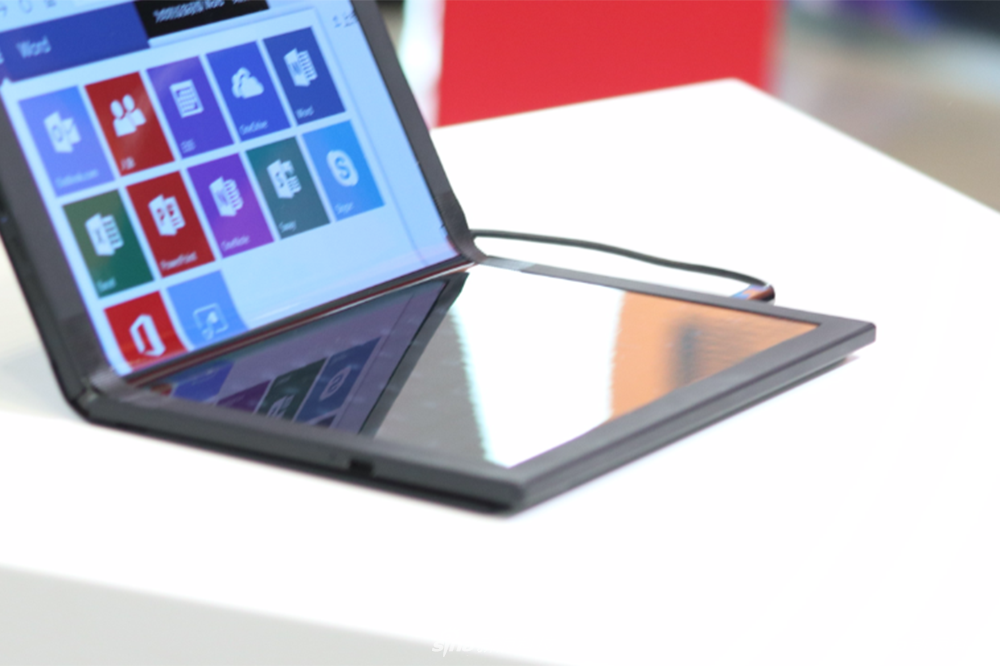
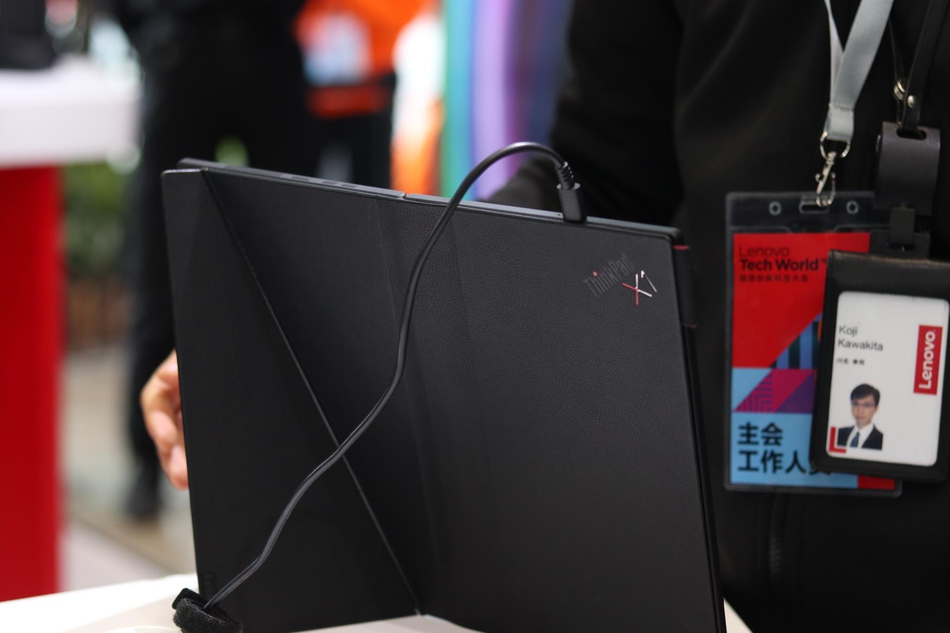
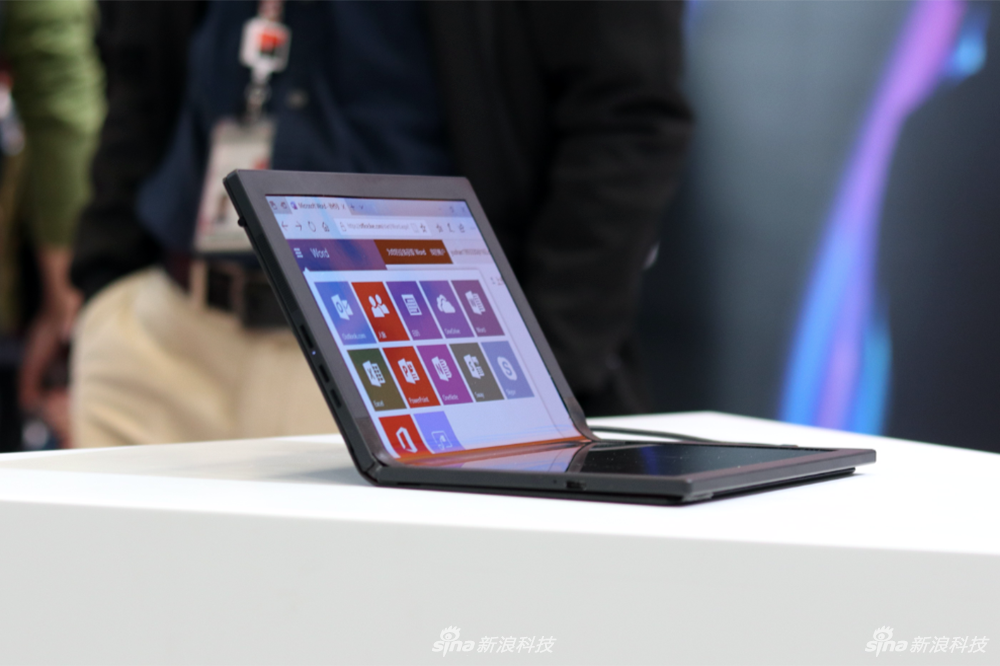
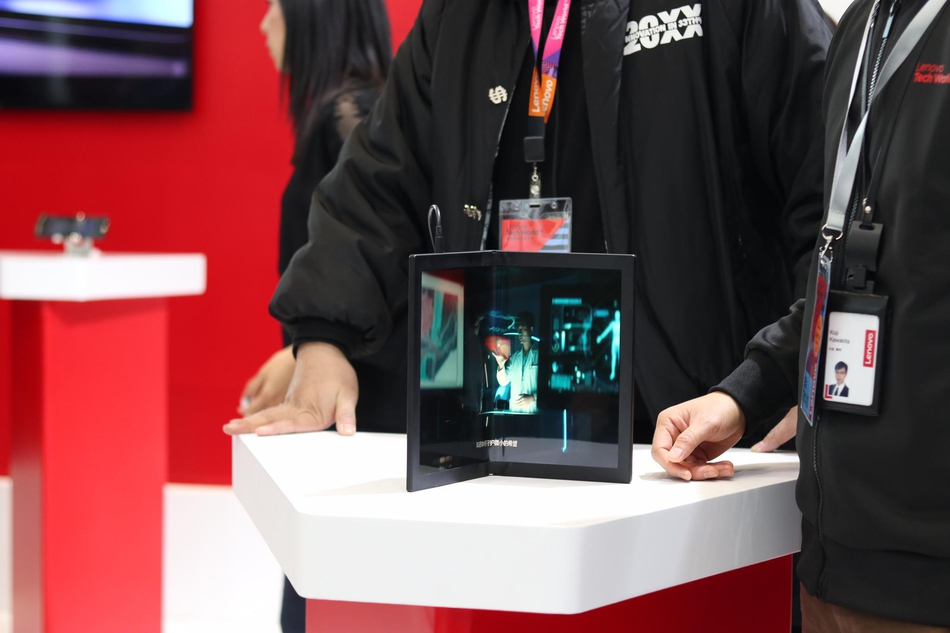
The ThinkPad X1 notebook was first showcased at an annual sales event in May. The tech giant again unveiled the device during the event last week. This has afforded us an opportunity to see hands-on pictures of the device and even get some details of its design.
The Lenovo laptop comes with a foldable screen and is equipped with a 13.3-inch folding display which was confirmed to have been manufactured by China’s BOE Display, just like the Moto Razr’s. The laptop will surely sound the death knee to tablets when it goes official. Come on, who would want to move around with a tablet and laptop at the same time instead of having them both as a single device. The laptop can be switched to tablet, book or flip mode. In addition, the ThinkPad X1 can be used with a stand or a docking station for users who need a mouse and physical keyboard to operate.
We’ll still have to wait some more time to find out more details of the device but it is said to weigh around 900 grams while the display has a 2K resolution. We do note the thick bezels around the entire display and hope Lenovo can trim those further down. The display doesn’t seem to have any crease at the point where it bends, which is a good thing. However, it isn’t still a finished product and won’t be hitting shelves until next year.
Have a look at more pictures of the sleek foldable laptop from the gallery down below.
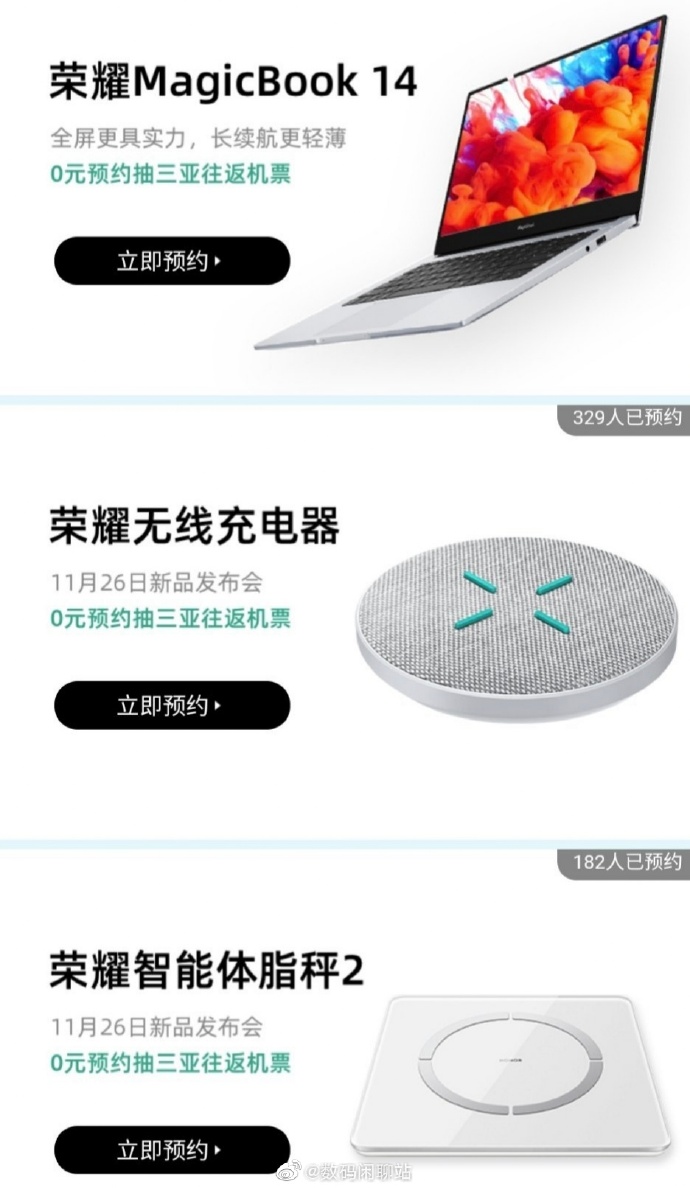
Thanks to an image from a reservation page shared by @Digital Chat Station, we know the Honor MagicBook 14 is getting a new model. Honor already released a 14-inch MagicBook 2019 this year that is available in Ryzen and Intel variants. There is also the MagicBook Pro with a 16.1-inch display that also comes in Intel and Ryzen variants.
We do not know what new features the new MagicBook 14 will bring but it most likely will be a new processor. The Intel variant that launched earlier this year has an 8th-gen processor, so there is a chance this new one features Intel’s 9th or 10th gen CPUs.
The image also shows reservations are live for the Honor Wireless Charger which got certified by the Wireless Power Consortium back in October. The Honor V30 Pro has been reported to have support for wireless charging but a wireless charger will have to be purchased separately which explains why Honor has made one.
Next is the Honor Smart Scale 2. The image gives us an early look at the design of the product. The top is covered in tempered glass but features a different design underneath. We can’t make out a display and the reservation page doesn’t mention any specifications. So far, almost 3000 registrations have been received.
Honor V30 series of smartphones is debuting on Nov. 26. The frontside of the phone has been already revealed by the Chinese manufacturer through its launch posters, but its rear design has remained a mystery. A reliable source has provided 91mobiles with fresh renders of the Honor V30 phone to reveal its design from all sides.
Honor V30 Renders
The Honor V30 renders reveal that it will be arriving in Orange and Blue colors. Both color variants have gradient finish that gives it a premium appeal. The display of the phone has a pill-shaped cutout for housing the two front-facing cameras.
The rear side of the phone has a rectangular camera module placed at the upper-left corner. The module looks similar to that of the Samsung Galaxy M30s and the upcoming Galaxy A51 phone. The module has three cameras and an LED flash. Rumors are rife it could be equipped with a primary lens of 60-megapixel. A recent report had revealed that Honor V30 series will come with the new Camera Matrix algorithm that will optimize the photography experience.
The right of the Honor V30 has a volume rocker and a side-mounted fingerprint reader is placed on the same edge. There is a USB-C port, a microphone, a SIM tray and an external speaker on the bottom side of the Honor V30. The topside of the phone has IR blaster and an additional microphone. There is no 3.5mm audio jack on the device. The leak has no information on the specifications of the Honor V30.
The Honor V30 will be powered by Kirin 990 chipset. whereas the advanced Kirin 990 5G chipset may powered the Honor V30 Pro. The V30 could be backed by a 4,000mAh battery that may arrive with support for 22.5W fast charging. The V30 Pro could be coming with a larger 4,200mAh battery. It may come equipped with support for 40W fast charging and wireless charging. The V30 Pro could be featuring quad cameras on its back. It is also expected to come with a primary lens of 60-megapixel. There is no leak on the pricing of the Honor V30 series yet.
The registrations of the Honor V30 have started in China. Apart from announcing the Honor V30 series, the company is also expected to announce multiple devices such as Honor Magic 2 smartwatch, Honor Magic 14 and Honor Tab 6.
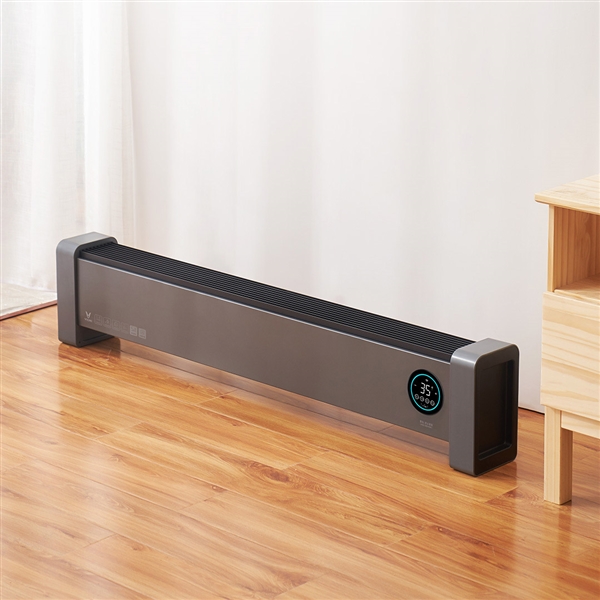
Xiaomi‘s ecological chain company Viomi has launched the Viomi Baseboard electric heater Pro. This product comes just a few days after Xiaomi’s MIJIA smart home brand launched the MIJIA Electric Baseboard Heater with a similar design. Since they both feature almost the same design and features, we’ll cover the two products in one article.
The similarity in the design is a pointer to the fact that most of Xiaomi’s branded smart home products are actually manufactured by third-parties but bear the firm’s brand ID. In this case, both electric baseboard heaters may have been manufactured by Viomi. The MIJIA branded heater comes in the traditional white paint job for which Xiaomi’s tech products have gained popularity. The Viomi Electric Baseboard Heater Pro, on its part, comes in a cool dark grey colour.
The Viomi Electric Baseboard uses two kinds of heat conduction methods: heat radiation and natural convection. The cold air is sucked into the heater, and after being heated by the machine, it spreads from the top air outlet. In this way, the entire house is evenly heated without drying the air. This method also enables heating up a wide area.
In terms of design, the baseboard heaters both come with a compact size and are easy to install. It can also be moved around the house easily. It features 136 pieces of aluminium alloy heating elements and can achieve rapid heating of just 5 seconds. The air outlet has high-temperature resistance, so won’t be deformed easily by heat. The MIJIA eater comes with a lesser 127 heating element design
The temperature can be adjusted between 5-35 °C to meet different heating needs. It also supports smart constant-temperature algorithm, which automatically matches the optimal heating power according to the set temperature and the ambient temperature, so that the indoor temperature remains relatively constant, achieving the effect of energy-saving and efficiency.
The baseboard heaters can also be used to dry clothes during wet days. All you need do is place the heater just under the clothing rack. No fear of water damaging the device as it comes with an IPX4-rated waterproof design. The water won’t even get to the electric or heating components as it drips from the clothes.
Finally, you also get support for voice control on the Viomi Baseboard heater. In this regard, voice prompts can be used to switch on the device as well as adjust the heating mode. The MIJIA model can be controlled via the XiaoAI and MIJIA app as well. This should also include the use of voice prompts in addition to smartphone remote control. Yet another difference between both models is that the MIJIA heater has an LCD display at the side of the air outlet. On the other hand, the Viomi model has its own LCD display which shows the running temperature at the front right corner of the body. Both models have anti-slip bases ad child protection lock.
In terms of the prices, the Viomi Electric Baseboard heater Pro comes in at 499 yuan (~$71) while the MIJIA-branded model has a price tag of 599 yuan (~$85). That’s sort of ironical as the MIJIA model is less powerful.
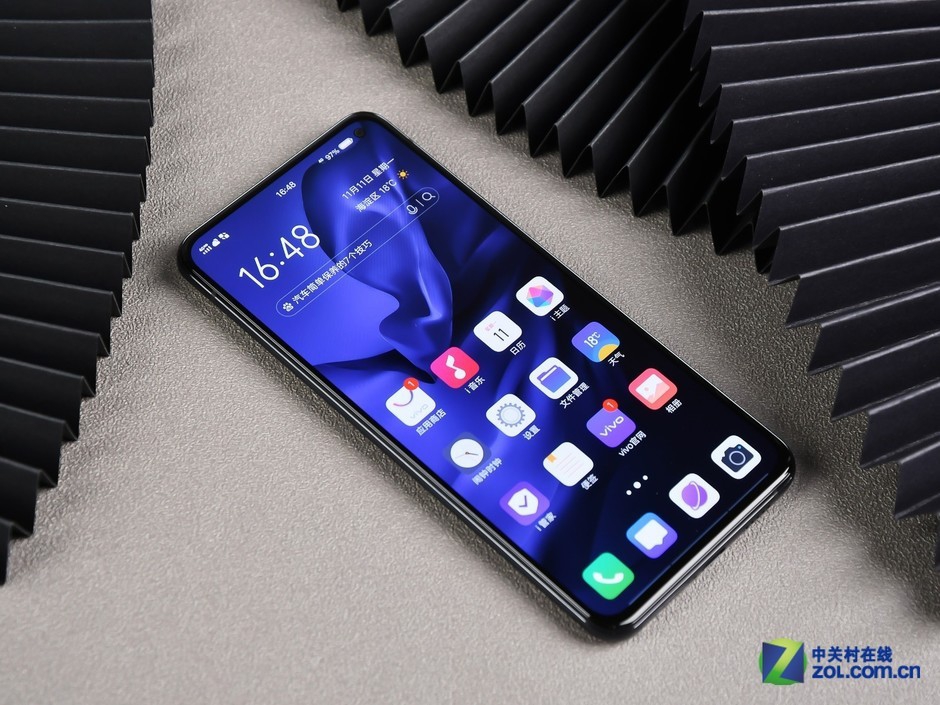
Vivo is all set to launch the Vivo U20 smartphone in India on Friday. The Amazon India landing page of the phone has been revealing the key specs and features of the Vivo U20 as the launch date nears. PriceBaba has shared hands-on shots of the Vivo U20 before its launch. Moreover, the Vivo India YouTube channel has new promo videos of the smartphone.
Vivo U20 hands-on images show that its frontside is fitted with a waterdrop-style notch screen. The chin of the device is a bit thick whereas the side bezels are thin. The back panel of the phone seems to be made of polycarbonate material. The rear shell that has a glossy appeal has a fingerprint scanner and a vertical camera module that houses three lenses and an LED flash. The right edge of the device a volume rocker and a power key.
The first promo video revels that the Vivo U20 has a 6.53-inch Halo FullView display that offers full HD+ resolution. The phone comes with Widevine L1 certification which makes it capable of playing streaming content on Netflix and Prime Video. In other video, the smartphone is backed by a 5,000mAh battery that carries support for 18W fast charging. The U20 promises 273 hours of standby time, 21 hours of Instagram, 17 hours of Facebook and 11 hours of YouTube.
The landing page of the phone has Snapdragon 675 mobile platform with up to 6 GB of RAM. The device will be coming with 128 GB of native storage. Rumors have it that the phone may come in two editions such as 4 GB RAM + 64 GB storage and 6 GB RAM + 128 GB storage.
The Vivo U20 has a triple camera system with LED flash. It is equipped with some other features such as microUSB, a 3.5mm audio jack, a microphone and an external speaker. A fingerprint scanner is available on the backside of the device.
The Vivo U20 is the rebranded version of the Vivo U3 phone that was unveiled in China. Hence, the U20 could be equipped with 16-megapixel + 8-megapixel + 2-megapixel triple camera system and it has a front camera of 16-megapixel. It may come with FunTouch OS 9.2 based Android 9 Pie OS.
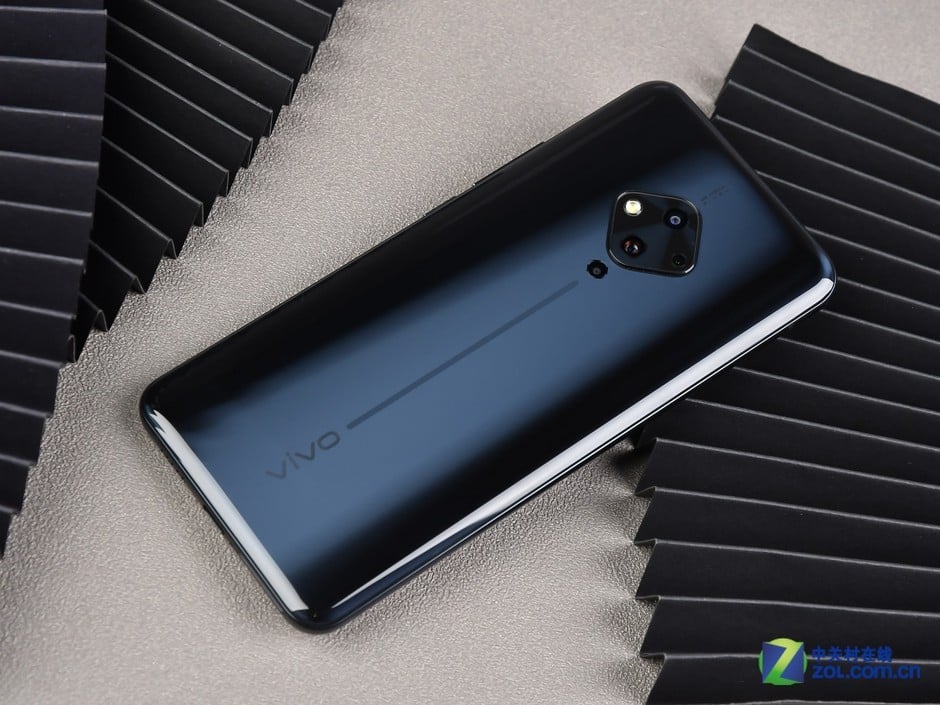
Vivo last week went official with it first punch-hole bearing smartphone – the Vivo S5. The device isn’t just Vivo’s first but the first OLED display with a punch-hole design by a Chinese manufacturer. There are a couple of models with punch-hole displays but those ones use an LCD display Before now, only Samsung has models with an AMOLED punch-hole design. We are yet to get details of the manufacturer of the S5′ display but it is definitely not Samsung.
The Vivo S5 is a dazzling beauty in all aspects – apart from the immersive display. The device equally packs a diamond-shaped rear camera design, a Quad camera setup at that. Three of the sensors and an LED flash are inside the module while the fourth sensor is located at the bottom. The rear camera sensors consist of a 48MP main sensor teaming up with an 8MP Super Wide-angle camera, a 2MP macro sensor and a 5MP depth-of-field sensor. At the front, a 32MP camera is crammed inside the 2.98mm punch-hole. Vivo says the selfie camera deploys algorithm to capture clearer selfies.
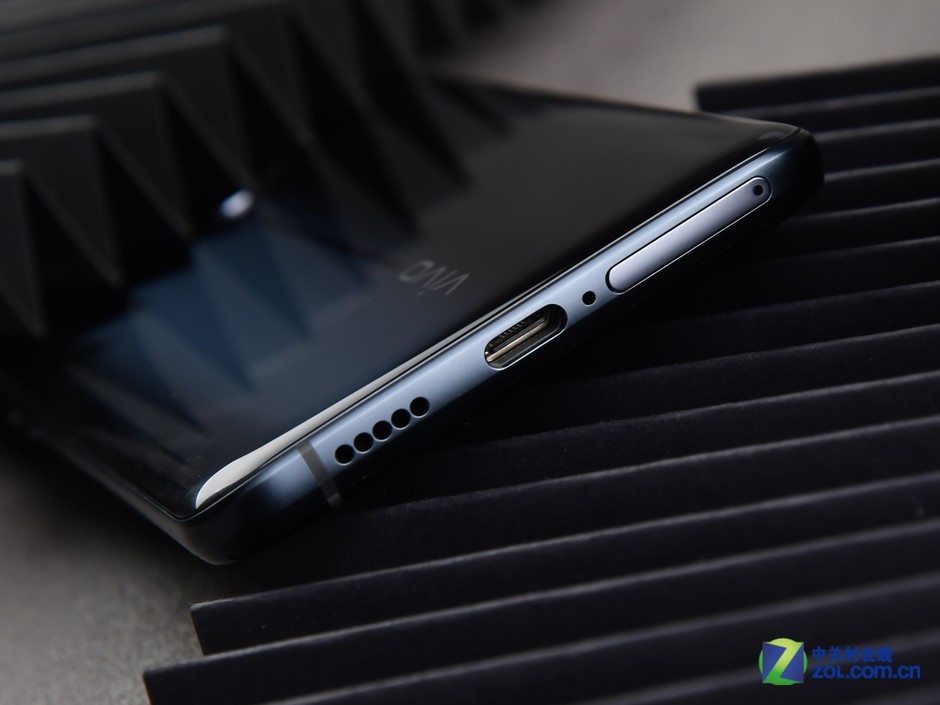
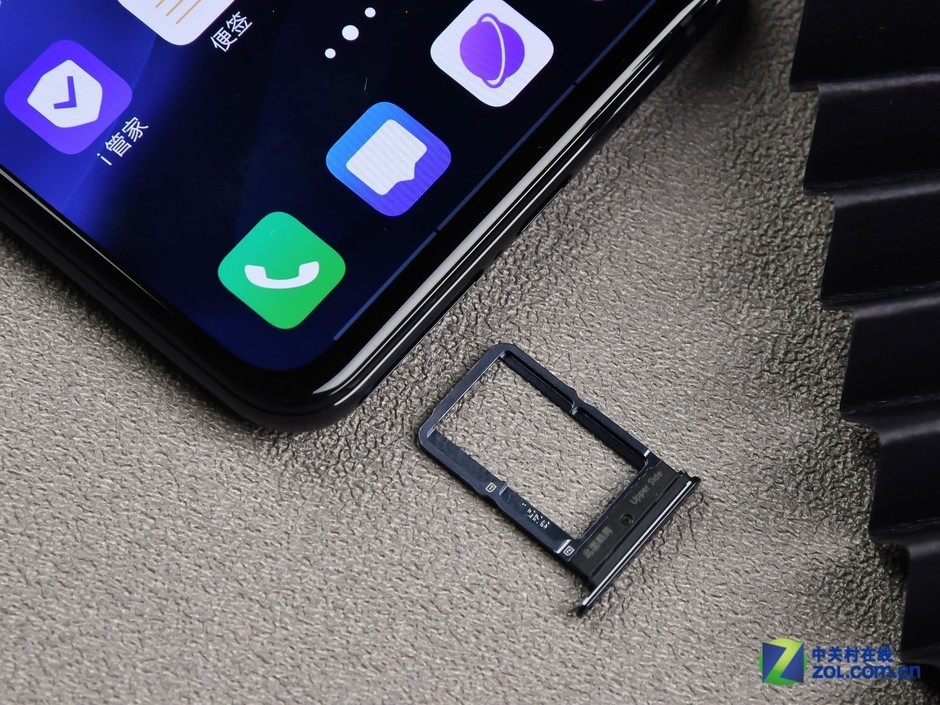
Vivo changed the position of the SIM slot, perhaps due to the Quad camera’s diamond-shaped design. The SIM slot is located at the bottom edge just by the USB-C port. The SIM tray only has provision for two SIM cards and no provision for storage expansion. Not to worry though, the sleek device comes in 8GB RAM + 128GB storage and 8GB RAM + 256 GB storage options. With this configuration, only a few persons will run out of storage space. The phone equally retains the 3.5mm audio jack at the top edge. The power button and volume rockers are located on the right side of the display.
As a reminder, the Vivo S5 features a 6.44-inch OLED display with FullHD+ resolution of 1080 pixels. The device equally has a screen-to-body ratio of 91.38%, with a maximum screen brightness level of 1200 nits. It is also TUV Rhineland certified meaning it is safe for the eyes. Also onboard is DC dimming which is achieved using Dim layer mask algorithm onboard. Vivo also equipped the S5 with an on-screen fingerprint sensor with a dynamic range increase of up to 30%.
The premium smartphone is powered by a Qualcomm Snapdragon 712 chipset. Keeping the lights on is a 4100mAh battery with a 22.5W flash charge support for super-fast charging.
Check out more pictures of the Vivo S5 from the gallery below.
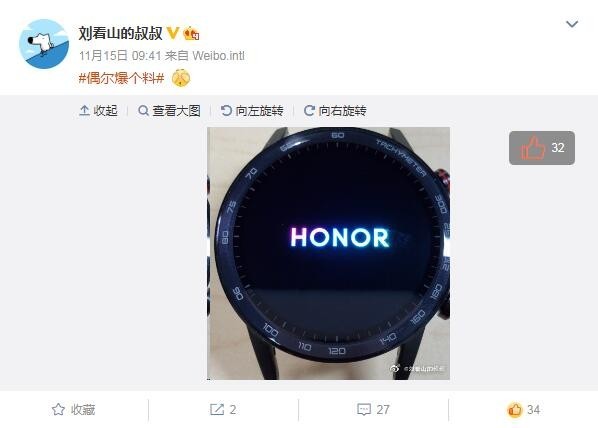
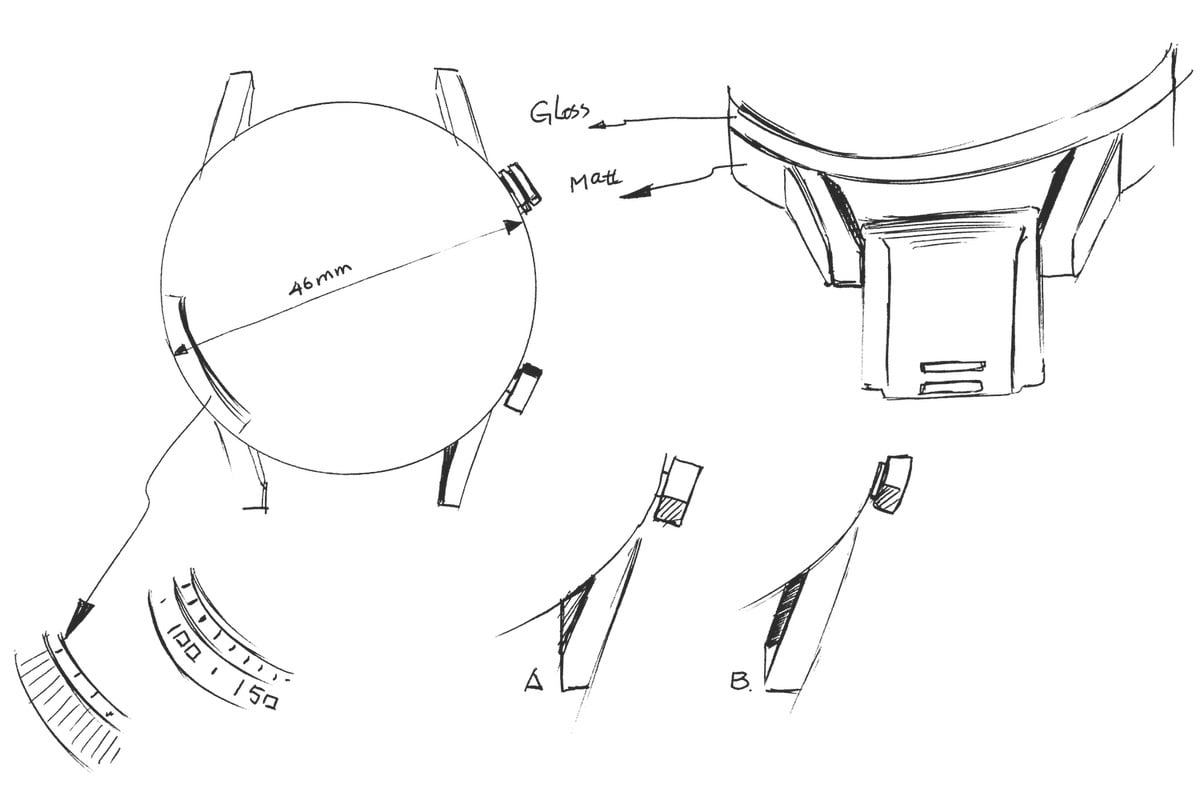
Recently, a design sketch for the upcoming Honor Magic 2 smartwatch was leaked online having a 46mm diameter for the circular dial. Now, the real life image of the smartwatch in question has been leaked online.
On seeing the leaked image of the Honor Magic Watch 2, the design of the smartwatch seems very similar to its predecessor. The letters on the upper-right corner of the dial have been changed from Red to White and the boot logo on the device seems to have been replaced by the Honor brand logo.
So, in terms of design, nothing major seems to be in store. As per the reports, along with the support for touchscreen display, the company is expected to come with a new control system for the smartwatch but details about that remains unknown.
We expect the Honor Magic Watch 2 to come powered by Kirin A1 processor which should help the company offer better performance and more stable Bluetooth connection. Currently, nothing is known about the specifications of this smartwatch.
While the launch date of this device is not yet known, we expect the Honor Magic 2 smartwatch to get launched in China along with the Honor V30 and V30 Pro flagship smartphone later this month.
The original Honor Watch Magic comes with a 1.2-inch HD AMOLED display with 390 x 390 pixels screen resolution which offers 326ppi pixel density. Under the hood, the device is powered by ARM M4 chipset, coupled with 16MB RAM and 128GB internal storage.
It supports GPS, GLONASS, and GALILEO for precise positioning and also comes with Bluetooth 4.2, 5ATM Water-resistant up to 50 meters, NFC for Huawei Pay and a 178mAh battery which is claimed to offer up to 7 days worth of battery life.
As for the features, it comes with Huawei’s TruSeen 3.0 technology for continuous heart rate monitoring. Also, with Huawei’s TruRelax technology and support from the Institute of Psychology of the Chinese Academy of Sciences, the watch provides 24-hour blood pressure monitoring and will suggest breathing exercises with real-time feedback.
The US plans to issue a 90-day trade license extension to Chinese electronics giant Huawei today (Nov. 18), allowing it to continue operating its business with American companies. Reuters’ report on Friday said an initial two-week extension was expected since a longer allowance was getting delayed due to regulatory hurdles. However, a new report by the New York Times, anonymous sources said the confirmation for the 90-day extension reportedly came over the weekend.
The US Government added Huawei to its economic blacklist back in May, citing concerns for a breach in national security. However, the US Department of Commerce allowed Huawei to continue purchasing American-made goods back in August, and the deadline ends on Nov. 18. The extension is yet to be officially announced while Huawei and the US Commerce Department declined to comment on the rumors.
The official statement for allowing Huawei to continue running its business with American companies is to help rural carriers stay in business. Most smaller companies use equipment from Huawei and ZTE to keep the costs down. The government does not want to put pressure on these smaller operators that are already struggling to offer seamless connectivity in rural areas. Wilbur Ross, the Commerce Secretary released a statement to Fox Business Network on Friday claiming some rural carriers rely on Huawei for 3G and 4G connectivity. Putting a permanent ban on Huawei will disrupt telephone services in rural America.
The development comes at a time when the trade war between America and China is nearing its first anniversary. It is no secret that the US Government plans to prolong Huawei’s ordeal as it is a huge bargaining chip in its trade war with China. Although Huawei is not an official part of the negotiations, The US Government is expected to keep its clutches on the company, at least till Phase 1 of the negotiations is through.
US Attorney General William Barr in a statement last week said, “ZTE and Huawei cannot be trusted” as he backed a proposal barring US wireless operators from using an $8.5 billion government fund to purchase services or equipment from the Chinese duo. President Donald Trump had signed an executive order back in May, barring US companies from purchasing telecommunications equipment from companies that pose a threat to its national security. The US Department of Commerce was instructed to come up with an enforcement plan by mid-October, but that is yet to be published.
The Commerce Department is also considering over 200 requests to grant individual licenses to US companies allowing them to sell components to Huawei. No action on that regard is expected on Monday.
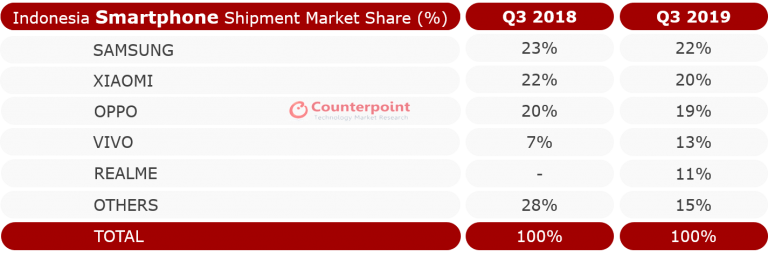
Indonesia is a highly competitive market for smartphones right now. Thanks to the popularity of e-commerce sites like JD and Lazada, companies have been able to expand their reach throughout the country. This has led to Chinese brands growing rapidly, outpacing local companies and quickly closing in on Samsung‘s number 1 spot.
According to the latest research from Counterpoint’s Market Monitor service, Indonesia’s smartphone shipments grew 7% annually during in Q3 2019. Research Analyst Parv Sharma says “Chinese brands hold four out of the top five positions with 65% market share by volume. This is the highest ever share by Chinese brands in Indonesia, pushing local brands to mere single digit share.”
They continue, “in terms of brands, Xiaomi is maintaining the second position in the market and is reducing the gap to Samsung’s first position. Xiaomi has locally produced 10 million smartphones with a focus on both the online and offline channels. It has invested in creating 40 authorized Mi stores. Indonesia is one of the key markets responsible for Xiaomi’s global growth.”
Adding further Sharma said, “Realme has also shown impressive growth since its launch. Aggressive online channel marketing with competitive product pricing and features is the key reason for its success.” It’s really quite the impressive feat, especially considering that Realme had no presence within the country until recently.
Whether one of these companies will manage to dethrone Samsung remains to be seen, but it’s not unlikely. Indonesia, like many other South East Asian countries, places a big emphasis on high value devices. We’ll have to wait for Q4 2019 to find out.
Vivo has been aggressively teasing on the arrival of the Vivo S1 Pro in the Southeast Asian markets. Its key specs have been already revealed by Vivo Indonesia were revealed over the weekend. Vivo Philippines has confirmed that the Vivo S1 Pro will be debuting in the country on Nov. 20. Vivo Indonesia has also revealed that it will be announcing the smartphone on Nov. 25.
While Vivo Philippines and Indonesia have confirmed the launch dates for Vivo S1 Pro. Thailand and Malaysia are also expected to receive the S1 Pro before the end of the month. The same phone is poised to debut as Vivo V17 in Russia and India. The smartphone is also coming to China, albeit with a different moniker.
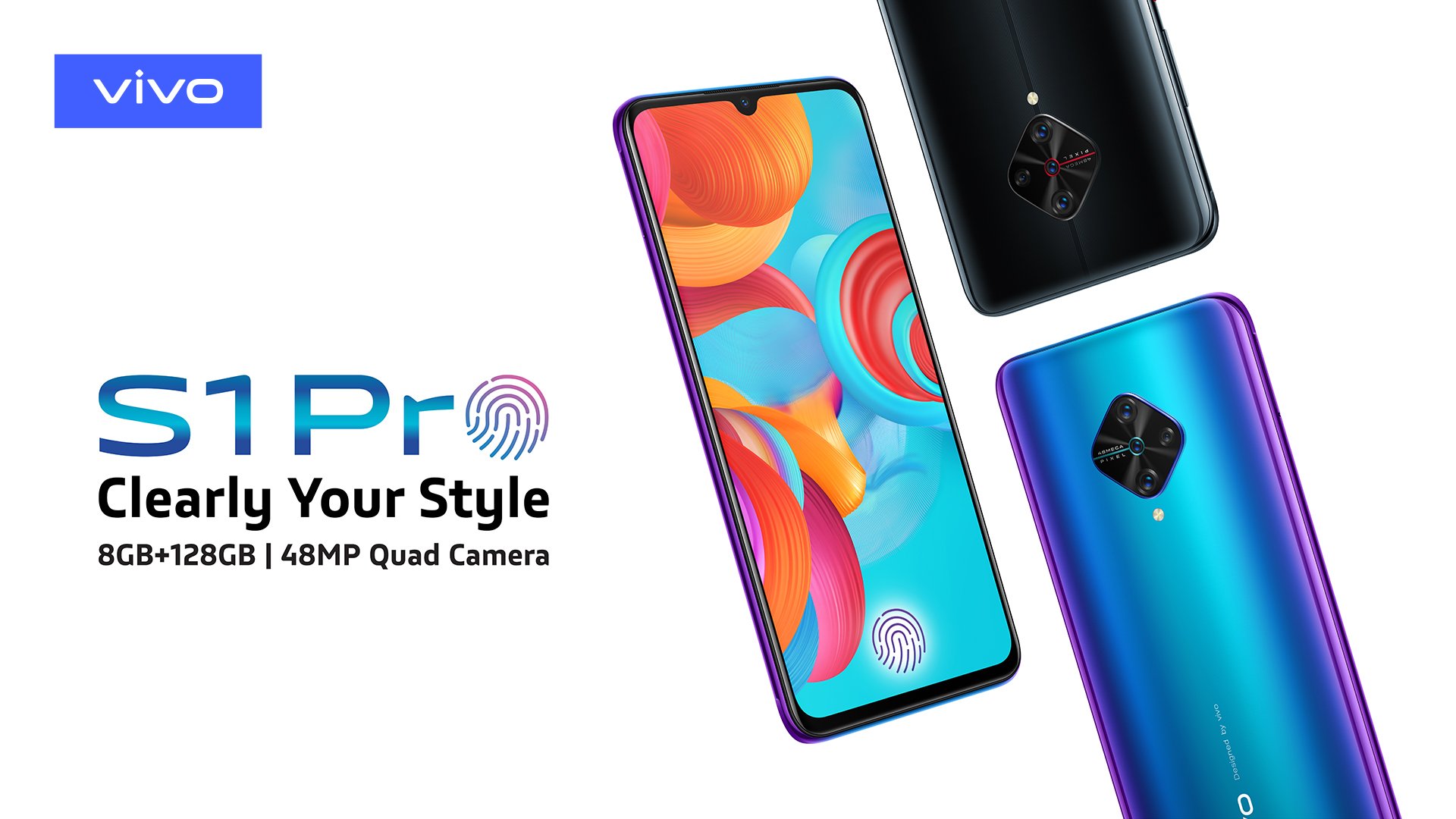
Vivo S1 Pro features a 6.38-inch waterdrop notch enabled S-AMOLED display that delivers full HD+ resolution of 1080 x 2340 pixels. It offers 19.5:9 aspect ratio and is integrated with an in-display fingerprint reader. The smartphone offers a screen space of 90 percent.
The Snapdragon 665 mobile platform is present under the hood of the Vivo S1 Pro. The SoC is coupled with 8 GB of RAM. The device includes a native storage of 128 GB and it is equipped with a microSD card slot for more storage. The 4,500mAh battery of the phone has support for 18W dual-engine fast charging through USB-C.
The front notch of the phone features a 32-megapixel selfie camera. On its rear side is a diamond-shaped camera module which is reminiscent of the Vivo S5 smartphone that has recently gone official in China. The arrangement of the camera sensors on the Vivo S1 Pro is different from that of Vivo S5. The S1 Pro’s camera module has an AI quad camera system with a 48-megapixel Samsung GM1 sensor and a 120-degree wide-angle lens. Glowing Black and Crystal Blue are the two color editions.
Vivo Indonesia has started blind pre-orders of the Vivo S1 Pro smartphone that will continue until Nov. 24. On Nov. 25, the smartphone will go official in the country. The device will be arriving as the advanced edition of the Helio P65 powered Vivo S1 phone that was unveiled earlier in the Southeast Asian markets. As of this writing, there is no word on the pricing of the S1 Pro for these markets.
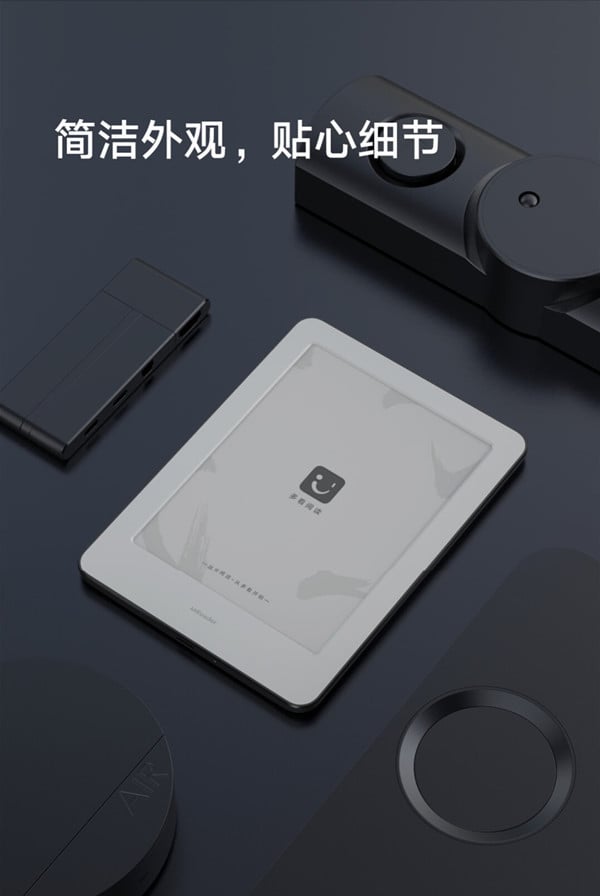
Xiaomi, which has expanded its presence far beyond the smartphone category, is now coming up with yet another new category of product — eBook reader. The company has confirmed that it will be launching Xiaomi eBook Reader on 20th November, taking on the popular Amazon Kindle.
The Xiaomi eBook Reader will be up for crowdfunding in the Chinese market from 20th November and can be pre-booked for a price of 579 Yuan, which roughly converts to $83. However, when the device goes on sale, it will be priced at 599 Yuan, roughly $85.
The device comes with an ink-screen which the company claims can offer a pixel density of 212 PPI. Thanks to the display type used in this product, it will offer an anti-glare experience, so you can comfortable read your book even under direct sunlight without facing any issues.
It also has built-in LED reading light which supports 24 stages of dimming, making sure that you have a suitable brightness while reading your books regardless of where you are — indoor or outdoor.
Internally, the Xiaomi eBook Reader comes powered by an Allwinner quad-core processor which is clocked at 1.8GHz, which is coupled with 1GB of RAM and comes with 16GB of internal storage.
The device runs Android 8.1 Oreo operating system and supports variety of content, including books, web-based works, as well as high-quality comics. It also supports txt files, EPUB, and PDF among other file extensions.
Coming to the battery, the eBook reader is powered by an 1,800mAh battery which the company claims can offer standby time of several weeks on a single charge. Xiaomi has included USB Type-C port to make sure that the charging remains easy and convenient. At 178 grams, the device is easy to carry around.
This year we’ve been seeing a lot of foldable phone concepts get thrown around. Samsung and Huawei are leading the pack, with Motorola close behind. LG had a novel concept earlier this year with the LG G8X ThinQ, a device that used a second display simulate a folding phone. Now however it seems like LG wants to join the race proper.
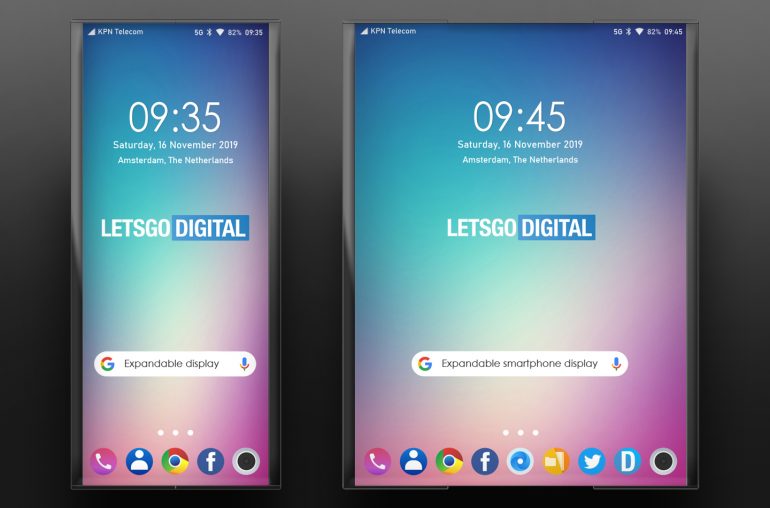
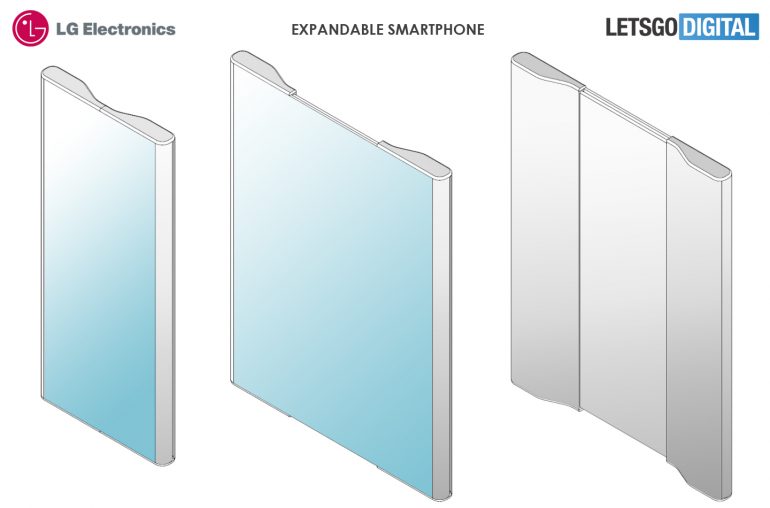
LG’s patent takes a markedly different approach to the whole folding phone concept in that the phone itself doesn’t seem to fold. Instead the company has made what is essentially a phone with an expandable display. The phone looks generally like a standard smartphone, but the display can be extended to both sides, making the display wider. The aspect ratio makes it seem a lot more like an e-reader than a smartphone.
While it’s a very interesting concept, it’s clearly still very early in development. We can assume the extra display tucks into the sides of the housing, but it’s not clear where the cameras, sensors or other essential parts of the smartphone would go on the device. On top of that, we’ve no idea where they would supply parts for such a device.
It’s really quite exciting to see all the possibilities that come with the arrival of flexible displays. We’ve already seen three completely different takes with the Galaxy Fold, Huawei Mate X and Motorola Razr. Now it seems even LG has a completely different take, and it’ll be quite exciting to see how it turns out. We’re hoping to see a prototype at CES, especially considering how the device has allegedly been in the works for quite a while now.
Samsung will reportedly outsource nearly a fifth of its smartphone production, coming to around 60 million units, to Chinese ODMs like Wingtech in 2020. This move comes at a time when Samsung is changing its low-end smartphone strategy to compete with existing segment leaders like Xiaomi and Huawei (Honor).
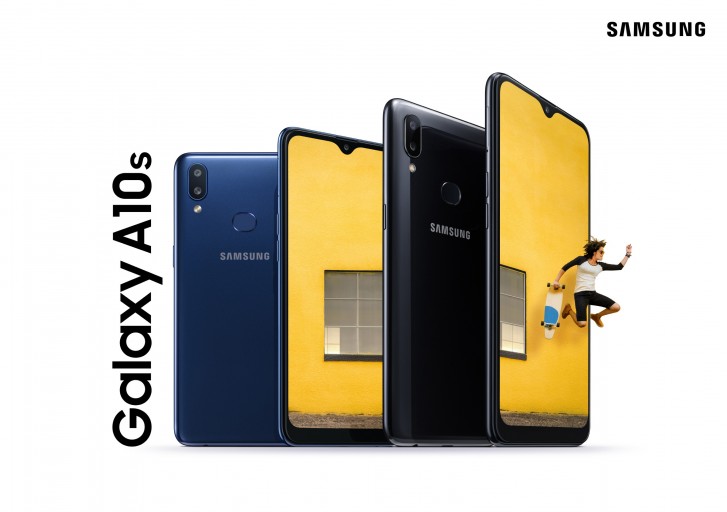
Galaxy A10s is one of the few ODM smartphones launched by Samsung in 2019
Samsung has traditionally designed and manufactured most of its smartphones in huge factories based in Vietnam. In fact, the company closed its last factory in China this October, giving lucrative severance packages to its employees which included Galaxy S10+ and other models as gifts.
Only around 8% of the total smartphone production was outsourced to ODM companies like Wingtech in 2019. But according to the new Reuters report, this figure is all set to jump to 20% or around 60 million units in 2020. The company has been in talks with ODM makers like Wingtech since last year to shift some of its production to their factories. And it looks like we could see a majority of Samsung’s low-end and mid-range models coming from these ODM makers in the coming months.
Why are Smartphone makers outsourcing their production to ODMs?
ODMs or Original Design Manufacturer designs and makes smartphones (usually budget and mid-range ones) that are then rebranded and sold by other smartphone companies. Samsung’s new production strategy to outsource some of the budget manufacturing to ODMs make sense because of the savings in the cost of production.
Since ODMs are involved in manufacturing smartphones for a lot of brands, they have huge economies of scale advantage. They are able to procure components nearly 10% to 15% cheaper than traditional means, translating into a lower production cost per unit. It should come as no surprise that companies like Huawei, OPPO, and Xiaomi rely on ODMs for their smartphone production.
Is there a Potential downside?
While ODMs provide tremendous cost advantage, there have been questions about quality. Samsung’s low-end and mid-range smartphones, manufactured by these ODMs, wouldn’t directly be controlled for quality by Samsung, unlike in its own factories in Vietnam.
The Reuters report adds that Samsung’s increased orders could give these ODM makers additional experience and knowledge to further improve their competitiveness in the market and lower costs for its other clients like Huawei and Xiaomi.
From the past few years, WhatsApp has remained the favorite target for hackers and social intruders. The popular messaging service has recorded various data theft issues in the past. It has remained in headlines since recent weeks over the vulnerabilities and data thefts by Israeli spyware firm NSO. The messaging app is once again in the talks as Facebook has issued an official advisory regarding a critical bug posing threat from malicious MP4 files.
In detail, the MP4 can trigger tag by sending a specially crafted MP4 file. The potential hacker can inject code by parsing the elementary stream metadata of an MP4 file that could result in DoS (Denial-of-service attack) or can even initiate Remote Code Execution. It does not need any authentication to perform the attack remotely. The company has classified the vulnerability as ‘Critical’ due to the severe consequences if someone misuses the loophole.
The critical bug is found on the WhatsApp versions before 2.19.274 on the Android and iOS versions prior to 2.19.100. Similarly, the issue is present on the Enterprise client versions 2.25.3 and older; Windows versions including and prior to 2.18.368; Business for Android version 2.19.104 and older; Business for iOS versions before 2.19.100.
The hackers can inject malware or any explicit code which could have compromised data and essential information of several users. It can even become a backdoor for surveillance purposes. However, the issue was found by the internal team and was not disclosed by any eternal researcher or analyst. But no one knows that someone could have used it to intercept the data. We expect the company to release an immediate update patching the bug. The issue can be tacked under the CVE-2019-11931 code.
Additionally, WhatsApp recently issued grave concerns over Pegasus, a spyware tool to intercept messages developed by Isreal based cyber intelligence company NSO Group. The spyware was used to snoop 1400 individuals throughout the world, especially in India. The targeted accounts were of some journalists and human rights activists. However, Whatsapp replied to the Indian government when they sought an explanation over the issue by saying that “We agree with the government of India’s strong statement about the need to safeguard the privacy of all Indian citizens. That is why we’ve taken this strong action to hold cyber attackers accountable and why WhatsApp is so committed to the protection of all user messages through the product we provide,” a WhatsApp spokesperson had said in a statement.
We use cookies on our website to give you the most relevant experience by remembering your preferences and repeat visits. By clicking “Accept”, you consent to the use of ALL the cookies.
This website uses cookies to improve your experience while you navigate through the website. Out of these, the cookies that are categorized as necessary are stored on your browser as they are essential for the working of basic functionalities of the website. We also use third-party cookies that help us analyze and understand how you use this website. These cookies will be stored in your browser only with your consent. You also have the option to opt-out of these cookies. But opting out of some of these cookies may affect your browsing experience.
Necessary cookies are absolutely essential for the website to function properly. This category only includes cookies that ensures basic functionalities and security features of the website. These cookies do not store any personal information.
Any cookies that may not be particularly necessary for the website to function and is used specifically to collect user personal data via analytics, ads, other embedded contents are termed as non-necessary cookies. It is mandatory to procure user consent prior to running these cookies on your website.












UP NEXT: Vivo S1 Pro launch dates for Philippines and Indonesia confirmed