At a press conference earlier today, Qin Fei, General Manager of Vivo Communications Research Institute, claims that the company has plans to launch at least five 5G devices in 2020, with a bigger focus on the low cost and mid-range market. According to him, Vivo’s strategy will be to focus on making 5G devices cheaper so consumers have more options.
To that end, Vivo has been working closely with Qualcomm to reduce the costs of producing 5G devices. The current goal is to release a sub 2000 RMB ($286) 5G device in China. At present, the iQOO Pro 5G is the most affordable 5G device at 3698 yuan ($528), while the Vivo NEX 3 5G is priced at 5698 yuan ($813). Releasing a 5G device at the targeted price would make 5G much more attainable for the standard consumer.
The latest release of the “IDC China Smartphone Market Monthly Tracking Report” shows that as of September 2019, China’s 5G mobile phone shipments totaled in at approximately 485,000 shipped units. Among them, Vivo ranked first in China’s 5G mobile phone market share in the third quarter, accounting for 54.3% of 5G smartphone sales.
Liu Sitai, vice president of Qualcomm and President of Qualcomm in Taiwan and Southeast Asia said that 2019 was a great year for 5G, and pointed out that “(commercial) release time is one year earlier than expected, and it happens now.” This would be a monumental step in making 5G more affordable, and we’re definitely looking forward to it.
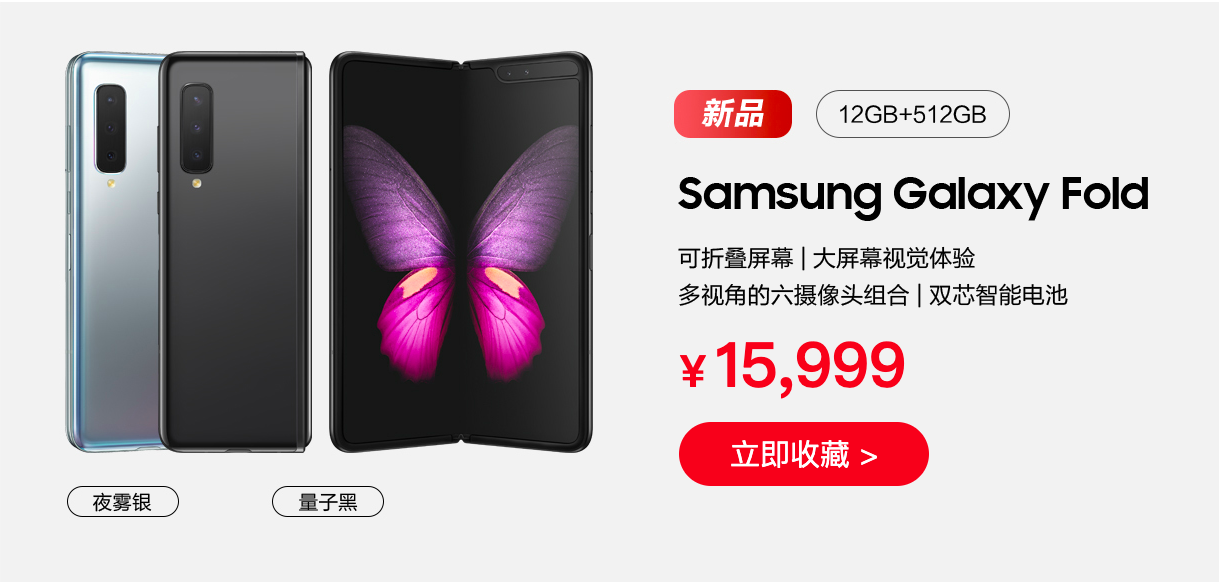
Samsung is finally making its Galaxy Fold 4G model available for pre-order in China for a price tag of 15,999 yuan ($2281). The foldable is currently available for booking via Samsung’s official website and will go on sale for the first time on November 8. Note that this is the 4G variant of the Galaxy Fold, unlike the one sold in South Korea which supported 5G.
The Galaxy Fold 4G will be available in just one variant featuring 12GB RAM and 512GB storage in two color options: Cosmos Black and Space Silver. The foldable will go on sale at 10 AM on November 8 via Samsung’s official website.
Notably, Samsung is rumored to release the 5G variant of the Galaxy Fold, likely to be called as the W20 5G, in the coming weeks. With 5G onboard, it could be slightly more expensive than the 4G version, bringing it quite close to Mate X’s retail price tag.
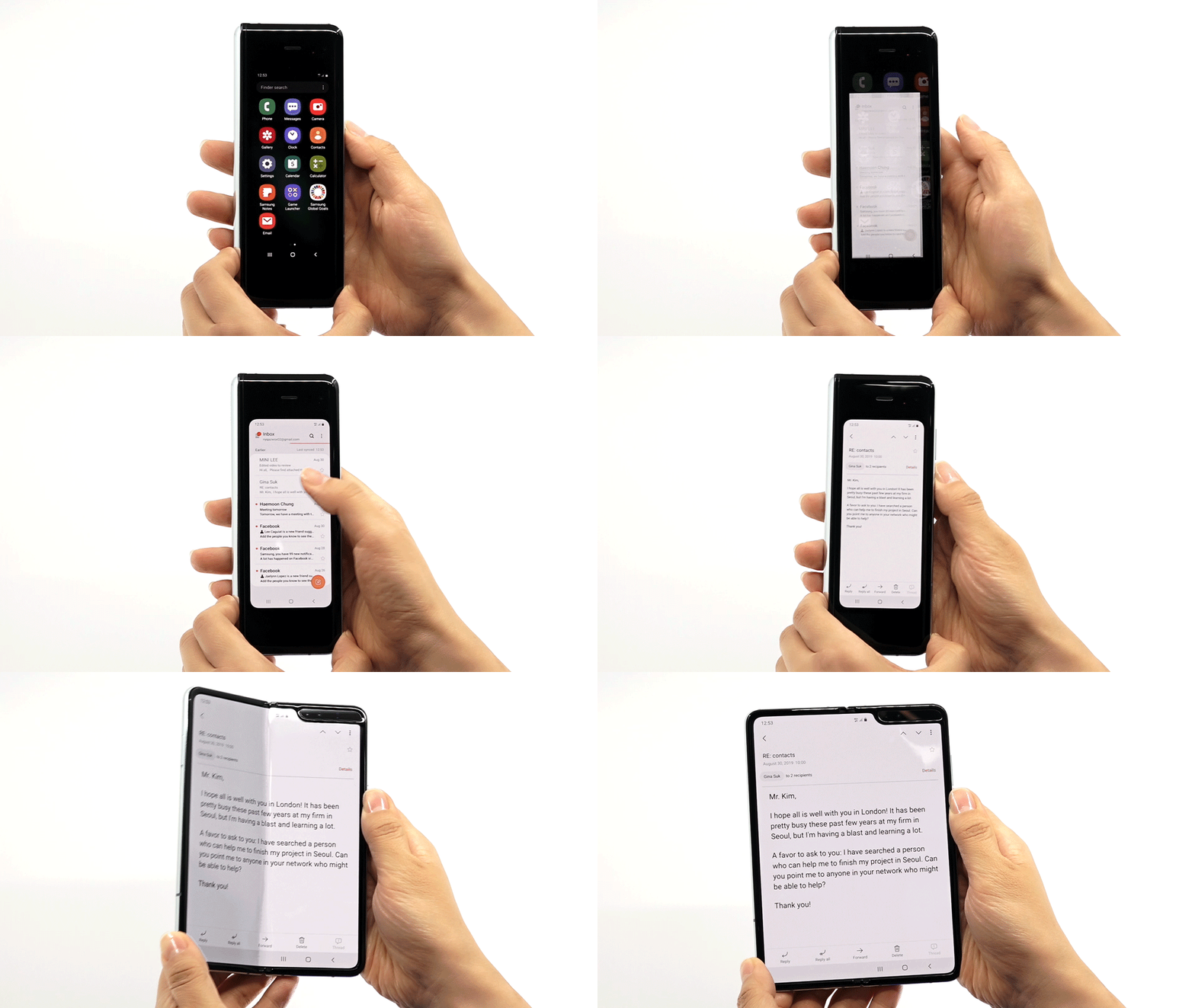
Samsung Galaxy Fold Continuity
The Samsung Galaxy Fold 4G comes with an inward folding design that comes with a 4.6-inch cover display and a 7.3-inch secondary dynamic AMOLED foldable display. Inside, the phone features the Snapdragon 855 processor with a large 4380mAh battery. There are a total of six cameras on board, a triple camera setup at the back (16MP, f/2.2 ultra-wide sensor with a 12MP, f/1.5-2.4 sensor and a 12MP, f/2.4 telephoto sensor), a 10MP selfie shooter on the cover display and a 10MP and 8MP sensors placed on the foldable display.
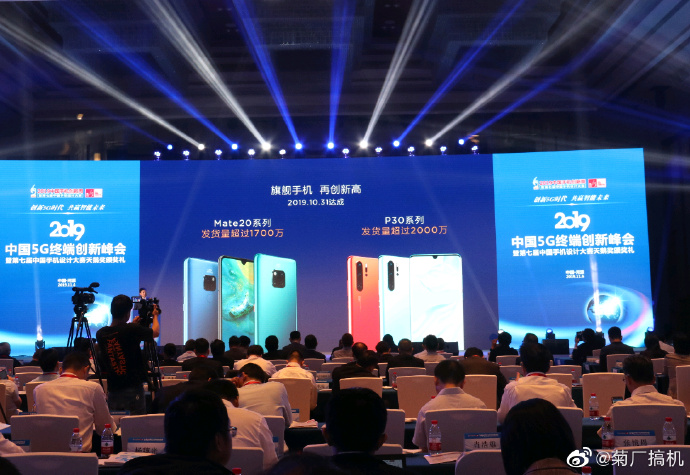
Earlier today, Huawei had some exciting news to share. According to Huawei Consumer Business CEO Richard Yu, the Huawei Mate 20 series has successfully managed to break 17 million shipments. The Huawei P30 series has also been doing excellently, breaking 20 million units shipped, very good numbers for them.
On top of these impressive sales numbers for the Huawei Mate 20 and P30, the company is also confident that the sales of the Huawei Mate 30 series will match up, even without Google Mobile Services. Early sales results have been very positive, and the pre-sales numbers were apparently six times higher than that of the P30 series.
Since the Mate 30 series launch in September, Huawei has launched the Mate 30 series in China and a few South East Asian countries, but they have plans to expand to the European market fairly soon. With the absence of Google Services, we aren’t too sure how the Mate 30 series will perform in the European market, though it’ll be interesting to watch.
There’s also the Huawei Mate 30 RS Porsche Design, which will be up for sale on the 11th of November. The handset has 12 GB of RAM and a massive internal storage of 512 GB (UFS 3.0). It will be available with a pricing of 12,999 Yuan (~$1,850). In Europe, the Mate 30 RS is priced at 2,095 euros (~$2,330).
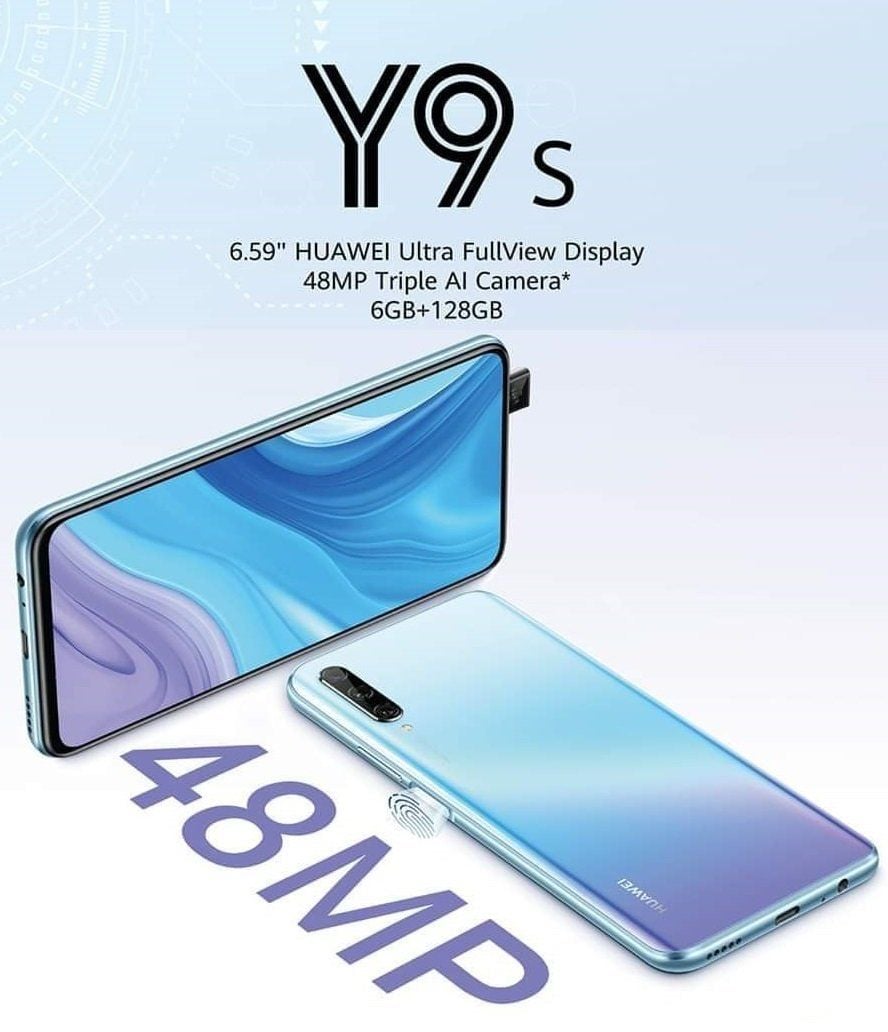
The below shown poster reveals that the Huawei Y9s is equipped with a 6.59-inch Ultra FullView notch-less display. It has a 48-megapixel triple AI camera system on its back. The device has 6 GB of RAM and an internal storage of 128 GB. It is equipped with a side-mounted fingerprint reader.
The Huawei Y9s appears to be rebranded version of the Honor 9X. There is no official confirmation on the markets that will be receiving the smartphone. Probably, the phone may go official in November. It is speculated that Pakistan will be soon receiving it with a price tag of PKR 34,999 (~$223).
Considering the fact that the Huawei Y9s is a rebadged edition of the Honor 9X, its display is likely to carry support for 1080 x 2340 pixels full HD+ resolution and it could be powered by Kirin 710F. The EMU 9.1 based Android 9 Pie OS will come preloaded on the device.
The 48-megapixel main sensor in its triple camera system could be assisted by an 8-megapixel ultrawide lens and a 2-megapixel depth sensor. It could be coming with a 16-megapixel pop-up selfie snapper. The handset could be packed with a 4,000mAh battery with 10W fast charging support.
In related news, Huawei’s sub-brand Honor is now working on the international version of the Honor 9X. In July, Honor had launched Honor 9X and Honor 9X Pro phones. Some of the international markets will receiving only a modified version of the Honor 9X.
The Honor 9X international edition features Kirin 710F SoC instead of the Kirin 810 chipset. Instead of a side-facing fingerprint reader, it has rear-positioned fingerprint sensor. Also, the device is fitted with a 48-megapixel + 8-megapixel + 2-megapixel triple instead of the dual camera system found on China’s Honor 9X. The rest of the specs of the Honor 9X international edition are same as its Chinese variant.
In June, Huawei had launched the Nova 5 series of smartphones by announcing Nova 5, Nova 5 Pro and Nova 5i. The Chinese firm has been selling the Nova 5i in the home market in 6 GB and 8 GB RAM variants. TENAA has a new listing for GLK-LXU1. This model number belongs to the Nova 5i. A careful look at its specs reveals that it is the upcoming 4 GB RAM variant of the Nova 5i smartphone.
In China, the Nova 5i is available in 6 GB RAM + 128 GB storage and 8 GB RAM + 128 GB storage models. Both were respectively priced at 1,999 Yuan (~$285) and 2,199 Yuan (~$313) at launch. However, they are now available with revised pricings of 1,799 Yuan (~$256) and 1,999 Yuan (~$285).
The newly spotted 4 GB RAM edition may come to China in 64 GB and 128 GB storage models. It could be available in black, blue and red colors. The specs of 4 GB RAM are identical with its 6 GB / 8 GB RAM editions. However, one major change that can be seen on its TENAA listing is that it features a 16-megapixel selfie camera instead of the 24-megapixel front camera found on the 6 GB / 8 GB RAM models.
Huawei is expected to soon confirm on the arrival of the Nova 5i 4 GB RAM model. The new variant could be arriving around the upcoming Nov. 11 Singles’ Days sale in China. Probably, the 4 GB RAM variant may have a starting price of 1,399 Yuan (~$199).
The Huawei Nova 5i has a 6.4-inch IPS LCD full HD+ display with punch-hole design. The Kirin 710F SoC powers the smartphone and it runs on EMUI 9.1 based Android 9 Pie OS. The backside of the device has a 24-megapixel + 8-megapixel + 2-megapixel + 2-megapixel quad camera system. The handset draws power from a 4,000mAh battery that supports 10W charging through USB-C. A fingerprint scanner is positioned on the rear shell of the Nova 5i. The hybrid SIM slot present on the device can be used for expanding its storage.
MIUI 11 is getting rolled out to more and more devices, and Xiaomi’s continuing to improve it with more features. Some new features that will come to MIUI 11 in the future are a set of student focused tools to help them with studying. It’s an interesting idea from Xiaomi, and a good one too considering a large portion of their fanbase are students.
The first feature coming over is a brand new Focus Mode. It lets you set a timer that goes up to 90 minutes, and during that entire duration of time your phone will only be able to make emergency calls and take photos. It’s a baked in version of locking your phone away, just via software. It also keeps track of how long you’ve used it, and users can even store statistics in it. You can turn on Focus mode in Settings > Screen Time Management.
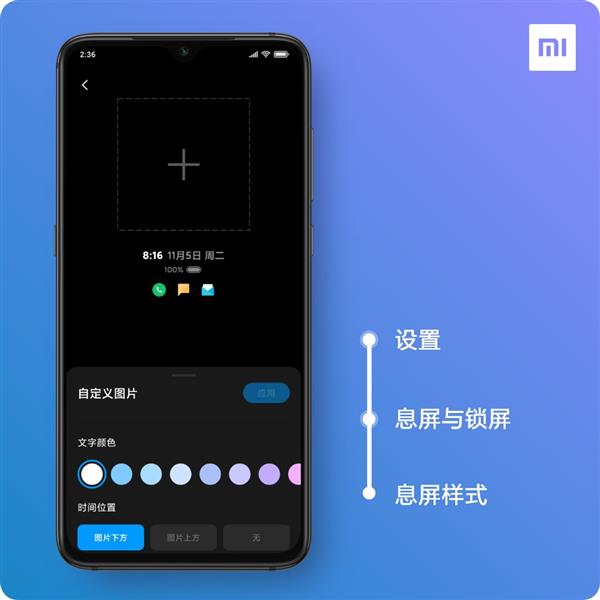
Next, we’ve got the customisable lockscreens that were promised at launch. They’re even more customisable now, allowing users to select their own colours, captions, pictures and even emojis. Even the notification icons are customisable, you can select where they appear, what icons are on your lock screen, and even the text colours. It’s useful for students to glance all their info quickly without needing to open up the phone.
Finally, we’ve got a Curriculum Mode. It’s essentially a student oriented calendar, where you can jot down notes for any given day. Not much information has been given, but it seems a lot more robust than your standard calendar app. It’s a solid lineup of features, and we’re excited to see how they turn out once they’re done with internal testing.
The purported Vivo S5 has appeared on TENAA with its entire specifications. Alongside it, a mysterious Vivo phone with model number V1945A/T has been approved by the Chinese agency. The listings lack the images of the phone, but the entire specifications have been revealed. The smartphone has also received certification from the 3C regulatory body of China.
Vivo V1945A/T Specifications
The Vivo V1945A/T smartphone measures 159.25 x 75.19 x 8.68mm. The weight of the device is 186.7 grams and it features a 6.38-inch AMOLED display that offers full HD+ resolution of 1080 x 2340 pixels. The recently released Vivo phones such as iQOO Neo, iQOO Neo SD855, Vivo V17 Neo and Vivo Z5 are all equipped with waterdrop notch on their 6.38-inch AMOLED displays. Hence, the Vivo V1945A/T could be also arriving with a waterdrop-type notch display. The AMOLED display of the phone is embedded with a fingerprint scanner.
The 2.0GHz octa-core processor is at the helm of the Vivo V1945A/T smartphone. Its RAM variants are 6 GB and 8 GB, and its storage models are 128 GB and 256 GB. There is no support for external storage on the device. It boots to Android 9 Pie OS.
For photography, the rear shell of the phone is decorated with a 48-megapixel + 8-megapixel + 2-megapixel + 2-megapixel quad camera system. It has a selfie snapper of 32-megapixel. The smartphone is backed by a 4,390mAh minimum rated battery. The 3C listing of the phone reveals that it may ship with a charger that supports 18W fast charging.
It is difficult to guess on the identity of the smartphone. Earlier this year, Vivo had released Vivo S1 and Vivo S1 Pro phones in China. There is a possibility that the Chinese firm may launch Vivo S5 Pro along with the Vivo S5 phone. It remains to be seen whether the Vivo V1945A/T debuts as S-series phone or a device from another series. Hopefully, the images of the phone will soon appear on TENAA through which something can be deduced on its identity.
Vivo has been teasing the arrival of the Vivo S5 since the end of the last month. However, it hasn’t revealed anything on the specs of the phone. Recent reports have revealed that it features a punch-hole display and a diamond-shaped quad camera system on its back. Now, the smartphone that has a model number of Vivo V1932A/T has appeared on TENAA with all its specifications. It could be the upcoming Vivo S5 phone that is slated to go official on Nov. 14. Unfortunately, the images of the phone are yet to appear on its TENAA listings.
Vivo S5 Specifications
The Vivo S5 has 157.9 x 73.92 x 8.64mm dimensions and its weight is 188 grams. The handset houses a 6.44-inch AMOLED display that produces full HD= resolution of 1080 x 2400 pixels and a tall aspect ratio of 20:9. The screen of the phone is integrated with a fingerprint sensor.
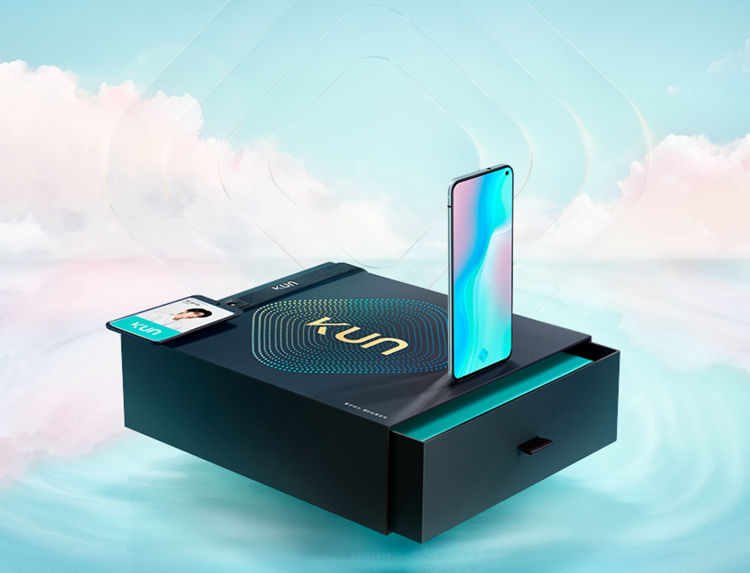
Vivo S5 Cai Xukun Custom Gift Box Edition
The Vivo S5 smartphone draws power from an octa-core processor that clocks at 2.3GHz. It could be featuring the Snapdragon 712 chipset. The chipset is supported by 8 GB of RAM. The phone is expected to release in the home market in storage options like 128 GB and 256 GB. The Android 9 Pie OS runs on the phone and there is no support for microSD card slot on the device.
There seems to be some error with the configurations of the rear cameras of the Vivo S5. The Vivo V1932A TENAA listing states that it has 48-megapixel + 8-megapixel + 5-megapixel + 2-megapixel + 5-megapixel penta-lens camera system on its back. On the other side, the Vivo V1932T variant has 48-megapixel + 8-megapixel + 5-megapixel triple camera system on its back. However, both listings state that the phone has five cameras. Hopefully, the front and rear images of the phone will soon appear on TENAA through which its exact design will be revealed. The Vivo V1932A/T phone has a 32-megapixel front-facing camera.
The Vivo V1932A/T is packed with a 4,010mAh minimum capacity battery. The Vivo V1932A model has been spotted on the database of the 3C website through which it has been found that it may come with up to 22.5W rapid charging technology.
The Vivo S5 Cai Xukun Custom Gift Box Edition smartphone is now up for reservations in China. The official listing reveals that the phone will be made available for purchase on Nov. 22.
In the months following the launch of the Kirin 990 and Kirin 810 processors, Huawei and Honor‘s new models launched outside China have actually just been new designs with old processors. The same is set to happen again with the upcoming Honor 20S for Europe.
[envira-gallery id=”287847″]
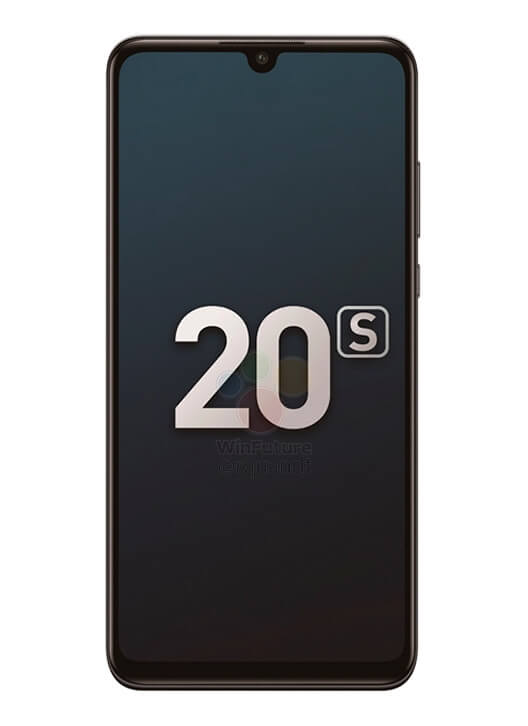
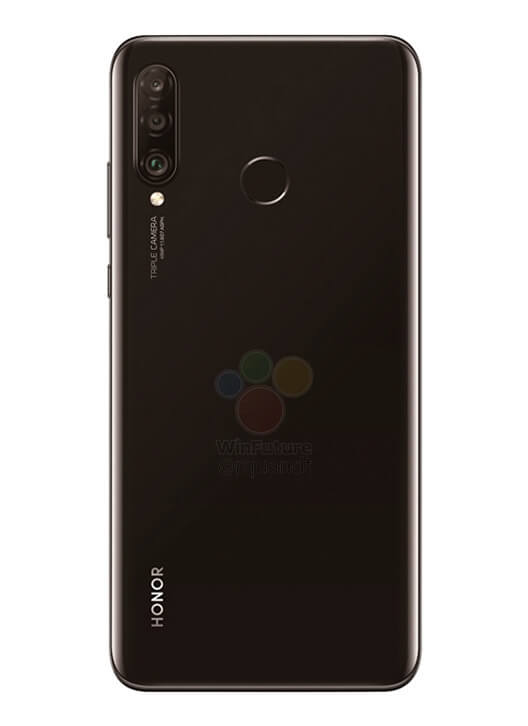
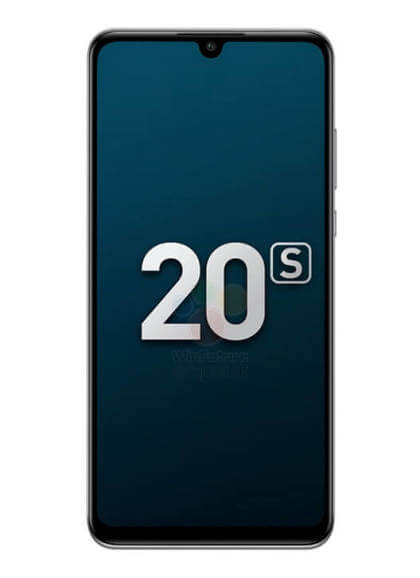
According to Winfuture.de, the Honor 20S arriving in Europe is nothing like the one that launched in China in September. Instead, it can be called a rebranded Huawei P30 Lite.
The Honor 20S for Europe will soon launch in Russia and will have model number MAR-LX1H. The phone will come with a 6.15-inch FHD+ display with a waterdrop notch. Powering it is the Kirin 710 processor and not the Kirin 810. It should have 4GB of RAM and 128GB of storage but Honor may change the configuration to differentiate it from the Huawei P30 Lite.
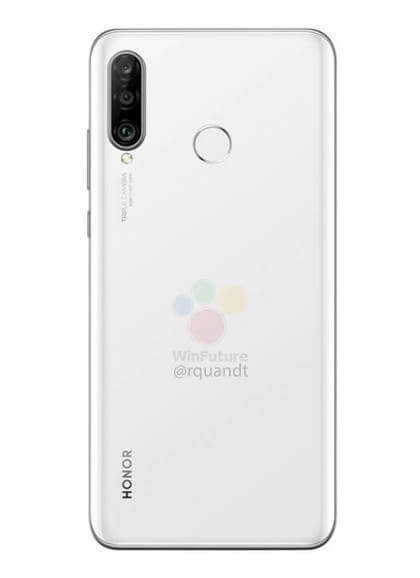
The phone will have triple rear cameras with a 48MP primary camera. The secondary cameras are not stated but it is reported that they too may be changed. The P30 Lite has an 8MP ultrawide camera and a 2MP depth sensor. There is also a rear-mounted fingerprint scanner and Huawei’s logo has been replaced with Honor’s at the bottom.
1 of 4
The rest of the specs are currently unknown. However, press renders show the Honor 20S will be available in Pearl White, Peacock Blue, and Midnight Black.
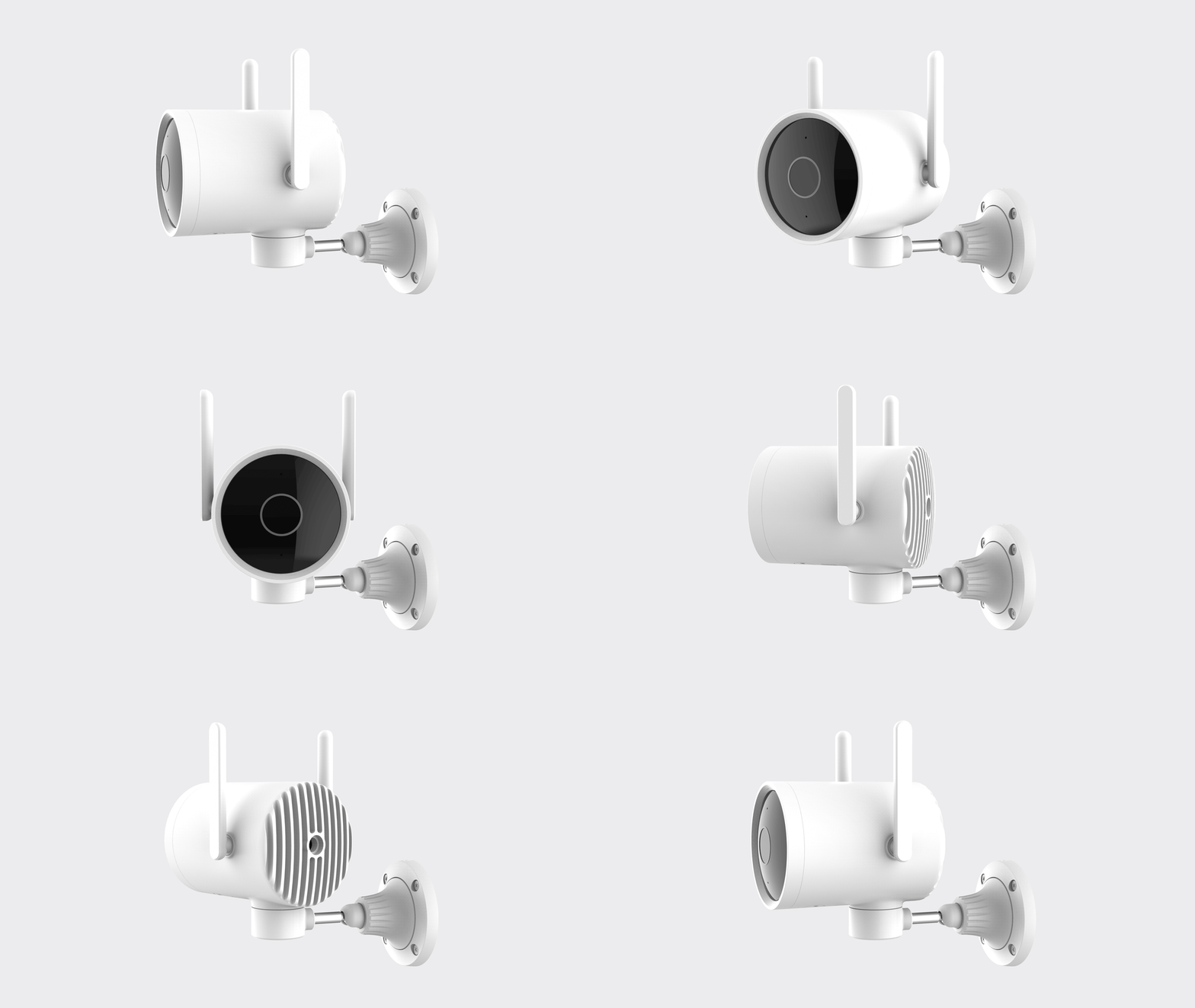
Xiaomi has launched the 438th product under the Youpin crowdfunding platform. The product is the Xiaobai N1 Smart Outdoor Camera PTZ Edition. The camera comes with an awesome crowdfunding price tag of 199 yuan (~$28).
This isn’t the first camera that Xiaobai, a Xiaomi ecological chain company would be launching under the platform. There is the MIJIA Xiaobai Smart Camera which also has a battery version.
In terms of the specifications, the smart camera which has as its standout feature as the Pan Tilt Zoom (PTZ) function also comes with several other features.
The Xiaobai N1 Smart Outdoor Camera PTZ Edition uses a rotatable pan/tilt design with a range of coverage of up to 270°. The camera can be controlled to rotate horizontally through the mobile phone app and the shockproof design ensures smoother and smoother rotation of the device.
The outer casing is designed with an IP66 dustproof and waterproof structure, which can effectively prevent dust from entering and can also resist the entry of high-jet water spray. This makes it suitable for use under any weather condition. Even in bad weather such as heavy rain, snow, sun, sand, etc., normal working conditions are guaranteed.
Further, the camera uses a 1080P, 2-megapixel high-definition camera with visual clarity. There is also a built-in 10 beads night vision infrared lights with a viewing distance of up to 15 meters. Thus, even in the dark of the night, the camera can capture clear images. The low-gloss, full-colour feature ensures clear colour images in low light conditions. The camera has a two-way voice feature as well as a high-decibel alarm.
The camera also comes with AI features. With the Artificial Intelligence learning algorithm, it is possible to intelligently analyze the contours of the human figure in the picture, so as to avoid the alarm going off falsely, as a result of flying insects, pets, and light changes. After the alarm function is turned on, when the camera detects the human movement, it will emit a high-decibel alarm sound, and record a video of about 10 seconds. The video is immediately sent to the mobile phone and can be viewed from the app. Nice, isn’t it?
The Xiaobai camera is expected to start shipping on December 18 in China. It comes in white colour only.
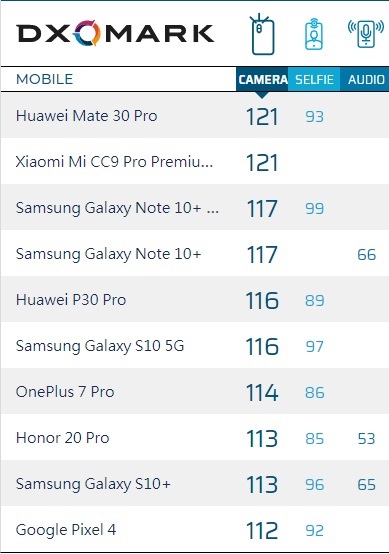
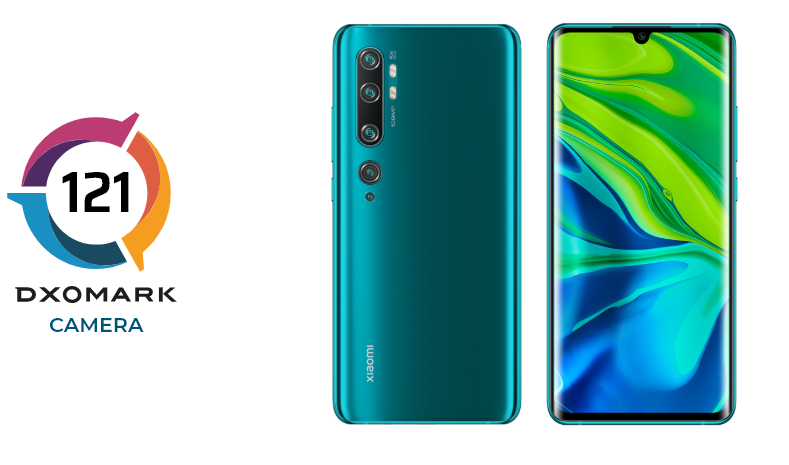
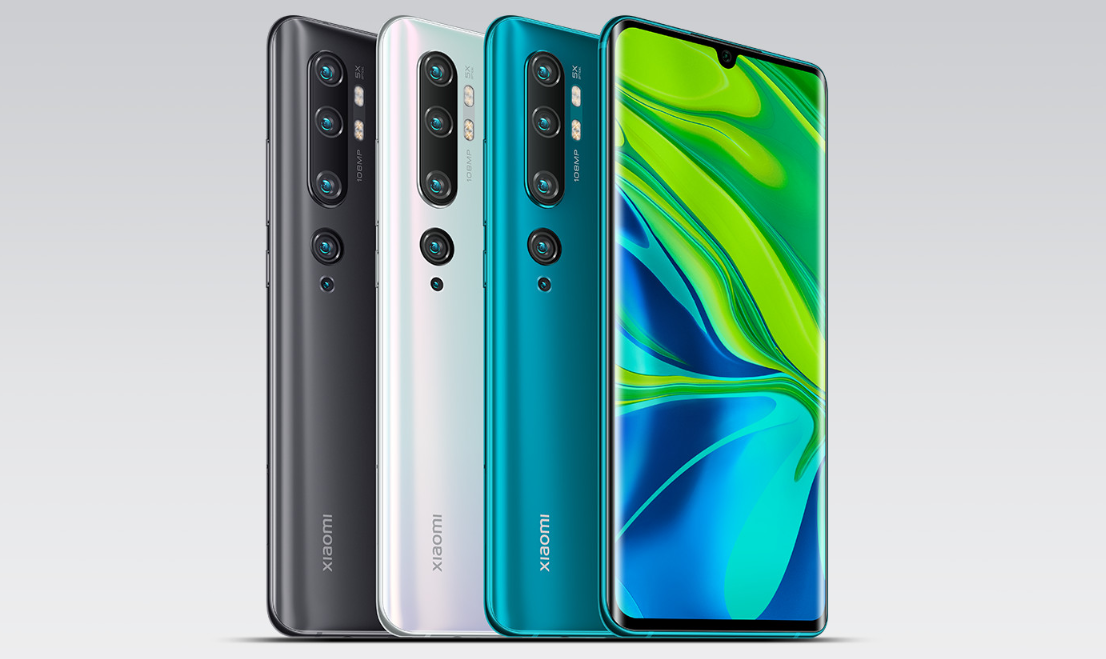
Xiaomi today announced the Mi CC9 Pro which is expected to launch globally as Mi Note 10. The device was promoted mainly with the 108MP Penta-camera setup that adorns the rear panel. Although we are yet to get independent reviews or samples of the camera, the camera won’t likely be a disappointment going by the 121 points in garnered on DXOMark review. The score makes the Mi CC9 Pro Premium Edition the joint top-best smartphone camera with the Huawei Mate 30 Pro, and Xiaomi isn’t keeping quiet about it.
The Chinese tech giant held a light show on its Science and Technology Park in Beijing where it used LEDs to spell the words “DXO NO.1.” P.S. We had initially thought it was done using LED but a closer look shows it is just the bright white lights on some of the offices within the massive edifice that were put to use. Quite ingenious!
Until recently, Xiaomi hasn’t really focused its attention on the camera hardware on its smartphones. But in recent times, we have seen the tech giant released several models with top-of-the-pack camera specs. The Mi CC9 Pro took things to a different level as the premium device emerged as the first non-flagship model to rank among the top 10 highly rated models on the benchmark outfit. It also is the first and only device not using Qualcomm’s Snapdragon 800-series SoC on the top 10.
The Mi CC9 Pro features a Snapdragon 730G SoC. The SoC may indeed have contributed to the amazing performance of the device. The chipset features a better ISP and DSP than last year’s Snapdragon 845 chipset. That is not to in anyway whittle down the amazing piece of work Xiaomi did in combining five camera sensors, including Samsung’s 108MP ISOCELL sensor. After all, the OPPO K5 uses the same Snapdragon 730G SOC but doesn’t have a camera setup as good as the Mi CC9 Pro’s.
The Mate 30 Pro has just 2 points higher than the Mi CC9 Pro in terms of still photos (132 to 130points). In the video segment, DXOMark says the ICC9 Pro’s score of 102 is the highest it has recorded so far, edging out both the Google Pixel 4 and the Samsung Note 10+ 5G by 1 point.
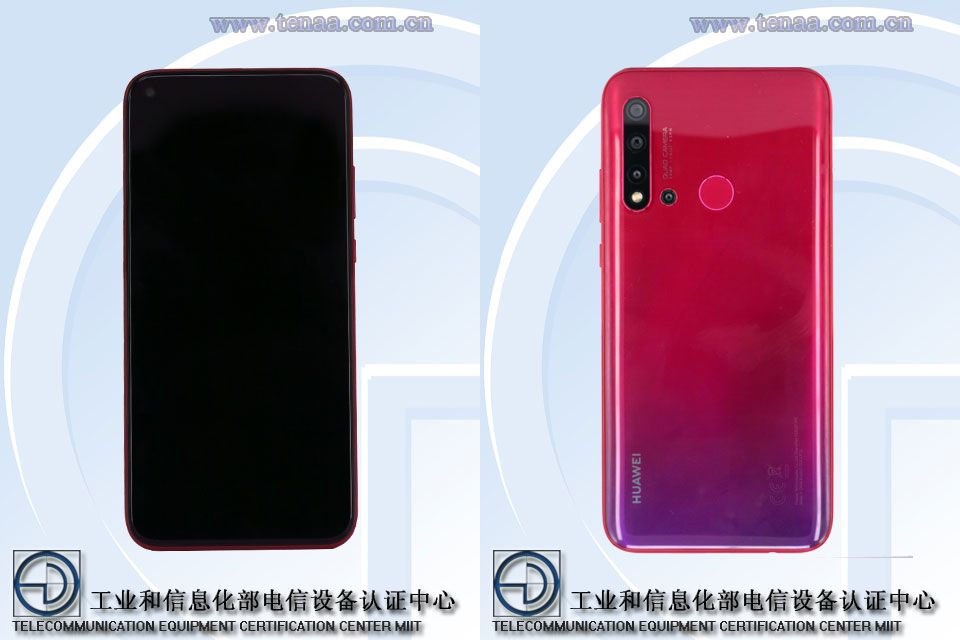
It feels like it has just been two months since Huawei announced the Nova 5. However, it has been 5 months already, and that is a long time in the smartphone industry. A successor called the Nova 6 5G is coming soon and a press render of the red variant has leaked.
The image was shared on Twitter by Evan Blass and it shows the Nova 6 5G in a color that can be called Sunset Red. The phone has a punch-hole in its display for two selfie cameras just like that of the Galaxy S10+ but on the opposite side.
Unlike the Nova 5 which has an AMOLED screen with a waterdrop notch, the Nova 6 5G has an LCD display which explains why it has a side-mounted fingerprint scanner and not an in-display fingerprint scanner. However, the phone is reported to have a 90Hz refresh rate, a first for a phone with an LCD display. This is the same display the Honor V30 5G has been reported to have.
The phone has triple rear cameras on the back and what we believe is a laser focus system flanks it on the right. Just like the Nova 5, it has the Nova branding at the bottom. You can also see the word “Nova” written multiple times across the back.
Although the Nova 5 isn’t a flagship phone, the Nova 6 5G will be since it has support for 5G and the Kirin 990 5G is Huawei’s only processor with an integrated 5G modem. The rest of its specs and camera configuration are still unknown. Its launch date is also still under wraps but we expect the Nova 6 5G will arrive later this month.
Xiaomi haven’t exactly been around for a long time, but they’re still one of the only Chinese companies to see such monumental growth in such a short time. Xiaomi’s Lin Bin was interviewed earlier today after the launch of the Xiaomi Mi CC9 Pro, and he reveals details about the structural changes within Xiaomi in the recent years.
First of all Lin Bin is apparently not too happy with being out and about for the company. This is also the first time that Lin Bin has been interviewed by the media since Xiaomi’s IPO. He said that after the listing of Xiaomi, he experienced a series of organizational restructuring, which has led him to focus more on internal tech development.
He claims he much prefers being inside the company helping develop new products and technology, but was asked to represent Xiaomi for the product launch. He then goes on to talk about the inner changes that have happened to the company, including the formation of the camera department and expansion of the R&D team.
While the company only had about 400 workers in R&D before 2016, now they’ve added more than 3700 workers to the R&D team. On top of this, the company has also opened up R&D centers in places like Beijing, Nanjing, Shanghai and Bangalore. The biggest change has been the conception of Xiaomi’s own camera department, which now has bore fruit.
In May 2018, Lei Jun sent an internal letter to Xiaomi employees. In this letter, he said that Xiaomi will set up a separate camera department in the mobile phone department, and it will concentrate on using the company’s resources to produce better phone cameras. He then appointed Zhu Dan as the general manager of the camera department.
Lin Bin also revealed that Xiaomi MIX Alpha was a very radical attempt to change things up even from inside Xiaomi. He had almost given up on it, when the R&D teams managed to produce a working unit. “I have confidence in Xiaomi’s research and development, and at the same time, it is more responsible for young people, such as Lu Weibing of Redmi, Wei Siqi of CC series, etc.” Lin Bin said.
In the latest organizational restructuring, Lin Bin was appointed as the vice chairman and will continue to serve as executive director and president of the company, responsible for managing the company’s mobile phone R&D department. This is also a continuation of the organizational restructuring after the listing of Xiaomi.
“After the listing of Xiaomi, the organization structure has been continuously adjusted, and it has also moved to the new park. Up to now, these adjustments have basically ended.” Lin Bin claimed. According to him, Xiaomi’s work style has changed from before, and Xiaomi pays more attention to technology trends and changes.
He then goes on to talk about the recently launched Xiaomi Mi CC9 Pro. “It’s harder to make a camera than to make a mobile phone.” According to him, although the Mi CC9 Pro managed to tie with the Huawei Mate 30 Pro over on DxOmark, Lin Bin says they could’ve boosted the score higher if they had two to three more weeks to work on it.
Lin Bin revealed that Xiaomi set up a core device department in 2016, including the camera team. In May 2018, the camera team then expanded and became more independent, experimenting with integrated software, algorithms and other teams. At present, the camera department has 9 R&D centers around the world.
Ending the interview off, Lin Bin hints that Xiaomi have a lot more “secret projects” in the works that will be launched next year, and that they’re going to be very exciting. He also states his hopes that the camera and imaging systems next year will be even better than what we’ve seen with Mi CC9 Pro, which is absolutely insane.
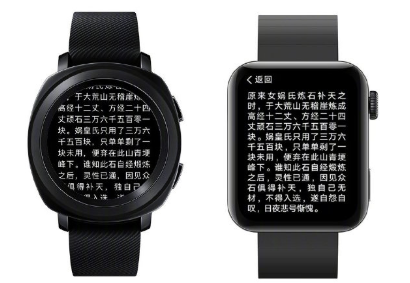
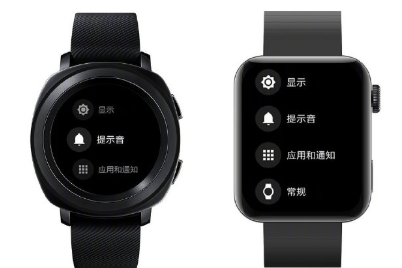
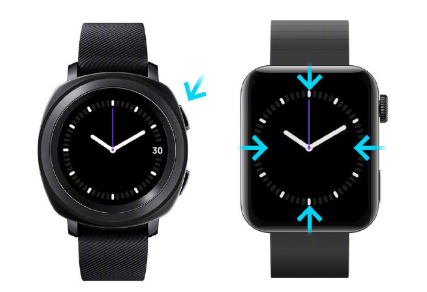
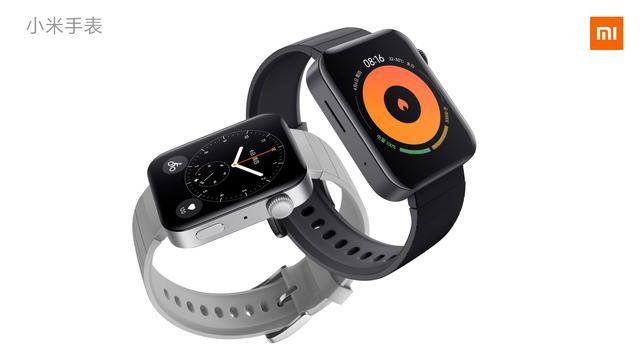
The Mi Watch launched today as Xiaomi’s very first Mi-branded smartwatch. It has a rectangular dial and runs a custom version of WearOS called MIUI for Watch. While the design of the watch no doubt resembles that of the Apple Watch, there isn’t anything we can do about that. Xiaomi has released a special post on Weibo explaining why it settled for a rectangular dial.
Better Space Utilization
There is no disputing that a rectangular screen that has the same area has a circular display can display more information than the round display. There is a reason why several of the electronics we have with a display have rectangular screens. Unlike circular displays, text or images aren’t cut off.
Better for reading
Our eyes have grown accustomed to reading from a rectangle. From books to screens, to billboards, a rectangle is better to display text.
Better Navigation
Xiaomi adds that a rectangular display is better for navigation. With a rectangular display, the screen can be navigated sideways, upwards, or downwards, and MIUI for Watch has been designed to work this way. However, they claim it isn’t so easy when it comes to a circular display.
It has been reported that Xiaomi will launch a Mi Watch Pro in a few months that comes with a circular display which sounds ironical considering that they are championing a rectangular display as being better for smartwatches.
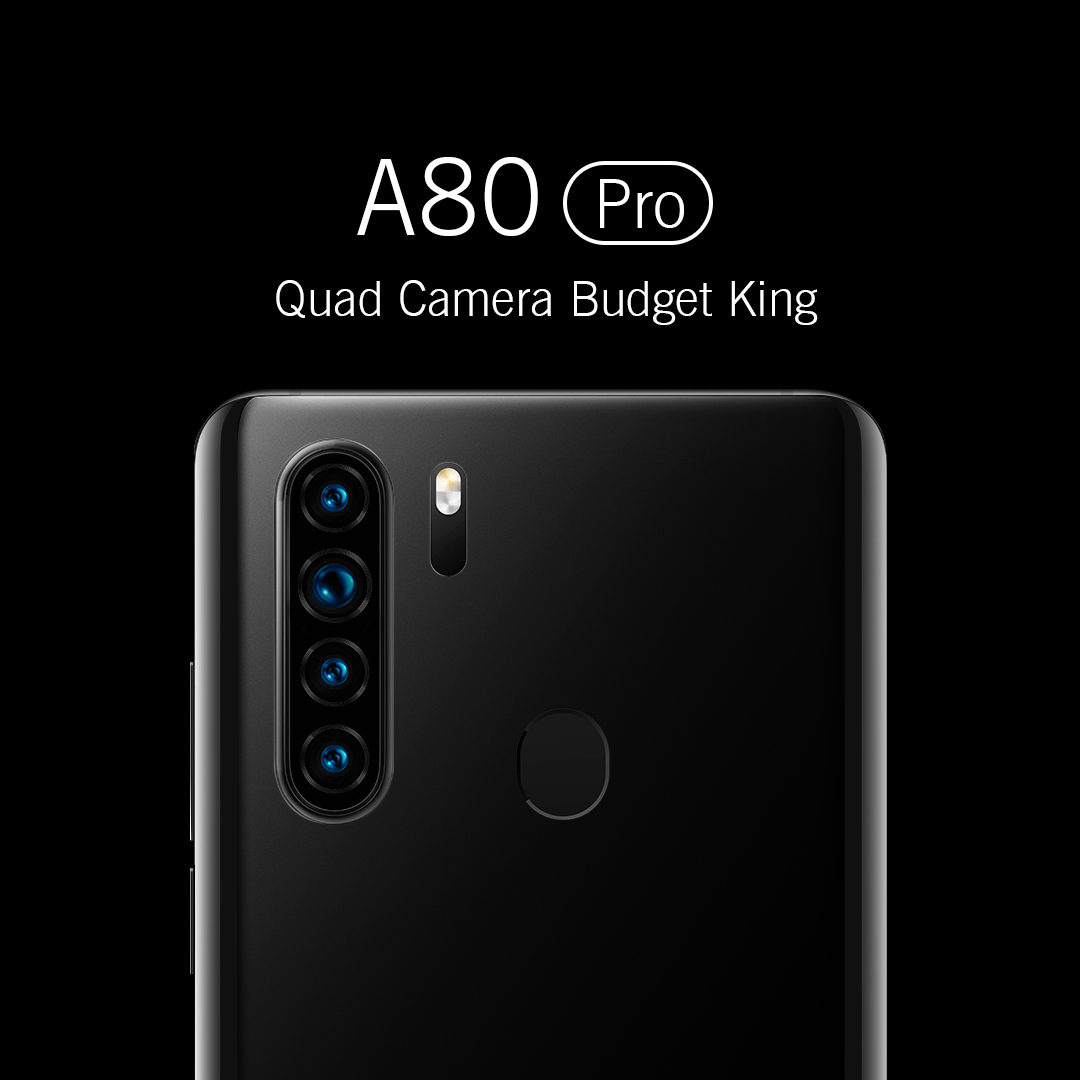
Manufacturers are always working on developing their next devices and today, the CEO of Blackview teased the upcoming Blackview A80 Pro on his Facebook page. The photo doesn’t reveal the whole body of the device but from what is revealed, we can tell that the phone will be coming with a quad-camera setup located on the top left corner of the back cover. Also, there is a fingerprint sensor placed on the back, the good old classic spot for most phones.
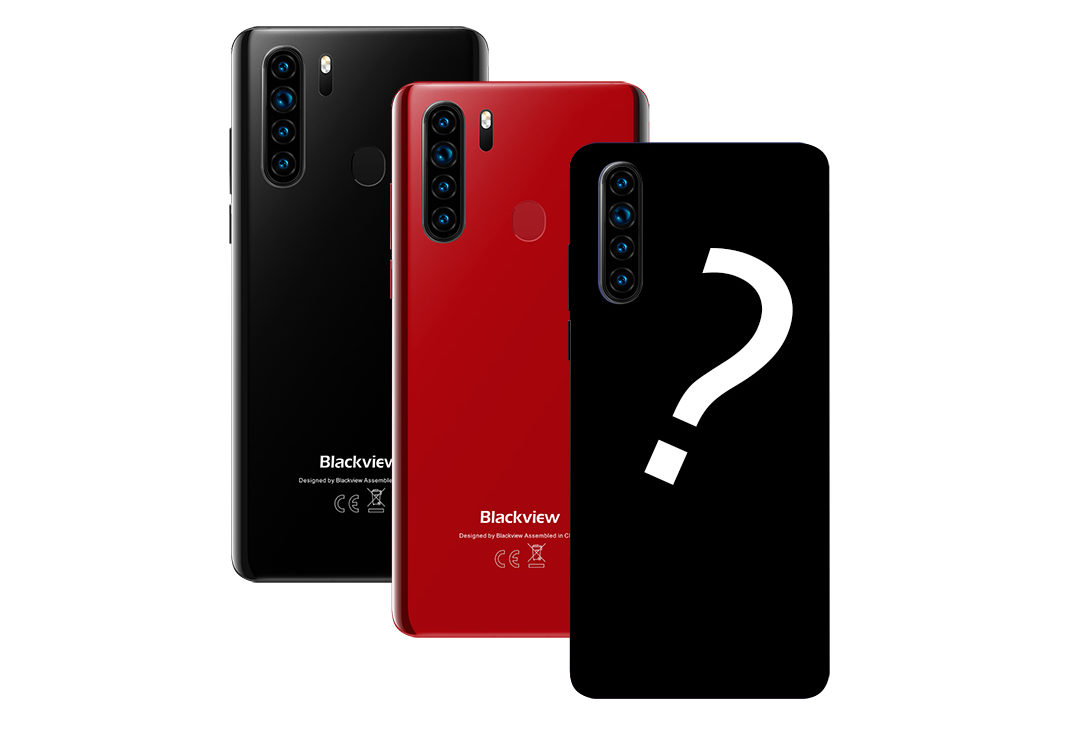
Following the tease from the CEO, another render appeared showcasing a device in three colors. According to the source, the photo shows the Blackview A80 Pro as it too comes with a quad-camera setup and its body is slim with 3D glass applied. The render suggests that the phone could be available in Black, Red, and a trendy Gradient color. However, there is no information about the color palette of the gradient one.
As for when the device will hit the market, information say that it will be available this month and that it will be a mainstream device. So far, Blackview is known for its excellent rugged smartphones so, could the Blackview A80 Pro combine rugged features with the design that we see in the photos in order to stand out in the saturated mainstream smartphone market? Time will tell. Until all the specs surface, you can check out the other new models from Blackview, the flagship BV9800 Series that is currently campaigning on Kickstarter until November 8th. The top version BV9800 Pro is on offer for just $429 with a very limited quantity.
Xiaomi just left everyone surprised by unveiling a smartphone with a 108 MP Penta-camera: the Mi CC9 Pro. According to the known portal DxOMark, it is the best camera phone out there alongside the Huawei Mate 30 Pro. Yet it is a pretty affordable device since not all of its specifications are flagship-grade. That is why, while waiting for its global launch as under the Mi Note 10 moniker, we decided to compare it with other affordable high-end smartphones and flagship killers actually available. For this comparison, we chose the Realme X2 Pro and the Oppo Reno 2 since they are among the most wanted devices in the same price range.
Xiaomi Mi CC9 Pro vs Oppo Realme X2 Pro vs Oppo Reno2
Oppo Realme X2 Pro
Xiaomi Mi CC9 Pro
Oppo Reno 2
DIMENSIONS AND WEIGHT
161 x 75.7 x 8.7 mm, 199 g
157.8 x 74.2 x 9.7 mm, 208 grams
160 x 74.3 x 9.5 mm, 189 g
DISPLAY
6.5 inches, 1080 x 2400p (Full HD+), Fluid AMOLED
6.47 inches, 1080 x 2340p (Full HD+), Super AMOLED
Penta 108 + 5 + 12 + 20 MP, f/1.7, f/2.0, f/2.2 and f/2.4
32 MP f/2.0 front camera
Quad 48 + 13 + 8 + 2 MP, f/1.7, f/2.4 and f/2.2
16 MP f/2.0 front camera
BATTERY
4000 mAh, fast charging 50W with SuperVOOC Flash Charge
5260 mAh, fast charging 30W
4000 mAh, fast charging 20W with VOOC Flash Charge 3.0
ADDITIONAL FEATURES
Dual SIM slot
Dual SIM slot
Hybrid Dual SIM slot
Design
Despite being an astonishing camera phone, for the Xiaomi Mi C99 Pro, the company did not focus so much on providing an innovative design. It is a very elegant and suggestive handset, but the Oppo Reno2 is undoubtedly more original and attractive. It has a notch-less display with very narrow bezels, as well as a shark fin motorized pop-up camera and amazing build quality including a Gorilla Glass 6 front side glass and a Gorilla Glass 5 rear side. Each of these devices features an optical in-display fingerprint reader.
Display
The most advanced display is on board of the Realme X2 Pro. It is one of the most affordable devices with a flagship-class screen. The Realme X2 Pro is equipped with a 6.5-inch panel boasting the support to HDR10+ technology, a full DCI P3 coverage, and a 90 Hz refresh rate. It is an amazing panel for both multimedia and gamers. With its high 600 nits peak brightness and the support to HDR, even Xiaomi Mi CC9 Pro has an awesome display, but it is far from the Realme X2 Pro.
Hardware/Software
Realme X2 Pro is way superior to both the Xiaomi Mi CC9 Pro and the Oppo Reno2 since it has a better hardware department. The processor is the best one released by Qualcomm this year: the Snapdragon 855+ running at 2.96 GHz. Both Reno2 and Xiaomi Mi CC9 Pro feature a midrange-class Snapdragon 730G chipset. Further, the Realme X2 Pro is the only with up to 12 GB of RAM and even the only to come with a UFS 3.0 native storage (the configuration with 6 GB of RAM and 64 GB of internal storage is UFS 2.1). Android 9 Pie is preinstalled on each of these phones, but on the Xiaomi Mi CC9 Pro it is customized by the MIUI instead of the ColorOS found on the Oppo Reno2 and Realme X2 Pro.
Camera
Despite being a mid-ranger, the Xiaomi Mi CC9 Pro is one of the most awesome camera phones out there. It is equipped with a Penta-camera including a top-class 108 MP primary sensor, 5x optical zoom, an ultrawide sensor, a dedicated macro camera, and OIS. While it wins the comparison, Oppo Reno2 takes the second place with a 48 MP quad-camera supporting OIS. Realme X2 Pro’s camera is its weakest point: despite it has a 64 MP resolution, its primary sensor is midrange-class.
Battery
After the camera, battery life is the biggest advantage offered by the Xiaomi Mi CC9 Pro. The battery has a huge 5260 mAh capacity and it fully charges in just 65 minutes thanks to 30W fast charging. Realme X2 Pro charges even faster: you need just 35 minutes, but its battery is smaller and the battery life is shorter. Oppo Reno2 sits in the middle but it has a slower charging technology than Realme X2 Pro.
Price
Realme X2 Pro costs €399/$442 globally, Oppo Reno2 starts from €499/$552, and Xiaomi Mi CC9 Pro starts from €360/$399 in China, but we still do not know how much it will cost globally. Overall, Realme X2 Pro is the most interesting device if you are looking for the best performance (and display), but Xiaomi Mi CC9 Pro has an infinitely better camera department and a longer battery life. Oppo Reno2 is something in between: it boasts a better design than both its rivals and a good camera, as well as a longer battery life than Realme X2 Pro, but similar performance to Xiaomi Mi CC9 Pro.
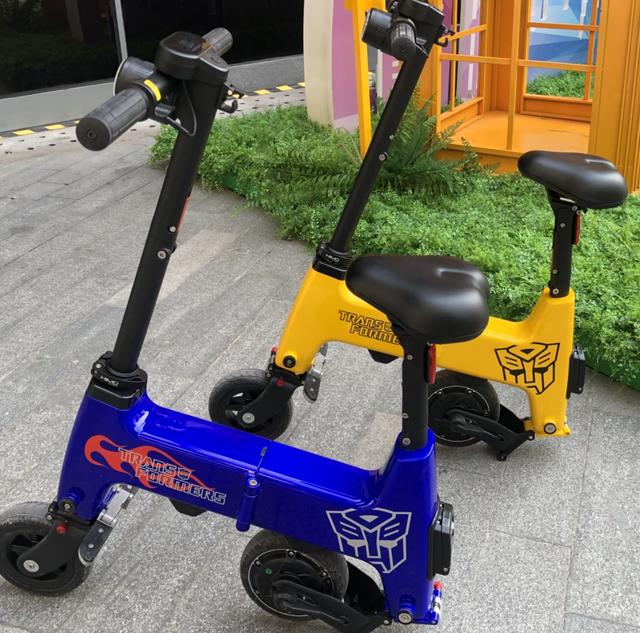
Xiaomi‘s ecological chain company Himo has gradually gained popularity as a manufacturer of nice and solid electric bikes. The company has recently launched a new foldable electric bike dubbed Himo H1. The model is the most portable model that has been launched so far. It can be folded to achieve a compact size that is no bigger than an A3 paper, weighing just 13kg.
Inside the box, there is the foldable electric scooter, an instruction manual, charger, a carrying case, and other accessories. The electric scooter comes completely assembled. All that needs to be done is to unfold, charge and use. To understand the compact nature which allows for the scooter to assume the size of an A3 paper, the entire structure is foldable, including the handlebar, all having folding locks.
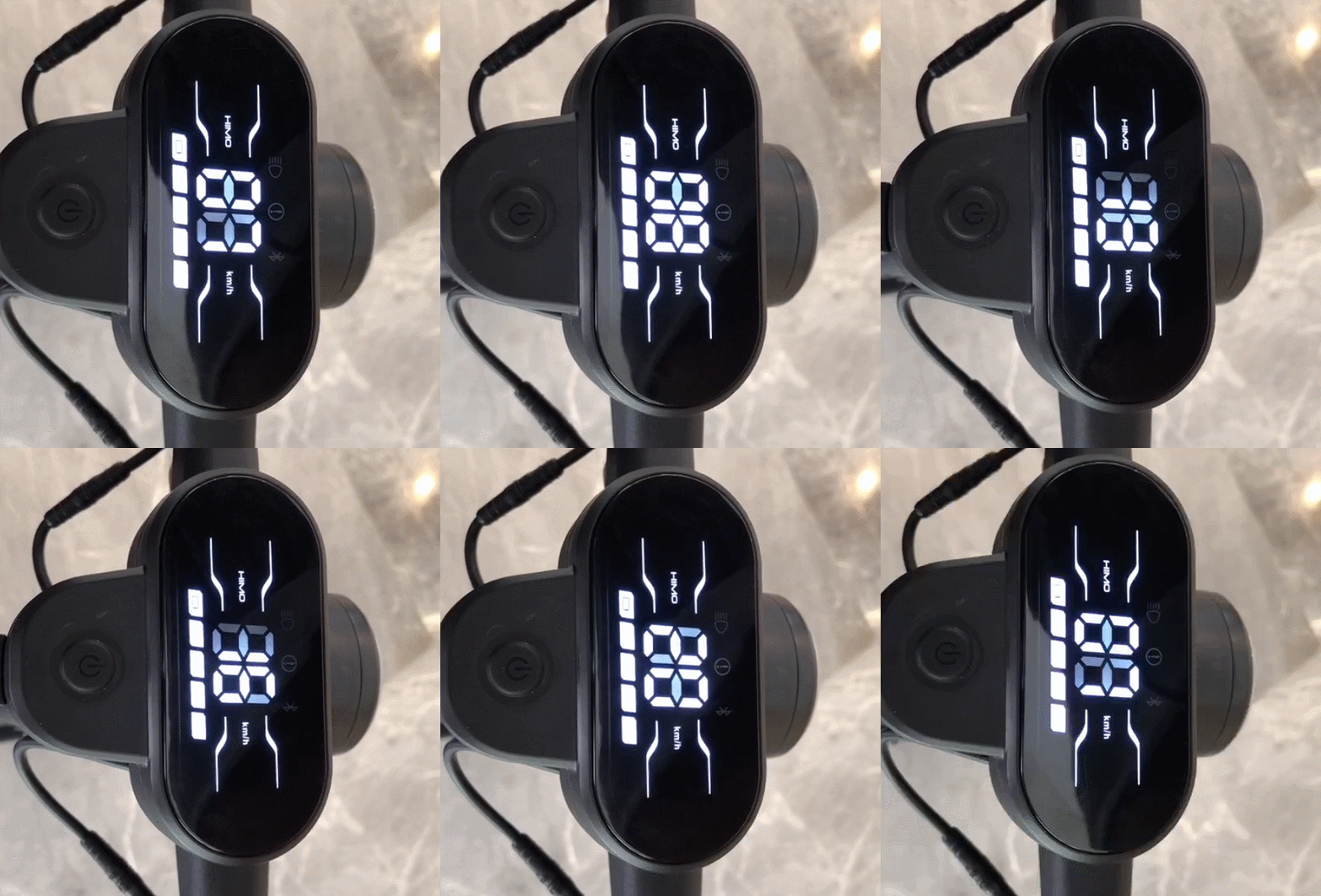
Talking of the handlebar, it has a non-slip grip pad which is soft. The height of the handle can also be adjusted to suit the height of the rider. The handlebar also houses an LED display-packing instrument panel. The instrument cluster contains the headlight switch, an error prompt, the driving speed and the power switch.
The Himo H1 foldable electric scooter adopts a rear-drive design. It uses a 180W DC brushless low-speed motor with a rated voltage of 36V. The bike has a pair of foot pedals that are retractable, situated by the side of the front tires. They only function for footrest while in motion.
Powering the electric bike is a removable lithium-ion battery which is housed under the seat cushion. The battery can easily be removed for charging instead of keeping the entire scooter. It is compact and weighs just 1.8kg. The maximum capacity of the battery is 6000mAh and it requires just 5 hours to charge to full capacity. The battery supports up to 500 charge cycles with a lifespan of 2 years. The top speed the scooter than achieve is 18km/h which is pretty fast for such a small device. It equally comes with a cruising range of 30km.
The Himo H1 is on sale on Xiaomi Youpin for just 2999 yuan ($426). We don’t know when this amazing product will be available to buy outside China.
Earlier today, Xiaomi launched its first Google WearOS powered smartwatch which is simply called the “Mi Watch“. The key highlighting features of the smart wearable include a square 1.78-inch AMOLED display, heart rate monitor, NFC and support for e-sim which allows it to make phone calls directly, without having to connect to a smartphone.
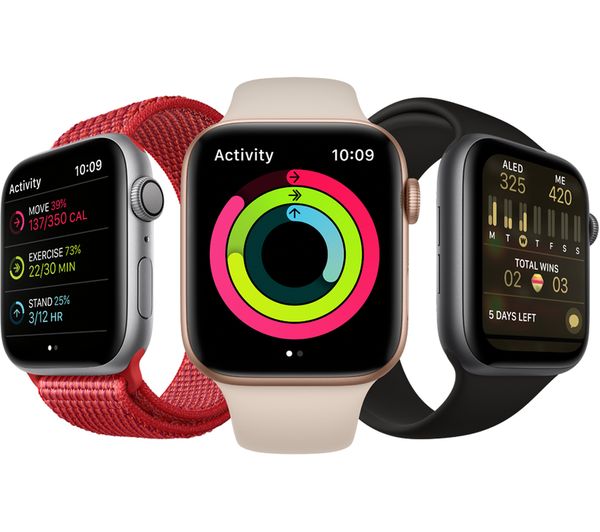
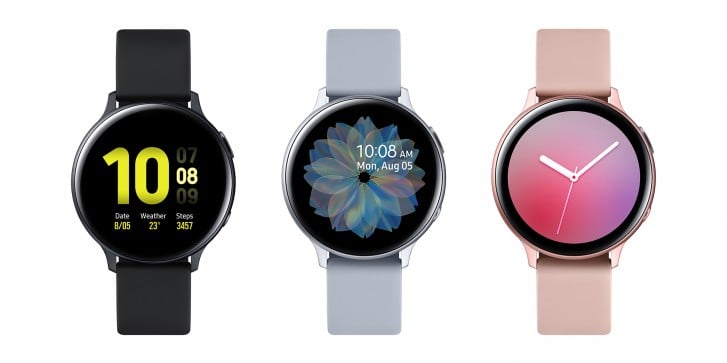
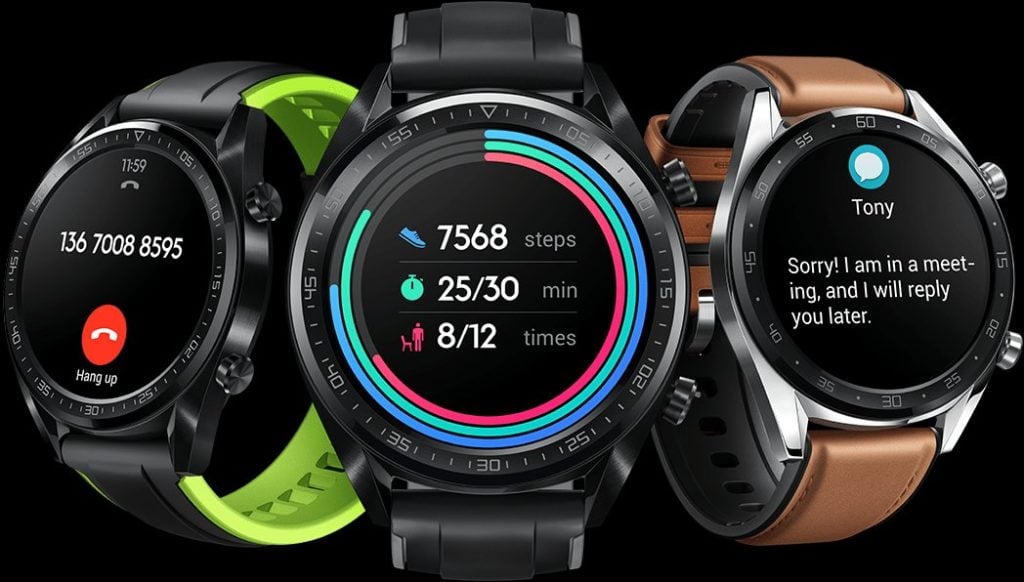
In this article, we will put the newly launched Mi Watch against some of its competitors which include the Galaxy Watch Active 2 (44mm), Apple Watch Series 5 (44mm) and Huawei Watch GT 2 (46mm). Consequently, you will be able to choose the right smartwatch for yourself based upon your requirements.
Here is a specification comparison of all 4 smartwatches:
Xiaomi’s Mi Watch draws a lot of design inspiration from the immensely popular Apple Watch Series 5. Both of these devices sport a 1.78-inch square-shaped display with a ceramic back. In contrast, the Galaxy Watch Active 2 and Huawei Watch GT 2 have a round-shaped display that measures 1.4 inch and 1.39 inch respectively. Consumers who prefer a smartwatch that is not very distinguishable from a conventional wristwatch can choose either of these two.
Chipset, Software and Features
Samsung Galaxy Watch Active 2 – 40mm Aluminum
The newly launched Mi is equipped with the Snapdragon 3100 series SoC which is developed by Qualcomm. Rest of the three smartwatches in this comparison pack a chip that is developed in-house by their respective manufacturers. In terms of OS, the Mi Watch and Apple Watch Series 5 have MIUI based on Google WearOS and Apple’s WatchOS, both of which can be navigated via a crown and multifunction buttons which are mounted on the sides of the two devices.
The Galaxy Watch Active 2 runs on Samsung’s WearableOS 4.0 which is based on top of Tizen. Finally, the Huwaei Watch GT2 has a custom OS which has a very vanilla feel and looks similar to stock WearOS from Google.
All of these smartwatches support fitness tracking features like step counter, sleep tracker, and can display notifications from the smartphone. The Apple Watch and Galaxy Watch Active 2 support ECG functionality. Whereas one distinguishing feature of the Mi Watch is its SpO2 sensor which can be used to measure oxygen in the blood.
Battery
In terms of battery, the Mi Watch which is the most affordable smartwatch out of the bunch packs the largest battery which is rated at 570 mAh. In contrast, most expensive out of the pack, the Apple Watch Series 4 has the smallest battery which is rated at 296 mAh. The Huawei Watch GT 2 and the Galaxy Watch Active 2 are also equipped with decent sized batteries which are rated at 455 mAh and 340 mAh respectively.
The non-cellular variant of the Apple Watch Series 5 (44mm) starts from $ 429 while the 4G enabled variant starts at $ 529. However, with premium strap options, it goes all the way upto $ 1399. The Mi Watch is currently limited to China and it is offered in two variants which includes standard and premium. The affordable variant costs Yuan 1299 (~$ 185) while the top of the line variant costs Yuan 1999 (~$ 257). Cheerfully, innards of both the variants remain the same but the premium variant has a stainless steel strap, sapphire glass protection, and a stainless-steel frame.
The Galaxy Watch Active 2 (44 mm) starts at $ 299 for the non-cellular variant, whereas the variant with 4G is priced at $ 449. Last but not least, the Huawei Watch GT 2 is offered in just one variant that skips on 4G and it costs Euro 249 which roughly translates to $ 277.
All of these smartwatches have their own USP’s but the Mi Watch from Xiaomi seems like the most value for money offering in this competition. All in all, the support for e-sim, a large battery and a swift chipset makes it a praiseworthy product which the Chinese corporation has managed to price aggressively.
Which one out of these 4 smartwatches do you thing is the most well-rounded package? Let us know in the comments below.
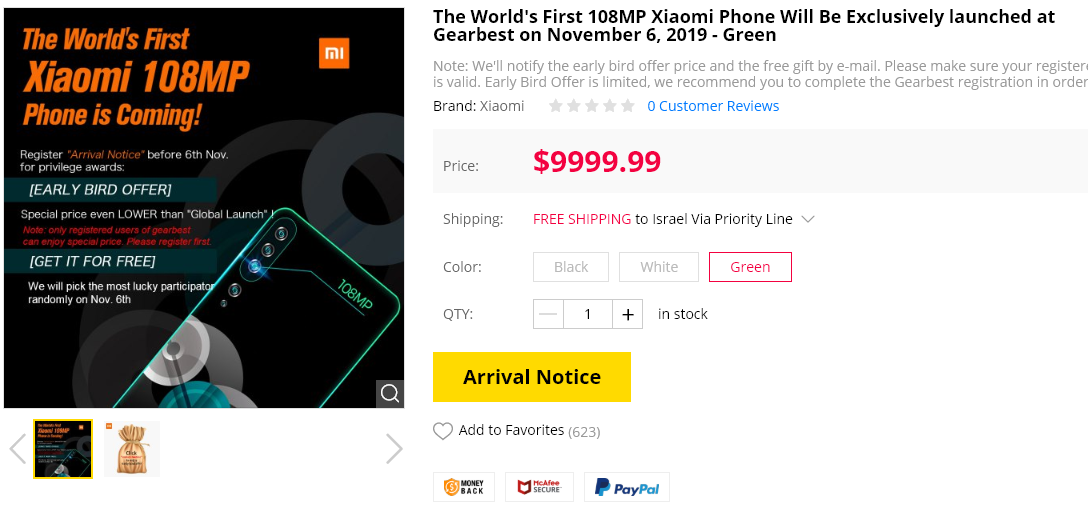
Xiaomi is again set to ignite yet another flame with its upcoming smartphone, the Mi Note 10 with its launch set for November 6. The Mi Note 10 is already tipped to pack the same specs as the Mi CC9 Pro which was unveiled in China earlier today. Popular online retailer GearBest has now listed the Mi Note 10 o its platform and has indicated that the device will be sold first on its platform on November 6. This will potentially make the e-tailer the first to sell the Mi Note 10 online.
The premium mid-range Mi Note 10 will be released on November 6 at 19.00 UTC +8. It will be available to buy in three colour options; Black, Deep Green and White. Although the time may be modified, if it goes ahead as scheduled, you’ll be in good stead to get special privileges if you register on GearBest. There is a limited Early Bird special price offer which GearBet is ye to unveil but says is even lower than the official global launch price. There is also a “Lucky Draw” to be held on November 6 which will see a lucky chap go home with a unit of the Mi Note 10.
That isn’t all, you can also use the coupon: GBMINOTE10 to get a price slash when the official sales commence at 18: 30 UTC+8, 6th November 2019. You can find out more about the Mi Note 10 promo from here.
The Mi Note 10 is projected to be the “World’s first” 108MP Penta camera phone. The penta-lens camera setup consists of an OIS-enabled 108-megapixel primary lens, a 20-megapixel ultrawide lens with 117-degree field-of-view, an OIS assisted periscope 12-megapixel telephoto lens with support for 5x optical zoom, 10x hybrid zoom and 50x hybrid zoom, 2-megapixel a macro lens and a portrait lens.
The Mi Note 10 also excels in other aspects such as the display as it features a 6.47-inch curved AMOLED display with full HD+ resolution. The battery capacity is indeed another reason why you should want to own the premium device. You may never run out of battery with the Mi Note 10. Not only does it have a big 5260mAh cell, it equally comes with 30W fast charging said to go from 0 to 100% in just 65 minutes. The Xiaomi model is powered by a Snapdragon 730G chipset. The phone is also expected to utilise an in-display fingerprint sensor among others.
You can get more information about the Mi Note 10 from here.
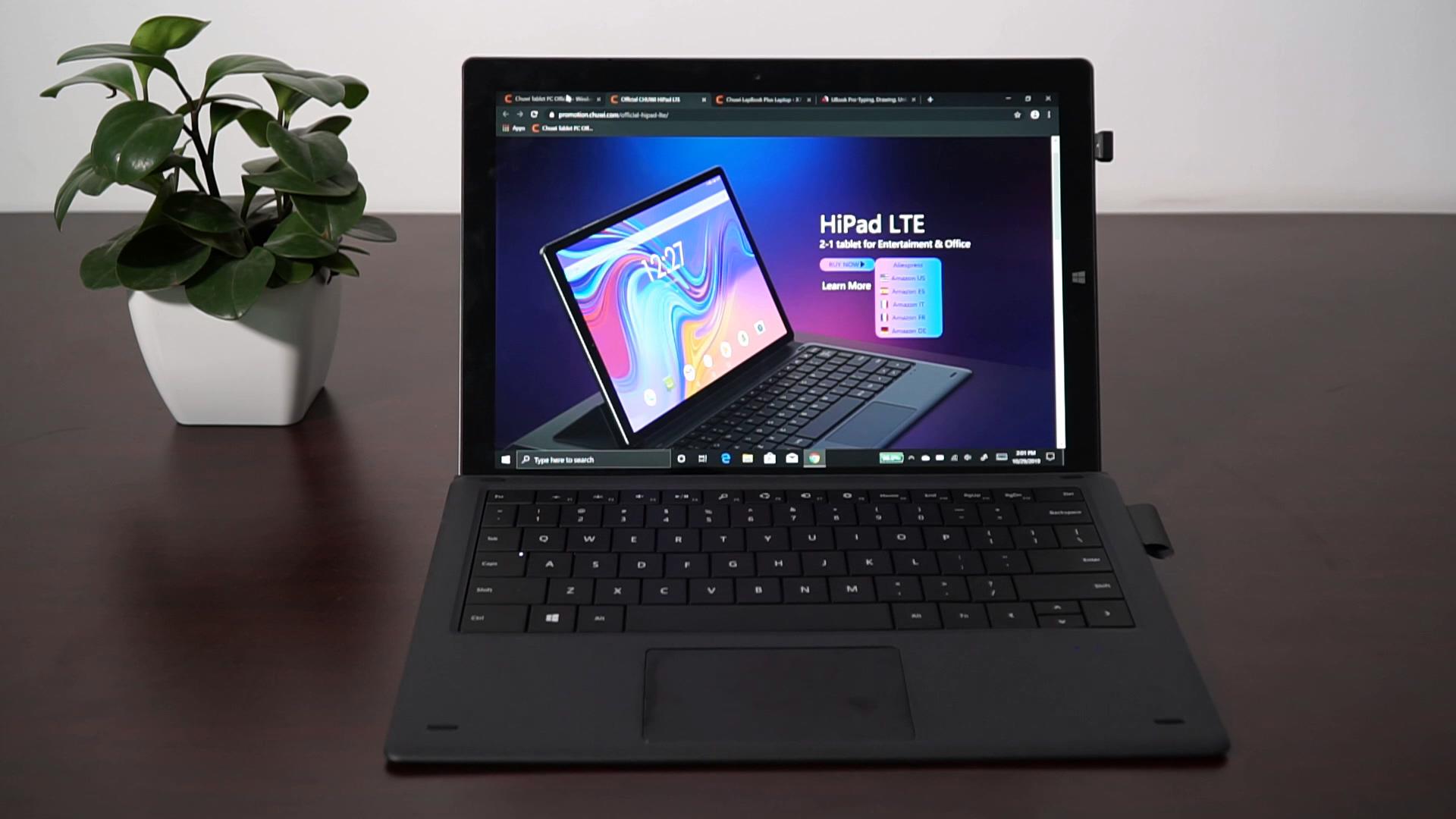
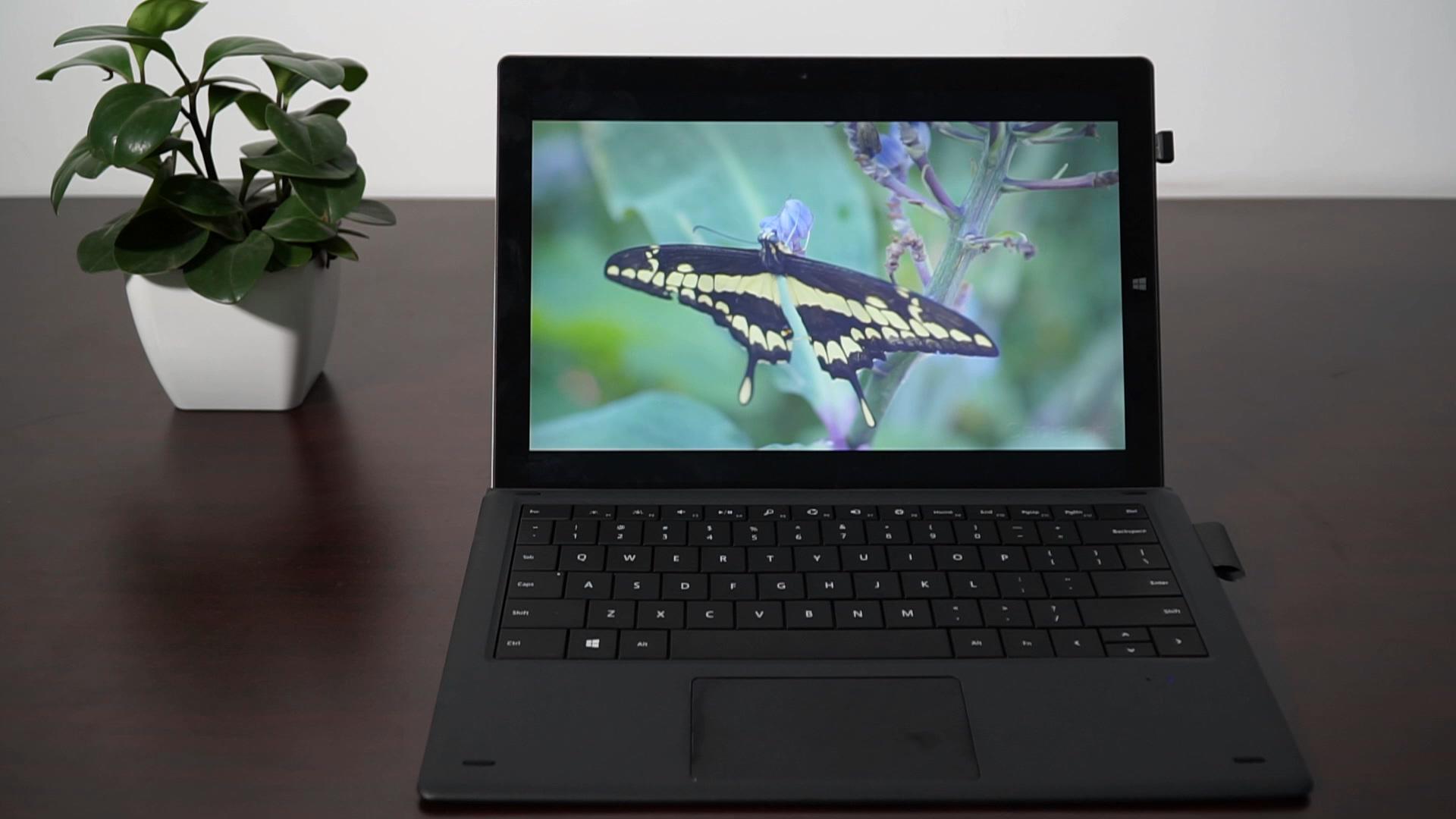
Battery life in laptops used to be awful but things got better since hardware manufacturers released low-power components and high-density batteries that allowed for a bigger battery to fit into the same space. The Chuwi UBook Pro features a power-conservative Intel Core m3-8100Y CPU and despite the slim profile of the 2in1 laptop, it should have a great battery performance. But, does it? Let’s see in the battery life test of UBook Pro.
Office scene
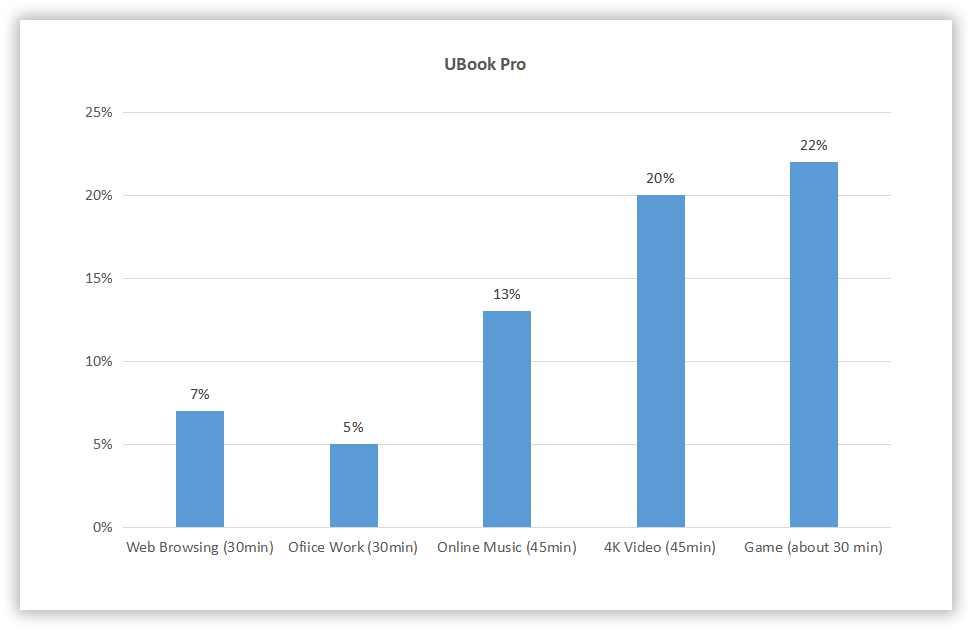
The first test is a simulation of office work, based on web browsing and document editing. As the device is mostly addressed to office personnel and students, it is the most important of all. As seen in the video below, 30min of web browsing consume 7% of the battery and 30min of document editing consume 5%. This means that you can go on for about 7 hours on a full charge.
Entertainment scene
Moving on to media consumption and gaming, the device lost just 13% of charge after 45min of online music playback while another 45min of 4K video playback consumed just 20% thanks to the UHD Graphics 615 GPU that supports hardware 4K decoding. That means about 4 continuous hours of 4K video playback on a single charge.
During the gaming test, the Core m3-8100Y processor proved to be quite powerful providing smooth experience during League of Legends gaming. It is not the heaviest gaming on earth but on the other hand, UBook Pro isn’t a gaming laptop either. During gaming, the battery went down just 22% in 30min.
Conclusion
After the test, UBook Pro still had 33% of battery left. According to the power consumption ratio calculated in the bar chart, UBook Pro can last 10 hours of office software usage or web browsing for 7 hours for every single charge. Obviously, the 38wh battery will take you through the day without the need for a recharge. Nevertheless, it supports PD quick charging, which can quickly restore full power without worrying about low battery.
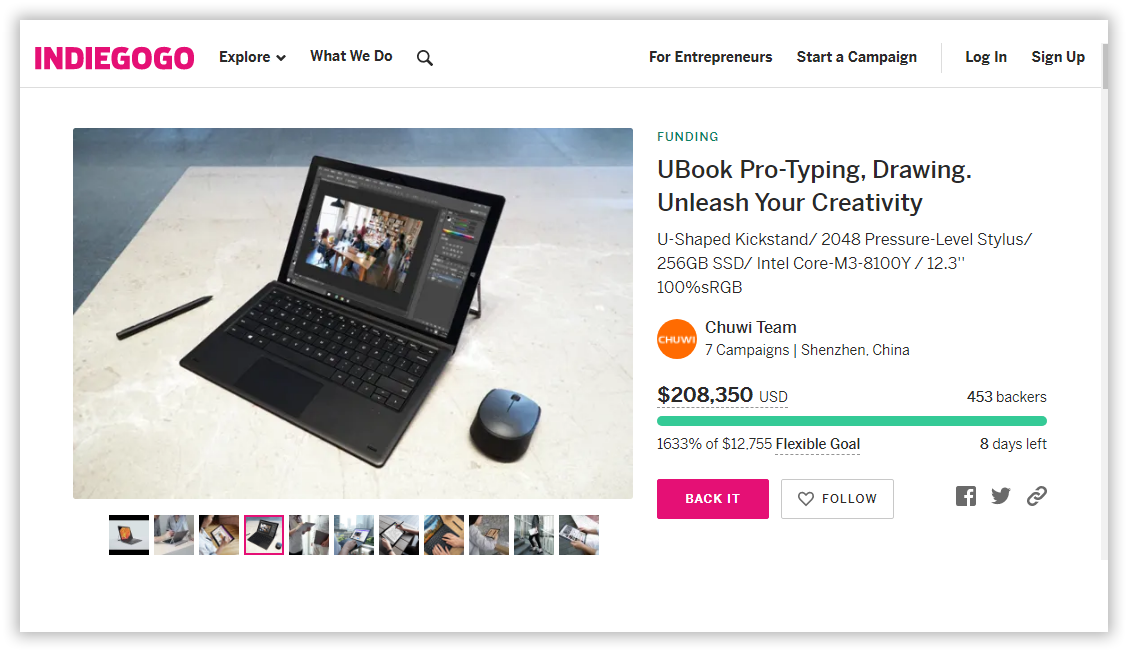
Combined with the excellent power control of Core m3-8100Y processor, low power memory, fanless design, and other hardware configuration, the UBook Pro is a battery champ. The device is still in crowdfunding process on Indiegogo and you can find more information about it here.
We use cookies on our website to give you the most relevant experience by remembering your preferences and repeat visits. By clicking “Accept”, you consent to the use of ALL the cookies.
This website uses cookies to improve your experience while you navigate through the website. Out of these, the cookies that are categorized as necessary are stored on your browser as they are essential for the working of basic functionalities of the website. We also use third-party cookies that help us analyze and understand how you use this website. These cookies will be stored in your browser only with your consent. You also have the option to opt-out of these cookies. But opting out of some of these cookies may affect your browsing experience.
Necessary cookies are absolutely essential for the website to function properly. This category only includes cookies that ensures basic functionalities and security features of the website. These cookies do not store any personal information.
Any cookies that may not be particularly necessary for the website to function and is used specifically to collect user personal data via analytics, ads, other embedded contents are termed as non-necessary cookies. It is mandatory to procure user consent prior to running these cookies on your website.

























 In this article, we will put the newly launched Mi Watch against some of its competitors which include the