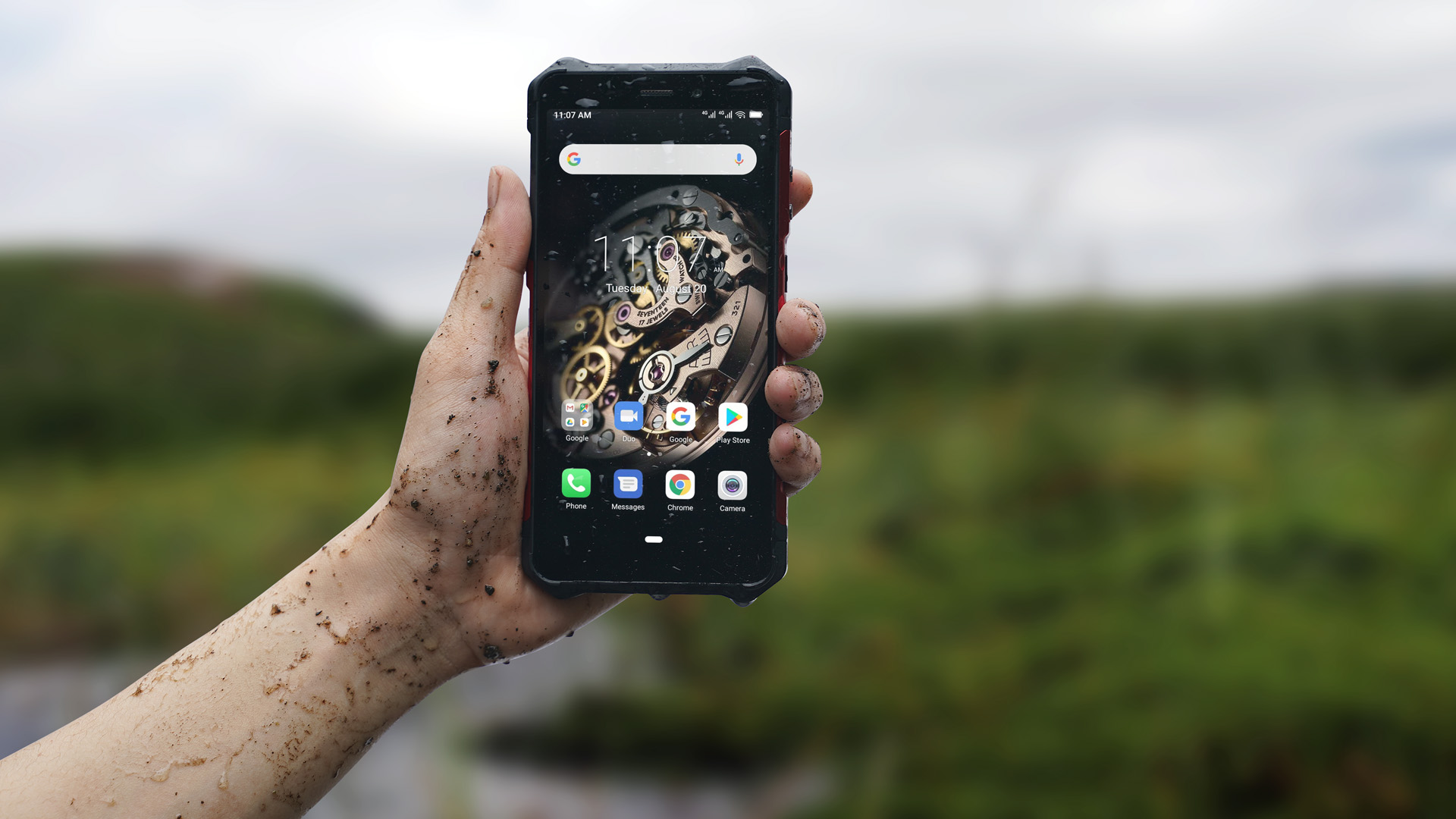
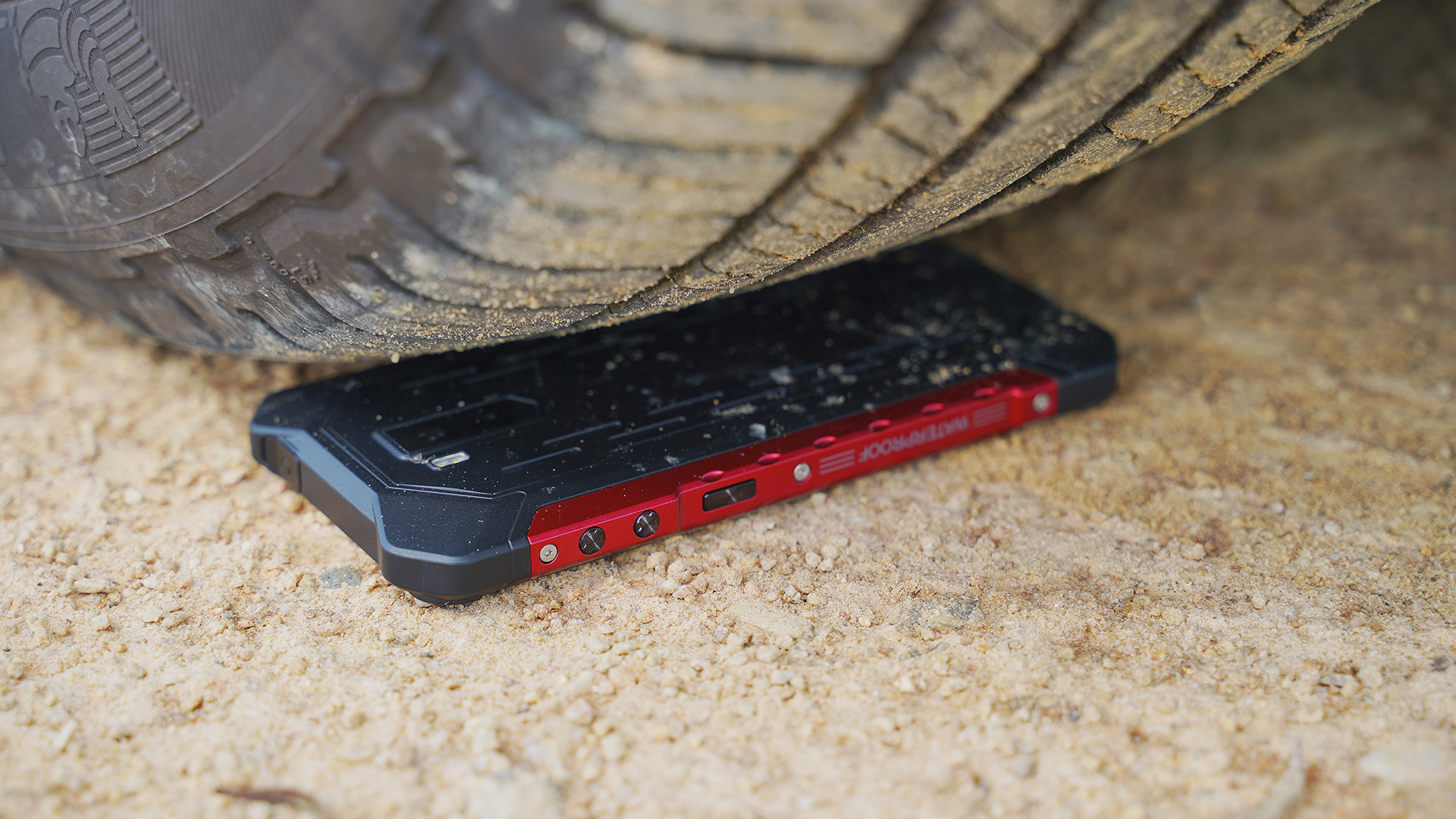
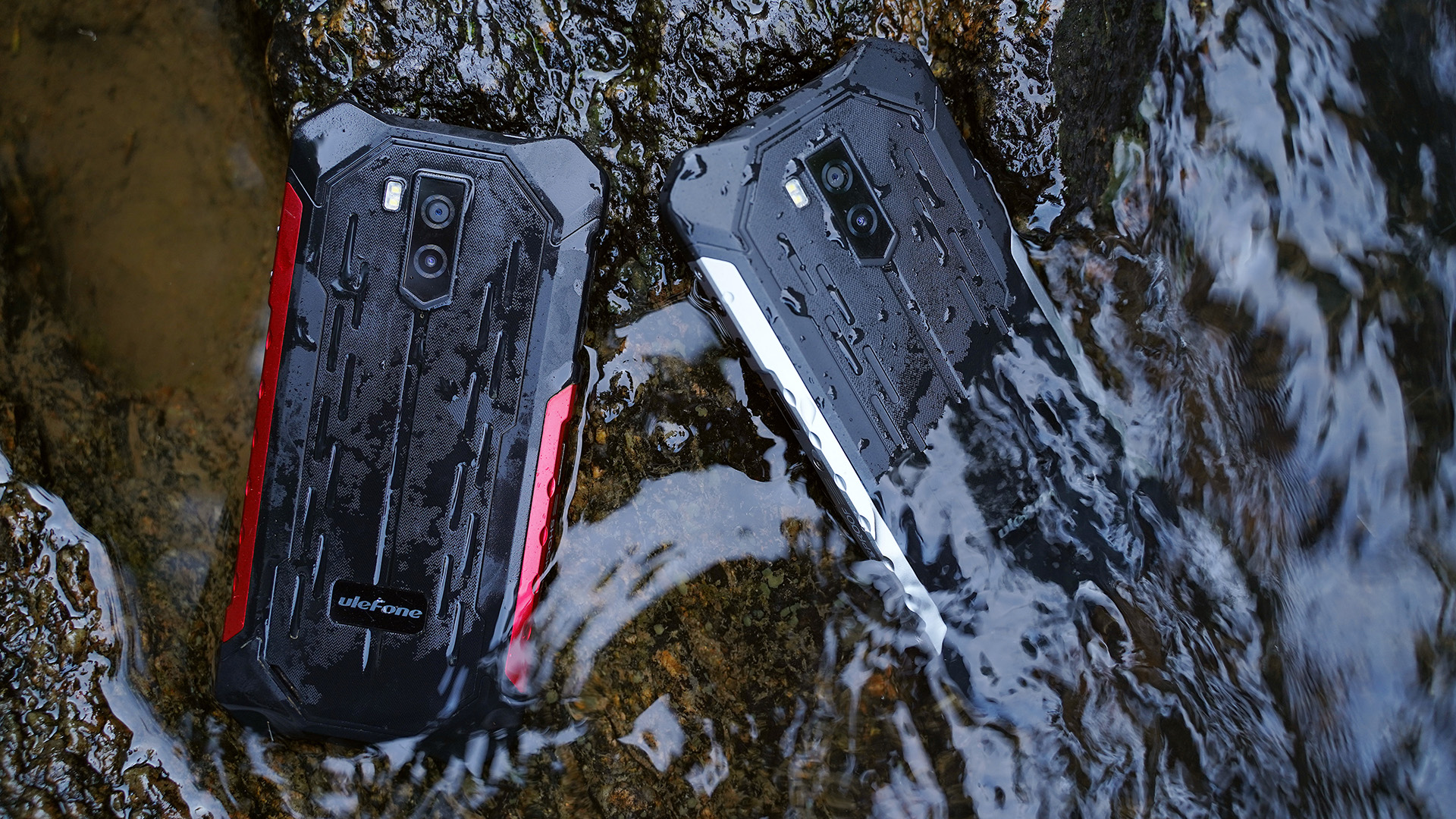
The Ulefone Armor X5 was released a few days back and it is an upgraded version of the Armor X3 featuring 4G connectivity, better specs, and affordable price. Today, the company revealed the first hands-on video of the device in real-life scenarios so let’s go ahead and check out the video below.
Design-wise, the Armor X5 is exactly the same with its predecessor but comes in a new color variant, Orange. Of course, it sports IP68/IP69K/MIL-STD-810G certifications and the video proves just that since it withstood sudden drops or water washing.
1 of 2
On the inside lies the MT6763 8-core SoC and as seen in the video, watching YouTube, checking posts on Twitter, playing Temple Run 2, chatting with friends on Messenger or listening to music was no problem for the device as everything ran smoothly. Also, the clever Custom Key and Gloves Mode are shown in the video.
The camera configuration includes a dual camera on the back with 13MP/2MP sensors and is adequate enough to help the user record wonderful moments and beautiful sceneries during a journey. On the front, there is a 5MP sensor that also supports face unlock. In addition, the Armor X5 packs a 5.5″ all-screen display with 18:9 aspect ratio, 3GB/32GB memory configuration, big 5000mAh battery, NFC with Google Pay, dual-4G/dual-VoLTE, and Android 9 Pie.
Right now, the Ulefone Armor X5 is sold on Banggood with a special price of just $99.99. If it caught your attention, you can go ahead and place your order here. For more details about other Ulefone phones, visit the company’s official website.
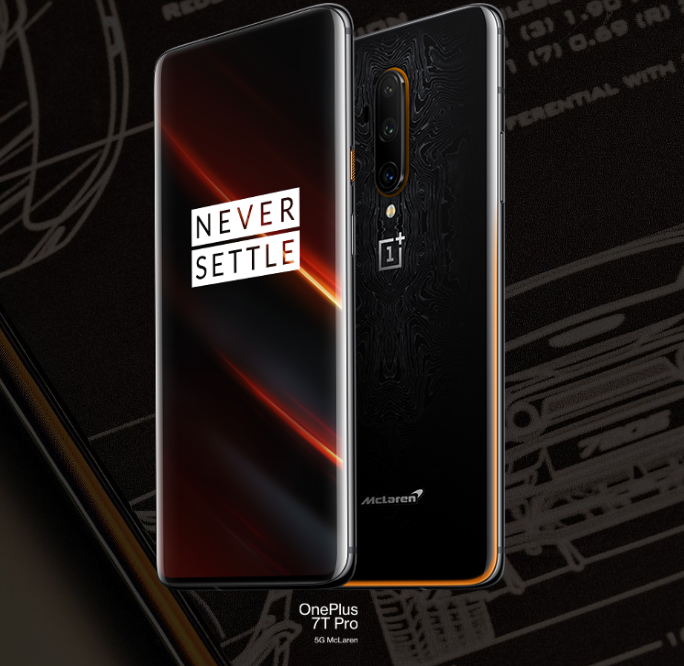
That opportunity must have presented itself in so short a time as the OnePlus 7T Pro 5G McLaren was announced today. This is a 5G version of the McLaren Edition and it will be available in the US as a T-Mobile exclusive.
This is definitely exciting news for OnePlus fans who are on the Magenta network as the OnePlus 7T Pro and OnePlus 7T Pro McLaren Edition are not sold in the US.
T-Mobile says the new OnePlus 7T Pro 5G McLaren will take advantage of their 5G network which uses the 600MHz spectrum. The 5G network is expected to be available to about 200 million people across the US by the end of the year.
The phone shares the same specs as the standard McLaren Edition but adds a Snapdragon X55 5G modem. So you get a 6.67-inch curved AMOLED QHD+ screen, a Snapdragon 855+ processor, 12GB of RAM and 256GB of UFS 3.0 storage. A 48MP + 16MP + 8MP triple camera setup sits on the back of the device while a 16MP pop-up selfie camera is available for selfies. The phone also has an in-display fingerprint scanner, runs Android 10, and packs a 4085mAh battery with support for Warp Charge 30T.
OnePlus and T-Mobile are yet to announce a price and date of release but pre-registration has begun.
The official Samsung Exynos Twitter account has released a teaser for a new processor. The teaser is an 11-second video that says the new chip is a cutting-edge processor.
There are speculations that this may be the new flagship processor that will power the Galaxy S11 series scheduled for 2020. That processor is expected to arrive as the Exynos 9830.
The Exynos 9820 was announced in the second week of November 2018. While the date for this launch has not been revealed yet, it is still not far off the mark to assume it is a flagship processor that will be announced.
Yet, others say this chipset may be the Exynos 9630, a new processor that will power the 2020 Galaxy A series. Back in August, unconfirmed camera specs for the 2020 Galaxy A series leaked but there was no mention of the processor in any of these devices.
Even with a new mid-range processor, Samsung will definitely still use some of Qualcomm’s own processors for its phone. We can expect successors to the Galaxy A70 and Galaxy A80 to come with Snapdragon processors.
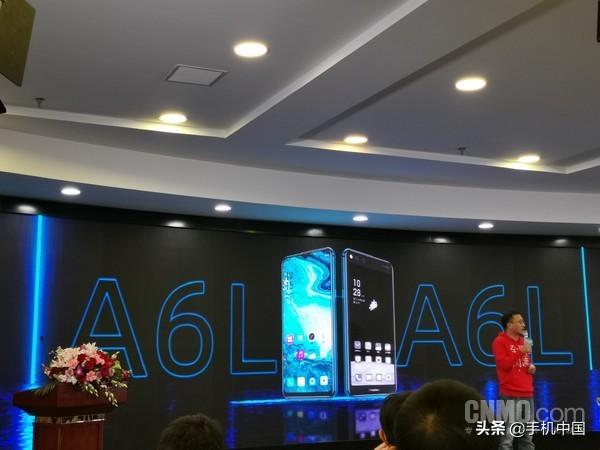
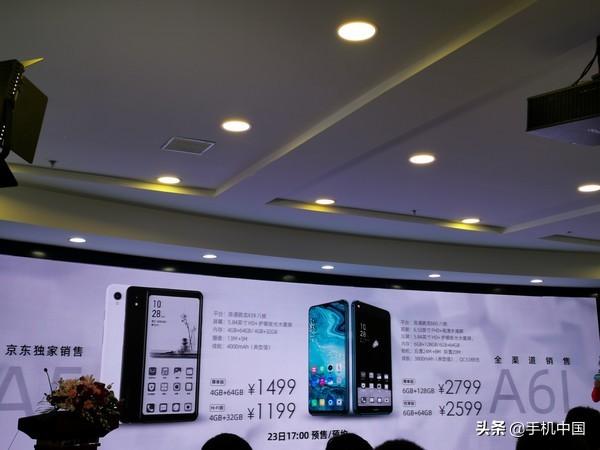
Chinese electronics manufacturer Hisense today held a launch conference in China where it unveiled two smartphones – Hisense A6L and Hisense A5. The A6L model is definitely the most spectacular of the two models as it features two display screens. The device takes over from the Hisense A6, adopting a similar dual-screen design but comes with a better configuration and ditches the e-ink screen for a better one on the secondary display.
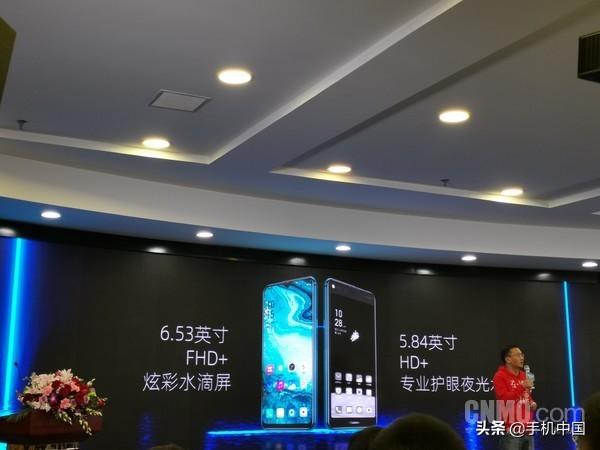
The Hisense A6L dual-screen mobile phone is equipped with a 6.53-inch FHD+ colourful water-drop screen which meets the needs of most smartphone users. Playing games and watching videos is more comfortable on this screen. At the back, the device packs a 5.84-inch HD+ Professional eye-protection luminous screen which can give users a more immersive reading experience.
Since there are two screens, the A6L also supports dual-task mode meaning the screens can be switched at will so that your experience is more dedicated.
In addition, you can receive calls from both sides of the screen. Both screens can also be used to activate the face unlock and fingerprint unlock features. The two screens also come with support for light-sensing DC dimming and several shared functions. So, this could be referred to as two smartphones in one body.
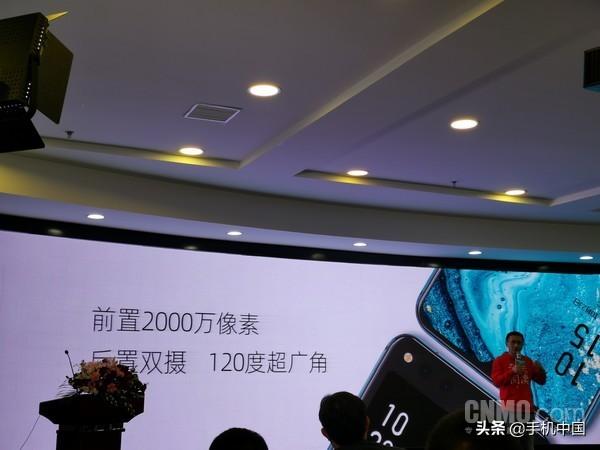
On the camera aspect, the Hisense A6L presents with a 20MP selfie camera. At the rear, there is a dual-camera setup comprising a 24MP main sensor as well as an 8MP ultra-side-angle camera sensor with up to 120-degree wide-angle capture.
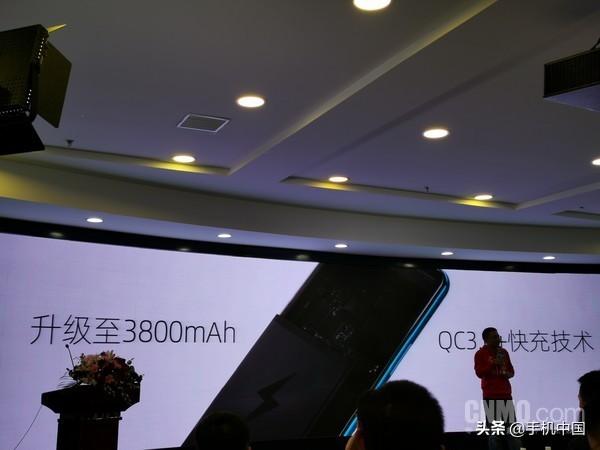
As for the processor, the Hisense A6L retains the same Snapdragon 660 SoC as the A6. The device is available in 6GB RAM + 64GB storage and 6GB RAM + 128GB storage versions. Keeping the lights on is a 3800mAh battery with Quick Charge 3.0 support.
As for the prices, the 6GB RAM + 64GB storage version is available for 2599 yuan ($367) while the 6GB RAM + 128GB storage version comes in at 2799 yuan ($395). The device is presently available to pre-order on JD.com.
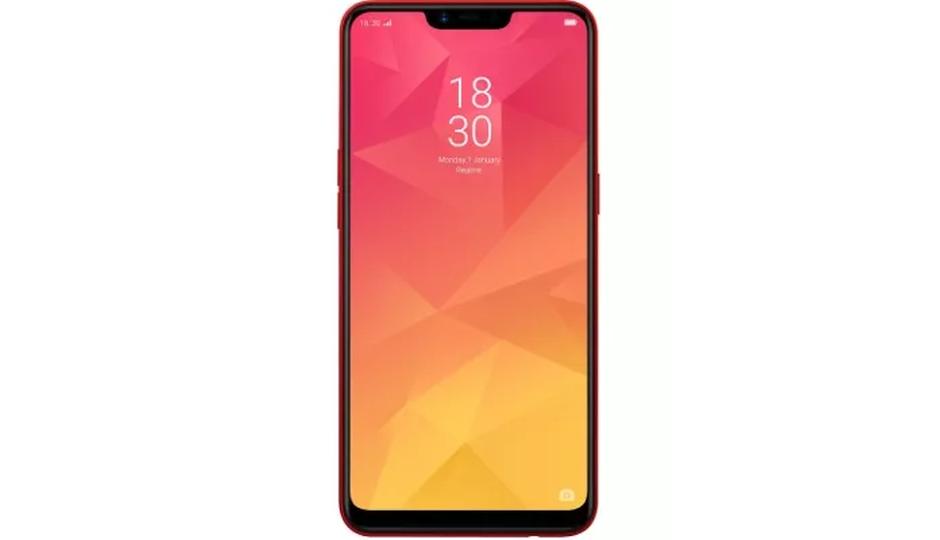
Chinese smartphone maker, Realme which came into existence over a year ago as an offshoot of Oppo has launched a wide variety of smartphones until now. The Realme lineup which started with chronology 1 has already reached 5, excluding the number 4 which is considered unlucky in China.
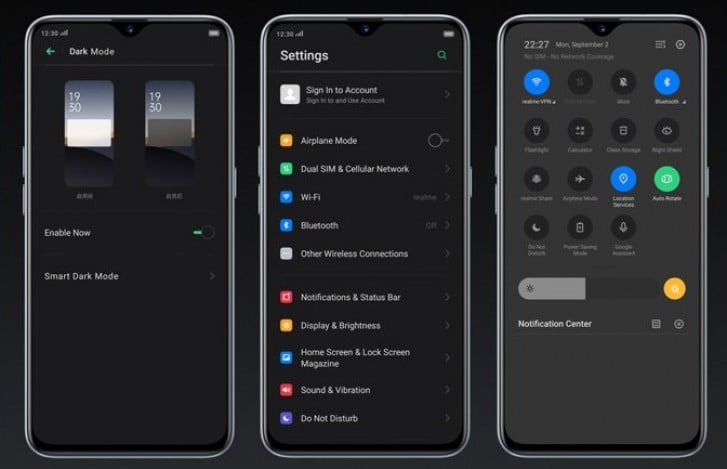
Having said that, the company has not abandoned software support on some of its earliest handsets. Realme 1 and Realme U1, in this context, are receiving a the latest version of ColorOS 6 which upgrades their security patch to October 2019. Besides, the update also introduces the Dark Mode which is rapidly gaining popularity with each passing day.
The full changelog except for latest security patch and dark mode is as follows:
New Additions
● Added realme laboratory
● Added data switch in the notification panel
● App cloner support more third-party applications
● Added manual lock function by long-press the power button
● Added Google Digital Wellbeing
User Interface
● Optimized system interface
● Redesigned the notification centre style
While the changelog on both the Realme 1 and Realme U1 is identical, the latter gets one photography centric change that is “Partial scene camera effect optimization“.
Noteworthy, the update package for both the handsets weighs over 2 GB, so consider skipping the update until not on an unmetered connection. Specifically, the Realme 1 package weighs 2.14 GB and Realme U1 package weighs 2.05 GB.
According to a senior Realme official, the OTA update is being rolled out in batches which have already reached about 5% users and all the remaining users shall receive it within a week.
Besides, the users who are eager to update their device immediately can do so by installing the update packages manually whose download links are listed below.
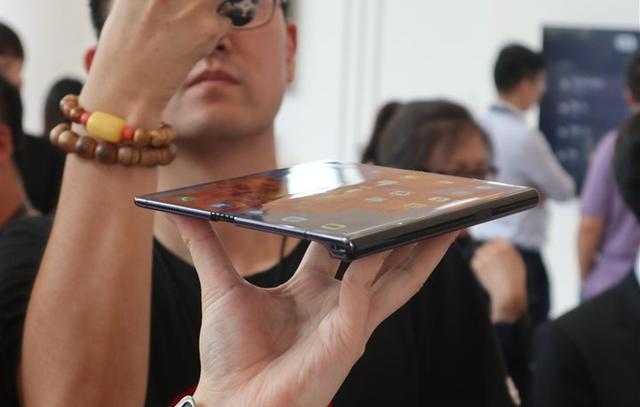
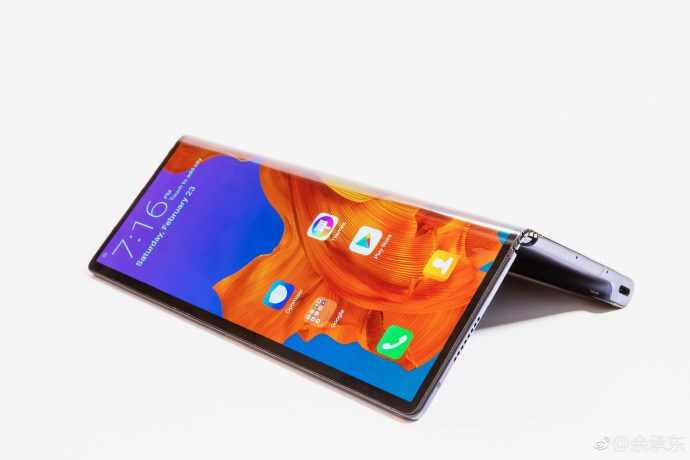
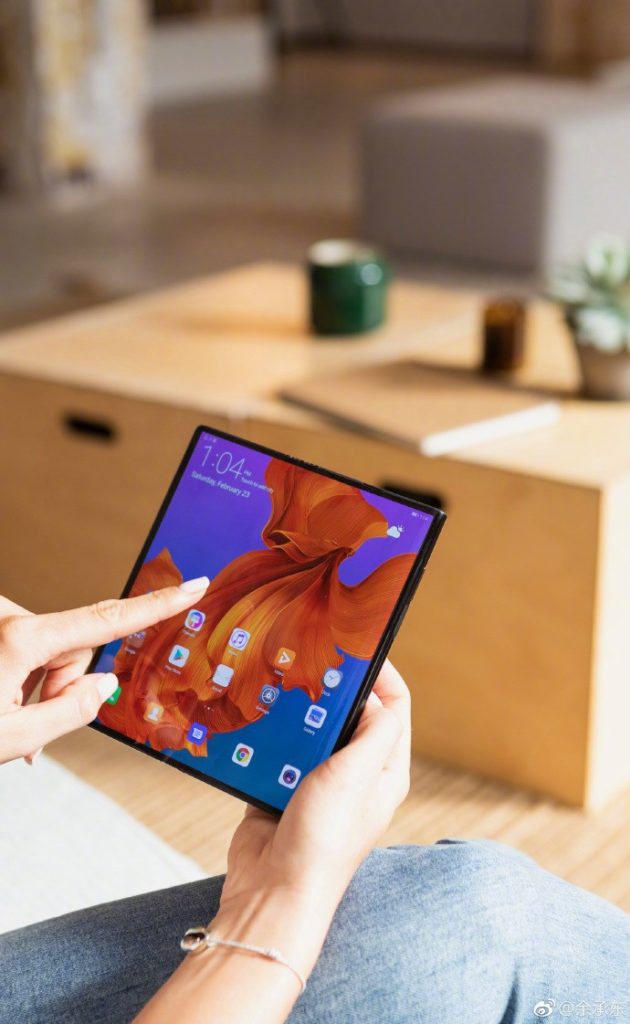
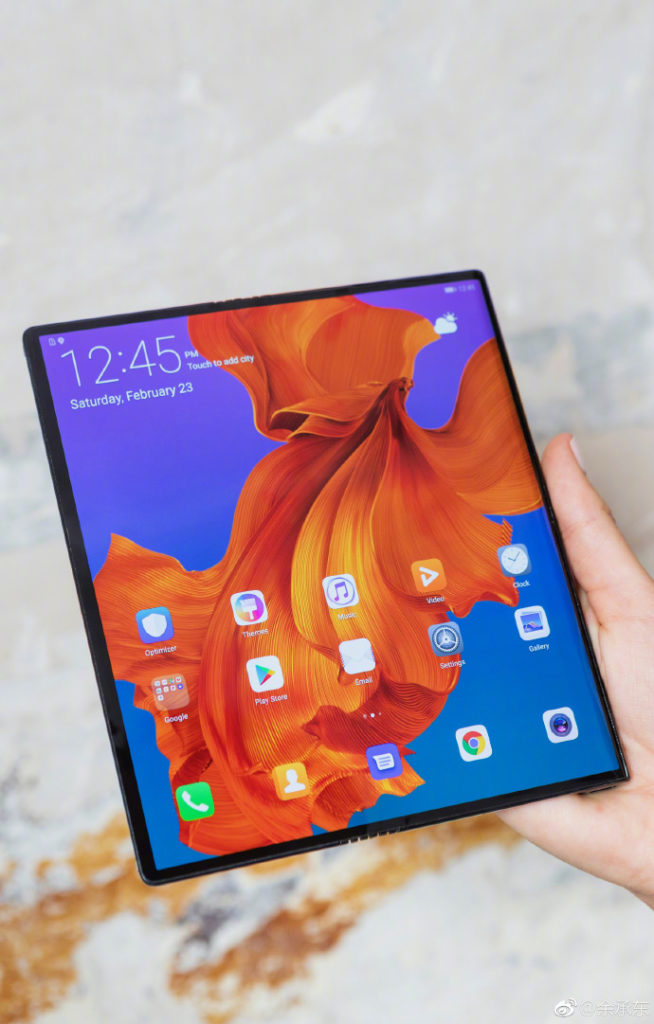
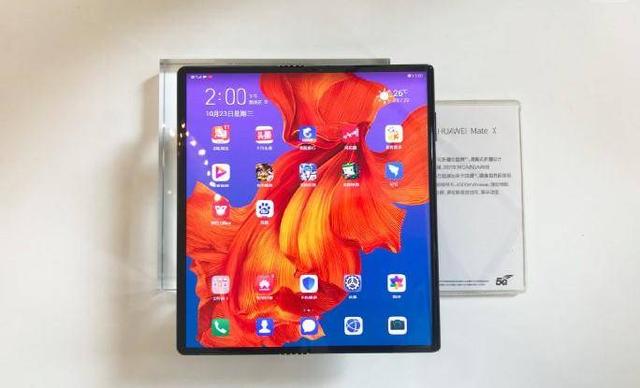
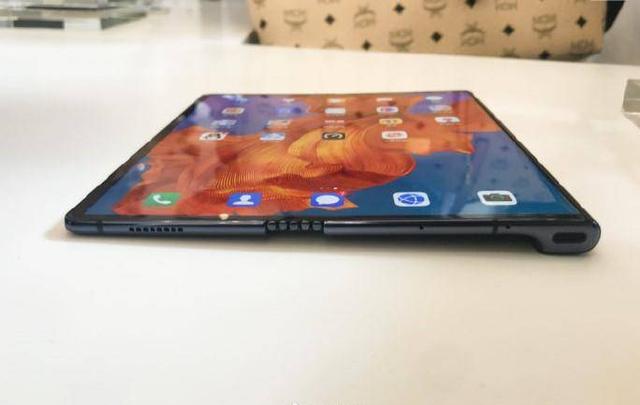
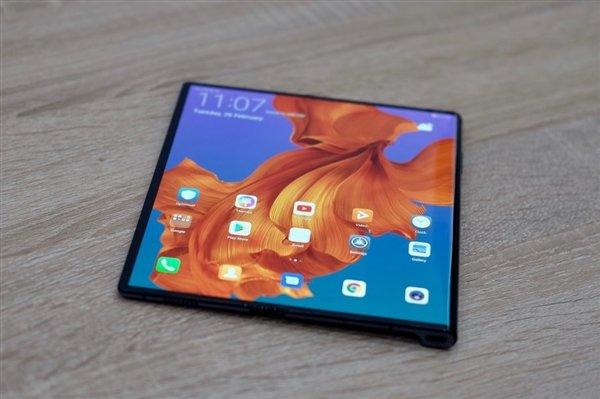
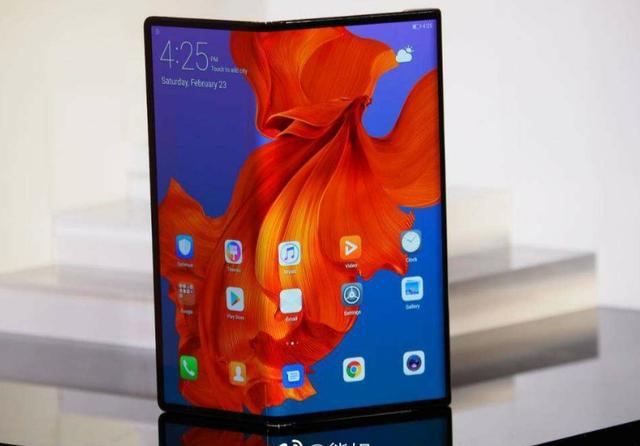
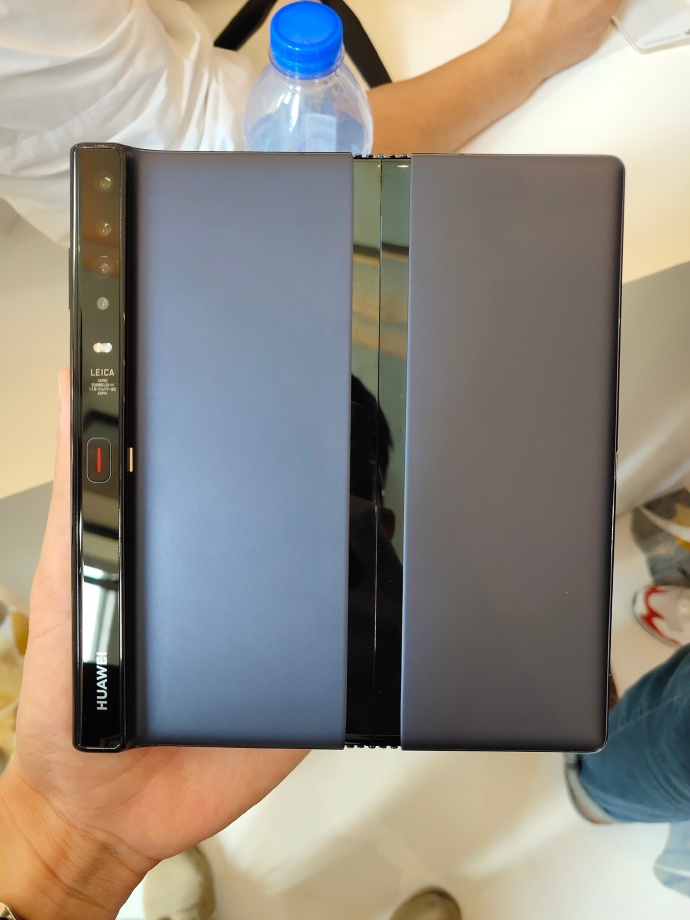
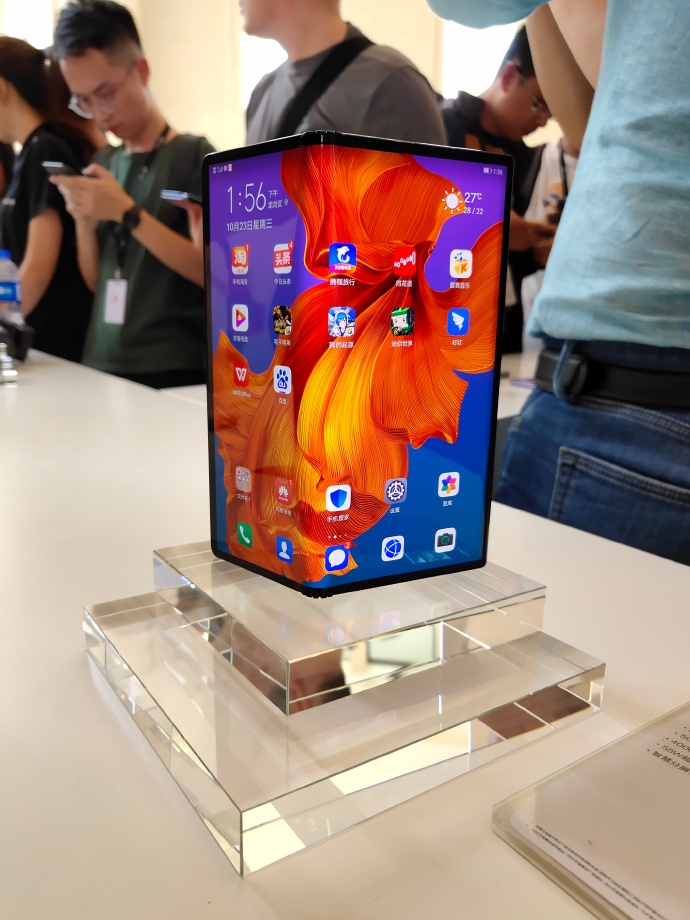
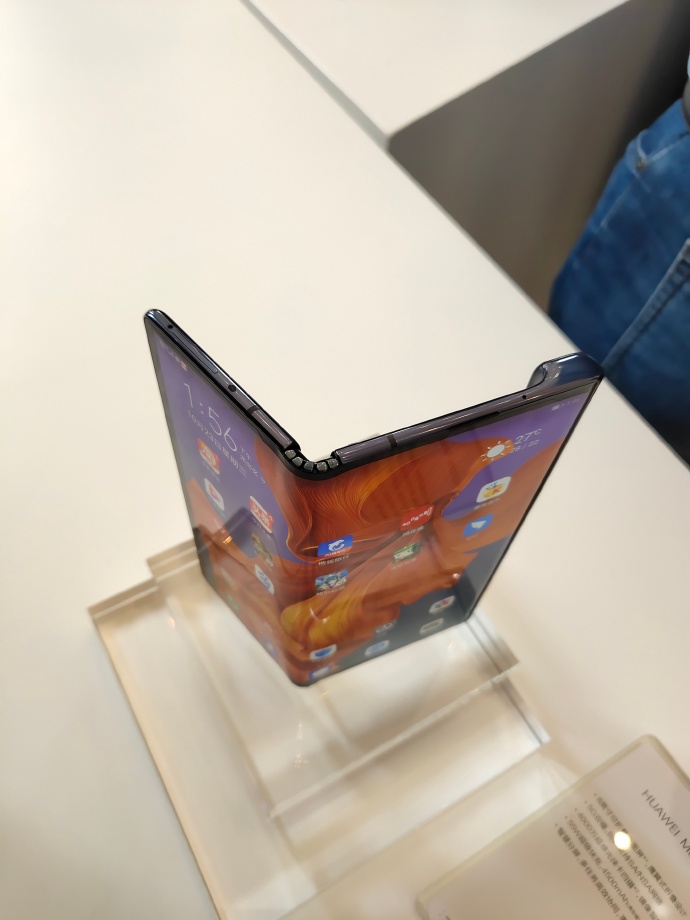
At its 5G terminal conference held in China today, Huawei took the wraps off the much-anticipated Mate X 5G. The foldable phone was first unveiled at the Mobile World Congress (MWC) earlier this year but has not been officially released until now. Huawei did hint that problems with the yield were responsible for the delay in the release of the device. Here are some pictures of the device scoop up from Weibo.
The Mate X as you know, is Huawei’s first foldable smartphone and it is directly positioned to take on the Samsung Galaxy Fold but seems to have a better design. Talking of the design, the Mate X utilises a design which Huawei calls Falcon Wing with up to 1000 components inside that ensures a seamless performance. It has a thickness of 5.4 mm in the unfolded state which is thinner than the Apple iPad Pro 2018. When it is folded, it still is thin with a thickness of just 11 mm. The device weighs 295 grams.
In order to keep the design thin, the phone doesn’t have the 3.5mm audio jack but it has a USB Type-C port. The phone also packs a side-mounted fingerprint scanner that doubles as the power button. At the side also, is a triple camera setup with the Leica badge.
A quick reminder of the specs. The Mate X has a large 8-inch screen with a resolution of 2480 x 2200 pixels and an 8:7.1 aspect ratio when unfolded with pretty thin bezels and no notch or “cliff” like the Samsung Galaxy Fold. When folded, It becomes a dual-display phone – one side is a 6.6-inch (2480 x 1148) 19.5:9 display while the other is a 6.38-inch (2480 x 892) 25:9 display. The device is powered by the Hisilicon Kirin 980 chipset with Balong 5000 modem to power the 5G. The chipset is paired with 8GB of RAM and 512GB of storage. It dual nano SIM slots but only one of them supports 5G.
The main camera is a 40MP wide-angle lens, the second one is a 16MP ultra-wide-angle lens, and the third lens is an 8MP telephoto lens. The device packs a 4500mA battery capacity and one interesting thing is the 55W SuperCharge fast charging technology it packs. On the software angle, the Huawei Mate X comes with features design for the foldable display design.
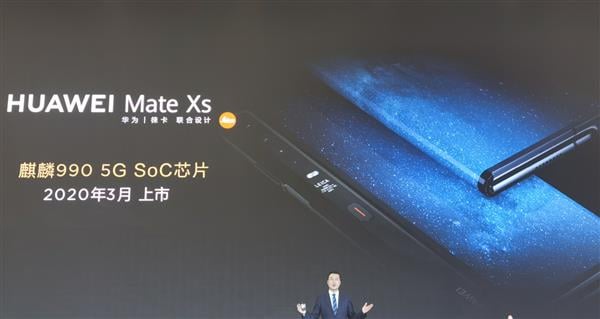
The device comes with a steep 16,999 yuan (~$2403) price tag and will go on sale this November. The company will also launch another foldable phone dubbed Mate Xs powered by Kirin 990 5G next year. Check out more pictures from below.
A few days ago, we reported that Samsung’s ultrasonic fingerprint sensor had a vulnerability that allowed anyone to unlock the Galaxy S10 devices. After this issue received global coverage, several banks across the world have dropped support for Samsung Galaxy S10, and Note 10’s fingerprint login option in their apps.
UK banks like Nationwide Building Society and NatWest have confirmed that they removed support for fingerprint login in their apps for Galaxy S10 users. One of Israel’s largest banks, Hapoalim Bank, has also removed fingerprint login support for both the S10 and Note 10. South Korea’s KaKao Bank has warned S10 users to disable fingerprint authentication from its app, while the Bank of China has completely dropped app support for Galaxy S10, Note 10, and even Tab S6 users.
According to an official statement from Samsung, the fingerprint authentication issue was caused by ultrasonic fingerprint sensors that falsely recognized the 3D patterns appearing on certain silicone screen protectors as genuine fingerprints. The current solution is to remove such covers and to delete and reregister all user fingerprints.
An official update fixing this issue will be issued by Samsung later this week. Until then, you might have some problems logging into your banking apps from the Galaxy S10 and Note 10 devices.
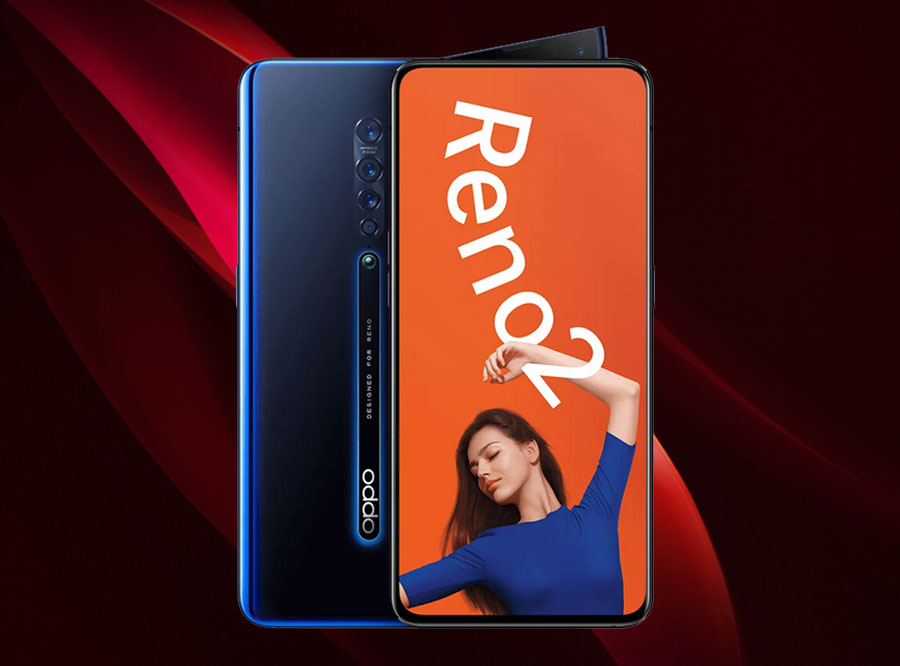
Chinese smartphone maker, Oppo is gearing to expand its reach to Hong-Kong where it plans to sell its offerings via select offline retailers. Noteworthy, the region is currently going observing anti-government protests by locals who have directed their anger on mainland Chinese companies by vandalising their stores.
OPPO Reno 2
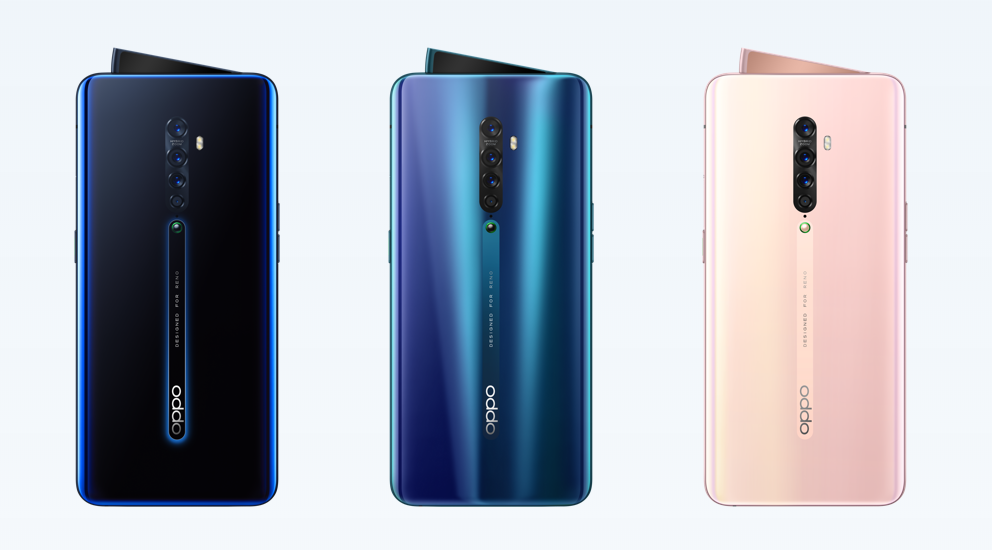
According to locals that are familiar with the mattery, the first smartphone that Oppo plans to launch in Hong-Kong is the mid-range Reno 2 which made its official debut last month. Oppo is currently the fifth-largest smartphone vendor in the world and third largest in its home country, China. However, overall sales of handsets in the country are currently seeing a downshift and Hong-Kong launch could possibly make up for some of that loss.
Surprisingly, Oppo is the only mainland Chinese smartphone OEM to remain absent from Hong-Kong until. Offering from brands like Huawei, Xiaomi and Vivo are already available for purchase via both online and offline channels in the territory. While an Oppo spokeswoman declined to comment on its expansion plans, local sources claim the launch of the first Oppo device could happen this very week.
Talking about vandalism caused by locals, a Xiaomi exclusive outlet was set on fire by protesters last week which suffered serious damage. Besides, Huawei’s stand-alone store in a shopping mall has also been attacked by these protesters in the recent past.
As previously mentioned, Oppo has partnered with select offline retail stores owned and run by locals, therefore, the chances of vandalism on these locations are presumed to be minimised greatly.
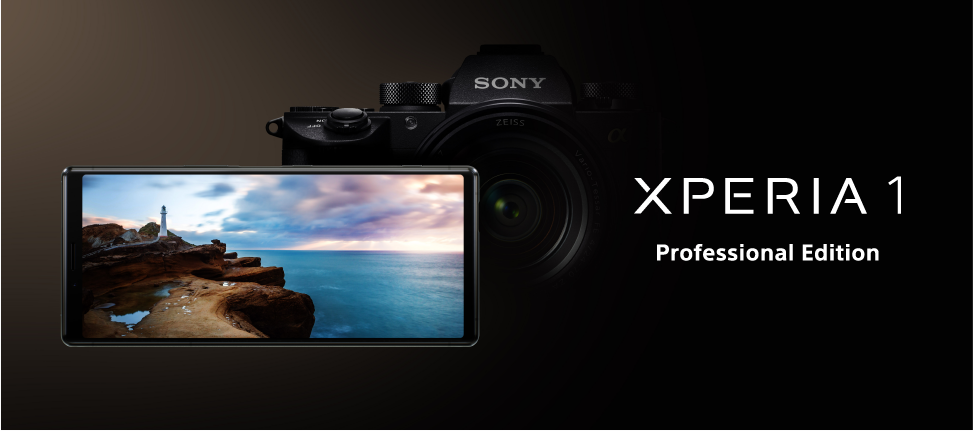
Sony’s Xperia 1 flagship with an unusually tall 21:9 aspect ratio went on sale earlier in June. Now, the same phone is getting a special Xperia 1 Professional Edition in Japan. The new edition retains the bare specifications of the regular version but makes a few tweaks to help professional photographers and e-sports players.
To start, the 6.5-inch 4K display on the device comes with support for 10-bit color depth and Illuminant D65 color profile. Each Xperia 1 Professional Edition unit is adjusted according to the D65 equivalent color profile to ensure the utmost color accuracy. Further, the phone can now display the home screen in the horizontal orientation to aid the regular workflow of video producers.
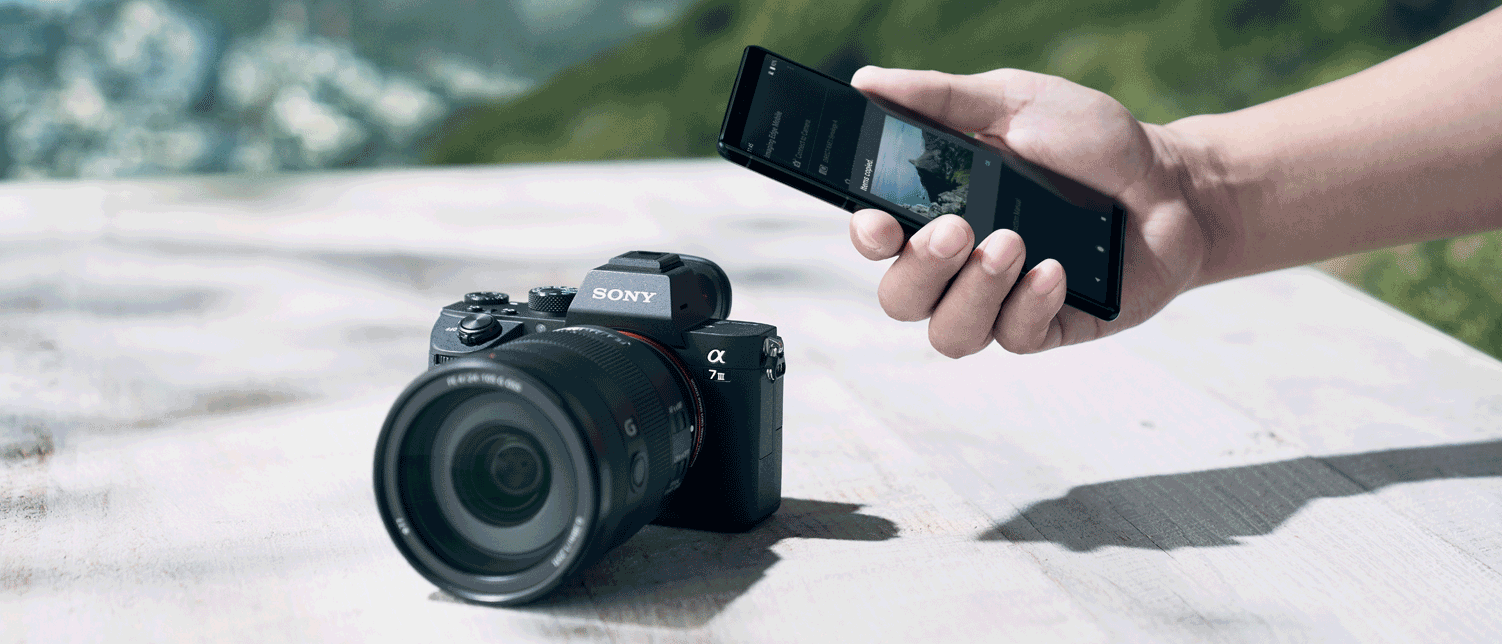
The Professional Edition also allows you to add IPTC metadata to photos taken with the Xperia 1 right out of the box. There’s also a pre-installed Imaging Edge Mobile photo transfer app that enables Sony camera users to transfer photos and videos wirelessly to the phone. Finally, the Xperia 1 Professional Edition comes with support for LAN connectivity via a USB Type-C based Wired Lan adapter.
As for the specifications, the phone retains identical hardware as the regular Xperia 1, which includes Snapdragon 855, 12MP triple cameras, side-mounted fingerprint sensor, and a 3330mAh battery.
This special edition retails for 157,000 yen ($1448) after-tax, which asks for a hefty premium (50 percent more) than the regular version.
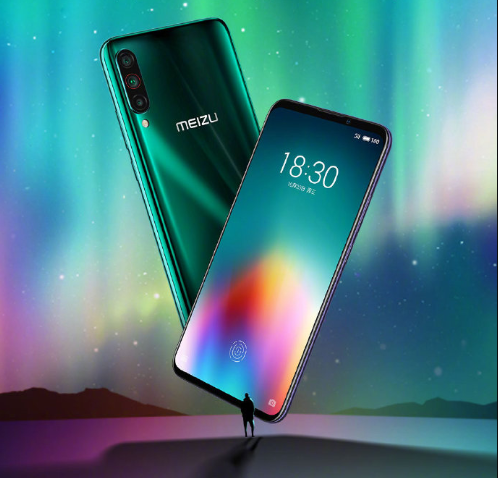
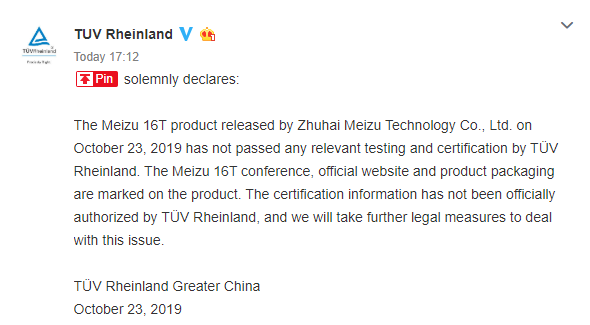
However, to everyone’s surprise, right after the Meizu conference, TÜV Rheinland released a statement saying that the phone wasn’t tested or certified by their organization. Apart from distancing themselves from Meizu 16T, the company further added that it would take relevant legal measures to deal with this issue.
Meizu 16T is not TUV Rheinland certified: Statement
Did Meizu really lie about TÜV Rheinland certification?
We haven’t yet heard from Meizu about this certification issue, but it is being said that the Super AMOLED panel used by the 16T is actually TÜV Rheinland certified. Meizu didn’t send the phone for independent certification to the organization, which is why they claim Meizu isn’t allowed market the 16T as TÜV Rheinland certified.
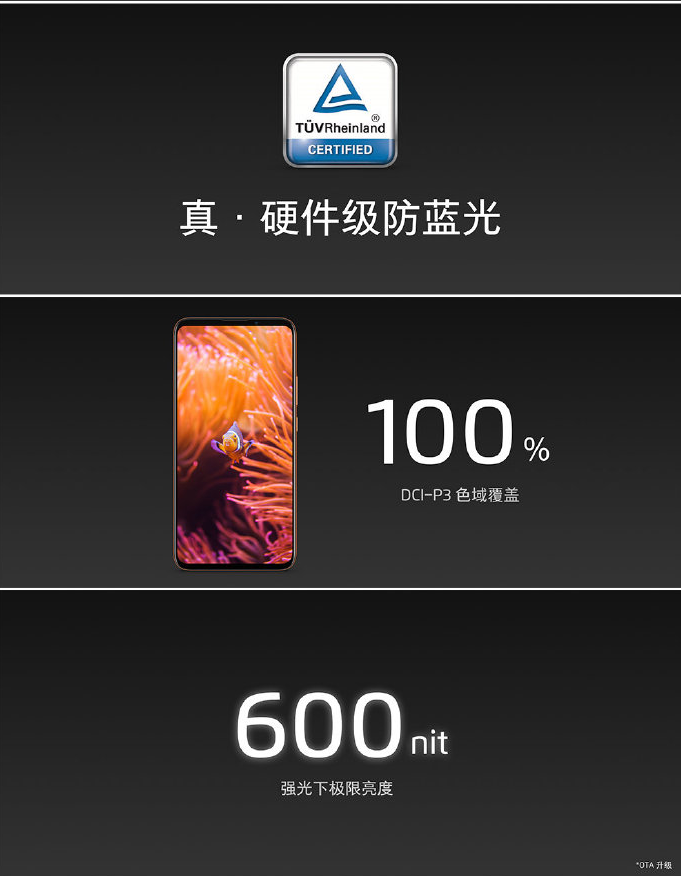
Meizu 16T’s marketing material boasts TUV Rheinland certification
Whatever the case, we should see some kind of statement from Meizu clarifying the issue very soon. The company may decide to remove TÜV Rheinland’s logo and certification details from its marketing materials. Or else, it could send the phone to the organization and pay the necessary fees for certifying it.
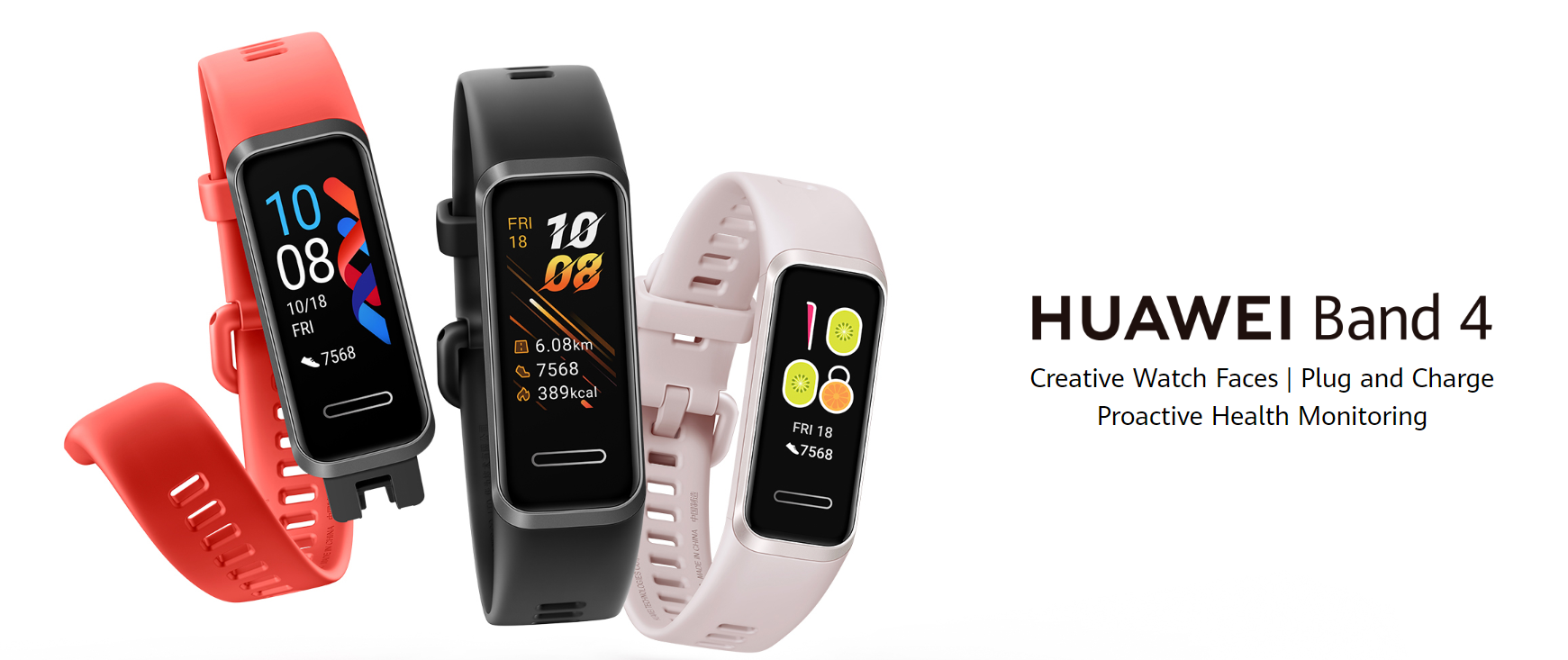
The Huawei Band 4 shares so many features with the Honor Band 5i that was launched yesterday. It has a 0.96-inch 80 x 160 TFT color display and is powered by a processor called the Apollo 3. Unlike the Honor band which has a circular capacitive home button, the Huawei Band 4 has a pill-shaped button.
The band comes in three color variants – Sakura Pink, Graphite Black, and Amber Sunrise. There are also several watch faces to choose from in the Huawei Watch Face Store.
When it comes to features the Huawei Band 4 has sleep tracking with TruSleep 2.0 which also tracks your heart rate while you sleep. It can identify up to 6 types of sleep problems and will provide suggestions to help you sleep better.
The fitness tracker can track the following activities – indoor and outdoor run, indoor and outdoor walk, and indoor and outdoor cycling. It can also track your activities on the elliptical bike and rower. It will provide details info such as heart rate, heart rate zone, steps, distance, and calories. Other features include Remote Shutter, Find My Phone, and notification for messages, calls, and goals.
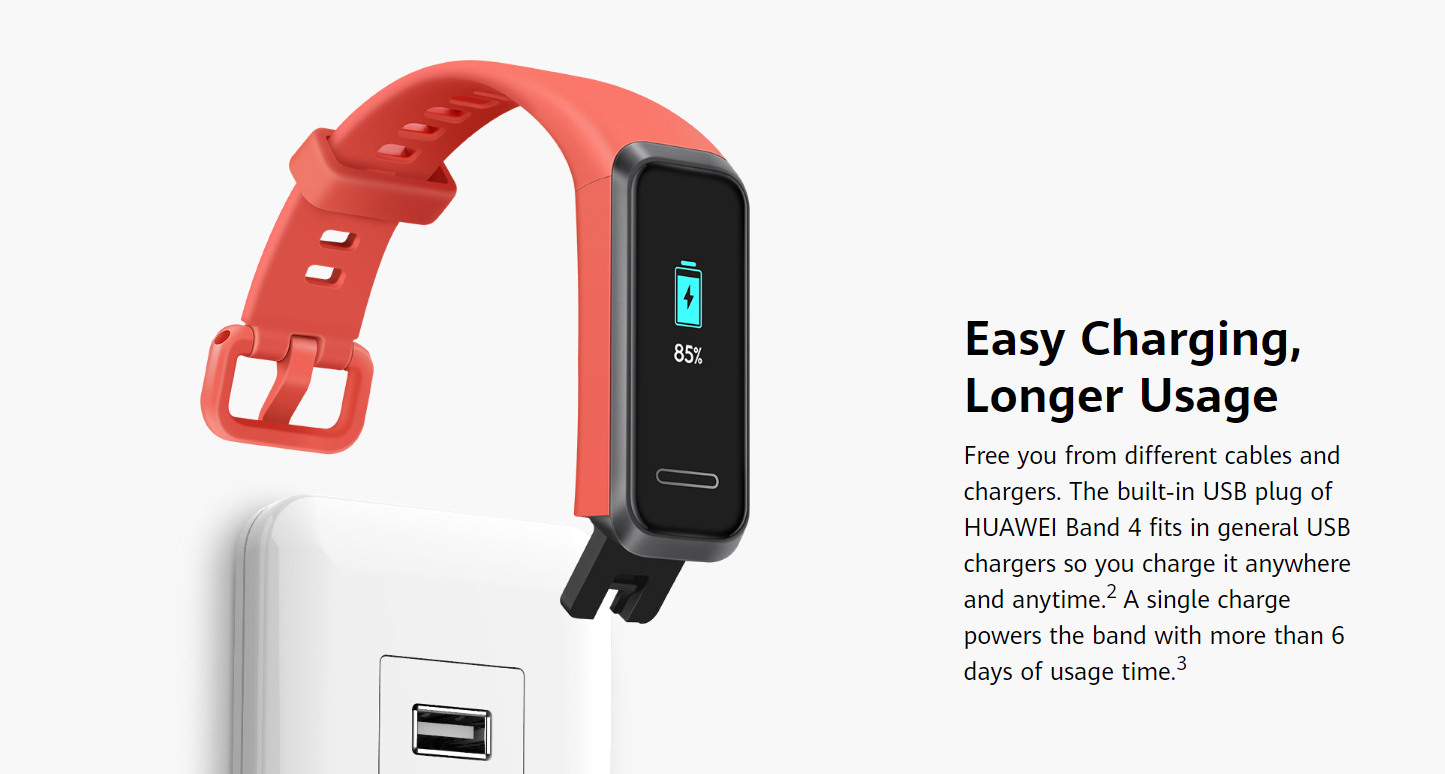
The Huawei Band 4 has a 91mAh battery and it has the same USB plug and charge design of the Honor Band 5i eliminating the need for a special cable or connector. The charging time is 1.5 hours and you should get up to 9 days on a single charge. The band connects via Bluetooth 4.2. It also has 5ATM water resistance.
It is priced at ¥199 in China and is already available for pre-order. It will go on sale on November 1. Huawei has also begun taking pre-orders in Indonesia and Thailand.
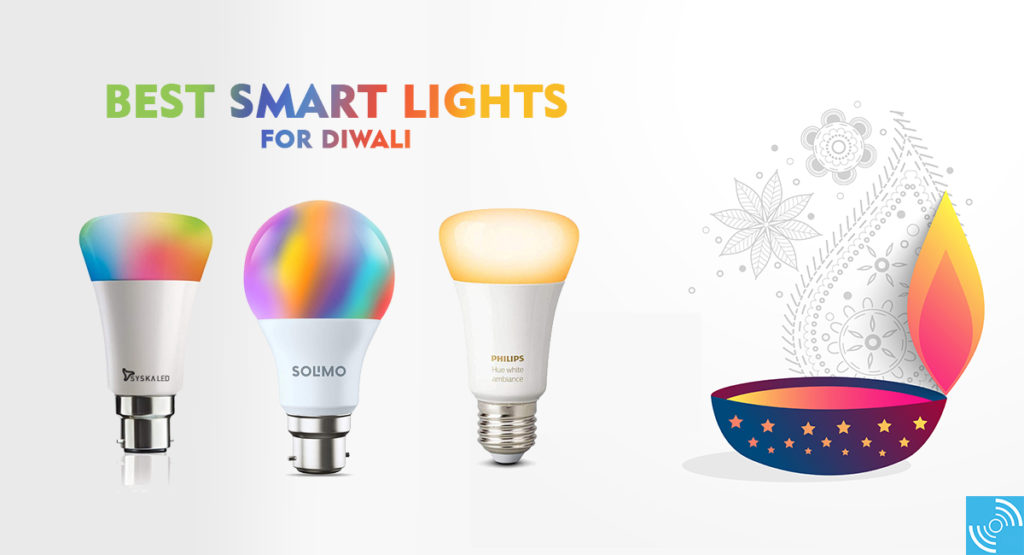
Diwali is just around the corner and to help you decorate your house we are listing some best smart lights you should grab this festive season. We are bringing some home decor lights to add more fun to the festivities. The interested users can get smart lights from either online or offline stores. There is a vast variety of smart bulbs, lights, and other products from different companies. We are listing some best smart lights available in the market to save your time and energy.
There are a lot many options based on different sizes, features, and wattage. Thanks to the ongoing sales at Amazon and Flipkart where users can grab the best smart lights at a very good price at a reasonable price. Here we have handpicked some best smart lights which can brighten up your home with different color shades.
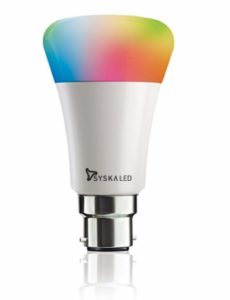
Syska 7-Watt Smart LED Bulb
It is a modern and minimalist smart LED Bulb that can be a perfect addition to your home. The WiFi-enabled 7 Watt Smart LED Bulb with Glorius glow is compatible with Amazon Alexa and Google Home. It can perform various tasks with voice control. The user can change color as per mood from supported 3 million color shades and tones.
Apart from the compatibility with the Amazon Alexa, it supports alarm features and can even set a daily schedule to turn it on automatically. It works with any WiFi router and does not need any special adapter or paid subscription to make it work. The user can control the light from anywhere in the world using its Offical App available for any Android as well as an iOS smartphone. The control for Syska Smart LED bulb is available for every device connected to the same WiFi network.
Usually, it retails for the price of Rs 1,799 but due to ongoing festive sale, it can be bought for Rs 499 from Amazon India.
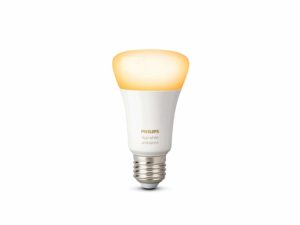
These are one of the best smart lights available this Diwali with a little hefty price tag. It cross-compatibility across Amazon Alexa, Apple HomeKit and the Google Assitant is unmatchable. It offers 16 million colors to match the occasion and mood.
The user can control the light from anywhere in the world through the smart device. It supports 50 light presets with over 12 switches. It can give you a feel of the rising sun and helps to energize you with multiple lighting options.
The power usage is of 9.5 Watts and is compatible with Android 4.4+ and iOS 9+ devices. It comes with 2 years warranty and will work with the Philips Hue starter kit.
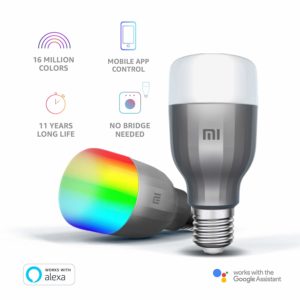
Xiaomi is well known for its smart IoT based devices. They have a vast brochure of smart devices from smart bulbs to refrigerators. The Xiaomi Mi Smart LED Bulb is favorite among the Mi Fans. Just like the Philips, this LED Smart Bulb supports various features such as 16 million color gamut, 800 Lumens brightness, and App Control. It has an extra-long life of up to 11 years and does not need a bridge to make it work.
It can be easily controlled via its app and is compatible with Alexa, Google Home, and Google Assistant. It can be purchased directly from Mi.com, Amazon India or Flipkart stores. You have to buy a B22 socket separately to make it turn on.
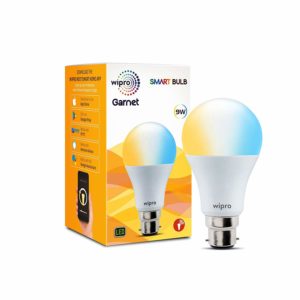
It is the cheapest smart bulb available in India with compatibility across Alexa and Google Assistant. The 9W Smart Bulb does not support 16 million colors but has shades of white and yellow. The user can control the device from anywhere with its smart app available on every popular mobile ecosystem. It also supports Google Assistant and Amazon Alexa.
The user can easily tune white color and can dim the intensity of the light to suit all kinds of themes including reading, leisure, etc. Wipro Garnet 9W Smart Bulb can tune brightness up to 810 lumens with a default color temperature of 6500 Kelvin. Its scheduler allows you to automatic schedule turn ON or OFF. A customized fiction can also be created IFTTT app on your Android or iOS smartphone.
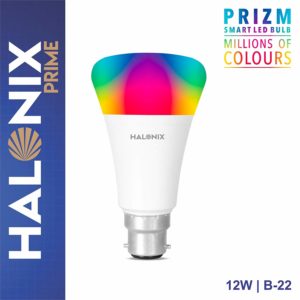
Halonix Prime Prizm is currently retailing for Rs 599 on Amazon. It is available in different wattage variants – 10W and 12W with holder options of B22 and E27. It is intact with 2 years of warranty from the date of the invoice. These bulbs work flawlessly with Alexa English/Hindi and Google Assistant.
The major pros are its remote and timing feature which automates the lighting. Multiple bulbs can be grouped together to set conditions, timers, and moods. It can easily work with a simple WiFi router, there’s no need for special HUB. The default color temperature is set to 4000 Kelvin with 972 Lumens.
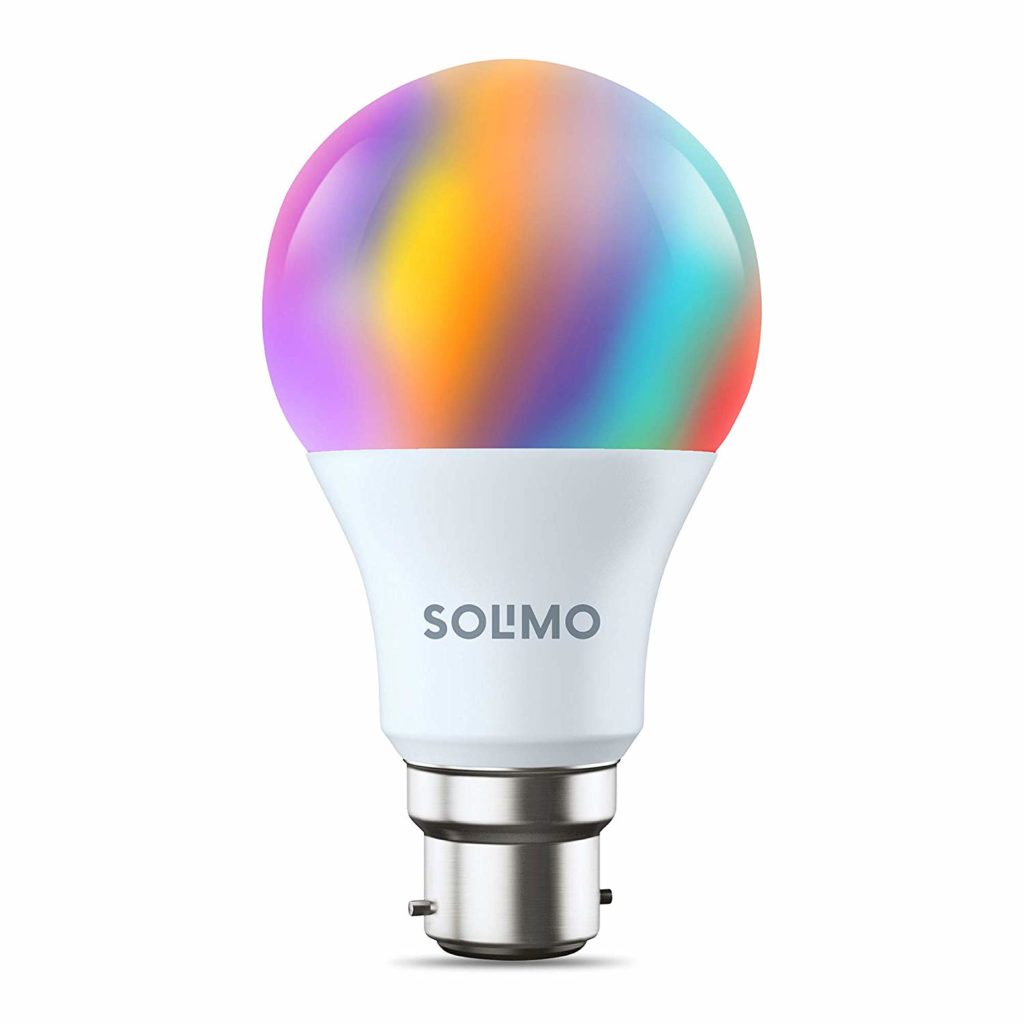
It is Amazon’s own brand offering all the features at a competitive price. Solimo Smart 12W LED support color gamut of 16 million shades with a color temperature range of 3000K to 6500 K. It is priced for Rs 659 with a 1-year warranty. The compatibility with Alexa and Google Assistant allows us to control it through voice. Its native Smart Life App makes it accessible from anywhere around the globe via Android and iOS devices.
Solimo Smart LED can work with a simple 2.4GHz WiFi router sans the additional gateway or HUB. It comes in two wattage options of 9W and 12W.
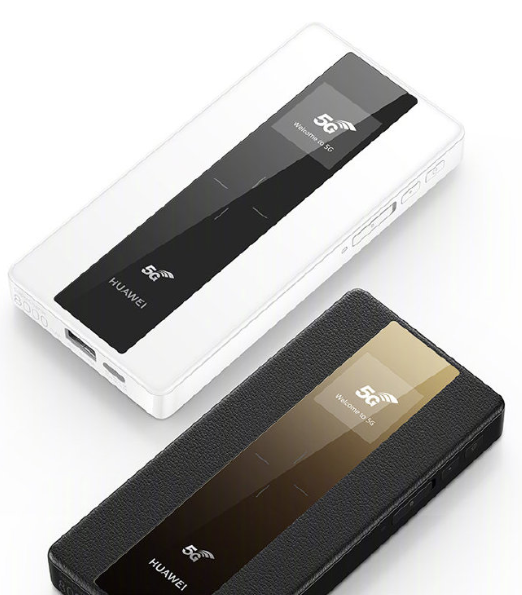
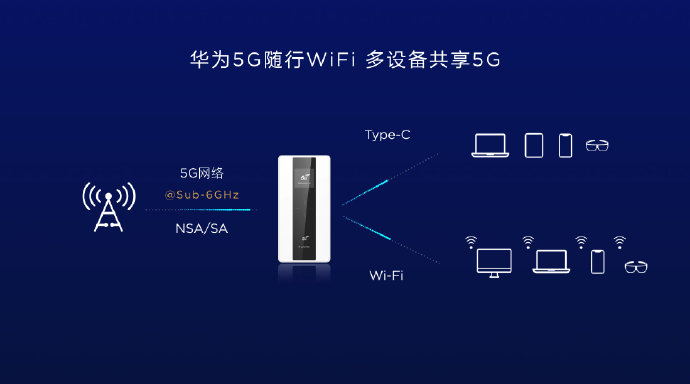
Huawei announced a number of products today focused on 5G. However, not everyone can afford a 5G smartphone but that does not mean you should not enjoy 5G speeds. With Huawei’s new 5G Mobile WiFi Pro and 5G Mobile WiFi, you can enjoy 5G on your other device(s).
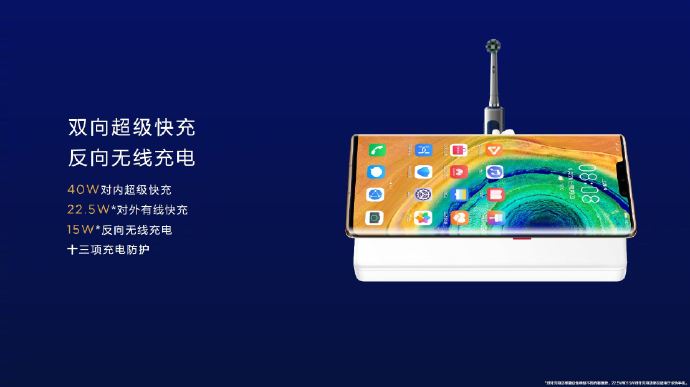
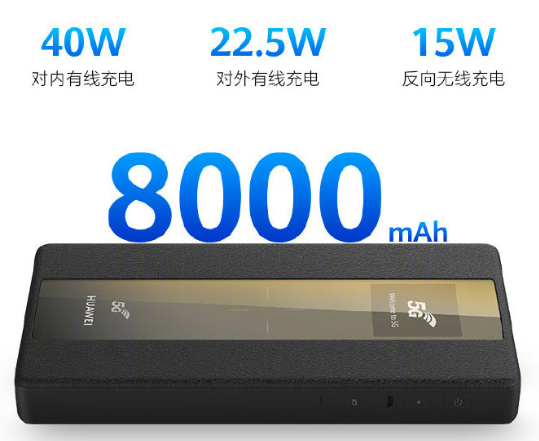
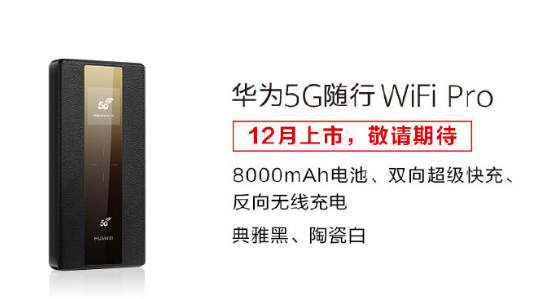
The Huawei 5G Mobile WiFi Pro (Black with a leather texture) is big thanks in part to its large battery capacity of 8000mAh. This makes sense since 5G consumes battery. However, it has been designed to be able to charge your devices too. It supports 40W input charging, 22.5W output wired charging, and 15W reverse wireless charging.
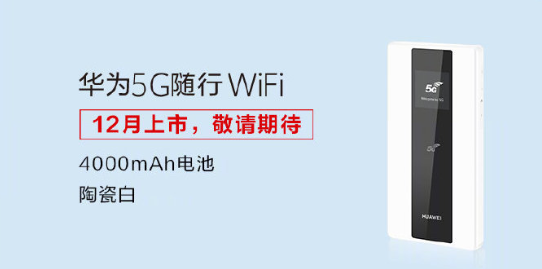
The Huawei 5G Mobile WiFi (white) has a smaller battery, 4000mAh to be exact. It also supports only 18W charging and doesn’t have support for wireless charging.
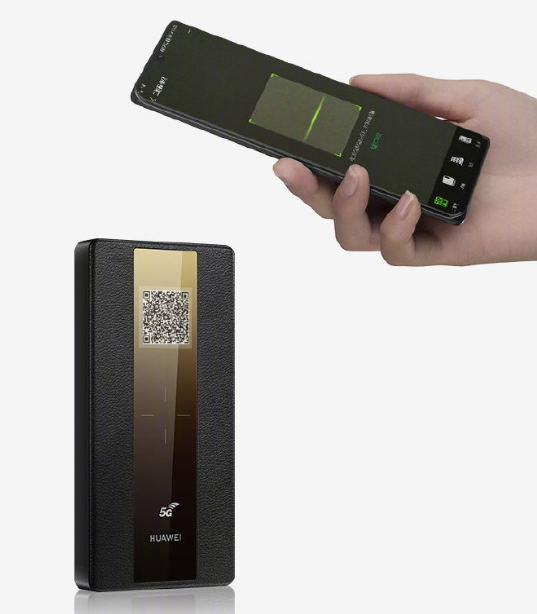
The mobile routers are shaped like a power bank with a design that reminds one of the Mate 20 RS. The routers also have a screen at the top which displays a QR code so you can easily connect to the network.
1 of 6
There is a Balong 5000 modem inside the device with support for NSA and SA. Huawei promises 1.56Gbps connections speeds and up to 867Mbps internet speeds. The 5G mobile WiFi also supports 4K 60fps live streaming.
Huawei did not announce a price tag but it says both will be available in December. The pro version will be available in Ceramic White and Elegant Black while the standard version will be available in only white.
India is well on its way to implement the world’s largest facial recognition program. The last date of tender submission for the National Automated Facial Recognition System, AFRS for short, is barely 16 days away. The AFRS is the initiative of the National Crime Records Bureau (NCRB), which comes under the purview of the Ministry of Home Affairs. The bidding process commenced on July 8 and will accept offers until November 8. The results will be declared on Nov. 8.
According to the NCRB’s 172-page memo, “This is an effort to modernize and unify the nation’s police forces by creating a single database. This initiative will help with identifying criminals, gathering information, verification, and cooperation between various law enforcement agencies”. The program will benefit the Home Ministry and the NCRB to track and nab known criminals.
Apart from tracking down criminals, the program will also help with identifying missing people, children and unclaimed dead bodies around the country. AFRS will be tasked with detecting crime patterns and identifying the modus operandi of criminals across India. The software will then share the information with the local law enforcement officers, helping their efforts in crime prevention.
The most reliable facial recognition programs currently used worldwide include Amazon’s Rekognition, Lambda Lab’s Face Recognition and Face Detection, Google’s Cloud Vision, Microsoft’s Face API, and IBM’s Watson Visual Recognition. China has its own lineup of applications like Megvii, CloudWalk, SenseTime, and Yitu. During the trial run in India last April, the Delhi Police identified almost 3,000 missing children in four days using a facial recognition system.
Like with any new technology, there are concerns related to its misuse. According to a statement issued recently to IANS, Pavan Duggal, one of India’s top cyber law experts said, “The Information Act, 2000 does not have a specific law governing the use of facial recognition. The first casualty of the lack of governance will be people’s right to privacy”.
“India does not yet have a framework or regulatory body to govern the storage of facial recognition data. Some of the stalwarts in the area like Amazon and Microsoft also agree that the use of facial recognition needs to be governed. Microsoft’s President Brad Smith has urged the government to form legislation regarding the use of facial recognition technology. According to Smith in his new book titled ‘Tools and Weapons’, “The IT veterans need to step up their game and address the challenges regarding regulatory norms”.
“Considering the technology’s potential for abuse, governments around the world need to start creating laws in 2019”, Smith said in an interview last year. “Unless we act now, we risk having to deal with the liabilities of facial recognition technologies five years into the future”. Smith had further warned in a blog. In his statement, last December, Smith added, “The mass scale use of facial recognition technology by the governments will inevitably invade people’s civil rights”. Amazon came out in support of Rekognition, its facial recognition software, which has been successfully used to identify criminals in the past.
According to the official statement released by the NCRB, “The AFRS will dramatically reduce crime rates in India by automatically identifying people of interest from digital photographs, sketches, video frames, and CCTV footage and comparing their facial features against the existing database. Facial recognition software is an essential tool for identifying criminals, missing children and people. It assists the investigating officers by providing the correct information and technology before it is too late”.
Various smartphone manufacturers are gearing up to launch 5G-enabled phones. Sony too is expected to launch 5G phones in the coming year. A fresh report on Sumahoinfo reveals that the recently launched Sony Xperia 5 will be the last flagship smartphone from the Japanese electronics giant to use the 4G spectrum. All upcoming flagships will be 5G-compliant while budget and mid-range devices will continue to offer 4G.
Sony is rumored to launch a 5G-ready Xperia by spring 2020. The reason behind it is that Japanese carrier DoCoMo will begin its 5G services in Japan by spring. It is being said that the next flagship phone with be equipped with 5G connectivity. There is a possibility that the company may sell 5G-enable flagship phones in Japan and some select markets while other regions may receive its 4G variants.
The Xperia 5 was unveiled back in September during the IFA 2019 in Berlin. The smartphone is scheduled to go on sale globally in November.
The Sony Xperia 5 flaunts a CinemaWide 6.1-inch OLED full-HD+ display with a resolution of 2520 x 1080 pixels. The smartphone features a screen-to-body ratio of 81.09% and an aspect ratio of 21:9. The display is protected by a Corning Gorilla Glass 6 certification. The Xperia 5 is powered by a 2.84GHz octa-core Snapdragon 855 SoC with 6GB of RAM. The device features up to 128GB of internal storage, which can be expanded up to 512GB using a microSD card.
The Xperia 5 features a triple-camera setup at the rear. The primary lens is a 12-megapixel sensor with an aperture rating of f/1.6with 5-axis OIS and dual pixel PDAF. It is paired with a 12-megapixel telephoto lens with an aperture rating of f/2.4 and PDAF support. The third lens in the vertical triple-camera alignment is a 12-megapixel ultra-wide unit with an aperture rating of f/2.4. The Xperia 5 is equipped with stereo speakers and a dynamic vibration system for an enhanced gaming experience.
The Sony Xperia 5 draws power from a 3,140 mAh battery equipped with 18W USB-PD fast charge. The smartphone runs on Android 9.0 Pie. It gets a side-mounted fingerprint scanner and face unlock for security. While the device is IP65/68 rated for dust and water resistance. Connectivity options include dual-SIM 4G VoLTE, Wi-Fi 802.11 a/b/g/n/ac, Bluetooth v5.0, USB Type-C, GPS and NFC. The smartphone misses out on a 3.5mm headphone.
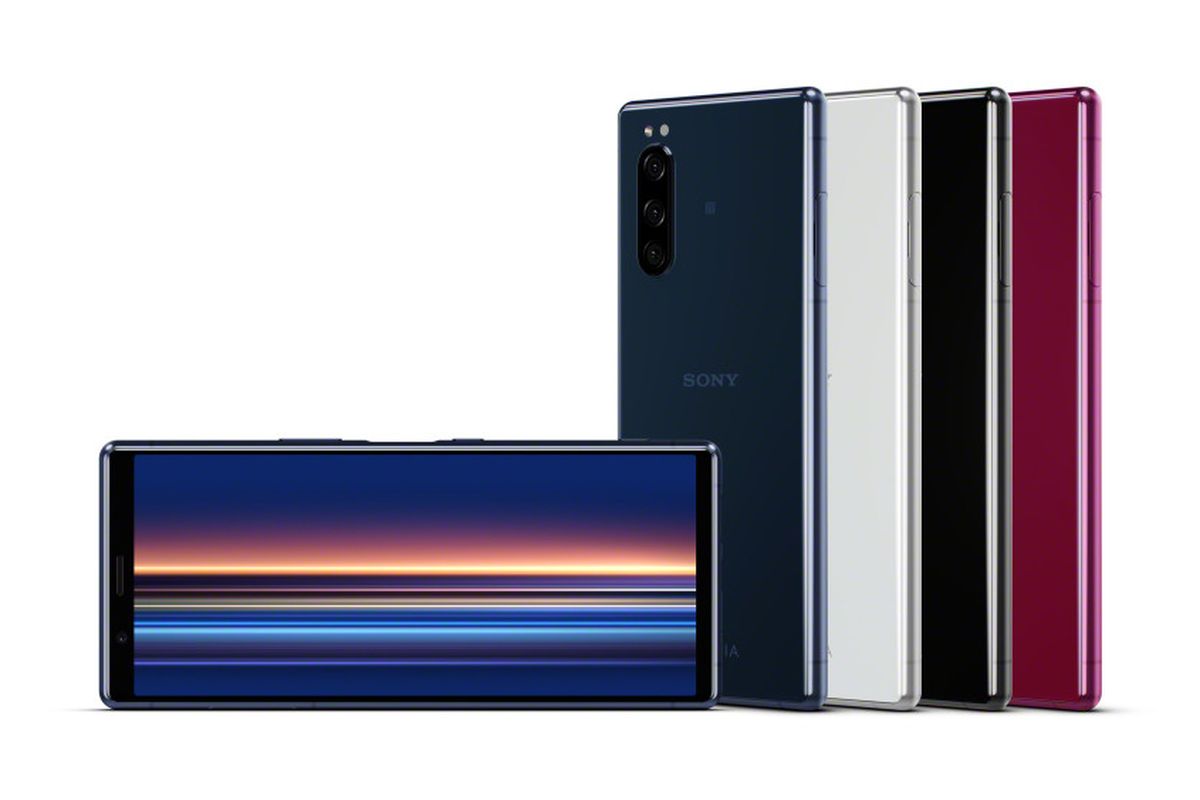
The Sony Xperia 5 had gone official in China with a starting price tag of CNY 5,399 (~$759). Global pricing is yet to be unveiled officially. The four color variants of the smartphone are Wine Red, Crystal Blue and Frosh Ash and Drill Black.
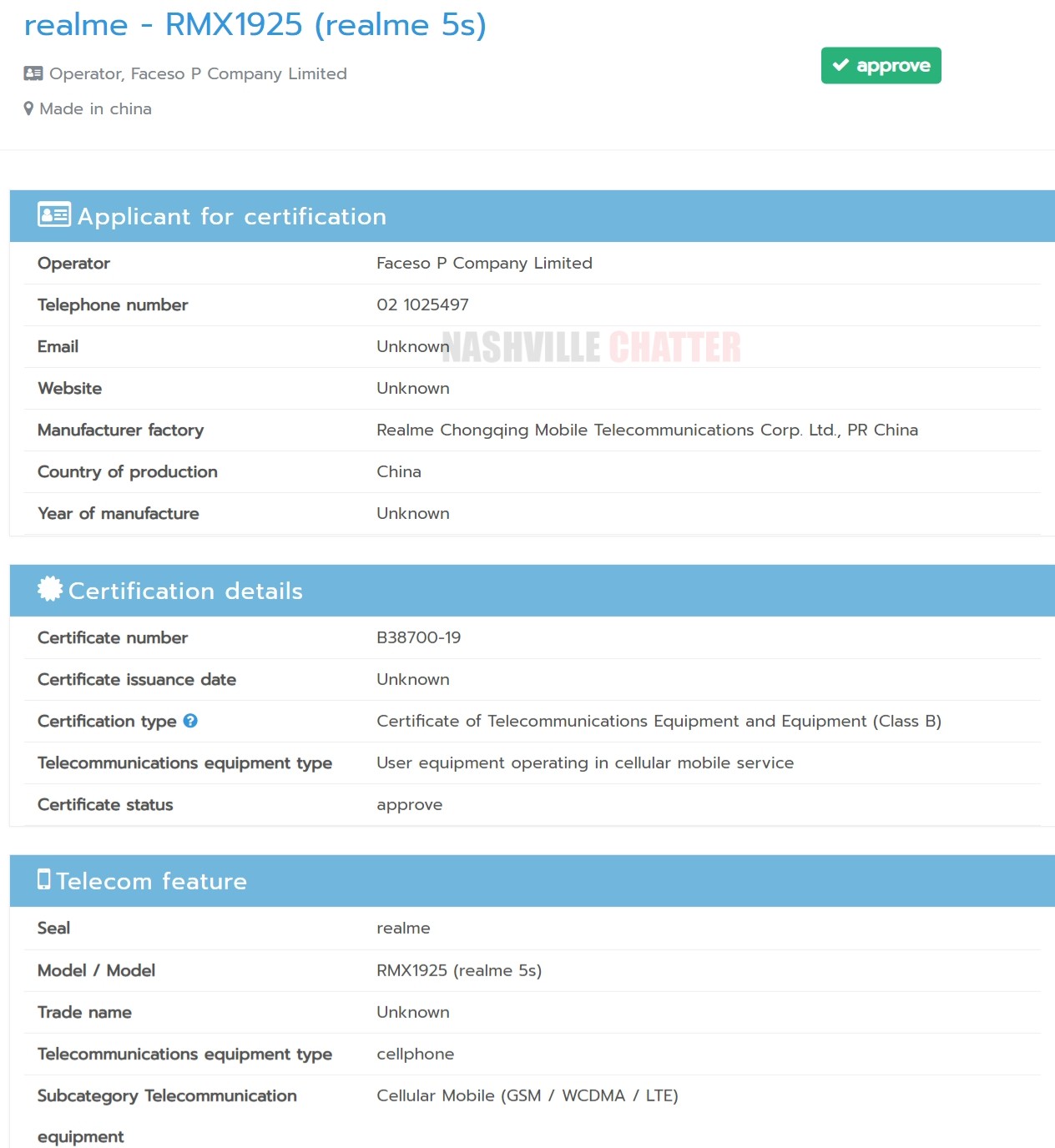
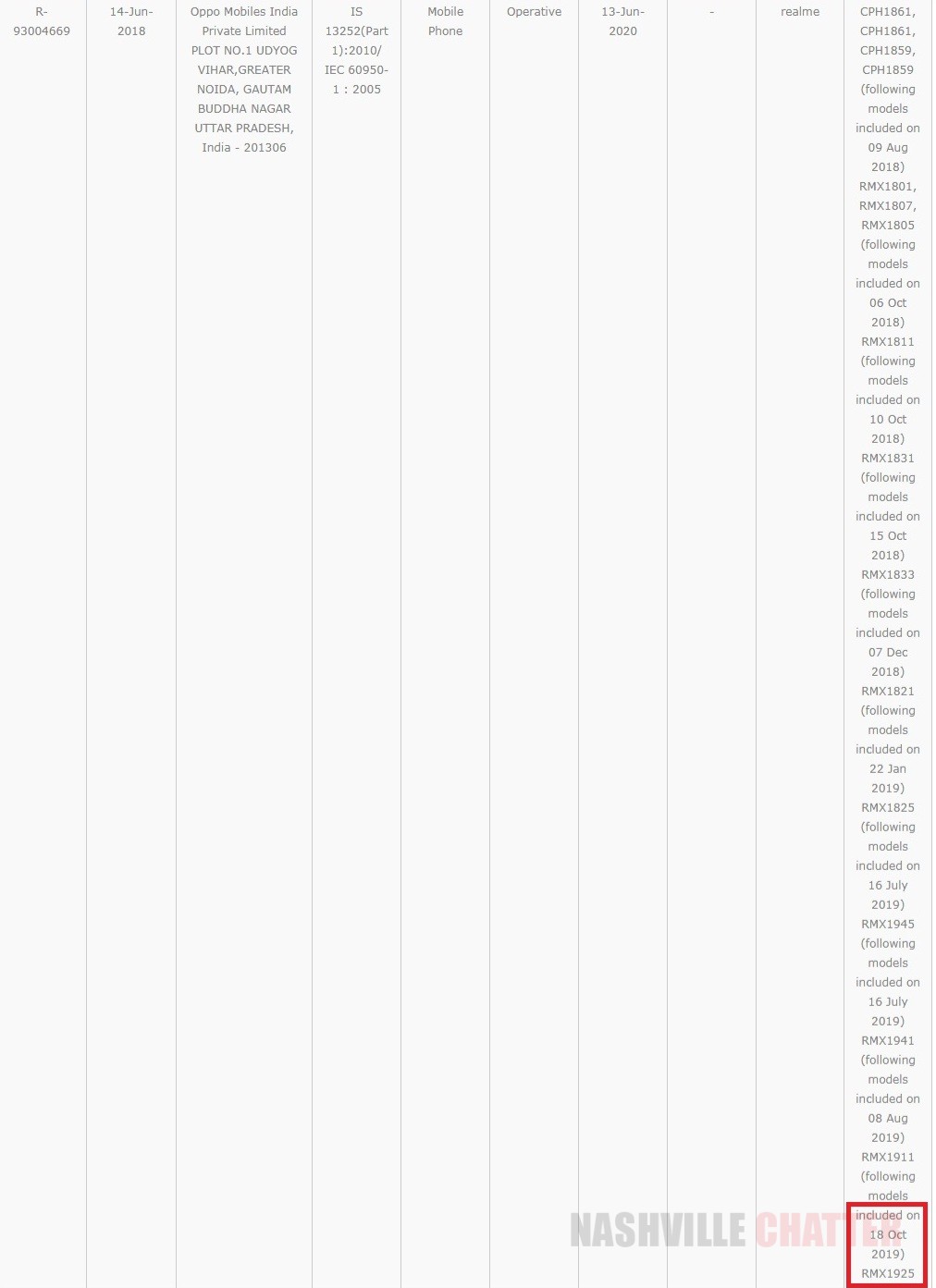
Realme seems to be planning to expand its Realme 5 series as a new smartphone with model number RMX1925 has been spotted. The model number has been spotted at India’s Bureau of Indian Standards (BIS). The National Broadcasting and Telecommunications Commission (NBTC) agency of Thailand has approved it as the Realme 5s phone.
Now that the Realme 5s has been certified by aforementioned authorities, it is safe to assume that India and Thailand will be some of the countries that will be receiving. Unfortunately, none of these listings have revealed the specifications of the Realme 5s.
1 of 2
Realme 5s (RMX1925) NBTC
Realme RMX1925 BIS
Currently, the Realme 5 is available in India in models like 3 GB RAM + 32 GB storage, 4 GB RAM + 64 GB storage and 4 GB RAM + 128 GB storage with respective price tags of Rs. 8,999 (~$127), Rs. 9,999 (~$141) and Rs. 10,999 (~$155). On the other side, the Realme 5 Pro variant such as 4 GB RAM + 64 GB storage, 6 GB RAM + 64 GB storage and 8 GB RAM + 128 GB storage are respectively priced at Rs. 13,999 (~$197), Rs. 14,999 (~$211) and Rs. 16,999 (~$240).
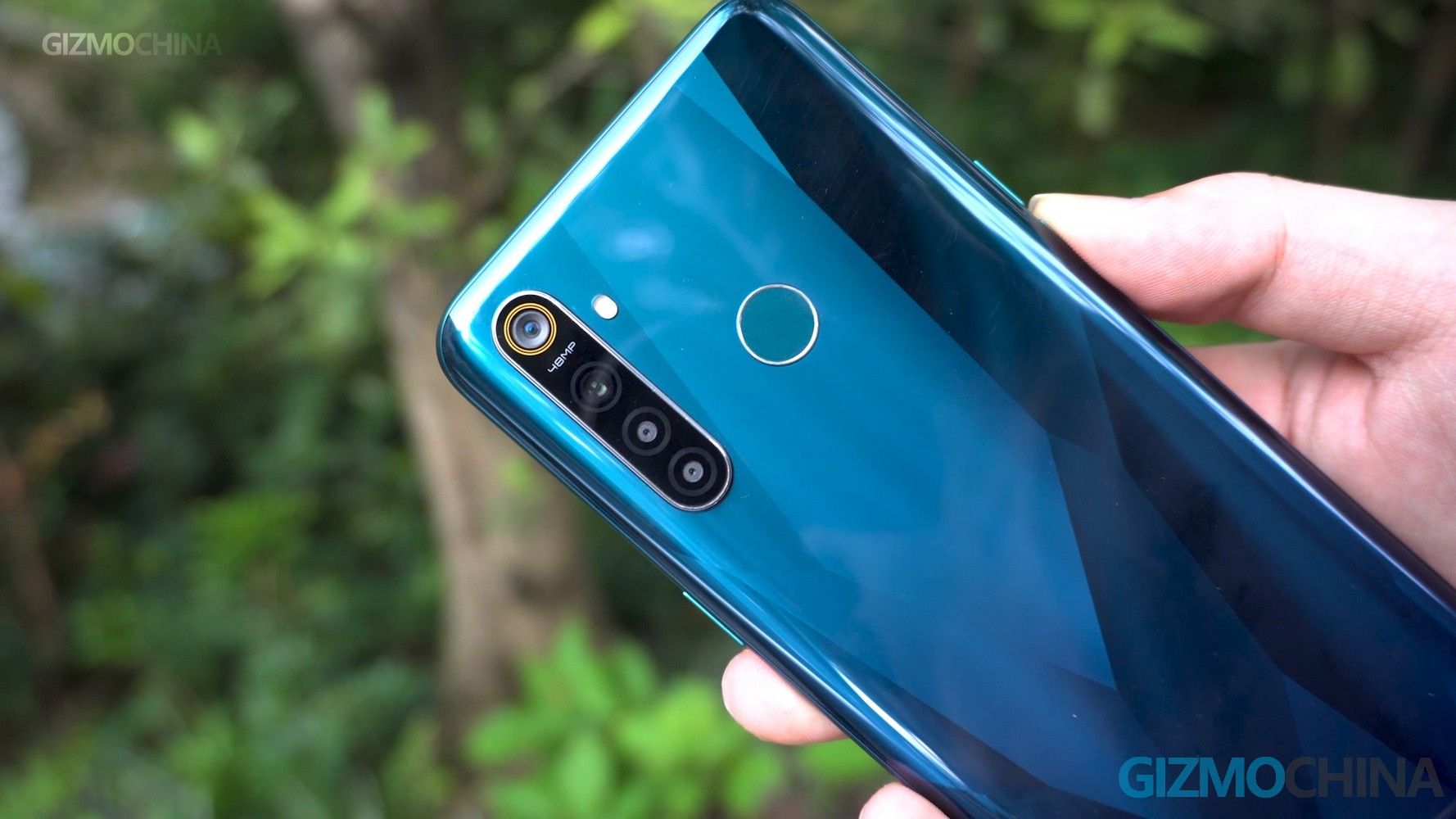
Probably, the Realme 5s could be slotted between Realme 5 and Realme 5 Pro phones. It could be priced between Rs. 11,999 (~$169) and Rs. 13,999 (~$197) and may feature the more powerful Snapdragon 675 mobile platform. Belong to the Realme 5 family, the Realme 5 could be quad rear-mounted cameras. It is recommended to wait for further reports to spill more information on the Realme 5s smartphone.
The Realme 5 has a 6.5-inch HD+ display and it is powered by Snapdragon 665 whereas the Realme 5 Pro has a 6.3-inch full HD+ display and it is fueled by Snapdragon 712. The Realme 5 supports only 10W charging for its 5,000mAh battery. The Pro model has a smaller 4,035mAh battery that is equipped with support for 20W VOOC 3.0 Flash Charge technology through USB-C.
Realme 5 Pro
The Realme 5 and 5 Pro phones are preloaded with Android 9 Pie OS that is flavored ColorOS 6. For capturing selfies, the Realme 5 has a 13-megapixel sensor whereas the Pro variant has a 16-megapixel lens. The Realme 5 has a 12-megapixel + 8-megapixel + 2-megapixel + 2-megapixel quad camera system on its rear. The rear shell of the Realme 5 Pro features a 48-megapixel + 8-megapixel + 2-megapixel + 2-megapixel quad camera unit. Both phones are equipped with rear-mounted fingerprint sensors.
At the MWC 2019, which was held in the month of February, Huawei launched its first foldable smartphone that is called the Mate X. The only considerable rival to this device is Samsung’s Galaxy Fold which likewise is the first foldable phone from the Korean electronics giant. Unfortunately, due to display issues and quality concerns, Samsung had to pushback the commercial availability of its offering.
Source: Weibo (包纸玩机)
Following Samsung, Huawei also delayed the availability date of the Mate X without providing a satisfactory reason. While the reiterated Galaxy Fold went on sale previously, Huawei has today announced the commercial availability of its foldable smartphone. The Mate X with updated Kirin 980 SoC and 5G compatibility will go on sale starting 10:08 AM October 15 onwards.
The handset carries a steep price tag of Yuan 16,999 (~$2403) however, due to its unique form factor, its limited quantities are predicted to sell out quickly. At the previously mentioned launch event which took place earlier today, Huawei also shed light upon the two main reasons which delayed the Mate X’s commercial launch in the first place.
Firstly, Huawei wanted to ensure that the device matches the longevity and durability expectations that its potential customers would have. Having said that, it would also safeguard the company from any criticism that Samsung was subjected to after its CEO admitted that he rushed the Galaxy Fold before it was ready.
1 of 2
Source: Weibo (包纸玩机
)
Source: Weibo (包纸玩机)
The second reason was Huawei wanted to make sure its first foldable handset provides seamless user experience and the delay has allowed the company to further enhance it by refining the compatibility between the hardware and software. To note, the Mate X 5G comes with the older Kirin 980 processor, instead of the new Kirin 990. So, it probably took the company a while to perfect the hardware and software experience on this new form factor.
Huawei has also revealed that its foldable smartphone with Kirin 990 and 5G will launch in the month of March, next year and it will be dubbed the Mate XS.
Huawei did officially launch its foldable smartphone, the Mate X at an event today in Shenzhen. However, it did surprise us with the announcement.
It was previously reported that there will be two versions of the Mate X – a Kirin 980 version with a Balong 5000 modem and a second version with the Kirin 990 5G chipset which has an integrated 5G modem. Both versions were expected to launch today but only the former launched. According to Huawei, the Kirin 990 5G version will not arrive until March 2020 and when it does, it will be called the Mate Xs.
Sadly, Huawei didn’t specify the date and also didn’t reveal the price.
We are not too surprised seeing as when the device was first announced in February, it had a Kirin 980 chipset. If it didn’t postpone the launch, the Mate X would have gone on sale before the Kirin 990 5G chipset was announced.
We also think Huawei is playing it safe by pushing the release of the Mate Xs to March 2020. By releasing the Mate X first, reviews and feedback will allow it to know how many units of the Mate Xs will be made or if changes should be made before its release.
When the Mate Xs launches next year, it will still be a powerful device as the next Kirin flagship processor won’t arrive until months later.
After months of delays and speculations, Huawei has finally unveiled the Mate X 5G, the company’s first foldable smartphone in the market. The phone was first shown off at MWC 2019 but it took Huawei nearly 10 months to ready it for the commercial market. But now, the Mate X 5G is finally here and you can purchase it starting November 15 in China.
The Mate X 5G will first go on sale at 10:08 on November 15 in limited quantities in China. The company is unsurprisingly offering an additional 50% discount on screen related repairs and replacement with the purchase.
The Huawei Mate X 5G comes with a 6.6-inch display on the front featuring 19.5:9 aspect ratio and 2480 x 1148 pixel resolution. In the folded position, there’s another display at the back featuring 6.38-inches with 2480 x 892 resolution and 25:9 aspect ratio. When you unfold the display, you get a large 8-inch tablet-like screen to play with featuring an 8:7.1 aspect ratio and 2480 x 2200 pixel resolution.
Source: Weibo (包纸玩机)
Huawei is said to have used a double-layer polyimide material for the flexible screen that increases strength by up to 40 percent. Further, the innovative (falcon) hinge that supports the display reportedly has zero openings or grooves to improve its durability. At the back, the Mate X has four cameras, a 40MP primary sensor, an 8MP telephoto lens, a 16MP super wide-angle shooter, and a 3D depth sensor as well. The phone comes with up to 45X zoom (3X optical). The primary sensor features OIS and AIS for stabilization. The phone comes with 5G support with dual SIM dual standby.
Source: Weibo (包纸玩机)
Note that the Mate X 5G comes with last year’s Kirin 980. The development cycle was probably too long for the device to feature the new Kirin 990 5G chip. Underneath, the Mate X 5G has a 4500mAh battery with Huawei’s SuperCharge 55W charging technology. This should ensure at least a day’s usage despite its large screen. Also, you get around 85% charge in just 30 minutes, so recharging the phone is going to be an extremely quick process.
In terms of software, the Mate X comes with foldable-specific features that include split-screen multitasking, and text/ image drag and drop between screens.
The company has also confirmed that it will launch an upgraded version of the Mate X 5G, dubbed the Mate Xs, in March 2020 with the new Kirin 990 5G SoC.
Mate X’s release marks the availability of the second commercial foldable smartphone in the market right now. The phone has got a few upgrades since its first showcase back in February, but it’s exciting to see that the phone is finally available for the everyday consumers.
Will it feature Google Apps? That’s not the appropriate question right now. Google app support is secondary. First we’ll have to wait and see whether its truly ready for the consumer market.
As a phone manufacturer, it is important to connect to your fans, and one of the ways to do that is to listen to their suggestions and feedback. Over the past couple of years, we have seen brands like OnePlus organize meetups (called Open Ears Forums) with its fans to talk about ideas for improving its current and future devices. Nokia Mobile India is borrowing a leaf from OnePlus with its design meetup.
The official Nokia Mobile India Twitter account has announced that it will be hosting a meetup on November 9 in New Delhi to talk about designing the future of Nokia smartphones. The tweet was retweeted by Juho Sarvikas, Chief Product Officer of HMD Global.
The meetup series is called “Let’s Talk” and from the official press statement, we deduce there will be more events in the future.
For this edition, Nokia wants to know what you think about the “design of its smartphones and what they can do better, your ideas about where smartphone design is heading and what you want to see in Nokia smartphones”.
If you are willing to attend, do visit this link to register. If you get the chance to attend, your idea may make it to the next Nokia phone.
We use cookies on our website to give you the most relevant experience by remembering your preferences and repeat visits. By clicking “Accept”, you consent to the use of ALL the cookies.
This website uses cookies to improve your experience while you navigate through the website. Out of these, the cookies that are categorized as necessary are stored on your browser as they are essential for the working of basic functionalities of the website. We also use third-party cookies that help us analyze and understand how you use this website. These cookies will be stored in your browser only with your consent. You also have the option to opt-out of these cookies. But opting out of some of these cookies may affect your browsing experience.
Necessary cookies are absolutely essential for the website to function properly. This category only includes cookies that ensures basic functionalities and security features of the website. These cookies do not store any personal information.
Any cookies that may not be particularly necessary for the website to function and is used specifically to collect user personal data via analytics, ads, other embedded contents are termed as non-necessary cookies. It is mandatory to procure user consent prior to running these cookies on your website.