The upcoming Huawei Mate 30 Pro has been spotted again. The leaked image shows a woman holding the Mate 30 Pro at a subway. The design of the phone is not clearly visible since the phone is enclosed in a protecting case. However, the design of the display can be seen clearly.
The new image shows that the Huawei Mate 30 Pro has a display that curves towards the edges. There is a wide notch at the topside of the display. It could be housing some complex sensors for 3D face unlock. The leaked screen protectors of the handset that had appeared in the past month had also revealed that it will be arriving with a wider notch.
Since the Mate 30 is also expected to arrive with a curved-edge display and a wide notch, it is difficult to say whether the handset that has appeared in the leaked image is the Mate 30 or Mate 30 Pro. Last year, the 3D face unlock feature was only available on the Mate 20 Pro handset. This year, the Mate 30 and Mate 30 Pro phones are both expected to arrive with support for 3D face unlock.
Rumors surrounding the Huawei Mate 30 Pro have revealed that it will be housing a 6.71-inch display with quad HD+ resolution support and in-display fingerprint scanner. The upcoming 2nd gen 7nm Kirin 985 chipset is expected to fuel the Mate 30 and Mate 30 Pro handsets. The SoC could be assisted by up to 12 GB of RAM.
The Mate 30 Pro may house a 4,200mAh battery that may possibly come with 55W rapid charging support. A newer leak has revealed that the Mate 30 Pro will be featuring a 40-megapixel 1/1.5” RYYB sensor with f/1.6 to f/1.4 variable aperture, another 40-megapixel lens with 1/1.7” sensor and 120-degree ultrawide field-of-view with cine lens features and a telephoto lens with 5x optical zoom support. Rumors are rife that the Mate 30 Pro will be equipped with a quad camera system. Hence, the fourth one could be a 3D ToF (Time of Flight) sensor. Huawei may announce a 5G version of the Mate 30 Pro. The Mate 30 series of flagship phones are expected to go official in October.
Samsung’s event for announcing the Galaxy Note 10 series of premium flagship smartphones was also used to unleash the Galaxy Book S notebook. It has arrived as the successor for the Galaxy Book 2 laptop. The super-slim device is backed by the Snapdragon 8cx mobile platform and it runs on Windows 10.
Samsung Galaxy Book S Specifications and Features
The lightweight Galaxy Book S that features an aluminum body only weighs 0.96kg and it measures 305.2 x 203.2 x 6.2 – 11.8mm. The device houses a 13.3-inch TFT touchscreen display that supports an aspect ratio of 16:9 and full HD resolution. The display is surrounded by slim bezels to users with more screen space.
The Snapdragon 8cx is a 7nm chipset that fuels the Galaxy Book S along with 8 GB of RAM. The SoC was announced in December 2018 and the Galaxy Book S is the first device to feature it. It comes in two storage models such as 256 GB and 512 GB. There is a microSD card slot on the device for more storage. There is a 42Wh battery on the device that can last for up to 23 hours of video playback. The laptop supports Quick Charge 2.0 and Power Delivery 2.0. By charging the device once, the laptop can last almost for a day.
The Galaxy Book S runs on Windows 10 Home/Pro OS. The connectivity features that are available on the device include Wi-Fi 802.11ac, MU-MIMO, Bluetooth 5.0, USB-C and GPS. There are no other connectivity ports on the device. With LTE connectivity onboard, users can always stay connected to the web even when Wi-Fi is unavailable. Users can securely sign into the device through a fingerprint scanner that is powered with Windows Hello feature.
The Galaxy Book S notebook has an HD camera for video calls. It is fitted with AKG tuned stereo speakers. For immersive audio experience, the laptop is equipped with Dolby Atmos technology.
Samsung Galaxy Book S Price and Availability
The Galaxy Book S comes in two color option such as Earthly Gold and Mercury Gray. It carries a starting price of $999 and it will be made available for buying in the US by fall.
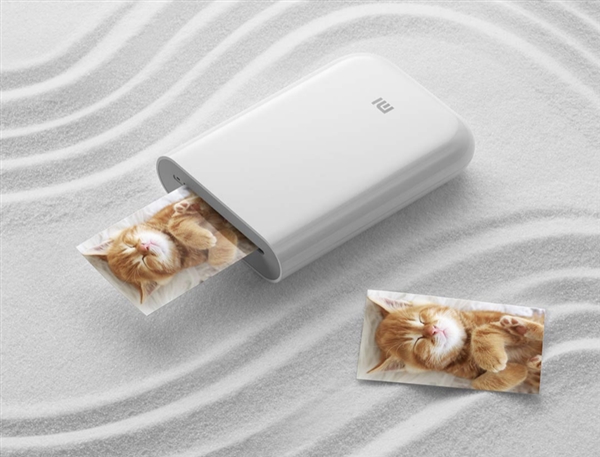
Xiaomi has launched a new third-party product on the Youpin platform that you might find interesting. The new product is a portable printer that can fit into the pocket. The device is dubbed Youdao Memobird G4 pocket printer and is basically a thermal printer which can pair to a smartphone via Bluetooth connectivity.
The device comes with a printer app that should be installed on a smartphone. There a built-in multiple questions database on the printer app, which supports the common exercises from elementary school to high school. The app also supports quickly taking photos and accurately identifying the content of exercises. Not only can you see the answer, but you can also get the authoritative analysis in one second, and the process is clearer.
The printer has a built-in rich print template to make it easy to instantly print what you want to print. But that has to be in black and white. It utilises an high-definition print head with 306dpi. Data transmission is via Bluetooth while the printing is done through thermal printing technology. Thus, there is absolutely no need to add ink at all.
The Youdao Memobird G4 pocket printer has a dimension of 86.8×79.3x39mm and weighs just 165g. It also packs a built-in 900mAh lithium battery that can be charged in just 2 hours. The battery can withstand the continuous printing of 8 rolls of paper.
The device is presently available to preorder on Xiaomi Youpin for 299 yuan($42). It is expected to start shipping soon.
After months of leaks, Samsung has announced the Galaxy Note10 series. The new Note series includes the Galaxy Note10, the Galaxy Note10+, and the Galaxy Note10+ 5G.
Design
The Galaxy Note10 is practically the most beautiful Galaxy Note ever made. From its thin body to the small hole in the display for its front-facing camera and its gorgeous display, it truly is a stunning device.
This year, Samsung made a significant change to the Galaxy Note series by launching two variants with different sizes. We believe this will be the new trend going forward. Below are some of the new features that the Galaxy Note10 series brings.
Improved S Pen
The S Pen is the heart of the Galaxy Note series and this year, the stylus brings a new feature. The new S Pen has a six-axis motion sensor which includes an accelerometer. This allows you to use the S Pen as a gesture remote for things like video recording and presentations. It also supports gesture control for YouTube using just the S Pen. Samsung says the SDK will also be available so that developers can create new ways to use the S Pen.
The new S Pen also has improved battery life and notes written with the S Pen can be converted into text that can be saved into PDF, TXT, or Word Document. Handwriting to Text conversion is said to support several languages thanks to Machine Learning. You can also increase/reduce the size of texts or highlight certain parts of your written notes.
Camera
The Galaxy Note10 brings some pretty cool features such as bokeh in live video recording. If you also zoom in while recording a video, the microphone also “zooms” in on the sound but this is only available on the Galaxy Note10+ and Galaxy Note10+ 5G. The Galaxy Note S10 also has a full video editor, so you can record and edit on the same device before sharing your content to the world.
AR Doodle is also a new feature that allows you to use the S Pen to edit photos with dynamic drawings, animations, and effects that track to the image.
Specs
Galaxy Note10
The Galaxy Note10 has a 6.3” FHD+ (2280 x 1080) Dynamic AMOLED Infinity-O display. It is powered by the Exynos 9825 processor paired with 8GB of RAM and 256GB of non-expandable storage. The US version has a Snapdragon 855 processor.
The Note10 has triple rear cameras – a 16MP f/2.2 ultrawide camera, a 12MP primary camera with an f/1.5 & f/2.4 variable aperture, and a 12MP f/2.1 telephoto camera with 2x optical zoom. The camera in front is a 10MP f/2.2 camera. There is Bluetooth 5.0, Dual-Band WiFi, NFC, Dual SIM (nano), Samsung DeX, Samsung Pay, and a USB Type-C 3.1 port. It also has an IP68 rating.
The Galaxy Note10 packs a 3500mAh battery and supports Fast Wireless Charging 2.0 (12W), Wireless PowerShare, and 25W Wired Charging. The Galaxy Note10 will support LTE networks in all countries but will support 5G in Korea. The 5G version has 12GB of RAM and 256GB of storage.
The Galaxy Note10 will be available in Aura Glow, Aura Pink, Aura Black, Aura Red, and Aura Pink.
1 of 5
Galaxy Note10+ and Galaxy Note10+ 5G
The Galaxy Note10+ and Galaxy Note10+ 5G share practically the same specs except for very few differences. They both have a 6.8-inch WQHD+ (3040 x 1080) Dynamic AMOLED Infinity-O display. There is an Exynos 9825/Snapdragon 855 chipset under the hood paired with 12GB of RAM and 256GB/512GB of storage. Both phones also support storage expansion (1TB max). The Note10+ 5G adds a 5G modem (Exynos S5100/Snapdragon X50).
The Galaxy Note10+ and Note10+ 5G have quad rear cameras. In addition to the three cameras of the smaller Galaxy Note10+, there is also a ToF DepthVision camera for features like 3D scanning. 3D scanning allows you to scan objects on to your phone and even add motion technology to the scanned object. A demo during the launch showed a 3D scanned fluffy toy imitating the person in the viewfinder. It even works when you point the camera at a video on another screen.
The Galaxy Note10+ and its 5G variant pack a bigger 4300mAH battery. They both support Fast Wireless Charging 2.0 but 15W, and also 45W SuperFast Wired Charging. You have to buy the 45W charger separately as it is not included in the box.
The Galaxy Note10+ will be available in Auro Glow, Aura White, Aura Black, and Aura Blue.
1 of 4
Note10 comes in Aura Glow in China
Galaxy Note10+ 5G
Pricing and Availability
The Galaxy Note10 is priced at $950 while the Galaxy Note10+ is $1100 for the 256GB version. The Note10+ 5G is priced at $1300 for the 256GB version. The phones will be available for pre-order tomorrow on the official sites, carriers and even on the Microsoft online store.
Xiaomi has officially launched a noise-cancelling Bluetooth Collar headset under crowdfunding. The advent of industrialization, noise population is a menace plaguing the society. You may desire to sit at the subway station or in an airport and listen to music without getting disturbed by the noise of the surrounding. This is where Xiaomi’s latest noise-cancelling headset comes in. The device is presently available on Xiaomi Mall and Mi Mall with a crowdfunding price of 439 yuan ($63) and a retail price of 499 yuan ($71).
The teaser of the launch event that was released earlier on had revealed how the noise-cancelling technology of the new Bluetooth headset works. As a recap, Xiaomi’s hybrid noise cancelling combines both active and passive noise-cancelling technology. The effect is a better noise cancellation and even lesser power consumption.
The Xiaomi noise-cancelling Bluetooth collar headset has two noise-cancelling gears, which can be applied to a variety of scenarios to meet the various needs of different groups of people. There is a weak noise-cancelling gear suitable for some life scenes, such as shopping malls, streets, offices, etc. This gear is able to retain some of the vocals while isolating the ambient noise. It prevents you from hearing the sudden shouts of friends around you and also reduces the pressure in the ear, making it more comfortable and easy to wear.
If you often need to travel, there is a strong noise-cancelling gear suitable for use in noisy environments such as airports, and subway stations where the sound of trains or aeroplanes are always constant. The strong noise-cancelling gears can effectively filter out these types of noise. Just wear headphones and listen to music, and the world will be quiet. In addition, the headphone can be used as a muffler to silent all noise even when you are not listening to music.
For hardware, the Xiaomi hybrid noise-cancelling Bluetooth collar headset uses a 13.6mm diameter large moving coil + moving iron acoustic architecture. The dynamic unit makes the low frequency of the music more solid and stable, effectively increasing the dynamic performance while maintaining the sound quality. The headset supports Sony LDAC Bluetooth technology. The seamless transmission process allows for near-lossless Hi-Res sound quality without any frequency reduction and sound quality degradation. At the same time, the Bluetooth collar headset also adopts a new generation of Bluetooth 5.0 technology, which has faster transmission speed, stronger anti-interference ability, more stable signal and lower power consumption.
For power, the Xiaomi Hybrid Noise-Cancelling Bluetooth Collar headset uses a large-capacity battery. The new generation of low-power chips can support the continuous playing of music for more than 20 hours. Even if the music and noise-cancelling function are turned on at the same time, the battery can still last for about 15 hours.
In addition to noise cancellation, sound quality, and battery life, comfort is also a very important criterion for good headphones. The headset adopts a soft rubber and metal design. The curved collar part uses skin-friendly soft rubber material, giving the wearer a soft and comfortable feel. The control buttons are housed on the tip of the collar part in a metal casing. The magnetic earphone unit is designed to be attached to each other at the front of the neck when not in use.
A new memory configuration of the 5G variant of the ZTE Axon 10 Pro just hitten the Chinese market. The new configuration lets this handset to be even closer to the actual best 5G flagships from the most important brands. That is the reason why we think it is worth making a comparison with them: it may be very useful for those who are looking for a new 5G phone and they need the best specs sheet for their needs. So we decided to compare the new configuration of the ZTE Axon 10 Pro 5G with the Samsung Galaxy S10 5G and the Huawei Mate 20 X 5G which offer amazing and unique specifications with a similar price tag.
ZTE Axon 10 Pro 5G vs Samsung Galaxy S10 5G vs Huawei Mate 20 X 5G
ZTE Axon 10 Pro 5G
Samsung Galaxy S10 5G
Huawei Mate 20 X 5G
DIMENSIONS AND WEIGHT
159.2 x 73.4 x 7.9 mm
162.6 x 77.1 x 7.9 mm, 198 g
174.6 x 85.4 x 8.4 mm, 233 g
DISPLAY
6.47 inches, 1080 x 2340p (Full HD+), AMOLED
6.7 inches, 1440 x 3040p (Quad HD+), Dynamic AMOLED
Despite it does not have the most compact body, the presence of an in-display camera and a full borderless display makes me prefer the Samsung Galaxy S10 5G when it comes to design. The Korean flagship is even fully waterproof thanks to the IP68 certification which allows putting it underwater up to 1.5 meters deep for 30 minutes. If we exclude the Galaxy S10 5G, I personally like the ZTE Axon 10 Pro 5G more than Huawei Mate 20 X 5G because it is more compact and it has a cleaner rear side, as well as an in-display fingerprint reader and a waterproof design with the IP68 certification.
Display
If we talk about displays, it is very hard to beat Samsung. Indeed, the Galaxy S10 5G has the display with the highest brightness, the most satisfying color reproduction and even the highest resolution (QHD+). It is HDR10+ compliant and it features loud AKG stereo speakers, so it is definitely the best for multimedia. But note that Huawei Mate 20 X 5G has the optional stylus support, and it is the only last-gen smartphone to have it if we exclude the Samsung Galaxy Notes. Huawei Mate 20 X 5G even comes with a huge 7.2-inch panel, so it is definitely the best for productivity.
Hardware/Software
Given the presence of a Snapdragon 855 chipset and 12 GB of RAM, ZTE Axon 10 Pro 5G is the most performing handset on the paper, especially if we consider its amazing software optimization and its lightweight user interface. Both Samsung Galaxy S10 5G and Huawei Mate 20 X 5G comes with just 8 GB of RAM, but the former has more internal storage than Axon 10 Pro 5G: up to 512 GB. Also note that ZTE Axon 10 Pro 5G can read micro SD cards up to 1 TB, while Galaxy S10 5G has no card slot and Mate 20 X 5G supports nano memory cards up to 256 GB. Last but not least, note that Huawei Mate 20 X 5G has a better 5G connectivity due to a faster multi-mode 5G modem.
Camera
In each case, you get amazing cameras, but the real winner is undoubtedly the Galaxy S10 5G. It is equipped with a quad camera setup with a variable aperture to capture the max quantity of light in every scene, a secondary telephoto sensor with optical zoom, an ultrawide lens, and even a TOF 3D camera. Further, there is the best selfie camera of the trio: a dual setup with a 10 MP main sensor able to record 4K videos and a TOF front camera. The second place goes to Huawei Mate 20 X 5G which still features a flagship-class camera department.
Battery
Samsung Galaxy S10 5G has the biggest battery, but this does not mean that it lasts more on a single charge. The Huawei Mate 20 X 5G is able to do better in many scenarios, despite its smaller battery capacity. But note that Galaxy S10 5G supports both fast wireless charging and reverse wireless charging (it can be used as a power bank), while Mate 20 X 5G does not.
Price
A €900/$1010 starting price for the ZTE Axon 10 Pro 5G and Huawei Mate 20 X 5G, while Samsung Galaxy S10 5G starts from €1160/$1300. Prices are referred to as the global market. Overall, Samsung Galaxy S10 5G wins the comparison for its better display, waterproof design, reverse wireless charging and awesome cameras.
It has been nearly two months since Xiaomi announced the Mi 9T in Europe but the Mi 9T Pro is yet to get a release date. Both phones are the international variants of the Redmi K20 and Redmi K20 Pro respectively. Details regarding the availability and pricing of the Mi 9T Pro in the old continent have surfaced.
The Mi 9T Pro has been listed online by Belsimpel, the official distributor for Xiaomi products in The Netherlands. The listing reveals the phone will be available in 64GB and 128GB versions and both storage variants will be available in blue, black, red, and white.
The Mi 9T Pro 6GB RAM + 64GB will sell for €429 while the Mi 9T Pro with 6GB RAM and 128GB of storage has a price tag of €479. The listing says the phone is “expected soon” but you can go ahead to make an order.
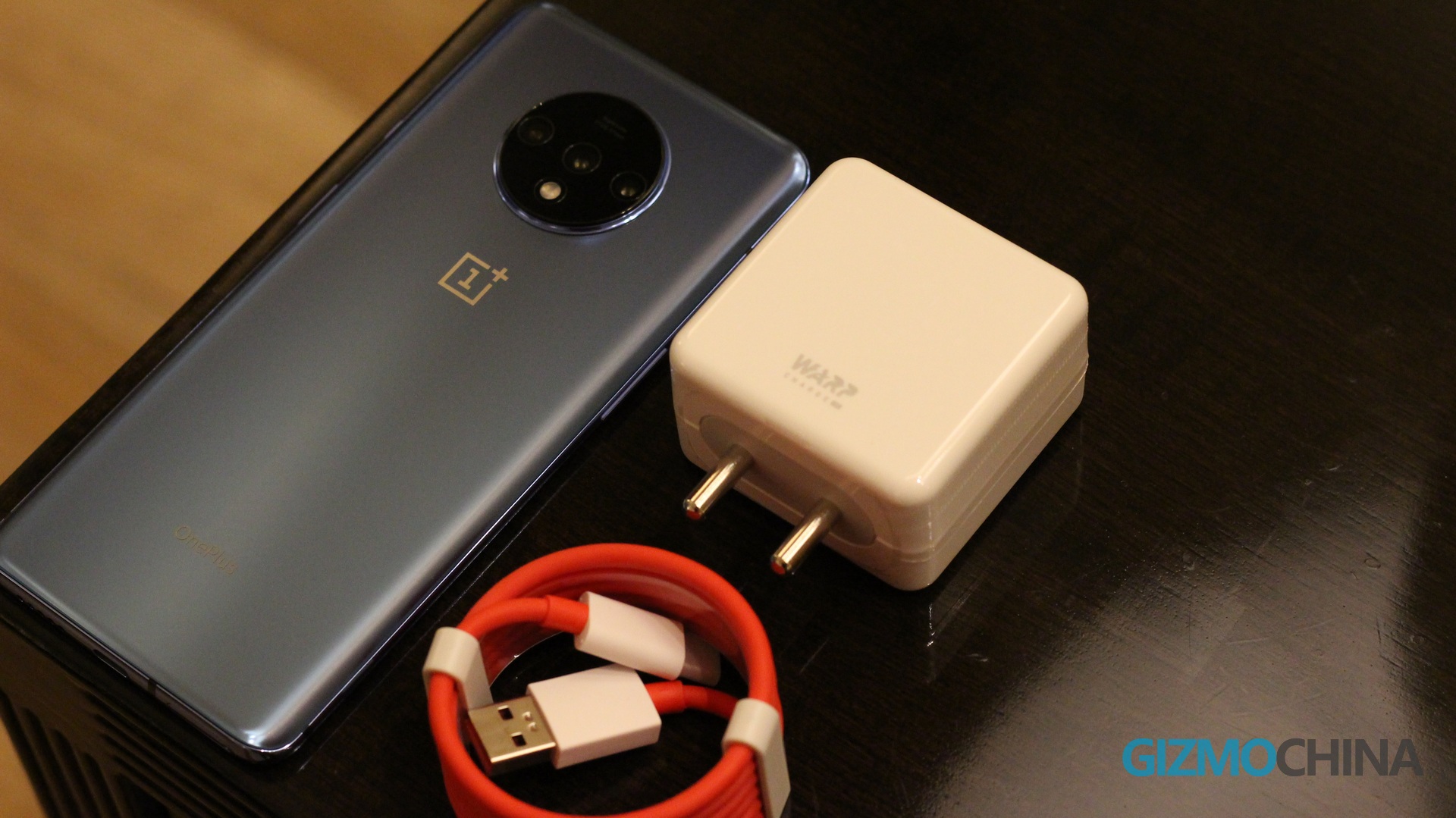
At the above prices, the Mi 9T Pro sells for less than the OnePlus 7 which is priced at €559 for the 6GB RAM + 128GB version and €609 for the 8GB RAM + 256GB version. Belsimpel actually has the OnePlus 7 for €533 and €584 respectively.
The Mi 9T Pro has a 6.39-inch Super AMOLED display with no notch nor punch hole but a pop-up selfie camera. The display is covered with Gorilla Glass 5 and there is an in-display fingerprint scanner. The phone is powered by the Snapdragon 855 processor. It has a 48MP primary rear camera, an 8MP telephoto camera, and a 13MP ultrawide angle camera. The selfie camera is a 20MP sensor.
The phone has NFC, Bluetooth 5.0, an audio jack, and packs a 4000mAh battery with support for 27W fast charging and Quick Charge 4+. It runs MIUI 10 based on Android 9 Pie.
We expect more details about availability will surface in the coming weeks.
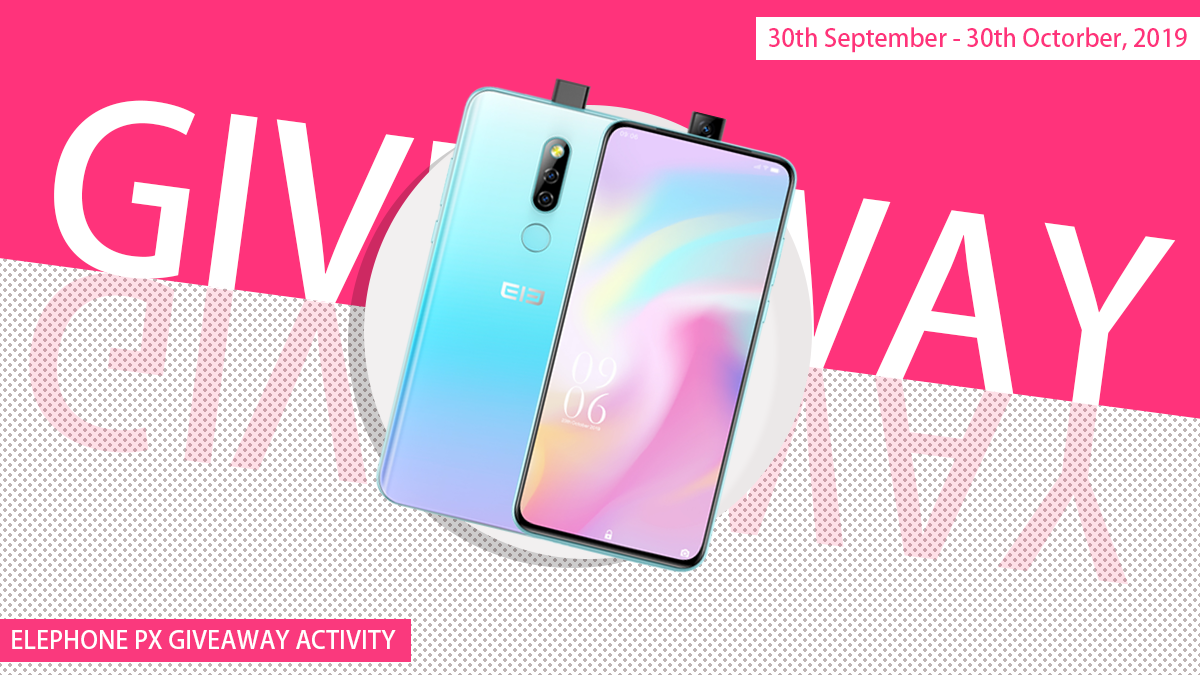
Elephone A6 Max has hit the market since Monday and promotion is already running on Aliexpess where you can get it at a reduced price. The initial promotion is vaild between August 5th to August 12th. During the promotion, you can grab the big-screen phone at just $139.99 instead of the official retail price of $159.99. What’s more, there is a Giveaway event already running and will end on August 31st. You can participate here and you might be among those that will get the device for free!
Moving on to the specs, the Elephone A6 Max can easily be considered an entry-level flagship. It sports a big, 6.53″ HD+ with 19.5:9 aspect ratio and a waterdrop notch on the front to host the selfie shooter. The chipset inside is MediaTek’s Helio P22 octa-core SoC accompanied by 4GB of RAM and 64GB of internal storage. This configuration should be enough for almost everyone in everyday use. It is powered by the 3950mAh battery that supports fast charging as well as wireless charging and should take you through 2 days of normal use. Also, there is NFC support for contactless payments and more.
Lastly, as fas as camera configuration is concerned, there is a dual rear camera with 20MP/2MP sensors while the selfie shooter is also 20MP with face unlock support. Other specs include a USB Type-C charging port, a fingerprint reader, Bluetooth 5.0, and Starry Black plus Peacock Blue colors. You can learn more details on the official product page.
Since the Apple Airpods were released, truly wireless headphones instantly became the new trend in the market as more and more phones ditch the headphone jack. Even the Samsung Galaxy Note 10 that will be launching today, is said to lose the analog port. The solution is a wireless headset of course and the Chinese manufacturer UMIDIGI has you covered as the Upods that were announced on Monday along with the UMIDIGI X not only offer great performance but a great price too, as the first 10000 units will be available at just $9.9 starting on August 26 exclusively at the UMIDIGI Official Store on Aliexpress.
The killer feature for these truly wireless headphones is the 24 hours battery life that is offered through the charging box and that is double of what the Xiaomi Airdots offer. If you accidentally forget to take the charging box with you, the headset still performs well as it can go on for 4 hours on a single charge. Upods sport Bluetooth 5.0 and 7.2mm dynamic driver that deliver a stable connection and decent sound. Each piece weighs just 4g and the pair supports all major AI assistants like Google Assistant, Siri, and Samsung’s Bixby.
1 of 4
The Upods together with UMIDIGI X will start their global open sale on August 26th 7 am GMT exclusively at the UMIDIGI Official Store on Aliexpress. As said before, the first 10000 units will come at just $9.9 and you can add your pair to your cart right now to grab the deal when the time comes.
If you missed the launch of the company’s new phone UMIDIGI X, you can take a look at the specs in the photo above and also add it to your cart to catch the open sale deal. Lastly, UMIDIGI is running a big giveaway to recruit 20 trial users for UMIDIGI X and Upods. The winners will get both for free. You can check out all the details about the two new devices and join the giveaway on their official website.
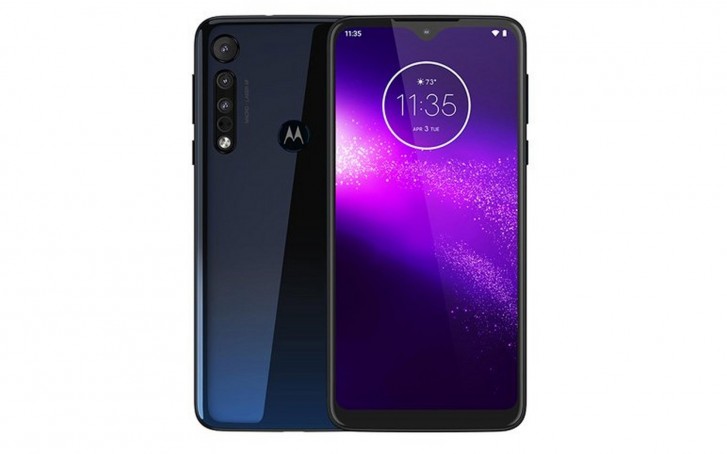
According to Winfuture.de, the Motorola One Zoom has a 6.2-inch display. The screen has a notch for the front-facing camera but skips the 21:9 aspect ratio of the Motorola One Vision. It is an AMOLED display and there is a fingerprint scanner behind the panel.
[envira-gallery id=”268893″]
The Zoom sports a 48MP camera which uses what is called Quad-Pixel technology. This is most likely the same sensor as that of the Motorola One Vision. This sensor has optical image stabilization (OIS) but it isn’t the only one with image stabilization as a second sensor also has the feature. However, there is no confirmation if it is the telephoto camera or the ultrawide angle camera that is equipped with OIS.
The ultrawide angle camera comes in handy for super wide-angle photography while the telephoto zoom lens provides up to 5x zoom (hybrid). The fourth camera is a depth sensor.
The Motorola One Zoom has a textured power button on the right side of the frame. The volume rocker sits above the power button and there are antenna lines at the top and bottom. It is reported that it also has a 3.5mm audio jack and USB Type-C port. Winfuture.de says one weird feature of the Motorola One Zoom is that while there is a slit for the speaker at the top there is no speaker grille at the bottom.
The height and thickness of the phone are said to hint at a large battery but the capacity is unknown. The Motorola One Zoom will run Android Pie out of the box when it launches after IFA 2019 and will have a €429 price tag. The RAM and storage configuration as well as the processor powering the phone remains unknown.
LG has launched a new entry-level smartphone that will likely be selling across Europe. The LG K20 is the 2019 upgrade of the K20 which was first launched in 2017. This model runs Android Pie, Android Go edition.
As for the specifications, LG K20 sports a 5.45-inch 18:9 FullVision display with a resolution of 480 x 960 pixels. The phone is powered by a Snapdragon 425 processor paired up with 1GB of RAM while there is 16GB of storage which can be expanded via micro SD slot. For photography, the device packs a 5MP and features a flash for better portraits in low light scenarios. At the back, the K20 features a single 8MP F/2.2 shooter, an LED flash and the single loudspeaker.
The left side of the device houses a dedicated Google Assistant button while the top left houses the 3.5mm jack. The phone also features MIL-STD 810G certification for durability. However, the device doesn’t have a physical fingerprint reader. Keeping the lights on is a 3,000mAh and charging is done via a microUSB port.
As for the pricing and availability, the K20 is available in Aurora Black and Moroccan Blue and sells for €100 ($110) across Europe and the UK.
A new Xiaomi phone was recently granted 3C certification. The phone which has the model number M1908F1XE supports 45W fast charging and also 5G support. Prior to the 3C certification, the phone was certified by TENAA in July. Back then, there were speculations it might be a successor to the Mi MIX 3 but there is evidence it is not but actually a 5G version of the Mi 9.
Yesterday, Xiaomi’s Wang Teng Thomas shared a screenshot on Weibo that showed the phone was on a 5G network. This might have been the Mi MIX 3 5G but seeing as Weibo usually reveals the device used to make a post, we know it isn’t the Mi MIX 3 5G but the Mi 9. This means the Mi 9 has a 5G version and it should be announced soon.
We already know the Mi 9 5G differs from the LTE models with its support for 45W fast charging, the fastest on a Xiaomi phone. However, a new leak reveals there are more significant changes.
According to Xiaomishka.ru, a source informed them that the Mi 9 5G has some new features which are pretty interesting. First, the display is bigger and has a 2K resolution. The primary rear camera is also different and now has OIS. Last but not least, the battery capacity is bigger.
#Xiaomi#5G#XiaomiMi95G My chinese colleague said that new Xiaomi Mi 9 5G (model M1908F1XE) should have some new features: 1) screen becomes bigger 2k 2) main shot for new plus OIS 3) battery increase
It appears Xiaomi is borrowing more than a leaf from Samsung whose Galaxy S10 5G packs better specs than the LTE version. The Galaxy S10 5G has a bigger display, more cameras, a bigger battery, and supports a faster-charging technology than the Galaxy S10.
There is no news yet on a release date for the Mi 9 5G but it should launch soon seeing as it has been certified by TENAA and the Chinese Communications Commission. There are reports the Mi 9 5G may be the cheapest 5G phone available in China when it launches.
OnePlus already hinted that it is planning to delve into the smart TV market. The remote control for the OnePlus TV had earlier last month received Bluetooth SIG certification. And now, the OnePlus TV itself has been listed on Bluetooth SIG website showing us some details of the gadget.
The OnePlus TV is revealed to come with LED display as all the models listed were listed as LED TVs. So, there is likely no possibility of a cheaper LCD display-packing version. A total of 40 models were listed with different model numbers. However, the models all seem to have one thing in common, the sizes. The TV will likely be available in 43-inch, 55-inch,65-inch and 75-inch display sizes. The variations in the model number are basically different versions for the Chinese, Indian, US and China markets, going by the model numbers. For example, the model number 43Q2IN suggests that this is a 43-inch model intended for India. There are also model numbers like 75Q2CN (potentially a 75-inch model for China) and 65Z3US (suggesting a 65-inch model for the U.S.).
In addition, the smart TV models will run Google’s Android operating system since it is listed as a “unique Android TV.” Thus, the company won’t need to start building is own app and other software for the smart TV as it will leverage the already existing Android TV apps. We expect some form of modification on the operating system, though, especially since Google services are not allowed in China. The upcoming smart TV lineup will also come with Bluetooth 5.0 support.

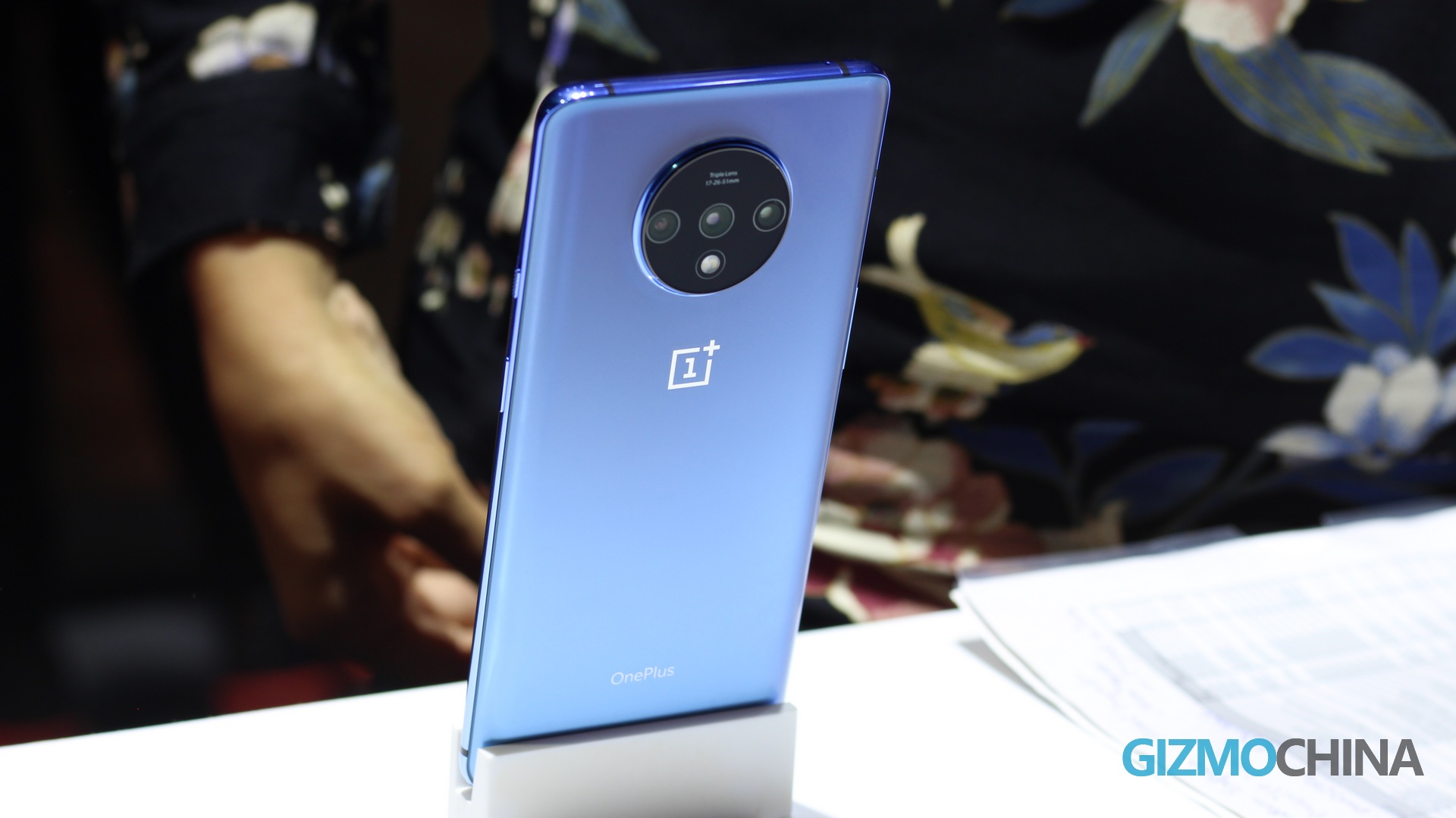
Data released by three credible Chinese research firms last month showed that Xiaomi’s TV brand continues to retain its position as the number one brand in terms of shipment in China in H1 2019. The data from Aowei Cloud Network (AVC), Qunzhi Consulting and Zhongyikang respectively, all showed that the Mi TV brand consistently dominated the market from January to June 2019.
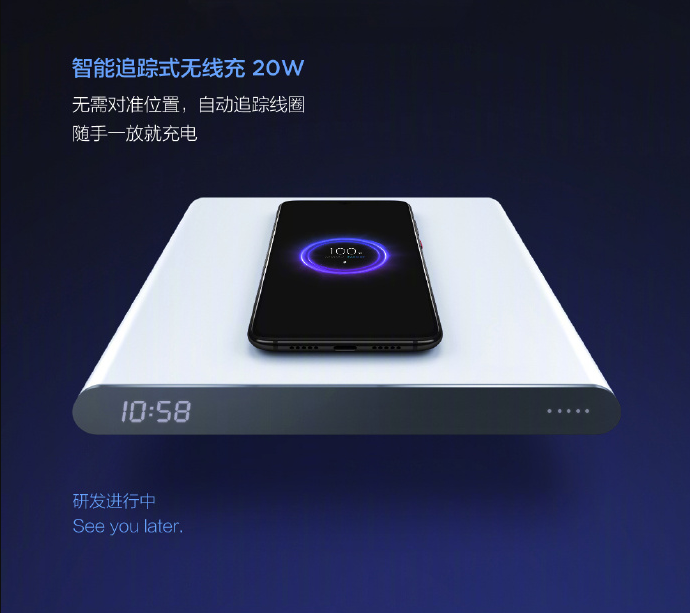

While some analysts attribute the growing sale of Xiaomi TVs in China to its low-cost when compared to the competition, Lei Jun thinks the major reason for the high sales is continuous innovation. In a Weibo post today, the Xiaomi founder made reference to the innovative mural TV which won the “color TV innovation products” award in the “China Intelligent Display and Innovation Application Industry Conference.” The smart TV had previously won several awards such as the 2019 Top Ten TV Awards, High-end Smart Product Award, Disp Grand Prize-AIoT Technology. The product has also succeeded in establishing the Mi TV brand in the high-end market. The mural TV adopts a 6999 Yuan ($1042) price tag, which is the highest for any Xiaomi TV product.
Xiaomi’s Mural TV is just like LG’s Wallpaper TV!
It is quite difficult to agree with Lei Jun outrightly o this one. Rather, we think the rise of the Mi TV brand is as a result of a blend of innovativeness and cost-effective pricing. When Xiaomi first ventured into the manufacture of TV, the pricing couple with the quality of the products contributed to the high sales. We don’t see that changing anytime soon, as the company is bringing in innovativeness into the mix.
Vivo India has unleashed Vivo S1 as the first S-series phone for the country. The smartphone has arrived with a tall aspect ratio display, a triple camera unit, an impressive selfie camera and a large-sized battery. The Vivo S1 has arrived with a starting price of Rs. 17,990.
Vivo S1 Specifications and Features
The Vivo S1 measures 159.53 x 75.23 x 8.13mm and it weighs 179 grams. The 6.38-inch Super AMOLED display of the smartphone has a waterdrop notch. It offers an aspect ratio of 19.5:9 and it produces full HD+ resolution of 1080 x 2340 pixels. It is equipped with an in-display fingerprint sensor. The Always-on Display feature makes it possible to view notifications and clock on the display without turning on the entire screen.
Vivo S1 Pearl Blue
Powering the Vivo S1 is the Helio P65 SoC by MediaTek. The SoC is coupled with 4 GB and 6 GB of RAM. The smartphone comes with 128 GB of native storage. There is a dedicated microSD card on the device for expanding its storage. The Vivo S1 gets a big battery of 4,500mAh capacity that carries support for 18W dual-engine fast charging.
The Vivo S1 is fitted with a vertical triple camera unit that includes a Sony IMX499 16-megapixel main lens with f/1.78 aperture, an 8-megapixel ultrawide lens with f/2.2 aperture and 120-degree of field-of-view and a 2-megapixel depth sensor with f/2.4 aperture. The front notch of the Vivo S1 has a 32-megapixel front camera with f/2.0 aperture. The smartphone offers user with photography features like PDAF, HDR, AI face beauty, photo filters, time-lapse and slow-motion video recording.
Vivo S1 Diamond Black
The Vivo S1 is preloaded with FunTouch OS 9 skinned Android 9 Pie OS. For enhanced gaming experience, it offers user with Ultra Game Mode. The handset has a dedicated hardware button for launching Google Assistant. Pressing the same button twice makes it possible to access Jovi AI image recognizer. The Vivo S1 has connectivity features like dual 4G VoLTE, Wi-Fi 802.11ac, Bluetooth 5.0, microUSB 2.0 and 3.5mm audio jack.
Vivo S1 Price and Availability
The Vivo S1 comes in two models such as 4 GB RAM + 128 GB storage, 6GB RAM + 64 GB storage and 6 GB RAM + 128 GB storage. They are respectively priced at Rs. 17,990 (~$253), Rs. 18,990 (~$267) and Rs 19,990 (~$282). It can be availed through Amazon, Flipkart, Vivo’s online store and offline stores.
It can be bought through no cost EMI of up 9 months and buyers can also take advantage of extra Rs. 1,000 discount on exchange. Reliance Jio users can get Rs. 10,000 worth benefits and Rs. 2,500 cashback is available for Paytm users. The handset will go on sale from Aug. 14. Diamond Black and Skyline Blue are the two color gradient editions of the Vivo S1.
The Vivo S1 is available in different monikers in some other markets. In China, it is selling as Vivo Y7s and it has recently debuted as Vivo V17 Neo in Russia. Vivo is also selling Vivo S1 phone in China. However, it carries different specs and notch-less design.
Ulefone’s Armor Series is one of the most recognizable in the rugged phones category and the latest addition to the lineup is the super-budget Ulefone Armor X3. Today, the Chinese manufacturer released the first hands-on video so we can check out how it performs. The MT6580 quad-core SoC is enough for casual use and you can even play some popular games without any problems.
Design-wise, the Armor X3 remains loyal to the classic style of the Armor 6, the one that sports convex design on four corners and a slanted design on the back cover that prevent accidental drops from damaging the phone. Also, thanks to the IP68/IP69K/MIL-STD-810G certifications, the device is so durable it can handle sudden drops, water washing, and other harsh conditions.
The X3 comes equipped with a 5.5″ all-screen display with 18:9 aspect ratio for more vertical space and wider vision. On the camera side, there is a dual rear camera with 8MP/2MP sensors and it is exciting that it supports underwater photography. The selfie shooter comes with a 5MP sensor and can also be used for Face unlock. The Armor X3 comes with Android 9 Pie and that adds to the snappiness of the device. In the video, you can see the user checking Twitter, chatting on Messenger, listening to music, watching YouTube, and playing Temple Run 2. As it t turned out, everything ran smoothly without stutters.
What’s more, the Armor X3 also supports two other creative functions: Gloves Pattern and Easy Key. The “gloves pattern” enables you to normally use the touch screen of the phone while wearing gloves while the Easy Key allows you to set specific functions or app launching to the quick access button.
Starting today, you can preorder the Ulefone Armor X3 on the Ulefone FlashDeal Store on Aliexpress with a special price tag of $79.99. That price includes a free tempered glass too! The deal will be ongoing until August 13th. For more information about other Ulefone devices, visit the official website.
Xiaomi Mi Band 4 is the popular fitness tracker available in the market at a competitive price. It is the best smart band in terms of design and features. The new wearable carries various advancements over its predecessors, including the ability to install the custom watch face on its colored AMOLED display. The users can easily customize the look of the watch by installing the custom watch faces from the store.
Xiaomi Mi Band 4 Specifications
However, the affordable Xiaomi Mi Band 4 carries a 0.95-inch color display with the resolution of 120 x 240 pixels and brightness support for up to 450 nits. It is 5ATM water-resistant up to 50m. To make the Xiaomi Mi Band 4 feature-rich, the company added support for step counter, distance, calorie burned activity tracking. It can easily distinguish between six different workout modes like Treadmill, Exercise, Outdoor running, cycling, walking, swimming.
Xiaomi also features various health monitoring sensors such as heart rate monitor, sleep monitor, and Idle alerts. The device supports efficient and improved Bluetooth 5.0 in connectivity. However, users will get NFC support in the special NFC edition. There are some other features like an Alarm clock, Timer, Find Phone, Event reminder, DND mode, and Music controls. It comes packed with a 135 mAh of battery with the ability to get fully recharged in 2 hours. The Mi Band 4 can last up to 20 days with a single charge. Mi Band 4 will work on devices running Android 4.4, iOS 9 or above.
It is an amazing fitness value for a money fitness band with elliptical design and 2.5D display. It easily fits on the hands with a comfy rubber strap. The MI Band 4 is acting as a driver for most of the health enthusiasts.
There are hundreds of custom watch faces available for Xiaomi Band 4 at Amazfit store. We have created a list of the some best custom watchfaces for Mi band 4 that you must try. To install these custom watch faces, follow the steps below carefully.
File Manager – Most of the devices always have some default file manager.
Steps to apply custom Watchface on Xiaomi Mi Band 4
If you selected your favorite watch face for Xiaomi Mi band, then get ready to install it on your fitness band.
Download the watchface/dial you want to replace on the Xiaomi Mi Band 4.
Then, open the MiFit app and install any available dial.
Now, Open the watch_skin_local folder in the file manager by navigating through Android > Data > com.xiaomi.hm.health > files > watch_skin_local.
Copy the name and then delete the .bin file from the watch_skin_local folder. (Note: The file name would be something like 4lIYUjzg3Vwqt8tJU9sYLeOSqUSAreJNzUxJhxgM.bin.)
Paste the new .bin file into the watch_skin_local folder and rename it to the old file name.
Now open the Mi Fit app again, and goto Band Displays and sync the new watchface.
You’ve successfully installed new watch face in the Mi Band 4.
It is quite easy to follow procedure, but still, if you got any problems, don’t hesitate to ask us in the comments below. The users can also build their own custom watchface if you have little code editing capabilities.
According to the latest scoop from 91mobiles, the OPPO F11 and the F11 Pro have just got a permanent price drop in India. Retail sources have revealed that both smartphones will receive a price drop of up to Rs. 2,000 (~$23). The updated pricing will be applicable exclusively at the offline stores at the moment. The F11 duo will continue to sell at their regular prices on Flipkart and Amazon.
The revised pricing of the OPPO F11 with 4GB of RAM and 128GB of on-board storage is Rs. 16,990 (~$241). The 6GB + 128GB variant can be yours for Rs. 17,990 (~$255). The smartphones cost Rs. 17,990 (~$255) and Rs. 19,990 (~$283) respectively at an online retail store. The OPPO F11 Pro is available offline at Rs. 21,990 (~$311). It costs Rs. 23,990 (~$340) at an online retailer.
The OPPO F11 features a 6.5-inch Full-HD+ display with a waterdrop notch housing the front camera. It is powered by a MediaTek Helio P70 SoC along with up to 6GB of RAM and 128GB of internal storage. The smartphone runs on Android 9.0 Pie-based ColorOS 6.0. It draws power from a massive 4,020 mAh battery with VOOC 3.0 Fast Charge support. The device features a 48-megapixel primary camera with a 5-megapixel depth sensor and an LED flash. It uses a 16-megapixel secondary camera. Camera enhancement features include Dazzle Color Mode, AI Ultra-clear Engine, Ultra Night Mode, and AI Scene Recognition.
The OPPO F11 Pro also features a 6.5-inch Full-HD+ display, but it comes with a notch-less design. The device sports a screen-to-body ratio of 90.9-percent, and is protected by Gorilla Glass 5. The smartphone is powered by an octa-core MediaTek Helio P70 chipset, with an integrated ARM Mali-G72 MP3 GPU. The device runs on ColorOS 6.0, and draws power from a 4,000 mAh battery with VOOC 3.0 fast charge support. The camera setup on the F11 Pro is the same 48-megapixel primary lens with a 5-megapixel depth sensor found on the F11 handset. For capturing selfies, it has a pop-up selfie snapper of 16-megapixel.
As many DSLR and mirrorless cameras are turned into video recorder with powerful video capacity, the topic of camera monitors gets much attention. A functional camera monitor can effectively boost the experience of the recording process, and post-production as well. Especially, an experienced filmmaker can take the advantages of a camera monitor to ensure better frame control. In this review, we are going to introduce a convenient camera monitor which the Gizmochina video team used frequently, the Pergear A6 Plus.
Display & Design
The Pergear A6 Plus is one of those on-camera monitors that is easily operated for beginners and even most people. It has a 5.5-inch 1920×1080 Full HD IPS LCD panel with 10000:1 contrast and 8-bit colors, which allows users to have a more vibrant and more accurate rendition of what the camera sensor sees. The A6 Plus features a touchscreen for menu operation and ‘pinch to zoom’, which is convenient to check your frames with correct detail. Otherwise, for better user experience, the A6 Plus provides a menu handwheel, which also can bring a shortcut to access any options of the menu without touching the screen.
Appearance
The Pergear 6 Plus is one of the lightest over 5-inch on-camera monitors that we have ever used. 230 weight, 21mm thickness and 5.5-inch size will allow you to take it as even a Vlog accessory anywhere.
1 of 2
As we have used it as our main monitor for weeks, the screen presents a good strength and durability. As Pergear describe, it applies OCR full-fit technology to reach a high strength and uses a scratch-resistant, impact-resistant glass. In practical scenarios, it does have above-average durability without obvious marks. One problem is that it does collect fingerprint, but it will not be a problem if filming it with a screen protector.
Power supply & Battery
The 6 Plus leaves a flexible dual-purpose battery plate, which is compatible with Sony F970 and Canon LP-E6 of lithium battery. It guarantees long-session working durability under outdoor conditions. If you are filming indoors, it also supports a DC 12V port for power input without battery.
Ports
Another surprise of hardware is that in such a small body, it has various ports to achieve multiple functions. The ports information is as below:
3.5mm audio output
Monitor audio recording quality
1×HDMI Input; 1×HDMI Output
Support up to 4K signal input and pass the signal to a second monitor simultaneously (usually used in teamwork).
DC 12V power input
Monitor works with wired power
DC 8V power output
Interface for power your camera with a separately available DC coupler via adaptor.
SD card slot
For 3D LUT upload and firmware upgrade
1 of 2
3D LUT support
The A6 Plus supports built-in LUTs such as Vlog, Slog2, Slog3, Logc, which covers most mainstream DSLR and mirrorless LUT setting. In addition, you can also upload the 3D LUT file through SD card to preview your movie with post-production effects. If you still want to have a second color adjustment when shooting, you can also have brightness, contrast, sharpness, hue, saturation, and color temp adjustment in the menu. For color adjustment, it has reached almost all the functions that a professional monitor has and brings you more possibilities to have better images before you go to the post-editing.
Software features
Besides the rich features of hardware, the Pergear 6 Plus provides various built-in features to reduce errors to the most extent.
Focus assist
Red, green, blue, white, yellow five peaking colors optional
Zebra
Convenient to guide light using when shooting and post-production
False Color
Convenient to guide light using when shooting and post-production
Anamorphic Mode
Recreate the original aspect ratio on the viewing screen
Monochrome
Gray, red, green, blue
Image Flip Horizontal & Vertical
Get correct view direction with the body auto flip
Histogram
A quantitative tool to inspect the image brightness, to guide the post-production
Each pixel received is mapped to a single native pixel on the monitor
1 of 3
Included important accessories
Tilt Arm
180° of tilt for convenient monitoring at nearly any angle.
With a cold shoe
Sunshade & Sunshade frame
Sunlight readable
Storage Box
The 6 Plus has 3 1/4”-20 thread points for connection to the hot shoe mount. With the included Tilt Arm, it can reach almost any angle for monitoring. It’s flexible when shooting some special scenes.
Language
The A6 Plus supports 8 languages including Chinese, English, French, Italian, Spanish, Russian, Japanese and Korean, which covers a global user variety.
Conclusion
Though compared with those professional on-camera monitors, it does not support 8-bit colors and internal record with SSD, it already prepares the most important functions for general users under various use scenarios. And if you only have a limited budget, considering the 4K signal support, the price of 229 USD probably is one of the best choices. During these weeks shooting video with it, we probably will continuously take it as our first monitor under most conditions, especially for outdoor filming. And we also recommend it as your first on-camera monitor if you are a new player who wants to produce wonderful movies.
The Pergear A6 Plus monitor is available for $229 on Amazon, get it via this link.
Earlier this week, ZTE’s Axon 10 Pro 5G officially launched in the Chinese market and was made available for purchase through online platforms like ZTE Mall, JD, Suning, Tmall, etc. The phone was launched with 6GB RAM and 128GB internal storage, for a price of 4,999 Yuan that roughly converts to $720.
Now, the company has silently launched a new variant of the ZTE Axon 10 Pro 5G smartphone that packs 12GB of RAM and 512GB of internal storage. It is now available for purchase in China for a price of 5,799 Yuan, roughly $823.
The ZTE Axon 10 Pro 5G, which is IP68 certified to ensure that it’s dust-proof and waterproof, comes equipped with a 6.47-inch AMOLED display having a waterdrop notch, Full HD+ screen resolution of 2340 x 1080 pixels, 92% screen-to-body ratio, 19.5:9 aspect ratio, and an in-screen fingerprint reader.
Under the hood, the device is powered by the Qualcomm Snapdragon 855 mobile platform and for 5G connectivity, the SD855 chip is paired with the Snapdragon X50 5G modem. It comes with up to 12GB of RAM and up to 256GB of internal storage.
On the back, the phone has a triple camera setup that includes an OIS enabled 48-megapixel main sensor, an ultra-wide 20-megapixel lens, and an OIS assisted 8-megapixel telephoto lens with 3x optical zoom capabilities. The front notch houses a 20-megapixel selfie camera.
In the software department, the smartphone comes running MiFavor 9.1 user interface based Android 9.0 Pie operating system out-of-the-box. The device is powered by a 4,000mAh battery that comes with wireless charging support as well as support for Quick Charge 4+ fast charging technology.
We use cookies on our website to give you the most relevant experience by remembering your preferences and repeat visits. By clicking “Accept”, you consent to the use of ALL the cookies.
This website uses cookies to improve your experience while you navigate through the website. Out of these, the cookies that are categorized as necessary are stored on your browser as they are essential for the working of basic functionalities of the website. We also use third-party cookies that help us analyze and understand how you use this website. These cookies will be stored in your browser only with your consent. You also have the option to opt-out of these cookies. But opting out of some of these cookies may affect your browsing experience.
Necessary cookies are absolutely essential for the website to function properly. This category only includes cookies that ensures basic functionalities and security features of the website. These cookies do not store any personal information.
Any cookies that may not be particularly necessary for the website to function and is used specifically to collect user personal data via analytics, ads, other embedded contents are termed as non-necessary cookies. It is mandatory to procure user consent prior to running these cookies on your website.