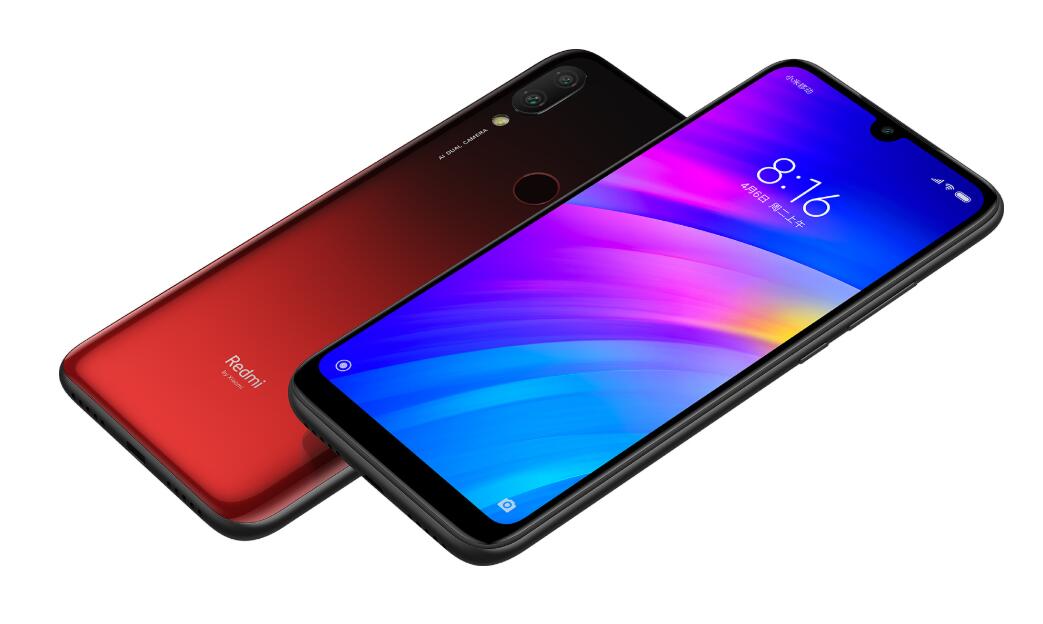
Gizmochina along with Giztop is conducting 1 unit Xiaomi Redmi 7 3GB+32GB Global Version as giveaway gift to a lucky reader. Like always, you just have to follow the steps mentioned on the Gleam widget to get a chance to win this amazing gift.
If you want to win the free Xiaomi Redmi 7 smartphone, the most important thing for you is to leave a comment of your thought about the GizmoChina website revision.
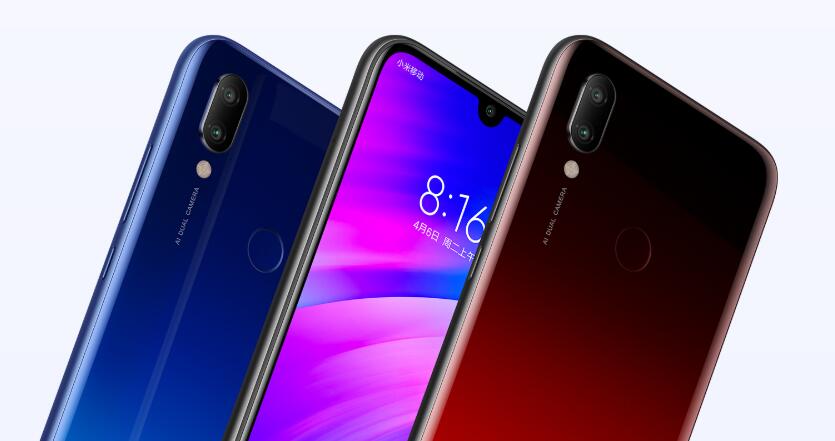
Redmi 7 is a great budget phone from Xiaomi, powered by Snapdragon 632 processor with 1.8GHz and Adreno 506 GPU with 725MHz. Xiaomi Redmi 7 looks incredible because of the sleek curved back cover and stylish gradient design. The handset comes with 6.26-inch HD display having the resolution of 1520×720 pixels. It hosts 19:9 aspect ratio featuring the dot drop notch. There are 12MP+2MP dual rear AI camera with f/2.2 aperture. In the front side, it carries the 8MP camera, and you can use it to take vlogs. The Redmi 7 is fueled by 4000mAh build-in battery which is totally enough for daily use. What’s more, the great handset ships with dual Nano-Sim card slot and a micro SD expandable card slot.
You can get more information about the Redmi 7 Global version on Giztop.
How to entry this giveaway? Just follow these steps via Gleam widget:
Leave a comment of your thought about the GizmoChina website revision;
Visit Xiaomi Redmi 7 smartphone on Giztop‘s website;
Share this giveaway contest on Facebook, Twitter and Reddit.
Terms & Conditions:
1. The giveaway is an international giveaway. 2. We are not responsible for lost shipments. 3. We are not responsible for any duties, import taxes that you may incur. 4. We reserve all rights to make any changes to this giveaway. 5. The prize will be shipped in a month when the giveaway end.
Just follow the steps mentioned in the Gleam widget to participate in the giveaway.
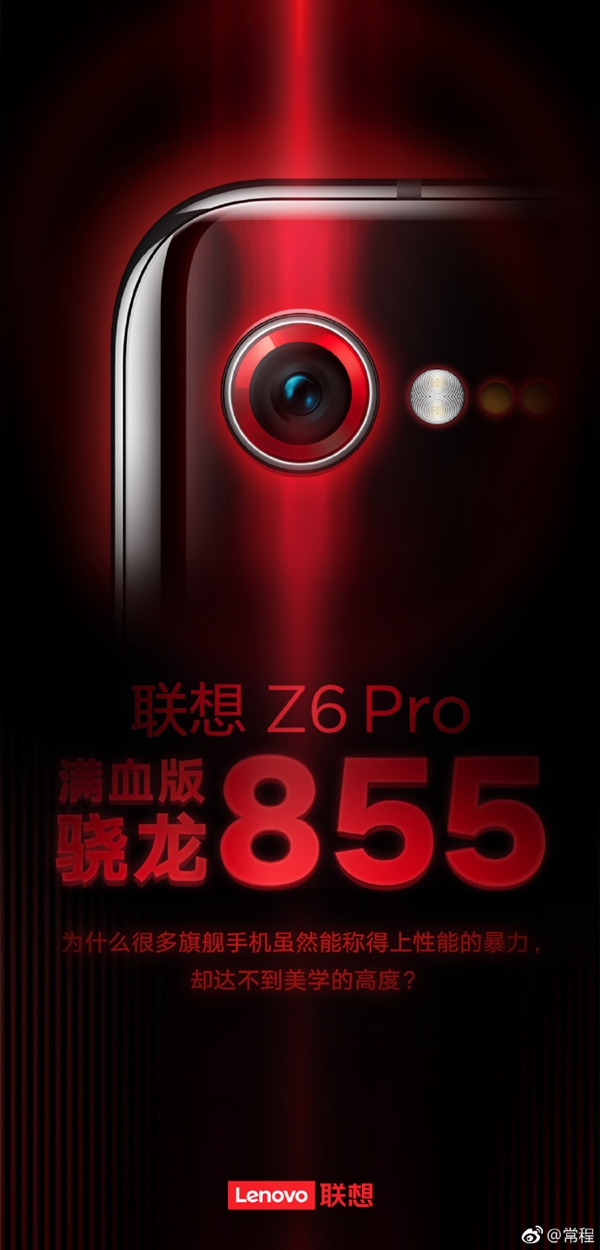
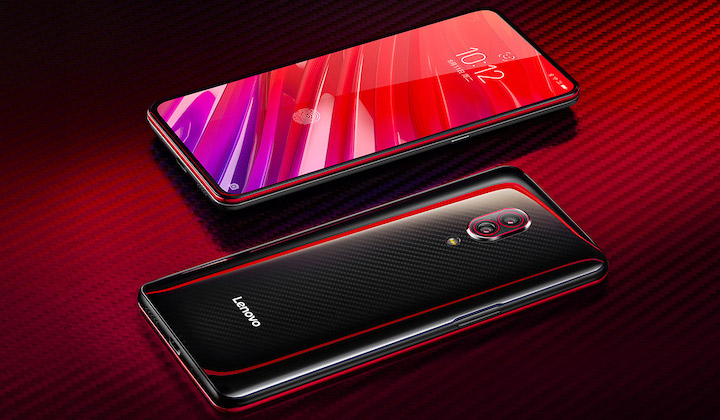
Since February, Lenovo has been teasing on the features of the upcoming Lenovo Z6 Pro smartphone. The company is yet to confirm on its launch date, but through a new teaser it has hinted that its arrival may not be far away. The new teaser confirms that it will be fueled by the Snapdragon 855 mobile platform.
The Chinese text on the new teaser suggests that the Lenovo Z6 Pro will not only come with powerful specs, but also it will be an aesthetically pleasing device. The Lenovo Z5 Pro GT that was announced in December last year is the world’s first Snapdragon 855 mobile platform powered smartphone. The Lenovo Z6 Pro will be the company’s second phone to feature it. Probably, it could be featuring an overclocked version of the SoC.
One of the recent teasers of the Lenovo Z6 Pro had hinted that the phone’s camera will be able to capture 100-megapixel shots. There is a possibility that the company could be relying on some sort of software trick for shooting 100-megapixel images through the smartphone. This could be HyperVision camera feature that the company has been teasing since February. Through another teaser, the Chinese firm also confirmed that the Z6 Pro supports Hyper Video that can be transferred at higher rates than existing videos. Till now, it is yet to reveal the details of the HyperVision Camera and Hyper Video features.
The other thing that is known about the Z6 Pro is that it will be a 5G phone. The camera related features that are expected to be available on the device include super macro, super anti-shake, ultra-wide-angle lens, super night mode and super slow-motion video shooting. Its other specifications are currently under the wraps. It is not known whether the phone will sport a slider phone design like the Z5 Pro GT or will be arriving with a different appeal.
The Lenovo Z5 Pro GT was introduced with a starting price of 2,698 Yuan (~$401). It is currently lowest priced Snapdragon 855 SoC powered phone in China. Probably, the starting variant of the Lenovo Z6 Pro could be priced under 3,000 Yuan (~$446). The Z5 Pro GT is equipped with a 6.4-inch AMOLED display with in-screen fingerprint reader, up to 12 GB of RAM, up to 256 GB of native storage, 16-megapixel + 24-megapixel dual camera, 16-megapixel + 8-megapixel dual selfie shooters and 3,350mAh capacity battery.
The Chinese company’s popular sub-brand Mijia is known for offering some of the most coveted smart gadgets available in the market today. Here are five Mijia-branded products that you can buy at lowered prices from leading online stores.
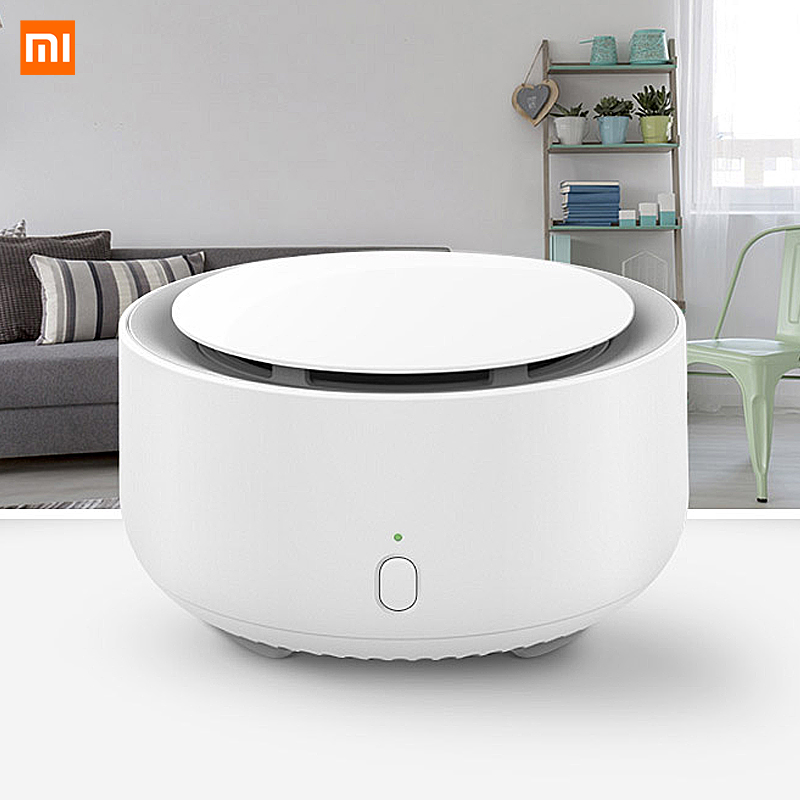
Xiaomi Mijia Garden Electric Household Mosquito Dispeller on Banggood
This household mosquito dispeller from Xiaomi’s Mijia brand is a great choice for those who aren’t satisfied with other methods of keeping the human disease-causing insects at bay.
The Xiaomi Mijia Mosquito Dispeller would normally set you back $25.5, but you can now buy it for only $23.60 on Banggood. This is a noteworthy 8 percent discount, which will be valid for a limited period of time.
You can follow this link to get your hands on the Xiaomi Mijia Mosquito Dispeller at a slashed price before the promo comes to an end.
Xiaomi Mijia SXJ02ZM 1080P FHD Smart IP Camera on Gearbest
The Mijia SXJ02ZM mini camera delivers an impressive 1080P full-HD video capture along with a frame rate of up to 20fps for superior picture quality. It enables you to remotely view images from any corner of the home using your mobile phone.
The white color version of the Mijia SXJ02ZM has gone up for sale carrying a $36.58 price tag on Gearbest. You can visit this link and check out more details and order the Xiaomi-branded smart IP camera at a reasonable price.
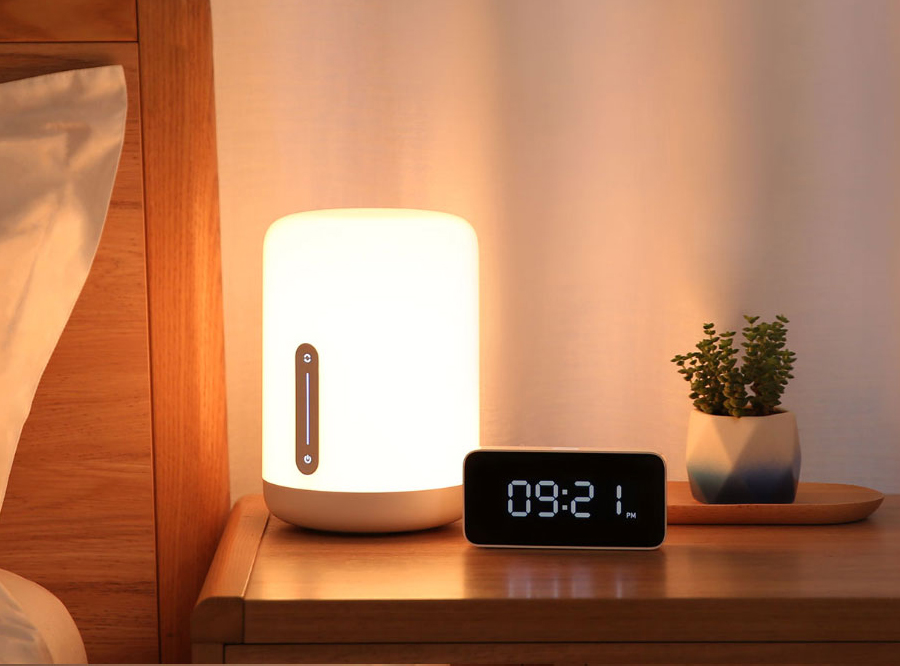
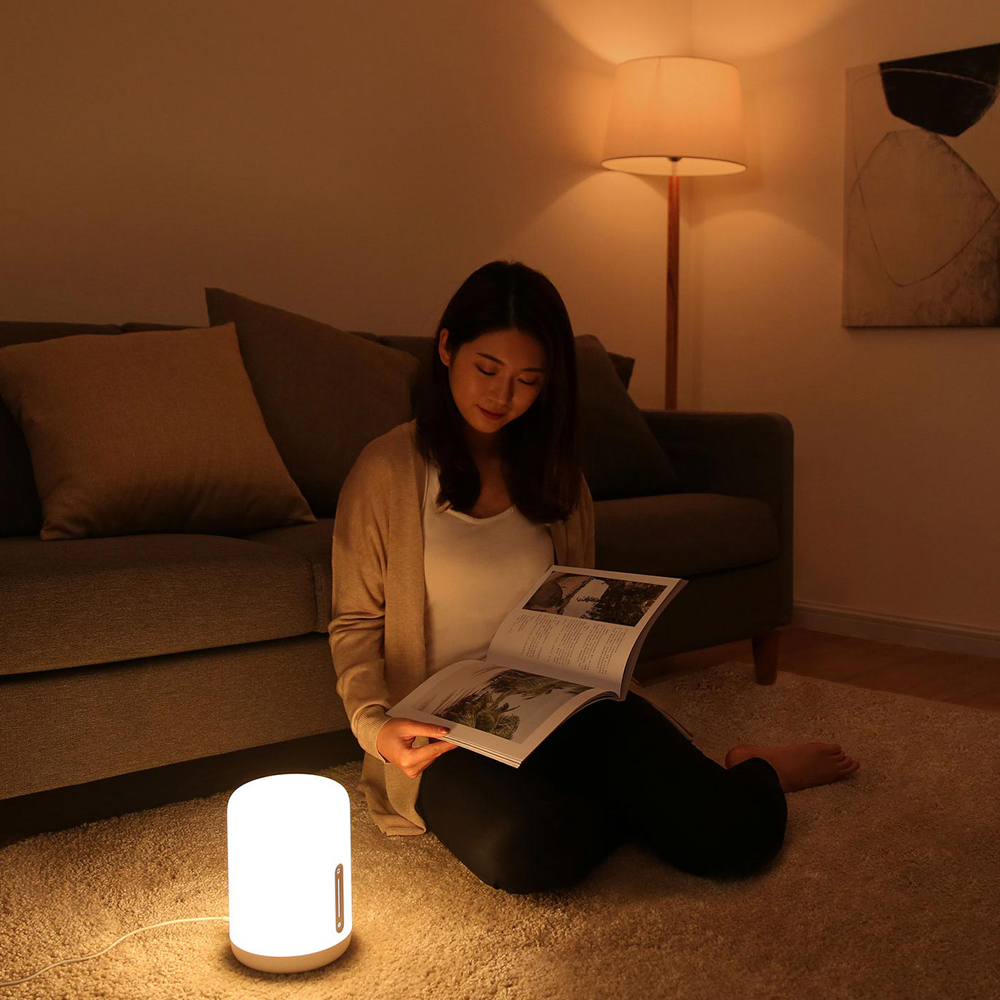
The Mijia Bedside Lamp 2 is can be controlled with Siri, Apple Homekit and APP remote control with just a tap, voice or automated settings. The bedside lamp adopts a hot runner design and is made using a high-difficult inverted mold.
You’d normally end up shelling out $81.99 on the Xiaomi Mijia Bedside Lamp 2, but GeekBuying is offering it to its loyal users for just $44.99. This is a significant 45 percent drop in the device’s original asking price.
You can head straight to this link in order to avail the discount. Note that the promo was on the verge of wrapping up at the time of writing.
Xiaomi Mijia Thermostat Accuracy Temperature Humidity Monitor on GearVita
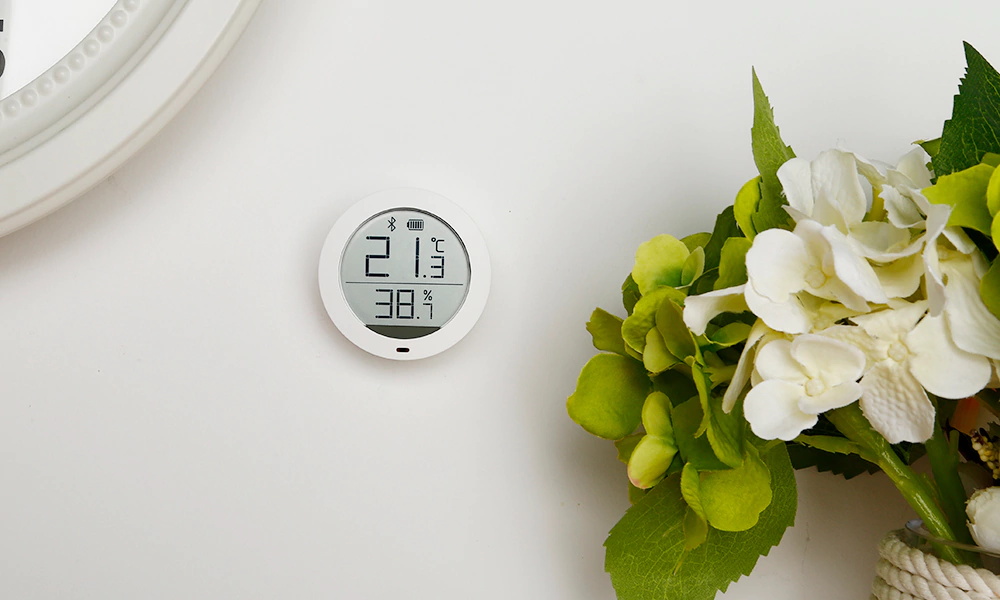
Designed to work with other Mi equipment through intelligent linkage, the Xiaomi Mijia Thermostat can open and adjust the air-conditioning, humidifier, fan, and various other types of equipment. With this thermostat, you do not have to worry about cold mornings or hot afternoons.
The Mijia Thermostat Accuracy Temperature Humidity Monitor has gone up for sale bearing an $11.19 price tag on GearVita. You can follow this link to get your hands on this highly advantageous device at a reasonable price.
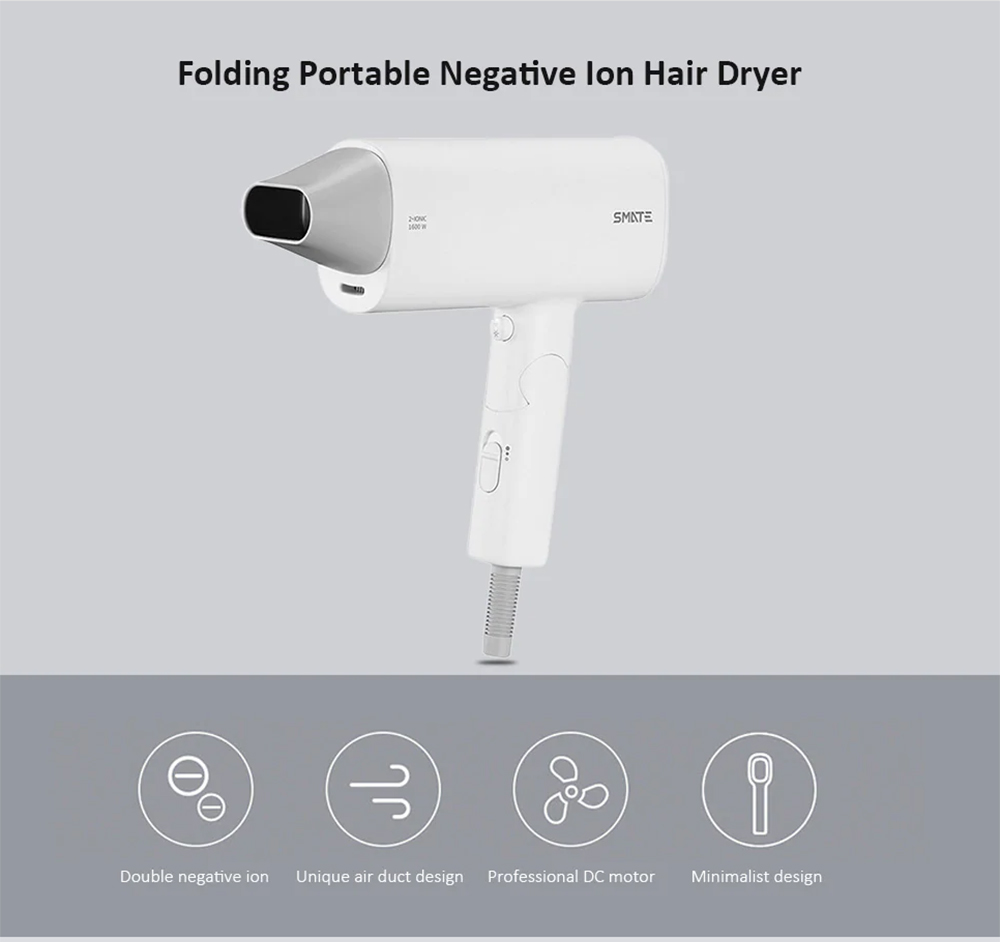
The Xiaomi Mijia Hair Dryer usually retails for $59.99, but you can now buy it for only $42.99 on CooliCool. This is a significant 28 percent drop in the device’s original asking price.
Moreover, you can win an XRT C28 foldable pocket fan worth $5.99 as a gift with your order. This promo will come to an end on May 31st. You can follow this link to check out more details and get the discount, which will be valid for the white color version of the hairdryer.
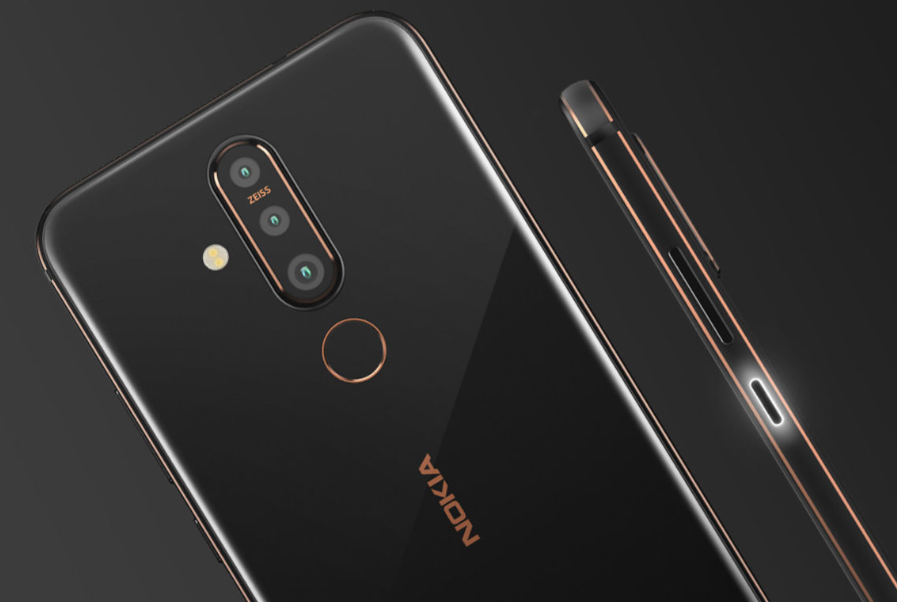
As expected, Finland-based HMD Global has announced its all-new Nokia X71 smartphone in the Chinese market. The phone was first unveiled earlier this week in Taiwan, along with the company’s flagship smartphone Nokia 9 PureView.
In China, the Nokia X71 is now available for pre-order in Space Black color. The phone is offered in two variants — one with 6GB RAM and 64GB internal storage and another with 6GB RAM and 128GB internal storage. The 64GB model costs 2,199 Yuan (approximately $327) while the 128GB model is priced at 2,699 Yuan (approximately $402).
The Nokia X71 comes with a 6.39-inch PureView Display that offers full HD+ resolution and 19.3:9 aspect ratio. The smartphone boasts an impressive screen-to-body ratio of 93 percent. The other display features of the Nokia X71 include support for 500nits of brightness and 1:1400 contrast ratio.
The device is powered by Qualcomm’s Snapdragon 660 SoC under its hood. The 14nm SoC is coupled with 6GB of RAM with 64GB or 128GB internal storage. It also comes equipped with a microSD card slot for expanding the storage capacity.
It is the company’s first smartphone to have a triple rear camera setup. It comes with an f/1.8 aperture ZEISS 48-megapixel primary sensor, a 5-megapixel depth sensor with f/2.4 aperture and a 120-degree field of view 8-megapixel ultra wide-angle lens. On the front side, there’s a 16-megapixel snapper with f/2.0 aperture.
The smartphone is fitted with a rear-mounted fingerprint reader. The power button with breathing light can glow for alerts such as missed calls and new messages. The other features that have been included in the Nokia X71 are dual 4G VoLTE, Wi-Fi 802.11ac, Bluetooth 5.0, GPS, 3.5mm headphone jack and OZO 360-degree surround sound technology.
Being a part of the Android One program, the Nokia X71 runs the latest Android 9 Pie operating system out-of-the-box. The handset is powered by a 3,500mAh battery with 18W fast charging support. It measures 157.19 x 76.45 x 7.98 and weighs 180 grams.
The OnePlus 6T was announced in the last quarter of 2018 in multiple regions including China. The base model of the smartphone was introduced with a price tag of 3,399 Yuan (~$506) in the home market. Today, the Chinese manufacturer has a permanent price cut of 400 Yuan (~$60) on all the variants of the smartphone. It is being speculated that the company could be clearing the existing stocks of the OnePlus 6T to make way for the upcoming OnePlus 7 smartphone.
With the new price cut, the 6 GB RAM + 128 GB storage edition that was previously available for 3,399 Yuan (~$506) is now selling for 2,299 Yuan (~$342). The 8 GB RAM + 128 GB storage that was sold for 3,599 Yuan (~$538) is now listed for 3,199 Yuan (~$476). The highest configuration variant with 8 GB RAM + 256 GB storage that was previously available for 3,999 Yuan (~$595) is now selling for 3,599 Yuan (~$538).
OnePlus 6T comes with a 6.41-inch Optic AMOLED display with waterdrop notch. It offers full HD+ resolution of 1080 x 2340 pixels and 19.5:9 aspect ratio. Its screen is shielded by Gorilla Glass 6. The Snapdragon 845 SoC is present under the hood of the device. It runs on OxygenOS 9.0.5 based Android 9 Pie OS.
The 16-megapixel + 20-megapixel dual camera module is present on the backside of the phone. Placed on the front is a 16-megapixel selfie camera. The handset lacks support for microSD card and 3.5mm audio jack. It is packed with a 3,700mAh battery that supports 20W fast charging.
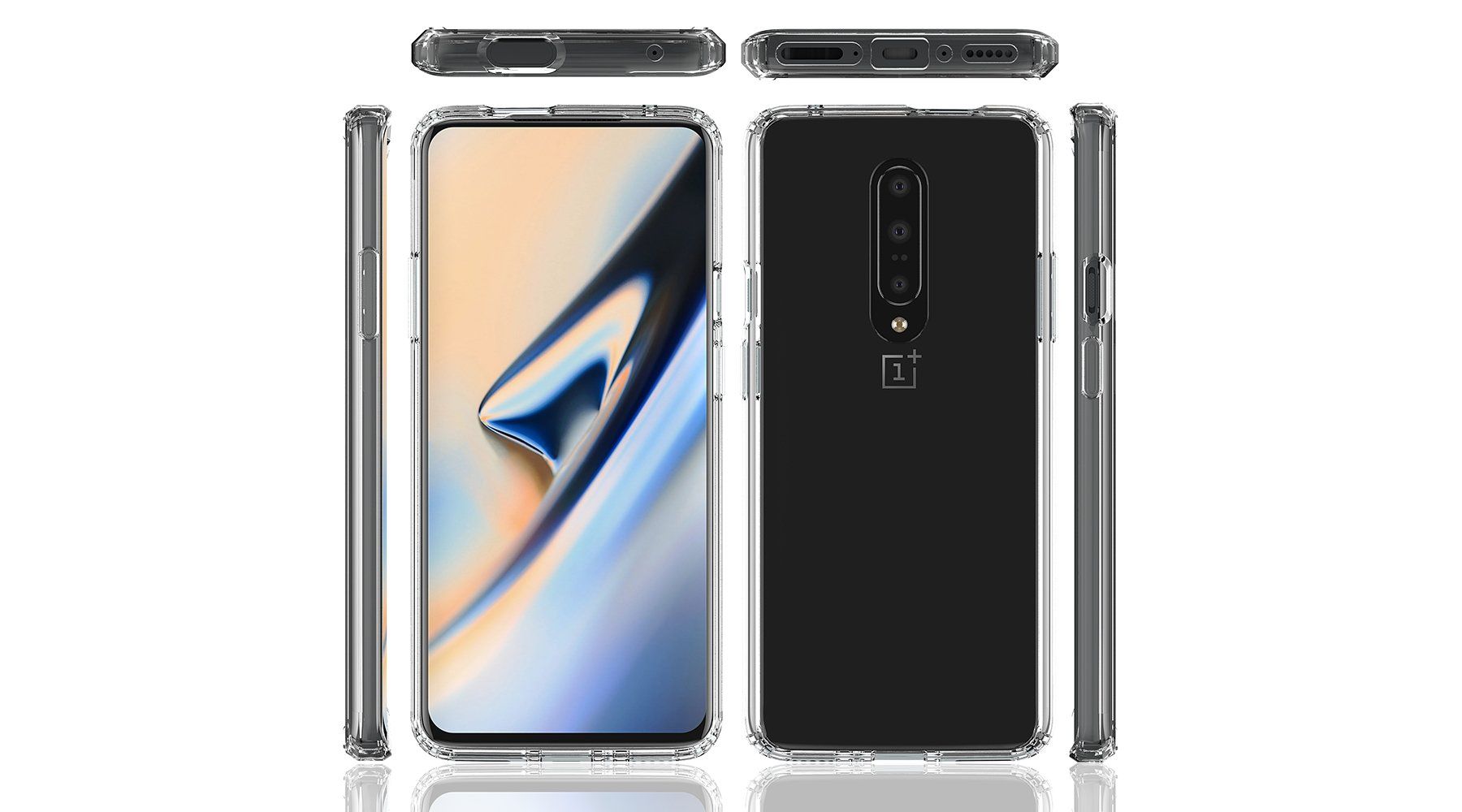
OnePlus had announced the OnePlus 6 smartphone in May 2018. Hence, it is speculated that the company may launch the OnePlus 7 by next month or early June. The specifications of the smartphone are currently under the wraps. However, it is known that the Snapdragon 855 mobile platform will be driving the smartphone.
The leaked case renders of the OnePlus 7 have revealed that it will be the company’s first phone to sport triple rear cameras. Also, the smartphone will be equipped with a notch-less AMOLED display with in-screen fingerprint reader. A pop-up selfie snapper will be available on the device for snapping selfies. It is expected to arrive in three gradient color options such as Black Yellow, Black Purple and Cyan Grey.
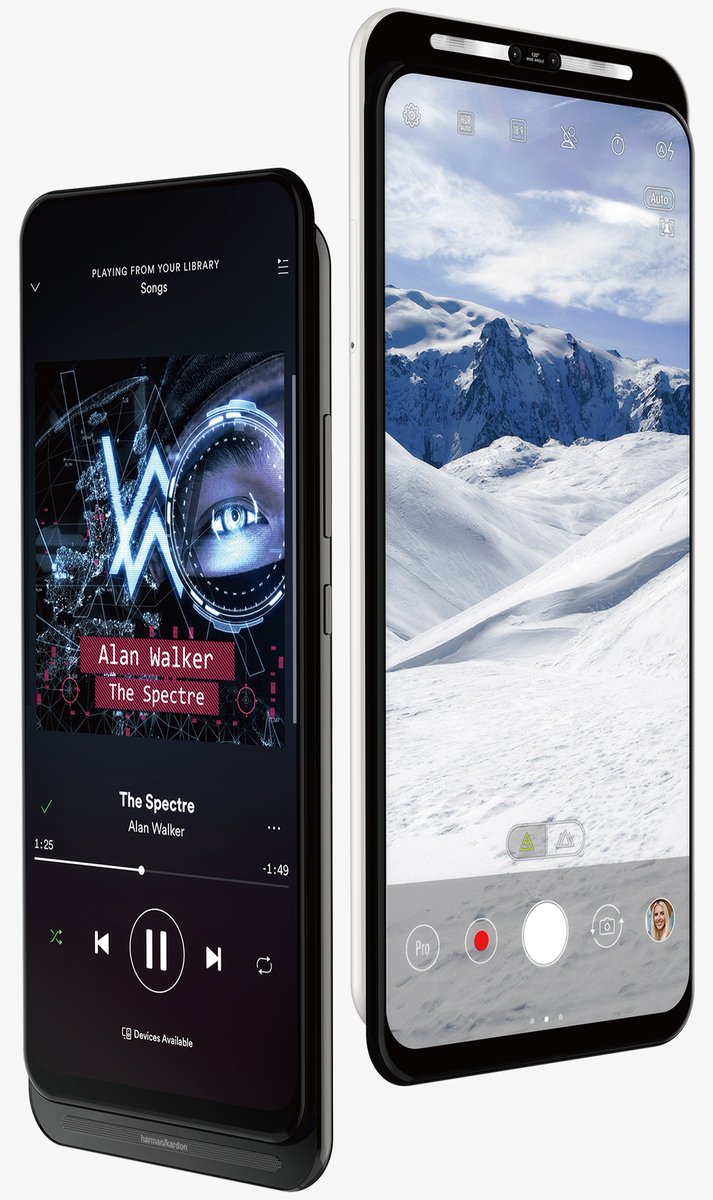
Remember the Nokia N95 with its dual slider design? When you slide it down it would reveal the media playback buttons at the top and when you slide it up you get access to the keypad. That seems to be the inspiration behind these ASUS 5G slider concept phones.
Shared on Twitter by Evan Blass (@evleaks) but made by a former designer that worked on the Zenfone 5, the images show two different concept phones with a dual slider design and near bezel-less displays.
[envira-gallery id=”245424″]
The first concept phone slides downwards to reveal dual front-facing cameras which are flanked by a long strip of LED flash on each side for brighter selfies. Slide the phone upwards and you are greeted by a long grille housing Harman Kardon speaker(s).
On the rear, the first concept phone is shown to have dual cameras positioned close to the top and arranged horizontally. The cameras are flanked on the left by an LED flash. There is no fingerprint scanner on the back which means there is probably one under the display.
The phone has its power button and volume rocker on the right while the left is home to the SIM tray. There are two variants – black and another with a white back and a black front half.
[envira-gallery id=”245419″]
The second set of concept renders switches up the design a bit. You still have dual front-facing cameras but they are now separated and each has its own LED flash.
Slide the phone up and gone is the speaker from the first one but what appears to be a smaller touch display. The screen shows additional controls depending on the app in use. In the image, you can see there are additional editing controls for the image editing app in use.
The smaller display hidden behind the main screen seems to be inspired by the ASUS ZenBook Pro 15 which has a touch-screen display as its trackpad.
The back of the second concept ASUS 5G dual slider phone is also home to dual cameras. The sensors are positioned in the middle and arranged horizontally. Unlike the first one, this has a fingerprint scanner on the back. It also has its volume rocker and power button on the right.
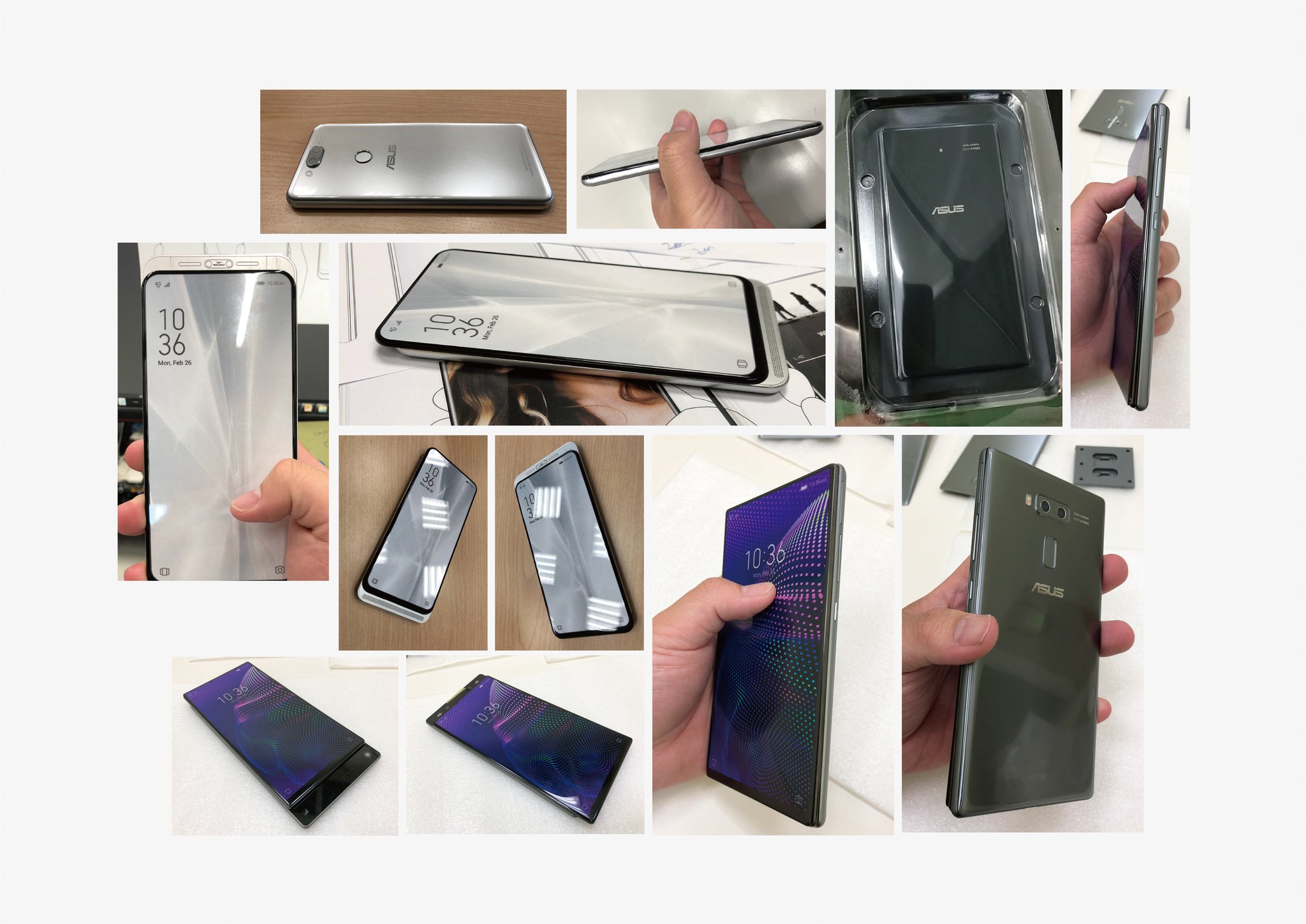
Apart from the concept renders, Evan Blass has also shared a photo collage that shows prototypes of both phones. We think both concepts are really good and it will be nice to see ASUS adopt one or both of these designs for its future phones.
The name Vivienne Tam might not ring a bell if you are not a fashion aficionado. Vivienne Tam is a popular New York-based fashion designer born in Guangzhou, China. Honor has partnered with her on a special edition Honor Magic 2 phone.
The special edition Magic 2 doesn’t have any custom engraving or custom theme as some other limited edition phones. There is a custom case though and a T-shirt with a similar design to the one on the case.
We are not sure yet if there is a special bundle but based on the images shared on Weibo by the official Honor account, it appears interested folks may be able to buy the custom case, T-shirts, and other branded products separately without having to purchase the phone. However, there is no info on pricing and availability yet.
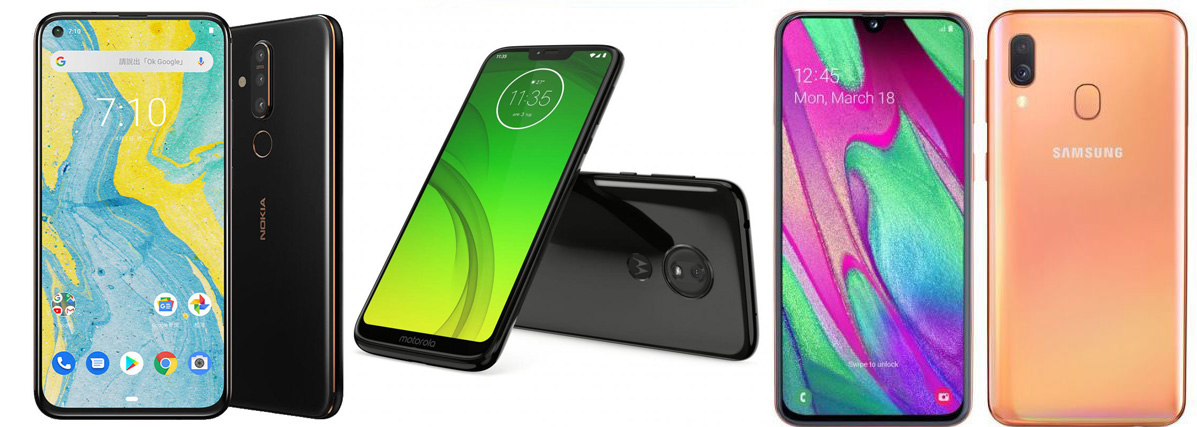
For the first time in 2019, HMD Global renewed its upper-midrange line-up with a new smartphone launched in the Asian market: the Nokia X71. A few days later, Motorola launched two new variants of the Moto G7 Plus with 4 and 6 GB of RAM, as well as 128 GB of internal storage. Alongside the recently-announced Samsung Galaxy A70, these handsets represent some of the most interesting alternatives when it comes to quality-price ratio. This comparison will tell you which one should have a higher value for money and which is the best device of the trio in case you do not care about the price at all.
Nokia X71 vs Motorola Moto G7 Plus vs Samsung Galaxy A70
Triple 48 + 8 + 5 MP f/1.8 and f/2.4
16 MP f/2.0 front camera
Dual 16 + 5 MP f/1.7 and f/2.2
12 MP front camera
Triple 32 + 8 + 5 MP f/1.7, f/2.2 and f/2.2
32 MP f/2.0 front camera
BATTERY
3500 mAh, fast charging 18W
3000 mAh, fast charging 27W
4500 mAh, Fast Charging 25W
ADDITIONAL FEATURES
Hybrid Dual SIM slot
Dual SIM slot
Dual SIM slot
Design
If you are seeking for the best and most futuristic look you should undoubtedly go for the Nokia X71. It is the first phone by HMD Global to feature a punch-hole display that reaches a screen-to-body ratio close to 100 percent without the need of a notch. Further, it comes with a premium body with a glass back and an aluminum frame. My second place goes to the Moto G7 Plus for having an outstanding build quality. It comes with a glass back protected by Gorilla Glass 3, an aluminum frame and splash resistance. But if you only care about the look, then you may need to know that Samsung Galaxy A70 looks more gorgeous with its gradient colors and a very high screen-to-body ratio. Which one do you prefer?
Display
When it comes to displays, Samsung is most of the times a step forward compared to other manufacturers, as it is one of the most important display manufacturers. Its midrange phones usually come with AMOLED display which boasts a better color reproduction with more brilliant color and deeper blacks. That is exactly the case of the Samsung Galaxy A70 which also comes with an ultra-tall 20:9 aspect ratio and a huge 6.7-inch diagonal. For all these reasons, it easily wins this display comparison. The second place goes to the Moto G7 Plus as it comes with good brightness and nice color reproduction, but it has only marginal differences compared to the Nokia X71.
Specs & Software
Despite Motorola held a separate event to launch a higher-end memory configuration of the Moto G7 Plus, Samsung Galaxy A70 wins the hardware comparison for being equipped with a more powerful chipset and a higher amount of RAM. It sports a wonderful Snapdragon 670 which is paired with up to 8 GB of RAM and up to 128 GB of internal storage. Moto G7 Plus has an older and less powerful Snapdragon 636, so it gets beaten even by the Nokia X71 which comes with the Snapdragon 660 boasting a higher clock frequency and better graphics performances. Note that Samsung Galaxy A70 has a customized user interface, while Moto G7 Plus and Nokia X71 come with stock Android (X71 is part of the Android One program with faster and more constant updates as well as direct support by Google).
Camera
Overall, the best camera department belongs to the Samsung Galaxy A70. It comes with a triple rear camera composed of a 32 MP main sensor, an 8 MP ultrawide secondary lens and a depth sensor, while on the front it has a stunning 32 MP snapper. But if we only consider the rear sensors, Nokia X71 is more or less at the same level with its Carl Zeiss and its 48 MP triple camera. However, we have to test the Nokia X71 thoroughly to give a definitive opinion, and we still did not have the chance to click some photos with it. Unlike its rivals with triple cameras, Moto G7 Plus lacks the ultrawide lens, but it still provides a stunning photo quality thanks to OIS for the primary sensor and a very bright focal aperture.
Battery
Samsung Galaxy A70 is equipped with a monster battery and it lasts a lot more on a single charge. It can even pass two days with a stressed usage pattern, that is amazing. Motorola Moto G7 Plus has the smallest battery and it can not compete with its opponents, but it has also a faster-charging technology, so it is able to fully charge in less time. Nokia X71 sits in the middle with a 3500 mAh unit.
Price
Motorola Moto G7 Plus debuted with a price tag of €300/$335 for the base variant with 4 GB of RAM and 64 GB of internal storage, while Nokia X71 starts from about €350/$393. Samsung still did not reveal the pricing of the Galaxy A70. With the actual info, the Galaxy A70 wins the comparison with better performance, amazing cameras, and a huge battery, but if it will cost more than $450, then its value for money might not be so high.
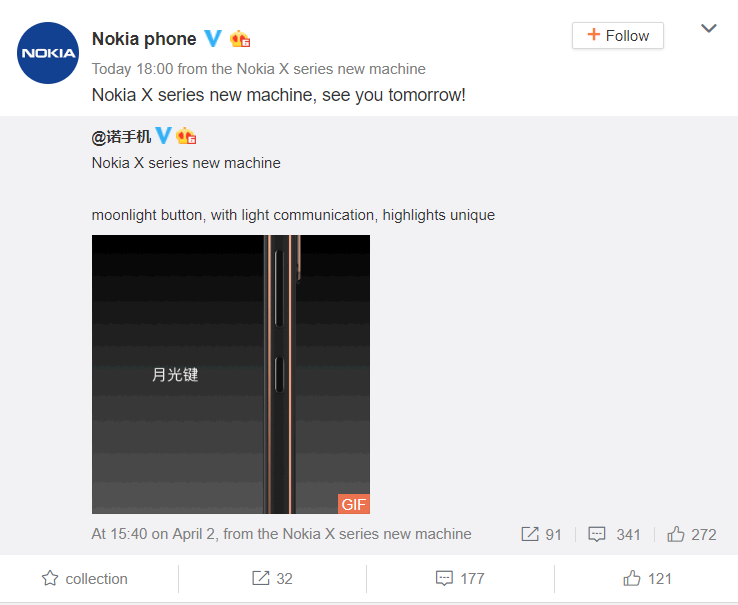
The Nokia X71 launched last week in Taiwan as the first Nokia phone with a punch hole display. HMD Global Oy is now set to launch the phone in Mainland China tomorrow.
The phone which shares some similarities with the Nokia 7 Plus (black + copper color variant, Snapdragon 660 processor) is also the first Nokia phone with triple rear cameras. The official Nokia Mobile China account has been dropping teasers of the phone in the past couple of days before confirming today the phone will be unveiled in China on April 8.
The Nokia X71 has a 6.39-inch PureView display with an FHD+ resolution and a 19.3:9 aspect ratio. HMD Global says it has a screen-to-body ratio of 93% but didn’t state the diameter of the punch hole. The hole in the display is on the left just like that of the Honor View 20.
The phone is powered by the Snapdragon 660 and it is paired with 6GB of RAM and 128GB of storage with support for storage expansion. The rear is home to a 48MP primary camera, an 8MP wide-angle camera, and a 5MP camera for depth of field. The front-facing camera is a 16MP f/2.0 sensor. There is a fingerprint scanner on the back of the phone.
The Realme 3 Pro is an anticipated device from Realme set to take on the Redmi Note 7 Pro. The phone is scheduled to launch this month though the exact date is still unknown. Alleged specs of the phone have leaked and it seems there will soon be a new mid-range king in the Indian smartphone market.
The leak was first reported by Indiashopps and they say the info comes from unnamed sources and analysts.
First, the Realme 3 Pro will come with the Snapdragon 710 processor which powers phones like the Mi 8 SE and the Nokia 8.1. When compared to the Snapdragon 675 which powers the Redmi Note 7 Pro, the Snapdragon 710 trumps it only in graphics performance. The SDM710 is also more power efficient since it is built on a smaller node.
The Realme 3 Pro will come in three variants – 4GB RAM + 32GB, 4GB RAM + 64GB, and 6GB RAM + 64GB. All three models should support storage expansion. There will also be three color variants but they weren’t revealed.
Coming to cameras, the Realme 3 Pro will not join the Sony IMX586 train but use the Sony IMX519, the same primary sensor in the OnePlus 6T.
There is no info on battery capacity but the Realme 3 Pro will support VOOC 3.0 according to the source. The OPPO Reno is also said to feature this new fast-charging technology. It is entirely different from SuperVOOC which the Find X uses. Nevertheless, VOOC 3.0 is said to be 23.8% faster than VOOC 2.0.
On April 10, OPPO will be announcing the much hyped Oppo Reno series of smartphones. It is speculated that the Chinese manufacturer a Snapdragon 710 and a Snapdragon 855 version of the Oppo Reno smartphone. The 8D866 model is expected to arrive in 4G only and 5G-ready versions. Here is everything that is known about the upcoming Oppo Reno series:
Oppo Reno Launch Event
The OPPO Reno launch event will be held in Shanghai at Mercedes-Benz Arena on April 10 between 2 PM and 4 PM. The Chinese manufacturer will be also an international event for the OPPO Reno series on April 24 in Zurich, Switzerland for global audience.
OPPO Reno variants and specifications
In the previous month, OPPO had trademarked five Reno monikers with European Union Intellectual Property Office (EUIPO) and Intellectual Property Office (IPO) such as Oppo Reno Pro, Reno Plus, Reno Zoom, Reno Lite and Reno Youth.
The Oppo Reno 10x Zoom edition could be fueled by the Snapdragon 855 SoC. It is expected to arrive with a 6.65-inch notch-less OLED display with full HD+ resolution and in-display fingerprint reader. It will offer a screen-to-body ratio 91.3 percent. The SoC will be supported by 8 GB of RAM and it will include 256 GB of native storage. The ColorOS 6.0 UI based Android 9 Pie OS will come loaded on the device
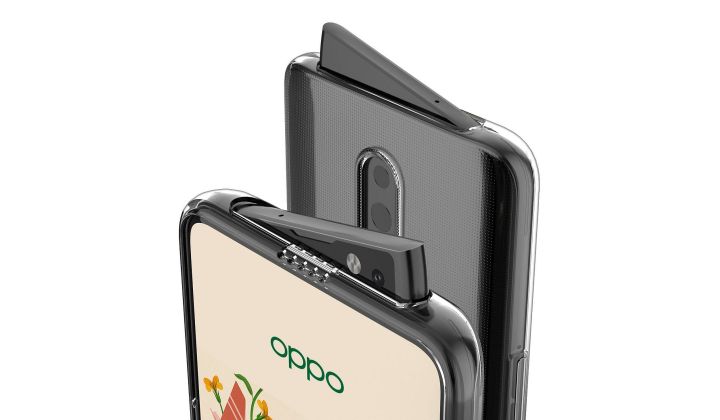
Its triple camera setup will include OIS enabled Sony IMX586 48-megapixel primary sensor, an 8-megapixel 120-degree super wide-angle lens and a 13-megapixel periscope telephoto lens as third camera sensor. Readers can visit this post to see the camera samples of the smartphone. A “shark fin” shaped pop-up selfie camera module with an LED flash and 16-megapixel lens is also available on the device.
The smartphone will also carry support for dual-band GPS technology and it will come equipped with copper tube liquid cooling for internal heat dissipation. The 4,065mAh battery of the phone will support VOOC fast charging technology. The handset was Bluetooth certified in the previous month through which it was revealed that the company will be also announcing a 5G version of the phone. The SD855 variant is expected to be priced around $605 and $605 in Vietnam.
Apart from the SD855 model, two smartphones of the Oppo Reno series with model numbers PCAM00 / PCAT00, PCGM00 / PCGT00 and PCAM10 / PCAT10. The last model appears like a low-end model that could probably end up as Oppo Reno Youth or Lite. It features a 6.5-inch IPS LCD waterdrop-style notched display with full HD+ resolution, 2.1 GHz octa-core processor (could be Helio P70), up to 6 GB of RAM, up to 128 GB of storage, Android 9 Pie OS, 16-megapixel + 2-megapixel dual camera, 16-megapixel selfie camera, around 4,000mAh battery and a rear-facing fingerprint reader.
The PCAM00 / PCAT00 and PCGM00 / PCGT00 seems to feature identical specs and only the noticeable different between are the rear camera configurations. The PCAM00 / PCAT00 model has 6.4-inch full HD+ AMOLED notch-less display with in-screen fingerprint sensor. It is powered by 2.2 GHz octa-core processor and up to 8 GB of RAM. It features up to 256 GB of native storage. For photography, it features 48-megapixel + 5-megapixel dual camera on its rear and an LED assisted 16-megapixel selfie camera placed in a pop-up camera module. Its packed with a 3,680mAh battery with support for rapid charging technology.
The OPPO PCGM00 / PCGM00 features a slightly bigger 6.5-inch AMOLED notch-less display and 16-megapixel + 2-megapixel dual camera, but rest of the specs are identical with PCAM00 / PCAT00 model. Hence, at least one or both PCAM00 / PCAT00 and PCGM00 / PCGT00 could be both powered by Snapdragon 710 SoC. This model is expected to colors like Extreme Night Black, Mist Pink, Fog Sea Green and Nebula Purple. The smartphone is now up for reservations in China through its official online shop.
The recent reports have confusing information on the OPPO Reno series. Hopefully, leaked details surfaced in the next few days may reveal clearer information on the Oppo Reno variants.
The OPPO A5 is a mid-range phone with a notch and dual rear cameras. It launched in India last year in a single variant with 4GB of RAM and 32GB of storage. OPPO has now released a new variant with double the storage.
The new variant retains all the specs of the 32GB version but has 64GB of built-in storage. As expected, it also costs more – ₹12,990 (~$188). To be honest we see no reason why you will want to buy this as the Realme U1 (4+64GB) offers much more (save for a smaller battery) and costs less – ₹11,999 (~$175).
The OPPO A5 has a 6.2-inch HD+ 19:9 display with a wide notch at the top for the selfie camera and speaker. It is powered by the Snapdragon 450 processor and there is support for storage expansion.
The back of the phone is home to dual cameras – a 13MP f/2.2 primary sensor and a 2MP f/2.4 depth sensor. The front-facing camera is an 8MP f/2.0 sensor with support for Face Unlock and AI Beauty 2.0. It also has a rear-mounted fingerprint scanner.
The A5 runs ColorOS 5.1 based on Android 8.1 Oreo and packs a 4230mAh battery. It has a pretty nice feature called Music Party which allows your friends to connect to your hotspot and play the same song your phone is playing.
Sony began rolling out the Android Pie update to the mid-range Xperia XA2 back in February. However, it had to suspend the update as it was bricking the Russian version of the phone. Sony has now resumed the update for the phone.
The old update’s which has version number 50.2.A.0.342 would cause phones to restart and then display black and white stripes on the screen afterward, rendering the phone unusable. The new update has resolved the issue and is now safe for installation.
The new update’s version number is 50.2.A.0.352 and it brings March 2019’s security patch too. It is also said to be rolling out in other regions too. So check your phone for the update.
The Xperia XA2 was released over a year ago. It has a 5.2-inch FHD display with thick bezels at the top and bottom of the screen and covered with Gorilla Glass 4. There is Qualcomm’s Snapdragon 630 under the hood and it is paired with 3GB of RAM and 32GB of storage. The SIM 2 slot also doubles as a MicroSD card slot (256GB max.).
Nine years ago, eight people came together in Beijing with one purpose: To create something cool! And it took them just a bowl of millet porridge to know what they wanted to call the company. Thus, Xiaomi was created.
Little did they know they were creating one of the biggest smartphone companies in the world.
Today, Xiaomi is not just a smartphone maker. It’s a way of living. Its products can replace nearly all of your essential electronics at home, ranging from tiny smart bulbs to heavy duty washing machines and water purifiers. The Xiaomi fever is spreading ever quickly and they seem unstoppable right now. Despite its solid footing in the smartphone industry, Xiaomi had its fair share of struggles and downfalls. And the company has shown us that it’s here to stay by surviving all those tough times. In fact, the company’s turnaround story is so good that people often refer to it as the ‘Chinese Pheonix’!
From making smartphones that borrowed its design from competitors to leading the industry in multiple facets, Xiaomi has carved out a niche of its own in this highly competitive market. To be honest, the smartphone industry wouldn’t have been the same without Xiaomi.
So, it’s only fitting to see some of the biggest milestones by the company on its ninth birthday. So, hop on to this Xiaomi story where you’ll get some interesting facts and figures of the company.
1How It All Began!
Xiaomi’s initial team members having millet porridge Source: Donovan Sung Twitter
Xiaomi is headquartered in Beijing, China and started its journey with eight co-founders and fourteen employees on April 6, 2010.
Xiaomi’s logo is abbreviated as Mi and stands for ‘Mobile Internet’. Mi has other meanings as well, which include ‘Mission Impossible’ which represents the various challenges the company had to overcome in its initial years.
The Chinese word for Xiaomi is ‘小米’ which means ‘Millet’. When one of the co-founder’s father cooked millet porridge for the entire team, the company decided to go with this name since it represents affordability and nutrition.
Fun Fact: Xiaomi’s founder, Lei Jun adds “When I went to the trademark registration, someone asked me whether we are an innovative agricultural technology company,”.
Lei Jun and Lin Bin, the two founders of Xiaomi were already good friends before starting off their new idea. Lin Bin met Lei Jun around early 2009 when Google decided to partner with UC Browser. Back then, Lin Bin was at Google heading the company’s mobile products and business developments in China. Lei Jun was the Chairman of UC Web, and it was only natural that they became good friends.
2Xiaomi Founders
Xiaomi cofounders Source: blog.mi.com
Xiaomi started its operations with eight co-founders. They were all in their 30s or 40s, which was above the average age for startup co-founders in China at that time. Nevertheless, they brought in years of rich experience to the company.
Lei Jun (ex-Kingsoft) [Nick: Lei Zong] — Currently the CEO of Xiaomi
Lin bin (ex-Googler) [Nick: Bin Zong] — Currently the President of Xiaomi, heads Mobile department
Li Wanqiang (ex-Kingsoft) [Nick: Alee] — Heads Xiaomi’s e-commerce teams
Kong-Kat Wong (ex-Microsoft) [Nick: KK] — Leads Mi Wi-Fi and Mi Cloud teams
Wang Chuan [Nick: Chuan Sir] — Currently President of Xiaomi China, headed Xiaomi’s Smart TV business
Hong Feng (ex-Googler) — Heads Xiaomi’s MIUI division
Guangping Zhou (ex-Motorola) — Heads Xiaomi’s Hardware and BSP teams
Liu De [Nick: Brother De] — Heads Xiaomi’s Industrial Design and Ecosystem Development Teams
3Xiaomi Employees
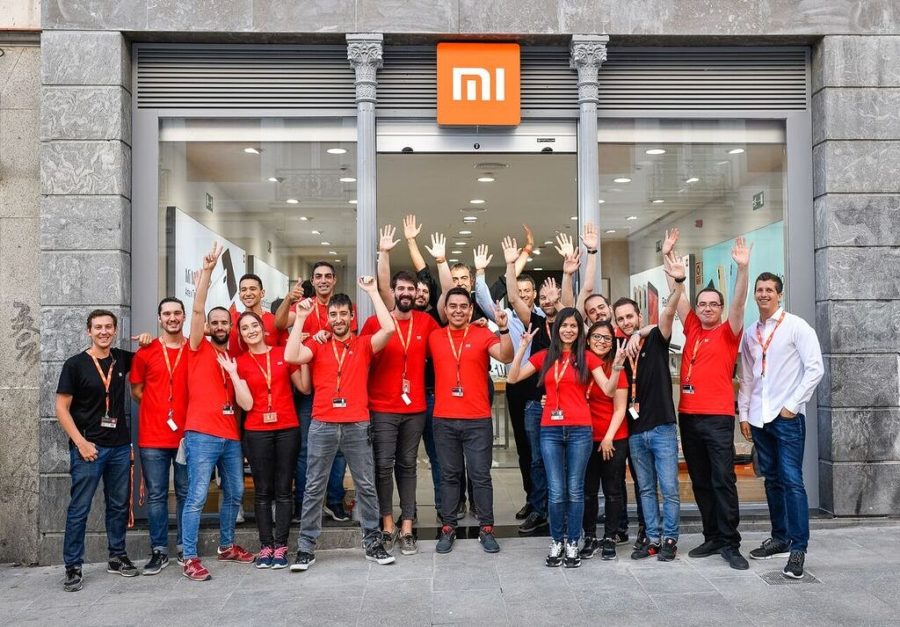
Xiaomi’s New Store in Madrid, Spain
Xiaomi started off with just 14 employees.
Right now, the company has over 18,000 employees spread throughout China, India, and other countries.
While Lei Jun and Lin Bin retain over 40% of shares in Xiaomi, there are 7000+ employees in the company with its shares or options. This was because Xiaomi’s executives offered share options to its employees right from the start. In fact, at the time of Xiaomi’s IPO, it was said that around 56 early employees of the company were all set to become millionaires.
When word spread back in 2010 that Lei Jun and his co-founders were racking up their own money for a venture financing round, there were employees like Li Weixing and others who wanted to join them. Lei Jun had hinted in an interview conducted in March that they had to let everyone in since they can’t let only Weixing invest. The investments from the rank-and-file were capped at about 300,000 yuan each to limit risk and stop employees from taking out loans to invest. The employee who even took out her dowry of around 100,000 to 200,000 yuan ($16,000 to $31,000) was simply identified as employee No. 14, a receptionist now working in Xiaomi’s human resources office.
Today, many of them are millionaires.
4Xiaomi’s Smartphone Journey: A Solid Start
Mi 1S
2010
The first version of the company’s Android UI called MIUI was announced in China
2011
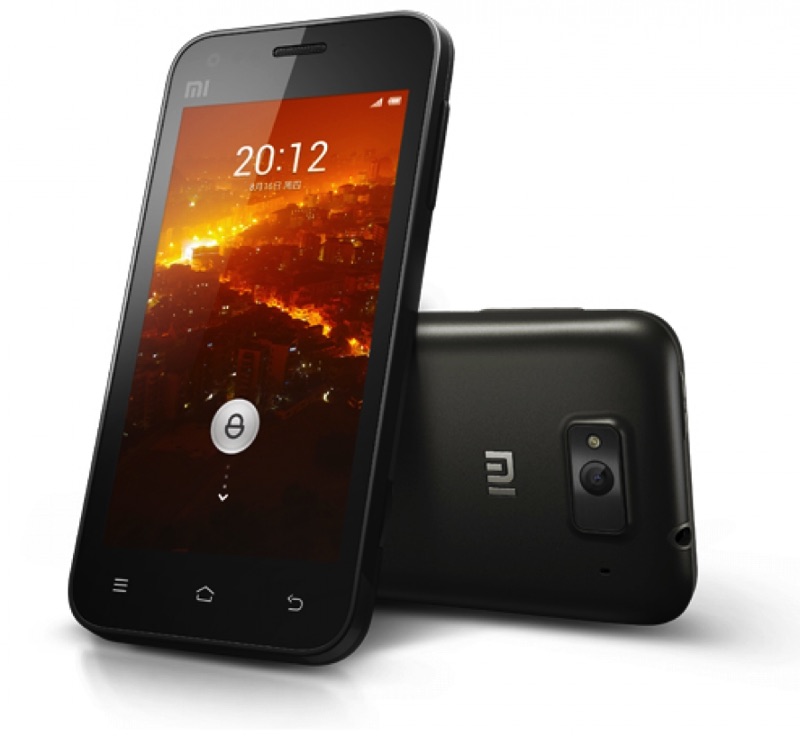
Xiaomi’s first smartphone, Mi 1 announced on August 16. The phone was the first phone with a 1.5GHz dual-core processor and went on sale in October in an online-only sales model. The price tag was just 1999 Yuan ($300).
2012
Xiaomi announces the Mi 2 featuring Snapdragon S4 Pro APQ8064. The phone is quite popular in China.
This helps Xiaomi sell over 7.19 million smartphones in the year.
2013
Xiaomi announces the Xiaomi Mi 3 in two versions, one with SD800 and another one with NVIDIA’s Tegra 4. This phone becomes the company’s flagship model in the international markets next year.
In the same year, Xiaomi announces its first phone under a new lineup, Redmi, focused on the budget segment. The first model in the lineup is the Redmi 1. It was announced in July 2013 and came with MediaTek’s MT6589T processor and 1GB of RAM. It’s a hit among budget users.
The surge in Xiaomi fanbase helps the company sell over 18.3 million smartphones in the year, which was more than 50% YoY growth.
2014
This was the year when Xiaomi decided to let loose and reach out to other markets outside of China.
The first international stop was Singapore, followed by countries like Malaysia and the Philippines.
The same year, Xiaomi started its operations in India with the Xiaomi Mi 3 flagship.
In light of its international expansion, the company decided to give its online operations a global reach by purchasing the Mi.com domain for a staggering $3.6 million. This was the most expensive domain purchase in China in its time.
In the same year, the Redmi 1 model got a larger sibling, called the Redmi Note.
In terms of smartphone shipments, Xiaomi came into the big league, shipping over 61.12 million units in 2014.
5Xiaomi’s Smartphone Journey: Trying Times
Xiaomi Mi 4i
2015
Xiaomi’s international expansion continued and it entered new markets like Brazil.
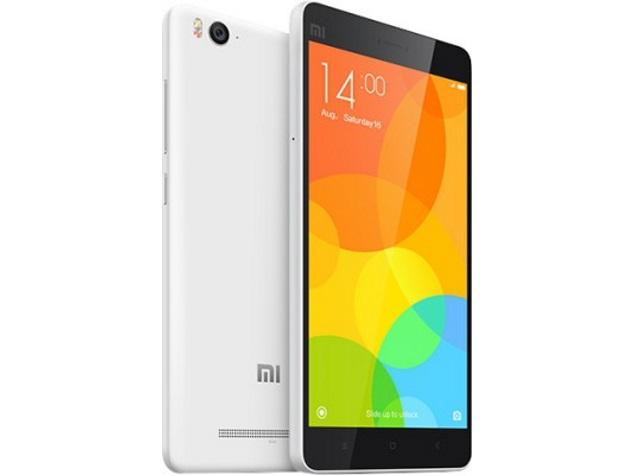
The company decides to prioritize its operations in India. In this regard, Xiaomi announced Xiaomi Mi 4i, its first smartphone tailored for the Indian market. The phone first launched in India before any other country including China.
The company continues its aggressive online-only model. However, it fails to achieve its 100M smartphone target and accepts that it grew too quickly. Xiaomi didn’t reveal an exact sales figure at that time, but it was said to be only around 70 million units, falling way short of its initial target for the year.
2016
The struggle continues, with Xiaomi ceasing its operations in Brazil.
However, there were a bunch of new announcements like the Xiaomi Mi Max series and the Xiaomi Redmi Note 3 model. The latter would turn out to be one of the best selling smartphones in India.
Xiaomi targets the EU market bagging its first official distributor, ABC Data.
In November that year, Xiaomi announced a smartphone that changed the way we perceive the brand. The Mi Mix series was announced with a revolutionary tri-bezel-less design and a very high screen to body ratio. The company managed to beat the big players to release something unique and beautiful in the industry. In some sense, we can say that the Mi Mix series paved the design for the smartphones that we see today!
But overall, 2016 was a bad year for Xiaomi. Company’s online-only sales model was no longer effective and competitors like OPPO and Vivo, driven by its solid offline sales strategy, was eating up Xiaomi’s sales. By the end of the year, Xiaomi could only sell around 53 million units. A huge decline over last year and definitely falling short of the company’s big goals.
6Xiaomi’s Smartphone Journey: China’s Pheonix!
Xiaomi started focusing on offline sales
2017
This year defined Xiaomi. After two years of declining sales, some people started to write off Xiaomi as any other startup that shows promise but fails to deliver in the long run.
However, the company turned things around drastically! And the way they did it forced people to take notice. By the end of 2017, Xiaomi has shipped over 92 million smartphones, which was an unprecedented growth figure in the industry!
Xiaomi first revamped its offline policy. CEO Lei Jun announced the company’s newfound love for retail and vowed to open 200 Mi stores in China by the end of the year.
Despite struggling in its home country, Xiaomi was exceptionally successful in India in the previous two years. It managed to overtake Samsung to become the number one smartphone company in India in 2017.
It opened its first Mi Store in Bengaluru, India in the same year. At the same time, Xiaomi renews its focus in India with a target of opening 100 Mi Stores throughout the country in the next two years.
In the same year, Xiaomi offers something unique to its Mi fans. The first Android One smartphone, the Mi A1 is announced. It runs on stock Android instead of the company’s MIUI platform.
The company also announces the Mi Mix 2S flagship. This is the first ever Xiaomi smartphone to have a really good camera, changing the perception that the company couldn’t excel in the camera department. With a DxOMark score of 97, Xiaomi had finally entered the big leagues of flagship camera performers.
In the same year, Xiaomi gets listed on the Hong Kong stock exchange at HK$17, thereby raising $4.2 billion. With that pricing, the company is valued at $54 billion.
Xiaomi’s turnaround strategy further fuels its growth in 2018. It shipped over 100 million smartphones by November 2018. By the end of the year, the total shipments figure reach 122 million!
Xiaomi Mi Mix 3 5G also makes its debut at MWC 2019, joining the likes of Samsung Galaxy S10 5G and other big players with this new generation wireless standard.
Xiaomi proves it means business in the smartphone industry by upgrading the camera on its Mi 9 flagship. The phone bags a DxOMark score of 107, making it one of the top 5 smartphone cameras in the industry.
7Xiaomi’s 9 Year Journey In Figures
Xiaomi has over 242.1 million MIUI users
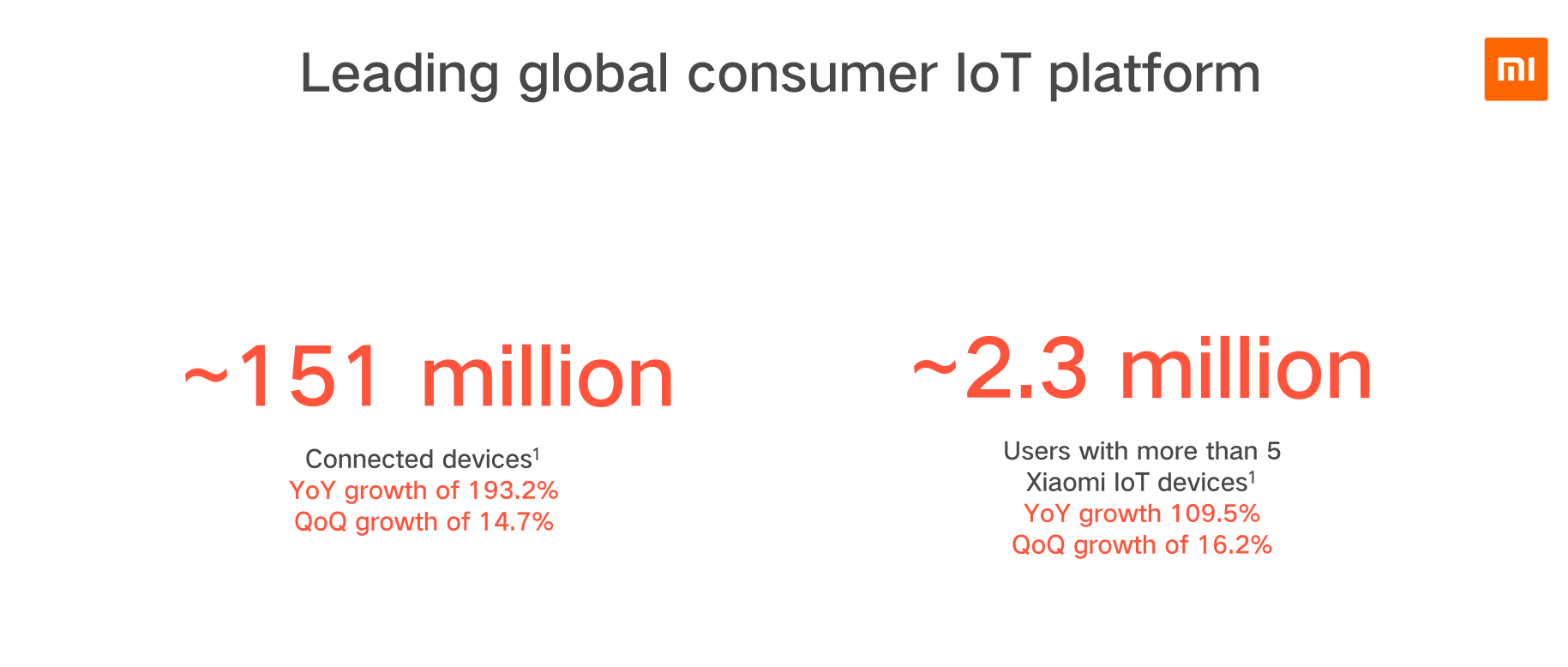
Xiaomi has over 151 million IoT devices with over 2.3 million users with more than 5 Xiaomi branded IoT devices.
Xiaomi is the No.1 Smart TV Brand in Mainland China.
The company sells its products in over 70 countries. It one of the top 5 smartphone makers in 16 markets.
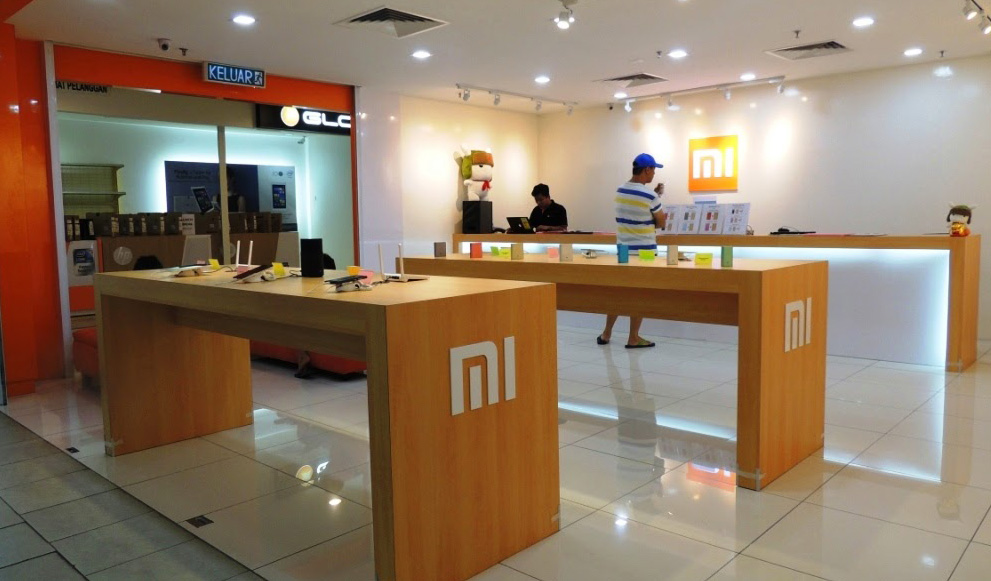
There will be over 2000 Mi Home stores worldwide by 2019.
The company has applied for over 24,000 patents worldwide. Out of them, 5920 patents have been granted yet.
Xiaomi logo in front of the headquarter
As compared to some of the big players out there, Xiaomi’s journey is quite short. However, what the company has managed to do in these short 9 years says a lot about the way it works.
For example, Xiaomi exceeded its revenue goal of RMB 100 billion in just over 7 years! For the same target, Apple took 20 years, Facebook 12 years, Google nine years, Alibaba 17 years, Tencent 17 years, and Huawei 21 years!
After its Hong Kong IPO, the company is going strong with its strategy of product diversification. Hence, it isn’t really surprising to see that the company released over 44 non-smartphone products since January 2019!
So, on its 9th birthday, we wish Xiaomi all the success in the coming years. We hope it continues to offer great products and features at an affordable price tag, leading the way for all other companies out there!
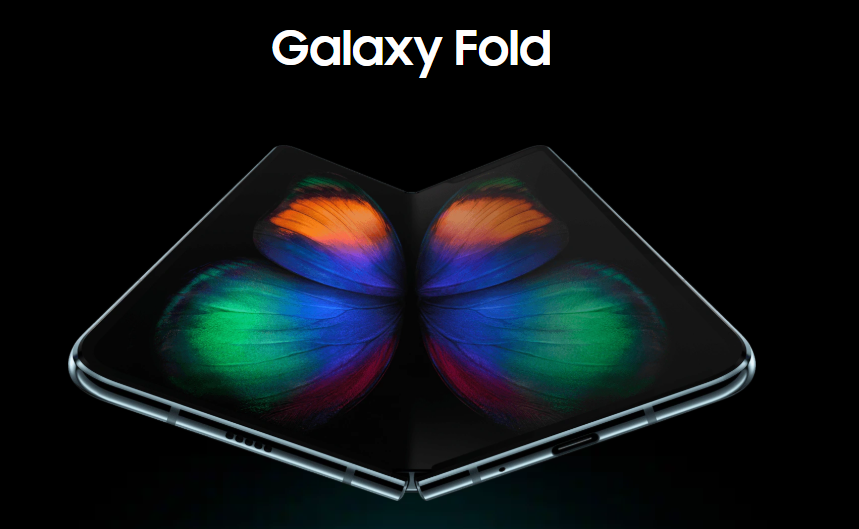
Samsung announced the Galaxy Fold at its Unpacked event on February 20. The Galaxy Fold is the manufacturer’s first foldable device with a flexible display. Before its launch, the device was certified by China’s Communication Commission (3C) which meant it would be sold in China.
Earlier this week the phone was certified by TENAA and the listing reveals a few of its specs. We are not bothered about the incomplete info since the device has already been announced but this is further proof that the Galaxy Fold will be available in China and possibly soon.
The TENAA listing says the Galaxy Fold (SM-F9000) will run Android 9 Pie out of the box, have five cameras (it actually has six) and pack a 4275mAh (minimum capacity) battery. There are no images, no dimensions, and no color variants listed. There is also no info on RAM and storage configuration.
The Galaxy Fold phone has two displays – a 4.6-inch 840 x 1960 screen on the outside and a 7.3-inch 1536 x 2152 flexible display on the inside when unfolded. It is powered by a Snapdragon 855 processor with 12GB of RAM and 512GB of UFS 3.0 storage.
There are two cameras above the flexible display – a 10MP f/2.2 sensor and an 8MP f/1.9 sensor both for selfies. The triple rear cameras are a 12MP telephoto camera with OIS and an f/2.4 aperture paired with a 12MP wide-angle camera with a variable aperture (f/1.5 and f/2.4) which also has OIS. The third sensor is a 16MP ultra-wide angle camera with an f/2.2 aperture. There is also a 10MP f/2.2 selfie camera above the smaller display when it is folded.
The Galaxy Fold packs a 4380mAh battery with support for fast charging. It has a USB type-C port at the bottom, a side-mounted fingerprint scanner but no audio jack.
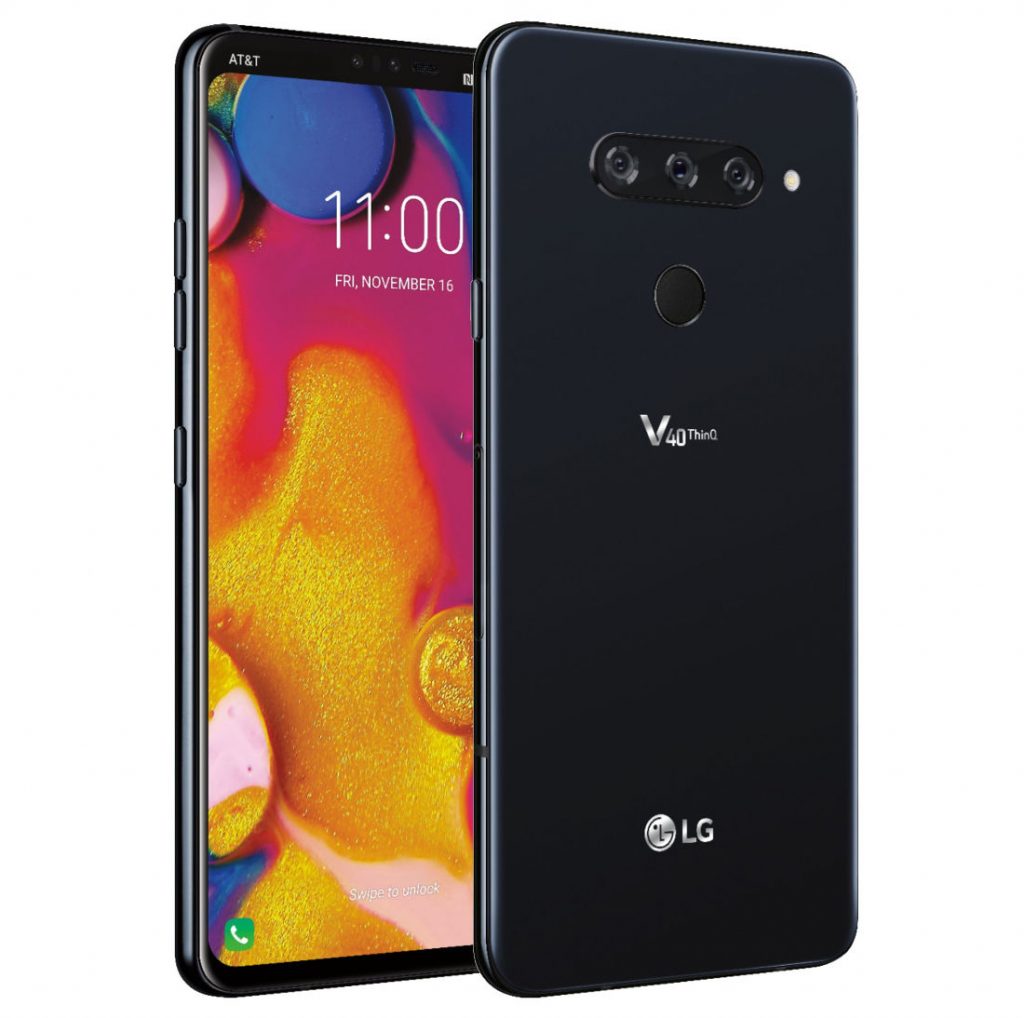
I remember last year, just before the LG V40 ThinQ was launched, the device appeared on Geekbench. The benchmark result revealed the phone would run Android Oreo out of the box, and I was disappointed.
For a phone launching two months after Android Pie was released, it wasn’t acceptable for a flagship. Manufacturers like Huawei was also going to launch its own flagship around that period with Android Pie pre-installed.
Eight months after the release of Android Pie and six months after the release of the LG V40 ThinQ, LG is yet to update the device to Android Pie. Yesterday, the Korean company revealed the update schedule for the phone and other V series phones such as the V30, V30S ThinQ, and the V35 ThinQ.
According to the source, the four phones will get the Android Pie update by the end of June, ten months after Android Pie was released.
At the moment, the LG G7 One and the LG G7 ThinQ are the only two LG Phones that have been updated to Android Pie. The former got it first because it is an Android One phone.
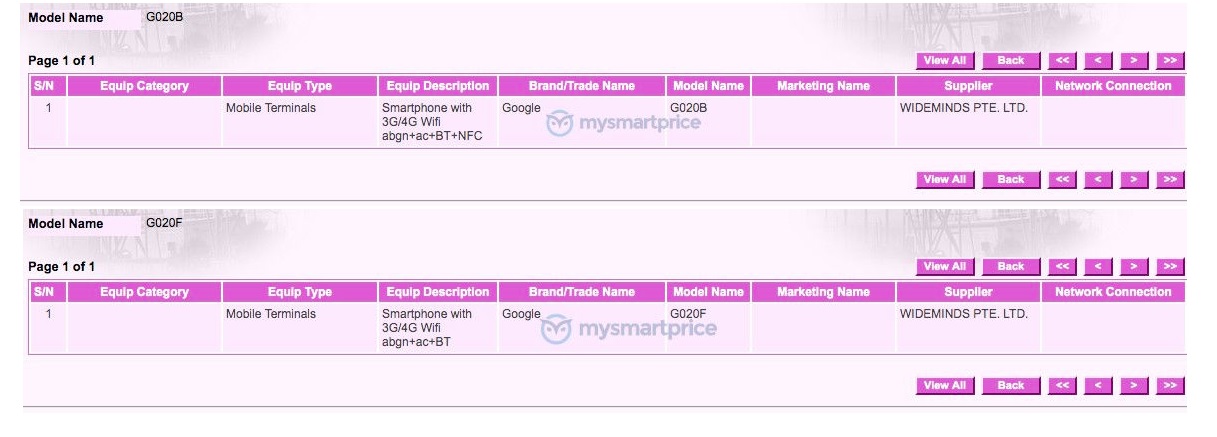
The Pixel 3a and Pixel 3a XL are upcoming mid-range phones from Google. The two phones have been certified by Singapore’s IMDA.
The Info-communications Media Development Authority has certified the two phones listed as the Google G020F and Google G020B. Although the certificates do not mention the marketing names of the phones, the phones are believed to be the Pixel 3a and Pixel 3a XL.
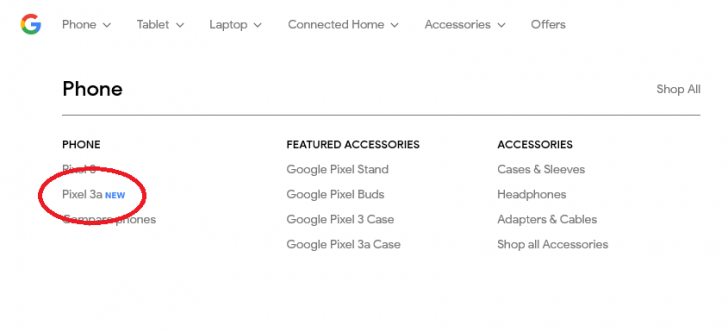
In other news, Google itself has confirmed the official name of the Pixel 3a as well as the specs of both phones. The Pixel 3a was spotted earlier today on the official Google Store site. The store also has a link to the “Pixel 3a Case” listed and even a “Compare phones” link. However, none of the three opens to any page.
[envira-gallery id=”245322″]
Both devices were also added to Google’s Play Developer Console which lists some of their specs. Bonito which is the codename for the Pixel 3a XL will have a 6” display with a 1080 x 2160 resolution. It will have 4GB of RAM and run Android 9 Pie.
The smaller Pixel 3a codenamed “Sargo” will have a 5.6-inch display and a 1080 x 2220 resolution. It will also have 4GB of RAM and run Android Pie out of the box.
The OPPO Reno is scheduled for an April 10 launch in China but a new report has revealed there will be an international launch a few weeks later.
OPPO is said to have sent out invites for an event in Zurich, Switzerland on April 24 where it will unveil the OPPO Reno. The version of the phone that will be launched in Europe will have a triple camera system with 10x zoom and 5G support.
The OPPO Reno’s main camera is a 48MP Sony IMX586 sensor and it is paired with an 8MP super wide-angle camera while the periscope lens is a 13MP sensor. The phone will be powered by Qualcomm’s Snapdragon 855 processor.
With respect to design, the phone will have a bezel-less display with no notch or punch hole. OPPO has adopted a unique pop-up selfie camera design that has been tagged as “Sharkfin selfie” due to its angled look.
At the P30 series launch event, Huawei also unveiled 12000 mAh 40W SuperCharge power bank featuring two-way fast charging and few other amenities. On the day of launch, Huawei didn’t confirm the availability details of the power bank. Though, Bruce Lee, the Vice President of Handset Business at Huawei Consumer Business Group now confirms the commencement of 40W power Bank sales next week.
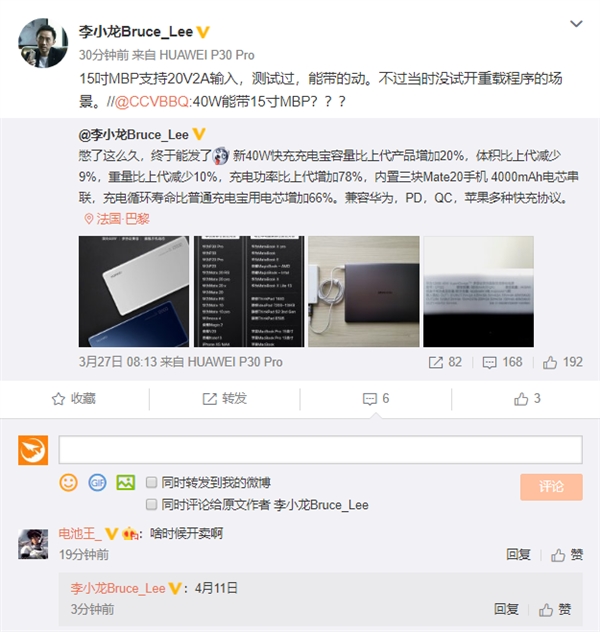
The new Power Bank is compatible with various other devices, including accessories and some Apple products. In a recent Weibo post, Bruce Lee exposed it charging the Huawei Matebook with a data cable.
The power bank will charge the Huawei Mate 20 Pro, Honor Magic 2 and P30 series at 40W. It can SuperCharge 70% of Huawei P30 Pro’s 4200 mAh battery within 30 minutes. Inversely, the power bank itself supports 40W charging and can fully charge in 2 hours and 14 minutes. On standard 10W charge, you would have to wait for at least five hours.
It has two USB ports – USB-A for 40W charging and USB-C for Quick Charging the non-Huawei devices. Users can plug in MacBooks and other Laptops to charge using USB Type-C PD charging.
Moreover, the device has four LED charge indicators and a button to check charge status. It measures 135.4 mm x 69 mm x 15.5 mm and weighs 227 grams.
The device will retail in White and Blue colors for the price of 99 Euros (US$ 111 / 749 Yuan approx.). Huawei 40W SuperCharge device will start retailing from April 11th.
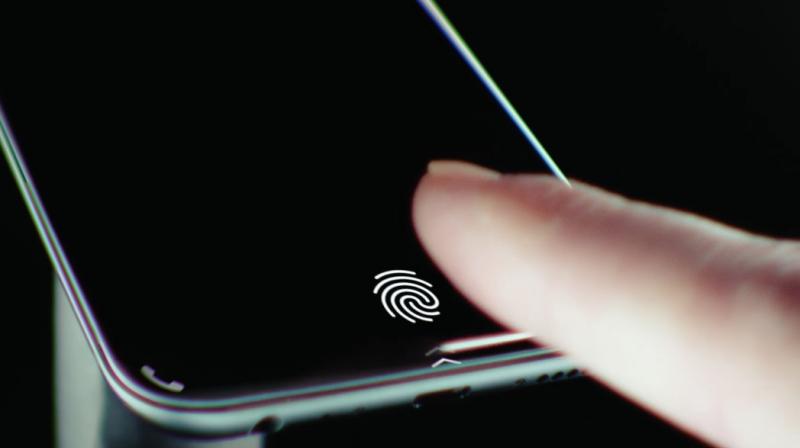
Samsung launched the Galaxy S10 flagship series in February featuring first-ever Ultrasonic in-display fingerprint sensor. At the launch, Samsung advertised various benefits of the Ultrasonic fingerprint sensor including its accuracy and efficiency. Unfortunately, the so-called advanced in-display fingerprint sensor is fooled by an Imgur user dark shark.
The user easily fooled the Galaxy S10 ultrasonic fingerprint sensor by a 3D printed fingerprint. It is quite difficult to believe that a user can go upto such an extent to get into someone’s phone. The fact is the new on-screen fingerprint sensor carries some advancements over optical and capacitive fingerprint sensors, but still, it carries some loopholes.
According to darshark, a fingerprint photograph he took using his smartphone from a wine glass tricked the ultrasonic fingerprint. He used some photoshop skills to optimise photo and added height and depth details in 3DS Max for a 3D print. After doing necessary changes, he printed a 3D images of his fingerprint using AnyCubic Photon LCD resin printer.
Although after some changes involving three times reprinting, the 3D print unlocked the device as like of his actual finger. He believes using a DSLR camera would trick the sensor in a maiden attempt. Improved photography equipment can aid such type of hacks more efficiently and effectively.
This new way to trick fingerprint in-screen fingerprint is raising security questions against the endless safety and security claims from smartphone manufacturers. It pulled the wraps off the next level of security that Samsung has been advertising from past sometime.
However, Samsung Galaxy S10 was launched at Unpacked Event in February. It carries Exynos 9820 Octa-core processor through the world, except for the US where it retails with Qualcomm Snapdragon 855 SoC. It features a triple rear camera module featuring a 12 MP primary shooter + 12MP telephoto lens and a 16 MP ultrawide camera.
We use cookies on our website to give you the most relevant experience by remembering your preferences and repeat visits. By clicking “Accept”, you consent to the use of ALL the cookies.
This website uses cookies to improve your experience while you navigate through the website. Out of these, the cookies that are categorized as necessary are stored on your browser as they are essential for the working of basic functionalities of the website. We also use third-party cookies that help us analyze and understand how you use this website. These cookies will be stored in your browser only with your consent. You also have the option to opt-out of these cookies. But opting out of some of these cookies may affect your browsing experience.
Necessary cookies are absolutely essential for the website to function properly. This category only includes cookies that ensures basic functionalities and security features of the website. These cookies do not store any personal information.
Any cookies that may not be particularly necessary for the website to function and is used specifically to collect user personal data via analytics, ads, other embedded contents are termed as non-necessary cookies. It is mandatory to procure user consent prior to running these cookies on your website.

 You can follow
 You’d normally end up shelling out $81.99 on the Xiaomi Mijia Bedside Lamp 2, but GeekBuying is offering it to its loyal users for just $44.99. This is a significant 45 percent drop in the device’s original asking price.
 The Mijia Thermostat Accuracy Temperature Humidity Monitor has gone up for sale bearing an $11.19 price tag on GearVita. You can follow
  Moreover, you can win an XRT C28 foldable pocket fan worth $5.99 as a gift with your order. This promo will come to an end on May 31st. You can follow