Elephone A6 Mini is in the news from past few months, earlier it was seen in various leaks and rumors. Recently, Elephone launched it officially with 5.71-inch waterdrop display and MTK6761 SoC. There are many other improvements that the Elephone has made in the latest offering. It has added high performing hardware with many software advancements in the Elephone A6 Mini. Despite carrying mid-level specs, the device is made available for the price of $99.
Although, for the users who want to have an insight into the device before ordering it, then you can watch the above video for your satisfaction. The new video showcases the design language of the device more precisely and gives us a fresh look at how its User Interface look. Further, in the video, we can see its dewdrop display incorporating a front camera with a tiny speaker grill on the top. Its side fingerprint sensor, volume button, and power button placement make it easily accessible at any time. Further, it carries fully furnished User Interface running on Android 9.0 Pie. It carries a simple camera App UI focusing on the main features of the module.
As far as the specs are concerned, Elephone A6 Mini comes with a dual rear camera of 16 megapixels + 2 megapxiel. On the front, there’s also a 16-megapixel camera with inbuilt AI features. It carries 5.71 inches of dew drop display featuring 19:9 aspect ratio. The A6 Mini hosts the MTK6761 SoC accompanied by 4GB of RAM and 32GB of storage. In order to charge its 3000 mAh battery, the company has added a secure supercharging technology.
To facilitate its customers, the device comes with a fingerprint sensor as well as Face ID recognition. It is available in three different colors for the price of $99.
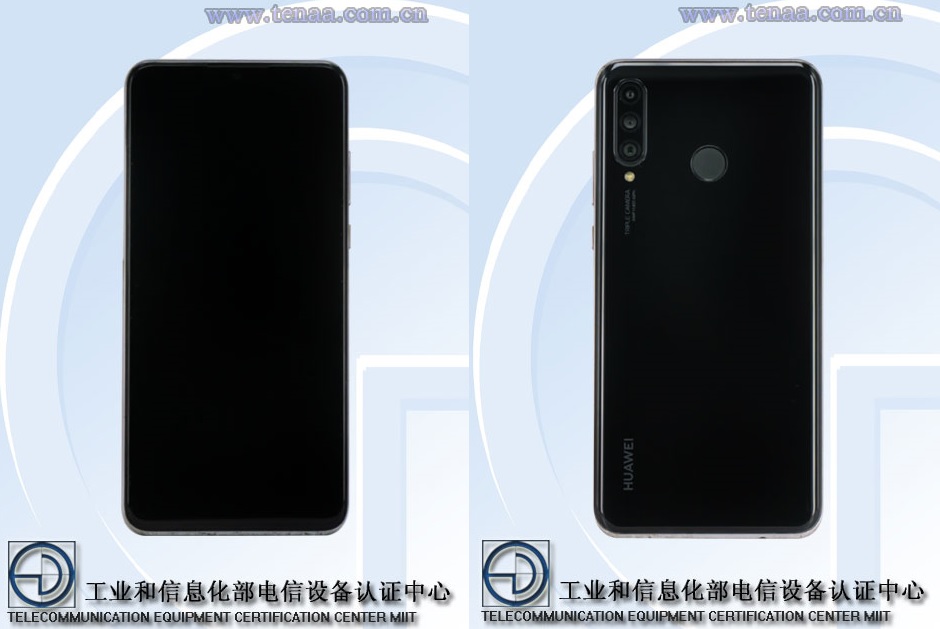
The Huawei P30 Lite is the least powerful model in the upcoming Huawei P30 series but it will still be packing some pretty interesting specs. Images of the phone on TENAA have revealed it will come with a triple rear camera setup. Now there is info that the base model will have plenty of storage.
According to Roland Quandt of Winfuture.de, the base model of the Huawei P30 Lite will have 128GB of storage, double that of its predecessor, the P20 Lite. But that’s not the best part.
tidbit: Huawei P30 Lite gets 128 GB base model, so 2x the memory for the same price as last year (369 Euro MSRP)
Even with the double storage, the Huawei P30 Lite will sell for the same price as its predecessor. This means you get overall better specs for the same price as last year’s model which sold for €369 (~$417). No extra charges, no hidden fees. Sounds great, right?
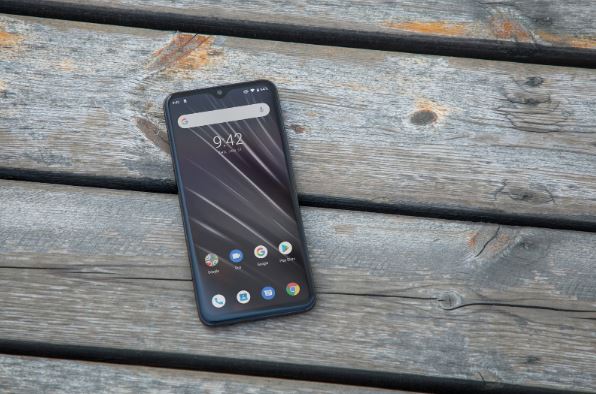
UMIDIGI always tend to focus on new innovative smartphones with high-end specs at affordable pricing. UMIDIGI S3 Pro is another device which has received a huge applaud from the audience at Indiegogo crowdfunding platform. About a month ago, UMIDIGI listed the S3 Pro at Indiegogo after details about the specifications and other features of the device. Surprisingly, it has received a massive flow of funding and has even crossed the 201% of its funding goals.
UMIDIGI S3 Pro: Camera
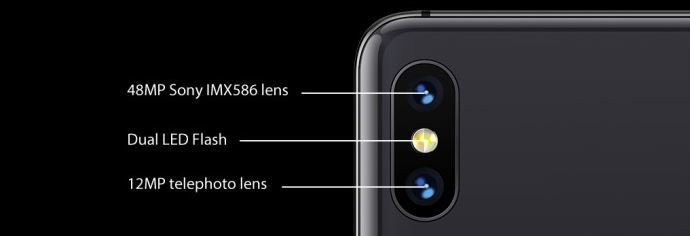
Recently, UMIDIGI launched the flagship camera-centric device. It carries a 48 MP Sony IMX586 primary camera + 12 megapixels secondary camera on the rear side of the device with a dual LED flash. It has the ability to shot crisp photos even in the low light environment. Its 4-in-1 light fusion technology makes photos more beautiful, clear, bright and contains less noise.
On the front side, there’s a 20-megapixel Sony IMX 376 selfie camera. It will allow users to snap vibrant, dazzling selfies. UMIDIGI has improvised the software which makes the photos even more beautiful. Its both the rear and front cameras are capable of capturing exceptional details in every photo.
UMIDIGI S3 Pro: Design & Display
In terms of design, UMIDIGI S3 Pro has a premium ceramic material coated on the body. It carries the glossy metal frame for better durability and even facilitates better signal reception. UMIDIGI has added a highly durable aluminum alloy which makes it light in weight. It purely matches the Galaxy S10+ design with its premium build material.
On the rear side, the device carries a dual camera module along with a fingerprint sensor. Further, you can see a UMIDIGI branding at the bottom giving an elegant look. On the right side of the device, users can easily access the power button and volume rockers.
There’s a 6.3-inch FHD+ display with waterdrop notch. It outputs 2340 x 1080 pixels of resolution with 19.5:9 aspect ratio. Its display is paired with the LTPS technology which can provide higher resolution and gives vivid contrast picture experience.
Additionally, unlike the other manufacturers, UMIDIGI has added 3.5 mm jack along with YSB Type-C Port.
Performance
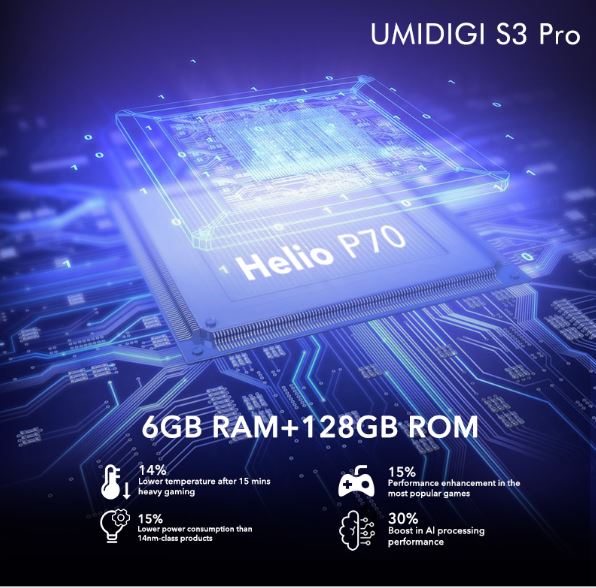
It is powered by Helio P70 Processor which is coupled with 6GB RAM and 128 GB internal storage. Its Mali G72 MP3 GPU can easily handle high-end games and graphics intensive tasks more efficiently. The new MediaTek Helio P70 processor is optimized for Advanced AI processing efficiency and carries various other improvements over P60.
Along with the hardware, UMIDIGI has enhanced its software for improved performance. It runs on Android 9.0 Pie with various new tweaks that optimizes its performance further. About network connection, the S3 Pro supports global bands and Dual 4G VoLTE and it can support almost all network around the world.
Connectivity and other features
UMIDIGI has added a multi-function NFC support for Google Pay to ease out payments. In order to keep it running for a straight couple of days, the company has added a 5150 mAh battery with 18W fast charging technology.
Due to its growing popularity and to answer the backers’ aspirations, UMIDIGI has published a new hands-on video of the device depicting the magic of its 48-megapixel camera. It has allowed the backers to know the inner details of the device. Even though, the company has showcased the magic of UMIDIGI S3 Pro’s 48-megapixel dual cameras. The rear camera sensors have proved that the device can shoot detailed photos. It’s Helio P70 processor has also helped the 48-megapixel camera to function seamlessly.
The UMIDIGI S3 Pro is set to go on sale on March 18th for $279 which roughly translates to 1853 Yuan. Moreover, the company is giving away 10 units of UMIDIGI S3 Pro, one for each user who will win. If you wish to join the giveaway, you should head over to their official website.
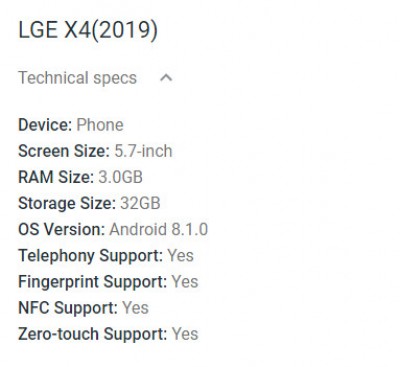
LG has a number of entry-level and mid-range series but a lot of them are usually exclusive to its home country of South Korea. One of such phones is the LG X4+ which launched in early 2018. A new report has revealed it will be getting a successor this year called the LG X4 (2019).
Details of the LG X4 (2019) was found in the Android Enterprise Device Catalog and it includes some key specs. The phone will have a 5.7-inch display, which is significantly bigger than the 5.3-inch screen of its predecessor. There is no mention of the display resolution.
There is 3GB of RAM and 32GB of storage but the processor isn’t specified. The LG X4+ is powered by a Snapdragon 425 processor which is pretty old already. Our guess is that the new model will come with a newer processor in the Snapdragon 400 series, maybe the Snapdragon 429. LG may also surprise us and use a MediaTek chipset.
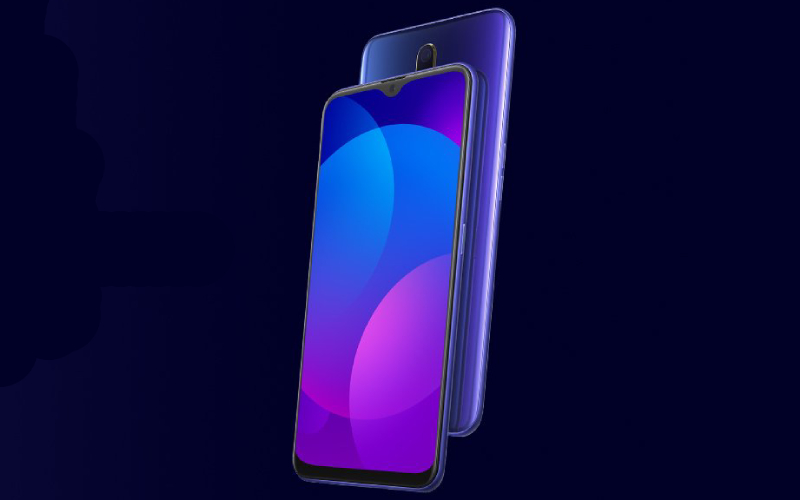
Today, at a launch event in Mumbai, Chinese smartphone manufacturer launched its latest smartphone — Oppo F11 Pro. Along with that, the company has also announced its lighter variant — Oppo F11, which comes with similar specifications.
To differentiate the Oppo F11 from the Pro variant and ensure lower pricing, the company has opted for a waterdrop display instead of the “Rising Camera” mechanism for housing the front-facing snapper. The phone is priced at Rs. 19,990 (approximately $283) and will be available for purchase from 15th March through online and offline stores.
The Oppo F11 features the same 6.5-inch Panoramic display with Full HD+ (2340 x 1080 pixels) screen resolution as the Pro variant. Under the hood, the MediaTek Helio P70 octa-core 12nm chipset is powering the smartphone.
It packs 4GB of RAM and 128GB of internal storage. This is interesting given that the Pro model comes with 6GB of RAM but just 64GB of internal storage. It also has a microSD card slot that allows you to further expand the phone’s storage capacity.
Coming to the camera side, the smartphone has a 48MP + 5MP dual rear cameras setup along with an LED flash. It comes with several AI-based features ensuring better photography results, along with an Ultra Night Mode aimed at low-light photography.
On the front side, the smartphone comes equipped with a 16MP snapper. There’s a rear-mounted fingerprint sensor, ensuring additional security. Connectivity options on the device include Dual 4G VoLTE, WiFi 802.11 ac (2.4GHz + 5GHz), Bluetooth 4.2, GPS/GLONASS, and micro-USB port.
In the software department, the handset runs the latest ColorOS 6.0 custom operating system out-of-the-box, which is based on Android 9 Pie. The phone is fuelled by a 4,020mAh battery that comes with VOOC 3.0 Flash Charge support.
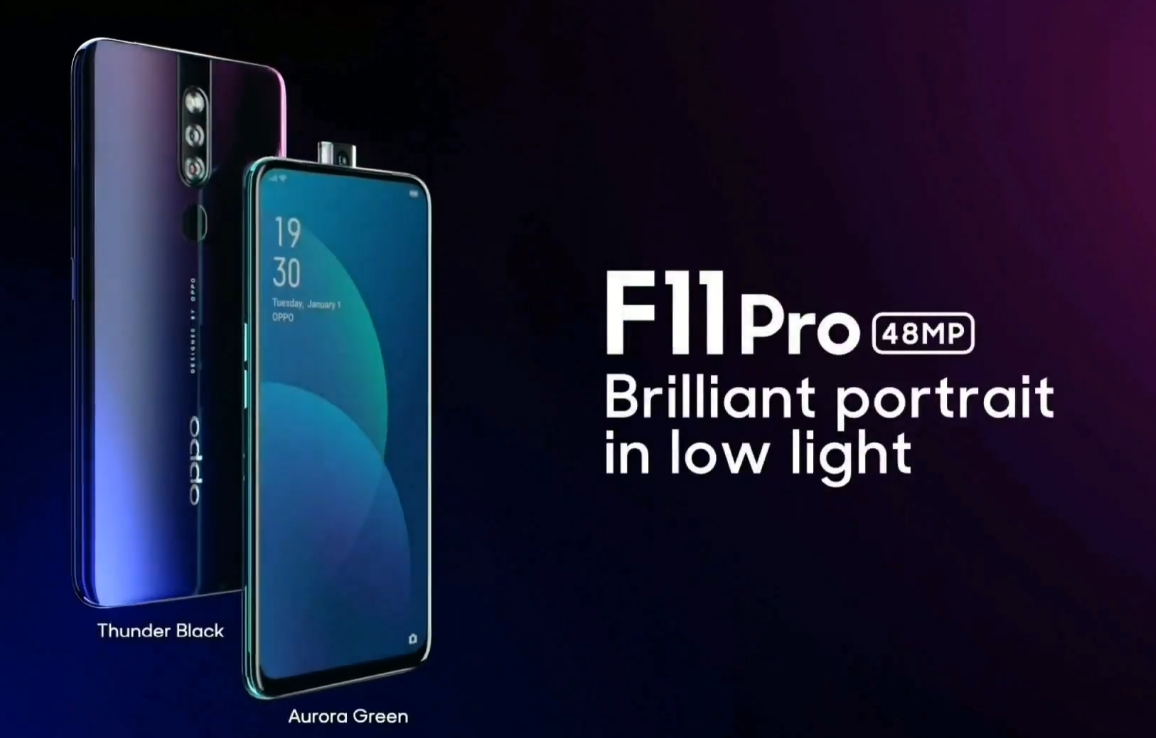
Oppo has today finally launched its latest premium mid-range smartphone in India — the Oppo F11 Pro. As expected, the smartphone comes with an impressive design and the trendy pop-up front-facing camera.
The Oppo F11 Pro is priced at Rs. 24,990 in India, which roughly converts to $354. It will be available in two color options — Thunder Black and Aurora Green — both comes with a gradient design. The phone, which is now open for pre-orders, will be available for purchase from 15th March through online as well as offline stores across India.
The smartphone features a 6.5-inch Full HD+ Panoramic display offering a screen resolution of 2340 x 1080 pixels, 19:9 aspect ratio and 90.9 percent screen to body ratio. The phone does not feature any kind of notch and instead comes with an elevating camera that houses the front camera sensor.
Under the hood, the device is powered by the popular mid-range chipset from MediaTek — Helio P70. The octa-core processor is manufactured using a 12nm process. The phone also features a Hyper Boost technology that basically optimizes the phone’s performance.
Coming to the camera department, the smartphone features a dual rear camera setup, consisting of a 48-megapixel primary sensor and a 5-megapixel secondary sensor along with an LED flash, f/1.79 aperture, and 6P Lens. It comes with an Ultra Night Mode for better low-light photography and a few other AI-powered features.
On the front side, the smartphone comes with a 16-megapixel snapper with an elevating mechanism, which the company prefers to call “Rising Camera.” It supports AI-based features as well as Face Unlock feature. There’s also a fingerprint sensor placed on the phone’s back panel.
Connectivity options on the device include Dual 4G VoLTE, WiFi 802.11 ac (2.4GHz + 5GHz), Bluetooth 4.2, GPS/GLONASS, and Micro USB Port. As for the software, the smartphone runs on Android 9 Pie-based ColorOS 6. The smartphone is powered by a 4,000mAh battery which comes with the VOOC 3.0 Flash Charge technology for fast charging.
How about getting a Tesla Model S for $500? That sounds downright ridiculous I know, but Tesla has a Model S for kids which sells for around that amount. The popularity of the kids’ version is no doubt buoyed by the real Model S. That is the sort of marketing Lego intends to explore with its latest product – a folding tablet. Oh well, not a real tablet but a pop-up storybook.
The “tablet” is dubbed Lego Fold but in reality, there is nothing to portray it as an electronic gadget. The past few weeks in the tech sphere have been dominated by foldable phones. Samsung first announced its own Galaxy Fold and not long after, Huawei came out with the Mate X. Lego, which manufactures toy building blocks, yesterday tweeted about the launch of its own Lego fold which is a 5-inch cover display that unfolds into an 11-inch pop-up storybook. The brand even teased that the storybook provides endless creative play that never runs out of battery. That isn’t because it packs a big battery but it doesn’t use a battery.
A stunning 5-inch cover display unfolds into an 11-inch pop-up story book. For endless creative play that never runs out of battery. pic.twitter.com/yodboV2aEK
The Lego Fold comes with a price tag of just $69.99, way less than the $2,000 price tag for the Galaxy Fold. That is clear because this is just a toy made from ABS plastic and nothing more. The marketing strategy only shows the growing popularity of the Galaxy Fold and other upcoming foldable phones.
MWC 2019 took place a few days ago and most of the important smartphones manufacturers unveiled their main flagships of 2019 during the same month. Here, we compared the most impressive Chinese flagship of the moment with two of the best flagships unveiled in February. We are talking about Huawei Mate 20 Pro which remains the most complete Chinese phone in the market despite the launch of the Xiaomi Mi 9, simply because the Mi 9 focuses on the price. The new flagships we chose for this comparison are the Samsung Galaxy S10+ and the Sony Xperia 1 as we think they are among the 5 most interesting ones announced in 2019 until now.
Huawei Mate 20 Pro vs Sony Xperia 1 vs Samsung Galaxy S10+
Huawei Mate 20 Pro
Sony Xperia 1
Samsung Galaxy S10+
DIMENSIONS AND WEIGHT
157.8 x 72.3 x 8.6 mm, 189 g
167 x 72 x 8.2 mm, 180 g
157.6 x 74.1 x 7.8 mm, 175 g
DISPLAY
6.39 inches, 1440 x 3120p (Quad HD+), AMOLED
6.5 inches, 1644 x 3840p (Ultra HD+), 21:9 ratio, OLED
6.4 inches, 1440 x 3040p (Quad HD+), Dynamic AMOLED
Triple 40 + 20 + 8 MP, f/1.8 + f/2.2 + f/2.4, OIS, Laser AF
24 MP f/2.0 front camera
Triple 12 + 12 + 12 MP, f/1.6 + f/2.4 and f/2.4
8 MP, f/2.0 front camera
Triple 12 + 12 + 16 MP, f/1.5-f/2.4 and f/2.4 and f/2.2
Dual 10 + 8 MP f/1.9 and f/2.2 front camera
BATTERY
4200 mAh, fast charging 40W, wireless charging 15W
3330 mAh, fast charging 18W
4100 mAh, fast charging 15W, Qi wireless charging
ADDITIONAL FEATURES
Dual SIM slot, waterproof (IP68), 3D facial recognition
IP68 certification
Hybrid Dual SIM slot, IP68 certification, S Pen, iris scanner
Design
Even though tastes always play the main role when it comes to the design, we decided to give the first award for the aesthetics to Samsung Galaxy S10+. We chose it because of its higher screen-to-body ratio as it features an innovative Infinity-O Display that gets rid of the notch and other silly solution to minimize the bezels. It even comes in a more expensive version with an even more attractive ceramic body. And it has a sturdy build quality thanks to the IP68 certification and Gorilla Glass 6 protecting all the glasses. The second place goes to the Sony Xperia 1 for the originality, thanks to its ultra tall aspect ratio.
Display
It is a very hard fight between Samsung Galaxy S10+ and Sony Xperia 1. Samsung Galaxy S10+ is currently considered as the best phone when it comes to the display quality. It has a perfect color reproduction, the highest brightness, and perfect contrasts. Unfortunately, Sony Xperia 1 is still not on the shelves, so we can not test it thoroughly in order to compare it with the Galaxy S10+. It borrows several technologies from Sony’s TVs and it has the world’s first 4K OLED panel.
Hardware/Software
These devices are among the most expensive ones ever launched, so it is obvious that they come with an excellent flagship-class hardware department and it is hard to notice the differences between their performances. Samsung Galaxy S10+ wins the comparison simply because it comes in a way better memory configuration. We are talking about the variant with 12 GB of RAM and 1 TB of internal UFS 2.1 storage, while Sony Xperia 1, which takes the second place, has just 6 GB of RAM. Huawei Mate 20 Pro has a Kirin 980 chipset that is not at the same level as the Snapdragon 855 or the Exynos 9820 found on the Xperia 1 and Galaxy S10+, so it takes the last place despite it boasts up to 8 GB RAM.
Camera
Samsung Galaxy S10+ and Huawei Mate 20 Pro can be easily considered the best camera phones out there, and it will be hard for the Sony Xperia 1 to provide a similar photo quality, despite it being the first triple camera phone by Sony. I would personally go for the Samsung Galaxy S10+ even though its rear cameras are as impressive as the ones of the Mate 20 Pro, simply because it has a better front setup composed of a dual selfie camera able to record 4K videos.
Battery
Both Samsung Galaxy S10+ and Huawei Mate 20 Pro come with battery capacities above 4000 mAh and they are among the best flagships for battery life. We found Samsung Galaxy S10+ slightly more efficient as it lasts a bit more in some scenarios, while Huawei Mate 20 Pro comes right after.
Price
Samsung Galaxy S10+ wins the comparison because of its better overall camera department, better display, and great overall performances. It starts from less than €950, while Huawei Mate 20 Pro actually costs about €800 and Xperia 1’s price is still unknown as it did not hit the shelves yet and Sony did not reveal anything about its availability.
Black Shark is developing its next gaming smartphone which should launch as the Black Shark 2. The phone showed up on Geekbench early this year as the “Black Shark Skywalker”. It is powered by the Snapdragon 855 processor and has 8GB of RAM. Today, Black Shark has revealed a new feature that the phone will have.
The CEO of the company shared a promotional video on Weibo this morning. The teaser video didn’t reveal any detail about the phone but the caption did say the Black Shark 2 will come with “Liquid Cooling 3.0” technology.
Based on a rough translation of the post, we think Liquid Cooling 3.0 will cover a larger area inside the phone or maybe have a larger cooling pipe. The official Black Shark account also reshared the original post and confirmed in the caption that the phone will be called Black Shark Gaming Phone 2.
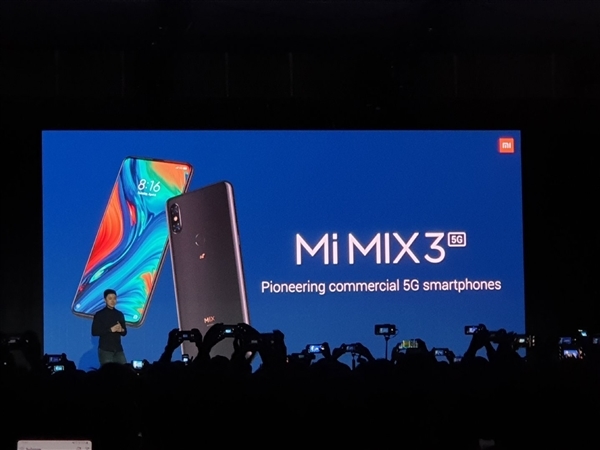
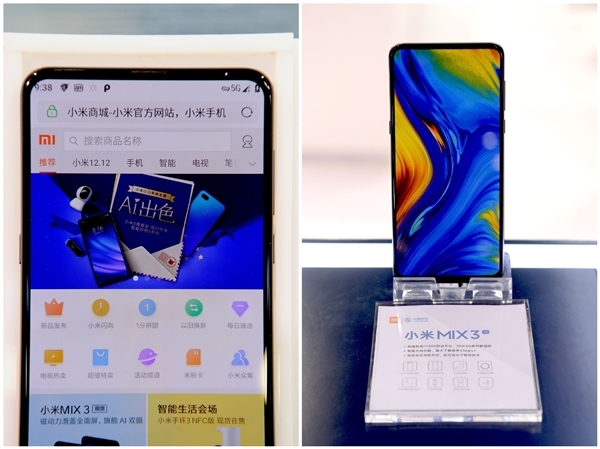
Xiaomi joined the growing band of smartphone OEMs that have so far released a 5G phone with the Mi Mix 3 5G that was announced at MWC 2019. The Mi Mix 3 5G is Xiaomi’s first 5G phone and one of the few 5G phones that have been released so far. The tech giant also announced the pricing and release itinerary for Europe in Barcelona but no mention was made of when the model will be launched in China.
Xiaomi Mi Mix 3 5G
China may soon get the Mi Mix 3 5G, going by a recent speech by Xiaomi’s CEO Lei Jun. The CE recently granted an interview to the media where he spoke extensively about 5G. Lei Jun stated that this year is the first year of 5G launch and also on how the new technology will affect communication, IoT applications, driverless cars, smart transportation and even TV station. Lei Jun believes the 5G era will be a revolutionary one He also added that the 5G Mi Mix 3 will soon be released in China. No specific date was given but the model may even hit China before it becomes available in Europe.
The Mi Mix 3 5G version has the same design and almost the same specs with the regular Mi MIX 3 except that it packs the newer and more powerful Snapdragon 855 processor. It also has the Qualcomm X50 modem for 5G. Due to the power consuming nature of 5G, the battery is bumped up from 3300mAh to 3800mAh. The model will be available in Europe from May with a starting price of 599 Euros.
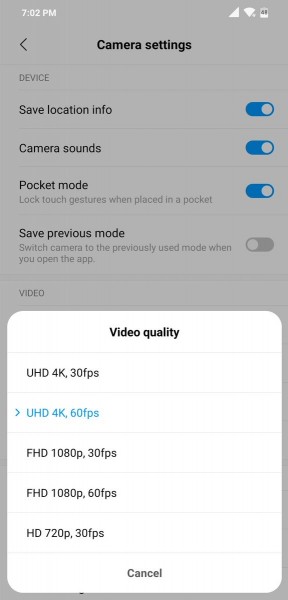
In January, Poco India had released an update that brought support for 960fps slow-motion video shooting on the Poco F1. Last month, the beta users of the Xiaomi smartphone were treated with Widevine L1 support. The newest beta update that is now rolling out to Poco F1 beta testers contains support for 4K video shooting at 60 fps.
The Poco F1 smartphone natively carries support for 4K video shooting at 30 fps. The new beta update with version number MIUI 10 9.3.1 includes support for 60 fps 4K video recording.
Poco India General Manger, Manmohan Chandolu has confirmed that the stable version of the update will be rolled out to all Poco F1 users after the completion of beta testing.
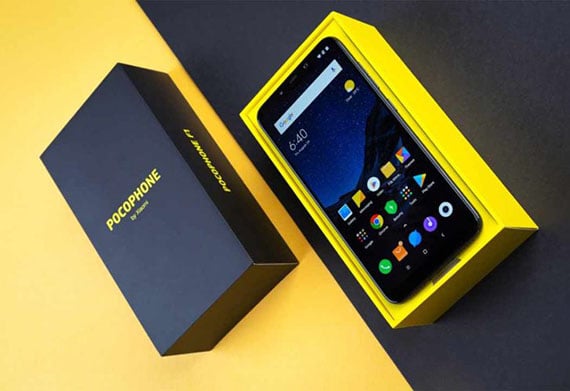
The Xiaomi Poco F1 has a 6.18-inch IPS LCD display that supports 1080 x 2246 full HD+ resolution. It offers a screen-to-body ratio of 82.2 percent and an aspect ratio of 18.7:9. The handset runs on the latest MIUI 10 Android 9 Pie OS.
The Snapdragon 845 mobile platform powers the Poco F1 with up to 8 GB of RAM. It comes with a maximum internal storage of 256 GB. There is a hybrid SIM slot on the device that can be used for adding a microSD card.
The Poco F1 possesses 12-megapixel + 5-megapixel dual camera setup and a front-facing camera of 20-megapixel. The 4,000mAh battery of the phone carries support for 18W fast charging through USB-C.
The Xiaomi Poco F1 is the cheapest Snapdragon 845 smartphone available in the market. The handset has met good reception from critics and audience and its fans are speculating on the features of the Poco F2. Rumors have it that it will be powered by Snapdragon 855 mobile platform. However, there is no concrete information on its existence.
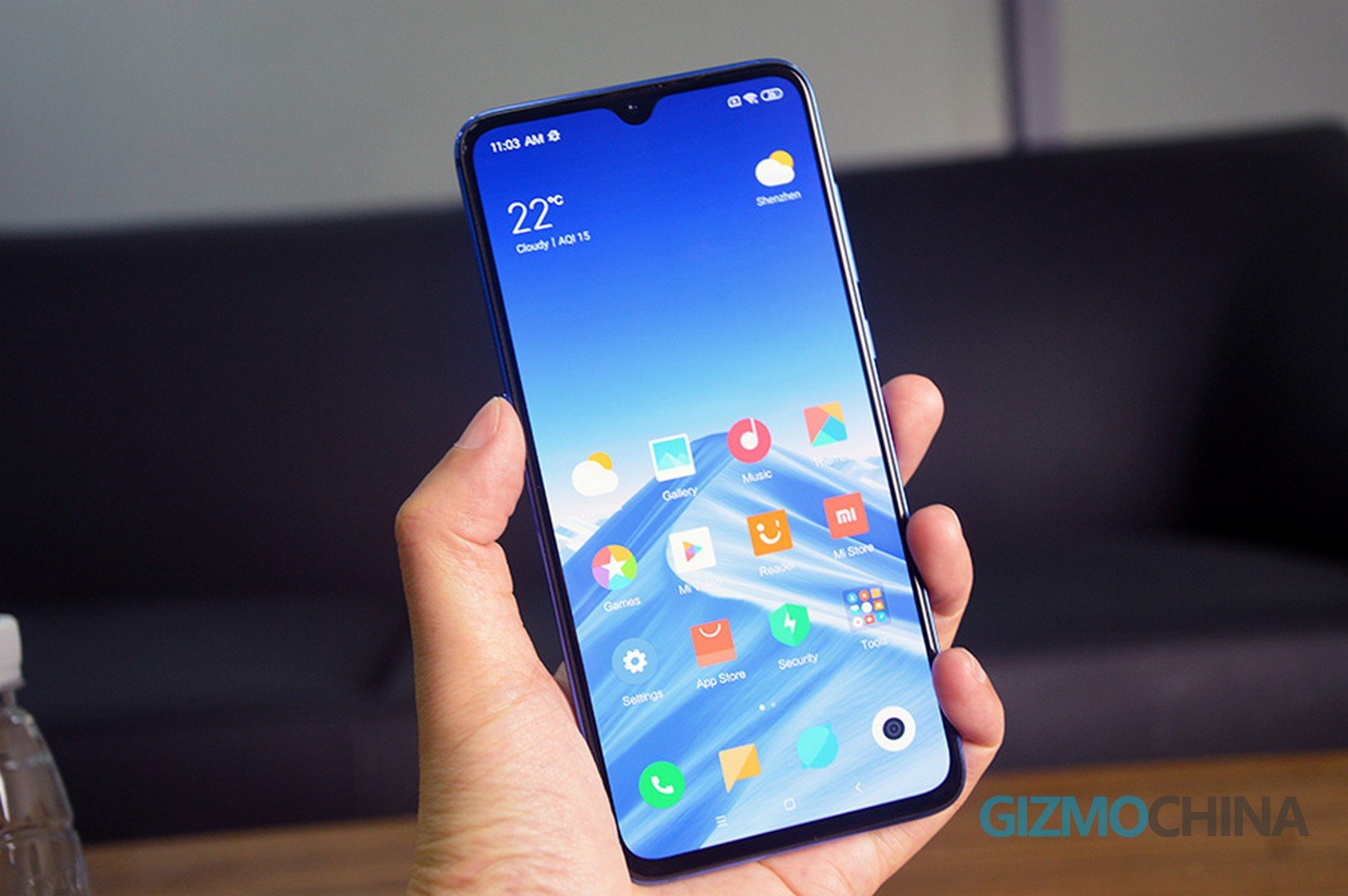
The Mi 9 sold out really fast when it went on its first sale. According to Xiaomi, it sold out in less than a minute. Xiaomi is trying to meet up with demand and has now added a new OEM to increase production.
The new OEM is BYD Electronic (International) Company Limited and they will join Foxconn as manufacturers of the Mi 9 flagship. The information was revealed on Weibo by Lei Jun.
Xiaomi has always grappled with production so it mostly resorts to flash sales for a lot of its phones. Yesterday, CEO Lei Jun said he would join the production line if he needs to, so as to meet the target of 1 million units in the first month.
The Mi 9 launched on February 20. It has a 6.39-inch AMOLED display, a Snapdragon 855 processor and up to 8GB of RAM and 128GB of storage. It is Xiaomi’s first phone with triple rear cameras made up of a 48MP primary rear camera paired with a 12MP telephoto camera and a 16MP ultrawide-angle camera. The selfie camera is a 20MP sensor.
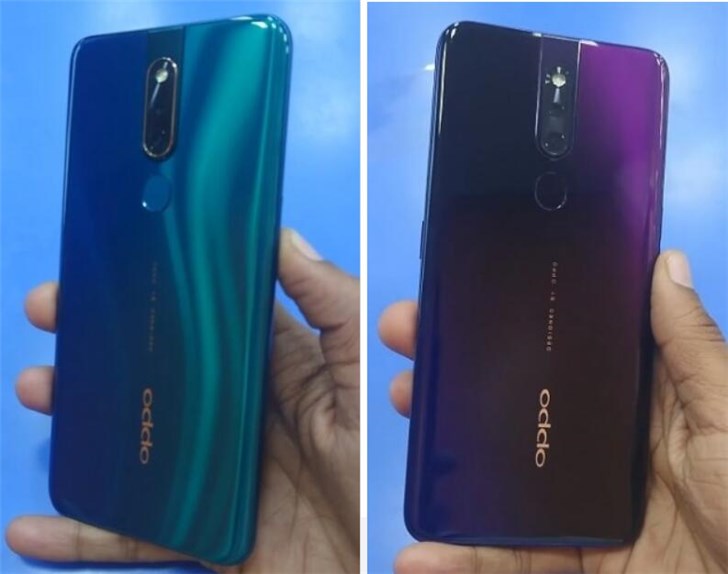
OPPO F11 Pro will be announced later today through an unveil event in India. There are couple of attractive features on the device such as notch-less screen, pop-out selfie camera and gradient colored rear shell. A leaked hands-on video of the phone is now doing rounds on social sites. It reveals the rear appeal of the Thunder Black and Aurora Green edition of the F11 Pro.
The gradient switch on the OPPO F11 Pro color variants happen sideways unlike vertical manner found in recent phones. The Black Thunder model is blackish purple on the left and violet on the right whereas the Aurora Green appears green on the left and blue on the right. It is yet to be confirmed whether it features a glass rear or a glossy plastic back panel.
https://www.youtube.com/watch?v=p6FDa6eYgKM
Recent reports have revealed that the Oppo F11 Pro will be equipped with a 6.5-inch LTPS LCD panel will offer full HD+ resolution of 1080 x 2340 pixels. The marvelous display of the phone is expected to deliver a screen-to-body ratio of more than 90 percent. The MediaTek Helio P70 and 6 GB of RAM will be powering the 64 GB and 128 GB editions of the phone. There will be a microSD card slot on the device for additional storage. Its 4,000mAh battery will carry support for VOOC 3.0 fast charging technology.
The F11 Pro will have a pop-up selfie camera of 16-megapixel with f/2.0 aperture. The dual camera setup inside a vertical strip on the back panel of the device has an f/1.7 aperture 48-megapixel main sensor and a 5-megapixel secondary sensor with f/2.4 aperture. The smartphone will be equipped with AI Ultra-Clear Engine that will allow the phone to capture amazing shots in low-light conditions. The ColorOS 6.0 based Android 9 Pie will come preloaded on the device.
The pricing of the Oppo F11 Pro is under the wraps. However, rumors are rife that it may carry a price tag of around Rs. 25,990. The smartphone is expected to be available on pre-orders starting from tomorrow.
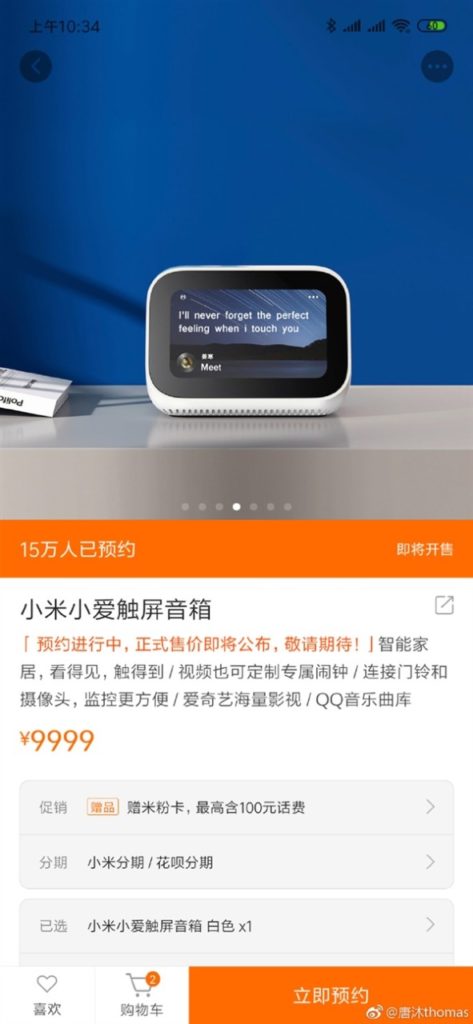
Xiaomi always surprises its fans by announcing new innovative products. At the MWC 2019, Xiaomi announced the Mi 9, Mi 9 SE smartphones along with the Xiaomi XiaoAI Mini TV Speaker. The new speaker was unveiled along with other announcements and is well received by the audience as far as the reservations are concerned. The Chinese electronics maker introduced the smart speaker device along with a display, termed as ‘Mini TV’ also. Recently, it has hit a whopping 150,000 reservations on the Xiaomi Mall for the price of 9999 Yuan (not actual pricing).
Speaking on occasion, Tang Mu, Xiaomi’s General Manager of Intelligent Hardware Department said that the numbers are beyond expectations. The company didn’t expect that the device will become this much popular even before the official launch. He is quite amazed by the 150K reservations despite the beta pricing of 9999 Yuan of the Xiaomi XiaoAI Mini TV Speaker.
It is the most expensive product that Xiaomi has listed as public beta on Xiaomi Mall. It is listed as even more costlier than the Mi TV 4S 75 inches. Further, Tang Mu clarified that the price is not actual; it is just indicative pricing. The actual price will follow sometime later when the device will be available for delivery. The Xiaomi XiaoAI Mini TV Speaker’s popularity can be measured from the fact that around 150,000 reservations have been made despite the price of 9999 Yuan.
Xiaomi XiaoAI Mini TV carries a 4-inch touchscreen display to show latest updates as like of Amazon Echo. The ‘Mini TV’ can perform various smart functions such as managing other connected devices. It can voice control smart fittings, set alarms, play music, etc. Its functionalities can be expanded to support more complex situations. For, eg, users can connect their doorstep bell camera with it for seamlessly house guarding. It can show real-time information about different devices and interests you follow.
It carries Xiaomi’s XiaoAI assistant for interaction with other smart devices and humans. It is a newer addition to the Xiaomi’s XiaoAI speaker series. The ‘Mini TV’ is available for beta registrations from February 28th on Xiaomi Mall.
The design of the upcoming Huawei P30 and Huawei P30 Pro smartphones were revealed by reputed tipster Roland Quandt through leaked renders in the previous week. Both smartphones will be unveiled through an unveil event that will beheld on March 26 in Paris, France. Today, Quandt has claimed through a tweetv that the Huawei P30 and P30 phones will have flat-cut surfaces on top and bottom that will allow these devices to stand upright on smooth surfaces.
Most flagship phones that are available in the market have slightly curved upper and lower edges because of which they cannot made to stand upright. Having flat-cut edges brings a benefit of making the phone stand on its own to take selfies and night shots without making use of a tripod.
The Huawei P30 Pro is expected to arrive with a 6.5-inch curved OLED screen whereas the P30 will be featuring a 6.1-inch flat OLED display. Both the displays will be equipped with waterdrop-style notches. The back panel of the P30 Pro will have a quad camera setup. It is speculated that its fourth sensor could be 3D ToF sensor. The P30 will have a triple camera setup. The P30 and P30 Pro will come with in-display fingerprint scanners.
The Kirin 980 chipset will be powering both phones. The P30 is expected to carry support for 22.5W fast charging whereas the P30 Pro may include support for 40W rapid charging technology. The P30 will feature a 3.5mm audio jack, while the P30 Pro will allow users to use its USB-C port for connecting a headphone.
The Chinese manufacturer is also expected to announce the P30 Lite soon. The same handset is expected to debut first in China with Huawei Nova 4e moniker. The Kirin 710 P30 Lite is also equipped with a waterdrop-style notch screen with full HD+ resolution. Also, it will be arriving with triple rear cameras.
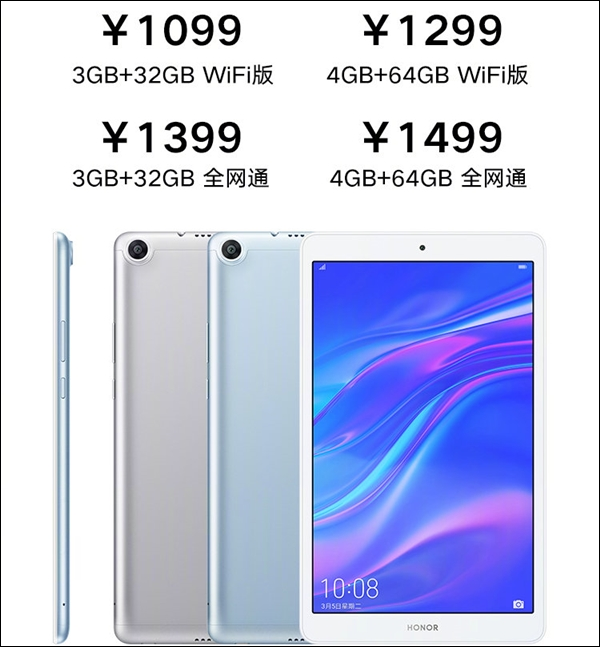
Huawei’s Honor has launched a new tablet dubbed Honor Tab 5. The new tablet adopts a design that is more or less generic but what it lacks in design, the tablet gains in configuration. The tablet is available in both WiFi and LTE versions which is pretty impressive.It also features the premium Kirin 710 chipset which is in the same league with Qualcomm’s Snapdragon 660.
The Honor Tab 5 features an 8-inch display with a resolution of 1920×1200 pixels. As stated earlier, the tablet is powered by the efficient Hisilicon Kirin 710 chipset. The chipset is a 64-bit octa-core mid-range performance mobile ARM LTE SoC introduced by HiSilicon in mid-2018. This chip, which is fabricated on TSMC’s 12 nm process, features four Cortex-A73 big cores operating at up to 2.2 GHz along with four Cortex-A53 little cores operating at up to 1.7 GHz. The chipset also comes with the ARM Mali G51 MP4 GPU. In addition, the Honor Tab 5 comes with GPU Turbo 2.0 to further boost the graphics and make the tablet a good one for hardcore gaming.
The Honor Tab 5 8-inch model comes in 3GB+32GB and 4GB+64GB memory configuration. The tablet is also equipped with dual speakers. The Honor Tab 5 comes with dual Smart PA audio chips which can sense the status of the dual speakers in real time, intelligently adjust the amplitude of the speakers in other to improve the sound level, bringing richer bass and better sound quality. The Honor Tab 5 gets its juice from a big 5,100mAh battery. The tablet is also equipped with an 8MP front camera and a rear camera. The rear camera is located at the top left corner with a slight camera bump.
As for the prices, the Honor Tab 5 3GB+32GB WiFi version comes with a 1099 yuan ($163) price tag while the 4GB+64GB WIFi version will sell for 12,99 yuan ($193). On the other hand, the 3GB+32GB LTE version costs 1399 yuan while the 4GB+64GB LTE version is priced at 1499 yuan. The prices are pretty impressive considering the specifications. The Honor Tab 5 will go on sale in China from March 12 via TMall, VMall, Suning etc. Pre-order commences today until March 10 when it will end. We expect Honor to release the tablet for the global market in no distant time.
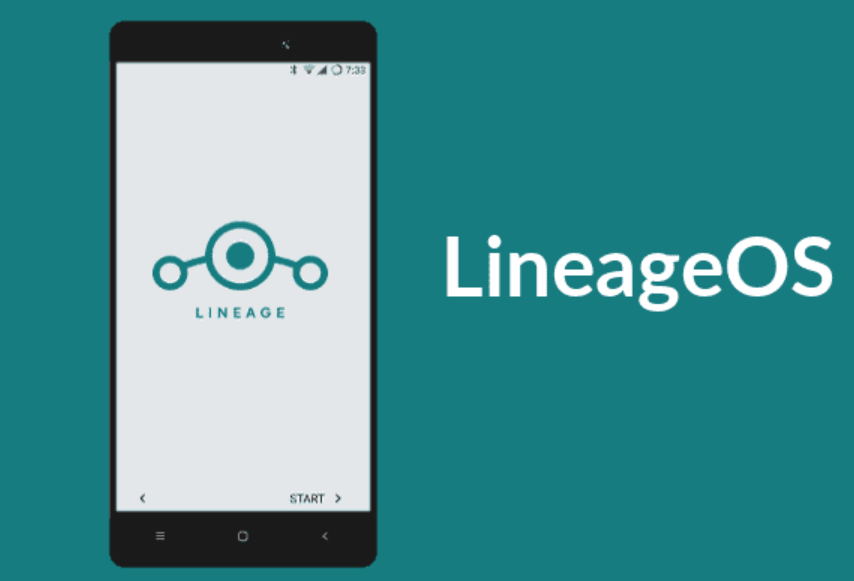
Looks like those using 2014-era devices are in for a treat! The recently-released LineageOS 16 is slated to bring the well-received Android 9 Pie to several devices that no longer receive official updates. Back in April 2018, a slew of top-branded devices including Xiaomi Mi Note 2, NVIDIA Shield TV, and the Samsung Galaxy S9 became compatible with LineageOS 15.1. After about a year, the developer team is all set to roll out a feature-laden update to LineageOS 15.1, dubbed as LineageOS 16.
The developers’ primary focus for this version was Privacy Guard and Styles API. Thanks to the newfangled features, the latest version will now be compatible with Android’s Dark Mode as well.
Staying true to its reputation for completely renewing old Android devices, the updated LineageOS version will introduce Android Pie to a wide range of devices including those that no longer receive official updates.
The LineageOS 16 will support thirty models that feature hardware from as long ago as 2014. The supported models will include Samsung’s Galaxy S5 and OnePlus One.
Many newfangled devices such as the Huawei P20 Pro, Samsung’s Galaxy Tab S2 tablets and Xiaomi Pocophone F1 will be able to use LineageOS right off the bat. We are highly likely to witness wider support in the near future.
It is imperative for those interested in upgrading to LineageOS 16.0 to back up all important data. The version can be downloaded either from a download portal or the Updater app. You will then need to export the package to the SD card by long-pressing, then selecting the “Export” option.
Next off, avail suitable add-ons packages and ensure you have the latest recovery and firmware, format system partition before following the instructions on the “Installing LineageOS from recovery” segment.
Likewise, you’d need to install unofficial code. Note that this might affect your phone in terms of efficiency. In other words, this is for people who do not mind fiddling with their phones in order to postpone an imminent hardware upgrade for about a couple of years.
The security and privacy of the users’ data is a major concern among poplar apps and websites. Many times, these companies have failed to provide a secure environment for the users’ data. A similar incident has been witnessed by a security researcher Victor Gevers of non-profit organization GDI. As per a report from the Financial Times, the identities and other personal data of 300 million Chinese users were searchable on the internet if anyone knows the IP on Saturday, last week.
The data of Chinese popular social messaging networks such as QQ and WeChat were exposed including Chinese citizen ID, photos, addresses, GPS location data along with the personal messages. It seems a major breach on the ChinaNet online, internet service provider servers. As per Gevers, later the data was distributed to over 17 different remote servers. It is not confirmed whether and why it is sent to over different servers and what’s the actual usage. But as per assumption, Gevers claims that the data is sent to police stations in different regions of China.
In actual he quoted that, “There is no evidence that law enforcement is doing something active with this spoonfed data. But the infrastructure and well-planned data distribution are there.” He further investigated the issue and shared some parts of Direct Messages that were supposed to be private. He even shared some snippets of the chats as proof on his Twitter handle.
Upon digging deep, the data patterns hinted that these users might be frequent gamers who used different cafes. There’s another possibility that its the Chinese government’s way of keeping a tap on users who don’t follow censorship in China. Even though, some local officers have also asked internet cafes to track the users’ browsing history time-to-time with software.
Gevers accumulated the information while he was crawling Shodan search engine. As per him, the data was exposed in attempts by someone to frisk through the servers.
Later, Gevers resolved the issue by taking the matter to the Chinese internet service provider. In response, ChinaNet Online secured the data within a few hours.
In China, the Government scans the users’ activity routinely to ensure safety and security. Even though, most of the Chinese internet companies are quite straightforward in complying with the state policies. Most of the companies have added in their privacy policies that they “comply with applicable laws and regulations.”
We hope in the future, the telecom operators and internet service providers should be more stringent while handling users’ data.
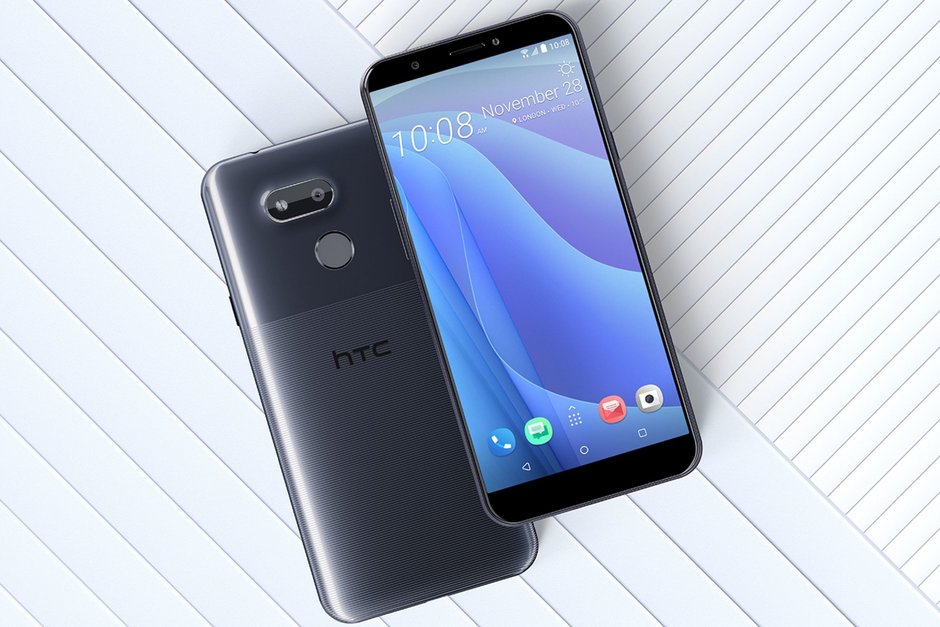
Last year, HTC ceased its operations in India amid low sales. In a report at that time, HTC cited that they tend to move towards future technologies and will continue to invest in India via different means. They were talking about the AI, 5G and Augmented Reality at that time. Now, it seems the Taiwanese giant is looking for possibilities to make a comeback in India. As per a report from The Economics Times, HTC is making a comeback but in a different way.
According to a report, HTC is reportedly working on a brand licensing deal with Micromax, Lava, and Karbonn. They will brand out the smartphones under its name and as compensation, the company will earn royalty in return. The executives of Micromax, Lava, and Karbonn have confirmed that the talks are in advanced stages. All these companies will bid together for the HTC brand license in India. Talking about it, one of the executives said “Since HTC used to operate in the Rs 10,000-plus segment, the brand will help the Indian smartphone makers re-enter this price segment, which is now the fastest-growing with intense competition among Xiaomi, Samsung, Oppo, and Vivo,”
It is not the usual way followed by HTC to re-enter the Indian market. There are chances that instead of building the brand name, it could negatively impact the brand value. Moreover, Micromax, Lava, and Karbonn’s market share have narrowed to less than 15% in the India market. While, Samsung, Xiaomi, Oppo, Vivo, and few other companies are constituting 64% of the market share.
Overall HTC has not commented on the whole scenario but somehow has confirmed that the company is looking for strategic options in India. HTC Spokesperson even said to our sources that “We will have more to announce at a later date.”
Over the past few years, HTC has been struggling to find a place in the smartphone market. They have tumbled from the top brands to the sidelines of the smartphone market. Even, they have shifted their focus from the mainstream smartphone market to AR devices.
Xiaomi launched its next-generation flagship smartphone — Xiaomi Mi 9 last month at a launch event in China. The phone packs top-of-the-line specifications and is one of the most powerful smartphones available in the market.
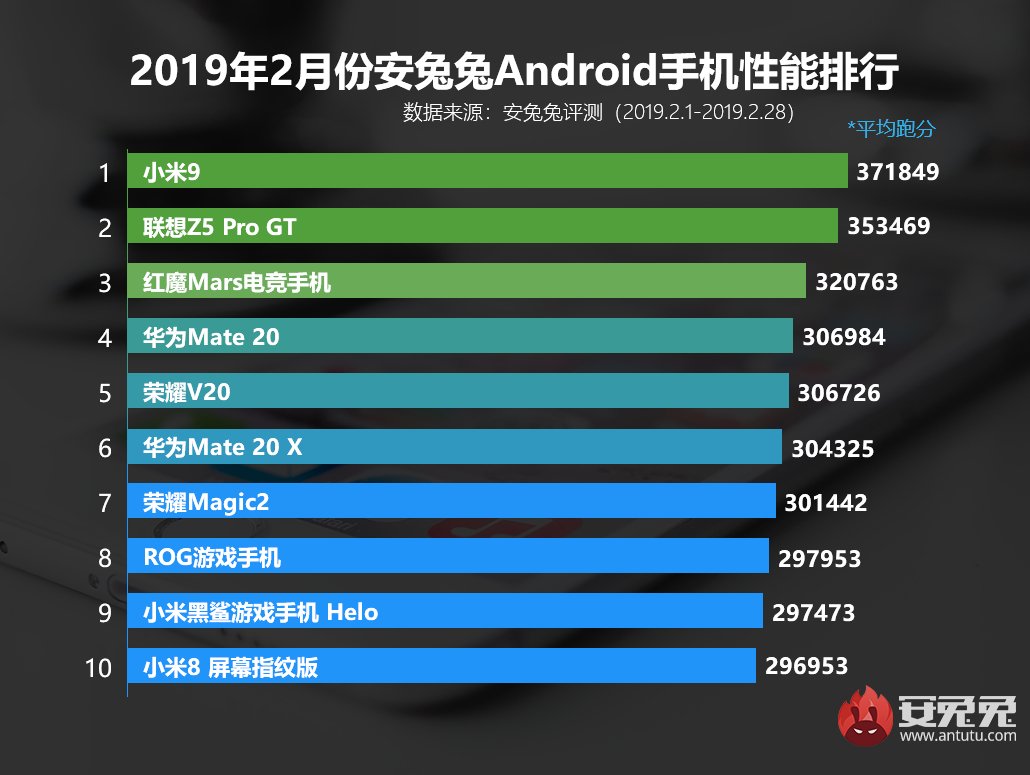
Powered by Qualcomm‘s latest Snapdragon 855 octa-core 7nm chipset, the Xiaomi Mi 9 posted a score of 387,851 in AnTuTu benchmarking app version 7.2.4. In comparison, the score is 21 percent higher than the highest score of Snapdragon 845, 26 percent higher than Kirin 980 and 7 percent higher than Apple A12.
Also, in a list released by AnTuTu showing the chart of top performing Android smartphones for the month of February 2019, Xiaomi Mi 9 is leading the chart. With a score of 371,849, the Mi 9 is miles ahead of Lenovo Z5 Pro GT which scored 353,469.
The Snapdragon 855, which powers both the top two smartphones, is Qualcomm’s first 7nm chipset and it features a multi-core AI engine which the company claims to deliver up to three times better AI performance compared to its previous mobile platform, the Snapdragon 845.
The new chipset also comes with Computer Vision (CV) ISP for enhanced computational photography which performs the same way as Google’s Night Sight feature for Pixel devices, thus substantially improving imaging in low-light areas.
The list of top 10 Android smartphones in terms of performance in February 2019 also includes Nubia Red Magic Mars, Huawei Mate 20 Pro, Honor V20, Huawei Mate 20 X, Honor Magic 2, Asus ROG Phone, Xiaomi Black Shark Helo, and Xiaomi Mi 8.
To remind you of the phone’s specifications, the Xiaomi Mi 9 comes with a 6.39 Super AMOLED display having 1080 x 2340 pixels resolution. It is powered by Qualcomm Snapdragon 855 processor along with 6GB/8GB RAM and comes in 64GB/128GB/256GB internal storage variants.
As for the camera, the Chinese smartphone maker has added a triple rear camera module with 48-megapixel primary camera + 16-megapixel ultrawide sensor + 12-megapixel telephoto lens. On the front side, the company has added a 20-megapixel front-facing camera for beautiful selfies and video calling.
The smartphone runs Android 9.0 Pie operating system out-of-the-box with MIUI 10 and packs 3300mAh battery with support for Quick Charge 4+ fast charging technology. The company also says that the Mi 9 is the world’s first device to support 20W wireless charging supporting Qi wireless + Quick Charge protocols. It can charge the device 37% faster than the standard wireless charging pads.
We use cookies on our website to give you the most relevant experience by remembering your preferences and repeat visits. By clicking “Accept”, you consent to the use of ALL the cookies.
This website uses cookies to improve your experience while you navigate through the website. Out of these, the cookies that are categorized as necessary are stored on your browser as they are essential for the working of basic functionalities of the website. We also use third-party cookies that help us analyze and understand how you use this website. These cookies will be stored in your browser only with your consent. You also have the option to opt-out of these cookies. But opting out of some of these cookies may affect your browsing experience.
Necessary cookies are absolutely essential for the website to function properly. This category only includes cookies that ensures basic functionalities and security features of the website. These cookies do not store any personal information.
Any cookies that may not be particularly necessary for the website to function and is used specifically to collect user personal data via analytics, ads, other embedded contents are termed as non-necessary cookies. It is mandatory to procure user consent prior to running these cookies on your website.