Advertisement

HMD T21 tablet launched in India with 10.36-inch LCD, Unisoc T612, and 8200mAh battery

Back in May 2024, HMD unveiled the HMD T21 tablet globally. The tablet has finally made it to Indian soil today with a price tag of Rs 14,499. Here’s a look at the specifications, features, and price of the device.

HMD T21 specifications and features

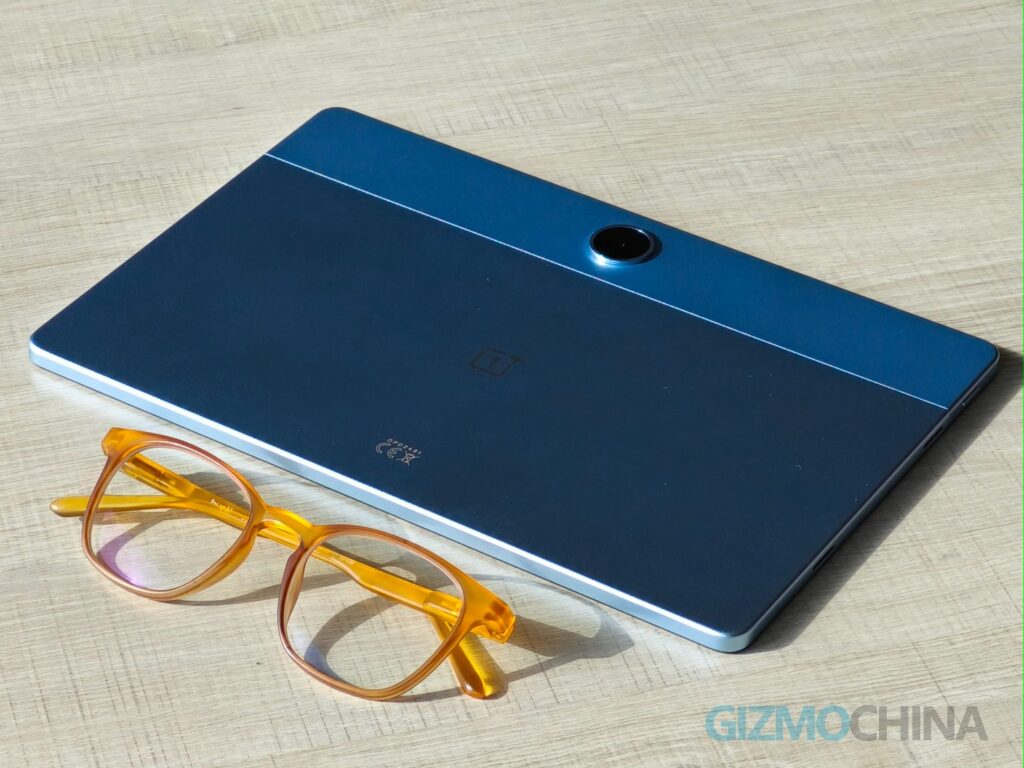
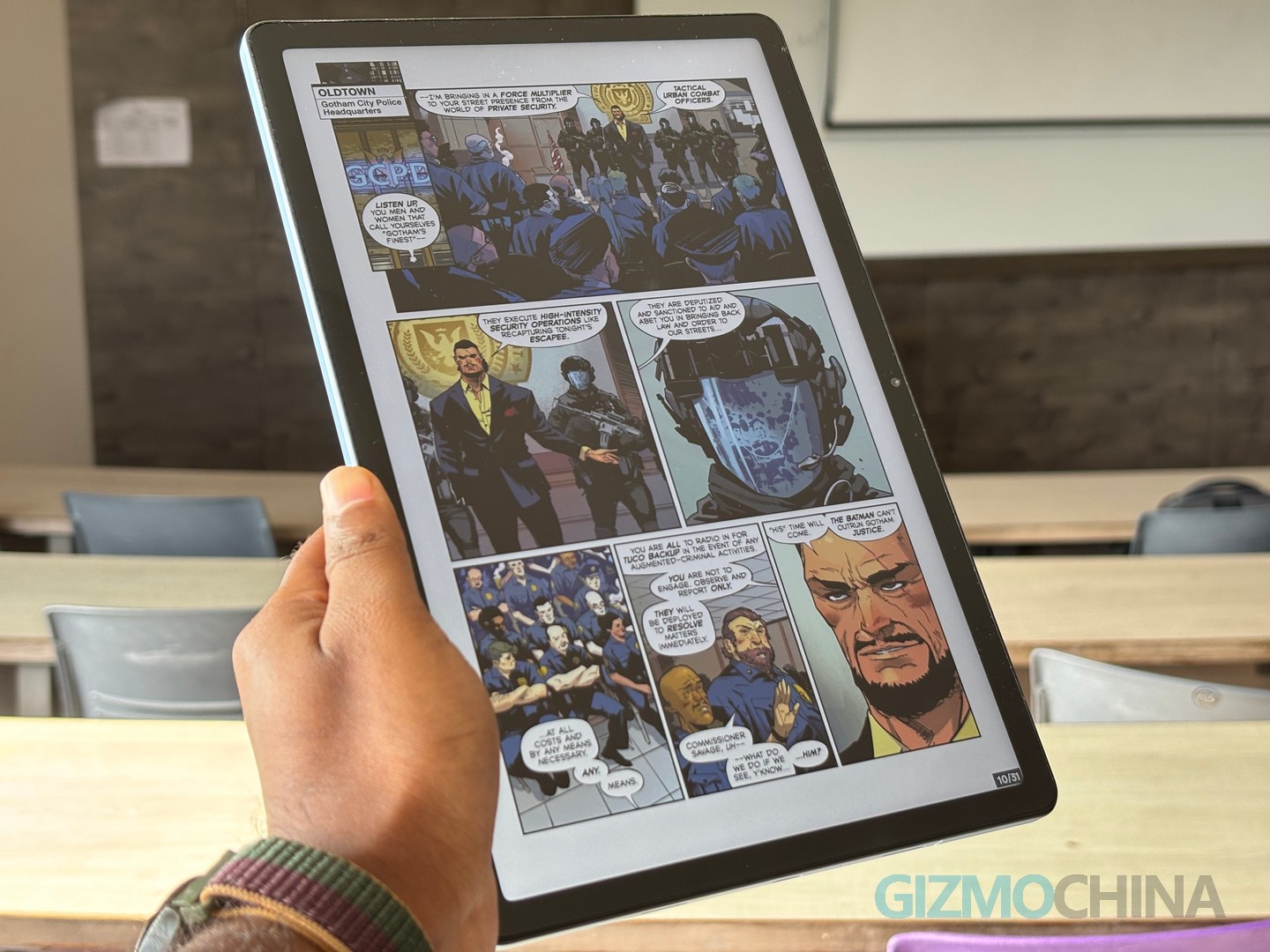
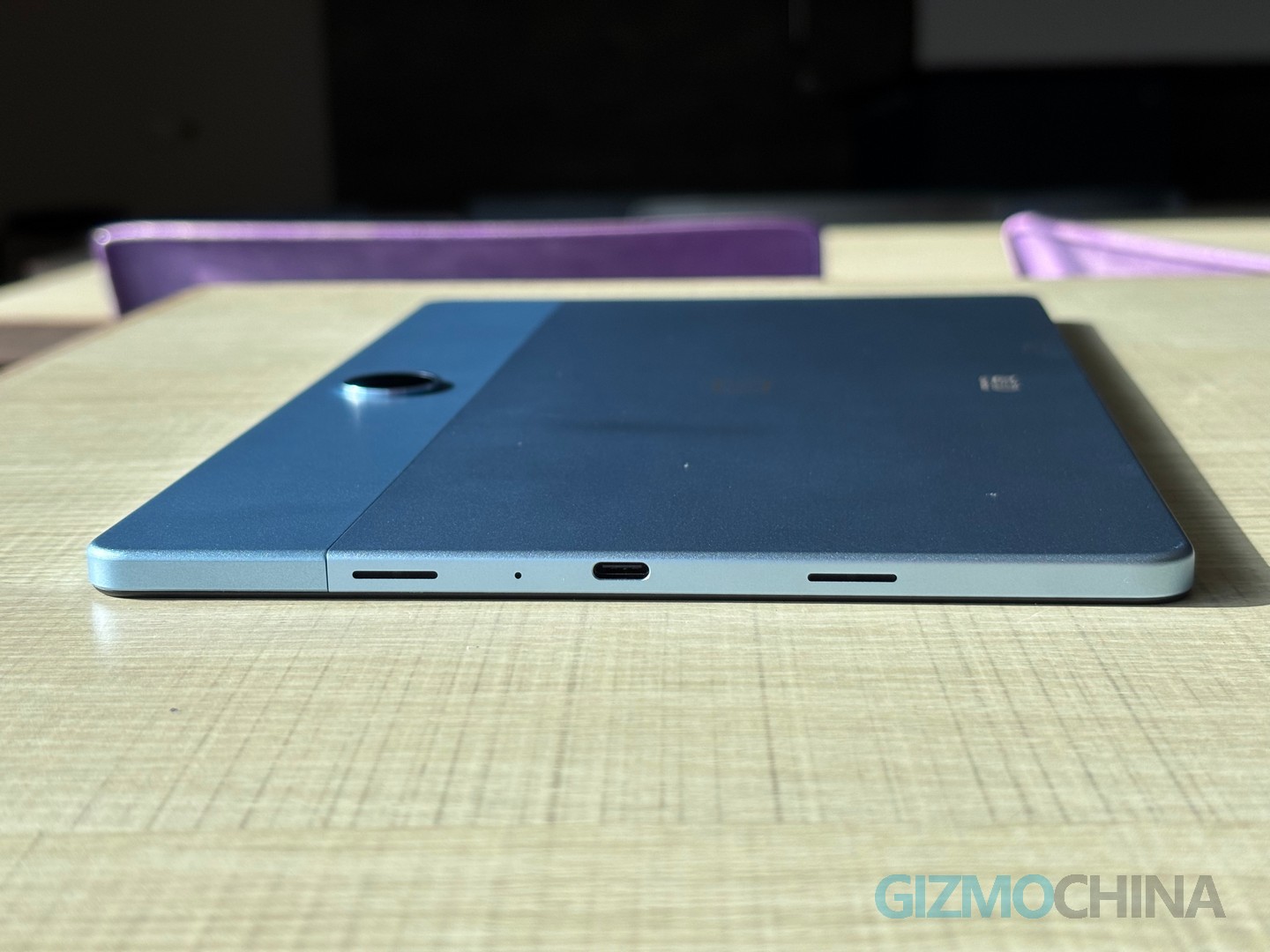
HMD T21 tablet
HMD T21 tablet

The HMD T21 features a 10.36-inch LCD display with a 5:3 aspect ratio, offering a balanced viewing experience for entertainment and productivity. It has a thickness of just 7.5mm and weighs 467 grams.

The tablet is powered by the Unisoc T612 processor, 8GB of RAM, and 128GB of internal storage, expandable up to 512GB via microSD card. The device runs on Android 13 out of the box, with an upgrade to Android 14 available and monthly security updates promised for 3 years.

For imaging, the tablet includes an 8-megapixel rear camera with autofocus and an 8-megapixel front-facing camera for video calls. It supports 4G connectivity with voice calling and SMS, dual-band Wi-Fi, Bluetooth 5.0, and features GPS/AGPS, GLONASS, and GALILEO for location services. The USB Type-C port supports OTG and charging at up to 18W via PD3.0.

The HMD T21 houses an 8,200mAh non-removable battery that promises up to 18 days of standby time and 12 hours of talk time. Audio features include dual speakers, two microphones, a 3.5mm headphone jack, FM radio, and OZO Spatial Audio recording and playback. The hybrid SIM slot supports dual nano SIM cards for cellular connectivity.

HMD T21 price in India, availability

The HMD T21 is priced at Rs 14,499 for the 8GB + 128GB variant. It is available in a single Black Steel color and can be purchased via HMD.com.

For more daily updates, please visit our News Section.

Stay ahead in tech! Join our Telegram community and sign up for our daily newsletter of top stories.

Nothing Phone (3) Goes on Sale in India with Flagship Price

The Nothing Phone (3) has officially gone on sale in India, and while it brings the brand’s signature transparent design and upgraded internals, it’s the price tag that has everyone talking. So here’s everything you need to know about its pricing, offers, and more.

Nothing Phone (3): Price and Offers

Nothing announced its first “true flagship” at the start of this month. The smartphone has finally gone on sale in the Indian market via Flipkart, Viay Sales, Croma, and other offline retail partners. It is available in two color options, namely white and gray. The Nothing Phone (3) has a starting price tag of 79,999 INR for the base 12GB + 256GB variant, while the 16GB + 512GB version is listed for 89,999 INR.

Nothing-Phone-3-Design
Nothing Phone (3)

Nothing is offering a bank discount of 5,000 INR on select credit cards along with exchange offers, which can bring down the effective price down to around 62,000 INR. That’s not all, the brand also has a promo deal that gives customers one year extended warranty for customers who buy the Phone (3) today. To recall, the Nothing Phone (3) sports a 6.67-inch flexible LTPS AMOLED display with a 30-120Hz variable refresh rate, 1.5K resolution, HDR10+ support, and 4500 nits of peak brightness.

Under the hood, it is equipped with the Snapdragon 8s Gen 4 SoC. A sizeable 5,500mAh battery pack powers this device, which supports 65W wired fast charging and 15W wireless charging. For optics, the rear has three 50MP shooters for the primary, ultra wide, and telephoto shooter. Meanwhile, the front houses a 32MP selfie camera. Other notable features include the brand new Glyph Matrix secondary display that has a dot matrix design.

For more daily updates, please visit our News Section.

Tech enthusiast? Get the latest news first! Follow our Telegram channel and subscribe to our free newsletter for your daily tech fix! ⚡

Entire iPhone 17 series colors leak: vibrant new options may await Apple fans

With a September 2025 launch on the horizon, Apple’s iPhone 17 series is already making headlines — this time, for its rumored color choices. Leaks suggest that the lineup won’t just bring design tweaks and new features, but also a splash of bold, vibrant finishes.

iPhone 17 Pro hands-on image

The upcoming iPhone 17 lineup — including the iPhone 17, iPhone 17 Air, iPhone 17 Pro, and iPhone 17 Pro Max — will offer some eye-catching color options. The new iPhone 17 Air, which is said to replace the Plus model, could come in a fresh Sky Blue finish inspired by the latest MacBook Air.

Meanwhile, Korean leaker yeux1122 claims on Naver that accessory makers are already preparing camera ring protectors in five color variants: Black, Silver, Blue, Green, and Purple. That seems to line up with earlier rumors about Apple experimenting with new eco-friendly finishes.

The iPhone 17 series is tipped to launch in the week of September 8, a familiar slot for Apple’s annual event. On the spec sheet, expect upgraded LTPO OLED displays, the A19 chip, and a new camera island design for the Pro models.

Pricing in India is rumored to stick to Apple’s usual strategy. The iPhone 17 Air, in particular, may feature a slim 6mm body and a 48MP single rear camera — pitched as a blend of sleek design and everyday practicality.

With new colors like Sky Blue reportedly in the mix, plus classic shades like Black and Silver, the iPhone 17 series looks set to bring a bit more flair to Apple’s lineup. Will that — along with the rumored spec upgrades — be enough to get buyers excited? We’ll know more as the expected September launch approaches.

Don’t miss a thing! Join our Telegram community for instant updates and grab our free daily newsletter for the best tech stories!

For more daily updates, please visit our News Section.

(Source)

Qualcomm’s first XR Day in India promises a glimpse into the future of AR and VR

Qualcomm is gearing up for its first-ever Snapdragon XR Day in India, set for July 21, 2025, in New Delhi — and it’s shaping up to be a big showcase for the future of augmented reality (AR), virtual reality (VR), and mixed reality (MR). Part of its new “Snapdragon for India” initiative, the event will spotlight how immersive technologies could shape everything from entertainment to healthcare.

The XR Day is Qualcomm’s way of highlighting its leadership in the extended reality space. Expect demos powered by the company’s flagship chips, including the Snapdragon XR2 Gen 2 and Snapdragon XR2+ Gen 2. The event is expected to feature real-world XR use cases — think AI-powered AR navigation, virtual classrooms, and even XR-driven healthcare and fitness platforms.

But it’s not just a tech demo. Qualcomm wants to bring together developers, hardware makers, and industry partners to explore next-gen devices, from smart glasses to spatial computing gear. With 90% of the global XR chipset market (per Counterpoint Research), Qualcomm seems ready to double down on India’s fast-growing 5G market and rising developer ecosystem.

The event could also hint at fresh hardware announcements. Qualcomm recently introduced its Snapdragon AR1+ Gen 1 chip for smart glasses, and some reports suggest more could be on the way.

XR Day will kick off a broader “Snapdragon for India” campaign, which also includes Snapdragon Auto Day on July 30, focused on connected car tech and mobility solutions tailored for India.

With its XR push, Qualcomm isn’t just showcasing gadgets — it’s staking a claim in India’s tech future. Whether it’ll pay off remains to be seen, but all eyes are on New Delhi come July 21.

Don’t miss a thing! Join our Telegram community for instant updates and grab our free daily newsletter for the best tech stories!

For more daily updates, please visit our News Section.

Dimensity 8350 vs Snapdragon 7 Gen 3: which delivers superior performance?

Dimensity 8350 vs Snapdragon 7 Gen 3

The Dimensity 8350 is a powerful mid-range chipset built on TSMC’s 4nm advanced process. It features an octa-core CPU that runs at up to 3.35GHz speed and a Mali-G615 MP6 GPU, offering a strong balance of performance and efficiency for modern devices. Its direct rival is the Snapdragon 7 Gen 3, a chip that uses the same CPU architecture and leverages Qualcomm’s proven software tuning and gaming solutions. Both chipsets promise excellent performance and efficiency, but which one actually outperforms the other? Let’s dive deep into this battle.

Here’s the spec sheet comparison:

Dimensity 8350Snapdragon 7 Gen 3
AnnouncedNovember 2024November 2023
Process node4nm4nm
ManufacturerTSMCTSMC
CPU1 x 3.35 GHz — Cortex-A715
3 x 3.2 GHz — Cortex-A715
4 x 2.2 GHz — Cortex-A510
1 x 2.63 GHz — Cortex-A715
3 x 2.4 GHz — Cortex-A715
4 x 1.8 GHz — Cortex-A510
GPUMali-G615 MP6 GPU
MediaTek HyperEngine Adaptive Gaming Technology
Adreno 720 GPU
Snapdragon Elite Gaming features
NPUMediaTek NPU 780Qualcomm Hexagon NPU
Memory
Storage
LPDDR5x — 4.2 GHz
UFS 4.0
LPDDR5 — 3.2 GHz
UFS 4.0
CameraMediaTek Imagiq 980 HDR ISP (14-bit)
Up to 320MP camera resolution
Up to 4K video recording
Qualcomm Spectra Triple ISP (12-bit)
Up to 200MP camera resolution
Up to 4K video recording
ConnectivityMediaTek 5G modem
Download speed: 5.17 Gbps (peak)
Wi-Fi 6E
Bluetooth 5.4
Snapdragon X63 5G modem
Download speed: 5 Gbps (peak)
Wi-Fi 6E
Bluetooth 5.4

Dimensity 8350 vs Snapdragon 7 Gen 3: Benchmark comparison

Note: The following benchmark tests were conducted on the Oppo Reno 13 (Dimensity 8350) and OnePlus Nord CE 4 5G (Snapdragon 7 Gen 3).

AnTuTu performance

Dimensity 8350 vs Snapdragon 7 Gen 3 - AnTuTu comparison

The Dimensity 8350 pulls way ahead of the Snapdragon 7 Gen 3 in AnTuTu (v10) benchmarks, scoring 1,352,732 points compared to the Snapdragon’s 819,655 — that’s a solid 65% lead in the overall score.

The GPU score is where the Dimensity 8350 really flexes, with 513,784 points — nearly double the Snapdragon 7 Gen 3’s 256,584. This suggests a significantly better gaming and graphics experience, especially in titles that demand sustained GPU performance. The CPU performance also favors MediaTek, though the gap is narrower: 289,855 vs. 269,334. The memory and UX scores also favor the Dimensity 8350.

Dimensity 8350Snapdragon 7 Gen 3
AnTuTu score1,352,732819,655
CPU289,855269,334
GPU513,784256,584
Memory278,071129,961
UX271,022163,776

Geekbench performance

Dimensity 8350 vs Snapdragon 7 Gen 3 - Geekbench comparison

On Geekbench (v6), the Dimensity 8350 once again comes out on top, scoring 1,342 in single-core and 4,028 in multi-core, compared to 1,154 and 3,018 for the Snapdragon 7 Gen 3.

While the single-core difference may not seem huge at first glance — roughly a 16% advantage — it still translates to snappier app launches and better responsiveness in everyday tasks. The gap in multi-core performance is even wider, with the Dimensity 8350 holding a clear 33% lead. That means noticeably better performance in multitasking and apps that leverage multiple threads.

Dimensity 8350Snapdragon 7 Gen 3
Single core1,3421,154
Multi core4,0283,018

Dimensity 8350 vs Snapdragon 7 Gen 3 — Key things you should know

Performance

Both chips utilize TSMC’s 4nm manufacturing process and feature the same set of CPU cores (four Cortex-A715 and four Cortex-A510), yet there are several key differences that make a notable difference. For instance, all CPU cores in the Dimensity 8350 have a higher peak frequency than their counterparts in the Snapdragon 7 Gen 3. The chip also benefits from a newer ARMv9-A instruction set (versus ARMv8.6-A), offering better performance and security.

For visual rendering, the Dimensity 8350 features a Mali-G615 GPU, while the Snapdragon 7 Gen 3 features an Adreno 720. The MediaTek chip offers a higher peak frequency (1400 MHz vs 975 MHz) and more pipelines (6 vs 3). It also benefits from higher total shaders and FLOPS. This explains why it was able to outperform the Snapdragon 7 Gen 3 by a significant margin.

Both chips also have NPUs for on-device AI capabilities and optimizations. They are much more powerful than their predecessors and support multiple LLMs.

Camera

The Dimensity 8350 features a 14-bit Imagiq 980 ISP, supporting up to 320MP resolution and true-to-life 4K60 HDR video recording. It comes with a range of camera features, including Video Bokeh, Video EIS, and AI-assisted color adjustment, auto exposure, auto focus, and auto white balance.

On the other hand, the Snapdragon 7 Gen 3 features a 12-bit Spectra triple ISP, supporting up to 200MP camera resolution and 4K video recording. It also brings a set of features, including AI Remosaic, AI Noise Reduction, and AI Video Retouch. Additionally, the Qualcomm chip supports computational 4K HDR video capture and the Google Ultra HDR photo format.

Connectivity

Both chipsets have all the necessary connectivity features, including a 5G modem, Wi-Fi 6E, Bluetooth v5.4, and multiple positioning systems. However, there are a few differences you should be aware of. The Dimensity chip has a slightly higher peak download speed of 5.17 Gbps (versus 5 Gbps). It features MediaTek 5G UltraSave 3.0+ technology, improving power efficiency by up to 15%. The Qualcomm chip is also equipped with a range of features, including Qualcomm AI-Enhanced Signal Boost, Qualcomm Smart Transmit 2.0 technology, and Qualcomm 5G PowerSave 2.0.

Dimensity 8350 vs Snapdragon 7 Gen 3: which one is better?

When it comes to raw performance, the Dimensity 8350 clearly outperforms the Snapdragon 7 Gen 3. Across both AnTuTu and Geekbench, MediaTek’s chip consistently delivers better results — especially in GPU and multi-core performance. This makes it a more suitable choice for users who prioritize gaming, multitasking, and overall system responsiveness.

The Dimensity 8350 benefits from higher clock speeds, a newer instruction set, a more powerful Mali-G615 GPU, and a slightly higher download speed. The Snapdragon 7 Gen 3, meanwhile, still holds its ground with solid optimizations, a capable Adreno 720 GPU, and Qualcomm’s well-rounded feature set — but it’s clearly tuned more for balanced performance rather than pushing the limits.

If performance is your primary concern, the Dimensity 8350 is the option to consider. For everyday tasks like browsing the internet, sending emails, and scrolling through social media feeds, both chips are great.

Samsung Galaxy Watch Ultra 2025 vs 2024: What’s actually different?

Samsung made a surprise announcement at the recent Galaxy Unpacked with the new Watch Ultra (2025). But don’t just go with the name. It’s not a major upgrade over the first-gen model; that is to be expected of the Watch Ultra 2

Samsung Galaxy Watch Ultra 2025 vs Watch Ultra 2024

The new Ultra has the same overall design and internals as last year’s model, opting instead for a handful of modest upgrades focused on software, storage, and a slightly refined user experience.

Yes, it still looks like the Apple Watch Ultra’s squared-off cousin, but that’s not necessarily a bad thing. It’s still the most rugged, full-featured smartwatch Samsung sells, and it now comes in a fresh new Titanium Blue colorway. Here’s what’s actually new, and what stays exactly the same.

1. No Major Design Changes, Just a New Color

Galaxy Watch Ultra (2025) in Titanium Blue

You’ll need sharp eyes to tell the difference between the new Galaxy Watch Ultra and last year’s model. Both are available on a single 47mm size framed with a titanium squircle chassis and raised circular sapphire glass display. 

The only difference is that the new model comes in a Titanium Blue finish. To pair with it, Samsung has introduced a blue strap. Previous color options for the wearable include Titanium Silver, Gray, and White. 

Everything else about the case remains identical. You get the familiar three-button layout on the right, a customizable orange-accented “Action” button in the center, speaker grills on the left side, and the same BioActive sensor array underneath. 

Both have a 1.5-inch Super AMOLED panel, IP68 water- and dust-resistant, 10ATM waterproofing, and MIL-STD-810H shockproofing. 

Please Note: When you buy something using the links in our articles, we may earn a small commission at no cost to you.

2. Twice the Storage, Same Internals

On the inside, there’s at least one clear upgrade. The Galaxy Watch Ultra (2025) doubles internal storage to 64GB from the previous 32GB. That’s helpful if you like to store offline music, maps, or apps directly on your watch for workouts or travel.

But beyond that, things are mostly unchanged. It is powered by the same 3nm Exynos W1000 processor, along with 2GB of RAM. And keeping everything running is a 590mAh cell with expected 10W charging support. 

3. New Software and Smarter Features

Aside from some hardware, the Watch Ultra (2025) also brings a refresh on the software side. It comes pre-installed with Wear OS 5, layered with Samsung’s updated One UI Watch 8 skin. Most of the new tricks are in the interface and AI-powered features.

Among them is the Now Bar feature we’ve seen on the Galaxy phones. It’s a context-aware widget that shows controls like timers and media playback on your watch face for quick access. The new skin also better manages notifications, and you can now pin six favorite apps at the top of the app drawer.

But arguably the biggest upgrade is the integration of Google Gemini, giving you a more useful AI assistant directly on your wrist. Ask it to start a 5K run and play your favorite playlist, and it will do both. 

4. New Health Metrics

Samsung is also rolling out a few new health features, some of which will come to the original Galaxy Watch Ultra via software update.

Among the new ones is Vascular Load, a stat that tries to estimate how much strain your circulatory system is under while you sleep. It uses sleep tracking, stress levels, and exercise patterns to generate insights and recommendations.

Another is Antioxidant Index, which attempts to estimate the accumulation of antioxidants in your skin using sensor data. While it might sound a little out-there, the goal is to offer another layer of wellness feedback, along with tips on how to improve those numbers.

The Bedtime Guidance feature, powered by Galaxy AI, tries to personalize your sleep schedule based on heart rate variability and past sleep patterns. There’s also a new Running Coach mode that provides motivation and real-time training feedback during runs.

Importantly, all of these features are expected to be available on the original Galaxy Watch Ultra once it gets the One UI Watch 8 update, so don’t feel pressured to upgrade just for the software.

5. Final Thoughts: A Minor Refresh, and That’s Okay

Samsung’s 2025 Galaxy Watch Ultra feels like a textbook incremental update. It keeps everything that worked last year, and lightly refreshes the experience with new software, a more polished UI, and some genuinely useful AI features.

The main thing is that there is no increase in price. The refreshed model costs the same–$649.99–as the original Watch Ultra. So, for those thinking of getting Samsung’s top-of-the-line wearable, the newer Watch Ultra (2025) is now an even better deal. 

However, if you already own the original Watch Ultra, there’s no rush to upgrade. You’ll get almost all the new features in a software update, minus the Titanium Blue finish and the extra storage. 

Please Note: When you buy something using the links in our articles, we may earn a small commission at no cost to you.

For more daily updates, please visit our News Section.

Stay ahead in tech! Join our Telegram community and sign up for our daily newsletter of top stories.

Samsung is making “less money” on its $1,999 foldable

Samsung’s latest book-style foldable — the Galaxy Z Fold7 — launched on July 9 for a starting price of $1,999 or ₹174999.00. To recall, the Fold6 and Flip6 started from $1,899. But the Samsung boss recently surprised, saying the brand is taking a hit on profit to keep the prices in check.

Galaxy Z Fold 7

At launch, the company highlighted slimmer designs, a 200MP camera upgrade, and expanded Galaxy AI features — all things you’d expect to come with a higher price tag. The Z Fold7 saw a 6% bump in price, which is far below the 10-20% increase some analysts forecasted.

Samsung MX chief TM Roh addressed the decision during a press briefing, saying the company chose to absorb some of the extra costs to help “expand foldable phones and democratize AI experiences”.

It’s a calculated risk. Samsung remains the leader in the foldable segment with a 45% market share, though that’s down from 54% in 2024, based on Canalys data. With competition heating up — particularly from Chinese brands like Huawei and Honor — and with Z Flip6 sales reportedly down 21% compared to its predecessor, a price hike could have hurt Samsung’s competitive edge even further.

The introduction of the Z Flip7 FE at $899 also plays into this strategy. Meanwhile, Samsung’s deep integration of Galaxy AI — built on Google’s Gemini and One UI 8 — continues to focus on smarter productivity and editing features, as the company pushes to make foldables a mainstream choice.

Please Note: When you buy something using the links in our articles, we may earn a small commission at no cost to you.

By holding prices “in check”, Samsung is betting on market expansion and AI adoption over short-term profits. Whether that gamble pays off remains to be seen — but for now, customers are the ones benefiting.

You can pre-orders for the Galaxy Z Fold7 and Z Flip7 now at Samsung’s official website.

Don’t miss a thing! Join our Telegram community for instant updates and grab our free daily newsletter for the best tech stories!

For more daily updates, please visit our News Section.

(Via)

iQOO Z10R set to launch on July 24: What’s known so far

After a few rumors, iQOO recently confirmed that the Indian market will receive a new Z10-series phone called the iQOO Z10R. Today, the brand rolled out the following poster to confirm that the Z10R will be unveiled in the country on July 24.

iQOO Z10R: What’s known so far

iQOO Z10R launch date

The official image suggests that the iQOO Z10R’s front and rear cameras will support 4K recording. The image also indicates that the device will have a quad-curved display. On the rear, the device features a dual-camera system housed in a module similar to the Vivo V50 series, enhanced by an Aura light ring designed to boost portrait photography.

As per a recent Geekbench listing, the iQOO Z10R will feature the Dimensity 7400 chipset and 12GB of RAM. The device will run on FunTouch OS 15-based Android 15.

Rumours suggest the handset will feature a 6.77-inch full-HD+ OLED display with a 120Hz refresh rate. On the imaging front, the phone could pack a 50-megapixel dual rear camera setup, alongside a 32-megapixel front-facing camera, both capable of 4K video recording for vlogging. The iQOO Z10R may include a 6,000mAh battery with 90W charging support.

While iQOO hasn’t revealed the pricing just yet, leaks suggest the Z10R could be priced between Rs 15,000 and Rs 20,000, positioning it squarely in the competitive mid-range segment. With the official launch set for July 24, more details, including exact variants and introductory offers are expected soon.

For more daily updates, please visit our News Section.

Stay ahead in tech! Join our Telegram community and sign up for our daily newsletter of top stories.

Oppo K13 Turbo, K13 Turbo Pro official images, cooling kit revealed via official listings

Oppo is all set to unveil the K13 series of smartphones on July 21. Today, the brand has listed the K13 Turbo and K13 Turbo Pro on Chinese retailer platforms, including the Oppo Shop for pre-orders. The official listings have revealed the design, colour options, and variants of both smartphones.

Oppo K13 Turbo series official images released

For those who don’t know, the Oppo K13 Turbo and K13 Turbo Pro will be powered by the Dimensity 8450 and Snapdragon 8s Gen 4 chipsets, respectively. The official images show that the K13 will be available in black, white, and purple options, whereas the Pro edition will be sold in shades like silver, black, and purple.

Both phones will be available in configurations such as 12GB+256GB, 16GB+256GB, and 12GB+512GB. However, the Pro edition will also come in a higher 16GB+512GB version.

Oppo is yet to share the other specifications of the device. As per reports, both phones will have a 6.8-inch OLED 1.5K 144Hz screen, a 16-megapixel front camera, and a 50-megapixel + 2-megapixel dual-camera setup, and a 7,000mAh battery with 80W charging. The Turbo series also includes an active cooling fan with RGB lighting.

Oppo has also announced a Super Cooling Combo Kit for the K13 Turbo series. This includes a micro-pump liquid cooling magnetic case and a 27W IceWing magnetic air-cooled fan. The case circulates liquid through a built-in loop to passively manage heat, while the external fan actively blows cool air onto the phone using magnetic attachment.

By combining liquid and air cooling technologies, Oppo introduces a hybrid cooling system that offers efficient heat dissipation for demanding tasks like gaming and extended performance usage.

For more daily updates, please visit our News Section.

Stay ahead in tech! Join our Telegram community and sign up for our daily newsletter of top stories.

Huawei Mate X7 screen specifications, camera details leaked well before launch

Oppo, Vivo, Honor, and Samsung have all launched their foldable phones in China this year. Huawei, however, remains the only major brand yet to release its foldable lineup for 2025. The company is expected to introduce two new models in September in China: the Huawei Mate XT 2, a tri-foldable device, and the Mate X7, a book-style foldable phone. A new leak from reliable tipster Digital Chat Station has revealed key details about the Mate X7.

Huawei Mate X7 specifications (rumored)

Huawei Mate X7 leak

According to the leak, the Mate X7 engineering prototype features a large 7.95-inch inner display with a 2K resolution. It uses COE LTPO technology and ultra-thin glass (UTG), which should enhance both display efficiency and durability. The device is said to be built on a next-generation platform, likely powered by the upcoming Kirin 9030 chip, which is also expected to be seen in the Mate 80 series.

On the imaging front, Huawei is reportedly testing two different main camera sensors: one with a 50-megapixel 1/1.56-inch sensor and another with a slightly larger 1/1.3-inch sensor. Both are said to support a physical variable aperture. The phone may also feature a 50-megapixel periscope telephoto camera with macro capabilities and a multispectral sensor to improve overall image quality.

The Mate X7 is expected to offer high-grade water resistance and maintain a slim, lightweight design, positioning it as a premium all-round foldable flagship. It will likely run HarmonyOS 5.1, similar to Huawei’s Pura 80 series.

As for the Mate XT 2, the tri-foldable model, concrete specifications have yet to emerge. However, early rumours suggest it may include support for satellite connectivity and use ultra-flexible glass (UFG) for improved screen durability.

For more daily updates, please visit our News Section.

Stay ahead in tech! Join our Telegram community and sign up for our daily newsletter of top stories.

Moto Buds Loop Arrives in US and Canada With 37-Hour Battery and Open-Ear Design

Motorola has released its first open-ear earbuds, the Moto Buds Loop, in the US and Canada. These earbuds use 12mm ironless drivers and support spatial sound. The open-ear design lets users stay aware of their surroundings, and the loop shape helps keep the buds in place.

They come with dual microphones and use CrystalTalk AI for noise reduction during calls. Battery life is up to 8 hours on a single charge, and the charging case extends that to 37 hours. A 10-minute charge gives up to 3 hours of playback. The earbuds are also water-repellent.

Moto Buds Loop

Moto Buds Loop supports voice commands through Moto AI and includes Smart Connect for quick switching between Motorola and Lenovo devices.

The earbuds are available in two color options. Trekking Green and French Oak, both designed in partnership with Pantone. The French Oak version also includes Swarovski crystals.

In the US, both color options are available on Amazon. In Canada, only the Trekking Green variant is listed.

Pricing & availability

For more daily updates, please visit our News Section.

Stay ahead in tech! Join our Telegram community and sign up for our daily newsletter of top stories.

(via:GSMArena)

Save with Pre-Order Deals on Samsung Galaxy Z Flip 7

The Korean giant recently introduced the Galaxy Z Flip 7, Galaxy Z Fold 7, and Galaxy Z Flip 7 FE smartphones. For the first time, Samsung introduced an affordable variant of its premium foldable series. However, the Galaxy Z Flip 7 is now available for pre-order with some exciting deals and discounts. If users pre-order the device, they can save $720, including all the improved trade-in values, instant discounts, and even a free double storage offer.

Samsung Galaxy Z Flip 7

Samsung Galaxy Z Flip 7 smartphone bundles some fascinating specifications and features, along with its slim design. Apart from $600 savings on a trade-in, there’s also a $200 credit towards accessory purchase, even if you don’t trade in any old smartphone. Samsung has opened its box of offerings with the purchase of the Galaxy Z Flip 7.

Galaxy Z Flip 7 Specifications

Samsung Galaxy Z Flip 7 comes with a large 6.9-inch Dynamic AMOLED 2x Panel, 120Hz refresh rate, and 2600 nits peak brightness. However, the cover screen measures 4.1 inches in size and features a Super AMOLED FlexWindow screen. It is protected with Corning Gorilla Glass Victus 2, offering 1048 x 948 pixel resolution and 60/120Hz refresh rate.

The smartphone comes with an Exynos 2500 SoC, instead of the Snapdragon 8 Elite, which powers the Galaxy Z Fold 7. Further, the 4300 mAh battery powers the smartphone with 25W fast wired charging and 15W fast wireless charging.

In terms of camera, there’s a 50MP primary camera, a 12MP ultrawide sensor, and a 10MP single selfie shooter. The smartphone features connectivity features like Bluetooth 5.4, WiFi 7, and NFC. It runs the latest OneUI 8-based Android 16 OS out of the box. Over the top, you can enjoy the galaxy AI ecosystem featuring full-fledged AI features to enhance productivity and creativity.

It is worth grabbing the pre-order offers and saving maximum if you’re really looking to upgrade your smartphone.

LG Unveils 2025 OLED evo, QNED evo TV Range in India with New AI Processor and 4K 165Hz Support

LG Electronics India has introduced its 2025 range of OLED evo and QNED evo TVs with updated AI features, improved display technology, and the latest version of webOS. The new lineup is powered by the Alpha AI Processor Gen2, which brings personalized controls and better system performance.

The AI Magic Remote now has a dedicated button for voice commands. AI Welcome greets users at startup, while AI Voice ID recognizes each user’s voice to switch profiles and suggest content automatically. AI Concierge offers personalized recommendations based on viewing habits. AI Search, built on a large language model, understands natural-language questions, and the AI Chatbot helps solve technical issues in real time. AI Picture Wizard and AI Sound Wizard adjust the screen and audio settings according to each user’s preferences.

LG OLED Evo G5 Ultra

In the OLED evo lineup, the Alpha 11 AI Processor Gen2 powers image and audio enhancements. Brightness Booster Ultimate improves screen brightness using upgraded light control and algorithms. Dynamic Tone Mapping Pro enhances HDR10 content, while Ambient Light Compensation adjusts screen settings in Filmmaker Mode based on room lighting. Dolby Vision and Dolby Atmos are supported. AI Sound Pro delivers virtual 11.1.2 surround sound with better voice clarity.

LG-QNED-evo-AI-2025

The QNED evo series features Mini LED backlighting combined with Dynamic QNED Colour for more accurate color reproduction. The Alpha AI Processor Gen2 helps optimize picture quality by adjusting contrast and detail at the zone level. AI Picture Pro and AI Sound Pro fine-tune visuals and sound in real time. The QNED models offer virtual 9.1.2 surround sound, tuned to user preferences through AI audio calibration.

All 2025 models come with the updated webOS platform, which now includes support for multiple user profiles and promises regular updates under the webOS Re: New initiative. Apple AirPlay and Google Cast are integrated for direct content sharing. The OLED evo models also support 4K resolution at 165Hz, along with NVIDIA G-SYNC and AMD FreeSync Premium. Game Optimizer lets users switch gaming modes based on the genre.

Pricing & availability

The OLED evo G5 Ultra-Large model with a 247 cm screen is priced at ₹24,99,990. The G5 Series comes in 55-inch, 65-inch, and 77-inch variants starting at ₹2,67,990, while the C5 Series ranges from 42 inches to 83 inches, starting at ₹1,49,990.

The B5 Series starts at ₹1,93,990 for the 55-inch and 65-inch options. In the QNED evo range, the QNED86A Ultra-Large model with a 254 cm screen starts at ₹1,199,990.

The QNED92A Series includes 55-inch, 65-inch, and 77-inch models starting at ₹1,49,990. The QNED8GA/XA Series comes in 55-inch, 65-inch, and 75-inch sizes, starting at ₹1,19,990, while the QNED8BA Series is available in 43-inch, 55-inch, 65-inch, and 75-inch options with prices starting at ₹74,990.

For more daily updates, please visit our News Section.

Stay ahead in tech! Join our Telegram community and sign up for our daily newsletter of top stories!

(via: Fonearena)

Lenovo Launches ThinkPad X9 Aura in Moonlight White With 120Hz 2.8K OLED & Up to Core Ultra 9

Lenovo has updated its ThinkPad X9 Aura Edition laptops with a new “Moonlight White” finish. This is the first time a ThinkPad is available in white. The white version has a special coating to reduce discoloration. The black keyboard and display bezel remain unchanged. These updated models are only available in China for now.

Lenovo ThinkPad X9 Aura Edition
Lenovo ThinkPad X9 Aura Edition Moonlight White

The laptops keep the same specs as before. Both the 14-inch and 15-inch models are powered by Intel Lunar Lake processors, up to the Core Ultra 9 288V. They come with a 2.8K OLED touchscreen, 120Hz refresh rate, and up to 32GB on-package RAM. Storage goes up to 2TB SSD. The 14-inch model weighs 1.27kg and has a 55Wh battery. The 15-inch version weighs 1.4kg with an 80Wh battery. Both are 6.8mm at their thinnest point.

The keyboard has a 1.35mm key travel and uses a full-size ISO layout. There’s an 8MP IR webcam with 1.0µm pixel size. Both models also feature the classic red TrackPoint with breathing light.

The laptops include Lenovo’s Tianxuan AI assistant and support local deployment of DeepSeek-R1-Distill-Qwen-1.5B and DeepSeek-Coder-1.3B. These are useful for knowledge queries, developer tools, search, and smart customer service.

Build quality is tested against 26 military-grade standards. The chassis has a tilted design for better typing comfort and includes multiple ports.

Pricing & availability

The Moonlight White ThinkPad X9 Aura Edition starts at CNY 12,999 ($1,813) with a Core Ultra 7 258V. The top-end 15-inch model with a Core Ultra 9 288V and 2TB SSD is priced at CNY 16,999 ($2,371). Global launch plans have not been announced.

(Source, via)

Xiaomi Android 16 update: release date, eligible devices, and new features

Xiaomi Android 16 update

Xiaomi has been proactively working on Android 16. As a result, it was able to offer users with an early preview of the newest software well before the stable release. In fact, Xiaomi has already started rolling out the stable version of Android 16, making it the first non-Google brand to do so.

The update is currently available for select Xiaomi devices and will gradually expand to the remaining devices over the coming weeks and months. If you’re waiting for this major upgrade on your Xiaomi phone or tablet, here’s everything you need to know.

Xiaomi Android 16 rollout plan

Google released the stable version of Android 16 in June — months ahead of its usual schedule. Following that stable release by Google, other brands typically take a few weeks to roll out the stable software. This phase includes adding new features, optimizing the software, and integrating it with the newest version of Android. Xiaomi moved swiftly through this phase and has already started pushing the Android 16 update with its HyperOS 2.3 custom skin.

Xiaomi 15 was the first device to get stable Android 16 and HyperOS 2.3 software globally earlier this month, folllowed by the Xiaomi 14T Pro. While the brand hasn’t published a roadmap yet, it’s likely that flagship devices will be the priority, and then the update should reach mid-range and cheaper models.

Which Xiaomi devices are eligible for Android 16 update?

Xiaomi hasn’t announced which devices will be upgraded to Android 16. However, we managed to prepare the list using the the existing software update policy and a little bit of guesswork. Here’s the complete list:

Xiaomi devices

  • Xiaomi 15
  • Xiaomi 15 Pro
  • Xiaomi 15 Ultra
  • Xiaomi 15S Pro
  • Xiaomi 14
  • Xiaomi 14 Pro
  • Xiaomi 14 Ultra
  • Xiaomi 14T
  • Xiaomi 14T Pro
  • Xiaomi 14 Civi
  • Xiaomi 13
  • Xiaomi 13 Pro
  • Xiaomi 13 Ultra
  • Xiaomi 13T
  • Xiaomi 13T Pro
  • Xiaomi Civi 5 Pro
  • Xiaomi Civi 4 Pro
  • Xiaomi Civi 3
  • Xiaomi Pad 7
  • Xiaomi Pad 7 Pro
  • Xiaomi Pad 7 Ultra
  • Xiaomi Pad 7S Pro 12.5
  • Xiaomi Pad 6 Pro
  • Xiaomi Pad 6 Max 14
  • Xiaomi Pad 6S Pro 12.4

Redmi devices

  • Redmi Note 14 (LTE/5G)
  • Redmi Note 14 Pro (LTE/5G)
  • Redmi Note 14 Pro+ 5G
  • Redmi Note 13 (LTE/5G)
  • Redmi Note 13 Pro (LTE/5G)
  • Redmi Note 13 Pro+ 5G
  • Redmi Note 13R
  • Redmi K80
  • Redmi K80 Pro
  • Redmi K80 Ultra
  • Redmi K70
  • Redmi K70 Pro
  • Redmi K70 Ultra
  • Redmi K70E
  • Redmi K60
  • Redmi K60 Pro
  • Redmi K60 Ultra
  • Redmi 14R
  • Redmi 14C
  • Redmi 13 (LTE/5G)
  • Redmi 13R
  • Redmi 13C (LTE/5G)
  • Redmi A4 5G
  • Redmi A3 Pro
  • Redmi Pad Pro (Wi-Fi/5G)
  • Redmi Pad SE 8.7
  • Redmi Pad 2

Poco devices

  • Poco F7
  • Poco F7 Pro
  • Poco F7 Ultra
  • Poco F6
  • Poco F6 Pro
  • Poco X7
  • Poco X7 Pro
  • Poco X6
  • Poco X6 Pro
  • Poco M7
  • Poco M7 Pro
  • Poco M6 (LTE/5G)
  • Poco M6 Plus
  • Poco M6 Pro (LTE/5G)
  • Poco C75
  • Poco C71

This gives us a good idea about which Xiaomi devices are likely to receive the next major upgrade. However, it’s not the final list. Hence, I recommend waiting for the official list for the final confirmation. Anyway, we’ll update the list after an official announcement is made.

What’s new in Android 16 for Xiaomi devices?

This major upgrade doesn’t introduce radical UI changes or groundbreaking features, but it brings plenty of under-the-hood improvements aimed at a smoother and more consistent user experience.

The HyperOS 2.3 upgrade enhances animations and transitions, and allows better integration with newer apps. The update should also bring the latest security features from Android 16 to keep your Android device safer from emerging threats.

The memory management has been optimized. Users now have more control over their privacy settings. The update also introduces a new version of the Privacy Sandbox, which enhances users’ privacy while supporting a healthy advertising ecosystem.

Don’t forget to visit the Android 16 section regularly for the latest news and updates. Also, follow our Telegram channel and subscribe to our free newsletter for your daily dose of tech! ⚡

Apple Prepares for iPhone 17 Launch with Trial Production in India

Apple has reportedly started trial production of the iPhone 17 in India, marking another milestone in its ongoing push to diversify manufacturing outside of China. The early production run is said to be taking place in South India, giving India a bigger role in the iPhone supply chain well ahead of the series. So here’s everything we know so far.

iPhone 17 Enters Trial Run in India Before Global Debut

According to an EconomicTimes report, the Cupertino based giant is already testing and developing the upcoming iPhone 17 models in India via Foxconn. To recall, Foxconn is the largest contract manufacturer in Apple’s supply chain. Apple has already started importing components for its next gen flagship from China. 90% of these components were for the iPhone 14 and iPhone 16, while only 10% were for the newer iPhone 17.

Apple iPhone 17 Pro leaked hands-on images

This move also showcases the brand’s plans to push its devices during the upcoming festive period in the region. With promotion deals and sales, the company is eyeing high sales in the month of August. The short order of iPhone 17 components hints that the iPhone 17 is undergoing trial production and testing. The source close to the matter also revealed that Foxconn is starting this month. In other words, mass production should likely follow soon after, possibly in August.

Based on what we know so far, Apple will likely unveil the iPhone 17 series in September 2025. There are also rumors of Foxconn opening a new plant in Oragadam, Tamil Nadu. Meanwhile, the existing Bengaluru plant will focus on the iPhone 16 and iPhone 16e models. In related news, the iPhone 17e is expected to debut in spring 2026, with the iPhone 17 Pro recently having its hands-on images leaked.

For more daily updates, please visit our News Section.

Don’t miss a thing! Join our Telegram community for instant updates and grab our free daily newsletter for the best tech stories!

(Via)

Samsung might replace the Galaxy S26 Plus with the S26 Edge

For the first time in years, Samsung might be ready to ditch the “Plus” model from its flagship Galaxy S lineup. A new report from Korean outlet The Elec claims that Samsung is currently preparing three phones for the Galaxy S26 series. However, none of them reportedly carries the familiar “Plus” branding.

Instead, the lineup is expected to include a standard Galaxy S26, a new Galaxy S26 Edge, and the high-end Galaxy S26 Ultra. This means the Plus model is being replaced by the thin and slim Edge phone. 

No Samsung Galaxy S26 Plus in 2026

Samsung introduced the Galaxy S25 Edge as the new model in its S series in May 2025. At the time, it looked like an experiment, possibly a test run to gauge consumer response to slim phones. But now, the Edge might be stepping up as a full replacement for the Plus model.

According to the leak, the Galaxy S26 will feature a 6.27-inch screen, the Edge version will jump to 6.66 inches, and the Ultra will stretch to a large 6.89 inches. These figures are reportedly based on panel orders already in production, which may suggest Samsung’s final plans are close to being locked in.

Samsung Galaxy S26 Ultra mockup (modified image of S25 Ultra)

If this happens, the Edge would take the middle slot in the S26 lineup, filling the gap between the compact base model and the massive Ultra. 

For reference, the S25 series comes in four flavours. A regular S25 (6.2-inch), S25 Plus (6.7-inch), S25 Edge (also 6.7-inch), and S25 Ultra (6.9-inch). Removing the Plus would simplify things a bit, but it also means the end of a format that’s been around for nearly a decade.

Samsung hasn’t officially confirmed anything about the S26 series yet, but it will launch in early 2026 with the Snapdragon 8 Elite 2 chip.

For more daily updates, please visit our News Section.

Stay ahead in tech! Join our Telegram community and sign up for our daily newsletter of top stories! 💡

(Source)

Epomaker launches HE80 magnetic switch keyboard with 8K polling & RGB lighting

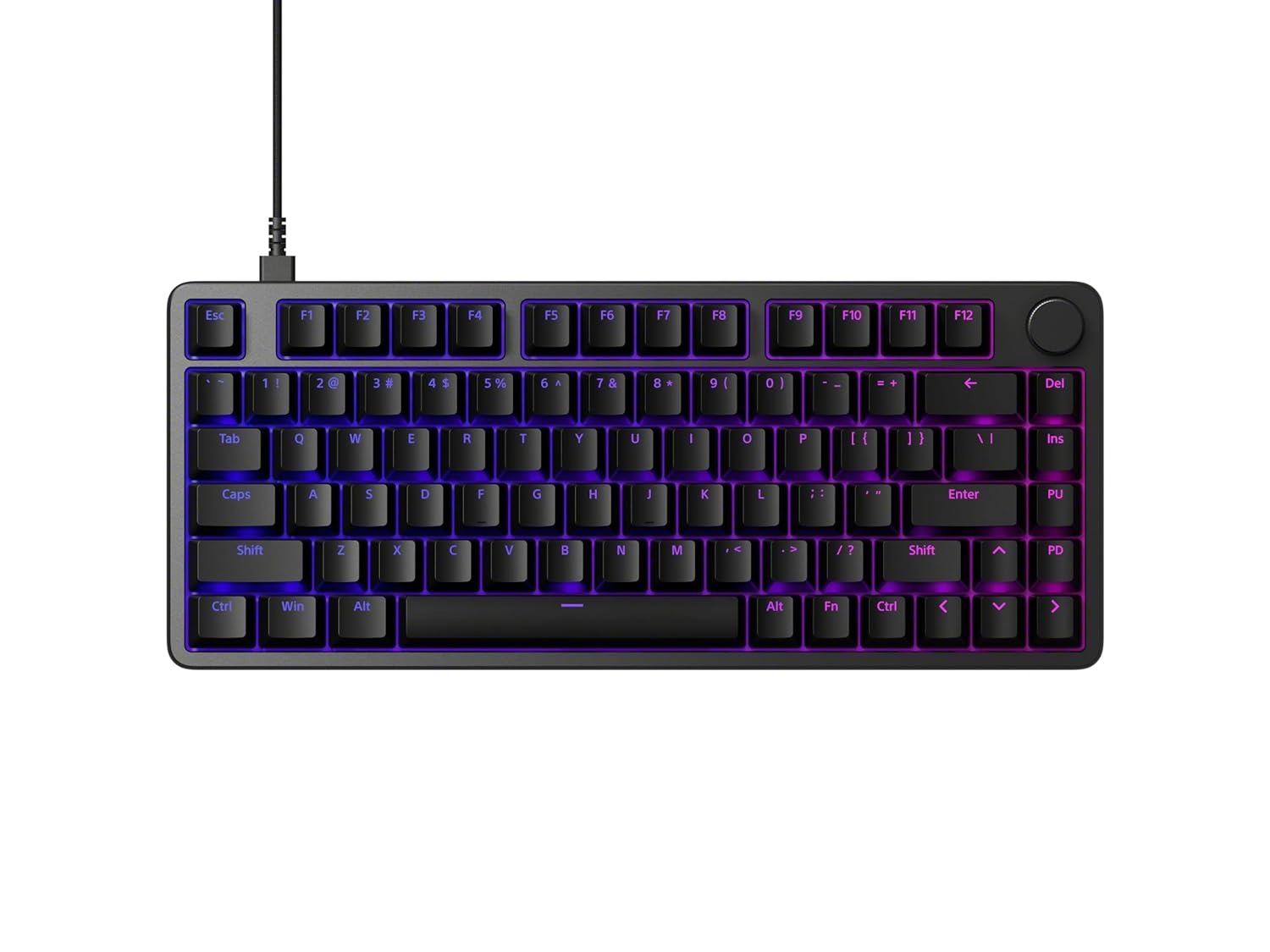
Epomaker has launched the HE80, a wired mechanical keyboard featuring Hall effect magnetic switches and ultra-fast input technology. The keyboard is now available both in China and globally. It is priced at 359 yuan in China and $69.99 for international buyers.

Epomaker HE80 Keyboard

Epomaker HE80 Keyboard Specifications

The HE80 supports an 8000Hz polling rate and a 32,000Hz scan rate, delivering an ultra-low input latency of just 0.125 milliseconds. This allows the keyboard to register keypresses almost instantly, making it suitable for competitive gaming and high-speed typing tasks.

Epomaker uses linear magnetic switches based on Hall effect technology in the keyboard. These switches adopt a dual-rail structure for added stability and require 30gf of actuation force. The actuation distance is adjustable between 0.1mm and 4.0mm, with fine-tuning possible in 0.01mm steps. Actuation points and total key travel can be customized per key to suit different preferences or applications.

The keyboard features a Gasket-mounted structure with a reinforced FR4 positioning plate. Epomaker has added multiple layers of dampening material, including a latex sandwich pad, IXPE under-switch foam, PET insulation film, and bottom-layer silicone. These components help reduce vibrations and hollow sounds during use.

Epomaker HE80 Keyboard

Keycap materials include two-tone PBT for most keys, while the Escape, Backspace, Enter, and Spacebar use transparent PC. All keycaps follow the Cherry profile for a familiar typing feel. The keyboard also supports per-key RGB backlighting with an underglow layout to create ambient lighting effects.

Connectivity is wired-only, which ensures stable performance for high-frequency data transmission. The HE80 includes support for advanced input functions such as SOCD cleaning, Dynamic Keystroke (DKS), Toggle Layer (TGL), and macro programming. These features are accessible through Epomaker’s web-based driver software.

The keyboard measures 332.05 x 146.6 x 42.1mm and weighs 0.85kg. It includes dual-stage kickstands and a front height of 22.2mm for improved ergonomics.

In related news, Razer recently launched the BlackWidow V4 Tenkeyless HyperSpeed keyboard with hot-swappable switches and extended battery life. Keychron has also introduced the C1 Pro and C3 Pro mechanical keyboards, both supporting an 8K polling rate and SOCD cleaning.

For more daily updates, please visit our News Section.

Stay ahead in tech! Join our Telegram community and sign up for our daily newsletter of top stories! 💡

(Source)

OnePlus Nord CE 5 Gets First OxygenOS Update with Mind Space, Gaming Features, and Camera Improvements

OnePlus has started rolling out the OxygenOS 15.0.2.311 update for the Nord CE 5 in India. This marks the first software update for the newly launched device. It comes with a build version for the Indian region is CPH2717_15.0.2.311(EX01). Details of the new features and changes included in this update are listed below.

OnePlus Nord CE5 OxygenOS 15.0.2.311

The update introduces a new AI feature called “Save to Mind Space.” This allows users to save screen content as memories, which are automatically summarized and archived within the app.

A new interconnection feature has also been added, enabling remote control of computers. Users can now use their phones to control their computers and access files remotely.

Camera performance has been improved in two key areas: color accuracy and overall stability, aiming to provide a smoother and more consistent photography experience.

For gamers, the update enhances responsiveness by increasing the touch sampling rate to 3000 Hz. An additional 300 Hz boost is available in Pro Gamer mode for more precise touch feedback.

System-level improvements include a fix for an issue that prevented some apps from being selected when taking screenshots in Split View. General system stability has also been improved.

This OTA update is being released incrementally, with a phased rollout planned to ensure system reliability. To manually check for software updates, go to the Settings page, select “About Device,” and tap on the blue ribbon at the top to see if an update is available. Indian users encountering any issues can report bugs using the OnePlus Community App by navigating to their profile and selecting the “Bug Report” option. Alternatively, you can dial *#800# to report problems directly.

For more daily updates, please visit our News Section.

Stay ahead in tech! Join our Telegram community and sign up for our daily newsletter of top stories!

(Source)

LG Unveils StanbyME 2 with Detachable 27-Inch QHD Display, Dolby Atmos, AI Processor, and 4-Hour Battery

LG has announced the global rollout of the StanbyME 2, a new version of its 27-inch lifestyle display. The screen detaches from its stand with one click, making it easy to use on a table, mount on a wall, or switch between portrait and landscape modes. A built-in strap lets users hang it like a framed clock or use it as an ambient display.

LG StanbyME 2

The display uses a 27-inch QHD panel with a resolution of 2560 × 1440 and a 60Hz refresh rate. It runs on LG’s α8 AI Processor, which adjusts brightness and tone based on ambient lighting. Audio is handled by 10W side-firing speakers with support for Dolby Atmos, AI Sound Pro for virtual 9.1.2 surround sound, and Clear Voice Pro for speech clarity. The speaker output changes automatically based on screen orientation.

LG StanbyME 2

The device includes a built-in battery that offers up to 4 hours of playback. Charging is supported through the docking stand or a USB-C cable. The display runs webOS 24 and supports hands-free voice control. It includes Apple AirPlay, Google Cast, LG ThinQ, and Google Home integration. Apps like Mood Maker and Let’s Draw are preinstalled.

Connectivity includes one HDMI with eARC, two USB 2.0 ports, one 5V USB port, Bluetooth 5.1, and Wi-Fi 5. There is also a Game Optimizer dashboard. The unit supports accessibility options like high contrast, grayscale, and inverted colors.

LG StanbyME 2

The display weighs 4.3 kg without the stand and 15.2 kg with it. Dimensions without the stand are 623 × 364 × 28.5 mm. A mini remote and detachable power cable are included. It operates on AC 100–240V with less than 0.5W power in standby.

Pricing & availability

The StanbyME 2 is priced at SGD 1,799, USD 1,404, INR 1,20,760, and CAD 1,599.99. It is now available in Hong Kong and Türkiye. Launches in the US, Canada, Vietnam, and Singapore are set for July. The UK, Germany, France, and Spain will follow in August 2025.

For more daily updates, please visit our News Section.

Stay ahead in tech! Join our Telegram community and sign up for our daily newsletter of top stories!

(Source)