OPPO India has already confirmed that the flagship OPPO R17 Pro will officially make its entry into India on December 4. The company has now released further details of the R17 Pro’s launch itinerary which includes that the device will be up for preorder from December 1, days before its official launch.
The R17 Pro was first launched in China around July and later made its entry into Europe on October 24 as OPPO RX17 Pro. Apparently, the device will bear the R17 Pro moniker when its sojourn in India commences.
As a reminder, the OPPO R17 Pro houses a 6.4-inch AMOLED screen with a waterdrop notch, 19.5:9 aspect ratio and FHD+ resolution. The large-sized display of the phone offers a screen-to-body ratio of a whopping 91.5%. Its display is shielded by Corning Gorilla Glass 6. OPPO has embedded a fingerprint reader under the screen of the smartphone. The R17 Pro is powered by Snapdragon 710 chipset and 8 GB of RAM. The handset features an internal storage of 128 GB. The second SIM slot can be used for adding a microSD card. It is worthy to note that the device will be the first Super VOOC smartphone in India. The phone is also the first Oppo smartphone with three cameras on the back, with the third actually being 3D TOF depth sensor that can’t be used on its own. As for the price, the phone was initially introduced for CNY4,299 or $625 in China and in Europe, it is available for €599. The price may likely be slightly lower in India.
Oppo R17 Pro, the first triple camera phone from Oppo, is going to hit the Indian market soon. It has many flagship-class features but it is not completely flagship, and this makes its price to be more affordable than the main flagships from the most known brands. Here, we will compare it with the other affordable high-end phones from China released by Oppo’s sister companies Vivo and OnePlus. We are talking about OnePlus 6T and Vivo X23: is the new Oppo R17 Pro (also known as Oppo RX17 Pro in the European market) at their levels in terms of value for money? Here you will find the answer.
Oppo R17 Pro vs OnePlus 6T vs Vivo X23
Oppo R17 Pro
OnePlus 6T
Vivo X23
DIMENSIONS AND WEIGHT
157.6 x 74.6x 7.9 mm, 183 g
157.5 x 74.8 x 8.2 mm, 185 g
157.7 x 74.1 x 7.5 mm
DISPLAY
6.4 inches, 1080 x 2340p (Full HD+), AMOLED
6.41 inches, 1080 x 2340p (Full HD+), Optic AMOLED
6.41 inches, 1080 x 2340p (Full HD+), Super AMOLED
Triple 12 + 20 MP + TOF 3D camera, f/1.5-2.4 and f/2.6
25 MP f/2.0 front camera
Dual 16 + 20 MP, f/1.7 and f/1.7, OIS
16 MP f/2.0 front camera
Dual 12 + 13 MP, f/1.8 and f/2.4
12 MP front camera
BATTERY
3700 mAh, fast charging with Super VOOC Flash Charge
3700 mAh, fast charging with Dash Charge
3400 mAh, fast charging 22.5W
ADDITIONAL FEATURES
Hybrid Dual SIM slot
Dual SIM slot
Dual SIM slot
Design
With its huge 86.3 percent screen-to-body ratio, the smallest waterdrop notch, and the thinnest body, Vivo X23 is not only the most beautiful device in this trio but also one of the most beautiful phones released in 2018. It rocks a glass back and an aluminum frame and it is also available in gradient color variants. But OnePlus 6T and Oppo R17 Pro are still among the best phones as well when it comes to aesthetics.
Display
The displays of these devices look almost identical, but the one of the OnePlus 6T boasts a better color reproduction thanks to its great DCI-P3 coverage. Further, note that OnePlus 6T and Oppo R17 Pro are protected by Corning’s Gorilla Glass 6 that is the strongest protection existing for a smartphone’s glass. Vivo X23 lacks the Gorilla Glass 6 protection but it has a higher screen-to-body ratio and, as said above, a less invasive notch.
Hardware/Software
OnePlus 6T is definitely superior to both Oppo R17 Pro and Vivo X23 in terms of hardware and performance because it is equipped with the best chipset in the market: the octa-core Snapdragon 845 by Qualcomm running at a max frequency of 2.8 GHz. Further, it has a very optimized Android fork called Oxygen OS and it comes with Android Pie out of the box. Oppo R17 Pro takes the second place with its Snapdragon 710 and Color OS, while Vivo X23 has a slightly less powerful Snapdragon 670.
Camera
Oppo R17 Pro wins the camera comparison. It has a triple rear camera with variable focal apertures in order to adapt to every light condition, as well as OIS and a 3D stereo camera to capture depth information. Even its front camera is better than the ones of its opponents with a higher 25 MP resolution and an ultrawide lens.
Battery
OnePlus 6T and Oppo R17 Pro both have a 3700 mAh battery, but OnePlus 6T lasts slightly more and it is optimized better, probably thanks to Android Pie. It is able to arrive at the end of the working day with 30-35 percent of remaining charge, while Oppo R17 Pro has just 25 percent. Vivo X23 has a smaller 3400 mAh unit which is more than sufficient but far from achieving OnePlus 6T and Oppo R17 Pro’s results.
Price
Oppo R17 Pro and OnePlus 6T are available globally with starting price tags of €599 and €569, while Vivo X23 is only available in Asia and it costs about €500 there. Due to its smaller battery and its less powerful SoC I wouldn’t actually choose the Vivo X23, but, even though it has not a Snapdragon 845 (SD710 is enough for every scenario), I would personally pick the Oppo R17 Pro because of its better camera department and the micro SD slot.
Huawei is in the race to release a phone with a hole in its display and rumors say it will beat Samsung to it. Where Samsung’s contender is the Galaxy A8s, Huawei is expected to unveil the Nova 4. A concept render of the phone has surfaced online that shows what the phone might look like when Huawei unveils it next month.
The Nova 4 is shown here looking a lot like the Huawei P20 Pro with its triple rear cameras but ditching the notched display for a hole-in-screen display. However, unlike the P20 Pro, this Nova 4 doesn’t have a front-mounted fingerprint scanner thanks to its slimmer lower bezel. There also isn’t a fingerprint scanner on the rear which means it is most probably under the display.
The Nova 4 has a gradient finish and might as well be one of the nicest we have seen on a phone.
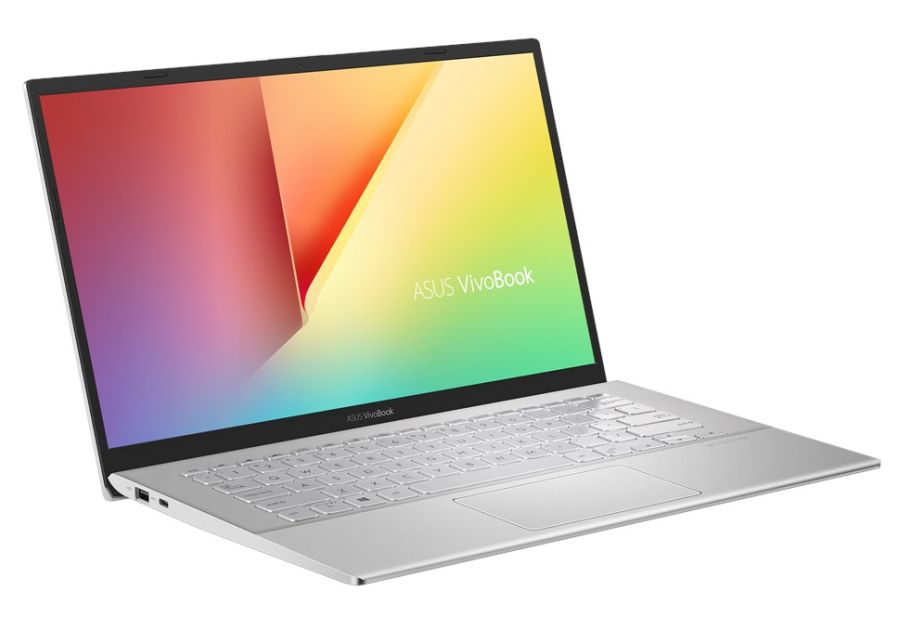
Taiwanese tech giant ASUS has launched a new laptop dubbed VivoBook 14 (X420). The new laptop comes with a revolutionary design which sees the laptop come in without a frame around the display. The laptop is also very compact and lightweight, yet studded with a fine hardware setup.
The ASUS VivoBook 14 (X420) features a frameless four-sided NanoEdge display with an 87% screen-to-body ratio for immersive viewing. The ultra-thin bezels around the display are just 5.7mm wide on all four sides. The incredibly slim bezel made it possible for the large screen to fit into a smaller chassis. The laptop is also equipped with the innovative ErgoLift hinge that tilts the keyboard to replicate the feel of a desktop keyboard for a more comfortable typing experience. The display panel comes with FHD resolution which includes a wide-view technology and exceptional color reproduction for lifelike visuals even when viewed from extreme positions. The compact sized laptop measures just 322.4 x 210 x 17.7mm and is said to be the lightest and most compact model in the current VivoBook 14 lineup. It weighs just 1.4kg.
On the specs end, the VivoBook 14 is powered by an 8th Generation Intel Core i7 processor can be specified with up to a 512GB SSD. It’s an everyday laptop that’s perfect for productive multitasking, multimedia editing, or casual gaming. In addition, dual-band 802.11ac Wi-Fi connections provide speeds of up to 867Mbps — 6X-faster than 802.11n — for seamless video-streaming and smoot’h web-surfing. The laptop also features Bluetooth 4.2, an optional fingerprint sensor built into the touchpad, a full-size backlit keyboard that’s perfect for working in dim environments. It has a sturdy one-piece construction and 1.3mm key travel for comfortable typing. Other features include an array of ports including USB Type-C, USB 3.1 Gen 1 Type-A, USB 2.0, HDMI output, and a microSD card reader for hassle-free compatibility with current peripherals, displays, and projectors. In addition, the laptop comes with a durable battery that is said to be 3X more durable than normal Lithium-ion batteries. The device also comes with fast charging technology which can deliver up to 60% battery power in just 49 minutes.
ASUS is yet to release details of its pricing and availability are yet to be released.
This year, OnePlus‘s tag lines have been related to speed. With the OnePlus 6, it went with “The Speed You Need” and for the new OnePlus 6T the tag line is “Unlock The Speed”.
Now OnePlus is set to take things further with a new partnership with British automotive company, McLaren. And the result of its partnership is the OnePlus 6T McLaren Edition, the first of future McLaren-branded OnePlus devices.
OnePlus and McLaren both took to their respective social media accounts to announce their new partnership and also to reveal there would be a co-hosted event on December 11. The URL of the page where OnePlus announces the partnership and the upcoming event contains “mclaren-6T”, so we are pretty sure the event is for the launch of the Oneplus 6T McLaren Edition.
The OnePlus 6T McLaren Edition will have a different color, probably orange just like McLaren’s official color. It should also have the McLaren logo. With respect to specs, OnePlus may decide to add extra RAM and storage and bundle it with McLaren branded accessories.
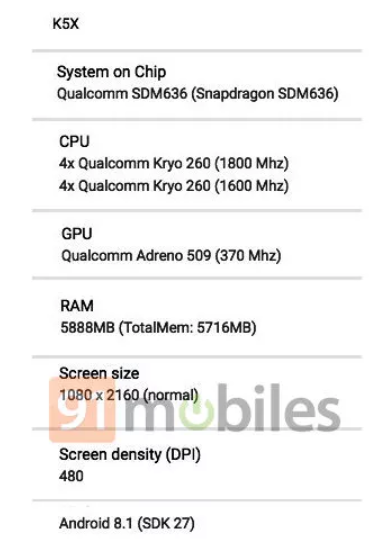
A new leak has revealed that Lenovo is working on a new mid-range smartphone. According to the source, the phone will launch as the Lenovo K5X, joining the resurrected K5 series.
The Lenovo K5X will be powered by a Snapdragon 636 processor paired with 6GB of RAM. There is no mention of the storage capacity but 64GB or maybe even 128GB might be what users will get.
There are a lot of other specs missing such as the screen size, cameras or even battery capacity. However, the leak does say it will have a 1080 x 2160 resolution and run Android 8.1 Oreo out of the box.
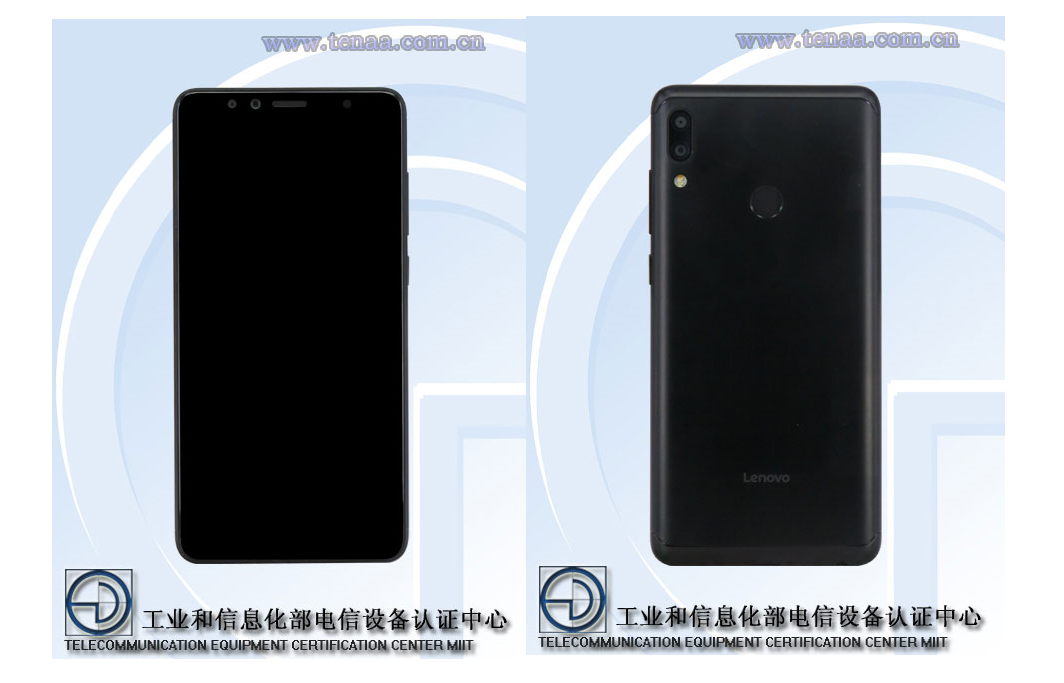
The source says the Lenovo K5X is the Lenovo phone with model number L38041 on TENAA. However, that phone has a 2246 x 1080 resolution which is different from the resolution above. It appears TENAA is wrong though as phones with that resolution have a notch and the added image shows the phone doesn’t have a notch.
The Lenovo L38041 has a 6.18-inch screen, a 1.8GHz processor with 3GB/4GB/6GB of RAM and 32GB/64GB/128GB of storage. On its back is a 16MP + 5MP dual-camera setup while an 8MP sensor is in front for selfies and video call.
It runs Android 8.1 Oreo, has a rear-mounted fingerprint scanner, and packs a 3930mAh (~4000mAh) battery. TENAA says it will come in black, gray, gold, silver and white. Images provided of the phone also show it doesn’t have a notch.
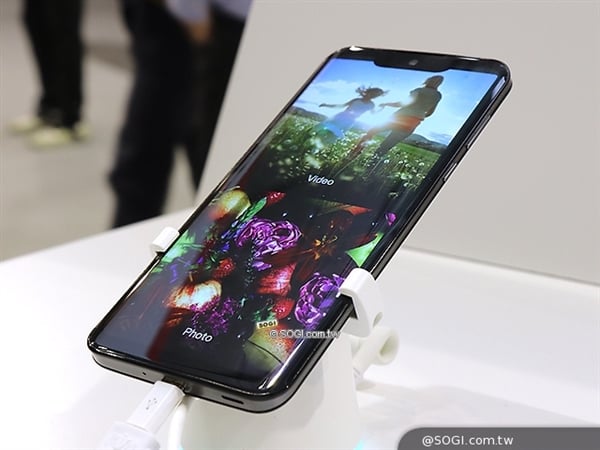
Japanese Electronics giant, Sharp, recently announced its first OLED display flagship at IFA 2018 labelled as Aquos Zero. The company known for its quality LCD panels showcased the handset that not only has an OLED panel but also has a curved display design and high-end specifications. Now, the brand has held a product launch conference in Taiwan announcing the Aquos Zero there. The company has not yet declared prices as an official release will be in January. However, the handset is believed to cost around NT$20,000 (about RMB 4,500).
The big highlight of the Aquos Zero is, obviously the curved 2k OLED panel. Sharp boasts that this is the lightest OLED flagship around tipping the scales at just 146g. That is achieved by the carbon fiber back in conjunction with the magnesium alloy frames that also make it a sturdy device. The display is 6.2-inches and has a pixel density of 538ppi and a resolution of 2992×1440p owing to the notch. The curved display has support for HDR as well as 100 percent DCI-P3 wide colour gamut.
Under the hood, the Aquos Zero rocks a Snapdragon 845 SoC paired with 6GB of RAM and 128GB of internal storage. There’a single 22.6MP rear sensor beneath which lies a fingerprint reader while the front has an 8MP shooter. It runs Android 9.0 Pie which is always good to hear on the back of a 3130mAh battery. It also comes with IP68 water resistance and Dolby Atmos stereo sound.
Since the poor performance of the flagship Helio X30 chipset, MediaTek seems to have given up on the high-end chipset market. Rather, the Taiwanese fabless chip manufacturer is focusing on the mid-range market in the last two years. The company first released the Helio P30 and later on the Helio P60 and recently, the Helio 70 was announced. The chipsets have received an appreciable level of patronage. The company is now set to release its next-gen midrange SoC and it is the Helio P80.
Details of the Helio P80 chipset includes that the it will be built on the same process as TSMC’s 12nm process but the architecture will be upgraded and the AI performance will be greatly improved. There are speculations that the AI performance is even stronger than Huawei ‘s Kirin 980 processor despite being a midrange chip. This was further buttressed by the AI benchmark results which placed Helio P80 and Snapdragon 8150 above the Kirin 980. In addition, the Helio P80 processor is tipped to be used on OPPO’s R19 billed to launch next year.
A report by Taiwan Business Times hinted that MediaTek’s Helio P60 was successfully used on the OPPO R15 in the first half of last year but the R17 series, released in the second half, abandoned MediaTek’s chipset. This has forced MediaTek to strengthen the processor performance in order to get sufficient orders for OPPO R19 in the first half of next year. Sources from the Taiwanese supply chain disclosed that the Helio P80 will be MediaTek’s main product for the first half of 2019 and will use ARM’s Octa-core architecture just like the P60/P70. The CPU/GPU architecture may be upgraded since only an improved AI capability won’t be enough to curry enough patronage especially when Qualcomm and Huawei processors are built on the faster 10nm process.
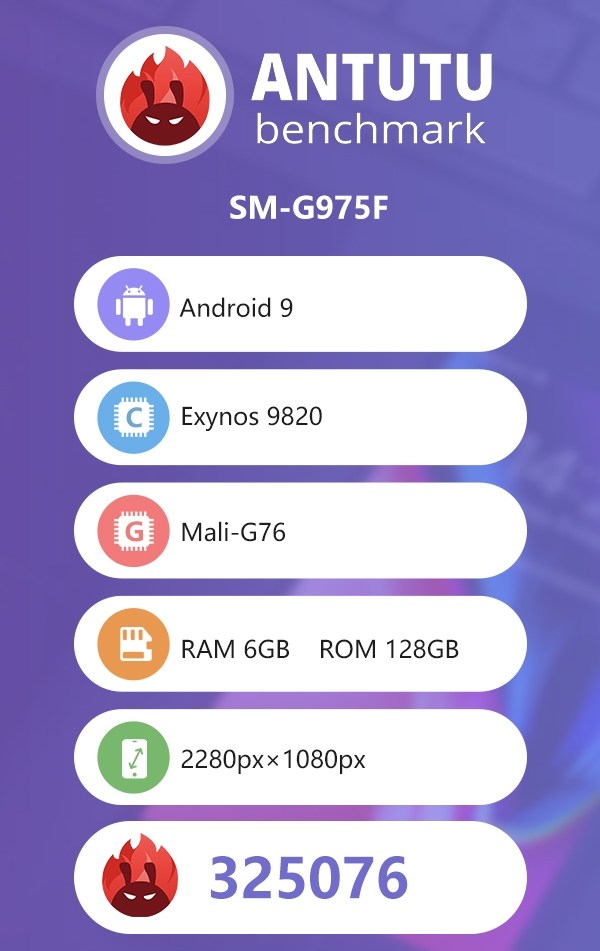
In a few months, Samsung will unveil new phones in the Galaxy S series. The Galaxy S10 Plus will be one of them and its AnTuTu benchmark result shows that it will be one of the most powerful phones released in 2019.
The Galaxy S10 Plus’ model number is revealed as SM-G975F and this is the variant powered by the recently announced Exynos 9820. It has 6GB of RAM and 128GB of storage. This will most definitely not be the only configuration at launch.
AnTuTu says the Galaxy S10 Plus has a screen resolution of 2280 x 1080 which translates to a 19:9 aspect ratio. The phone also runs Android 9 Pie which is what we expect of any flagship launching before Google announces Android Q.
Samsung’s next flagship scored 325,076 points in the test which puts it above all the Android phones currently being sold. However, the score is still far from that of the Snapdragon 8150 test device that surfaced a few weeks ago.
Samsung had launched the Ice Blue color variant for the Galaxy S9 and Galaxy S9 Plus in China and South Korea and now the color option is making its way to other regions as the ‘Polaris Blue’ color.
The Polaris Blue Galaxy S9 and S9 Plus will be available for purchase in Germany from early December for a price of €849 (approximately $960) and €949 (approximately $1,079) for the S9 and S9 Plus respectively.
The new Polaris Blue color is the sixth color for the Galaxy S9 series, joining the list of Coral Blue, Lilac Purple, Midnight Black, Sunrise Gold, and Titanium Gray. The Polaris Blue color has a dual-tone finish with blue color in the upper-half and silver-white shade in the lower half, creating a gradient pattern.
Both the smartphones were released back in March. The Galaxy S9 and S9+ feature 5.8-inch and 6.2-inch Super AMOLED display, respectively, which supports QHD+ resolution of 2960 x 1440 pixels.
Both phones are powered by Samsung’s Exynos 9810 octa-core processor with Mali G72MP18 GPU and Qualcomm’s Snapdragon 845 SoC, depending on the region. Along with a fingerprint scanner, both phones are also equipped with security features like improved KNOX and Intelligent Scan that combines Iris Scanner and face recognition.
The Galaxy S9 packs 4GB RAM while the S9+ packs 6GB RAM. One of the highlights of the Galaxy S9-series is that it comes with improved camera experience to take on the likes of Apple’s iPhone X and Google Pixel 2. The Galaxy S9 features a 12-megapixel dual pixel rear camera with LED Flash, f/2.4-f/1.5 variable aperture, and 960fps super slo-mo support.
The Galaxy S9+ comes with a 12-megapixel primary rear camera and 12-megapixel secondary camera along with f/2.4-f/1.5 variable aperture, LED Flash, and 960fps super slo-mo support. On the front, the devices feature 8-megapixel auto-focus camera with wide-angle lens and f/1.7 aperture.
The devices are running Android Oreo operating system out-of-the-box with TouchWiz custom interface on top. While the Galaxy S9 is powered by a 3,000mAh battery, the Galaxy S9+ is powered by a 3,500mAh battery.
Although it is just five years since Motorola announced the first Moto G smartphone, the series is set to enter its 7th generation next year. The Moto G series has expanded to include Plus and Play variants and next year’s version will be no different. Images and specs of the Moto G7 Play have surfaced on the web thanks to FCC documents.
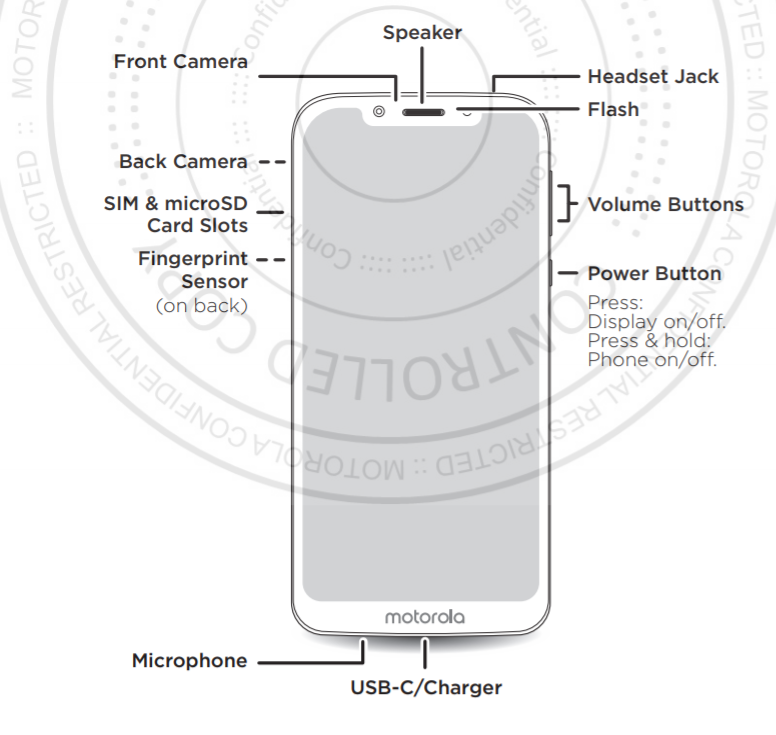
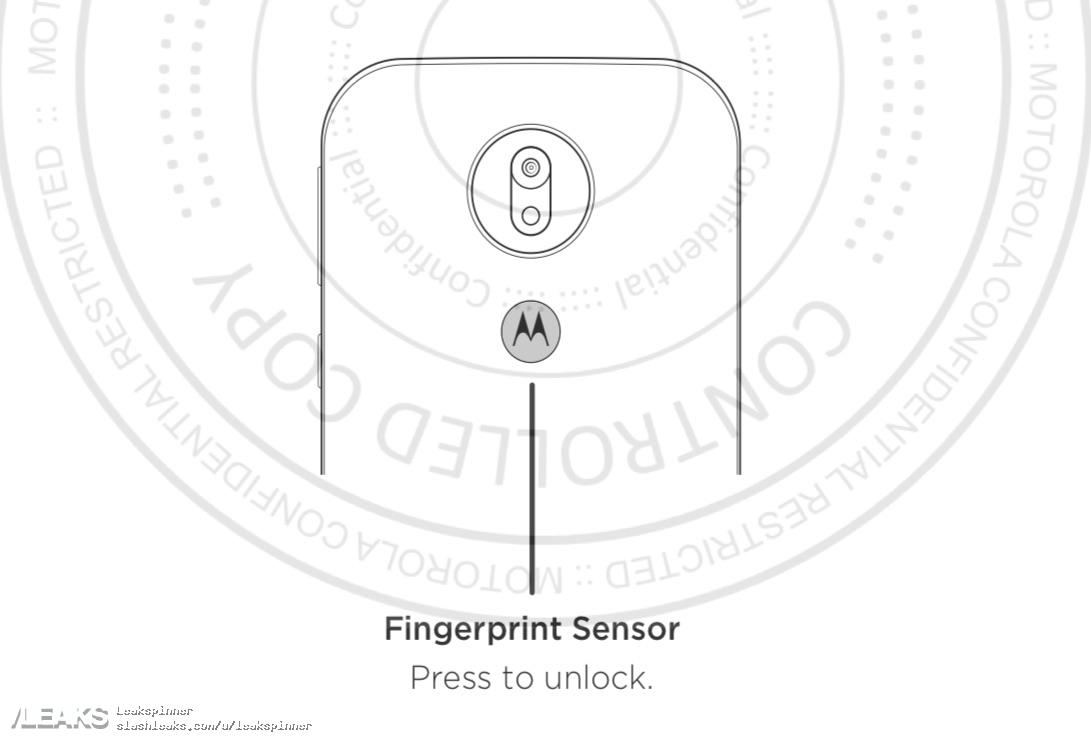
According to the images from the user manual, the Moto G7 Play will have a notch but not a water-drop type like that of the Moto G7 Plus and the Moto G7. The notch will be wider and will be home to the front camera, speaker and an LED flash. The bezel below the screen is a bit thick and even has the manufacturer’s name.
The Moto G7 Play will retain the single rear camera of its predecessor albeit with a slightly redesigned housing. It will also keep the fingerprint scanner under the Motorola logo and the audio jack at the top. However, Motorola has swapped the MicroUSB port at the bottom for a USB-C type. The volume and power buttons are on the right while the SIM card and MicroSD card sit on the left.
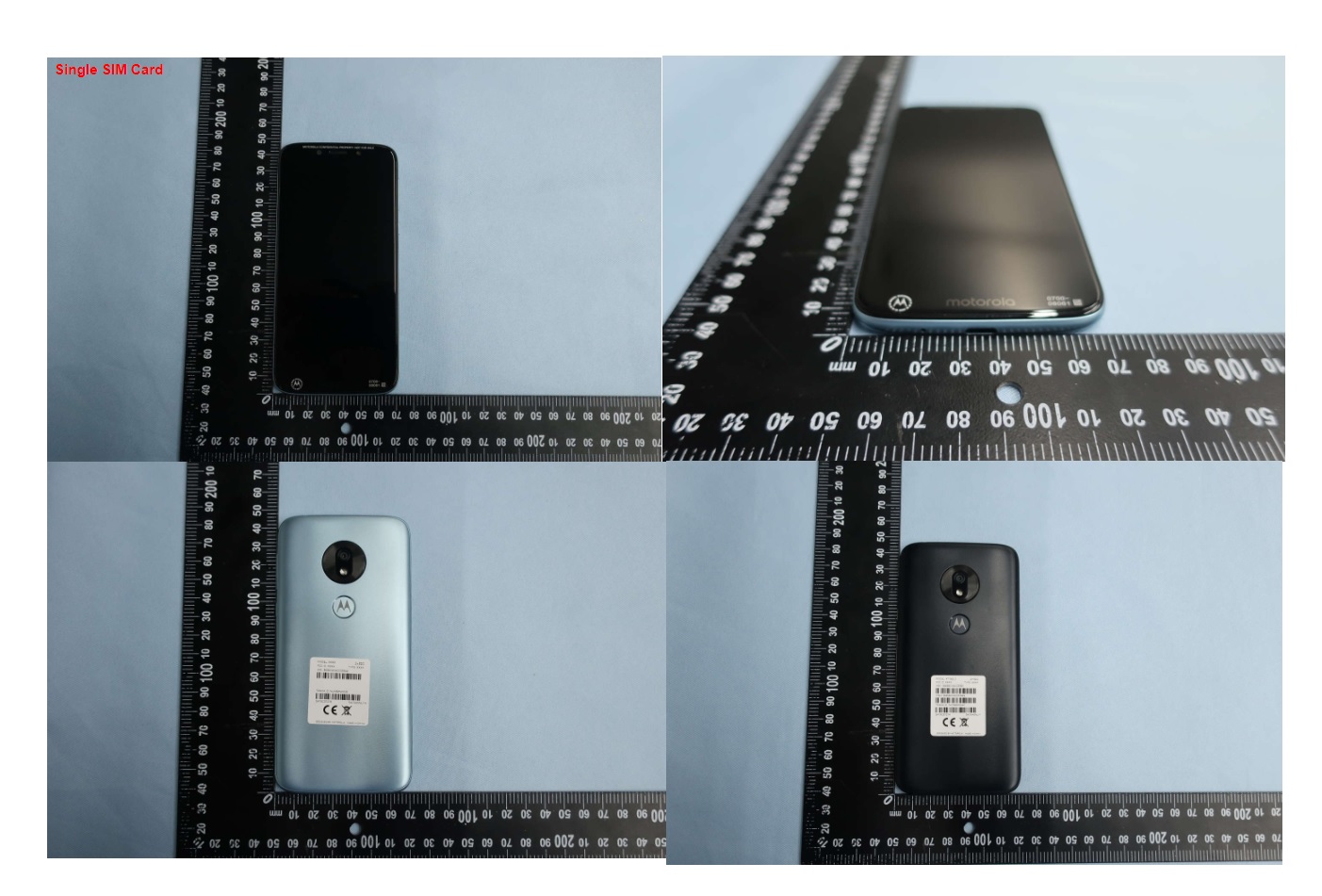
The Moto G7 Play will have a single SIM version and a dual-SIM version that has a triple card slot as shown in the image above. The phone will also have support for Face Unlock.
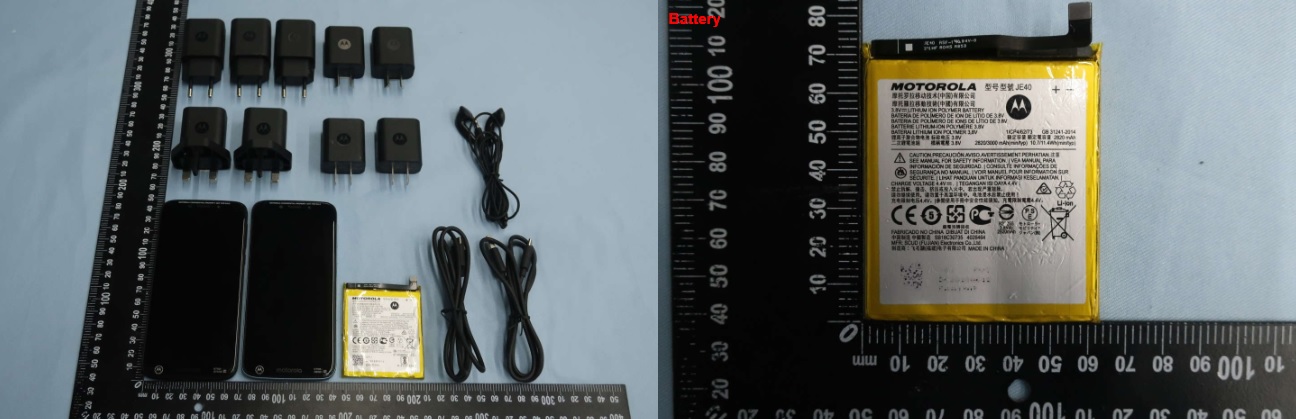
There are also a couple of live photos and one reveals the phone will come in Ice Blue and Black. Another image also shows the different chargers (5V 1A) that will come with the phone. We can make out a US plug, an EU plug, an AU plug (Australia) and a UK plug. So expect the Moto G7 Play to launch in these regions. There is also a pair of wired earphones.
After announcing the Mate 20 Pro at a launch event in London on 16th October, Huawei has now finally launched the phone in the Indian market, making it the first Mate series smartphone from the Chinese company to launch in India.
In India, the Huawei Mate 20Pro is priced at Rs. 69,990 (approximately $987) for the 8GB RAM and 128GB internal storage model. The company is introducing an offer under which is provides Sennheiser headphones worth Rs. 29,990 for free but the phone will cost Rs 71,990 (approximately $1,015).
The Huawei Mate 20 Pro will go on sale exclusively through Amazon India on 3rd December for the Prime members and the regular sale will begin from 4th December. It will be available in four colors — Midnight Blue, Black, Twilight and Emerald Green.
As for the specifications, the Mate 20 Pro features a notched 6.39-inch QHD+ AMOLED display with 3120 x 1440 pixels screen resolution. Under the hood, the device is powered by the company’s own Kirin 980 chipset, which is manufactured using the 7nm FinFET technology. It comes with 8GB RAM and 128GB internal storage with support for expandable storage up to 256GB.
For photography, it comes with Leica co-engineered triple camera resides on the backside of the phone. It includes a f/1.8 aperture 40-megapixel angles, a f/2.2 aperture 20-megapixel ultra wide-angle lens and a f/2.4 aperture and OIS enabled 8-megapixel telephoto lens with 3x optical zoom.
On the front side, the handset features a 24-megapixel RGB selfie camera with f/2.0 aperture. Housed inside the larger notch on top of the display, the camera sensors are paired with other sensors that are responsible for 3D face unlock feature.
The company says that the phone’s back is made using a Hyper Optical Pattern which prevents fingerprints. Further, the phone comes with an IP68 rating, making it water and dust resistant. As for the fingerprint sensor, Huawei has adopted the latest technology and is offering in-display fingerprint scanner.
Connectivity options include 4G LTE, Wi-Fi 802.11ac, dual-band Bluetooth v5.0, Bluetooth v5.0 LE with aptX, GPS/ A-GPS, GLONASS, and a USB Type-C port. It also comes with a dual speaker configuration, offering an immersive sound experience.
Running on Android 9 Pie-based EMUI 9.0, the phone is powered by a 4,200mAh battery with 40W SuperCharge fast charging technology. As per the company, it’s SuperCharge technology can charge the phone with 70 percent battery in just 30 minutes. It is also claimed to have the world’s fastest wireless charging technology and can also charge other devices as well.
Check out our review of the Huawei Mate 20 Pro here.
In the latest report from the Wall Street Journal, it is believed that the Trump administration could hike up tariffs on smartphones and mobiles made in China. It is highly likely that the increase in tariffs from 10-25% will take place from January 1st. It would impact all the companies who have their manufacturing hubs in China. Even, it’s own Cupertino giant will reel under this new hike as Trump added that it might include Apple’s premium iPhone product lineup also.
Well, reacting to these developments, Apple’s stocks crashed about 1.6 % on Monday. The Cupertino giant is already reeling from huge competition and a decline in sales; this will add up more uncertainty in the investor’s minds. Exactly, the president said, “Maybe. Maybe. Depends on what the rate is, I mean, I can make it 10%, and people could stand that very easily.”
The new US sanctions will affect the trade worth $200 billion of goods from China. All the mobile and laptop companies who are manufacturing products in China will have to pay 10-25% tariffs if they export their products to the US. Majorly, it is a huge setback for Apple. Until now Apple is exempted from any tariffs. The exemptions were made as several parts used in Apple products were manufactured in the US.
This latest development has made it clear that Trump is eager to get all the production back in the States. He has already recommended that the companies which are “running to China” should “build factories in the United States and to make the product here.”
Economists are terming this decision a bad one as it will slow down the US economy. If we go with either way i.e. opening factories in the US and increasing the import tariffs on items, both the roads are leading to the economy slow down.
Apple has not yet made an official statement, but we guess it is coming in the next few hours.
What’s your point of view? Share your thoughts via comments below.
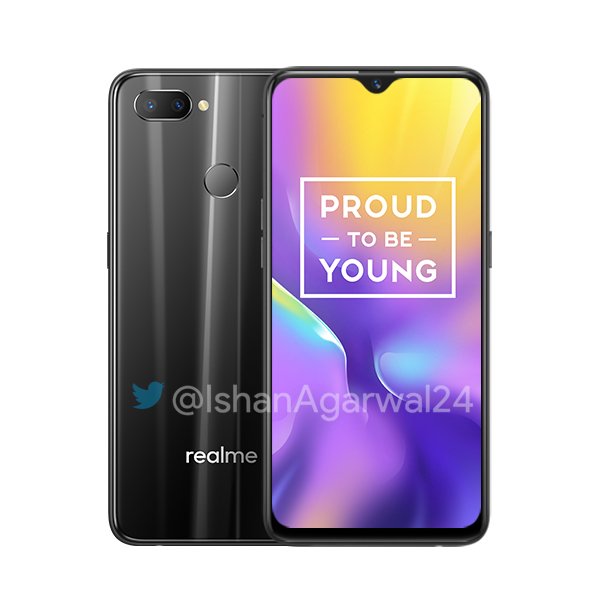
Realme has scheduled a launch event tomorrow, i.e. on 28th November to unveil its new Realme U1 selfie-centric smartphone — the first one under its new U-series. Now, ahead of the phone’s launch, all the information related to the device has been leaked online, including specifications, variants, color options, and pricing.
As per the leak, the upcoming Realme U1 will be available in two memory configurations — 3GB RAM with 32GB internal storage and 4GB RAM with 64GB internal storage. The phone will be available in three color options — Ambitious Black, Brave Blue, and Fiery Gold.
As for the pricing, the 3GB RAM model will be priced at Rs. 11,999 which roughly converts to $169 while the 4GB RAM model will cost Rs. 14,999, which is roughly about $212. Being the selfie-centric phone in this price range, it’ll be up against the likes of Xioami Redmi Y2.
Realme has already confirmed that the Realme U1 will come with “the most powerful selfie camera ever”. It is also confirmed to be powered by MediaTek Helio P70 12nm octa-core processor. The phone’s landing page on Amazon India reveals that it will feature a high-resolution depth engine, faster multi-frame noise reduction shot, anti-blooming engine, and accurate AI detection.
Latest leak reveals that the phone will come with a 25-megapixel front-facing camera with Sony IMX576 sensor and f/2.0 aperture. On the back side, there will be a dual camera setup consisting of a 13-megapixel sensor with f/2.2 aperture and a 2-megapixel secondary sensor with f/2.4 aperture.
According to the rumors, the phone could feature a 6-inch display with Full HD+ screen resolution of 2340 x 1080 pixels and 19.5:9 aspect ratio. With dewdrop notch, we are expecting a screen-to-body ratio of over 90 percent. The display will be protected by a layer of Corning Gorilla Glass 3 on top.
Connectivity options on the device include Dual 4G VoLTE, WiFi 802.11 ac, Bluetooth 4.2, and GPS. As for the software, the phone will come with Android 8.1 Oreo with ColorOS 5.1 on top. The phone is expected to be powered by a 3,400mAh battery.
Looks like tech buffs are in for a treat. As part of its recently kicked off Cyber Monday Deals Week campaign, GeekBuying is giving gadget lovers an opportunity to get up to a whopping 80% off on various tech gears.
We’ll shed light on some of the items that you can buy at unbeatable prices. On top of that, we’ll even show how you can save a considerable amount of extra money during the checkout process.
Xiaomi Mi 8 Lite (6GB RAM+128GB ROM)
Xiaomi unveiled the Mi 8 Lite this year in September and the phone became an instant hit among those who fancy watching their favorite videos on a big-screen mobile device. Equipped with a mammoth 6.26-inch IPS LCD display, the Mi 8 Lite would normally set you back a pretty penny but you can now buy for only $279.99 on GeekBuying. This is a 31% reduction in the phone’s original selling price of $405.99. Aside from receiving this discount, you can use coupon code SFGDGMIJ to get an extra $75 off. In other words, you can use the aforesaid coupon to reduce your grand total to only $264.99.
You can follow this link to grab the discount and check the full specification. Note that the promo is slated to end in 4 days.
Xiaomi Mi 8 (6GB RAM+256GB ROM)
Deemed as one of Xiaomi’s most well-received smartphones, the Mi 8 was announced in May this year. The phone comes loaded with impressive features and sports a big 6.21-inch FHD+ screen with 2248×1080 pixels resolution.
While you’d normally associate a steep price tag with a feature-laden smartphone from a top brand like Xiaomi, the Mi 8 can now be yours for a considerably lowered price of only $449.99. If this 36% reduction in the phone’s steep retail price of $700.99 doesn’t impress you much, you can apply coupon code LPCJNYWZ to save $145 more. As a result, your already lowered grand total comes down to only $434.99 before you proceed to checkout. If you’re interested in taking advantage of this discount, all you need to do is to follow this link before the promo ends in 4 days.
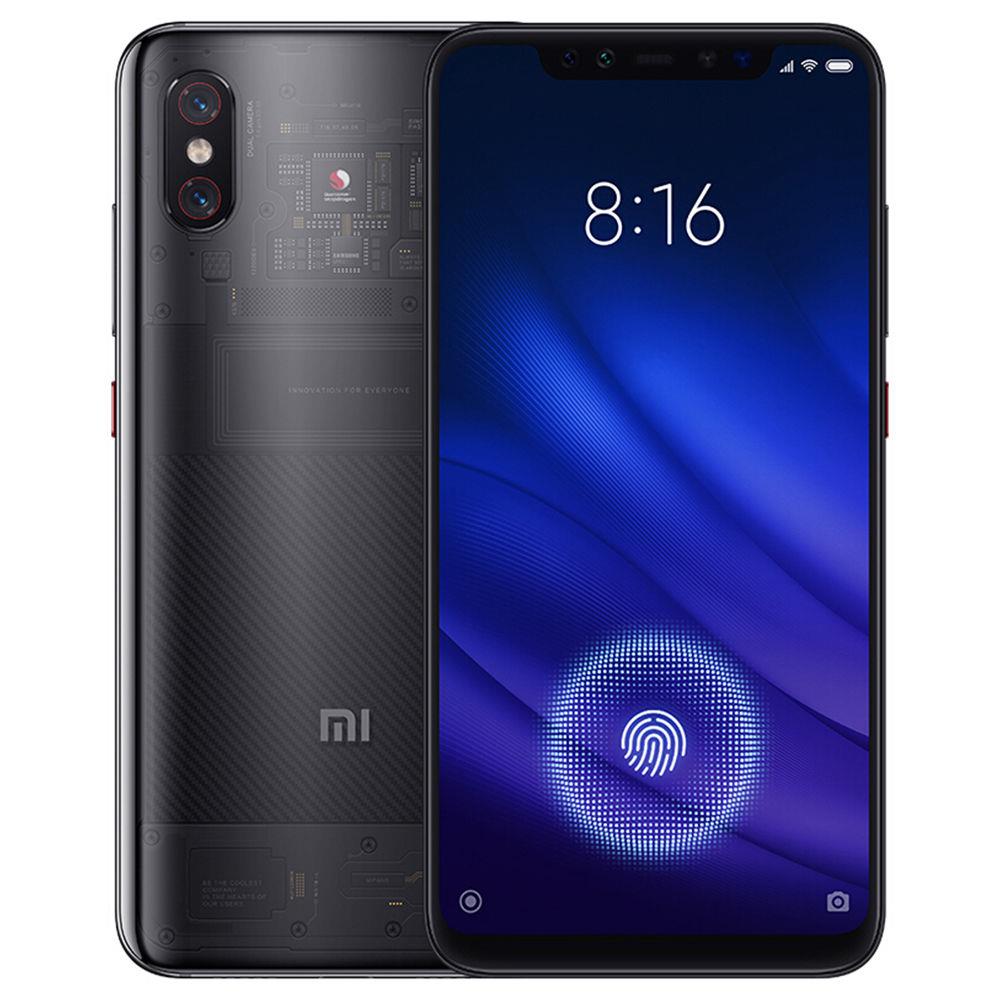
Xiaomi Mi 8 Pro (8GB RAM+128GB ROM)
If you’ve restlessly been waiting to get your hands on the Mi 8 Pro without spending a lot of money, it might interest you to know that the coveted smartphone from Xiaomi has gone up for sale carrying a heavily discounted price tag of $579.99 on GeekBuying. Note that the phone usually sells for $827.99.
You can extend this 30% discount by using coupon code DLISOLBB while checking out. The coupon helps you save an extra $135 by reducing your cart total to just $529.99 before you click the ‘Place Your Order’ button. An absolute bargain at this price, the Mi Pro features a 6.21-inch display with 2248×1080 pixels resolution. The phone is powered by Qualcomm’s Snapdragon 845 AIE, Octa core, 2.8GHz and it packs a competent Adreno 630 GPU, under the hood.
You can follow this link to check out more details about the Xiaomi Mi 8 Pro smartphone and grab the discount. Regrettably, the promo will only be valid for 6 days.
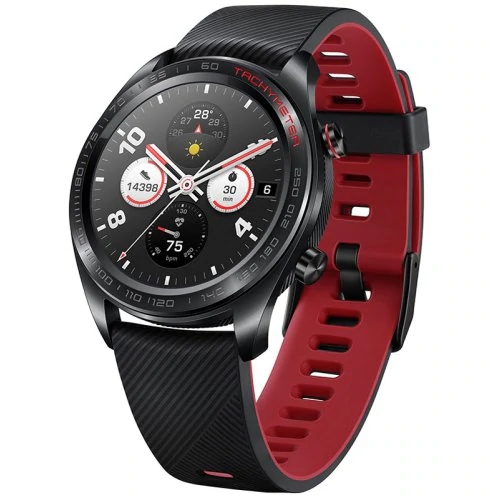
Huawei Honor Magic Smart Watch
This slim smartwatch from Huawei sports a 1.2 Inch AMOLED high-resolution display and has a thickness of 9.8mm. Moreover, it is equipped with a built-in multifunction NFC and supports Huawei Pay, AliPay as well as bus cards with NFC payment.
If you’re a fitness conscious person who fancies monitoring various activities like walking, running, cycling, swimming, mountaineering etc., you’re likely to end up spending a lot of money on a feature-rich smartwatch, but the Honor Magic smartwatch is now available for only $129.99 on GeekBuying. Note that the device normally carries a $239.99 price tag. You can save $52 extra by applying coupon code JDBKFDAG before placing your order. After applying the coupon your grand total reduces to only $119.99. You can visit this link to receive the discount before the promo ends in 4 days.
Teclast F6 Pro Notebook
Equipped with fingerprints Identification feature, the F6 Pro can be locked and unlocked using just your fingerprints. It runs Microsoft Windows 10 OS which boasts a slew of new features including the Edge Web browser.
The Teclast F6 Pro Notebook usually sells for $680.69 but you can now buy it for only $409.99 on GeekBuying. This is a 40% reduction in the device’s original asking price and you can use coupon code GKB115T to save $200 more during the checkout process.
Your cart value reduces to only $399.99 after applying the above-mentioned coupon. You can visit this link to avail the discount without wasting time as the promo will only be valid for 6 days.
SYL-03 Electric Skateboard
GeekBuying is doling out a noteworthy 20% discount the highly portable SYL-03 electric skateboard, which is a unique choice of the commute. The SYL-08 is a great choice when it comes to casual going out as well as leisure activities.
Capable of reaching a max speed of 40km/h, the SYL-08 would normally set you back $119.99, but thanks to the aforesaid discount, you can now buy it for only $95.99 on GeekBuying. Moreover, you can apply coupon code GKB012S to save an extra $16 during the checkout process. Your already lowered grand total reduces to just $79.99 after applying the aforesaid coupon. You can click here to buy the SYL-03 electric skateboard without emptying your pocket.
Xiaomi has started pushing MIUI 10 v8.12.26 beta update based on Android 9.0 Pie for Xiaomi Mi Max 3 in China. It’s good news for the Mi Max 3 owners, as they can now expect the stable update of the same in the next coming days or weeks. Usually, it takes a few weeks to test the beta build and refine it into the stable OS experience. This newly launched Xiaomi device is among a few products which are receiving Android 9.0 Pie update in China.
Xiaomi Mi Max 3 beta users opted for the update in late October. Now, the update has started to roll out on the devices of the registered users. The latest update brings various new features along with usual bug fixes and performance tweaks. It will also improve the functionality of the device by incorporating new enhancements. Mainly, Xiaomi Mi Max 3 users will get features such as full-screen gestures, Digital wellbeing, new notification options, new sounds and much more.
In order to successfully update the to the beta build, make sure to install the latest stable update via OTA before flashing the beta upgrade. Even, you need to uninstall Google Play app before flashing the new ROM. After successful installation, users can again reinstall the Google Play app. If you don’t follow these precautions, then your device can get stuck into the boot loop due to bad bugs.
It will take some weeks to reach the final stable version of the ROM. Right now, the beta build appears to be unstable with several bugs, and we hope in the future alterations Xiaomi will rectify them soon.
Additionally, Xiaomi Mi Max 3 carries a 6.3-inch display with an aspect ratio of 18:9. It is powered by a Qualcomm Snapdragon 636 SoC coupled with either 4GB or 6GB RAM. Xiaomi Mi Max 3 carries 128GB and 64 GB of internal storage variants. In camera, there’s a 12-megapixel + 5-megapixel dual rear camera shooter with AI. On the front side, you will get an 8-megapixel sensor with an LED light for selfies. It carries AI portrait modem, AI beautify and Face unlock features.
We expect the Android 9.0 Pie stable update in the upcoming few weeks. Well, how many of you have received the Miui 10 v8.11.26 beta on Mi Max 3?
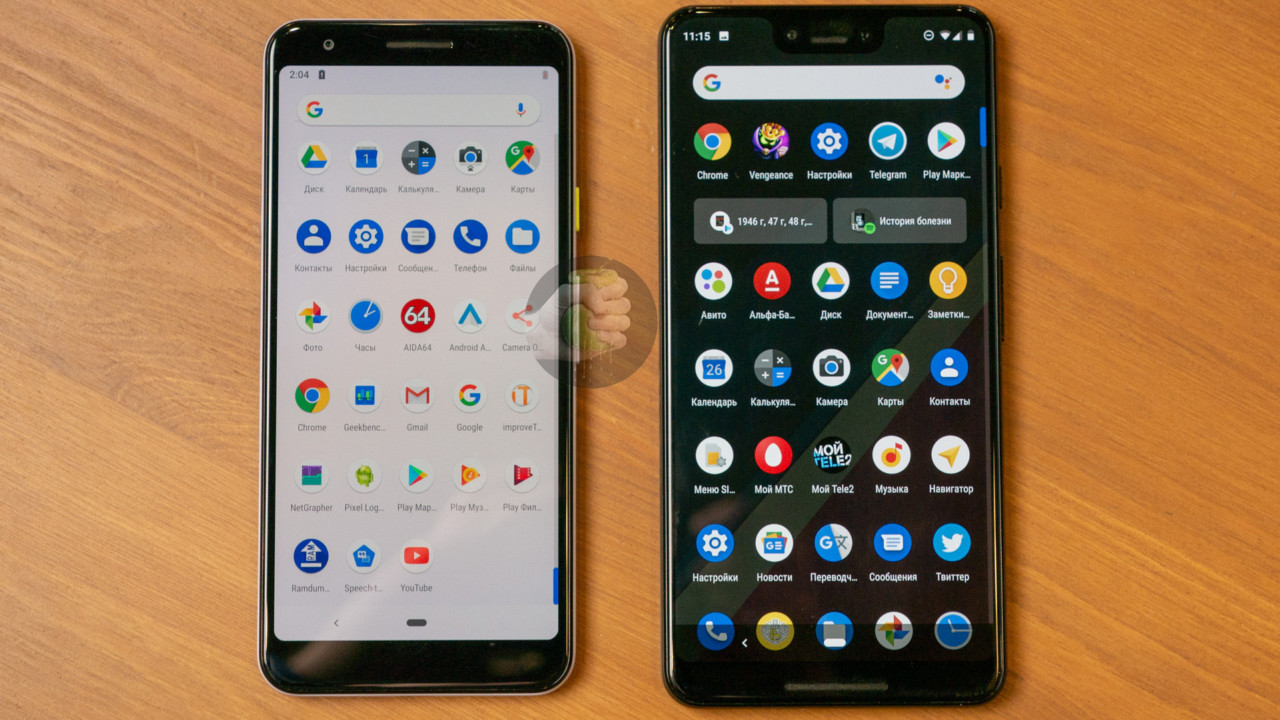
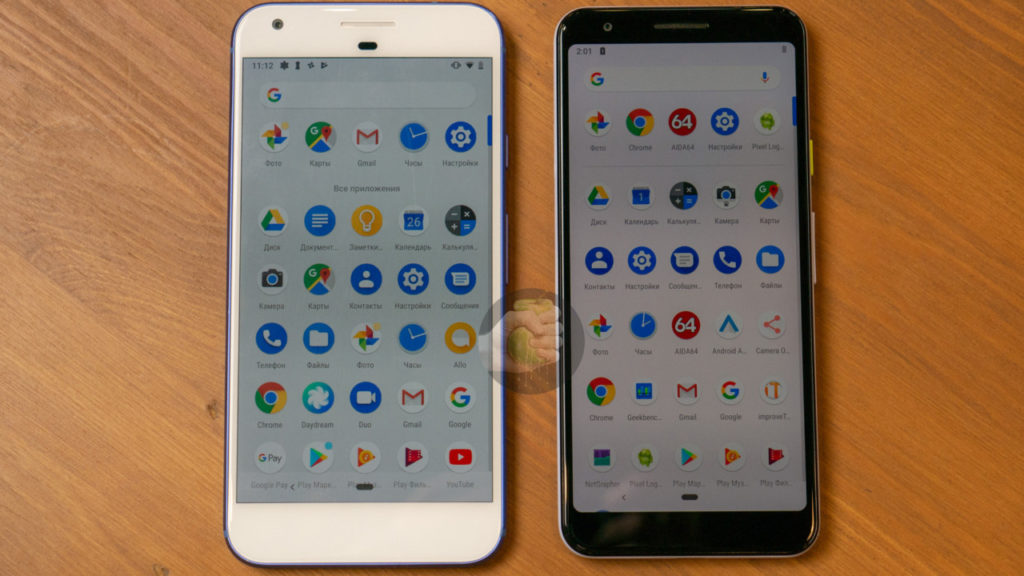
After launching the Pixel 3 and Pixel 3 XL flagship smartphones a few months ago, Google is now all set to launch “a simplified version of the Pixel 3” dubbed Pixel 3 Lite.
While we have already seen a few images of the Pixel 3 Lite, latest being a bunch of photos comparing the upcoming smartphone with other phones, including the Pixel 3-series and the Apple iPhone X.
Now, the latest information is related to the phone’s specifications. The Google Pixel 3 Lite is believed to be powered by Qualcomm’s Snapdragon 670 octa-core processor. The 10nm chipset features Kryo 360 cores and Adreno 615 GPU.
The phone will pack 4GB of RAM and 32GB of internal storage. There will be no microSD card slot, so you’ll have to make do with just 32GB of onboard storage. However, we are expecting a couple of variants of the phone with different memory configuration.
The most interesting piece of news related to the Pixel 3 Lite is the camera configuration. As per the report, the phone will come with the same camera module as the Pixel 3 and Pixel 3 XL. It will feature a 12-megapixel single rear camera with LED flash. On the front side, there will be an 8-megapixel camera for taking selfies and video calling.
Previous reports have suggested that the phone will feature a 5.56-inch display with a 2220 x 1080 pixels screen resolution. It will come with an LCD display instead of the OLED and there won’t be any kind of notch on top of the display. It will also come with a 3.5mm headphone jack and will be powered by a 2,915mAh battery.
While the Pixel 3 Lite is expected to have the same design as the Pixel 3, the phone will be made of plastic instead of the glass back body that we’ve seen on the Pixel 3 series. Another Pixel device with codename ‘Bonito’ has been revealed by ARCore APK insights, which could be the one powered by Snapdragon 710 chipset.
The Google Pixel 3 Lite is expected to be priced between $400 to $500, which is significantly cheaper compared to the Pixel 3 and 3 XL. According to the reports, Google is targeting developing markets for the Pixel 3 Lite, with India at the forefront.
Earlier this year, in August, Meizu launched its flagship devices dubbed Meizu 16 and Meizu 16 Plus. Now, the company seems to be all set to launch another flagship smartphone — Meizu 16S. Just like the name, the phone is also expected to feature the same design as the Meizu 16th.
However, a sketched render of the upcoming smartphone has been leaked online, which showcases the features of the phone. The leaked image shows that the phone will come with an in-display fingerprint sensor. This is not surprising given that the Meizu 16-series already features such sensor.
With more and more smartphone manufacturers trying to offer higher screen-to-body ratio, Meizu has also jumped onto the bandwagon. The render of the Meizu 16S shows the phone having a full-screen display with almost no bezels surrounding it. Surprisingly, there’s no notch of any kind on top of the display.
Coming to the back side, the phone features a triple camera setup with sensors lined-up vertically in the top-center position. Below the camera sensor is the usual Meizu’s iconic ring-shaped LED flash. A previous leak of the phone showcased that it will come with a USB Type-C port at the bottom flanked by a speaker grille and a 3.5mm audio jack.
As for the specifications, the smartphone could be powered by Qualcomm’s upcoming flagship chipset — Snapdragon 8150 which is said to have been manufactured using the 7nm design process. The chipset will be coupled with 8GB of RAM. There’s also a possibility that the Chinese company could add support for wireless charging.
Pricing information leak related to the Meizu 16S suggests that the phone could be priced around CNY 3,500 in China, which roughly converts to $504. For comparison, the Meizu 16 is priced at 2,698 Yuan (approximately $388) while the 16 Plus costs 3,198 Yuan, roughly $460.
The new smartphone codenamed ‘Sargo’ has been leaked once again in the wild along with some other devices. The upcoming and never confirmed device, Pixel 3 Lite has leaked in comparison photos against various iPhones and original Pixel device. The new images have showcased its design aspects which purely matches with original Pixel 2 with the difference in size. The new purported Pixel 3 lite is courtesy of Russian blog. The new images show its thick bezels on the right and left sides of the display.
We can also see the presence of Android Pie on purported Pixel 3 Lite in the image. There are multiple images of Pixel 3 Lite standing against different iPhone variants. Overall, from the front side, we only managed to see is round cornered display and similar overall design with curved corners. On the back, there’s a single rear camera with an LED flashlight and a fingerprint scanner on the center.
Additionally, Pixel 3 Lite also surfaced last week with some hands-on images. It led us to know about the plastic build along with USB- Type-C port at the bottom and a fingerprint scanner on the back. Surprisingly, Google has not ditched 3.5 mm headphone jack on Pixel 3 Lite.
[envira-gallery id=”224862″]
Pixel 3 Lite purported specs
Additionally, Pixel 3 Lite is rumored to host a 5.56-inch full HD+ display having a resolution of 1080 x 2220 pixels at an aspect ratio of 18.5:9. The display features 441 ppi of pixel density. It is speculated to come with Qualcomm Snapdragon 670 chipset with Adreno 615 GPU. It will be made available in 4GB RAM and 32 GB internal storage. In camera, you could see a 12-megapixel single rear camera with LED flash. There’s another shooter of 8 megapixels on the front side for selfies. To give you a better standby on battery, Google Pixel 3 Lite might come with 2915 mAh battery with Quick Charge 4+ support.
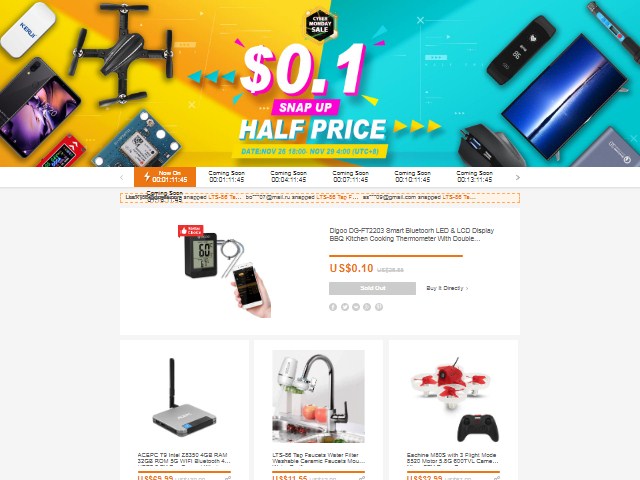
Banggood is now offering buyers an opportunity to take advantage of its recently commenced Super Snap Up Deals campaign that offers a limited quantity of numerous items at super low prices.
It is imperative for those interested in making a remarkable snap up to bear a few important rules in mind. First off, you need to activate your mailbox and set your default shipping address.
In order to ensure you get notified 30 minutes before the snap up kicks off, you need to click the ‘Alert Me’ button that’s placed right under the name of each product included in the ‘Coming Soon’ section. Banggood will send you a notification in the mailbox once you verify your email.
The next step involves keeping a watch on time and reloading the page exactly when one minute is remaining. After selecting the right specifics, you can start your snap up by clicking ‘Snap Up Now’ button when the time hits 00:00:00:00.
Alternatively, you can directly order the product if you’re willing to pay the regular price by clicking the ‘Continue Pay’ option. Once the order is completed you’ll receive a message that reads “Your order has been placed.”
But if you choose to play Snap-Up, it is worth noting that several players participate in this campaign and therefore there is only a thin chance that you might grab one. Also, you can pay only via PayPal for Snap-Up items.
If you end up missing a Snap-Up, you can try again as soon as the next round kicks off. If you’re interested in playing the Snap Up, all you need to do is to follow this link before the campaign comes to an end at 4:00 (UTC+8) on November 29th.
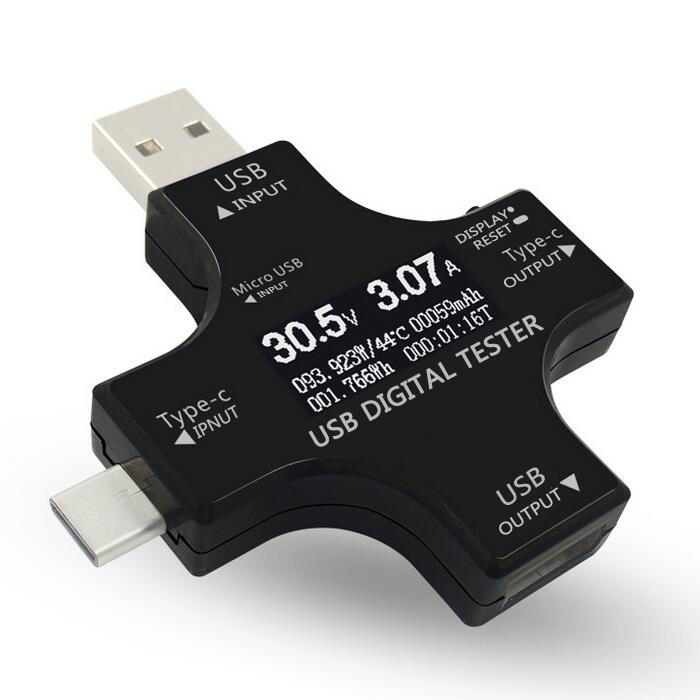
Items that will be available for Snap-Up shortly include the DANIU 2 in 1 Multifunctional Type-c USB, DC 12V 40W 968b LED Temperature Adjustable Electric Internal Heating Soldering Iron Solder Station, Mens Mesh Breathable Underwear, ARILUX E27 B22 8W SMD2835 White+UV Mosquito Killer and Digoo DG-TH8805 Wireless Five Day Forcast Version Weather Station.
We use cookies on our website to give you the most relevant experience by remembering your preferences and repeat visits. By clicking “Accept”, you consent to the use of ALL the cookies.
This website uses cookies to improve your experience while you navigate through the website. Out of these, the cookies that are categorized as necessary are stored on your browser as they are essential for the working of basic functionalities of the website. We also use third-party cookies that help us analyze and understand how you use this website. These cookies will be stored in your browser only with your consent. You also have the option to opt-out of these cookies. But opting out of some of these cookies may affect your browsing experience.
Necessary cookies are absolutely essential for the website to function properly. This category only includes cookies that ensures basic functionalities and security features of the website. These cookies do not store any personal information.
Any cookies that may not be particularly necessary for the website to function and is used specifically to collect user personal data via analytics, ads, other embedded contents are termed as non-necessary cookies. It is mandatory to procure user consent prior to running these cookies on your website.











 This is a 31% reduction in the phone’s original selling price of $405.99. Aside from receiving this discount, you can use coupon code SFGDGMIJ to get an extra $75 off. In other words, you can use the aforesaid coupon to reduce your grand total to only $264.99.
 As a result, your already lowered grand total comes down to only $434.99 before you proceed to checkout. If you’re interested in taking advantage of this discount, all you need to do is to follow
  An absolute bargain at this price, the Mi Pro features a 6.21-inch display with 2248×1080 pixels resolution. The phone is powered by Qualcomm’s Snapdragon 845 AIE, Octa core, 2.8GHz and it packs a competent Adreno 630 GPU, under the hood.
 You can save $52 extra by applying coupon code JDBKFDAG before placing your order. After applying the coupon your grand total reduces to only $119.99. You can visit
 Moreover, you can apply coupon code GKB012S to save an extra $16 during the checkout process. Your already lowered grand total reduces to just $79.99 after applying the aforesaid coupon. You can