Advertisement

OnePlus OxygenOS V80P00 Update Released: Full List of Supported Phones and Features

OnePlus has started releasing the OxygenOS V80P00 update for smartphones and tablets. The update went live on May 28, 2025, and will reach all supported devices by June 28, 2025. It brings system stability improvements and new features to Notes, File Manager, Phone Manager, and Private Safe.

OxygenOS V80P00

In the Notes app, users on OxygenOS 14 and above can now use rich text formatting in tables, including bold and italic text. The update also allows users to drag audio or video files to change their position in a note. Users can now share audio or video files directly to the Notes app or insert media from Camera, Photos, or My Files.

On OxygenOS 15 and above, File Manager now includes a “My Files” widget. This widget lets users pin and access tagged files directly from the home screen.

Phone Manager adds a new tool called “Recommended to uninstall.” It suggests removing apps that haven’t been used for a long time. This feature can be accessed by going to Phone Manager, then Clean Up Storage, then Apps, and finally Uninstall.

Private Safe, available on OxygenOS 14 and above, now allows file search. On supported models, users can encrypt single files up to 20 GB in size. The update also improves how decrypted images and videos are displayed, again on select models.

Supported Devices

OxygenOS 14 & 15:
OnePlus Open, 13, 12, 11, 10 series
Nord 4 5G, Nord CE4, Nord 3 5G, Nord CE3
OnePlus Pad, Pad 2

OxygenOS 14 only:
OnePlus 9 series, 8T
Nord 2T 5G, CE 2 Lite 5G, N30 SE 5G, N20 SE
OnePlus Pad Go

OxygenOS 13.1.0:
OnePlus 8, 8 Pro

OxygenOS 13.0.0:
Nord 2 5G, Nord CE 2 5G, Nord CE 5G

The update is rolling out in stages. Users are advised to check manually if they haven’t received a notification yet. Feature availability may vary based on hardware and software compatibility.

For more daily updates, please visit our News Section.

Stay ahead in tech! Join our Telegram community and sign up for our daily newsletter of top stories!
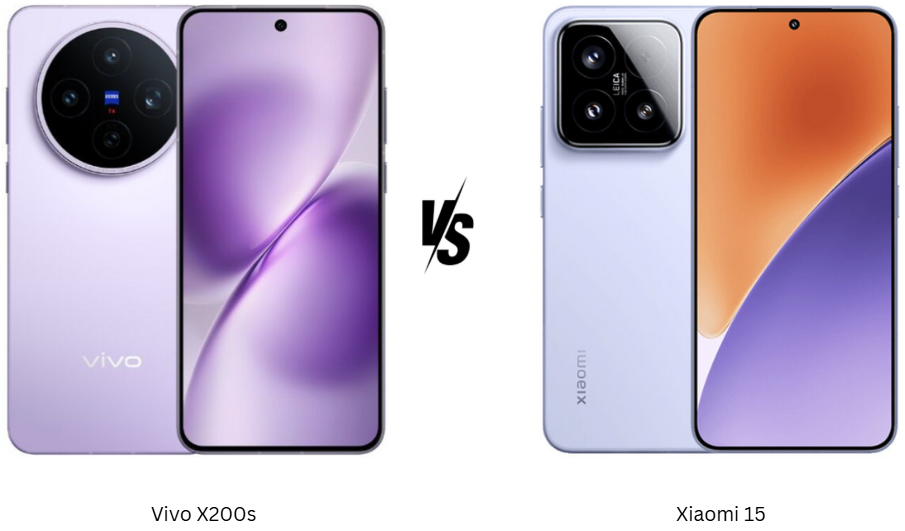
Vivo X200s vs Xiaomi 15: Performance, Cameras, and Value Breakdown

Vivo X200s and Xiaomi 15 represent two of the most powerful compact Android flagships of 2025, each pushing boundaries in design, performance, and imaging. With both devices packing top-tier hardware and advanced camera systems, this comparison is crucial for users seeking a high-end experience in a sleek form factor. Whether your priority is display quality, chipset power, or photography, understanding their differences helps clarify which device delivers better value and suits your specific needs.

1. Design and Display

Vivo X200S
vivo x200s

Build and Feel:
Both phones feature premium designs with IP68 water and dust resistance. The Vivo X200s emphasizes ruggedness with an IP69 rating and offers a slightly more durable build for those exposed to harsh environments or water-intensive use. It also uses a curved body design that feels more ergonomic in hand. The Xiaomi 15, however, feels lighter and more compact due to its smaller form factor and aluminum alloy frame. Xiaomi Shield Glass adds durability while keeping the phone sleek. While Vivo excels in robustness, Xiaomi takes the edge in hand comfort and sophistication.

Display Quality:
Vivo X200s features a 6.67-inch AMOLED panel with 1B colors, HDR10+, and an extreme 5000-nit peak brightness, making it outstanding for direct sunlight use. Xiaomi counters with a smaller 6.36-inch LTPO AMOLED offering a stunning 68B colors, Dolby Vision, and 3200 nits brightness. Xiaomi’s LTPO tech brings better battery efficiency and more accurate adaptive refresh. Though Vivo is brighter, Xiaomi’s color depth and HDR tuning are superior, especially for cinematic content.

Verdict:
Xiaomi 15 wins in overall design finesse and display richness, while the Vivo X200s offers better outdoor readability and rugged utility.

2. Specifications 

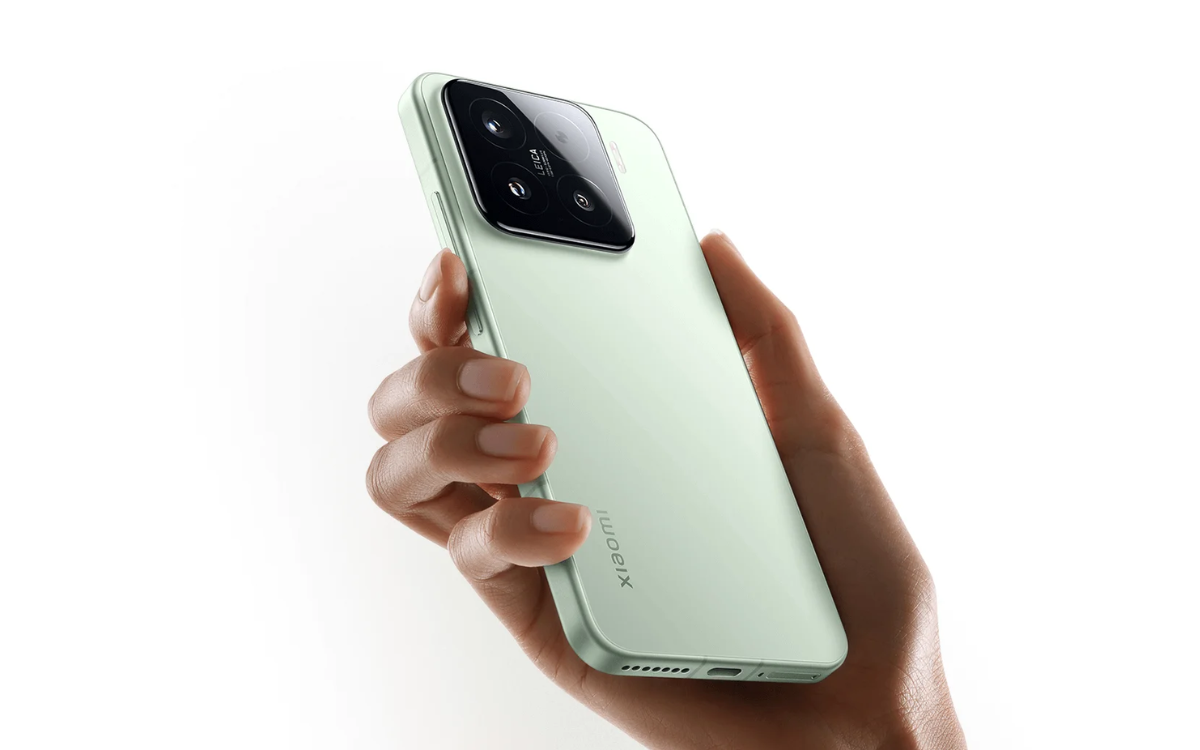
Xiaomi 15
Xiaomi 15

Performance:
Vivo X200s runs on the MediaTek Dimensity 9400+, with Cortex-X925 cores and Immortalis-G925 GPU, delivering flagship-level speeds. Xiaomi 15 uses the Snapdragon 8 Elite with newer Oryon cores and Adreno 830 GPU, giving it a raw performance edge, especially in GPU-heavy tasks and sustained thermal control. Xiaomi also benefits from UFS 4.0, slightly slower than Vivo’s UFS 4.1 in sequential read/write, but the Snapdragon chip balances this out in overall responsiveness. For gaming and sustained performance, Xiaomi is the stronger performer.

Battery and Charging:
Vivo X200s packs a larger 6200 mAh battery, paired with 90W wired and 40W wireless charging. Xiaomi offers a smaller 5240/5400 mAh battery but adds 50W wireless and 10W reverse wireless charging, plus a faster USB-C 3.2 interface. While Vivo has a larger battery life on paper, Xiaomi’s charging versatility is better suited for modern usage, especially with reverse wireless charging. However, for power users prioritizing screen-on time, Vivo offers more endurance.

Verdict:
Xiaomi 15 offers better processing power and charging versatility, while the Vivo X200s leads in battery life and efficiency.

3. Camera

Xiaomi 15
Xiaomi 15

Main and Secondary Lenses:
Both phones use triple 50 MP sensors, but the Xiaomi 15 uses a larger main sensor (1/1.31″) with Leica tuning and better video capabilities including 8K and Dolby Vision. Its telephoto offers 2.6x optical zoom, and the ultrawide covers a 115˚ field. Vivo’s Zeiss optics and 3x periscope telephoto lens give it a better optical zoom range, and the ultrawide is slightly wider at 119˚. In photography, Xiaomi captures richer colors and more cinematic video, while Vivo focuses more on precision zoom and consistency.

Selfie Camera:
Both offer 32 MP front cameras with 4K video support. Xiaomi provides a wider sensor with HDR10+ and EIS, making it better for video-focused content. Vivo’s selfie cam has an ultrawide 20mm lens, ideal for group selfies, but lacks HDR10+ for video. Xiaomi is better suited for vlogging or streaming, whereas Vivo suits wider, social-capture needs.

Verdict:
Xiaomi 15 offers superior main sensor quality and video performance, while the Vivo X200s is better for zoom photography and wide-angle selfies.

4. Pricing

Vivo X200s is priced at approximately $650, while the Xiaomi 15 costs around $1000. This $350 price difference positions the Vivo as a better value option, offering flagship features like a periscope zoom, a larger battery, Zeiss optics, and an ultra-bright display at a significantly lower cost. While Xiaomi offers more premium performance and Leica-tuned imaging, it comes at a flagship-tier price. 

For those prioritizing value without sacrificing much on core specs, Vivo provides more for less.

5. Conclusion

Vivo X200s
Vivo X200s

Vivo X200s stands out with its 6200 mAh battery, IP69 rating, and 3x periscope zoom, making it ideal for users who prioritize endurance, camera reach, and durability. Xiaomi 15 distinguishes itself with its Snapdragon 8 Elite chip, Dolby Vision video recording, 8K capture, and more refined display and audio tech, geared toward multimedia and performance-heavy users. Each excels in different premium areas.

Verdict:
Choose the Vivo X200s for superior battery, rugged build, and affordability. Choose the Xiaomi 15 for flagship-level performance, video capabilities, and compact design. The decision depends on whether performance or practicality is the bigger priority.

Read More:

HP Omnibook 5 Coming to India with Copilot+ PC Features and 14-Inch OLED Display

HP is set to launch the Omnibook 5 laptop in India soon. The Amazon landing page is live, confirming the main features. The laptop is positioned as a Copilot+ AI PC and comes with a focus on performance and long battery life.

The Omnibook 5 is powered by the Snapdragon X1-26-100 processor. It is an 8-core chip that handles up to 45 trillion operations per second and is claimed to be 3.1 times faster than Apple’s M1 chip. The laptop also includes HP AI Companion and CoCreate. These features let users create images from text and work faster on design and writing tasks using AI.

Battery life is one of its key highlights. The Omnibook 5 is rated to last up to 34 hours on a single charge. It also supports fast charging, reaching 50 percent charge in just 30 minutes.

HP Omnibook 5

The display is a 14-inch 2K OLED screen with a resolution of 1920 x 1200 pixels, 300 nits brightness, and a 16:10 aspect ratio. It uses a micro-edge design to offer more screen space in a compact form.

For video calls and content, the laptop includes a 1080p HP TrueVision camera with temporal noise reduction. Audio is supported by HP Audio Boost 2.0.

The official launch date has not been confirmed yet, but it is expected to arrive in the Indian market soon. Pricing and availability will be announced at launch.

For more daily updates, please visit our News Section.

Stay ahead in tech! Join our Telegram community and sign up for our daily newsletter of top stories!

(Source)

HKC launches 144Hz gaming monitor with 99% sRGB color gamut at an affordable price

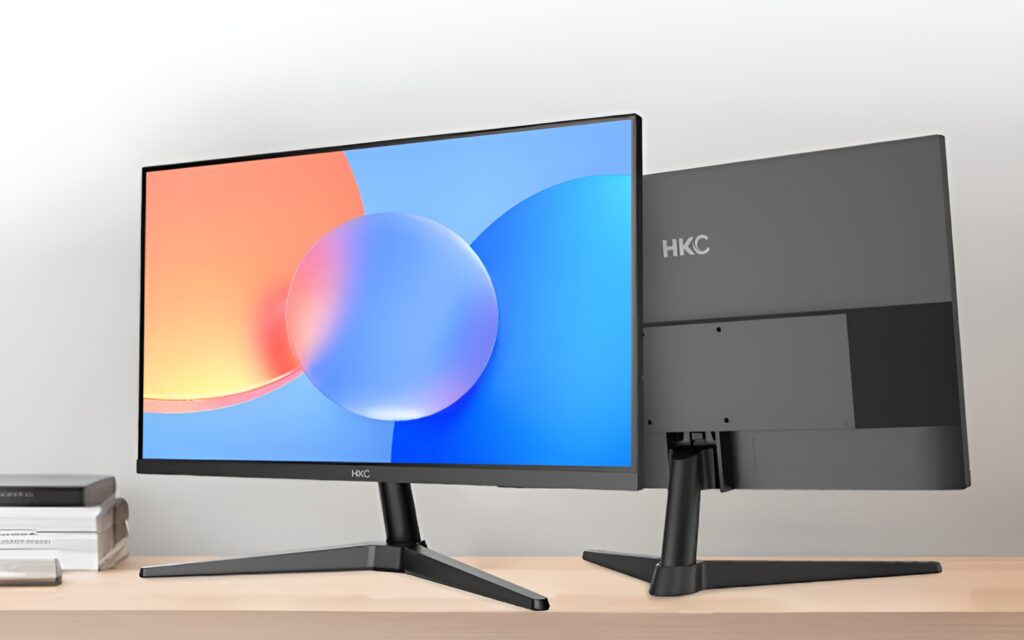
HKC has launched a new 27-inch monitor in China. The V2719 model is now available for purchase on JD.com, priced at 599 yuan ($83). It features a Full HD resolution and a high refresh rate, targeting users who need a reliable display for both productivity and light gaming.

HKC V2719 Monitor

HKC V2719 Monitor Specifications

The monitor uses a 1920×1080 IPS panel that supports a 144Hz refresh rate. HKC claims the display delivers wide 178-degree viewing angles and consistent image quality across the screen.

The panel supports 8-bit color depth and covers 99% of the sRGB color gamut, which helps improve color accuracy for tasks like basic photo editing or media consumption. The display reaches a typical brightness of 250 nits and features a 5ms GTG response time.

HKC has added flicker-free DC dimming and low blue light technology to reduce eye fatigue during prolonged use. These features aim to make the V2719 suitable for users who work long hours or watch content for extended periods. The monitor also includes multiple preset display modes accessible via the OSD menu. These include settings for cinema viewing, FPS/RTS gaming, and reading.

The V2719 comes with a tilt-adjustable stand, allowing users to set a comfortable viewing angle. It also supports 100x100mm VESA mounting for those who prefer using a monitor arm or wall bracket.

In terms of connectivity, HKC provides both HDMI and VGA ports, which ensures compatibility with a wide range of devices, including older systems. HKC has designed the V2719 with a minimalist black finish that fits well in home offices or workspace setups.

In related news, Acer recently launched the Predator XB273U X1 gaming monitor with a 2K resolution and native 200Hz refresh rate, offering high-end specs at a budget-friendly price. Redmi has also introduced the new G24 gaming monitor, which supports a 240Hz refresh rate and costs less than a typical gamepad.

For more daily updates, please visit our News Section.

Stay ahead in tech! Join our Telegram community and sign up for our daily newsletter of top stories! 💡
(Source)

Yaber K3 Smart Projector launched in India with 1080p, Google TV & JBL speakers

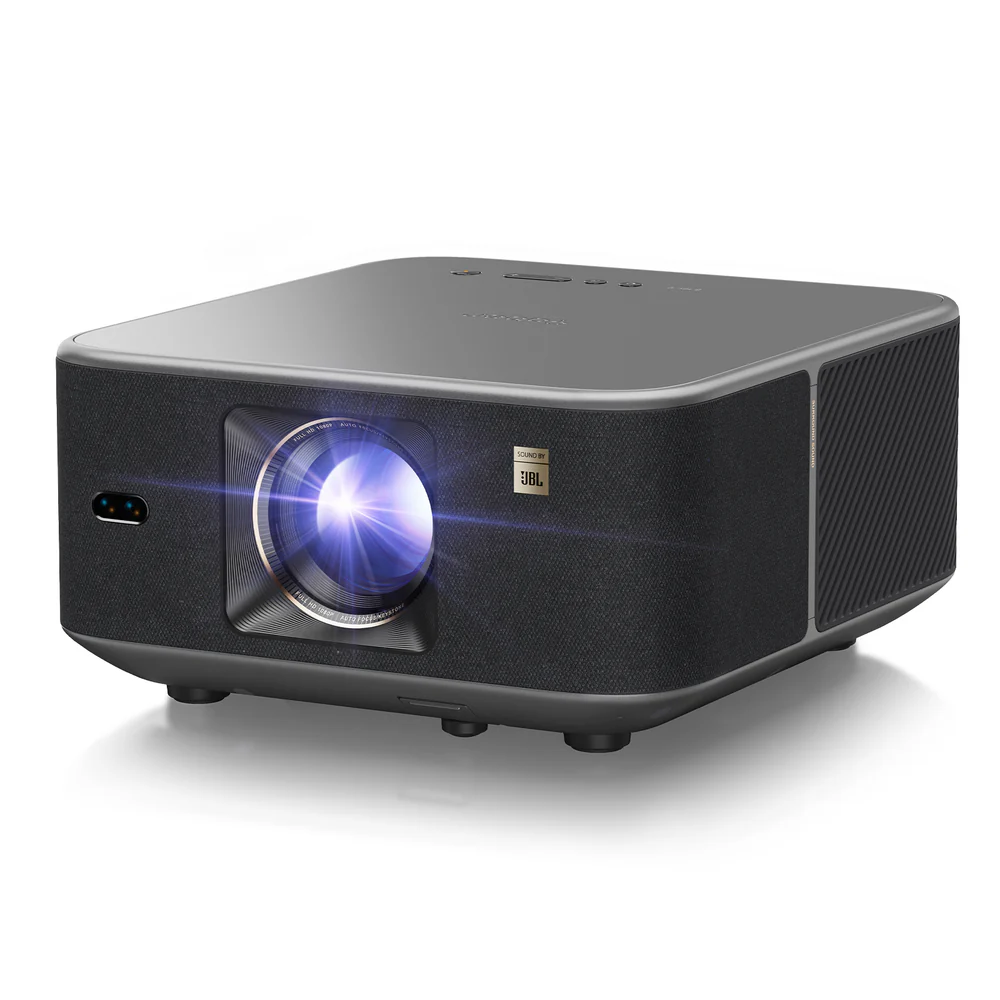
Yaber has launched the K3 Smart Projector in India. The projector is officially priced at Rs. 59,990 ($702) but is currently available for Rs. 42,990 ($504) on Amazon India. The K3 targets users looking for a feature-rich home entertainment projector with strong display and audio capabilities.

Yaber K3 Smart Projector

Yaber K3 Smart Projector Specifications

The Yaber K3 delivers Full HD (1920×1080) resolution with support for a wide range of media formats. The LED-based projection system pushes 1600 ANSI lumens of brightness, and Yaber’s proprietary NovaGlow optical tech claims to reduce ambient light interference by more than 30%, allowing for clearer images in varied lighting conditions. It can throw an image between 40 and 200 inches, with a 1.2:1 throw ratio that fits both living rooms and open terraces.

The projector features AI-powered autofocus and auto keystone correction, but it doesn’t stop there. It can detect obstacles in real time, align the screen automatically, and use a front-facing sensor to adjust the projection based on the shape and placement of the surface. This makes it almost fully self-adjusting, requiring minimal user input to set up a properly aligned screen.

On the audio front, Yaber is leaning into premium territory. The K3 includes 30W speakers tuned by JBL and backed by Dolby Audio, aiming to deliver room-filling sound without needing a separate soundbar. Whether streaming YouTube, bingeing on Netflix, or watching the IPL on Disney+ Hotstar, the audio output is designed to match the cinematic ambitions of its visuals.

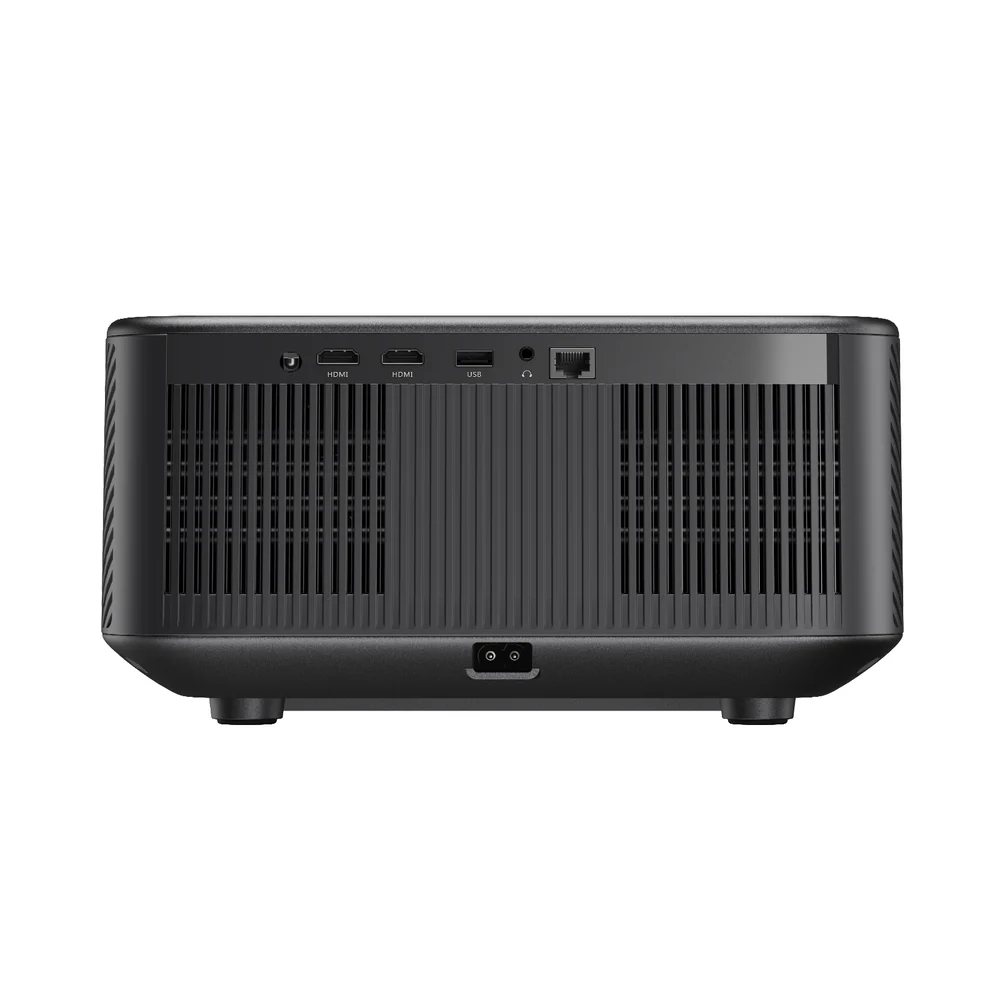
The K3 runs on Google TV, which means access to over 7,000 apps and a UI that’s familiar, fast, and voice-search ready. You can control it using the built-in Google Assistant or even summon Amazon Alexa, with both voice assistants available out of the box (currently in English and German). NFC casting is supported as well, alongside Wi-Fi 6, Bluetooth 5.0, and dual HDMI ports, while the rest of the I/O setup includes a USB-A port, LAN slot, and a headphone jack.

Yaber includes a built-in TV dongle, a remote control, an HDMI cable, and a power cord in the box. The projector weighs 5.1kg and measures 290 × 323 × 154 mm.

In related news, Hisense debuts its Discovery X1 Series Laser TVs with 4K resolution, Dolby Atmos, and up to 1000 nits brightness. Meanwhile, Jmgo unveils the P5X portable projector featuring 1080p resolution, 300 CVIA lumens brightness, and integration with Xiaomi’s smart home ecosystem.

For more daily updates, please visit our News Section.

Stay ahead in tech! Join our Telegram community and sign up for our daily newsletter of top stories! 💡
(Via)

Acer’s Predator XB273U X1 gaming monitor hits 2K 200Hz without hitting your wallet

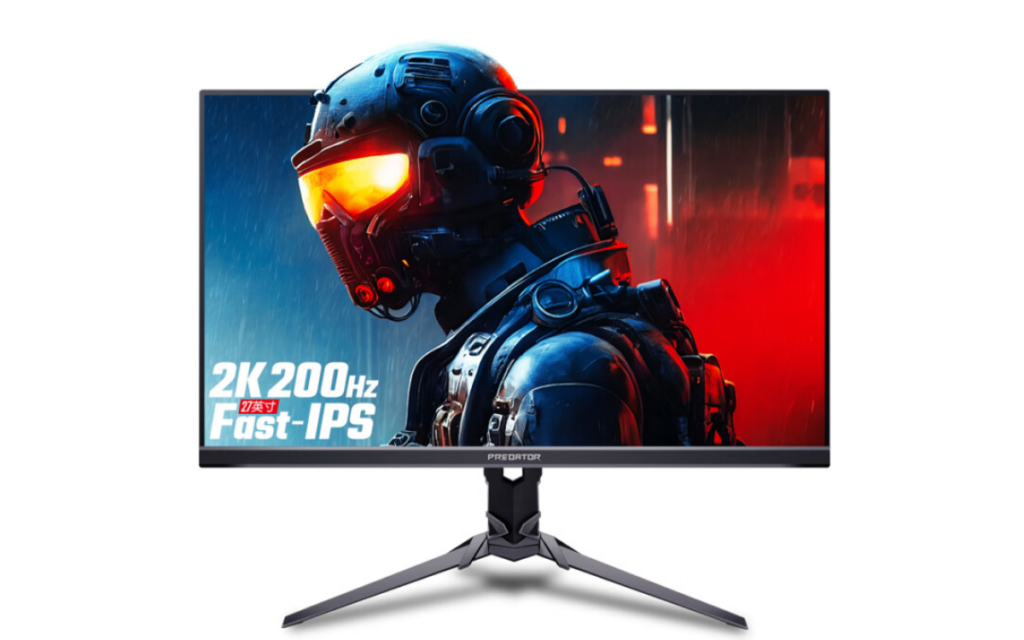
Acer has launched the new Predator XB273U X1 gaming monitor in China. The 27-inch display is now available on JD.com at a price of 1299 yuan (approximately $180). It targets gamers who want high refresh rates, fast response times, and solid color accuracy in a mid-range package.

Acer Predator XB273U X1

Acer Predator XB273U X1 Specifications

The Predator XB273U X1 features a WQHD resolution of 2560×1440 pixels on a Fast IPS panel. The screen supports a native refresh rate of 200Hz via DisplayPort and up to 144Hz via HDMI. Acer has rated the monitor with a 1ms (GtG) response time. These specs are aimed at delivering smooth motion and minimal input lag for competitive gaming.

The panel covers 90% of the DCI-P3 color gamut and supports 8-bit color, pushing out up to 16.7 million colors with enough vibrancy to make content creation or media consumption feel lively. It also comes with VESA DisplayHDR 400 certification, which may not rival OLED or mini-LED displays, but it still offers a noticeable upgrade over standard SDR with boosted highlights and enhanced dynamic range.

The monitor supports AMD FreeSync Premium technology, which synchronizes the refresh rate with the GPU to reduce screen tearing and stuttering. It also includes Acer’s eye-care features such as flicker-free backlighting, a low-blue-light mode, and ComfyView anti-glare coating.

The Predator XB273U X1 includes two 2W built-in speakers that can handle basic audio needs. The I/O options include two HDMI 2.0 ports, one DisplayPort 1.4, and a 3.5mm audio out jack. The monitor supports VESA 100x100mm wall mounting and comes with a fully adjustable stand that supports height, tilt, swivel, and pivot adjustments.

The design follows Acer’s Predator aesthetics with sharp edges, a cable management slot, and a metal claw-style stand. Acer is offering a 3-year on-site warranty in China with this model.

In related news, Redmi recently launched the G24 gaming monitor with a 240Hz refresh rate, priced lower than most game controllers, and the G27 monitor with 200Hz support for under $100.

For more daily updates, please visit our News Section.

Stay ahead in tech! Join our Telegram community and sign up for our daily newsletter of top stories! 💡

(Source, Via)

Vivo X200s vs iPhone 16 Pro: Does Vivo Outshine iPhone?

Vivo X200s and iPhone 16 Pro represent two flagship approaches from different ecosystems, Android and iOS, each bringing top-tier hardware, distinct software experiences, and advanced imaging technologies. As smartphone innovation matures, users face tougher choices when deciding between premium Android versatility and Apple’s tightly integrated ecosystem. This comparison highlights the key differences that matter most, helping to determine which device offers better value and performance for different types of users in 2025.

1. Design and Display

Vivo X200S
Vivo X200 S

Build and Feel:
Vivo X200s features a premium build with IP68/IP69 protection, offering superior water resistance even under high-pressure conditions. It includes an infrared port and maintains a sleek profile. In contrast, the iPhone 16 Pro uses a titanium frame with Ceramic Shield glass, which provides excellent durability and scratch resistance. It also carries IP68 certification but supports deeper submersion. The titanium chassis gives the iPhone a more luxurious in-hand feel. However, Vivo’s added functionality like the IR blaster and Zeiss optics partnership adds functional elegance.

Verdict: Vivo offers better utility with premium protection, but the iPhone feels more refined and high-end.

Display Quality:
Vivo equips the X200s with a 6.67-inch AMOLED panel supporting 1 billion colors, HDR10+, HDR Vivid, and an exceptional 5000 nits peak brightness. It delivers excellent visibility in all conditions and superb color accuracy. The iPhone 16 Pro uses a smaller LTPO OLED with HDR10, Dolby Vision, and 2000 nits peak brightness. While color accuracy is top-tier and software optimization is elite, it doesn’t match the extreme brightness or vivid output of Vivo’s panel. Vivo also includes Ultra HDR support and a higher resolution.

Verdict: Vivo wins on pure display specs, especially brightness and HDR support, although Apple still holds the lead in calibration.

2. Specifications 

iPhone 16 Pro
iPhone 16 Pro

Performance:
Vivo X200s uses the MediaTek Dimensity 9400+ with a 3nm process and a powerful Cortex-X925 core, backed by up to 16GB RAM and UFS 4.1 storage. It’s highly capable of multitasking and gaming. The iPhone 16 Pro’s A18 Pro chip, also 3nm, delivers unmatched single-core and sustained performance. Apple’s GPU and software integration provide superior graphics rendering and efficiency. While Vivo offers raw multitasking muscle and memory flexibility, the iPhone leads in optimized performance and app stability.

Verdict: The iPhone is better for sustained, efficient performance, while Vivo excels in RAM-heavy multitasking and file speeds.

Battery and Charging:
Vivo has a massive 6200 mAh silicon-carbon battery, offering significantly better endurance than the iPhone’s 3582 mAh cell. It supports 90W wired and 40W wireless charging, enabling fast top-ups and more versatile usage. The iPhone offers 25W MagSafe wireless and 27W wired charging with good optimization but slower top-ups. Vivo also includes reverse wired charging, missing on Apple’s side.

Verdict: Vivo clearly leads in battery life and fast-charging convenience, making it the better daily endurance phone.

3. Camera

Vivo X200S
Vivo X200s

Main and Secondary Lenses:
Vivo X200s features a triple 50MP system with a wide, ultrawide, and 3x periscope telephoto lens, enhanced by Zeiss optics, laser autofocus, and advanced color LUT support. It produces detailed, balanced shots across all scenarios. The iPhone 16 Pro counters with a 48MP main sensor, a 12MP 5x periscope telephoto, and a 48MP ultrawide, plus LiDAR for depth and spatial video capture. While Apple’s color science and video quality are more polished, Vivo delivers more uniform resolution across all sensors and better daylight detail with Zeiss tuning.

Verdict: Vivo offers more consistent resolution and features across all lenses, while the iPhone shines in video and low-light with LiDAR and ProRes.

Selfie Camera:
Vivo’s 32MP ultrawide front camera supports 4K video at 60fps, offering sharp and flexible framing. The iPhone uses a 12MP front camera with Face ID and a 3D depth sensor, also supporting Dolby Vision video. While Vivo wins on resolution and field of view, Apple’s front-facing video quality, stabilization, and depth effects remain industry-leading.

Verdict: iPhone has a more refined selfie camera system for video and portrait depth, but Vivo’s high-res sensor provides wider, sharper selfies.

4. Pricing

Vivo X200s is priced around $650, offering high-end features like a 6200 mAh battery, flagship-grade camera system, and bright AMOLED display. In contrast, the iPhone 16 Pro starts at $999, with a tighter ecosystem, smoother iOS experience, and better resale value. However, the hardware-to-price ratio heavily favors Vivo, which offers top-tier specs at a significantly lower cost.

Disclaimer: Prices are approximate and may vary based on country, region, and applicable taxes.

Verdict: Vivo wins clearly on value for money, delivering more features per dollar, while Apple justifies its premium with ecosystem benefits and polish.

5. Conclusion

iPhone 16 Pro
iPhone 16 Pro

Vivo X200s brings standout hardware features like a 6200 mAh Si/C battery, Zeiss optics, IR blaster, and ultra-bright AMOLED display. It also supports high-speed charging and ultra-flexible connectivity. The iPhone 16 Pro offers unique software-driven perks: spatial video capture, ultra-optimized performance, satellite messaging, and deep iOS-tied ecosystem features like AirDrop and FaceTime integration. It also uses UWB Gen2 and brings pro-level video tools with Dolby Vision and ProRes.

Verdict: Choose Vivo X200s for hardware-driven value, battery life, and camera flexibility. Go for the iPhone 16 Pro if iOS-exclusive features, long-term software support, and refined user experience are more important.

Read More:

Samsung Galaxy F36 5G edges closer to launch following Bluetooth SIG certification

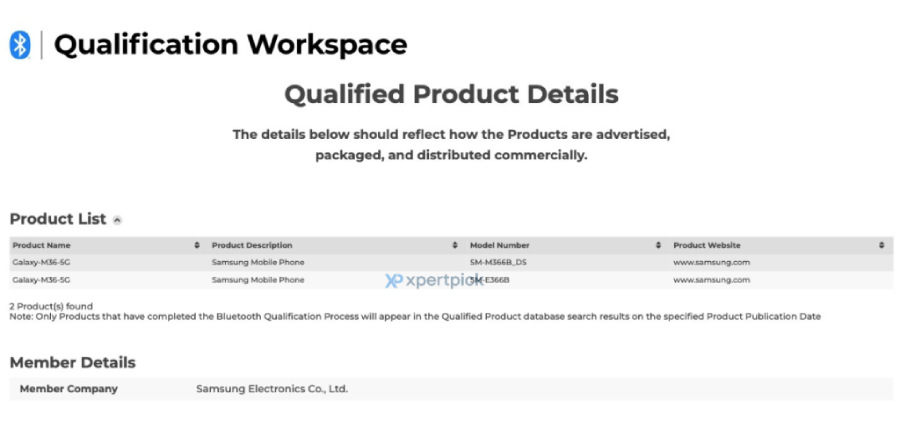
After appearing on official support pages last month, the Samsung Galaxy F36 has now surfaced yet again, this time in the Bluetooth SIG database. The device appeared on the certification site with model number SM-E366B/DS. 

This comes weeks after the same model was spotted on India’s BIS certification platform. There is still no confirmation about when the device will officially debut, but these backend developments often precede a launch by a few weeks.

Samsung Galaxy F36 5G Bluetooth SIG

Interestingly, Samsung skipped releasing a Galaxy F35 last year after launching the Galaxy F34 5G in August 2023. The apparent jump in numbering could be part of the brand’s rebranding strategy or a simple effort to align naming conventions with other series. 

Galaxy F36 will likely be a rebranded model

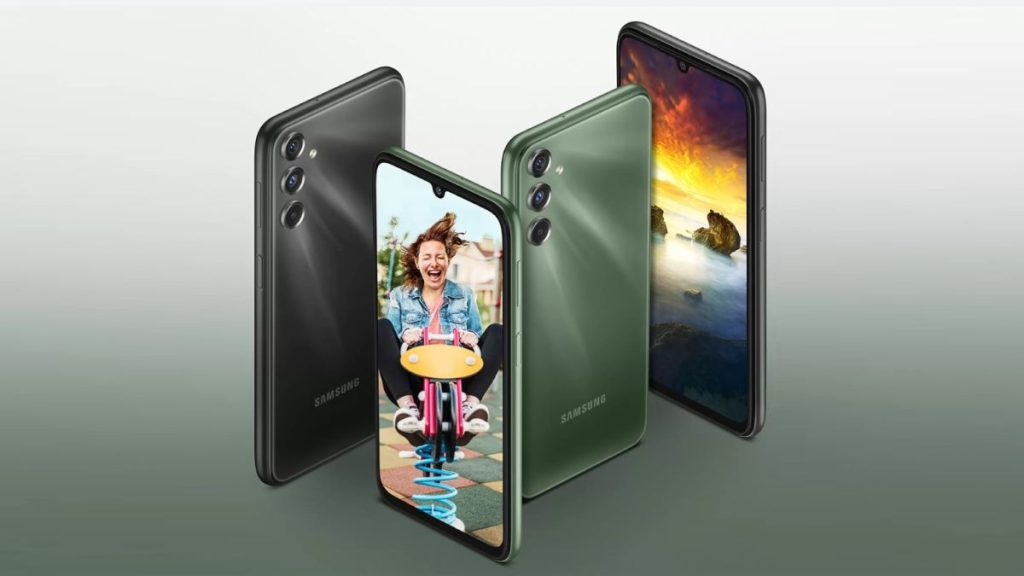
The F36 5G will likely follow a pattern similar to that of its predecessors. That is, it might closely resemble its M-series counterparts like the Galaxy M34 and F34, both of which share similar specs, apart from a few differences here and there.

Samsung Galaxy F34 5G image
Samsung Galaxy F34 5G

In this case, the Galaxy F36 5G is expected to be a reworked version of the yet-to-be-announced Galaxy M36 5G. The latter has also appeared on Geekbench with the Exynos 1380 chipset, 6GB of RAM, and Android 15. These specs could carry over to the F36 if the devices are indeed counterparts.

As of now, there are no official specifications listed for the Galaxy F36 5G on Samsung’s websites or certification documents. Based on Samsung’s previous strategy, it’s likely the Galaxy M36 will be sold via Amazon, while the F36 variant could be exclusive to Flipkart, continuing the brand’s platform-specific approach.

With multiple certifications now secured and support pages live, it’s clear that Samsung is preparing to make the Galaxy F36 5G official sooner rather than later.

Tech enthusiast? Get the latest news first! Follow our Telegram channel and subscribe to our free newsletter for your daily tech fix.

For more daily updates, please visit our News Section.

Redmi Pad 2 Set to Launch in India on June 5, Amazon Page Now Live

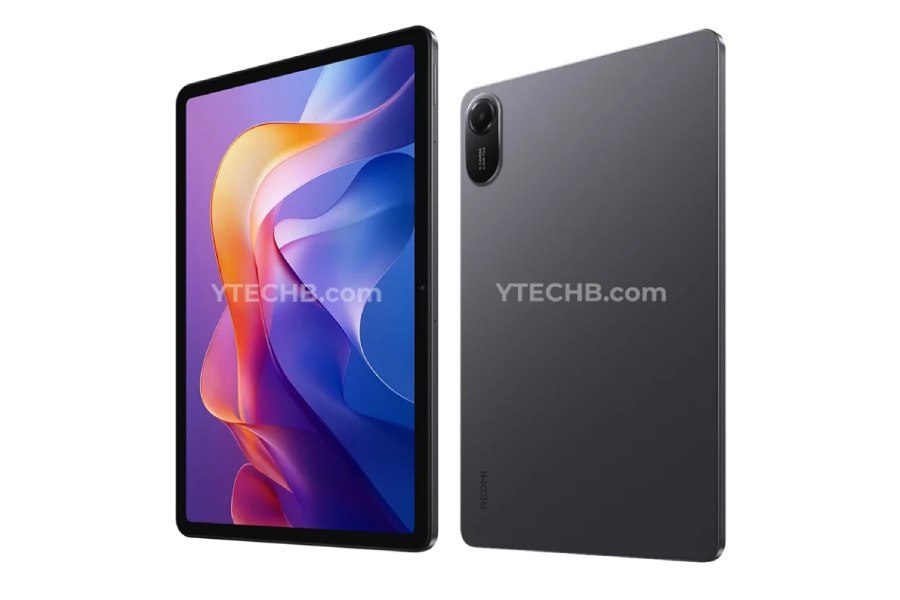
Xiaomi has officially confirmed that the Redmi Pad 2 will launch in India on June 5, 2025. The upcoming Android tablet is being promoted with the tagline “Built For More,” and its Amazon landing page is now live, offering a glimpse of what users can expect.

Redmi Pad 2

According to the teaser, the tablet will feature a longer battery life, a bigger and richer display, and a lightweight, compact design, positioning it as a bridge between phones and laptops. The listing hints at strong multimedia capabilities and extended usability for work or entertainment.

Redmi Pad 2

Both 4G + WiFi and WiFi-only variants have received BIS certification in India, confirming that Indian consumers will have multiple connectivity options. While these listings didn’t confirm specs, they indicated a global launch rollout.

With the India launch now confirmed, more details about the tablet’s specs and pricing are expected in the next few days. Full information will be available post-launch.

Earlier Leaks Reveal Full Specs and Features Ahead of Launch

Ahead of the official launch, a Brazilian YouTube channel TukEmperial, posted an unboxing and hands-on video of the Redmi Pad 2, revealing its full specifications. The video shows the tablet packaging, including a USB-C cable, 18W charger, manuals, and a tool for the SIM/memory card tray.

Redmi-Pad-2-renders

The tablet features an 11-inch IPS display with 2.5K resolution and a 90Hz refresh rate. It includes four Dolby Atmos speakers and is powered by a Helio G100 Ultra processor, paired with up to 8GB RAM and 256GB storage, with a 4GB variant also confirmed.

The device scored 400,000 on AnTuTu and performed well on games like Asphalt 9 and Call of Duty. It houses a 9,000mAh battery, an 8MP rear camera, a 5MP front camera, a microSD slot, a headphone jack, and runs Android 15 with HyperOS and Circle to Search support.

Tech enthusiast? Get the latest news first! Follow our Telegram channel and subscribe to our free newsletter for your daily tech fix.

For more daily updates, please visit our News Section.

(Source 1, 2)

Red Magic 10S Pro+ Leads May 2025 AnTuTu Rankings with Overclocked Snapdragon 8 Elite

AnTuTu has released its Android performance rankings for May 2025, based on average benchmark scores in China. AnTuTu scores are based on average results from May 1 to May 31, 2025. Only phones with at least 1,000 valid test entries were considered. The top three spots are held by phones powered by Qualcomm’s Snapdragon 8 Elite.

Antutu Android Flagship Phone Performance Ranking for May 2025

  • Red Magic 10S Pro+ – Snapdragon 8 Elite – 24GB + 1TB – 2951251
  • Vivo X200 Ultra – Snapdragon 8 Elite – 16GB + 1TB – 2907396
  • iQOO Neo 10 Pro+ – Snapdragon 8 Elite – 16GB + 1TB – 2891558
  • OnePlus Ace 5 Pro – Dimensity 9400+ – 16GB + 1TB – 2886176
  • Vivo X200s – Dimensity 9400+ – 16GB + 1TB – 2872437
  • OPPO Find X8 Ultra Satellite Communication Edition – Snapdragon 8 Elite – 16GB + 1TB – 2851022
  • iQOO 13 – Snapdragon 8 Elite – 16GB + 1TB – 2848388
  • Honor GT Pro – Snapdragon 8 Leading Edition – 12GB + 256GB – 2845563
  • OPPO Find X8s+ – Dimensity 9400+ – 16GB + 1TB – 2817245
  • OnePlus Ace 5 Pro – Snapdragon 8 Elite – 16GB + 1TB – 2748418
Red Magic 10S Pro
Red Magic 10S Pro+

Red Magic 10S Pro+ ranked first with an average score of 2,951,251. The phone runs on an overclocked Snapdragon 8 Elite, which boosts the main core speed to 4.47GHz and increases GPU frequency to 1.2GHz. There are no changes to the processor’s architecture, but the phone uses aggressive performance tuning to get the most out of the chip.

Vivo X200 Ultra

In second place, the Vivo X200 Ultra scored 2,907,396. Known for its camera system with focal lengths of 14mm, 35mm, and 85mm, and software-enhanced ISZ options at 28mm and 70mm, the device caters to mobile photography needs. Despite its imaging focus, the X200 Ultra also delivered strong gaming and system performance.

iQOO Neo 10 Pro+ took third place with 2,891,558. It follows the same design and performance approach as the previous Neo 9 Pro+, offering solid results across performance, design, and camera quality.

Honor GT Pro, which uses the Snapdragon 8 Elite, performed well but didn’t score as high as others. Most benchmark results came from the 12GB + 256GB model, which brought down the average.

Xiaomi’s XRING O1, which has the company’s first self-developed 3nm chip, was also launched in May on the Xiaomi 15S Pro. Unfortunately, it wasn’t included in the rankings due to not having enough valid test entries. The device will likely be included in June’s results.

Tech enthusiast? Get the latest news first! Follow our Telegram channel and subscribe to our free newsletter for your daily tech fix.

For more daily updates, please visit our News Section.

(Source)

Realme C73 5G launched in India, Rs 10,499 phone brings 120Hz display, Dimensity 6300, 6,000mAh battery

Realme has launched its latest budget-friendly 5G smartphone, the Realme C73 5G, in India. The device brings an impressive feature set for its price, including a 120Hz display, a Dimensity 6-series chipset, and a massive battery. Here’s a detailed look at the specifications, features, and pricing of the Realme C73 5G.

Realme C73 5G specifications and features

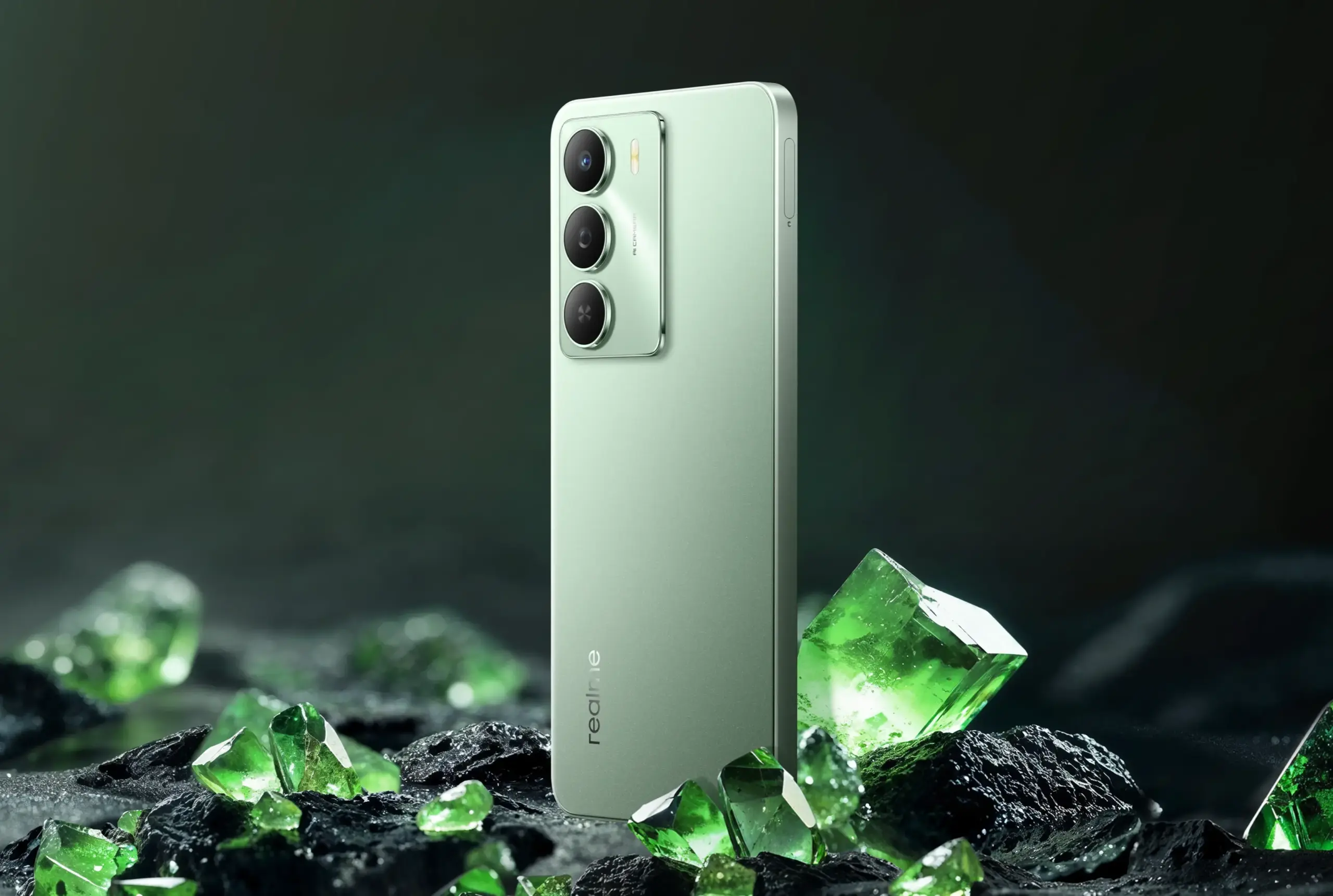
Realme C73 5G – Jade Green

The Realme C73 5G measures 165.70 x 76.22 x 7.94mm and weighs 197 grams. It has an IP64 rating for dust and water resistance, along with MIL-STD 810H certification for durability. The device features a 6.67-inch LCD display with an HD+ resolution, a 120Hz refresh rate, and 625 nits peak brightness.

Under the hood, the Realme C73 5G is powered by the Dimensity 6300 chipset, paired with LPDDR4x RAM and eMMC 5.1 storage. It supports up to 12GB of virtual RAM for enhanced multitasking. The smartphone houses a large 6,000mAh battery with support for 15W charging.

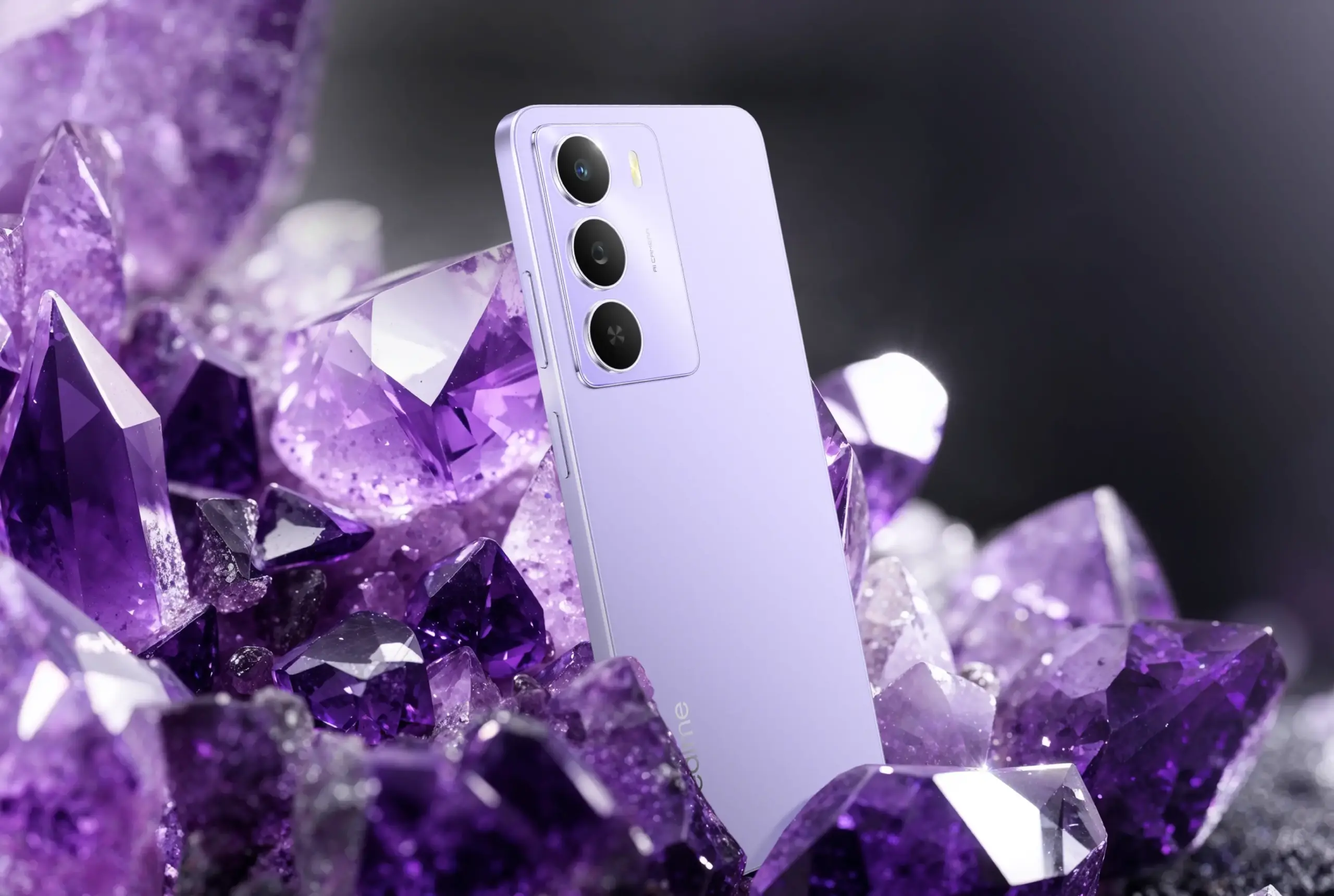
Realme C73 5G – Crystal Purple

In terms of cameras, the C73 5G features an 8-megapixel front camera (Hi-846W/SC820CS sensor) and a 32-megapixel rear camera (GalaxyCore GC32E2) with LED flash. The device offers other features, such Android 15 with Realme UI 6 on top, a side-mounted fingerprint sensor, Wi-Fi 5, Bluetooth 5.3, a single speaker, and a hybrid microSD card slot for storage expansion.

Realme C73 5G price in India, availability

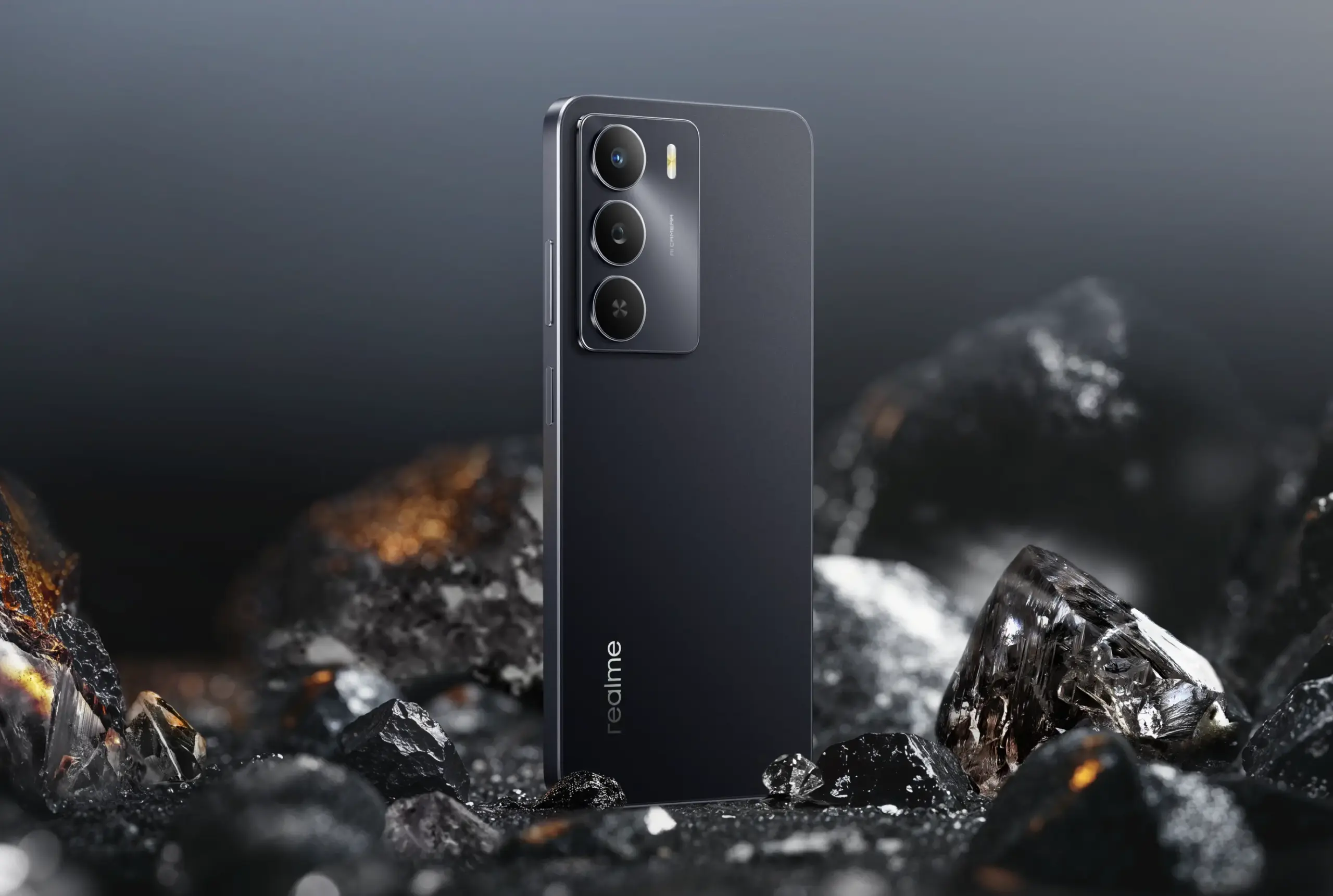
Realme C73 5G – Onyx Black

The Realme C73 5G is available in three color options: Jade Green, Crystal Purple, and Onyx Black. It comes in two storage variants: 4GB+64GB and 4GB+128GB.

These variants are priced at Rs 10,499 (~$125) and Rs 11,499 (~$140), respectively. The device is positioned lower than the Realme C75 5G, which debuted with similar specs last month in India.

For more daily updates, please visit our News Section.

Stay ahead in tech! Join our Telegram community and sign up for our daily newsletter of top stories.

Red Magic Gaming Tablet 3 Pro moniker revealed, expected to launch with Snapdragon 8 Elite Leading Version this month

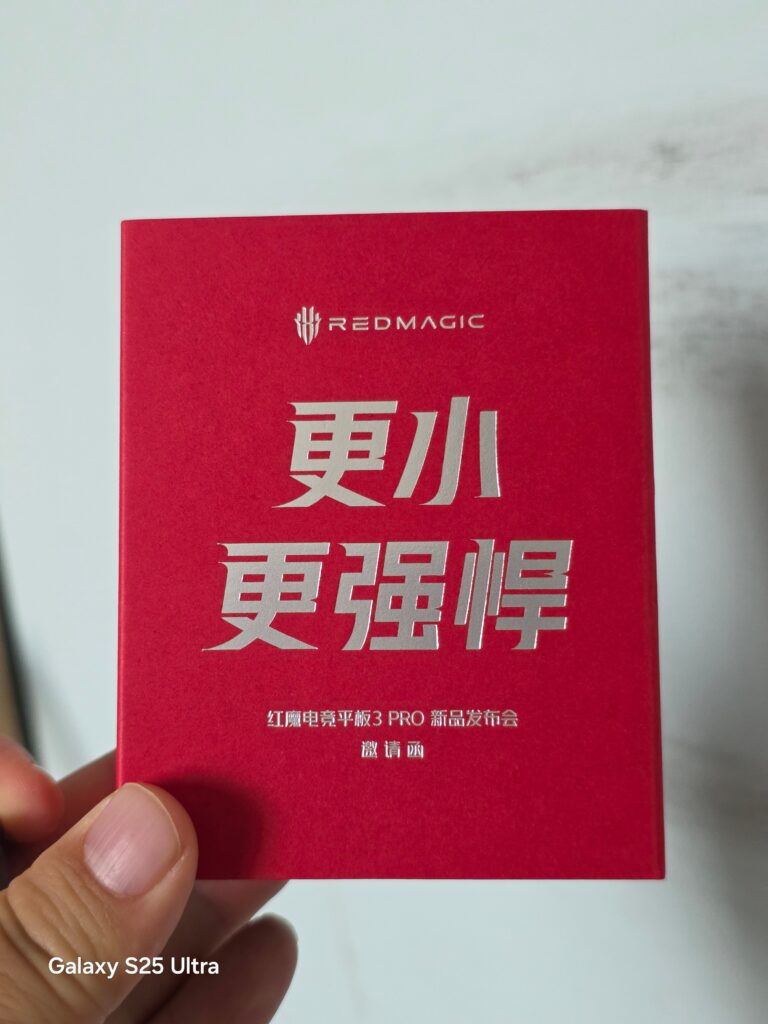
Last month, Lenovo unveiled the Lenovo Legion Y700 (Gen 4) gaming tablet in China. This device is expected to be rivalled by two upcoming gaming tablets from Redmi and Red Magic. The exact name of Redmi’s gaming tablet is yet to be revealed. As far as Red Magic is concerned, invites for the launch of the upcoming gaming tablet have revealed that it will be called the Red Magic Gaming Tablet 3 Pro — quite a long name!

Red Magic Gaming Tablet 3 Pro: What to expect?

Red Magic Gaming Tablet 3 Pro name revealed | Source: Weibo / Ice Universe

The above images shared by tipster Ice Universe confirm the Red Magic Gaming Tablet 3 Pro. This tablet is expected to succeed the Snapdragon 8 Gen 3 Leading Version-powered Red Magic Gaming Tablet Pro, which debuted in September 2024 in China.

Recently, Red Magic unveiled the Red Magic 10S Pro and 10S Pro+ smartphones with the Snapdragon 8 Elite Leading Version chip. According to reports, Red Magic is working on a gaming tablet featuring the Snapdragon 8 Elite Leading Version. Likely, this device could be the Gaming Tablet 3 Pro.

Red Magic Gaming Tablet Pro

The device is expected to feature a 9-inch customized OLED panel with a resolution of 2400 x 1504 pixels. It will be backed by an 8,240mAh battery. Since it is a gaming-focused device, it is also expected to feature a built-in cooling fan. The other details of this tablet are under wraps.

Meanwhile, the Redmi’s upcoming gaming tablet is expected to feature an 8.8-inch LCD panel with support for 3K resolution and a 165Hz refresh rate. The device is expected to feature the Dimensity 9400 Plus chip, a 7,500mAh battery with bypass charging support, dual USB-C ports, dual X-axis linear motors, and stereo speakers. It is expected to launch along with the Redmi K80 Ultra later this month in China.

For more daily updates, please visit our News Section.

Stay ahead in tech! Join our Telegram community and sign up for our daily newsletter of top stories.

Xiaomi Pad 7S Pro bags Bluetooth SIG certification, tipped to launch this month

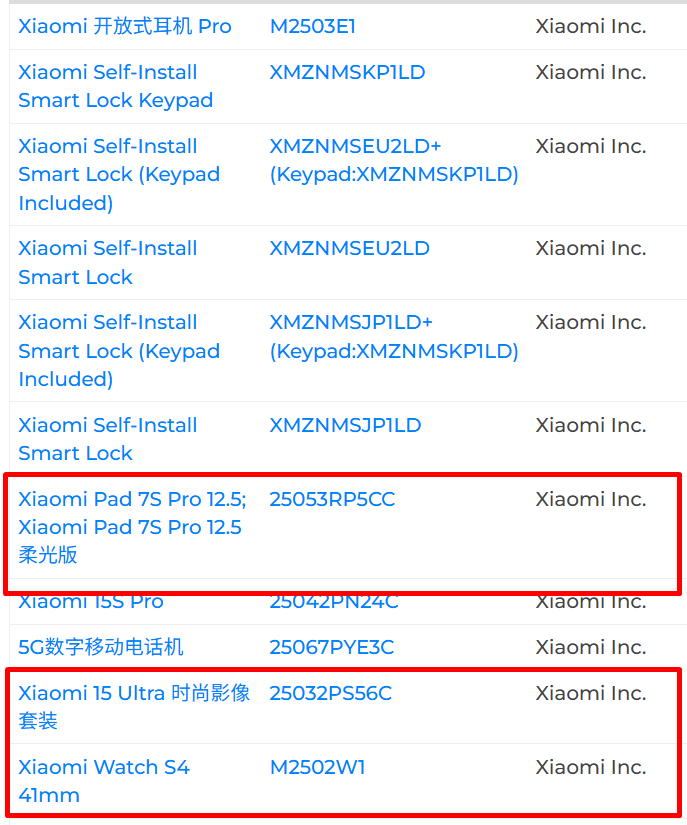
A couple of new Xiaomi devices have received Bluetooth SIG certification, as revealed by a Weibo post by reliable tipster Digital Chat Station. These include the Xiaomi Pad 7S Pro 12.5-inch variant, Xiaomi 15 Ultra’s Fashion Imaging Kit, and the Xiaomi Watch S4 41mm. The tipster has also claimed that the tablet may go official this month in China.

Upcoming Xiaomi devices receive Bluetooth SIG certification

Xiaomi Pad 7S Pro appears in Bluetooth SIG’s database

As can be seen in the above screenshot, the Bluetooth SIG authority has approved a couple of new Xiaomi devices, including the Xiaomi Pad 7S Pro 12.5 and its Soft Light version, the 15 Ultra’s Fashion Imaging Kit, and the Watch S4 41mm.

Xiaomi Pad 7S Pro: What to expect?

Tipped to launch this month in China, the Xiaomi Pad 7S Pro will be a flagship offering, featuring a 12.5-inch LCD screen. The device has been previously spotted with a 120W charger at the 3C certification platform in China.

Speculation is rife that this tablet could adopt Xiaomi’s in-house Xring O1 chip, replacing the Qualcomm Snapdragon 8 Gen 2 chip found in its predecessor. The O1 chip also powers the Xiaomi 15s Pro and the Xiaomi Pad 7 Ultra, which debuted last month in China.

While the initial user feedback has been promising, the chip’s performance in smartphones is said to be slightly hampered by external modem and heat issues. However, the larger size of the tablet is said to address these challenges effectively. This leads to improved CPU performance and smoothness, especially when coupled with Xiaomi’s HyperOS.

The Xiaomi Pad 7S Pro with an LCD panel is expected to be positioned lower than the Pad 7 Ultra, which features an AMOLED panel. If the Pad 7S Pro indeed features the Xring O1 chip, it could reduce the entry point for this proprietary chip, opening doors for more users to experience its performance gains and boosting the popularity of Xiaomi’s self-developed technology.

For more daily updates, please visit our News Section.

Stay ahead in tech! Join our Telegram community and sign up for our daily newsletter of top stories.

Vivo X Fold 5 could be affordable than the Vivo X Fold 3 Pro

The Vivo X Fold 5 is expected to launch next month in India, but it may debut first in China later this month. The rumor mill has already revealed many of its key specifications. Now, a fresh leak by tipster Panda is Bald claims that the Vivo X Fold 5 will be cheaper than its predecessor, the Vivo X Fold 3 Pro.

Vivo X Fold 5 to be priced below the X Fold 3 Pro

For reference, the Vivo X Fold 3 Pro debuted last year with a price tag of 9,999 Yuan ($1,390) in China. As seen in the screenshot above, the tipster suggests that the upcoming X Fold 5 will carry a more affordable price.

The Vivo X Fold 5v is expected to compete with the likes of the Oppo Find N5 and Honor Magic V5 in China. The Oppo Find N5 launched earlier this year at 8,999 Yuan ($1,250), while the Magic V5 is yet to go official. There’s a possibility that the X Fold 5’s pricing may be in line with the Find N5.

Vivo X Fold 5 specifications (rumored)

The Vivo X Fold 5 rumors have revealed that it will feature an 8.03-inch AMOLED inner display that offers a 2K+ resolution and a 120Hz refresh rate. On the front, it will feature a 6.53-inch AMOLED LTPO screen with support for FHD+ resolution and a 120Hz refresh rate.

The Vivo X Fold 5 will feature the Snapdragon 8 Gen 3 chip and pack a 6,000mAh battery. It is expected to support 90W wired and 30W wireless charging, as reiterated by the above tipster. The device will run on OriginOS 5-based Android 15 in China and will also feature a side-facing fingerprint scanner.

For selfies, it will feature a 32-megapixel front camera, and its back panel will comprise a Sony IMX921 50-megapixel main camera with OIS support, a 50-megapixel ultra-wide lens, and a Sony IMX882 50-megapixel periscope telephoto camera with 3x optical zoom. It will have an IPX8-rated body that will measure only 4.33mm in the unfolded state.

For more daily updates, please visit our News Section.

Stay ahead in tech! Join our Telegram community and sign up for our daily newsletter of top stories.

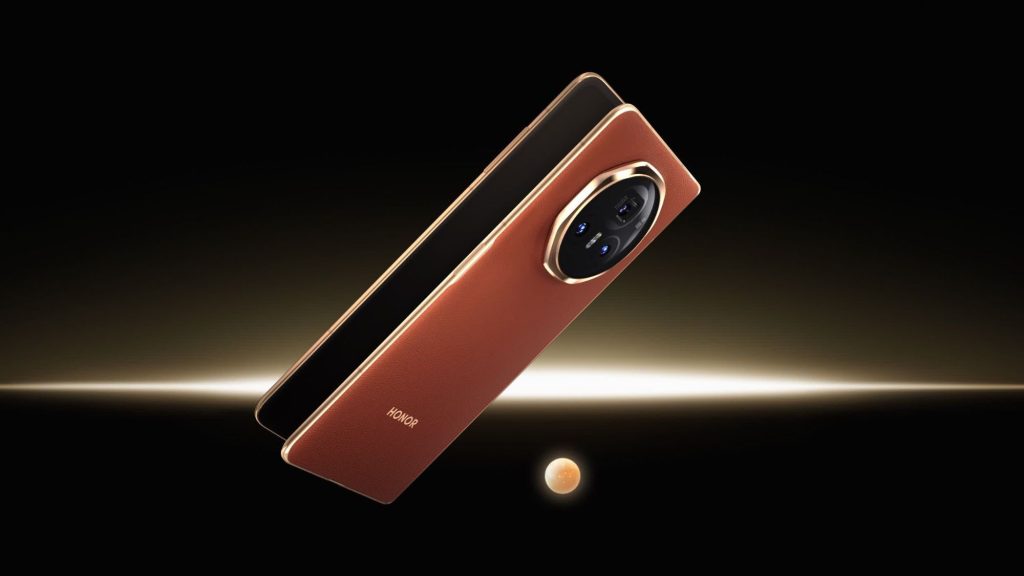
Honor Magic V5 could pack 6100mAh battery, largest ever on a foldable phone!

Battery sizes have significantly increased on candybar phones. Among mainstream brands, Honor recently unveiled the Honor Power with a massive 8,000mAh battery. It appears that foldable phones will also arrive with bigger batteries than before. The Vivo X Fold 5, which is expected to launch this month in China, may pack a 6,000mAh battery. A new leak reveals that the Honor Magic V5, which is expected to go official by the end of this month, will be backed by a bigger battery than the X Fold 5.

Honor Magic V5 battery size tipped

HOnor Magiv V5’s battery size tipped

In the above image, tipster Panda is Bald was asked whether the Honor Magic V5’s battery would be bigger than the Vivo X Fold 5’s battery. The tipster replied with “大100”, which translates to “bigger by 100” (meaning the Honor Magic V5’s battery is 100mAh bigger).

So, he suggests the Honor Magic V5’s battery would be 6,100mAh. This means that it will arrive with the largest battery seen on a foldable phone. To put it into context, the CMIIT certification of the V5 has already revealed that it will pack a 5,950mAh rated battery.

Reports have revealed that the Magic V6 will have an 8-inch foldable screen on the inside and a 6.45-inch LTPO OLED 2K panel on the outside. Both devices are expected to support a 120Hz refresh rate. Under the hood, it will feature the Snapdragon 8 Elite chipset.

Its rear camera setup may include a 50-megapixel main camera with OIS support, an ultra-wide lens, and a 200-megapixel periscope telephoto camera. The device is also expected to come with other features, such as Magic 9.0 OS-based Android 15, a side-facing fingerprint scanner, wireless charging, satellite messaging, and an IPX8 rating.

For more daily updates, please visit our News Section.

Stay ahead in tech! Join our Telegram community and sign up for our daily newsletter of top stories.

Samsung Galaxy S26 may integrate Perplexity AI as a default assistant

Samsung Electronics is reportedly close to finalizing a wide-ranging deal to preload Perplexity AI’s technology on its devices, Bloomberg reports. According to people familiar with the discussions, this deal would see Perplexity’s search features integrated into Samsung’s products, thereby enhancing the South Korean company’s AI capabilities.

Preloading and deeper integration in Galaxy S26 and beyond

Samsung Galaxy S25
Samsung Galaxy S25

The agreement under discussion involves preloading the Perplexity app and assistant on future Samsung devices, with Samsung aiming to make it a default assistant option in the upcoming Galaxy S26 lineup, expected to launch in the first half of 2026. Talks have also touched on integrating Perplexity’s search features directly into Samsung’s web browser, offering a more comprehensive and AI-powered search experience. Additionally, there are plans to incorporate Perplexity’s technology into Samsung’s Bixby virtual assistant. The specific terms and final details, however, have yet to be finalised and may change.

In a further move to deepen their collaboration, Samsung is expected to be among the largest investors in a new funding round for Perplexity, which is reportedly seeking to raise $500 million at a valuation of $14 billion. This partnership could enable Samsung to diversify its reliance away from Alphabet’s Google and embrace a broader mix of AI technologies, similar to the approach Apple has taken.

For Perplexity, this would be its biggest mobile partnership to date, coming after a recent deal with Motorola. Meanwhile, Apple has also reportedly explored working with Perplexity to integrate the AI search engine into Siri as an alternative to Google Search and ChatGPT. The impact of Samsung’s tie-up on these parallel discussions remains to be seen.

For more daily updates, please visit our News Section.

Stay ahead in tech! Join our Telegram community and sign up for our daily newsletter of top stories.

(source)

Lenovo just launched a 64MP digital camera with 4K video and a vlog-ready design for under $70

Lenovo has officially launched the C55 digital camera on JD.com. The new model features a 64-megapixel Sony CMOS sensor and is priced at 499 yuan ($69) for the 64GB variant and 559 yuan ($78) for the 128GB version.

Lenovo C55 Camera

Lenovo C55 Camera Specifications

The Lenovo C55 uses a 1/3-inch Sony CMOS sensor to capture high-resolution images with improved clarity and detail. The camera supports 18x digital zoom, allowing users to photograph both nearby and distant subjects without needing to change lenses or move locations. The built-in image processing engine helps deliver sharp images with vibrant colors and textures.

The Lenovo C55 features both front and rear cameras with 4K video recording support. It includes a smart rotary control dial that allows seamless switching between photo and video modes. This dial also provides quick access to features like timed shooting, burst mode, special effects, loop recording, time-lapse, and slow-motion video.

Lenovo equips the camera with a 2.8-inch LCD screen that allows users to preview shots and navigate menus. The device also includes dual “O”-shaped LED ring lights designed to deliver even lighting in low-light scenes. These soft lights are useful for night portraits and close-up photography.

Lenovo C55 Camera

The camera features electronic image stabilization (EIS) to reduce motion blur during handheld video recording. It weighs around 190 grams, including the battery, and measures 112 x 71.5 x 34.5 mm. Lenovo ships the device with a wrist strap and storage pouch to improve portability.

The C55 is powered by a 1300mAh battery, which delivers up to 120 minutes of usage for photography or around 80 minutes of continuous video recording. It charges through a USB Type-C port and supports TF card storage expansion up to 128GB.

The Lenovo C55 is available in a white finish and ships with accessories such as a USB-C cable, wrist strap, and storage bag.

In related news, Lenovo recently launched the Legion R360 gaming headset featuring 50mm drivers, 70-hour battery life, and triple-mode connectivity. The company has also introduced the LP70 Pro earbuds, which come with a built-in display that users can swipe, tap, and customize.

For more daily updates, please visit our News Section.

Stay ahead in tech! Join our Telegram community and sign up for our daily newsletter of top stories! 💡

(Source)

Lenovo launches Legion R360 gaming headset with 50mm drivers, 70h battery & triple-mode support

Lenovo has launched its new Legion R360 wireless gaming headset in the Chinese market. The headset is now available for purchase on JD.com, priced at 149 yuan ($21). It comes in three color options: White, Pink, and Black.

Lenovo Legion R360

Lenovo Legion R360 Specifications

The Legion R360 supports triple-mode connectivity, including 2.4GHz wireless through a dedicated USB Type-C dongle, Bluetooth 5.4, and a 3.5mm wired connection. This setup allows the headset to work across a wide range of platforms, including PCs, smartphones, tablets, and gaming consoles. Lenovo states that the 2.4GHz wireless mode offers low-latency transmission with a stable range of up to 10 meters.

The headset uses a 50mm dynamic driver tuned for gaming, providing a deep and immersive soundstage. It supports stereo output and includes a virtual 7.1 surround sound mode when used with the 2.4GHz wireless connection. This allows for more precise audio directionality in competitive games.

Lenovo has designed the R360 for long gaming sessions. It features a lightweight build, weighing around 230 grams. The headset uses soft, breathable ear cushions and a flexible, self-adjusting headband to improve comfort. The outer frame uses lightweight yet durable materials to reduce pressure during extended use.

Lenovo Legion R360

The built-in microphone has been upgraded with a high-sensitivity sensor. It supports ENC (Environmental Noise Cancellation) and uses a dedicated chip to improve voice clarity by filtering ambient noise. Lenovo says this helps maintain clear communication in noisy environments.

The R360 is equipped with a 1000mAh battery that supports up to 70 hours of use in wireless mode. Charging is handled via a USB Type-C port. The headset also includes a 1.2-meter audio cable and a 0.5-meter charging cable. Controls for power, playback, volume, microphone, surround sound, and connection mode are located on the earcup.

The headset measures 189mm x 88mm x 221mm and operates at a rated input of DC 5V 500mA. It has a frequency response range of 20Hz to 20kHz, an impedance of 32 ohms ±15%, and a sensitivity of 100dB ±3dB.

In related news, Logitech recently introduced the G522 tri-mode wireless gaming headset featuring a refined design and upgraded audio performance. Meanwhile, Asus has unveiled a new Moonlight White edition of its ROG Delta 2 headset, equipped with 50mm drivers and offering up to 110 hours of battery life.

For more daily updates, please visit our News Section.

Stay ahead in tech! Join our Telegram community and sign up for our daily newsletter of top stories! 💡

Honor Magic V5 tipped to launch by June end

Honor is said to be working on two foldable phones for the Chinese market. These include the Magic V2 Flip and the Magic V5. It was reported in February that the V2 Flip will launch in June, but there is no new update on whether it is scheduled to launch this month. In a new development, Chinese tech blogger Guan has revealed that the Magic V5 will debut by the end of this month.

Honor Magic V5 launch timeframe (rumored)

Honor Watch 5 Ultra, Magic V5, and other Honor devices tipped to launch by June end

According to the tipster, Honor CEO Li Jian accidentally revealed the upcoming Honor flagship smartwatch. This watch had already launched internationally in March, and now it’s set to arrive in China soon. Here the tipster seems to be talking about the Honor Watch 5 Ultra, which debuted with features like titanium build and ECG in March globally.

The tipster added that the Watch 5 Ultra will launch by the end of June in China, likely alongside the new foldable phone, which appears to be the Magic V5. Additionally, there will be new earphones, tablets, and PCs launched at the same event.

In a Weibo post, flagship Mobile Phone Product Manager at Honor, Li Kun hinted last month that the Magic V5 will be an industry leader when it comes to slim and lightweight design. He also hinted that the device will be equipped with the Snapdragon 8 Elite chip.

The device, which is believed to have the MHB-AN10 model number, has already been certified by Chinese certification platforms like the MIIT and 3C. These listings have revealed that the device may pack a 6,000mAh+ battery and support 66W fast charging.

Honor Magic V5 specifications (rumored)

Honor Magic V3
Honor Magic V3

According to other reports, Honor Magic V5 is likely to sport a 6.45-inch LTPO OLED cover display with a 120Hz refresh rate, along with an 8-inch foldable inner screen that also offers a 2K resolution and 120Hz refresh rate.  

On the back, the phone may come equipped with a 50-megapixel primary camera featuring OIS, accompanied by an ultra-wide sensor and a 200-megapixel periscope telephoto lens. It is expected to arrive with other features, such as wireless charging support, satellite message functionality, IPX8 water resistance, and a side-facing fingerprint scanner.

For more daily updates, please visit our News Section.

Stay ahead in tech! Join our Telegram community and sign up for our daily newsletter of top stories.

Next Xiaomi Mix Fold to be significant upgrade, Snapdragon chip tipped

Xiaomi is expected to launch the Xiaomi Mix Flip 2 clamshell phone later this month in China. However, it appears that the brand has no plans to launch a horizontally foldable phone as a successor to last year’s Xiaomi Mix Fold 4. A new leak, courtesy of tipster Smart Pikachu, claims that the brand will return to launching a Mix Fold foldable with significant upgrades next year. 

Next-gen Xiaomi Mix Fold to offer new aspect ratio

Nex-gneration XIaomi Mix Fold 5 to be a major uipgrade

At present, it is unclear whether next year’s offering will be called the Xiaomi Mix Fold 6 or something else. The leak reveals that the device will sport a new aspect ratio and feature significant upgrades. However, the leak did not specify what changes will be seen on the alleged Mix Fold 6. Tipster Smart Pikachu also revealed that the device is being tested with a Snapdragon chip.

Next-gen Mix Fold is being tested with a Snapdragon chip

Recent reports have revealed that Xiaomi is working on its first tri-foldable smartphone, similar to the Huawei Mate XT. Expected to launch in Q1 2026, the device is said to have the “zhuque” codename and 26013VP46C model number.
It is unclear whether the tri-foldable phone will be a direct successor to the Xiaomi Mix Fold 4 or whether Xiaomi plans to release two foldable phones next year—a regular horizontally foldable phone and a tri-foldable phone.

As per reports, Xiaomi will unveil multiple devices this month (June) in China. While the Mix Flip 2 is expected to feature the Snapdragon 8 Elite chip, Xiaomi will also unveil the Dimensity 9400+-powered Redmi K80 Ultra and a gaming-focused tablet. The latter will compete with Red Magic’s upcoming gaming tablet and the Lenovo Legion Y700 (Gen 4).

For more daily updates, please visit our News Section.

Stay ahead in tech! Join our Telegram community and sign up for our daily newsletter of top stories.