Advertisement

GTA 6 Breaks the Internet Again: Second Trailer Hits Over 55M Views Fast

Rockstar Games took their sweet time to drop the second trailer of Grand Theft Auto VI. Many were waiting for another sneak peek at gaming’s most anticipated launch, and we finally got a great surprise yesterday. In true GTA fashion, the trailer has exploded online, racking up over 55 million views already.

GTA 6 Trailer 2 Drops and the Fans Love What They See

Unlike the first trailer, Rockstar’s latest reveal offers us a proper look at the GTA 6 world and even confirms Vice City as a region. The fans of the highly anticipated title were left disappointed after the announcement of the delay, but Rockstar is keeping the hype alive. To recall, the GTA 6 has been delayed to 26th May 2026 on the PS5 and Xbox Series X. However, details regarding the PC release are still at large.

GTA 6 Second Trailer
Grand Theft Auto VI Trailer 2

In just 17 hours, the second trailer of Grand Theft Auto VI has hit over 55 million views. Meanwhile, the first trailer of the game managed to clock in 93 million views in the first 24 hours. We get a better view of the world of GTA 6, as well as the two protagonists, Jason and Lucia. The criminal duo can be seen taking on the fictional USA state of Leonida, which is likely inspired by Florida.

The trailer shares cutscenes from the game’s campaign, high fidelity visuals, the return of Vice City, and much more. We will be covering the trailer in more depth soon, so stick around for more.

For more daily updates, please visit our News Section.

Don’t miss a thing! Join our Telegram community for instant updates and grab our free daily newsletter for the best tech stories!

Microsoft unveils Surface Laptop 13-inch, Surface Pro 12-inch with Snapdragon X Plus, Copilot+

Microsoft has introduced two new additions to its Surface Copilot+ range—the Surface Laptop 13-inch and the Surface Pro 12-inch. Revealed through Microsoft’s official channels and Qualcomm’s announcement, these devices are powered by the Snapdragon X Plus chip and bring AI-powered enhancements to Windows 11. With a blend of portability, performance, and refreshed design choices, the two new machines aim to cater to everyday users and professionals alike.

Surface Laptop 13-inch specifications

Micorosft Surface Laptop 13-inch, Surface Pro 12-inch launched

The 13-inch Surface Laptop sticks to the conventional clamshell format but upgrades the internal hardware significantly. It features a 13-inch PixelSense display with a 1920×1280 resolution, 16GB LPDDR5x RAM, and storage options up to 512GB.

Powered by an 8-core Snapdragon X Plus processor, the device is engineered to offer a seamless AI experience while delivering an impressive battery life of up to 23 hours of video playback or 16 hours of web usage. Microsoft also notes the inclusion of removable storage, enhancing future-proofing.

Surface Pro 12-inch specifications

Marking the return of smaller, powerful PCs, the Surface Pro 12-inch combines a tablet-first approach with essential computing capabilities. The 12-inch PixelSense LCD supports a 90Hz refresh rate and features a resolution of 2196 x 1464 pixels.

It shares the same processor and RAM as the Surface Laptop but includes a redesigned keyboard (sold separately for Rs 12,500 approx) and a magnetic pen attachment. The fanless body and Snapdragon platform help ensure smooth performance and up to 12 hours of battery life during regular web use.

Price and availability

Both the Surface Pro 12-inch and Surface Laptop 13-inch are up for pre-order in India and will be available starting July 15, 2025. Though local pricing is yet to be revealed. In the US, the Surface Pro 12 is priced at $799, while the Surface Laptop 13 starts at $899.

For more daily updates, please visit our News Section.

Stay ahead in tech! Join our Telegram community and sign up for our daily newsletter of top stories!

Oppo Pad SE variants, color options confirmed before May 15 launch

Oppo will hold a launch event on May 15 in China. This event will see the arrival of the Reno 14 series of smartphones, the Enco Clip earbuds, and a new children-focused tablet called the Oppo Pad SE. Ahead of the launch, the tablet is up for pre-orders on Oppo Mall, JD, Tmall, and Douyin retail platforms in China. The official listing has revealed the key specifications, variants, and colour options.

Oppo Pad SE configurations, color options

Oppo has confirmed that the Oppo Pad SE will be equipped with an 11-inch screen, which appears to be an LCD panel. Since the tablet is designed for education, the Pad SE will come equipped with learning resources and eye care features.

The Oppo Pad SE will be powered by a massive 9,340mAh battery. A recent leak revealed that it will use a new chip called the Dimensity G100. It is likely that the device may not support cellular connectivity.

The Oppo Pad SE’s pre-order listing has confirmed that it will arrive in three variants: 6GB+128GB, 8GB+128GB, and 8GB+256GB. It will be available in two shades: Starlight Silver and Night Blue. Both colour variants will be offered in a Soft Light Edition.

Oppo Enco Clip incoming

The Enco Clip is Oppo’s first open-ear, clip-style TWS earbuds. The open-ear design ensures awareness of surroundings while maintaining audio clarity. Both earbuds support automatic left-right channel adaptation, making them convenient for single or dual-ear use. The brand has yet to confirm the technical specifications of the Enco Clip.

As far as the Reno 14 and Reno 14 Pro are concerned, both devices are expected to feature the upcoming Dimensity 8450 chipset. The Reno 14 will be a smaller model with a 6.59-inch display and a 50-megapixel telephoto camera, whereas the Pro edition will feature a 6.83-inch screen and a 50-megapixel periscope telephoto camera.

For more daily updates, please visit our News Section.

Stay ahead in tech! Join our Telegram community and sign up for our daily newsletter of top stories!

Moto G86 5G coming soon, full specifications leaked

In June 2024, Motorola unveiled the Moto G85 with the Snapdragon 6s Gen 3 chip onboard globally. This phone is soon going to be succeeded by the Moto G86. The rumour mill has already leaked the renders, color options, and pricing of the G86, and now a new leak, courtesy of well-known leaker Evan Blass, has revealed almost everything about it.

Moto G86 5G specifications (rumored)

Moto G86 5G
Moto G86 5G

The leaked specs sheet shared by Blass reveals that the Moto G86 will flaunt a 6.67-inch P-OLED screen that offers a 1.5K resolution, a 120Hz refresh rate, a max brightness of 4,500 nits, an in-screen fingerprint scanner, and Gorilla Glass 7i protection. For audiophiles, the device will feature Dolby Atmos-powered dual speakers.

The Moto G86 will feature the Dimensity 7300 chipset and based on market, it will be available with 5,200mAh or 6,720mAh battery. Both editions will support 33W charging. The 5,200mAh variant will measure 7.87mm and weigh 185 grams, whereas the 6,720mAh model will have a thickness of 8.65mm and weigh 198 grams.

The G86 will ship with Android 15 onboard and will come with a two-year OS upgrade promise. It will also be treated to four years of security updates. The phone will be sold with 8GB / 12GB of RAM, up to 12GB of virtual RAM, and 128GB / 256GB storage. For additional storage, it will also have a microSD card slot.

The Moto G86 will have a 32-megapixel camera for selfies and video calls. Its back panel will feature a 50-megapixel Sony LYT-600 primary camera with OIS support and an 8-megapixel ultra-wide snapper with autofocus support for macro shots. The G86 will offer other features, such as Smart Connect, 5G, dual-SIM, Wi-Fi 6E, Bluetooth 5.4, MIL-STD-810H rating, and an IP68/69-rated chassis.

The Moto G86 will come in Pantone colour options like Spellbound, Pantone Chrysanthemum, and Pantone Gossamer Sky. As per a recent report, the 8GB+256GB edition of the G86 will be priced at 330 euros in Europe.

For more daily updates, please visit our News Section.

Stay ahead in tech! Join our Telegram community and sign up for our daily newsletter of top stories!

(source)

Vivo X200 FE India launch in July, RAM and storage variants tipped

Vivo is reportedly working on a compact flagship phone for India. Initially, it was thought to be the Vivo X200 Pro Mini, which debuted in October 2024 in China. However, a recent report revealed that India will receive a different device dubbed the Vivo X200 FE, which will be positioned lower than the Vivo X200 and X200 Pro. A new report, courtesy of SmartPrix, has revealed the X200 FE’s launch timeframe along with some key details.

Vivo X200 FE launch timeframe, price range (rumored)

Vivo X200 Pro Mini
Vivo X200 Pro Mini

As per the report, the Vivo X200 FE will debut in July. It will arrive in two configurations, such as 12GB+256GB and 16GB+512GB. The device is likely to be priced between Rs 50,000 and Rs 60,000 in the country.

Vivo X200 FE specifications (rumored)

The Vivo X200 FE will be a compact offering equipped with a 6.1-inch LTPO OLED panel that will support a 1.5K resolution and a 120Hz refresh rate. Under the hood, the device is expected to feature the Dimensity 9300 Plus or the upcoming Dimensity 9400e, which is said to be a tweaked version of the D9300+.

The X200 FE is said to be equipped with a 6,500mAh battery with 90W fast charging support. Despite featuring a huge battery, the device is said to weigh only around 200 grams.

The X200 FE will continue with the Zeiss partnership for its cameras. It will feature a 50-megapixel front camera and a 50-megapixel (main, OIS) + 8-megapixel (ultra-wide) + 50-megapixel (Sony IMX882, 3x telephoto) triple camera unit. While it is expected to ship with FunTouch OS 15-based Android 15 like recent Vivo phones, the report says that it will be treated with three years of OS upgrades and four years of security updates.

Speculations are rife that it will be a rebranded version of the Vivo S30 Pro Mini, which is expected to launch this month in China.

For more daily updates, please visit our News Section.

Stay ahead in tech! Join our Telegram community and sign up for our daily newsletter of top stories!

(source)

OnePlus Ace 5 Supreme Edition surfaces on Geekbench with Dimensity 9400+ before launch

OnePlus is reportedly working on two Ace-branded smartphones for the Chinese market. Expected to launch this month (May), the Ace 5 Racing is likely to feature the upcoming Dimensity 9400e, whereas the Ace 5 Supreme Edition (or OnePlus Ace 5 Ultra) could be equipped with the Dimensity 9400 Plus chipset. A new OnePlus phone bearing the model number PLC110 has appeared in Geekbench’s database. This device is believed to be the upcoming Ace 5 Supreme Edition.

OnePlus Ace 5 Supreme Edition Geekbench listing

OnePlus Ace 5 Supreme Edition Geekbench
OnePlus Ace 5 Supreme Edition Geekbench listing

The OnePlus PLC110’s Geekbench listing reveals that it is powered by the Dimensity 9400 Plus chipset. While the exact name of the chip is not mentioned in the Geekbench listing, the CPU and GPU (via source code) details are enough to conclude that it is equipped with the said chipset.

The Geekbench listing further reveals that the alleged OnePlus Ace 5 Supreme Edition is equipped with 16 GB of RAM and Android 15. In the single-core and multi-core tests, the device secured 2,779 and 8,660 points, respectively.

As per previous reports, it is expected to feature a flat OLED panel that offers a 1.5K resolution. The device is likely to feature a battery of around 7,000mAh capacity. The other details of the device are under wraps. It is speculated that the device may remain exclusive to the Chinese market

As mentioned above, the Racing Edition model that is expected to launch with the Supreme Edition will feature the Dimensity 9400e chip. Rumours are rife that the Racing Edition may get rebranded as the OnePlus Nord 5 globally.

For more daily updates, please visit our News Section.

Stay ahead in tech! Join our Telegram community and sign up for our daily newsletter of top stories!

(via)

Should you buy the iPhone 15 over the iPhone 16e?

Apple recently launched its most affordable iPhone yet, the 16e, and it comes with some notable upgrades. The model lands squarely between the iPhone 15 and the standard iPhone 16, not just in features, but also in price. 

But there’s a catch. The iPhone 15 is getting cheaper in many markets as it is a gen-old model now. And with the 16e only a modest step up in price, there’s a common debate among all of us. Should I go for the discounted iPhone 15, or spend a little more for the newer iPhone 16e?

iPhone 16e vs iPhone 15

It’s not a simple yes-or-no scenario. On paper, the iPhone 16e brings some newer internals and a slightly larger battery. But there are trade-offs, and the decision depends on how much you value certain hardware features over others.

1. Look That’s… Almost the Same

Apple hasn’t strayed far from its existing design language in either phone. Both phones have flat front and back panels with nearly identical dimensions. The iPhone 15 measures 147.6 x 71.6 x 7.8 mm, while the 16e comes in just slightly shorter and narrower at 146.7 x 71.5 x 7.8 mm. 

The weight difference is also barely anything, 171 grams versus 167 grams. Both use an aluminum frame and glass front and back, and both maintain IP68 water and dust resistance.

That said, there are enough visual differences to tell them apart. The iPhone 15 has a Dynamic Island module on the front and a diagonally arranged camera sensor in back. Whereas, the 16e settles for a conventional static display notch and a single camera at the back. 

The colors also differ slightly, with the iPhone 15 offering more playful options like pink, green, and yellow, while the iPhone 16e sticks with black and white. 

2. Brighter on the 15, Smoother on Neither

Both phones sport a 6.1-inch Super Retina XDR OLED display. They support HDR10 and Dolby Vision, and both are protected by Ceramic Shield glass. The differences lie in brightness.

The iPhone 15 has the upper hand in peak brightness, reaching 2000 nits versus 1200 nits on the iPhone 16e. That makes it easier to use outdoors in direct sunlight. 

However, Apple hasn’t given either phone a high refresh rate screen. 60Hz remains the norm for non-Pro iPhones even in 2025. So if you were hoping for smoother scrolling or gaming, you’ll need to look elsewhere in the lineup.

3. Performance is a clean win for the 16e

The biggest internal change is the chip. The iPhone 15 runs on the Apple A16 Bionic, which powers the iPhone 14 Pro series. It’s still a capable processor, built on a 4nm process, with a 6-core CPU and 5-core GPU.

The iPhone 16e, on the other hand, gets the newer Apple A18 chip, built on a more efficient 3nm process. Clock speeds are slightly higher (4.04 GHz on the performance cores vs. 3.46 GHz on the A16). You also get 8GB of RAM versus 6GB on the iPhone 15.

That should theoretically offer better multitasking and longer-term software support. But in day-to-day use, you’re unlikely to notice major differences unless you’re doing something resource-heavy. App launches, camera performance, and general navigation feel nearly identical between the two.

4. Cameras

Here’s where the iPhone 15 arguably pulls ahead, or at least offers more flexibility. It features a dual-camera setup: a 48MP main sensor and a 12MP ultrawide sensor. The iPhone 16e drops the ultrawide entirely and sticks to a single 48MP camera.

That means no ultrawide photography on the 16e. For users who rely on that second lens, this could be a noticeable downgrade.

That said, the 16e does include Apple’s newer 3D spatial audio recording feature for both the main and front cameras, something the iPhone 15 lacks. But unless you’re capturing content for an Apple Vision Pro, that feature feels more niche than essential.

5. Battery and Charging

The iPhone 16e has a 4005 mAh battery, a sizable jump over the iPhone 15’s 3349 mAh. That’s a real difference, on paper, at least. With more efficient 3nm silicon, the 16e might last a bit longer in daily usage, especially under lighter loads.

But there’s a catch in charging. The iPhone 15 supports faster wireless charging: 15W with MagSafe or Qi2, and it can reverse charge up to 4.5W. The iPhone 16e drops MagSafe entirely and maxes out at 7.5W wireless charging on standard Qi pads.

Wired charging remains at 50% in 30 minutes on both models, and both use USB-C, though only at USB 2.0 speeds.

By the time you buy either of these phones, both will run iOS 18. While the iPhone 16e ships with 18.3.1 and the iPhone 15 requires an upgrade, the user experience is fundamentally the same.

The A18 chip in the 16e might get software support a year longer than the A16 in the 15, though Apple hasn’t made that timeline public yet. Historically, iPhones receive around five years of updates, and that likely holds for both.

6. Connectivity and Sensors

The iPhone 16e adds support for NavIC positioning (India’s satellite system), which may improve accuracy in certain regions. Otherwise, both phones offer dual eSIM support, Face ID, satellite emergency services, and Ultra Wideband (Gen 2 for iPhone 15).

Both have stereo speakers and no headphone jack, as expected. Storage options start at 128GB and go up to 512GB on both.

7. Price

The iPhone 15 starts at ₹63,999 in India, with sale prices bringing it down to as low as ₹58,999. Meanwhile, the iPhone 16e starts at ₹60,000. Even at its original price, that’s a minimal difference, for which you get wireless charging support, better cameras, and a more modern design. Considering the sales price, you get even better value. 

As is the truth, the 16e is a cut-down version of the iPhone 14. It’s that it comes with a slightly better chip and improved battery life. 

8. The Bottom Line

If you’re a casual user looking for the best value, the iPhone 15 is still a practical and well-rounded device, especially at its current price. It offers solid performance, versatile cameras, and faster wireless charging.

The iPhone 16e is newer and has some meaningful improvements. It has a slightly better processor, more RAM, and longer battery life. But those changes are incremental, and the single camera setup limits its appeal for users who want more shooting flexibility.

Unless you need the latest chip or a bit more RAM for future-proofing, the iPhone 15 probably remains the better deal, at least for now.

Don’t miss a thing! Join our Telegram community for instant updates and grab our free daily newsletter for the best tech stories!

For more daily updates, please visit our News Section.

Huawei is quietly building its own image sensors for future phones

Huawei’s ongoing push toward self-reliance is moving beyond chips and operating systems. According to a leak on Weibo, the company is now developing its own CMOS image sensors (CIS), with new models set to debut in its next flagship lineup, the Mate 80 series.

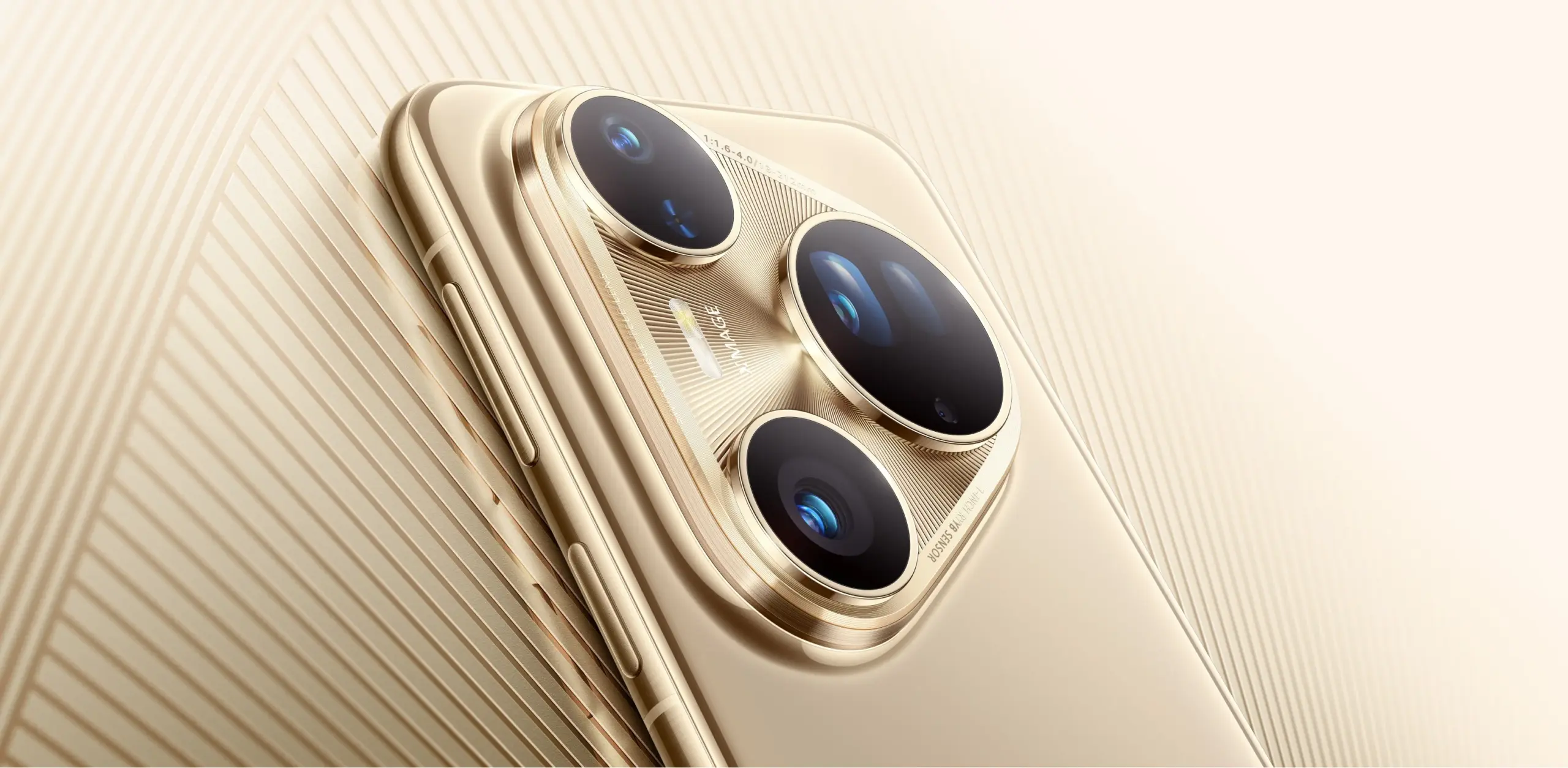
The tip shared by the often-accurate leaker Digital Chat Station claims two new camera sensors are in the works. Called the SC5A0CS and SC590XS. Both sensors feature a 50-megapixel resolution and use Huawei’s distinctive RYYB color filter array. The latter is an alternative to the traditional RGB setup most other smartphone sensors use.

Huawei has a 1-inch main and a 50MP telephoto module in the works

The SC5A0CS is reportedly a 1-inch sensor that might serve as the main camera in the upcoming Huawei Pura 80 Ultra. The SC590XS is slightly smaller at 1/1.3 inches and could be a telephoto unit. 

What sets the SC590XS apart is the inclusion of Huawei’s new “SuperPixGain HDR2.0” technology. The tech essentially combines three frames at the same exposure level to improve dynamic range and reduce motion artifacts. According to the leak, the result is an image that is both detailed in bright and dark areas, without the typical ghosting that often plagues HDR photography.

Huawei self-developed sensors

As we all know, the broader market relies on sensors from Sony and Samsung. Huawei is the only manufacturer pushing RYYB sensors into its devices.

The company largely leaned on this tech to boost low-light performance, with yellow pixels allowing for a wider spectral response and better signal-to-noise ratios in dim environments.

None of these developments has been officially confirmed by Huawei. However, if accurate, the sensors could be a key part of the company’s broader effort to make its flagship phones less dependent on outside tech ecosystems. 

Don’t miss a thing! Join our Telegram community for instant updates and grab our free daily newsletter for the best tech stories!

For more daily updates, please visit our News Section.

(Source)

Samsung wasn’t happy with people using Browsing Assist on non-eligible Galaxy phones

Have you seen Galaxy AI features functioning on older and non-eligible Galaxy devices? Apparently, Samsung has too—just they weren’t happy about it.

Samsung Internet, the default web browser for Galaxy phones and tablets, offers some helpful AI features such as web page summarization, translation, and Read Aloud, which are only available to a handful of recent devices. But someone actually found a way to enable the Browsing Assist features of Samsung Internet even on entry-level Galaxy phones. Unfortunately, this new way of experiencing the Browsing Assist lasted only slightly over a week, as the South Korean giant fixed its mistake, releasing a new update for its Samsung Internet browser.

Now, there’s only one way to access Browsing Assist

It was technically possible for all Galaxy devices with the browser to perform the AI features, as all the processing can be offloaded to the company’s cloud servers. The browser reportedly didn’t have any hardware limitations for the Browsing Assist features in place, which made it possible to enable them on non-eligible devices by simply changing some settings in Samsung Internet’s debug menu.

With Samsung Internet version 28.0.0.59, the company has reportedly fixed this, making it impossible (or much harder) for older devices to access the features. It leaves only one way to experience the features—upgrade to a newer, and possibly more expensive, Galaxy phone that’s eligible for the features.

This move may come across as anti-consumer, especially since older phones could run the features. But it’s not entirely black and white. Supporting millions of extra cloud-based requests might not be feasible for Samsung.

And let’s not forget—this is the same brand that switched to a 3A cable to bundle with its latest flagships, which is a downgrade from the S24 series’ 5A cable.

Don’t miss a thing! Join our Telegram community for instant updates and grab our free daily newsletter for the best tech stories!

For more daily updates, please visit our News Section.

(Source: 1, 2)

Galaxy A56’s latest update maps Gemini to side button, but you can still remap it to Bixby

Samsung just updated the default browser on Galaxy phones and tablets to block non-eligible devices from accessing Browsing Assist. But not everything is disappointing. As announced toward the end of last month, the Galaxy A56 is now receiving a fresh software update that adds Google Gemini integration.

Users can now launch the AI assistant with a long press of the side button—a feature first introduced with the Galaxy S25 series. Rolling out with the May 2025 security patch, the update enhances the mid-range phone’s intelligence.

Sasmsung Galaxy A56 (left) and Galaxy A36 (right)

The Galaxy A56, launched in March 2025 with One UI 7 (Android 15), initially missed the side-button Gemini access that debuted on the S25 lineup. The new update, build A566BXXU3AYDK, fixes that, setting Gemini as the default long-press action for the side button. Users can switch to Bixby or other assistants via Settings » Advanced features » Side button, offering flexibility.

The update is rolling out globally, starting in markets like Europe, and can be installed via Settings> Software update> Download and install.

Gemini’s integration shines with cross-app functionality, letting users add events to Samsung Calendar, save notes, set alarms, or find restaurants on Google Maps. This cloud-powered AI, also coming to other Galaxy A models like the A55 and A36 with One UI 7 by June, makes the A56 feel more capable and useful.

For those considering the Galaxy A56, it offers some sizable improvements in battery life and performance thanks to the Exynos 1580 chip, an upgrade over the Exynos 1480 of the A55. The Galaxy AI features only make it more appealing and relevant to those who don’t necessarily need a performance-packed phone but would like to experience some of the premium software features.

Tech enthusiast? Get the latest news first! Follow our Telegram channel and subscribe to our free newsletter for your daily tech fix!

For more daily updates, please visit our News Section.

(Source)

Concerned about work profile apps? Samsung’s Secure Folder is switching to Android’s Private Space

One UI 7’s Secure Folder had a security flaw: the photo picker can access “secured” files from outside in certain conditions. For example, it could expose unencrypted media from the Secure Folder when uploading photos to Instagram. It’s based on Android’s work profile, a space that lets you store work apps and data separately from personal ones. The flaw quickly made headlines and raised serious privacy concerns among Galaxy users.

While One UI 7 was the first to be affected by this security flaw, Samsung is now switching to Private Space—a completely isolated environment on the device—for more robust security and greater peace of mind for previously affected users.

One UI 8, based on Android 16, tackles this head-on by moving Secure Folder to Android’s private space API. Unlike the work profile, private space is a sealed enclave, inaccessible to the photo picker or main file system. This shift is spotted in early One UI 8 builds on the Z Fold 6, which promises ironclad protection for sensitive files.

Samsung’s quick pivot to Private Space shows its commitment to data safety. One UI 8 beta is possibly launching in June, and a public release alongside the Galaxy Z Fold 7 in July, and Secure Folder’s upgrade could make eligible Galaxy devices even more appealing for privacy-conscious users.

Will One UI 8’s Secure Folder set a new standard for mobile security, or is it just catching up to Google’s tricks? As Google I/O 2025 nears, more leaks should reveal how Samsung is locking down its ecosystem.

Tech enthusiast? Get the latest news first! Follow our Telegram channel and subscribe to our free newsletter for your daily tech fix!

For more daily updates, please visit our News Section.

Source: 1, 2

Why the Samsung Galaxy S24 FE Is a Smarter Buy Than the Galaxy A56

Back in March 2025, Samsung announced the Galaxy A56 as its latest upper mid range smartphone. It arrived with various upgrades over its predecessor, a new Exynos chip, Awesome Intelligence (AI), and a premium design. This made it a model worth checking out for its price. However, a fresh deal has made the Samsung Galaxy S24 FE a lot more affordable and easily a better deal than the Galaxy A56. So what makes it the smarter choice? Read on to find out.

Better Performance

Samsung Galaxy S24 FE

The South Korean tech giant made sure to offer a premium design and display on the Galaxy A56, matching the Galaxy S24 FE’s glass rear, aluminum frame, and Gorilla Glacc Victus+ for protection. But considering how it’s a mid range model, the Galaxy A56 only features the Exynos 1580 SoC. This is a power efficient and capable processor, no doubt. However, the Galaxy S24 FE is easily more powerful thanks to its Exynos 2400e. It is a slightly underpowered version of the Exynos 2400 that also powers the Galaxy S24.

Three Usable Cameras

Another area where the Samsung Galaxy S24 FE shines is the camera system. It features a 50MP (Main) + 12MP (Ultra Wide) + 8MP (Telephoto) camera system on the rear, while the front houses a 10MP selfie shooter. In other words, there are three usable cameras allowing for both zoomed and wide shots.

Samsung Galaxy A56
Samsung Galaxy A56

While the Galaxy A56 also offers a triple camera setup on the rear, it only consists of a 50MP (Main) + 12MP (Ultra Wide) + 5MP (Macro). So its camera system isn’t as versatile as the S24 FE since it skips the handy telephoto shooter with a less popular macro sensor. For selfies and video calls, there is a 12MP shooter. Meaning, Samsung’s Galaxy S24 FE is clearly a better choice for photography and videography, with support for 8K video recording as well.

Longer Software Support

Galaxy S24 FE

Picking a Samsung smartphone has its perks, with the long software support being one of them. The brand promises up to 6 years of OS updates along with security patches. But since the Galaxy S24 FE is technically a part of the premium Galaxy S lineup, the S24 FE gets a longer 7 years of Android OS updates and security patches. However, it is worth noting that the Galaxy S24 FE did launch with Android 14. So this basically evens the playing field.

Pricing

Samsung Galaxy A56 Awesome Intelligence

One of the biggest reasons why the Galaxy S24 FE is worth checking out right now is the discount it received. It is currently listed for 34,999 INR in the Indian market for the base 8GB + 128GB configuration. Meanwhile, the Galaxy A56 starts from 41,999 INR for the 8GB + 256GB starting variant. The higher storage is attractive, but even the 8GB + 256GB variant of the Samsung Galaxy S24 FE is cheaper as its starts from 40,999 INR.

For more daily updates, please visit our News Section.

Tech enthusiast? Get the latest news first! Follow our Telegram channel and subscribe to our free newsletter for your daily tech fix! ⚡

One UI 8’s DeX shows striking similarities to Android’s new Desktop Mode

A One UI 8 leak, shared by DevOfIpos on X, reveals Samsung’s DeX platform may lean heavily on Android 16’s desktop mode, sporting a revamped UI with centered taskbar icons and enhanced windowing. Set for a July 2025 launch, it could signal Google’s broader desktop push for Android.

Samsung is gearing up to debut One UI 8, based on Android 16, with its Galaxy Z Fold 7 and Flip 7. A fresh leak from DevOfIpos, showcasing One UI 8’s BYE2 firmware on the Galaxy S25 Ultra, spotlights a reimagined Samsung DeX—the desktop-like experience for Galaxy devices. The photos suggest One UI 8’s DeX is borrowing UI elements from Android 16’s desktop mode. This leak follows an earlier preview of Android 16’s Desktop Mode, which already showed striking similarities to Samsung DeX. Google’s version is also enriched with a taskbar, split-screen multitasking, and quick settings.

Key changes in One UI 8’s new DeX include a taskbar with app icons now centered at the bottom, unlike its usual left-aligned setup, and slimmer status icons on the right. Desktop windowing lets users resize and run multiple apps at once, much like a PC. The app drawer pops up compactly, while a card-based Search bar scans apps, files, and settings, with shortcuts to Downloads and Screenshots via Samsung Files and Gallery. The Quick Settings panel is tucked bottom right, and it looks sharper too.

If DeX is indeed built on Android 16’s desktop mode, it could hint at Google’s plans to expand desktop functionality across Android devices, especially with Google I/O 2025 (May 20-21) nearing. Samsung’s DeX is already a hit on the Z Fold 6’s 7.6-inch display, and it might set the stage for rivals. Will One UI 8’s DeX outshine Windows 11’s phone integration, or is it just a polished rebase? More leaks before July’s Unpacked should clear things up.

Don’t miss a thing! Join our Telegram community for instant updates and grab our free daily newsletter for the best tech stories!

For more daily updates, please visit our News Section.
(Source)

Oppo X8s+ vs iPhone 16 Pro: Which One’s Worth Your Money?

Oppo Find X8s+ and iPhone 16 Pro represent two different approaches to flagship smartphones, Android versus iOS, customization versus ecosystem integration. This comparison matters because both phones offer premium hardware, cutting-edge features, and advanced camera systems, but appeal to different types of users. Understanding how they differ helps buyers choose based on priorities like performance, software, and long-term support.

1. Design and Display

Oppo Find X8s+
Oppo Find X8s+

Build and Feel:
Oppo Find X8s+ features a refined glass front and back with an aluminum frame, offering a premium yet slightly conventional Android flagship design. In contrast, the iPhone 16 Pro uses a more robust and lightweight titanium frame, enhancing durability and prestige. While both offer IP68 dust and water resistance, Apple’s device supports immersion up to 6 meters, significantly deeper than the Oppo’s 1.5 meters. The Find X8s+ adds IP69 protection against high-pressure water jets, making it more resistant to rugged outdoor use. Overall, the titanium build of the iPhone feels more solid and premium, but Oppo’s additional protection standards give it an edge for active use.

Display Quality:
Oppo delivers a 6.59-inch AMOLED panel with vibrant 1B colors, HDR10+, Dolby Vision, and HDR Vivid. It hits a respectable 1600 nits peak brightness. The iPhone 16 Pro features a slightly smaller 6.3-inch LTPO OLED panel with a peak brightness of 2000 nits and the same 120Hz refresh rate. Apple’s Always-On display and Ceramic Shield offer extra utility and durability. Though both have similar pixel density, the iPhone produces better outdoor visibility and power efficiency with its LTPO tech.

Verdict:
The iPhone 16 Pro offers a more advanced and power-efficient display, while the Oppo Find X8s+ counters with rugged build features and a larger, immersive screen. For durability and brightness, the iPhone is better; for size and rugged utility, Oppo holds the advantage.

Please Note: When you buy something using the links in our articles, we may earn a small commission at no cost to you.

2. Specifications 

iPhone 16 Pro
iPhone 16 Pro

Performance:
The Oppo Find X8s+ is equipped with the MediaTek Dimensity 9400+, a powerful 3nm chip paired with up to 16GB RAM and UFS 4.0 storage. Its octa-core CPU and Immortalis-G925 GPU handle demanding tasks efficiently. Meanwhile, the iPhone 16 Pro runs on the Apple A18 Pro, arguably the fastest mobile chip available, with NVMe storage and 8GB RAM. While Oppo wins in raw RAM and multitasking, Apple dominates in single-core performance and GPU optimization, especially for gaming and creative apps. The iPhone’s tighter integration between hardware and iOS makes it superior in sustained performance.

Battery and Charging:
Oppo packs a massive 6000 mAh silicon-carbon battery with 80W wired and 50W wireless charging, plus reverse wireless support. The iPhone 16 Pro has a significantly smaller 3582 mAh cell, 25W MagSafe wireless charging, and 4.5W reverse wired. Oppo clearly wins in capacity and flexibility. Users who prioritize longevity and fast top-ups will benefit more from the Find X8s+.

Verdict:
Apple leads in performance efficiency and software optimization, but Oppo dominates in battery capacity and charging versatility. For power users and battery endurance, the Find X8s+ is a better choice.

3. Camera

iPhone 16 Pro
iPhone 16 Pro

Main and Secondary Lenses:
Find X8s+ offers a triple 50MP setup (wide, periscope, ultrawide) with Hasselblad tuning, laser autofocus, and a color spectrum sensor. It delivers detailed and color-rich photos, with 3x optical zoom. The iPhone 16 Pro counters with a 48MP wide, 12MP periscope (5x zoom), and a 48MP ultrawide, plus a 3D LiDAR scanner. Apple’s deep fusion processing and spatial video recording enhance both quality and future readiness. While Oppo has better consistency across all sensors, iPhone’s periscope zoom and spatial video make it more versatile for creators.

Selfie Camera:
Oppo’s 32MP front camera captures high-resolution selfies with autofocus and supports 4K video at 60fps. The iPhone uses a 12MP camera with PDAF and OIS, backed by a 3D SL sensor for Face ID and spatial awareness. Despite the lower megapixels, Apple’s front camera offers superior depth effects and cinematic-grade video capabilities, especially with Dolby Vision.

Verdict:
Oppo wins in raw front and rear sensor hardware and balanced triple-lens performance. However, iPhone excels in depth sensing, zoom, and video features like ProRes and spatial recording. For advanced photo versatility, Oppo is better; for cinematic video and AR, the iPhone stands out.

4. Pricing

Oppo Find X8s+
Oppo Find X8s+

Oppo Find X8s+ starts at approximately $750, while the iPhone 16 Pro begins at $800. Oppo provides higher RAM and storage at similar or lower price points, along with a larger battery and faster charging. On the other hand, Apple justifies its slightly higher price with longer software support, better performance-per-watt, and superior ecosystem integration. 

Verdict:
In terms of hardware value alone, Oppo offers more for the money, especially for users who prioritize specs and battery life.

5. Conclusion 

iPhone 16 Pro
iPhone 16 Pro

Both phones stand out in their ecosystems. The Find X8s+ brings advanced fast-charging, Hasselblad color science, a massive battery, and features like Circle to Search and infrared support. These cater to users who value flexibility and hardware dominance. The iPhone 16 Pro counters with unique features like spatial video/audio, ProRes recording, satellite connectivity, and deep software longevity. Its Ultra Wideband gen2 and LiDAR offer unmatched AR and location capabilities.

Verdict:
Oppo Find X8s+ is the better choice for hardware-focused users seeking high battery capacity, faster charging, and higher RAM at a lower price. The iPhone 16 Pro is better suited for users who prioritize ecosystem features, video creation, security, and software stability over raw specs.

Read More:

Google Throws Shade at Apple iPhone 17’s Pixel-Inspired Camera Bar Design

After pictures of the iPhone 17 series leaked online, the design was pretty divisive on the internet. Many also drew comparisons with Google’s Pixel series. Not to shy away from taking a jab at Apple, Google made a hilarious video in response to these rumors. So let’s check it out.

Did Apple Copy Pixel? Google Thinks So

To recall, a leak from back in April shared leaked images of the iPhone 17 Pro cases. This offered us a look at the iPhone 17 series’ new rear design, with a large bar like camera module. Many immediately claimed that Apple is copying Google’s iconic bar shaped camera module, more popularly known as Visor. However, it is still a stretch to call this an idea stolen by Apple. Regardless, the images were just leaks, and there is no official word regarding such a drastic redesign.

Apple iPhone 17 Pro
Apple iPhone 17 Pro Case Renders

But this did not stop Google from releasing a funny new ad. In its latest #BestPhonesForever series episode, the Pixel and the iPhone can be seen conversing with one another. The two are portrayed as friends, but the iPhone is shown to clearly lag behind in terms of features. The video is shot in a typical podcast formula with the duo addressing the recent rumors. The iPhone starts it off by saying, “Can you imagine me doing the same thing you did first years later,” which is meant to have Apple come across as naive.

But before a proper response, the iPhone continues to list all the features that Apple brought a year or two behind Google. This included features like Night Mode, which made its first appearance in 2018, while Apple introduced it on iPhones in 2019. Similarly, the Magic Eraser was debuted in 2021 but only managed to come to the iPhone in 2024. All of these are clear jabs thrown by Google, but the fun and lighthearted manner of the video added a hilarious touch to it.

For more daily updates, please visit our News Section.

Don’t miss a thing! Join our Telegram community for instant updates and grab our free daily newsletter for the best tech stories!

Sony Xperia 1 VII’s global release might be a little late

There might be some delays to Sony‘s plans for the Xperia 1 VII’s global launch. The model is the brand’s next gen flagship that packs cutting edge technology like the latest Qualcomm chipset and powerful camera hardware. But there’s some bad news for Sony fans.

Sony Xperia 1 VII global launch comes after the Japan release

The Japanese tech giant is set to unveil the Xperia 1 VII premium phone soon. Rumors have hinted that the device could be launching sometime later this month in select regions. However, the availability in the global markets might not arrive till a couple of months later. In a report from Sumaho Digest, Sony is expected to unveil Xperia 1 VII in Japan on 15th May 2025.

Sony Xperia 1 VII
Sony Xperia 1 VII renders

However, Sony’s flagship won’t be released globally till July, which includes regions like Europe. At the moment, there is no word from the US. If the Xperia 1 VII is actually launching on May 15, then its release date matches its predecessor (Sony Xperia 1 VI), which debuted on 15th May 2024. Keep in mind that this is still just speculation at the moment, but we can expect more details to surface in the coming days.

Sony is also working on its next gen headphones, which is the WH-1000XM6. This model first surfaced on the FCC database earlier this year, followed by an IMDA listing a while later. So the company could be planning to launch this alongside the Sony Xperia 1 VII. Unfortunately, that is all the information we have at the moment, so stick around for more. In related news, the Xperia 1 VII recently made an appearance on GeekBench with Snapdragon 8 Elite and 12GB of RAM.

For more daily updates, please visit our News Section.

Tech enthusiast? Get the latest news first! Follow our Telegram channel and subscribe to our free newsletter for your daily tech fix! ⚡

OnePlus 13T vs Galaxy S25 Ultra: Value Flagship or Premium Powerhouse, What Will You Choose?

OnePlus 13T and Samsung Galaxy S25 Ultra represent two very different approaches to flagship smartphones, one focused on high-value performance, the other on premium all-round excellence. With prices differing by more than double, this comparison matters for anyone weighing raw value against cutting-edge features. Whether you’re looking for top-tier specs on a budget or a no-compromise experience, understanding how these devices stack up helps make a smarter buying decision.

1. Design and Display

OnePlus 13T
OnePlus 13T

Build and Feel:
Galaxy S25 Ultra has a premium build with Gorilla Armor 2 on the front, Gorilla Glass Victus 2 on the back, and a titanium frame. This combination enhances durability and gives a more luxurious in-hand feel. It also boasts an IP68 rating, allowing full submersion protection. In contrast, the OnePlus 13T has a more modest aluminum alloy frame and Crystal Shield Glass, rated at IP65, which is splash-resistant but not submersible. The Galaxy’s use of more durable materials and higher water resistance makes it a better option for those who prioritize ruggedness and premium design.

Display Quality:
S25 Ultra features a 6.9-inch Dynamic LTPO AMOLED 2X panel with a resolution of 1440 x 3120 pixels and 2600 nits peak brightness. It offers stunning clarity, vivid HDR10+ content, and excellent visibility in bright conditions. The OnePlus 13T, with its smaller 6.32-inch LTPO AMOLED and 1600 nits peak brightness, also supports HDR10+, Dolby Vision, and HDR Vivid. However, it doesn’t match the brightness or resolution of the S25 Ultra. Samsung’s display offers better sharpness, color tuning, and outdoor performance.

Verdict:
Galaxy S25 Ultra leads in design and display. Its premium materials, IP68 rating, and superior AMOLED panel deliver a more refined experience, especially for users who prioritize screen quality and durability.

2. Specifications 

Samsung Galaxy S25 Ultra
Galaxy S25 Ultra

Performance:
Both phones feature the Snapdragon 8 Elite chipset built on a 3nm process. However, the S25 Ultra runs slightly higher clock speeds (4.47 GHz vs 4.32 GHz), which gives it a marginal edge in raw performance. Additionally, Samsung promises 7 years of major Android updates, making it more future-proof. The OnePlus 13T also runs Android 15 and offers top-tier speeds with UFS 4.0 storage, but the long-term software support is more generous on the S25 Ultra. This makes Samsung the better choice for sustained performance and software longevity.

Battery and Charging:
OnePlus 13T houses a larger 6260 mAh silicon-carbon battery, outperforming the S25 Ultra’s 5000 mAh lithium battery in endurance. It also offers faster 80W wired charging compared to Samsung’s 45W, though the S25 Ultra has advantages like wireless (15W) and reverse wireless (4.5W), which the 13T lacks. For users who prioritize fast top-ups and long life on a single charge, the OnePlus 13T is more impressive.

Verdict:
Galaxy S25 Ultra has better long-term performance and update support, but the OnePlus 13T wins in battery capacity and wired charging speed. Overall, the Galaxy is ideal for longevity, while the OnePlus suits users needing endurance and quick charging.

3. Camera

Samsung Galaxy S25 Ultra
Galaxy S25 Ultra

Main and Secondary Lenses:
Samsung’s quad-camera setup is far more versatile. The 200 MP main sensor, 5x periscope zoom, 3x telephoto, and 50 MP ultrawide lens enable flagship-level photography in nearly any scenario. Features like laser autofocus and 8K video recording set it apart. The OnePlus 13T features a capable 50 MP wide and 50 MP 2x telephoto camera, which performs well but lacks ultrawide or periscope options. The Galaxy S25 Ultra is significantly more adaptable for serious photography and videography needs.

Selfie Camera:
Galaxy S25 Ultra also has a more advanced front camera setup, with a 12 MP sensor supporting 4K video at 60fps and HDR10+. It offers better video and focus capabilities than the OnePlus 13T’s 16 MP sensor, which is limited to 1080p video. This makes the Galaxy more appealing for high-quality selfies and video calls.

Verdict:
Samsung dominates in camera versatility and output. With superior zoom, ultrawide, and video options on both front and rear cameras, the S25 Ultra is better for users seeking a full-featured camera system.

4. Pricing

OnePlus 13T
OnePlus 13T

OnePlus 13T is priced at approximately $450, while the Galaxy S25 Ultra is around $1000. OnePlus offers excellent performance and battery life for less than half the cost, making it a standout value. However, the S25 Ultra justifies its premium with unmatched camera capabilities, display quality, and software support.

Verdict:
For those on a budget, the OnePlus 13T is a better buy, but the Galaxy S25 Ultra is worth the extra cost for users who demand flagship-level features across the board.

5. Conclusion

Samsung Galaxy S25 Ultra
Galaxy S25 Ultra

Galaxy S25 Ultra stands out with features like the built-in stylus, Ultra Wideband support, 7 years of Android updates, wireless and reverse wireless charging, Samsung DeX, and a periscope telephoto camera. Its 8K video capture and superior durability also set it apart.

On the other hand, the OnePlus 13T introduces a high-capacity silicon-carbon battery, rare at this price point, and supports dual 50 MP lenses. Its charging system is more aggressive, and it still manages to offer Dolby Vision and HDR Vivid support in media playback.

Samsung offers a more complete flagship experience with unique productivity and multimedia tools. OnePlus delivers outstanding essentials and performance at a much more accessible price.

Final Verdict:
Galaxy S25 Ultra is the superior device overall, offering unmatched camera versatility, software longevity, and premium design. It caters to power users, content creators, and those who want the best of everything.

For most users looking for value and efficiency, the OnePlus 13T is more than sufficient. However, for those wanting top-tier features with no compromises, the Galaxy S25 Ultra is the clear choice.

Read More:

Samsung’s Mission Ready Tab Active5 Tactical Edition Brings 5G, Knox Security, and Drone Support

Samsung has released the Galaxy Tab Active5 Tactical Edition in the U.S., built for military teams needing a rugged, secure, and connected tablet for field use. It supports operations in harsh, off-grid environments and is designed to work with tactical radios, drones, GPS units, and mission systems.

The tablet has an 8-inch WUXGA display with up to 120Hz refresh rate and Gorilla Glass 5 protection. It runs on the 5nm Exynos 1380 octa-core processor, with 6GB RAM and 128GB internal storage, expandable up to 1TB with a microSD card. It includes a removable 5,050mAh battery and supports 5G, LTE, Wi-Fi 6, Bluetooth 5.3, and NFC. It has dual SIM (physical SIM + eSIM) support. For optics, the tablet has a 5MP front camera, and 13MP rear camera.

The device meets IP68 and MIL-STD-810H standards for water, dust, shock, and vibration resistance. It comes with an S Pen, a programmable key, and supports touch use even with gloves or wet hands. It’s kneeboard-ready for aviation use and steady enough for use in fixed-wing and rotary aircraft.

Security features include Samsung Knox, Knox Vault, and Knox DualDAR, offering protection for up to top-secret data. It is certified under CSfC, NIAP, FIPS 140-2/3.1, DODIN APL, and DISA STIG. It also supports dual VPN chaining for secure connections.

The tablet includes tactical tools like Covert Lock (disables radios, GPS, and cameras), Stealth Mode (shuts off LTE and RF signals), and Night Vision Mode. It comes preloaded with Tactical Settings for offline setup and policy configuration.

The Galaxy Tab Active5 Tactical Edition is available only through Vertex Wireless and is certified for use in classified military operations.

Don’t miss a thing! Join our Telegram community for instant updates and grab our free daily newsletter for the best tech stories!

For more daily updates, please visit our News Section.

(Source)

Snapdragon 8 Elite powered Lenovo Legion Y700 Gaming Tablet Teased with RAM & Storage Upgrades

Lenovo is expanding its gaming tablet portfolio from its popular Legion series soon. This model has already surfaced in various leaks and reports. but now, a fresh teaser has revealed some of the upgrades that the gaming tablet is getting for its RAM and storage.

Lenovo Legion Y700 Gaming Tablet Teased with Faster RAM & Storage

Legion Y700 Gen 4
Legion Y700 Gen 4

The tech giant is gearing up to unveil the Lenovo Legion Y700 gaming tablet in its home market of China on 8th May 2025. Lenovo recently confirmed a bunch of key specs and features of the Gen 4 Legion Tab, and it has now offered more details regarding other upgrades. The new tablet will arrive with LPDDR5X Ultra RAM along with UFS 4.1 storage. To recall, the Gen 3 Legion Y700 only offered LPDDR5X memory and UFS 4.0 storage.

Lenovo claims that this upgrade would allow the Gen 4 Y700 to offer 2x performance boost over the Gen 2 Legion Tab while also being faster than the Apple iPad mini 7 as well. One of the highlighting aspect of the upcoming Legion Y700 is the chipset under the hood. It is equipped with the flagship grade Snapdragon 8 Elite SoC, which is the same chip that powers the Galaxy S25 series. To keep these beefy specs cool, the company packs a dedicated 12,000 mm2 VC cooling mechanism.

Legion Y700 Gen 4 display specifications

The Lenovo Legion Y700 gaming tablet sports a 8.8-inch display with a 3040 x 1904 resolution, 16:10 aspect ratio, 408ppi pixel density, a 165Hz refresh rate, a 360Hz touch sampling rate, and 600 nits of peak brightness. This panel supports DCI-P3 color gamut as well as 12 bit color depth as well. So stick around for more as we will be covering the tablet’s launch later this week.

For more daily updates, please visit our News Section.
Stay ahead in tech! Join our Telegram community and sign up for our daily newsletter of top stories!

Xiaomi Mix 5 with all-screen design might still be in the works, claims rumor

Xiaomi kicked off its ambitious Mix line back in 2016. It was among the first phones to offer a true all-screen smartphone without a hole-punch or pill-shaped cutout for selfies. 

Instead, these phones tucked the camera beneath the display. The last phone in the series, the Mix 4, launched in 2021. And since then? Nothing.

While Xiaomi didn’t continue the line, a new rumor suggests that the company is still refining the tech behind it. 

Xiaomi Mix 5 soon?

According to the reliable Digital Chat Station on Weibo, the underlying tech has quietly been “iterating”. This likely refers to the under-display camera (UDC) system. 

DCS further claims that the current iteration is “at the highest level in the industry” and that it will be “mass-produced on due course.” The tipster also gave an oddly specific “98.3721%”  possibility for it to happen.

The number could be a cryptic precision DCS is known for. But if anything, the leak suggests Xiaomi isn’t done chasing the Mix dream just yet.

UDC is tough to perfect

For under-display cameras to work, light needs to pass through the display and reach the camera sensor beneath. But most display panels aren’t great at transmitting light. 

To make it work, manufacturers have to tweak the pixel layout, essentially making part of the display more transparent. The result is often a noticeable reduction in pixel density over that area, which creates a “screen door” effect.

Xiaomi Mix 4

Back when Xiaomi launched the Mix 4, the UDC tech had gone through three iterations. The company introduced a “micro-drill” pixel arrangement to reduce light blockage and eliminate discoloration in the camera zone (what Xiaomi calls the CUP, or Camera Under Panel, area). 

The early versions of the tech dropped the OLED resolution in the camera area from 400PPI to 200PPI, but Xiaomi managed to keep it at 400PPI in the Mix 4 to solve the screen door effect.

Still, the camera performance was just… fine. ZTE has arguably gone further with UDC innovation and has largely resolved the screen window issue. But even its latest efforts haven’t fully matched the image quality of a standard front-facing camera.

Now, with signs that Xiaomi is refining the technology again, the big question is whether it can finally close that gap. 

Let’s see what Xiaomi actually delivers.

For more daily updates, please visit our News Section.

Stay ahead in tech! Join our Telegram community and sign up for our daily newsletter of top stories!

(Source)