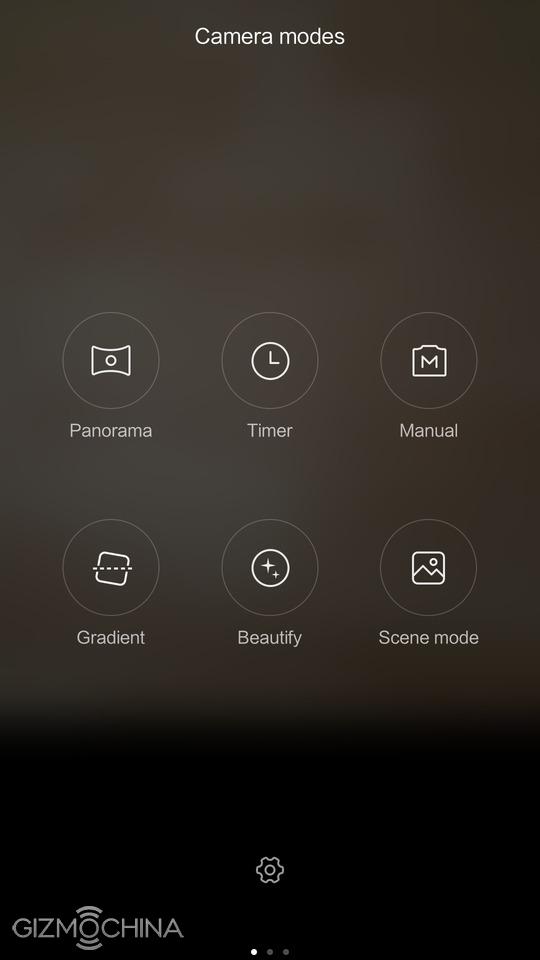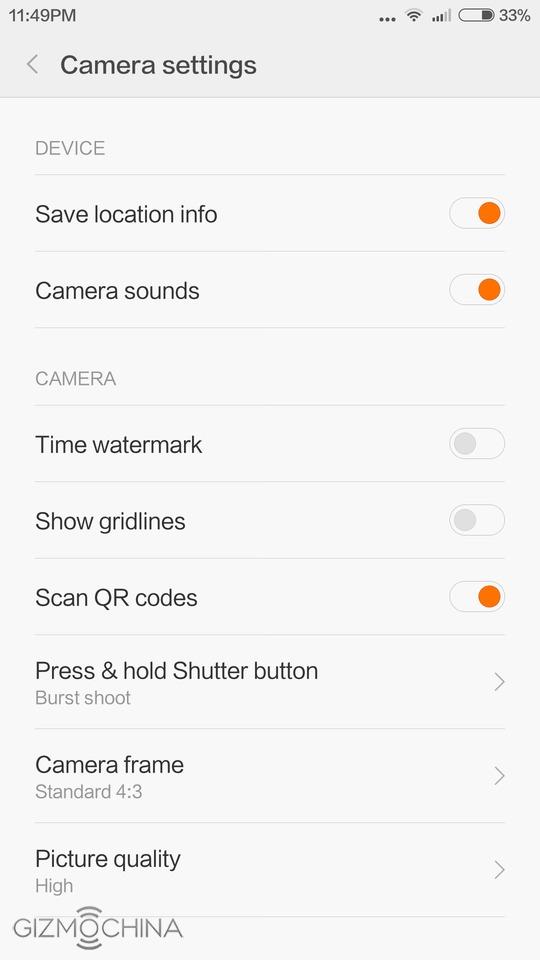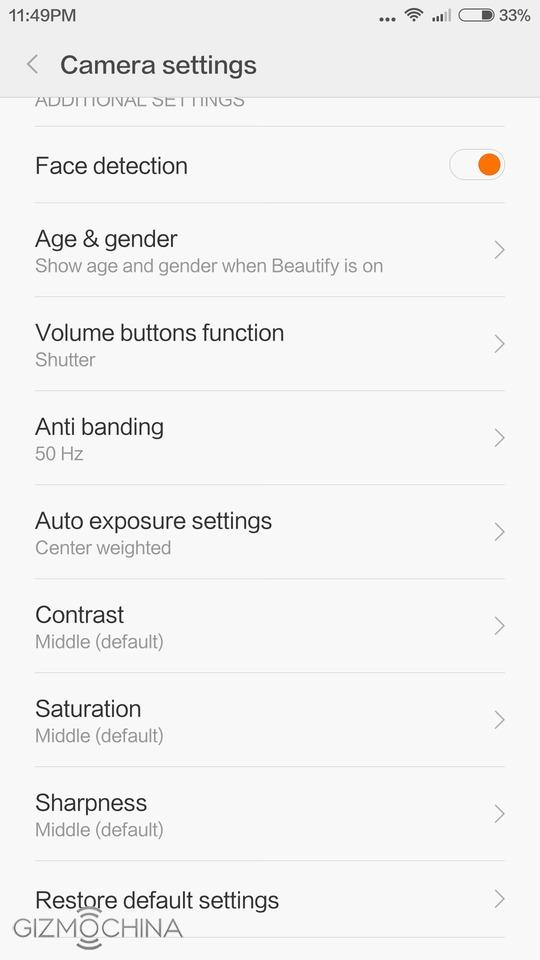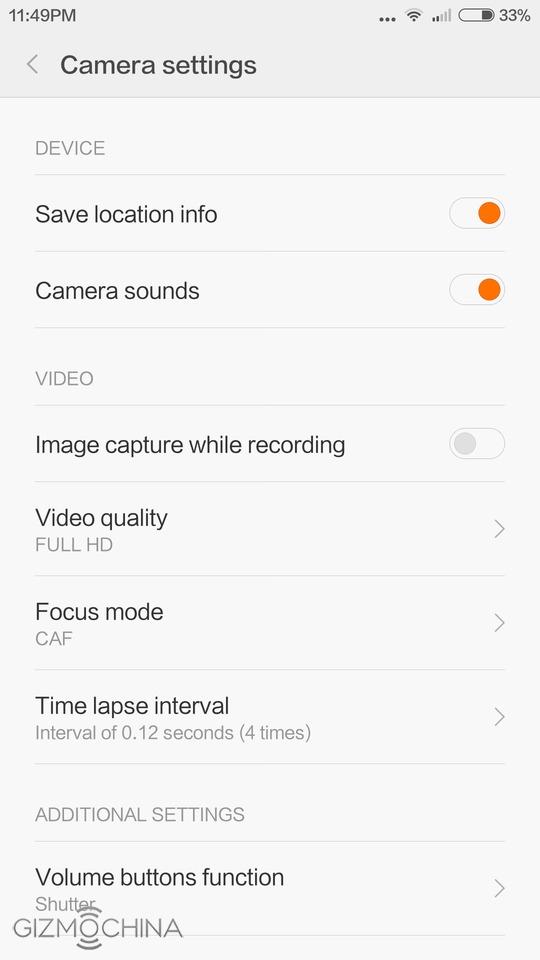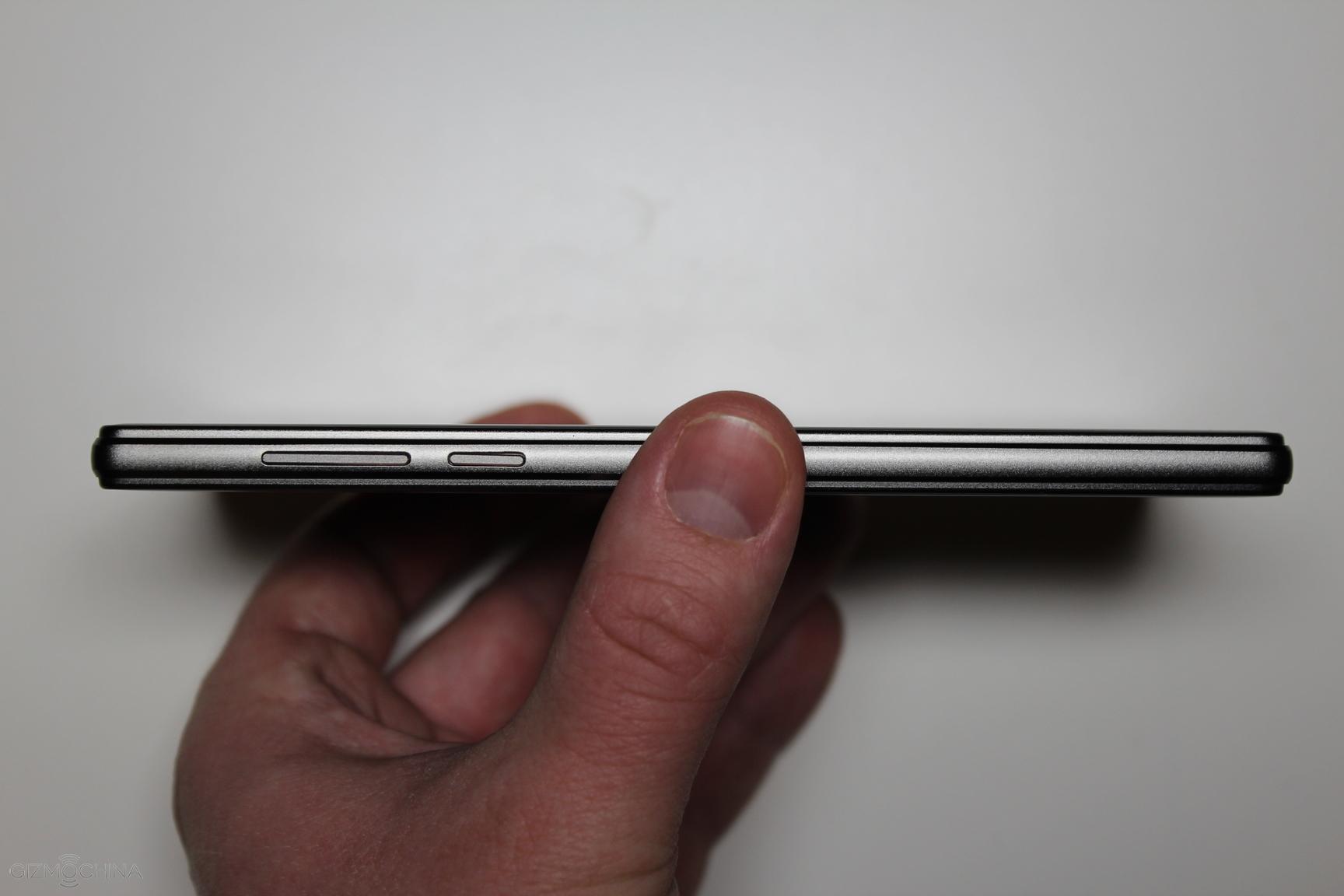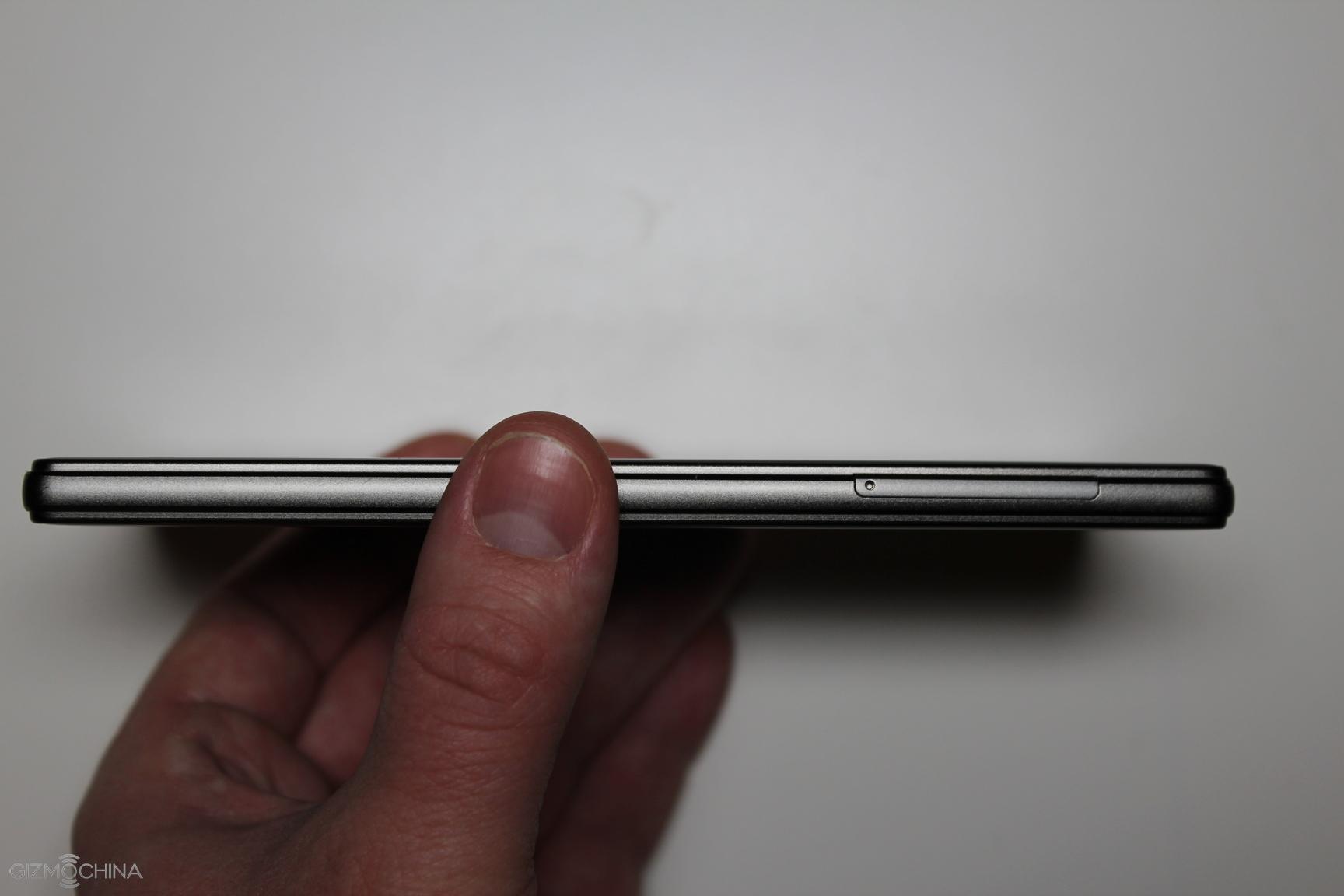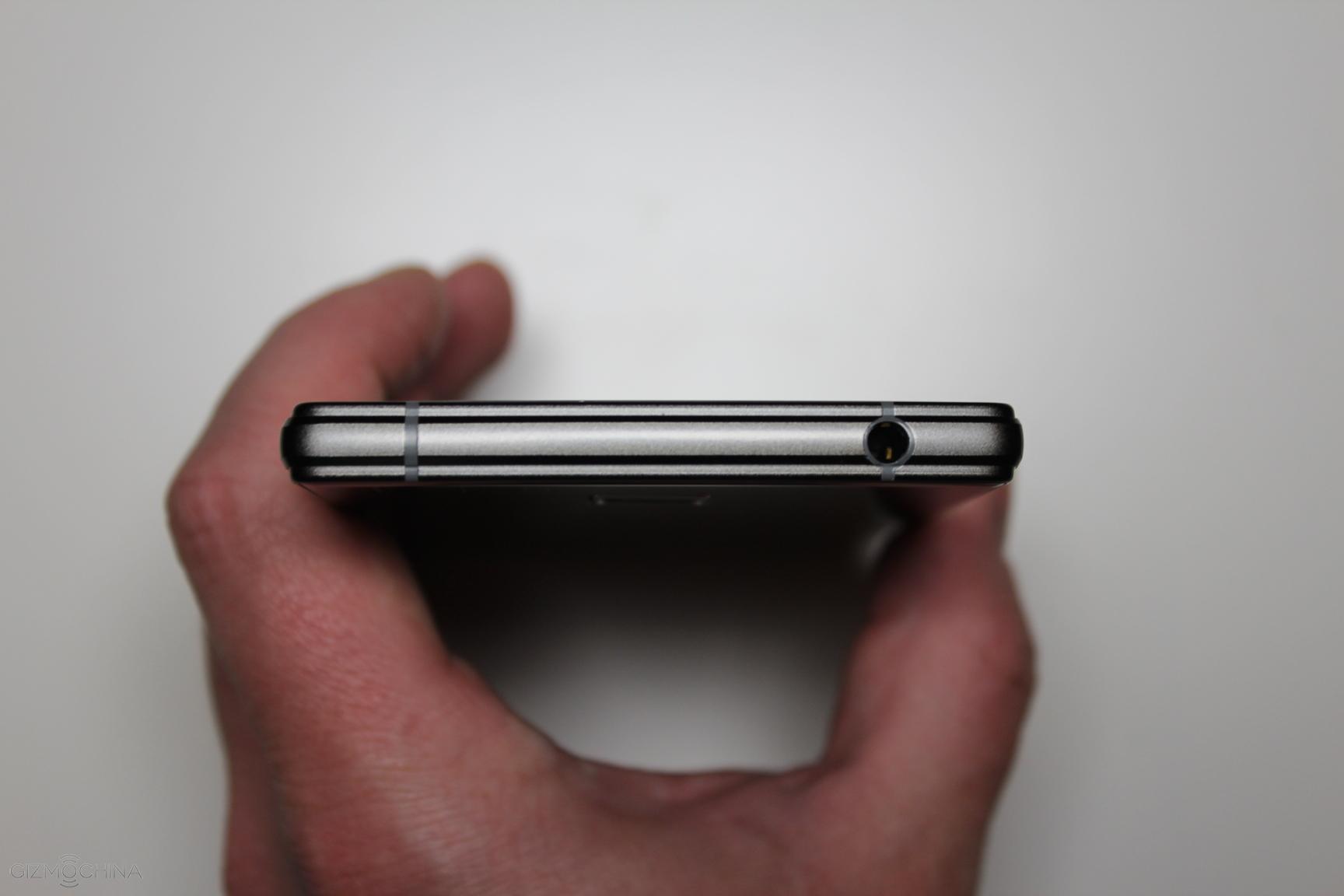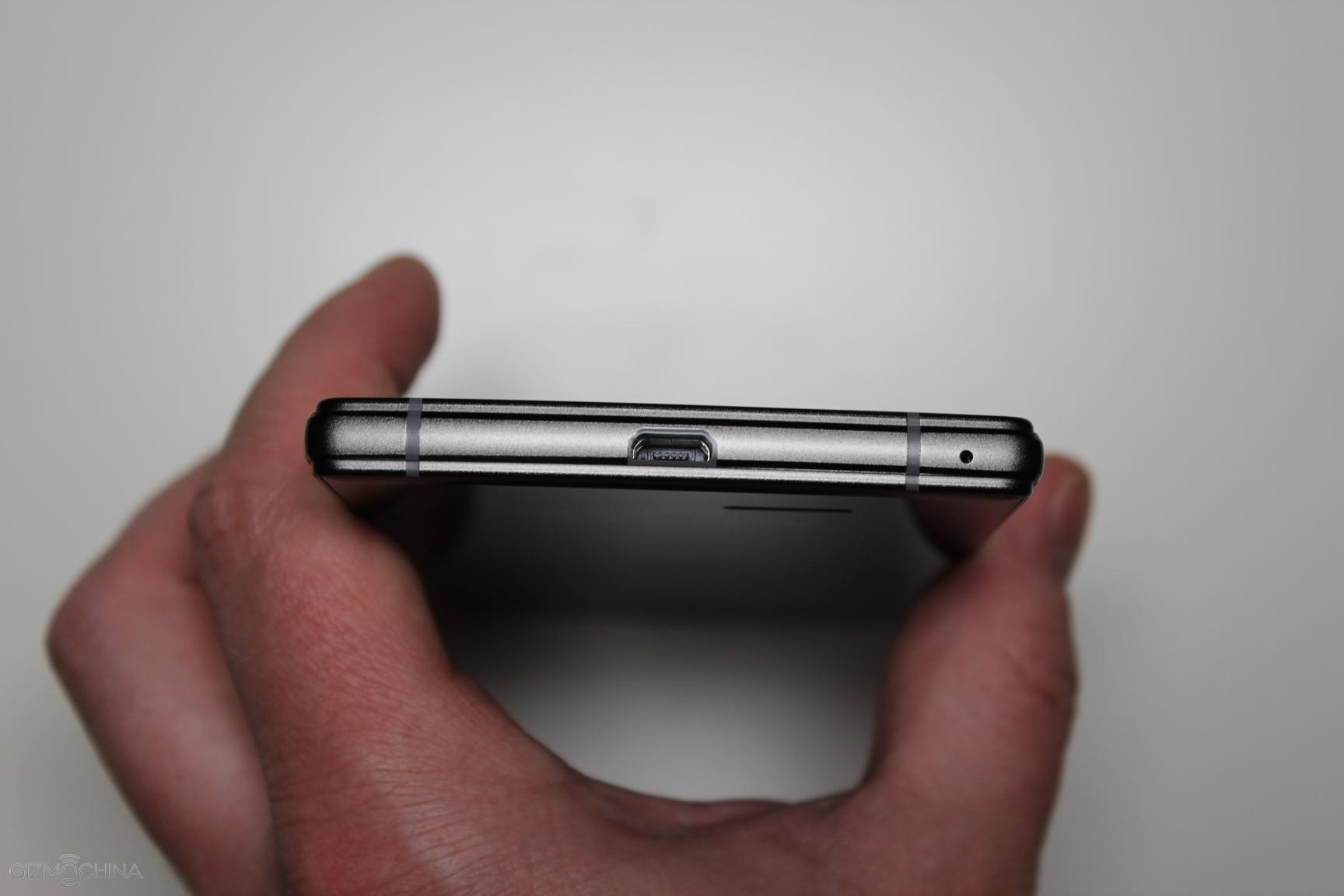
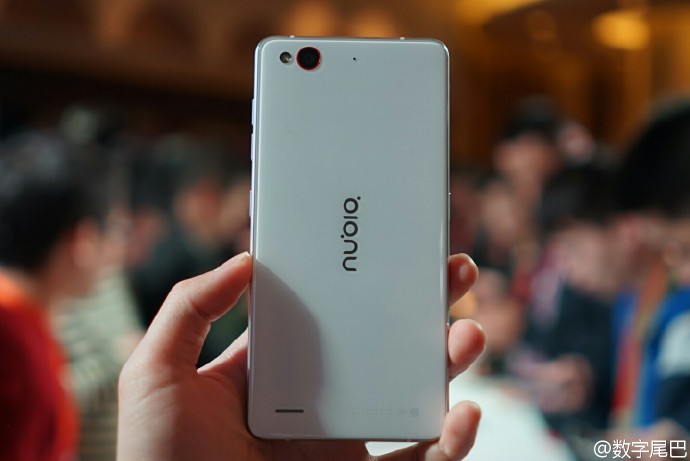
Besides the MX4 and Flyme 4.0, Meizu introduced several other products at the launch this afternoon. One of them was a smartwatch from InWatch that serves as an accessory to the MX4.
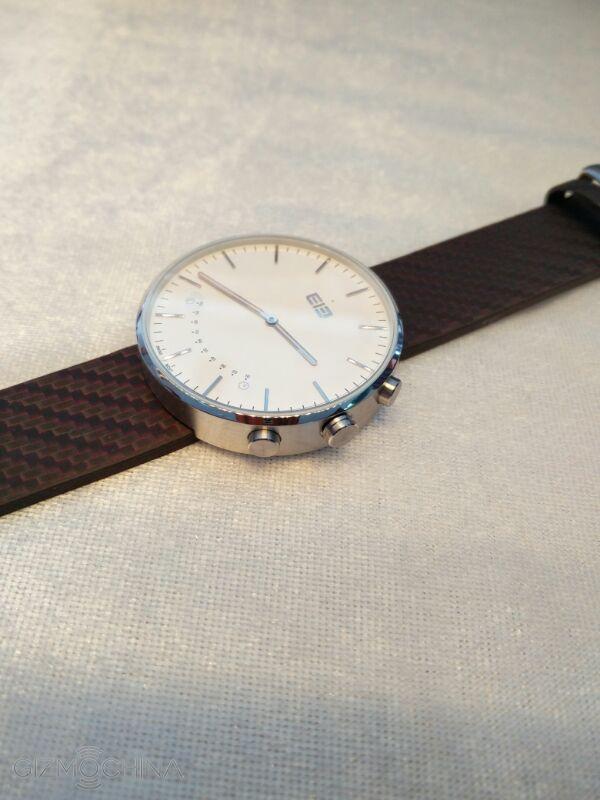
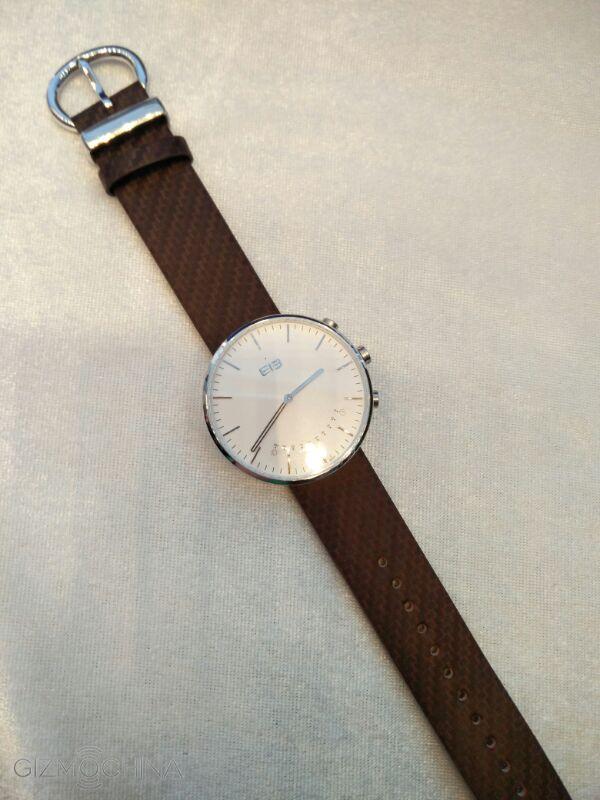
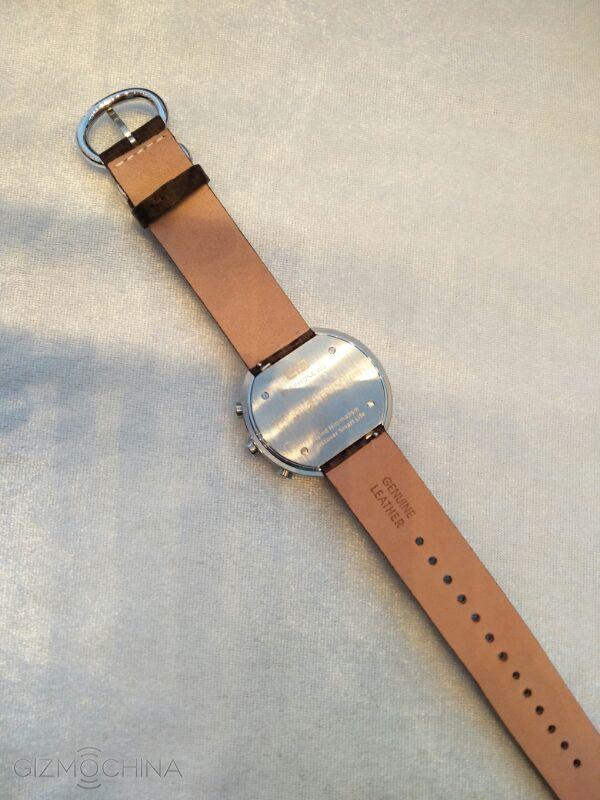
Many users should be impressed with the InWatch MX4 Edition. It has a round dial like the Moto 360 and is made of metal. It uses a sapphire screen. The dial has a 35mm diameter and the watch can be worn by both men and women. It comes with a gold, black, or silver cover.
Users can set reminders with this phone. They can also use it as a timer and also as an alarm clock. At most, it can last for 3-6 months, but many packages should come with a battery.
Together with the MX4, it costs 1998 RMB (325.00 USD), but costs 399 RMB (64.90 USD) when sold separately.
At today’s launch of the MX4, Meizu’s newest flagship phone was introduced and explained in detail by Bai Yongxiang who said that the MX4 is already in 800 Meizu stores all over China. The MX4 supports China Mobile and China Unicom 4G networks. According to Mr. Bai, the MX4’s internet speed is 7x faster than the MX3 while its Wi-Fi speed is 3x faster.
The MX4’s processor is the MT6595 chipset and the phone has scored 4612 in the Antutu Benchmark test. Its battery has 3100mAh .
The MX4’s camera has 20.7mp and can record 4K videos at 30fps. When taking quick photos, it can take 25 shots per second.
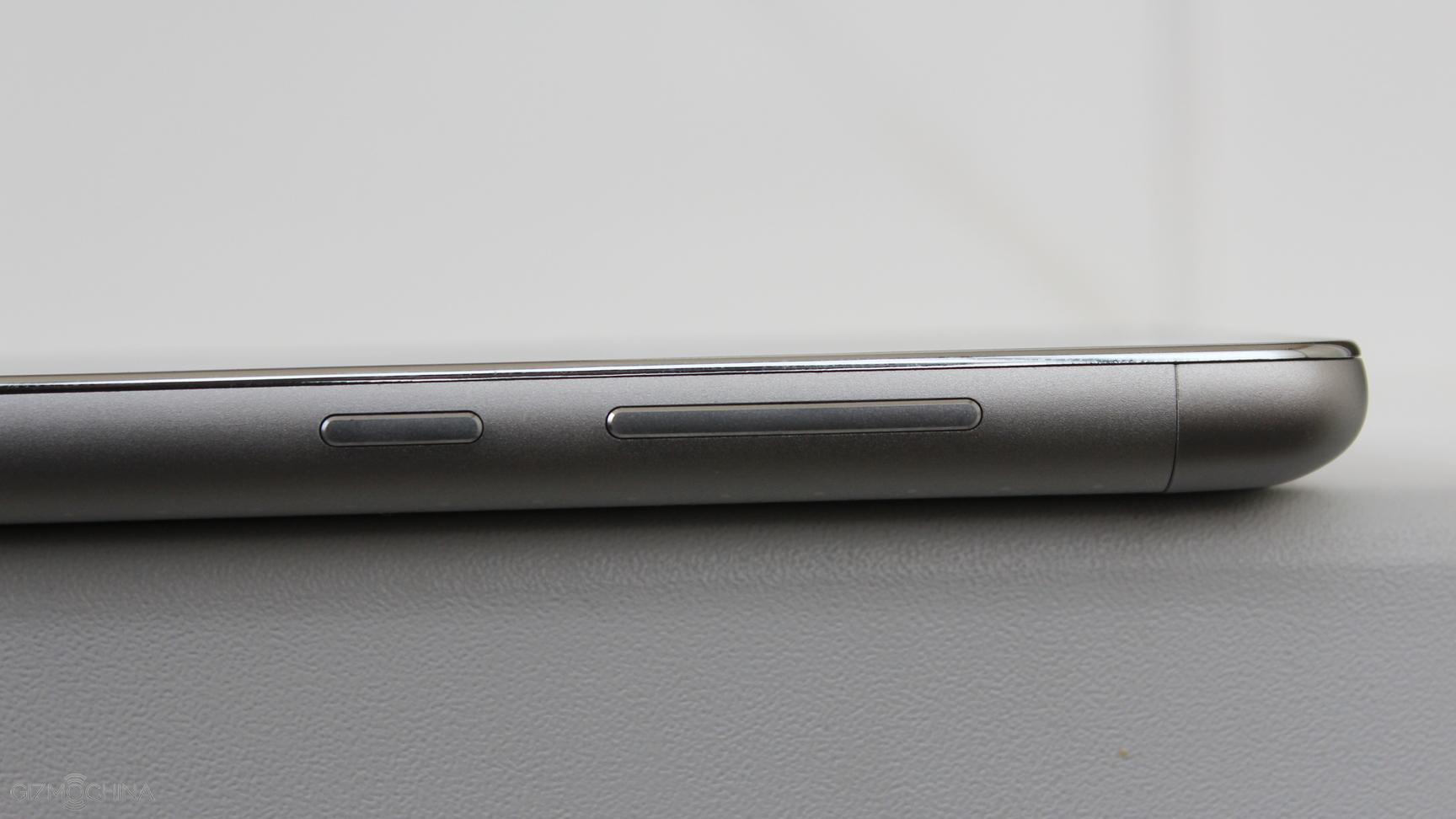
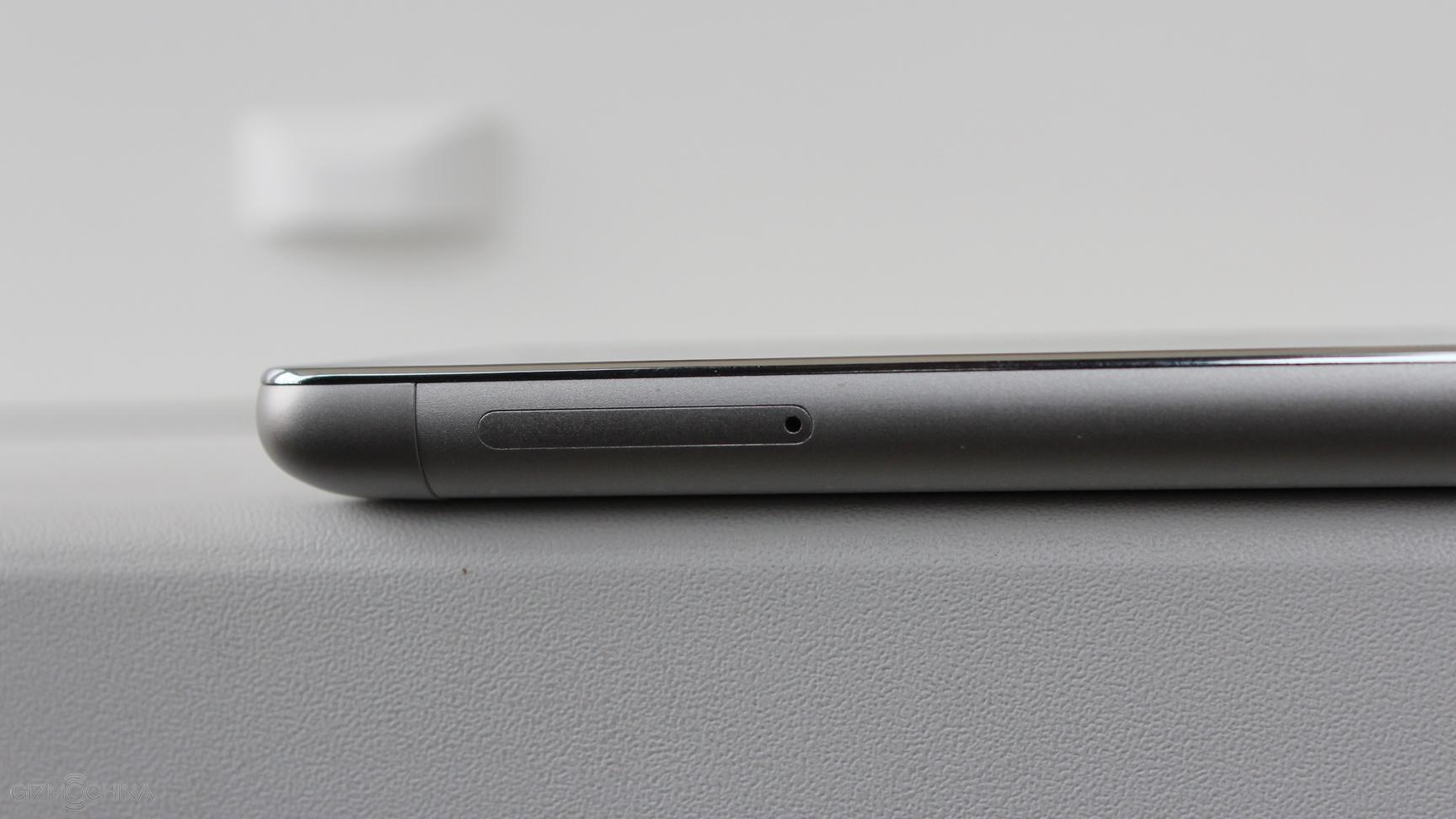
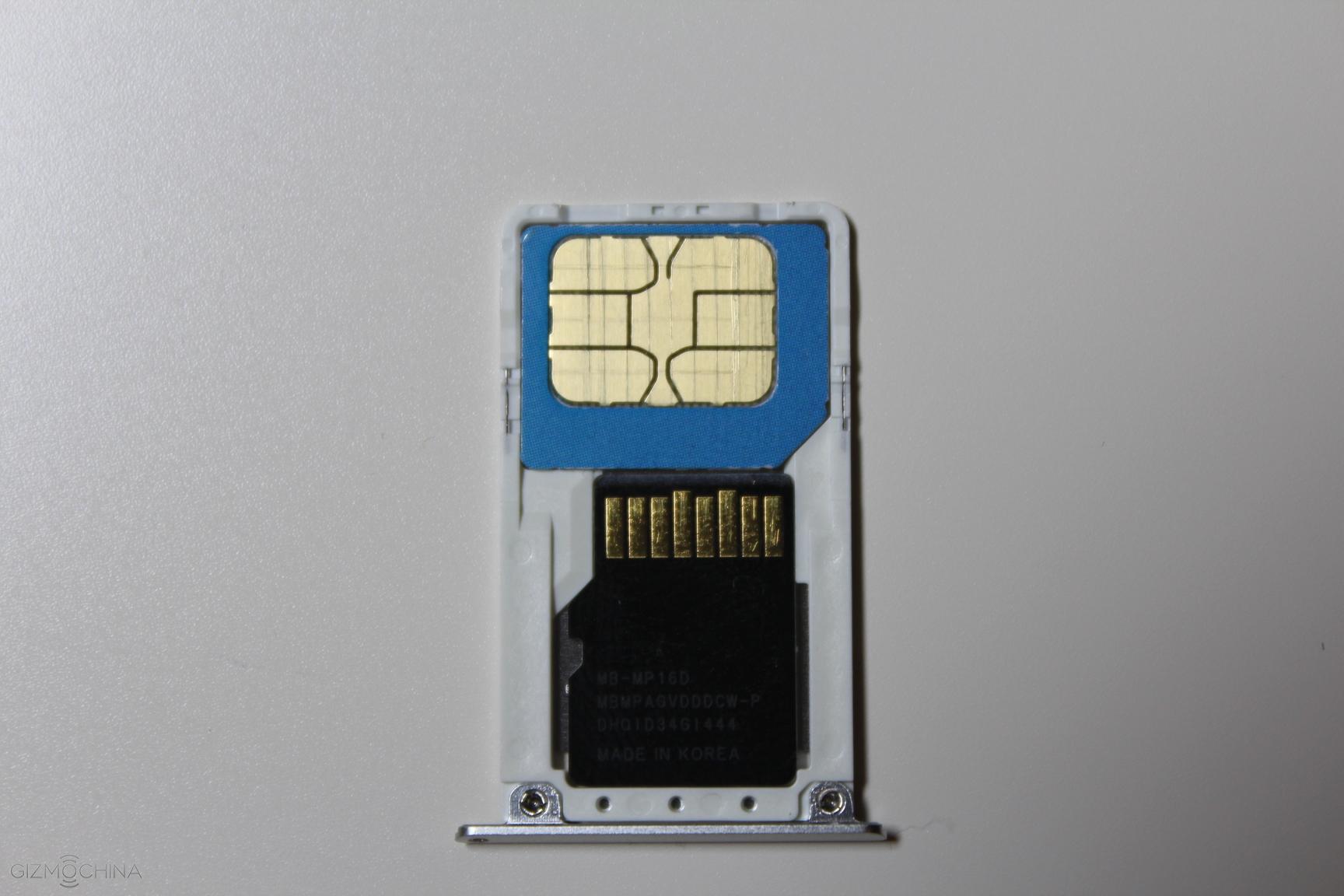
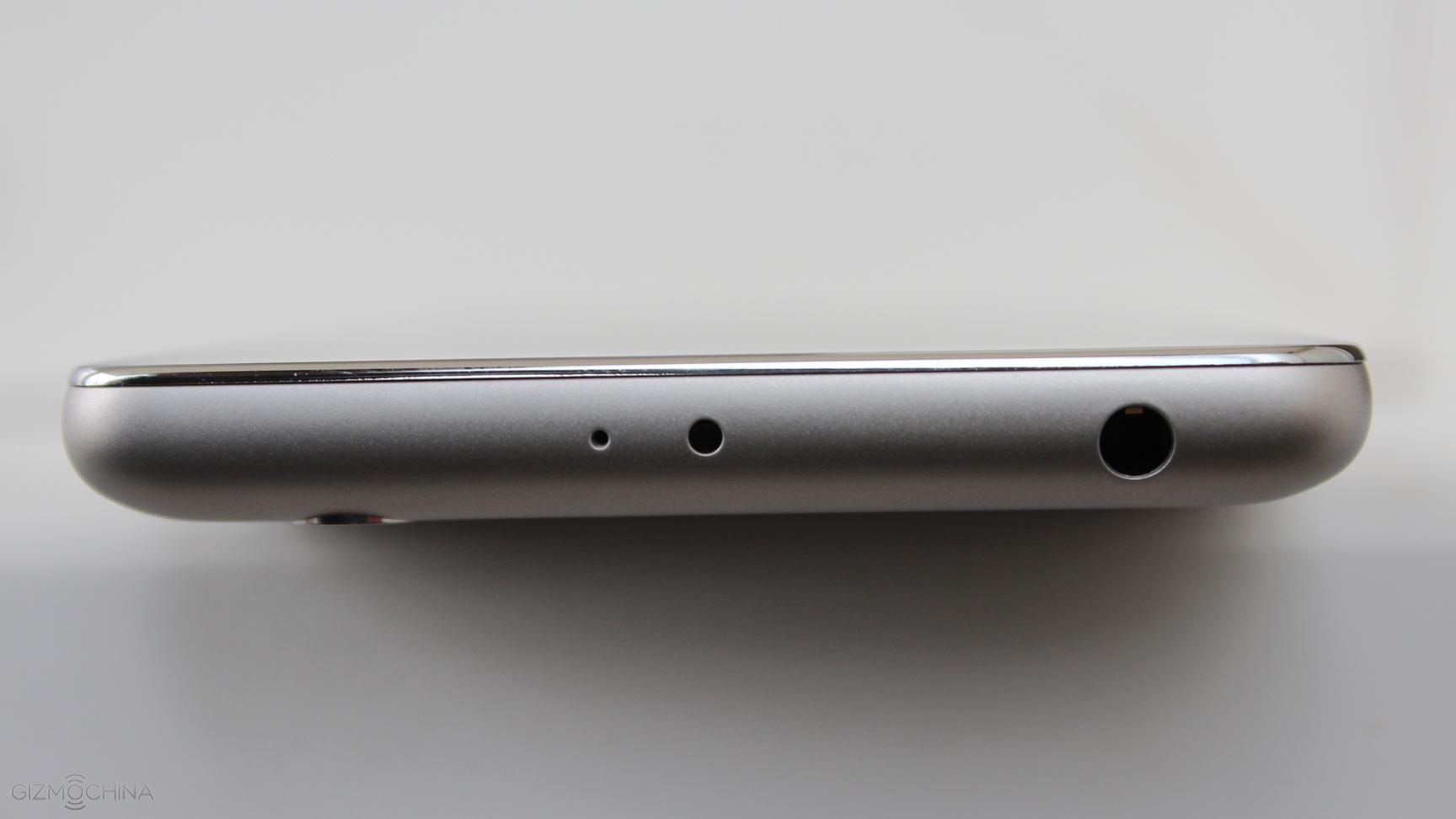
Now, for the phone’s design. The MX4’s frame is made of magnalium which was cut using a CNC process. This phone’s texture is better than baby skin. It has a detachable rear case. Its height is 8.9mm and is available in grey, blue, and gold.
The MX4’s screen is 5.4 inches and is surrounded by a frame with a thickness of 2.6mm giving it an 80% screen ratio. The screen has 1920 x 1152 resolution and ppi 418. The materials used to make the screen increase the glasses’ strength and helps prevent leakage and getting wet. Its OS is the Android 4.4.4-based Flyme 4.0.
The MX4’s selling price is 1799 RMB (292.63 USD). Those interested can buy them at Oppo Mart for 299.00 USD
It’s that time of year that all students both anticipate and dread – back to school season! All across the US, students are preparing to return to their studies; and of course this requires some new toys and accessories in addition to text books and tech gadgets for class. To encourage you to shake-up your back to school routine and continue taking great pictures all through out the year, we are offering you the chance to win a great new selfie monopod and Android Bluetooth remote!
There are some things that are unique with the adjustable monopod shutter. It does not only come with a mini Bluetooth Remote but several other great features. It allows one to take several portraits at long distances freely. It also has a compact size that eases its carriage. It is one gadget that is compatible with cell phones, GoPRO 1/2/3, Canon, Sony, Nikon and Smartphones. It is made of ABS+ aluminum with a weight of 5.47 oz (about 155g).
As you can see, this is how easy it is to take a selfie or even a group picture using the monopod. You can mount in your favorite camera or even your smartphone for high quality pictures.
The resulting picture as you can see looks good and natural which makes this device a must for all selfie and group portraits.
We are looking for new ways to promote the convenience of taking those awesome selfies and sharing them with your friends, or even the whole world! This bundle of accessories is valued at around $65 normally; and is a fantastic value at even that price; but free is always even better, right? The deadline for all submissions to this give a way is September 17th; 11:59PM ET – we’re looking forward to your submissions!
2) Share this giveaway on your FB, Twitter, Google+, Pinterest, Reddit and other social networking sites; spread the word!
3) Submit your posts/pins URL to us here by leaving us a comment on this article. Please remember to use your real, current and valid email address in order to ensure that we can contact you in the event that you are one of our winners!
4) The Tabletland contest judge panel will be reviewing all submissions that are before 11:59PM ET on September 7th during the following week. Winners will be notified accordingly; so get posting and good luck to everyone!
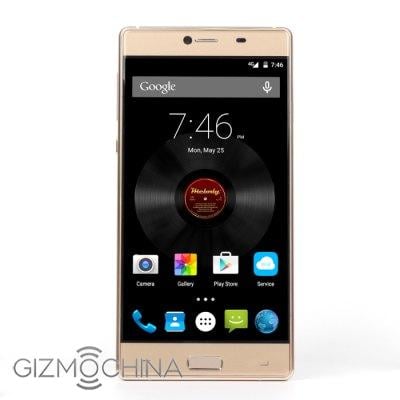
Today’s the day. Meizu has launched its new flagship phone, the Meizu MX4, and the Flyme 4.0 OS. Much of the information regarding the MX4’s design and specs has already been released. Its design is similar to that of the MX3 and its processor is the MTK MT6595. According to a recent poster of the phone that was leaked online, it looks like the MX4 will be available in three colors one of which is “luxury gold.”
Based on the photo, we can guess that users may now pre-order the MX4 at online stores such as Meizu’s T-mall site. Also, regarding the colors, most of the previous MX phones were only available in black and white, but it looks like, according to this photo, a gold version will be released as well, similar to the iPhone 6.
Yesterday, Ramos and Intel launched three new devices at the Beijing Film Director’s Center, the i9s, i7s, and i10s.
Members of Intel and Ramos upper-management as well as reporters and fans gathered to witness the birth of Ramos new Intel-processor-using tablets.
The star of the event was the Ramos i9s which uses Intel’s newest processor, the Intel Atom Z3735F which was made using 22nm 3D Tri-gate technology and the new Silvermont architecture. It has four cores, uses Intel Gen7 Graphics, supports DX11, HD, Intel Turbo Boost 2.0, and many others.
The Ramos i9s is the first tablet to use a 4.35V 8000mAh BYD battery. It is very powerful, safe and can last for 10 hours when the user surfs the web. Its default OS is the Lewa OS but it can be upgraded to Windows 8.1.
The i7s is 7 inches while the i10s is 10.1 inches. Both tablets support 3G and GPS. The designs and functions of both tablets should be enough to meet the user’s needs.
Users can surf the web using the i10s for up to 11 hours. It sports a 1290 x 1200 10.1-inch screen and its OS can be upgraded to Windows 8.1.
The i7s costs somewhere between 599RMB (97.48 USD) and 699 RMB (113.75 USD).
The price range for the i9s is 1099 RMB (178.84 USD)-1199 RMB (195.12 USD).
The i10s costs somewhere between 1199 RMB (195.12 USD) and 1399 RMB (227.66 USD).
Xiaomi is going through its golden period. The Chinese giant has made new move by sudden release of Xiaomi Mi 4 3G handsets in the Chinese market. The release was done as a surprise and this unexpected blow has been proved as a boon to Xiaomi.
Specifications of Xiaomi Mi4 3G smartphone
Sources reported that a few days back Xiaomi launched 100,000 Mi4 3G handset, 100,000 Redmi 1S 4G and 20,000 Redmi Note 4G for sale in an unexpected market of China. There was no prior news of such release. Everything was kept under the veil. The company always believe in launching only a limited number of handsets at one time and all the handsets sales off at once because of the high demand and limited supply. This so called ‘clever marketing strategy’ of Xiaomi has always worked in the favour of the company. Each set of the Xiaomi Mi 4 got sold off in this sudden sale. Apart from the clever marketing strategy of Xiaomi, the premium features of Mi 4 smartphone and reasonable price tag have helped in making this sudden sale a smashing hit. Xiaomi Mi 4 exhibits all the features which makes it’s a strong competitor of the well known products like HTC One and Samsung Galaxy S5.
Earlier, Xiaomi had created a great history in India by its Flash Sale joint venture with Flipkart. These flash sales have helped Xiaomi to earn the trust of Indian customers. These flash sales have been proved as back to back hit sales. This Chinese brand has now been considered as a threat to the global smartphone leaders. The company always bring new smartphones with some flavour of innovation but with the user friendly price tags. These innovative marketing strategies of Xiaomi are definitely going to take the company to new heights.
Xiaomi could launch its wearable device, the Mi band by the end of 2014 in India, as soon as it passes the regulatory guidelines. The device is ultra affordable and is priced at a mere $13 which comes out as INR 700. Xiaomi’s global vice president, Mr. Hugo Barra made this announcement recently. It was said that the device relies solely on Bluetooth and has a standby life of 30 days.
As the device is to be worn like a watch, it is an added feature that the Mi Band is water resistant. It is equipped with a fitness monitor which syncs with the Xiaomi smartphone with help of the Mi and android app. However, the device does not display any metrics on itself as such and the user has to finally use the phone itself for details of the workout. It also comes with a sleep monitor. The Mi band app developed by Xiaomi can extract details from the device like the number of calories burnt, number of hours slept, etc.
For the fashion conscious, the Mi band comes in 6 colourful variants – blue, brown, pink, black, grey and purple. Another purpose solved by the device is that it can be used to unlock the Xiaomi smartphone without typing any passwords.
Samsung is the world leader in wearable smart devices and has three new products up for release – Gear 2, Gear 2 Neo and Gear fit. Other major players in this market are LG (G watch), Motorola (Moto 360) and the soon to be launched Apple’s iWatch. These products present a tough challenge in front of the Mi band. The other products have more features and are more power packed. The Mi band with very few features has only one shining quality i.e. its low price.
Ouya, the new-fangled contestant in the gaming market has some noticeably different plans in its head. The company is all set to take hold of the major share of the Asian gaming market with the help of Xiaomi. Xiaomi is a well established giant in Asia because of its unique and innovative smart gadgets. Xiaomi is a China based company and now has set its feet in the global market. Xiaomi’s has a wide range of products and recently has been also entered into the smart TV and set top box business. Ouya, a U.S. based video game service providing company will take up the help of Xiaomi to establish its brand name in Asia.
Sources of both the partners, Ouya and Xiaomi, shared with the Reuters that the recently launched “MiBox” and “MiTV” streaming boxes and smart TVs of Xiaomi will be used for providing Ouya gaming services to the customers of Asian market. Julie Uhrman, Chief Executive of Ouya informed that the devices of Xiaomi will have a channel, through which users will be able to download Ouya games. However any intricate details of the collobration have not been unveiled by both the partners.
The process is still on for planning of branding and marketing strategies. Different plans are there for the brand name of this joint venture. It is anticipated that Xiaomi will handle the marketing of this new endeavour and capital investments will be handled by both the partners.
The previous records set by Xiaomi are showing some positive hopes out of this project. However, everyone is eager to witness the outcomes this partnership of Ouya with Xiaomi.
Leagoo, the smartphone company which was established only a year back is growing pretty fast. The company recently unveiled its first generation of devices in the Lead lineup which includes four new smartphones, each designed with a specific set of users in mind.
Although Lead 1 is the flagship device, its brother Lead 2 is as powerful and capable as the flagship and the only major difference between the two is its screen size. While Lead 1 comes with a 5.5 inch IPS panel, Lead 2 is slightly smaller in size with a 5 inch display.
We recently got our hands on this value for money device and naturally we experimented with it to see whether it lives up to our expectations.
So, here’s our detailed Leagoo Lead 2 Review on Leagoo Lead 2 smartphone.
DESIGN
If we had to judge the phone just by its looks, then Leagoo Lead 2 would definitely be one of the best looking devices in its class. The phone comes with a sleek rectangular body with curved edges and a beautiful aluminum frame which gives it a premium feel.
The device is extremely thin, measuring only 5 mm in thickness. So, those who love slim phones are in for a treat. The overall dimensions of the phone are 145.3×71.2×6.9mm. The device just weighs 135 grams which makes it extremely light and easy to carry around. So, even with its large 5 inch screen, you won’t find it hard to operate the device.
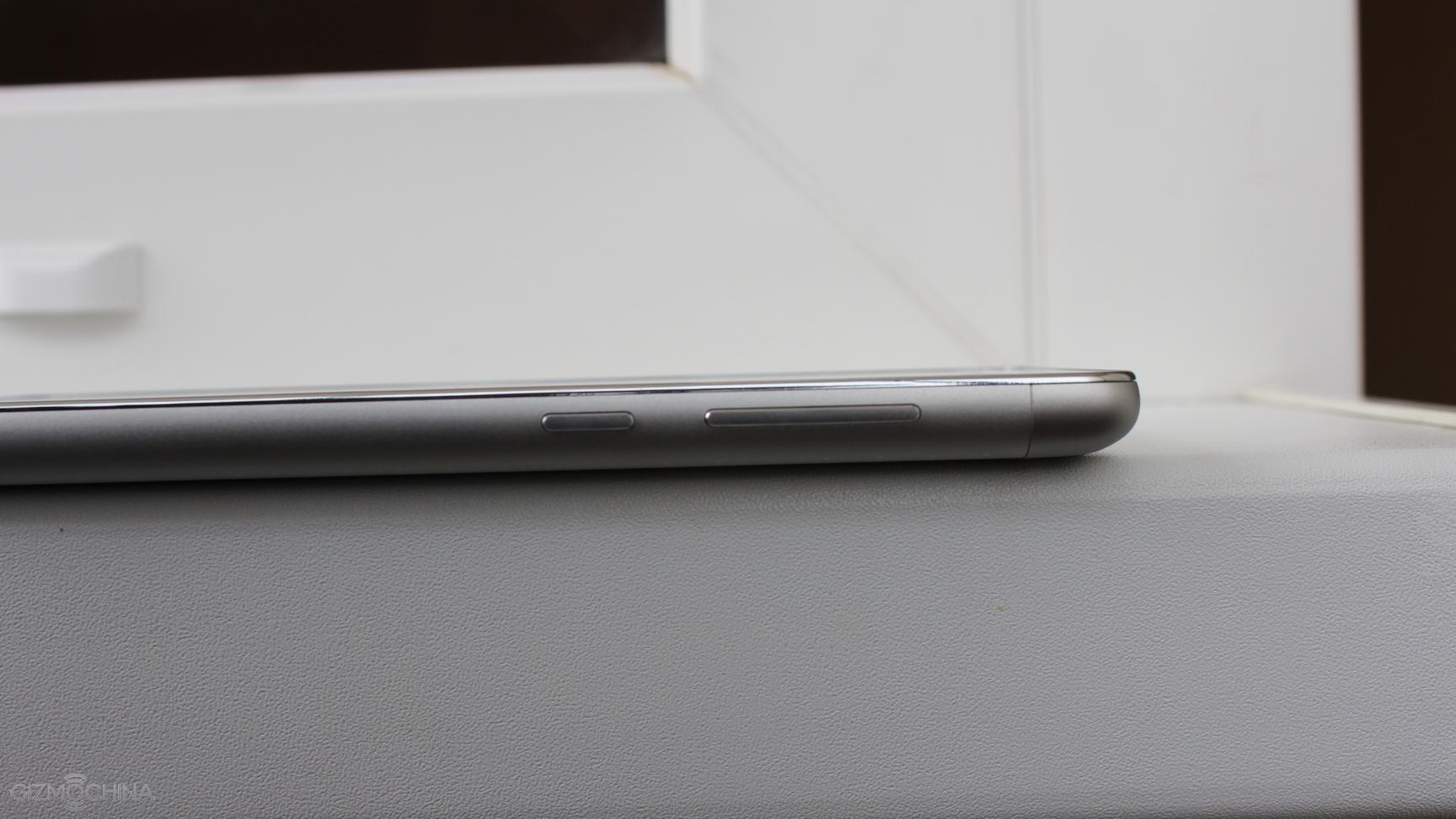
The power button is situated on the right side of the device while the volume up down keys are on the left. You don’t get a dedicated camera button, but that’s something that we can live without.
DISPLAY
Lead 2 is tailor made for users who like large screens. The device comes with a 5 inch IPS panel with qHD resolution. While we would have loved to have atleast 720p display on the device, the 940 x 540 pixel resolution looks not too bad and images and videos turn out to be quite crisp and clear.
The pixel density count naturally falls down due to this low resolution, but even at 220 PPI, we were quite happy with the quality of display.
HARDWARE
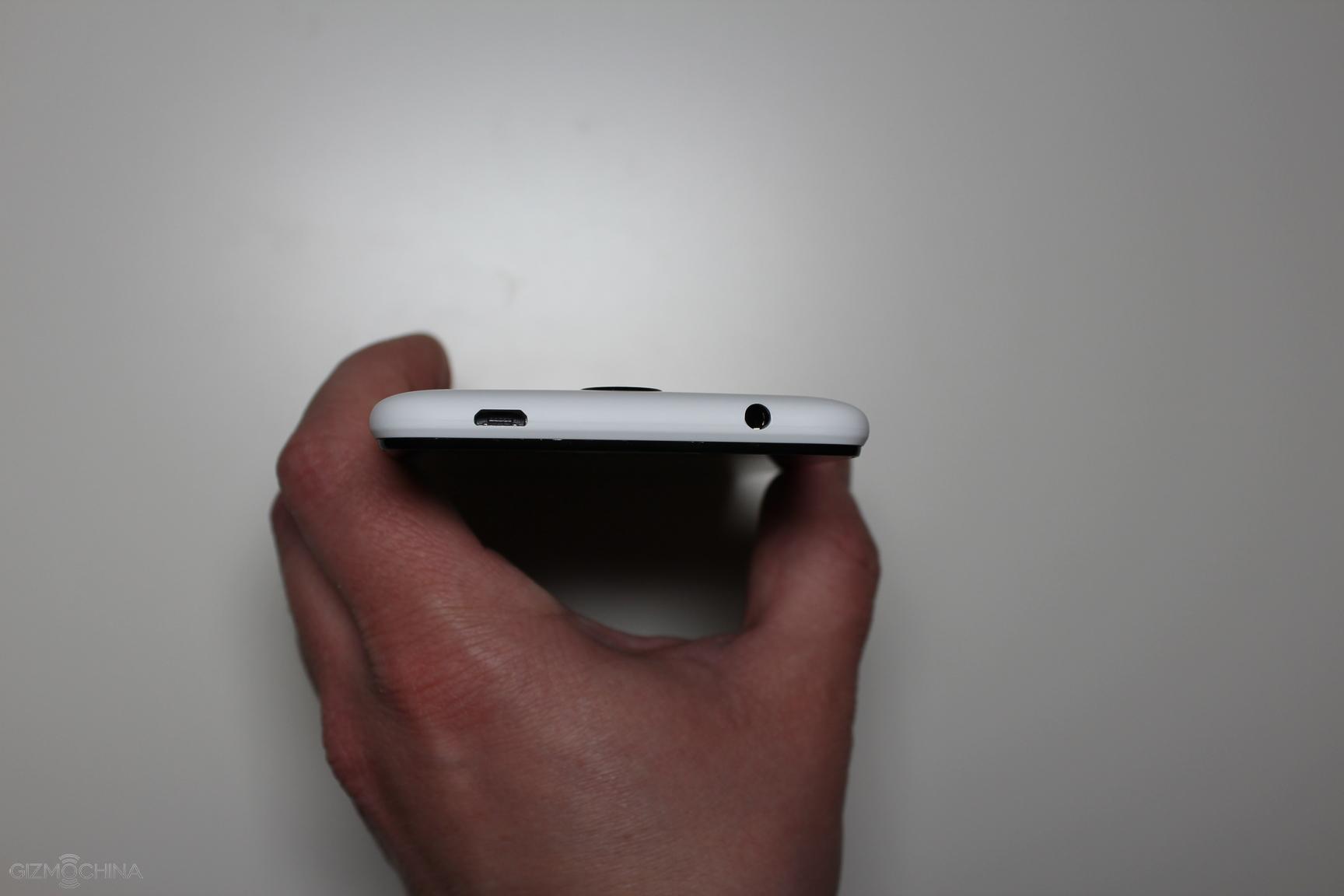
The specifications of the phone are quite similar to Leagoo’s flagship model. The Lead 2 packs in a Quad Core 1.3 Ghz MediaTek MTK6582 SoC along with 1GB RAM and Mali 400 GPU. The Cortex A7 processor along with the Mali GPU is enough to run high end games on the device with ease. So, you’ll have a great time playing even graphic intensive games like Modern Combat 4.
You get 8GB internal storage, which is enough for storing your basic images, music and videos. However, if you feel that this isn’t enough for your needs, you can anytime upgrade the storage using an external MicroSD card which is expandable up to 64GB.
CAMERA
Camera is one of the essential components that consumers look for when buying a new smartphone and Leagoo Lead 2 won’t disappoint you in this area. Ofcourse, it’s no match for other high priced flagships in the market, but it also won’t be fair to compare this value for money device with them.
You get a 13MP Sony Exmor camera at the back which can capture pictures at a maximum resolution of 4128 x 3120 pixels. You can also take 720p HD videos at 60 fps.
On the front, there’s a 5MP shooter good for video calls and selfies.
As you can see, the phone manages to reproduce colors quite accurately. The image shown below is one of the samples that we took from the phone.
The blue color in the image is quite bright, just as it was in the real world and even in dim light, the phone managed to capture decent pictures. However, some of the pictures lost details especially in low light, but most of the times, the images captured were quite good.
CONNECTIVITY AND BATTERY
Lead 2 comes with standard connectivity features as seen in other smartphones in this price range. So, you have Wi-Fi, GPS, A-GPS, Micro USB, HSPA+, Bluetooth 4.0 and WCDMA / GSM Dual SIM dual standby support. You also get standard sensors like proximity, accelerometer and ambient light sensors.
Moving on, Lead 2 comes with a 2,200 mAh removable battery. This should be enough for a day at an average level of usage. The low power consuming Cortex A7 processors further increases its battery life, so you easily get around a day’s usage on the device.
SOFTWARE
Lead 2 comes with the latest Android 4.4.2 Kitkat version out of the box. There are certain OEM specific features too, like the on screen quick settings button that can be moved around. Clicking on that icon instantly opens up four different options namely Settings, Lock Screen, Favorites and Home.
Leagoo has also incorporated a special Wake Gesture feature on the device. You can access this feature from the phone’s settings menu.
Wake Gesture basically allows you to open up apps directly from the screen even when the display is not turned on. This will instantly give you access to your favorite apps like the camera app or your music player. All you have to do is draw the letter assigned to the app on the screen and the phone will recognize the gesture and take you to it.
For example, if you draw the letter ‘C’ on the display which is currently off, the phone will directly take you to the camera app. Similarly, ‘M’ takes you to the music player. You can even change these default apps to assign your favorite ones to these gestures.
PRICING AND AVAILABILITY
Coming to the best part about the device, Leagoo has priced Lead 2 at $108 which is an insane price for a device with such specifications. We honestly feel you get much more than what you pay for the device and if you are looking for a good Android smartphone, you should definitely consider buying this one.
The phone is available in white and black colors and at present can be bought from Deal Extreme and AnteLife websites for the said amount.
OUR VERDICT
Although Leagoo may not be an established brand in the market, the company has proved that it can make competitive and value for money devices like the Lead 2.
We personally feel that Lead 2 offers good specifications and features for a device just over $100 and it would be a great purchase for anyone who’s entering into the world of Android for the first time.
Hailed as the “Karaoke King,” The Vivo X5 is the latest in Vivo’s Hi-Fi super-slim X series.
Like the X3, the Vivo X5 follows a very slim 3D design. Its height is only 6.3mm. The only difference in the designs of both phones is that the X5 has a metal mid-frame like the Xshot.
As said before, the Xshot has a karaoke feature. It uses a Hi-Fi solution and is the first cellphone in the world to use Yamaha’s powerful digital surround-sound chip, the YSS205X-CZE2. The phone’s built-in karaoke system has music videos and allows users to record themselves as they sing along to their favourite songs. They can even have their own online concerts.
The Vivo X5 sports a 5-inch 720p display screen, uses the MTK MT6592 octa-core chipset, and has 2GB RAM and 16GB ROM. It is powered by a 2250mAh battery and sports a 5mp/13mp dual-camera (F2.0 aperture, Sony IMX214 sensor). It supports TD-LTE internet and costs 2498 RMB (406.30 USD).
Google has sent invitations for an event which is held on September 15 in India. The invite says block your date “More details closer to the date!”, This event could most likely open curtains for Android One smartphones.
The Android One project which is creating lot of hype with its X-factor of producing low budget phones which costs around 100$, by the time of its arrival, Google are planned to spend around Rs 100 crore for the advertising for this initiative.
The moto of Google is to get Android smartphones to people of emerging markets. The project was unveiled in June. It is said to start it’s journey in India and will expand into other territories.
Coming to spec sheet these phones may carry around 4.3-4.7 inch display, a Quad-core processor coupled with at least 1GB of RAM and a better battery. These phone are built up with stock android to give you nexus like experience and with v4.4 and will get at least 1 major update for sure.
Last week reports claimed that Micromax, Karbonn, and Spice may launch the first Android One handsets in India this September. So likely Google is going to release it’s first Android phone under this project.
Xiaomi India has announced the first flash sale of 40,000 units of its affordable smartphone, the Redmi 1s on Flipkart on 2nd September. Customers have already taken to the e-commerce site to register for this flash sale. Registrations will continue till midnight 1st September and reports suggest that nearly one hundred thousand people have already registered for this much awaited sale. Priced at INR 5,999, the phone fits the bill of a pocket friendly smartphone and will surely catch up quickly with the Indian population. The phone was initially launched at a price of INR 6,999 (Just around $100) but the company has slashed the price right before announcing the flash sale.
The Redmi 1S might be light on the pocket but is packed with decent features like:
4.7 inch HD (1280×720 pixels) display
powered by a 1.6GHz Snapdragon 400 quad-core processor with 1 GB RAM
8-megapixel rear camera and 1.6-megapixel front-facing camera with flash
It runs on Android 4.3 Jelly Bean
Internal memory of 8 GB, expandable up to 64 GB
Supports WiFi, GPS, Bluetooth and dual-Sim format
Redmi 1S will e pitted against the Motorola Moto E which is priced at INR 6,999. The former presents slightly better specifications like larger display, better camera specifications, slightly enhanced processor and a lower cost as compared to the Moto E. Competitive performance will, however, be judged when the phone lands in the market and finally reaches the consumer.
Starting last week, owners of the Mi 3 (China Unicom/China Telecom) and the Mi 4 could upgrade their OS to the new MIUI 6. Today, Xiaomi announced in MIUI’s official forums that closed-beta tests for the MIUI 6 with the Mi 3 China Mobile Edition will start this week. Users can sign up for the “closed beta fanclub” online. Based on the progress with the other phones, we can expect open beta tests after two weeks around Mid-Autumn.
Huawei recently released its latest instalment in its “Y” entry-level cellphone series in the market, the Y518. Users can already pre-order this phone for only 459 RMB.
The Huawei Y518 sports a 4.5-inch FWVGA display screen which is not as good as the Honor series’. It uses the MT6582M quad-core chipset and has 512MB RAM and 4GB ROM. It does not have a front camera but has a 5mp rear camera. It is powered by a 1730 mAh battery and uses the Android 4.22 OS.
The China Mobile logo confirms that the Y518 is a China Mobile phone. It supports TD-SCDMA+GSM dual-SIM. Its design is just ordinary and its measurements are 132 x 67 x 10.9mm. Its available in black and white.
Recently, in response to Samsung’s Gear S 3G smartwatch, Mlais launched its own flagship 3G smartwatch, the MX50, which people can use to make phone calls and surf the net.
The MX50’s features almost rival those of a regular smartphone. It supports China Unicom 3G SIM card (WCDMA) and GSM card. It also supports 3G internet and direct dial. It can also serve as a cellphone accessory by letting users synchronize information in both devices. It also supports WIFI, GPS, Blue Ray, etc. Its OS is the Android 4.04 which can be downloaded separately.
Like the majority of Chinese 2G phones right now, the Mlais MX50 uses a processor from MTK. In this case, it’s the 1GHz MTK6577 dual-core chipset. It sports a 1.54 IPS screen with 240 x 240 resolution and has 512M RAM and 4G ROM (supports memory card). It also has a 2mp camera and is powered by a 700mAh battery.
The Mlais MX50 will hit the market on September 2 and cost 666 RMB.
While Chinese manufacturers like Xiaomi are creating a stir in a growing market like India with their exceptionally priced value for money devices, it seems like OPPO is living in a totally different world. The company announced its OPPO Neo 3 budget offering yesterday for INR 10,990 or $181.
The device comes with just average specifications. For this price, you get a 1.3Ghz dual core CPU, 4.5 inch 480p display, 1GB RAM, 4GB internal memory, and 1,900 mAh battery. There’s a decent 5MP camera on the back along with a 2MP front shooter.
Connectivity features include 3G, GPS, A-GPS, Wi-Fi, Wi-Fi direct, OTG, and Bluetooth 2.1. You also get the HotKnot feature on the device which allows a user to share anything to another phone by simple screen touch.
Unlike budget offerings from other Chinese and local manufacturers which comes with the latest Android Kitkat version, OPPO Neo 3 will come the old Android 4.2 Jellybean version out of the box. Also, as you can see, the specifications of the device are no way near other rivals like the recently announced Redmi 1S. So, the company may find it hard to find buyers for the device unless it lowers the pricetag.
OPPO Neo 3 will be available from Flipkart as well as directly from offline retailers.
Today, Nibiru released two new devices, the M1 and J1, as well as the new Touch Os.
The Nibiru M1 is a very large phone tablet, sporting a 7-inch display screen with 1920 x 1200 resolution. The screen is made of LTPS material (16:10, 323ppi Retina level). It uses the 1.7GHz MT6592 octa-core chipset as well as Mali 450 GPU. It has 2GB RAM and 16GB internal memory space, and supports an expansion memory card. It is powered by a built-in 3500mAh detachable battery. The M1 also sports a 13mp rear camera (OV13850 sensor and LED light) and 2mp front camera. It also has a height of 8.5mm and supports WCDMA+GSM dual-SIM, Blu Ray 4.0 and OTG. The M1 costs 1288 RMB and goes on sale on September 8.
Another product that was launched was the Nibiri J1. It sports a 2.18mm frame and a 6.0-inch LG IPS screen. It uses the Snapdragon MSM8928 quad-core chipset (1.6GHz), has 2GB RAM, 16GB ROM, a 13mp rear camera (OV13850 and LED), and a 5mp front camera. It goes on sale in October and the price has not yet been announced. The J1’s OS is the new Touch 2.0 OS.
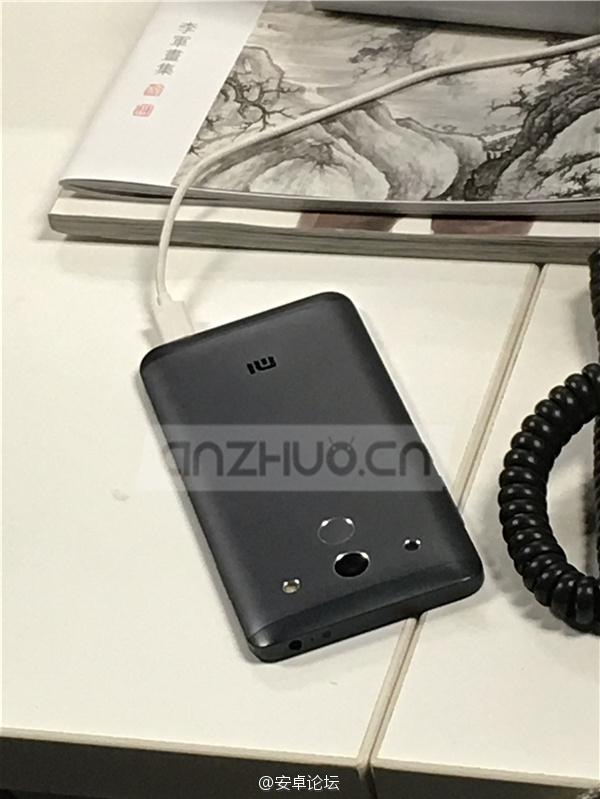
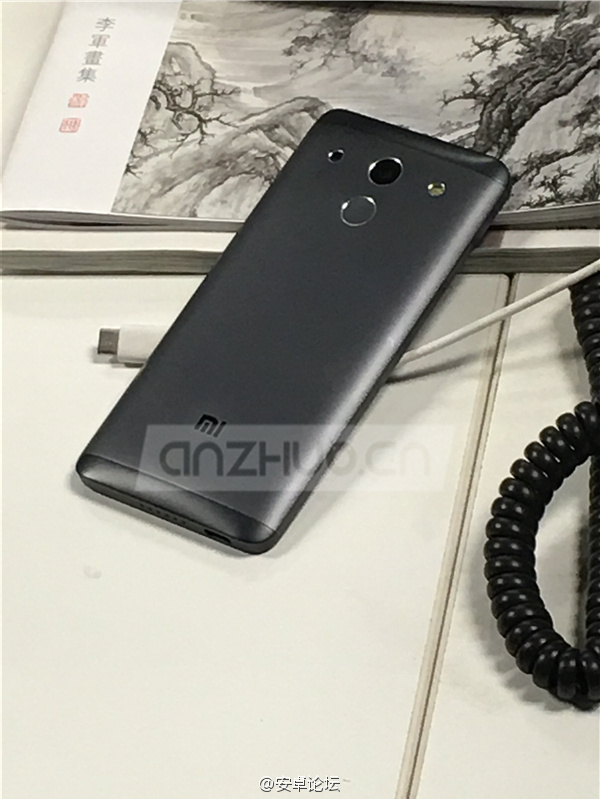
E-Life will soon release a very slim phone called the GN9005. The biggest highlight of this phone is its 5mm height. Other than that, its specs are only about average. It sports a 4.8-inch 720p display screen, uses a 1.2GHz quad-core chipset (Snapdragon 400), and has 1GB RAM and 16GB ROM. It also sports a 5mp front camera and mp rear camera. It is powered by a 2050mAh battery and runs on the Android 4.3 OS.
Recently, snapshots of the E-Life Gn9005 were leaked online. From the photo, you can see how slim the phone is and that its frame is completely metallic. Its screen ratio seems about average though.
Ever since its release, the OnePlus One has enjoyed critical acclaim for its powerful specs and excellent design. On September, OnePlus released the only App in China that grants phone owners to access OnePlus IT services whenever their phone has any problems, the OnePlus Doctor.
A lot of phone users have a hard time explaining what is wrong with their phone when they call customer service. They usually wish that they send a technician over to check it out. The OnePlus Doctor solves this problem by allowing OnePlus’ technicians to diagnose any problems with Phone’s settings or features even at a long distance. It is the only App of its kind in China right now.
Using the OnePlus Doctor is quite simple. Users just need to download it from Aijikong, install it, and set up long-distance features. For example, Technicians can see the phone’s screen to check for any problems with the software. Addressing stability and security concerns, OnePlus has stated that the OnePlus Doctor is absolutely safe. Their technicians will only be able to see the phone’s specs and other technical information. They cannot see private information and photos.
PIPO released a lot of new phone tablets at the Taipei Computer Expo. Among them was the “fake” tablet, the T8, which has finally hit the Chinese market. It sports a 6.44-inch screen from AUO and uses AHVA display technology which, like IPS technology, has a visible angle of more than 178 degrees. It also has OGS technology and has 1920 x 1080 resolution.
The PIPO T8 also uses the MTK MT6592 octa-core chipset which has 1.7GHz. It uses 2GB DDR3 RAM. As for the ROM, there is a 16GB edition and 32GB edition. It also supports a 2mp/13mp dual-camera which is very powerful and is fuelled by a 3000mAh battery. It also supports OTG, a gyroscope, and other features. It supports WCDMA/GSM networks and dual-SIM. Its OS is the Android 4.2.
This tablet is more like a phone. It has a narrower, more straight, frame around the screen and has a separate receiver, speaker, and other features that most tablets do not have in their design.
The 16GB edition costs 999 RMB while the 32GB edition costs 1099 RMB.
We use cookies on our website to give you the most relevant experience by remembering your preferences and repeat visits. By clicking “Accept”, you consent to the use of ALL the cookies.
This website uses cookies to improve your experience while you navigate through the website. Out of these, the cookies that are categorized as necessary are stored on your browser as they are essential for the working of basic functionalities of the website. We also use third-party cookies that help us analyze and understand how you use this website. These cookies will be stored in your browser only with your consent. You also have the option to opt-out of these cookies. But opting out of some of these cookies may affect your browsing experience.
Necessary cookies are absolutely essential for the website to function properly. This category only includes cookies that ensures basic functionalities and security features of the website. These cookies do not store any personal information.
Any cookies that may not be particularly necessary for the website to function and is used specifically to collect user personal data via analytics, ads, other embedded contents are termed as non-necessary cookies. It is mandatory to procure user consent prior to running these cookies on your website.