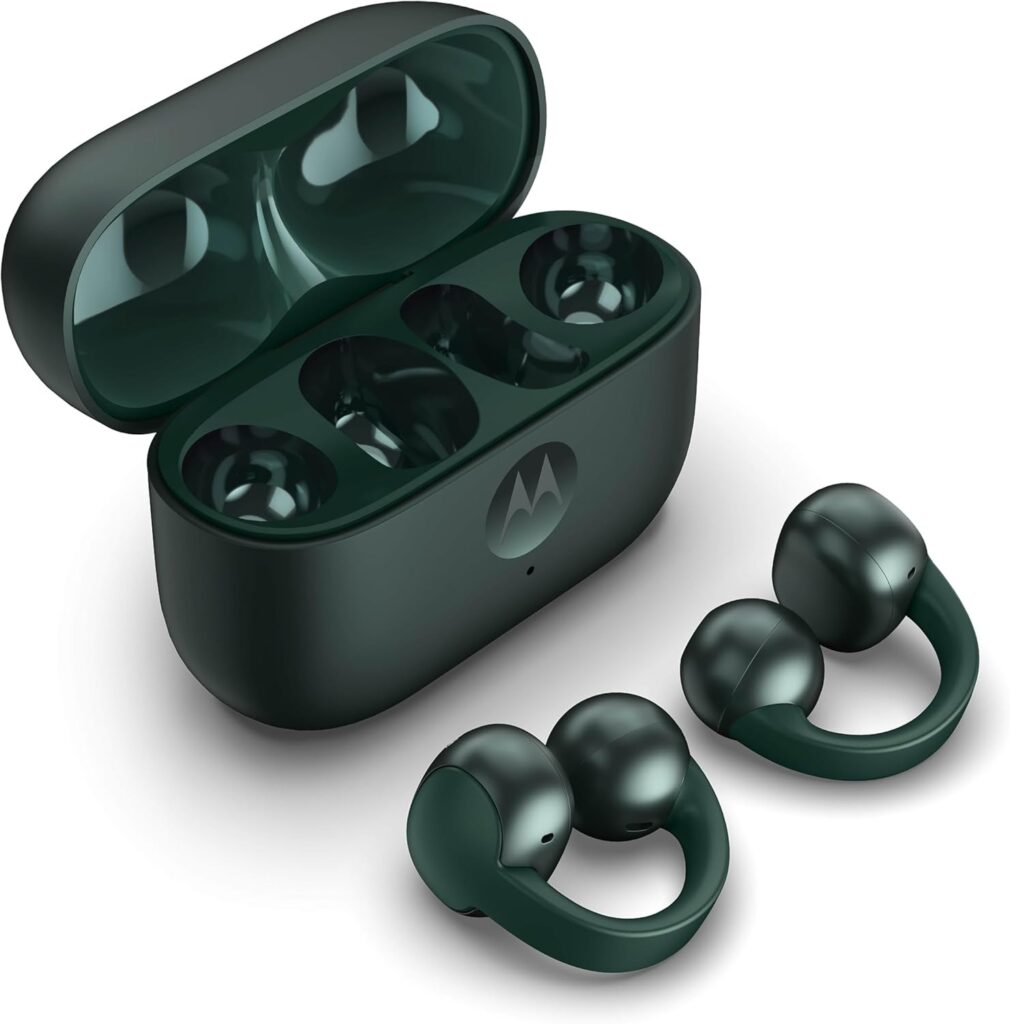
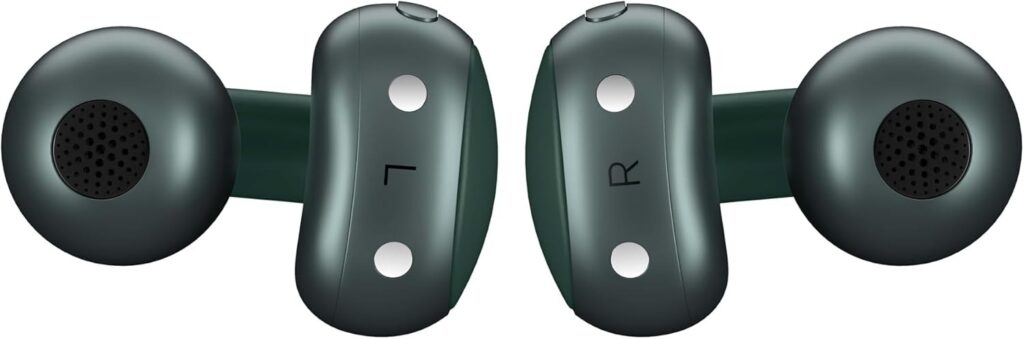
Motorola has released its first open-ear earbuds, the Moto Buds Loop, in the US and Canada. These earbuds use 12mm ironless drivers and support spatial sound. The open-ear design lets users stay aware of their surroundings, and the loop shape helps keep the buds in place.
They come with dual microphones and use CrystalTalk AI for noise reduction during calls. Battery life is up to 8 hours on a single charge, and the charging case extends that to 37 hours. A 10-minute charge gives up to 3 hours of playback. The earbuds are also water-repellent.
Moto Buds Loop supports voice commands through Moto AI and includes Smart Connect for quick switching between Motorola and Lenovo devices.
The earbuds are available in two color options. Trekking Green and French Oak, both designed in partnership with Pantone. The French Oak version also includes Swarovski crystals.
In the US, both color options are available on Amazon. In Canada, only the Trekking Green variant is listed.
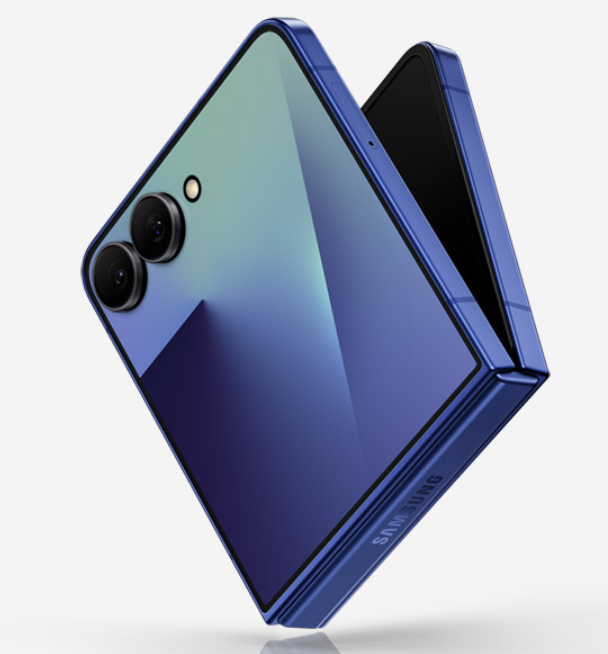
The Korean giant recently introduced the Galaxy Z Flip 7, Galaxy Z Fold 7, and Galaxy Z Flip 7 FE smartphones. For the first time, Samsung introduced an affordable variant of its premium foldable series. However, the Galaxy Z Flip 7 is now available for pre-order with some exciting deals and discounts. If users pre-order the device, they can save $720, including all the improved trade-in values, instant discounts, and even a free double storage offer.
Samsung Galaxy Z Flip 7
Samsung Galaxy Z Flip 7 smartphone bundles some fascinating specifications and features, along with its slim design. Apart from $600 savings on a trade-in, there’s also a $200 credit towards accessory purchase, even if you don’t trade in any old smartphone. Samsung has opened its box of offerings with the purchase of the Galaxy Z Flip 7.
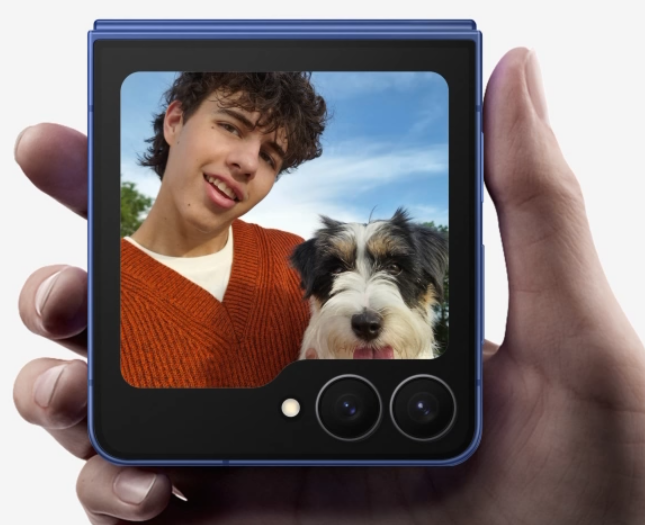
Samsung Galaxy Z Flip 7 comes with a large 6.9-inch Dynamic AMOLED 2x Panel, 120Hz refresh rate, and 2600 nits peak brightness. However, the cover screen measures 4.1 inches in size and features a Super AMOLED FlexWindow screen. It is protected with Corning Gorilla Glass Victus 2, offering 1048 x 948 pixel resolution and 60/120Hz refresh rate.
The smartphone comes with an Exynos 2500 SoC, instead of the Snapdragon 8 Elite, which powers the Galaxy Z Fold 7. Further, the 4300 mAh battery powers the smartphone with 25W fast wired charging and 15W fast wireless charging.
In terms of camera, there’s a 50MP primary camera, a 12MP ultrawide sensor, and a 10MP single selfie shooter. The smartphone features connectivity features like Bluetooth 5.4, WiFi 7, and NFC. It runs the latest OneUI 8-based Android 16 OS out of the box. Over the top, you can enjoy the galaxy AI ecosystem featuring full-fledged AI features to enhance productivity and creativity.
It is worth grabbing the pre-order offers and saving maximum if you’re really looking to upgrade your smartphone.
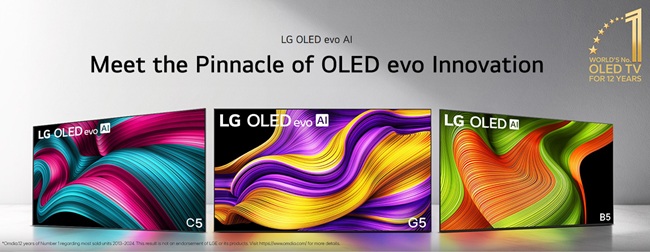
LG Electronics India has introduced its 2025 range of OLED evo and QNED evo TVs with updated AI features, improved display technology, and the latest version of webOS. The new lineup is powered by the Alpha AI Processor Gen2, which brings personalized controls and better system performance.
The AI Magic Remote now has a dedicated button for voice commands. AI Welcome greets users at startup, while AI Voice ID recognizes each user’s voice to switch profiles and suggest content automatically. AI Concierge offers personalized recommendations based on viewing habits. AI Search, built on a large language model, understands natural-language questions, and the AI Chatbot helps solve technical issues in real time. AI Picture Wizard and AI Sound Wizard adjust the screen and audio settings according to each user’s preferences.
LG OLED Evo G5 Ultra
In the OLED evo lineup, the Alpha 11 AI Processor Gen2 powers image and audio enhancements. Brightness Booster Ultimate improves screen brightness using upgraded light control and algorithms. Dynamic Tone Mapping Pro enhances HDR10 content, while Ambient Light Compensation adjusts screen settings in Filmmaker Mode based on room lighting. Dolby Vision and Dolby Atmos are supported. AI Sound Pro delivers virtual 11.1.2 surround sound with better voice clarity.
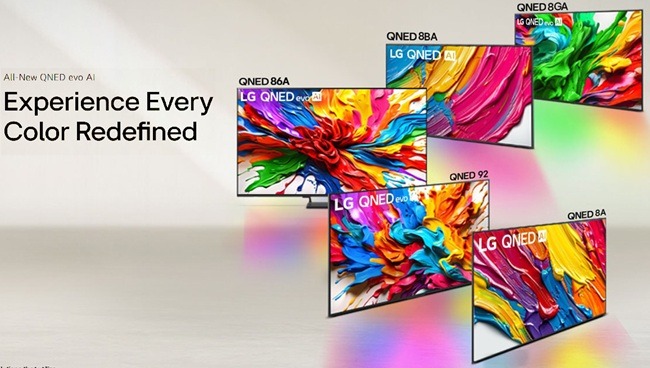
The QNED evo series features Mini LED backlighting combined with Dynamic QNED Colour for more accurate color reproduction. The Alpha AI Processor Gen2 helps optimize picture quality by adjusting contrast and detail at the zone level. AI Picture Pro and AI Sound Pro fine-tune visuals and sound in real time. The QNED models offer virtual 9.1.2 surround sound, tuned to user preferences through AI audio calibration.
All 2025 models come with the updated webOS platform, which now includes support for multiple user profiles and promises regular updates under the webOS Re: New initiative. Apple AirPlay and Google Cast are integrated for direct content sharing. The OLED evo models also support 4K resolution at 165Hz, along with NVIDIA G-SYNC and AMD FreeSync Premium. Game Optimizer lets users switch gaming modes based on the genre.
Pricing & availability
The OLED evo G5 Ultra-Large model with a 247 cm screen is priced at ₹24,99,990. The G5 Series comes in 55-inch, 65-inch, and 77-inch variants starting at ₹2,67,990, while the C5 Series ranges from 42 inches to 83 inches, starting at ₹1,49,990.
The B5 Series starts at ₹1,93,990 for the 55-inch and 65-inch options. In the QNED evo range, the QNED86A Ultra-Large model with a 254 cm screen starts at ₹1,199,990.
The QNED92A Series includes 55-inch, 65-inch, and 77-inch models starting at ₹1,49,990. The QNED8GA/XA Series comes in 55-inch, 65-inch, and 75-inch sizes, starting at ₹1,19,990, while the QNED8BA Series is available in 43-inch, 55-inch, 65-inch, and 75-inch options with prices starting at ₹74,990.
For more daily updates, please visit ourNews Section.
Lenovo has updated its ThinkPad X9 Aura Edition laptops with a new “Moonlight White” finish. This is the first time a ThinkPad is available in white. The white version has a special coating to reduce discoloration. The black keyboard and display bezel remain unchanged. These updated models are only available in China for now.
Lenovo ThinkPad X9 Aura Edition Moonlight White
The laptops keep the same specs as before. Both the 14-inch and 15-inch models are powered by Intel Lunar Lake processors, up to the Core Ultra 9 288V. They come with a 2.8K OLED touchscreen, 120Hz refresh rate, and up to 32GB on-package RAM. Storage goes up to 2TB SSD. The 14-inch model weighs 1.27kg and has a 55Wh battery. The 15-inch version weighs 1.4kg with an 80Wh battery. Both are 6.8mm at their thinnest point.
The keyboard has a 1.35mm key travel and uses a full-size ISO layout. There’s an 8MP IR webcam with 1.0µm pixel size. Both models also feature the classic red TrackPoint with breathing light.
The laptops include Lenovo’s Tianxuan AI assistant and support local deployment of DeepSeek-R1-Distill-Qwen-1.5B and DeepSeek-Coder-1.3B. These are useful for knowledge queries, developer tools, search, and smart customer service.
Build quality is tested against 26 military-grade standards. The chassis has a tilted design for better typing comfort and includes multiple ports.
Pricing & availability
The Moonlight White ThinkPad X9 Aura Edition starts at CNY 12,999 ($1,813) with a Core Ultra 7 258V. The top-end 15-inch model with a Core Ultra 9 288V and 2TB SSD is priced at CNY 16,999 ($2,371). Global launch plans have not been announced.
Xiaomi has been proactively working on Android 16. As a result, it was able to offer users with an early preview of the newest software well before the stable release. In fact, Xiaomi has already started rolling out the stable version of Android 16, making it the first non-Google brand to do so.
The update is currently available for select Xiaomi devices and will gradually expand to the remaining devices over the coming weeks and months. If you’re waiting for this major upgrade on your Xiaomi phone or tablet, here’s everything you need to know.
Xiaomi Android 16 rollout plan
Google released the stable version of Android 16 in June — months ahead of its usual schedule. Following that stable release by Google, other brands typically take a few weeks to roll out the stable software. This phase includes adding new features, optimizing the software, and integrating it with the newest version of Android. Xiaomi moved swiftly through this phase and has already started pushing the Android 16 update with its HyperOS 2.3 custom skin.
Xiaomi 15 was the first device to get stable Android 16 and HyperOS 2.3 software globally earlier this month, folllowed by the Xiaomi 14T Pro. While the brand hasn’t published a roadmap yet, it’s likely that flagship devices will be the priority, and then the update should reach mid-range and cheaper models.
Which Xiaomi devices are eligible for Android 16 update?
Xiaomi hasn’t announced which devices will be upgraded to Android 16. However, we managed to prepare the list using the the existing software update policy and a little bit of guesswork. Here’s the complete list:
Xiaomi devices
Xiaomi 15
Xiaomi 15 Pro
Xiaomi 15 Ultra
Xiaomi 15S Pro
Xiaomi 14
Xiaomi 14 Pro
Xiaomi 14 Ultra
Xiaomi 14T
Xiaomi 14T Pro
Xiaomi 14 Civi
Xiaomi 13
Xiaomi 13 Pro
Xiaomi 13 Ultra
Xiaomi 13T
Xiaomi 13T Pro
Xiaomi Civi 5 Pro
Xiaomi Civi 4 Pro
Xiaomi Civi 3
Xiaomi Pad 7
Xiaomi Pad 7 Pro
Xiaomi Pad 7 Ultra
Xiaomi Pad 7S Pro 12.5
Xiaomi Pad 6 Pro
Xiaomi Pad 6 Max 14
Xiaomi Pad 6S Pro 12.4
Redmi devices
Redmi Note 14 (LTE/5G)
Redmi Note 14 Pro (LTE/5G)
Redmi Note 14 Pro+ 5G
Redmi Note 13 (LTE/5G)
Redmi Note 13 Pro (LTE/5G)
Redmi Note 13 Pro+ 5G
Redmi Note 13R
Redmi K80
Redmi K80 Pro
Redmi K80 Ultra
Redmi K70
Redmi K70 Pro
Redmi K70 Ultra
Redmi K70E
Redmi K60
Redmi K60 Pro
Redmi K60 Ultra
Redmi 14R
Redmi 14C
Redmi 13 (LTE/5G)
Redmi 13R
Redmi 13C (LTE/5G)
Redmi A4 5G
Redmi A3 Pro
Redmi Pad Pro (Wi-Fi/5G)
Redmi Pad SE 8.7
Redmi Pad 2
Poco devices
Poco F7
Poco F7 Pro
Poco F7 Ultra
Poco F6
Poco F6 Pro
Poco X7
Poco X7 Pro
Poco X6
Poco X6 Pro
Poco M7
Poco M7 Pro
Poco M6 (LTE/5G)
Poco M6 Plus
Poco M6 Pro (LTE/5G)
Poco C75
Poco C71
This gives us a good idea about which Xiaomi devices are likely to receive the next major upgrade. However, it’s not the final list. Hence, I recommend waiting for the official list for the final confirmation. Anyway, we’ll update the list after an official announcement is made.
What’s new in Android 16 for Xiaomi devices?
This major upgrade doesn’t introduce radical UI changes or groundbreaking features, but it brings plenty of under-the-hood improvements aimed at a smoother and more consistent user experience.
The HyperOS 2.3 upgrade enhances animations and transitions, and allows better integration with newer apps. The update should also bring the latest security features from Android 16 to keep your Android device safer from emerging threats.
The memory management has been optimized. Users now have more control over their privacy settings. The update also introduces a new version of the Privacy Sandbox, which enhances users’ privacy while supporting a healthy advertising ecosystem.
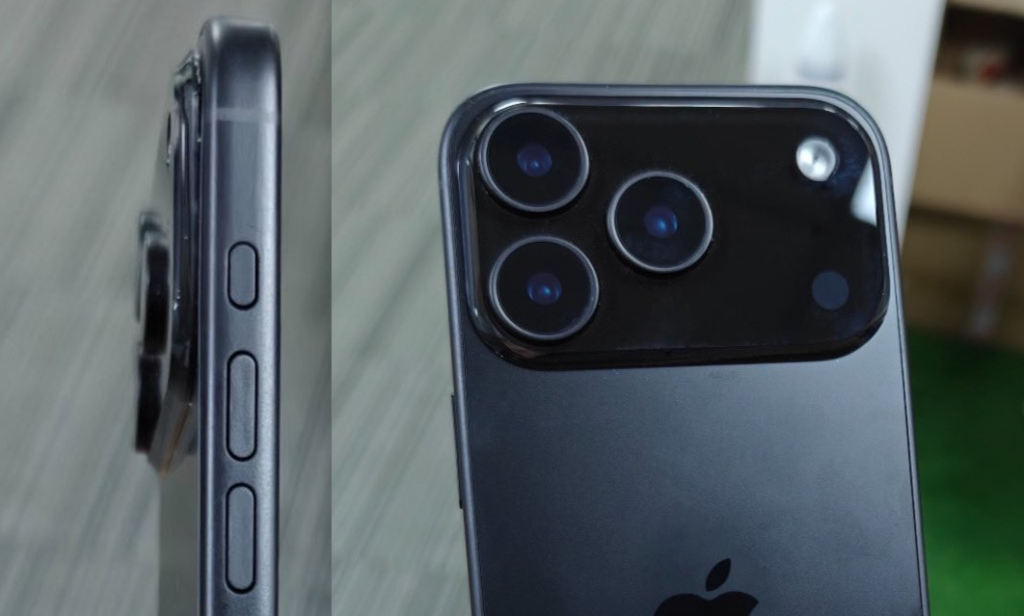
Apple has reportedly started trial production of the iPhone 17 in India, marking another milestone in its ongoing push to diversify manufacturing outside of China. The early production run is said to be taking place in South India, giving India a bigger role in the iPhone supply chain well ahead of the series. So here’s everything we know so far.
iPhone 17 Enters Trial Run in India Before Global Debut
According to an EconomicTimes report, the Cupertino based giant is already testing and developing the upcoming iPhone 17 models in India via Foxconn. To recall, Foxconn is the largest contract manufacturer in Apple’s supply chain. Apple has already started importing components for its next gen flagship from China. 90% of these components were for the iPhone 14 and iPhone 16, while only 10% were for the newer iPhone 17.
Apple iPhone 17 Pro leaked hands-on images
This move also showcases the brand’s plans to push its devices during the upcoming festive period in the region. With promotion deals and sales, the company is eyeing high sales in the month of August. The short order of iPhone 17 components hints that the iPhone 17 is undergoing trial production and testing. The source close to the matter also revealed that Foxconn is starting this month. In other words, mass production should likely follow soon after, possibly in August.
For the first time in years, Samsung might be ready to ditch the “Plus” model from its flagship Galaxy S lineup. A new report from Korean outlet The Elec claims that Samsung is currently preparing three phones for the Galaxy S26 series. However, none of them reportedly carries the familiar “Plus” branding.
Instead, the lineup is expected to include a standard Galaxy S26, a new Galaxy S26 Edge, and the high-end Galaxy S26 Ultra. This means the Plus model is being replaced by the thin and slim Edge phone.
No Samsung Galaxy S26 Plus in 2026
Samsung introduced the Galaxy S25 Edge as the new model in its S series in May 2025. At the time, it looked like an experiment, possibly a test run to gauge consumer response to slim phones. But now, the Edge might be stepping up as a full replacement for the Plus model.
According to the leak, the Galaxy S26 will feature a 6.27-inch screen, the Edge version will jump to 6.66 inches, and the Ultra will stretch to a large 6.89 inches. These figures are reportedly based on panel orders already in production, which may suggest Samsung’s final plans are close to being locked in.
Samsung Galaxy S26 Ultra mockup (modified image of S25 Ultra)
If this happens, the Edge would take the middle slot in the S26 lineup, filling the gap between the compact base model and the massive Ultra.
For reference, the S25 series comes in four flavours. A regular S25 (6.2-inch), S25 Plus (6.7-inch), S25 Edge (also 6.7-inch), and S25 Ultra (6.9-inch). Removing the Plus would simplify things a bit, but it also means the end of a format that’s been around for nearly a decade.
Samsung hasn’t officially confirmed anything about the S26 series yet, but it will launch in early 2026 with the Snapdragon 8 Elite 2 chip.
For more daily updates, please visit our News Section.
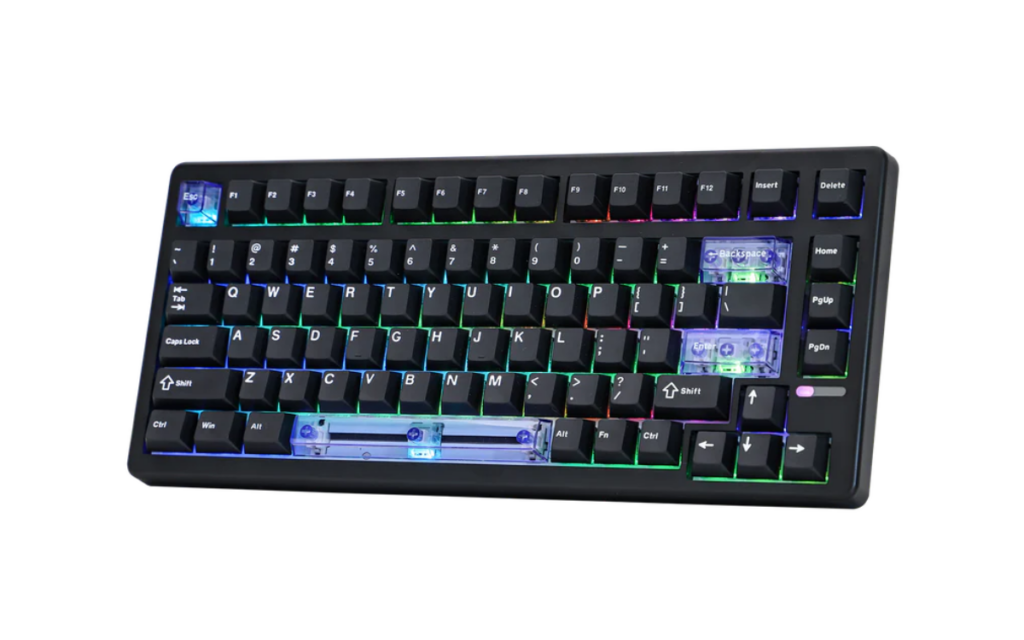
Epomaker has launched the HE80, a wired mechanical keyboard featuring Hall effect magnetic switches and ultra-fast input technology. The keyboard is now available both in China and globally. It is priced at 359 yuan in China and $69.99 for international buyers.
Epomaker HE80 Keyboard Specifications
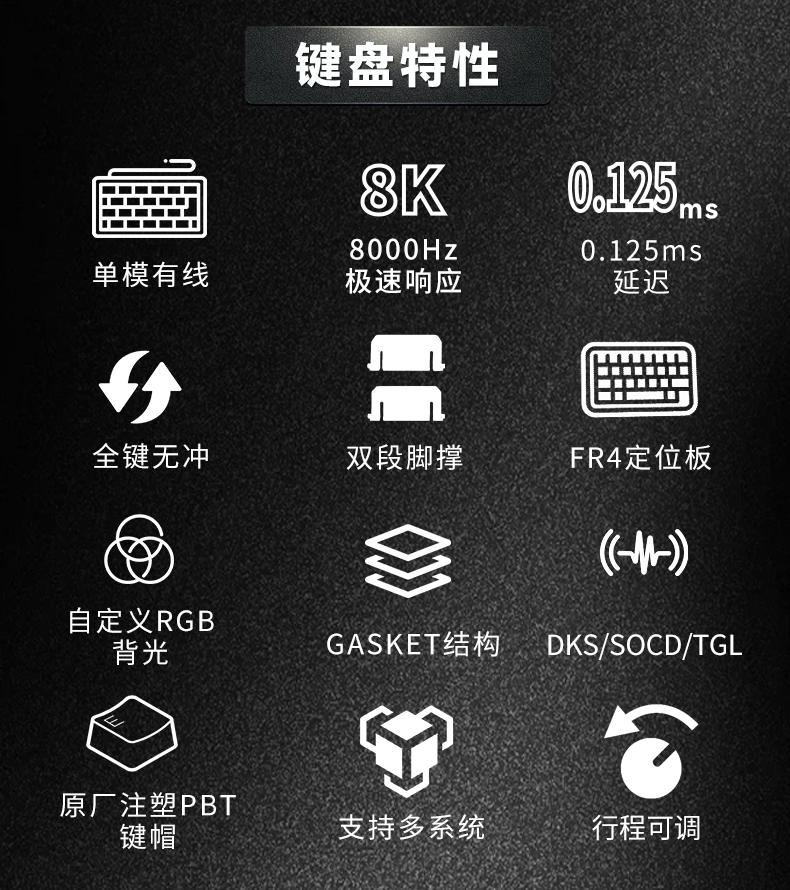
The HE80 supports an 8000Hz polling rate and a 32,000Hz scan rate, delivering an ultra-low input latency of just 0.125 milliseconds. This allows the keyboard to register keypresses almost instantly, making it suitable for competitive gaming and high-speed typing tasks.
Epomaker uses linear magnetic switches based on Hall effect technology in the keyboard. These switches adopt a dual-rail structure for added stability and require 30gf of actuation force. The actuation distance is adjustable between 0.1mm and 4.0mm, with fine-tuning possible in 0.01mm steps. Actuation points and total key travel can be customized per key to suit different preferences or applications.
The keyboard features a Gasket-mounted structure with a reinforced FR4 positioning plate. Epomaker has added multiple layers of dampening material, including a latex sandwich pad, IXPE under-switch foam, PET insulation film, and bottom-layer silicone. These components help reduce vibrations and hollow sounds during use.
Keycap materials include two-tone PBT for most keys, while the Escape, Backspace, Enter, and Spacebar use transparent PC. All keycaps follow the Cherry profile for a familiar typing feel. The keyboard also supports per-key RGB backlighting with an underglow layout to create ambient lighting effects.
Connectivity is wired-only, which ensures stable performance for high-frequency data transmission. The HE80 includes support for advanced input functions such as SOCD cleaning, Dynamic Keystroke (DKS), Toggle Layer (TGL), and macro programming. These features are accessible through Epomaker’s web-based driver software.
The keyboard measures 332.05 x 146.6 x 42.1mm and weighs 0.85kg. It includes dual-stage kickstands and a front height of 22.2mm for improved ergonomics.
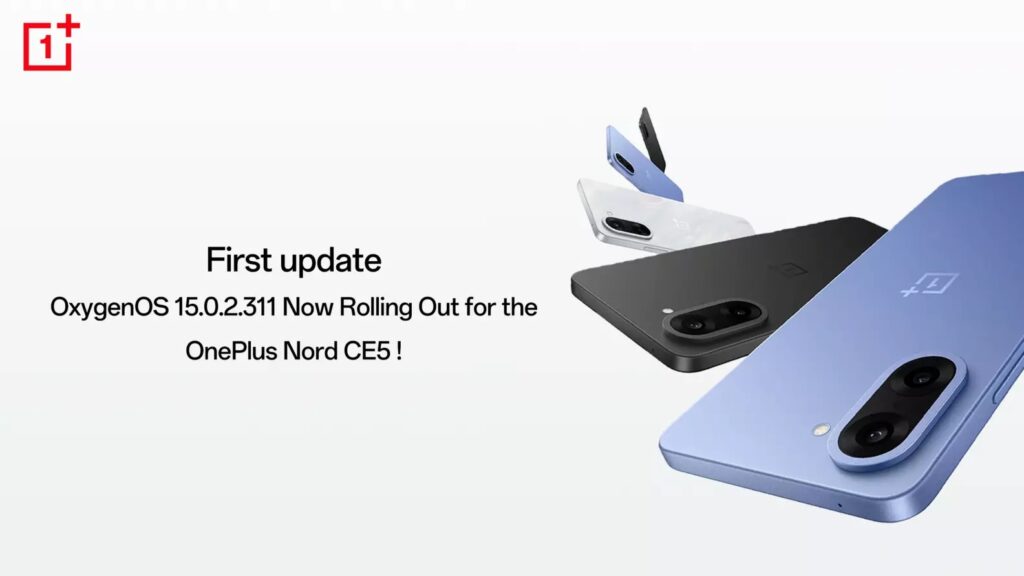
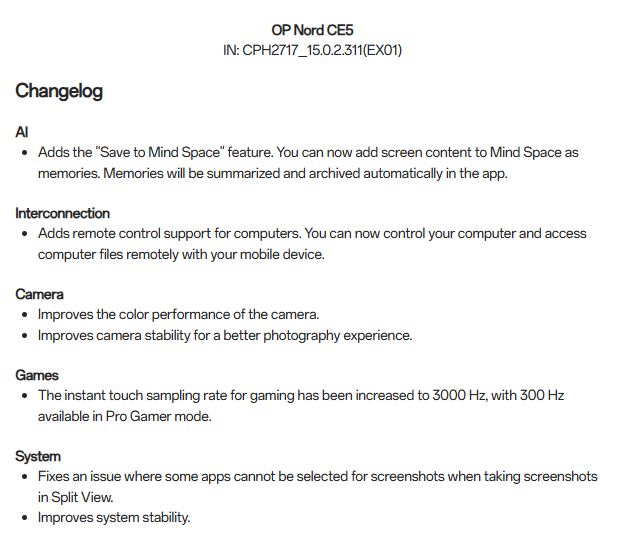
OnePlus has started rolling out the OxygenOS 15.0.2.311 update for the Nord CE 5 in India. This marks the first software update for the newly launched device. It comes with a build version for the Indian region is CPH2717_15.0.2.311(EX01). Details of the new features and changes included in this update are listed below.
The update introduces a new AI feature called “Save to Mind Space.” This allows users to save screen content as memories, which are automatically summarized and archived within the app.
A new interconnection feature has also been added, enabling remote control of computers. Users can now use their phones to control their computers and access files remotely.
Camera performance has been improved in two key areas: color accuracy and overall stability, aiming to provide a smoother and more consistent photography experience.
For gamers, the update enhances responsiveness by increasing the touch sampling rate to 3000 Hz. An additional 300 Hz boost is available in Pro Gamer mode for more precise touch feedback.
System-level improvements include a fix for an issue that prevented some apps from being selected when taking screenshots in Split View. General system stability has also been improved.
This OTA update is being released incrementally, with a phased rollout planned to ensure system reliability. To manually check for software updates, go to the Settings page, select “About Device,” and tap on the blue ribbon at the top to see if an update is available. Indian users encountering any issues can report bugs using the OnePlus Community App by navigating to their profile and selecting the “Bug Report” option. Alternatively, you can dial *#800# to report problems directly.
For more daily updates, please visit ourNews Section.
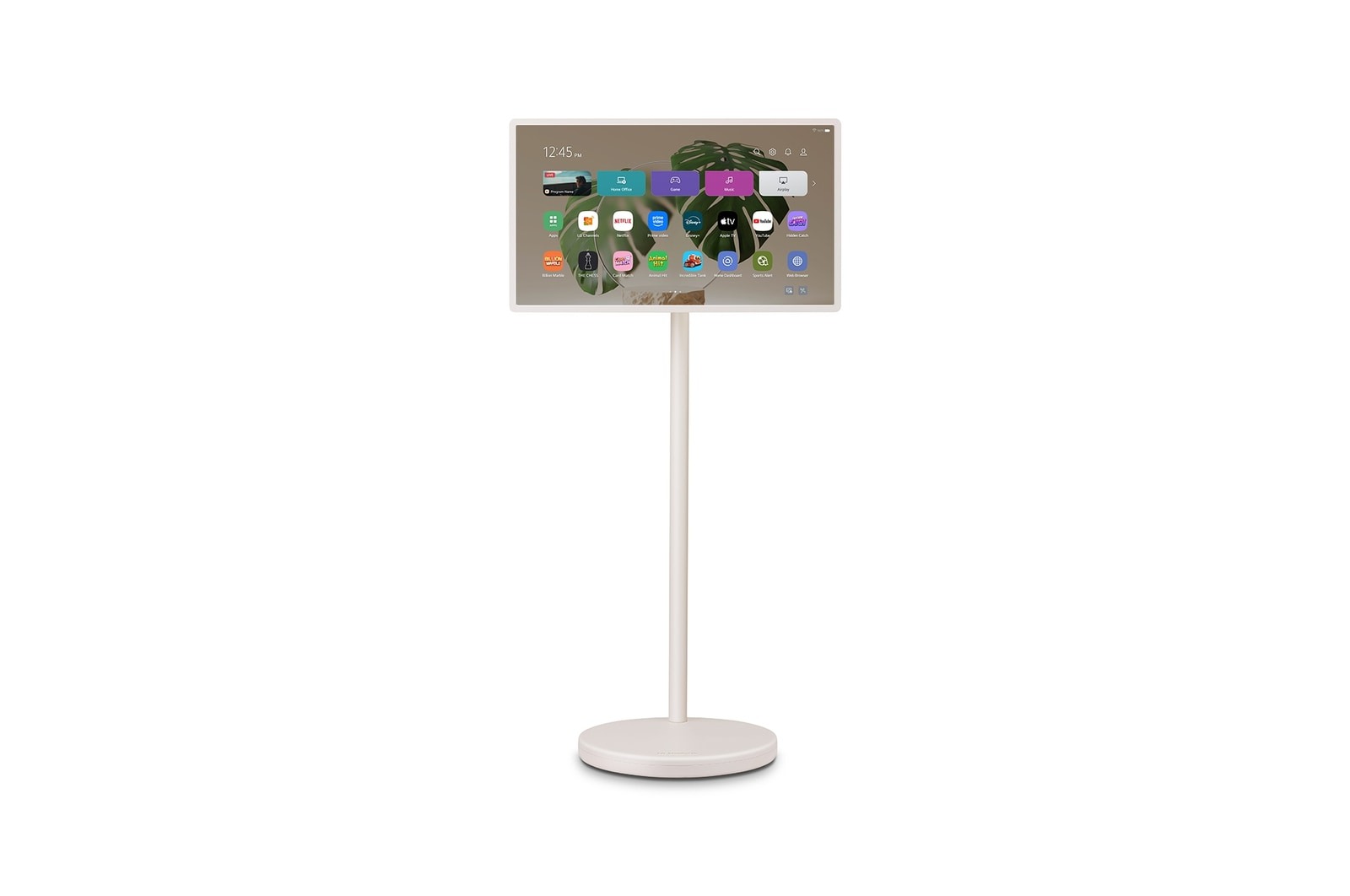
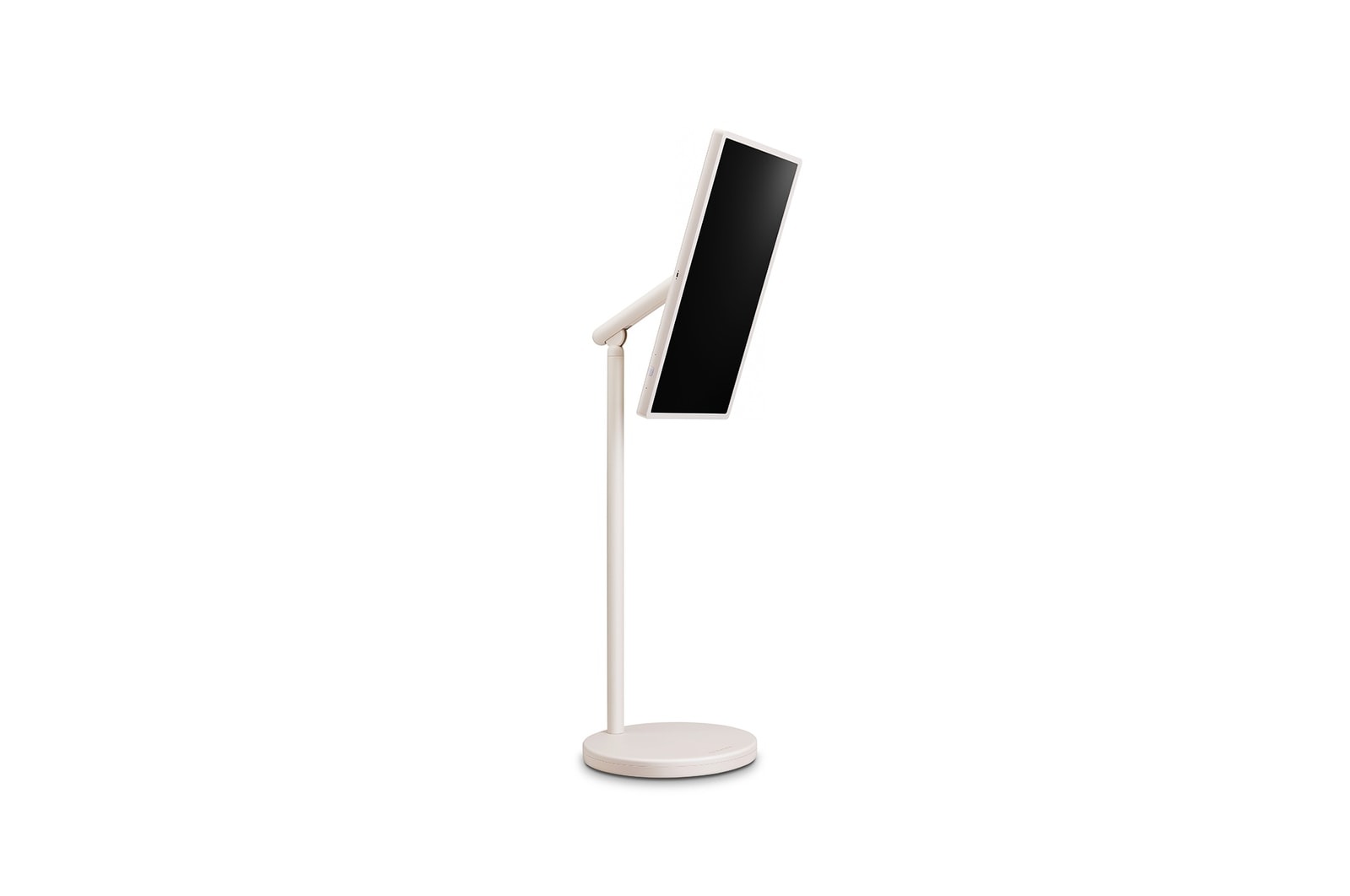
LG has announced the global rollout of the StanbyME 2, a new version of its 27-inch lifestyle display. The screen detaches from its stand with one click, making it easy to use on a table, mount on a wall, or switch between portrait and landscape modes. A built-in strap lets users hang it like a framed clock or use it as an ambient display.
The display uses a 27-inch QHD panel with a resolution of 2560 × 1440 and a 60Hz refresh rate. It runs on LG’s α8 AI Processor, which adjusts brightness and tone based on ambient lighting. Audio is handled by 10W side-firing speakers with support for Dolby Atmos, AI Sound Pro for virtual 9.1.2 surround sound, and Clear Voice Pro for speech clarity. The speaker output changes automatically based on screen orientation.
The device includes a built-in battery that offers up to 4 hours of playback. Charging is supported through the docking stand or a USB-C cable. The display runs webOS 24 and supports hands-free voice control. It includes Apple AirPlay, Google Cast, LG ThinQ, and Google Home integration. Apps like Mood Maker and Let’s Draw are preinstalled.
Connectivity includes one HDMI with eARC, two USB 2.0 ports, one 5V USB port, Bluetooth 5.1, and Wi-Fi 5. There is also a Game Optimizer dashboard. The unit supports accessibility options like high contrast, grayscale, and inverted colors.
The display weighs 4.3 kg without the stand and 15.2 kg with it. Dimensions without the stand are 623 × 364 × 28.5 mm. A mini remote and detachable power cable are included. It operates on AC 100–240V with less than 0.5W power in standby.
Pricing & availability
The StanbyME 2 is priced at SGD 1,799, USD 1,404, INR 1,20,760, and CAD 1,599.99. It is now available in Hong Kong and Türkiye. Launches in the US, Canada, Vietnam, and Singapore are set for July. The UK, Germany, France, and Spain will follow in August 2025.
For more daily updates, please visit ourNews Section.
Samsung just announced the Galaxy Z Fold 7 with big upgrades in the camera, design, and other departments. But with the Vivo X Fold 5 finally arriving in the Indian market, the competition in the foldable segment in 2025 is heating up. In the past, Vivo’s foldables had a clear edge over Samsung’s offerings. But with the various improvements, let’s see how it takes on the South Korean tech giant’s flagship foldable.
1. Vivo X Fold 5 vs Samsung Galaxy Z Fold 7: Design & Display
With the Galaxy Z Fold 7, Samsung finally made major upgrades to the design. It is finally matching the foldables from Chinese competitors with a slim 4.2mm body when unfolded and 8.9mm when folded. This makes it even slimmer than the Vivo X Fold 5’s 9.2mm body (4.3mm unfolded). While this is a minor difference, the Galaxy Z Fold series doesn’t fall behind in this regard. So your decision here is based on personal preference. Notably, the Galaxy Z Fold 7 offers an IP48 rating for water and dust resistance, while the Vivo X Fold 7 brings an IP5X and IPX8 rating, which is slightly better.
On the display side, the Vivo X Fold 5 brings an 8.03-inch foldable QHD+ AMOLED inner screen and a 6.53-inch 1.5K AMOLED outer display. Both panels offer a 1-120Hz variable refresh rate, 4500 nits of peak brightness, and Dolby Vision. Meanwhile, Samsung offers a 6.5-inch Dynamic AMOLED 2X display with a 21:9 aspect ratio, FHD+ resolution, Corning Gorilla Glass Ceramic 2 for protection, and a 120Hz refresh rate. The primary screen is an 8-inch Dynamic AMOLED 2X panel with a QXGA+ resolution (2184 x 1968) and 120Hz refresh rate. So once again, you’re getting gorgeous displays on both models.
2. Performance
Samsung Galaxy Z Fold 7
Vivo packs the X Fold 5 with last year’s flagship Snapdragon 8 Gen 3 SoC that offers high performance capable of handling gaming and everyday tasks with ease. But Samsung’s foldable flagship goes above and beyond with the Snapdragon 8 Elite for Galaxy. This custom version of the 8 Elite is more powerful, meaning, you’re getting the best Android chip on the market. Apart from a noticeable improvement in raw performance and graphics computing, this chip is also more power efficient. So if you want the best money has to offer, Samsung clearly has the edge here.
3. Camera
Vivo swings back in the photography department with its Zeiss camera lens and tuning on the X Fold 5. The 50MP (Main, Sony IMX921) + 50MP (Ultra Wide, Samsung JN5) + 50MP (telephoto, Sony IMX882, 3x) is a flagship grade camera setup that is also found on the Vivo X200. While Samsung did make an upgrade in the camera setup by bringing the S25 Ultra’s 200MP primary sensor, the rest of the kit (12MP ultra wide + 10MP telephoto) lags behind.
The main shooter is a true flagship camera, but the overall versatility with Zeiss modes and the other two sensors are just superior in my opinion. For selfies and video calls, the Samsung Galaxy Z Fold 7 has 10MP cameras while the X Fold 5 has 20MP cameras.
4. Battery & Charging
Another area that Vivo dominates is in the battery and charging department. Thanks to its massive 6,000mAh cell, you can expect a much better battery life on the Vivo X Fold 5 compared to the Z Fold 7’s 4,400mAh battery. Samsung still offers the embarrassingly slow 25W wired fast charging and 15W wireless charging speeds on its ultra premium phone, while Vivo offers a more respectable 80W wired and 40W wireless fast charging.
5. Pricing and Verdict
The Vivo X Fold 5 only arrives in a single 16GB + 512GB variant in India that costs 149,999 INR. On the other hand, the 12GB + 256GB base variant of Samsung’s Galaxy Z Fold 7 costs 174,999 INR. The higher end 512GB model with 12GB RAM costs 186,999 INR. So Vivo is undercutting the Galaxy Z Fold 7 in the global market.
Samsung has made great improvements in its latest foldable flagship, but the Vivo X Fold 5 is a better rounded foldable overall. But once you factor in aspects like the software, Samsung definitely has an edge. But for that much extra money, it’s still hard to recommend the Z Fold 7 to first-time buyers of a foldable phone or those outside of Samsung’s ecosystem.
For more daily updates, please visit our News Section.
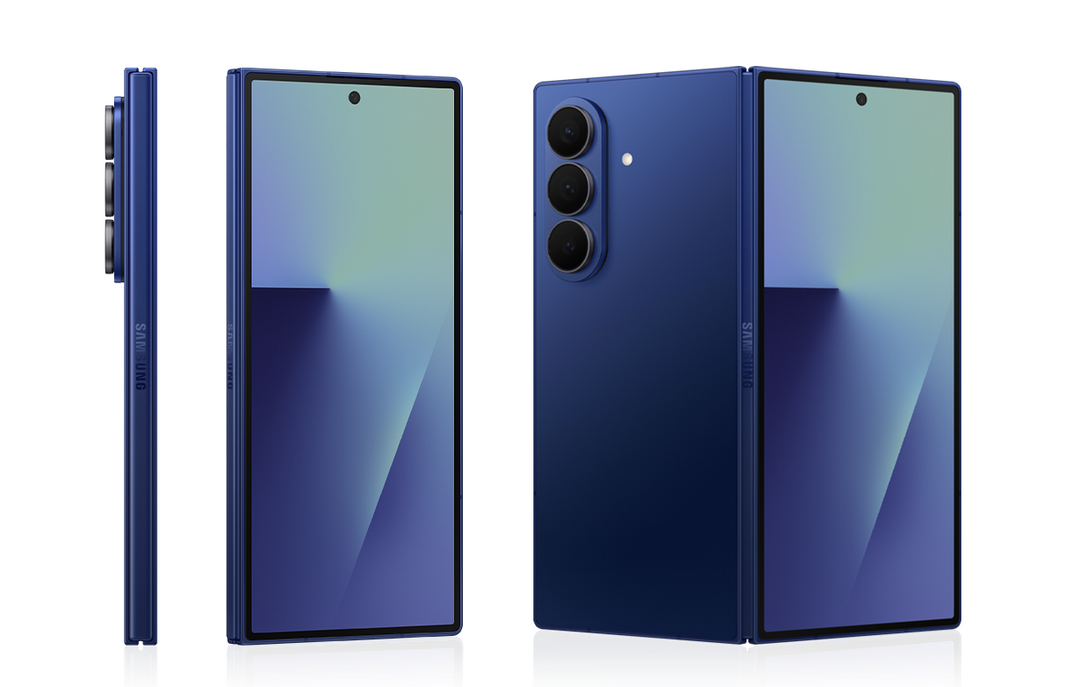
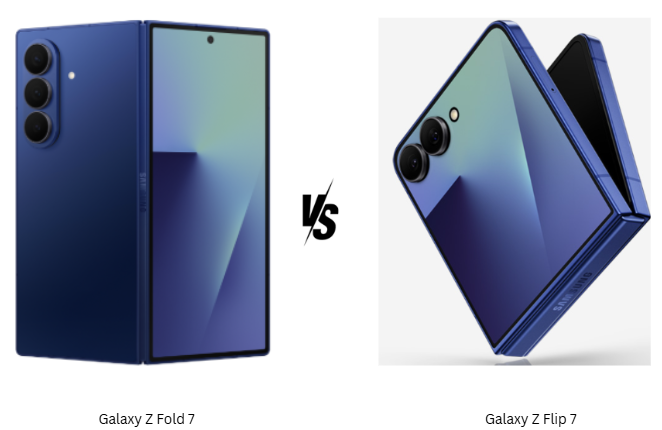
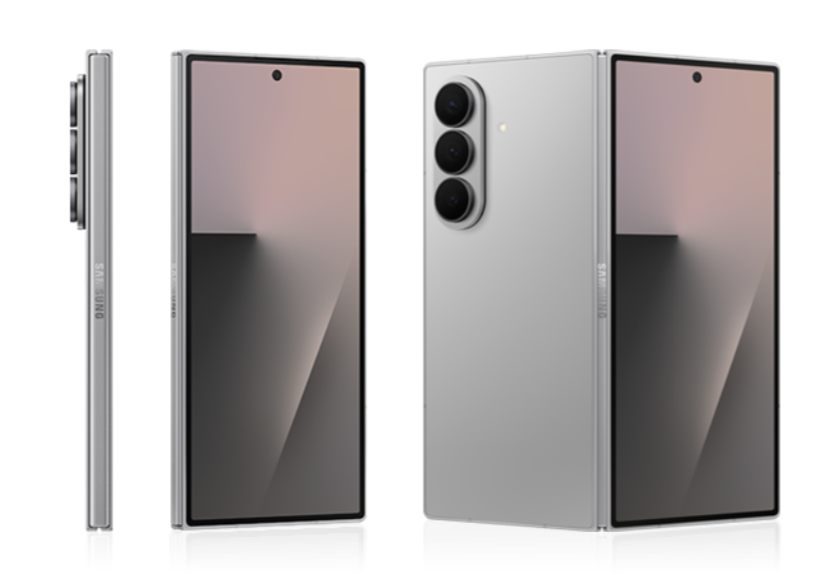
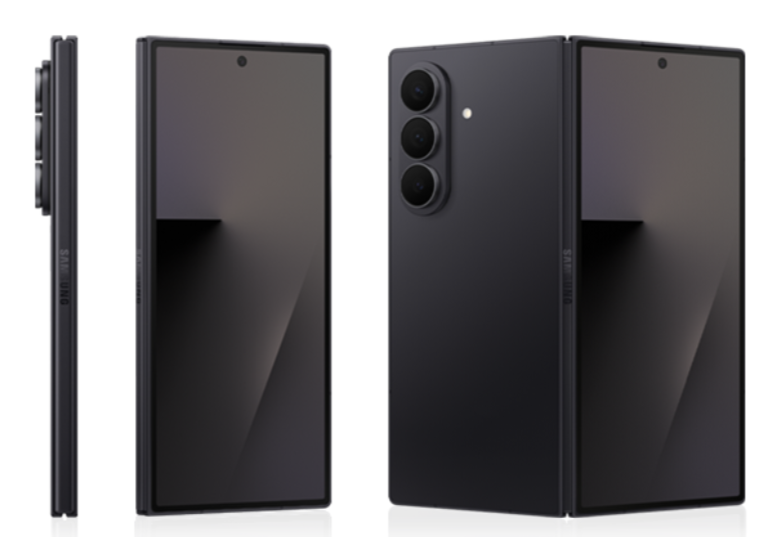
With the Galaxy Z Fold7 and Z Flip7, Samsung continues to redefine foldable smartphones, one built for productivity, the other for portability. This comparison is important because it highlights two very different approaches to foldable design in 2025: a large-screen multitasking powerhouse versus a compact lifestyle device. Choosing between them depends entirely on how you use your phone.
The Galaxy Z Fold7 uses a more advanced “Advanced Armor Aluminum” frame along with a titanium support plate for its inner screen, offering increased durability and a premium feel. The Flip7 retains a similar aluminum build with Gorilla Glass Victus 2, but skips the titanium layer. Both are IP48-rated, which makes them resilient to dust and water, though not fully waterproof.
The Fold7 feels more like a tablet in the hand when unfolded, designed for productivity and multitasking, while the Flip7 is about compact portability and casual elegance. Flip7’s clamshell design makes it pocket-friendly and ideal for single-handed use. Fold7 feels more business-oriented, with its heft and broader unfolded structure.
Verdict: Fold7 has a superior build for those seeking a productivity tool, while Flip7 is ideal for compact and stylish usage.
Please Note: When you buy something using the links in our articles, we may earn a small commission at no cost to you.
Display Quality:
The Fold7’s main 8.0-inch Dynamic AMOLED 2X display offers a nearly square aspect ratio, perfect for multitasking, reading, and video editing. It supports a peak brightness of 2600 nits and HDR10+, and the 6.5-inch cover display remains highly usable.
The Flip7 features a 6.9-inch main display with a tall 21:9 aspect ratio, great for scrolling and vertical content. Its 4.1-inch cover screen is much more functional this year and supports full apps, but still feels cramped for serious use.
Both use LTPO panels with 120Hz refresh rates. However, the Fold7 offers a larger workspace and a more immersive experience.
Verdict: Fold7 wins on display versatility and productivity, while Flip7 is better suited for casual and on-the-go viewing.
2. Specifications
Galaxy Z Flip 7
Performance:
The Galaxy Z Fold7 is powered by the Snapdragon 8 Elite chipset (3nm), featuring Oryon V2 cores with powerful clock speeds up to 4.47GHz. It also includes the Adreno 830 GPU, making it a top-tier performer. This SoC outpaces the Flip7’s Exynos 2500 in both CPU and GPU benchmarks, especially in graphics-intensive tasks and multitasking.
Flip7’s 10-core Exynos chip is energy efficient and strong in AI and general usage, but it lacks the raw GPU power and peak CPU performance seen in Fold7. For high-end productivity, multitasking, and gaming, Fold7 offers a tangible edge.
The Fold7 also includes up to 1TB of storage with 16GB RAM, whereas Flip7 maxes out at 512GB with 12GB RAM.
Verdict: Fold7 clearly leads in raw power and storage options, making it more future-proof for power users.
Battery and Charging:
Fold7 is equipped with a 4400 mAh battery, while the Flip7 gets a slightly smaller 4300 mAh unit. Despite the size difference, real-world endurance is often better on the Flip7 due to its smaller display and more efficient power use.
Both phones offer identical charging: 25W wired, 15W wireless, and 4.5W reverse wireless. However, Fold7’s larger display demands more energy, which may result in faster drain during multitasking.
In long sessions or gaming, Fold7 tends to run through its battery faster. The Flip7 feels more optimized for daily light-to-medium use.
Verdict: Flip7 has better endurance per milliamp-hour, but Fold7 still supports the same charging speed despite its larger battery.
3. Camera
Galaxy Z Fold 7
Main and Secondary Lenses:
Fold7 packs a versatile triple camera setup with a 200MP primary sensor, 10MP telephoto with 3x zoom, and 12MP ultrawide. The main camera produces sharp, detailed images with excellent dynamic range. The telephoto lens allows for better framing and portraits, giving Fold7 an edge for camera enthusiasts and travelers.
Flip7’s dual camera setup includes a capable 50MP main and a 12MP ultrawide. While solid, it lacks a dedicated zoom lens, which limits flexibility in certain shooting scenarios. The 50MP sensor performs well in daylight, but Fold7 provides higher detail and better zoomed shots.
For video, both support 8K and HDR10+, but Fold7’s lens diversity adds to its pro-level capabilities.
Verdict: Fold7 offers a more advanced and flexible camera system, better suited for creators and photography lovers.
Selfie Camera:
Fold7 features a 10MP under-display camera inside and another 10MP on the cover display. The under-display camera is less visible but slightly compromised in quality. Still, users can rely on the main camera for selfies using the cover screen.
Flip7 uses a standard 10MP selfie sensor inside, but also allows high-quality selfies with the main rear camera using the cover screen preview. While both phones support this feature, the Flip7’s clamshell design makes it easier to use for selfies in folded mode.
Although Fold7 gives more camera options, Flip7 handles front-facing shots with greater ease due to its compact form.
Verdict: Flip7 is better for everyday selfie use thanks to ergonomic folding and ease of using the rear camera for front shots.
4. Pricing
Galaxy Z Flip 7
The Galaxy Z Fold7 is priced around $1999, while the Flip7 comes in at approximately $1099. This $900 difference is significant and reflects the devices’ form factor, features, and intended use cases.
Fold7 offers a larger, more versatile display, a powerful chipset, higher camera versatility, and productivity features such as Samsung DeX and UWB. It targets power users, business professionals, and content creators.
Flip7, with its compact design, excellent main display, and reliable camera setup, is aimed at fashion-conscious users and casual tech enthusiasts who prioritize style, portability, and value.
Verdict: Fold7 justifies its price with premium features and performance, but Flip7 offers excellent value for users who don’t need a tablet-sized screen.
5. Conclusion
Galaxy Z Fold 7
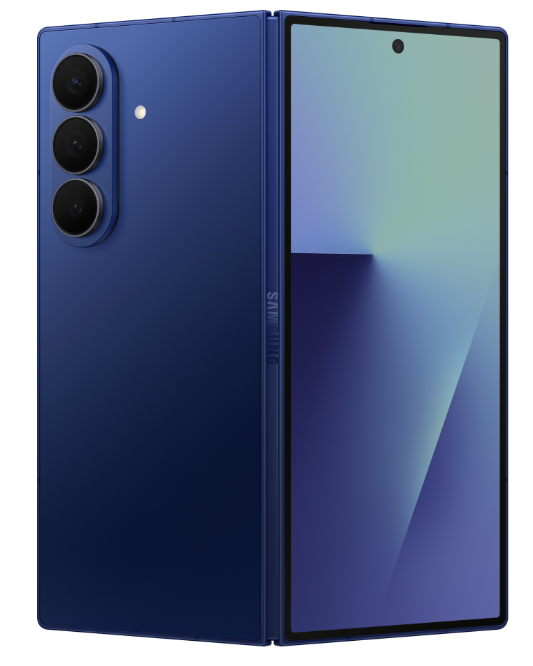
The Galaxy Z Fold7 shines with its 8.0-inch inner display, tablet-like experience, 200MP camera, titanium support structure, and superior chipset. It also supports Ultra Wideband and has a more advanced multi-window experience in One UI 8.
The Galaxy Z Flip7 distinguishes itself with a larger, full-featured cover screen this year and impressive portability. It’s a more practical foldable for mainstream users, especially with its improved durability, polished software, and accessible price.
Both support Samsung DeX and Circle to Search, but Fold7’s larger screen makes multitasking far more fluid. Still, Flip7 nails the balance between fashion and function.
Verdict: Choose Fold7 for serious productivity and all-in-one versatility; Go for Flip7 if portability, price, and simplicity matter more.
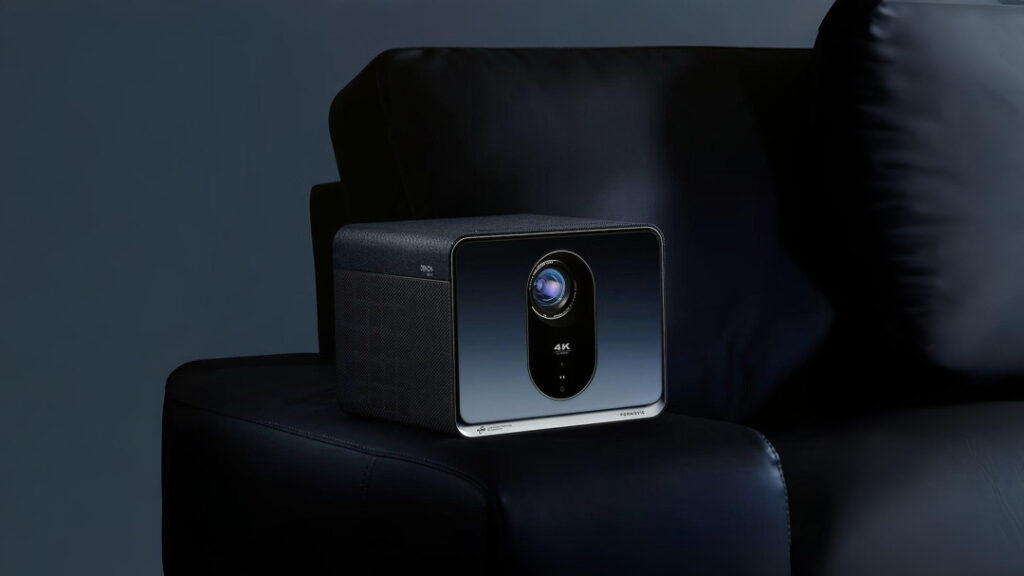
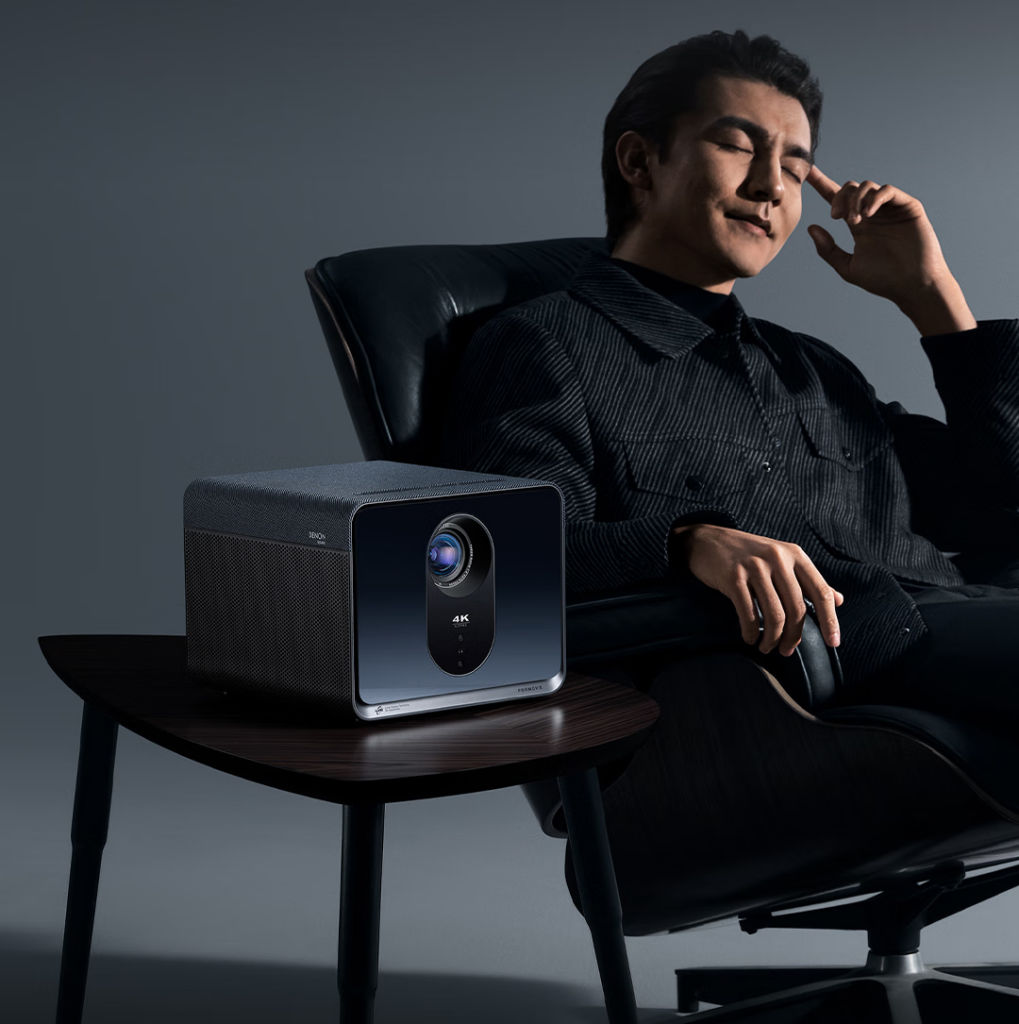
Formovie has officially launched the X5 Pro, its latest high-end 4K projector. It is priced at 7,999 yuan ($1,115) and is now available on JD.com. The projector targets home theater users, featuring native 4K resolution, 2500 CVIA lumens brightness, and Denon-tuned audio.
Formovie X5 Pro Specifications
The X5 Pro uses ALPD laser display technology, which is commonly found in commercial movie theaters. This technology helps reduce speckle, enhances color accuracy, and provides a flicker-free viewing experience. The projector supports 3840×2160 native resolution along with HDR10+ decoding and MEMC motion compensation for smoother visuals during fast-paced scenes.
Formovie has equipped the X5 Pro with the MediaTek MT9669 flagship processor. The unit comes with 4GB of RAM and 128GB of internal storage, which supports smooth app performance and video playback. The projector also includes a throw ratio of 1.27:1 and can project images from 60 to 1000 inches in size.
It supports global auto-correction features through a Full-AI (FAI) system that includes all-direction keystone correction, autofocus, intelligent obstacle avoidance, and automatic screen alignment. These functions are powered by a laser ToF module and CMOS sensor.
For audio, the X5 Pro features a tri-directional speaker setup that includes two 12W speakers on the sides and a 6W full-range speaker at the rear. The system is tuned by Denon and uses a 540cc large sound cavity. The projector supports Dolby Audio and DTS-HD decoding and can also function as a standalone speaker when the screen is off.
The device integrates AI-powered voice control through the built-in Xiaoming assistant. It supports commands via large language models like DeepSeek R1 and Doubao, and can control smart home devices within Xiaomi‘s Mi Home ecosystem. The projector includes support for far-field voice commands, allowing users to operate it without a remote.
In terms of connectivity, the X5 Pro includes Wi-Fi 6, HDMI 2.1, USB 2.0, Ethernet, and a 3.5mm headphone jack. It supports wireless screen casting across Android and iOS devices. The projector consumes less than 200W during use and drops to 0.5W in standby mode.
The Formovie X5 Pro features a fabric-wrapped body made from recycled materials and includes a front-facing diamond-patterned glass panel.
In related news, Portronics recently launched the Beem 540 projector in India with Android 13, 4K support, and a built-in telescopic stand, while Dangbei has introduced the DBOX02 Pro 4K laser projector featuring Google TV and native Netflix support.
For more daily updates, please visit ourNews Section.
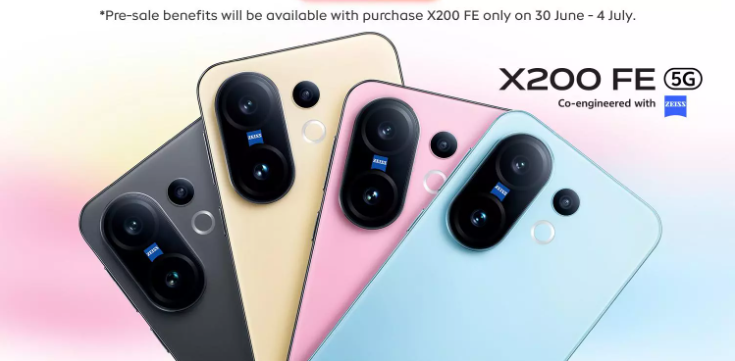
In the ongoing era of compact flagships, the Vivo X200 FE is the latest contender. With its high-end performance and sleek and handy design, it directly competes with the OnePlus 13s. But with slightly different priorities in camera, software, and battery life, which one delivers better value for your needs? Let’s break it down.
Both phones cater to users who prefer sleek and manageable devices. The Vivo X200 FE features a glass and aluminum design with flat edges, which is also offered by the OnePlus 13s. However, the X200 FE has a slight edge as it measures 7.99mm in thickness, compared to the OnePlus 13s’ 8.15mm body. This is quite impressive considering the difference in battery size, but we shall get to that later. But one notable advantage is the IP68 + IP69 rating, which is better than the IP65 rating offered on the OnePlus 13s.
On the display side, the Vivo X200 FE has a marginally smaller 6.31-inch LTPO AMOLED screen with a 120Hz refresh rate, FHD+ resolution, 2160Hz PWM dimming, and up to 5000 nits of peak brightness. Meanwhile, OnePlus 13s sports a 6.32-inch LTPO AMOLED panel with 1.5K resolution as well as a 120Hz refresh rate. While the brightness levels tops out at 1600 nits, you get Dolby Vision support as well. So the Vivo X200 FE clearly has some advantages in both design and display here. But what about performance?
Please Note: When you buy something using the links in our articles, we may earn a small commission at no cost to you.
2. Performance
OnePlus 13s
While OnePlus is a step behind in the Ingress rating and display brightness, it more than makes up for it in terms of raw performance. The Snapdragon 8 Elite on the OnePlus 13s is a true flagship chip that allows for better performance and power efficiency over last gen chips. Even for gaming, it is simply the better phone.
On the other hand, the Vivo X200 FE has an older but still powerful Dimensity 9300+. While this chip doesn’t match the Snapdragon 8 Elite in horsepower, in most games and day to day use, one would be hard pressed to feel a difference. This is a flagship chip from 2024 and easily holds up a year later. But if you play graphically intense games or want the best of the best, OnePlus 13s emerges the victor here.
3. Camera
Vivo, once again, takes the lead with a more capable and versatile camera system. It packs a triple camera setup that consists of a 50MP Sony IMX921 primary sensor, 8MP ultra wide angle lens, and another 50MP Sony IMX882 telephoto shooter with x optical zoom. For selfies and video calls, you get a 50MP shooter with auto focus. Pairing this with Zeiss tuning, you get excellent pictures as the camera system is nearly identical to the Vivo X200 flagship model.
In comparison, OnePlus skips the Hasselblad tuning on the OnePlus 13s. So even with the same sensor as the Oppo Find X8 (50MP Sony LYT700), it lacks the various customization that Zeiss brings to the table. I’ve found the OnePlus 13s camera system to be competent but lacklustre as a “flagship” phone. You’re also missing an ultra wide angle lens, and only get a 2x optical zoom on the 50MP telephoto shooter. Lastly, you have a 32MP selfie camera with auto focus on the front.
4. Battery
OnePlus made headlines with the 13s thanks to its massive 5,850mAh battery pack. On a single full charge, I easily managed to squeeze 1.5 days worth of use from this phone, which charges up quickly with 90W wired fast charging. But Vivo has a definite win here with an even larger 6,500mAh cell with 80W wired fast charging. While the Snapdragon 8 Elite is more power efficient, this is a notable difference in battery capacity. In other words, the Vivo X200 FE is the better option for battery life.
5. Verdict
While I have yet to get my hands on the Vivo X200 FE, it does seem like the better deal here (at least on paper), since both models have an identical 54,999 INR starting price tag and storage configuration. But once you factor in aspects like OxygenOS with the new OnePlus AI, the overall feel of the UI makes a big difference. Unless you’re in a big hurry, stick around for more reviews to know for sure. However, in most scenarios, the X200 FE is a great deal.
For more daily updates, please visit our News Section.
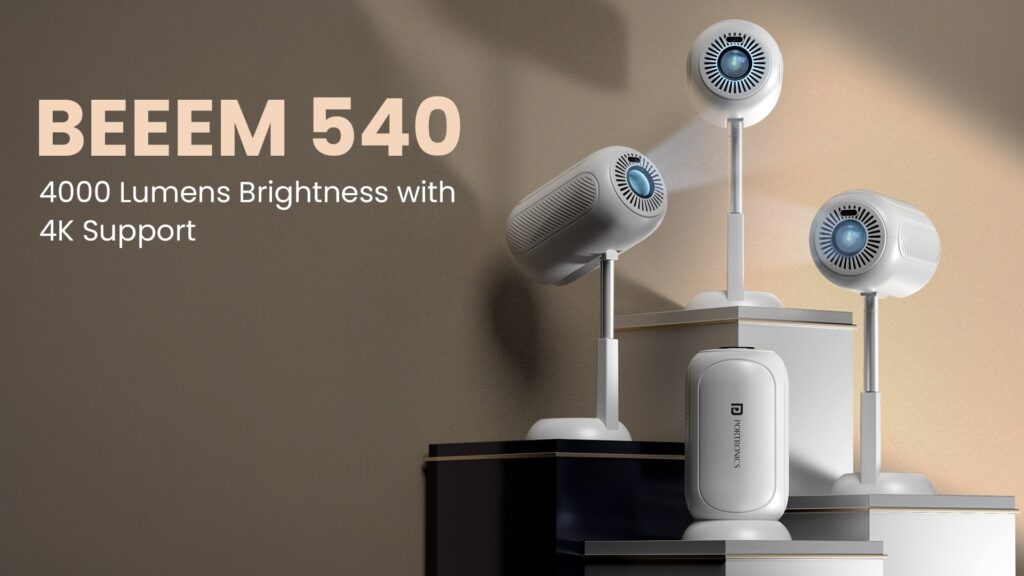
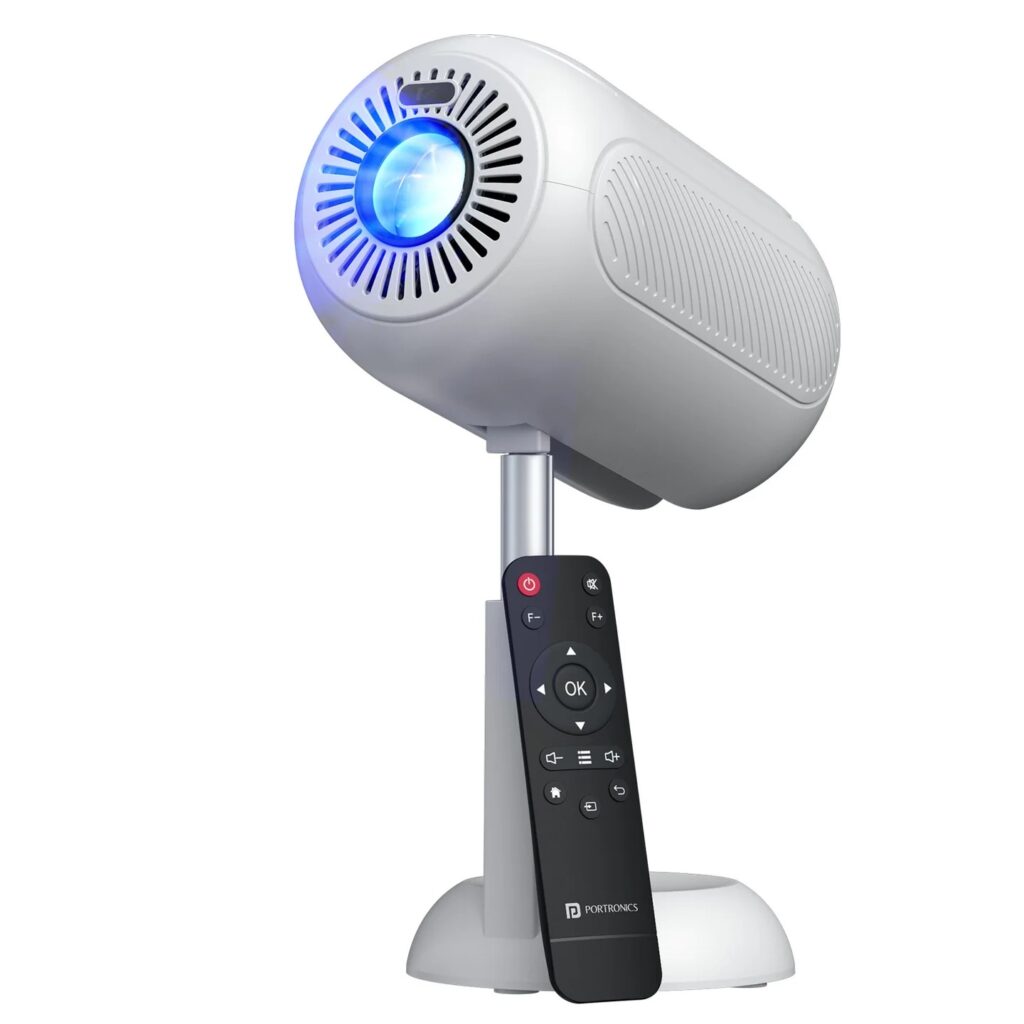
Portronics has launched the Beem 540, a smart portable projector equipped with Android 13, built-in streaming apps, and a telescopic stand. The device is now available across Portronics.com, Amazon.in, Flipkart, and leading offline retailers at an introductory price of ₹9,499 ($110). The product includes a 12-month warranty.
Portronics Beem 540 Specifications
The Beem 540 is designed as a compact yet powerful entertainment and productivity tool. It runs Android 13 and comes pre-loaded with streaming apps like Netflix, Prime Video, and YouTube. This allows users to watch content directly on the device without attaching any external dongles or media players.
The projector supports 4K Ultra HD playback and features a native resolution of 720p (1024 x 720 pixels). It delivers up to 4000 lumens of brightness, making it suitable for both day and night use. The projection can scale up to a maximum screen size of 100 inches, depending on the throw distance and ambient light conditions.
Portronics has included automatic vertical keystone correction and electronic auto-focus. These features help ensure a properly aligned and sharp image regardless of the projector’s placement. The device also features a built-in telescopic stand, allowing users to adjust height and tilt for better positioning without needing extra accessories.
The Beem 540 uses an LED light source rated for 30,000 hours of usage. It features a dual-turbo cooling system with intelligent temperature control to reduce the risk of overheating and image discoloration over time.
In terms of sound, the projector houses a 3W built-in speaker. For external audio, users can connect speakers or headphones using Bluetooth or the AUX port. The device also supports HDMI and USB inputs for additional content sources, alongside Wi-Fi and Bluetooth for wireless connectivity.
The projector supports both tabletop use and fixed mounting, with a built-in ceiling or wall mount slot available on the device. It is finished in a matte white body and designed for easy portability, making it suitable for home use, presentations, or classroom environments.
Please Note: When you buy something using the links in our articles, we may earn a small commission at no cost to you.
In related news, Lumio recently launched its new Arc 5 and Arc 7 smart projectors in India, both featuring Google TV and native Netflix support. Meanwhile, Dangbei has introduced the DBOX02 Pro 4K laser projector, which also runs on Google TV and includes official Netflix certification.
For more daily updates, please visit ourNews Section.
A fresh leak from reliable tipster, Digital Chat Station, may have given us our first look at the design of upcoming Android flagships. The insider shared a schematic showing four smartphones, each with a distinct rear camera layout.
As for which phone is which, the tipster left that puzzle for us to solve, but based on previous leaks, we can make some educated guesses.
Guess the phone
The phone on the top left is likely the Oppo Find X9 series. It features a square-ish camera module positioned to the left, unlike the round module seen on the Find X8 series. That matches earlier leaks, which mentioned that the Find X9 would ditch its predecessor’s circular camera design.
Vivo, on the other hand, seems to be sticking to its familiar design language. The X300, seen on the top right, retains a circular camera island similar to the X200 series.
Honor might also continue with the same hexagonal camera island for the Magic 8 Pro (bottom left). But the biggest design shift appears to be coming from the Xiaomi 16 Pro.
The schematic shows the Xiaomi 16 Pro sporting a wide camera deco that spans the entire top width of the device, exactly as described in previous leaks. Interestingly, this design resembles the one rumored for the iPhone 17 series.
All four phones are expected to feature flat screens this time around, with the sketches revealing large-radius corners on the display side.
2026 Android flagship could come with these camera sensors
Alongside the sketch, Digital Chat Station also revealed camera sensor details that could debut in these models. According to him, devices launching in the September to October window may feature upgraded main sensors like the 50MP OV50Q, Sony’s LYT828, or the mysterious “590.” For telephoto lenses, the phone could feature Samsung’s 200MP HP5 and the 50MP GN8 sensor.
MediaTek is also expected to launch the Dimensity 9500 around the same time, meaning we’ll see a flurry of flagship announcements from Chinese brands soon after
For more daily updates, please visit our News Section.
Big battery smartphones might finally become more common soon. Battery life is widely considered a key factor when buying a phone, with power users often making either some compromises or sticking with conventional models that let them down. But all of this might be changing very soon.
Massive Battery Smartphones Are Coming Soon
The latest rumor was shared by known tipster Digital Chat Station, on Weibo. He claims that the recent silicon batteries on smartphones that are pushing the boundaries of battery density are merely the tip of the spear. Soon, devices with 7,000mAh battery packs or higher will become a lot more common. This trend is expected to kick off by the end of this year, with the initial wave likely dropping in China first.
Honor X70
In other words, the wider release in the global market could arrive sometime next year. Due to the limitations of the current silicon batteries, companies are pushing their R&D teams to experiment with new materials and shapes. So smartphones with batteries larger than 7,000mAh could also be the new standard very soon. In a couple of years, we might see devices push the limits with 10,000mAh cells as well, which is something we’ve typically seen with either concept or brick-like rugged phones.
A recent leak revealed that the Honor Magic 8 Pro could debut with a 7,000mAh+ battery pack. Meanwhile, Xiaomi is working on the Redmi Turbo 5 Pro, which may pack a battery that is larger than 8,000mAh. With silicon carbide battery tech, these models might not see added thickness. A great example is the rumored Honor X70 that is expected to pack a huge 8,300mAh battery despite measuring around 7.9mm.
For more daily updates, please visit our News Section.
Reliable tipster Digital Chat Station has once again revealed details of an upcoming Vivo smartphone, which appears to be part of the upcoming Vivo X300 series. In a new Weibo post, the tipster shared early details about an imaging-focused flagship device. As per reports, the X300 series may go official as early as September in China.
Purported Vivo X300 camera specifications leaked
Alleged Vivo X300 camera specs leak
According to the leak, a forthcoming Vivo flagship phone will have a 200-megapixel 1/1.4-inch main camera, accompanied by a 50-megapixel ultra-wide lens, and a 50-megapixel IMX882 telephoto camera with 3x optical zoom. The setup may also feature a new prism-based optical stabilization system for improved focusing.
The device is expected to retain premium features such as full waterproofing, wireless charging, ultrasonic fingerprint scanner, and a compact 6.3-inch display, making it one of Vivo’s smallest flagships in recent years. This phone is like to be called the Vivo X300 when it hits the market.
In comparison, the Vivo X200, which launched in October last year, came with a 6.67-inch quad-curved screen, a 50-megapixel VCS main camera, and a 5800mAh battery with 90W wired charging. The expected X300 upgrade could mark a major leap in mobile imaging for the brand.
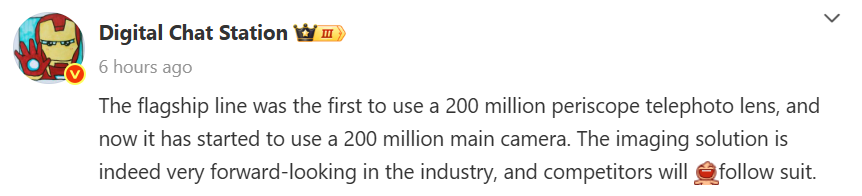
Vivo’s to use 200MP main camera
Vivo to use 200MP main camera
In a separate leak, the same source noted that Vivo—after integrating 200-megapixel periscope sensors into high-end phones like the X100 Ultra and X200 Pro—is now transitioning the 200-megapixel Samsung ISOCELL HP9 sensor to the main camera of its upcoming flagships. The HP9 supports 8K at 30fps and 4K at 120fps, and features Tetrapixel tech that adapts pixel size dynamically. This shift is expected to influence other brands to adopt similar high-resolution sensors in future flagships.
For more daily updates, please visit our News Section.
Reliable tipster Digital Chat Station shared details about the Redmi Turbo 5 Pro, which is expected to launch next year. Today, the tipster shared leaked details about what appears to be the Redmi Turbo 5. While the Turbo 5 series is expected to remain limited to the Chinese market, the Pro model may get rebranded as the Poco F8, whereas the Turbo 5 may be rebadged as the Poco X8 Pro for global markets. Here’s a look at what to expect from the Turbo 5 / Poco X8 Pro.
Redmi Turbo 5 key details tipped
Redmi Turbo 5 key details leaked
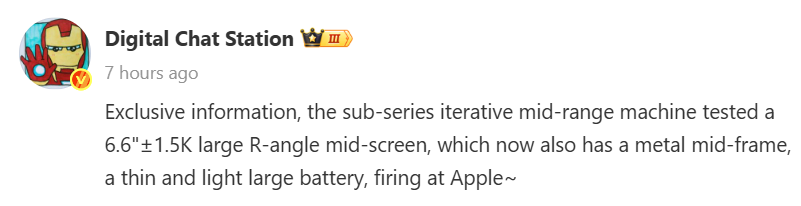
As per the Weibo post by DCS, the Redmi Turbo 5 is reportedly being tested with a 6.6-inch display offering 1.5K resolution and a “large R-angle” screen, which refers to curved corners of the screen designed to improve grip and comfort.
Though marginally smaller than the 6.67-inch panel on the Turbo 4, the ergonomic improvements may appeal to both casual and productivity-focused users. In terms of materials, the Turbo 5 could introduce a metal middle frame, shifting away from plastic and giving the device a more refined, sturdy design.
Battery design is also getting attention. The Turbo 4 included a 6,550mAh battery with 90W charging, and early leaks indicate the Turbo 5 may retain a large battery while aiming for a thinner form factor. This suggests Xiaomi is focusing on balancing power and portability. With the inclusion of premium build elements, the Turbo 5 is shaping up to be a competitive option in the mid-range space, possibly targeting users who seek flagship features at an affordable price.
As far as the Redmi Turbo 5 Pro is concerned, it is expected to house a massive 8,000mAh+ battery. The Turbo 5 Pro is expected to go official in Q2 2026, whereas the Turbo 5 may debut at the start of 2026.
For more daily updates, please visit our News Section.
Samsung’s Galaxy Watch 8 doesn’t reinvent the wheel. But that’s not a bad thing. Instead of bold overhauls, Samsung’s latest mainstream smartwatch sharpens the experience where it matters: wearability, health tracking, and seamless integration with the Galaxy ecosystem.
So, who exactly is the Galaxy Watch 8 for? After spending some time with the specs, design updates, and the larger wearable strategy Samsung is pushing, the answer becomes pretty clear. It’s for those who care about the details, and not necessarily the spectacle.
1. For people who want simplicity, not complexity on their wrist
Unlike the Galaxy Watch Ultra, which looks like it’s prepped for base camp or a triathlon, the Galaxy Watch 8 opts for a subtler, cleaner aesthetic. It’s the thinnest Galaxy Watch yet, measuring just 8.6mm thick, and comes in two sizes (40mm and 44mm), both with circular displays tucked inside a cushion-shaped squircle body.
This new design language, first seen on the Ultra, helps the watch sit more naturally on the wrist. Samsung even redesigned the lug system to reduce wrist gaps, which improves both comfort and sensor accuracy.
If you’re the type who wants a smartwatch that looks good with a work outfit and disappears on your wrist during a workout, the Watch 8 nails that balance. It’s not trying too hard, and that’s the point.
2. For health data obsessives and casual trackers alike
Samsung continues to lean into health, not just fitness. The Watch 8 builds on an increasingly robust set of wellness tools that go beyond step counts and heart rate zones. Sleep apnea detection, circadian rhythm coaching, vascular load metrics, and even antioxidant level measurement are now included in the experience.
The new AI-powered Energy Score acts like a daily battery percentage for your body. It combines sleep, stress, and physical activity into one simple indicator.
These tools won’t mean much if you don’t care about tracking your health. But for users who like checking in on their physical and mental state, or want to start doing so, the Galaxy Watch 8 offers a rich, science-backed suite of features without overwhelming you with data dumps. It also ties into Samsung’s ecosystem-wide wellness initiative, which now includes the Galaxy Ring, for even more comprehensive analysis.
3. For those who care about future-proof software
This is the first Samsung smartwatch to ship with Wear OS 6, paired with One UI 8 Watch. The UI is cleaner, faster, and better adapted to round displays. Notifications are easier to parse with “depthless” grouping, widgets are more glanceable, and multitasking feels less clunky thanks to the new Now Bar and pinning options.
There’s also Google Gemini built-in, allowing for hands-free control with more natural language processing. It’s still early days for Gemini on wearables, but it’s a promising inclusion that gives the Watch 8 a bit of a future-proof edge for those invested in Google’s AI roadmap.
4. For Galaxy phone owners, especially Z Flip 7 buyers
Let’s be honest. The Galaxy Watch 8 makes the most sense when paired with a Galaxy phone. Samsung’s ecosystem, with features like Samsung Wallet, automatic fitness syncing, and cross-device continuity, thrives when the entire stack is built by Samsung. If you just picked up the Galaxy Z Flip 7 or Fold 7, Samsung’s pre-booking deals on the Watch 8 (and its Classic sibling) make a strong case for bundling it in.
5. For Galaxy Watch 4 (and older) users ready to upgrade
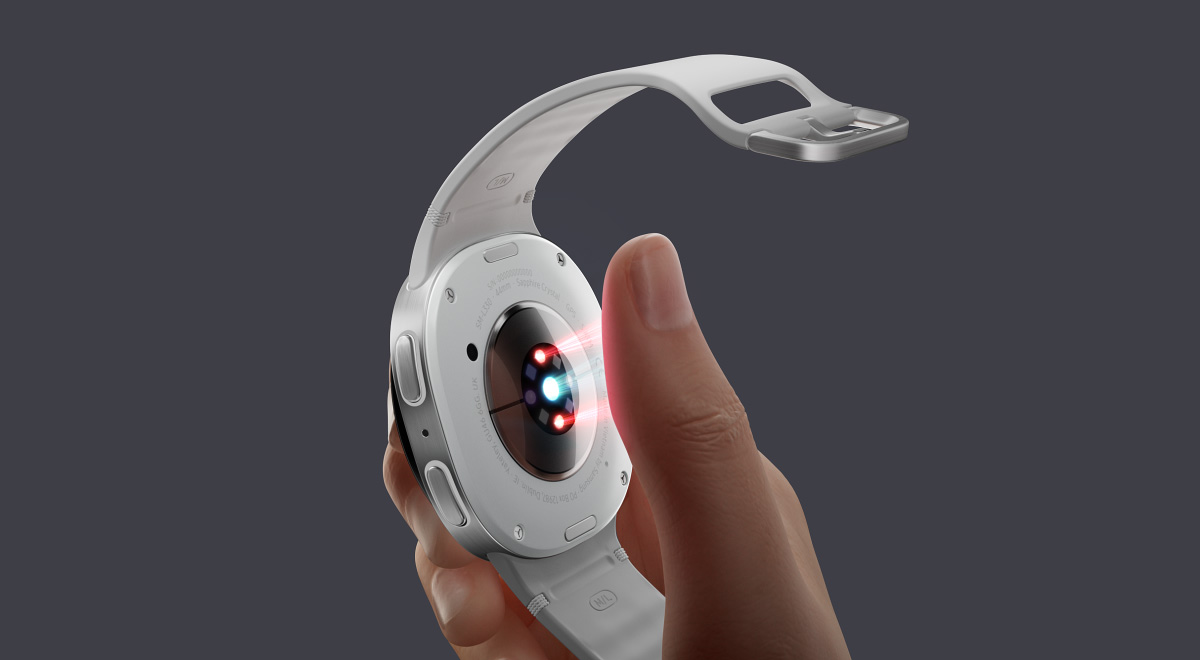
If you’re still using a Galaxy Watch 4 or an earlier model, the Watch 8 is where the upgrade really starts to feel worthwhile. You’re jumping multiple generations ahead in battery life, performance, and sensor accuracy. The new BioActive sensor, redesigned casing, brighter 3,000-nit display, and more comprehensive health tracking combine to offer a significantly better experience.
You’ll also benefit from a longer software support window and a smoother transition into the AI-enhanced features Samsung is beginning to roll out across its ecosystem. For anyone still on aging hardware, the Watch 8 isn’t just a refinement, it’s a reset.
6. So who shouldn’t buy it?
If you’re an endurance athlete, a rugged outdoors enthusiast, or someone who thrives in harsh environments, the Galaxy Watch Ultra is probably the better pick. It has better battery life (up to 100 hours), extreme weather resistance, and multi-sport training capabilities that make it Samsung’s answer to the Apple Watch Ultra.
Also, if you’re coming from the Watch 7, the year-over-year leap may not feel dramatic. The Watch 8 shares the same Exynos W1000 3nm processor and keeps the 2GB RAM/32GB storage config. The performance gains are incremental, and the core experience remains largely familiar.
The story is similar for Galaxy Watch 6 users. It’s still highly capable, and now with the arrival of the Watch 8, it’s also about to get significantly cheaper. If you’re buying your first Galaxy Watch and you’re on a tighter budget, the Watch 6 is arguably the smarter pick. It’s getting the job done, and it’s not going anywhere software-wise anytime soon.
7. The bottom line
The Galaxy Watch 8 is for users who want a refined, light, stylish smartwatch that takes health tracking seriously and lives comfortably within the Galaxy ecosystem. It’s not flashy. It’s not extreme. It just works, and sometimes that’s exactly what you need.
For more daily updates, please visit ourNews Section.
We use cookies on our website to give you the most relevant experience by remembering your preferences and repeat visits. By clicking “Accept”, you consent to the use of ALL the cookies.
This website uses cookies to improve your experience while you navigate through the website. Out of these, the cookies that are categorized as necessary are stored on your browser as they are essential for the working of basic functionalities of the website. We also use third-party cookies that help us analyze and understand how you use this website. These cookies will be stored in your browser only with your consent. You also have the option to opt-out of these cookies. But opting out of some of these cookies may affect your browsing experience.
Necessary cookies are absolutely essential for the website to function properly. This category only includes cookies that ensures basic functionalities and security features of the website. These cookies do not store any personal information.
Any cookies that may not be particularly necessary for the website to function and is used specifically to collect user personal data via analytics, ads, other embedded contents are termed as non-necessary cookies. It is mandatory to procure user consent prior to running these cookies on your website.