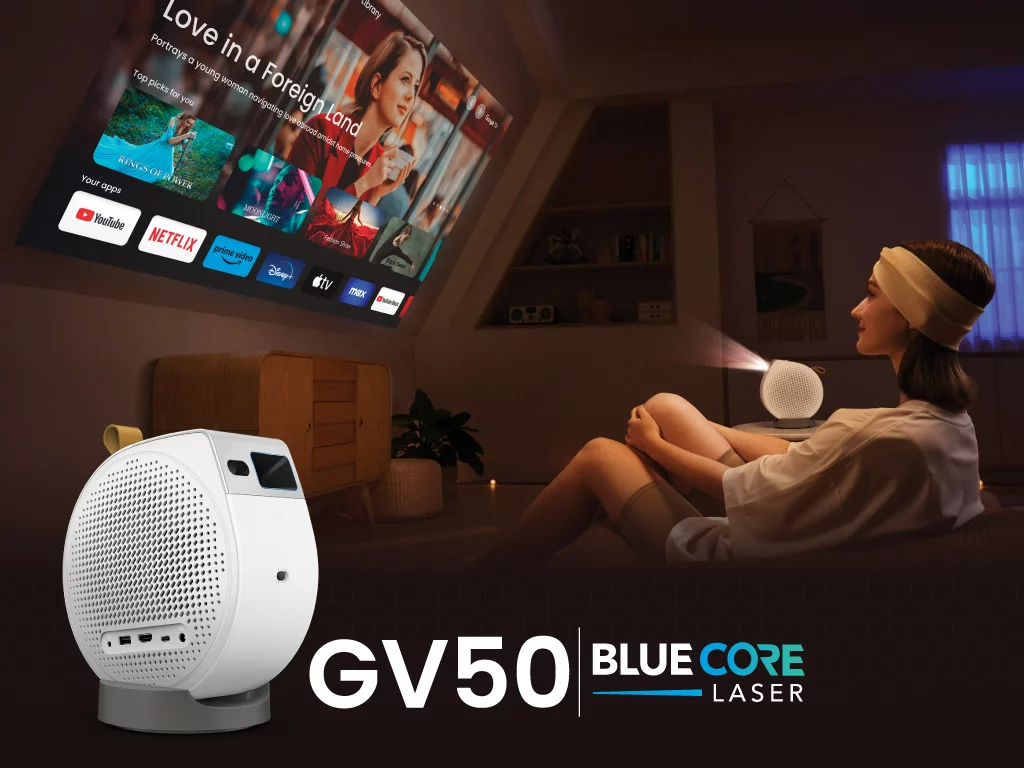
BenQ has launched a new portable projector that aims to redefine casual home entertainment. The GV50 Smart FHD Laser projector is the latest addition to the brand’s popular GV series and is designed to deliver a truly cinematic experience. For those unfamiliar, the GV series is a lineup of portable smart projectors designed for casual home entertainment and on-the-go viewing. Here’s a look at its key specifications, features, and price of the GV50.
BenQ GV50 key specifications
BenQ GV50
The BenQ GV50 combines a sleek, portable design with advanced visual and audio features. Its standout feature is the laser light source that not only boosts brightness but also ensures a lifespan of up to 30,000 hours.
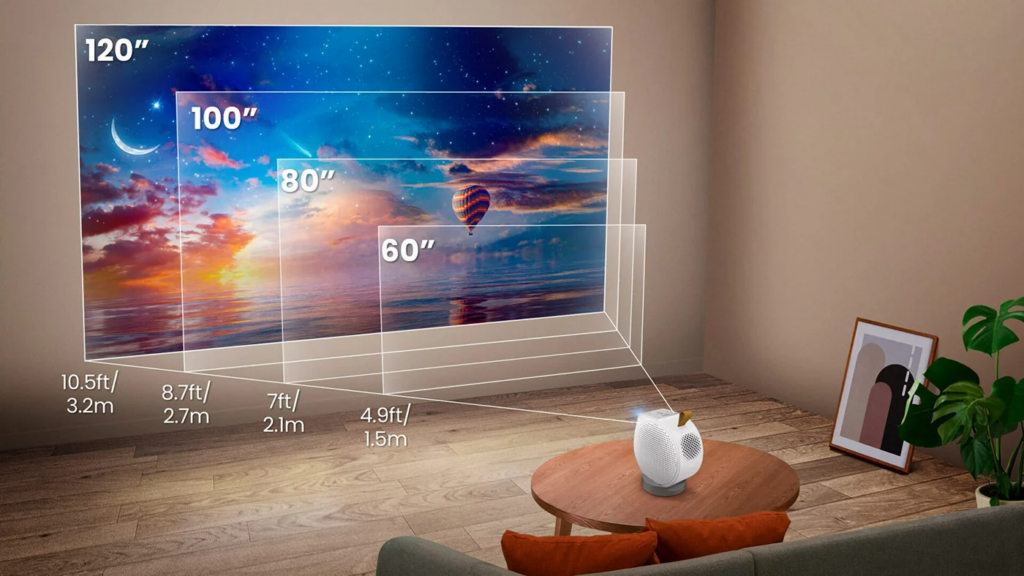
Users can enjoy vibrant 1080p visuals on a massive 120-inch screen, enhanced by BenQ’s CinematicColor technology, HDR support, and 500 ANSI lumens brightness. The built-in 18W 2.1-channel speakers provide deep bass and rich sound, eliminating the need for external audio gear.
BenQ GV50
The BenQ GV50 comes preloaded with Google TV, along with licensed Netflix access for effortless streaming. The device also features a low 22.4ms input lag, USB-C DisplayPort, and power delivery for gaming consoles like the Nintendo Switch. Intelligent autofocus, keystone correction, and obstacle avoidance make setup easy in any room. When it comes to battery life, the BenQ GV50 promises 150 minutes of video playback or 280 minutes of Bluetooth music streaming.
BenQ GV50 price in India, availability
The BenQ GV50 laser projector is available for pre-order exclusively on the BenQ e-store and Amazon. Customers can grab it at a special launch price of Rs 69,990 until April 22. Official sales begin on the same date. The device comes with two years of carry-in warranty.
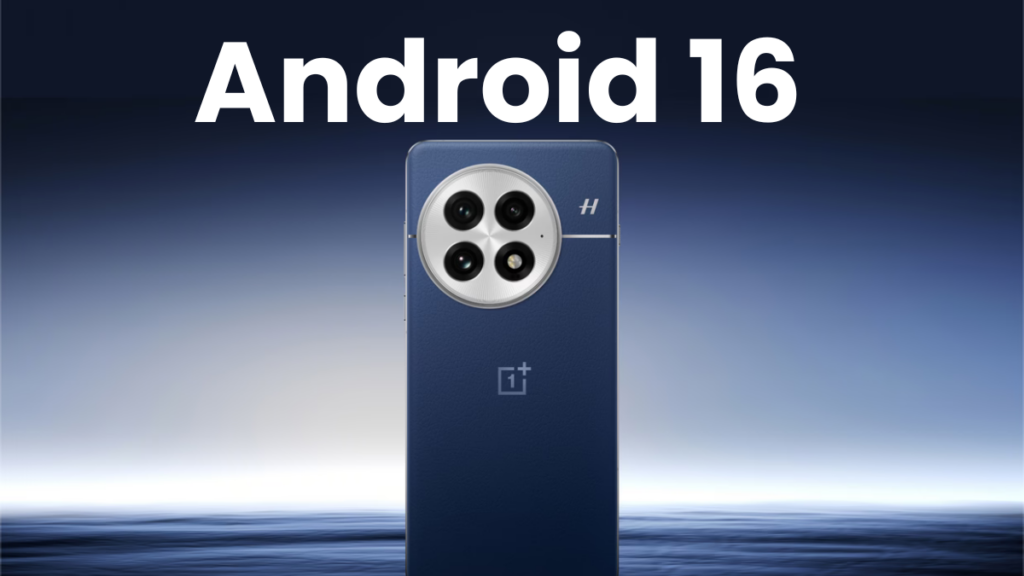
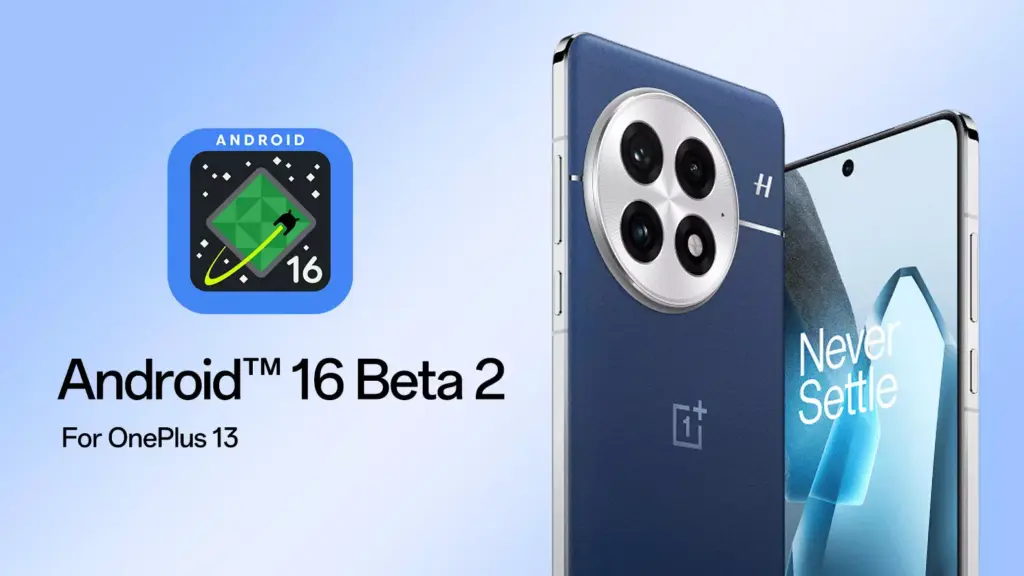
Android 16 is arriving earlier than its usual timeline, and Android brands like Xiaomi and OnePlus have already begun public beta testing of the upcoming OS. OnePlus is, in fact, the first non-Google brand to join the Android 16 beta program. The beta program, though, is currently available for the OnePlus 13.
If you own a OnePlus 13 and are eager to try Android 16 features, here’s how to get it up and running on your device.
How to install Android 16 beta on OnePlus devices
The Android 16 beta is currently available to the OnePlus 13, with Android 16 Beta 2 being the latest available version. The OnePlus 13 didn’t receive Beta 1 and jumped straight to Beta 2.
While it’s exciting to test new features and changes ahead of the stable release, there are some risks involved in it. Beta builds often come with bugs and issues. Some functionalities may not work properly, and you could experience system instability. Also, installing the beta will erase all your data, so make sure to take a complete backup first to avoid data loss.
Known issues in Android 16 Beta 2:
Unable to close the version update pop-up after upgrading to the DPP version.
Font weight settings cannot be adjusted.
Device may restart when answering a call using Bluetooth headsets.
Lag and display errors in the camera viewfinder and thumbnail in certain scenarios.
Blurry or unclear camera viewfinder in some cases.
Camera crashes when switching to Macro mode with the rear camera.
Crashes and lag after enabling Ultra Steady mode.
Display error in the camera viewfinder during video recording in specific scenarios.
Screen may freeze when tapping the accessibility shortcut button on the home screen.
Lag observed when locking the screen.
OnePlus says carrier devices (TMO/VZW) are not compatible with Android 16 Beta 2. Also note that your current software version must be 15.0.0.703 or below to upgrade to Android 16 Beta 2. If you’re on a higher version, you’ll need to downgrade first. OnePlus also recommends charging your device above 30% and keeping at least 4GB of free storage for a smooth upgrade.
Now, let’s explore the methods for installing Android 16 beta.
Method 1: Via Local OTA Update (for EU & IN only)
This method only works for OnePlus users from India or EU countries. NA users should follow the second method instead.
Step 1: Ensure that your important data is backed up (IMPORTANT!).
Step 2: Download the correct ROM update package for your OnePlus 13:
Have you tried Android 16 on your OnePlus 13? Let us know your experience in the comments. Also, do visit our Android 16 section regularly for the latest news and developments.
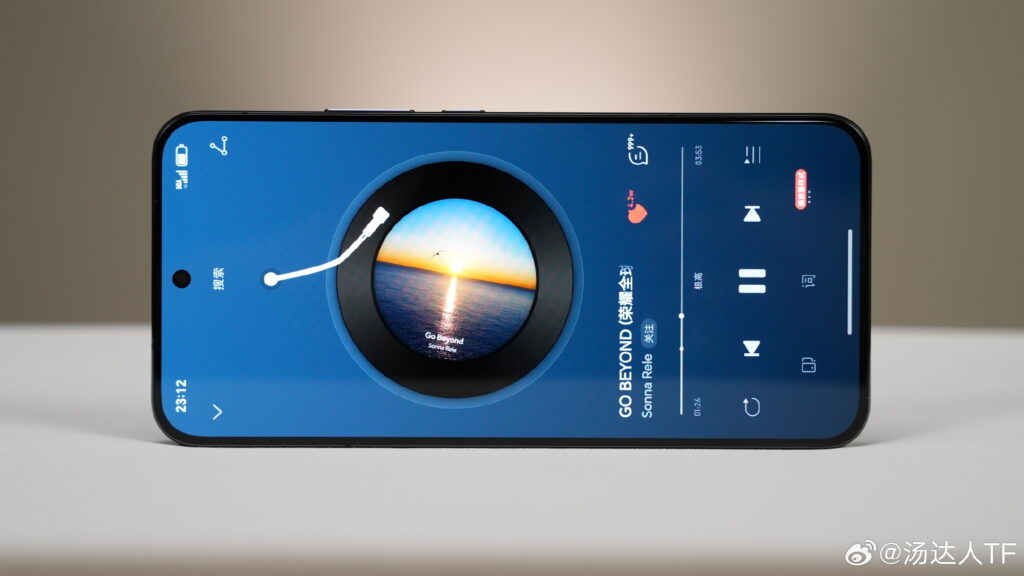
In December 2024, Honor launched the Honor GT, powered by the Snapdragon 8 Gen 3. Shortly after its debut, rumours began circulating that the brand would unveil the Honor GT Pro by mid-2025 in China. Since then, Honor GT series product manager Charlie Du has consistently shared key details about the upcoming GT Pro. Here’s everything revealed so far.
Honor GT Pro’s key specifications confirmed
Honor GT Pro display
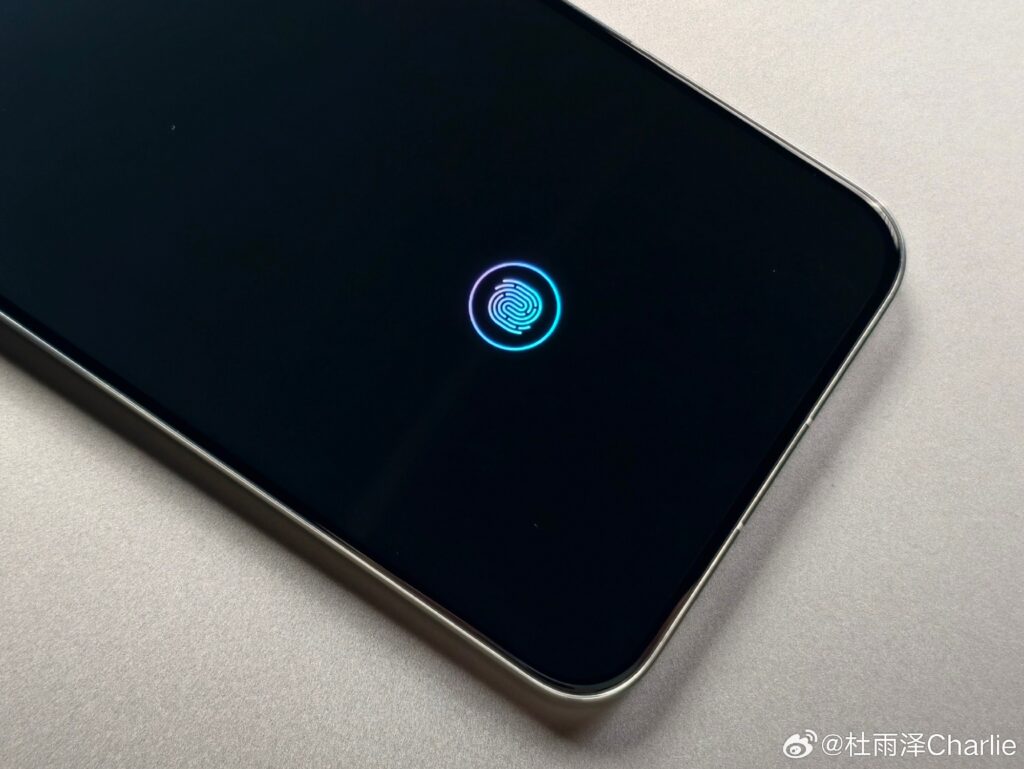
An image shared by Charlie confirms that the Honor GT Pro will feature a flat display. A more recent Weibo post (shown below) reveals that the handset will also include an ultrasonic in-screen fingerprint scanner. According to other reports, the device will feature a 6.78-inch OLED panel that offers a 1.5K resolution.
Honor GT Pro features an ultrasonic fingerprint sensor
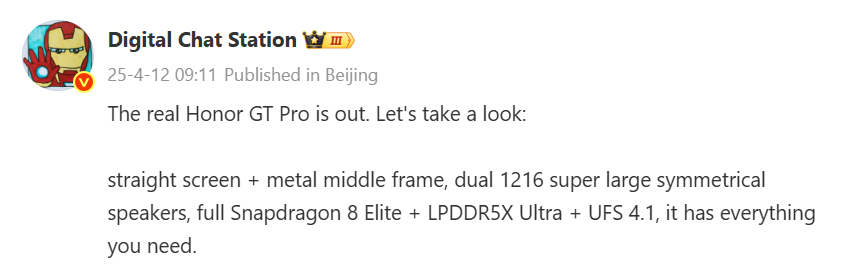
Charlie further revealed that the GT Pro will come equipped with LPDDR5x Ultra RAM and UFS 4.1 storage. The performance-focused phone will also inherit the Honor Magic 7 series’ dual 1216 ultra-large symmetrical speakers for enhanced audio. Other confirmed features include Rhino Glass protection, a metal middle frame, dual-band PGS, and triple-band Beidou positioning.
Additionally, Charlie has liked a recent Weibo post by reliable tipster Digital Chat Station, who reiterated many of the above specifications. However, DCS added that the Honor GT Pro will be powered by the Snapdragon 8 Elite chipset.
As for its launch, the Honor GT Pro is expected to debut in China by the end of this month. Interestingly, a new Honor device with model number PPG-AN00 was recently approved by the 3C authority in China, and it is believed to be the upcoming GT Pro. The listing indicates that the phone could support 90W fast charging. It is also expected to feature a battery of around 6,000mAh capacity and a 50-megapixel main snapper backed by a large sensor.
Samsung India has launched a new promotional campaign offering exciting benefits on its premium big-screen televisions. Titled the ‘Big League. Bigger Screen’ initiative, the campaign runs throughout April, coinciding with the IPL cricket season, and is aimed at enhancing the viewing experience for cricket fans. Samsung’s latest offers include a selection of high-end TVs that deliver lifelike visuals and immersive audio.
Chance to win a free TV and more
Samsung announces ‘Big League. Bigger Screen’ campaign in India
Running from April 1 to April 30, 2025, the campaign offers buyers a chance to receive a free Samsung TV worth up to Rs 2,04,990 or a soundbar worth up to Rs 99,990. Additional perks include cashback of up to 20 precent, zero down payment, and EMIs starting at Rs 2,990 with flexible tenures extending to 30 months.
These offers are valid on Samsung’s 43-inch and above models across its Neo QLED 8K, Neo QLED 4K, OLED, and Crystal 4K UHD ranges.
AI-powered TV range with cinematic features
Samsung’s Neo QLED 8K line uses its NQ8 AI Gen2 Processor with 256 neural networks to deliver ultra-detailed visuals and sound across sports, games, and OTT content.
The Neo QLED 4K series also gets AI enhancements and boasts a Pantone Validated display for accurate colour reproduction. Samsung’s OLED TVs come with anti-reflection panels, Real Depth Enhancer, and support up to 144Hz refresh rates.
Meanwhile, UHD models bring vivid visuals with Dynamic Crystal Color and smooth motion with Motion Xcelerator. Across all models, features like Dolby Atmos, Q-Symphony, and Samsung Knox Security aim to deliver a secure and immersive viewing experience.
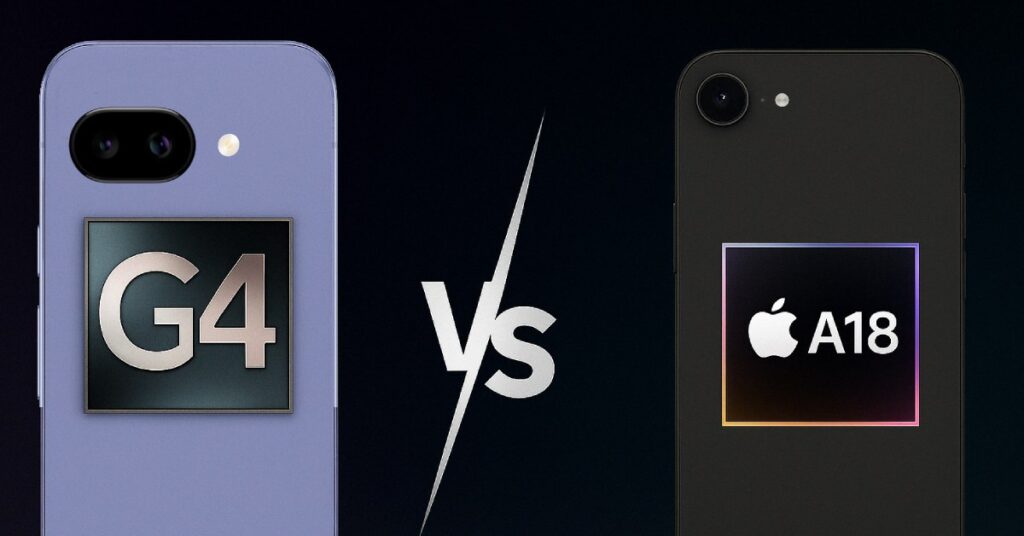
Google’s Pixel 9a and Apple’s iPhone 16e are each company’s latest attempts to appeal to the broader mid-range market. Both are cut-down versions of their flagship counterparts and both lean on custom, in-house silicon for raw horsepower—Tensor G4 on the Pixel 9a and Apple’s A18 for the iPhone 16e.
That’s about where the similarities end.
The two chips bring very different visions for what smartphone performance should look like in 2025. Google’s chip emphasizes AI performance while Apple’s solution focuses on raw power and power efficiency.
So, how do these custom chips actually stack up? Let’s break down the key differences.
Google’s Tensor G4 is, at least on paper, a mild upgrade over last year’s G3. It still relies on a semi-custom design, again developed in collaboration with Samsung. Built on Samsung’s 4nm process, the G4 doesn’t bring a significant leap in performance.
It has an octa-core CPU configuration with one high-performance Cortex-X4 core, four Cortex-A720 performance cores, and four Cortex-A520 efficiency cores.
In practice, that translates to performance that is adequate for day-to-day tasks like browsing, app switching, and media consumption.
Benchmark results show the G4 performing somewhere between Qualcomm’s Snapdragon 8 Gen 2 which makes sense given the chip’s architecture and thermal limitations in a mid-range phone.
Apple’s A18, on the other hand, maintains the company’s lead in chip design. Built on TSMC’s second-gen 3nm (N3E) process, it offers better efficiency and performance headroom than the previous A17. It features two high-performance cores and four efficiency cores, with a 4-core GPU.
That’s still a less GPU core than a regular iPhone 16’s A18 chip. Even then, the A18’s single-core, multi-core, and GPU performance is well ahead of the G4 and even ahead of many Android flagships running Snapdragon processors.
Tensor G4
Apple A18
Single core
1,917
3328
Multi core
4,526
8132
3DMark Wild Life Extreme Stress Test (Best loop score)
Please Note: When you buy something using the links in our articles, we may earn a small commission at no cost to you.
2. AI Features
The Tensor G4’s main selling point isn’t raw horsepower. It’s machine learning. Google has doubled down on AI-first features, and the Pixel 9a understandably benefits from that.
It has AI features like Best Take, Magic Editor, on-device transcription, and translation are all supported by the G4’s dedicated TPU. For users who care about AI tools more than gaming frame rates, Pixel 9a delivers a compelling experience.
The A18 integrates Apple’s latest 16-core Neural Engine, which processes over 35 trillion operations per second. While Apple doesn’t highlight its AI capabilities as loudly as Google does, iOS 18 brings new AI enhancements to Siri, Photos, and on-device summarization.
In raw numbers, Apple’s Neural Engine is faster, but Google uses its TPU more aggressively throughout the UI. Still, the experience depends on whether you want your phone to guess your intent or stay out of the way.
3. Camera Processing
Google has long relied on computational photography to deliver strong camera performance even on budget models, and the 9a is no exception.
The Tensor G4 enables real-time HDR, Super Res Zoom, and Night Sight, features that now run faster and more consistently. Image processing is still tuned for dramatic contrast and clarity, with a slight overprocessing bias. But it’s effective—and again, much of this happens thanks to the TPU, not the CPU or GPU.
Apple’s A18 powers a 48MP camera in the iPhone 16e and brings improvements to Smart HDR and Deep Fusion resulting in more natural images. Apple’s photos should be more balanced and with more realistic color reproduction.
4. Battery Life and Efficiency
Samsung’s 4nm node continues to be a weakness for Google’s silicon. The Tensor G4, while better than its predecessors in heat management, still lags behind Apple in power efficiency.
Apple’s A18 benefits from the more efficient N3E node and a mature power management strategy.
On paper, that means the iPhone 16e should outlast the Pixel 9a when it comes to battery efficiency. Of course, real-world results will vary depending on how people use their phones and the types of apps they run. However, from a purely technical standpoint, Apple’s A18 is clearly ahead of Google’s Tensor G4 in the efficiency game.
5. The Broader Picture
If there’s one thing the Tensor G4 and Apple’s A18 make clear, it’s that these two companies are playing very different games. Google is all-in on AI and software-first experiences, while Apple wants to lead on performance and efficiency at the silicon level.
That said, value still matters. The Pixel 9a costs around $499, while the iPhone 16e starts at $599. For many, the price difference, plus the suite of Google’s AI features, may be enough to make the 9a a smart buy. But for those looking for top-tier performance, the iPhone 16e makes more sense.
Still, there’s more to these phones than just chips. Be sure to check out our full comparison for a deeper dive into cameras, displays, and everything else that matters.
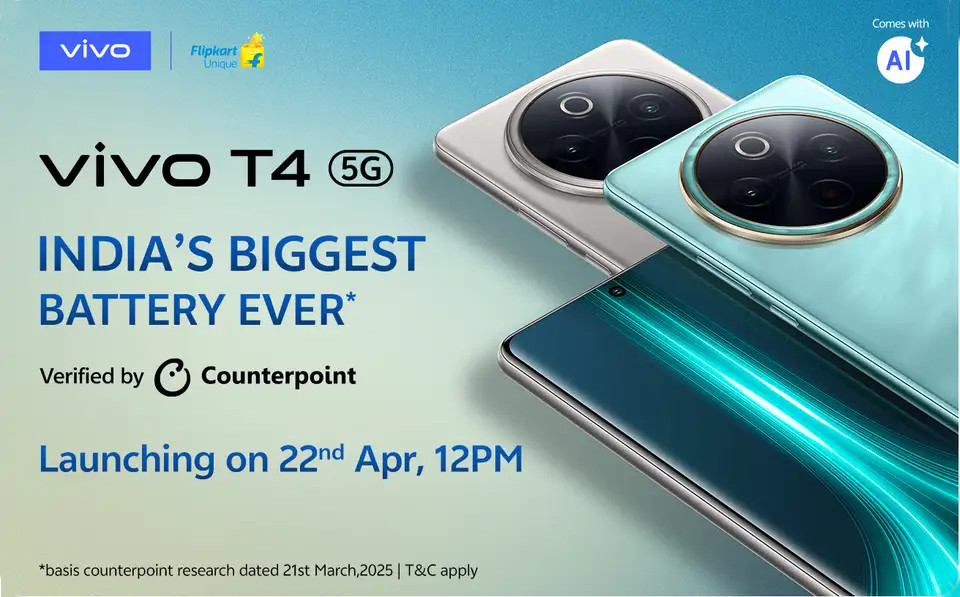
Vivo is all set to launch its much-awaited Vivo T4 5G in India on April 22. The official date was confirmed by the company in a recent social media post. The phone is expected to sport significant upgrades over its predecessor, the Vivo T3 5G, with several design and feature enhancements teased ahead of its launch. The device will be available across various platforms, including Flipkart and the Vivo India e-store.
Vivo T4 5G design and color options revealed
Vivo T4 5G launch date
The Flipkart page for the Vivo T4 5G has unveiled its design, showcasing a sleek and modern look. The phone features a large, circular rear camera module housing two camera sensors and an LED ring. Its right spine features a volume rocker and a power key.
On the front, the T4 features a quad-curved display with slim bezels. As for colour options, the Vivo T4 5G will be available in two shades, which, according to reports, will be called Emerald Blaze (green) and Phantom Grey (grey). Vivo is yet to confirm the key specifications of the device. However, it is expected to pack the largest battery in its price segment.
Vivo T4 specifications (rumoured)
According to reports, the Vivo T4 5G may arrive with a 6.67-inch FHD+ AMOLED display with a 120Hz refresh rate and a peak brightness of 5,000 nits. It will be powered by the Snapdragon 7s Gen 3 chipset and come in configurations ranging from 8GB + 128GB to 12GB + 256GB. The phone will also feature a 7,300mAh battery with 90W fast charging.
On the camera front, the Vivo T4 5G will include a 50MP Sony IMX882 primary sensor with OIS, a 2-megapixel secondary sensor, and a 32-megapixel front camera. It will run on Android 15-based Funtouch OS 15.
Vivo T4 price in India
Reports have claimed that the Vivo T4 5G pricing is expected to be under Rs 20,000. It will be positioned higher than the T4x, which debuted with a price tag of Rs 13,999 last month in India.
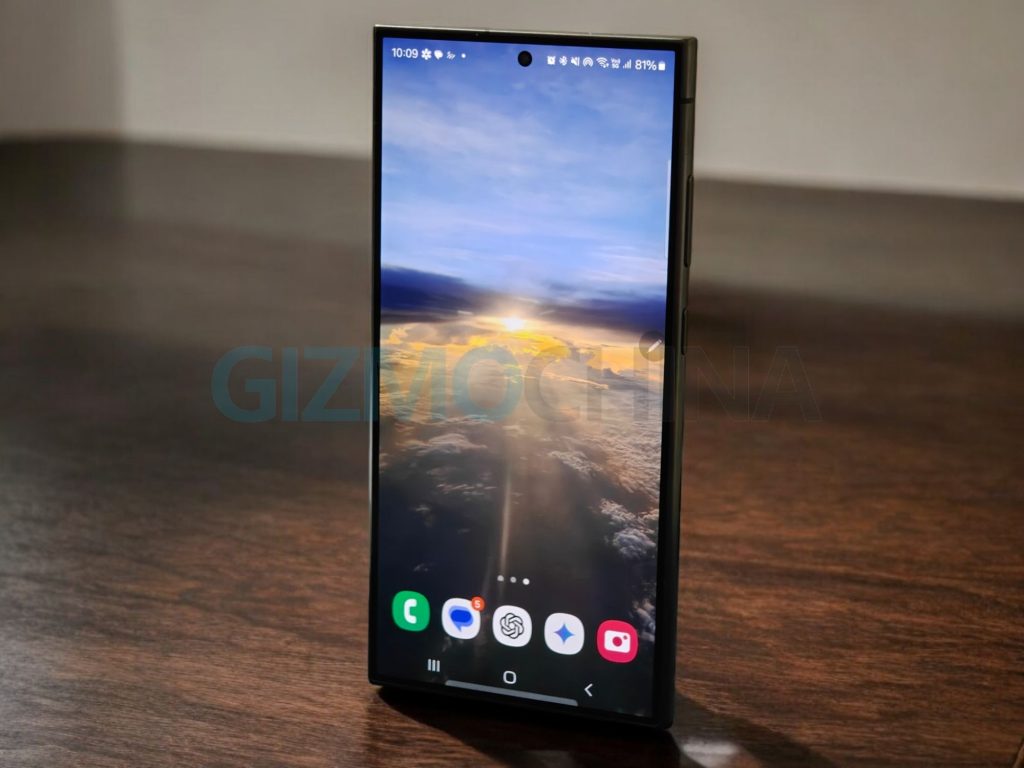
Samsung started rolling out its Android 15-based One UI 7 update to the Galaxy S24 series and the 6th generation foldables, with the 5th generation ones and the S23 series scheduled to get the stable update sometime in May. While Samsung kept users waiting—long enough for headlines to question whether it still represents the face of Android—it also had to halt the long-awaited rollout to last year’s flagships due to a serious bug. But there’s apparently more. A recent report from SamMobile talks about another bug in One UI 7, where the battery icon vanishes.
Samsung Galaxy S24 Ultra
QuickStar is to blame
The QuickStar Good Lock module reportedly causes the battery icon to disappear and there’s a simple fix to this issue. The QuickStar development team have addressed the reports regarding the battery icon not showing up on the status bar after installing the Android 15-based update. According to SamMobile, the bug has only affected those who used QuickStar to disable the battery icon manually on their phone running on One UI 6.x.
One UI 7 introduces a combined layout for the battery icon and percentage in the status bar. However, if the battery icon was disabled before the update, it won’t automatically show up again after installing the new version.
Fortunately, there’s a very simple solution to it. Affected users need to open Good Lock, head to the QuickStar module, go to the “Visibility of Indicator Icons” menu, and enable the “Battery Icon” option.
For Galaxy S24 users waiting on the One UI 7 update, tipster Ice Universe has revealed in a recent tweet that Samsung has fixed the critical bug and may resume the rollout as early as today. However, he didn’t specify whether the Galaxy Z Fold 6 and Z Flip 6 will also start receiving the update. Stay tuned, as Samsung is expected to issue a revised rollout schedule soon.
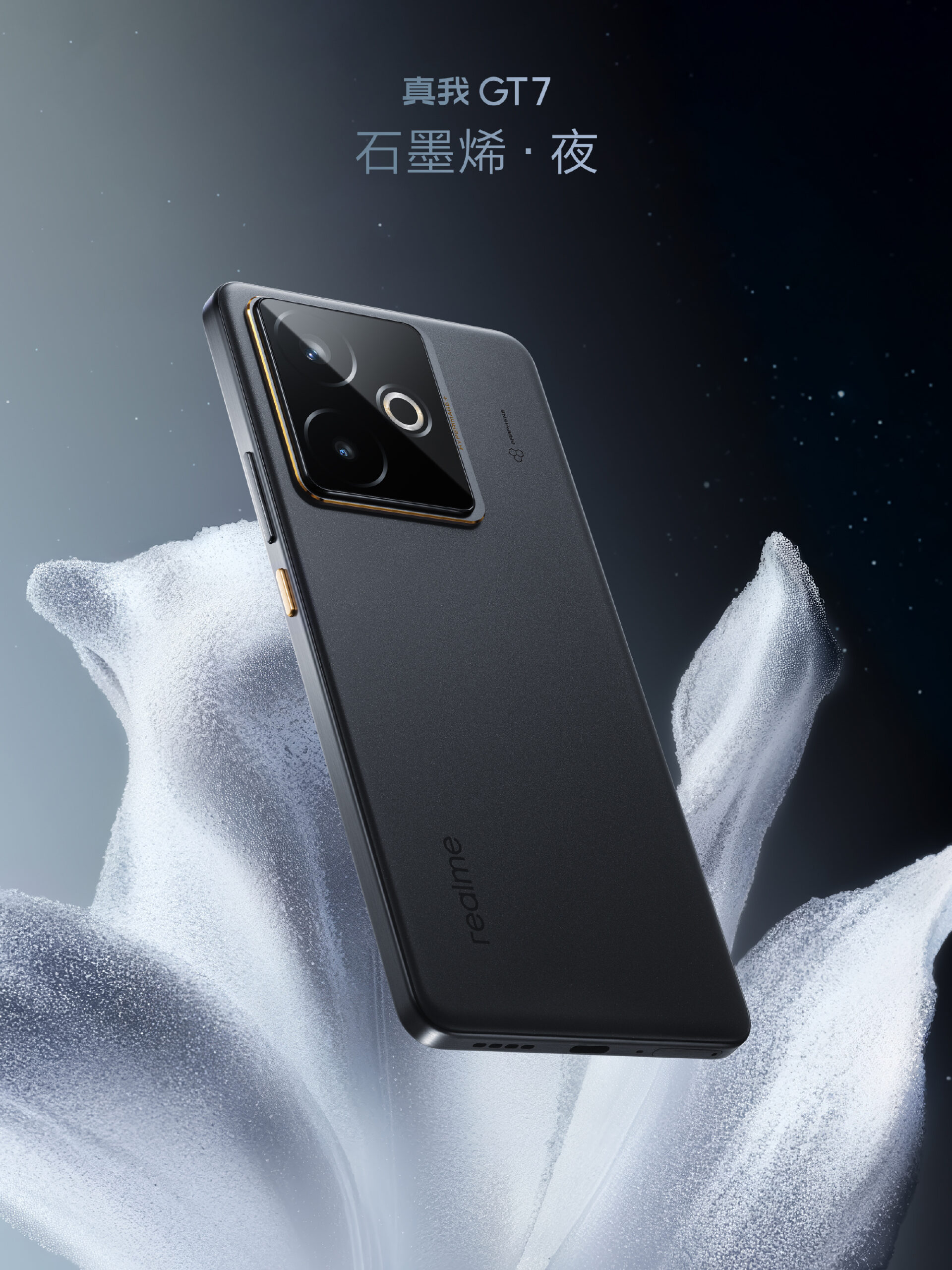
Realme is all set to unveil the Realme GT 7 on April 23 in China. The device, which will be positioned below the existing Realme GT 7 Pro, is said to arrive with a sub-3,000 Yuan (~$410) price tag. The brand recently confirmed the battery size, charging speed, and heat dissipation capabilities of the GT 7. Today, the company has, for the first time, revealed the design and color variants of the device.
The Realme GT 7 will come in three shades, such as Graphene Ice (blue), Graphene Snow (white), and Graphene Night (black). As can be seen, the device appears like a toned-down version of the GT 7 Pro. In particular, the blue edition has a red-colored power button and red accents around the camera island.
Realme GT 7 specifications (rumored)
According to reports, the Realme GT 7 will arrive with a BOE-manufactured OLED panel on the front. It will offer a 1.5K reoslution, a 144Hz refresh rate, and an ultrasonic in-screen fingerprint scanner for secure and fast unlocking. The device is said to be equipped with an IP68/69-rated dustproof and water-resistant chassis.
For photography, the GT 7 is expected to feature a 50-megapixel primary camera with OIS support. Since it is a performance-driven phone, it may not offer the best photography experience.
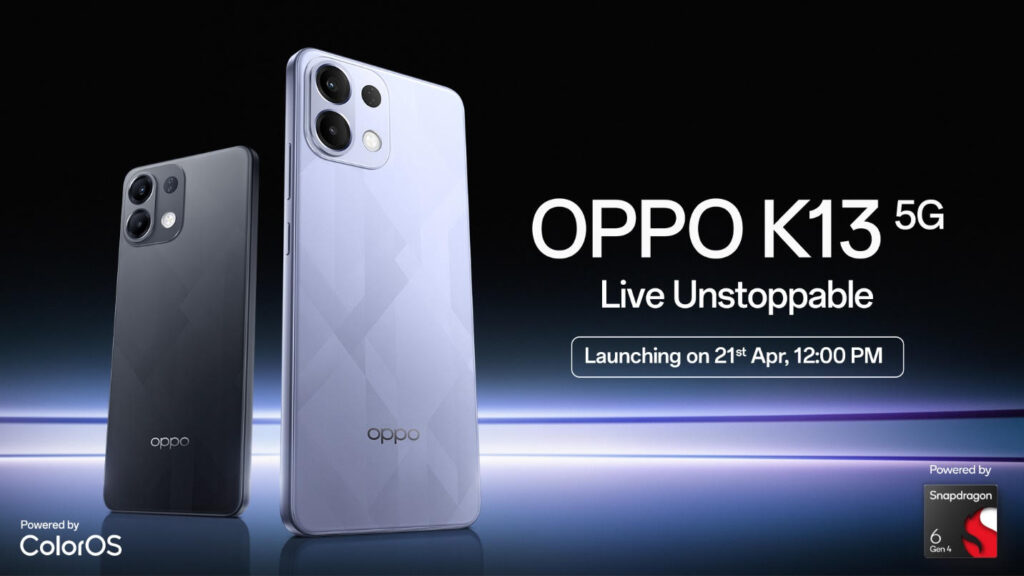
Oppo is gearing up for the launch of its K13 smartphone in India, and key details have now been officially revealed. According to the latest updates shared by the brand, the Oppo K13, which is set to launch on April 21 in India, is set to bring a blend of performance, battery efficiency, and practical features—especially appealing to power users and mobile gamers on a budget.
Oppo K13 key specifications
Oppo K13 launch date
The Oppo K13 will feature a 6.67-inch FHD+ AMOLED panel with a 120Hz refresh rate, 1200nits peak brightness, and wet-touch support. At the heart of the Oppo K13 is Qualcomm’s Snapdragon 6 Gen 4 chipset, the first 6-series processor built using TSMC’s 4nm process. This SoC is paired with 8GB LPDDR4x RAM and 256GB UFS 3.1 storage. The device has already crossed an impressive 790,000 score on AnTuTu, positioning it as a strong contender in its category.
The smartphone’s gaming performance is enhanced further by Snapdragon Elite Gaming support and OPPO’s AI Trinity Engine, which dynamically adjusts resources for better frame rate stability. For heat management, it features a combination of a 6,000mm² graphite sheet and a 5700mm² vapour chamber cooling unit—technologies typically found in higher-end phones.
For photography, the Oppo K13 is equipped with a dual-camera setup headlined by an OIS-enabled 50-megapixel primary camera. Additional highlights include dual speakers, an in-display fingerprint scanner, an IR blaster, and ColorOS. It features an IP65-rated body that weighs 208 grams and has a slim 8.45mm profile.
Oppo K13 price in India
The Oppo K13 will be available in two colours—Icy Purple and Prism Black. Apart from confirming the price, the brand has also revealed that the K13 will arrive with a sub-Rs 20,000 (~$230) price tag. It will be available for purchase via Flipkart in the country.
Oppo is also planning to launch a dedicated K13 variant for China. It is speculated that the Chinese edition could be different from the one launching in India.
OnePlus has been teasing the arrival of the OnePlus 13T in China. Today, the brand released an official confirmation to not only reveal its launch date, but also its design and color options. Here’s everything that’s known about the 13T.
OnePlus 13T launch date
OnePlus 13T launch date
The above poster confirms that the OnePlus 13T will be announced on April 24 in China. It also gives a good look at the rear design of the phone’s back and edges. The squircle camera on the back appears to be equipped with a dual-camera setup, an LED flash, and an unknown sensor.
The 13T is equipped with flat edges, with the left spine featuring a volume rocker and a power button. Its bottom features a speaker grille, a microphone, a USB-C port, and a SIM slot. As per reports, the device is equipped with a metal middle frame and a glass back. The handset will be available in three shades, such as Morning Mist Grey, Heart Beating Pink, and Cloud Ink Black.
OnePlus 13T specifications (expected)
OnePlus is yet to confirm the OnePlus 13T’s specifications officially. However, reports have revealed that the device will be equipped with a 6.31-inch flat OLED panel that offers a 1.5K resolution and a 120Hz refresh rate. Under the hood, it will feature the Snapdragon 8 Elite chipset, up to 16 GB of LPDDR5x RAM, and up to 512 GB of UFS 4.0 storage.
The OnePlus 13T is expected to pack a 6,200mAh battery with 80W charging. However, it may not support wireless charging. For photography, the 13T may feature an OIS-assisted dual 50-megapixel camera system featuring a telephoto camera with 2x optical zoom support.
For more daily updates, please visit our News Section.
Samsung has surprised everyone again with an unexpected twist in the rollout of its highly anticipated One UI 7, which is based on Android 15. Initially launched on April 7, 2025, for the Galaxy S24 series, Z Fold 6, and Z Flip 6, the rollout had to be halted due to a critical bug affecting device unlocking.
Samsung Galaxy S24 Ultra
One UI 7 rollout to the Galaxy S24 series could be resumed today
Now, tipster Ice Universe reveals that Samsung is back on track, with the rollout resuming as early as today (April 15)—earlier than many expected. Unfortunately, the tipster only mentioned the Galaxy S24 series and did not reference the 6th-generation foldables. It remains to be seen whether the Z Fold 6 and Flip 6 will also begin receiving the update again starting today.
The delay stemmed from an issue first reported in South Korea, where the bug disrupted access to devices, leading Samsung to pull the update to fix the underlying issue. Ice Universe noted in their latest update, “One UI 7 will be pushed to S24 series users today,” indicating a swift resolution. This rapid turnaround suggests Samsung is taking the rollout seriously, despite the initial delay.
One UI 7 brings a transformative redesign, featuring smoother animations, a revamped home screen, and enhanced AI capabilities. The new NowBar delivers real-time lock screen updates, while updated widgets and robust privacy controls offer greater personalization. Beta testers have lauded its almost fluid performance and cohesive aesthetic. The update’s focus on usability positions it as a significant leap for Samsung’s ecosystem.
The rollout will kick off with 2024 flagships like the S24 series and is expected to extend to older flagships like the S23 series and Z Fold 5 by May. Samsung’s proactive approach—addressing the bug and restarting within hours—reflects its commitment to quality.
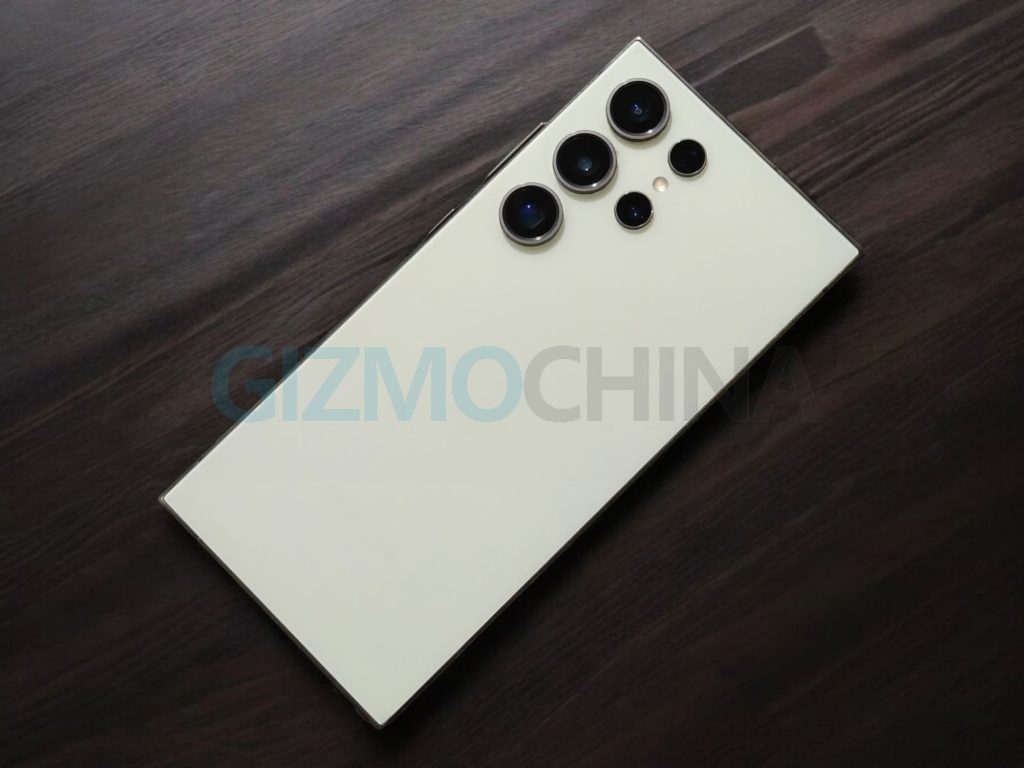
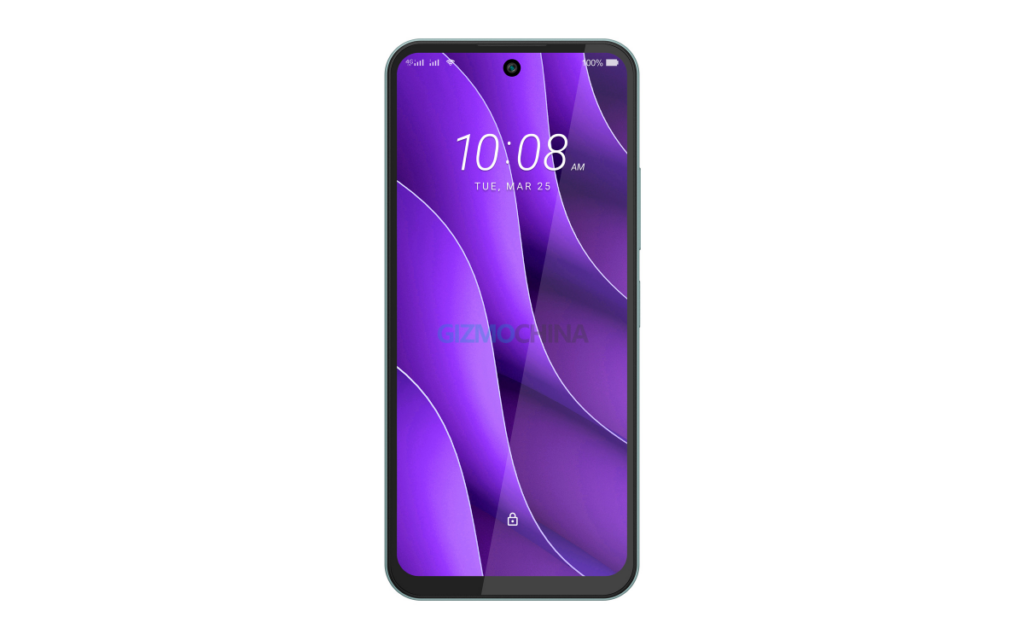
Just a day after we exclusively revealed the full specifications of the upcoming HTC Wildfire E7, we now have fresh details about its bigger sibling—the HTC Wildfire E7 Plus. The device is expected to launch soon in the Thailand and aims to offer a feature-packed experience at what could be an affordable price point. Here’s everything we know so far.
HTC Wildfire E7 Plus Specifications
The HTC Wildfire E7 Plus boasts a sizable 6.78-inch FHD+ incell display with a punch-hole cutout, offering a resolution of 1080 x 2460 pixels. The panel supports a 120Hz refresh rate and peaks at 600 nits brightness, which should deliver a smooth and vibrant viewing experience. Under the hood, the phone is powered by the MediaTek Helio G99 chipset, built on a 6nm process and featuring an octa-core CPU setup (2x Cortex-A76 at 2.2GHz + 6x Cortex-A55 at 2.0GHz), paired with the Arm Mali-G57 MC2 GPU.
In terms of memory and storage, the Wildfire E7 Plus comes with 8GB of RAM and a generous 256GB of internal storage. It also supports memory expansion through a dedicated TF card slot in a triple-slot tray (Dual Nano SIMs + 1 TF card). The phone runs on Android 14 out of the box, making it one of HTC‘s more up-to-date offerings in the entry to mid-range category.
The camera setup includes a 16MP front-facing camera for selfies. On the back, it features a dual-camera system comprising a 64MP main sensor paired with a 2MP secondary lens, likely for depth sensing. This should enable decent portrait shots and detailed images in well-lit conditions. Fast charging is confirmed at 18W, supporting the 5000mAh battery that should easily last a full day for most users.
The phone offers dual-band Wi-Fi, Bluetooth 5.0, GPS, GLONASS, and broad LTE band support. It features a side-mounted fingerprint scanner, 3.5mm headphone jack, USB Type-C (USB 2.0), stereo speakers, and basic sensors like gravity and light. The device measures 170.8 x 77.5 x 8.5 mm, weighs 212g, and comes in a mint green plastic (ABS+PC) body.
The retail box will include a charger, USB cable, TPU cover, and SIM ejection tool. While the exact launch date remains unknown, the Wildfire E7 Plus is expected to debut alongside or shortly after the regular Wildfire E7 in the UAE market. Stay tuned for more updates as we learn more.
For more daily updates, please visit our News Section.
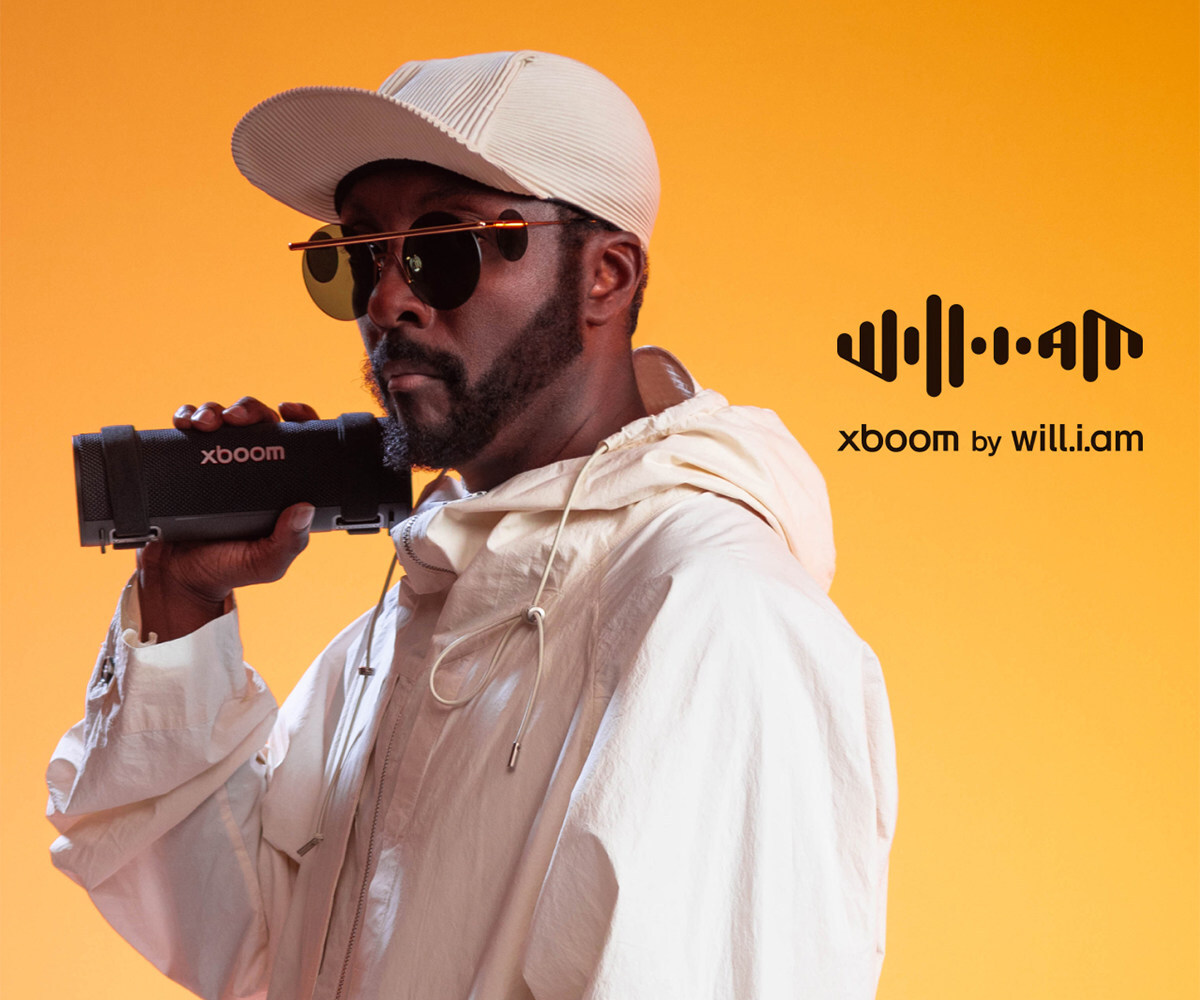
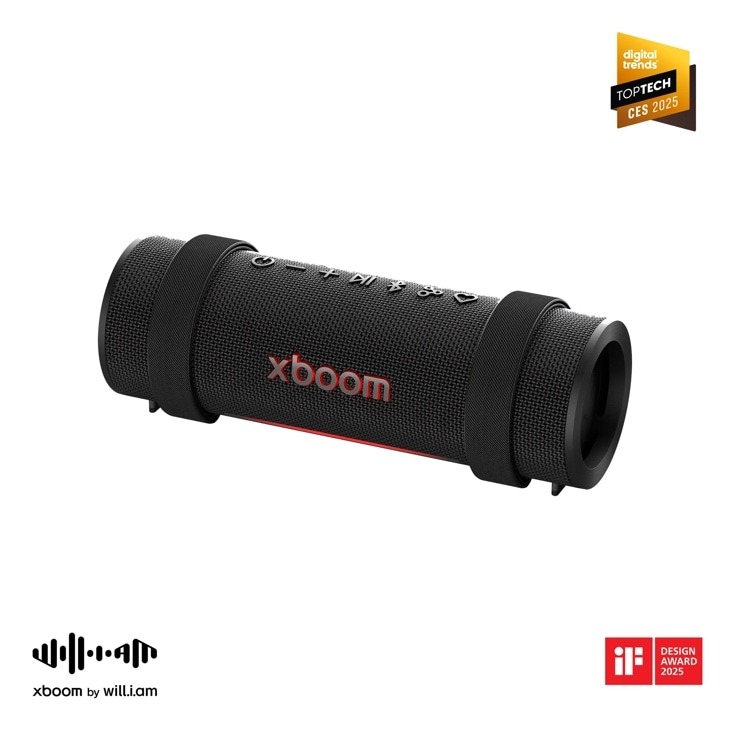
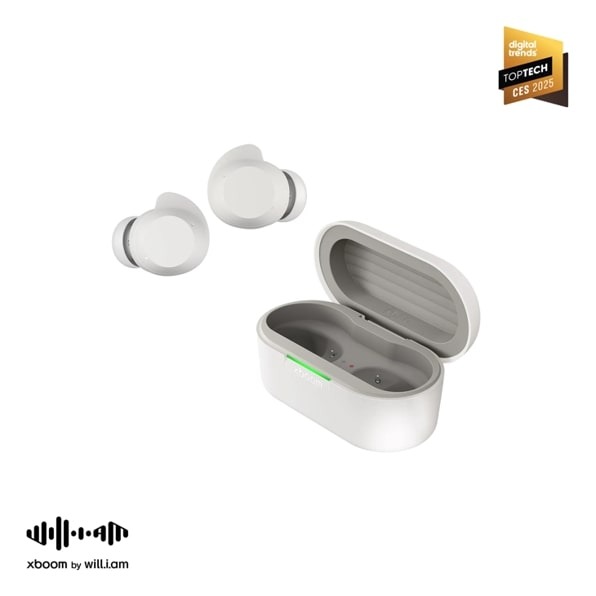
LG has released a new set of Bluetooth audio products in partnership with will.i.am. The lineup, called “xboom by will.i.am,” includes three speakers—the xbounce Bounce ($199), xbounce Grab ($149), and xbounce Stage 301 ($299)—plus a set of earbuds called xbounce Buds ($109). All products are tuned by will.i.am and are available now through LG’s website and retailers.
LG xboom Bounce
The xbounce Bounce is a portable speaker with up-firing passive radiators, dual dome tweeters, and a track-type woofer. It offers stereo sound with good clarity and depth. The passive radiators bounce visibly with the beat. It has an IP67 water and dust resistance rating, passed 7 military standard durability tests, and runs for up to 30 hours on one charge. A strap lets you carry or hang it easily.
LG xboom Grab
The xbounce Grab is made for on-the-go use. It’s small but has dual passive radiators for strong bass. It fits in cup holders, water bottle cages, and has straps to secure it to your arm or hook it to bags. Like the Bounce, it’s IP67 rated and lasts up to 20 hours.
LG xboom Stage 301
The xbounce Stage 301 is a larger speaker designed for events, outdoor use, or karaoke. It has a 6.5-inch woofer and two 2.5-inch midrange drivers. It can sit flat, tilt back, or mount on a tripod. It includes a built-in handle and a replaceable battery that runs up to 11 hours. It’s rated IPX4 for splash resistance.
The xbounce Buds are wireless earbuds with graphene diaphragms for clear sound. They offer up to 30 hours of use with the charging case and are rated IPX4. The ergonomic design includes a stabilizing fin for a secure fit.
All speakers include a button to connect to RAiDiO.FYI, will.i.am’s AI-powered infotainment platform, launching later this year.
For more daily updates, please visit ourNews Section.
Xiaomi has launched the TV A Pro 2026 series in Europe. It comes in 55-inch, 65-inch, and 75-inch models, priced at €479, €649, and €849. It’s available in countries like Germany, the Netherlands, and Sweden through Xiaomi’s online store.
The TV uses a 4K QLED panel with 3840 x 2160 resolution. It supports HDR10+, HLG, and Filmmaker Mode. Color accuracy is high, with 94% DCI-P3 coverage and support for 1.07 billion colors. Viewing angles are 178° both horizontally and vertically.
It has Game Boost Mode that increases the refresh rate to 120Hz at 1080p through HDMI. MEMC reduces motion blur during fast scenes. The screen includes low blue light mode and DC dimming to reduce eye strain.
For Audio, the TV has two 10W speakers. It supports Dolby Audio, DTS:X, and DTS Virtual:X for better sound clarity and bass. The TV runs on Google TV, with access to thousands of apps, Google Assistant, Chromecast, and personal profiles. It also supports Apple AirPlay and Miracast. The remote is Bluetooth-enabled, has voice control, and offers 360° coverage with customizable buttons.
The processor is a quad-core Cortex A55, paired with Mali-G52 GPU, 2GB RAM, and 8GB storage. For connectivity, it includes 3 HDMI ports (one with eARC and ALLM), USB 2.0, Ethernet, Bluetooth 5.0, dual-band Wi-Fi, optical audio out, and a CI+ slot.
The design features a metal frame and thin bezels. The 75-inch model measures 1668 x 76 x 959 mm without the stand and weighs 18.7 kg. It supports wall mounting (400 x 300 mm) and has two base positions.
For more daily updates, please visit ourNews Section.
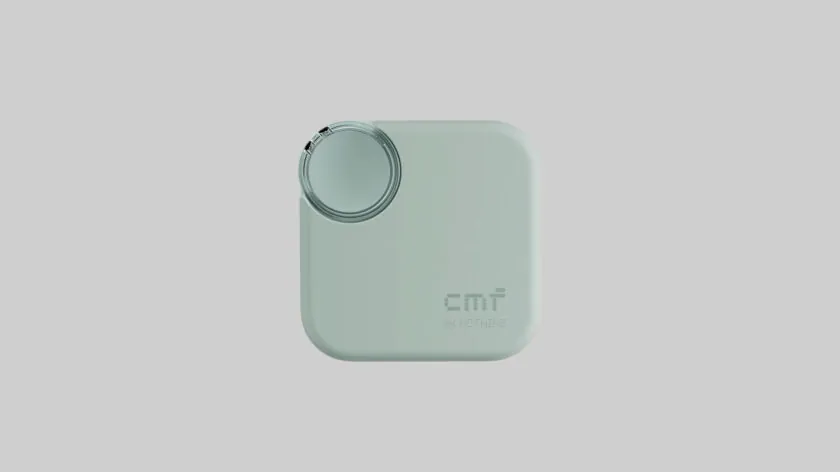
CMF by Nothing briefly surprised us on April 14, 2025, when the product page for the CMF Buds 2 wireless earbuds went live on its official website—revealing full details about the upcoming earbuds. The page was taken down shortly after, but not before confirming significant upgrades, including improved active noise cancellation (ANC), extended battery life, and advanced audio features. It’s expected to be priced under $60.
CMF Buds 2 official details
The Buds 2 retain a familiar design, mirroring their predecessors with a case in CMF’s signature Dark Gray and Orange, plus a fresh Light Green option. Despite smaller 11mm “PMI” drivers compared to the original, they benefit from Dirac Opteo tuning, promising “exceptional” sound quality.
The earbuds feature 48dB hybrid ANC, up from 42dB of the predecessor, meaning it will offer better noise cancellation. It will also feature Spatial Audio for an immersive experience. Battery life is a standout for the Buds 2, with up to 13.5 hours per charge and a case that extends total playback to 55 hours—9.5 hours more than the first generation.
Connectivity sees a boost with Bluetooth 5.4, which supports both Google Fast Pair and Microsoft Swift Pair for seamless pairing. The IP55 ingress protection rating ensures it can handle splashes of water and sweat, which is a welcome feature. The onboard ChatGPT integration, similar to what’s found on Nothing phones, also adds a smart touch. These enhancements make the Buds 2 a compelling upgrade for audio enthusiasts.
According to the now-removed listing, the Buds 2 were priced at £34 (down from £39), €39.95 (down from €49.95), and $59.99, with availability expected from April 16. If accurate, this early reveal ahead of the anticipated Phone 2 Pro launch later this month highlights CMF’s strategy of building momentum with feature-rich, budget-friendly accessories. Priced competitively, the Buds 2 could set a new standard in the affordable audio segment.
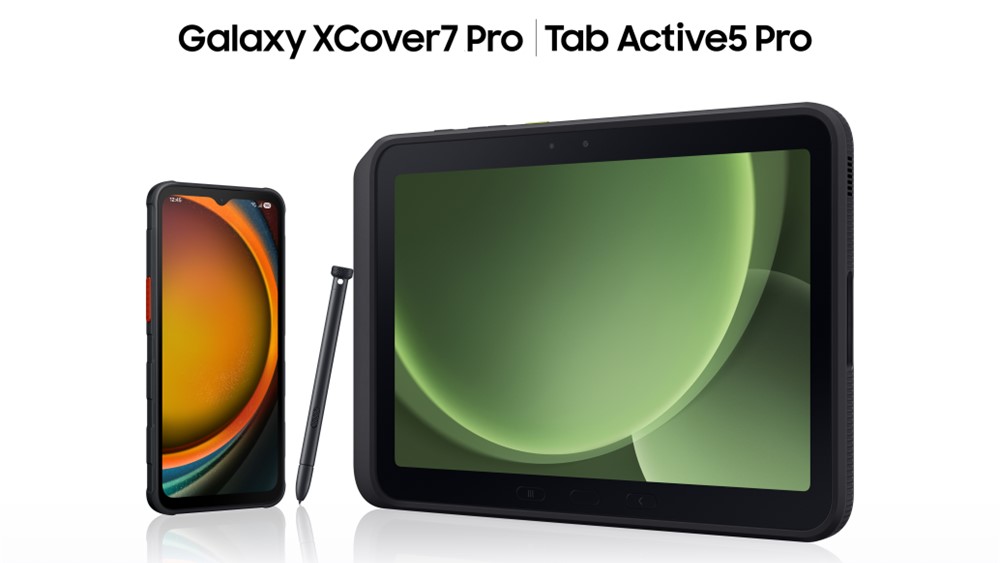
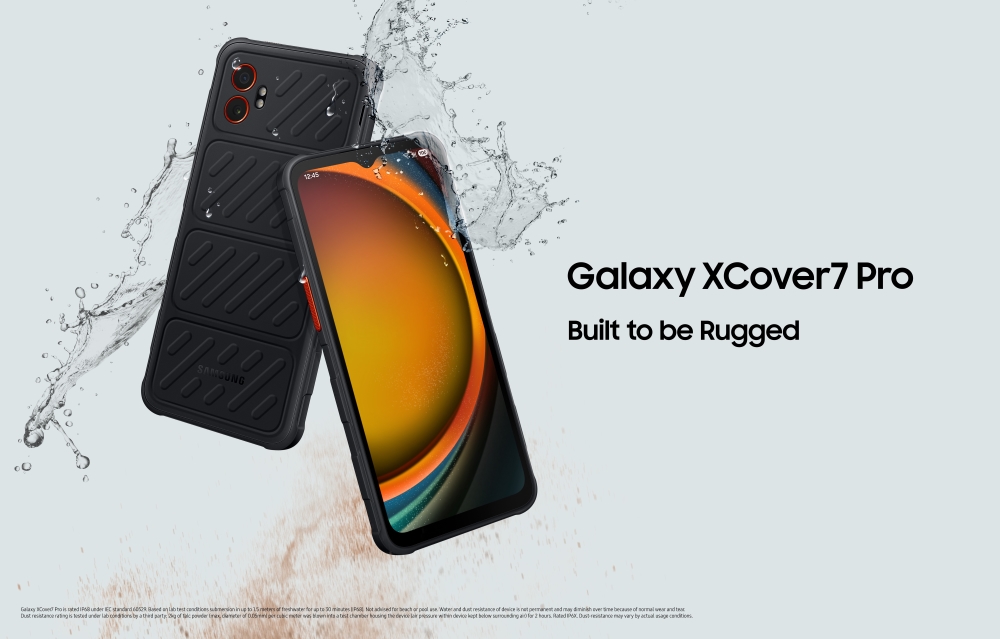
Samsung has introduced the Galaxy XCover7 Pro smartphone and Galaxy Tab Active5 Pro tablet, which are tailored for frontline workers in demanding environments. Announced today, these ruggedized devices promise durability, performance, and productivity for industries like retail, logistics, and healthcare.
These devices are built to endure tough conditions
The tablets feature IP68 water and dust resistance, ideal for accidental splashes or submersion. Both meet MIL-STD-810H standards, meaning they are resistant to drops, extreme temperatures, and strong vibrations. The XCover7 Pro packs a 6.6″ IPS LCD display display (1080 x 2408 pixels), while the Tab Active5 Pro packs a 10.1″ TFT LCD panel (1920 x 1200 pixels), both protected under Corning Gorilla Glass Victus+ for enhanced scratch and impact protection.
The Tab Active5 Pro includes an IP68-rated S Pen for wet-condition use, perfect for annotating or signing documents. Enhanced touch sensitivity supports glove use, meant to benefit workers in manufacturing or field settings.
Both devices are powered by the Snapdragon 7s Gen 3 chipset (4nm), delivering better efficiency than the Snapdragon 778G (Tab Active 4 Pro) or the Exynos 1380 (Tab Active 5). The XCover7 Pro offers 6GB RAM and 128GB storage (expandable to 2TB via microSD), while the Tab Active5 Pro provides 6GB/128GB or 8GB/256GB options.
As for the battery life, the XCover7 Pro and the Tab Active5 Pro pack a 4,350 mAh and a 10,100 mAh capacity, respectively. The latter is split into two hot-swappable, user-replaceable packs and is a major upgrade over the Tab Active 4 Pro (7,600 mAh) and the Tab Active 5 (5,050 mAh).
Both support 5G and Samsung DeX for a desktop-like experience on external monitors. Productivity is boosted with AI tools like Circle to Search, Object Eraser, and AI Select, streamlining tasks. Programmable keys allow for shortcuts for barcode scanning or push-to-talk. The XCover7 Pro’s stereo speakers with anti-feedback technology ensure clear communication. Security is fortified with Samsung Knox Vault, which offers encryption and tamper detection, meeting enterprise standards.
Pricing and availability:
The Tab Active 5 Pro comes in two configurations: 6GB RAM/128GB storage (Wi-Fi only, €809 or $920) and 8GB RAM/256GB storage (with or without 5G, pricing is yet to be revealed). Pricing details for the XCover7 Pro are also yet to be revealed. As per the official announcement, these devices “will be available starting April 2025.”
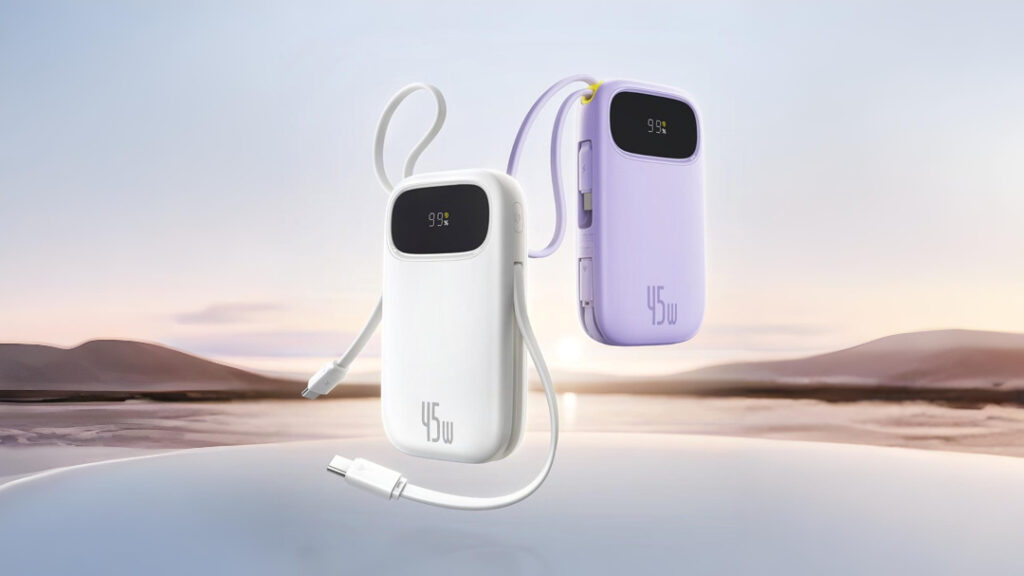
Baseus has launched its latest ultra-compact power bank—the Qpow 3—with a sleek redesign, faster charging, and more ports than ever. Starting at just 99 yuan or approx. $14 (after discounts), the 10,000mAh model is now officially on sale in China, with a 20,000mAh version also available for power-hungry users.
Baseus Qpow 3 Power Bank Specifications
This isn’t just another pocket battery pack. The Qpow 3 brings a thoughtful set of upgrades across the board. Thanks to Baseus’ in-house Pocket IN stacking architecture, the new model is about 10% smaller and 12% lighter than before. It’s roughly the size of a compact makeup case—seriously, you could toss it in a jacket pocket and forget it’s there.
But don’t let the size fool you. The Qpow 3 supports full-speed 45W fast charging, which is powerful enough to juice up an iPhone 16 to 55% or a Huawei Mate 60 Pro to 52% in just 30 minutes. It also plays nicely with iPads and even the Nintendo Switch, making it a travel essential for multi-device users.
The power bank features a four-port setup, including two built-in USB-C cables. One of them supports bidirectional charging (up to 45W), so you can both charge and recharge through the same cable. There’s also a USB-C output and a USB-A output, giving you enough flexibility to charge four devices at once without cable chaos. Total output reaches 5V/3A, supporting most modern fast-charging protocols.
To keep all this power cool, Baseus includes a smart dual thermal management system. It combines AI Temperature Control 3.0 with graphene-based heat dissipation, capable of taking 110,000 temperature readings per second. So yeah, it’s not just fast—it’s smart too.
Rounding out the features is a real-time LED display for battery stats, a low-current mode for wearables, and full airline-safe certification. There’s also robust safety under the hood, with 9-layer protection covering everything from overcurrent to electromagnetic interference.
Both the 10,000mAh and 20,000mAh versions are available in four eye-catching finishes—Starry Black, Galaxy Blue, Milky White, and Nebula Purple. The smaller version weighs 216g and measures 110.7 x 62.7 x 26.5mm, while the larger packs in more juice at 361g and 121 x 72.5 x 31.5mm.
In related news, Ambrane has launched the Stylo N20 and N10 power banks, featuring bold new colors and capacities of up to 20,000mAh. Meanwhile, we have reviewed the Cuktech 15 Ultra Power Bank, highlighting its fast-charging speeds, smart features, and overall reliable performance.
For more daily updates, please visit our News Section.
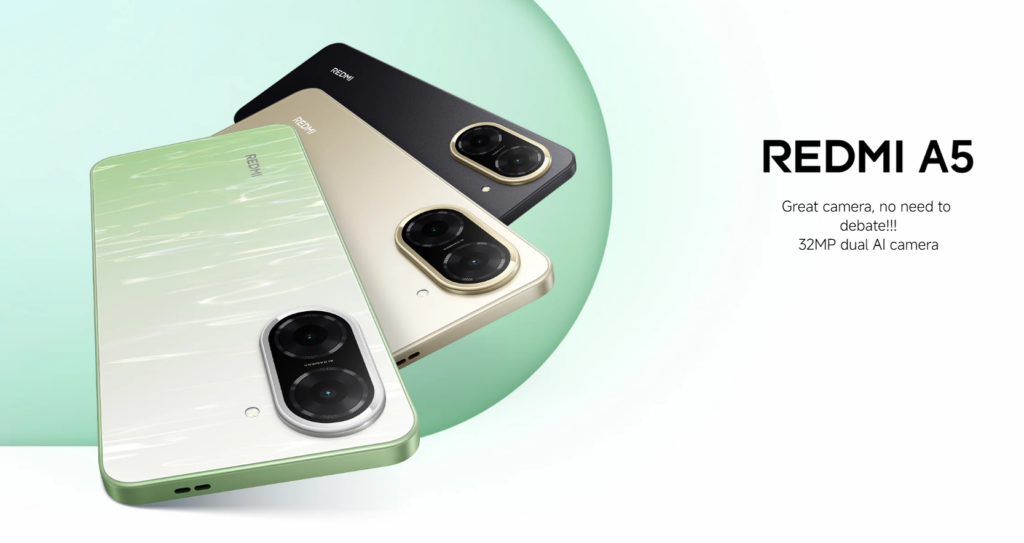
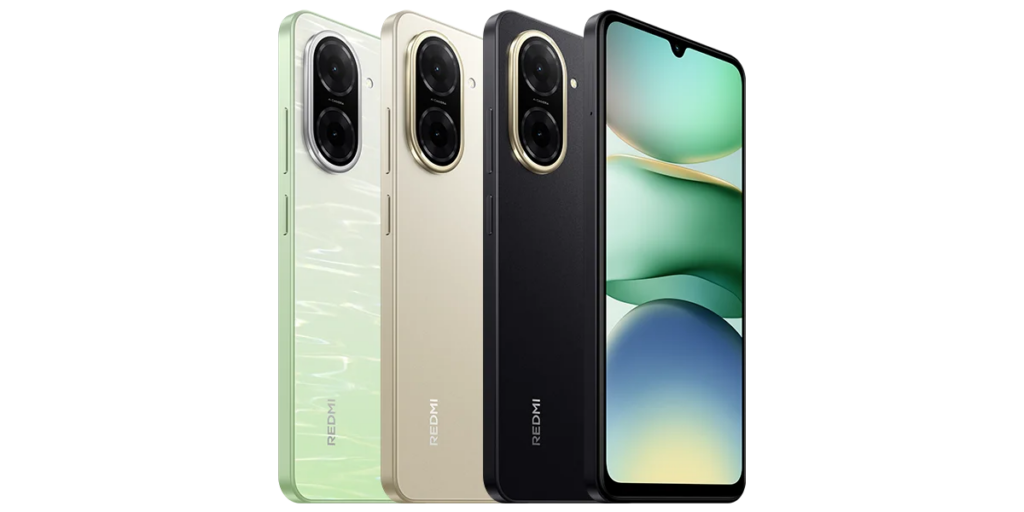
Xiaomi is preparing to add a new budget device to its Redmi lineup in India. The company has confirmed that the Redmi A5 will launch on April 15 at 12 PM IST. Ahead of the launch, a new report from XpertPick has revealed the price for the base variant of the device.
According to the report, the Redmi A5 will start at ₹6,499 for the 6/64GB configuration. The device will be available for purchase via Flipkart and Xiaomi India’s official website.
While the launch in India is still a few days away, the Redmi A5 has already debuted in other markets. So here’s a quick recap of the specs.
Redmi A5 4G Specs
The Redmi A5 (4G) sports a 6.88-inch LCD display with a resolution of 1640 x 720 pixels and a refresh rate of up to 120Hz. Brightness tops out at 450 nits. The phone measures 171.7 x 77.8 x 8.26mm and weighs 193 grams. Biometric authentication is handled by a side-mounted fingerprint sensor and AI-based facial recognition.
As for the performance, it utilizes the Unisoc T7250. It is an octa-core chipset built on a 12nm process with clock speeds up to 1.8GHz. In addition to the 6GB RAM variant, the device includes 128GB of eMMC 5.1 storage and support for expansion via a dedicated microSD slot. It also offers 4GB of virtual RAM.
The A5 is powered by a 5,200 mAh battery with support for 15W fast charging over USB-C. Camera hardware consists of a 32MP main sensor on the back, paired with an LED flash, and an 8MP front-facing camera. Software-wise, the device runs Android 15 (Go Edition).
The phone’s connectivity feature includes expected dual-SIM support, dual-band Wi-Fi (2.4GHz and 5GHz), Bluetooth 5.2, and a 3.5mm headphone jack.
For more daily updates, please visit our News Section.
Realme is all set to unveil its next performance flagship—the GT7—on April 23 at 4 PM in China, and it’s already shaping up to be a major disruptor in the sub-3000 yuan (~$400) segment. With a clear focus on battery life, charging tech, and raw performance, the company has been dropping teaser after teaser to build up the hype.
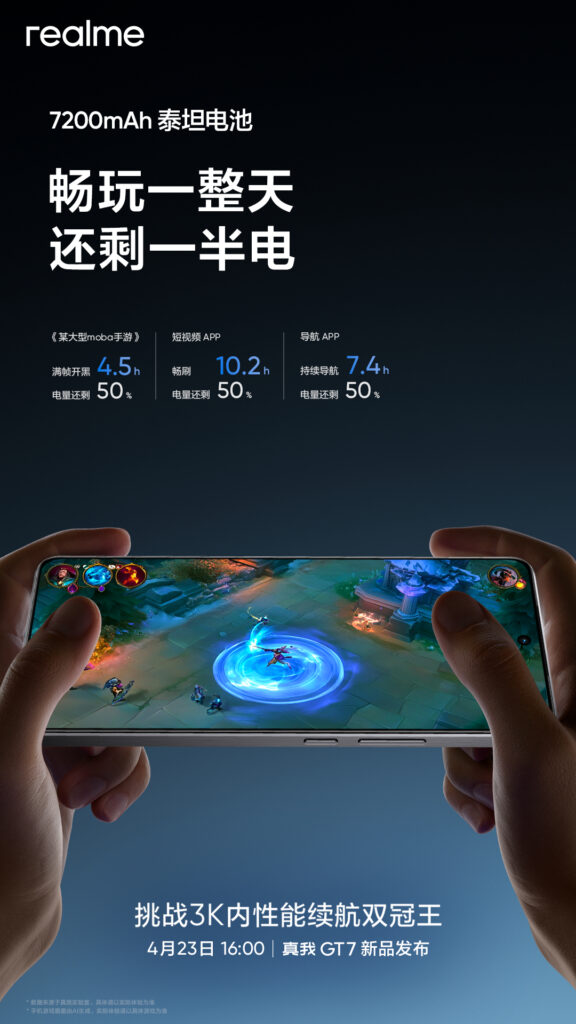
Earlier today, Realme revealed that the GT 7 will pack a massive 7200mAh silicon-carbon battery, making it one of the highest-capacity batteries in a flagship phone this year.
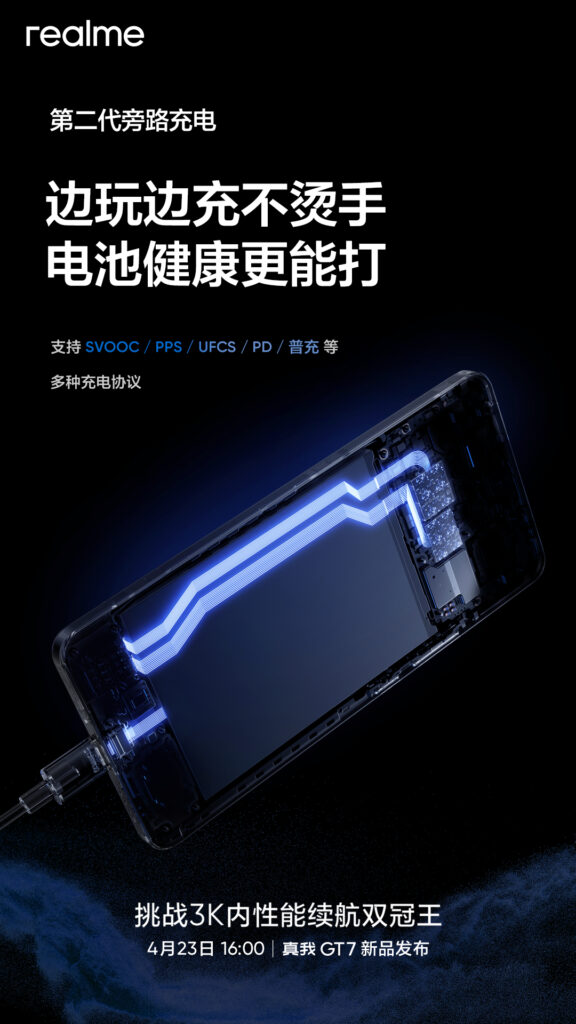
Following that, Realme confirmed that the phone will support second-generation bypass charging, designed to reduce heat buildup during gaming and charging sessions. The brand claims that even with heavy use, the GT 7 can deliver 4.5 hours of gaming, 10.2 hours of video scrolling, or 7.4 hours of navigation while still retaining 50% battery. It also supports a wide range of fast-charging protocols, including SVOOC, PPS, UFCS, PD, and standard methods. And yes, it comes with 100W wired fast charging, which should top up that huge battery in no time.
As for the rest of the specs, Realme hasn’t officially confirmed everything yet, but leaks are already filling in the gaps. The GT7 is expected to feature a flat 144Hz display from BOE with slim bezels and an ultrasonic in-display fingerprint sensor.
Powering the phone will be MediaTek’s new 3nm Dimensity 9400+ chipset—a powerhouse that’s also expected to show up in upcoming flagships like the Redmi K80 Ultra and OnePlus Ace 5s Pro. To make the most of that silicon, the GT7 will debut the brand’s GT Performance Engine 2.0, which introduces chip-level kernel enhancements for stable frame rates and smoother gameplay.
Thermals are getting a serious upgrade too. Realme is introducing what it claims is an industry-first thermal design, using a “graphene fiberglass fusion” back panel that reportedly offers six times the thermal conductivity of standard glass. Inside, the phone will feature a 7700mm² vapor chamber—the largest single-unit cooling system seen in any smartphone so far. It’s also expected to offer IP69 water resistance and a lightweight plastic middle frame.
For more daily updates, please visit our News Section.
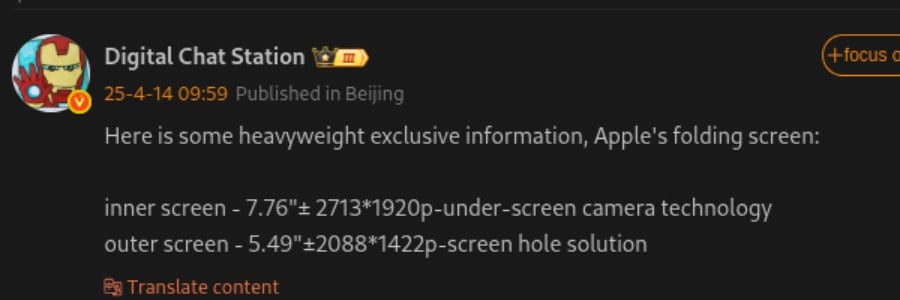
Word of this comes from a reliable insider Digital Chat Station. The tipster claims the upcoming Apple foldable will feature a 7.76-inch internal display with a 2712 x 1920 pixel resolution, and yes, a camera hidden under the screen.
Under-display camera makes sense in foldable iPhone
Yes, it’s not the most Apple-like move to debut its new tech in a niche product. It makes sense in this case, though.
Samsung’s been doing the same thing for years with its Z Fold lineup, and while under-display cameras still can’t match the quality of traditional ones, they’re mostly there to be invisible anyway. Plus, like Samsung’s foldables, Apple’s will likely include a regular selfie cam on the cover screen, so you aren’t stuck with a blurry mess.
Speaking of which, the leak also mentions a 5.49-inch cover display with a 2088 x 1422 resolution; and this one apparently has a hole-punch cutout for a camera. So, yes, you’re getting both kinds of cameras here.
In terms of design, Apple may be leaning toward a more compact, “squat” form factor similar to the Oppo Find N2, rather than the tall, narrow style of Samsung’s Fold lineup. That could make the device easier to use one-handed — or at least slightly less awkward to fold and unfold in public.
For more daily updates, please visit ourNews Section.
We use cookies on our website to give you the most relevant experience by remembering your preferences and repeat visits. By clicking “Accept”, you consent to the use of ALL the cookies.
This website uses cookies to improve your experience while you navigate through the website. Out of these, the cookies that are categorized as necessary are stored on your browser as they are essential for the working of basic functionalities of the website. We also use third-party cookies that help us analyze and understand how you use this website. These cookies will be stored in your browser only with your consent. You also have the option to opt-out of these cookies. But opting out of some of these cookies may affect your browsing experience.
Necessary cookies are absolutely essential for the website to function properly. This category only includes cookies that ensures basic functionalities and security features of the website. These cookies do not store any personal information.
Any cookies that may not be particularly necessary for the website to function and is used specifically to collect user personal data via analytics, ads, other embedded contents are termed as non-necessary cookies. It is mandatory to procure user consent prior to running these cookies on your website.