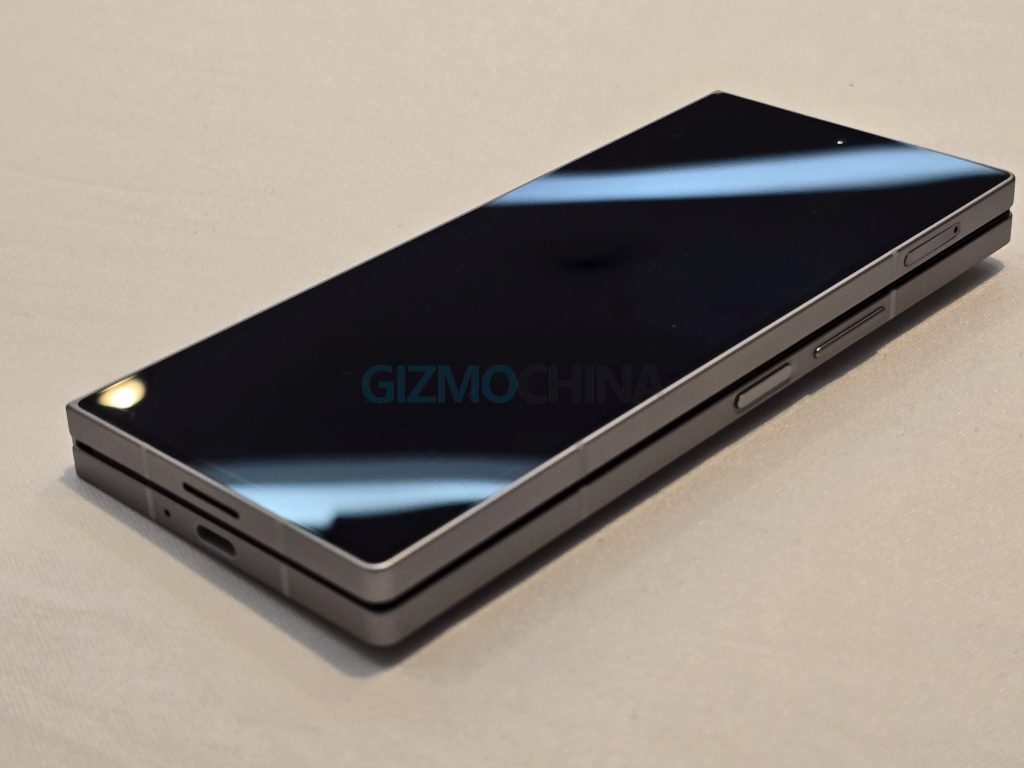
Microsoft has launched the Surface Laptop 5G for business users. It runs on Intel Core Ultra (Series 2) processors and includes an integrated 5G modem with support for both NanoSIM and eSIM. The rollout starts on August 26, 2025, through Microsoft’s business partners, including Verizon Business.
The laptop features a dynamic antenna system with six antennas placed across the body. The system adjusts signal strength and direction based on how the laptop is held, helping maintain stable 5G connectivity. It can also work as a mobile hotspot to share the 5G connection with other devices.
The Surface Laptop 5G has a 13.8-inch touchscreen with a 2304 × 1536 pixel resolution and a 120Hz refresh rate. It supports HDR, Dolby Vision IQ, and Adaptive Color Technology.
It comes with 16GB or 32GB LPDDR5x RAM and storage options of 256GB, 512GB, or 1TB, using a removable Gen 4 SSD. The laptop includes a Full HD Surface Studio Camera with AI effects, Omnisonic speakers with Dolby Atmos, an improved keyboard with better key travel, and a large haptic precision touchpad.
Location support includes GNSS L1, GPS, Galileo, BeiDou, QZSS, and NAVIC. For ports, the device includes two USB-C ports with USB4 and Thunderbolt 4 support (can connect up to two 4K monitors), one USB-A 3.1 port, a 3.5mm headphone jack, and a Surface Connect port.
Pricing and Availability
The Surface Laptop 5G is available in Silver. The base model with Intel Core Ultra 5, 16GB RAM, and 256GB storage is priced at USD 1,799.99. The top variant with Intel Core Ultra 7, 32GB RAM, and 1TB storage costs USD 2,699.99. It will be sold through Microsoft’s business partners and select Verizon stores in the coming months.
For more daily updates, please visit our News Section.
Google‘s upcoming flagships have just had their entire designs revealed. The Pixel 10 Pro and Pixel 10 Pro XL have just been spotted in a fresh leak from AndroidHeadlines, which showcases the familiar design along with the colors options (that include an elegant new option). So let’s check it out.
Google Pixel 10 Pro & Pixel 10 Pro XL Renders
Google Pixel 10 Pro Official Renders Leak
First up, we have the compact flagship, the Google Pixel 10 Pro. Like its predecessor, the iconic visor camera design makes its return that showcases the triple camera setup on the rear. This model can be seen in multiple color options, namely Obsidian, Jade, Moonstone, and Porcelain. We have already seen the Obsidian and Porcelain colors, but the Moonstone and Jade are brand new.
The Moonstone is a more sober color option that blends gray and blue, while Jade has a light green hue that adds some vibrance to the mix. Google adds a touch of elegance with a light golden frame as well. Looking at the Pixel 10 Pro XL renders, you get the same four color options. So apart from the taller display, the design is basically identical between the two Pixel 10 Pro series models.
Google Pixel 10 Pro XL Official Renders Leaked
Earlier this week, the base Pixel 10 also had its entire design and color variants leaked as well. The Obsidian (Black) color was the most basic option, but every other version was brighter and bolder. To recall, these include the Indigo (Royal Blue), Frost (Sky Blue), and Limoncello (Green-Yellow). Google is set to unveil its flagship Pixel 10 lineup on August 20, so stick around for more.
For more daily updates, please visit our News Section.
The Nothing Phone (3) and Samsung Galaxy S25 represent two very different takes on a modern flagship, one bold and design-forward, the other refined and performance-driven. As mid-year releases in 2025, both target users who want cutting-edge features without going ultra-premium. This comparison matters because it pits innovation in aesthetics against Samsung’s software polish and raw power, helping buyers decide which phone best suits their style, needs, and future-readiness.
Build and Feel: The Nothing Phone (3) showcases a bold and distinctive design with its transparent rear and monochrome LED Glyph interface. It’s built with Gorilla Glass 7i on the front and Victus on the back, supported by an aluminum frame, and is IP68 rated. The Galaxy S25 opts for a more refined and compact build using Gorilla Glass Victus 2 on both sides and Samsung’s tougher Armor Aluminum 2 frame. It also carries the same IP68 water and dust resistance.
While the S25 feels lighter and more ergonomic in-hand, the Nothing Phone (3) wins in aesthetic originality with its Glyph interface and industrial styling.
Verdict: Nothing Phone (3) feels more unique, while Galaxy S25 feels more premium and durable.
Display Quality: The Nothing Phone (3) features a larger 6.67″ OLED display with 1B colors, HDR10+, 120Hz refresh, and a stunning 4500 nits peak brightness. It supports 960Hz PWM for better eye comfort. The Galaxy S25 sports a smaller 6.2″ Dynamic LTPO AMOLED 2X panel with HDR10+, 120Hz, and 2600 nits peak brightness. The Galaxy’s display benefits from LTPO for efficient refresh rate scaling and better battery optimization.
While Nothing Phone (3) has higher brightness, the Galaxy S25 offers better power efficiency and color tuning.
Verdict: S25 offers a technically superior panel, but Nothing (3) delivers a more vibrant, immersive visual experience.
Verdict: Nothing Phone (3) stands out in design with a futuristic back and brighter display, but the Galaxy S25 provides a more practical and refined experience with LTPO and better ergonomics. Galaxy S25 feels more complete for mainstream users; Nothing Phone (3) appeals more to design-centric buyers
Please Note: When you buy something using the links in our articles, we may earn a small commission at no cost to you.
2. Specifications
Nothing Phone (3)
Performance: Nothing Phone (3) uses the Snapdragon 8s Gen 4 (4nm) with Adreno 825 GPU. It handles multitasking smoothly and supports UFS 4.0 storage for fast read/write speeds. The Galaxy S25 is equipped with the Snapdragon 8 Elite (3nm) and the newer Adreno 830 GPU, offering significant CPU and GPU boosts, particularly with its custom Oryon cores and better thermal management.
The S25 also gains the edge with longer software support, 7 major Android upgrades vs 5 on the Nothing.
Verdict: Galaxy S25 clearly delivers stronger performance and future-proofing.
Battery and Charging: Nothing Phone (3) comes with a larger battery, 5150mAh (international) or 5500mAh (India), paired with 65W fast charging, 15W wireless, and 7.5W reverse charging. The Galaxy S25 houses a 4000mAh cell with 25W wired charging and 15W wireless.
The charging speed and battery capacity on the Nothing Phone (3) are significantly better, offering longer endurance and quicker top-ups.
Verdict: Nothing Phone (3) wins in battery life and charging flexibility.
Verdict: Galaxy S25 leads in raw performance and software longevity, but the Nothing Phone (3) dominates in battery life and charging speed. Choose Galaxy S25 for power and longevity; Nothing (3) for endurance and fast charging.
3. Camera
Galaxy S25
Main and Secondary Lenses: Nothing Phone (3) features a triple 50MP setup, main, periscope telephoto (3x), and ultrawide. The larger sensor on the primary lens enables better light capture, and the inclusion of a periscope zoom is rare at this price. The Galaxy S25 offers a 50MP main, 10MP 3x telephoto, and 12MP ultrawide with Super Steady video.
While Galaxy S25 captures cleaner and more consistent shots with better image processing and 8K video, the Nothing Phone (3) offers higher-resolution versatility and raw lens power.
Verdict: Galaxy S25 edges out with more refined imaging and video quality.
Selfie Camera: The Nothing Phone (3) has a 50MP selfie shooter capable of 4K@60fps, ideal for creators and vloggers. The Galaxy S25 has a 12MP camera with dual-pixel autofocus and HDR10+ video.
While Samsung’s color accuracy and video stabilization are superior, the sheer detail and resolution on the Nothing (3) selfie cam appeal more to those who value high-res front-facing shots.
Verdict: Nothing Phone (3) provides more resolution, but the Galaxy S25 has better selfie processing.
Verdict: Galaxy S25 offers better-tuned photos and superior video recording, while Nothing Phone (3) delivers higher resolution and more lens flexibility.
4. Pricing
Nothing Phone (3) is priced at approximately $799, while the Galaxy S25 is more affordable at around $699. Despite the lower price, Galaxy S25 offers stronger chipset performance, longer software support, and polished imaging. However, Nothing (3) justifies its price with a unique design, larger battery, brighter display, and periscope zoom camera.
Verdict: Galaxy S25 offers better value for money in terms of performance and camera tuning; Nothing Phone (3) is worth the premium for its standout design and endurance.
5. Conclusion
Galaxy S25
The Nothing Phone (3) sets itself apart with its Glyph LED system, periscope zoom lens, high-res selfie camera, and large battery, all packed in a visually daring design. Galaxy S25 focuses on refinement with an ultrafast Snapdragon 8 Elite chip, longer Android update cycle, DeX support, and industry-leading video features like 8K and HDR10+ recording.
While Galaxy S25 is built for users who want peak performance and refined software, Nothing Phone (3) appeals to users who want their phone to look and feel different while still packing solid internals.
Verdict: Choose Galaxy S25 for premium performance, long-term software support, and camera refinement. Choose Nothing Phone (3) if a unique design, superior battery, and versatility in camera hardware matter more to you.
After a cryptic teaser earlier this week, Motorola has just announced the launch date of an upcoming smartphone with a massive battery. The Moto G86 Power recently made its global debut, and now, it is heading to the Indian market. So here’s what we know.
Moto G86 Power: When does it launch in India?
The company’s latest teaser confirmed that the Moto G86 Power will be arriving in India on 30th July 2025 at 12 PM IST. This is a mid range model from Motorola and packs some notable specs and features. While the brand has yet to confirm any official details, the global release does reveal all of its specs and features. This model sports a 6.67-inch AMOLED display with a 1.5K resolution, HDR10+ support, a 120Hz refresh rate, Corning Gorilla Glass 7i, and a peak brightness of 4500 nits.
Moto G86 Power
Under the hood, it is equipped with the MediaTek Dimensity 7400 SoC, which is paired with 8GB of RAM and up to 512GB of internal storage. A massive 6,720mAh battery pack powers the Moto G86 Power, with support for 30W wired fast charging. Motorola’s iconic vegan leather back panel returns on this model, along with an IP68/IP69 rating for water and dust resistance and MIL-STD 810H certification.
For optics, the rear has a 50MP Sony LYT600 main camera and an 8MP ultra wide angle lens, while the front has a 32MP selfie shooter. Other notable features include dual stereo speakers with Dolby Atmos support, an in-display optical fingerprint scanner, dual SIM support, WiFi 6, NFC, and a 198 grams body. Motorola has yet to unveil the pricing details, but it debuted globally for 329 Euros in Chrysanthemum (red), Cypress (olive green), Spellbound (dark blue), and Cosmic Sky (lavender).
For more daily updates, please visit our News Section.
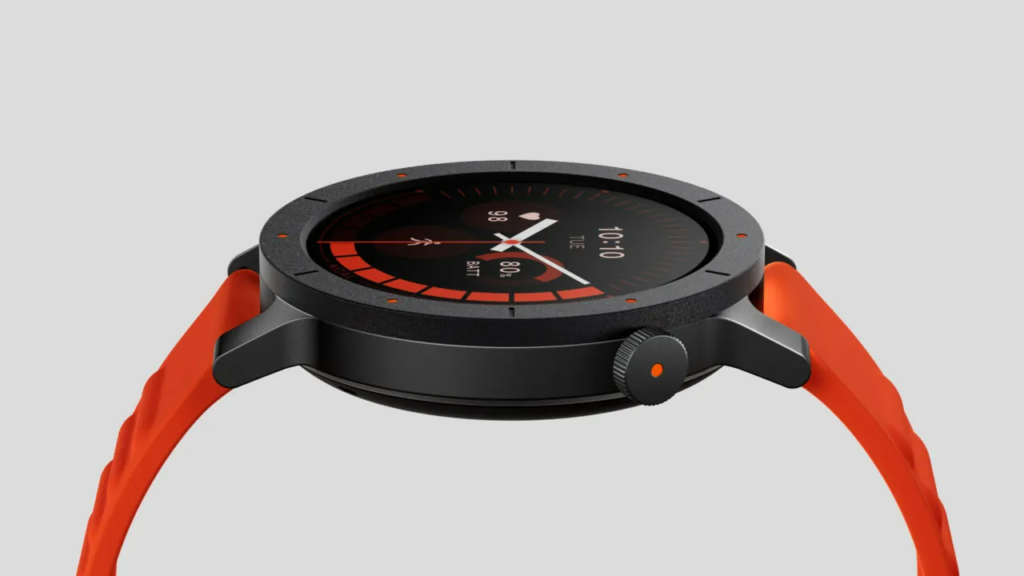
Lenovo has officially introduced its latest budget wearable, the Lenovo Watch Pro. For an affordable price tag, the smartwatch brings an AMOLED display, various health related sensors, long battery life, and much more. So here are its specs, features, pricing, and more.
Lenovo Watch Pro: What does it offer?
The Chinese tech giant’s new Watch Pro model arrives with a zinc magnesium alloy frame and a 1.43-inch round AMOLED display that has a 466 x 466 pixel resolution and crystal diamond glass for protection. It even features a 3ATM rating for water resistance. There is support for more than 70 sports modes along with calorie burn counting and built-in activity recording. The Lenovo Watch Pro features heart rate tracking, SpO2 blood oxygen monitoring, as well as sleep mapping and analysis.
Lenovo Watch Pro
On a single full charge, this budget smartwatch can last for up to 20 days if you use it conservatively. The battery life drops to around 18 days when using it normally. Other notable features include a built-in SOS feature, useful smartwatch apps (weather, calendar, calculator, flashlight, and more), and support for payment platforms like WeChat and Alipay.
As of right now, the company has released the Lenovo Watch Pro in the Chinese market, and there is no news regarding a wider global launch. This device was announced with a 499 yuan price tag, which is roughly around 69 US Dollars. You can purchase this model in two colors variants, namely gold and gray. Lenovo’s Watch Pro launch also arrives over a month after the Lenovo Watch S launch, which is another affordable smartwatch that packs an identical AMOLED display.
For more daily updates, please visit our News Section.
Xiaomi is in the middle of a full-blown identity crisis in India. Once the undisputed king of the budget smartphone segment, the brand now finds itself stumbling through a “premiumization” strategy that seems more improvised than intentional. And the latest fallout? The abrupt cancellation of the Xiaomi 15 Civi launch in India, a phone that was supposed to balance premium appeal with mid-range affordability.
According to Smartprix, the Xiaomi 15 Civi will not make it to Indian shores, despite being nearly launch-ready. This move comes as a shock, especially after the Xiaomi 14 Civi was introduced last year with heavy marketing around its Leica camera partnership. With the 15 Civi, Xiaomi was reportedly set to double down on that formula with a Snapdragon 8s Gen 4 chipset, a 6.55-inch 1.5K AMOLED display, and a Leica-tuned triple-camera setup, all packed into what would have been a compelling ₹35,000-₹45,000 offering.
So why pull the plug? In short: the 14 Civi didn’t sell well. It’s now available at steep discounts, a clear indication that Xiaomi’s first serious attempt at a premium mid-range phone failed to find traction. That failure seems to have spooked Xiaomi enough to abandon the segment entirely.
But the cancellation of the 15 Civi doesn’t just represent a product decision; it reveals the broader collapse of Xiaomi’s strategy in India. The company, which dominated the market from 2017 to 2022, has since plummeted to seventh place in Q1 2025, according to IDC and Canalys. Shipments dropped 38% year-on-year, the worst decline among all major brands. Analysts blame poor product positioning, unclear branding, and a half-hearted transition into premium pricing tiers.
Xiaomi’s premiumization push was centered around the Xiaomi 15 series, with prices starting at ₹60,000. Yet, by cancelling the Civi, the company has vacated the critical ₹30,000-₹45,000 bracket, where aspirational buyers often look for a taste of flagship features without the flagship price. Instead of building a bridge, Xiaomi just burned it.
This strategy might look bold on paper, but in India, perception is everything. Xiaomi has long been viewed as a value-first brand. Consumers looking to spend ₹40,000 or more will almost always lean toward Samsung, Apple, or even OnePlus unless they’re die-hard Xiaomi fans, a small demographic that can’t move the volume needle.
Meanwhile, competitors like Vivo and Oppo are eating into Xiaomi’s offline presence, thanks to stronger retail relationships, better incentive structures, and clearer product segmentation. Retailers are growing increasingly frustrated with Xiaomi’s rigid sales targets and lack of support. The result? Xiaomi is losing ground not just in premium, but also in the budget segment where it once ruled.
Instead of climbing up the value ladder, Xiaomi now risks falling off entirely. By going all-in on high-end flagships while ignoring the middle, it may be isolating its core audience without winning over new ones. In the name of “premiumization,” Xiaomi could end up erasing its relevance in India altogether.
For more daily updates, please visit our News Section.
Vivo’s latest compact flagship, the X200 FE, is now on sale in India. It’s a blend of vivo’s premium design with serious performance under the hood. Dubbed the “Fashionable Edition,” this new entry aims to turn heads with its bold colors and solid specs — all at a competitive price.
The X200 FE is available for purchase via Flipkart, Vivo’s online store, Amazon.in, and offline retailers. It’s priced at ₹54,999 for the 12GB/256GB version and ₹59,999 for the 16GB/512GB model. Buyers can choose between three eye-catching colors: Amber Yellow, Frost Blue, and Luxe Grey.
Vivo X200 FE in Amber Yellow
Under the hood, the phone is powered by MediaTek’s Dimensity 9300+ chipset and runs Funtouch OS 15 based on Android 15. For context, this Dimensity chip falls slightly short of the Snapdragon 8 Elite found in similarly priced and sized compact alternatives like the OnePlus 13s. However, X200 FE buyers gain the benefit of Vivo’s excellent image processing, further enhanced by ZEISS T* coated lenses.
You’ll also get built-in AI features like Live Call Translation, according to Vivo. The 6.31-inch LTPO AMOLED display supports 1.5K resolution, and an impressive 5,000 nits peak brightness, protected by Schott Xensation Core glass.
Battery life is another major highlight. The X200 FE packs a 6,500mAh silicon-carbon battery — the biggest in its 6.1 to 6.4-inch class — with 90W FlashCharge support. On the back, the ZEISS-branded triple camera setup includes a 50MP Sony IMX921 main sensor, a 50MP IMX882 periscope telephoto lens with 3x optical zoom (vs 2x on OnePlus 13s), and an 8MP ultrawide camera (missing in the 13s). A 50MP front camera handles selfies and video calls.
Despite the 6,500mAh battery, the phone remains sleek at 186g and 7.99mm thick. It also brings IP68/IP69 water and dust resistance. Launch offers include up to ₹6,000 cashback with select bank cards and no-cost EMI plans starting at ₹3,055/month.
Please Note: When you buy something using the links in our articles, we may earn a small commission at no cost to you.
With a compact form factor, large battery, and impressive imaging performance, the Vivo X200 FE is shaping up to be one of the most compelling compact flagships on the Indian market in 2025.
OnePlus unveiled the OnePlus Pad Lite alongside the OnePlus Nord 5 series earlier this month. The budget-friendly tablet was specifically introduced for the European market. Today, the brand officially announced the Pad Lite for India. Here’s a look at the specifications, features, and price of the device.
OnePlus Pad Lite specifications and features
OnePlus Pad Lite
The OnePlus Pad Lite comes with an 11-inch display that supports 1920 x 1200 pixels resolution, a 16:10 aspect ratio, and a 90Hz refresh rate. The screen supports 10-bit color and up to 500 nits of brightness. The tablet has a quad-speaker system certified for Hi-Res Audio. OnePlus’ Omnibearing Sound Field technology adjusts sound direction based on screen orientation.
The Pad Lite runs on the MediaTek Helio G100 processor and includes a massive 9,340mAh battery. It can be charged with a 33W SuperVOOC fast charger, but its retail package includes a 15W charger. The tablet features a 5-megapixel front camera and a 5-megapixel rear camera.
The Pad Lite runs on OxygenOS 15.0.1-based Android 15 and supports features like Screen Mirroring, Clipboard Sharing, and Shared Gallery with OnePlus phones. It also allows Quick Share for Android and O+ Connect for iOS and iPadOS devices. The Open Canvas feature lets users open two apps side by side with adjustable windows.
OnePlus Pad Lite
The tablet comes with other features like Wi-Fi, Bluetooth 5.2, USB-C, and face unlock, but lacks cellular connectivity support. The Pad Lite is 7.39mm thick and weighs 530 grams.
OnePlus Pad Lite price in India, availability
Available in Aero Blue shade, the OnePlus Pad Lite can be bought in two configurations, such as 6GB+128GB (Wi-Fi) and 8GB+128GB (Wi-Fi + 4G LTE)). These variants are priced at Rs 12,999 and Rs 14,999, respectively. These prices are inclusive of INR 2,000 and INR 1,000 worth of instant bank discount and launch offers. Customers can also enjoy no-cost EMI for up to 6 months with select banks.
The OnePlus Pad Lite will go on open sale beginning at 12pm (local time) on Aug. 1 in India. It can be purchased through OnePlus.in, the OnePlus Store App, OnePlus Experience Stores, Amazon, Flipkart, Croma, Reliance, Vijay Sales, Bajaj Electronics, and other offline stores.
For more daily updates, please visit our News Section.
Vivo is likely to announce the Vivo T4R smartphone by the end of this month in India. However, the brand is also said to be working on the Y400 5G. Expected to launch by early August, several details of the phone have emerged ahead of its debut.
Vivo Y400 5G key details emerge before launch
Vivo Y400 5G image via Google Play Console listing
According to a report by 91mobiles, the Vivo Y400 5G will arrive with an IP68/69-rated chassis. It also states that the device will pack a 6,000mAh battery with 90W charging. In comparison, the existing and more expensive Y400 Pro has a 5,500mAh battery with 90W charging and an IP66-rated body. The same publication has previously claimed that the device will be available in two shades: Olive Green and Glam White.
Vivo Y400 5G specifications (rumoured)
Vivo Y400 5G Bluetooth SIG listingVivo Y400 5G Google Play Console listing
According to a report by Xpertpick, the Vivo Y400 5G bearing the V2506 model number has emerged in the databases of the Bluetooth SIG, India’s BIS certification, and Google Play Console. The latter reveals that it has a curved-edge display that supports FHD+ resolution, a Snapdragon 4 Gen 2 chip, 8GB of RAM, and Android 15.
At present, there is no information available about the Y400 5G’s camera specifications. In related news, Vivo is also working on the Vivo V60. Speculated to launch on Aug. 12 in India, the device is expected to feature the Snapdragon 7 Gen 4 and a 6,000mAh battery with 90W charging. This device is said to be a rebranded version of the Vivo S30, which debuted in China back in May.
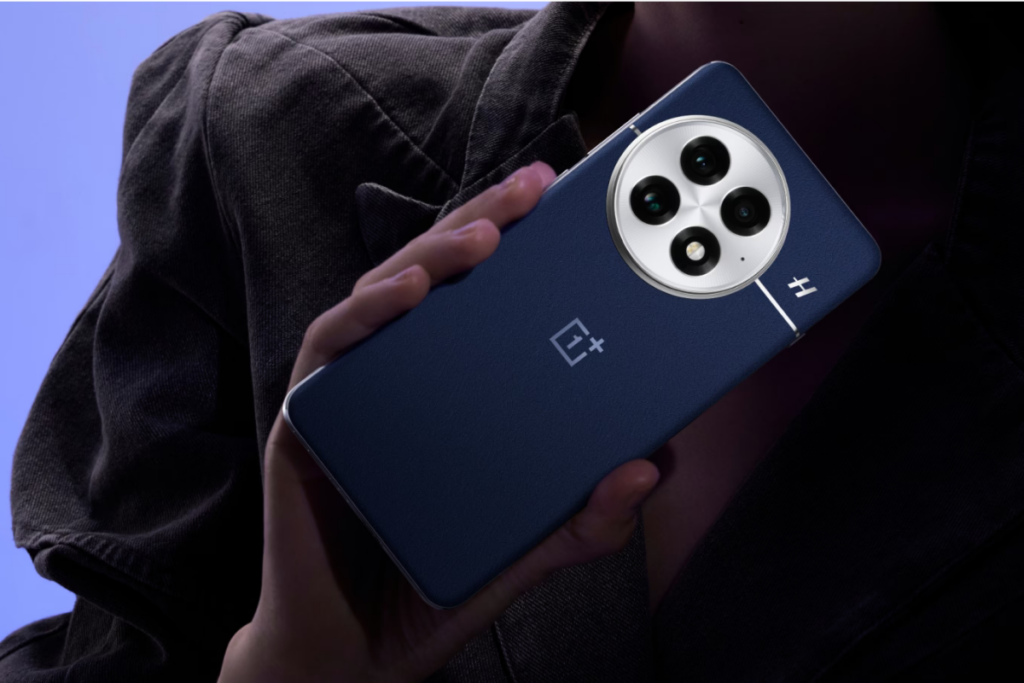
OnePlus 13s is a compelling budget flagship that delivers plenty of value to the table, like a top-tier Snapdragon 8 Elite chipset, a gorgeous AMOLED display, excellent cameras, and a long-lasting battery — all for a starting price of INR 55,000. Yet, it’s not the only showstopper in this price range. We’ve found some great alternatives that put a tough show against the OnePlus 13s.
The Vivo X200 FE is a strong contender in this price segment, featuring a more versatile camera setup that also includes an ultrawide unit — lacking on the OnePlus 13s — and a higher-resolution selfie camera.
Its AMOLED screen is nearly identical in size and resolution but boasts a much higher peak brightness, making it more legible outdoors. The X200 FE also has a larger 6,500mAh battery and faster 90W charging.
Powered by the Dimensity 9300+, it delivers excellent performance and efficiency. The Snapdragon 8 Elite-powered OnePlus 13s delivers a better gaming experience, though, especially with high-end games, but most users won’t notice a big difference.
The iQOO 13 brings a bigger screen that’s brighter, crisper, and more responsive. Plus, it boasts a higher IP68/69 rating, ensuring better protection against dust and water. It’s also got a bigger battery with 120W super-fast charging.
It matches the OnePlus 13s in raw power but edges it out with better thermals and optimization for sustained high performance. Camera-wise, it boasts three 50MP sensors, including an ultrawide, and supports 8K video recording.
There’s not much difference on the connectivity front except for a lower Bluetooth standard on the iQOO 13. On the plus side, it offers faster USB transfer and 360-degree NFC support.
Vivo X200 FE, which we discussed above, is a great alternative to the OnePlus 13s for the same price. But if you are willing to go a little higher, the Vivo X200 can be a great option. It features a larger, brighter AMOLED screen that supports Ultra HDR and delivers better IP-rated protection. However, it skips LTPO support.
Powered by the Dimensity 9400, performance is nearly on par with the OnePlus 13s. The real standout is its camera system, which has three 50MP sensors on the back, including an ultrawide unit. You also get faster 90W charging and a battery that almost matches the OnePlus 13s in capacity.
It’s also slightly more expensive than the OnePlus 13s, but justifies its price with some serious upgrades. Xiaomi 15 (full review) features a bigger display with Dolby Vision, higher peak brightness, and Xiaomi Shield Glass.
It shares the same Snapdragon 8 Elite process. On the plus side, it offers a more capable camera setup, which includes a 50MP ultrawide snapper and supports 8K video recording. While its battery is slightly smaller, Xiaomi makes up for it with wireless and reverse wireless charging — features missing on most rivals in this range.
If you’re looking for something more affordable than the OnePlus 13s, the Realme GT 7 Pro (full review) delivers serious bang for the buck. It offers a bigger, brighter display (up to 6500nits, better water/dust resistance, and reinforced protection on both front and back.
It runs on the same Snapdragon 8 Elite chipset. The camera setup also includes an ultrawide unit and supports 8K recording. The only tradeoff is a lower resolution selfie camera, which tops out at 1080p video. Battery life is a strong suit here — either a 6,500mAh cell globally or 5,800mAh in India, both paired with blazing-fast 120W charging.
Please Note: When you buy something using the links in our articles, we may earn a small commission at no cost to you.
The OnePlus 13s is a solid all-around phone with top-tier performance, excellent display quality, great battery life, and a clean software experience. But as this list shows, it’s not the only great option out there.
Whether you want better cameras, faster charging, wireless charging, or simply a bigger and brighter display, there’s an alternative worth considering. So, which one impressed you the most? Share your thoughts in the comments below.
Earlier this week, Oppo announced the Oppo K13 Turbo series of smartphones in China. Recently, the global versions of the K13 Turbo and K13 Turbo Pro were spotted on Geekbench, hinting at an imminent launch in markets outside of China. There have been reports that India could be one of the first markets to receive the K13 Turbo lineup outside of China. Today, tipster Yogesh Brar released an X post to give an idea about its launch timeframe.
Oppo K13 Turbo series India launch timeline (rumored)
Oppo K13 Turbo series
According to Brar, the Oppo K13 Turbo series will hit the Indian market by early August. If this holds true, the first teasers for the K13 Turbo series should be out in India in the next few days.
The tipster speculates that the K13 Turbo series will be aggressively priced in India. With the Snapdragon 8s Gen 4 onboard, the K13 Turbo Pro is expected to rival the likes of the iQOO Neo 10 and Poco F7. The K13 Turbo, on the other hand, will be equipped with the Dimensity 8450 chipset.
Oppo K13 Turbo series specifications
The Oppo K13 Turbo and K13 Turbo Pro feature a 6.8-inch LTPS OLED display with a 1.5K resolution and a 120Hz refresh rate. Both devices pack a massive 7,000mAh battery, supported by 80W fast charging and bypass charging. On Geekbench, the K13 Turbo was spotted with 8GB of RAM, whereas the Pro edition was found to be equipped with 12GB of RAM.
For photography, both phones house a 50-megapixel main rear camera paired with a 2-megapixel secondary sensor, while a 16-megapixel front camera handles selfies. The primary camera on the Pro model has OIS support.
Design-wise, the two phones bring unique aesthetics. The K13 Turbo Pro features RGB lighting encircling its built-in cooling fan, targeting gamers. Meanwhile, the standard K13 Turbo uses fluorescent detailing that glows in the dark for a subtle but stylish look.
For more daily updates, please visit our News Section.
Samsung unveiled the Galaxy Watch Ultra (2025) alongside the new foldables earlier this month. Compared to last year’s model, the 2025 version is a minor upgrade with double the storage (64GB) and a new Titanium Blue shade. While the predecessor shipped with One UI 6 Watch based on Wear OS 5, the new offering ships with One UI 8 Watch based on Wear OS 6 out of the box. The South Korean tech giant has now confirmed that the Galaxy Watch Ultra (2024) is now receiving the latest One UI 8 Watch software upgrade.
Galaxy Watch Ultra: One UI 8 Watch update released
Samsung Galaxy Watch Ultra receives One UI 8 Watch Wear OS 6 update
The software update for the Galaxy Watch Ultra brings several advanced health and interface features to existing users. With the new update, users can now access features like Running Coach, Vascular Load, and Antioxidant Index. These tools are aimed at improving health monitoring and making fitness tracking more insightful.
The update also introduces enhancements to the watch’s interface, focusing on clarity and ease of use. The Multi-Info Tiles feature allows users to view key data such as health stats or weather in a personalised layout, while the Now Bar helps keep frequently accessed apps and tasks within easy reach.
The Galaxy Watch Ultra features a 1.5-inch Super AMOLED display protected by sapphire crystal glass, offering a resolution of 480 x 480 pixels. The watch comes equipped with the 3nm Exynos W1000 chip, 2GB of RAM, and 32GB of storage. It also houses a 590mAh battery with 10W wireless charging.
Connectivity includes Wi-Fi, Bluetooth 5.3, NFC, and dual-frequency GPS. The body is crafted with a titanium frame, ceramic/sapphire back, and is IP68-rated and MIL-STD-810H compliant. In India, the Galaxy Watch Ultra (2024 and 2025 editions) is priced at Rs 59,999.
For more daily updates, please visit our News Section.
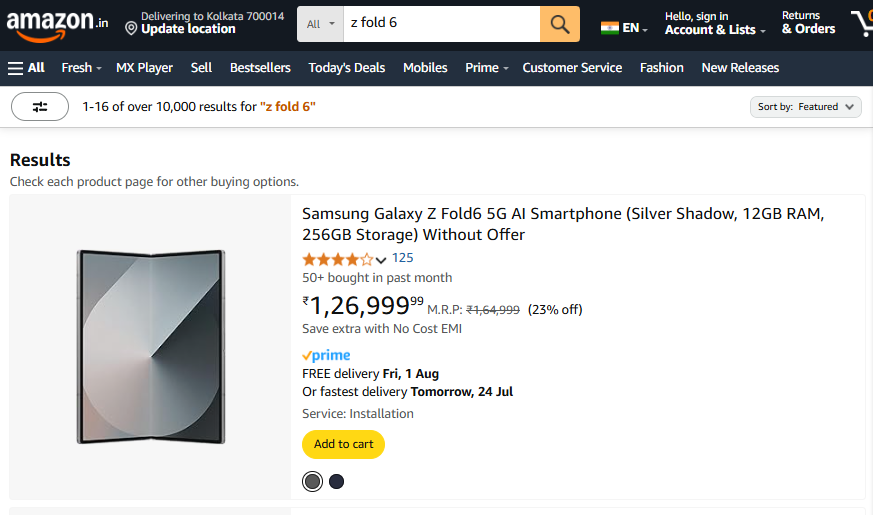
Samsung’s latest foldable, the Galaxy Z Fold 7, may be grabbing headlines with its 4.2mm unfolded profile, but in India, it’s the previous-gen Galaxy Z Fold 6 that’s currently turning heads — thanks to a massive price cut. With this new deal on Amazon, could the older model actually be the smarter buy?
Galaxy Z Fold 6
The Galaxy Z Fold 6, launched in July 2024 at a starting price of ₹1,64,999 (12GB/256GB), is now listed on Amazon India for ₹1,26,999 — a flat 23% discount. Plus, if you’re an Amazon Prime member using an ICICI Bank Amazon Pay credit card, you’ll get an extra 5% off (₹6,349), bringing the price down to ₹1,20,649. That’s a total saving of ₹44,350 — making the Z Fold 6 a full ₹54,000 cheaper than the ₹1,74,999 starting price of the Z Fold 7. Samsung hasn’t said whether this is a limited-time offer or a permanent price drop, so it might be worth acting fast.
Even a year later, the Z Fold 6 holds its ground with flagship specs: a 7.6-inch Dynamic AMOLED 2X main display, Snapdragon 8 Gen 3 chip, and a 50MP triple-camera setup. It runs One UI 7 on Android 15 with Galaxy AI features like Note Assist, backed by a 4,400mAh battery (same as Fold 7) and full 5G support. While the newer Z Fold 7 brings a slimmer 4.2mm opened and 8.9mm closed profile, along with a less noticeable crease, the Z Fold 6’s full S Pen support — something missing on the Fold 7 — still makes it a tough contender, especially at this price.
Please Note: When you buy something using the links in our articles, we may earn a small commission at no cost to you.
With its new ₹1,20,649 effective price, the Galaxy Z Fold 6 could be the best-value book-style foldable you can buy in India right now. If you’re looking for flagship features without the latest-gen price tag, this deal is worth a serious look.
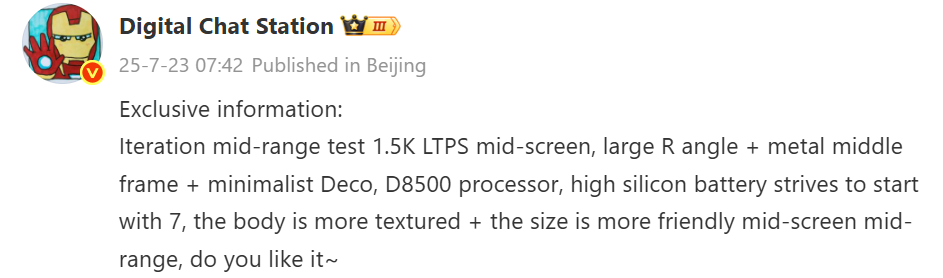
Redmi is reportedly working on the Redmi Note 15 series of smartphones, which is expected to break cover by August in China. In November, the brand may unveil the Redmi K90 series of smartphones. It is speculated that the company may unveil the Redmi Turbo 5 either by the end of this year or early January 2026 in China. Today, reliable tipster Digital Chat Station released a Weibo post to share what appear to be the key specifications of the Turbo 5.
Redmi Turbo 5 specifications (rumored)
Redmi Turbo 5 key specs leak
According to the tipster, Redmi is currently testing a new mid-range smartphone powered by the Dimensity 8500 chipset. Likely, the chipset may get advertised as the Dimensity 8500 Ultra when the phone makes its debut. This device appears to be the upcoming Redmi Turbo 5 for the Chinese market. Globally, this device may get rebranded as the Poco X8 Pro.
The new leak suggests that the Redmi Turbo 5 will feature a 1.5K resolution LTPS OLED display with large, rounded corners, a premium metal middle frame, and a minimalist rear camera deco design. While the tipster did not mention the display size in the new leak, he has previously revealed that the device will feature a 6.6-inch screen.
The device is also expected to come with a high-capacity silicon battery, aiming for a battery size that starts with “7”, likely around 7,000mAh. Additionally, the tipster hints that the Redmi Turbo 5 will offer a more refined in-hand feel and a more user-friendly mid-size form factor, making it a compelling mid-range option.
Redmi India’s latest teaser
Meanwhile, Redmi is gearing up to launch new smartphones in India. While the above teaser has not revealed any details about what’s incoming, it seems that the brand may unveil the Redmi 15 series.
For more daily updates, please visit our News Section.
OnePlus has begun rolling out the OxygenOS 15.0.0.840 update for the OnePlus 13 in India. Identified by build number CPH2649_15.0.0.840(EX01), the update is currently being released in phases, starting with a limited group of users. A broader rollout is expected in the coming days. Here are the main features and changes included in this update.
New Mind Space Feature
The update adds a “Save to Mind Space” feature. You can now save screen content to Mind Space as memories. The app will automatically summarize and archive these memories for you.
Camera Gets AI Perfect Shot
The camera now has AI Perfect Shot, which recognizes faces and can replace facial expressions from different photos of the same person to create better shots. There’s also a new soft light filter in Portrait and Photo modes that creates softer, more appealing effects.
Photos App Improvements
You can now edit videos and live photos directly in the Photos app. The update lets you export videos as live photos or convert videos and live photos into high-resolution photos.
The Photos homepage now has better customization – you can hide specific albums from showing up in your main photo list. Video editing also got faster, and 120fps videos will stay at 120fps after editing.
System Changes
Multi-screen control is new – you can run one app in full screen and another in a floating window at the same time, and use both apps together.
When you drag widgets of the same size together, they automatically stack on top of each other. OnePlus Sans and One Sans fonts are now available in more languages through Settings > Display & brightness > Font.
App Updates
The Clock app has gradual alarm volume that starts quiet and gets louder. You can find this in Clock > Alarm > Settings > Gradual alarm volume.
The Recorder app now lets you create custom groups for organizing audio files. It also automatically puts recordings from Standard, Meeting, and Interview modes into an “In-person recordings” group.
Notification and Quick Settings
There’s a new “Temporarily block” feature for notifications. Swipe up on any notification banner to stop getting more notifications from that app while gaming or watching videos. You can manage this in Settings > Notifications & Quick Settings > Banners > Temporarily block.
Quick Settings now has a Restart shortcut so you can reboot your phone faster.
Mini Windows and Security
Mini windows work better now – you can drag them to the bottom of the screen, and a display bug with mini windows has been fixed. The update includes the July 2025 Android security patch.
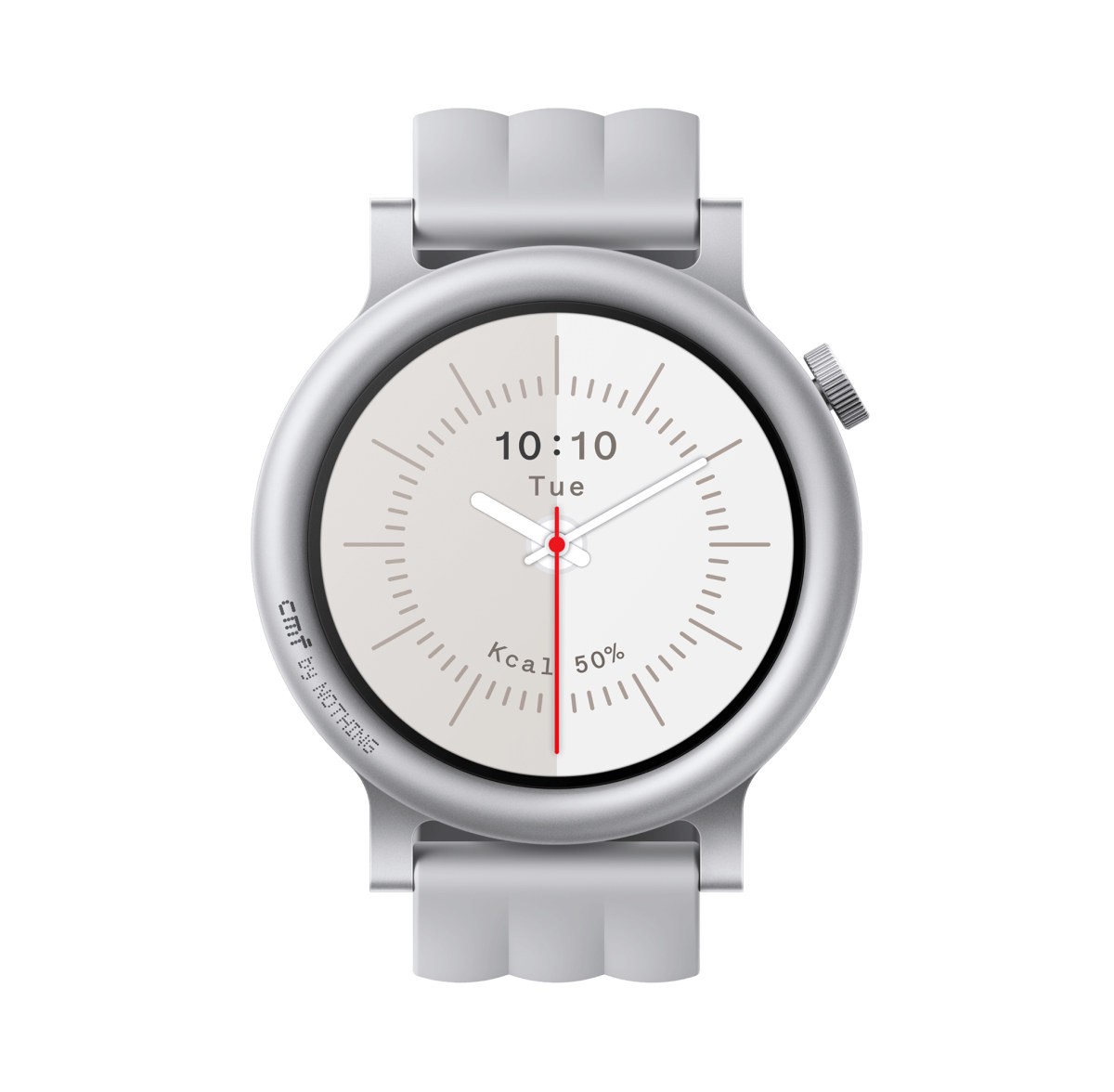
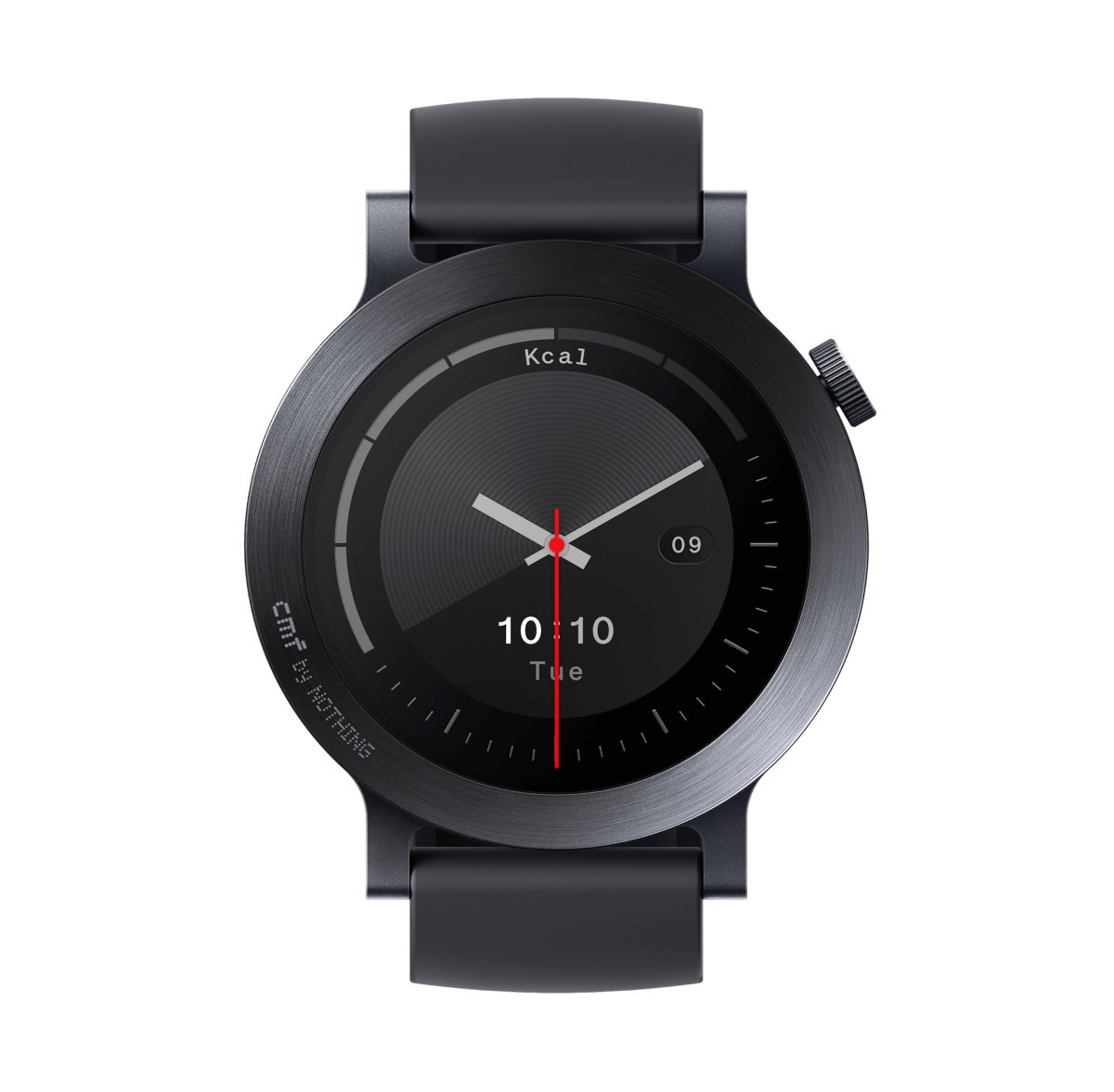
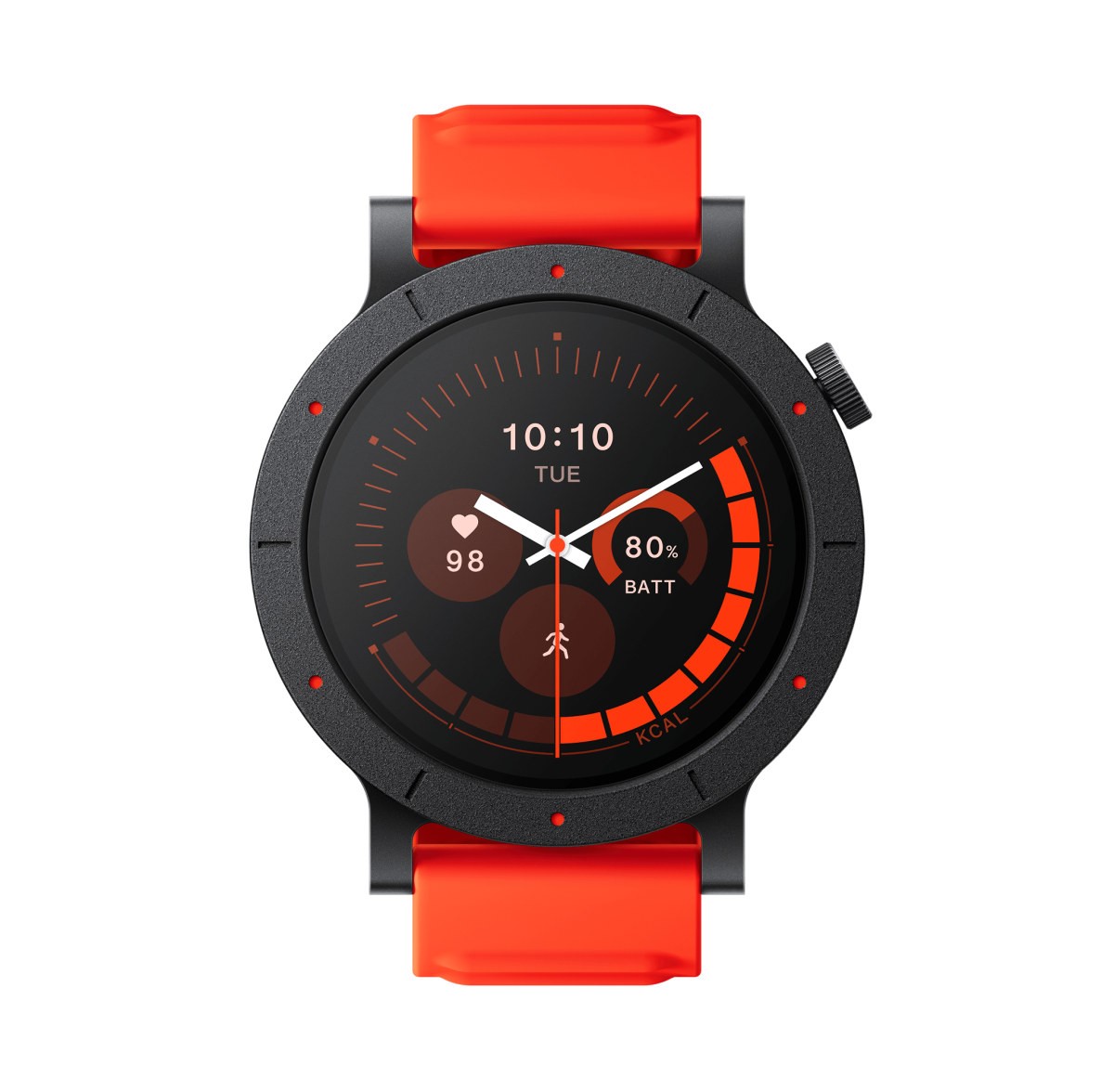
Nothing’s sub-brand CMF has launched the new Watch 3 Pro in India. It features a 1.43-inch AMOLED display, ChatGPT integration, Bluetooth calling, dual-band GPS, and up to 13 days of battery life, all packed into a metal frame design. Here’s a look at its full specifications and pricing.
Nothing CMF Watch 3 Pro specifications and features
Nothing CMF Watch 3 Pro
The CMF Watch 3 Pro features a larger 1.43-inch AMOLED display with a 466 x 466 resolution and a 60Hz refresh rate. The peak brightness has slightly increased to 670 nits. It retains the rotating crown for UI navigation and introduces over 120 custom watch faces, including some designed for Always-On Display. The new model is housed in a precision-milled metal frame and comes with a liquid silicone strap.
The watch packs a 350mAh battery that claims up to 13 days of typical use or 3.5 days with Always-On Display enabled. A full recharge takes around 99 minutes. It includes an upgraded four-channel heart rate sensor, SpO2 monitoring, improved sleep tracking, stress tracking, hydration and inactivity reminders, and women’s health features. With 131 sports modes (7 with smart recognition), it also offers animated warm-up guides and AI-powered post-workout summaries.
Built-in dual-band GPS (L1+L5), GLONASS, Galileo, BeiDou, and QZSS improve outdoor activity tracking. It supports Bluetooth calling with dual MEMS microphones and gesture-based interactions like flip or shake. The integration of ChatGPT allows voice queries, reminders, and running tips. A built-in voice recorder offers auto-transcription, and the Essential News tool delivers curated updates. All features now work through the new Nothing X app.
Nothing CMF Watch 3 Pro price and availability
The CMF Watch 3 Pro is now available for $99. It comes in three color variants: Orange, Dark Grey, and Light Grey. Buyers can purchase it via Nothing’s official website, with availability through retail partners expected soon.
For more daily updates, please visit our News Section.
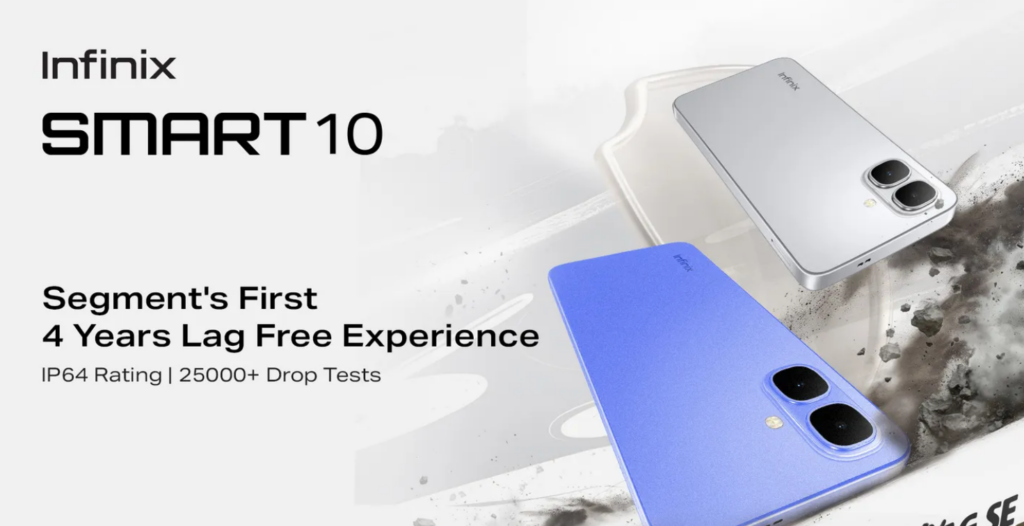
Infinix is gearing up to bring its next-generation Smart series phone to India. Ahead of the July 25 launch, the microsite of the upcoming Infinix Smart 10 entry-level smartphone has gone live on Flipkart. The listing has revealed the key specifications of the device.
Infinix Smart 10 key specifications revealed
Infinix Smart 10 is launching on July 25 in india
The Infinix Smart 10’s microsite reveals that it has a 120Hz LCD panel with a punch-hole design and support for up to 700 nits of brightness. For audiophiles, the device is equipped with a 3.5mm audio jack and a dual speaker setup tuned by DTS. For security, it features a side-facing fingerprint sensor.
The Smart 10 is powered by the Unisoc T7250 chipset and a 5,000mAh battery. The phone will run on XOS 15-based Android 15 and will come preloaded with Infinix’s AI suite of AI-driven features. For easy access to AI features like the Folax Assistant, the Smart 10 features the One Tap side button. There’s no clarity on whether it can be customized, as the company allows on the Infinix Hot 60 5G.
Infinix Smart 10 key features
The Smart 10 will have support for the Ultralink feature, which allows users to make phone calls via Bluetooth when there is no cellular connectivity. It has an 8-megapixel front camera and an 8-megapixel rear camera. The rear camera comes with support for dual LED flash, 2K recording, and Pro mode.
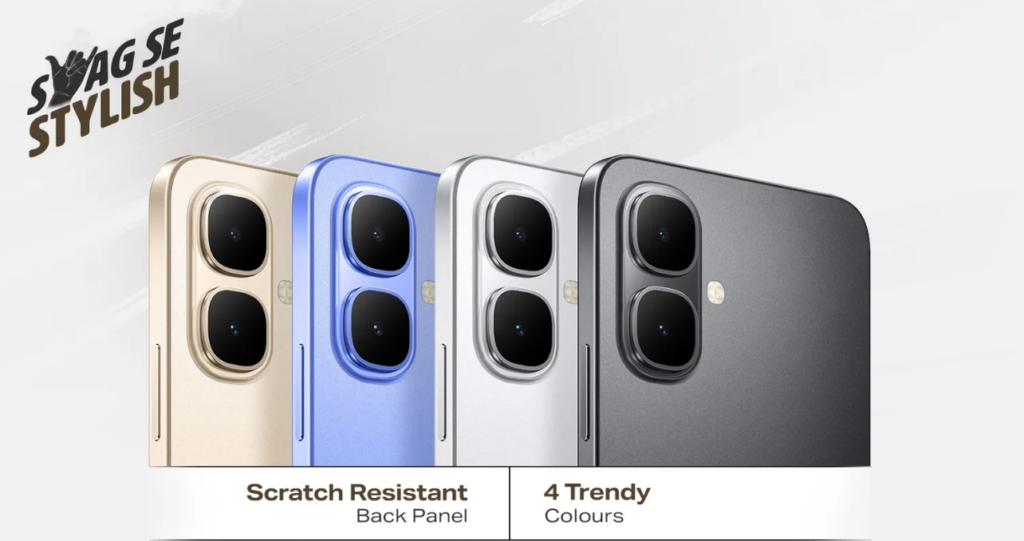
Infinix Smart 10 shades
The Infinix Smart 10 has a scratch-resistant back panel and it comes with an IP64 level of dust and water resistance. While the price of the device has not been revealed, it is expected to cost well under Rs 10,000. As can be seen above, the device will be sold in shades like gold, blue, white, and black.
For more daily updates, please visit our News Section.
The rumour mill has been gradually leaking details about the upcoming Vivo V60 smartphone. As per a new report by SmartPrix, the V60 is slated to go official on Aug. 12 in India. Previous reports have claimed that it could be a rebranded or tweaked version of the Vivo S30 available in China.
Vivo V60 specifications (rumored)
Vivo V60 renders by Yogesh Brar
As per the report, the Vivo V60 will feature a 50-megapixel front-facing camera. Its rear camera setup will include a 50-megapixel main camera, an 8-megapixel ultra-wide lens, and a 50-megapixel periscope telephoto camera with 3x optical zoom.
On the display front, the V60 will feature a 6.67-inch AMOLED panel that supports a 1.5K resolution, a 120Hz refresh rate, and 1300 nits of HBM brightness. It will be fuelled by the Snapdragon 7 Gen 4 chip and a 6500mAh battery with 90W charging support.
The V60 is said to have UFS 2.2 storage and run on FunTouch OS 16-based Android 16. It will come with other features, such as an in-screen fingerprint scanner, dual speakers, and an IP68/69-rated chassis.
Vivo V60 price in India (expected)
The report speculates that the Vivo V60 will cost between Rs 37,000 and Rs 40,000 in India. It is likely to arrive in shades like Mist Grey, Moonlit Blue, and Auspicious Gold.
The Vivo V60 is not the only Vivo phone hitting the Indian market soon. The brand is expected to unveil the Vivo T4R and the Vivo Y400 5G smartphones in the next few days before the V60.
There have been reports that Vivo may bring overhaul improvements to the FunTouch OS 16. There is a possibility that it may incorporate some elements of OriginOS, which it offers on its smartphones in China.
For more daily updates, please visit our News Section.
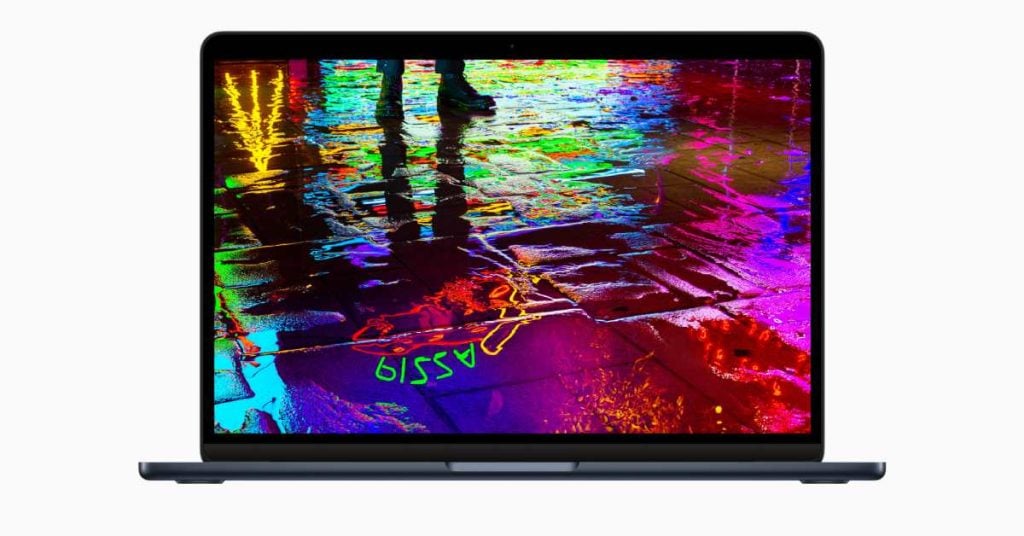
Apple MacBook Air M2 is going for the final price of Rs 69,990 via Amazon India, if you have an SBI or ICICI Bank Credit Card. The instant discount of Rs 8,000 applies to users of the respective bank card. However, the offer does not apply to the Amazon Pay ICICI Credit Card. The Apple MacBook Air M2 is retailing for Rs 77,990. With an instant discount of Rs 8,000, you can get it for Rs 69,990 for a limited period.
Apple MacBook Air M2 2022 Features and Specifications
Apple MacBook Air M2 2022 brings in a lot of improvements over the maiden Apple MacBook Air M1. It features Apple’s M2 chip, which includes an 8-core CPU (4 performance, 4 efficiency) and an 8-core GPU (configurable to 10-core), along with a 16-core Neural Engine. It comes with 8GB of unified memory (up to 24GB configurable) and offers fast SSD storage from 256GB up to 2TB.
You will get a stunning 13.6-inch Liquid Retina display that boasts 2560×1664 resolution, 500 nits brightness, and P3 wide color. It measures 0.44 inches and weighs 1.24 kg. In terms of connectivity, it includes two Thunderbolt / USB 4 ports and a MagSafe 3 charging port. Additionally, it bundles a 1080p FaceTime HD camera, a four-speaker sound system with Spatial Audio, and a backlit Magic Keyboard with Touch ID to complete the package.
The fanless operation makes it exceptionally better to work in silent environments, and even enhances the efficiency of the overall system. Its powerful M2 chip ensures smooth performance for daily tasks and more demanding creative work, making it a compelling option.
Given the current aggressive deals, it represents strong value for consumers at Rs 69,990.
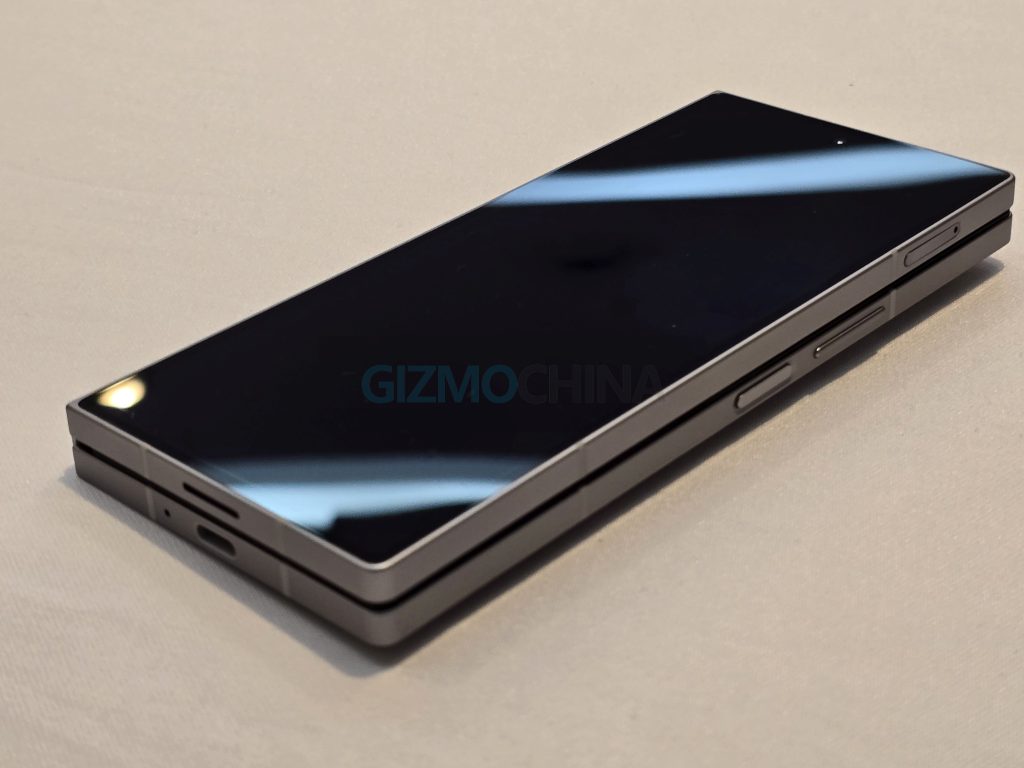
Samsung’s Galaxy Z Fold7 raised the bar for slim, premium foldables — but its successor might dial things back a notch. And the reason has more to do with global politics than design choices.
Galaxy Z Fold 6 (5.6mm unfolded, 12.1mm closed)
A report from The Elec suggests Samsung may swap the titanium backplate on the Galaxy Z Fold8 for carbon fiber reinforced plastic (CFRP), a material it used on earlier models to provide structural support for the inner folding display.
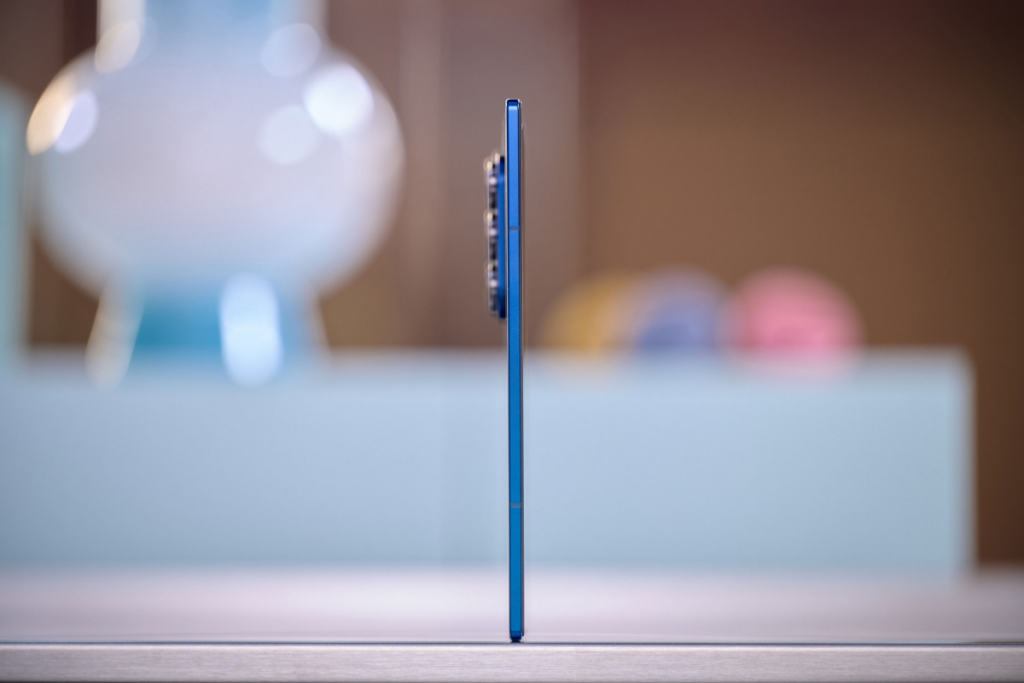
Galaxy Z Fold 7 (4.2mm while opened)
The culprit? Escalating US-China trade tensions and rising tariffs, which have pushed up the cost of sourcing titanium — a market largely dominated by China. While titanium helped the Z Fold7 achieve its sleek 8.9mm folded profile, CFRP could mean a slightly thicker, heavier device next year.
This wouldn’t be the first compromise Samsung has made in the name of cost or design. Both the Z Fold SE and Z Fold7 ditched S Pen support after Samsung removed the digitizer layer to help slim down the phones. But according to leaks, a thinner digitizer might be in the works for the Z Fold8, potentially bringing back S Pen compatibility despite the thicker backplate.
On the upside, there’s talk of a major display improvement. A recent leak hints that Samsung is working on a crease-free panel — a welcome change for foldable fans still bothered by the Z Fold7’s slightly visible crease.
Whether Samsung can tweak CFRP enough to match titanium’s slim profile remains to be seen. But with the Galaxy Z Fold8 expected around July 2026 — and a likely $2,000 price tag — the real question is whether buyers will accept a slightly thicker design that feels like a downgrade.
We use cookies on our website to give you the most relevant experience by remembering your preferences and repeat visits. By clicking “Accept”, you consent to the use of ALL the cookies.
This website uses cookies to improve your experience while you navigate through the website. Out of these, the cookies that are categorized as necessary are stored on your browser as they are essential for the working of basic functionalities of the website. We also use third-party cookies that help us analyze and understand how you use this website. These cookies will be stored in your browser only with your consent. You also have the option to opt-out of these cookies. But opting out of some of these cookies may affect your browsing experience.
Necessary cookies are absolutely essential for the website to function properly. This category only includes cookies that ensures basic functionalities and security features of the website. These cookies do not store any personal information.
Any cookies that may not be particularly necessary for the website to function and is used specifically to collect user personal data via analytics, ads, other embedded contents are termed as non-necessary cookies. It is mandatory to procure user consent prior to running these cookies on your website.