Advertisement

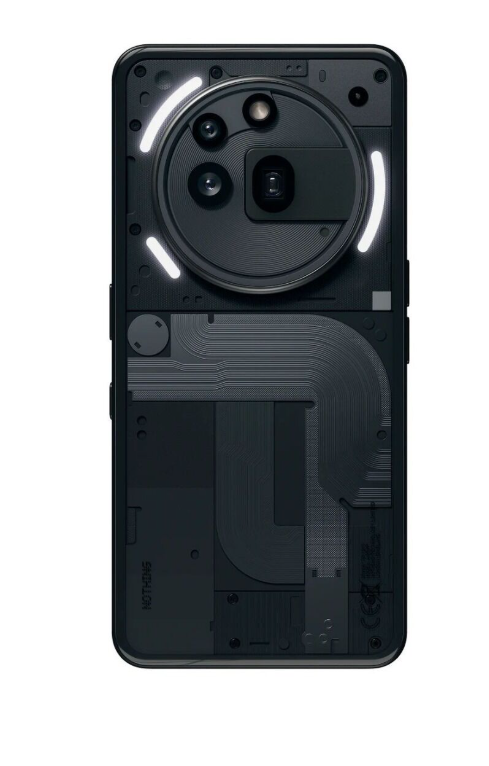
Leaked Carl Pei email reveals Nothing’s ambitious plans for 2025: Nothing Phone (3) and a mysterious phone “landmark”

Nothing, the innovative tech company led by Carl Pei, has been quite silent since July 2023 when it unveiled the Phone (2). Tipster Evan Blass however leaked an internal email recently that was from the company’s CEO to its employees. The email reveals the company’s plans for 2025, which includes two unreleased smartphones – the Nothing Phone (3) and another codenamed “landmark”.

Nothing’s vision for 2025

The internal email confirms the development and upcoming launch of the Nothing Phone (3), which promises to bring “breakthrough innovations in the user interface.” According to the CEO, the Phone (3) will mark the brand’s first major step toward integrating AI into its ecosystem, which he talked about in an interview last year.

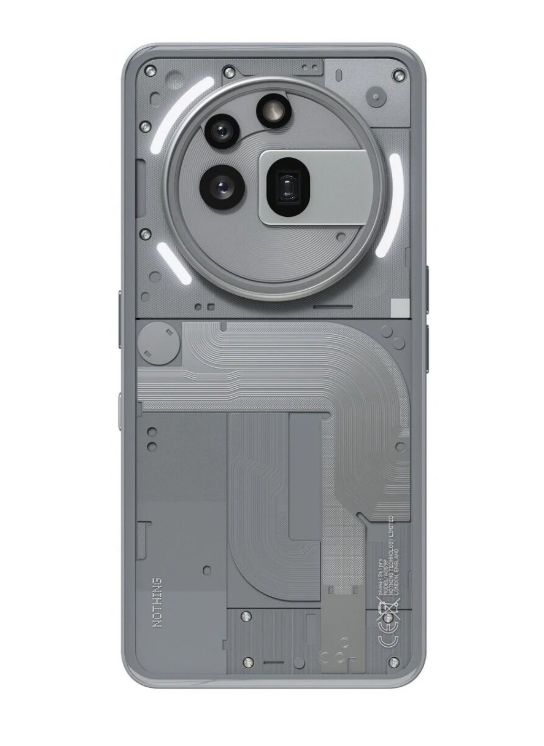
Nothing Phone 3 concept render

“2025 will be by far our biggest year yet,” noted Pei in his email. “We’re aiming at redefining the user experience of personal computing devices – creating technology that knows you, makes your life easier, and is present where you are,” he added.

But that’s not all. There is also an indication of a “landmark” smartphone that is set to launch in Q1 2025. Speculations were that it would be an affordable smartphone, or a CMF product.

In addition to the Phone (3), reports claimed that Nothing had more than one device in development. A Phone model number NT04 has shown up on the BIS listing that seems to go live in India soon. According to UL Demko certification, the battery pack for this will be 4,290 mAh, much smaller than those of the 5,000mAh cell types found inside the Phone (2a) and Phone (2a) Plus.

As for the Nothing Phone (3), its said to include a telephoto camera. The Snapdragon 7s Gen 3 SoC with eSIM support is expected in both devices, and the price may continue to be around Rs 30,000 just like their previous models.

With the focus on integrating AI, innovative designs, and user-centric features, Nothing is preparing to make 2025 a year of innovation.

Tech enthusiast? Get the latest news first! Follow our Telegram channel and subscribe to our free newsletter for your daily tech fix!

(Source)

Samsung Galaxy S25 Slim rumored to launch in May

Samsung is reportedly gearing up to launch its highly anticipated Galaxy S25 Slim in May 2025. According to tipster Instant Digital, the launch may coincide with China’s 618 Shopping Festival, offering a strategic market entry during the high-demand period. Adding to the excitement, the Galaxy S25 Ultra will likely be available for pre-orders immediately after the official event, with deliveries starting post-Lunar New Year.

Galaxy-S25-Slim-1

The Galaxy S25 Slim recently surfaced on GeekBench, showcasing impressive hardware capabilities. Listed under the model number “SM-937U,” the device achieved an impressive single-core score of 3005 and a multi-core score of 6945. It will be powered by the Snapdragon 8 Elite for Galaxy chipset and 12GB RAM, running One UI 7 on Android 15, debuting with the S25 series.

Samsung Galaxy S25 Slim leak

The Galaxy S25 Slim will offer a thinner, lighter alternative to the S25 series, featuring a 6.7-inch Dynamic AMOLED 2x display with a 120Hz refresh rate. It is rumored to include Samsung’s ALoP camera technology with a 200MP HP5 primary sensor, 50MP JN5 3.5x telephoto lens, 50MP JN5 ultra-wide camera, and 12MP front camera.

Despite its ultra-slim 6.6mm profile, making it thinner than both the S25 and S25 Plus, the Galaxy S25 Slim could house a 4700mAh to 5000mAh battery. Rumors suggest it might be teased during this month’s Galaxy Unpacked event, following Samsung’s approach with the Galaxy Ring last year.

Talking about the Galaxy S25 series, which is set to launch on January 22, includes the Galaxy S25, S25+, and S25 Ultra. The S25 and S25+ are equipped with the Snapdragon 8 Elite chipset, 12GB+ RAM, triple rear cameras, and 120Hz displays ranging from 6.36 to 6.7 inches.

The flagship S25 Ultra features a 6.9-inch LTPO AMOLED display, a 200MP quad-camera system, a titanium build, and a 5,000mAh battery supporting 45W wired and Qi2 wireless charging.

In related news, check out our comprehensive roundup article to know all about the Galaxy S25 series.

Stay ahead in tech! Join our Telegram community and sign up for our daily newsletter of top stories! 💡

OPPO Watch X2 will feature Blood Pressure Monitoring: OPPO Exec

OPPO has confirmed that the new OPPO Watch X2 will be released in February, alongside the Find N5 foldable smartphone. Zhou Yibao, head of the OPPO Find series, shared that the smartwatch will include blood pressure monitoring, a feature designed to support proactive health management.

Oppo Watch X
OPPO Watch X

The OPPO Watch X2 will have a round dial with two buttons on the right—a crown and a multi-function button. While detailed design elements are still under wraps due to a black confidentiality case, the images reveal a classic circular design.

The Watch X2 with model number “OWW251,” recently passed 3C certification and appeared on the Telecommunications Equipment Terminal Network. It supports eSIM functionality through an independent eUICC chip and works with China Unicom and China Mobile. With a 631mAh or 648mAh battery and 10W fast charging, it promises longer use without frequent charging.

It runs on OPPO’s ColorOS system and includes a range of health features such as ECG monitoring, a 60-second health check, wrist temperature measurement, and exercise tracking. Other practical additions include GPS, NFC, and waterproofing designed for durability in various conditions.

As mentioned in the beginning, the standout feature is the blood pressure monitoring, which will be able to alert its wearers whenever it detects abnormal blood pressure. This will put in in competition with other premium smartwatches from brands like Apple and Samsung.

Additionally, OPPO’s sister brand OnePlus is developing the OnePlus Watch 3, which will include ECG functionality to detect atrial fibrillation, frequent PVCs, and irregular heart rates. It’s possible that the OnePlus Watch 3 might be a rebranded version of the OPPO Watch X2, meaning both models could share nearly identical features.

Don’t miss a thing! Join our Telegram community for instant updates and grab our free daily newsletter for the best tech stories!

(Source, via)

Sony WH-1000XM4 Noise Cancelling Headphones available for Just Rs 16,488

Sony’s WH-1000XM4 is once again on sale and this time it has bragged the lowest price since its launch in India. Interested users can grab the premium sound headphones at the exciting price of Rs 16,488 with an over Rs 3000 discount. Sony’s once flagship headphones are still relevant and it is a brag at this price range.

Buy Now

It is actually retailing for the price of Rs 19,988, and with the bank and coupon discounts, it is available for the price of Rs 16,488.

Packed with the industry’s leading Active Noise Cancellation, the Sony WH-1000XM4 offers an immersive and comfortable sound experience. It supports popular voice assistants like Google Assistant, Siri, and Alexa offering some automation and hands-free access. Further, it offers a Quick Attention Mode that enables flawless conversations. Sony WH-1000XM4 has smart features like touch sensor controls, Speak-to-Chat, and personalized sound settings through the Sony Headphones Connect app, allowing you to adjust the audio to your preferences.

In addition to its premium sound and comfort, the WH-1000XM4 boasts impressive battery life, providing up to 30 hours of playback on a full charge. With Bluetooth 5.0, and multi-device connectivity, these headphones keep you connected effortlessly. Built with durability in mind, they feature a foldable design and a sleek matte finish for easy portability. Whether you’re traveling, working, or relaxing, the Sony WH-1000XM4 provides an unbeatable combination of sound quality, comfort, and smart functionality.

Please Note: When you buy something using the links in our articles, we may earn a small commission at no cost to you.

G-Shock Fine Metallic Series Watches debut in Gold and Silver Colors

Casio Japan has introduced the Fine Metallic Series, a new addition to its G-Shock lineup. The series includes the square GM-5600 and octagonal GM-2100 models, blending stainless-steel bezels with silicone bands for a mix of durability and comfort.

Design and Materials

The stainless-steel bezels are polished using forging, cutting, and polishing techniques, with a combination of mirror and hairline finishes to create a balanced texture. The bands, made from silicone and reinforced with a urethane sheet, are designed for flexibility and resistance to abrasion. Gold or silver coatings on the urethane back complement the metallic bezels.

Features

The series includes standard G-Shock features:

  • Shock Resistance: Protects against impact.
  • 20-Bar Water Resistance: Suitable for water use.
  • Super Illuminator: Bright LED light for visibility.
    • GM-5600: Illuminates the LCD.
    • GM-2100: Illuminates both the dial and LCD.

Practicality and Use

The combination of stainless steel and silicone materials makes these models versatile, suitable for various settings. The silicone band ensures comfort, while the metallic bezel adds durability.

Models and Pricing

The series offers four models in silver and gold finishes:

  • GM-2100YM-8AJF (silver): ¥40,150 (~$271)
  • GM-2100YMG-9AJF (gold): ¥45,650 (~$308)
  • GM-5600YM-8JF (silver): ¥37,400 (~$252)
  • GM-5600YMG-9JF (gold): ¥42,900 (~$290)

The GM-5600 retains its traditional digital display, while the GM-2100 features a hybrid analog-digital design. The Fine Metallic Series is currently available only in Japan, with no confirmed international release.

Don’t miss a thing! Join our Telegram community for instant updates and grab our free daily newsletter for the best tech stories!

(via: Notebookcheck, Source)

Moto G Power 2025 brings flagship toughness to budget smartphones

Motorola has started 2025 with the launch of two new budget-friendly smartphones, the Moto G Power 2025 and Moto G 2025. These devices offer impressive features designed for users seeking affordability without compromising on quality. Let’s check out the specifications of these devices.

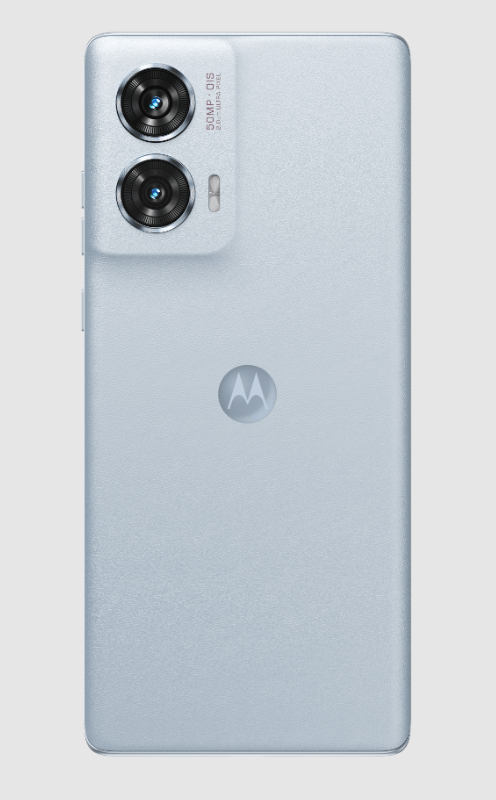
Moto G Power 2025 and Moto G 2025

Specifications

The Moto G Power 2025 features a 6.8-inch FHD+ LCD display with a 120Hz refresh rate, 1,000 nits peak brightness, and Gorilla Glass 5 protection, ensuring durability and vibrant visuals. The Moto G 2025 offers a slightly smaller 6.7-inch FHD+ LCD with the same refresh rate and brightness but uses Gorilla Glass 3 for protection.

Under the hood, both smartphones are powered by the MediaTek Dimensity 6300 chipset. The Moto G Power comes with 8GB of RAM, while the Moto G offers 4GB or 6GB options. Both devices run on Android 15, which includes features like audio sharing, enhanced accessibility, and improved security settings.

The Moto G Power 2025 features a triple-camera system with a 50MP main sensor, 8MP ultra-wide lens, and 16MP selfie camera, enhanced by OIS and Quad Pixel technology for sharper images. Meanwhile, the Moto G 2025 sports a 50MP main sensor and a 2MP macro lens, alongside a 16MP selfie camera, offering solid photography options for its price point.

Moto G Power 2025 and Moto G 2025

Both devices also house a 5000mAh battery. The Moto G Power 2025 supports 30W TurboPower wired charging and 15W wireless charging, while the Moto G 2025 offers only 30W wired charging.

The Moto G Power 2025 stands out with MIL-STD-810H certification and IP68/IP69 water and dust resistance, making it one of the most durable budget phones on the market. It can withstand extreme conditions, including falls, humidity, and water immersion.

The Moto G 2025, while less rugged, offers IP52 water resistance and a vegan leather back like its sibling. Both phones come with Dolby Atmos support, Hi-Res Audio, and Bass Boost technology for an immersive audio experience.

Pricing and Availability

The Moto G 2025 will be available starting January 30, 2025, at $199.99. It comes in two colors: Forest Gray and Sapphire Blue. The Moto G Power 2025, priced at $299.99, will launch on February 6, 2025, and is available in Slate Gray and Leaf Green.

Both models will be sold universally unlocked through Motorola’s online store, Amazon, and Best Buy. They will also roll out to major U.S. carriers, including T-Mobile, Verizon, AT&T, and others, in the coming months. Canadian availability begins on May 2, 2025, via motorola.ca and select carriers.

Don’t miss a thing! Join our Telegram community for instant updates and grab our free daily newsletter for the best tech stories! 🚀

OnePlus 10 Pro gets OxygenOS 15 update in India without the AI features

OnePlus has started the rollout of OxygenOS 15 for the OnePlus 10 Pro 5G in India (version NE2211_15.0.0.401(EX01)). The update introduces a variety of improvements focused on usability, customization, and system performance. That said, it is worth mentioning that the update does not come with AI features, that are present in the OxygenOS 15 versions of more recent OnePlus flagships.

Key Features:

Ultra Animation Effects
The parallel rendering architecture improves multi-app switching under heavy use. Animations for widgets, folders, and other components are more fluid, while system-wide scrolling is now consistent across third-party apps.

Luminous Rendering Effects
Rounded corner designs have been standardized to create a more uniform appearance.

Flux Themes
Customizable settings for Always-On Display, Lock screen, and Home screen are now available. Flux themes enable smooth transitions, with additional options for wallpapers and clock styles.

Live Alerts
Live Alerts now display information more clearly, with interactive capsules that can expand into cards. Users can swipe between activities and see updates like torch status directly on the alerts. Layout improvements include better Spotify integration and a fix for overlapping icons.

Photo Editing
A reversible editing feature allows users to apply previous settings to new edits, while filters used during capture can be modified later.

Multitasking Updates
Split View windows are now resizable, and new Floating Window gestures provide improved control over app views. Notifications and Quick Settings have been redesigned with separate swiping gestures for better navigation.

OnePlus Share
File sharing with iOS devices is now supported, including live photo transfers.

Battery and Charging
The new “Charging limit” feature caps charging at 80% to protect battery health, along with reminders for long charging periods.

Privacy Features
Private Safe now organizes files into categories, and hidden apps are accessible via a new Home screen folder.

We have also included the detailed official changelog below for readers eager to know the nitty-gritty of this update.

OnePlus 10 Pro 5G OxygenOS 15 Changelog

Ultra animation effects

  • Introduces the industry’s first parallel rendering architecture, offering parallel response and unified rendering to elevate multi-app switching to a new level. Even under extreme usage conditions, the display remains consistently smooth and seamless, ensuring unwavering stability.
  • Adds parallel animation for a wider range of scenarios, including widgets, components, folders and more, ensuring smooth animations even when frequently interrupted.
  • Adds system-level swiping curve coverage for third-party apps, including WebView interfaces, ensuring a consistent scrolling experience throughout the system.

Luminous rendering effects

  • Optimises the rounded corner design by standardising its specifications and extending the application of a continuous curvature.

Flux themes

  • Introduces new flux themes with a huge collection of high-quality themes. Customise them with system wallpapers and photos for your unique touch.
  • Introduces customisation for Always-On Display, the Lock screen and the Home screen. Always-On Display supports flux and classic modes. The Lock screen supports clock colour blending, blurred wallpapers, AI depth effects, AI auto-fills and more. The Home screen supports blurred wallpapers and more.
  • Introduces flux themes with one-take transition animations, enabling seamless and smooth transitions between Always-On Display, Lock screen and Home screen, significantly enhancing visual continuity.

Live Alerts

  • Adds a new Live Alerts design that is focused on the visualisation of information, offering better information display efficiency. Live Alerts is also positioned in the centre, creating a more balanced display.
  • Optimises the way you interact with Live Alerts capsules –  just tap a capsule and see it expand into a card. You can quickly switch between multiple live activities simply by swiping left or right on the capsules in the status bar, making it more efficient to view information.
  • Introduces a new Live Alerts animation system featuring elastic design, seamless expansion and dynamic real-time blur to enhance the visuals of cards.
  • Now you can see the status of the torch on Live Alerts.
  • Fixes a display issue with existing icons on the status bar when a Live Alerts capsule is displayed. Improves the layout of Spotify on Live Alerts and adds smart recommendations.

Photo editing

  • Introduces globally reversible photo editing capability that remembers the settings for your previous edits so they can be applied to subsequent edits, keeping the creative flow uninterrupted.
  • Improves integration between Camera and filters, so filters that are applied to photos when taken can be edited, changed and removed later in Photos.

Floating Window and Split View

  • Introduces new Floating Window gestures: pulling down a notification banner to bring up a floating window, pulling down a floating window for full screen display, swiping up to close a floating window and swiping to a side to hide a floating window.
  • Now you can drag a floating window to change it to full screen.
  • Introduces resizable Split View windows. Simply drag the divider to resize the window not fully displayed for a larger display area. You can also achieve this by tapping the window.

Notifications & Quick Settings

  • Adds the Split mode for the notification drawer and Quick Settings. Swipe down from the upper-left to open the notification drawer, swipe down from the upper-right for Quick Settings and swipe left or right to switch between them.
  • Redesigns Quick Settings with an optimised layout that offers more appealing and consistent visuals and more refined and rich animations.

OnePlus Share

  • The new file transfer capability with iOS devices, easily connecting and sharing files through OnePlus Share.
  • Now you can easily share live photos with nearby iOS devices.

Battery & charging

  • Introduces “Charging limit” to stop charging at 80% to extend battery lifespan and slow down degradation.
  • Introduces battery protection reminder to turn on Charging limit when your device is connected to a charger for too long.

More

  • Introduces exclusive OxygenOS Always-On Displays and Lock screen clock styles.
  • Introduces the new Home screen clock widget that can be resized to your preference.
  • Plants a “1+” easter egg in Calculator to be displayed when punching in “1+=” as a show of OnePlus’ “Never Settle” philosophy.
  • Introduces more wallpapers to bring the unique style of OnePlus to your phone.
  • Introduces exclusive OxygenOS app icon styles.
  • Now you can swipe up to the left to quickly enable Split View when an app is displayed in full screen.
  • Now you can migrate live photos from iOS devices with Clone Phone.
  • Retouch appearance in video calls now supports more apps.
  • Boarding passes can now be recognised in Photos and added to Google Wallet.
  • Optimises the style and visuals of the Notes widgets on the Home screen for a more attractive and practical experience.
  • Apps in large folders can now be displayed in 3 × 3 grids.
  • Optimizes the widgets of Clock on the Home screen.
  • Optimizes the widgets of Notes on the Home screen.
  • Optimises your multitasking experience by navigating you to the last used app once you enter the recent tasks view, making app switching more convenient.
  • Optimises the Drawer mode by retaining the Home screen app layout when you enter Drawer mode for the first time.

Privacy protection

  • Improves Private Safe with the new categorised browsing features for images, videos and documents, making it easier to manage private data.
  • Introduces a new Home screen entry for hidden apps. You can tap the Hidden apps folder on the Home screen and verify your privacy password to see the apps.

(Source)

Baseus launches 67W 2-in-1 power bank & charger with 10,000mAh battery, built-in cable & LED display

Baseus has launched a new 2-in-1 power bank and charger with a built-in cable called “Nomos NT11” in the Chinese market. The power bank is priced at 269 yuan ($36) and is now listed on JD.com. It will officially go on sale tomorrow. Let’s check out its key specs.

Baseus Nomos NT11

Baseus Nomos NT11 Specifications

Actually, Baseus Nomos NT11 is a versatile 3-in-1 device that functions as a power bank, charger, and charging cable. It features a compact and portable design, weighing only 294g, and is comparable in size to a pack of handkerchiefs, making it easy to carry during travel.

It comes equipped with a 10000mAh high-energy-density lithium-ion battery, providing enough power to last an entire day. The power bank can charge an iPhone 16 up to 1.6 times and a Huawei Mate 60 up to 1.2 times on a single charge. It comes with an LED semi-transparent display on the front that shows the remaining power with precision, offering better control over usage.

The device sports 67W fast charging, powered by an Apple-certified PI chip and GaN 6.0, ensuring safe and efficient charging for a variety of devices. It supports multiple fast-charging protocols, including PD3.0, PPS, and QC3.0, making it compatible with over 1000 devices such as iPhones, Android smartphones, laptops, and headphones.

Baseus Nomos NT11

For heat management, it is equipped with an advanced three-layer temperature control system using AI algorithms, high-performance chips, and a copper foil heat dissipation mechanism to maintain low temperatures even during high-power charging. Additionally, its aerospace-grade aerogel insulation material improves heat resistance and safety.

It supports multiple output modes: a USB-C output of 67W, a USB-A output of 22.5W, and combined outputs for charging three devices simultaneously. It also features a foldable AC plug design that allows the power bank to double as a wall charger, making it suitable for travel or use at home.

The Baseus Nomos NT11 comes in Star Black, Ocean Blue, and Nebula Purple finishes, featuring a premium UV matte body with pearl spray accents for enhanced durability and aesthetics.

In related news, check out our comprehensive roundup article to know all about the upcoming Samsung Galaxy S25 series launching on January 22.

Stay ahead in tech! Join our Telegram community and sign up for our daily newsletter of top stories! 💡

Why OnePlus 12 may still be a better deal than the OnePlus 13R

OnePlus debuted the OnePlus 13 and OnePlus 13R globally last week. While the OnePlus 13 was the brand’s latest flagship model, the OnePlus 13R came with a more affordable price tag despite its relatively affordable pricing. But here’s why the OnePlus 12 is still a better deal right now.

1. OnePlus 12 vs OnePlus 13R: The Price

OnePlus 13R vs OnePlus 12R
OnePlus 13R

The Chinese brand announced the OnePlus 12 for 65,999 INR in the Indian market last year. However, it is currently available for purchase with a notable 7,000 INR discount on the company’s official website. This brings down its effective price to just 53,999 INR. If you are exchanging an older phone, the price can be further reduced.

So for this price, the OnePlus 12 is also a great budget flagship phone. In comparison, the OnePlus 13R is definitely more affordable with a 42,999 INR starting price. Although, it is also selling for a slight discount in the region. But while it is cheaper, the OnePlus 12 may seem like a better deal thanks to certain specs and features. So let’s check it out.

2. Better Display

OnePlus 12
OnePlus 12

The OnePlus 12 sports a tall 6.82-inch LTPO AMOLED display with a 120Hz refresh rate, 4500 nits of peak brightness, Dolby Vision, Gorilla Glass Victus 2, and QHD+ resolution. On the other hand, the OnePlus 13R features a 6.78-inch LTPO AMOLED panel with a 120Hz refresh rate, Dolby Vision, FHD+ resolution, Gorilla Glass 7i, and 4500 nits of peak brightness.

Comparing the two, the OnePlus 12 has a more durable screen that offers superior drop and scratch resistance, a higher resolution, and a slightly taller screen. So the last gen flagship is undoubtedly better in this regard compared to the OnePlus 13R.

3. Faster Wired & Wireless Charging Support

OnePlus-13R

OnePlus 13R is a great all round device in many ways like the Snapdragon 8 Gen 3 SoC. However, the company did cut some corners to ensure the pricing remained more accessible. The OnePlus 12 might be a year older but it is a true flagship phone of its time. This shows in certain features like wireless fast charging.

It offers 100W wired and 50W wireless fast charging. Meanwhile, the OnePlus 13R brings just 80W wired fast charging. So not only do you get support for wireless charging, but the faster wired charging also helps to quickly charge your phone in a hurry.

4. Hasselblad Cameras

OnePlus 12 deal

With the OnePlus 13R, the company brought a notable upgrade by offering three usable image sensors. So you get a 50MP main, 8MP ultrawide, and a 50MP telephoto sensor. This zoom camera is an upgrade over the 2MP macro shooter. The front houses a 16MP camera for selfies and video calls.

This is a competent setup although the OnePlus 12 has a clear advantage thanks to the Hasselblad camera setup. It has a better 50MP main sensor and 64MP periscope telephoto lens along with a 48MP ultra wide angle lens. Even the selfie camera is a 32MP shooter. Not only do you get 4K 60fps video recording, there is even 8K recording support at 24fps. All of this makes it a great option if you are willing to spend a little more.

Don’t miss a thing! Join our Telegram community for instant updates and grab our free daily newsletter for the best tech stories!

Samsung Galaxy S25 Series Massive Leak: Storage options, Color Variants, & Sale timeline revealed

Samsung is all set to unveil the Galaxy S25 series across the globe on January 22nd, during the Galaxy Unpacked 2025 event. We recently covered a rumor roundup that compiled all of the details of the upcoming Galaxy S25, Galaxy S25+, and Galaxy S25 Ultra. But a week ahead of the official announcement, a massive leak has revealed the storage options, color variants, and much more. So let’s check it out.

Samsung Galaxy S25 Series: Storage & Color Variants

The news arrives from known tipster Ishan Agarwal who shared the information on X (formerly Twitter). In the tweet, the color options and storage configurations of the entire lineup were revealed. The Galaxy S25 and Galaxy S25+ will launch in 256GB and a 512GB variant. These will also go on sale in Blue Black, Silver Shadow, Pink Gold, Coral Red, Mint, and Navy or Icy Blue colors.

Samsung-Galaxy-S25-series-price
Samsung Galaxy S25 Series

On the other hand, the flagship Galaxy S25 Ultra will be sold in three storage variants, namely 256GB, 512GB, and 1TB. It will also be available in multiple color options, which include Titanium Gray, Titanium Black, Titanium Silver Blue, Titanium Pink Gold, Titanium White Silver, Titanium Jade Green, and Titanium Jet Black. Unfortunately, the RAM capacity wasn’t revealed, but the lineup is getting a base upgrade from 8GB to 12GB as per recent rumors. There might be a higher variant with 16GB as well.

Samsung Galaxy S25 Series India Sale Timeline

After the announcement and pre-orders, the SOuth Korean tech giant is expected to kick off the deliveries in India around 3rd February 2025 with the official sale stating on February 9. So we are looking at an early Feb 2025 release.

Tech enthusiast? Get the latest news first! Follow our Telegram channel and subscribe to our free newsletter for your daily tech fix! ⚡


Realme 14 Pro Series 5G Arrives January 16 with Snapdragon 7s Gen 3 and 6000mAh Battery

Realme is set to launch its latest Realme 14 Pro Series 5G in India on January 16 at 12 noon. The series includes two smartphones, Realme 14 Pro and Realme 14 Pro+, with the latter having already debuted in China. The brand has recently confirmed that the Indian variant of these devices will be powered by the Snapdragon 7s Gen 3 processor, similar to the Chinese models.

Realme 14 Pro Series 5G

Key Features and Specifications

As per the recent promotional teaser on X and Realme India website, the Realme 14 Pro Series will be powered by the Snapdragon 7s Gen 3 chipset, which the brand claims delivers industry-leading performance.

Realme 14 Pro+

Other details revealed so far confirm that the smartphones feature a 6.83-inch OLED display with a 1.5K resolution and 1.6mm bezels on all four sides. The display supports 3840Hz PWM dimming, a peak brightness of 1500 nits, and a quad-curved design with a 42-degree golden curvature.

The Realme 14 Pro Series will be available in four color options: White (with a Unique Pearl design), Suede Grey, Jaipur Pink (exclusive to India), and Bikaner Purple (also exclusive to India). The phones are 7.5mm thick, offering a sleek form factor.

Battery and Performance

Both smartphones are equipped with a 6000mAh Titan battery that could support 80W fast charging. The battery provides 16.6 hours of video playback and has an energy density of 804Wh/L, allowing the device to remain only 7.99mm thick despite its large capacity. The series also includes a 6000mm² VC cooling chamber to ensure optimal performance.

Camera System

While camera details are currently under wraps, the Realme 14 Pro+ Chinese variant features the following triple-camera setup:

  • A 50MP Sony IMX896 main sensor (1/1.56″ size).
  • A 50MP Sony IMX882 periscope telephoto lens with 3x magnification.
  • An 8MP ultrawide lens with a 16mm focal length.

On the front, there is a 32MP selfie camera. The camera system is enhanced by Realme’s HYPERIMAGE+ imaging technology for improved photo quality, including clear shots in motion or underwater. More details are expected to arrive soon, so stay tuned.

Tech enthusiast? Get the latest news first! Follow our Telegram channel and subscribe to our free newsletter for your daily tech fix!

(Source 1, 2)

Comparing Oppo Reno 13 and Oppo Find X8

Oppo Reno 13 and Oppo Find X8 represent two distinct approaches to modern smartphone innovation. The Reno 13 caters to users seeking solid performance at a competitive price, while the Find X8 showcases Oppo’s push toward premium features and cutting-edge technology. This comparison sheds light on how Oppo balances affordability with flagship-grade advancements, offering insights into the key areas where these devices stand out and differ. Understanding these nuances can help tech enthusiasts and everyday users alike appreciate what each phone brings to the table.

1. Design and Display

OPPO Reno 13
OPPO Reno 13

The Oppo Reno 13 and Oppo Find X8 both showcase premium designs, with the Find X8 edging ahead due to its Gorilla Glass 7i protection and slightly better screen-to-body ratio of 90.3%. Both devices feature AMOLED displays with 1B colors and 120Hz refresh rates. However, the Find X8 offers superior brightness levels, reaching a peak of 4500 nits compared to the Reno 13’s 1200 nits. The Find X8 also supports Dolby Vision and HDR10+, enhancing the visual experience with vibrant and detailed content playback.

The Find X8’s advanced display technology and improved durability make it the better choice for those prioritizing a cutting-edge viewing experience and robust build.

Please Note: When you buy something using the links in our articles, we may earn a small commission at no cost to you.

2. Specifications 

OPPO Find X8
OPPO Find X8

The Reno 13 is powered by the MediaTek Dimensity 8350 (4nm) chipset, while the Find X8 features the more advanced Dimensity 9400 (3nm). This gives the Find X8 a significant edge in processing power and efficiency. Both phones offer similar memory configurations, but the Find X8 supports faster UFS 4.0 storage versus UFS 3.1 in the Reno 13. Regarding batteries, the Reno 13 packs a 5600mAh unit with 80W wired charging. The Find X8 slightly outshines with a 5630mAh battery, 50W wireless charging, and 10W reverse wireless support.

The Find X8 stands out for its cutting-edge chipset and versatile charging options, making it a more future-proof device.

3. Camera

OPPO Find X8
OPPO Find X8

The Reno 13 features a dual-camera setup with a 50MP wide and 8MP ultrawide lens, while the Find X8 boasts a triple-camera system, including a 50MP telephoto lens with 3x optical zoom and Hasselblad Color Calibration. Both offer excellent main cameras, but the Find X8’s additional telephoto and ultrawide sensors provide greater flexibility for photography enthusiasts. The selfie camera on the Reno 13 is more impressive with its 50MP sensor compared to the Find X8’s 32MP sensor.

For diverse photography needs, the Find X8 is the superior choice, though selfie lovers might prefer the Reno 13.

4. Pricing

The Oppo Reno 13 is priced at approximately $380, while the Oppo Find X8 comes in at around $780. The nearly double price difference reflects the Find X8’s premium features, including enhanced cameras, chipset, and display technologies.

While the Reno 13 offers excellent value for its price, the Find X8’s premium features justify the additional cost for those seeking top-tier performance and functionality.


5. Conclusion

OPPO Reno 13
OPPO Reno 13

The Oppo Find X8 stands out for its Hasselblad-tuned camera system, ultra-bright display with Dolby Vision, and advanced chipset. Its support for wireless and reverse wireless charging adds convenience, setting it apart from the Reno 13. Meanwhile, the Reno 13 impresses with a large battery and high-quality selfie camera at a lower price point.

The unique features of the Find X8 make it a flagship choice for enthusiasts, while the Reno 13 is a fantastic option for budget-conscious buyers seeking a balanced experience.

Here’s the Price, Launch Offers, & More for the POCO X7 Pro in India

Just last week, POCO unveiled the new POCO X7 Pro smartphone in the Indian market. The device packs some impressive specs and features for its price and it has officially gone on sale in the region. So here’s its pricing, launch offers, and other availability details.

POCO X7 Pro India Price and Launch Offers

The POCO X7 Pro debuted in multiple color options in India, which includes Green, Yellow, and Black variants. The last option also includes a vegan leather finish on the back for a more premium feel. This model has finally gone on sale in India earlier today (14th January 2025) via Flipkart, a popular e-retailer in the country.

Poco X7 Pro design
POCO X7 Pro

This smartphone is available for purchase in two storage configurations. The base model has 8GB of RAM and 256GB of internal storage and the higher end option features 12GB of RAM and 256GB of internal storage. The former has a 27,999 INR (roughly 323 US Dollars) price tag and the latter costs 29,999 INR (roughly 347 US Dollars).

As a part of the launch offer, the Chinese brand is including an instant back discount or exchange bonus of 2,000 INR. There is even an additional 1,000 INR discount via a coupon. For those unaware, the instant bank discount is only applicable to ICICI Bank credit card transactions and debit card SMI transactions.

Some notable features of the POCO X7 Pro includes MediaTek’s new Dimensity 8400 SoC, Android 15 based HyperOS 2.0 custom skin, massive 6550mAh battery pack, 90W wired fast charging, IP66 + IP68+ IP69 rating, Dolby Vision, LPDDR5X RAM with UFS 4.0 storage, and 1.5K OLED display with an impressive 3200 nits of peak brightness.

Tech enthusiast? Get the latest news first! Follow our Telegram channel and subscribe to our free newsletter for your daily tech fix! ⚡
Upcoming Nothing Phone gets FCC certification, US launch confirmed?

A new Nothing branded smartphone has surfaced on the FCC certification platform. The company might be gearing up to launch a new Nothing Phone in the US. This upcoming device just surfaced on the FCC database. So here’s everything we know so far.

Unreleased Nothing Phone spotted on FCC

Just recently, leaked email from Nothing CEO Carl Pei was leaked. This email outlined the company’s plans for new smartphones like the Nothing Phone (3) and a major smartphone launch in the first quarter of 2025. So there’s a chance that this might be the mystery Nothing Phone. The latest FCC sighting was shared by 91Mobiles and the listing revealed the 24111 model numbers. So it might be launching in the US as well.

Nothing Phone (2a) Community Edition

The unreleased Nothing Phone also has the 2AZEQ-24111 FCC ID, although, this might be a temporary ID. In the 91Mobiles report, the publication shared a power of attorney that was submitted by Nothing at the FCC. This says that it doesn’t want to list the product on the certification database over some changes in its marketing plan. So we can expect the brand to resubmit the application later on.

This is all the information we have at the moment regarding this model. So stick around for more updates regarding this matter. But in related news, the brand is possibly working on the Nothing Phone (3a), which recently got certified in India while the brand’s Nothing Phone (3) surfaced on GeekBench with the Snapdragon 7s Gen 3 SoC. If you’re confused about buying the Google Pixel 8a or Nothing Phone (2a), you can click here to see four reasons why to choose the Pixel 8a and 2 reasons to avoid it.

Don’t miss a thing! Join our Telegram community for instant updates and grab our free daily newsletter for the best tech stories!

Poco F7 Pro and F7 Ultra appear on regulatory listing ahead of launch

Now that Poco is done with the launch of the X7 (review) series, the next in line for the brand is likely the Poco F7 series. The lineup is expected to include three models: the standard Poco F7, F7 Pro, and F7 Ultra.

The Ultra is a new addition to the Poco F series. It, along with the Pro variant, has now appeared on Indonesia’s Telecom listing.

The devices were spotted in the regulatory listing with their model numbers and marketing names: 24117RK2CG for the Poco F7 Pro, and 24122RKC7G which is the F7 Ultra. Interestingly, the standard model is absent from the listing, we can expect it to appear sooner or later.

What we know so far

The POCO F7 Pro has previously appeared on TDRA and IMDA certifications, corroborating its model number, 24117RK2CG. The IMDA listing revealed support for 5G, Bluetooth, NFC, and Wi-Fi connectivity. 

Additional details from the FCC show the Pro model will feature a 5830mAh battery, support for 90W fast charging, and Xiaomi’s new HyperOS 2.0. Connectivity options like 5G NR, 4G LTE, dual-band Wi-Fi, and Bluetooth 5.4 are expected as standard.

Meanwhile, the POCO F7 Ultra has surfaced on FCC and IMDA certifications as well. According to the FCC, the Ultra model will offer configurations of 12GB + 256GB, 12GB + 512GB, and 16GB + 512GB, and will run Android 15-based HyperOS 2. Connectivity upgrades include Wi-Fi 7 and Bluetooth BR/EDR/LE.

Rebranded Redmi Models?

Speculation is rife that the POCO F7 Pro and Ultra might be rebranded versions of the Redmi K80 and K80 Pro, respectively. If true, the Pro model could house the Snapdragon 8 Gen 3 chipset, while the Ultra might debut with a Snapdragon 8 Elite processor. 

It remains unclear whether the POCO F7 Pro and F7 Ultra will launch in India, as the Pro variant of the F6 series skipped the Indian market last year. So unless Xiaomi revises its strategy, these flagship models might not make their way to Indian consumers.

Tech enthusiast? Get the latest news first! Follow our Telegram channel and subscribe to our free newsletter for your daily tech fix! ⚡
(Source)

OnePlus 13 first update brings Gemini Nano: A small but useful AI model in your phone

OnePlus has just started rolling out an update for the OnePlus 13. The brand recently released an update for the OnePlus 13R, bringing camera and connectivity improvements. Now, the flagship model is getting its very first software update, which also comes with an AI model.

OnePlus 13 Update & Gemini Nano

Unlike the incremental changes and tweaks on the OnePlus 13R, the OnePlus 13 is getting a major update that brings support for Gemini Nano (via Android Authority). This is the smallest version of Google’s larger language model (LLM). Gemini Nano is an on-device AI model that can perform various useful features like search, circle to search, text summarization, and much more.

OnePlus 13
OnePlus 13

The premium phone is getting its first OxyenOS 15 update with the CPH2655_15.0.0.402(EX01) build number. This update is around 1GB in size. To check if you’ve received the update, users can head to Settings > System and updates > Software update and finally tap on Download and Install if the update is available. For those unaware, the Gemini Nano from Google requires Android AICore app. So after installing the update, it should appear in the Google Play Store.

This is undoubtedly a major feature of the OnePlus 13, which brings on-device LLM. Typically, one would require access to the internet to make use of AI features. However, an internet connection isn’t required for the Gemini Nano. The AICore app on the OnePlus 13 takes over 3GB of space. While it is the smallest LLM, you still get access to AI powered features like smart replies and text summarization.

In related news, you can check out our comparison of the OnePlus 13 and iPhone 16 and there are also rumors of a OnePlus 13 Mini or OnePlus 13T model as well.

Tech enthusiast? Get the latest news first! Follow our Telegram channel and subscribe to our free newsletter for your daily tech fix! ⚡
ColorOS 15 (Android 15) update is available for these Oppo devices

Oppo ColorOS 15 update

The Android 15-based ColorOS 15 is a pretty significant upgrade, bringing a host of exciting features and improvements. There’s improved Trinity Engine, Flux Themes, HyperBoost, many AI tools, and enhancements that make it an exciting upgrade.

After the release of ColorOS 15 in November 2024, it has gradually expanded to eligible Oppo phones and tablets. Tracking the software rollout can be time-consuming, so we prepared the list below that includes all Oppo devices that have started getting the stable ColorOS 15 update.

These Oppo devices are getting the ColorOS 15 update

  • Oppo Reno12 FS 5G
  • Oppo Reno11 5G
  • Oppo Reno12 5G
  • Oppo Reno12 Pro 5G
  • Oppo Reno12 F 5G
  • Oppo Reno11 F 5G
  • Oppo Reno11 Pro 5G
  • Oppo Reno 10 Pro+
  • Oppo F27
  • Oppo F25 Pro 5G
  • Oppo K12x 5G
  • Oppo A80 5G
  • Oppo A60 5G
  • Oppo A3 5G
  • Oppo A3 Pro 5G
  • Oppo Find N3
  • Oppo Find N3 Flip
  • Oppo Find N2 Flip
  • Oppo Pad 3 Pro
  • Oppo Pad 2

Oppo has started distributing the stable version of ColorOS 15 to these devices. As rollout happens in stages, it may take a few days to weeks before the update reaches all regions.

We’ll update the list periodically as and when new Oppo devices get the update. You can revisit this page later for fresh information.

When will your Oppo device get the ColorOS 15 update?

If your Oppo device isn’t on the above list, you can check the official rollout timeline as detailed below to know when the ColorOS 15 update is coming:

[Q1 2025]

  • Oppo Find X5 Pro
  • Oppo Find X5
  • Oppo Reno11 A
  • Oppo Reno10 Pro+ 5G
  • Oppo Reno10 Pro 5G
  • Oppo Reno10 5G
  • Oppo F27 Pro+ 5G

[Q2 2025]

  • Oppo Reno12 FS
  • Oppo Reno12 F
  • Oppo Reno11 FS
  • Oppo Reno8 T 5G
  • Oppo Reno8 T
  • Oppo F23 5G

Which Oppo device do you have, and what are your expectations from ColorOS 15? Share your thoughts in the comments below.

Tech enthusiast? Get the latest news first! Follow our Telegram channel and subscribe to our free newsletter for your daily tech fix! ⚡

Bill Gates calls missing out on mobile his “biggest mistake ever”

Bill Gates, the co-founder of Microsoft, recently opened up about a career-defining mistake that cost the company a staggering $400 billion. Speaking at an event hosted by venture firm Village Global, Gates candidly discussed Microsoft’s failure to secure a foothold in the mobile operating system market—a lapse that allowed Google’s Android to dominate as the go-to non-Apple platform.

“You know, in the software world, particularly for platforms, these are winner-take-all markets,” Gates explained in his conversation with Eventbrite CEO Julia Hartz. “The greatest mistake ever is the whatever mismanagement I engaged in that caused Microsoft not to be what Android is. Android is the standard non-Apple phone form platform. That was a natural thing for Microsoft to win.”

Gates did simple math that if Microsoft had captured the second-best spot in the mobile OS space, the company could have claimed a $400 billion slice of the pie—money that instead bolstered Google.

Bill Gates Biggest Mistake

The Missed Opportunity

Apple’s iPhone debuted in June 2007, followed by Android-powered devices in September 2008. Microsoft’s entry into the smartphone arena, the Windows Phone 7, arrived much later in October 2010. By then, the mobile OS market was all but sewn up, with Android and iOS collectively claiming 99.9% of the market share.

Gates acknowledged that being late to the game sealed Microsoft’s fate in mobile. “If you’re there with half as many apps or 90 percent as many apps, you’re on your way to complete doom,” he said.

Microsoft’s mobile misstep contrasts sharply with its dominance in the PC market. The company’s Windows OS transformed personal computing in the 1990s and remains a cornerstone of its $3 trillion valuation. Yet, as Gates put it, had Microsoft succeeded in the mobile race, “we would be the company.”

Rich Miner’s Retort

Gates’ reflections didn’t go unnoticed by Rich Miner, co-founder of Android. Taking to X (formerly Twitter), Miner offered a sharp rebuttal:

“I literally helped create Android to prevent Microsoft from controlling the phone the way they did the PC—stifling innovation. So it’s always funny for me to hear Gates whine about losing mobile to Android.”

So, it looks like Microsoft also contributed (albeit indirectly) to the inception of Android. In its heyday, Microsoft’s dominance in the PC market was often criticized for discouraging competition and innovation. 

Android’s open-source model, by contrast, was designed to provide an alternative to proprietary ecosystems, including those of both Microsoft and Apple.

Tech enthusiast? Get the latest news first! Follow our Telegram channel and subscribe to our free newsletter for your daily tech fix!

(Source)

Redmi Turbo 4 Pro’s chipset, design, display, battery tipped: Snapdragon 8s Elite, metal frame, and more

The Redmi Turbo 4 Pro promises to be a significant new addition to the Redmi series. After the company launched the Redmi Turbo 4 just a few days ago, it seems that the company is preparing for the Pro variant.

Redmi Turbo 4
Redmi Turbo 4

Leaked specifications:

According to Digital Chat Station (DCS), a reliable tipster on Weibo, the Redmi Turbo 4 Pro will launch with the Snapdragon 8s Elite chipset, model number S8735. This chipset reaches a maximum clock speed of 3.21GHz and uses the Adreno 825 GPU for graphics processing. If true, the Redmi Turbo 4 Pro will be one of the first devices to launch with the chip.

Another major highlight of the leaked specifications is the battery. According to the leak, the battery capacity starts with 7. Although he didn’t reveal the exact capacity on the post, a previous rumor mentioned “7500mAh±” which is incredible for a mainstream smartphone. It will be a significant jump in capacity over the 6550mAh battery of the Turbo 4. This is expected to be paired with 90W fast charging, the same as the base model.

For those concerned about the thickness, weight, and overall in-hand experience, the base model measures 8.1 mm in thickness and weighs only 203 grams. This is made possible thanks to the adoption of silicon-carbon anode batteries, which pack a much higher energy density than traditional carbon anode batteries manufacturers have used so far.

Coming to the surface, the device reportedly equips a 1.5K flat AMOLED display, metal middle frame, and glass back. So readers interested in the phone should expect a premium in-hand experience.

Based on the patterns of the company’s previous launches, the Redmi Turbo 4 Pro might hit the market in April 2025. The Turbo 3 was released in the same month last year. Notably, the Turbo 3 series did not have a Pro model. Redmi is expanding the lineup after just one year.

Any rebrand?

Globally, the Turbo 4 Pro will be launched as the POCO F7, following the Poco F6, which was a rebrand of the Redmi Turbo 3. The regular Turbo 4 has already been launched globally as the POCO X7 Pro (our review). The Turbo 4 will start at CNY 1,999, which is approximately Rs 23,599. How Xiaomi positions the Pro model within domestic and international markets is still to be seen.

Tech enthusiast? Get the latest news first! Follow our Telegram channel and subscribe to our free newsletter for your daily tech fix!

(Source)

Vivo T3 Ultra, T3 Pro get Rs 2,000 price cut in India: Check out the new prices

Earlier this month, Vivo T3x 5G, which debuted in April 2024, received a price cut of Rs 1,000. Now, the Vivo T3 Pro and T3 Ultra have also received price cuts in India. While the Pro model was announced in August 2024, the Ultra edition was unveiled in September. Here is a look at the revised pricing of both phones.

Vivo T3 Ultra, T3 Pro revised pricing

The Vivo T3 Ultra, on the other hand, can be purchased at Rs 29,999 for the 8GB + 128GB variant, Rs 31,999 for the 8GB + 256GB variant, and Rs 33,999 for the 12GB + 256GB variant. At launch, these variants were priced at Rs 31,999, Rs 33,999, and Rs 35,999, respectively. It can be purchased in colors like Lunar Gray and Frost Green.

The Vivo T3 Pro is now available at a new price of Rs 22,999 for the 8GB + 128GB variant and Rs 24,999 for the 8GB + 256GB variant. These models were priced at Rs 24,999 and Rs 26,999, respectively, at launch. It comes in Flamboyant Orange and Emerald Greens shades.

These prices are inclusive of taxes, and the devices can be bought from the Vivo India e-store, Flipkart, and partner retail outlets.

Vivo T3 Ultra specifications

The Vivo T3 Ultra offers a 6.78-inch 1.5K AMOLED display with a 120Hz refresh rate and HDR10+ support, providing up to 4500 nits peak brightness. Powered by the Dimensity 9200+ processor, it offers up to 12GB of LPDDR4X RAM and 128GB or 256GB of storage (UFS 3.1). The phone runs on Android 14 with Funtouch OS 14.

For photography, the Vivo T3 Ultra features an OIS-assisted 50-megapixel main camera with a Sony IMX921 sensor and ZEISS optics, along with an 8-megapixel ultra-wide camera. The 50-megapixel front camera supports 4K video recording. It also includes an in-display fingerprint sensor, stereo speakers, and USB Type-C audio. The 5500mAh battery supports 80W fast charging. With an IP68 rating, the device is dust and water-resistant, and its dimensions are 164.1×74.93×7.58mm, weighing 192g.

Vivo T3 Pro specifications

The Vivo T3 Pro features a 6.77-inch Full HD AMOLED display with a 120Hz refresh rate and HDR10+ support, delivering up to 4500 nits of peak brightness. It’s powered by the Snapdragon 7 Gen 3 chipset with an Adreno 720 GPU, paired with 8GB of LPDDR4X RAM and storage options of 128GB or 256GB (UFS 2.2). The device runs on Android 14 with Funtouch OS 14.

For photography, it has an OIS-enabled 50-megapixel Sony IMX882 main camera, an 8-megapixel ultra-wide lens, and a 16-megapixel front camera. The phone supports an in-display fingerprint sensor, stereo speakers, and USB Type-C audio. With a 5500mAh battery, it supports 80W fast charging. The device has an IP64 rating for dust and splash resistance, and its dimensions are 163.72×75×7.49mm, weighing between 180g to 190g, depending on the variant.

Don’t miss a thing! Join our Telegram community for instant updates and grab our free daily newsletter for the best tech stories! 🚀