Apple AirTags have become a useful item in every household, and people use them to track easily forgettable items like keys, cards, and others. Being among the largest UWB networks, Apple AirTag has become the finest choice in the Tags market. Surprisingly, the four-pack Apple AirTags price has been reduced to $67.99 on Amazon, Best Buy, and other stores.
Apple AirTags Deal Explained
The price hasn’t been this low since launch, and even during Black Friday, it has never been down to $67.99. However, a single AirTag is on sale for the price of $22.99 via Amazon and Best Buy. AirTag is the epitome of technology, that lets you find attached items with pinpoint precision. Apple’s Find My Network helps to track the AirTag securely and globally using nearby iPhones and other Apple devices.
The water-resistant AirTags and replaceable batteries make it work for a long time without any altercation. Apart from the hardware prowess, the AirTags are quickly optimized with Software to easily track, and share location with family and friends. You can even share the location with entities like airlines and others.
Other Deals
Apart from the deal on the Apple AirTags, interested folks can have a look at the Galaxy Tab S9 FE which is retailing at the price of $279.72. Featuring a 10.9-inch display, and an Exynos 1380 SoC, it could be a good choice as an entry-level tablet. A similar deal is now live on Nothing Ear for the price of $114 with an included discount of $45.
Please Note: When you buy something using the links in our articles, we may earn a small commission at no cost to you.
Last week, Vivo launched the V50 smartphone in the Indian market as a mid-range offering. The phone houses a Snapdragon 7 Gen 3 processor, paired with a massive battery and an India-exclusive Starry Night colorway. Starting today, the device is available to purchase online as well as offline store.
Vivo V50 – Starry Blue
Vivo V50 features
The Vivo V50 features a 6.77-inch FHD+ curved AMOLED display with a 120Hz refresh rate, 480Hz touch sampling, HDR10+, and Diamond Shield Glass. Powered by the Snapdragon 7 Gen 3 processor with Adreno 720 GPU, it runs on Android 15 with Funtouch OS 15.
The V50 includes a dual rear camera system co-engineered with ZEISS optics: a 50MP primary sensor with OIS and a 50MP ultra-wide lens. A 50MP front camera supports 4K video. The phone is IP68/IP69-rated for dust and water resistance and houses a 6000mAh battery with 90W fast charging. Connectivity features 5G support, Wi-Fi 6, Bluetooth 5.4, and an in-display fingerprint scanner.
Pricing and Availability:
8GB + 128GB: ₹34,999
8GB + 256GB: ₹36,999
12GB + 512GB: ₹40,999
Available via vivo.com, Amazon.in, Flipkart, and offline stores, the V50 comes in Titanium Grey, Rose Red, and Starry Night, varying slightly in thickness (7.39mm–7.67mm) and weight (189g–199g).
Samsung is yet to roll out the stable version of its Android 15-based custom skin. Fortunately, more Galaxy enthusiasts will soon be able to get a taste of One UI 7 beta. The company is reportedly expanding the beta program to the Galaxy Z Fold 6 and Galaxy Z Flip 6, following its initial rollout for the S24 series.
One UI 7 beta build for these foldables has been spotted on Samsung’s test servers
According to a tipster @tarunvats33 on X, the first One UI 7 beta build for these foldables has been spotted on Samsung’s test servers in Europe and India, signaling that the beta program could begin soon.
Samsung Galaxy Z Fold 6 and Galaxy Z Flip 6
The One UI 7 update is one of Samsung’s most significant software overhauls in recent years, which includes several interesting new features, improved performance, and, of course, a deeper integration of AI. Overall, the Android 15-based skin aims to enhance the user experience by a significant margin.
However, the rollout has been slower than expected, with only the S24 family currently participating in the beta program. With the inclusion of the Galaxy Z Fold 6 and Flip 6, we also expect the older S and Z series flagships to enter beta testing soon. However, the stable release for those models is likely months away. The company has yet to release an official release timeline for the update. You can check out the leaked rollout timeline here.
There could be multiple beta builds scheduled before the stable release. And for a primary device, it’s always recommended to wait for the stable version as random bugs may very well outweigh the benefits of the new features and worsen the overall user experience.
Historically, Samsung has been praised for its swift Android updates and security patches, but the delay in One UI 7 rollout has drawn criticism, with the company now lagging behind its previous standards and many of its competitors.
Possible reasons behind the delay
But what is the reason? Well, according to the company, the One UI 7 is sort of built from scratch and hence it is taking time to iron out new challenges. According to a recent report, another reason is AI—still most of the features are processed on the cloud, and before rolling out the update to more devices they need to ensure they have the infrastructure to manage the workload. Although, it’s likely that Samsung will keep many of the advanced AI features exclusive to the S25 series.
Samsung has significantly delayed the One UI 7 stable rollout and is facing backlash from Galaxy fans. Not even a single device has been updated to One UI 7, despite announcing the beta program in early December. Samsung hasn’t even announced a release timeline, making users clueless about the release date. Now we know when our Galaxy devices might get the stable One UI 7 update, thanks to a new leak.
Twitter/X user Buliga Cristian (@BuligaDavidCri1) has shared screenshots that reveal the One UI 7 rollout timeline. He claims that this information was being shared by Samsung Romania during a Zoom meeting for the Galaxy S25 series workshop. The details are believed to have originated from Samsung Korea.
The list has many missing devices, including several Galaxy A-series models. The Galaxy M series, Tab series, and F series models are entirely missing from the list. That doesn’t make them ineligible for One UI 7 upgrade. They will get the update sometime in the first half. You can check the complete list of One UI 7 eligible devices here.
While the above One UI 7 rollout timeline seems to be in line with recent leaks, you should still take the information with a pinch of salt.
If the timeline is correct, the Galaxy S24 users will have to wait for almost two more months to get the stable One UI 7.0 update. The latest foldables, Galaxy Z Flip 6 and Fold 6, will get the update around the same time. Other Galaxy S series and Z series users will have to wait a little more before they get to enjoy One UI 7.
Kingbull has officially introduced the Hunter 2.0, an upgraded version of its rugged off-road e-bike. Designed to cater to commuters, adventurers, and mountain biking enthusiasts, this new model promises enhanced performance, durability, and style. Read on to learn more about its specifications, features, and pricing.
Kingbull Hunter 2.0 specifications and features
Kingbull Hunter 2.0
The Hunter 2.0 is powered by a 750W BAFANG brushless motor, delivering an impressive 80 Nm of torque, making it ideal for tackling steep inclines and rough terrains with ease. Paired with a UL2271-certified 48V 15Ah lithium-ion battery for safety, the bike offers a claimed range of up to 55 miles in the lowest boost mode, though real-world usage typically yields around 35 miles. The built-in battery can be fully charged in approximately five hours.
The bike’s 6061 aluminium alloy frame not only enhances durability but also reduces weight, making it easier to handle. It features a 7-speed SHIMANO drivetrain, allowing riders to adjust their pace effortlessly. For added safety, the Hunter 2.0 comes equipped with Zoom hydraulic disc brakes, providing precise and responsive stopping power in all conditions.
Kingbull Hunter 2.0
The 26×4-inch CST fat tyres ensure excellent grip and stability, whether you’re riding on rocky trails, sandy beaches, or urban roads. Its saddle has been ergonomically designed for long rides, complemented by an 80mm travel front fork suspension system that absorbs shocks and vibrations. The bike also includes practical features like front and rear lights for nighttime visibility.
Kingbull Hunter 2.0 pricing and availability
Priced at $999, the Hunter 2.0 is available in black and beige, with a dark green variant launching soon. The bike comes with a free accessory kit, including lights, fenders, and locks. Customers in the U.S. can purchase it directly from Kingbull, with a two-year warranty service.
For more daily updates, please visit our News Section.
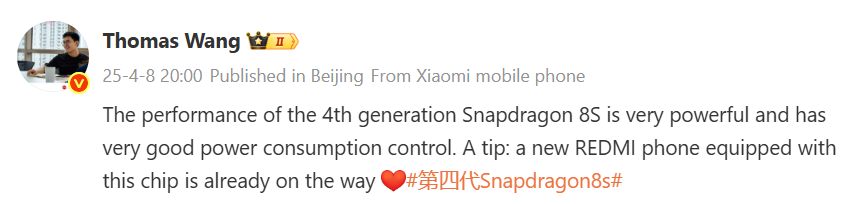
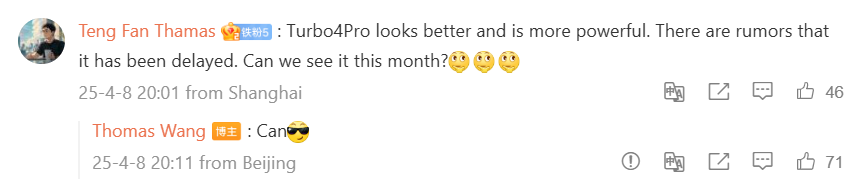
Redmi is reportedly working on multiple high-performance smartphones. Apart from the Redmi Turbo 4 Pro, which is expected to debut with the Snapdragon 8s Elite in April this year, the brand is also said to be working on a gaming-focused K-series device and the upcoming Redmi K80 Ultra. In recent Weibo posts, tipster Digital Chat Station has shared key details of Redmi’s upcoming K-series gaming phone and the K80 Ultra.
Redmi K-series gaming phone with built-in RGB fan
Redmi K-series gaming phone’s key details leaked
A mysterious Redmi K-series smartphone is currently being tested with an advanced cooling system that includes a built-in fan featuring RGB lighting. This suggests that the device is designed with gaming in mind, where thermal management plays a crucial role in sustained performance. Powering the phone is the upcoming Snapdragon 8s Elite (SM8735) chipset, which is expected to debut in April.
One of the major highlights of this device is its massive battery, which is expected to exceed 7,000mAh. While it appears to be a K80-series phone, the official name and precise launch date remain unknown. Given that the Redmi Turbo 4 Pro, which also houses the same chipset, is set for an April launch in China, the gaming phone could debut in the thi
rd quarter of this year, possibly alongside the Redmi K80 Ultra.
Redmi K80 Ultra’s new details confirmed
Redmi K80 Ultra’s new details
The Redmi K80 Ultra is expected to launch by mid-2025 with the powerful Dimensity 9400+ processor. In the latest leak shown above, DCS revealed that the K80 Ultra will feature a large X-axis vibration motor for enhanced haptic feedback, particularly improving the gaming experience. Additionally, the device will be equipped with symmetrical dual speakers for an immersive audio experience.
Other key features include a high-end 1.5K OLED display, an in-screen 3D ultrasonic fingerprint scanner, and IP68-rated dust and water resistance. It is likely to pack a 7,500mAh battery with 100W rapid charging support.
While details on the exact launch schedule remain unclear, Redmi seems to be focusing on delivering powerful devices catering to both gamers and premium smartphone users in 2025.
For more daily updates, please visit our News Section.
Earlier this month, Noise launched its flagship truly wireless earbuds in the Indian market called the Noise Master Buds. After a brief pre-order period, these earbuds are now available to buy directly from Amazon India, gonoise.com, Reliance Digital, Croma, and Vijay Sales.
Priced at ₹7,999, the Master Buds come in Onyx, Titanium, and Silver. Weighing 4.2g each, the Master Buds feature an ergonomic design with three silicone ear tip sizes for a secure fit and a portable charging case. Developed in collaboration with Bose, the earbuds deliver balanced audio via 12.4mm PEEK+Titanium drivers, supporting Spatial Audio and LHDC 5.0. Adaptive ANC (up to 49dB) reduces ambient noise, while Bluetooth 5.3 enables Dual Device Connectivity and Google Fast Pair.
The earbuds offer 6 hours of playback after a 10-minute charge (InstaCharge) and up to 44 hours with the case. An IPX5 rating protects against sweat, and a 6-mic ENC system enhances call clarity. Features like Low Latency Mode for gaming, in-ear detection, and hands-free voice commands (Siri/Google Assistant) are included. The Noise Audio App allows ANC adjustments and firmware updates.
Gaming-specific features include Low Latency Mode, while the Noise Audio App enables firmware updates and ANC customization. Hands-free voice commands via Siri/Google Assistant and in-ear detection add to the functionality.
iQOO is gearing up to unveil the iQOO Neo 10R on March 11 in India. The landing pages of the phone available on iQOO India and Amazon have confirmed several details about the Neo 10R. Additionally, the brand has also rolled out a press release to confirm the key details of the device. It also mentions the camera specifications of the phone, which are slightly different from expectations.
iQOO Neo 10R camera specifications
iQOO Neo 10R
Reports have claimed that the iQOO Neo 10R will be a rebranded version of the Z9 Turbo Endurance Edition, which debuted in January in China. The Endurance Edition comes in three options, such as blue, white, and black.
The Neo 10R is confirmed to launch in Moonknight Titanium and Raging Blue, the latter featuring a blue-white dual-tone finish. Another key difference is in the front camera, as the Neo 10R is equipped with a 32-megapixel selfie shooter that supports up to 4K 60fps video recording, whereas the Z9 Turbo Endurance Edition has a 16-megapixel front camera. The rest of the specifications appear to be identical on both devices. Therefore, the Neo 10R can be considered a tweaked version rather than a simple rebranded edition of the Z9 Endurance Edition.
iQOO India has also confirmed that the Neo 10R’s rear camera setup will include a 50-megapixel (1/1.953-inch) Sony primary camera and an 8-megapixel ultra-wide lens. The primary camera appears to be the Sony LYT-600 sensor.
The Neo 10R will be powered by the Snapdragon 8s Gen 3 chipset. The gaming-focused phone will come with features like a dedicated e-sports mode, a stable 90fps gaming experience, an in-built FPS meter, a 2000Hz instant touch sampling rate, bypass charging, and 6043mm² vapor cooling chamber.
The device features an AMOLED panel that supports a 1.5K resolution, a 3840Hz PWM dimming, and up to 4500nits of local peak brightness. It will house a massive 6,400mAh battery inside a 7.98mm slim chassis and offer 80W fast charging. One of the variants will offer 12 GB of RAM and 256 GB of storage. It is expected to arrive with a sub-Rs 30,000 price tag.
For more daily updates, please visit our News Section.
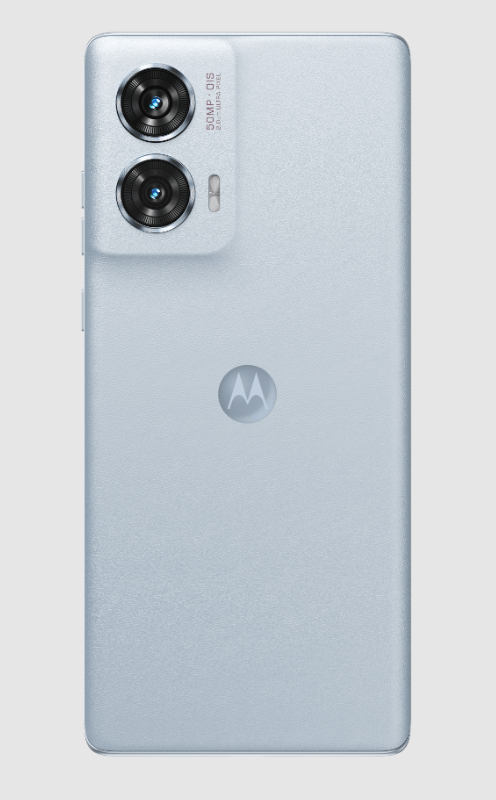
Motorola Edge (2024) and Samsung Galaxy A35 are excellent mid-range options with compelling specs and premium experience. The former has a clear advantage in terms of performance, connectivity, and charging speed, while the latter isn’t without its perks. The Galaxy A35 edges out the Motorola Edge (2024) in three important aspects. To make the decision easier, here are four reasons to pick the Edge (2024) over the Galaxy A35 — plus three factors that might make you reconsider.
4 reasons to choose Motorola Edge (2024) over Galaxy A35
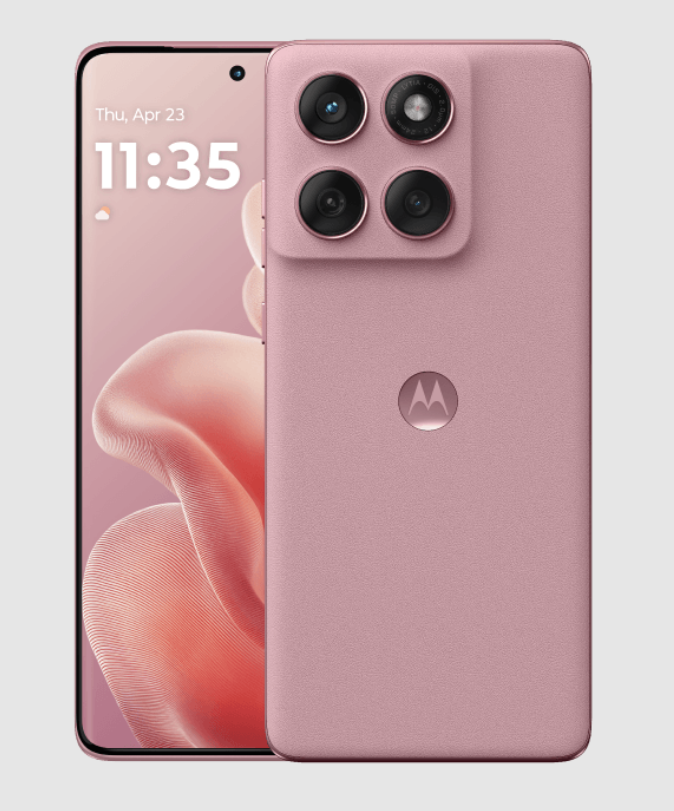
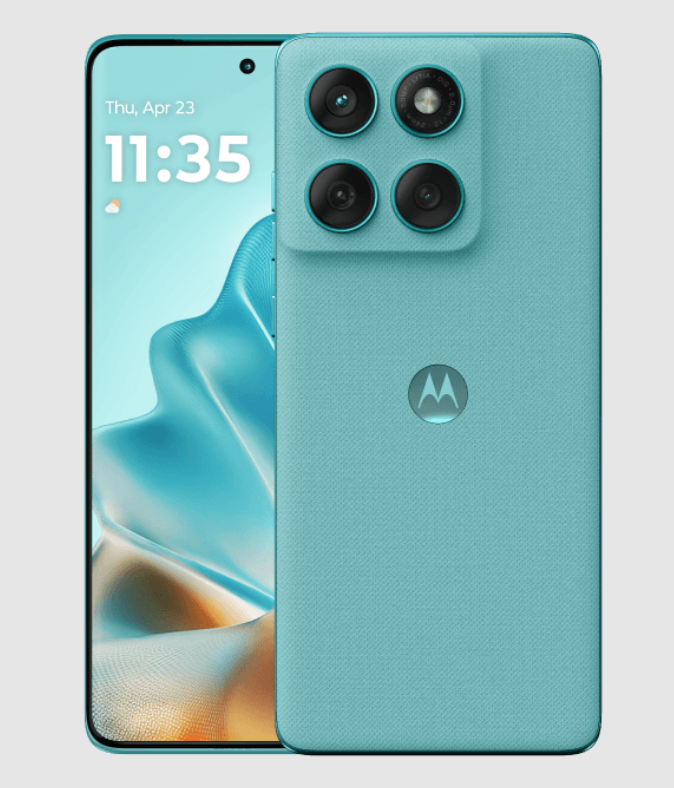
Both smartphones have a nice, clean look, though there are many differences. The Motorola Edge (2024) has an eco-leather back, which provides a soft, premium touch experience and is easier to hold compared to the glass back on the Galaxy A35. The former also has better drop protection.
The Edge (2024) has an aluminum frame, which not only gives it a premium look and feel but also offers stronger durability than the plastic frame on the Galaxy A35. The device is also more water-friendly, thanks to IP68 rating (vs. IP67 on the Galaxy A35).
2. Smoother and brighter screen
Both smartphones have the same-size AMOLED screen, but the Motorola phone has a curved screen, whereas the Samsung phone has a flatter one. The resolutions are almost the same. However, the Motorola phone’s screen refreshes more frequently and has a slightly higher peak brightness.
But there’s one thing Galaxy A35 is good at: screen protection. It has Corning Gorilla Glass Victus+, which is tougher than Gorilla Glass 3 on the Galaxy A35.
3. More screen time and less charging time
While Motorola Edge (2024) and Galaxy A35 have the same 5,000mAh battery capacity, the former typically lasts about half an hour longer. The Edge (2024) also wins on the charging front. It supports 68W USB-C charging that takes about 40 minutes to reach 100%, whereas the Galaxy A35’s 25W charging takes about an hour and a half. That’s a significant difference if you care about the charging time.
The Motorola Edge (2024) also supports 15W wireless charging, which is lacking on the Galaxy A35. That’s another sweet advantage of getting this Motorola phone.
4. Strong connectivity
Both phones come with essential connectivity features, but the Motorola Edge (2024) has an edge with Wi-Fi 6E support. This adds a 6GHz band, reducing network congestion for faster speeds and lower latency.
Additionally, the Motorola Edge (2024) features a newer USB-C standard, allowing for faster data transfers. On the other hand, the Galaxy A35 brings a newer standard Bluetooth 5.3 connectivity, a slight upgrade over the Edge (2024) ’s Bluetooth 5.2.
Please Note: When you buy something using the links in our articles, we may earn a small commission at no cost to you.
3 reasons to choose Galaxy A35 over Motorola Edge (2024)
1. Excellent software support
Software is one aspect where the Galaxy A35 completely crushes the Motorola Edge (2024). The brand promises four major OS updates and five years of security patches for this Samsung device. On the other hand, the Edge (2024) will only get two OS updates and three years of security patches.
Since both phones were released with Android 14 out of the box, Android 16 would be the last major upgrade for Motorola Edge (2024), whereas the Galaxy A35 will stay relevant for two more years.
The Edge (2024) has a 50MP OIS-enabled primary camera on the back, paired with a 13MP ultrawide shooter (with a 120˚ field of view). The Galaxy A35 also has a 50MP primary camera with OIS, though the remaining sensors are different — one is an 8MP ultrawide camera with a 123˚ field of view and a 5MP macro shooter. For selfies, the Motorola phone has a 32MP sensor whereas the Galaxy device has a 13MP snapper.
The Samsung Galaxy A35 produces better colors and retains more detail than Edge (2024). It also does a better job in low-light conditions. The Motorola phone has a higher-resolution ultrawide camera with autofocus that doubles as a macro camera. The Galaxy A35’s ultrawide camera lacks autofocus, though. Overall, the Galaxy A35 comes at the top as far as the camera is concerned.
The Motorola Edge (2024) is powered by the Snapdragon 7s Gen 2, and the Galaxy A35 has the Exynos 1380 at its core. The two devices have similar performance, but if I have to pick one, it would be the Galaxy A35. It has slightly better CPU and GPU performance.
Samsung has officially launched the 9100 PRO SSD in India, marking a significant upgrade in its consumer SSD lineup. The latest storage solution, revealed by the company, offers major performance enhancements over its predecessor, the 990 PRO. It introduces a new PCIe 5.0 interface, delivering cutting-edge speed, improved power efficiency, and expanded storage capacities.
Samsung 9100 Pro SSD specifications and features
Samsung 9100 Pro SSD
The 9100 Pro SSD significantly improves both sequential and random read/write speeds, making it ideal for gaming, AI-driven workloads, and high-performance content creation. With sequential read speeds reaching up to 14,800 MB/s and write speeds up to 13,400 MB/s, it is nearly twice as fast as the 990 PRO. Additionally, its random read/write speeds hit up to 2,200K and 2,600K IOPS, ensuring seamless multitasking and accelerated data processing.
Designed for sustained high-speed performance, the 9100 Pro SSD incorporates an advanced heat management system. The 1TB to 4TB models feature an 8.8mm thick heatsink, while the 8TB variant comes with an 11.25mm thick heatsink. This enhances power efficiency by 49% compared to previous models, reducing energy consumption while maintaining optimal performance.
The 9100 Pro also introduces Samsung’s first-ever 8TB consumer NVMe SSD, catering to professionals and gamers requiring massive storage. It is compatible with laptops, desktops, and gaming consoles, allowing for easy system upgrades. Samsung’s Magician software further enhances the user experience with optimization tools, data migration support, and advanced security features.
Samsung 9100 Pro SSD price in India, availability
Samsung will offer the 9100 Pro SSD in four storage options: 1TB, 2TB, 4TB, and 8TB. The 1TB, 2TB, and 4TB variants will be available from March 18, 2025, with prices set at Rs 14,999, Rs 25,499, and Rs 49,999, respectively. The 8TB model is expected to launch in the second half of 2025.
For more daily updates, please visit our News Section.
Samsung’s Secure Folder, a feature designed to provide industry-grade security for sensitive data on Galaxy devices, has been found to have a significant flaw. Recent discoveries reveal that apps and photos stored in the Secure Folder can be accessed under certain conditions, which raises concerns about the privacy and security of information stored in the space.
Here’s how it works and how you can avoid the flaw
The Secure Folder functions as a “Work” profile, which allows users to store private apps, photos, and files separately from their main profile. Normally, if an app attempts to access files from the Secure Folder, the system blocks access unless the app is explicitly permitted.
However, a Reddit user named lawyerz88 discovered that this security measure fails when using a “Work” app (with a media picker) tied to a separate work profile. In that case, files stored inside the Secure Folder become accessible through that app. So it’s not too difficult to bypass the intended privacy protections.
“If you have the work profile enabled through something like Island or Shelter (or you know, your actual workplace), any apps in the work profile can access the entirety of files saved in secure folder without any restrictions whatsoever.” notes the Reddit user. “It seems it’s restricted by policy only and only from the personal profile and someone forgot to restrict access via another work profile.”
Android Authority confirmed the flaw using the Shelter app, which can create a work profile on any device. This means that anyone with physical access to a Galaxy device could potentially exploit this vulnerability to view Secure Folder data. The flaw undermines Samsung’s claims of robust security, as sensitive information stored in the Secure Folder could be exposed without the owner’s knowledge.
While accessing the Secure Folder typically requires biometric authentication or a PIN/password, the workaround through Work apps renders these protections ineffective. The user reported his findings, and in response, Samsung reportedly confirmed that they were aware of it. The company recently fixed the boot loop issue associated with the Secure Folder and now that many people are aware of this issue, we hope the company fixes it as soon as possible.
If you want to test the flow yourself:
You can download “Island” or a similar app from the play store, set up the work profile, download an app with a media picker, and try to upload a photo. You may see an option to choose media from two work profiles, one of which is your Secure Folder.
Reports suggest that three Chinese smartphone brands are set to launch their “Ultra” models in quick succession. The Xiaomi 15 Ultra, Oppo Find X8 Ultra, and Vivo X200 Ultra are expected to debut in February, March, and April, respectively. While the Xiaomi 15 Ultra is confirmed to launch on Feb. 27, a new development reveals that the Find X8 Ultra will be unveiled in April.
Oppo Find X8 Ultra to launch in April
Find X8 Ultra will not launch in Q1 2025
Today, reliable tipster Digital Chat Station released the above Weibo post to reveal that the Xiaomi 15 Ultra is the “Ultra” that will launch in the first quarter of this year. Without specifying the exact name, the tipster claimed that another Ultra, which was expected to launch in Q1, has changed its release date. He could be talking about the Find X8 Ultra, which now appears to be rescheduled to launch in Q2.
Oppo’s Zhou Yibao confirms April launch for Find X8 Ultra
After this Weibo post, Oppo fans started reaching out to Find Series Product Manager Zhou Yibao for an update on the X8 Ultra’s delayed arrival. To clear up the doubts, he released the above Weibo post to clarify that the company never changed the Find X8 Ultra’s launch schedule. It is still set to be unveiled in April as originally planned and it is guaranteed that customers will be able to purchase it that same month.
He added that the Find X8 Ultra will be the only Ultra phone in China with a flat display. While he did not go into the specifics, he revealed that the display will be surrounded by the thinnest bezels ever seen on a smartphone. Alongside the X8U, Oppo will also unveil new IoT devices, a brand-new chip platform, and an ultra-lightweight compact flagship under the Find series.
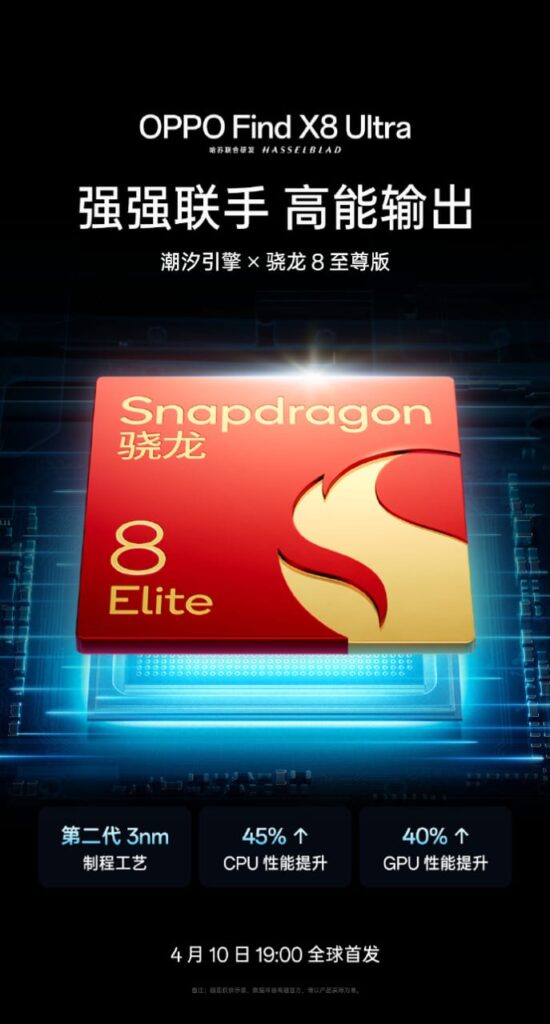
So, it appears that Oppo may launch three smartphones in April in China. The first one is the Find X8 Ultra with the Snapdragon 8 Elite, and the other two are said to be “X8S” branded phones, such as the Find X8S and Find X8S Mini (unofficial name). The X8S models may come equipped with the new Dimensity 9400+ chip, which is expected to go official in March.
For more daily updates, please visit our News Section.
Blaupunkt has unveiled the Atomik OMG, a new portable speaker targeting users seeking high-output audio and rugged design. The speaker’s 360-degree design allows flexible placement, maintaining sound quality regardless of orientation.
The speaker houses dual drivers and a dedicated woofer, producing 75W output with enhanced bass and clarity, aided by Blaupunkt’s proprietary sound technology. Its cylindrical design allows placement in any orientation—vertical, horizontal, or suspended—without distorting audio quality. An integrated neon lighting system offers adjustable color patterns to sync with playback.
A 7200mAh battery (four 1800mAh cells) promises up to 12 hours of runtime. Connectivity includes Bluetooth 5.4, TF card support, USB, Aux input, and TWS pairing for stereo mode. The IPX6 rating ensures resistance to water splashes and dust, complemented by a grab strap for portability. Additional features include a built-in microphone for calls, physical control buttons, and a black finish.
Pricing & availabiltiy
The Blaupunkt Atomik OMG is priced at ₹9,999, with an introductory offer of ₹7,999. It is available on Amazon.in and Blaupunkt’s official website, backed by a one-year warranty.
Please Note: When you buy something using the links in our articles, we may earn a small commission at no cost to you.
In other news, Blaupunkt has also recently launched the Atomik Knightz 100W speaker in India. It is an IPX6-rated party speaker with four drivers, two bass radiators, and nine-light modes. It packs a 15,600mAh battery for up to two days of playback, supports TurboVolt quick charging, and includes a wireless karaoke mic and shoulder strap.
For more daily updates, please visit our News Section.
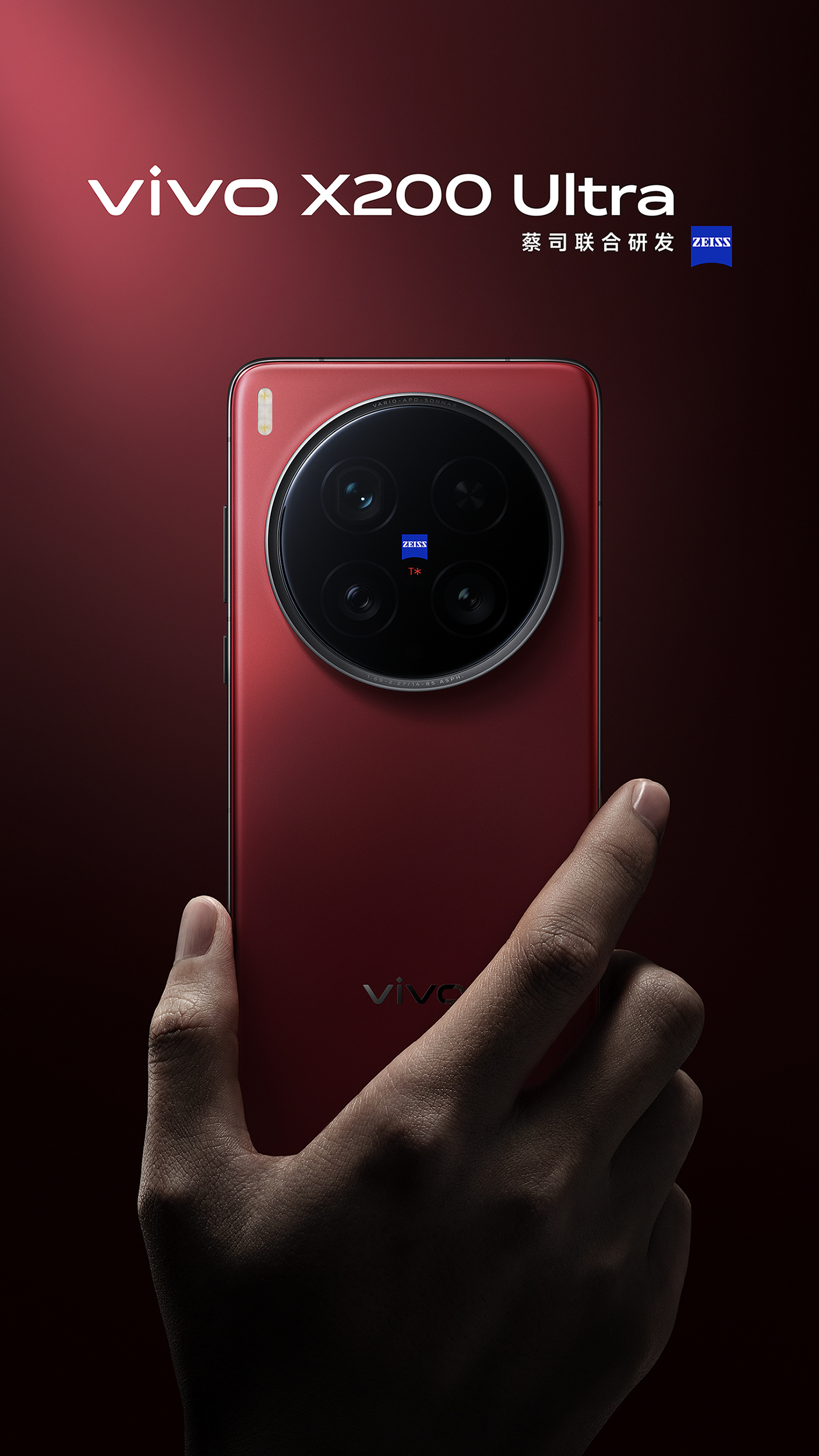
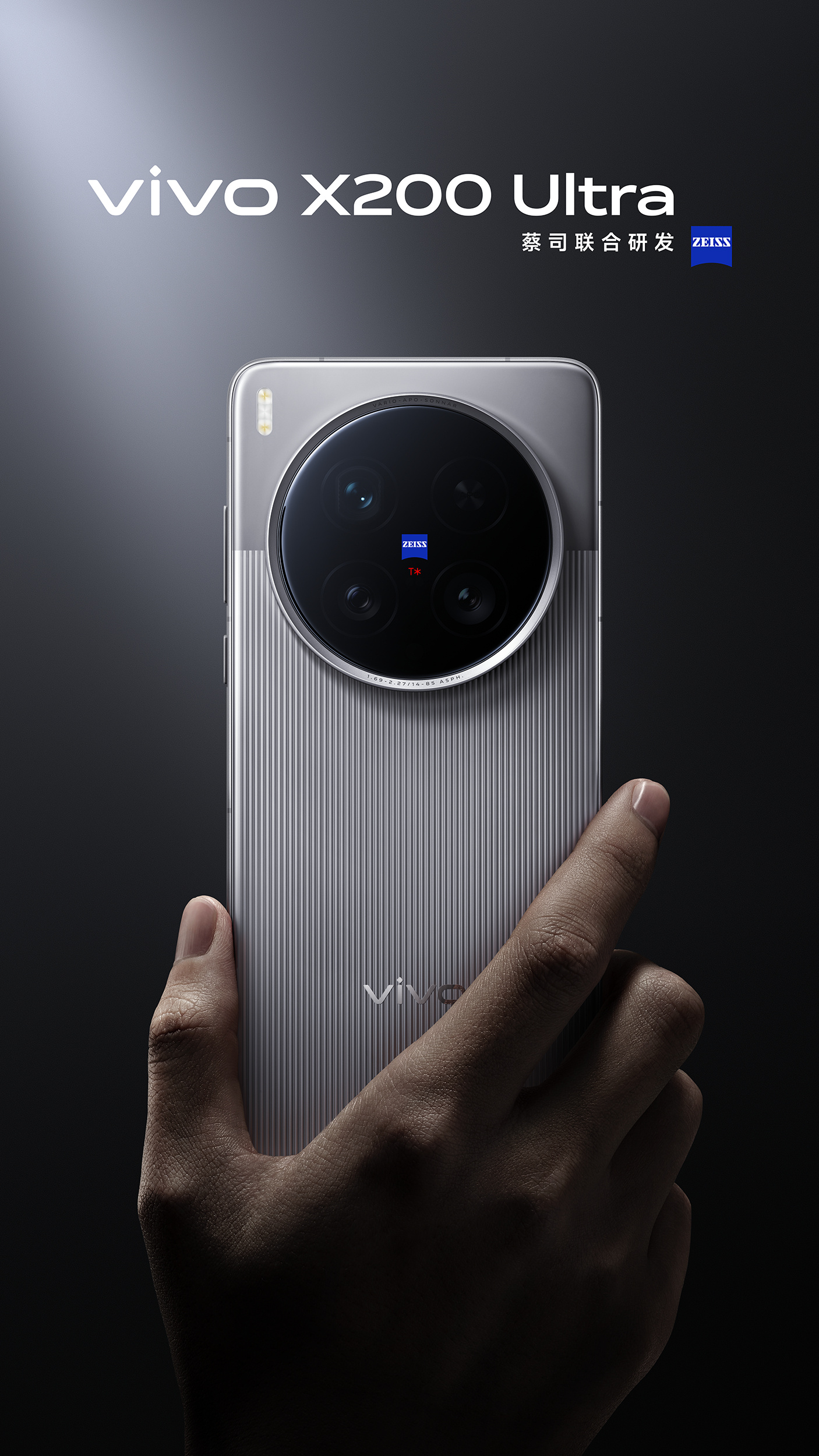
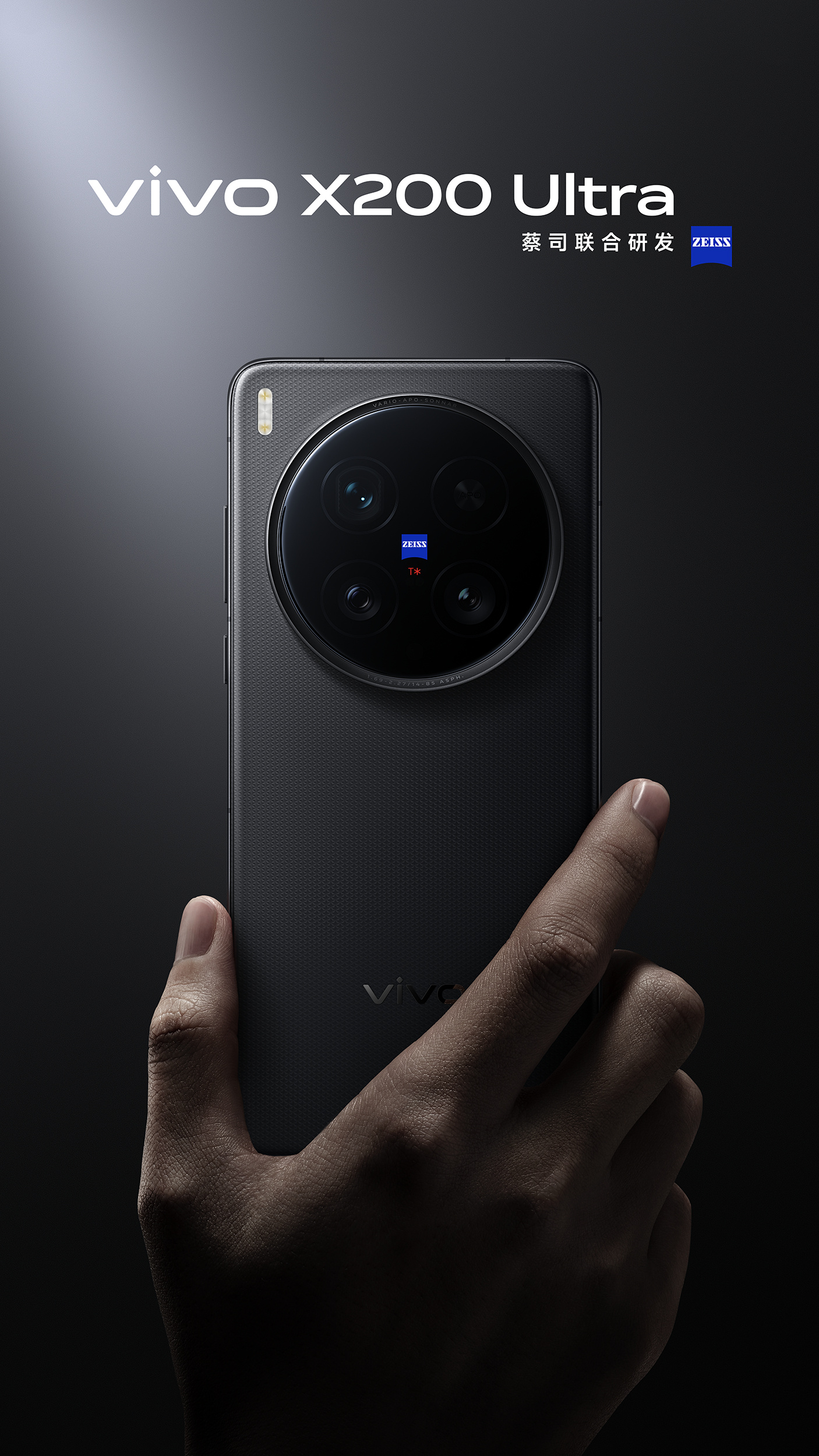
Vivo’s upcoming flagship, the X200 Ultra, has been making headlines for its advanced imaging capabilities. According to well-known tipster Digital Chat Station, the device will feature a professional camera-inspired design and industry-leading hardware. The leaks suggest that this phone might set a new benchmark for Android videography, even surpassing Apple’s iPhone.
Professional camera-inspired imaging system
Vivo X200 Ultra leak by DCS
According to the tipster, the upcoming Vivo X200 Ultra will be a camera powerhouse, taking inspiration from professional cameras. It is said to feature three high-end rear cameras, all with large sensors, ensuring exceptional image quality across different focal lengths. It is expected to include a 50-megapixel ultra-wide lens with an oversized sensor, a 50-megapixel main camera with a 35mm native focal length, and a 200-megapixel periscope telephoto lens with enhanced light intake. With this combination, Vivo aims to achieve a full-range large sensor setup across all focal lengths, something not seen before in the smartphone industry.
Additionally, the device is expected to include two self-developed imaging chips, enhancing image processing and video capabilities. Vivo is also reportedly working on a custom external professional imaging system, further pushing the device’s videography capabilities.
Reports have revealed that X200 Ultra will support 4K 120fps video recording across all focal lengths, ensuring seamless transitions between lenses. According to the tipster, these advancements could make the Vivo X200 Ultra the first Android smartphone to surpass the iPhone in video recording performance.
Beyond hardware upgrades, Vivo is taking a step further with the introduction of a dedicated Action Button for quick access to photography and videography functions. The company has also filed a “V单” (V-Single) trademark, hinting at its ambition to position the X200 Ultra as more than just a smartphone—a professional camera that can make calls.
Under the hood, the device will reportedly pack a Snapdragon 8 Elite chipset, a 2K quad-curved OLED display, and a 6,000mAh battery with fast charging. The X200 Ultra is expected to launch with the Vivo X200S in by mid-to-late April in China.
For more daily updates, please visit our News Section.
Nothing’s sub-brand, CMF, is reportedly working on its next TWS earbuds, the CMF Buds 2 Plus. The company has launched the CMF Buds Pro, CMF Buds, and Buds Pro 2 so far.
The upcoming Buds 2 Plus has recently appeared on the FCC certification website, which reveals key details about its design, battery, and features. While it’s unclear whether the Buds 2 Plus will succeed the original CMF Buds (released back in March 2024), the certification hints at notable upgrades within a familiar design language.
CMF Buds 2 Plus details
The CMF Buds 2 Plus (model number B184) will feature a square-shaped case with a rotating dial, similar to the CMF Buds Pro 2. This dial, expected to be called the ‘Smart Dial,’ will allow users to adjust volume, control playback, and customize settings, offering enhanced functionality compared to the original CMF Buds.
The case also bears the ‘CMF by Nothing’ branding at the bottom right corner, maintaining the brand’s minimalist aesthetic.
In terms of dimensions, the case measures 73mm x 64mm and weighs 105 grams. The earbuds themselves feature a semi-in-ear design. Although it’s unclear if they will include silicone ear tips. Each earbud is powered by a 53mAh battery, while the case packs a 460mAh one.
CMF BudsCMF Buds
The case of the upcoming Buds 2 Plus supports 3W input and 1.2W output, which means each earbud charges at 0.6W. Judging from the battery capacity, it should result in a decently fast charging speed. The Buds 2 Plus will also support Bluetooth Low Energy connectivity, which ensures seamless pairing and efficient operation.
While other details remain under wraps, the Buds 2 Plus could potentially launch alongside the Nothing Phone (3a) series on March 4. More information is expected to be revealed as we inch closer to the launch. To recall, the CMF Buds Pro 2 currently retails at Rs 4,299, while the original CMF Buds are available for Rs 2,499.
Sony is set to significantly upgrade the camera capabilities of its upcoming flagship, the Xperia 1 VII. According to a report from Japanese publication Sumahodigest, Sony is incorporating its latest Exmor T sensor across all three rear cameras. This marks a notable improvement over last year’s Xperia 1 VI, which featured the Exmor T sensor only on the primary camera.
What’s special about Exmor T sensors?
The Exmor T sensor, Sony’s newest stacked CMOS sensor, utilizes a 2-layer transistor pixel technology. It significantly reduces noise, enhances low-light performance, and improves dynamic range compared to the older Exmor RS sensor.
Sony Xperia 1 VI camera island
While the sensor sizes and megapixel counts are expected to remain unchanged—52 MP (48 MP effective) for the main camera, and 12 MP each for the ultrawide and telephoto cameras—the integration of Exmor T across all lenses could result in a smoother transition and more consistent colors between lenses. Not to mention this development is expected to uplift the overall photography experience.
Sony has a consistent track record of launching its Xperia 1 series phones in the second quarter. The Xperia 1 VII is expected to follow suit, with a likely launch in May 2024. Hopefully, more information will be revealed as we inch closer to the launch.
To recall, the Xperia 1 VI packs a 6.5″ 19.5:9 display with 1080 x 2340 resolution. It came with Android 14 and support for 3 major Android updates. On the inside, it packs the Snapdragon 8 Gen 3 chip, which is paired with UFS 4.0 storage for faster app loading and file transfer. There is a 5000mAh battery that supports 30W wired and 15W wireless charging.
By equipping all rear cameras with the Exmor T sensor, the Xperia 1 VII is poised to deliver a significant improvement in image quality. Nonetheless, the image processing also plays a crucial role here. So we will wait till the launch to test the phone ourselves and see how Sony takes advantage of the new technology. It will also be interesting to see how the 1 VII competes with the mainstream flagships such as the Galaxy S25 Ultra or the vivo X200 Pro that primarily focuses on computational photography.
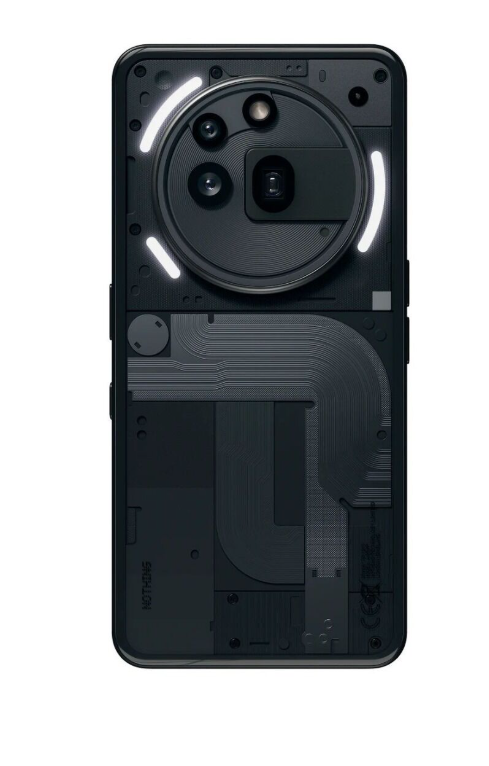
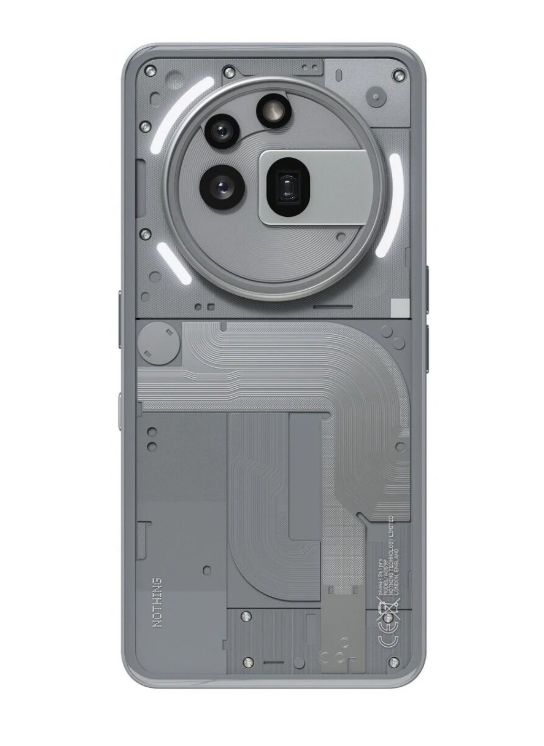
Nothing has always positioned itself as a disruptor in the smartphone space, leaning on bold aesthetics and a distinct visual language to stand out. With the Nothing Phone (3a) series, the brand has once again made a statement, this time by embracing a circular camera design, a format that has become increasingly common across the industry. However, Nothing’s take on this trend remains unique, thanks to its transparent design elements and the reworked Glyph interface.
Familiar Yet Fresh Camera Design
The Nothing Phone (3a) Pro, the series’ highlight, marks the first time the brand has integrated a triple-camera setup into its devices. Unlike the horizontally stacked sensors seen on previous models, the Pro variant features an eye-catching circular camera module. The round, protruding camera island is a departure from Nothing’s past designs, where the lenses were arranged more subtly into the transparent back panel.
This change aligns with the broader industry shift towards circular camera housings, a trend seen in brands like Xiaomi, OnePlus, and Vivo. However, Nothing ensures it doesn’t blend in with the crowd.
The circular camera bump on the Phone (3a) Pro is embedded within the signature transparent design, revealing the structural details underneath, maintaining the raw, mechanical aesthetic that has become Nothing’s hallmark. The layout is more than just a visual choice, it accommodates a periscope telephoto lens for the first time in a Nothing phone, enhancing zoom capabilities while preserving the brand’s signature design ethos.
Refining the Transparent Aesthetic for the Future
The transparency element remains a defining factor in Nothing’s design language, giving users a glimpse of the internal engineering of their devices. With the Phone (3a) Pro, this concept is refined further. The redesigned Glyph interface now features more granular control, allowing for new interactions and improved functionality.
The back panel continues to sport a semi-transparent look but with better integration between the components and the lighting elements. The redesigned glyph lights surround the camera module in a way that subtly highlights the circular design, making it both functional and aesthetically cohesive.
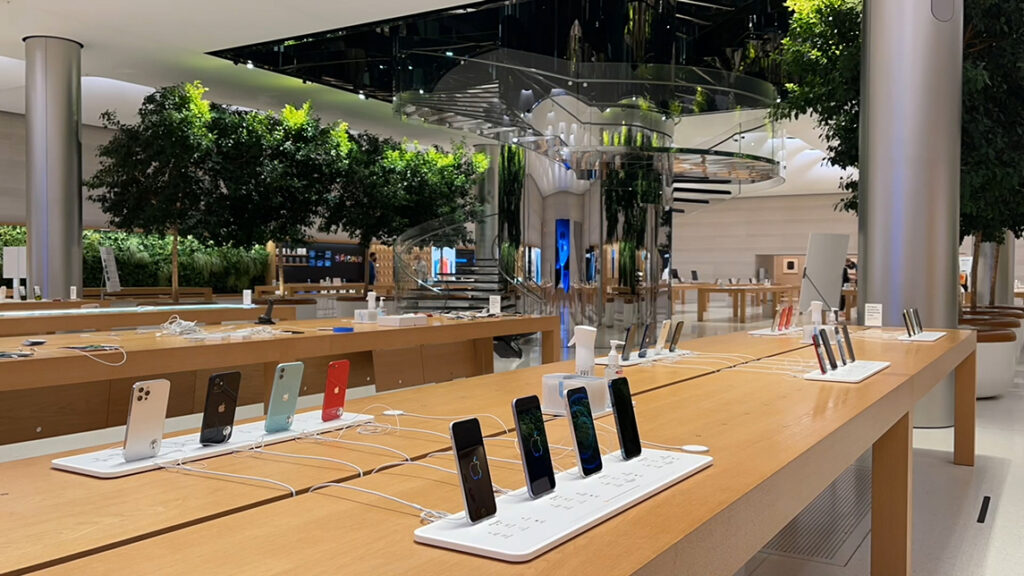
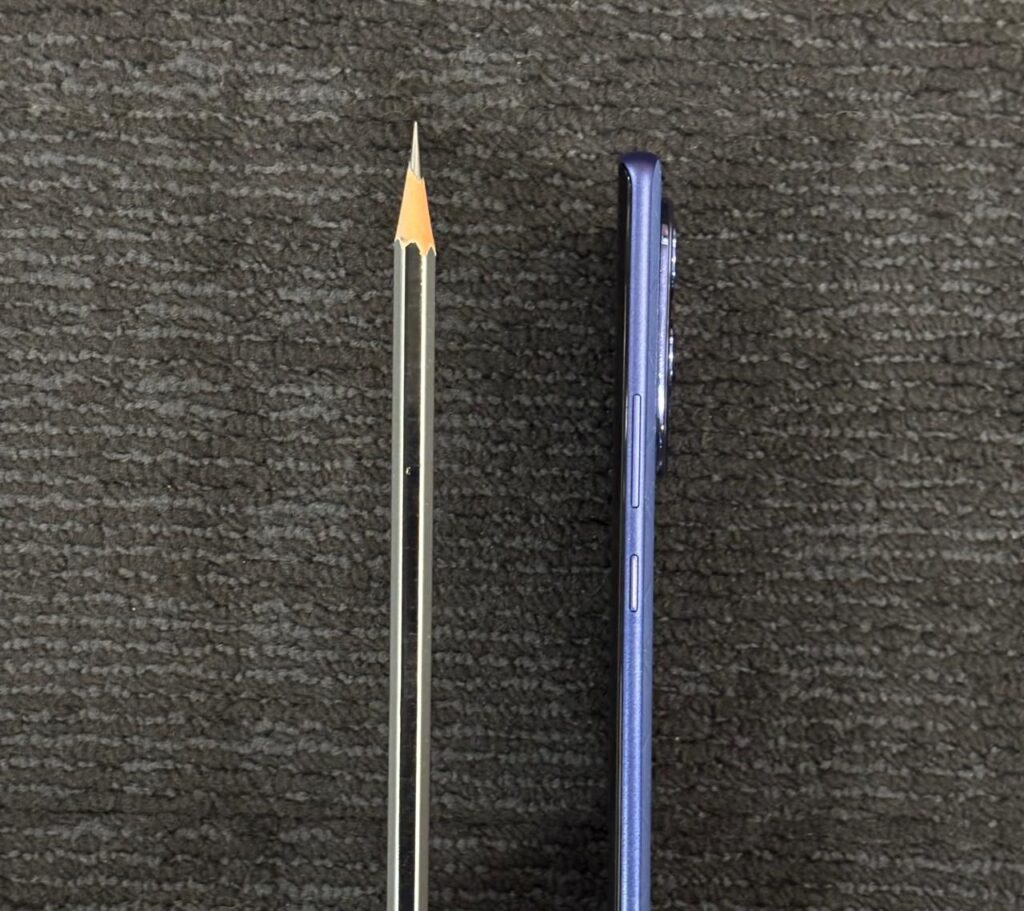
Nothing’s commitment to balancing form and function is evident in how the design has evolved. The new fourth glossy button on the right side possibly a customizable action button adds an extra layer of usability, a feature reminiscent of Apple’s Action Button on the iPhone.
The Pro variant’s periscope camera also posed a design challenge, as the module required more space than a conventional lens. Nothing’s designers had to find a way to fit it within their existing transparent framework without disrupting the sleek form factor.
While the Nothing Phone (3a) series continues the brand’s tradition of unconventional design, it also shows a willingness to adapt to industry trends in a way that aligns with its identity. The circular camera bump may not be groundbreaking in itself, but Nothing’s execution ensures it feels fresh and intentional.
With the upcoming launch, the Phone (3a) series reaffirms that Nothing isn’t just about aesthetics it’s about evolving a distinct design philosophy while keeping up with the demands of modern smartphone users.
For more daily updates, please visit our News Section.
Samsung appears to have quietly cancelled its development of the highly anticipated three-in-one wireless charger, which it announced alongside the Galaxy S25 series last month. The official product page for the charger has been removed, and it has led to speculation that the accessory may have been cancelled or at least delayed indefinitely.
The product page has been removed
The three-in-one wireless charger, which was expected to support the Qi2 standard via the Magnetic Power Profile (MPP), promised compatibility with both iPhones and Galaxy S25 series devices.
The S25 series models support the Qi 2 standard, but unlike recent iPhones, they don’t have magnets inside. So you will need to buy a case with built-in magnets to make the most of the 3-in-1 wireless charger.
Plus if you’re using an Ultra model, the magnets may interfere with the signals of your S Pen. So these are the aspects you need to keep in mind before choosing to wait for the wireless charger or getting a case with magnets.
Coming back to the 3-in-1 charger, the sudden removal of the product page has left many wondering whether it has been cancelled. While Samsung has yet to reveal anything officially, industry experts speculate that they may have encountered technical challenges that require significant changes to the product. It may have led to a delay or a cancellation of the product altogether.
The product page
Again, this is just speculation at this point. We will need to wait and observe if the product page reappears with certain changes.
If cancelled, it would be a missed opportunity for Samsung to capitalize on the growing demand for multi-device wireless charging solutions. As of now, the future of the accessory remains uncertain, leaving potential buyers in the dark.
Lenovo is starting 2025 with a strong entry into the high-end gaming PC market, building on last year’s model. At its latest launch event, the company introduced the Legion Blade 9000K 2025 AI Genesis Edition, a high-performance gaming desktop designed for both enthusiasts and creators.
Lenovo Legion Blade 9000K Specifications
The Lenovo Legion Blade 9000K comes in multiple configurations, featuring Intel Core Ultra 9 285K, Ultra 7 265K, and Ultra 5 processors. It also offers GPU options, including the Nvidia GeForce RTX 5080 and RTX 5090D, catering to different gaming and content creation needs.
To keep thermals in check, the Blade 9000K is equipped with a 360mm all-in-one liquid cooling system, capable of dissipating up to 280W of heat. Lenovo has also incorporated a matrix temperature control system and an optimized airflow design, ensuring stable performance even under extreme workloads.
The desktop is built around a Z890 chipset motherboard, offering 14+1+1+1-phase power delivery for stable overclocking and long-term reliability. It supports PCIe 5.0 expansion, four M.2 SSD slots, and additional PCIe slots for add-on cards. Memory-wise, it comes with 32GB of DDR5 5600MHz dual-channel RAM, expandable up to 192GB, ensuring smooth multitasking and fast data processing.
Storage options include a 1TB PCIe 4.0 SSD and an additional 1TB secondary PCIe SSD, both with dedicated heat dissipation armor to prevent thermal throttling. Users can further expand storage via four SATA 3.0 ports.
On the connectivity front, the Blade 9000K is well-equipped with Wi-Fi 7 and a 2.5Gbps Ethernet port, delivering ultra-fast and stable network performance. The rear I/O panel includes Thunderbolt 4, USB 3.2 Gen2, multiple DisplayPort 2.1 and HDMI 2.1b outputs, along with a 7.1-channel high-fidelity audio system powered by the ALC1220 codec.
The Lenovo Blade 9000K features HALO aesthetics with an ARGB “Night Star Gate” lighting system and a Titanium Mesh grey chassis for optimal airflow. It includes an independent GPU bracket for durability and is powered by an 850W 80 Plus Gold modular power supply, ensuring stable and efficient performance with upgrade potential.
Lenovo integrates Xiaotian AI, a local hybrid AI-powered assistant, designed to optimize system performance, assist in content creation, and provide intelligent system tuning. Xiaotian AI supports document summarization, text translation, AI-driven content generation, and more, positioning it as a powerful alternative to traditional software applications.
The Blade 9000K runs on Windows 11 and comes preloaded with Microsoft Office Home Edition. To ensure long-term reliability, Lenovo has subjected the system to 185 rigorous quality control tests, covering extreme temperature, pressure, drop, and static resistance testing.
Pricing and Availability
The Legion Blade 9000K 2025 AI Genesis Edition comes in three configurations, though only two are currently available.
The flagship Ultra 9 285K model (RTX 5080, 64GB RAM, 2TB storage) is priced at 25,999 yuan ($3,587), with a launch discount of 23,999 yuan ($3,311).
The Ultra 7 265K variant (RTX 5080, 32GB RAM, 2TB storage) costs 22,499 yuan ($3,104), discounted to 20,499 yuan ($2,828).
The top-tier configuration with an RTX 5090D has yet to be released.
Samsung Galaxy Z Fold 6 is retailing with some serious discounts on Samsung.com. The latest foldable offering from Samsung is listed with a $720 discount on the 512GB storage variant. The price is down from $2019.99 to $1299 right now. The premium smartphone is among the best foldable smartphones available globally.
Galaxy Z Fold 6 Deal Explained
The offer is applicable only on the select color models of Crafted Black and White. Moreover, the discounted price is visible only on the 512GB storage variant. Surprisingly, the smartphone with 256GB storage is available at the usual retail price of $15.99.99. It is better to grab the smartphone at such a discount, rather than regretting later.
However, the $1299 price is massive for a smartphone, but still considering the specifications and features, it is worth considering upgrading. Moreover, the 512GB storage further makes it a perfect choice.
Galaxy Z Fold 6 Features and Specifications
On the specifications and features side, the Galaxy Z Fold 6 features a 7.6-inch Dynamic LTPO AMOLED display offering a 2160 x 1856 pixel resolution. The secondary display measures 6.3 inches in size. It is powered with the Qualcomm Snapdragon 8 Gen 3 SoC and features 12GB RAM. Featuring the best cameras, and protection with Gorilla Glass Victus 2 saves it from the impacts if it falls inadvertently.
With a decent battery life and some best camera systems, the smartphone is all set to surprise you and ramp up your experience.
Please Note: When you buy something using the links in our articles, we may earn a small commission at no cost to you.
We use cookies on our website to give you the most relevant experience by remembering your preferences and repeat visits. By clicking “Accept”, you consent to the use of ALL the cookies.
This website uses cookies to improve your experience while you navigate through the website. Out of these, the cookies that are categorized as necessary are stored on your browser as they are essential for the working of basic functionalities of the website. We also use third-party cookies that help us analyze and understand how you use this website. These cookies will be stored in your browser only with your consent. You also have the option to opt-out of these cookies. But opting out of some of these cookies may affect your browsing experience.
Necessary cookies are absolutely essential for the website to function properly. This category only includes cookies that ensures basic functionalities and security features of the website. These cookies do not store any personal information.
Any cookies that may not be particularly necessary for the website to function and is used specifically to collect user personal data via analytics, ads, other embedded contents are termed as non-necessary cookies. It is mandatory to procure user consent prior to running these cookies on your website.