Advertisement

OnePlus Nord Buds 4 Pro review: A safe everyday choice

At Rs 3,999, the OnePlus Nord Buds 4 Pro sit in one of the most competitive segments in the TWS market right now. This is the price range where brands try to bring premium features like ANC, spatial audio, and multipoint connectivity to a wider audience. On paper, these earbuds tick most of the right boxes. I’ve been using the Raven Black variant for about a week, and the experience has been largely consistent, with a few expected compromises.

7Verdict

OnePlus Nord Buds 4 Pro

The OnePlus Nord Buds 4 Pro deliver a well-rounded experience for their price. They are comfortable, easy to use, and come with a feature set that covers most everyday needs, from ANC and multipoint connectivity to low-latency gaming mode.

At the same time, they don’t try to push boundaries in any one area. Instead, they focus on delivering a consistent and reliable experience across the board.

For Rs 3,999, these earbuds are best suited for casual listeners, commuters, and users looking for a dependable pair of TWS earbuds without overthinking the details. Personally, I found them to be a good everyday option—but not necessarily the most exciting one in this segment.

For more daily updates, please visit our News Section.

Stay ahead in tech! Join our Telegram community and sign up for our daily newsletter of top stories! 💡

Next

China’s Unitree Sells Cheapest Humanoid Robots Online with R1 Global Launch

Unitree Robotics is set to launch its cheapest humanoid robot, the R1, in global markets next week. What makes this launch stand out is the sales strategy. Unitree is taking humanoid robots directly to online platforms, starting with AliExpress. This marks a shift from traditional enterprise sales to a more accessible, e-commerce-driven approach.

The initial rollout will cover North America, Europe, Japan, and Singapore. The company is also joining Alibaba’s Brand+ channel, which brings benefits like free shipping, free returns, and better global visibility. More online and offline sales channels are expected to follow.

Unitree R1

R1 Robot: Built for Motion, Priced for Access

The R1 was first launched in China in 2025 at a starting price of 29,900 yuan (around $4,370), making it one of the most affordable humanoid robots available. While global pricing is still unannounced, the company is expected to keep it competitive.

Standing 123 cm tall and weighing over 27 kg, the R1 is designed for dynamic movement. It can perform cartwheels, run downhill, stand up from the ground, and execute complex routines. The “Born for sport” positioning highlights its focus on agility and motion rather than industrial tasks.

From Labs to Online Buyers

Unitree’s move to sell robots online signals a major shift in how humanoid machines are marketed and distributed. Until now, most robots were sold through enterprise deals or research contracts. By listing on platforms like AliExpress, Unitree is opening access to developers, educators, and even early consumers globally.

This builds on its existing customer base, where around 70% of shipments in 2025 went to universities and research institutions. The online model could further expand this ecosystem.

Unitree R1

Scaling Fast with a Low-Cost Strategy

The company shipped over 5,500 humanoid robots in 2025, far ahead of competitors like Tesla, Figure AI, and Agility Robotics, which delivered around 150 units each. Unitree now aims to ship 10,000 to 20,000 units in 2026.

Its cost advantage comes from a highly localized supply chain, with over 80% of components sourced within China. This allows it to price robots far below global averages, where similar machines can cost up to $300,000.

A New Phase for Consumer Robotics

Unitree’s online-first global launch could reshape the humanoid robotics market. By combining low pricing with e-commerce accessibility, the company is testing real-world demand beyond labs and factories.

If successful, this approach could accelerate adoption and bring humanoid robots closer to mainstream buyers much faster than expected.

Read More:

Vivo, iQOO phones eligible for Android 17 (OriginOS 7) update
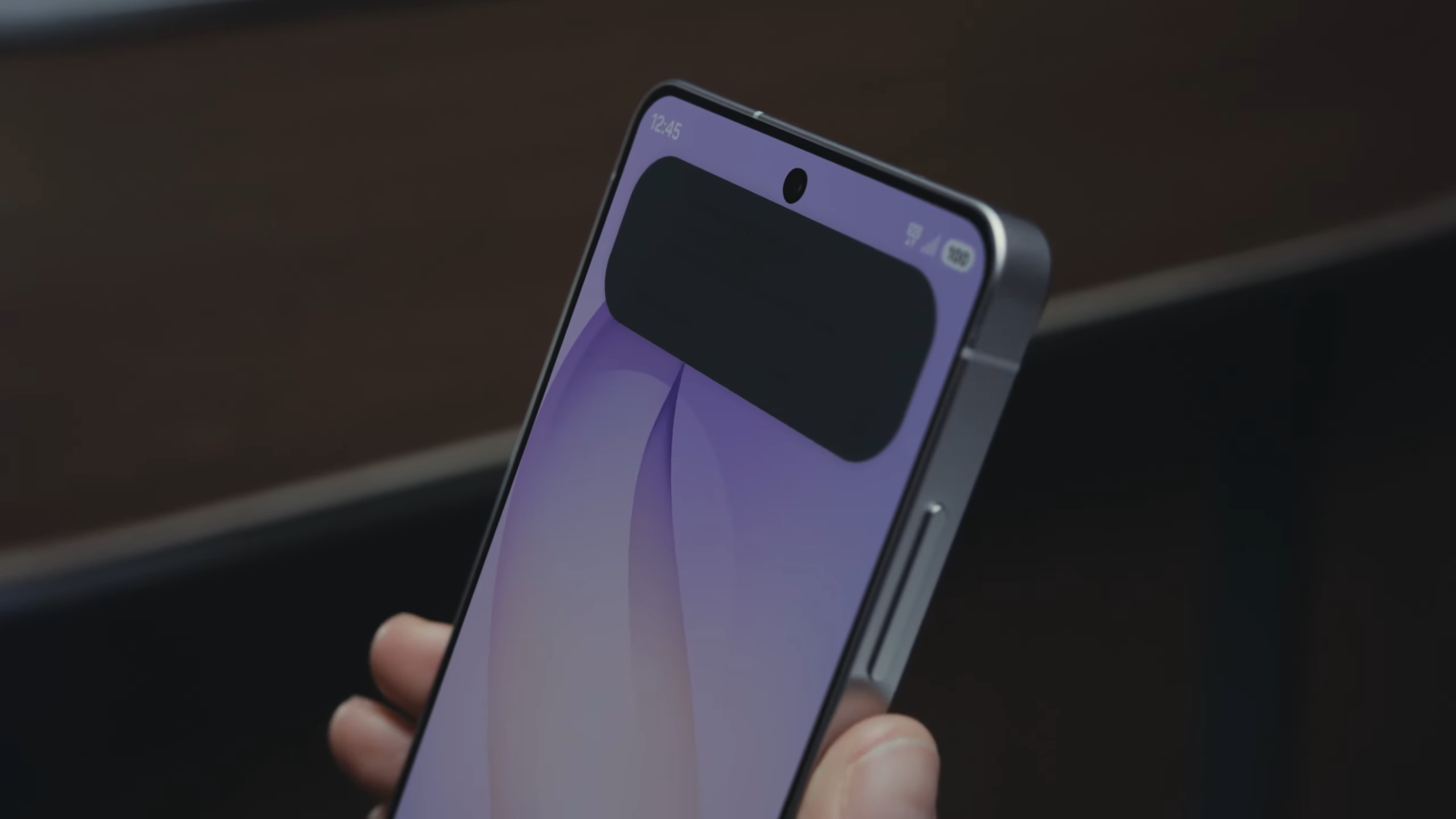
vivo, iqoo Android 17 update

Vivo has almost wrapped up its Android 16-based OriginOS 6 rollout and has already started working on Android 17. In fact, the company has already released Android 17 beta builds for a few devices via the Developer Preview program.

Now that Android 17 betas are out for Vivo phones, you may be wondering if your Vivo or iQOO phone is eligible for the Android 17 upgrade. We’ve included the complete list in this post. Review it below to find out if yours made the cut.

Note that Vivo hasn’t officially announced the list yet. So, this one is based on the current update policy and the company’s past track record.

Vivo Android 17 (OriginOS 7) eligible devices list

Vivo X-series

  • Vivo X300
  • Vivo X300 Pro
  • Vivo X300 Ultra
  • Vivo X300 FE
  • Vivo X200
  • Vivo X200 Pro
  • Vivo X200 FE
  • Vivo X200T
  • Vivo X100
  • Vivo X100 Pro

Vivo V-series

  • Vivo V70
  • Vivo V70 FE
  • Vivo V70 Elite
  • Vivo V60
  • Vivo V60e
  • Vivo V60 Lite
  • Vivo V60 Lite 4G
  • Vivo V50
  • Vivo V50e
  • Vivo V50 Lite
  • Vivo V50 Lite 4G
  • Vivo V40
  • Vivo V40 Pro

Vivo T-series

  • Vivo T4
  • Vivo T4 Pro
  • Vivo T4 Ultra
  • Vivo T4 Lite
  • Vivo T4x
  • Vivo T4R

Vivo Y-series

  • Vivo Y400
  • Vivo Y400 4G
  • Vivo Y400 Pro
  • Vivo Y400 Pro+
  • Vivo Y300 GT
  • Vivo Y300t
  • Vivo Y300i
  • Vivo Y51 Pro
  • Vivo Y31d 4G
  • Vivo Y21 (2026)
  • Vivo Y11 (2026)
  • Vivo Y05 4G

iQOO Android 17 (OriginOS 7) eligible devices list

iQOO flagship phones

  • iQOO 15
  • iQOO 15 Ultra
  • iQOO 15R
  • iQOO 13
  • iQOO 12
  • iQOO 12 Pro

iQOO Z-series

  • iQOO Z11x
  • iQOO Z10
  • iQOO Z10x
  • iQOO Z10R
  • iQOO Z10 Lite

iQOO Neo-series

  • iQOO Neo 10
  • iQOO Neo 10R
  • iQOO Neo 9 Pro

If you can spot your Vivo or iQOO phone on the list above, it’s almost certain to receive the Android 17 update once the rollout begins, which will likely come with the OriginOS 7 skin at the top.

Many Vivo phones lack a clear software update policy. For these devices, it’s hard to know if they will be upgraded to Android 17. So, to keep the list as accurate as possible, we didn’t include devices we weren’t confident about, but they might still have a chance. So, if your device isn’t on the list, it’s best to wait until the official list is released.

Also read: Check out new features and upgrades in Android 17

As for Vivo’s Android 17 Developer Preview program, it’s currently open for Vivo X300 Pro and iQOO 15, with no official confirmation about its expansion to more devices. Meanwhile, Google continues to refine Android 17 to prepare for a stable release around June 2026. It has already released three betas, and as a result, the upcoming Android OS has reached platform stability.

We’ll keep updating you with the latest Android 17 details in the Android 17 section on this website. So, remember to visit that page once in a while to stay updated. Or join our Telegram channel to get instant notifications when we publish a new story.

Alibaba’s Qwen Dominates Open-Source AI: Nears 1 Billion Downloads

Highlights

  • Alibaba’s Qwen models are nearing 1 billion downloads, dominating open-source AI globally
  • Qwen holds over 50% of total downloads, far ahead of global competitors
  • Growth is driven by aggressive pricing, strong performance, and an open-source strategy

Alibaba’s Qwen AI models are rapidly emerging as the global leader in open-source artificial intelligence. As of March 2026, the Qwen model family has reached around 942 million total downloads, with a massive 153.6 million downloads recorded in February alone. This puts Qwen significantly ahead of competitors, with more than double the combined downloads of the next eight players.

A major boost came from the launch of Qwen 3.5 in February 2026. The latest version delivers major improvements in both speed and efficiency. It is reported to be up to eight times faster and around 60% cheaper than its predecessor, making it highly attractive for developers and businesses.

Qwen’s rise also reflects a broader shift in the global AI landscape. Since mid-2024, Chinese open-source models have overtaken their US counterparts in total downloads. Earlier releases like Qwen 2.5 played a key role in this transition by accelerating adoption worldwide.

The company’s strategy focuses on offering powerful yet low-cost models to drive mass adoption. This approach helps build a large developer ecosystem, which is later monetized through cloud services. As a result, Qwen is not just gaining popularity but also strengthening its position in the global AI race.

Competitors: Still Far Behind Qwen

Qwen’s closest rival, Meta’s Llama, is now significantly behind, with estimates suggesting a gap of hundreds of millions of downloads. Fast-growing players like DeepSeek have seen sharp spikes in popularity, but still lag far in total usage. Meanwhile, other models from Nvidia and smaller AI firms show steady but limited adoption. Overall, no competitor currently matches Qwen’s scale, making its lead both clear and rapidly widening.

(via)

Casio G-Shock 2026 Summer Collection Brings Color-Changing Glass and Compact Design

Casio has introduced its G-Shock Summer Resort 2026 series, adding four new models to its lineup. The range includes the GMA-P2100SR-1A, GMA-P2100SR-7A, GM-S2110SR-1A, and GM-S2110SR-7A, combining compact designs with seasonal styling and standard G-Shock durability.

G-shock GM-S2110

A key design element across all models is the polarized vapor deposition glass. This finish shifts color depending on the viewing angle, creating a changing tint effect. The GMA-P2100SR-1A and GM-S2110SR-7A use green-tinted glass, while the GMA-P2100SR-7A and GM-S2110SR-1A feature a pink tint. Each unit has slight variations due to the coating process, and visibility may vary under certain lighting conditions.

The GM-S2110SR models use an octagonal case with a silver-tone stainless steel bezel. Strap options include a dark gray resin band on the GM-S2110SR-1A and a white resin band on the GM-S2110SR-7A. The GMA-P2100SR models use a round case with a translucent resin bezel and strap, available in black for the -1A variant and clear for the -7A version.

Both series are built in a compact form factor aimed at smaller wrists. The case measures 46 × 40.2 × 11.2 mm and weighs 40 g. Construction includes a resin case and bezel, a resin band, mineral glass, and shock resistance. Water resistance is rated at 200 meters. The watches run on a CR1025 battery with an estimated life of around three years.

Features include world time with 31 time zones covering 48 cities and UTC, a 1/100-second stopwatch, countdown timer up to 24 hours, five daily alarms, and an hourly time signal. Additional functions include double LED lighting for analog and digital displays, full auto calendar to 2099, mute option, ±15 seconds per month accuracy, and 12/24-hour format. The display combines analog hands with a digital panel and includes a hand shift feature.

In Japan, the GMA-P2100SR models are priced at ¥19,800 ($124), while the GM-S2110SR variants cost ¥30,250 ($190). Global availability is expected, though release timelines outside Japan have not been confirmed. Some models are expected to arrive later this month in markets outside of Japan.

For more daily updates, please visit our News Section.

Stay ahead in tech! Join our Telegram community and sign up for our daily newsletter of top stories!

Motorola Razr 70 official-looking renders reveal design, color options

Motorola’s Razr 70 has shown up in a new set of leaked renders, giving a clearer look at the design ahead of its expected launch. This comes not long after leaks around the Razr 70 Ultra and the Edge 70 Pro, so things seem to be picking up pace.

The images, shared by sources including YTechB, show the phone in three Pantone color options: Sporting Green, Hematite, and Violet Ice. There’s also talk of a fourth color. The green variant looks the most eye-catching, while the others lean a bit more toward neutral tones. Some reports also mention different textures depending on the color, possibly including a fabric-like or patterned finish.

In terms of design, not much seems to have changed. It still follows the same clamshell layout as before, with a large foldable screen inside and a smaller cover display on the outside. The inner display is expected to be around 6.9 inches, while the outer one sits at about 3.6 inches, which should be enough for quick interactions without unfolding the phone.

On the hardware side, there are a few upgrades being mentioned. The Razr 70 is said to come with 8GB, 12GB, or even 16GB of RAM, along with storage options going up to 1TB. The camera setup is also shifting a bit: instead of an ultrawide, the phone may use a 50MP, 3x telephoto paired with a 50MP main camera. There’s also a 32MP front camera.

Battery capacity is expected to be around 4,500mAh, the same as last year. Details about the chipset are still unclear, though it’s likely to be an upgrade over the previous model. The Razr 60 uses the 4nm MediaTek Dimensity 7400X, a mid-range chip aimed at balanced performance. For those looking for more raw power, the Razr 70 Ultra is expected to use the top-end Snapdragon 8 Elite Gen 5, an upgrade over the 8 Elite in the Razr 60 Ultra.

Overall, the Razr 60 looks more like a refinement than a big redesign. Motorola seems to be adjusting things like camera setup and memory options while keeping the familiar form factor intact. With multiple leaks now surfacing, an official announcement probably isn’t too far off.

Don’t miss a thing! Join our Telegram community for instant updates and grab our free daily newsletter for the best tech stories!

For more daily updates, please visit our News Section.

(Source)

OnePlus official starts teasing Ace 6 Ultra ahead of launch

OnePlus may have just started teasing a new addition to its Ace lineup, likely the rumored OnePlus Ace 6 Ultra. The device has been circulating in leaks for weeks, but now there’s a more official signal that its launch might not be far off.

The hint comes from Li Jie Louis, President of OnePlus China, who recently suggested that a new “OnePlus Ace” phone is coming soon. While he didn’t explicitly name the Ace 6 Ultra, the timing lines up closely with recent certifications and leaks surrounding the device.

For instance, the phone recently appeared on China’s MIIT certification platform with the model number PMB110. These regulatory listings don’t reveal much on their own, but they usually indicate that a launch is getting closer.

OnePlus Ace 6 Ultra specifications

On the hardware side, the phone could feature a 6.8-inch OLED display with a 165Hz refresh rate.

As per previous reports, the OnePlus Ace 6 Ultra will have a 16-megapixel front camera. On the back, it is expected to include a 50-megapixel main camera along with an 8-megapixel ultra-wide sensor.

OnePlus-Ace-6T
OnePlus Ace 6T

Powering the device will likely be the MediaTek Dimensity 9500 chip paired with an 8,500mAh battery. Memory options are said to include configurations such as 12GB+256GB, 12GB+512GB, 16GB+256GB, 16GB+512GB, and 16GB+1TB. In terms of color options, the device may be available in Black and Titanium.

The Ace 6 Ultra is expected to go head-to-head with the Redmi K90 Max. The two are rumored to share the same chip, battery capacity, and refresh rate. Redmi has already started teasing the phone ahead of its expected launch this month.

As for global availability, it remains unclear whether the company plans to launch a tweaked version of the Ace 6 Ultra worldwide. In the past, a modified version of the Ace 6T was released globally under the OnePlus 15T moniker.

For more daily updates, please visit our News Section.

Stay ahead in tech! Join our Telegram community and sign up for our daily newsletter of top stories! 💡

(Source)

REDMI Pad 2 SE teaser reveals key details ahead of April launch

REDMI has a new tablet on the way, and it looks like a smaller, more affordable option. The Pad 2 SE has been officially teased, with the launch expected later this month in China.

From what the company has shared so far, the focus seems to be on the display and overall usability rather than raw performance. Lu Weibing is calling out a “high refresh rate and high brightness screen,” which is pretty much what you’d expect from its budget tablets lately.

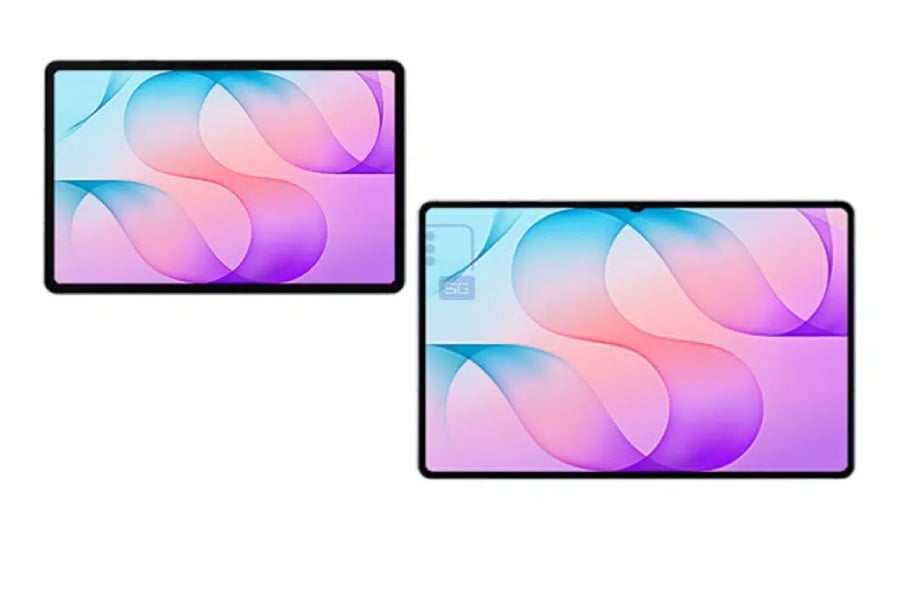
The tablet uses a 9.7-inch 2K display, which is an interesting size: not too big, not exactly compact either. It should work fine for things like watching videos or reading, and still be easy enough to carry around. It also comes with TÜV Rheinland eye protection certifications, so there’s some attention to long-term viewing comfort as well.

Design is another area Xiaomi is highlighting. The Pad 2 SE features a metal unibody design. The durability probably just makes the tablet feel a bit nicer in hand overall.

There’s a 7600mAh battery inside, which sounds about right for this size. No detailed claims yet, but it should be enough for a full day with regular use.

The Pad 2 SE will go official alongside a few other products, including the REDMI Book Pro 2026 and the K90 Max. So it looks like Xiaomi is grouping everything into a single event again.

Not everything is known yet: pricing and full specs are still missing. But based on what’s been shared, the Pad 2 SE looks like a fairly straightforward device, with a bit more focus on the display and build quality.

Don’t miss a thing! Join our Telegram community for instant updates and grab our free daily newsletter for the best tech stories!

For more daily updates, please visit our News Section.

(Source: Lu Weibing on Weibo)

Oppo Enco R5 spotted on China Telecom with semi-in-ear design

Oppo seems to have another pair of budget earbuds in the works. The Enco R5 has now appeared in China Telecom’s product database, revealing an updated design.

The listing shows the earbuds under the model number ETEG1, and one of the noticeable changes this time is the move to a semi-in-ear design. That usually means a looser fit compared to in-ear tips, which some people prefer for longer use. It also tends to let in a bit more ambient sound, which can be either good or bad depending on how you use them.

There’s only one color mentioned so far, Frost Moon White, which is a standard clean finish. Nothing too unusual there.

As for the case, it looks fairly compact, coming in at around 49 × 49 × 24 mm and weighing roughly 39 grams. That should make it easy enough to carry around without thinking about it too much.

Each earbud is said to use a 12.4mm dynamic driver. That’s not uncommon in this segment, and it should be fine for everyday listening, though tuning will matter more than the size itself.

The feature list is pretty straightforward. There’s AI call noise reduction, dual-device connectivity, and an IP55 rating, so it should handle things like light rain or workouts without issues. Nothing particularly new here, but it covers the basics.

For comparison, the previous Enco R4 had a similar setup but used an in-ear design instead. It was positioned as a budget option, bundled with phones rather than sold on its own.

With the R5, Oppo seems to be tweaking the formula slightly, mainly focusing on design and ambient awareness.

There’s still no mention of battery life or pricing in the listing. That will probably come later when Oppo makes it official.

Don’t miss a thing! Join our Telegram community for instant updates and grab our free daily newsletter for the best tech stories!

For more daily updates, please visit our News Section.

(ITHome)

Samsung One UI 8.5 beta program: Full list of supported devices

Samsung One UI 8.5 beta supported devices

Samsung has launched beta programs for every minor One UI update in recent years, though they were mostly limited to Galaxy foldable phones. One UI 8.5, based on Android 16 QPR2, changes that tradition, as the beta also reaches many other Galaxy devices, including mid-range Galaxy A-series phones.

Review the list below to find out if your Galaxy device is eligible for the One UI 8.5 beta program.

Galaxy devices eligible for One UI 8.5 beta program

  • Galaxy S25
  • Galaxy S25+
  • Galaxy S25 Ultra
  • Galaxy S25 FE
  • Galaxy S24
  • Galaxy S24+
  • Galaxy S24 Ultra
  • Galaxy S24 FE
  • Galaxy S23
  • Galaxy S23+
  • Galaxy S23 Ultra
  • Galaxy Z Fold 7
  • Galaxy Z Flip 7
  • Galaxy Z Fold 6
  • Galaxy Z Flip 6
  • Galaxy Z Fold 5
  • Galaxy Z Flip 5
  • Galaxy A55
  • Galaxy A36
  • Galaxy A35

Note that the One UI 8.5 beta program is live in six markets, including India, Korea, Germany, Poland, the US, and the UK. So, if you have a Galaxy device that’s on the list and you live in a supported region, you can sign up for the beta program to get early access to the upcoming features and upgrades.

We can expect the list to grow in the coming weeks as more Galaxy devices join the One UI 8.5 beta program. We will update the list when that happens.

Related: Check if your Galaxy device is eligible for One UI 8.5 update

How to get One UI 8.5 beta on your Galaxy device

One UI beta program banner in Samsung Members app

Keep in mind that beta builds may contain bugs and broken features. If you are okay with that, follow these steps to get the One UI 8.5 beta on your device.

Remember to back up important data for added safety.

  1. Open the Samsung Members app on your phone.
  2. Make sure you’re signed in to the app with your Samsung account. 
  3. Tap on the One UI Beta Program banner. If you don’t see this, the beta program isn’t currently available for your device.
  4. Accept the terms and conditions to enroll in the beta program.
  5. Go to Settings > Software updates and tap Download and install.
  6. Once the download is completed, tap Install now.

We’ll keep updating you with the latest developments related to One UI in our Samsung section. You can visit the section regularly for the latest updates. Or, join our Telegram channel to get instant notifications about the latest software updates and breaking tech news.

Oppo reveals Find X9s Pro design in four color options

After the Find X9 Ultra, Oppo has now revealed the design of the Oppo Find X9s Pro ahead of its April 21 launch. It brings a noticeably new look to the back. Instead of a traditional camera island, the phone uses a horizontal layout that stretches across the upper portion of the device.

Inside that layout sits a square camera module, integrated into the design on the left side, while the right side has a visible step. The flash sits outside this camera module. 

As for color options, the Oppo Find X9s Pro will be available in Wind Rider Green, Free White, Energetic Orange, and Native Titanium.

Oppo Find X9s Pro Specifications

The Find X9s Pro uses a flat 1.5K display on the front, paired with a right-angled metal frame.

As expected, cameras are the centerpiece here. The Find X9s Pro is said to feature a dual 200-megapixel system co-developed with Hasselblad, including both a main and telephoto sensor. Oppo is also adding a teleconverter-style function for long-distance shooting. 

Alongside that, the phone includes a second-generation Danxia color system, a new LUMO imaging engine, and an updated Hasselblad Master Mode with native film-style output. Video recording goes up to 8K.

Under the hood, the device is powered by the Dimensity 9500 chipset, paired with a notably large 7,025mAh battery. For top up, it supports 80W wired and 50W wireless charging.

Other features include a 144Hz display, an eye-protection panel capable of dimming down to 1 nit brightness, ultrasonic fingerprint unlocking, and full IP66, IP68, and IP69 water resistance ratings. The phone will also run ColorOS 16 out of the box.

The Oppo Find X9s Pro smartphone will launch at 19:00 on April 21st. In addition to the Find X9s Pro and Find X9 Ultra smartphones, Oppo will also unveil the Enco Clip 2 earphones.

 For more daily updates, please visit our News Section.

Stay ahead in tech! Join our Telegram community and sign up for our daily newsletter of top stories! 💡

DJI Osmo Pocket 4 launch date confirmed

DJI is getting ready to update its pocket gimbal camera lineup, with the Osmo Pocket 4 series now officially set to launch on April 16 at 12 PM (GMT). The new models look like they’ll build on the Pocket 3, with a focus on image quality and a few practical upgrades.

The company has already shared a teaser with the line “A myriad of images in an inch…” (translated from Chinese), which seems to point toward the sensor. As expected, low-light performance and dynamic range are likely areas of improvement.

From what’s been shown so far, the standard Osmo Pocket 4 sticks to the familiar design: a compact body with a camera mounted on top and a small rotatable screen below. There are also physical controls around the hinge area, including a zoom toggle and a customizable button.

There’s also talk of a Pro version, which could introduce a dual-camera setup. That part hasn’t been officially detailed yet, but it suggests DJI might be aiming for a bit more flexibility in terms of focal lengths or shooting modes.

On the hardware side, the standard model is expected to use a 1-inch sensor with up to 14 stops of dynamic range. It should also support 10-bit D-Log, which is useful if you’re planning to do color grading later.

A couple of smaller but practical upgrades are also mentioned. The device may come with 107GB of built-in storage, along with transfer speeds of up to 800MB/s, which should make moving footage a bit quicker.

Overall, it looks like DJI is keeping the same compact form factor but trying to improve the things that matter most for everyday shooting: better dynamic range, easier controls, and faster workflow.

We’ll know more once the company officially unveils the series later this week.

Don’t miss a thing! Join our Telegram community for instant updates and grab our free daily newsletter for the best tech stories!

For more daily updates, please visit our News Section.

(Source: DJI on Weibo)

Nothing CMF Phone (3) Pro to switch to Snapdragon, key specs leak

Nothing’s sub-brand CMF announced the CMF Phone 2 Pro in April last year. As the company refreshes the lineup once a year, early details about its successor are starting to surface right on schedule.

A new report from Android Headlines has revealed the specs of the CMF Phone 3 Pro ahead of its launch. Let’s learn about it. 

Nothing CMF Phone (3) Pro Specifications (Rumored)

According to the report, one of the biggest changes this generation could be the processor. The upcoming phone is expected to move away from MediaTek chips and instead use a Qualcomm Snapdragon 7s Gen 4. The CMF Phone 2 Pro, by comparison, uses a Dimensity 7300 Pro processor.

The phone is also said to have a rated battery capacity of 5,090mAh, with a typical capacity of around 5,400mAh. That will be paired with support for 45W wired charging, up from 33W on the previous model.

Design-wise, the changes seem more subtle. The mid-frame could switch from plastic to metal, which may improve both in-hand feel and durability.

cmf-phone-2-pro-review-08

Likewise, the rear camera layout is said to stay mostly the same, although the flash placement has reportedly been adjusted to create more space between the third camera and the dual-camera setup on the left.

The display is tipped to be an AMOLED panel with a resolution of 2392 × 1080, along with a centered punch-hole cutout for the front-facing camera.

There’s no official confirmation yet from Nothing or CMF, and details could still change before launch. Still, if the report is accurate, the CMF Phone 3 Pro looks like a modest but deliberate update that will focus on incremental improvements rather than a major overhaul.

Don’t miss a thing! Join our Telegram community for instant updates and grab our free daily newsletter for the best tech stories!

For more daily updates, please visit our News Section.

(Source)

Huawei Pura 90 Pro series launching on April 20: Here’s your first look at the bold new design

Huawei today confirmed that its next-generation Pura series will debut on April 20 in China, where the company will unveil the Pura 90 Pro and Pura 90 Pro Max. Pre-reservations for both devices kick off today at 12:08 PM China time, according to Huawei’s official Weibo account.

In the lead-up to the launch, Huawei has already shown off the design of two phones, and, to its credit, it’s not playing things too safe.

Both models feature a gradient finish across all of their color options, except black and white. This isn’t the first time Huawei has used gradients on its phone colors. The P20 and P30 series also experimented with similar finishes across select colorways. 

Around the back, there’s a rounded triangular camera module, paired with flat sides that give the phones a more structured, almost industrial look.

The teasers confirm that both the Pro and Pro Max share this overall design language, though the silhouette doesn’t stray too far from last year’s Pura 80 lineup.

Huawei Pura 90 Series Specifications (Expected)

On the hardware side, the Pura 90 Pro and Pro Max are both expected to use either the Kirin 9030 or the Kirin 9030 Pro processor. The phones will likely run HarmonyOS 6.1 out of the box.

Huawei may also bring its HyperSpace Memory technology to the series. Previously introduced on the Mate 80 Pro Max, it focuses on improving memory efficiency, allowing a 16GB RAM configuration to deliver an experience closer to 20GB through compression.

As expected, cameras remain a major focus for the Pura lineup. The Pura 90 series is rumored to feature a second-generation Maple Imaging System, along with a large 200-megapixel periscope telephoto lens.

`We should learn more about the new phones in the lead-up to launch.

Don’t miss a thing! Join our Telegram community for instant updates and grab our free daily newsletter for the best tech stories!

For more daily updates, please visit our News Section.

Xiaomi Robot Vacuum and Mop 6 debuts with 28,000 Pa suction, 80°C hot water cleaning, and obstacle avoidance

Xiaomi has added a new model to its Mi Home robot vacuum lineup in China, as a more accessible option under the Robot Vacuum and Mop 6 series. It sits below the Pro version that launched recently, but still brings a few noticeable upgrades over the previous generation.

One of the main changes in the standard Robot Vacuum and Mop 6 is the bump in suction power, now rated at 28,000 Pa, up from 23,000 Pa of the Mop 5 Pro. On paper, that should help with picking up finer dust and debris, especially from carpets. But the bigger shift seems to be on the mopping side. Xiaomi has moved away from rotating pads and is now using a roller-style mopping system. The roller is fed with clean water continuously, while a built-in scraper collects dirt, which should help avoid spreading it around during cleaning.

The robot also uses a main brush along with two extending side arms to better reach corners and edges. It’s relatively slim at 90 mm, so it should be able to go under most furniture. For navigation, onboard cameras are used for obstacle detection, with Xiaomi claiming support for recognizing up to 220 types of objects. It can also cross small thresholds of up to 40 mm.

The docking station handles a few of the maintenance tasks. It supports 80°C hot water mop washing, and the tray can be removed for cleaning. Like other Xiaomi smart devices, the robot can be controlled through the app and tied into a wider smart home setup.

In China, the vacuum is priced at CNY 2,699 (roughly $395), making it cheaper than the Pro model. There’s no word yet on a global launch, but based on past releases, it could show up in other markets under a slightly different name.

Overall, this looks like Xiaomi trying to bring some of its newer cleaning features into a more affordable model. It doesn’t do everything the Pro version does, but it covers the basics, with a few practical upgrades along the way.

Don’t miss a thing! Join our Telegram community for instant updates and grab our free daily newsletter for the best tech stories!

For more daily updates, please visit our News Section.

(Source: Xiaomi Youpin)

Ai+ Pulse Tab for Rs 9,999 brings with 10.95-inch display, 8000mAh battery; NovaPod Beats, Air debut alongside

Ai+ also introduced a new tablet and a pair of earbuds alongside the Nova Flip, Nova 2, Nova 2 Ultra, and RotateCam 4G in India yesterday. The newly launched Ai+ PulseTab, along with the NovaPod Beats and NovaPods Air, offers a blend of entertainment-focused features and accessible pricing, making them appealing for everyday use.

Ai+ PulseTab specifications, features, price and availability

Ai+ Pulse Tab
Ai+ Pulse Tab

The Ai+ PulseTab comes with a 10.95-inch IPS LCD display that offers FHD+ resolution and a 90Hz refresh rate, making it suitable for streaming, reading, and casual gaming. The panel supports up to 400 nits of brightness and is paired with quad speakers for an improved multimedia experience. The tablet is powered by the MediaTek Helio G88 chipset, coupled with 6GB of RAM and 128GB of storage, which can be expanded further via a microSD card.

For optics, the device features a 13-megapixel rear camera and an 8-megapixel front camera, which should handle basic photography and video calls. It runs on Android 16-based NxtQ OS and is backed by an 8,000mAh battery, which is expected to last through a full day of regular usage. While it supports Wi-Fi, it lacks a SIM slot for cellular connectivity.

The Ai+ Pulse Tab is priced at Rs 9,999 for the single 6GB+128GB variant and will be available in India starting May through Flipkart and select retail outlets.

Ai+ NovaPod Beats, NovaPods Air key features, price and availability

Ai+ NovaPod Beats
Ai+ NovaPod Beats

Alongside the tablet, Ai+ has also introduced two new true wireless earbuds. The NovaPod Beats comes with 13mm drivers and supports active noise cancellation (ANC), along with features like real-time heart rate and SpO2 monitoring. It offers up to 4 hours of playback and supports fast charging. The earbuds are priced at Rs 1,599 and will be available from May via Flipkart and retail stores.

Ai+ NovaPod Air
Ai+ NovaPod Air

The NovaPods Air is positioned as a more affordable option, offering up to 22 hours of total playback with the case. It features quad-mic Environmental Noise Cancellation for calls, 50ms low latency, and an IPX5 rating for protection against sweat and splashes. Priced at Rs 899, it will also go on sale in May through the same channels.

For more daily updates, please visit our News Section.

Stay ahead in tech! Join our Telegram community and sign up for our daily newsletter of top stories! 💡

Ai+ RotateCam 4G smartwatch launched with built-in camera, 1520mAh battery, IP68 rating

Alongside the Ai+ Nova Flip, Nova 2, and Nova 2 Ultra phones, the company also unveiled a couple of other devices, such as the Pulse Tab, RotateCam 4G, and NovaPods-branded earbuds. The RotateCam 4G is an interesting smartwatch for the Indian market as it comes with a built-in camera and a large battery.

AI+ RotateCam 4G key specifications

Ai+ RotateCam 4G
Ai+ RotateCam 4G

The Ai+ RotateCam 4G has a round AMOLED screen measuring 1.75 inches. As the moniker suggests, it is equipped with a 2-megapixel camera that can rotate 180 degrees, allowing it to pop out to capture shots.

Another highlight of the RotateCam 4G is that it supports a 4G LTE SIM, allowing users to use it as a standalone device without relying on a phone to make calls. There is a Play Store onboard for installing Android apps.

The RotateCam 4G promises smooth performance thanks to 2GB of RAM and 16GB of built-in storage. It also packs a large 1,520mAh battery, promising long battery life. In terms of durability, it comes with an IP68 rating for dust and water resistance.

Ai+ RotateCam 4G price and availability

Like other Ai+ devices, the RotateCam 4G will be sold through Flipkart with a price tag of Rs 8,999 (~$100) in May. It will also be available through select retail stores. As seen in the image above, the smartwatch comes with three strap options.

For more daily updates, please visit our News Section.

Stay ahead in tech! Join our Telegram community and sign up for our daily newsletter of top stories! 💡

Philips launches new affordable 23.8″ 1080p 144Hz IPS monitor

Philips has introduced the 24B2N2200G, a new 23.8-inch monitor featuring a 1080p IPS panel in China. This monitor is now available on JD.com for 649 yuan ($95), offering a highly affordable option with a range of impressive features.

Philips 24B2N2200G Monitor

Philips 24B2N2200G Specifications

The 24B2N2200G uses an IPS panel that delivers a resolution of 1920 x 1080. It offers a 16:9 aspect ratio and a pixel density of 93 PPI. The monitor achieves a contrast ratio of 1500:1 and a brightness level of 350 nits.

The monitor provides accurate colors with 8-bit color depth and supports 16.7 million colors. Philips reports a wide 111% sRGB and 101% NTSC color gamut coverage, making it suitable for tasks such as office work and casual gaming.

The monitor supports a 144Hz refresh rate over HDMI 1.4 and DisplayPort 1.2 connections. Philips has included a 4ms gray-to-gray response time to reduce motion blur.

Philips 24B2N2200G Monitor

The monitor includes several eye-care features, such as a low blue light filter to reduce harmful blue light, DC dimming to eliminate flicker and minimize eye strain, and EasyRead mode for a paper-like display ideal for reading.

The 24B2N2200G monitor includes dual 2W stereo speakers for basic audio, a tilt-adjustable stand (-5° to 25°) for ergonomic use, and VESA wall mounting (100 x 100mm) for versatile setups and space-saving arrangements.

Philips has provided a range of connectivity options, including HDMI, DisplayPort, and VGA inputs.

In related news, Skyworth has recently introduced an ultra-affordable 1080p 144Hz IPS gaming monitor, while ZTE has unveiled a multi-purpose 5G smart display featuring a touchscreen, built-in camera, and a wheeled design for added mobility.

For more daily updates, please visit our News Section.

Stay ahead in tech! Join our Telegram community and sign up for our daily newsletter of top stories! 💡

(Philips)

Dell Pro 5 Micro Mini PC launched with Intel Panther Lake CPUs & up to 64GB DDR5 RAM

Dell has launched the Pro 5 Micro, one of the first mini PCs to run on Intel’s new Panther Lake platform. The Pro 5 Micro targets professionals and businesses by offering solid performance in a compact form factor.

Dell Pro 5 Micro Mini PC

Dell Pro 5 Micro Specifications

The mini PC measures just 182 x 36 x 178 mm, with a volume of 1.2 liters and a weight of 2.42 pounds. It comes with two processor options: the Intel Core Ultra 5 335 vPro and the Core Ultra 7 366H vPro.

The Pro 5 Micro supports up to 64GB of DDR5 RAM, with speeds reaching 7200MT/s, and offers storage capacity of up to 2TB through dual M.2 Gen 4 SSDs.

Dell Pro 5 Micro Mini PC

The mini PC offers flexible placement options, including mounting under a desk, on a wall, or in an all-in-one stand with a monitor. It supports multi-display setups with up to five monitors for enhanced productivity.

The device includes a wide range of ports for connectivity. On the front, the Pro 5 Micro has a USB 3.2 Gen 1 Type-A port, a USB 3.2 Gen 2 Type-C port, and a global headset jack.

At the back, it offers more options, including HDMI 2.1, DisplayPort 1.4a, Ethernet, USB 2.0 ports, and USB-C with 100W Power Delivery and DisplayPort Alt mode. It also supports Wi-Fi 7 for fast wireless connectivity.

Dell Pro 5 Micro Mini PC

Pricing and Availability

The base model with the Core Ultra 5 335 vPro starts at $1,273 without accessories. With peripherals such as a keyboard and mouse, along with Windows 11 Pro and Wi-Fi 7, the price is $1,409. The premium Core Ultra 7 366H vPro model is available for $1,691.

In related news, Minisforum has recently introduced the Elite M1 Lite mini PC powered by Intel’s Core Ultra 5 125U processor, while Gmktec has unveiled the NucBox K17 mini PC with a Core Ultra 5 chip and support for up to 16TB of storage.

For more daily updates, please visit our News Section.

Stay ahead in tech! Join our Telegram community and sign up for our daily newsletter of top stories! 💡

(Dell)

Dyson launches its first handheld bladeless fan, priced at $99

Dyson has launched the HushJet Mini Cool, a compact handheld bladeless fan priced at $99. This new product miniaturizes Dyson’s Air Multiplier technology, which the company first introduced nearly 17 years ago with its larger bladeless fans. The HushJet Mini Cool targets portability and convenience with its lightweight and safe design.

Dyson HushJet Mini Cool handheld bladeless fan

Dyson HushJet Mini Cool Specifications

The fan features a 65,000 RPM brushless DC motor, generating airflow speeds up to 55 mph (25 m/s). It includes multiple speed settings for quieter operation or extended battery life, supported by a 38mm HushJet projection system for efficient airflow direction.

The fan features a rotatable air outlet, allowing users to adjust the airflow direction. The honeycombed mesh and HushJet nozzle reduce turbulence while keeping noise levels around 52 decibels at the lowest setting and 72.5 decibels at maximum power.

Dyson HushJet Mini Cool handheld bladeless fan

The device measures 7.9 inches tall and 1.5 inches in diameter, which makes it easy to carry and store. Its slim, cylindrical body weighs 0.46 pounds, roughly the same as an average smartphone.

The HushJet Mini Cool runs on a 5,000mAh rechargeable battery. It provides up to six hours of runtime on a full charge and fully recharges in three hours using a USB-C connection. Dyson includes LED battery indicators on both the front and back of the fan for easier usage tracking.

Dyson HushJet Mini Cool handheld bladeless fan

Dyson offers additional accessories for the HushJet Mini Cool, sold separately. These include a Neck Dock for hands-free use, a Charging Stand for desks, and a Travel Pouch for portability.

The HushJet Mini Cool fan is available in Stone / Blush, Carnelian / Sky, and Ink / Cobalt colors.

In related news, Dyson has recently unveiled the PencilWash, a $349 device designed to tackle wet messes.

For more daily updates, please visit our News Section.

Stay ahead in tech! Join our Telegram community and sign up for our daily newsletter of top stories! 💡

(Dyson)