Advertisement

Oppo Reno 13 Indian variant’s image leaked; Gives first look at design  

Oppo is reportedly preparing to introduce its Reno 13 series, a camera-focused premium mid-range lineup, to the global market in January 2025. The series, which made its debut in China in November, is now ready to make its global debut, probably starting with India. A recently leaked live image, courtesy of 91mobiles, reveals a brand-new dark blue or purple shade exclusive to the Indian market.

Oppo Reno 13 Indian variant’s leaked image

Oppo Reno 13 Indian variant leaked image

In China, the Reno 13 is available in three shades, such as black, purple, and blue. As mentioned above, the leaked image showcases a dark blue/purple shade with an overall design similar to the Chinese variant.

The Indian Oppo Reno 13 variant has an “AI” triple camera setup and a ring-shaped LED. There’s a glow around the camera island, which could either be due to the reflection of light or the placement of an LED strip. The device’s side antenna bands hint at a sturdy metal frame, while the camera bump and glass back appear to be a single, unified piece of glass, reflecting light in a unique glow around the camera module.

The Reno 13 will succeed the Reno 12, which launched in India at Rs 32,999 (~$390). At present, the specifications of the Indian/global version of the Reno 13 are unclear.

Oppo Reno 13 specifications

The Reno 13, available in China, has a 6.59-inch curved-edge AMOLED panel with a 1.5K resolution and a 120Hz refresh rate. Under the hood, it features the Dimensity 8350 chipset, up to 16 GB of RAM, up to 512 GB of storage, and a 5,600mAh battery with 80W fast charging support.

For selfies, the Reno 13 has a 50-megapixel front-facing camera. The camera setup on the back has a 50-megapixel Sony LYT-600 primary camera with OIS support and an 8-megapixel Sony IMX355 ultra-wide lens. The device runs on ColorOS 15, based on Android 15. The Indian variant may likely pack slightly different specs.

 Don’t miss a thing! Join our Telegram community for instant updates and grab our free daily newsletter for the best tech stories! 🚀

(source)

8 reasons why you should consider buying foldables

Foldable smartphones have come a long way, evolving from niche luxury items to practical, mainstream devices. Samsung deserves credit for pioneering and popularizing the foldable phone market, but in 2024, the landscape has matured significantly, with major tech giants like Huawei and Google entering the fray.

Thanks to advancements in technology, foldable phones are no longer just futuristic gadgets; they’ve become versatile tools that can serve as either a reliable daily driver or a powerful secondary device. This year, we’ve even witnessed the debut of innovative designs like Huawei’s Mate XT, a triple-fold device that showcases just how far the technology has progressed.

What’s more, prices are steadily dropping year by year, making foldable smartphones more accessible to a broader audience. Here are some reasons why you should consider buying a foldable smartphone right now.

Huawei Mate XT

1. Design & Functionality

The biggest selling point of book-style foldable smartphones is their innovative design. These devices combine the portability of a smartphone with the functionality of a tablet. When folded, they are compact and easy to carry, fitting comfortably in your pocket.

When unfolded, they offer a larger screen that is ideal for multitasking, gaming, and consuming media. This versatility allows you to switch seamlessly between tasks, making them highly efficient for both personal and professional use.

On the other hand, flip phones, like the Samsung Galaxy Z Flip or Motorola Razr, offer a compact design that unfolds into a full-sized smartphone display. This is perfect for users who prefer portability without sacrificing screen size.

2. Enhanced Productivity

Foldable smartphones often come with features that boost productivity. With a larger screen, you can run multiple apps side by side, making multitasking more convenient. For example, you can take notes while watching a video or review documents while on a video call. Many foldables also support stylus input, which is great for creative professionals and note-takers.

With features like drag-and-drop functionality and split-screen modes, foldables are a boon for professionals and power users. Unlike traditional smartphones, foldables minimize switching between devices like a phone and a tablet, consolidating your digital needs into one versatile gadget.

3. Portability Meets Functionality

Foldable smartphones are designed to maximize portability. Book-style devices fold down into a more compact form, making them easier to carry despite their larger displays. Flip phones take portability to another level by folding into pocket-friendly sizes. This is particularly appealing for users who value space-saving gadgets.

Additionally, foldables often feature unique use cases enabled by their form factor. For example, the Galaxy Z Flip’s Flex Mode allows users to prop the phone up at various angles, turning it into a mini tripod for hands-free selfies or video calls.

4. Immersive Media Experience

The expansive screens of book-style foldable devices provide a more immersive experience for watching movies, playing games, or reading e-books. Some foldables feature high refresh rates and vibrant OLED displays, delivering stunning visuals. The larger screen real estate also enhances gaming experiences, giving players a competitive edge in games that require precise controls and attention to detail.

5. Improved Software Integration

The software experience on foldable smartphones has improved significantly, thanks to tailored operating system enhancements. Android now offers features like app continuity and multi-window functionality. When you open an app on the outer display of a book-style foldable and then unfold it, the app seamlessly transitions to the larger screen. Flip phones also benefit from such optimizations, allowing users to access quick settings or notifications on the external display without fully unfolding the device.

6. Improved Durability

Early foldable devices faced criticism for their durability, but manufacturers have made significant strides in this area. Modern foldables now feature robust hinges, water resistance, and stronger display materials.

Additionally, newer devices have significantly reduced the prominence of the crease where the screen folds, making it less noticeable during use. While they still require some care, their build quality has improved significantly, making them more practical for everyday use.

Battery technology and thermal management have also improved in foldable devices. Many models now include dual batteries optimized for their unique form factor, ensuring balanced power distribution and longer life.

7. Innovative Appeal

Let’s face it: foldable smartphones are cool. Their futuristic design and unique functionality make them stand out in a sea of conventional smartphones. Owning a foldable device can be a conversation starter and a way to express your appreciation for cutting-edge technology.

8. Considerations Before Buying

While foldable smartphones offer numerous advantages, they may not be for everyone. They are generally more expensive than traditional smartphones, and their unique design may not appeal to those who prioritize simplicity. Additionally, their durability, though improved, still lags behind that of conventional smartphones.

9. Final Thoughts

Foldable smartphones are more than just a trend; they represent a new way of thinking about mobile technology. Whether you’re a tech enthusiast, a productivity-focused professional, or someone who values versatility in a device, a foldable smartphone could be worth considering.

As technology continues to evolve, foldable devices are likely to become even more practical and accessible, making now a great time to explore this innovative option.

If you’ve made it this far, don’t miss our article on 7 reasons why foldable phones outshine the iPhone!

Don’t miss a thing! Join our Telegram community for instant updates and grab our free daily newsletter for the best tech stories! 🚀

Our review of the Mac mini M4 is up: Video editing performance impressed us!

Apple’s recent Mac lineup update has created quite a stir, especially with the launch of the Mac mini M4. After 16 years of relying on 8GB RAM as the standard, the new Mac mini M4 marks a major leap in performance. Here’s a deep dive into what the Mac mini M4 brings to the table.

1. Design: compact yet powerful

Mac-mini-M4-ports

One of the most striking features of the new Mac mini M4 is its drastically reduced size. Compared to its predecessor, it is now 58% smaller, making it nearly the size of a mini PC. Despite its compact nature, Apple hasn’t compromised on performance or port availability.

The M4 model now has front-facing USB ports, a Thunderbolt port, and a 3.5mm audio jack, along with a revamped HDMI port that supports a wider range of displays. However, the placement of the power button at the bottom of the device still remains questionable, much like Apple’s earlier design decisions, such as with the Magic Mouse.

Please Note: When you buy something using the links in our articles, we may earn a small commission at no cost to you.

2. Energy efficiency and performance

Mac-mini-M4-energy-efficiency

Energy efficiency is another area where the Mac mini M4 excels. When the monitor is turned off, the power consumption drops to just 1 watt, which is akin to the power usage of a PC when it’s entirely turned off. Although the M1 chip was already more than sufficient for everyday tasks, the M4 brings significant improvements.

The biggest jump is in CPU performance, both in single and multi-core processing. In CineBench 2024 testing, the M4 consumed more power than the M1, which is expected given the doubling or tripling of performance in some areas.

3. Video editing performance: a dream for creators

The video export and rendering speed in DaVinci Resolve is noticeably faster, even outpacing our usual desktop PC setup. What stood out the most was the smoothness of 4K timeline previewing. The M4 chip is finally allowing us to preview videos directly within the editing software without the need for constant rendering and exports.

When it comes to special effects, the M4 handles animation and complex visual tasks with ease. However, for more demanding 3D work or more animations, the unified memory might become a bottleneck. While 16GB of RAM is adequate for most tasks, those working on highly detailed projects may need to upgrade to a higher memory configuration.

4. Gaming: better but not perfect yet

As for gaming, the M4 shows improved performance compared to the M1. However, the Mac mini is still not a dedicated gaming machine. For casual gamers, it’s more practical to run iPad games via Playover than to rely on macOS native ports, which remain unreliable and often lack graphical fidelity. Despite the improvements, the Mac mini M4 is still not comparable to gaming PCs in terms of image quality and overall experience.

5. Pricing: a strong value proposition on an Apple product

Where the Mac mini M4 truly shines is in its value proposition. With a starting price of $600 for the base configuration (16GB RAM and 256GB SSD), it offers a significant performance boost at an affordable price. In comparison, similar-priced PCs offer inferior capabilities.

This makes the M4 an attractive option for those who need an entry-level Mac experience but still want enough power for professional tasks like video editing and light gaming. However, those working on larger projects or requiring more RAM should consider upgrading the configuration. You can watch the video for more insights into the tests we conducted.

6. Conclusion: the perfect Mac for most users

Mac-mini-M4-size

In conclusion, the Mac mini M4 is an excellent choice for those seeking a powerful yet compact Mac experience. It offers impressive performance, energy efficiency, and an unbeatable price. While it’s not a powerhouse for high-end gaming or extremely complex 3D tasks, it is more than capable of handling everyday work, creative tasks, and even moderate gaming. If you’re considering a Mac mini, this is a great entry into the world of MacOS without breaking the bank.

Don’t miss a thing! Join our Telegram community for instant updates and grab our free daily newsletter for the best tech stories! 🚀

Huawei Mate 70 series sales expected to exceed 10 million units amid high demand

Huawei‘s latest flagship smartphone series, the Mate 70, has taken the Chinese market by storm, shattering expectations and setting new sales records. According to renowned tipster “Digital Chat Station,” the series has witnessed a remarkable surge in sales within its first two weeks, significantly outperforming its predecessor, the Mate 60.

Huawei Mate 70

Mate 70 Series Outperforms Expectations

Industry analysts predict that the Mate 70 series is poised to surpass the 10 million unit mark, a testament to its immense popularity and strong market demand. Unlike the Mate 60, which faced severe supply constraints upon its release, the Mate 70 series has benefited from improved production capabilities, allowing Huawei to meet the overwhelming consumer interest.

Mate 70 Series Outperforms Expectations

Despite increased production, the Mate 70 series remains in high demand, with certain models being resold at significant premiums in the secondary market. This surge in popularity has prompted Huawei to increase production by a substantial 30%, a rare move indicative of the series’ exceptional performance.

Currently, only the standard edition of the Mate 70 series is readily available for purchase, while the Pro, Pro+, and Ultimate Design editions continue to be in high demand, requiring reservations and selling out rapidly.

The Mate 60 series, which made a surprise debut last year, had already exceeded expectations by surpassing 14 million units in sales between its launch and mid-November. However, initial supply shortages likely hindered the series from reaching its full potential.

Industry insiders are confident that the Mate 70 series will not only surpass the 10 million unit milestone but also drive significant sales for Huawei’s older models. Due to the ongoing supply constraints for the Mate 70 series, many consumers have turned to the Pura 70 series, propelling its total shipments past the 10 million mark.

Remarkably, Huawei emerged as the only brand capable of challenging Apple in Q3 2024. Although domestic competitors such as Honor, Oppo, Xiaomi, Vivo, and Huawei itself secured spots in the top 10, their market shares remain significantly smaller compared to Apple‘s dominance. In the high-end segment, Huawei stands out as the sole contender, with the Huawei Pura 70 earning a coveted place on the list.

As Huawei continues to innovate and deliver cutting-edge technology, the Mate 70 series has solidified its position as one of the most sought-after smartphone series of the year.

Don’t miss a thing! Join our Telegram community for instant updates and grab our free daily newsletter for the best tech stories! 🚀

Panasonic Unveils LUMIX G97 and ZS99: Powerful Cameras with 4K, Stabilization, and Versatility

Panasonic has introduced two new cameras to its LUMIX lineup: the LUMIX G97, a hybrid Micro Four Thirds camera, and the LUMIX ZS99, a compact travel zoom camera. Both models aim to meet the needs of photographers and videographers with practical features and ease of use.

LUMIX ZS99: A Compact Camera for Travel and Everyday Use

Panasonic LUMIX ZS99 camera
Panasonic LUMIX ZS99

The LUMIX ZS99 is designed for users who need a small, portable camera with powerful zoom capabilities. It features a 24-720mm LEICA DC lens, offering 30x optical zoom and up to 60x with iZoom. This makes it suitable for capturing a variety of scenes, from wide landscapes to detailed close-ups. The camera includes 5-axis HYBRID Optical Image Stabilization, which reduces blur when shooting handheld, even at maximum zoom.

The ZS99 can record 4K video at 30p, ensuring clear and detailed footage. It also supports 4K PHOTO mode, allowing users to capture fast-action moments at 30 frames per second. For creative effects, the camera offers HD high-speed video at 120fps for slow-motion shots. A tilting 1,840k-dot touchscreen makes it easy to frame shots from different angles, and the USB Type-C charging port ensures the camera is ready for use while traveling.

Sharing photos is simple with built-in Bluetooth and Wi-Fi. A dedicated button allows quick image transfers to smartphones. Priced at $499.99, the LUMIX ZS99 will be available in mid-February 2025 in black and silver.

Please Note: When you buy something using the links in our articles, we may earn a small commission at no cost to you.

LUMIX G97: A Versatile Camera for Photography and Video

Panasonic LUMIX G97
Panasonic LUMIX G97

The LUMIX G97 is a hybrid camera that combines advanced features for photography and video. Its 20.3MP CMOS sensor and high-performance processor deliver sharp images with vibrant colors. The camera includes a Live View Composite mode, which lets users combine multiple exposures in real time to create effects like star trails or illuminated scenes without overexposing the background.

The G97 includes 4K PHOTO mode to capture high-resolution bursts at 30fps, making it ideal for capturing quick moments. Its 5-axis Dual I.S.2 stabilization system keeps photos and videos steady, even in challenging conditions. For video, the camera records in 4K at 30p and offers slow-motion and quick-motion options in FHD. It also supports 12 stops of V-Log L for more cinematic videos. Headphone and microphone jacks allow users to control audio during recording.

The camera has a durable dust- and splash-resistant body, making it reliable for different shooting environments. Its free-angle LCD and OLED Live View Finder help with accurate framing and focusing. Bluetooth and Wi-Fi connectivity allow easy sharing, and USB Type-C charging adds convenience. The LUMIX G97 will be available in late February 2025 for $849.99, including a 12-60mm lens kit.

Please Note: When you buy something using the links in our articles, we may earn a small commission at no cost to you.

(Source)

Portronics Launches PadMate: A Versatile Keyboard Case for iPad 10th Gen

Portronics has introduced the PadMate, a new keyboard case designed for the Apple iPad 10th Generation. The PadMate combines a protective case, a functional keyboard, and a built-in trackpad, offering users a near-laptop experience at an affordable price.

Portronics PadMate wireless keyboard

The PadMate is lightweight and sleek, making it easy to carry while providing reliable protection for the iPad. It attaches securely with magnets and features a rotating hinge for adjustable viewing angles. The design focuses on portability and versatility, making it suitable for work, entertainment, and travel.

Portronics PadMate wireless keyboard

The case includes a backlit keyboard, allowing users to type comfortably in low-light conditions. The integrated trackpad supports multi-touch gestures, providing smooth navigation. It has dedicated iPadOS shortcut keys that streamline workflows, while Bluetooth connectivity eliminates the need for physical connections, creating a clutter-free workspace.

The PadMate is powered by a rechargeable battery with a USB-C charging port, ensuring fast and efficient power-ups. This makes it a practical solution for users seeking long-lasting and convenient accessories for their iPads.

Pricing & availability

Priced at Rs. 5,099, the PadMate is available on Amazon, Flipkart, and the Portronics website. It is positioned as an affordable option for users who want to enhance their iPad’s functionality without spending on high-end alternatives.

Please Note: When you buy something using the links in our articles, we may earn a small commission at no cost to you.

In other news, Oppo is reportedly expanding its Pad 3 series with two new models: the Pad 3 Ultra and Pad 3 Mini, according to a Weibo leak by Digital Chat Station. The Pad 3 Ultra is expected to feature a flagship-level flexible OLED display, a side-mounted fingerprint scanner, a 10,000 mAh battery, and 100W fast charging. The Pad 3 Mini will offer a compact design with a high-refresh-rate LCD display and a MediaTek Dimensity 9-series chipset, though without 100W fast charging. Both tablets are rumored to launch in Q2 or Q3 2025.

Don’t miss a thing! Join our Telegram community for instant updates and grab our free daily newsletter for the best tech stories!

OnePlus 13 gets a major ColorOS update with new features & optimizations

OnePlus 13 has recently received the latest ColorOS 15.0.0.305 update, which brings a host of exciting features and improvements aimed at enhancing user experience. This update, officially identified as software version PJZ110_15.0.0.305 (CN01), introduces new functionalities across various aspects of the device, from the camera and communication to system stability and applications.

OnePlus 13

What’s new in this update?

The update focuses heavily on improving the OnePlus 13’s camera capabilities. Users will notice better clarity in both portrait and photo modes, alongside enhanced video recording quality at 4K 60FPS. The color performance of the main and telephoto lenses has also been optimized, delivering more vibrant and accurate photos. Additionally, issues related to overexposure in certain rear-camera scenarios have been resolved, ensuring more consistent results.

Connectivity has also received a boost. The update enhances the IPv6 internet experience in WLAN scenarios and improves Bluetooth connection stability and compatibility, ensuring seamless performance during wireless interactions.

The OnePlus 13’s watermark features have been upgraded with customizable styles, including options like Hasselblad, Master Imprint, Film, and Classic Camera series. Live photo editing now supports parameter rollback for adjustments such as cropping, rotation, and filters, offering users greater flexibility. The update also introduces a call summary feature, global voice summaries, and AI-powered noise reduction that operates offline using a local model.

The update brings a fresh charging animation, enhancing the charging notification experience while minimizing full-screen interference. Audio effects have been optimized, and overall system stability and smoothness have been improved.

OnePlus 13, launched in October in the Chinese market, features a 6.82″ 2K+ AMOLED display with 4,500 nits peak brightness, Snapdragon 8 Elite SoC, up to 24GB RAM, and 1TB storage. It includes a triple 50MP camera setup with a periscope telephoto lens and Hasselblad tuning. With IP68/IP69 ratings and a 6,000mAh battery, it supports 100W wired, 50W wireless, and magnetic charging. Prices start at 4,499 yuan ($616), with finishes like ebony wood grain glass, velvet leather, and silk glass.

OnePlus 13 is also scheduled for a global launch alongside the OnePlus 13R on January 7. Unlike the Chinese variants with ColorOS, the global models will feature OxygenOS.

Tech enthusiast? Get the latest news first! Follow our Telegram channel and subscribe to our free newsletter for your daily tech fix! ⚡

(Via)

Comparing Vivo S20 Pro and Redmi K80 Pro: Which is Better?

Choosing between the Vivo S20 Pro and Redmi K80 Pro is a tough decision, as both smartphones bring cutting-edge features and excellent value to the table. With advancements in design, performance, and cameras, these devices cater to tech enthusiasts and casual users alike. This comparison dives into key aspects to help you decide which phone suits your needs best.

1. Design and Display

Vivo S20 Pro
Vivo S20 pro

The Vivo S20 Pro boasts an AMOLED display with 1 billion colors, 120Hz refresh rate, and an impressive 1600 nits HBM brightness, peaking at 5000 nits. Its sleek IP64 dust/water resistance makes it a stylish yet durable choice. On the other hand, the Redmi K80 Pro features an OLED display with 68 billion colors, Dolby Vision, HDR10+, and a slightly better peak brightness of 3200 nits, complemented by IP68 certification for superior water resistance.

While both phones feature 6.67-inch screens, the K80 Pro edges ahead with higher resolution (1440 x 3200) and ppi density (~526), making it sharper and better for media consumption. However, the Vivo S20 Pro’s high brightness could make it more usable under direct sunlight.

If you prioritize visual vibrancy and durability, the Redmi K80 Pro is the better choice due to its higher resolution and advanced protection features.

2. Specifications

Redmi K80 Pro
Redmi K80 Pro

The Vivo S20 Pro is powered by MediaTek Dimensity 9300+ (4nm), while the Redmi K80 Pro runs on the Qualcomm Snapdragon 8 Elite (3nm). The latter’s more advanced fabrication process and faster clock speeds provide better performance and efficiency. Both models offer similar RAM and storage options, but the K80 Pro goes further with a 1TB variant.

Battery-wise, Vivo provides a 5500 mAh unit with 90W wired charging, whereas Redmi steps up with a 6000 mAh battery, 120W wired charging, and 50W wireless charging. The Redmi can fully charge in just 28 minutes, making it far more convenient for heavy users.

The Redmi K80 Pro’s better chipset, larger battery, and faster charging make it more future-proof and ideal for power users.

3. Camera

Redmi K80 Pro

Both phones feature triple-camera setups with 50 MP primary sensors. Vivo emphasizes versatility with identical resolutions across wide, telephoto, and ultrawide lenses, while the Redmi focuses on superior detail, offering dual-pixel PDAF and 8K video recording. The K80 Pro also provides a dedicated 32 MP ultrawide sensor versus Vivo’s 50 MP shared ultrawide lens.

Selfies are better on Vivo with its 50 MP wide-angle front camera, compared to Redmi’s 20 MP counterpart. However, Redmi supports more advanced video recording options, such as 8K and slow-motion, making it appealing for videography enthusiasts.

For still photography, Vivo’s triple 50 MP setup shines, but Redmi’s advanced video capabilities and telephoto options may appeal to content creators.

4. Pricing

The Vivo S20 Pro is priced at approximately €450, while the Redmi K80 Pro costs slightly more at €500. The €50 difference reflects the K80 Pro’s better protection, advanced display, faster charging, and additional features like wireless charging.

Considering the modest price difference, the Redmi K80 Pro provides better value for money with its extra features and upgrades, justifying the higher cost.

5. Conclusion

Vivo S20 Pro
Vivo S20 Pro

The Redmi K80 Pro stands out with features like IP68 certification, Dolby Vision support, faster charging, and advanced video recording capabilities. Its Snapdragon 8 Elite chipset ensures long-term software and hardware compatibility. Vivo’s S20 Pro, while lacking some high-end features, offers incredible brightness and exceptional selfie capabilities, appealing to casual photographers and those who prefer stylish designs.

Redmi is the obvious choice for tech enthusiasts looking for cutting-edge features, while Vivo caters to users who value aesthetics.

If you want to know more about Vivo S20 Pro and Redmi K80 Pro and know how they fare against other phones, then check the following posts:

HyperOS 2 update is rolling out to these Xiaomi phones

Xiaomi HyperOS 2 update

HyperOS 2 is a major upgrade for Xiaomi, Redmi, and Poco devices. It brings important under-the-hood changes that significantly reduce app delays and improve multitasking capabilities. Plenty of new features are also included, such as an AI-powered lock screen, a 3D real-time weather system, a revamped desktop layout, and AI magic painting. The latest upgrade also heavily focuses on improving seamless connectivity with other Xiaomi devices.

So, the new HyperOS 2 update is exciting and has plenty of new features and improvements to explore. However, the update is not rolled out in one go. It’s distributed in batches, and hence, most users have to wait for weeks or months. As of writing this post, these Xiaomi devices have started getting the HyperOS 2 update:

  • Xiaomi 15
  • Xiaomi 15 Pro
  • Xiaomi 14
  • Xiaomi 14 Pro
  • Xiaomi 14 Ultra
  • Xiaomi 14T
  • Xiaomi 14T Pro
  • Xiaomi 13
  • Xiaomi 13 Pro
  • Xiaomi 13 Ultra
  • Xiaomi 13T
  • Xiaomi Pad 7
  • Xiaomi Pad 7 Pro
  • Xiaomi Pad 6S Pro 12.4
  • Xiaomi Mix Fold 4
  • Redmi Note 13 4G
  • Redmi Note 13 Pro 5G
  • Redmi Note 13 Pro+ 5G
  • Redmi Note 12
  • Redmi K80
  • Redmi K80 Pro
  • Redmi K70
  • Redmi K70 Pro
  • Redmi K70 Ultra
  • Redmi K70E
  • Redmi K60 Ultra
  • Redmi Pad Pro 5G
  • Redmi 13
  • Redmi 13C
  • Redmi 12 4G
  • Redmi 12 5G
  • Poco M6
  • Poco M6 Pro 5G
  • Poco C65

These Xiaomi, Redmi, and Poco devices are getting the stable HyperOS 2 update, at least in a single region. As you may know, it can take a few days to weeks before the update is available to all regions. So, even if your device is on the list but you don’t see the HyperOS 2 update on your device, wait for it to hit your device. Meanwhile, regularly check for new updates via the Settings app.

In case you’re wondering when your Xiaomi phone will get the HyperOS 2 update, check out the official rollout timeline here.

What’s new in HyperOS 2?

HyperOS 2 introduces three core technological innovations — HyperCore, HyperConnect, and HyperAI — to enhance the user experience, integration among Xiaomi devices, and AI capabilities. Various optimizations have been made to reduce the app delays on smartphones by up to 55% and frame rate drops are now up to 13% improved. Tablets, TVs, and smartwatches are also receiving performance enhancements.

The upgrade brings a new “movie-like” lock screen that uses AI to create personalized wallpapers. There’s a 3D real-time weather system to simulate real atmospheric conditions that’s visually appealing. You’ll also get a new home screen layout with visual upgrades and customizable content, enhancing widget selection.

The animations are much smoother when interacting with notifications or navigating the interface. There are many AI-powered features as well, such as AI Magic Painting for transforming simple drawings into artwork, AI Voice Recognition for real-time text conversation and automatic summarization, and AI Translation for meetings, calls, and videos. There are also AI Writing tools such as text generation, error correction, polishing, and summarization, as well as AI Anti-Fruad for identifying fraudulent calls or face-swapping videos.

HyperOS 2 also lets you use your phone from your tablet in a windowed interface, with the ability to drag phone apps onto the tablet or add them as native apps.

Tech enthusiast? Get the latest news first! Follow our Telegram channel and subscribe to our free newsletter for your daily tech fix! ⚡

Comparing Vivo S20 Pro and Vivo X200 Pro: Which is Better?

Vivo S20 Pro and Vivo X200 Pro represent two distinct approaches to smartphone innovation, catering to different audiences. While the S20 Pro focuses on delivering solid performance at a competitive price, the X200 Pro pushes boundaries with cutting-edge features. This comparison highlights how Vivo balances affordability with premium advancements, helping buyers decide which device best suits their needs, preferences, and budget.

1. Design and Display

Vivo S20 Pro
Vivo S20 Pro

The Vivo S20 Pro offers a sleek, modern design with IP64 water resistance, ensuring protection against minor splashes. Its 6.67-inch AMOLED display delivers vibrant colors and excellent brightness, peaking at 5000 nits. Meanwhile, the Vivo X200 Pro takes durability up a notch with IP68/IP69 certification, offering water resistance up to 1.5 meters for 30 minutes. Its 6.78-inch LTPO AMOLED display provides superior smoothness with adaptive refresh rates and Dolby Vision, making it ideal for multimedia consumption.

The X200 Pro edges ahead due to its robust design and advanced display technology, making it a better choice for durability and cinematic viewing.

Please Note: When you buy something using the links in our articles, we may earn a small commission at no cost to you.

2. Specifications

Vivo X200 Pro
Vivo X200 pro

The Vivo S20 Pro is powered by the Dimensity 9300+ chipset with 4nm fabrication, offering robust performance for daily tasks and gaming. Its 5500mAh battery supports 90W wired charging. In contrast, the Vivo X200 Pro features the more advanced Dimensity 9400 chipset on a 3nm process, ensuring higher efficiency and power. It houses a larger 6000mAh battery with 90W wired and 30W wireless charging.

The X200 Pro’s advanced chipset and wireless charging make it a more future-proof option, but the S20 Pro remains a strong contender for value-conscious buyers.

3. Camera

Vivo X200 Pro
Vivo X200 Pro

The Vivo S20 Pro boasts a triple 50MP camera setup, offering versatility with telephoto, ultrawide, and wide-angle lenses. It excels in standard photography but lacks advanced zoom capabilities. The X200 Pro, however, takes photography to another level with its 200MP telephoto lens, providing exceptional clarity and up to 3.7x optical zoom. It also includes Zeiss optics and Dolby Vision HDR for professional-grade videos.

If photography is your priority, the X200 Pro’s cutting-edge camera setup is unmatched in this comparison.

4. Pricing

The Vivo S20 Pro is priced at around $450, while the Vivo X200 Pro is significantly higher at approximately $796. This makes the S20 Pro a budget-friendly option, whereas the X200 Pro caters to premium buyers looking for top-tier features.

The S20 Pro offers great value for money, but the X200 Pro justifies its price with advanced features and superior build quality.

5. Conclusion

Vivo S20 Pro
Vivo S20 Pro

Unique to the S20 Pro is its excellent balance of performance and affordability. On the other hand, the X200 Pro shines with features like IP69 certification, 200MP telephoto lens, wireless charging, and satellite connectivity, catering to users seeking cutting-edge technology.

While the S20 Pro is a fantastic mid-range device, the X200 Pro stands out as a flagship offering with innovative features that future-proof your investment.

If you want to know more about Vivo S20 Pro or Vivo X200 Pro and how they fare against other phones thenc chekc out the following:

OnePlus Buds Ace 2 to feature long battery life, durable design, launching on Dec 26

OnePlus is gearing up to launch its latest audio offering, the OnePlus Buds Ace 2, alongside the highly anticipated OnePlus Ace 5 series on December 26th. Initially teased and available for reservation, the company has now officially unveiled the earbuds on Weibo.

OnePlus Buds Ace 2

OnePlus Buds Ace 2 Specifications (Teased)

As per the teaser, the Buds Ace 2 boasts a fresh, rounded design that sets it apart from its predecessor. The cylindrical stems and oval-shaped charging case not only look stylish but also promise a comfortable fit. The contrasting color scheme, with the inner part of the grey case featuring a vibrant green accent, adds a touch of gaming flair to the overall aesthetic. The buds will come in Black and Grey colors.

While specific details about the Buds Ace 2 are still under wraps, we can draw insights from its predecessor, the OnePlus Buds Ace. The original Buds Ace impressed with its 36-hour battery life and quick charging capabilities, delivering 5 hours of playback with just a 10-minute charge.

OnePlus Buds Ace 2

It’s reasonable to expect the OnePlus Buds Ace 2 to build upon this foundation, offering even longer battery life and faster charging times. Additionally, the earbuds are likely to be IP-rated for water and dust resistance, ensuring durability for both indoor and outdoor use.

The OnePlus Buds Ace 2 is also expected to cater to gamers with features like low-latency connectivity, powerful drivers, and immersive audio technologies, these earbuds are designed to provide an edge in competitive gaming.

We can anticipate the OnePlus Buds Ace 2 to support advanced audio codecs like AAC and LDAC, ensuring high-quality audio streaming from compatible devices. Furthermore, active noise cancellation (ANC) is likely to be included, allowing users to focus on their gaming experience without distractions.

Given the competitive pricing of the original Buds Ace, which launched at just 249 yuan ($34) in China, the OnePlus Buds Ace 2 is expected to follow a similar pricing strategy.

Talking about OnePlus’ global launch the company will launch the Buds Pro 3 in a new Sapphire Blue color, matching the OnePlus 13’s Midnight Ocean variant, on January 7, 2025. The earbuds will retain their features, including 50dB ANC, LHDC 5.0 codec, Google Spatial Audio, and up to 43 hours of battery life.

Stay ahead in tech! Join our Telegram community and sign up for our daily newsletter of top stories! 💡
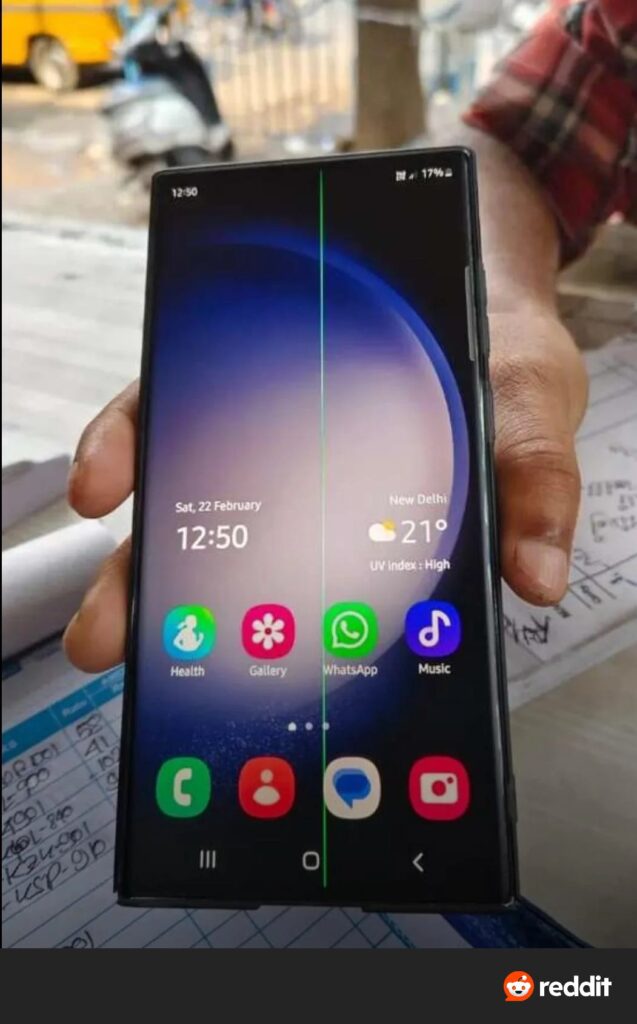
Widespread boot loop issue reported on Galaxy S22 Ultra since One UI 6.1 update

Samsung Galaxy S22 Ultra users are reporting severe issues following the One UI 6.1 update released in September 2024. While the update introduced advanced Galaxy AI features and enhanced functionality, it also appears to have caused significant problems, with many users experiencing device stuttering or being caught in an endless boot loop. “As a result of these issues, I have lost numerous documents, pictures, notes, and beautiful memories,” a user noted.

One UI 6.1 update causing boot loop and performance issues

A growing number of Galaxy S22 Ultra users have taken to social media and Samsung’s official forums to voice concerns about their devices. Complaints include stuttering, random crashes, freezing, and even continuous reboots. Several users claim their phones restart multiple times daily or become entirely unusable due to an infinite boot loop.

These problems reportedly began after installing a One UI 6.1-based update in September 2024. Many affected users sought help from Samsung’s authorized service centers, where they were informed that the issue stemmed from a “faulty” or “fried” motherboard. Since most Galaxy S22 units are out of warranty, customers are being asked to cover the repair costs themselves, even though the update appears to have triggered the problem.

Notably, there have been several instances of the Galaxy S22 Ultra encountering such issues after installing the One UI 6.1 update. Earlier this year, Samsung had to pull the update after similar complaints emerged. The company apparently addressed the issues and re-released the update weeks later. However, the recurrence of these problems has left users frustrated and questioning the stability of Samsung’s software updates.

Frustrated users demand accountability

One user detailed their experience, stating, “Following several AI updates and subsequent patches, I began experiencing random reboots and intermittent Wi-Fi disconnections. Although these issues were manageable at first, a recent update led to an endless boot loop, rendering my phone unusable.”

Galaxy-S22-Ultra-boot-loop

The user further noted that Samsung’s service centers attributed the issue to the motherboard, with repair costs estimated at INR 41,000 (~$481). The exorbitant cost, coupled with the loss of valuable data, has left many customers disheartened.

While companies, including Samsung, are promising more Android version updates, this kind of serious issue makes the promise rather questionable. It remains to be seen if Samsung offers a free replacement or some kind of solution, or if it prefers not to pay attention to the updates at the cost of the trust of the affected users.

Source: 1, 2 ,3 | Via

Is the Honor GT Gaming Phone Better Than Xiaomi’s Redmi K80

With the next generation of flagship smartphones launching with Snapdragon 8 Elite chips, more devices with last year’s Snapdragon 8 Gen 3 have started launching for more affordable prices. So now, let’s compare the Honor GT gaming phone with Xiaomi’s budget flagship, the Redmi K80.

1. Honor GT vs Redmi K80: Design & Display

Redmi K80
Redmi K80

Both models are quite similar in terms of internal specs but there are plenty of physical differences between the Honor GT and Redmi K80. The device built for gaming features a slim 7.7mm body, weighing around 196 grams. It sports a 6.7-inch AMOLED display with an FHD+ resolution, 120Hz refresh rate, 4000 nits of peak brightness, and 3840Hz PWM dimming.

Meanwhile, the Redmi K80 has a thicker and heftier 8.1mm body that weighs 206 grams. On the front, it has a marginally smaller 6.67-inch OLED panel with a 2K resolution, 3200 nits of peak brightness, and a 120Hz refresh rate. While Xiaomi definitely has the edge in resolution, the FHD+ panel on the Honor GT enables it to consistently hit 120fps in optimized games. So depending on your requirements, you can either choose between a higher resolution or a brighter screen.

2. Performance

Honor GT
Honor GT

While the Honor GT was built as a gaming smartphone, the Redmi K80 isn’t a slouch in performance either. The duo are equipped with the Snapdragon 8 Gen 3 SoC, which brings top notch performance. So for an affordable price tag, both devices are great for gaming, multitasking, and every other task you throw at these phones. However, there are still slight differences under the hood.

Xiaomi has announced the Redmi K80 with a massive 6,550mAh battery pack. This is the largest battery on any Xiaomi smartphone. This cell also supports 90W wired fast charging. Meanwhile, the Honor GT has a noticeably smaller 5,300mAh battery pack, although it supports a faster 100W wired fast charging. So Xiaomi clearly has the edge in terms of battery life and would likely last longer when gaming.

3. Camera

In terms of photography, the Honor GT and Redmi K80 aren’t that different from one another. Honor’s gaming phone packs a 50MP main and 12MP ultra wide angle lens on the rear, with the front housing a 16MP selfie shooter. On the other hand, the K80 Pro has a triple camera setup. However, only the 50MP main and 8MP ultra wide angle lens are actually usable. The third sensor is a 2MP macro shooter. For selfies and video calls, you get a 20MP shooter on the front.

4. Pricing & Verdict

Xiaomi released the Redmi K80 with a 2,499 Yuan starting price, or around 346 US Dollars. This makes it slightly more expensive than the Honor GT, which starts from just 2,199 Yuan (roughly 301 US Dollars). So if you’re not on a strict budget, Honor might be the better pick thanks to its slimmer and lighter form factor along with a brighter and taller screen, and faster charging. But overall, the Redmi K80 seems like the better deal for just 40 Dollars more. You get a higher resolution panel and a significantly bigger battery.

Tech enthusiast? Get the latest news first! Follow our Telegram channel and subscribe to our free newsletter for your daily tech fix! ⚡

Best Smart Health Gadgets to Gift This Christmas

As the festive season approaches, finding the perfect gift for loved ones becomes a delightful challenge. Smart health gadgets make thoughtful and practical presents for those who value health and wellness. This year, innovative technology has brought us cutting-edge devices that combine functionality with style, making them ideal gifts. Here are the top 5 smart health gadgets to consider gifting this Christmas:

1. Huawei Watch D2

HUAWEI Watch D2 – ABPM

The Huawei Watch D2 represents a significant advancement in wearable health technology with a newly upgraded ambulatory blood pressure monitoring (ABPM). It stands out for being the first smartwatch to earn Class II medical device registration from the China National Medical Products Administration and CE MDR certification in Europe, emphasizing its credibility as a medically approved device. Central to its functionality is the Huawei TruSense system, which integrates an ultra-narrow mechanical airbag and sophisticated blood pressure algorithms to deliver highly accurate, medical-grade readings.

Beyond blood pressure monitoring, the Huawei Watch D2 features a Health Glance feature, allowing users to seamlessly monitor various health metrics with one click, such as heart rate, SpO2 levels, and ECG analysis. The device compiles this data into a detailed Health Overview report encompassing nine essential body indicators on both the watch and the phone App- HUAWEI Health App.

Designed with both form and function in mind, it offers a sleek aesthetic and supports over 80 exercise modes. This makes it particularly appealing for health-focused individuals, including seniors managing chronic conditions like hypertension. At a price of €399.99, the watch is available in two elegant vairants, Black and white.

As the Watch D2 is still the only ABPM monitoring smartwatch available on the global market and has obtained multiple regional medical device certifications, it is a perfect gift for beloved elders and who need to take care of their body (especially blood-pressure health) more often.

Please Note: When you buy something using the links in our articles, we may earn a small commission at no cost to you.

2. Apple AirPods Pro 2

Apple’s second-generation AirPods Pro is more than just a premium audio device. With features like “Hearing Protection” and an over-the-counter Hearing Aid function, these earbuds cater to hearing health. The H2 chip actively reduces exposure to loud sounds, while an integrated hearing test provides insights into auditory health. For those with mild to moderate hearing loss, the AirPods Pro can enhance conversations and environmental sounds in real-time.

They offer up to 30 hours of listening time with the MagSafe USB-C charging case and are IP54-rated for dust, sweat, and water resistance. These versatile earbuds are perfect for anyone looking to combine entertainment with health-conscious features. Priced at $249, they’re a practical and stylish gift.

Please Note: When you buy something using the links in our articles, we may earn a small commission at no cost to you.

3. AEKE K1 Smart Home Gym

Fitness enthusiasts will love the AEKE K1, an AI-powered home gym that brings personalized training to any space. This compact device occupies just 0.3 square meters and features an AI coaching system for tailored workouts. Its precision motion tracking uses cameras and advanced algorithms to monitor form, speed, and balance in real-time.

The K1 offers diverse workout programs, from strength training to yoga, and eliminates the need for subscriptions, you pay once for lifetime access. Its foldable, space-saving design makes it ideal for homes with limited space. Launching on Kickstarter, this gym is perfect for those aiming to stay fit without the hassle of traditional gyms.

4. Shokz OpenRun Pro 2

For outdoor fitness lovers, the Shokz OpenRun Pro 2 headphones are a standout choice. It features an open-ear design that ensures users stay aware of their surroundings while enjoying music or calls. It sports DualPitch technology, which combines bone and air conduction drivers to deliver superior sound quality.

It features an ergonomic fit, wind-resistant microphones, and IP55 water resistance, ensuring extreme comfort and durability. It provides up to 12 hours of playtime on a single charge and comes with a 5-minute quick charge that offers 2.5 hours of listening. Whether you are running, cycling, or walking, it ensures safety and delivers immersive audio experiences. These headphones are priced at $179.95.

Please Note: When you buy something using the links in our articles, we may earn a small commission at no cost to you.

5. Boox Palma 2

The Boox Palma 2 is an advanced mobile e-paper device that prioritizes eye health and supports focused and distraction-free reading. It sports a sleek, phone-like design and features a 6.13-inch Carta 1200 ePaper display, delivering sharp visuals with adjustable color temperature to mimic the appearance of real paper.

It runs on Android 13 and supports a wide range of applications for reading, meditation, and productivity, offering versatility beyond traditional e-readers. It features a fingerprint sensor for enhanced security and comes with built-in text-to-speech (TTS) capability, Bluetooth connectivity, and stereo speakers, transforming it into an all-in-one audiobook player and podcast hub.

It is lightweight and highly portable, making it ideal for students, professionals, and book lovers who seek a convenient way to consume content without compromising eye comfort. It comes priced at €299.99 and stands out as a practical and thoughtful gift for those who prioritize both productivity and well-being.

Please Note: When you buy something using the links in our articles, we may earn a small commission at no cost to you.

6. Conclusion

From smartwatches to headphones and AI-powered fitness equipment, these gadgets blend innovation with health benefits, making them perfect gifts for this festive season. Whether it’s tracking blood pressure, enhancing hearing, or personalizing workouts, these devices are designed to support a healthier lifestyle while adding a touch of tech-savvy sophistication. Make this Christmas memorable by gifting wellness with these cutting-edge gadgets!

Poco X7 Pro gains certification milestones revealing key details, special Iron Man Edition appears again

Poco X7 Pro, the upcoming addition to Poco‘s mid-range X series, has cleared multiple certifications, signaling its imminent global debut. With appearances on FCC, TDRA, NBTC, and IMEI databases, the device’s RAM, storage options, and design features have been revealed. Adding intrigue, a special Iron Man Edition of the Poco X7 Pro is also reportedly in the works, suggesting a collaboration with Marvel Comics.

Poco X6 Pro 5G
Poco X6 Pro 5G

Detailed certification insights

The Poco X7 Pro has garnered significant attention as it passed certifications worldwide. The device, codenamed 2412DPC0AG, has been listed on the FCC database, which unveils two memory configurations—8GB/256GB and 12GB/512GB. The phone’s rear panel is made from a combination of glass and polyurethane, ensuring a premium feel. Connectivity options include GSM/WCDMA/LTE/5G NR, Wi-Fi 6, GNSS, NFC, and Bluetooth with Basic Rate (BR), Enhanced Data Rate (EDR), and Low Energy (LE) support.

Further, the Poco X7 Pro has secured approval from Indonesia’s TKDN certification authority, achieving a compliance value of 38.20 percent, well above the required 35 percent threshold. This development confirms its readiness for the Indonesian market, likely within the first quarter of 2025. The IMEI certification further validates its global release and hints at the Iron Man Edition, though availability in all markets remains uncertain.

On the NBTC page, the Poco X7 Pro Iron Man Edition appears again, strengthening speculation about its imminent arrival. While the exact launch date is yet to be confirmed, expectations are high for an early 2025 global release.

What else to expect from Poco X7 Pro?

Previously rumored specifications suggest that the Poco X7 Pro will pack a Dimensity 8400 chipset, delivering robust performance. The device is likely to feature a 6.8-inch Full HD+ IPS LCD panel with a 120Hz refresh rate and a 360Hz touch sampling rate, protected by Gorilla Glass. The battery is expected to have a 5,000mAh capacity with support for 100W fast charging.

On the camera front, the Poco X7 Pro is tipped to sport a 108MP primary sensor and a 32MP front-facing camera. Software-wise, the phone is set to run on Xiaomi’s HyperOS 2.0. However, reports indicate the absence of IP rating certification and FM radio, which might disappoint some users. This device is rumored to be a rebrand of the yet-to-be-released Redmi Turbo 4. Check out an explainer of Redmi’s ongoing rebrand game here.

Redmi-Turbo-4-design
Redmi Turbo 4 render

The Poco X7 Pro is expected to launch globally in Q1 2025, though it’s unclear whether the Iron Man Edition will launch simultaneously.

Don’t miss a thing! Join our Telegram community for instant updates and grab our free daily newsletter for the best tech stories! 🚀

(Via)

Galaxy Tab S10 FE Arriving Soon: Samsung’s Budget Premium Tablet Certified

Samsung is gearing up to launch a new tablet model from its premium Galaxy Tab S10 series. Although, this model isn’t a true flagship model, rather, it is expected to be the most affordable option in the lineup. The Galaxy Tab S10 FE just got certified, hinting at its imminent launch. So here’s what we know so far.

Galaxy Tab S10 FE: What does Samsung’s budget premium tablet offer?

Galaxy-Tab-S10-FE
Galaxy Tab S10 FE

The South Korean tech giant’s upcoming tablet was spotted on BIS, which is an Indian certification (Via MySmartPrice). The Galaxy Tab S10 FE’s dual batteries had their model numbers revealed. This includes the EB-BX526ABE and EB-BX526ABY. While the model numbers were revealed, the exact specifications like capacity or fast charging support has yet to be revealed. For those unaware, the Galaxy Tab S10 series was announced back in September.

The premium tablet lineup consists of two tablet models, namely Galaxy Tab S10 Ultra and Galaxy Tab S10+. So the Galaxy Tab S10 FE will be the third entry in the series. The “FE” in its name stands for Fan Edition, which are basically a series of devices that are a part of Samsung’s premium product lines but with an affordable price tag. The brand typically keeps price low by cutting slight corners with either specs, design, or other features.

Samsung Galaxy Tab S10 FE

Considering how it was spotted on BIS, the Indian availability for the Galaxy Tab S10 FE might have been confirmed ahead of any official announcement. Just last month, the same tablet was also listed on the official website, which confirmed free one year access to Goodnotes for US buyers who active the tablets before 7/31/2025. In other words, we can expect Samsung to unveil the Galaxy Tab S10 FE by the middle of next year.

Don’t miss a thing! Join our Telegram community for instant updates and grab our free daily newsletter for the best tech stories!

Leaked renders, color options, and launch date appear to confirm Galaxy S25 series details

We all know Samsung is currently preparing for the launch of Galaxy S25 series smartphones. While the company hasn’t officially confirmed details about the phones, seasoned tipster Evan Blass has revealed several key details, including renders, through posts on social media platform X.

The most significant reveal is a poster confirming the Galaxy S25 series launch date. According to the poster shared by Blass, Samsung will unveil the phones on January 22 in San Jose at 10 a.m. PT / 1 p.m. ET.

Galaxy S25 series launch date

What’s interesting here is that the poster shows four devices. While the three are the expected models—the vanilla S25, S25+, and S25 Ultra—the fourth model remains a mystery

Rumors suggest it could be the Galaxy S25 Slim, a device frequently mentioned in reports, though no confirmation has surfaced yet. As leaks keep emerging, we’ll likely gain a clearer view of Samsung’s flagship lineup before the official launch.

Galaxy S25 Series Renders and Colors

Blass also shared renders of the Galaxy S25+ and S25 Ultra, which show their front designs. However, some images in his posts were removed due to a copyright report, likely filed by Samsung. This strongly suggests the authenticity of the leaked renders, as it’s unlikely Samsung would act against unrelated images.

The leaks provide a glimpse into Samsung’s design choices for the S25 series. The S25 Ultra features noticeably curvier edges than its predecessor, and the S25+ (and possibly the base S25) appears to adopt an even more pronounced curved design.

Another leak from the same tipster reveals the color options for the entire S25 series phones. The S25 and S25+ will reportedly come in Blue Black, Coral Red, Icy Blue, Mint, Navy, Pink Gold, and Silver Shadow. 

The S25 Ultra, on the other hand, will borrow the “Titanium” theme from its predecessor. According to the leak, it will be available in Titanium Black, Titanium Gray, Titanium Jade Green, Titanium Jet Black, Titanium Pink Gold, Titanium Silver Blue, and Titanium White Silver shades.

Don’t miss a thing! Join our Telegram community for instant updates and grab our free daily newsletter for the best tech stories! 🚀

(Source 1, 2)

Realme 14x launches in India: 6000mAh battery, Dimensity 6300 chip, and a “Free Call” feature

Realme has officially launched its latest mid-range smartphone, the Realme 14x 5G, in India. Packed with a powerful MediaTek Dimensity 6300 chipset, a massive 6,000mAh battery, and military-grade durability, the Realme 14x 5G offers a robust option for users seeking performance and resilience. With innovative features like SonicWave Water Ejection and the “Free Call” function, the device stands out in its segment.

Realme 14x design and specifications:

The Realme 14x 5G features a 6.67-inch HD+ IPS LCD screen with a resolution of 720 x 1,604 pixels. The display supports a 120Hz refresh rate and a 180Hz touch sampling rate, delivering smooth scrolling and responsive touch inputs. With a peak brightness of 625 nits, the screen ensures visibility in bright lighting conditions.

The device also boasts an IP68 rating for water immersion protection and an IP69 rating for resistance against high-pressure water sprays, making it an ideal choice for outdoor enthusiasts. Measuring 165.6 x 76.1 x 7.94mm and weighing just 197g, it combines durability with a lightweight design.

Under the hood, the Realme 14x 5G is powered by the MediaTek Dimensity 6300 SoC, paired with up to 8GB of RAM and 128GB of onboard storage. The handset runs on Android 14-based Realme UI 5.0. Its massive 6,000mAh battery supports 45W wired fast charging.

In the camera department, the Realme 14x 5G features a dual rear camera setup led by a 50MP OV50D primary sensor. For selfies and video calls, it offers an 8MP front-facing camera. The device includes Realme’s “AI Clear Face” which is intended to new life into your blurry portraits and old photos.

Free Call feature

The Realme 14x 5G comes with military-grade MIL-STD 810H certification, underscoring its durability. The “Free Call” feature allows users to make calls without network dependence. After turning on Bluetooth, users can use this feature in Settings-Mobile network-Free Call.

Pricing and availability

The Realme 14x 5G starts at Rs. 14,999 for the 6GB + 128GB variant, while the 8GB + 128GB model is priced at Rs. 15,999. It is available through Flipkart, Realme’s e-store, and offline retailers in Crystal Black, Golden Glow, and Jewel Red color options. Customers can benefit from launch offers, including bank discounts of up to Rs. 1,000 and extended warranties for online and offline purchases.

Don’t miss a thing! Join our Telegram community for instant updates and grab our free daily newsletter for the best tech stories! 🚀

Meet LG SIGNATURE OLED T, World’s first transparent wireless TV that costs more than a car

LG is bringing a gadget straight from the future. The company just showcased the SIGNATURE OLED T, which is the world’s first 77-inch transparent wireless TV. It arrives with cutting edge technology for its unique design, but all of this comes at a jaw dropping cost.

LG SIGNATURE OLED T: What makes it special?

During the CES 2024 event, LG unveiled the SIGNATURE OLED T that is its first true wireless 4K OLED TV. But one of its highlighting aspects is undoubtedly its transparent body. The South Korean brand has just announced the global roll out of the TV, with first sales kicking off in the US this month. This new TV brings advanced technology and design. It arrives with a unique self lit display that can seamlessly switch between opaque and transparent.

So you’re getting a premium OLED TV experience with a design that can blend seamlessly into your home’s interior designs. Since the SIGNATURE OLED T can transition between transparent and opaque, you can use the wireless transparent TV as a part of your decor or entertainment. It even offers other impressive features like T-Objet, which is basically an Always on Display mode that makes the SIGNATURE OLED T function as a digital frame that can showcase videos, pictures, or artwork.

LG Signature OLED T
LG Signature OLED T

There is also T-Bar that is positioned at the bottom of the TV, which can display key information like IoT device statuses, sports scores, weather forecasts, and much more. T-Home is basically the interface that provides intuitive access to apps, services, settings, and other features. LG employs a proprietary Zero Connect Box that transfers lossless wireless video and audio.

It supports 4K resolution along with a 120Hz refresh rate, Nvidia G-Sync, and AMD FreeSync. Under the hood, it is powered by the Alpha 11 AI processor. The LG SIGNATURE OLED T is set to start shipments in January 16, while pre-orders are already live. LG likely plans to release the TV in other markets in the coming months. For all of these features, the TV is listed for an eye watering price tag of 59,999 US Dollars.

Tech enthusiast? Get the latest news first! Follow our Telegram channel and subscribe to our free newsletter for your daily tech fix! ⚡

7 reasons why you shouldn’t buy a compact smartphone

For years, compact smartphones were synonymous with convenience and ease of use. They fit comfortably in one hand, slid effortlessly into pockets, and seemed like the ideal balance of portability and functionality. 

Despite this appeal, demand for compact smartphone sales has steadily declined over the past years. So much so, that Apple decided to halt its iPhone mini-series phones due to low sales and lack of demand.

So why has the market turned its back on smaller phones? The answer is practicality. While compact devices might seem appealing in theory, they often fall short in real-world usability. 

On the other hand, larger smartphones offer tangible benefits that compact devices simply can’t match. Let’s explore why big screens dominate the market.


1. 1. Bigger Screens, More Content

Smartphones are no longer just for calls and occasional texts. They’ve evolved into pocket-sized computers that handle everything from browsing the web to streaming videos. A larger screen allows for more content at once—whether you’re scrolling through social media, watching videos, or editing photos.

For many, a smartphone is their primary (or even sole) device for consuming content. Without a laptop or desktop, a large screen is not a luxury—it’s a necessity.

When Steve Jobs introduced the iPhone 4S in 2011, he claimed 3.5 inches was the “perfect” size for a smartphone display. Fast forward a decade, and that size feels restrictive. Just try using a phone from 2012 to scroll through today’s media-rich websites—you’ll quickly understand why big screens became the norm.


2. 2. Compact Phones Lack Space for Modern Features

Modern smartphones pack an incredible array of hardware into their slim bodies. To enable contactless payments, GPS navigation, wireless charging, and high-speed 5G connectivity, a phone needs space for components like NFC chips, accelerometers, antennas, and magnetic coils.

Smaller devices inevitably face design compromises. Shrinking components is possible to an extent, but physics imposes limits. A compact phone might force you to sacrifice features like fast charging or robust connectivity. And let’s not forget the battery—a larger phone can house a larger battery, essential for powering all those advanced features.


3. 3. Photography Suffers on Smaller Devices

Apple iPhone 13 iPhone 13 Mini Featured
iPhone 13 mini

Smartphone cameras have become a key selling point, but great photos require hardware that takes up space. Most flagship phones feature multiple camera modules for wide-angle shots, portraits, and zoomed-in photos. These modules need room for sensors, optics, and, in some cases, complex periscope systems.

Compact smartphones can’t match the versatility of larger devices. A small phone might offer a decent main camera, but it’s unlikely to include high-quality ultrawide or telephoto lenses. Moreover, the lack of space for advanced image-processing chips further widens the gap in photo quality.


4. 4. Larger Phones Handle Heat Better

Today’s smartphones rival laptops in performance. Equipped with powerful processors and up to 16GB of RAM, they generate significant heat, especially during multitasking or gaming.

Larger devices dissipate heat more efficiently because they have more room for cooling mechanisms, whether passive (like heat pipes) or active (like fans in some gaming phones). Compact phones are more prone to overheating and throttling, which can lead to slower performance and discomfort during prolonged use.


5. 5. Typing Is Easier on Bigger Screens

A larger screen doesn’t just enhance visuals; it also improves usability. Virtual keyboards on big phones offer larger keys, reducing typos and making typing faster. They also allow for additional function keys, so you don’t need to switch layouts as often.

While one-handed typing can feel awkward on a larger phone, most modern keyboard apps offer one-handed modes that make this a non-issue.


6. 6. Better for Gaming

Mobile gaming has become a significant industry, and for many users, their phone is their primary gaming device. Large screens provide a better gaming experience by showing detailed graphics and complex effects more clearly. They also offer more space for on-screen controls, so your fingers don’t obscure the action.

Additionally, larger phones tend to have bigger batteries and better cooling systems, allowing for longer, uninterrupted gaming sessions.


7. 7. Compact Smartphones Are Expensive to Produce

Compact smartphones are niche products, and niche products rarely benefit from economies of scale. This is why Apple’s iPhone 12 Mini and 13 Mini, despite critical acclaim, accounted for just 3% of total iPhone sales.

Packing flagship hardware into a small body requires custom engineering, from miniaturized circuit boards to redesigned cooling solutions. These added costs make compact phones more expensive to develop, but their limited appeal doesn’t justify the investment. Even Google has pivoted away from the idea of small phones, focusing instead on larger, more profitable models.

In 2022, Pebble founder Eric Migicovsky launched a campaign urging companies to produce more compact smartphones. The campaign garnered about 41,000 signatures—an impressive number, but insignificant in a market with millions of customers.

So it’s clear that compact phones appeal to a small but vocal audience. However, for most consumers, the benefits of a larger device outweigh the drawbacks. Unless foldable technology becomes affordable enough to bridge the gap between compact size and large-screen usability, compact phones are unlikely to make a comeback.


8. Conclusion: Bigger Is Better (For Now)

While the nostalgia for small smartphones is understandable, the reality is that modern usage demands larger devices. From better displays and cameras to longer battery life and improved cooling, large phones are simply more practical for today’s needs.

Compact smartphones may always have their fans, but for the majority, they remain a compromise rather than a solution. Until flexible screens or other innovations redefine what’s possible, it’s clear why the large-screen phones remain the popular choice among consumers.

Don’t miss a thing! Join our Telegram community for instant updates and grab our free daily newsletter for the best tech stories! 🚀