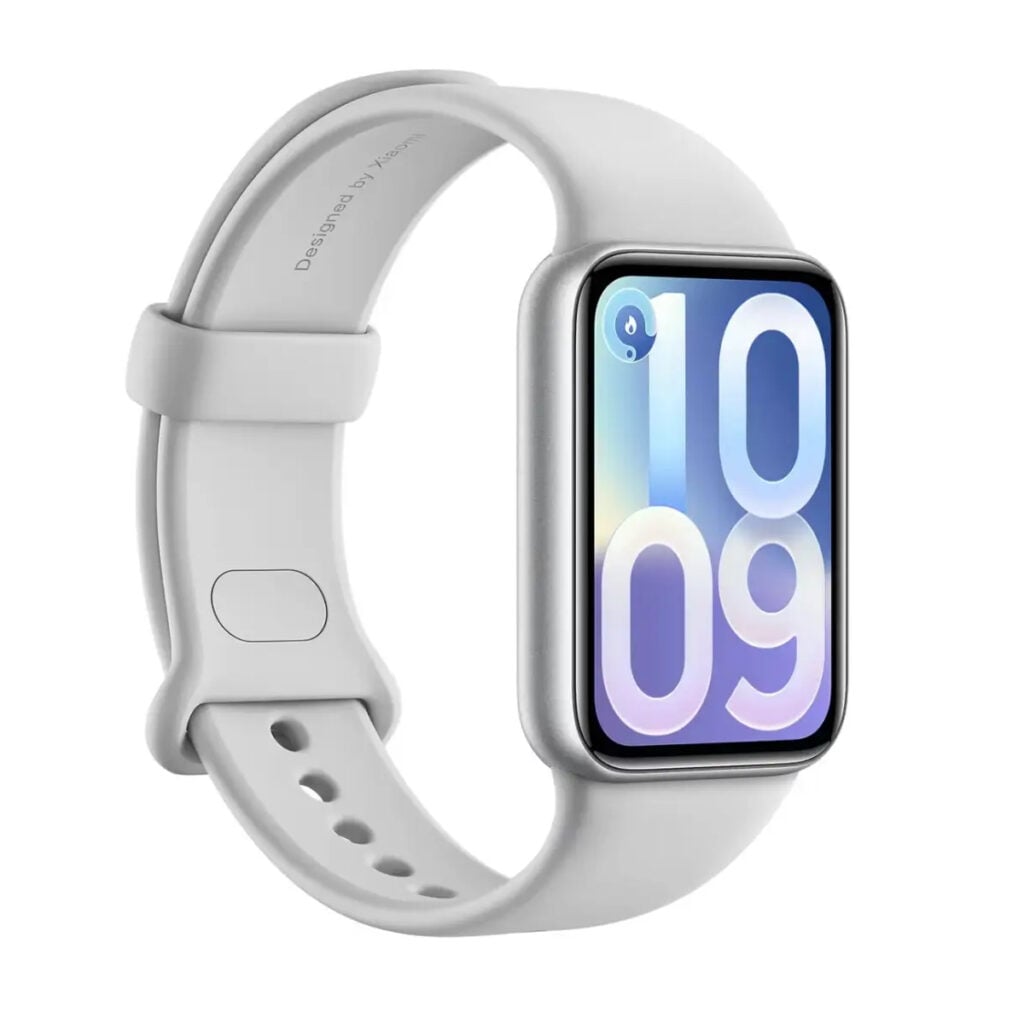
It hasn’t been that long since Xiaomi announced the Xiaomi Smart Band 10 Pro. However, the company has already started working on the successors. The Xiaomi Smart Band 11 has already been spotted on Taiwan’s NCC database. Now, two new Xiaomi devices have just cleared network access approval in China, and tipsters say they belong to the upcoming Mi Band 11 series.
What got approved
China’s Ministry of Industry and Information Technology gave the green light to two Xiaomi Bluetooth devices, carrying model numbers M2616B1 and M2617B1. According to tipster Experience More, these two models are the Xiaomi Smart Band 11 and the Xiaomi Smart Band 11 NFC version. They will succeed the Xiaomi Smart Band 10 and Band 10 NFC.
Meanwhile, UL listing of the band confirms a battery capacity of 233mAh, the same as the current generation.
Xiaomi Smart Band 11 Xiaomi Smart Band 11 NFCXiaomi Smart Band 11 Battery Size
Another leaker, Smart Pikachu, says the Mi Band 11 is on track for a release in the second half of this year.
For context, Xiaomi followed a similar certification pattern with its last flagship band. The Band 10 Pro used model numbers M2551B1 and M2553B1 for its standard and NFC versions. There was also a separate sighting in May, when a wearable with model number M2561B1 turned up in certification databases in Singapore and Taiwan, listed simply as a “smart bracelet.”
What we know about the current Smart Band 10 series for comparison
Since full specs for the Mi Band 11 haven’t surfaced yet, it’s worth looking at what the current Smart Band 10 offers. Xiaomi’s existing base model packs a 1.72-inch AMOLED display with 1500 nits peak brightness, a 233mAh battery rated for up to 21 days, over 150 sports modes, and HyperOS 2.0 software, as we reported when the Smart Band 10 launched in China. The Pro variant goes further, with a 1.74-inch, 2000-nit display, HRV tracking, built-in GNSS, and Apple Health support.
Xiaomi Smart Band 10
If the Mi Band 11 keeps the same battery size, expect Xiaomi to lean on software and sensor upgrades instead of a battery bump. More details should surface as the second-half launch window approaches.
Asus has launched the new Vivobook 14 (X1404MA) and Vivobook 15 (X1504MA) in India, bringing AI-powered computing to more users. Powered by Intel Core 7 Series 3 processors with dedicated NPUs, the new laptops are designed for work, study, entertainment, and everyday productivity while offering a lightweight design and modern connectivity features.
Vivobook 14 and Vivobook 15: Specifications and features
Vivobook 15 / 14 (2026)
The new Vivobook lineup is powered by up to the Intel Core 7 350 processor paired with an NPU delivering up to 17 TOPS for on-device AI tasks. The laptops support up to 16GB DDR5 RAM and up to 512GB PCIe 4.0 NVMe SSD storage, and run Windows 11 Home. Graphics duties are handled by Intel Graphics, while connectivity includes Wi-Fi 6 and Bluetooth 5.3.
The Vivobook 15 features up to a 15-inch Full HD IPS display, while the Vivobook 14 comes with a 14-inch Full HD panel. Both displays offer a 16:9 aspect ratio, anti-glare coating, 250 nits brightness, TÜV Rheinland certification for reduced eye strain, and an 84 percent screen-to-body ratio.
Vivobook 15 / 14 (2026)
The laptops also include SonicMaster audio, a 720p HD webcam with a physical privacy shutter, a fingerprint scanner integrated into the ErgoSense touchpad, USB Type-C, USB Type-A, HDMI 1.4, a 3.5mm audio jack, and a 42Wh battery with a 45W charger. They are available in Cool Silver, Terra Cotta, and Quiet Blue finishes, feature a 180-degree lay-flat hinge, and meet MIL-STD-810H military-grade durability standards.
Vivobook 14 and Vivobook 15: Price and availability
The Asus Vivobook 15 (X1504MA) starts at Rs 75,990 and is available through Asus Exclusive Stores, Reliance Digital, Croma, Vijay Sales, the Asus eShop, Amazon, Flipkart, and authorised retail partners. The Vivobook 14 (X1404MA) starts at Rs 1,07,990 and will be available from July 26 through Asus Exclusive Stores, the Asus eShop, and authorised retailers.
Buyers can choose No Cost EMI or low-cost EMI options with repayment tenures of up to 24 months. Offline purchases also include EMI plans starting from Rs 5,066 for the Vivobook 15 and Rs 7,199 for the Vivobook 14. The laptops also include lifetime access to Microsoft Office Home 2024 and one year of 100GB OneDrive cloud storage.
For more daily updates, please visit our News Section.
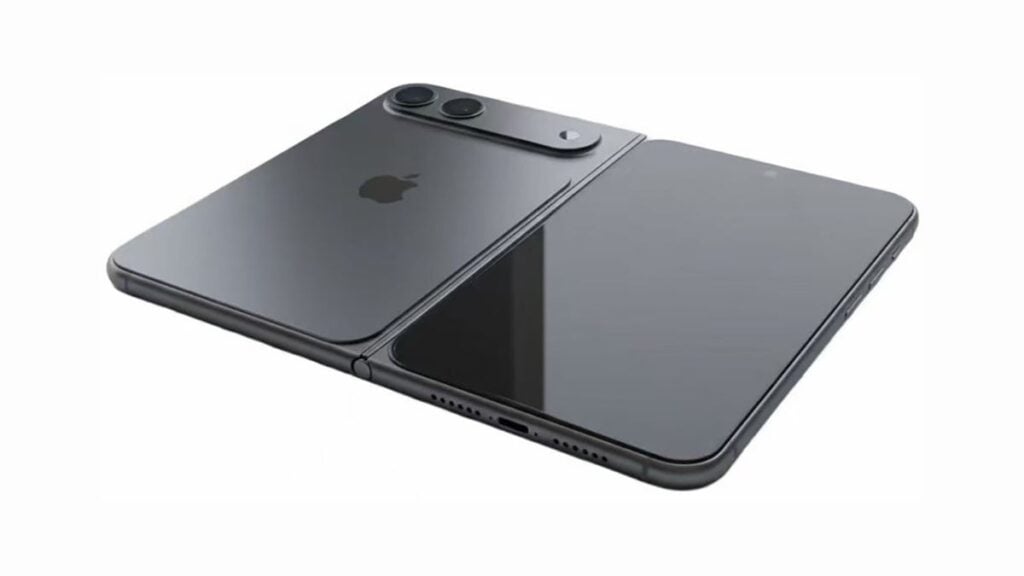
A new leak claims Apple‘s upcoming foldable iPhone, expected to be called the iPhone Ultra, may have a screen as flat as the Oppo Find N6. The claim comes from blogger Fixed Focus Digital, who says the iPhone Ultra’s crease will be among the best in the industry.
The Oppo Find N6 from earlier this year is known for its flat screen despite being a foldable. It uses a 2nd-Generation Titanium Flexion Hinge made with 3D Liquid Printing technology. This process uses laser scanning to find small surface gaps, then fills them with photopolymer droplets.
As previously reported, Oppo built the Find N6 (review) around a titanium alloy dome hinge and Dome Memory Glass, calling it the flattest foldable screen available. The phone has also received Germany’s Rheinland seamless folding certification, and is durable up to 600,000 folds.
Apple has two options for iPhone Ultra’s hinge system
According to tipster Fixed Focus Digital, Apple has two options to make the screen crease-less (almost) in iPhone Ultra. Either liquid metal or 3D printing. Apple was initially expected to ship the foldable in limited quantity — blame the memory crisis — hence, it was expected to use a liquid metal-based hinge system.
Liquid metal is a specialized amorphous metal alloy used in hinge mechanisms. Unlike traditional metals with rigid crystalline structures, it cools into a disordered “metallic glass”. This grants the hinge high elasticity, scratch resistance, and the ability to snap back to its original shape.
However, the tipster says that if Apple manages to bargain with suppliers for memory supply and costs, it can ramp up production and switch to 3D printing technology. That is because manufacturing a liquid metal hinge is more complex and difficult than using 3D printing. Apple will decide on a specific hinge system by the end of July, says the insider.
As for pricing, the base iPhone Ultra model is rumored to start at $2,299 to $2,399, close to double the price of the current iPhone 17 Pro Max.
For more daily updates, please visit our News Section.
OpenAI is making another change to its growing AI ecosystem, this time affecting one of its newer products. The company has confirmed that ChatGPT Atlas, its standalone AI browser, will soon be retired as it shifts focus to a more capable ChatGPT desktop app that combines several AI tools in one place.
Atlas browser is making way for the new ChatGPT experience
ChatGPT Atlas
OpenAI launched ChatGPT Atlas for macOS in October 2025 as a browser built around ChatGPT. Instead of developing Atlas further, the company has decided to move its browsing capabilities into the revamped ChatGPT desktop app.
According to OpenAI, the lessons learned from Atlas and feedback from early users helped shape the new experience. The company has set August 9 as the target date for Atlas’ retirement and says more details will be shared with users through email and in-app notifications.
The redesigned ChatGPT desktop app now combines ChatGPT, Codex and ChatGPT Work into a single application. It includes a built-in browser that can browse websites, compare information from multiple sources, access Google Workspace and Microsoft 365 files, and continue tasks while users review the results.
OpenAI is also introducing a Chrome extension that brings ChatGPT into the browser sidebar, allowing users to summarise webpages, ask questions about online content and perform longer tasks without switching applications.
Atlas was introduced as an AI-first browser with an Agent mode that could carry out tasks on behalf of users. While the concept attracted attention, the browser remained limited to macOS, and its automation features were available only to paid ChatGPT subscribers. Reports and early reviews also suggested that Agent mode could be slower than completing some tasks manually.
Rather than competing directly with browsers such as Chrome, OpenAI now appears to be treating AI browsing as a feature inside ChatGPT instead of a separate product. The decision also means the planned Windows version of Atlas will not arrive. What do you think about OpenAI retiring Atlas and bringing its browser features into the ChatGPT desktop app? Share your thoughts in the comments.
For more daily updates, please visit our News Section.
India’s state-owned telecom operator BSNL has introduced a new satellite phone in India aimed at users who need reliable communication in places where conventional mobile networks are unavailable. Unlike a regular smartphone, the device connects through satellites instead of nearby telecom towers, making it suitable for critical situations and remote regions. The new offering is now available at a premium price and comes with strict regulatory requirements.
Built for communication beyond mobile networks
BSNL satellite phone
The BSNL satellite phone is priced at Rs 1,34,166 (~$1,400), including taxes, and is designed for areas where cellular coverage does not exist. Instead of depending on 4G or 5G towers, the handset communicates directly with satellites, allowing users to make voice calls even in isolated locations. BSNL has developed the service in partnership with global satellite communication provider Inmarsat, enabling connectivity across difficult terrain and off-grid regions.
The handset features a rugged design that is suitable for demanding outdoor conditions and includes a long-lasting battery for extended operation when access to charging facilities is limited. It also comes with an SOS emergency feature that can be used during distress situations, making it a practical communication tool during natural disasters, rescue missions, or operations in remote environments.
The satellite phone is not intended for everyday smartphone users. BSNL says it is aimed at sectors such as defense, disaster response, maritime services, mining, industrial operations, research teams, pilgrims traveling through isolated routes and adventure enthusiasts exploring remote destinations. In such situations, satellite communication can remain operational even when terrestrial telecom infrastructure is unavailable.
Buying or using the device requires prior authorization from the Department of Telecommunications, as satellite phones are regulated in India. Using one without approval can lead to legal action under existing regulations. Those interested can contact BSNL or visit a nearby BSNL office for more information. Alongside this launch, BSNL continues to strengthen its nationwide network with the rollout of nearly 99,000 4G sites.
For more daily updates, please visit our News Section.
Redmi has officially revealed several key details about the upcoming Redmi Note 17 ahead of its launch in China on July 14. Company executives have confirmed some of the biggest upgrades coming to the standard model, including its display, battery and a new colour option, giving buyers a clearer idea of what to expect from the next-generation budget smartphone.
The Redmi Note 17 will feature the largest OLED display ever seen on a Redmi smartphone, measuring 7 inches diagonally. The panel supports a 120Hz refresh rate, reaches up to 1200 nits of global brightness, and includes Xiaomi’s eye protection technology for more comfortable viewing.
Compared to the previous Redmi Note 15, which featured a 6.77-inch display, the new model takes a noticeable step up in size, making it one of the few smartphones in its segment to offer a 7-inch screen.
Redmi has also unveiled the Meteor Purple color variant, which features a distinctive streak-inspired finish on the rear panel. The official images suggest the standard Note 17 retains a flat design with a plastic frame, while the rear camera module carries a layout similar to the Pro model but with a different camera arrangement.
Another major highlight is the 8000mAh battery, which is uncommon in this price segment. Redmi is positioning the device as a long-lasting smartphone capable of handling heavy daily use without frequent charging. While the company has not revealed charging specifications for the standard model yet, the larger battery is expected to be one of its biggest selling points.
Redmi has also highlighted durability as a key focus for the Note 17 series, promising improved drop resistance and water protection across the lineup. The series will debut on July 14 at 7 pm in China, where Redmi is expected to announce the complete specifications, pricing and availability for both the Redmi Note 17 and Redmi Note 17 Pro.
For more daily updates, please visit our News Section.
Following an initial release in Japan earlier this month, Casio has brought its new Edifice EFK-200 series to the US market. The lineup introduces five new automatic watches to the Edifice brand.
Design Details
Casio has designed the series with a compact footprint; the standard steel models feature a 38mm case diameter, measuring 43.6mm lug-to-lug and 11.9mm thick.
The series is divided by its dial and case materials. Two models in the lineup utilize forged carbon, a composite material made by pressing carbon fibers and resin under high heat and pressure. Because of this manufacturing process, the marbled pattern on each component is unique.
The $330 EFK-200CD-1A features a forged carbon dial paired with a stainless steel case. The $500 EFK-200XPB-1A uses forged carbon for both the dial and the case itself, which slightly increases its dimensions to 38.8mm. This material change drops the weight of the XPB-1A to 81 grams, compared to the 153-gram weight of the stainless steel models.
The remaining three models feature electroformed, textured dials finished with a multi-layer lacquer to create a gradient effect. These include a blue model (EFK-200D-2A) and a red model (EFK-200D-4A), which both cost $330. The third version, EFK-200DG-5A, features a gold ion-plated case and bracelet and is priced at $410.
All five watches are powered by a 21-jewel Japanese automatic movement, which is visible through a see-through screw-lock case back. The movement operates at 21,600 vibrations per hour and includes a hacking seconds function, allowing the wearer to stop the seconds hand for precise time setting. It provides a power reserve of approximately 42 hours.
For the exterior hardware, Casio has equipped the entire EFK-200 line with scratch-resistant sapphire crystals and a water resistance rating of 100 meters. The stainless steel models come with solid H-link bracelets that alternate between brushed and mirror-polished finishes, secured by a one-touch three-fold clasp. The carbon-cased XPB-1A model replaces the steel bracelet with a resin band and a push-button butterfly clasp.
The full EFK-200 series is available now in the US.
In related news, Casio launches affordable new digital watches that blend classic styling with a futuristic retro-inspired design.
For more daily updates, please visit our News Section.
Smartphone batteries have come a long way, with most new phones now offering 5,000mAh to 6,000mAh batteries as standard. While that translates to better battery life, even the biggest batteries eventually run out, especially during travel, long workdays, or heavy gaming sessions. That’s when a reliable power bank becomes an essential accessory.
To help you pick the right power bank, we’ve rounded up six of the best power banks under Rs 2,000 that deliver excellent value for money.
How to choose a good power bank
Choosing the right power bank starts with its capacity. A 10,000mAh model is ideal for everyday use and can recharge most smartphones around one to two times, while a 20,000mAh power bank is a better choice for frequent travellers, long commutes, or anyone who needs to charge multiple devices. Also, look for fast charging support of at least 20W or 22.5W, especially if your smartphone supports fast charging.
It’s also worth checking the number and type of ports. A USB-C port with Power Delivery offers faster charging for both the power bank and your devices, while an additional USB-A port adds compatibility with older gadgets.
Finally, make sure the power bank includes essential safety features such as protection against overheating, overcharging, overcurrent, and short circuits.
10,000mAh, 22.W, MagSafe, in-built fast charging cables
Rs 1,801
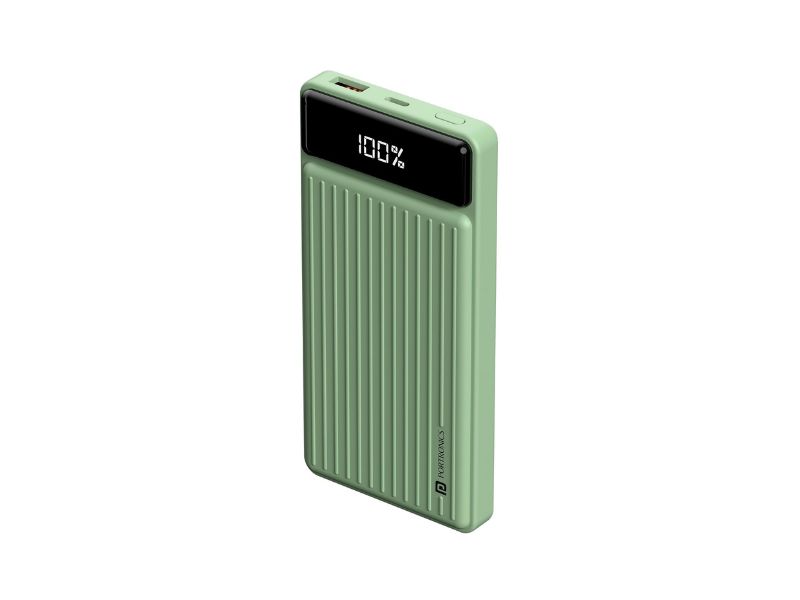
Portronics Luxcell B
If you are looking for something affordable that does the job, check out the Portronics Luxcell B. It packs a 10,000mAh battery with 22.5W fast charging support, making it ideal for topping up your smartphone on the go.
Despite its capacity, it features a slim and lightweight design that’s easy to slip into a pocket or bag. You also get a USB Type-C port that works for both input and PD output, a USB-A port for charging another device, and an LED battery display that shows the remaining charge at a glance.
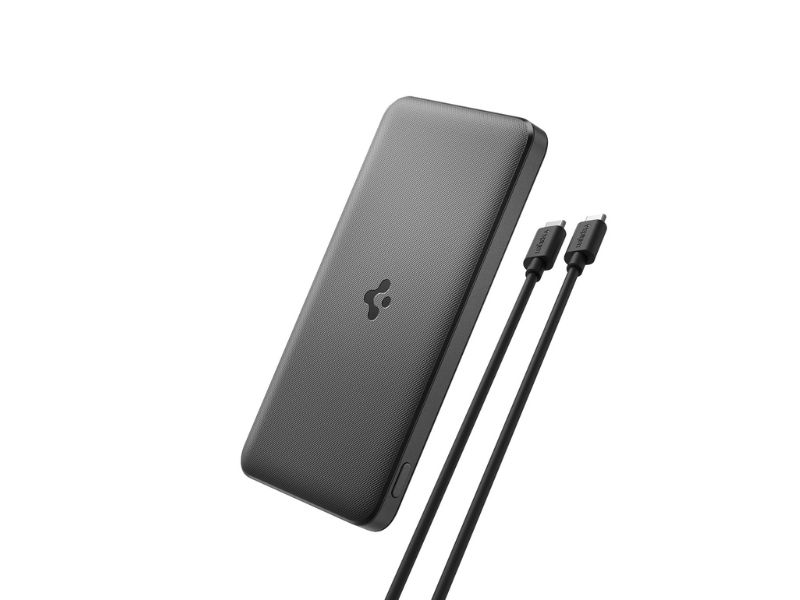
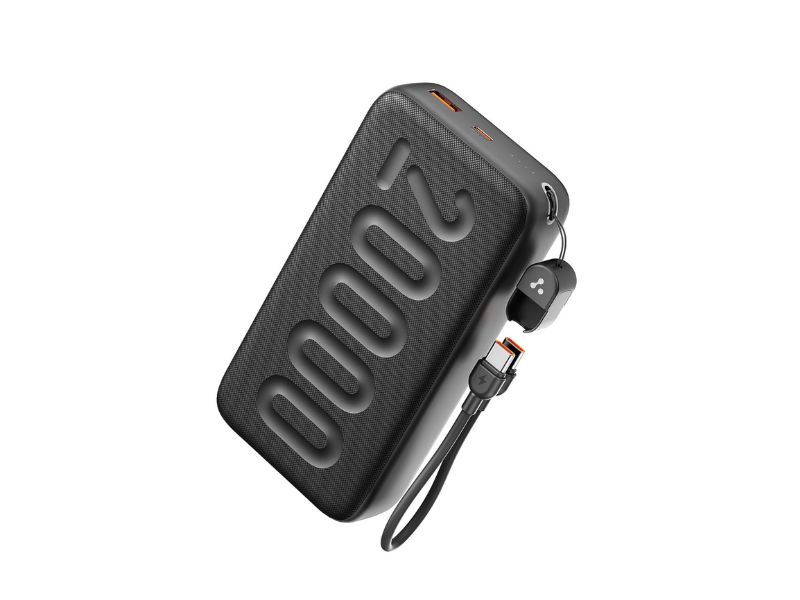
The ArcPack from Spigen packs a 10,000mAh battery into a compact body that’s easy to carry in your pocket. It also supports 30W fast charging, so you can quickly charge your smartphone, and even top up compatible tablets or lightweight laptops when needed. This one gets two USB-C ports and a USB-A port for charging multiple devices simultaneously.
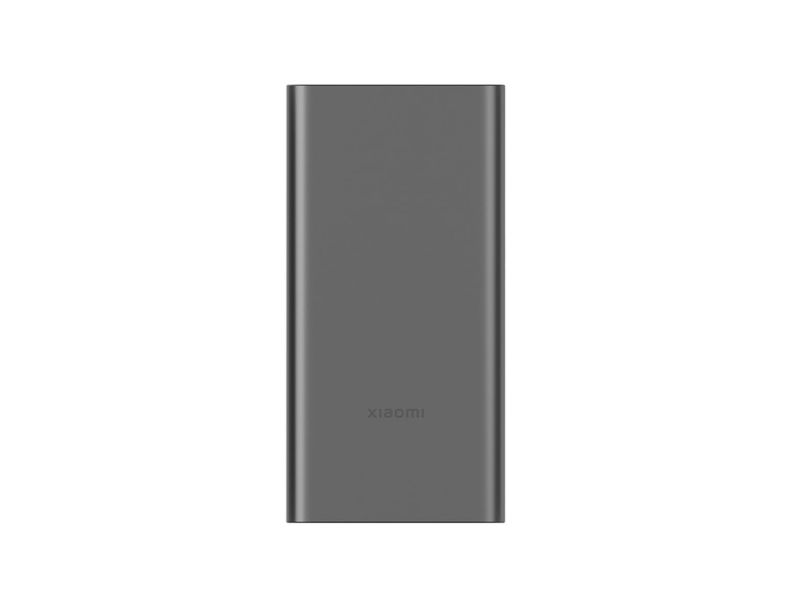
The Xiaomi Power Bank 4i packs a 10,000mAh battery in a slim, durable body with a premium anodised aluminium finish that resists everyday wear and tear.
It supports 22.5W fast charging with USB-C Power Delivery and Quick Charge 3.0, while its USB-C port and dual USB-A ports let you charge up to three devices simultaneously. It gets a 2-layer safety protection and two-way fast charging, so both your devices and the power bank recharge quickly.
The Ambrane Stylo Boost is a great pick if you need more battery without spending too much. Its 20,000mAh capacity is enough to charge most smartphones multiple times, which makes it ideal for travel, long commutes, or busy workdays. It supports 22.5W fast charging and features USB-C Power Delivery along with multiple output ports, so you can charge more than one device at the same time.
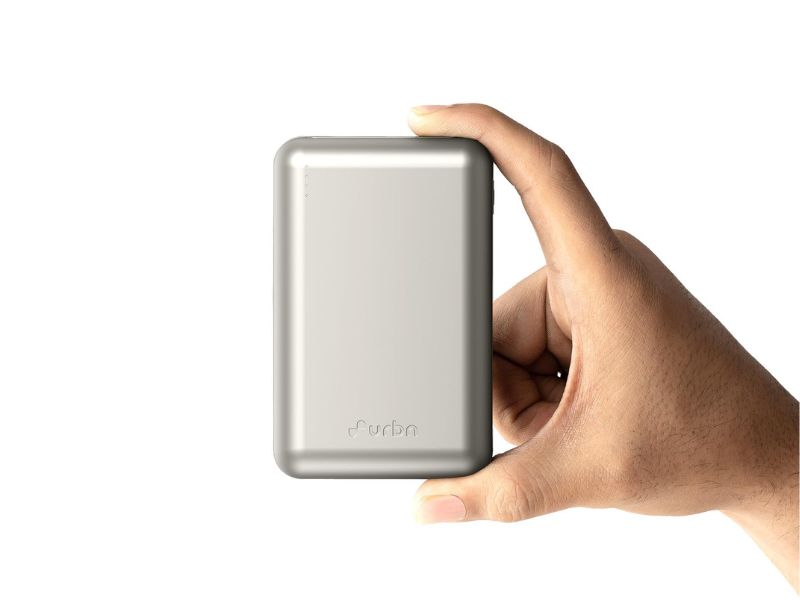
The URBN Nano Plus combines a slim design with a large 20,000mAh battery. Despite the high capacity, it remains relatively easy to carry and supports 35W fast charging. With multiple output ports, you can charge your phone, accessories, and even some laptops. URBN also offers 1-year replacement warranty unlike some other brands.
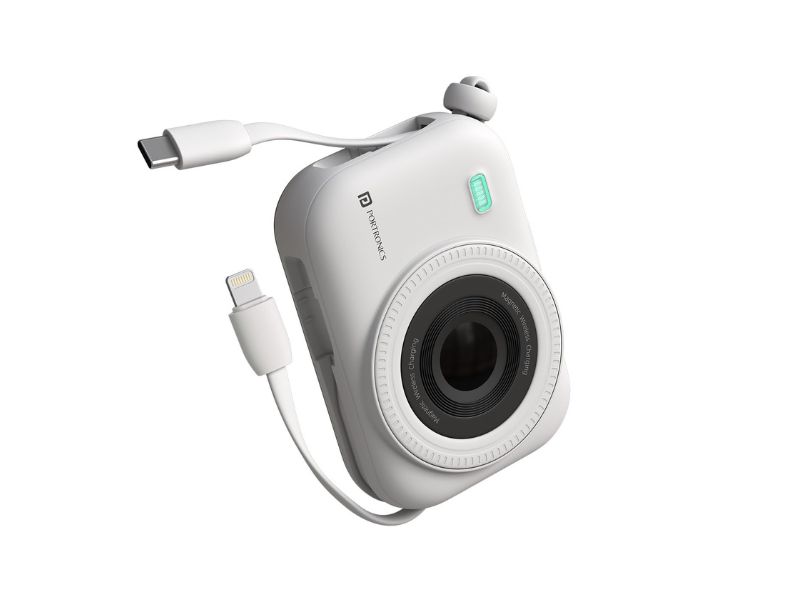
This one’s quite interesting, as it gets a point-and-shoot camera-like design that immediately sets it apart from most power banks on the market. Dubbed the Portronics Power Shutter, it packs a 10,000mAh battery and supports 15W magnetic wireless charging for MagSafe-compatible iPhones, making it a convenient for iPhone users.
It also offers 22.5W wired fast charging, built-in USB-C and Lightning cables, and an LED battery indicator, so you don’t have to carry extra cables or guess how much charge is left.
The Ambrane Stylo Boost is one of the best all-round 20,000mAh power banks, thanks to its fast charging support, multiple ports, and affordable pricing.
Which is the best 10,000mAh power bank?
The Spigen ArcPack 10000mAh is the best overall 10,000mAh powerbank on this list, thanks to its compact design, premium build, and 30W fast charging support.
Can a power bank charge laptops?
Yes, but only if both the laptop and the power bank support USB-C Power Delivery (PD) with sufficient wattage. For instance, a 30W power bank can charge some thin-and-light laptops and tablets, but larger notebooks typically require 45W, 65W, or even higher output for efficient charging.
How many times can a 20,000mAh power bank charge a phone?
A 20,000mAh power bank can charge most smartphones around three to four times, depending on the phone’s battery capacity.
Can I carry a 20,000mAh power bank on a flight?
Yes, a 20,000mAh power bank is allowed in cabin baggage by most airlines but cannot be checked in.
So, which of these power banks is your pick? Let us know in the comments below.
Artificial intelligence on smartphones is entering a new phase. According to Counterpoint Research, the industry is moving beyond AI assistants that simply answer questions and toward “Agent Phones” that can understand a user’s intent and complete tasks automatically. Instead of opening apps one by one, future smartphones are expected to coordinate multiple apps and services in the background, making everyday tasks faster and easier. This shift could redefine how people interact with their devices and how smartphone brands compete in the years ahead.
From AI Assistants to AI Agents
Today’s AI assistants are mainly designed to respond to questions, generate text, or provide recommendations. Counterpoint believes the next step is far more practical. Agent Phones are designed to understand what users want to achieve and then carry out the necessary actions automatically.
Rather than asking users to switch between several apps, these AI agents can manage complete workflows on their behalf. This changes the smartphone from a device that launches apps into an intelligent operating system layer that coordinates apps and services behind the scenes. As a result, future competition may depend less on hardware specifications and more on how reliably AI can complete real-world tasks.
Open Frameworks Are Accelerating the Shift
One of the biggest drivers behind this transition is the emergence of open “Claw” frameworks. These frameworks provide a shared execution layer that allows AI agents to understand user intent, execute multi-step tasks, and work across different applications.
Counterpoint highlights OpenClaw as a leading open-source framework in this space. Because these frameworks are openly available, smartphone manufacturers no longer need to build complete AI agent systems from scratch. This reduces development costs and engineering complexity, making advanced AI features more accessible across different smartphone price segments.
Agent-to-Agent Communication Improves Automation
Another important development is Agent-to-Agent (A2A) communication. Instead of relying on a single AI assistant, multiple AI agents can communicate with one another, share information, delegate responsibilities, and coordinate workflows.
This approach helps remove traditional app boundaries, allowing different services to work together more smoothly. The result is a more seamless experience where users spend less time manually managing apps and more time letting the phone handle routine tasks.
Smartphone Competition Is Changing
Counterpoint believes the smartphone industry is entering a new stage where AI execution matters more than standalone AI features or benchmark scores. Future devices are expected to compete on factors such as task execution quality, contextual understanding, ecosystem integration, intelligent automation, and overall reliability.
The research also outlines two different paths toward agentification. Internet companies are likely to build AI agents around their existing app ecosystems, while smartphone manufacturers are expected to integrate system-native AI agents directly into the operating system for deeper control over device functions and cross-app interactions.
TECNO EllaClaw
Counterpoint points to TECNO’s EllaClaw as an example of how this new approach can work in practice. Built using the Ella AI framework, the open-source OpenClaw platform, and Agent-to-Agent architecture, EllaClaw transforms a traditional AI assistant into an AI agent capable of completing tasks across multiple applications.
Its features include cross-app task execution and a one-tap phone caretaker that helps address battery drain, excessive data usage, device maintenance, and routine optimization. TECNO also focuses on solving practical problems for users, particularly in emerging markets, instead of concentrating only on AI model size or benchmark performance.
What’s Next?
Counterpoint believes the future of smartphones lies in practical AI that can complete tasks instead of simply responding to prompts. As open frameworks such as OpenClaw become more widely adopted, agentic AI is expected to expand beyond premium flagship devices and reach mainstream smartphones. In the coming years, the most successful AI phones may not be those with the largest AI models, but those that deliver the most useful, reliable, and intelligent everyday experiences.
Timex has announced the Deepwater Meridian 300 Titanium HEV Automatic, a new mechanical dive watch. The release expands the company’s catalog with a focus on utilitarian materials and standard diving specifications, moving away from its typical budget-focused quartz models to offer a dedicated tool watch.
Timex Deepwater Meridian 300 Specifications
The hardware is built around a 44mm case machined from Grade 5 titanium. The watch measures 15mm thick and has a 51mm lug-to-lug distance. The use of titanium is a practical choice for these specific dimensions, as it reduces the overall weight on the wrist compared to standard stainless steel while maintaining a high level of surface hardness.
The case features a matte, bead-blasted finish and includes a ceramic inlay on the unidirectional rotating bezel, which is used for tracking elapsed time. The dial is protected by a sapphire crystal treated with an anti-reflective coating.
For water resistance, the Deepwater Meridian 300 is rated for depths up to 300 meters. This is supported by standard dive hardware, including a screw-down crown, integrated crown guards, and a threaded screw-down case back.
Timex has also included an automatic helium escape valve (HEV) located on the side of the case at the 10 o’clock position. During saturation diving, helium gas can build up inside a watch case; the HEV allows this gas to safely vent during decompression, preventing internal pressure from damaging the crystal.
Inside the titanium case is a Miyota 8215 automatic movement. It is a standard 21-jewel Japanese caliber that winds itself via the wearer’s wrist movement and holds a maximum 40-hour power reserve. If the watch is left motionless for longer than 40 hours, it can be manually wound using the crown.
Timex is offering two visual variations of the watch: one with a black dial and luminescent hour markers, and another with a green dial where the entire dial surface is coated in Japanese Nemoto LumiNova SG2200 for low-light visibility.
Both models ship on a 20mm black HNBR (Hydrogenated Nitrile Butadiene Rubber) strap. HNBR is utilized for its high resistance to UV rays, heat, and chemical exposure. The strap includes perforations for ventilation and water drainage, alongside quick-release spring bars for tool-free swapping.
Pricing and Availability
The Timex Deepwater Meridian 300 Titanium HEV Automatic is currently listed for pre-order in the US for $999.
In related news, Timex has recently unveiled the 1981 Reissue, a retro-inspired watch featuring an ice blue dial and a compact 35mm case.
For more daily updates, please visit our News Section.
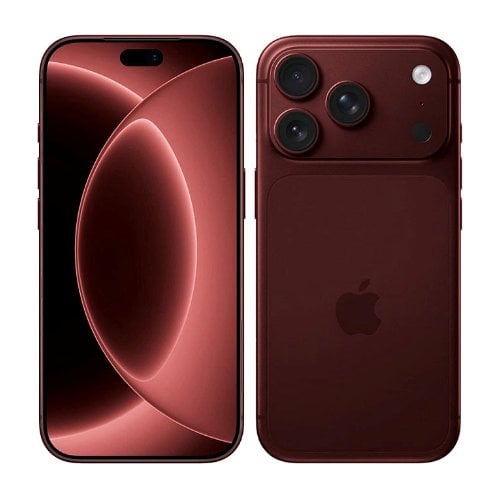
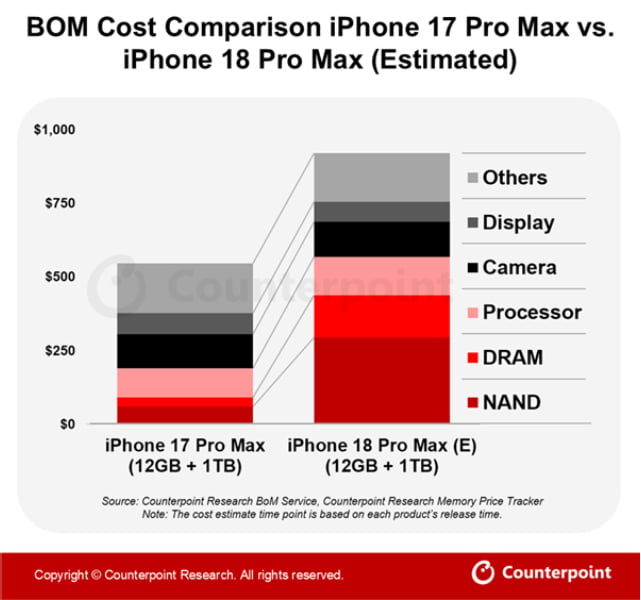
The iPhone 18 Pro Max may cost more to build than last year’s model, according to a new report from market research firm Counterpoint Research. The firm says the hardware cost for the 1TB version could rise by nearly $300 compared to the iPhone 17 Pro Max in the same storage size.
The main reason for the higher cost is — of course — memory. Counterpoint’s report says rising prices for NAND flash storage and DRAM are the biggest factors pushing up the overall cost of parts. Higher-capacity models, like the 1TB version, are said to be affected more since they use more memory to begin with. This means any increase in memory prices hits these versions harder than smaller storage options.
The New Chip Also Costs More
Memory isn’t the only factor for the price hike. The processor is also more expensive this time. The iPhone 18 Pro Max is expected to use Apple’s new A20 Pro chip, made using TSMC’s 2nm process.
While the new process will offer improved performance and power efficiency, it also costs more to make, which adds to the overall hardware cost. We have already reported on the iPhone 18 Pro Max’s pricing and rising memory costs, which matches this latest cost report from Counterpoint.
Not all components are getting more expensive, though. Counterpoint expects the display and some other parts to cost less than they did on the iPhone 17 Pro Max, which could help offset some of the increase from memory and the processor.
Apple May Raise Prices Differently by Storage Size
Since high-capacity models are affected more by memory costs, Counterpoint believes Apple may raise prices differently depending on storage size instead of a flat increase across all models. This would help protect profit margins on higher-capacity phones, which are more exposed to NAND price changes.
Counterpoint also predicts that even if Apple raises the average retail price of the iPhone 18 Pro Max by $200, its profit margin could still end up slightly lower than the iPhone 17 Pro Max.
For more daily updates, please visit our News Section.
Ugreen has launched the PB728 power bank in China for 359 yuan (around $52). It packs a 25,000mAh battery, supports up to 200W total output, and features built-in charging cables for added convenience.
Ugreen PB728 Power Bank Specifications
The power bank includes two built-in USB-C cables. The first is a 65cm retractable cable located at the top of the device, and the second is a 30cm cable attached to the side that also functions as a carrying lanyard. For users who need to plug in their own cords, the device provides one standard USB-C port and one USB-A port.
On the front of the unit, there is a color display. It shows the remaining battery percentage and provides real-time data on the current charging and discharging speeds.
Regarding power output, the standard USB-C port and both of the built-in cables can each deliver up to 100W individually. If you use two USB-C outputs at the same time, the power bank can provide a combined total of 200W.
For Xiaomi users, the USB-C outputs support the company’s MiPPS fast-charging protocol, allowing up to 90W speeds for compatible Xiaomi phones and tablets. The single USB-A port is capped at 33W.
Recharging a battery of this size can be time-consuming, but the PB728 supports 100W input through the standard USB-C port as well as both built-in cables. This allows the unit to recharge relatively quickly when connected to a compatible high-wattage wall charger.
Given the 25,000mAh capacity, the device is heavy. It weighs 623g and measures 158 x 54 x 50mm. The casing is made from a mix of PC and ABS plastics with a V-0 flame-retardant rating, and Ugreen has included its standard temperature monitoring and overcharge protections to manage heat during high-wattage transfers.
Despite the large physical size and capacity, the battery’s total energy rating is 90Wh. This keeps it under the 100Wh limit enforced by most airlines, meaning it is permitted in carry-on luggage for flights.
In related news, Baseus has recently introduced its ultra-thin 5,000mAh magnetic power bank to global markets, featuring support for 22.5W wired fast charging and 15W wireless charging.
For more daily updates, please visit our News Section.
Realme is launching the Narzo 100x 5G in India on July 15th. Ahead of the release, promotional pages on Amazon and Realme’s website have detailed the device’s hardware and software specifications, focusing on battery capacity, physical durability, and AI integration.
Realme Narzo 100x Specifications
The Narzo 100x packs a massive 8,000mAh battery that Realme claims can deliver up to three days of typical use. Despite the large capacity, the phone remains relatively slim at 8.8mm thick and supports 45W fast charging. Additionally, it includes bypass charging for cooler gaming sessions and reverse charging for powering other devices.
The Narzo 100x 5G features a 6.67-inch display with a 144Hz refresh rate and a peak brightness of 1,200 nits. It is powered by the MediaTek Dimensity 6300, a 6nm processor with 5G connectivity.
The device offers up to 256GB of storage and up to 14GB of dynamic RAM, which utilizes a portion of the storage drive as virtual memory. To manage internal temperatures under load, the phone uses a 5,300mm² vapor chamber cooling system alongside software-based cooling optimizations.
The rear camera system relies on a 50MP main sensor. On the software side, the Narzo 100x runs realme UI 7.0 and integrates several Google Gemini features directly into the operating system. These include Gemini Live, note summarization, and screen-sharing assistance. Realme has also included its own photo editing tools, such as an object eraser and portrait lighting adjustments.
The back panel incorporates a transparent-style aesthetic and an LED notification system called the Pulse Light. This light can be customized with nine colors and five speeds to indicate incoming calls, battery status, or sync with media playback from apps like Spotify.
For durability, the phone carries an IP65 rating for dust and water resistance, along with a MIL-STD-810H certification, meaning it is rated to survive drops from up to 1.8 meters.
Availability
The Realme Narzo 100x 5G comes in Midnight Black and Flash Orange colors. It will be available for purchase through Realme’s official website and Amazon India following its launch next week.
For more daily updates, please visit our News Section.
HMD has launched its latest Arc 2 budget smartphone in Thailand. Following up on the HMD Arc from 2024, the device now has new color options, though the design or core specs are not much different from the original. Let’s walk through the specs and pricing details here.
HMD Arc 2 Specifications
The Arc 2 sticks with a 6.52-inch IPS LCD panel running at HD+ resolution and a 60Hz refresh rate, the same as the first Arc. Software-wise, the phone ships with Android 14 Go Edition, the lightweight version of Android built for entry-level hardware.
The main differentiator here is the processor. HMD has swapped out the original Unisoc SC9863A for the newer Unisoc T603. It’s still an entry-level chip built on a 12nm manufacturing process that tops out at 1.8GHz. It is paired with 4GB of RAM and a choice of 64GB or 128GB of onboard storage, with a microSD card slot available for anyone who needs more room.
Around back, the Arc 2 keeps the same single 13MP main camera as its predecessor. Up front, a 5MP selfie camera sits inside a waterdrop-style notch. Powering the device is a 5,000mAh battery paired with 10W charging. The phone also retains a USB-C port and a 3.5mm headphone jack.
Colors, Pricing, and Availability
HMD is offering the Arc 2 in two colorways: Dark Blue and Golden Beige. It will launch in Thailand on July 20 in two storage options. The 4GB + 64GB version is priced at THB 2,290, which comes to about $68 or €60. The 4GB + 128GB version is priced at THB 2,990, which comes to about $89 or €78. HMD has not said if or when the phone will launch in other countries.
For more daily updates, please visit our News Section.
HAYLOU has introduced the Watch Hyper, its latest flagship smartwatch designed for users who enjoy outdoor activities without needing a premium adventure watch. Built around the company’s “Urban Outdoor Smartwatch” concept, the Watch Hyper combines advanced navigation, fitness tracking, and smart features in a device aimed at travelers, casual hikers, cyclists, and everyday explorers. The goal is to offer outdoor-focused features at a more accessible p rice while keeping the watch simple enough for daily use.
Built for Outdoor Navigation
One of the biggest highlights of the HAYLOU Watch Hyper is its navigation system. The smartwatch features L1 + L5 dual-band GPS for improved location accuracy, helping users navigate more reliably in cities, forests, and other challenging environments.
The watch also supports offline maps, allowing users to store maps directly on the device without relying on a mobile network. Full-color topographic maps provide better terrain visibility, while the route backtracking feature helps users retrace their path during hikes or outdoor adventures, even when there is no cellular connection.
Fitness Tracking and Health Features
The Watch Hyper is equipped with a 6-axis motion sensor combined with HAYLOU’s Sevier motion algorithm for accurate activity tracking. It supports more than 170 sports modes, making it suitable for a wide range of workouts and outdoor activities.
The smartwatch also offers intelligent workout recognition, personalized training goals, workout performance insights, and VO₂ Max estimation to help users better understand their fitness levels and monitor their progress.
Smart Features for Everyday Use
Along with its outdoor capabilities, the Watch Hyper includes several smart features for daily convenience. Users can make Bluetooth calls directly from the watch, while Android users can send WhatsApp quick replies. Voice-to-text messaging is also supported, making communication easier while on the move.
The smartwatch further includes an offline AI voice assistant, allowing users to access voice commands even without an internet connection.
Battery, Display, and Durability
HAYLOU claims the Watch Hyper can deliver up to 24 days of battery life under normal use. For outdoor navigation, it offers up to 16 hours of continuous GPS usage.
The smartwatch features a 1.97-inch AMOLED display with adaptive brightness for improved visibility in different lighting conditions. It is also rated 5ATM for water resistance, making it suitable for swimming, rainy conditions, and everyday water exposure.
Available in Black and Silver color options, the Watch Hyper is designed to balance outdoor functionality with everyday practicality.
The Snapdragon 6 Gen 4 and Dimensity 7400 are popular smartphone chips that bring modern capabilities and high performance to lower-mid-range smartphones. The Snapdragon chip aims to offer high-end architecture, including Cortex-A720 cores and elite gaming features, down to a wallet-friendly price point. On the other hand, the Dimensity 7400 prioritizes raw performance with impressive clock speeds and fast 5G download speeds.
Both chipsets arrived at the exact same time, in February 2025, but they take different approaches under the hood. From benchmark battles to real-world gaming and camera capabilities, we’ll compare these two chipsets head-to-head to find out which one has the edge.
Qualcomm Spectra Triple ISP (12-bit) up to 200MP single camera up to 64MP single camera with zero shutter lag up to 32+16MP dual cameras with zero shutter lag up to 16MP triple cameras with zero shutter lag up to 4K video recording at 30 fps
MediaTek Imagiq 950 ISP (12-bit) up to 200MP single camera up to 4K video recording at 30 fps Google Ultra HDR support hardware-based noise reduction (MCNR)
Connectivity
Snapdragon 5G modem download speed: up to 2.9 Gbps Wi-Fi 6E Bluetooth 5.4 sub-6 GHz, mmWave support
MediaTek 5G modem download speed: up to 3.27 Gbps Wi-Fi 6E Bluetooth 5.4 only sub-6 GHz support
Snapdragon 6 Gen 4 vs Dimensity 7400: Benchmark numbers
Note: The benchmark tests were performed on the Realme P3 (powered by the Snapdragon 6 Gen 4) and the iQOO Z10R (powered by the Dimensity 7400).
Geekbench score
The Snapdragon 6 Gen 4 pulls ahead in both single-core and multi-core tests on Geekbench, though the differences are modest. The chip obtains a 1092 single-core score and a 3094 multi-core score. In contrast, the Dimensity 7400 scores 1042 and 3014 in the single-core and multi-core tests, respectively.
That’s a 4.8% gain in single-core and a 2.6% in the multi-core performance for the Snapdragon 6 Gen 4. While they are unlikely to bring drastic changes, users may notice slightly better performance, faster app loading times, and a more responsive experience.
Geekbench 6
Snapdragon 6 Gen 4
Dimensity 7400
Single core
1092
1042
Multi core
3094
3014
AnTuTu score
On AnTuTu v11, the Snapdragon 6 Gen 4 achieves a total score of over 980K, while the Dimensity 7400 gets a lower score of 925K. That top-level score doesn’t tell the whole story, however. You get a clearer picture once you look at the breakdown.
The Snapdragon chip posts a 15% higher CPU score and a 10% higher GPU score. The Dimensity chip is ahead of the Snapdragon chip in memory performance, but the difference is too small to be considered. The user experience (UX) score also favors the Dimensity chip.
Geekbench 6
Snapdragon 6 Gen 4
Dimensity 7400
AnTuTu score
981,557
925,061
CPU
393,468
340,697
GPU
161,350
145,500
Memory
156,590
157,129
UX
270,150
281,735
Both benchmarks suggest the Snapdragon 6 Gen 4 delivers better performance than the Dimensity 7400. Most people would look at the benchmark data and draw a conclusion, but there are important aspects to consider, such as connectivity features and camera capabilities. (more on that below)
Buyers weighing this generation against other options can compare the full lineup in our guide to top Snapdragon processors.
Snapdragon 6 Gen 4 vs Dimensity 7400: Key differences that matter
Performance
Both the Snapdragon 6 Gen 4 and the Dimensity 7400 have been manufactured using TSMC’s 4nm process, but they feature different core configurations.
The Snapdragon chip’s CPU cores are arranged in a traditional ‘1+3+4’ structure to deliver balanced performance and efficiency, while the Dimensity 7400 uses a ‘4+4’ structure, focusing on peak performance.
Snapdragon 6 Gen 4
Dimensity 7400
Prime core
1 x Cortex-A720 at 2.3 GHz
–
Performance core
3 x Cortex-A720 at 2.2 GHz
4 x Cortex-A78 at 2.6 GHz
Efficiency core
4 x Cortex-A520 at 1.8 GHz
4 x Cortex-A55 at 2.0 GHz
While the Dimensity 7400 chip has higher CPU clock speeds, the Snapdragon 6 Gen 4 uses newer, more powerful CPU cores. It’s the reason the Snapdragon chip can achieve higher Geekbench scores.
For graphics-intensive tasks, the Snapdragon chip has an Adreno 810 GPU. The chip integrates select Snapdragon Elite Gaming features for a smooth gaming experience. It includes the Snapdragon Game Super Resolution feature for the first time in the lineup, which upscales gaming scenes in up to 4K without drawing much power.
The Dimensity 7400 is equipped with a dual-core Mali-G615 GPU, paired with MediaTek HyperEngine Gaming Technology features to deliver an enhanced gaming experience with consistent frame rates and improved network connectivity.
Camera
The Snapdragon 6 Gen 4 is equipped with a Qualcomm Spectra Triple ISP, which can process data from three camera sensors simultaneously. The chip supports zero shutter lag across multiple camera combinations, while the Dimensity 7400 adds Google Ultra HDR support.
The Dimensity chip features a 12-bit Imagiq 950 ISP, with support for up to 200MP single camera and 4K video recording at 30fps, something the Snapdragon chip also brings to the table.
Connectivity
Another crucial difference is the higher peak 5G speed on the Dimensity 7400, while the Snapdragon chip supports mmWave, which the other chip lacks.
Snapdragon 6 Gen 4: 2.9 Gbps (peak 5G speed)
Dimensity 7400: 3.27 Gbps (peak 5G speed)
Snapdragon 6 Gen 4 vs Dimensity 7400: Which is better?
The Snapdragon 6 Gen 4 is the clear winner here. It delivers higher CPU performance thanks to newer, more powerful cores. The chip comes with a powerful Adreno GPU, which, paired with Snapdragon Elite Gaming features, delivers a more consistent, lag-free gaming experience compared to Dimensity 7400. The inclusion of mmWave support further strengthens its case.
That said, the Dimensity 7400 is also a very capable mid-range chipset. Except during longer gaming sessions, you will hardly notice a performance difference. It has ISP capabilities comparable to the Snapdragon 6 Gen 4 and offers higher peak 5G speeds.
In short, you should go for the Snapdragon 6 Gen 4 unless gaming isn’t your priority and you can get a Dimensity 7400 phone at a hefty discount.
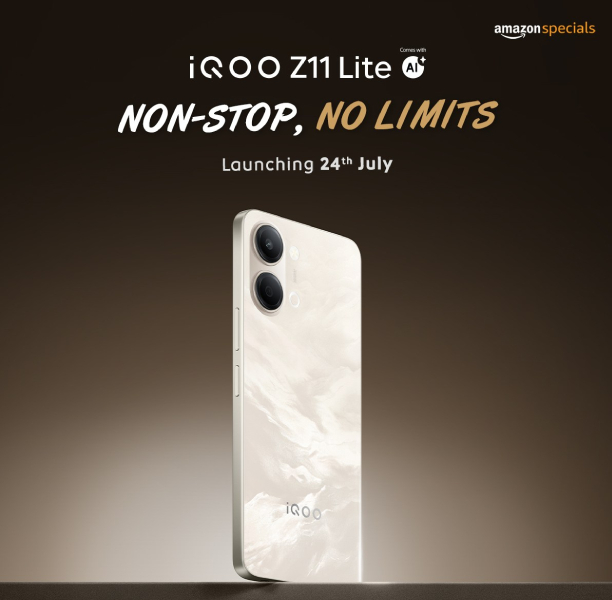
iQOO has finally put a date on the calendar for its next budget phone. iQOO India confirmed on X that the Z11 Lite 5G will launch in the country on July 24, and the phone is set to succeed the iQOO Z10 Lite, which arrived in India last June.
Even though iQOO hasn’t shared the full spec sheet yet, one tipster on X had already leaked most of the important details.
iQOO Z11 Lite Specifications
According to the leak, the iQOO Z11 Lite will run on a MediaTek Dimensity 6300 chipset paired with Mali-G57 MC2 graphics, and it should be available with up to 8GB of RAM and 128GB of storage. On the software side, the phone is tipped to launch with OriginOS 6 built on top of Android 16.
Moreover, the battery is said to come at 6,500mAh, a decent jump from the 6,000mAh unit on the older Z10 Lite. And iQOO is boosting the charging speed too, from 15W to 44W.
IQOO Z11 Lite 5G
– 6.74" IPS LCD 120hz – DM 6300 /590K+ Antutu – UFS 2.2 / LPDDR4X – 50MP Primary – 5MP Front – 3.5mm Jack – IP65 – 6500 mAh /44W -Origin OS 6/ A16 – 4GB/128GB, 8GB/256GB -Launch in Next 10 Days – Sub 22-25K
— PassionateGeekz.com (@passionategkeez) July 8, 2026
On the camera front, the leak suggests a dual rear setup made up of a 50MP main sensor along with a 2MP secondary sensor. The display is expected to measure around 6.74 to 6.78 inches running at a 120Hz refresh rate. The phone is also rumoured to carry an IP64 rating.
Design-wise, an Amazon India listing had already suggested the phone would come in a Solar Flame colourway, and teaser images show a vertical rear camera module with a circular LED ring underneath it for notifications, something like a mini light-up alert system.
iQOO is expected to sell the Z11 Lite through Amazon India, its own official website, and select offline retailers. We’ll keep you updated the moment there’s more to share.
For more daily updates, please visit our News Section.
Multiple reports have claimed that Xiaomi may unveil the Xiaomi 18 Pro series as the first Snapdragon 8 Elite Gen 6-powered phones in September this year. Recently, tipster Digital Chat Station published a Weibo post revealing the key specifications of the Xiaomi 18 Pro Max. Now, he is back with a new post to share the key details of the smaller Xiaomi 18 Pro.
Xiaomi 18 Pro key specifications tipped
According to the tipster, the Xiaomi 18 Pro engineering prototype is being tested with a 2nm flagship chipset, which is the Snapdragon 8 Elite Gen 6 series, expected to debut in Se,ptember just before the Xiaomi 18 Pro series launch.
The leak further reveals that the Xiaomi 18 Pro will feature a custom ultra-high-resolution flat display with large rounded corners and ultra-slim symmetrical bezels. While he has not mentioned the screen size in this leak, he previously revealed that the device will have a 6.4-inch OLED panel equipped with a Samsung-like Privacy Display feature.
The Xiaomi 18 Pro’s camera setup will comprise a 200-megapixel large-sensor main camera and a 200-megapixel large-sensor periscope telephoto camera with macro support. The setup will be rounded out by a 50-megapixel ultra-wide lens.
DCS further claims the prototype packs a 7,000mAh-class battery, supports 100W wired fast charging and wireless charging, and may also receive upgrades such as dual stereo speakers, a larger vibration motor, and several additional refinements before launch. The device is also expected to retain the secondary rear display like the previous generation.
For more daily updates, please visit our News Section.
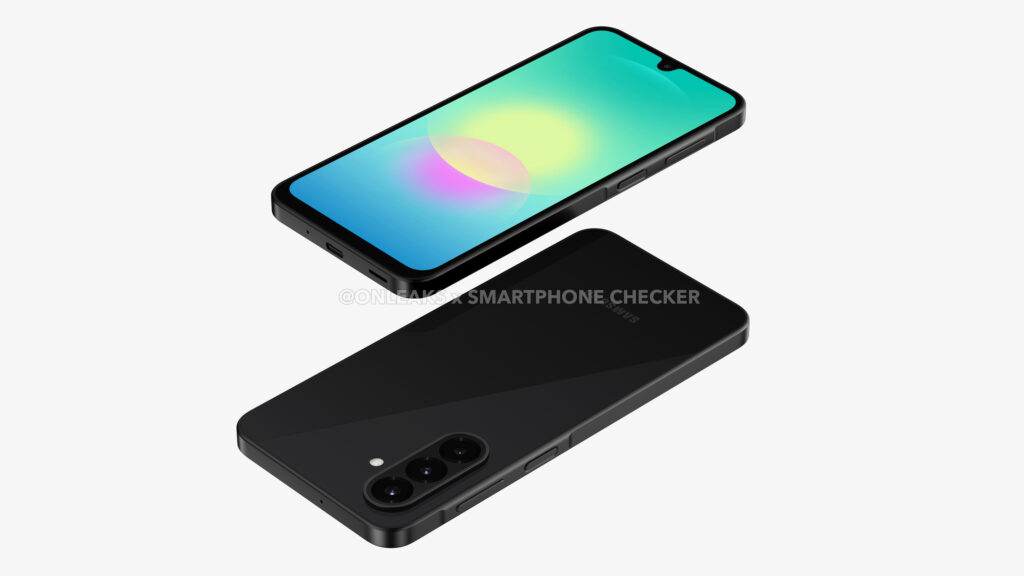
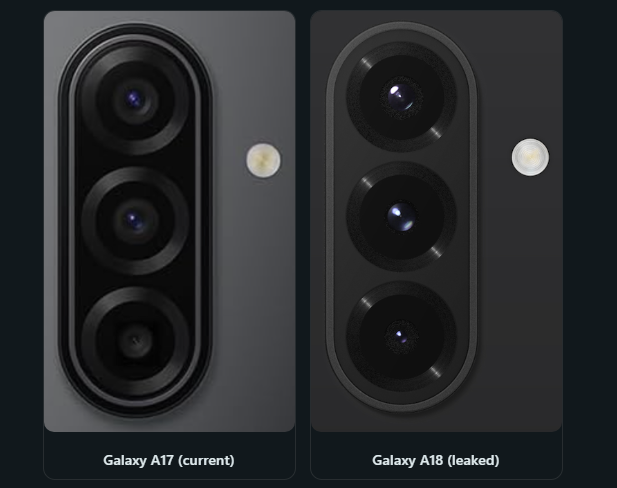
The Galaxy A17 5G launched back in August last year, followed by a 4G variant in September with an identical design and nearly identical specifications. Now the Galaxy A18 has surfaced in high-quality renders, revealing its design ahead of launch.
The renders come from OnLeaks in collaboration with Smartphone Checker and are reportedly based on official factory CAD data shared with case makers. This means the renders should be very close to the actual design.
According to the CAD data, the phone measures 164.4 x 77.8 x 7.84mm. This makes it 0.34mm thicker than the Galaxy A17 models. On the back, the renders show a slightly refined pill-shaped camera housing, which also protrudes less than the predecessor’s thanks to the added thickness.
On the front, not much seems to have changed. Samsung is continuing with the “Infinity-U notch” it has been using in its entry-level phones since 2019. While exact bezel dimensions weren’t provided, they should remain similar to last year’s if Samsung’s track record is anything to go by.
Moving on to specifications, a recent report from ZDNet Korea suggests Samsung is dropping Exynos on the 5G model in favor of a Snapdragon chipset. According to rumors, it could be the 6nm-based Snapdragon 6s Gen 3, a slightly overclocked version of the older Snapdragon 695. This chip should be capable of handling most day-to-day tasks and some light gaming.
Both the 5G and 4G versions of the Galaxy A17 series came with a 6.7-inch Super AMOLED panel with FHD+ resolution and a 90Hz refresh rate. They featured a 50MP main camera (1/2.76″), a 5MP ultrawide, and a 13MP selfie shooter.
It will be interesting to see if the 0.34mm increase in thickness finally translates into a battery upgrade for the Galaxy A18. The 5,000mAh battery has been Samsung’s go-to option across different price segments for years. Interestingly, the upcoming top-of-the-line flagship, the Galaxy S27 Ultra, finally seems to be getting a significantly larger battery.
The Xiaomi 17T Pro is an all-round flagship smartphone with a large 6.83-inch AMOLED screen, a MediaTek Dimensity 9500 chip, a huge 7,000mAh battery, and a Leica-built camera system with a 5x zoom lens. For all this, the company is asking around €899-€999 in Europe, depending on storage size.
For a wider comparison across brands, our roundup of top flagship phones this year covers the strongest all-round options.
But the 17T Pro is not the only strong option in this price range. Several other phones offer similar power, and in some cases, better value. So if you are shopping for a new phone in 2026 and want to compare your choices, here are five solid alternatives worth a look.
The Poco F8 Ultra is one of the closest rivals to the Xiaomi 17T Pro, and it comes from the same parent company. Announced in November 2025, it features a large 6.9-inch AMOLED display, but the biggest difference is the chip. Instead of MediaTek, the F8 Ultra runs on the Snapdragon 8 Elite Gen 5. This makes it a great pick for gaming and heavy multitasking.
The phone also has a 6,500mAh battery with 100W wired charging and 50W wireless charging, so it charges fast even though the battery is slightly smaller than the 17T Pro’s. On the camera side, it uses a triple 50MP setup, including a 5x periscope zoom lens. The phone also has Bose-tuned stereo speakers. Why its better is that it’s cheaper at around $729 for the 12GB/256GB model.
2. OnePlus 15R
OnePlus 15R
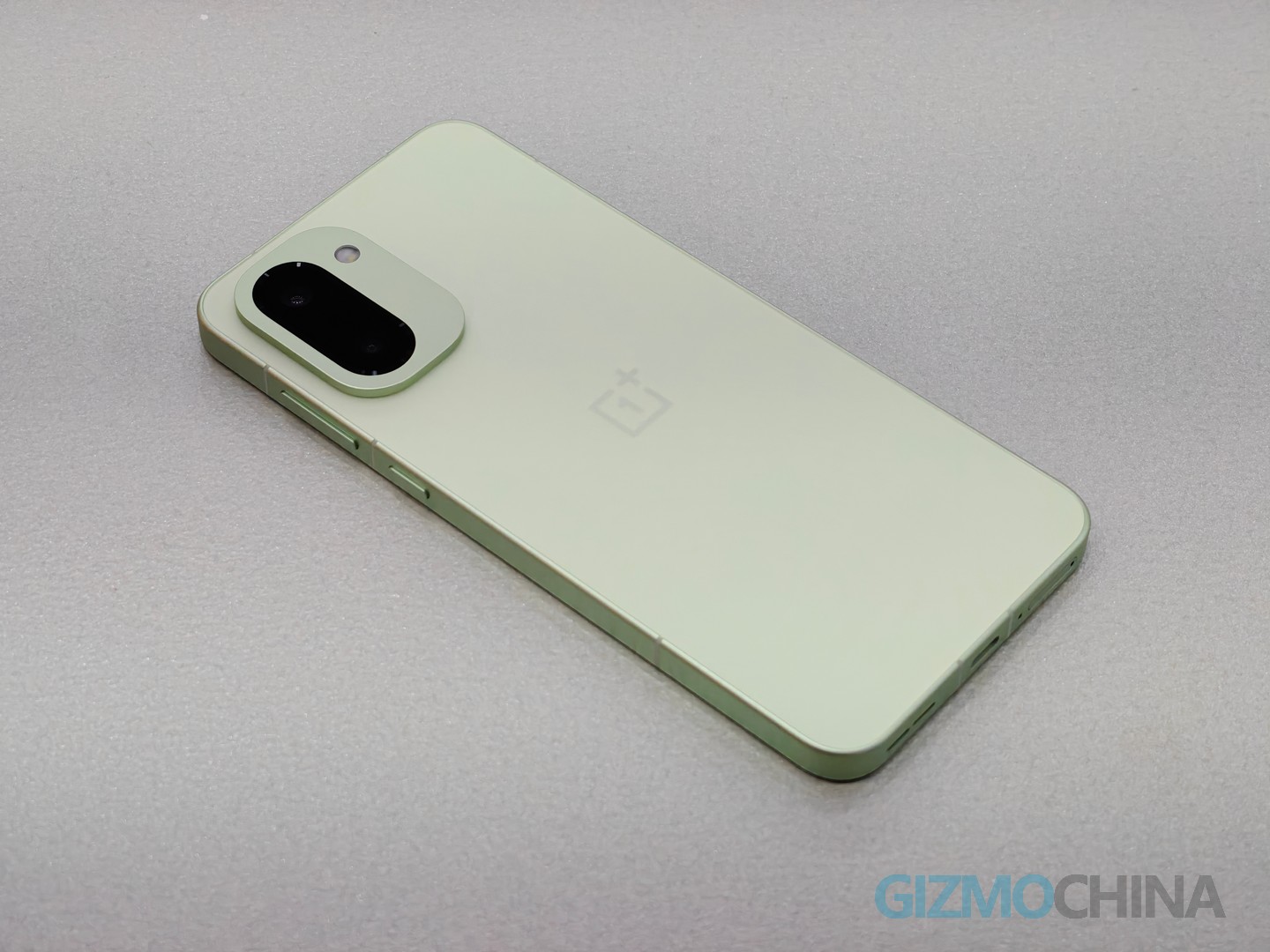
The OnePlus 15R is a good choice for people who care most about charging speed and smooth software. Like the F8 Ultra, it runs on the Snapdragon 8 Gen 5 chip and packs a massive 7,400mAh battery. The display is a 6.83-inch AMOLED panel with a fast 165Hz refresh rate.
The phone runs OxygenOS 16, which is known for being clean and fast, without much extra clutter. It even supports frame-rate interpolation in games that boosts supported titles beyond their normal frame rates for smoother gameplay.
The camera setup is simpler than the 17T Pro’s, with a 50MP main sensor and an 8MP secondary lens, so it does not match Xiaomi’s zoom range. But for buyers who want strong battery life, fast charging, and a smooth day-to-day experience, the 15R is priced around $699 to $749, undercutting the 17T Pro while offering comparable or better performance.
3. Honor 600 Pro
Honor 600 Pro
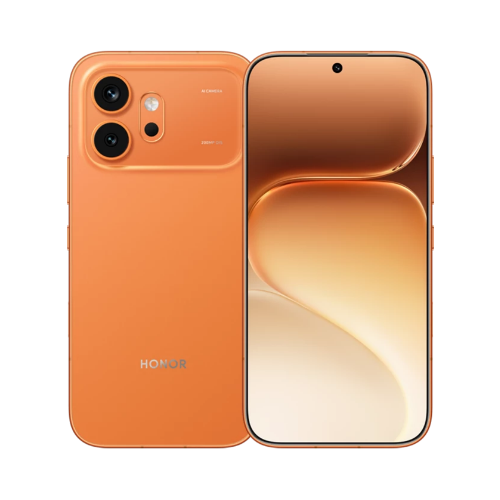
The Honor 600 Pro takes a different approach by focusing heavily on the camera and display quality. It has a slightly smaller 6.57-inch AMOLED screen, but it reaches an extremely bright 8,000 nits at its peak. The main camera uses a huge 200MP sensor, paired with a 50MP telephoto lens offering 3.5x optical zoom and up to 120x digital zoom.
While the zoom range is shorter than the 17T Pro’s 5x lens, the image quality from the large main sensor is excellent, especially for detailed daytime shots. The phone runs on the Snapdragon 8 Elite chip and has a 7,000mAh battery with 80W wired charging and 50W wireless charging. It also holds strong IP68, IP69, and IP69K ratings for dust and water resistance.
The Honor 600 Pro retails starting at €799 in Europe.
4. Poco X8 Pro Max
Poco X8 Pro Max
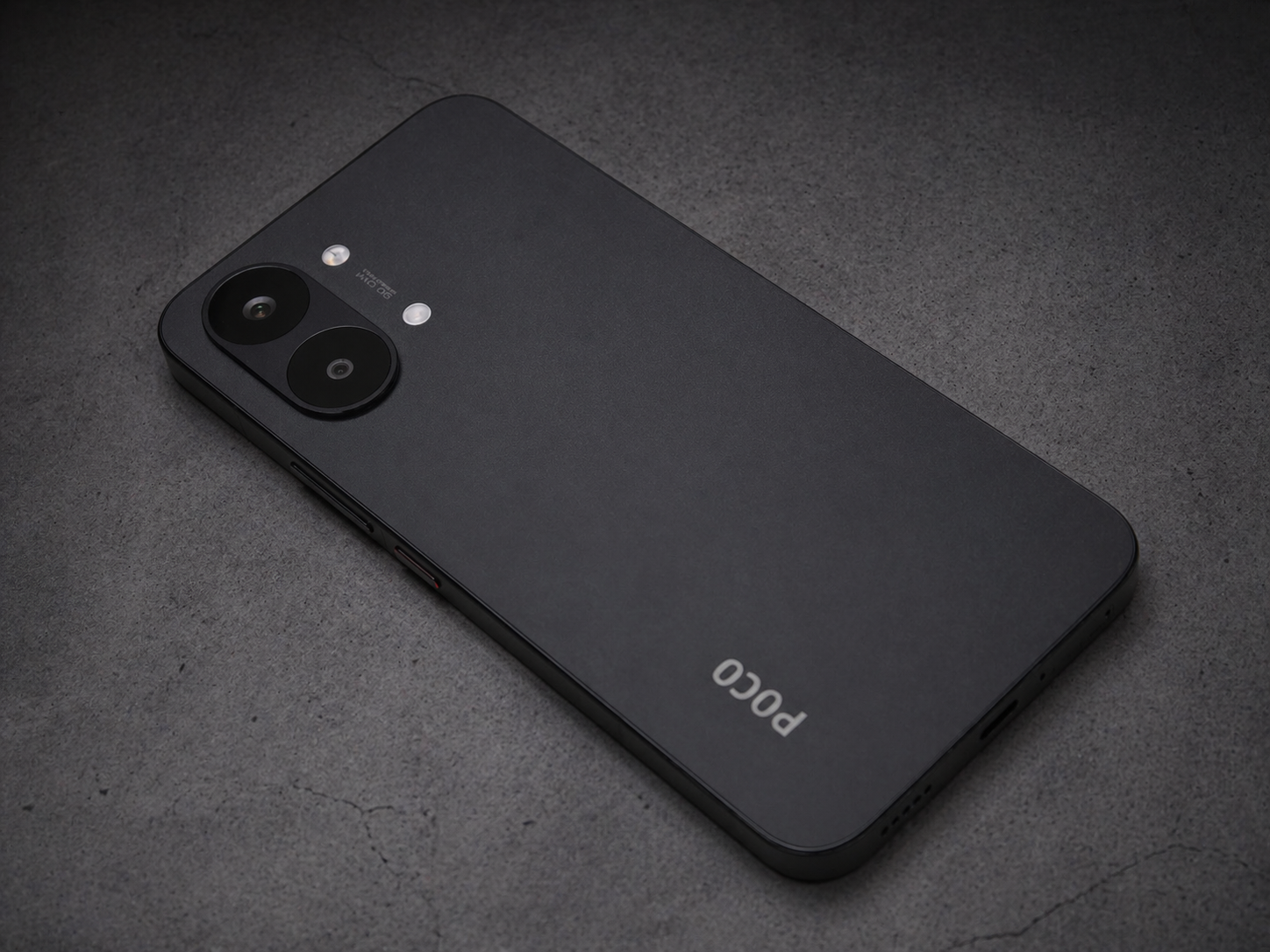
For shoppers who want similar power to the 17T Pro but at a much lower price, the Poco X8 Pro Max is worth serious consideration. It is Poco’s first “Pro Max” phone, and packs in surprisingly high-end specs for its price. It uses the MediaTek Dimensity 9500s chip, a slightly toned-down version of the same chip family found in the 17T Pro, along with a 6.83-inch AMOLED display that closely matches Xiaomi’s screen size and quality.
Where the X8 Pro Max really stands out is battery life. It comes with an enormous 8,500mAh battery, one of the largest ever placed in a regular smartphone, along with 100W fast charging. It also carries an IP69K rating, meaning it can survive high-pressure water jets, not just splashes.
The camera setup is more basic, though, housing a 50MP main sensor and no dedicated telephoto lens. Still, with prices starting around $414 to $485, it delivers exceptional value for anyone who wants long battery life and solid performance without spending flagship-level money.
5. Samsung Galaxy S25 FE
Samsung Galaxy S25 FE
For buyers who prefer Samsung’s software and long-term update support, the Galaxy S25 FE is a worthwhile alternative. It starts retailing at $649, and for the price, you get extremely long software support along with the Galaxy AI features.
The trade-off is that the S25 FE has a smaller battery and slower charging speeds compared to the 17T Pro, and its camera system does not match Xiaomi’s zoom capabilities. However, it still offers a reliable AMOLED display, solid daily performance, and access to Samsung’s One UI software and ecosystem features, including easy connections with Galaxy tablets, watches, and earbuds. It is a strong pick for people who want a dependable, well-supported phone rather than the most powerful camera or battery on paper.
For more daily updates, please visit our News Section.
We use cookies on our website to give you the most relevant experience by remembering your preferences and repeat visits. By clicking “Accept”, you consent to the use of ALL the cookies.
This website uses cookies to improve your experience while you navigate through the website. Out of these, the cookies that are categorized as necessary are stored on your browser as they are essential for the working of basic functionalities of the website. We also use third-party cookies that help us analyze and understand how you use this website. These cookies will be stored in your browser only with your consent. You also have the option to opt-out of these cookies. But opting out of some of these cookies may affect your browsing experience.
Necessary cookies are absolutely essential for the website to function properly. This category only includes cookies that ensures basic functionalities and security features of the website. These cookies do not store any personal information.
Any cookies that may not be particularly necessary for the website to function and is used specifically to collect user personal data via analytics, ads, other embedded contents are termed as non-necessary cookies. It is mandatory to procure user consent prior to running these cookies on your website.