Advertisement

Huawei Nova 13 & Nova 13 Pro launched in China with new design, AI features & more

Huawei has unveiled its latest additions to the Nova series, the Nova 13 and Nova 13 Pro, during the HarmonyOS Next launch event. These smartphones come packed with top-tier AI photography features and improved communication capabilities. Let’s check out the key specs of these devices.

Huawei-Nova-13-Series
Huawei Nova 13 Pro

Huawei Nova 13 Series Specifications

The Nova 13 features a 6.7-inch OLED flat screen with a 2412×1084 resolution. It supports a 120Hz refresh rate, a 300Hz touch sampling rate, and 1440Hz high-frequency PWM dimming for eye comfort. It delivers 1.07 billion colors and uses reinforced lithium-silicon-aluminum glass for durability.

Meanwhile, the Nova 13 Pro sports a 6.76-inch OLED quad-curved screen with a 2776×1224 resolution. It shares the same 120Hz refresh rate and 300Hz touch sampling rate, but the PWM dimming frequency is upgraded to 2160Hz, ensuring a smoother visual experience. The Nova 13 Pro also features the same reinforced glass for enhanced screen protection.

Both devices are powered by the Kirin 8000 chipset, paired with 12GB of RAM; LPDDR4X for the Nova 13, and LPDDR5 for the Nova 13 Pro. Both models run on the HarmonyOS 4.2 system, delivering a user-friendly interface and seamless connectivity across Huawei’s ecosystem.

Huawei Nova 13
Huawei Nova 13

The Nova 13 boasts a 50MP RYYB main sensor with dual OIS, paired with an 8MP ultra-wide macro lens and a 2cm macro lens. It also has a 60MP front camera designed for stunning portrait selfies.

The Pro ups the ante with a 60MP front portrait camera, which includes a 5x zoom lens and QPD for precise focusing. Its rear camera setup features a 50MP ultra-variable anti-shake lens, a 12MP 3x telephoto portrait lens, and an 8MP ultra-wide macro lens. The Nova 13 Pro supports a physical variable aperture from f1.4 to f4.0, providing optimal adaptability for low-light and dynamic photography scenarios.

Both models integrate Huawei’s Da Vinci Portrait Engine 2.0, enabling intelligent enhancements for skin tone, texture, and background bokeh effects. The devices sport AI features like AI Best Expression, AI Upscaling, AI Object Removal, and AI Smart Cutout which take photo editing to the next level.

Huawei Nova 13 Pro

Both the Nova 13 and Nova 13 Pro are equipped with a 5000mAh silicon-carbon negative electrode battery that supports 100W Turbo fast charging. The phones can charge up to 50% in just 9 minutes, providing convenience for users on the go.

The series includes under-screen fingerprint sensors, NFC, Bluetooth 5.2, and stereo speakers. It also supports Beidou satellite communication, including the capability to send satellite text and picture messages, which ensures better communication in weak or congested signal environments.

The Nova 13 series is available in four color options: Lodeng Green, Feather Purple, Feather White, and Star Black. The Nova 13 Pro also features a unique space-textured glass for a premium feel.

Pricing & Availability

Huawei Nova 13 starts at 2,699 yuan ($378) for the 256GB variant, 2,999 yuan ($421) for the 512GB variant, and 3,499 yuan ($491) for the 1TB variant.

Meanwhile, the Pro model is priced at 3,699 yuan ($519) for the 256GB model, 3,999 yuan ($561) for the 512GB model, and 4,499 yuan ($631) for the 1TB model.

Both models will be available for purchase starting from October 25, with sales beginning at 10:08 AM.

Huawei drops Android, launches HarmonyOS Next: What’s new in this OS?

Huawei has officially launched HarmonyOS Next, its latest native version of HarmonyOS, during the new product launch event. This fifth-generation operating system brings a series of significant upgrades, focusing on enhanced privacy, improved security measures, and overall smoother user interactions.

Huawei HarmonyOS Next

Marked as the biggest update in HarmonyOS history, the system comes with a redesigned architecture built independently from Android, emphasizing native features and security.

1. UI and Interaction Updates

HarmonyOS Next introduces “Pure HarmonyOS,” a new design approach focused on visual appeal and fluidity, using immersive lighting, gravity-based animations, and central-axis symmetry.

Chief UX Designer Yang Zhiyan explains how six elements – light, movement, color, force, time, and space, create a cohesive digital experience. The UI features dynamic wallpapers, intelligent digital clocks, and seamless theme integration, with the lock screen adjusting its cinematic aesthetic based on weather, clock positioning, and lighting effects for more natural user interactions.

2. Privacy and Security Enhancements

Huawei emphasizes security with the introduction of the “Star Shield” architecture that prioritizes privacy with stricter permission management, keeping data on the device, and preventing unauthorized access. It introduces encrypted sharing, allowing users to limit file access and block screen recording.

The system reduces permission pop-ups by 76% compared to iOS and ensures app integrity by listing only rigorously reviewed apps. Huawei also enhances transparency with detailed access logs, allowing users to monitor data usage and app behavior.

3. Smart Assistant Upgrades

The updated XiaoYi Assistant in HarmonyOS Next, powered by the Pangu AI model, offers deeper AI integration with voice, gestures, and navigation bar shortcuts. It handles complex tasks like document summarization, mind mapping, and AI-driven image editing. Users can drag and drop files for instant processing, while knuckle-based circle selection enables quick image-based queries or product identification, boosting usability and efficiency.

4. Performance Improvements

HarmonyOS Next’s Distributed Soft Bus enhances cross-device collaboration with features like cross-device gallery sharing, clipboard sync, in-app video casting, and Tap-to-Share for seamless file and content sharing across Huawei devices.

The Ark Engine has been further refined, integrating components like graphics, multimedia, and memory scheduling for a smoother user experience. The system claims a 30% boost in smoothness, extended battery life by 56 minutes, and enhanced multitasking with 1.5GB of additional memory.

5. Availability

HarmonyOS Next now supports over 15,000 native Harmony apps and meta-services across 18 industries, ensuring broad compatibility and functionality. The public beta has begun with devices like the Huawei Pura 70 Series, Pocket 2 Series, and MatePad Pro 11-inch (2024). More devices, including the Mate XT | Ultimate Design, Nova Flip, and MatePad Air, will receive updates by early 2025.

Snapdragon 8 Elite (8 Gen 4) vs Dimensity 9400: Comparing Qualcomm & MediaTek’s Flagship

Qualcomm just announced the Snapdragon 8 Elite as the flagship processor, which will power upcoming premium smartphones. This announcement arrives mere weeks after MediaTek unveiled its own high end Dimensity 9400 SoC. We had written an early comparison based on rumors and leaks of these two chips. So let’s see how the Snapdragon 8 Elite compares against the Dimensity 9400 now.

1. Snapdragon 8 Elite vs Dimensity 9400: Specifications

Snapdragon-8-Elite-thermal-issues
Qualcomm Snapdragon 8 Elite

MediaTek’s new Dimensity 9400 features MediaTek’s 2nd Gen All Big Core design, which includes the powerful ARM Cortex-X925 core. These run at over 3.62GHz and combine three Cortex X4 cores and four Cortex A720 cores. This enables the chip to offer 35% faster single-core and 28% faster multi-core performance compared to the Dimensity 9300.

It is built on TSMC’s 2nd Gen 3nm process, allowing for up to 40% more power efficiency as well. The Dimensity 9400 has a new NPU for improved AI functionality and a 12-core ARM Immortalis-G925 GPU for 40% faster ray tracing performance.

Qualcomm and MediaTek had the same idea as the Snapdragon 8 Elite also incorporates an All Big Core design. It has eight cores with 2x prime cores, which are clocked at an impressive 4.32GHz along with 6x performance cores with a 3.53GHz clock speed. The new Snapdragon 8 Elite was built on TSMC’s 3nm process, promising a 45% increase in CPU performance while boasting a 44% improvement in power efficiency.

Thanks to an upgraded Adreno 830 GPU, there is also a 40% improvement in both performance and power efficiency along with 35% faster ray tracing as well. This chip also supports Unreal Engine 5.3 and its Nanite virtualized geometry system.

2. Big Focus on AI

Dimensity 9400 launched
MediaTek Dimensity 9400

MediaTek showcased its Dimensity 9400 chip with its 8th Gen NPU. It launched as the first mobile chipset to support on-device LoRA training and high-quality on-device video generation. The chipset features Dimensity Agentic AI Engine (DAE) for up to 80% faster LLM prompt performance and 35% improved efficiency.

On the other hand, Qualcomm’s Snapdragon 8 Elite packed the new Hexagon NPU with a 45% improvement in AI processor speed. It arrives with support for both large and small AI models along with Qualcomm’s QI Engine, which brings multimodal AI support.

3. Benchmarks

Snapdragon-8-Elite-poster

Just earlier today, our report covered how the Snapdragon 8 Elite’s performance managed to rival the Apple A18 Pro. It managed to rival the A18 Pro in single core test in GeekBench 6, while its multi core scores crossed over 10,000 points. Ahead of the launch, an older GeekBench sighting listed the device with 2884 (single) and 8840 (multi) points respectively. On AnTuTu, this chip managed to get a score of over 3 million. Regardless, it is one of the fastest processors for Android smartphones right now.

Meanwhile, the Dimensity 9400 was first seen getting a GeekBench score of 2818 points in the single core test, while its multi core scores reached 8847 points. Just like the Snapdragon 8 Elite, the MediaTek chip also crossed the 3 million mark on AnTuTu.

4. Conclusion

Both Qualcomm and MediaTek are offering a notable leap in performance with their latest flagship chips. But as I initially suspected, the Snapdragon 8 Elite and Dimensity 9400 are quite competitive in most aspects. Not only is there a notable bump in raw performance, but AI and graphics processing speeds have also seen an upgrade. Even battery efficiency has seen improvements. In the benchmarks, the two chips only have a single digit percentage difference. So real world test with the new premium phones might determine which processor is the best. But whatever you choose, these two are the best chipsets you can have on your Android flagship.

Oppo Reno 13 Pro key specs leaked, reveals quad-curved display, periscope lens with 3x zoom

Oppo has reportedly begun working on the Reno 13 series, and recent leaks from well-known tipster Digital Chat Station hint that the Pro variant could be a strong contender in the mid-range segment. While the leaked details are based on the engineering model and could change by the time the phone is released, they provide an early look at what the upcoming device might offer.

Oppo Reno 12 Pro
Oppo Reno 12 Pro

Major Leak Hints at Big Upgrades

According to the leakster, the Reno 13 Pro is rumored to feature a 6.78-inch quad-curved 8T LTPO OLED display with a 2780×1264 resolution, classified as 1.5K. This quad-curved design suggests uniform curvature across all edges, ensuring a seamless viewing experience.

Oppo Reno 13 Pro DCS leak

For photography enthusiasts, the Reno 13 Pro is expected to come equipped with a 50MP periscope telephoto lens capable of 3x optical zoom, improving long-range photography. It is also said to support 80W wired charging and 50W wireless charging, paired with advanced dust and water resistance.

Earlier this month, Digital Chat Station hinted that the device will be powered by MediaTek’s Dimensity 9300 chipset, making it one of the first to utilize this powerful chip. The leak also indicates that Oppo aims to distinguish between its mid-range and flagship models by not including a metal frame on the Reno 13 Pro. Additionally, it is expected to support magnetic wireless charging through a specialized magnetic protective case.

In terms of battery capacity, the Reno 13 is rumored to house a 5,600mAh battery, while the Pro variant is expected to have a larger 5,900mAh battery.

Comparing it to its predecessor, the Reno 12 Pro featured a 6.70-inch AMOLED display with 2412×1080 resolution and up to 1600 nits peak brightness. It also had a triple 50MP camera setup and was powered by MediaTek’s Dimensity 9200+ Star Speed Edition. The device offered up to 16GB of RAM, 512GB of storage, and a 5,000mAh battery with 80W fast charging, all packed in a slim 7.55mm body.

Disappointing! iPhone 16 sits below low-end Galaxy A35 and Pixel 9a in DxoMark display analysis

Apple‘s latest flagship, the iPhone 16, gets a mediocre score in DxOMark’s display analysis. The independent benchmark site, which scientifically assesses smartphones, lenses, and cameras, gives the iPhone 16 just 142 points—falling short for a premium smartphone.

This score puts the iPhone 16 behind several more affordable competitors, including the Samsung Galaxy A35 5G and Google Pixel 8a, which both managed 143 and 145 points respectively. DxOMark’s current display leader, the Google Pixel 9 Pro XL, sits comfortably at the top with 158 points.

One area where the iPhone 16 struggles is brightness. Apple says the phone boasts a maximum brightness of 2,000 nits, and DxOMark’s measurements also revealed a figure close to it at peak of 1,969 nits. 

However, it falls behind the Samsung Galaxy S24, which achieved a staggering 2,548 nits. Despite this discrepancy, DxOMark acknowledges that the iPhone 16’s brightness is adequate for most outdoor viewing scenarios.

iPhone 16 Display Fails to Impress in DxOMark Analysis

DxOMark also identified other shortcomings beyond raw brightness. In low-light conditions, the analysis found that Standard Dynamic Range (SDR) content appeared too dark and lacked sufficient contrast. Additionally, HDR10 content exhibited brightness fluctuations, potentially impacting viewing quality.  

iPhone 16 series
iPhone 16 series

Touchscreen responsiveness proved reliable in most situations, but DxOMark noted a minor issue with the new capture button. More concerning is the display’s refresh rate. Stuck at 60 Hz, the iPhone 16 lags behind competitors offering smoother 120 Hz displays. 

While the touchscreen response time itself remains competitive at 51-84 milliseconds, the lower refresh rate translates to less fluid animations.

DxOMark’s analysis also measured a Pulse Width Modulation (PWM) frequency of 480 Hz. This flickering rate matches the Samsung Galaxy S24, and while fast enough for most users to avoid issues, those sensitive to flickering displays might want to consider alternatives. 

(Source)
Snapdragon 8 Elite challenges Apple A18 Pro with Impressive performance gains

Qualcomm has officially launched the Snapdragon 8 Elite, set to power numerous flagship smartphones in late 2024. The new chip is expected to feature in devices like the OnePlus 13, Xiaomi 15, iQOO 13, and Realme GT 7 Pro, with many of these phones anticipated to debut between late October and early November.

Qualcomm showcased benchmark results comparing the Snapdragon 8 Elite with its competitors, including Apple’s A18 Pro, Samsung’s Snapdragon 8 Gen 3 “For Galaxy” edition, and Google’s Tensor G4. The tests were conducted on a reference smartphone with top-tier specifications, including a 4.32GHz clock speed Prime CPU core, 24GB LPDDR5X RAM, and a 144Hz AMOLED display.

1. CPU performance:

The Snapdragon 8 Elite’s custom Oryon CPU cores, built on an Arm architecture, demonstrated significant gains. In single-core performance, the chip closely rivaled Apple’s A18 Pro, with only a marginal difference of about 4%. Compared to Google’s Tensor G4, Qualcomm’s new chip showed a remarkable 63% improvement, highlighting its advantage over existing Android processors. However, while the Snapdragon 8 Elite’s peak clock speed of 4.32GHz is impressive, it remains to be seen how this translates to real-world power efficiency.

In multi-core tests, Qualcomm’s six performance cores helped it surpass Apple’s A18 Pro by 27%, although the Snapdragon 8 Elite has more cores, which gives it a structural edge. Per-core comparisons showed the A18 Pro cores still slightly outpacing the Oryon cores by about 4.5%.

2. GPU performance:

Graphics performance has seen a 40% improvement over the Snapdragon 8 Gen 3, according to tests like 3DMark’s Wild Life. The Snapdragon 8 Elite’s new GPU design promises to handle even the most demanding games with ease, showing a 34% uplift in advanced graphical effects. Qualcomm has also claimed improved ray-tracing capabilities, though specific benchmarks weren’t provided during the announcement.

3. Expected launch dates for Snapdragon 8 Elite-powered devices

Xiaomi 15 could be one of the first, launching globally by late October. iQOO 13 will debut in China on October 30th and arrive in other regions by early December​. The Vivo X200 Ultra is confirmed to feature this chipset, likely launching early next year.

OnePlus 13 is also anticipated around the end of October, followed by global sales. Realme GT 7 Pro is rumored to launch in November​. For those interested, here’s the full list of devices powered by Snapdragon 8 Elite.

4. Conclusion:

While Qualcomm’s benchmarks present promising results, it’s essential to take these numbers with caution. Reference devices often perform slightly better than retail units, so real-world tests will determine if the Snapdragon 8 Elite can maintain its impressive gains across various smartphone brands. More insights are expected during the Snapdragon Summit, where hands-on experience with Snapdragon 8 Elite devices might reveal additional details.

(Via)

Huawei HarmonyOS Next public beta now arrives on eight new smartphones including Pura 70 series

Earlier this month, Huawei rolled out the public beta update to the Mate 60 series, Mate X5 series, and the MatePad Pro 13.2-inch series. Now the company is bringing it to eight new devices.

Huawei HarmonyOS Next public beta

These devices include the Pura 70, Huawei Pura 70 Satellite Messaging Edition, Pura 70 Pro, Pura 70 Pro+, Pura 70 Ultra, Pocket 2, Pocket 2 Art Custom Edition, and MatePad Pro 11-inch (2024). Users who own any of these models can apply for the beta upgrade through the “My Huawei” app, specifically under the “Early Access” section.

Huawei HarmonyOS Next public beta

The latest HarmonyOS version, called HarmonyOS Next, marks a significant shift for Huawei’s software. It is now based on a single-framework architecture, which means that it no longer supports Android compatibility. This change makes HarmonyOS Next a fully self-developed operating system that relies solely on the HarmonyOS kernel.

However, according to a report, Huawei may implement a dual-OS strategy for its upcoming Mate 70 series, enabling support for both HarmonyOS Next and Android apps. This approach, rumored by leaker RuiPlaysDigital, aims to cater to both Chinese users familiar with HarmonyOS and global users who require Android compatibility, especially for Google apps restricted by US trade policies.

Initially announced in 2015, HarmonyOS officially launched in 2019 and has seen four major updates since then. In January 2024, Huawei revealed HarmonyOS Next, which is now tailored for a fully native HarmonyOS experience, focusing only on apps developed for the HarmonyOS ecosystem.

As of now, the top 5,000 apps in China are undergoing native development for HarmonyOS, and the HarmonyOS Next App Store currently offers over 10,000 apps and services, covering almost all basic usage needs.

A recent report from Counterpoint Research shows that HarmonyOS has gained significant market share in China, increasing from 8% in Q1 2023 to 17% in Q1 2024. Meanwhile, iOS’s market share dropped from 20% to 16% in the same period, making HarmonyOS the second-largest operating system in China, surpassing Apple’s iOS.

Huawei’s Xu Zhijun emphasized that for HarmonyOS to become a true mobile operating system, it needs its own robust ecosystem. The goal is to achieve better coordination among apps, the OS, and hardware, leading to an improved user experience.

Huawei is hosting an event today in China, where it will officially launch HarmonyOS Next alongside the Nova 13 series. The Mate 70 series is anticipated to debut in November.

(Via)

Upcoming Smartphones Powered by Qualcomm Snapdragon 8 Elite

After long rumors and leaks, Qualcomm finally unveiled the Snapdragon 8 Elite as its latest flagship processor. Shortly after the launch, various smartphone brand announced their smartphones that will feature the brand new chipset. So here’s a list of all the upcoming Snapdragon 8 Elite powered smartphones.

1. Xiaomi 15 Series

xiaomi 15 pro 2
Xiaomi 15

Xiaomi was one of the first to announce the launch date for its next gen flagship phone. The Xiaomi 15 series is set to be unveiled tomorrow (23rd October 2024). The original teaser was also the first to confirm the Snapdragon 8 Elite moniker. So the Xiaomi 15 and Xiaomi 15 Pro will be unveiled tomorrow, while the Xiaomi 15 Ultra is expected to launch later on.

2. Realme GT 7 Pro

Realme GT 7 Pro retail box
Realme GT 7 Pro Retail Box

The Realme GT 7 Pro is expected to be one of the first Snapdragon 8 Elite powered smartphones to launch outside of China. It was recently confirmed to be released globally in November, with the Indian launch also being teased earlier today.

3. Samsung Galaxy S25 Series

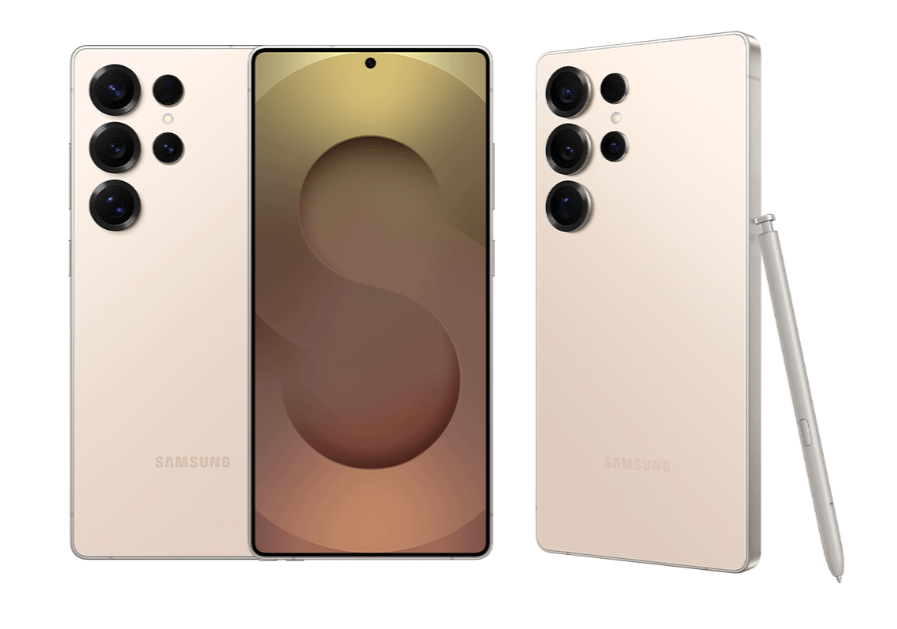
Samsung Galaxy S25 Ultra

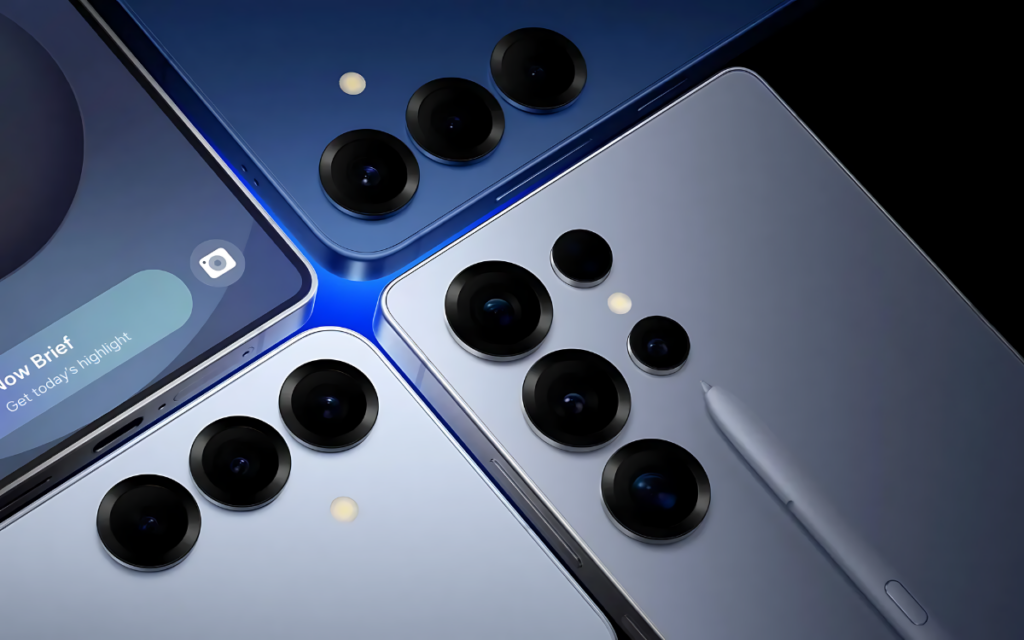
One of the most hyped launch is Samsung’s Galaxy S25 series. While an official launch date is still unknown, but it will likely launch sometime at the start of 2025. The South Korean tech giant will launch the Galaxy S25, Galaxy S25+, and Galaxy S25 Ultra. The Ultra model will launch with the Snapdragon 8 Elite, but the base and Plus options have been rumored with the Exynos 2500 and Dimensity 9400.

4. Honor Magic 7 Series

Honor Magic 7 Series

Honor’s upcoming Magic 7 series is the brand’s next gen flagship smartphone. These were previously spotted in a leak with advanced periscope telephoto cameras, while the official release was confirmed on 30th October 2024. The lineup consists of the Magic 7 and the Magic 7 Pro.

5. Vivo X200 Ultra

Vivo X200 Pro
Vivo X200 Pro

Vivo’s new premium smartphone lineup includes the new X200, X200 Pro, X200 Pro Mini, and X200 Ultra. However, the first three models were announced with the MediaTek Dimensity 9400 SoC. Only the Vivo X200 Ultra model would be equipped with the Snapdragon 8 Elite, although it has yet to be released. It is worth noting that its predecessor, the X100 Ultra, was exclusive to the Chinese market, so it’s unclear whether the Vivo X200 Ultra will launch globally this time around.

6. OnePlus 13

OnePlus 13 Blue-
OnePlus 13

OnePlus has teased the OnePlus 13 with new features and a refreshed design. In a fresh teaser, the brand confirmed the October 31 launch date of the upcoming flagship phone with Snapdragon 8 Elite. Unlike most other companies in this list, the OnePlus 13 is a lone model.

7. ASUS ROG Phone 9

Asus ROG Phone 9 serie
Asus ROG Phone 9 Series

ASUS is set to launch its new mobile gaming powerhouse soon. The new ROG Phone 9 just had its design revealed with LED lighting and gaming aesthetics. The launch of the ASUS ROG Phone 9 is set for 19th November 2024.

8. iQOO 13

Vivo iQOO 13
iQOO 13

iQOO 13 is one of the new flagship smartphones which was confirmed to launch with the Snapdragon 8 Elite. The high end device will debut in the brand’s home market of China on 30th October 2024. On the other hand, it is expected to debut in India on December 5.

9. Red Magic 10 Pro

Red Magic 9 Pro
Red Magic 9 Pro

Nubia’s Red Magic 10 series could be another flagship gaming smartphone with the Snapdragon 8 Elite. The higher end Red Magic 10 Pro recently visited China’s MIIT certification, which hints at its imminent release in the region.

Realme GT 7 Pro to be the First Snapdragon 8 Elite-powered Smartphone to Launch in India

Following Qualcomm’s announcement of the flagship Snapdragon 8 Elite processor, many brands teased their upcoming premium phones with this new chipset. Realme was one such brand, claiming that the Realme GT 7 Pro would be the first Snapdragon 8 Elite powered smartphone to launch in India.

Realme GT 7 Pro India Launch

The Chinese brand has just shared a teaser of the GT 7 Pro on its official X account (formerly Twitter). To recall, the Realme GT 7 Pro was recently confirmed to launch in November 2024 across the globe, and this teaser confirms the same launch timeline in the Indian market as well. This teaser also revealed the availability of the device as well. Realme’s latest flagship phone will go on sale via its official Realme India online website, Amazon India, and offline stores.

Realme GT 7 Pro India Launch
Realme GT 7 Pro India Launch Teaser

You can even click here to see our roundup of all the rumors regarding the Realme GT 7 Pro. But offering a quick breakdown, the Realme GT 7 Pro is expected to launch with a custom made Samsung AMOLED screen with 1.5K resolution, peak brightness of up to 2,000 nits, and a 120Hz refresh rate. Under the hood, it is equipped with the Qualcomm Snapdragon 8 Elite SoC, which brings 45 percent faster CPU performance than its predecessor. A massive 6,500mAh silicon carbon battery may power this phone, which supports 100W fast charging.

For optics, the Realme GT 7 Pro will feature a 50-megapixel Sony IMX906 primary camera at the back along with an 8-megapixel ultra-wide lens and a 50-megapixel Sony IMX882 periscope telephoto camera with 3x optical zoom. It might come with a 16-megapixel shooter for selfies and video calls on the front. Other notable features may include an IP68/69 rating for water and dust resistance, OIS (Optical Image Stabilization), and Android 15 OS based Realme UI 6 custom skin out of the box.

Honor Magic 7 series major leak: Periscope lens, Ultrasonic fingerprint, and Snapdragon 8 Elite

Honor is preparing to unveil its new flagship lineup, the Honor Magic 7 series, on October 30th, with recent leaks providing more details about the devices. According to a well-known tipster, Digital Chat Station, the series will consist of two models: the standard Magic 7 and the higher-end Magic 7 Pro.

Both phones will feature Qualcomm’s recently launched Snapdragon 8 Elite chipset, which promises improvements in CPU, GPU, and AI performance, making them among the first to use this new SoC.

Honor Magic 7/ Magic 7 Pro specifications:

The leaks reveal that the Honor Magic 7 Pro will come with advanced features such as a periscope telephoto lens for superior zoom capabilities, whereas the standard Magic 7 will have an optical telephoto lens.

Another upgrade across both models is the use of an ultrasonic fingerprint sensor, which is a step up from the optical sensors used in the Magic 6 series. Additionally, the Pro variant is expected to support 3D face unlock, akin to Apple’s Face ID, for enhanced security.

The devices will also offer robust fast-charging solutions, with both models supporting 100W wired charging. For context, the Magic 6 and Magic 6 Pro packs 66W and 80W charging respectively.

Earlier reports suggested that the Magic 7 Pro might include a 2K OLED display, likely with a high refresh rate, while the standard Magic 7 could feature a 1.5K display. The Pro model is also speculated to come with satellite communication capabilities, an addition that could set it apart from competitors​

Snapdragon 8 Elite chipset

The Magic 7 series will be powered by the Snapdragon 8 Elite, Qualcomm’s latest flagship processor. This chipset promises a boost in overall performance, particularly in graphics and AI tasks. It is designed to handle demanding applications with ease, providing a smoother user experience. Honor’s partnership with Qualcomm ensures the Magic 7 will stand out with cutting-edge hardware, potentially offering users faster processing speeds, better power efficiency, and more optimized AI processing.

(Source)

Redmi Note 14 Pro 4G to Launch Globally Soon: Certified on IMDA

An upcoming Xiaomi mid range smartphone has just surfaced in a fresh certification listing. The model in question is the Redmi Note 14 Pro 4G and its global release might be right around the corner. So here is everything we know so far.

Redmi Note 14 Pro 4G Visits IMDA

The Chinese tech giant’s Redmi Note 14 Pro 4G was certified on the IMDA platform, carrying the 24116RACCG model number (Via MySmartPrice). Unfortunately, the database did not reveal any finer details regarding the smartphone like its specs, features, and design. But it does confirm that the Note 14 Pro 4G will support 4G networking, WiFi, NFC, and Bluetooth for connectivity.

Redmi Note 14 Pro 5G

Just last week, the Redmi Note 14 Pro 4G had also surfaced on the FCC database. It listed the device with 24116RACCG model number, but more details were confirmed. The Redmi Note 14 Pro 4G sports a tall 6.67-inch pOLED display that has an FHD+ resolution. It would likely support a high refresh rate as well. This smartphone can be seen in the database in multiple storage configurations. This includes 8GB + 128GB, 8GB + 256GB, 12GB + 256GB, and 12GB + 512GB options.

A massive 5,500mAh battery pack is expected to power this smartphone. This is larger than its predecessor which had a 5,000mAh cell. However, the fast charging speeds are still unclear. While the chipset details are still unclear, the Redmi Note 14 Pro 4G will reportedly feature a MediaTek processor. However, the exact name of this processor is still unclear. In comparison, the 5G variant of the Redmi Note 14 Pro is believed to feature the MediaTek Dimensity 7300 Ultra. Considering how the Redmi Note 13 Pro 4G was powered by the Helio G99 Ultra SoC, we can expect a similar chipset with its successor as well.

Honor showcases Magic 7 series impressive AI Agent feature at Snapdragon Summit

We all know smartphones are getting smarter, but Honor is taking things a step further with the upcoming Magic7 Series. At the Snapdragon Summit 2024, Honor introduced its vision for an “AI-first ecosystem,” with the Magic 7 and its innovative AI features leading the way.

The Magic 7’s AI Agent

Honor announced that the Magic 7 series will be the first to feature its on-device AI Agent for an open ecosystem. The company has been talking about this AI Agent for a while, and now it’s almost ready for users to experience.

The AI Agent acts as a personal assistant that learns your preferences—like your favorite coffee order with coconut milk—and responds to simple text or voice commands. It streamlines daily tasks, from planning travel and booking tickets to managing calendars and organizing notifications.

It can also handle more complex tasks, such as identifying and canceling unwanted subscriptions across different apps, eliminating the need to navigate multiple platforms and settings. Powered by MagicOS 9.0, this integrated functionality brings a new level of convenience for users.

Real-Time NPU Graphics Rendering

The use of AI in the Magic 7 Series goes beyond efficiency; it also elevates the mobile gaming experience. Honor says the upcoming phones will utilize on-device generative AI powered by the SoCs NPU (neural processing unit) for real-time AI graphics rendering and easing the workload on the GPU.

According to Honor, this leads to lower device temperatures, smoother gameplay, and improved image quality—delivering the ultimate gaming experience for users.

Honor MagicRing Connects Your Ecosystem

Honor’s commitment to AI goes beyond the Magic7 Series. In partnership with Qualcomm Technologies, the company is building a cohesive AI ecosystem through its MagicRing technology which will allow users to experience seamless AI across multiple devices, apps, and services.

For instance, you could start a creative project on your Windows PC using Cocreation, and with MagicRing, a simple sketch on your Honor MagicPad 2 can easily transition into a masterpiece on your computer for further refinement. MagicRing also powers features like AI Eraser, available on the Honor Magic V3 and Honor MagicBook Art 14.

While the global launch date is still unknown, Honor has confirmed the Magic7 Series will debut in China on October 30, 2024, while the MagicOS 9.0 will be launched tomorrow.

Oppo Find X8, Find X8 Pro: 7 major features to know more launch

On Thursday (Oct. 24), Oppo will announce the Find X8 and Find X8 Pro flagship phones. Like the recently announced Vivo X200 series, the Find X8 duo will feature the Dimensity 9400. Rumors suggest that both phones may make their debut in the global market later this year.

So, is it worth waiting for the Find X8 and X8 Pro? Here’s a look at seven major features of the Find X8 series.

Oppo find X8 and Find X8 Pro featured
Oppo Find X8 (left) and Find X8 Pro (right)

1. Stunning Display Technology

Both the Oppo Find X8 and Find X8 Pro are expected to feature top-tier displays, making them stand out in the smartphone market. The Find X8 will sport a 6.59-inch Tiama OLED flat display, whereas the Find X8 Pro will have a slightly larger 6.78-inch BOE micro-quad-curved display. Both displays will support a 120Hz refresh rate, up to 4,500 nits brightness, and 2160Hz PWM dimming, ensuring reduced eye strain during extended use.

2. Powerful Performance with Dimensity 9400

Under the hood, both models are powered by the Dimensity 9400 chipset, which is known for its exceptional performance and energy efficiency. The Satellite Edition variant of the Find X8 Pro was spotted with an impressive 2,880,558 points on AnTuTu benchmarks. Additionally, the Find X8 scored around 2,870 points in Geekbench’s single-core test and nearly 9,000 points in the multi-core test. These performance benchmarks suggest that the devices will offer smooth multitasking, fast app launches, and seamless gaming experiences. As per leaks, both models will come equipped with up to 16 GB of LPDDR5x RAM and up to 1 TB of UFS 4.0 storage.

3. Advanced Camera Systems with Camera Control-Like Button

Oppo has always been top-notch cameras in its Find X-series lineup. As per reports, the Find X8 series will feature a Hasselblad optimized camera setup on the rear and a 32-megapixel Sony IMX615 selfie camera on the front.

The Find X8’s camera setup is expected to include a 50-megapixel LYT-700 sensor with OIS, a 50-megapixel Samsung JN5 ultra-wide sensor, and a 50-megapixel LYT-600 sensor with a 3x periscope telephoto lens, also equipped with OIS.

The Find X8 Pro is expected to feature a quad-camera setup equipped with dual periscope telephoto cameras. The cameras setup will be headlined by an OIS-enabled 50-megapixel Sony LYT-800 main camera. It will be joined by a 50-megapixel Samsung JN5 ultra-wide lens, a 50-megapixel LYT-600 periscope telephoto camera with 3x optical zoom and OIS and a 50-megapixel IMX858 6x periscope telephoto lens with OIS.

The Find X8 Pro has an additional Quick Capture hardware button like the iPhone 16 series’ Camera Control button. However, unlike the iPhone 16’s pressable button, the Quick Capture button on the X8 Pro will be a capacitive button that incorporates a linear vibration motor.

4. Massive battery housed in slim body

Battery life is a crucial factor for any smartphone, and the Find X8 series doesn’t disappoint as both models are expected to feature high-density silicon carbon batteries. This means despite packing bigger batteries than the previous generation, both models will sport a slim profile.

As per reports, the Find X8 will house a 5,630mAh battery, while the Find X8 Pro features an even larger 5,910mAh battery. Both models are confirmed to support 80W wired charging and 50W magnetic wireless charging

5. Sleek and Durable Design

Both phones are said to feature Corning Gorilla Glass on the front and rear panels, providing durability and protection against scratches and drops. The Find X8 measures 7.85mm in thickness and weighs 193 grams, while the Find X8 Pro is slightly thicker at 8.24mm and weighs 215 grams.

Both models have an IP68/69 rating, offering dust and water resistance, making them suitable for various environments. The X8 and X8 Pro will be available in black, white, and blue shades. The X8 will also come in a pink option, attracting female users looking for a more vibrant and stylish color choice.

6. Stellar Software Experience

Both the Find X8 and Find X8 Pro will come preloaded with Android 15, overlaid with Oppo’s ColorOS 15. Not much is known about ColorOS 15; however, it is said to arrive with the most comprehensive upgrade and offer a smoother user experience.

7. Additional Features

Oppo is also expected to announce a Find X8 Pro model with two-way satellite calling support. In addition, there will be Beacon Link, which supports calls via Bluetooth. Both features will enable calls during emergencies in the absence of a mobile network.

Final Thoughts

Oppo fans are eagerly awaiting the arrival of the Find X8 series in the global market. The reason behind this anticipation is that the company skipped the global launch of the Find X7 and Find X6 series. The Find X8 and Find X8 Pro are set to be powerful contenders in the high-end smartphone market. With their stunning displays, powerful performance, advanced camera systems, long-lasting batteries, sleek designs, and comprehensive feature sets, they are poised to offer a premium user experience. As we await their official launch, these features provide a glimpse into what makes the Find X8 series.

The Find X8 series is said to include a third model named the Find X8 Ultra. While the X8 and X8 Pro have a Dimensity chip, the Ultra model is said to feature the Snapdragon 8 Elite chip. Unfortunately, there is no clarity on whether the Ultra variant will be released in the global market.

Readers should note that apart from the chipset and the Find X8 Pro’s battery, no other specifications have been officially confirmed about the Find X8 series by Oppo yet.

Android 15 update bricking Pixel 6 devices after enabling Private Space

Recent reports from Reddit users indicate that some Pixel 6 devices are being bricked after the Android 15 update, particularly when using the new “Private Space” feature. Although not all users are affected, the growing number of cases suggests a serious issue, and Google has yet to respond officially.

The issue

The issue seems to arise when users enable the Private Space feature on their Pixel 6 devices. Two users, GegoByte and Homer_95, have detailed their experiences on Reddit. GegoByte mentioned that their device became unresponsive right after launching an app within Private Space, while Homer_95 reported a bricking incident during regular phone use, despite having sufficient battery.

Android 15 update

Both users described their phones as “completely dead,” with typical troubleshooting methods, like pressing the Power and Volume Down buttons, proving ineffective. Connecting the devices to a computer also did not help.

Although some initial speculation suggested that the issue might be related to user profiles, similar to problems seen with the Android 14 update, the exact cause remains uncertain. More reports of bricked devices have emerged, indicating that it might not be limited to Private Space alone.

New Android 15 features

Android 15 introduced several new features aimed at enhancing privacy and security. The Private Space feature, in particular, allows users to hide sensitive apps and data within a secure, isolated environment. However, its functionality has led to unexpected issues on some Pixel 6 devices.

Other key features of Android 15 include Theft Detection, improved multitasking for foldable devices, and better integration for smart home devices, as highlighted by Google in their official announcement.

While the update has been rolled out to other Pixel devices without significant issues, the Pixel 6 appears to be uniquely affected. This raises concerns about compatibility or bugs specific to this model, and affected users are urged to avoid enabling Private Space until the problem is addressed.

With multiple reports of Pixel 6 series devices becoming completely unresponsive, those who own a Pixel 6 are advised to proceed with caution, particularly when using new features like Private Space. That said, we hope Google fixes the issue as soon as possible.

(Source 1, 2 3)

What to expect from Motorola’s next flagship phone

Motorola has recently launched the Edge 50 Ultra, which boasts impressive features such as a Snapdragon 8s Gen 3 processor, 144Hz OLED display, a quad-camera setup, and more.

With the Edge 50 Ultra setting a high bar, all eyes are on the potential upgrades that Motorola’s next flagship, the Edge 60 Ultra, could bring. Here’s a look at what to expect based on current trends, consumer feedback, and Motorola’s past developments.

Motorola Edge 50 Ultra

1. Design and Display

Motorola’s Edge series is known for its distinct design, and the Edge 60 Ultra is expected to retain this hallmark. The Edge 50 Ultra came with unique materials like real wood and vegan leather for the back panel, setting it apart. We anticipate a continuation of this trend, with the addition of new materials for variety.

Motorola’s flagship displays have been top-notch, with the Edge 50 Ultra featuring a 6.7-inch 1.5K OLED screen and a 144Hz refresh rate. The Edge 60 Ultra is expected to maintain this high-quality display, with potential improvements in durability through Gorilla Glass Victus 2, a slimmer build, reduced weight, and higher peak brightness beyond the current 2500 nits.

2. Camera

The Edge 50 Ultra’s camera setup is quite powerful, with a quad-lens configuration. For the Edge 60 Ultra, we might see Motorola refining the existing setup rather than overhauling it.

Camera specs may remain similar, with a 50MP main camera, 50MP ultra-wide lens, and a 64MP telephoto sensor. The front camera may also retain its 50MP resolution. However, expect improvements in sensor size, autofocus capabilities, and software enhancements such as better night mode, improved action shot stabilization, and refined long-exposure shots.

The Edge 50 Ultra excelled in photography, particularly in image clarity, colors, and HDR performance. But the video quality lagged slightly behind, suggesting a key focus for the Edge 60 Ultra. We expect enhancements in video recording, potentially with better stabilization, higher resolution, or improved frame rates. Motorola also needs to enhance AI and software optimization for better camera features, along with introducing a dedicated Gallery app to support these advancements.

3. Performance

Motorola Edge 50 Ultra is powered by Qualcomm’s Snapdragon 8s Gen 3, a well-rounded processor that offers a good balance between performance and power efficiency. The Edge 60 Ultra could adopt a more powerful processor, possibly the standard Snapdragon 8 Gen 3 or its successor Snapdragon 8 Elite.

In terms of RAM and storage, the Edge 60 Ultra may start at 12GB RAM and 512GB storage, similar to its predecessor. Motorola could add a 16GB RAM option for the 1TB variant, but that remains speculative. The LPDDR5X RAM and UFS 4.0 storage will obviously be retained for faster data transfer and overall performance.

4. Software

The Edge 60 Ultra is expected to run on Android 15 out of the box, offering a near-stock Android experience with Moto enhancements. Moto AI features, such as Photo Enhancement Engine and Adaptive Stabilization, will likely receive more refined algorithms for better performance.

While previous Motorola flagships offered 3 years of Android updates and 4 years of security patches, this could extend to 5 years to match competitors. Recently, Motorola committed to 5 OS upgrades and 5 years of security updates with the Edge 50 Neo, so it’s highly possible.

5. Battery and Charging

The Edge 50 Ultra comes with a 4500mAh battery which provides solid performance and features 125W wired and 50W wireless charging. However, to stay competitive, Motorola could boost the battery capacity to at least 5500mAh.

The fast charging specs are among the best in the industry, so the Edge 60 Ultra will likely retain similar capabilities. If Motorola enhances efficiency through software optimization, we could see improved battery life, even with the inclusion of a more powerful chipset.

6. Launch Time

Motorola has maintained an April release cycle for its flagship models, with the Edge 50 Ultra launching on April 16 and becoming available in early May. The Edge 60 Ultra is expected to follow a similar timeline, with an announcement in April 2025 and a May rollout. The Edge 50 Ultra started at €999 ($1,080) for the 512GB model, and the Edge 60 Ultra is likely to have a similar price, possibly with launch discounts.

7. Conclusion

Motorola Edge 60 Ultra is poised to be a promising flagship, continuing the legacy of impressive design, top-tier performance, and robust features. While we expect some improvements, particularly in video performance and software updates, the Edge 60 Ultra is set to solidify Motorola’s position in the premium smartphone segment. Keep an eye out for more leaks and official announcements as we move closer to its anticipated launch next year.

iQOO 13 color options and back design officially confirmed

iQOO has been gradually revealing details about its upcoming flagship, the iQOO 13, which is set to launch in China on October 30. Recently, the company confirmed that the phone will be available in four color options: Green, White, Black, and Gray. As for India, the iQOO 13 is expected to launch between December 1 and 10, providing a glimpse of the new flagship to Indian customers shortly after its initial release​

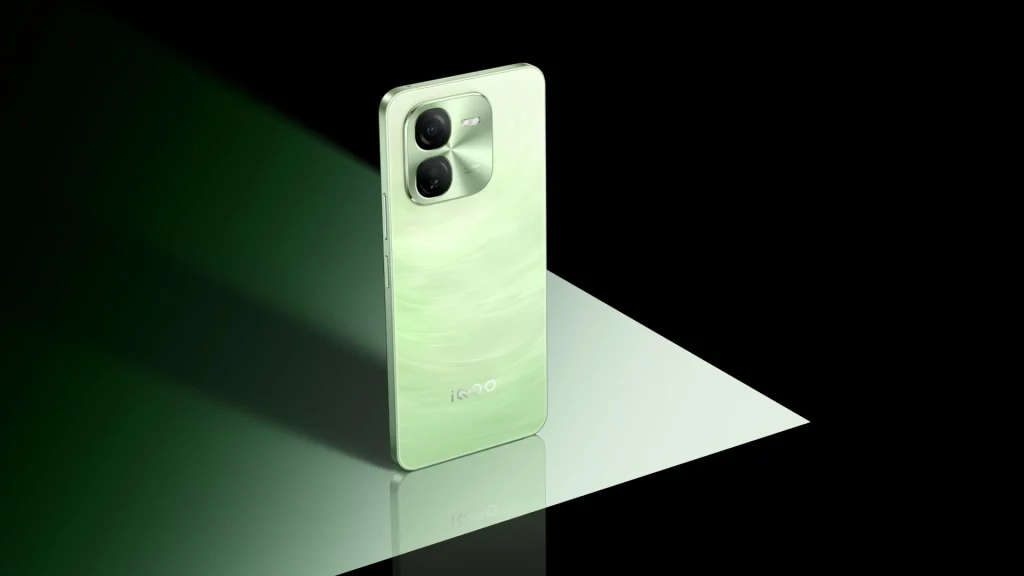
iQOO 13 Design

The iQOO 13 sports a flat design with a sleek, modern look, which is further enriched by the halo light ring around the camera island. ​The company has also showcased the light ring in a video today.

iQOO 13 Specifications

The iQOO 13 is powered by the Snapdragon 8 Elite chipset, featuring improvements in CPU, GPU, and AI performance. The chip promises enhanced efficiency and faster processing speeds, making it a top contender for those seeking high performance. This is paired with the SuperComputing chip Q2 for up to 144fps gameplay.

In the front, the device packs a 6.82″ 2K flat AMOLED display, supporting a 144Hz refresh rate, which delivers smooth visuals and vibrant colors. It is also equipped with a substantial 6,150mAh battery that supports 120W fast charging, ensuring quick and efficient power top-ups.

In terms of camera capabilities, the iQOO 13 will have a triple-camera setup on the back, featuring three 50MP sensors—one each for the primary, ultra-wide, and telephoto lenses. It will also boast a 32MP front-facing camera, capable of recording 4K videos, making it ideal for selfies and video calls.

The iQOO 13 promises to bring powerful performance, striking visuals, and versatile camera capabilities. With a launch date set for October 30 in China and a December launch window in India, it will soon be available for those looking to upgrade to a flagship with cutting-edge features.

(Source 1, 2)

Vivo X200 Ultra seemingly teased to feature Snapdragon 8 Elite chip

Vivo has just launched the Vivo X200, X200 Pro Min, and X200 Pro in China. All three phones are powered by the Dimensity 9400 chipset. The lineup is also expected to include an Ultra model, which may break cover in the first half of 2025. It appears that the device may come equipped with the Snapdragon 8 Elite chipset.

Vivo to launch Snapdragon 8 Elite phone

Vivo X200 Ultra - Snapdragon 8 Elite
Vivo X200 Ultra – Snapdragon 8 Elite

To recall, the Vivo X100 and X100 Pro featured the Dimensity 9300 chipset, whereas the X100 Ultra came with the Snapdragon 8 Gen 3 chip. The company may likely apply the same strategy to the Ultra model. This has become more evident as the company confirmed through its Weibo handle that it will launch a Snapdragon 8 Elite-powered smartphone in the future. Most likely, the forthcoming Vivo X200 Ultra may feature the Snapdragon 8 Elite chip.

As the Vivo X200 Ultra is expected to launch next year, the rumor mill has been gradually leaking details about it. A recent leak by tipster Digital Chat Station revealed that the X200 Ultra will be arrive with a 50-megapixel primary camera, a 50-megapixel ultra-wide sensor, a 50-megapixel telephoto camera, and a 200-megapixel periscope telephoto lens. It is also speculated to arrive with support for satellite communication.

Unfortunately, nothing else is known about the Vivo X200 Ultra. The device is expected to rival the Samsung Galaxy S25 Ultra, the Oppo Find X8 Ultra, and the Xiaomi 15 Ultra in the Chinese market. It is likely that the X200 Ultra could be priced at around 5,500 Yuan (~$770) in China.

While the X100 and X100 Pro were released globally, the X100 Ultra remained confined to the Chinese market. Therefore, there is no clarity about whether the X200 Ultra will be released in the global market.

Pocket-friendly Redmi A4 5G will cost only ₹8,499: Full specs here

Xiaomi officially announced the Redmi A4 5G a few days ago, but didn’t reveal much about the device. Thanks to industry sources (via Smartprix) now we have more information about the device including the pricing.
The Redmi A4 5G is set to launch in India at ₹8,499 (including launch offers and discounts) for the 4GB RAM + 128GBstorage variant.

Positioned as an affordable entry point for consumers looking to transition to 5G technology, the device offers just that with only slightly higher than the ₹8,299 price tag of the 4GB RAM + 128GB version of the Redmi A3.

Redmi-A4-5G-2

Redmi A4 5G Specifications:

The Redmi A4 5G boasts a 6.7-inch IPS LCD display with a 90Hz refresh rate and HD+ resolution, providing smoother visuals compared to traditional 60Hz panels. It is powered by the Snapdragon 4s Gen 2 chipset, built on a 4nm process, making it the first smartphone in India to feature this processor. The chipset is designed to deliver efficient performance with 5G capabilities, ideal for budget-conscious consumers seeking a future-ready device​.

The phone is equipped with a 50MP main rear camera with an f/1.8 aperture, ensuring clear and sharp photos, and an 8MP front camera for selfies. Running on Android 14 with Xiaomi’s new HyperOS 1.0 skin, the Redmi A4 5G promises a smooth user experience. Other features include a 5,000mAh battery that supports 18W fast charging, a side-mounted fingerprint scanner, and a USB Type-C port​.

Comparison with Redmi A3 4G

Compared to the Redmi A3 4G, the A4 5G brings significant upgrades, notably 5G connectivity, a faster refresh rate, and a more powerful processor. The A3 4G was limited to a 60Hz refresh rate and used an entry-level chipset with 4G connectivity. The A4 5G aims to set a new benchmark in the affordable 5G market by providing improved performance and modern features without a substantial price increase.

Availability

Redmi A4 5G will be available starting in November. Consumers can look forward to this device as an accessible option for upgrading to 5G without breaking the bank.

(Source)

iPhone 16 Pro vs. Google Pixel 9 Pro: Which is a Better Buy?

Choosing between the iPhone 16 Pro and the Google Pixel 9 Pro can be tough for users who want the best in smartphone technology. These flagship devices are powerhouses in their own right, offering premium design, cutting-edge cameras, and top-tier performance. 

In this detailed comparison, we will explore the phones across several parameters, including design, display, software, performance, battery life, and camera quality, to help you decide which is a better buy.

SPECS OVERVIEW

CategoryiPhone 16 ProGoogle Pixel 9 ProBest in Specs
Design– Glass front/back (Corning glass)- Titanium frame (Grade 5)- IP68 water/dust resistant (6m for 30 min)– Glass front/back (Gorilla Glass Victus 2)- Aluminum frame- IP68 water/dust resistant (1.5m for 30 min)iPhone 16 Pro (Premium build with titanium frame and better water resistance)
Display– 6.3″ LTPO Super Retina XDR OLED- 120Hz refresh rate- 2000 nits brightness (HBM)- Dolby Vision HDR– 6.3″ LTPO OLED- 120Hz refresh rate- 3000 nits peak brightness- HDR10+Google Pixel 9 Pro (Brighter screen with HDR10+)
Performance– Apple A18 Pro (3nm)- Hexa-core CPU- 8GB RAM- NVMe storage– Google Tensor G4 (4nm)- Octa-core CPU- 16GB RAM- UFS 3.1 storageiPhone 16 Pro (Superior chipset and iOS optimization)
Battery– 3582 mAh- Wired: 50% in 30 min- 25W wireless (MagSafe)- 4.5W reverse wired– 4700 mAh- Wired: 55% in 30 min- 21W wireless chargingGoogle Pixel 9 Pro (Larger battery and faster-wired charging)
Camera– Triple Camera: 48 MP (wide) + 12 MP (periscope telephoto) + 48 MP (ultrawide)- 5x optical zoom- LiDAR scanner– Triple Camera: 50 MP (wide) + 48 MP (periscope telephoto) + 48 MP (ultrawide)- 5x optical zoomGoogle Pixel 9 Pro (Better computational photography and 8K video)

iPhone 16 Pro
Pixel 9 Pro
Apple iPhone 16 Pro (128 GB) - Desert Titanium
Vivo X80 pro 12GB RAM 256GB Cosmic Black
iPhone 16 Pro
Apple iPhone 16 Pro (128 GB) - Desert Titanium
Pixel 9 Pro
Vivo X80 pro 12GB RAM 256GB Cosmic Black

Please Note: When you buy something using the links in our articles, we may earn a small commission at no cost to you.

Design:

Both the iPhone 16 Pro and Pixel 9 Pro feature premium designs, with a focus on durability and high-end materials.

Features

  • iPhone 16 Pro: Apple has introduced a titanium frame, offering not only strength but also a lightweight build. The phone is protected by Ceramic Shield glass on both the front and back, ensuring durability. The device is IP68 certified, meaning it can withstand water up to 6 meters deep for 30 minutes.
  • Google Pixel 9 Pro: The Pixel 9 Pro uses a robust aluminum frame with Gorilla Glass Victus 2 on both the front and back, which provides substantial scratch resistance and protection against drops. The IP68 certification here, however, only guarantees resistance up to 1.5 meters underwater for 30 minutes.

Similarities

Both phones have glass fronts and backs, with metal frames that enhance their premium look and feel. They also feature IP68 dust and water resistance, making them equally durable for everyday use.

Differences

The most significant difference lies in the materials used. The iPhone 16 Pro‘s titanium frame offers better strength while remaining lightweight, whereas the Pixel 9 Pro’s aluminum frame, while durable, isn’t quite as premium as titanium. Additionally, the iPhone offers deeper water resistance.

Advantage

The iPhone 16 Pro takes the lead in design due to its stronger, lighter titanium build and superior water resistance.


Display, Media, and Software:

When it comes to display technology, both phones offer stunning visuals, but with a few differences that impact the overall experience.

Features

  • iPhone 16 Pro: It features a 6.3-inch LTPO Super Retina XDR OLED display with a 120Hz refresh rate and up to 2000 nits of peak brightness. It supports HDR10 and Dolby Vision, making it an ideal device for media consumption. Running on iOS 18, the iPhone 16 Pro ensures seamless software performance, especially for users within the Apple ecosystem.
  • Google Pixel 9 Pro: The Pixel 9 Pro also comes with a 6.3-inch LTPO OLED display but surpasses the iPhone in brightness, with 3000 nits of peak brightness. It supports HDR10+ and has a 120Hz refresh rate for smooth scrolling and gaming. It runs on Android 14 and comes with Google’s unique features such as Circle to Search and Best Take for photos.

Similarities

Both displays offer a high 120Hz refresh rate and premium OLED technology for vibrant colors, deep blacks, and smooth animations. They also support HDR, enhancing media consumption with richer visuals.

Differences

The Pixel 9 Pro has a higher peak brightness (3000 nits vs. iPhone’s 2000 nits), making it better suited for outdoor use in bright conditions. However, the iPhone 16 Pro’s support for Dolby Vision offers a superior HDR experience compared to the Pixel’s HDR10+.

Advantage

In terms of software, the iPhone 16 Pro excels for users embedded in the Apple ecosystem. However, for those who prefer more customizability, Pixel 9 Pro is the winner, especially with its brighter display and unique Android features.


Performance and Battery:

Performance is another critical area where these two flagship devices shine, but they cater to slightly different needs.

Features

  • iPhone 16 Pro: Powered by the Apple A18 Pro chipset (3 nm), it features a hexa-core CPU and a 6-core GPU. Its performance is designed for power efficiency while handling demanding tasks like gaming, AI operations, and video editing. The iPhone 16 Pro offers a 3582 mAh battery with 50% charge in 30 minutes through wired PD2.0 charging, along with 25W wireless charging via MagSafe.
  • Google Pixel 9 Pro: The Pixel 9 Pro is equipped with the Google Tensor G4 chipset (4 nm), which houses an octa-core CPU and the Mali-G715 MC7 GPU. It has a larger 4700 mAh battery with 27W wired charging and 21W wireless charging on the Pixel Stand. It supports reverse wireless charging, offering more flexibility when powering other devices.

Similarities

Both phones deliver flagship performance with high-end chipsets, 120Hz display refresh rates, and fast charging capabilities. They handle multitasking, gaming, and media consumption without any lag.

Differences

The iPhone 16 Pro is slightly more power-efficient, thanks to its smaller battery size and iOS optimizations, while the Pixel 9 Pro offers more RAM (up to 16GB) and a larger battery for extended use. The iPhone’s reverse charging is limited to wired, while Pixel’s reverse wireless charging offers more flexibility.

Advantage

For pure performance efficiency, the iPhone 16 Pro wins, but if you prioritize battery life and charging options, the Pixel 9 Pro has the upper hand with its larger battery and versatile charging capabilities.


Cameras:

Both phones have set the standard for mobile photography, with powerful camera systems designed to capture exceptional photos and videos.

Features

  • iPhone 16 Pro: Its triple-camera system includes a 48 MP wide, 12 MP periscope telephoto (with 5x optical zoom), and a 48 MP ultrawide lens. The iPhone shines with its 3D spatial video/audio capabilities and Dolby Vision HDR, making it ideal for immersive video creation.
  • Google Pixel 9 Pro: The Pixel 9 Pro is equipped with a 50 MP wide, 48 MP periscope telephoto (5x optical zoom), and 48 MP ultrawide camera. The Pixel also features cutting-edge tools like Pixel Shift, Ultra-HDR, and unique AI features like Best Take and Zoom Enhance, which boost the overall image quality.

Similarities

Both phones offer triple-camera systems with advanced telephoto and ultrawide lenses, supporting 5x optical zoom. They each have powerful video capabilities with 4K recording and enhanced stabilization.

Differences

While the iPhone excels in video, thanks to its ProRes recording and Dolby Vision HDR support, the Pixel 9 Pro offers an advantage in still photography, with its AI-powered tools and higher-resolution 42 MP selfie camera. The Pixel also supports 8K video recording, which is absent on the iPhone.

Advantage

For video creators, the iPhone 16 Pro is the superior choice, but if your priority is cutting-edge photography with AI-driven enhancements, the Pixel 9 Pro takes the crown.


Our Opinion: Which Is a Better Buy?

iPhone 16 Pro
The iPhone 16 Pro is a top choice for users already embedded in the Apple ecosystem or for those who prioritize video production, design, and efficiency. Its premium titanium build, ProRes video capabilities, and seamless integration with other Apple devices make it an excellent option for professionals and creatives.

  • Ideal for video production and seamless Apple integration.
  • Premium titanium design suited for professionals.

Google Pixel 9 Pro
On the other hand, the Google Pixel 9 Pro is the go-to smartphone for those who value photography and the customization options that Android offers. With its outstanding battery life, cutting-edge AI camera features, and a brighter display, the Pixel 9 Pro is perfect for users focused on still photography and a flexible software experience.

  • Best for photography enthusiasts and Android customization.
  • Exceptional battery life and AI-driven camera features.

In the end, your decision should depend on your needs: for video creators and Apple enthusiasts, the iPhone 16 Pro is the clear winner, but for those who prioritize photography and versatility, the Google Pixel 9 Pro offers better value.

Samsung Galaxy Ring launched in India for Rs 38,999, Read color, size options

Samsung Galaxy Ring has been on pre-reservations in India for the past week in India. Now, the brand has officially launched the smart ring in the country. Continue reading ahead to learn about the price, color variants, size options, and key features of Samsung’s first smart ring.

Samsung Galaxy Ring price in India

The Galaxy Ring is priced at Rs 38,999 (~$465) in India. It is available in Titanium Black, Titanium Silver, and Titanium Gold, and comes in nine size options ranging from 5 to 13, ensuring a perfect fit for everyone. The smart ring is listed for purchase on Samsung India’s website. 

Samsung Galaxy Ring key features

Samsung Galaxy Ring
Samsung Galaxy Ring

The Galaxy Ring features a sleek titanium finish, showcasing that high-tech devices don’t have to be bulky. Its durable titanium frame ensures it remains beautiful throughout daily activities. The device includes a wireless charging cradle with an LED light around the multi-purpose button to indicate the battery level, and it can be wirelessly charged for added convenience.

One of the standout features of the Galaxy Ring is its AI-powered energy score, which helps users determine their activity levels by factoring in sleep, heart rate, and previous activity. This score assists users in deciding whether to stay active or rest. Additionally, the ring offers cycle tracking with skin temperature analysis to help predict fertile windows and manage menstrual cycles effectively.

Samsung Galaxy Ring size options

The Galaxy Ring provides detailed wellness insights by constantly analyzing movement, sleep quality, and heart rate to build a comprehensive picture of the user’s wellness. It is designed to withstand daily wear and tear, with up to 100m water resistance, making it suitable for swimming and other activities. The device also delivers AI-tailored motivational messages and training tips based on the user’s activity, acting as a personal coach.

Furthermore, the Galaxy Ring, in conjunction with the Samsung Health app, monitors overall sleep and offers sleep insights and coaching to improve sleep habits. It is rated IP68 for dust and water resistance, capable of withstanding 1.5 meters of fresh water for up to 30 minutes, though it is not suitable for diving or high-pressure water activities.