Samsung might be facing another hurdle with its Exynos series. Samsung Foundry is rumored to completely skip the Exynos chipsets for its Galaxy S25 series of flagship phones, and it seems that things are not getting better anytime soon. A new report has claimed that TSMC has rejected Samsung’s deal to outsource Exynos production.
No Next-Gen Samsung Exynos Made by TSMC
To recall, there were rumors last year of Samsung finally deciding to outsource the production of Exynos chips to TSMC. There were internal talks for this change, which would’ve helped Samsung Foundry’s chip product. But it seems that this deal might not be following through. According to tipster @Jukanlosreve, the South Korean tech giant’s deal for Exynos production has been rejected by TSMC (Taiwan Semiconductor Manufacturing Company).
Samsung Exynos
Unfortunately, there are still no details available regarding why TSMC rejected the Samsung deal for Exynos. With Samsung as its client, TSMC would’ve added another major tech giant like Apple, Nvidia, and Qualcomm, among others under its belt. Jukanlosreve claimed that the world’s largest contract chipmaker might have turned down the deal to better protect its internal workings.
For those unaware, Samsung Foundry is capable of manufacturing chips unlike fabless chip brands like AMD and Nvidia. So this move might help prevent any leak of its process or technology. Based on what we know so far, the entire Galaxy S25 lineup will launch with the Snapdragon 8 Elite SoC. So it might be a while before we see Exynos chips surface on next gen Samsung Galaxy phones. So stick around for more updates.
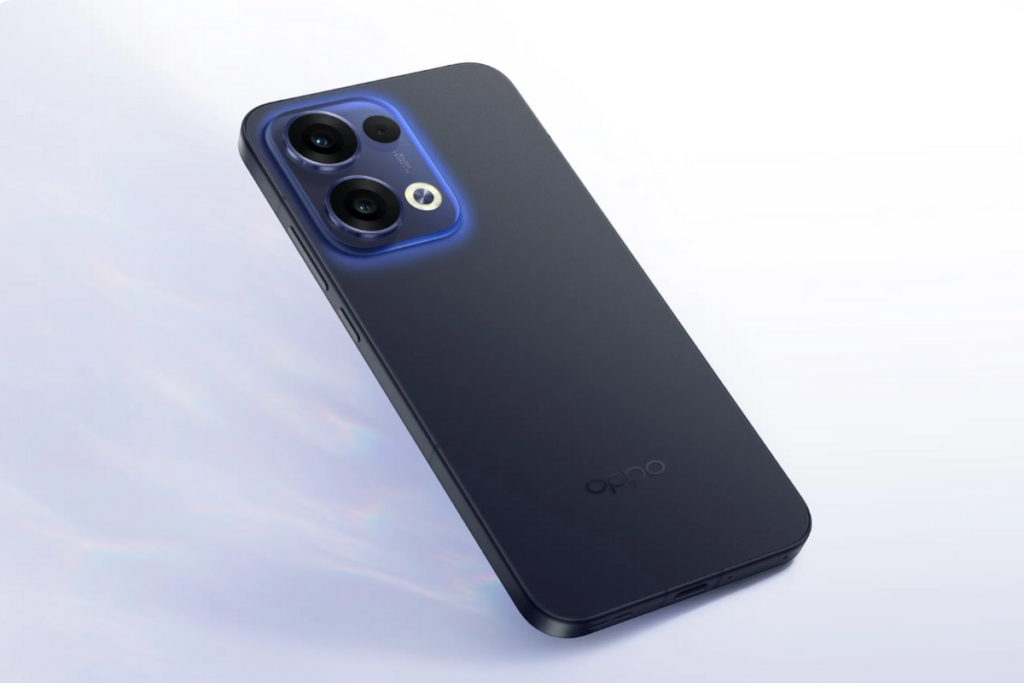
The nice-looking Oppo Reno 13 was initially unveiled in China, and recently to the global market as a mid-range phone. It brings an AMOLED screen, a Dimensity 8350 chip, a 50MP triple rear camera setup, and a long-lasting 5600mAh battery. Overall, it’s a good package. However, there are some excellent options that might offer you more value for the money.
4 Best alternatives to Oppo Reno 13
1. Samsung Galaxy S23
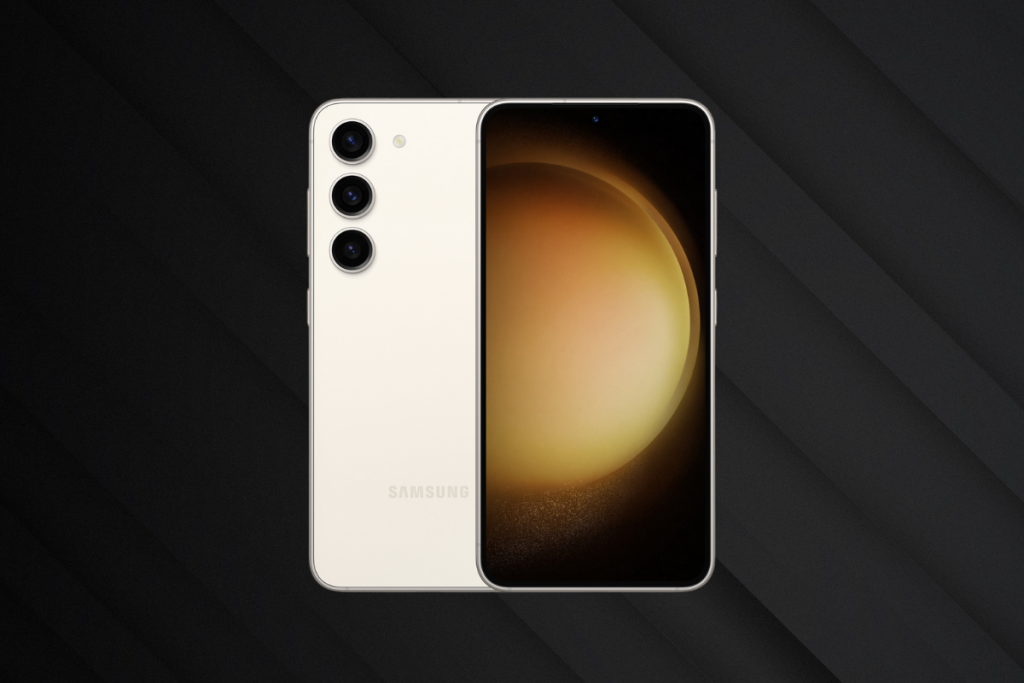
The Galaxy S23 5G is a no-brainer pick over the Oppo Reno 13 for many reasons. It’s a flagship smartphone rocking a high-quality 6.1-inch AMOLED screen with a 120Hz refresh rate and HDR10+ support. The brightness peaks at 1750 nits (vs. 1200 nits on the Reno 13), resulting in better clarity outdoors. It also has better screen protection, Corning Gorilla Glass Victus 2.
The Galaxy flagship is powered by a Snapdragon 8 Gen 2 chipset, which has better CPU and GPU performance than the Dimensity 8350 that’s inside the Oppo Reno 13. That’s another win for the Galaxy S23. However, the software may be disappointing.
The Galaxy S23 also does a great job with cameras. It rocks a high-end triple camera setup that includes a 50MP OIS-enabled primary sensor, a 10MP telephoto sensor with 3x optical zoom, and a 12MP ultrawide camera with 120˚ field-of-view (FOV). The Reno 13, on the other hand, lacks a telephoto sensor and has an ultrawide sensor with a smaller FOV.
The S23 has a 12MP shooter for selfies. The Reno 13 can record up to 4K videos, but the Galaxy S23 can also record 8K videos. The selfie videos on both phones are capped at 4K.
The Galaxy S23 has an ultrasonic fingerprint reader, which works faster than the optical one on the Reno 13. However, one aspect where the Reno 13 clearly shines is the battery and charging. It has a 5,600mAh battery, offering longer screen time than the Galaxy S23’s 3,900mAh. The Reno 13 also has faster wired charging. However, it lacks wireless charging, but the Galaxy S23 doesn’t.
The bottom line is that the Galaxy S23 is a much better option than the Reno 13 as long as you don’t mind slightly lesser battery backup and relatively slower charging.
Please Note: When you buy something using the links in our articles, we may earn a small commission at no cost to you.
2. Xiaomi 14 Civi
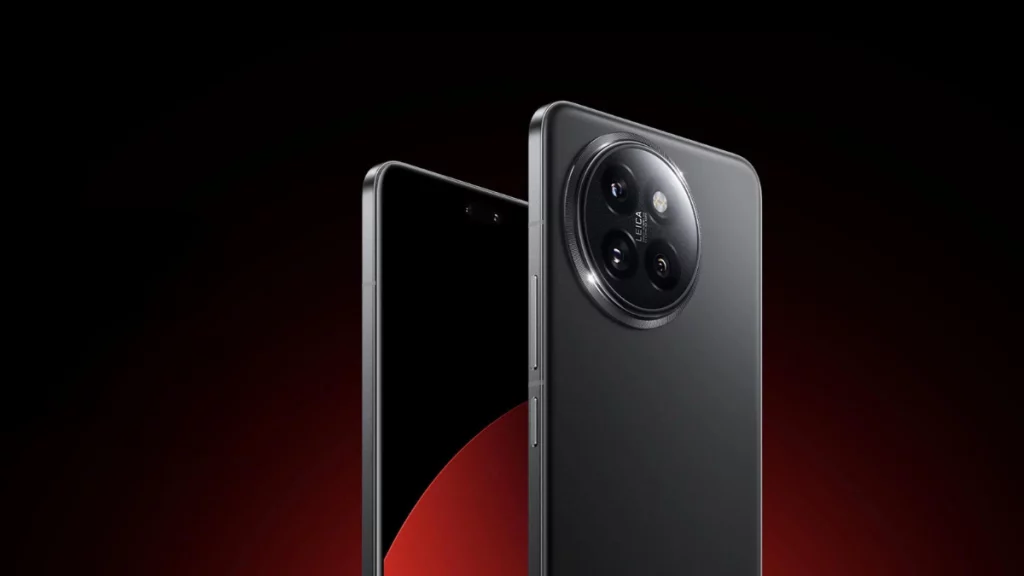
Xiaomi 14 Civi (review) is another great phone in the sub-INR 40,000 price bracket. It has some unique color options and a dual finish on the back. Both Xiaomi 14 Civi and Reno 13 have decent build quality, though the former lacks an IP rating for dust/water protection.
Both phones have an AMOLED screen that is almost similar in size, although they greatly differ in other aspects. For instance, the Xiaomi phone offers a higher peak brightness, Dolby Vision support, and tougher Gorilla Glass protection. It also has a slightly higher screen-to-body ratio.
The Xiaomi smartphone also wins the performance battle, as it rocks a more powerful Snapdragon 8s Gen 3 chip than the Dimensity 8350-powered Reno 13. It also brings faster storage, which adds to the performance. It also has an excellent rear camera setup that includes a 50MP OIS-enabled primary sensor, a 50MP telephoto shooter with 2x optical zoom, and a 12MP ultrawide sensor with 120˚ FOV.
The Xiaomi phone also has a better selfie camera as it also brings a 32MP ultrawide sensor in addition to a 32MP wide sensor. Overall, the Xiaomi 14 Civi has better cameras.
The Xiaomi 14 Civi falls short to the Oppo Reno 13 in terms of battery capacity and charging speed. It rocks a 4,700mAh battery and supports 67W wired charging versus 5,600mAh and 80W charging on the Reno 13.
Please Note: When you buy something using the links in our articles, we may earn a small commission at no cost to you.
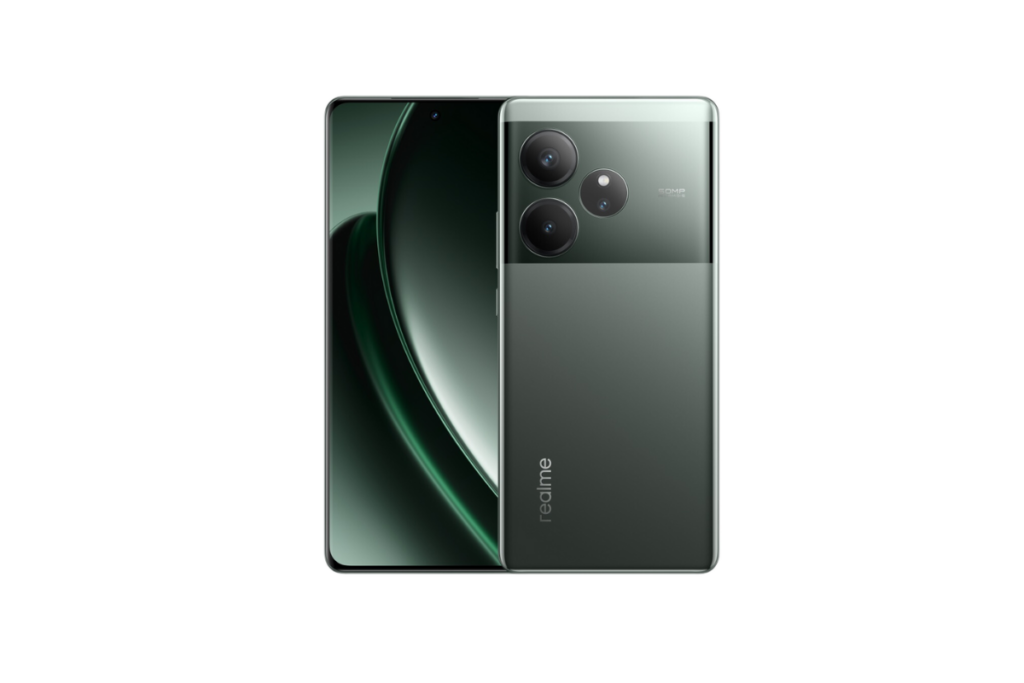
3. Realme GT 6
This Realme phone has a slightly bigger screen than Reno 13. More importantly, it’s an LTPO panel, so you’ll enjoy extra smoothness while saving the battery. The Realme GT 6 also has a higher peak brightness and better screen protection than Reno 13. It has a lower IP rating, though.
The Realme GT 6 also has a 50MP primary sensor and an 8MP ultrawide sensor, but it replaces the 2MP depth sensor from the Reno 13 with a 50MP telephoto shooter for better zoom shots. The device also has a 32MP selfie snapper. Both phones can record up to 4K videos using rear and front cameras.
They have nearly identical battery sizes — 5,600mAh on the Reno 13 and 5,500mAh on the Realme GT 6. However, the latter is ahead with 120W charging (vs. 80W on the Reno 13).
Please Note: When you buy something using the links in our articles, we may earn a small commission at no cost to you.
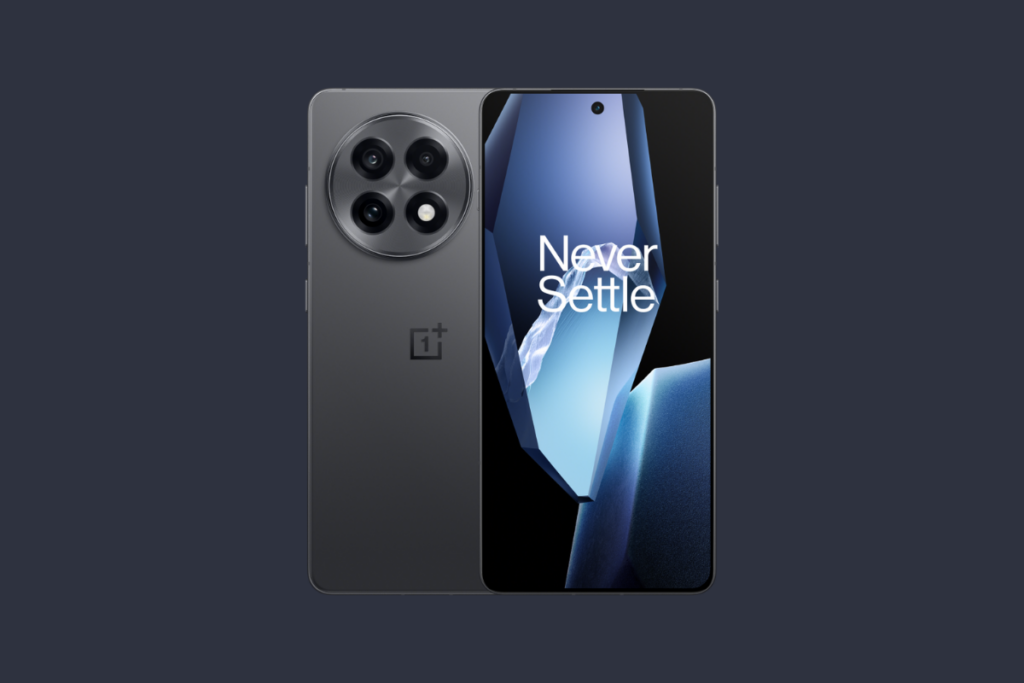
4. OnePlus 13R
OnePlus 13R is another great value midrange, putting a tough show to against the Reno 13. It has a bigger AMOLED screen with LTPO support and a peak brightness of 4500 nits. The 13R also supports HDR10+ and Dolby Vision. However, it features a lower IP rating than Reno 13.
Both phones ship with Android 15 out of the box. However, the OnePlus 13R will get an extra Android upgrade and two additional years of security patches.
The biggest difference between the two is performance. The OnePlus 13R rocks a flagship Snapdragon 8 Gen 3, which is way faster and more efficient than the Dimensity 8350 inside the Reno 13. The 13R also has a better rear camera setup, which includes a 50MP primary shooter, an 8MP ultrawide sensor, and a 50MP telephoto shooter with 2x optical zoom. The selfie camera is 16MP.
Although both have all necessary connectivity features, the OnePlus 13R’s inclusion of Wi-Fi 7 makes it future-proof. This device also beats the Reno 13 in battery capacity, though the charging speed remains the same.
Realme has officially launched its much-awaited Realme 14 Pro series in India, featuring two models: the Realme 14 Pro and Realme 14 Pro+. With prices starting at just ₹24,999, the standard model offers some exciting features. Let’s dive into what the Realme 14 Pro bring to the table! You can check out the Realme 14 Pro+ here.
Realme 14 Pro specs, design, and features
The Realme 14 Pro comes in three stunning colors: Pearl White, Jaipur Pink, and Suede Grey. If you’re a fan of premium finishes, the Suede Grey option offers a vegan leather back. But the real head-turner is the Pearl White variant, which features cold-sensitive technology. Imagine your phone changing colors to gorgeous shades of blue when the temperature drops below 16°C—how cool is that?
On the front, you’ll find a 6.77-inch FHD+ AMOLED display with a smooth 120Hz refresh rate. The curved glass gives it a premium look. The display reaches a global peak brightness of 1400 nits, which is enough for visibility in direct sunlight. The panel can also reach a local peak brightness of 4500 nits, which is more than perfect for HDR content streaming.
Realme 14 Pro (unlike the Pro+) comes with a curved display
Under the hood, the Realme 14 Pro runs on the MediaTek Dimensity 7300 Energy 5G chipset (4nm), paired with 8GB of RAM. It’s fast, efficient, and perfect for everyday tasks. This is powered by a massive 6000mAh battery with 45W SUPERVOOC fast charging, so you can get back to 100% quickly.
Low lightUnderwater
Now, let’s talk cameras. The Realme 14 Pro features a 50MP Sony IMX882 primary sensor (1/1.95″) and a 16MP front camera. While the sensor size may not sound groundbreaking, Realme’s HYPERIMAGE+ processing, which uses AI and ensures vibrant colors and good details. Realme is marketing the device as the world’s first triple-flash camera, promising improved low-light shots.
Pricing and availability
The Realme 14 Pro starts at ₹24,999 for the 8GB+128GB variant and ₹26,999 for the 8GB+256GB variant. But here’s the deal—you can snag it for even less with a ₹2,000 bank discount, dropping the prices to ₹22,999 and ₹24,999, respectively.
The first sale kicks off on January 23 at 12 noon, and you can pre-order it now via Realme India’s website. If you’re looking for a mid-range phone with premium features and a touch of innovation, the Realme 14 Pro series might just be your next upgrade!
Redmi Turbo 4 and Redmi Note 14 Pro+ represent two powerful contenders in Xiaomi’s lineup, each catering to distinct user needs. With cutting-edge displays, top-tier cameras, and impressive performance, these devices offer exceptional value in their price ranges. This comparison highlights the key differences, upgrades, and standout features to help buyers navigate their choices. Whether you’re focused on design, battery life, or photography, understanding their unique strengths ensures you pick the one that best matches your lifestyle and priorities.
The Redmi Turbo 4 and Redmi Note 14 Pro+ are both equipped with stunning AMOLED displays boasting 68B colors, 120Hz refresh rates, Dolby Vision, and HDR10+ support. The Turbo 4 offers a slightly brighter peak brightness of 3200 nits, compared to the 3000 nits of the Note 14 Pro+. Both feature Corning Gorilla Glass Victus for protection, ensuring durability. While the Turbo 4 emphasizes sleek minimalism, the Note 14 Pro+ enhances premium appeal with its optional eco-leather back and IP69K rating for enhanced resistance, making it a better option for rugged use.
If outdoor usage or aesthetic versatility is a priority, the Note 14 Pro+ is a better pick. However, the Turbo 4’s higher brightness gives it a slight edge for media consumption.
2. Specifications
Redmi Note 14 Pro+
The Redmi Turbo 4 is powered by the MediaTek Dimensity 8400 Ultra (4nm), while the Note 14 Pro+ opts for the Snapdragon 7s Gen 3 (4nm). The Turbo 4 leads with a 6550 mAh battery, offering longer usage, while the Note 14 Pro+ has a slightly smaller 6200 mAh battery. Both support 90W fast charging, ensuring quick top-ups.
The Turbo 4 has superior battery capacity and a slightly more powerful chipset, making it better suited for gaming and multitasking. However, the Snapdragon chipset in the Note 14 Pro+ is efficient and offers solid performance for everyday use.
3. Camera
Redmi Note 14 Pro+
The Turbo 4 features a dual-camera setup: a 50 MP primary and 8 MP ultrawide lens, while the Note 14 Pro+ offers a triple-camera array with a 50 MP main, 50 MP telephoto (2.5x optical zoom), and 8 MP ultrawide. Both excel in 4K video but differ in functionality, with the Note 14 Pro+ offering a telephoto lens for better zoom capabilities.
For photography enthusiasts, the Note 14 Pro+ is the clear winner due to its versatile triple-camera system and optical zoom.
Pricing
The Redmi Turbo 4 starts at approximately $329 USD, while the Note 14 Pro+ is priced at around $349 USD. The Turbo 4 provides exceptional value for money, especially for users prioritizing performance and battery. The Note 14 Pro+ justifies its price for those seeking a premium design and versatile camera capabilities.
The Turbo 4 stands out with its massive 6550 mAh battery, higher peak brightness, and 90W fast charging. On the other hand, the Note 14 Pro+ impresses with its IP69K rugged rating, eco-leather back option, and telephoto lens for zoom photography.
While the Turbo 4 caters to gamers and heavy users, the Note 14 Pro+ is ideal for those who value design, durability, and advanced camera features.
Realme is looking to expand its P-series phones in the Indian market soon. The company is expected to launch the Realme P3 series in India, which could include the Realme P3, Realme P3 Pro, and Realme P3 Ultra.
Now a new report from 91Mobileshas revealed the memory and color options of the vanilla Realme P3 smartphone.
The leak claims that the vanilla Realme P3 5G will be available in two storage options, 128 GB and 256 GB. The former will be paired with 6GB and 8GB RAM variants, while the latter will come only with 8GB RAM.
The leak also revealed that the phone will come in Nebula Pink, Comet Grey, and Space Silver. It’s important to note that there was no Realme P2; only the Realme P2 Pro.
What we know so far
While there’s not much we know about the vanilla model, leaks have spilled some beans on the Realme P3 Pro and Realme P3 Ultra. The Realme P3 Ultra is expected to launch at the end of January and the Pro model could follow in the third week of February.
The Realme P3 Pro is rumored to have the model number RMX5032, while the P3 Ultra could have an RMX5030 model number.
Pricing details are yet to be revealed, but the Pro model’s predecessor, the Realme P2 Pro, started at Rs 21,999 in India. It was launched in September 2024.
The leak suggests that Realme could sell the P3 Pro in a 12GB RAM and 256GB storage configuration, while the P2 Pro was available in up to a higher 12GB+512GB model.
The costlier P3 Ultra could also come in the same configuration. The leak also revealed that the P3 Ultra might feature a glossy back panel design and be available in at least one shade: grey.
Amazon Republic Day Sale is finally here and some good deals are already live on smartphones, tablets, and other items. Among several other consumer electronic products, there’s an exciting discount on the Apple Watch SE (2nd Gen). The smartwatch is retailing at all-time low price of Rs 19299, down from Rs 24900.
Apple Watch SE (2nd Gen) Lake Green and Blue Cloud are now retailing at the best price. Further, there’s a Rs 1250 discount if you make full payment using an SBI card and a Rs 1500 discount if you opt for EMIs on the SBI Card. There’s 5% cashback on the Amazon ICICI Bank Credit cards.
Apple Watch SE (2nd Gen) offers the perfect entry point into the world of Apple’s wearable technology.
The Apple Watch SE (2nd Gen) delivers powerful performance at an accessible price, powered by the S8 chip and featuring a vibrant Retina display. Available in Midnight, Starlight, and Silver, its sleek design complements any style while offering essential smartwatch capabilities.
With comprehensive fitness tracking, sleep monitoring, and safety tools like Fall Detection and Emergency SOS, the Watch SE is built for active lifestyles. It’s also water-resistant up to 50 meters, making it a reliable companion for workouts and water sports.
Offering seamless integration with the Apple ecosystem, GPS or GPS + Cellular connectivity, and an 18-hour battery life, the Apple Watch SE (2nd Gen) is a perfect blend of affordability and functionality.
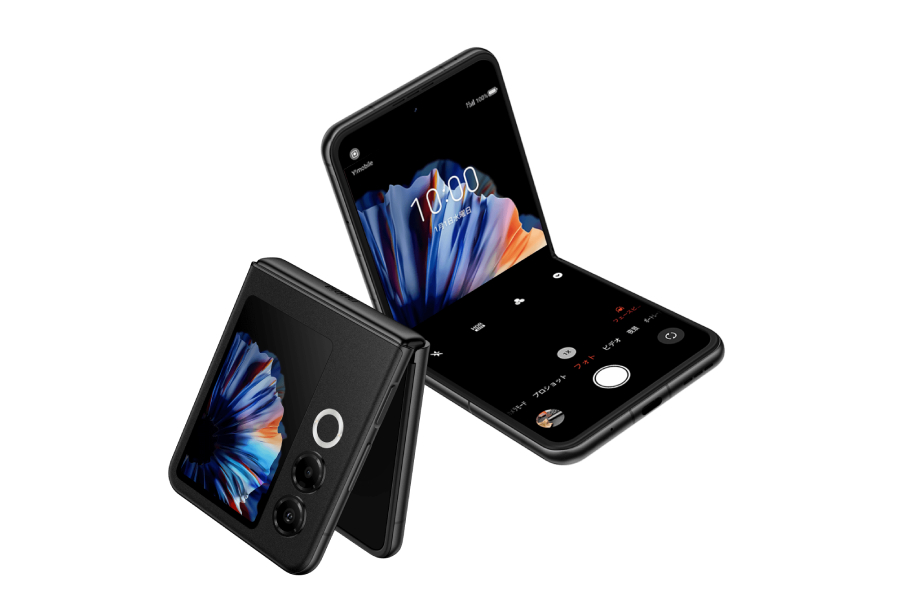
Nubia has just unveiled 2025’s first foldable phone. For the global debut, the brand first announced the Nubia Flip 2 in Japan. This is the brand’s second flip phone, arriving as the successor to the original Nubia Flip. But apart from being the first foldable of this year, it is also the first budget foldable phone as well. So does the Nubia Flip 2 hint that 2025 is the year of budget foldable phones?
The Chinese brand’s new Nubia Flip 2 sports a tall 6.9-inch main OLED display with an FHD+ resolution and a 120Hz refresh rate. Meanwhile, the cover screen is a smaller 3-inch AMOLED panel. Under the hood, it is equipped with the MediaTek Dimensity 7300X SoC, 6GB of RAM, and 128GB of internal storage. A 4,300mAh battery pack powers this device and this phone can be fully charge in about 55 minutes.
This model runs on the Android 14 OS out of the box along with a real-time AI assistant that can respond to calls and supports calls via apps such as LINE. For optics, the rear has a dual camera setup with a 50MP primary camera and a 2MP depth sensor while the front has a 32MP shooter for selfies and video calls. It is available for a price tag of 64,080 Yen (roughly 410 US Dollars) in the Japanese market with a wider release expected to kick off soon.
2. Who’s the competition?
Depending on the region, there might be a few rivals in the market. Tecno and Infinix are two great examples. The Tecno Phantom V Flip 2 and Infinix Zero Flip were announced a couple of months ago with a mid-range price tag similar to the Nubia Flip 2.
So while there still isn’t major competition, it is clear that this segment is a great opportunity for brands that do make foldable phones. Samsung has been rumored to be one such brand, with reports claiming that it is working on a new affordable flip phone that will be launching in 2025. The model in question could be dubbed the Galaxy Z Flip 7 FE.
3. So is 2025 the year of the budget foldables?
Up until recently, the clamshell folding flip phones like the Galaxy Z Flip series were the only “affordable” choice in the foldable phone market. The notebook-styled models were considered a true flagship in this category, while the Flip versions were more accessible.
However, even these devices were just as expensive (if not more) than a typical flagship phone. This meant that buyers were still shelling out quite a pricey sum for a flexible device. But last year, we saw the launch of a couple of mid-range models. So 2025 might be the year when we see foldable phones hitting the more accessible price points.
Samsung Galaxy S25 launch is around the corner and the Korean giant is offering $50 credit for the new flagship’s launch. The credit is awarded if you sign up with an email ID by heading to the Samsung Reserve Campaign page. Scheduled for launch on January 22, the Galaxy S25 is expected to feature a set of whole new features and hardware to stay ahead of the curve. Samsung is also bundling some discounts on its old flagship devices.
The Samsung Galaxy Tab S10+ 512GB is on sale for the jaw-dropping price of $899. The all-time low price is now live on Amazon and even directly from Samsung. The flagship tablet usually retails for around $1100, but for the first time, it is on sale for $898.98.
Samsung Galaxy Tab S10+ Features
The flagship tablet features a 12.4-inch Dynamic AMOLED display with 120Hz refresh rate and supports HDR10+. It is bundled with MediaTek Dimensity 9300+ SoC and Immortalis-G720 MC12 GPU. Samsung Galaxy Tab S10+ features a 13MP primary sensor and an 8MP ultrawide sensor. Meanwhile, there’s a 12MP selfie camera on the front.
In terms of connectivity, the tablet offers support for Fingerprints, accelerometers, gyro, proximity, and compasses. Samsung Galaxy Tab S10+ boasts a 10090 mAh battery with 45W fast wired charging. it is available in two color options: Moonstone Gray and Platinum Silver.
It is worth considering the deal at the price of $899 for the 512GB storage variant.
Please Note: When you buy something using the links in our articles, we may earn a small commission at no cost to you.
Samsung is stepping up its creativity game with the upcoming Galaxy S25 series. One of the coolest upgrades coming with One UI 7 is an enhanced Sketch to Image feature. If you love to draw or have ever wished you could bring your imagination to life with just a few scribbles, this might just blow your mind. Samsung is adding multimodal capabilities, which means you can now combine sketches with text prompts to bring your imagination to reality better than ever.
What’s Sketch to Image and what’s new in it?
Sketch to Image isn’t exactly new—it debuted last year with the Galaxy Z Fold 6 and Z Flip 6, and it’s already a handy tool. The idea is simple: you sketch something (even if you’re not much of an artist), and AI steps in to refine your drawing, turning it into a polished piece of art. For example, a few lines to represent a house could transform into a beautifully detailed sketch of a home, complete with style options.
But with the Galaxy S25 series, Samsung is taking it to a whole new level. Now, you can sketch something and add a text prompt to totally transform it. For instance, draw a quick outline of a cat, type “spacesuit,” and voila! You’ve got a picture of a cat in a spacesuit.
Or maybe you’re imagining your dream home—just sketch a facade, then add prompts like “by the beach” or “in the mountains” to see how it would look in different settings.
Here’s the fun part: you’re not limited to just typing. The updated tool also supports voice prompts, so you can literally tell it what to do. Plus, it works with both the S Pen and your fingers, so you’re not stuck needing extra accessories.
What else to expect from the Galaxy S25 series?
Besides cool features like this, the Galaxy S25 series is shaping up to be a powerhouse. All models will run on the Snapdragon 8 Elite chipset, meaning blazing-fast performance no matter where you live (yes, even outside the US and China).
There’s also buzz about the Galaxy S25 Slim (CAD renders), a smaller and sleeker version of the flagship, which is rumored to launch in May. With the S25 series, it seems like Samsung isn’t just giving us new phones—it’s redefining what smartphones can do.
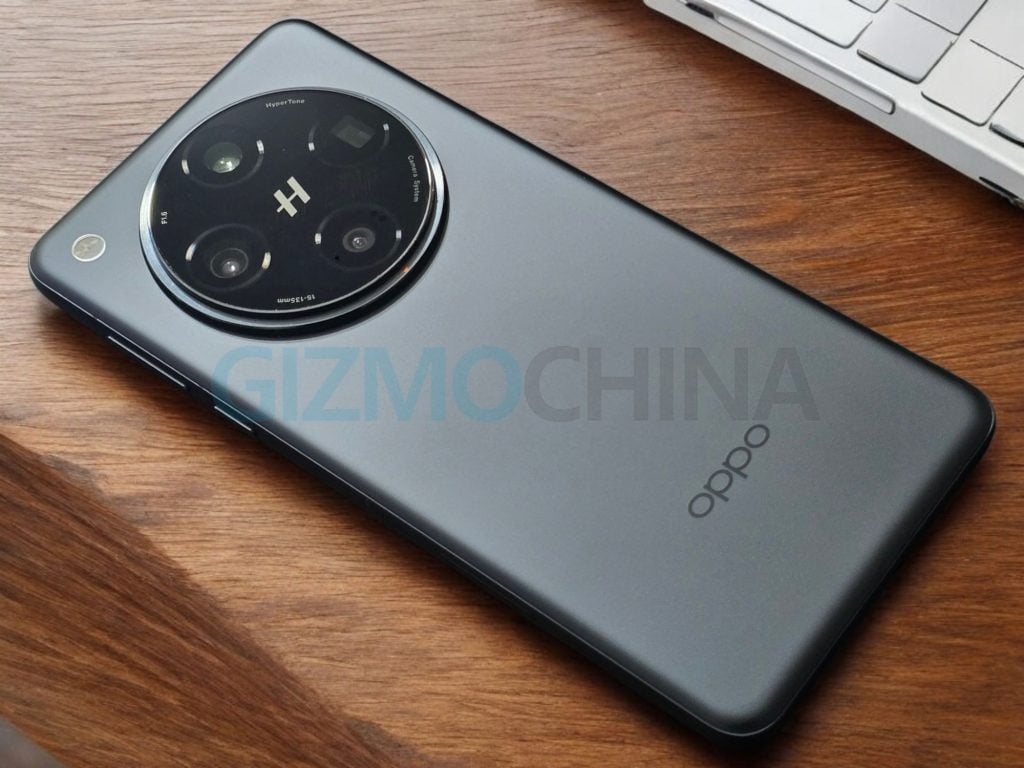
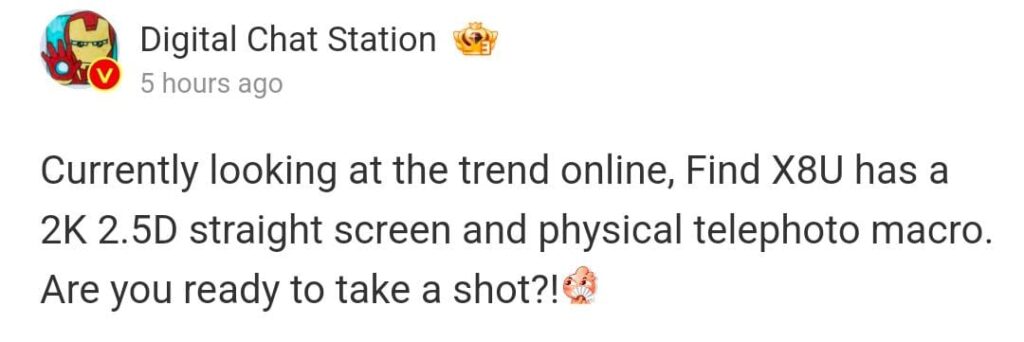
Oppo is said to be preparing for the launch of its top-tier Find X8 Ultra, to add to the lineup that currently consists of the Find X8 and Find X8 Pro. While the base and Pro models launched in October 2024 in China and then arrived in India in November, the Find X8 Ultra is said to go on sale in China after the Oppo Find N5’s release. Reliable tipster Digital Chat Station has recently revealed the display and camera specifications of the new flagship.
Oppo Find X8 Pro
Oppo Find X8 Ultra display and camera specs (rumored)
According to the tipster, the phone packs a 2.5D flat 2K panel. The imaging system includes a physical telephoto macro camera for improved macro photo-taking capabilities, the tipster says. Given his previous predictions are true, the imaging system may include the following sensors:
50MP Sony IMX906 telephoto sensor with 3x optical zoom
50MP Sony IMX882 sensor with 6x optical zoom
50MP Sony LYT-900 main sensor
50 MP Sony IMX882 ultra-wide
This was further supported by Oppo Find Product Manager Zhou Yibao on Weibo, who revealed that the Ultra model will come with a telephoto macro shooter. Moreover, previous leaks hinted that the smartphone will feature a powerful camera configuration, which comprises of: The Oppo Find X8 Ultra will be released in March, though a specific date is yet to be revealed.
What else to expect?
According to rumored specs, the Oppo Find X8 Ultra would carry a 6.82-inch display, coupled with the powerful Snapdragon 8 Elite processor. The massive 6,000mAh battery could support up to 80W or 90W fast charging. For durability, the phone should carry an IP68 and IP69 rating for dust and water resistance. The phone is rumored to equip an ultrasonic fingerprint sensor, an upgrade over the optical one of its predecessor and the existing Find X8 and Find X8 Pro.
While the Oppo Find X7 Ultra launched exclusively in China, Oppo reportedly has plans for a global launch this time. The Find X8 Ultra is expected to launch globally towards the end of Q1 2025.
Realme is preparing for the launch of Realme P3 Pro (model number RMX5032) in India, which will succeed Realme P2 Pro from September last year. For those unfamiliar with the P lineup, the company launched the Realme P1 and P1 Pro back in April last year. In September, the company launched the P2 Pro and added another model (P1 Speed) to the P1 lineup a month later. Now the company is rumored to be working on two new models: the Realme P3 Pro and P3 Ultra.
Realme P3 Pro launch timeline
According to a report from 91mobiles, the Realme P3 Pro will launch in India during the third week of February. As for the specs, the Realme P3 Pro will reportedly arrive in at least one configuration: 12GB RAM + 256GB storage. To put it in perspective, the Realme P2 Pro is available in several configurations – 8GB/128GB, 12GB/256GB, and 12GB/512GB. So, it’s likely that the P3 Pro will also come with a focus on performance with significant storage and memory capacity.
The P3 Pro was also spotted on the BIS certification site last month, which confirms its imminent launch in India. As for the performance, the Realme P2 Pro (the only model in the lineup) equips the Snapdragon 7s Gen 2 chip and can handle casual gaming and multitasking effortlessly.
Realme has also polished the UI for smoother animations in recent years which offers a very good experience. While the detailed specifications of the P3 Pro are yet to be revealed, you can check out the details of the Realme P2 Pro to get an idea of what to expect.
Curious about the Realme P3 Ultra?
Interestingly, it’s said to arrive before the P3 Pro. Industry sources suggest that the P3 Ultra might arrive at the end of January, possibly right after the Realme 14 Pro series launch scheduled for January 16. This will be the first Ultra model in the P series, so it will also be interesting to see how much emphasis the company puts in the performance and imaging capabilities of this model.
Nothing, the London-based smartphone startup known for its transparent phone design, is looking to raise at least $100 million in a new funding round, according to Bloomberg. This Series C funding comes after the company previously raised around $100 million in 2023.
The company, co-founded by Carl Pei, a former OnePlus co-founder, is renowned for its unique design approach across its product lineup, including smartphones, earbuds, and smartwatches.
As a result, Nothing’s devices have been well-received in the global market. Currently, India is Nothing’s largest smartphone market, followed by Germany and the UK. Interestingly, the trend is reversed for their audio products, with the US being their top market, followed by the UK, Germany, and Japan.
In 2024, the company reportedly doubled its annual revenue to over $500 million and surpassed $1 billion in lifetime sales. They also informed investors of improved profit margins and over 7 million units sold across all product categories.
Upcoming Nothing products
Nothing is currently gearing up for the launch of its flagship Phone (3) smartphone. While details about the device remain limited, a leaked email from the company’s co-founder, Carl Pei, reveals plans to launch the smartphone with “breakthrough innovations in user interface, taking our first step toward our AI-powered platform.”
Pei also teased that in Q1, the company has a “landmark smartphone launch that the world will be very excited to see.” Although details are under wraps, this could potentially be a smartphone from its sub-brand CMF.
Bloomberg’s report adds that the company is reportedly prioritizing international sales growth outside the US in 2025, with a more focused push into the American market planned for 2026. Additionally, Nothing is exploring venturing into new product categories beyond smartphones, earbuds, and smartwatches.
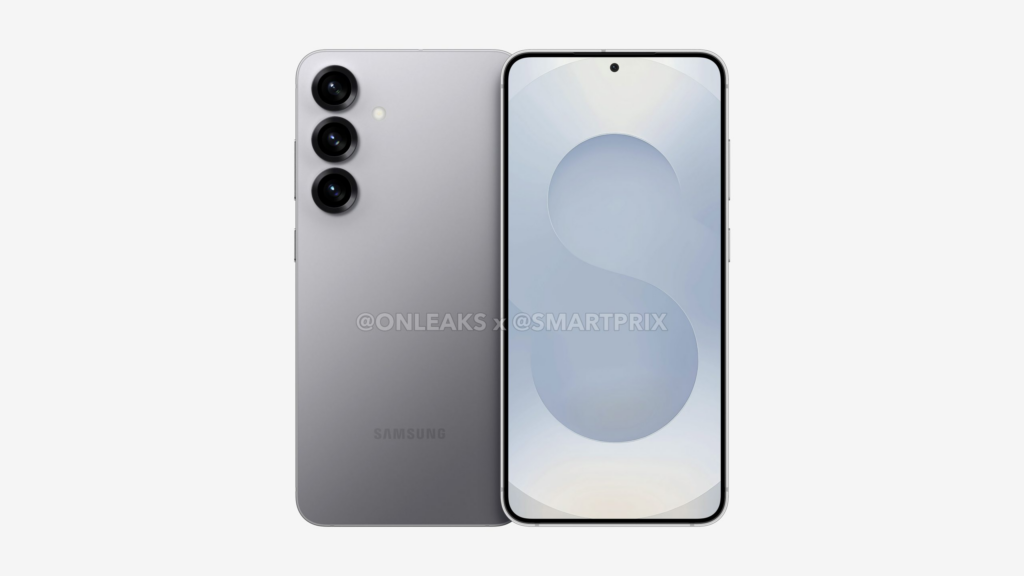
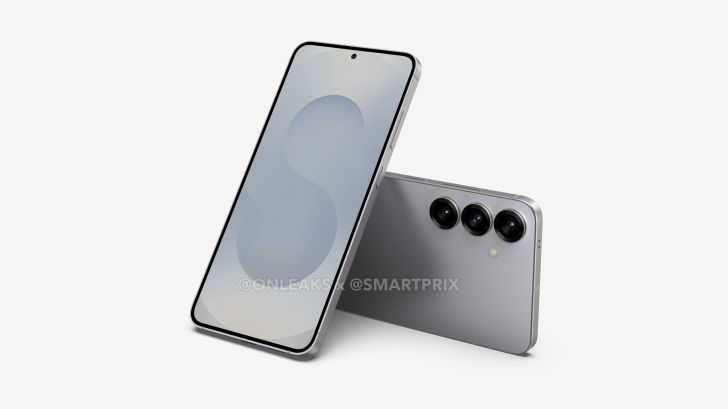
Samsung is all set to unveil the Galaxy S25 series of smartphones on Jan. 22. As expected, the lineup will consist of three models: the Galaxy S25, Galaxy S25+, and Galaxy S25 Ultra. Reports suggest the lineup will also include another model dubbed the Galaxy S25 Slim, which is expected to debut in May. In a new development, Smartprix has teamed up with prominent leaker Steve Hemmerstoffer (aka OnLeaks) to share the CAD renders of the S25 Slim, providing a first look at its design.
Samsung Galaxy S25 Slim design revealed
Samsung Galaxy S25 Slim CAD renders
As anticipated, the Galaxy S25 Slim’s design language aligns with the other S25 models. What’s surprising is that the company has reportedly reduced the phone’s thickness significantly to 6.4mm. Including the camera bump, the thickness increases slightly to 8.3mm. For comparison, the Galaxy S25 Ultra is said to have a thickness of 8.2mm without the camera bump.
In terms of dimensions, the Galaxy S25 Slim measures approximately 159 x 76 x 6.4mm, making it shorter and thinner than the S25 Ultra, which measures 162.8 x 77.6 x 8.2mm. The S25 Slim is expected to feature a metal frame and a glass back.
Samsung Galaxy S25 Slim CAD renders
On the front, the Galaxy S25 Slim is likely to sport a 6.7-inch or 6.8-inch AMOLED display with ultra-thin bezels. Reports indicate the rear-facing triple camera setup will comprise an OIS-assisted 200-megapixel Samsung HP5 primary camera with OIS support, a 50-megapixel JN5 ultra-wide sensor, and a Samsung’s AloP lens tech-enabled 50-megapixel telephoto camera with 3.5x optical zoom.
The remarkably thin smartphone is likely to house a battery with a capacity of less than 4,000mAh. Under the hood, it will be powered by the Snapdragon 8 Elite chipset paired with 12GB of RAM. The phone may run on One UI 7 based on Android 15 and offer up to 512GB of internal storage.
The Honor Magic 7 Pro is now available worldwide following its initial launch in China last October. Released alongside the Magic 7 Lite, the Magic 7 Pro offers a more recent version of Android compared to its mid-range counterpart. Shortly after the launch, Honor also revealed details about the software support for its flagship device.
Software Update Plan
Honor has confirmed that the Magic 7 Pro will receive five major Android OS updates, ensuring software support until January 2030. This is an improvement over the Magic 6 Pro, which is set to receive four major updates, from Android 14 to Android 18.
The Magic 7 Pro is expected to be updated through Android 20, with security patches provided throughout this period. While this extends the device’s lifespan, it still falls one version short of Google and Samsung’s latest flagships.
Honor Magic 7 Pro features
The Magic 7 Pro features a 6.8-inch LTPO AMOLED display with a 1280 x 2800 resolution, offering a 1-120Hz refresh rate and a peak brightness of 1,600 nits, which goes up to 5,000 nits for HDR content. There’s also high-frequency PWM dimming at 4,320Hz to help reduce eye strain. Under the hood, it’s powered by the Snapdragon 8 Elite chipset and comes with 12GB of RAM, ensuring smooth performance.
The device is backed by a 5,270mAh battery, which supports both 100W wired and wireless charging. The rear camera setup includes a 50MP primary camera with a large 1/1.3-inch sensor, a 200MP periscope zoom lens, and a 50MP ultrawide camera. For selfies, there’s a 50MP front camera with a 3D face-scanning sensor.
Running MagicOS 9.0 based on Android 15, the Magic 7 Pro introduces useful features like Magic Portal, AI-powered Honor Notes, real-time AI translation, and Gemini AI. Plus, it has IP68 and IP69 ratings for dust and water resistance, including protection against hot water jets.
OnePlus has released the OxygenOS 15.0.0.401 update for the OnePlus Pad 2, currently available for Indian users. This update brings several new features, system improvements, and the December 2024 Android security patch.
OnePlus Pad 2
The update introduces the Live Alerts feature, which now displays torch status, charging information, and Spotify playback details. It also resolves a display issue with status bar icons when a Live Alerts capsule is active.
AI Reply is another new feature, offering natural, context-aware response suggestions during chats. The update also supports migrating Live Photos from iOS devices using Clone Tablet and improves multitasking by allowing floating windows to be dragged into full-screen mode.
System stability, performance, and battery life have been optimized in some scenarios. Additionally, a flickering issue on the Home screen when switching between landscape and portrait modes has been fixed. We have also included the official changelog below.
OxygenOS 15.0.0.401 Changelog
Integrated AI features
Introduces the AI Reply feature to recommend replies based on the chat context with support for diverse language styles, making the responses more natural.
Apps
Now you can migrate live photos from iOS devices using Clone Tablet.
System
Now you can see the status of the torch on Live Alerts.
Now you can see the charging information on Live Alerts.
Now you can see Spotify information on Live Alerts.
Now you can drag a floating window to change it to full screen.
Fixes a display issue with existing icons on the status bar when a Live Alerts capsule is displayed.
Improves system stability for some scenarios.
Improves system performance.
Extends battery life in some scenarios.
Integrates the December 2024 Android security patch to enhance system security.
Fixes an issue where the Home screen might flicker when you switch between landscape and portrait modes.
The update is currently limited to the Indian region, with availability in other regions expected later. Users who receive the update can report bugs by dialing *#800# and selecting the feedback option.
With the Galaxy Unpacked event scheduled for January 22, leaks about Samsung’s upcoming Galaxy S25 series are flooding the internet. The latest leaks provide a detailed look at the official protective cases for the highly anticipated Galaxy S25, S25+, and S25 Ultra smartphones. These leaks hint at a variety of design choices and materials Samsung has employed for its first-party accessories.
Official Cases Spotted Ahead of Launch
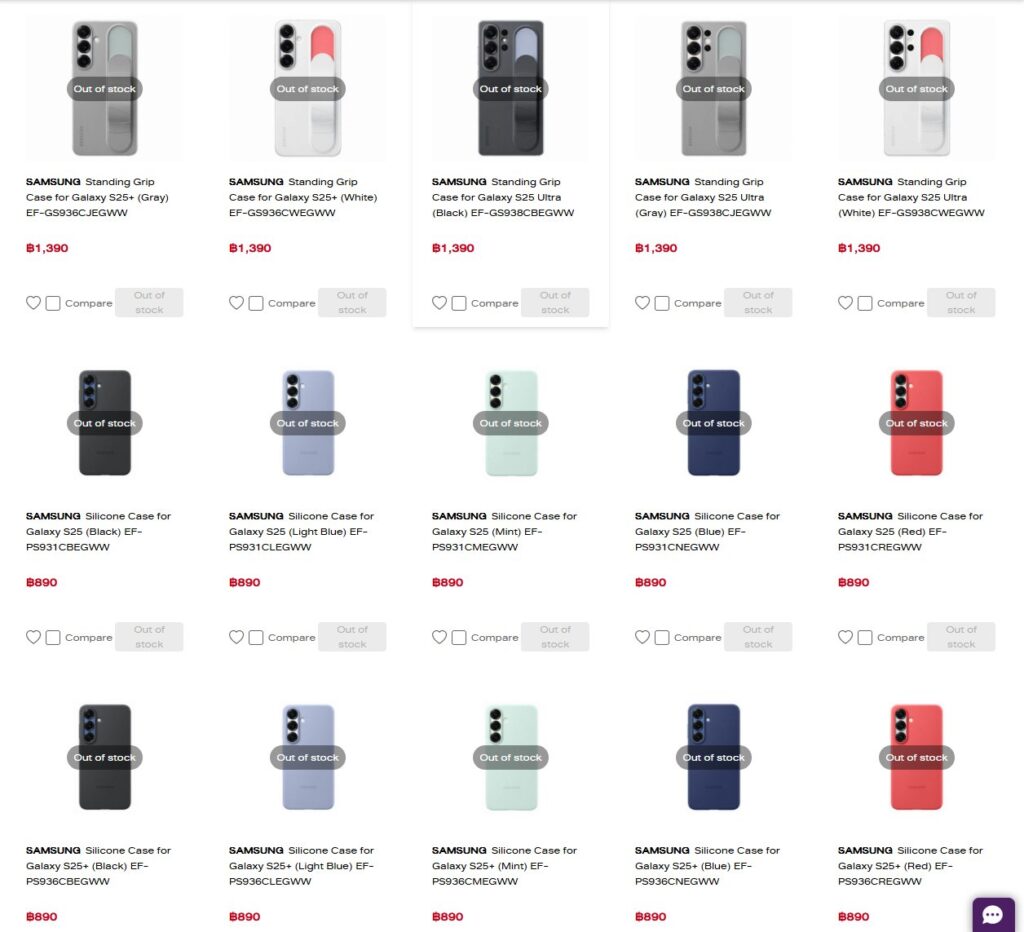
The leaked cases were initially listed on Power Buy, a Thai e-commerce platform, before being swiftly taken down. However, reliable tipster Max Jambor captured the listings before their removal. The cases include silicone, leather, and standing grip variants, catering to different preferences and needs.
According to the leak, the silicone cases will be available in colors such as Black, Light Blue, Mint, Blue, Red, and Transparent, while the standing grip cases are limited to Black, White, and Grey.
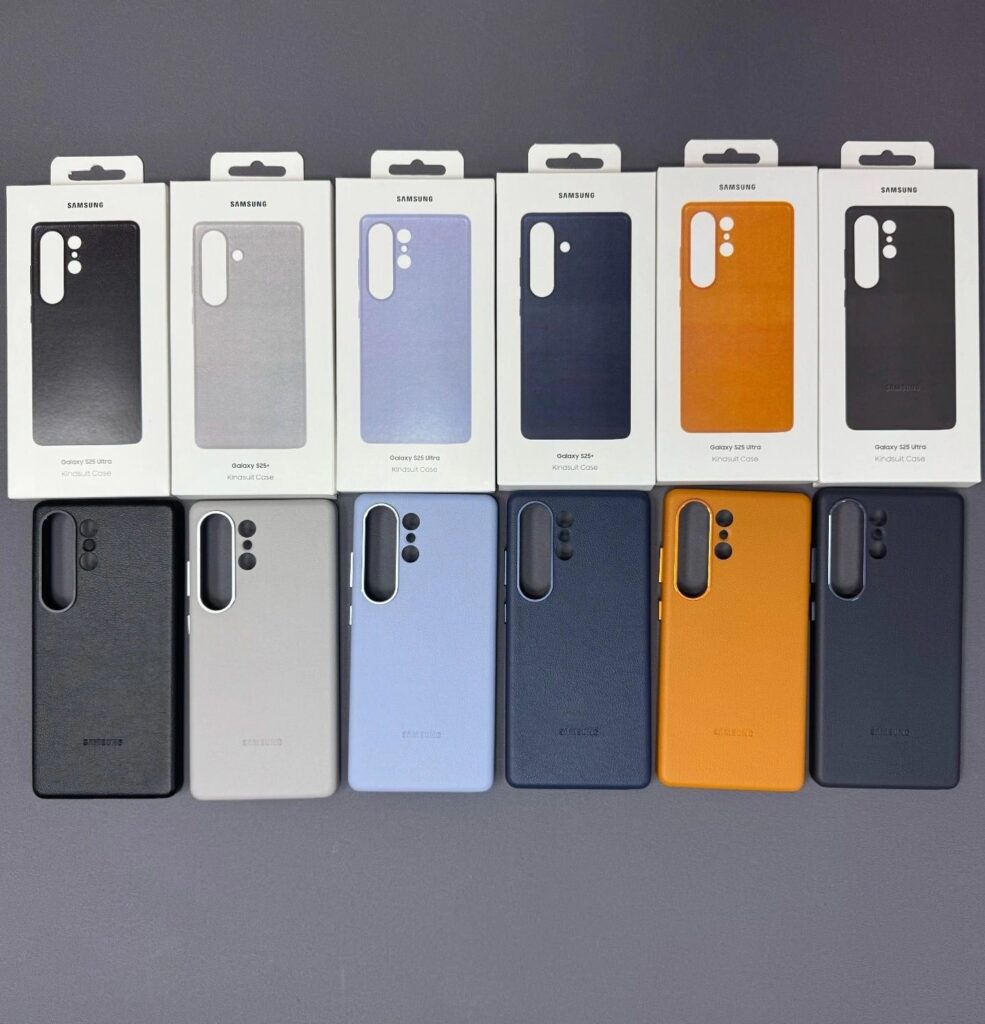
In addition to the silicone and standing grip cases, tipster Jukanlosreve revealed images of Samsung’s leather cases, marked with the Kindsuit branding. These faux leather cases are designed for the Galaxy S25+ and S25 Ultra and will reportedly come in six distinct colors: Black, Light Grey, Dark Grey, Light Blue, Dark Blue, and Ochre. These cases feature metallic button covers for a premium feel, replacing the typical cutouts.
Earlier leaks suggest that Samsung may also release Qi2-compatible cases for the Galaxy S25 series. These cases, equipped with built-in magnetic rings, promise a MagSafe-like experience, enabling seamless magnetic wireless charging.
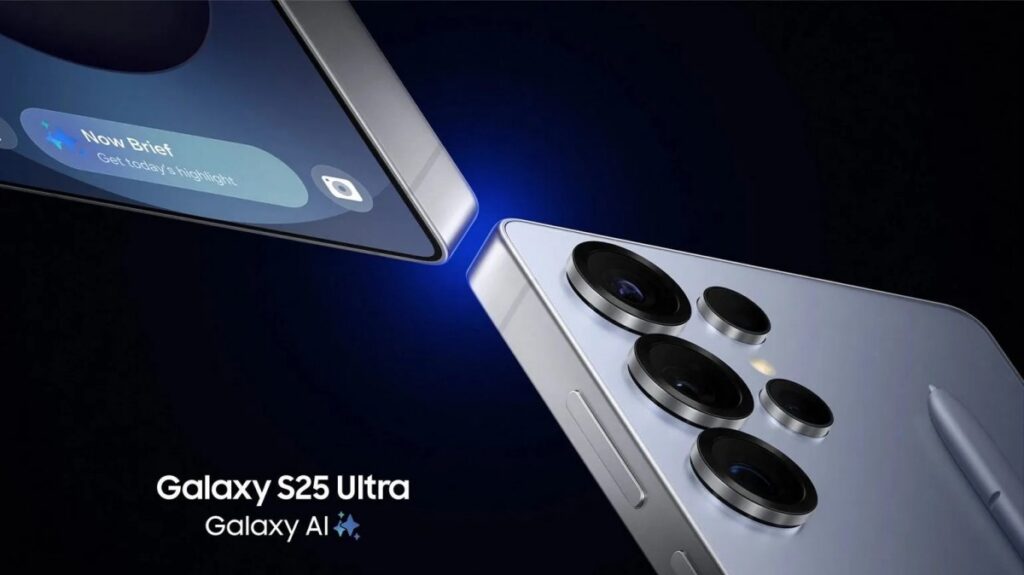
The cases provide additional clues about the Galaxy S25 series’ design. All models are expected to feature a vertical camera layout, with the Ultra variant housing advanced sensors and a secondary telephoto lens. Furthermore, the Ultra’s design hints at flatter sides and rounded corners, signaling a departure from the Note series’ sharp aesthetics, while retaining support for the S Pen.
While the cases take the spotlight for now, leaks also suggest that the Galaxy S25 series will come powered by Qualcomm’s Snapdragon 8 Elite chipset paired with at least 12GB of LPDDR5X RAM.
The devices are expected to ship with One UI 7, offering new Galaxy AI-powered features that could redefine user experiences. Additionally, reports indicate that Samsung may increase prices in certain regions, making the reservations currently open on Samsung’s website an enticing option.
Realme is set to launch the Realme 14 Pro series globally tomorrow starting with India. The event starts at noon local time and will be live-streamed. The series includes two models: Realme 14 Pro and Realme 14 Pro+.
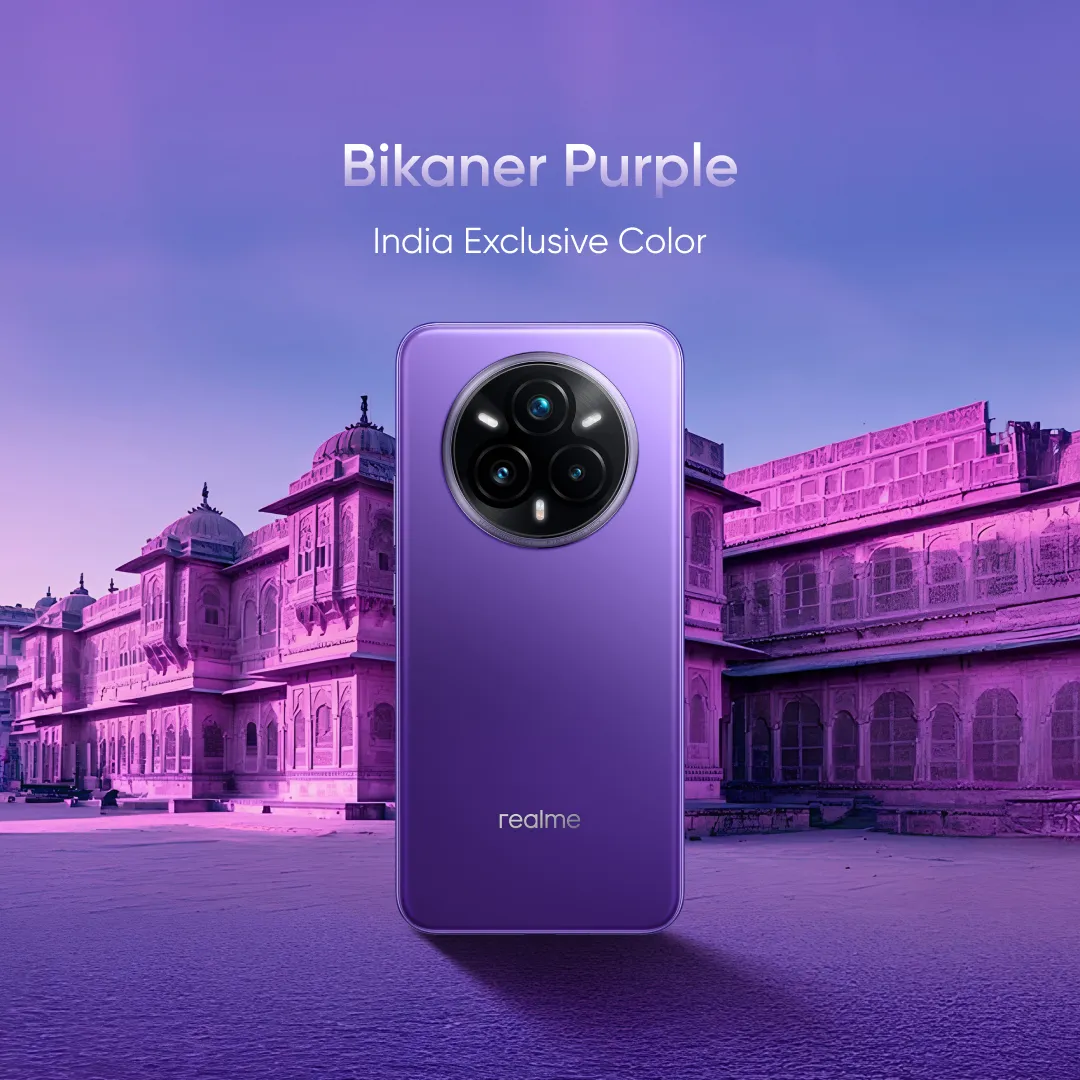
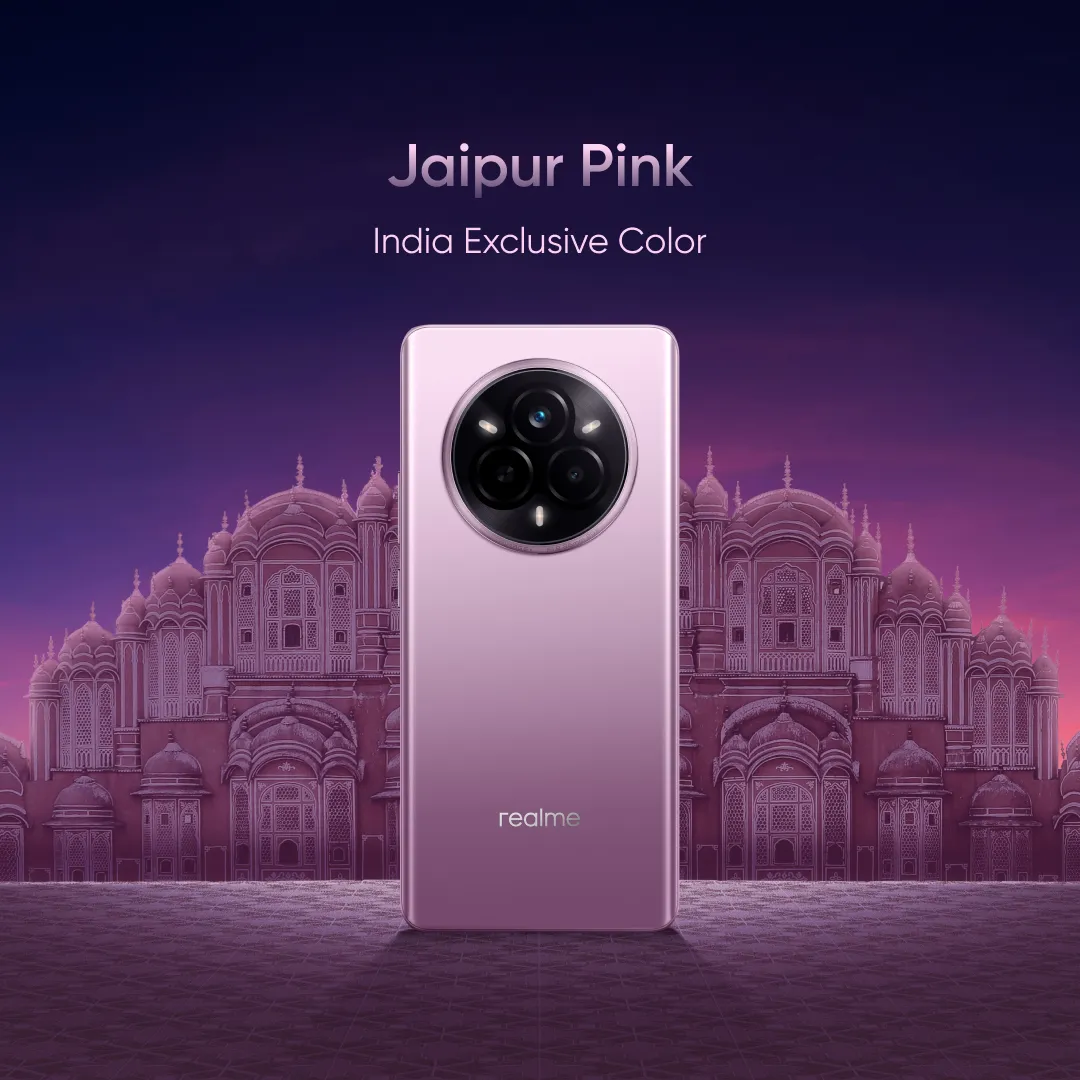
Both smartphones will be available in three colors in India. Suede Grey and color-changing Pearl White are common to both models, while the Realme 14 Pro will have an exclusive Jaipur Pink option, and the Realme 14 Pro+ will feature Bikaner Purple.
The Realme 14 Pro+ was already introduced in China. Details about the Realme 14 Pro model will be clarified during the event. That said, the teasers on Realme’s website have already confirmed many details. The Realme 14 Pro series will feature the Snapdragon 7s Gen 3 chipset. The smartphones sport a 6.83-inch quad-curved OLED display with 1.5K resolution, 1.6mm bezels, 3840Hz PWM dimming, and a peak brightness of 1500 nits.
The phones will be available in four colors—White (Pearl design), Suede Grey, Jaipur Pink, and Bikaner Purple (the latter two exclusive to India)—the phones are 7.5mm thick. They house a 6000mAh Titan battery with 80W fast charging, 16.6 hours of video playback, and advanced VC cooling for optimal performance.
The Chinese variant of the Realme 14 Pro+ features a triple-camera system, including a 50MP Sony IMX896 main sensor, a 50MP periscope telephoto lens with 3x zoom, and an 8MP ultrawide lens, alongside a 32MP front camera and HYPERIMAGE+ technology for superior imaging.
Buds Wireless 5 ANC to Debut
Alongside the smartphones, Realme will also launch the Buds Wireless 5 ANC earphones. These earphones promise 38-hour battery life and come with an IP55 rating, ensuring durability against dust and water. Additional specifications will be revealed at the event.
Samsung’s Galaxy Unpacked event, set for January 22, 2025, will unveil the Galaxy S25 series, including the S25, S25 Plus, and S25 Ultra. Key details about the S25 Plus have emerged through recent Geekbench listings, confirming the chipset and performance specifications.
Galaxy S25 Plus: Chipset and Performance
Samsung Galaxy S25 Plus Geekbench
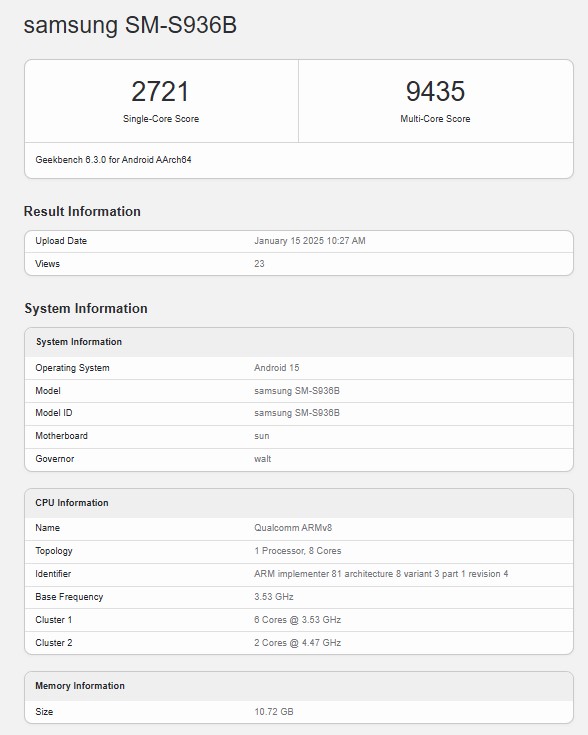
The Galaxy S25 Plus, with model number “SM-S936B,” appeared again on Geekbench, revealing a single-core score of 2721 and a multi-core score of 9435. The CPU configuration includes six cores clocked at 3.53 GHz and two cores at 4.47 GHz, paired with an Adreno 830 GPU for advanced graphics performance.
The Galaxy S25 Plus is expected to run Android 15 with Samsung’s One UI 7.0 overlay. The Geekbench listing indicates 10.72GB of RAM, likely marketed as 12GB, ensuring smooth multitasking and system performance.
Although earlier Geekbench listings hinted at the Exynos 2500 SoC for the Galaxy S25 Plus, the latest information confirms that the device will feature the Snapdragon 8 Elite chipset. This suggests Samsung will once again offer the device with the Exynos version in some regions, while others will receive models powered by the Snapdragon 8 Elite chip.
Galaxy S25 series: Everything we know so far
The Galaxy S25 and S25+ share many features, with the base model offering a compact design and the Plus variant providing a larger, flagship-sized option. Both models are powered by the Snapdragon 8 Elite SoC for Galaxy, while it looks like some regions might get the Exynos 2500 variants. The S25 includes a 4,000mAh battery with 25W fast charging, while the S25+ features a 4,900mAh battery with 45W charging.
Leaks suggest that the S25 has a 6.36-inch AMOLED display with FHD+ resolution, while the S25+ comes with a larger 6.7-inch QHD+ display. Both screens support a 120Hz refresh rate. The camera systems on both models include a 50MP main sensor, a 10MP telephoto lens, a 12MP ultra-wide lens, and a 12MP front camera.
The Galaxy S25 Ultra will be the top-tier model, featuring a 6.9-inch LTPO AMOLED display with 1440p resolution and second-generation Gorilla Armor Glass. It will feature a refined design with a glass and titanium build, making it slightly slimmer and lighter than the previous model. The device uses the Snapdragon 8 Elite chipset, comes with 12GB of RAM, and includes a 5,000mAh battery with 45W wired and Qi2 wireless charging.
The Ultra’s camera setup includes a 200MP main sensor, a 12MP telephoto lens, a 50MP periscope telephoto lens, and a 50MP ultra-wide lens, along with a 10MP front-facing camera.
Realme‘s flagship GT 7 Pro smartphone launched in India on November 30, 2024. However, its price has been reduced during the ongoing Republic Day Sale on various e-commerce platforms in India, leaving early buyers disappointed. Realme has addressed buyer concerns by announcing a compensation plan for eligible customers. The initiative aims to ensure consistent value for all buyers of the flagship smartphone.
Realme GT 7 Pro
Compensation Eligibility and Process
Customers who purchased and activated the Realme GT 7 Pro before January 13, 2025, via Realme’s official website, Amazon, or offline stores are eligible. Compensation requests can be submitted between January 13 and January 21, 2025. Eligible customers will receive a ₹3,000 coupon, credited to their Realme official website account by January 24, 2025.
Application Requirements
Realme Website Purchases: Provide the order number and IMEI number.
Amazon/Offline Store Purchases: Submit proof of purchase and IMEI number.
Republic Day Sale Discounts
The Republic Day Sale offered significant discounts on the Realme GT 7 Pro:
16GB/512GB Variant: ₹6,000 bank discount
12GB/256GB Variant: ₹5,000 bank discount
Realme GT 7 Pro: Key Features
The Realme GT 7 Pro is powered by the Qualcomm Snapdragon 8 Elite 3nm SoC, paired with 12GB or 16GB LPDDR5X RAM for high-performance multitasking and gaming. It features a 6.78-inch 120Hz LTPO Eco² OLED Plus display with Dolby Vision, DCI-P3 color gamut, and 6,000 nits peak brightness.
The triple rear camera system includes a 50MP Sony IMX906 main sensor with OIS, 8MP ultrawide, and 50MP telephoto lenses. The device also boasts a 16MP front camera, Android 15 with Realme UI 6.0, a 5800mAh battery with 120W fast charging, and Wi-Fi 7 connectivity.
TCL has launched its flagship 115X955 Max in India, featuring a massive 115-inch QD Mini LED display. First showcased at CES 2025, this premium TV stands out for its advanced display technology, offering exceptional picture quality and an immersive viewing experience.
TCL 115X955 Max Specifications
Talking about the specs, the 115X955 Max features the brand’s proprietary QLED Pro technology, delivering vibrant and ultra-precise colors with a 98% DCI-P3 color gamut. It comes with over 20,000 local dimming zones, ensuring deep contrasts and lifelike visuals.
The TV equips HDR5000 nits brightness, Dolby Vision IQ, and HDR10+ support for stunning clarity and dynamic range. Additionally, it sports TCL’s patented T-Screen Ultra technology, which enhances contrast, reduces image retention, and elevates overall picture quality.
The TV runs on the Google TV operating system and equips the AiPQ Pro processor, an AI-powered unit that optimizes picture and sound quality. It features TÜV certification for low blue light emission and flicker-free performance, ensuring comfortable long-hour viewing. The TV also comes with an integrated Onkyo 6.2.2 Hi-Fi audio system, delivering theater-quality sound.
For gamers, the 115X955 Max sports Game Master technology, offering a 144Hz refresh rate, 10ms Auto Low Latency Mode (ALLM), and FreeSync Premium Pro for smooth visuals and ultra-responsive gameplay. It also comes with Game Accelerator and Game Bar features, further enhancing the gaming experience and making it an ideal choice for enthusiasts.
Additionally, the TCL 115X955 Max includes smart features like Multi-View 2.0 for streaming multiple content sources simultaneously and compatibility with Apple HomeKit and AirPlay 2 for seamless device integration, enhancing convenience and adaptability for smart homes.
Pricing and Availablity
TCL 115X955 Max is priced at ₹29,99,990 ($34,746) and is available through Reliance Digital, Croma, Amazon, Flipkart, and other retailers. As a launch offer, pre-booking customers will receive a complimentary 75-inch QLED TV.
In related news, LG has unveiled its 2025 OLED evo TV lineup recently, featuring unprecedented brightness and 4K 165Hz gaming capabilities. Meanwhile, TCL has launched the C11K Lingxi QD-MiniLED TV in China, boasting 3000 nits brightness, a 288Hz refresh rate, and advanced AI features.
We use cookies on our website to give you the most relevant experience by remembering your preferences and repeat visits. By clicking “Accept”, you consent to the use of ALL the cookies.
This website uses cookies to improve your experience while you navigate through the website. Out of these, the cookies that are categorized as necessary are stored on your browser as they are essential for the working of basic functionalities of the website. We also use third-party cookies that help us analyze and understand how you use this website. These cookies will be stored in your browser only with your consent. You also have the option to opt-out of these cookies. But opting out of some of these cookies may affect your browsing experience.
Necessary cookies are absolutely essential for the website to function properly. This category only includes cookies that ensures basic functionalities and security features of the website. These cookies do not store any personal information.
Any cookies that may not be particularly necessary for the website to function and is used specifically to collect user personal data via analytics, ads, other embedded contents are termed as non-necessary cookies. It is mandatory to procure user consent prior to running these cookies on your website.















![Apple Watch SE (2nd Gen, 2023) [GPS 40mm] Smartwatch with Midnight Aluminum Case with Midnight Sport Band. Fitness & Sleep Tracker, Crash Detection, Heart Rate Monitor, Retina Display](https://www.gizmochina.com/wp-content/plugins/aawp/public/image.php?url=YUhSMGNITTZMeTl0TG0xbFpHbGhMV0Z0WVhwdmJpNWpiMjB2YVcxaFoyVnpMMGt2TkRGdlJrazViamh0T1V3dVgxTk1NVFl3WHk1cWNHYz18MTc5MjUxNTMwNA=)






![OnePlus Pad 2(12.1 Inch)LCD Display,12GB RAM, 256GB Storage,Snapdragon 8 Gen 3,144Hz Refresh Rate,Dolby Vision & Atmos,Open Canvas,AI features,6 speakers,Wi-Fi with Cellular Data Sharing [Nimbus Gray]](https://www.gizmochina.com/wp-content/plugins/aawp/public/image.php?url=YUhSMGNITTZMeTl0TG0xbFpHbGhMV0Z0WVhwdmJpNWpiMjB2YVcxaFoyVnpMMGt2TkRFMGEydHdjV1JIY2t3dVgxTk1NVFl3WHk1cWNHYz18MTc5MjUxNTMwNA=)