Advertisement

Xgimi Mogo 3 Pro Review: This Compact Google TV Projector Will Surprise You!

As a tech reviewer, I’ve had the privilege of trying out several innovative gadgets. However, this is my first time diving into the world of projectors, and the Xgimi Mogo 3 Pro has set the bar quite high for my initial experience.

Xgimi MoGo 3 Pro Review

Portable projectors have evolved significantly over the past few years, and I was curious to see if the Mogo 3 Pro could meet the expectations set by its impressive feature list.

Let me take you through my experience with this compact, versatile projector, highlighting its design, features, performance, and the overall experience it delivers.

1. What’s in the Box?

The Xgimi Mogo 3 Pro comes with the following items in the box:

  • Xgimi Mogo 3 Pro Projector
  • Remote
  • Creative Optical Filter (optional)
  • Power Adapter
  • 2 x AAA Batteries
  • User Manual
  • Warranty Card

I also got the optional accessories, like the carrying case and power base stand, which are not included in the standard box but can be purchased separately.

2. Design and Build Quality

Xgimi-MoGo-3-Pro-Review

From the moment I unboxed the Mogo 3 Pro, I was immediately impressed by its sleek, modern design. The build quality is exceptional, with a compact, cylindrical form that gives it a unique, premium feel.

At just 1.1 kg, it’s extremely lightweight and portable, making it easy to move between rooms or take on outdoor adventures. The projector comes with a 130-degree adjustable stand, which allows for easy positioning on various surfaces. Additionally, the rubberized feet ensure stable placement, which is great when you’re constantly adjusting it for the best viewing angle.

One thing I really liked is the seamless integration of the Type-C power input, which brings modern convenience. However, it’s important to note that it lacks an internal battery, so you’ll need to use the supplied adapter or the optional PowerBase stand if you want truly portable, battery-powered operation.

The PowerBase stand is fantastic, sturdy, and practical, offering up to 2.5 hours of additional battery life. During my testing, I found it to be very stable, whether indoors or outdoors.

Xgimi also offers a premium faux leather carrying case (purchased separately) with suede lining, and I have to say, this accessory really impressed me. The quality is outstanding, offering excellent protection for the projector while being stylish enough to match the premium feel of the device itself.

3. Setting Up the Xgimi Mogo 3 Pro

Xgimi-MoGo-3-Pro-Review

Setting up the Mogo 3 Pro was a breeze. The projector runs on Google TV, which significantly simplifies the experience. Upon powering it up, I was prompted to link my Google account, and within minutes, I had access to Netflix, YouTube, Prime Video, and more.

It comes with a remote which has direct buttons for popular streaming services, making navigation incredibly easy. I found the remote’s build quality to be excellent, with the buttons providing a tactile and responsive feel.

The Mogo 3 Pro features auto-focus and auto-keystone correction, automatically fine-tuning the image for sharpness and proper alignment, even if the setup isn’t perfect. This was a game-changer for me as someone new to projector setups. It also comes equipped with ISA 2.0 technology, offering intelligent obstacle avoidance and screen alignment, ensuring the image adjusts to bypass objects like furniture or plants.

Initially, I experienced some keystone correction issues during setup, but Xgimi quickly addressed this with a firmware update. After the update, the projector seamlessly adjusted, providing a sharp and perfectly aligned image, greatly enhancing its usability.

4. Image and Sound Quality

Xgimi-MoGo-3-Pro-Review

Now, let’s move on to the core feature: the projection quality. The Mogo 3 Pro delivers native 1080p resolution, which, paired with 450 ISO lumens of brightness, is good enough for most casual viewing experiences.

However, as with any projector, it performs best in low-light or dark conditions. In well-lit environments, the image quality suffers, and the brightness becomes noticeably less effective. If you’re someone who watches content in dimly lit or dark spaces, this projector will serve you well, but if you’re hoping for daytime use without blackout curtains, you might find the brightness a bit underwhelming.

What I really enjoyed was the color accuracy. The projector covers up to 90% of the DCI-P3 color gamut and produces vibrant and realistic colors, whether you’re watching a movie or playing games. For a portable projector, the clarity and color reproduction are impressive, especially when streaming content in HD.

As for the audio, the Mogo 3 Pro is equipped with dual 5W Harman Kardon speakers, and I must say, the sound quality exceeded my expectations. For a portable projector, the speakers deliver rich, immersive audio that easily fills a small to medium-sized room.

Whether I was watching action movies or listening to music, the sound was clear with decent bass. There’s no immediate need to pair it with external speakers, which is a big plus for its portability.

The projector also supports Ambient Light Mode which turns the projector into a Bluetooth speaker with customizable lighting effects, creating a relaxed atmosphere and adding a decorative touch. However, it felt somewhat gimmicky to me.

5. Accessories and Practical Use

Xgimi-MoGo-3-Pro-Review

Xgimi has done a great job of offering additional accessories to complement the Mogo 3 Pro. I tested both the tripod stand and the PowerBase stand, and both were solid options. The tripod stand is perfect for placing the projector at different heights, while the PowerBase stand enhances portability with its built-in battery. Both accessories are sturdy and well-designed, which is something I really appreciated during my testing.

One accessory I didn’t quite make much use of was the Creative Optical Filter. While it promises to create a more immersive experience by expanding the projection and adding some cool visual effects, I found it to be somewhat underwhelming. This could be due to the limited space in my room, so perhaps with a larger setup, it might have more of an impact. Nevertheless, the core experience of the projector doesn’t rely on this accessory, so it didn’t detract from my overall satisfaction.

6. Performance and Final Thoughts

Xgimi-MoGo-3-Pro-Review

Over the course of testing, I used the Mogo 3 Pro for a variety of purposes, from movie nights to casual gaming. In all scenarios, it performed admirably. The Google TV interface is fluid and easy to navigate, the image quality is crisp and clear, and the sound is more than adequate for its size.

While it’s not the brightest projector on the market, it holds its own in low-light settings, and the compact form factor makes it a truly portable entertainment device. I also liked that the projector runs quietly. At less than 32 decibels, the fan noise was barely noticeable, even during longer viewing sessions. This made the viewing experience all the more enjoyable, especially when watching in quieter environments.

In conclusion, the Xgimi Mogo 3 Pro offers a lot of value for its price, especially if you’re looking for a portable projector that can handle a wide range of entertainment needs. It’s well-built, easy to set up, and delivers great image and sound quality for casual use.

While it might not compete with high-end projectors in terms of brightness, its portability, Google TV integration, and Harman Kardon speakers make it a versatile and enjoyable device. If you’re considering a portable projector for your home or for travel, the Mogo 3 Pro is definitely worth checking out.

7. Pricing and Availablity

The Xgimi Mogo 3 Pro is priced at approximately $450. For an additional $50, you can purchase the bundle with the PowerBase stand, which adds battery life and portability. Accessories like the carrying case are available for $69, and the Creative Optical Filter is priced at $49. These can be purchased separately to enhance your overall experience.

It is now available on the Xgimi website and Amazon.

World’s First Tri-Fold Smartphone Huawei Mate XT now at an exclusive discount on Giztop

Huawei Mate XT marks a significant milestone in smartphone technology as the world’s first tri-fold smartphone, showcasing an innovative design that redefines the way users interact with their devices. With its unique triple-screen setup, advanced features, and robust specifications, this device stands out in the competitive market of foldable smartphones.

Groundbreaking Design and Display

The Huawei Mate XT features a triple-screen design that utilizes dual hinges to create an immersive experience. The front display measures 6.4 inches with an OLED panel, offering vibrant colors and sharp visuals. When fully unfolded, the device transforms into a stunning 10.2-inch display with a resolution of 2,232 x 3,184 pixels, perfect for multitasking, streaming, or gaming. In its partially unfolded state, the 7.9-inch display provides flexibility for various use cases.

The device’s thickness is also impressive, measuring just 3.6 mm when unfolded and 12.8 mm when folded, making it one of the slimmest foldable smartphones on the market. This sleek design ensures that users can enjoy a premium feel without compromising portability.

Enhanced Durability and Technology

One of the standout features of the Mate XT is its ultra-durable structure. Constructed with advanced materials and incorporating a non-Newtonian fluid, the smartphone enhances durability and flexibility. The dual-hinge design consists of an inner hinge that manages compression forces and an outer hinge that resists tension, ensuring smooth operation and stable display positioning.

Powerful Performance and Storage Options

Under the hood, the Huawei Mate XT is powered by the Kirin 9010 processor, coupled with either 12GB or 16GB of LPDDR5X RAM. This powerful combination delivers exceptional performance for running applications, multitasking, and navigating through menus seamlessly. Storage options include 256GB, 512GB, or 1TB of UFS 4.0 memory, providing ample space for all your photos, apps, and media.

Impressive Camera Capabilities

Photography enthusiasts will appreciate the Huawei Mate XT’s camera setup. The device boasts a rear camera system featuring 50MP, 12MP, and 12MP lenses, along with an 8MP selfie camera. With 5.5x optical zoom and up to 50x digital zoom, users can capture stunning images from various distances. The inclusion of optical image stabilization, electronic image stabilization, and AIS image stabilization ensures that every shot is clear and professional.

Long-lasting Battery Life

Equipped with a 5,600mAh battery, the Mate XT supports 67W fast wired charging, allowing users to go from empty to full charge in just 37 minutes. It also features Quick Charge 4+ and Power Delivery 3.0 technologies, along with 50W wireless charging, making it a practical choice for those on the go.

Pricing and Availability

The Huawei Mate XT is officially on sale, with an eye-catching price point of up to $10,000 in the offline market. This high cost reflects Huawei’s very limited first batch, making it a premium offering in the foldable smartphone category. For those interested in acquiring this innovative device at a more accessible price, it is available on Giztop for $8,999.

Huawei Mate XT represents a groundbreaking advancement in smartphone technology with its tri-fold design, impressive specifications, and robust features. While it operates on Harmony OS NEXT without Google Mobile Services, its innovative capabilities make it a noteworthy option for tech enthusiasts looking for something truly unique in the world of smartphones.

Nothing’s 140W GaN charger silently appears on e-commerce listing revealing price and specs

Nothing is likely preparing to launch a new 140W GaN charger under its sub-brand, CMF. While the company hasn’t officially announced anything about it, a new listing on Flipkart suggests the launch is imminent.

The listing, shared by a user on X (formerly Twitter), shows the charger in a matte black finish with the CMF logo and a 140W GaN inscription. It features two USB Type-C ports and one USB Type-A port on a two-pin design.

A poster accompanying the listing highlights the charger’s specifications. It mentions nine safety mechanisms and intelligent power distribution, though there’s no mention of the specific power output for each port individually or when used together.

However, the poster confirms that the charger supports PD 3.1 protocol and can charge two laptops simultaneously. For instance, it can charge a MacBook Pro to 55% in just 30 minutes.

For Nothing’s smartphones, including the CMF Phone 1 and Nothing Phone (2a), the charger can power them to 66% in 30 minutes.

As for the price, the listing shows an EMI plan of Rs 294 per month for 24 months. Based on it, the total cost comes in at around Rs 7,000, but that’s likely factoring in the interest. 

We couldn’t find the listing for the charger on Flipkart, but a user in the original post suggests the charger is priced at Rs 6,000 for the Indian market.

It’s not clear when the company will launch the adapter, but there’s a Nothing event scheduled for September 24th – tomorrow – where the company is expected to unveil its first open-ear earbuds. The charger might also debut at this event.

And note that, it’s not the first GaN charger under the Nothing by CMF brand. There’s already a 65W model that the company launched last year for Rs 2,999 in India or some USD 49 in the US.

New Arrival: FiiO KA15 Portable Hi-Fi DAC with Dual CS43198 DACs & 560mW Output Power

FiiO KA15 is a high-performance portable Hi-Fi DAC and headphone amplifier, designed to elevate your audio experience. Whether you’re connecting it to your phone, tablet, or computer, the KA15 is built to deliver exceptional sound quality, making it a versatile choice for audiophiles who crave uncompromising audio wherever they go. You can get this device for $109 only at GeekWills.

Premium Sound Performance

At the heart of the FiiO KA15 is the renowned dual CS43198 DAC, a high-performance, low-power digital-to-analog converter that supports resolutions up to 32-bit/768kHz and DSD256. With its impressive sound reproduction capabilities, the KA15 ensures that every note and detail is heard with clarity and precision. Complementing the DAC is the Dual high-performance op-amp SGM8262, which provides powerful amplification for both low and high-impedance headphones, offering up to 560mW of output power. This power level rivals many desktop amplifiers, making the KA15 an excellent portable alternative.

Customizable Audio with PEQ Adjustment

One of the standout features of the FiiO KA15 is its built-in audiophile-grade DSP, which supports 10-segment high-precision lossless PEQ (Parametric Equalizer) adjustment. With FiiO’s self-developed algorithm and app, users can simulate or correct the frequency response curve of their headphones. The PEQ settings can be saved, shared, and modified, giving users full control over their listening experience. The PEQ adjustments ensure that the KA15 delivers an efficient and smooth listening experience, tailored to your preferences.

Enhanced Usability with IPS Display and Control App

The FiiO KA15 is equipped with a 0.96-inch IPS true-color LCD screen, displaying both Chinese and English languages. Its retro dynamic user interface offers an intuitive experience, allowing users to navigate local settings effortlessly. The KA15 can be controlled in all directions through the FiiO Control App, where users can adjust PEQ settings, balance channels, change volume levels, switch UAC modes, and more. The app also supports future firmware updates, ensuring that the KA15 stays current with the latest audio technologies.

Versatile Connectivity

For gaming enthusiasts, the KA15’s UAC 1.0 mode allows easy connection to devices such as the Nintendo Switch and PlayStation 5, providing an immersive audio experience during gameplay. The device also features both 3.5mm single-ended and 4.4mm balanced outputs, with the 3.5mm output supporting SPDIF coaxial output. This enables users to connect the KA15 to higher-end external decoders for even more diverse sound performance options.

Key Specs:

  • DAC: CS43198 DAC
  • Output Power: 560mW (max)
  • Support: Resolutions up to 768kHz/32bit and DSD256
  • Compatibility: Android, iOS, iPad OS, Windows, Mac OS
  • Certifications: Hi-Res Audio Certified

With its powerful performance, customizable sound, and versatile connectivity, the FiiO KA15 is an ideal choice for audiophiles seeking high-fidelity audio on the go. Whether for music lovers or gamers, the KA15 offers a premium, adaptable listening experience.

Samsung Galaxy M55s 5G Launches With Same Specs As Galaxy M55 With Few Differences: Which One Should You Buy

Samsung has launched a new Galaxy M-series smartphone in India. The Galaxy M55s 5G follows the Galaxy M55 5G that was released earlier in April this year. The latest offering is exactly the same as the M55 5G apart from some minor changes. Pricing is the key difference between both devices. Read on to know everything below.

Samsung Galaxy M55s 5G retains the same M55 specs but cheaper price tag

The Samsung Galaxy M55s 5G has a slightly different design compared to the Galaxy M55 5G. The back panel flaunts a dual-tone design with three vertical stripes running on the left side where the camera sensors are stacked. The device has a slim profile. 

The Galaxy M55s 5G comes with a 6.7-inch AMOLED panel bearing an FHD+ resolution, a 1,000 nits peak brightness, and a 120Hz refresh rate. There is an in-screen fingerprint scanner. The centre-aligned punch-hole cutout accommodates a 50MP selfie snapper. The smartphone retains the same optics as the Galaxy M55 5G i.e. a 50MP OIS-enabled main sensor, an 8MP ultra-wide-angle lens, and a 2MP macro unit. There are various features like nightography, dual recording, and more. 

Internally, the Galaxy M55s 5G is powered by the same Snapdragon 7 Gen 1 SoC that is also found on the Galaxy M55 5G. It packs up to 12GB RAM and 256GB storage. The device is backed by a 5,000mAh battery unit that can be topped up via a 45W fast charging. The phone ships with OneUI 6.1-based Android 14 and comes with features like Samsung Knox Vault, Quick Share etc. There’s also Voice Focus mode that improves the quality of sound captured by microphones on calls. 

The Samsung Galaxy M55s 5G starts at Rs 19,999 for the base 8GB + 128GB variant. The pricing of the 8+256GB and 12+256GB has not been revealed. SBI credit cardholders can avail Rs 2,000 instant discount on the purchase. The smartphone can be purchased starting September 26 from Amazon, Samsung official, and retail stores across the country. 

To recall, the Galaxy M55 is more expensive starting at Rs 26,999. The other two same configurations of the device are priced at Rs 29,999 and Rs 32,999. 

New Arrival: CVJ YUKIMI Earphones with 10mm Dynamic Driver and CNC Aluminum Alloy Shell

CVJ YUKIMI earphones are designed to deliver an exceptional listening experience with a combination of advanced audio technology and premium materials. At the heart of the YUKIMI is a 10mm dynamic driver featuring a carbonized crystal diaphragm, which offers clear, natural sound reproduction across a wide frequency range. You can get the CVJ YUKIMI earphones for $209 only at GeekWills. 

10mm Dynamic Driver with Carbonized Crystal Diaphragm

CVJ YUKIMI is equipped with a large 10mm dynamic driver that is designed for optimal audio performance. The carbonized crystal diaphragm, known for its strength and rigidity, ensures minimal distortion even at high sound pressure levels. This results in a crisp, clear sound across the entire frequency range. The driver’s CCAW voice coil, paired with an aluminum-magnesium inner chamber, further enhances the earphones’ sound quality by reducing distortion and providing controlled resonances.

Premium CNC Aluminum-Magnesium Alloy Shell

Built with durability and sound performance in mind, the CVJ YUKIMI features ear shells made from high-quality aluminum-magnesium alloy. The shells are precisely crafted using a 5-axis CNC machining process, resulting in a sleek, premium finish. This metal construction minimizes unwanted resonances typically associated with resin shells, allowing for cleaner sound reproduction.

Balanced and Detailed Sound Performance

The CVJ YUKIMI delivers a rich and dynamic audio experience with a powerful bass response and accurate vocal rendition. The combination of the carbonized crystal diaphragm and the CCAW voice coil creates a balanced sound that enhances both low and high frequencies, making it suitable for a wide range of musical styles. Whether you’re listening to fast-paced beats or delicate instrumentals, the YUKIMI provides a clear and immersive sound experience.

High-Quality Silver-Plated Cable

The CVJ YUKIMI comes with a premium silver-plated copper cable that features 556 strands of high-purity material. This low-resistance cable improves sound signal transmission, delivering more detailed audio with a quieter background. The enhanced connectivity ensures that you can fully experience the earphones’ superior sound quality.

Key Features:

  • 10mm dynamic driver with carbonized crystal diaphragm
  • CNC aluminum-magnesium alloy shell
  • High-quality silver-plated cable with 556 strands
  • CCAW voice coil and aluminum-magnesium inner chamber
  • Frequency range: 10Hz-40kHz
  • Sensitivity: 108±2dB
  • Impedance: 22Ω
  • Plug types: 3.5mm and 4.4mm
  • Connector type: 0.78mm 2-pin

Whether you enjoy bass-heavy music or intricate vocals, the CVJ YUKIMI promises a well-balanced sound that caters to various musical genres.

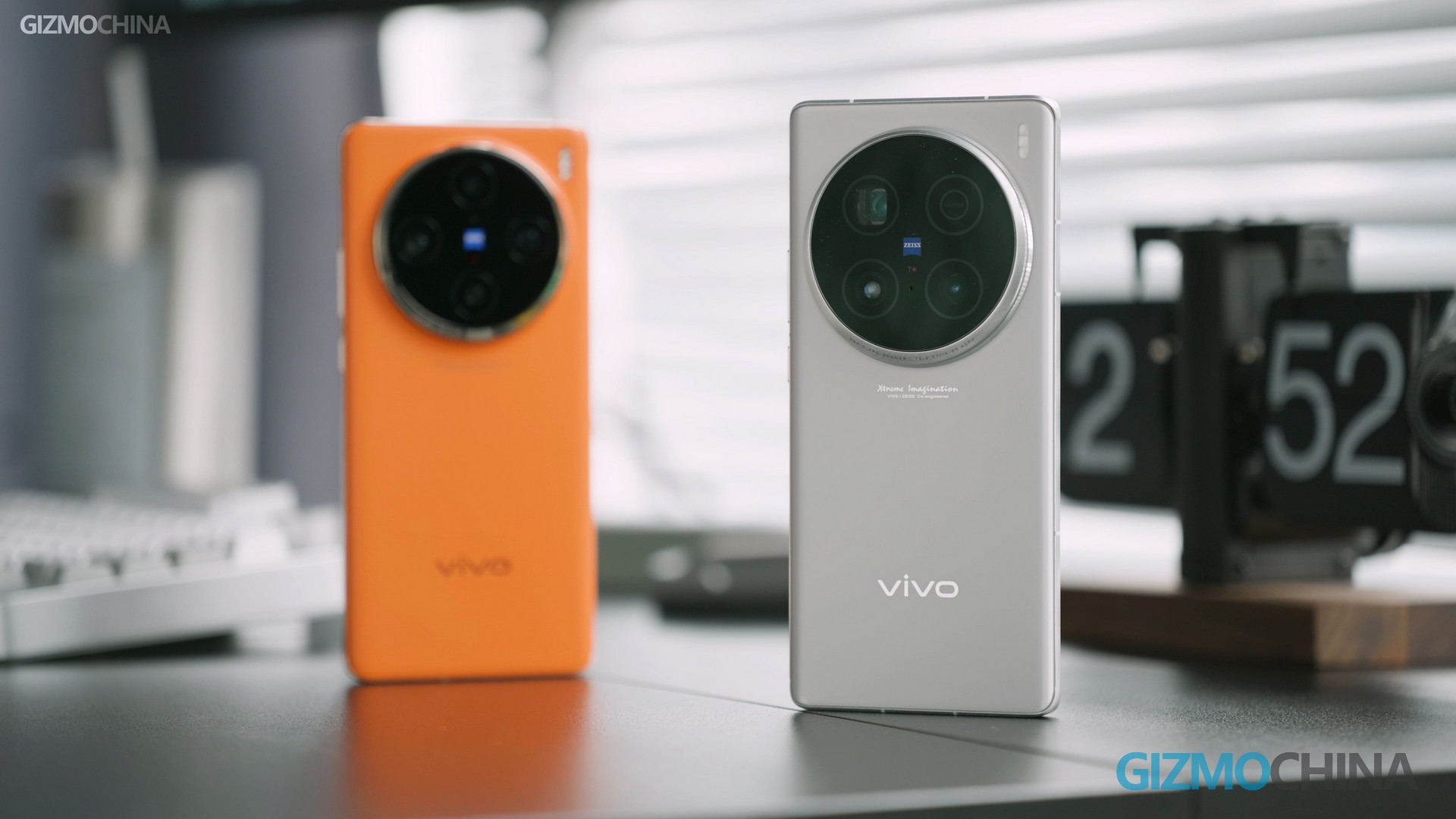
Vivo X200 Ultra revealed to have 200MP periscope camera, battery size for X200 Pro leaks

Vivo has confirmed the launch date for its X200 series phone on October 14. The lineup is expected to consist of at least two new phones initially, Vivo X200 and X200 Pro. It’s only in early 2025 that we are expecting an Ultra model to join the series. However, that hasn’t stopped leaks from revealing details about it. 

In a new one, the usually reliable Digital Chat Station has shed light on the processor and camera details of the phone. The tipster revealed that the phone will be powered by the “SM8750” chip which is the codename for Snapdragon 8 Gen 4. And in terms of the camera, it is said to have a 200MP periscope lens. 

There’s mention of three other lenses, each with 50MP resolution. So if this leak truly corroborates to Vivo X200 Ultra, that means, Vivo is upgrading the camera setup on the X200 Ultra with four lenses, compared to three on the X100 Ultra.

Among the three 50MP cameras, one is a main module reportedly with a “fixed large aperture”. And while the tipster doesn’t specifically mention it, we assume the other two 50MP lenses are ultrawide and a telephoto lens. 

In a separate leak today only, the tipster also revealed the battery size of the X200 series phone. The biggest among them is for the X200 Pro, which is said to have a 6000mAh cell. There’s a rumor of a mid-variant this time, likely called the Vivo X200 Mini, which may have a 5700mAh battery while the vanilla Vivo X200 will have a 5800mAh cell.

While the rest of the Vivo X200 series will be powered by MediaTek’s upcoming Dimensity 9400 chip, the X200 Ultra will reportedly have a Qualcomm Snapdragon 8 Gen 4 chip inside. It is likely to arrive with a 2K 120Hz OLED screen. At present, there is no clarity about the other specs of this phone.

Google Pixel 8 to Be Sold for Just Rs 29,999 ($359) During Big Billion Days Sale

Google‘s Pixel 8 smartphone is set to make a splash during Flipkart’s Big Billion Days Sale with a massive price drop. Originally launched at Rs 75,999, the device is now available for less than half its original price.

Google Pixel 8

Buyers can take advantage of a variety of offers to further reduce the price. These include exchange bonuses of up to Rs 36,750, a Rs 1500 discount on HDFC Bank Credit Cards, an additional exchange value of up to Rs 2500, and a super coin discount of up to Rs 2,000 for 10 super coins. With these offers, users can bring the effective price down to as low as Rs 29,999 ($359).

Google Pixel 8 specs:

The Google Pixel 8 comes with a 6.2-inch OLED display, offering Full HD+ resolution and a peak brightness of 2000 nits. It runs on the Google Tensor G3 processor with the Titan M2 security chip, paired with 8GB of RAM and either 128GB or 256GB of storage.

Google Pixel 8

Its camera setup includes a 50MP main rear camera, a 12MP ultra-wide lens, and a 10.5MP dual-pixel front-facing camera for selfies. The 4575mAh battery supports 27W fast charging, 15W wireless charging via Qi, and Battery Share.

Other features include stereo speakers, an in-display fingerprint scanner, face unlock, and an IP68 rating for water and dust resistance. The Pixel 8 comes in three colors: Obsidian, Hazel, and Rose.

In other news, Google’s Pixel 9 series exclusive camera features may soon be available on older Pixel models, including the Pixel 6, 7, and 8. Features like “Reimagine,” which allows AI-driven photo editing, and “Auto Frame,” which suggests better photo composition, were found in the Google Photos app by Assemble Debug. While these updates are expected for older Pixel devices, it’s unclear if A-series Pixels or non-Pixel Android devices will receive them.

Is Xiaomi following Samsung’s footsteps? Xiaomi 14T series won’t ship with chargers

Xiaomi is all set to launch the Xiaomi 14T series globally this week. The company announced that the Xiaomi 14T would launch on 26th September 2024. But there’s a catch with its release. Xiaomi is apparently taking a note from Samsung and Apple’s playbook and is planning to remove the charger from the box.

Xiaomi 14T Series first to launch without a charger?

According to tipster @chunvn8888 on X (formerly Twitter), the Xiaomi 14T and Xiaomi 14T Pro won’t include a charger in the box in the Southeast Asian regions. This means that the upcoming budget flagship phones would only come with smartphones and charging wire in the box in regions like Brunei, Cambodia, Indonesia, Laos, Malaysia, the Philippines, Singapore, Thailand, Vietnam, and others.

Xiaomi 14T Pro
Xiaomi 14T Pro

To recall, Apple was the first to make this controversial move to remove an essential peripheral accessory with its products. It claimed that it was for environmentally friendly reasons. While Samsung initially took jabs at Apple for this move, it eventually followed in its footsteps as well. Nothing is another brand that doesn’t offer chargers in the box. And now, it appears that Xiaomi is the latest to start this practice. In other words, it might be a major factor that affects people’s decision to buy Xiaomi’s new devices.

This would mark a major change and could redefine the Chinese tech giant’s future smartphone launches. If this is true, you know that the upcoming high end device would likely skip chargers as well. The Xiaomi 14T Pro recently had its complete design revealed via leaked renders. We also covered a complete breakdown with a what to expect piece on the Xiaomi 14T series. Even before the launch, the Xiaomi 14T surfaced on various certification platforms like NBTC and GeekBench, and even had its specs and pricing leaked as well.

Realme UI 6.0 (Android 15) Update: Release Date, Eligible Devices, and New Features

Realme UI 6.0 update

After months of anticipation, we are now inches away from the official release of Android 15. The stable build will first roll out to Google Pixels in October, followed by other Android smartphone brands.

Brands have already started working on their respective custom skins based on the new Android OS, such as OxygenOS 15 for OnePlus and One UI 7 for Samsung. For Realme, it will be the Realme UI 6.0, based on Android 15, which is expected to bring plenty of improvements, new features, and AI upgrades.

In this post, we’ll share details on Realme UI 6.0 release date, eligible devices, and new features.

Realme UI 6.0: When Will It Start Rolling Out?

So far, Realme has not announced a release date for Realme UI 6.0. Neither has the brand revealed a date for the beta program. But the brand may break its silence very soon.

Google is preparing to release Android 15 to eligible Pixel devices in October. According to a recent report, the rollout will begin on October 15. Other brands will not also release the update at this time, as they need additional time to prepare their custom skins.

Realme, however, has already announced Android 15 beta for Realme 12 Pro+ 5G. However, it doesn’t contain a flavor of Realme UI 6.0. The brand generally announces the beta program of its upcoming new skin, based on the new OS, ahead of the public release to Google Pixels.

Last year, the Realme UI 5.0 beta, based on Android 14 beta, was announced on September 21. But nothing has been announced regarding the Realme UI 6.0 beta so far. However, it shouldn’t take more than a few days. The stable update, however, is likely to begin rolling out around December, starting with premium phones, and then to mid-range and entry-level phones.

Which Realme Phones Will Get the Realme UI 6.0 Update?

  • Realme GT 6
  • Realme GT 6T
  • Realme GT 5
  • Realme GT 5 240W
  • Realme GT 5 Pro
  • Realme GT 3
  • Realme GT 2
  • Realme GT 2 Pro
  • Realme GT 2 Explorer Master Edition
  • Realme GT Neo 6
  • Realme GT Neo 6 SE
  • Realme GT Neo 5
  • Realme GT Neo 5 SE
  • Realme GT Neo 5 240W
  • Realme 13
  • Realme 13 4G
  • Realme 13+
  • Realme 13 Pro
  • Realme 13 Pro+
  • Realme 12
  • Realme 12 4G
  • Realme 12+
  • Realme 12x
  • Realme 12 Lite
  • Realme 12 Pro
  • Realme 12 Pro+
  • Realme 11 4G
  • Realme 11 5G
  • Realme 11x 5G
  • Realme 11 Pro
  • Realme 11 Pro+
  • Realme 10 Pro
  • Realme 10 Pro+
  • Realme P2 Pro
  • Realme P1
  • Realme P1 Pro
  • Realme V60
  • Realme Narzo 70
  • Realme Narzo 70x
  • Realme Narzo 70 Pro
  • Realme Narzo 70 Turbo
  • Realme Narzo 60
  • Realme Narzo 60x
  • Realme Narzo 60 Pro
  • Realme Narzo N65
  • Realme Narzo N63
  • Realme Narzo N61
  • Realme Note 60
  • Realme C67 4G
  • Realme C65 4G
  • Realme C65 5G
  • Realme C63 5G
  • Realme C63
  • Realme C61

This is an unofficial list we have prepared by analyzing the update policy and past rollouts. We’ll update it once the official list is out.

Also Read: Android 15 Will Be the Last OS Update for These Realme Phones

Realme UI 6.0: What to Expect?

For those looking for major visual changes, Android 15 could be another disappointment, like recent Android versions. But it will bring many exciting new features, improvements, and AI upgrades you’ll want to explore.

Since the Realme UI 6.0 beta is not yet released, we don’t know what’s new coming from the company’s development team. But thanks to the Android 15 beta, we already know many upcoming changes.

The biggest addition to Android 15, in my opinion, is the Theft Detection Lock feature. It uses Google AI to determine when your device has been snatched from your hands and immediately locks it to prevent thieves from stealing your data.

If they manage to factory reset your device, they won’t be able to activate it unless they know your Google account login details. So, the device technically becomes unusable, which reduces the incentive for thieves.

Then, there’s the satellite connectivity support, which lets you text someone even if there are no cell towers nearby. However, this feature will likely require a special chip and carrier support.

Android 15 also brings the ability to create shortcuts for your favorite pair of split screen apps. This is a time-saving feature and an important one for those navigating through multiple apps in the split screen mode. The new OS also brings the partial screen sharing feature to let your screen record or share your screen for a single app rather than the entire screen.

Google has announced native earthquake detection in Android 15 for U.S. users. Then, there’s a new high-quality webcam mode, which lets you use your Android phone as a webcam for a PC.

Which Realme device do you have? And what are your expectations from Android 15? Share your thoughts in the comment section below.

More Android 15 Stories:
1. Realme Phones That Won’t Get Android 15 (Realme UI 6.0) Update
2. 10 Amazing Features Coming to Android 15
3. How to Install Android 15 Beta on Realme Phones

iPhone 16 Pro’s Camera Button Could Cost You $750 in Repairs

As the Apple iPhone 16 series reaches consumers’ hands, early impressions are pouring in, and they paint a mixed picture. While the phone’s performance is exceeding expectations in areas such as processing power, heat management, and camera capabilities, there’s one feature drawing significant attention—for all the wrong reasons.

iPhone 16 Pro series

This year, Apple introduced a new capacitive button on the side of the iPhone 16. Positioned for ease of access when holding the phone horizontally, the button is meant to function like a camera shutter, offering a tactile vibration response. Apple aimed to improve the camera experience by simulating the feel of a traditional camera. However, some users are not impressed. Many are calling this feature one of the most disappointing innovations by Apple to date. If that’s not enough, the repair cost of this button is mind-boggling.

1. Repair Costs Skyrocket

Reports indicate that the capacitive button is made up of nine different components, which significantly increases the likelihood of failure. If the button breaks, Apple categorizes it under “other damage,” and the repair costs are staggering. For the iPhone 16, the repair bill can reach 4,399 RMB (~US$624), and for the iPhone 16 Pro, it’s as high as 5,299 RMB (~US$751).

This is mainly because Apple tends to offer full device repairs rather than addressing individual component issues. Even small problems with the camera button are categorized as “Other damage,” which can lead to higher repair costs. Since the capacitive button consists of up to nine components, it introduces multiple potential points of failure.

2. What Went Wrong?

From Apple’s marketing materials, the intention behind the capacitive button was clear. The idea was to give users a better camera experience: light taps would open menus, swiping would adjust settings, and the button would act as a camera shutter. On paper, this sounds innovative. In practice, it’s a different story.

Users have reported that the button doesn’t work as smoothly as Apple suggests. The positioning is awkward, making it difficult to reach when holding the phone horizontally or vertically. For many, trying to use the button for photography results in poor ergonomics, making it hard to hold the phone steadily while pressing the button.

Another issue is the small interface that pops up when using the button to adjust camera settings. Many users find it cumbersome and less intuitive than simply adjusting the settings directly on the touchscreen. In short, the feature overcomplicates what should be a simple process, and the repairability cost of the button could make users more reluctant to use this new feature.

(Source)
Oppo K12x Feather Pink Unveiled in India: Resembles a Flamingo

The Oppo K12x was unveiled in India at the end of July. It is on sale in the country from the beginning of August.

Originally, the handset was released in two colors, namely Breeze Blue and Midnight Violet. Over the weekend, the company announced a third color called Feather Pink.

This new hue was teased a few days back. This version of the product will be available during Flipkart Big Billion Days sale.

OPPO K12x 5G Feather Pink

1. Oppo K12x Feather Pink Design and Price

The Oppo K12x in Feather Pink has the same design as the other two colors. However, the finish on the rear panel differs, in addition to the color.

As the name implies, the back of this version of the phone will resemble feathers. It sort of mimics a flamingo.

For comparison, the Breeze Blue and Midnight Violet variants of the device resemble a sea and night sky, respectively.

Talking about pricing, the Feather Pink model costs the same as the original two hues. It is priced at ₹12,999 for the base 6GB + 128GB memory configuration. While the higher 8GB + 256GB version has a price tag of ₹15,999.

The new color will be available starting September 26 at midnight on Flipkart during the Big Billion Days sale event. The product can be purchased for as low as ₹10,999 with offers.

2. Oppo K12x Specifications

The Oppo K12x is built around a 6.67-inch centered punch-hole display (LCD). This screen offers a resolution of 1604 x 720 pixels (HD+), 120Hz refresh rate, and 1000 nits peak brightness level. 

The product is IP54-rated for splash resistance. It is also MIL-STD-810 compliant for durability.

The handset is powered by a MediaTek Dimensity 6300 chip and boots ColorOS 14 based on Android 14. It draws energy from a 5,100mAh battery and supports 45W wired charging.

The phone has a dual camera setup on the back comprising a 32MP primary sensor and a 2MP depth sensor. On the front, there’s an 8MP shooter. It also comes with a side-mounted fingerprint sensor.

The smartphone is guaranteed to receive 2 Android updates and 3 years of security updates.

OnePlus Ace 5, Ace 5 Pro camera details leaked, new IMX9-series 50MP main camera, 50MP telephoto lens tipped

Reports have claimed that OnePlus will announce the OnePlus 13 by the end of October in China. After the OP13, the brand is expected to unveil the OnePlus Ace 5 and Ace 5 Pro as affordable flagship phones. As these are performance-focused devices, the Ace 5 series is expected to come with inferior camera sensors as compared to the OP13. In a new leak, tipster Digital Chat Sation has shed some information about the camera specifications along with some other details about the Ace 5 models.

OnePlus Ace 5, Ace 5 Pro camera details leaked

The tipster mentions two upcoming OnePlus phones, the SM8650 and SM8750, which are the Snapdragon 8 Gen 3 and Snapdragon 8 Gen 4 chipsets, respectively, in the above Weibo post. Previous leaks by the same tipster suggest that these chipsets will power the OnePlus Ace 5 and Ace 5 Pro, respectively.

According to the leak, the OnePlus Ace 5 series will feature a flat BOE X2 OLED screen with a resolution of 1.5K. For photography, both devices will have a new Sony IMX9-series 50-megapixel camera with a large sensor size of 1/1.56 inches. A 50-megapixel telephoto camera will complement the primary camera.

Under the hood, the Ace 5 and Ace 5 Pro will feature around 6,000mAh silicon battery. Previous leaks suggested that the Ace 5 duo would compete with the Redmi K80 and K80 Pro, anticipated to launch in November 2024. However, DCS has now confirmed that the Ace 5 series will launch in December, with the latest date being January.

In 2024, OnePlus has already released several Ace-branded models, including the OnePlus Ace 3, OnePlus Ace 3 V, and OnePlus Ace 3 Pro. However, it appears that OnePlus will skip the Ace 4 series, likely due to the negative connotations associated with the number “4,” and will instead launch the Ace 5 series directly.

New Arrival: TOPPING D90 III Discrete with 16-Phase PSRM Modules & Ultra-Low Jitter

TOPPING D90 III Discrete is a fully balanced high-fidelity digital-to-analog converter (DAC), designed to deliver exceptional sound quality and cutting-edge features. It has advanced technology like 16-phase PSRM modules, ultra-low jitter performance, and Bluetooth connectivity, making it ideal for audiophiles seeking a premium music experience.

Price and Availability:

TOPPING D90 III Discrete is priced at $999 and is available on Geekwills. The Silver edition is currently on pre-sale and will begin shipping on October 26.

Innovative PSRM Modules

At the heart of the TOPPING D90 III Discrete are its 16-phase PSRM modules. These modules are used individually for both the left and right channels, providing top-notch audio output. PSRM, or Phase Shifted Reservoir Modulation, is a discrete 1-bit DAC that ensures highly accurate sound reproduction. With an architecture that features an ultra-fast switching logic array and a precision voltage reference, the D90 III Discrete minimizes disturbances, ensuring reliability and consistency in performance.

Ultra-Low Jitter for Crisp Audio

One of the standout features of the D90 III Discrete is its exceptional jitter performance. With jitter as low as -157dB, this DAC ensures your music is reproduced with utmost clarity, free from unwanted noise or distortion.

Improved I/V Conversion Circuit

The TOPPING D90 III Discrete features a brand-new I/V conversion circuit, contributing to superior audio quality. This circuit is carefully designed with low-distortion operational amplifiers and ultra-low noise components, guaranteeing pristine voltage output. The result is an immersive listening experience with rich dynamics and a lifelike soundstage.

Realistic Music Reproduction

Thanks to its extremely low Total Harmonic Distortion (THD+N) of less than 0.00006%, the D90 III Discrete offers highly realistic music reproduction. Every detail captured during recording is accurately preserved, giving you the feeling of being right in the studio with the artist.

LDAC Bluetooth Connectivity

The D90 III Discrete supports Bluetooth 5.1 with the QCC5125 chip, allowing for high-quality wireless audio streaming. It is compatible with various audio codecs such as LDAC, aptX-Adaptive, aptX HD, AAC, and SBC. This means you can enjoy high-resolution audio up to 96kHz/24bit wirelessly, delivering a music experience that goes beyond CD quality.

Customizable PEQ Adjustment

For those who like to fine-tune their audio settings, the D90 III Discrete offers a ten-band PEQ (parametric equalizer) adjustment. This feature allows users to customize frequency, gain, and bandwidth across ten bands using TOPPING’s desktop software. It even supports saving multiple profiles for easy switching, making it versatile for different listening preferences.

Plug and Play Compatibility

The D90 III Discrete is designed for easy integration with various devices and operating systems, including Windows, macOS, Linux, iOS, and Android. It uses a third-generation XMOS XU316 USB chip, supporting high-resolution audio playback of up to PCM768kHz/32bit and DSD512. This makes it a highly compatible and flexible DAC for a range of setups.

Advanced IIS Input Interface

The DAC also features an IIS interface, a specialized digital audio transmission system. It supports high-end specifications like PCM768kHz/32bit and DSD512 native, ensuring compatibility with most digital interfaces.

Bluetooth Remote Control

The D90 III Discrete comes with a convenient 2.4G Bluetooth remote control, allowing for flexible, easy operation even from a distance. This enhances user convenience, providing a seamless control experience without the need to be near the device.

Key Features:

  • Fully balanced HiFi DAC
  • 16-phase PSRM modules for left and right channels
  • Ultra-low jitter performance (-157dB)
  • Brand new I/V conversion circuit
  • THD+N < 0.00006% for realistic music reproduction
  • Bluetooth 5.1 with QCC5125 chip
  • Supports LDAC, aptX-Adaptive, aptX HD, AAC, SBC
  • Ten-band customizable PEQ adjustment
  • USB input supports PCM768kHz/32bit & DSD512
  • IIS input supports PCM768kHz/32bit & DSD512 native
  • Plug-and-play compatibility with Windows, macOS, Linux, iOS, Android
  • 2.4G Bluetooth remote control for flexible operation

Redmi Note 14 Pro full specifications leak reveals 1.5K OLED display, Snapdragon 7s Gen 3, 50MP triple cameras, and more

Redmi is set to unveil the Redmi Note 14 series on Sept. 26 in China. The lineup will include three models: the Redmi Note 14, Redmi Note 14 Pro, and Redmi Note 14 Pro+. Recently, a Weibo user leaked what appears to be the complete specifications for the Note 14 Pro. However, it’s important to note that the authenticity of this leak has not been verified, so the final specifications may differ from those mentioned. It’s advisable to take this information with a pinch of salt.

Redmi Note 14 Pro specifications (rumored)

As per the leak, the Redmi Note 14 Pro will sport a 6.67-inch AMOLED display with a 120Hz refresh rate and a 1.5K resolution of 1220 x 2712 pixels, resulting in a pixel density of 445 PPI. It further states that the screen will cover 90 percent of the front panel and boast a peak brightness of 2500 nits. It is officially confirmed to feature Gorilla Glass Victus 2 protection for the screen and an IP68-rated body. The leak claims that the device will weigh around 190 grams.

The all-new Snapdragon 7s Gen 3 chipset will power the Redmi Note 14 Pro. It will come equipped with LPDDR5 RAM and UFS 3.1 storage options. In China, the users will be able to choose from configurations featuring 8 GB, 12 GB, or 16 GB of RAM paired with 128GB, 256GB, or 512GB of internal storage. The smartphone will pack a hefty 5,500mAh battery with support for 67W wired charging.

In terms of photography, the Redmi Note 14 Pro’s triple camera setup will include a 50-megapixel primary sensor with OIS, a 12-megapixel ultra-wide-angle lens, and a 2-megapixel macro sensor, with support for 4K video recording at 30fps. On the front, there will be a 16-megapixel camera capable of recording 1080p video at 60fps. It is expected to run on HyperOS-based Android 14.

There is no information about the Redmi Note 14 Pro’s price. However, it is officially confirmed to arrive in shades, such as Midnight Black, Mirror Porcelain White, Twilight Purple, and Phantom Blue.

(source)
Tecno Spark 30 Pro Announced: Transformers Branding and MediaTek Helio G100 Chip

Tecno has officially taken wraps off the Spark 30 series. The lineup consists of 5 devices, namely Spark 30, Spark 30 Pro, Spark 30C, Spark 30C 5G, and Spark 30 5G.

The vanilla Spark 30 was unveiled over the weekend. While today, the company has shared details on the pro variant and special editions in partnership with Hasbro’s Transformers.

Unfortunately, the brand hasn’t revealed specific info on the remaining three models. Information on these handsets should be out in the coming days.

For now, let’s take a look at Tecno Spark 30 Pro and the accompanying Transformers Special Editions.

1. Tecno Spark 30 Pro: What does it offer?

Tecno Spark 30 Series

The Spark 30 Pro from Tecno flaunts a flat frame body and an off-center circular camera module. 

The device is equipped with a 120Hz AMOLED display. This 10-bit panel supports 100% of the DCI-P3 color gamut and comes with TÜV Low Blue Light Eye certification.

The screen is complemented by dual stereo speakers which support Dolby Atmos and Hi-Res Sound. There’s also an IR blaster to control household devices.

Under the hood, the Spark 30 Pro houses a MediaTek Helio G100 SoC. This chipset is paire with up to 8GB RAM and 256GB storage.

As for the camera, the phone uses a 108MP primary sensor with support for 3x lossless zoom and up to 10x digital zoom. Additionally, Tecno AI comprises features, such as AIGC portrait, AI Eraser and AI Artboard.

2. Tecno Spark 30 Series Transformers Edition

Tecno Spark 30 Series Transformers Edition

Tecno has announced two special editions based on Transformers IP. These products are officially called Tecno Spark 30 Bumblebee Edition and Tecno Spark 30 Pro Optimus Prime Edition.

As their names suggest, the vanilla model is themed after Bumblebee in yellow color with a black accent. On the other hand, the pro version is based on Optimus Prime with a paint job consisting of red, grey, and blue colors.

These handsets are expected to come with special themes, wallpapers, and icon packs, among others.

MediaTek Dimensity 9400 GPU performance revealed, 86% stronger than Apple A18 Pro

We know the MediaTek Dimensity 9400 processor is on the horizon, expected for an October reveal. Now, thanks to blogger Digital Chat Station, we have a glimpse of its graphics processing power (GPU) through benchmark scores. 

The leaked data focuses on the Dimensity 9400’s performance in the GFX Aztec 1440P off-screen Vulkan test, a popular benchmark for mobile GPUs. The tipster shared a screenshot showing the upcoming MediaTek SoC scored 134fps in the benchmark. For comparison, Apple’s A18 Pro reportedly reaches 72fps, while the Snapdragon 8 Gen 3 hits 95fps.

The numbers speak for themselves. The Dimensity 9400 reportedly delivers a staggering 86% performance improvement over Apple’s latest A18 Pro chip found in the iPhone 16 Pro series. It also edges out the Snapdragon 8 Gen 3 by a respectable 41%.

The Dimensity 9400 utilizes the latest Mali-G925-Immortalis MC12 GPU, paired with a powerful 3.63GHz Arm Cortex-X925 CPU. We also can’t forget rumors suggesting a 30% jump in GPU performance compared to the Snapdragon 8 Gen 3.

ARM, the maker of the GPU, claims the Immortalis G925 is their “highest performance and most efficient GPU” to date. Compared to the previous generation G720, it boasts:

  • 37% increase in graphics application performance
  • 52% improvement in ray tracing for complex objects
  • 34% boost in AI and machine learning workload performance
  • 30% reduction in power consumption

That’s a significant all-around upgrade. We’ll need independent benchmarks to confirm these figures, but the potential is exciting.

Meanwhile, Apple’s A18 Pro utilizes a 6-core GPU and delivers a 20% performance increase over its predecessor. While respectable, it falls short of the Dimensity 9400’s raw power based on these leaks.

It’s still early days, though. Qualcomm’s Snapdragon 8 Gen 4 is also expected to launch in October, and details remain under wraps. The three-way battle for mobile GPU supremacy is definitely heating up, with MediaTek making a bold statement with the Dimensity 9400. We’ll have to wait and see how the final chips stack up.

iQOO Z9 Turbo+ official images reveal three color variants

iQOO Z9 Turbo+ is all set to debut on Sept. 24 in China. The brand has been consistently releasing new posters to confirm the key features of the Z9 Turbo+. Today, it rolled out the following images to showcase the color options of the device.

iQOO Z9 Turbo+ color options

iQOO has confirmed that the Z9 Turbo Plus will be available in three shades, such as Night Black, Starlight White, and Moon Shadow Titanium. The overall design of the phone is identical to the Z9 Turbo, which came in colors like black, white, and mint.

iQOO Z9 Turbo+ specifications

Recent posters released by the brand confirm that the iQOO Z9 Turbo+ will be an IP65-rated smartphone featuring a TCL C8 OLED panel. The screen, which is said to measure 6.78 inches, will offer a 1.5K resolution, a 144Hz refresh rate, a 3840Hz PWM dimming, and an in-screen fingerprint sensor.

The Z9 Turbo+ will be powered by the Dimensity 9300 Plus chipset and a 6,400mAh battery with 80W fast charging support. It will measure 7.98mm in thickness and weigh 196 grams.

The Z9 Turbo+ is expected to feature a 16-megapixel front camera and a 50-megapixel (main, OIS) + 8-megapixel (ultra-wide) dual-camera setup on the back. It is expected to ship with OriginOS 4-based Android 14. It will be equipped with a 6K VC cooling unit for heat dissipation.

Rumors are rife that the Z9 Turbo+ may ship with 12 GB / 16 GB of LPDDR5x RAM and 256 GB / 512 GB / 1 TB of UFS 4.0 storage. The device’s base model may come with a price tag of 2,299 Yuan (~$325). There’s no clarity on whether the device will be released in the global market.

Global Oppo Find X8 variant spotted in NBTC’s database, could it be launching this year?

Reports have claimed that Oppo may announce the Find X8 series on Oct. 21 in China. The brand is expected to unveil three models: the Find X8, X8 Pro, and X8 Pro Satellite Communication Version. The Find X7 series likely remained confined to China due to ongoing patent licensing legal disputes between Oppo and Nokia. However, at the beginning of this year, both brands reportedly reached a global patent cross-licensing agreement, suggesting a global release for the Find X8 series. In a recent development, the Find X8 has appeared in the database of Thailand’s NBTC regulatory body, indicating it is indeed heading for a global release.

Oppo Find X8 NBTC certified

Oppo Find X8 NBTC listing

As can be seen above, the above screenshot reveals that the Find X8 has received NBTC certification in Thailand. The same device has been previously spotted at other certification platforms, such as Singapore’s IMDA and Indonesia’s TKDN. The IMDA and TKDN listings did not reveal anything about the device. However, the NBTC listing confirms that the global variant’s model number is CPH2651.

The early certification of the X8’s global variant suggests that the Find X8 may launch globally this year. However, this contradicts a recent report claiming the X8 series will be unveiled in the first quarter of 2025.

Oppo Find X8 specifications (rumored)

Reports indicate that the Find X8 will boast a 6.5-inch flat OLED panel with 1.5K resolution and a 120Hz refresh rate. The front of the Find X8 could house a 32-megapixel selfie camera, while the back panel reportedly boasts a 50-megapixel primary camera, a 50-megapixel ultra-wide lens, and a 50-megapixel periscope telephoto camera.

The Dimensity 9400 chipset will power the Find X8. The device is expected to ship with up to 16 GB of LPDDR5x RAM and up to 1 TB of UFS 4.0 storage. It is likely to pack a 5,700mAh battery with 80W fast charging support. There are also reports of the device supporting wireless charging.

The Find X8 is expected to ship with ColorOS 15-based Android 15. Additionally, it may offer other features, such as an optical in-screen fingerprint sensor, an iPhone-like camera control button, a metallic frame, and an IP69-rated chassis.

(via)

HarmonyOS NEXT now have 10,000 native apps meeting 99.9% of users need

Huawei‘s homegrown operating system, HarmonyOS NEXT, has crossed a significant milestone with over 10,000 apps and services now available on the platform, according to a company press release

Huawei says these apps and services span 18 vertical domains, meeting 99.9% of users’ needs. While the company doesn’t specify the exact verticals, many of China’s major tech giants have partnered with Huawei to develop native HarmonyOS NEXT apps. So these numbers and claims aren’t surprising to hear.

The figure comes alongside a hefty investment from Huawei, with the company reportedly allocating 6 billion yuan ($851 million) annually to attract developers. This commitment, combined with over 6.75 million registered developers on the HUAWEI Developer Programs, is fueling the expansion of the HarmonyOS app landscape.

HarmonyOS NEXT System Fluency(1)

Industry experts see this growth as a sign of HarmonyOS’s increasing maturity, particularly in the Internet of Things (IoT) space. “Low-cost computing is a key concern for IoT customers,” says Fu Liang, a tech analyst based in Beijing. “The HarmonyOS system has seen rising adoption in recent years, catering to this need.”

Beyond consumer apps, HarmonyOS is also finding its way into government services. The Shanghai municipal government, for instance, collaborated with HarmonyOS to develop a native app for administrative services. This paves the way for the broader application of HarmonyOS across public services, impacting citizens’ everyday lives.

The app growth coincides with Huawei’s recent financial report, which showed a 34.3% year-on-year revenue increase in the first half of 2024. While not directly linked, it suggests a healthy environment for Huawei’s overall business strategy.

While it may not have the app library giants like Android or iOS do, HarmonyOS NEXT’s progress is undeniable. With continued investment and partnerships, it’ll be interesting to see how this platform evolves and competes in the ever-changing mobile landscape.