Smartphone brands are gearing up to launch a wave of sub-flagship phones in China. Redmi kicks things off with the Redmi K80 series on Nov. 27, followed by Vivo’s S20 lineup on Nov. 28, and iQOO’s Neo 10 series on Nov. 29. The Honor 300 series, already teased, is expected to debut in early December. OnePlus also reportedly plans to reveal the Ace 5 series in December. Now, Realme has started teasing the arrival of its next GT Neo series phone, the Realme GT Neo 7.
Realme GT Neo 7 launching soon in China
Realme GT Neo 7 series’ teasers to begin next week
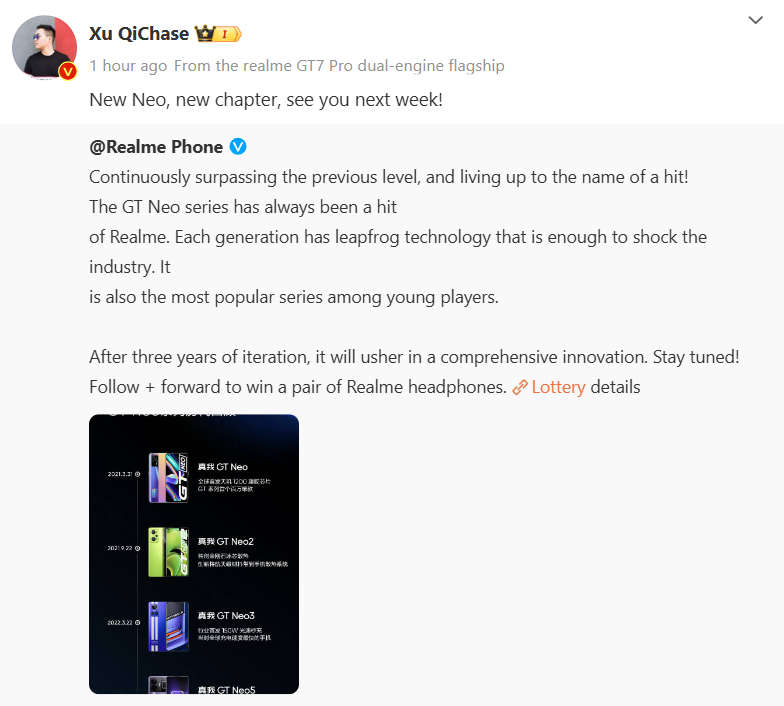
Realme Vice President and Global Marketing President Xu Qi’s latest Weibo post reveals that the company will start teasing a new Neo-branded phone starting next week. While he has not explicitly revealed the name of the device, he seems to be referring to the GT Neo 7 series.
Reliable tipster Digital Chat Station likely shared the above information in reference to an upcoming Realme phone, as evidenced by his use of a cat emoji. While he did not mention the name of the phone explicitly, it seems he is talking about the Realme GT Neo 7.
As per the leak, the GT Neo 7 will pack a huge 7,000mAh battery. Despite packing a behemoth battery, the device maintains a relatively slim profile with a thickness of approximately 8.5mm. It promises a solid two-day battery life, setting a new benchmark for sub-flagship phones.
ZTE recently launched its latest flagship smartphone called the Nubia Z70 Ultra in the Chinese market, packed with Qualcomm’s cutting-edge Snapdragon 8 Elite SoC, a revamped design, and an improved under-screen camera. Alongside the Chinese launch, the brand has also announced the global launch date of this new device.
As per Nubia’s European website, the Z70 Ultra will make its global debut on November 26 at 1 PM CTE. While the global pricing details are still under wraps, interested customers can sign up on Nubia’s website to receive a $50 coupon for the Z70 Ultra. In China, the device has a starting price of 4,599 yuan (~$635).
Nubia Z70 Ultra specs and features
The Z70 Ultra features a 6.85-inch AMOLED true full-screen display, with no visible cutout for the camera, thanks to its seventh-generation under-screen camera technology. The display offers ultra-narrow 1.25mm bezels, a 95.3% screen-to-body ratio, and a resolution of 1.5K. The device measures 8.6mm in thickness and weighs 228g.
Nubia Z70 Ultra Starry Night
Inside, the Nubia Z70 Ultra is powered by Qualcomm’s Snapdragon 8 Elite chipset, paired with LPDDR5X RAM and UFS 4.0 storage for fast performance. It has AI Frame Perception 2.0 that improves system fluency by 25% and reduces app launch times by 50%.
The phone also features a 6,150mAh battery with 80W wired fast charging, 50W wireless charging, and 10W reverse charging. Other features include IP68/IP69 water and dust resistance, dual speakers, and an X-axis linear motor for better vibration feedback.
The camera setup includes a 50MP Sony IMX906 main sensor with OIS and a variable aperture (f/1.59–f/4.0), a 50MP ultra-wide macro lens with autofocus, and a 64MP periscope telephoto lens with OIS. The Z70 Ultra also introduces an SLR-style mechanical shutter button, allowing for precise focusing and control during photography.
The phone runs on Nubia’s Nebula AIOS, an AI-powered operating system with voice control. Key features include AI translation, time capsule assistants, and screen-off chat.
Last month, Xiaomi unveiled the Xiaomi 15 and 15 Pro phones equipped with the Snapdragon 8 Elite chipset in China. On Nov. 27, its sub-brand Redmi will unveil the Redmi K80 lineup for the Chinese market. Today, the brand released the following poster to confirm the chipset that drives the Redmi K80 Pro.
Redmi K80 Pro’s chipset officially confirmed
The Redmi K80 Pro features the Snapdragon 8 Elite processor and the gaming-specific D1 independent graphics chip. This potent combination has achieved an impressive AnTuTu benchmark score of 3,194,766, underscoring its exceptional performance capabilities.
The Dimensity 9300 Plus-powered Redmi K70 Ultra, which debuted a couple of months ago in China, was the first phone to feature the D1 graphics chip. Apart from the Snapdragon 8 Elite chip and D1 chip, the K80 Pro features the Gaming Engine 4.0, which supports 2K super-resolution and 120fps super frame concurrency for all games.
The Redmi K80 series will arrive with a CSOT 2K M9 flat screen with a peak brightness of 1800 nits, enhancing outdoor visibility while reducing power consumption by 20.3%, making it both bright and energy efficient. Additionally, the series incorporates hardware-level DC dimming and circular polarization technology to alleviate eye strain, along with the AON Intelligent Eye Protection feature, which uses the front camera to monitor user eye behavior and provide appropriate reminders.
In terms of design, the Redmi K80 Pro showcases meticulous craftsmanship with a light mist dual-work integration process, enhancing refinement by 2.5 times. It adopts Xiaomi’s screen routing technology, achieving an ultra-narrow 1.9mm bottom bezel and a nearly perfect 50:50 golden weight distribution. Notably, it is Redmi’s first device with a seamless top design.
The K80 Pro also introduces Xiaomi’s Dragon Crystal Glass 2.0, an upgraded ultrasonic fingerprint sensor that promises quick and accurate wet-hand recognition. Additionally, the K80 series offers IP68/IP69 dust and water resistance.
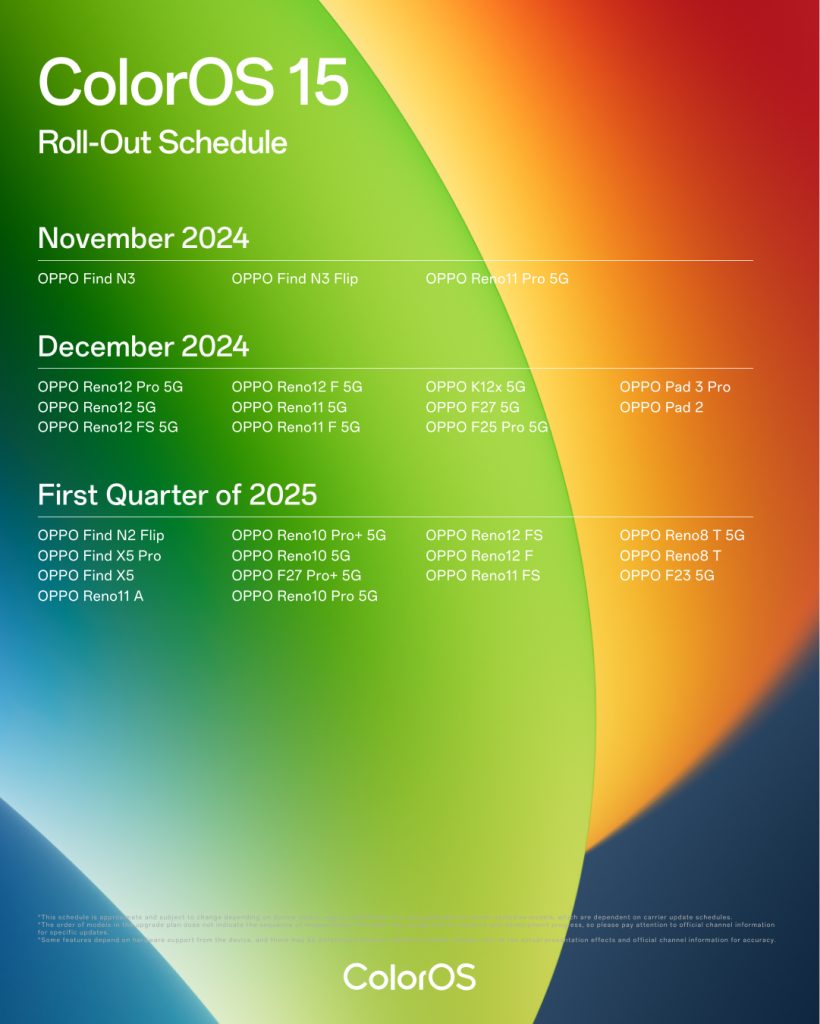
OPPO has unveiled its global rollout schedule for ColorOS 15, its latest Android 15-based operating system. The update initially launched in China, will be gradually rolled out to a diverse range of OPPO devices around the globe from November 2024 to the first quarter of 2025.
November 2024 Rollout:
OPPO Find N3
OPPO Find N3 Flip
OPPO Reno11 Pro 5G
December 2024 Rollout:
OPPO Reno 12 Pro 5G
OPPO Reno 12 5G
OPPO Reno 12 FS 5G
OPPO Reno 12 F 5G
OPPO Reno 11 5G
OPPO Reno 11 F 5G
OPPO K12x 5G
OPPO F27 5G
OPPO F25 Pro 5G
OPPO Pad 3 Pro
OPPO Pad 2
First Quarter of 2025 Rollout:
OPPO Find N2 Flip
OPPO Find X5 Pro
OPPO Find X5
OPPO Reno 11 A
OPPO Reno 10 Pro+ 5G
OPPO Reno 10 5G
OPPO F27 Pro+ 5G
OPPO Reno 10 Pro 5G
OPPO Reno 12 FS
OPPO Reno 12 F
OPPO Reno 11 FS
OPPO Reno 8T 5G
OPPO Reno 8T
OPPO F23 5G
OPPO plans to roll out updates in phases, starting with newer flagship devices, followed by other models. The company notes that the update schedule may vary depending on carrier approvals and device compatibility.
This new update introduces AI-powered features like AI Photo Remaster and Reflection Remover for enhanced photography, along with productivity tools such as AI Reply, AI Writer, and AI Recording Summary. It also includes Google AI integrations like the Gemini AI Assistant and tools for improving notes and documents. Additionally, it includes the Trinity Engine for better battery life, the Luminous Rendering Engine for smoother animations, and HyperBoost for gaming.
Qualcomm‘s new flagship chipset, the Snapdragon 8 Elite, is proving to bring significant improvements in both battery efficiency and performance compared to its predecessor, the Snapdragon 8 Gen 3. Tech YouTuber Dave2D recently conducted several benchmark and real-world tests on two smartphones featuring the new processor, revealing impressive results.
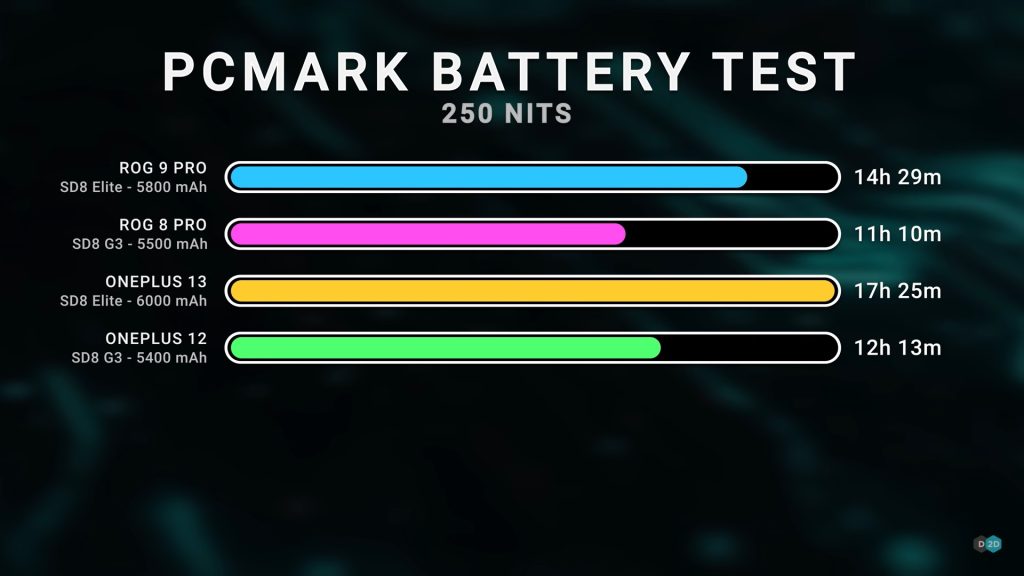
OnePlus 13 and Rog Phone 9 Pro PCMARK battery life test (Image via Dave2D)
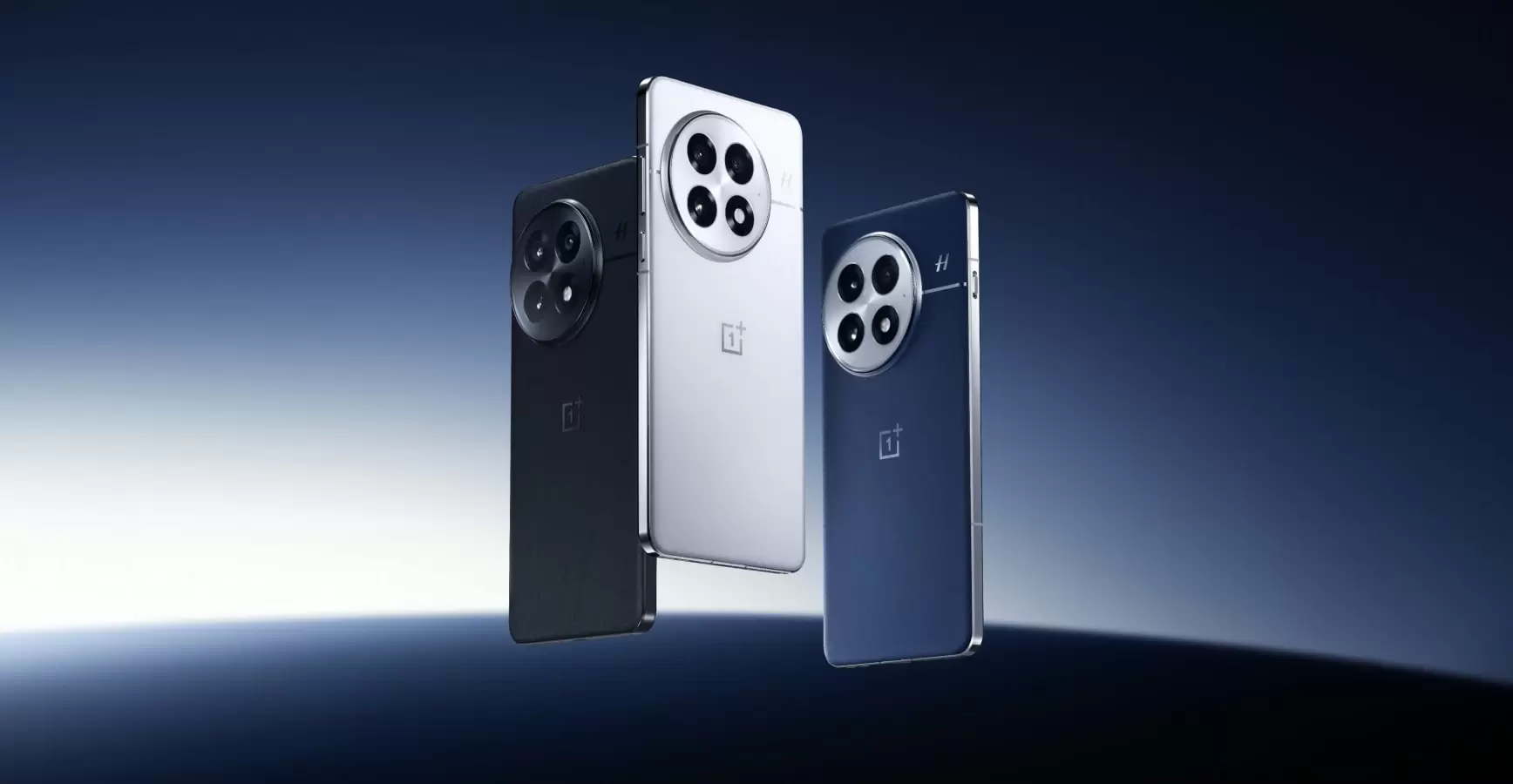
Dave2D tested the Chinese variant of the OnePlus 13, featuring a 6,000mAh battery, and the global ROG Phone 9 Pro model, equipped with a 5,800mAh battery, using the PCMark Battery test with screen brightness at 250 nits. The results showed impressive endurance, with the OnePlus 13 lasting 17 hours and 25 minutes and the ROG Phone 9 Pro achieving 14 hours and 29 minutes. These figures represent 43% and 30% battery life improvements, respectively, compared to their predecessors.
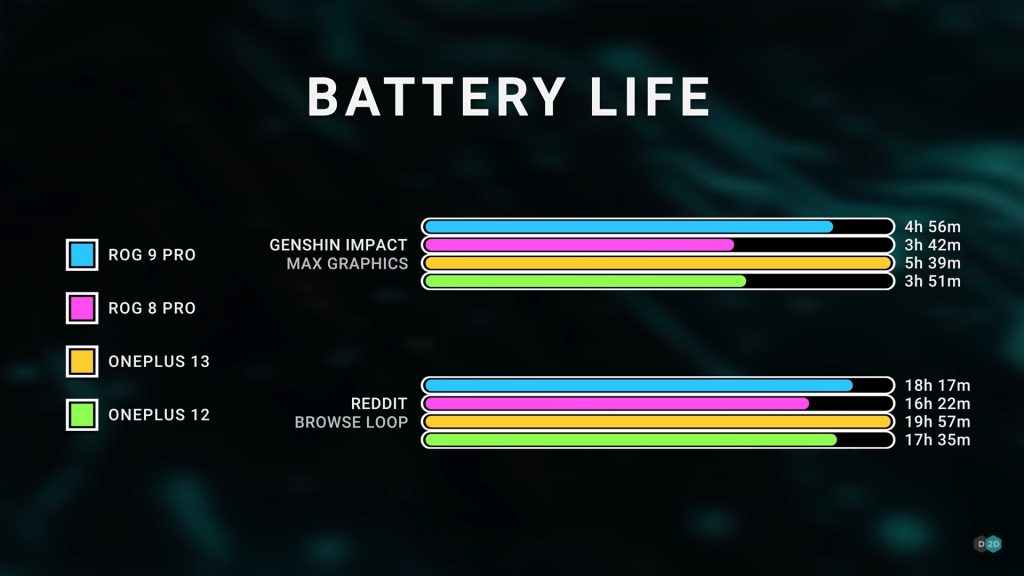
OnePlus 13 and Rog Phone 9 Pro in Genshin Impact & Reddit/browsing test
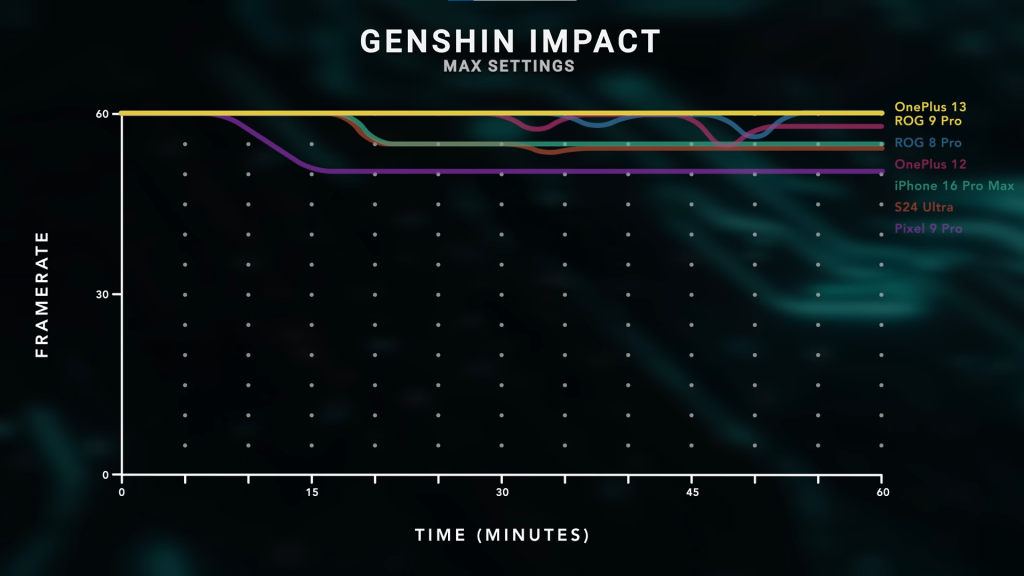
The Snapdragon 8 Elite also improves gaming performance. Dave2D tested the OnePlus 13 and ROG Phone 9 Pro with Genshin Impact, a game known to cause thermal throttling in many flagship devices. However, both phones performed better than their predecessors in terms of gameplay duration and consistent performance.
OnePlus 13 and Rog Phone 9 Pro Genshin Impact thermal throttle test
Thanks to the Snapdragon 8 Elite’s thermal management and efficiency, both devices were able to maintain smoother gameplay and higher frame rates for longer periods. However, it’s worth noting that the tests were conducted in Canada, where the cooler climate may have influenced the results, and performance could vary in hotter regions.
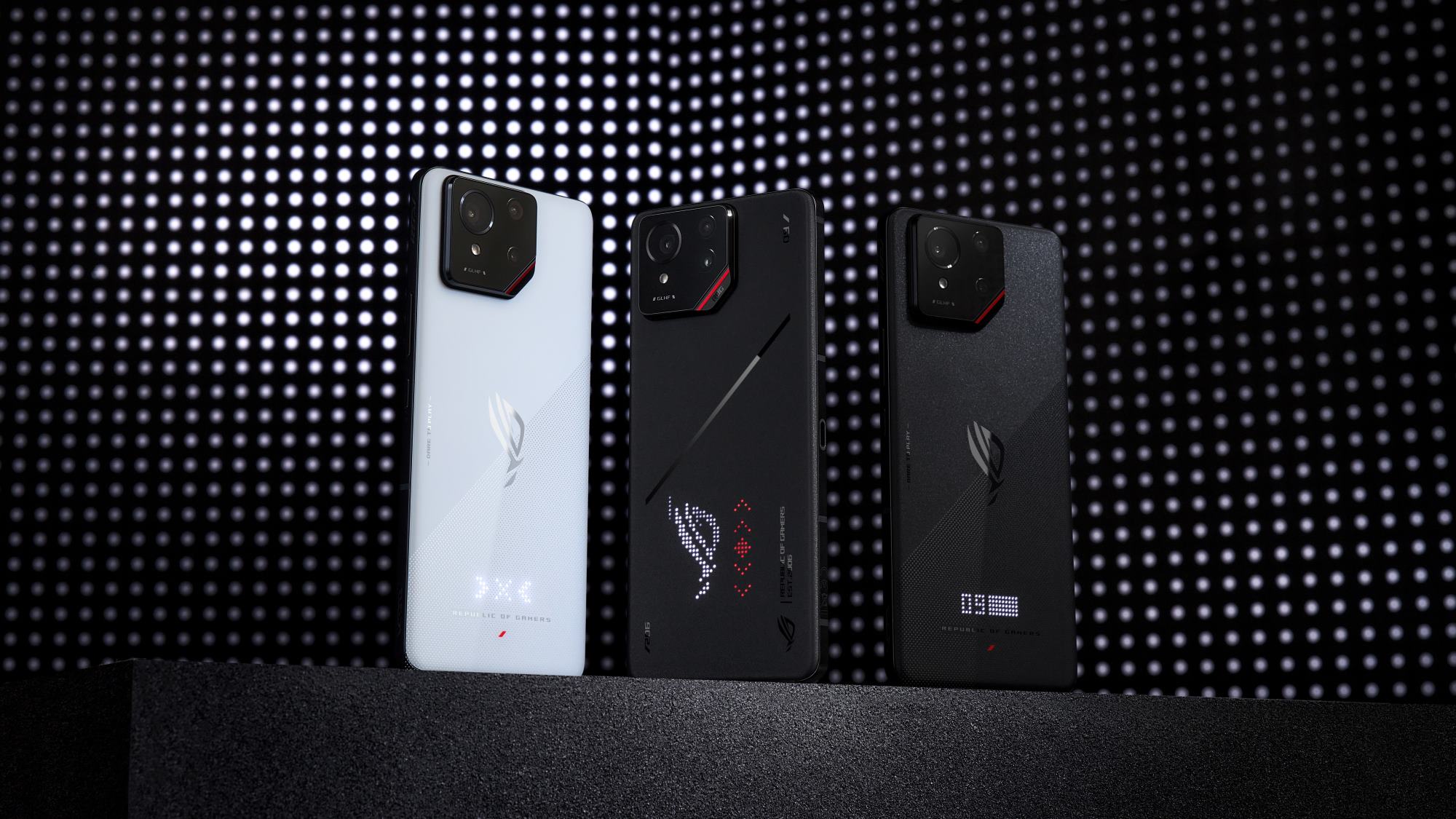
OnePlus 13ROG Phone 9 series
Apart from heavy tasks like gaming, the new processor also offers some significant battery life improvements in single-core tasks like browsing Reddit or serving the web.
Looking ahead, the Snapdragon 8 Elite shows a lot of potential. Upcoming flagship smartphones like the Galaxy S25 Ultra, Xiaomi 15 series, and even models like the Realme GT 7 Pro are expected to take advantage of the chipset’s advanced features and efficiency, offering a better overall experience compared to their predecessors.
OPPO has launched its new operating system, ColorOS 15, built on the foundation of Android 15 for the global market. This new iteration is designed to deliver a seamless, intelligent, and personalized user experience.
AI-Driven Features
ColorOS 15 integrates AI technology to enhance photography and productivity. Key features include:
AI UnblurAI Reflection Remover
AI Photo Remaster & AI Clarity Enhancer: Improve low-resolution images with a tap.
AI Reflection Remover: Remove reflections from photos effortlessly.
AI Unblur: Restore clarity to motion-blurred images.
AI Eraser: Remove unwanted objects from photos.
AI Perfect Shot: Enhance facial details and correct closed eyes.
AI Studio: Apply artistic effects to your photos.
AI Toolbox: Offers tools such as AI Reply, AI Writer, AI Speak, AI Summary, AI Docs, AI Recording Summary, and an AI Assistant for Notes.
Integration with Google AI
The operating system integrates Google AI technologies to boost productivity and creativity, featuring:
AI-Powered Notes & Documents: Helps refine writing and improve structure in documents and notes.
AI Recording Summary: Creates automatic summaries from voice recordings.
Circle to Search with Google: Enables on-screen content searches without switching apps.
Google Gemini AI Assistant: Assists with tasks like writing, learning, and planning.
Performance and User Experience
ColorOS 15 introduces several upgrades to enhance performance and smooth operation:
Trinity Engine: Improves CPU and system efficiency, enabling faster app launches and better battery life.
Luminous Rendering Engine: Provides lifelike animations and quicker system responses.
HyperBoost: Maintains stable frame rates during gaming sessions.
Holo Audio: Offers cinematic audio quality with support for multiple audio streams.
Privacy and Security
OPPO has reinforced privacy and security with features such as:
Clear Voice: Protects call privacy in noisy environments.
Auto Pixelate: Blurs sensitive information in screenshots.
Strongbox: Adds extra security for sensitive data.
Theft Protection: Helps safeguard devices against theft.
Customization and Accessibility
ColorOS 15 includes new customization options and accessibility features:
Luminous Motion Effects and Flux Themes: Provide more ways to personalize your device.
One Take Animation: Offers smooth and dynamic animations.
Aqua Dynamics: Highlights key information for better focus.
Accessibility features ensure an inclusive experience for all users.
Availability
ColorOS 15 will start rolling out to eligible OPPO devices beginning November 2024.
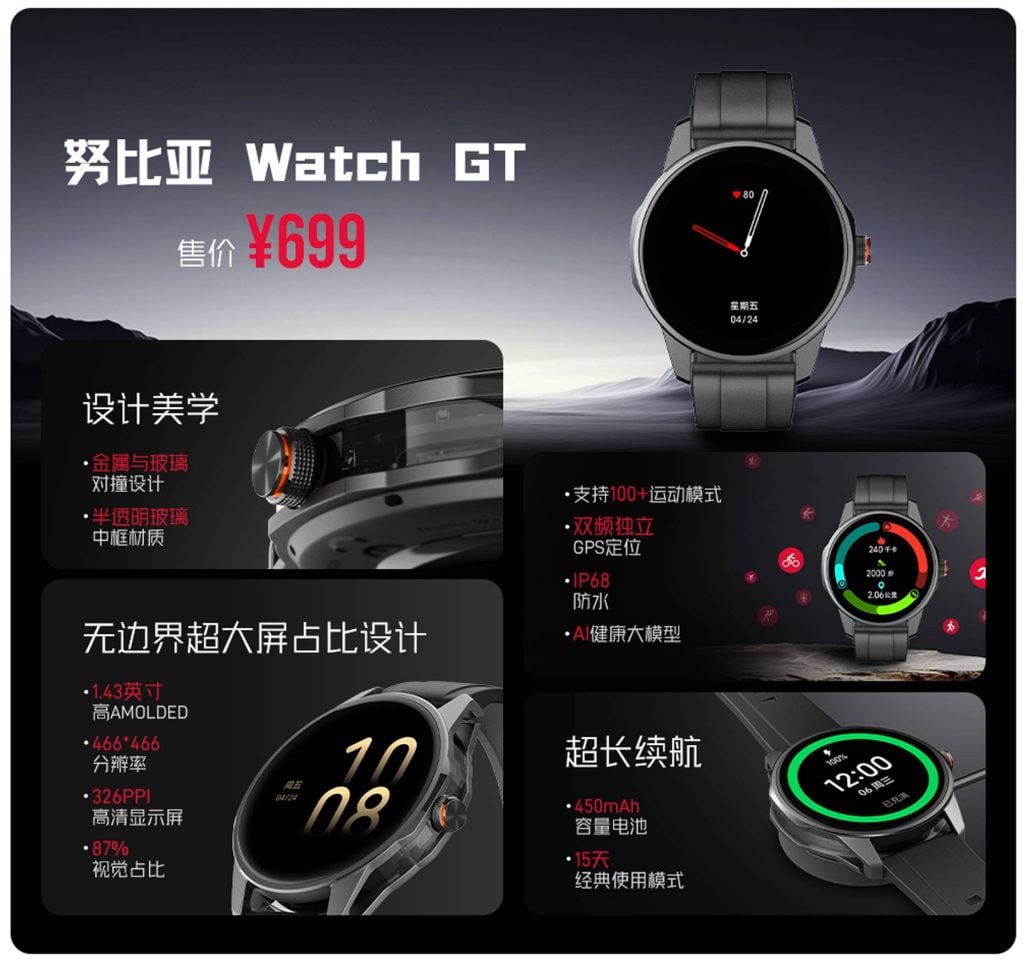
Nubia has officially launched its latest smartwatch, the Nubia Watch GT, at an introductory price of 699 yuan ($96). The device combines sleek design, advanced AI features, and impressive health and fitness tracking capabilities. Let’s check out its key specs.
Nubia Watch GT Specifications
The Nubia Watch GT features a futuristic and sleek design, seamlessly combining metal and translucent glass for a tech-savvy aesthetic. It equips a 1.43-inch AMOLED circular display, offering a resolution of 466 x 466 pixels and a pixel density of 326 PPI.
The display comes with an 87% screen-to-body ratio, ensuring an immersive visual experience. It also supports an always-on display mode, making it convenient for quick glances at the time and notifications.
The Watch GT features Tencent Hunyuan AI Large Model integration, a cutting-edge AI based on the Transformer neural network architecture with trillions of parameters. It comes with advanced capabilities such as Chinese language composition, logical reasoning in complex contexts, and accurate task execution. The watch also equips an AI Health Large Model that enhances health monitoring by analyzing metrics with improved precision.
The smartwatch supports 100+ sports modes, making it a versatile choice for fitness enthusiasts. It equips dual-frequency independent GPS, ensuring accurate tracking of outdoor activities.
The Nubia Watch GT also sports an IP68 dust and water resistance rating, providing durability in challenging environments. Additionally, it comes with an AI Health Model to monitor health metrics like heart rate, activity levels, and more, backed by intelligent analysis.
The smartwatch is powered by a 450mAh battery that equips the device with up to 15 days of battery life under classic usage conditions.
Earlier today, Nubia launched its latest flagship smartphone, the Z70 Ultra, in China. It features the Snapdragon 8 Elite processor, an improved camera system paired with a dedicated shutter button, and the Nebula AIOS.
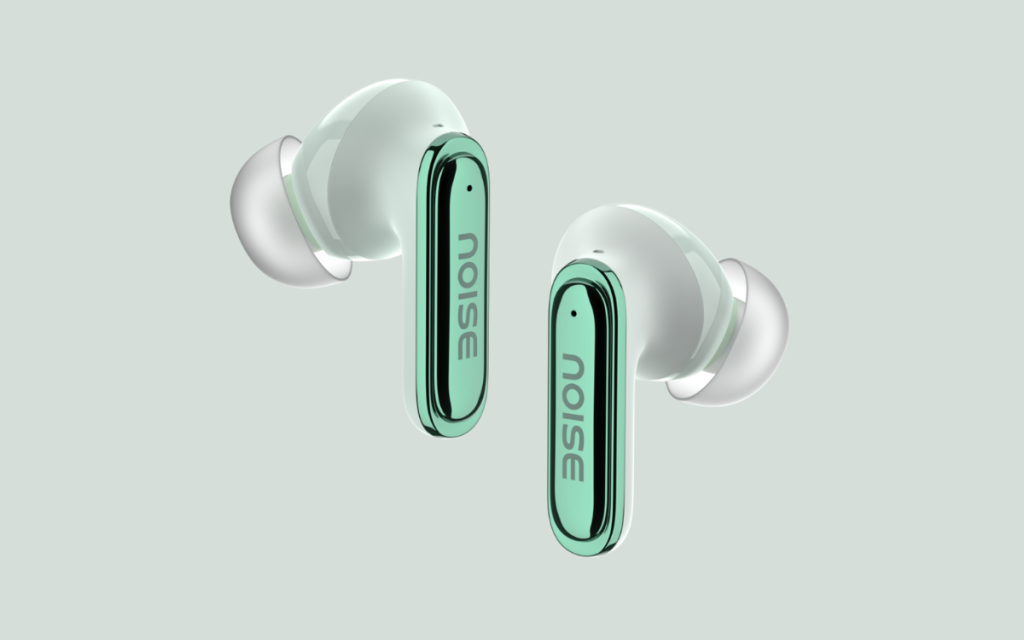
Noise has unveiled its latest addition to the Buds Series, the Noise Buds Connect 2, a budget-friendly true wireless earbud offering. Let’s check out its specifications and pricing details.
Pricing & Availability
The Noise Buds Connect 2 is available at an introductory price of Rs. 999. It comes in four trendy colors: Charcoal Black, Navy Blue, Mint Green, and True Purple. The earbuds are available on the Noise website, Amazon.in, and Flipkart.
Noise Buds Connect 2 Specifications
The Noise Buds Connect 2 equips 10mm drivers (the official website also mentions 13mm drivers in one section, so there is some uncertainty), delivering clear and immersive audio. It features Bluetooth v5.3 for stable and efficient connectivity with a wireless range of up to 10 meters. The earbuds come with Hyper Sync Technology, ensuring a quick and seamless pairing process.
The device sports quad-mic Environmental Noise Cancellation Technology to improve call clarity by reducing background noise. It also supports low latency mode, with latency as low as 40ms, ideal for gaming and video streaming. Additionally, the earbuds offer touch controls for managing playback, calls, and voice assistants like Siri and Google Assistant.
The Noise Buds Connect 2 comes with IPX5 splash and sweat resistance, making it suitable for workouts and light rain. It also features dual-device pairing so users can connect and switch between two devices simultaneously.
Special Features
The earbuds feature an impressive total playback time of up to 50 hours, ensuring extended usage without frequent recharges. It comes with Noise’s Instacharge Technology, providing 120 minutes of playtime with just 10 minutes of charging. This makes it an excellent choice for on-the-go users who need quick top-ups.
The earbuds also equip in-ear detection, which pauses or resumes playback when the earbuds are removed or worn. They come with a C-type charging port and a charging indicator, enhancing the convenience of use. The device has a lightweight design, weighing just 43 grams, and it sports a compact charging case that ensures easy portability.
Oppotoday unveiled its Find X8 series smartphones globally, but these aren’t the only devices joining the international market. Accompanying the launch is the Oppo Pad 3 Pro, an equally premium flagship tablet. Let’s walk through its feature set and price here.
Oppo Pad 3 Pro Specifications
The Pad 3 Pro features a large 12.1-inch 3K (3200 x 2120) display with a smooth 144Hz refresh rate and support for Dolby Vision. Under the hood, the tablet packs the latest Snapdragon 8 Gen 3 Leading chipset, coupled with 12GB of LPDDR5X RAM and 256GB of UFS 3.1 storage.
Oppo equips the Pad 3 Pro with Android 14 overlaid with its ColorOS 14.1 user interface. While the software provides a familiar Android experience with Oppo’s customizations, it’s worth noting that except the OS, the Pad 3 Pro and the recently released OnePlus Pad 2 are entirely similar.
The camera system on the Pad 3 Pro is relatively basic, featuring a single 13MP rear camera and an 8MP front-facing shooter. Connectivity options include the latest Wi-Fi 7 standard, Bluetooth 5.4, and a USB Type-C port.
Powering the device is a sizeable 9510mAh battery, which Oppo claims will provide ample runtime. The tablet also supports 67W SuperVOOC fast charging.
Price and Availability
Currently, the Pad 3 Pro comes in a single Starlit Blue color option. The global launch price is set at €600 (around $632 USD) or £499 for the sole 12GB RAM and 256GB storage configuration.
Oppo is offering a pre-order incentive for those who purchase the Pad 3 Pro before December 31st. These early adopters will receive the Oppo Pencil 2 Pro stylus and the Oppo Smart Keyboard free of charge, adding value to the overall package. To note, Oppo hasn’t shared details about the device’s launch in the Indian market yet.
Smartphones featuring stylus support are pretty rare in the current day. While displays have gotten pretty tall in devices, the stylus has slowly been fading away. However, they haven’t completely died down yet, but this begs the question, do smartphones really need a stylus? Read on to find out.
1. Advantages of a Stylus: Precision and Creativity
Let’s look at the positives first. The stylus excels in areas where precision is key. So users who are artists, designers, or even those who take notes need accuracy. These are tasks one can’t perform with their fingers. This is where the accessory comes in handy. Drawing and sketching are made easier, and creative work becomes more intuitive with a stylus.
Samsung‘s S Pen is a great example of a stylus that allows students and professionals to quickly jot down notes since the device supports handwriting recognition software, which converts scribbles into editable text for convenience. There are also precision based tasks like editing photos, videos, documents, and more which are more accurate with a stylus rather than the finger.
2. Why fingers are just superior
While the stylus offers unique advantages, most smartphone users rely on their fingers for everyday use. Touch optimizations on modern operating systems like Android and iOS are built for intuitive finger gestures. This includes swiping, pinching, tapping, and others. For an average user, a stylus is just redundant. Unless your smartphone has a slot built into it, a stylus is also cumbersome to carry around with a constant fear of losing it.
Brands typically offer stylus support on experience large smartphones or tablets, so there is already a lack of many options to choose from. Lastly, even if you are a creative professional, more often than naught, you’d be going for a larger screen like iPad or Galaxy Tabs.
3. Stylus: A Niche Feature
The stylus has carved out a niche among professionals, creative, and power users. But the touchscreens are more responsive and precise than ever before, so there is no real benefit of the stylus in smartphones. Brands like Apple leads in innovation but have restricted the Apple Pencil to the iPad lineup rather than its iPhones. On the higher end, Samsung offers the S Pen on its flagship S Ultra models and with its Galaxy Tabs. But on the mid range segment, the Moto G Stylus is a rare model that features this accessory.
4. Conclusion
Do we need styluses for smartphones? For most users, the answer is no. Modern smartphones are perfectly optimized for touch input, and a stylus often feels unnecessary. However, for creatives, professionals, and those who value precision, a stylus remains a powerful tool. So this decision ultimately depends on the users themselves.
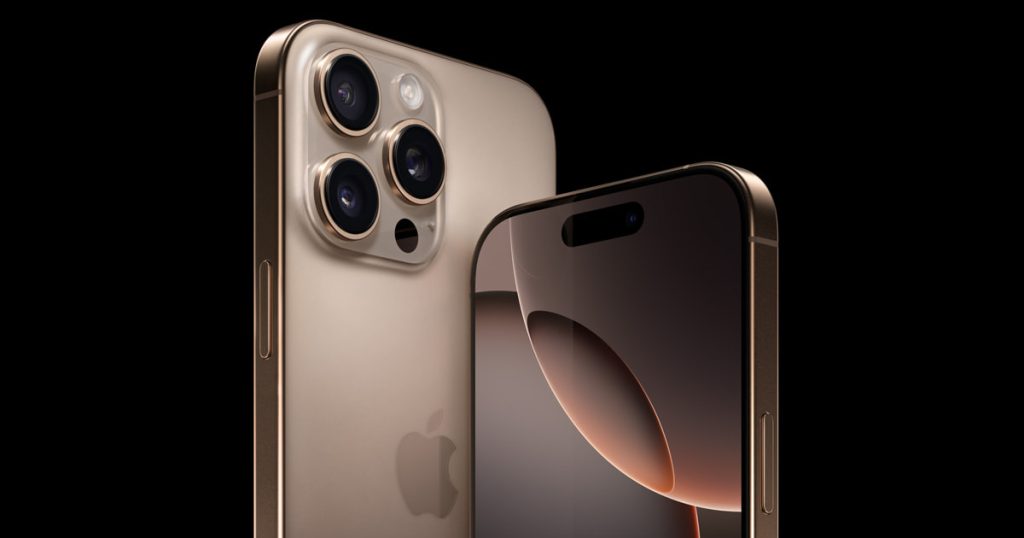
This Black Friday, Verizon is delivering an unbelievable deal that’s too good to pass up. For a limited time, you can snag an iPhone 16 Pro, iPad 10, and Apple Watch Series 10—all for free. Yes, you read correctly—free!
Exclusive Verizon Offer
In a bold move to kick off the holiday shopping season, Verizon is offering customers the chance to get their hands on the latest Apple tech without the hefty price tag. The iPhone 16 Pro 128GB, with a retail value of $999, the iPad 10 at $350, and the Apple Watch Series 10 valued at $400, totals a whopping $1,750 in savings. It’s a rare opportunity to upgrade your tech wardrobe with the finest from Apple.
The Catch in the Deal
Here’s how it works: trade in any old iPhone, in any condition, and activate the new iPhone 16 Pro on Verizon’s Unlimited Ultimate plan at $90 per month with AutoPay. The plan includes impressive perks, such as Verizon’s fastest 5G and premium network access, making it an unbeatable offer. Remember, both the iPad and Apple Watch will require their own service plans, but the value is immense.
This offer is not just for new Verizon customers but also for existing ones looking to enhance their device lineup. Whether you’re a tech aficionado or looking to give the gift of tech this holiday season, Verizon’s bundle deal is an early Black Friday gift that keeps on giving.
Act fast – Black Friday deals have started early, and with offers like this, supplies won’t last long. Visit Verizon’s website today to secure your Apple starter pack and dive into the holiday season with style and technology at your fingertips. Don’t miss out on what might be the best Black Friday deal of the season!
iPhone 16 Pro Specifications
The iPhone 16 Pro features a 6.3-inch Super Retina XDR OLED display with a resolution of 2622×1206 pixels, 460ppi, and brightness levels of up to 2000 nits. It is powered by the six-core A18 Pro chip built on a 3nm process, featuring 2 performance cores, 4 efficiency cores, a 6-core GPU, and a 16-core Neural Engine. The phone runs on iOS 18 and offers storage options starting at 128GB, with additional 256GB and 512GB variants. It is protected with Ceramic Shield, is IP68 water and dust-resistant, and supports dual SIM.
The rear camera system includes a 48MP Fusion camera with second-generation sensor-shift OIS, a 48MP ultra-wide camera with macro support, and a 12MP telephoto lens offering 5x optical zoom. It supports 4K Dolby Vision video recording at 120fps and features cinematic mode in HDR up to 4K at 30fps. The 12MP TrueDepth front camera supports autofocus, HDR video recording with Dolby Vision up to 4K at 60fps, and slow motion at 1080p.
The phone introduces an Action Button for customizable functions such as Silent mode, Focus, and Camera controls. Connectivity includes 5G, Wi-Fi 7, Bluetooth 5.3, and a second-generation Ultra Wideband chip. It supports USB-C fast charging up to 25W, delivering up to 29 hours of video playback.
The iPhone 16 Pro is available in Black Titanium, White Titanium, Natural Titanium, and Desert Titanium colors, and weighs 199g with dimensions of 149.6×71.5×8.25mm.
The much-anticipated Honor 300 series continues to generate buzz, with a new leak revealing key details about the Honor 300 standard version. The phone is shaping up to be a compact yet capable budget-friendly device with a focus on essential features. Check out the leaked promotional images below.
Honor 300 key specs (rumored)
The Honor 300 standard version will feature a 50MP dual rear camera setup, likely catering to users who prioritize photography without breaking the bank. According to the tipster, the phone is equipped with a right-angled plastic middle frame and an optical fingerprint sensor for unlocking.
In terms of performance, Honor 300 is powered by a Snapdragon 7 series processor, which balances efficiency and performance for mid-range smartphones. A highlight is its support for 100W fast charging.
Notably, this phone boasts an ultra-slim design with a 6.97mm thick body (significantly slimmer than the already slick 7.7 mm Honor 200), making it one of the sleekest smartphones that has hit the market in recent years. It will be available in four configurations, including:
8GB + 256GB
12GB + 256GB
12GB + 512GB
16GB + 512GB
Honor has officially confirmed that the Honor 300 series will sport a flat-screen design, contrasting with the current trend of curved displays of the Pro models.
Moreover, the Honor 300 standard version will come in four elegant colors, including Luyan Purple, Chaka Green, Yulong Snow, and Cangshan Gray. The phone adopts a unique “wilderness porthole” design, adding a distinctive touch to its aesthetics.
Expectations for the Honor 300 series
While the standard model sets a solid foundation, the Honor 300 Pro and 300 Pro Plus versions are expected to bring higher-end features. Reports suggest these variants will feature the flagship Snapdragon 8 Gen3 chip (more capable than the Snapdragon 8s Gen 3 of the Honor 200 Pro), 1.5K displays, and single-point ultrasonic fingerprint sensors (an upgrade over the optical fingerprint scanner of the predecessor), offering a considerable improvement in the overall user experience.
The Honor 300 series has already received China’s 3C certification, confirming 100W fast charging across the lineup. While wireless charging is expected for the Pro models, it remains uncertain whether the standard version will include this feature.
With an official launch expected before the end of the year, the Honor 300 series promises a range of choices for users seeking value and performance. If the leaks are accurate, Honor is poised to deliver a compelling mix of affordability and innovation with the Honor 300 lineup.
Smartphone makers are known to push the boundaries in innovations. This can include photography, display, performance, battery life, and much more. While Apple and Samsung used to be pioneers in mobile devices, Chinese brands are often much ahead in terms of all of these innovations. One of the areas that the two veteran brands lag behind the most is its fast charging technology. So here’s why Samsung and Apple struggle to keep up in this area.
In recent years, Chinese smartphone makers have taken the fast charging game to the next level on smartphones. Flagship models from brands like Xiaomi, Oppo, Vivo, OnePlus, and others often near or hit the 100W mark. There are even certain models from brands that have crossed the 200W charging rate as well. A great example of this is the Realme GT 5, which supports 240W fast charging.
These blazing fast charging rates stem from innovations made by significant investments in research and development. This is not only to improve battery efficiency but also to improve charging rates without compromising on safety or battery health.
2. The Old Excuse
As of right now, Samsung and Apple offer maximum charging speeds of around 45W. While this isn’t as terrible as it used to be, it used to be much slower before. But these still pale in comparison to the triple digit wattage offered by the Chinese competitors.
In the past, both brands have adopted a cautious stance regarding charging technology. They have a conservative approach, claiming an emphasis on maintaining battery health. Back in the day, this excuse made sense as the technology was unproven, immature, and not fully trusted. But Chinese smartphone manufacturers aren’t simply brute forcing the fast charging speeds anymore.
3. How Chinese Brands innovate in fast charging
There are plenty of ways that brands like Realme, Oppo, Xiaomi, and others improve fast charging. One of the best examples of this is the dual cell system. These companies found that charging two cells under the hood can boost the speed at which a device charges. The Xiaomi 13 Pro with a single cell managed to max out at 120W wired fast charging, while the iQOO 11 Pro was unveiled with 200W fast charging via dual cells. So charging two cells helps improve the charging rate without compromising the health of the battery.
In other words, the Chinese companies have basically addressed most of these issues, which Apple or Samsung could “reinvent” or “innovate” on. Many had initially criticized OnePlus for its bulky charging adapters that looked like a brick. But this brick actually helped keep the smartphone cool during fast charging. The new silicone-carbon anode batteries shipping in the new flagship phone also allow for higher battery capacity without an increase in battery size. Apple and Samsung are basically running out of reasons to not improve in this area.
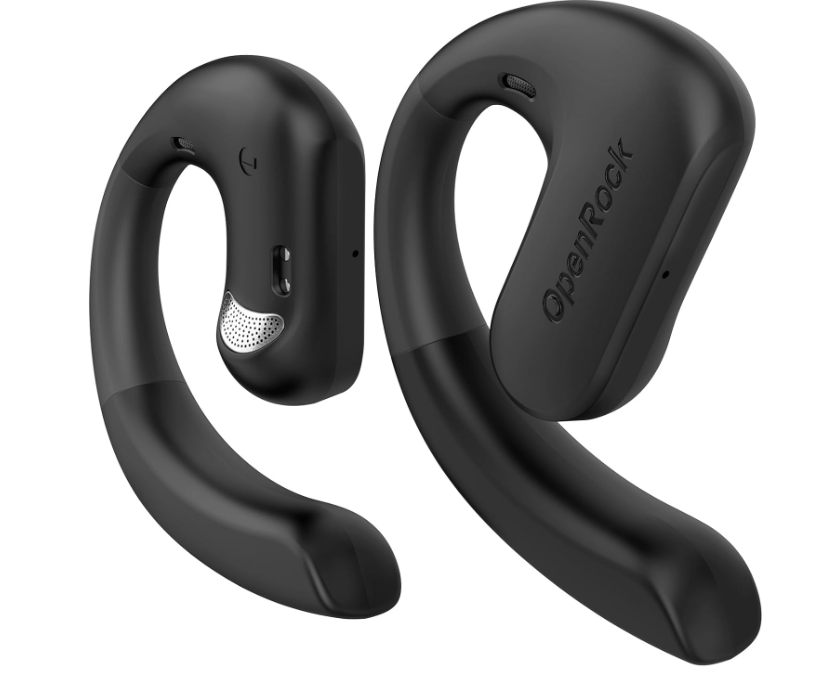
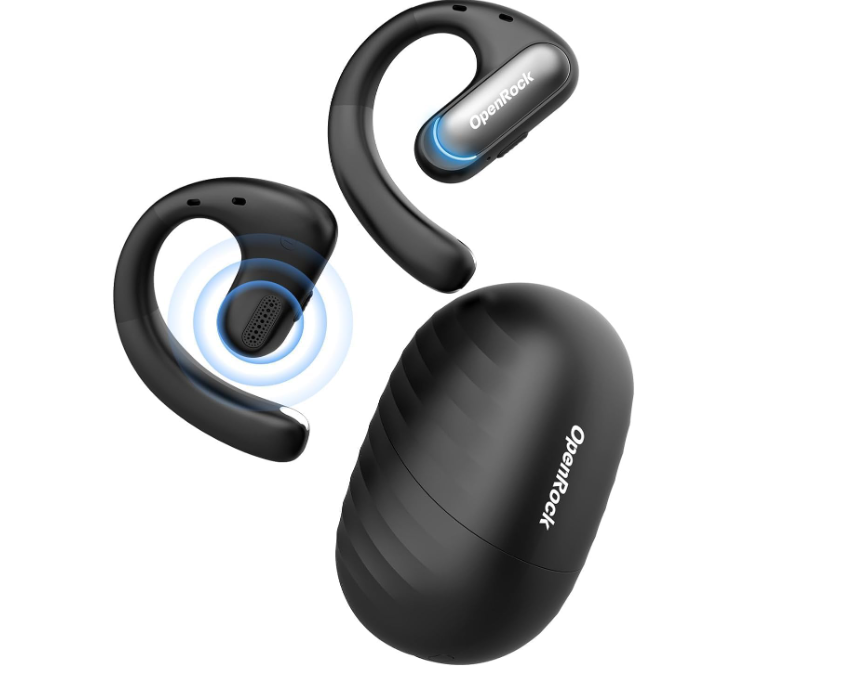
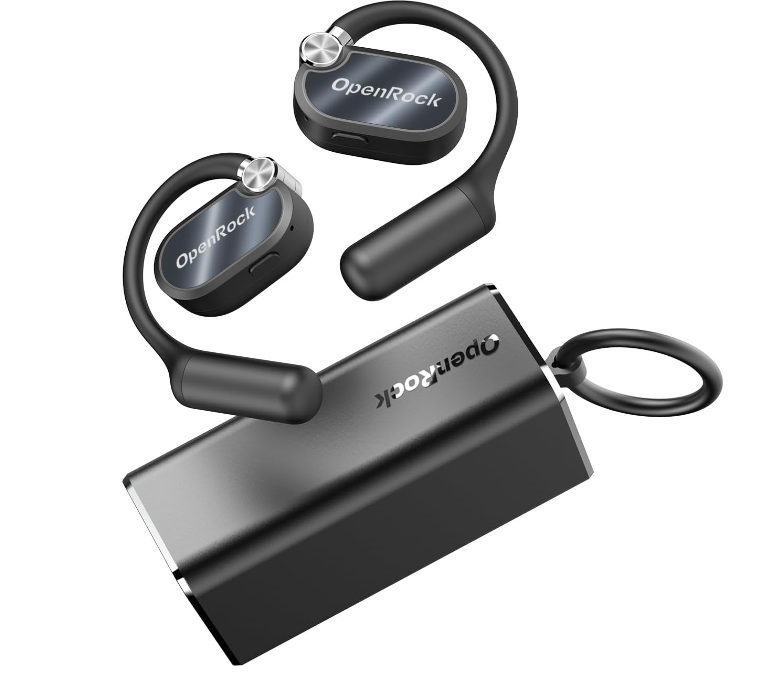
This Black Friday, take advantage of incredible deals on OpenRock’s premium open-ear sport earbuds, designed to elevate your listening experience whether you’re working out, commuting, or just enjoying your favorite music. The OpenRock S, OpenRock Pro, and OpenRock X offer cutting-edge sound technology, long battery life, and a comfortable fit for all-day wear. With discounts of up to $50 off and up to 20% off, there’s never been a better time to upgrade your audio game. Whether you’re looking for deep bass, superior call quality, or a customizable fit, OpenRock has the perfect pair of earbuds for you. These exclusive deals are available from November 21 to December 2.
Get the OpenRock S for just $49.99 (originally $99.99) and save $50 this Black Friday! Enjoy superior sound and open-ear comfort with cutting-edge TubeBass™ technology. The deal is only available from November 21 to December 2.
The OpenRock Pro is now just $103.99 (down from $129.99). It offers premium sound quality, long battery life, and AI noise-canceling microphones. Perfect for sports and everyday use, it is also available with a 20% discount for Black Friday! Available from November 21 to December 2.
Save 20% on the OpenRock X, now only $143.99 (original price $179.99). With immersive sound modes, customizable fit, and a long-lasting battery, it’s the ultimate open-ear sport earbud. The deal ends on December 2.
OpenRock S: The Ultimate Sports Headphones
The OpenRock S is designed to elevate your sports experience with high-quality sound, comfort, and advanced technology. Featuring TubeBass™ technology, these open-ear headphones deliver powerful bass and clear sound while minimizing noise leakage. The multi-cavity acoustic system optimizes sound waves for enhanced bass performance, making them perfect for high-intensity workouts.
Tailored Sound for Every Workout
With customizable sound modes, the OpenRock S adapts to your exercise needs. Rock Mode emphasizes deep bass, energizing you during activities like running and cycling, while Relax Mode offers a more balanced sound for calming exercises such as yoga or meditation. OpenRock’s self-developed dynamic audio algorithm adjusts the sound in real-time for optimal audio quality.
Comfortable and Secure Fit
The open-ear design ensures comfort by keeping your ears dry and breathable, preventing irritation. The ergonomic ear hooks offer a secure, personalized fit, even during intense movements, while allowing you to stay aware of your surroundings for safety.
Long Battery Life and Durability
Enjoy up to 60 hours of battery life, with 19 hours of continuous playback on a single charge. The OpenRock S is IPX5 water-resistant, making it sweat and rain-proof, and supports fast charging with 5 minutes offering 1 hour of use.
Key Specs:
TubeBass™ technology for enhanced bass
16.2mm driver for dynamic sound
Customizable Rock and Relax Modes
Dynamic audio algorithm for real-time sound adjustment
OpenRock Pro: The Next Gen of Open-Ear Sport Earbuds
The OpenRock Pro Open-Ear Sport Earbuds are designed to deliver superior sound quality and comfort for your everyday needs. Whether you’re commuting, working out, or simply relaxing, these earbuds provide an exceptional listening experience with a focus on clarity and powerful bass.
Premium Sound with TubeBass™ Technology
The OpenRock Pro features patented TubeBass™ technology and 16.2mm dynamic drivers, delivering rich, solid low frequencies and crisp high-end details. This ensures that every note, from deep bass to delicate piano tones, is crystal clear, making it ideal for various listening scenarios.
Comfortable and Safe Open-Ear Design
Unlike traditional bone-conduction earbuds, the OpenRock Pro uses air conduction technology, which ensures no pressure on the ear canal. The open-ear design allows you to enjoy music while maintaining awareness of your surroundings, making them perfect for outdoor workouts or driving.
Long Battery Life
With 19 hours of playtime on a single charge and up to 46 hours with the charging case, OpenRock Pro is built to last. Its ultra-long battery life ensures you can keep enjoying your music all day long, from office work to fitness sessions.
Clear Calls with Noise Reduction
The OpenRock Pro comes equipped with dual-mark noise reduction and beamforming technology, offering clear phone calls even in noisy environments. This makes it ideal for both work and play.
The OpenRock X Open-Ear Sport Earbuds are engineered to provide an exceptional audio experience tailored for active lifestyles. With advanced sound technology and a comfortable, secure fit, these earbuds are ideal for sports, workouts, and daily activities.
Superior Sound Quality
Equipped with a 14.2mm custom dynamic driver and a unique compound diaphragm, the OpenRock X delivers powerful bass and crystal-clear sound. The custom BassDirect™ cavity ensures minimal sound leakage, providing a rich and immersive listening experience. Paired with the industry-leading LISO 2.0 algorithm, these earbuds produce detailed, high-resolution sound across the full frequency range.
Professional Audio Modes for Sports
OpenRock X features multiple sound modes to optimize your workout. Rock Mode boosts deep bass for high-energy activities like running and cycling, while Relax Mode delivers a more balanced sound for yoga and meditation. For noisy environments, Boom Mode amplifies sound for an intense listening experience.
Comfort and Fit
The open-ear design keeps your ears dry and breathable, ensuring comfort for long hours. The dual-axis adjustable ear hooks offer a customizable fit, keeping the earbuds securely in place during intense movements.
Long Battery Life and Durability
Enjoy 12 hours of playback on a single charge and up to 48 hours with the charging case. The IPX5 waterproof rating ensures that the OpenRock X is sweat, water, and dust-resistant, making it perfect for any workout.
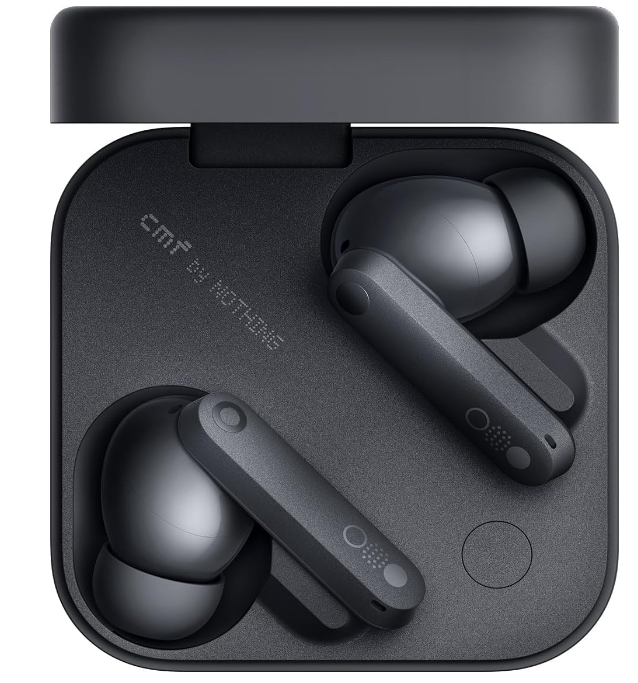
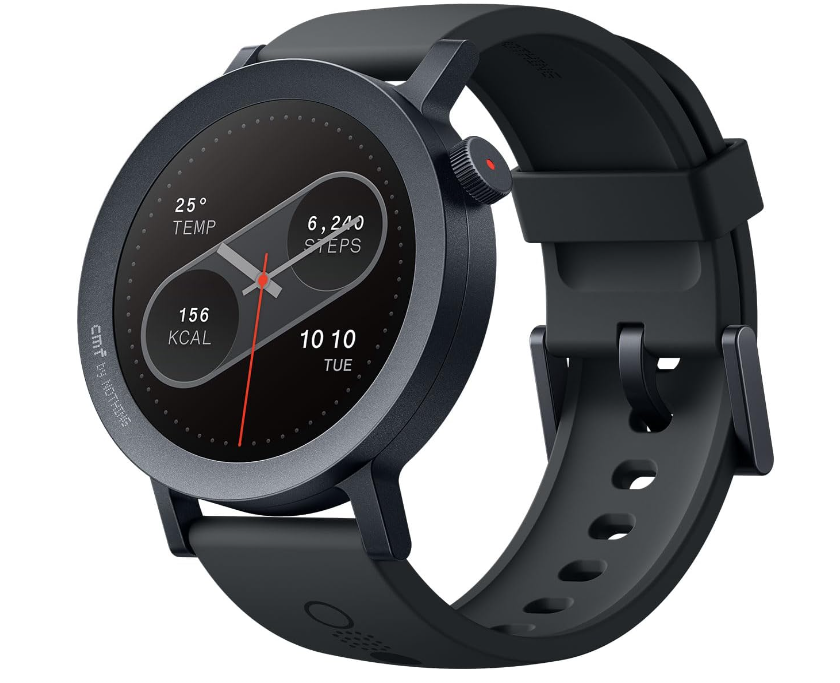
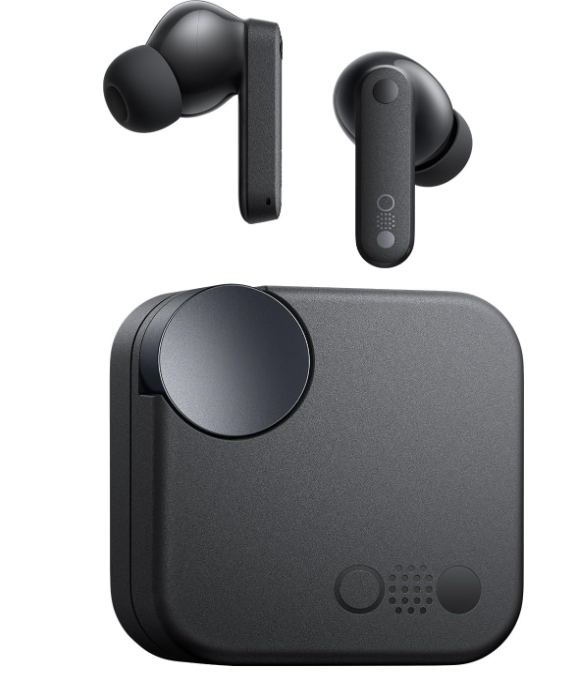
Discover the latest in smart tech with CMF’s premium lineup. From the CMF Buds Pro 2 and CMF Buds Wireless Earbuds, offering top-notch sound and advanced features, to the versatile CMF Watch Pro 2 Smartwatch, designed to elevate your lifestyle, there’s something for everyone. These products combine innovation, style, and performance to enhance your daily life.
Unmissable CMF Deals
Get incredible discounts on CMF products from November 21 to December 2, 2024.
Don’t miss this chance to grab premium audio and smart devices at unbeatable prices.
CMF Buds Pro 2
Unmatched Noise Cancellation The CMF Buds Pro 2 are equipped with advanced Hybrid Active Noise Cancellation, reducing noise by up to 50 dB across a broad frequency range of up to 5000 Hz. Whether it’s muffling everyday chatter or the noise of a subway, the ANC technology ensures crystal-clear audio and uninterrupted focus, making it your ultimate sound filter on the go.
Studio-quality sound with LDAC Technology Experience Hi-Res Audio Wireless with LDAC, delivering an unparalleled listening experience. With a transmission rate of up to 990 kbps/24-bit/96 kHz—three times faster than standard wireless methods—the Buds Pro 2 preserve every detail of your favorite tracks, offering sound clarity akin to a professional sound studio.
Enhanced Bass Performance The Ultra Bass Technology 2.0 dynamically amplifies low frequencies for a richer and deeper bass experience. Without compromising mid and high tones, the earbuds adjust bass levels in real time. Personalize your sound with five adjustable bass levels via the Nothing X app, ensuring every beat resonates powerfully.
Extended Playtime and Fast Charging The CMF Buds Pro 2 come with a robust 60 mAh battery in each bud, providing up to 10 hours of non-stop listening. Combined with the charging case, you’ll enjoy an impressive 43 hours of playback, keeping your music going all day long.
Smart and Adaptive ANC For a truly tailored listening experience, switch to Adaptive ANC mode in the Nothing X app. This mode intelligently adjusts noise cancellation to suit your surroundings, ensuring you hear only what you want, wherever you are.
The CMF Buds Pro 2 combines cutting-edge noise cancellation, premium sound clarity, and extended playtime, delivering a superior wireless audio experience for music lovers and professionals alike.
Comprehensive Health Monitoring The CMF Watch Pro 2 is designed to keep you on top of your health. With advanced heart rate monitoring and SpO₂ (blood oxygen) tracking, you can monitor vital stats at any time. These features help you maintain a healthy lifestyle by giving you accurate insights into your overall well-being.
Track Your Fitness Goals Stay active and achieve your fitness goals with support for 120 sports modes. Whether it’s running, cycling, swimming, or yoga, the watch tracks your performance metrics in real-time, helping you improve with every workout. The built-in GPS ensures precise location tracking, making it ideal for outdoor activities.
Convenient Bluetooth Calling Stay connected on the go with Bluetooth calling. The watch allows you to make and receive calls directly from your wrist, complete with AI noise reduction for clear conversations. This feature ensures you never miss an important call, even when your phone is out of reach.
Durable and Waterproof Design With an IP68 waterproof rating, the CMF Watch Pro 2 is built to withstand your active lifestyle. Wear it confidently during workouts, rainy runs, or even while swimming. Its robust design ensures durability in all conditions.
Seamless Compatibility and Smart Features The CMF Watch Pro 2 is compatible with both Android and iOS devices, ensuring a seamless connection no matter what phone you use. It offers a suite of smart features, including notifications, music control, and more, to keep you organized and in control throughout the day.
The CMF Watch Pro 2 combines advanced health tracking, fitness features, and smart functionality, making it the perfect smartwatch for anyone seeking to balance health, work, and life effortlessly.
Advanced Noise Control The CMF Buds deliver exceptional noise management with 42 dB active noise cancellation, effectively blocking unwanted sounds. A transparency mode lets you stay aware of your surroundings when needed, making it perfect for commutes or quick conversations. With a frequency range of up to 2900 Hz, these earbuds ensure a distraction-free listening experience.
Enhanced Audio Quality Experience rich and immersive sound with the 12.4mm dynamic driver and a custom bio-fiber TPU diaphragm. Supporting AAC and SBC codecs, the CMF Buds also feature Dirac Opteo and Ultra Bass Technology 2.0, enhancing audio performance for deeper bass and crisp highs. Enjoy every beat, every note, and every detail.
Long Battery Life and Fast Charging With a 45 mAh battery in each earbud, you can enjoy up to 8 hours of non-stop music. Combined with the charging case, the total playback time extends to an impressive 35.5 hours. When you need a quick boost, a 10-minute charge gives you up to 6.5 hours of playtime.
Clear and Reliable Calls The CMF Buds are designed for crystal-clear communication. Equipped with 4 HD microphones and AI Environmental Noise Cancellation, they isolate background noise in real time for clear and uninterrupted calls.
Smart Features for Everyday Use Stay connected with Bluetooth 5.3 and dual-device connectivity, allowing you to switch between devices seamlessly. The earbuds are IP54-rated for water and dust resistance, making them ideal for everyday use. Additional features like low-lag mode for gaming, customizable controls, and the ability to locate your earbuds with “Find My Earbuds” add convenience to your experience.
The CMF Buds combine advanced technology, superior sound, and practical features, making them the perfect choice for music lovers and multitaskers.
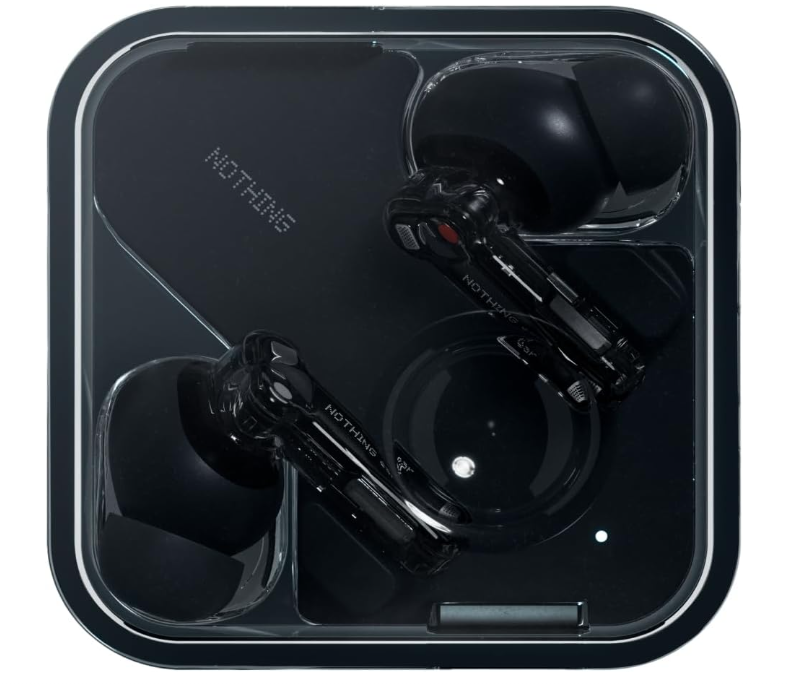
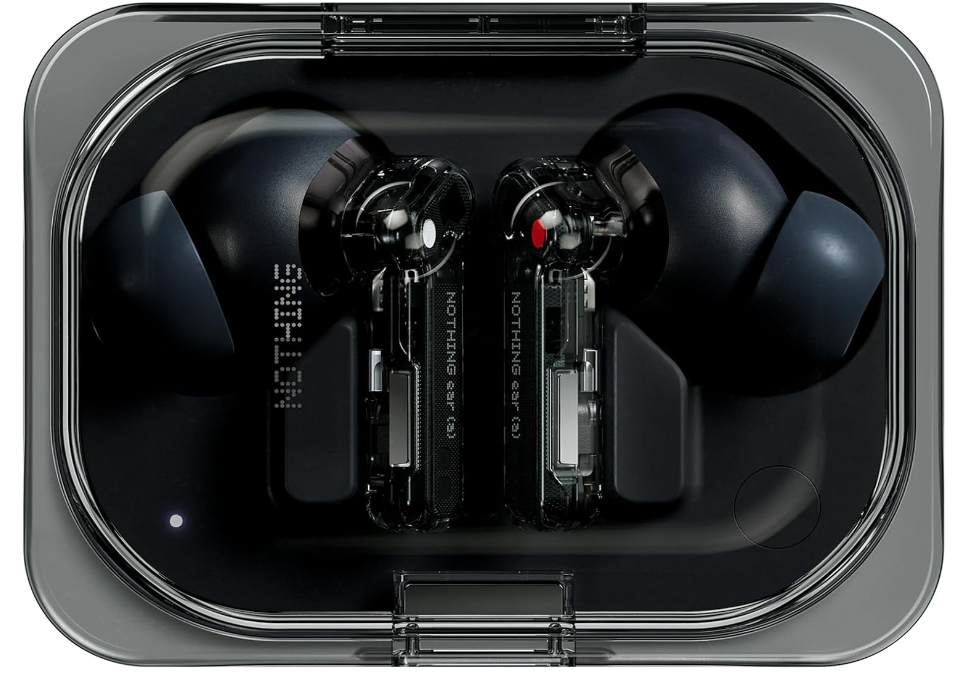
The Nothing Ear series, featuring the Nothing Ear Wireless Earbuds, Nothing Ear (a), and Nothing Ear (Open) headphones, sets a new standard for personal audio. With cutting-edge technology, innovative designs, and seamless integration with smart ecosystems, these devices deliver exceptional sound quality, comfort, and smart features.
Exclusive Discounts on Nothing Ear Products
Enjoy unbeatable discounts on Nothing Ear devices this holiday season, available from November 21 to December 2, 2024.
Don’t miss this limited-time opportunity to upgrade your audio experience at incredible prices.
Nothing Ear Wireless Earbuds
Smart Active Noise Cancellation (ANC) The Nothing Ear Wireless Earbuds deliver exceptional sound with up to 45 dB Active Noise Cancellation (ANC), 1.8x stronger than the previous generation. With intelligent noise-canceling technology, these earbuds adapt to your environment by checking for noise leakage and compensating automatically. This ensures uninterrupted listening, letting you focus on your music or calls like never before.
Crystal-Clear Sound and Voice Equipped with Hi-Res Audio compatibility, the Nothing Ear supports LDAC and LHDC codecs for high-quality streaming, offering audio clarity that stays true to the artist’s intention. Enjoy pure, undistorted sound with frequencies up to 24-bit/192 kHz. The Clear Voice Technology isolates your voice from background noise, ensuring phone calls feel as natural as face-to-face conversations. Enhanced microphones and a stem design reduce wind interference by 60% compared to previous models.
Extended Battery Life and Fast Charging The earbuds offer a massive 40.5-hour playtime with ANC off, lasting 25% longer than their predecessor. With fast charging, a 10-minute charge provides 10 hours of playback. Additionally, the earbuds support wireless and reverse charging, ensuring uninterrupted usage.
Enhanced Audio and Connectivity The custom 11mm ceramic driver delivers rich, distortion-free sound, enhancing bass and clarity. Seamlessly connect to two devices at once, and switch between them effortlessly. The Game Mode reduces audio lag to under 120ms, perfect for gaming enthusiasts. Other features include Microsoft Swift Pair, Google Fast Pair, and water resistance (IP54 for buds, IP55 for the case).
ChatGPT Integration Take AI assistance wherever you go with ChatGPT integration. Use voice commands to access information, get answers, or control features directly via the Nothing X app. Available exclusively with Nothing devices, this feature ensures seamless interaction with the Nothing ecosystem.
The Nothing Ear Wireless Earbuds redefine the audio experience with innovative features, superior sound, and cutting-edge technology.
Powerful Sound Performance The Nothing Ear (a) wireless earbuds are designed to deliver exceptional audio quality. With a compact yet powerful 11mm driver, these earbuds produce deeper bass and richer clarity. Enhanced with new vents for better airflow, the sound waves resonate more effectively, reducing distortion for an immersive listening experience.
Smart Active Noise Cancellation Enjoy up to 45 dB of hybrid noise cancellation with Ear (a). The earbuds intelligently detect noise leakage and adjust cancellation levels to match your environment. Whether you’re in a quiet room or a bustling street, you’ll only hear your music or calls. Adaptive ANC takes it a step further, automatically selecting the right noise-cancellation level in real time through the Nothing X app.
Crystal-Clear Calls The Clear Voice Technology in Ear (a) ensures your calls are as clear as face-to-face conversations. Featuring an upgraded talk microphone and wind-resistant airway design, these earbuds reduce interference by 60% compared to the previous generation.
Extended Playtime and Quick Charging With an impressive battery life of over 42.5 hours (with ANC off), Ear (a) ensures your music doesn’t stop. A quick 10-minute charge provides 10 hours of playback, perfect for those always on the go.
Seamless Performance and Gaming Features Ear (a) offers advanced features like Low Lag Mode, reducing latency to under 120ms for seamless gaming. Dual Connect technology allows you to stay connected to two devices simultaneously, making it easy to switch between tasks like answering a call while working on your laptop.
ChatGPT Integration Stay informed and connected with integrated ChatGPT functionality. Through the Nothing X app, access ChatGPT to ask questions, get quick answers, or search using text, voice, or images. This feature works exclusively with the Nothing ecosystem, providing an intuitive experience.
The Nothing Ear (a) combines cutting-edge technology, superior sound quality, and smart integration, making it a standout choice for anyone seeking premium wireless audio.
Innovative Design for Superior Sound The Nothing Ear (Open) headphones are crafted for exceptional sound quality, featuring a unique stepped driver with a titanium-coated diaphragm and lightweight components. This innovative design enhances clarity, delivering deep bass and crisp highs for an immersive listening experience that keeps you engaged.
Comfortable and Secure Fit Designed for all-day comfort, the Nothing Ear (Open) is equipped with a flexible ear hook made from skin-friendly silicone. With a lightweight structure of just 8.1 grams and a 50-degree tilt for optimal positioning, these headphones ensure a secure, almost weightless fit. Whether you’re working out or on a casual walk, they stay in place without discomfort.
Clear Voice Technology and Customization Equipped with dual microphones powered by AI, these headphones ensure clear calls, even in noisy environments. The Nothing X app allows you to customize your listening experience with adjustable EQ settings. Additionally, a low-lag mode enhances gaming sessions, while the Sound Seal System minimizes sound leakage for private listening.
Compact and Durable Design At only 19mm thin, the Nothing Ear (Open) boasts a slim, transparent design that is both stylish and functional. Its IP54 dust and water resistance make it ideal for on-the-go use, offering durability for everyday activities.
Smart Features and Integration The headphones integrate seamlessly with ChatGPT, enabling voice control and easy access to information across your Nothing ecosystem. With Bluetooth 5.3, AAC and SBC audio support, Microsoft Swift Pair, and Google Fast Pair, connecting to devices is effortless. Fast charging and LED indicators further enhance usability, providing up to 30 hours of playback for extended use.
The Nothing Ear (Open) combines innovative design, superior sound, and cutting-edge technology for a premium audio experience tailored to your needs.
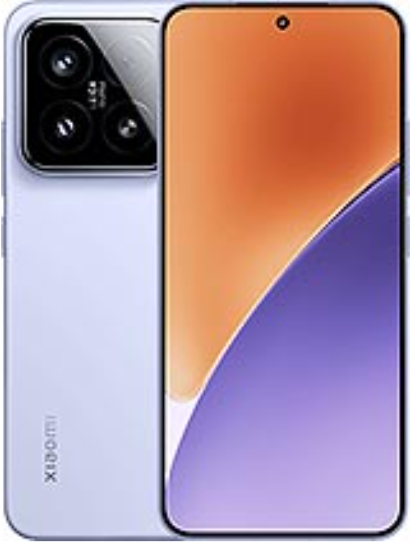
iQOO 13 and Xiaomi 15 are two flagship smartphones offering top-tier performance with the Snapdragon 8 Elite chipset, stunning displays, and premium designs. While the iQOO 13 focuses on gaming and immersive multimedia with features like a 144Hz display and RGB backlighting, the Xiaomi 15 targets photography enthusiasts with Leica-tuned cameras and versatile charging options. Both phones excel in their own ways, making the choice depend on your priorities, be it gaming, photography, or all-around performance. Here’s a detailed comparison to help you decide.
iQOO 13 and Xiaomi 15 excel in design, but they cater to slightly different tastes. The iQOO 13 features a modern RGB LED light on its back, adding flair, especially for gaming enthusiasts, while the Xiaomi 15 sports a minimalistic design with Leica branding for a premium feel. Both phones come with IP68 water and dust resistance, ensuring durability.
In terms of display, the iQOO 13 offers a larger 6.82-inch LTPO AMOLED screen with a stunning 144Hz refresh rate and a peak brightness of 6500 nits. Meanwhile, the Xiaomi 15 opts for a compact 6.36-inch LTPO OLED screen with Dolby Vision support, HDR10+, and a peak brightness of 3200 nits. While the iQOO 13 is ideal for gamers and those who enjoy immersive visuals, Xiaomi’s display is calibrated for cinephiles who value vibrant colors and Dolby Vision content.
The iQOO 13 edges out for gamers and power users, but Xiaomi 15 might be better for those prioritizing portability and refined HDR viewing.
2. Specifications
Xiaomi 15
Both phones are powered by the Snapdragon 8 Elite chipset, paired with up to 16GB of RAM and 1TB of storage. The iQOO 13 uses UFS 4.0 or 4.1 storage, while the Xiaomi 15 sticks to UFS 4.0, which may slightly impact app launch speeds and multitasking.
The iQOO 13 comes with a larger 6150 mAh (or 6000 mAh for India) battery and supports blazing-fast 120W wired charging, making it a better choice for heavy users. The Xiaomi 15’s 5400 mAh battery supports 90W wired, 50W wireless, and 10W reverse wireless charging, offering more versatility for users who rely on wireless charging.
iQOO’s larger battery and faster charging are ideal for demanding users, but Xiaomi’s wireless charging options add convenience for a wider range of scenarios.
3. Camera
iQOO 13
The camera systems are where these phones diverge significantly. The Xiaomi 15 features Leica-tuned lenses, offering superior image processing, especially for color accuracy and depth. Its triple 50 MP cameras include a 3x optical zoom telephoto and an ultrawide lens with a 115˚ field of view, making it perfect for photography enthusiasts. It also records in Dolby Vision HDR, catering to video creators.
The iQOO 13 also boasts three 50 MP cameras but with 2x optical zoom and a slightly narrower ultrawide lens. While capable, it lacks Leica’s advanced image tuning, making it more suitable for general photography and gaming-related streaming.
Xiaomi 15 is the better option for camera enthusiasts, but iQOO 13 is more than sufficient for casual users.
4. Pricing
The iQOO 13 starts at approximately €520, making it a more budget-friendly option. The Xiaomi15 is priced slightly higher at €590, reflecting its Leica camera system and premium build.
While the iQOO 13 delivers excellent value for performance, Xiaomi justifies its price with advanced photography capabilities and versatile charging options.
New POCO F series smartphones are nearing global launch soon. The POCO F7 Pro was recently spotted on the IMDA certification platform, and now, the POCO F7 and POCO F7 Ultra have been spotted on the same online database. So let’s check it out.
POCO F7 and POCO F7 Ultra Release Near?
On the IMDA certification (Via MySmartPrice), the two upcoming smartphones were spotted with the 24122RKC7G and2412DPC0AG model numbers. While the certification does not reveal finer details regarding the POCO smartphones, it does confirm support for 5G connectivity, Bluetooth, Wi-Fi, and NFC. Apart from this, the listing hints that the POCO F7 series of smartphones are set to launch in the global market soon.
The POCO F7 and POCO F7 Ultra monikers were previously revealed in the IMEI database, with the latter being the first ever “Ultra” branded phone. Based on what we know so far, the POCO F7 Ultra might be a rebranded version of the Redmi K80 Pro. For those unaware, the K80 Pro model will be launching in the Chinese market soon, and it features some top notch specs and features. To recall, the Redmi K80 Pro is rumored to feature the Snapdragon 8 Elite SoC under the hood. On the front, it will sport a 6.67-inch OLED display with a 2K resolution and a 120Hz refresh rate.
Redmi K80 Pro or POCO F7 Ultra
Earlier rumors has also confirmed that the POCO F7 Ultra will house a massive 6,000mAh battery pack that will support 120W wired fast charging. This model might also be the first model to bring support for wireless fast charging. Earlier today, we covered the Redmi Turbo 4 surfacing on the 3C certification with 90W wired fast charging. The POCO F7 is expected to arrive as a rebranded Redmi Turbo 4. This model could also be equipped with the MediaTek Dimensity 8400 SoC, 6000mAh battery pack, 1.5K resolution, and more.
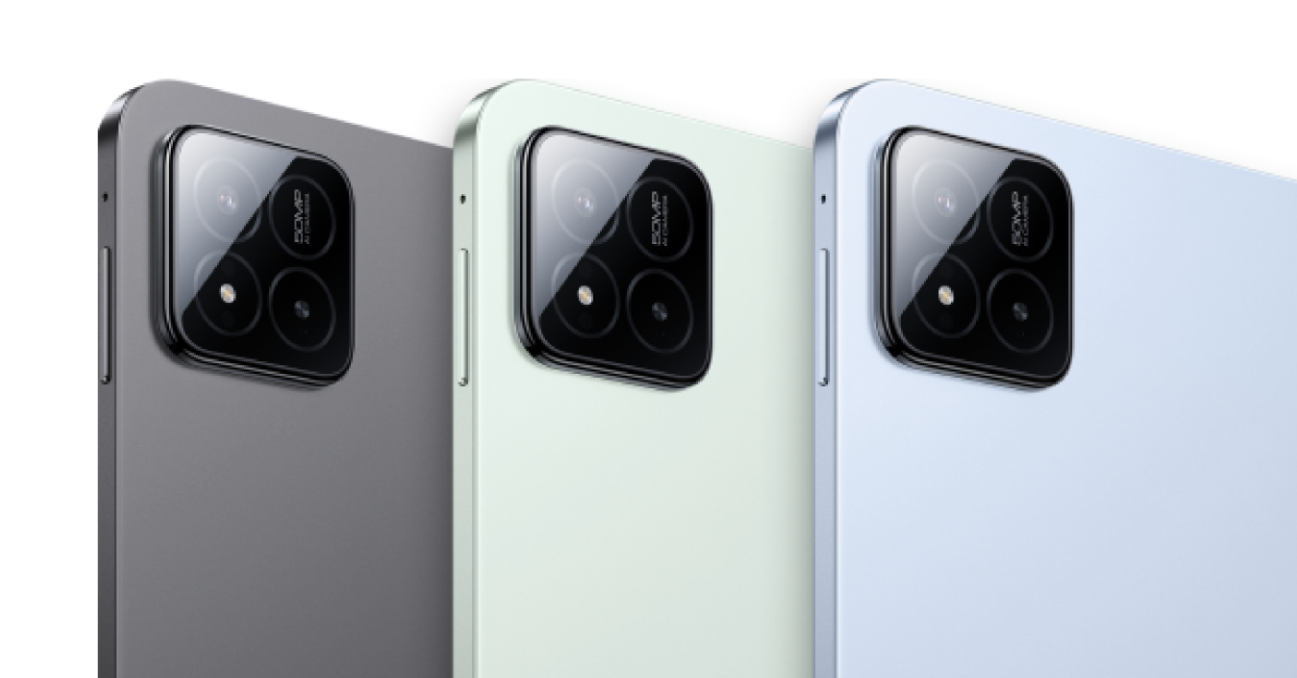
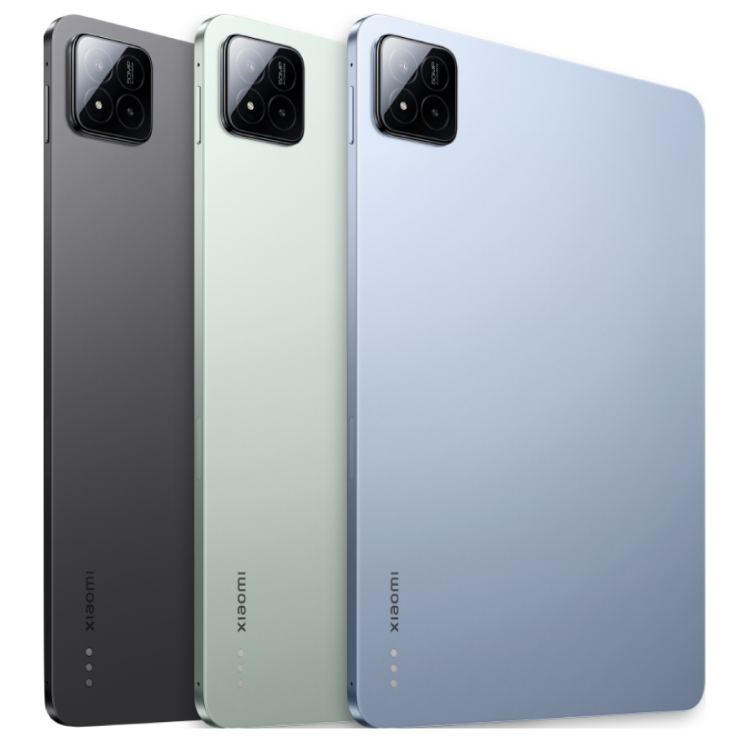
Xiaomi Pad 7 and Xiaomi Pad 5 are two feature-packed tablets catering to different user needs. While the Pad 5 offers reliable performance at an affordable price, the Pad 7 introduces significant upgrades in design, display, performance, and battery efficiency. This comparison explores their differences in key areas, helping you decide which tablet aligns best with your needs, whether you’re after cutting-edge technology or a budget-friendly option.
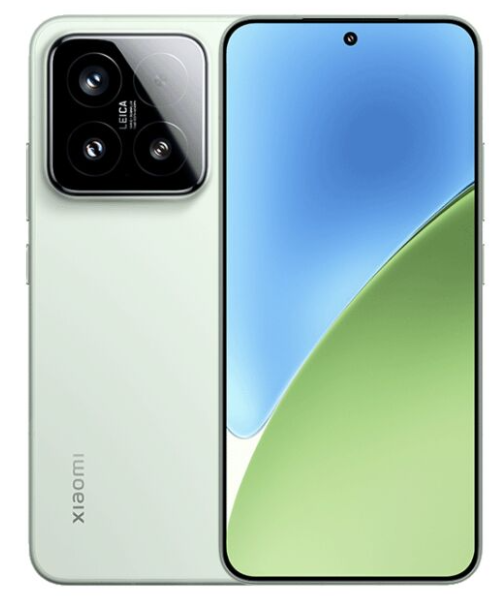
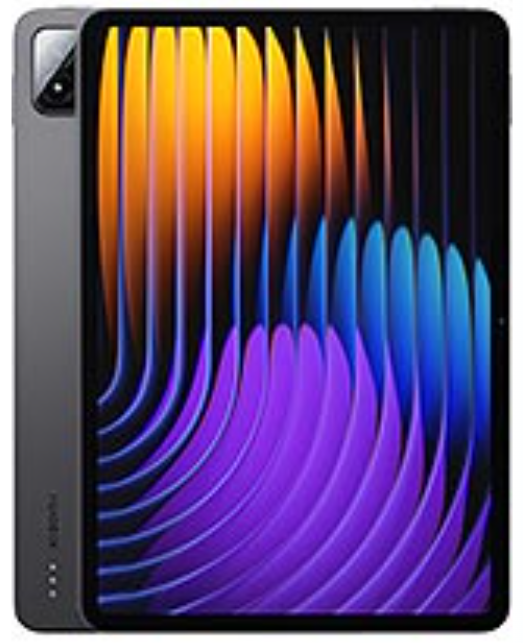
The Xiaomi Pad 7 takes a step forward in design with an all-metal build, featuring a glass front and an aluminum frame and back, offering a premium feel compared to the Pad 5’s plastic back. Both tablets support magnetic styluses, but the Pad 7’s slightly larger 11.2-inch display with thinner bezels ensures a more immersive viewing experience. Its 144Hz IPS LCD panel delivers smoother scrolling and enhanced responsiveness, complemented by HDR10 and Dolby Vision. With a peak brightness of 800 nits and a 3:2 aspect ratio, it’s optimized for productivity and media consumption.
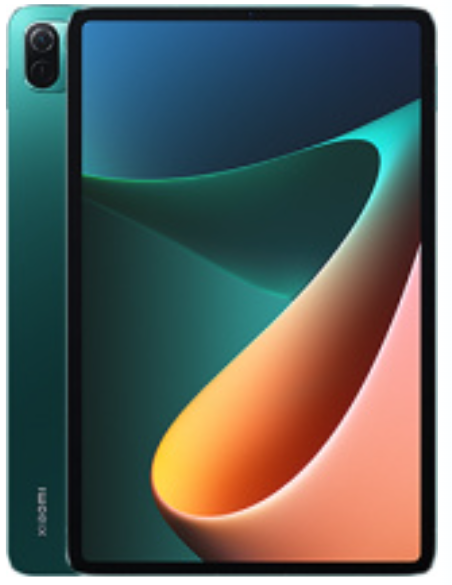
The Pad 5’s 11-inch IPS LCD screen, though vivid with 1B colors and Dolby Vision, lags behind in refresh rate at 120Hz. The 16:10 aspect ratio feels less spacious for multitasking, and the slightly lower pixel density (274 ppi vs. 344 ppi on the Pad 7) is noticeable in side-by-side comparisons.
Xiaomi Pad 7’s premium build and superior display specifications make it a clear winner for those prioritizing screen quality and build design. It’s ideal for productivity and entertainment, while the Pad 5 is better suited for casual users.
2. Specifications and Battery
Xiaomi Pad 5
The Xiaomi Pad 7 outperforms its predecessor with a Snapdragon 7+ Gen 3 chipset, offering significantly improved processing power and energy efficiency compared to the Pad 5’s older Snapdragon 860. The Pad 7’s configurations include up to 12GB RAM and UFS 4.0 storage, enabling faster multitasking and app loading.
Battery-wise, the Pad 7’s 8850 mAh cell is slightly larger and charges faster with 45W wired charging (compared to 33W on the Pad 5). It also achieves full charge in about 1 hour and 20 minutes, making it more convenient for heavy users.
The Pad 5’s Snapdragon 860 and 6GB RAM configurations feel dated in comparison. While its 8720 mAh battery is durable, slower charging limits its usability for users on the go.
XiaomiPad 7 is a future-proof choice, particularly for gamers or professionals, while the Pad 5 remains an affordable alternative for light to moderate usage.
3. Camera
Xiaomi Pad 7
Both tablets feature a 13 MP main camera and an 8 MP front camera, but the Pad 7’s upgraded image sensor and advanced software enhancements improve photo clarity and low-light performance. It supports 4K at 30fps and 1080p at 60fps, making it a versatile option for content creators.
The Pad 5, while capable of 4K recording, lacks the frame rate versatility of the Pad 7. Its front camera delivers decent performance for video calls but struggles in challenging lighting.
For casual photography and video creation, the Pad 7 is a better choice. However, if the camera isn’t a priority, the Pad 5’s capabilities are adequate for basic use.
4. Pricing
The Xiaomi Pad 7 starts at around €260, making it an excellent value considering its flagship-level upgrades. The Pad 5, priced at approximately €350 at launch, is now available at discounted rates, making it more competitive.
While the Pad 5 may attract budget-conscious buyers at current prices, the Pad 7’s cost-to-performance ratio is unmatched, offering superior value for those willing to spend a bit more.
The Pad 7 stands out with its advanced chipset, smoother 144Hz display, faster charging, and improved build quality. Its use of UFS 4.0 storage ensures blazing-fast performance, particularly for app-heavy users. The introduction of HyperOS 2 further refines the user experience with smoother animations and better resource management.
The Pad 5, on the other hand, retains its charm as a cost-effective alternative with reliable performance for non-intensive tasks. Its slightly smaller and less vibrant display may appeal to those seeking a compact and basic tablet.
For tech enthusiasts and power users, the Pad 7’s standout features justify the upgrade, while the Pad 5 remains a solid choice for those prioritizing cost savings over cutting-edge specifications.
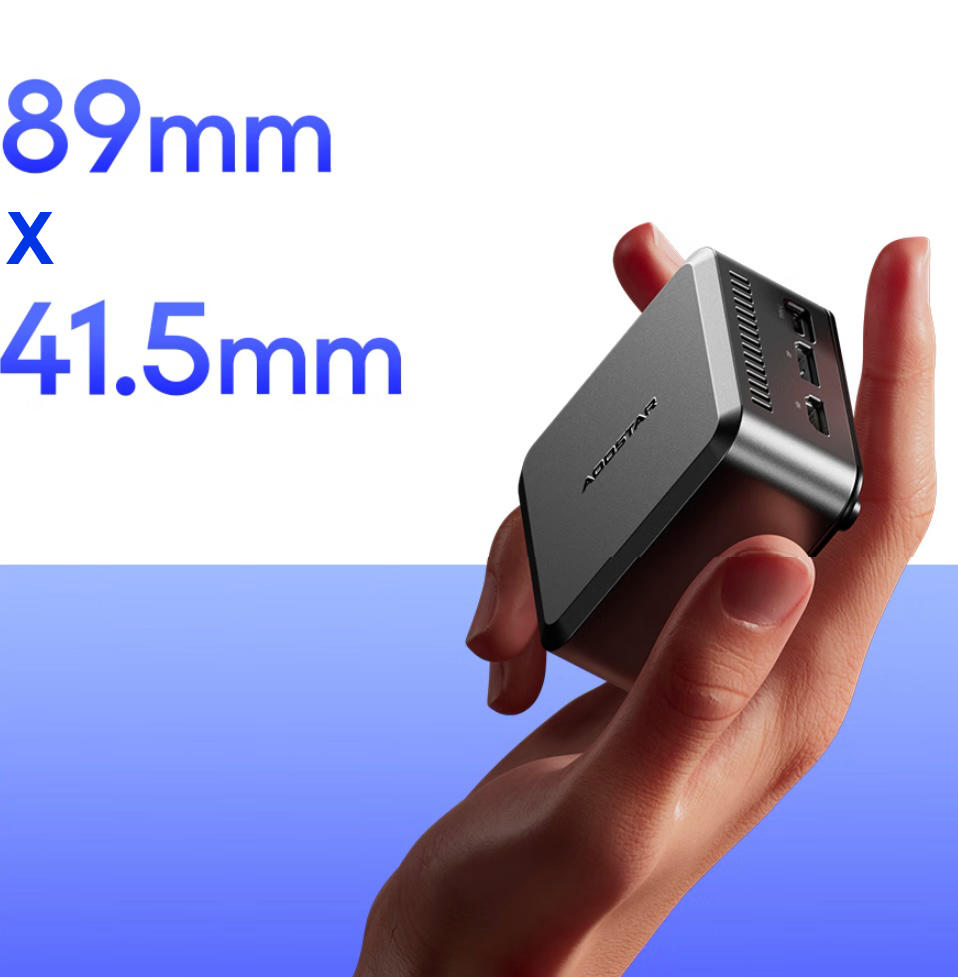
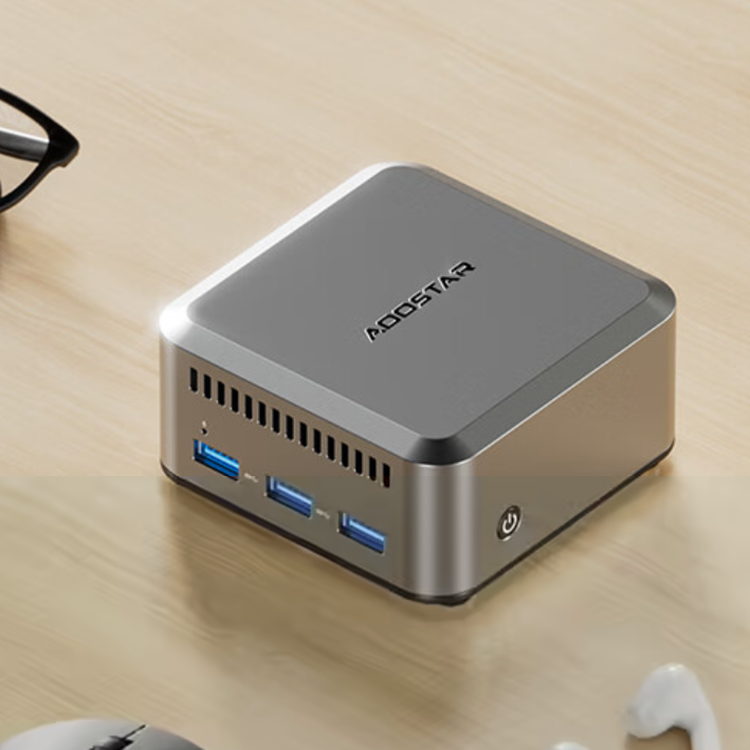
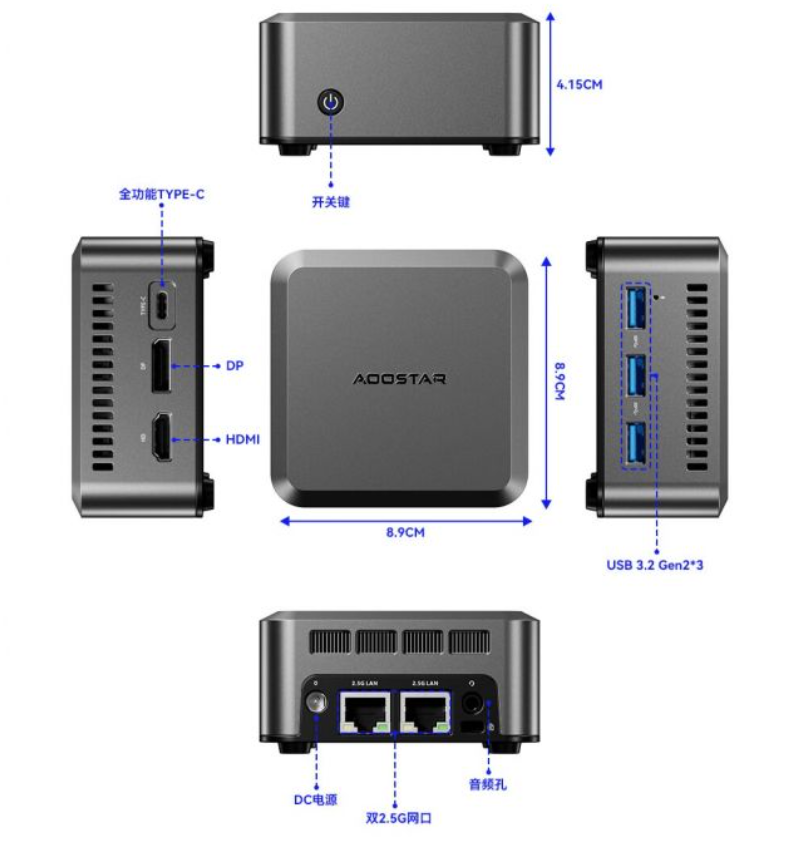
Aoostar N1 Pro Mini PC is a small yet powerful computing solution designed for users who need excellent performance in a compact form factor. With a footprint of just 8.9 cm x 8.9 cm x 4.15 cm and a weight of only 0.3 kg, this mini PC is perfect for tight spaces, portability, or minimalistic setups. Despite its tiny size, it boasts impressive features and capabilities to handle a wide range of tasks efficiently. You can buy the Aoostar N1 Pro Mini PC for $159 only at Geekwills.
High-Performance Processor
At its core, the Aoostar N1 Pro is powered by the Intel Processor N100, a 12th-generation chip designed as a successor to the Pentium and Celeron series. With four cores, a maximum clock speed of 3.40 GHz, and Intel UHD Graphics (750 MHz), it ensures smooth performance for everyday tasks like browsing, streaming, and office work. You can
Advanced Memory and Storage Options
The mini PC includes 12GB DDR5-4800 RAM, ensuring faster data transfer rates and multitasking performance. Storage needs are met with support for an M.2 2242-SATA slot and NVMe protocol compatibility, offering flexibility for expanding storage.
Superior Connectivity
The Aoostar N1 Pro excels in connectivity. It features WiFi 6 and Bluetooth 5.2, providing fast and reliable wireless connections. Additionally, dual 2.5Gbps LAN ports support ultra-fast wired internet for gamers or heavy data users.
Multiple Input and Output Ports
This mini PC offers versatile connectivity options, including:
USB3.2 Gen 2 (3 ports)
USB2.0 (1 port)
HDMI and DP1.4 (supports 4K@144Hz)
Type-C ports for input and output
3.5mm audio jack
Mini Design, Big Possibilities
Its compact size and modern design make the Aoostar N1 Pro easy to integrate into any setup. Whether you need a home media center, an office PC, or a lightweight workstation, this device delivers without taking up much space.
Key Specs
Processor: Intel N100 (4 cores, 3.40 GHz)
Graphics: Intel UHD Graphics (750 MHz)
RAM: 12GB DDR5-4800
Storage: M.2 2242-SATA / NVMe support
Wireless: WiFi 6, Bluetooth 5.2
Ports: USB3.2 Gen 2 (x3), USB2.0 (x1), DP1.4, HDMI, Type-C, LAN (2.5G x2), 3.5mm jack
Size & Weight: 8.9cm x 8.9cm x 4.15cm, 0.3kg
The Aoostar N1 Pro Mini PC is a compact powerhouse designed for users who value performance and efficiency in a small package.
We use cookies on our website to give you the most relevant experience by remembering your preferences and repeat visits. By clicking “Accept”, you consent to the use of ALL the cookies.
This website uses cookies to improve your experience while you navigate through the website. Out of these, the cookies that are categorized as necessary are stored on your browser as they are essential for the working of basic functionalities of the website. We also use third-party cookies that help us analyze and understand how you use this website. These cookies will be stored in your browser only with your consent. You also have the option to opt-out of these cookies. But opting out of some of these cookies may affect your browsing experience.
Necessary cookies are absolutely essential for the website to function properly. This category only includes cookies that ensures basic functionalities and security features of the website. These cookies do not store any personal information.
Any cookies that may not be particularly necessary for the website to function and is used specifically to collect user personal data via analytics, ads, other embedded contents are termed as non-necessary cookies. It is mandatory to procure user consent prior to running these cookies on your website.