A recent report revealed that iQOO will announce the IQOO 13, equipped with the Snapdragon 8 Elite, on Dec. 5 in India. However, the phone is expected to debut first in China before it makes its way to other markets. A recent Weibo post by tipster Digital Chat Station has seemingly revealed the iQOO 13 launch date for the Chinese market. Additionally, another source has revealed the key specifications of the device before its expected launch.
iQOO 13 China launch date (rumored)
iQOO 13 China launch date (rumored)
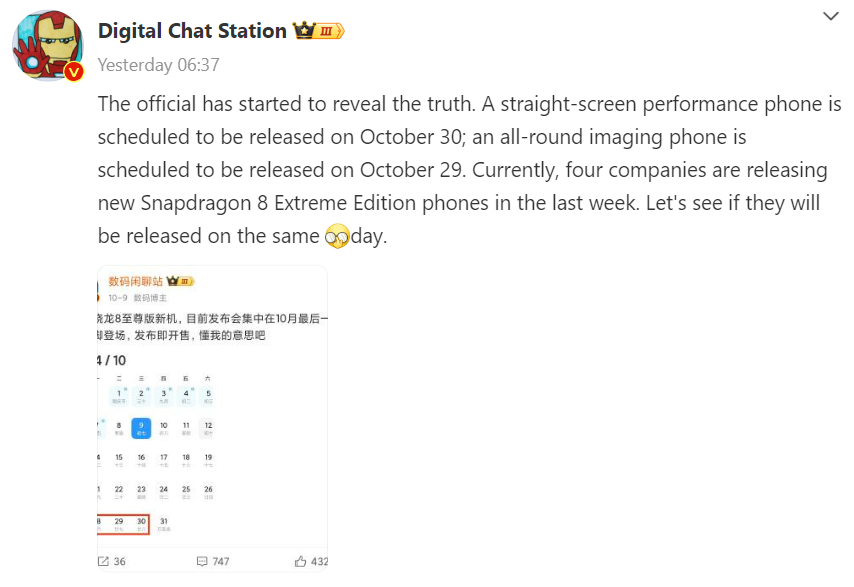
In the above leak, DCS claimed that four companies will launch Snapdragon 8 Elite-powered smartphones in the last week of October. He claimed that there is a performance-focused flat-screen phone scheduled for launch on Oct. 30 in China, and an all-around camera phone set to debut on Oct. 29. These could potentially be the iQOO 13 and OnePlus 13, respectively.
As per reports, the Xiaomi 15 series may break cover on Oct. 28, while the Magic 7 lineup is also expected to debut in the last week of this month.
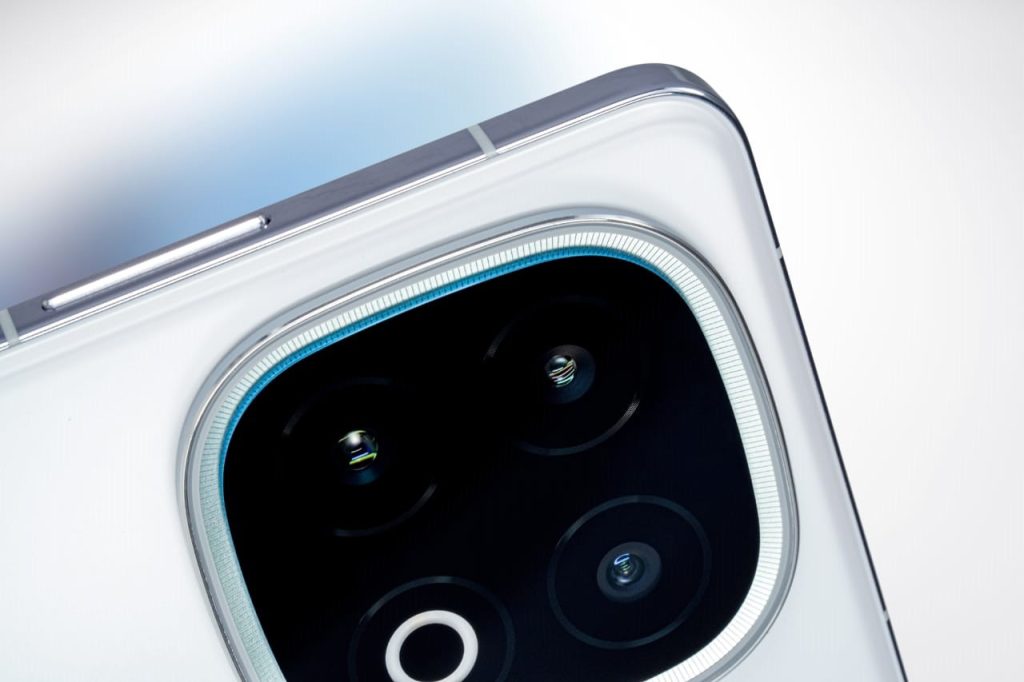
iQOO 13 does not have a halo light strip
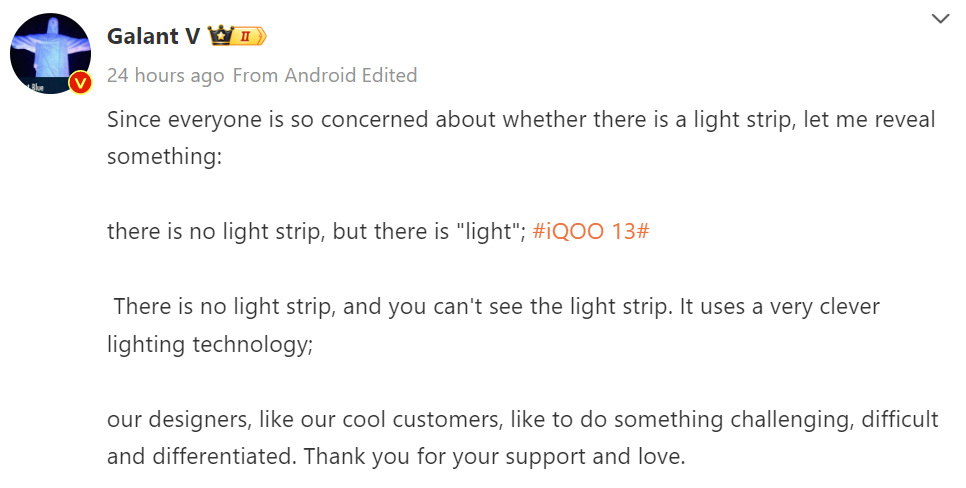
Recent images of the iQOO 13 hint at the possibility of a halo light strip surrounding the camera island. However, an iQOO exec, Galant V, who has been consistently spilling details about the iQOO 13, has claimed that the device does not include visible light strips but instead utilizes a very ingenious lighting technology. He added that designs at iQOO, much like our fans, enjoy taking on challenges and creating unique, differentiated features.
iQOO 13 specifications (rumored)
iQOO 13
According to tipster Experience More, the iQOO 13 is expected to feature a 2K BOE Q10 144Hz flat display. It will be powered by the Snapdragon 8 Elite chip coupled with a self-developed supercomputing chip, Q2.
It will have a battery capacity of over 6100mAh and support 120W charging. The camera setup includes a Sony IMX921 primary, a Samsung JN1 sensor, and a telephoto lens with 2x optical zoom, which appears to be a Sony IMX826 lens. Previous leaks have claimed that will have three 50-megapixel cameras on the back.
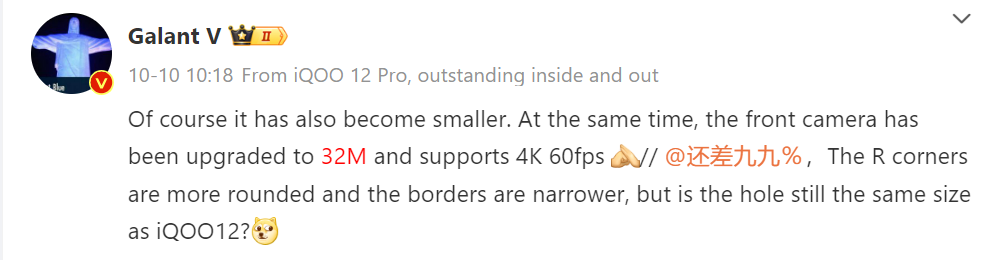
To recall, the iQOO 12 featured a 50-megapixel primary camera with OIS support, a 64-megapixel periscope telephoto camera with 3x optical zoom and OIS support, and an autofocus-enabled 50-megapixel ultra-wide lens. While the iQOO 12 came with a 16-megapixel front camera, the iQOO 13 will have a 32-megapixel selfie camera with support for 4K 60fps video shooting.
Other expected features of the iQOO 13 include an IP68 rating, a USB 3.0 port, and a single-point ultrasonic fingerprint sensor. He added that the device will debut on Oct. 30, with a hopeful price target of 3,999 Yuan (~$565).
The tipster further said that from an active perspective, the iQOO 13 aims to differentiate itself from the X200 by focusing on performance and display quality, while still maintaining strong imaging capabilities. This strategy may attract some of the X200’s market. From a passive standpoint, this approach reflects a cost-effective balance, emphasizing strong performance and display. If the goal is to offer a large main camera sensor and periscope telephoto lens, it would position the device similarly to the X200 Pro Mini and its respective price range.
Just a few months after the launch of the Smart Band 9, Xiaomi seems to be prepping for another iteration – the Smart Band 9 Pro. While a full year hasn’t even passed since the last Pro model, the Band 8 Pro, unofficial renders suggest the Band 9 Pro is on the horizon.
Now, things don’t look much different here. Compared to its immediate predecessor, the Band 8 Pro, the changes (at least design-wise) seem very minimal.
Xiaomi Smart Band 9 Pro renders
The most noticeable design change appears to be the display itself. The renders depict a slightly curved display, a departure from the flat panel of the Band 8 Pro. The strap also seems subtly improved, with the clasp now positioned near the end, similar to the Apple Watch design. The lone button, presumably used for navigation, retains its familiar pill shape.
The biggest aesthetic shift might be the side frame. Gone is the Band 8 Pro’s glossy metal finish, replaced with a more matte texture on the Band 9 Pro. The renders also hint at a larger display with narrower bezels, though it’s difficult to say definitively without confirmed dimensions.
Based on the leaked renders, the Band 9 Pro will likely come in at least three colors: silver, black, and gold. While additional options remain a possibility, these are the only ones confirmed (for now).
While official specs haven’t been revealed, we can use the Band 8 Pro as a potential benchmark. It featured a 1.74-inch AMOLED display with a sharp 336 x 480 resolution, 60Hz refresh rate, and peak brightness of 600 nits for sunlight readability.
The Band 8 Pro also boasted health and fitness tracking capabilities with features like continuous heart rate and blood oxygen monitoring, stress tracking, sleep monitoring, and water resistance up to 5 ATM. With over 150 sports modes and advanced algorithms, it catered to a wide range of workout preferences.
Looking ahead, the Band 9 Pro might offer similar features with potential improvements under the hood. It’s safe to assume functionalities like automatic brightness adjustment, GPS functionality, a variety of watch faces (including an Always-On Display option), and seamless integration with the Mi Fitness App will likely carry over.
According to reports, Honor will announce the Honor Magic 7 series of smartphones later this month in China. The lineup is expected to include multiple models, such as the Magic 7, Magic 7 Pro, Magic 7 Ultimate, and Magic 7 RSR Porsche Design. In a new leak, well-known tipster Digital Chat Station has revealed some information about an upcoming Snapdragon 8-series chip-powered smartphone, which appears to be the Honor Magic 7 Pro.
Honor Magic 7 Pro’s new upgrades revealed
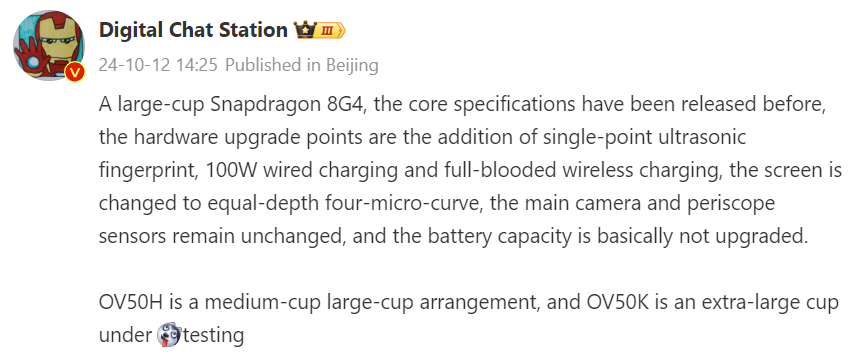
In the latest leak, Digital Chat Station disclosed that an upcoming “large cup Snapdragon 8 Gen 4” device will come with several upgrades. These include the addition of a single-point ultrasonic in-screen fingerprint sensor, 100W wired charging, faster wireless charging, and a micro-quad-curved screen with equal-sized ultra-thin bezels.
The tipster added that the main camera and periscope telephoto cameras will remain the same as the previous generation. He also mentioned that the battery capacity has not been upgraded. While he did not explicitly reveal the name of the device, it appears he is referring to the forthcoming Honor Magic 7 Pro.
For reference, the Honor Magic 6 Pro featured a 5,600mAh battery paired with 80W wired and 66W Honor wireless SuperCharge, and wireless reverse charging. A recent leak revealed that the Magic 7 Pro has a 5,620mAh battery with 100W wired and 80W wireless charging.
The leak further suggests that the main camera of the Honor Magic 7 will switch to the OV50H sensor from Chinese CMOS manufacturer OmniVision. This sensor is also used in the Huawei Pura 70 and Xiaomi 14, both of which have received high praise. Additionally, the company seems to be testing the Magic 7 Ultimate Edition with OmniVision’s new OV50K large-sized image sensor. This also suggests that the Ultimate variant may debut in 2025.
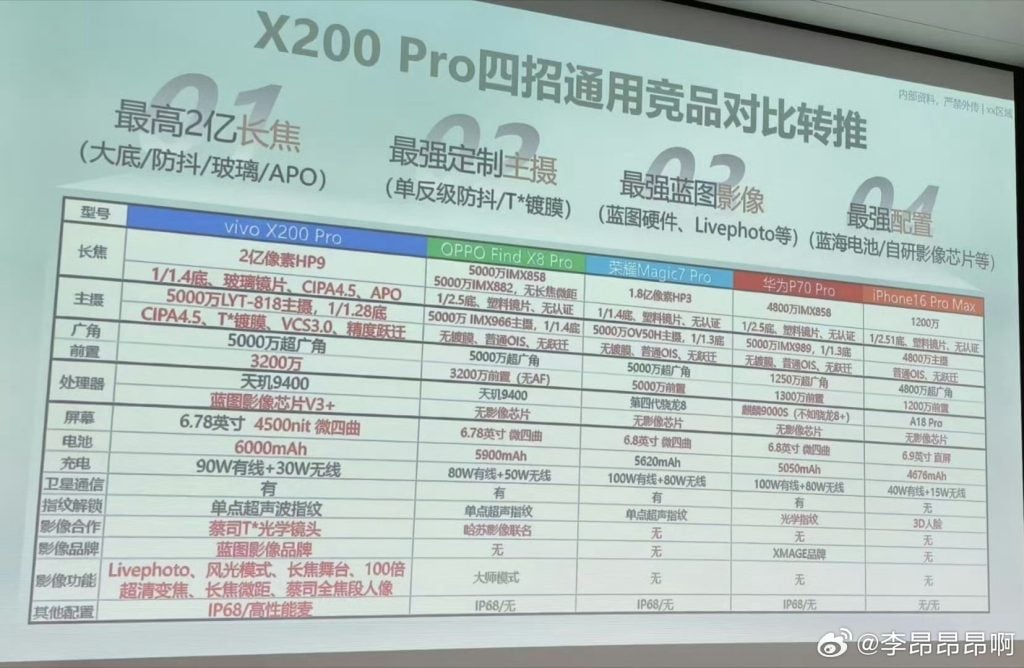
The Vivo X200 Pro will rival the “Pro” models from other brands expected to launch this month. A leaked presentation image that compares the key specifications of the Vivo X200 Pro with those of the Oppo Find X8 Pro. Honor Magic 7 Pro, Huawei Pura 70 Pro, and Apple iPhone 16 Pro Max have emerged on Weibo. Before reading ahead, readers are advised to digest the leak with a pinch of salt, as the authenticity of the image could not be verified. Here’s a look at how the X200 Pro stacks against its upcoming competitors, the Find X8 Pro and Magic 7 Pro.
Vivo X200 Pro vs. Oppo Find X8 Pro vs. Honor Magic 7 Pro vs. Huawei Pura 70 Pro vs. Apple iPhone 16 Pro Max
As per the leak, the Vivo X200 Pro will come equipped with an impressive camera setup with a 200-megapixel Samsung HP9 periscope telephoto camera featuring a 1/1.4″ sensor size, CIP4.5, and an APO glass lens. Its main camera is a 50-megapixel LYT-818 sensor with a 1/1.28″ sensor size, CIP4.5, T* coating, and VCS3.0. Additionally, it has a 50-megapixel ultra-wide camera and a 32-megapixel front camera. The device will support photography features, such as Zeiss T* optical lens, Live Photo, landscape mode, telephoto stage, 100x ultra-clear zoom, telephoto macro, and Zeiss full-focus portrait.
Powered by the MediaTek Dimensity 9400 processor, the X20 Pro features a 6.78-inch screen with a brightness of 4500 nits and a micro-quad-curved design. For security, it has a single-pint ultrasonic in-screen fingerprint sensor. The battery capacity is 6,000mAh, supporting 90W wired and 30W wireless charging. It will also come equipped with other features, such as IP68 dust/water resistance and satellite connectivity, and Vivo V3+ imaging chip.
2. Oppo Find X8 Pro
In comparison, the Oppo Find X8 Pro is equipped with a pair of periscope telephoto cameras, which includes a 50-megapixel IMX858 with a 1/2.5″ sensor size and an IMX882 lens. The camera setup also includes a 50-megapixel ultra-wide snapper and a 50-megapixel Sony IMX966 main camera with a 1/1.4″ sensor size and OIS. On the front, it has a 32-megapixel camera with autofocus support.
The Find X8 Pro features a 6.78-inch screen with a micro-quad-curved design and is powered by the Dimensity 9400 chip. The battery capacity is 5,900mAh, supporting 80W wired and 50W wireless charging. It will have other features, such as an ultrasonic in-screen fingerprint sensor, Hasselblad camera optimizations, and IP68 dust/water resistance.
3. Honor Magic 7 Pro
The Honor Magic 7 Pro features an XMAGE camera setup that includes a 180-megapixel Samsung HP3 periscope telephoto camera with a 1/1.4″ sensor size. Its main camera is a 50-megapixel OmniVision OV50H sensor with a 1/1.3″ sensor size, and the ultra-wide camera is a 50-megapixel sensor with a 1/1.56″ sensor size and OIS. The front camera has a resolution of 50-megapixel.
Powered by the fourth-generation Snapdragon 8-series chip (Snapdragon 8 Elite / Snapdragon 8 Gen 4), the Honor Magic 7 Pro has a 6.8-inch screen with a micro-quad-curved design. The battery capacity is 5,620mAh, supporting 100W wired and 80W wireless charging. Special features include a single-point ultrasonic in-screen fingerprint sensor and IP68 water resistance.
While the Vivo X200 series is set to debut on Oct. 14, the Find X8 lineup will be announced on Oct. 24. Honor is yet to confirm the Magic 7 series’ launch date.
It’s the best time for shopping electronics in the country, as major e-retailers are offering massive discounts on smartphones, tablets, laptops and other wearables. Following major discounts on the Samsung and OnePlus smartphones, Amazon is bringing some exclusive discounts to the iPhone and other Apple products. The e-retailer is leaving no stone unturned in order to impress the fans and garner better sales this festive season. We have detailed the available discounts on the iPhone 13, iPhone 14, iPhone 15, and iPhone 16 below:
Amazon Great Indian Festival 2024 Sale is here and will stay till Diwali. The discounts may remain same throughout the remaining weeks, and it’s better to grab your favourite smartphone, before those get out of stock or a price revision affects your budget goals. Amazon is offering great discounts on all the Apple iPhone iterations.
Starting with the the iPhone 13, the smartphone is currently retailing for the price of Rs 43,999, which is down from Rs 59,600. The deal may get even sweeter if you have an HDFC credit card or debit card; there’s an additional Rs 4000 discount on the list price.
Meanwhile, iPhone 14 is currently retailing for the price of Rs 59,000, down from Rs 69,000. There are additional Bank discounts from HDFC, Bank of Baroda HSB Credit Card and others.
If you want to upgrade to newer models like the iPhone 15 (128 GB), then the smartphone is also on 12% discount and is available for Rs 69,990. The smartphone usually retails for the price of Rs 79,990, and the recent reduction of around Rs 10000 is worth appreciating, and would be a huge saving for the buyer. The bank discounts further improve savings, as it may amount up to Rs 6,000, depending on the storage variant bought.
The latest Apple iPhone 16 is now available in India for the price of Rs 79,990. Apart from the bank discount, there are hardly any other offers on the smartphone.
Please Note: When you buy something using the links in our articles, we may earn a small commission at no cost to you.
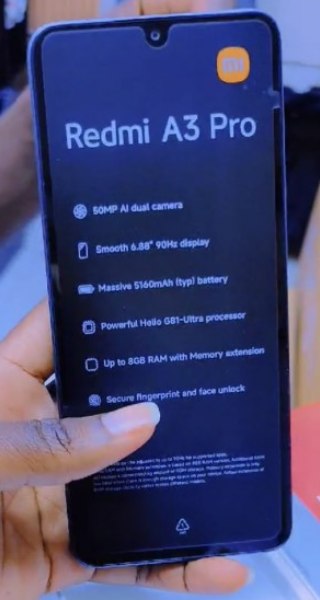
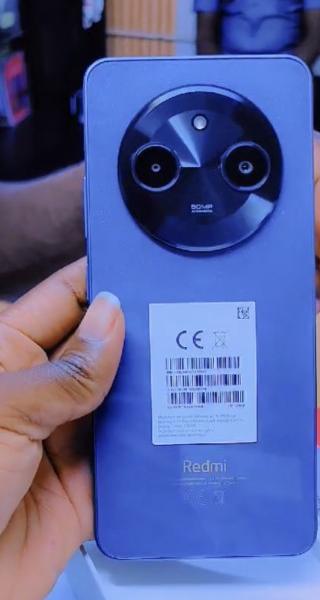
A new Redmi phone – the Redmi A3 Pro – has seemingly materialized out of thin air. While Xiaomi hasn’t officially announced the device, a Kenyan online store has published a listing for the A3 Pro, complete with basic specifications and a surprisingly low price tag.
The product photos alongside the specs seem to be “unofficial,” as they are raw images rather than official renders.
It’s worth noting that there was no A2 Pro or A1 Pro before, making the Redmi A3 Pro the first “Pro” model in the A-series. The device had previously appeared in the HyperOS codebase, adding credibility to the listing and its specs. Let’s take a closer look.
Redmi A3 Pro Specifications
The A3 Pro seems to build upon the foundation of the standard Redmi A3. It boasts a 6.88-inch display, maintaining a 90Hz refresh rate. Under the hood, the MediaTek Helio G36 in the A3 gets an upgrade to the Helio G81 Ultra in the Pro variant. This will be paired with up to 8GB of RAM.
The camera department is another area where things get a notable upgrade. The listing shows a 50MP AI main sensor, a significant step up from the A3’s 8MP dual-camera system. However, details regarding the secondary rear camera remain shrouded in mystery.
The device has a sizeable 5,160mAh battery to keep things amped, however, there’s no mention of charging speed. Security will be handled by a side-mounted fingerprint reader.
Price (Expected)
The most convincing aspect of the A3 Pro might be its price tag. Listed at KSh13,999 (roughly €100/$110), it puts itself firmly in the budget smartphone arena. If the leaked specs hold true, this price could make the A3 Pro a compelling option for value-conscious users.
Xiaomi is keeping its cards close to its chest when it comes to upcoming flagships, but a recent leak may have revealed the first real-life image of the phone, showing its rear design. The design closely resembles previous models but with a few interesting changes.
Xiaomi 15 Pro real-life image
The leak shows the phone in the hands of Xiaomi VP Wang Xiaoyan. It features a camera module with a flash positioned outside of it. Now, we know that this could be the Xiaomi 15 Pro because the phone’s renders also show a similar rear design.
The phone appears in a black color option but is also expected to come in white and silver variants. The camera module itself might be getting a material upgrade – rumors point towards ceramic construction, another departure from the previous iteration.
Specifications
As for the specifications, the Xiaomi 15 Pro is expected to boast a massive 6.78-inch display with a smooth 120Hz refresh rate. Power could come courtesy of the upcoming Snapdragon 8 Elite chipset, likely paired with a whopping 16GB of RAM and a staggering 1TB of storage.
Camera-wise, we are expecting a 50MP main sensor with a variable aperture ranging from f/1.4 to f/2.5, along with a 50MP ultrawide lens and a 50MP telephoto lens with an equivalent focal length of 120 mm and a lossless magnification of 5x
Stamina is rumored to be courtesy of a hefty 6,000mAh battery, supported by both 80W wireless and 90W wired charging.
While this is all speculation based on leaks, the rumor mill also suggests Xiaomi might wait for Qualcomm’s official unveiling of the Snapdragon 8 Elite before pulling the curtain back on the Xiaomi 15 series. And this would likely be a China-only launch initially, with a global rollout expected by the end of the year.
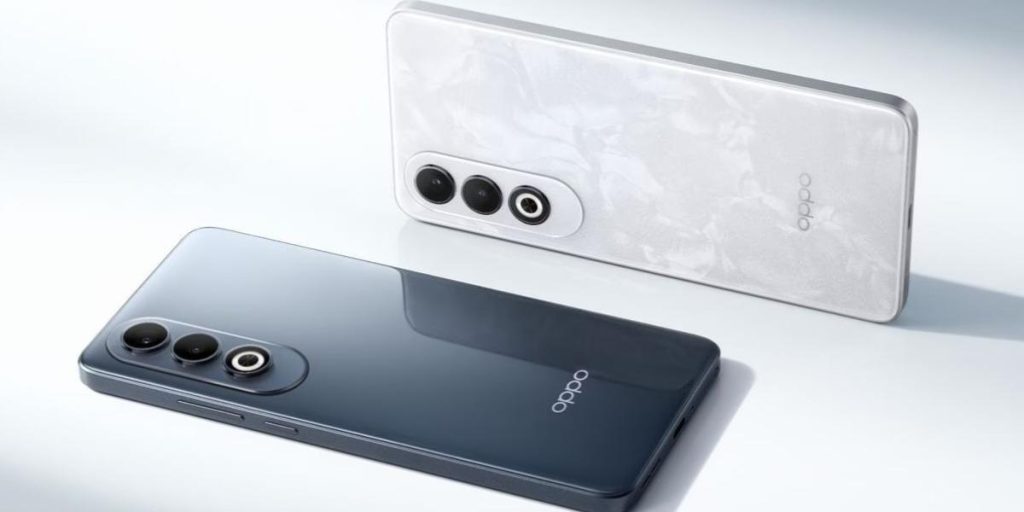
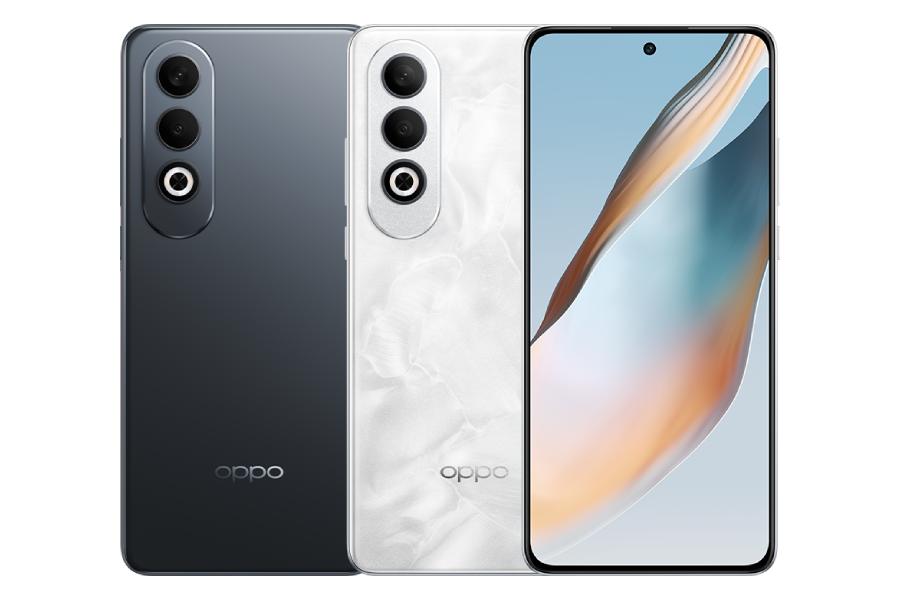
Oppo has unveiled its latest K-series smartphone, the K12 Plus, in China. It’s a mid-range offering with a focus on a large battery and a smooth display, with a capable camera system thrown in for good measure. Let’s get into the details here.
Oppo K12 Plus Specifications
The K12 Plus runs on the Qualcomm Snapdragon 7 Gen 3 processor, a chip well-suited for everyday tasks and some light gaming. It comes with Oppo’s ColorOS 14 skin on top of Android 14. Storage options range from 8GB/256GB to a hefty 12GB/512GB.
On the front, the smartphone features a 6.7-inch AMOLED panel pushing a 120Hz refresh rate for smooth scrolling and a claimed peak brightness of 1100 nits for better outdoor visibility. The display also supports the P3 wide color gamut and boasts a 240Hz touch sampling rate for a more responsive gaming experience.
On the back, the K12 Plus keeps things simple with a dual-camera setup. The main sensor is a 50MP shooter, likely accompanied by an 8MP ultrawide lens. For selfies, a 16MP front-facing camera handles your video calls and social media snaps.
The phone packs a massive 6400mAh battery, which should offer all-day use for even power users. Oppo complements this with its 80W wired fast charging.
Connectivity options are comprehensive, with 5G support alongside the usual Wi-Fi 6, Bluetooth 5.4, and NFC. It also features a USB Type-C port with OTG capabilities and an under-display fingerprint scanner for added security.
Price and Availability
The Oppo K12 Plus comes in two colors: Snow Peak White and Black Basalt. Pricing starts at CNY 1799 (around $258) for the early-bird pre-order of the 8GB/256GB model, rising to CNY 2499 (around $353) for the top-of-the-line 12GB/512GB variant. Pre-orders are now live in China, with the official sale kicking off on October 15th, 2024.
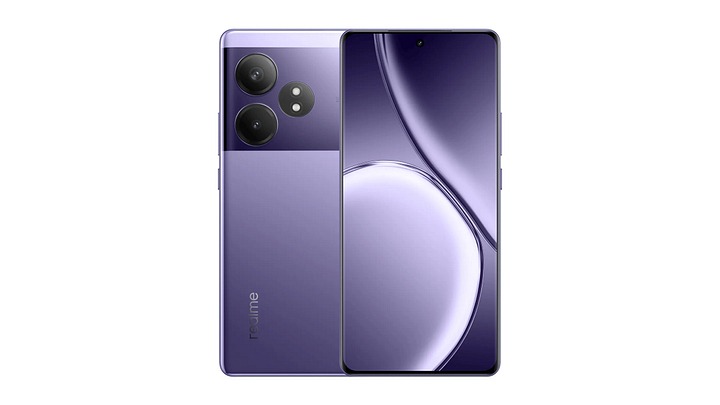
It’s the festival season in India, and every major manufacturer/online retailer gives discounts on various products. Realme’s mid-range smartphone, Realme GT 6T, is available at the all-time lowest price, i.e., Rs. 25,750 on Amazon. The Realme GT 6T was launched in May 2024 in India. Right now, the Amazon Great Indian Festival sale is live, and there are huge discounts on many other products. We have posted many discounts in our deals section, you should checkout.
Realme GT 6T 5G Deal Details
The discount is available on all four variants of Realme GT 6T. The launch price of Realme GT 6T is Rs. 30,999 for 8GB RAM and 128 GB storage, and now the phone’s Amazon list price is Rs. 29,999. To get the discount, you have to apply the coupon, On the base variant, you will get a Rs. 4,250 coupon, and on the top variant, you will get a Rs. 5,500 coupon.
After applying the coupon for the Realme GT 6T on the /128GB variant, the effective price of the smartphone will be Rs. 25,750. Moreover, making a payment through an Amazon ICICI credit card and if you have a Prime membership, then you will get 5% cashback also.
Please Note: When you buy something using the links in our articles, we may earn a small commission at no cost to you.
Realme GT 6T 5G features and specifications
The smartphone is powered by a Qualcomm Snapdragon 7+ Gen 3 SoC, paired with LPDDR5x RAM and UFS 4.0 storage. Realme GT 6T has a 9-layer ice-cooling vapor chamber covering a total area of 10,014mm². Realme comes with four variants, which include 8GB RAM/128GB storage, 8GB RAM/256GB storage, 12GB RAM/256GB storage, and 12GB RAM/512GB storage.
Talking about the display, the smartphone features a 6.78-inch LTPO AMOLED panel with 6000 nits peak brightness. The refresh rate of the display dynamically adjusts between 1 Hz and 120Hz. Realme GT 6T has a dual camera setup with a 50 MP primary sensor and an 8 MP ultra-wide lens. On the front, there is a 32MP selfie camera.
The phone is packed with a huge 5500mAh battery with 120W SuperVOOC charging. Realme GT 6T runs on Android 14 with Realme UI out of the box. Moreover, the company has promised 4 years of software updates and 3 years of OS updates.
Please Note: When you buy something using the links in our articles, we may earn a small commission at no cost to you.
More information about the Redmi K80 series was leaked recently. Now, we learn it is being developed in partnership with Xiaomi and TCL. The Redmi K80 will come with a TCL OLED display. Also, HyperOS software has confirmed that the smartphone will come with a Snapdragon 8 Gen 3 processor. Of course, this information comes from XiaomiTime.
The Redmi K80 series will be introduced with Xiaomi & TCL partnership
The Redmi K80 series is expected to be unveiled in November. Some technical specifications of the new smartphones have already leaked. The Redmi K80 will come with a Snapdragon 8 Gen 3 processor and on the other hand, the Redmi K80 Pro will have Snapdragon 8 Gen 4. The Redmi K80 has the codename “zorn” and the internal model number “O11”. The Redmi K80 Pro, on the other hand, has the codename “miro” and the model number “O11U”.
We previously reported that the Redmi K80 has an internal model number of O11. The above line of code, xiaomi_o11, shows which AMOLED panel the Redmi K80 uses. The “42_02_0a_cmd_mode_dsc_dsi_panel” part confirms that the Redmi K80 will use a TCL OLED display. 42 stands for TCL, 36 for Tianma, and 38 for Samsung.
So will the Redmi K80 series come to the global market? Yes. Redmi K80 and K80 Pro will be officially available in the global market. These smartphones will be rebranded as POCO and are expected to be introduced under the name POCO series. We will keep you informed of any new news.
iQOO has already revealed the front design of their upcoming flagship, the iQOO 13, showcasing a flat display and a metal middle frame. However, they kept the back design secret. It was previously rumored that the phone includes a “Halo” light on the back.
The Halo light ring offers iQOO 13 a unique look
Today, Weibo tipster Digital Chat Station has finally shared images of phone’s back, giving us a first look at the light ring around the camera island, which features a design very similar to its predecessor.
According to the tipster, the ‘Halo’ light ring is capable of producing RGB colors. While no details were shared about its functionality, it doesn’t seem to aid in illuminating objects for photography. Instead, it appears to enhance the device’s visual appeal.
That said, the phone is expected to launch toward the end of this year, possibly in December. According to a recent leak by X tipster Yogesh Brar, it could launch in India on December 5. However, it’s unclear whether the phone will launch in the Chinese market on the same day or earlier.
In a previous teaser, where the company revealed the front design, there was a “12/09” notation, which likely suggests December 9th as the release date for the Chinese market.
This device will stand out in at least another key aspect—the SuperComputing Chip Q2. It works alongside the main processor to insert frames between those rendered by the GPU, delivering up to 144fps output. While the first-generation chip currently supports only a handful of games, such as Genshin Impact, we expect more demanding titles to adopt iQOO’s frame interpolation feature in the near future.
In terms of camera. the phone doesn’t disappoint either. It is rumored to include a 50MP Sony IMX921 main sensor, a 50MP Sony IMX826 sensor for the 2x telephoto, and a 50MP Samsung ISOCELL JN1 sensor for the ultrawide. For context, the ultrawide remains the same, while the main and telephoto sensors are upgraded.
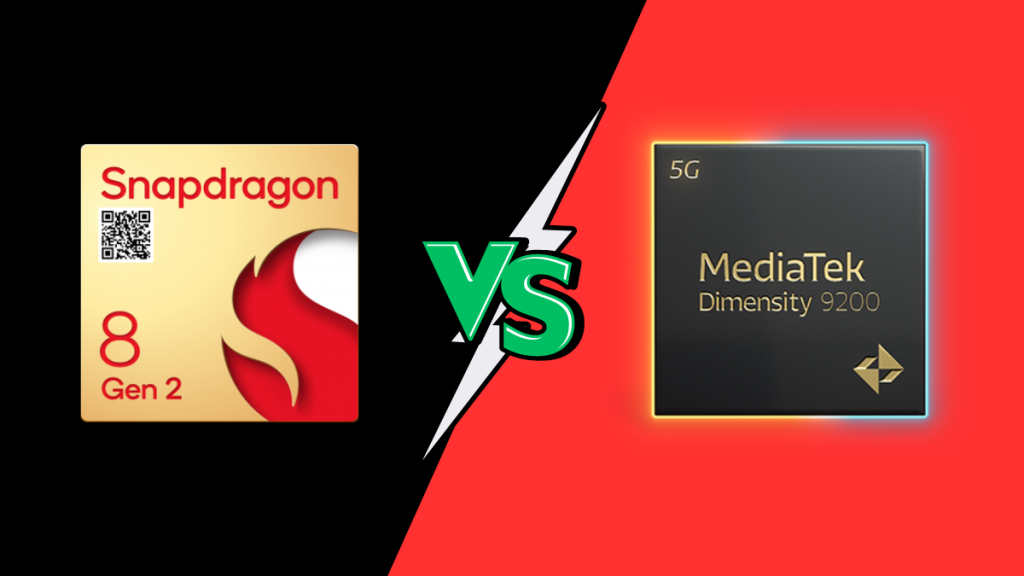
Snapdragon 8 Gen 2 and Dimensity 9200 were announced in November 2022. Both are octa-core chips fabricated using TSMC’s 4nm process, yet there are many key differences that set them apart.
Both are flagship chips and are already powering phones from popular brands, such as Samsung, OnePlus, Oppo, and Vivo.
Here, we’ll compare the Snapdragon 8 Gen 2 and Dimensity 9200 chips on various benchmarks and explore key differences between them to see how the two chips stack up against each other.
SD 8 Gen 2
Dimensity 9200
Release date
November 2022
November 2022
Process node
4nm
4nm
Manufacturer
TSMC
TSMC
Cores
8
8
CPU architecture
1 x Cortex-X3 @ 3.2 GHz 2 x Cortex-A715 @ 2.8 GHz 2 x Cortex-A710 @ 2.8 GHz 3 x Cortex-A510 @ 2.0 GHz
1 x Cortex-X3 @ 3.05 GHz 3 x Cortex-A715 @ 2.85 GHz 4 x Cortex-A510 @ 1.8 GHz
GPU
Adreno 740 680 MHz frequency Snapdragon Elite Gaming Hardware Accelerated Ray Tracing
Immortalis-G715 MP11 850 MHz frequency MediaTek HyperEngine 60 Ray tracing support
MediaTek 5G modem Downlink:7 Gbps Wi-Fi 7 Bluetooth v5.3
Snapdragon 8 Gen 2 vs Dimensity 9200: Benchmarks
[Note: We have used the OnePlus 12R (Snapdragon 8 Gen 2) and Vivo X90 Pro (Dimensity 9200) for benchmark results.]
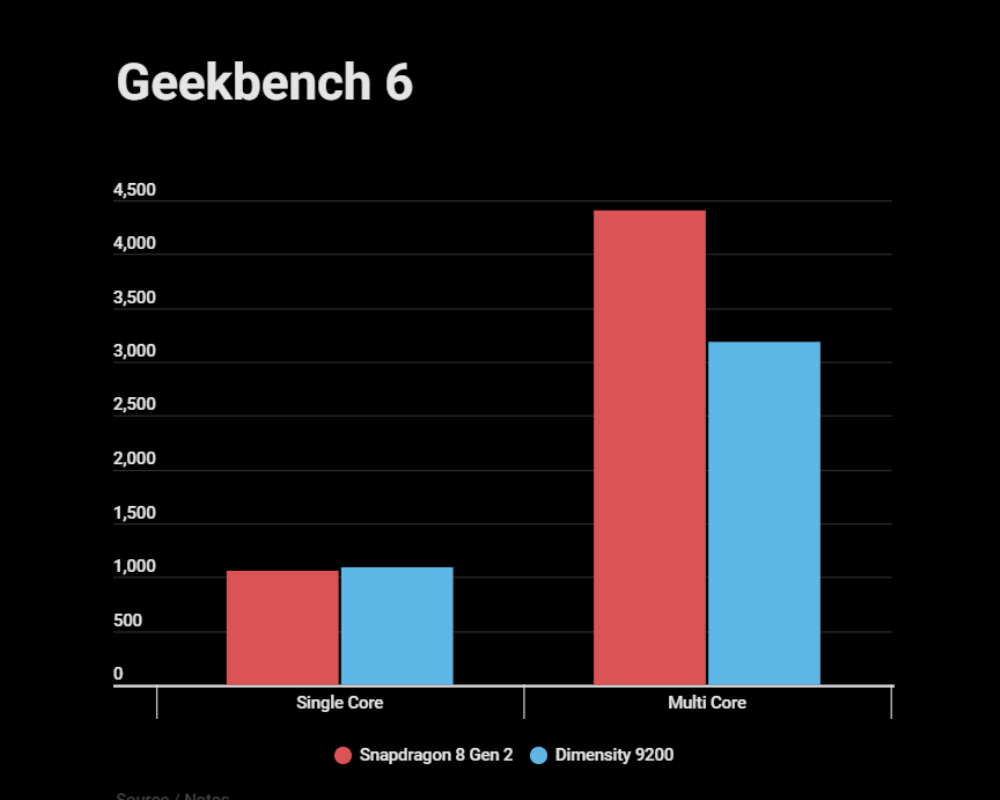
Snapdragon 8 Gen 2 vs Dimensity 9200 Geekbench scores
Geekbench evaluates a device’s performance through a series of tests designed around practical scenarios. The tests include image processing, compression (text & image), speech recognition, and PDF rendering, to name a few.
Here are the Geekbench results of the Snapdragon 8 Gen 2 and Dimensity 9200:
The Snapdragon 8 Gen 2 scored 1,059 points in the single-core test and 4,406 points in the multi-core test, whereas the Dimensity 9200 chip managed to pull off 1,092 and 3,185 points in the single-core and multi-core tests, respectively.
While two chips have a similar single-core score, there’s a significant difference between multi-core scores, with the Snapdragon chip leading the race by almost 40%.
SD 8 Gen 2
Dimensity 9200
Single core
1,059
1,092
Multi core
4,406
3,185
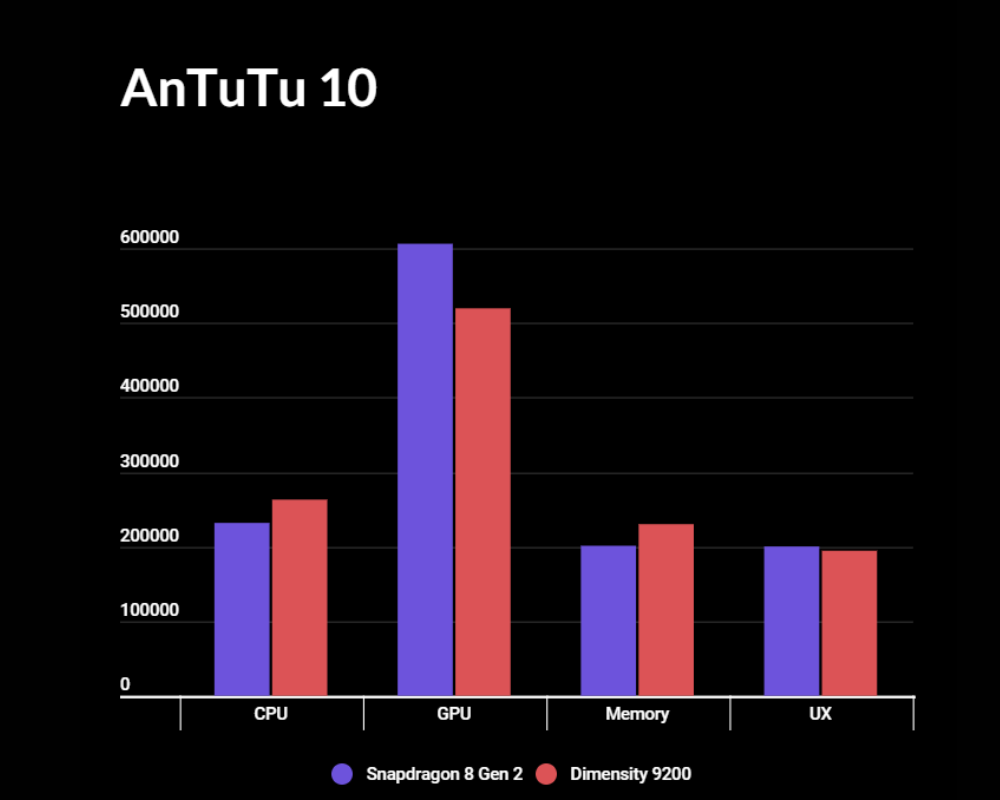
Snapdragon 8 Gen 2 vs Dimensity 9200 AnTuTu scores
AnTuTu is a popular benchmarking platform that runs a device through a series of tests that measure different aspects of its performance, such as CPU, GPU, memory, and UX. The combined score represents the overall performance of a device.
Here are AnTuTu results of Snapdragon 8 Gen 2 and Dimensity 9200:
The Snapdragon 8 Gen 2 chip gets a better AnTuTu score than Dimensity 9200, although the difference isn’t big. The breakdown of scores reveals that the Dimensity 9200 has better CPU performance, while the Snapdragon chip gets more GPU score.
SD 8 Gen 2
Dimensity 9200
AnTuTu score
1,239,619
1,207,482
CPU
231,832
263,110
GPU
606,359
519,701
Memory
201,210
230,146
UX
200,218
194,525
Snapdragon 8 Gen 2 vs Dimensity 9200: Key Differences
Both are octa-core chips and are manufactured using the same TSMC’s 4nm process, although they have different core clusters and configurations. For instance, the Snapdragon 8 Gen 2 chip has a (1+4+3) core cluster, while the Dimensity 9200’s cores are arranged in a (1+3+4) cluster.
Both chipsets have a Cortex-X3 prime core. However, that in the Snapdragon 8 Gen 2 runs at a higher clock speed. Another key difference is that the Snapdragon chip has an additional performance core. The Dimenity chip, on the other hand, has the benefit of an extra power efficiency core.
For graphics handling, the Snapdragon 8 Gen 2 has an Adreno 740, whereas the Dimensity 9200 chip has an Immortalis-G715 11-core GPU. Both are high-performance GPUs capable of handling high-end games. And both GPUs support ray tracing.
The connectivity part goes in favor of the Snapdragon 8 Gen 2, as it has a higher peak download speed than the other chip, while the rest of the connectivity features are largely similar, with both supporting 5G, Wi-Fi 7, and Bluetooth 5.3.
Snapdragon 8 Gen 2 vs Dimensity 9200: Which Is Better?
The Snapdragon 8 Gen 2 and Dimensity 9200 are flagship chips featuring high-performance CPU and GPU. Both chips, as per benchmark results, show promising results. However, the Snapdragon chip has a better score overall.
The Snapdragon 8 Gen 2 has a better GPU score, though, and since Adreno GPUs generally have better performance than their counterparts, the Snapdragon chip sounds like a better choice for gaming. While for normal usage and casual gaming, any of the two chips would work just fine.
According to a previous leak, the Galaxy S25 FE will use the Dimensity 9400 instead of the Exynos 2500 or a modified version of it, meaning a major improvement in performance can be expected. In addition to that, a report from South Korea suggests that the phone will be much slimmer than its predecessor.
Samsung Galaxy S24 FE
A redesign of the internal components could be necessary
According to the report, Samsung has achieved a reduction in thickness by using a larger but slimmer battery and aims to release the S25 FE as a “slim” model. In order to use a larger battery, Samsung will need to redesign the other components inside.
For context, the Galaxy S24 FE measures 8mm in thickness, weighs 213g, and packs a 6.7″ display with a 19.5:9 aspect ratio. On the inside, it packs a 4700 mAh battery, up from 4000 mAh of the Galaxy S24.
While high-density silicon-carbon anode batteries are available in the market, which offer a significantly slimmer form factor than a standard graphite anode battery with the same capacity, the source didn’t mention the use of this tech.
That said, the Galaxy S25 FE is expected to adopt a 6.7″ display, similar to the Galaxy S24 FE. The phone is expected to launch sometime in the second half of next year.
While details about the upcoming FE model is scarce at this point, we can refer to the S24 FE to get an idea of what to expect.
The phone offers a very similar design to the Galaxy S24 and also retains the IP68 dust and water resistance rating. In terms of cameras, the latest FE model also packs a very similar camera setup to the base model, with only slightly lower resolution on the 3x telephoto (8MP as opposed to 10MP).
However, the Galaxy S24 is slightly slimmer (measures at 7.6mm), much lighter, and compact. While Samsung has increased the display size of its FE devices from 6.4″ to 6.7″ starting this year, the reduction in thickness could be intended to match the base flagship in the aspect.
For fans of the budget-friendly Poco brand, a small change is coming. On December 31, 2024, the official Poco website (po.co) will shut down, including all sites under the po.co domain—this includes the global site (/global) as well as regional sites (like /uk and /fr). Don’t fret though, Poco isn’t disappearing entirely. The brand will host its products and services on Xiaomi’s website instead.
It’s a bit of a surprise announcement to be fair, since Xiaomi has always emphasized the distinction between their brands – Xiaomi, Redmi, and Poco.
Nonetheless, the change shouldn’t disrupt your Poco experience in any major way. All customer support, product offerings, and existing services will be seamlessly transferred to the official Xiaomi websites (mi.com/global).
Poco shuts down its global site, transition begins this month
The transition begins on October 21st — coming Monday — after which you won’t be able to make purchases on Poco’s website.
Loyalty programs haven’t been forgotten either. Existing Poco Points and loyalty points will be transferred and remain valid within the Xiaomi ecosystem. And existing coupons will also be reissued before December 12th.
Moreover, past orders, tracking information, and even user reviews from the Poco website will be migrated to the Xiaomi platform. Users won’t need to take any additional steps; everything will be automatically transferred.
After the website shuts down on December 31st, attempting to access it will automatically redirect you to the corresponding page on Xiaomi’s platform. Unfortunately, the standalone Poco Store app won’t be part of the migration and will no longer be functional after the website’s closure.
In essence, Xiaomi is streamlining its online presence. Although Xiaomi announced Poco as an independent brand in 2020, it has not truly operated independently, as most Poco-branded phones closely resemble Redmi phones.
From a user standpoint, this change is unlikely to have a significant impact. And while Poco announced closing all its sites under the po.co domain, Poco India, which operates under the poco.in domain, appears to be staying put for now.
The Global Sources Consumer Electronics and Electronic Components Shows kicked off in Hong Kong on October 11, 2024, marking the grand opening of the premier online-to-offline (O2O) sourcing event for the industry. Running from October 11 to October 14, 2024, this event features over 2,000 high-quality suppliers across nearly 4,000 booths, displaying approximately 150,000 exhibits in 26 major electronic product categories. With over 10,000 new products available for international buyers, this show emphasizes four central themes: Innovation, eSports Thrills, AI Integration, and Sustainability.
Wide Range of Product Categories
The event highlights an extensive selection of products, ranging from eSports and gaming hardware peripherals to computer peripherals, automotive electronics, outdoor electronics, audio-visual and commercial electronics, and electronic components. Key products also include semi-finished batteries, power supply equipment, connectors, product application solutions, and upstream semiconductor products.
Key Highlights: eSports Market Boom and Digital Transformation
John Kao, Vice President of Hong Kong Shows & Overseas Shows at Global Sources, addressed the growing demand for gaming peripherals and the rise of the booming esports market. The event showcases Global Sources’ commitment to digital transformation with the introduction of Show Genie 2.0. This new platform is integrated into both the Global Sources mobile app and website, optimizing show map functionality, product searches, and online interactions for buyers, enhancing their sourcing experience.
Sustainability at the Core
Sustainability is a major focus of the event, with Global Sources promoting eco-friendly initiatives such as green trade show practices and charity donations. Sustainable sourcing and exhibition practices are highlighted, encouraging exhibitors and buyers alike to adopt environmentally conscious methods. Exhibitors certified for their ESG (Environmental, Social, and Governance) commitments receive prominent visibility through dedicated logos displayed at their booths.
Immersive eSports Theme Hall: Gaming and eSports Peripherals on Display
Hall 2, the Gaming and eSports Hall, serves as the largest display of gaming and esports peripherals, with over 500 booths showcasing cutting-edge gaming hardware. The eSports Theme Hall also focuses on the soaring popularity of Game Science’s Black Myth: Wukong, a hit game that has spurred a surge in demand for gaming peripherals.
Visitors can explore immersive eSports-themed rooms equipped with the latest hardware, including Beiou’s Virtual 7.1 surround-sound gaming headset with DIY sound customization and Morphling’s upgraded L-50Pro Pro gaming chair. Attendees can also enjoy playing Black Myth: Wukong in these themed rooms.
Exciting eSports Arena Features and Special Appearances
The eSports Arena offers a fully immersive gaming experience, combining multiple esports elements into one space. Renowned esports teams like Tianba eSport, who ranked 3rd in the PUBG Mobile World Cup 2024, and TJD eSport Team, will make special appearances. Buyers even have the chance to challenge these professional teams in games like Valorant and Teamfight Tactics.
Additionally, the arena showcases the Black Myth: Wukong IP crossover console, designed by world-renowned modding master Xing Kai and FUXK studio, delivering a one-stop sourcing experience for esports and gaming buyers.
Global Sources Innovation Awards: Recognizing Electronics Excellence
The Global Sources Innovation Awards aim to recognize leaders in electronics innovation, encouraging enterprises to enhance their R&D and innovation capabilities. These awards are judged by a panel of experts from industry associations, tech media, standards organizations, and buyers, with a focus on excellence in design, innovation, and product quality. The awards are meant to foster healthy development in the electronics industry and promote brand influence on an international scale.
Event Spotlight: New eSports Trends and Cosplay Activities
The event embraces the excitement of new esports trends with cosplay activities featuring professional cosplayers dressed as iconic game characters. These cosplayers not only assist in product displays but also perform dance shows and parades, adding to the vibrant esports atmosphere on the exhibition floor. The Crazy Gaming Zone further enhances the fun with racing games, 360° photo booths, Nintendo consoles, music boxing, and more.
New Product Launch Stage: Showcasing Innovation in Consumer Electronics
The New Product Launch Stage in Hall 7 offers a platform for exhibitors to showcase the latest advancements in consumer electronics and electronic components. The cutting-edge technologies on display reflect upcoming market trends and innovations that are set to shape the future of the industry.
Personal Transporter Test Drive Area and Next-Gen Components Zone
Hall 11 features the Personal Transporter Test Drive Area, redesigned to simulate various road scenarios and slopes. This area allows buyers to test personal transportation devices in different conditions, providing a comprehensive hands-on experience. Additionally, Hall 9 houses the Next-Gen Components Zone, which focuses on upstream supply chain products, including the latest semiconductors and chip solutions.
International Pavilions: Diversity and Technological Innovation
The International Pavilions showcase a diverse range of exhibitors, with a notable presence from Korean enterprises. These exhibitors present innovative products such as thermistors, car key connectors, ADAS systems, automotive black boxes, and high-end consumer electronics like digital golf putter measurement devices, demonstrating strong technological capabilities.
Onsite Summit Program: The Future of Gaming and AI
The onsite summit program delves into the future of esports and AI, with a theme titled “New Era of eCommerce – The Rise of Gaming & Artificial Intelligence.” Prominent participants include Gerald Solomon, founder of the North American Scholastic Esports Federation (NASEF), and esports commentator wAwa. Topics cover cutting-edge esports trends, the economic impact of esports, and how esports team IPs influence gaming hardware development. Seminars such as “The Relationship Between Gaming and the Economy” and “Business Applications of Generative AI” also provide deep insights into the role of AI and hyperconnectivity in shaping new sourcing norms.
Global Sources’ Commitment to ESG and Sustainable Growth
Global Sources is dedicated to integrating ESG principles into all its events and operations. As a leading international B2B trading platform and event organizer, it promotes sustainable development by encouraging eco-friendly practices. With increasing consumer demand for environmentally conscious products, Global Sources continues to support suppliers and buyers committed to sustainable growth. Sustainable exhibitors at the show are given additional visibility through online and offline platforms, opening up new business opportunities for those leading the way in eco-friendly practices.
The Global Sources Consumer Electronics and Electronic Components Shows provide a grand platform for showcasing innovation, gaming technology, and sustainable practices. From the booming esports market to digital transformation and environmental consciousness, the event offers valuable insights and opportunities for exhibitors, buyers, and consumers, highlighting the future trends that will shape the electronics industry.
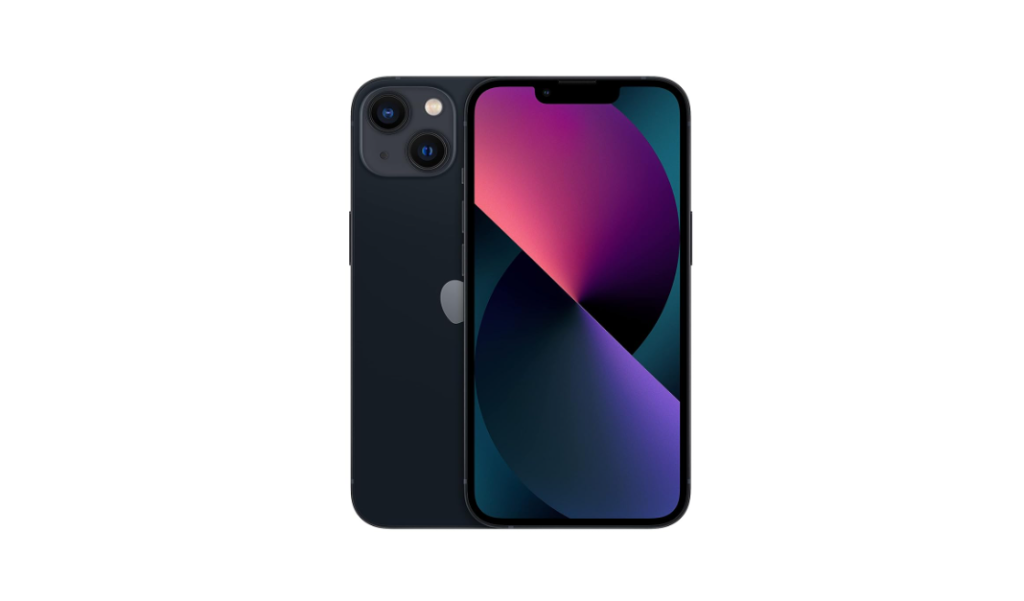
The recent Amazon Great Festival has surprised buyers with great discounts. Still, there’s no shortage of really good deals on Amazon India. Surprisingly, the iPhone 13 with 128GB storage is once again available for a discounted price of less than Rs 40,000. It’s for the second time, the price, including bank discounts, has come down to ~ Rs 38,000.
Apple iPhone 13 smartphone with 128GB storage is currently retailing for Rs 43,999, and with the HDFC No Cost EMI, it is now down to Rs 38, 115. The discount equals if you avail of the No-cost EMI for 12 months. The discount is applicable to all the users who have HDFC cards.
Several years after the launch, the iPhone 13 is still a solid choice in 2024. The powerful A15 Bionic brings powerful performance while maintaining efficiency. Being an old model, it is also affordable and doesn’t burn a pocket hole. There’s hardly any feature that is not available on the iPhone 13. Overall, it still bears highly capable hardware that can withstand for another couple of years with timely updates.
However, the smartphone features a 6.1-inch OLED display with an 1170 x 2532 pixels resolution. It is powered by Apple A15 Bionic and comes in 129GB, 256GB,, and 512GB storage options. The smartphone bundles 12MP rear cameras with sensor-fit optical image stabilization and ProRAW support. Further, it hosts a 3227 mAh battery and Magsafe wireless charging. The smartphone weighs 174 grams and measures 71.5 x 146.7 x 7.65 mm in size.
It supports Face ID, 5G connectivity, and water and dust resistance (IP67).
Note: When you buy something using the links in our articles, we may earn a small commission at no cost to you.
Qualcomm‘s next-generation mobile processor, the Snapdragon 8 Elite, is scheduled to be unveiled on October 21st. And it looks like it will kick off a flurry of flagship phone launches in the following week.
Snapdragon 8 Elite phones to hit shelves soon
According to a leak from prominent Weibo tipster Experience More, the unveiling will be followed by a rapid succession of phone launches featuring the new chip. OEMs like Xiaomi, OnePlus, iQOO, and Honor are all expected to unveil their contenders between October 28th and October 31st.
Though it’s unclear which brand will be first, Experience More hints that Xiaomi may lead with its Xiaomi 15 series. However, the tipster says Xiaomi is “not in a hurry to preheat”, so the official teaser might take a little longer to appear.
Digital Chat Station, another well-respected Weibo leaker, corroborates Experience More’s timeframe, suggesting a similar launch window of October 28th to October 30th for the Snapdragon 8 Elite phones.
It’s not just Snapdragon
While we are yet to get an official confirmation on the Snapdragon 8 Elite phone launches, Vivo and Oppo have confirmed that their flagship devices featuring the MediaTek Dimensity 9400 will launch this month.
Vivo will release its X200 series on October 14th, and Oppo will follow with the Find X8 series on October 24th. This gives Dimensity-powered flagships an early advantage in terms of launch and sales.
Unfortunately, though, these devices won’t reach the global market until late 2024, or possibly early 2025, meaning global users will still have to wait for at least a couple of months.
A previous report suggests that the Snapdragon 8 Gen 4 (or Snapdragon X Elite) will be 25% to 30% more expensive than its predecessor. But Samsung cannot rely solely on its in-house Exynos 2500 chipset to power the flagships without risking a decline in popularity.
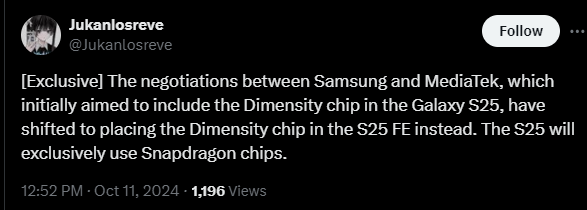
While previous reports claimed Samsung is considering a deal with MediaTek regarding the use of Dimensity 9400 chipset for the S25 and S25+, a latest leak from X tipster Jukanlosreve suggests that Samsung will use the D2400 chip only in the Galaxy S25 FE, while the S25 series devices will use Snapdragon 8 Gen 4 in all markets.
Samsung launched the first FE device with Snapdragon chipset, but shifted to its in-house chips from the second generation. The latest model – Galaxy S24 FE – equips a slightly underclocked version of the Exynos 2400.
While there isn’t much reliable information about the performance and power efficiency of the Exynos 2500 chip, the shift to MediaTek suggests that the Exynos 2500 might be far from meeting the necessary requirements. Although we’ve seen major improvements with the E2400, the yield rate of Samsung’s 3nm process node (which the E2500 will be based on) could be a key factor behind this development.
Dimensity 9400 brings major improvements in performance
Nonetheless, you can expect a significant performance boost in the next FE device if it runs on the D2400 chip. For those unfamiliar, the D2400 offers 35% faster single-core and 28% faster multi-core performance compared to the already capable D2300 chip from last year.
The latest chipset also shows notable improvements in ray tracing performance, promising enhanced graphics quality for supported games. Additionally, it is 40% more power efficient, which should lead to better temperature control and reasonably good battery life for devices powered by it.
In addition to that, MediaTek’s 8th Generation NPU also introduces several industry firsts in generative AI performance and supports Google’s Gemini Nano, which could be beneficial for on-device Galaxy AI features.
The iQOO 13 is shedding its veil of secrecy, piece by piece. We recently saw its sleek design with a flat display and minimal bezels. Now, a leak from SmartPrix suggests it may launch in India on December 5th.
Although the leak doesn’t clarify whether this is the global launch date or if China will get it earlier, iQOO seems intent on not making its international customers wait long for its next flagship.
iQOO 13: What we know so far
Now, let’s unpack what we know so far.
Under the hood, the iQOO 13 will sport the upcoming Snapdragon 8 Elite chip, paired with up to 16GB of RAM and 512GB of storage. The phone also made its debut on the Geekbench with the same configuration and scored even higher than the Galaxy S25 Ultra’s overclocked 8 Elite chip.
Software-wise, we are expecting the Android 15-based OriginOS 5 operating system, which recently made its official debut.
iQOO 13 front design
For the cameras, it will likely have a triple 50MP setup on the rear — a main sensor, an ultrawide lens, and a telephoto lens.
But the real star of the show might be the display. iQOO has confirmed the iQOO 13 will boast BOE’s latest Q10 panel, promising a 2K resolution and a smooth 144Hz refresh rate. The Q10 display also reportedly boasts higher brightness, a longer lifespan, and lower color deviation compared to competitors.
Moreover, the battery department is said to be handled by a 6150mAh cell, which is rumored to support 100W PPS and PD charging. Leaks also suggest an IP68 rating for dust and water resistance and the phone may have a metal frame and a “Halo” light strip for added style.
As for pricing, a previous report suggested that the iQOO 13 could start at around Rs 55,000 in India.
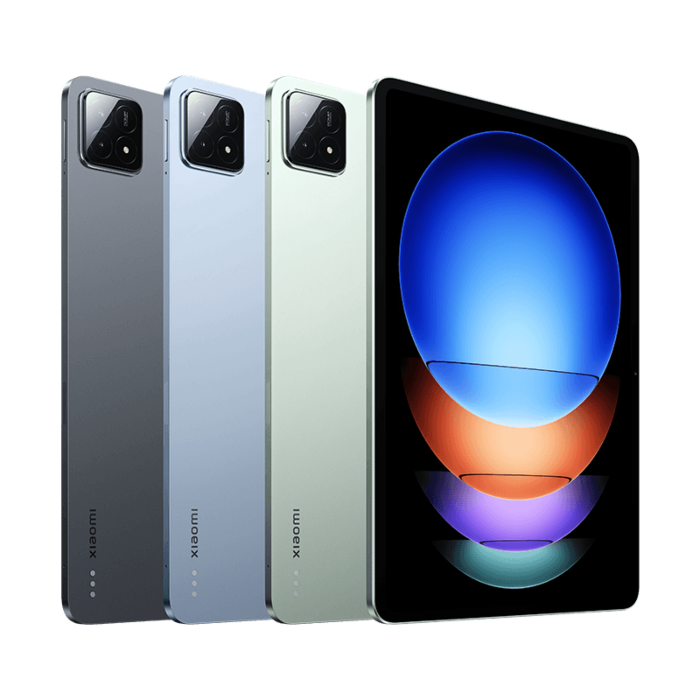
Xiaomi is reportedly working on its next tablet lineup, the Xiaomi Pad 7 series, which is expected to feature two models, the Xiaomi Pad 7 and Pad 7 Pro.
Some details about these devices have surfaced online over the past weeks through leaks and certifications. Now a Weibo tipster, who goes by the alias Experience More, has spiled the beans on key specifications of the tablets.
Xiaomi Pad 7 series to feature Snapdragon processors
According to the leaker, both tablets will feature an 11.16-inch screen with 144Hz refresh rate. The screen is said to be still LCD on both models, contradicting earlier rumors that the Pad 7 Pro would be the first Xiaomi tablet to feature an OLED panel.
The processor details also differ from previous leaks. Earlier reports tipped that the Xiaomi Pad 7 might come with the Snapdragon 8 Gen 2, while the Pad 7 Pro would feature the Snapdragon 8 Gen 3.
The new leak, however, suggests that the Pad 7 will use a Snapdragon 7+ Gen 3, and the Pad 7 Pro will be powered by a Snapdragon 8s Gen 3. Charging speeds are expected to be 45W for the Pad 7 and 67W for the Pad 7 Pro, which aligns with details from 3C certification.
It’s important to remember that these details are unconfirmed, so it’s best to take them with a pinch of salt.
Additionally, earlier reports suggest the Pad 7 series will run HyperOS 2.0 based on Android 15 and pack a 10,000mAh battery. The tablets are likely to have a side-mounted fingerprint sensor for security. While it’s unclear if Xiaomi will offer 5G or cellular connectivity, the tablets are expected to support WiFi 7 and include a USB Type-C 3.2 port for fast data transfers.
The Xiaomi Pad 7 and Pad 7 Pro are expected to launch soon, but the exact timeline is still unknown yet.
We use cookies on our website to give you the most relevant experience by remembering your preferences and repeat visits. By clicking “Accept”, you consent to the use of ALL the cookies.
This website uses cookies to improve your experience while you navigate through the website. Out of these, the cookies that are categorized as necessary are stored on your browser as they are essential for the working of basic functionalities of the website. We also use third-party cookies that help us analyze and understand how you use this website. These cookies will be stored in your browser only with your consent. You also have the option to opt-out of these cookies. But opting out of some of these cookies may affect your browsing experience.
Necessary cookies are absolutely essential for the website to function properly. This category only includes cookies that ensures basic functionalities and security features of the website. These cookies do not store any personal information.
Any cookies that may not be particularly necessary for the website to function and is used specifically to collect user personal data via analytics, ads, other embedded contents are termed as non-necessary cookies. It is mandatory to procure user consent prior to running these cookies on your website.