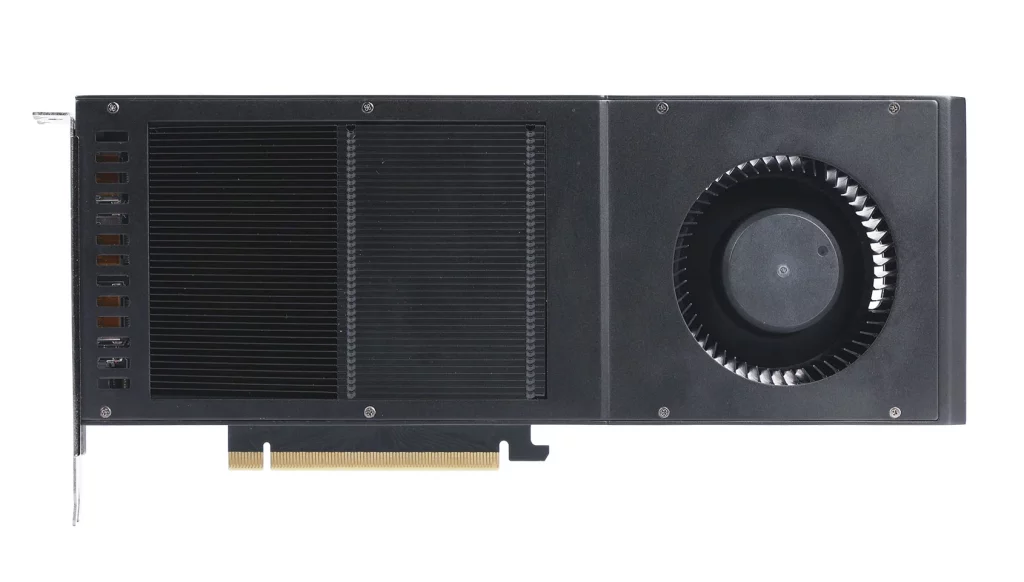
Gamers looking for a powerful and efficient cooling solution for their next graphics card upgrade will be interested in the new RTX 4070 Super Classic and RTX 4070 Ti Super Classic from GALAX. These cards feature a unique VCU turbine cooler that keeps things running smoothly without taking up extra space in your case.
A recommended power supply of 650W is required for the RTX 4070 Super, 750W for the RTX 4070 Ti Super
Both cards measure a compact 28cm in length and maintain a dual-slot design. Here’s a quick rundown of the specs:
RTX 4070 Super: Boasts 7168 CUDA cores, a boost clock of 2475MHz, and 12GB of GDDR6X memory.
RTX 4070 Ti Super: Packs 8448 CUDA cores, a boost clock of 2610MHz, and 16GB of GDDR6X memory.
For connecting your displays, both cards offer a familiar combination of 3x DisplayPort 1.4a and 1x HDMI 2.1 ports. Power delivery is handled by the latest 12VHPWR connector, with a recommended power supply of 650W for the RTX 4070 Super and 750W for the RTX 4070 Ti Super.
While pricing and availability haven’t been officially revealed by the company yet, these new RTX 4070 Super Classic and Ti Super Classic cards offer a pretty solid option for those seeking top-tier performance with efficient VCU cooling technology.
AYANEO is giving the AYANEO 2S and AYANEO KUN handheld consoles a performance boost with the AMDRyzen 7 8840U processor upgrade. This announcement follows the recent reveal of the AYANEO AIR 1S.
The upgraded AYANEO AIR 1S will be available in three color options.
The new processor, codenamed “Hawk Point,” replaces the current “Phoenix” (Ryzen 7 7840U) chip found in the AYANEO AIR 1S/2S/KUN consoles. While retaining the 8-core Zen 4 CPU and 12CU RDNA 3 graphics core, the upgrade brings a significant leap in NPU performance – a remarkable 60% increase to 16 TOPS.
The upgraded AYANEO AIR 1S will be available in three color options: classic Aurora White and Ultra Night Black, along with a special AYANEO AIR 1S x Hundred Heroes limited edition model developed in collaboration with 505 Games. Specific details regarding the upgraded AYANEO 2S and KUN consoles are yet to be revealed by AYANEO.
Mark your calendars! Bookings for the upgraded AYANEO consoles with the Ryzen 7 8840U processor open on May 24th at 2:30 PM.
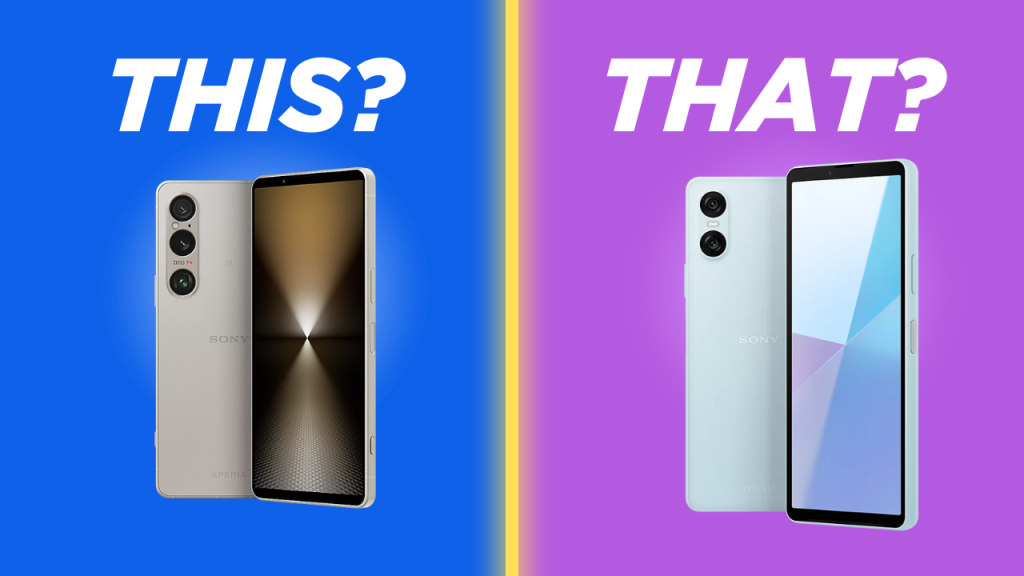
Sony has recently announced its first phones of 2024 – the Xperia 1 VI and Xperia 10 VI. The two Xperia phones bring many notable improvements over their last year’s counterparts, but how do they stack up against each other?
If you are following up on Xperia news or looking to upgrade to a new smartphone from Sony, keep reading this Sony Xperia 1 VI vs. Xperia 10 VI comparison post to find the best of the two.
Sony Xperia 1 VI vs Xperia 10 VI: Spec Sheet
Features
Xperia 1 VI
Xperia 10 VI
Body
162 x 74 x 8.2 mm 192 g
155 x 68 x 8.3 mm 164 g
Display
6.5″ screen size 1080 x 2340 pixels (FHD+) resolution 19.5:9 aspect ratio 120Hz refresh rate
6.1″ screen size 1080 x 2520 pixels (FHD+) resolution 21:9 aspect ratio 60Hz refresh rate
5000 mAh (non-removable) 30W wired Wireless Reverse wireless
5000 mAh (non-removable)
Connectivity
Wi-Fi 7 Bluetooth 5.4 NFC GPS USB Type-C 3.2
Wi-Fi 6 Bluetooth 5.2 NFC GPS USB Type-C 2.0
Durability
Corning Gorilla Glass Victus 2 IP65/IP68 dust/water resistant
Corning Gorilla Glass Victus IP65/IP68 dust/water resistant
Design and Display
Both Sony Xperia 1 VI and Xperia 10 VI have a boxy design with a resemblance to their last year’s counterparts. The former is slightly taller, at 162 mm height (vs. 155 mm on Xperia 10 VI), and is marginally slimmer, too.
The Xperia 1 VI features a texture glass panel on the rear side with a frosted finish for better grip and more resistance to fingerprints and scratches. It has a larger 6.5-inch display with FullHD+ resolution, HDR support, and 240Hz touch sampling rate. The Xperia 10 VI, on the other hand, goes with a slightly smaller 6.1-inch FullHD+ display and a 120Hz touch sampling rate.
Both Xperia models have Gorilla Glass Victus protection, but the Xperia 1 VI is protected by a tougher Gorilla Glass Victus 2. This one also supports a 120Hz refresh rate with LTPO support. This means the device can automatically adjust the refresh rate from 1 to 120Hz based on the content displayed on the screen, while the Xperia 10 VI only supports a 60Hz refresh rate.
Sony is moving away from the 4K OLED display with a 21:9 aspect ratio towards a more conventional 19.5:9 aspect ratio, at least for the Xperia 1 VI. This means a slightly larger screen, while the Xperia 10 VI retains the 21:9 display, continuing the trend of tall and narrow Sony phones.
Performance
The Xperia 1 VI boasts superior performance, thanks to the flagship Snapdragon 8 Gen 3 chipset. This advanced chip has high-performance, power-efficient cores with higher clocked speeds and a powerful GPU compared to the Snapdragon 6 Gen 1 chip on the Xperia 10 VI. Hence, the Xperia 1 VI clearly outperforms the 10 VI in terms of performance.
Gaming should be better with the Xperia 1 Vi as it brings a vapor chamber cooler to optimize the overall performance. This is in fact the first Xperia 1 series phones to get a vapor chamber cooler.
The Snapdragon 6 Gen 1 is a popular chip among mid-range phones that can easily handle day-to-day tasks and lets you enjoy various games without any lag or performance drop.
The Xperia 1 VI has 12GB RAM and 256GB storage, although buyers in Japan and East Asia can also get a 512GB storage variant. The mid-range Xperia 10 VI is offered in a single storage option — 8GB RAM with 128GB storage. However, users can expand the storage up to 1.5 TB using a microSD card slot (it uses a shared SIM slot).
Camera
The Sony Xperia 1 VI, being a flagship phone, offers high-end camera specs than the midrange Xperia 10 VI. It’s pretty much the same as last year’s Xperia 1 V, but there are noteworthy minor changes that should make a positive difference. The main 48MP camera offers a full-res 48MP mode this year. It’s a 1/1.35” sensor with a 24mm focal length, f/1.9 aperture, and OIS. The 12MP ultrawide camera is ½.5” with f/2.2 aperture, 16mm focal length, and 123° field-of-view (FOV).
The 12MP zoom camera in Xperia 1 VI is ⅓.5” with a longer-reaching 85mm-170mm focal length, offering 3.5x to 7.1x optical zoom capability. The camera setup also has a dedicated tele-macro mode at 120mm.
The Xperia 10 VI has a 48MP ½.0” primary sensor with an f/1.8 aperture and OIS support. The camera setup also includes an 8MP ultrawide sensor with an f/2.2 aperture and a 120° field-of-view (FOV).
On the front, the Xperia 1 VI has a 12MP shooter, and the 10 VI has an 8MP shooter. Both the phones can take 4K videos. However, the Xperia 1 VI can take 4K videos at higher frames-per-second (FPS), resulting in extra smoothness.
What makes the Xperia 1 VI’s camera special is the integration of Zeiss optics and Zeiss T* lens coating, which improves image quality, reduces reflection and enhances low-light performance.
The camera specs look decent for the Xperia 10 VI, not as good as 1 VI, but it should be able to take good shots.
Battery & Charging
Both the Xperia 1 VI and Xperia 10 VI pack a 5,000 mAh battery and promise two days of battery life. These Xperia 1 phones feature Battery Care and Xperia Adaptive Charging to keep the battery health in good condition for a longer period. After four years of usage, the battery health should remain around 75%.
The Xperia 1 VI supports 30W fast wired charging, which, according to the brand, only takes 30 minutes to fill up half of the battery. The device also supports wireless and reverse wireless charging. The Xperia 10 VI, on the other hand, supports wired charging only.
Connectivity
Both Xperia phones have the necessary connectivity features. However, those on the Xperia 1 VI have newer technologies, such as Wi-Fi 7 support (vs Wi-Fi 6 in 10 VI), Bluetooth 5.4 (vs Bluetooth 5.2 in 10 VI), and USB Type-C 3.2 (vs USB Type-C 2.0 in 10 VI). Hence, you can expect faster data transmission in the Xperia 1 VI compared to the 10 VI.
Software
Sony Xperia 1 VI and Xperia 10 VI come with Android 10 out of the box. The company promises three Android version updates and four years of security updates for both devices.
It’s a decent software support for a flagship device like the Xperia 1 VI when brands such as Samsung and Google offer 7 years of OS updates to their high-end phones.
Pricing
Sony Xperia 1 VI is a flagship smartphone with a starting price of €1,399 (~INR 1,26,250). The midrange Xperia 10 VI starts at €399 (~INR 36000). There’s a big gap in pricing, which is also reflected on the spec sheet.
Which one of these two latest Xperia phones sounds like a sweet deal to you? Do let us know your thoughts in the comments below.
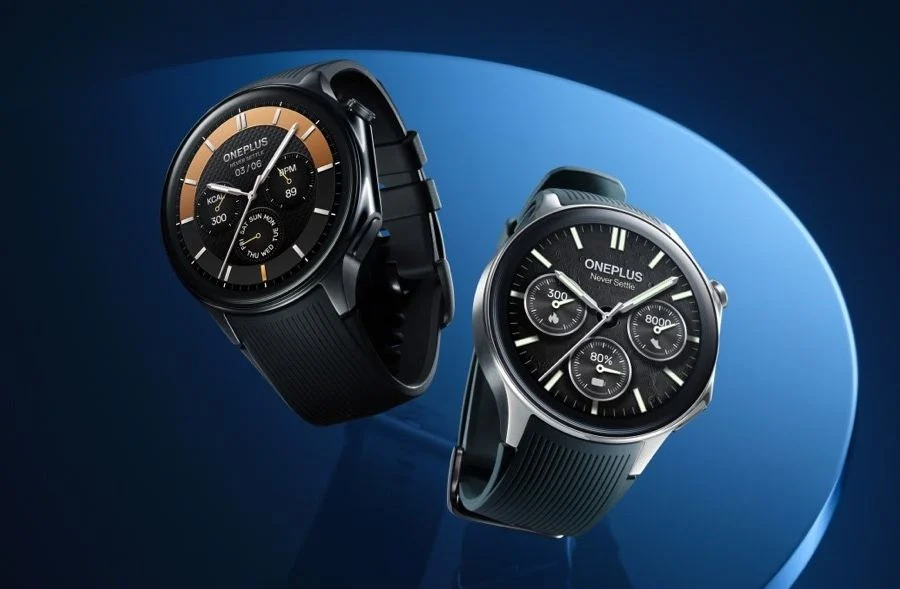
Earlier this year, OnePlus debuted its much-anticipated OnePlus Watch 2. The watch been quite a success across various markets as it replaced its RTOS-based operating system for Google’s WearOS 4. Now, the brand has released a new update for the smartwatch called OPWWE231_11_A.94 that adds a bunch of new features while optimizing the existing ones.
OnePlus Watch 2 OPWWE231_11_A.94 update:
Better Workout Data Display: The update improves how workout data is shown, making it easier to understand.
Music Control During Workouts: Users can now control their music by swiping left during a workout, making it simpler to manage tunes while exercising.
New Apps – Relax and Barometer: The Relax app offers guided breathing exercises to help reduce stress. The Barometer app is useful for tracking atmospheric pressure.
Enhanced Power Saver Mode: Power Saver mode now shows contacts, favorite contacts, and call logs, keeping important information accessible.
Settings Updates: Users can turn off the “Tap to Wake” feature to avoid accidental screen activation. Removing a watch face is now easier.
Improved Algorithms: Workout and health algorithms have been refined for better accuracy and performance.
Along with this update, the brand has also released the version 4.22 for the OHealth App with the following changes:
Fitness Tab Upgrade: The Fitness tab in the OHealth app now offers more detailed data statistics, allowing users to gain deeper insights into their workout routines.
UI Adaptation for Foldable Phones: The OHealth app has been adapted to suit the larger screens of foldable phones, providing a smoother and more visually appealing experience.
Visual and Performance Optimization: The visual experience and overall fluency of the app have been significantly improved.
The brand has not specified an exact release date for this update, but users can anticipate it becoming available in the coming days.
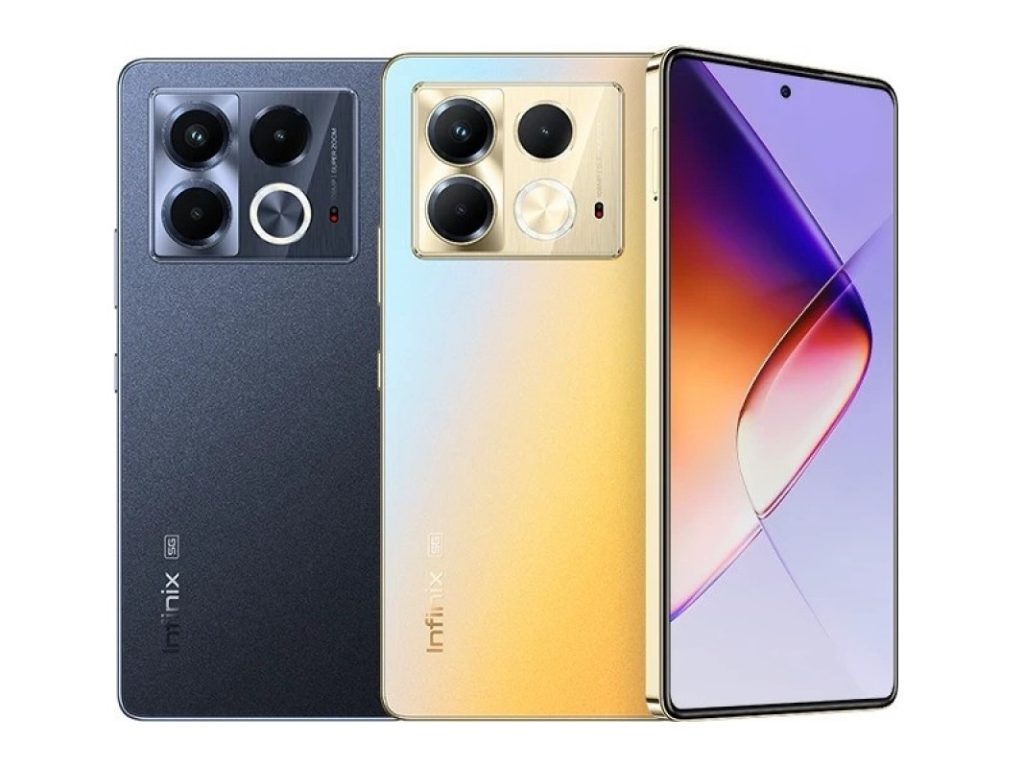
Infinix Note 40 series comprises the Note 40 Pro, Note 40 Pro+ 5G, Note 40 4G, and the Note 40 Pro 4G smartphones. These are available in multiple markets. Now, the brand has launched a new device in the lineup. The latest addition is a 5G version of the Note 40 in the Philippines market. Aside from a different processor and pricing, it retains the rest of the specifications as the 4G variant.
Infinix Note 40 5G specifications and features
The Infinix Note 40 5G flaunts a flat frame and a rectangular camera module on the back panel. The latter houses a 108MP OIS-enabled main camera paired with a 2MP depth and 2MP macro lens. There is an ‘Active Halo’ LED light that displays changes depending on incoming calls, notifications, charging indicator, and more. Up front, there is a 32MP selfie snapper.
The Infinix Note 40 5G features a 6.78-inch AMOLED display bearing an FHD+ resolution, a 1,300 nits peak brightness, and a 120Hz refresh rate. It has an in-screen fingerprint scanner.
Internally, the Infinix Note 40 5G is powered by a MediaTek Dimensity 7020 processor. It packs 12GB RAM and 512GB onboard storage. The device is backed by a 5,000mAh battery unit with support for 33W wired and 15W wireless charging. It is also compatible with the MagKit.
The Infinix Note 40 5G can be availed in Black, Gold, and Green colours. It is priced at PHP 13,999 ($240) but those purchasing the device between May 23-25 can get it for PHP 9,999 ($170) as a part of an early bird offer.
According to the Korean publication The Elec, Samsung won’t use its Exynos chips inside the upcoming Galaxy Z Fold6 and Z Flip6. Samsung has powered all of its foldable phones exclusively with Snapdragon chips, so fat. So it shouldn’t be a surprise that the company will use a Snapdragon chipset once again on the 6th generation foldables.
However, Samsung has improved both the performance and power efficiency of its in-house silicon in the last couple of generations and the goal is likely to have more control over its smartphone business while saving costs.
In fact, Exynos has a long history of performing slightly or considerably worse than its Snapdragon counterpart. Now it finally seems that Exynos is catching up with Qualcomm. A recent report suggests that the upcoming Exynos 2500 chipset will outperform the Snapdragon 8 Gen 4 in terms of power efficiency. Nonetheless, the new chipset will likely debut with the S25 series and the current options for the 6th generation foldables are the Exynos 2400 and last year’s Snapdragon 8 Gen 3.
Exynos 2400 is reportedly still not efficient enough to become a viable option
Despite all the achievements, according to the Korean publication, Samsung MX (the smartphone business unit) has decided to continue the partnership with Qualcomm when it comes it its foldable phones.
Reportedly, Samsung is avoiding using the currently available Exynos 2400 chipset due to it not meeting the power efficiency requirement. The fifth-generation flip phone from last year has a 3700mAh battery.
While there are rumors that Samsung has managed to pack a 3880mAh capacity inside the Z Flip 6, which it may advertise as a 4000mAh battery (which, if true, will be the same as the Galaxy S24), this is still not enough for a flagship chipset.
This could be a reason behind Samsung prioritizing power efficiency even if it’s not cost-effective for them.
The Galaxy Z Fold6 has already surfaced on Geekbench and the phone is expected to be launched somewhere around mid-July.
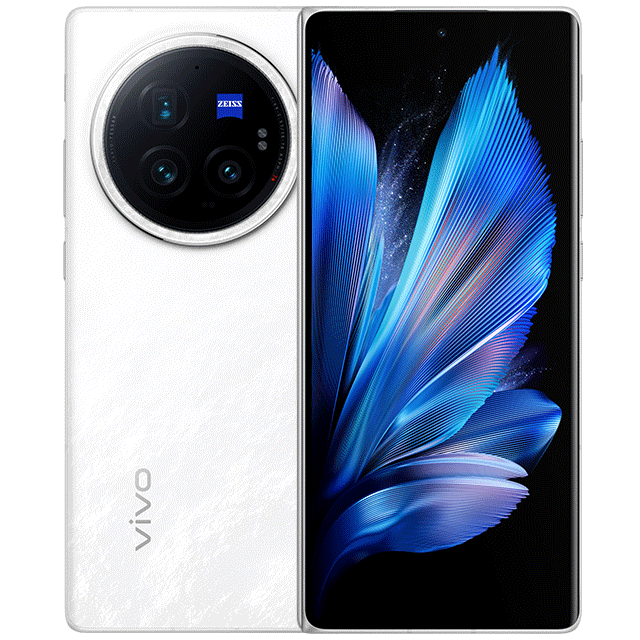
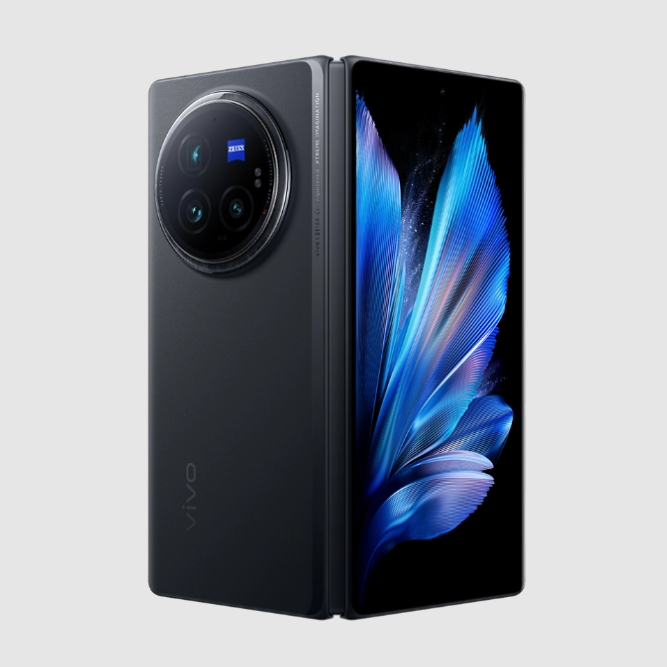
While Samsung is an established player in the foldable market, newcomers like Tecno are vying for a slice of the premium pie. But there’s another name to add to the list – Vivo. The Chinese phone giant is finally bringing its foldable tech outside its home turf, with the Vivo X Fold 3 Pro set to launch in India.
Since the device has already been released in China, we have a good idea of its features. So let’s dive into the details of what to expect from this device when it launches.
The X Fold 3 Pro boasts a sleek, foldable design. Unfolded, it features a large, immersive 8.03-inch primary display with a 120Hz LTPO refresh rate for responsive touch interactions. When folded, there is a secondary 6.53-inch display that serves as your regular phone screen.
Vivo claims the X Fold 3 Pro is India’s slimmest foldable at 11.2mm when folded (excluding the camera bump) and the lightest at 236g. The focus on portability is a welcome addition since some foldable can feel bulky in hand.
Vivo is also touting its hinge mechanism, a crucial element in a foldable phone, for its durability and smooth operation. According to the company, it can withstand 438,300 folds, which translates to years of worry-free use.
2. Performance
Under the hood, the X Fold 3 Pro packs a punch. It’s powered by the latest Snapdragon 8 Gen 3 processor, ensuring top-notch performance for demanding applications and multitasking.
It is complemented by LPDDR5x RAM and UFS 4.0 storage. Software-wise, the phone runs Android 14 with Vivo’s OriginOS 4 on top.
Additionally, the company is also highlighting the AI capabilities of the foldable. The handset will rely on Google’s Gemini AI for it and will introduce features like Note Assist, Transcript Assist, and Screen Translation, all powered by AI.
3. Cameras
Regarding the camera, Vivo will bring ZEISS image optimization for the X Fold 3 Pro and the camera sensor configuration will remain the same.
The phone will feature a 50MP main camera with a 1/1.3” OmniVision OV50H sensor and an f/1.68 lens with OIS. It will be accompanied by a 64MP 3x telephoto module with an OV64B sensor (1/2”) and an f/2.57 lens, and a 50MP ultra wide-angle (119°) module with a Samsung JN1 (1/2.76”) sensor. The selfie cameras feature a pair of 32MP sensors (1/3.6”).
4. Battery and Other Features
Even though the X Fold 3 Pro is incredibly slim, it still packs a big enough 5700mAh battery that should keep you going for a day pretty easily. Charging it is pretty quick too with 100W wired support, while there’s also support for 50W wireless charging.
Other features of the device include dual-SIM 5G connectivity, Wi-Fi 7, NFC, IR blaster and USB 3.2 Gen 2 port. For audio, it has stereo speakers and Wireless Lossless Hi-Fi audio.
Moreover, it features two 3D ultrasonic fingerprint readers (one under each display) and has physical Mute switches as well.
5. Price
The phone was launched in China for around 9,999 yuan (roughly Rs 1.16 lakh). Considering import duties and market variations, expect the Indian price tag to fall somewhere under Rs 1.5 lakh.
Recently, boAt announced the Nirvana Zenith and Airdopes 800 TWS earphones. Now the homegrown brand has launched a new smartwatch in the country. The latest offering is dubbed the boAt Wave Sigma 3. It carries an affordable price tag and comes with a large display and a map navigation system onboard. Read on to know what the wearable device offers out of the box.
boAt Wave Sigma 3 specifications and features
The boAt Wave Sigma 3 sports a square dial with a large 2.01-inch display bearing a resolution of 240 x 296 pixels, a 550 nits peak brightness, and a wake gesture. There is a DIY watch face studio. It has an IP67 rating and a rotating crown on the right side.
The boAt Wave Sigma 3 features MapmyIndia’s navigation system that provides accurate turn-by-turn navigation without having to rely on a smartphone. The smartwatch can store QR codes onboard through the Crest app.
On the health-centric front, the boAt Wave Sigma 3 is equipped with a heart-rate monitor, SpO2 sensor, and sedentary reminder. It packs support for more than 700 sports modes. Reaching the fitness goals earns you rewards like badges and boAt coins. As for convenience, the boAt Wave Sigma 3 features Emergency SOS along with the ability to control music and camera. There are also some built-in games and common features like Find My Phone, weather alerts, notifications, and more.
The boAt Wave Sigma 3 comes with support for Bluetooth calling. It is claimed to offer up to 7 days of battery life on a single charge.
The boAt Wave Sigma 3 is priced at Rs 1,199. It is offered in Active Black, Metal Black, Metal Grey, Cool Grey, Cherry Blossom, Rustic Rose, and Sapphire Breeze color options. The smartwatch can be purchased from the brand’s website, Amazon, Flipkart, Myntra, and select stores starting today.
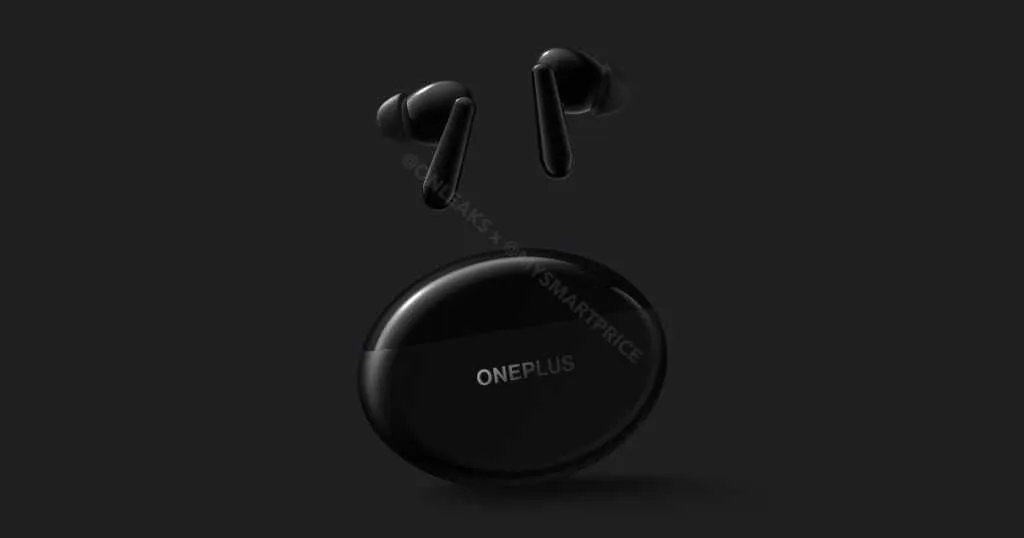
OnePlus is gearing up to unveil a Nord Buds 3 model in the market soon. We have spotted in certification and leaks, but now, a fresh certification sighting has revealed that a Nord Buds 3r TWS is also in the works. This is likely another budget earbuds, so here’s everything we know.
OnePlus Nord Buds 3r visits FCC
Nord Buds 3
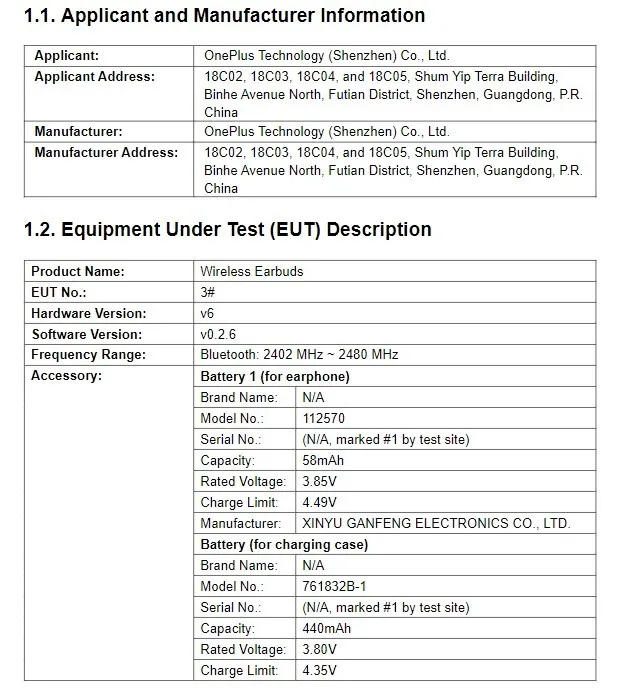
The Chinese brand’s Nord Buds 3 was previously seen on the BIS certification and its full design was revealed via CAD renders. However, it isn’t the only upcoming Nord Buds model since the Nord Buds 3r was just spotted on the FCC (Federal Communications Commission) database. It was seen carrying the E511A model number. The FCC listing confirmed that the Nord Buds 3r will pack a 58mAh cell, which is much larger than the last gen Nord Buds 2r’s 36mAh battery.
On the other hand, the charging case of the TWS is a 440mAh battery pack which is around 40mAh smaller than the previous model. The earbuds carry the 112570 model number, while the charging case has the 761832-B1 model number. These battery sizes would mean that the earbuds have a longer battery life without having to put them back into the case.
Unfortunately, finer details likes its specs, pricing, and design is still unclear at the moment. Although, it may debut alongside the Nord Buds 3 model. The brand is also working on the Nord 4 smartphone model, so it may could also debut this mid range smartphone.
boAt has just unveiled a brand-new TWS earbuds in India. The Nirvana Zenith has been announced, with its first sale kicking off later this week. But before the release, the earbuds’ specs, features, and pricing have been revealed. So let’s check it out.
boAt Nirvana Zenith Specs
The company’s latest teaser basically revealed all of its details. It features 11mm deep bass audio drivers that offers Hi-Fi audio and Dolby Audio for an improved listening experience. The hearables house a dual core processor and support Bluetooth 5.3 connectivity. These earbuds offer ANC (Active Noise Cancellation) up to 50 decibels. For a better calling experience, it comes with 6 mics with AI ENCx technology.
The boAt Adaptive EQ makes a return, which is powered by Mimi. In a single full charge, the device can last for up to 50 hours with a charging case. Just 5 minutes of charging can offer 1 hour of audio playback. Other notable features include IPX5 water resistance, Google Fast Pair, multi-device connection, and in-ear detection.
Pricing and Availability
The boAt Nirvana Zenith TWS was teased in two color options, both of which offer a dual tone design. This includes Cream with Pink and Black with Silver variants. It is listed on Amazon and Flipkart and has a price tag of 3,999 INR. First sale goes live in India on 24th May 2024. These also arrived mere days after the Airdopes 800 was announced by the brand.
Realme launched the GT 6T smartphone in India earlier today. Alongside the brand also announced a new TWS earphone. It is called the Realme Buds Air6 and arrives as the successor to the Buds Air 5. The latest offering packs incremental upgrades over its predecessor. It competes against the likes of the Redmi Buds 5, OnePlus Buds 3, and more in the market.
Realme Buds Air6 specifications and features
The Realme Buds Air6 retain the same design as their predecessor. It has a stem and slightly angled earbuds with silicone ear tips. The audio device is IP55-certified water-resistant. It supports smart touch controls for various functions.
In terms of audio, the Realme Buds Air6 is equipped with a 12.4mm mega titanizing driver and a dynamic bass boost for bold and crystal-clear bass. The TWS earphone is Hi-Res Wireless audio certified. It also supports LHDC 5.0 audio decoding that does not compress sound quality during streaming. The earbuds pack 50dB active noise cancellation. There is also smart adaptive noise cancellation that intelligently reduces the surrounding noise depending on the environment. The Buds Air6 also feature three microphones in each earbud for clear quality on calls. There is a 55ms low latency mode.
The Realme Buds Air6 are claimed to be backed by 40 hours of battery life with the earbuds said to offer 10 hours of usage with ANC off. The earphones support Google Fast Pair.
The Realme Buds Air6 come in Flame Silver and Forest Green colour options. It carries a price tag of Rs 3,299. However, the TWS earphones will be available at a special launch price of Rs 2,999 from May 27 to May 29. They will be available for purchase from Amazon and the brand’s website.
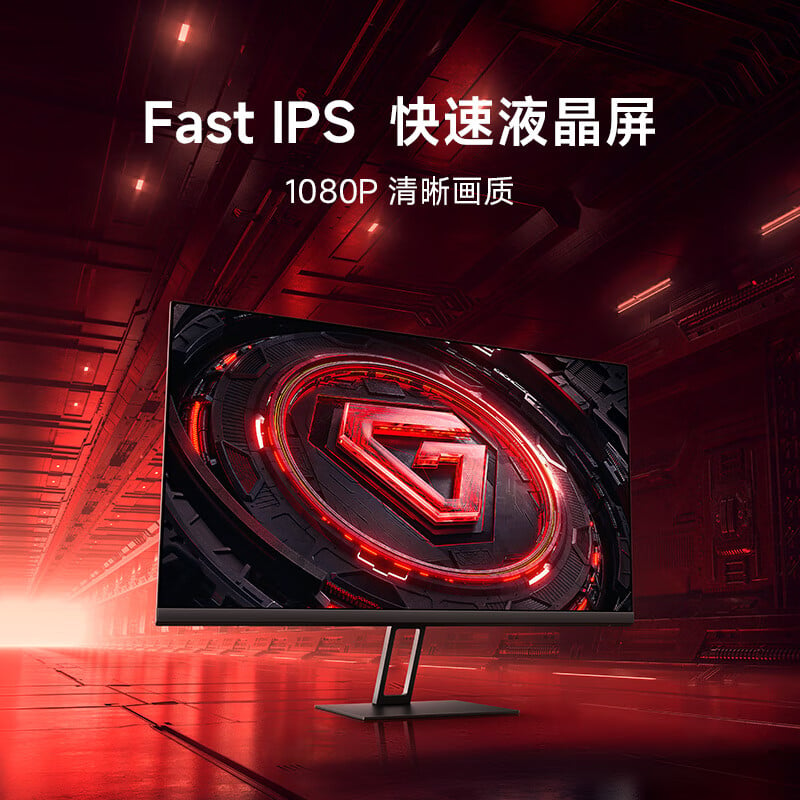
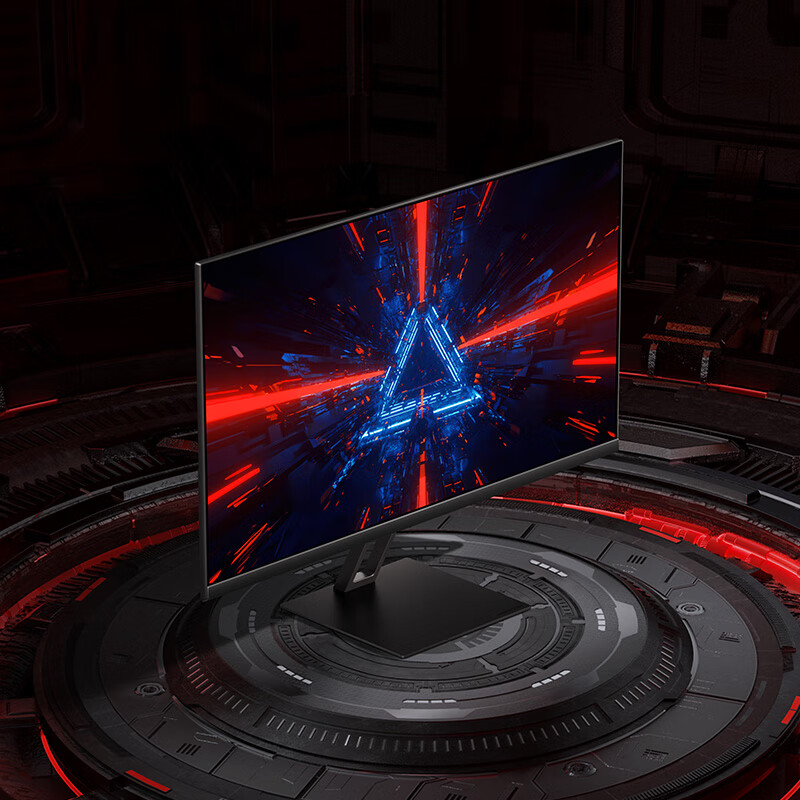
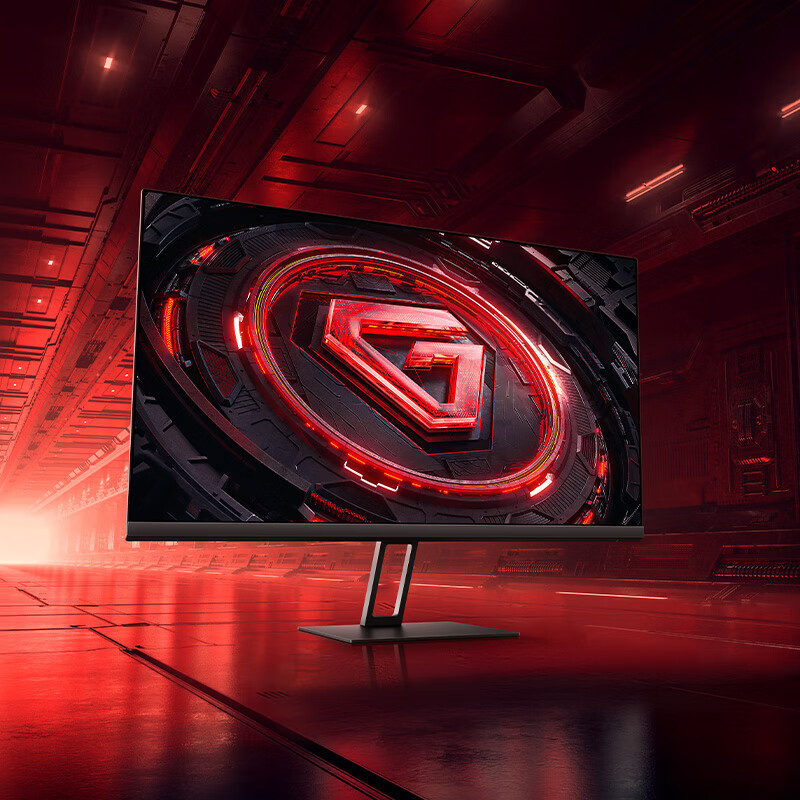
Redmi Monitor G24 Fast IPS Edition Specifications:
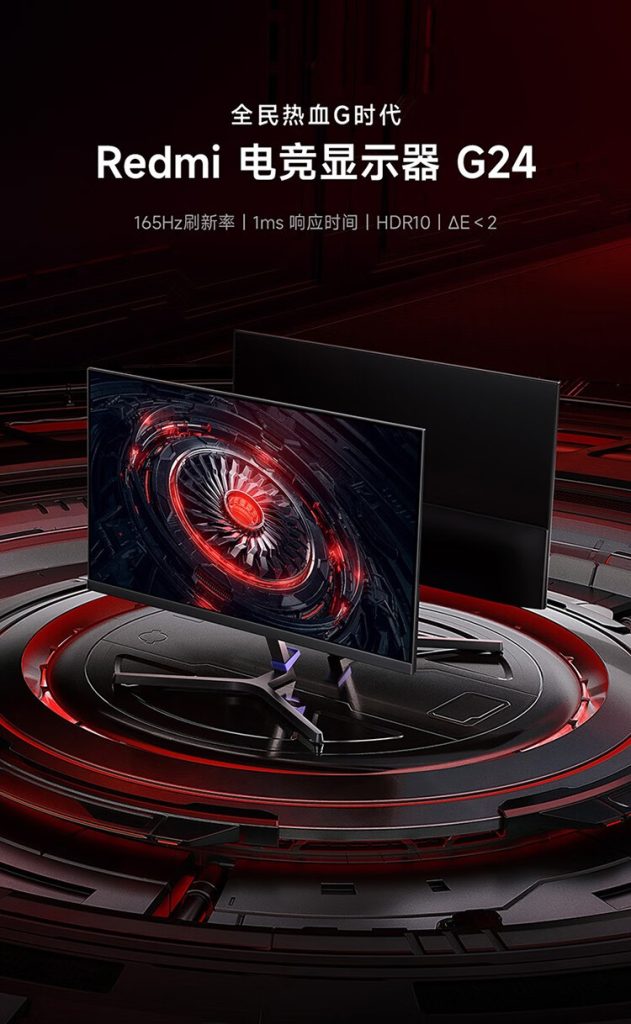
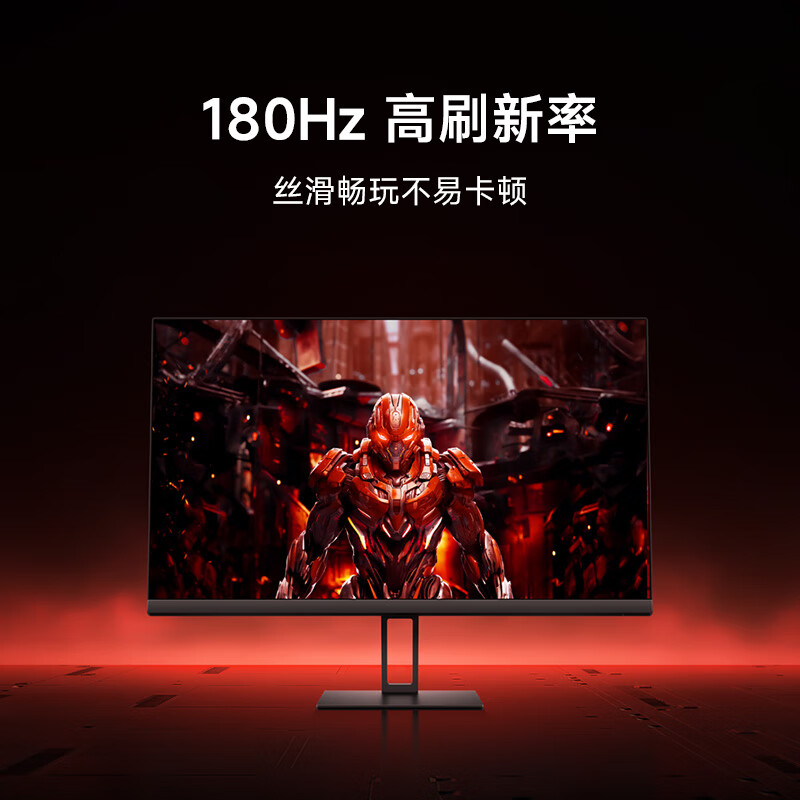
Redmi Monitor G24 boasts a 23.8-inch Fast IPS display with a resolution of 1920×1080 and supports an ultra-high refresh rate of 180Hz. This high refresh rate is critical for competitive gaming, eliminating stuttering and trailing, thus providing a significant advantage in fast-paced games.
The monitor also supports a rapid 1ms response time (MPRT) along with Adaptive-Sync technology, which includes compatibility with both G-Sync and Free-Sync. This feature maintains synchronization between the graphics card and the monitor, preventing screen tearing and stuttering, thereby ensuring stable and smooth visuals during decisive gaming moments.
In terms of color accuracy, the monitor offers a wide color gamut covering 120% of the sRGB spectrum, capable of displaying 16.7 million colors with 8-bit depth. The monitor also undergoes professional-grade color accuracy calibration before leaving the factory. With a Delta E value of less than 2, the monitor guarantees precise color reproduction, making the scenes appear true to life.
The G24 also supports HDR10, which enriches details by increasing screen brightness and saturation. Its high static contrast ratio of 3500:1 provides distinct hierarchies and richer details in both bright and dark areas.
For extended use, the monitor incorporates DC dimming technology and a low blue light mode, which minimizes eye strain by reducing flicker and filtering short-wave blue light. Additionally, it features convenient cable management to keep the gaming setup tidy and clutter-free.
The G24 monitor offers HDMI, DisplayPort, and audio output connectivity options, ensuring compatibility with a wide range of devices. Redmi backs this monitor with a three-year quality guarantee and offers on-site after-sales service.
OnePlus has a new Ace 3 series model that is set to launch soon. The device in question is the Ace 3 Pro, which just surfaced in a new leak. This revealed some key details regarding the upcoming smartphone like its camera, chipset, and more. So here’s everything you need to know.
OnePlus Ace 3 Pro Spotted in New Leak
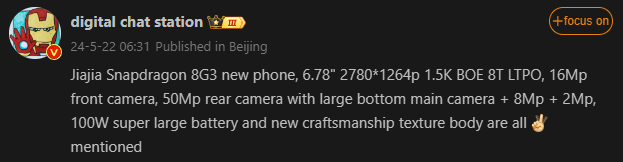
The news arrives from known tipster Digital Chat Station who shared the information on Weibo. Reportedly, the OnePlus Ace 3 Pro is expected to sport a tall 6.78-inch OLED display with 1.5K resolution with the front housing a 16-megapixel selfie shooter. This sensor would likely be housed in a punch-hole cutout. Meanwhile, the rear packs a triple camera setup with a 50MP+8MP+2MP configuration.
Under the hood, the OnePlus Ace 3 Pro is rumored to be equipped with the Qualcomm Snapdragon 8 Gen 3 SoC. The tipster further added that a large battery pack will power this device, with support for 100W wired fast charging. Design is also getting some change as the brand could employ a new textured body. Based on what we know so far, this model could house a 5,940mAh battery pack (likely listed as 6,100mAh).
The leaked specs are also in line with our previous report. Its display is expected to be sourced from BOE and offer a 120Hz refresh rate. DCS has previously also tipped the Snapdragon 8 Gen 3 chipset. The device is nearing its launch, so stick around for more as we will be providing updates when additional information is available regarding this device.
Jia Jingdong, the Vice President of Vivo Brand in China, has revealed some key information about the Vivo S19 and S19 Pro through his official Weibo account. The Vivo S19 series has previously surfaced on Geekbench and the design was also revealed by leaked posters of the phone.
The Vivo S19 and the S19 Pro will be powered by the Snapdragon 7 Gen 3 and the MediaTek Dimensity 9200+ respectively. While the S19 offers a massive 6000mAh battery, the capacity is slightly lower at 5500mAh on the Pro model, and both will support 80W charging. The S19 Pro will boast a 6.78″ 2800 x 1260 OLED display, 16GB RAM, and 512GB memory.
Confirming the previous leaks, Jia Jingdong mentioned that the S19 Pro equips the industry’s first 50-megapixel Sony IMX921 sensor, another 50MP Sony sensor for telephoto (supports 50× digital zoom), and an “anti-distortion wide-angle double soft light selfie”. Both the S19 and s19 Pro offer 50MP front and 8MP ultrawide cameras.
Vivo had a focus on image processing for the S19 series
The Vivo S19 series comes with a “soft light ring” added to the camera module. It aims to “evenly fill in the light” on the subject and reduce excessive shadow contrast on the face or any other objects.
When shooting with the main camera, it will scatter the light in a large area, and by switching to the telephoto, it will also adapt and focus the light into a narrower beam to cover distant objects, which is seemingly a great implementation of the existing technology. It reportedly offers ideal light distribution, light texture, and light color temperature to different scenes.
According to the official, the “Soft light ring” is an iconic innovation of the vivo S series. He also hints at how the portraits could be better than its overseas competitors. He says that aside from using lines to separate the subject and background, they are also deliberately using shadows to add a touch of contrast to the subject.
Alongside the soft light ring in the camera module, the Vivo S19 series also offers “synchronized focus change”, which means autofocus will be more reliable.
The Vivo S19 series also brings the latest and constantly evolving self-developed portrait algorithms. They have also encoded the preference for “beautiful things” into the objective function of imaging AI through supervised machine learning.
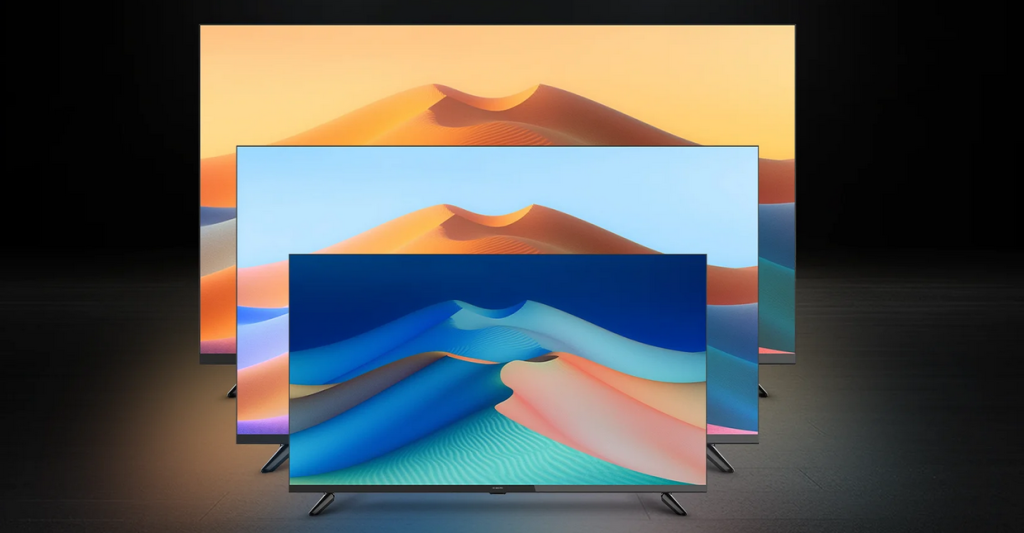
Xiaomi has just unveiled its latest smart TV lineup in India. The Xiaomi Smart TV A Series 2024 Edition has just been announced in the region. As the name suggests, the company has refreshed the 2023 Edition of the Smart TV A series, so here’s everything you need to know.
Xiaomi Smart TV A Series 2024 Specs
The latest Xiaomi Smart TV A Series launched with upgraded specs over its predecessors. It also comes in three display sizes, namely 32-inch, 40-inch, and 43-inch. The 40-inch and 43-inch variants are equipped with a quad core Cortex A55 (Cortex A35 on the 32-inch option) processor. This marks an improvement over the 2023 version. These new TVs come with Xiaomi TV+, which brings more than 150 live channels to users. The 32-inch model offers a 1366 x 768 resolution, while the other two options bring FHD resolution.
All models offer a 60Hz refresh rate, 16.7 million color depth, 178 degree viewing angle, and Vivid Picture Engine. You also get 1GB of RAM (1.5GB on 40 and 43-inch variants) and 8GB of RAM. The new Smart TVs run on the Patchwall+, Google TV (Android TV 11), and Xiaomi TV+. For audio, you get a 20W output with Dolby Audio and DTS:X support. Connectivity options include Bluetooth 5.0, 2 HDMI, WiFi, USB 2.0, and Ethernet. It also comes with OK Google and Chromecast built-in.
Pricing and Availability
As of right now, the Xiaomi Smart TV A Series 2024 Edition is available for purchase on the brand’s official website along with Amazon India. The 32-inch variant has a 12,499 INR price tag, while the 40-inch and 43-inch option costs 22,999 INR and 24,999 INR.
Realme today revived its GT series in India with the launch of the Realme GT 6T. The phone arrived two years after the company launched its last GT phone in the country. Let’s walk through the specs, features, and price of Realme GT 6T in India here.
Realme GT 6T Specifications
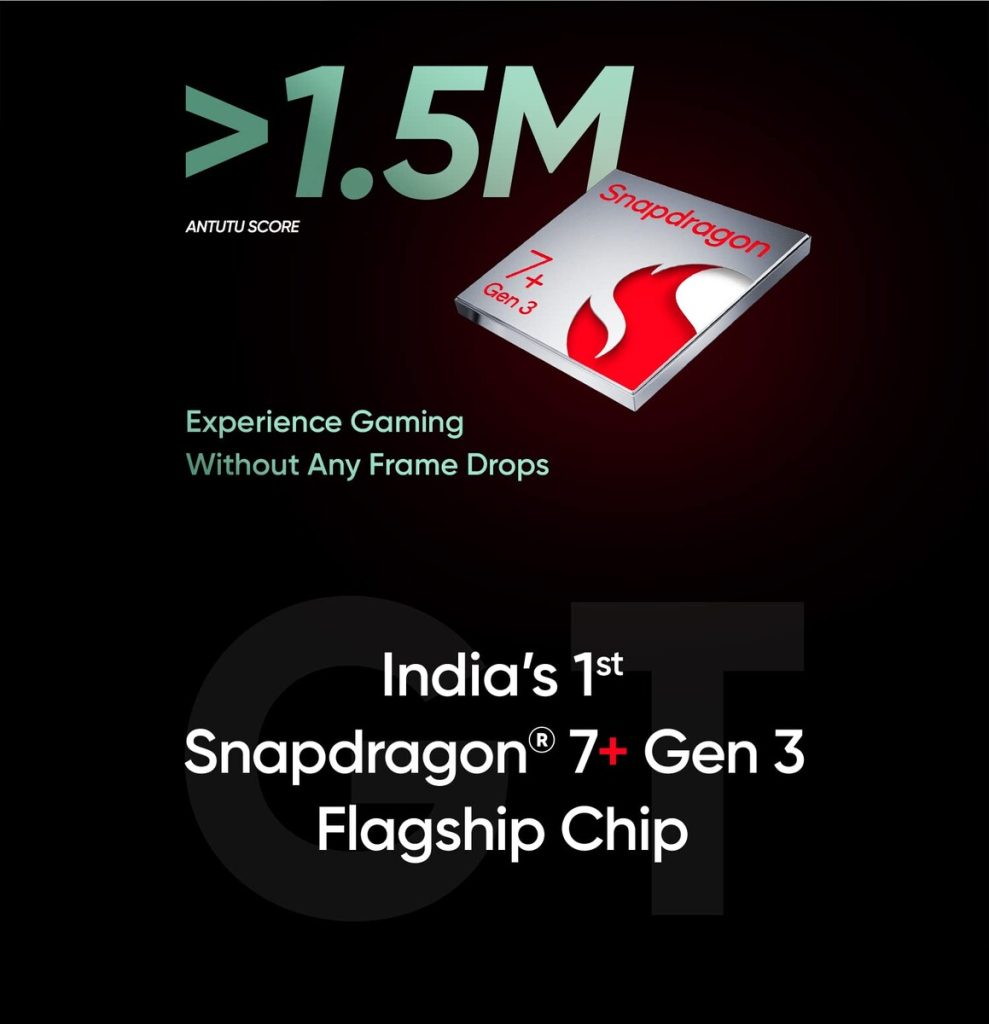
The heart of the Realme GT 6T is the all-new Qualcomm Snapdragon 7+ Gen 3 chipset. It’s India’s first phone with this SoC with benchmark scores exceeding over 1.5 million on AnTuTu.
It’s paired with up to 12GB of LPDDR5x RAM and up to 512GB of UFS 4.0 storage. The phone is kept cool by a 9-layer ice-cooling vapor chamber covering a total area of 10,014mm².
The Realme GT 6T runs on the latest Android 14 with Realme UI and has some exclusive software features of its own to extract the most of the SoC.
You get a Geek Power Tuning mode that let’s you customize CPU and GPU frequency, and GT Mode 5.0, which offers AI frame stabilization, atomic-level resource scheduling, and GPU heterogeneous rendering for maintaining a high frame rate with minimal fluctuations.
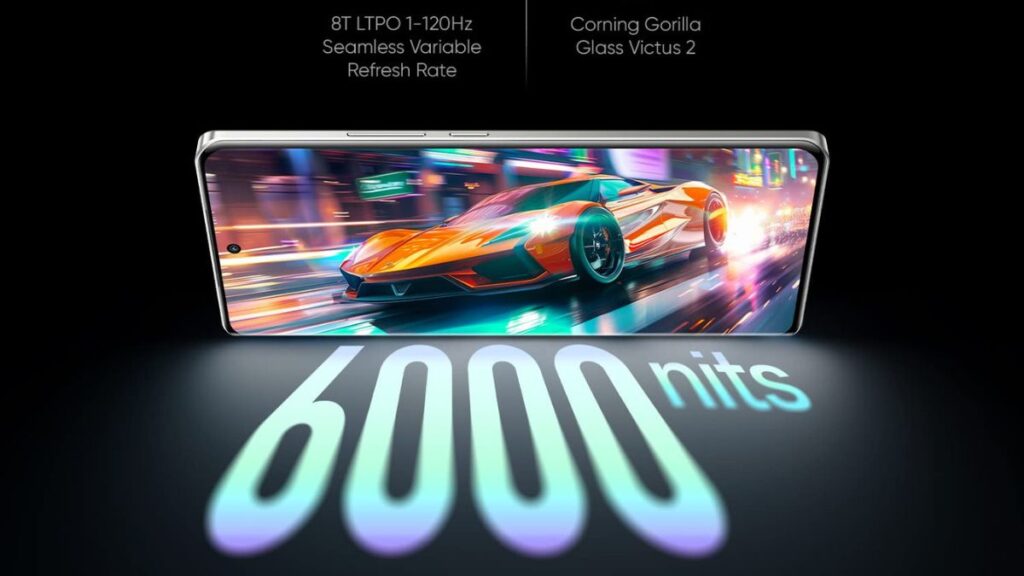
Realme isn’t holding back when it comes to the display either. The GT 6T features a stunning 6.78-inch LTPO AMOLED display with a remarkable 6,000 nits peak brightness. This is the brightest smartphone display on the market.
But note that, that’s the peak, the typical global maximum brightness of 1600 nits and a manual maximum brightness of 1000 nits for everyday use.
Additionally, the 8T LTPO technology allows for a variable refresh rate that dynamically adjusts between 1Hz and 120Hz, optimizing smoothness while saving battery life. Gorilla Glass Victus 2 offers protection against everyday bumps and scratches.
The rear setup features a dual-camera system with a 50-megapixel Sony LYT-600 main sensor and an 8MP ultra-wide lens while there is a 32MP selfie shooter on the front for selfies.
Realme GT 6T is also a heavy-battery phone, packed with a 5500mAh battery with support for 120W SuperVOOC charging. The charger is included in the box.
Moreover, the phone is promised to get 4 years of software updates and 3 years of OS updates. Connectivity options include Bluetooth 5.4 and Wi-Fi 6, and both SIM cards support 5G standby.
Price and Availability
Realme GT 6T is available in Fluid Silver and Razor Green colors and starts at Rs 30,999 for the base 8/128GB variant. The 8/256GB model retails for Rs 32,999 and the higher-tier 12/256GB and 12/512GB variants are priced at Rs 35,999 and Rs 39,999, respectively.
The phone will be available for purchase via Realme stores, Amazon India, and retail stores near you beginning May 29 at 12 noon.
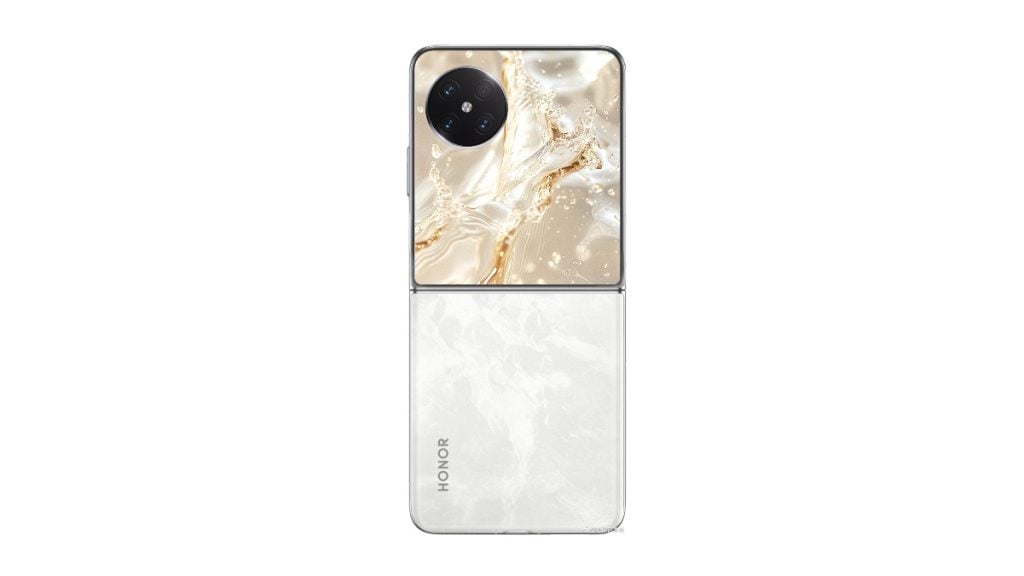
Honor is scheduled to announce the Honor 200 series of smartphones on May 27 in China. Reports have claimed that the brand may unveil the Magic V Flip as its first flip-style foldable display phone in June in the home market. The brand is expected to tease its arrival after the launch of the 200 series. Before the launch, a Chinese tipster has released what looks like an actual render of the Magic V Flip.
Honor Magic V Flip design revaeled
Honor Magic V Flip render
According to the leaker, the white variant of the Honor Magic V Flip will be advertised as Rocco White. The image reveals that it will have a huge external display, like the Motorola Razr 40 Ultra or the upcoming Razr 50 Ultra. Unfortunately, the exact size of the Magic V Flip’s cover display is not known yet.
At the top-left corner, there is a circular camera module that houses a triple camera setup along with an LED flash. The bottom half of the device has the Honor logo. At present, there is no clarity on the other color variants of the device. According to reports, the Honor Magic V Flip packs a 4,500mAh dual-cell battery. However, the other specs of the phone are still under wraps.
In related news, Honor is also working on another foldable phone named the Honor Magic V3. The horizontally foldable phone is said to be equipped with the Snapdragon 8 Gen 3 chipset. In all likelihood, the V3 will be announced in July in China.
At present, the brand is gearing up for the launch of the Honor 200 series, which is scheduled to go official on May 27 in China. It is said that the Honor 200 and 200 Pro will feature the Snapdragon 7 Gen 3 Enhanced Version and the Snapdragon 8 Gen 3 chipsets, respectively. The 200 series will face competition from the Oppo Reno 12 lineup and the Vivo S19 series in China.
On May 27, Honor will unveil the Honor 200 and 200 Pro smartphones in China. Ahead of the launch, the brand has already revealed the design of both smartphones. However, it hasn’t confirmed their key specifications. A new leak by a Chinese tipster has revealed the chipsets that will power the Honor 200 duo.
Honor 200, 200 Pro chipsets revealed
Honor 200 series
A previous report claimed that Honor 200 will be powered by the Snapdragon 8s Gen 3, while the Pro model will have the Snapdragon 8s Gen 3 onboard. The new leak debunks the previous leak as it states that the Honor 200 will be equipped with the Snapdragon 7 Gen 3’s Enhanced Version. At present, Qualcomm’s third generation Snapdragon 7-series includes two models, the Snapdragon 7 Gen 3 and the more powerful Snapdragon 7+ Gen 3. It is unclear how the Snapdragon 7 Gen 3 Enhanced Version will differ from the existing models.
On the other hand, the Honor 200 Pro will feature the Snapdragon 8 Gen 3 chipset. To recall, the Honor 100 and 100 Pro, which were announced in November 2023, came equipped with the Snapdragon 7 Gen 3 and Snapdragon 8 Gen 2 chipsets, respectively.
Reports have claimed that the Honor 200 and 200 Pro will have a 5,200mAh battery with 100W fast charging. Both phones are expected to differ in RAM and storage departments. It is likely that both phones will have a 50-megapixel primary camera with OIS support. On the front, both phones appear to feature a quad-curved OLED panel. While the standard model has a single selfie camera, the Pro edition has dual front-facing cameras.
In related news, Honor could be working on two foldable phones, such as the Magic V Flip and the Magic V3. The V Flip, which will be Honor’s first flip-style foldable display phone, is expected to go official in June in China, the V3 may break cover in July. At present, there is no information available about the global launch of these devices.
In today’s roundup, we have a small language model from Microsoft that can run on smartphones and provide image analysis. We also help you decide whether the Redmi Pad Pro can match up to the Apple iPad.
Microsoft is expanding its Phi-3 family of small language models with the introduction of Phi-3-vision. Unlike its siblings, Phi-3-vision isn’t just focused on text – it’s a multimodal model that can analyze and understand images as well.
The tablet market offers a range of options for various needs and budgets. Recently, two interesting contenders emerged that target budget-conscious users: the Xiaomi Redmi Pad Pro, a newcomer in the global market, and the Apple iPad (10th Gen)launched in 2022, which recently received a significant price cut. Both tablets boast large displays, decent performance, and long battery life, but they cater to slightly different preferences.
Noise has added Artificial Intelligence (AI) to its Luna Ring, making it the first smart ring globally to incorporate such technology. This update improves the ring’s capability to act as a personal health monitor.
The tablet market offers a range of options for various needs and budgets. Recently, two interesting contenders emerged that target budget-conscious users: the Xiaomi Redmi Pad Pro, a newcomer in the global market, and the Apple iPad (10th Gen)launched in 2022, which recently received a significant price cut. Both tablets boast large displays, decent performance, and long battery life, but they cater to slightly different preferences. Let’s delve into their specs, pricing, and strengths to help you decide which one might be the better fit for you.
Redmi Pad Pro features a larger 12.1-inch 2.5K LCD display with a 120Hz refresh rate for smoother visuals. The display offers good clarity with a peak brightness of 600 nits and supports Dolby Vision for enhanced HDR content. However, it’s an LCD panel, which means contrast ratios might not be as impressive as OLED displays found on higher-end tablets.
Apple equips the 10th gen iPad with a slightly smaller 10.9-inch Liquid Retina display with a resolution of 2360 x 1640 pixels. While the refresh rate is limited to a standard 60Hz, the display offers True Tone technology for better viewing comfort in varying light conditions. The iPad display boasts a higher pixel density (264 ppi) compared to the Redmi Pad Pro (249 ppi), potentially resulting in sharper visuals.
2. Performance
Xiaomi equips the Pad Pro with a Snapdragon 7s Gen 2 processor, a capable chip for everyday tasks and light multitasking. It comes with 6GB or 8GB of LPDDR4X RAM and 128GB or 256GB of UFS 2.2 storage, expandable via a microSD card. While powerful enough for browsing, streaming, and casual gaming, the processor might struggle with demanding applications or heavy multitasking.
Apple takes the lead in performance with its A14 Bionic chip, a powerhouse known for its efficiency and speed. This chip outperforms the Snapdragon 7s Gen 2 by a significant margin, making the iPad ideal for users who require smooth multitasking, editing photos and videos, or playing graphically demanding games. The base model comes with 64GB of storage, which might be limiting for power users, but a 256GB option is available.
3. Software
Redmi Pad Pro runs on Android 13 with Xiaomi’s custom HyperOS skin on top. While Android offers a wider range of customization options, the user experience might differ from stock Android and updates might be slower.
Apple’s iPad runs on iPadOS 17, a variant of iOS specifically designed for tablets. iPadOS offers a user-friendly interface optimized for larger screens and supports multitasking features like Split View and Slide Over. Apple is known for its excellent track record of software updates, ensuring your iPad receives security patches and new features for years to come.
4. Cameras
Neither tablet boasts high-end camera systems, but they can handle basic video calls and casual photography. The Redmi Pad Pro is equipped with an 8MP rear camera and an 8MP front camera. In contrast, the iPad offers a 12MP front and a 12MP rear camera.
5. Battery Life
Xiaomi equips the Pad Pro with a massive 10,000mAh battery, promising long hours of usage on a single charge. With a 33W fast charging option, you can quickly top up the battery when needed.
Apple claims up to 10 hours of battery life for the 10th gen iPad for tasks like web browsing and video streaming. While the battery capacity isn’t specified, it’s likely smaller than the Redmi Pad Pro’s. However, the iPad supports the efficient A14 Bionic chip, which might help optimize battery usage.
6. Connectivity
Redmi Pad Pro tablet offers Wi-Fi 6 connectivity and Bluetooth 5.2 for wireless connections. It also features a 3.5mm headphone jack, a convenient feature missing on recent iPads.
The iPad offers Wi-Fi 6 connectivity and Bluetooth 5.2. It comes in Wi-Fi only and cellular variants. The iPad lacks a 3.5mm headphone jack, requiring users to rely on Bluetooth headphones or a Lightning adapter.
7. Pricing
The pricing between these two tablets is very close, but the value proposition can differ depending on your priorities. The Redmi Pad Pro starts at €299 (around $324) for the 6GB RAM/128GB storage variant, making it an attractive budget option. This price includes double the storage space compared to the iPad (10th Gen)’s base model, which recently received a price cut to $329 for the 64GB version.
While the starting prices seem similar, you’re essentially paying a premium for the Apple brand and a more powerful processor with the iPad. However, its limited storage capacity might require upgrading to the 256GB variant, which costs $425 (Wi-Fi only) after a discount, significantly increasing the overall expense. In contrast, the Redmi Pad Pro is priced at €349 for the 8GB RAM/256GB storage model.
8. Conclusion
Both the Redmi Pad Pro and the iPad (10th Gen) offer compelling value propositions in the budget tablet segment. The Redmi Pad Pro boasts a larger display with a high refresh rate, a massive battery, and expandable storage at a competitive price. The iPad (10th Gen) counters with a superior A14 Bionic chip for unmatched performance, a user-friendly iPadOS experience, and the promise of long-term software updates. Ultimately, the best choice hinges on your specific needs and priorities. Consider what features are most important to you and choose the tablet that best aligns with your budget and usage requirements.
We use cookies on our website to give you the most relevant experience by remembering your preferences and repeat visits. By clicking “Accept”, you consent to the use of ALL the cookies.
This website uses cookies to improve your experience while you navigate through the website. Out of these, the cookies that are categorized as necessary are stored on your browser as they are essential for the working of basic functionalities of the website. We also use third-party cookies that help us analyze and understand how you use this website. These cookies will be stored in your browser only with your consent. You also have the option to opt-out of these cookies. But opting out of some of these cookies may affect your browsing experience.
Necessary cookies are absolutely essential for the website to function properly. This category only includes cookies that ensures basic functionalities and security features of the website. These cookies do not store any personal information.
Any cookies that may not be particularly necessary for the website to function and is used specifically to collect user personal data via analytics, ads, other embedded contents are termed as non-necessary cookies. It is mandatory to procure user consent prior to running these cookies on your website.