Advertisement

GC Daily: Samsung’s new commercial takes a dig at Apple, What to expect from Xiaomi’s Flip Phone

Xiaomi‘s large language model (LLM), named MiLM, has officially passed the registration process for large models, according to a recent announcement on the company’s Weibo account. 

With this, Xiaomi says that MiLM is ready for integration into its products, including smartphones, smart home devices, and even Xiaomi automobiles. The announcement also hinted at the possibility of opening MiLM’s functionalities to a wider user base in the future.

More details in our story here.

Apple managed to create a significant controversy with an ad for the new iPad. The commercial was likely aimed at showcasing the blend of thinness and ability to function as a replacement for a number of musical instruments, paints, books, cameras, and other tools.

Now Samsung has created another commercial as a response that says “Creativity cannot be crushed”.

Watch the commercial here.

⚠️ DEAL ALERT: Grab a Pixel Tablet with charging dock at incredible price with this trade-in offer

Motorola Edge 50 Fusion has finally launched in India. The new device arrives with some impressive specs and features, despite its attractive mid range pricing. The Edge 50 Fusion was first launched in Europe last month, but now its available in India as well.

More details on its features and pricing here.

🔥 More Headlines below.

Samsung Galaxy S24 FE launch near? Spotted on One UI test build

Samsung has been rumored to be working on the Galaxy S24 FE model. Reports have hinted that the smartphone would be launching this summer. And now, a fresh sighting has also hinted that its release might be right around the corner.

So here’s everything we know so far.


Xiaomi Mix Flip: Unveiling the Secrets of Brand’s First Clamshell Foldable Phone

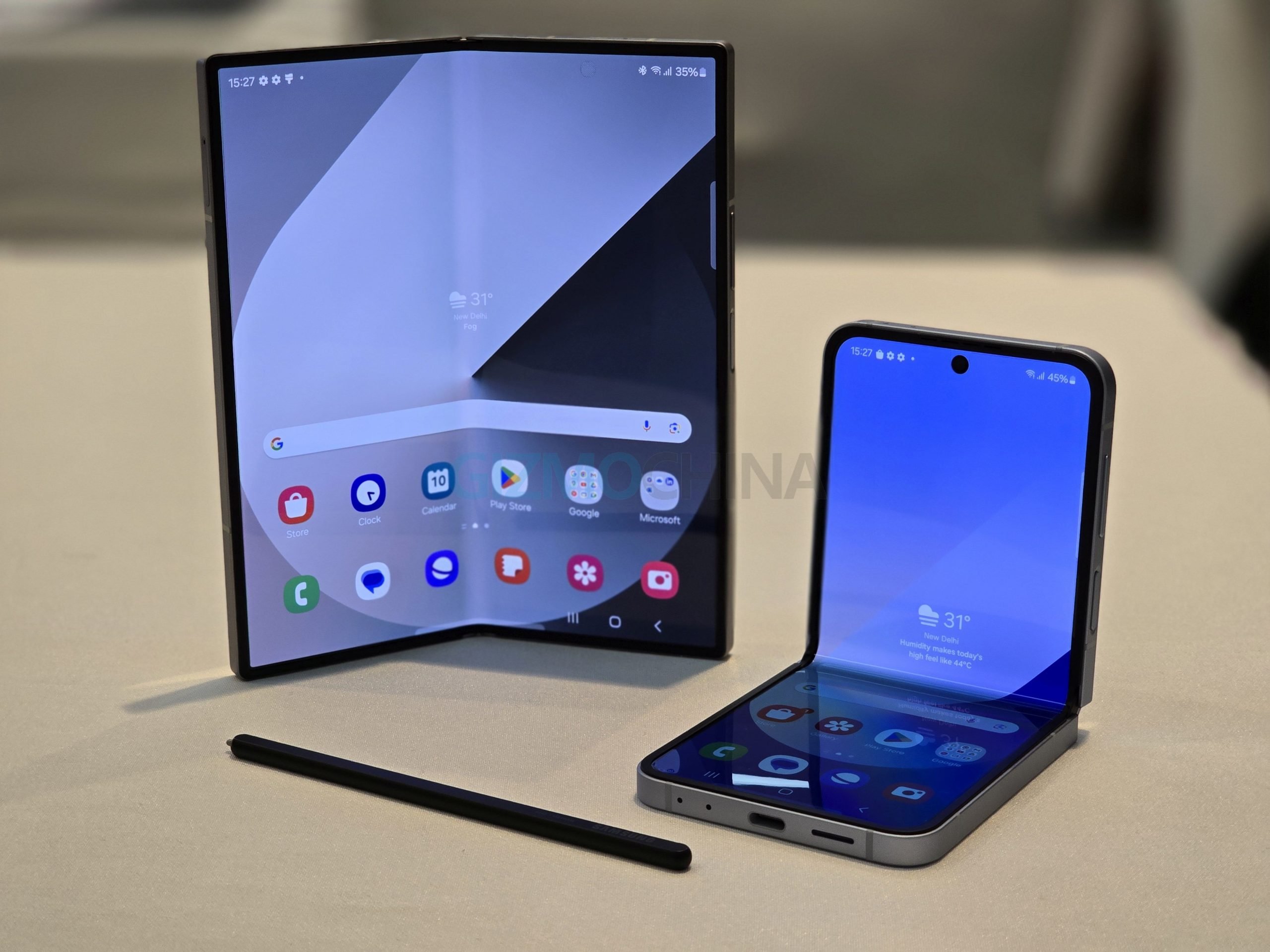
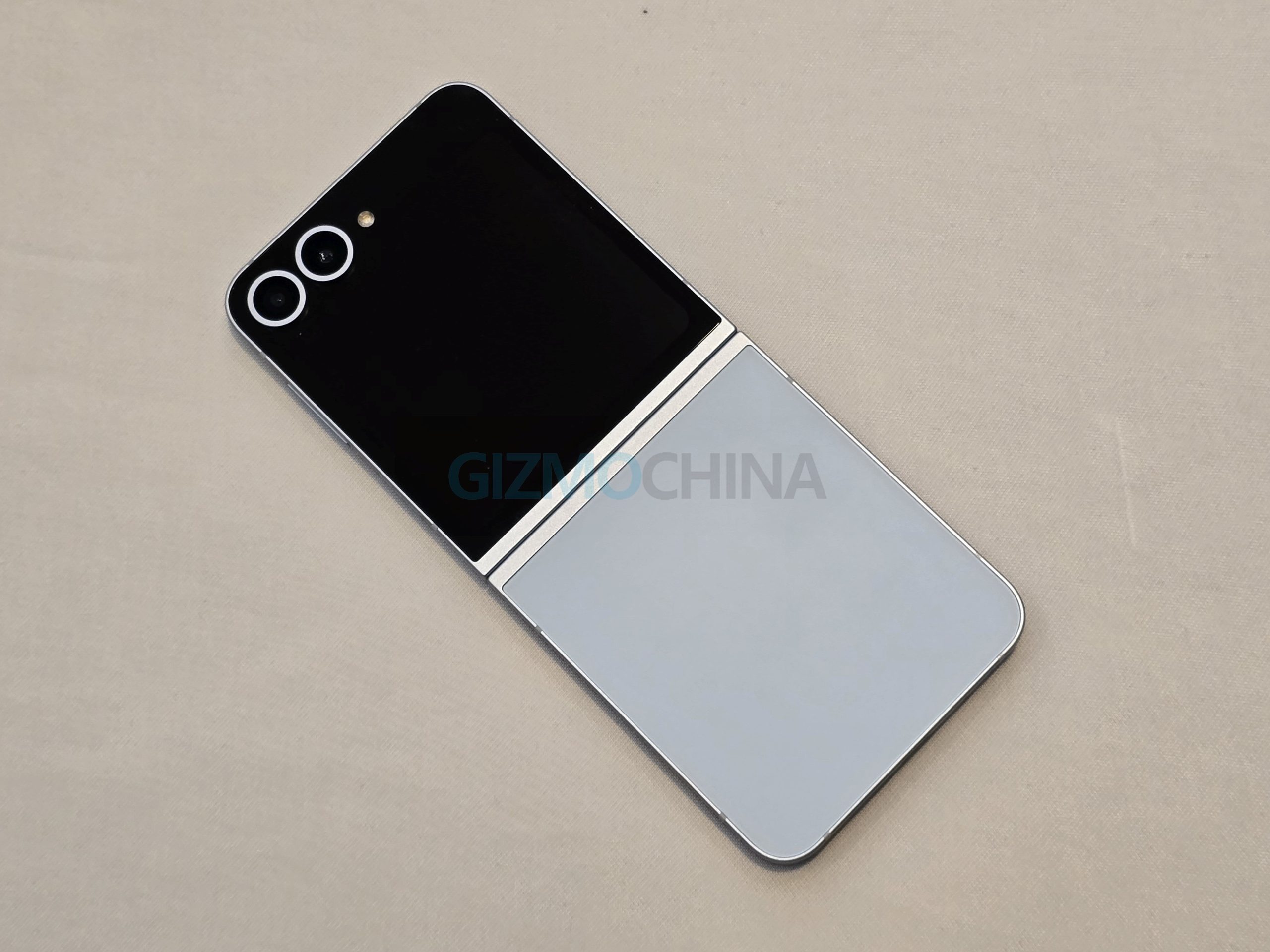
Xiaomi entered the foldable smartphone market in March 2021 with the Mi Mix Fold, but has not yet released a flip smartphone. Since January of last year, Xiaomi has been reportedly developing a flip device. Now, this new smartphone, called the Xiaomi Mix Flip, seems to be nearing launch as it goes through key certification processes like China’s 3C.

Here’s what to expect from this upcoming flip phone.


Samsung postpones Galaxy F55 5G’s Indian launch; Check out the new launch date

Samsung had the Galaxy F55 5G launch event scheduled for tomorrow (May 17), however, the brand has now postponed this launch event to the last week of the month.

More details here!


Apple Likely to Start iPhone 16 Display Panel Production in June, Report States

iPhone 16 production is expected to kick off in June, according to a new report from analyst Ross Young. This aligns with Apple’s usual production schedule for its flagship smartphones, suggesting a release in mid-September.

More details here.


Baidu’s Wenxin AI big model gains momentum with Xiaomi, Lenovo, Vivo & NIO on board

Baidu, the Chinese tech giant, is making significant strides in the field of artificial intelligence (AI) with its Wenxin Big Model. The company’s recent financial report revealed positive financial results and a surge in the adoption of its marquee AI product.

More details in our story here.


Apple Likely to Start iPhone 16 Display Panel Production in June, Report States

iPhone 16 production is expected to kick off in June, according to a new report from analyst Ross Young. This aligns with Apple’s usual production schedule for its flagship smartphones, suggesting a release in mid-September.

Ross Young also predicted that iPhone 16 and 16 Pro will be market leaders

Young also offers insights into potential sales figures for the iPhone 16 lineup. He predicts that the iPhone 16 and 16 Pro will be the initial sales leaders, while demand for the Plus models (16 Plus and 16 Pro Max) might be slower initially. However, Young suggests this could change next summer as users prioritize longer battery life, a feature typically associated with larger phones.

These predictions come alongside previously leaked photos of the iPhone 16 series models, which generated discussion around the return of a vertical camera design for the iPhone 16 and 16 Plus, reminiscent of the iPhone X era.

The iPhone 16 Pro Max, positioned on the far left in leaked images, appears to be the largest yet with a rumored 6.9-inch display, surpassing the 6.7-inch display of the current iPhone 15 Pro Max.

RELATED:

(Via)

Western Digital Unveils World’s Largest 2.5-Inch Mobile HDD, Expands Storage Options

Western Digital has upgraded its storage solutions with a range of capacity upgrades across its WD, WD_BLACK, and SanDisk Professional product lines. The star of the show is the world’s first 6TB mobile hard drive in a compact 2.5-inch form factor.

A USB-C version of the 6TB WD My Passport is also available for purchase

“This incredible technological achievement allows us to push the envelope further,” said Nitin Kachhwaha, Director of Product Management at Western Digital. “Offering 6TB in such a portable and affordable package empowers everyone from students to professionals to store and create more content on the go.”

Here’s a breakdown of the new offerings:

  • WD My Passport Portable Hard Drive Series: This popular series now boasts a 6TB capacity option for both the WD My Passport Ultra and WD My Passport Ultra for Mac, priced at US$199.99 (approx. 1444 yuan). The standard WD My Passport and WD My Passport for Mac also receive a bump to 6TB, priced at US$179.99 (approx. 1300 yuan). A USB-C version of the 6TB WD My Passport is available for US$184.99 (approx. 1336 yuan). All models are available now at select retailers and Western Digital stores.
  • WD_BLACK Series: The WD_BLACK P10 gaming hard drive now comes in a 6TB option, priced at US$184.99 (approx. 1336 yuan). It’s available for purchase now through similar channels as the WD My Passport series.
  • SanDisk Professional G-DRIVE ArmorATD Series: Professionals can get their hands on the ultra-durable 6TB SanDisk Professional G-DRIVE ArmorATD later this month. Priced at US$229.99 (approx. 1661 yuan), this drive is built to withstand even the toughest conditions.

RELATED:

(Via)

Samsung didn’t miss the opportunity to highlight Apple’s mistake with new iPad Pro ad

Apple has launched its new 2024 iPad Pro with the M4 chip. However, the company has also managed to create a significant controversy with an ad for the new product. The commercial was likely aimed at showcasing the blend of thinness and ability to function as a replacement for a number of musical instruments, paints, books, cameras, and other tools.

Nonetheless, Apple crushed all the instruments and tools with a giant hydraulic machine to reveal their latest, most powerful, and thinnest iPad Pro. This “Crush!” ad made a lot of people upset, to whom, it had a second meaning of how a tech giant sees artists and creative people. The commercial also caught Samsung’s attention.

Samsung showcases its offering with a different perspective saying “creativity can never be crushed”

Now Samsung has created another commercial as a response that says “Creativity cannot be crushed”. Samsung has also showcased its Galaxy Tab S9 Ultra, but in a way that does not destroy or replace the instruments and tools, but helps people to make the most out of them. Samsung’s version of involvement of technology into art and creativity definitely has a lot of respect for traditional tools.

Samsung recreated the aftermath of Apple’s “Crush!” ad. A person picked up a partially destroyed guitar and started playing it. A Galaxy Tab S9 Ultra was shown off with musical notes on the display.

Notably, Apple quickly apologized for the ad before Samsung completed readying its response commercial. Apple’s apology said that the ad “missed the mark” with the video. The company also scrapped its plans for the TV campaign. Apple’s VP of marketing communications noted, “Creativity is in our DNA at Apple, and it’s incredibly important to us to design products that empower creatives all over the world. Our goal is to always celebrate the myriad of ways users express themselves and bring their ideas to life through the iPad. We missed the mark with this video, and we’re sorry.”

However, the “Crush!” ad is still available on YouTube and you can see it below.


Related:

Upcoming Smartphones: Poco F6, Oppo Reno 12, and more

Several smartphones are expected to break cover in the next few days. Four brands have scheduled events. 

Two of these conferences will be held in China.  Out of the remaining two, one will be hosted in India, whereas the other one will be held in multiple global countries.

We will witness the announcement of brand new handsets at these events. The Chinese events will be headed by iQOO and Oppo. They will unveil new products in their Neo and Reno lineups, respectively.

Whereas the global event will be hosted by Poco for its next-gen F series flagship device. Finally, the Indian event will be by Realme for its new GT model in a very long time.

Let’s check out these phones one by one.

Upcoming Smartphones Next Week

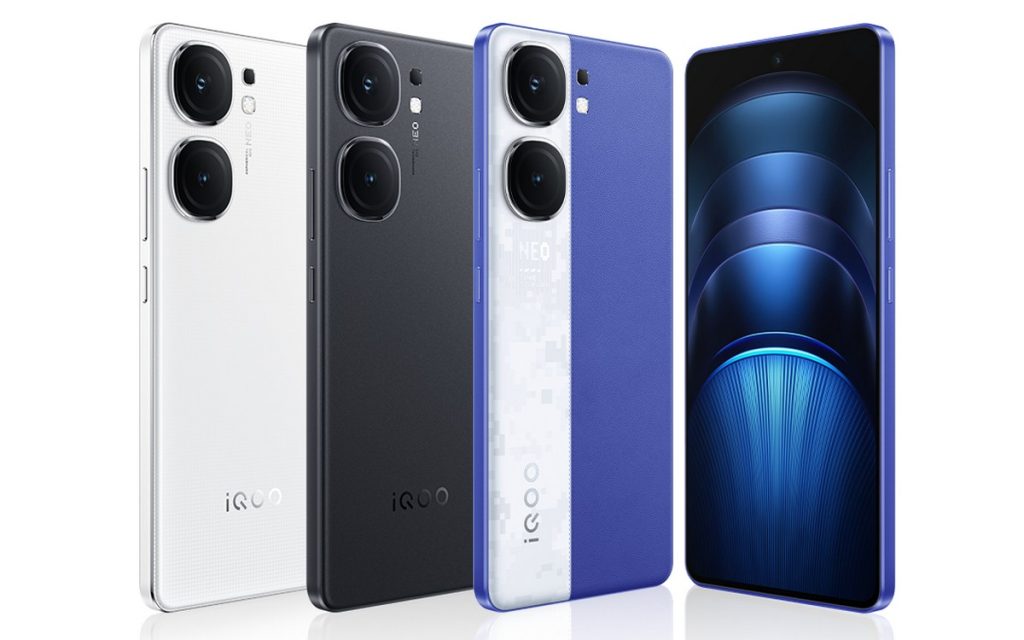
1. iQOO Neo 9s Pro

iQOO Neo 9s Pro

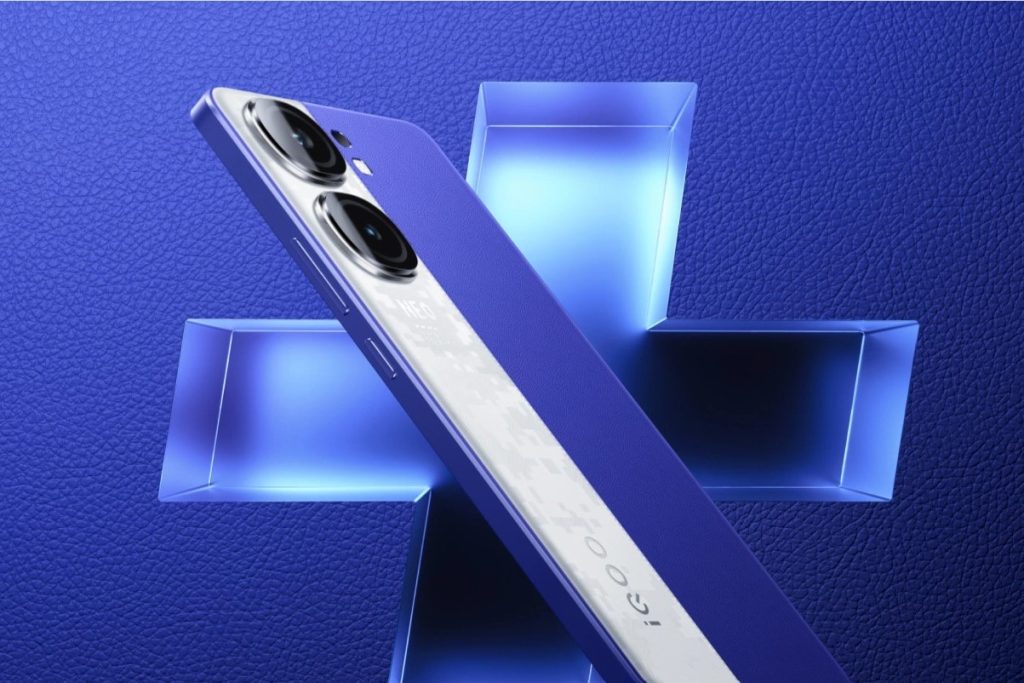
The iQOO Neo 9s Pro will be made official on May 20 (Monday). Almost all of its specs are out via official teasers and leaks.

The main highlight of the handset will be a MediaTek Dimensity 9300 Plus chipset. It will also sport a 6.78-inch 1.5K OLED display with a 144Hz refresh rate and HDR10+ support.

Other features of the phone will include a 50MP (wide) + 50MP (ultrawide) dual rear camera setup, a 16MP selfie camera, a 5,160mAh battery, 120W wired charging support, and Android 14.

2. Realme GT 6T
Realme GT 6T

The Realme GT 6T is set to launch in India on May 22 (Wednesday). The device will be unveiled at an event that will start at 12 PM IST.

As per teasers and leaks, the product will be a rebranded Realme GT Neo 6 SE. So everything about is already known.

The handset will come with a Qualcomm Snapdragon 7 Plus Gen 3 chipset, a 6.78-inch 1.5K 120Hz LTPO OLED display, a 50MP Sony IMX882 primary camera, a 5,500mAh battery, and 120W wired charging support.

The phone is expected to cost around ₹30,000 in India.

3. Oppo Reno 12 Series

Oppo Reno 12 Pro

The Oppo Reno 12 series is scheduled to launch in China on May 23 (Thursday). The conference will begin at 4 PM GMT+8.

The lineup is expected to include two devices, namely Oppo Reno 12 and Oppo Reno 12 Pro. The former will be powered by a MediaTek Dimensity 8250 SoC, while the latter will house a MediaTek Dimensity 9200 Plus chip.

The vanilla Reno 12 will arrive with a 6.7-inch FHD+ 120Hz OLED display, a 50MP (wide) + 8MP (ultrawide) + 50MP (2x telephoto) triple camera setup, a 50MP selfie camera, and a 5,000mAh battery.

4. Poco F6 Series

Poco F6 Pro

The Poco F6 series will be unveiled on May 23 (Thursday). The launch event will start at 7 PM GMT+8.

The lineup will consist of two products, such as Poco F6 and Poco F6 Pro. As the leaks suggested, they will be rebranded versions of Redmi Turbo 3 and Redmi K70, respectively.

Therefore, the Poco F6 will come with a Qualcomm Snapdragon 8s Gen 3 SoC, a 6.67-inch 1.5K 120Hz OLED display, a 50MP Sony LYT-600 primary camera, a 5,000mAh battery, and 90W wired charging support.

On the other hand, the Poco F6 Pro will feature a Qualcomm Snapdragon 8 Gen 2 chip, a 6.67-inch QHD+ OLED display, a 50MP rear camera, a 5,000mAh battery, and 120W wired charging support.

RELATED:

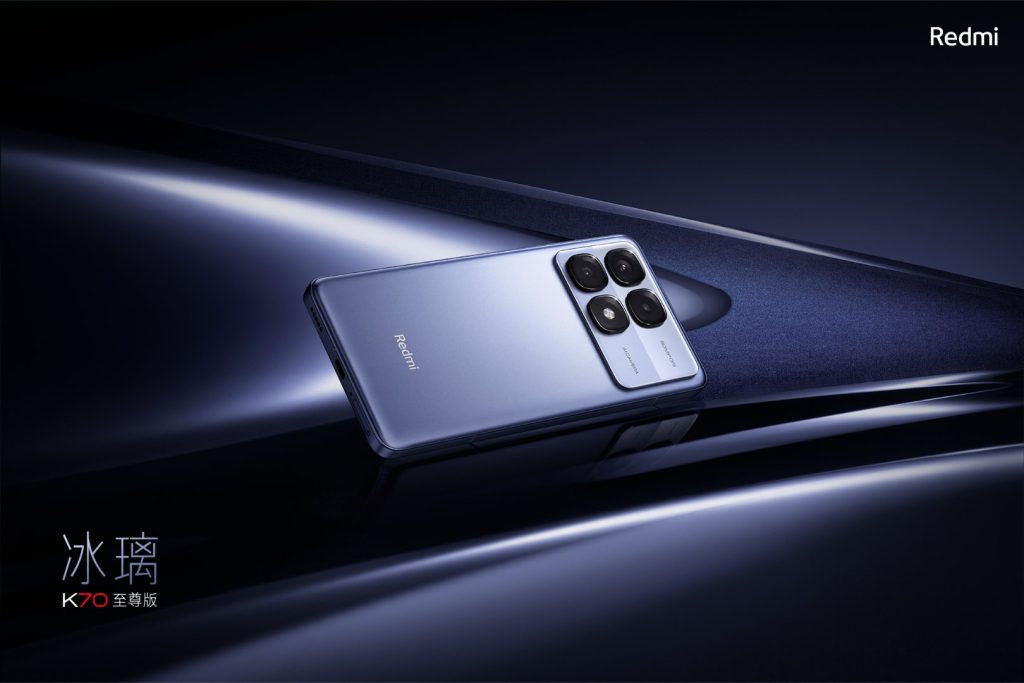
iQOO Neo 9s Pro: What features can we expect from this Redmi K70 Ultra alternative?

iQOO has confirmed the launch of its new Neo 9s Pro smartphones on May 20 in China. The company will launch a total of two devices, the Neo 9s Pro and Neo 9s Pro+, both expected to bring flagship-grade specifications at pretty great prices. 

As the launch date is just a few days ahead, we’ve gathered all the available information about the iQOO Neo 9s Pro in this article. So let’s delve into the leaked specifications and see what this phone might offer.

1. Design and Display

iQOO is keeping the tried and tested design language of the previous Neo 9 series smartphone with the upcoming Neo 9s Pro. That is, the phone has flat sides, a slightly curved back panel for a comfortable grip, and the same dual camera cutout housing two sensors. 

The front will be home to a large 6.78-inch display with 1.5K resolution and a 144Hz refresh rate. There will also be LTPO or Low-Temperature Polycrystalline Oxide tech that can dynamically adjust their refresh rate based on the content being viewed.

This means the display can drop down to a lower refresh rate for static content like reading an e-book, thereby conserving battery life. Conversely, it can ramp up to the full 144Hz for fast-paced games or scrolling, ensuring a seamless visual experience.

2. Performance

Under the hood, the Neo 9s Pro is expected to pack the latest MediaTek Dimensity 9300+ processor. This chipset is designed for high performance and is likely to deliver smooth performance for everyday tasks, demanding applications, and even mobile gaming. 

The “+” designation on the SoC gives away that it is a slightly overclocked version of the standard Dimensity 9300. Currently, only the Vivo X100s Pro Is available with this SoC. 

On top of it, iQOO will also be packing its in-house Q1 chip for improved gaming performance. Accompanying the processors will be up to a whopping 16GB of LPDDR5X RAM. Storage-wise, the phone might come with options ranging from 128GB to a staggering 1TB of UFS 4.0 storage. 

3. Cameras

The camera department on the Neo 9s Pro seems to be focusing on a dual-camera setup on the back. There will be a 50-megapixel main and a 50-megapixel ultra wide angle lens. The front-facing camera for selfies is expected to be a 16MP sensor. 

4. Battery and Other Features

iQOO Neo 9s Pro is expected to be powered by a large 5160mAh battery and there will be support for 120W fast charging. 

Moreover, leaks also suggest that the phone will have an in-display fingerprint sensor, an X-axis linear vibration motor for haptics, an infrared sensor, and NFC support.

5. iQOO X NBA

iQOO has also announced a special collaboration with the NBA for the Neo 9s Pro launch. The full details of this collaboration are yet to be revealed, but we know that there will be a limited edition gift box containing an exclusive NBA-themed phone case, a pop socket, and a water bottle. 

6. A Mid-Range Contender

The iQOO Neo 9s Pro, based on the leaked specifications, is shaping to be a compelling mid-range option. It offers a powerful processor, a smooth high-refresh-rate display, and a long-lasting battery with fast charging capabilities. The combination of 50MP dual rear cameras and a 16MP front camera should suffice for most users’ photography needs. 

While the exact price remains unconfirmed, if iQOO manages to keep it competitive, the Neo 9s Pro could be a strong contender in the mid-range smartphone market.

Related:

Exclusive: General Mobile will launch GM Era 30 & GM Era 50

General Mobile is gearing up to introduce a brand new smartphone series. General Mobile is a company established in Turkey. The company will introduce its new phones very soon. In Turkey, the company usually launches mid-range Android devices at affordable prices. While the launch date of General Mobile’s upcoming smartphones is yet to be announced, we have discovered in our database that the company is working on two different phones, the GM Era 30 and GM Era 50.

General Mobile GM Era 30 & GM Era 50

We have spotted two new devices with the model numbers “G318” and “G518” in our database. Unfortunately, we only have the model numbers of these devices and do not have any technical specifications or launch date. Initially, we expected General Mobile to introduce the GM 25 series. The company has previously unveiled several smartphone series such as GM 24, GM 23, and GM 22.

GM 24 Pro, already introduced smartphone by General Mobile, has the model number “G514.” The upcoming device with the model number “G518” actually turned out to be the GM Era 50. Additionally, the upcoming device with the model number “G318” will have the market name, GM Era 30. We expect this to be a more affordable alternative model.

We were actually expecting the launch of the GM 25 series, as we had previously discovered these two models in our database. However, it appears that General Mobile is coming up with a different branding. Although we don’t have technical specifications, we expect General Mobile to introduce just another midrange device. Previously, the GM Phoenix 5G came with the MediaTek Dimensity 7050 chipset, while the GM 24 Pro came with the MediaTek Helio G99 chipset. As mentioned earlier, General Mobile typically introduces devices in the midrange category.

While General Mobile typically prefers to introduce devices in the midrange category, they have never before introduced a phone belonging to the “GM Era” series. This time, General Mobile may be working on something entirely new, or they may continue their tradition by introducing just a new midrange device lineup.

Related:

Baidu’s Wenxin AI big model gains momentum with Xiaomi, Lenovo, Vivo & NIO on board

Baidu, the Chinese tech giant, is making significant strides in the field of artificial intelligence (AI) with its Wenxin Big Model. The company’s recent financial report revealed positive financial results and a surge in the adoption of its marquee AI product.

Baidu
Credit: Reuters

Cost Efficiency Drives Adoption: Baidu’s Affordable Wenxin Model Fuels Growth

While Baidu’s revenue grew modestly year-on-year, net profit witnessed a healthy 22% increase. This positive performance was attributed partly to the growing popularity of Wenxin. The big model, which was previously integrated with smartphones from China Samsung and Honor, has now secured partnerships with major players like Xiaomi, OPPO, and Vivo.

This expansion signifies a significant step forward for Baidu’s AI ambitions. Wenxin is no longer confined to smartphones; it’s branching out into personal computers (PCs) through a collaboration with Lenovo. Additionally, the electric vehicle (EV) industry is taking notice, with NIO joining the list of Wenxin partners.

Li Yanhong, Baidu’s CEO and co-founder, believes that integrating Wenxin with smart devices opens doors for large-scale adoption by a wider range of users. This strategic move positions Baidu as a key player in the burgeoning AI infrastructure landscape.

Furthermore, Baidu is actively working on reducing the inference cost of Wenxin. The latest iteration, Wenxin One Word 3.5, boasts a remarkable 99% reduction in inference cost compared to the 3.0 version. This significant decrease makes Wenxin more attractive for businesses experimenting with and developing AI-powered applications built upon the Wenxin One Word foundation.

Li Yanhong emphasizes the transformative potential of generative AI in China. He envisions foundational models like Wenxin becoming an essential infrastructure element, seamlessly woven into various facets of everyday life. Baidu’s commitment to affordability and efficiency with the Wenxin Big Model series is a strategic move that promises to unlock new opportunities for the company.

With continuous advancements and strategic partnerships, Baidu’s Wenxin Big Model is poised to become a major force in the Chinese AI landscape. As the generative AI era unfolds, Wenxin’s integration across various tech domains holds the potential to reshape the way we interact with technology and navigate the digital world, offering a compelling alternative to existing solutions like ChatGPT.

RELATED:

(Via)

Exclusive: Vivo is preparing to launch the new Y28s 5G

vivo Y28s 5G is set to hit the markets very soon. vivo will soon add another model to its entry-level device category. We have spotted that vivo is working on a model named vivo Y28s 5G, and this phone has been certified by CQC as well.

The successor of vivo Y28 is underway: vivo Y28s 5G

vivo Y28s 5G appeared in our database with the model number “V2346.” While full specifications remain as a mystery, the phone’s CQC certification confirms support for 15W charging. This matches the charging speed of its predecessor, the vivo Y28. It seems that vivo is not likely to offer more with new model compared to the already introduced vivo Y28. vivo Y28 falls within the brand’s Y series known for offering entry-level specs. The phone is priced at around ₹13,999 (approximately USD $167) in India.

vivo Y28s 5G was detected on the website of the China Quality Certification Centre (CQC). While the product name is not mentioned in the certification, we spotted the V2346 model number as vivo Y28s 5G in our database. We expect vivo Y28s 5G to debut in China first as the phone made its initial appearance in the CQC’s website first. However, its availability in other regions remains unclear. Actually it’s very early to talk about the phone’s availability.

As we previously indicated, we don’t expect the vivo Y28s 5G to bring significant improvements compared to the vivo Y28. Both of the phones have exact same charging speed. However, similar charging speed doesn’t necessarily mean they’re clones of each other. For instance, the vivo Y20 and Y20s have the same charging speed and battery capacity but different chipsets. We expect the upcoming Y28s 5G to share similar specs with the Y28, so we’ve included the Y28’s specs below.

vivo Y28 is an entry-level phone featuring the Dimensity 6020 chipset, with options for 4GB or 8GB of RAM, both paired with a 128GB UFS2.2 storage unit. The phone boasts a 90 Hz IPS LCD panel.

vivo Y28 has a dual-camera setup with a 50 MP main camera and a 2 MP depth camera. On the front, there’s an 8 MP selfie camera, but the phone supports recording up to 1080P 30FPS videos only. It packs a 5000 mAh battery and supports 15W wired charging.

Related:

How will Motorola Razr 50 Ultra differ from Razr 40 Ultra?

Motorola is gearing up to launch the next iteration of its foldable phone, the Razr 50 Ultra (Razr+ 2024 in the US). This successor to the Razr 40 Ultra promises advancements in performance, camera capabilities, and design, making it a compelling option for foldable enthusiasts. Leaks and certifications have provided a glimpse into what we can expect from this upcoming foldable phone. Let’s delve into the expected specifications of the Razr 50 Ultra and how it stacks up against its predecessor.

Motorola Razr 40 Ultra

1. Design

Based on leaked information, the Razr 50 Ultra is expected to retain the familiar clamshell design that has become synonymous with the Razr series. It will likely sport a large foldable display on the inside and a secondary display on the outer shell. While the overall design might not see a drastic change, there could be significant improvements in terms of the hinge and bezels.

Leaks suggest a reduction in the number of components in the hinge. This could potentially lead to a smoother folding experience and a more compact design when the phone is closed. Additionally, slimmer bezels around the main display are expected, enhancing the viewing experience by offering more screen real estate.

Motorola doesn’t shy away from trying new colors every year. As per the leaks, color options for the Razr 50 Ultra might include Midnight Blue, Spring Green, and Hot Pink. The 40 Ultra came in Infinite Black, Glacier Blue, and Viva Magenta colors.

2. Display

As per leaks, the Razr 50 Ultra is likely to inherit the large foldable display from the Razr 40 Ultra. This translates to a possibly 6.9-inch primary display (2640×1080 pixels) with foldable LTPO pOLED technology. This technology offers a balance between refresh rate and power efficiency, allowing for smooth visuals and potentially longer battery life. The refresh rate might remain similar to the Razr 40 Ultra, offering a range between 1Hz and 165Hz for an adaptive experience that adjusts based on content and user interaction.

The secondary display on the outer shell is also expected to be similar in size to the Razr 40 Ultra, which boasts a 3.6-inch display. This display allows for quick access to notifications, music controls, and other functionalities without unfolding the phone. Software improvements might be implemented to enhance the usability of the secondary display for multitasking, potentially allowing for more interaction and app usage.

3. Performance

The most significant upgrade in the Razr 50 Ultra is anticipated to be the processor. While the Razr 40 Ultra relied on the Snapdragon 8 Gen 1+, the Razr 50 Ultra is expected to pack the latest Snapdragon 8s Gen 3. This chip promises significant performance improvements in CPU, GPU, and AI processing, making the Razr 50 Ultra a powerhouse for demanding tasks like gaming and video editing.

The Razr 50 Ultra is also rumored to come with a base RAM configuration of 12GB, compared to the starting 8GB in the Razr 40 Ultra. This signifies a focus on multitasking and future-proofing the device for even more demanding applications. Storage options are also expected to see a bump, with a base variant offering 256GB, with a possible 512GB option available.

4. Camera

While details about the specific camera sensors are yet to be confirmed, leaks suggest a dual-camera system on the Razr 50 Ultra. The rear camera setup is expected to feature a 50MP main sensor paired with a 50MP 2x optical zoom telephoto lens. This would be a significant upgrade from the Razr 40 Ultra’s 12MP main sensor and 13MP ultrawide sensor combination.

The Razr 50 Ultra is expected to retain the Razr 40 Ultra’s 32MP front camera. However, without confirmation on the specific sensor details, it’s difficult to say definitively if there will be a noticeable difference in image quality.

5. Battery Life and Durability

The Razr 40 Ultra packed a 3800mAh battery, and the Razr 50 Ultra is expected to have a 4000mAh battery. This might seem like a minor difference, but the potential improvements in power efficiency from the newer processor and adaptive refresh rate display could potentially translate to longer battery life on the Razr 50 Ultra. The upcoming foldable flagship is expected to support at least 33W wired fast charging.

Durability-wise, the Razr 50 Ultra is expected to maintain an IPX8 water resistance rating, offering protection against submersion. The Razr 40 Ultra only offered dust and splash resistance (IP52). This upgrade could provide peace of mind for users concerned about accidental water damage.

6. Software

The Razr 40 Ultra launched with Android 13, and the Razr 50 Ultra is likely to come with Android 14 out of the box. Motorola will add its custom UI optimizations designed specifically for the foldable form factor, ensuring a smooth user experience.

7. Pricing

The Razr+ 2024 (Razr 50 Ultra) in the US is expected to be priced at $999, which is the same starting price as the Razr 40 Ultra. This could be seen as a value proposition, considering the rumored bump in RAM (12GB vs 8GB) in the base variant of the Razr 50 Ultra. However, the European pricing might differ. Leaks suggest a price tag of around €1200 for the Razr 50 Ultra in the EU, which is the same price as the Razr 40 Ultra at launch.

8. Conclusion

Based on available information, the Motorola Razr 50 Ultra appears to be shaping up as a worthy successor to the Razr 40 Ultra. While the design might not see a radical overhaul, potential upgrades in performance, storage, and camera capabilities are exciting prospects. The phone is likely to cater to users who value the unique foldable form factor and a powerful flagship experience. However, some points to consider include the price tag, which is likely to remain on the premium end, and the battery life, which might not see a significant improvement due to the limitations of foldable technology.

RELATED:

Vivo X100 Ultra vs Xiaomi 14 Ultra: Battle Of Chinese Premium Flagships

Vivo unveiled the X100 Ultra in China earlier this week. It is the top-of-the-line flagship in the entire X100 series. Alongside hardware, the brand has integrated flagship-grade cameras in the smartphone.

The Vivo X100 Ultra goes up against other flagship smartphones but most notably it pits against the Xiaomi 14 Ultra (review) in the country. 

The Vivo X100 Ultra and Xiaomi 14 Ultra have some similarities and differences in many aspects. Hence, in this post, we will be comparing the two devices to find out which one comes out on the top. 

1. Display and Design

Both Vivo X100 Ultra and Xiaomi 14 Ultra have a 6.7-inch curved AMOLED display with a QHD+ resolution, a 120Hz LTPO refresh rate, and 3,000 nits peak brightness. The screen supports HDR10+ and Dolby Vision.

The X100 Ultra is equipped with an in-display ultrasonic fingerprint scanner offering fast and secure unlocking whereas the Xiaomi 14 Ultra has an optical scanner. 

In terms of design, Vivo X100 Ultra and Xiaomi 14 Ultra sport a huge protruding circular camera module on the rear. Both also support an optional accessory that converts them into a camera with various camera controls and more.

The Vivo X100 Ultra is IP68 as well as IP69 certified with the latter indicating that the phone can withstand high-pressure and high-temperature water jets. The Xiaomi 14 Ultra is only IP68-certified. 

2. Camera

The main difference between the Vivo X100 Ultra and Xiaomi 14 Ultra is in the photography department. The former has Zeiss-branded triple rear cameras whereas the latter has four lenses in collaboration with Leica.

Both phones have a 50MP Sony LYT-900 1-inch primary sensor and a 50MP ultra-wide-angle unit. However, the latter offers a 14mm focal length with 116-degree FoV on the X100 Ultra and on the Xiaomi 14 Ultra, it is a 12mm focal length with 122-degree FoV. Additionally, the main camera on the Vivo flagship has gimbal OIS. 

The Vivo 100 Ultra is equipped with a 200MP Samsung HP9 periscope telephoto lens. Meanwhile, the Xiaomi 14 Ultra has 50MP telephoto and 50MP periscope sensors with 75mm and up to 240mm focal lengths respectively. Both smartphones have a floating design for periscope cameras that enables clicking macro shots. Up front, Vivo X100 Ultra and Xiaomi 14 Ultra feature 50MP and 32MP selfie snappers, respectively. 

Additionally, the Vivo X100 Ultra and Xiaomi 14 Ultra come with a master portrait mode that lets users capture pictures with five different focal lengths. In terms of videography, both phones support 4K videos at 120 fps and Dolby Vision recording is scaled back to 4K at 60 fps. The entire camera setup on the Xiaomi 14 Ultra is also capable of recording up to 8K at 30 fps. 

3. Hardware

Both Vivo X100 Ultra and Xiaomi 14 Ultra are powered by a Qualcomm Snapdragon 8 Gen 3 processor. The smartphones pack up to 16GB RAM and 1TB storage. There is a heat dissipation system on both devices.

The Vivo X100 Ultra is backed by a 5,500mAh battery with support for 80W wired and 30W wireless charging. Its competitor – the Xiaomi 14 Ultra runs on a slightly lesser 5,300mAh cell but with faster 90W wired, 80W wireless, and 10W reverse wireless charging. 

4. Pricing and Availability

Vivo X100 Ultra and Xiaomi 14 Ultra carry the same starting price of CNY 6,499 (~$900) for the base 12GB + 256GB variant.

The former gets a slight price hike from there for the 16GB + 512GB and 16GB + 1TB configurations which cost CNY 7,299 (~$1,011) and CNY 7,999 (~$1,108) respectively. Meanwhile, the same RAM and storage options of the Xiaomi 14 Ultra are priced at CNY 6,999 (~$969) and CNY 7,999 (~$1,108).

However, the Xiaomi 14 Ultra is available globally in select markets, albeit in a limited fashion. Whereas the Vivo X100 Ultra is exclusive to China. 

5. Verdict

Vivo X100 Ultra and Xiaomi 14 Ultra are quite similar on some levels. However, the former has a bigger periscope camera compared to the latter. The device also has a superior dust and water-resistant rating, a gimbal main camera, a V3 imaging chip, and an ultrasonic fingerprint scanner.

But unfortunately, the Vivo X100 Ultra will not be sold officially outside mainland China. So you will have to either import it or purchase it from a reseller. In both cases, it would be impossible for you to claim warranty or get official first-party service.

However, if you don’t care about the after-sales experience, the Vivo X100 Ultra is a better product, at least on paper.


Related:

Exclusive: Vivo V40 series key details leaked

Vivo, a strong player in the smartphone industry, is gearing up to unveil new devices in the mid-range segment. We have spotted Vivo’s new “V series” smartphone lineup in our database.

Earlier this year, the company launched the V30 series. So, many people expected the next smartphones to bear the market names, V31 or V33. And yet Vivo’s decision turned out to be introducing the V40 Series. Vivo is set to introduce a brand-new smartphone lineup.

Vivo’s new midranger lineup to be launched: Vivo V40 series

The technical specs of the upcoming Vivo V40 series are still mystery. However we know that Vivo V40 series will consist of three smartphones: Vivo V40 Pro, Vivo V40, and Vivo V40e. We expect these phones to perform very well, as a recent interview with a Vivo executive hinted at the V40 series being an entirely different smartphone lineup. This actually kind of explains why Vivo opted for the “V40” naming for their upcoming smartphone series.

Vivo V40 Pro appears in our database with the model number V2347, while the previous model, Vivo V30 Pro, has the model number V2319. Although we don’t have much information about the device, we can keep our expectations high for this model and others in the series based on the statement made by the Vivo executive. While the Y series targets budget buyers Vivo’s V series fills the mid-range devices. The V40 series hints at a potential strong player in the Android mid-range market.

Let’s turn back to the vivo V40 series again. Vivo V40 appears in the database with the model number “V2348” and the Vivo V40e has V2403 model number. The previous model, Vivo V30, has the model number V2318, while the Vivo V30e is V2339.

The upcoming Vivo V40 series has generated a lot of excitement. We expect the upcoming phones to come with powerful chipsets, impressive camera sensors, and cutting-edge fast charging technology. Considering the V30 series launched earlier in 2024, a late-year release for the V40 series seems likely. We’ll keep you posted on any further developments.

Related:

Lenovo Unveils New AI Yuanqi Gaming and Productivity Laptops

Lenovo took the wraps off a whole new range of AI Yuanqi laptops across its Legion, YOGA, and Xiaoxin lines at a product launch event today. Here’s a quick rundown of the announced devices and their starting prices:

  • Legion Y9000X AI Yuanqi Edition: This high-performance gaming laptop boasts an Intel Core i9-14900HX processor, paired with either an RTX 4060 or RTX 4070 graphics card. Both configurations come with 32GB of RAM, 1TB of storage, and a 16-inch 3.2K high refresh rate display. Prices start at 14,499 yuan for the RTX 4060 model and 15,499 yuan for the RTX 4070 variant.

Lenovo has launched laptops for both creatives and gamers, offering fun and productivity

  • Xiaoxin Pro 16 AI Yuanqi Edition: This productivity-focused laptop features an AMD Ryzen 7 8845H processor, 32GB of RAM, 1TB of storage, and a 2.5K 120Hz display. With a starting price of 5,999 yuan, it offers a compelling option for users seeking a powerful machine at a more affordable price point.

YOGA:

  • YOGA Air 14 AI Yuanqi Edition: This ultraportable laptop is equipped with an Intel Core Ultra 7-155H processor, 32GB of RAM, 1TB of storage, and a stunning 2.8K 120Hz OLED display with 100% DCI-P3 color gamut. Starting at 8,499 yuan, it caters to users who prioritize portability and a high-quality display.
  • YOGA Pro 16s AI Yuanqi Edition: This powerhouse laptop features an Intel Core Ultra 9-185H processor, RTX 4060 graphics, 32GB of RAM, 1TB of storage, and a versatile 3.2K 165Hz touchscreen with 100% P3+sRGB dual color gamut. Priced at 13,999 yuan, it’s ideal for creative professionals and gamers who demand exceptional performance and a responsive touch display.
  • YOGA Book 9i AI Yuanqi Edition: This unique dual-screen laptop boasts an Intel Core Ultra 7 processor, 32GB of RAM, 1TB of storage, and two stunning 2.8K OLED touchscreens with 100% DCI-P3 color gamut. The foldable design makes it perfect for multitasking and digital creation on the go. However, this innovation comes at a premium price of 17,999 yuan.

RELATED:

(Via)

POCO X4 GT finally receives HyperOS update

HyperOS update for the POCO X4 GT has finally started rolling out. POCO‘s an upper mid-range smartphone, POCO X4 GT has received the HyperOS update recently. POCO X4 GT is essentially a rebranded version of the Redmi Note 11T Pro and Redmi K50i. While it features the Dimensity 8100 chipset and is released 2 years ago, it still holds up well today.

POCO X4 GT receives HyperOS update

POCO X4 GT has received the HyperOS update with version OS.1.0.1.0ULOMIXM. This 5.3 GB update brings the smartphone from the MIUI 14 to Android 14-based HyperOS. The version number actually reveals where the update is released. It’s clear that this update is currently rolling out in the “Global” region.

If you don’t see the update for your POCO X4 GT when you check the software updater in settings, give it some time for the update to be completely released. Xiaomi typically doesn’t release updates simultaneously for all users. It may take a while to appear on your device.

Note that the POCO X4 GT was launched in 2022 and came with Android 12 out of the box. With this newly released update, the phone has been upgraded to Android 14. This will be the last Android update the POCO X4 GT receives, it will not be getting the Android 15 update.

Related:

Render images of Galaxy M35 with 6000 mAh battery leaked on the web

Samsung’s upcoming entry-level smartphone, the Galaxy M35’s render images’ leaked online. Samsung is set to add a new addition to the Galaxy M series soon, and this device is expected to be available in India.

Galaxy M35: A refreshed design & 6000 mAh battery

Evan Blass shared 3D renders video of the Galaxy M35 on his Twitter account. The video reveals the color options and design of the Galaxy M35. The phone features a punch-hole notch and a triple camera setup, similar to the previous Galaxy A series. Additionally, the phone comes in three different color options.

We can say that the Galaxy M35 has a very modern look. Compared to the previously released Galaxy M series, it appears to have thinner screen bezels. Moreover, the back of the phone resembles the Galaxy S24 series, it’s still a plastic cover though.

The Galaxy M35 is expected to come with the Exynos 1380 chipset and will ship with Android 14 out of the box. The model number of the upcoming smartphone, SM-M356B/DS, which have been leaked earlier. The Galaxy M35 can be considered a refreshed variant of the Galaxy A35, as the A35 features the Exynos 1380 chipset, and the M35 was already spotted on Geekbench with the exact same processor. Evan Blass also revealed that the M35 has a 6000 mAh battery, which is 20% more than the battery capacity of the Galaxy A35. While both phones carry similar specs, they are not entirely the same.

(via)

Related:

HMD T21 tablet debuts globally with familiar specs

HMD Global has released the HMD T21 tablet, dropping the Nokia branding in favor of its own logo. This device is essentially a rebrand of the Nokia T21 tablet with a slightly redesigned camera module.

HMD T21

HMD T21 specs:

The specifications of the HMD T21 remain the same as the Nokia T21, meaning that it features a 10.36-inch IPS screen with a 2000 x 1200 pixel resolution. The display in combination with stereo speakers makes it ideal for watching movies and videos.

The display supports stylus input using WGP or AES 2.0 standards, though the stylus is sold separately. The device comes with Android 13 and the company guarantees updates up to Android 15 along with security patches through summer 2027.

Under the hood, it features a Unisoc T612, which is also onboard the Nokia T21. The tablet has an 8,200 mAh battery, with a promise of “up to 3 days” of battery. That being said, the fine print mentions that the tablet was used for 5 hours each day for the testing, so we can expect around 15 hours of battery from continuous usage.

For optics, it has an 8-megapixel camera on both the front and back. Additionally, it has Bluetooth 5.0, Wi-Fi 5, and a 3.5 mm headphone jack.

Pricing & availability

Currently, the HMD T21 is available for purchase through HMD’s online store across the EU. It is being sold with 4 GB RAM and 128 GB storage for 299 euros.

RELATED:

Xiaomi MIJIA 3HP dual-exhaust air conditioner Pro series with a 40% energy saving rate unveiled

The Xiaomi MIJIA 3HP super energy efficiency dual outlet air conditioner has been released in China. The new Xiaomi MIJIA dual-outlet air conditioner is available in Natural Air Pro and Fresh Air Pro versions.

Xiaomi MIJIA 3HP dual-exhaust air conditioner Pro

The new air conditioner is equipped with flying wing bionic dual air vents and a Lingyun Intelligent Control Engine. It is capable of delivering an air volume of 1,710 square meters per hour and supports a 160-degree ultra-wide angle for the air supply. It supports four-zone independent air control and has a built-in antibacterial and anti-mildew filter for enhanced output. The product adopts dual-circulation fresh air technology and indoor and outdoor dual circulation. The air conditioner can efficiently filter outdoor dust, purify the indoor air, and distribute oxygen throughout the house.

Xiaomi MIJIA 3HP dual-exhaust air conditioner Pro

The Xiaomi dual-outlet air conditioner Pro models utilize EPA filter elements with four layers of high-efficiency filtration. The antibacterial rate is 99% while the anti-mold level is zero and these help to prevent the growth of bacteria on the filter. It also helps to avoid secondary pollution of the fresh air generated by the air conditioner. The air conditioner can achieve up to 40% in energy saving, underscoring its effectiveness and efficiency. Both models have a cooling power of 1,930W and a heating power of 2,680W. The noise level of the outdoor unit is between 42dB and 46 dB. The internal dimensions of the air conditioner are 340mm wide, 1,863mm high, and 444mm deep.

Xiaomi MIJIA 3HP dual-exhaust air conditioner Pro

The Xiaomi MIJIA 3 HP super energy-efficient dual outlet air conditioner Pro series has a starting price of 6,799 yuan ($942). Xiaomi has not released the global availability information for the two air conditioners yet.

Related:

Moto X50 Ultra launched with a 6.7″ 1.5K pOLED display, Snapdragon 8s Gen 3 CPU & 125W fast charging

Motorola has just rolled out its newest smartphone, the X50 Ultra, in China. This launch follows its introduction to global markets under the name Edge 50 Ultra.

Moto X50 Ultra

Moto X50 Ultra specs:

The X50 Ultra features a large 6.7-inch OLED display, boasting a resolution of 2712 x 1220 pixels. This screen supports a 144Hz refresh rate and offers a 10-bit color depth. It’s also equipped with HDR 10+ and DC Dimming capabilities and can reach a peak brightness of up to 2500 nits.

Moto X50 Ultra

The phone is also quite durable, with IP68 dust and water resistance and a sturdy aluminum frame. It also features tough Corning Gorilla Glass Victus on the front. Customers can get it with a back made of real Nordic Wood, Forest Grey vegan leather, and Peach Fuzz—which is this year’s Pantone Color of the Year.

It runs on the powerful Snapdragon 8s Gen 3 SoC, and it’s available in various configurations, including models with 12GB or 16GB of LPDDR5X RAM and options for 256GB, 512GB, or 1TB of UFS 4.0 storage. The phone has an Android 14-based operating system.

Moto X50 Ultra

For those who love taking photos, the X50 Ultra, features a 50MP main camera with an f/1.6 aperture and OIS, a 50MP ultra-wide camera with a 122-degree field of view and f/2.0 aperture that includes a macro option, and a 64MP telephoto camera with 3X zoom and f/2.4 aperture. The device also supports up to 100x Super Zoom. On the front, it has a 50MP selfie snapper with autofocus and an f/1.9 aperture.

Moto X50 Ultra

The battery capacity is 4500mAh, with support for 125W TurboPower fast charging and 50W wireless charging, plus 5W reverse charging. For connectivity, the X50 Ultra supports 5G SA/NSA, Dual 4G VoLTE, Wi-Fi 7 802.11ax, Bluetooth 5.4, GPS, NFC, and USB Type-C. It also includes stereo speakers tuned by Dolby Atmos and supports Dolby Head Tracking.

Pricing & availability

Motorola has set the price at 3999 yuan (approximately $553) for the 12GB + 256GB model, 4299 yuan ($595) for the 12GB + 512GB model, and 4699 yuan ($650) for the 16GB + 1TB model.

The X50 Ultra is currently available for pre-order and will officially go on sale on May 24th in China.

RELATED:

Explosion reported at TSMC Phoenix campus: Facility undamaged

A reported explosion at the Taiwan Semiconductor Manufacturing Company (TSMC) plant in Phoenix on Wednesday sparked concerns, though no injuries or facility damage were reported, according to the company’s statement.

The incident involved a waste disposal truck, with the driver rushed to the hospital. TSMC confirmed that neither employees nor construction workers were harmed during the event. Firefighters responded promptly to the scene, although further details from fire officials were not immediately available.

TSMC’s significance in the global semiconductor industry cannot be overstated. As a leading manufacturer of advanced semiconductors worldwide, the company recently secured a significant grant of $6.6 billion under the CHIPS and Science Act from the Biden administration.

Efforts to bolster chip manufacturing in the United States have seen TSMC expand its operations beyond its traditional stronghold in Taiwan. Recent expansions include facilities in Japan, Germany, and notably, Arizona, USA, where the Phoenix campus is located.

The Arizona expansion, part of TSMC’s broader initiative to bring cutting-edge chip manufacturing to the US, is poised to create thousands of jobs in both manufacturing and construction sectors. However, the project has faced challenges, including initial construction delays due to safety concerns from local unions and objections to bringing in workers from Taiwan.

Despite these challenges, Arizona’s role in the semiconductor industry has been steadily growing, with significant investments pouring into the state, exceeding $100 billion since the introduction of the CHIPS Act.

The incident at the TSMC Arizona facility comes at a critical juncture, as the company recently announced plans to expand its investment by an additional $25 billion, bringing the total to $65 billion. This expansion includes the addition of a third factory by 2030, showcasing TSMC’s commitment to US-based manufacturing.

Technological advancements are also on the horizon, with the second Arizona factory set to produce the world’s most advanced 2-nanometer technology, with production expected to commence in 2028.

Market response to the incident was initially mixed, with TSMC’s shares rising before paring gains upon news of the incident. Nevertheless, the company remains optimistic about its expansion plans and technological advancements despite the temporary setback.

Related:

Philips Evnia 49M2C8900L Gaming Monitor with QD-OLED, 144Hz refresh rate launched

Philips has released a new gaming monitor with some impressive specs to its European audience. The Philips Evnia 49M2C8900L is equipped with a Quantum Dot OLED panel (QD-OLED) and delivers a peak brightness of 1,000 nits, as well as a 144 Hz display refresh rate.

The Evnia 49M2C8900L is similar in many ways to the Evnia 49M2C8900 model released recently. In fact, the new gaming monitor is a cheaper alternative to its predecessor which is currently priced at $1,499. The Evnia 49M2C8900L has a 49-inch screen with a curvature of 1800R. It is based on a Gen 2 Samsung Display QD-OLED panel. The new gaming monitor comes at a lower display refresh rate (144 Hz) than the Evnia 49M2C8900 which featured a 240 Hz refresh rate.

The new Philips Evnia 49M2C8900L gaming monitor has a display resolution of 5,120 x 1,440 pixels (5K2K), an aspect ratio of 32:9, and a GtG response time of 0.3 ms. The monitor has a DCI-P3 color gamut coverage of 99% and 125.2% AdobeRGB color space coverage. The new Philips Evnia gaming monitor supports AMD FreeSync Premium Pro and NVIDIA G-SYNC technologies to address image tearing. The monitor’s peak brightness of 1,000 nits drops to 450 nits or 250 nits in SDR mode.

The Philips Evnia 49M2C8900L monitor has four 7.5 W speakers with a 2.2 channel setup and a single 3.5 mm audio jack. It is also equipped with DisplayPort 1.4 (x1), HDMI 2.1 (x2), USB-A (x4), and a USB-C port with 90W Power Delivery/ DisplayPort Alt Mode. The four USB-A ports of the monitor have a maximum speed of 5 Gbps.

Philips Evnia 49M2C8900L

Pricing & Availability

The Philips Evnia 49M2C8900L gaming monitor comes with a cheaper price tag than its predecessor. It is priced in the UK at £869,99 ($1,103) and €1,089 ($1,184) in the Eurozone. It is therefore evident that the new gaming monitor is significantly cheaper than the Philips Evnia 49M2C8900 by up to $400. It is also much cheaper than some of its competitors with the same Samsung QD-OLED panel. The US pricing of the new Philips gaming monitor has not been released yet.

Related: