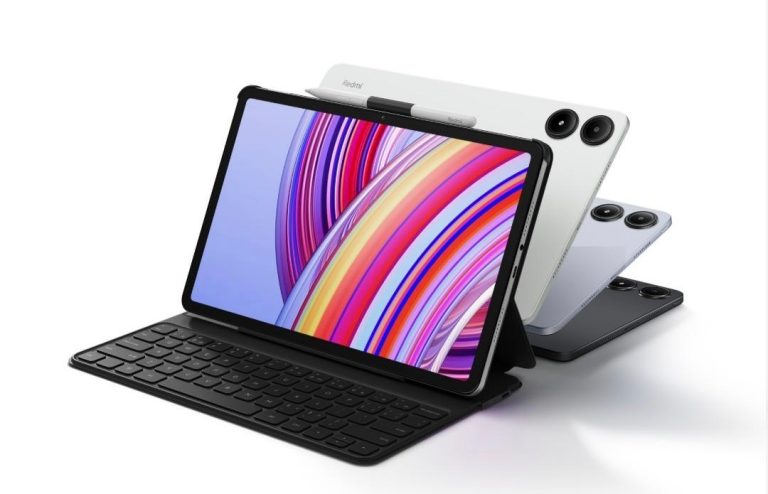
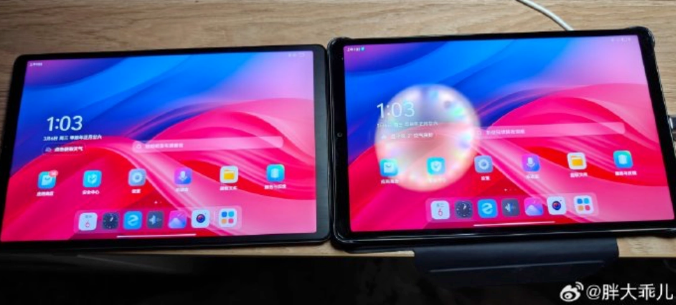
Xiaomi is gearing up for a launch conference in China scheduled for tomorrow, April 10th. While the star of the show will be the Redmi Turbo 3 smartphone, the company will also launch a tablet called the Redmi Pad Pro.
Xiaomi has already shared some details about the tablet, but renowned tipster Digital Chat Station has now leaked some key details of the Pad Pro ahead of the official announcement.
Redmi Pad Pro Specifications (Rumored)
The Redmi Pad Pro will be a compelling mid-range tablet offering from Xiaomi. According to Digital Chat Station, the device looks set to feature a substantial 12.1-inch LCD screen with an impressive 2.5K+ resolution and a smooth 120Hz refresh rate.
Under the hood, the Redmi Pad Pro is rumored to be powered by the Snapdragon 7s Gen2 processor. While not Qualcomm’s top-of-the-line chip, this should provide ample power for everyday use and multitasking.
Keeping the lights on will be a sizeable 10,000mAh battery, ensuring you get through long work sessions or extended entertainment binges. It will support 33W charging, as revealed by the device’s appearance on the 3C certification.
Moreover, the tablet is said to come pre-installed with an Android-based HyperOS operating system. Digital Chat Station also hints at compatibility with a stylus which could enhance productivity for users.
As of now, pricing for the Redmi Pad Pro remains a mystery. We’ll have to wait for Xiaomi’s official announcement at the launch event to get concrete details.
Global availability is also unknown, but Xiaomi typically releases its devices in several regional markets. There are also rumors that Redmi Pad Pro could launch globally as the first Poco tablet.
The speculations arise as both the tablets share similar model numbers — 2405CPCFBG (Poco tablet), and 2405CRPFDC (Redmi Pad Pro). More details here.
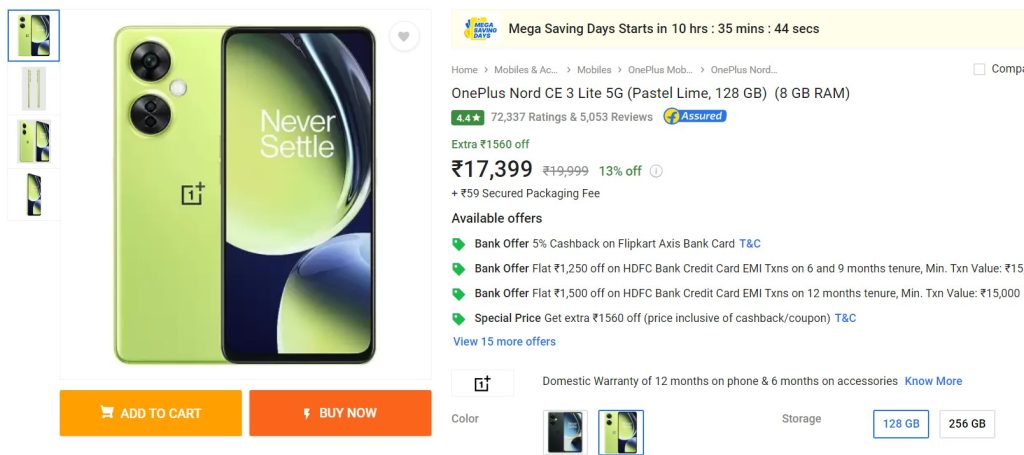
With competitive pricing and exciting specifications, the OnePlus Nord CE 3 5G is a good deal. But, the recent discount of around ~Rs 2000 is making it an excellent opportunity for potential buyers to grab it for Rs 17,399. Apart from the inclusive discounts, there are additional discounts of up to Rs 1500 on HDFC via Flipkart, and Rs 1250 additional Bank discount on HDFC cards via Amazon.
OnePlus Nord CE 3 5G Deal Details
On Flipkart, the deal will remain for the next few hours, and on Amazon, it will remain for a couple of days. However, the maximum discount is available on Flipkart as the actual offer price is Rs 17,399, and with an HDFC discount of Rs 1500, you can get it for Rs 15,899. Meanwhile, on Amazon, it is available for Rs 17,999 and with a Rs 1250 discount, the actual price remains at Rs 16,749.
Launched last year in India, the OnePlus Nord CE 3 5G ships in two different storage and RAM variants – 8GB RAM + 128GB storage and 8GB RAM + 256GB storage. The smartphone bundles a 6.7-inch AMOLED display with having 20.1:9 aspect ratio and 2412 x 1080 pixels resolution. The Display offers a 120 Hz refresh rate for smooth gaming, 10-bit color support, and a P3 color gamut. It further features an under-display fingerprint scanner.
OnePlus Nord CE 3 5G houses a triple camera module with a 50-megapixel primary sensor with OIS, an 8-megapixel ultra-wide sensor, and a 2-megapixel macro lens. The smartphone offers a 16-megapixel front-facing camera for selfies and video calls.
It comes with the Snapdragon 782G chipset, which couple up to 12GB LPDDR4x RAM and 256 GB UFS 3.1 storage. Moreover, there’s a 5000 mAh dual-cell battery with 80W fast charging support. In connectivity, the user gets dual SIM support, 5G, Wi-Fi 6, Bluetooth 5.2, GPS, NFC, an IR blaster, an X-axis linear motor, a USB-C port, and dual speakers.
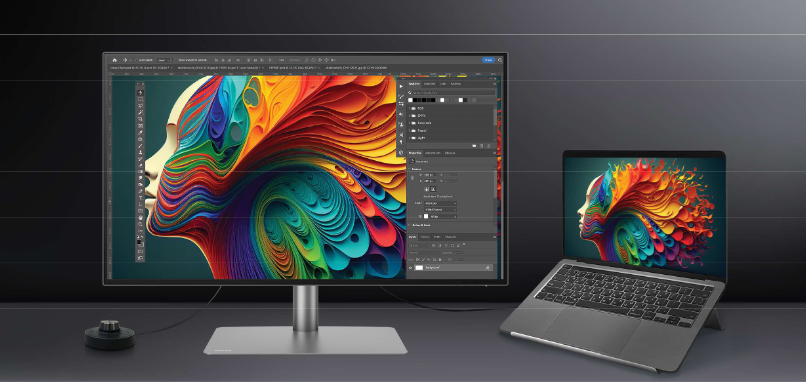
BenQ‘s latest product launch is a monitor that is designed to aid in your creative spark. The new BenQ PD3225U Pro-Designer Monitor is the model in question, which brings Mac support as well. This launch arrives weeks after the brand unveiled a new Zowie Gaming Monitor in India. So let’s have a look at some of its notable specs and features.
BenQ PD3225U Designer Monitor: Specs
As the name suggests, this display was designed for creative professionals. It sports a tall 32-inch that offers UHD resolution (4K) along with a 98 percent Display P3 wide color gamut. The BenQ monitor has a 2000:1 aspect ratio with IPS Black technology that brings 35 percent deeper blacks than conventional IPS panels. The Delta E≤2 color accuracy is also certified by Calman, Pantone, and Pantone Skin Tone.
Thanks to its AQCOLOR technology with Uniformity Tech, the display promises to offer exceptional color consistency across its 4K display. A single Thunderbolt 3 port is offered for connectivity that acts as a single cable for video, data, audio, and 85W laptop charging. It even offers M-Book mode for seamless color matching with Mac devices. A KVM switch can also be found to control two PCs from one keyboard and mouse, with Daisy Chain support enabling dual 4K displays.
BenQ PD3225U Designer Monitor: Pricing and Availability
The BenQ PD3225U Pro-Designer Monitor has officially been announced in the Indian market. It is currently available for purchase via the brand’s official Indian website, Amazon India, and leading Photography retail stores in India for a 99,990 INR (roughly 1,201 US Dollars) price tag.
A new report by Counterpoint Research indicates that India’s electric vehicle (EV) market is expected to substantial growth in 2024. Sales are expected to surge by 66% compared to 2023, with EVs potentially accounting for 4% of total passenger vehicle (PV) sales.
Looking ahead, the report suggests that by 2030, EVs could make up roughly one-third of India’s annual PV sales.
In 2023, Tata Motors emerged as the dominant player in the EV market, commanding two-thirds of the market share. However, the report suggests that Maruti Suzuki’s planned entry into the EV market in 2025 could hinder the EV dominance of Tata in the country.
Furthermore, Vietnam’s EV brand VinFast has also announced plans to establish a manufacturing plant in Tamil Nadu, indicating growing industry investment in India’s EV sector.
The trend underlines the shift toward sustainable and eco-friendly technologies in the automotive industry, as noted in the Counterpoint report.
Liz Lee, Associate Director at Counterpoint Research, also stressed the importance of ramping up EV battery manufacturing in India to boost sales.
Companies like Ola, Reliance New Energy, and ACC Energy Storage have made significant investments in this area. Combined with the Make in India initiative, this is expected to cut production costs and drive further EV sales.
The Indian government has also announced initiatives such as the PLI scheme for Advanced Chemistry Cells (ACC) and recent reductions in import duties for EVs priced under $35,000. These are viewed as vital steps in attracting investment in the EV sector in India.
The report also points out notable growth in EV sales in 2023, with EV sales nearly doubling while overall passenger vehicle sales increased by 10%, capturing 2% of the PV market.
The report highlights key factors driving this trend including growing urban consumer interest, government support, improving infrastructure, and increased awareness of climate change.
In 2023, Mahindra & Mahindra experienced a remarkable 2,476% increase in market share, largely fueled by the success of its all-electric SUV, the XUV400. Other brands like MG Motor and BYD also performed well, with BYD solidifying its position among India’s top five EV brands.
iQOO recently celebrated its 4th year anniversary in the Indian market. To mark the occasion, they announced the iQOO 12 Anniversary Edition smartphone. The special edition called the iQOO 12 Desert Red Anniversary Edition, is now available for purchase in India starting at INR 52,999.
Pricing & availability
The iQOO 12 Desert Red color option is now available for INR 52,999 for the 12GB + 256GB version, going up to INR 57,999 for the 16GB + 512GB variant. This smartphone can be purchased via Amazon and iQOO’s website starting today at 12 PM.
iQOO is offering an INR 3,000 instant discount for HDFC and ICICI Bank card users, with the option of no-cost EMI. This pricing aligns with the iQOO 12’s other color options.
iQOO 12 specs:
The iQOO 12 made its initial debut back in December 2023, featuring a 6.78-inch LTPO AMOLED display offering FHD+ resolution, a 144Hz refresh rate, HDR10+, and 3,000 nits of peak brightness. Under the hood, the device features a Snapdragon 8 Gen 3 SoC, paired with LPDDR5X RAM and UFS 4.0 storage. It also comes with an iQOO SuperComputing Chip Q1, and FunTouchOS 14 based on Android 14.
The phone comes with a 50MP primary camera with OIS support, a 50MP ultra-wide-angle lens, a 64MP telephoto lens with 3x optical zoom, and a 16MP selfie shooter. The phone has a 5000mAh battery with support for 120W fast charging and an in-display fingerprint scanner.
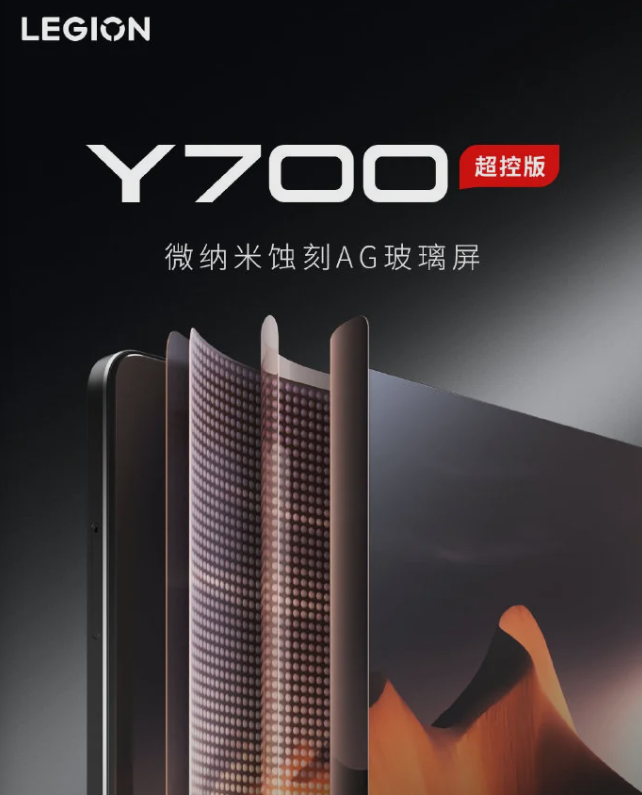
Lenovo Legion Y700 second-generation (the latest) was launched back in July 2023. Now the company has announced that they are working on a refreshed Legion Y700 “Super Control Edition” (translated).
Legion Y700 “Super Control Edition”
This new iteration will only have a refreshed look and feel with a matte display, while all the internal components will stay the same as last year’s offering. It is noted as a “replaced screen version”. It equips the industry’s first micro-nano etched AG glass in the front. As a result, you can expect better visibility with less reflections in certain scenarios like outdoors. It also reportedly offers a soft touch feel to the display.
Lenovo claims that the touch friction of the glass is reduced by a whopping 50%, which if true, would result in a significantly improved user experience.
Just as last year, you will get an 8.8-inch pretty high-resolution 2560X1600 panel underneath the new matte glass. It means a pixel density of 343 PPI.
A Weibo user commented that a new successor with a refreshed chip and other internals will not be available until the second-half of this year. Lenovo officially confirmed this saying the third-generation Y700 “will not be available for at least the next two months.”
Speaking of the internals, the second-generation Legion Y700 tablet packs the 4nm Snapdragon 8+ Gen 1 chipset. There are two memory and storage configurations available – 12GB + 256GB and 16GN + 512GB. You get a 13MP + 2MP dual camera setup on the back and an 8MP selfie on the front. Notably, this second-generation tablet boasts 2x USB Type-C 3.1 Gen2 ports and supports display output with DisplayPort 1.4.
64MP wide (f/1.8), 8MP ultrawide (f/2.2), 2MP marco (f/2.4).
Front camera
32MP (f/2.2)
16MP (f/2.5)
Chipset
MediaTek Dimensity 7200 Pro
Snapdragon 7s Gen 2
RAM
8GB, 12GB
8GB, 12GB
Storage
128GB, 256B
128GB, 256GB, 512GB
Battery
5000 mAh
5100 mAh
Charging
45W wired
67W wired
Water/dust resistance
IP54
IP54
Size
161.7 x 76.3 x 8.6 mm (6.37 x 3.00 x 0.34 in)
161.2 x 74.3 x 8 mm (6.35 x 2.93 x 0.31 in)
Weight
190g (6.70 ounces)
181g (6.38 ounces)
Colours
Black, White, Milk
Black, White, Blue
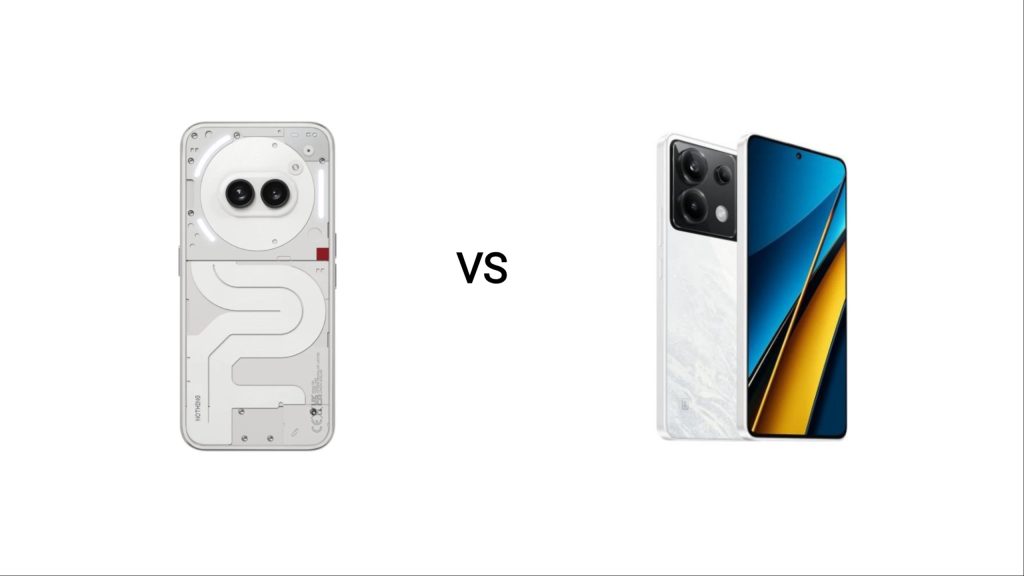
Nothing Phone 2a vs Poco X6 comparison table
With intense competition in the midrange Android market, it’s often hard to pick a good device. In this article, we put two top players in the Android midrange market against each other to see which is better. The devices competing in this article are the Nothing Phone 2a and the Poco X6 from Xiaomi.
So if you’re looking for a new device to purchase that won’t break the bank, these devices are great choices for you. But which of them should you go for when making your purchase? This article will help you pick the better option when shopping for the better device.
Please Note: When you buy something using the links in our articles, we may earn a small commission at no cost to you.
Nothing Phone 2a vs Poco X6: Design and colours
Nothing Phone 2a:
Ever since the brand’s inception, Nothing has taken a different turn with the designs of their smartphone. This device, the Nothing Phone 2a, follows this design path featuring the Glyph interface, a glass see-through design revealing some screws and patterns in the device. On its rear sits a horizontal rear camera setup with a flash that suits towards the top right-hand side of this cutout. The volume rocker keys on this device sit on the left-hand side, while the power button sits on the right-hand side of the device. At the base of the device sits the USB-C port, microphone, speaker, and the SIM tray.
Poco X6:
The Poco X6 is a rather simple design, featuring a rectangular island that runs from one end of the device to the other. On this island sits the camera cutout, the flash, as well as the Poco logo. The sides of this device are flattened out with the volume rocker and power button, up top sits a headphone jack speaker and an antenna. At the base of this device sits the USB-C port, speakers, and a SIM slot. For its colour options, this device comes with Black, White, Blue.
Major differences:
Impressive finish on the Poco X6.
Dual speakers on the Poco X6.
Nothing Phone 2a vs Poco X6: Display
Nothing Phone 2a:
This device uses a 6.7-inch AMOLED panel that supports 120Hz refresh rate to ensure snappy response. This display supports HDR10+ technology, helping it attain a peak brightness of 1300 nits peak brightness. All round this display are sleek bezels, making this device give off a flagship feel. For protection, this display comes with Corning Gorilla Glass 5 technology.
Poco X6:
The 6.67-inch AMOLED screen panel of this device comes with some impressive features. There is also support for Dolby Vision on this device, hence providing better screen display for users. The peak brightness on this device tops up at 1800 nits which is very impressive. For production, this device comes with Corning Gorilla Glass Victus technology.
Major differences:
Brighter display on the Poco X6.
Slimmer bezels on the Nothing Phone 2a.
Nothing Phone 2a vs Poco X6: Cameras
Nothing Phone 2a:
For midrange devices, photography isn’t a strong point, but that’s not the case with the Nothing Phone 2a. This device comes with a dual rear camera setup housing two 50MP sensors. Up front sits a 32MP selfie camera which is up to the task of taking crisp clear photos in different lighting conditions.
Poco X6:
There are three rear cameras on this device, a 64MP main sensor, an 8MP ultrawide, and a 2MP macro sensor. Up front is a 16MP selfie camera, which despite falling behind the selfie sensor on the Nothing Phone 2a can still get users impressive shots. Poco prides itself in the performance of this camera system as it packs both OIS and EIS systems for more stable pictures and videos.
Major differences:
Dual 50MP cameras on the Nothing Phone 2a.
32MP selfie camera on the Nothing Phone 2a.
Nothing Phone 2a vs Poco X6: Performance
Nothing Phone 2a:
Nothing powers this device with the MediaTek Dimensity 7200 Pro processor. Joining this is up to 12GB RAM and 256GB worth of storage capacity. This makes this device an impressive mid-range Android device that retails at an affordable price tag.
Poco X6:
Performance on this device is fuelled by the Snapdragon 7s Gen 2 processor, which is a close competitor with the Dimensity 7200 Pro. For a complete package, this device comes with a 12GB RAM option as well as up to 512GB worth of storage. Users can also get another 12GB worth of virtual RAM that they can also put to good use on this device.
Major upgrades & differences:
Expandable 12GB RAM on the Poco X6.
Up to 512GB storage capacity on the Poco X6.
Nothing Phone 2a vs Poco X6: Software
Nothing Phone 2a:
This device runs on Android 14 and Nothing OS 2.5.4 out of the box. Users are getting 3 years of Android OS upgrades.
Poco X6:
The Poco X6 runs on Android 14 out of the box, and extra customization from the MIUI 14 system that this device runs on as well.
Major differences:
Nothing OS on the Nothing Phone 2a.
MIUI 14 software on the Poco X6.
Nothing Phone 2a vs Poco X6: Battery life and charging
Nothing Phone 2a:
For its battery capacity, this device comes with 5000mAh which is more than enough for a day usage. Charging speed on this device is 45W as standard.
Poco X6:
At, 5100mAh, this device comes with a slightly larger battery than on the Nothing Phone 2a. For its charging abilities, this device features 67W fast wired charging, which again beats what is available on the Nothing Phone 2a.
Major differences:
Faster charging on the Poco X6.
Slightly larger battery on the Poco X6
Nothing Phone 2a vs Poco X6: Final Verdict
In terms of affordability and more features, the Poco X6 clearly wins this comparison battle. Despite coming with a less powerful camera system, this device tops off its performance in other vital areas. With up to 24GB worth of RAM via virtual expansion, the Poco X6 is a great choice for power hungry users shopping on a budget.
The Poco X6 also outshines the Nothing Phone 2a in terms of design, as the option from Nothing comes with a rather busy design. With the Poco X6, buyers get a more affordable option, better display, up to par performance, faster charging just to mention a few. If you’re going for camera abilities and a sci-fi design, then the Nothing Phone 2a is the right choice for you.
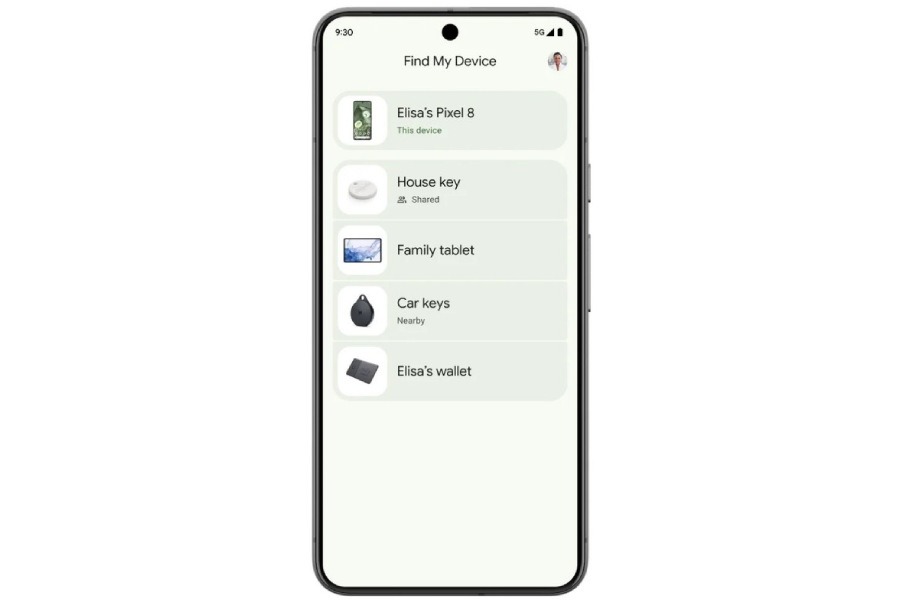
Google has finally launched its much-anticipated update to the Find My Device network. Initially announced in May 2023, this update brings Android users closer to having similar features as Apple’s Find My network.
Now, Android users can use a wide range of compatible devices to locate lost or misplaced items, even when those items are offline.
Similar to Apple’s Find My, the updated Find My Device network uses Bluetooth signals to track devices through crowdsourced location data. This means that if you lose your Android phone, nearby Android devices can securely assist in locating it, even without an internet connection.
The feature is currently available on Android 9 Pie devices and newer ones with Google Play Services installed. Additionally, Google mentions that on select devices, such as the Pixel 8/8 Pro, you might even find your device if it’s turned off.
Privacy and safety are key focuses of the new Find My Device network. Google says the data about lost items’ locations is encrypted end-to-end, preventing unauthorized access by Google or others. Additionally, to avoid unwanted tracking, multiple Android devices must detect a device before its location is revealed to the owner.
The network is also open to compatible Bluetooth trackers from third-party manufacturers, starting with tags from Chipolo and Pebblebee. Google says that other companies like Eufy, Jio, and Motorola will offer compatible trackers later this year.
The updated Find My Device app includes a “Find Nearby” feature to locate lost devices when they’re nearby. It also integrates with Google Nest devices, helping estimate the distance of a lost item to your Nest speakers or smart displays if you misplace something at home.
Android users have control over how their device participates in the network. While location reporting is on by default, users can adjust settings or opt-out entirely if they wish.
This overhaul of the Find My Device network is a welcome update for Android users, bringing increased functionality and a commitment to safety, making it more competitive with the popular Apple Find My network.
Redmi is gearing up for a launch event tomorrow in China, where the brand will be introducing the Redmi Turbo 3 smartphone, alongside the Redmi Pad Pro tablet. The brand has already confirmed many of the hardware details of these devices, and now, details about two interesting software features onboard have also been revealed.
First is air gestures, a first for Redmi phones, allowing users to control their devices without touching the screen. This innovative feature promises to make smartphone use more convenient from a distance, like when using it to vlog or take a group photo/video.
The second interesting feature onboard is the AI Magic Elimination Pro, an AI-powered photo editing tool that automatically removes unwanted elements from pictures. It works pretty much exactly like the Magic Eraser onboard the Google Pixel smartphones, and since it uses the Snapdragon 8s Gen 3 chip, these edits are faster and more accurate.
Redmi Turbo 3 specs:
Hardware specifications of the Turbo 3 include a 6.67-inch OLED display with a 1.5K resolution and a 120Hz refresh rate. The Snapdragon 8s Gen 3 will be paired with up to 16GB RAM and 1TB storage. The phone is powered by a 5,000mAh battery supporting 90W fast charging.
For photography, it could come with a triple camera setup on the back featuring a 50MP main sensor, an 8 MP ultrawide lens, and a 2MP macro lens.
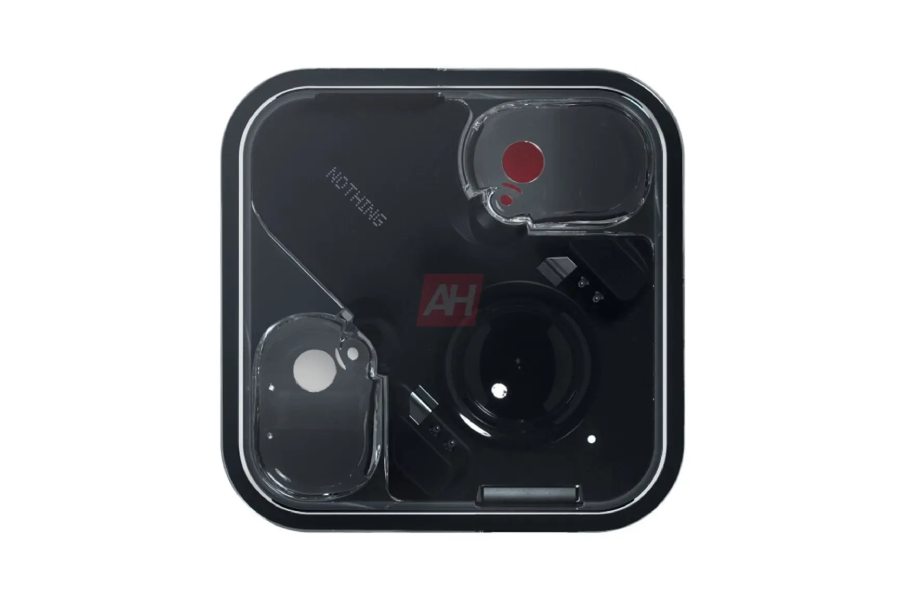
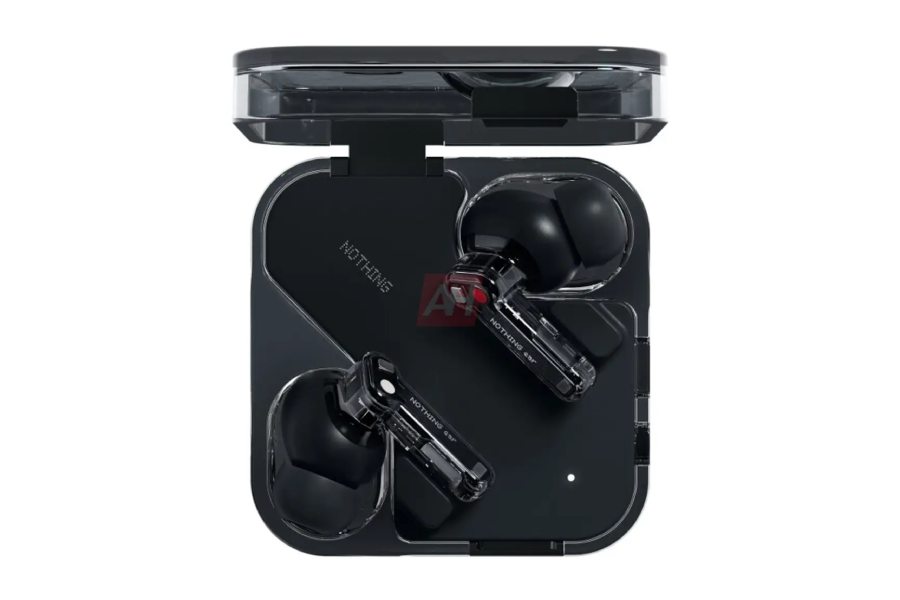
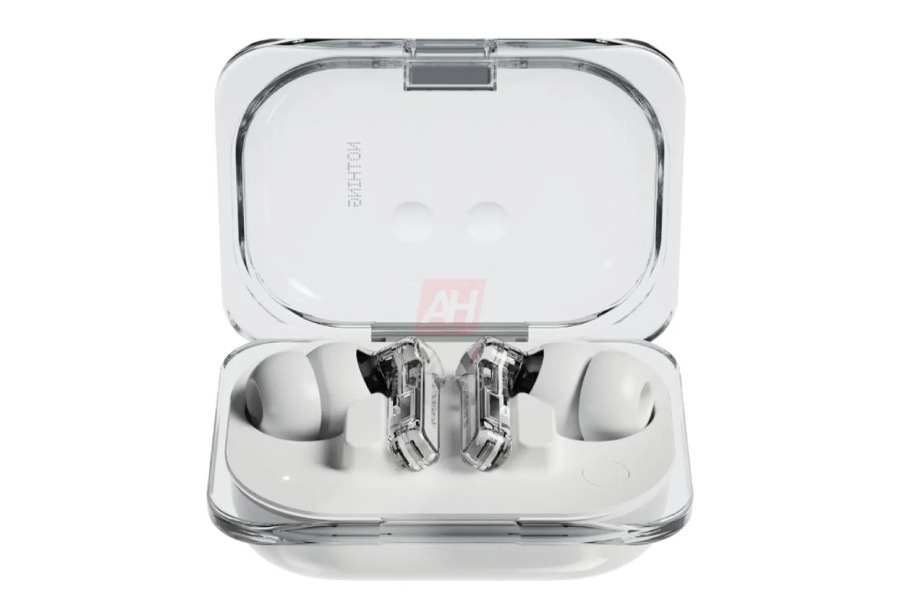
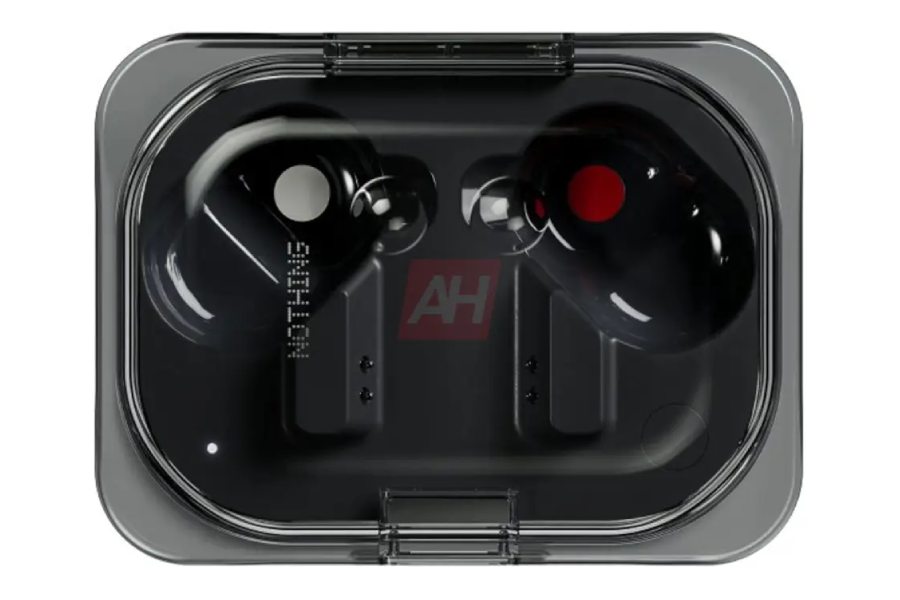
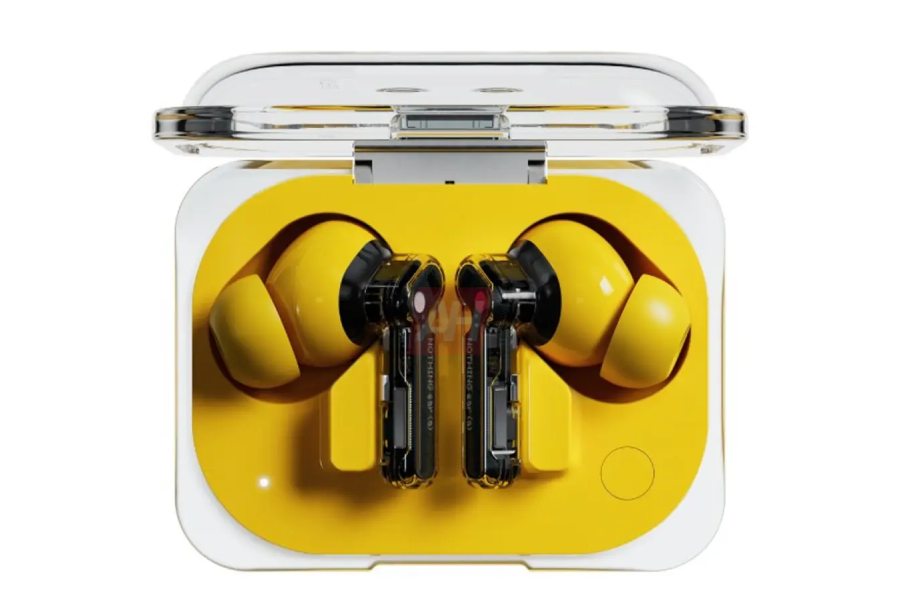
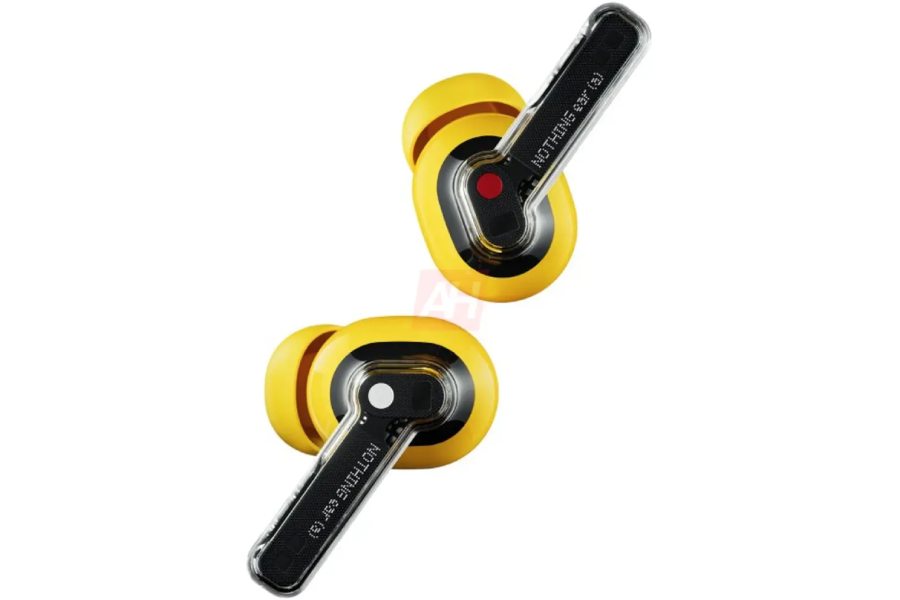
Last week, Nothing confirmed the launch date for its new earbuds — April 18. The aptly named Nothing Ear will be a premium option, while the Nothing Ear (a) is positioned as a more affordable choice.
Leading up to the big reveal, both the Nothing Ear and Ear (a) have been leaked, revealing images, detailed specs, and pricing for the earbuds.
The upcoming Nothing Ear will succeed the Ear (2), and based on the latest leak, it’s expected to be priced similarly at €150.
In terms of design, the earbuds will maintain the company’s transparent signature look and will be available in classic black and white colors.
Additionally, the earbuds are reported to have an IP54 rating for dust and splash resistance, and the case has an IPX2 rating. Users can expect up to 7.5 hours of playback with ANC off, with the case extending that to 33 hours.
On the other hand, the Nothing Ear (a) will be a more affordable option at just €100. Impressively, Nothing hasn’t compromised on essential features.
According to the leak, Ear (a) will still provide active noise cancellation, convenient dual connection support, and quick charging capabilities.
The battery life appears promising as well, offering 8 hours with ANC off, with the case extending it to a total of 38 hours. The Ear (a) will also share the same IP54 rating as its premium counterpart, while surprisingly, its case is said to have an even better IP55 rating.
Like the Ear, Nothing Ear (a) is expected to come in the company’s classic Black and White color options. Additionally, there will be a new yellow colorway which is rumored to be more eco-friendly, although the specifics of this claim are still unclear.
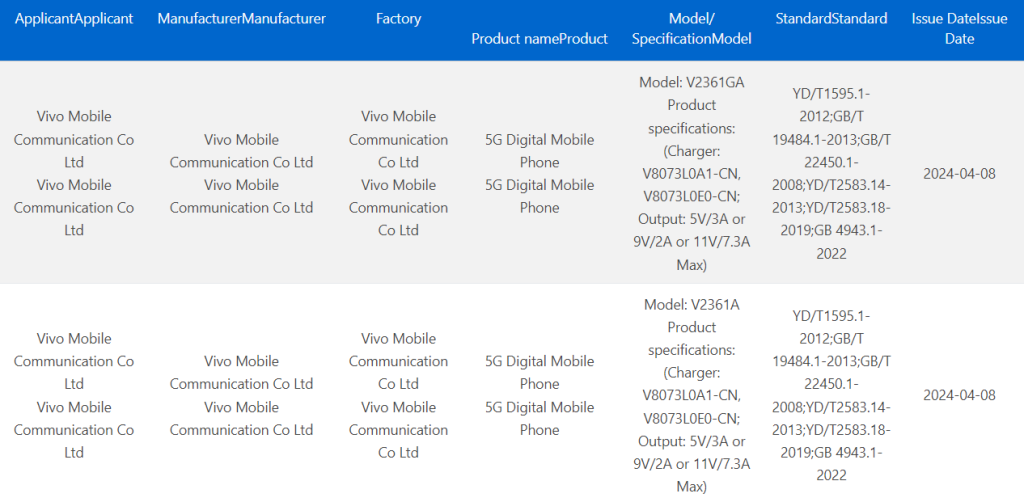
An upcoming Vivo phone with model number V2361A has appeared in the database of China’s 3C certification platform. The same listing also shows a variant of the same phone bearing the V2361GA model number. Unfortunately, the identities of the V2361A and V2361GA are not known yet.
Vivo V2361A / V2361GA phones 3C certified
The Vivo V2361A / V2361GA phones have emerged in the 3C database with V8073L0A1-CN / V8073L0E0 charger, which supports up to 80W fast charging. The country’s CMIIT authority has also approved both devices.
At present, there is no clarity on whether the V2361A and V2361GA will debut as Vivo or iQOO phones. Given the major certifications the devices have received in China, it seems likely that the country will release both devices by the end of this month or in May.
In China, Vivo has just launched the Vivo X Fold 3 and X Fold 3 Pro foldable phones, as well as the Vivo Pad 3 Pro tablet. Its sub-brand, iQOO, will launch the Snapdragon 8s Gen 3-powered iQOO Z9 Turbo this month (April) in China.
The Z9 Turbo is expected to be accompanied by the QIOO Z9 and Z9x, featuring the Snapdragon 7 Gen 3 and 6 Gen 1 chipsets, respectively. iQOO is reportedly developing the iQOO Pad 2 and Pad 2 Pro tablets for the Chinese market. Additionally, iQOO is developing the iQOO Neo 10 and Neo 10 Pro tablets, which could potentially include the Snapdragon 8 Gen 3 and Dimensity 9300 (or 9300+) chipsets, respectively.
As far as Vivo is concerned, it is expected to launch the Dimensity 9300 Plus-powered Vivo X100s and X100s Pro smartphones in the coming weeks. The Snapdragon 8 Gen 3-powered Vivo X100 Ultra with satellite connectivity support is also said to be in the works. In addition, the brand is also expected to unveil the Vivo S19 series in the second quarter of the year.
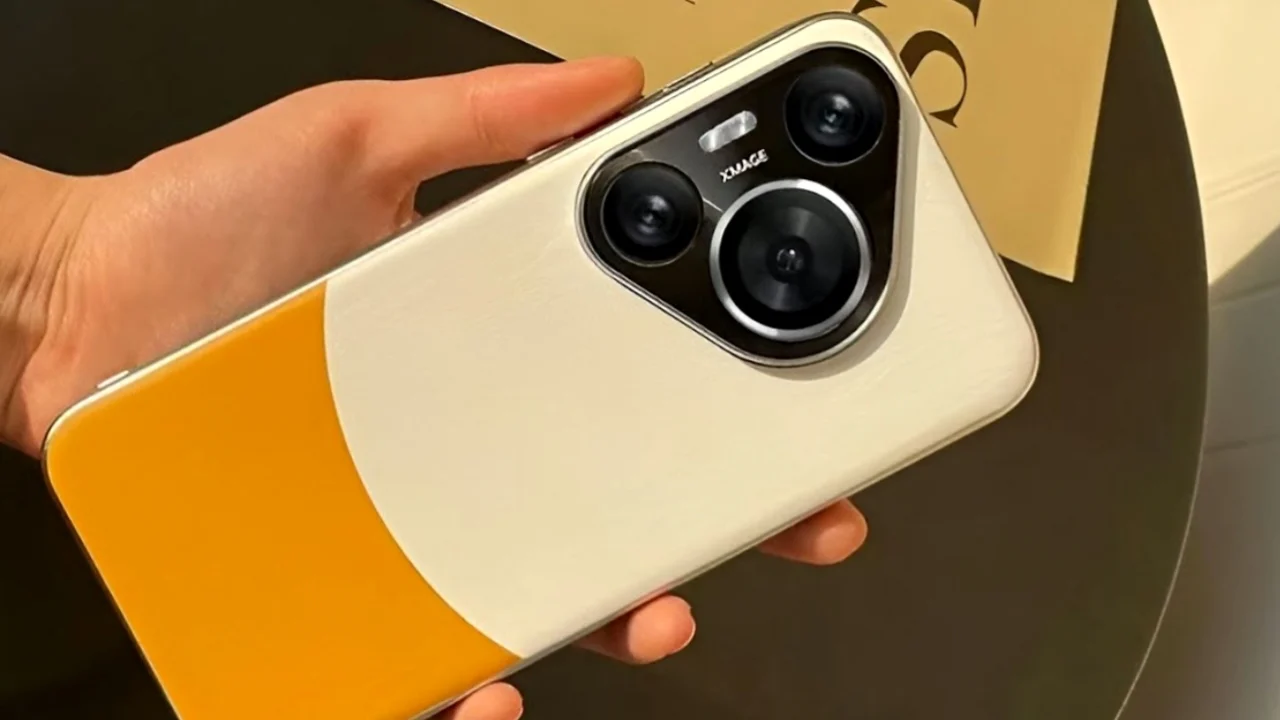
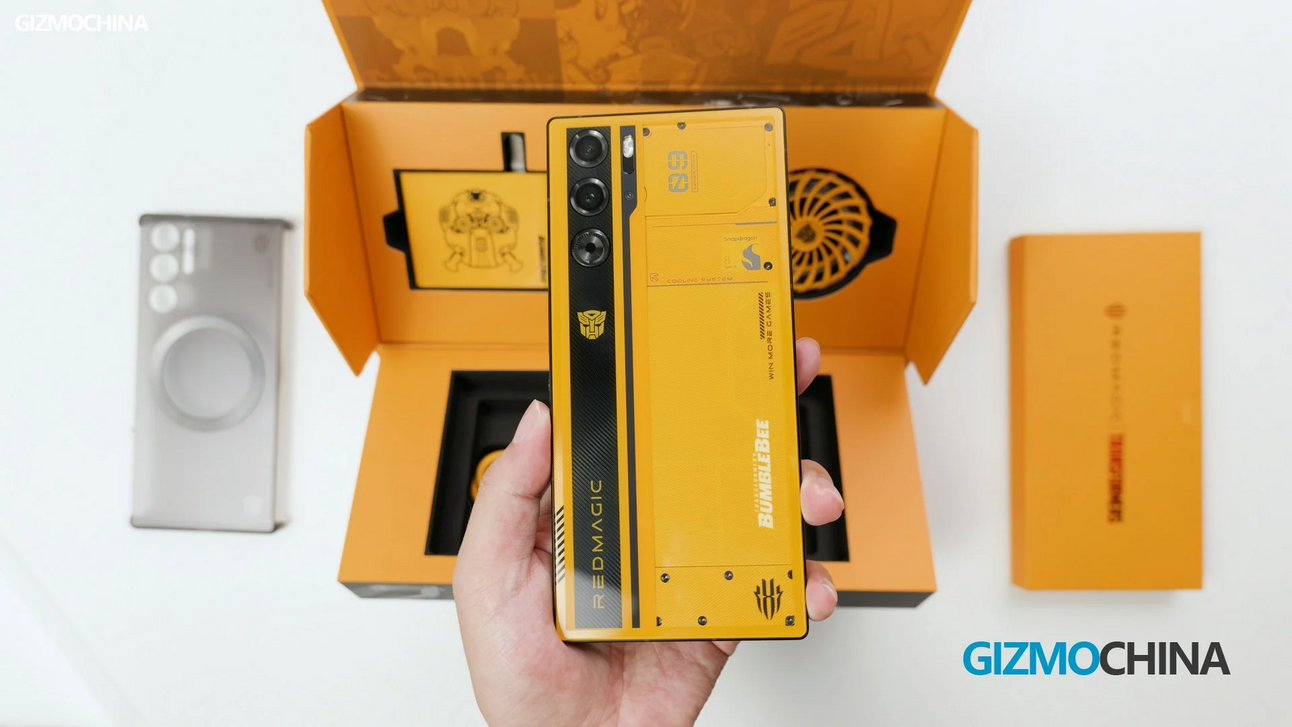
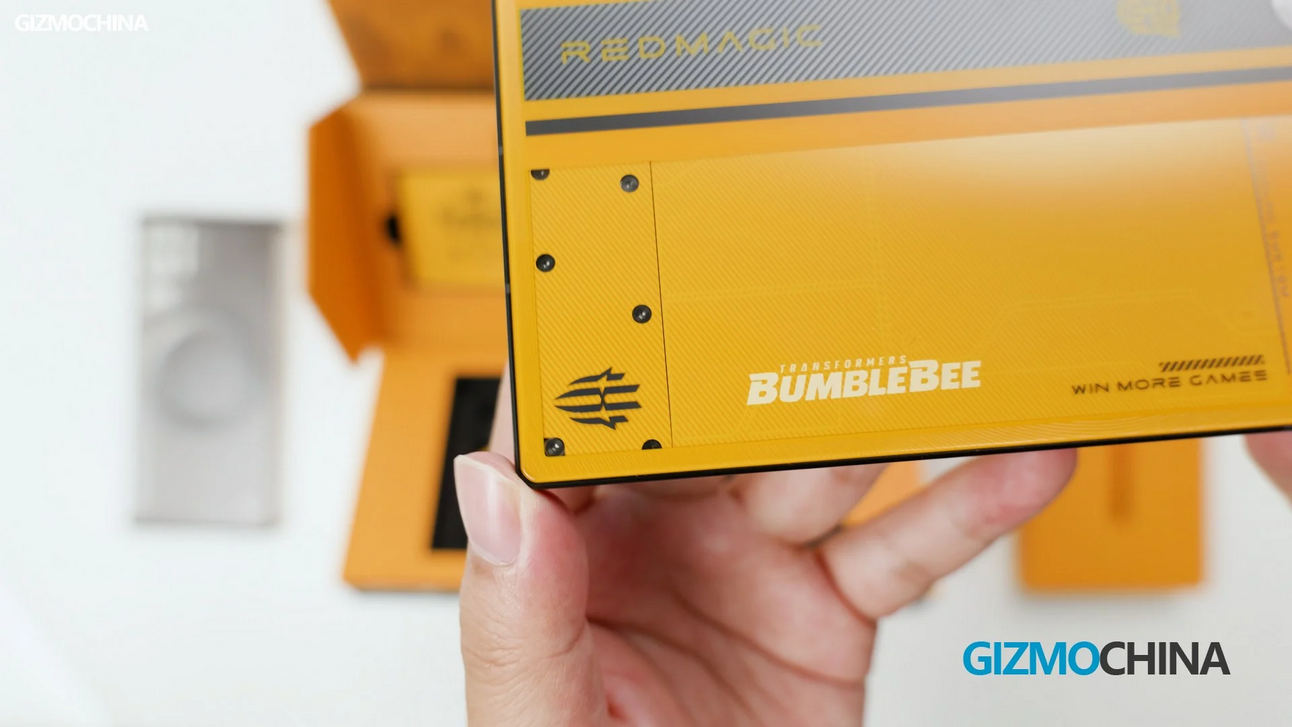
It’s day two of the week and the market is buzzing with news about the Redmi Turbo 3, iPhone 16, and the upcoming Google Pixel 8a. We also unboxed the beautiful Bumblebee RedMagic 9 Pro Plus.
To start off, yet again, we got a good view of the real Pixel 8a mid-ranger, courtesy of a leak from Twitter. This comes immediately after the device was accidentally leaked by Google in an ad. The new model features a slimmer, rounder profile with thinner bezels too.
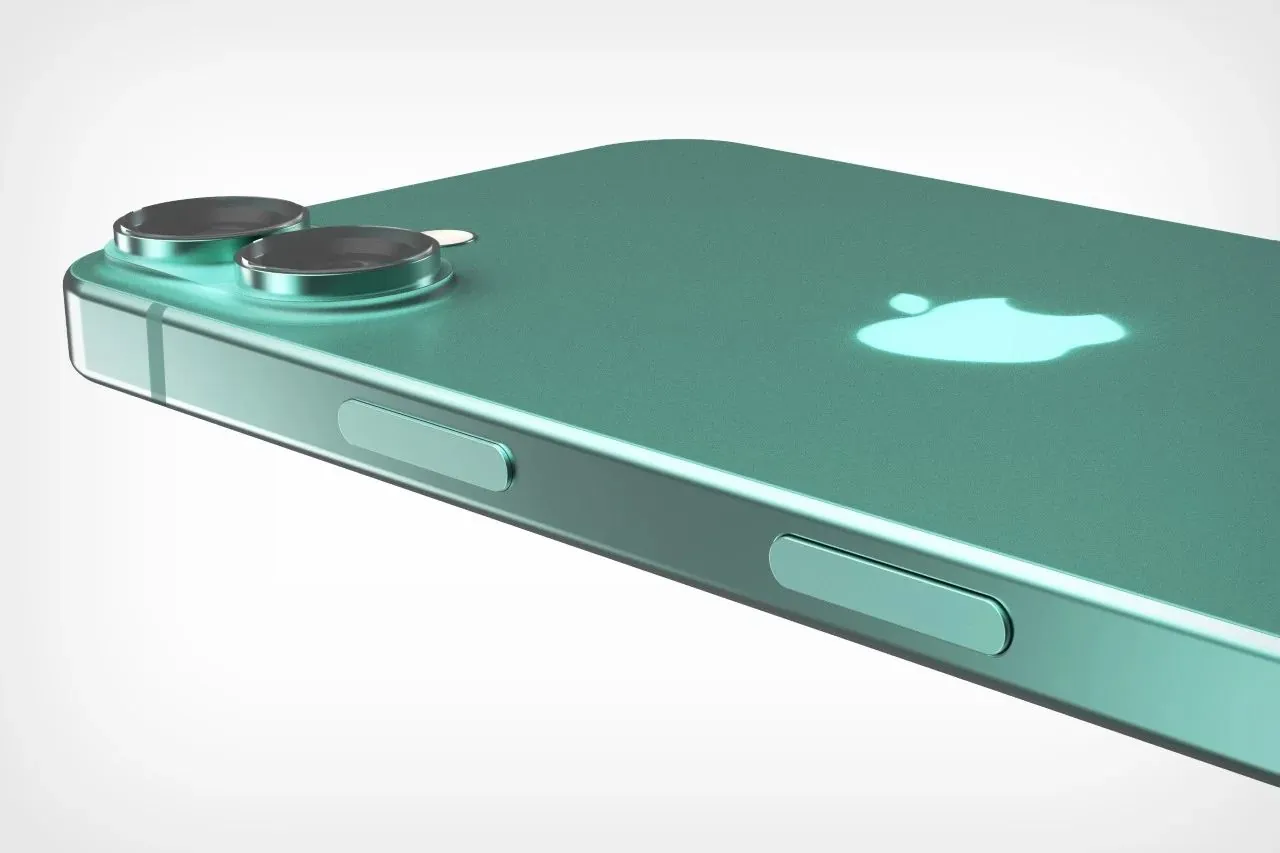
iPhone 16 rendering (Credit: Yanko Design)
Apple is said to be adding an additional button to the iPhone 16 series: the capture button. A new report throws light into why the Cupertino giant would take such a decision, especially in an age when virtual buttons are gaining popularity. Well, one of the reasons is undoubtedly how Apple is struggling to differentiate its newer models, but maybe Apple also wants to put the focus back on the camera department?
Well, the reasons are just speculations at this point, but worth a read.
Huawei’s five day barrage of launch events is all set to kick off from tomorrow. We expect a number of exciting new products in the coming days, including the FreeLace Pro 2, the new MatePad, the Watch 4 Pro Space Exploration Edition (already launched), the Smart Screen S5, and possibly even the P70 series.
Curious about the entire list of upcoming products from Huawei? Check out our story.
OnePlus, OPPO, and realme are expected to switch to ultrasonic fingerprint scanners for their upcoming devices. This technology, already used by brands like Samsung in their flagships, would replace the optical in-screen scanners that were present on their models.
Since the ultrasonic scanners create a 3D image of the fingerprint’s unique ridges and pores, they are way more difficult to spoof than the traditional scanners.
Redmi Turbo 3 won’t cost below $300, all thanks to pricey Snapdragon chips. Redmi exec points out that the chip is the most expensive component in the entire device.
He further adds that even older Snapdragon 8 series chips, like last year’s 8 Gen 2 devices, currently start at a minimum of 2300 yuan ($317). So, it’s unlikely that the Redmi Turbo 3 will have a price lower than $300.
If you were wondering what to expect from the Turbo 3, make sure to read our roundup.
Realme is launching a new smartphone lineup in India called the Realme P series. The lineup will cater to the Rs 15,000 to Rs 25,000 price segment, placed above the budget-focused C-series. The company has very high hopes for the series as it has revealed it wants to sell over 50 million P-series smartphone sales this year!
Finally, we unboxed the beautiful Red Magic 9 Pro Plus Bumblebee Edition for your viewing pleasure. Check out some of our images from the unboxing below. Want more? Here’s our hands on story.
🔥 Top headlines from the Past 24 Hours!
Apple fires nearly 600 employees after the abrupt closure of high-profile projects
To recap, challenges in production led to the cancellation of MicroLED displays for the Apple Watch earlier this year, which forced the company to bring down the team size, while the cancellation of the Apple car project further led to more people being fired from the team.
HyperOS comes to the Xiaomi Mijia Lamp – now brighter and better!
Xiaomi claims significant improvements in both illuminance and uniformity compared to the previous generation Mijia Lamp. The central area (500mm x 300mm) boasts a minimum illuminance of 756 lux, exceeding the national standard requirement of 500 lux by 51%.
The lamp also integrates seamlessly with Xiaomi’s smart home ecosystem, HyperOS. This allows users to control the lamp through various smart devices and adjust color temperature, brightness, and switch between lighting modes to create the perfect ambiance for any activity.
OnePlus 12R’s OxygenOS 14.0.0.505 update brings Object Remover & a bunch of new features
One of the cool additions is the AIGC Remover. It’s a feature that uses AI to help you take out things you don’t want in your photos. It’s pretty useful for cleaning up your pictures easily.
There are also a few more updates, like being able to make photo collages without borders right in the Photos app and a quick way to turn on the flashlight by holding down the Volume Down button when the screen is off.
Huawei HarmonyOS gets Serious Support to take on Android and iOS
The Shenzhen government has announced big plans to expand the ecosystem of Huawei‘s HarmonyOS operating system, according to a report from China.
This move is to make the platform more competitive and position it as a rival to dominant operating systems like Android and iOS.
Moto G04s launched with a major difference from Moto G04
Motorola has silently launched the Moto G04s smartphone in Germany. In terms of design and specifications, it is quite similar to the Moto G04v, which debuted earlier this year. However, there is one striking difference between the two phones – the new model gets a major bump up in the camera department.
Xiaomi’s New Smart Camera is Perfect for Parents with Crying Babies
The Xiaomi Smart Camera “Baby Care Edition“ is built for new parents. It can detect and alert the parents when a baby cries, coughs, and more. You get a notification on your phone when your baby is under discomfort, ensuring that you can tend to your child, whenever required.
It also boasts a large 5-inch screen, delivering 1080p high-definition image quality and a wide-angle lens for full room coverage.
🗞️ More News in Tech
Samsung Unveils Galaxy M55 & M15: 50MP Cameras & massive batteries at Mid-Range Prices.Tesla Settles Lawsuit with Family of Apple Engineer Killed in Autopilot Crash
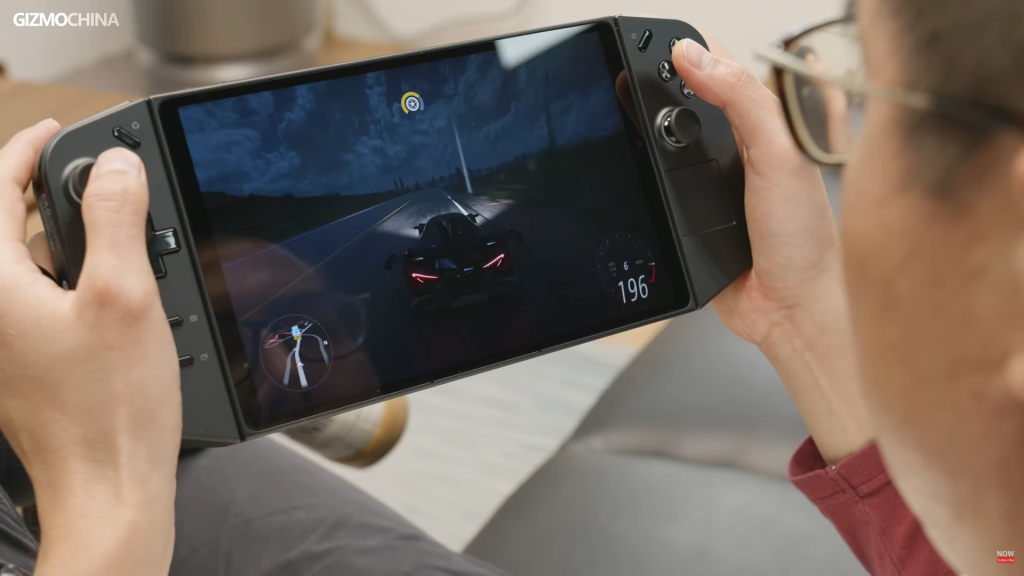
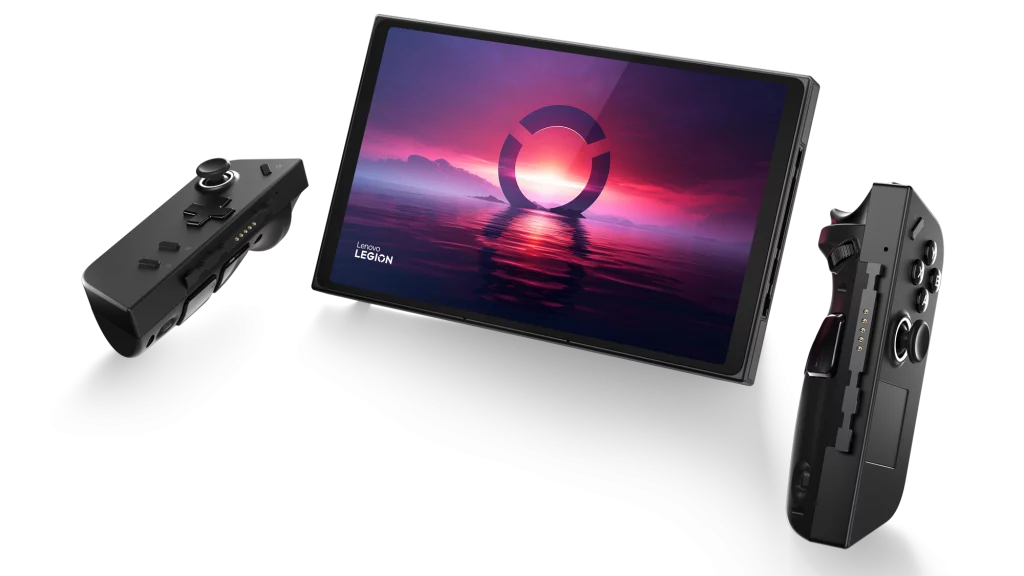
Lenovo launched the Legion Go Windows handheld gaming device towards the end of last year for around $700. It offered an 8.8″ 144Hz QHD display powered by the AMD Ryzen Z1 Extreme processor. Now the company is reported to be working on an iteration of the device. Lenovo’s Asia Pacific gaming category manager Clifford Chong mentioned in a recent interview that the next generation of Lenovo’s handheld gaming console is in the works.
Lenovo Legion Go
Lenovo is spending significant resources to improve its gaming console
After Lenovo Innovate 24, the official informed that Lenovo is spending significant resources to improve the current Legion Go. Of course, it wasn’t quite as good as the Steam Deck which was launched a year earlier. “From day one to now, we’ve unlocked more experiences and are still working hard to bring the next wave of features to the product,” noted Clifford Chong.
Lenovo sees the potential of the handheld gaming console product category and is looking forward to launching the next generation of products with even richer functionality.
Lenovo Legion Go
The other two major competitors of the company in the handheld gaming console market are ASUS and MSI. Both companies are known to be working on their iteration. ASUS will launch the ROG Ally 2 this year. There’s enough incentive for Lenovo to invest in R&D of its next-generation Windows handheld gaming console.
Speaking of the current generation Legion Go handheld console, it weighs 1.88lbs (852 grams). For reference, the ROG Ally weighs 1.34 lbs (608 grams). Lenovo’s first generation gaming console equips a 49Whr battery and runs on Windows 11. The 2560x x1600 screen goes up to 500 nits peak brightness and equips 97% DCI-P3 color gamut rating. As The Verge noted, it could also be considered as a tool for browsing, reading, and streaming videos.
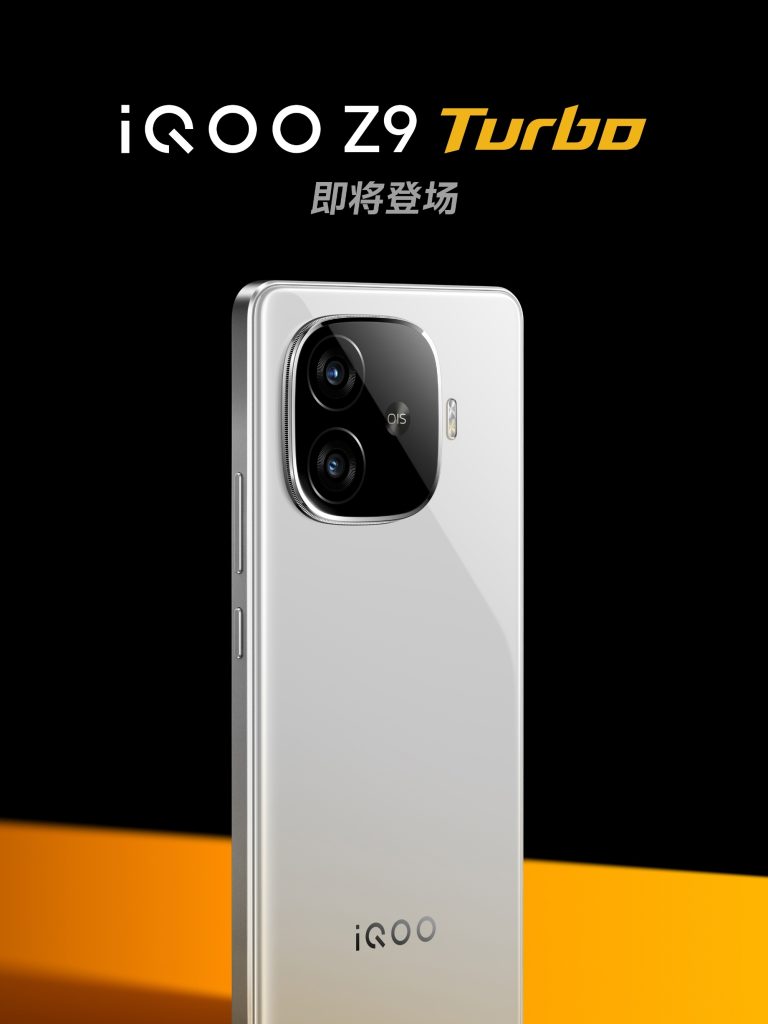
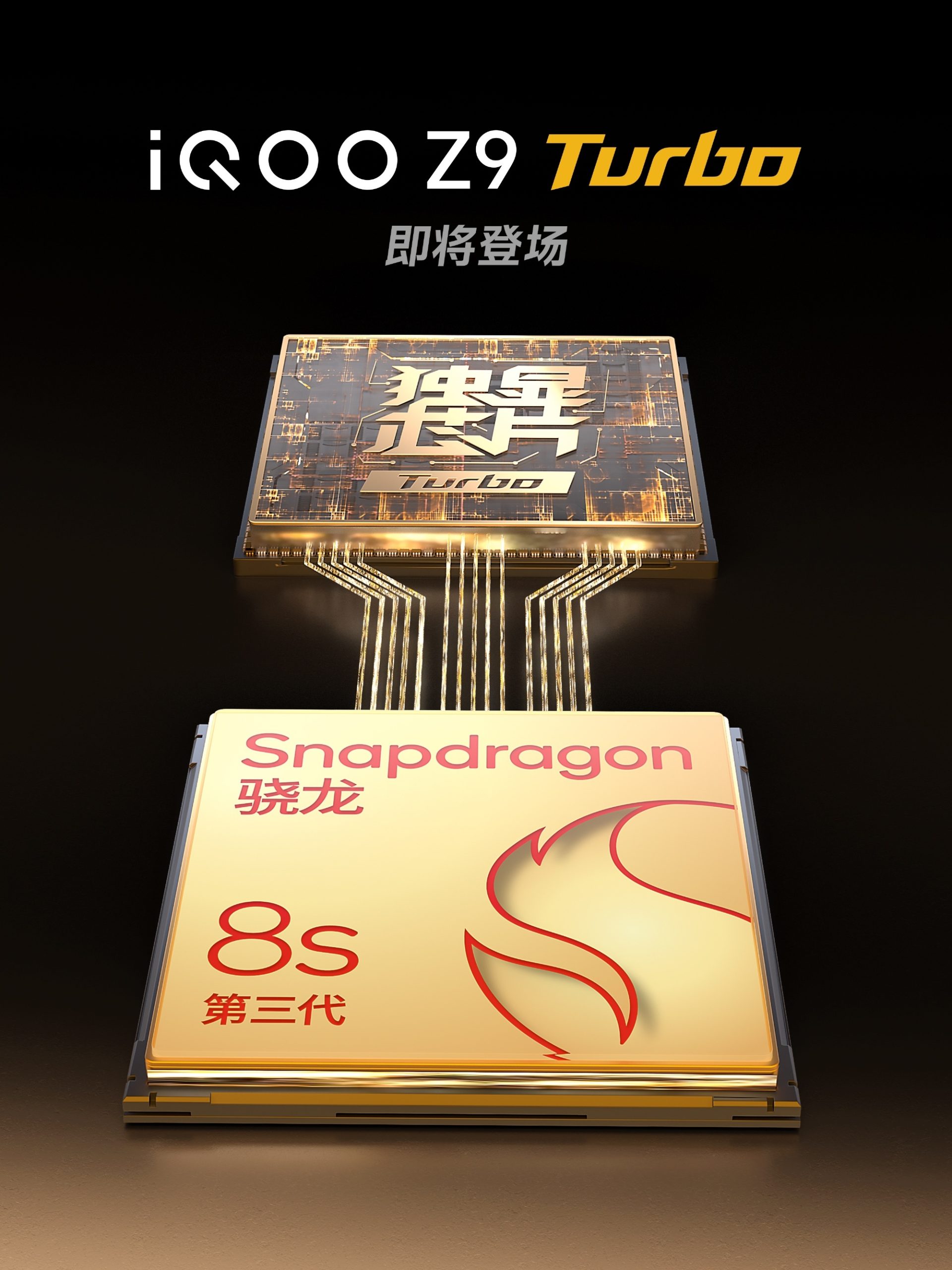
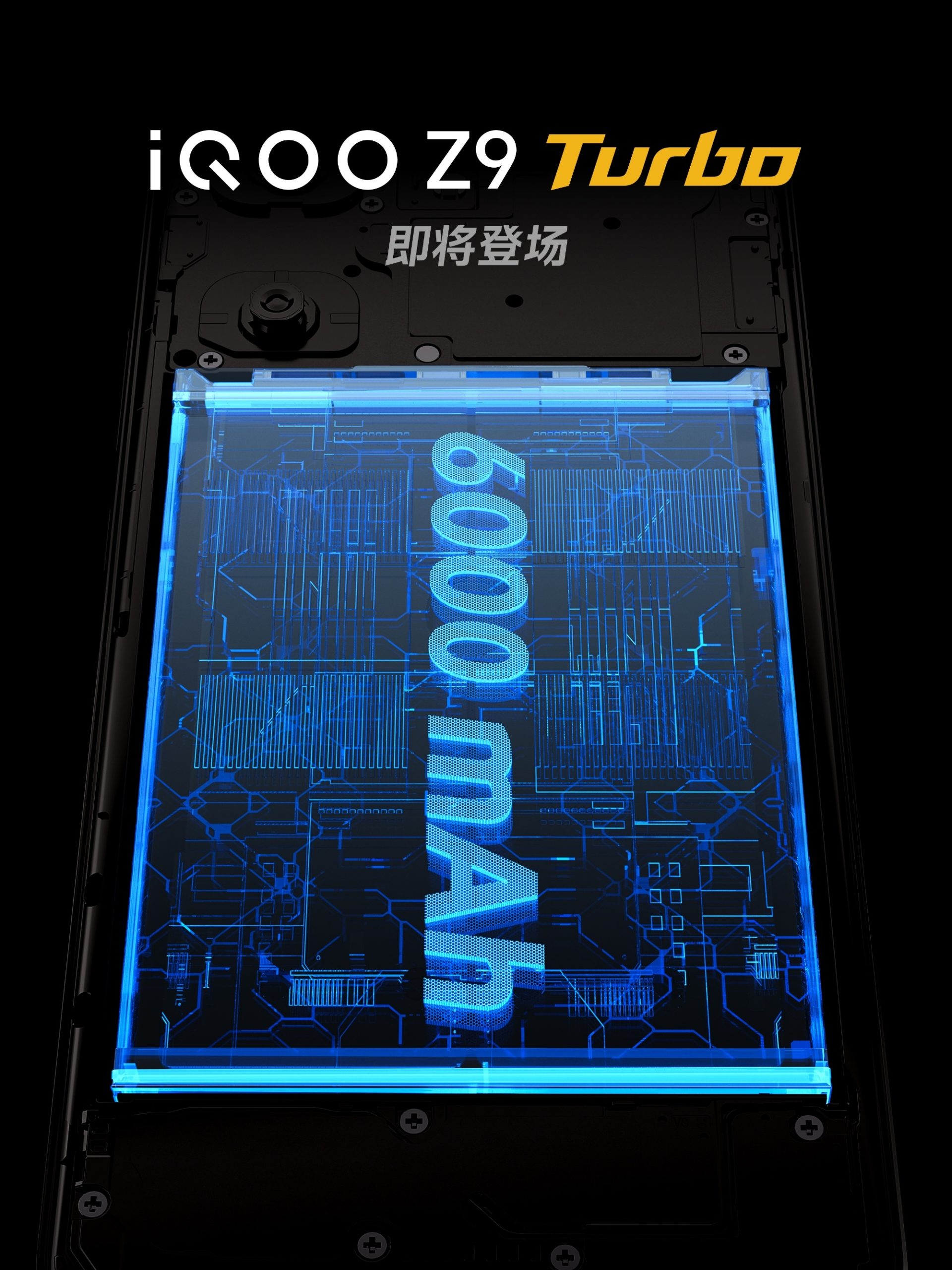
iQOO will launch the iQOO Z9 Turbo, an affordable flagship phone, this month in China. Today, the brand took to its Weibo account to share new images that confirm its rear design, chipset, battery size, and a few other details.
iQOO Z9 Turbo’s first look
iQOO Z9 Turbo design
The above image gives a first look at the design of the iQOO Z9 Turbo. The device features flat edges and a squarish camera module, housing two cameras and an OIS logo. A dual-tone dual-LED flash is placed beside the camera module. In terms of design, it appears like a stripped-down version of the iQOO 12 series.
iQOO revealed that the iQOO Z9 Turbo will be among the first batch of phones to feature the Snapdragon 8s Gen 3 chipset, a toned-down version of the Snapdragon 8 Gen 3 chip. Last month, the Xiaomi Civi 4 Pro debuted as the world’s first SD8sG3 phone in China.
The Redmi Turbo 3 debuting tomorrow (April 10) in China will also feature the said chipset. The forthcoming Realme GT Neo 6 will also have the same chip. While the Z9 Turbo is confirmed to debut this month, there is no clarity about the launch timeframe of the GT Neo 6.
The iQOO Z9 Turbo is also confirmed to come with an independent chip for handling graphics, a 6K VC heat dissipation system, and a massive 6,000mAh battery. According to reports, the device will support 80W fast charging.
Reports have revealed that the iQOO Z9 Turbo will have a 6.78-inch flat OLED screen offering a 1.5K resolution and a 144Hz refresh rate. It is expected to arrive with 12 GB / 16 GB of LPDDR5x RAM and 512 GB of built-in UFS 4.0 storage. It may feature a 16-megapixel front-facing camera and a 50-megapixel + 8-megapixel (ultra-wide) dual-camera system.
NVIDIA RTX 50 series cards might actually be unveiled in 2024. The introduction of the NVIDIA GeForce RTX 5090 was expected at CES in 2025, but the rumors indicate that the RTX 50 series cards could be introduced in the fourth quarter of 2024, with NVIDIA’s partners anticipating the unveiling of the RTX 5080 and RTX 5090 in 2024.
RTX 50 cards to be unveiled in 4th quarter of 2024, beefy ones first
A user known for insider leaks related to NVIDIA on Twitter, with the account @kopite7kimi, was asked when NVIDIA’s next-generation GPUs would be unveiled, and they responded with “At the end of the year. We might expect the introduction of the RTX 50 series GPUs by the end of this year.
kopite7kimi on Twitter
According to the latest article from IT Home, the first GPUs NVIDIA is likely to introduce in 2024 will be high-end ones. Initially, the unveiling of the RTX 5080 and RTX 5090 is expected, followed by the possible introduction of the RTX 5060 or RTX 5070. With NVIDIA’s recent investments in AI-related features, if the RTX 50 series cards are introduced this year, an increase in shipments is also expected.
The initial leaks point in this direction, but of course, these do not definitively mean that NVIDIA will introduce the RTX 50 series this year. However, if the rumors are true, we could see the unveiling of high-end cards belonging to the RTX 50 series in the fourth quarter of 2024.
No, this is not a new optimistic robot that requires positive reinforcement. Stanford researchers have introduced YAY, a system that lets you yell instructions at your robot to improve its performance in real-time. This approach goes beyond standard programming, allowing for dynamic adjustments during tasks.
The robot gets better in real-time as it learns from the user’s instructions
Imagine your robot struggling to put a soft ball in a box. With YAY, you can simply shout “Squeeze the ball” and the robot will adapt its strategy. These corrective instructions are then stored by the system to enhance future performance. YAY allows the user to give shouted orders for complex tasks like bagging groceries, mixing fruits, and washing dishes. These tasks often require bimanual manipulation and handling soft objects like sponges, where precise control is crucial.
`
For example, if the robot drops a sponge while bagging groceries, you can shout “Move to me, then left” to guide it. The robot might need a few tries, but it will learn from the “go left” command to eventually succeed.
Beyond error correction, YAY allows you to adjust task details on the fly. Let’s say the robot grabs too much candy while filling a box. Shouting “Less!” prompts the robot to put some candy back. These human-issued instructions are used to fine-tune the system, leading to a reported 20% increase in successful task completion.
YAY’s architecture revolves around high-level and low-level strategies. The high-level strategy analyzes camera data and generates instructions for the low-level strategy, which controls the robot’s movements. Importantly, human voice commands override everything else, ensuring real-time correction.
The system also incorporates a feedback loop. Verbal corrections are recorded and used to refine the high-level strategy, making the robot less reliant on immediate voice commands over time. This allows for continuous learning and improvement even after basic training. YAY holds promise for creating adaptable housework robots that can respond to our needs and learn from our guidance. Let’s see how this evolves in the near future.
Tesla has opted to settle a wrongful death lawsuit with the family of Apple engineer Walter Huang, avoiding a court battle over its Autopilot driver-assistance system.
The incident dates back to March 2018, the proceedings were just held
The accident occurred in March 2018, and an investigation by the National Transportation Safety Board (NTSB) pointed to both Autopilot and driver distraction as contributing factors.
Details of the settlement, including the compensation amount, remain confidential. A judge must still approve the agreement, with a follow-up hearing scheduled for April 11th. The California Department of Transportation, also named as a defendant, will have the opportunity to object.
Previously, Tesla planned to subpoena Apple to determine if Huang was playing games on his phone at the time of the crash, suggesting he may have been inattentive. Investigators found a game app open on Huang’s phone but couldn’t confirm its active use during the accident. While Tesla sought to implicate Apple, the tech giant resisted the subpoena.
This settlement marks the end of a potential landmark case regarding Autopilot technology. However, questions about driver inattention and the specific role of Autopilot in the crash remain unanswered.
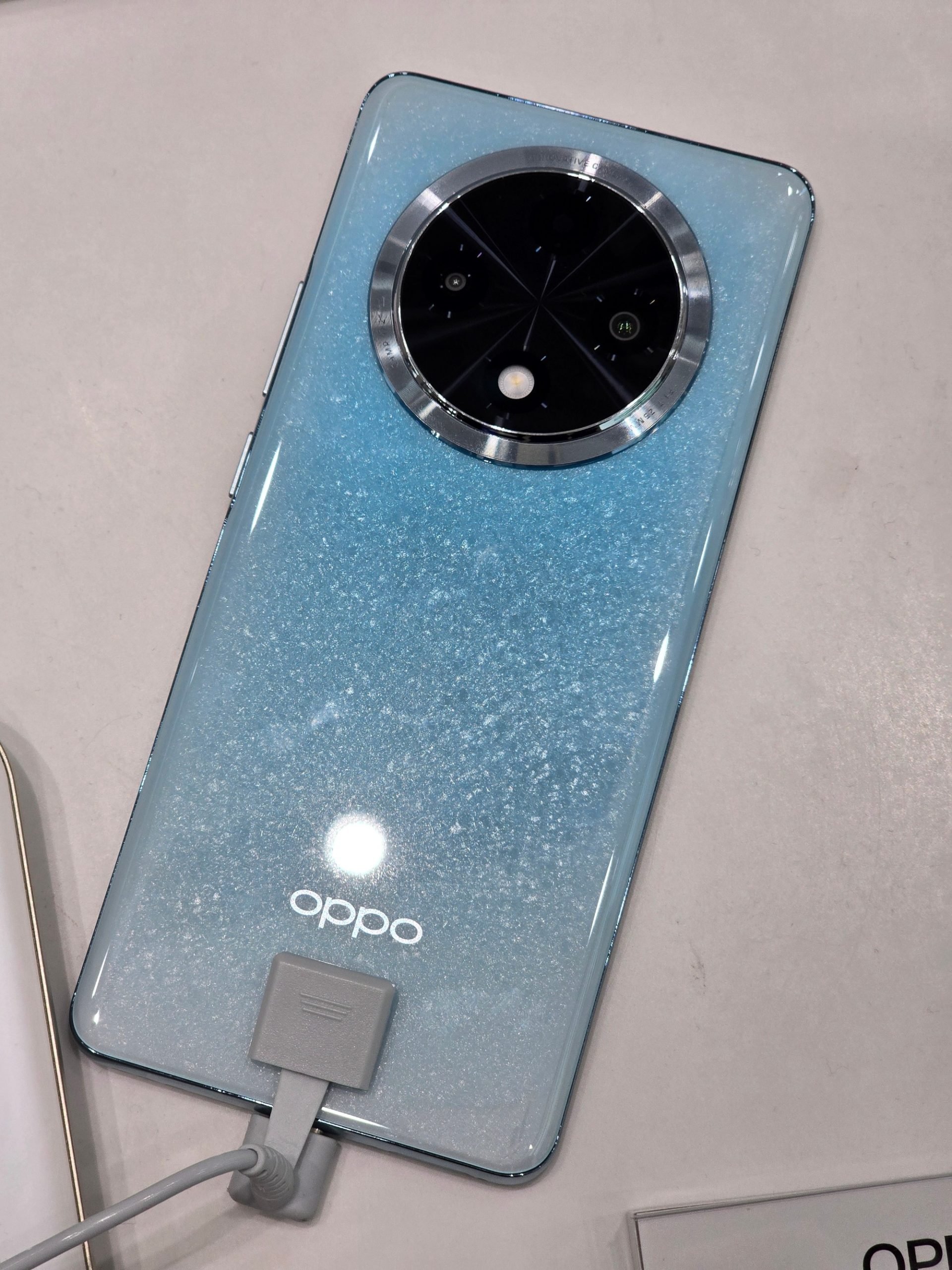
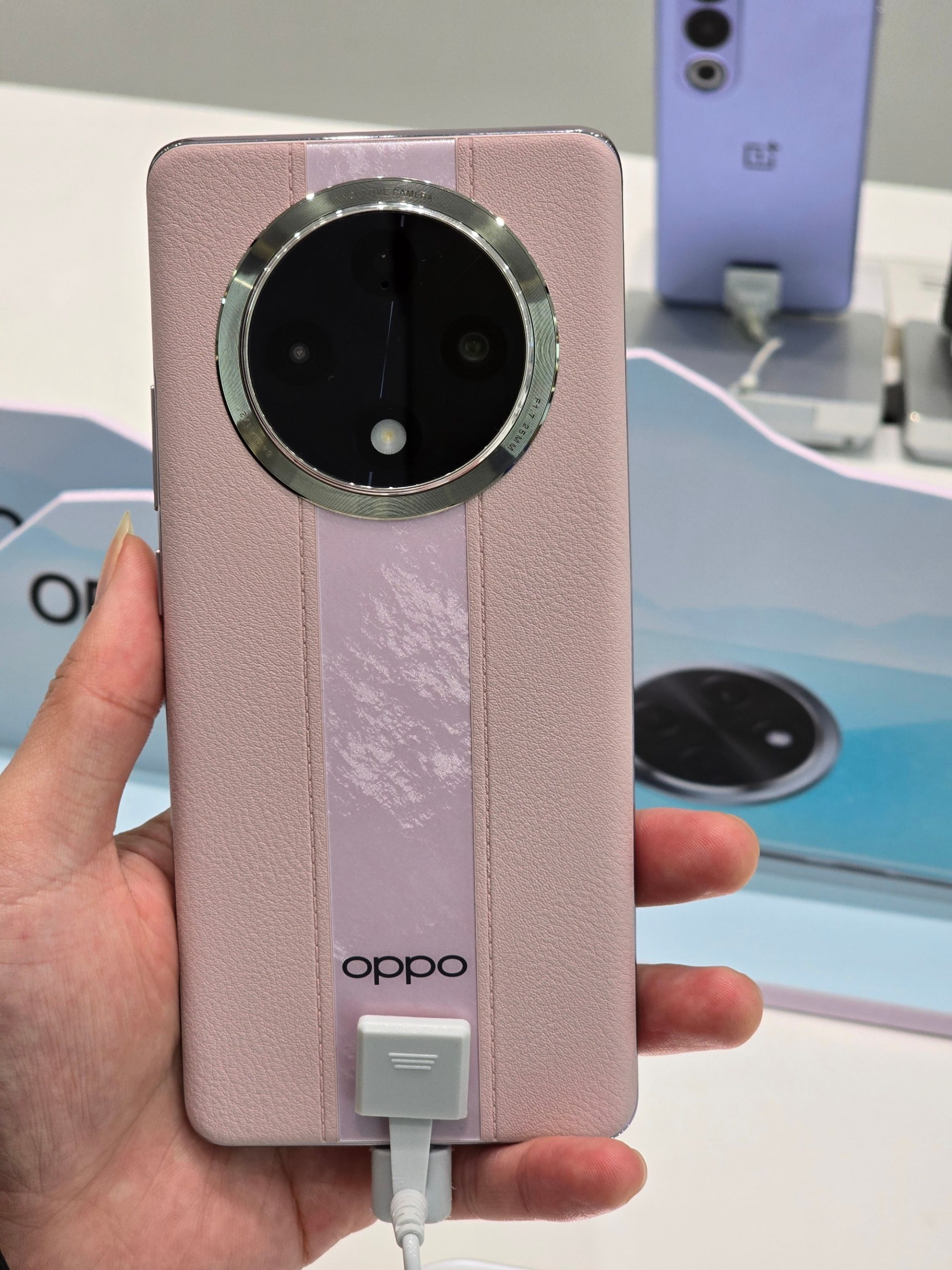
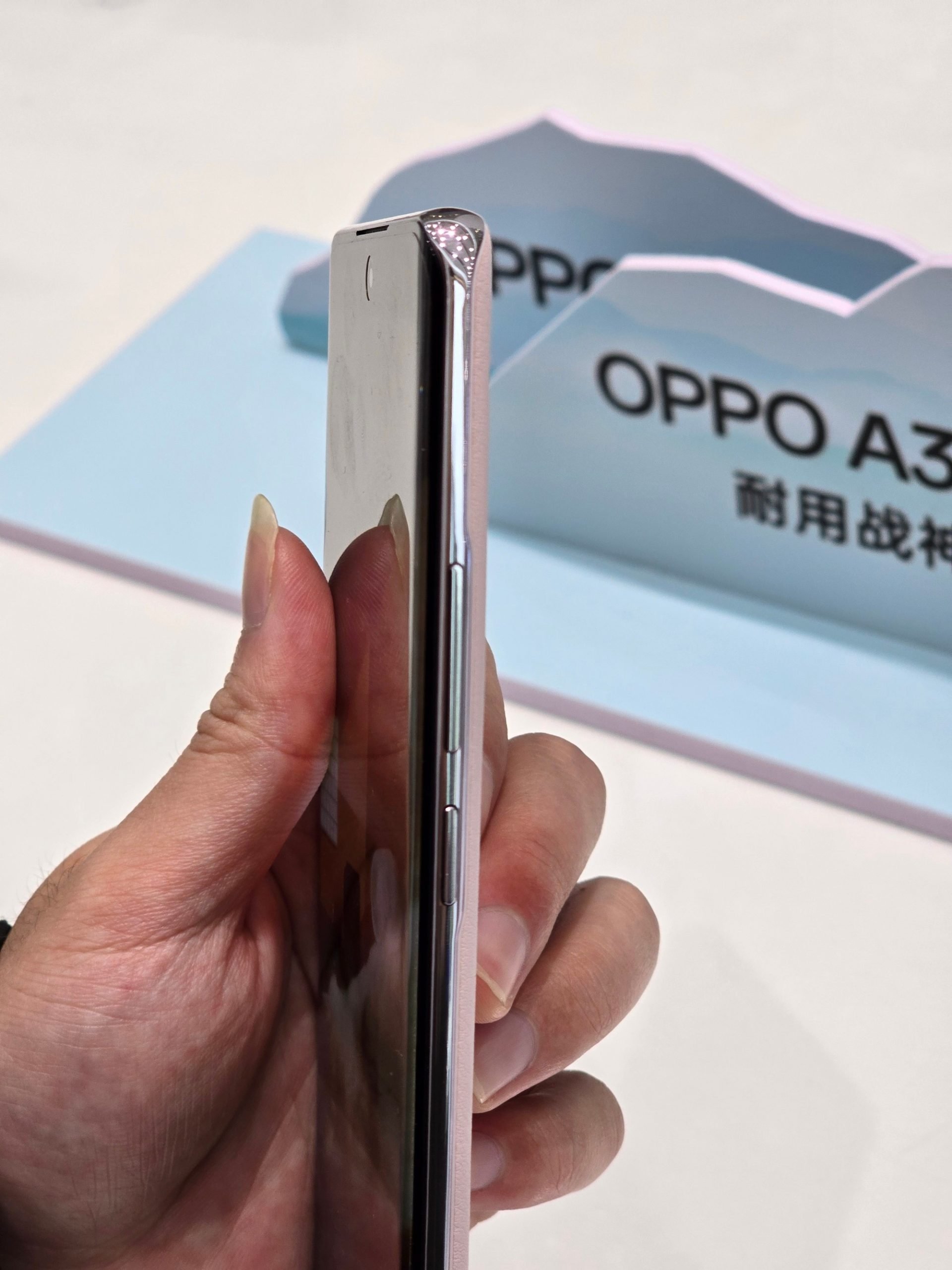
Oppo will unveil the Oppo A3 Pro smartphone on April 12 in China. Reports surrounding the device have revealed that it will be the first phone from a mainstream brand in recent times to arrive with an IP69 rating, which is the highest level of ingress protection rating for dust and water resistance. With only a few days remaining for the launch, the A3 Pro has appeared in real-life images. The new images not only give a good look but also reveal some of its key specifications.
Oppo A3 Pro real-life images
Oppo A3 Pro live shotOppo A3 Pro live shot
The live shots showcase the Azure and Yunjin Pink editions of the A3 Pro. The handset can be seen sporting curved edges on the front and back. The pink edition, which weighs 177 grams, has a leather back, whereas the glass edition weighs 182 grams.
The specs sheet mentioned in the display of the phone in the first image reveals it has a 6.7-inch screen and a 5,000mAh battery with 67W fast charging. On the front, it has an 8-megapixel camera for selfies. Its rear-mounted round camera module has a 64-megapixel primary camera.
Oppo A3 Pro live shot Oppo A3 Pro live shot
The Oppo A3 Pro will be available in two options in China, such as 12 GB RAM + 256 GB storage and 12 GB RAM + 512 GB storage. Both variants will offer up to 12 GB of virtual RAM. The official pre-order listing states that it will also have an 8GB+256GB variant.
Reports have claimed that the device will come equipped with the Dimensity 7050 chipset. In terms of dimensions, the device measures 162.7 x 74.5 x 7.8mm. At present, there is no information available about the price of the device.
The Oppo A3 Pro is currently available for reservations in China. Hence, what’s shown above are not leaked images, but live shots taken at one of the Oppo experience stores in China.
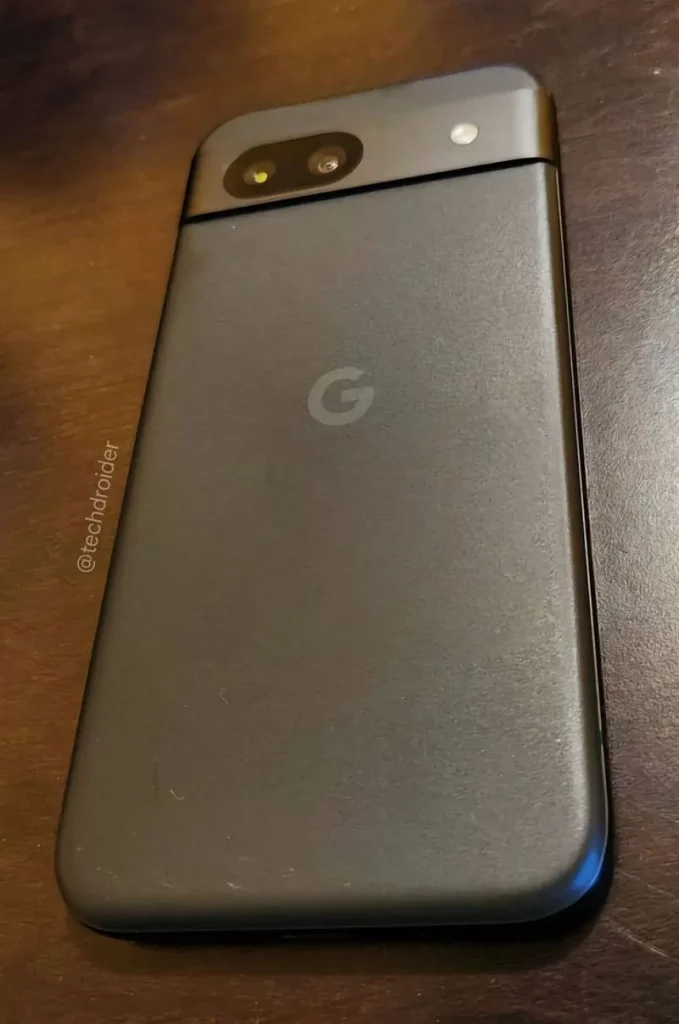
The highly-anticipated Google Pixel 8a isn’t just renders and promotional posters anymore. Leaked images from TechDroider on the X platform offer a look at the upcoming Google Pixel 8a, showing a design refresh. The biggest change is the back panel, which ditches the glossy finish of the Pixel 7a in favor of a more modern matte design.
The leaked images resemble the image accidentally shown in the Google Fi ad
The bezels surrounding the display also appear slimmer compared to previous models, giving the phone an overall sleeker and a more modern look. It’s important to note that these leaked images haven’t been confirmed by Google, but they do align with previous accidental reveals of the Pixel 8a in Google Fi ads.
Rumored specs for the Pixel 8a include a Tensor G3 chipset, a 6.1-inch FHD+ 120Hz OLED display, and a rear camera system comprised of a 64-megapixel main sensor and a 13-megapixel ultrawide sensor, similar to its predecessor. With the official launch expected soon, these leaks provide a pretty good idea of what Google has in store for the mid-range Pixel phone market. Stay tuned to Gizmochina for future coverage on the Pixel 8a’s (hopefully soon) launch.
You’re probably aware that some Windows laptops with Snapdragon processors exist, but these devices never quite delivered sufficient power in practice. Additionally, Microsoft’s optimization of Windows for the x86 CPU architecture left users with no choice but to opt for AMD or Intel processors. However, this seems to change with the introduction of the Snapdragon X Elite processor.
Microsoft to offer advanced translation layer with powerful ARM chipset
Microsoft is quite ambitious about the performance of the Snapdragon X Elite according to a recent article shared by The Verge. Even though computers with ARM processors are out, x64 software has not disappeared yet. For instance, Apple, despite releasing ARM M series processors, used a translation layer called Rosetta for x64 apps to run on ARM CPUs.
Apple’s M3 Macbook Air
Microsoft claims that its translation layer is working even better than Apple’s Rosetta 2. It’s crucial for this translation layer to function effectively because if there are too much issues with running x64 applications on the ARM platform, there would be no reason for end-consumers to invest in an ARM processor-based machine. In fact, a translation layer from x64 to ARM was introduced in Windows over 2 years ago, and it appears that Microsoft is now achieving the desired success with it.
Another piece of information acquired by The Verge is that the Surface 10 Pro and Surface Laptop 6 devices will come with Qualcomm‘s Snapdragon X Elite processor. While it was already announced that these devices would come with Intel Core Ultra series processors earlier, it’s now revealed that there will also be Snapdragon X Elite variants.
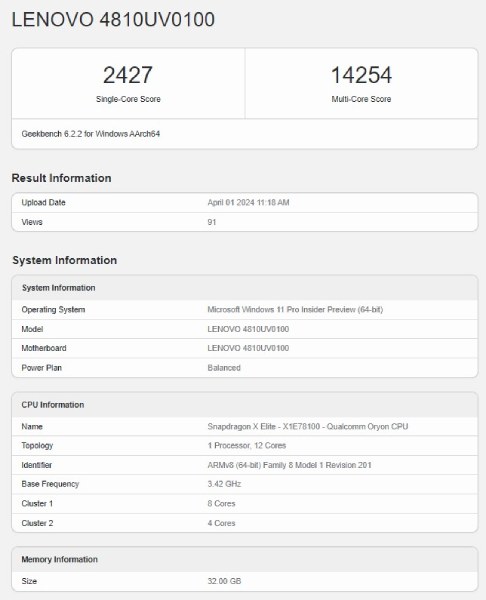
Snapdragon X Elite benchmark
The Snapdragon X Elite will not only provide benefits in performance and energy efficiency but will also equip Windows with AI-related features through its NPU. It will enable Copilot to access any context on your computer and provide you with better responses. Moreover, it will be possible to perform image creation on the device using custom image models. Microsoft is labeling its new computers as “next-gen AI Copilot PCs.”
Although a device with Snapdragon X Elite has not been released to the public yet, Qualcomm has already published some benchmarks revealing that it’s better than Apple M2. While it’s claimed that Windows games won’t perform as well, they will at least be running. Microsoft’s devices with Snapdragon X Elite will be unveiled on May 20th.
We use cookies on our website to give you the most relevant experience by remembering your preferences and repeat visits. By clicking “Accept”, you consent to the use of ALL the cookies.
This website uses cookies to improve your experience while you navigate through the website. Out of these, the cookies that are categorized as necessary are stored on your browser as they are essential for the working of basic functionalities of the website. We also use third-party cookies that help us analyze and understand how you use this website. These cookies will be stored in your browser only with your consent. You also have the option to opt-out of these cookies. But opting out of some of these cookies may affect your browsing experience.
Necessary cookies are absolutely essential for the website to function properly. This category only includes cookies that ensures basic functionalities and security features of the website. These cookies do not store any personal information.
Any cookies that may not be particularly necessary for the website to function and is used specifically to collect user personal data via analytics, ads, other embedded contents are termed as non-necessary cookies. It is mandatory to procure user consent prior to running these cookies on your website.