Advertisement

Moto G04s launched, surpasses G04 with a major upgrade

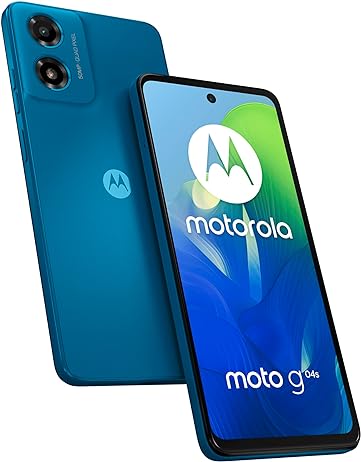
Motorola has silently launched the Moto G04s smartphone in Germany. In terms of design and specifications, it is quite similar to the Moto G04, which debuted earlier this year. However, there is one striking difference between the two phones. Here is a look at the specs sheet for the G04s.

Moto G04s specifications and features
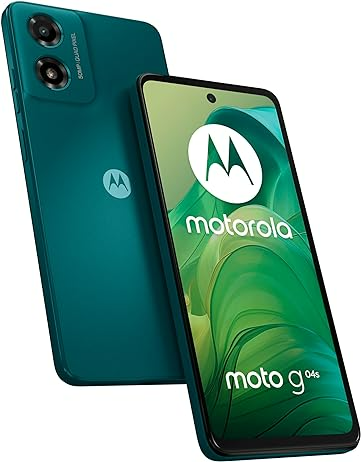
Starting from the front, the Moto G04s has a 6.56-inch IPS LCD panel that offers an HD+ resolution of 720 x 1612 pixels, a 90Hz refresh rate, a 269ppi pixel density, a 20:9 aspect ratio, and a screen-to-body ratio of around 85 percent. The screen is shielded by a layer of Gorilla Glass 3. The G04s has a water-repellent construction measuring 163.49 x 74.53 x 7.99mm and it weighs 178 grams.

The display punch-hole houses a 5-megapixel camera for selfies and video calls. On the back, it has a single 50-megapixel primary camera coupled with an LED flash unit. Both cameras support up to 30fps FHD recording.

The Moto G04s is equipped with the Unisoc T606 processor. It comes in a single configuration that offers 4 GB of RAM and 64 GB of UFS 2.2 storage. For additional storage, it has a microSD card slot onboard.  The phone supports up to 8 GB of virtual RAM and comes preloaded with the latest Android 14 OS, which is layered with Motorola’s MyUX.

The G04s packs a 5,000mAh battery that supports 15W charging. However, the retail package of the device includes a 10W charger. The device comes with other features: dual SIM, 4G VoLTE, Wi-Fi 802.11ac, Bluetooth 5.0, NFC (market dependent), GPS, a single speaker with Dolby Atmos support, and a 3.5mm audio jack.

The Moto G04s will be available in four shades, such as Concord Black, Sea Green, Satin Blue, and Sunrise Orange. The G04s is now listed on Amazon Germany for pre-orders with a price tag of 119 euros. Its shipments are slated to begin on April 30 in the country.

To sum up, the Moto G04s is almost identical to the G04 with the only difference being in the main camera department. While the G04s has a 50-megapixel snapper, the G04 has a lower-resolution 16-megapixel camera.

RELATED:

Huawei to Launch a Swarm of New Products, Including Wearables, Home Gadgets, Car Tech, and More; But P70 Release Date Still a Mystery

Huawei continues to expand its product lineup, and this statement has never been more true. The Chinese manufacturer is preparing to launch a number of exciting new products in the coming days, including the FreeLace Pro 2, the new MatePad, the Watch 4 Pro Space Exploration Edition, the Smart Screen S5, and possibly even the P70 series. Here are the details…

Huawei to Hold 5-Day New Product Launch Event Starting Tomorrow

Huawei is gearing up to dominate the tech world in the next few days. The company is set to unveil new products and software over a span of five days. Recent leaks have revealed some of the products that will be showcased. While recent leaks have hinted at some of the exciting offerings, the highly-anticipated Huawei P70 series remains shrouded in mystery.

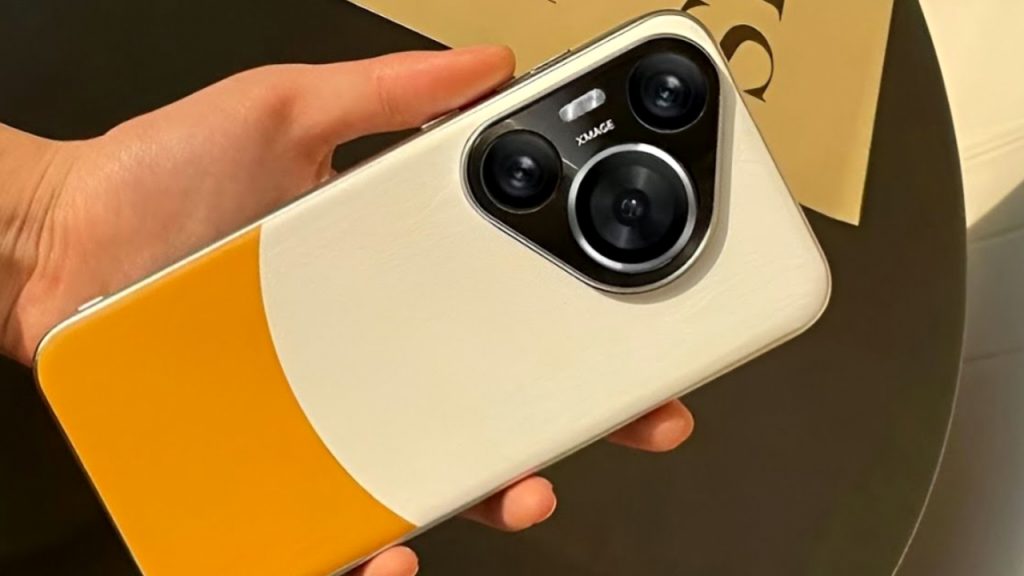
Huawei P70 Pro Leak

Despite being teased as “it could happen at any time” for its launch, it’s still uncertain whether the phone will be unveiled in the coming days. Still if you are a Huawei fan there is a lot to see. Here are the other products that Huawei will showcase:

  • Wearable products showcase on April 8th.
  • Home products showcase including smart screens, door locks, and home storage from April 9th to 12th.
  • Audio products showcase including lipstick headphones from April 9th to 12th.
  • Automobile products showcase from April 9th to 12th.
  • PC products showcase from April 9th to 12th.
  • Huawei Watch 4 Pro Space Exploration Edition.
  • Huawei FreeLace Pro 2 headphones.
  • New MatePad tablet with Starlight keyboard and mouse accessories.
  • Huawei Smart Screen S5.
  • Intelligent World S7 models with new versions.
  • Possible release of the Huawei P70 series.
  • Possible release of new HarmonyOS-related products at the HarmonyOS Spring Communication Conference on April 11th.

RELATED:

Xiaomi unveils Mijia Desk Lamp 2: Offers bigger lamp head, better illumination & HyperOS

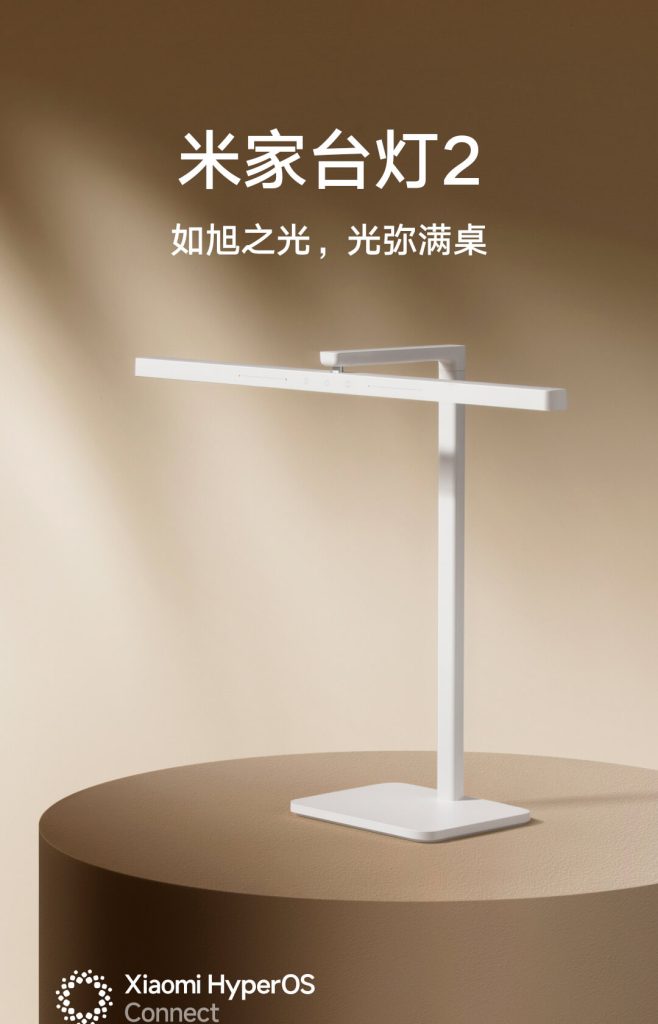
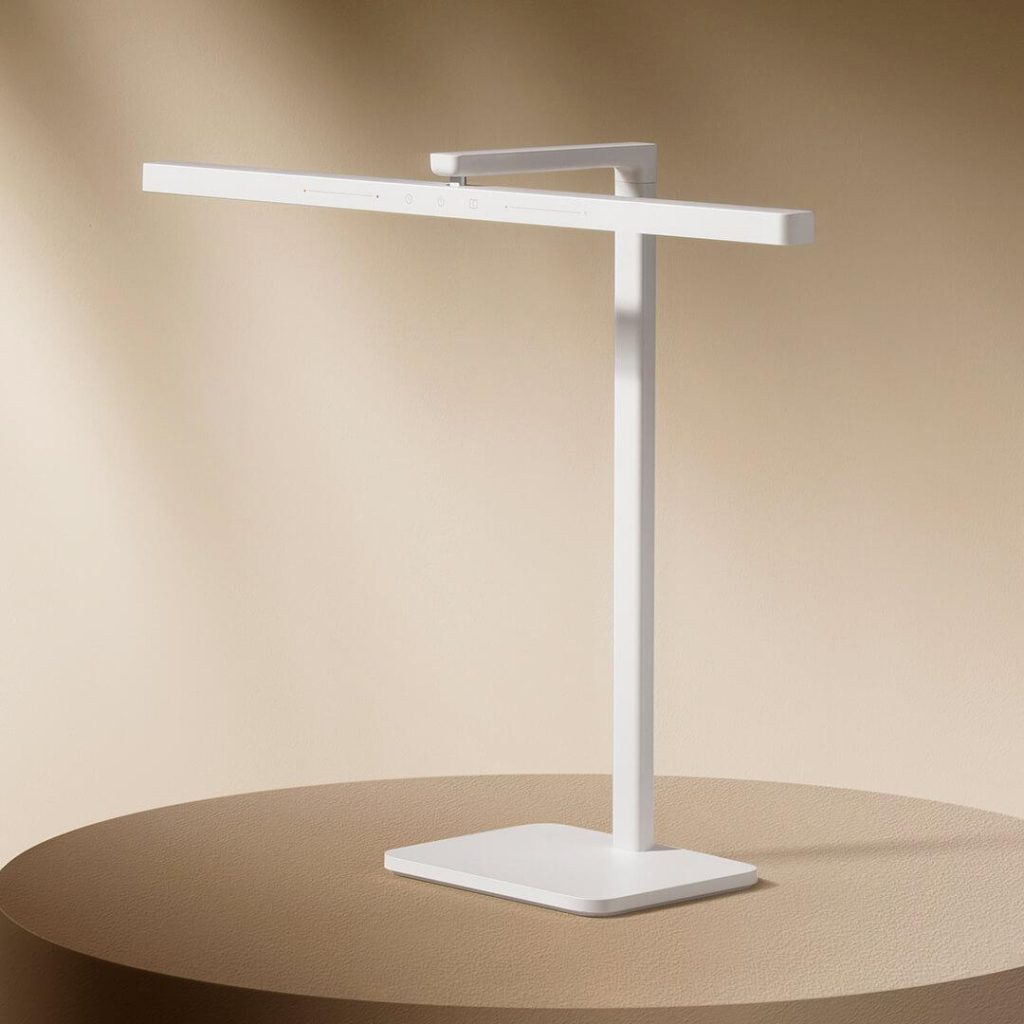
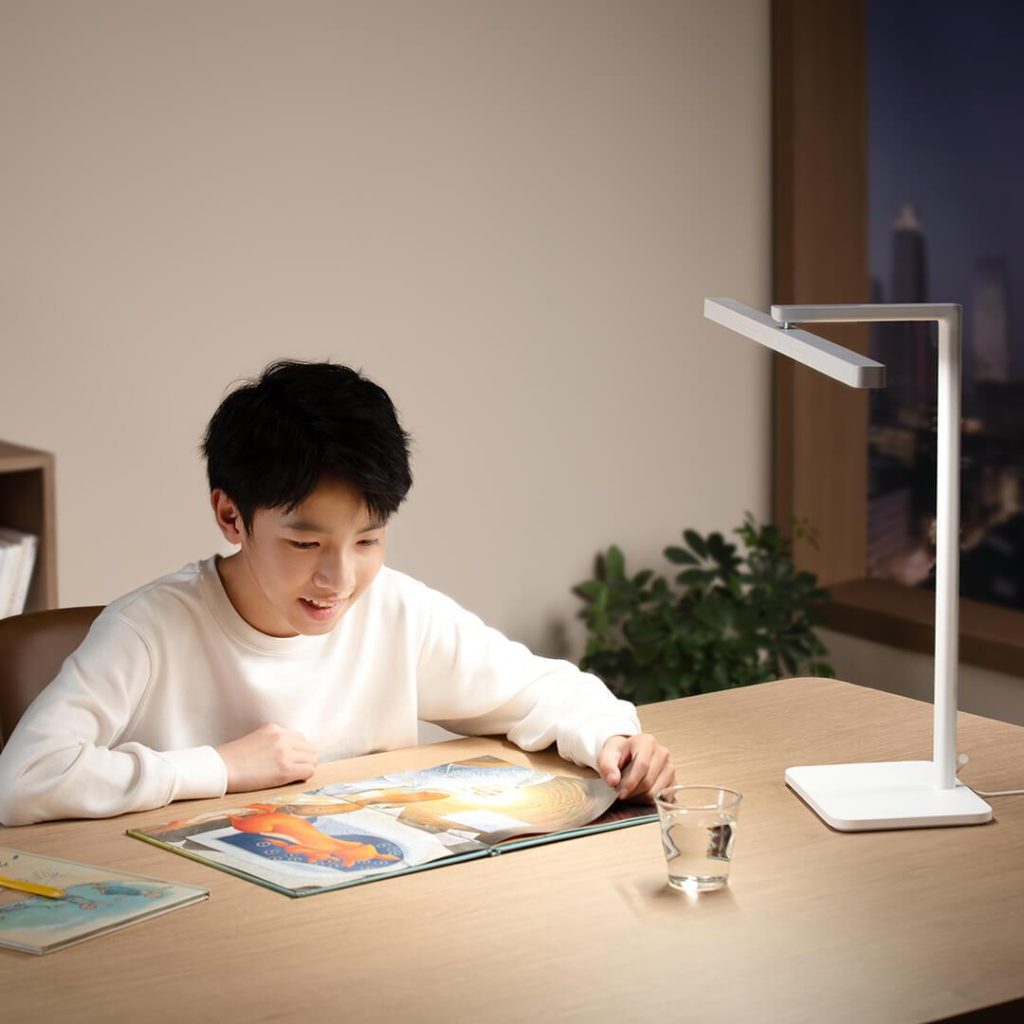
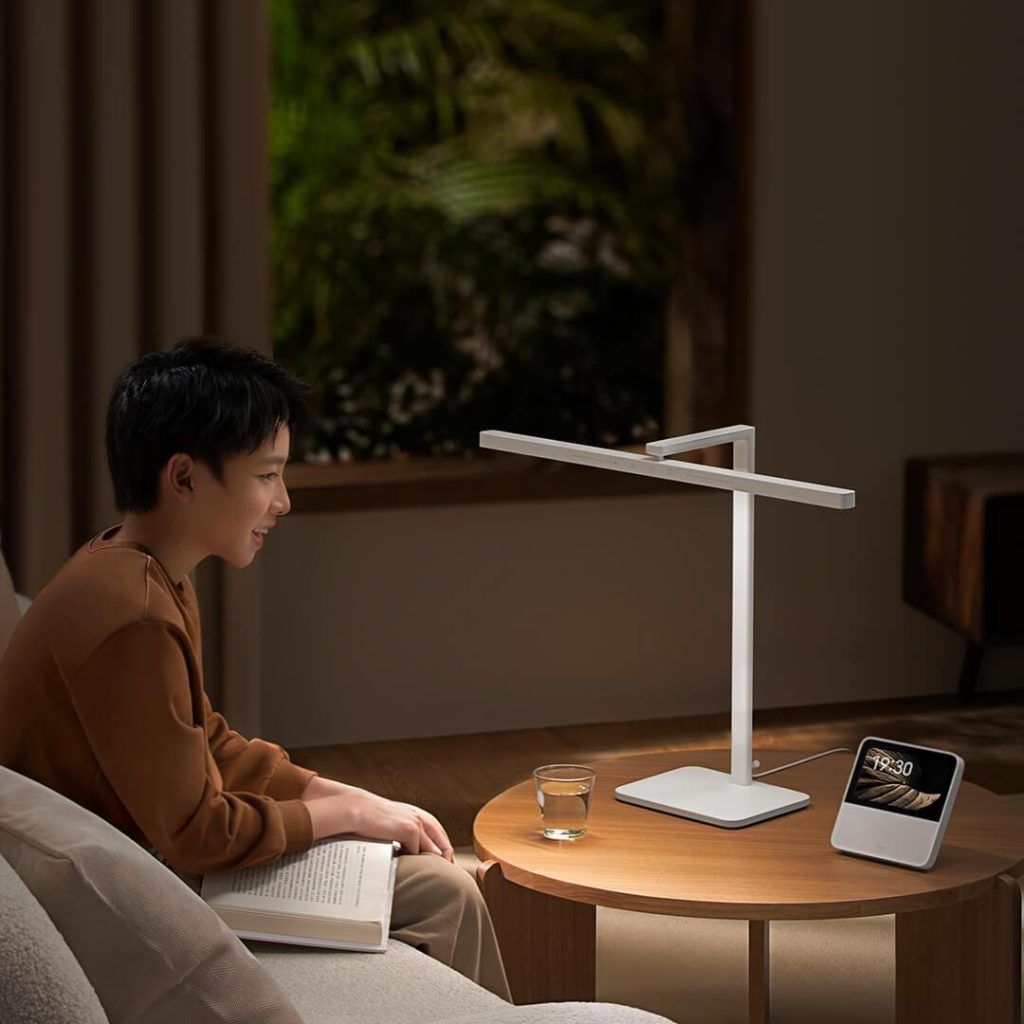
Xiaomi has unveiled the Mijia Desk Lamp 2, an upgrade to its popular desk lamp series. The new lamp boasts a larger 60cm lamp head and a forward projection design for improved illumination and reduced glare. The lamp is priced at 179 Yuan ($25) and will go on sale soon in China.

Xiaomi Mijia Desk Lamp 2

Xiaomi Mijia Desk Lamp 2 Specifications:

The Mijia Desk Lamp 2 prioritizes user eye health. It has secured the “CQC Reading and Writing Desk Lamp AA-level Light Certification” and the even more stringent “CQC Learning Lamp AAAA-level Certification”. This signifies that the lamp surpasses the required illuminance levels for both reading and writing tasks, while also meeting the standards for extended learning periods.

Xiaomi claims significant improvements in both illuminance and uniformity compared to the previous generation. The central area (500mm x 300mm) boasts a minimum illuminance of 756 lux, exceeding the national standard requirement of 500 lux by 51%.

Additionally, the uniformity in this area is 1.96, which is 34% better than the national standard requirement of less than or equal to 3. Similar improvements are observed in the overall area (700mm x 500mm) with a minimum illuminance of 364 lux (45% increase) and a uniformity of 4.06 (42% increase). These impressive numbers translate to a wider and more evenly lit work surface.

The Mijia Desk Lamp 2 prioritizes user comfort beyond just brightness. It has also received TÜV SÜD Optimal Light Certification, ensuring flicker-free operation and reduced blue light hazard. This translates to a more comfortable visual experience, especially during long study sessions.

Furthermore, the lamp features a high Color Rendering Index (Ra) of 97, with an R9 value reaching 90. This indicates that the light closely resembles natural light and accurately reproduces colors.

The innovative forward projection design utilizes 112 high-quality lamp beads to minimize glare and create a more comfortable lighting environment. This design approach is a departure from traditional desk lamps that project light downwards.

The Mijia Desk Lamp 2 integrates seamlessly with Xiaomi’s smart home ecosystem, HyperOS. This allows users to control the lamp through various smart devices and adjust color temperature, brightness, and switch between lighting modes to create the perfect ambiance for any activity.

RELATED:

Xiaomi launches Mijia Vertical Garment Steamer – Heats up in 30s, removes wrinkles, kills germs

Xiaomi has launched its new Mijia Vertical Garment Steamer in the Chinese market, a cloth steamer designed for quick and easy wrinkle removal. It is priced at 299 yuan (around $41) and will be officially released for sale on April 10th at 10:00 AM. Let’s check out its key specs.

Xiaomi Mijia Vertical Garment Steamer

Xiaomi Mijia Vertical Garment Steamer Specifications:

The steamer boasts a 300kPa pump pressure and 2000W power output that can produce 36g/min of continuous steam at a temperature of 130°C. This high-temperature steam effectively removes wrinkles and sterilizes garments, eliminating 99.99% of bacteria and mites.

The product’s handle incorporates all functional buttons, eliminating the need for frequent bending over; equipped with a 2.3L large water tank, it can steam continuously for up to 60 minutes, equivalent to ironing approximately 20 shirts, 15 pants, or 7 coats. The steamer also features 30 seconds of quick preheating, eliminating the need for long waits.

It also features two steam modes for free switching, one mode at 22g/min and another mode at 36g/min, suitable for different types of garments.

The steamer features a minimalist design with a pure white color scheme and can be used for both hanging and flat ironing. The multi-functional clothes rack allows users to hang various clothes and save space.

The ironing board is equipped with a double-layer ironing cloth, with a polyester outer layer and sponge inner layer, providing good support and better breathability. The large design of the ironing board provides a larger support surface, making it easy to handle wrinkles and shaping. The product has dimensions of 430mm in width, 310mm in depth, and 1583mm in height, with a net weight of 5.6kg.

RELATED:

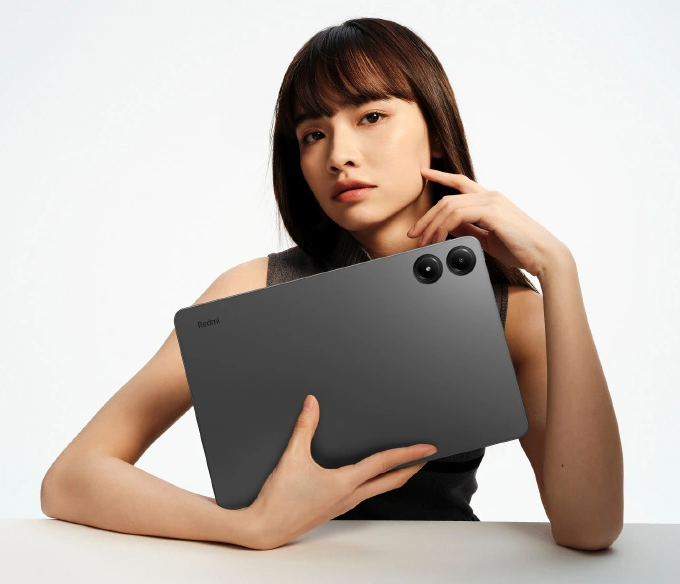
Redmi Pad Pro display and battery details confirmed ahead of launch

Redmi is gearing up for a launch event on April 10 in China where the company will unveil at least two new products, the Redmi Pad Pro and the Redmi Turbo 3. Even if the Turbo 3 suggests a third-generation product, it’s actually the first product of Redmi’s new Turbo series (explainer).

Redmi Pad Pro official image

The Redmi Pad Pro was previously rumored to boast a 10,000 mAh battery. Now the company has confirmed this rumor to be true with a recent teaser. Unlike the previous Redmi Pad and Pad SE’s 18W charging, this upcoming tablet is also confirmed by China’s 3C certification platform to support faster 33W charging.

Aside from the battery and charging, the company has also confirmed some display specifications. In line with the previous rumors from Weibo, the tablet equips a 12.1-inch 2.5K IPS display. The panel supports a 120 Hz variable refresh rate and just like the Redmi Turbo 3, this tablet it also comes with Xiaomi’s “Qingshan Eye Protection” and the “Vision Health Friendly++” (translated) certification from China’s CQCC platform (China Quality Certification Center). It also boasts the TÜV Rheinland Eye Protection certification. Xiaomi notes that this eye-friendly display is ‘rare in its class’.

Aside from the focus on eye protection, this panel also achieves 600 nits of peak brightness. For reference, the recently released Xiaomi Pad 6s Pro offers a peak brightness of 900 nits, which is still comparable.

It’s not yet confirmed what processor this tablet is going to use. According to previous rumors, it could be a 4nm chip with an AnTuTu score of approximately 650,000. It will likely ship with Xiaomi’s new HyperOS based on Android 14.

Related:

Xiaomi’s New Smart Camera is Perfect for Parents with Crying Babies

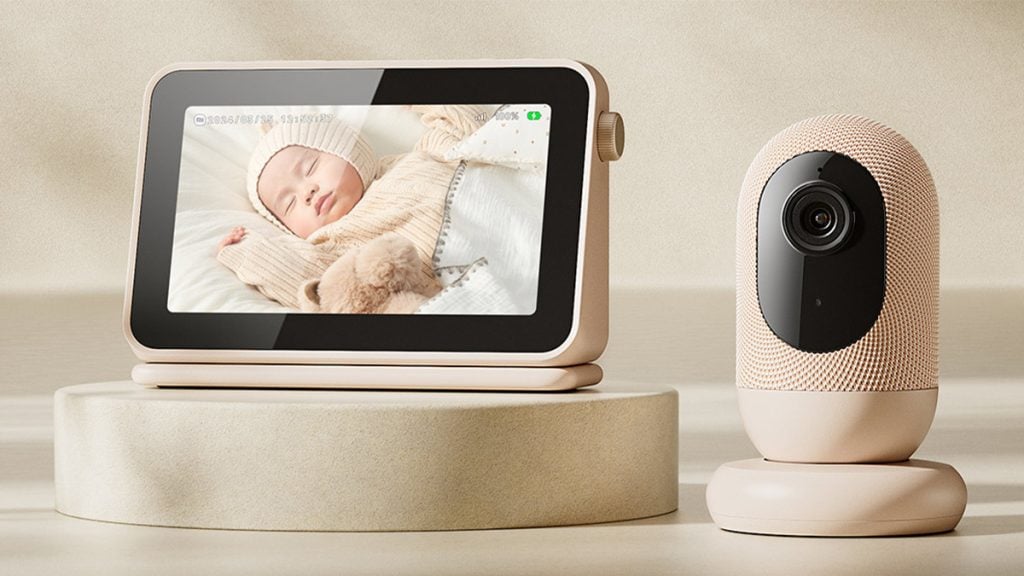
Xiaomi is continuing to expand its product lineup, offering a vast array of smart devices suitable for almost everyone and every purpose. The latest addition is the Xiaomi Smart Camera “Baby Care Edition”, available for 749 yuan. This camera detects cries, coughs, and more, helping to ease the lives of new parents. Here are the details…

Xiaomi Smart Camera “Baby Care Edition” is the Perfect Way to Keep an Eye on Your Little One

The Xiaomi Smart Camera “Baby Care Edition” is now available for sale through crowdfunding, priced at 749 yuan (approximately $115). This camera boasts a large 5-inch screen, delivering 1080p high-definition image quality and a wide-angle lens for full room coverage. Additionally, it supports intelligent crying detection, automatically sending an alert to your mobile phone when your baby cries.

Xiaomi Smart Camera

Xiaomi understands the importance of security. That’s why the new Smart Camera supports two modes: local mode and online mode. Local mode prioritizes security, displaying monitoring images immediately upon startup. It connects directly to the camera without network setup, bypassing cloud servers to ensure your baby’s images remain private.

For added convenience, online mode connects the monitoring screen to the Mi Home App, enabling remote viewing across multiple devices so you can keep an eye on your baby even while you’re away. Moreover, this camera offers comprehensive monitoring features for busy parents, including cry detection, cough detection, and sound detection. Additionally, the Mi Home App allows users to set up reminders and create virtual fences around the baby’s play area or potential danger zones.

This ensures timely alerts whenever the baby enters or leaves these designated areas. To protect family privacy, the camera’s perspective can only be adjusted through manual rotation, preventing any unwanted online manipulation. Within the Mi Home App, users can designate specific locations, such as the baby’s crib, as the sole monitoring area, ensuring privacy for other parts of the home. Furthermore, the product offers versatile installation options: it can be mounted on the baby crib, wall-mounted, or placed on a desktop.

It comes equipped with dual-band Wi-Fi for both 2.4GHz and 5GHz connections, and supports microSD card/NAS storage/cloud storage. The 5-inch screen offers up to 10 hours of continuous use. The Xiaomi Smart Camera “Baby Care Edition” is currently available for crowdfunding at a price of 749 yuan.

RELATED:

OnePlus 12R’s OxygenOS 14.0.0.505 update brings Object Remover & a bunch of new features

OnePlus is releasing an update for the OnePlus 12R in India. This update, called OxygenOS 14.0.0.505, is focused on improving the overall performance and adding some new features that users might find handy.

onePlus-12R

One of the cool additions is the AIGC Remover. It’s a feature that uses AI to help you take out things you don’t want in your photos. It’s pretty useful for cleaning up your pictures easily.

There are also a few more updates like being able to make photo collages without borders right in the Photos app and a quick way to turn on the flashlight by holding down the Volume Down button when the screen is off.

If you like having control over how loud things are on your phone, there’s a new feature that lets you set the volume for each app. They’ve also made the volume bar easier to use and more consistent with the look of the phone.

Other updates include making the phone’s touch control better in some situations, improving how well it connects to USBs in cars and computers, and making the overall system more stable.

The update is coming out in stages, starting with a small group of users before it becomes available to everyone. If you find any problems after updating, you can easily report them through a menu that you can get to using the Google Dialer by typing *#800#.

RELATED:

(Source)

Is Samsung Galaxy Tab S6 Lite worth buying in 2024?

Following the launch of the Galaxy Tab S6 5G in January 2020, Samsung came up with a Lite version of the product three months later. The Lite version, replaced the AMOLED display with an LCD one and the Snapdragon 855+ with the in-house Exynos 9611. Later on, the company released two iterations of the Galaxy Tab S6 Lite in 2022 and 2024. So let’s take a look at what’s different between the iterations.

Samsung Galaxy Tab S6 Lite 2024

Samsung Galaxy Tab S6 Lite 2024 vs 2022 vs 2020

To begin with, there are a lot of similarities between the three. However, there are some improvements in the two iterations which we are going to discuss here.

1. Design and Build

All the three tablets, surprisingly, come with the exact same build, design, and size. They offer an aluminum body and a glass front. Looking on the back you see a single camera module, which doesn’t stick out unlike many of its competitors. It makes it easier for you to work with the tablet placing it on a table without wobbles.

While all three models offer a dual speaker setup, the speakers sound slightly richer in the newer models. All the models also come with a stylus in the box, which also attaches magnetically to the side of the device.

2. Performance and Storage

Moving on to the performance, here are some notable hardware differences.

  • Galaxy Tab S6 Lite 2020 – Exynos 9611
  • Galaxy Tab S6 Lite 2022 – Snapdragon 720G
  • Galaxy Tab S6 Lite 2024 – octa-core CPU (reportedly Exynos 1280)

The Exynos 9611 chip is a well-known one that describes many of Exynos’s traits such as inefficient operation and heating. In comparison, the Galaxy Tab S6 Lite 2022’s Snapdragon 720G chip is a lot more capable and offers a stable performance as well.

Just to give you an idea, here are the Geekbench scores:

ProductSingle-coreMulti-core
Galaxy Tab S6 Lite (2020)3441231
Galaxy Tab S6 Lite (2022)5581706
Galaxy Tab S6 Lite (2024)9301843

When it comes to the latest 2024 edition, the chip has a 4+4 architecture (4×2.4 GHz & 4×2.0 GHz), which is similar to the 2020 edition’s Exynos 9611. According to a previous report, this is the company’s in-house Exynos 1280 chip, which has also performed similarly in Geekbench.

All three versions come with 4GB RAM and an optional 64GB or 128GB storage.

3. Display, Battery, and Charging

All three editions offer a 10.4-inch TFT LCD panel (not the best, but there’s an alternative that we’ll discuss later) and a single camera on the back and front. You can get an idea of the width of the display borders from the image. It’s basically the same.

The display offers a pixel density of 224 PPI with a resolution of 1200 x 2000, which is reasonable considering the price.

All the iterations come with a Li-Po 7040 mAh battery along with 15W charging support.

4. Android Version and Updates

The Samsung Galaxy Tab S6 Lite (2020) was released with Android 10 and offered 3 major OS updates. So, it won’t get Android 14.

Coming to the Tab S6 Lite (2022), it was released with Android 12 and should be updated to Android 15. Lastly, the new 2024 model comes equipped with Android 14, OneUI 6.1, and should offer you the latest features till Android 17.

5. Special Features

As part of Samsung’s ecosystem, these affordable tablets support the company’s DeX feature, which gives you a desktop-like layout when you connect an external keyboard and a mouse.

However, unlike the company’s premium phones and tablets, you cannot connect to an external monitor through, as these devices are limited to USB 2.0 (Type-C), which doesn’t support display output.

6. Alternative: Xiaomi Pad 6

Xiaomi Pad 6

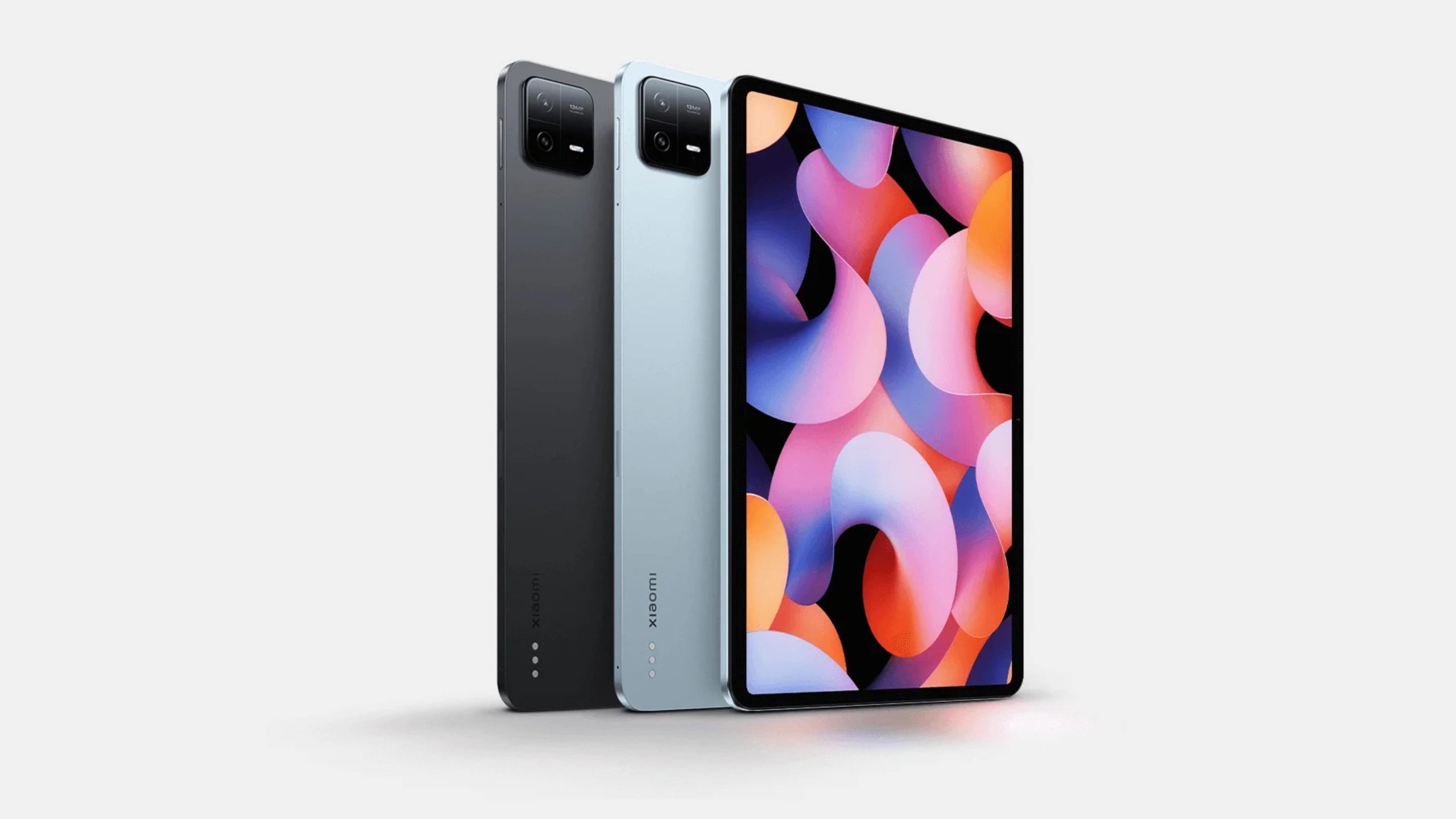
If you’re okay with a non-Samsung device (or without One UI) there’s an appealing option – the Xiaomi Pad 6 (launched in Q2 2023).

The Xiaomi Pad 6 (review) offers a better high-quality display, an IPS LCD panel with 550 nits peak brightness, HDR 10 and Dolby Vision support, and a 144Hz refresh rate for smooth operation.

It equips the Snapdragon 870 chip which is slightly less capable than the OnePlus Pad’s chip but is still a lot more capable than the ones we discussed above. It also offers higher 6GB or 8GB RAM options alongside much faster UFS 3.1 storage.

It currently boots HyperOS based on Android 14 and has some sweet multitasking-friendly features.

The downside is that it doesn’t have cellular connectivity.

7. Which one to go for?

If you need cellular connectivity, use the tablet mostly for reading (doesn’t require better colors and contrast), and more importantly, don’t need to do heavier tasks like video editing, the Galaxy Tab S6 Lite (2022) and the Galaxy Tab S6 Lite (2024) will do just fine.

But even if you are planning to mostly consume video content, the difference is too noticeable to ignore. In that case, the Xiaomi Pad 6 will be no doubt a better fit. And if you are planning to run heavy applications, it should be the one you should go for.

If you prefer OneUI anyway, we recommend going with the Galaxy Tab S6 Lite 2024, so that you get longer software support.

Related:

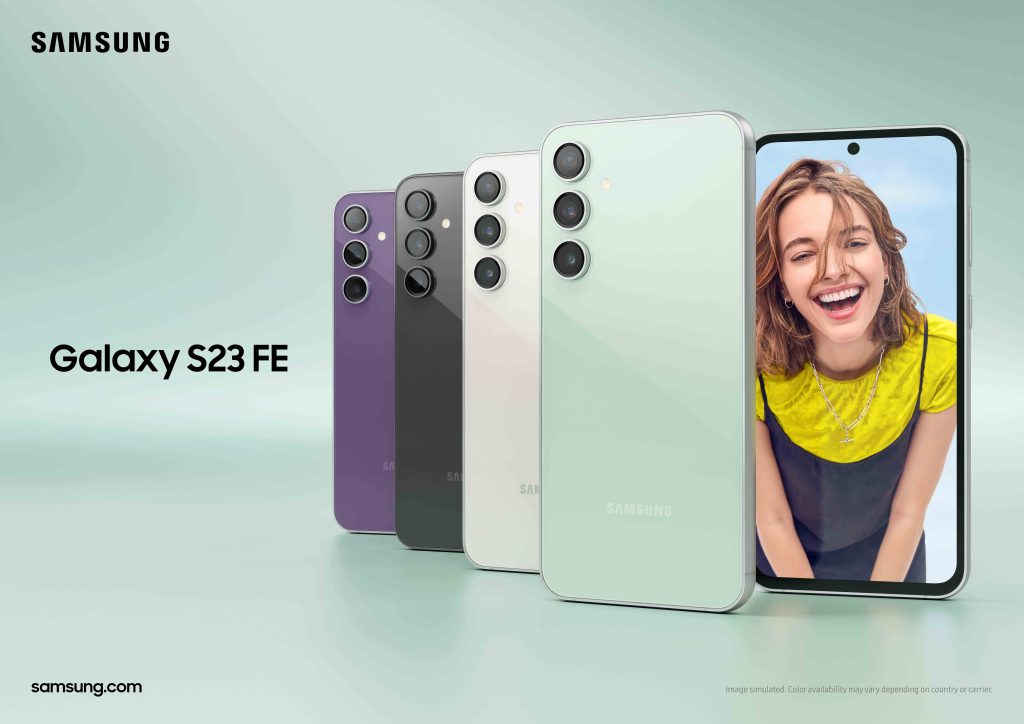
Samsung Galaxy S23 FE Unlocked model gets a $50 price cut in the US

The Samsung Galaxy S23 FE, which launched in October last year is currently being offered at an awesome $50 discount in the US, bringing it down to its lowest price since the holiday season.

Samsung Galaxy S23 FE

This price cut is available on Amazon for both the 128GB and 256GB storage models of the unlocked Galaxy S23 FE. The 128GB model is currently going for $549.99, down from its regular $599.99, while the 256GB model is going for
$609.99, down from $659.99. Keep reading to know more about the specifications and features of the Galaxy S23 FE.

Samsung Galaxy S23 FE specs:

The Samsung Galaxy S23 FE sports a 6.3-inch dynamic AMOLED display with Full HD+ resolution and a 120Hz adaptive refresh rate. It includes an in-screen fingerprint scanner for security.

For optics, it has a triple camera setup on the back comparing of a 50MP primary sensor with OIS, a 12MP ultra-wide lens, and an 8MP telephoto lens with OIS. For selfies, it offers a 10MP front-facing camera in the punch hole.

It packs 8GB of RAM and runs on Android 14, with a promise of 3 more years of OS updates and 4 years of security patches. The device houses a 4,500 mAh battery with 25W wired charging and 15W fast wireless charging support. Color options include Cream, Mint, Graphite, and Purple.

RELATED:

Huawei HarmonyOS Receives Significant Backing from Chinese Government

The Shenzhen government has announced a big plan to expand the ecosystem of Huawei‘s HarmonyOS operating system, according to a report from Xinhua news agency, the official state news agency of the People’s Republic of China. 

This move is to make the platform more competitive and position it as a rival to dominant operating systems like Android and iOS.

HarmonyOS, developed by Huawei as a response to US sanctions, has steadily gained traction in the Chinese market. It now powers an array of Huawei devices, from smartphones to smartwatches. 

Now, the Shenzhen government has launched the “Shenzhen Action Plan for Supporting the Development of Native HarmonyOS Open Source Applications in 2024.” The goal is to have more than 10% of China’s native HarmonyOS applications developed in Shenzhen by 2024.

The plan also includes building at least two special industrial parks for HarmonyOS development and training over 1,000 software companies in HarmonyOS.

Additionally, there are plans to expand HarmonyOS outsourcing services to cultivate a pool of 500,000 developers and promote the use of HarmonyOS applications in key industries in Shenzhen.

Huawei HarmonyOS Next Ditches Android Support
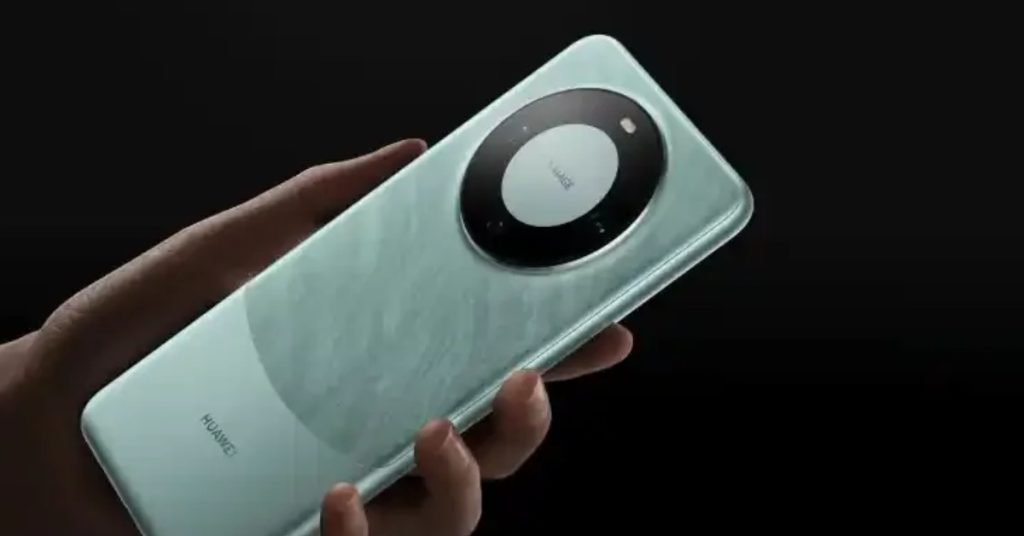
Huawei Mate 60

As an open-source operating system, HarmonyOS has vast potential for adoption outside of Huawei devices. With support from the Shenzhen government and Huawei’s efforts to attract developers and partners, HarmonyOS could become a strong competitor globally.

Huawei’s recent success with the HarmonyOS-powered Mate 60 series smartphones has laid a strong foundation, securing the company a substantial domestic market share. 

Reportedly, HarmonyOS now runs on 16% of smartphones sold in China. Through strategic investments and partnerships, HarmonyOS could challenge Android and iOS dominance.

However, HarmonyOS still needs to attract more developers and address concerns about revenue sharing with app stores. Despite these challenges, if overcome, it could become a major player in the tech sector, as China aims to strengthen its domestic technology capabilities.

Related:

Realme GT Neo 6 SE Roundup: Design, Specs, & more

The Realme GT Neo series has carved a niche for itself in the smartphone market, offering capable devices with a focus on performance and style. The upcoming Realme GT Neo 6 SE is poised to continue this legacy, with leaks suggesting a compelling package for mid-range users. Here’s a look at what we can expect.

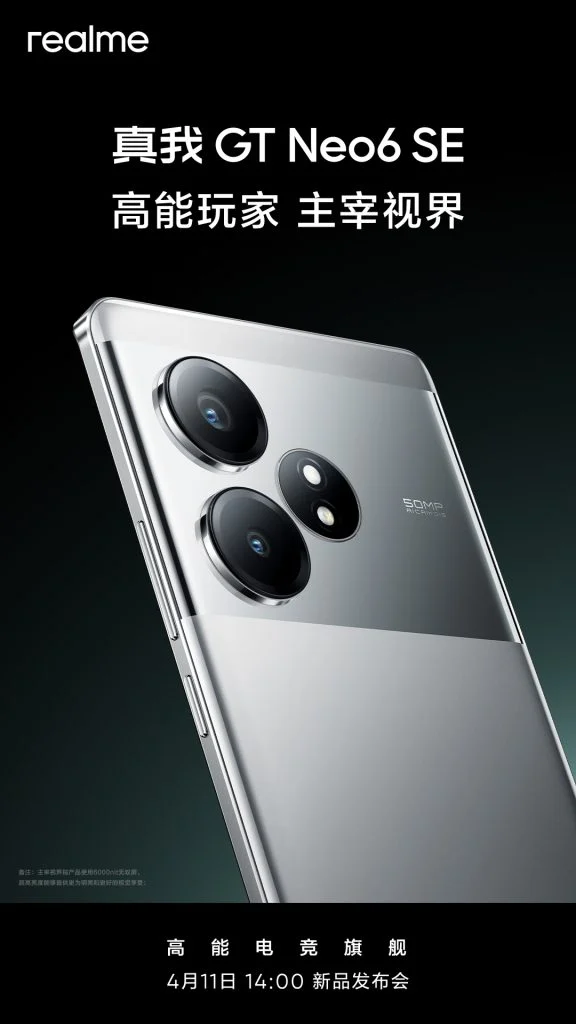
Realme GT Neo 6 SE Launch Announcement

1. Launch Announcement

The excitement around the Realme GT Neo 6 SE kicked off with Realme’s teaser video earlier this week, which offered a glimpse into the design of the upcoming device. Realme has officially announced the launch date of the GT Neo 6 SE, which is scheduled for April 11 at 2 PM local time in China. This launch sets the stage for an interesting showdown, as Xiaomi’s Redmi Turbo 3 is also slated for release around the same time.

2. Processor and Performance

Realme GT Neo 6 SE will feature the recently launched Snapdragon 7+ Gen 3 processor, Qualcomm’s answer to flagship-killer devices. This chipset is expected to deliver powerful performance, further enhanced by up to 16GB of LPDDR5x RAM.

Leaked benchmark scores suggest it can rival the Snapdragon 8s Gen 3’s performance, which will power the upcoming Redmi Turbo 3. For storage, users can expect up to 1TB of UFS 4.0 storage, ensuring ample space for apps, games, and media.

3. Display & Design

The GT Neo 6 SE is confirmed to sport a slightly curved screen with an impressive screen-to-body ratio (94.2%), which is rumored to be 6.78 inches with a BOE 8T LTPO AMOLED panel.

This panel is expected to offer a 1.5K resolution (2780 x 1264 pixels) and a refresh rate of 120Hz (adaptive 0.5-120Hz). Additionally, the display is said to reach a peak brightness of 6,000 nits, making it one of the brightest screens available in the market, suitable for use in various lighting conditions. The display will also feature 2160Hz PWM dimming technology to reduce eye strain.

Realme GT Neo 6 SE silver

The official image revealed a punch-hole design for the front camera. The phone is expected to be lightweight at around 191 grams.

Realme has confirmed a “Liquid Silver Knight” color variant with a shiny camera section contrasting with the matte finish on the back. The phone is likely to come in other colors as well.

4. Camera

Realme GT Neo 6 SE sports dual camera rings housing two cameras alongside a dual-LED flash unit. The primary sensor is expected to be a 50-megapixel (confirmed) Sony sensor with OIS (Optical Image Stabilization) and AI features for capturing sharp and clear photos even in low-light conditions.

5. Software & Battery

The GT Neo 6 SE is expected to run on Realme UI 5 based on Android 14. The device is rumored to pack a 5,500mAh battery coupled with 100W fast charging. This combination should ensure that the phone not only lasts through a day of heavy usage but also recharges quickly.

6. Competition

The Realme GT Neo 6 SE’s biggest competitor seems to be the upcoming Redmi Turbo 3, which boasts a Snapdragon 8s Gen 3 chip. Both phones are expected to be positioned as flagship killers, offering powerful performance at a competitive price point. It will be interesting to see how these two devices compare in real-world usage and benchmark tests.

RELATED:

Motorola Edge 50 Pro to launch in Europe on April 16

Earlier this month, Motorola debuted the Edge 50 Pro smartphone in the Indian market. Through various leaks, we know that this device will also be launching in other regions including the EU. Now, Amazon Germany listing has spilled the beans on when the device will be launching in the Eurozone.

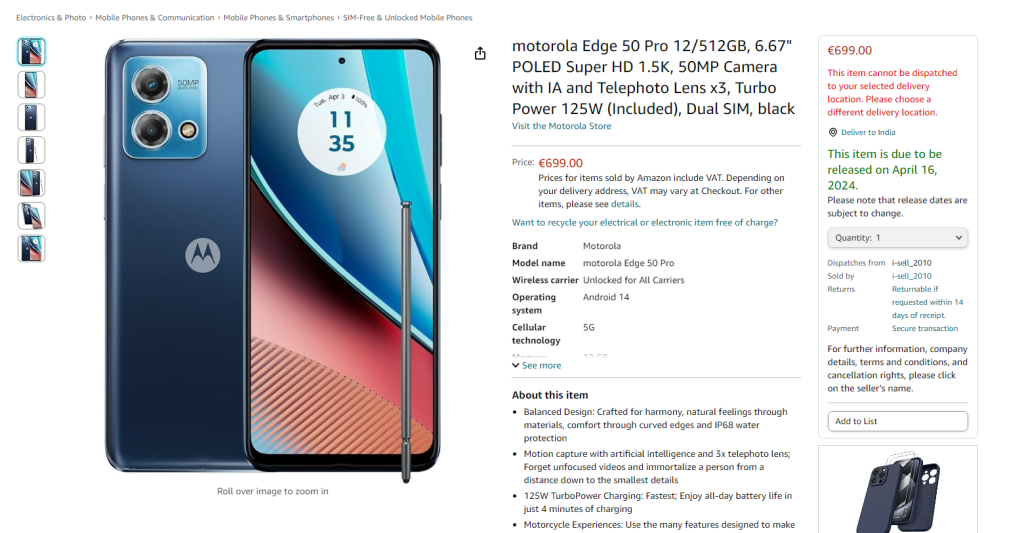
motorola Edge 50 Pro Amazon Germany listing
Motorola Edge 50 Pro Amazon Germany listing

As per the listing, the Motorola Edge 50 Pro will be launching on April 16. The listing also reveals that the phone will be available in a 12 GB RAM + 512 GB storage configuration, priced at €699. The pricing is in line with the previously tipped price. The specs of the device are expected to be the same as the Indian model.

Motorola Edge 50 Pro specs:

The Motorola Edge 50 Pro boasts a 6.7-inch curved pOLED display with a 144Hz refresh rate, HDR10+ support, and 2,000 nits peak brightness. It runs on a Qualcomm Snapdragon 7 Gen 3 SoC, up to 12GB RAM, and 256GB storage. With a 4,500mAh battery, it supports 125W TurboPower wired and 50W wireless charging.

Motorola Edge 50 Pro

The device features a 50MP primary camera with OIS, a 10MP telephoto lens, and a 13MP ultra-wide-angle lens. Other highlights include an IP68 rating, an in-display fingerprint scanner, dual stereo speakers with Dolby Atmos, and an Android 14-based operating system.

RELATED:

This 1999 Yuan Projector Might Surprise You: Tmall Launches Magic Screen C2

If you enjoy watching things on a giant screen like I do, you have two options in front of you. Depending on your financial situation, you can either purchase a large-screen television or opt for a more affordable choice, which is a projector. If the latter, budget-friendly option suits you better, then you’re in luck. The new Tmall C2 projector offers 550 CVIA brightness, automatic tracking, Wi-Fi 6 support, and improved audio all for 1999 yuan. Here are the details…

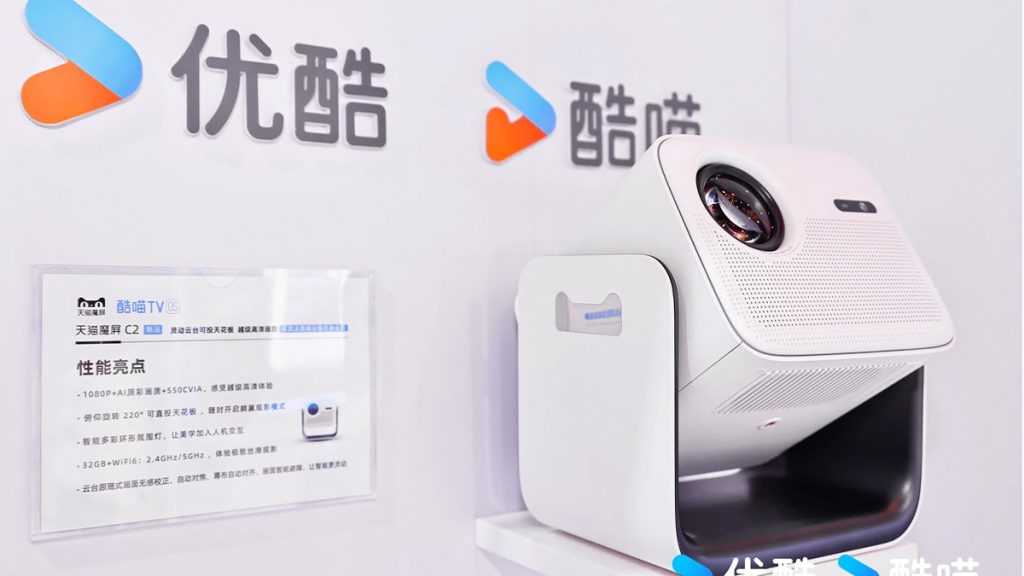
Tmall Launches Magic Screen C2 Projector

Tmall has expanded its affordable Magic Screen projector family with the C2. This budget-friendly projector offers impressive features, including 550 ANSI lumens of brightness, a new-generation light engine, a 4-ring optical coated all-glass lens, 1080p resolution, and a 1600:1 contrast ratio.

It also supports Wi-Fi 6. For only 1999 yuan, it’s a surprisingly well-equipped device. The Tmall Magic Screen C2 includes a 220° adjustable cloud platform bracket for easy image alignment. While the processor is unspecified, the projector comes with 2GB of RAM and 32GB of storage.

  • 550 ANSI lumens brightness
  • New-generation light engine
  • 4-ring optical coated all-glass lens
  • 1080p resolution
  • 1600:1 contrast ratio
  • Wi-Fi 6 support
  • 220° adjustable cloud platform bracket
  • 2GB RAM/ 32GB storage (processor unspecified)

RELATED:

Upcoming Deep South Supercomputer Claims to Surpass the Human Brain by Over 2,000 Times

Despite ever-evolving technology, the human brain is the supreme in processing power. This biological marvel operates differently, boasting a speed of over 100 billion operations per second. To bridge this gap, researchers have explored neuromorphic computing, inspired by the brain’s structure.

The supercomputer can perform 228 trillion operations per second

Deep South, a supercomputer spearheaded by Australia’s International Center for Neuromorphic Systems, is poised to launch in April 2024. This game-changer boasts a processing speed of 228 trillion operations per second, surpassing the human brain by over 2,000 times.

Deep South Supercomputer
Image Credits: New Scientist

While details are scarce, experts suggest Deep South mimics the entire human body, not just the brain. Unlike traditional electronics, it merges data storage and operation, mirroring the brain’s efficiency. The human brain’s brilliance lies in its billions of interconnected nerve cells operating with minimal energy consumption, enabling trillions of interactions. Deep South, though impressive, requires more space and energy.

However, the underlying technology holds promise. Imagine week-long phone battery life or supercomputer chips miniaturized for smaller devices. Beyond power, improved data processing could revolutionize various fields, from stable hospital life support systems to customized AI models.

The true surprise lies in Deep South’s unexpected benefits. Studying the brain to build smarter computers has led to a deeper understanding of the human brain itself. Researchers can now analyze brain diseases and observe how the brain responds to medication and aging.

Deep South allows us to study the brain like a computer, analyzing communication between nerve cells to pinpoint the root cause of neurological issues. It can even visualize the learning process by observing how a supercomputer model distributes tasks. While unlocking all the brain’s secrets may seem far-fetched, Deep South’s potential is undeniable. Its success could pave the way for a digital brain, opening doors to overcoming once-untreatable diseases.

RELATED:

(Via)

Lenovo Launches its YOGA Instant Hot Tea Machine with Adjustable Temperature, Water Volume

Lenovo is brewing something new! The company has just launched its YOGA Instant Hot Tea Machine, a new appliance designed to bring convenience to your hot tea brewing experience at home.

The tea machine is equipped with “Second-speed Instant Heating technology”

The Lenovo YOGA Instant Hot Tea Machine, pictured here, appears to be a sleek and compact design, possibly around the size of a standard A4 sheet of paper. This versatile machine caters to both tea lovers and water drinkers. You can use it to brew your favorite cup of tea or simply dispense hot water for other beverages.

Lenovo YOGA Instant Hot Tea

The machine boasts a built-in filter design in the tea chamber, specifically intended to produce a clean and residue-free cup of tea. Equipped with “second-speed instant heating technology,” the Lenovo YOGA Instant Hot Tea Machine promises quick brewing times, ensuring you don’t have to wait long for your hot beverage.

For tea lovers, precise temperature control is key. The machine offers 4 different temperature settings specifically for steeping various teas. Additionally, it features 7 adjustable temperature controls for the water dispenser mode. This allows you to customize the water temperature for other hot drinks you might enjoy.

The water dispenser mode itself adds another layer of convenience. With 3 water volume levels, you can customize the amount of hot water you need for anything from a quick cup of tea to a larger mug of hot cocoa. To further enhance convenience, the machine boasts a built-in 3L water tank, eliminating the need for frequent refilling and offering uninterrupted brewing sessions.

The Lenovo YOGA Instant Hot Tea Machine is priced at 599 yuan (approximately $92 USD) on Lenovo’s official website. While a specific release date is not yet available, this appliance seems like a good option for tea enthusiasts and anyone who enjoys the convenience of hot beverages at home.

RELATED:

(Via)

Shanling Audio’s M5 Ultra High-Res Music Player Now Available on JD.com with 528 Hours of Deep Standby Time

Shanling Audio’s M5 Ultra high-resolution music player has arrived on JD.com, offering a great combination of top-notch sound quality, sleek design, and convenient features for music lovers on the go.

The M5 Ultra offers 528 hours of deep standby time to conserve battery

As pictured, the Shanling M5 Ultra boasts a stylish and modern design that seems comfortable to hold. But its true potential lies within. The player features a dual DAC setup with the AK4191+AK4499EX, promising exceptional audio quality that will let you experience every detail of your favorite music. Shanling’s MTouch 4.0 pure sound system further elevates the listening experience by ensuring pristine and unadulterated audio.

Shanling Music Player

Battery life is another major perk for music enthusiasts. The M5 Ultra is reported to offer a remarkable 528 hours of deep standby time, allowing you to enjoy extended listening sessions without worrying about running out of power. And for those who prefer wireless listening, the M5 Ultra supports LDAC and aptX HD music transmission protocols, so you can stream your favorite music services or high-resolution audio files with ease.

Shanling hasn’t forgotten about user experience either. The M5 Ultra features a built-in 4.7-inch touchscreen display with a resolution of 1280 x 720, allowing for intuitive navigation of your music library and playback controls. The player also incorporates a stylish built-in ambient light in the “crown” part, adding a touch of sophistication to its overall design. Weighing in at just 247 grams, the M5 Ultra is comfortable to hold and carry around, making it the perfect companion for any music-related adventures.

The Shanling M5 Ultra is available in black and silver on JD.com. The standard price is listed at 3,698 yuan (approximately $568 USD), with a starting price of 3,498 yuan (approximately $536 USD). While a specific release date is not mentioned, audiophiles can likely expect to get their hands on this music player soon.

RELATED:

(VIA)

Xiaomi Redefines Customer Care with Priority Club! Offers Faster Repairs, Personalized Support and More

When considering a new tech product, what factors are most important to you? Many might prioritize technical specs or price. But after-sales service can be equally, if not more, crucial. Recognizing this, tech companies are increasingly focusing on this area. Xiaomi, for instance, recently introduced the Xiaomi Priority Club for its Indian users. Here are the details…

Xiaomi Launches Priority Club for Enhanced User Experience

India is undoubtedly one of the world’s most important technology hubs. Therefore, attracted by this large market, many technology companies, including Apple, both sell and produce their products here. Xiaomi is also among them, and the company has launched a new program called Priority Club to strengthen its presence in the country.

The Xiaomi Priority Club in India is a program designed to provide exclusive benefits and services to Xiaomi customers, aimed at enhancing their ownership and service experience. The program includes a range of benefits for its members, such as:

  • Priority Service: Members of the Priority Club receive priority online appointments and expedited service at Xiaomi service centers, ensuring swift resolution to their issues with minimal disruption to their lives.
  • Convenience of Repairs: The program includes complimentary pick-up and drop services for mobile repairs, eliminating the hassle of maintenance for members. Additionally, there is a guarantee of a 2-hour repair or provision of a standby device to ensure uninterrupted connectivity.
  • Device Optimization: Regular half-yearly health check-ups and software updates are provided to keep devices in peak condition, optimizing their performance and prolonging their lifespan.
  • Personalized Support: Members enjoy the convenience of prompt callbacks from customer support and direct chat access to knowledgeable agents, bypassing automated systems for a more personalized and tailored support experience.
  • Product Coverage: Initially rolled out for premium smartphones, including the Xiaomi 14 Series, the benefits extend to other flagship smartphones and select smart TV models, ensuring a wider coverage of Xiaomi’s product range.

In the first phase, the Xiaomi Priority Club service is being rolled out to Xiaomi’s premium smartphones, including the recently launched Xiaomi 14 Series – Xiaomi 14 Ultra and Xiaomi 14. The benefits will also be available for Xiaomi 13 Pro, Xiaomi 12 Pro, and Mi 11 Ultra.

Xiaomi Priority Club service is also being rolled out to users who own the Mi QLED TV 75, Xiaomi OLED Vision TV 55, and Xiaomi Smart TV X 65. For more information on Xiaomi’s Priority Club and to enrol for the benefits, please visit here.

RELATED:

Xiaomi Mijia Faucet Water Purifier 2 With 5-Layer Filtration To Go On Crowdfunding From April 10

Xiaomi Mijia Faucet Water Purifier 2 has been launched in China. It is set to go on crowdfunding from April 10 to April 17 priced at CNY 109. The Water Purifier 2 packs a host of features for improved water quality and safe usage. It is also easy to use with a lightweight and compact frosted translucent visual design that can be installed in the kitchen as well as the bathroom. The Faucet Water Purifier 2 is compatible with most faucets. 

Xiaomi Mijia Faucet Water Purifier 2 

The Xiaomi Mijia Faucet Water Purifier 2 features five layers of combined filtration. These include a high-density stainless steel filter, seaweed mud ceramic filter, coconut shell activated carbon and high-density non-woven fabric. These offer microfiltration purification and safe water by removing sediments, rust, insect eggs, and organic pollutants. The aforementioned filters come bundled and it is recommended to be changed after three months of usage. 

The Xiaomi Mijia Faucet Water Purifier 2 has an imported natural activated carbon inside for effectively removing residual chlorine ensuring that washing and cooking becomes healthier. 

The Xiaomi Mijia Faucet Water Purifier 2 offers three modes of water depending on the needs. These include purified water for cooking, raw water for cleaning dishes, and shower water for cleaning fruits and vegetables. This can be accessed by turning the knob of the faucet water purifier 2. The faucet purifier is also easier to clean due to its ABS shell.

Related:

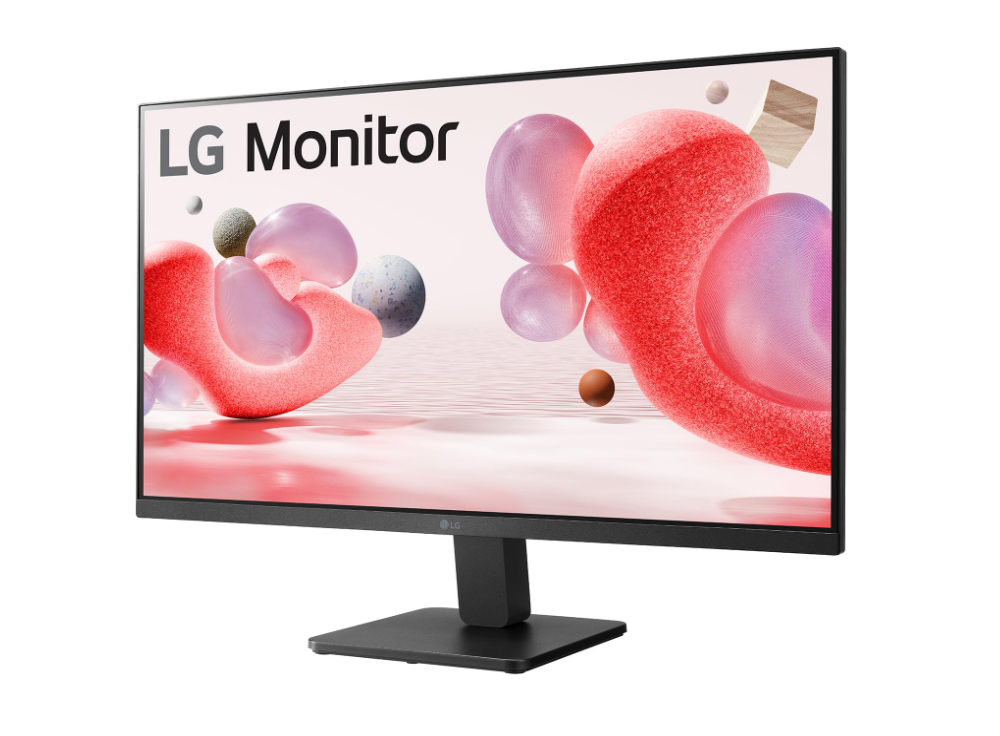
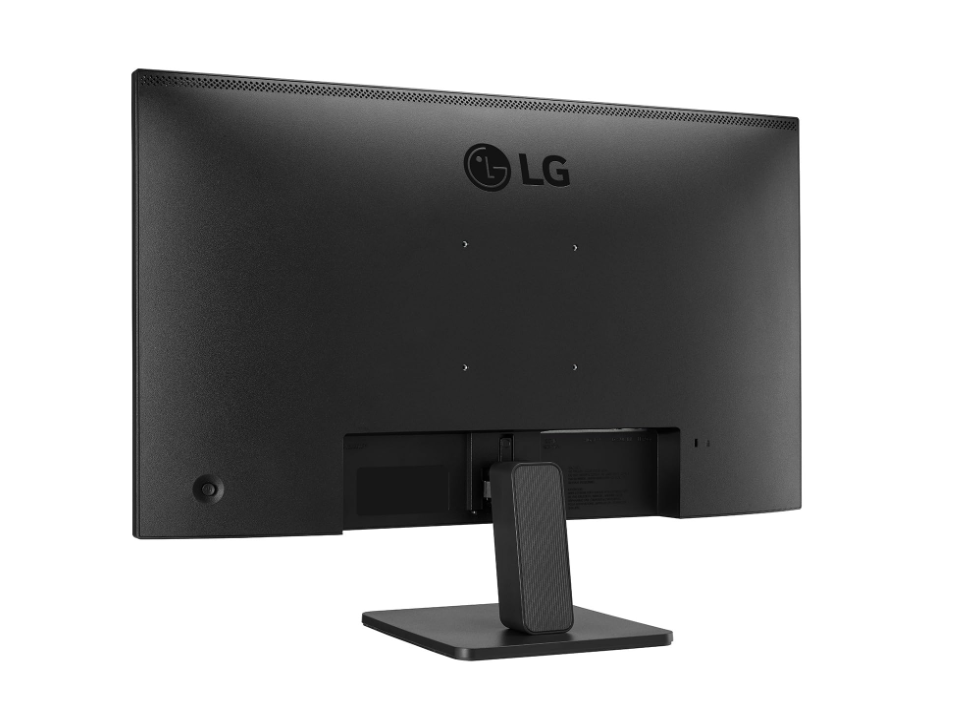
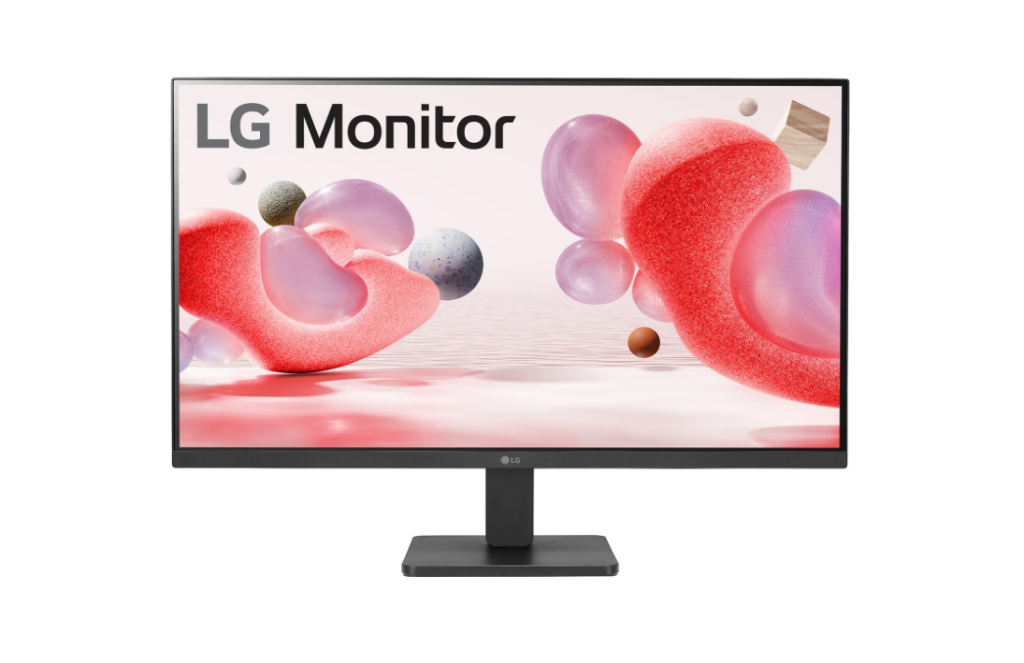
LG debuts affordable 100Hz FHD monitors in India starting at just Rs 6,299 (~$76)

LG has launched its latest range of Full HD monitors on Amazon India, offering attractive discounts. The lineup includes three models: LG 22MR410, 24MR400, and 27MR400.

LG monitors

Specifications & features:

The LG 22MR410 monitor presents a 21.5-inch Full HD VA display with a resolution of 1920 x 1080 pixels and a refresh rate of 100 Hz. It offers options like Reader Mode and Flicker Safe, along with OnScreen Control. The LG 24MR400 monitor on the other hand features a 23.8-inch IPS Full HD display with a resolution of 1920 x 1080 and a refresh rate of 100 Hz. It includes features such as Dynamic Action Sync and Black Stabilizer, alongside Reader Mode and Flicker Safe. Moreover, it offers OnScreen Control and an Audio Input switch.

LG 27MR400

As for the LG 27MR400 monitor, it boasts a 27-inch IPS Full HD display with a resolution of 1920 x 1080 and a refresh rate of 100 Hz. It incorporates Reader Mode and Flicker Safe options, along with OnScreen Control and Black Stabilizer. All these monitors are equipped with AMD FreeSyncTM technology and come in a 3-sided virtually borderless design.

Pricing & offers

In terms of pricing, the LG 22MR410 starts at Rs 6,299, while the LG 24MR400 and LG 27MR400 are priced at Rs 7,999 and Rs 10,999, respectively. EMI options are available, starting from Rs 305 per month. Additional discounts are available with specific credit card transactions.

RELATED:

Redmi’s first Turbo series phone offers 2400 nits peak brightness

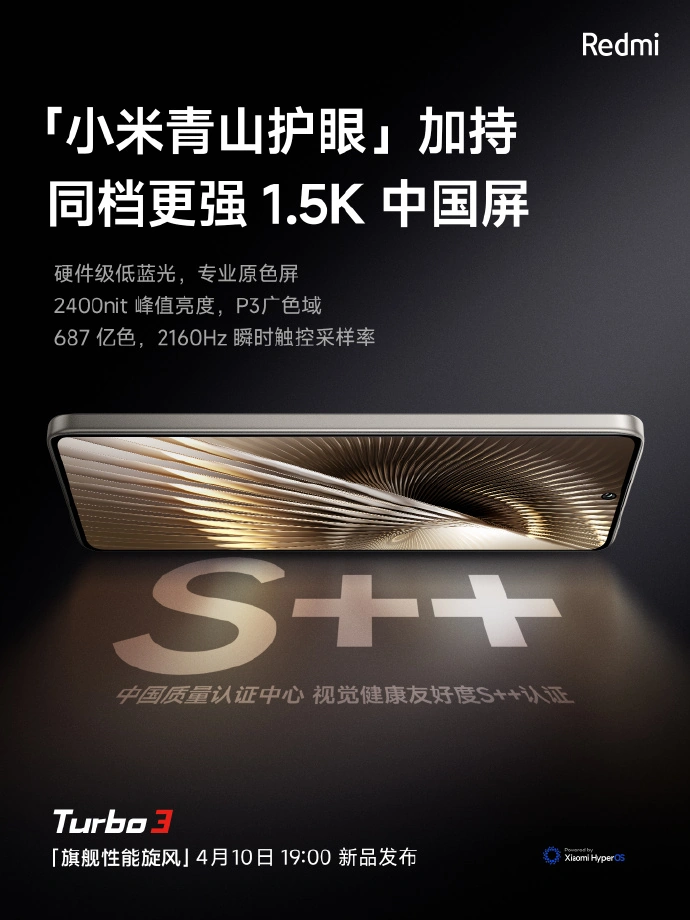
The Redmi Turbo 3 is scheduled to launch on April 10 in China. The device is the first offering of the Turbo series (explained) which focuses on offering flagship-level performance to the mid-range segment. This phone packs the Snapdragon 8s Gen 3 chip, which is a slightly cut-down version of the flagship Snapdragon 8 Gen 3. Alongside a powerful silicon inside, it also boasts a reasonably good flat AMOLED display.

A 1.5K 2400 nits panel with hardware-level blue light control

An official teaser reveals the panel as “Xiaomi Qingshan Eye Protection” which comes with 1.5K resolution and reaches 2400 nits of peak brightness. While it’s not the highest or comparable to some phones such as the Realme GT Neo 6 SE, the number is still comparable to the 2024 flagship Galaxy S24 Ultra‘s 2600 nits peak brightness support.

In addition, the Redmi Turbo 3’s display panel also boasts hardware-level solutions to reduce blue light emission, which is definitely a good thing if you use the phone at night. The panel is “Vision Health Friendly++” (translated) certified by the China Quality Certification Center.

Xiaomi notes that the display shows up to 68.7 billion colors. It also offers a 2160Hz tough sampling rate which helps in certain scenarios like gaming.

A previous teaser also reveals ultra-thin and pretty much symmetrical borders around the display.

Overall, the phone features a flat design with flat sides and front. Notably the slightly contoured, similar to what Apple did with the iPhone 15 series to make it more comfortable to hold. According to reports, the screen is 6.67″ in diagonal, so the phone is rather a large one. It also houses a 5000mAh battery. Yet the company has revealed that the phone weighs only 179 grams. It’s also 7.8mm in thickness.

Related: