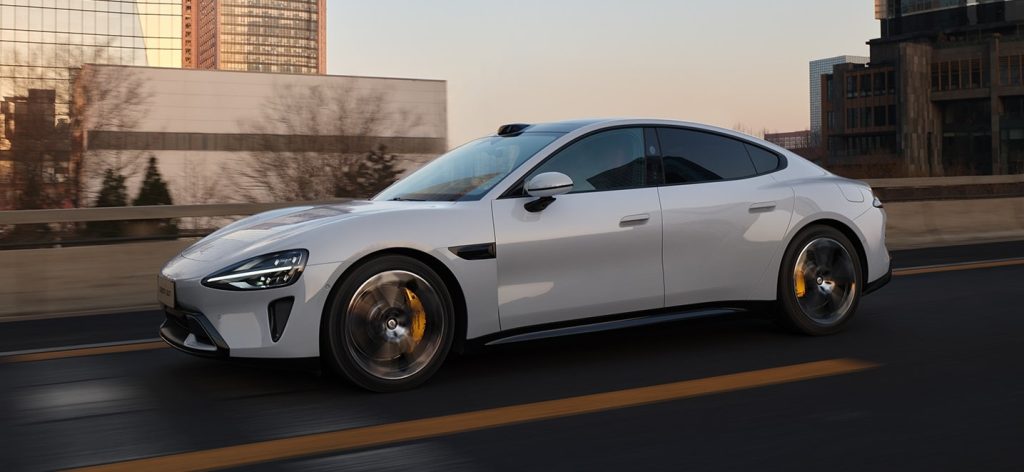
Xiaomi is holding daily Q&A sessions to address user inquiries about the new Xiaomi SU7 electric car. Here’s a breakdown of some key topics covered…
The company is also ramping up production for the SU7 EV
Delivery: Production is ramping up, with deliveries of the non-foundational versions (SU7 and SU7 Max) expected in late April. The SU7 Pro will follow in late May.
Privacy and In-Car Video: While the car can record video for security purposes (Sentry Mode), these recordings are blurred when accessed remotely via the app to protect privacy. Inside the car, the footage remains unblurred for easy viewing.
Electric Tailgate Control: The SU7 Pro lacks physical buttons for the tailgate. Users can control it with voice commands (“open the tail wing”) through the car’s AI assistant (Xiao Ai) or by adjusting settings on the central touchscreen.
Hardware Modifications: Xiaomi discourages any unauthorized hardware modifications, citing potential safety and quality risks. The car’s original hardware has undergone rigorous testing to ensure reliability and performance.
Track Driving: Xiaomi advises against attempting extreme driving like track racing. Track conditions put immense stress on the car’s components, requiring professional maintenance and expertise.
Braking Performance: The SU7 Max uses NAO friction pads, a mainstream choice that balances noise and performance for everyday driving. It meets national standards and delivers an industry-leading 100km/h to 0 braking distance of 33.3 meters.
SiC Silicon Carbide Platform: This refers to the power modules used in the SU7. Compared to traditional silicon (Si) IGBTs, SiC offers higher efficiency due to lower switching losses. While more expensive, Xiaomi utilizes SiC throughout the SU7 (motor, charger, air conditioning compressor) for optimal energy efficiency. This is one of the factors contributing to the SU7’s low energy consumption.
Google is unveiling a pretty big advancement in data center technology with its custom Arm-based CPUs, the Axion Processors. Axion promises industry-leading performance and energy efficiency. Compared to existing Arm-based offerings, Axion delivers up to 30% better performance. It surpasses comparable x86-based options by a significant margin, offering up to 50% better performance and a remarkable 60% improvement in efficiency.
Google’s Titanium handles networking and security on the Axion CPUs
The foundation of Axion lies in Arm’s Neoverse V2 CPU cores, specifically designed to excel in general-purpose workloads. Google has further enhanced Axion with their custom silicon microcontrollers, codenamed Titanium. Titanium handles platform tasks like networking and security, ensuring that Axion’s processing power is dedicated to core workloads. Additionally, Titanium offloads storage functionalities to Hyperdisk, a new block storage service that allows for dynamic performance scaling.
Beyond raw performance, sustainability is a major focus for Google. Their data centers are already recognized for their efficiency, and Axion promises to push the boundaries even further. This aligns perfectly with Google’s goal of achieving carbon-free operations.
Compatibility remains a major concern when introducing new technologies. Axion is built on the standard Armv9 architecture, ensuring seamless compatibility with existing software and tools. Google actively contributes to the Arm ecosystem through projects like Android and Kubernetes, and they collaborate with partners to optimize software for Arm. This commitment ensures a rich ecosystem for Axion users. Customers can leverage Axion with various Google Cloud services including Compute Engine and Kubernetes Engine. Furthermore, Arm-compatible solutions are readily available on the Google Cloud Marketplace, and migration tools exist to simplify the transition to Arm-based instances.
The potential of Axion has garnered excitement from industry partners like Broadcom, CrowdStrike, Cybereason, Datadog, Elastic, OpenX, Snap, and WP Engine. They all anticipate significant improvements in performance, efficiency, and sustainability with the arrival of Axion.
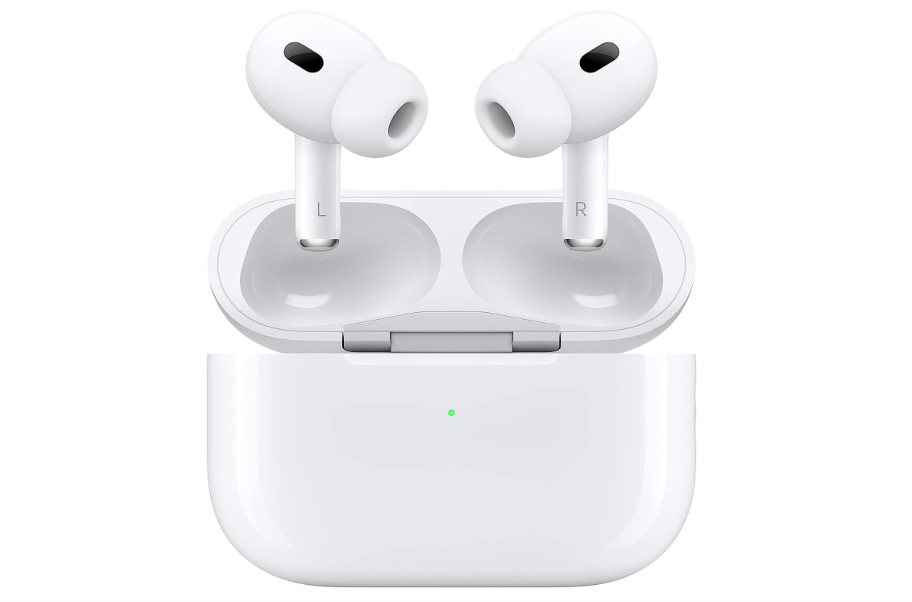
Here’s the right time to grab Apple’s AirPods Pro (2nd generation) if you are looking to upgrade your old earbuds. It could also be a perfect purchase if you’re already an Apple user. Ahead of the spring sale, Amazon is offering a $60 discount on the usual retail price of $249. With a 24% discount, the Apple AirPods Pro (2nd Generation) is now available for $189.
The ongoing discount is currently applicable only on Amazon. Other retailers like Best Buy, Walmart, and others have listed it for the same $249 price.
Apple AirPods Pro Features
If you’re still using Apple AirPods Pro (1st generation), then upgrading to the 2nd generation would be worth every cent. There are several new changes that the 2nd generation packs in comparison with the predecessor. It features adaptive transparency, an H2 chip, and personalized spatial audio. Featuring a USB Type-C port, the Apple AirPods Pro 2nd Gen is now more convenient for users, especially those with iPhone 15 models. Further, it supports an improved IP54 rating and lossless audio support.
Apple AirPods Pro offers lossless audio support with ultra-low latency and even supports Apple Vision Pro. Following the iOS 17 update, the Apple AirPods Gen 2 received improved features like adaptive audio, conversation awareness, and personalized volume.
Apart from the earbuds, the charging case has been renovated with new features and a facelift. It features a built-in speaker, which is quite helpful if you’re locating it. Moreover, the advanced chip helps improve the precision of the finding.
It usually retails for $249, but the $60 discount is making it available for $189.
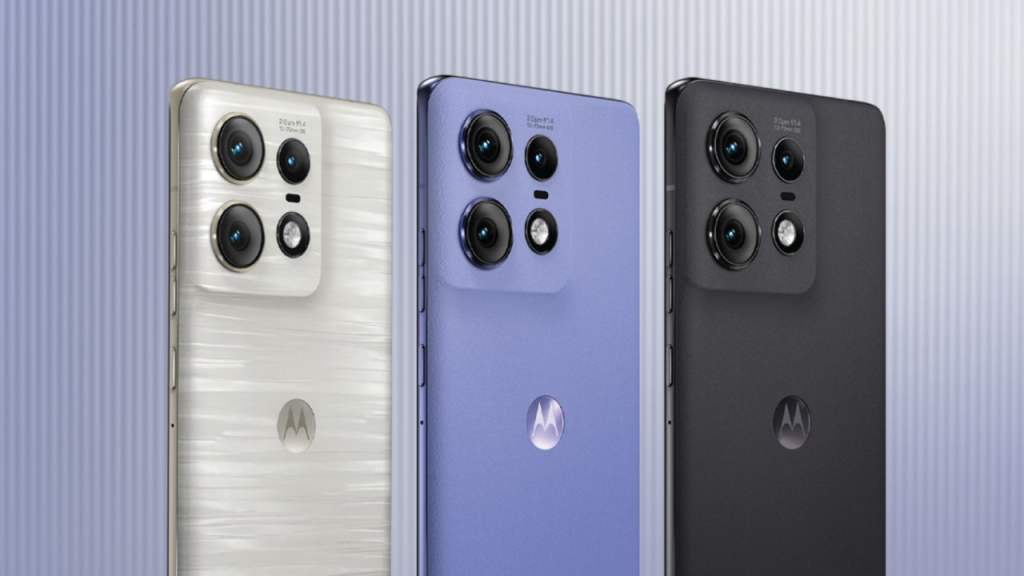
Motorola Edge 50 Pro, which was launched last week in India, is now available for purchase on Flipkart (started at 12PM), Motorola.in and leading retail stores including Reliance Digital.
Pricing and Availability
The original pricing for the phone starts at Rs. 31,999 for the 8GB & 256GB model while the 12GB + 256GB model is priced at Rs. 35,999. Since there are a lot of offers now, you can get this phone for a lot less which starts at Rs. 27,999.
The Motorola phone comes in three color variants – Luxe Lavender and Black Beauty in silicone vegan leather finish and Moon Light Pearl in Acetate finish. Flipkart will also be offering an exclusive early access sale for the Moon Light Pearl variant on 8th April 2024, 7 PM.
Offers
Consumers can avail various offers on the Motorola Edge 50 Pro. There is an exchange offer of Rs. 2,000 and an instant bank discount of upto Rs. 2,250 on HDFC Bank Cards. Additionally, there is a special introductory offer of Rs. 2,000 discount for a limited period only. This will make the effective price of the product Rs. 27,999 (for 8GB+256GB) and Rs 31,999 (for 12GB+256GB). Consumers can also avail No Cost EMIs up to 9 months on HDFC Bank credit and debit cards.
Reliance Jio is also offering additional benefits worth Rs. 15,000 with the Motorola Edge 50 Pro. This includes a cashback of Rs 3,564, additional data worth Rs 3,600 and additional partner offers worth Rs 8,500.
Motorola Edge 50 Pro Specifications:
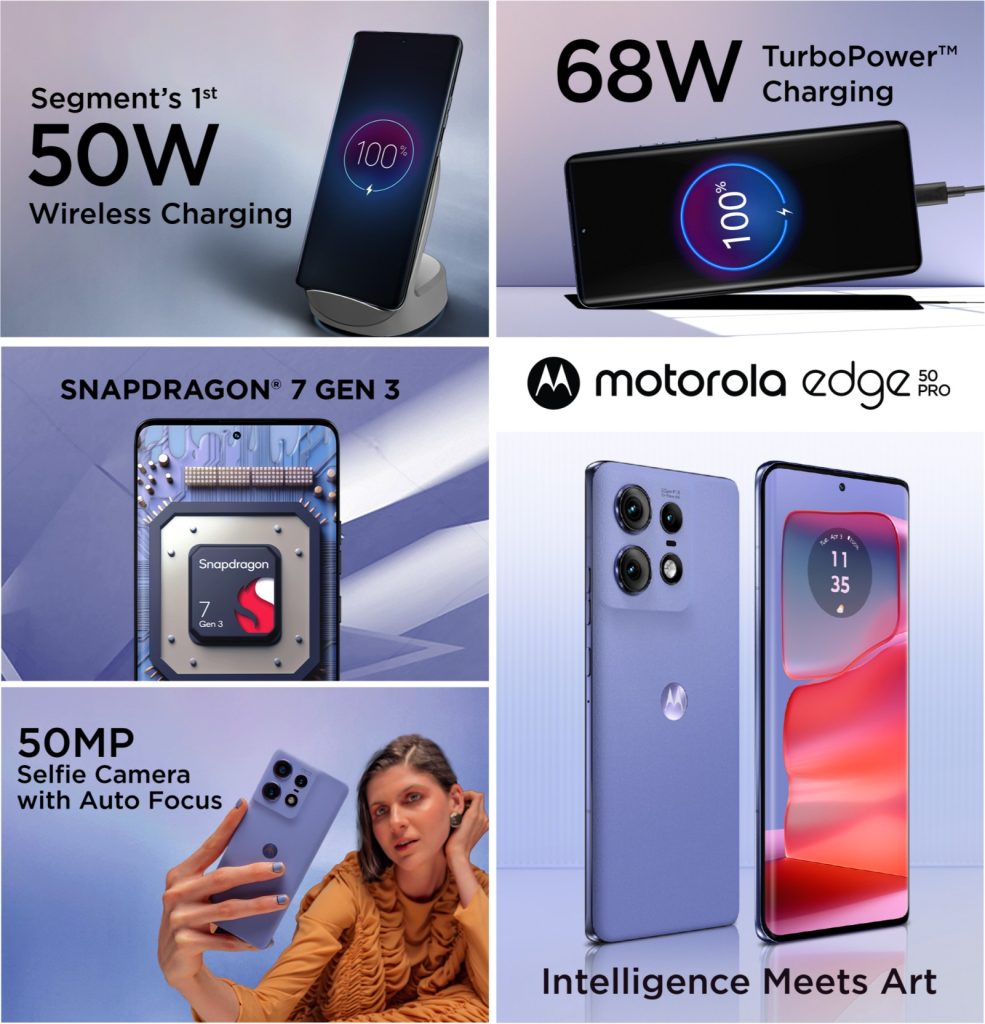
Talking about specs, the phone features a 6.7-inch 1.5K pOLED display with a 144Hz refresh rate and is powered by the Qualcomm Snapdragon 7 Gen 3 processor. The display is protected by Corning Gorilla Glass 5.
Motorola Edge 50 Pro features a triple-camera system on the back, consisting of a 50MP main sensor, a 13MP ultrawide sensor, and a 10MP telephoto sensor with 3x optical zoom and 50x hybrid zoom. The front-facing camera for selfies is also a 50MP sensor.
The phone runs Android 14 out of the box and packs a 4500mAh battery that supports 125W fast charging. The base variant comes with a 68W charger while the higher-end model comes with a 125W charger. It also supports 50W wireless charging and 10W reverse wireless charging. The phone is water and dust-resistant with an IP68 rating.
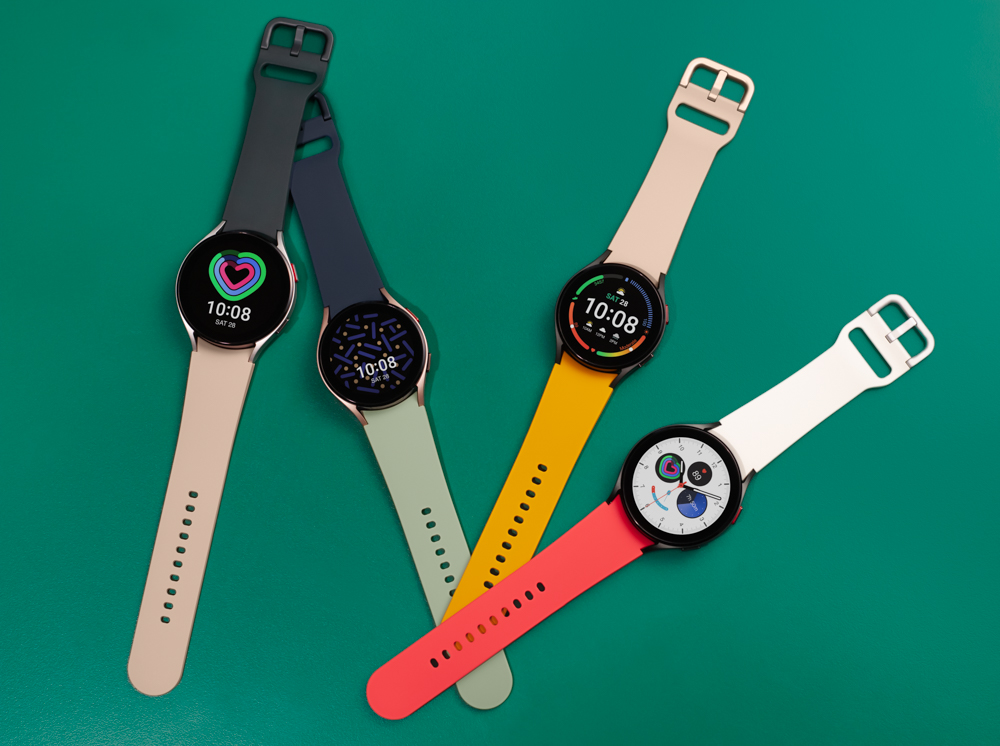
Samsung is expected to release a budget smartwatch very soon. This product was earlier referred to as Galaxy Watch FE.
But per the latest details, the wearable will likely go official as Galaxy Watch 4 2024. In other words, the company’s first modern Wear OS smartwatch from 2021 will be released again.
Re-launching older products is not a new strategy by Samsung. The firm just recently released its Galaxy Tab S6 Lite for the third time. You can learn about the differences between all three iterations here.
These re-released products do not differ much from the original. We expect the same for the Galaxy Watch 4 2024 as well. Let’s check out its anticipated features.
The upcoming Galaxy Watch 4 2024 is anticipated to arrive in the same design as the original. At present, it is not sure whether it will be available in two sizes (40mm and 44mm) and cellular variants as the original.
As for the build, the wearable should feature an aluminum frame and Gorilla Glass DX+ protection for display. It will be IP68-rated (dust and water resistance) and MIL-STD-810G compliant.
Lastly, the watch will use 20mm straps.
2. Hardware
The Galaxy Watch 4 2024 is expected to retain the core hardware from the original. So it should sport a circular Super AMOLED display with AOD (Alway-on Display) support.
Further, the wearable will come with two physical buttons. It will feature multiple sensors, such as heart rate, SpO2, accelerometer, gyro, compass, and barometer.
Unfortunately, we are not sure about the chipset. The original 2021 model is powered by an Exynos W920 SoC, however, the forthcoming 2024 variant may or may not house this chip.
Anyways, there’s a high chance it may use the same chip as the only other latest Samsung wearable chip (i.e., Exynyos W930) is present inside the Galaxy Watch 6 series released in 2023.
3. Software
Samsunsg’s re-released products tend to retain hardware but the software has always been different. They usually ship with the latest firmware available at launch.
Therefore, the Galaxy Watch 4 2024 will likely boot One UI 5.0 based on Wear OS 4.0. Since the company promises four years of updates for its smartwatches, the re-release model’s software support should last until 2028 compared to 2025 for the original which was released in 2021.
Hence, if you were looking to invest in Galaxy Watch 4, you may want to wait a bit longer and get the 2024 edition for longevity.
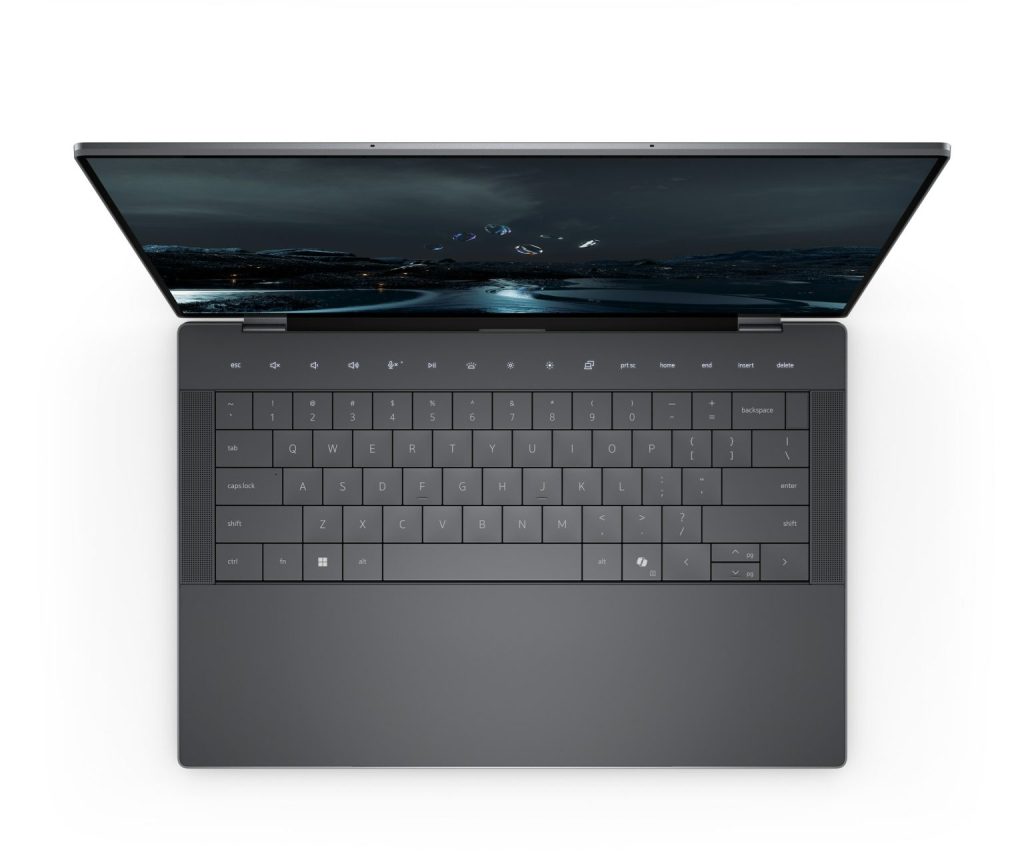
At CES earlier in January this year, Dell announced new XPS laptops with Intel Core Ultra processors and a Copilot key. Now, the American PC brand has brought the XPS 14, XPS 16, and Inspiron 14 Plus laptops to the Indian markets. All three machines pack premium specifications and features. It’s worth noting that the XPS duo and Inspiron offering are different from each other.
Dell XPS 14, XPS 16 specifications and features
As the names suggest, the Dell XPS 14 and XPS 16 come with 14.5 and 16.3-inch screen sizes bearing a resolution of 3.2K and 4K respectively. Both models have an OLED display panel with touch support, a 400 nits peak brightness, and a 100 percent DCI-P3 colour gamut.
The Dell XPS 14 and XPS 16 have zero lattice backlit keyboards with gapless keys. There is a capacitive touch function along with a dedicated Microsoft Copilot key. The laptops have a quad-speakers and an FHD webcam.
Under the hood, the Dell XPS 14 and 16 are equipped with Core Ultra 7 chipsets. The latter is also offered in Core Ultra 9. The XPS 14 comes in Intel Arc GPU or GeForce RTX 4050 option whereas the XPS 16 features RTX 4060 onboard. Both machines pack up to 32GB RAM and 1TB storage. The XPS 14 is backed by a 69.5 WHr battery cell whereas the XPS 16 is powered by a 99.5 WHr unit. The XPS duo have a host of connectivity ports including WiFi-7, Bluetooth 5.4, and more.
Dell Inspiron 14 Plus specifications
The Dell Inspiron 14 Plus comes with a 14-inch LCD display bearing a resolution of 2.2K pixels and 300 nits peak brightness. The laptop has a backlit keyboard along with a fingerprint reader. There is an FHD webcam with a privacy shutter and dual digital microphone array.
Internally, the Dell Inspiron 14 Plus is powered by an Intel Core Ultra 7 chipset with integrated Intel Arc graphics onboard. There is 16GB LPDDR5x RAM and 1TB SSD storage. The machine is backed by a 64Wh battery cell with support for 100W charging.
Dell XPS 14, 16, Inspiron 14 Plus pricing and availability
The Dell XPS 14 and XPS 16 laptops start at Rs 1,99,990 and Rs 2,99,990 respectively for the base configurations. Both models will be available for purchase starting April 25 across online and offline channels. The Inspiron 14 Plus carries a starting price tag of Rs 1,05,990 and is available for purchase.
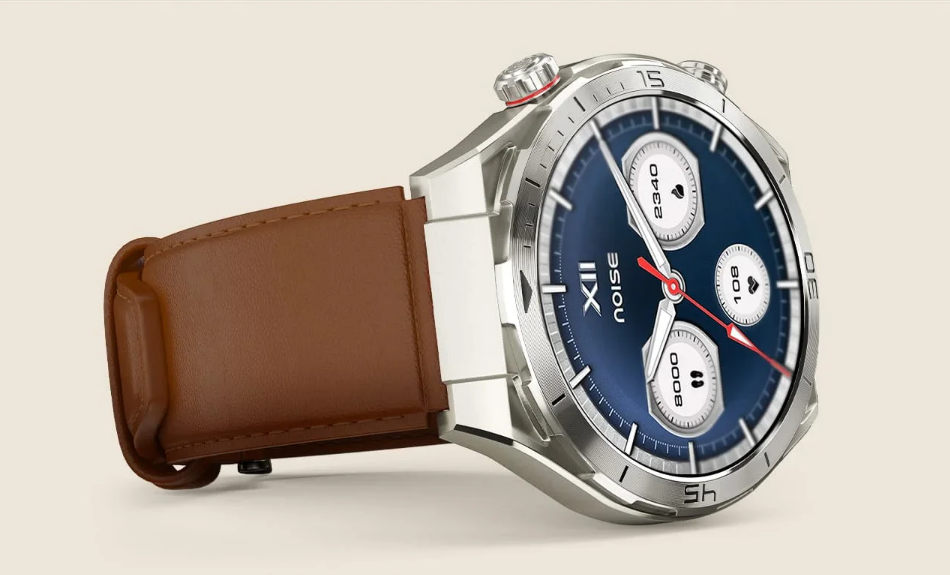
After the recent launch of the NoiseColorFit Ore smartwatch in India, the brand is back with another smartwatch launch called the NoiseFit Active 2. The smartwatch features a classic design along with a metal body and features like Bluetooth calling.
NoiseFit Active 2 specs:
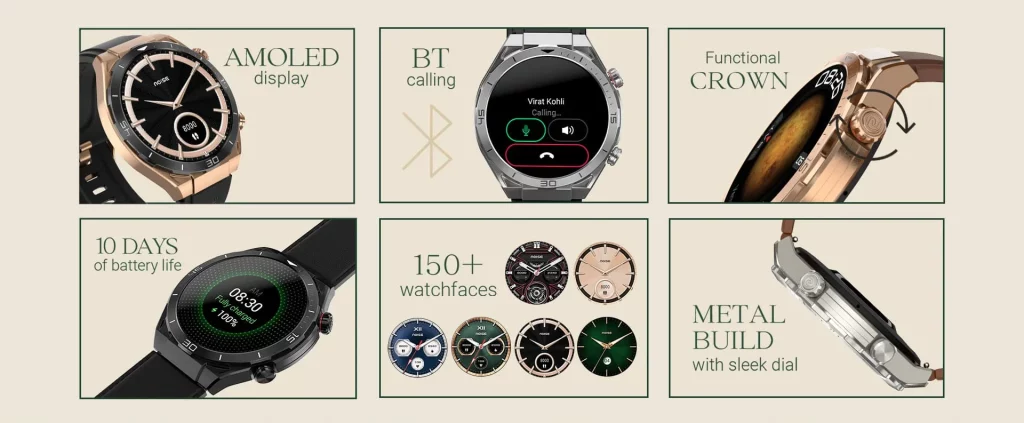
The NoiseFit Active 2 features a 1.46-inch AMOLED display with a 466 x 466 resolution and 600 nits brightness. It is offered in six color options, including Classic Brown and Midnight Black, and features a selection of strap materials such as metal, leather, and silicone. As mentioned above, the smartwatch has a metal frame along with a functional crown.
The smartwatch includes over 100 sports modes and more than 150 watch faces. It integrates Tru Sync technology for an improved Bluetooth calling experience, supported by Bluetooth 5.3 connectivity, and can deliver up to 10 days of battery life.
For health tracking, the NoiseFit Active 2 incorporates the Noise Health Suite, which monitors various health metrics including heart rate, SpO2 levels, sleep patterns, and stress. The smartwatch also features a Productivity Suite, offering tools such as reminders, weather updates, music control, and a calculator. The device is designed to be durable, with an IP68 rating for water and dust resistance.
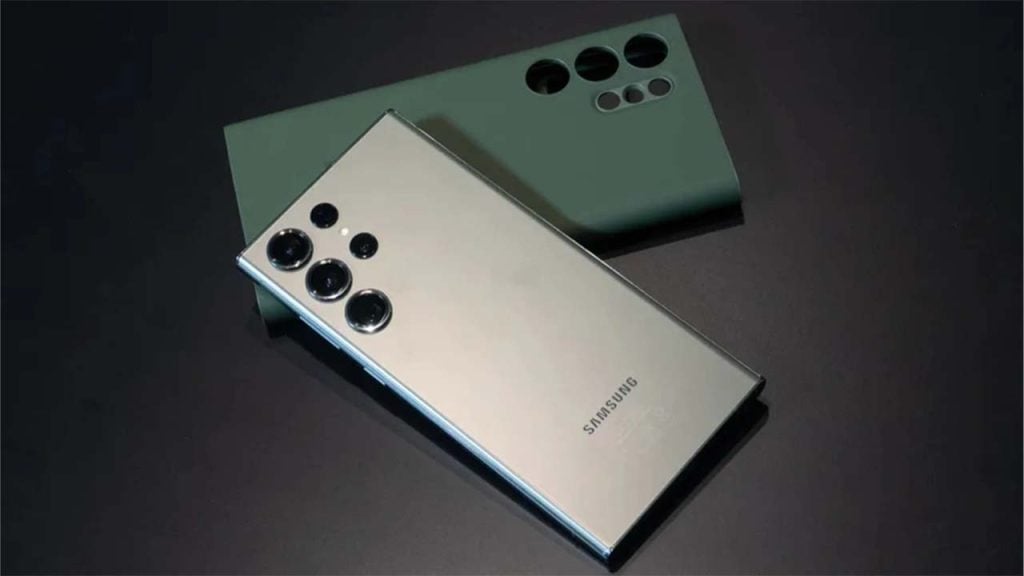
Smartphone prices continue to climb, with many flagship models exceeding $1000. As a result, users’ expectations for these devices are understandably high. This includes not only superior performance but also premium materials and exceptional durability. Fortunately, some manufacturers are rising to the challenge. Samsung provides compelling evidence of this with its Galaxy S24 Ultra, whose screen remarkably survived a fall from 4000 meters. Here are the details…
Galaxy S24 Ultra Breaks Durability Record!
This unbelievable incident recently surfaced in a social media post by Frank Carballido. While skydiving, Frank accidentally dropped his Samsung Galaxy S24 Ultra from his pocket, sending it plummeting 1200 feet (approximately 4000 meters) to the ground. While this seems like certain doom for a smartphone, the story takes an incredible turn. Using the Find My Device feature, Frank was shocked to discover that his phone was still transmitting a signal.
After dropping his phone, he rushed to the location, hoping to salvage his $1,199 Galaxy S24 Ultra – even a minor repair would be better than nothing. Imagine his shock when he found his phone completely unscathed! Of course, the Samsung Galaxy S24 Ultra isn’t indestructible on its own. A closer look at the video reveals both a protective case and a screen protector likely saved the day.
It landed on a soft, leafy surface, with trees likely breaking its fall. This fortunate impact point prevented any damage to the phone. Even so, the Galaxy S24 Ultra’s survival from a plane drop is remarkable. This definitely reinforces the importance of using a case and screen protector!
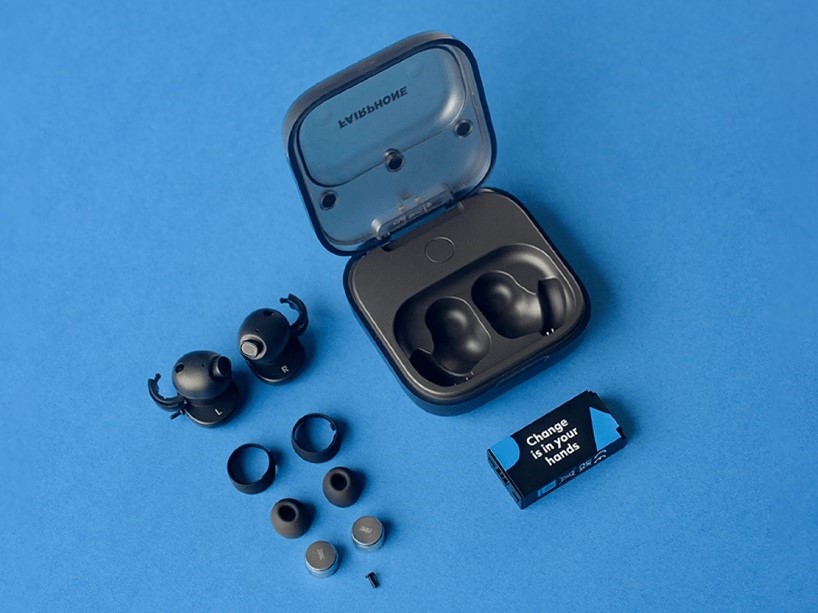
Fairphone known for its smartphones with a higher repairability score is changing the TWS segment with repairable earbuds. Yes, you read that right. The brand has announced Fariphone Fairbuds that lets you repair seven parts if any of them stop working or get damaged. This is the first in the industry as TWS earphones are complicated to repair due to their small size, design and cost. They are also more prone to failures and OEMs prefer customers to purchase a new one instead of taking it to repairs.
Fairphone Fairbuds launched with easy repairability, could change the TWS segment
Beginning with the main USP, the Fairphone Fairbuds easy repairability means that they are built to last longer. The company says that users can easily replace seven spare parts on the TWS earphones including the earbud battery, charging case battery, charging trays, case outer shells, silicone ring, earbud tips, and also the earbud. The ability to replace the batteries inside each earbud means that they can last beyond their usual lifespan which is two to three years. Users can also order a replacement for a lost earbud instead of buying an entirely new pair.
On top of ease of repairability, Fairphone is also offering a three-year warranty on the Fairbuds. The TWS earphones costs €149 in Europe and £140 in the UK. They are available on the brand’s website and retail partners.
The Fairphone Fairbuds have an in-ear design with a hook for comfortable and a secure fit. They come in Black and White colors and are also IP54-rated sweat resistant. The TWS earphones are equipped with 11mm titanium drivers and also three microphones in each earbud for crystal clear call quality. The audio device offers active noise cancellation and also wind noise reduction. The earbuds have in-ear detection that automatically plays and pauses when they are removed from the ear. The Fairphone Fairbuds are capable of connecting to two devices simultaneously. The earbuds are claimed to offer 6 hours of playback whereas the storage and charging case is said to deliver additional 20 hours of battery.
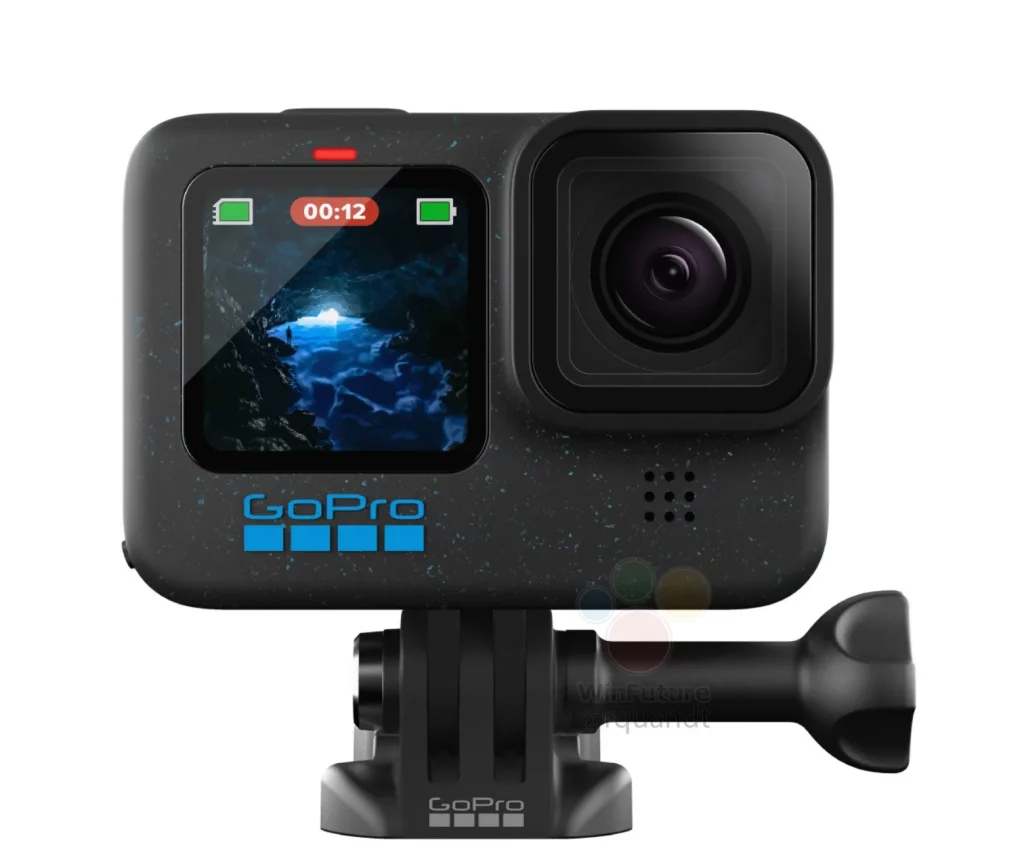
GoPro enthusiasts can currently save on a bundle featuring the Hero 12 action camera and several useful accessories.
The bundle, which includes a battery grip, Media Mod, Light Mod, and Enduro battery, is on sale for $499 at both Amazon and directly through GoPro. This is a direct $100 discount off the standard price and is the lowest price this bundle has ever been offered at.
The included battery grip significantly extends the Hero 12’s battery life, promising over five hours of continuous 4K recording at 30 frames per second.
In terms of recording capabilities, the Hero 12 offers HDR video at 5.3K resolution (up to 60fps), 4K resolution at up to 120fps, and supports 10-bit color. Additionally, its vertical capture feature makes it easy to film content specifically formatted for platforms like TikTok.
GoPro Hero 12 also comes with HyperSmooth 6.0 stabilization technology which ensures smooth footage even when recording in rough conditions. The camera has a horizon lock feature that further ensures a steady shot regardless of camera movement.
The bundle also includes a Media Mod, which adds directional audio support, a 3.5mm microphone port, and a micro HDMI port. Users can connect Bluetooth devices or wireless mics and take advantage of voice controls for the camera.
The battery grip offers single-handed control, and a built-in tripod, and serves as a remote control with a range of 98 feet. The Light Mod and Enduro Battery complete the bundle’s set of accessories.
The GooglePixel 9 series is expected to debut in late 2024 and new developments from the company itself add weight to this expectation.
Within the latest beta version of the Google app (version 15.14.34.29), code snippets have been found mentioning the Pixel 9 device name for the first time.
These references were discovered within files likely connected to the Google Assistant setup wizard for the upcoming Pixel phones. Additionally, there’s an accompanying JSON animation file, although it doesn’t explicitly refer to the devices.
However, it’s evident that Google is actively working on the Pixel 9. Rumors so far suggest several changes in the line with the most significant being the possibility of Google announcing three new devices.
It appears Google might introduce a smaller, pocket-friendly Pixel 9 Pro alongside a standard Pixel 9 and a larger Pixel 9 Pro XL.
Google typically releases a standard and affordable Pixel model alongside a premium Pro version packed with features. But a smaller Pro model would maintain premium-tier experiences while appealing to users who prefer a compact form factor.
As we move closer to Google’s anticipated Q3 2024 launch window, expect more details about the Pixel 9 series to emerge. We’ll keep you updated on the latest specifications, features, and potential pricing of these exciting new smartphones.
Of note, there’s also a device in the pipeline from the Pixel 8 series, the Pixel 8a. Earlier this week, Google inadvertently revealed the design of the phone in a Google Fi ad while its design has also been unveiled in a real-life image.
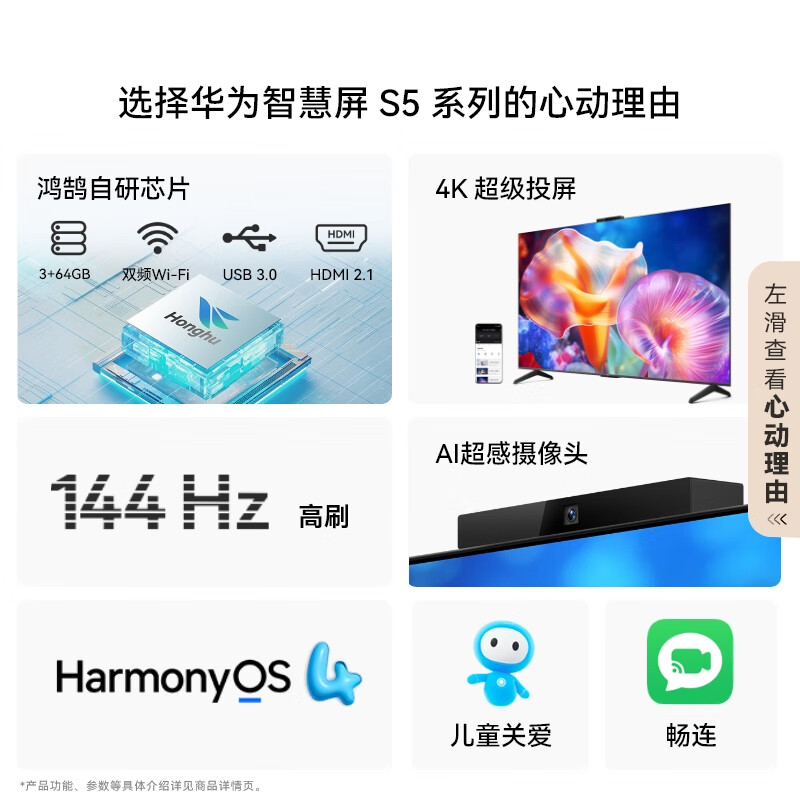
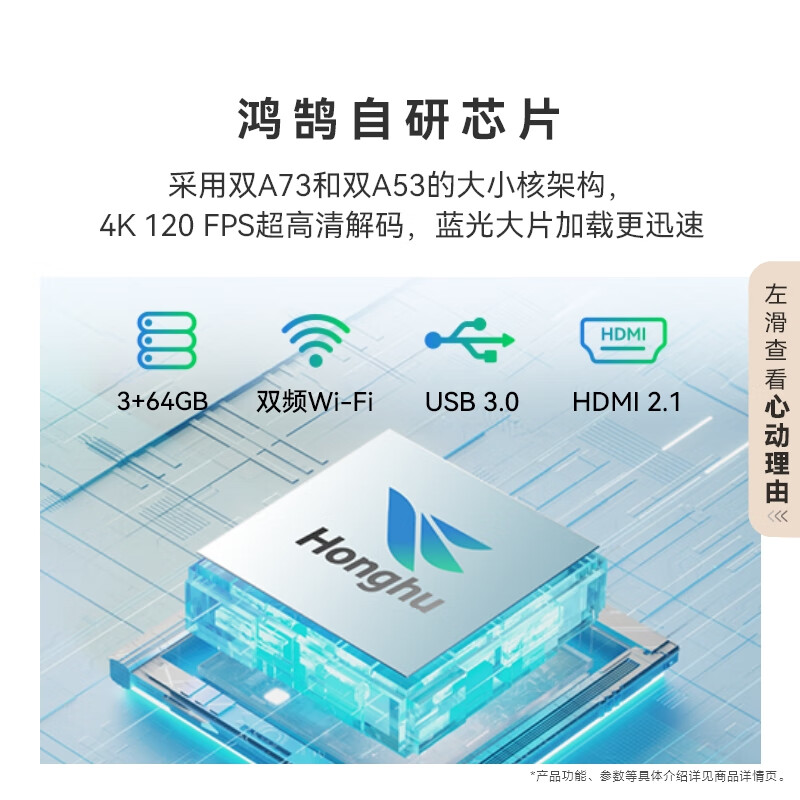
Huawei has launched its latest smart TV series, the Huawei Smart Screen S5. The S5 boasts a powerful self-developed Honghu chip, 4K super casting capabilities, and an AI camera, making it a compelling option for entertainment and family use.
Huawei Smart Screen S5 Specifications:
The S5 comes in three sizes: 55-inch, 65-inch, and 75-inch. All models feature a 4K resolution display with a 98% screen-to-body ratio and a high 144Hz refresh rate for smooth visuals, especially during gaming.
The S5 TV series comes with a Huawei-developed Honghu 868 AI chip. This chip uses a dual A73 and dual A53 core architecture, paired with 3GB of RAM and 64GB of storage. This offers faster performance and smoother operation compared to traditional quad-core chips found in many TVs. The series runs on HarmonyOS 4.2 and supports dual-band Wi-Fi, USB 3.0, and HDMI 2.1 (4K 120Hz) interfaces.
The S5 allows users to cast content from popular platforms like Bilibili, Youku Video, and Tencent Video in 4K resolution without needing to install or open the apps directly on the TV. Additionally, the S5 supports one-touch casting via NFC with compatible Huawei phones, making it seamless to share content from your phone to the big screen.
The TVs come with a built-in AI camera with a 2.0 large aperture. It enables video calls, with portrait tracking to ensure you stay in the center of the frame even when moving around. The camera also caters to families with features like posture and distance reminders for children in child mode, and AR fun for an interactive entertainment experience.
The S5 boasts an impressive audio setup as well. The 75-inch model comes with four speaker units with voice enhancement technology for clear dialogue, while the 55-inch and 65-inch models have two speakers. The S5 also features surround stereo and volume adaptive control for a consistent listening experience.
The S5 features a sleek design with an integrated metal body and a bezel-less display. The TV comes pre-installed with parental control software and a variety of entertainment options, including a game enhancement mode, a family karaoke function with a vast music library, and fitness features with bone recognition technology.
Pricing and Availability
Huawei Smart Screen S5 series is currently available for pre-sale in China, with pricing set at 3499 yuan ($484) for the 55-inch model, 4299 yuan ($594) for the 65-inch version, and 5799 yuan ($802) for the 75-inch variant.
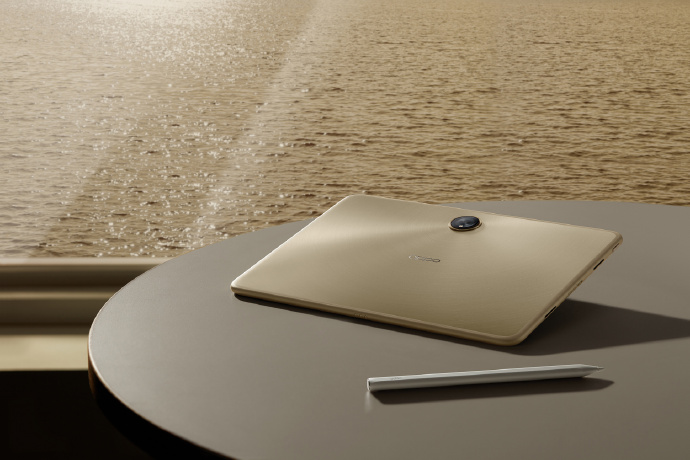
Oppo was previously rumored to be testing the upcoming Pad 3 tablet with the latest flagship chips from both Qualcomm and MediaTek – the Snapdragon 8 Gen 3 and the Dimensity 9300. The launch of the product was reportedly delayed. For context, this tablet is going to be the successor of the Oppo Pad 2, which was launched in March last year.
Oppo Pad 2
Oppo has chosen the Snapdragon 8 Gen 3 for the Pad 3
The same tipster who revealed the information above, Digital Chat Station (translated), has now reported on Weibo (a Chinese microblogging website) that the Snapdragon 8 Gen 3 is “basically finalized” for the Pad 3. Not to mention, it means the best available performance capabilities for the upcoming tablet.
The Snapdragon 8 Gen 3 boasts 1 x Cortex-X4 prime core which reaches up to 3.3GHz. Additionally, it equips 5 x Cortex-A720 performance-focused cores and 2 x Cortex-A520 energy-efficient cores, which reach up to 3.2 GHz and 2.3 GHz respectively. As per Qualcomm, this chip is 30% faster and 20% energy efficient as compared to its predecessor, the Snapdragon 8 Gen 2, which was also powerful and power efficient as compared to the Oppo Pad 2’s Dimensity 9000 chipset. So, the Pad 3 is likely going to be significantly more capable than its predecessor.
Unfortunately, this is all the information the tipster revealed. However, we can refer to the predecessor to get an idea of what to expect. The Oppo Pad 2 is equipped with an 11.61″ 144Hz high resolution (2000 x 2800, 296PPI) that reaches a peak brightness of 500 nits. The device was launched with Android 13-based ColorOS 13.1. It also supports a stylus with 2ms latency.
Speaking of the build and design, the Pad 2 boasts a glass front and aluminum frame, weighs 552 grams, and is only 6.5mm thick. For those unaware, the Oppo Pad 2 is very similar in terms of both looks and specification to the OnePlus Pad, which was launched just a month before it.
Oppo is gearing up to unveil a new A series smartphone in China soon. The new Oppo A3 Pro model is set to be unveiled later this week, so here’s a detailed rumor roundup of all specs, design, colors, and more.
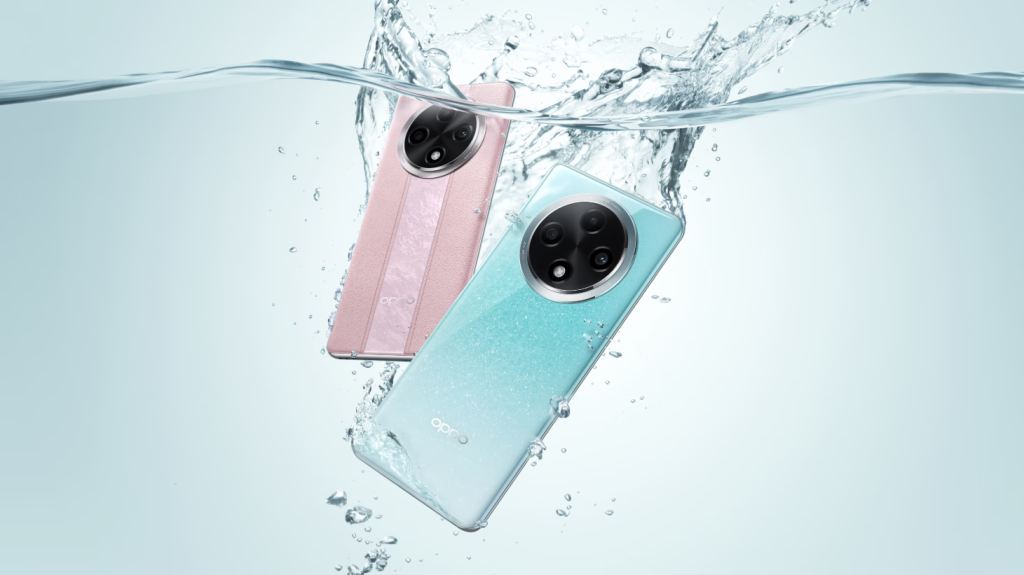
The Chinese tech giant recently shared a bunch of teasers that offered us a look at the upcoming smartphone’s design. On the rear, we can see a large circular camera island that is surrounded by a metal ring. It features an ultra thin design measuring just 7.8mm. The Azure color option will feature a glass finish, while the Yun Jin Powder (rose) and Mountain Blue color options will come with a vegan leather back.
The glass variant may weigh 182 grams while the leather back weighs around 177 grams. Known tipster Digital Chat Station claims that Oppo is focusing on durability with the A3 Pro, with an “anti-fall” and rugged design. It is expected to offer an IP69 rating, which is the highest level of water and dust resistance on consumer devices. To recall, even flagship grade devices like the Galaxy S24 Ultra and Find X7 Ultra feature an IP68 rating.
2. Oppo A3 Pro: Specs & Camera
The front sports a tall 6.7-inch OLED display that might offer Full HD+ resolution and a 120Hz refresh rate. This panel also houses a punch-hole cutout for the selfie shooter. Under the hood, the Oppo A3 Pro is set to be equipped with the MediaTek Dimensity 7050 SoC. This processor is expected to be paired with up to 12GB of RAM and 512GB of internal storage. Users can further expand RAM via virtual RAM expansion by up to 12GB.
A large 5,000mAh battery pack is rumored to power this device, which will likely support 67W wired fast charging. The rear will feature a 64-megapixel primary camera that has an f/1.7 aperture, which is paired with secondary sensors. On the other hand, the front houses an 8-megapixel camera for selfies and video calls. As per the pre-order listing, an 8GB + 256GB variant will also be available for purchase. Other notable features include under display fingerprint scanner, a USB Type-C port, and a 3.5mm headphone jack.
3. Oppo A3 Pro: Launch
As of right now, the Oppo A3 Pro is available for reservations in China and the device is set to be unveiled in the region on 12th April 2024. Unfortunately, finer details like its pricing are still unclear at the moment. This device is also the successor to the Oppo A2 Pro, which launched in China back in September 2023. So stick around for more, as we will be covering the launch event later this week.
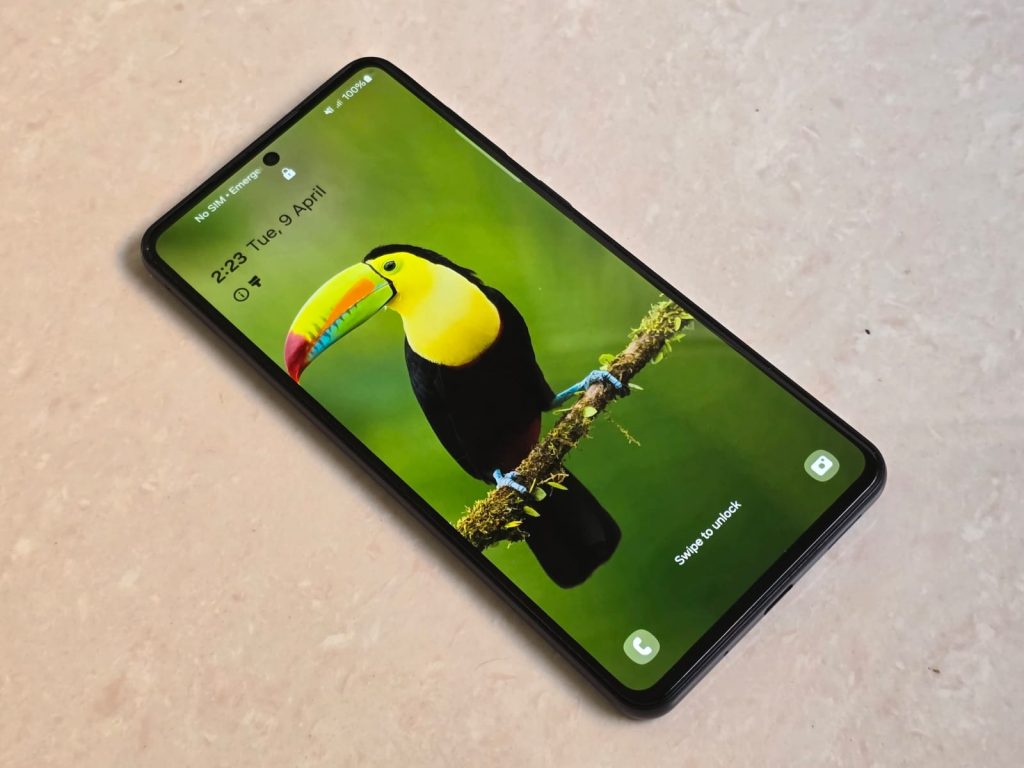
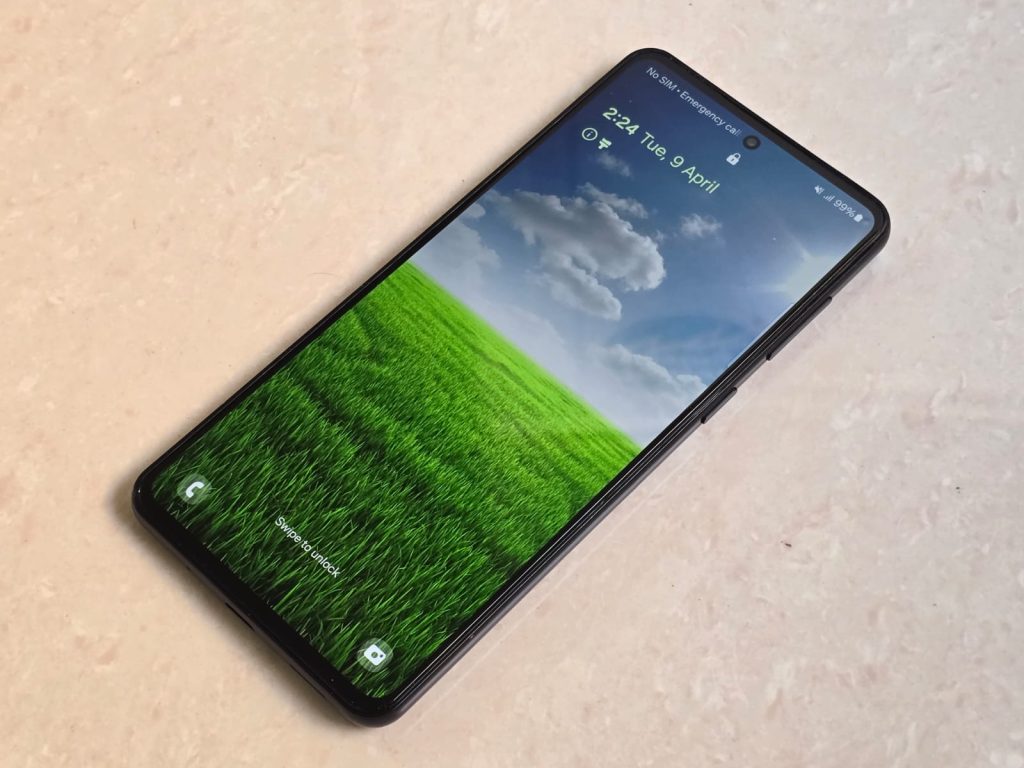
The Samsung Galaxy M55 5G has recently made its way into the Indian market, along with the Galaxy M15. While the M15 caters to people who are looking for a 5G phone around Rs 13,000, the M55 has arrived in the market to compete with phones priced around Rs 25,000 (~$300) to Rs 30,000 (~$360). As someone who has had the opportunity to use this device, I’m here to share my first impressions of the Galaxy M55.
Design and Display
Samsung Galaxy M55
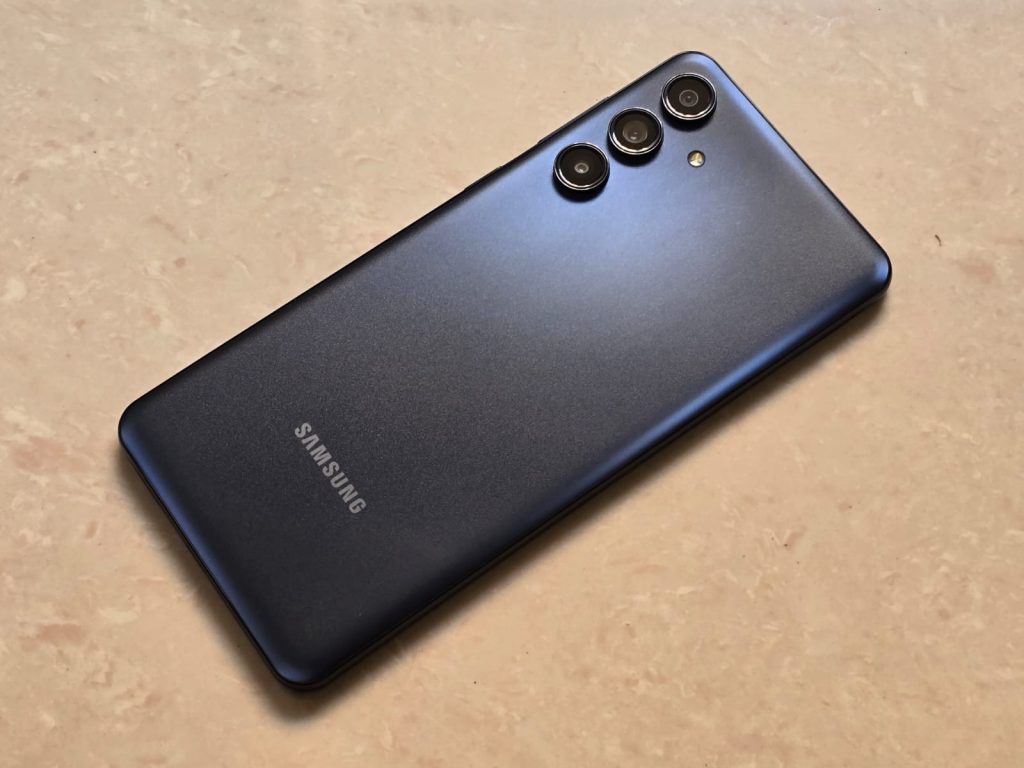
The Galaxy M55 5G features a polycarbonate build that measures a mere 7.8mm thin and weighs a comfortable 180 grams. Samsung sent me the Denim Blue edition, which exhibits a fascinating color shift. Depending on how the light hits it, the hue ranges from deep blue to almost black. The back panel has a matte finish with a subtle glittery effect. Indeed, the phone has a good in-hand feel.
Samsung Galaxy M55
The Galaxy M55 5G’s 6.7-inch Super AMOLED Plus display boasts a peak brightness of up to 1,000 nits, ensuring comfortable viewing even in bright sunlight. It offers FHD+ resolution and a smooth 120Hz refresh rate. While the phone doesn’t feature true stereo speakers, it does have a dual speaker setup. One speaker is within the top bezel earpiece, and the other is located on the bottom edge.
Performance and Software
Samsung Galaxy M55
Performance-wise, the Galaxy M55 5G packs a Snapdragon 7 Gen 1 SoC, promising power comparable to the Snapdragon 7s Gen 2. The variant I have features 12 GB of RAM and 256 GB of built-in storage.
Impressively, even as a mid-range offering, Samsung hasn’t cut corners on software support. Samsung promises four major OS updates and five years of security updates for the M55 5G, which runs Android 14 with One UI 6.1. This gives it a significant edge over many competitors in its price range. Additionally, it includes Samsung’s Knox security suite for enhanced protection. Yes, I do see a lot of preinstalled apps on the device.
The Galaxy M55 does not come with a charger. However, the device’s 5,000mAh battery comes with support for 45W fast charging. I haven’t tried gaming on this phone, but in my initial usage, the phone feels snappy to use with no hiccups, whether you are browsing social media, streaming music, or editing photos.
Cameras and Other Features
1x1x2x in-sensor zoomPortrait shotPortrait selfie
To recall, the Galaxy M54 featured a 32-megapixel front camera and a 108-megapixel (OIS) + 8-megapixel (ultra-wide) + 2-megapixel (macro) triple camera system on the back. On the M55, Samsung is offering a 50-megapixel front camera and a 50-megapixel (OIS) + 8-megapixel (ultra-wide) + 2-megapixel (macro) camera setup on the rear.
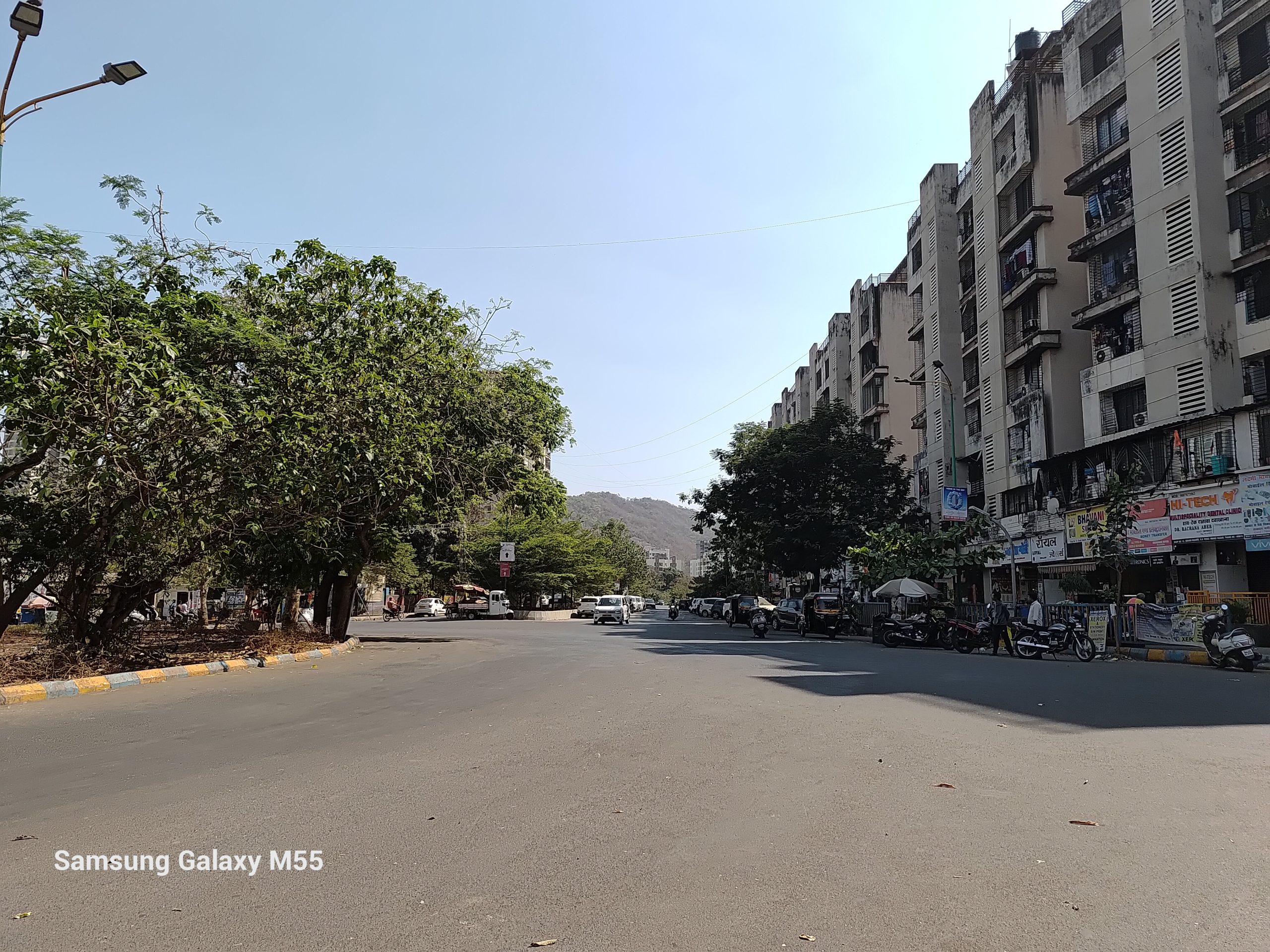
The M55 5G doesn’t seek to challenge high-end camera phones but aims for solid day-to-day versatility. In good lighting, the main camera sensor takes decent photos with enough detail and an acceptable dynamic range. Some of the photography features that Samsung is advertising include OIS support, Nightography (night mode), and AI-driven image clipper and object eraser tools. In my upcoming review, I will share more details on my photography experience with the M55.
The M55’s vibration motor feels like it has good feedback and allows users to adjust its intensity. There’s no 3.5mm audio jack and for security, it has an in-screen fingerprint sensor.
Samsung Galaxy M55 5G price in India and Rivals
Samsung Galaxy M55
The Galaxy M55 5G has arrived in three options in India: 8GB+128GB, 8GB+256GB, and 12GB+256GB. The prices of these variants are Rs 26,999 (~$325), Rs 29,999 (~$360), and Rs 32,999 (~$395), respectively. On Samsung India’s website and Amazon, the M55 is available with a Rs 2,000 (~$24) instant discount via various bank cards. In retail stores, buyers can either take advantage of Rs 2,000 off using HDFC bank cards or Rs 2,000 off on exchange. Apart from the Denim Blue option shown in the images in this post, the phone also comes in a Light Green version.
Between Rs 25,000 (~$300) and Rs 30,000 (~$360), there are a lot of players from different brands. Hence, the Galaxy M55 faces competition from the likes of the Poco X6 Pro 5G, Redmi Note 13 Pro series, Realme 12 Pro+ series, Honor X9b, OnePlus Nord CE 4 5G, Oppo Reno 11 5G, Samsung Galaxy A35 5G, and Motorola Edge 50 Pro 5G. Only the recently released rivals have been considered here.
With competitive pricing starting at Rs 26,999, the Galaxy M55 5G presents a compelling option in the mid-range smartphone segment. However, it faces stiff competition from a crowded field of rivals offering similar features and performance. Ultimately, my initial impressions of the Galaxy M55 5G are positive, and I look forward to exploring its capabilities further in my upcoming review.
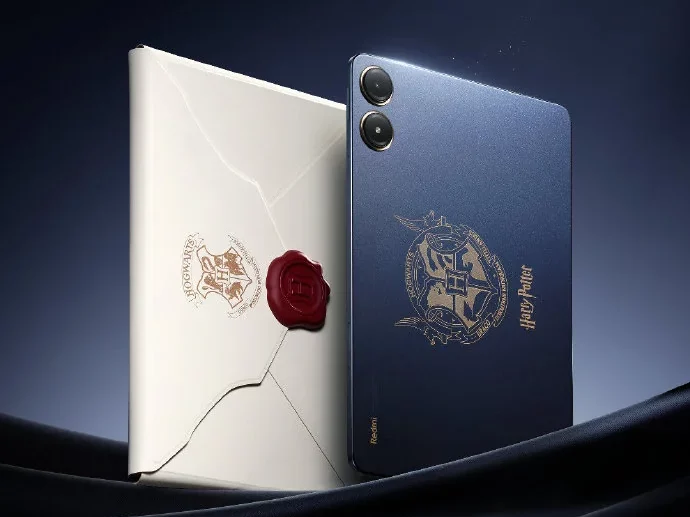
Earlier today (9th April 2024), the Chinese tech giant announced that the Redmi Pad Pro’s limited edition model will be the world’s first Harry Potter-themed tablet. These will be unveiled in China at 7 PM CST on April 10. Talking about the tablet first, the Redmi Pad Pro Harry Potter Edition features a large logo of Hogwarts on the back. But more interestingly, the tablet comes with a special protective cover, which looks like the Admission Notice letter from the movies.
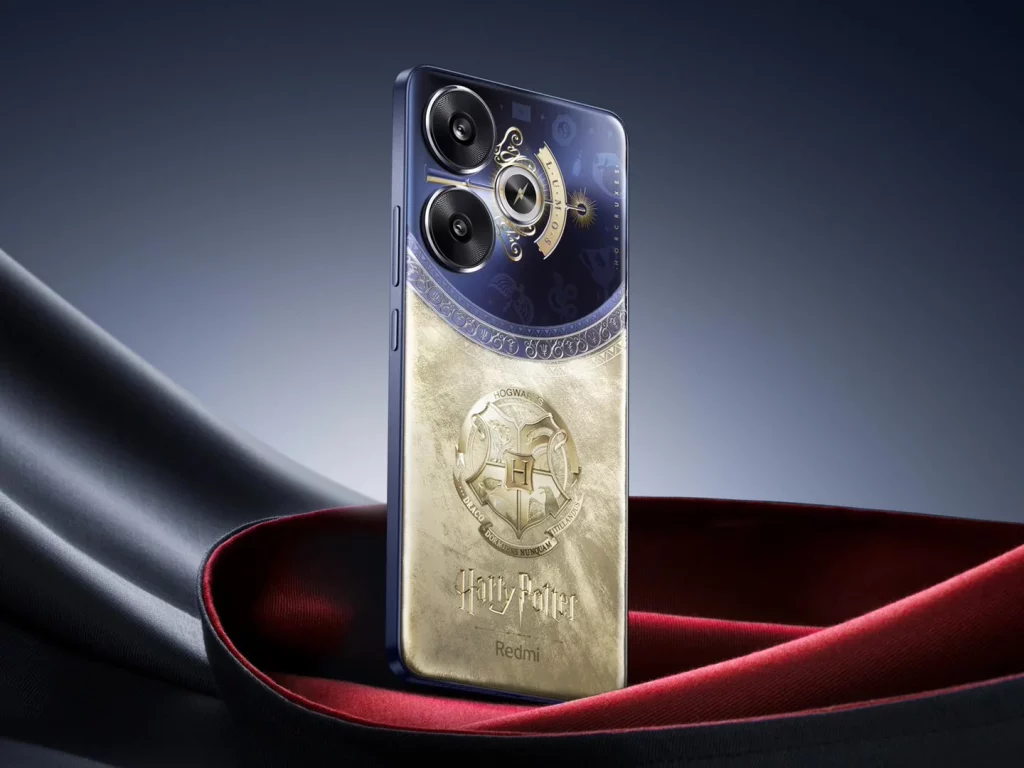
While the tablet has a rather simple design, the Redmi Turbo 3 features more intricate details. The rear panel features the Hogwarts logo on the bottom half. On the other hand, the top half comes with a stylish etching of a wand that is casting Lumos. The flash module also features Harry Potter’s iconic lighting-shaped scar. Both products carry the “Harry Potter” branding as well.
It is worth noting that apart from the aesthetic, the special edition Redmi Turbo 3 and Redmi Pad Pro will carry specs similar to regular models. So we can expect the tablet to sport a tall 12.1-inch 2.5K LCD panel that offers a 120Hz refresh rate. Under the hood, it is equipped with the Snapdragon 7s Gen 2 SoC and a massive 10,000mAh battery pack that supports 33W wired fast charging. You can even check out our roundup for the Redmi Turbo 3 by clicking here.
Earlier this week, Realme announced an India-exclusive P-series smartphone lineup. The company is now building excitement for the launch via different teasers.
So the lineup will include two devices — the Realme P1 and P1 Pro. The launch is that far too, with both models set to debut in India on April 15th at noon local time.
While full specifications are still under wraps, Realme has teased some key features, designs, and colors of the phones on their official Indian website.
Realme P1 Pro
Realme is touting the P1 Pro as the “Best Curved Display Under INR 20K”. The phone will feature a 120Hz curved AMOLED screen with a selfie camera centered in a punch-hole design. The panel will feature Pro-XDR support and Rainwater Touch technology.
Under the hood, the phone will be powered by the Snapdragon 6 gen 1 SoC, which Realme claims is the “Best Snapdragon Chipset Under INR 20K.”
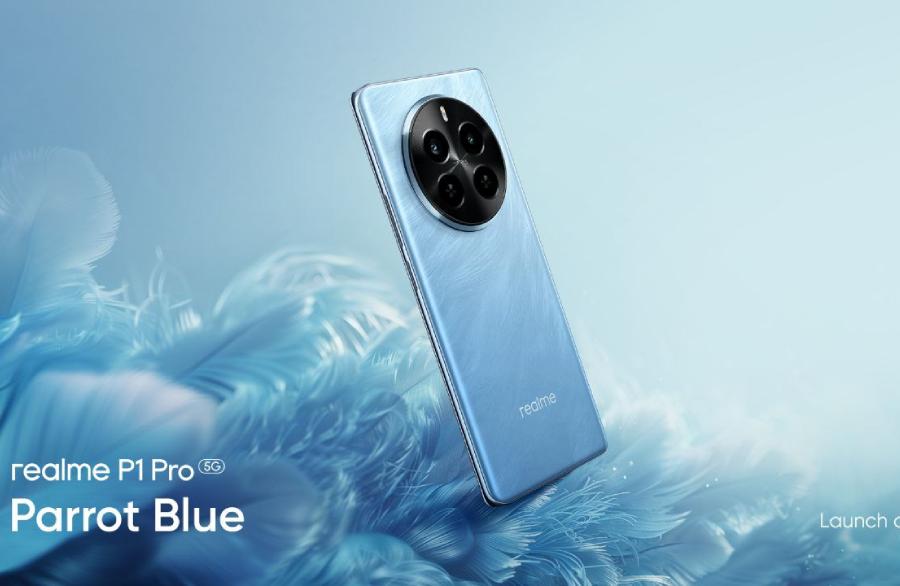
Keeping the lights on will be a 5,000 mAh battery with 45W charging support. It will be available in color options including Phoenix Red and Parrot Blue, and also has an IP65 rating for added durability.
Realme P1
For the Realme P1, the company is touting its price-to-performance ratio, calling the phone has “Fastest Chipset Under INR 15K.” It is powered by the MediaTek Dimensity 7050 SoC.
Unlike its Pro counterpart, the Realme P1 does not feature curved edges. Instead, it sports a 120Hz flat AMOLED screen with an impressive brightness of 2,000 nits. The phone though has Rainwater Touch technology and an under-display fingerprint scanner for added convenience.
Although the exact battery capacity hasn’t been revealed yet, the P1 will support 45W charging for quick power-ups.
Its camera setup includes a 50MP primary sensor and P1 has an IP54 rating for enhanced durability. Realme will offer the smartphone in Phoenix Red and Peacock Green color options.
Realme will likely reveal additional details about the P1 and P1 Pro in the lead-up to the official launch on April 15th.
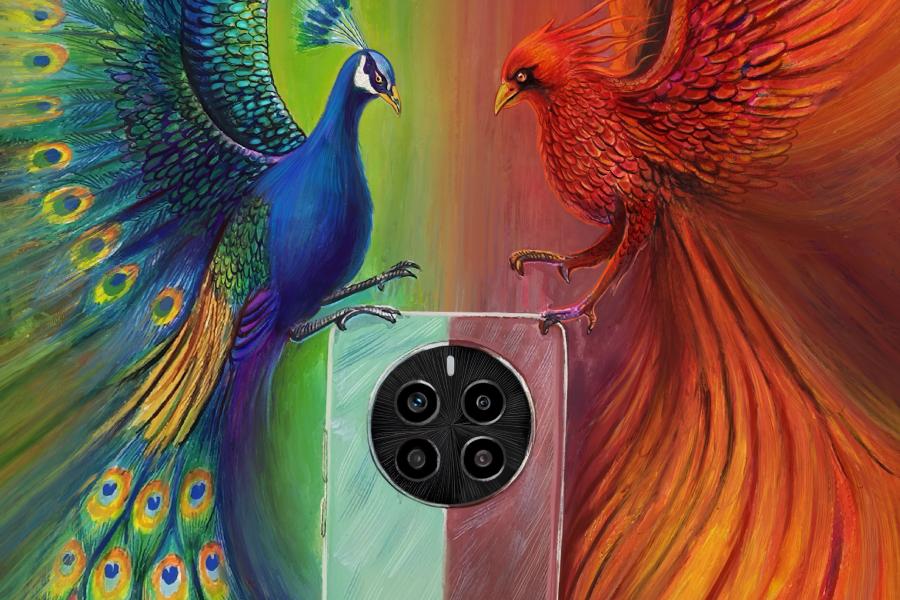
Earlier today, ZTE‘s Nubia held a launch event in China to debut its first foldable smartphone called the Nubia Flip. This smartphone was initially unveiled at MWC 2024 and has already claimed an iF Design Awarf to its name. What makes this device stand out from other flip smartphones is its price point. Rather than aiming at the premium segment, ZTE has debuted the Nubia Flip smartphone in the mid-range segment, making it accessible to a larger customer base.
Nubia Flip 5G
Nubia Flip specs:
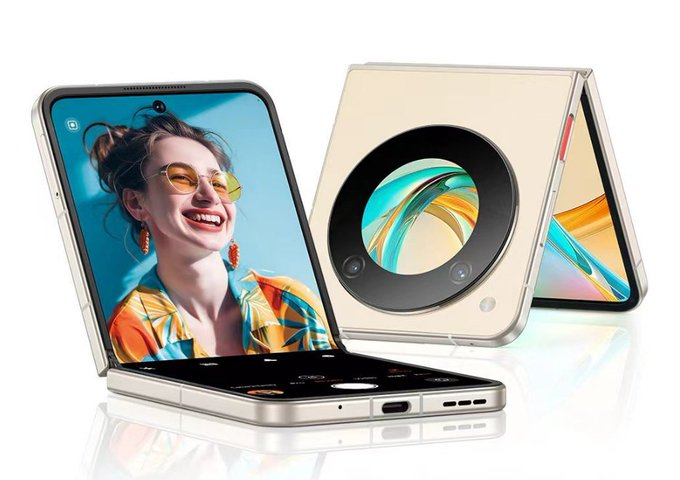
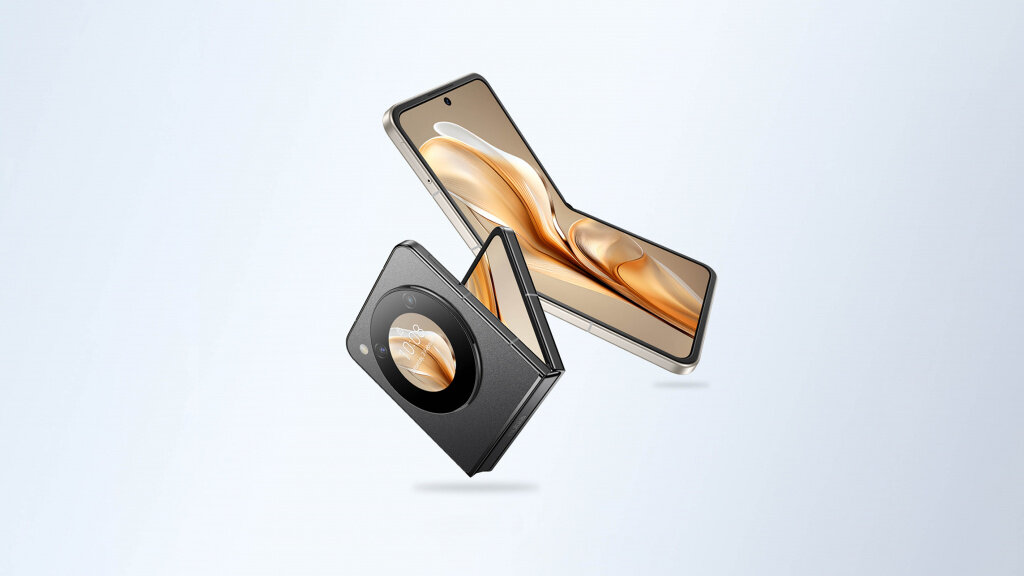
The Nubia Flip features a traditional clamshell design with a thickness of 7.0mm when unfolded and weighs 209 grams. It has a hinge made of high-strength space-grade steel which is capable of enduring more than 200,000 times of opening and closing.
On the back, it features a round display, outlined by a ring that serves as the camera island. The round display measures just 1.43-inch and contains a 466×466 pixels AMOLED panel that allows for easy access to notifications and some basic functions of the smartphone. On the front, it features a tall 6.9-inch FHD+ (2790 × 1188 pixels) AMOLED foldable display with 120Hz refresh rate and a punch-hole in the top center that houses the front camera. The display offers 2160Hz PWM dimming and full coverage of the DCI-P3 color gamut.
The phone uses a Qualcomm Snapdragon 7 Gen 1 SoC that has an Adreno 644 GPU. This processor is also present in the Moto Razr 40, which is another mid-range clamshell smartphone. The phone has launched in China in three RAM and storage configurations: 8 GB + 256 GB, 12 GB + 256 GB, and 12 GB + 512 GB. It features a 4310mAh battery with 33W fast charging support, which the brand claims can fill up the battery from 0 to 100% in about 73 minutes. The phone also has access to NFC technology.
Moving on to optics, the main camera onboard is a 50-megapixel high-definition sensor accompanied by a 2MP depth sensor for portrait shots. The phone houses a 16MP front camera in the punch hole, however, users can also opt to use the primary camera for selfies and video calls.
The camera system supports AI computational photography and features a comprehensively optimized Neovion Taishan AI imaging system that can instantly complete quick captures through AI motion detection, AI neural network noise reduction, and image fusion calculations. It also has a dedicated night mode to capture pictures of the vast night sky.
Pricing & availability
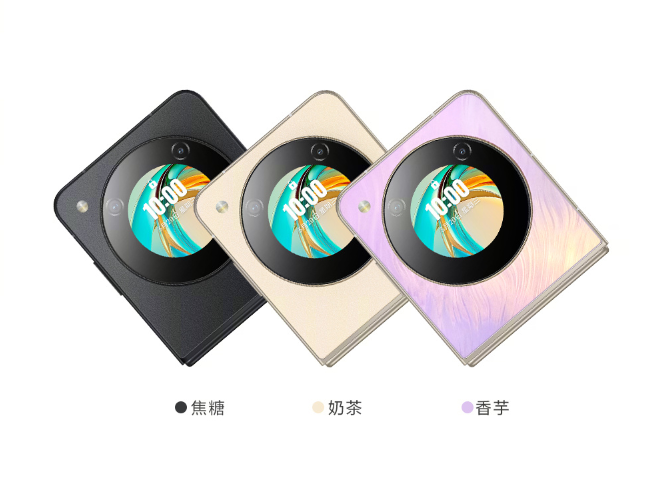
Pre-sales for the Nubia Flip have commenced, with the official launch scheduled for April 16th at 10 am. The pricing options for the device are as follows: 8GB RAM with 256GB storage priced at 2999 yuan (~415), 12GB RAM with 256GB storage priced at 3299 yuan (~$456), and 12GB RAM with 512GB storage priced at 3699 yuan ($511). It will be available in three color options: Caramel, Milk Tea, and Taro.
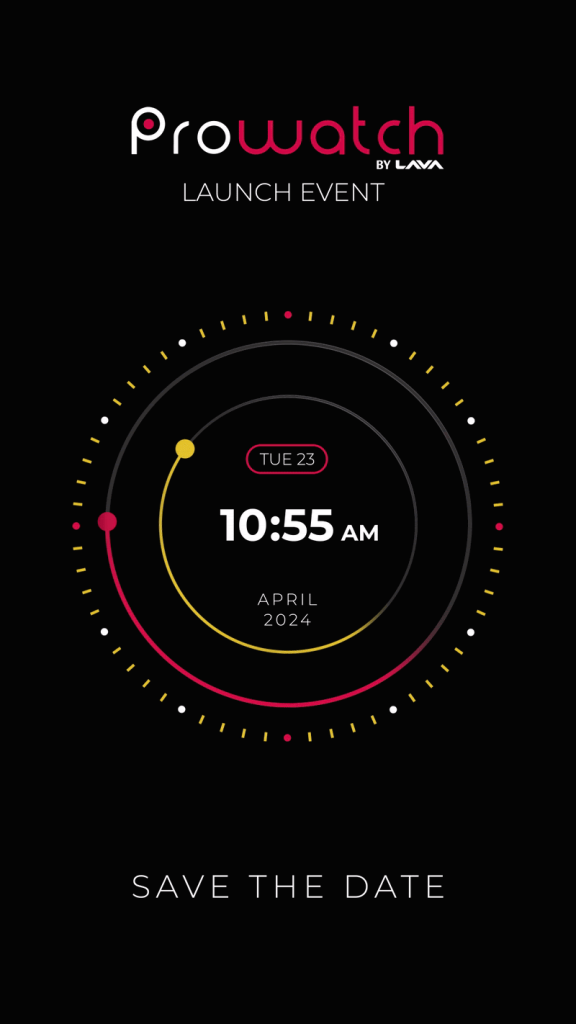
Lava is expanding its product line with its first ever smartwatch. The brand officially announced that the upcoming wearable will be arriving soon and shared a teaser to confirm its launch event date. Back in 2021, the brand released the Befit smartband in India, so now, here is everything we know so far about the new smartwatch.
Lava ProWatch Launch Date
Looking at the teaser image, the company revealed that the upcoming ProWatch model will be unveiled on 23rd April 2024 at 10:55 AM IST. The image poster also hints that the new smartwatch will sport a circular display. Apart from the launch date, the brand refrained from revealing any other finer details regarding this wearable product. So finer details like its specs, pricing, features, and more are still unclear.
But since Lava is known for offering products for an affordable price tag, the Lava ProWatch could likely arrive for under 4,000 INR (roughly 48 US Dollars) in India. Reports have also hinted that the ProWatch model arrives with artificial intelligence functionalities (AI) as well. It is unknown what purpose it serves but it will likely enhance the overall user experience.
With the latest launch, Lava will go up against brands like Noise, Fire-Boltt, and boAt. These companies offer feature-rich wearables at a budget price tag, so Lava needs to be competitive in both pricing and features to rival these established firms. This also marks a strategic move for the Indian company since it has typically focused on selling smartphones and phones. Expanding its wearable category could help it diversify its product lineup and add another revenue stream.
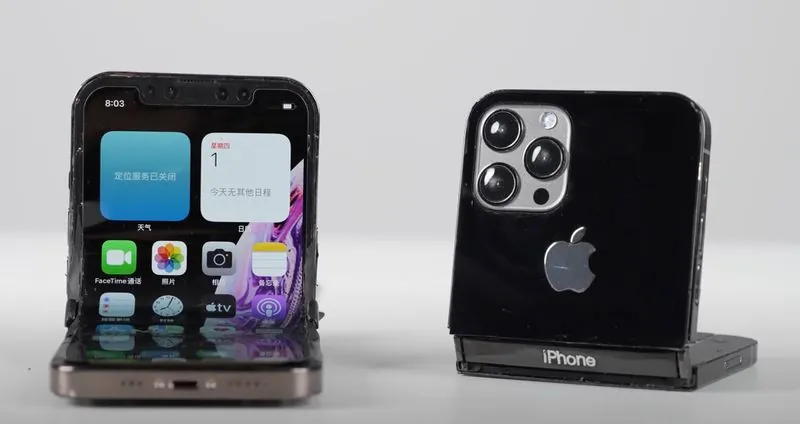
According to the Economic Daily, Apple is currently focusing on the development and promotion of foldable products. A foldable iPhone or iPad from Apple is expected to be unveiled by 2025.
According to market research data, 80% of the folding screen devices globally belong to Samsung and Huawei.
Apple’s entry into the VR space with the Vision Pro has caught significant attention and has helped the overall progress of the product category. Just like the VR space, industry experts believe that a foldable iPhone or a foldable iPad will bring significant changes to the market, even if there have been a number of contributors for a while now.
According to ITHome, Apple’s iPhone business has recently shown signs of weakness and is increasingly being impacted by foldable devices from Samsung and Huawei. This might be an incentive for Apple to venture into the foldable market. However, Apple’s focus on the user experience might delay the launch of its foldable product further. Most of the first-generation foldables including Samsung’s original Galaxy Fold were far from being perfect. It will definitely require Apple’s significant resources and time to match user expectations.
Nonetheless, Apple is reported to be working on the technology for quite a while now. According to a report from The Information from last month, Apple was working on prototypes of at least two flip-style iPhones. Apple reportedly wants to build a foldable iPhone with an external display.
But the foldable technology isn’t there yet to prevent damage to the soft panel. The report also suggests that the company is aiming for a foldable iPhone that is as thin as “current iPhone models”. Notably, a foldable iPad is also reported to be under development.
We use cookies on our website to give you the most relevant experience by remembering your preferences and repeat visits. By clicking “Accept”, you consent to the use of ALL the cookies.
This website uses cookies to improve your experience while you navigate through the website. Out of these, the cookies that are categorized as necessary are stored on your browser as they are essential for the working of basic functionalities of the website. We also use third-party cookies that help us analyze and understand how you use this website. These cookies will be stored in your browser only with your consent. You also have the option to opt-out of these cookies. But opting out of some of these cookies may affect your browsing experience.
Necessary cookies are absolutely essential for the website to function properly. This category only includes cookies that ensures basic functionalities and security features of the website. These cookies do not store any personal information.
Any cookies that may not be particularly necessary for the website to function and is used specifically to collect user personal data via analytics, ads, other embedded contents are termed as non-necessary cookies. It is mandatory to procure user consent prior to running these cookies on your website.