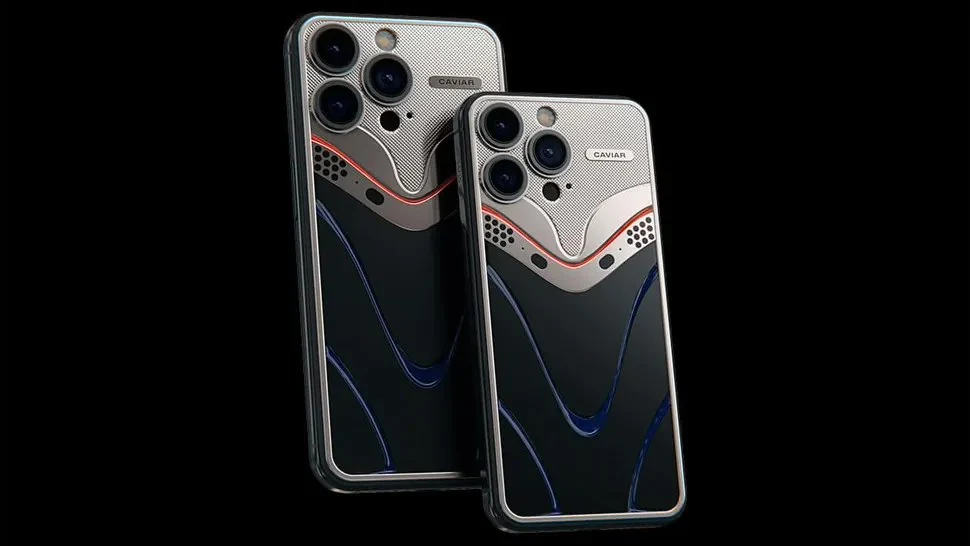
For iPhone 15 Pro owners seeking a bolder aesthetic (not to say that the iPhone 15 design is lacking in any way), luxury brand Caviar unveils a limited-edition modification inspired by Apple’s recently unveiled Vision Pro headset. These customized iPhones make use of the Vision Pro’s sleek curves, circular accents, and signature orange highlights, offering a whole new take on the standard design of the device. However, the space-age inspiration stops at aesthetics. Read ahead to find out.
The 1TB Pro Max version is priced at a staggering $9,560
The price tag reflects the exclusivity of the device. The customized iPhone 15 Pro starts at a staggering US$8,060, with the 1TB Pro Max reaching an even higher US$9,560. Caviar also offers modification services for existing iPhones at a slightly lower US$5,910, but with only 99 slots available, these iPhones are sure to disappear fast. After all, there’s a market for everything, and Caviar wouldn’t be designing these phones if there was no one buying them.
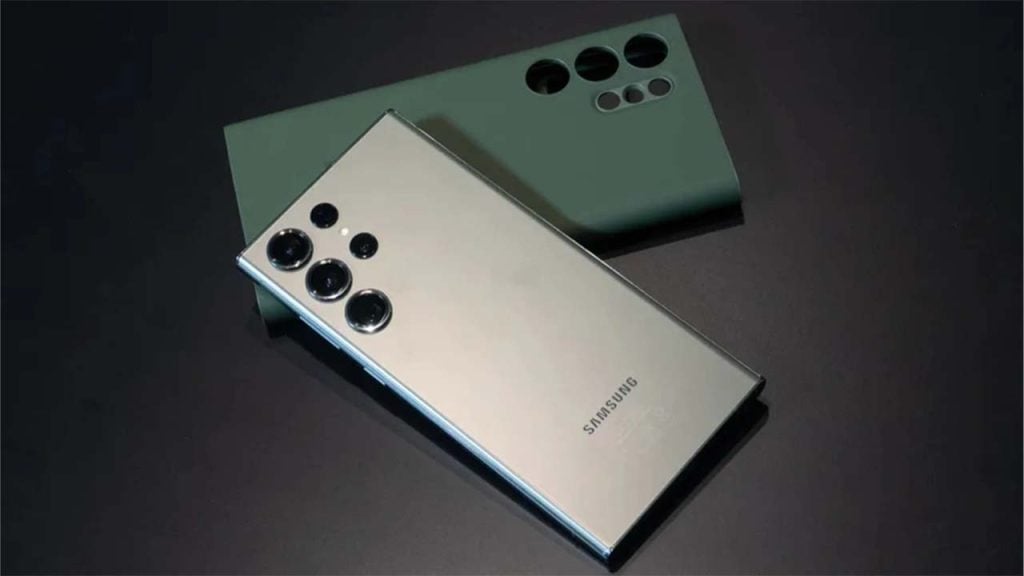
Caviar is no stranger to out-of-the-box makeovers. They have also previously launched a Samsung S24 Ultra with a mechanical watch and a 24K gold dragon. At this point, the company is known for their extravagant customizations, like the $60,000 Valentine’s Day iPhone that was adorned with diamonds and gold – and even a heart-shaped AirTag. A little over the top, but the company is trying to carve a niche for itself.
While some may scoff at the hefty price tag for a purely cosmetic modification, Caviar’s creations clearly cater to a very small market of tech enthusiasts who value exclusivity and audacious design. These limited-edition iPhones blur the line between smartphones and art pieces, and rest assured, people will definitely ask questions about your iPhone.
When 3D printers first started becoming mainstream, no one would’ve thought that people would 3D print aircraft components out of all things. However, it actually happened. Wuhan, China, is at the forefront of this achievement, producing the world’s first 3D-printed “piston rod axle” for landing gear.
The 3D Printing machine integrates casting, forging and milling – all of it!
This massive T-shaped component is visually indistinguishable from its traditionally made metal counterpart, measuring 1.5 meters long and weighing 240 kg. The key lies in overcoming a 3D-printing hurdle: creating parts prone to cracks. Professor Zhang Haiou’s team at Huazhong University cracked the code in 2019 with a new 3D printing machine that integrates casting, forging, and milling. This overcomes limitations by bridging the gap between traditional manufacturing processes.
The benefits are more than just substantial. Professor Haiou says that there’s a 90% material reduction compared to traditional methods, leading to significant cost savings and environmental advantages. Testing confirms the 3D-printed parts are even stronger than traditionally made components. Rigorous testing has confirmed its resilience.
This achievement marks a major milestone. Currently, only a few countries can produce large aircraft landing gear. Wuhan Tianyu Intelligent Manufacturing, the company behind the innovation, is the first to 3D-print such a critical part.
Wuhan Tianyu is a leader in 3D printing, with a history of collaborating with industry giants. This innovation has the long-term potential to completely revolutionize aircraft manufacturing by offering a more cost-effective and environmentally friendly approach. It will be hard to convince people to fly in a 3D-printed aircraft one day, that’s for sure. But so was the case with the first passenger flight in 1914. Let’s hope one day, 3D-printed aircraft are safe enough for commercial flights.
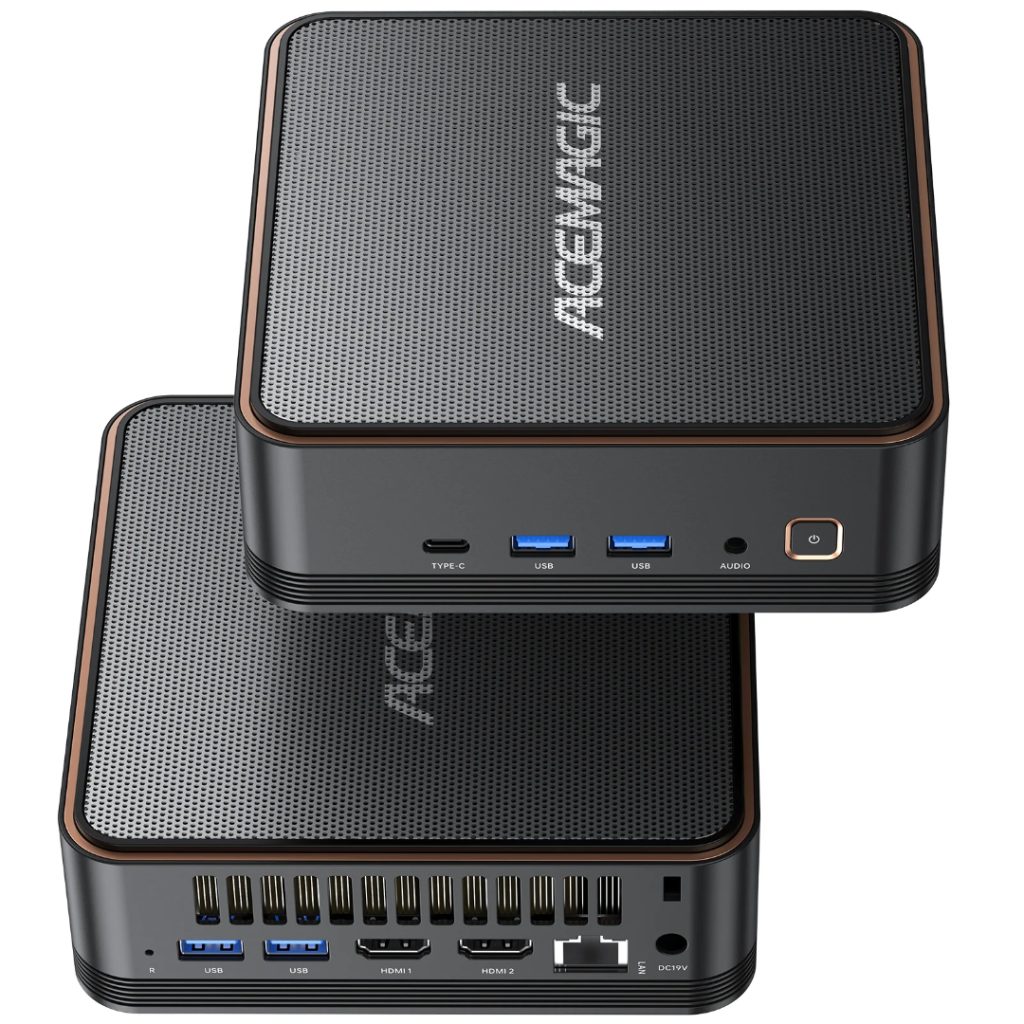
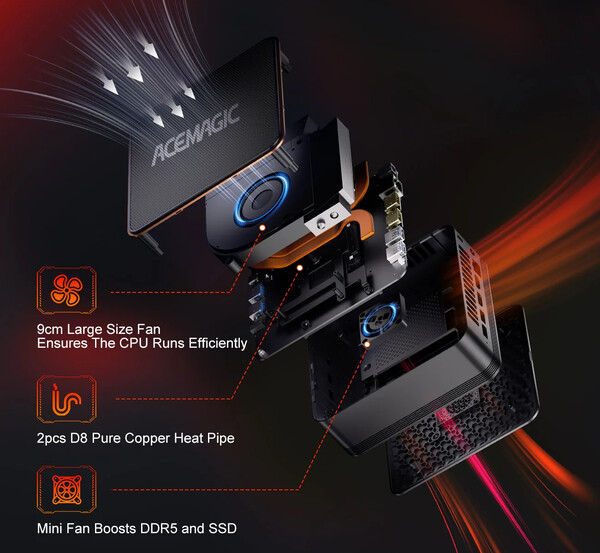
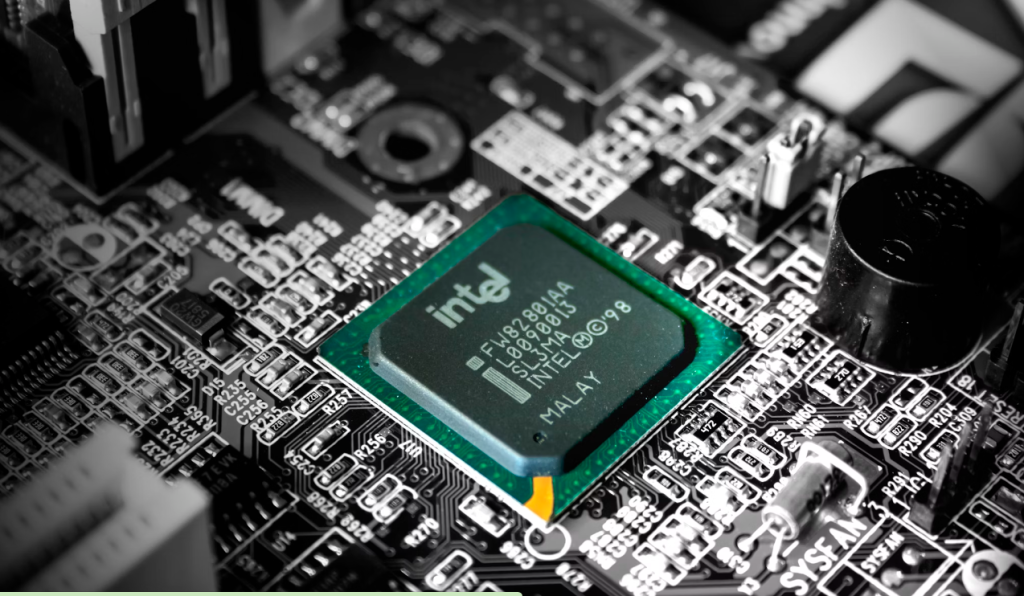
The Acemagic F2A mini-PC has been launched with a generous discount regime. The F2A is equipped with a powerful Intel Core Ultra processor backed by 32GB of RAM and up to 1TB of storage. Customers can get a product with either an Intel Core Ultra 5 125H or Core Ultra 7 155H processor.
Features
The new Acemagic F2A mini-PC with the Intel Meteor Lake architecture with 14 or 16 CPU cores. The Intel Core Ultra 7 155H processor has a more powerful Arc iGPU and higher CPU cores across all but its two low-power efficiency cores. There is a minimal $100 difference in prices for the two models, with both coming with 32GB of DDR5 RAM and 1TB of PCIe 4.0 internal storage.
The Acemagic F2A features 2 HDMI ports, a USB 3.2 Gen 2 Type-A and a USB 3.2 Gen 2 Type-C ports. It also comes with a 3.5mm audio jack, one DC-in port, and one LAN interface. The new Acemagic mini-PC supports WiFi 7 connectivity and its housing dimensions are 150 x 150 x 78mm.
Pricing & Availability
The Acemagic F2A mini-PC is offered at a starting price of $1,099 for the Core Ultra 5 125H model and $1,199 for the Core Ultra 7 155H version. There are several discount options for buyers based on the time of purchase. The ACEAIPC20, ACEIPC30, and ACEIPC40 coupons correspond to 20%, 30%, and 40% discounts respectively. Acemagic says the coupon codes are limited to the first 20, 50, and 100 users. The implication of the discount regime for the Acemagic F2A is that it is possible to purchase a unit for as low as $659.40. The product reverts to its original price after the coupon codes are exhausted.
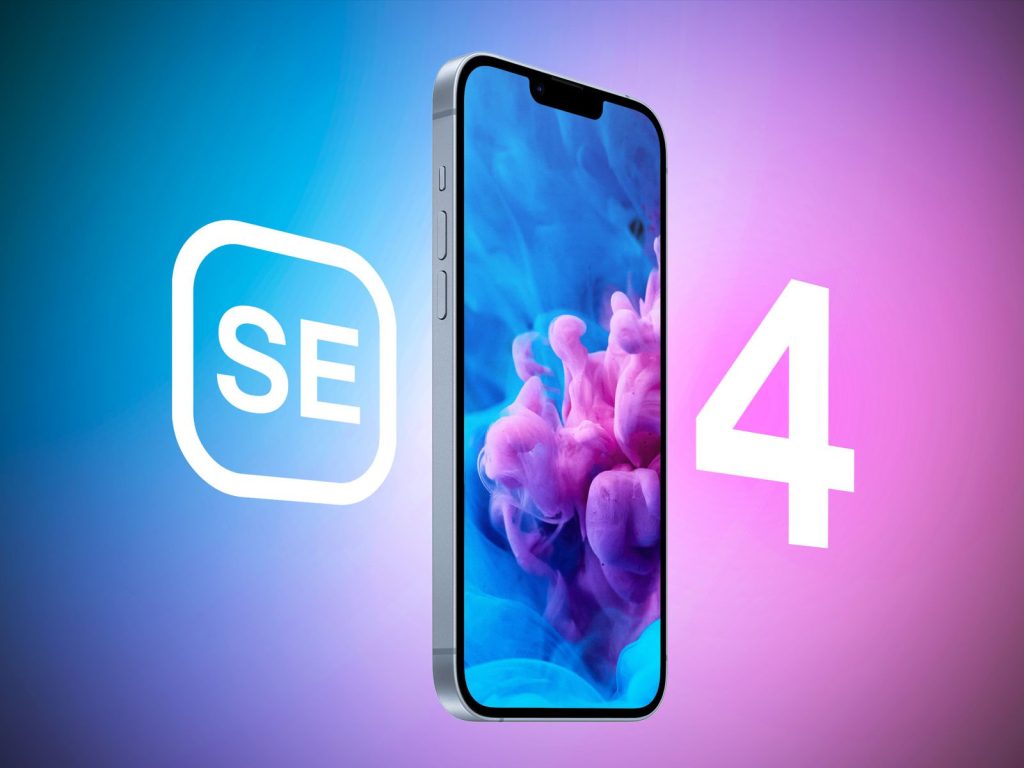
Apple’s affordable iPhones are a tempting choice for tech enthusiasts worldwide, offering impressive performance for the price. However, recent reports from SellCell suggest that the redesigned iPhone SE 4 may not hold its resale value as well as Apple’s premium flagship devices. Here are the details….
The iPhone SE’s Resale Value Problem: Why It Loses Value Faster Than Other iPhones
Apple products are known for holding their value well, but a recent report reveals that iPhone SE models depreciate faster than other iPhone lines. For example, the third-generation SE, released in 2022, lost 42.6% of its value within the first month, compared to only 18.7% for the iPhone 13. This rapid depreciation could affect the appeal of the iPhone SE as an investment. While these devices offer excellent features, their resale potential may be lower than other models.
Apple products are known for holding their value, but a recent report shows iPhone SE models depreciate faster than other iPhones. The 2022 iPhone SE lost 42.6% of its value in the first month, compared to 18.7% for the iPhone 13. This raises concerns about the iPhone SE’s investment appeal. The possible features of iPhone SE4 will be like this
Display:
5.7 0r 6.1-inch Liquid Retina LCD Display
Design similar to the iPhone XR (with a notch)
Processor:
Apple A15 Bionic (used in the iPhone 13 series)
Camera:
Single 12MP rear camera, similar to previous SE models
Improved front-facing camera
Battery
Around 3000 mAh, offering a noticeable improvement over the previous SE model
Hisense has unveiled its S59 series TV in China. The Hisense S59 series TV is available in three sizes: 65, 75, and 85 inches. You can control various film sources through the intelligent motion detection system. The TV also presents every frame smoothly for a more balanced picture output.
The Hisense S59 series supports 1.07 billion color displays and comes with a 130% color gamut coverage. The display also supports 120Hz refresh rate. It has a Delta E of approximately 1.06 and each unit of the TV is factory calibrated. The new Hisense TV supports AI intelligent far-field voice control and multiple dialect recognition. It also accomplishes instant recognition for a seamless performance in that aspect. There are three HDMI interfaces in the S59 series TV, as well as single interfaces for Coaxial, Antenna, USB-A 3.0, and USB-A 2.0. The TV features an RJ45 network port.
In terms of memory capacity, the Hisense S59 series TV is equipped with 4GB of RAM and 64GB of storage. There are two built-in speakers on the TV with a total power output above 60W and a 2.1-channel setup.
Pricing
The Hisense S59 series TV is priced in China at 2,999 yuan ($417) for the 65-inch model, 3,99 yuan ($556) for the 75-inch version, and 5,549 yuan ($772) for the 85-inch model. The product can be purchased directly from retail platforms in China including JD.com. There are no global availability details yet for the Hisense S59 series TV at this time. However, it is expected that the new Hisense product will be available in several overseas markets subsequently.
Samsung’s biggest recent challenge has been declining smartphone sales. The company faced disappointing results with flagship models and lost its market dominance. This trend also led to Apple surpassing Samsung as the world’s largest smartphone manufacturer. However, the Galaxy S24 series, with its AI focused features, signals a strong rebound in initial sales. Here are the details…
Galaxy S24 Dominates European Market with 28% Sales Growth, Thanks to Strong Demand for AI
Samsung recently launched the Galaxy S24 series, highlighting innovative Galaxy AI features. The company’s expectations were met, with global sales increasing 8% compared to the same period last year. Korea, the United States, and Western Europe saw particularly strong sales growth exceeding 10%.
Domestically, pre-orders for the Galaxy S24 series surged by roughly 22% compared to the prior generation, with a staggering 1.21 million units reserved. Sales momentum continued in Europe, where figures rose by 28% year-over-year. The US market also saw a healthy increase of 14%.
Within the lineup, the Galaxy S24 Ultra reigned supreme, capturing a dominant 52% share of sales. The Galaxy S24 Plus also performed well, achieving a 21% sales rate, reflecting a significant 53% improvement over its predecessor.
Here are some key features of Samsung Galaxy AI:
Bixby: Bixby is a virtual assistant that can help you perform various tasks on your Galaxy device.
Live Translation: Live Translation allows you to translate text and speech into over 100 languages in real time.
SmartThings: SmartThings lets you control other devices in your home using your Galaxy device.
Knox: Knox is a security platform that helps protect the security of your Galaxy device.
DeX: DeX lets you turn your Galaxy device into a desktop computer.
Camera: Galaxy devices have advanced camera features that allow you to take high-quality photos and videos.
S Pen: S Pen is a digital pen found on Galaxy Note and Tab devices. It can be used for taking notes, drawing and more.
Realme is working on a new affordable smartphone called the Realme C65. This device was recently spotted on multiple certification databases including TDRA, TUV, Camera FV-5, and EEC. Now, it has also emerged on Indonesia’s SDPPI Authority, hinting at an imminent global launch.
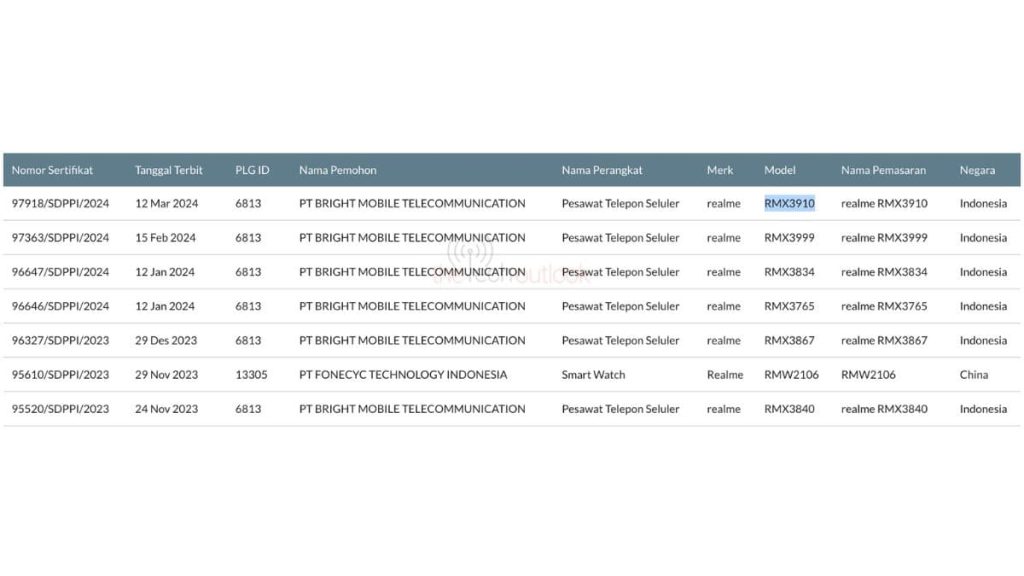
The device, identified by the model number RMX3910, was registered in the SDPPI database under the certificate number 97918/SDPPI/2024. Although the certification does not reveal much on the specification front, it hints at a potential Indonesian launch shortly.
From previous certifications, we have gathered that the device will feature a 4,880mAh battery pack, which would likely be marketed as 5,000mAh. Additionally, the battery will offer 45W SuperVOOC fast charging.
The Camera FV-5 listing confirms that the device has a rear camera that will have a 26.7 mm equivalent focal length, a physical focal length of 3.9 mm, and an aperture of f/1.8. It includes Electronic Image Stabilization (EIS) and offers a horizontal field of view of 68.1° and a vertical field of view of 53.7°. The sensor’s area is 20.6 mm², with a pitch size of 4.1 μ.
These camera features are quite similar to the Realme C67, which launched with a 50MP primary camera in December 2023. That device offers a 6.72-inch IPS LCD panel with 1080 x 2400 pixels resolution and 90Hz refresh rate. The 4G variant of the device comes with a Snapdragon 685 SoC, while the 5G variant packs a Dimensity 6100 chip. More details about the Realme C65 are expected to be unveiled in the coming days, so stay tuned.
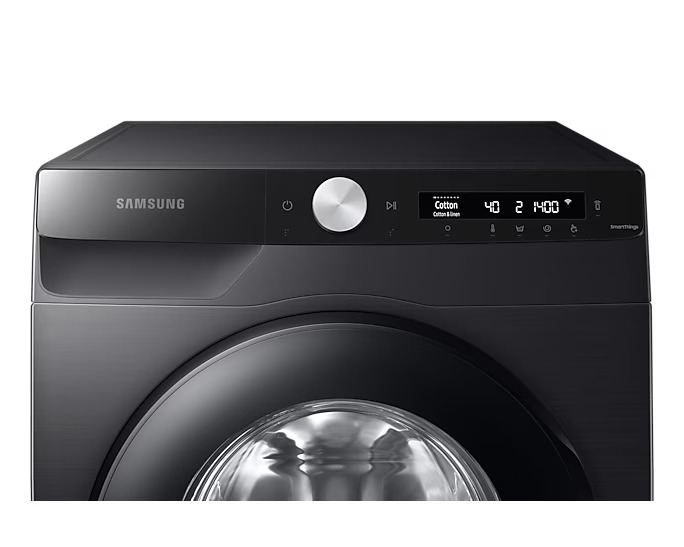
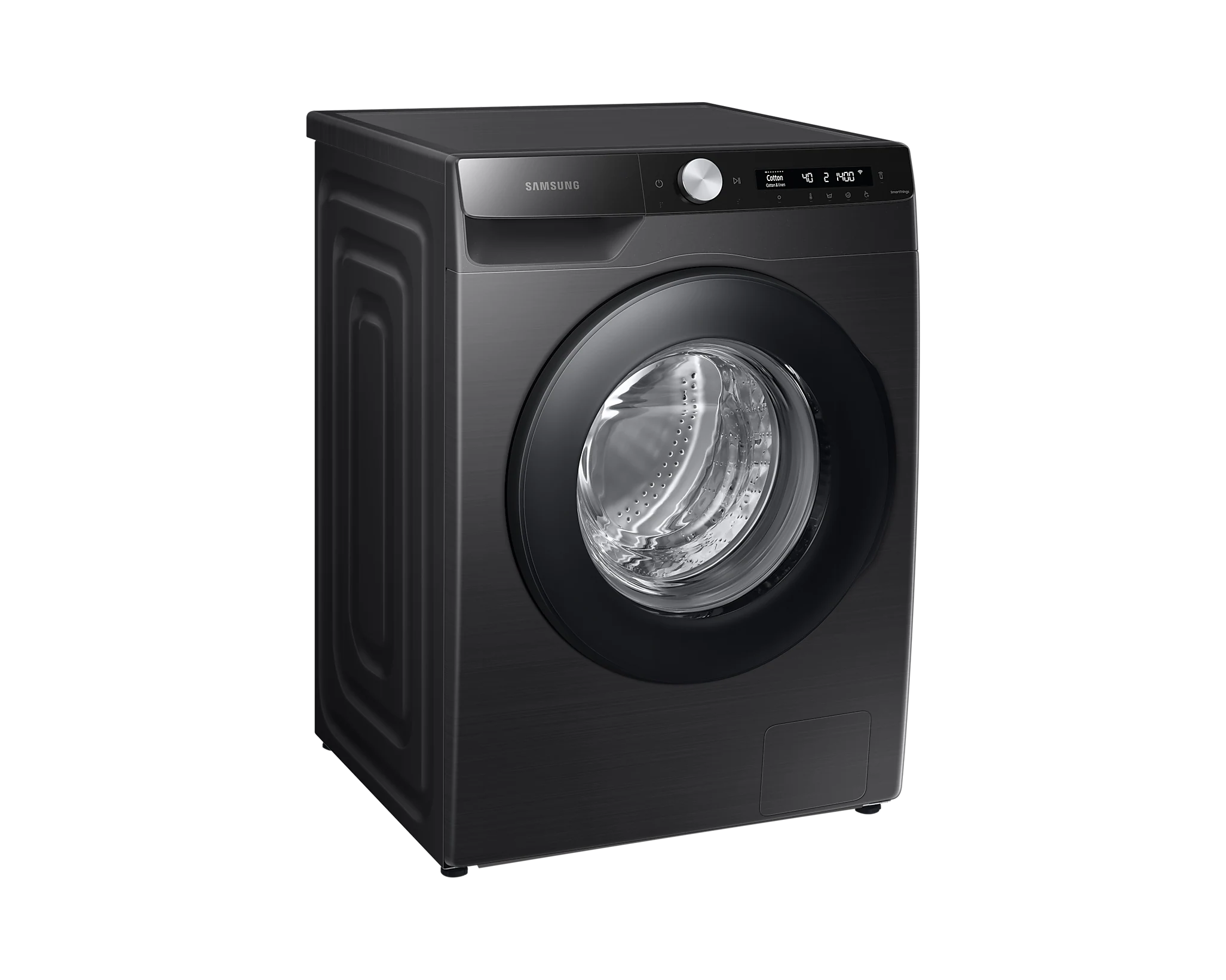
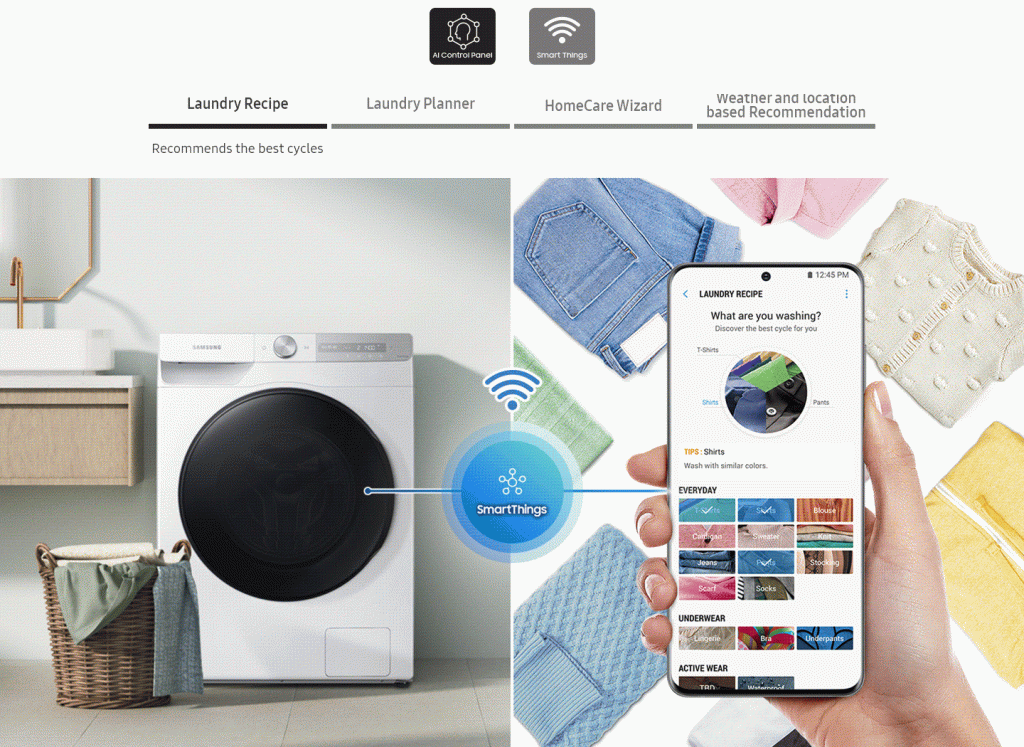
Samsung has recently introduced new AI-powered Fully Automatic Front Load washing machines in the Indian market with claims of reducing laundry times by up to 50%, while also claiming to be 70% more power efficient than traditional washing machines.
The washing machines offer up to 11KG capacity for washing & 7KG for drying. They have an AI Ecobubble feature that optimizes detergent usage by turning it into bubbles that penetrate fabric faster, even in cold water, saving energy and improving fabric care. Samsung claims 24% better soil removal, and since the AI Ecobubble tech can recognize different fabric types, it optimizes a suitable wash cycle, preserving the fabric by up to 20%.
The washing machines come with QuickDrive technology that reduces the wash time of a full load to just 39 minutes. This is possible through dynamic drum rotation with additional water shots to create more abundant and powerful bubbles. The rinsing time is shortened using Speed Spray and accelerated spin speed.
It also has Digital Inverter technology, which uses strong magnets to provide a quiet and more powerful performance, while also cutting down on energy usage. Maintainance is also super easy as the washing machine uses powerful jets of water to get rid of any residual detergent. Another feature of these machines is that they can be monitored and controlled anytime and anywhere through the Samsung SmartThings App on your smartphone. To top it all off, they comes with a 20-year warranty.
Pricing & availability
The latest AI Ecobubble lineup ranges from Rs. 67,990 to Rs. 71,990 and is now accessible via Samsung’s official online and offline channels, as well as retail stores and e-commerce platforms.
Today, March 14 marks a whole year since OpenAI announced GPT-4, their advanced language model that introduced incremental changes over its predecessor. At the time of launch, the model exhibited outstanding human-level performance on various professional and academic benchmarks and examinations. Just earlier today, the company sparked speculation after seemingly revealing details about its upcoming GPT-4.5 Turbo large language model on their blog. The article, now inaccessible, described the model as exceeding its predecessor (GPT-4) in speed, accuracy, and scalability.
People believe a release around July or August is possible
The leak’s most exciting aspect is the mention of a “knowledge cutoff” of June 2024 for the model. This means that the AI chatbot will have access to all the information on the web before the upcoming date of June 2024. While some believe this is a mistake, others think that an OpenAI release around July or August is imminent before the company moves onto the next-generation – GPT-5.
One significant upgrade in GPT-4.5 Turbo appears to be a context length window of 256K tokens, doubling the current 128K of GPT-4 Turbo. This move seems to be OpenAI’s response to competitors launching models with increasingly large context windows. Ever since Google has rebranded Bard to Gemini and introduced new updates to its AI Model, debates have been ongoing, with people thinking about the possibility of considering Gemini as their LLM of preference. It seems a new GPT model will set things even for OpenAI, or even propel it ahead of Google’s AI chatbot.
OpenAI has yet to officially address the leak, leaving the status of GPT-4.5 Turbo and the June 2024 date shrouded in mystery. It couldn’t be a complete coincidence that the leak happened exactly on the first anniversary of the GPT-4 launch (or is it?). Stay tuned to GizmoChina for future updates regarding OpenAI.
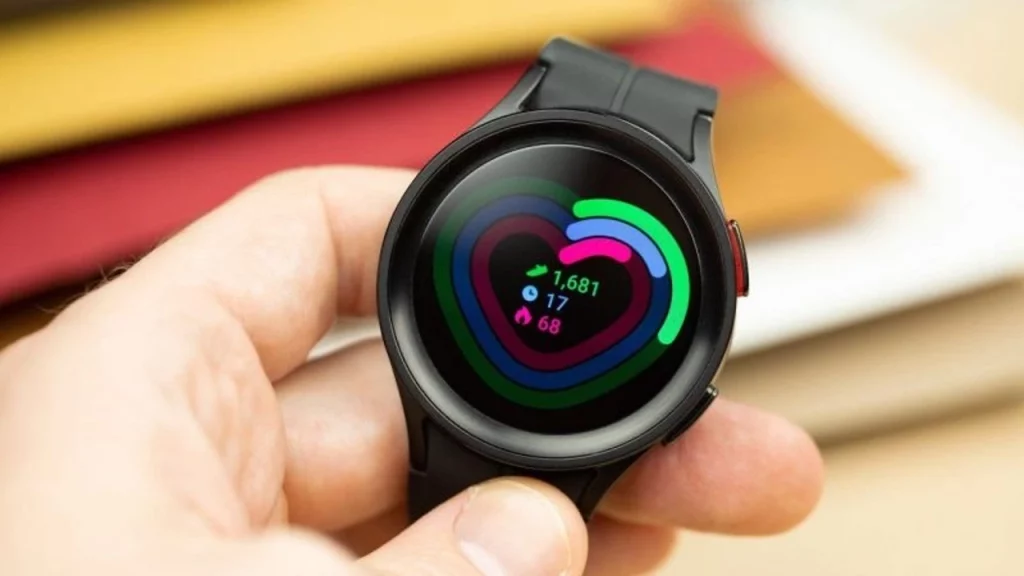
If you’re a technology enthusiast in 2024, staying up to date is an expensive hobby. Prices of rapidly advancing technological products continue to climb. For instance, flagship phones that rarely surpassed $700 just a few years ago now easily reach $1500. Thankfully, occasional promotions offer some relief. The latest of these came from Samsung, with irresistible discounts on their Galaxy Watch 6 and Galaxy Buds 2 Pro products. Here are the details…
Current Samsung Deals Include $80 Off Galaxy Watch 6 Classic, $40 Off Galaxy Buds 2 Pro
Samsung has announced a significant discount on its Galaxy Watch 6 series smartwatches and Galaxy Buds 2 Pro earbud models. For example, as part of this promotion, you can now purchase the Watch 6 for $249, discounted from its regular price of $300, representing a $50 reduction. For a more traditional look, the Watch 6 Classic is also available at an $80 discount, making it a more affordable option.
The Galaxy Buds models are also included in this discount. For instance, the budget-friendly Galaxy Buds FE are now only $89, down from their regular price of $139, offering a $50 discount. However, if you prefer a more premium product, the Galaxy Buds 2 are currently available for $109 instead of $149, with a $40 discount. As for the Galaxy Buds 2 Pro, which usually sells for $229, it’s now just $189.
However, these incredible discounts won’t last forever! If you’ve been eyeing a new headset or want the convenience of a smartwatch connection, now’s the time to act. You can check out Samsung’s official website for discounts.
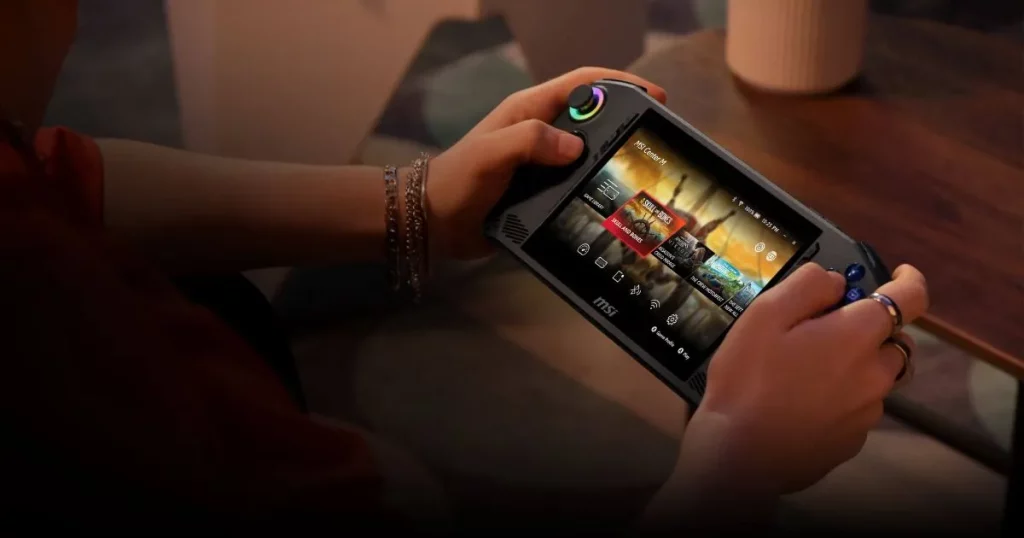
MSI has bought its handheld gaming console to the Indian market. The Claw A1M was first introduced at CES earlier in January this year. Handheld gaming consoles are becoming popular lately. With the arrival of Claw A1M in the country, it will give customers an additional option before making a buying decision. This is because the ASUS ROG Ally is another handheld console available in India since last June.
MSI Claw A1M price in India
The MSI Claw A1M carries a starting price tag of Rs 88,900 for the base model. The top-end variant costs Rs 99,990. As of now, the company has not revealed the availability and sale date of the handheld gaming console. We can expect this to be revealed in the coming days.
MSI Claw A1M specs
The MSI Claw A1M looks like any other handheld console with a D-pad, XYAB buttons, joysticks and triggers with hall effect. It features a 7-inch display bearing an FHD resolution and 120Hz variable refresh rate that changes refresh rate seamlessly without setting it manually.
Under the hood, the MSI Claw A1M is the first handheld gaming console to be powered by Intel’s processor compared to its competitors which are equipped with AMD chipsets. It is offered in Core Ultra 5 135H or Core Ultra 7 155H processor options. The device packs 16GB RAM and up to 1TB storage depending on the need. The console running on Windows 11. It is backed by a 53WHr battery unit that is claimed to last two hours on a full charge.
Additional features on the MSI Claw A1M include a Thunderbolt 4 port, a microSD card slot, a 3.5mm headphone jack, stereo speakers and a fingerprint sensor.
Midnight Black, Aurora Purple (Coral Purple), Ocean Teal, Arctic White
Midnight Black (Fushion Black), Moonlight White (Fushion White), Aurora Purple, Fushion Purple, Camo Green
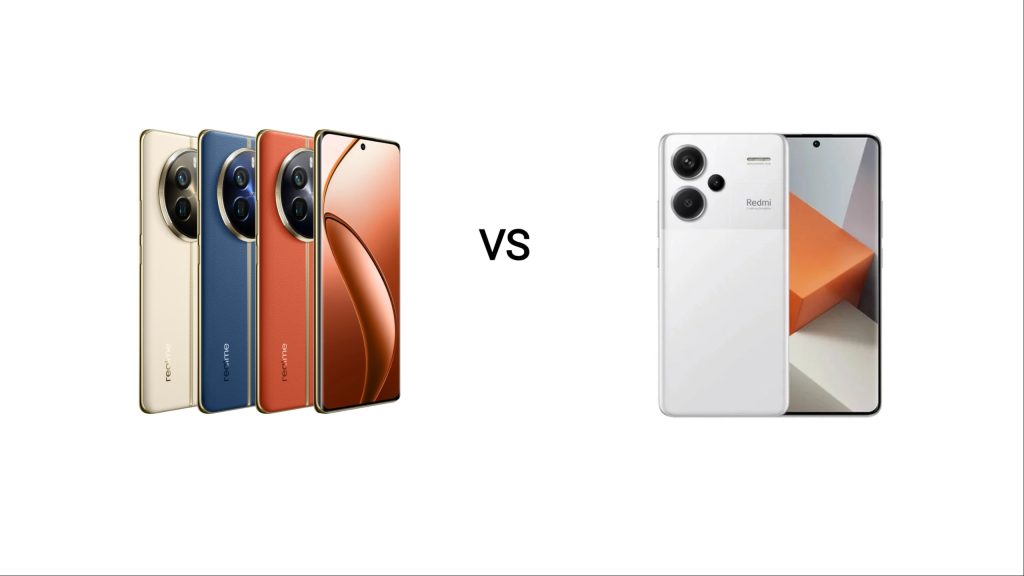
Realme 12 pro plus vs Redmi note 13 pro plus
The midrange smartphone market is packed full with a ton of options for buyers to choose from. While variety is great it often poses a challenge for most buyers as they are stuck between various options. For most buyers they might be wondering what device has the better specification, others might be contemplating on the design that suits them the most among the options they have.
You might find yourself in such a dilemma when trying to pick between the new Realme 12 Pro Plus and the Redmi 13 Pro Plus. Both devices are at the top of their individual lines, meaning that they offer the most you can get in their various series. Whether it’s pricing or design, these devices have a lot to offer, and in this article, we’ll help you to make a well-informed choice while buying.
Realme 12 Pro Plus vs Redmi Note 13 Pro Plus: Price
Realme 12 Pro Plus
Redmi Note 13 Pro Plus
₹ 32,990
₹ 34,616
-
-
Realme 12 Pro Plus
₹ 32,990
-
Redmi Note 13 Pro Plus
₹ 34,616
-
Please Note: When you buy something using the links in our articles, we may earn a small commission at no cost to you.
Realme 12 Pro Plus vs Redmi Note 13 Pro Plus: Design and colours
redmi note 12 pro plus:
Looking at the design of this smartphone it’s easy to say that the design team at Realme did a great job. The back panel of this device comes with an impressive finish and a distinctive stripe that runs down through its middle. Its flat edges add a bit of flare to its design giving onlookers something to gaze upon.
Overall this is an aesthetically pleasing device in terms of its design language as it’ll appeal to a great audience of people. For most users the curved screen on the Redmi Note 12 Pro Plus is a plus to it, but the Redmi Note 13 Pro Plus also scores that same point. The colour options on the Realme 12 Pro Plus are also quite impressive and pair well with the contrasting stripe that runs down the device’s rear panel.
Redmi note 13 pro plus:
This device as well as the Realme 12 Pro Plus bear some design similarities with each other. Just like the Realme 12 Pro Plus this device features a curved AMOLED screen with a centre-mounted screen cutout. Moving over to the rear end, this device houses a triple rear camera setup and a flash.
While the overall design of this smartphone is simple, it’ll appeal to a large number of people. There are four different shades of colour on this device with each colour option, the entire horizontal length of the camera cutout houses three colours with the cameras sitting in one, the flash in another, and the Redmi name in yet another. The entire device follows through with the Midnight Black (Fushion Black), Moonlight White (Fushion White), Aurora Purple, Fushion Purple, Camo Green colour options.
Major differences:
Lots of shiny metal parts on the Realme 12 Pro Plus.
Simpler design approach on the Redmi Note 13 Pro Plus.
Realme 12 Pro Plus vs Redmi Note 13 Pro Plus: Display
Realme 12 Pro Plus:
The curved screen approach to devices is not one that everybody likes, but it sure is good-looking, however, this device’s display is not all about looks. This device features an AMOLED screen panel that maxes out at 950 nits brightness. Gamers and other power users will be able to benefit from this device’s 120Hz refresh rate as they scroll about various actions on the device. With its 6.7-inch size, this will be classified as a large-screen device and that is something that some users fancy.
Redmi Note 13 Pro Plus:
The display on this device is quite similar to the one on the Realme 12 Pro Plus but it’s a bit smaller. Measuring aty 6.67-inch this device brings an AMOLED panel to users for a more crisp viewing experience. This is a brighter display and it supports Dolby Vision, HDR10+ display technology as well as Corning Gorilla Glass Victus for protection. With these details its easy to say that the Redmi Note 12 Pro Plus has a better display than the competition in this article.
Major differences:
Overall better display on the Redmi Note 13 Pro Plus.
Realme 12 Pro Plus vs Redmi Note 13 Pro Plus: Cameras
Realme 12 Pro Plus:
This device packs a ton of photography and videography features that can match up with other devices in its price point. There are three rear cameras mounted on this device all working together to deliver a very impressive photo or video. It has a main 50MP camera, a 64MP, and an 8MP camera for taking ultra-wide shots and 4K video recording. Up front this device has a 32MP sensor but powering it photography and videography experience is the processor that lies under this device.
Redmi note 13 pro plus:
For this device it packs more megapixels than is available in the Realme 12 Pro Plus. But more megapixels doesn’t mean a better camera as it all boils down to the photography processing ability of the devices. On this device is a 200MP main camera, an 8MP ultrawide, and a 2MP macro camera lens. This device also supports 4K video recording on its rear cameras ensuring that users can take impressive videos and up front is a 16MP selfie camera.
Major differences:
A 200MP main camera on the Redmi Note 13 Pro Plus.
No periscope telephoto lens on the Redmi Note 13 Pro Plus.
Realme 12 Pro Plus vs Redmi Note 13 Pro Plus: Performance
Redmi Note 12 Pro Plus:
For its performance abilities, this device features the Snapdragon 7s Gen 2 processor and the Adreno 710 chipset. Joining this processor is up to 12GB worth of RAM capacity buyers can also get this device with a more affordable 8GB RAM configuration. Storage here goes up to 512GB on the 12GB RAM configuration, and those getting the 8GB option can go with a 128GB or a 256GB storage option.
Redmi Note 13 Pro Plus:
On this device, users get an impressive midrange-level processor from MediaTek. The MediaTek Dimensity 7200 Ultra powers this device and joining it is up to 16GB worth of RAM capacity. The highest storage option available on this device is 512GB while the lowest option is 256GB across all memory options. If you feel that 16GB is too much for you then Redmi also offers you an 8GB and a 12GB option to pick from.
Major upgrades & differences:
More memory options on the Redmi 13 Pro Plus with 16GB RAM option.
Overall better processing power on the MediaTek Dimensity 7200 Ultra.
Realme 12 Pro Plus vs Redmi Note 13 Pro Plus: Software
Realme 12 Pro Plus:
This device runs on Android 14 out of the box with software customization from the Realme UI 5.0 software. For software support this device will keep getting updates for up to three years after it launches this month. Users will be able to stand out thanks to the Realme UI software that this device will be available with.
Redmi note 13 pro plus:
Here the Redmi Note 13 Pro Plus falls back in comparison with the Realme 12 Pro Plus. This device launched out of the box with Android 13 and offers 3 year OS upgrade meaning this device will phase out before the Realme 12 Pro Plus. For customization features this device uses the MIUI 14 software bringing a ton of features.
Major differences:
Realme UI on the Realme 12 Pro Plus and MIUI on the Redmi Note 13 Pro Plus.
The Realme 12 Pro Plus will get Android 17 while the Redmi Note 13 Pro Plus won’t.
Realme 12 Pro Plus vs Redmi Note 13 Pro Plus: Battery life and charging
Realme 12 Pro Plus:
This device comes with a 5000mAh battery capacity, which will be able to carry it through the day on a single charge. It also supports 67W fast wired charging which is great for users who want to charge up their device while on the go. Sadly this device doesn’t feature wireless charging as some might want it to.
Redmi note 13 pro plus:
On this device we spot a similar battery capacity to the Realme 12 Pro Plus which measures in at 5000 mAh. However, this device outperforms the Realme 12 Pro Plus by supporting 120W fast charging taking the battery from 0% to 100% in just 19 minutes. Considering its price range this device doesn’t offer users wireless charging.
Major differences:
Faster charging on the Redmi Note 13 Pro Plus.
Realme 12 pro plus vs Redmi note 13 pro plus: Final Verdict
Overall the Redmi Note 12 Pro Plus is a better device than the Realme 12 Pro Plus offering lots of benefits. It comes with more memory than the competition, a better processor, a brighter display, and faster charging. However, despite being better than the Realme 12 Pro Plus, it is also more expensive than this device.
The Realme 12 Pro Plus isn’t also a bad device as it outshines the Redmi Note 13 Pro Plus by offering a periscope telephoto lens. It also offers one more update that the Redmi Note 13 Pro Plus won’t get. In terms of design, the option from Realme will also be a better pick for most people.
So which are you going for, which do you think will better serve your needs? Will it be the newer option from Realme or the older entert from Redmi? Let us know in the comment section below.
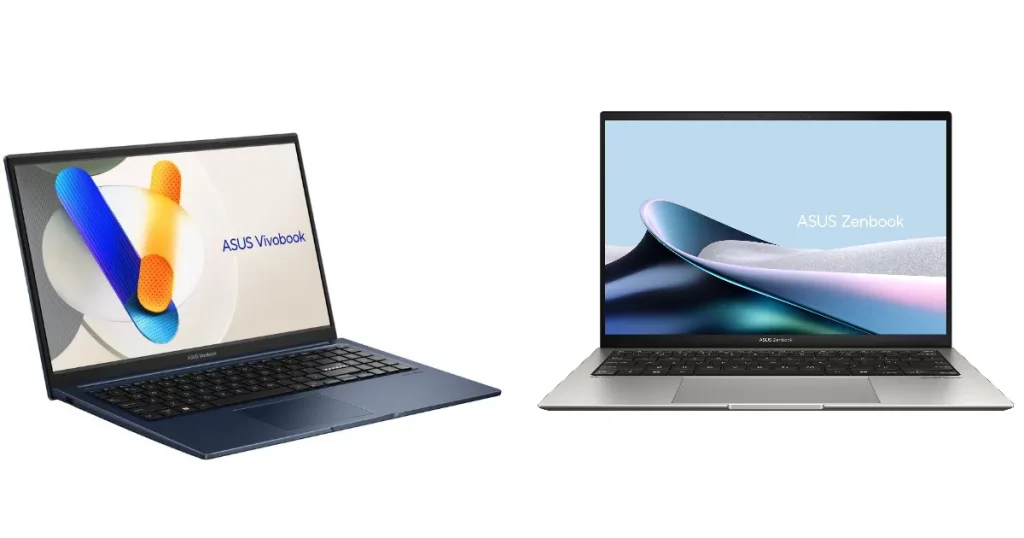
ASUS has launched two new laptops in India. These include the Zenbook S13 OLED and Vivobook 15. The former is a premium offering whereas the latter is a mid-range laptop. Both machines are equipped with Intel Ultra processors. Read on to know what the laptops offer out of the box.
ASUS Zenbook S13 OLED and Vivobook 15 specifications
Beginning with the more premium Zenbook S13 OLED, it has a 13.3-inch display bearing a resolution of 2.8K pixels. The device offers 600 nits peak brightness, DisplayHDR 600 True Black, and Dolby Vision. The laptop features a backlit keyboard and an FHD IR webcam. It is equipped with Harman Kardon stereo speakers with Dolby Atmos.
As for the ASUS Vivobook 15, it features a 15.6-inch FHD display with a 250 nits peak brightness. This one has an HD webcam with a privacy shutter. Both the Vivobook 15 and Zenbook S13 OLED boast military-grade MIL-STD 8120H durability.
Under the hood, the Zenbook S13 OLED is equipped with Intel Core Ultra 7 processor paired with Iris Xe graphics. It packs up to 32GB RAM and 1TB storage. Meanwhile, the Vivobook 15 is offered in Core i5 and i3 options with up to 8GB RAM and 1TB storage. The S13 OLED is powered by a 63Wh battery cell with support for 65W charging whereas the Vivobook 15 runs on a 42Wh unit with 45W charging.
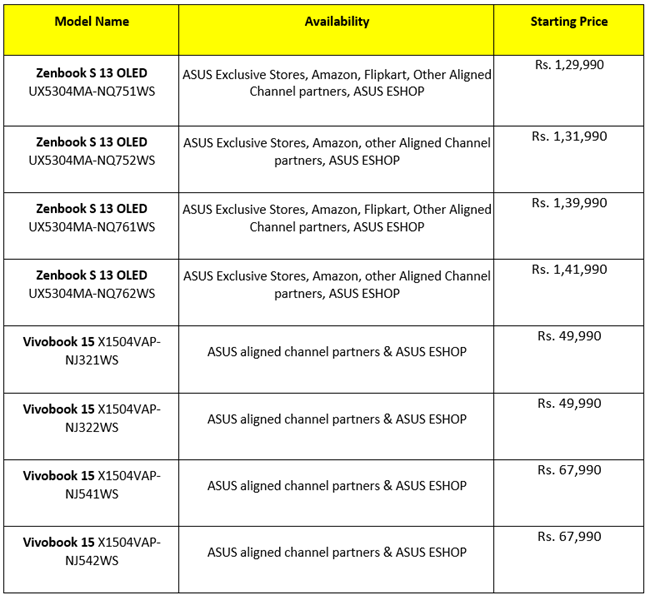
The ASUS Zenbook S13 OLED starts at Rs 1,29,990 whereas the Vivobook 15 carries a starting price tag of Rs 49,990 for the base model. Take a look at the pricing for other models in the image below. Both laptops are available for purchase starting today from ASUS Exclusive Stores, Amazon.in, Flipkart, and offline retail stores.
Midnight Black, Aurora Purple (Coral Purple), Ocean Teal, Arctic White
White, Graphite, Lavender, Olive
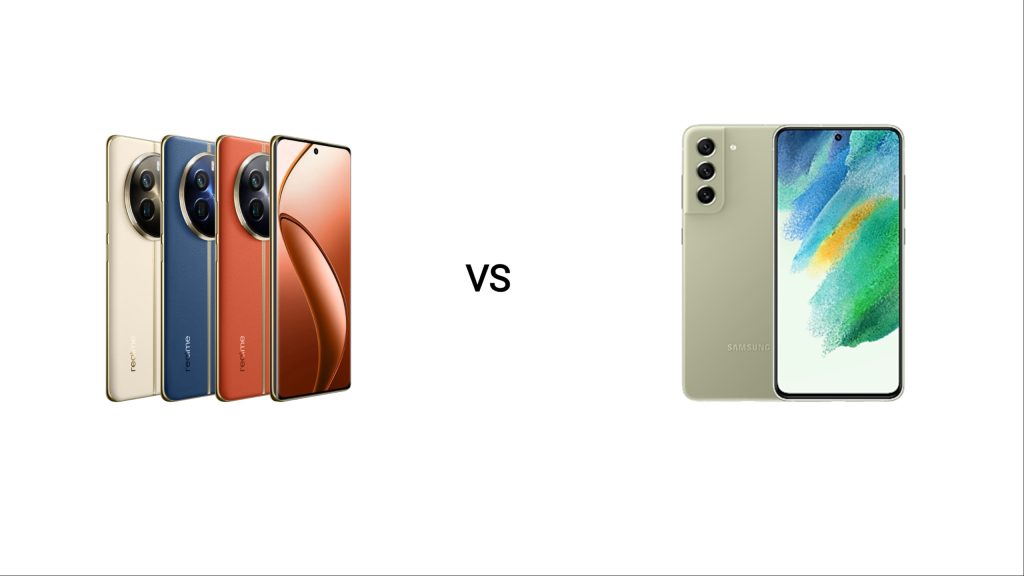
Realme 12 Pro Plus vs Galaxy S21 FE comparison table
Sometimes, when purchasing a used device, it’s best that you go for the older options. In this article, we will pit a new and an older Android midrange device against each other, the Realme 12 Pro Plus vs. the Galaxy S21 FE. At the end of this article, you’ll get enough information to help you make the right choice when shopping for either of these devices.
While the majority of buyers might choose the S21 FE over the option from Realme, there are a few things to take in mind. There are some notable areas where the Realme 12 Pro Plus outshines the S21 Fe and vice versa. But which is a better buy? Let’s now weigh the two options side by side.
Please Note: When you buy something using the links in our articles, we may earn a small commission at no cost to you.
Realme 12 Pro Plus vs Galaxy S21 fe: Design and Colors
Realme 12 Pro Plus:
Looking at the design of this smartphone, it’s easy to say that the design team at Realme did a great job. The back panel of this device comes with an impressive finish and a distinctive stripe that runs down through its middle. Its flat edges add a bit of flare to its design, giving onlookers something to gaze upon.
Being a newer design, its design is far more aesthetically pleasing than the Samsung Galaxy S21 FE, as this device was launched about two years ago. For most users, the curved screen on the Redmi Note 12 Pro Plus gives it an edge over its rival in this article. The color options on the Realme 12 Pro Plus are also quite impressive and pair well with the contrasting stripe that runs down the device’s rear panel.
Galaxy S21 FE:
At this moment, it is easy to say that the design of this device has fallen into the shadows considering its age and the design upgrades Samsung now offers its buyers. But one fact remains that the Samsung Galaxy S21 FE is a very simple device that suits those who don’t want something shouty. It features the design that was launched with the Samsung Galaxy S21 series.
However, the Galaxy S21 FE does things a little differently from the other S21 devices. It’s a bit more subtle, replacing the metal camera cutout on its siblings with a plastic cutout. Its flowing design makes it easy to grip as well, and its color options are eye-catching and impressive.
Major differences:
A more impressive design on the Galaxy S21 FE.
Curved screen display on the 12 Pro Plus.
Lots of shiny metal parts on the Realme 12 Pro Plus.
More modern design on the Realme 12 Pro Plus.
Simple design approach on the Samsung Galaxy S21 FE.
realme 12 pro plus vs galaxy s21 fe: Display
Realme 12 Pro Plus:
The curved screen approach to devices is not one that everybody likes, but it sure is good-looking, however, this device’s display is not all about looks. This device features an AMOLED screen panel that maxes out at 950 nits of brightness. Gamers and other power users will be able to benefit from this device’s 120Hz refresh rate as they scroll about various actions on the device. With its 6.7-inch size, this will be classified as a large-screen device, and that is something that some users fancy.
Galaxy S21 FE:
Coming from Samsung, you can only expect the best out of this device, despite it being older than the Redmi Note 12 Pro Plus. It features a dynamic AMOLED screen display panel with HDR10+ technology for a better viewing experience. Just like the competing device in this article, the Galaxy S21 FE supports a 120Hz refresh rate and is also great for gaming and other activities. This device comes with a smaller 6.4-inch screen display, which some might consider to be the start of the contact screen device category.
Major differences:
The 12 Pro Plus comes with a curved screen.
12 Pro Plus comes with a larger screen size.
Samsung Galaxy S21 FE comes with a smaller, compact display size.
Realme 12 Pro Plus vs Galaxy S21 FE: Cameras
Realme 12 Pro Plus:
This device packs a ton of photography and videography features that can match up with other devices at its price point. There are three rear cameras mounted on this device, all working together to deliver a very impressive photo or video. It has a main 50MP camera, a 64MP, and an 8MP camera for taking ultrawide shots and 4K video recording. Up front, this device has a 32MP sensor, but powering it photography and videography experience is the processor that lies under this device.
Galaxy S21 FE:
Just like the competition, this is an impressive camera device that packs three rear cameras and one front-facing camera. On the rear, this device features a 12MP main sensor, an 8 MP telephoto, and a 12 MP ultrawide sensor and on its rear cameras, this device can record 4K videos. For its selfie lens, this device comes with a 32MP sensor that also shoots 4K videos, unlike the competition in this article. These cameras are supported by a one-time flagship-level processing power, which makes images taken on this device stand out.
Major differences:
A 50MP main camera is on the Realme 12 Pro Plus.
No 4K video recording on the front-facing camera of the Realme 12 Pro Plus.
Realme 12 Pro Plus vs Galaxy S21 FE: Performance
Realme 12 Pro Plus:
For its performance abilities, this device features the Snapdragon 7s Gen 2 processor and the Adreno 710 chipset. Joining this processor is up to 12GB worth of RAM capacity, buyers can also get this device with a more affordable 8GB RAM configuration. Storage here goes up to 512GB on the 12GB RAM configuration, and those getting the 8GB option can go with a 128GB or a 256GB storage option.
Galaxy S21 FE:
There are two processor options for this device and each offers good performance, but one wasn’t the best pick for most buyers. The options on this device are the Snapdragon 888 5G processor and the Exynos 2100 with the latter not being the best pick for most buyers when this device launched. Memory on this device goes up to 8GB, and users can settle for the 6GB option as well. Storage here is 128GB or 256GB available on both memory options.
Major upgrades & differences:
More storage options on the Realme 12 Pro Plus 12GB RAM option.
Two processor options on the Samsung Galaxy S21 FE.
Realme 12 Pro Plus vs Galaxy S21 FE: Software
Realme 12 Pro Plus:
This device runs on Android 14 out of the box with software customization from the Realme UI 5.0 software. For software support, this device will keep getting updates for up to three years after it launches this month. Users will be able to stand out thanks to the Realme UI software that this device will be available with.
Realme 12 Pro Plus:
This affordable device from Samsung launched with Android 12 out of the box and One UI software for customization features. Over the years, this device has got a ton of updates and is now running Android 14 and One UI 6. This device is eligible for a few more OS updates before we can close the curtains on its existence.
Major differences:
Realme UI on the Realme 12 Pro Plus and One UI on the Galaxy S21 FE.
Realme 12 Pro Plus vs Galaxy S21 FE: Battery life and charging
Realme 12 Pro Plus:
This device comes with a 5000mAh battery capacity which will be able to carry it through the day on a single charge. It also supports 67W fast wired charging, which is great for users who want to charge up their device while on the go. Sadly, this device doesn’t feature wireless charging as some might want it to,
Galaxy S21 FE:
A smaller 4500mAh battery is available on the Samsung Galaxy S21 FE, this capacity is still okay for everyday usage. For its fast charging, this device supports 25W fast wired charging and 15W fast wireless charging. With this device, users can benefit from its reversed wireless charging to power their accessories wirelessly.
Major differences:
Faster charging on the Realme 12 Pro Plus.
Bigger battery on the Realme 12 Pro Plus.
Realme 12 Pro Plus vs Galaxy S21 FE: Final Verdict
If you are going for a close flagship experience with your device, then the Samsung Galaxy S21 FE might give you that. However, the Realme 12 Pro Plus is a solid flagship device killer, and it packs a punch in terms of its performance. Since the Realme 12 Pro Plus is a newer device, it brings a newer processor as well as other newer components.
In terms of design, the new Realme 12 Pro Plus is a better pick, but for a touch of simplicity the Galaxy S21 FE does it better. You can also expect better performance from the Realme 12 Pro Plus, as well as a more solid battery life and faster charging speeds. So which is it going to be for you, the new gods or the old gods?
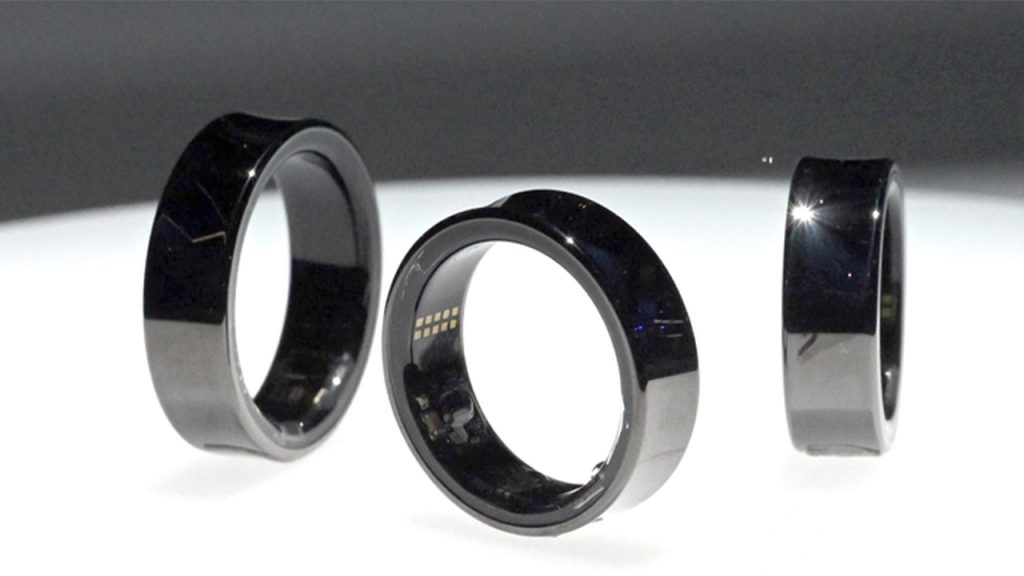
A new report out of South Korea reveals the production capacities of the Samsung Galaxy Ring. The wearable device which was first showcased in January is slated to launch in the second half of this year. It has already garnered a lot of interest. A host of details about the Galaxy Ring have also been confirmed.
Samsung Galaxy Ring production details revealed
The Elec reports that Samsung is aiming to produce 400,000 units initially of the Galaxy Ring. This is to meet the demand as per the South Korean brand’s expectations. The estimate is quite ambitious since smart rings have recently started gaining traction. Mass production of the wearable device is set to commence in May.
The report also adds that Samsung will be able to keep up if the demand surpasses their expectations. It will ramp up production due to the small form factor and the absence of any ongoing part shortage. The Galaxy Ring is expected to debut in late July or early August at an Unpacked event that focuses on next-generation foldables, tablets, and smartwatches. The publication also reveals that sales could begin sometime in August.
So far, Samsung has confirmed that the Galaxy Ring will be available in nine different sizes, three colour options, and will pack a battery life of nine days. The smallest size will have a battery cell of 14.5mAh whereas the largest model will be backed by a 21.5mAh unit. Apart from Samsung devices, it will also be compatible with other Android phones but won’t work with iOS.
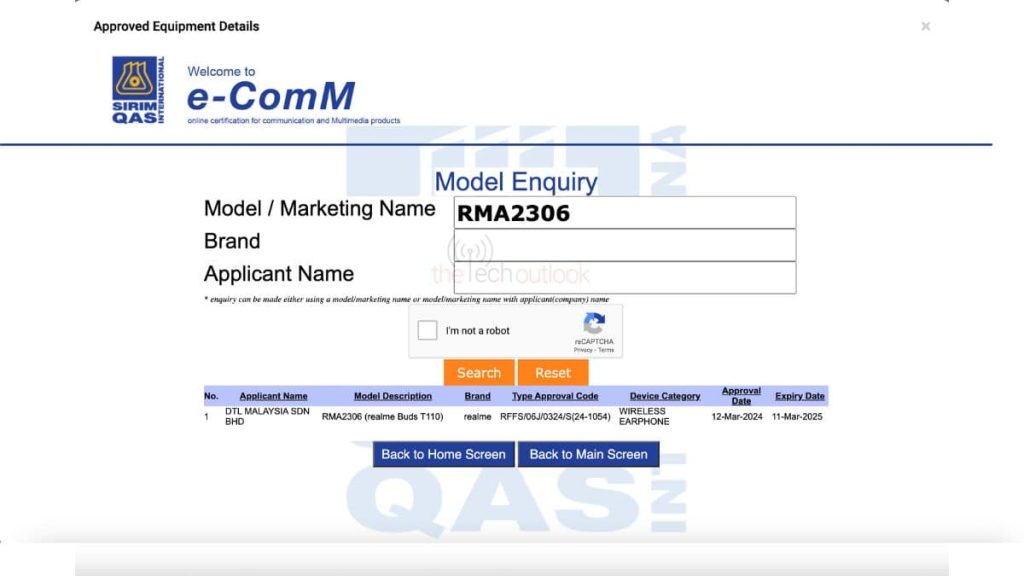
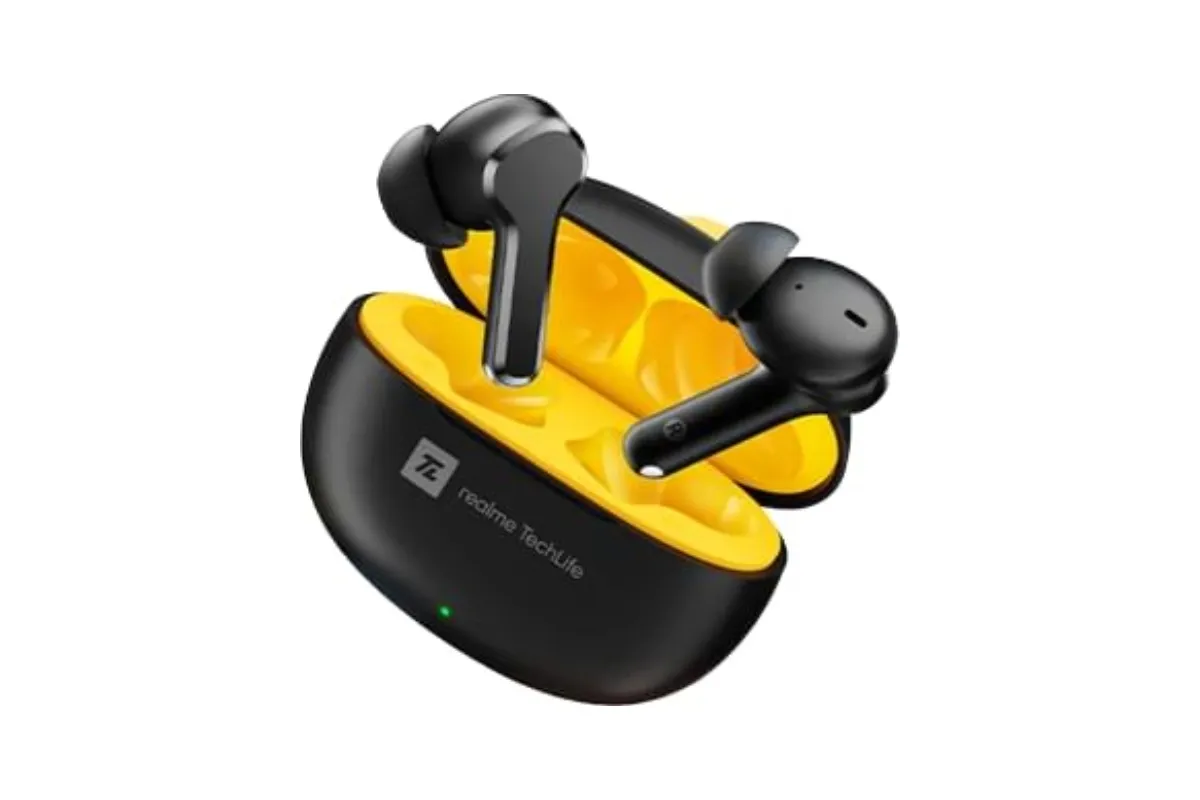
Realme has teased a new color Dome Green variant for its Buds T300 TWS earbuds, which it plans on launching alongside the Narzo 70 Pro 5G smartphone on 19th March 2024. Apart from that, a new certification listing for the Realme Buds T110 has now surfaced online.
The Realme Buds T110 has been spotted on Malaysia’s SIRIM website (via TheTechOutlook) with model number RMA2306. Although the certification does not reveal much in terms of specifications, it does indicate that the Buds T110 could soon launch in Malaysia. While we wait for more details, we can look at its predecessor, the Realme Buds T100, also known as the TechLife Buds T100, to get an idea of what to expect.
Realme Buds T100 specs:
The Buds T100 TWS earbuds feature 10mm drivers with a specialized composite diaphragm for enhanced bass. They also include AI ENC for better call quality by reducing background noise. With a dedicated low latency mode and support for Google Fast Pair, they offer smooth connectivity.
As per official claims, the buds provide 6 hours of playtime, with an additional 28 hours from the charging case. Fast charging provides 2 hours of playback with just 10 minutes of charge. They are IPX5 water-resistant and equipped with Bluetooth 5.2 for connectivity.
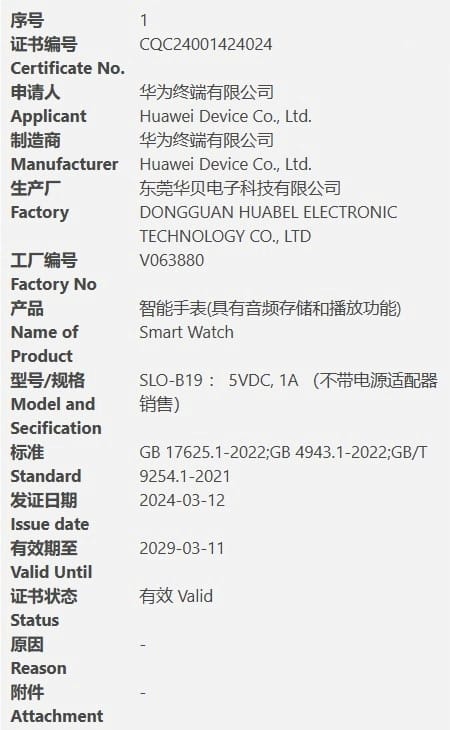
Huawei teased the Watch Fit 3 quite a while ago on July 17 last year noting “revealing soon“. Now a smartwatch model noted as SLO-B19 has recently passed CQC product certification, which is expected to be the Huawei Watch Fit 3. Certification information reveals that this watch will have audio storage and playback functions. Additionally, Huawei followed the trend of not including a charger for this upcoming watch. It has been reported that Huawei could launch the Watch Fit 3 at the Huawei P 70 series launch event.
Huawei Watch Fit 3 CQC
What to expect?
Not much is known about the upcoming watch at this point. The company launched the Huawei Fit 2 with a rectangular 1.74-inch AMOLED display with a resolution of 336×480 and a pixel density of 336PPI. It offers an always-on display and a water resistance of up to 50 meters. Its health tracking features include a heart rate sensor, blood oxygen monitoring, sleep tracking, etc. For connectivity, the device is equipped with Bluetooth 5.2 and NFC. For power, Watch Fit 2 comes with a 292mAh battery that is rated to last 10 days in typical usage. This device was priced at 799 Yuan, which is currently relative to 110 USD.
Notably, the Huawei Watch Fit 3 is expected to equip a heart rate monitor and a SpO2 sensor. The Watch Fit 3 will also reportedly get 97 different workout modes alongside offering the traditional sleep pattern and stress level tracking features.
However, the P70 series’ launch event, where we are expecting the revelation of the Watch Fit 3, has reportedly been delayed. A reliable tipster Digital Chat Station reported that the launch event, which was initially expected to be held this month, has been postponed. Stay tuned as we will update as more information about the upcoming products comes out.
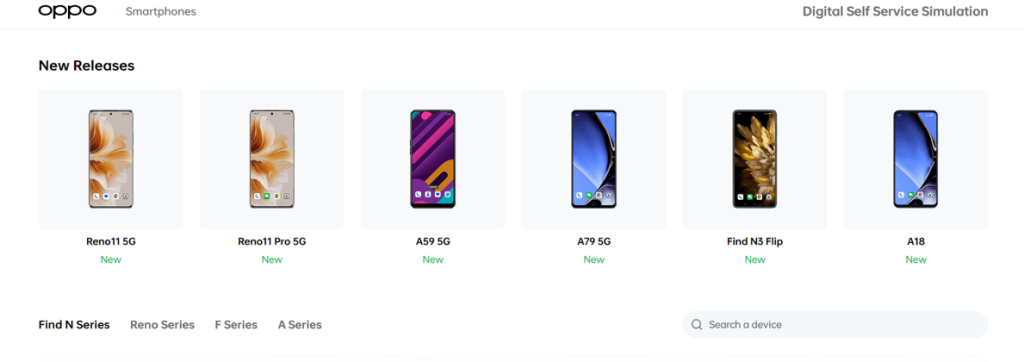
Oppo has just announced a brand-new service to improve the after-sales experience on its smartphone for its customers. The company is bringing a digital self-help assistant that enables instant smartphone support. So here’s everything you need to know.
Oppo India Digital Self-Help Assistant
Oppo India unveiled this new service on World Consumers Rights Day. The new digital service basically lets customers resolve issues related to their smartphones without having to physically go to a service center. As per official notes, this is a first-of-a-kind initiative in India and is available for all Oppo smartphones, meaning your A, F, K, Reno, and Find series are eligible for this service. This program is also in line with the Indian Government’s “Right to Repair” drive.
According to Savio D’Souza, Director of Product Communications at OPPO India, “Indian consumers are very tech-savvy, and this portal provides users with all the information they would need to troubleshoot their OPPO smartphones without making a trip to the service centre. With the Self-Help Assistant, OPPO makes things simpler for consumers; this initiative is about empowering them and enhancing their experience of owning an OPPO device.” To get access to this service, Oppo smartphone owners simply need to head to Self-Help Assistant on the official Indian website.
One can even go to the MyOppo app and click on the Support Tab to access the Self-Help Assistant. Consumers can then select their device from the menu and pick between Troubleshooting and Simulation options. The latter offers over 400+ settings and functions to test the Camera, Memory, Recording, Backup, Wi-Fi, Hotspot, and more. This setting also brings a digital step-by-step guide as well. Meanwhile, Troubleshooting can help resolve software issues that are related to data and networks. Oppo will even bring multilingual support and integrate IoT products in the next phase.
The ongoing tussle between major chip manufacturers and the U.S. government has thrown Huawei’s chip supply into uncertainty. Intel, amidst mounting pressure, retains its license to sell advanced laptop CPUs to Huawei, while its rival AMD finds itself caught in bureaucratic limbo. These developments not only shed light on the intricate dynamics of U.S.-China tech relations but also underscore the economic stakes at play.
Since the Trump administration’s decision in September 2020 to grant Intel a license to continue supplying chips to Huawei, the industry landscape has been marked by intense competition and political maneuvering. AMD’s efforts to secure a similar license hit a dead end, leaving the company grappling with a significant revenue disparity estimated at over $512 million.
The disparity in licensing treatment has not gone unnoticed. AMD’s claims of unfair treatment have been bolstered by industry skeptics and political figures like Republican Senator Marco Rubio, who have urged the Biden administration to reassess the situation. Despite these calls, government officials have remained tight-lipped, leaving the fate of Intel’s license uncertain as it approaches expiration later this year.
Huawei, a key player in the global laptop market, faces the brunt of these regulatory uncertainties. With the majority of its CPUs still sourced from Intel, any further limitations on chip sales could spell trouble for the company’s laptop offerings, according to analysts. The Chinese tech giant’s growing market share, particularly in its home country, hinges on its access to Intel chips, making the outcome of these deliberations critical for its prospects.
The complexities of the situation extend beyond AMD and Intel, impacting other chip makers like Qualcomm and MediaTek. While Qualcomm managed to secure a license to power Huawei’s smartphones, Mediatek faced a setback when its application was denied, resulting in a sharp decline in sales.
As the industry braces for potential policy shifts, Microsoft’s recent collaboration with Intel for chip manufacturing further underscores the significance of these developments. Amidst the backdrop of escalating U.S.-China tensions, companies are navigating a precarious landscape where regulatory decisions have far-reaching implications for global supply chains and market dynamics.
While the fate of Intel’s license hangs in the balance, the broader ramifications of these licensing policies echo across the tech industry.
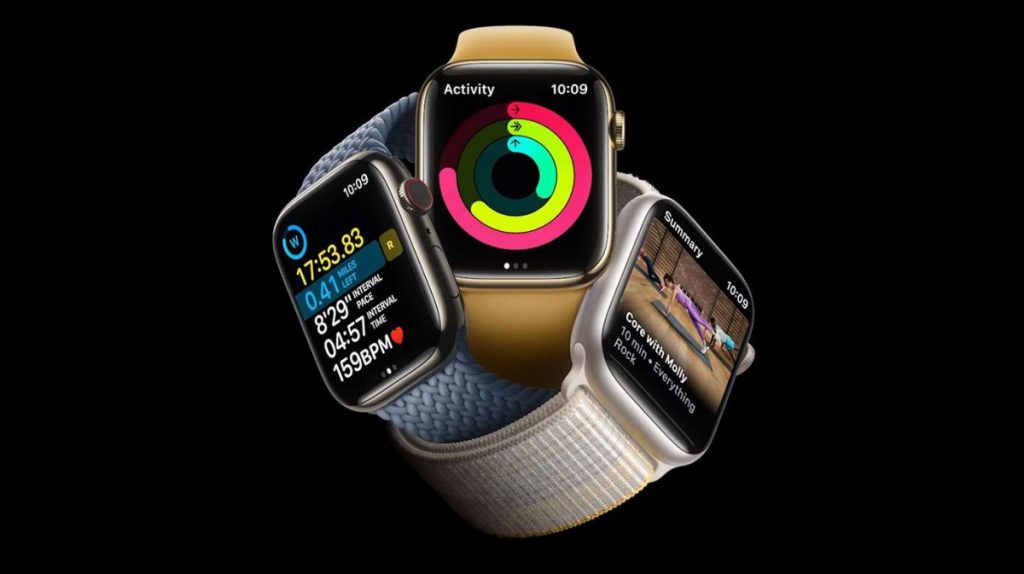
The Apple Watch Series 8 has just received a massive discount in the Indian market. The company first unveiled the smartwatch back in 2022, and now, this model has received a major discount worth over 20,000 INR. So here is everything you need to know.
Apple Watch Series 8 Goes on Sale for Rs 24,999
At the moment, the Cupertino based giant’s Apple Watch Series 8 41mm variant is listed for just 24,999 INR (roughly 302 US Dollars). It is worth noting that the model was first launched in India for a 45,900 INR price tag. In other words, buyers are getting a discount worth 20,901 INR or about a 45 percent discount. This deal is currently available on Flipkart, which is a popular e-retailer in the region.
This is not all, the company is also offering an additional discount worth up to 1,500 INR to Axis, Citi, and ICICI Credit Card transactions. Keep in mind that only the Midnight Black color option is listed with this discounted price tag. At this price range, the Apple Watch Series 8 is a great deal. While it lacks some features of the newer Apple Watch Series 9, the Watch Series 8 is almost identical to the Watch Series 9.
For those unaware, the Watch Series 9 was released in India in September 2023. Since the Apple Watch Series 9 is available on Flipkart for 32,999 INR, the Watch Series 8 is a sweet option if you don’t want to spend another 8,000 INR.
We use cookies on our website to give you the most relevant experience by remembering your preferences and repeat visits. By clicking “Accept”, you consent to the use of ALL the cookies.
This website uses cookies to improve your experience while you navigate through the website. Out of these, the cookies that are categorized as necessary are stored on your browser as they are essential for the working of basic functionalities of the website. We also use third-party cookies that help us analyze and understand how you use this website. These cookies will be stored in your browser only with your consent. You also have the option to opt-out of these cookies. But opting out of some of these cookies may affect your browsing experience.
Necessary cookies are absolutely essential for the website to function properly. This category only includes cookies that ensures basic functionalities and security features of the website. These cookies do not store any personal information.
Any cookies that may not be particularly necessary for the website to function and is used specifically to collect user personal data via analytics, ads, other embedded contents are termed as non-necessary cookies. It is mandatory to procure user consent prior to running these cookies on your website.